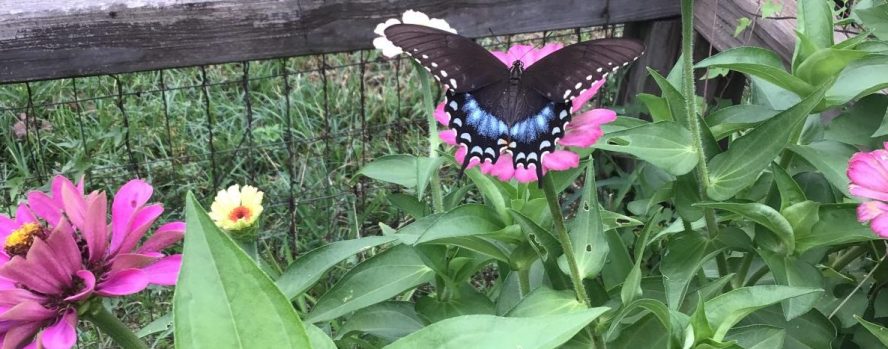

Lemon Balm — Melissa Officinalis
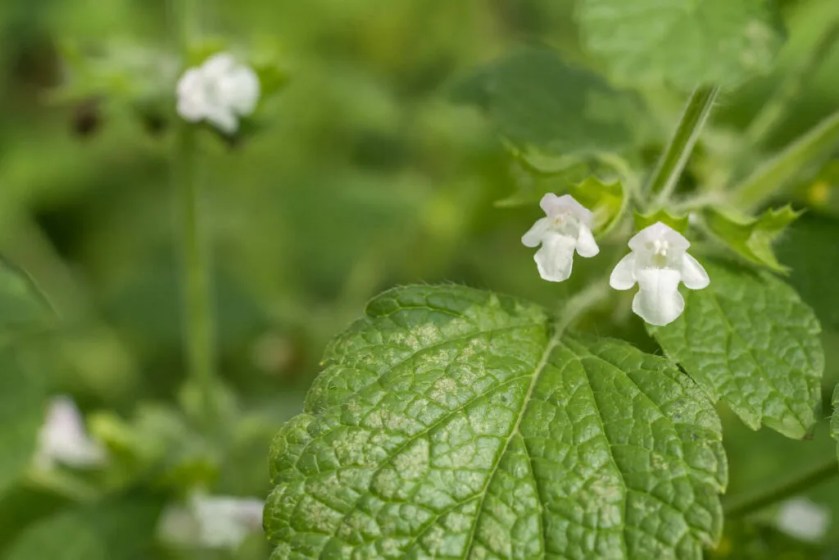
I’m adding another from Gavin’s Newsletter to the Herbal Explorations pages—the very popular Lemon Balm. Gavin does such a thorough job of covering it and I’m excited to start working with it more. I grow it, like mint, mostly for the bees, but like mint, I don’t use it nearly enough.
I’ve copied some favorite parts from his article below, but I’m sure I’ll be referencing it again directly in the future.
I really recommend viewing his full post and would love for any readers to add your own experiences with growing and using lemon balm as well, here in the comments section.
“I love this plant as it is very easy to grow (in fact, it now grows itself in our garden without any assistance) it provides forage for native pollinators while repelling mosquitoes and provides a long list of medicinal benefits.
Lemon balm’s pain-relieving properties may make it an ideal choice for relieving muscle and toothache pain. In addition to drawing on its relaxing properties, this home remedy targets inflammation in the body.
“The leaves of lemon balm contain potent astringent and antibacterial properties useful for many things including cleansing wounds and pores to reduce blackheads. Due to rosmarinic acid, one of lemon balm’s key antioxidant ingredients, the herb also benefits the complexion.
On top of all that, this herb is versatile in a culinary sense (providing fresh and enlivening flavors and aromas that lend themselves to enhancing creations in the kitchen).
“In the late 14th century, the nuns of the Carmelite Abbey in France began to make a “miracle water” using the lemon balm found in the monastery’s gardens. This is known as Carmelite water, which consisted of multiple herbs and spices with Melissa officinalis always as the main ingredient. This “perfume,” as it was called, was very fragrant and it was used to cover body odors as people seldom bathed in those days. This formula was also called “Eau de Melisse,” and it was revered by kings and nobles as well as commoners. It became a popular cure-all for various ailments and was used both internally and externally. Nicholas Culpepper, the 15th century English botanist and physician, praised the virtues of Carmelite water writing: “It causeth the Mind and Heart to becom merry, and reviveth the Heart fainting to foundlings, especially of such who are overtaken in their sleep, and driveth away al troublesome cares and thought…
“By the middle ages it was cultivated throughout all of Europe.
Spiritually it is said in some cultures that lemon balm is known to balance feelings and emotions. It was used in ritual baths to invoke the Goddess, making you more appealing in the world of love and romance.
Lemon balm has been associated with the feminine, the moon and water. It was considered sacred in the temple of the ancient Roman goddess Diana.
It was first mentioned in medieval manuscript as “Herbe Melisse” in 1440. ( It’s botanical name, Melissa, stands for “bee” in Greek. Avicenna, a Muslim herbalist, recommended Melissa “to make the heart merry”.
The Swiss physician and alchemist Paracelsus (1493-1541) believed that lemon balm was an “elixir of life” and would increase strength and lengthen life.
After it’s introduction by settlers and subsequent naturalization (in what is now known as the United States) the Cherokee people used the herb as a remedy for fevers, colds, chills and typhus.”
“Lemon balm contains within it the virtues of a dozen other plants”
~ Hildegarde von Bingen
12th century mystic and healer of Germany
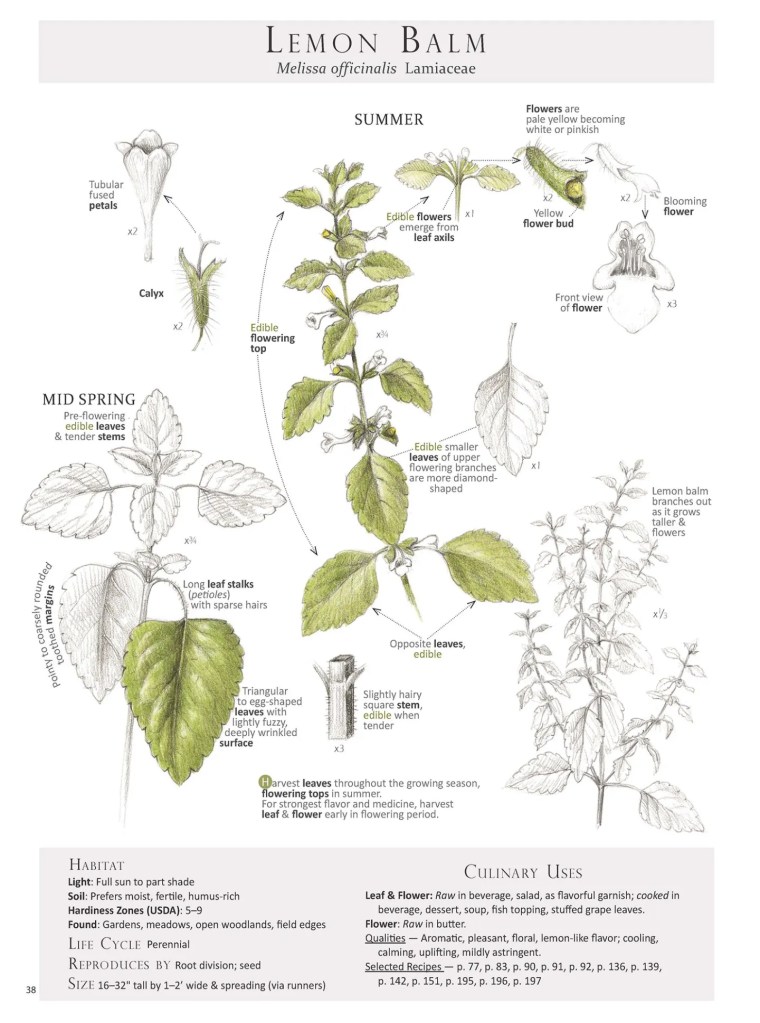
“Keep in mind that like mint, lemon balm grows incredibly fast in rich, well drained, moist soil that receives lots of sun. In the right conditions, it can even become massive. Once you discover all of the useful benefits of having this plant around, I’m sure you’ll be more than fine with that!
“Lemon Balm Repels Annoying Bugs
This herb has the ability to repel ants, mosquitoes, and flies with its high amount of compounds that resemble the scent of citronella.
Try making this easy herbal no bug balm to keep those pesky mosquitoes at range. Out on a hike and forgot to bring your bug balm? Find some lemon balm, crush the leaves, and rub them directly onto your skin! The same can be said of yarrow.
“As We Explored Above, Lemon Balm has Medicinal Benefits:
Not only is this plant great in the garden, but it’s also an excellent gem to keep in your herbal remedy cabinet.
“Ancient Greeks used lemon balm steeped in wine to relieve the symptoms of fevers. Put together your own ginger and lemon balm cold/flu syrup to relieve those same symptoms today.
“This super healing lip balm uses the antiviral effects of lemon balm to quickly clear up cold sores. You can also use it in an herbal salve to speed healing of minor wounds. Lemon balm may also reduce menstrual cramps and premenstrual syndrome when taken daily for a prolonged period of time.
Lemon Balm also Attracts Beneficial Wildlife.
Traditional Medicinal Uses:
“Herbal Actions: Nervine: acts on the nerves. Sedative: calming agent. Mild Antidepressant: relieves feelings of depression. Mild Antispasmodic: reduces voluntary or involuntary muscle spasm. Carminative: gently calms the nerves. Lemon balm is a relaxing diaphoretic as opposed to a stimulating diaphoretic. Antiviral: destroys or suppresses growth of viruses, generally by supporting the immune system. Antioxidant: prevents free radical or oxidative damage.
Specific use for dyspepsia associated with anxiety and/or a depressive mood. It is indicated for someone with symptoms typical of hyperthyroidism (inhibits TSH binding to receptors): anxiety, restlessness, palpitations, headache, and excitability and also is a mild anti-depressant. It strengthens the brain and its resistance to stress/shock, and lifts the spirits. It has tonic effects on the heart and circulatory system and can be used topically for herpes and other viral infections. Can also be used topically for gout and internally for rheumatism and neuralgias.
Practical Uses:
“What do you do with lemon balm? The most useful parts of this plant (and the way it found its name) are the leaves.
Compounds are extracted from the leaves and used to make lemon balm oil, tincture, salves and various medicines.
You can use the leaves in combination with other powerful herbs such as Yarrow in order to make effective (all natural, non-toxic and skin enhancing) mosquito repellant. Here is a link to an example of one such recipe: https://thenerdyfarmwife.com/lemon-balm-bug-spray/
Some of the most popular lemon balm uses include using the leaves in the kitchen to make tea and flavor dishes, as well as to create perfume oils and insect repellents. Some people even use it to make homemade toothpaste.”
Gavin’s article continues with many more pages of useful details about Lemon Balm, including lots of recipes and more detailed medicinal uses, loads of links and references and excellent images.
Thank you for inspiring me once again, Gavin!


Last year I used lemon balm infused oil to make lip balm. I’ve used it every day as I am very prone to cold sores and I haven’t had one since I started using it. The second I feel a tingle (which is very rarely now), I slap more on and the cold sore doesn’t appear. It’s a fantastic plant. Will check out the sites you mentioned too, thank you.
LikeLiked by 1 person
Great, glad to hear it! I will definitely be making lip balm. Thanks for sharing!
LikeLiked by 1 person
Ooh this sounds like a good idea too!
LikeLiked by 2 people
Honestly Katherine, I used to get them so bad on a regular basis and haven’t had ANY this year at all.
LikeLiked by 2 people
I don’t get cold sores but i definitely want to make some lip balms and I think lemonbalm would be perfect for that.
LikeLiked by 2 people
Me too, and I’ve got some good advice from an herbalist friend to my email about that yesterday. Going to edit it and then post, hopefully later today or tomorrow.
LikeLiked by 1 person
Here is her addition, sorry it took so long! I’m going to paste it into the text of Herbal page directly for future reference.
“In my experience Melissa combines well with peppermint, which lifts the slightly heavy lemon-grass-like scent, especially for relaxing gut muscle and head tension. On its own or in this combo can also help relieve constipation where the sluggishness is due to muscle tension and gut muscle tension secondary to nervous system tension and stress.
The small-batch distilled essential oil is the most potent form and can give excellent relief from the persistent and intense nerve related pain of ‘shingles’, especially combined with St John’s Wort oil (a fixed oil).
A poultice of the crushed/bruised fresh leaves could also be helpful if that was more readily available.
The lip balm can be strengthened also by the addition of SJW oil & possibly Licorice if you have that as a tincture or powder. Licorice is also anti-inflammatory, SJW is restorative to nerves.
(SJW = Hypericum perforatum).
Melissa – Best fresh, but does dry well – recommend keeping the dried leaves entire and just crushing when you’re on the point of making a brew.
Carminative herbs relax gut muscle tension and relieve gas. It’s possible that Melissa does this by its action on nerves – there are more nerves in the belly than there are in the brain, apparently, so the accepted wisdom goes.. Other carminative herbs like Fennel, Dill, Aniseed, Ginger don’t have a reputed action on nerves directly.”
LikeLiked by 1 person
My lemonbalm is taking over. I’ve found random patches of it in my main yard where it hopped right out of my garden.
LikeLiked by 1 person
Do you use it much? Are the bees on it?? 😊
LikeLike
I use it in tea and when it’s blooming the bees and butterflies love it. It also smells wonderful in the garden.
LikeLiked by 1 person
So nice to hear!
LikeLiked by 1 person