Herbal Explorations: Chinaberry Tree


Melia azedarach

Persian lilac is my favorite of its very many common names. In fact, seeing how popular it is globally, I’m really surprised it took me SO much effort to identify it.

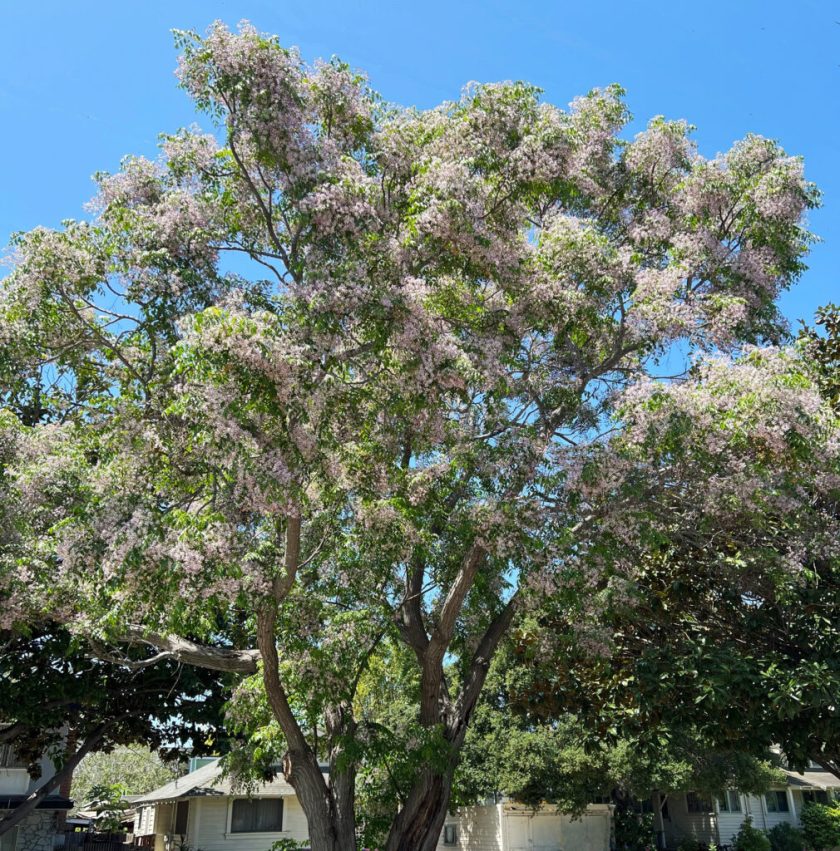
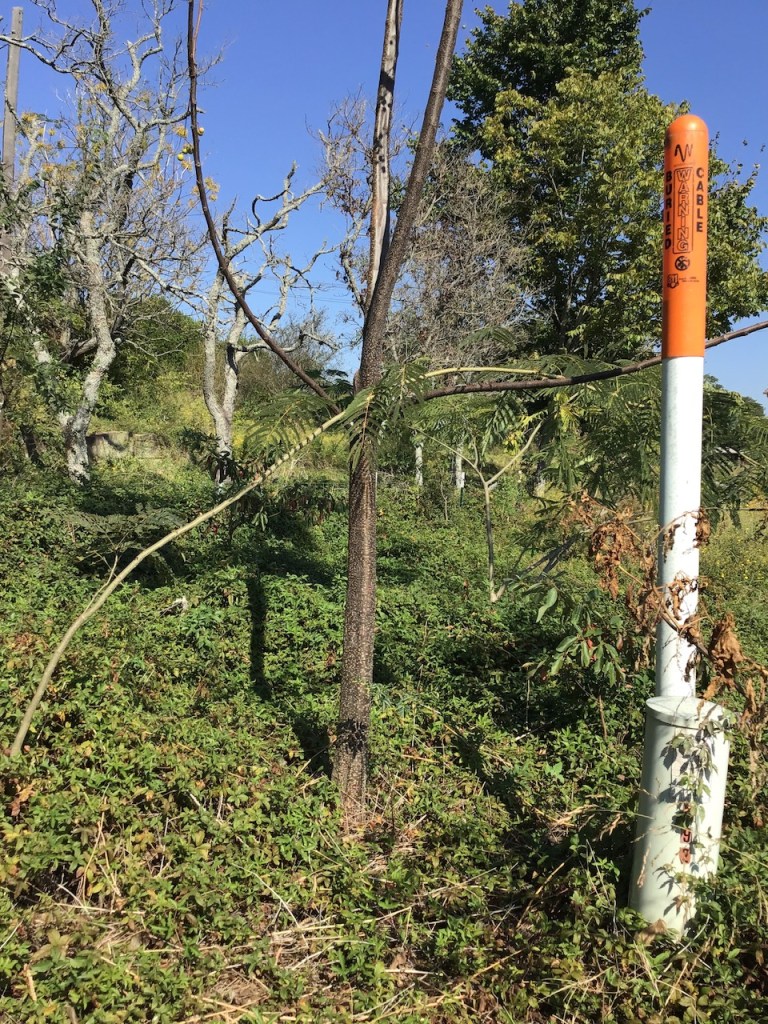
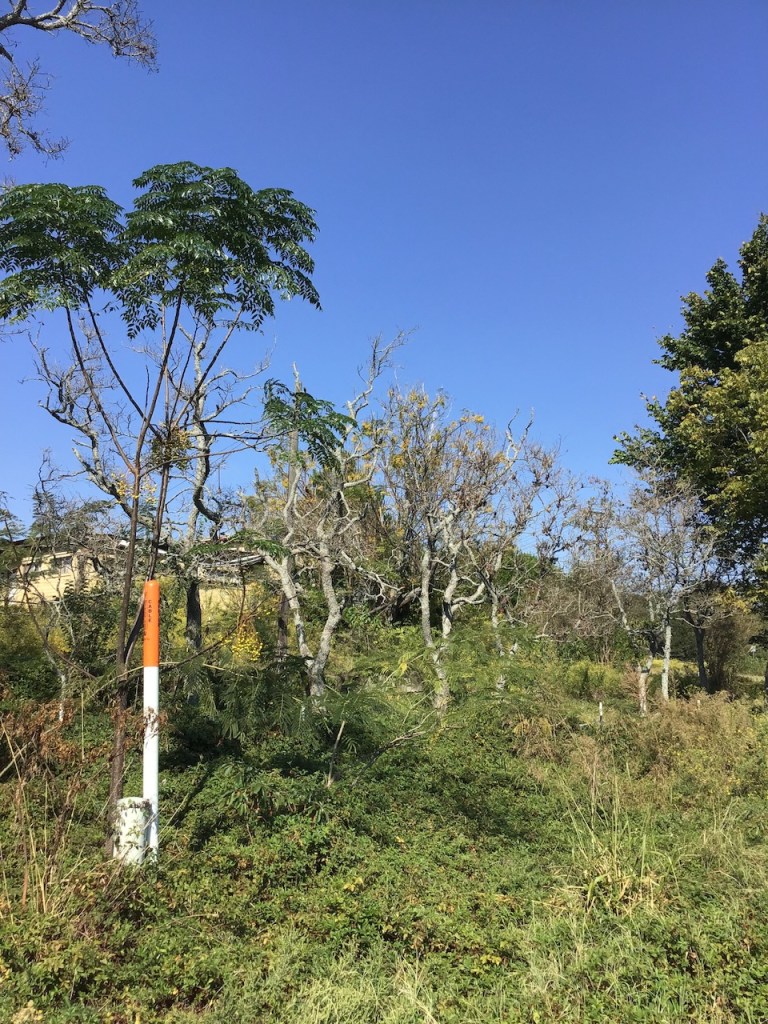
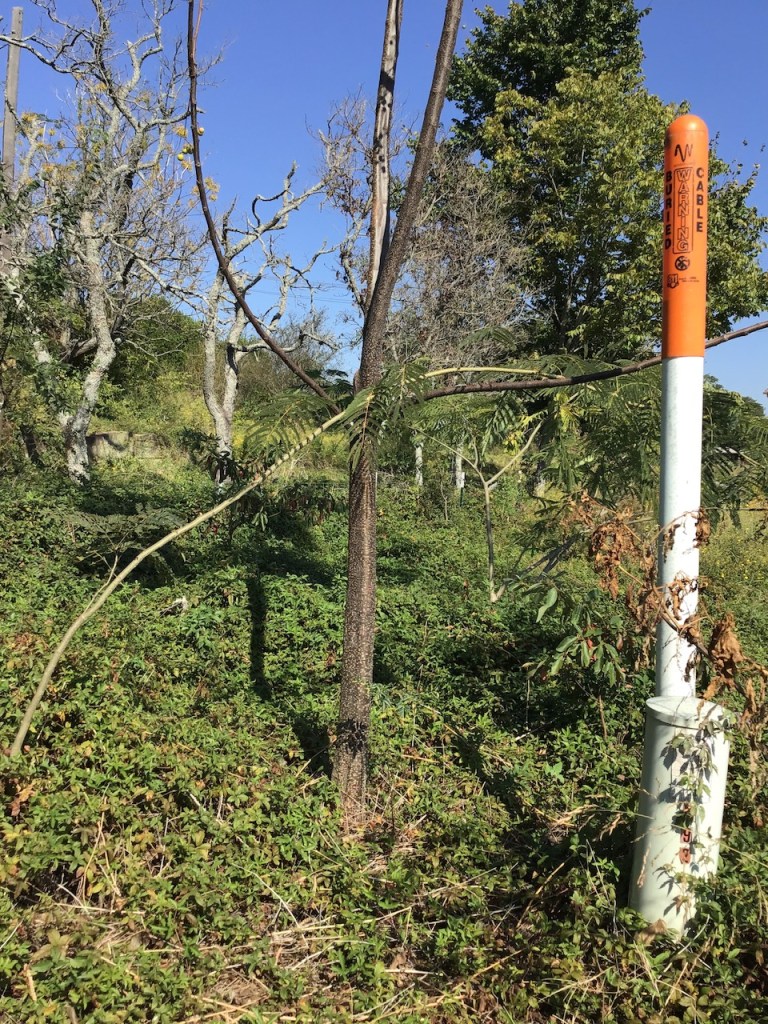
Located in an abandoned lot among several Mimosa trees and lots of very prickly bramble

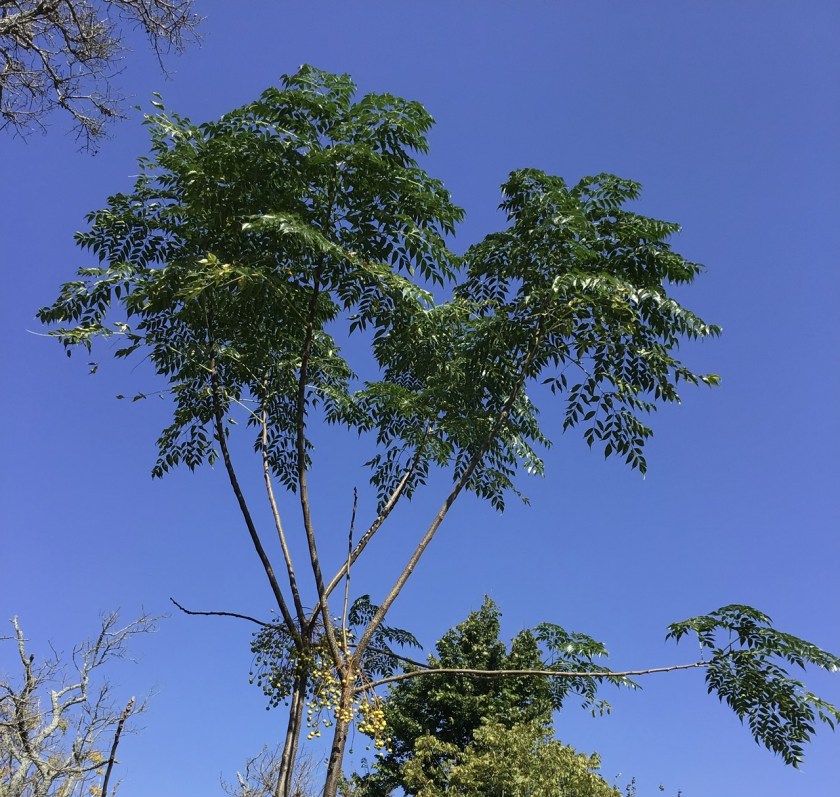
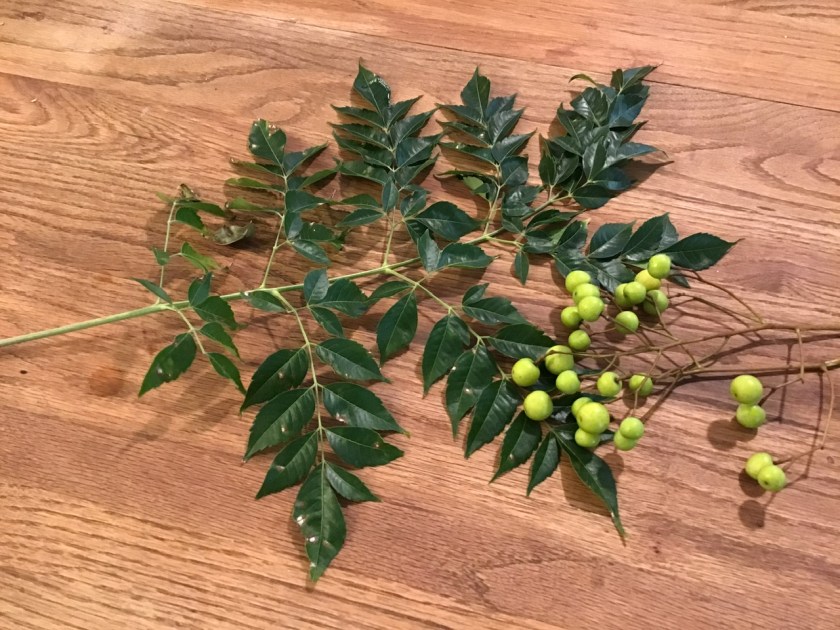
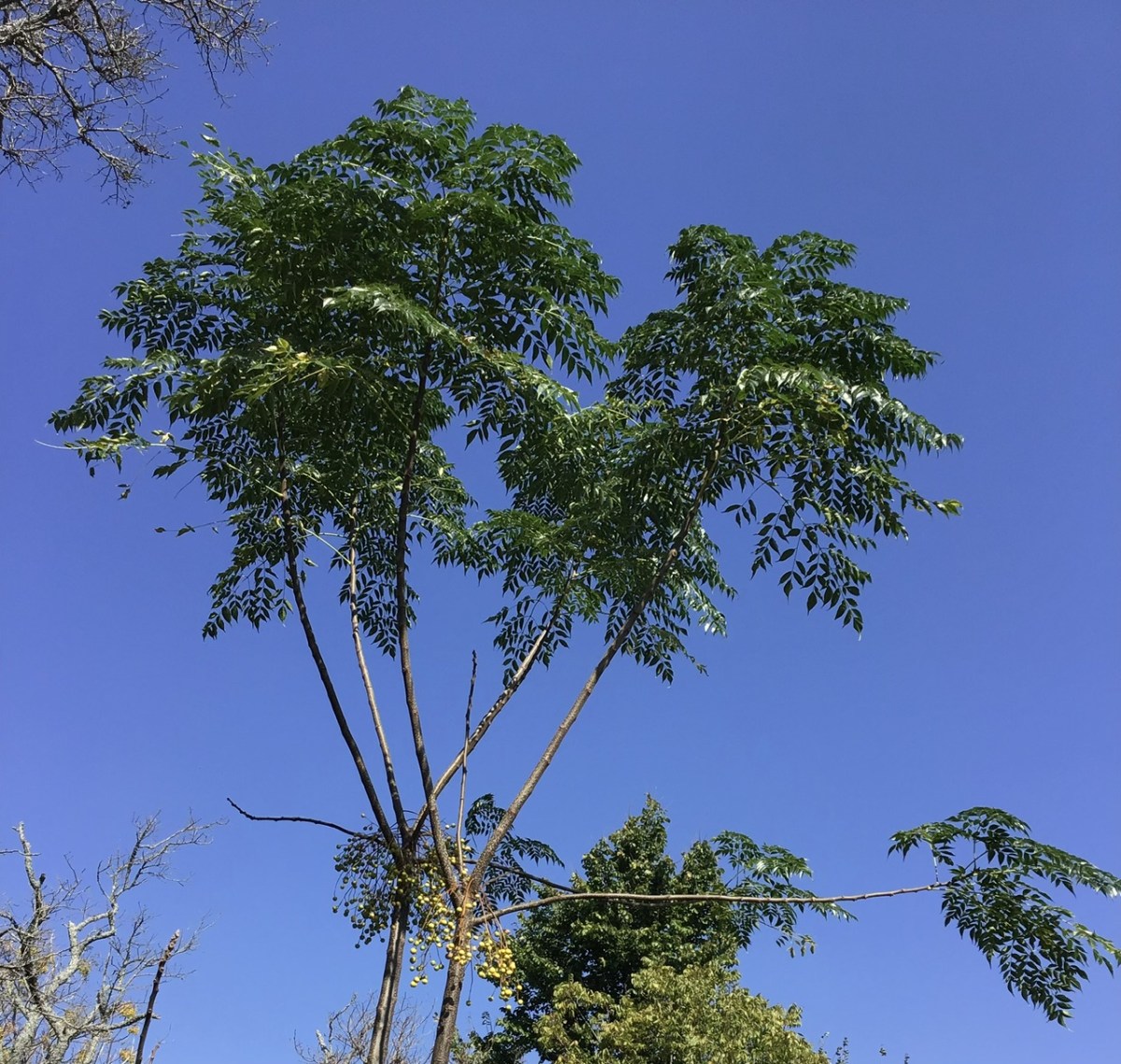
‘Free, or noble tree’ –I like that one, too. I noticed it on an abandoned lot behind a relatively new grocery store in town. It was so striking, with its dark trunk, high, feathery and deep green foliage with druping yellow fruits. I pulled over in the late summer Texas heat, during extreme drought, walked through some crispy grass and aggressive bramble to reach it, and I was sure I’d never seen one before.

Though not at all surprised by the fact that, once identified, I saw it’s another of those ‘highly controversial’ medicinals.

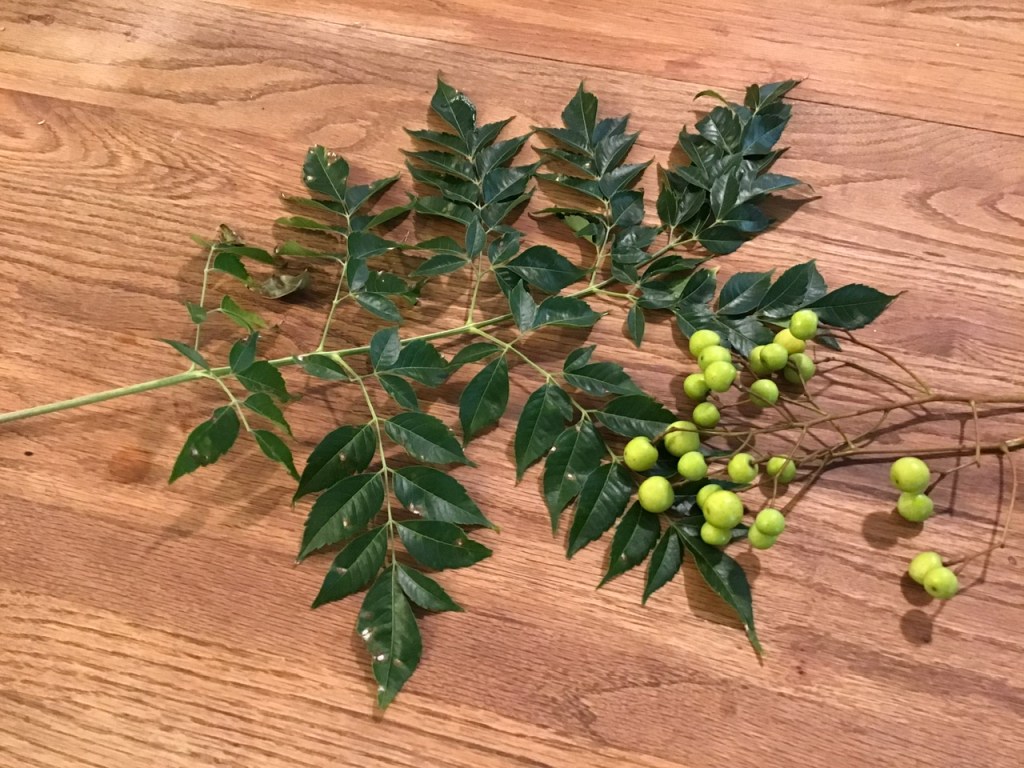
Melia azedarach, popularly known as the chinaberry tree, Pride of India, bead-tree, Cape lilac is a species of deciduous tree in the mahogany family, Meliaceae. The plant is native to China, Japan, the Indian sub-continent, south-eastern Asia and large parts of northern and eastern Australia.  Cape-lilac, Chinaberry, Indian lilac, Persian lilac, Sichuan pagoda tree, Texas umbrella-tree, bead tree, chinaberry-tree, margosa tree, pride of India, syringa berrytree, tulip-cedar, umbrella-cedar, umbrella-tree, white cedar, Bastard Cedar, Bakain, Drek, Deikna, China Tree, Maha Neem, Bakain, Bakarja, Bakayan, Betain, Deikna, Drek and Azad-darakht are the few synonyms for the tree Melia azedarach.  It is an ornamental tree with multiple uses. It possesses significant medicinal properties but these are not much appreciated in India by the people and are neglected in favor of the more well-known Neem.

The genus name Melia is derived from μελία (melía), the Greek word used by Theophrastus (c. 371 – c. 287 BC) for Fraxinus ornus, which has similar leaves. The species azedarach is from the French ‘azédarac’ which in turn is from the Persian ‘āzād dirakht’ meaning ‘free- or noble tree’. Melia azedarach should not be confused with the Azadirachta trees, which are in the same family, but a different genus. This tree’s fruit is poisonous to humans. Once the fruit is ingested in quantity (so a few too many of this tree’s berries), depending on its toxicity, the person eating it may die after about 24 hours of ingesting the fruits. Its flowers are a respiratory irritant and its leaves, bark, flowers and sometimes fruit are poisonous.

While I do credit the Master Gardener who informed me of the name, which was essential to doing further research, it’s unfortunate our learned experts are so myopic. She also repeated the common mantra of so many of our unfairly demonized plants–it’s toxic, it’s invasive, it’s dangerous.

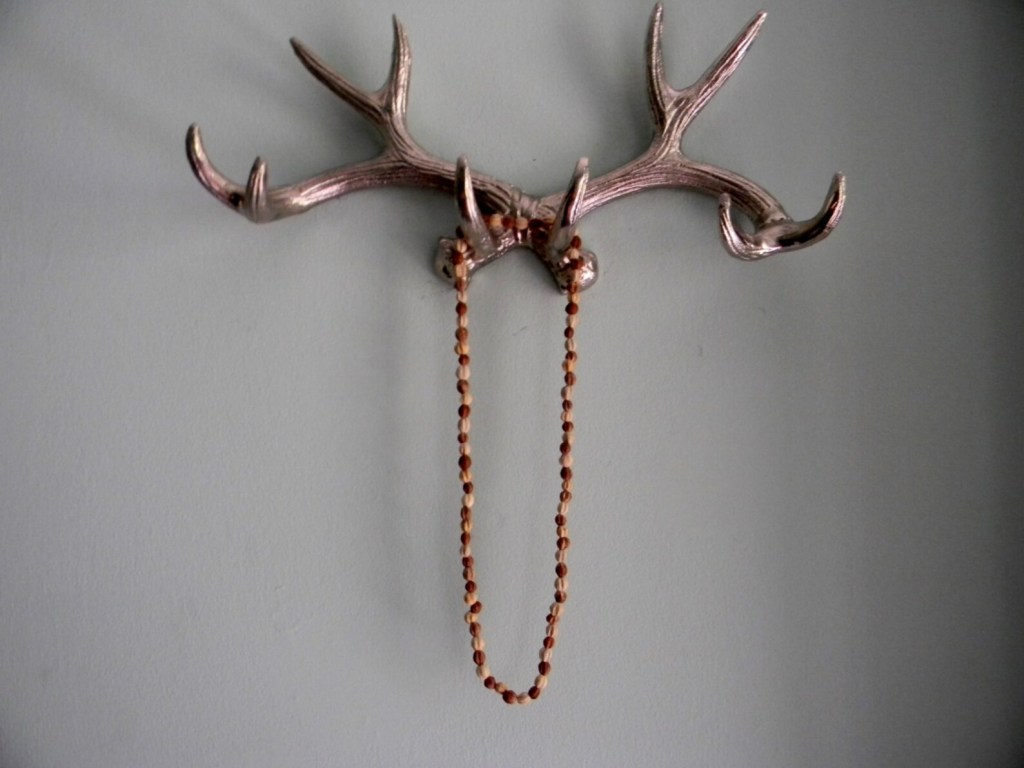
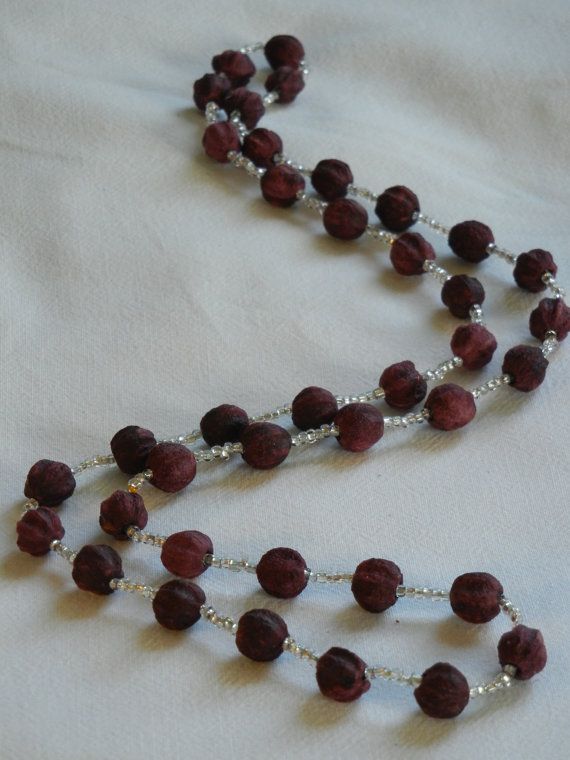
She said the berries are really sharp and children and pets can hurt themselves when stepping on them. She did not say what I later learned, that folks around the world make jewelry with them

It is also an ancient medicinal with many healing properties.

Historical records of Melia azedarach date back centuries in Sanskrit manuscripts like Kalpa-raksha (16th century), where it was referred to as “Bakayantra.” Ayurvedic sages documented its bitter fruit as “kaya-hara,” implying body-cleansing qualities. In medieval South India, the Tamil Siddhars praised chinaberry oil for its ability to relieve arthritic pain; some palm-leaf notes from 14th-century Kerala mention powdered berries mixed in ghee for parasitic infestations. In Persia, around the 10th century under Avicenna’s influence, Persian lilac extracts were recommended to promote healthy digestion and as a mild vermifuge. Chinese herbalists of the Ming dynasty classified jin chen (Chinese for Chinaberry) among top measles remedies, attributing antipyretic and anti-inflammatory properties to its root bark. Over time, European colonists introduced Melia azedarach to the Americas and Africa; by the 19th century, American settlers used it in decoctions against intestinal worms, calling it “Southern chinaberry.” Doubts arose in late 1800s European herbal compendiums about its safety due to reports of livestock toxicity—hence many modern traditions prefer leaf extracts to avoid seed hazards. Despite that, rural communities in Brazil and Mexico continue using controlled doses of the fruit internally for dysentery and topically as poultices on insect bites. Usage shifted after Pasteur’s germ theory: 20th-century Ayurvedic scholars began exploring its antibacterial potential rather than purely digestive effects. Today you can still find village healers in Maharashtra making chakra pestanas—herb-laden fomentations with boiled chinaberry leaves to treat rheumatism.

Melia azedarach in Ayurveda | Benefits, Uses & Healing Properties

As popular as it is I was twice given misidentifications by AI

Therapeutic Effects and Health Benefits

Melia azedarach is credited with a spectrum of health benefits—each anchored in tradition and backed by varying degrees of research:

  • Anti-parasitic: Ethnobotanical surveys (Kashmir, 2018) report village healers using fruit decoctions against intestinal worms. Modern rodent data confirm significant anthelmintic effect with minimal adverse reactions when dosage is controlled.
  • Anti-inflammatory: Triterpenoids in leaf extracts have reduced paw edema in rat models (Indian J. Pharmacol., 2017). Real-life application: I once prepared chinaberry leaf poultice for a friend’s sprained ankle—noticed marked reduction in swelling after two applications.
  • Antimicrobial: In vitro studies against Staphylococcus aureus and E. coli show up to 70% inhibition (Phytotherapy Res., 2019). Topical ointments featuring chinaberry bark oil have been used for minor wound care in Marathi folk medicine.
  • Digestive support: Bitter principles enhance gastric secretion. Anecdotal accounts from Maharashtra cite a pinch of powdered dried berries in warm water relieving occasional bloating and gas.
  • Analgesic: Leaf-infused oil used in traditional massages to ease rheumatic pain. Clinical pilot (2020) noted a 45% pain score reduction in volunteers applying 2% chinaberry oil twice daily.
  • Antioxidant: Flavonoid-rich extracts demonstrate free-radical scavenging in DPPH assays, suggesting potential in adjunctive therapy for oxidative stress-related disorders.

Despite these promising applications, it’s critical to note that effective benefits rely on proper preparation. In raw or high-dose forms, seeds can be mildly toxic (contained saponins). Documented case reports (J. Med. Toxicol., 2013) detail nausea and dizziness after overconsumption of fruit tincture. Hence, therapeutic use demands precision in extraction and dosing.

Melia azedarach(Traditional Chinese medicine)_Baiduwiki

Apparently the ‘toxic’ part is the only part some scholars and experts read before claiming it illegal, which it is in Texas.

And of course that it is supposedly ‘invasive’. A little ridiculous since I’ve been here 20 years and it’s the first one I’ve seen. Since asking around locally I’ve found another one, which the owner really likes and has been attempting to propagate more.

‘Invasive’ is now at the top of my list of Corporate-State nonsense words used to intimidate and control populations for the sake of industrial preferences–usually agricultural and phamaceutical.

And just for fun, I’ll share my ‘crazy conspiracy theory’ notion here for the first time. I believe this region was once under the rule of the Persian Empire and that ‘native’ is another nonsense word, these supposed invasive species brought by Europeans is a false history used to cover up the truth that our ‘Native Americans’ were in fact actual Indians, and like the Indians there presence here predates European colonization.

Chinaberry is on the Texas Dept. of Agriculture’s list of Invasive Plants which are illegal to sell, distribute or import into Texas.

How to Eradicate

For information on how to eradicate this invasive, view our statement on herbicide use and preferred alternatives for invasive plants.  

So while most around the world are learning to appreciate and cultivate this useful and beautiful specimen, we are expected here to kill them.

Melia azedarach – Native Plant Society of Texas

Chinaberry is most invasive in riparian zones or disturbed sites. The tree can form a monoculture, outcompeting native vegetation due to its high relative resistance to insects and pathogens. The tree grows rapidly from several root sprouts and can create dense thickets that crowd out native plant species. The tree’s leaf litter raises the nitrogen level and pH in the soil, which can prevent germination and growth of native plants. Chemicals in leaves inhibit insects’ digestion. All parts of the plant, especially the fruit, are poisonous to humans, some livestock and mammals, including cats, dogs and horses. Cattle and some birds can eat the berries without harm.

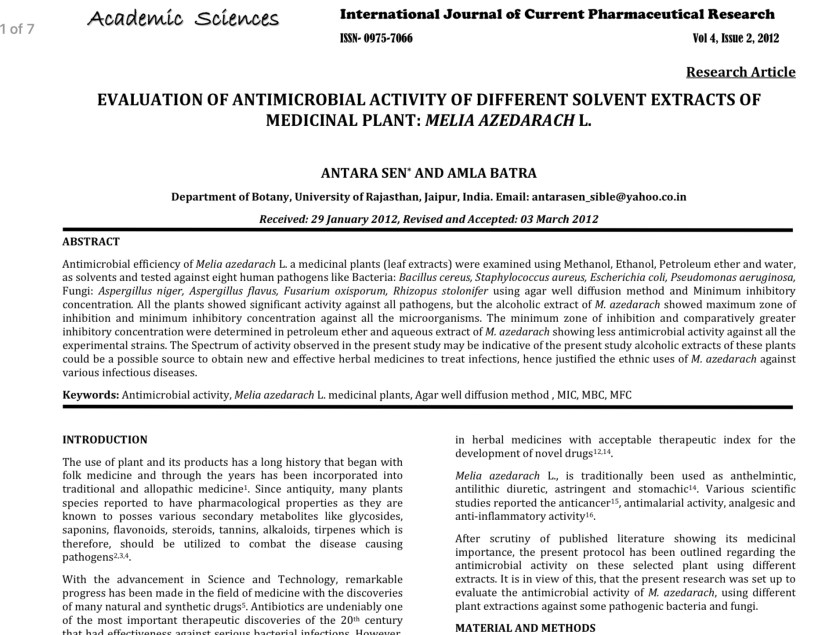
For more technical research into Melia azedarach

https://www.researchgate.net/profile/Dr-Dharmendra-Arya/post/what_is_the_best_method_to_extract_and_evalute_the_antimicrobien_activity_for_calotropis_procera/attachment/5bbcf9153843b006753d80db/AS%3A679895759851521%401539111189704/download/EVALUATION+OF+ANTIMICROBIAL+ACTIVITY+OF+DIFFERENT+SOLVENT+EXTRACTS+OF+MEDICINAL+PLANT+MELIA+AZEDARACH+L..pdf

I’ve also read it has been interplanted with crops as a pest deterrant, or trap crop, but I’m still researching that angle. It seems the bias against this tree in the south-east U.S. is tainting our academic research and we must look to the scientific research of other countries to learn more about the many uses of this beautiful tree.

http://innerpath.com.au/matmed/research/Melia%5Eazedarach.pdf
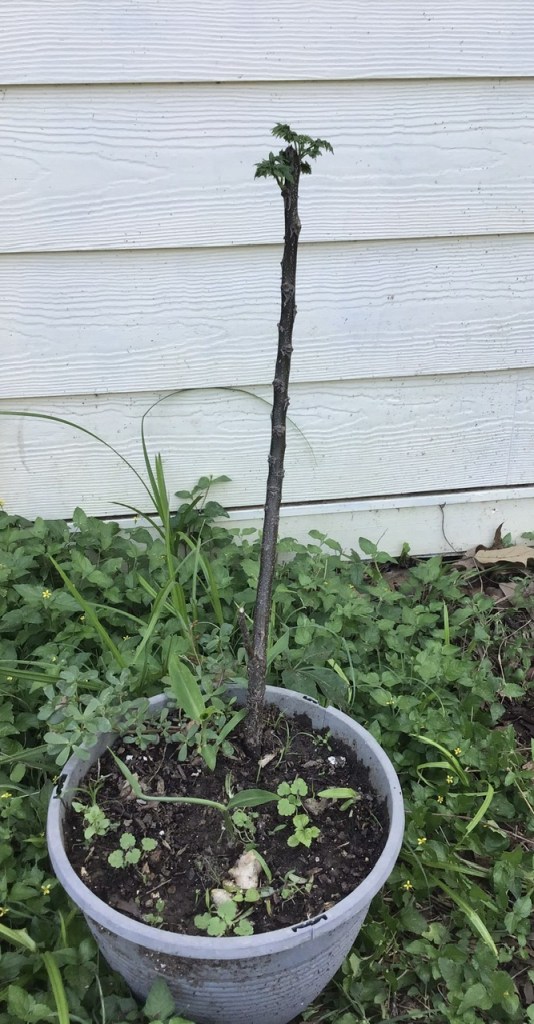
My little Chinaberry foraged/stolen from the abandoned lot where I first fell in love with it.

It’s the Mindset, Stupid

I nearly made the same mistake with the Chinaberry tree as I did a decade ago with the Mimosa tree.

I must make even greater efforts to De-institutionalize my mind.

It’s like with the official Farmer’s Market, in the small city 40 minutes away, which grows along with the city, but doesn’t get any better, because there aren’t enough farmers and there are too many regulations.

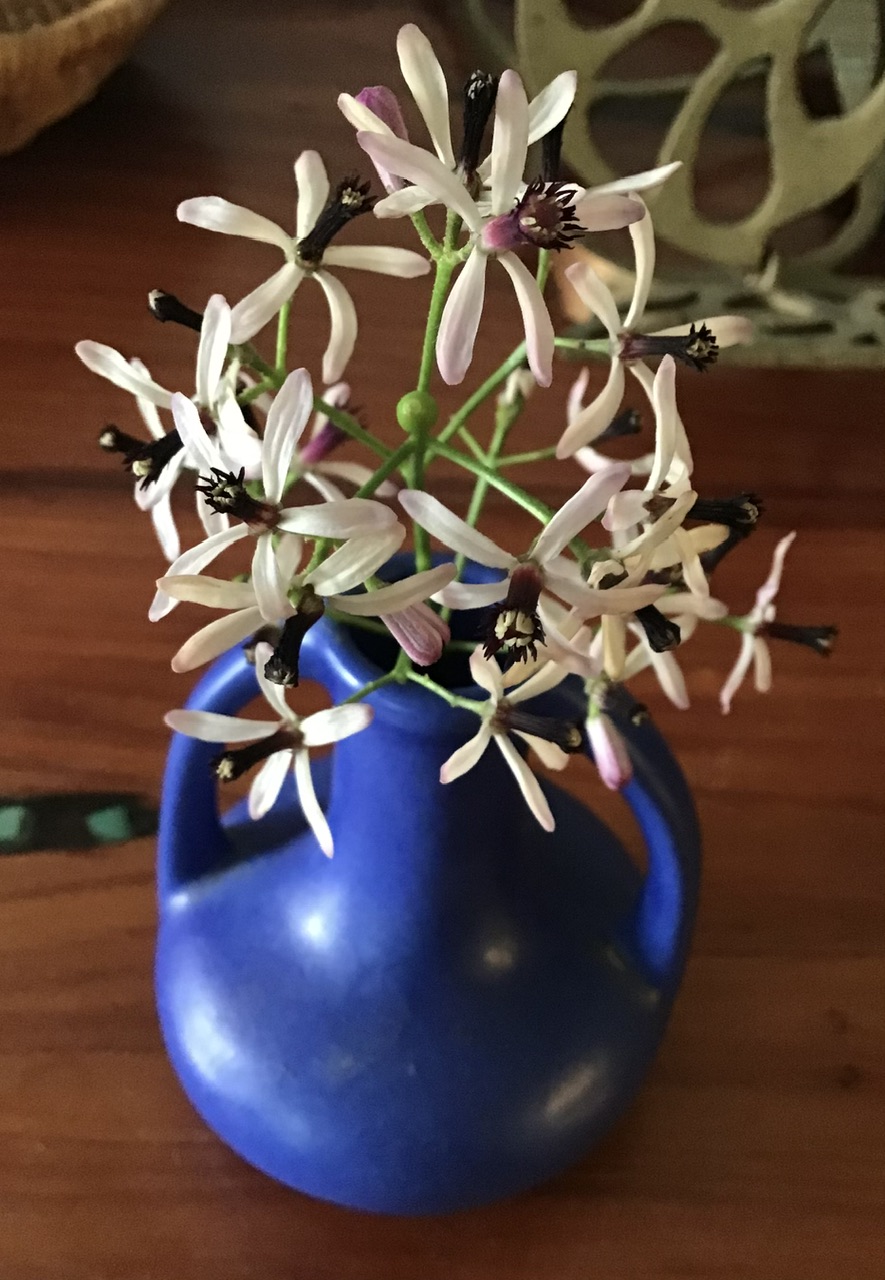
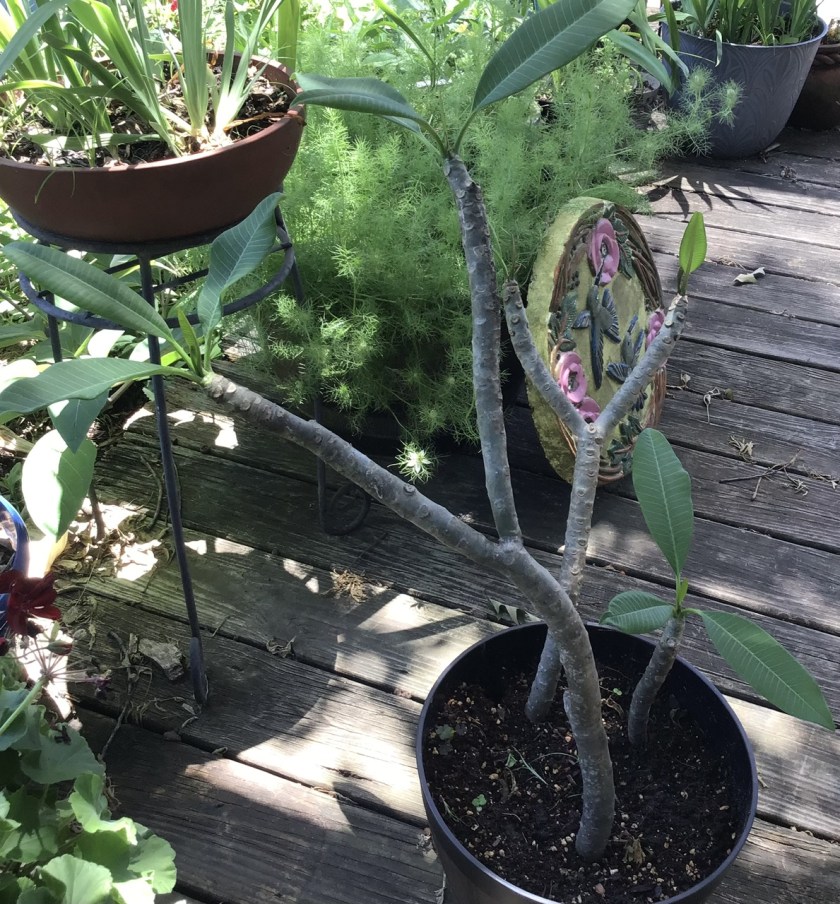
A treasure from a local plant swap now starting to bloom, Plumeria, how exciting!
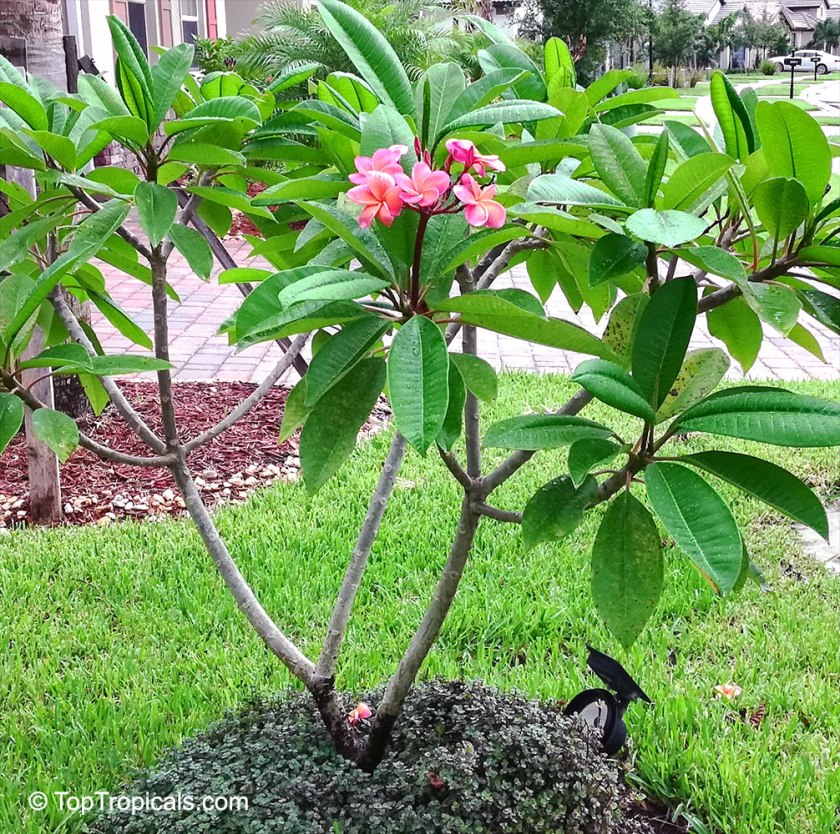
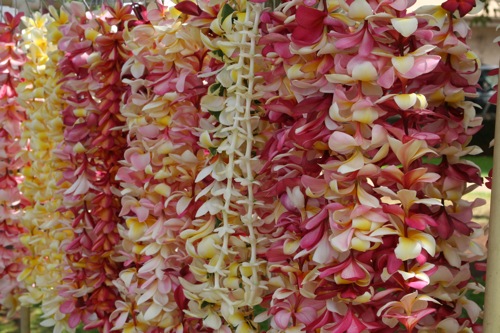
how it will hopefully look one day! It’s the tropical delight used for making leys in Hawaii, with a delightful fragrance.

Meanwhile the very localized, small, rural events have been well worth the time. At one we got several new plants I’m still excited about.

Catalpa tree is another I’ve been longing to grow, but only found available through a local swap.

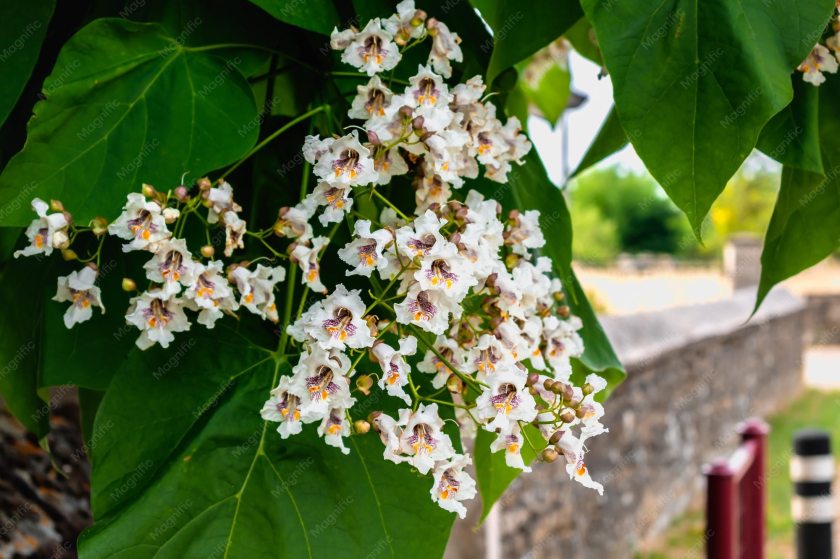
Catalpa blossoms, the ‘worm tree’ as it’s called in these parts I’ve just learned from a local angler

And at another we ate better tacos than we’ve had in years. And at the last one I gave away lots of cheese, because I’m still too apprehensive about selling or even bartering it. Giving it away to strangers felt a baby step closer to that potential future possibility.

So it goes with the Chinaberry, too. At least this time I didn’t waste an entire decade believing the official nonsense that these trees are invasive and toxic and in the case of Chinaberry, even illegal.

But I did still waste almost a year, and that’s why I’m complaining now.

I’m disappointed with myself. I thought I knew better by now. But damn if old habits don’t die hard.

It’s not the same story exactly, but it sure does rhyme, and the refrain harkens back to a very common problem, not just my own.

I still did not trust my instincts, wisdom and preferences quickly enough.

Put into perspective, and relatively speaking, I have come a long way. I’m much better than I used to be and considering I know folks who still think vaccines are safe and effective, I could afford to be a bit more self-forgiving.

But I’m not getting any younger and time’s a wastin’! Trees don’t grow overnight, you know!

My little Chinaberry foraged/stolen from the abandoned lot where I first fell in love with it.

Instead of spending that year trying to identify the tree and wasting lots of precious time, I should’ve said at first sight–I love it, I want it, I will have it.

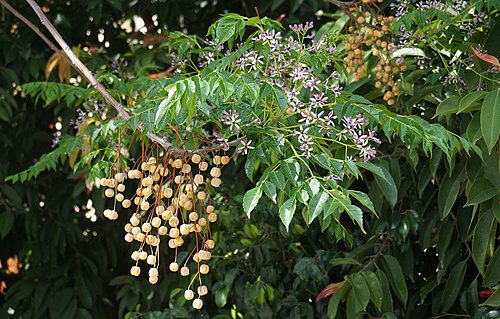
There is something magnificent about that speckled mahogany bark, those tropical-looking yellow berries, the glossy deep green foliage surviving even in drought in the dead of summer, that sleak curve of the trunk and the little grove it’s trying to form. I must have it. Pure instinct.

Instead of trying to germinate the berries, which is so much more challenging with many trees, I’d have taken cuttings right away. Instead of going to official sources, online and through various experts and professionals, I’d have gone to the most local source I could find, folks living in these parts for many generations.

I was given wrong identifications online, and from our university extension service that is the Master Gardeners, the usual Corporate-State fear propaganda of ‘invasive’ and ‘toxic’ and unsafe.

Because if they don’t sell it at Walmart or Lowes, it’s got to be bad. Because if it’s an ancient medicinal, it’s got to be poison.

They think they mean well, I suppose, sometimes.

But othertimes I think nope, not at all. They don’t mean to do well at all, they mean to stay compliant with the authorities. They mean to collect their paychecks and their pensions. They mean to think themselves well-meaning without ever examining themselves.

When we first came here and first becoming gardeners and stewards of this land, I vowed beyond our veggies I’d grow only ‘native species’. I didn’t know any better and that sounded to me like an admirable approach to a new venture.

I now think the term ‘native’ is itself highly suspect and what’s considered ‘invasive’ is highly relative and shifts with the breeze of the current oligarchy.

I will be satisfied when my intuition (I want that tree!) trumps my logic (what’s it called?) at the speed of the mind of a 3-year old.

It really is about the mindset, but not in the relentless Positivity sense of ‘everything is possible’ of the pop psychologists paid to entrain us to the status quo, but rather in the learn to Trust Yourself First mindset. Even in baby steps, even prolonged over decades, even against the tides more often than not.

No, not everybody, but enough to make it miserable for the few malcontents who just want to be left in peace and who care for truth and beauty over comfort, convenience, or malignant and uniformed collaboration.

Next post, all about the splendid, but illegal in Texas, Chinaberry tree.

Illegal beauty

Homestead Happy Snaps

That’s all this post, just some photos I like with a bit of commentary.

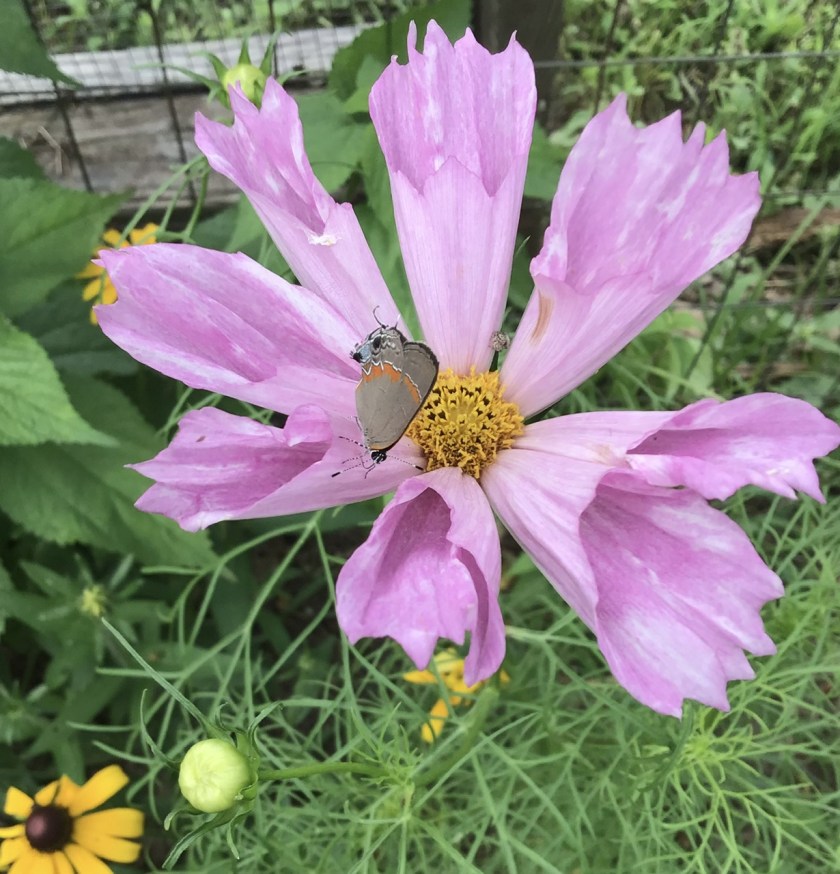
My first year growing Cosmos and I’m loving them!

I started to look up what sort of moth this is enjoying the Cosmos and I stopped myself. I’d like my first impulse to evolve from always wanting to name and label and define, often before I even truly and deeply experience. I think that chimes back to the old adage, ‘Stop and smell the roses.’

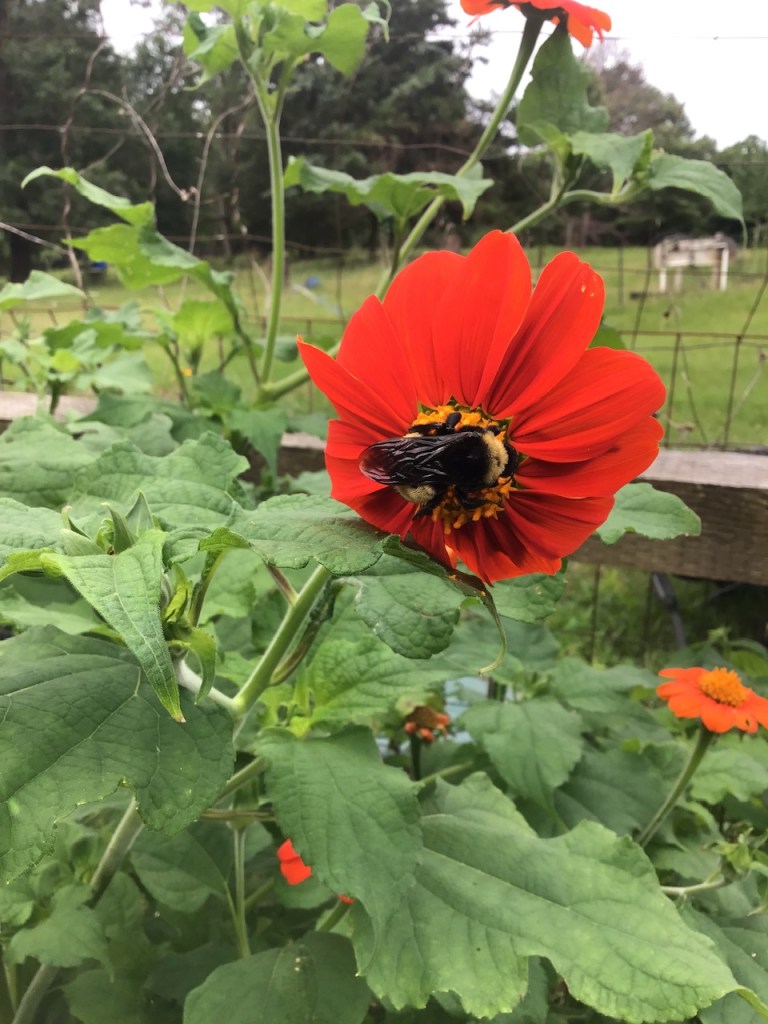
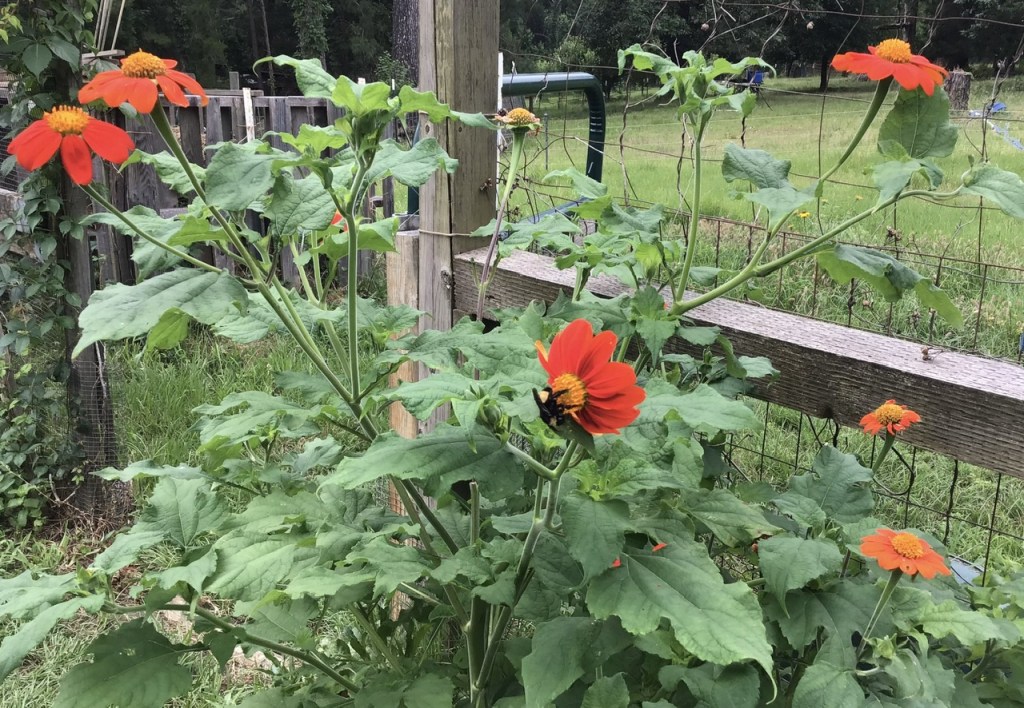
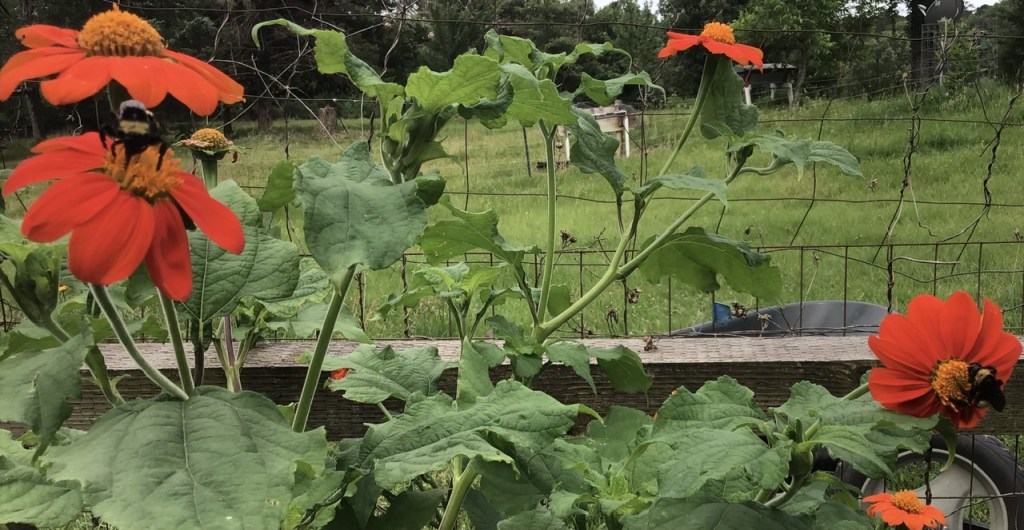
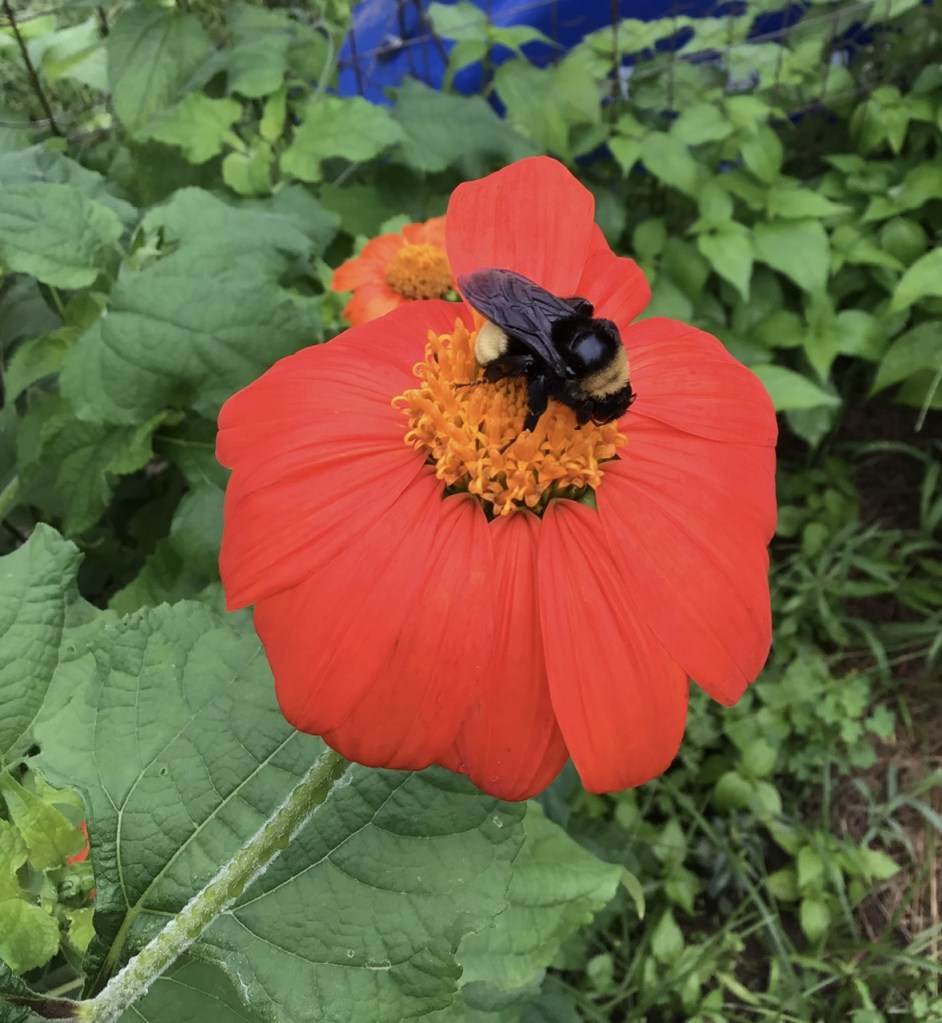
Another first flower for me in the garden–Tythia Mexican Sunflower–my how the bumblebees are loving it!

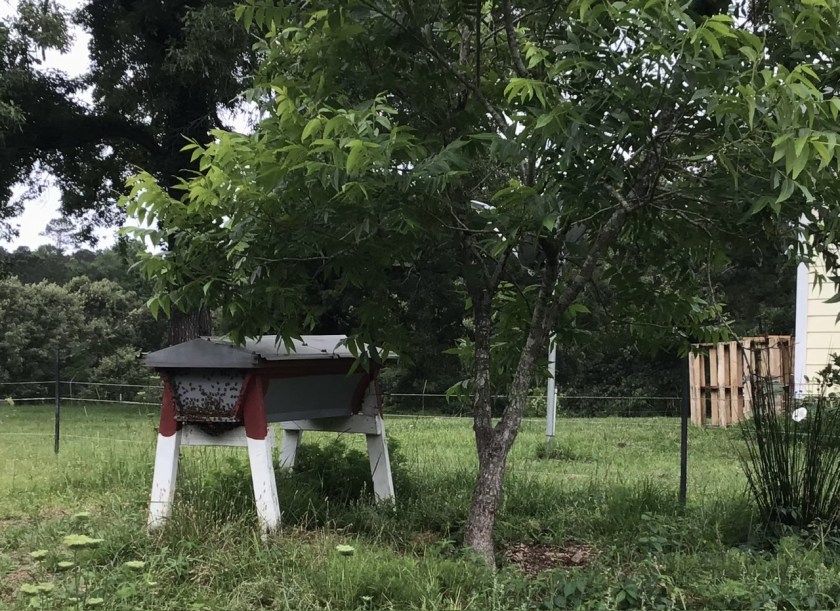
Our bees are remiss to allow me to split them lately, even though they appear to need more space.

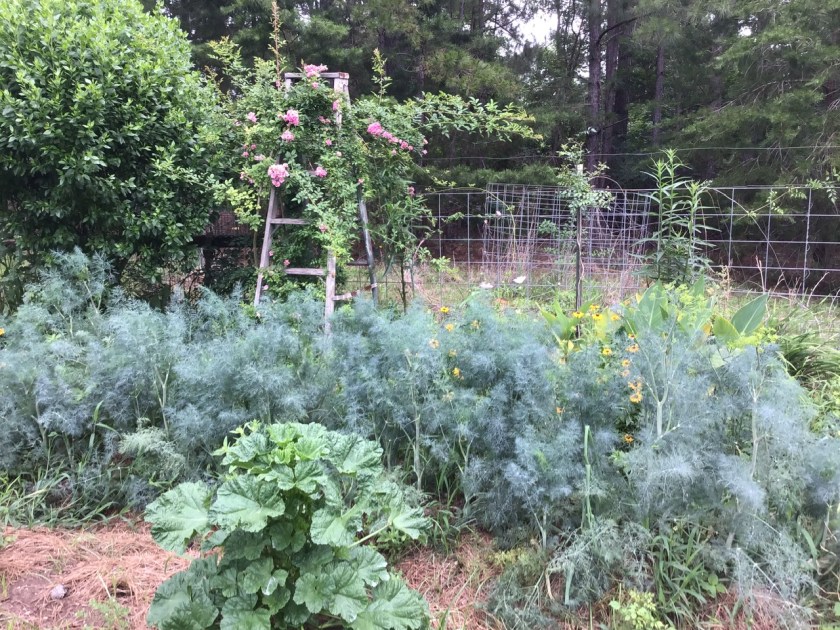
In years past I’ve complained I have too little dill to last the year and it bolts so quickly in the heat. This year I swung in the opposite direction and have so much I don’t know what to do with it all.

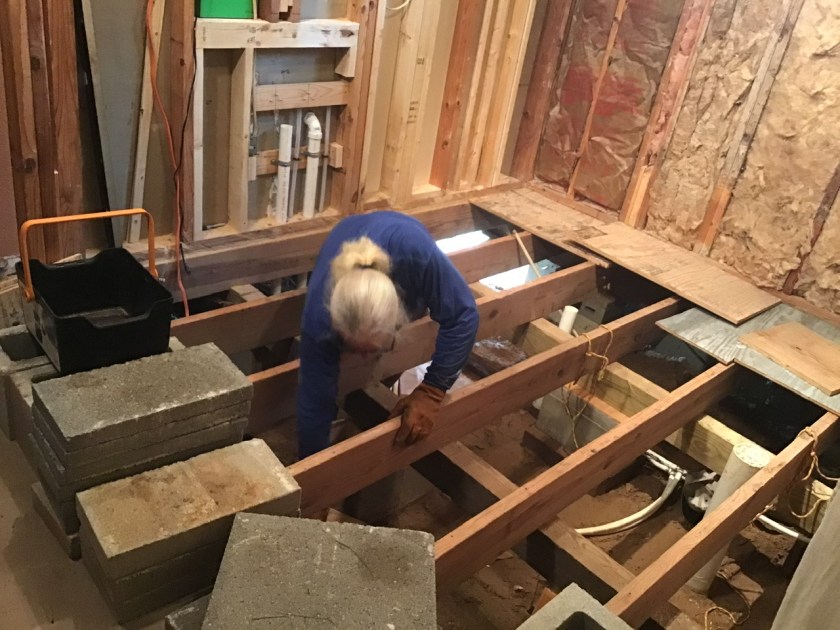
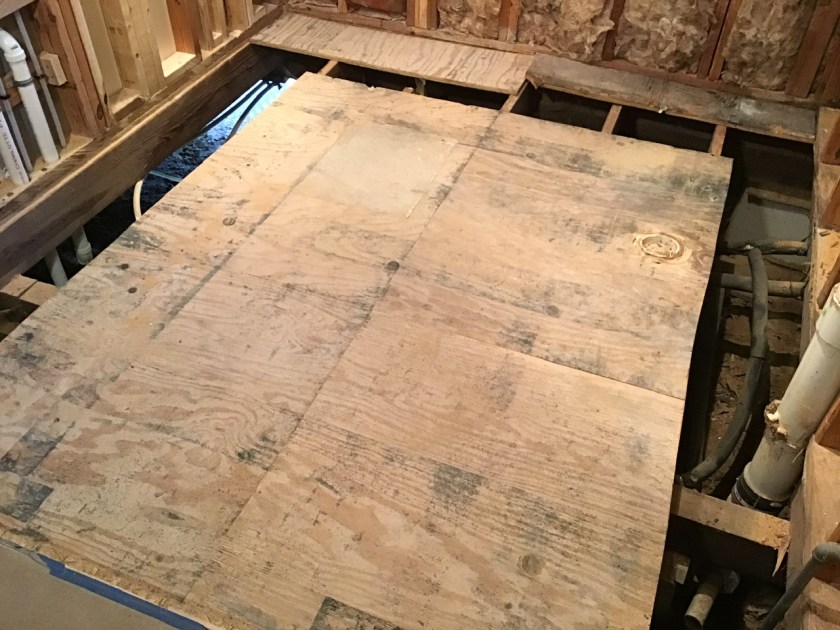
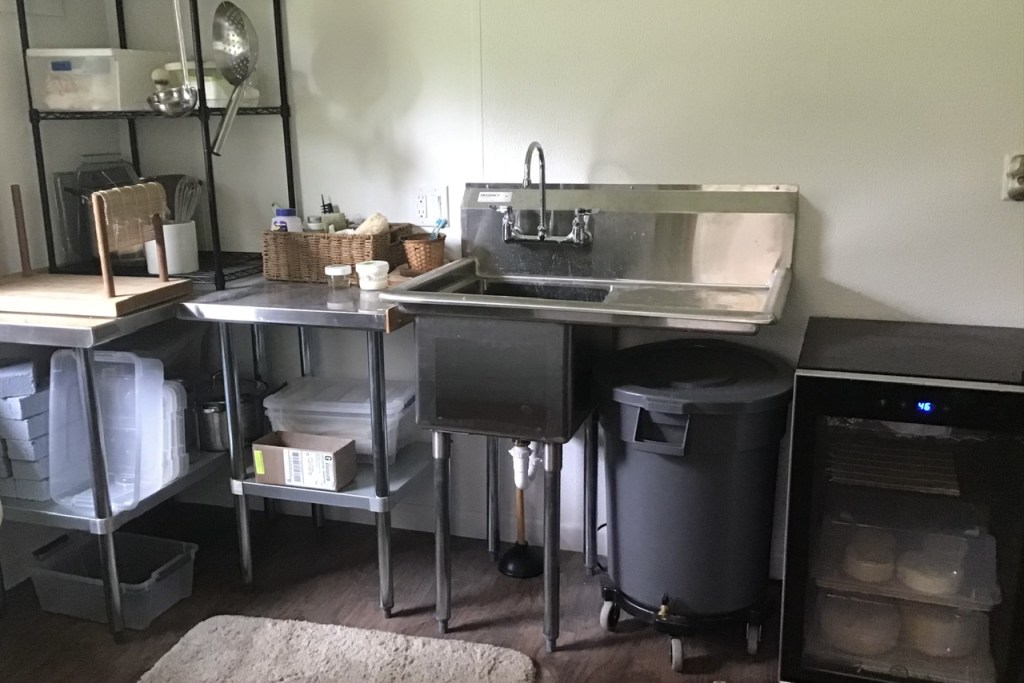
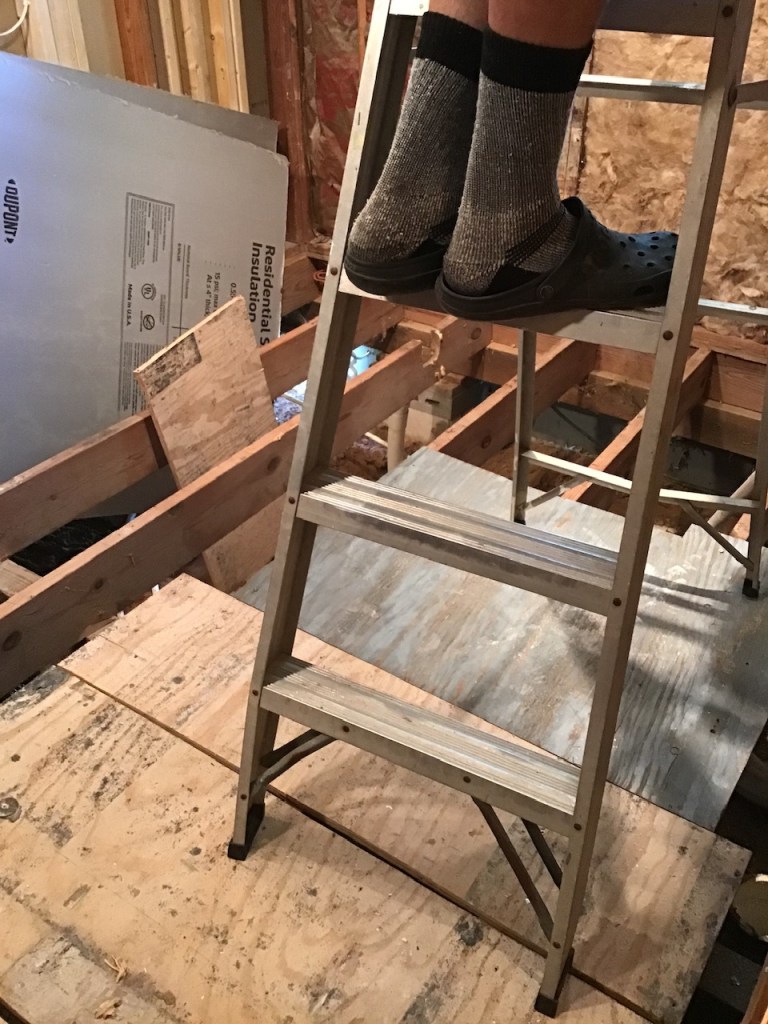
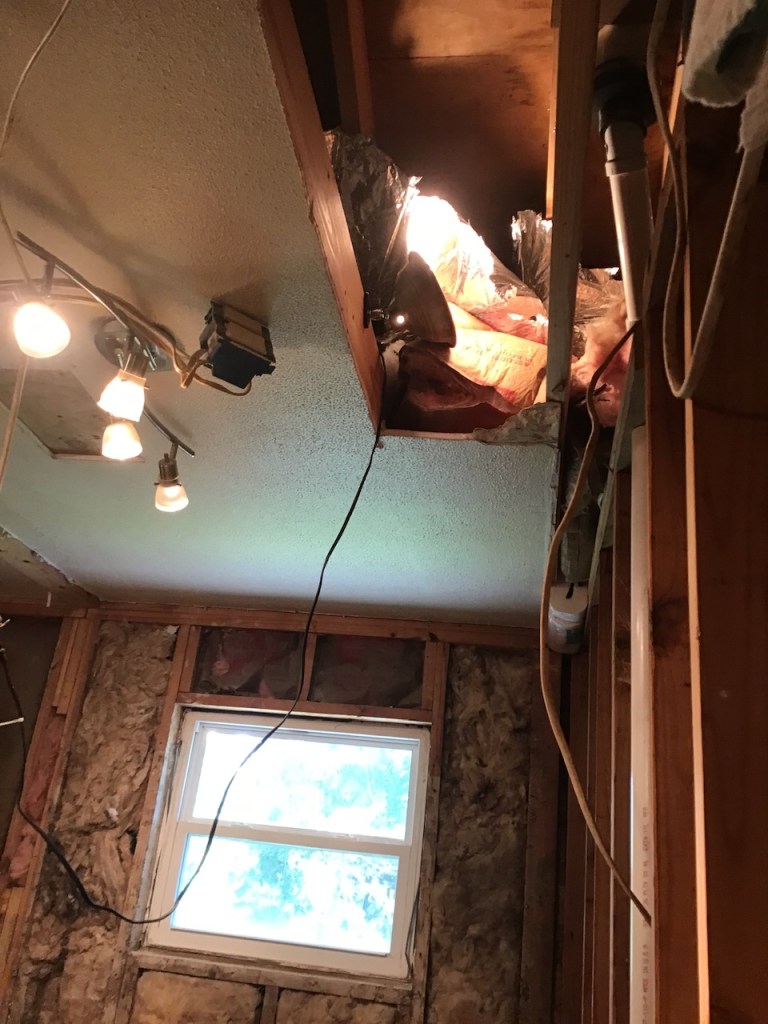
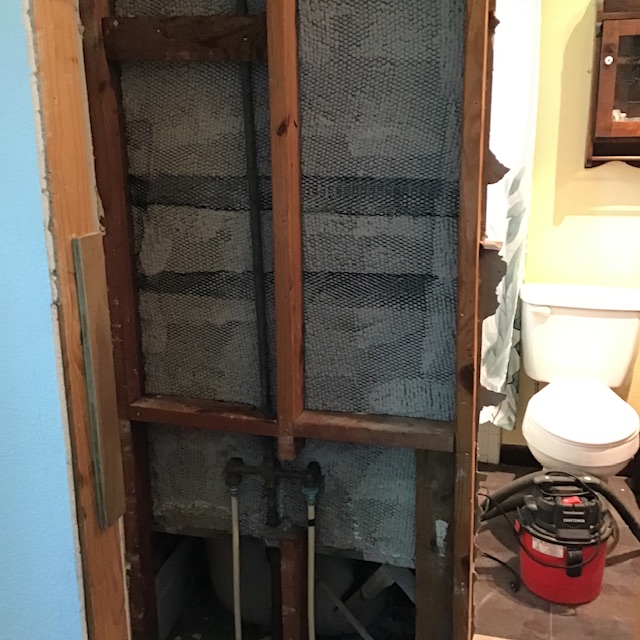
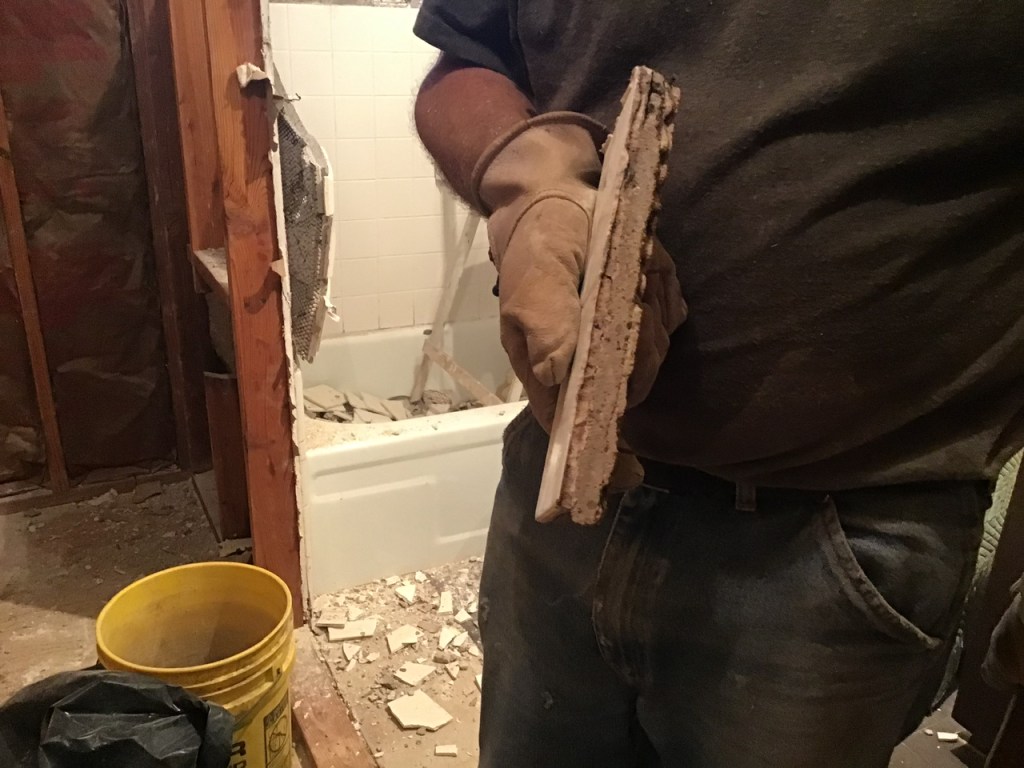
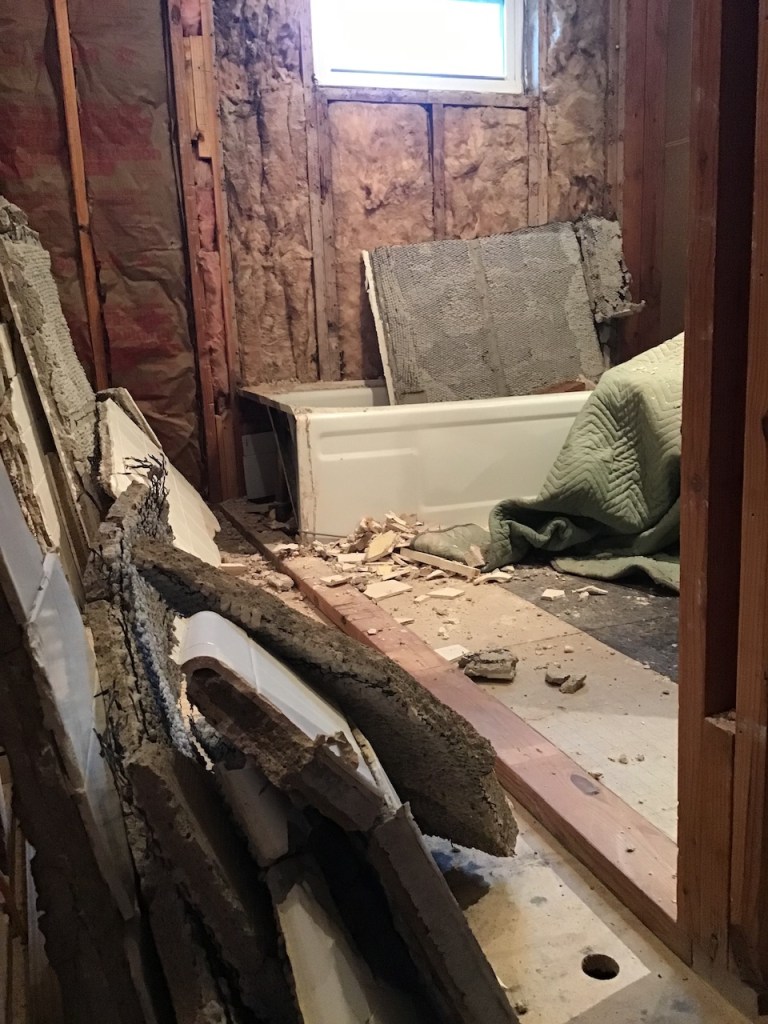
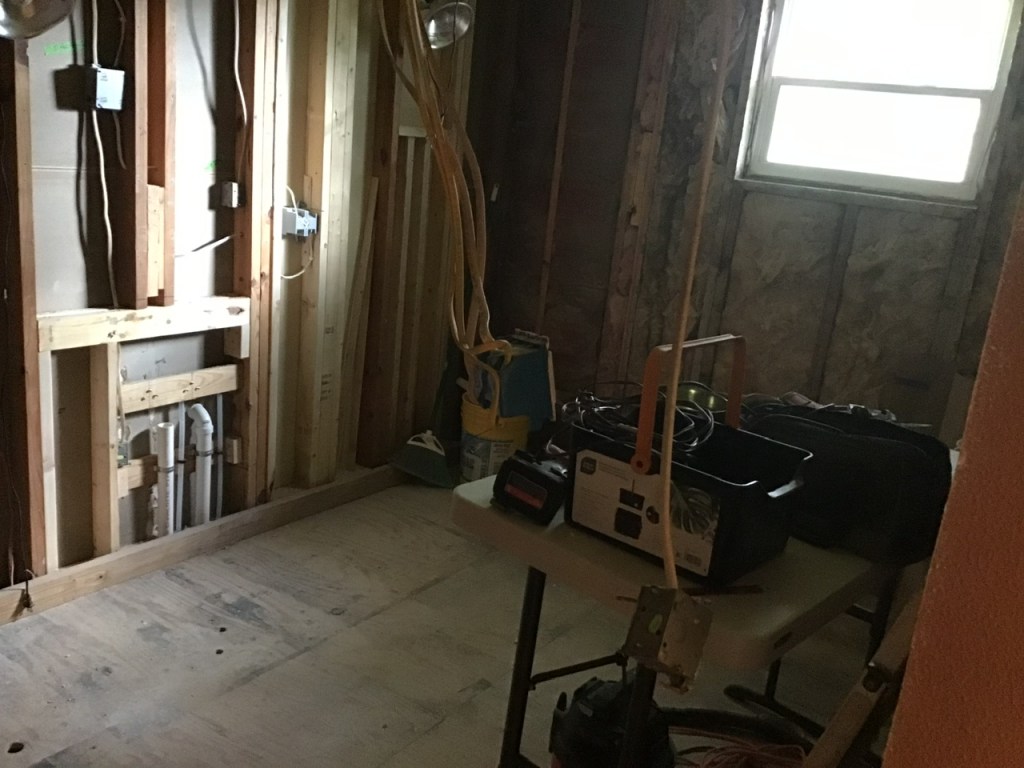
We agreed to have an easier garden seadon since we are very busy remodeling the bathroom, which has already grown into remodeling the 2nd bedroom/office/cheese room/seedling space, but somehow that never works out.

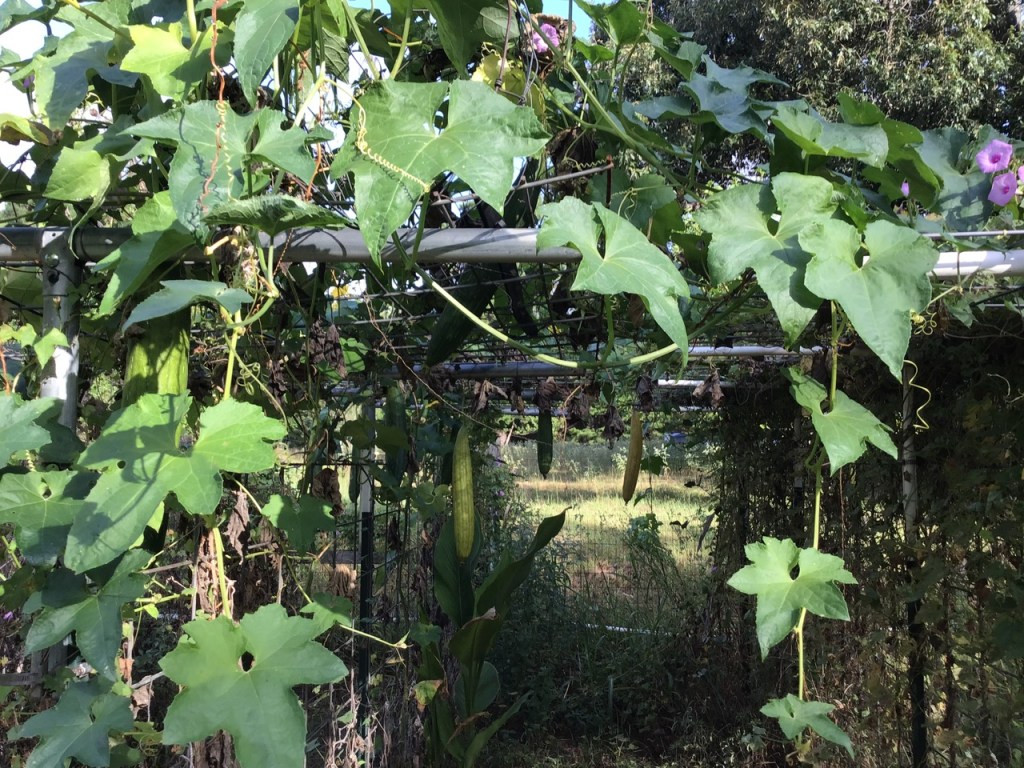
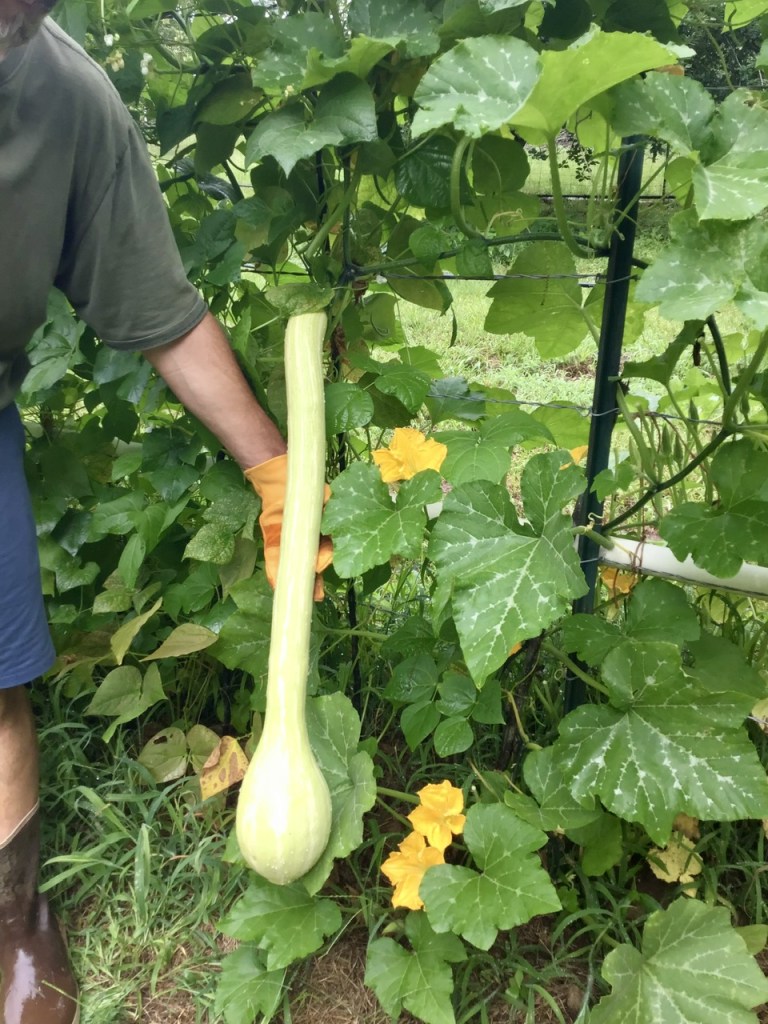
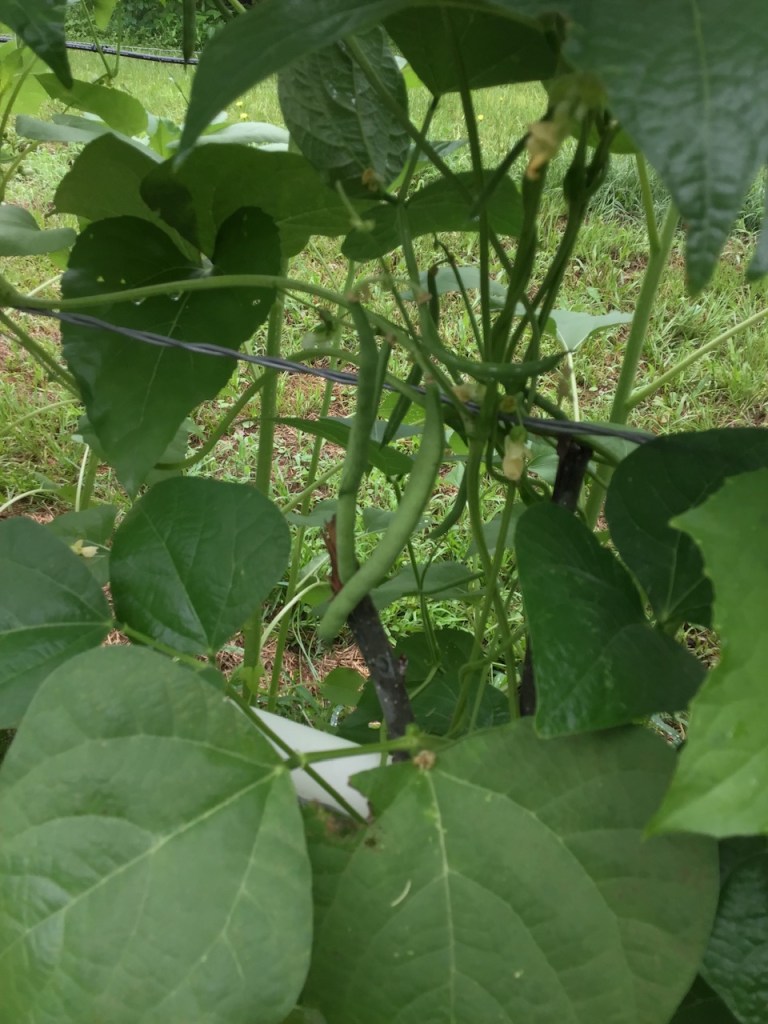
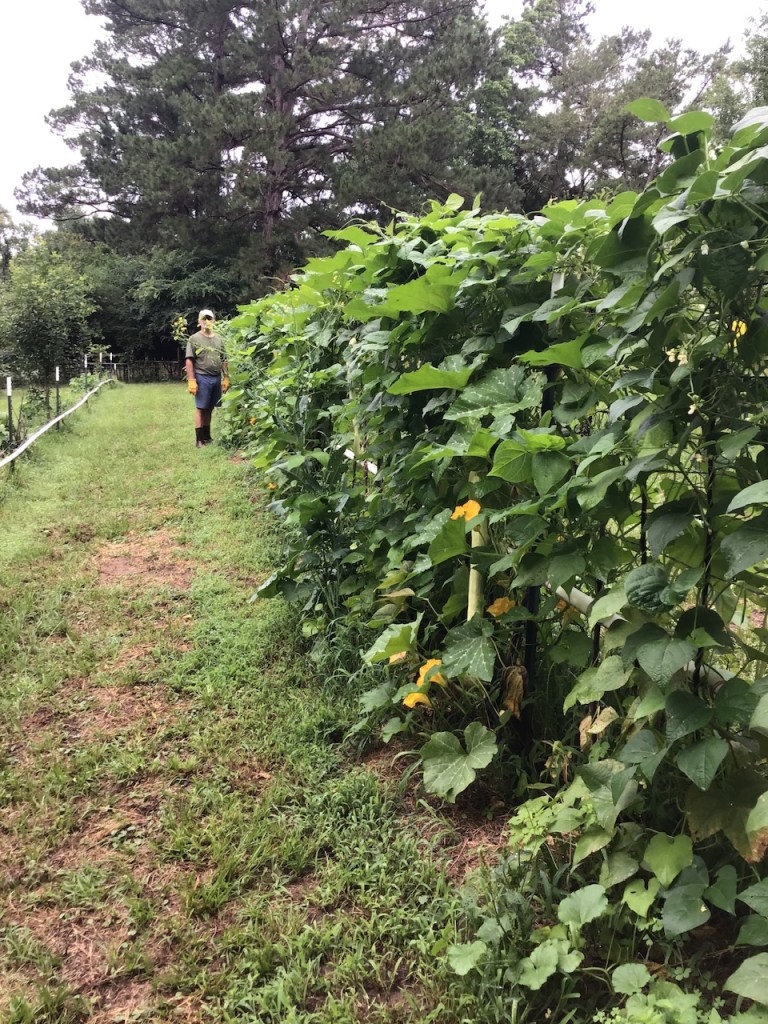
We’re getting loads of green beans from Hubby’s super green wall which also includes Trombetta squash, luffa, sunflowers and volunteer tomatoes.

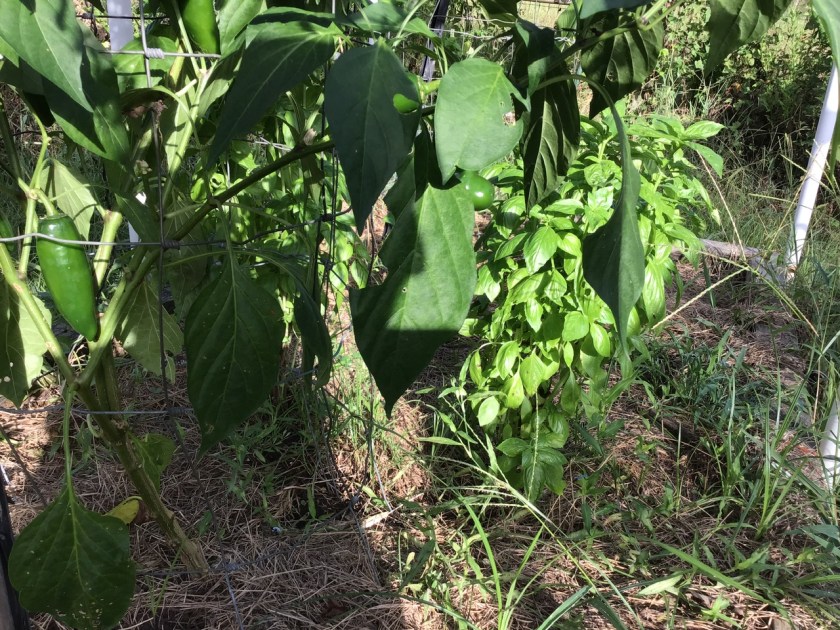
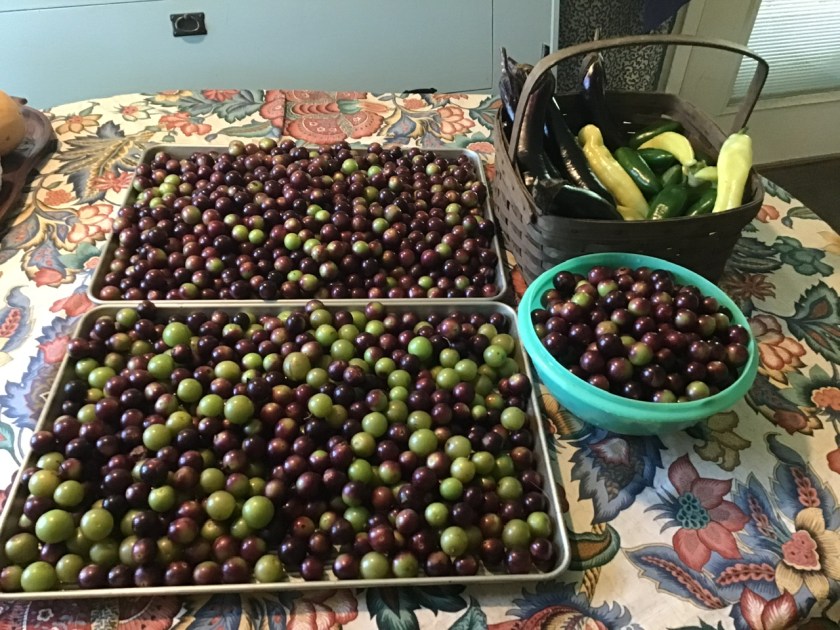
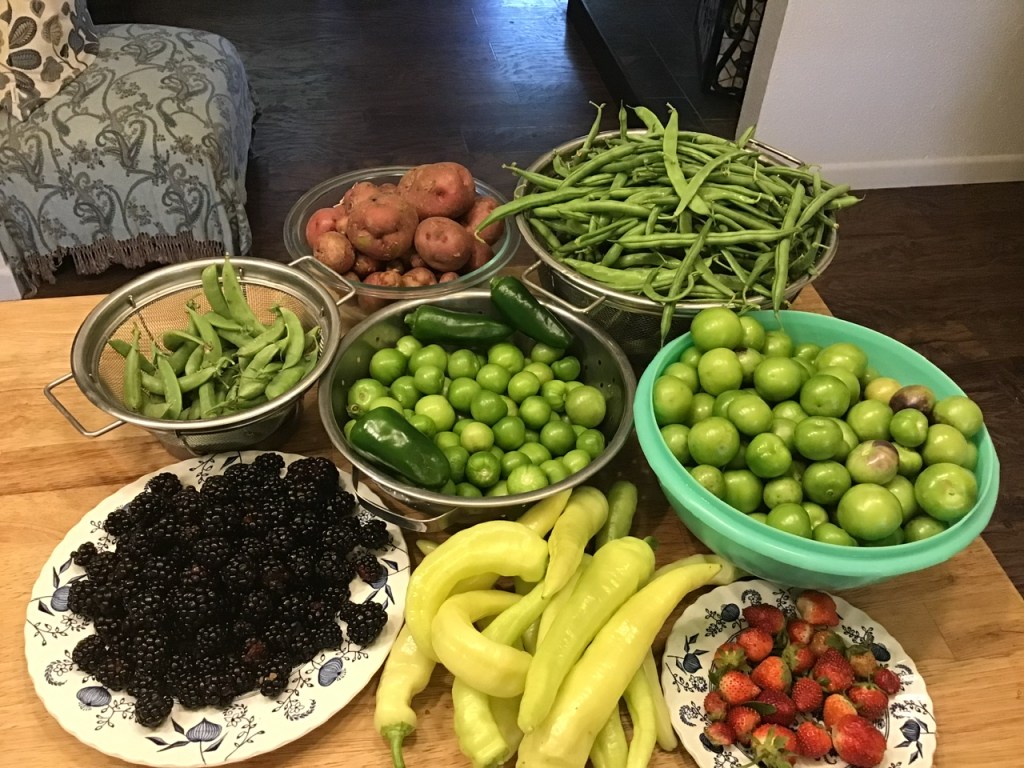
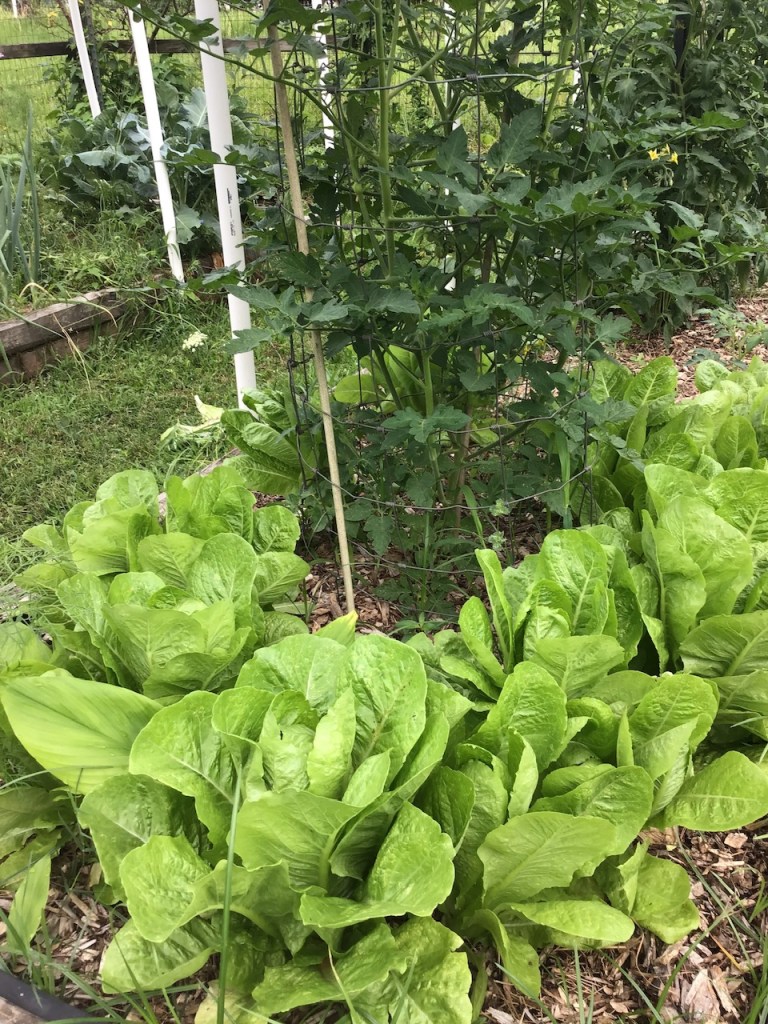
The lettuces and peppers are doing great and we’re getting loads of tomatillos already. We decided on those over tomatoes this year because the green salsa is so delicious.

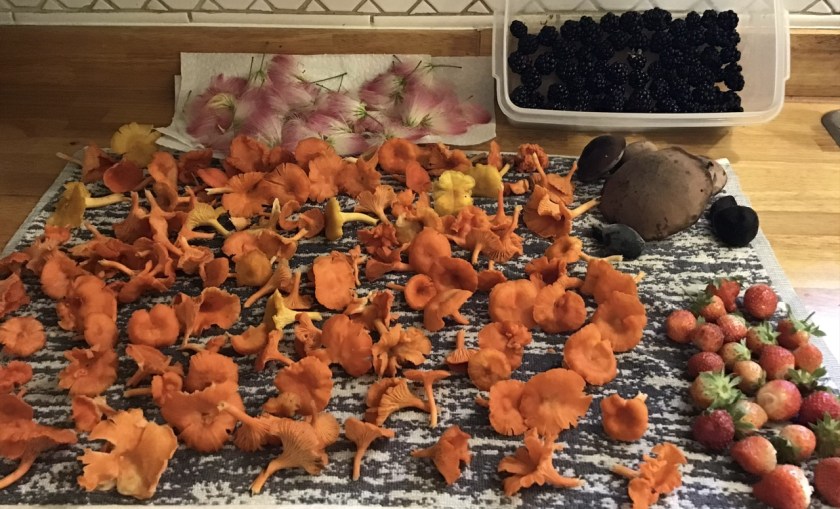
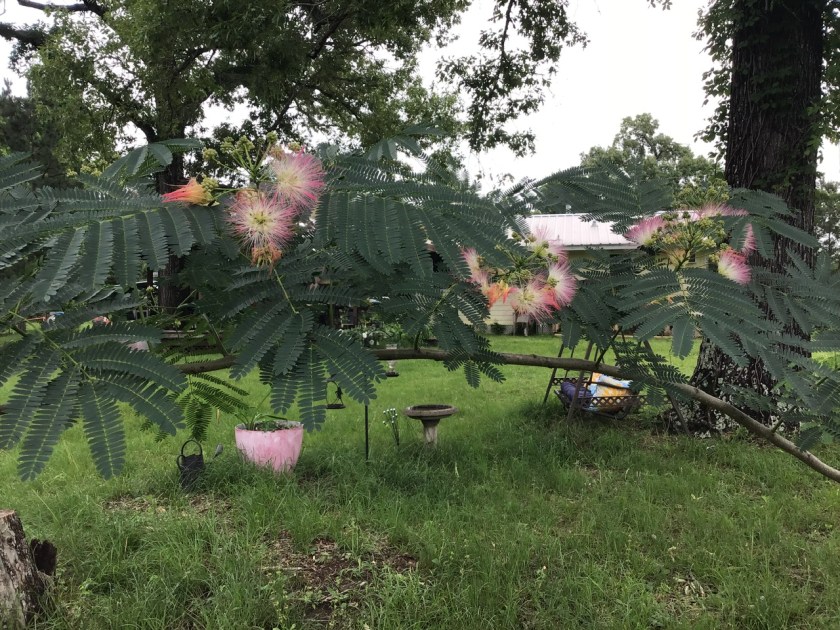
And the chanterelles are abundantand the Mimosas are blooming, and I just can’t resist.

I’ve been working on the latest addition to the Herbal Explorations pages, another demonized tree I’ve finally been able to identify and start growing and I’m so excited, the Chinaberry tree, called invasive and deemed illegal to buy, sell or import into these parts. The usual official nonsense that attempts to destroy the reputation of yet another beneficial and medicinal species.

More on the gorgeous Chinaberry, of Persian lilac in the next post.

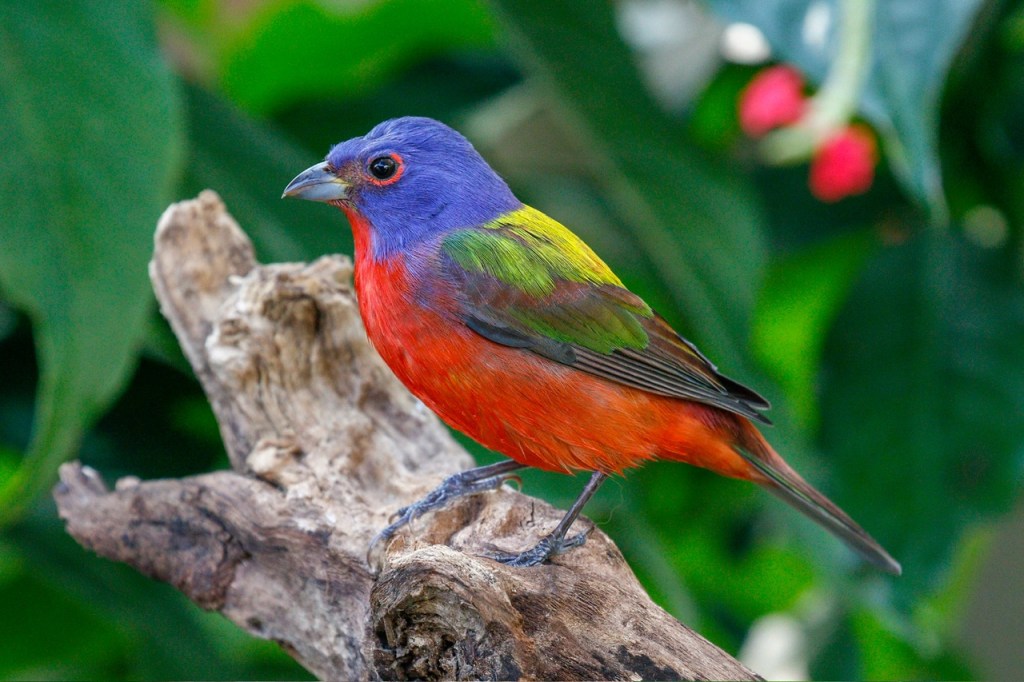
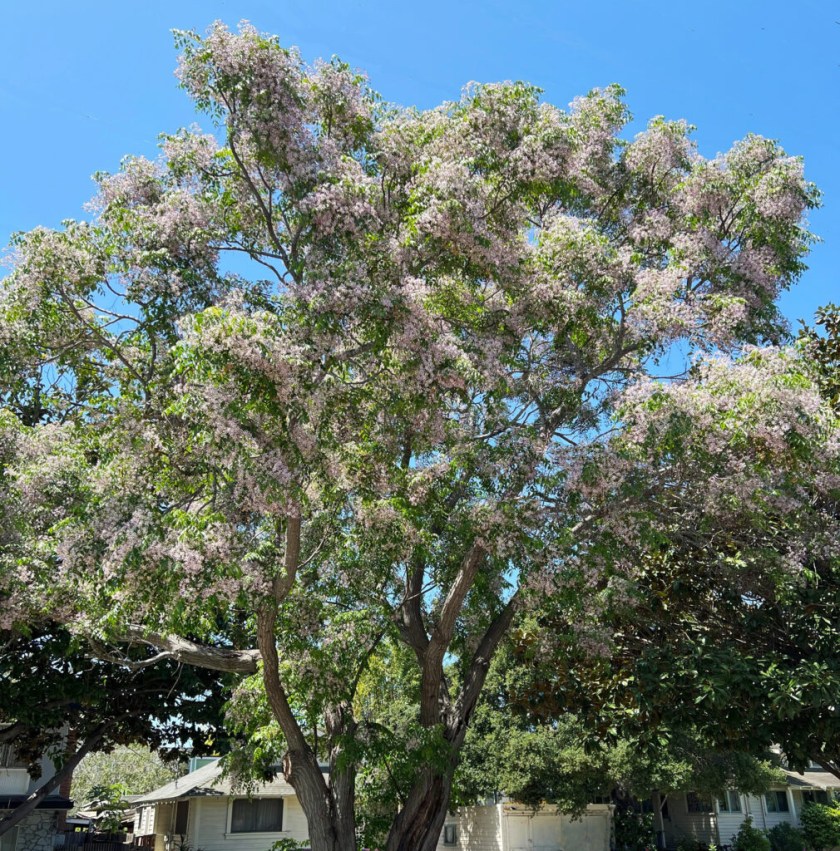
That’s a photo from online, but I hope mine looks like that someday!

Here is the happily growing young Mimosa I dug up from the road 2 years ago.

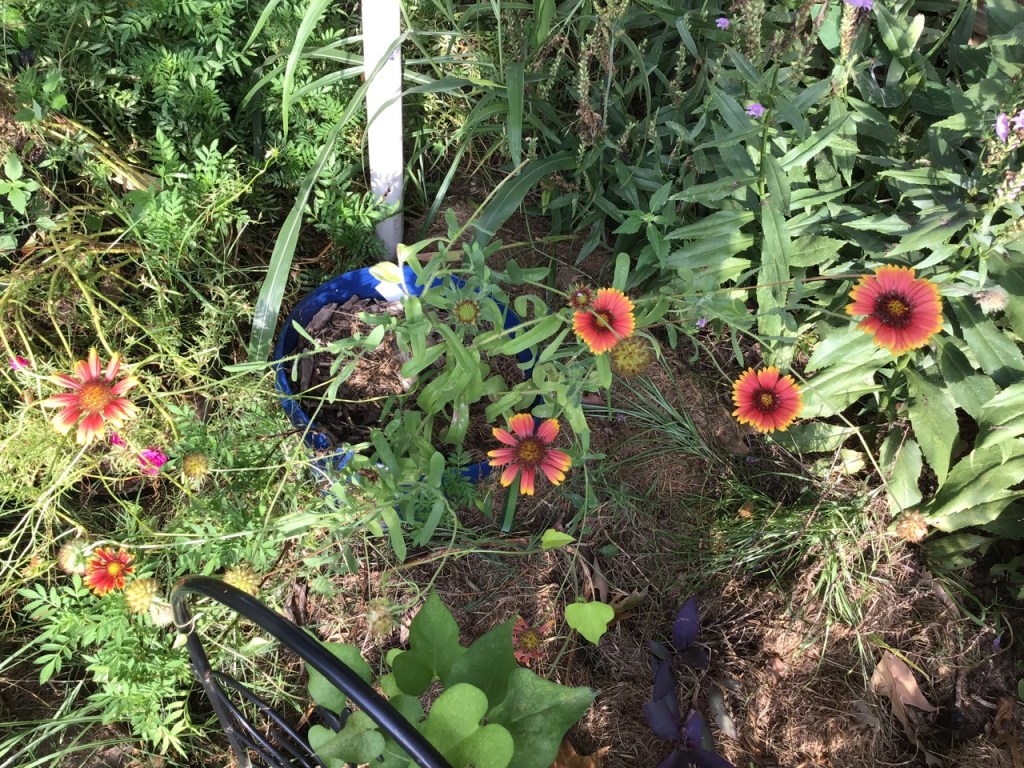
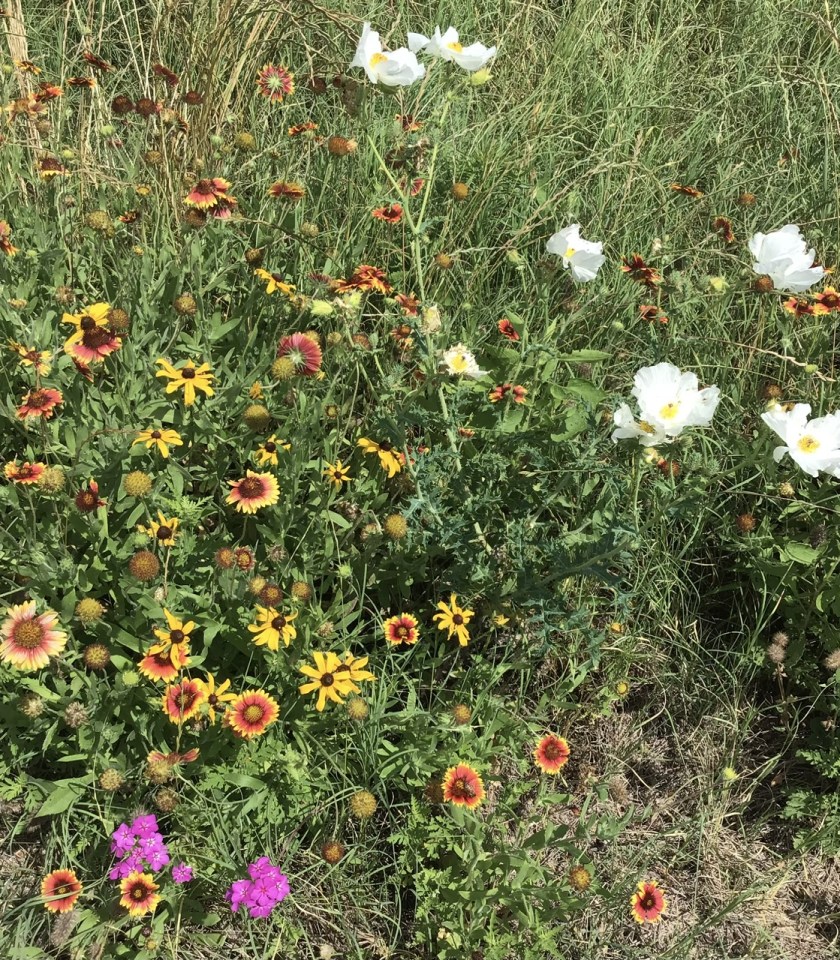
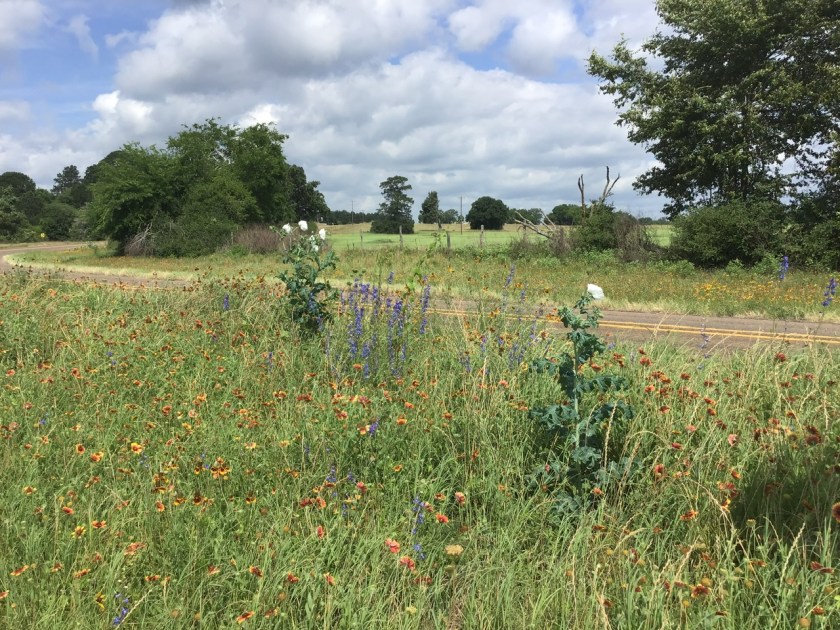
Some wild flowers on my route to my milk lady’s house.

Thanks for stopping by!

Entertaining Lessons

Just a few fun vids this post, of my favorite variety–the dual-use–both entertaining and educational!

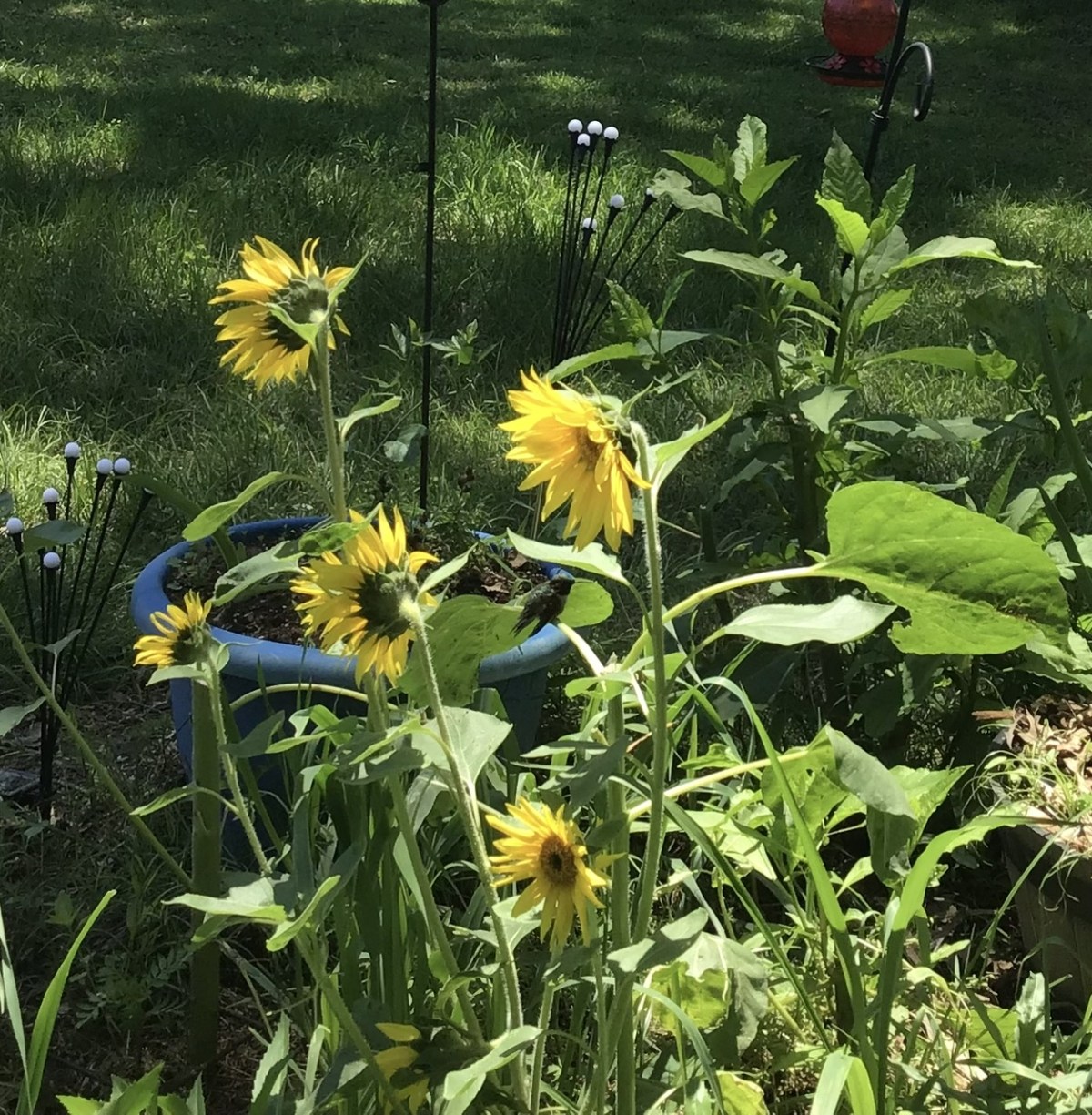
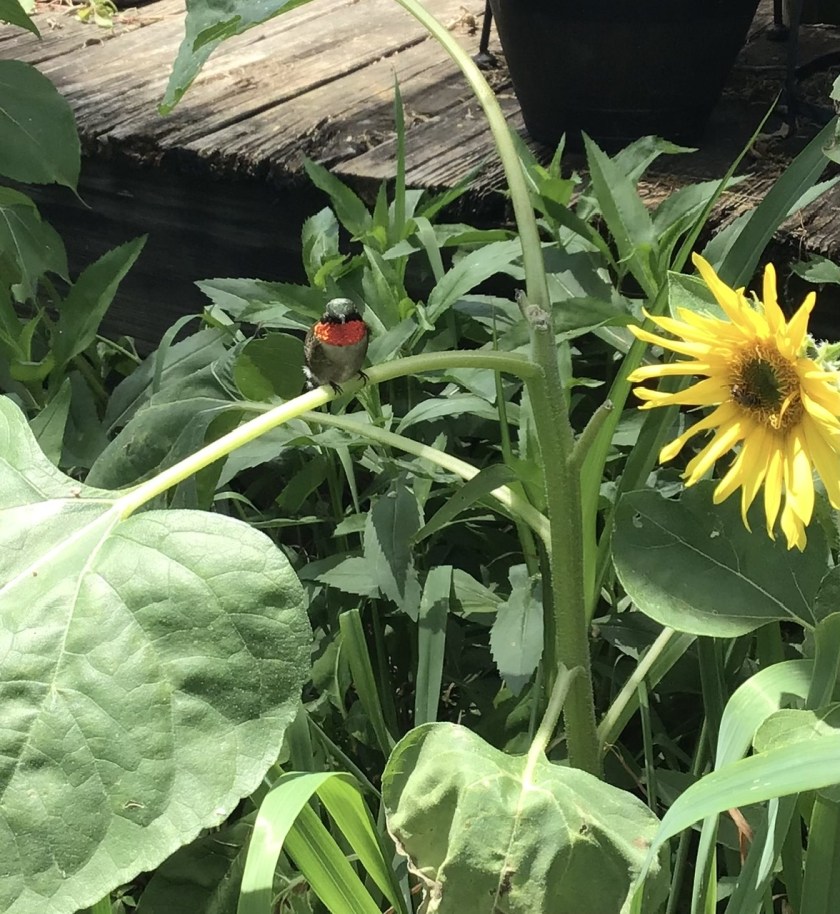
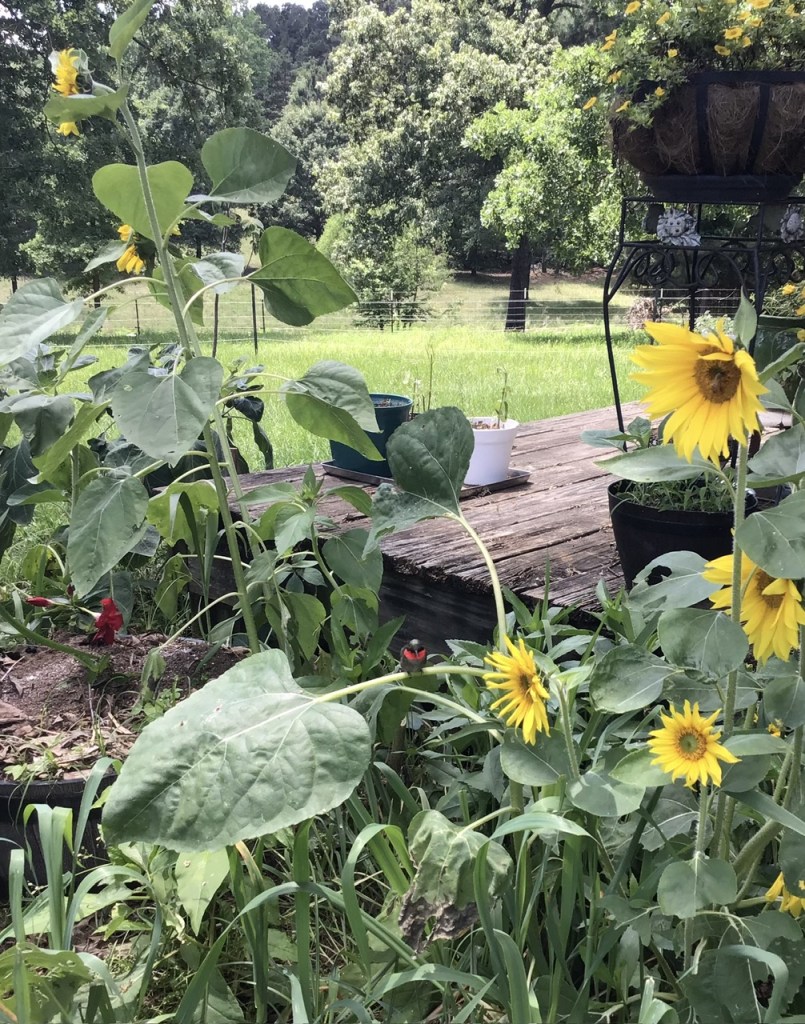
How many hours could I spend delighted by the hummingbird wars?! It gets me pondering so many things . . . like are they fighting these territorial battles for real, or just goofing off? One has taken a dominant position, guarding the post perched on a sunflower leaf, but often allows the other 7 (yes we’ve counted 8 of them!) to have a drink. Are they kin? The chosen feeder-keeper has gotten so comfortable in his position I can get very close before he gets spooked off. Which makes me realize, I don’t actually know if it’s he or she. There is a nice fire-engine red around the throat, which I think means male.

Sometimes he will stay there guarding while the others drink, while other times he chases them off in a seeming acrobatic rage. Could he be training the youth? Or trying to keep his girls in line? So many angles to ponder!

Here’s a brief slow-mo to see how deliberately yet effortless they dance around each other.

There’s another feeder just about 50 feet away, but they don’t fight over that one at all. It’s the same sugar syrup, but the other feeder is a different style, with clear glass instead of red. Is that why they prefer this one? To test that idea I’ve ordered another of the same style from Amazon. (I know, but they make it too easy!)

This one taken before the feeders were up, and right after a frost. She must have a very warm nest somewhere closeby.

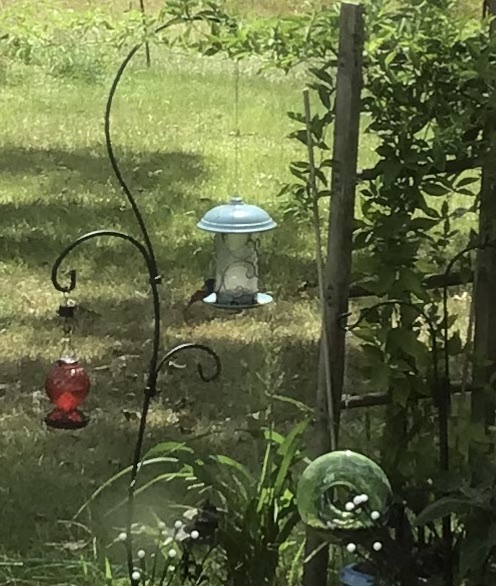
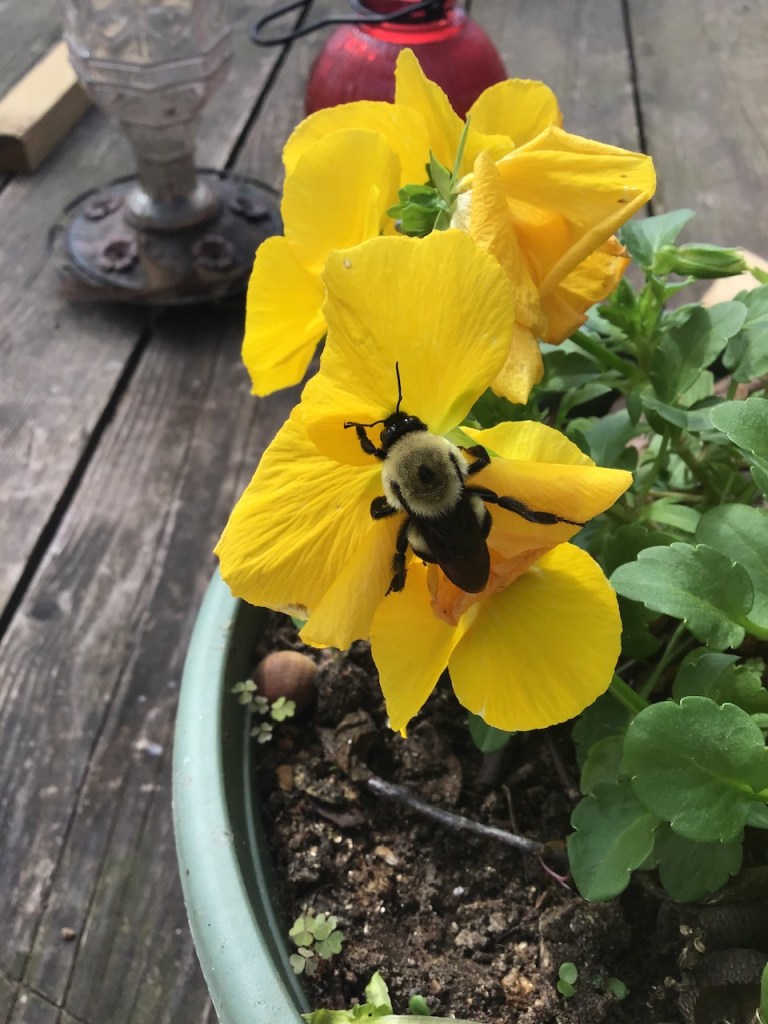
Every so often both hummingbird feeders will be full, and quietly content.  Then a bright red cardinal will come to dine on the light blue feeder and a little black and white phoebe will perch and snack in the green one.  A bumblebee will be on the pansy and honeybees on the sunflowers.  The briefest of moments of calm in paradise, before some unperceived interuption sets the scene in motion again.  

But even in the constant motion there is something so serene in the rhythm of nature, the soothing colors and harmonious patterns and consistent calls.

From Gavin Mounsey’s Newsletter, inspiring me to add more pink to the garden. https://gavinmounsey.substack.com/

In contrast, one more video. Another dual-purpose one of entertainment and education, in this case, predictive programming.

Geoengineering predictive programming thanks to The Simpsons.

Watching this captivating scene, sipping on a kombucha cocktail with Hubby as he draws up plans for our next BIG DIY project– remodeling our 1980s bathroom, at long last–is just about as perfect a Sunday as I can imagine.

Hoping your Sunday is your personal perfect paradise too!

Thanks for stopping by!

Homestead Happenings: The Real Cheese

It was too much news last time for one post, and I didn’t care to skimp on the cheese bragging, especially!

But then I got sent off on a cheese tangent when trying to simply explain why most commercially-produced cheese on grocery store shelves should not even be called real cheese anymore.

In fact, maybe even some of these fabulous-looking cheeses from traditional French fromageries like I used to love to frequent might also make the fake food list. I sincerely hope not, but France, like all of ‘the West’ are increasingly subjected to the same chemical onslought as we are in the US.

Making cheese is the best thing I’ve ever done.  In my life, without exception.  Thanks to it, I have uncovered some of the rarest, most simple, deepest and most common of universal life lessons.

No offense to Handy Hubby, marrying him is definitely a close second. 😆

I’ve heard similar magnanimous claims recounted only through such trials and tribulations as come through miracles such as child birth and motherhood. But I have not been a mother.  

Don’t cry for me though, because I found cheese!

From it I’ve delved into the practicalities–the art, the craft–of the most delicious hobby I can imagine.  I have also been either introduced, or expanded my knowledge on topics as diverse as vaccines, germ theory, pleomorphism, alchemy, modern chemistry, even math–some things which I rejected with ease or sometimes ferocity–which now claim me, my mind and passions and preoccupations, like one conquered, lured and pushed, exposed and protected, by some ultimate wisdom.  

Anyone who knew me in my younger years would be surprised, I’m sure, as my sister was, that I would willingly and repeatedly entangle my brain with math and science. Not that either is entirely necessary for traditional cheesemaking.

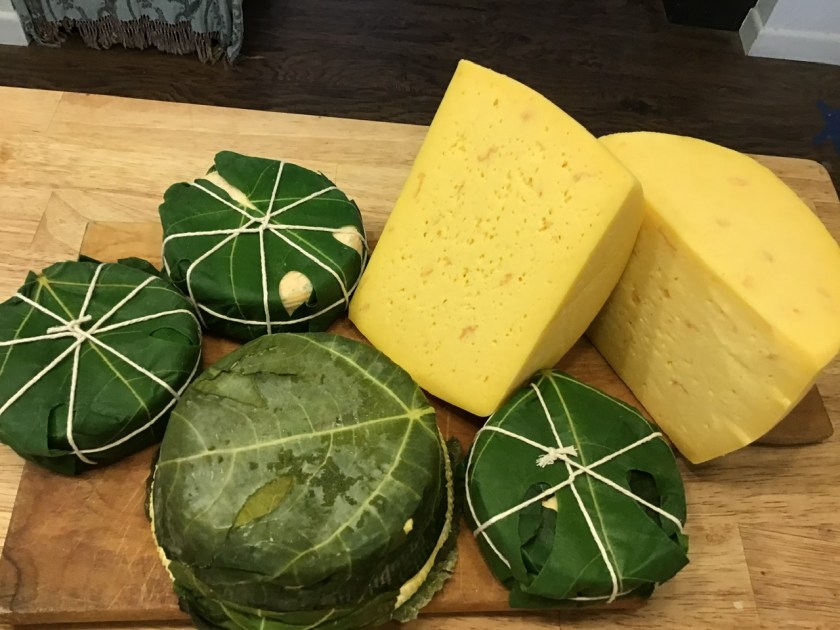
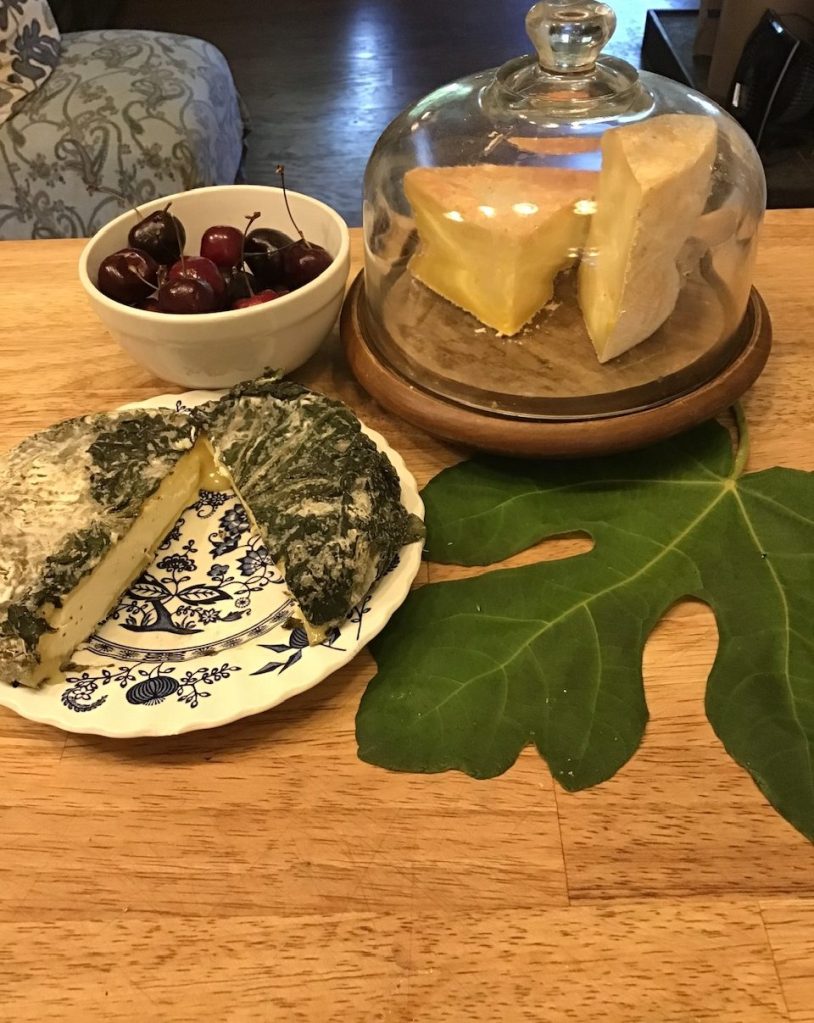
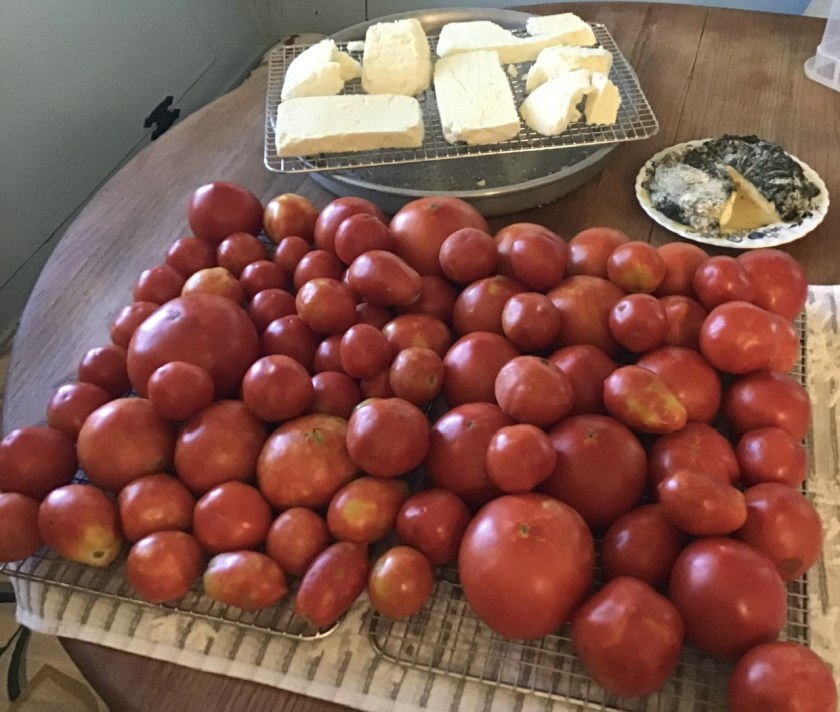
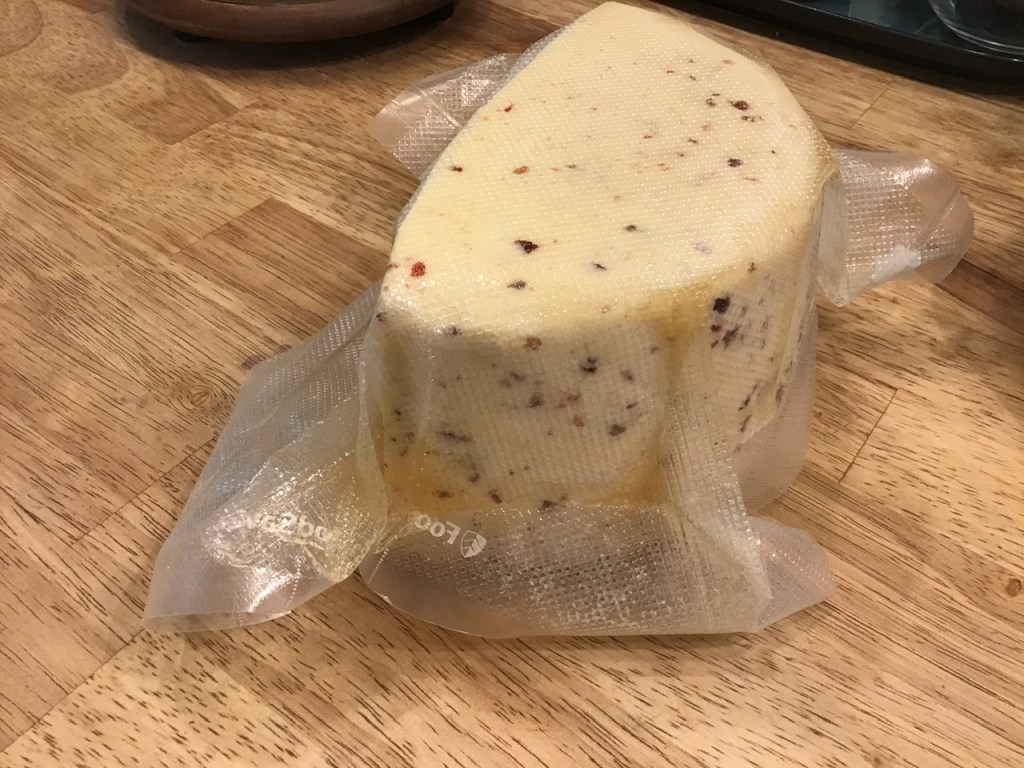
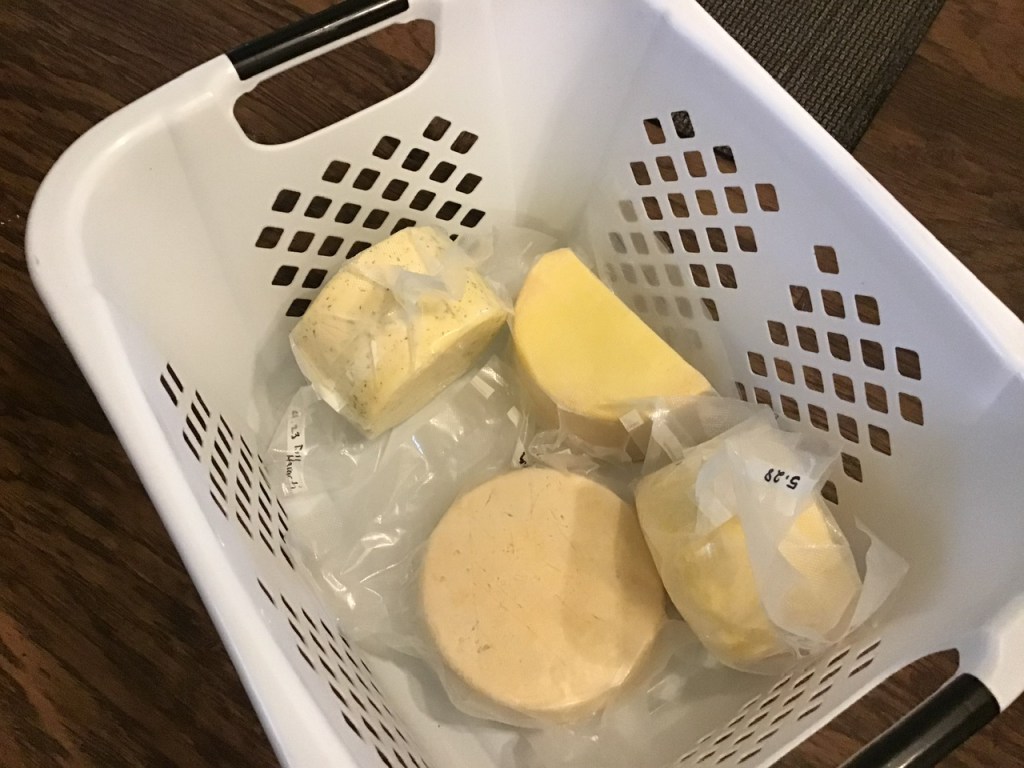
Every cheese pictured here, and plenty more that are not, I’ve made with the same 4 ingredients: locally-sourced raw milk, our own animal rennet, clabber and salt.

From David Asher’s fantastic tome, Milk Into Cheese: The Foundations of Natural Cheesemaking Using Traditional Concepts, Tools, and Techniques

Most commercial producers of cheese believe that packaged starters are the only option for cheese’s proper production; that milk is deficient in the appropriate microbes and rich in dangerous ones; and that they are incapable of realizing the work that is normally done by trained microbiologists.  DVIs (Direct Vat Innoculants–freeze-dried starters) are considered the only acceptable way to safely make cheese, and the most convenient option for producers, big or small.

He’s too polite and wise to say the industry has been completely captured, but I do believe he’d agree with me on that!

Industrial starters are by and large produced by multinational corporations. Danisco, the most prolific starter producer, is based in Denmark and is a subsidiary of DuPont.  This corporation and others like it profit off cheesemakers’ demand for a product that they do not truly need.

Industrial starters are monocultures of microorganisms that have no precedent in nature and need perfectly sterile environments in order to function correctly.  They are out of touch with the reality of cheese, which needs dozens if not hundreds of species of microbes to evolve according to their safest and most flavorful pathways.

The deception on the foundational level, resting on disproven science from the early 1900s, is bad enough.  But the consumer sees none of that, instead being swept up in extremely dubious marketing practices that call these starters natural and necessary.

And that’s even before we delve into the mass manufacturing of “vegetarian rennet” –that is the lab-derived coagulant now used by the vast majority of cheesemakers large and small around the West and perhaps the world, which also also claims to be natural.

Four ingredients.  Just think about that for a moment, please!  That is all it takes to delight, and/or to disgust, in a thousand different ways.  

Labeling, on cheeses as on GMOs, is simply another way to con the consumer.  The process is as important as the ingredients and changing the meaning of words is par for the course.  More on that next post as I delve into the “Nutrition” label of a popular cheese brand.

Fermentation and the art of putrefaction is the process.  Technically putrefaction is the wrong word, though it does sort of work!

Affinage is the correct term for the fine craft of cheese maturation.  According to AI the difference is:

“Putrefaction refers to the decomposition of organic matter, which can negatively affect cheese quality, while affinage is the controlled aging process that enhances the flavor and texture of cheese. Proper affinage prevents undesirable putrefaction by managing environmental conditions and microbial activity during cheese maturation.”

So it’s basically desirable putrefaction.  It’s like the difference between a weed and an herb, it depends on whose garden it is.

But still, think about that! Like aging fine wines and wiskeys, even hot sauces, this is proper fermentation, where territory REALLY matters.  Where some old-school crafters even insist no one else can touch their concoctions or they’re immediately spoiled.  True story!  

It’s POD taken to an extreme unknown even to our own extreme-loving culture.

POD, or DO (designation of origin) is to the cheese world what Provenance is to the art world.  It is, literally, about ‘savoir faire’ (know-how) –being able to trace the work, the process, back to its source.

Perhaps so that industry can try to capture a piece of that magic? Individual and smallscale crafters in the market are not allowed the same right to privacy as the Big Food manufacturers, who routinely get to claim “proprietary” status whenever they care not to divulge their special little secrets. 

Aging cheese, affinage, is an art, craft, indeed a profession, so ancient it predates our recorded history.  It has nothing at all to do with commercial pasteurization, or chemically-adulterated cheeses, which has absolutely compromised the craft.  Which has been further compromised by a negligence of public health standards and an indifference to territory and creating a GloboGlob culture that is so synthetic it now considers consuming chemicals as food ‘natural’.

And if you are among the great many who are allergic, they don’t tell you it’s because they’ve completely adulterated the ingredients, the process, and even the meaning of words, oh no, they tell you ‘plant-based cheese’ is the next great thing they’re creating just for you!

The new ‘art’ eh? I think not. But time will tell.

Our tastes tell us a much bigger story than our grocery stores care to oblige.  And the ever-increasing health consequences and debilitating diseases point to our palates and our plates, which should take their rightful place at the top of that pyramid of problems.

Cheese is full of life and how each cheese is treated determines its outcome.  Kind of like children too.  It is not a source of disease, though like rearing anything, it can be a source of dis-ease! 

I also feel such a drive to protect these precious processes.  The downright bastardization of what’s considered natural in these times is only escalating toward greater absurdity.  “Natural” and “only possible to manufacture in a lab setting” should not be synonomous!

If that makes me a food snob, I am pleased to claim the title!  We’ll need an army of Queen Food Snobs to push back against this crazy.

Homestead Happenings

We’ve got a sad-but-funny Shadow story, the usual weather nonsense, garden goodies, another instance of AI lies, lots of cheese bragging, the will of pigs, my creativity commitment, all in no particular order.

We’ve had both new setbacks and new achievements so far this growing season.

The false friend of an early spring might feel nice for some temporarily, but most got slammed hard by the subsequent freeze weeks later. We lost all the fruit trees except the citrus, which Hubby’s been painstakingly covering and uncovering all Weather Whiplash Season. The figs, mulberries, magnolias and even the oaks got it the worst as they were already well leafed out.

The lovely wild cherry we uncovered about six years ago when Hubby cleared for the new chicken coop was another sad loss, again. It looks so beautiful full of blossoms, but only once did they last long enough for a cherry harvest. If it’s not the late frosts, it’s the wind, or the bag worms that destroy them.

I’m sure it has nothing at all to do with these totally natural clouds that come right in lockstep with our strange weather, I’m certainly not seeing any patterns and I surely don’t imagine these are some sort of chemicals that fill the sky and do weird things like change the atmosphere, and the climate. Heavens no!

What crazy talk! This is just beautiful big Texas country skies, that’s all!

On the fun success side of things, we have the earliest pepper harvest ever, by far. This was no thanks to the weather either, but rather to my laziness. Now that’s a rare and welcome anamoly! I had excellent success for the first time over-wintering three varieties, after multiple failed attempts. The trick seems to be to never move them. Whereas before I’d haul them in and out during our warm to freeze snaps, thinking I was benefitting them with all the extra effort, in fact no, they did best parked in front of the window for three months.

We’ve already had a little harvest because I feared the still small limbs so heavy with fruits might not fare so well in our next big wind.

The strawberries are another big success, which I finally achieved after so much trial and error, especially error. So successful I shared wheelbarrows full of plants with many friends and neighbors, one who asked to share my tips with the Master Gardeners county extension newsletter. So, here they are! It is certainly a high maintenance crop, but such delicious rewards.

We were able to save the majority of tomatillos from the freeze, but not the tomatoes, not sure why. We had to double cover them, with pots and then frost blankets on top, but that worked. We’d already opted for tomatillos over tomatoes this year for a nice change of pace.

The onions and garlic were not bothered by the freeze and are still growing strong.

plus we’ve got lots of carrots and lettuces, while the crucifers jump directly to seed in their seasonal confusion.

We were also able to get an early jump on blooms we housed with the citrus, so that’s fun. I never tire of more flowers!

Even an extraordinarily early datura!

In other happy news there are always the cute little lambs.

They appear so sweet and harmless, n’est ce pas? But don’t ask our poor terrorized Shadow to agree with that assessment!

Friend or foe, sometimes we don’t know.

He looks, and often acts, like a big brut. But one mama has such a hate toward him he can’t even cross the yard in her presence! Hubby literally has to escort him if the lambs are in the front yard, she will charge at him from 15 yards, and even his meanest growl won’t keep her from butting him if he’s unprotected by a human. The poor dear, it must be terribly immasculating. 😆

Please refrain from shaming the Shadow, he’s a lover not a fighter!

But speaking of fighters, pigs can be extremely pig-headed, in case you didn’t know that slander is very true.

Hubby had already decided to take a sabbatical from pig-rearing last year, and planned it for this spring. He put old Papa Chop down in December after his last breeding hurrah. Seems providence wanted to put a fine point on that decision, by making this round particularly painful. Knowing a big storm was coming, he positioned Mama Chop’s birthing area under cover. She had other ideas, probably because it was so damn hot. They tusseled for two days, she won. Just as Hubby predicted, 3/4 of her litter drowned. And that’s the end of his breeding adventures.

Other changes in our territory are equally ambiguous, are they for better, or for worse? Two opposing, and/or related events. One on the plus side–we seem to be having a resurgence of wildlife. I’ve had multiple sitings of wild turkey, and now we hear some down by the creek seeming to have taken up residence there. I’ve heard many stories of abundant wild turkey in these parts from oldtimers, but in nearly 20 years here had not come across them. Feral hog are another story, they’re always around. But there’s been more deer too, it seems. And rabbits, squirrel and bobcat. No complaints from me, I love to see it! Though I do wonder, might it be because all the oil activity here now is forcing them out of other nearby habitat?

Time will tell.

Friend or foe, sometimes we’ll never know. Like this little guy, lounging in our garden shed, who didn’t seem to find me nearly as cute as I found him! As he struck at the bill of my cap and made me jump like a squealing teenager.

Harmless, I know, jump and squeal I still did! 😂

The last two points will have to wait–my creative commitment and the latest AI lies–they are intrinsically related, please stay tuned.

And the cheese bragging! Coming very soon!

And thanks for stopping by! Until then, a simple song, for us simpletons. 😆🤗😘

Cartoon Reality

I grew up in the suburbs; I found it really boring; I watched a lot of TV, especially cartoons.

For better or worse, a good portion of my sense of justice came from Bugs Bunny.

Which is actually a lot more healthy than what passes for justice these days, I’d say!

During that time artificial reality did not blur so readily with actual reality. Now when I watch any media I see cartoons everywhere. I see cartoons when I look at people, too. So many have created caricatures of themselves it is clear there is too little authentic left to matter in them anymore. It’s like a return to the primitive, only plastic. Surface obsessed–the inner world collapsed in order to buttress the phony outer world of a manufactured jungle.

The following I copied and/or jotted down from still more media consumption, from a writer I imagine is real, who calls himself Stylman. Interesting name. I stopped following, despite his many wise expressions, when he wrote he thought the crazy weather is being controlled by the fears of the people who believe in geoengineering. A lunatic, obviously. And yet, some prescient views nonetheless.

“And it’s a road to nowhere—a few winners, millions of casualties, and an entire generation taught that their value lies in their ability to perform rather than create, to influence rather than contribute, to be seen rather than to matter.”

Now we live in an era where TikTok influencers who dance for thirty seconds make more than teachers, nurses, or the engineers who build our bridges. We’ve moved from celebrating skill to monetizing attention, from honoring achievement to rewarding performance and exhibitionism.

The fame machine isn’t just anti-human—it’s filling the void left by our disconnection from authentic community and natural guidance, while simultaneously being the logical response to living under constant surveillance.

But this isn’t cultural drift – it’s social engineering. The same institutional forces that have systematically replaced real information, real money, and real community are now replacing authentic human development with performance for strangers. This reflects a broader pattern: we live in an era where every essential human system has been replaced with artificial substitutes designed to harvest our energy rather than nourish our souls.

We’ve built a system that teaches them to treat their lives like content. That tells them: if you’re not being seen, you’re not really here. That your private self has no value unless it’s validated by strangers. We’ve stripped away something essential—the right to exist without an audience.”

While I agree, it’s actually much worse, in my experience.

The invasion of privacy of public systems and the individuals willing to force this state on everyone have deeply influenced inter-personal relationships as well–corrupting them, disfiguring them into parallel invasions–where expectation, extraction, exploitation has become the nauseating norm, and accountability has become entirely absent.

The public and private realities mirroring each other. Recently when I was visiting a dear friend who is Uber-Tech-Attached I had a Truman Show Moment, where she was gushing over her new air-fryer and I got the uncomfortable and uncanny sense I was unvoluntarily in an infomercial.

It’s a very creepy feeling I knew she would not understand.

Folks are faking their way through life, and this will have continued disastrous consequences.

The invasions will continue, until the trespasses are rejected and honor is restored to privacy and to nature.

The dangers of such a system, where access is assumed–access to your private spaces, your private thoughts, from your micro-expressions to your quotidian habits–is a culture of mutual parasitism, not even close to mutual understanding. This is not a culture more connected, it’s a culture more devolved. Incapable of boundaries, non-chalant around respect and autonomy, mocking of custom and structure, collapsing into a decaying emptiness. The nothingness of perpetually dissolving illusions, like the garish carricatures of a cartoonish, substanceless life.

A life perpetually romanticising illusion.

Even as its entire life support system slips away.

Even as the answer is so very simple.

Geoegineering Anarchy?

Geoengineering meets Anarchy, now that’s sexy!

Once again a sweet synchronicity has me posting more links for more good minds’ consideration.

It Is Time to Put to Bed the Lies and Misconceptions Associated With the Term ‘Anarchy’ – LewRockwell

“Anarchism is not a romantic fable but the hardheaded realization, based on five thousand years of experience, that we cannot entrust the management of our lives to kings, priests, politicians, generals, and county commissioners.”

~ Edward Abbey

What Anarchy Is:

I tire of constantly having to explain what anarchy is and what it is not. I tire of having to explain our language to those who seem never to have the time or inclination to study and learn it on their own, and without prejudice. Words mean things, and cannot be arbitrarily changed, or altered to suit a mood, an agenda, or be used improperly in order to create out of thin air, a State or political narrative, or to advance any particular agenda. To begin my comments, I will clarify that the word anarchy simply means no rule – no rulers, and therefore, no master or government; period. 

If one is to go to most any modern dictionary, or look at dictionary synonyms, the list is common. The synonyms used to describe anarchy are: chaos, confusion, disorder, lawlessness, nihilism, rebellion, riot, turmoil, disorganization, insurrection, mutiny, revolution, tumult, mobocracy, mob rule, non-government, reign of terror, and unrest. Only one of these terms is correct; all the others are false, and have been intentionally manufactured to change the true meaning of anarchy. Non-government (no government) is the only correct synonym used, but all other descriptions are what most any would not only find if searching for the meaning of anarchy, but what they would also believe. Of course, few would search out the true meaning by going to the Greek root system of our language, and of course, that is by design as well. Why else do ‘public’ (government controlled ) schools (government indoctrination training centers) exist?

The refreshing article coincided with an ‘interesting’ new documentary on my long-time favorite conspiracy theory–the weather.

Climate Trails, which can be streamed for the price of a Starbuck’s latte, on Amazon.

What got me to find this latest gem is that I was curious and went looking for the first ‘chemtrail’ whistleblower I’d found, round about 2014.  She had been threatened and forced out of the Air Force in 2010 and I’d been really moved by her story.

USAF Environmental Specialist and Air Force ‘chemtrail’ whistleblower interviewed in 2014, threatened and forced out in 2010.

Kristen Meghan

It also includes the courageous activist, Kathryn Saari, who I wrote about a year or so ago, called MellowKat on her Substack.

A very ‘interesting’ documentary, and by that I mean curious.  Perhaps meant to create cognitive dissonance by simultaneous clips of a cursing Anarchist with a well-meaning Kentucky politician, both trying to address the geoengineered atmosphere.  Perhaps with the ultimate ‘come together against this evil’ intention.

Of course we all already know the UK admitd it’s going to dim the sun, and Bill Gates can’t wait to make more billions poisoning more populations in more ways.

I learned that 32 states now have some legislation in the works against weather modification/geoengineering and while I have said in the past this is pointless, the states have zero jurisdiction over this level of operations, I think I was underestimating the overall strategy, perhaps being that I’ve always been a big hater of games.

It is raising awareness.  It’s not that I’m not thrilled for that, I absolutely am!  

My concern though is, by raising awareness, are we raising more folks who really care about the environment and want to stop these persecutions of the natural world?  Or, are we just creating more markets for the great many who choose to profit off our serious problems?

Industrial vs Traditional Cheesemaking

Such a synchronistic interview popped into my feeds, which I just have to share. Not only is our wee homestead full of young blood sucking down mamas’ milk, but I’m also teaching another cheesemaking workshop this week.

So, milk is big on my mind, nothing unusual there.

This interview from Weston A. Price is priceless! It really is such an awesome feeling for me when a new and powerful voice comes on the scene repeating what I sincerely believe and what we have been diligently cultivating on the wee homestead. We are losing too much of great value in our blind rush toward ‘progress’. We’ve got to work harder to keep hold of our wise traditions, or they will be lost forever.

This traditional cheesemaker, Trevor Warmedahl, follows the David Asher school of ‘black sheep’ cheesemaking and is doing such an inspiring job of it.

He discusses the on-going rennet controversy, which I’ve also mentioned, here https://kenshohomestead.org/2024/03/04/cheese-brought-to-you-by-pfizer/

Clearly this issue is getting lots more attention lately, but it has been on the radar of many cheese-lovers since the 90s, including yours truly, because I was so peeved to have to give up cheese, because I was suddenly ‘lactose-intolerant’, like loads of other people. But at that time it was only in the U.S. I couldn’t eat breat or cheese, not in Europe.

Today in Europe they have also been inundated with ‘vegetarian’ rennet and glyphosate and other chemical industrial products and processes, and when it comes to cheese, the vast majority are not labeled as such. I got suspicious, started asking a lot of uncomfortable questions, and found out A LOT about GMOs and our body’s reaction to them.

The interview summary and link for anyone interested in some fantastic cheese talk (he even talks about the maggot-ripened cheeses I’ve mentioned quite a few times on this blog!)

Traditional cheesemakers respect the process of cheesemaking. They honor the environment, the animal, its milk and traditional techniques – all of which lead to delicious, nutritious cheese. Industrial cheesemaking, in stark contrast, emphasizes sterile conditions, uniformity, and artificial inputs (including GMO-derived rennet). The cheese that results from the conventional approach is consistent… but misses a lot in terms of flavor profile and nutrients.
 
Trevor Warmedahl is a cheesemaker, fermentation educator and the author of Cheese Trekking. Today, he takes us on a cheese adventure, as we gain insight on traditional, artisanal cheesemaking. He gives us pause about what is in our fridge and where it comes from.
 
Trevor has trekked all over the world, working alongside artisanal cheesemakers, so he understands and shares the importance of working with (instead of against) microbes and nature. He describes cheeses you may have never heard of, along with unique approaches to making them. Trevor also helps us take stock of what has been lost in our modern approach to cheesemaking.
 
Visit Trevor’s website: sourmilkschool.com

https://www.sourmilkschool.com/

Listen to the interview:

Part 16: My dark little secret

Another one from the deep archives, 9 years ago this month. In reflection what I wish is that I’d had more time to elaborate and get better photos. Noted, but probably not improving much in all these years. Maybe that’s why it had zero likes besides my own?! Room for improvement.

I know in these old posts formats and links are screwy. Sorry about that, but hope it’s still of value to someone, somewhere, sometime, besides me.

3.20.2017

Some iconic lines in films imprint on the psyche collectively and I know you could think of one right now that instantly crosses several generations and continental divides.

You can’t handle the truth!” Name that film, name that actor. Could you even name his co-star in that blockbuster?

Somehow, somewhere, as a collective, we’ve given ourselves over to worship and celebrity and fantasy and distraction in the most destructive ways. I am not resolved from that influence and never will be.  I watched TV constantly for years in high school, only to give it up for years later in exchange for an exhaustive social life, only to give that up more years later for work I found most of all, exhausting.

I had/have this secret fantasy I’m going to share right now (again). After hurricane Katrina, right after, when I heard on the news the city was more or less safe, and me many hours away in a quaint bed and breakfast drinking wine with lunch, the hurricane widely reported as much less dangerous than anticipated, but that residents would need to stay away for a few days at least for safety precautions, I was glad.  Nearly giddy, and not from the wine.

I had just started a new position at Tulane university and already I didn’t really want to go back. It took a day or so more before all hell broke out and select areas of the city flooded terribly and all residents had to stay out indefinitely. In our case, we were allowed to go back after two months. For some, it was never. We lived in a trendy and relatively upscale area right on Audubon Park. It was a beautiful spot, both before and after the hurricane. Some were far from so lucky and they’d been there many generations, not just two weeks, like us.

I do hold shame for this secret fantasy, because I still feel it. When I dwell, necessarily, in the dark places of my life and the world, I know there is much sickness, far too much. Far too much destruction, voluntary and deliberate and needless.  Still, I have dwelt in destruction.

And there is too much wind, dammit, all around me lately seeming to get worse every year. It’s bloody annoying!  We had no winter and now no spring.  The plants and animals struggle with it far less than I, but still, I know, they do.

Wind is really stressful!  This makes me smile, because there was a time I lived in Chicago and worked downtown and yes, the wind was legendary, but it was mostly something I peered at from the window and got annoyed at how it affected my hairdo.

But the wind is far more powerful and penetrating than I had, and I think most, ever realize. Is that not what blew down the house of each of the three little pigs?

They are blowing, those wolves, our weather right now is as manipulated as the currency market. And in my secret fantasy I sometimes can’t help but wonder—would we all be better off in the long run if they would just blow it all down?  Roses blooming at the same time as the dogwood?! It just ain’t right.

This week’s breadcrumb, I’ve got so many I’d love to share this week, but this one is so essential it needs to stand alone.

Unslaved podcast, exploring the self in the work of Ayn Rand and others.

As the world reboots, this is where the rubber will meet the road.

https://youtu.be/vgL1AA-eX4I

https://unslaved.com/the-path-to-selfhood-ayn-rand/


huntress
After I got over the shock of hearing the squeals of a drift of wild hogs crashing through the forest, and the fear that I’d lost our dearest Tori, I was amazed to see her come through the trees clearly proud of herself.

duchesse
Still a fav, La Duchesse de Brabant, unfortunately with a bad case of ‘black spot’ but which I’ve been treating with whey, banana peels and chicken poop.

toriillumine
Tori’s ‘Illuminati’ pose, hehehehehe!