
Don’t Help, Please!

I really mean it, for all, not just the government. You seriously over-estimate yourselves, all ye who cling to the coping, helping, giving categories.

At 12 I asked my ballet teacher to help me improve my lacklaster turnout. I have hip problems to this day from her suggested, prolongued, insufferable positions.

At 20 I asked my professor to help me with a chapter of my novel. That was asking a lot, but rather than saying ‘no’ she redirected me from my natural aptitude toward her personal literary preferences.

At 23 I asked a close friend to teach me to snow ski. Big mistake, I loathe downhill skiing to this day after he ‘accidentally’ led me down the black diamond run instead of the bunny hills.

At 33 I asked my sister for advice on a very sensitive issue. Big fucking mistake, again.

At 40, oh yes, more bad advice. Not long after that crisis I was given ‘help’ after asking for it, in the form of drama from disturbed individuals. Ask for help, receive drama, that’s the pattern.

And more at 45, indeed still at 55, plus!

The solicited advice is bad enough, then there’s the constant stream of unsolicited advice.

The latest offense coming laughably not too long ago. “Don’t say yes to things that will drain you.”

Classic condescending cuntery! From a so-called friend! That will be going on a permanent plaque in the forefront of my mind, forever.

So many (not) thanks!

Will I ever learn? Can I ever learn?!

Let me give y’all some really hard-earned, yet totally unsolicited advice.

Most advice sucks! Most advice proferrers are FOS.

We-means-I . . .

Hopefully, maybe overtime we recognize and can more easily sift the rare and precious advice from the . . . might we dare to say . . . the profane?

Self-satisfaction is king and his queen is self-delusion!
And you can quote me on that!

And all that bitched, here’s my best-ever advice based on a lifetime of bad advice, and now featured eternally on Youtube: Choose reality over fantasy.

Rocket science, eh?

And that’s all folks!

Thanks for stopping by.

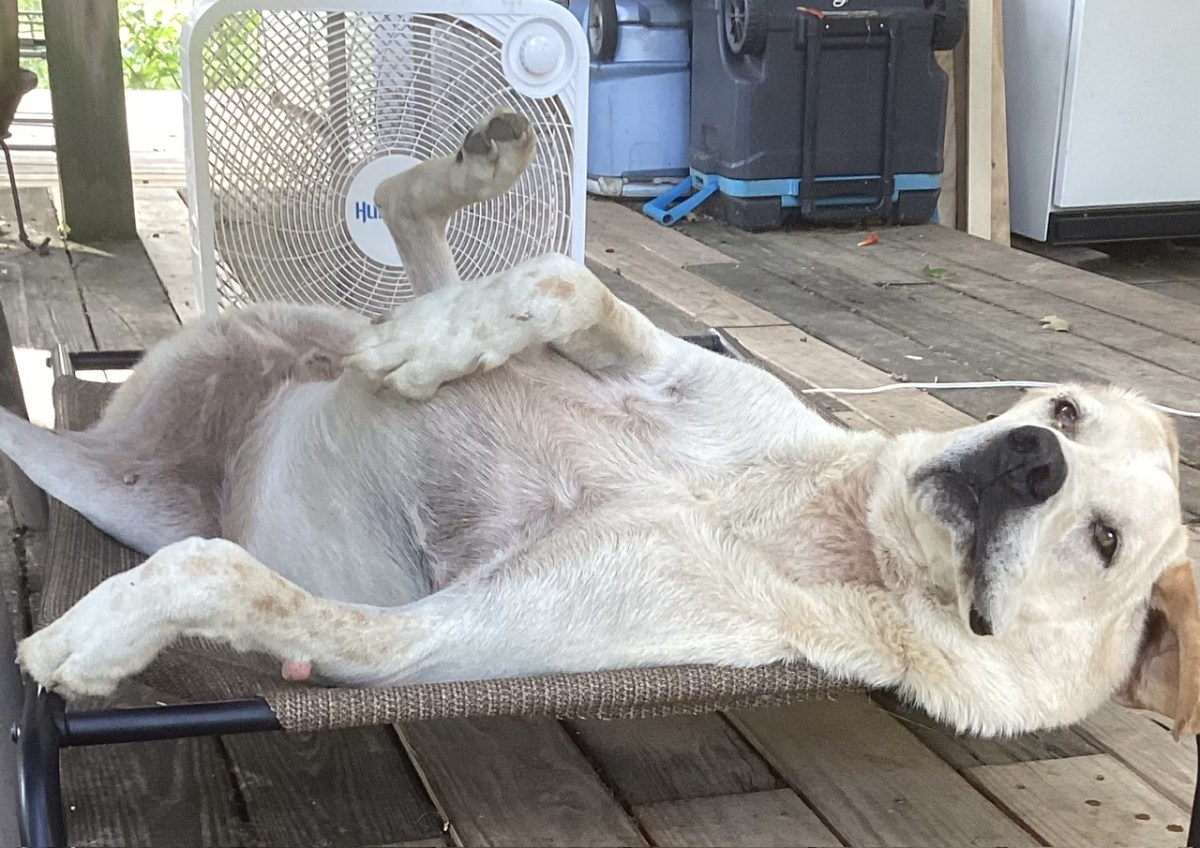
Reality over fantasy. Where’s my dinner, boss?

Looks Be Deceiving

It’s more than mere marketing.

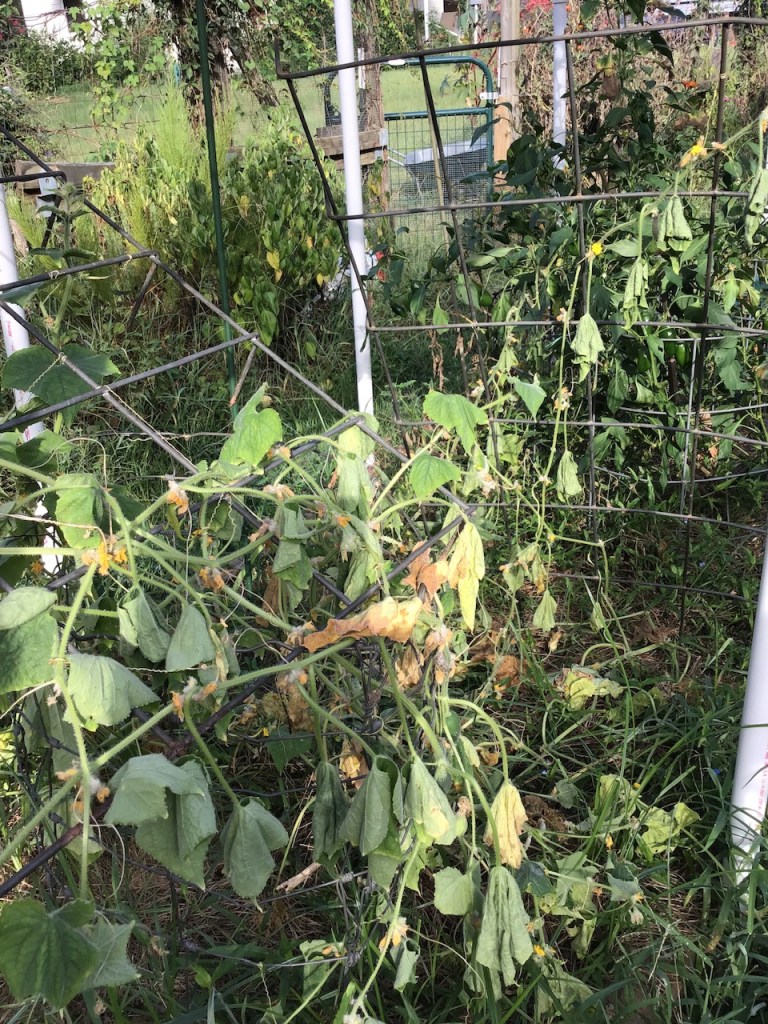
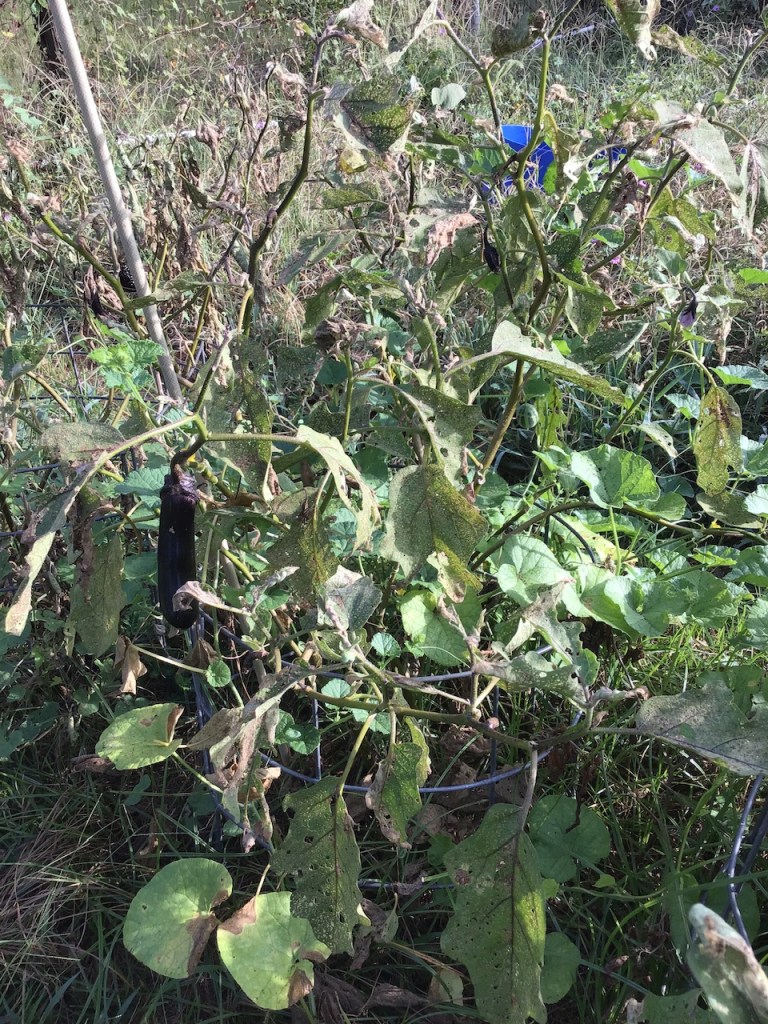
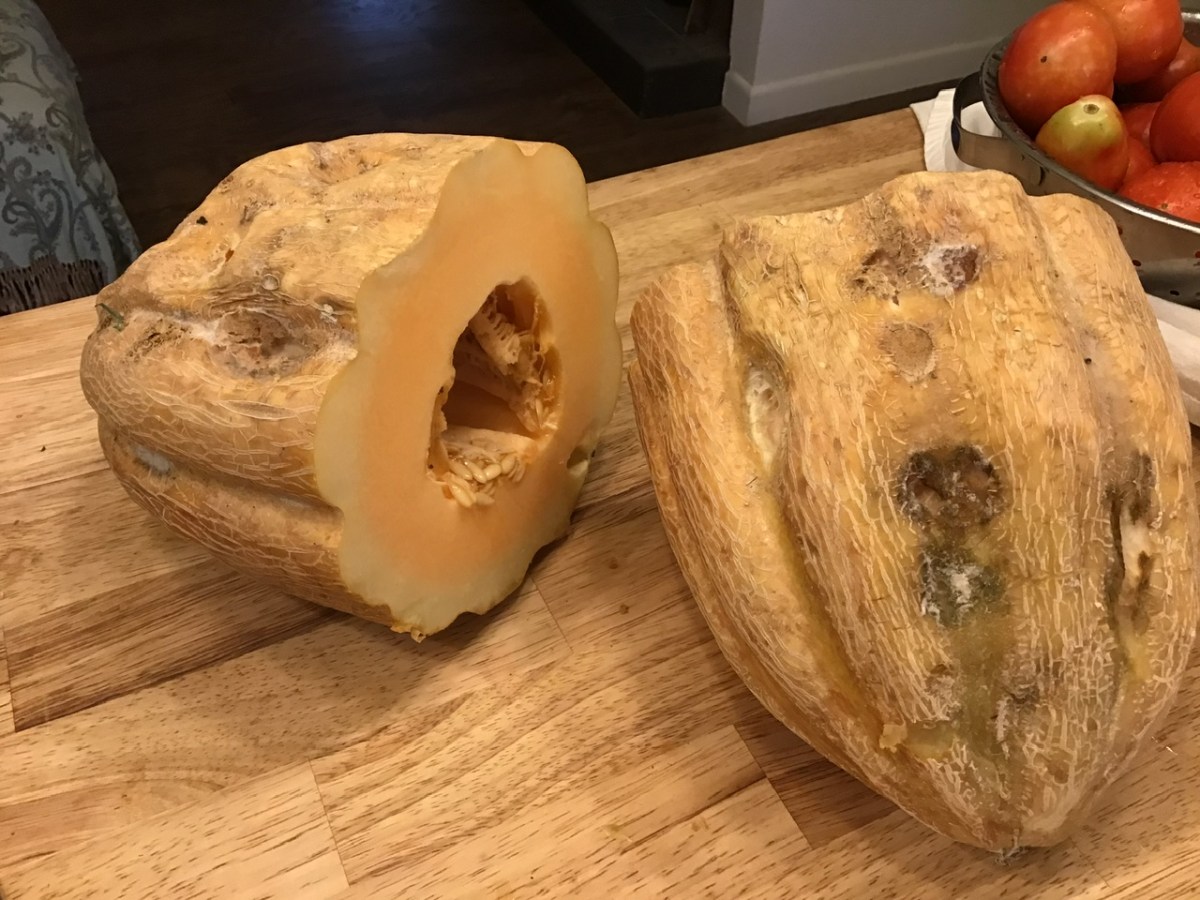
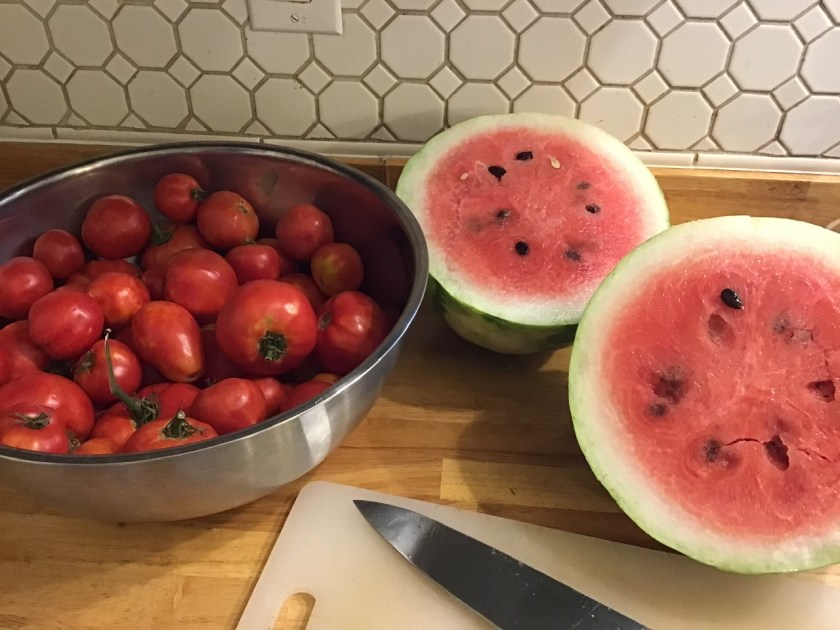
That disgusting-looking melon is the first one to be halfway decent this year. We nearly fed it to the pigs out of looks alone. Our cucs and melons have been crap. We don’t know why. The cucs were bitter by their first harvest, the melons are ripening in a most bizarre haphazard sort of way that half rots while the other half remains unripened.

It’s not quite the same as the old adage ‘don’t judge a book by its cover.’

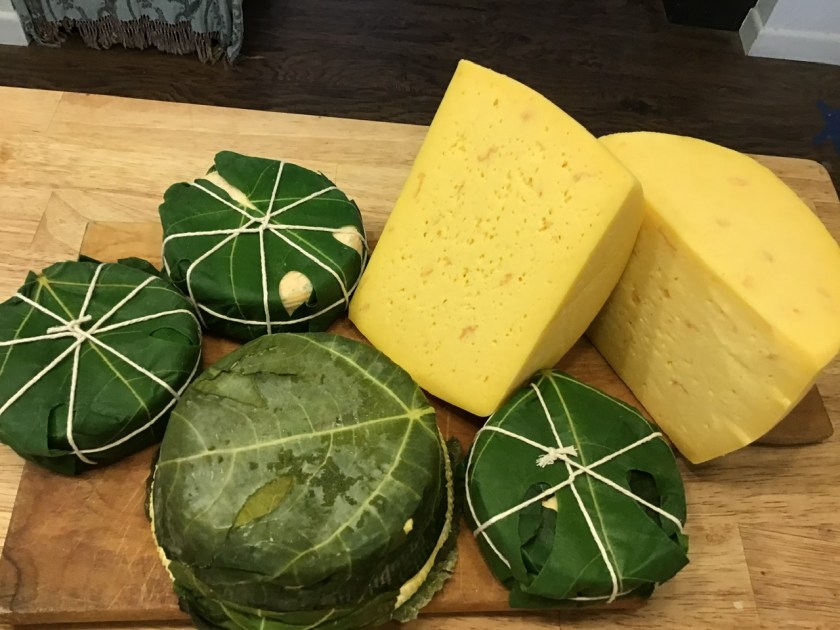
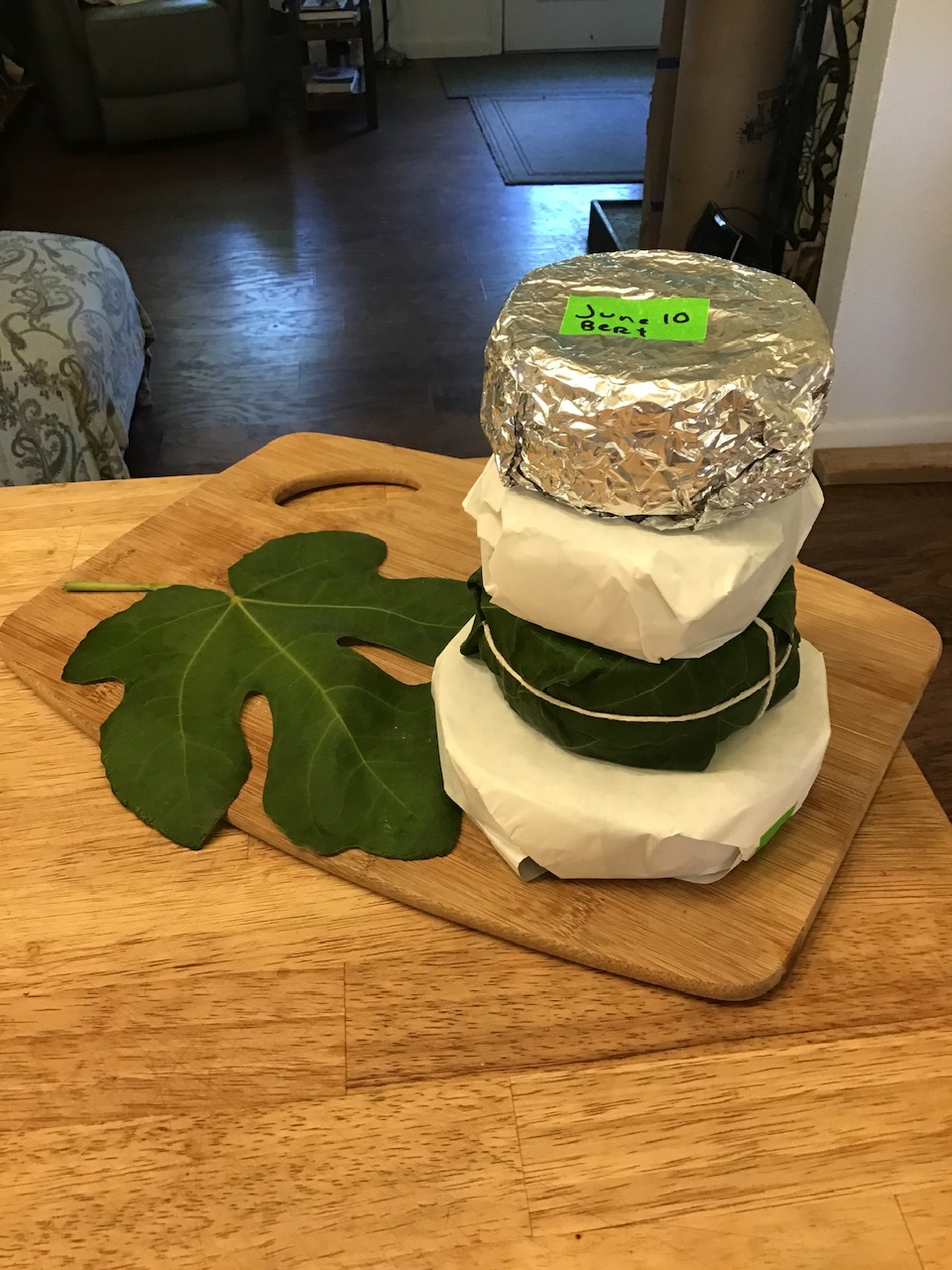
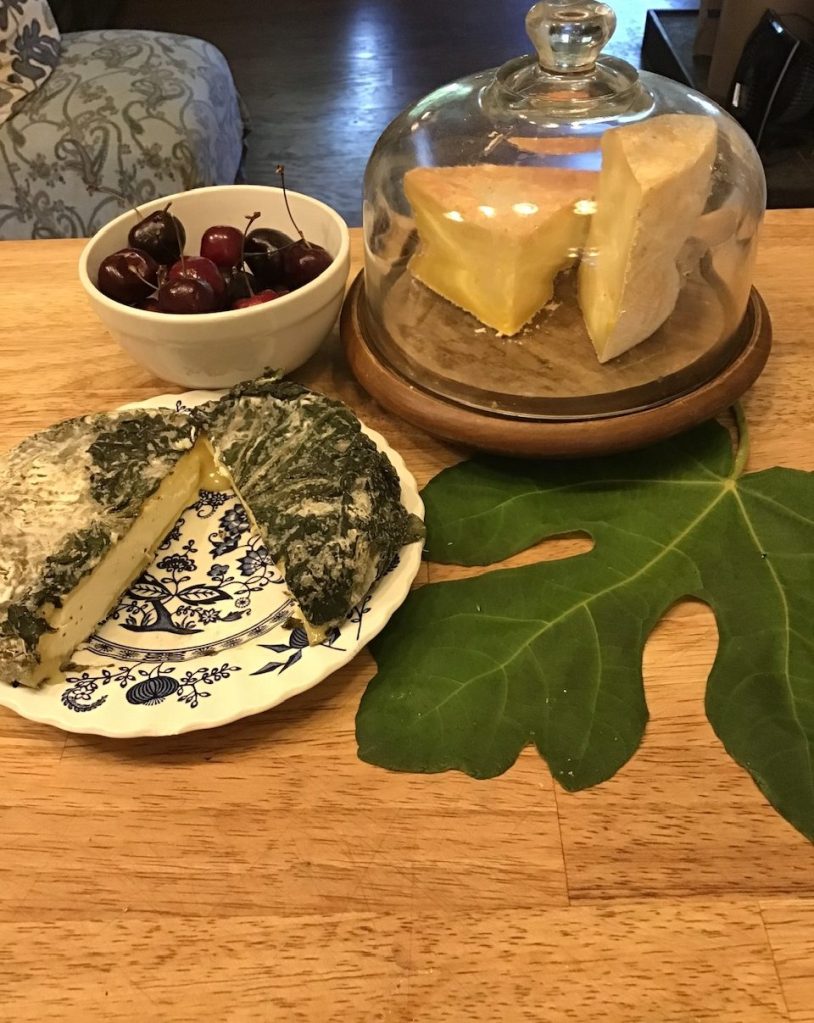
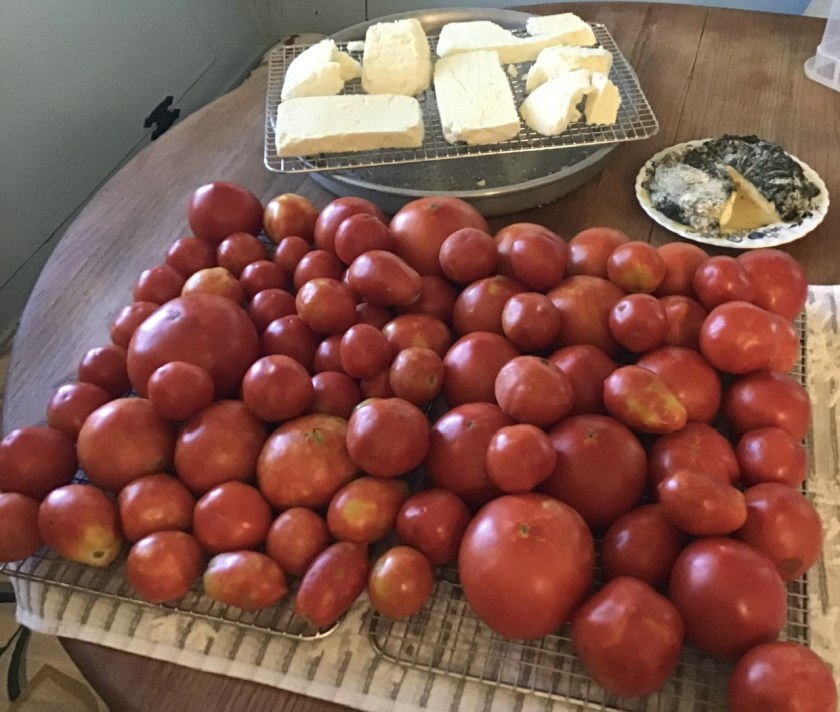
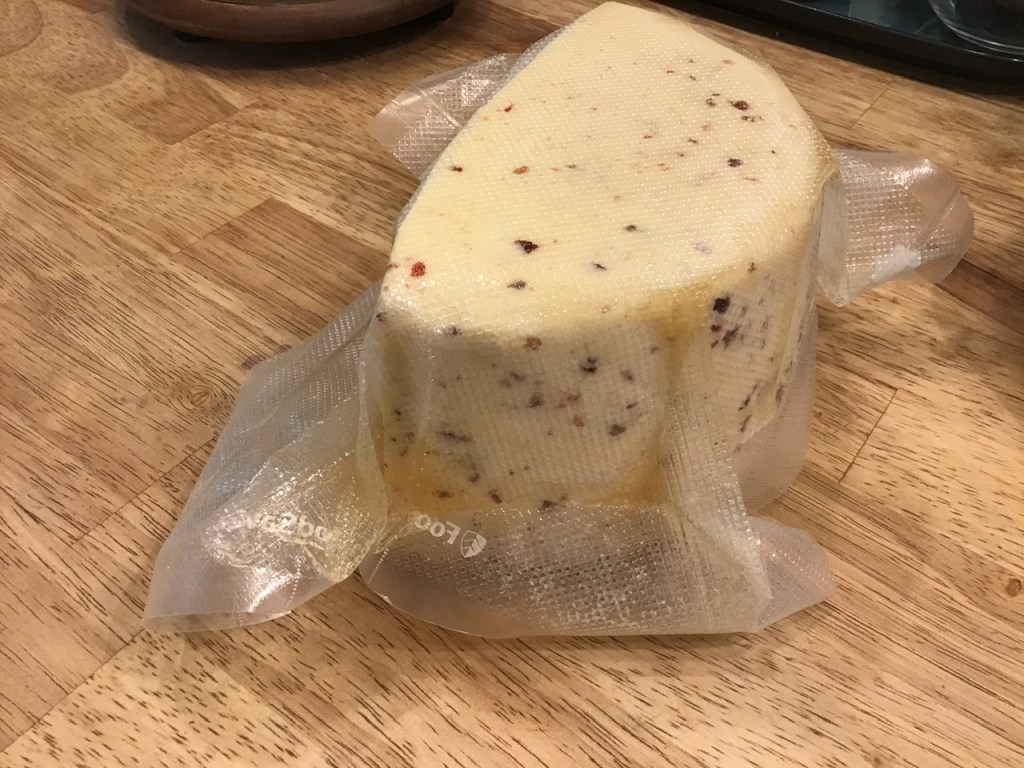
that ugle cheese on the plate is a first-time cheese experiment success. and damn how I needed that yesterday. a soft, non-renneted fresh cheese wrapped in fig leaf and aged for 6 weeks.

I love cherries so much I display them over our own grapes, also coming in half-ripe, half-spoiled, on the same bunch.

That is, cherries from Walmart, on special at an irrestible $2/pound! On my once-a-month town run, which I mostly loathe, especially when it includes Walmart!

We call it a ‘bad year’.

I’m exhausted.

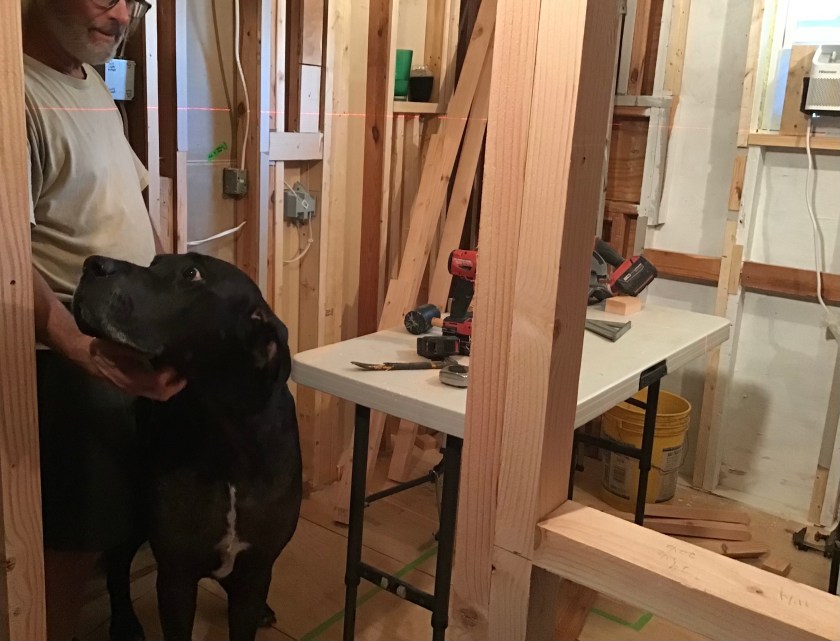
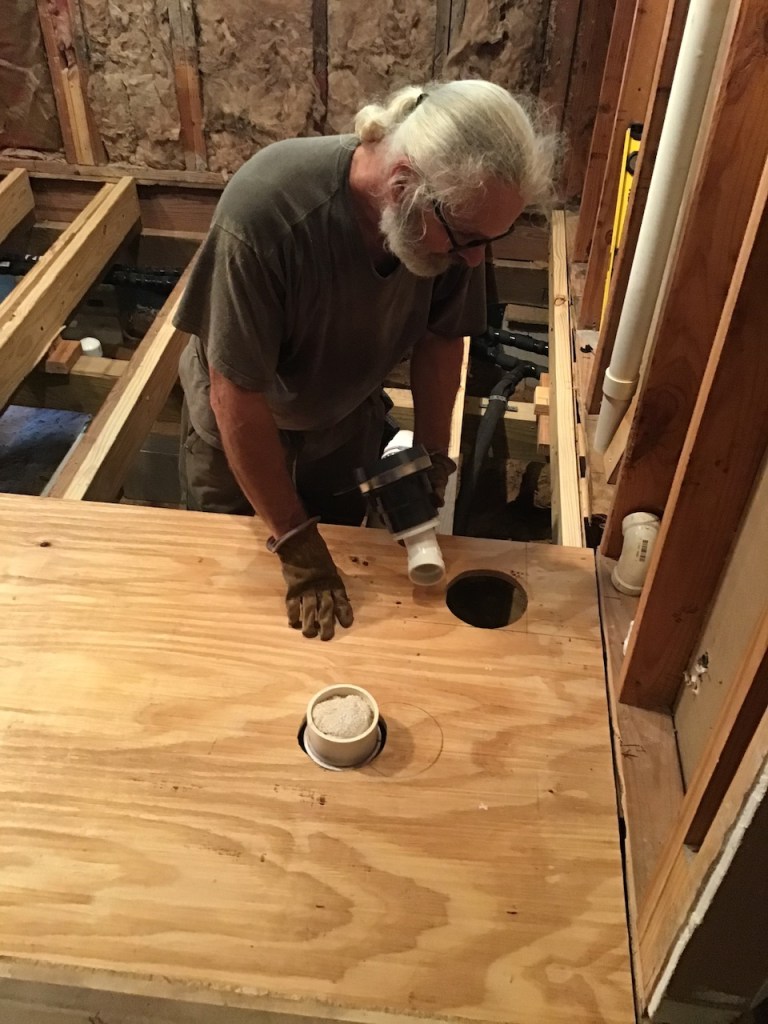
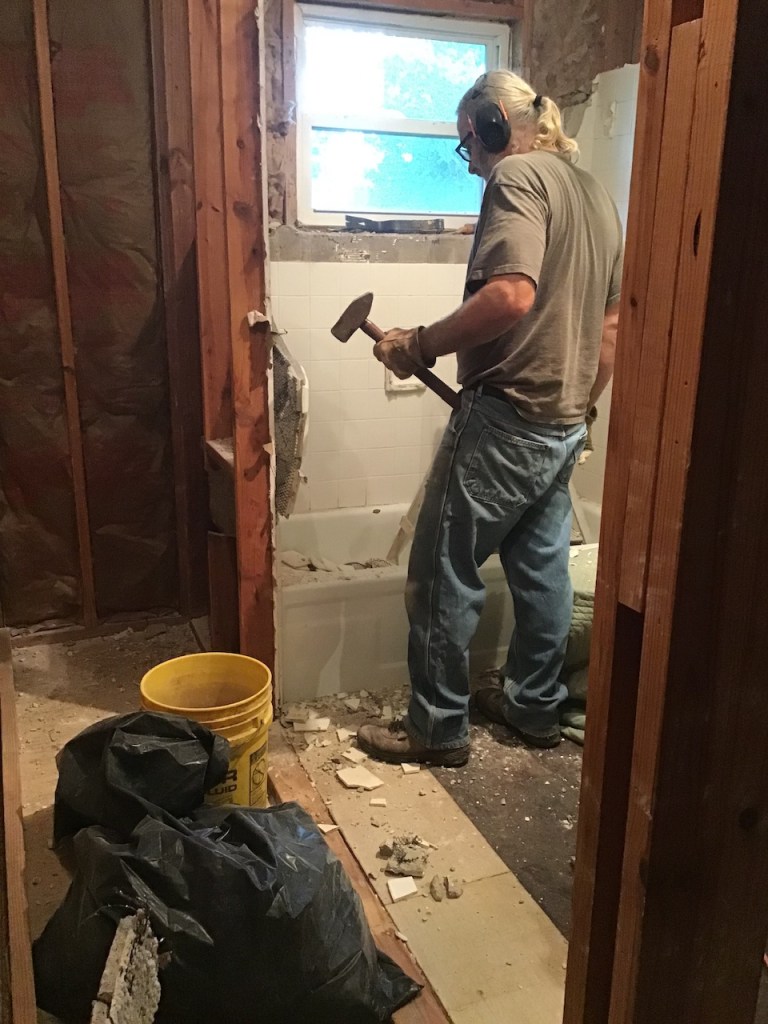
Hubby barrels on in the heat on our new bathroom, while I wither.

Bad years are to be expected, yet . . .

What will it take to see it through fresh eyes?

Tomatoes and feta, ugly, but still pretty tasty!

We don’t typically expect how that will feel.

Whether good or bad. It sort of molds into a morph-space best called ‘unexpected.’

I was not raised to be a ‘tough times’ sort of girl. I struggle every summer here, I complain in writing every summer. I think it helps, but, only because it helps me, to carry-on.

Seduced by slogans

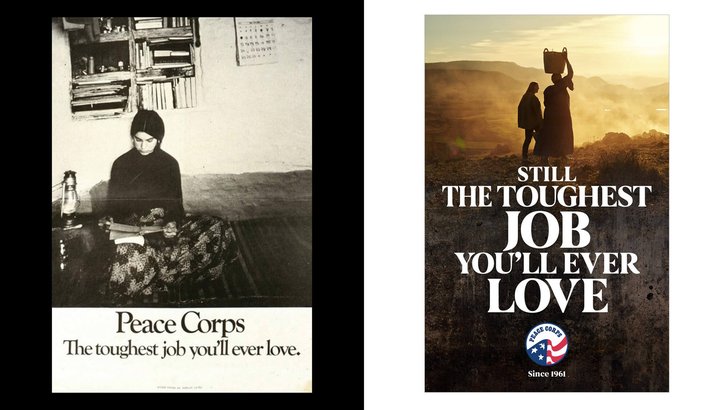
I only became a fantasy tough-times type through marketing. So, forty years later I really understand its power.

My maternal grandfather was a salesman who used to try to warn us about marketing. He used to turn down the commercials on the constantly-on TV. The commercials were often the only part of the selected programming that I liked.

The more things change, the more they stay the same. Or, so the slogan says.

I liked this sewing lady’s take, she seems more aware and accepting of the times than I am. Sometimes inspiration comes from the oddest places. Thanks for that.

Luxury comes at great costs we rarely acknowledge, especially the appearance of it.

And thanks for stopping by!

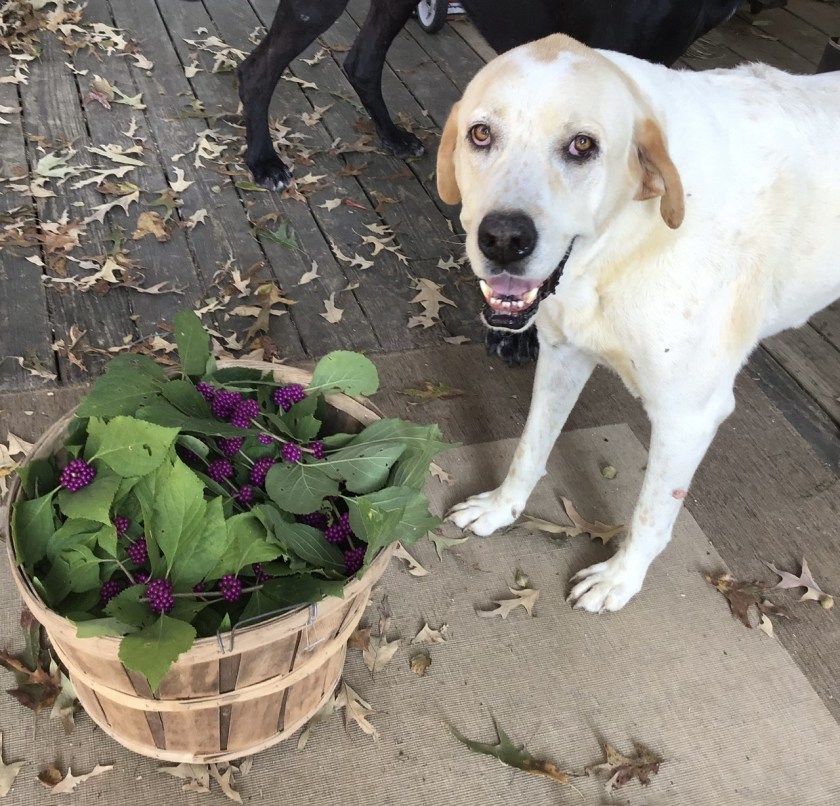
Bubba with Beautyberries, 2025

It’s all good, according to Bubba

Growth vs Comfort

A homestead happenings post complete with dirty DIY pics, jungle-garden updates and my attempts at calm amidst the chaos.

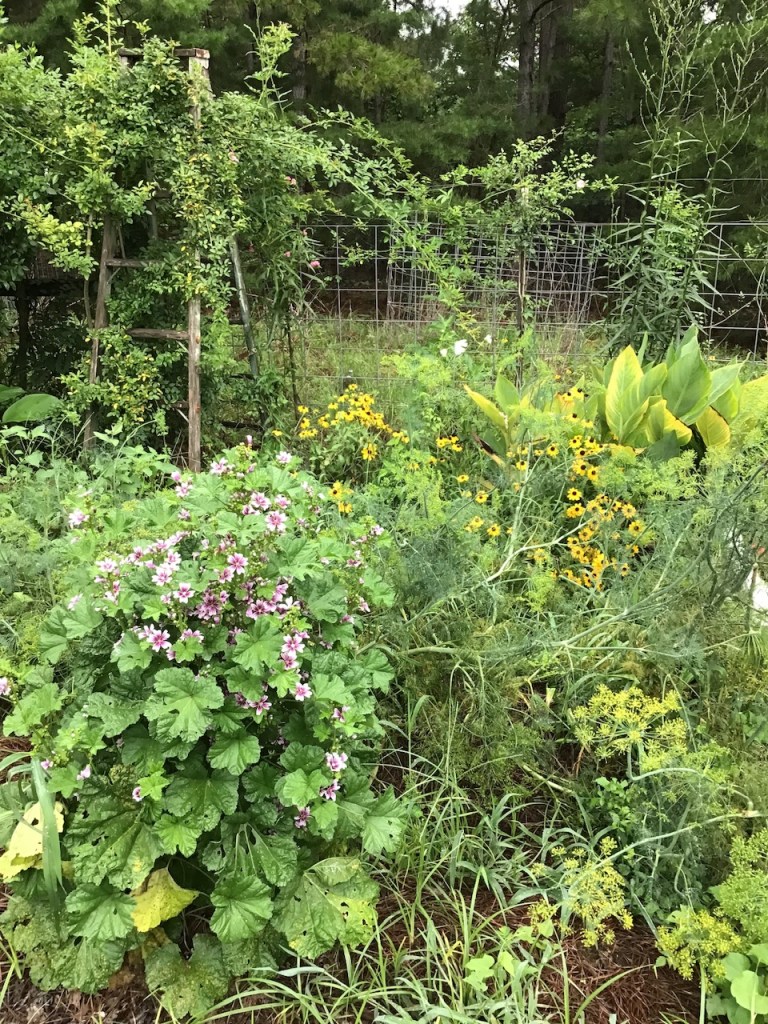
While I see others around the world are thrilled with finally warm temps and blossoming gardens, we’ve already hit the hot mess stage. I’m embarrased a bit to include pics of the jungle that just a few weeks ago had several brag-worthy elements.

It’s so hot, wet and fertile here the seeds are coming up anywhere!

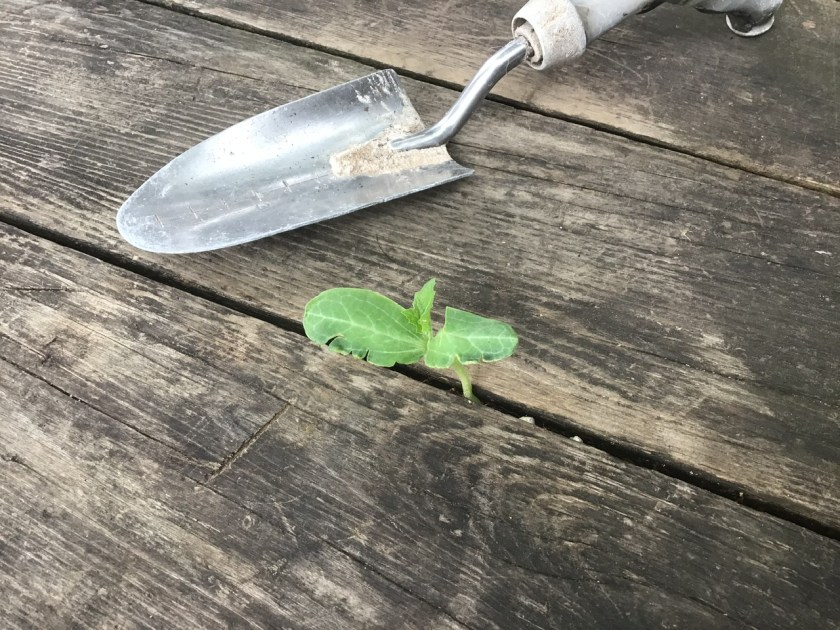
Oddly, not the cucumbers nor the onions. We’ve had bad onion years before, but cucs are our biggest no-brainer. I can’t recall ever having a bad year, normally they are so prolific they become pig food by this time, but this year we haven’t even had a big enough harvest to pickle, and they’re already dying back in the swelter. I’ve succession planted and can only hope whatever fluke has hit them, the youngens will bounce back by next month.

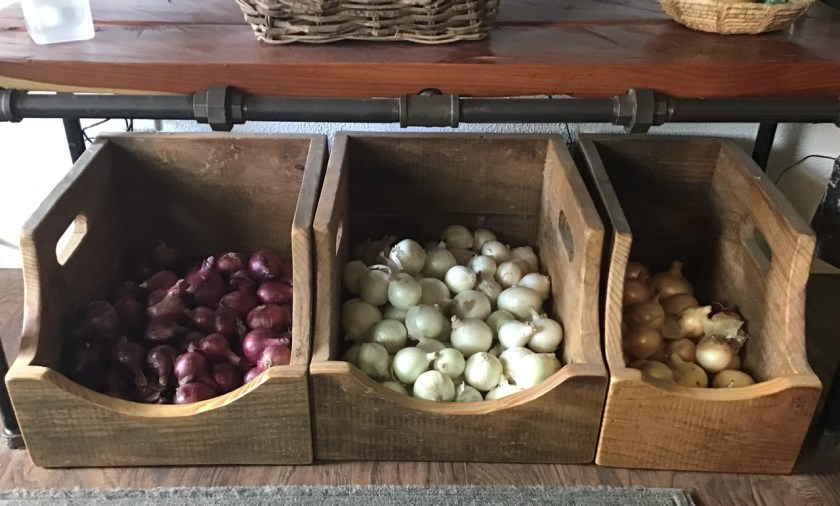
I guess it’s relative, when I see the onions displayed like that in Hubby’s hand-crafted bins, it seems ok.

The green beans in Hubby’s monster row are producing by the bushel and I’m already sick of them. We’re too unsettled with the bathroom DIY to do any canning and have even stopped harvesting them. Such a shame, I do hate to see them go to waste, but it’s all I can do to keep up with all the other chores.

Like the flowers! I know, it sounds rather frivolous compared to beans, to devote my painfully precious hours of manual labor to flowers instead of food, but they make me so happy I’ve gotten over it.

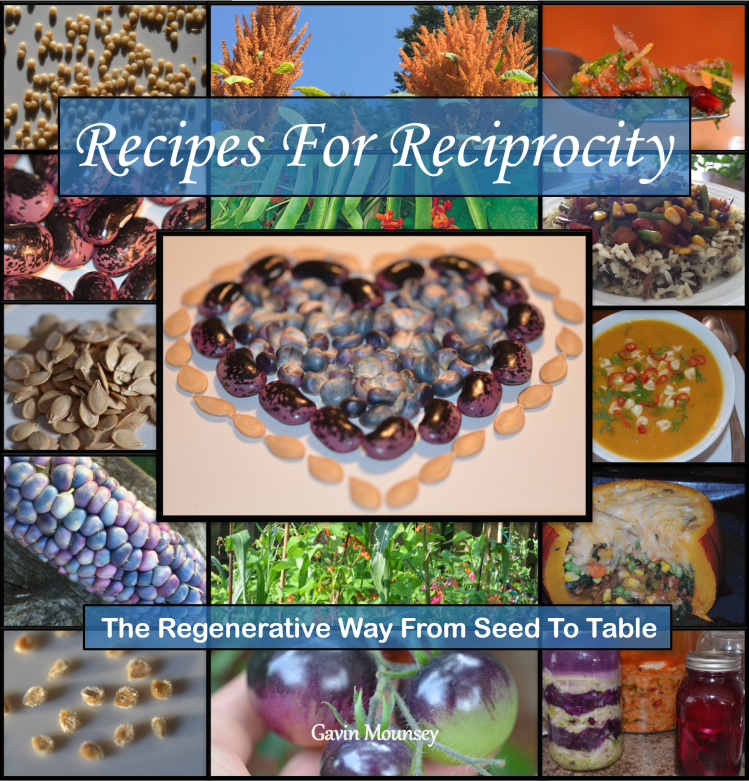
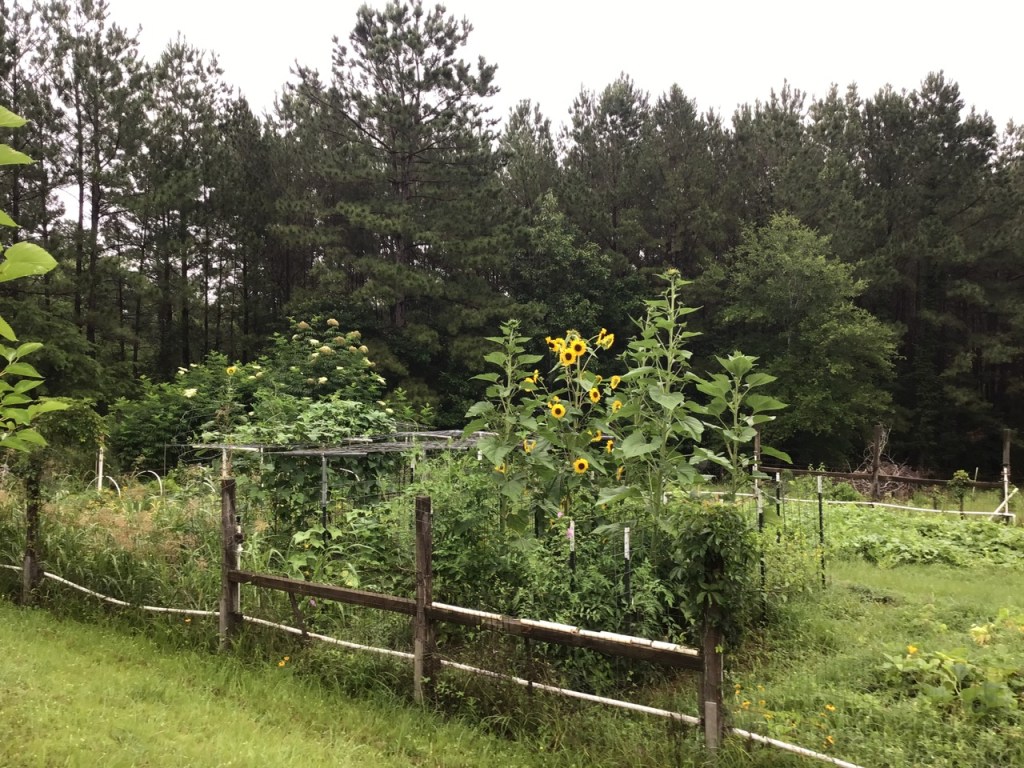
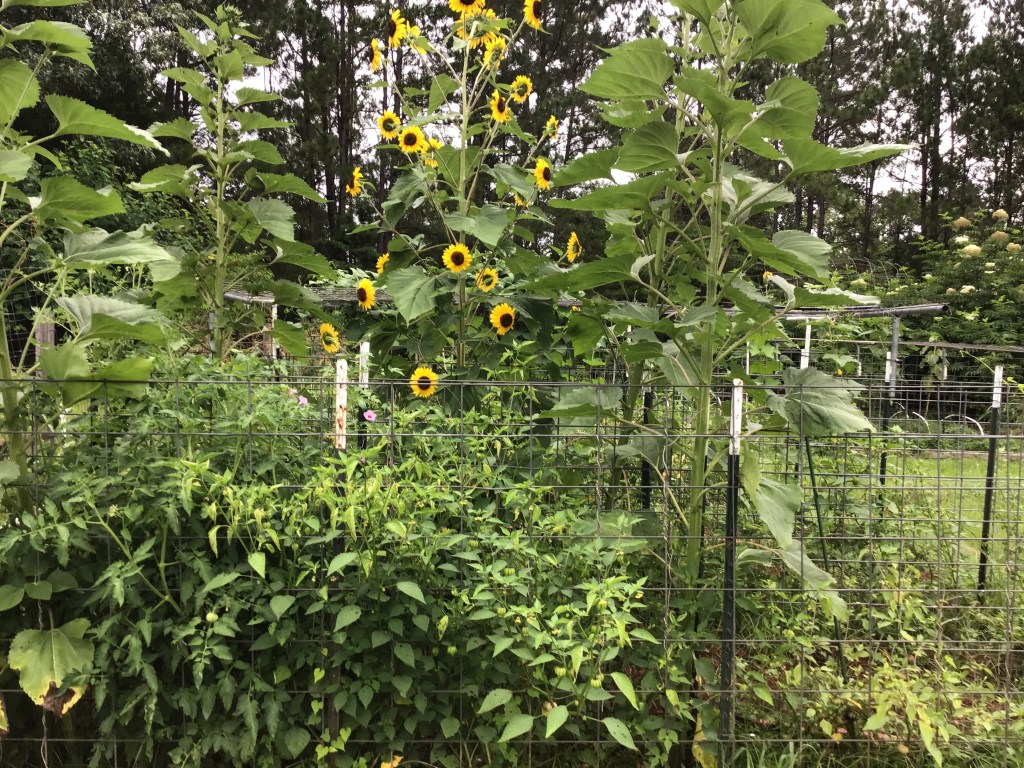
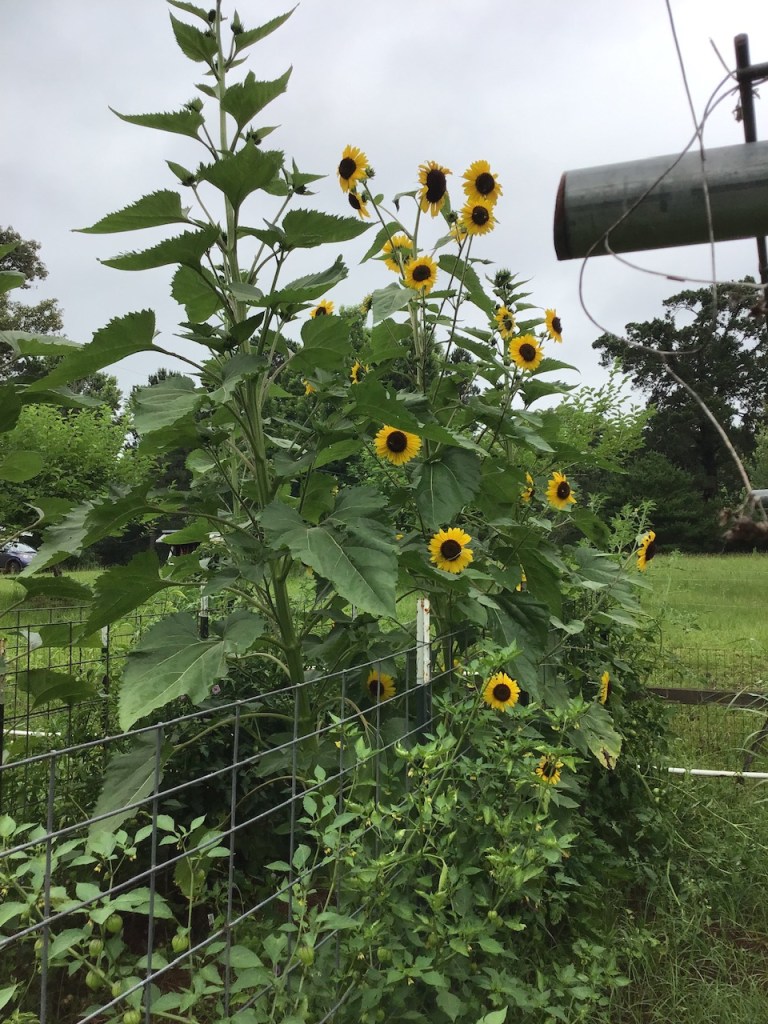
These Black Hopi sunflowers were actually volunteers from last year’s seed gift from Gavin Mounsey who sends heirloom seeds to those who buy his book or become a paid subscriber to his Substack newsletter–so worth it, a gift that really does keep giving! 😘

They are so rewarding and of course very functional as well. These giant sunflowers are not only gorgeous, but they serve as mid-day shading for the tomatoes and there are pollinators all over them. I even saw a squirrel up there eating the seeds. Too bad I didn’t have the tablet, it would’ve been a great shot, but I didn’t even see him until he started barking at me when I was picking tomatoes right underneath him.

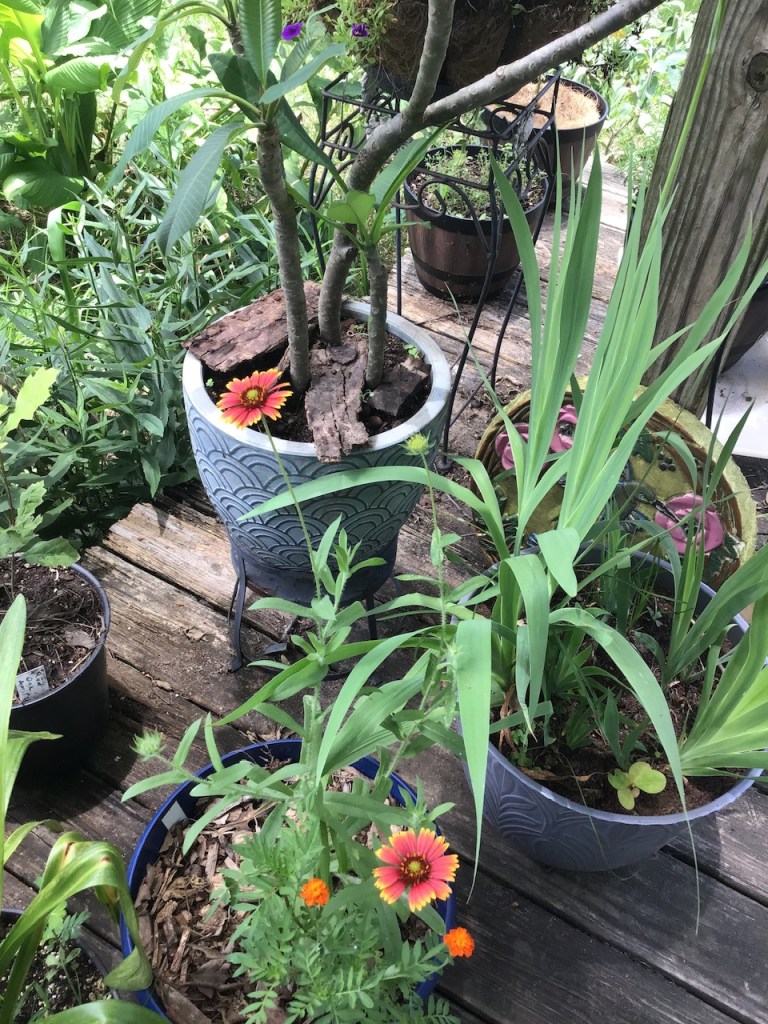
First bloom of the lovely Blackberry Lily

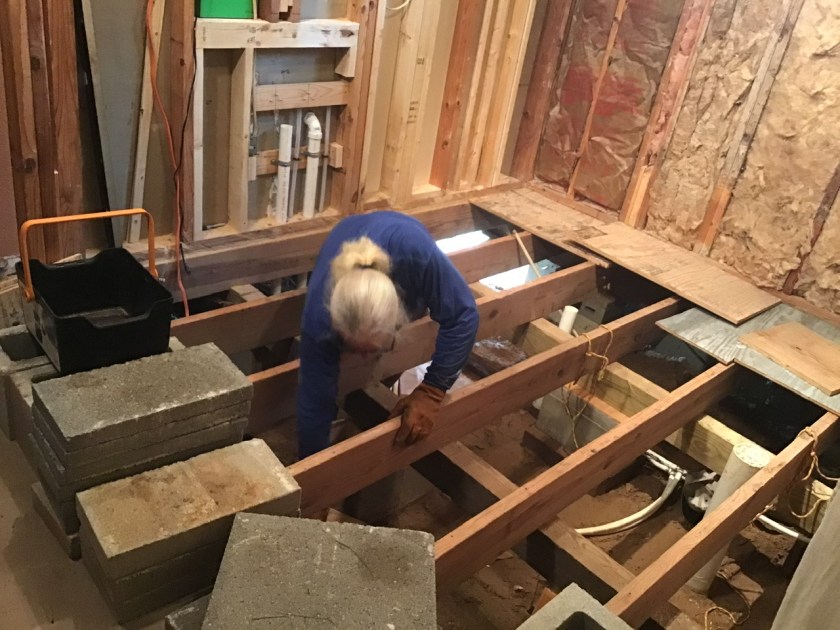
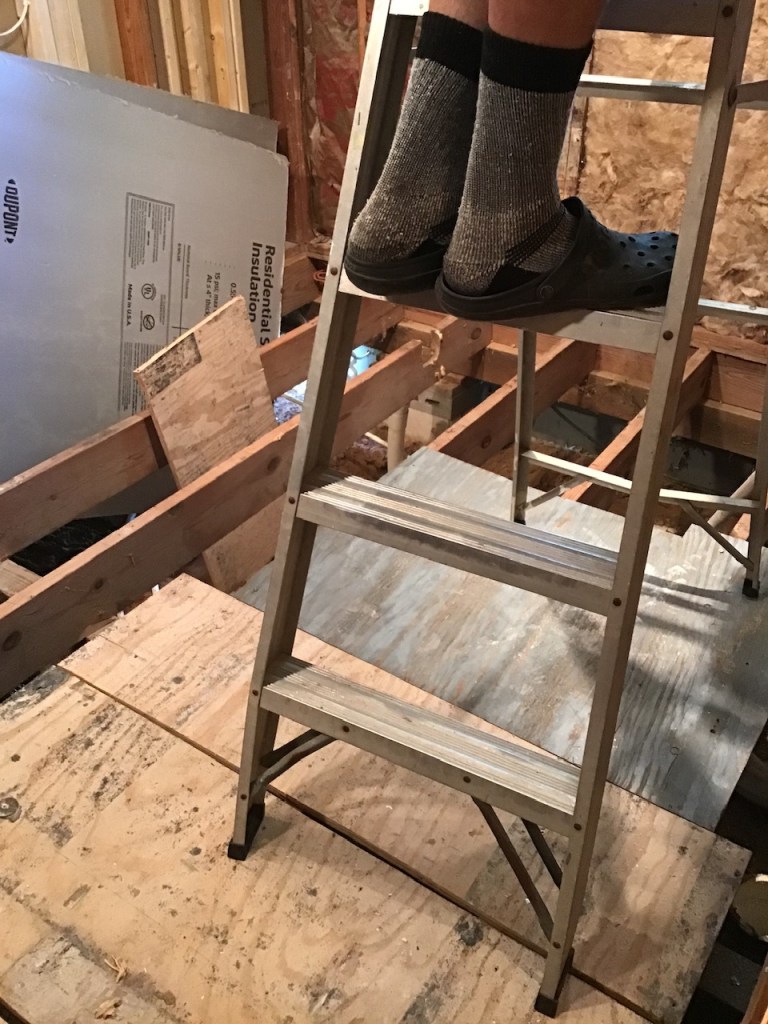
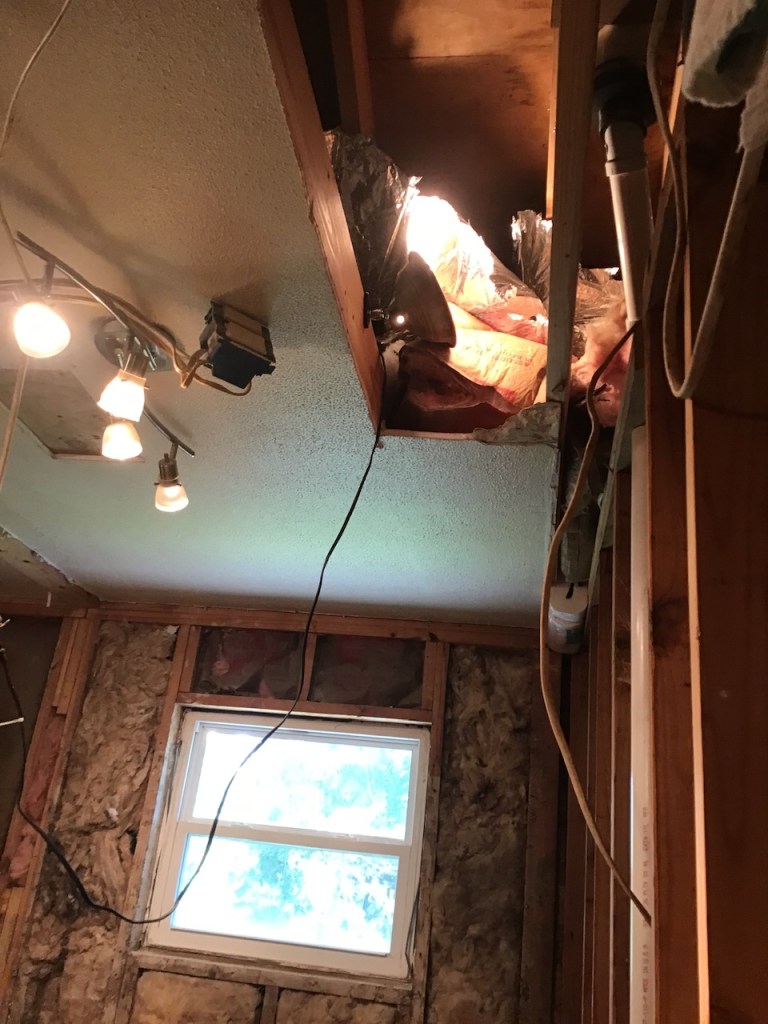
Meanwhile, while I’m goofing off, Handy Hubby gets to experience male priviledge. Mr. Know-it-All likes to impress me and the dogs with all his savoir-faire. I know he secrectly delights in sweating and rolling in the dirt under the house with Buttercup. He’s totally thrilled that the bathroom remodel has turned into dirt to rooftop overhaul and his fancy tile project has been delayed by a month and tidy unplanned sum.

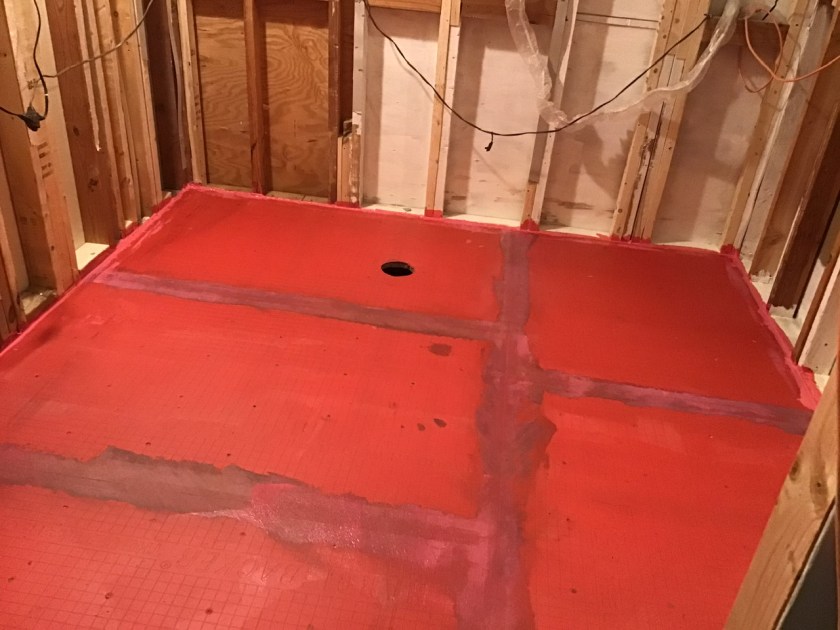
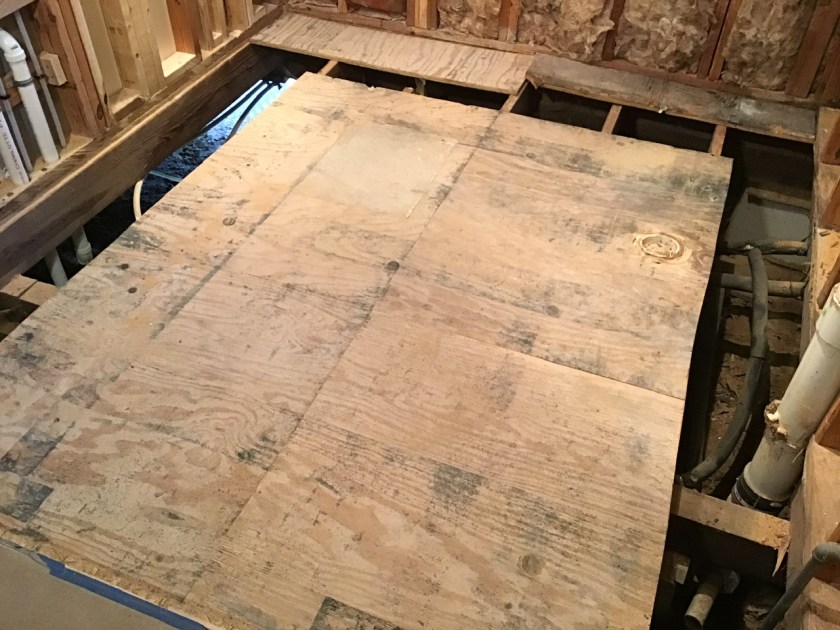
But not only was the subfloor coated in mold and mildew, but the piers and beams were sagging and unaligned and the drainage was partially blocked. He had to dig all that out and replace some and add more and while unexpected, it wasn’t terribly surprising. It was built as a camp cottage in the 80s, no one ever lived here full-time until us.

Considering that, Hubby says they did a good job and that the quality of materials for a camp cottage back then was leagues better than what goes into the pre-fab modern construction. We’re really lucky we got on this whim to remodel when we did, because that mess was only going to get more ugly with time.

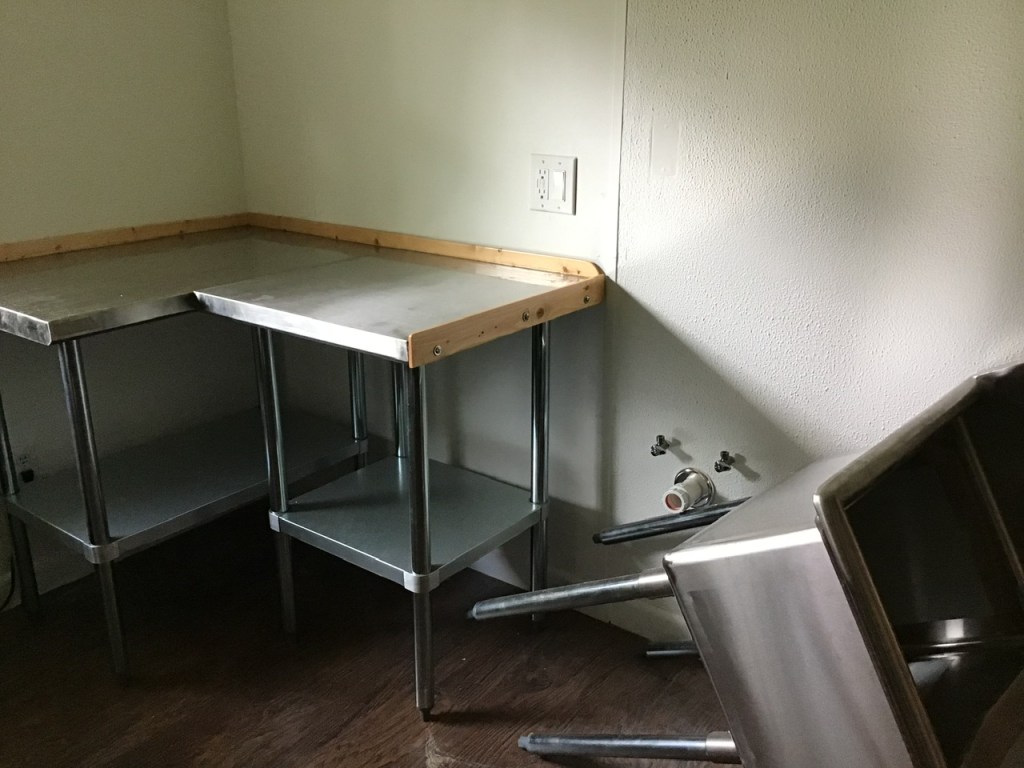
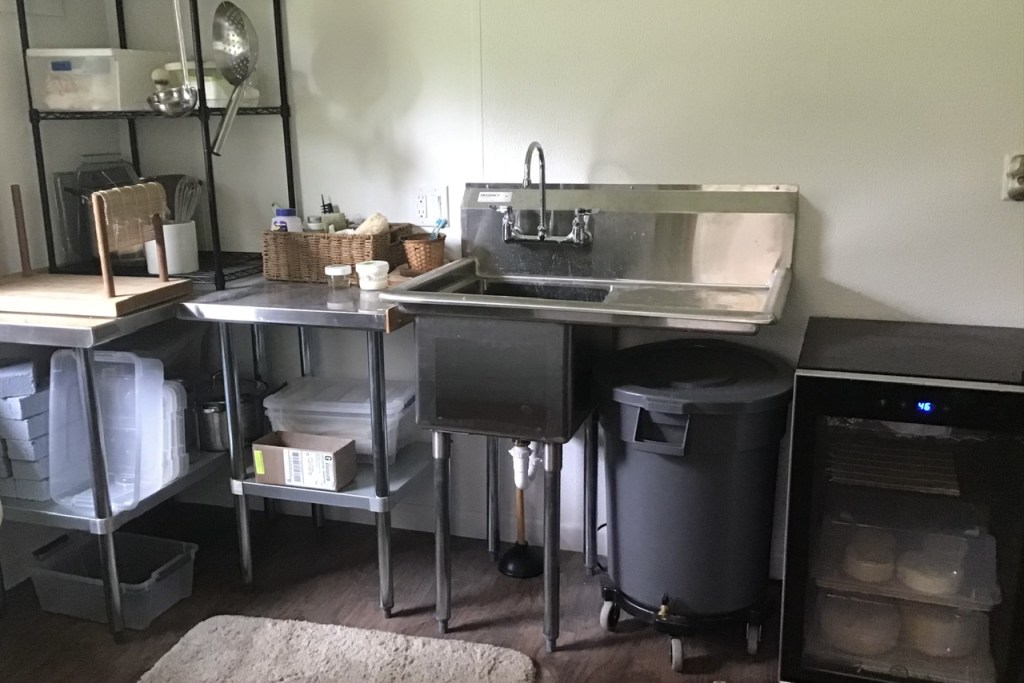
That’s the bad news. The good news is the other development that grew spontaneously out of this project–I now have a real flex-room–a place for fermenting and seedlings and maybe just lounging. Considering how small our place is, I know it sounds a little crazy, but considering we’ll most likely never move again, why not? There was a big bed in there that just made for useless space, now it’s full function. Or rather, it will be, whenever the bathroom gets done.

Hubby is never so impressive to me than when he is in Mission-Man-Mode. He has a single-minded, goal-oriented side to him that perks up with such vigor suddenly you’d think he was once again a 30-something in hot pursuit of a sexy young thang (and by that I mean me). 😂

Seriously though, it is impressive and he can work leagues past my breaking point when he’s in the zone. And Youtube is another godsend sometimes, the two of them in lockstep is like any DIYers dream couple. Between that and the regular influx of inspiration from the home shows on TV, there’s really nothing a devoted follower can’t learn, it seems. How marvelous to be learning so much still at our age!

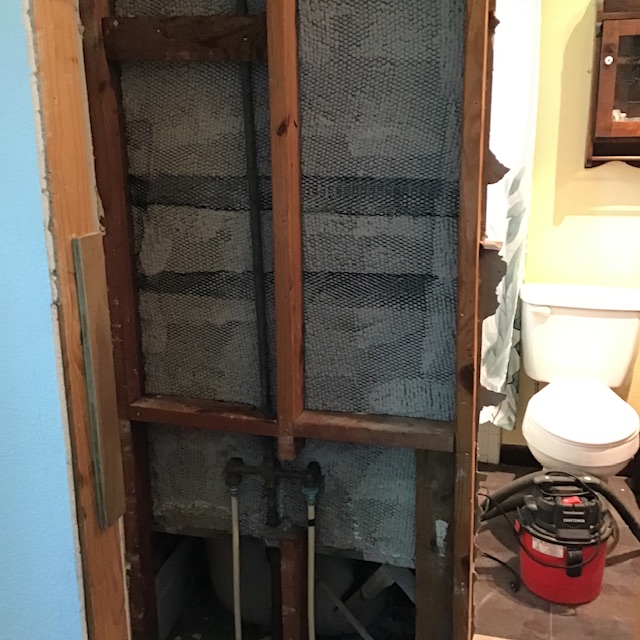
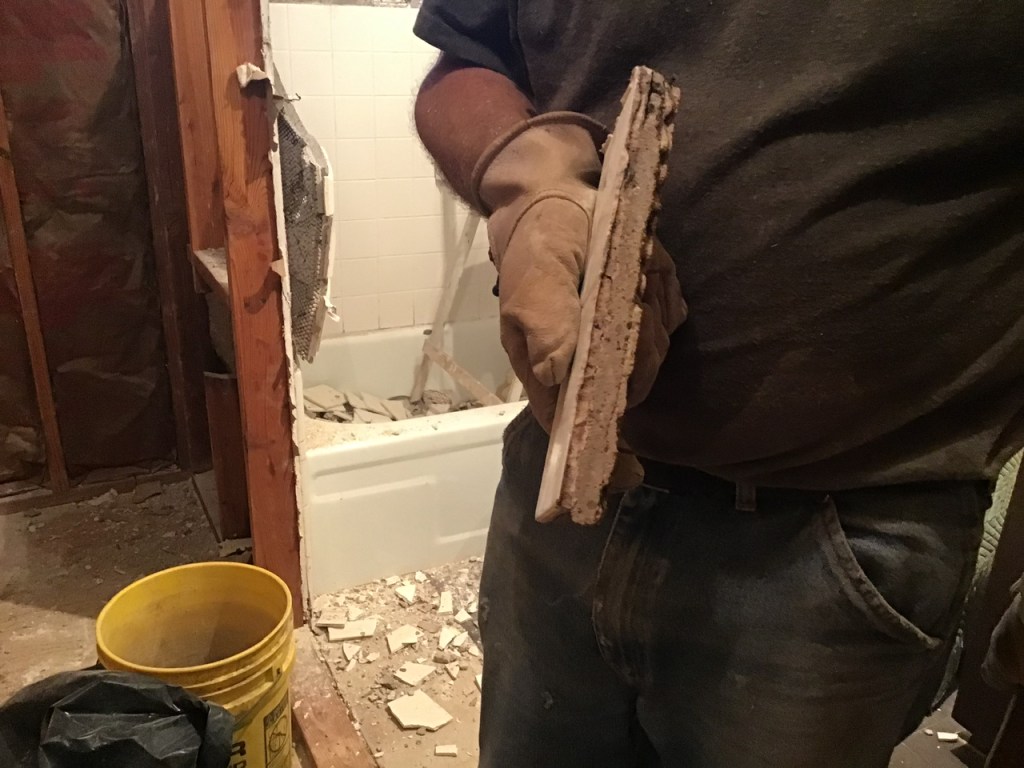
old-style mortar and lath out

Like, when choosing between new toilets, humor helps.
https://youtu.be/O7x5g2VFc50

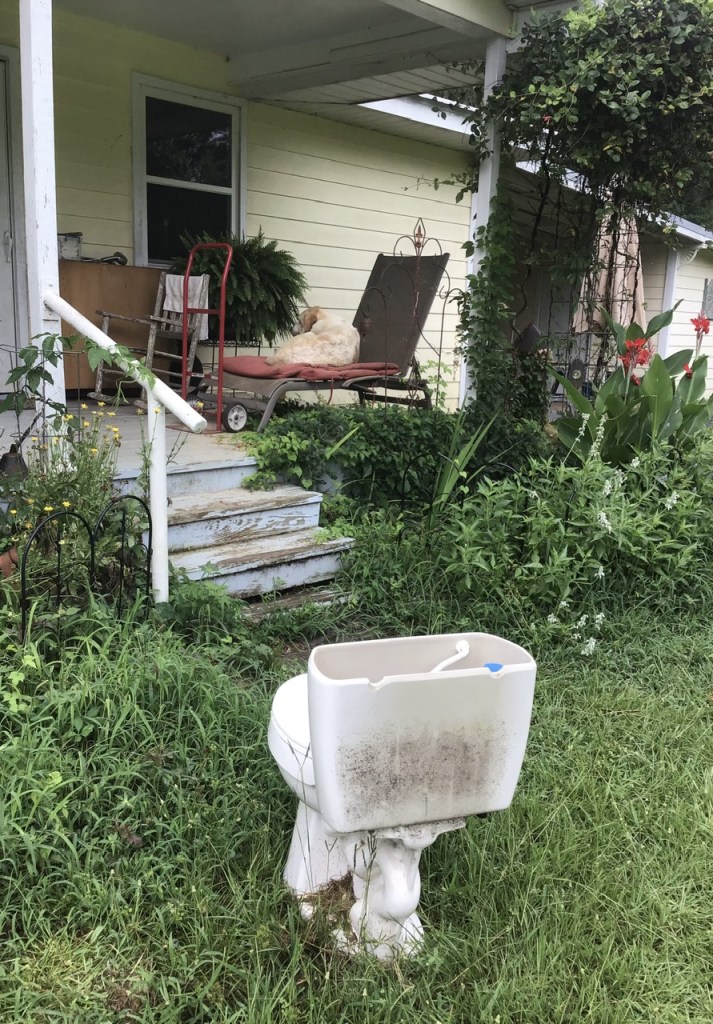
Hubby says he’s leaving it there until I plant flowers in it.

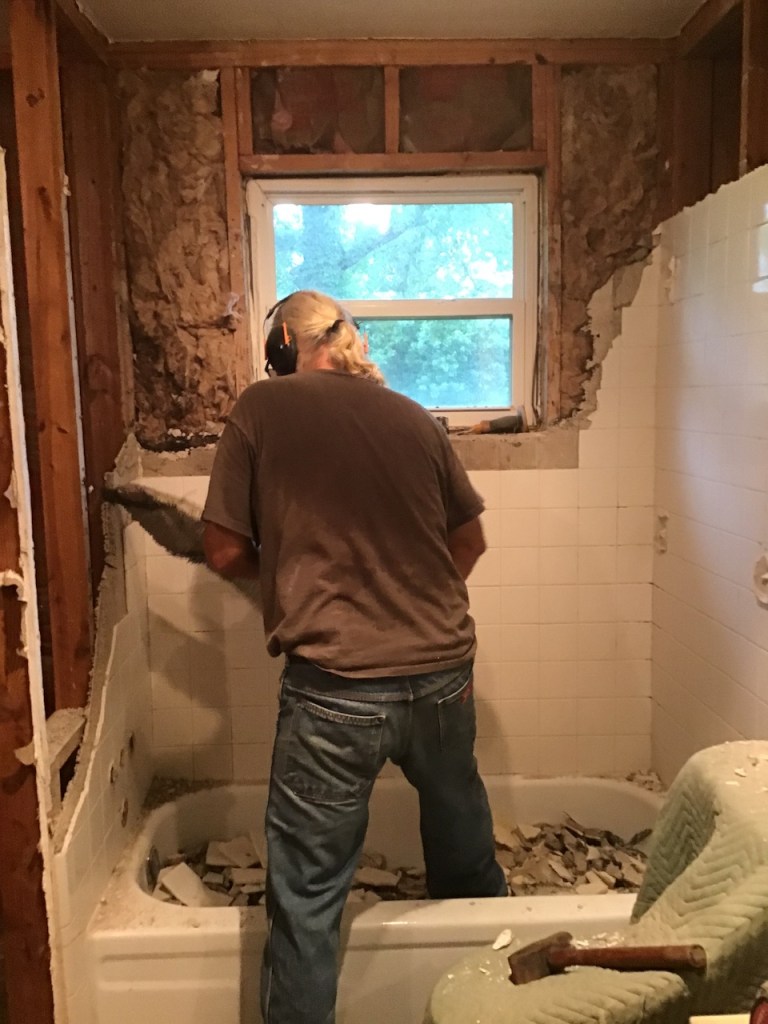
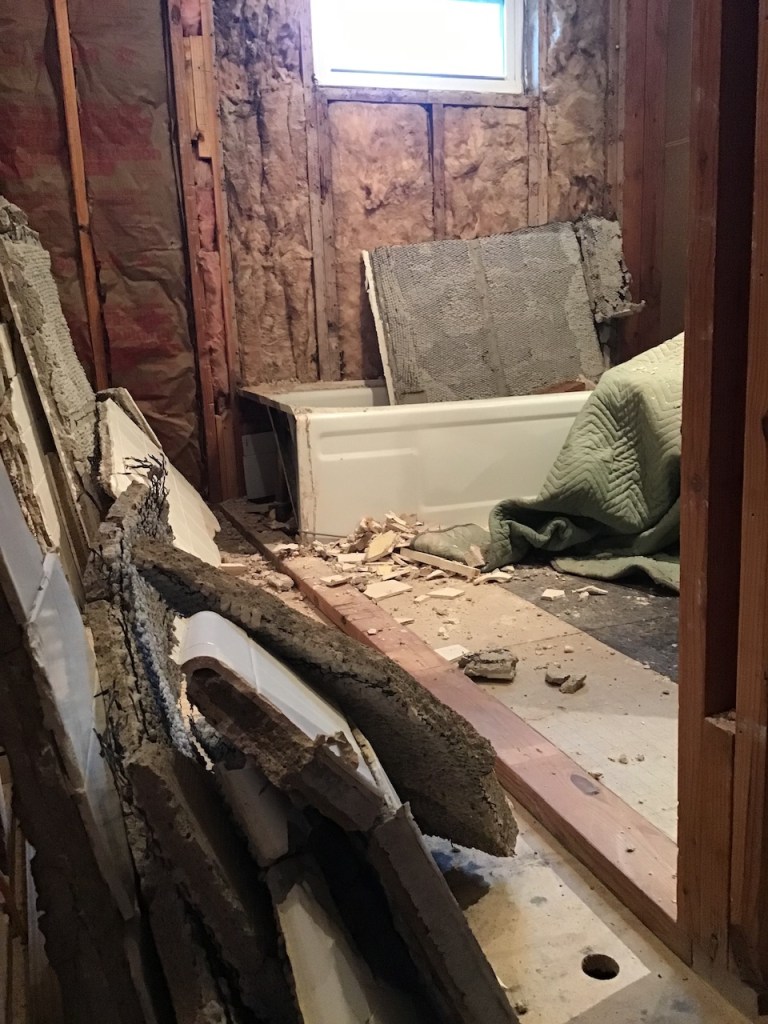
I’m so excited to share the before and after photos, someday. Until then, here’s what the deconstruction looks like.

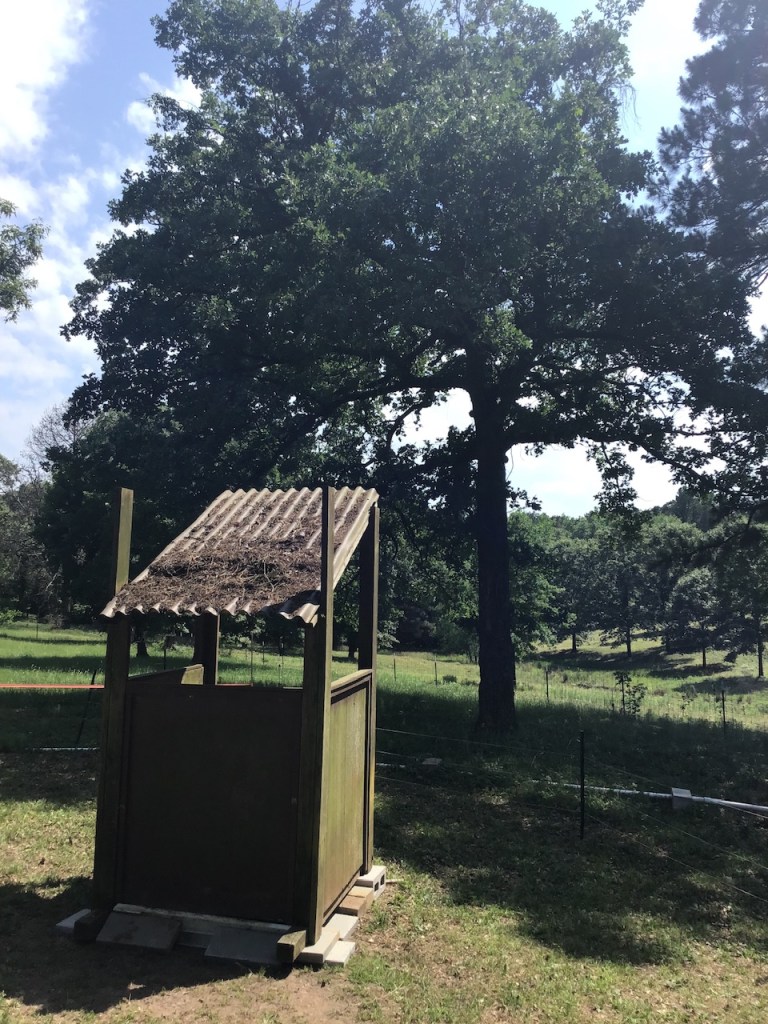
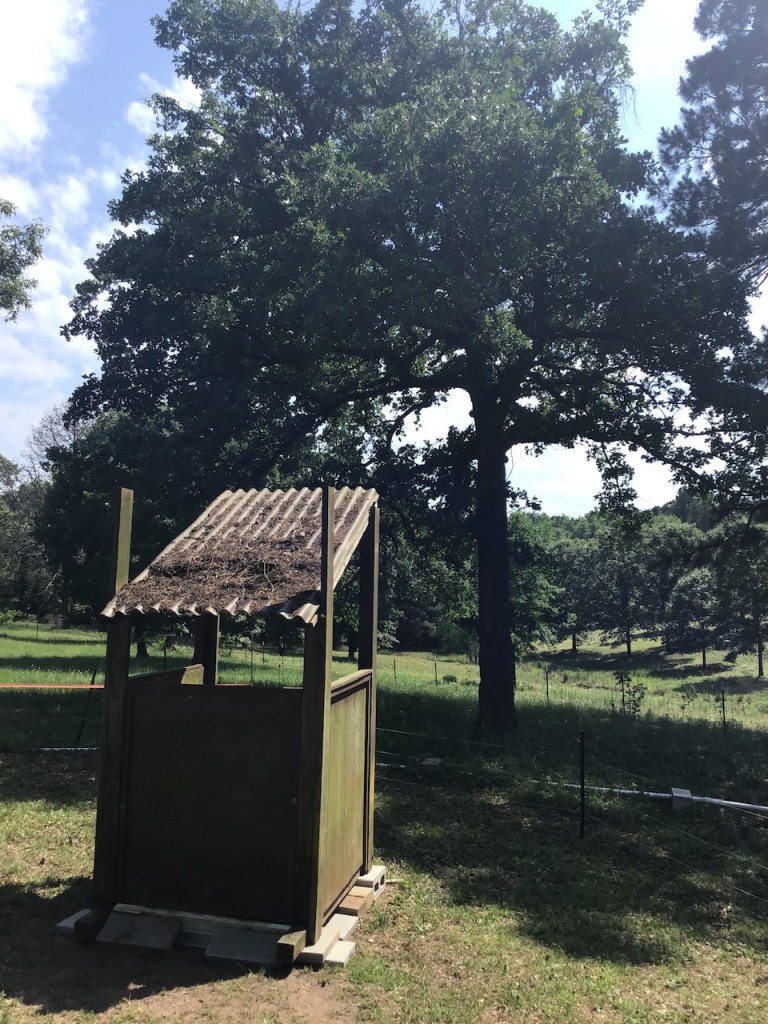
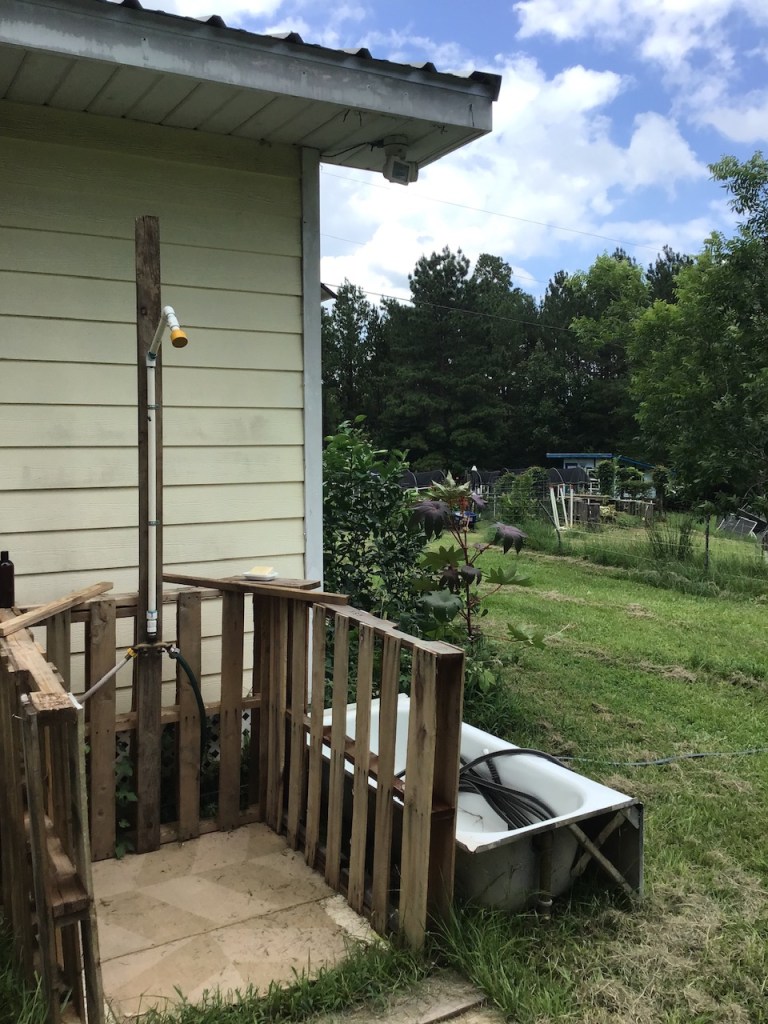
Our current facilities . . . I don’t mind the poop-with-a-view, and the outdoor shower is actually delightful.

How nice it is to smell the citrus blossoms and hear the birds and watch the bees while I shower!

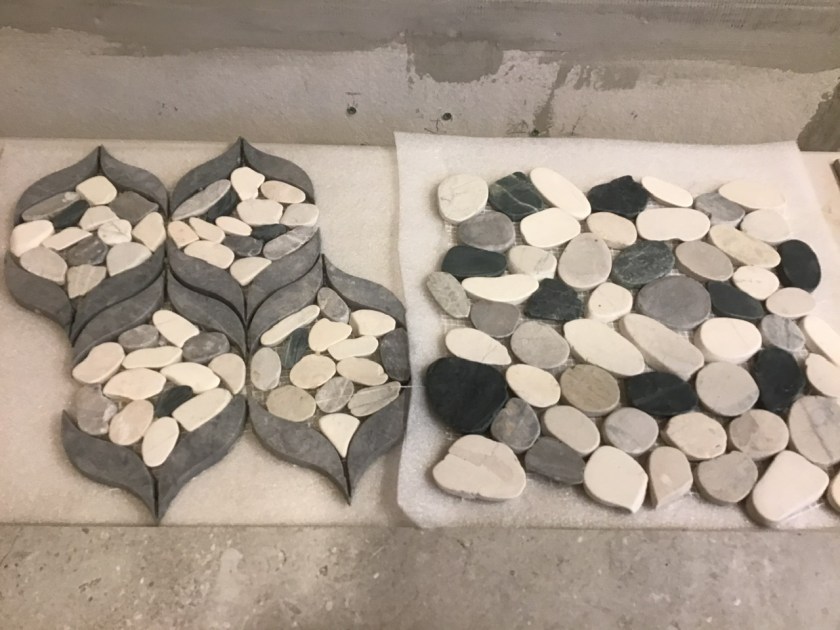
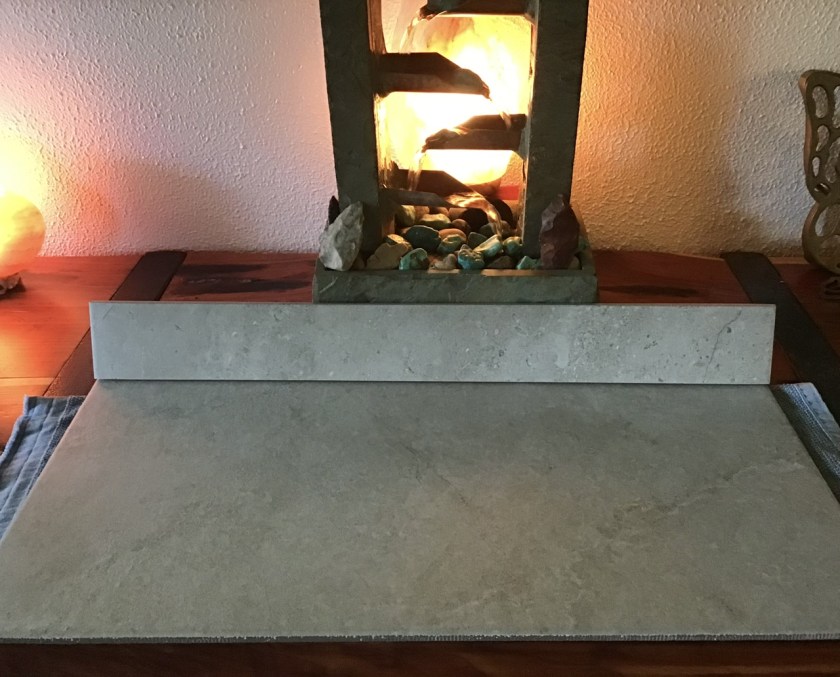
A sneak preview of the future tile for our imminent zero-threshold shower in our completely dirt-to-ceiling sweltering summer bathroom renovation.

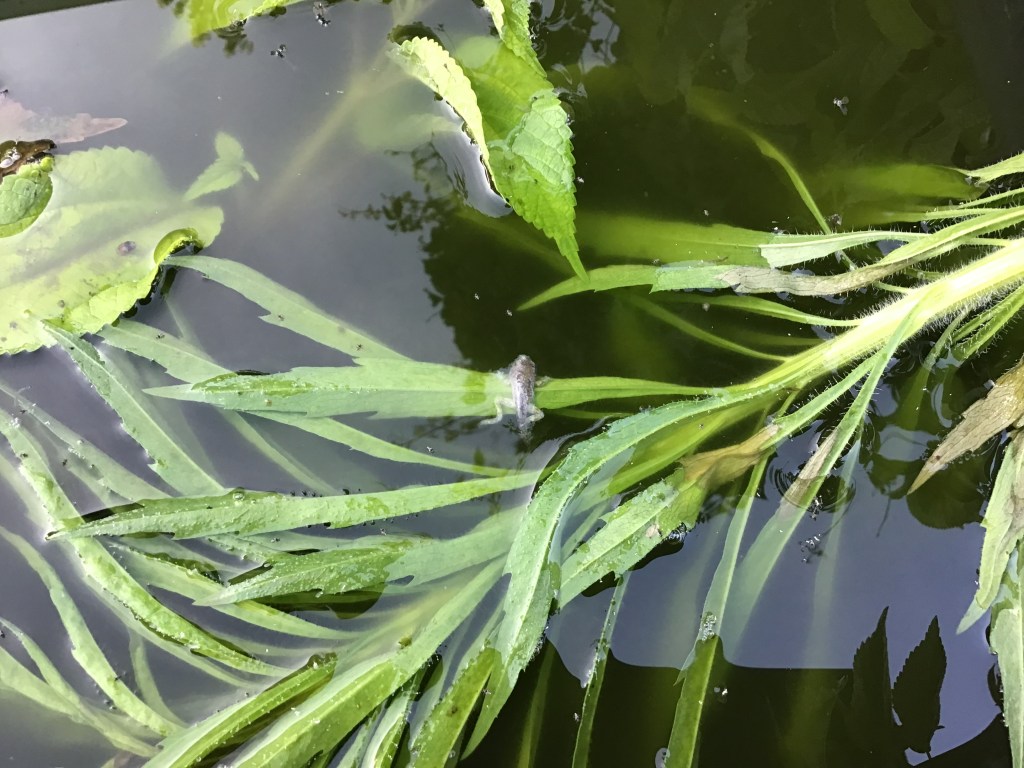
How serene and lovely is my Zen water feature gift to myself for Hubby’s birthday!

It’s the Mindset, Stupid

I nearly made the same mistake with the Chinaberry tree as I did a decade ago with the Mimosa tree.

I must make even greater efforts to De-institutionalize my mind.

It’s like with the official Farmer’s Market, in the small city 40 minutes away, which grows along with the city, but doesn’t get any better, because there aren’t enough farmers and there are too many regulations.

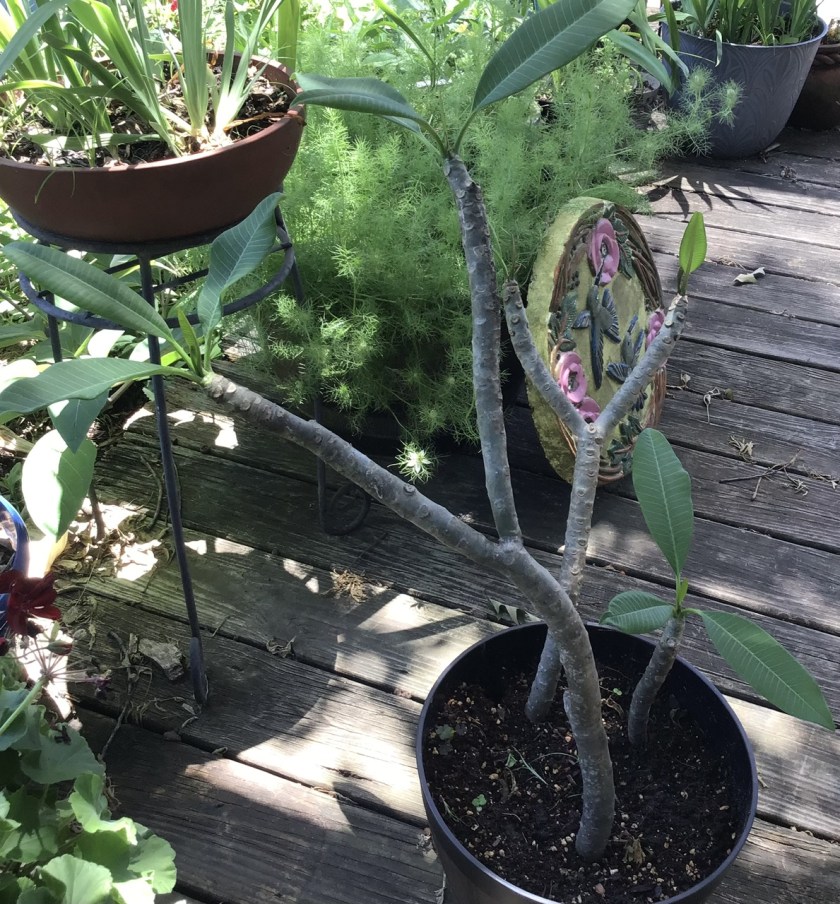
A treasure from a local plant swap now starting to bloom, Plumeria, how exciting!
how it will hopefully look one day! It’s the tropical delight used for making leys in Hawaii, with a delightful fragrance.

Meanwhile the very localized, small, rural events have been well worth the time. At one we got several new plants I’m still excited about.

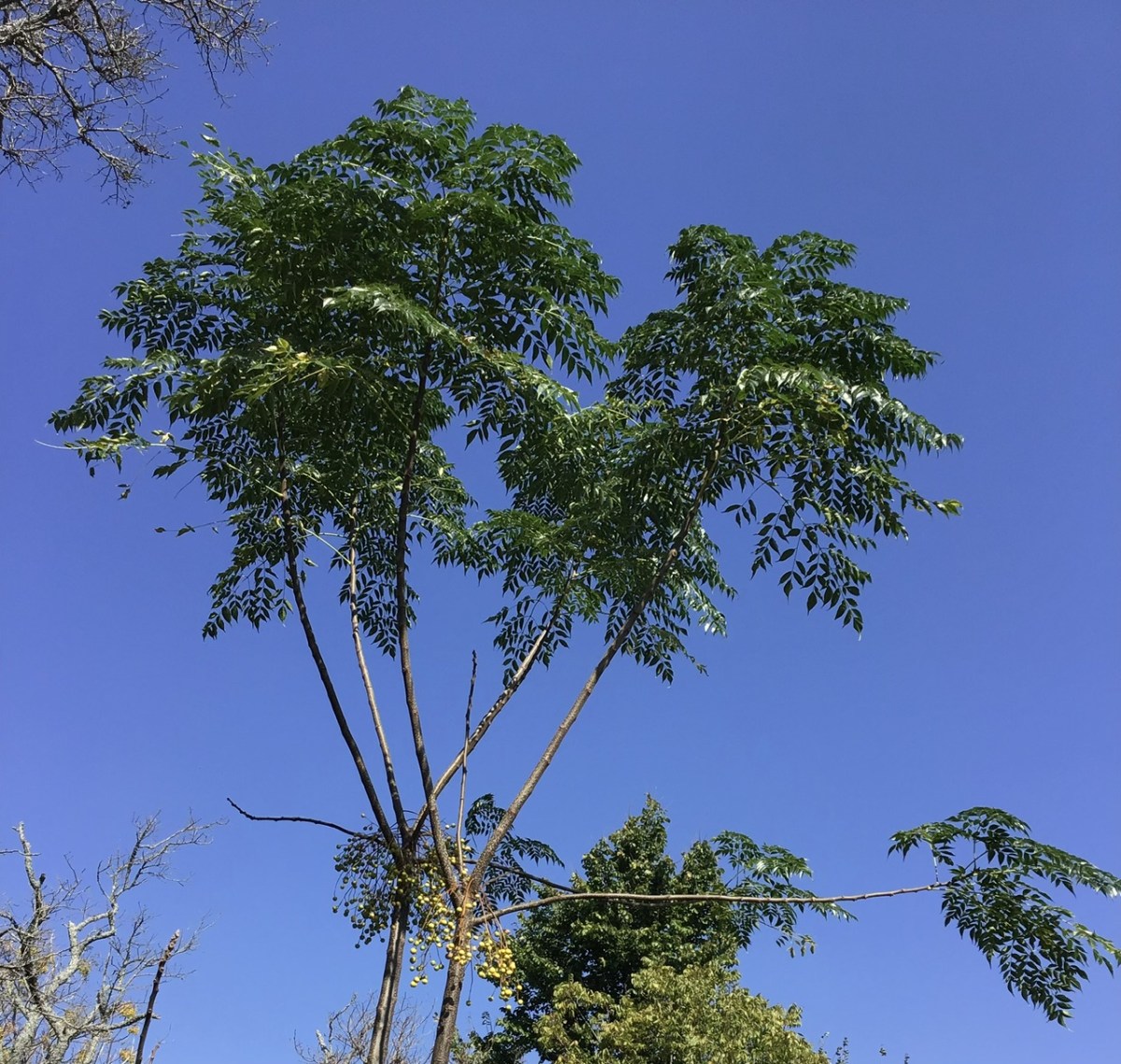
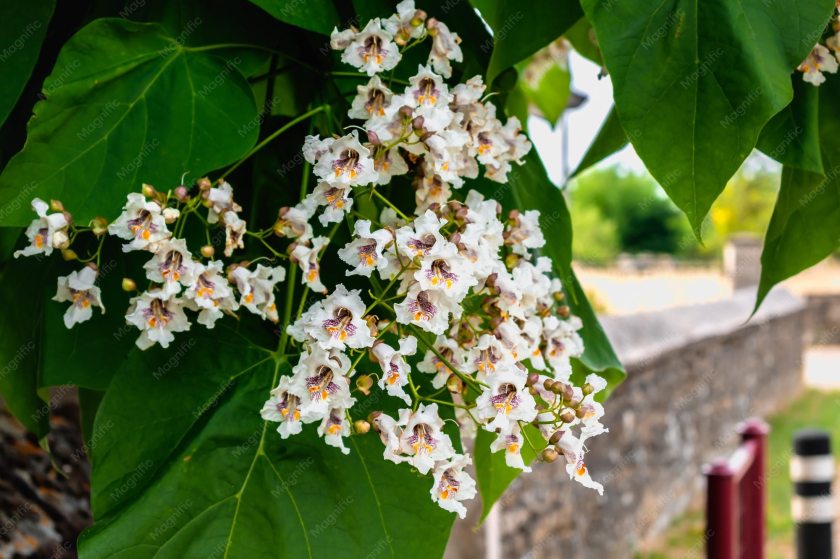
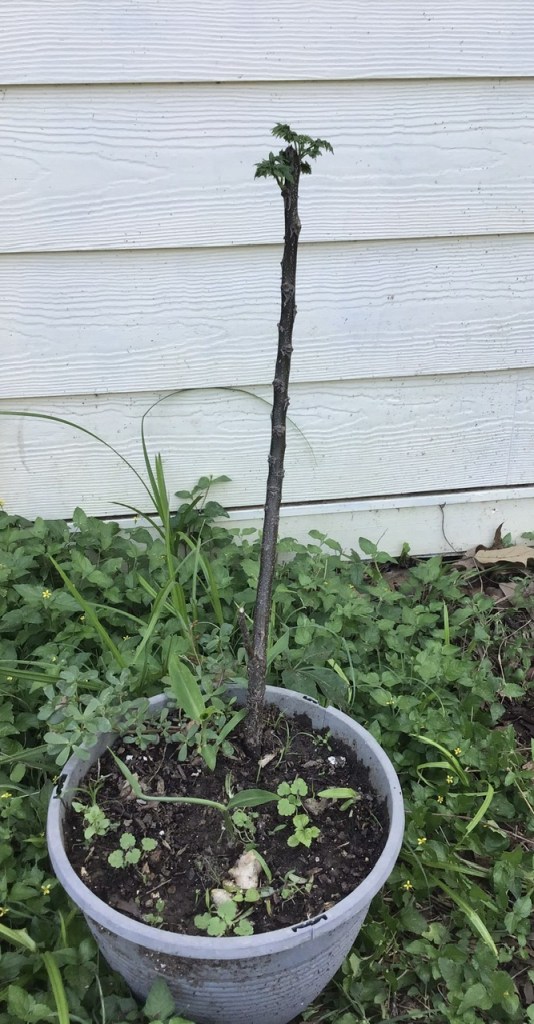
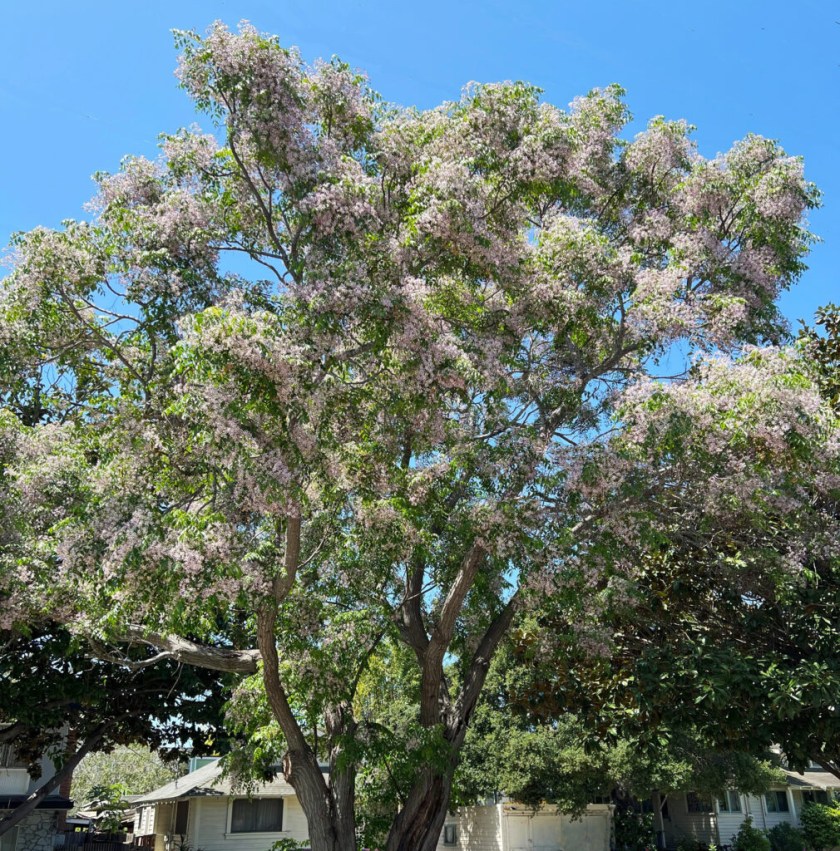
Catalpa tree is another I’ve been longing to grow, but only found available through a local swap.

Catalpa blossoms, the ‘worm tree’ as it’s called in these parts I’ve just learned from a local angler

And at another we ate better tacos than we’ve had in years. And at the last one I gave away lots of cheese, because I’m still too apprehensive about selling or even bartering it. Giving it away to strangers felt a baby step closer to that potential future possibility.

So it goes with the Chinaberry, too. At least this time I didn’t waste an entire decade believing the official nonsense that these trees are invasive and toxic and in the case of Chinaberry, even illegal.

But I did still waste almost a year, and that’s why I’m complaining now.

I’m disappointed with myself. I thought I knew better by now. But damn if old habits don’t die hard.

It’s not the same story exactly, but it sure does rhyme, and the refrain harkens back to a very common problem, not just my own.

I still did not trust my instincts, wisdom and preferences quickly enough.

Put into perspective, and relatively speaking, I have come a long way. I’m much better than I used to be and considering I know folks who still think vaccines are safe and effective, I could afford to be a bit more self-forgiving.

But I’m not getting any younger and time’s a wastin’! Trees don’t grow overnight, you know!

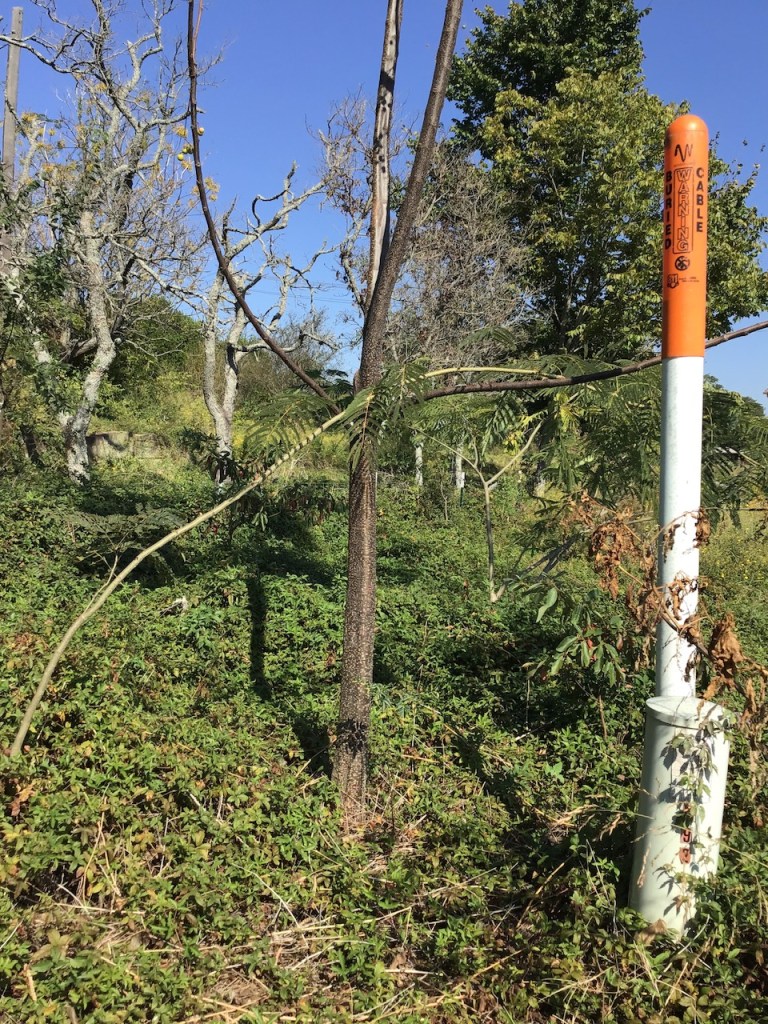
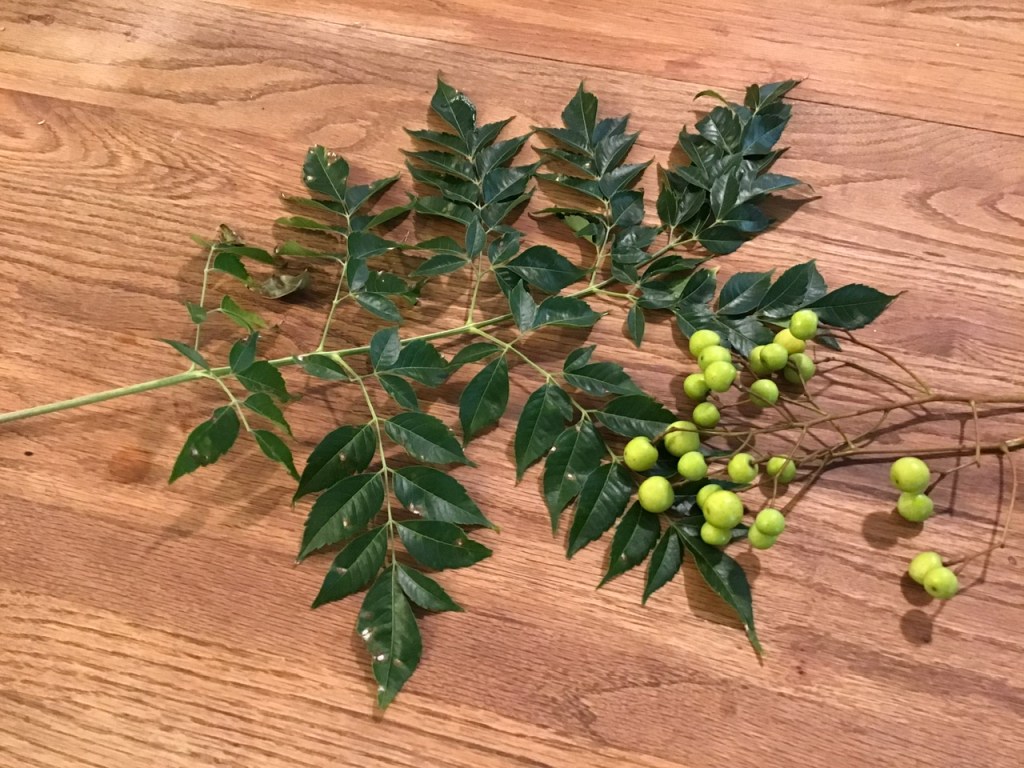
My little Chinaberry foraged/stolen from the abandoned lot where I first fell in love with it.

Instead of spending that year trying to identify the tree and wasting lots of precious time, I should’ve said at first sight–I love it, I want it, I will have it.

There is something magnificent about that speckled mahogany bark, those tropical-looking yellow berries, the glossy deep green foliage surviving even in drought in the dead of summer, that sleak curve of the trunk and the little grove it’s trying to form. I must have it. Pure instinct.

Instead of trying to germinate the berries, which is so much more challenging with many trees, I’d have taken cuttings right away. Instead of going to official sources, online and through various experts and professionals, I’d have gone to the most local source I could find, folks living in these parts for many generations.

I was given wrong identifications online, and from our university extension service that is the Master Gardeners, the usual Corporate-State fear propaganda of ‘invasive’ and ‘toxic’ and unsafe.

Because if they don’t sell it at Walmart or Lowes, it’s got to be bad. Because if it’s an ancient medicinal, it’s got to be poison.

They think they mean well, I suppose, sometimes.

But othertimes I think nope, not at all. They don’t mean to do well at all, they mean to stay compliant with the authorities. They mean to collect their paychecks and their pensions. They mean to think themselves well-meaning without ever examining themselves.

When we first came here and first becoming gardeners and stewards of this land, I vowed beyond our veggies I’d grow only ‘native species’. I didn’t know any better and that sounded to me like an admirable approach to a new venture.

I now think the term ‘native’ is itself highly suspect and what’s considered ‘invasive’ is highly relative and shifts with the breeze of the current oligarchy.

I will be satisfied when my intuition (I want that tree!) trumps my logic (what’s it called?) at the speed of the mind of a 3-year old.

It really is about the mindset, but not in the relentless Positivity sense of ‘everything is possible’ of the pop psychologists paid to entrain us to the status quo, but rather in the learn to Trust Yourself First mindset. Even in baby steps, even prolonged over decades, even against the tides more often than not.

No, not everybody, but enough to make it miserable for the few malcontents who just want to be left in peace and who care for truth and beauty over comfort, convenience, or malignant and uniformed collaboration.

Next post, all about the splendid, but illegal in Texas, Chinaberry tree.

Illegal beauty

The Real Cheese, Finale

The Swiss Colony has still not answered my questions concerning which “enzymes” and “cultures” are used in their cheese, or who manufactures them.  

This is as close to a direct answer as they have come, after four attempts for clarification on my part.

“We do not give out our manufacturing information, as these may change depending on availability.

We hope this information is helpful to you.”

Let’s compare this to what is required, by law, for a small licensed dairy in most US states.  

They are the most stringent laws for just about any product sold in our country, with hefty fees, regular inspections, strict requirements for what can be produced and how, and to boot, with the name and the address of the farm (which in most cases means the farmer’s home address) to be printed on every label. 

Imagine if the CEO of every giant food conglomerate in this country was required to put their home address on everything they sold? 

Of course, that could become very confusing, which address would they choose with multiple McMansions to choose from?

Yet if you talk to the average consumer at the grocery store their assumption would most likely be that cheese bought by a local seller at the farmer’s market is of more questionable safety than the big name brands they’ve come to know, and trust.

Completely misplaced trust, created by fraudulent marketing practices and unfair laws in a food system that has been duping the public for half a century plus.

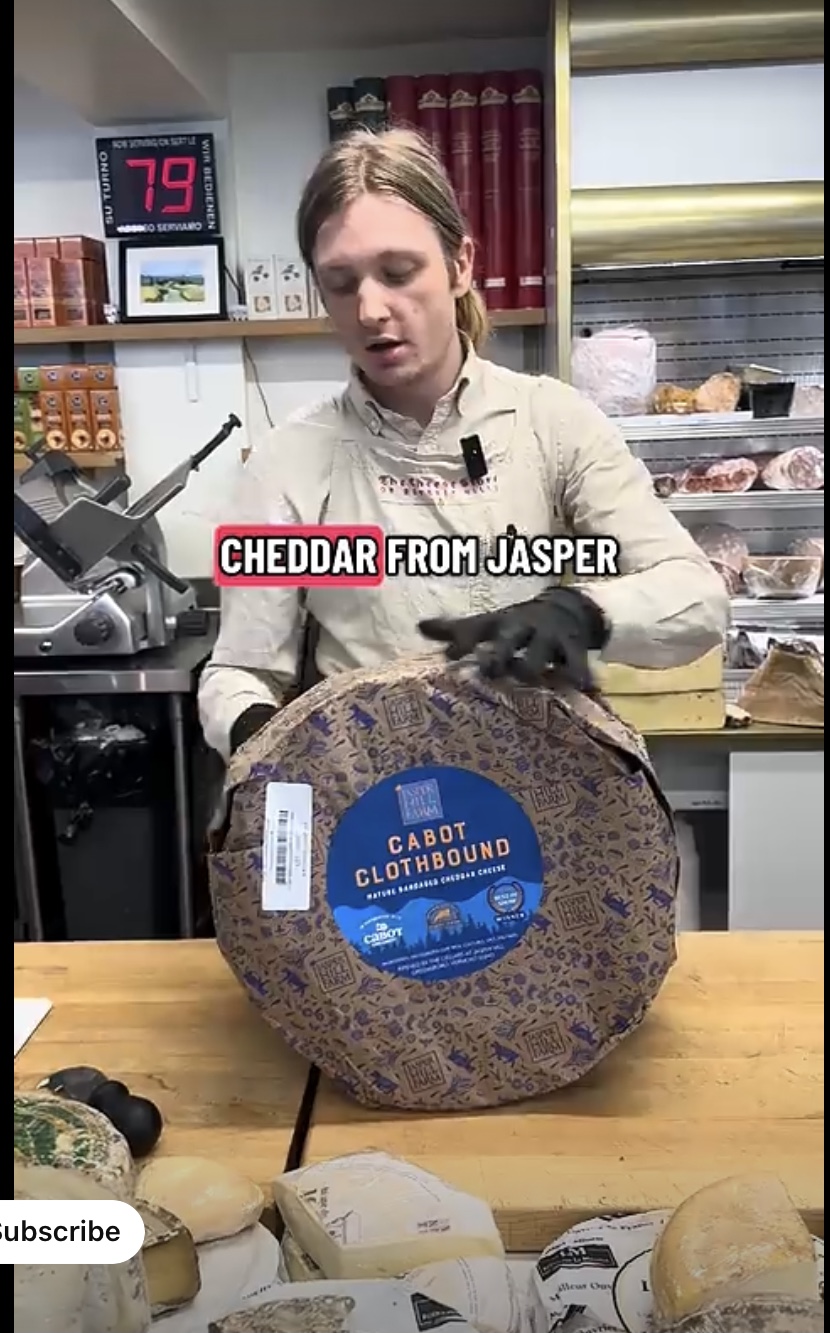
This goes for more upscale choices as well.  Here is one from the Cheese Store of Beverly Hills: The Cabot Clothbound Cheddar from Jasper Hill Farm in Vermont.

Looks very traditional in its cloth binding, which is laudable.  I also cloth bind cheddars.  And I’m not pleased to still be relying on plastic in many cases to make and age other cheeses, but it works and it’s readily available and relatively cheap, so until I can find another way, that’s my lot. But, I’m always looking for better, more traditional options.

On the Cabot Cheddar we have the typical ingredient list: pasteurized cow’s milk, starter culture, vegetable rennet, salt.

Are they required to declare their rennet and cultures are produced in a lab and have nothing to do with any farm? No. Is the consumer privy to who manufactures those ingredients, or where? No.

Though they do make a good show of cutting that big impressive cheese!

While I’m sure it’s healthier and tastier than the likes of The Swiss Colony cheeses, the label is still misinforming the consumer who probably assumes vegetarian rennet comes from vegetables and starter cultures come from other milk products on their farm, as once was the case with all cheeses.

In related Ag news, why is the news never good?

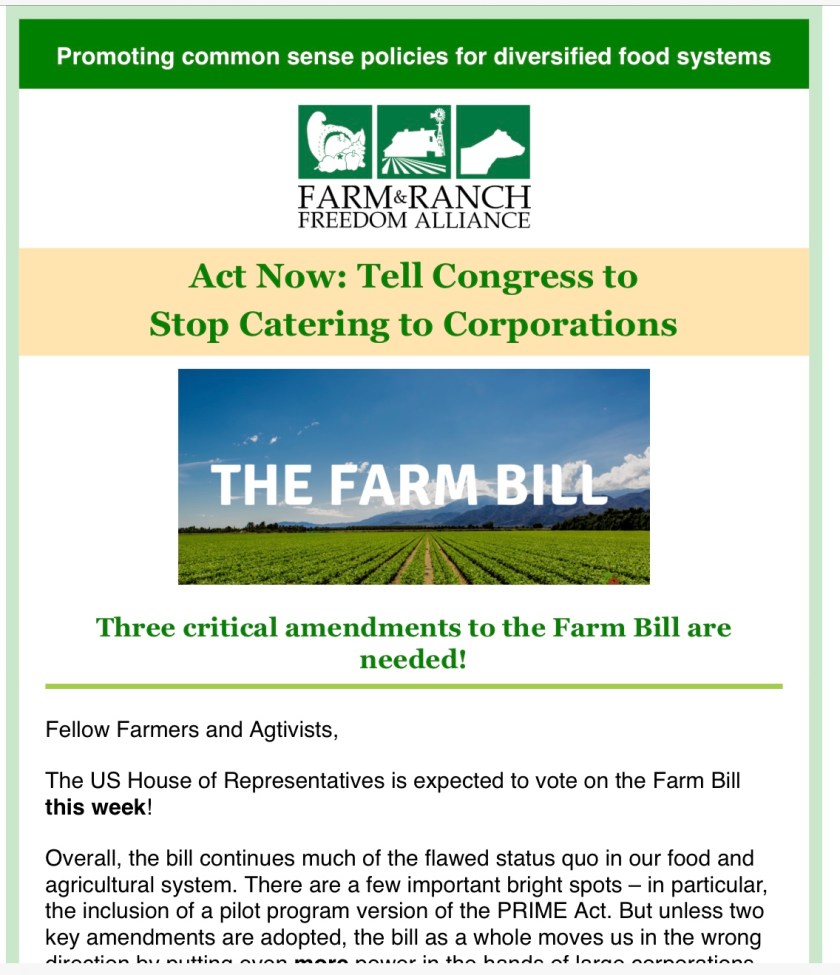
From the Farm & Ranch Freedom Alliance:

Act Now: Tell Congress to Stop Catering to Corporations

The US House of Representatives is expected to vote on the Farm Bill this week!

From AI: The Farm, Food, and National Security Act of 2026 is a comprehensive farm bill that aims to address agricultural and food policy in the U.S. It was reported out of the House Agriculture Committee on March 5, 2026, and includes provisions for nutrition assistance, crop insurance, and conservation programs, reflecting a significant update since the last farm bill in 2018.

Spoiler alert, not a peep is written about fake cheese or lab-produced cultures and rennet.  It’s not even on their radar.  

“Overall, the bill continues much of the flawed status quo in our food and agricultural system. There are a few important bright spots – in particular, the inclusion of a pilot program version of the PRIME Act. But unless two key amendments are adopted, the bill as a whole moves us in the wrong direction by putting even more power in the hands of large corporations … and putting your operation, your land, and your local decision-making at risk. There’s also a third important amendment, to empower consumers to support American-raised meat.

The Bottom Line:

This bill, as written, sticks farmers with more risk, less local control, and a system that favors consolidation.

That’s not a compromise—it’s a step backward.”

And from another source:

“Amidst rising farm bankruptcies and unprecedented economic and policy instability, the House bill chooses more of the same, neglecting the kinds of investments and policies that our farmers not only deserve but desperately need,” Mike Lavender, policy director at the National Sustainable Agriculture Coalition, said in a statement.

As House Moves Closer to Farm Bill Vote, Food and Ag Groups Push Back | Civil Eats

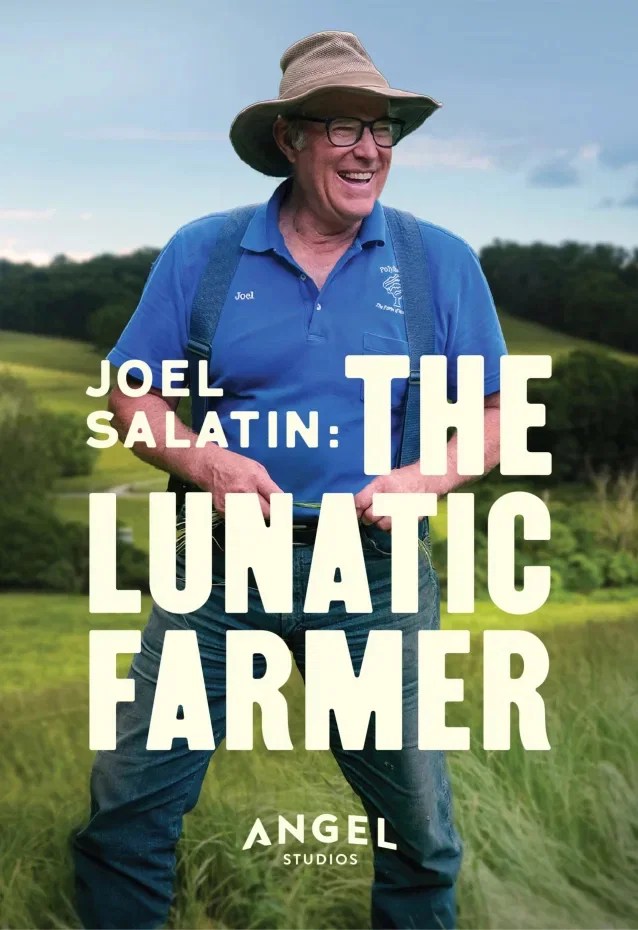
Lunatic Farmer Joel Salatin was one of the speakers at the People vs Poison Rally at the US Supreme Court to influence the votes.

The primary talking points are around glyphosate and similar pesticides and herbicides.

He says:

                  “The real question is what protocols would return the North American landscape to its pre-European productivity and abundance?  You see, 500 years ago this landscape produced more food than it does today, even with tractors, fertilizers, chemicals and new plant varieties.  Of course, it wasn’t all eaten by people.”

SCOTUS PRESENTATION — The Lunatic Farmer

I like reading his commenters, because there’s always a few I agree with and I so appeciate finding like-minds.  This one comes from Diane B. :

“So truthfully and eloquently stated. Sadly, SCOTUS is corrupt and mostly bought along with the rest of the government. We would be far better off if none of them existed. Government has proven it can only be dysfunctional. We don’t need to be governed. We need your speech circulated to the entire population, most will understand, and we need strong men and women who will stand up to corrupt corporations (without a government involved).”

I couldn’t agree more!

And yet, it’s only getting worse.

Homestead Happenings: The Real Cheese

It was too much news last time for one post, and I didn’t care to skimp on the cheese bragging, especially!

But then I got sent off on a cheese tangent when trying to simply explain why most commercially-produced cheese on grocery store shelves should not even be called real cheese anymore.

In fact, maybe even some of these fabulous-looking cheeses from traditional French fromageries like I used to love to frequent might also make the fake food list. I sincerely hope not, but France, like all of ‘the West’ are increasingly subjected to the same chemical onslought as we are in the US.

Making cheese is the best thing I’ve ever done.  In my life, without exception.  Thanks to it, I have uncovered some of the rarest, most simple, deepest and most common of universal life lessons.

No offense to Handy Hubby, marrying him is definitely a close second. 😆

I’ve heard similar magnanimous claims recounted only through such trials and tribulations as come through miracles such as child birth and motherhood. But I have not been a mother.  

Don’t cry for me though, because I found cheese!

From it I’ve delved into the practicalities–the art, the craft–of the most delicious hobby I can imagine.  I have also been either introduced, or expanded my knowledge on topics as diverse as vaccines, germ theory, pleomorphism, alchemy, modern chemistry, even math–some things which I rejected with ease or sometimes ferocity–which now claim me, my mind and passions and preoccupations, like one conquered, lured and pushed, exposed and protected, by some ultimate wisdom.  

Anyone who knew me in my younger years would be surprised, I’m sure, as my sister was, that I would willingly and repeatedly entangle my brain with math and science. Not that either is entirely necessary for traditional cheesemaking.

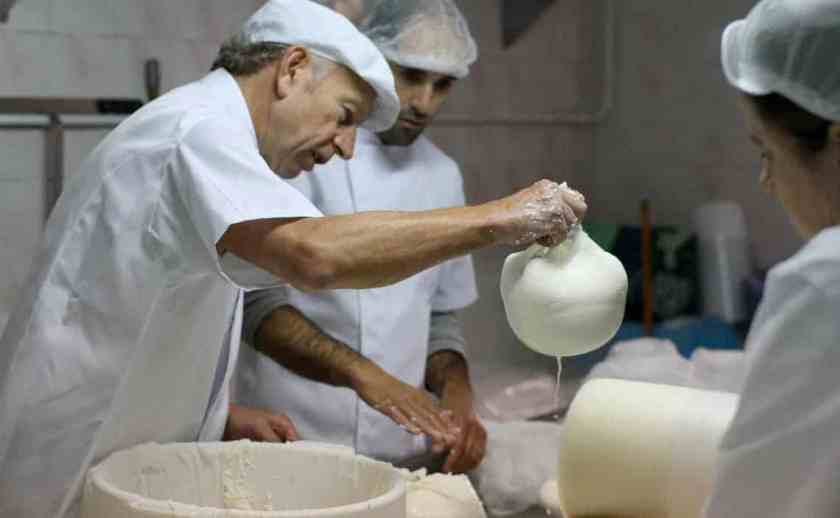
Every cheese pictured here, and plenty more that are not, I’ve made with the same 4 ingredients: locally-sourced raw milk, our own animal rennet, clabber and salt.

From David Asher’s fantastic tome, Milk Into Cheese: The Foundations of Natural Cheesemaking Using Traditional Concepts, Tools, and Techniques

Most commercial producers of cheese believe that packaged starters are the only option for cheese’s proper production; that milk is deficient in the appropriate microbes and rich in dangerous ones; and that they are incapable of realizing the work that is normally done by trained microbiologists.  DVIs (Direct Vat Innoculants–freeze-dried starters) are considered the only acceptable way to safely make cheese, and the most convenient option for producers, big or small.

He’s too polite and wise to say the industry has been completely captured, but I do believe he’d agree with me on that!

Industrial starters are by and large produced by multinational corporations. Danisco, the most prolific starter producer, is based in Denmark and is a subsidiary of DuPont.  This corporation and others like it profit off cheesemakers’ demand for a product that they do not truly need.

Industrial starters are monocultures of microorganisms that have no precedent in nature and need perfectly sterile environments in order to function correctly.  They are out of touch with the reality of cheese, which needs dozens if not hundreds of species of microbes to evolve according to their safest and most flavorful pathways.

The deception on the foundational level, resting on disproven science from the early 1900s, is bad enough.  But the consumer sees none of that, instead being swept up in extremely dubious marketing practices that call these starters natural and necessary.

And that’s even before we delve into the mass manufacturing of “vegetarian rennet” –that is the lab-derived coagulant now used by the vast majority of cheesemakers large and small around the West and perhaps the world, which also also claims to be natural.

Four ingredients.  Just think about that for a moment, please!  That is all it takes to delight, and/or to disgust, in a thousand different ways.  

Labeling, on cheeses as on GMOs, is simply another way to con the consumer.  The process is as important as the ingredients and changing the meaning of words is par for the course.  More on that next post as I delve into the “Nutrition” label of a popular cheese brand.

Fermentation and the art of putrefaction is the process.  Technically putrefaction is the wrong word, though it does sort of work!

Affinage is the correct term for the fine craft of cheese maturation.  According to AI the difference is:

“Putrefaction refers to the decomposition of organic matter, which can negatively affect cheese quality, while affinage is the controlled aging process that enhances the flavor and texture of cheese. Proper affinage prevents undesirable putrefaction by managing environmental conditions and microbial activity during cheese maturation.”

So it’s basically desirable putrefaction.  It’s like the difference between a weed and an herb, it depends on whose garden it is.

But still, think about that! Like aging fine wines and wiskeys, even hot sauces, this is proper fermentation, where territory REALLY matters.  Where some old-school crafters even insist no one else can touch their concoctions or they’re immediately spoiled.  True story!  

It’s POD taken to an extreme unknown even to our own extreme-loving culture.

POD, or DO (designation of origin) is to the cheese world what Provenance is to the art world.  It is, literally, about ‘savoir faire’ (know-how) –being able to trace the work, the process, back to its source.

Perhaps so that industry can try to capture a piece of that magic? Individual and smallscale crafters in the market are not allowed the same right to privacy as the Big Food manufacturers, who routinely get to claim “proprietary” status whenever they care not to divulge their special little secrets. 

Aging cheese, affinage, is an art, craft, indeed a profession, so ancient it predates our recorded history.  It has nothing at all to do with commercial pasteurization, or chemically-adulterated cheeses, which has absolutely compromised the craft.  Which has been further compromised by a negligence of public health standards and an indifference to territory and creating a GloboGlob culture that is so synthetic it now considers consuming chemicals as food ‘natural’.

And if you are among the great many who are allergic, they don’t tell you it’s because they’ve completely adulterated the ingredients, the process, and even the meaning of words, oh no, they tell you ‘plant-based cheese’ is the next great thing they’re creating just for you!

The new ‘art’ eh? I think not. But time will tell.

Our tastes tell us a much bigger story than our grocery stores care to oblige.  And the ever-increasing health consequences and debilitating diseases point to our palates and our plates, which should take their rightful place at the top of that pyramid of problems.

Cheese is full of life and how each cheese is treated determines its outcome.  Kind of like children too.  It is not a source of disease, though like rearing anything, it can be a source of dis-ease! 

I also feel such a drive to protect these precious processes.  The downright bastardization of what’s considered natural in these times is only escalating toward greater absurdity.  “Natural” and “only possible to manufacture in a lab setting” should not be synonomous!

If that makes me a food snob, I am pleased to claim the title!  We’ll need an army of Queen Food Snobs to push back against this crazy.

Homestead Happenings

We’ve got a sad-but-funny Shadow story, the usual weather nonsense, garden goodies, another instance of AI lies, lots of cheese bragging, the will of pigs, my creativity commitment, all in no particular order.

We’ve had both new setbacks and new achievements so far this growing season.

The false friend of an early spring might feel nice for some temporarily, but most got slammed hard by the subsequent freeze weeks later. We lost all the fruit trees except the citrus, which Hubby’s been painstakingly covering and uncovering all Weather Whiplash Season. The figs, mulberries, magnolias and even the oaks got it the worst as they were already well leafed out.

The lovely wild cherry we uncovered about six years ago when Hubby cleared for the new chicken coop was another sad loss, again. It looks so beautiful full of blossoms, but only once did they last long enough for a cherry harvest. If it’s not the late frosts, it’s the wind, or the bag worms that destroy them.

I’m sure it has nothing at all to do with these totally natural clouds that come right in lockstep with our strange weather, I’m certainly not seeing any patterns and I surely don’t imagine these are some sort of chemicals that fill the sky and do weird things like change the atmosphere, and the climate. Heavens no!

What crazy talk! This is just beautiful big Texas country skies, that’s all!

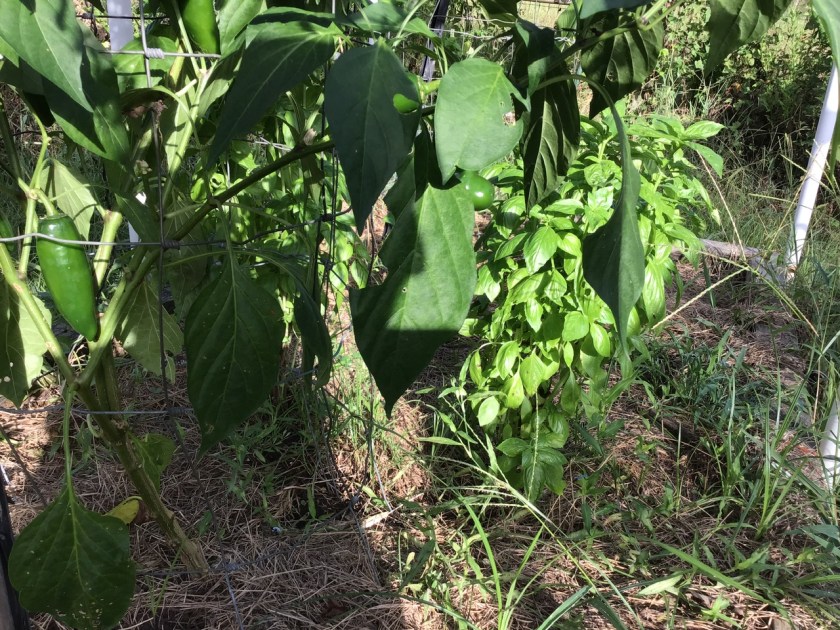
On the fun success side of things, we have the earliest pepper harvest ever, by far. This was no thanks to the weather either, but rather to my laziness. Now that’s a rare and welcome anamoly! I had excellent success for the first time over-wintering three varieties, after multiple failed attempts. The trick seems to be to never move them. Whereas before I’d haul them in and out during our warm to freeze snaps, thinking I was benefitting them with all the extra effort, in fact no, they did best parked in front of the window for three months.

We’ve already had a little harvest because I feared the still small limbs so heavy with fruits might not fare so well in our next big wind.

The strawberries are another big success, which I finally achieved after so much trial and error, especially error. So successful I shared wheelbarrows full of plants with many friends and neighbors, one who asked to share my tips with the Master Gardeners county extension newsletter. So, here they are! It is certainly a high maintenance crop, but such delicious rewards.

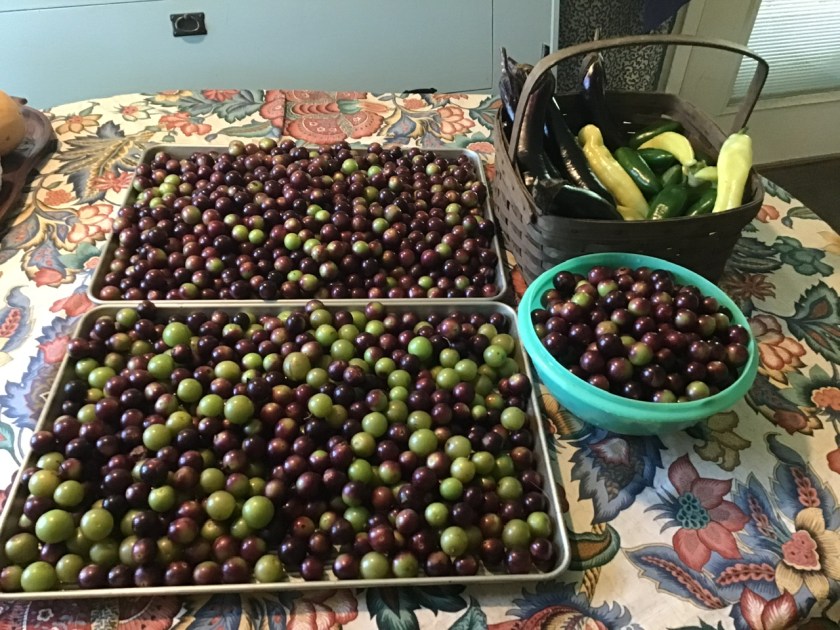
We were able to save the majority of tomatillos from the freeze, but not the tomatoes, not sure why. We had to double cover them, with pots and then frost blankets on top, but that worked. We’d already opted for tomatillos over tomatoes this year for a nice change of pace.

The onions and garlic were not bothered by the freeze and are still growing strong.

plus we’ve got lots of carrots and lettuces, while the crucifers jump directly to seed in their seasonal confusion.

We were also able to get an early jump on blooms we housed with the citrus, so that’s fun. I never tire of more flowers!

Even an extraordinarily early datura!

In other happy news there are always the cute little lambs.

They appear so sweet and harmless, n’est ce pas? But don’t ask our poor terrorized Shadow to agree with that assessment!

Friend or foe, sometimes we don’t know.

He looks, and often acts, like a big brut. But one mama has such a hate toward him he can’t even cross the yard in her presence! Hubby literally has to escort him if the lambs are in the front yard, she will charge at him from 15 yards, and even his meanest growl won’t keep her from butting him if he’s unprotected by a human. The poor dear, it must be terribly immasculating. 😆

Please refrain from shaming the Shadow, he’s a lover not a fighter!

But speaking of fighters, pigs can be extremely pig-headed, in case you didn’t know that slander is very true.

Hubby had already decided to take a sabbatical from pig-rearing last year, and planned it for this spring. He put old Papa Chop down in December after his last breeding hurrah. Seems providence wanted to put a fine point on that decision, by making this round particularly painful. Knowing a big storm was coming, he positioned Mama Chop’s birthing area under cover. She had other ideas, probably because it was so damn hot. They tusseled for two days, she won. Just as Hubby predicted, 3/4 of her litter drowned. And that’s the end of his breeding adventures.

Other changes in our territory are equally ambiguous, are they for better, or for worse? Two opposing, and/or related events. One on the plus side–we seem to be having a resurgence of wildlife. I’ve had multiple sitings of wild turkey, and now we hear some down by the creek seeming to have taken up residence there. I’ve heard many stories of abundant wild turkey in these parts from oldtimers, but in nearly 20 years here had not come across them. Feral hog are another story, they’re always around. But there’s been more deer too, it seems. And rabbits, squirrel and bobcat. No complaints from me, I love to see it! Though I do wonder, might it be because all the oil activity here now is forcing them out of other nearby habitat?

Time will tell.

Friend or foe, sometimes we’ll never know. Like this little guy, lounging in our garden shed, who didn’t seem to find me nearly as cute as I found him! As he struck at the bill of my cap and made me jump like a squealing teenager.

Harmless, I know, jump and squeal I still did! 😂

The last two points will have to wait–my creative commitment and the latest AI lies–they are intrinsically related, please stay tuned.

And the cheese bragging! Coming very soon!

And thanks for stopping by! Until then, a simple song, for us simpletons. 😆🤗😘

Industrial vs Traditional Cheesemaking

Such a synchronistic interview popped into my feeds, which I just have to share. Not only is our wee homestead full of young blood sucking down mamas’ milk, but I’m also teaching another cheesemaking workshop this week.

So, milk is big on my mind, nothing unusual there.

This interview from Weston A. Price is priceless! It really is such an awesome feeling for me when a new and powerful voice comes on the scene repeating what I sincerely believe and what we have been diligently cultivating on the wee homestead. We are losing too much of great value in our blind rush toward ‘progress’. We’ve got to work harder to keep hold of our wise traditions, or they will be lost forever.

This traditional cheesemaker, Trevor Warmedahl, follows the David Asher school of ‘black sheep’ cheesemaking and is doing such an inspiring job of it.

He discusses the on-going rennet controversy, which I’ve also mentioned, here https://kenshohomestead.org/2024/03/04/cheese-brought-to-you-by-pfizer/

Clearly this issue is getting lots more attention lately, but it has been on the radar of many cheese-lovers since the 90s, including yours truly, because I was so peeved to have to give up cheese, because I was suddenly ‘lactose-intolerant’, like loads of other people. But at that time it was only in the U.S. I couldn’t eat breat or cheese, not in Europe.

Today in Europe they have also been inundated with ‘vegetarian’ rennet and glyphosate and other chemical industrial products and processes, and when it comes to cheese, the vast majority are not labeled as such. I got suspicious, started asking a lot of uncomfortable questions, and found out A LOT about GMOs and our body’s reaction to them.

The interview summary and link for anyone interested in some fantastic cheese talk (he even talks about the maggot-ripened cheeses I’ve mentioned quite a few times on this blog!)

Traditional cheesemakers respect the process of cheesemaking. They honor the environment, the animal, its milk and traditional techniques – all of which lead to delicious, nutritious cheese. Industrial cheesemaking, in stark contrast, emphasizes sterile conditions, uniformity, and artificial inputs (including GMO-derived rennet). The cheese that results from the conventional approach is consistent… but misses a lot in terms of flavor profile and nutrients.
 
Trevor Warmedahl is a cheesemaker, fermentation educator and the author of Cheese Trekking. Today, he takes us on a cheese adventure, as we gain insight on traditional, artisanal cheesemaking. He gives us pause about what is in our fridge and where it comes from.
 
Trevor has trekked all over the world, working alongside artisanal cheesemakers, so he understands and shares the importance of working with (instead of against) microbes and nature. He describes cheeses you may have never heard of, along with unique approaches to making them. Trevor also helps us take stock of what has been lost in our modern approach to cheesemaking.
 
Visit Trevor’s website: sourmilkschool.com

https://www.sourmilkschool.com/

Listen to the interview:

So. Much. Cheese

Just some happy snaps with minimal commentary this post, because it’s been too long. With more coming very shortly, as soon as my new keyboard arrives, because I loathe the hunt and peck method of the digital keyboard.

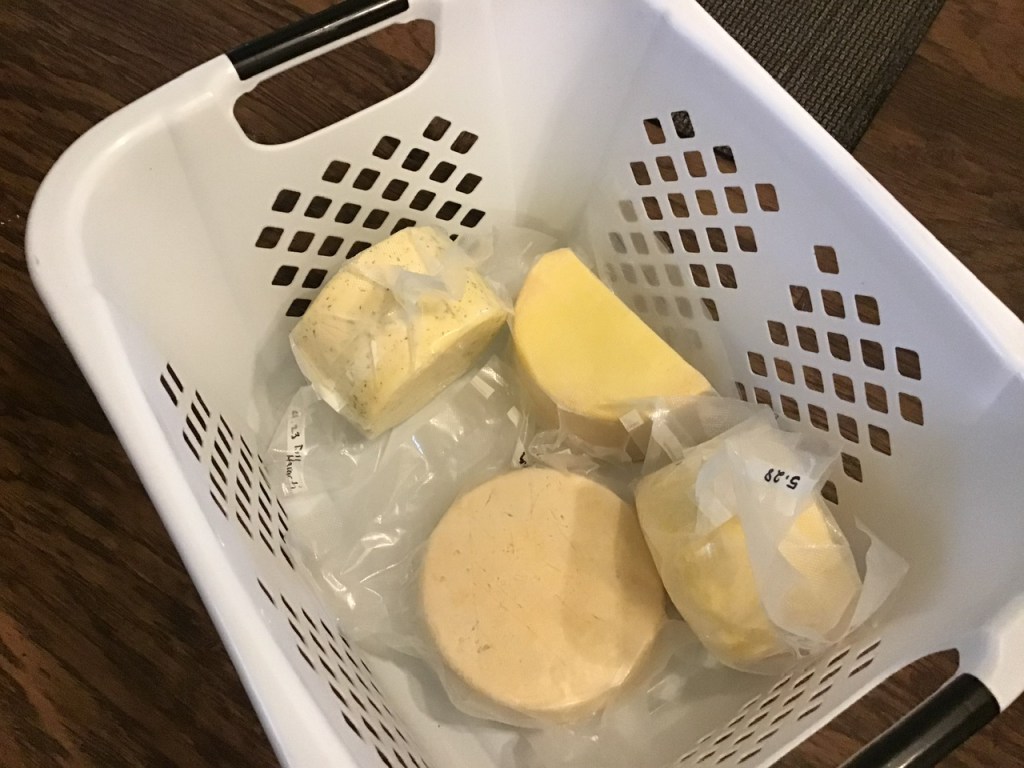
Some aged cheeses and winter herbs: smoked cheese on lees, kenshobert, pepper havarti, dill havarti and cheddar, with some fresh sage, cilantro and rosemary.
My biggest cheese this season from 9 gallons, caraway cheddar aged in a poke-tinted tallow coating. Unfortunately, it’s not my favorite. Fortunately, others like it fine so I happily gave the whole thing away.
My personal favorite, my signature Kenshobert, a local take on Camembert.
A large dill havarti and variety of experiments, most quite good!
Sharing a charcuterie board of cheeses and cured lamb.
A winter harvest of romaine, onions, herbs, radishes and even an orange from our little shrub and some cherry tomatoes because it’s been so unseasonably (and unnaturally) warm.
Plus a pot of today’s milk becoming clabber for tomorrow’s cheese.

A Christmas bumblebee!

A few more happy snaps . . .

A darling bird of prey I watched right off our balcony from our recent quick roadtrip to Gruene in the Hill Country.

Also in Gruene, a so-called ‘mud-flooded’ building, more coming soon on that conspiracy theory in the new year.

They have preserved some gorgeous trees there from the ever-encroaching urban sprawl, and more power to ’em!

Merry Christmas from the wee homestead!

Thanks for stopping by!

Bubba, questioning the weather, surely

Feeling Churlish

Churlish:
“boorish, rude, uncivil, peasant-like, difficult to work with”

I like it, a lot! As a word it’s just fun, like most words that end with ‘ish’. I often put ‘ish’ on the end of words, adding a connotation of ‘sort of’, it’s quite common.

“Fun-ish” not quite fun (like living under a chem-sky producing Yo-Yo weather); Slave-ish is in the vicinity of slavery (like paying income tax and having zero say in your own government).

I have a new cheese I call “Swissish” since it’s in the Swiss style, but obviously, I’m not in Switzerland. It’s just a really handy little diminutive.

But, what is a ‘Churl’ you might wonder? It’s a good question because the meaning has changed over the centuries quite significantly.

A churl is a peasant, or a rude, boorish or stingy person. In English history it meant — “A freeman of the lowest rank”.

I believe that label suits me! Well, not exactly the ‘freeman’ part, but I can relate to the peasant part. I haven’t always thought of myself as a peasant, but since becoming one I’ve definitely adopted some of their so-called uncivil, rude and boorish behaviors.

In many ways it works like the term ‘country dumb’ like in the great work of fiction by Jaroslav Hasek, “The Good Soldier Svejk.” The beauty of being churlish is a direct parallel, because you never can tell when it’s an act, and for what purpose. Playing dumb, or churlish, can be very effective.

Hasek’s narrative, along with the character of Svejk, was most certainly the inspiration for the well-known American television sitcom Hogan’s Heroes.

The original Sargent Schultz and company

That makes perfect sense, because those behaviors go hand-in-glove with how much respect one has for those who would have us all be feeble, pleasant and co-operative workers, loyal citizens of party politics, and happy, obedient tax cattle, unable to accumulate inter-generational wealth, just like peasants and slaves.

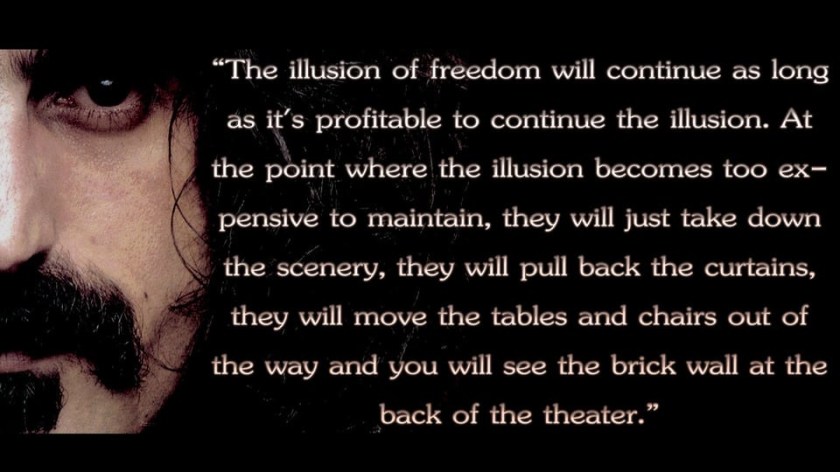
I’ve been saying for decades we are slaves on a corporate plantation and not citizens in a so-called free country, and whether you call it a republic or a democracy completely misses the point. We are forced to pay taxes while having zero control over what those taxes fund, that’s a slave system we cannot opt out of, so I really never needed to read any so-called legal codes or any essays of the great thinkers who’ve already noticed this a century ago, because it’s painfully obvious.

For those who need more proof, here’s another good one rehashing the same points again with excellent clarity, for the hard of thinking.

BUT INCOME TAX FUNDS THE SERVICES WE NEED!
Mark Everson, IRS Commissioner, stated he has been paying his taxes ever since he had his first job and that it’s a “fundamental construct of our nation that those of us who expect and demand services from our government… we must pay for those services,” therefore, there is an obligation to contribute. Ok, great! I like services, and I do believe people should pay their fair share for services they use. So how about we play a little game of “trust but verify” by looking at how our services are funded:
PROPERTY TAXES are primarily used to support local services such as public schools, police and fire departments, road maintenance, libraries, and sanitation services. (check all of those off the list)
SALES TAX funds a variety of public services, including education, healthcare, transportation, public safety, and infrastructure projects. (add a whole bunch of checks.)
SCHOOL TAXES are paid by everyone, even people without children. We are told the school tax funds are primarily used to finance public education, covering expenses such as teacher salaries, school facilities, educational materials, and student services. (check, check, check.)
ROAD TAXES are funded through taxes on motor fuel, such as gasoline and diesel taxes, as well as vehicle registration fees and tolls.
LICENSE PLATE TAXES fund state transportation projects, including road maintenance and infrastructure improvements.
CAR REGISTRATION TAX funds various state and local services, including road maintenance, public transportation, and infrastructure improvements. (Sure are a lot of roads and a whole lot of money going toward them.)
I figured I’d throw this one in here: Utility companies are funded through banks and investors, then they rape us on services (seriously, look at your electric bill). The astronomical rates we pay are set by our so-called “elected officials”. Point being, the utility companies don’t need taxes, but sometimes our governments choose to hand them money. This is a huge, rigged monopoly game.
BUSINESS INCOME TAX, meaning the legal tax on profits derived from the sale of goods over cost, is what funds the government. Again, this tax on profits is 100% legal. If you own a business, you owe taxes on the profits (gains) you generate. This includes stock market gains or gains from other financial investments.
As you can see, there is nothing on our list that requires the sample server at Costco to pony up 20% of her weekly paycheck to fund. This is why the Grace Commission, officially known as the Private Sector Survey on Cost Control (established by President Ronald Reagan in 1982 to identify waste and inefficiency in the US federal government) produced a shocking report. When referring to income tax collected from every working individual in the United States, they stated, “100% of what is collected is absorbed solely by interest on the federal debt; all individual income tax revenues are gone before one nickel is spent on the services taxpayers expect from government”. Folks, 100% of what we give the government out of our paychecks is being handed to the banks as interest payments – that means all of our taxes become the bank’s profit. People don’t understand how the Rothschilds, the Morgans, and so on run the world; it’s because the entirety of what we pay is funneled to the banks, and they own the banks. G. Edward Griffin, author of Creature from Jekyll Island, stated,
“The main purpose of the income tax is not to raise revenue but to redistribute wealth to control society.”

SLAVERY
Listen closely: “Article 1 (1) of the 1926 Slavery Convention defines slavery as ‘the status or condition of a person over whom any or all of the powers attaching to the right of ownership are exercised’. This definition signifies that a person is considered a slave when another individual holds absolute control over them, treating them as property or chattel, and depriving them of personal liberty and most rights ordinarily held by free persons. The exercise of these powers includes control over the person’s life, labor, movement, and private affairs, with the intent of exploitation.” We work to obtain money in pursuit of life, liberty, and happiness. We are then forced, against our will, to hand the mafia a never-ending portion of our money. If we don’t, our possessions that we have rightfully earned are seized, or we are jailed. It is the definition of slavery. The worst part is, in this case, the government doesn’t even “need” this money. It doesn’t go toward making our cities beautiful and making our water clean. It is all handed to the banks – but it’s way worse than this.
According to Bilderberg, the IRS makes available to the programmers of society “much information” which they can then use to create situations that allow them to maintain control over us. To quote Bilderberg, “This information consists of the enforced delivery of well-organized data contained in federal and state tax forms, collected, assembled, and submitted by slave labor provided by taxpayers and employers.” They go on to say, “Furthermore, the number of such forms submitted to the I.R.S. is a useful indicator of public consent, an important factor in strategic decision making….” They add, “When the government is able to collect tax and seize private property without just compensation, it is an indication that the public is ripe for surrender and is consenting to enslavement and legal encroachment. A good and easily quantified indicator of harvest time is the number of public citizens who pay income tax despite an obvious lack of reciprocal or honest service from the government.” So, they laugh at us for being so gullible that we pay into their wretched system, yet if we resist and don’t pay, they seize our assets and force us to waste our lives behind bars instead of spending time with those we love. The one thing I agree with them on is that this is slavery.
Bilderberg, when discussing the political landscape of America, stated that both lawyers and CPAs (accountants) are [unknowingly] licensed spies and saboteurs. These individuals are overseen by judges, “who shout orders and run the closed union military shop for whatever the market will bear” and “the presidential level of commander-in-chief is shared by the international bankers.”

To end on a good note, here’s the young and gorgeous Helena Bonham Carter in my favorite film, “Room With a View” who after playing Beethoven gets peevish, naturally, but not to be confused with churlish.