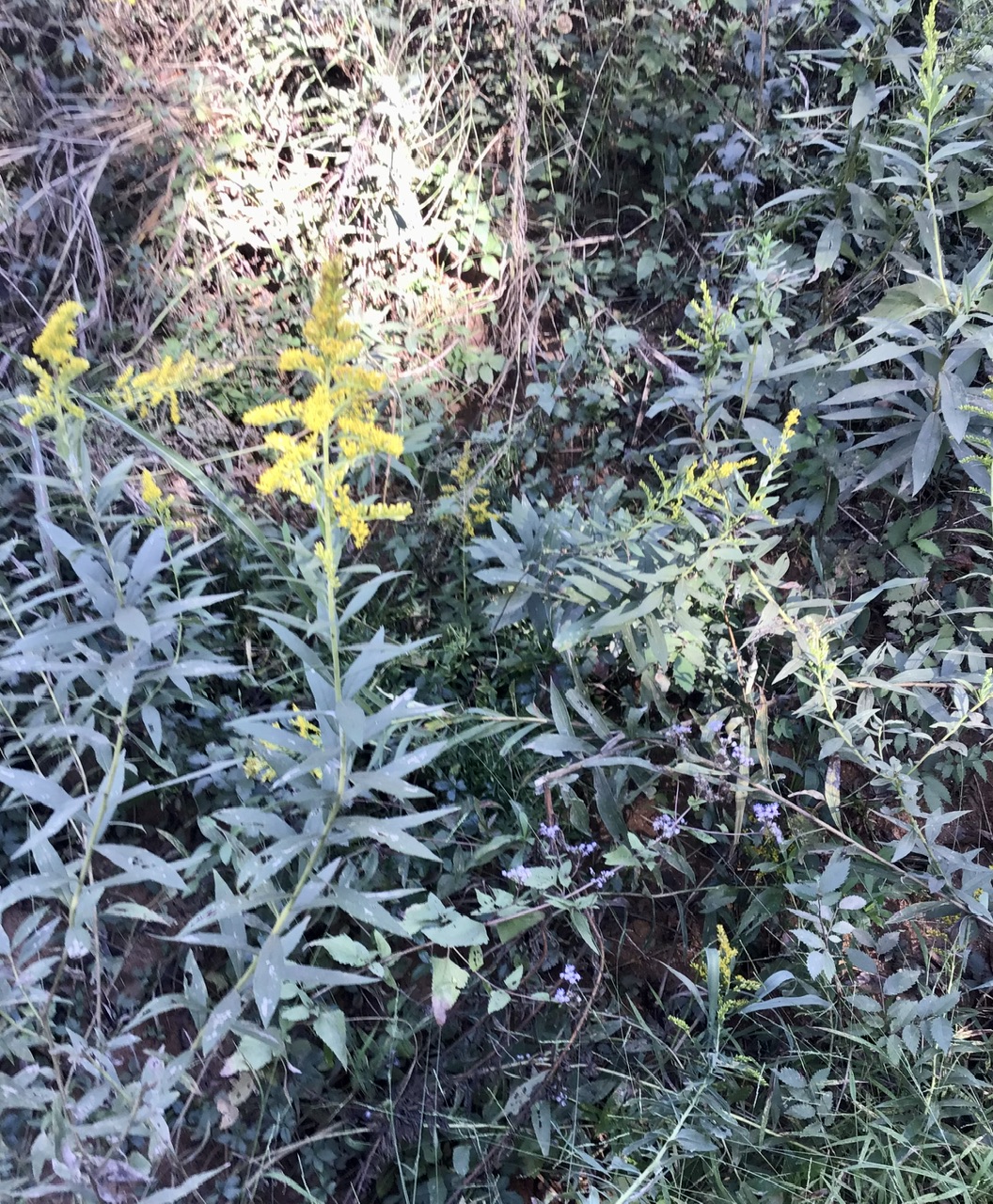
Solidago virgaurea/Solidago canadensis L.
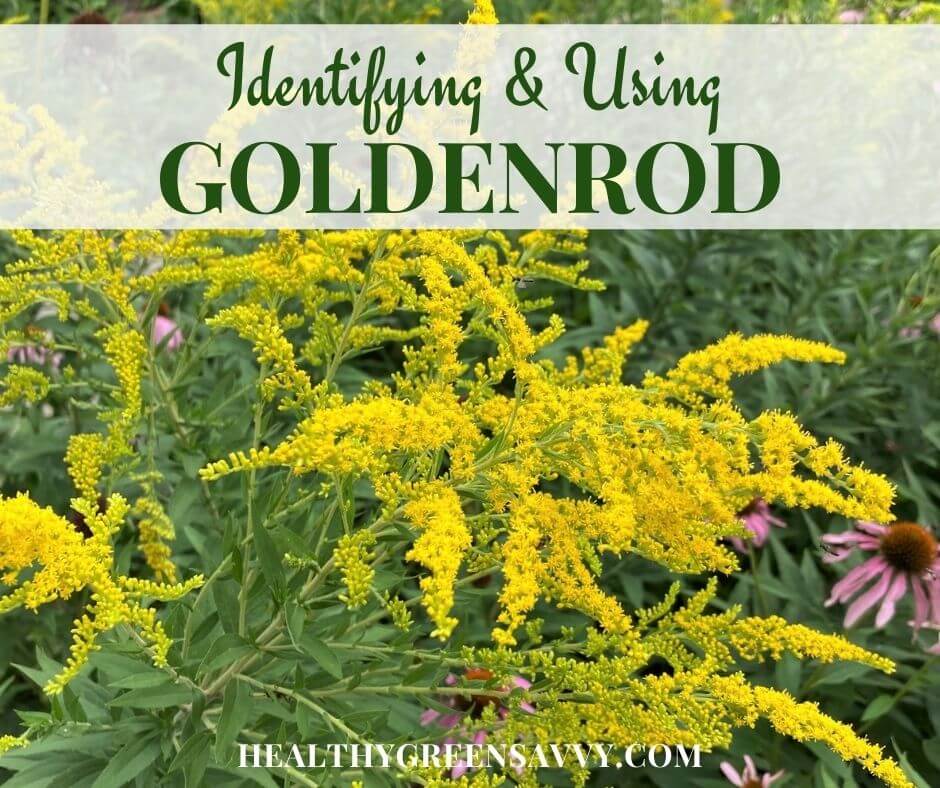
This is a ‘weed’ I’ve been wanting to learn more about for a long time. It’s a very popular plant for foragers, right up there with Mullein, but I first learned about it as a preferred late season food for the bees.
In East Texas it seems to prefer roadsides and creeks to open fields and often appears nearby mistflower (conoclinium coelestinium) both in the family asteraceae.

October 2024
Surprisingly (or perhaps not) Wiki has little info on this popular medicinal, and it wasn’t listed on a longtime foraging go-to of mine, Merriwether of Foraging Texas.
I can’t imagine why not! It’s a well-known medicinal in many countries and is plentiful in Texas even during extremely hot and dry summers.

According to The Medicinal Flora of Britain and Northwestern Europe, ”It’s first reliable record of medicinal use dates from the Southern Europe of the 13th century. It became much prized in Tudor England but, being imported, was very expensive.” (Julian Barker)
“Goldenrod was formerly prized as a wound herb as it is, indeed, astringent and antiseptic. Its principal internal use is for the kidney and bladder. I have found some justification for the BHP recommendation against naso-pharayngeal catarrh (and chronic sinusitis) but some skepticism has been expressed against this use. I think much of the variability in its efficacy may be due to the extreme polymorphism of the species which will lead, I am sure to the future recognition of subspecies.
”The aromatic leaves of the American S.odora make a once popular drink known as Blue Mountain Tea.”
http://www.methowvalleyherbs.com/2012/10/goldenrod-torch-of-healing.html
Some healing properties of Goldenrod from . . .


“The flowering tops are used medicinally. Their constituents include tannins, saponins, bitter compounds, an essential oil and flavonoids. These substances give Goldenrod diuretic, astringent, vulnerary, anti-inflammatory, expectorant, antispasmodic, and carminative properties. In herbal medicine an infusion is used to treat kidney and bladder disorders, to improve kidney and prostate function, for flatulence and indigestion, and for chronic bronchitis, coughs and asthma. Externally Godenrod is used in poultices, ointments and bath preparations for varicose ulcers, eczema and slow-healing wounds.”
6 Things to Make with Goldenrod
Because soap making is on my list of winter activities to try, I’ve gathered a good bunch for this purpose.
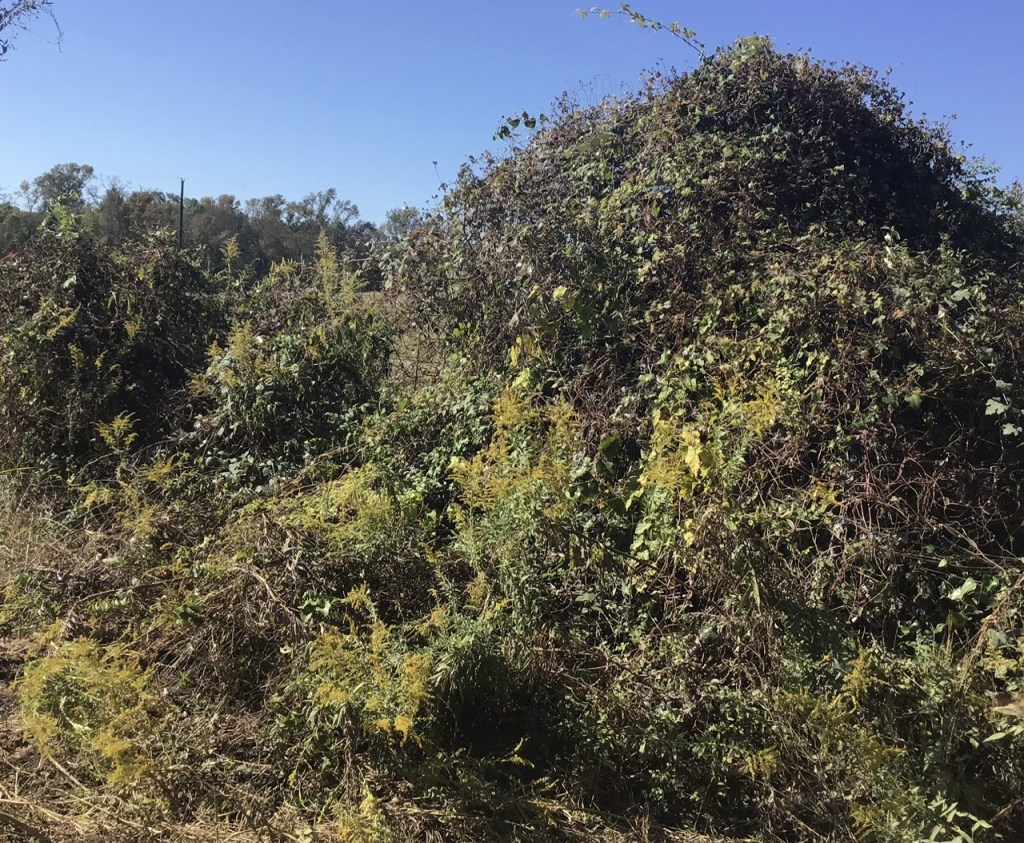

Goldenrod still growing along the roadside gutters after 2+ months of drought in East Texas, October 2024

