Repost by Kyle Young, the secular heretic
An excellent article, rather long with multiple tangents, but well worth the read. He covers quite a bit of weather terrorism, and the completely justified outbursts about the globalist disaster capitalism, but that’s not the part that most interested me today.
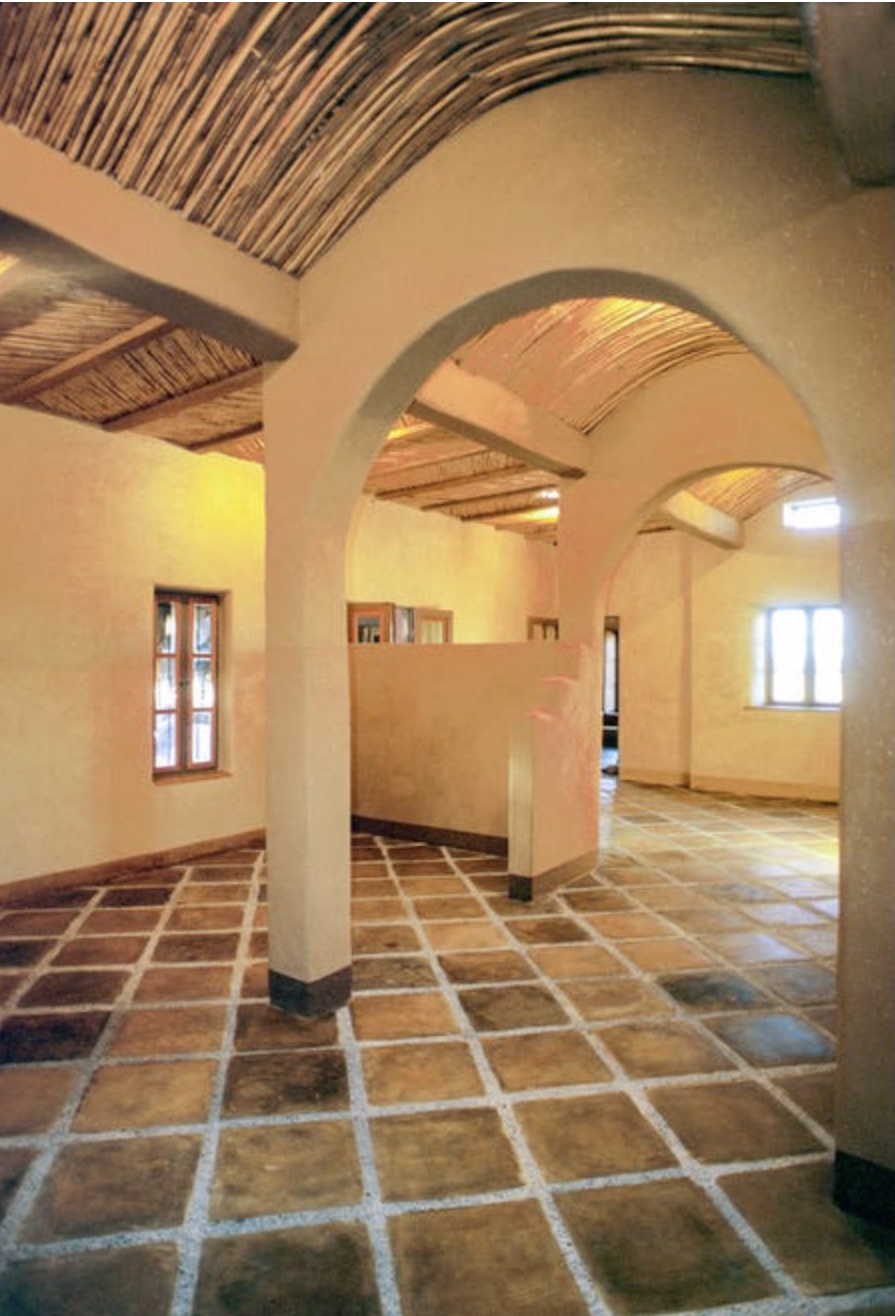
He also talks about rebuilding. He’s got some fantastic inspiration on what true resilience looks like, and it’s not even close to what’s being sold as our only options after a crisis.
I’d LOVE to rebuild in such a way right here, right now.
But another weather disaster is not what we want to force that to happen, thanks anyway weather terrorists!
resilience in the face of adversity
“a typical new house built in the US is made with energy intensive (and very pricey) materials that come from all over the world, materials that have nothing to do with blending into the local environment. Additionally, most of those imported building materials are toxic. The end result is a butt-ugly house that’ll be outgassing toxic fumes into the living space for decades. To make mater worse, it’ll look and feel completely foreign to its location. The only people who benefit from such a house are the globalists who control the globalist building material supply chains and write the costly, globalist building codes.
The reason so many butt ugly, toxic, expensive houses like this get built is because the same globalists who get local authorities to impose national building codes that require their toxic globalist building products – codes and products that give no consideration to local conditions and resources – are the same globalists that provide the textbooks and pay for architectural curriculum’s at universities that dole out the architectural degrees we are told are needed to design a house. The traditional concept of vernacular architecture – buildings made from local resources that allows them to blend well into their location – was long ago tossed aside in most modern architectural university programs in favor of driving up costs to increase globalist profits.
The house construction industry is as big of a toxic, globalist rip-off as the pharmaceutical industry.
Now we have FEMA moving in to “assist” with rebuilding. Right. One thing we can count on is that anything FEMA does will be closely linked to the industrial housing complex. That means toxic building materials that have nothing to do with the local vernacular will reign supreme.
Be forewarned – anyone who signs up for housing relief help from FEMA will be locked into the toxic, industrial housing complex.
Thankfully, as of right now, building a house doesn’t require one to be dependent on university trained architects or the toxic, globalist building supply chain.
Let’s get into that.
Three wonderful building resources are in abundance Western NC: stone, trees and bamboo. The stone and trees are native, most of the bamboo was introduced long ago. As I pointed out in the following post, one of the benefits of building with native resources is that you end up with a home that blends in with the native landscape – it looks like it belongs there because it is made of materials from that place. That is the essence of vernacular architecture. Another benefit of building with local resources is that, in the event of another disaster, the resources needed to do repairs are readily available from your native ecosystem.
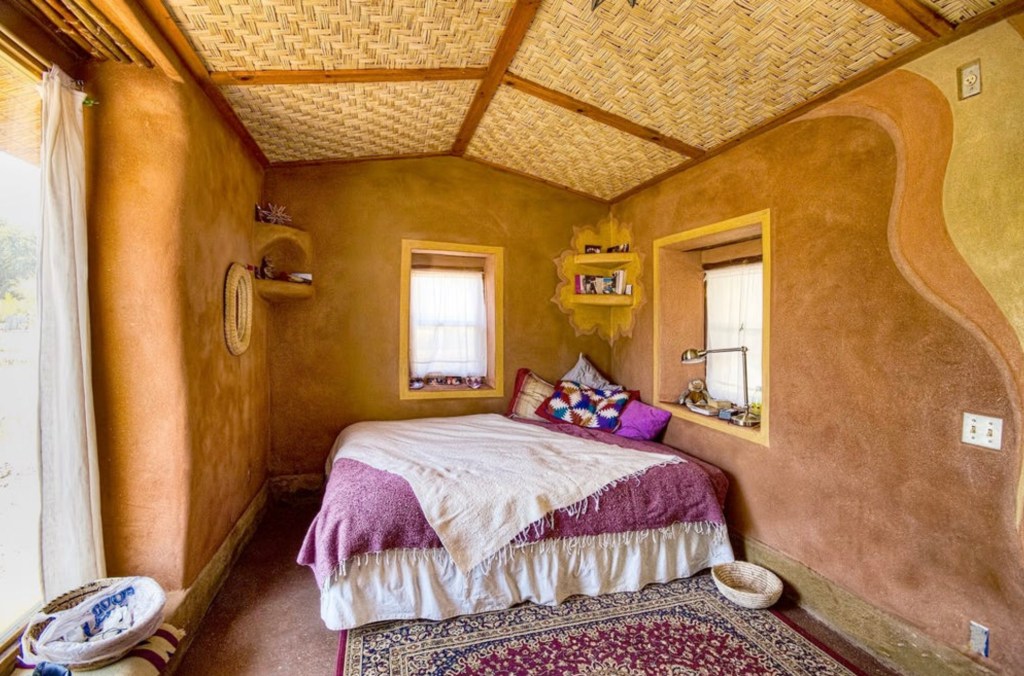
No, these techniques may not work everywhere, and they shouldn’t. That’s what makes vernacular architecture so unique. It all depends on the natural resources available in your area. You want your home to blend in with your region, not my region. Don’t let a globalist suit sitting in a distant tower in New York City tell you how to build a house in Florida, North Carolina or New Mexico.
I once picked up a hitchhiker from England. He had already been traveling around the US for 3 months. He was a recent graduate with a degree in architectural. He was understandably disappointed with the architecture in the US, saying it was all very homogenous. He was right, of course. That’s what comes with globalism’s shortsighted, one size fits all, economy of scale mentality. Local resources and landscapes are not on the radar of most university architectural programs in the US. In the same way that modern doctors know nothing about nutrition, modern architects know nothing about vernacular architecture.

He told me that if someone were to blindfold him and take him to any rural area of England and removed the blindfold, he could tell where he was just by the vernacular architecture of the place. That is the epitome of resilience in home construction. It’s also the epitome of pride of place and a sense of community, all of which are lacking under the strong arm of the centralized, globalist technocracy in the US.
Those recovering from disasters have a choice: They can take the convenient route and sign their life away for government aid, once again becoming addicted to the cheap, toxic, pablum of globalist syphilization, and hope that another disaster doesn’t affect them or their childrens grandchildren.
Or, they can become resilient.
What’s old is new again.
Go local.
Be free.”


