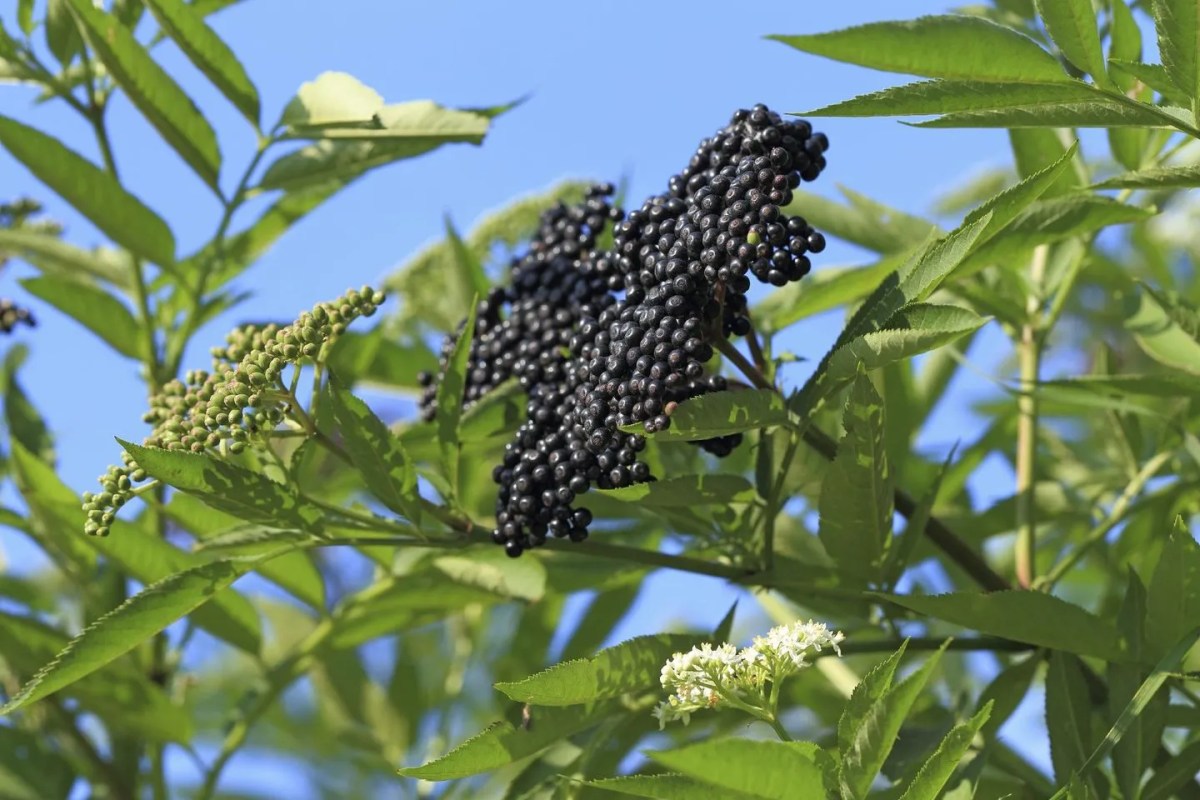
I’ve just added a new page to our Herbal Explorations section, Elderberry, thanks to Gavin Mounsey’s excellent work.
This is only an excerpt, so I encourage a full reading of his article!

Medicinal use of Elderberry:
Elder has a very long history of household use as a medicinal herb and is also much used by herbalists. The plant has been called “the medicine chest of country people”. The flowers are the main part used in modern herbalism, though all parts of the plant have been used at times. Stimulant. The fresh flowers are used in the distillation of “Elder Flower Water”. The flowers can be preserved with salt to make them available for distillation later in the season. The water is mildly astringent and a gentle stimulant. It is mainly used as a vehicle for eye and skin lotions. The dried flowers are diaphoretic, diuretic, expectorant, galactogogue and pectoral. An infusion is very effective in the treatment of chest complaints and is also used to bathe inflamed eyes. The infusion is also a very good spring tonic and blood cleanser. Externally, the flowers are used in poultices to ease pain and abate inflammation. Used as an ointment, it treats chilblains, burns, wounds, scalds etc. The fruit is depurative, weakly diaphoretic and gently laxative. A tea made from the dried berries is said to be a good remedy for colic and diarrhoea. The fruit is widely used for making wines, preserves etc., and these are said to retain the medicinal properties of the fruit.
Some of the medicinal benefits of Elderberries include:
1. Provides Cold and Flu Relief
One of the most well-studied elderberry syrup benefits is its powerful immune-boosting properties. The berries contain chemical compounds called anthocyanidins, which are known to have immunostimulant effects.
Research actually shows that elderberry is a safe, efficient and cost-effective treatment for the common cold and flu. A 2021 systematic review screened 1,187 records and five randomized trials on elderberry for the treatment or prevention of viral respiratory illness. Researchers found that elderberry may reduce the duration and severity of symptoms related to colds and influenza, and there’s no evidence that it overstimulates the immune system.
A 2016 study published in Nutrients showed that elderberry supplementation was able to reduce cold duration and symptoms in people using air travel. People using this herb from 10 days before travel until four to five days after arrival overseas experienced, on average, a two-day shorter duration of their colds as well as a noticeable reduction in cold symptoms.
Several studies have found benefits to support the use of elderberry syrup for flu symptoms as well. Specifically, the flavonoids in the extract bind to the H1N1 human influenza virus as well as the H5N1 avian influenza virus.
A 2009 study randomized patients into two groups. One group was given four doses of 175-milligram proprietary elderberry extract daily, and the other group received a placebo for two days. The group treated with the extract showed significant improvement in most flu symptoms, while the placebo group showed no improvement in symptom severity. Researchers conclude that the extract is effective in controlling influenza symptoms.
The group treated showed significant improvement in most signs of flu, while the placebo group showed no improvement in symptom severity. Researchers concludedthat the extract is effective in controlling influenza symptoms.
Another study published in the Journal of International Medical Research referenced above suggests that when elderberry is used within the first 48 hours of the onset of signs of flu, it can shorten the duration of flu symptoms by an average of four days.
2. Reduces Sinus Infection Symptoms
With elderberry’s anti-inflammatory and antioxidant properties, it makes sense that it can help treat sinus issues. A sinus infection is a condition in which the cavities around the nasal passages become inflamed, and this antiviral herb has promise as a sinus infection natural remedy.
A study conducted by the Institute of Complementary Medicine’s Department of Internal Medicine at the University Hospital in Zurich, Switzerland examined the use of a product called Sinupret, which contains elderberry extract. The researchers used Sinupret to treat bacterial sinusitis along with an antibiotic (doxycycline or vibramycin) and a decongestant. Interestingly enough, those who took the combination did better compared to those who did not take Sinupret at all.
In addition to using elderberry syrup for colds, the flowers of the elder plant are also known to be an effective herbal allergy remedy. Since allergies involve an overreaction of the immune system as well as inflammation, the herb’s ability to improve immune function and calm inflammation can help provide allergy relief.
Some herbalists put black elder flower on the list of most effective herbs used for treating hay fever-like symptoms. It can be used for allergies on its own or in combination with other herbs and natural remedies.
Edible berry extracts like elderberry extract are rich in anthocyanins and have been shown to have a broad spectrum of therapeutic, pharmacologic and anti-carcinogenic properties. In vitro studies specifically indicate that the elderberry has some chemopreventive properties, which can help inhibit, delay or reverse cancer formation.
One study published in the Journal of Medicinal Food compared the anticancer properties of European and American elderberry fruits. European elderberry (Sambucus nigra) is known for its medicinal use and contains anthocyanins, flavonoids and other polyphenolics, which all contribute to the high-antioxidant capacity of its berries. American elderberry (Sambucuscanadensis) has not been grown or promoted as a medicinal plant like its European relative.
This study tested extracts of both berries to assess anticancer potential and found that both demonstrated significant chemopreventive potential. Additionally, the American elder extract showed inhibition of ornithine decarboxylase, which is an enzyme marker related to the promotion stage of cancer formation. Thus, elderberries show potential as cancer-fighting foods.
Although studies have found mixed results, some research suggests that elderberry extract may improve heart health. For example, one animal model showed that giving mice with high cholesterol and HDL cholesterol dysfunction anthocyanin-rich black elderberry extract helped reduce hepatic cholesterol levels and improved HDL function. This may be due to the presence of anthocyanins, which are polyphenols that have demonstrated antioxidant and anti-inflammatory activities.
Another study found that elderberry extract may have beneficial effects on high blood pressure. When polyphenols extracted from the plant were administered with renin inhibitors to rats with hypertension, they reduced arterial pressure.
Researchers suggest that using polyphenols to lower blood pressure may also help reduce the side effects of blood pressure-lowering medications and improve overall quality of life.
The calcium, iron, and potassium in the berries are known to strengthen bones and increase bone mineral density, cutting the risk of osteoporosis as a result.
Experiments show the benefits of natural polyphenols extracted from the Elder (Sambucus nigra) fruit on osteoporosis regression. Extremely low bone mineral density is improved by polyphenol delivery. Thus, a dietary intake rich in natural polyphenols helps lead to the regression of osteoporosis. Osteoporosis regression due to the Sambucus nigra extract shows us how powerful these berries are for preventing bone degradation and speeding up bone healing.
Additionally, the anthocyanins in the berries prevent bone loss.
7. Can Boost Vision Health
Being rich in vitamins A and B6, elderberries can help prevent serious vision ailments like glaucoma and macular degeneration. The antioxidant activity of elderberries also helps ensure vision health in the long run.
One study talks about how the anthocyanins in berries (including elderberries) can help treat cognitive impairment and the resultant conditions like Alzheimer’s.
Elderberries are also replete with quercetin, which is an important flavonoid critical for brain health. Quercetin reduces the harmful inflammation at a cellular level. It also activates the mitochondria in your cells – which are powerhouses that boost cell health.
- Optimizes Mitochondrial Health and increases the production of adult stem cells:
Elderberries contain a number of medicinal compounds (such as anthocyanins, minerals and essential vitamins) that optimize mitochondrial function.
As mentioned above, Mitochondria are the powerhouses of your cells, generating energy to fuel your cells’ biochemical reactions. Via optimizing their function and promoting their rates of regeneration within your body you are building a solid foundation for health, vibrancy and longevity from the cellular level up.
Sufficient mitochondrial biogenesis (the process by which cells increase mitochondrial numbers) is necessary for efficient cell function and haemostasis, which is dependent on the regulation of ATP generation and maintenance of mitochondrial DNA (mtDNA). These procedures play a primary role in the processes of inflammation, aging, cancer, metabolic diseases, and neurodegeneration. Polyphenols (such as anthocyanins) are considered as the main components of plants, fruits, and natural extracts with proven therapeutic effects during the time. These components regulate the intracellular pathways of mitochondrial biogenesis.
In vitro studies showed that anthocyanins elevate the expression of mitochondrial TFAM, PGC-1α, and NRF-2. These increased levels affect the phosphorylation of AMPK and increase rates of mitochondrial biogenesis.
The studies available also support the ability of anthocyanins to prevent damage to mitochondria and to sustain its function. Berry extracts also demonstrated positive outcomes in different models of neurodegeneration, endothelial dysfunction, myocardial damage, metabolic disorders, longevity, and cancer. At the molecular level, major anthocyanins can modulate the expression and activity of mitochondrial proteins, apoptotic and biogenesis factors, antioxidant defenses, inflammation, and the AMPK pathway. Noteworthy, anthocyanins could balance abnormalities in ROS production, respiration, and mitochondrial fragmentation in cells exposed to toxicants or oxidizing agents.

…..
Here on the wee homestead I use elderflowers and elderberries in kombucha with delicious results! I’ve also made syrup and St. Germain.
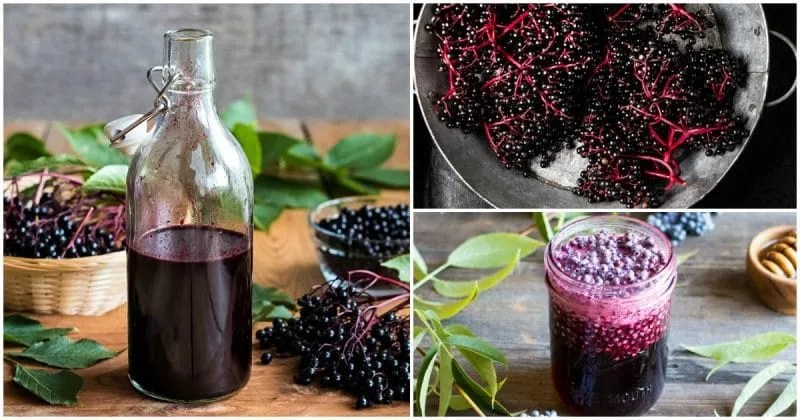
But this year my goal is . . .
Elderflower “Champagne”: https://www.davidgregory.org/making-elderflower-champagne/?fbclid=IwAR386DsxZC8-UdrrxB6_Ag-aWEfY4p1Ke2X_r36i12YY-pw-3UMmjxgu3zg
Please visit Gavin’s full article for so much more on this ancient medicinal plant, including history, myth and folklore, habitat, recipes, and beautiful photography.