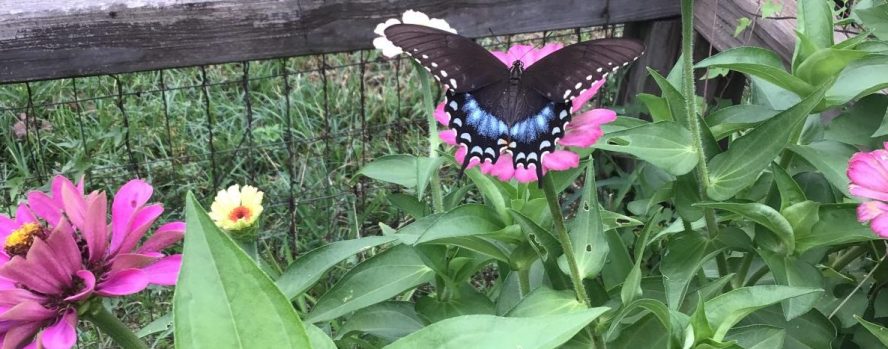
The exciting season continues! Mostly plant talk this post. And, we’ve got our first lambs, I’m workin’ my first wattle fence, there’s some flower photos and fancy garden plans.

Trumpet, or coral, honeysuckle on our front porch usually attracts hummingbirds by now. It’s looking gorgeous and I’m quite proud of it because it’s one I propagated from the wild. But, where are our feathered friends?


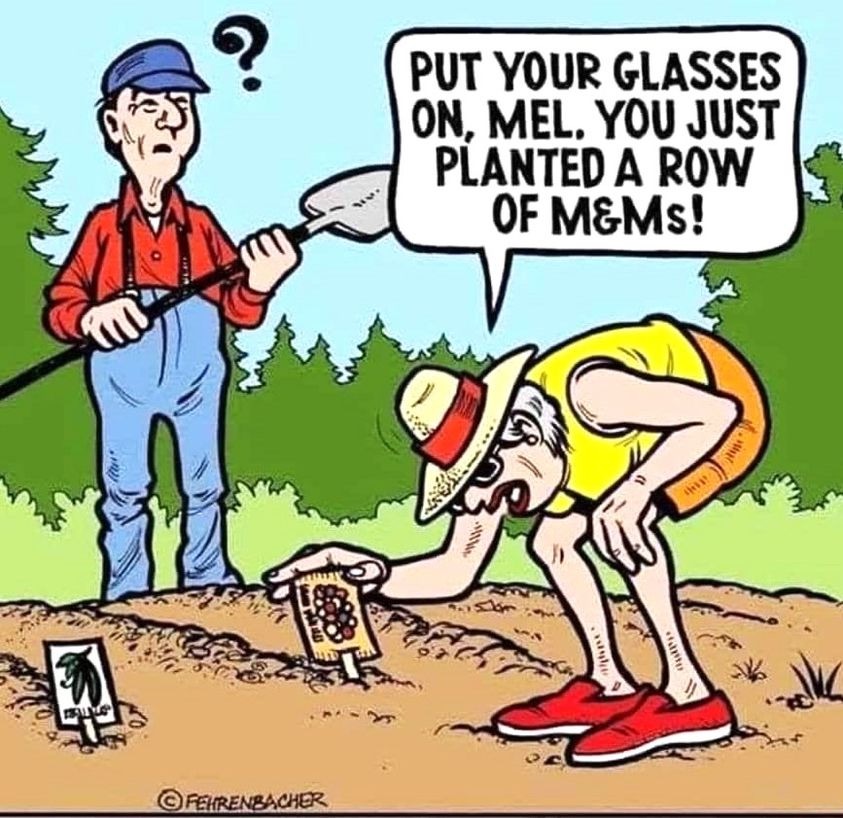
Seed saving has definitely upped our game in the garden. Buying seeds is certainly far easier than saving them. Where we once just had to plan one large garden space, now there are three. It feels like juggling! You’ve got to keep all the spaces perfectly coordinated. I had to make a chart. I am not a chart sort of person. I’m the kind of person who instantly glazes over at the mere inclusion of a chart in any piece of literature.
So really my chart was more like a list of do’s and don’ts in a useless graph format. Don’t plant the pumpkins with the zucchini. Don’t plant the luffa with the Trombetta. Do plant different varieties of cucumbers, peppers, melons and watermelons at least 1/2 mile apart. (Is that even possible?) Musk melons and watermelons are safe to plant together, but French cantaloupe most certainly cannot be planted with American varieties or with green melons.
And that’s just the summer season’s produce, there’s a whole different set of charts for the winter veggies.
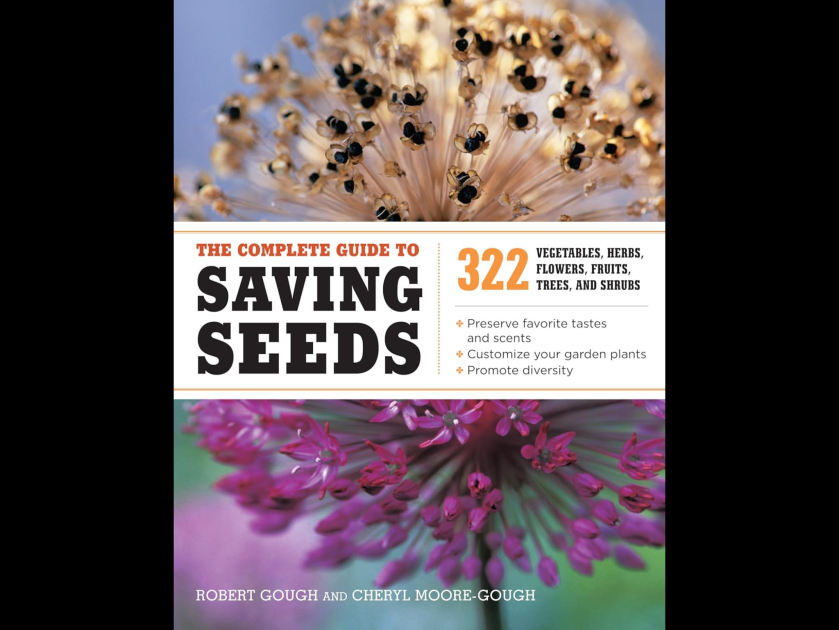
Luckily, I’ve got some good guidance in a great book and, even better, some bigger minds to follow in the form of Gavin’s Newsletter. He’s just started a book club and his first book up for April just happens to be the one I’m reading.
Why save seed?
From the book we learn a few good reasons:
*selecting for specific traits,
*preserving diversity,
*saving money,
*creating superb plants,
*And, going on an adventure.
“The art of saving seeds may so intrigue you that you’ll branch out to your own plant-breeding adventures with such long-term seed-saving projects as growing oaks from acorns.”
Perhaps that could be me! Or perhaps I should’ve started this about 30 years ago.
But, those do all sound like good reasons to me, plus I’ll add one more. It’s a good way to exercise your body and your brain at the same time.

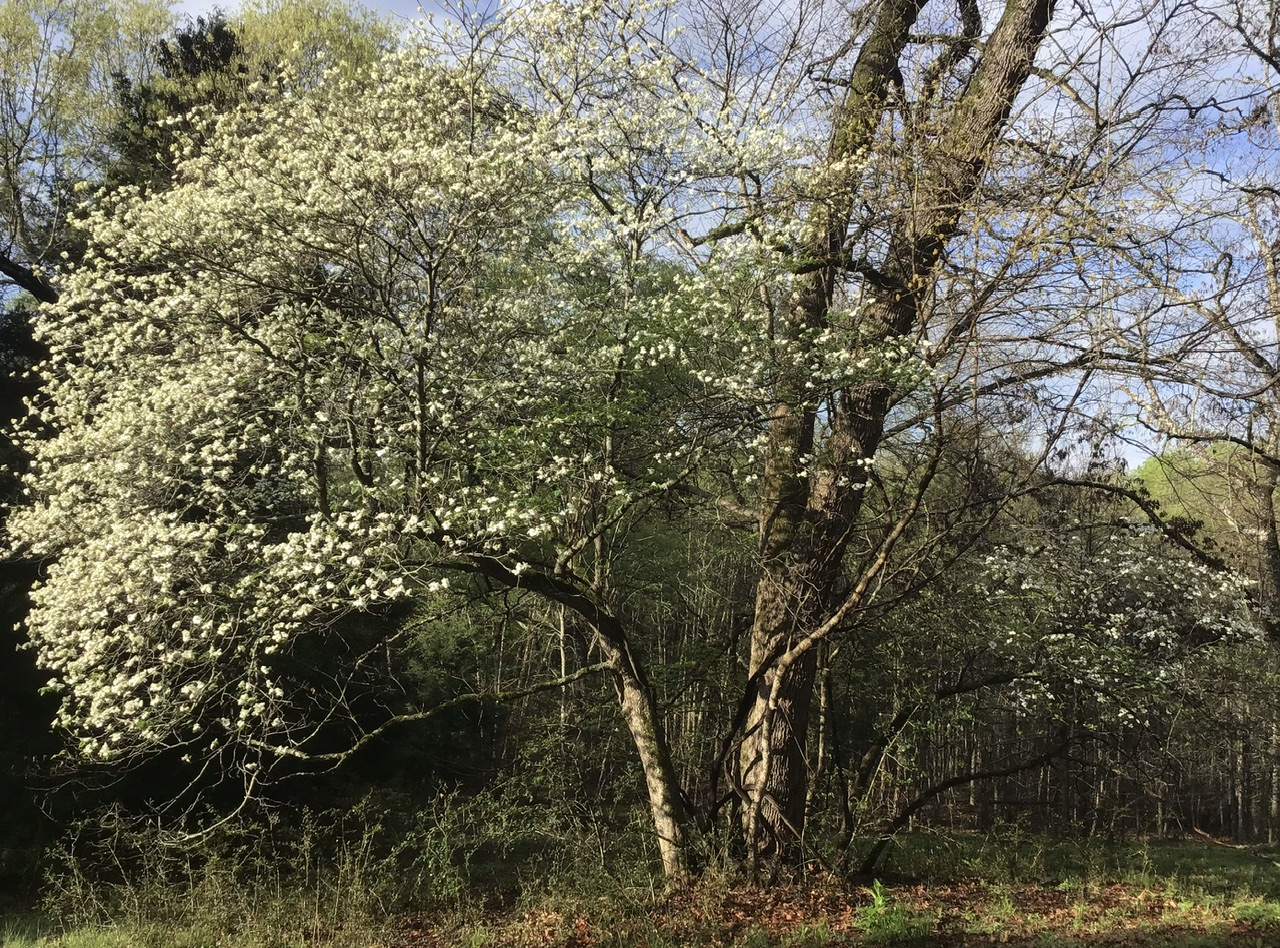
But, propagating something so slow-growing from seed at this stage of life, I think I’ll need more bang for the buck than an oak. Like, this magnificent magnolia!
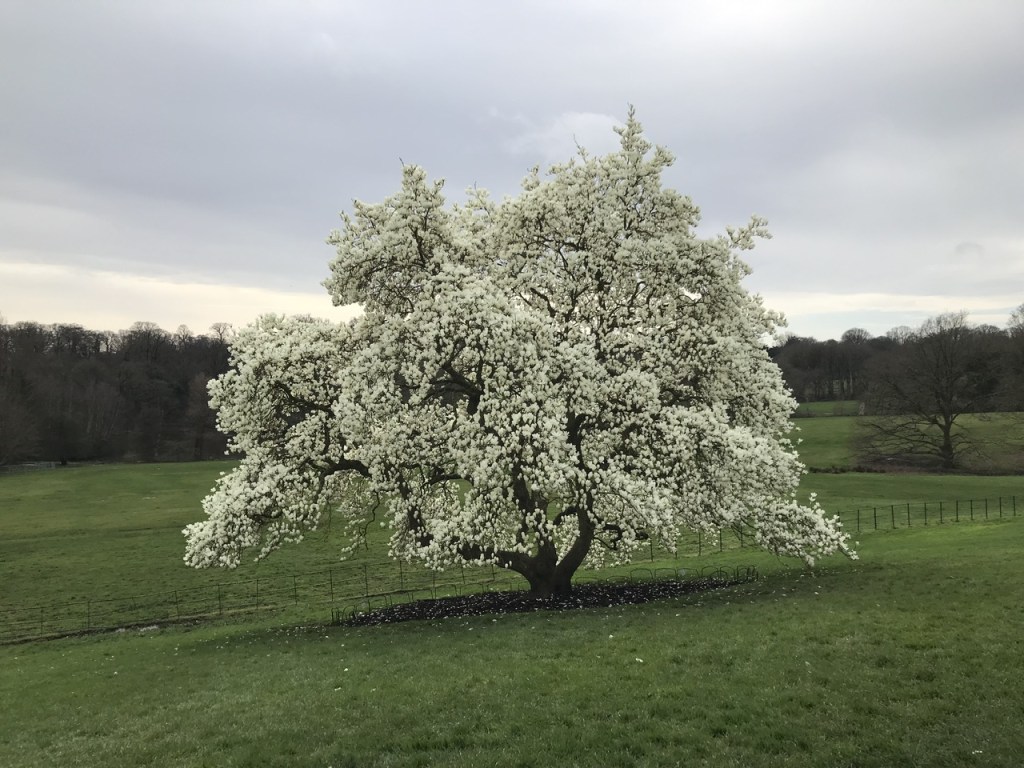

(Photos sent by a friend in UK, wow, what a specimen!)
Of course, not all seed saving is complicated. After all, it used to be something every farmer would do, and their children, too. If I’d grown up doing it I’d probably think I’m making much ado about nothing.
In particular, most of the common herbs we love—dill, cilantro, basil, parsley couldn’t be easier—let them go to seed, collect the seed once dry, keep in a paper bag over winter, and sprinkle back out in spring.
Easy-peasy, leaving more time for flowers!
More flowers, herbs and medicinals has been the big goal besides seed saving. I’ve always liked hollyhocks and other traditional ‘cottage garden’ favorites. How fortunate for me to find one I’ve never heard of before, with a really cute name.

Flower name: “Kiss me over the garden gate”
Latin name: Persicaria orientalis (formerly Polygonum orientale) is an annual member of the buckwheat family. The tall plants produce pretty pink pendulous blooms.
I’ve just planted it under the bedroom window inside my work-in-progress wattle fence.
What’s a wattle fence?
I had no idea what that was until I read about another blogger, Re-Farmer, building one. It looked like a fun and do-able project perfect for a precision-challenged person like myself.
And it is! There are lots of YouTube videos on the process, but I think this one was the best—a much taller and longer wattle fence than I’ve tried to produce, but who knows, as my skills develop I could step it up a notch. 🤔
The other big garden plan this year are a few citrus trees. We’ve been wanting them for a long time, but all fruit trees are a challenge here with our crazy weather. (And it’s not just us! All kinds of complaints about it from YouTubers and neighbors alike. It didn’t used to be like this.)
Anyway, this guy’s got some great suggestions and solutions and we so love our citrus, so we’re going to make an investment toward our citrus-filled future with Myer’s lemon, Mexican lime and Satsuma orange.
Another small plan is more peppers, specifically seasoning peppers, also called spice peppers (though they aren’t always spicy as in hot), like pimiento’s and such.
As much fermenting as I’ve been doing I see they are an excellent addition to all kinds of dishes. Plus, peppers do pretty well here usually, and they harvest in fall when there’s little else happening, and they are lovely little plants some folks grow just as ornamentals. Four excellent reasons to squeeze them into the rotation. Here’s one variety I’m trying:
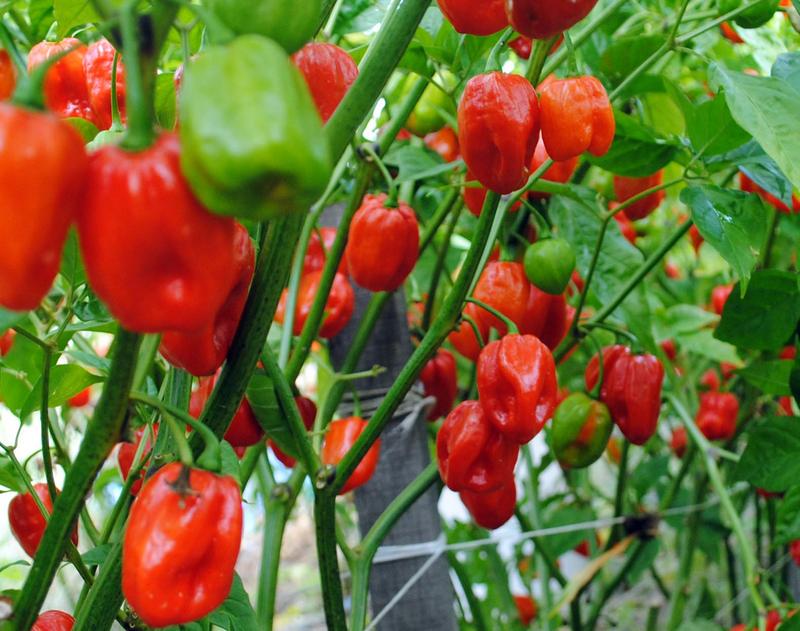
Aji Dulce spice pepper from Southern Exposure
Aji Dulce Spice Pepper
“(C. chinense) 99 days. (green > orange-red > red) [Venezuelan heirloom. Seed source from Donna Hudson in TN.] Has the same shape, size, color and aroma as Habanero, but is sweet, spicy, and delicious, with only a trace of heat. Highly aromatic fruits; their flavor is unusual and complex, with overtones of black pepper and coriander, and undertones of other spicy flavors. An excellent choice for sautéed vegetables, rice and bean dishes, paprika, or herbal vinegars. The thin-walled pendant fruits are 1 x 2 in., tapering at both the stem and blossom end. Plants have good foliage cover and bear at 18 in. high. Seedlings grow slowly at first, but grow rapidly later in the season to 48 in. or more.”
Like I said, it’s the exciting season on the wee homestead!
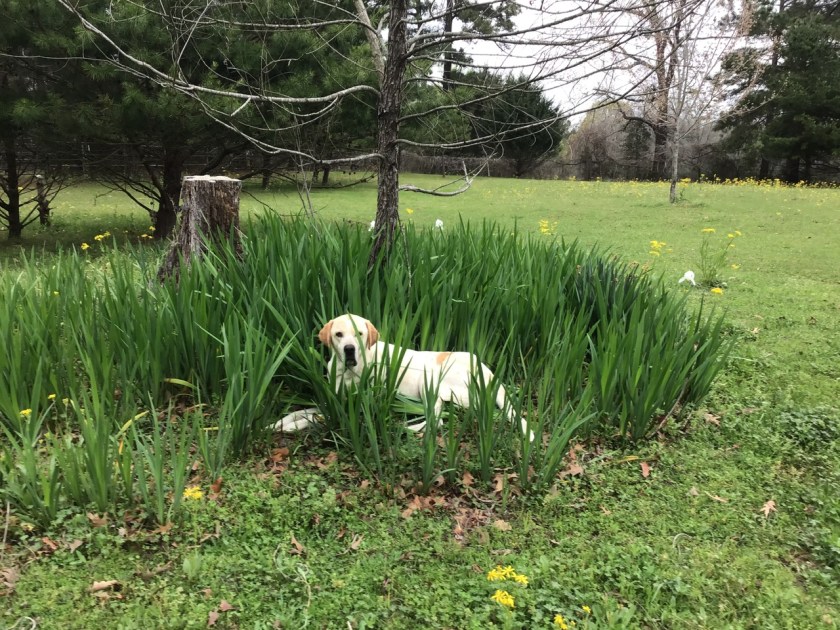
Bubba says “Bye and thanks for stopping by!”


I live in colonial Virginia and there is a ton of wattle fencing around here, especially in sheep pastures.
I need to get started with some gardening, I feel so behind on everything this year. I would love to start saving seeds but I do need to find varieties that grow well at my house. I did save some jalapeño seeds that I may try this year. I want to plant luffa for the first time this year and I’m building 2 new garden beds for squash and zucchini.
LikeLiked by 1 person
I look forward to seeing your wattle fence progress!
Your honeysuckle looks amazing!
Also… 1/2 mile apart? Not going to happen! Though I’ve read from people who do things like put little mesh bags over their squash blossoms and hand pollinate them, to prevent cross pollination. My thought is, once we decide which varieties of things we like the most, or which will actually grow here, we’ll stick to them, then start saving seed.
LikeLiked by 2 people
Thanks! Next post for wattle photo, I hope. 😊
I wonder with the peppers and tomatoes—that 1/2 mile sounds like major overkill. Plus, I’ve been saving those seeds for a few years now already with no problem just from within our primary garden space. We’re going to have to seriously test that theory!
LikeLiked by 2 people
I think it’s based on how far the pollinators can potentially range, but just because they can, that doesn’t mean they do!
LikeLiked by 1 person
With the constant stream of dead twigs being dropped by the black oaks on our rental’s property, I ought to make some wattle fencing myself, LOL.
LikeLiked by 1 person
It’s a fun and pretty quick project—around a little flower bed or ornamental tree, or perhaps to keep in any toddler-aged grand-children? 😉
LikeLiked by 1 person