Daydream with me

Then imagine grounding those dreams in our harsh reality.

Another of Gavin Mounsey’s provocative polls has me more deeply considering something I often daydream about.

What if money were no object? What if you could create anything you desired with a bottomless budget? Oh the possibilities!

In these daydreams my foundation point is naturally something I genuinely believe would be beneficial for the future of mankind, which naturally includes benefitting nature, as our earth and only home.

To that, Gavin’s added a couple of caveats:

Poll: If you were offered 100 million USD under the condition it must be used for benefiting the bioregion you live in and the 7th generation that comes after us, what would your plan be?
September, 2026’s poll in the Mirrors For The Mind, Heart and Soul series

I will turn my perpetual daydreams into speculative plans, sounds like fun and something I naturally excel at!

Gavin:
“So many on Earth today have cultivated their gifts of vision, intellect and heart that they could be channelled to make their communities, their watersheds and their bioregions so much more abundant, beautiful and healthy, and yet they tell me that their vision for gifting beauty, ecological regeneration, wholeness and empowerment to their communities is limited by their access (or lack thereof) financial resources.

Today, I would like to break those shackles from the minds of the good hearted and righteous by proposing a thought experiment.
If (as some say) the only thing standing between what is and what can be is a clear vision, faith and belief (the law of attraction and manifestation) than I want to plant the seeds for clear visions, hopeful mindscapes and best case scenarios to take root in your hearts and minds.

Daydreams into Realities, this might take some periphery explaining. And, it includes a plea to share your ideas for ‘gifting beauty, ecological regeneration, wholeness and empowerment’ too, either here or at Gavin’s Newsletter.

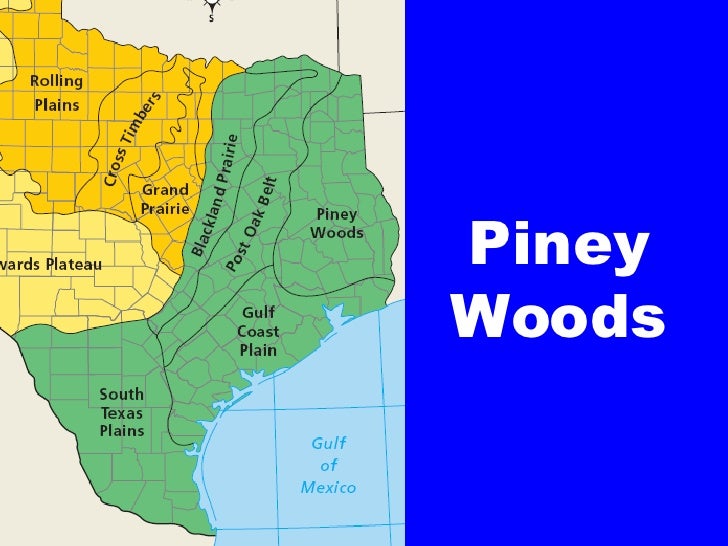
First, since this is bioregion-specific, that means folks should understand I’m talking about beginning right here where we live, East Texas, which many believe is something like the Texas they see in Hollywood movies, which is West Texas, and nothing like it here, so that faulty image needs to be corrected.

As a working title for my plan: Free the Waters

“The Piney Woods cover a 54,400-square-mile (141,000 km2) area of eastern Texas, northwestern Louisiana, southwestern Arkansas and the southeastern corner of Oklahoma.

The Piney Woods is a temperate coniferous forest terrestrial ecoregion in the Southern United States covering 54,400 square miles (141,000 km2) of East Texas, southern Arkansas, western Louisiana, and southeastern Oklahoma. These coniferous forests are dominated by several species of pine as well as hardwoods including hickory and oak. Historically the most dense part of this forest region was the Big Thicket though the lumber industry dramatically reduced the forest concentration in this area and throughout the Piney Woods during the 19th and 20th centuries. The World Wide Fund for Nature considers the Piney Woods to be one of the critically endangered ecoregions of the United States.[2] The United States Environmental Protection Agency (EPA) defines most of this ecoregion as the South Central Plains. In Arkansas, the region is sometimes called the Arkansas Timberlands.”
Piney Woods – Wikipedia

This is a huge area, obviously, and I would never want to be confused with someone promoting any sort of central planning, so my focus is far more localized and set on slowly and consciously re-wilding nature and re-integrating communities with eco-friendly landscapes and lifestyles without relying on the current standbys for profiting from the land, which are: development, tourism, monocrop farming/ranching.

In this endeavor I would use my past professional experience in higher education and the example of Edward Slavsquat’s efforts on the other side of the world to create an Institute of Village Studies. I hope he does not expect me to name it after him. I would give him a small donation for the idea, or better yet, offer his children future dividends or some cool scheme like that.
https://open.substack.com/pub/edwardslavsquat/p/how-many-persimmons-does-a-man-need?r=87pg2k&utm_medium=ios

Part of this idea also stems from an existing institute just west of us in Waco where I first learned cheesemaking and beekeeping, which also teaches many other traditional skills and crafts, like soap making, sewing, baking, animal husbandry, smithing, etc.
Ploughshare Institute for Sustainable Culture.

My vision would be to organize the institute around a shared vision rather than a shared belief system–non-denominational, non-political. It also differs from a traditional sustainability model in that the focused goal would be ecological re-integration over current market expectations. By that I mean we would not be open to the general public, our mission would be to create a prototype others in our bioregion could follow, for complete economic seperation from the state. That is food, water, energy indepedence and autonomy.

Skills are important in my vision, but so is tech, the part that makes me especially excited, is the possibility of resurecting old tech, or what I believe was old tech, but have never seen it beyond my imagination.

For this we would need several key pieces of equipment I’ve seen available which can map the underground terrain. I believe geoscopes available here would do the trick, but I’d need expert advice on that.
Environmental XPRT – The Environmental Industry Online

We will also need to purchase the adjacent land, which just happens to be for sale. We’d eventually expand to a few thousand acres in order to ideolological compete with the current large landholders in our region and to continue in our liberating the waters. I think acquiring the land would not be that difficult with such funding, because places are going up for sale around us routinely, and for the right price I’m certain other adjacent land could be fairly easily obtained.

Liberating the waters is the first order of the plan. By that I mean first right here at home, then to our surrounding area, then extending out as we accumulate more land.

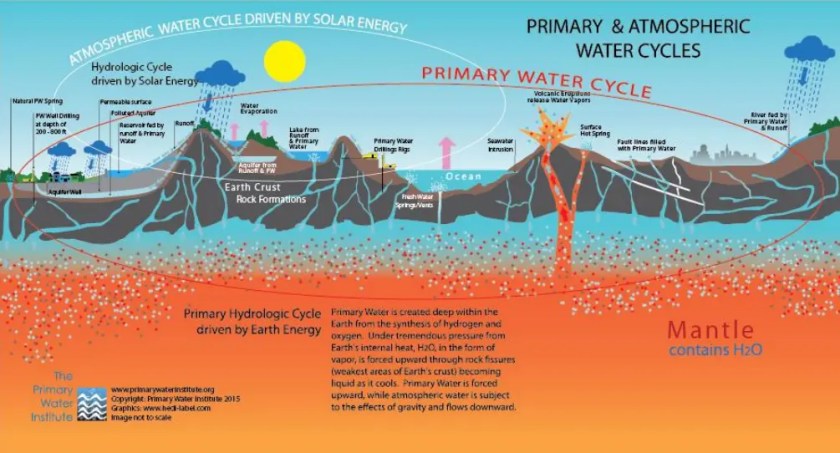
We will be locating TWO essential resources first, springs and salt. What most don’t realize is this region has plenty of both and most likely, even under just our 55 acres, we have both. With that information we will be able to locate and dig a ‘primary water’ well. Most folks don’t know about primary water, others think it’s some kind of a scam. I do not agree with those sceptics, but I’d hire this guy to find out for sure.


From his site:
“There is in fact a lot of published science supporting the existence of water stored in the Earth’s crust. It’s been described as volcanic water, crustal water, juvenile water or what we call primary water. Below is just a fraction of the more recent scientific evidence:
• 2022 Smithsonian Magazine – How the Earth’s Mantle Sends Water Up Toward the Surface: ”[…]  within the first several hundred kilometers below the crust—there is another ocean. It is, most likely, the largest ocean in the world.”
Primary Water Well Locators

The reason for starting with the water is first for health, then for power generation, and eventually for transport. For centuries travel and transport in this region relied on the rivers and their tributaries and I believe on a small scale that could be restored without having to appeal to the current establishment to release the dams on the resevoirs and recreational lakes which dried up so much of the adjacent landscapes.


Canoes are unobtrusive; they don’t storm the natural world, or ride over it, but drift upon it as part of its own silence. –John Graves, Goodbye to a River

There is plenty of water for all our needs and even most of our desires, I’d bet the ranch on it!

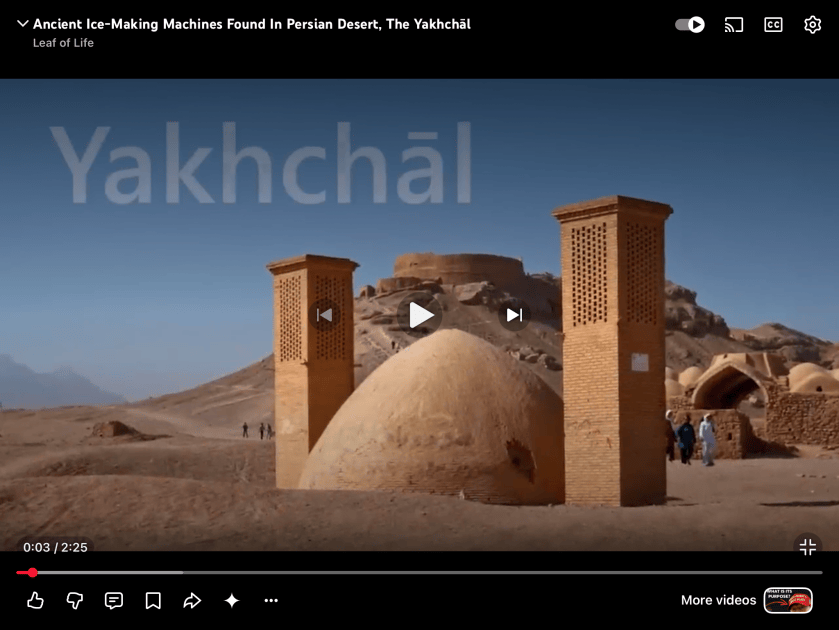
The most pivotal part of the plan is energy.  My idea is to rehabilitate old tech based on spring houses, wind towers, yakchals, and other methods, some known, some suspected.

https://youtu.be/tbUGSI6w6Wc?si=IVWMrXszZKpLkPf2
https://youtu.be/L1ZM0iNs6hA?si=10109gaDRUZUysJh
https://youtube.com/shorts/-NaJk3pNYys?si=kmkNJtFdCyYJ1W8e
Even magnets maybe?
https://youtu.be/8QXUyOQKsWo?si=c27HBBV1GfwSrKxP

I don’t know how this exactly works in execution, I’m a dreamer playing a planner, looking for an engineer! And with that kind of budget, I bet I could find a few of them!

Here’s what I see. Moats around fortified castles and canals around and through cities were repurposed a few centuries ago and originally were not about protection from invaders. The towers with the slits were not about shooting the enemies, they were about air circulation. It was a system of water circulation and oscillation with the underground currents caused by the movement of the primary waters. I believe these existed in every country of the world. I have no proof of this. I understand it goes against every accepted hisorical and technical narrative of our age.

All I have is my imagination, some speculation by crazy conspiracy theorists on the internet, and some simple art. Like this favorite of mine, which I’ve posted several times.

What do you see? Just a man in a dress standing on a fish in some sort of canal? Would that be the sort of iconic art that survives for centuries?

Why is his dress bell-shaped? Why does his rod go into the fish-as-vehicle? A cavity resonator to produce oscillation, perhaps? Why is there steam coming out of the sun? Why do the tiny fishes and the hills appear to have motion? Why so much emphasis on the color green?

Does this strike you as a great piece of art, or as art conveying a specific meaning through symbolism?

Did the artist intend a 7th generation sort of purpose to his creation? How does my plan fulfill that criteria, considering my extensive limitations and the considerable budget?

I believe they need a new paradigm based on integration of time and space. I realize the ironies on the surface–use loads of fiat cash in order to escape the extractive economic slave system–how does that alter anything for the future of mankind or the bioregion?

Because right now the development in these parts is off the chain. Because otherwise we will continue to depend on oil, gas, tourism and ranching, none of which are creating healthy ecosystems. Because I believe folks would be happier and healthier if they lived more simply and closer to nature, but that most have already forgotten this due to generational amnesia, so they need a replicable model in order to envision it. We will be that model.

A model of man and nature reintegrated. A verdant and abundant oasis in the middle of the encroarching demands of the Texas Triangle*. Not an escape, not a destination, not a resource, but a newly restored relationship between small rural life living communities and the greater landscape. Not a return to an Amish idyllic dream, but the ideal place to build on a dream, eliminating, one by one, all exploitative ties to the existing failing system.

*”The Texas Triangle is a region of Texas that contains the state’s five largest cities and is home to over half of the state’s population. The Texas Triangle is formed by the state’s four main urban centers, Austin, Dallas-Fort Worth, Houston, and San Antonio.”

Thanks for the food for thought, Gavin!

A daydream with plans in progress. . . ! Add your dreams and plans too, if you please. 😊
Dousing the Doldrums

There’s no water for this type of dousing. We are deep in drought.

Our new normal.

It’s funny-annoying when I hear folks talk about the coming autumn ‘just around the corner’, these folks not living in Texas, obviously. They show boasting photos of their onion harvest or the growing masses in their pumpkin patch.

I gaze confused at their plans for weekend fall foliage drives as we daily read the thermometer at 90 to 100 degrees in the shade, with two months yet to endure before some reasonable relief is to be expected.

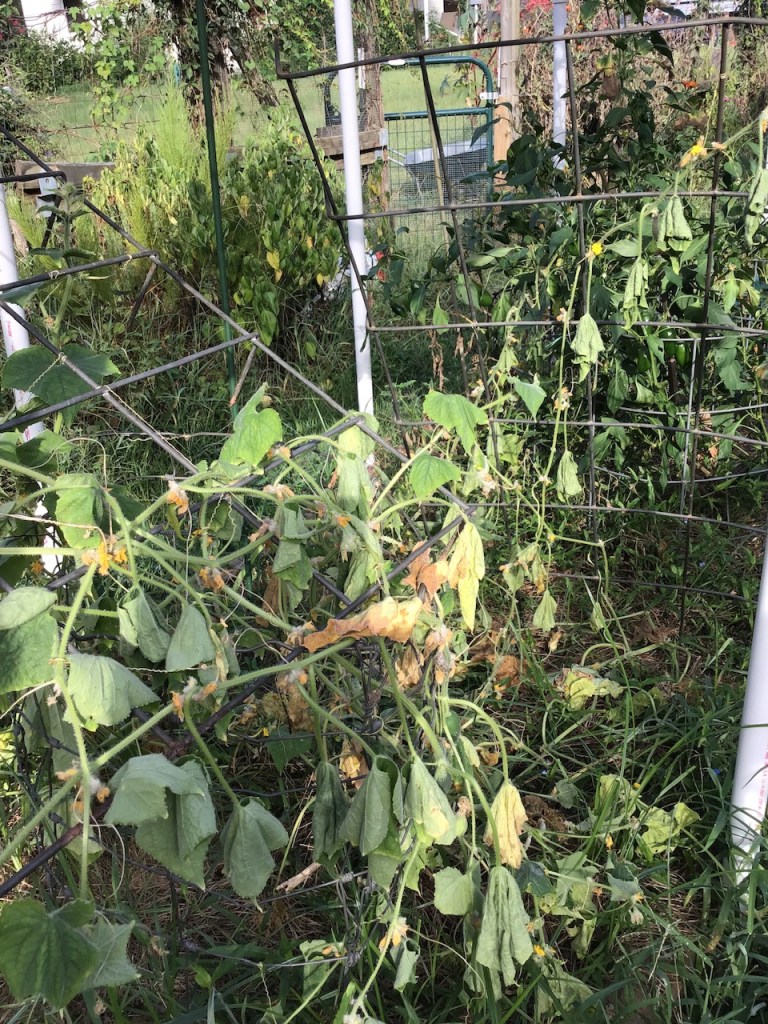
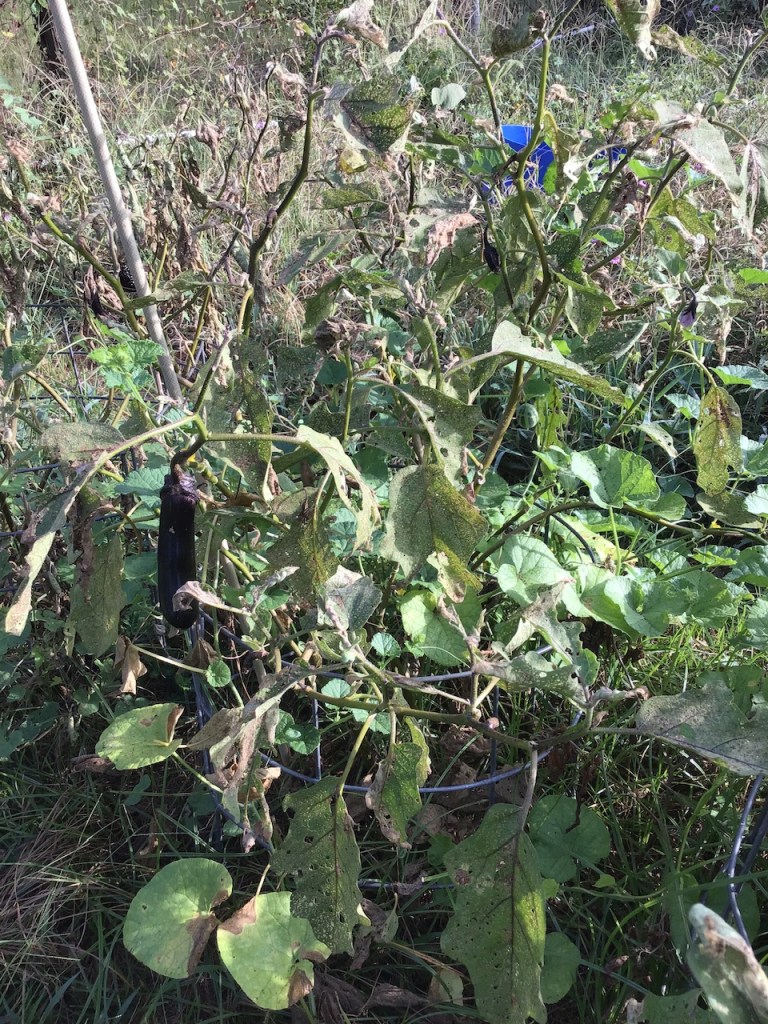
The late planting of cucs was a total flop
Even the eggplants are dead!

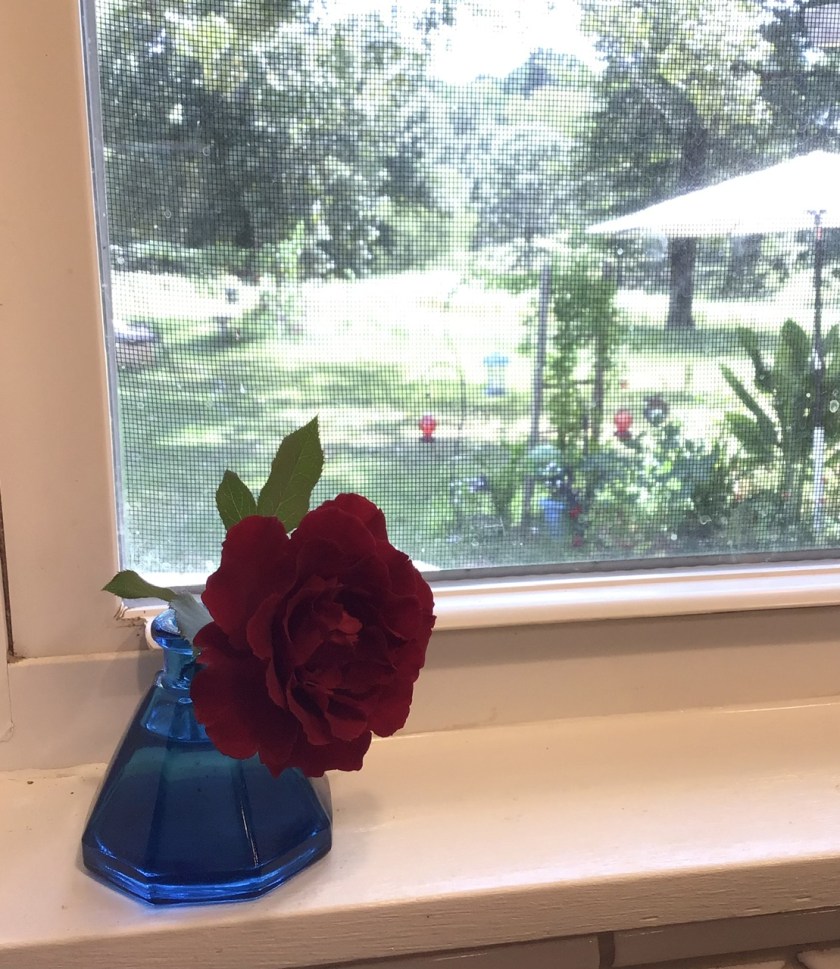
I feed my imagination while gazing out the window while doing the dishes. It’s much less of a chore these days, even while we are cooking almost constantly and have no automatic dishwasher.

View from the sink full of life!

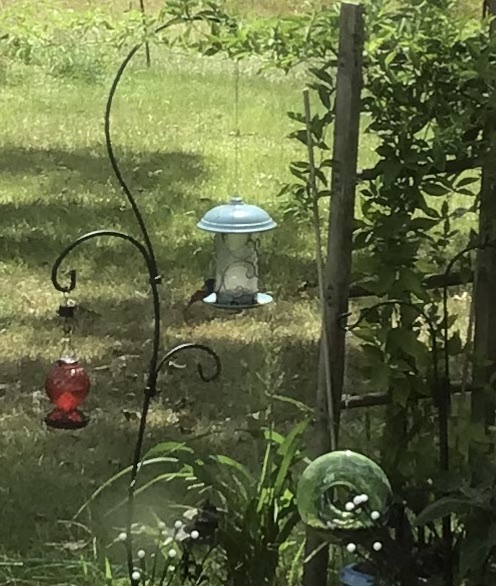
The birds and bees and the flowers that can survive in this misery are my refuge. I’ve made the mistake in the past of stopping the feeders well before the summer dirth, thinking the birds were more migratory and it was better for them to move on. I’ve completely changed my mind, we have constant activity at the feeders, which rejuvenates my mood sans cesse.

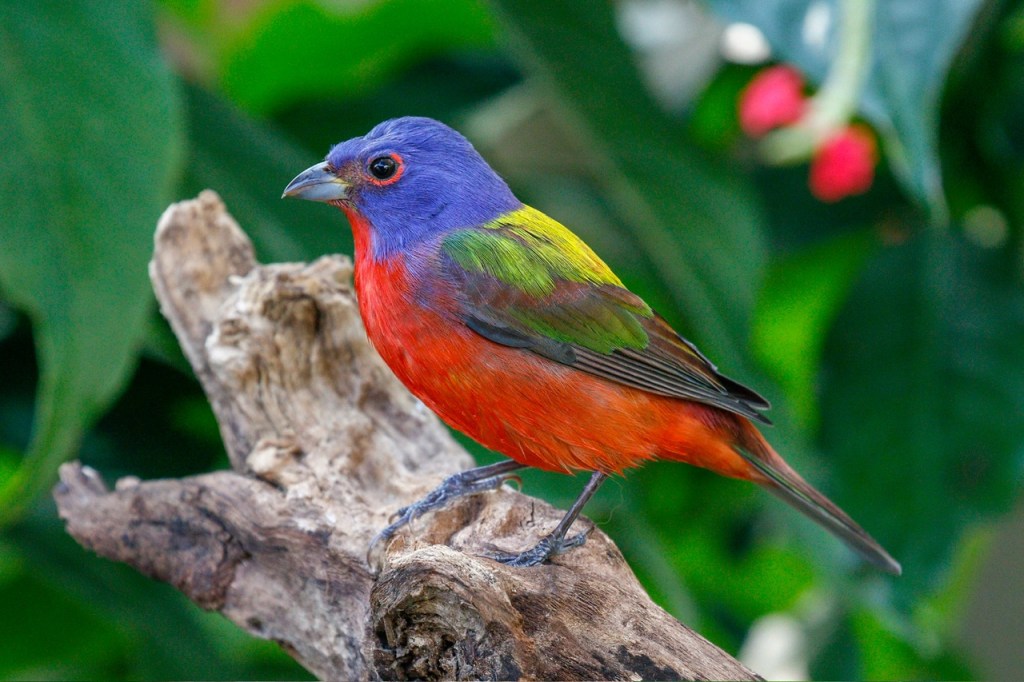
The bird at the feeder here is the gorgeous, but shy, Painted Bunting, I’m thrilled they’re coming so close.

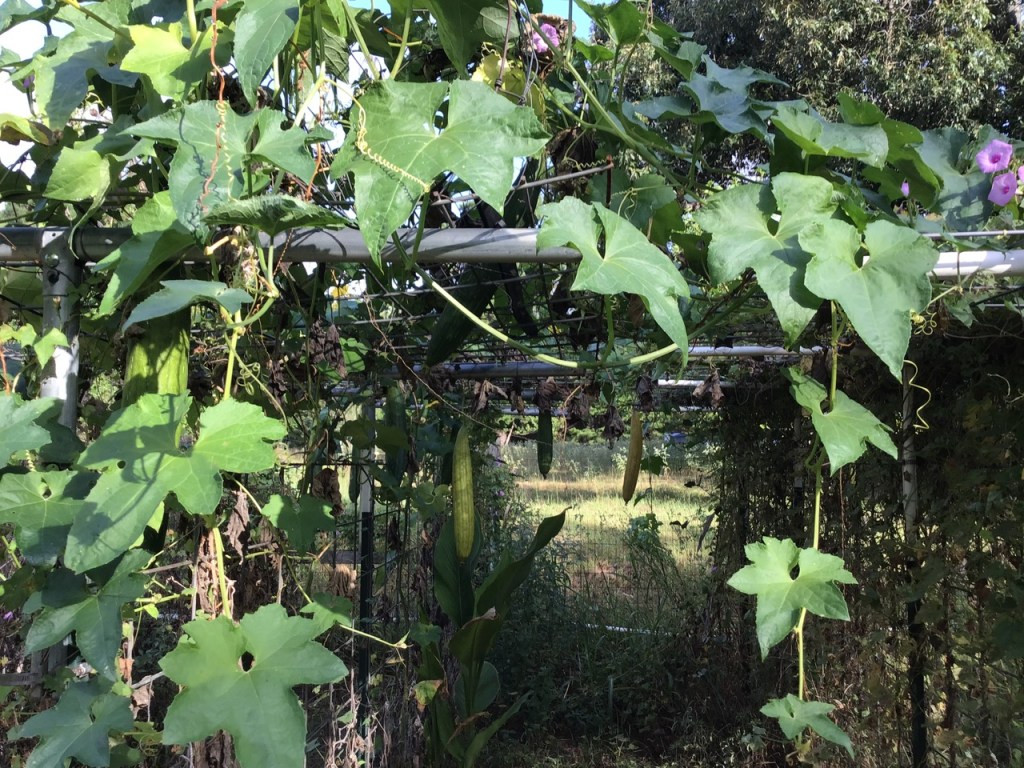
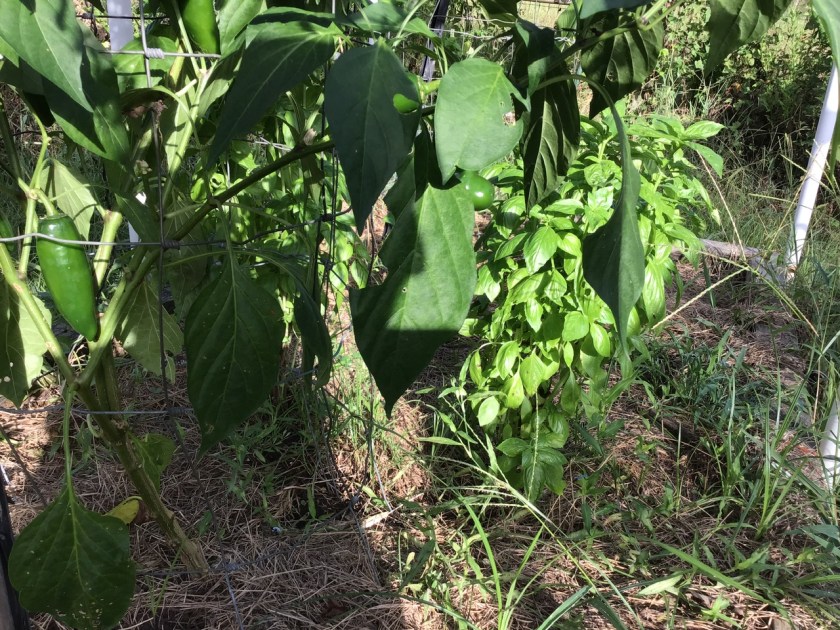
What’s not dead yet? The basil, which becomes such good pesto. The luffa, which is not irrigated presently, but still produces fruit for the pigs and for sponges, as well as continual pollinator forage.

The jalapenos, for making Hubby’s fantastic poppers, with our homegrown-homemade bacon, 2 different raw milk cheeses and baked till bubbly and brown.

So yum!

It’s almost impossible to believe our neighbors used to be able to grow peaches and pecans here without irrigation. Now even with irrigation we can’t grow them. Or plums and even pears are hit or miss. Figs as well, which is the biggest disappointment of all for me, because I so love figs.

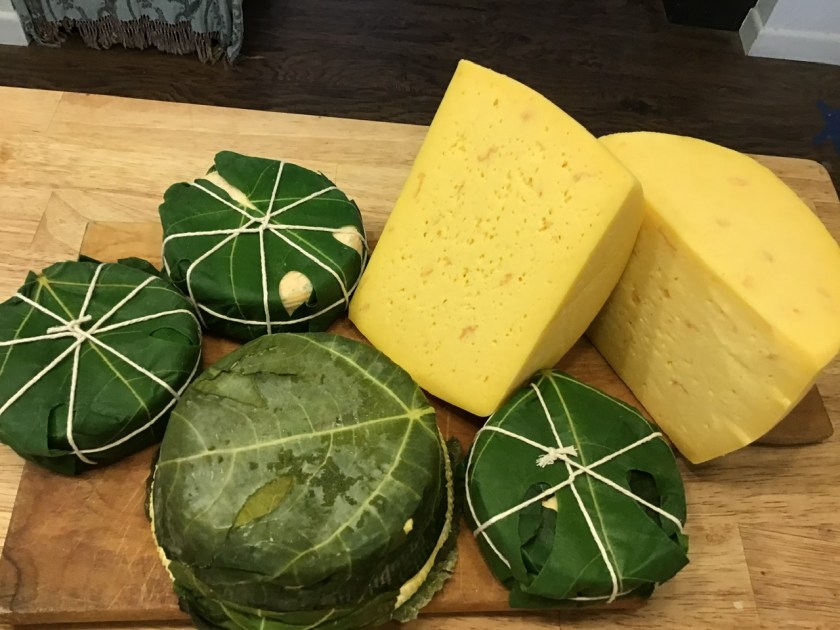
Luckily, we can still rely on plenty of fig leaves, which is my favorite way to age cheese this time of year. The leaves are also wonderful for flavoring ice cream, tea and kombucha. The scent is unique and unmistakable, slightly floral with undertones of coconut and vanilla, but not sweet, more like mildly grassy.

Of all the failed fruits this year, we were not disappointed by the grapes. Soon I’ll be making jam and wine while I hide from the heat in the cool kitchen. Cooking is definitely my main summer doldrum douser. I even got a trial subscription to America’s Test Kitchen, of which I’m taking full advantage.

They actually have a few interesting free episodes about cheese, my favorite topic. As much as I’ve followed in the footsteps of the cheese-snob in generally criticizing American cheeses and our popular preferences for pasteurization and manufactured faux-cheese-like substances, we do a few of the bad things really well, like mac and cheese.

Fun fact I learned, the trick behind the creamy, saucy American version of mac and cheese is all about the science, and the science spells NACHO. 😆

Seems to me what the science is actually attempting to trump is refinement.

The art and craft of maturing cheese, affinage, is typically translated as ‘aging’. In fact a better word would be ‘refining’. Refining is the difference between nacho cheese and aged Parmesan. It’s important to understand the difference, no matter which is preferred.

Is taste in the tongue of the taster? Or is there objectively refined taste, as refined art, and refined beauty? I say yes. One who prefers nacho cheese over aged Parmesan is fine, but would we want that taste setting the standards? I say no.

For me, the doldrums are doused mostly by refinement–by taste, art, craft, imagination, potential–wherever I can find it.

Refinement–exquisite and inspiring

Even here, where others might see sex and seduction, I see mainly refinement. I see taste, art, craft, imagination, and the enormous amount of discipline those take. I am awed and humbled by what’s possible. There’s absolutely no room for the doldrems in that place!

How about you, what’s your favorite recipe for dousing the doldrums?

Don’t Mess With Amos!

This Substack post has made my day!

The Amish Farmer the Feds Can’t Stop by The Liberty Lookout

Exit & Build – Amos MillerRead on Substack

In the year 2000, an Amish farmer named Amos Miller attended a Weston A. Price Foundation conference with his father. He listened to Sally Fallon talk about traditional food: raw milk, grass-fed meat, fermented vegetables, the way humans ate for ten thousand years before the USDA decided it was dangerous. He went home to Lancaster County, Pennsylvania, and started selling it.
Twenty-six years later, his farm has been raided by federal agents, subjected to three consent decrees, slapped with $85,000 in fines, and dragged through nearly a decade of litigation across federal and state courts. His products have been blockaded, detained, and ordered destroyed.

If you need some good news, continue reading . . .

He’s still selling. His food club has over 4,000 members nationwide. And an appeals court just ruled that Pennsylvania can’t stop him from shipping across state lines.
This is the story of the underground real food economy, and why the government keeps losing to a man who doesn’t use electricity.

There is a better way and it’s been here all along.

Imagine if this could go viral, not just the article, the practice.

Name your kids Amos, that could be the trick, seems they take no shit! 😆😏

Purple: The Color of Special

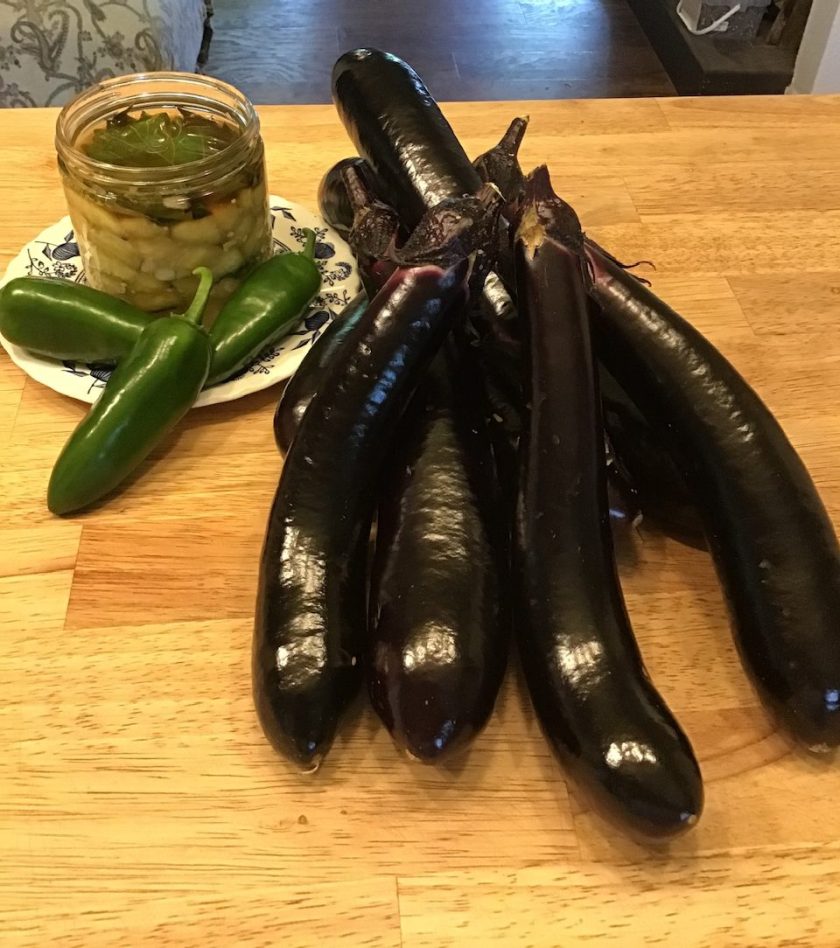
Eggplants and an eggplant-jalapeno ferment

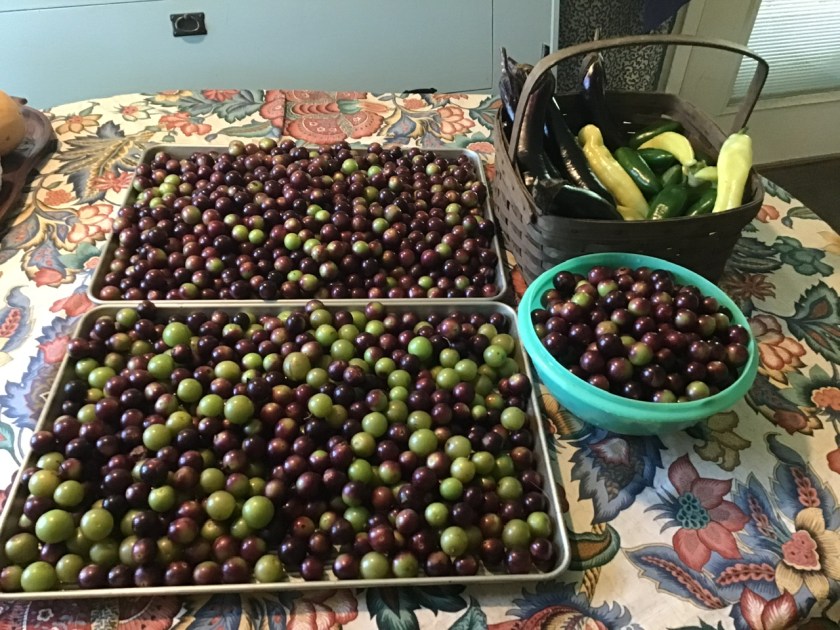
I endured the heat just long enough to harvest more eggplants and tomatoes, pretty much the only thing besides peppers still surviving. It was feeling a bit depressing, pretty normal for me this time of year. I really hate watching everything die and/or get over-taken by the pernicious grasses and vines, which thrive in the heat while I wither.

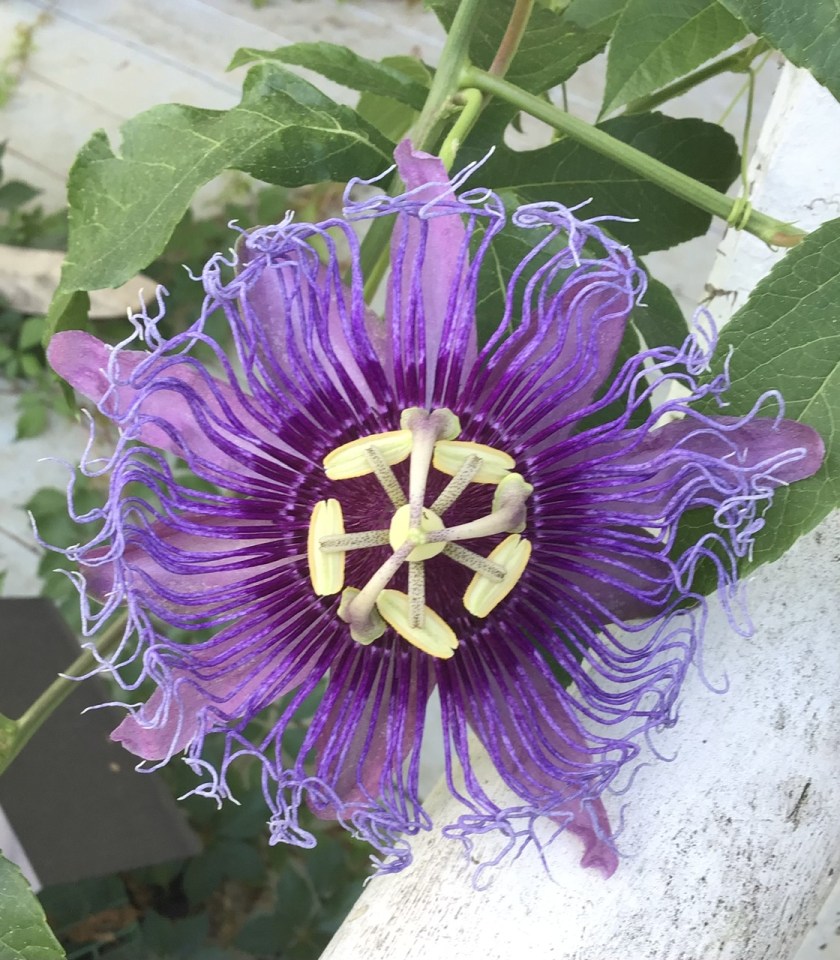
And then I saw it! Instantaneous mood booster: the first passion flower from a variety given by a friend, which I’ve planted in numerous locations. Stunning!

That got me thinking, and rummaging through my photo files for all things purple.

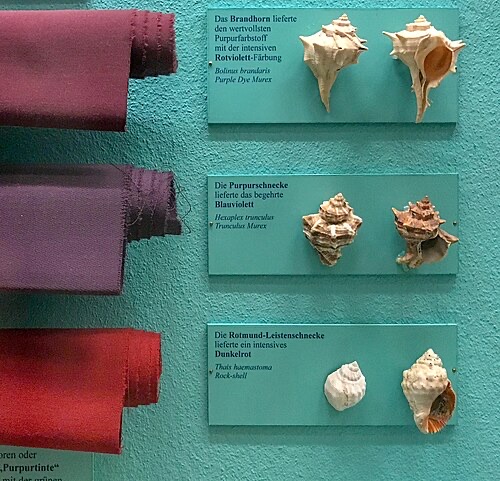
Of course we know purple is the color of nobility. I remember reading somewhere that’s because the dye was so expensive that only royalty could afford it. So I looked it up.

According to AI, that is true.
Tyrian purple was among the original most-favored, called Imperial purple, originating in Tyre, ancient Phoenicia, which is modern-day Lebanon.
From Wiki:
The pigment was expensive and time-consuming to produce, and items coloured with it became associated with power and wealth. This popular idea of purple being elite contributes to the modern day widespread belief that purple is a “royal colour”. The colour of textiles from this period provides insight into socio-cultural relationships within ancient societies, in addition to providing insights on technological achievements, fashion, social stratification, agriculture and trade connections.
Tyrian purple – Wikipedia

They call that purple?
Purple poke berries

Poke berries stain purple, but I guess that was not the proper shade for Byzantine royalty? Or perhaps it just sounded more elegant to them that the proper shade required monumental manual labor to extract the dye from special snails sacrificed for their purpose of pleasure for the leisure classes?

Anyway, I’d love to wear a gown made of purple passion flowers! Flower Haute Couture is another thing I just learned is a real thing.
The wonders of the internet!

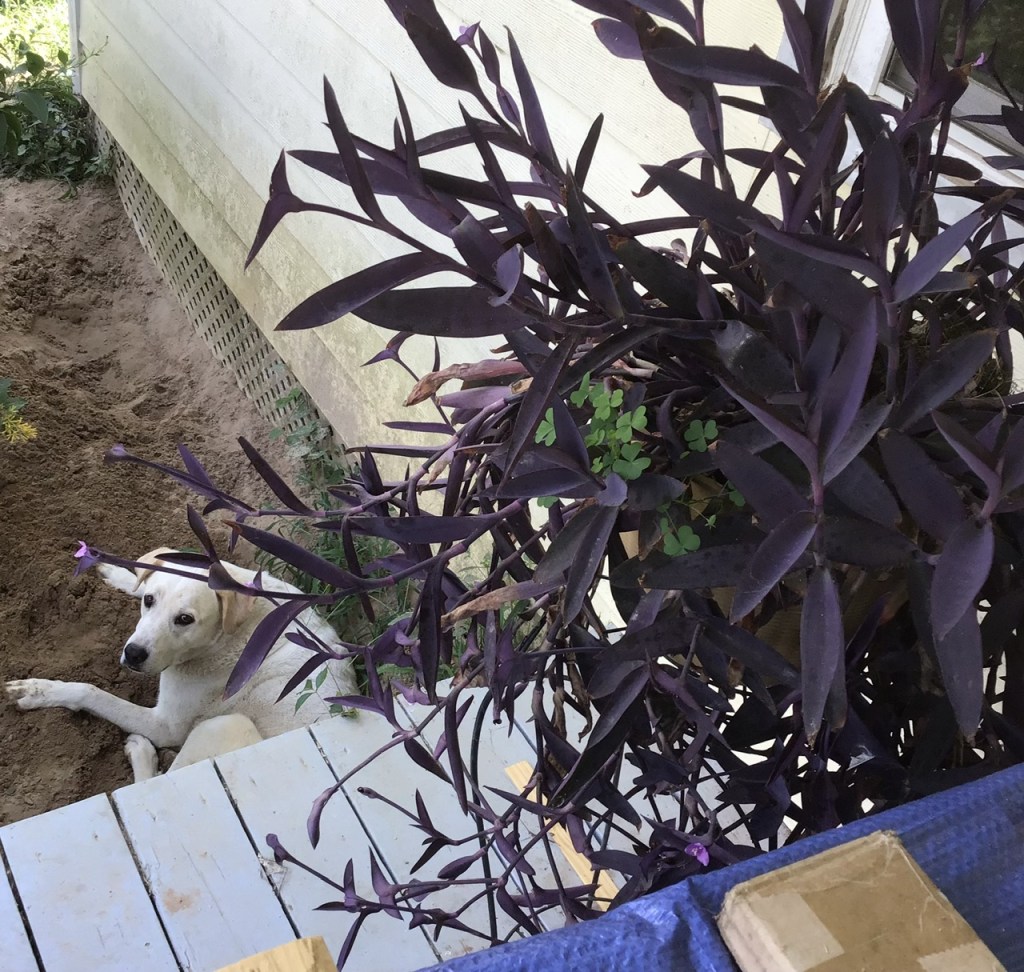
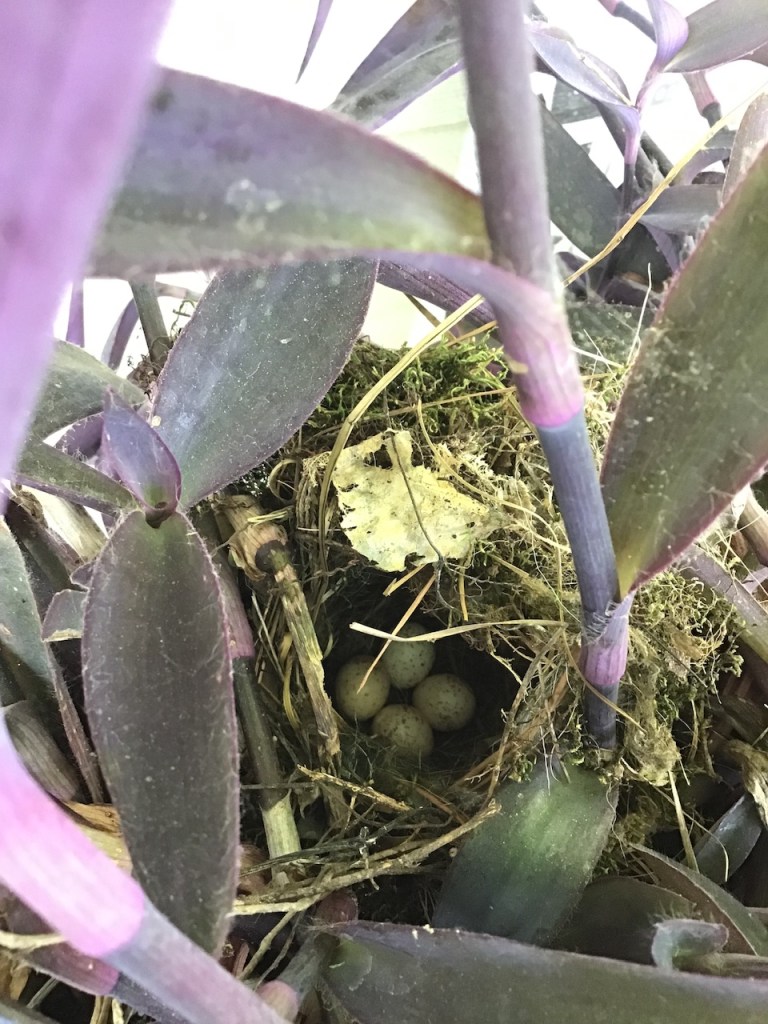
Royal influencers aside, there really is something special about purple. It would seem this little wren nesting in my purple wandering jew might agree.

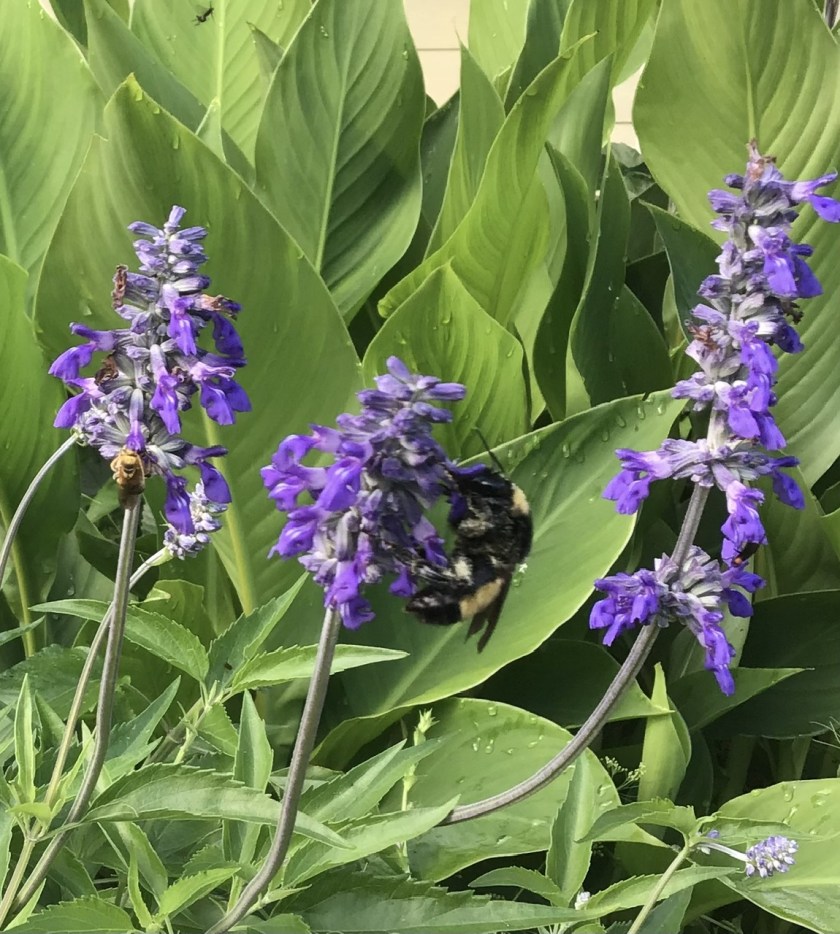
Purple seems quite plentiful in nature. Purple grapes, purple berries, purple flowers, purple peppers, onions and potatoes.

Being so plentiful it shouldn’t feel so special. Yet somehow it still does.

Is the special of purple in the eye of the beholder, or is it somehow ‘objectively’ special, what do you think?

Looks Be Deceiving

It’s more than mere marketing.

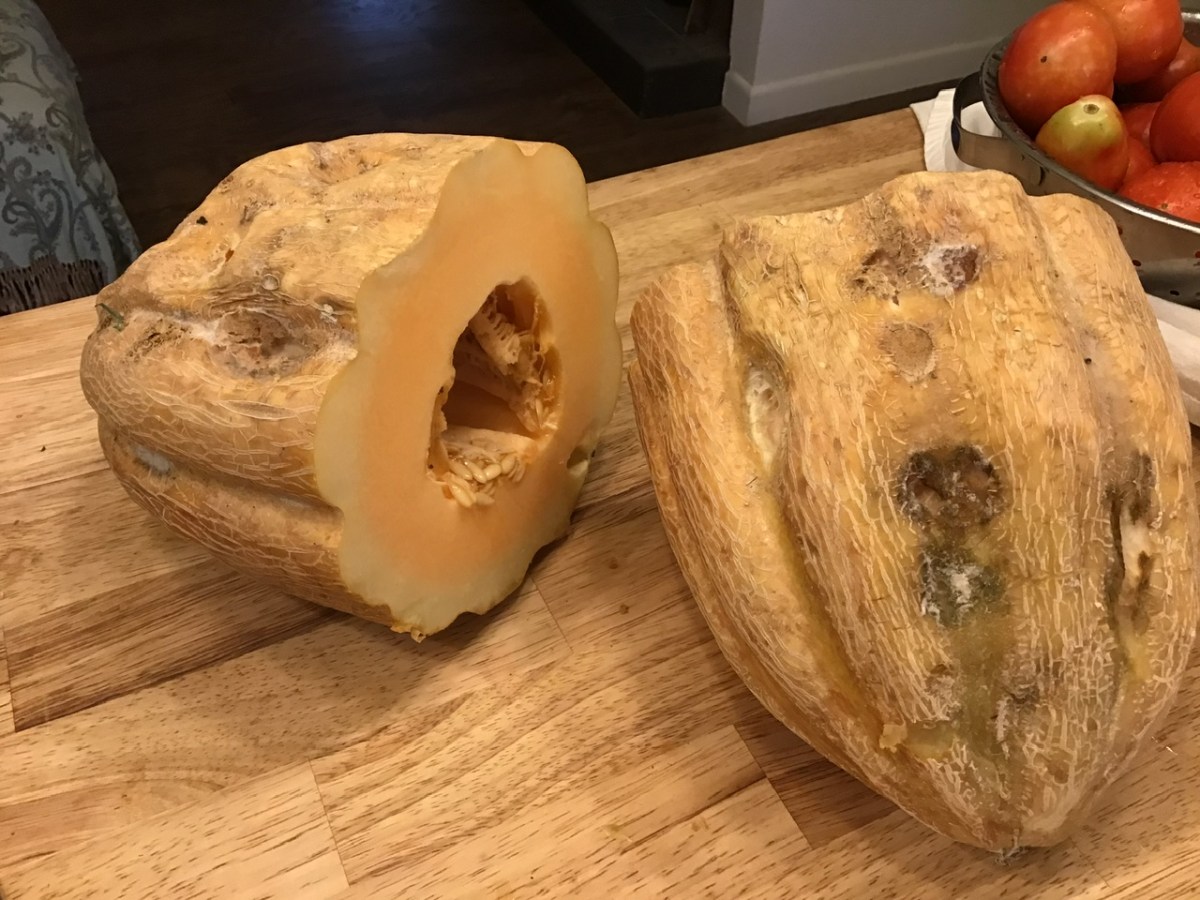
That disgusting-looking melon is the first one to be halfway decent this year. We nearly fed it to the pigs out of looks alone. Our cucs and melons have been crap. We don’t know why. The cucs were bitter by their first harvest, the melons are ripening in a most bizarre haphazard sort of way that half rots while the other half remains unripened.

It’s not quite the same as the old adage ‘don’t judge a book by its cover.’

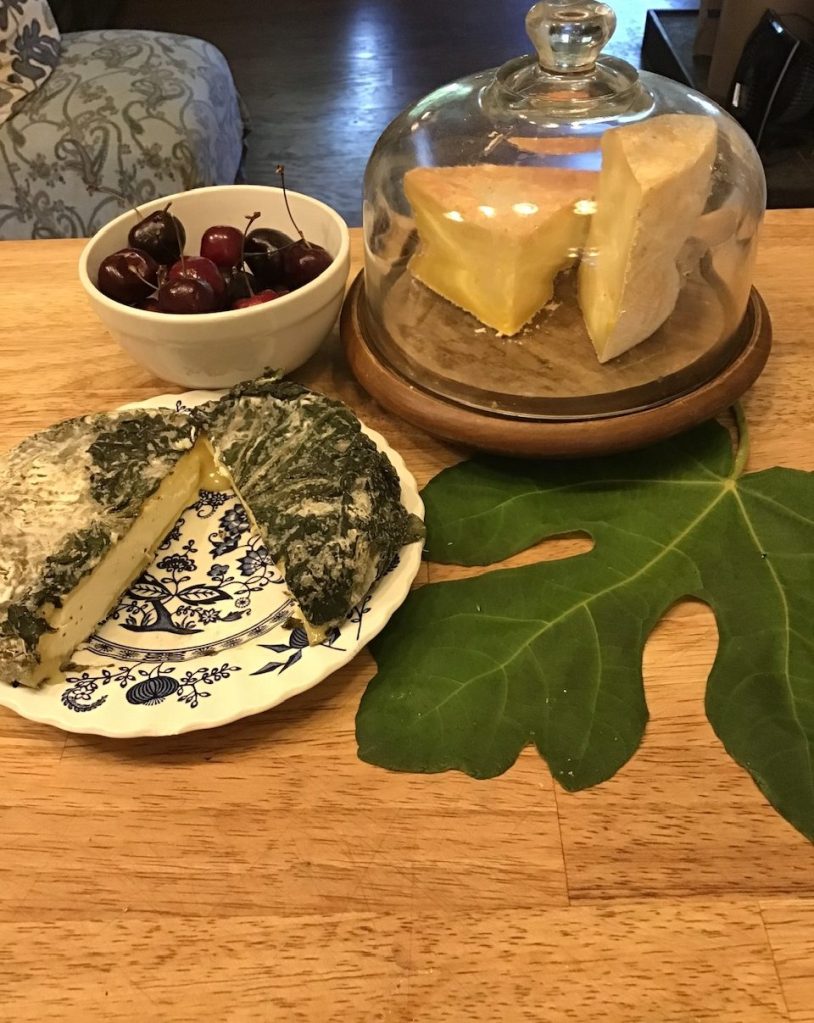
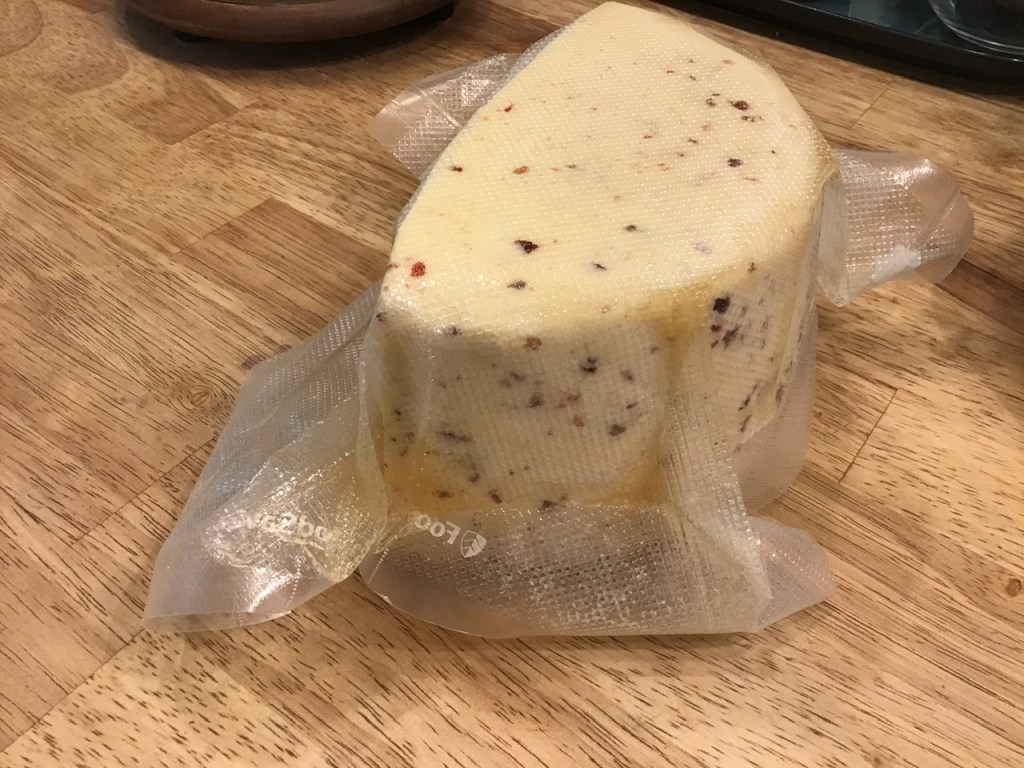
that ugle cheese on the plate is a first-time cheese experiment success. and damn how I needed that yesterday. a soft, non-renneted fresh cheese wrapped in fig leaf and aged for 6 weeks.

I love cherries so much I display them over our own grapes, also coming in half-ripe, half-spoiled, on the same bunch.

That is, cherries from Walmart, on special at an irrestible $2/pound! On my once-a-month town run, which I mostly loathe, especially when it includes Walmart!

We call it a ‘bad year’.

I’m exhausted.

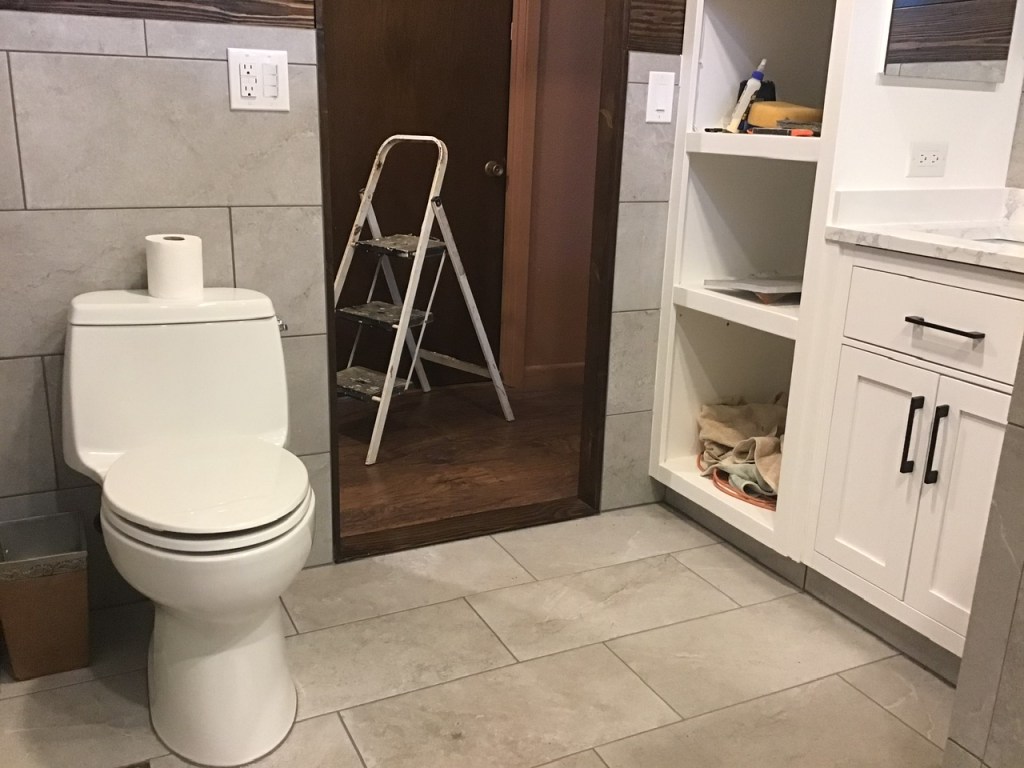
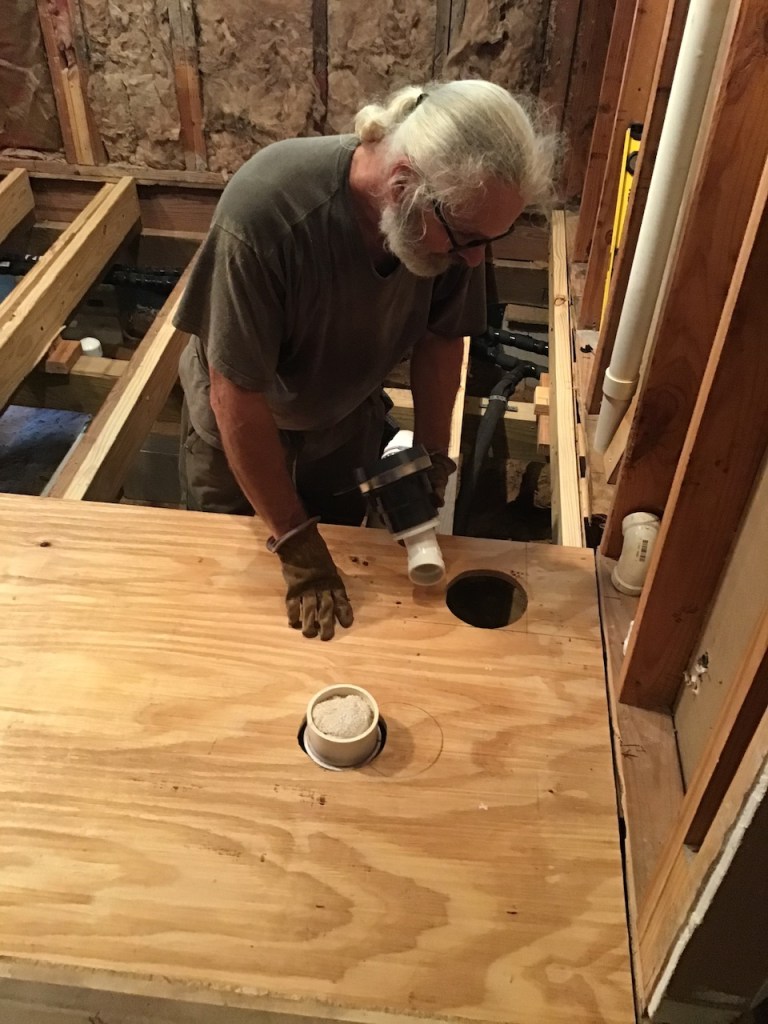
Hubby barrels on in the heat on our new bathroom, while I wither.

Bad years are to be expected, yet . . .

What will it take to see it through fresh eyes?

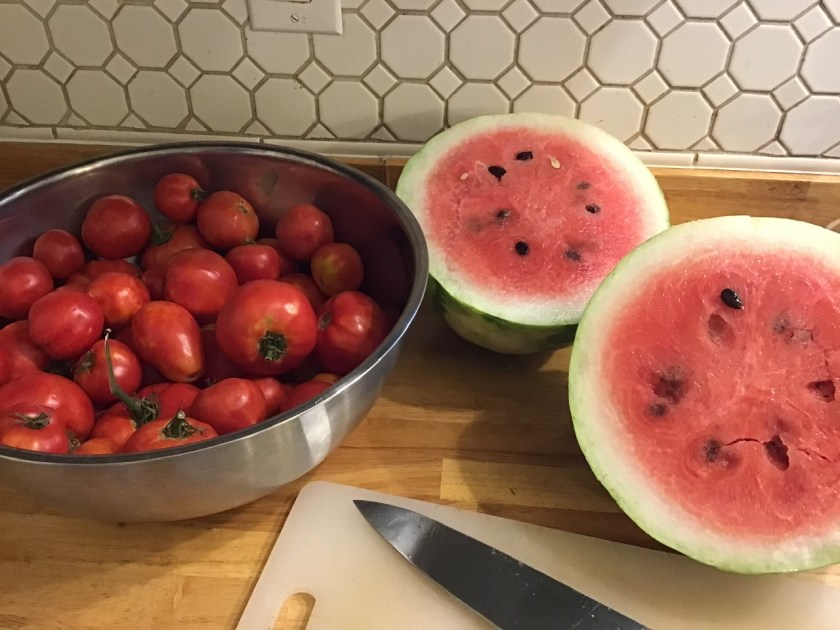
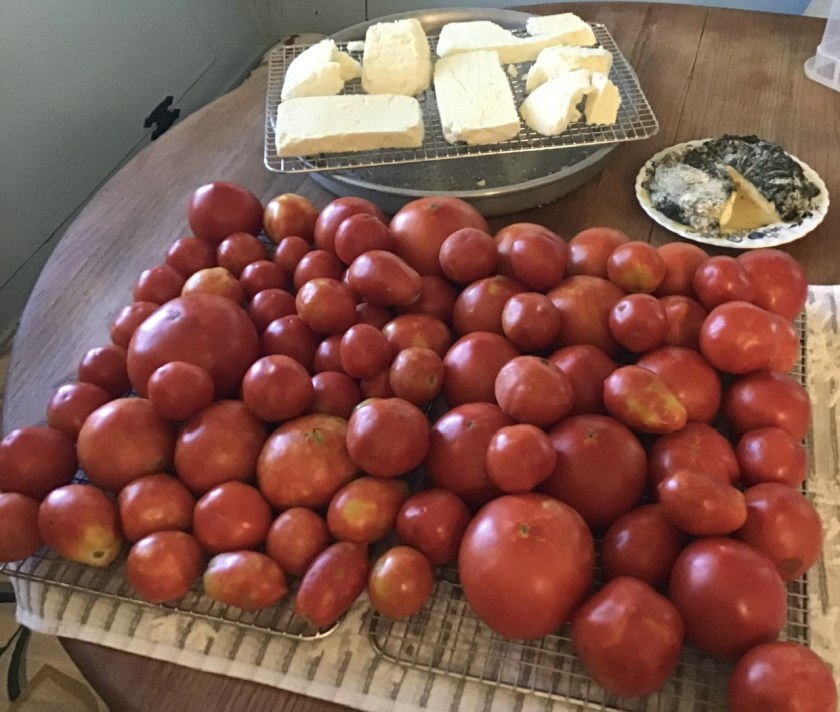
Tomatoes and feta, ugly, but still pretty tasty!

We don’t typically expect how that will feel.

Whether good or bad. It sort of molds into a morph-space best called ‘unexpected.’

I was not raised to be a ‘tough times’ sort of girl. I struggle every summer here, I complain in writing every summer. I think it helps, but, only because it helps me, to carry-on.

Seduced by slogans

I only became a fantasy tough-times type through marketing. So, forty years later I really understand its power.

My maternal grandfather was a salesman who used to try to warn us about marketing. He used to turn down the commercials on the constantly-on TV. The commercials were often the only part of the selected programming that I liked.

The more things change, the more they stay the same. Or, so the slogan says.

I liked this sewing lady’s take, she seems more aware and accepting of the times than I am. Sometimes inspiration comes from the oddest places. Thanks for that.

Luxury comes at great costs we rarely acknowledge, especially the appearance of it.

And thanks for stopping by!

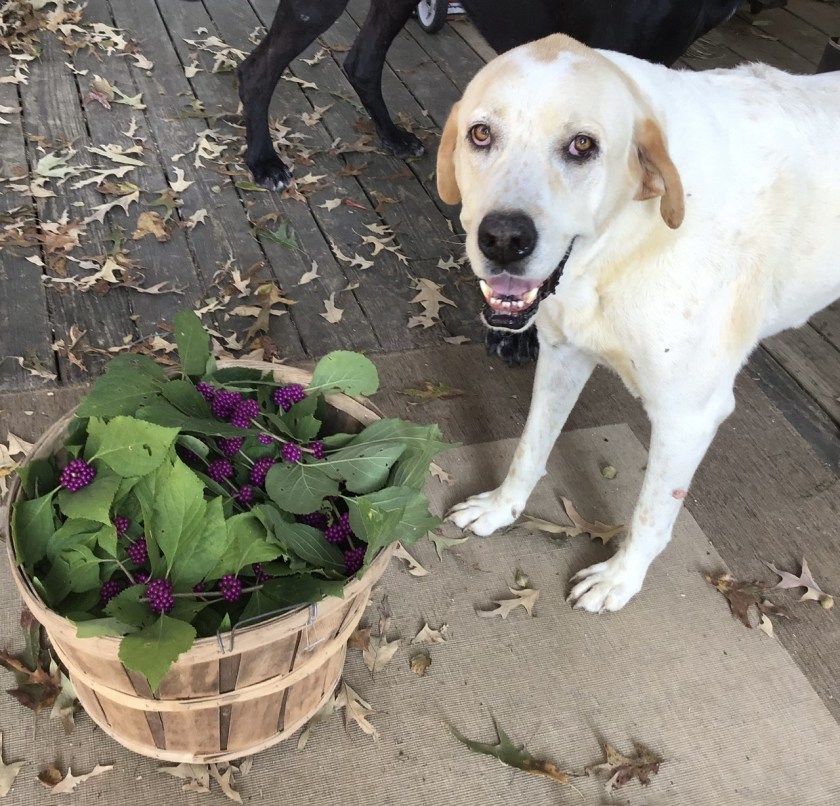
Bubba with Beautyberries, 2025

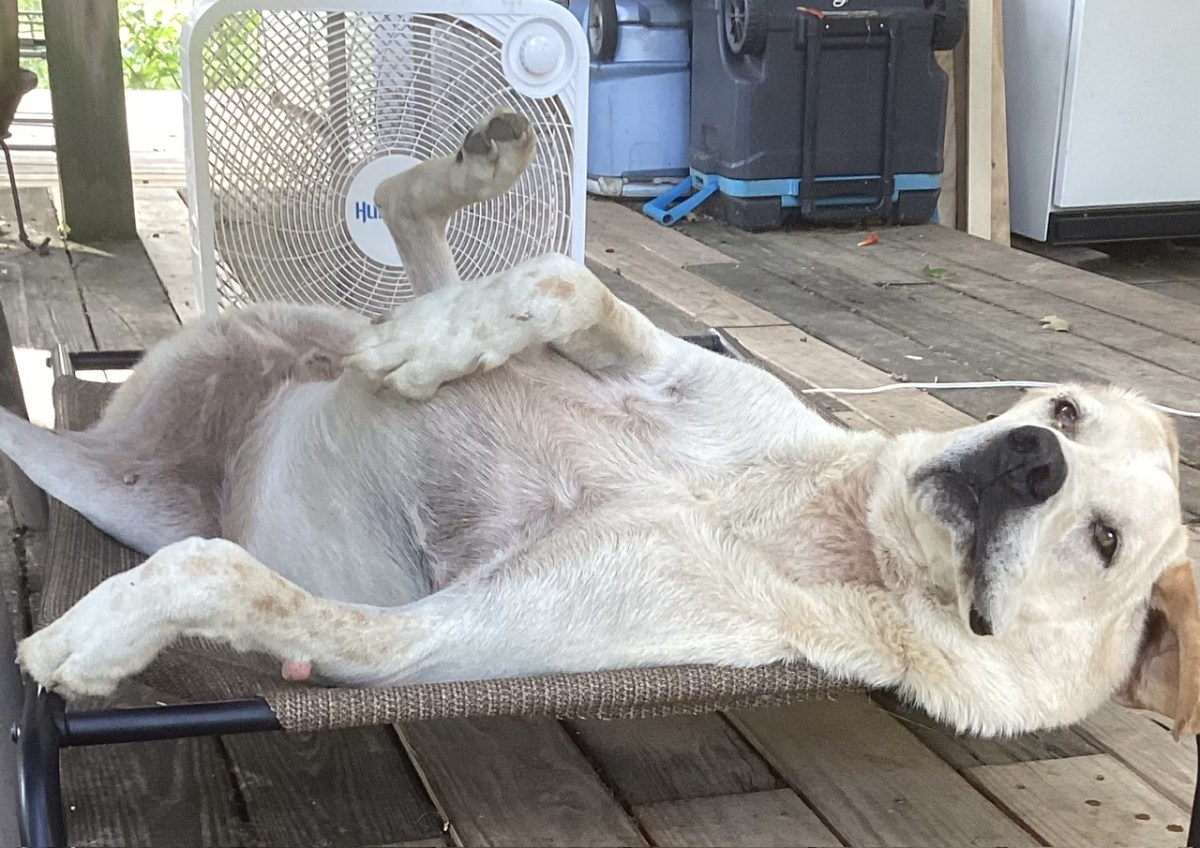
It’s all good, according to Bubba

Growth vs Comfort

A homestead happenings post complete with dirty DIY pics, jungle-garden updates and my attempts at calm amidst the chaos.

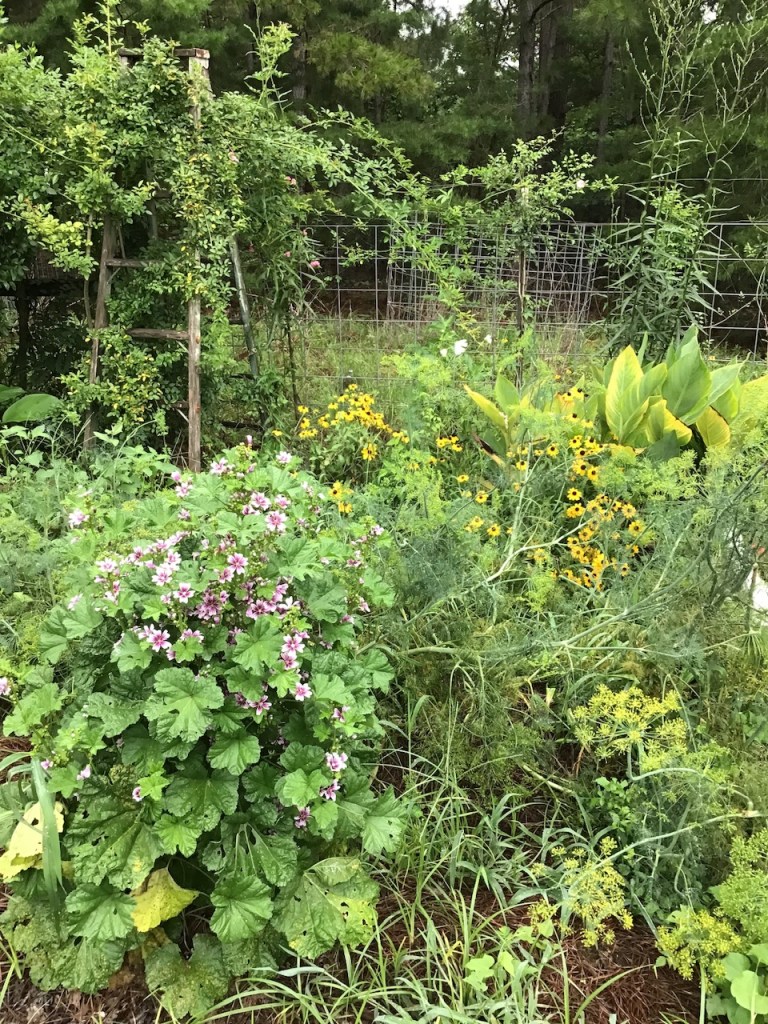
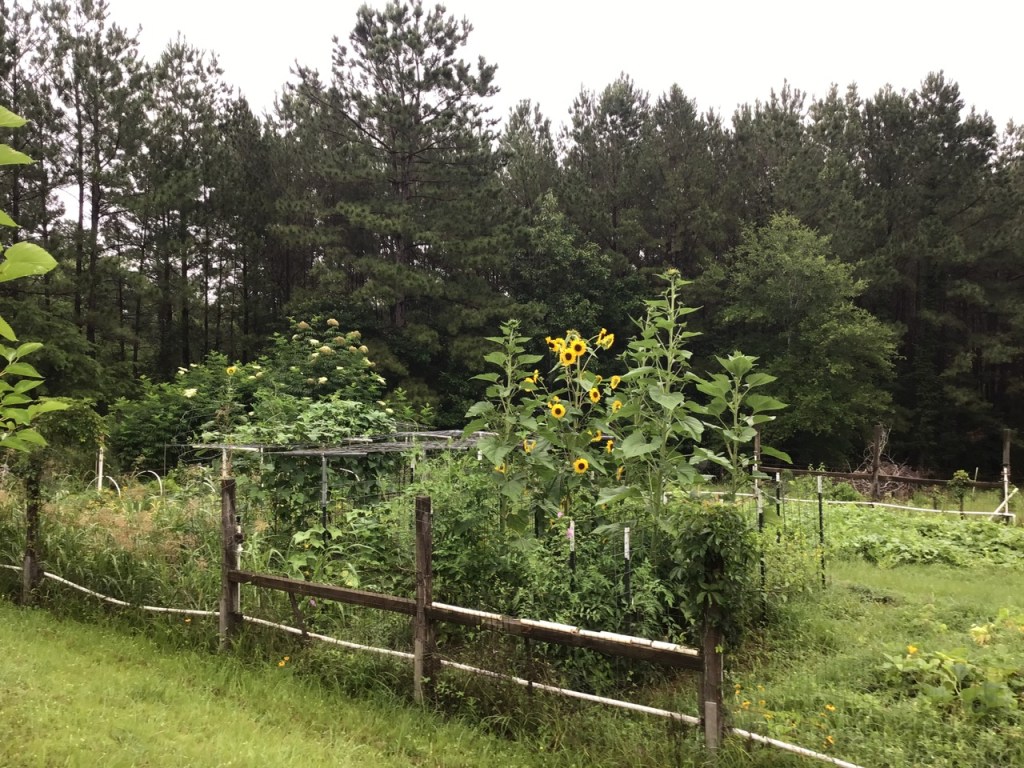
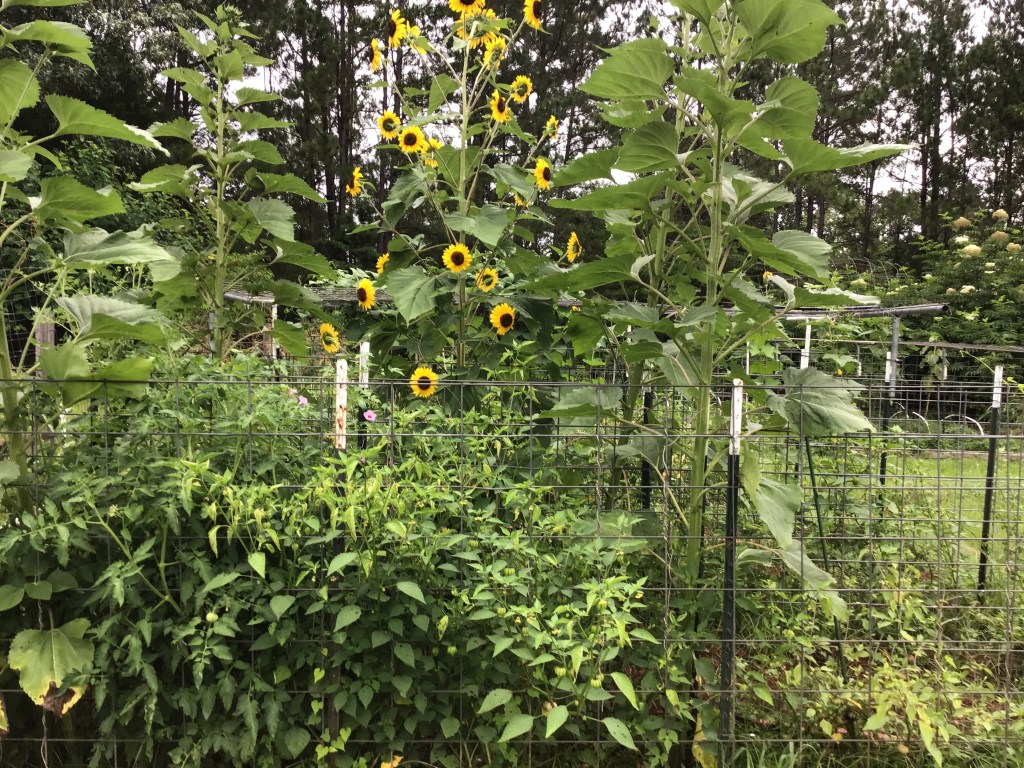
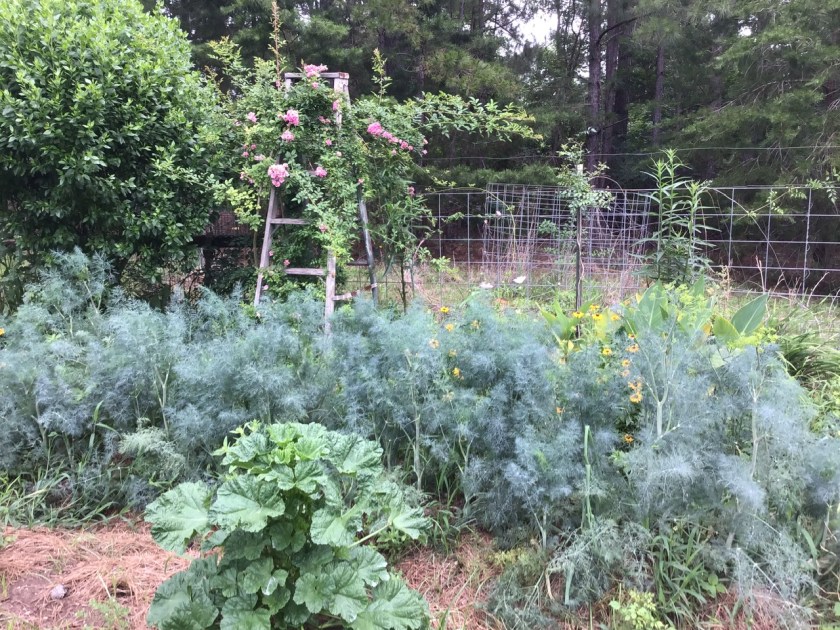
While I see others around the world are thrilled with finally warm temps and blossoming gardens, we’ve already hit the hot mess stage. I’m embarrased a bit to include pics of the jungle that just a few weeks ago had several brag-worthy elements.

It’s so hot, wet and fertile here the seeds are coming up anywhere!

Oddly, not the cucumbers nor the onions. We’ve had bad onion years before, but cucs are our biggest no-brainer. I can’t recall ever having a bad year, normally they are so prolific they become pig food by this time, but this year we haven’t even had a big enough harvest to pickle, and they’re already dying back in the swelter. I’ve succession planted and can only hope whatever fluke has hit them, the youngens will bounce back by next month.

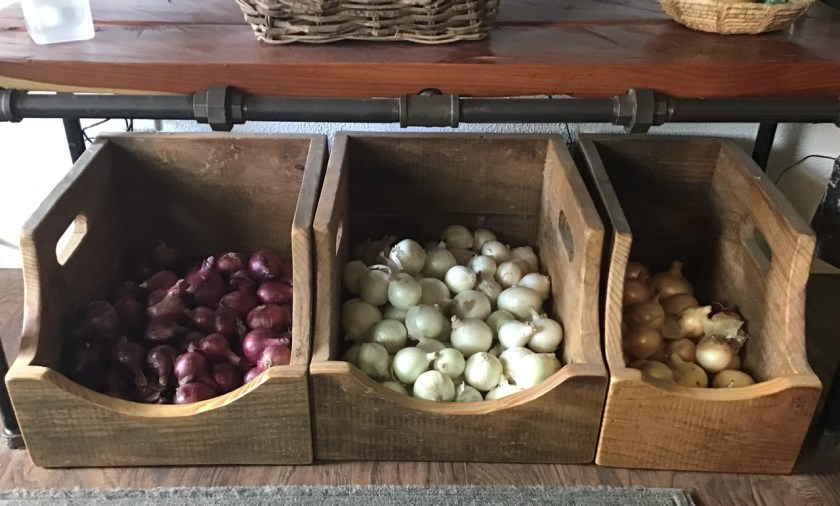
I guess it’s relative, when I see the onions displayed like that in Hubby’s hand-crafted bins, it seems ok.

The green beans in Hubby’s monster row are producing by the bushel and I’m already sick of them. We’re too unsettled with the bathroom DIY to do any canning and have even stopped harvesting them. Such a shame, I do hate to see them go to waste, but it’s all I can do to keep up with all the other chores.

Like the flowers! I know, it sounds rather frivolous compared to beans, to devote my painfully precious hours of manual labor to flowers instead of food, but they make me so happy I’ve gotten over it.

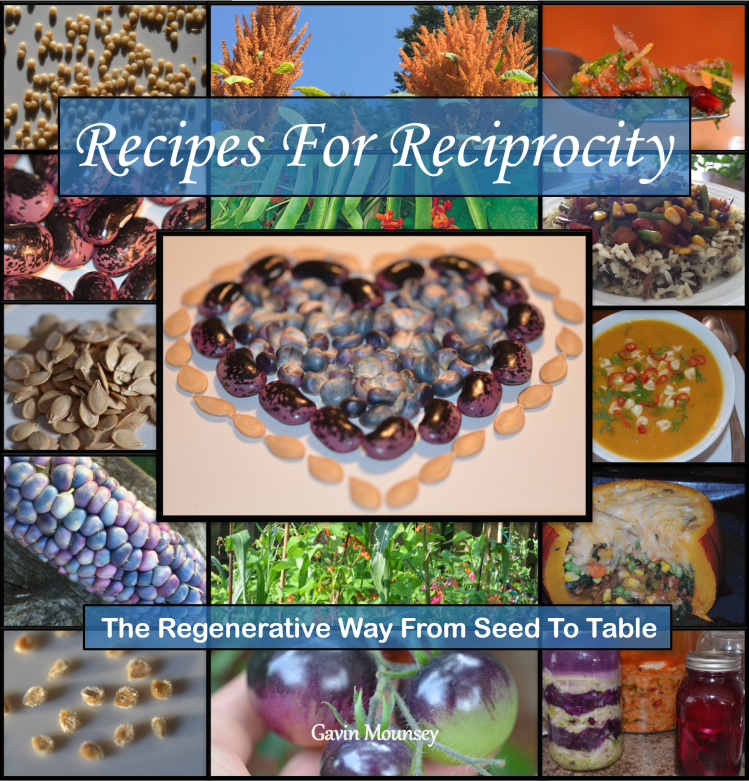
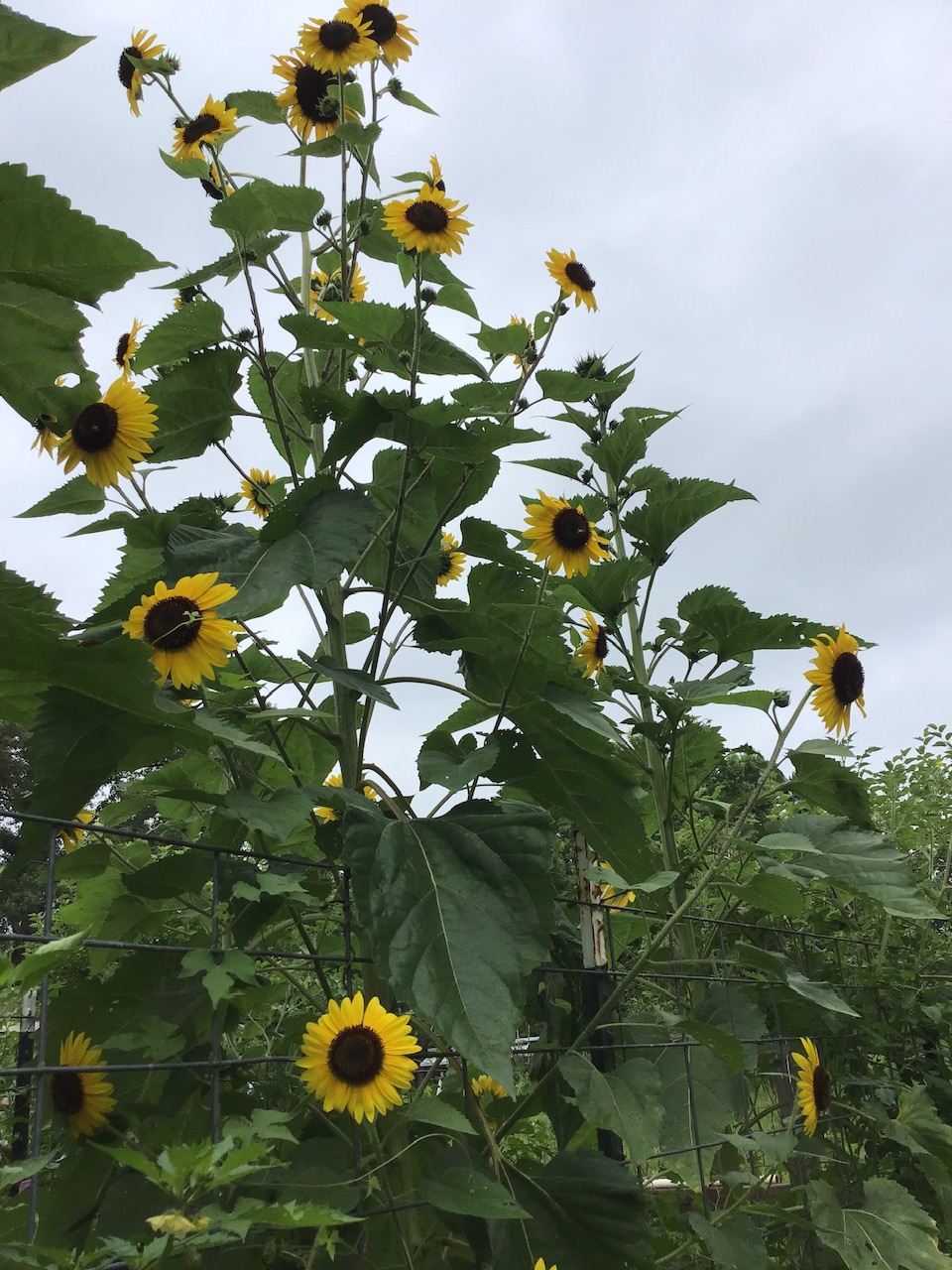
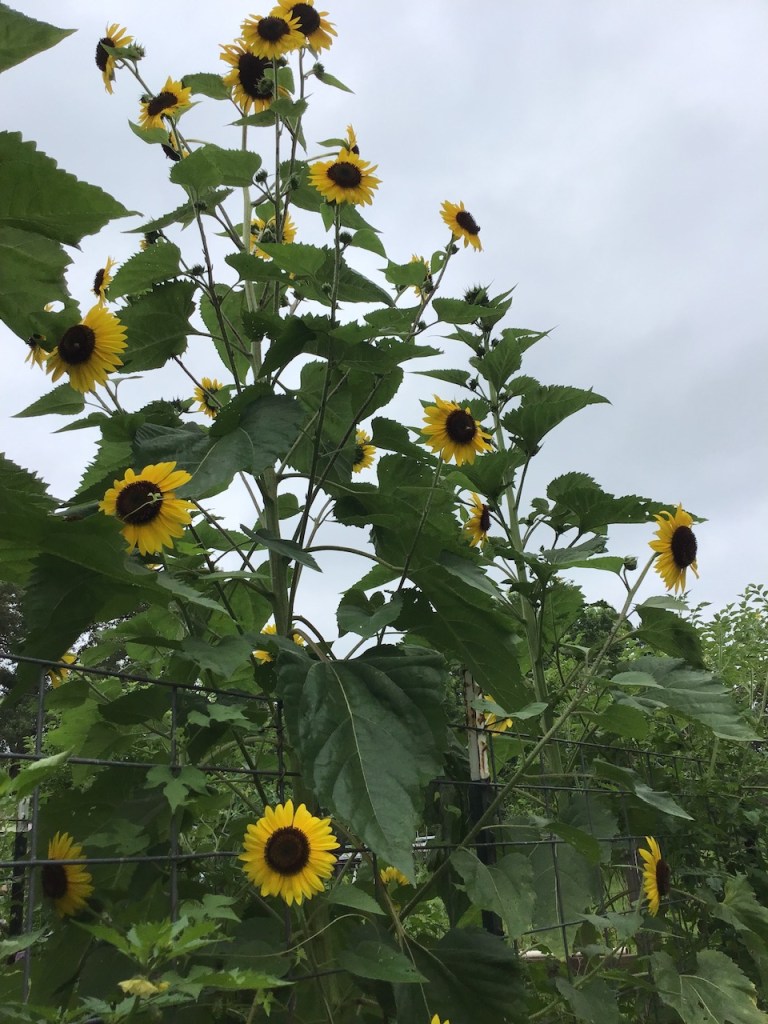
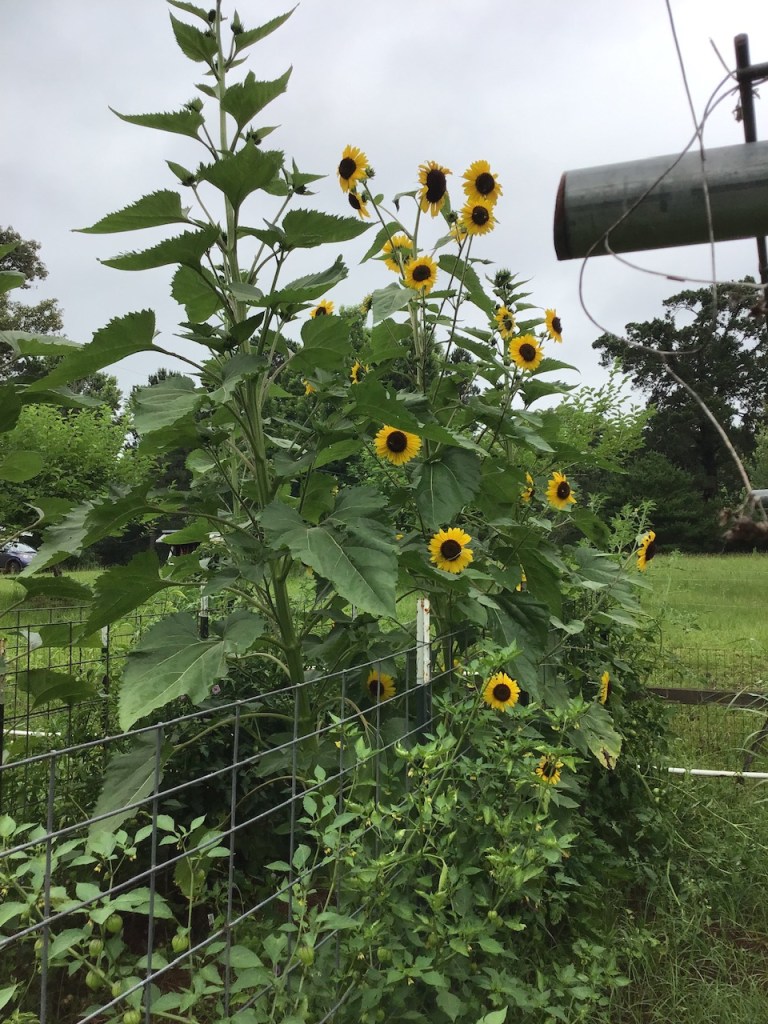
These Black Hopi sunflowers were actually volunteers from last year’s seed gift from Gavin Mounsey who sends heirloom seeds to those who buy his book or become a paid subscriber to his Substack newsletter–so worth it, a gift that really does keep giving! 😘

They are so rewarding and of course very functional as well. These giant sunflowers are not only gorgeous, but they serve as mid-day shading for the tomatoes and there are pollinators all over them. I even saw a squirrel up there eating the seeds. Too bad I didn’t have the tablet, it would’ve been a great shot, but I didn’t even see him until he started barking at me when I was picking tomatoes right underneath him.

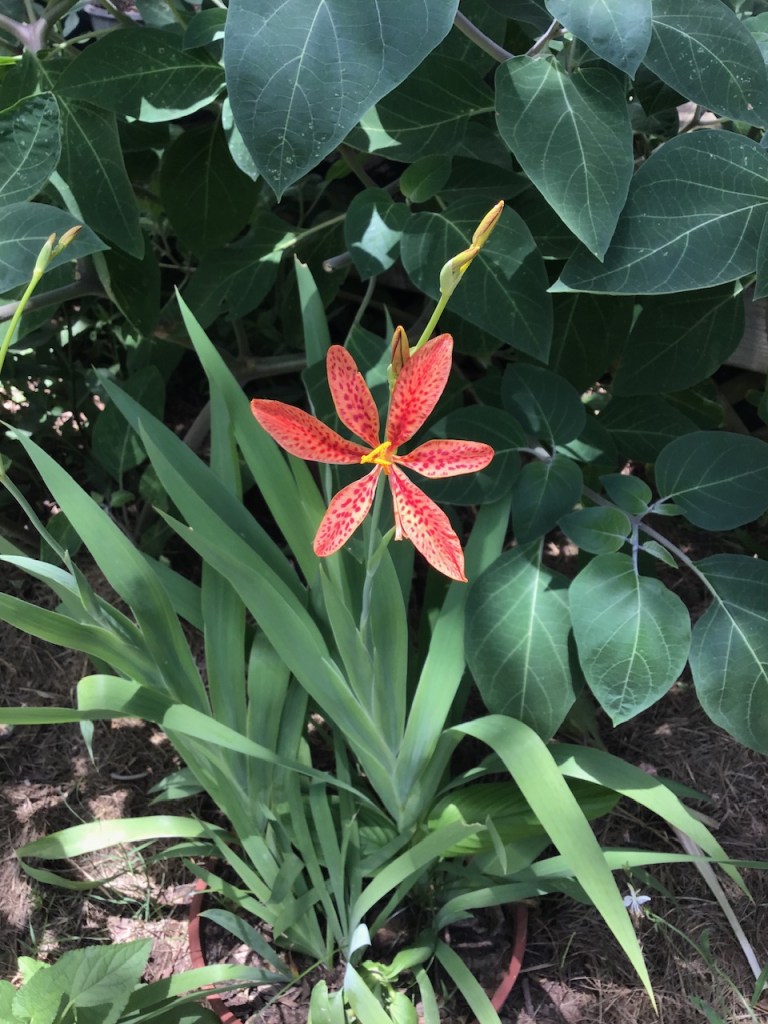
First bloom of the lovely Blackberry Lily

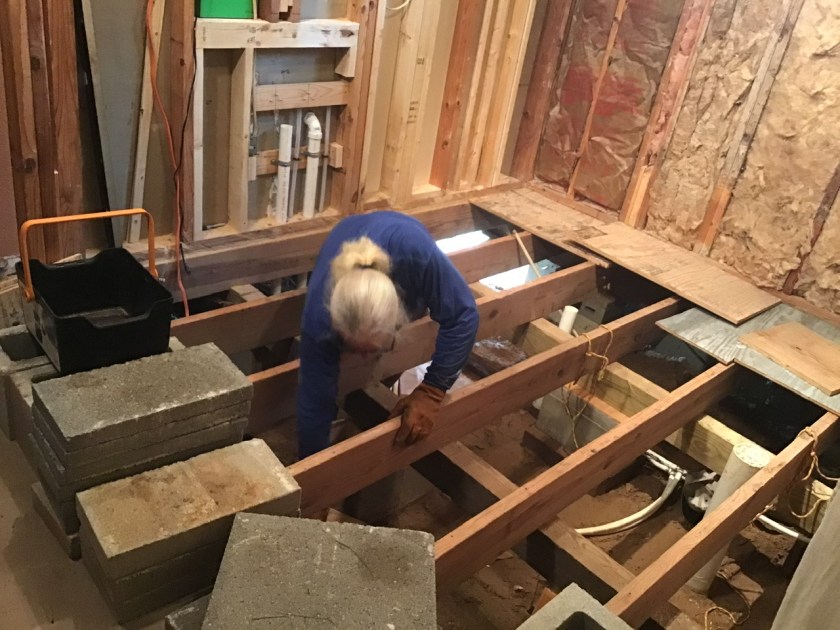
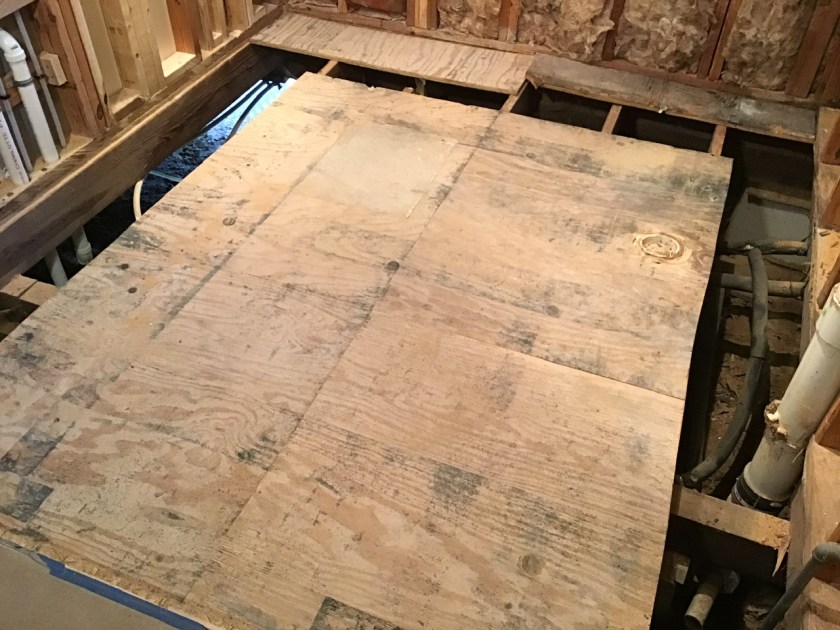
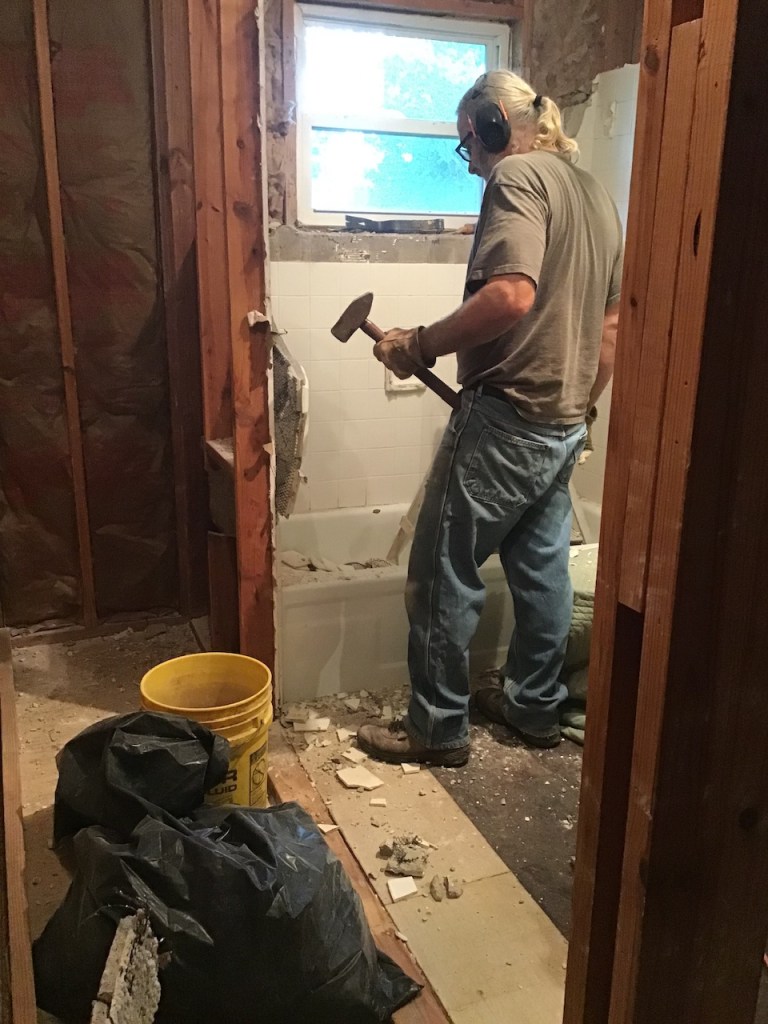
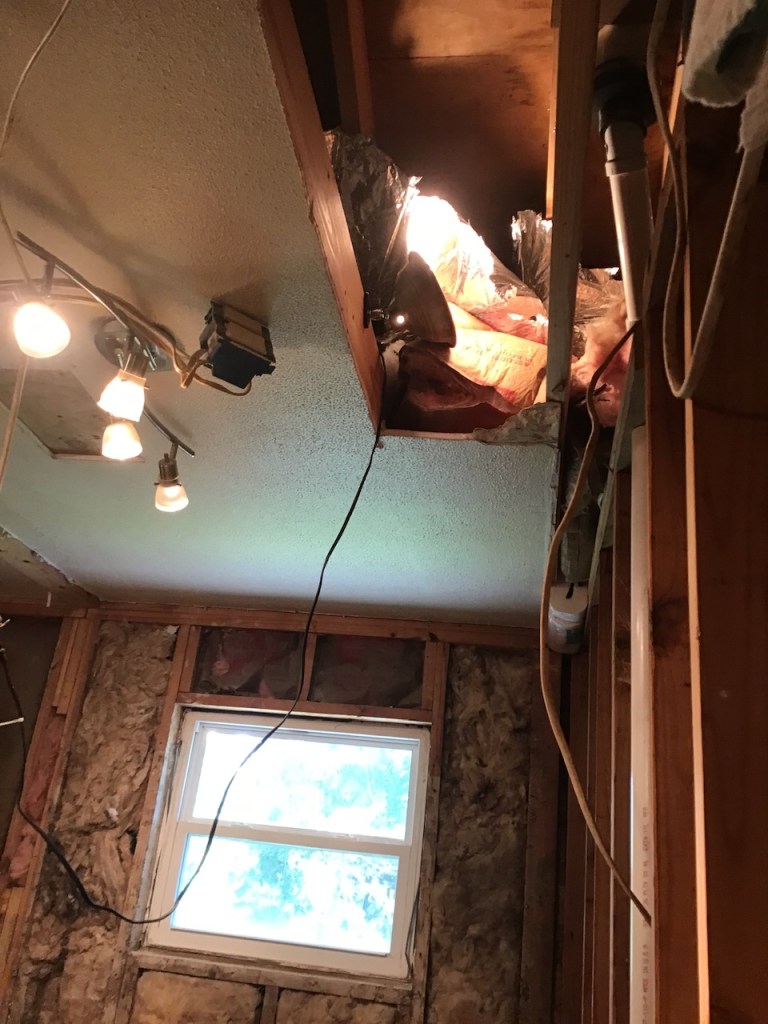
Meanwhile, while I’m goofing off, Handy Hubby gets to experience male priviledge. Mr. Know-it-All likes to impress me and the dogs with all his savoir-faire. I know he secrectly delights in sweating and rolling in the dirt under the house with Buttercup. He’s totally thrilled that the bathroom remodel has turned into dirt to rooftop overhaul and his fancy tile project has been delayed by a month and tidy unplanned sum.

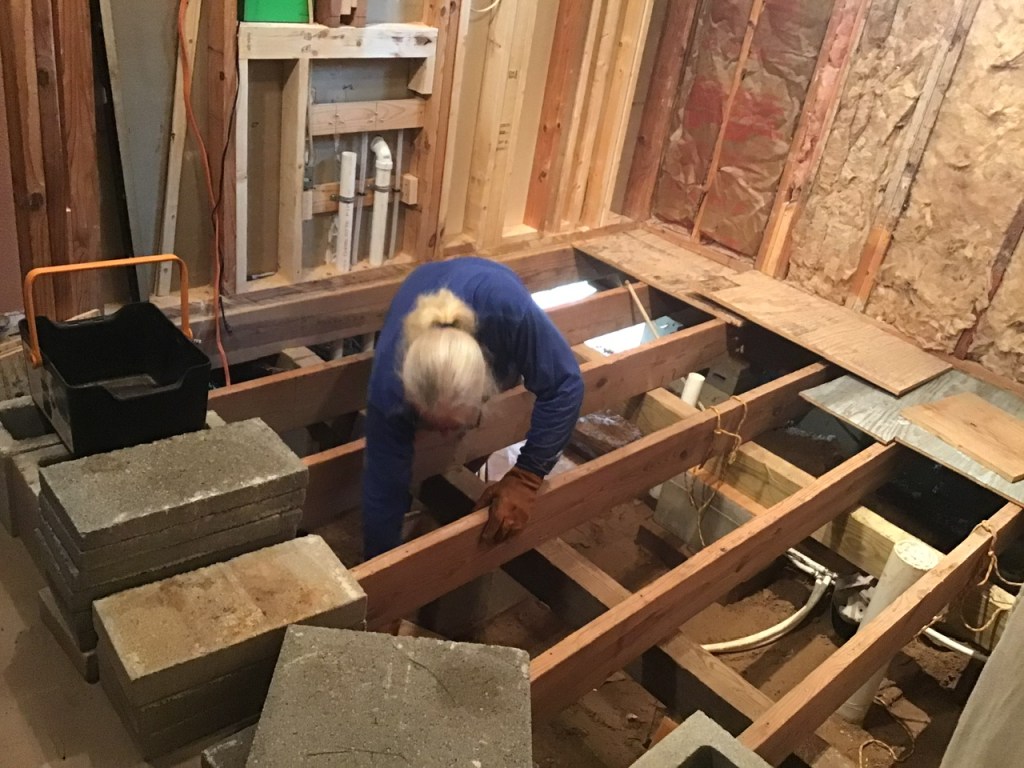
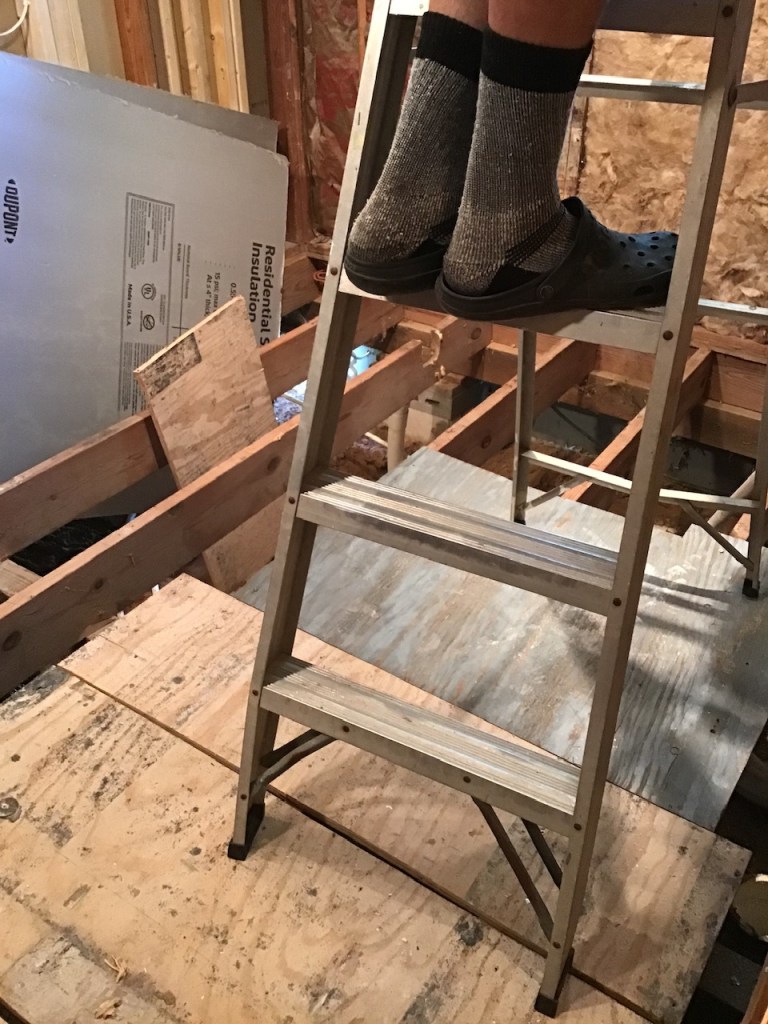
But not only was the subfloor coated in mold and mildew, but the piers and beams were sagging and unaligned and the drainage was partially blocked. He had to dig all that out and replace some and add more and while unexpected, it wasn’t terribly surprising. It was built as a camp cottage in the 80s, no one ever lived here full-time until us.

Considering that, Hubby says they did a good job and that the quality of materials for a camp cottage back then was leagues better than what goes into the pre-fab modern construction. We’re really lucky we got on this whim to remodel when we did, because that mess was only going to get more ugly with time.

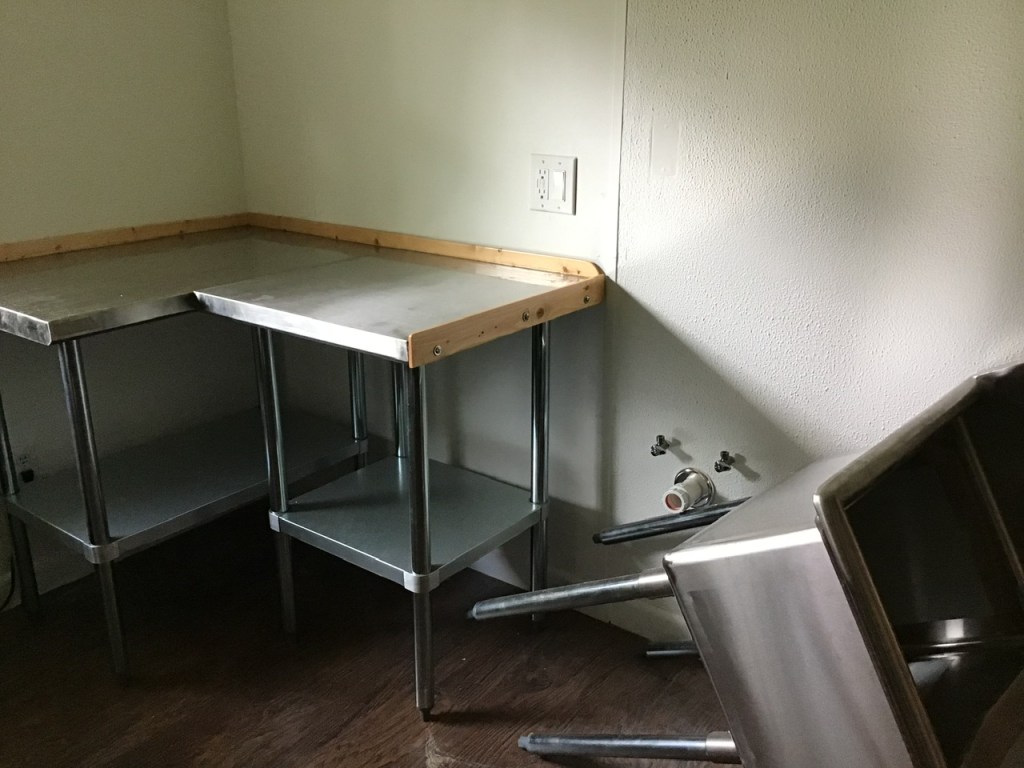
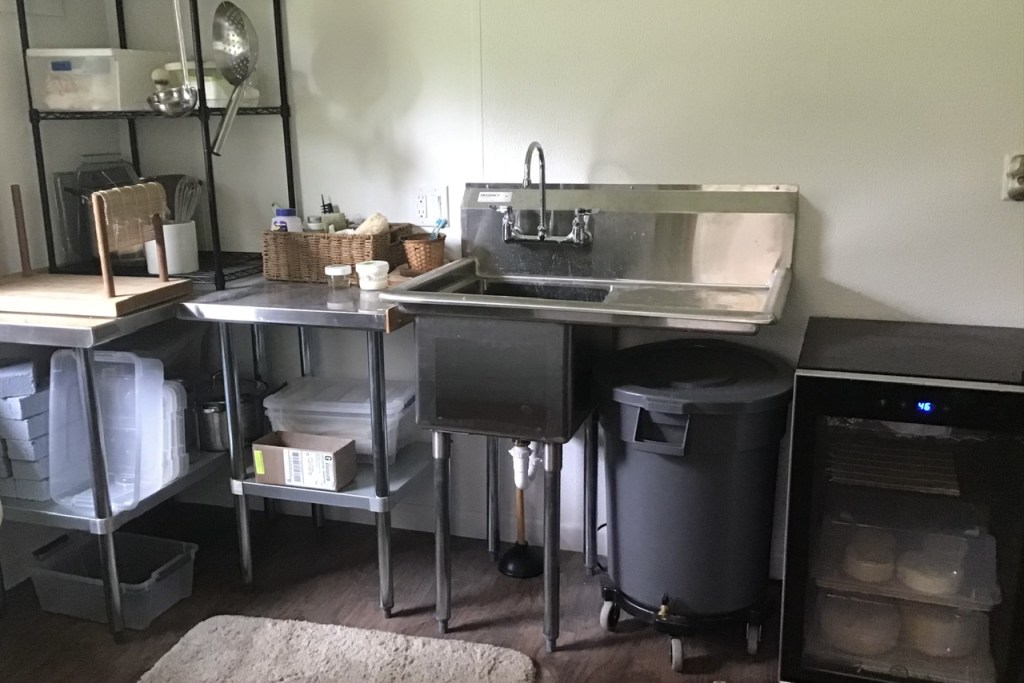
That’s the bad news. The good news is the other development that grew spontaneously out of this project–I now have a real flex-room–a place for fermenting and seedlings and maybe just lounging. Considering how small our place is, I know it sounds a little crazy, but considering we’ll most likely never move again, why not? There was a big bed in there that just made for useless space, now it’s full function. Or rather, it will be, whenever the bathroom gets done.

Hubby is never so impressive to me than when he is in Mission-Man-Mode. He has a single-minded, goal-oriented side to him that perks up with such vigor suddenly you’d think he was once again a 30-something in hot pursuit of a sexy young thang (and by that I mean me). 😂

Seriously though, it is impressive and he can work leagues past my breaking point when he’s in the zone. And Youtube is another godsend sometimes, the two of them in lockstep is like any DIYers dream couple. Between that and the regular influx of inspiration from the home shows on TV, there’s really nothing a devoted follower can’t learn, it seems. How marvelous to be learning so much still at our age!

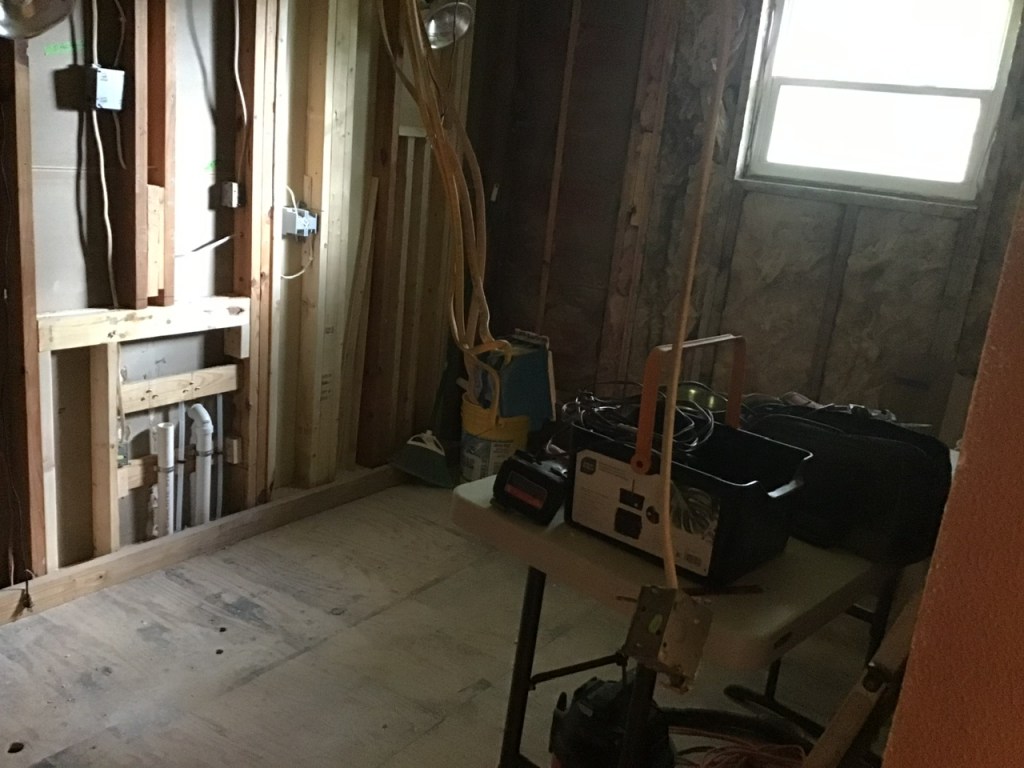
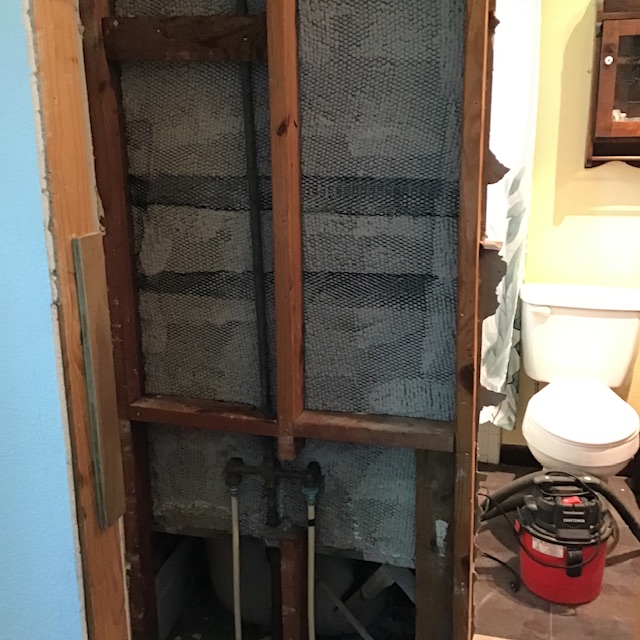
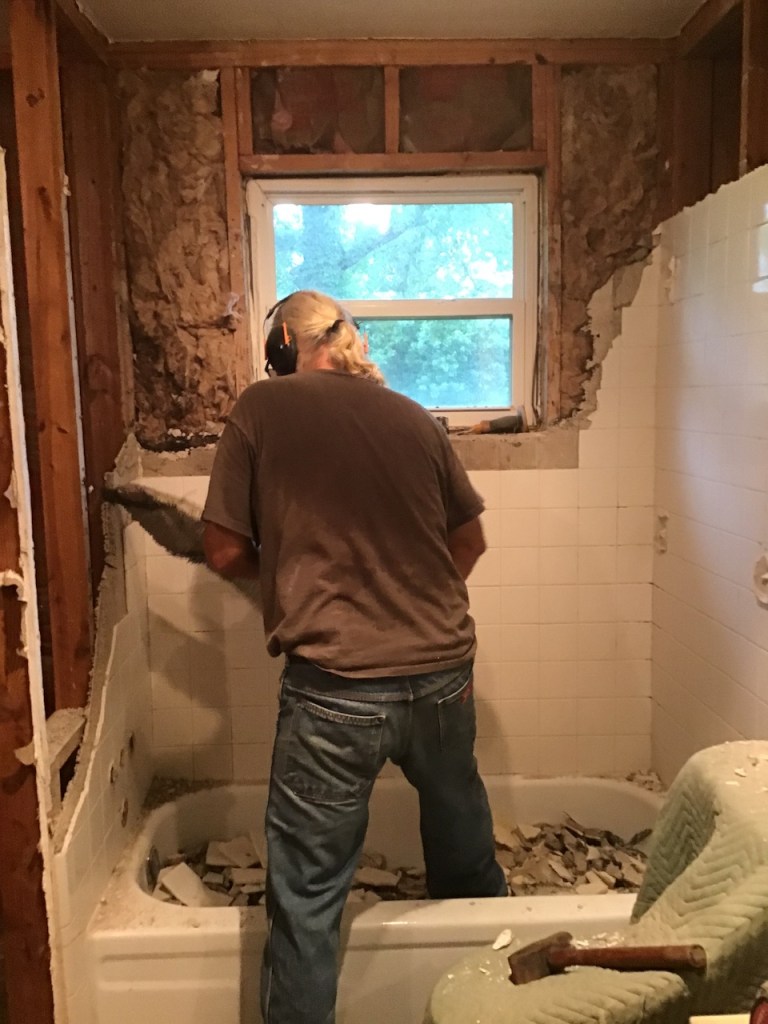
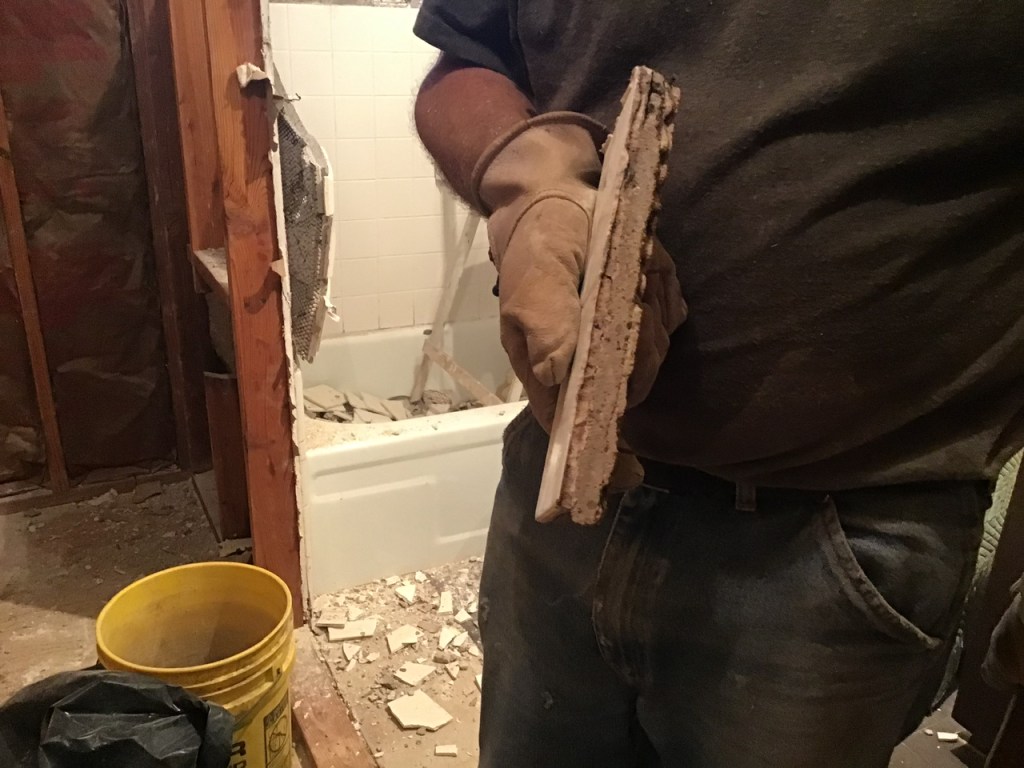
old-style mortar and lath out

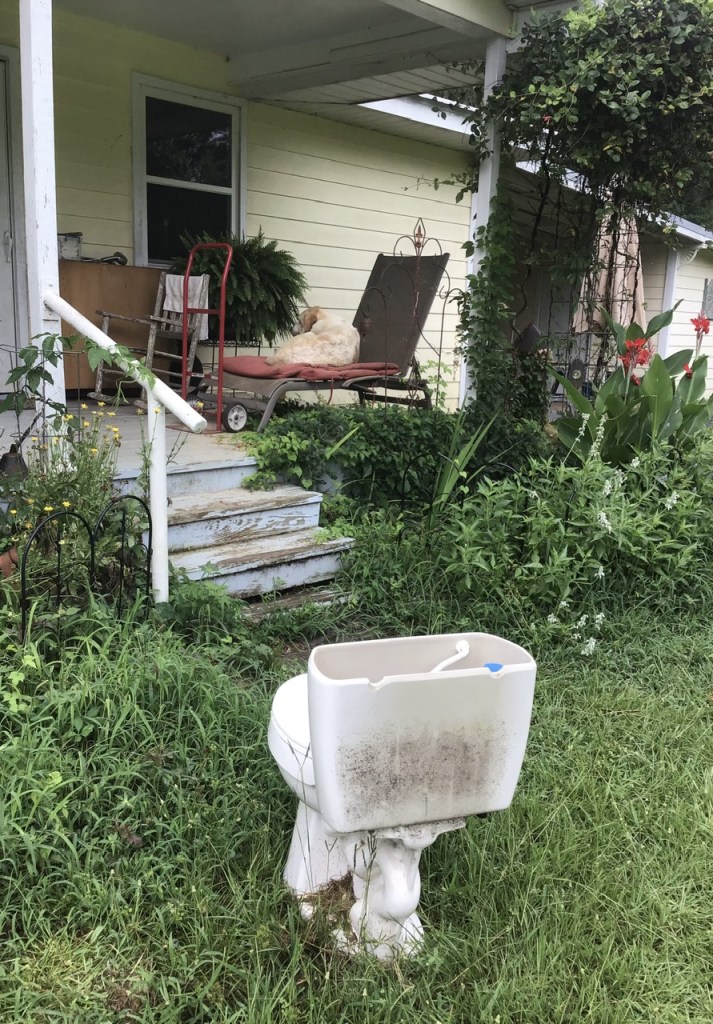
Like, when choosing between new toilets, humor helps.
https://youtu.be/O7x5g2VFc50

Hubby says he’s leaving it there until I plant flowers in it.

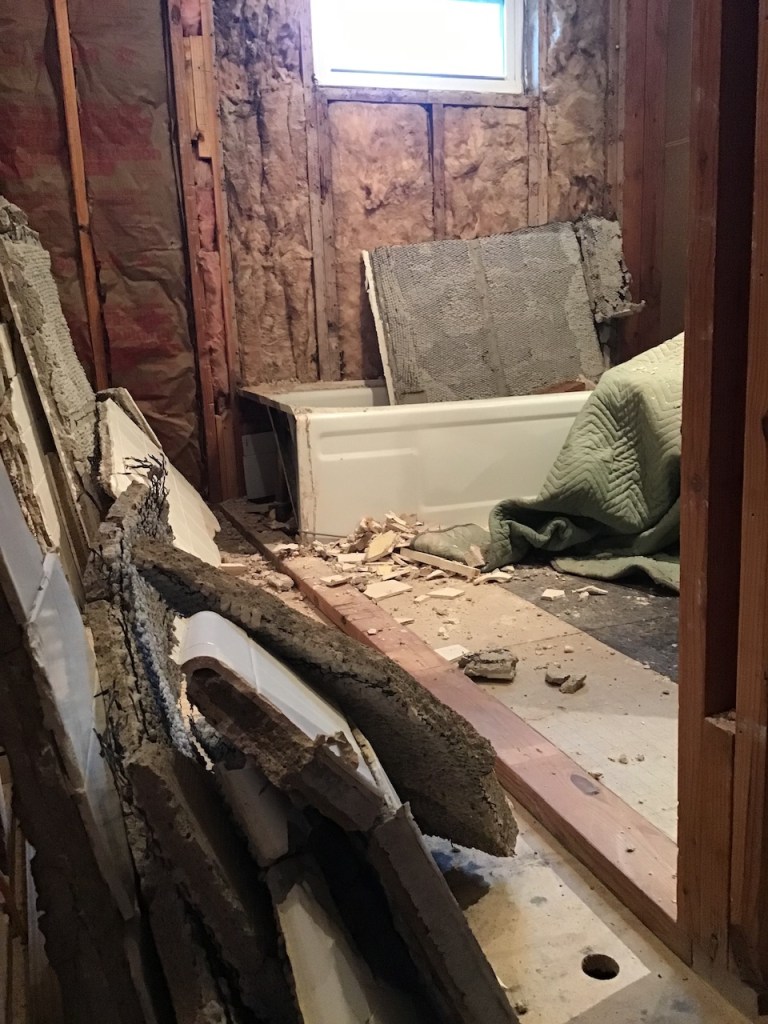
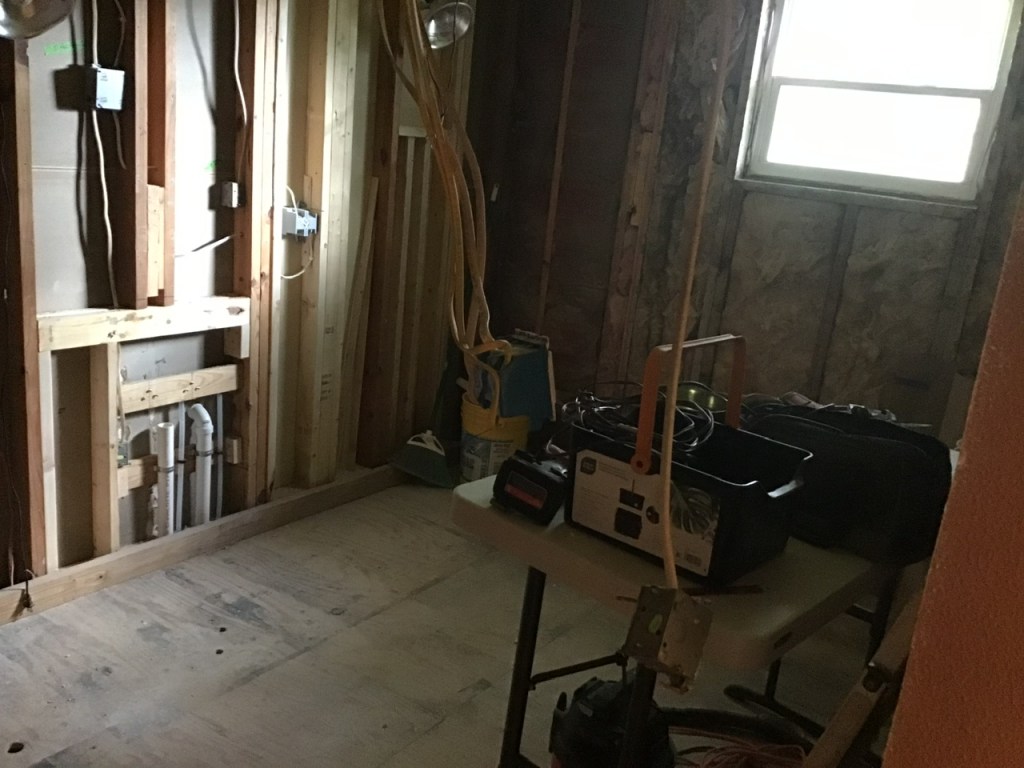
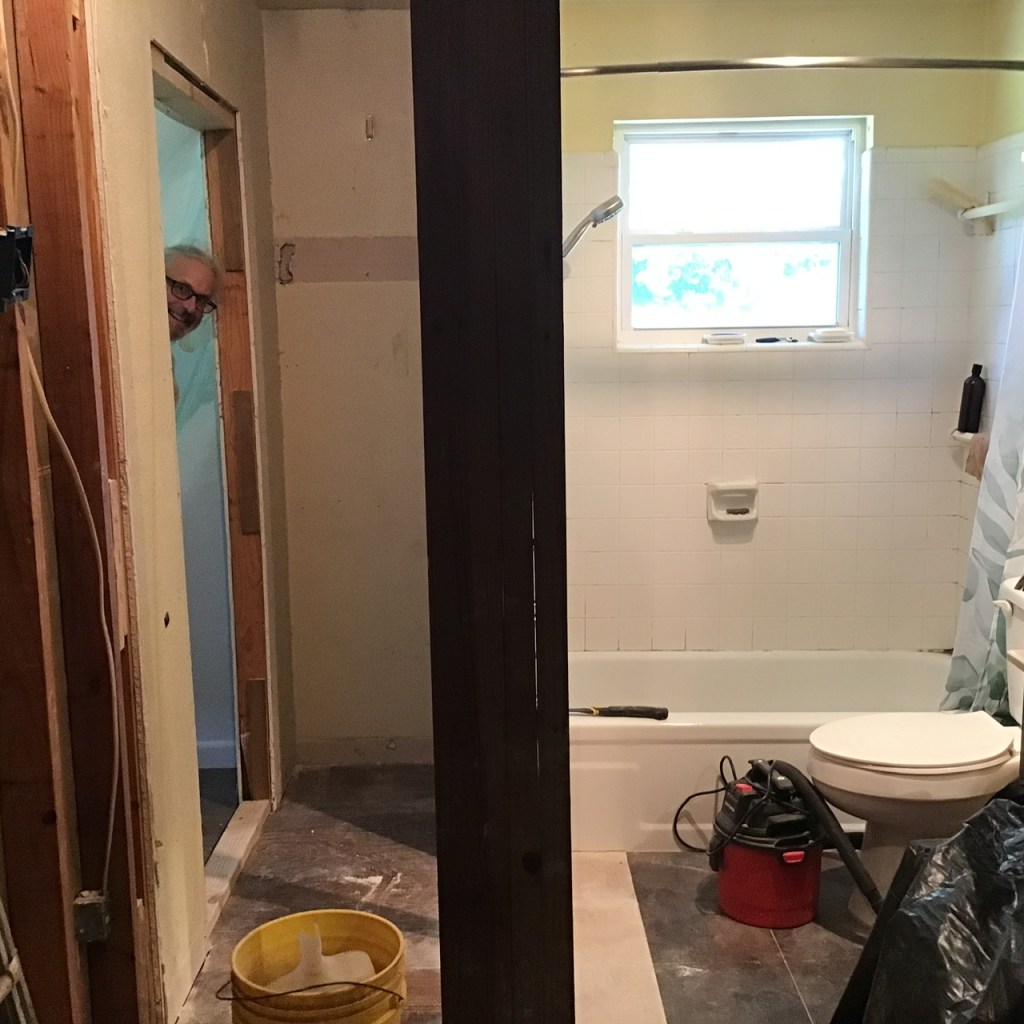
I’m so excited to share the before and after photos, someday. Until then, here’s what the deconstruction looks like.

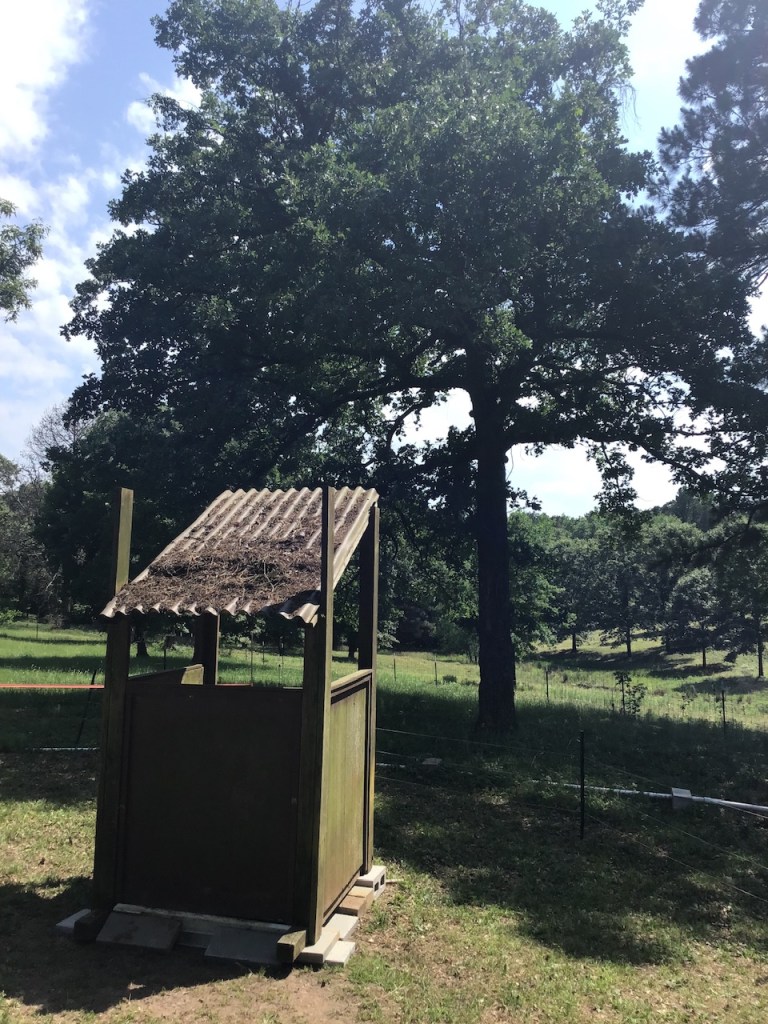
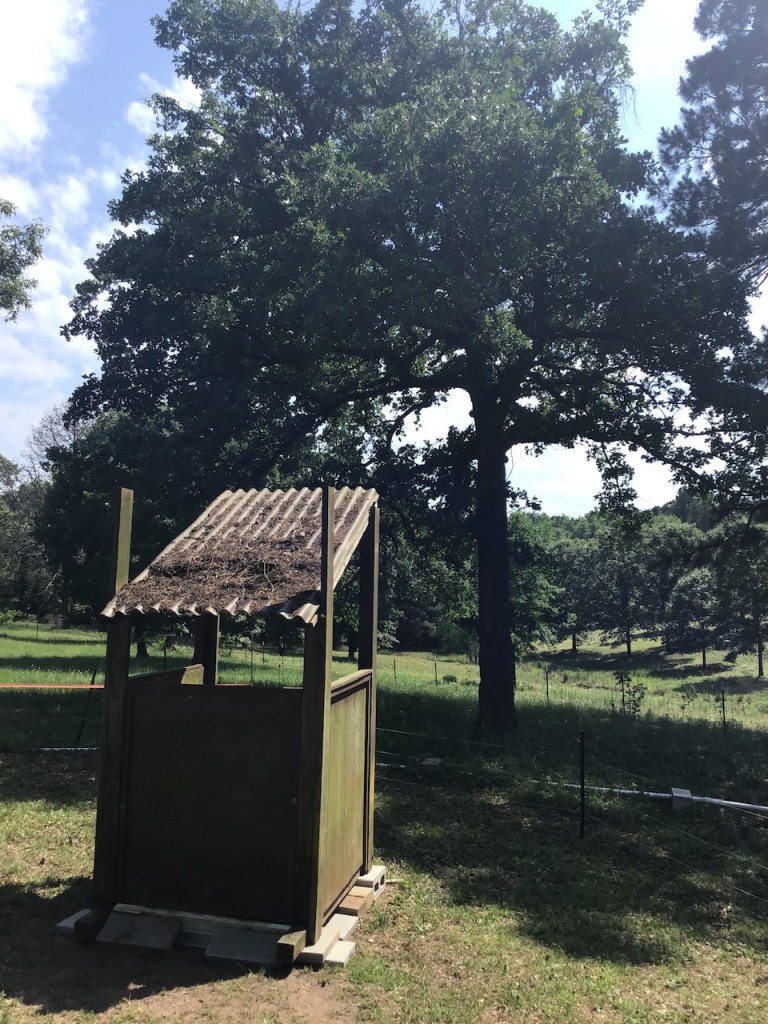
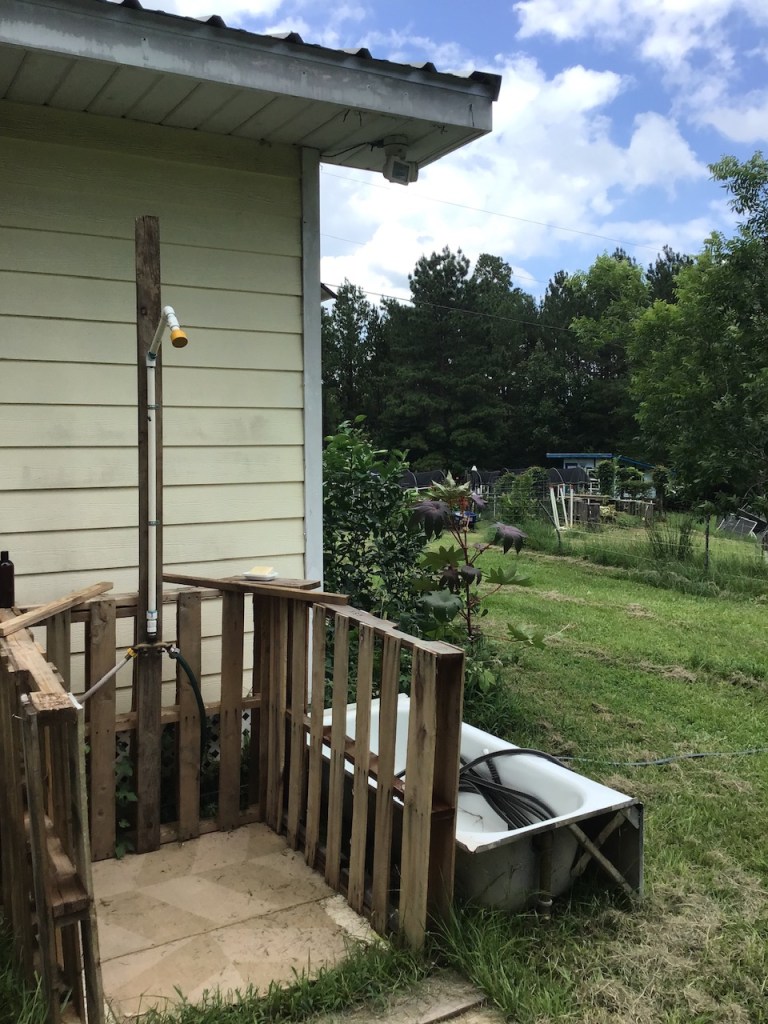
Our current facilities . . . I don’t mind the poop-with-a-view, and the outdoor shower is actually delightful.

How nice it is to smell the citrus blossoms and hear the birds and watch the bees while I shower!

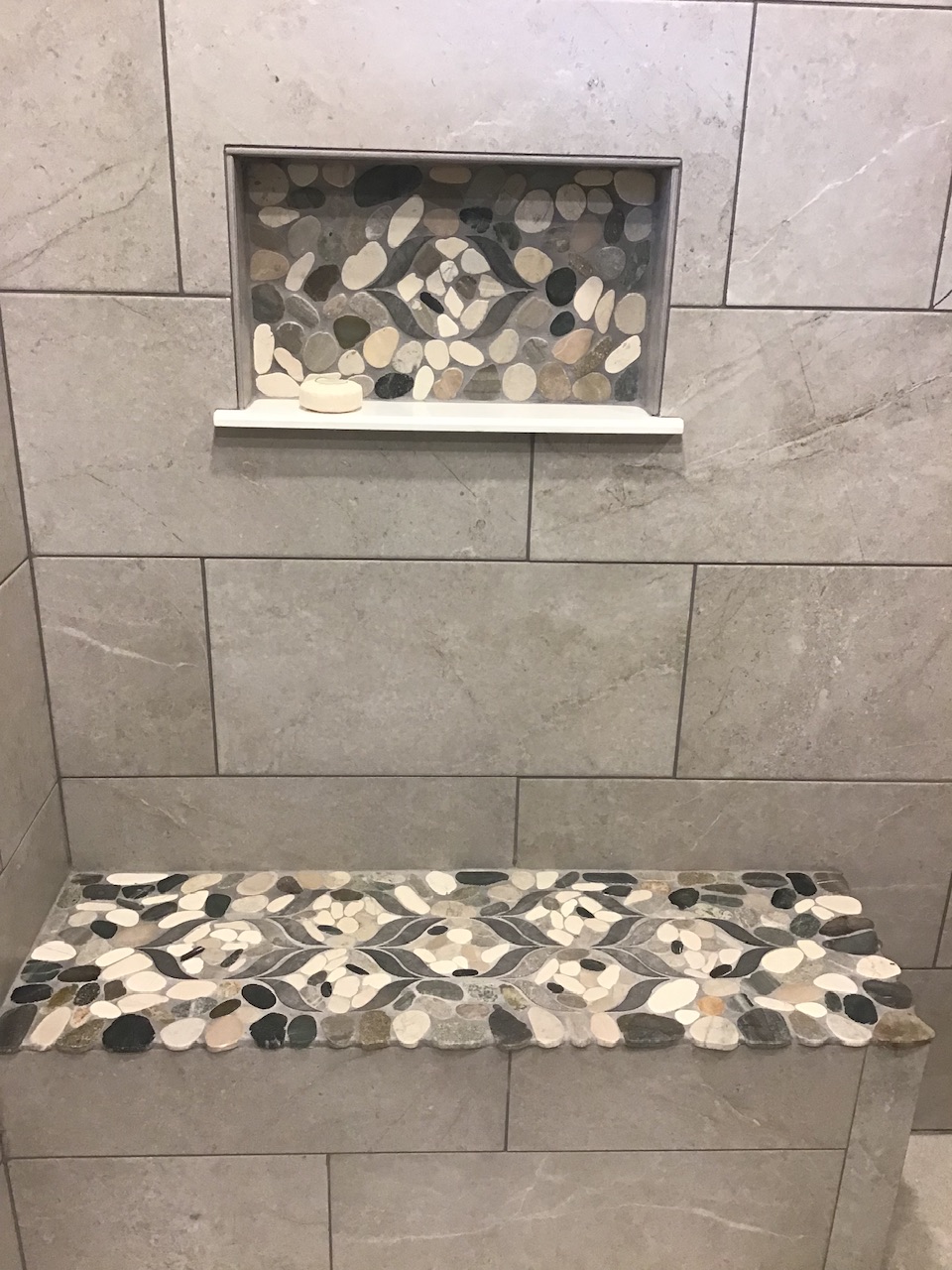
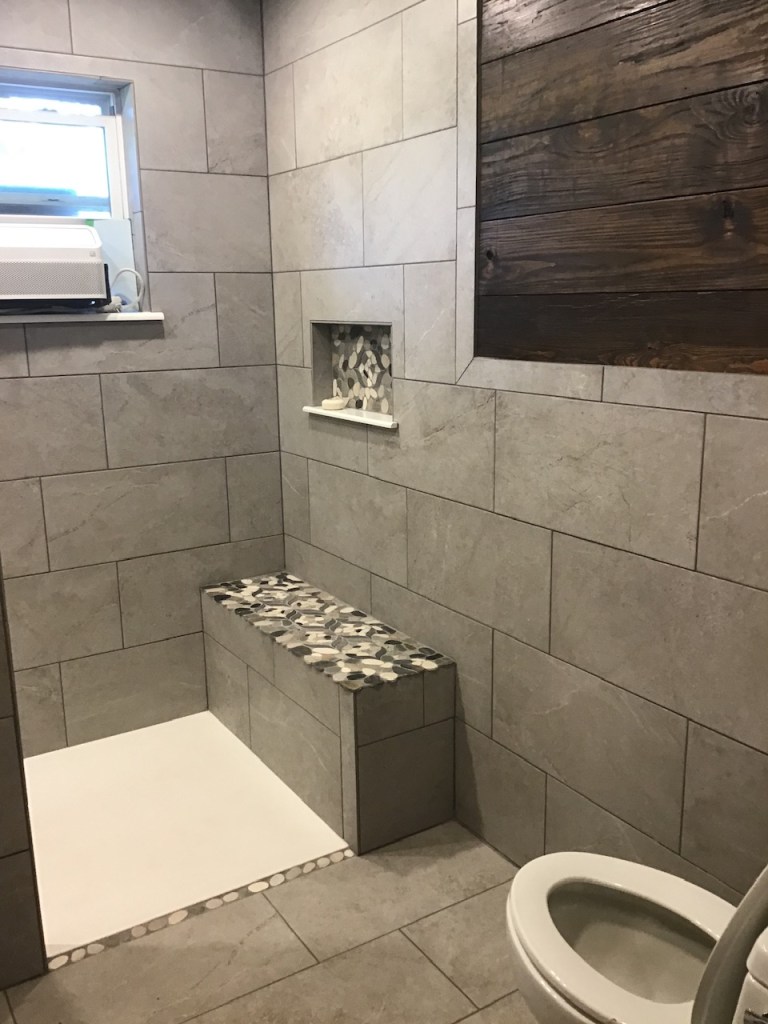
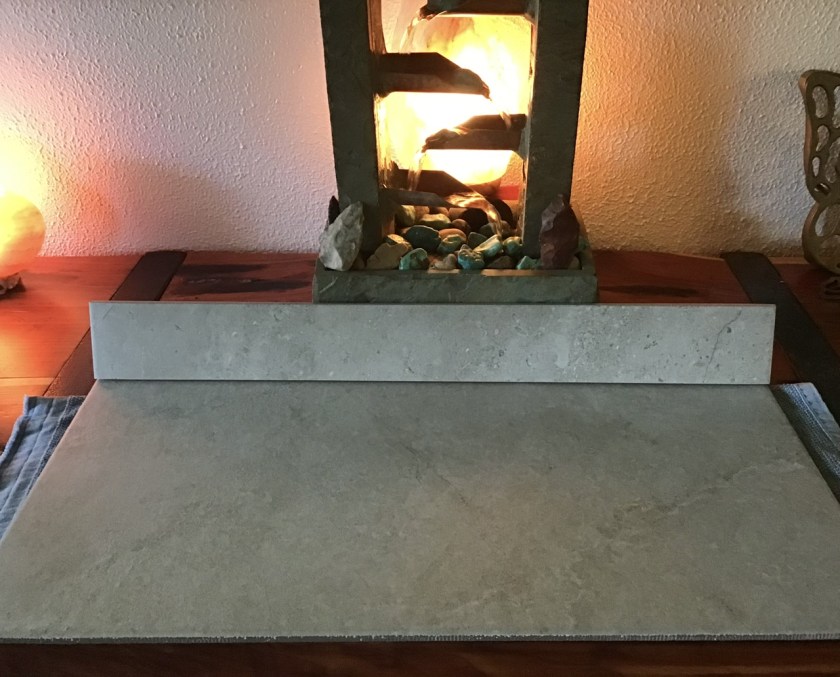
A sneak preview of the future tile for our imminent zero-threshold shower in our completely dirt-to-ceiling sweltering summer bathroom renovation.

How serene and lovely is my Zen water feature gift to myself for Hubby’s birthday!

Herbal Explorations: Chinaberry Tree


Melia azedarach

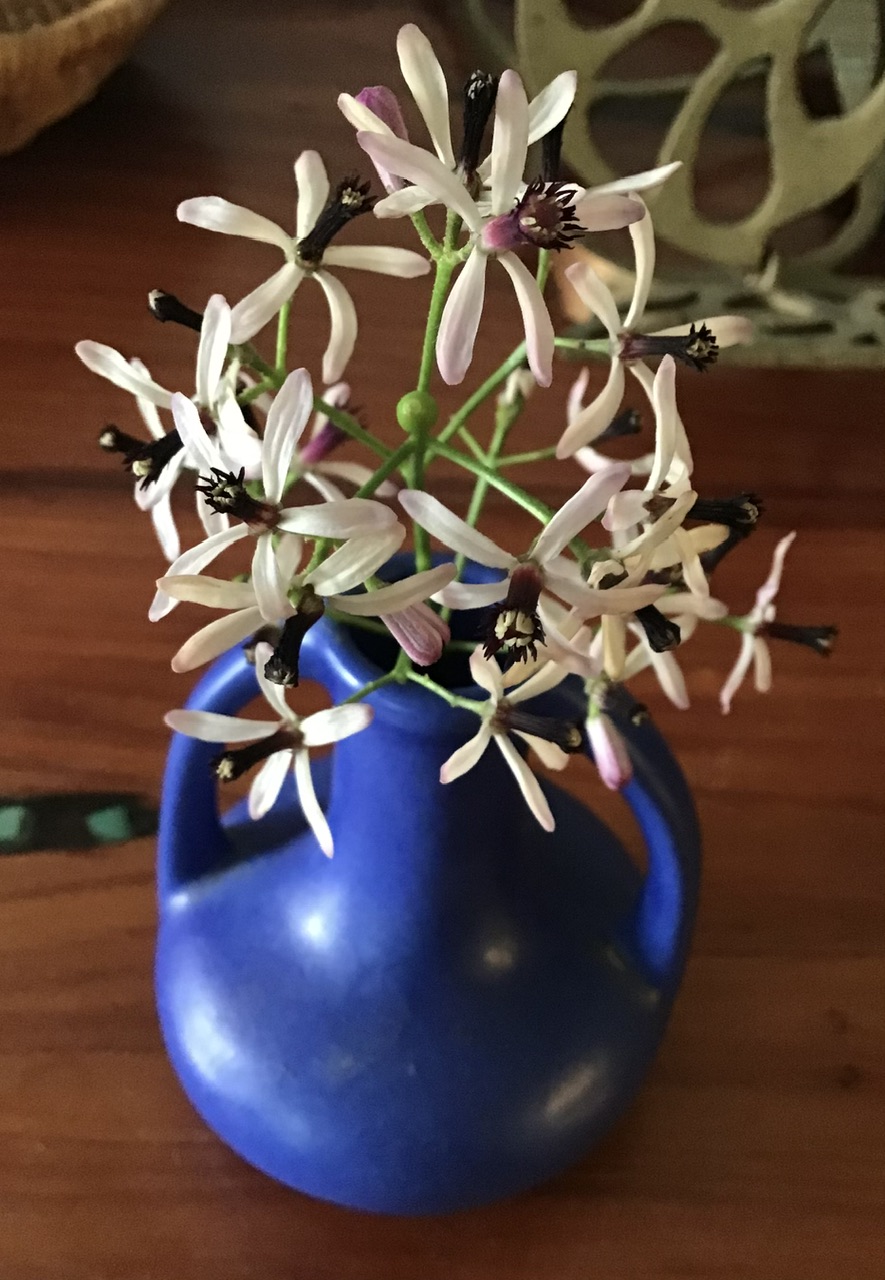
Persian lilac is my favorite of its very many common names. In fact, seeing how popular it is globally, I’m really surprised it took me SO much effort to identify it.

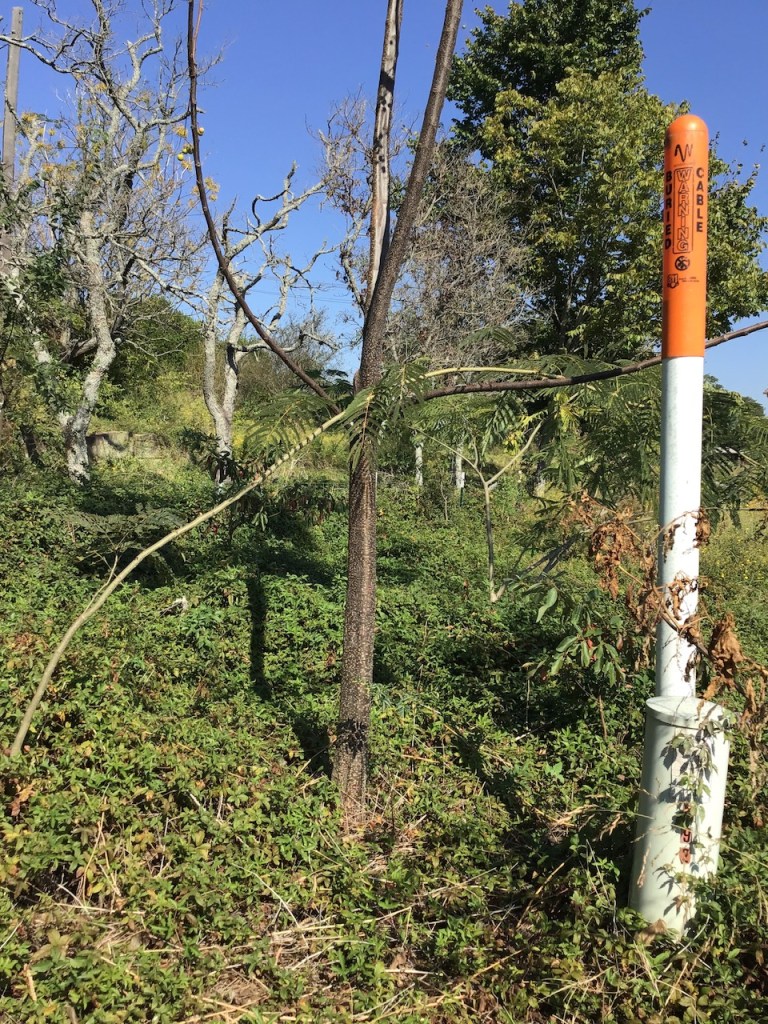
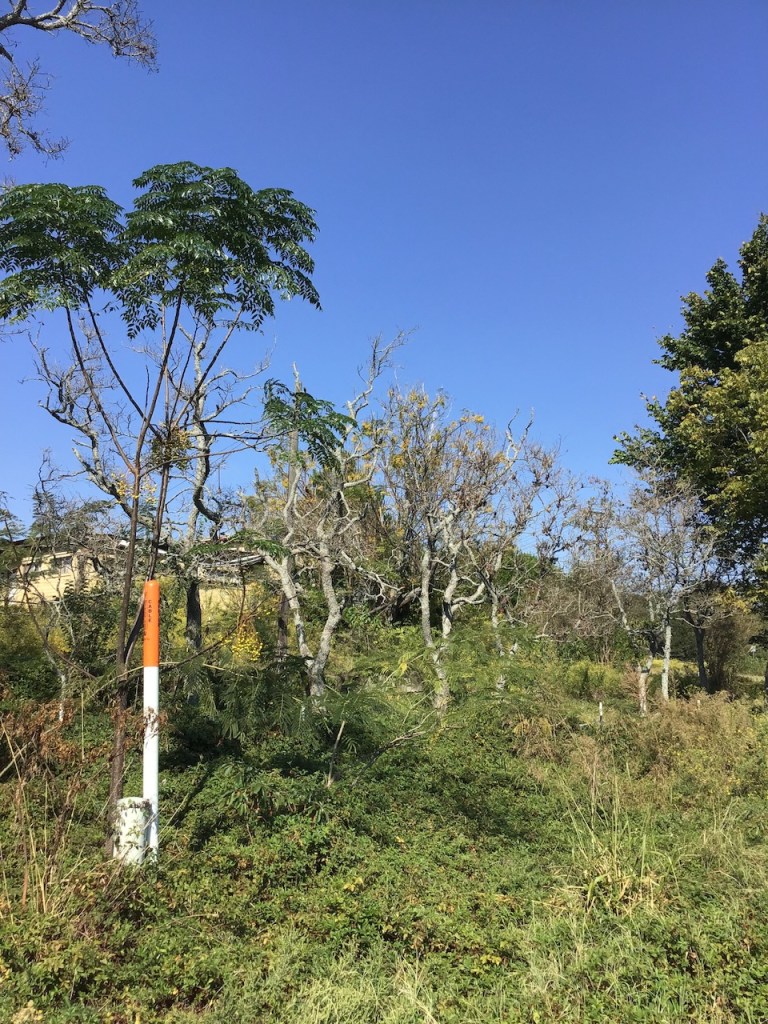
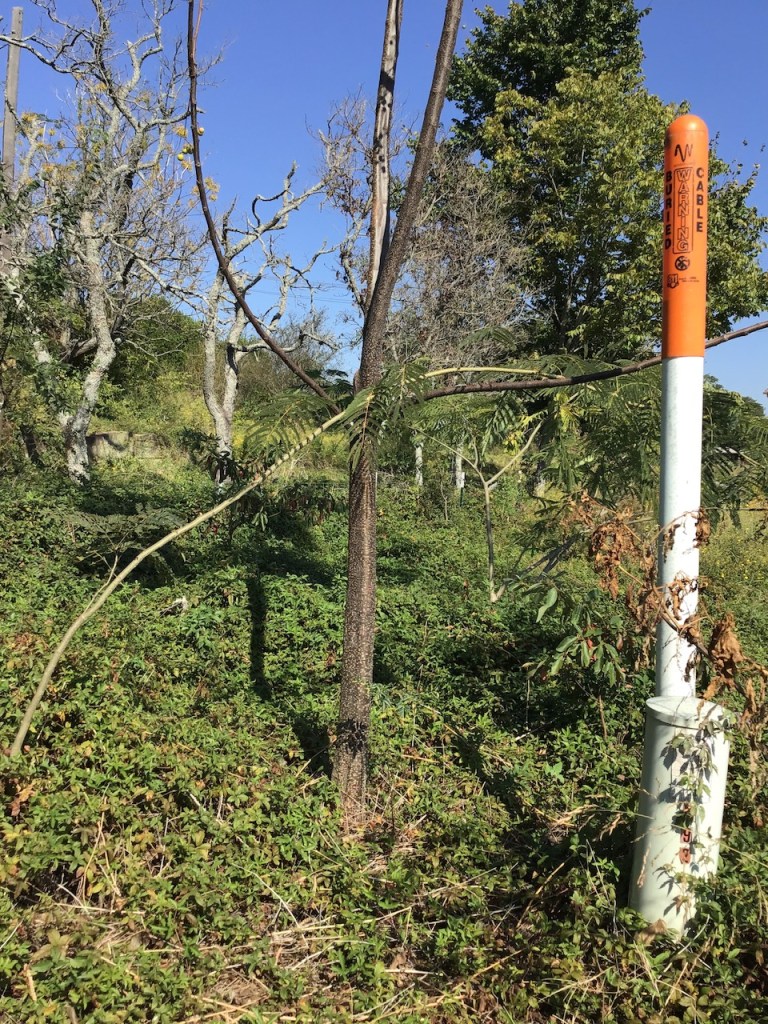
Located in an abandoned lot among several Mimosa trees and lots of very prickly bramble

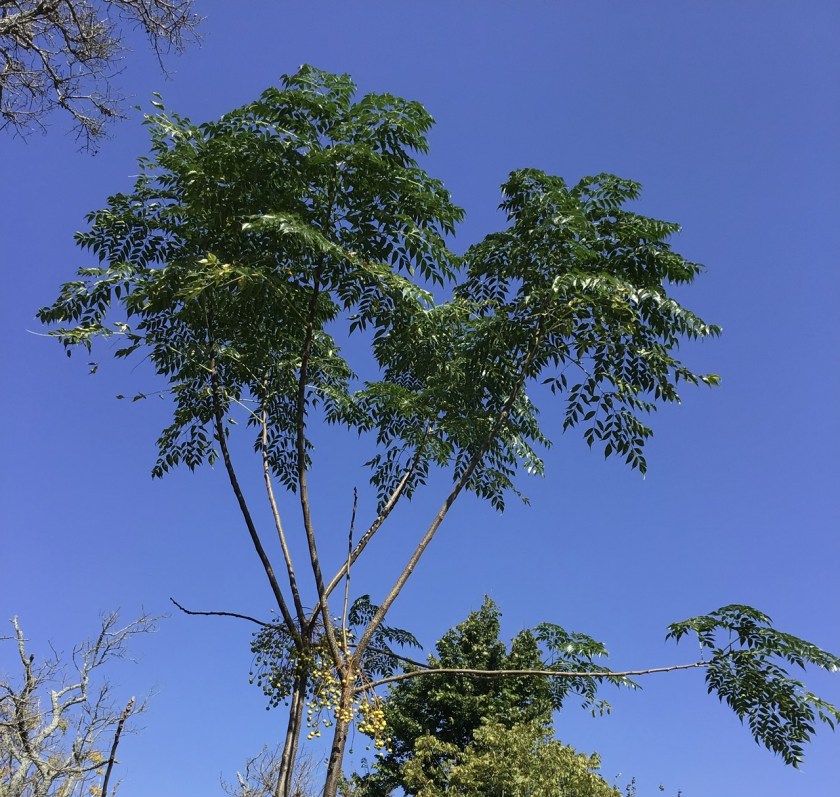
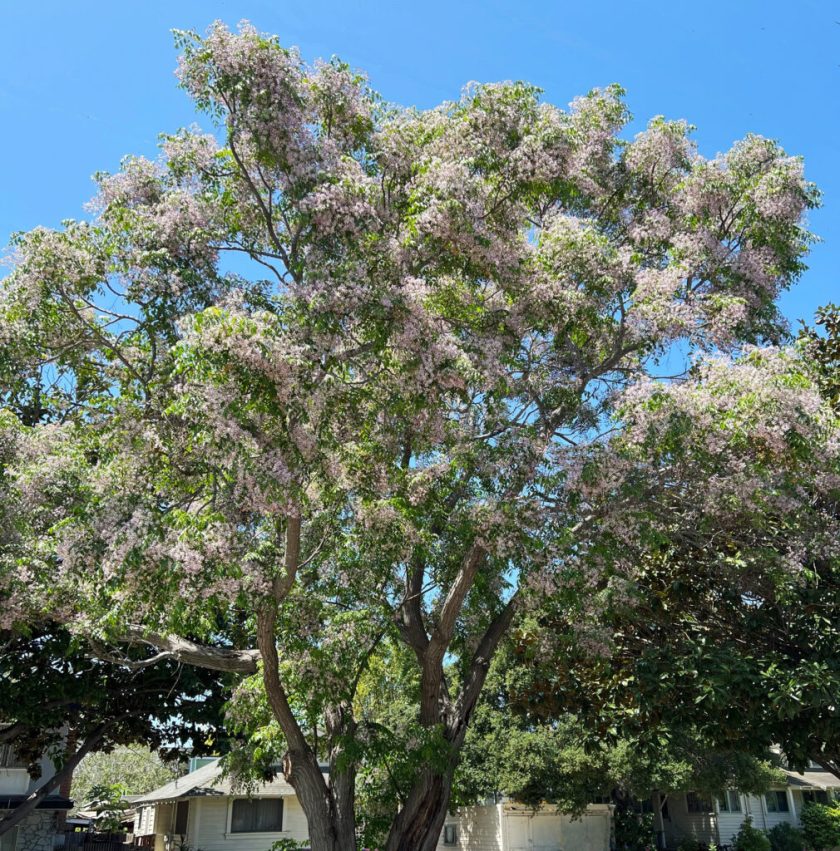
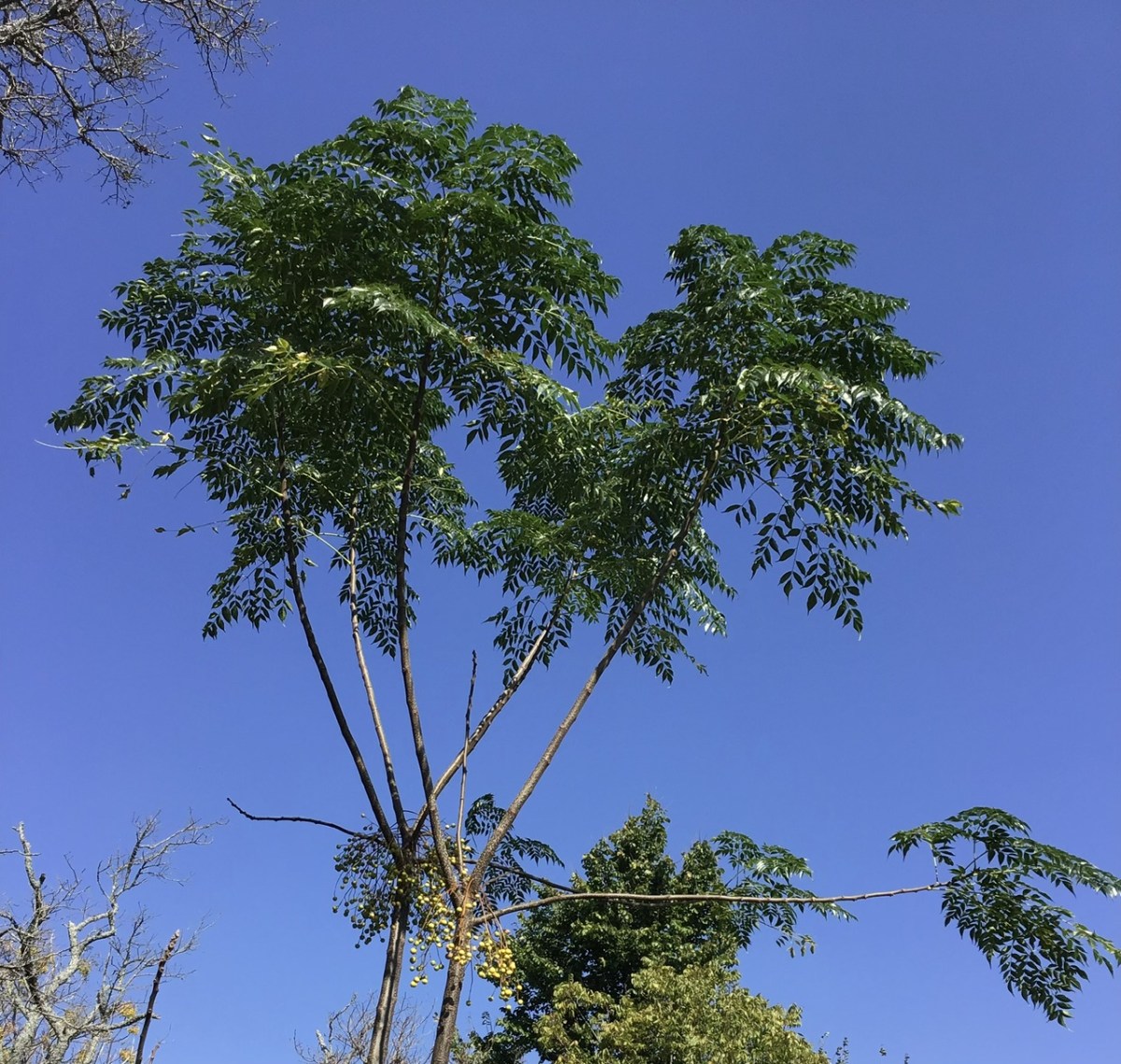
‘Free, or noble tree’ –I like that one, too. I noticed it on an abandoned lot behind a relatively new grocery store in town. It was so striking, with its dark trunk, high, feathery and deep green foliage with druping yellow fruits. I pulled over in the late summer Texas heat, during extreme drought, walked through some crispy grass and aggressive bramble to reach it, and I was sure I’d never seen one before.

Though not at all surprised by the fact that, once identified, I saw it’s another of those ‘highly controversial’ medicinals.

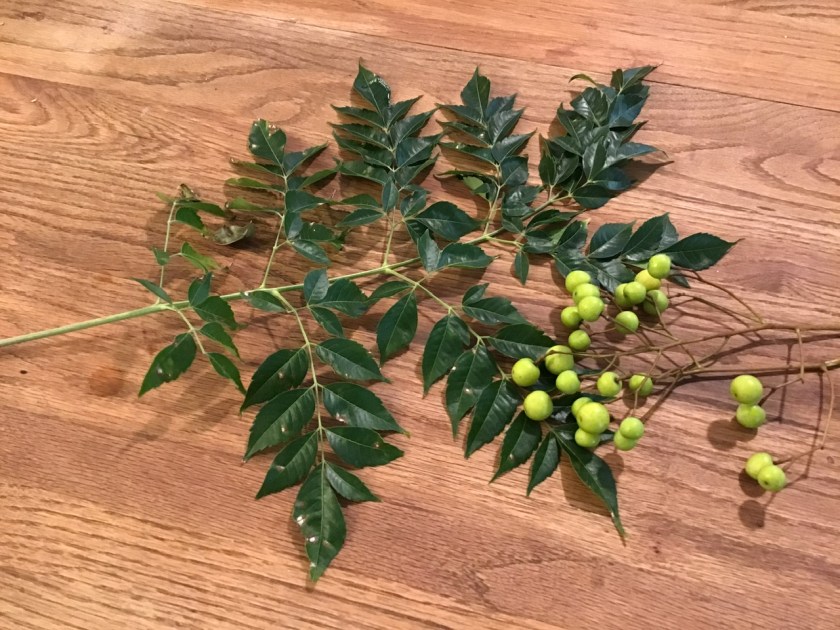
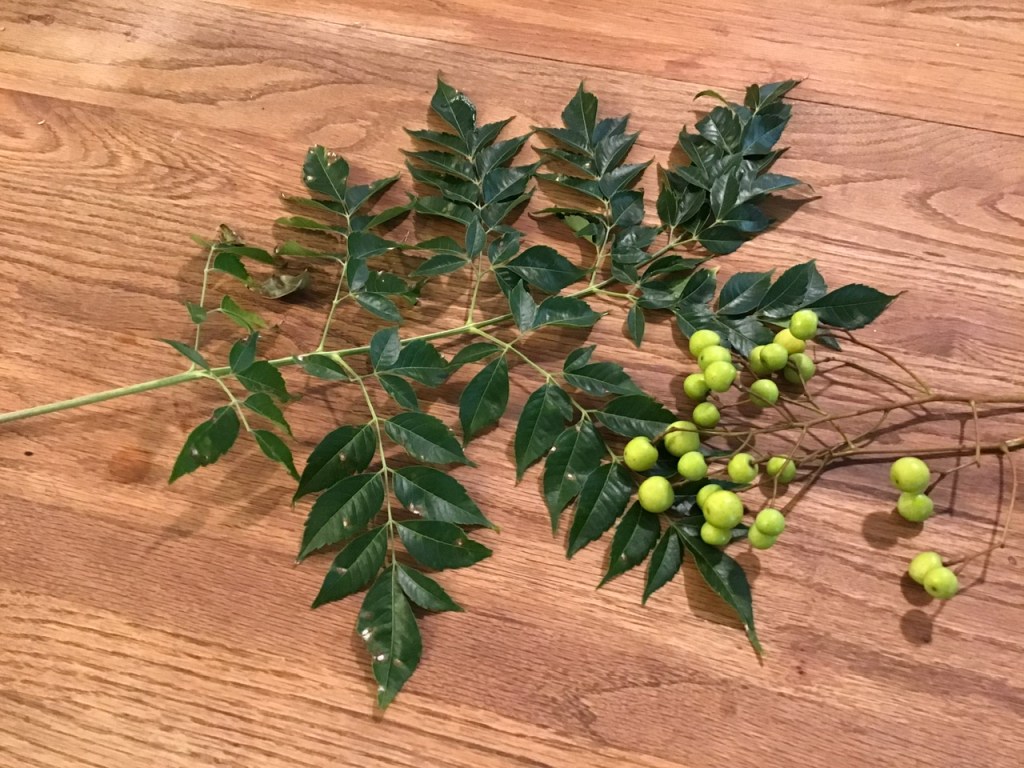
Melia azedarach, popularly known as the chinaberry tree, Pride of India, bead-tree, Cape lilac is a species of deciduous tree in the mahogany family, Meliaceae. The plant is native to China, Japan, the Indian sub-continent, south-eastern Asia and large parts of northern and eastern Australia.  Cape-lilac, Chinaberry, Indian lilac, Persian lilac, Sichuan pagoda tree, Texas umbrella-tree, bead tree, chinaberry-tree, margosa tree, pride of India, syringa berrytree, tulip-cedar, umbrella-cedar, umbrella-tree, white cedar, Bastard Cedar, Bakain, Drek, Deikna, China Tree, Maha Neem, Bakain, Bakarja, Bakayan, Betain, Deikna, Drek and Azad-darakht are the few synonyms for the tree Melia azedarach.  It is an ornamental tree with multiple uses. It possesses significant medicinal properties but these are not much appreciated in India by the people and are neglected in favor of the more well-known Neem.

The genus name Melia is derived from μελία (melía), the Greek word used by Theophrastus (c. 371 – c. 287 BC) for Fraxinus ornus, which has similar leaves. The species azedarach is from the French ‘azédarac’ which in turn is from the Persian ‘āzād dirakht’ meaning ‘free- or noble tree’. Melia azedarach should not be confused with the Azadirachta trees, which are in the same family, but a different genus. This tree’s fruit is poisonous to humans. Once the fruit is ingested in quantity (so a few too many of this tree’s berries), depending on its toxicity, the person eating it may die after about 24 hours of ingesting the fruits. Its flowers are a respiratory irritant and its leaves, bark, flowers and sometimes fruit are poisonous.

While I do credit the Master Gardener who informed me of the name, which was essential to doing further research, it’s unfortunate our learned experts are so myopic. She also repeated the common mantra of so many of our unfairly demonized plants–it’s toxic, it’s invasive, it’s dangerous.

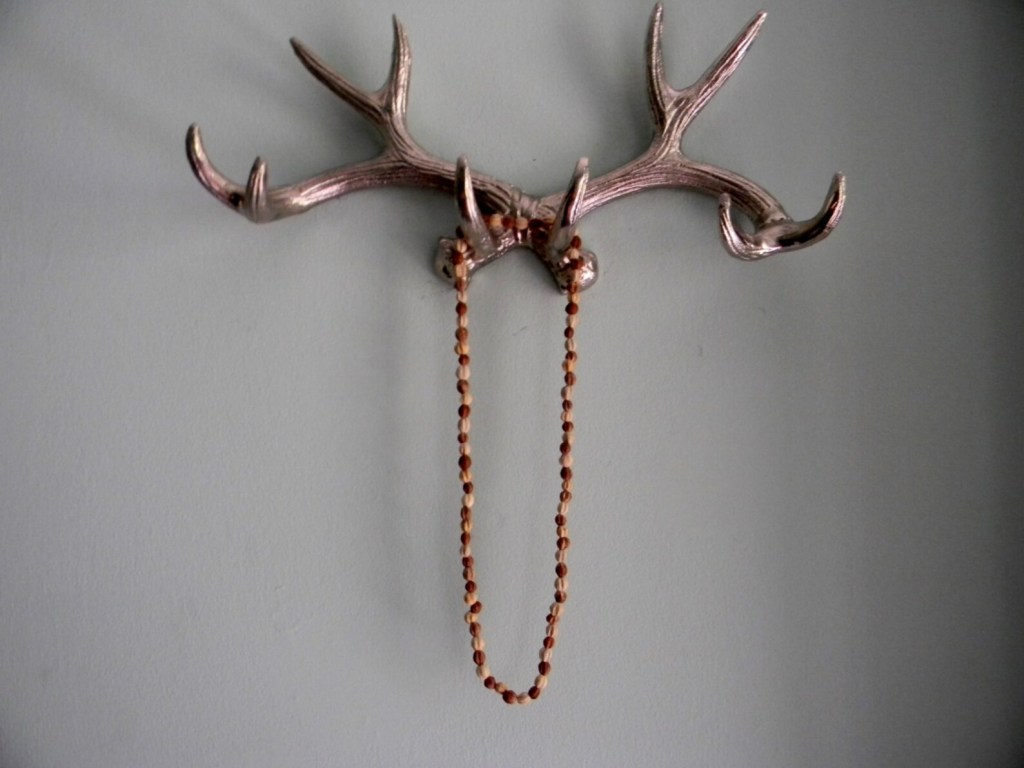
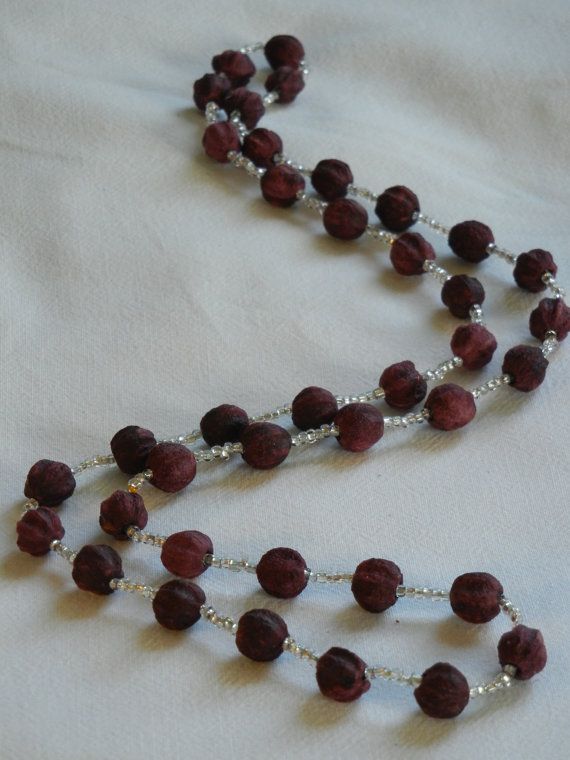
She said the berries are really sharp and children and pets can hurt themselves when stepping on them. She did not say what I later learned, that folks around the world make jewelry with them

It is also an ancient medicinal with many healing properties.

Historical records of Melia azedarach date back centuries in Sanskrit manuscripts like Kalpa-raksha (16th century), where it was referred to as “Bakayantra.” Ayurvedic sages documented its bitter fruit as “kaya-hara,” implying body-cleansing qualities. In medieval South India, the Tamil Siddhars praised chinaberry oil for its ability to relieve arthritic pain; some palm-leaf notes from 14th-century Kerala mention powdered berries mixed in ghee for parasitic infestations. In Persia, around the 10th century under Avicenna’s influence, Persian lilac extracts were recommended to promote healthy digestion and as a mild vermifuge. Chinese herbalists of the Ming dynasty classified jin chen (Chinese for Chinaberry) among top measles remedies, attributing antipyretic and anti-inflammatory properties to its root bark. Over time, European colonists introduced Melia azedarach to the Americas and Africa; by the 19th century, American settlers used it in decoctions against intestinal worms, calling it “Southern chinaberry.” Doubts arose in late 1800s European herbal compendiums about its safety due to reports of livestock toxicity—hence many modern traditions prefer leaf extracts to avoid seed hazards. Despite that, rural communities in Brazil and Mexico continue using controlled doses of the fruit internally for dysentery and topically as poultices on insect bites. Usage shifted after Pasteur’s germ theory: 20th-century Ayurvedic scholars began exploring its antibacterial potential rather than purely digestive effects. Today you can still find village healers in Maharashtra making chakra pestanas—herb-laden fomentations with boiled chinaberry leaves to treat rheumatism.

Melia azedarach in Ayurveda | Benefits, Uses & Healing Properties

As popular as it is I was twice given misidentifications by AI

Therapeutic Effects and Health Benefits

Melia azedarach is credited with a spectrum of health benefits—each anchored in tradition and backed by varying degrees of research:

  • Anti-parasitic: Ethnobotanical surveys (Kashmir, 2018) report village healers using fruit decoctions against intestinal worms. Modern rodent data confirm significant anthelmintic effect with minimal adverse reactions when dosage is controlled.
  • Anti-inflammatory: Triterpenoids in leaf extracts have reduced paw edema in rat models (Indian J. Pharmacol., 2017). Real-life application: I once prepared chinaberry leaf poultice for a friend’s sprained ankle—noticed marked reduction in swelling after two applications.
  • Antimicrobial: In vitro studies against Staphylococcus aureus and E. coli show up to 70% inhibition (Phytotherapy Res., 2019). Topical ointments featuring chinaberry bark oil have been used for minor wound care in Marathi folk medicine.
  • Digestive support: Bitter principles enhance gastric secretion. Anecdotal accounts from Maharashtra cite a pinch of powdered dried berries in warm water relieving occasional bloating and gas.
  • Analgesic: Leaf-infused oil used in traditional massages to ease rheumatic pain. Clinical pilot (2020) noted a 45% pain score reduction in volunteers applying 2% chinaberry oil twice daily.
  • Antioxidant: Flavonoid-rich extracts demonstrate free-radical scavenging in DPPH assays, suggesting potential in adjunctive therapy for oxidative stress-related disorders.

Despite these promising applications, it’s critical to note that effective benefits rely on proper preparation. In raw or high-dose forms, seeds can be mildly toxic (contained saponins). Documented case reports (J. Med. Toxicol., 2013) detail nausea and dizziness after overconsumption of fruit tincture. Hence, therapeutic use demands precision in extraction and dosing.

Melia azedarach(Traditional Chinese medicine)_Baiduwiki

Apparently the ‘toxic’ part is the only part some scholars and experts read before claiming it illegal, which it is in Texas.

And of course that it is supposedly ‘invasive’. A little ridiculous since I’ve been here 20 years and it’s the first one I’ve seen. Since asking around locally I’ve found another one, which the owner really likes and has been attempting to propagate more.

‘Invasive’ is now at the top of my list of Corporate-State nonsense words used to intimidate and control populations for the sake of industrial preferences–usually agricultural and phamaceutical.

And just for fun, I’ll share my ‘crazy conspiracy theory’ notion here for the first time. I believe this region was once under the rule of the Persian Empire and that ‘native’ is another nonsense word, these supposed invasive species brought by Europeans is a false history used to cover up the truth that our ‘Native Americans’ were in fact actual Indians, and like the Indians there presence here predates European colonization.

Chinaberry is on the Texas Dept. of Agriculture’s list of Invasive Plants which are illegal to sell, distribute or import into Texas.

How to Eradicate

For information on how to eradicate this invasive, view our statement on herbicide use and preferred alternatives for invasive plants.  

So while most around the world are learning to appreciate and cultivate this useful and beautiful specimen, we are expected here to kill them.

Melia azedarach – Native Plant Society of Texas

Chinaberry is most invasive in riparian zones or disturbed sites. The tree can form a monoculture, outcompeting native vegetation due to its high relative resistance to insects and pathogens. The tree grows rapidly from several root sprouts and can create dense thickets that crowd out native plant species. The tree’s leaf litter raises the nitrogen level and pH in the soil, which can prevent germination and growth of native plants. Chemicals in leaves inhibit insects’ digestion. All parts of the plant, especially the fruit, are poisonous to humans, some livestock and mammals, including cats, dogs and horses. Cattle and some birds can eat the berries without harm.

For more technical research into Melia azedarach

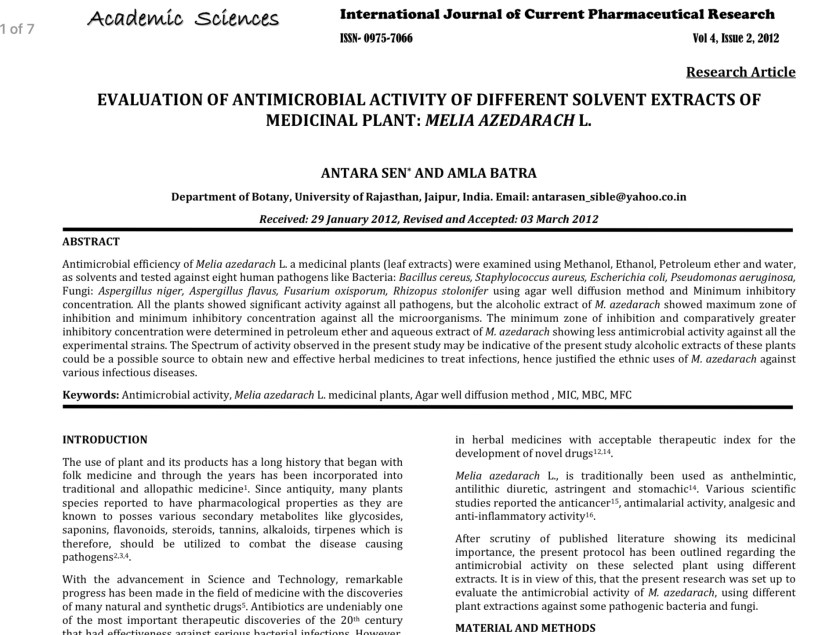
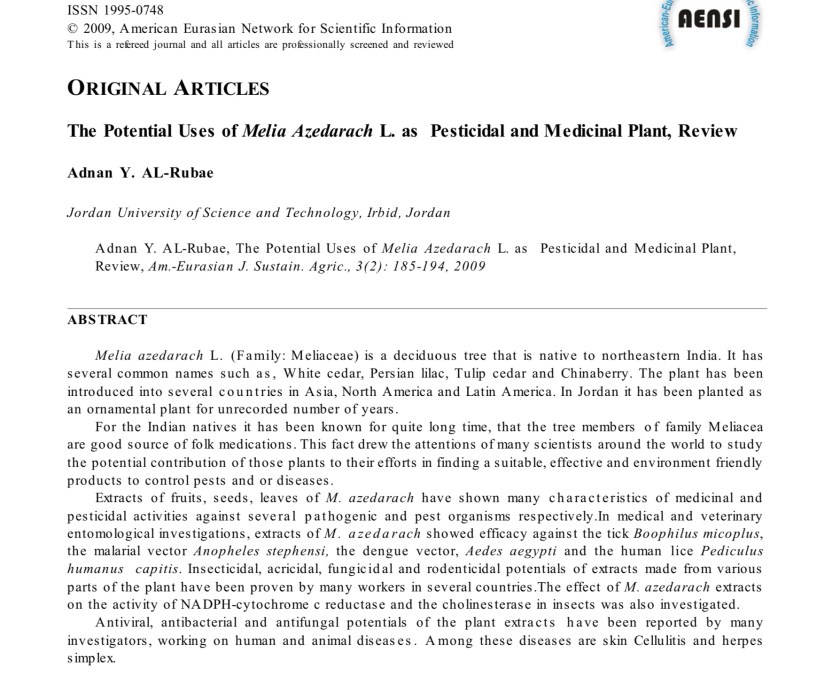
https://www.researchgate.net/profile/Dr-Dharmendra-Arya/post/what_is_the_best_method_to_extract_and_evalute_the_antimicrobien_activity_for_calotropis_procera/attachment/5bbcf9153843b006753d80db/AS%3A679895759851521%401539111189704/download/EVALUATION+OF+ANTIMICROBIAL+ACTIVITY+OF+DIFFERENT+SOLVENT+EXTRACTS+OF+MEDICINAL+PLANT+MELIA+AZEDARACH+L..pdf

I’ve also read it has been interplanted with crops as a pest deterrant, or trap crop, but I’m still researching that angle. It seems the bias against this tree in the south-east U.S. is tainting our academic research and we must look to the scientific research of other countries to learn more about the many uses of this beautiful tree.

http://innerpath.com.au/matmed/research/Melia%5Eazedarach.pdf
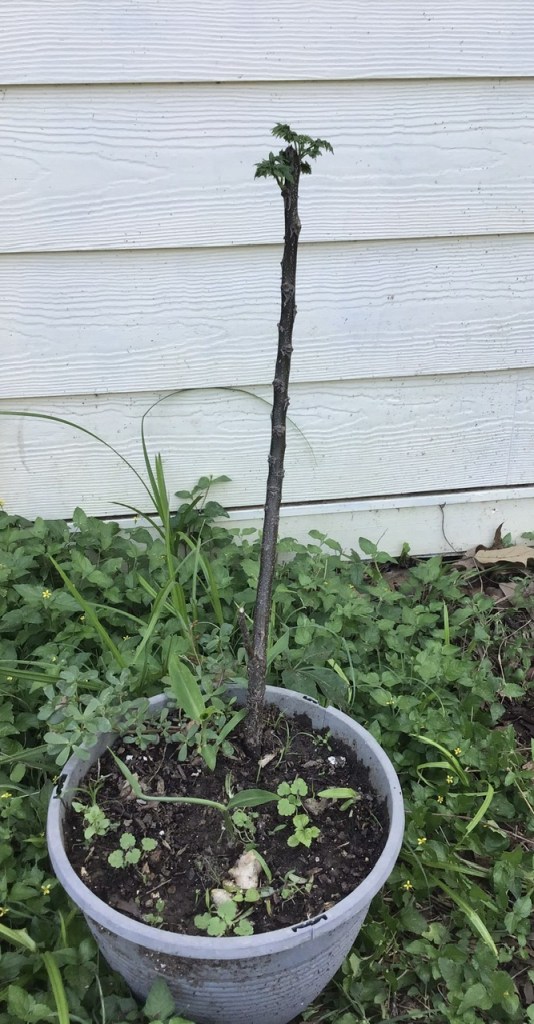
My little Chinaberry foraged/stolen from the abandoned lot where I first fell in love with it.

It’s the Mindset, Stupid

I nearly made the same mistake with the Chinaberry tree as I did a decade ago with the Mimosa tree.

I must make even greater efforts to De-institutionalize my mind.

It’s like with the official Farmer’s Market, in the small city 40 minutes away, which grows along with the city, but doesn’t get any better, because there aren’t enough farmers and there are too many regulations.

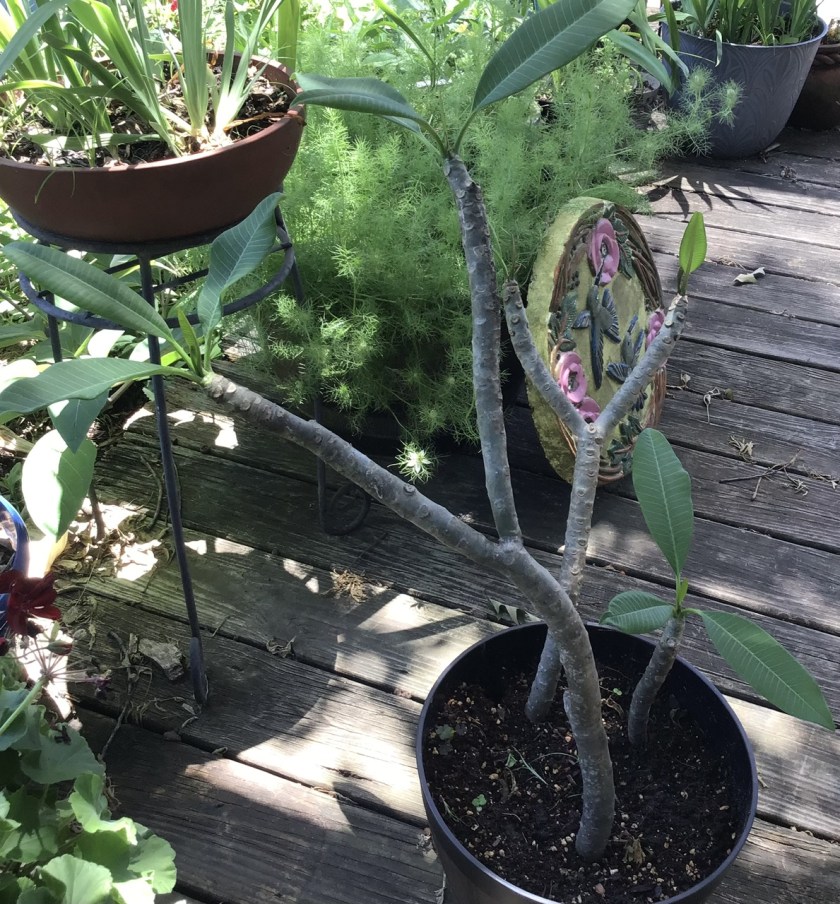
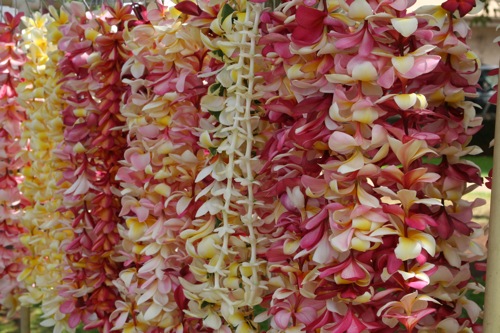
A treasure from a local plant swap now starting to bloom, Plumeria, how exciting!
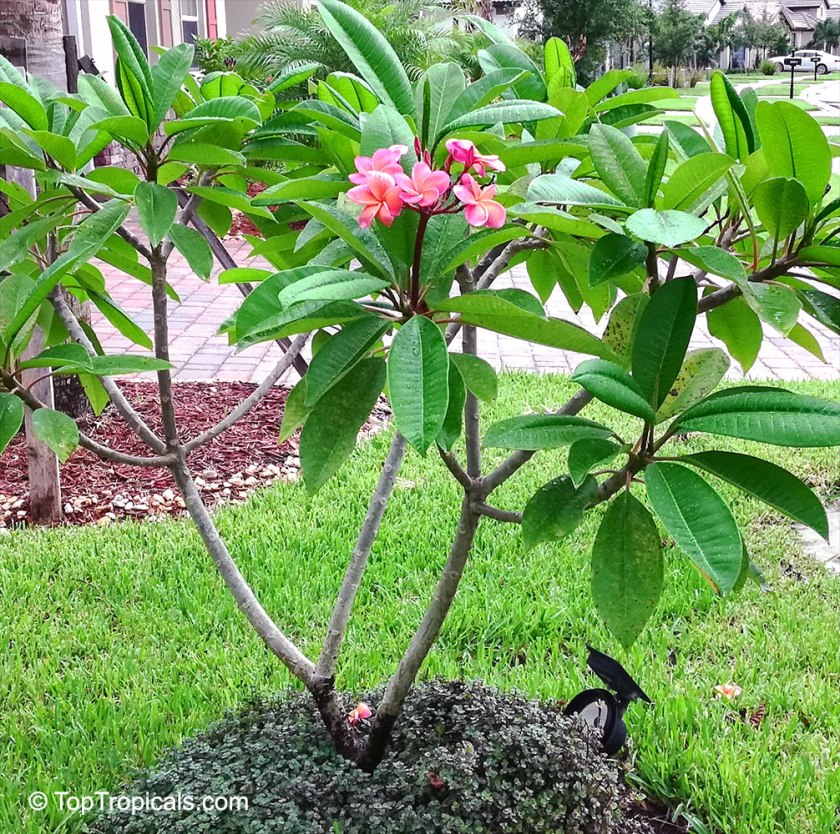
how it will hopefully look one day! It’s the tropical delight used for making leys in Hawaii, with a delightful fragrance.

Meanwhile the very localized, small, rural events have been well worth the time. At one we got several new plants I’m still excited about.

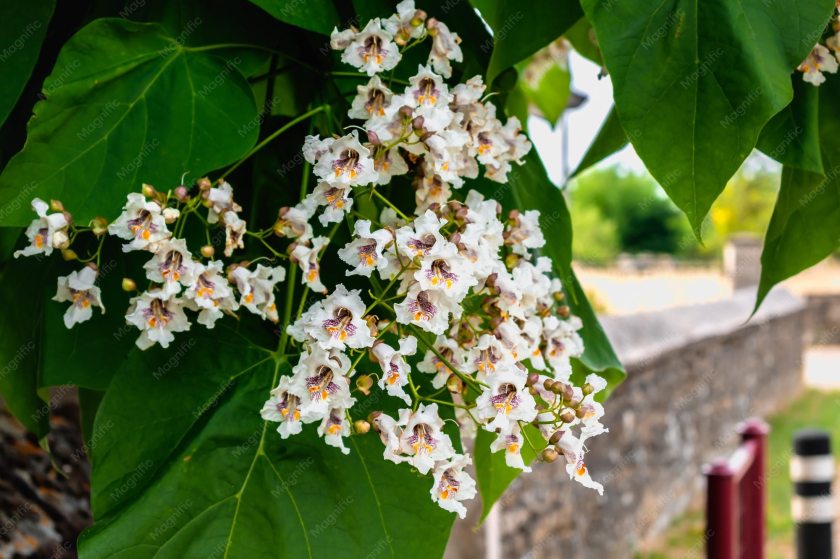
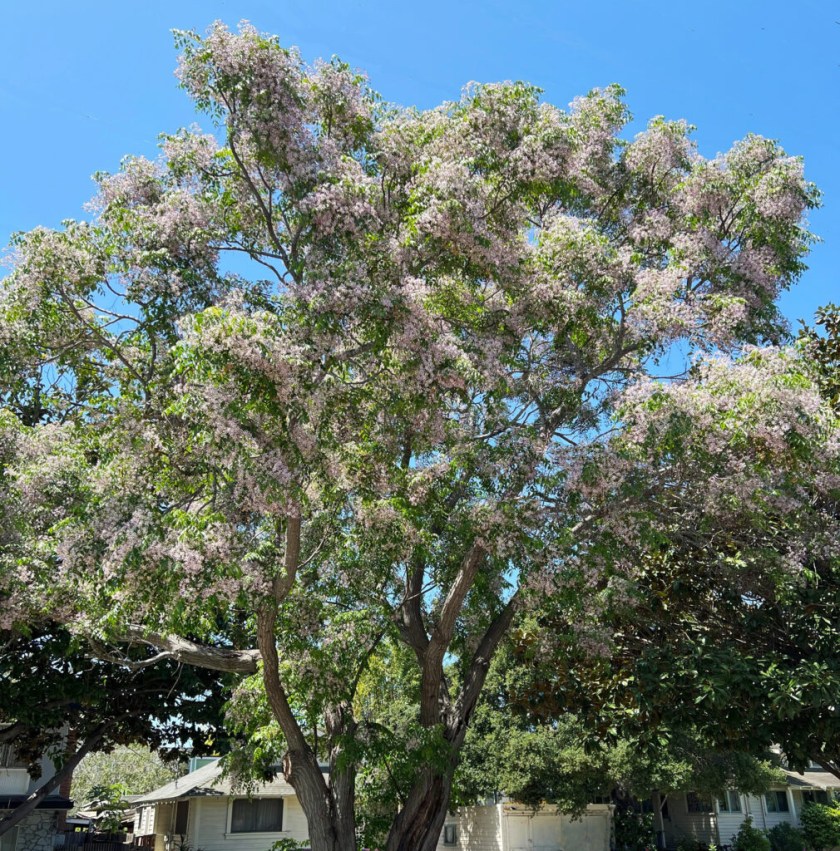
Catalpa tree is another I’ve been longing to grow, but only found available through a local swap.

Catalpa blossoms, the ‘worm tree’ as it’s called in these parts I’ve just learned from a local angler

And at another we ate better tacos than we’ve had in years. And at the last one I gave away lots of cheese, because I’m still too apprehensive about selling or even bartering it. Giving it away to strangers felt a baby step closer to that potential future possibility.

So it goes with the Chinaberry, too. At least this time I didn’t waste an entire decade believing the official nonsense that these trees are invasive and toxic and in the case of Chinaberry, even illegal.

But I did still waste almost a year, and that’s why I’m complaining now.

I’m disappointed with myself. I thought I knew better by now. But damn if old habits don’t die hard.

It’s not the same story exactly, but it sure does rhyme, and the refrain harkens back to a very common problem, not just my own.

I still did not trust my instincts, wisdom and preferences quickly enough.

Put into perspective, and relatively speaking, I have come a long way. I’m much better than I used to be and considering I know folks who still think vaccines are safe and effective, I could afford to be a bit more self-forgiving.

But I’m not getting any younger and time’s a wastin’! Trees don’t grow overnight, you know!

My little Chinaberry foraged/stolen from the abandoned lot where I first fell in love with it.

Instead of spending that year trying to identify the tree and wasting lots of precious time, I should’ve said at first sight–I love it, I want it, I will have it.

There is something magnificent about that speckled mahogany bark, those tropical-looking yellow berries, the glossy deep green foliage surviving even in drought in the dead of summer, that sleak curve of the trunk and the little grove it’s trying to form. I must have it. Pure instinct.

Instead of trying to germinate the berries, which is so much more challenging with many trees, I’d have taken cuttings right away. Instead of going to official sources, online and through various experts and professionals, I’d have gone to the most local source I could find, folks living in these parts for many generations.

I was given wrong identifications online, and from our university extension service that is the Master Gardeners, the usual Corporate-State fear propaganda of ‘invasive’ and ‘toxic’ and unsafe.

Because if they don’t sell it at Walmart or Lowes, it’s got to be bad. Because if it’s an ancient medicinal, it’s got to be poison.

They think they mean well, I suppose, sometimes.

But othertimes I think nope, not at all. They don’t mean to do well at all, they mean to stay compliant with the authorities. They mean to collect their paychecks and their pensions. They mean to think themselves well-meaning without ever examining themselves.

When we first came here and first becoming gardeners and stewards of this land, I vowed beyond our veggies I’d grow only ‘native species’. I didn’t know any better and that sounded to me like an admirable approach to a new venture.

I now think the term ‘native’ is itself highly suspect and what’s considered ‘invasive’ is highly relative and shifts with the breeze of the current oligarchy.

I will be satisfied when my intuition (I want that tree!) trumps my logic (what’s it called?) at the speed of the mind of a 3-year old.

It really is about the mindset, but not in the relentless Positivity sense of ‘everything is possible’ of the pop psychologists paid to entrain us to the status quo, but rather in the learn to Trust Yourself First mindset. Even in baby steps, even prolonged over decades, even against the tides more often than not.

No, not everybody, but enough to make it miserable for the few malcontents who just want to be left in peace and who care for truth and beauty over comfort, convenience, or malignant and uniformed collaboration.

Next post, all about the splendid, but illegal in Texas, Chinaberry tree.

Illegal beauty

Homestead Happy Snaps

That’s all this post, just some photos I like with a bit of commentary.

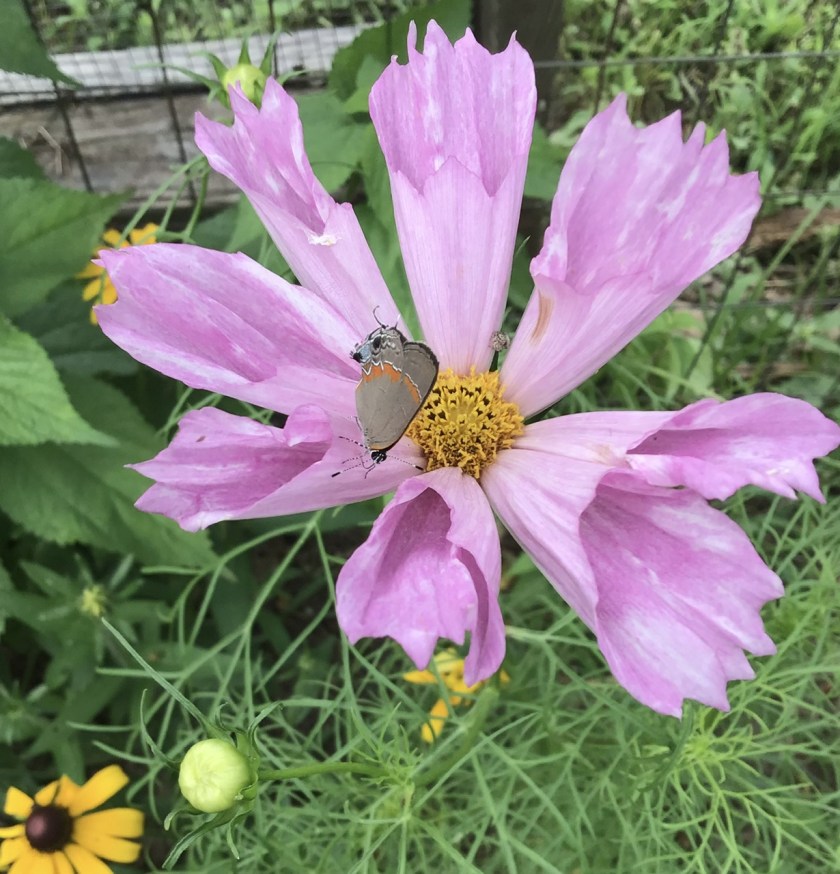
My first year growing Cosmos and I’m loving them!

I started to look up what sort of moth this is enjoying the Cosmos and I stopped myself. I’d like my first impulse to evolve from always wanting to name and label and define, often before I even truly and deeply experience. I think that chimes back to the old adage, ‘Stop and smell the roses.’

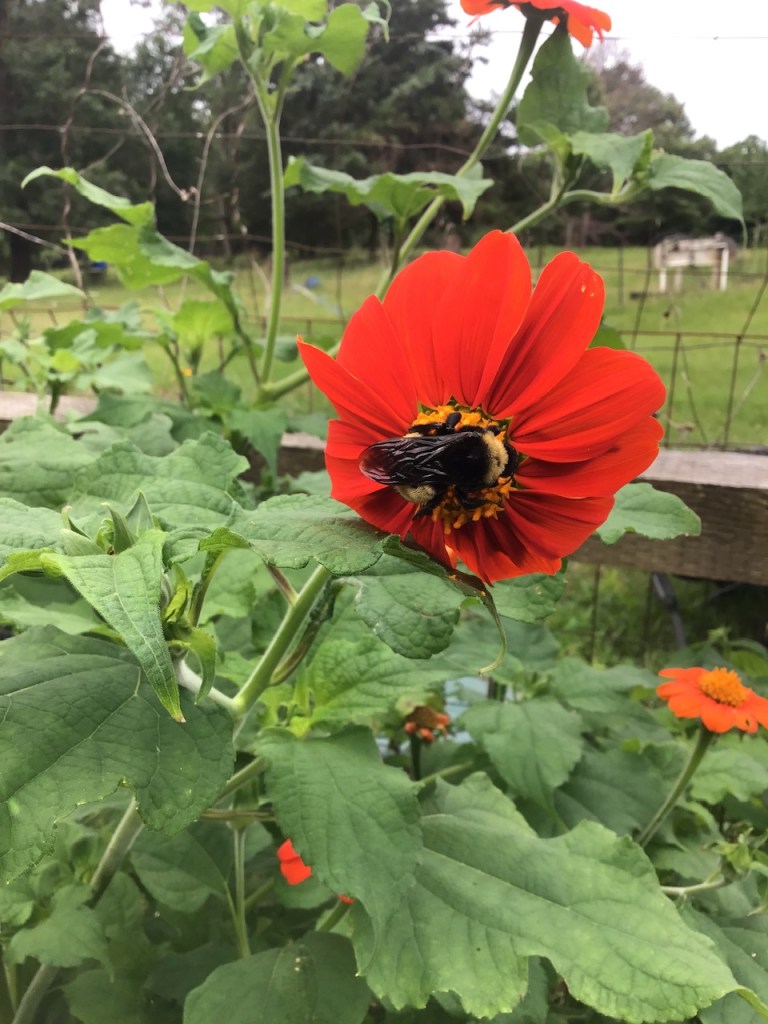
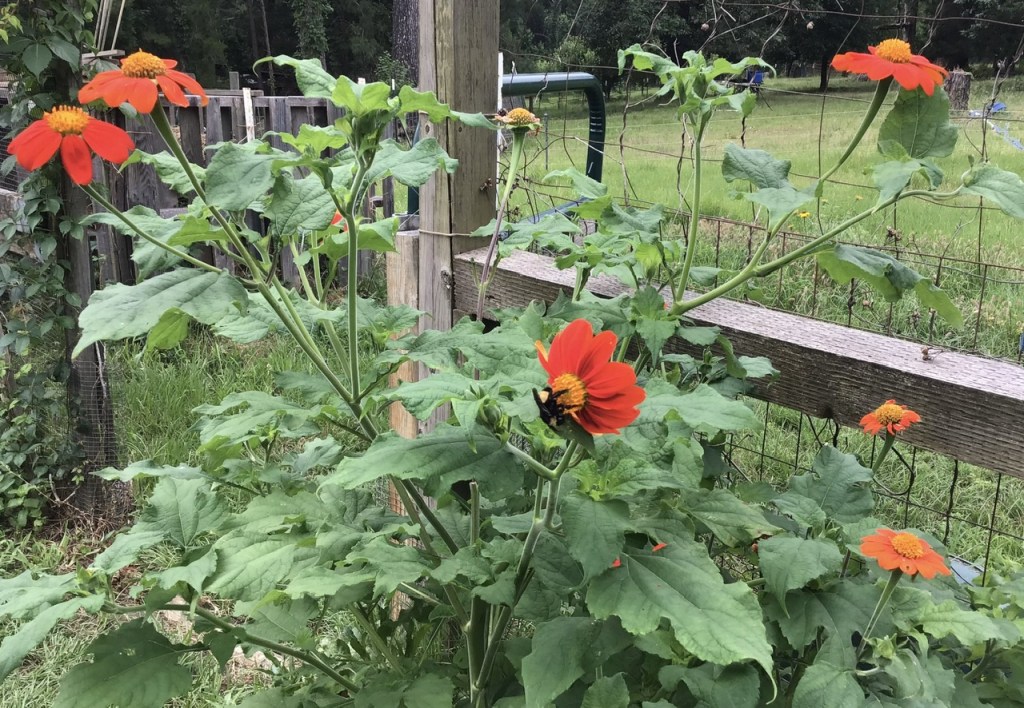
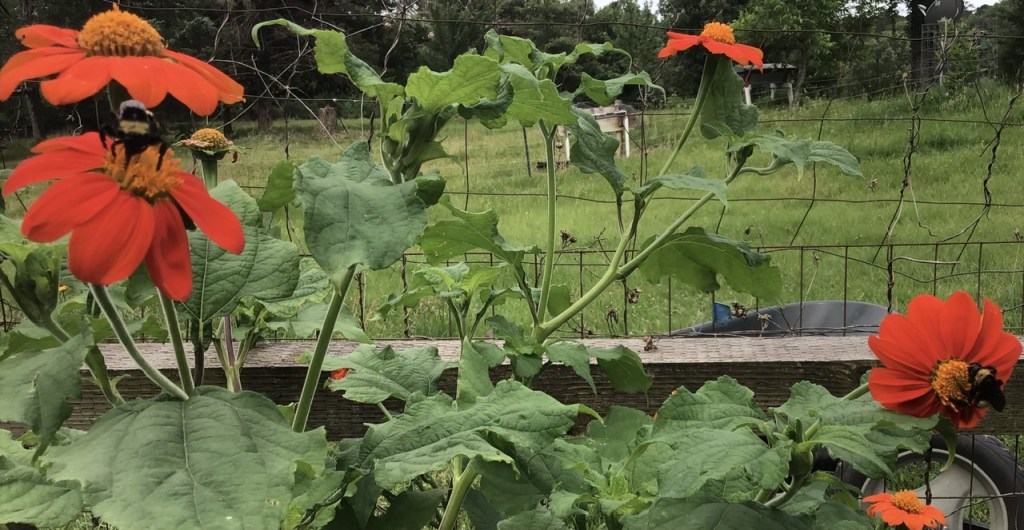
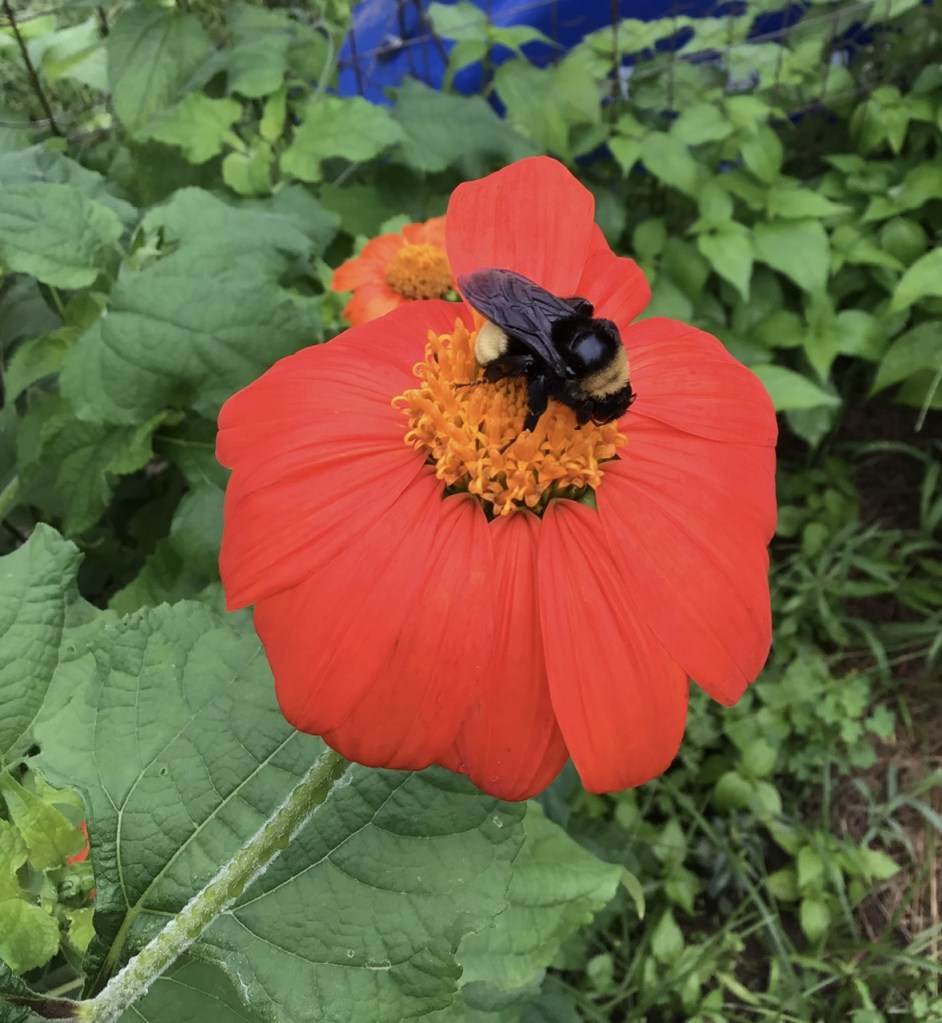
Another first flower for me in the garden–Tythia Mexican Sunflower–my how the bumblebees are loving it!

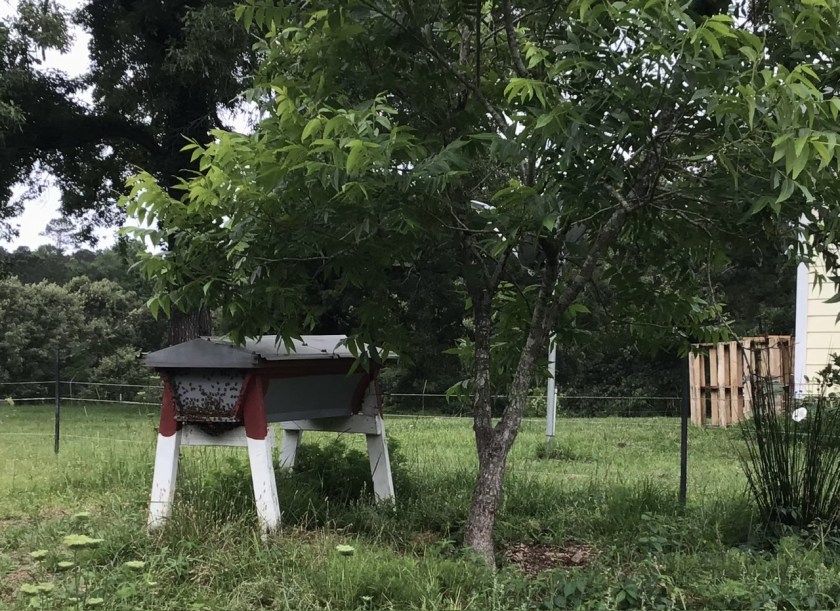
Our bees are remiss to allow me to split them lately, even though they appear to need more space.

In years past I’ve complained I have too little dill to last the year and it bolts so quickly in the heat. This year I swung in the opposite direction and have so much I don’t know what to do with it all.

We agreed to have an easier garden seadon since we are very busy remodeling the bathroom, which has already grown into remodeling the 2nd bedroom/office/cheese room/seedling space, but somehow that never works out.

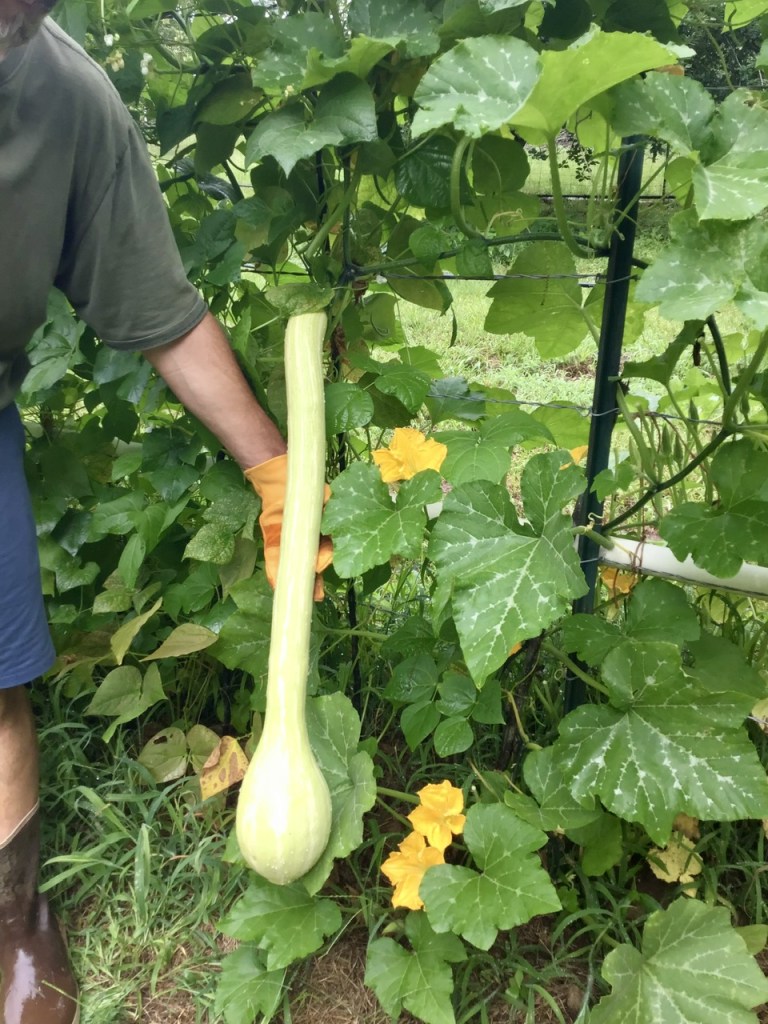
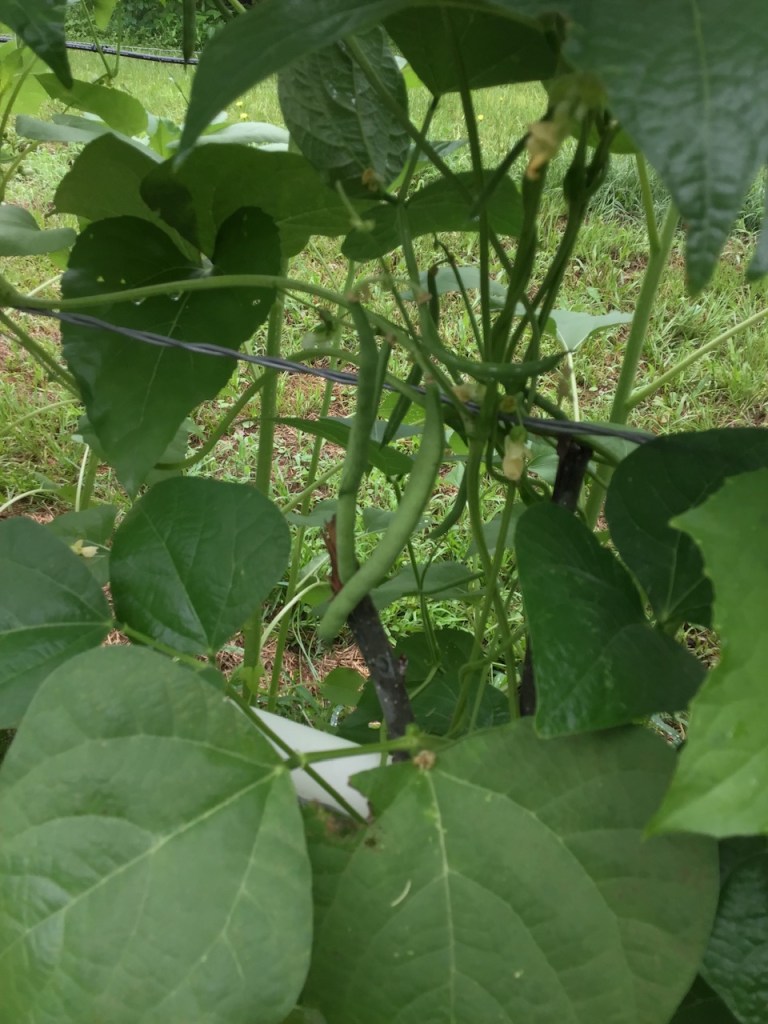
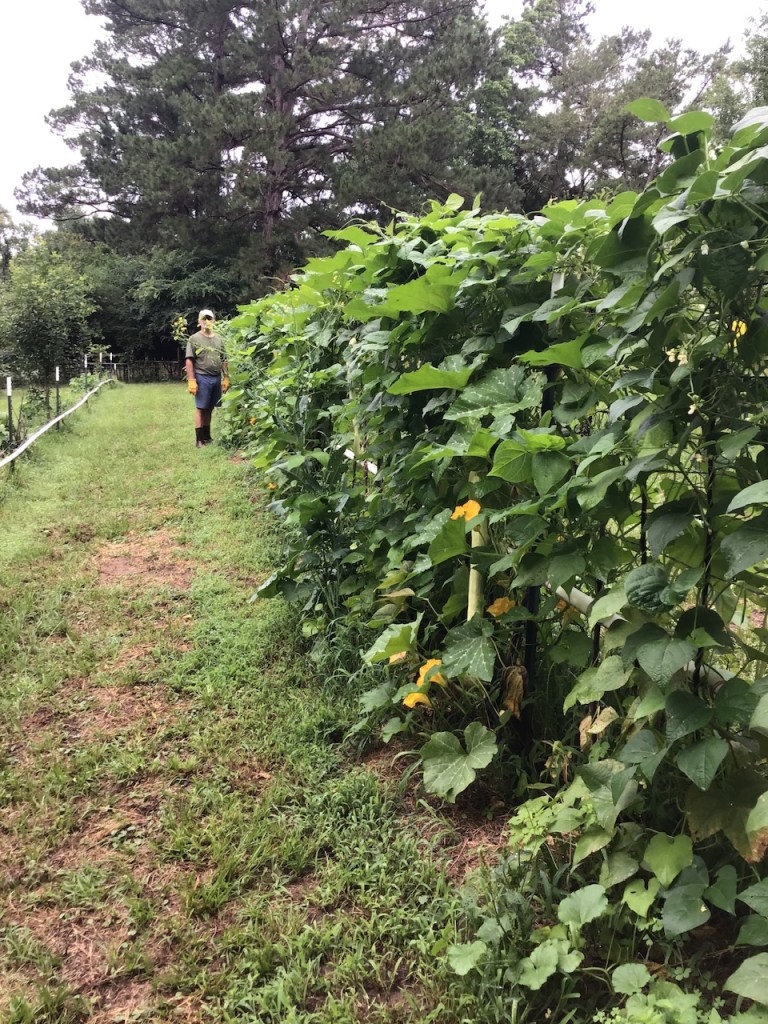
We’re getting loads of green beans from Hubby’s super green wall which also includes Trombetta squash, luffa, sunflowers and volunteer tomatoes.

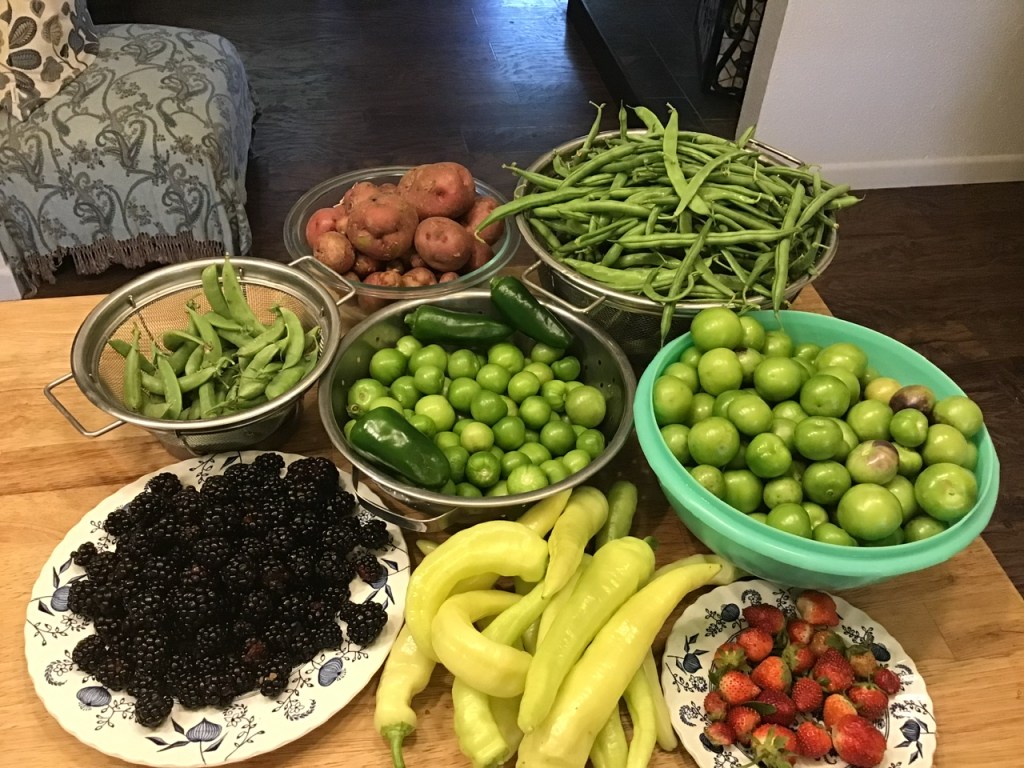
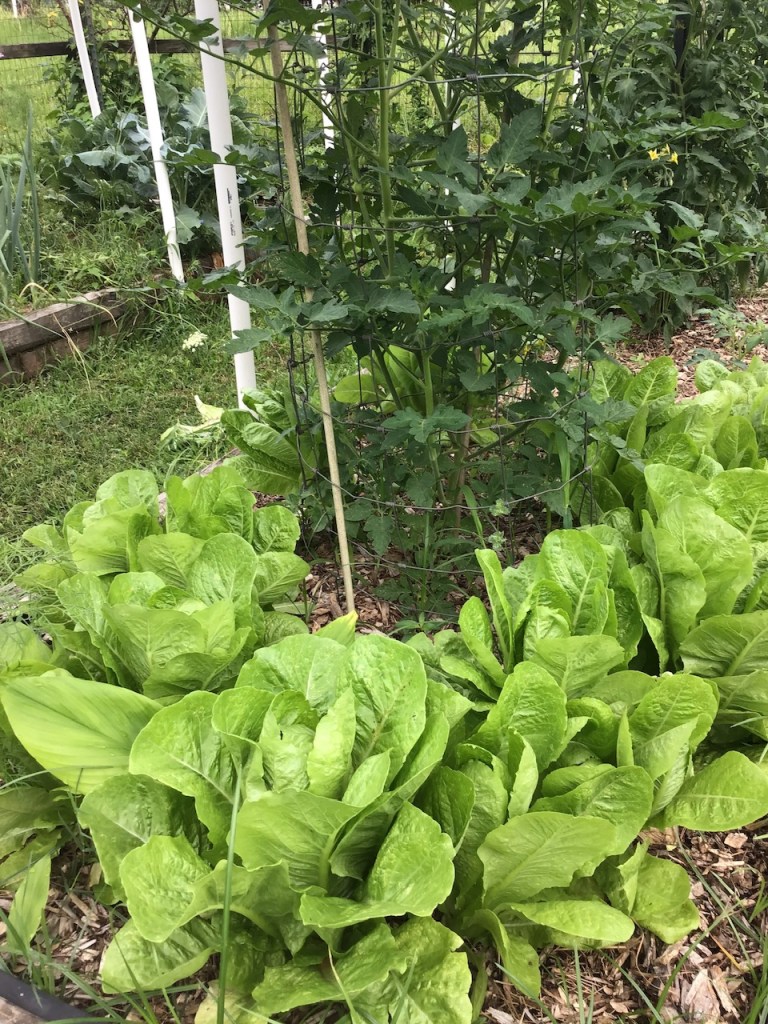
The lettuces and peppers are doing great and we’re getting loads of tomatillos already. We decided on those over tomatoes this year because the green salsa is so delicious.

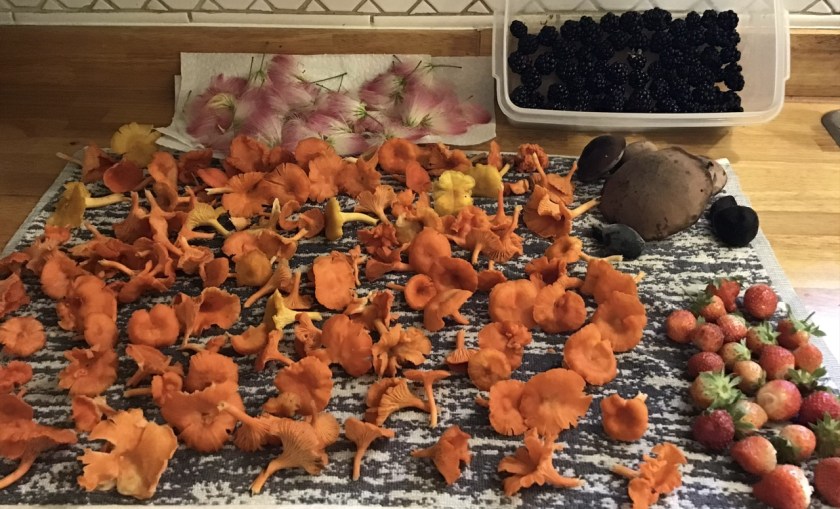
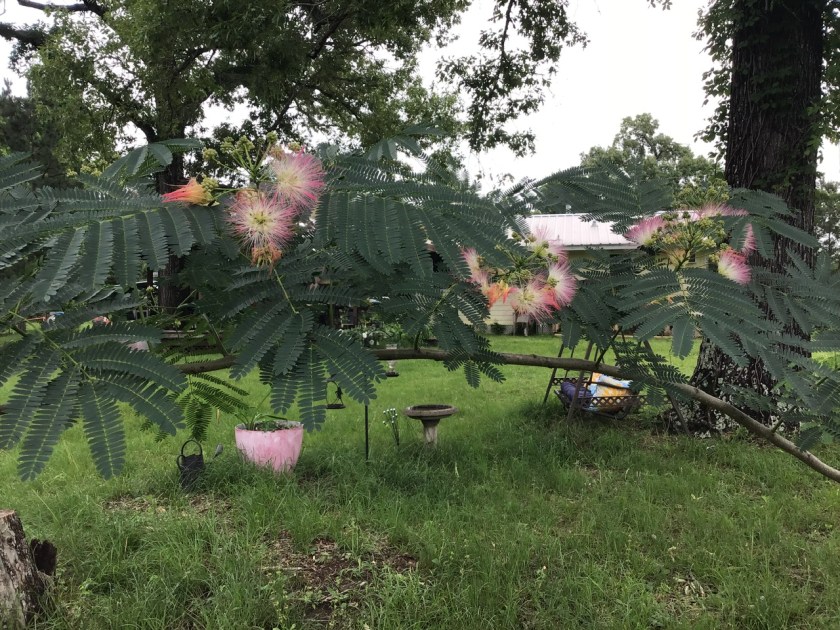
And the chanterelles are abundantand the Mimosas are blooming, and I just can’t resist.

I’ve been working on the latest addition to the Herbal Explorations pages, another demonized tree I’ve finally been able to identify and start growing and I’m so excited, the Chinaberry tree, called invasive and deemed illegal to buy, sell or import into these parts. The usual official nonsense that attempts to destroy the reputation of yet another beneficial and medicinal species.

More on the gorgeous Chinaberry, of Persian lilac in the next post.

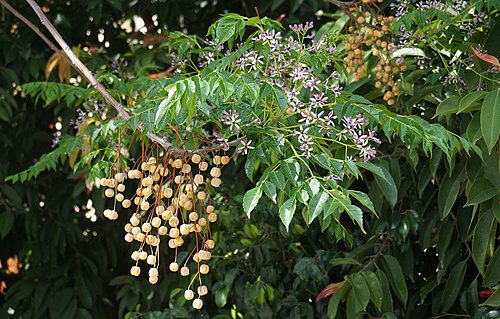
That’s a photo from online, but I hope mine looks like that someday!

Here is the happily growing young Mimosa I dug up from the road 2 years ago.

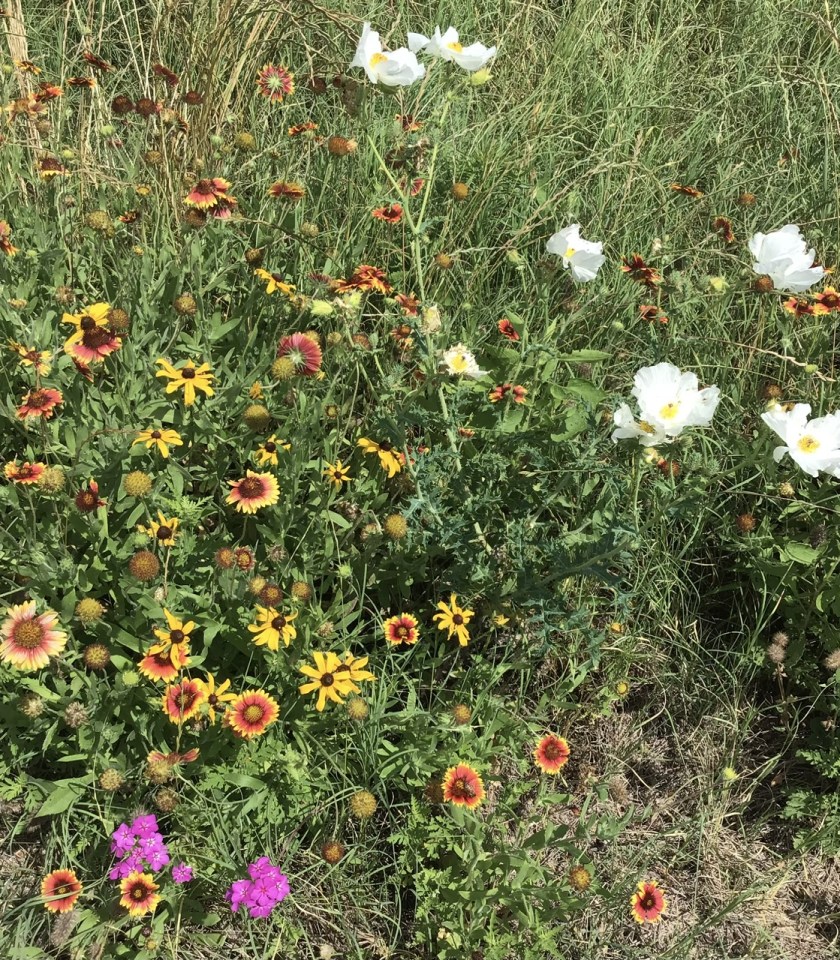
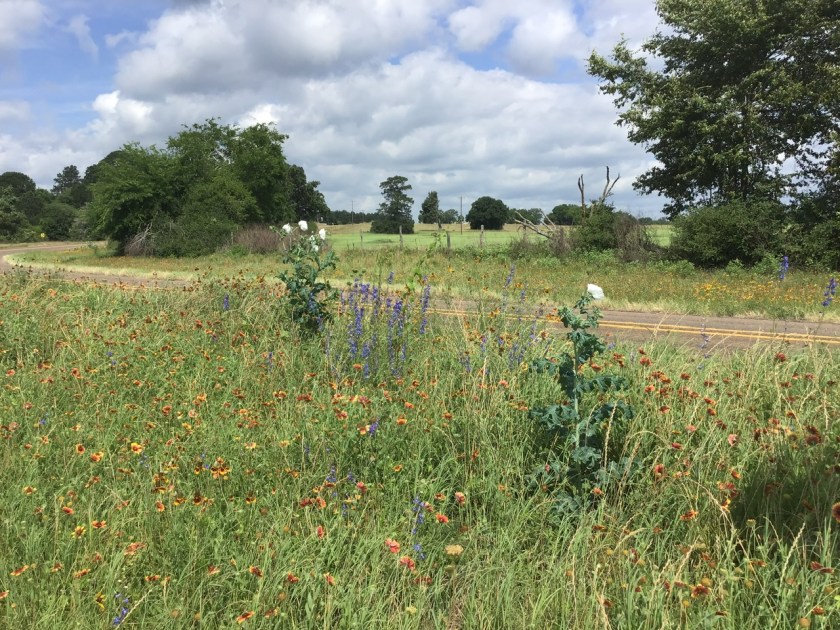
Some wild flowers on my route to my milk lady’s house.

Thanks for stopping by!

Dos Rancheros Extraños

Two odd ranch stories in one day, one a local tradition new to us, the other a strange sort of scam and also new to us.

We don’t get out much, but when we do what fun it is to have a little impromptu adventure. We’re just about to start the bathroom demolition and have been scatter-brained with the necessary prep. We have only one bathroom, which means we go back once again to our early years here, needing an outhouse and outdoor shower.

Our old “poop with a view” re-employed

We headed to town yesterday to select the tile, but the shop was closed. We stopped by the Farmer’s Market, having heard it has recently grown, in step with the small city’s population.

Unfortunately, it hasn’t improved, only grown in vendors. It’s dissapointing to live rural and still not have a decent farmer’s market in any nearby town or city. I’ll refrain from complaining further, but one question first.

Should they be able to call it a farmer’s market when there are no farmers there? No fruits, no vegetables, no herbs, no dairy. One tiny ranch, not exactly local, offering beef shares, some jam and honey sellers, one stand selling really expensive breads, that was it besides the very many stalls of crafters.

Anyway, from those two disappointments we soon headed back home and along the way comes our fun ranch story.

We took the back route for a nicer country drive, one we’ve taken very often over the years. There are mostly woods and rolling hills dotted with small farms and ranches, cows mostly, very few people.

So when we caught sight of a parking lot full of trucks we got curious. Hubby pulls into Los Pinos Ranch, which we’ve never seen full of cars before, had hardly even noticed before among all the other ranches. We followed the line to a couple of security guards.

“Hi!” Hubby says to a well-built and well-kitted black man, “We’re just driving by and being nosy neighbors.”

Being we were still about a 10 minute drive from home, neighbors might sound like a stretch, but around here that’s still considered neighboring territory.

The man was cordial, not exactly friendly, but not at all off-putting, so Hubby continued his inquiry, and I also began to chime in, now with curiousity well-piqued since seeing how large this event actually was.

“What’s all the crowd here for, some sort of festival?” Besides the security duo we appeared to be the only gringos in sight, which later upon entering we learned to be true. There were no signs at all, in Spanish or otherwise.

Looking around while Hubby was speaking, I spotted a track, and horses, but still, it was all so foreign, while practically in our backyard. I interupted them.

“Oh, is it a horse show or training or something?” My confusion was probably obvious, but the guard’s reply only engendered more of the same. Neither Hubby or I had yet to clue in to the nature of the event.

The guard was attempting to tell us, but without speaking the precise words, I understood only later.

Well, he said, they like to compare.

Huh? OK. Still clueless.

Then he pointed to a couple of ladies down the path aways and said they were the organizers and we should talk to them.

So we did and they were very nice, just the one spoke English, but she was as friendly as could be and said we should go on in, they want more locals to participate, in fact. Participate in what, we did not know. And, there were food stands on the other side of the tracks, so we were sold.

Then, crossing the track, it suddenly dawned on me. Horse racing, duh! And the odd words of the guard came back with a flash of clarity. They ‘like to compare’ was his gringo euphemism for ‘they bet on the races.’

We don’t gamble and we’ve never been to a horse race, so perhaps our severe ignorance can be excused?!

Although in hindsight it’s so obvious. Now, I’m not judging, but I do believe that sort of gambling is illegal in these parts. Not that we really care a hoot about that, especially once we got a whiff of the taco stand.

The simplest of setups you could imagine, why can’t they manage that at the farmer’s market? Charring beef, frying onions, our senses led us in a beeline. Fresh diced tomatoes, two kinds of salsa, cilantro, boiled potato side served with a chunk of grilled onion. Delish!

Better tacos than we’ve had at any establishment in town, cooked and served out of the back of a trailer.

A bit of reasearch once home and the tradition is alive on social media (like we would know!) and we can look forward to more excellent tacos and racing festivities next month.

@rancho.los.pinos7

Finalistas del Maturity “El Mero Mero” en su primera edición exclusivo del Carril Ramcho Los Pinos 🌲, si señor‼️#paratiiiiiiiiiiiiiiiiiiiiiiiiiiiiiii #viralvideo #CuartosDeMilla #CarrerasEstelares

♬ sonido original – Rancho Los Pinos

Think what you like about horse racing in general, or gambling in particular, but it’s a huge deal better than what was the thing among dudes where I grew up, which was car racing and monster truck pulls. Loud, noxious, destructive and, well, just REALLY loud.

This was fun! You could hear the music and it was catchy mariachi, not depressing country ballads like they play in the local farm and ranch stores.

Of course we did stick out like the gringo sore thumbs we are. Ball caps, not cowboy hats. Crocks, not cowboy boots. Cringy, I know. But we’re committed to taking it down a notch next time we go, for the tacos, of course, not the gambling.

For Hubby that will mean absolutely no shorts. Mexican men are not short-pant people. There seems to be a certain amount of pride attached to that fact, but it’s lost on me.

For my part, a bit of more feminine appeal would be in order, if I can muster that anymore. Case still open.

Which leads me to the next ranch story. And the mystery of the sexy bras I’d never have worn, or even purchased on a huge whim, even in my sexiest days full of youthful vigor.

I was not nearly as dumb-struck by this oddity as I was by the impromtu ranch races. Clearly it was some very strange mistake, not a surprise hinting gift from Hubby, who would know me far better, and never dare make such a vulgar assumption.

Green and bedazzled, come on! Meant for a harem girl, no doubt!

Come to find out after some perplexing Google searches that there is currently a large scam going on, and I’ve just been ‘brushed’. WTH?!

From the return sender’s address, it comes from a fancy ranch in California. Far too fancy for me! But according to the news, this scam, which is becoming more common, probably uses both fake addresses and fake names. Yasfara does sound kind of fake.

But what could they be after sending me free stuff? I now realize this happened already twice before, I just never chalked it up to a con.

Several years ago I received seeds I never ordered. So did a lot of folks. I often order seeds, folks sometimes me seeds, I just brushed it off. Brushed?

Then a couple months ago I got two pairs of shorts. Because I’d recently ordered shorts from Amazon, I figured it was them, just not exactly what I’d ordered. They weren’t too bad, so I kept them, only receiving the correct order weeks later.

After Hubby’s sleuthing he discovered the “Brushing scam” with the objective of inflating the products’ ratings by collecting ‘verified purchases’ and giving fake reviews with them, apparently.

Here is our ‘Yasfara’ of the ‘Rancho Cucamongo’ reported on at the Better Business Bureau, along with a news clip about the fraud.

What to know if a mysterious empty white mailing envelope shows up at your house

Scams Details Better Business Bureau

Strange times, indeed. Just for the record, we don’t mind feeling like foreigners five miles from home, it’s rather a pleasant nostalgic feeling for us both, recalling our own pasts of living as illegal immigrants in other lands.

But, if you’re going to send me bras, please send the comfortable variety, padless, without jewels or sequince, cotton, white, for those rare occassions I still wear one.

Or, if that’s all you’ve got on hand, may I suggest sending them to a more appropriate recipient, like a still-young sexy lady at the Rancho Los Pinos right down the road?