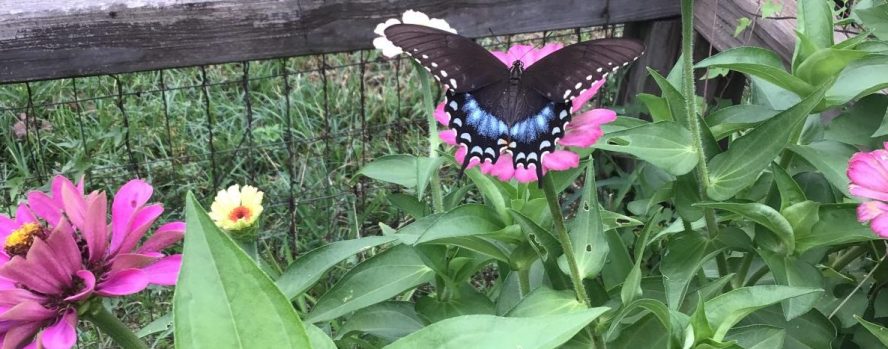

It’s been quite a long time since an update on the wee homestead projects and activities; it’s hard to know where to start! How about, for consistency sake, I bitch about the weather for a bit, and then move along to better tidings.


Of course the geoengineered chem-filled skies continue, as does our Yo-Yo season (formerly known as winter). We are using the air conditioning now, it’s been 80 degrees for days.

Buttercup is especially sensitive to the YoYo, to the point of regular getting seizures at such times, also lethargic and losing her appetite.
There was of course the lows not long ago in the 20s and I was very concerned for the newly planted citrus. We employed quite the set up of lights and covers and they faired very well, I’m happy to report.

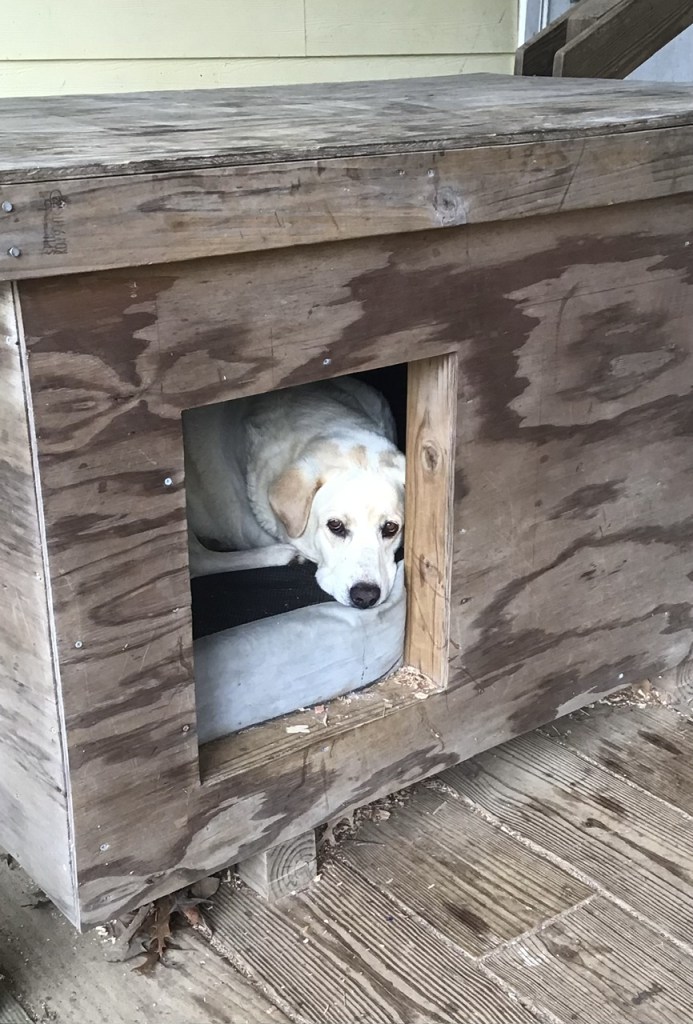
But there has been a bad invasion of these awful beetles, which we’re vacuuming off the ceiling multiple times a day. Not to be confused with the garden-friend, the lovely little lady bugs, NO, these little beasts are really nasty. They infest, as obvious from the photos, and they bite, and as if that’s not enough, they stink.

I don’t like when folks call them lady bugs, they are not at all ladylike, so I try to correct them anytime I hear complaints, which is more often than you might think. The reaction I get is much more open and accepting than when I inform them about the manufactured weather.

It does keep us on our toes, dealing with the Yo-Yo. Lettuce and herbs bolt prematurely quite often, seedlings come up then freeze or wither. We never know from week to week what to expect or how to plan.
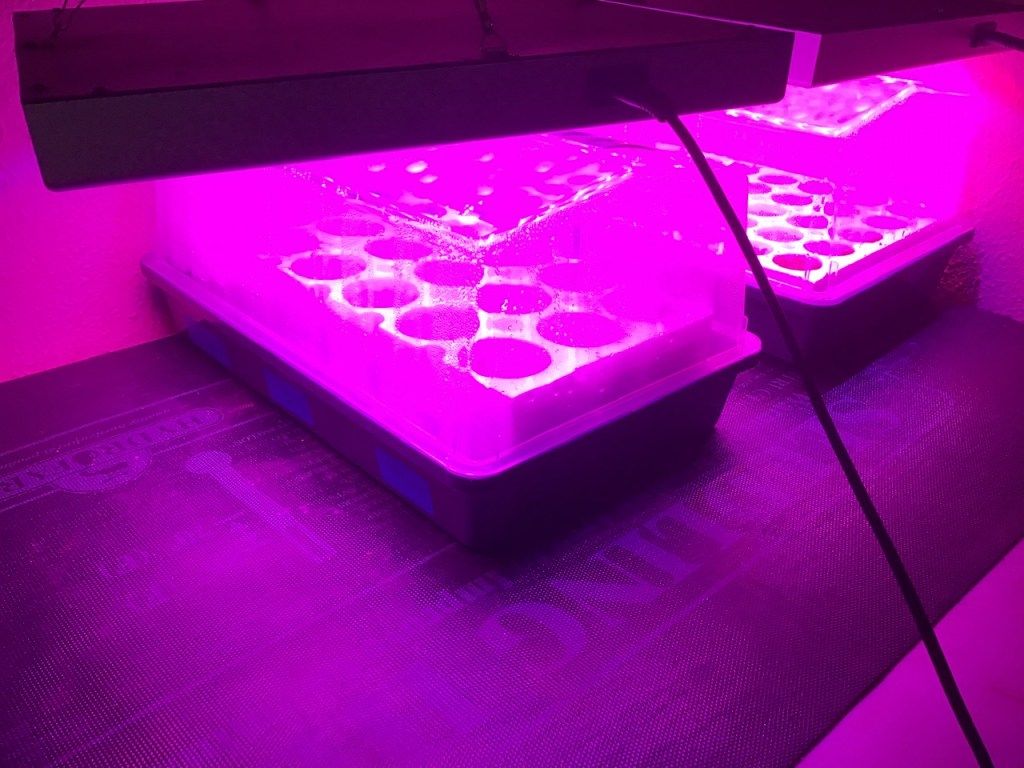

I don’t normally have such a fancy setup, but these trays were gifted to me and they’re working quite well germinating some lobelia and snap dragons.
My indoor lights and heating mats make things easier, as does the row cover in the garden, but it is constant juggling. And if I miss a beat, death. Like happened with the Mexican oregano I was so proud of. I forgot about it outside one night when it frosted. Very disappointing considering our long journey of discovery, and how long I babied those few little sprouts, trying to anticipate their every need, carting them inside for warmth, then outside for sun and wind, and just when they were getting their legs, gone. All my fault.
Well, except for the geoengineers, because I wouldn’t be doing this constant refrain if our weather was consistent or predictable or seasonal.
I’ve tried twice since then to sprout the herb again with no luck. I will succeed eventually, of course, we’ve come too far in our quest to fail. The Mexican oregano has a long tale in these parts. Failure is not an option. More on that in the last HH post, if you like. https://kenshohomestead.org/2024/11/14/homestead-happenings-43/
I’d like to say it was the same with the milk quest. Unfortunately, I’m not nearly as confident; I feel failure is probably inevitable and maybe even imminent. For the time being I’m counting my blessings I’ve found another (perhaps temporary) source. Last time I was complaining about the cost, this one is even more expensive at $15/gallon. At that price I’m not going to be experimenting with any new cheeses, that’s for sure. To make cheese at all is not really feasible, except for the most delicious of selections—Camembert. Otherwise the precious commodity goes toward morning coffee, ice cream, and buttermilk for recipes and the extended expiration date.

I’ve been doing continued research on the topic of raw milk and what’s available and in general, where’s the market vibe. I found one young entrepreneur with a private herdshare selling cheese for $25 a pound. (A Herdshare Agreement or a Grade A license from the state are the only ways to sell raw milk in Texas legally.).
With my new herdshare deal I can buy more milk for cheesemaking, if I’m willing to pay $15/gallon. Considering the hard cheeses I typically made were 5 gallons ideally (better for aging in less than optimal conditions), that’s a really expensive cheese.
Certainly what can be made on-site are far better cheeses than can be bought at the store; that’s why I started making cheese in the first place. But still, it’s really hard to justify all that work, and expense, when we can still buy organic cheese for about $8/pound.
I will splurge one time in late spring, if possible, when the grass is thick and so the milk most rich. And we do still have two goats, hopefully pregnant, so there’s a small hope of cheesemaking in my future, if all goes well.
Moving on to the garden, the garlic is going strong and I’ve just got the onions in, 3 big rows of each. The garlic we plant is elephant garlic which does so much better here than any other variety I’ve tried, and I’ve tried lots. These are local for over a decade now and their productivity has yet to disappoint.

The onions are from purchased sets and they normally do well, though some years are a bust, like last year. I also started some from seed under lights, to compare if they are more consistent and adaptable, because the sets have gotten pricey in recent years and it’s irritating to pay good money for possible failure. Onions do not like Yo-Yo weather, but then again, who or what really does?
At least some seem to tolerate it better than others. We’ve got a couple of ‘oyster trees’ that are bringing us regular tasty gifts.


I’ve also tried a couple new things that have been long on my list. There’s the soap that’s just now cured, a bit earlier than I’d read is typical. I’m really pleased with it! It lathers very well and the scent is rather sensuous. My intention was something earthy and erotic, and I think I succeeded.
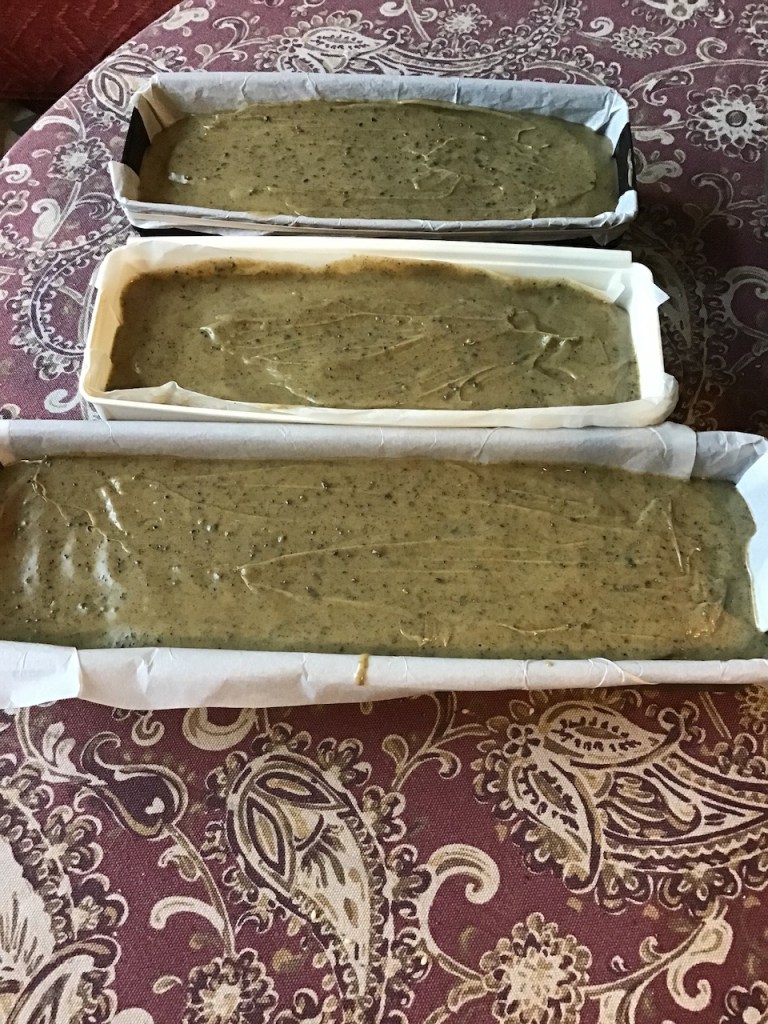

I got the sensual part down, now I need to up the aesthetic! Trust me, looks are deceiving here, I just need better molds! Never underestimate the power of packaging, eh?
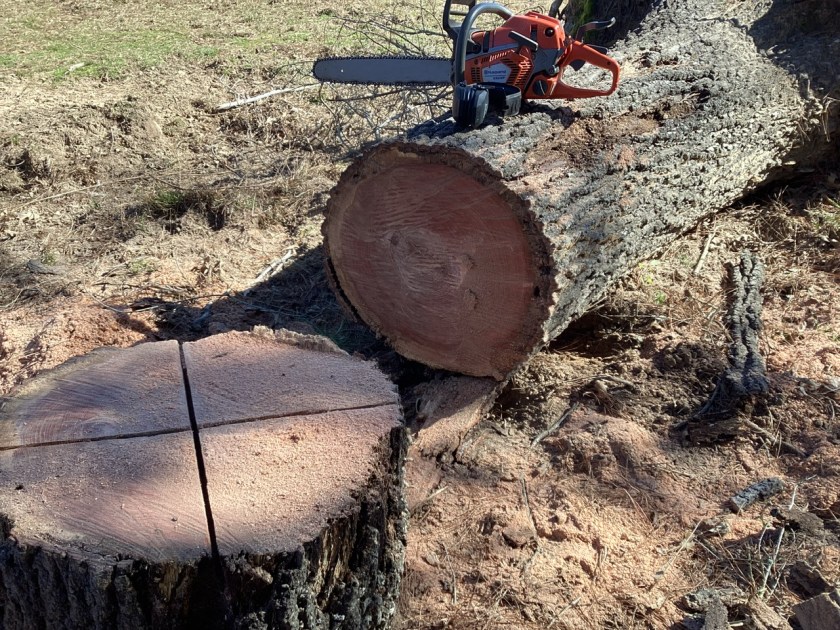
After finishing up slaughter season and chopping up downed trees for a month, Hubby has moved on to a far more desirable and needed project, according to me, our kitchen! Yippie!


We’ve needed new countertops badly for many years, ours have been well-worn in 40 years, especially since we’ve gotten here and the space went from softly used a few times a year, to a daily year-round assault. It’s actually pretty impressive the counters aren’t near dust by now, considering how quickly more modern materials fall apart.


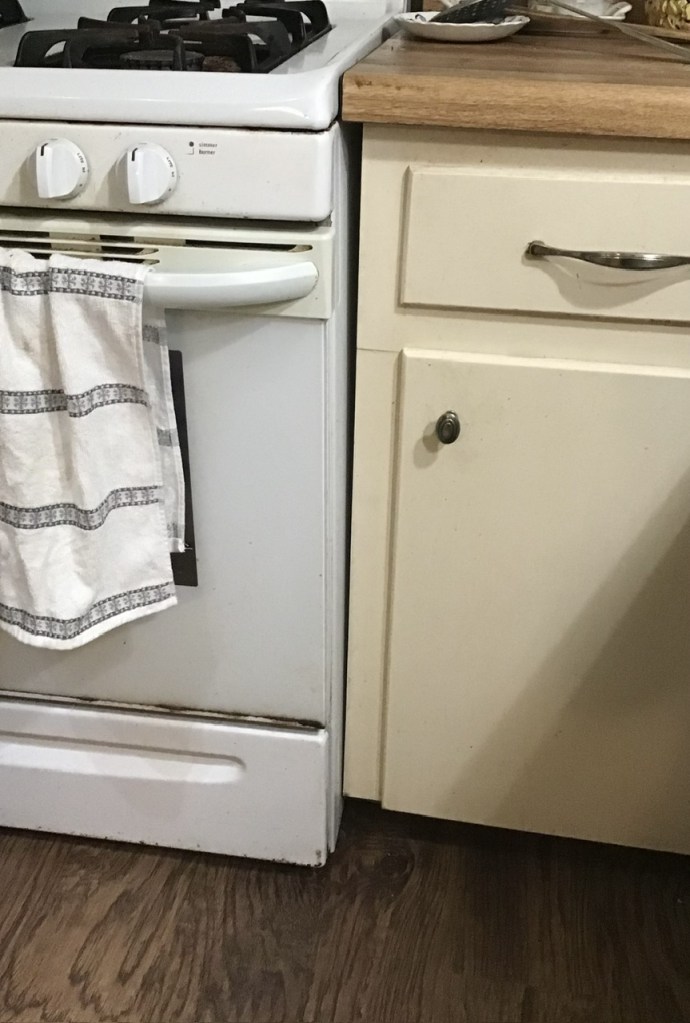
Old, ugly, not square or plumb . . . Good times coming in Hubby’s near future!
New countertops got us on a roll and now we’re planning new light fixtures and maybe even a new paint job. Big ideas, perhaps not backed up by time or commitment.
Those big ideas, I’m full of ‘em! In my mind the kitchen’s already painted and my next project is to paint the table, which I’ve wanted (and once tried) to do for as long as we’ve had it. I can imagine I might have a table with a surface that looked something like this . . .

But I’d be perfectly willing to settle for this . . .

Or this . . .

So, after I repaint the kitchen in the few spare moments between juggling plants in YoYo season, I acquire the skills of an artist, and paint something I can really be proud of . . .
Whenever I’m finally able to manage that, y’all will be the first to know!
In the meantime, here’s where we were at in the last update . . .


cows are much easier. less maintenance though they do need care of course. what the cows eats goes into the milk. so hay feeding if you lack pasture is best so they don’t eat wild onions. and yes they do. as for time it takes. if you leave the calf on it takes once a day and not 5 am…you pick the time though the later in the day the calf will have drained off the milk. we milk before morning in the dark and the calf is still sleepy. we get our quarters and the calf gets his favorite.
rarely do they need hooves trimmed and rarely need wormed. herbals work good. at least for ours. bloat is the only problem we had with one. and she never recovered and ended up in the freezer. 300 pounds of really nice hamburger. jerseys are all bone but what meat is there is the best! tender…yum.
training is much easier then goats though when they decide to go in the stanchion….katy bare the door and hope your out of the path….that liquid patty goes everywhere and into the milking bucket if it is close. we use an electric milker called EZMILKER best things we ever bought and makes milking super quick. which you need when your milking several gallons at a time. my hands just can’t take it anymore.
i would bet you would find it easier and lots more milk to sell or make cheese. i find i use it all. never a waste. you have pigs so it can fatten them for you too. if it goes sour you make sour creme and some types of cheese as well.
you can buy a mini jersey that gives 2 or 3 gallons a day. and she isn’t very big. though you have to A.I breed to another mini.
and cows are independent. they take care of themselves for the most part. though they can be hell on fence if they have no food they will push one down to get it. and they like to rub their necks on barbed wire. doesn’t seem to bother them. electric fence on the top stops that. tough animals and smart…very..very…smart….don’t make the mistake of thinking them dumb because they are not…and very family oriented. if you have several they miss each other and moo until they find the missing member. they watch everything and they see something new they start at it….if you have someone wrong on the farm they will moo until you come and take care of it. if your out there at night they will knock you down and stomp on you if they don’t know you…talk to them and they calm right down.
i really like cows….best animals on the planet and mad men want to wipe them out. because they can…for passing gas? really?! wrong…because they are life and they give back so much to the people who care for them. those insane inbred fat cats with billions of dollars have never known life…ever! they know only control, power and dealing out death at the flick of a dollar bill in the right direction.
world has become an asylum for the insane! and people cheer them! amazing. the only ones needing culled are them. and the chicken killers for a disease that exists only in the mind of the demented.
LikeLiked by 1 person
Ah, the Asian Lady Beetle! We got hit with those our first year here. They were EVERYWHERE. I never noticed the smell (my sense of smell isn’t very good) and they never bothered me, but my daughters got bit by them!
LikeLiked by 1 person
We get some every year, but this is by far worse than usual. I don’t think they have any predators either, never seen the birds or chickens eat them. Pity!
LikeLiked by 1 person
How do you tell the difference, visually, between the Asians & the Ladybugs?
LikeLiked by 1 person
Good question! There’s loads of conflicting info online and apparently they are all in the same family—-only some are native and the Asian are introduced and invasive. I just remember ladybugs as a kid that were deep red, didn’t fly, and didn’t bite or stink. We used to play with them and they were common, but never in the house and never invasive like they are now. We’ve got them everywhere! The garden shed is nearly drowning in them. Every time I move something there’s hundreds clustered underneath. Then they get alarmed and fly into my face and drop down my shirt. So disgusting! 🤢.
So to answer your question directly, maybe you can’t tell the difference visually? Or maybe they’re all cross-breeding now? They certainly don’t seem to be doing anything good in the garden, I rarely see these on any plants, but I know traditionally they were considered a garden ally b/c they eat aphids.
Have you had them there?
LikeLiked by 1 person
Yep. They get in the house & hang around in the window blinds. I keep house plants but, I’ve never seen them in my plants. Perhaps, they don’t like my plants. Our kitchen & bathroom spiders like to eat them.
I’m going with cross breeding.
I saw many ladybug types, growing up on my grandmother’s farm. I remember my grandmother telling me not to hurt them and reminding me that, when I stepped on a honey bee, they died. Glad I wasn’t allergic.
When I say “types”, I mean the ladybugs I saw…flew. They were fun to watch take flight.
LikeLiked by 1 person
love the updates on your homestead. trials and tribulations some natural and some from vandalism from airplanes spraying us. that is what i call it. i have no say over it and they tag our property killing my plants, animals and trees. seems more like a war with an alien entity except they are not alien. military. and corporate.
one of the things i researched heavily before moving to our homestead was raw milk. that was almost my number 1 priority. we had lived in a state with a herd share which is extortion and makes it impossible to do the things i wanted like cheese. so i made sure the state we moved to didn’t have that.
we can buy from the farm directly, or sell from our own farm directly. have you considered getting your own jersey cow and selling some milk on a herd share yourself and then you get the milk and cheese for free?
we have our own milkers and i find i use it all. i use it feed turkeys. i use it for chickens. i use it for us. i use it to make cheese, milk, butter, sour creme, all the dairy products. and i could use more! our cow was giving us 8 gallons a day. if you don’t push it with alfalfa or grains a little jersey cow will give you 2 to 3 gallons a day. believe me when your making cheese it doesn’t seem like much.. plus we kept the calf on the cow. so we took the calf off during the day and milked her in the evening leaving the teat quarter the calf is fond of. they always have one quarter empty and the rest full. so we got 1/4 of the milk every day. worked good.
after weaning we get all the milk and then the cow starts drying up a month or two later for a new calf. rebred yearly to our bull but you can have artificial insemination done yearly instead of a bull.
you could make some money for your farm by doing your own herd share. and have some of the best of the milk and creme you ever had. if you want you can take the calf off after its first few days and bottle feed it. and sell the calf if you want and keep the milk. or just bottle feed it and raise it for processing meat. and hides,
cows are very efficient eaters and they do eat a lot but i bet your area has lots of places with good hay in round bales or square and the fertilizer you get is top notch!
just an idea for you. it isn’t as hard to do as goats.. less maintenance needed for the animal and more benefit. goats go from healthy to dead over night. no signs of sickness and they seem to be very weak. better luck with cows. i like the meat too.
LikeLiked by 1 person
Thanks H! The consensus around here is also that definitely cows are easier than goats, though to me that sounds counter-intuitive. I’m inclined to assume the bigger the animal the higher maintenance, but when it comes to goats and cows I guess that’s not the case for reasons I’d never have considered before.
You never know, though at the moment that sounds like so much work, expense, commitment. I had a friend tell me recently that she would come out here, bring her horses and take care of the animals for us once she retires. I didn’t miss a beat and said, yes please! The caretaking is too much mindspace for me, that’s the gist of it. It takes a special kind of person I think, and it just drains me too much. I worry constantly, I lose sleep, I feel out of my depths, and especially, the illness and death are just too overwhelming. I wasn’t cut out for it. I wish we were neighbors—I have other skills I could trade, really! 😆.
What I really want is more time for art and leisure!! ☺️
LikeLike