We’ve all heard the expressions: “History is a set of lies agreed upon” and “History is written by the victors” and most have come to accept these tropes.
But what they may not have considered is when the history is that flexible, all those academic fields which are history adjacent–like anthropology, sociology, philosophy, literature, all cultural studies, even linguistics– become subject to those authoritarian whims and fashionable irregularities.
Generalization, subjectivity, distant observation, even making obvious comparisons across vast and complex measurable units–ie. pattern recognition–is not just discouraged, it’s potential grounds for dismissal. It’s considered sloppy, unprofessional, unacademic. Pseudo-subjects and conspiracy theory.
Academics are especially vulnerable to such manipulations as their fields are controlled in a strict hierarchical system and their studies, even as tenured professors, tend to stay very narrow in scope. They do not need to strive for a cohesive worldview in their academic work as they are mostly employed to measure the minutia, to dig deep into one tiny corner of the field, as has been the case with the historical and architectural world of the Mound Builders.
What the volumes of academic work on these cultures tend to do is narrow in so microscopically as to make all similarities irrelevant and cross-cultural observations inadmissable. They debate ad nasauem around shards of pottery found just beneath the surface of their archeological sites and the thousands of ways these tiny artefacts differ from one locale to the next.
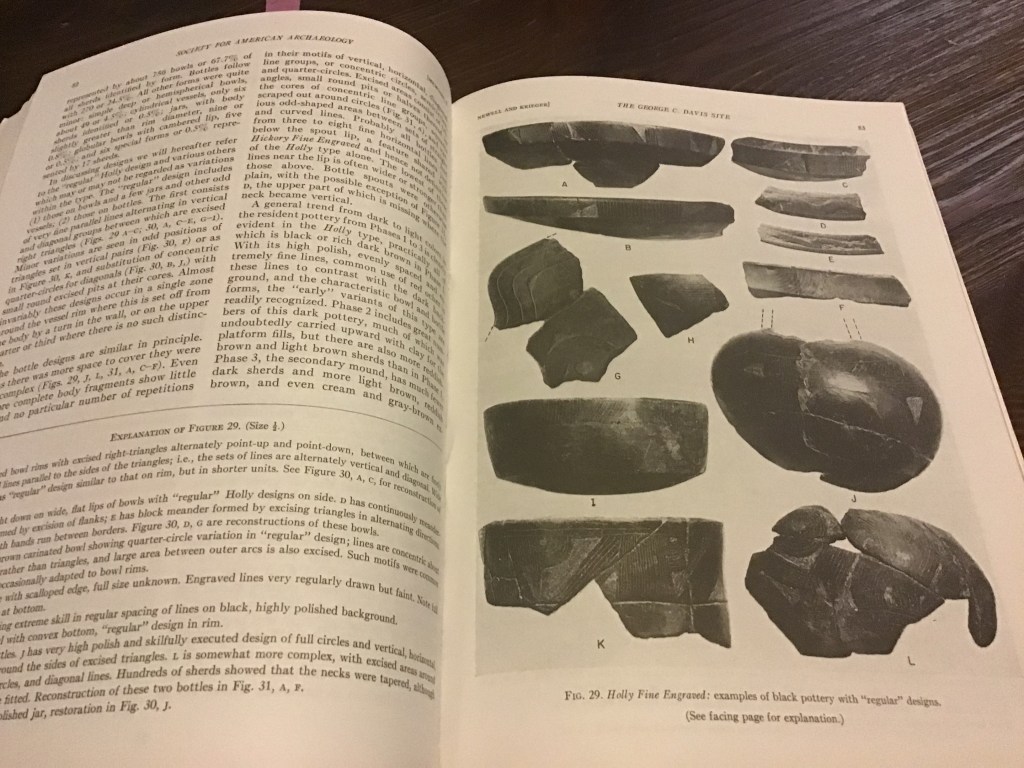
There are literally thousands of pages published on comparisons and categorizations of tiny fossils and shards of the various Mound Builder tribes of the Americas. Specific measurements are taken of the space between the decorative lines and their width, length and coloration. All is catelogued in such microscopic detail as to bore to tears all but the most myopic of minds.
Truly, it is a form of academic gaslighting. Keep searching right here, right in this tiny framework where we’ve given the appropriate boundaries and designations. Don’t broaden, don’t do your own investigations, don’t venture out of your assigned territory, all alien parameters will be squashed with contempt and mockery and quite likely, career death.
That singular, rigid, hierachical model has been demolished with the Internet and for me, who formally studied and taught for four decades the very subjects now being shamelessly dismantled, I couldn’t be more pleased about it.
Actually, I could be. If there was a guarantee the ends would somehow justify all these means–as in the decades of lies and indoctrination and then subsequent ripping away of those foundations and the now erupting attempts to filter the masses into new molds for better slave management and more prosperous slaveholders–then I would certainly be more pleased.
But I’m not so naive as to think there’s ever any such guarantees. (As an entertaining aside, James Corbett here at his comedic best with more on our system of modern slavery.)
https://youtu.be/ZjwO9_3g4xQ?si=8u5_OumKlk-LOMub

But my topic today is a continuation of the last What’s Been Lost new Kensho series. And say what you want about formal education, I’ve experienced the pros and the great many cons, but for all those naysayers and critics, my serious education these days comes from Youtube, mostly. I know, right?!
Don’t knock it ’till you try it, there are some really amazing teachers there (they call them creators now, which is nice) and I’m not watching them to buy into any of their conclusions, but just to appreciate their work, collect their evidence, and consider, that’s all.
There are relatively few in my life who care about this stuff at all, so I’m grateful for the company and impressed with their body of work. Yes, I do understand some of them are part of a big club, and I’m not in it. I don’t mind. And I’ve got no where else to go, and I’ve got a bit of time and loads of interest.
So for those others who might be interested in exploring and considering with me, we continue in search of what’s been lost.
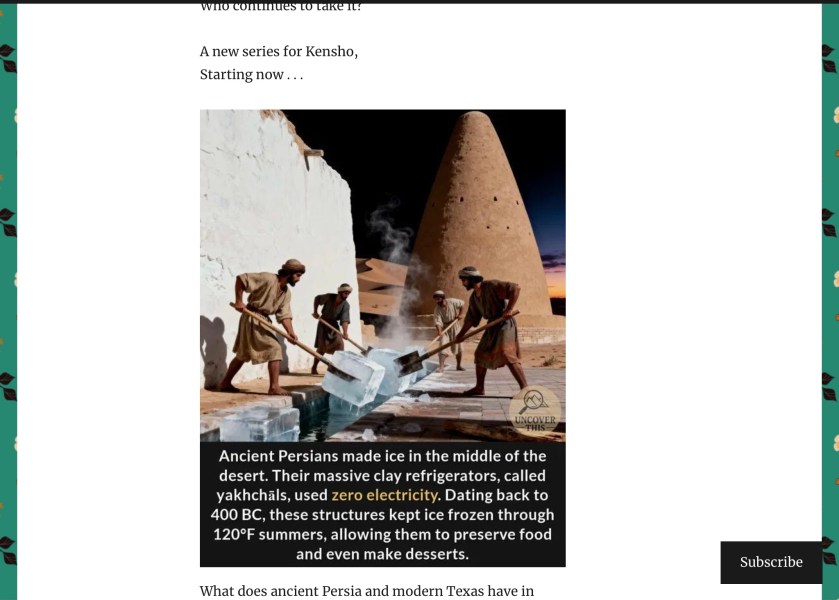
Last time I shared about the Yakhchal, a common radiative cooling system used from ancient times, still in operation in parts of the Middle East, and perhaps close by as well, as close as Dallas.
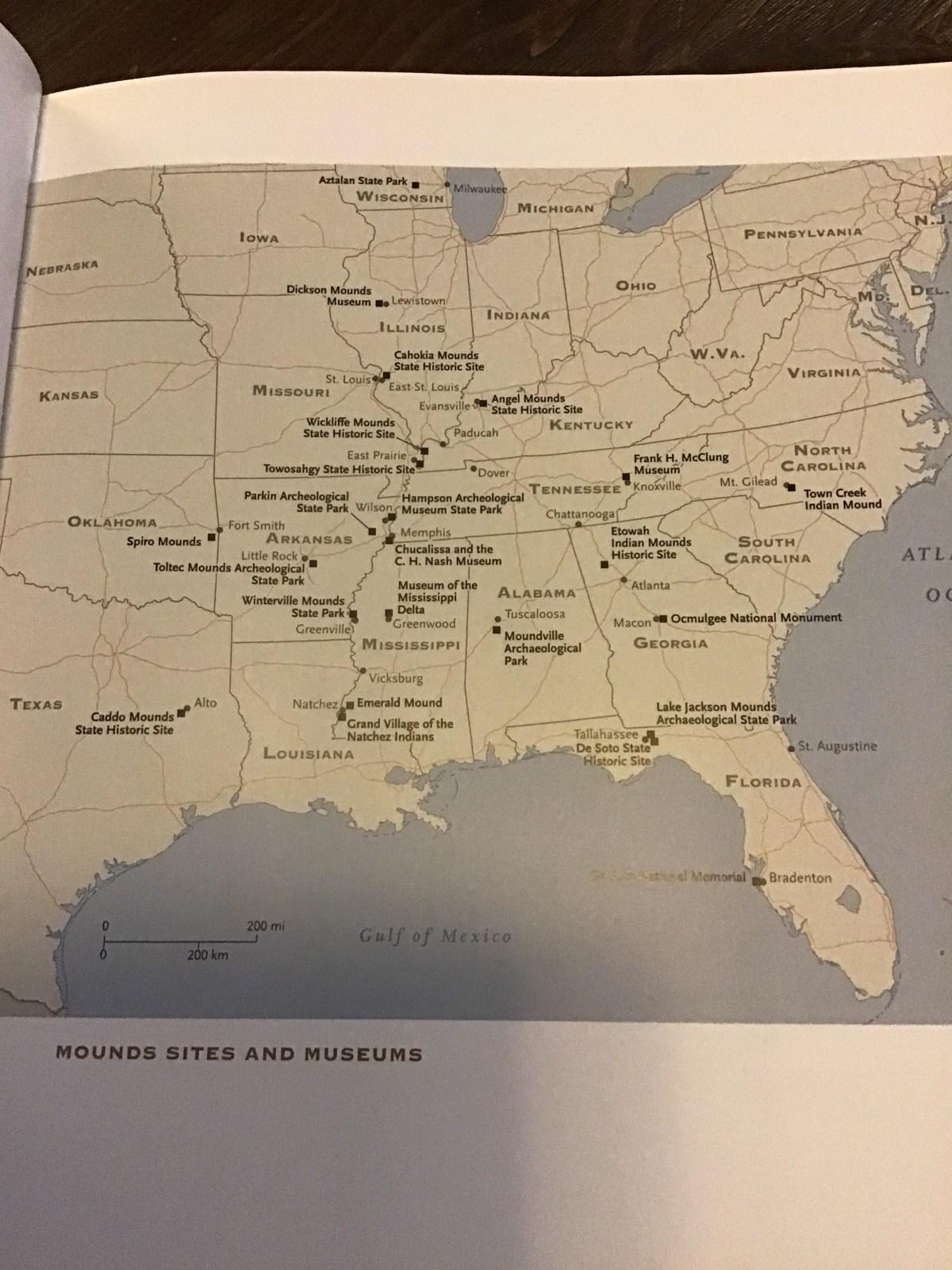
Now I will introduce another thread to this story, the so-called Mound Builder ‘indigenous’ tribes of the South, officially referred to as having been ‘occupying’ these lands before the arrival of the Europeans.
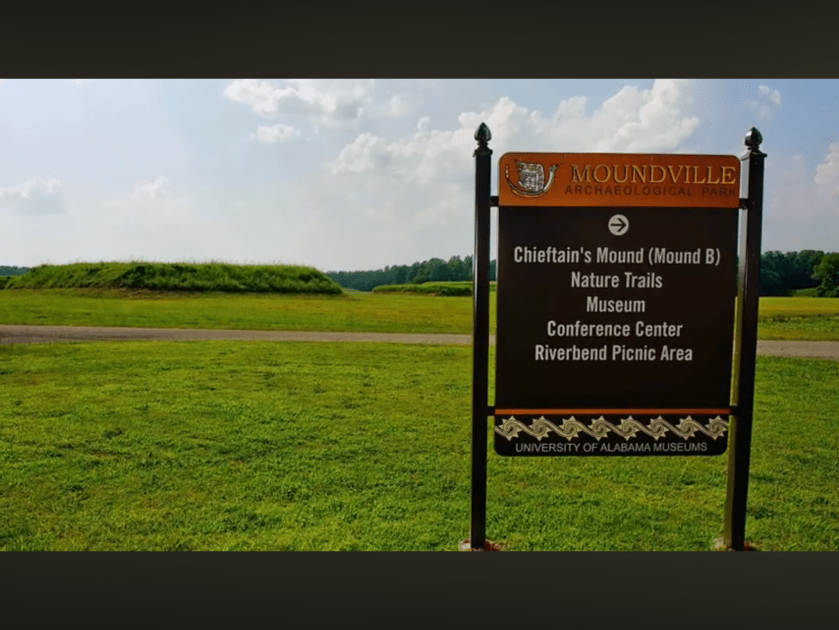
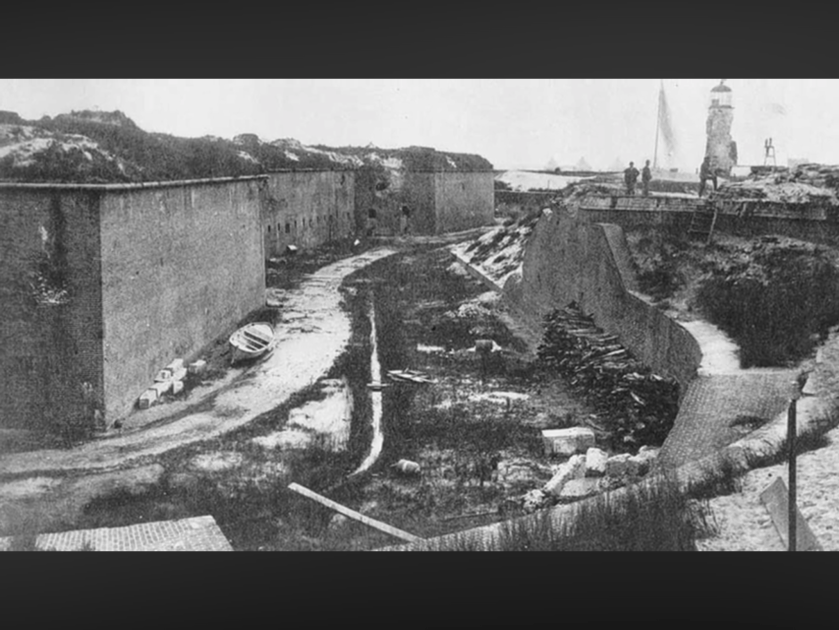
A recent video by Jarid Boosters was perfectly timed and is well worth a complete viewing. In it he considers one such Mound Builder culture in present-day Moundville, Alabama, once called the Kingdom of Pafalaya, which includes Fort Morgan. Most of these sites are former military installations and are owned by universities and used as tourist traps now. Some of them are privately owned, all have vast areas not open to the public.
We have one very close to us as well, known as Caddo Mounds, which I’ve written about briefly before, after a sudden (manufactured) tornado hit during their cultural ceremony, destroying much property, killing one and injuring many. The site has since been upgraded and reopened, though there is little to see besides some very basic ‘replica’ huts and of course, a large gift shop.
One of the most famous ones is in the mid-West, near St. Louis, not that far from where I grew up, called Cahokia Mounds.
https://youtu.be/Gw6A2RgVwjs?si=bUXC9lyrKKuRHSQb
What I propose has happened with these sites is a deliberate militarized program of generational amnesia.
“Generational amnesia refers to the phenomenon where each generation forgets important knowledge and experiences from previous generations, leading to a distorted understanding of the past and the environment. This can result in a lack of awareness about changes in society and nature, as new generations accept their current conditions as the norm without recognizing what has been lost.”
They tell us ‘Generative AI’ will solve this mounting modern social problem. Promises, promises. Let’s not wait on those any longer.
For a bit of background, Mound Builders refers to ‘prehistorical’ cultures of the ‘ancient’ South. For our purposes, ‘prehistorical’ refers to the most recent rewriting of history, or ‘reset’ as many interested in these topics are calling it; and ‘ancient’ refers to the ‘Roman’ era and all those pre-dating it. In this version of history we examine especially the period of the so-called “Civil” War, or the war between the states, or the war of Northern agression, or whatever other term seems appropriate for that period of time when much of the southern US was destroyed and their history re-written by the victors.
At this time the official narratives went under the command and control of the military, if they weren’t there already. In my estimation we have always been a military industrial complex, this wasn’t a new phenomenon predicted by another puppet president.
There are other ‘fringe’ channels that deal more specifically with military history, that is not my main interest, one I could recommend for this angle would be that of a former history academic:
https://youtu.be/LqiZPX0Ordc?si=IOKaZQ7FT2Bjr7Wg
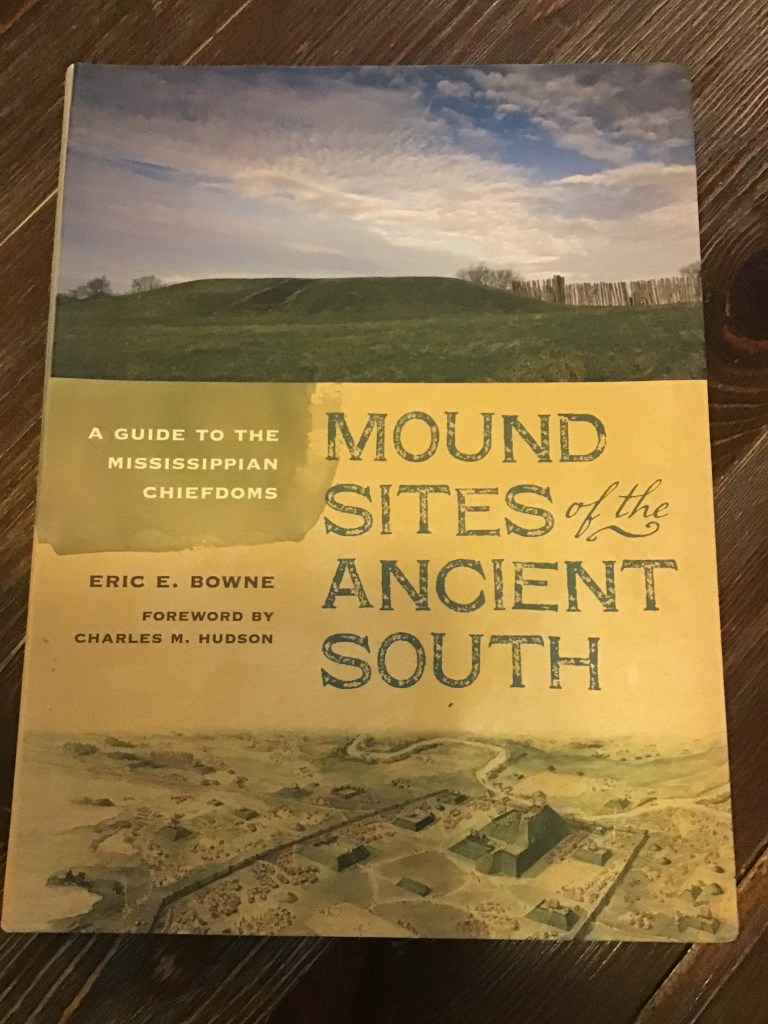
In fact, there are so-called Mound sites all over the South, and I’d suggest many of them are as yet ‘undiscovered’ because they sit on private property where even the land owners have no idea what’s beneath them.
In nearby Nacogdoches there is another ‘curated’ Mound site:
“Excavations at the Washington Mound site have uncovered the archeological remains of a large Middle Caddoan period (ca. A.D. 1250-1350) mound complex in south-central East Texas. The investigations of this heretofore unknown complex indicate that there was a significant post-Alto phase culture in the region that may have had a significant impact on subsequent regional Caddoan manifestations.”
While there are teams of academics studying the tiny differences in the fossils on the surface and money rolling in from the tourist trade, and grants galore for those academics willing to tow the official line, the accepted narrative framework gets further cemented into the public consciousness.
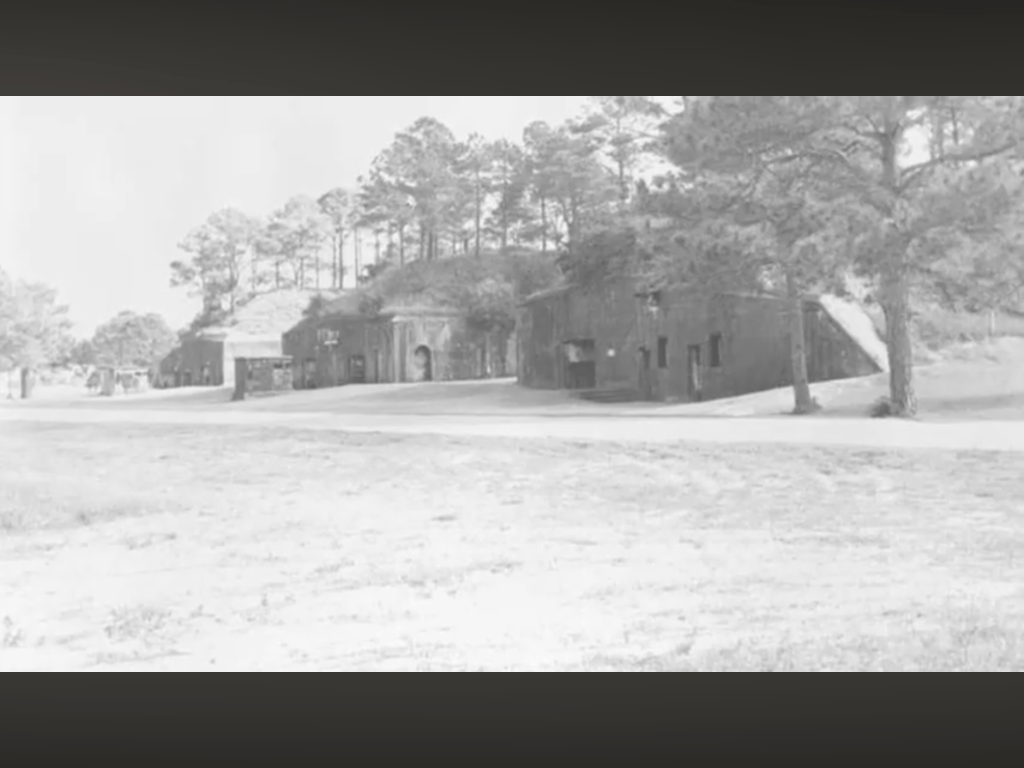
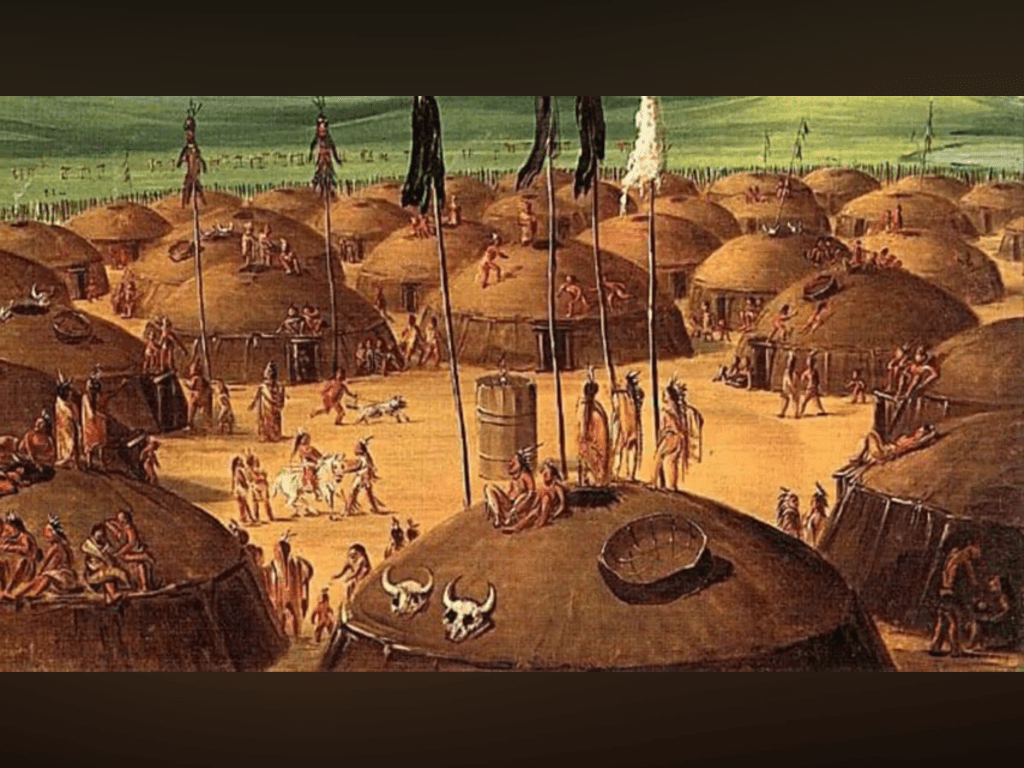
The new Southern history started in 1888 or thereabouts, with 1933 appearing oddly often. The commonalities of these sites, like the ‘charcoal-filled pits’ and ‘post holes’ are left as side curiousities or mysteries or given barely-plausible labels like ‘ceremonial spaces’ or ‘burial grounds’.
According to Wiki we see some typical features, like the involvement of the Smithsonian Institution, and a minimum of curious names and the all-important dates to keep our minds distracted from the bigger picture:
The earliest recorded written mention of the mounds was in 1779 by Athanase de Mézières, who traveled from Louisiana to San Antonio in the employ of the Spanish government. In 1919 American James Edwin Pearce was the first professional archeologist to record the site for the Bureau of Ethnology (Smithsonian Institution). In 1933 archeologist E. B. Sayles concluded that the site was a Caddo mound center, after conducting surface collection of artifacts at the location.
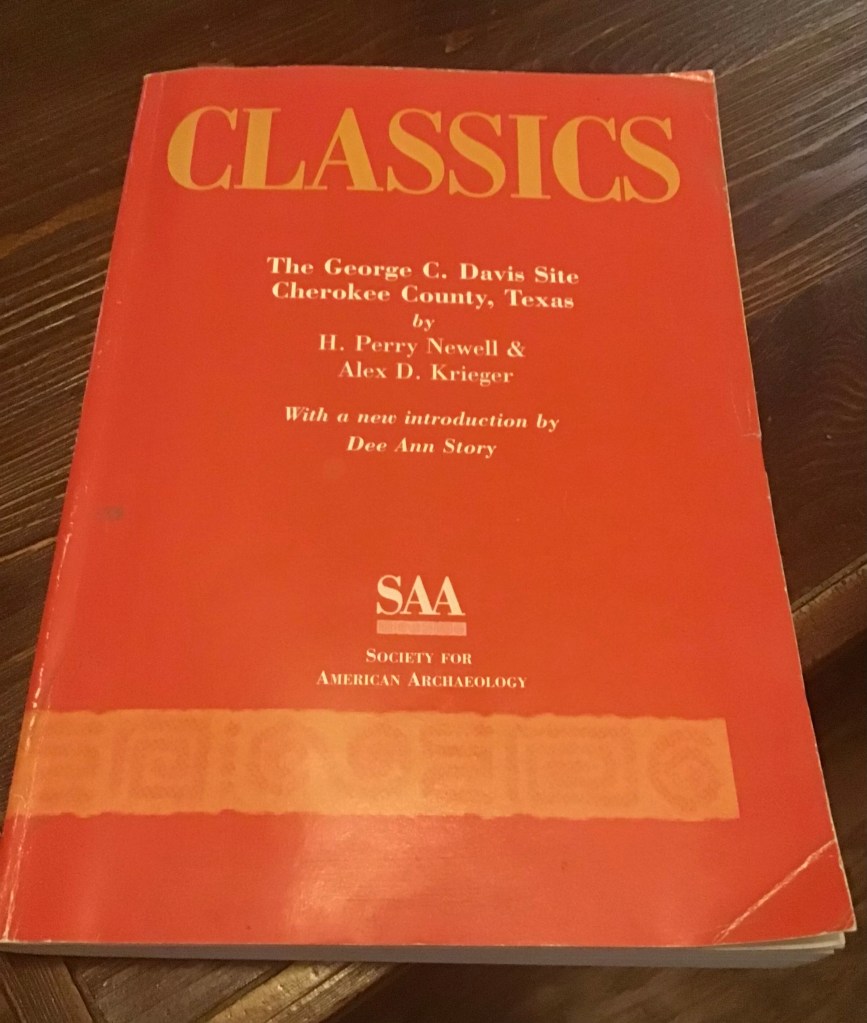
The first scientific excavations were conducted from 1939 to 1941 by H. Perry Newell, a University of Texas archeologist with the federal Work Projects Administration in the government of President Franklin D. Roosevelt. When Newell died, archeologist Alex D. Krieger took over investigations at the site and concluded that it had been a major Caddo site. Further excavations in the 1960s and early 1970s by Dee Ann Story pinpointed the timeline of the site to 780 and 1260.
Following military service, Tunnell returned to Texas and began working with archeologist Ed Jelks on the Texas Rivers Basin Survey project funded by the Smithsonian Institution. Their first investigations took place along the McGee Bend of the Angelina River in East Texas, later impounded as part of Sam Rayburn Reservoir. He also worked in the Lake Amistad area along the Rio Grande.
As State Archeologist, Tunnell participated in scientific investigations at the Alamo and other important Spanish Colonial mission and presidio sites in Texas, directed archeological excavations at the ancient Folsom-age Adair-Steadman site, and braved the waters of the Rio Grande in order to record the archeological resources present in the canyons of the Big Bend region. He battled commercial salvagers to retain the 1554 Spanish shipwreck artifacts for the State of Texas and was instrumental in the development of the Antiquities Code of Texas, the legal tool to protect historic resources on public (state) land, including submerged shipwrecks. His films and audiotapes documenting the work of numerous folk artisans and craftsmen in the Texas-Mexico border region may well represent the only records of the practitioners of many vanishing crafts and arts. In 1981, Tunnell became THC executive director, a position he held until his retirement in January 1999. Through his decades of state service, Tunnell traveled to all 254 Texas counties and developed lasting friendships in all regions of the state. Tunnell passed away suddenly at his home on April 13, 2001.
His name was Tunnell, former military, and her name was Story. Isn’t that special. He liked to talk about Arts & Crafts. But not so much about Antiquitech.
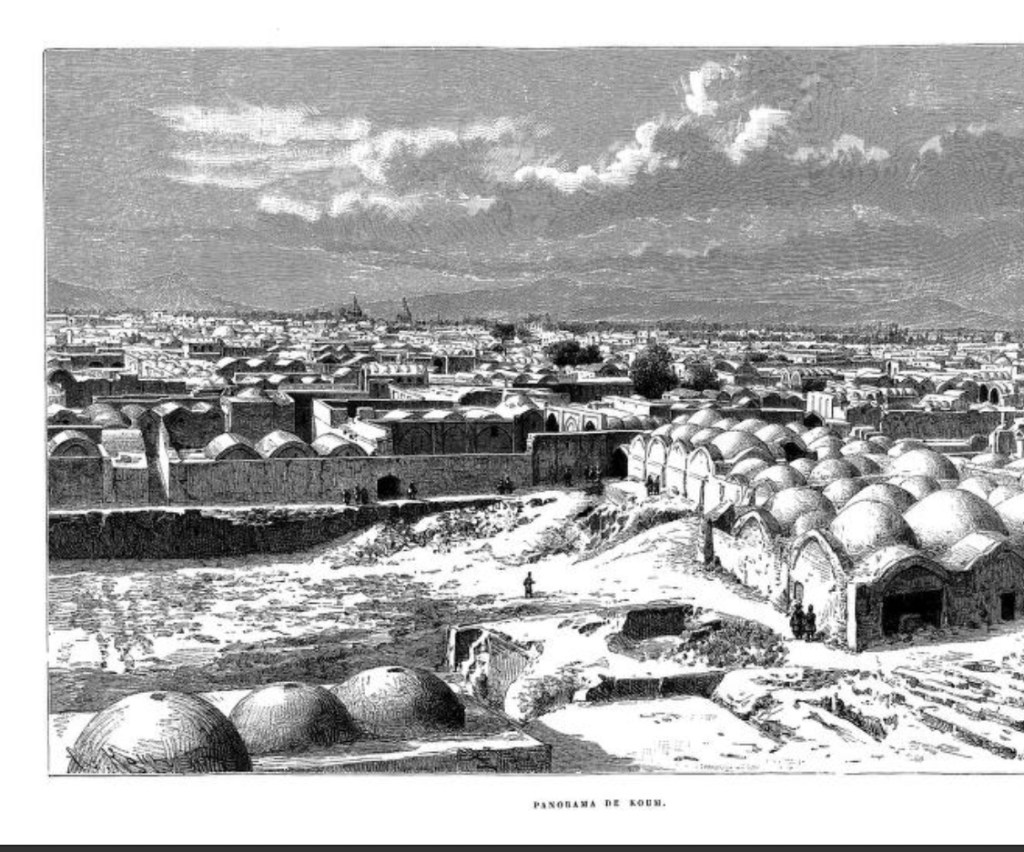
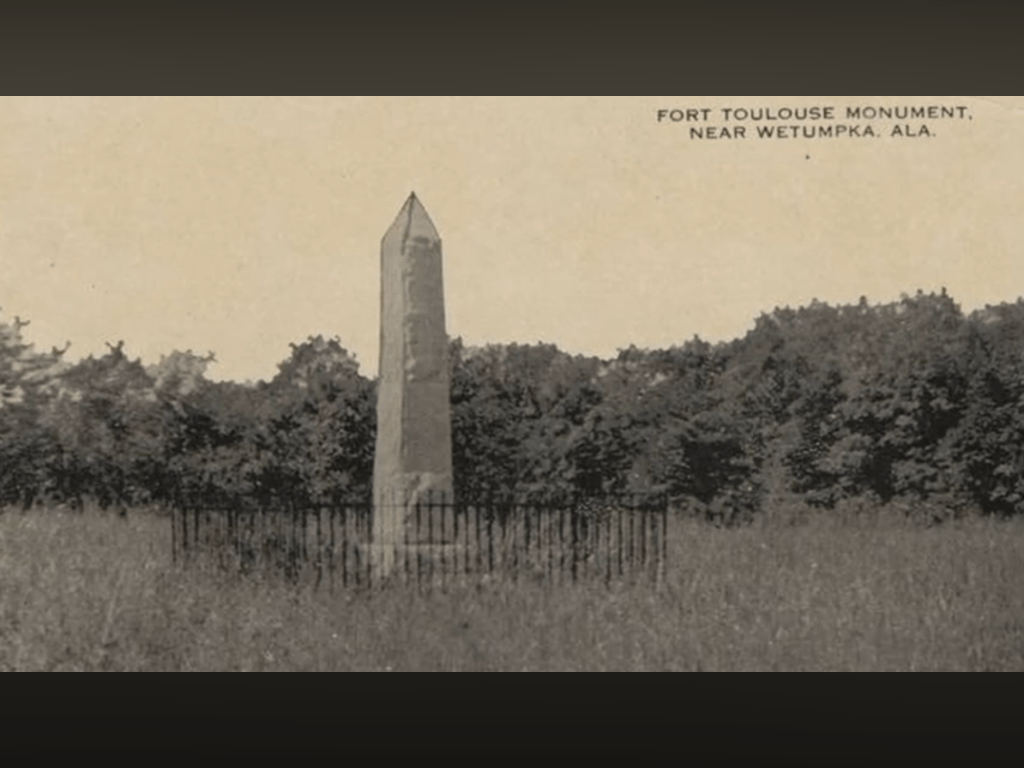
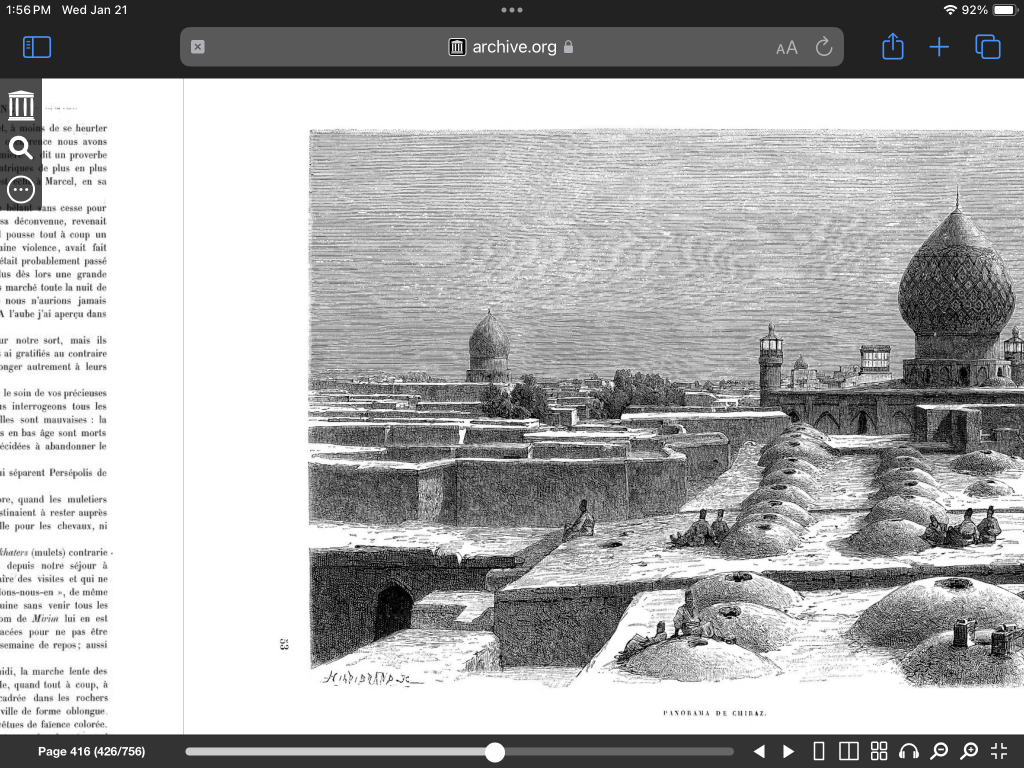
What I wonder is, do the actual tunnels tell another story?
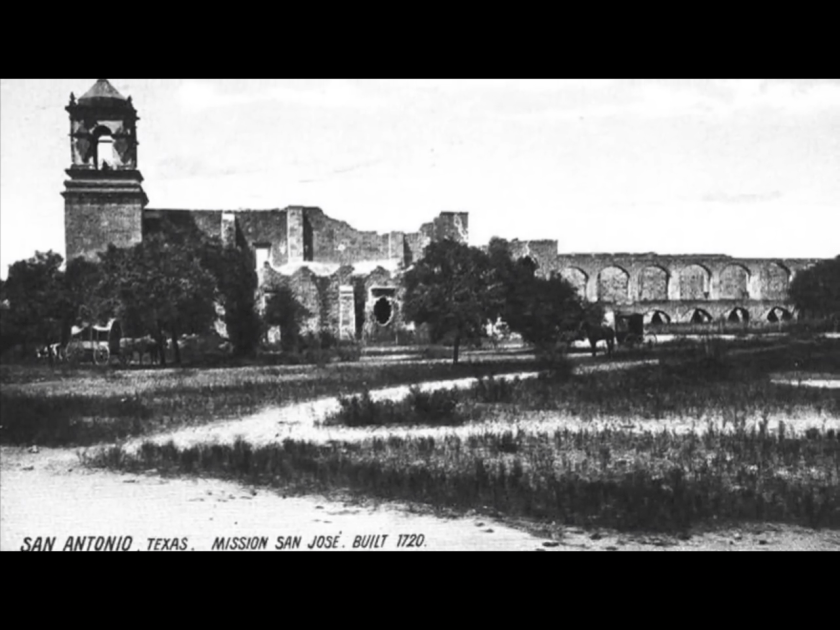
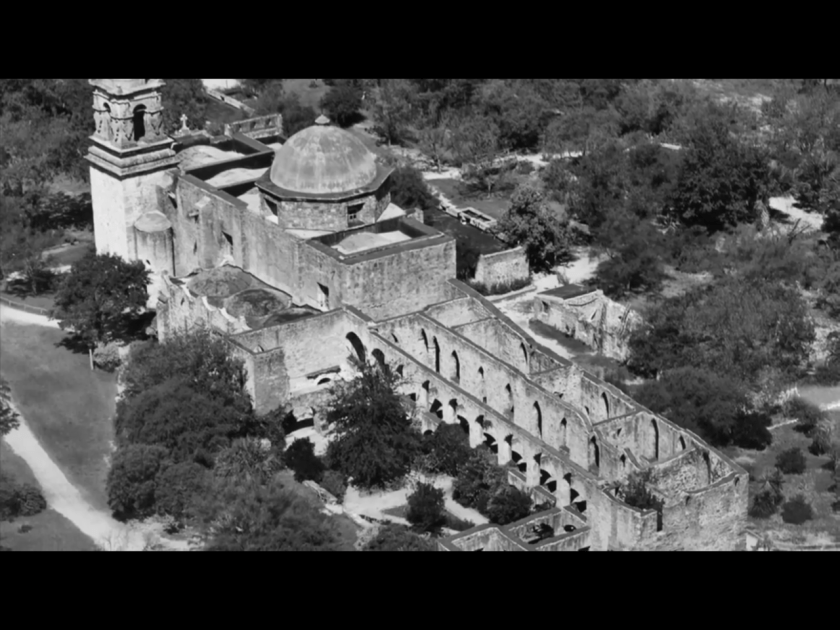
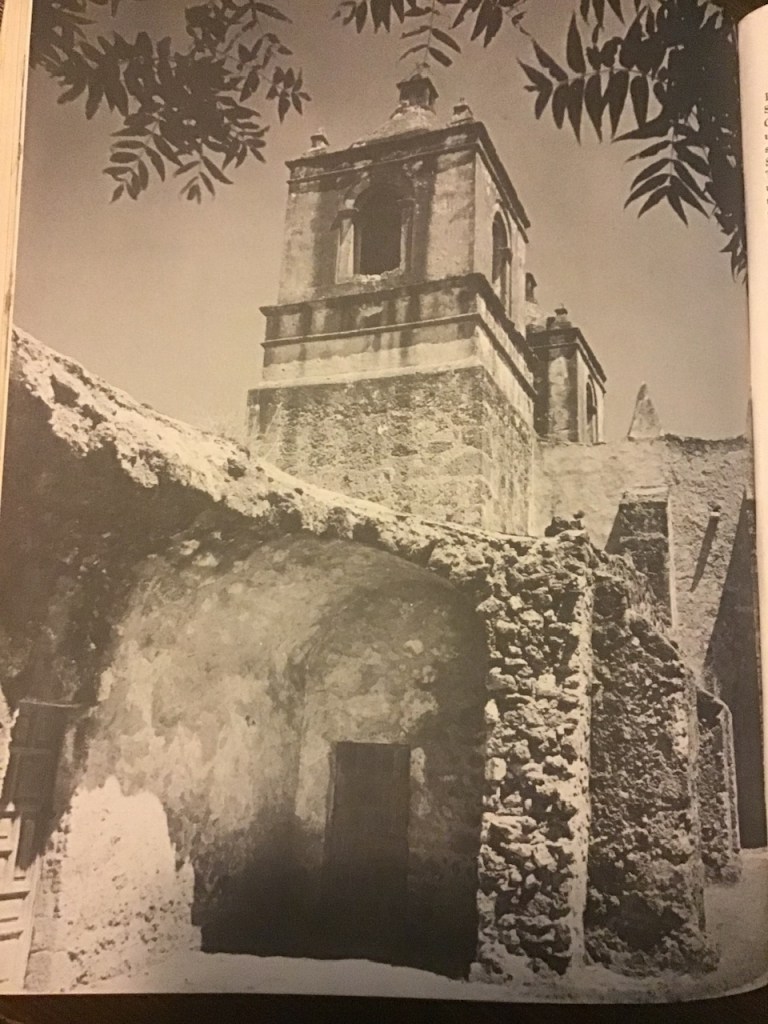
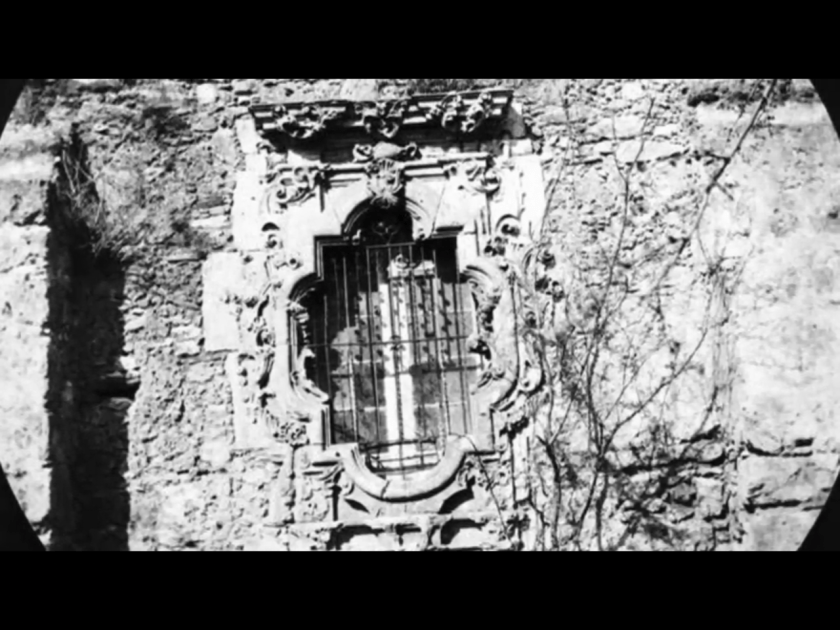
We’ve got mounds and post holes and charcoal-filled pits; we’ve got vast stone walls covered over by lakes and resevoirs and now deemed ‘legend’; we’ve got historical timelines that have clearly been ‘revised’, many times; we’ve got buildings and other structures that make no sense, but get little attention.
The burying of the past continues, the generational amensia widens, and aside from a few Youtubers and their marginalized audiences, I wonder if anyone else really cares.
Just in case you are one of the few who do, thank you, and you’re welcome.
More on the vast and ubiquitous caves and caverns of Texas and the mid-West on a future journey.