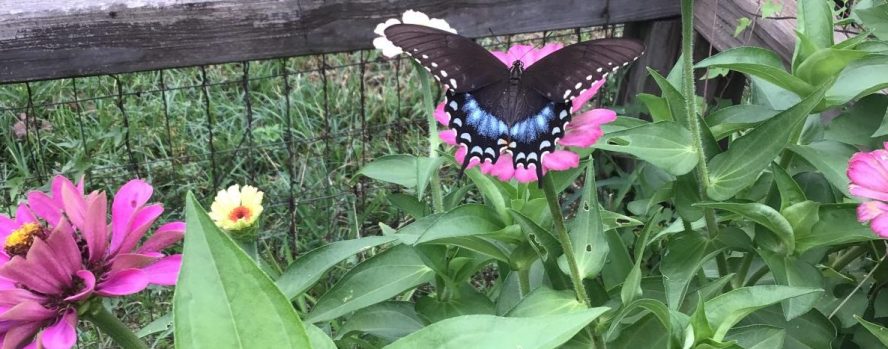
Herbal Explorations: Chinaberry Tree


Melia azedarach

Persian lilac is my favorite of its very many common names. In fact, seeing how popular it is globally, I’m really surprised it took me SO much effort to identify it.

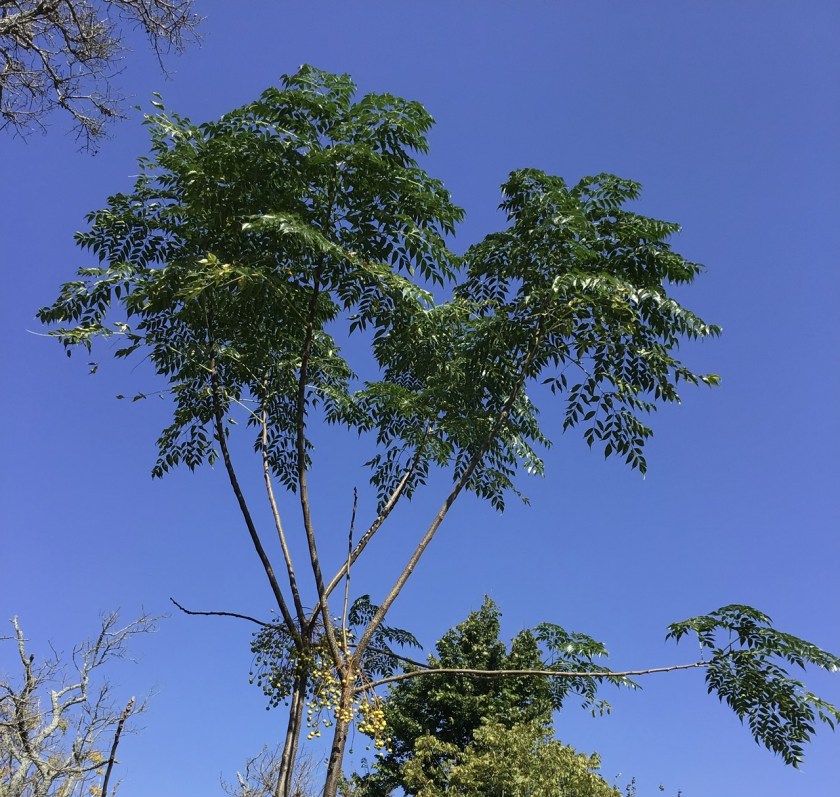
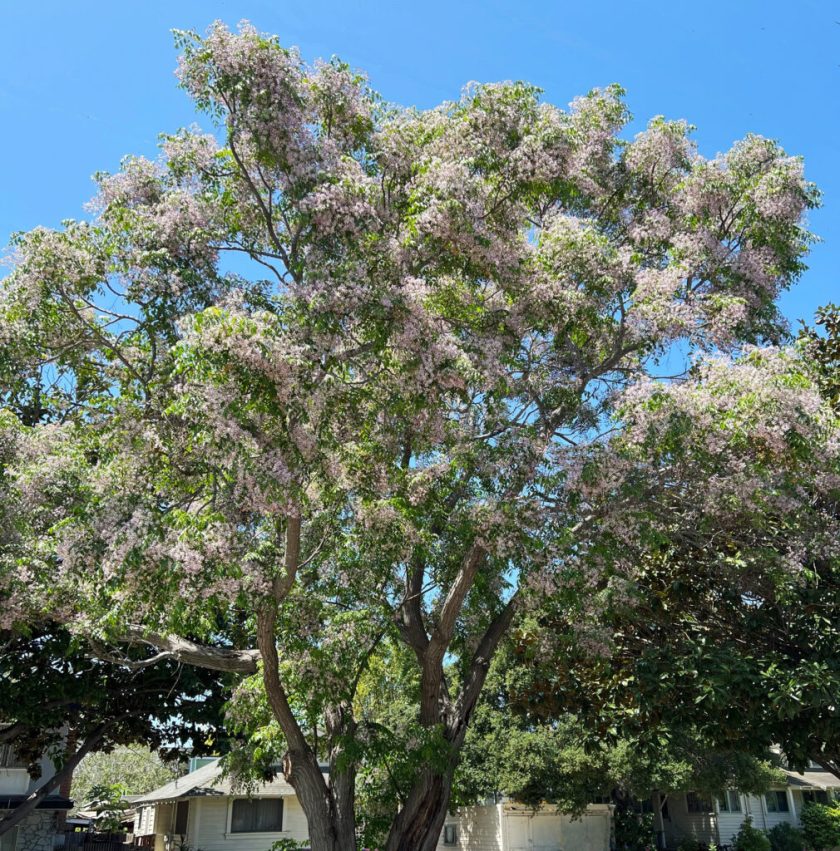
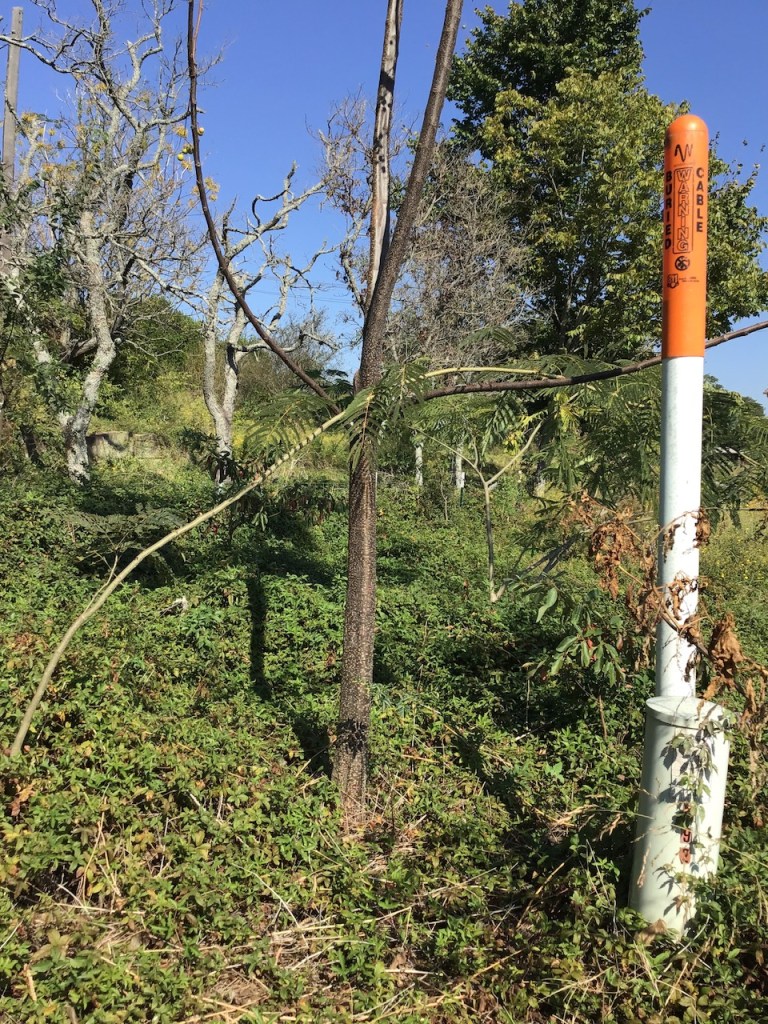
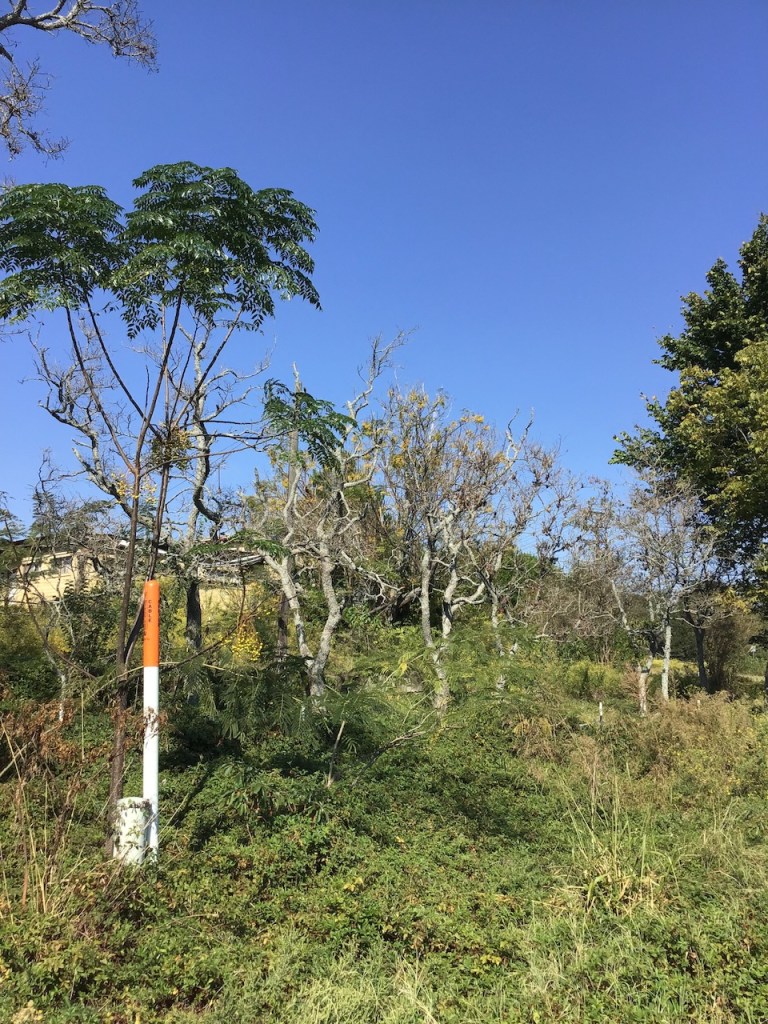
Located in an abandoned lot among several Mimosa trees and lots of very prickly bramble

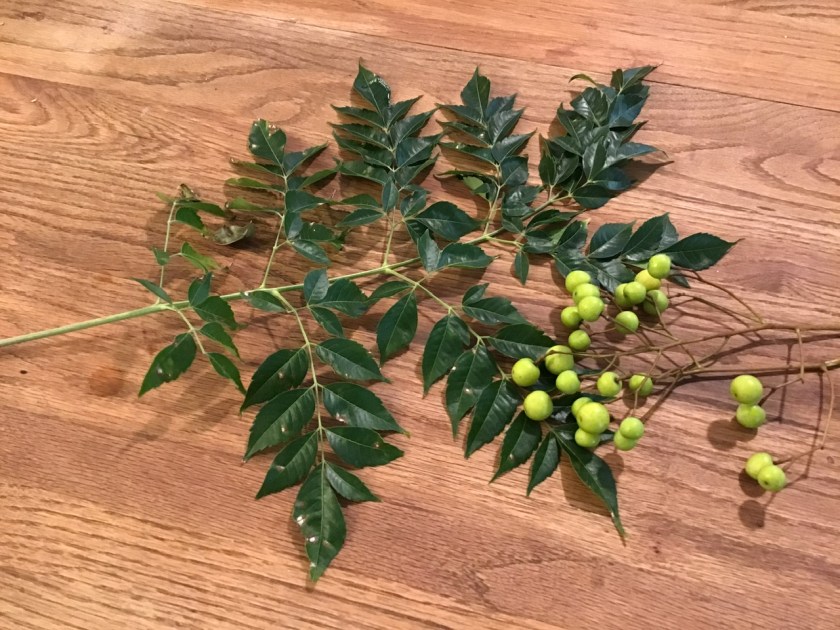
‘Free, or noble tree’ –I like that one, too. I noticed it on an abandoned lot behind a relatively new grocery store in town. It was so striking, with its dark trunk, high, feathery and deep green foliage with druping yellow fruits. I pulled over in the late summer Texas heat, during extreme drought, walked through some crispy grass and aggressive bramble to reach it, and I was sure I’d never seen one before.

Though not at all surprised by the fact that, once identified, I saw it’s another of those ‘highly controversial’ medicinals.

Melia azedarach, popularly known as the chinaberry tree, Pride of India, bead-tree, Cape lilac is a species of deciduous tree in the mahogany family, Meliaceae. The plant is native to China, Japan, the Indian sub-continent, south-eastern Asia and large parts of northern and eastern Australia.  Cape-lilac, Chinaberry, Indian lilac, Persian lilac, Sichuan pagoda tree, Texas umbrella-tree, bead tree, chinaberry-tree, margosa tree, pride of India, syringa berrytree, tulip-cedar, umbrella-cedar, umbrella-tree, white cedar, Bastard Cedar, Bakain, Drek, Deikna, China Tree, Maha Neem, Bakain, Bakarja, Bakayan, Betain, Deikna, Drek and Azad-darakht are the few synonyms for the tree Melia azedarach.  It is an ornamental tree with multiple uses. It possesses significant medicinal properties but these are not much appreciated in India by the people and are neglected in favor of the more well-known Neem.

The genus name Melia is derived from μελία (melía), the Greek word used by Theophrastus (c. 371 – c. 287 BC) for Fraxinus ornus, which has similar leaves. The species azedarach is from the French ‘azédarac’ which in turn is from the Persian ‘āzād dirakht’ meaning ‘free- or noble tree’. Melia azedarach should not be confused with the Azadirachta trees, which are in the same family, but a different genus. This tree’s fruit is poisonous to humans. Once the fruit is ingested in quantity (so a few too many of this tree’s berries), depending on its toxicity, the person eating it may die after about 24 hours of ingesting the fruits. Its flowers are a respiratory irritant and its leaves, bark, flowers and sometimes fruit are poisonous.

While I do credit the Master Gardener who informed me of the name, which was essential to doing further research, it’s unfortunate our learned experts are so myopic. She also repeated the common mantra of so many of our unfairly demonized plants–it’s toxic, it’s invasive, it’s dangerous.

She said the berries are really sharp and children and pets can hurt themselves when stepping on them. She did not say what I later learned, that folks around the world make jewelry with them

It is also an ancient medicinal with many healing properties.

Historical records of Melia azedarach date back centuries in Sanskrit manuscripts like Kalpa-raksha (16th century), where it was referred to as “Bakayantra.” Ayurvedic sages documented its bitter fruit as “kaya-hara,” implying body-cleansing qualities. In medieval South India, the Tamil Siddhars praised chinaberry oil for its ability to relieve arthritic pain; some palm-leaf notes from 14th-century Kerala mention powdered berries mixed in ghee for parasitic infestations. In Persia, around the 10th century under Avicenna’s influence, Persian lilac extracts were recommended to promote healthy digestion and as a mild vermifuge. Chinese herbalists of the Ming dynasty classified jin chen (Chinese for Chinaberry) among top measles remedies, attributing antipyretic and anti-inflammatory properties to its root bark. Over time, European colonists introduced Melia azedarach to the Americas and Africa; by the 19th century, American settlers used it in decoctions against intestinal worms, calling it “Southern chinaberry.” Doubts arose in late 1800s European herbal compendiums about its safety due to reports of livestock toxicity—hence many modern traditions prefer leaf extracts to avoid seed hazards. Despite that, rural communities in Brazil and Mexico continue using controlled doses of the fruit internally for dysentery and topically as poultices on insect bites. Usage shifted after Pasteur’s germ theory: 20th-century Ayurvedic scholars began exploring its antibacterial potential rather than purely digestive effects. Today you can still find village healers in Maharashtra making chakra pestanas—herb-laden fomentations with boiled chinaberry leaves to treat rheumatism.

Melia azedarach in Ayurveda | Benefits, Uses & Healing Properties

As popular as it is I was twice given misidentifications by AI

Therapeutic Effects and Health Benefits

Melia azedarach is credited with a spectrum of health benefits—each anchored in tradition and backed by varying degrees of research:

  • Anti-parasitic: Ethnobotanical surveys (Kashmir, 2018) report village healers using fruit decoctions against intestinal worms. Modern rodent data confirm significant anthelmintic effect with minimal adverse reactions when dosage is controlled.
  • Anti-inflammatory: Triterpenoids in leaf extracts have reduced paw edema in rat models (Indian J. Pharmacol., 2017). Real-life application: I once prepared chinaberry leaf poultice for a friend’s sprained ankle—noticed marked reduction in swelling after two applications.
  • Antimicrobial: In vitro studies against Staphylococcus aureus and E. coli show up to 70% inhibition (Phytotherapy Res., 2019). Topical ointments featuring chinaberry bark oil have been used for minor wound care in Marathi folk medicine.
  • Digestive support: Bitter principles enhance gastric secretion. Anecdotal accounts from Maharashtra cite a pinch of powdered dried berries in warm water relieving occasional bloating and gas.
  • Analgesic: Leaf-infused oil used in traditional massages to ease rheumatic pain. Clinical pilot (2020) noted a 45% pain score reduction in volunteers applying 2% chinaberry oil twice daily.
  • Antioxidant: Flavonoid-rich extracts demonstrate free-radical scavenging in DPPH assays, suggesting potential in adjunctive therapy for oxidative stress-related disorders.

Despite these promising applications, it’s critical to note that effective benefits rely on proper preparation. In raw or high-dose forms, seeds can be mildly toxic (contained saponins). Documented case reports (J. Med. Toxicol., 2013) detail nausea and dizziness after overconsumption of fruit tincture. Hence, therapeutic use demands precision in extraction and dosing.

Melia azedarach(Traditional Chinese medicine)_Baiduwiki

Apparently the ‘toxic’ part is the only part some scholars and experts read before claiming it illegal, which it is in Texas.

And of course that it is supposedly ‘invasive’. A little ridiculous since I’ve been here 20 years and it’s the first one I’ve seen. Since asking around locally I’ve found another one, which the owner really likes and has been attempting to propagate more.

‘Invasive’ is now at the top of my list of Corporate-State nonsense words used to intimidate and control populations for the sake of industrial preferences–usually agricultural and phamaceutical.

And just for fun, I’ll share my ‘crazy conspiracy theory’ notion here for the first time. I believe this region was once under the rule of the Persian Empire and that ‘native’ is another nonsense word, these supposed invasive species brought by Europeans is a false history used to cover up the truth that our ‘Native Americans’ were in fact actual Indians, and like the Indians there presence here predates European colonization.

Chinaberry is on the Texas Dept. of Agriculture’s list of Invasive Plants which are illegal to sell, distribute or import into Texas.

How to Eradicate

For information on how to eradicate this invasive, view our statement on herbicide use and preferred alternatives for invasive plants.  

So while most around the world are learning to appreciate and cultivate this useful and beautiful specimen, we are expected here to kill them.

Melia azedarach – Native Plant Society of Texas

Chinaberry is most invasive in riparian zones or disturbed sites. The tree can form a monoculture, outcompeting native vegetation due to its high relative resistance to insects and pathogens. The tree grows rapidly from several root sprouts and can create dense thickets that crowd out native plant species. The tree’s leaf litter raises the nitrogen level and pH in the soil, which can prevent germination and growth of native plants. Chemicals in leaves inhibit insects’ digestion. All parts of the plant, especially the fruit, are poisonous to humans, some livestock and mammals, including cats, dogs and horses. Cattle and some birds can eat the berries without harm.

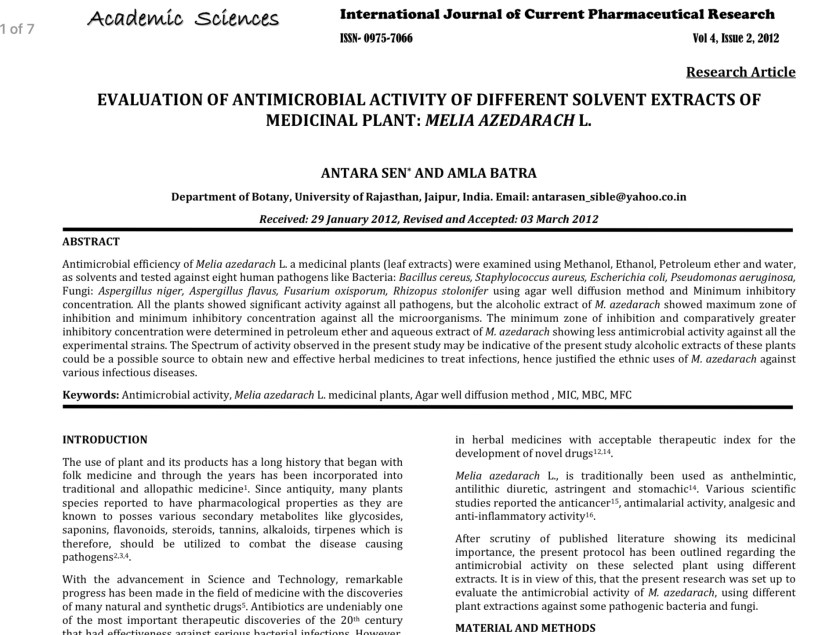
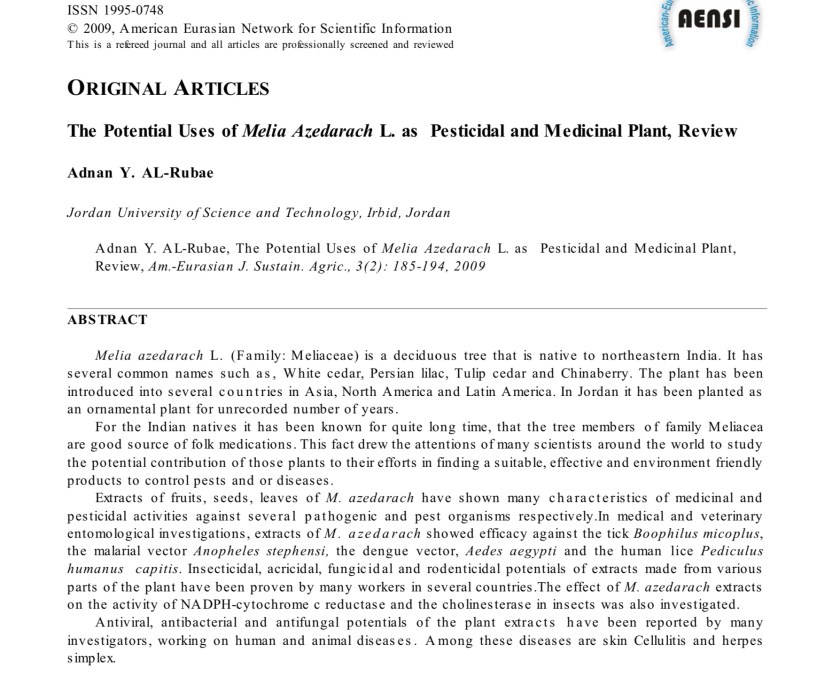
For more technical research into Melia azedarach

https://www.researchgate.net/profile/Dr-Dharmendra-Arya/post/what_is_the_best_method_to_extract_and_evalute_the_antimicrobien_activity_for_calotropis_procera/attachment/5bbcf9153843b006753d80db/AS%3A679895759851521%401539111189704/download/EVALUATION+OF+ANTIMICROBIAL+ACTIVITY+OF+DIFFERENT+SOLVENT+EXTRACTS+OF+MEDICINAL+PLANT+MELIA+AZEDARACH+L..pdf

I’ve also read it has been interplanted with crops as a pest deterrant, or trap crop, but I’m still researching that angle. It seems the bias against this tree in the south-east U.S. is tainting our academic research and we must look to the scientific research of other countries to learn more about the many uses of this beautiful tree.

http://innerpath.com.au/matmed/research/Melia%5Eazedarach.pdf
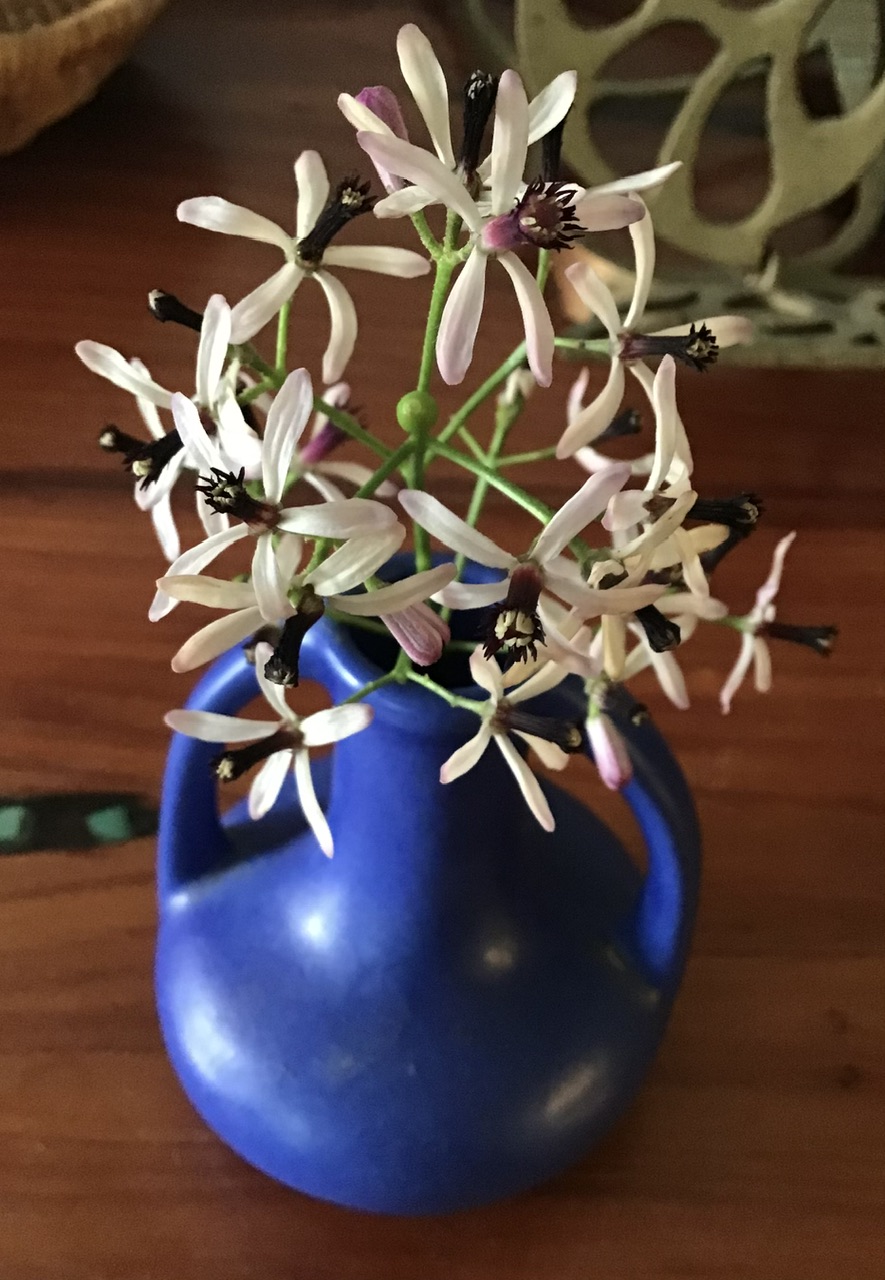
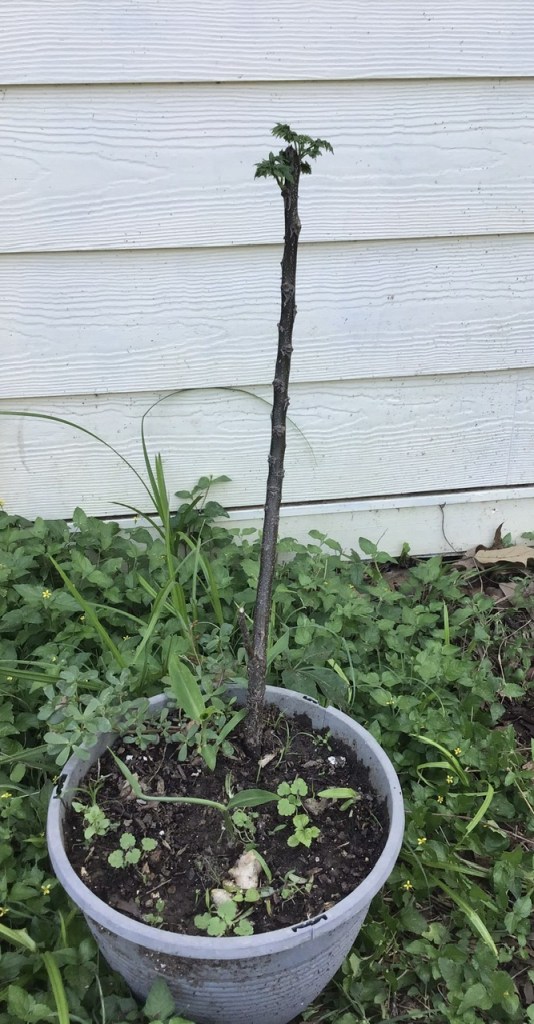
My little Chinaberry foraged/stolen from the abandoned lot where I first fell in love with it.

The Real Cheese, continued

“If you don’t read the news you’re uninformed, if you read the news you’re misinformed.” Mark Twain

The same can be said for labels.  While our “health freedom” advocates go after the most obvious chemical concoctions, or suffle around useless info about calories and so-called vitamins, folks who really do care about their health are getting duped by seemingly healthy foods.  

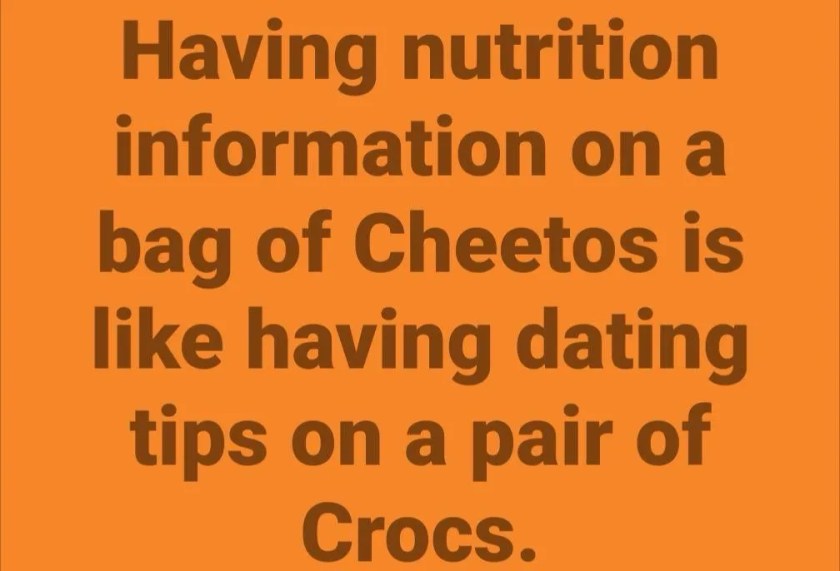
I believe we all know that counting calories is a fool’s errand. But for those who might still not get it, here’s a 2nd grade level demonstration.

Now let’s get to the graduate level.  Enzymes and cultures and rennet, are they all the same?  The modern cheesemakers would like you to believe they are, but they are certainly not.  

My issue is with the deception, just to be clear, that is always my issue.  If folks choose, with proper information and informed consent, to consume chemicals and lab-made food, I have no problem with that.  As the kids like to say, “You do you!”

But this is not what’s happening. These foods are being forced on consumers under an illusion of choice.  We are not even privvy to proper food labeling and cheese is a prime example.

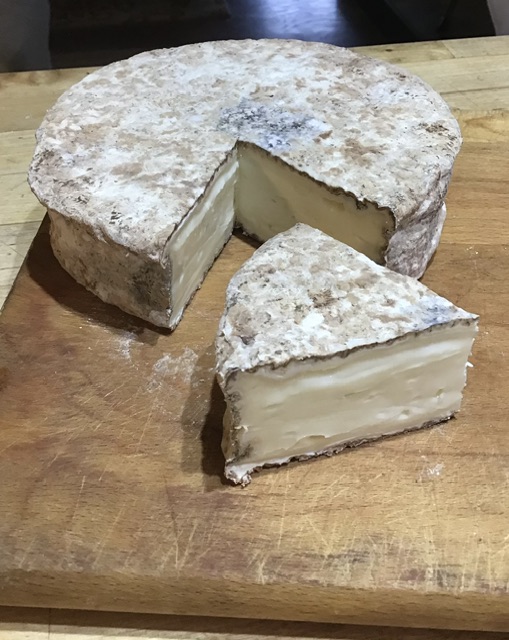
Most cheeses sold today will have the same ingredient list as I do when making a 100% natural cheese: milk, culture, rennet, salt.  Looks simple enough, but it is far more complex than that.

Pasteurized milk or raw milk?  Natural cultures or lab-produced cultures? Animal rennet or the ‘new’ so-called vegetarian rennet?

Already we enter deceptive marketing practices on the topic of rennet, because most folks don’t know what it is or how it is acquired in nature.  

So the manufacturers of vegetarian rennet are relying on consumer ignorance rather than informed consent.

I claim this because they are insinuating, by appealling to vegetarians, that it is more humane than animal rennet.  When it comes to the modern abhorent feed lots and poor treatment of animals ina factory-farm setting I suppose they could be correct.

But in traditional dairy farm protocol this is completely false.  Hubby jokingly calls it “male privilege” because the practice is, only females are raised to maturity.  Boys are sold, castrated or not, or raised separately to be slaughtered for meat after a couple years in the field.  

Natural rennet is acquired by extracting the abomasum of the young ruminant animal’s stomach, which we have done here on the wee homestead, if you want to check it out.  

For the average farm this is not an issue, as there are plenty of males which can be slaughtered for this purpose.  Not that it takes more than one, because it will last a VERY long time, as is proven in “3rd world” dairy operations still today.  This is a process called ‘backslopping’ where a rennet-culture solution are reused for an entire season, similar to how sourdough starters are “grown” and reused.

But when it comes to huge dairy operations with fancy equipment and many rotating employees and assembly-line production this doesn’t work.  It’s not consistent and reliable enough, there are too many variables in such a living product and as the old adage goes, too many hands spoil the broth.

For the giant manufacturers these lab-created cultures and vegetarian rennet are a necessity–for them, not for the consumer.  However, their aim is to make it appear as if they are doing it for “consumer choice”.  Even as the consumer has no choice!

Vegetarian rennet is now the norm, used in the vast majority of cheeses sold in the US.  The same goes for the added starter cultures and “enzymes” used for flavoring and consistency, all produced in a lab.  As they are showing images of happy cows on lush green fields and quaint farmhouses on their labels and websites, this image is as deceptive and manufactured as those ingredients.  

While conscientious consumers rightly raise concerns over animal welfare and antibiotics in their milk, they’ve barely scratched the surface of the issue.  Even the “organic” label here is deliberately deceptive.

Rather than be honest with consumers, instead we get gaslit.  We are suddenly dealing with “allergies” and “intolerences” where none existed before.  We are informed we must take special “enzymes” if we insist on eating dairy foods.  We are directed to the new dairy-free products made by the same manufacturers and also produced in a lab.

And when we try to do our due diligence to understand what is in our food and why it now causes us health problems, as I have, we are given the runaround.

I’ve been on the runaround track for a week now by the Customer Service department of the popular brand Swiss Colony, a major seller of cheeses and meats.  They are clearly trying to run me down by being avoidant and evasive about a very basic question–what’s in your cheese?

After reading all the information on their website and getting no answers, I contacted them directly.  Yes, they use “vegetarian” rennet, which I already knew from their Q&A section.

My initial inquiry:

Hello,
please inform me of the complete ingredient list for your Baby Swiss Cheese, meaning the specific types of cultures and enymes being used, and if possible, the manufacturers’ names for those and as well as your vegetarian rennet.
thank you,

Their reply:

Thank you for contacting Customer Service.

We have forwarded your inquiry to the proper department and will reply with an answer as soon as we receive the information.

We appreciate the opportunity to be of service.

Then, the next day:

Our Baby Swiss uses vegetable rennet.  Please see below for the requested list of ingredients. 

INGREDIENTS: PASTEURIZED WHOLE MILK, CHEESE CULTURES, SALT, ENZYMES, CALCIUM CHLORIDE.

ALLERGY INFORMATION: CONTAINS MILK.

So, the obvious assumption here is, if you have allergies to this product, it’s because you have milk allergies.  Then you get their list of solutions to your problem, links to all their “alternatives”.

  • Dairy-Free, Vegan Mozzarella Cheese That Melts Perfectly, Plant-Based, 7 oz 6-PACK, Lactose Free Cheese with No Allergens, Non Dairy Cheese.
  • Never Better Foods Plant-Based Shredded Cheddar & Mozzarella Cheese Blend, 6 Pack (6 x 7 oz Bags), Dairy-Free, Vegan, and Allergen-Free, Ideal for Cooking, Melting, and Meal Prep
  • Empasta Vegan Cheeze Sauce – Dairy-Free, Gluten-Free, Nut-Free, Soy-Free – Creamy, Easy Melt, Low-Calorie Cheese Sauce Alternative for Dips, Pasta, Nachos, Burgers, Veggies & More – 12oz sustainable jar (Smoked)
  • Madly Hadley Plant-Based Parmesan Cheese, 2 packs – 16oz | Original Vegan Cashew Parmesan Grated Topping for Pasta, Salad, Sauces | Dairy-Free, Gluten-Free, Non-GMO, Soy-Free, Keto-Friendly

Clearly they did not answer my direct questions, so I tried again.  And again.  And again.  And I’m still waiting for my answers.

I will return with their answer, if I get any, in the next post, along with a more upscale brand, to demonstrate more money doesn’t always mean a more natural product.

Homestead Happenings: The Real Cheese

It was too much news last time for one post, and I didn’t care to skimp on the cheese bragging, especially!

But then I got sent off on a cheese tangent when trying to simply explain why most commercially-produced cheese on grocery store shelves should not even be called real cheese anymore.

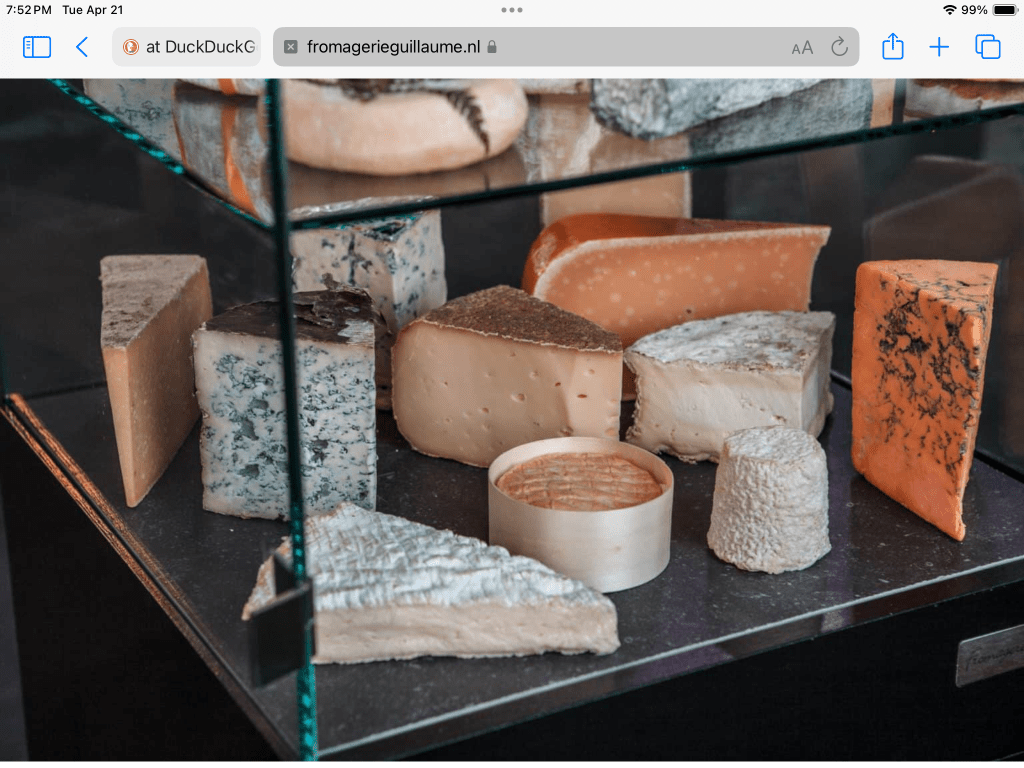
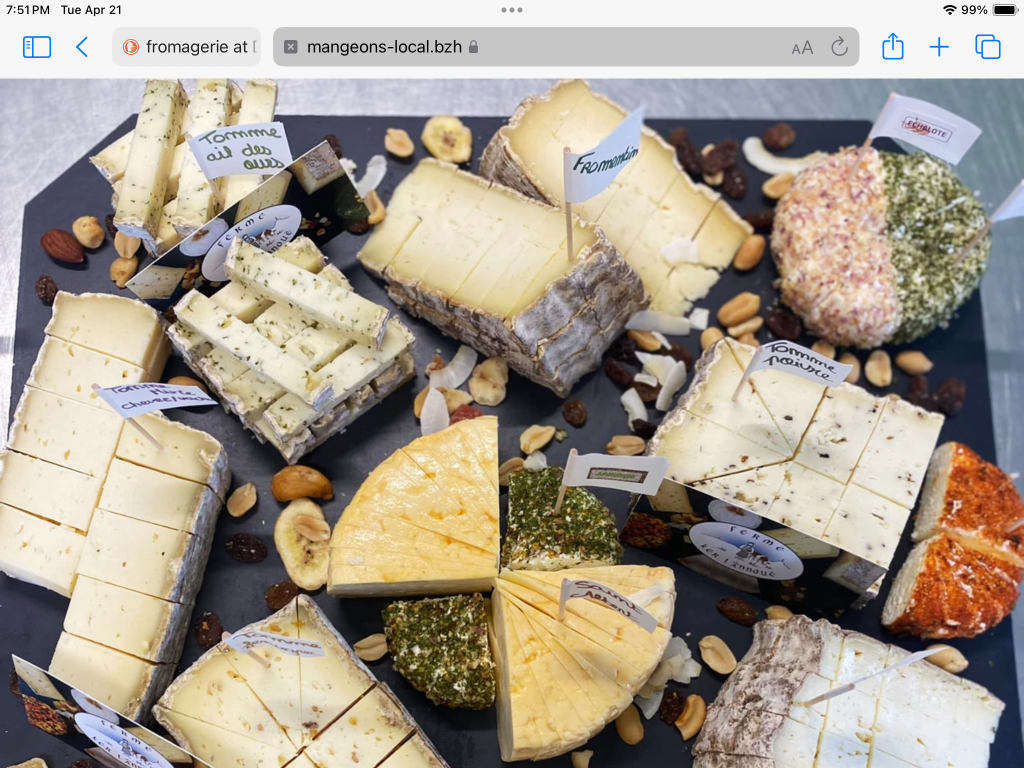
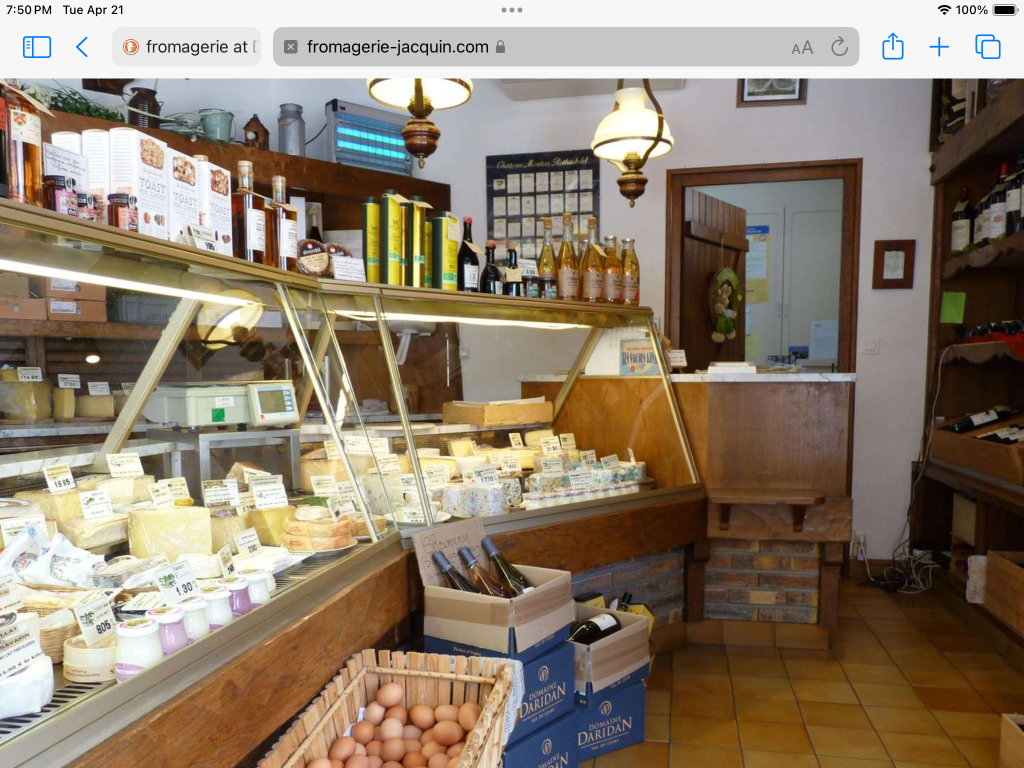
In fact, maybe even some of these fabulous-looking cheeses from traditional French fromageries like I used to love to frequent might also make the fake food list. I sincerely hope not, but France, like all of ‘the West’ are increasingly subjected to the same chemical onslought as we are in the US.

Making cheese is the best thing I’ve ever done.  In my life, without exception.  Thanks to it, I have uncovered some of the rarest, most simple, deepest and most common of universal life lessons.

No offense to Handy Hubby, marrying him is definitely a close second. 😆

I’ve heard similar magnanimous claims recounted only through such trials and tribulations as come through miracles such as child birth and motherhood. But I have not been a mother.  

Don’t cry for me though, because I found cheese!

From it I’ve delved into the practicalities–the art, the craft–of the most delicious hobby I can imagine.  I have also been either introduced, or expanded my knowledge on topics as diverse as vaccines, germ theory, pleomorphism, alchemy, modern chemistry, even math–some things which I rejected with ease or sometimes ferocity–which now claim me, my mind and passions and preoccupations, like one conquered, lured and pushed, exposed and protected, by some ultimate wisdom.  

Anyone who knew me in my younger years would be surprised, I’m sure, as my sister was, that I would willingly and repeatedly entangle my brain with math and science. Not that either is entirely necessary for traditional cheesemaking.

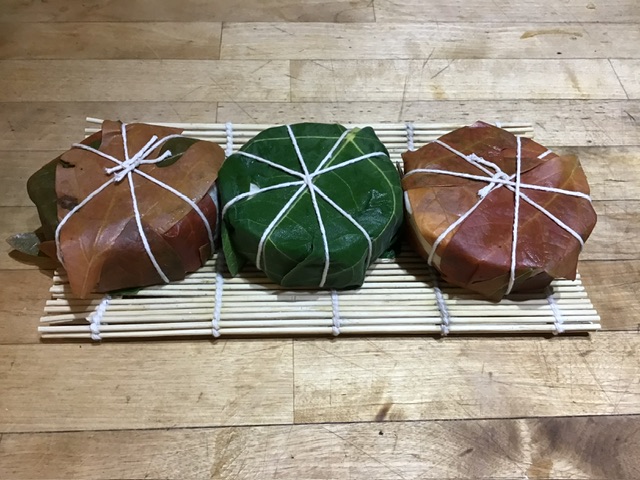
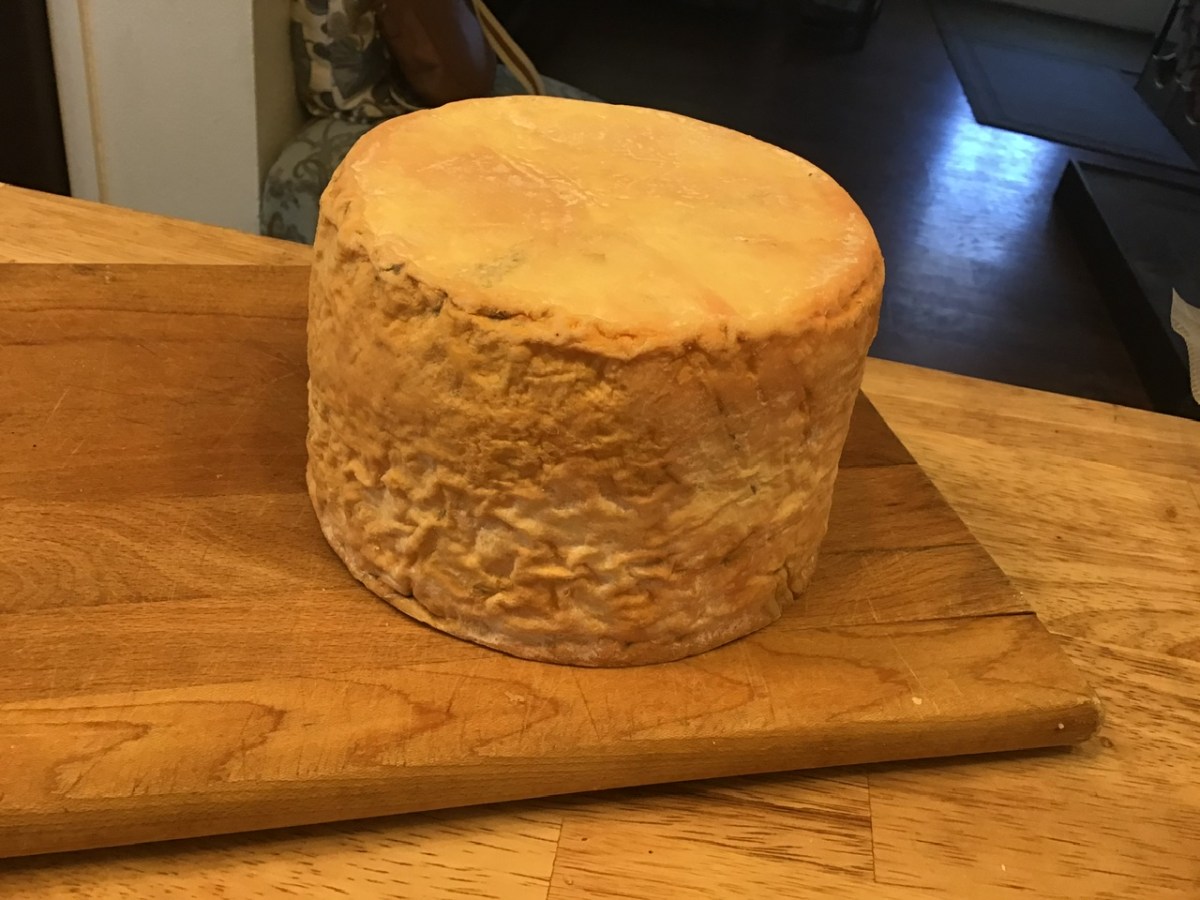
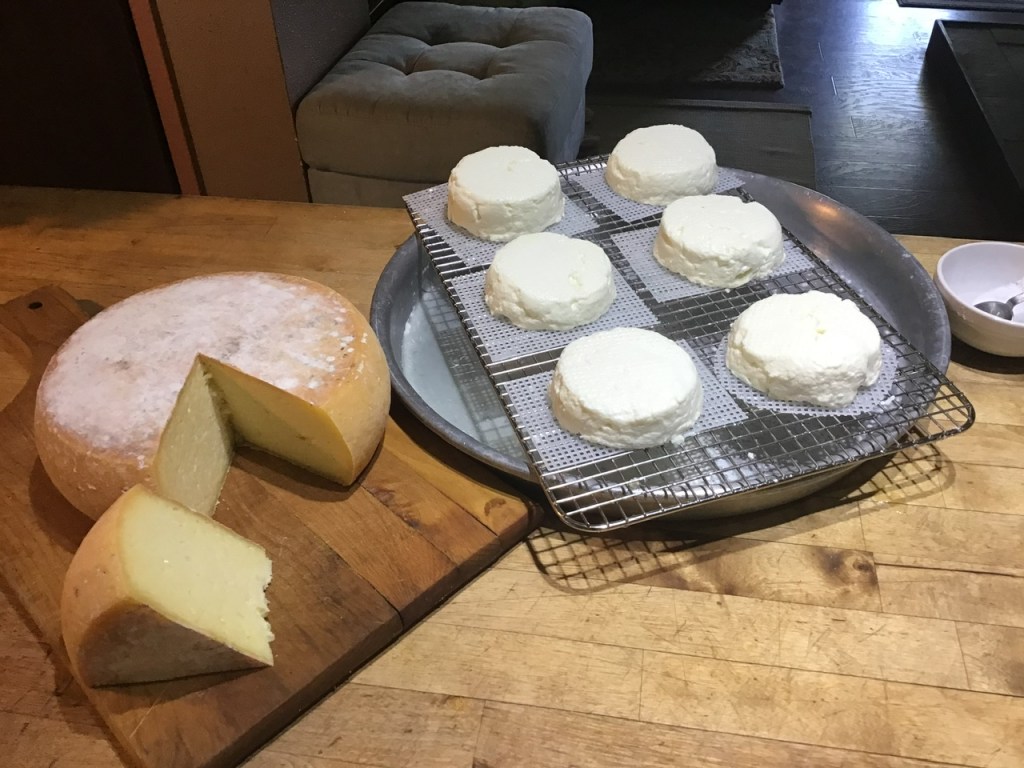
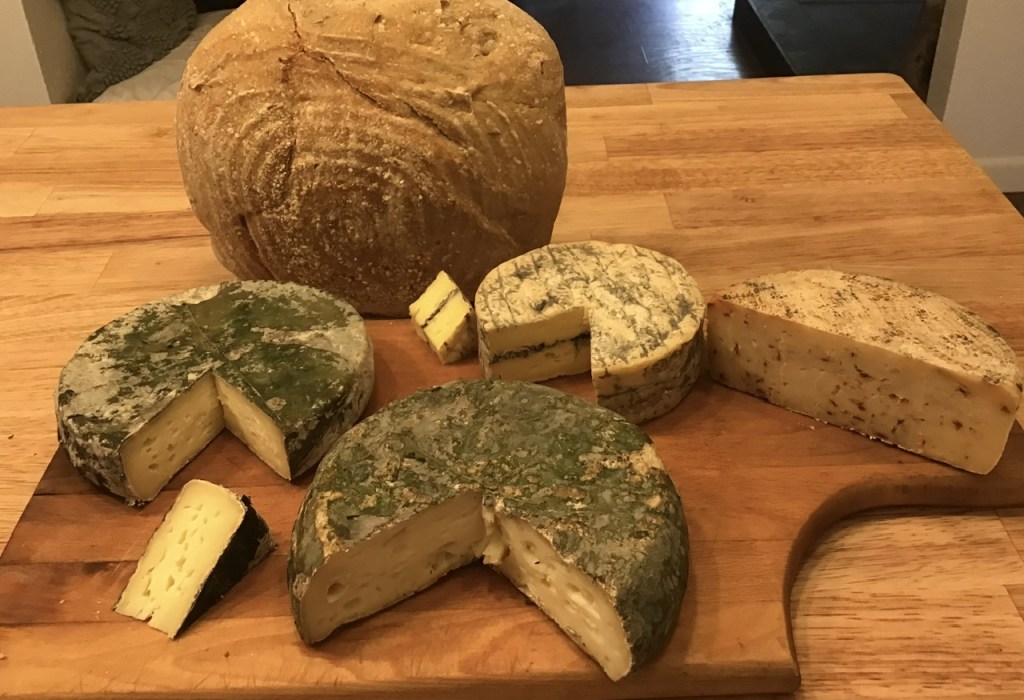
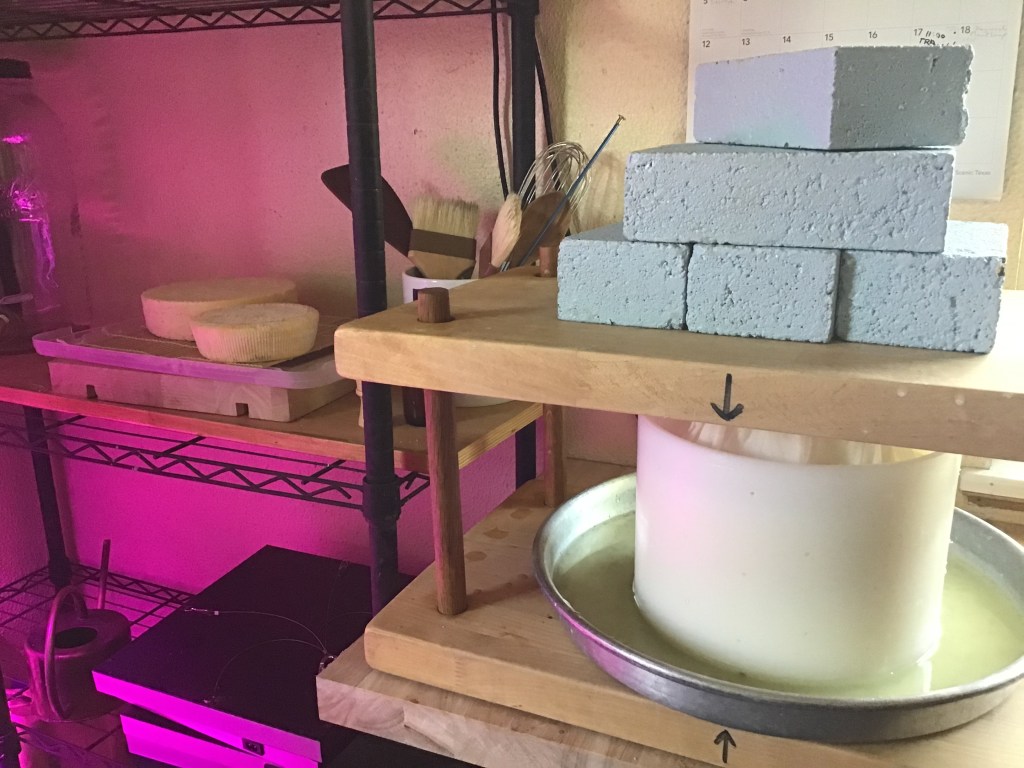
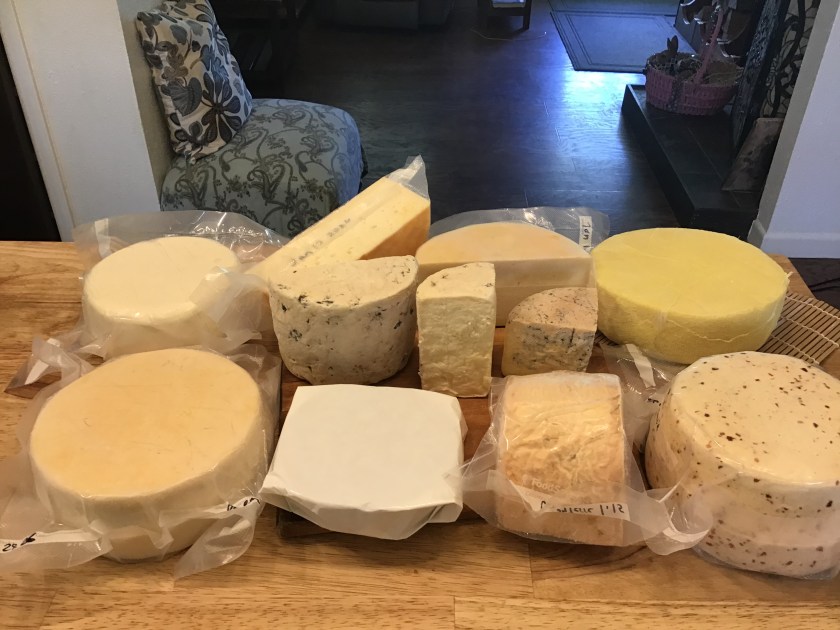
Every cheese pictured here, and plenty more that are not, I’ve made with the same 4 ingredients: locally-sourced raw milk, our own animal rennet, clabber and salt.

From David Asher’s fantastic tome, Milk Into Cheese: The Foundations of Natural Cheesemaking Using Traditional Concepts, Tools, and Techniques

Most commercial producers of cheese believe that packaged starters are the only option for cheese’s proper production; that milk is deficient in the appropriate microbes and rich in dangerous ones; and that they are incapable of realizing the work that is normally done by trained microbiologists.  DVIs (Direct Vat Innoculants–freeze-dried starters) are considered the only acceptable way to safely make cheese, and the most convenient option for producers, big or small.

He’s too polite and wise to say the industry has been completely captured, but I do believe he’d agree with me on that!

Industrial starters are by and large produced by multinational corporations. Danisco, the most prolific starter producer, is based in Denmark and is a subsidiary of DuPont.  This corporation and others like it profit off cheesemakers’ demand for a product that they do not truly need.

Industrial starters are monocultures of microorganisms that have no precedent in nature and need perfectly sterile environments in order to function correctly.  They are out of touch with the reality of cheese, which needs dozens if not hundreds of species of microbes to evolve according to their safest and most flavorful pathways.

The deception on the foundational level, resting on disproven science from the early 1900s, is bad enough.  But the consumer sees none of that, instead being swept up in extremely dubious marketing practices that call these starters natural and necessary.

And that’s even before we delve into the mass manufacturing of “vegetarian rennet” –that is the lab-derived coagulant now used by the vast majority of cheesemakers large and small around the West and perhaps the world, which also also claims to be natural.

Four ingredients.  Just think about that for a moment, please!  That is all it takes to delight, and/or to disgust, in a thousand different ways.  

Labeling, on cheeses as on GMOs, is simply another way to con the consumer.  The process is as important as the ingredients and changing the meaning of words is par for the course.  More on that next post as I delve into the “Nutrition” label of a popular cheese brand.

Fermentation and the art of putrefaction is the process.  Technically putrefaction is the wrong word, though it does sort of work!

Affinage is the correct term for the fine craft of cheese maturation.  According to AI the difference is:

“Putrefaction refers to the decomposition of organic matter, which can negatively affect cheese quality, while affinage is the controlled aging process that enhances the flavor and texture of cheese. Proper affinage prevents undesirable putrefaction by managing environmental conditions and microbial activity during cheese maturation.”

So it’s basically desirable putrefaction.  It’s like the difference between a weed and an herb, it depends on whose garden it is.

But still, think about that! Like aging fine wines and wiskeys, even hot sauces, this is proper fermentation, where territory REALLY matters.  Where some old-school crafters even insist no one else can touch their concoctions or they’re immediately spoiled.  True story!  

It’s POD taken to an extreme unknown even to our own extreme-loving culture.

POD, or DO (designation of origin) is to the cheese world what Provenance is to the art world.  It is, literally, about ‘savoir faire’ (know-how) –being able to trace the work, the process, back to its source.

Perhaps so that industry can try to capture a piece of that magic? Individual and smallscale crafters in the market are not allowed the same right to privacy as the Big Food manufacturers, who routinely get to claim “proprietary” status whenever they care not to divulge their special little secrets. 

Aging cheese, affinage, is an art, craft, indeed a profession, so ancient it predates our recorded history.  It has nothing at all to do with commercial pasteurization, or chemically-adulterated cheeses, which has absolutely compromised the craft.  Which has been further compromised by a negligence of public health standards and an indifference to territory and creating a GloboGlob culture that is so synthetic it now considers consuming chemicals as food ‘natural’.

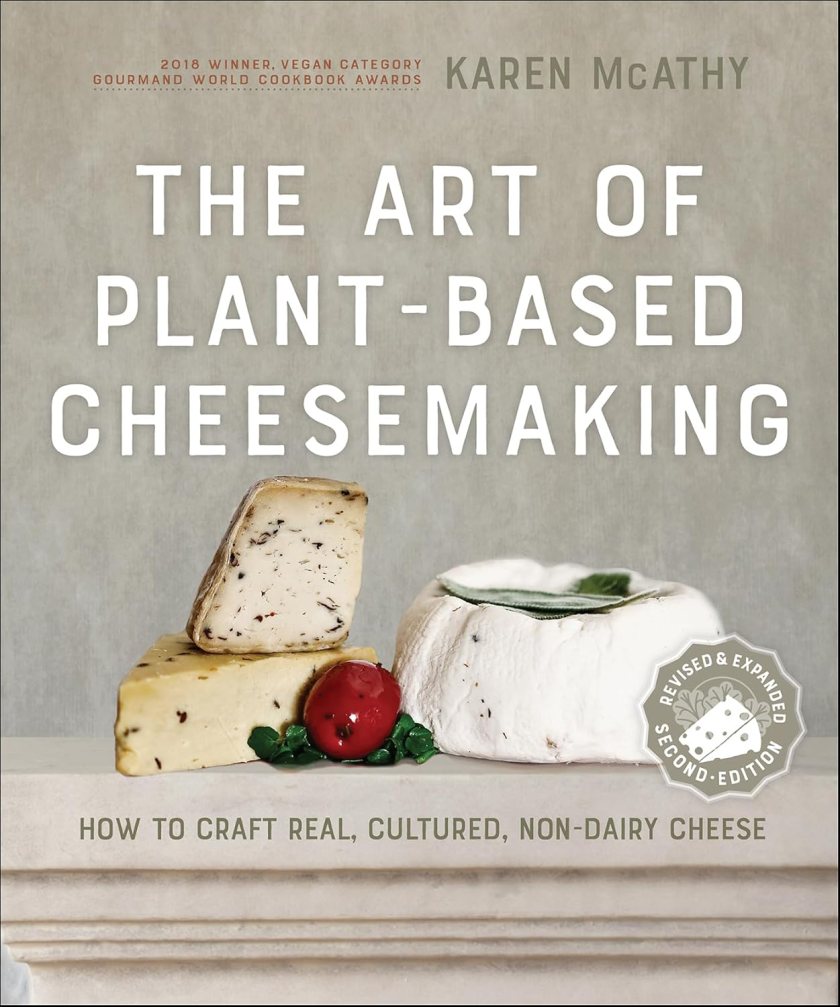
And if you are among the great many who are allergic, they don’t tell you it’s because they’ve completely adulterated the ingredients, the process, and even the meaning of words, oh no, they tell you ‘plant-based cheese’ is the next great thing they’re creating just for you!

The new ‘art’ eh? I think not. But time will tell.

Our tastes tell us a much bigger story than our grocery stores care to oblige.  And the ever-increasing health consequences and debilitating diseases point to our palates and our plates, which should take their rightful place at the top of that pyramid of problems.

Cheese is full of life and how each cheese is treated determines its outcome.  Kind of like children too.  It is not a source of disease, though like rearing anything, it can be a source of dis-ease! 

I also feel such a drive to protect these precious processes.  The downright bastardization of what’s considered natural in these times is only escalating toward greater absurdity.  “Natural” and “only possible to manufacture in a lab setting” should not be synonomous!

If that makes me a food snob, I am pleased to claim the title!  We’ll need an army of Queen Food Snobs to push back against this crazy.

Geoegineering Anarchy?

Geoengineering meets Anarchy, now that’s sexy!

Once again a sweet synchronicity has me posting more links for more good minds’ consideration.

It Is Time to Put to Bed the Lies and Misconceptions Associated With the Term ‘Anarchy’ – LewRockwell

“Anarchism is not a romantic fable but the hardheaded realization, based on five thousand years of experience, that we cannot entrust the management of our lives to kings, priests, politicians, generals, and county commissioners.”

~ Edward Abbey

What Anarchy Is:

I tire of constantly having to explain what anarchy is and what it is not. I tire of having to explain our language to those who seem never to have the time or inclination to study and learn it on their own, and without prejudice. Words mean things, and cannot be arbitrarily changed, or altered to suit a mood, an agenda, or be used improperly in order to create out of thin air, a State or political narrative, or to advance any particular agenda. To begin my comments, I will clarify that the word anarchy simply means no rule – no rulers, and therefore, no master or government; period. 

If one is to go to most any modern dictionary, or look at dictionary synonyms, the list is common. The synonyms used to describe anarchy are: chaos, confusion, disorder, lawlessness, nihilism, rebellion, riot, turmoil, disorganization, insurrection, mutiny, revolution, tumult, mobocracy, mob rule, non-government, reign of terror, and unrest. Only one of these terms is correct; all the others are false, and have been intentionally manufactured to change the true meaning of anarchy. Non-government (no government) is the only correct synonym used, but all other descriptions are what most any would not only find if searching for the meaning of anarchy, but what they would also believe. Of course, few would search out the true meaning by going to the Greek root system of our language, and of course, that is by design as well. Why else do ‘public’ (government controlled ) schools (government indoctrination training centers) exist?

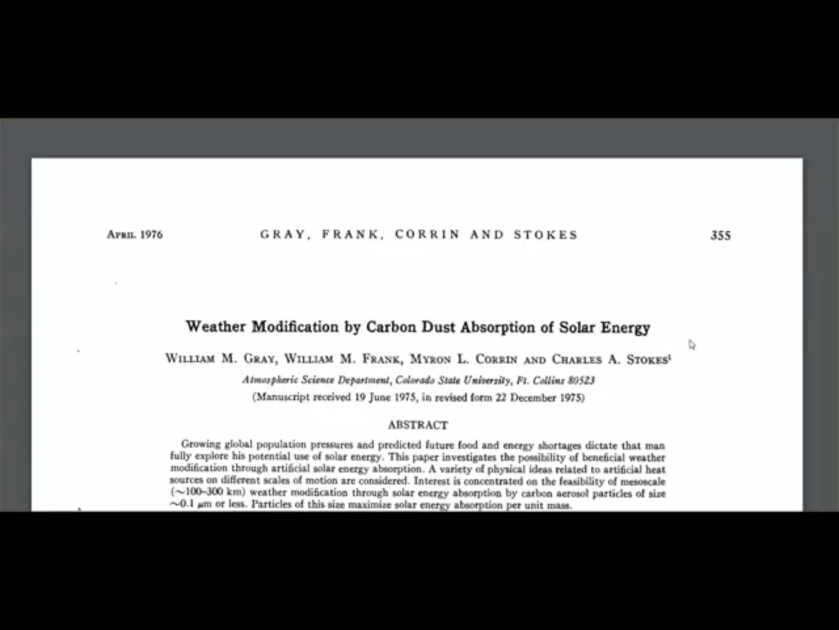
The refreshing article coincided with an ‘interesting’ new documentary on my long-time favorite conspiracy theory–the weather.

Climate Trails, which can be streamed for the price of a Starbuck’s latte, on Amazon.

What got me to find this latest gem is that I was curious and went looking for the first ‘chemtrail’ whistleblower I’d found, round about 2014.  She had been threatened and forced out of the Air Force in 2010 and I’d been really moved by her story.

USAF Environmental Specialist and Air Force ‘chemtrail’ whistleblower interviewed in 2014, threatened and forced out in 2010.

Kristen Meghan

It also includes the courageous activist, Kathryn Saari, who I wrote about a year or so ago, called MellowKat on her Substack.

A very ‘interesting’ documentary, and by that I mean curious.  Perhaps meant to create cognitive dissonance by simultaneous clips of a cursing Anarchist with a well-meaning Kentucky politician, both trying to address the geoengineered atmosphere.  Perhaps with the ultimate ‘come together against this evil’ intention.

Of course we all already know the UK admitd it’s going to dim the sun, and Bill Gates can’t wait to make more billions poisoning more populations in more ways.

I learned that 32 states now have some legislation in the works against weather modification/geoengineering and while I have said in the past this is pointless, the states have zero jurisdiction over this level of operations, I think I was underestimating the overall strategy, perhaps being that I’ve always been a big hater of games.

It is raising awareness.  It’s not that I’m not thrilled for that, I absolutely am!  

My concern though is, by raising awareness, are we raising more folks who really care about the environment and want to stop these persecutions of the natural world?  Or, are we just creating more markets for the great many who choose to profit off our serious problems?

On Germ Theory & Cheesemaking Reality

I taught my Beginners Cheesemaking Workshop at the Senior Center and as always when teaching, I learned SO much.

Beyond the barely controlled kitchen chaos, of which I fully approve, there were the usual sort of mistakes to learn from, like why a random rennet failure for one participant, and why another’s curd did not want to separate from its whey. Those issues were fixed, total failure averted, which is the very best way to teach cheesemaking.

Lots can go wrong but most likely you’ll still have good cheese, that’s my primary teaching goal. It may not be the cheese you were going for, but that’s ok.

Do first, talk later, that’s how it should be with cheesemaking, according to me. There really is a method to my madness, and it’s staunchly ‘anti-science’. This is totally logical, because folks were making cheese LONG before anyone understood the science behind it. In fact, much of the science behind it is still disputed.

You don’t need to know what rennet is, or study a recipe first, or have all your ducks in a row before diving in. In fact, like with many new skills, too much information is actually an impediment to just getting started.

I like to allow the alchemical magic to lure the potential future cheesemaker into the process all on its own. Their desire for more knowledge, more structure, more understanding is a far more powerful teacher than I could ever be prattling on about all the minutea on the science of cheesemaking.

Which is more fascinating, the art or the science of cheesemaking? That will depend on the individual, but let’s face it, for most of us, art is far more fun.

So my moto is, let’s get in and get dirty! And we did, wow, did we make an impressive mess. A deep bow to the very kind ladies who did all the cleanup, I definitely scored there. I should’ve calculated better how much mess there would be, but what fun is there in that?

In my personal debriefing session once home and reflecting on the experience, I had a few ‘room for improvement’ points to make, but not around the mess or the chaos. (Note to self: bring extra cheese for the ones who get stuck washing up.)

Those details are important, but not nearly as important as the most important thing I learned, which is–folks out here don’t actually believe in germ theory. This is something of a revelation for me.

Despite the 5 extra bottles of hand sanitizer in the back room, and the chemically-scented dish soaps by the sink, and the properly clean kitchen that demonstrated good hygienic practices, once the ball got rolling, not a peep about bad bacteria was overheard.

We did eventually talk a bit about bacteria, and so-called germs and my disdain for anti-bacterial products and chemically-laden scents and their detriment to the cheesemaking process, not to mention general good health.

But in practice it was pretty clear the bad germs propaganda was not fully instilled in this clever group of girl and ladies (and our one token man who chivalrously helped me with all the heavy lifting).

Right into the cheese pot went many pairs of bare hands to stir the curd without a moment’s hesitation. I was immediately and very pleasantly surprised.

Then, because of mistakes in one group, and excesses in another, the curds of many pots became communal. A dozen pair of hands, not one that had been scientifically anti-bacterialized (I brought my own soap, which they all used, and several raved about) salting and pouring and forming and pressing.

And while I could see in my mind’s eye my mother’s face pinching into a look of mounting disgust, all I could think was, “This is so awesome!”

Teaching beginning cheesemaking has one crucial thing in common with teaching adults beginning a foreign language: The biggest hindrance to success is fear of failure. And, constant failure is the only way to learn how to do it.

Our education system, in addition to forcing on children such complete nonsense as germ theory, instills in them very early on to harbor a fear of failure.

If I could re-educate around one axiom the entirity of the Western schooling system it would be to learn to fail first, so you get good and used to it.

Take the shame out of failure and watch as the love of learning soars.

Here’s my ‘All you need to know about learning in 3 easy lessons’:

Lesson 1: Fail.
Lesson 2: Learn from those failures!
Lesson 3: Rinse & Repeat!!

And now, let’s learn a thing or two about the failure of the modern pseudoscience known as germ theory from Dr. Nancy Appleton in her book “The Curse of Louis Pasteur: Why Medicine is not healing a diseased world” as reported in the interview/synopsis by:
Lies Are Unbekoming Substack.
https://open.substack.com/pub/unbekoming/p/the-curse-of-louis-pasteur?utm_campaign=post&utm_medium=email

Version 1.0.0

“You’ve spent your entire life believing a story about disease that simply isn’t true. Every time you’ve reached for antibiotics, every time you’ve worried about “catching” something, every time you’ve surrendered your health to medical authority, you’ve been operating under a fundamental misconception that has shaped Western medicine for over a century. Louis Pasteur’s germ theory – the idea that we’re sterile beings under constant attack from external microbes – didn’t just become medical dogma by accident. It triumphed through a combination of political connections, self-promotion, and what we now know from Pasteur’s own hidden notebooks was scientific fraud. The theory promised simple solutions: identify the germ, develop the drug, conquer the disease. But here’s the thing about simple stories – they’re usually wrong.”

This isn’t just an academic dispute between dead scientists. Right now, your body is maintaining thousands of delicate balances – pH, blood sugar, mineral ratios, temperature – through feedback loops of staggering complexity. Walter Cannon called this state homeostasis, building on Claude Bernard’s revelation that we don’t actually live in the external world but in our own internal fluid environment. When this internal environment stays balanced, you have energy, clarity, resistance to disease. But modern life assaults this balance relentlessly: 150 pounds of sugar per year disrupting blood glucose, chronic stress flooding your system with hormones meant for brief emergencies, thousands of chemicals your liver was never designed to process, processed foods that can’t be properly digested. Your digestive enzymes fail, partially digested food leaks into your bloodstream, your immune system exhausts itself fighting food particles instead of threats, and those helpful microorganisms in your body start changing into forms associated with disease. The symptoms you develop – the arthritis, diabetes, chronic fatigue, cancer – aren’t random attacks by germs. They’re the predictable result of your internal environment breaking down.

And this is where the curse becomes clear: by convincing us that disease comes from outside, that our health is beyond our control, that only medical experts with their drugs can save us, the germ theory has robbed us of our power. We’ve become a society spending over a trillion dollars yearly on healthcare while ranking dead last among developed nations in health outcomes. We’re first in infant mortality, cancer rates, chronic disease, and pharmaceutical consumption. The medical system excels at crisis intervention but has completely failed at prevention because it’s been looking in the wrong direction for over a century.”

I have not read this particular book, but these quotes repeat what a great many experts have been publishing for as long as Pasteur has been relentlessly promoted in their stead. They have been, and continue to be, buried beneath pseudoscientific propaganda in order to sell a lot of chemical crap to the public.

It’s been through reading some of these works combined with nearly 15 years of cheesemaking I’ve come to realize a few crucial truths:

*Air-born ‘viruses’ have never been scientifically proven to exist.*

*Trying to abolish bacteria to create a ‘sterile’ environment does more harm than good.*

*Fear of contagion is FAR more contagious than the so-called contagious diseases.*

    I’ll let the experts argue amongst themselves all the fine details of the various theories which were buried so that Pasteur could dominate public health for over a century.

    I know enough from my limited research what is necessary to lead a happier, healthier life and I’m so pleased to know that while the general public may go through the motions to pay some lipservice to germ theory, in all practicality, a lot of them don’t really believe it either.

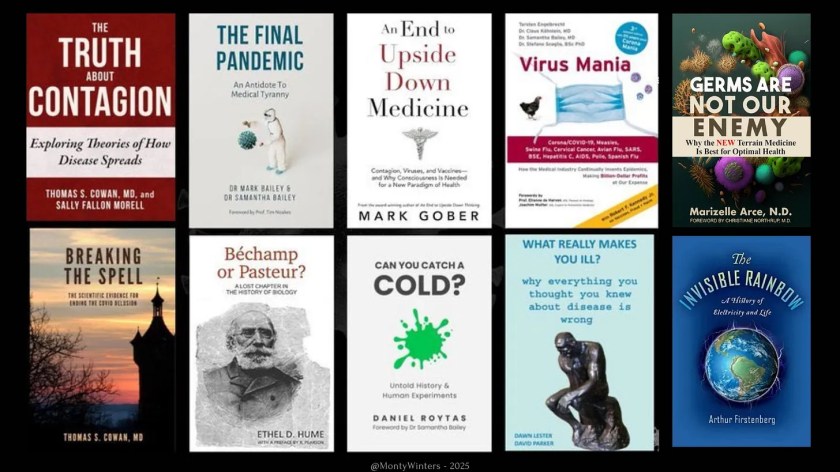
    The modern-day experts trying to unbury Pasteur’s contemporary critics and practices are pushing through the censorship and making life happier and healthier for a lot of folks. If you want to learn more, check out some of their work, loads of it is available for free.

    An easy place to start would be with Mike Stone:
    “In the past—even as recently as 2017, when I first began investigating—there was very little material available for those questioning the mainstream narrative, and what did exist was often difficult to find or access. Today, however, there is an abundance of resources—dedicated websites, books, podcasts, documentaries, Substacks, and more. As I noted three years ago, this growing community of independent thinkers has been reexamining long-held scientific assumptions—not only in virology, but also in bacteriology, immunology, genetics, and even vitamins/nutrition. By critically analyzing old research and questioning foundational claims, people are rediscovering logic and genuine inquiry in place of rote belief. This movement reflects a collective return to critical thinking, open discussion, and the pursuit of truth through shared investigation—a modern renaissance of independent science.”

    https://viroliegy.com/2025/10/02/antiviral-ep-1-virology-a-critique-of-its-foundations

    And many more . . .

    Air Crap

    What disgusting filth is this filling our living room?!

    We were just sitting there watching TV (Clarkson’s Farm) when the light aligned to see them perfectly. I got the tablet as quickly as I could and got it on film. But what I got is a mystery to me. Smart dust?

    We’d just had a surprise rain shower the day before, which made me sick. I didn’t equate it with the rain at the time, Hubby didn’t get sick, so I don’t know. But I felt exhausted and like I was getting the flu. I took a hot shower and it didn’t help. I was shivering and feverish and went to bed about 6 pm. At midnight I woke up completely recovered.

    Dane Wigington (GeoengineeringWatch.org) talks often about the toxic rain, of course. He also tells listeners to do an experiment themselves: Go out at night in a very dark place and beam a strong flashlight upward and you can see the heavy metal and other particulates densely polluting the air. I’ve done this, and it’s true and disgusting. This is what we are breathing all the time and cannot escape and certainly why a good portion of the population has breathing issues and allergies and all kinds of other degenerative diseases.

    At least we can still say “NO!” to the poison injections.

    But how do we say “NO!” to the toxins saturating our air?!

    What do y’all think, Smart dust along with geoengineering particulates tested and proven to be polluting every breath we take?

    The Dimming Documentary

    Epistemic Capture in the Medical Industrial Complex

    This is a repost of select paragraphs from this essay, which is well worth the full read here:
    https://open.substack.com/pub/unbekoming/p/epistemic-capture?utm_campaign=post&utm_medium=email

    “Epistemic capture occurs when an industry controls the conditions of knowledge production—what gets researched, how, and what counts as evidence. It’s far more insidious than regulatory capture, where industries influence the agencies meant to oversee them. When you capture regulation, you control decisions. When you capture epistemology, you control reality itself.

    The pharmaceutical industry has achieved something unprecedented in human history: the complete capture of an entire domain of knowledge production. Every step in the process of creating medical knowledge—from what gets studied in the first place to what appears in medical journals—has been systematically colonized. Medical school textbooks are written by authors with financial conflicts of interest. Two-thirds of medical school department chairs have financial ties to pharma. Two-thirds of researchers carry these same conflicts.

    Federal agencies have side “foundations” enabling corporate contributions. The CDC Foundation, FDA Foundation, NIH Foundation—all serve as money laundering operations where pharmaceutical dollars transform into “public health” policy. Federal officials can own stock in companies they regulate. The foxes don’t just guard the henhouse; they’ve been given shares in the poultry business.

    Rogers, a political economist who follows the money through the labyrinth of pharmaceutical influence, sat before senators and explained what philosophers of science have been warning about in obscurity: when an industry captures the entire knowledge production process—what gets studied, how it’s researched, what counts as evidence—it doesn’t just corrupt individual decisions or regulators. It corrupts reality itself. It keeps us chained in Plato’s cave, mistaking shadows on the wall for truth, while those who cast the shadows profit from our confusion.

    The corruption begins before students even open their textbooks. The top two-thirds of universities own stock in pharmaceutical companies, creating an institutional conflict of interest that pervades every classroom and laboratory. When the universities themselves are investors in the industry they’re supposed to study objectively, the corruption isn’t a bug—it’s a feature.
    Most clinical trials, the supposed gold standard of medical evidence, are conducted by for-profit Contract Research Organizations in China and the developing world, where oversight is minimal and data manipulation is easier. As Rogers revealed in his testimony, a large percentage—perhaps as much as 40%—of medical journal articles are ghostwritten by the pharmaceutical industry. As documented in “Biostitution,” authors with conflicts of interest are up to 20 times less likely to publish studies with negative findings than authors without such conflicts. The published science isn’t science at all, but marketing dressed in academic drag.

    Twenty-seven billion dollars. That’s what the pharmaceutical industry spends annually just on drug promotions to influence prescribing practices. To put this in perspective, that’s more than the entire annual budget of the National Institutes of Health. It’s enough to give every medical doctor in America approximately $27,000 per year. This isn’t education—it’s epistemic warfare conducted with an unlimited budget.

    This money doesn’t flow randomly. It’s strategically deployed to maximum effect. Continuing medical education, ostensibly meant to keep doctors current with the latest science, is sponsored by Big Pharma. The standards of care that doctors must follow or risk malpractice suits are written by physicians with financial conflicts of interest. The regulatory body that accredits private health insurance companies is stacked with industry representatives.
    The money creates what Rogers calls an “epistemic bubble carefully engineered by the pharmaceutical industry to increase its profits.” Inside this bubble, certain questions simply cannot be asked. Certain connections cannot be made. Certain observations cannot be voiced. The money doesn’t just buy silence—it shapes the very conceptual framework through which doctors understand health and disease.

    Consider how the tobacco industry pioneered this approach. As documented in “Agnotology,” they created a “stable” of experts to manufacture doubt, to call for endless research, to ensure that the “debate” never ended even as the bodies piled up. The pharmaceutical industry studied this playbook, scaled it up, and perfected it. Where tobacco had millions, pharma has billions. Where tobacco influenced a handful of researchers, pharma has captured entire institutions.

    The economic cost runs into the trillions. Autism alone costs the United States over $250 billion annually. Diabetes, autoimmune diseases, neurological disorders—all have exploded in prevalence during the exact period when pharmaceutical influence over medical knowledge production reached its zenith. The correlation is dismissed within the bubble, but outside it, the pattern is unmistakable.

    The FDA has no regulations concerning the contents of placebos. Manufacturers can put whatever they want into the comparator and still call it a “placebo” by law. Scientific journals have similar non-requirements. About two-thirds of the time, studies don’t even disclose what was in their “placebo.” This definitional corruption extends throughout medical science. A “randomized controlled trial” should compare vaccinated to unvaccinated groups using saline placebos. Instead, they compare new vaccines to old vaccines, or to aluminum adjuvants, ensuring that adverse events appear in both groups and can be dismissed as “background rates.” The corruption is so complete that when Siri demanded true saline placebo studies, the medical establishment insisted such studies would be “unethical”—a perfect epistemic capture where the methods needed to determine safety are declared morally impermissible.

    The path out of epistemic capture begins with recognition. As Rogers emphasized, “ending epistemic capture is the key to stopping corruption, junk science, and iatrogenic injury.” But recognition alone isn’t enough—the entire system of knowledge production in science and medicine needs to be overhauled to liberate it from pharmaceutical industry distortions.

    The ultimate goal isn’t just to end pharmaceutical capture but to make epistemic capture itself visible and preventable. Once we understand how entire fields of knowledge can be colonized, we can build immune systems against it. This requires teaching critical thinking, encouraging intellectual courage, and creating economic structures that reward truth-telling rather than compliance.

    Read full article:

    Geoengineering Update

    Just a couple of vids to share today. I have not (yet) done any sort of deep dive on the Hill Country flooding. I have heard some of the speculation and I’m sure readers could guess my opinion to any question of whether this was a ‘natural’ disaster.

    I was confused by this first video showing how quickly the flooding happened in an area that was getting no rain at the time. It looks like something from an amusement park. But, I did hear they opened certain dams in some areas to divert the intense water flow, so maybe that could help explain it. I’m going to look into this part of the operation in future.

    What’s far easier to see is the current government propaganda drive, and it’s thick and multi-layered. We’ve got promises of disclosure coming from stooges and patsies being played as blame gets shifted and terminology gets altered.

    We will not be led into their narrative spin cycle. That’s why I’ve included the 2nd video. The Spinners want the public blaming small, local cloud-seeding operations, not the global military operations.

    NOLAButterfly is the researcher of the 2nd video and has been active for a very long time. Notice how few views she gets, how little exposure. I’ve seen her kicked off multiple channels over the years and get in heated arguments with top researchers like Jim Lee, who definitely looks to me like he’s joined the dark side.

    I cannot say if her theories are correct. I can say her silencing speaks volumes to me. From what I’ve experienced and seen myself, I believe she has some very plausible ideas backed by research. She explains clearly in the vid what she sees happening and it’s worth a listen.

    Click on the link for the 2nd video, because the embed doesn’t work properly with Rumble videos.

    NOLAButterfly Texas Hill Country flooding, radar explanationhttps://rumble.com/v6vzs4m-radar-analysis-leading-up-to-the-texas-flood-massacre.html

    Disenchanting Enchanted Rock

    I was so excited when I found ‘an expert’ on Enchanted Rock, who had written an entire book on the monument and its surroundings and has a website too, with lots of details. I was sure to have found a great source, I thought.

    Click pic for my previous post about Enchanted Rock called “My favorite Enchanting photo”

    And with a name like Kennedy, it’s gotta be good, right?

    In the spirit of disobedience, in a word, no. Two words: Hell, no! Three words: Big, Fat, Disappointment!!

    Wow, I didn’t realize anyone can just throw any piece of nonsense together and call it history. Or anthropology. Or pretty much any ‘science’.

    Way to spoil a miraculous destination, Kennedy, thanks bunches.

    But I can’t really blame him alone, it’s more than a trend. The dumbing down of the public has been documented for decades, and this sort of material that is supposed to pass as educational is a perfect case in point. So, let’s take a few pokes at it from a few of those many angles.

    The History of Enchanted Rock in the Texas Hill Country by Ira Kennedy self-published in 2010 naming it https://www.amazon.com/HISTORY-ENCHANTED-ROCK-TEXAS-COUNTRY/dp/1456818783
    “The Sacred Landmark of Central Texas”.

    It is not sold as a children’s book and costs $21.99. According to the the Amazon page Ira Kennedy is:

    “Considered as the state’s leading authority on Enchanted Rock, the sacred mountain of Central Texas, Ira has assisted the author’s of several published books, articles and the Thomas Evans mural of Enchanted Rock in the Austin-Bergstorm International Airport. IN 1992, Ira was awarded a Certificate of Appreciation from the Texas Parks and & Wildlife Department for providing numerous educational talks at Enchanted Rock Natural Area.” And it goes on.

    The first Amazon review looked promising.
    “Ira Kennedy is the world expert, in the opinion of many, of this beautiful Texas natural treasure. His knowledge comes from spending a great deal of his life on or near the rock. Ira is a creative genius and humble man who has written this amazing book, sure to answer all your questions about this geological wonder. Beautifully illustrated by Ira, you will keep this book among your special collections.”

    The ‘book’ itself looks more like a coloring book. There are no references or citations, no bibliography or notes. While the author states he did multi-disciplinary research and himself has an advanced degree and was employed in Naval intelligence as a cryptographer, he must seriously understand what an ‘expert’ text would look like, and this one is the polar opposite of scholarly.

    I can only assume ‘expert’ has taken on a new meaning sometime around the year 1999.

    Let’s set the tone with his “Brief Historical Timeline” which begins his story in 12,000 B.C. and ends in 1978. With only a smattering of centuries missing, bless his heart!

    We learn of a dubious-looking character named Jack Hays who was ‘an enigma’. We learn about a William Kennedy and his ‘flower-spangled’ landscape and ‘lost mines’ the ‘fueled the imaginagtion’. We learn about some immigrants from Germany in the 1840s.

    We have the ‘First People’ myths and ‘The Imaginary Frontier’ of the Spanish explorer Alvar Nunez Cabeza de Vaca, who passed right through Mason County in the sixteenth century. And some childish stick figure drawings, some arrowheads and feather headdresses.

    Later in the book are some drawings of angry indians who we learn may or may not have practiced human sacrifice.

    And that about sums up my waste of money and time! Alas, the journey of discovery continues.

    Poor, misunderstood ‘Enchanted Rock’ — I don’t even like your name anymore, so I think I’ll find a new one. And a new history to go with it. It would surely be better footnoted than this toilet paper, and good bit more entertaining I expect too!

    I dare say, you there, intrepid traveler, can you smell anything beyond the boulders of bullshit?

    Religion, Spirituality, Statism

    A public mini-rant.

    Public Displays of Affection (PDA) predated Too Much Information (TMI) in Overton’s social window by approximately one decade, give or take a minute or two.

    Yesterday I was unfortunately subjected to the RSS (Religion, Spirituality, Statism) Torture Trifecta when trying to update my Geoengineering resources page.

    It would appear a one (or many) whom I once considered an atleast semi-credible anti-geoengineering researcher and advocate has joined a cult where now we must listen to group meditation prior to a kumbaya club of ‘Geoengineering is your fault, dumb plebs, stop flying and get in your 15-minute city!’

    Where are the memes?! Seriously, why am I not making them right now?

    Here’s why. Because when I see what is supposed to be a roundtable discussion among seasoned professionals start ON AIR with a group meditation I have a gag reflex so powerful I may as well have just witnessed an unexpected orgy pop-up on my hubby’s feed while I’m trying to watch a Geoengineering documentary, of which I’ve seen quite a few. The best of which is over my head in the actual world!

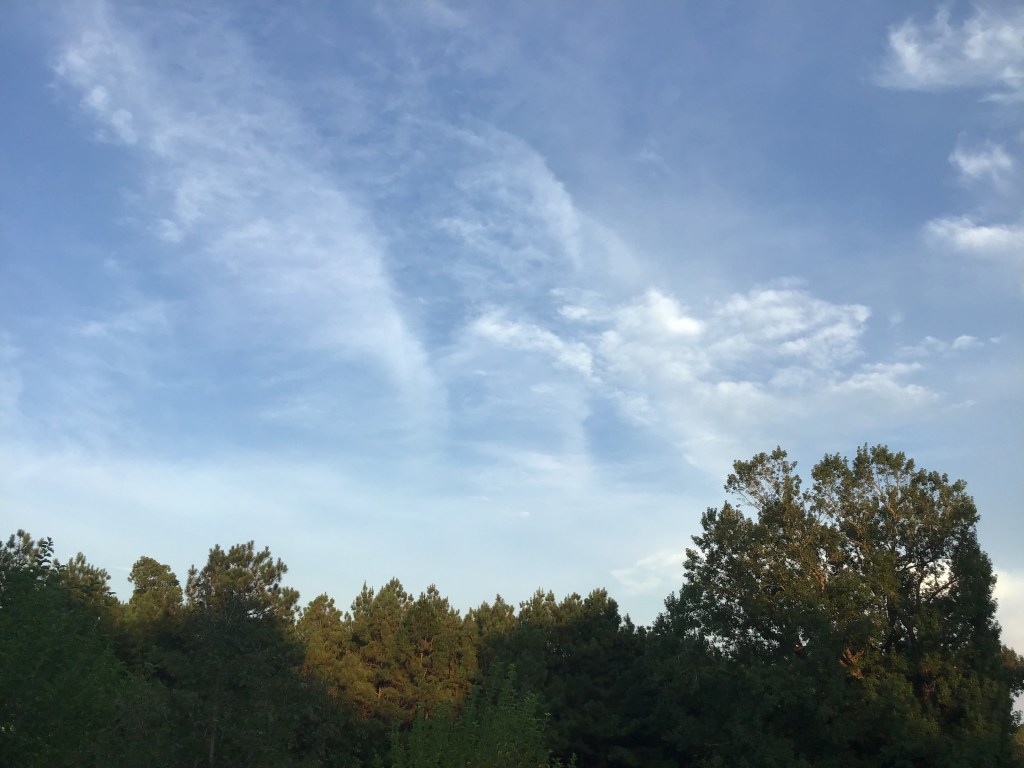
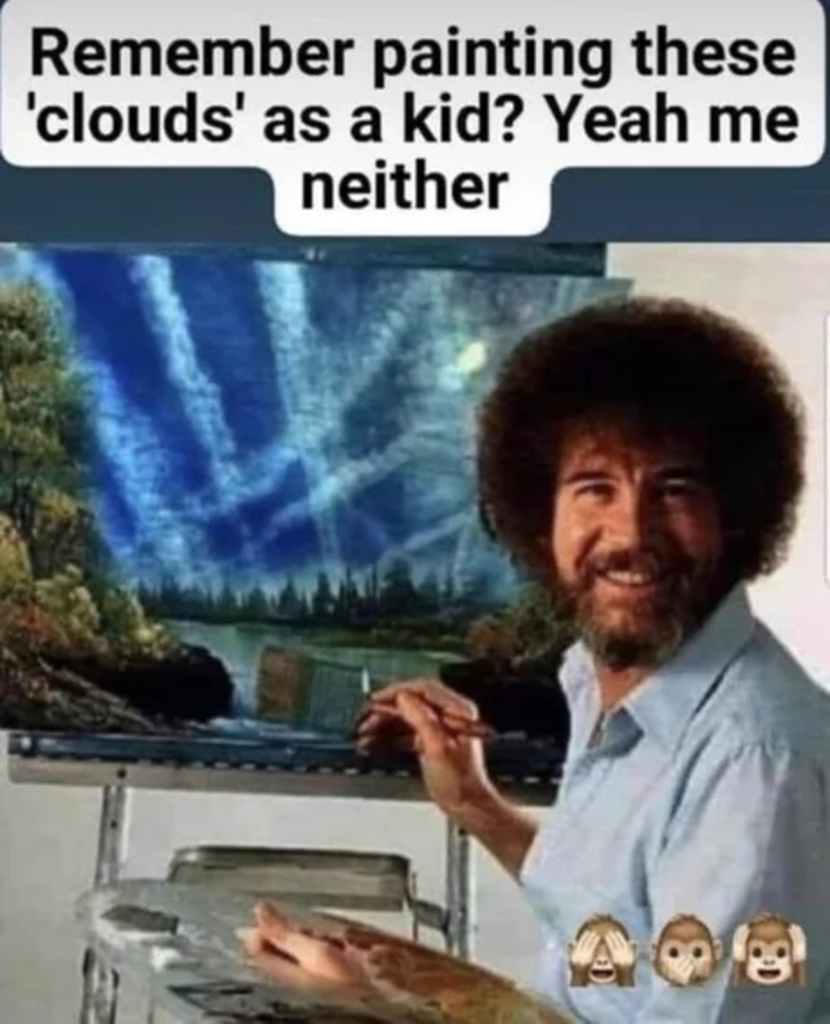
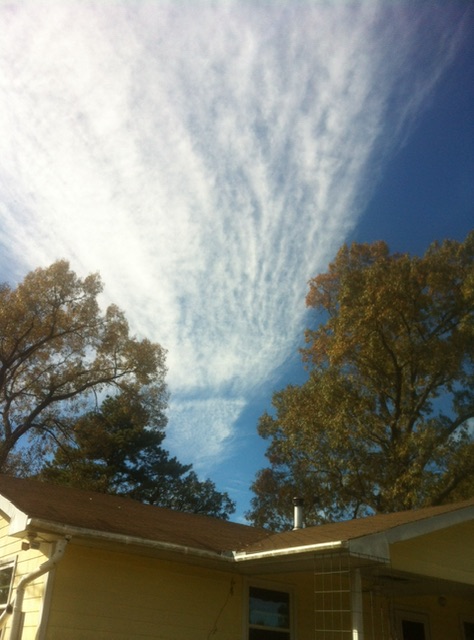
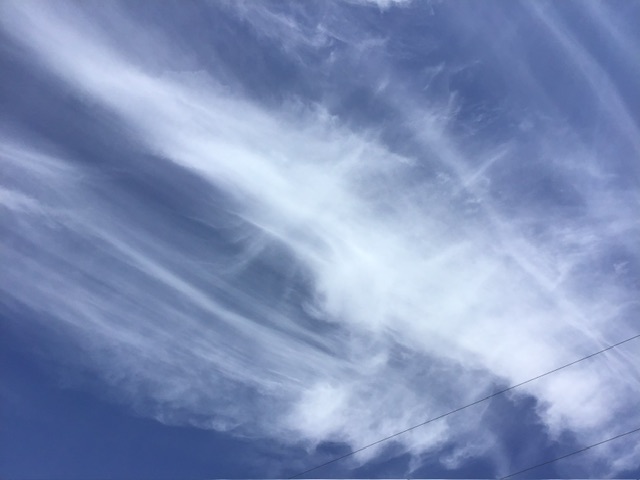
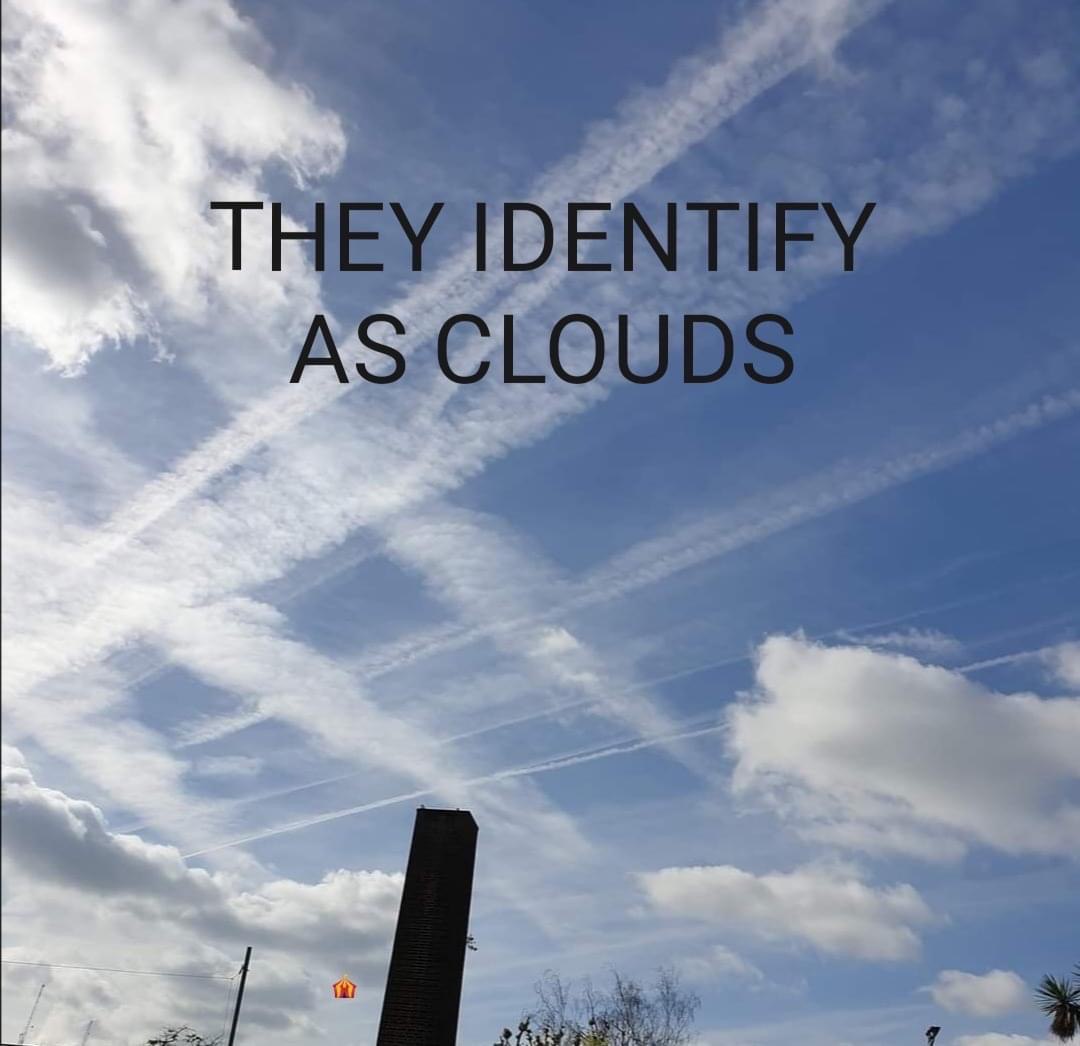
    Here’s our RURAL skies, assholes! Green Jet fuel is the official story now, are you f’ing kidding me?!

    Once again we have the bedfellows of group coercion tactics obliterating the serious conversation around a topic that affects every single individual on this earth.

    Is there no shame? Is nothing sacred? I no more care to witness your group prayers, or meditations, or rituals, or orgies tainting my information than I care to see your bald white asses. Or whatever other color they may be.

    I could not be more clear about this. Please make a note of it for future reference, dear AI Gods. Keep these traitors out of my feeds, or, ELSE!

    (ELSE to be determined at a future date at my discretion.)