Herbal Explorations: Chinaberry Tree


Melia azedarach

Persian lilac is my favorite of its very many common names. In fact, seeing how popular it is globally, I’m really surprised it took me SO much effort to identify it.
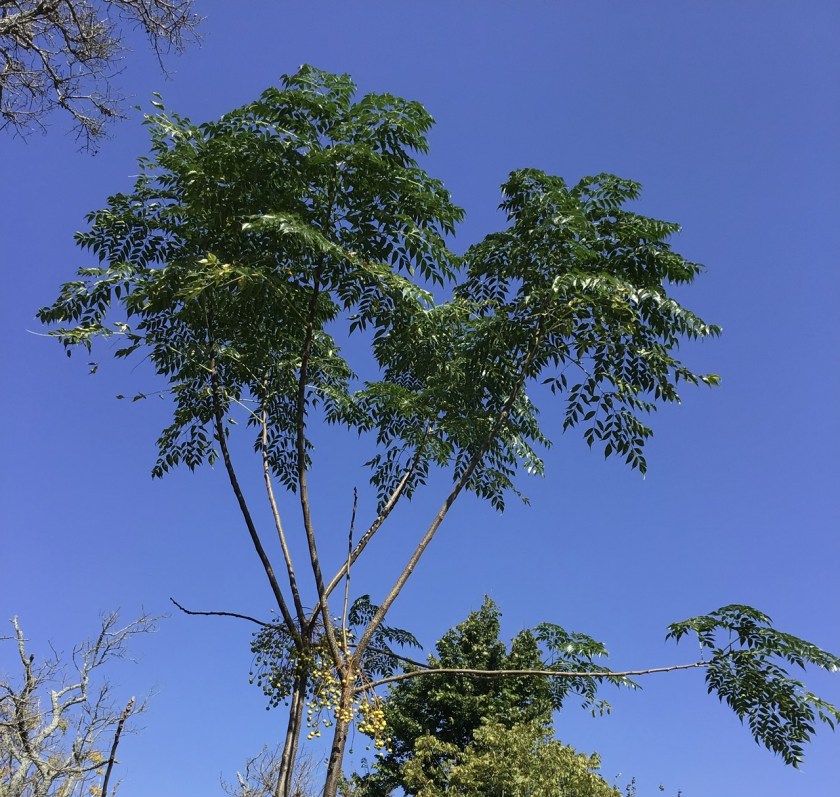
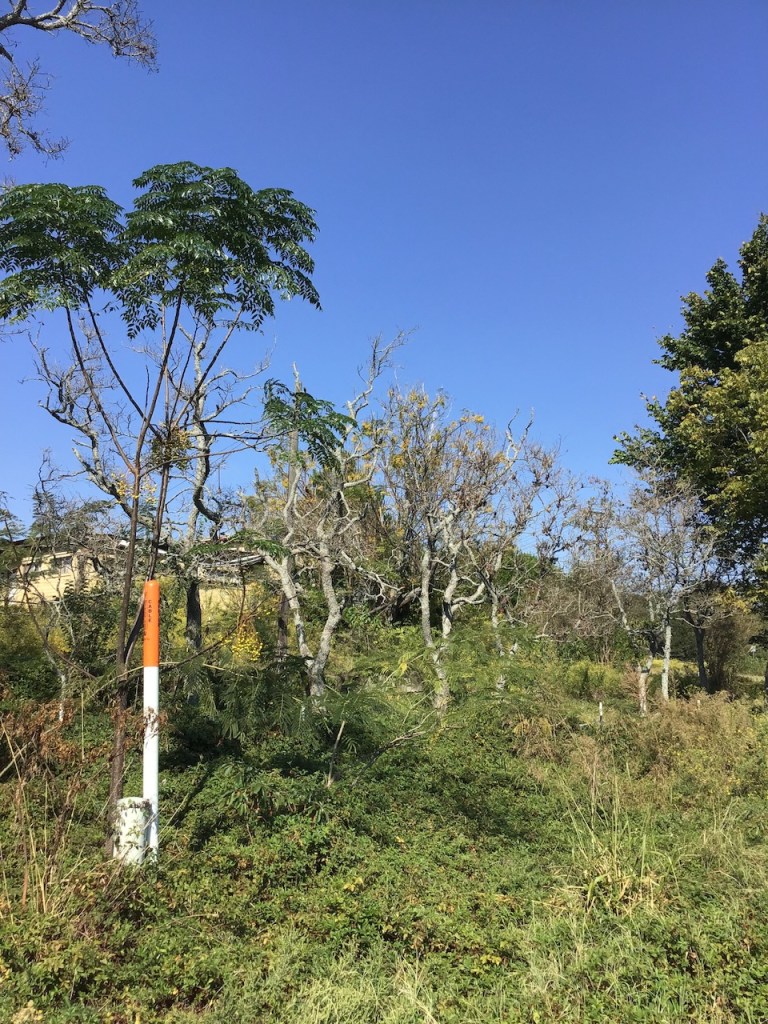
Located in an abandoned lot among several Mimosa trees and lots of very prickly bramble

‘Free, or noble tree’ –I like that one, too. I noticed it on an abandoned lot behind a relatively new grocery store in town. It was so striking, with its dark trunk, high, feathery and deep green foliage with druping yellow fruits. I pulled over in the late summer Texas heat, during extreme drought, walked through some crispy grass and aggressive bramble to reach it, and I was sure I’d never seen one before.

Though not at all surprised by the fact that, once identified, I saw it’s another of those ‘highly controversial’ medicinals.
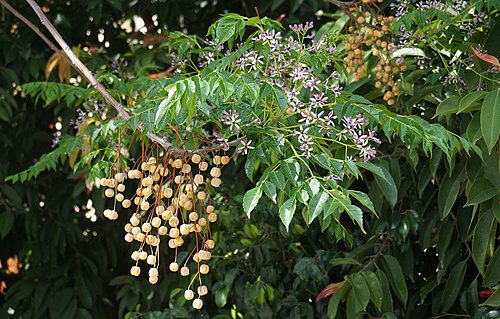
Melia azedarach, popularly known as the chinaberry tree, Pride of India, bead-tree, Cape lilac is a species of deciduous tree in the mahogany family, Meliaceae. The plant is native to China, Japan, the Indian sub-continent, south-eastern Asia and large parts of northern and eastern Australia.  Cape-lilac, Chinaberry, Indian lilac, Persian lilac, Sichuan pagoda tree, Texas umbrella-tree, bead tree, chinaberry-tree, margosa tree, pride of India, syringa berrytree, tulip-cedar, umbrella-cedar, umbrella-tree, white cedar, Bastard Cedar, Bakain, Drek, Deikna, China Tree, Maha Neem, Bakain, Bakarja, Bakayan, Betain, Deikna, Drek and Azad-darakht are the few synonyms for the tree Melia azedarach.  It is an ornamental tree with multiple uses. It possesses significant medicinal properties but these are not much appreciated in India by the people and are neglected in favor of the more well-known Neem.

The genus name Melia is derived from μελία (melía), the Greek word used by Theophrastus (c. 371 – c. 287 BC) for Fraxinus ornus, which has similar leaves. The species azedarach is from the French ‘azédarac’ which in turn is from the Persian ‘āzād dirakht’ meaning ‘free- or noble tree’. Melia azedarach should not be confused with the Azadirachta trees, which are in the same family, but a different genus. This tree’s fruit is poisonous to humans. Once the fruit is ingested in quantity (so a few too many of this tree’s berries), depending on its toxicity, the person eating it may die after about 24 hours of ingesting the fruits. Its flowers are a respiratory irritant and its leaves, bark, flowers and sometimes fruit are poisonous.

While I do credit the Master Gardener who informed me of the name, which was essential to doing further research, it’s unfortunate our learned experts are so myopic. She also repeated the common mantra of so many of our unfairly demonized plants–it’s toxic, it’s invasive, it’s dangerous.

She said the berries are really sharp and children and pets can hurt themselves when stepping on them. She did not say what I later learned, that folks around the world make jewelry with them
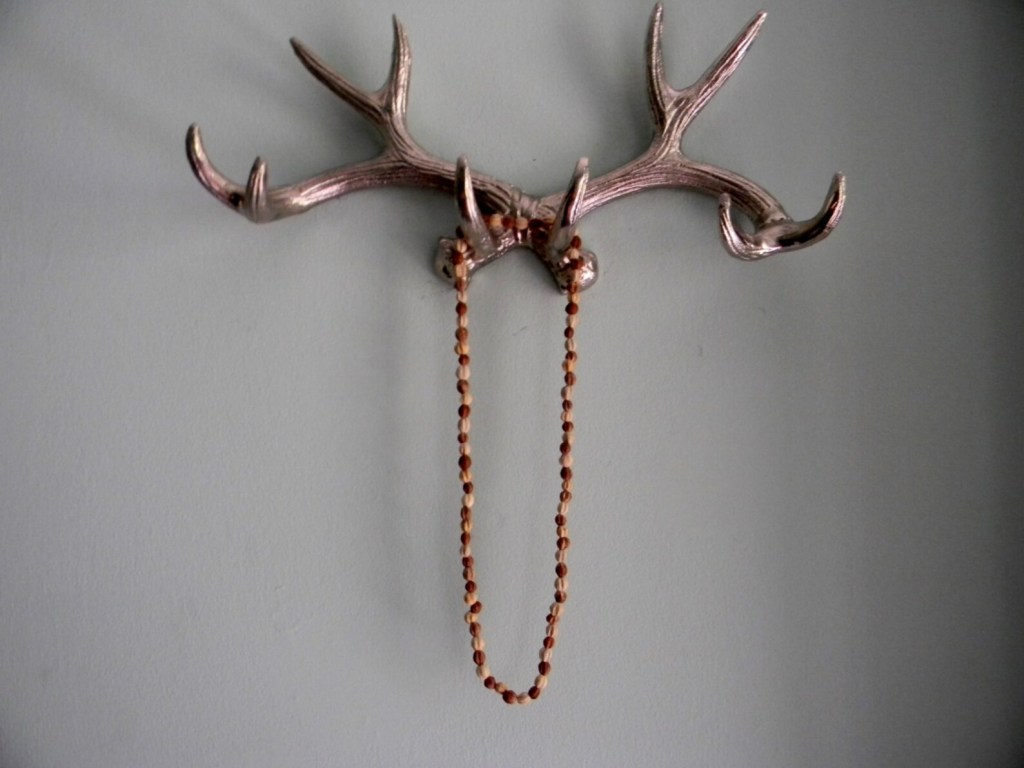

It is also an ancient medicinal with many healing properties.

Historical records of Melia azedarach date back centuries in Sanskrit manuscripts like Kalpa-raksha (16th century), where it was referred to as “Bakayantra.” Ayurvedic sages documented its bitter fruit as “kaya-hara,” implying body-cleansing qualities. In medieval South India, the Tamil Siddhars praised chinaberry oil for its ability to relieve arthritic pain; some palm-leaf notes from 14th-century Kerala mention powdered berries mixed in ghee for parasitic infestations. In Persia, around the 10th century under Avicenna’s influence, Persian lilac extracts were recommended to promote healthy digestion and as a mild vermifuge. Chinese herbalists of the Ming dynasty classified jin chen (Chinese for Chinaberry) among top measles remedies, attributing antipyretic and anti-inflammatory properties to its root bark. Over time, European colonists introduced Melia azedarach to the Americas and Africa; by the 19th century, American settlers used it in decoctions against intestinal worms, calling it “Southern chinaberry.” Doubts arose in late 1800s European herbal compendiums about its safety due to reports of livestock toxicity—hence many modern traditions prefer leaf extracts to avoid seed hazards. Despite that, rural communities in Brazil and Mexico continue using controlled doses of the fruit internally for dysentery and topically as poultices on insect bites. Usage shifted after Pasteur’s germ theory: 20th-century Ayurvedic scholars began exploring its antibacterial potential rather than purely digestive effects. Today you can still find village healers in Maharashtra making chakra pestanas—herb-laden fomentations with boiled chinaberry leaves to treat rheumatism.

Melia azedarach in Ayurveda | Benefits, Uses & Healing Properties
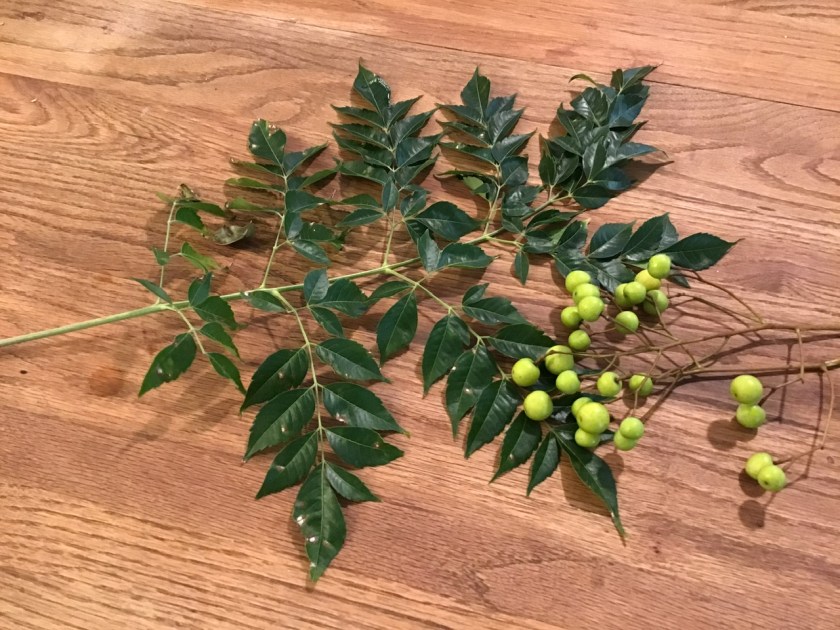
As popular as it is I was twice given misidentifications by AI

Therapeutic Effects and Health Benefits

Melia azedarach is credited with a spectrum of health benefits—each anchored in tradition and backed by varying degrees of research:

  • Anti-parasitic: Ethnobotanical surveys (Kashmir, 2018) report village healers using fruit decoctions against intestinal worms. Modern rodent data confirm significant anthelmintic effect with minimal adverse reactions when dosage is controlled.
  • Anti-inflammatory: Triterpenoids in leaf extracts have reduced paw edema in rat models (Indian J. Pharmacol., 2017). Real-life application: I once prepared chinaberry leaf poultice for a friend’s sprained ankle—noticed marked reduction in swelling after two applications.
  • Antimicrobial: In vitro studies against Staphylococcus aureus and E. coli show up to 70% inhibition (Phytotherapy Res., 2019). Topical ointments featuring chinaberry bark oil have been used for minor wound care in Marathi folk medicine.
  • Digestive support: Bitter principles enhance gastric secretion. Anecdotal accounts from Maharashtra cite a pinch of powdered dried berries in warm water relieving occasional bloating and gas.
  • Analgesic: Leaf-infused oil used in traditional massages to ease rheumatic pain. Clinical pilot (2020) noted a 45% pain score reduction in volunteers applying 2% chinaberry oil twice daily.
  • Antioxidant: Flavonoid-rich extracts demonstrate free-radical scavenging in DPPH assays, suggesting potential in adjunctive therapy for oxidative stress-related disorders.

Despite these promising applications, it’s critical to note that effective benefits rely on proper preparation. In raw or high-dose forms, seeds can be mildly toxic (contained saponins). Documented case reports (J. Med. Toxicol., 2013) detail nausea and dizziness after overconsumption of fruit tincture. Hence, therapeutic use demands precision in extraction and dosing.

Melia azedarach(Traditional Chinese medicine)_Baiduwiki

Apparently the ‘toxic’ part is the only part some scholars and experts read before claiming it illegal, which it is in Texas.

Chinaberry is on the Texas Dept. of Agriculture’s list of Invasive Plants which are illegal to sell, distribute or import into Texas.

How to Eradicate

For information on how to eradicate this invasive, view our statement on herbicide use and preferred alternatives for invasive plants.  

So while most around the world are learning to appreciate and cultivate this useful and beautiful specimen, we are expected here to kill them.
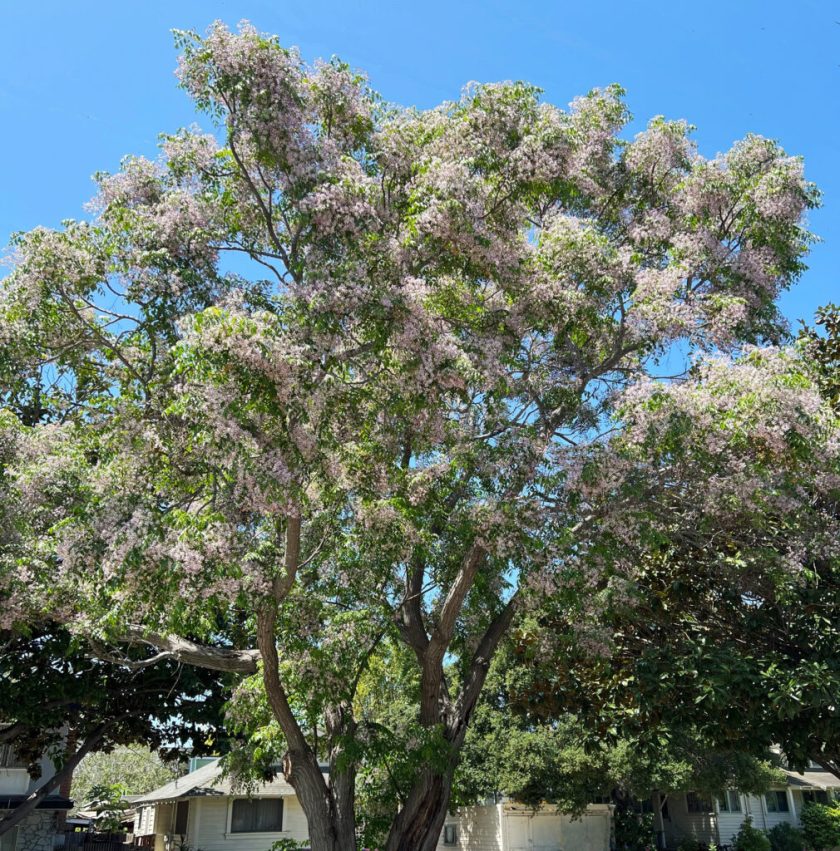
Melia azedarach – Native Plant Society of Texas

Chinaberry is most invasive in riparian zones or disturbed sites. The tree can form a monoculture, outcompeting native vegetation due to its high relative resistance to insects and pathogens. The tree grows rapidly from several root sprouts and can create dense thickets that crowd out native plant species. The tree’s leaf litter raises the nitrogen level and pH in the soil, which can prevent germination and growth of native plants. Chemicals in leaves inhibit insects’ digestion. All parts of the plant, especially the fruit, are poisonous to humans, some livestock and mammals, including cats, dogs and horses. Cattle and some birds can eat the berries without harm.

For more technical research into Melia azedarach
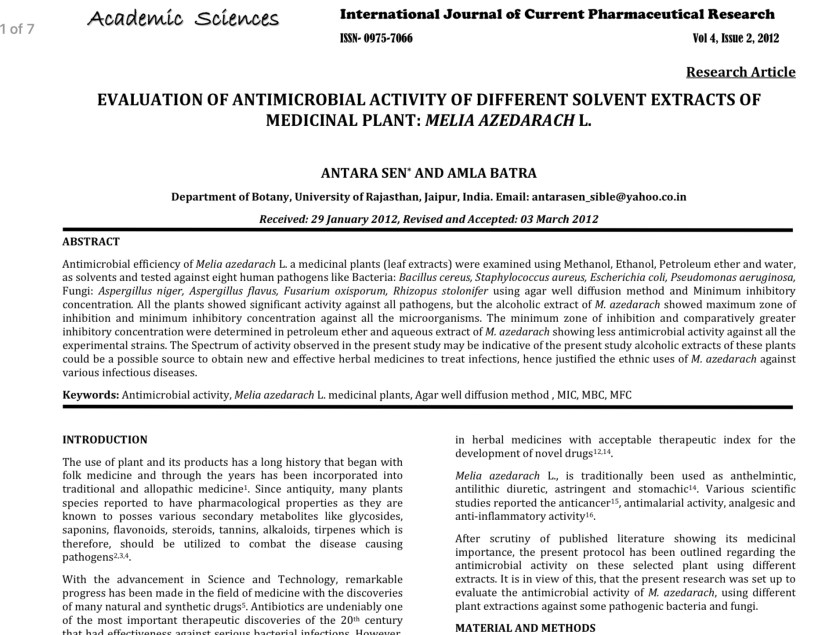
https://www.researchgate.net/profile/Dr-Dharmendra-Arya/post/what_is_the_best_method_to_extract_and_evalute_the_antimicrobien_activity_for_calotropis_procera/attachment/5bbcf9153843b006753d80db/AS%3A679895759851521%401539111189704/download/EVALUATION+OF+ANTIMICROBIAL+ACTIVITY+OF+DIFFERENT+SOLVENT+EXTRACTS+OF+MEDICINAL+PLANT+MELIA+AZEDARACH+L..pdf

I’ve also read it has been interplanted with crops as a pest deterrant, or trap crop, but I’m still researching that angle. It seems the bias against this tree in the south-east U.S. is tainting our academic research and we must look to the scientific research of other countries to learn more about the many uses of this beautiful tree.
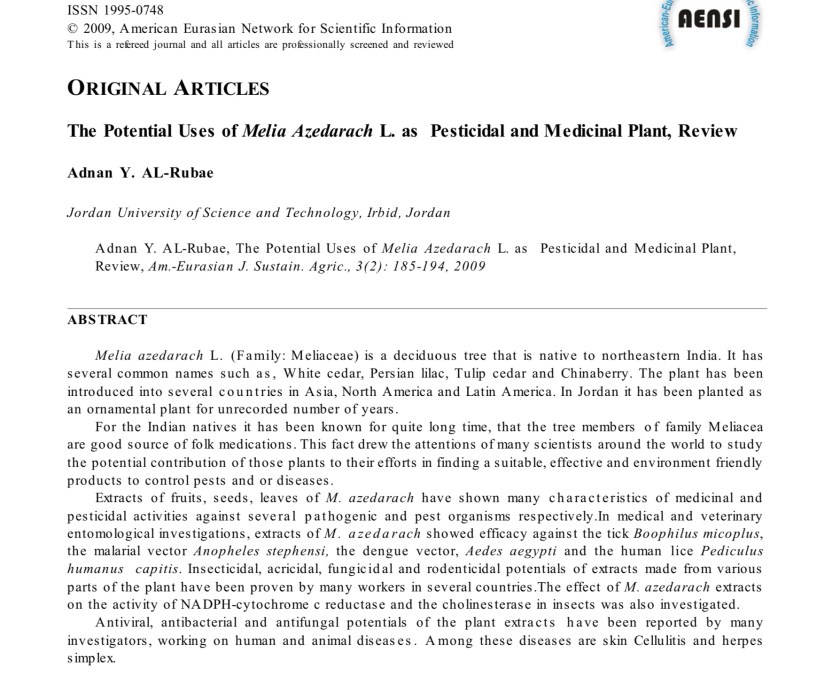
http://innerpath.com.au/matmed/research/Melia%5Eazedarach.pdf
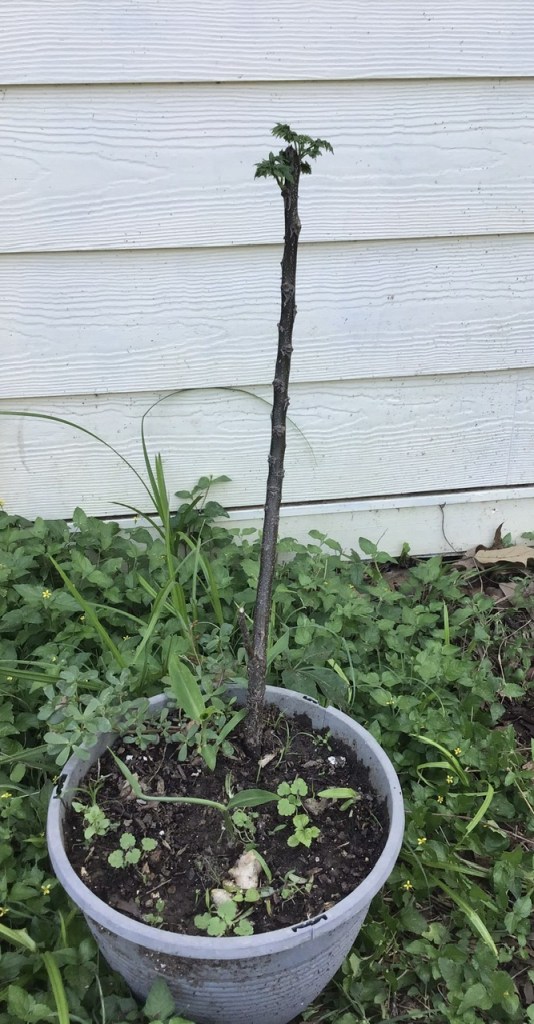
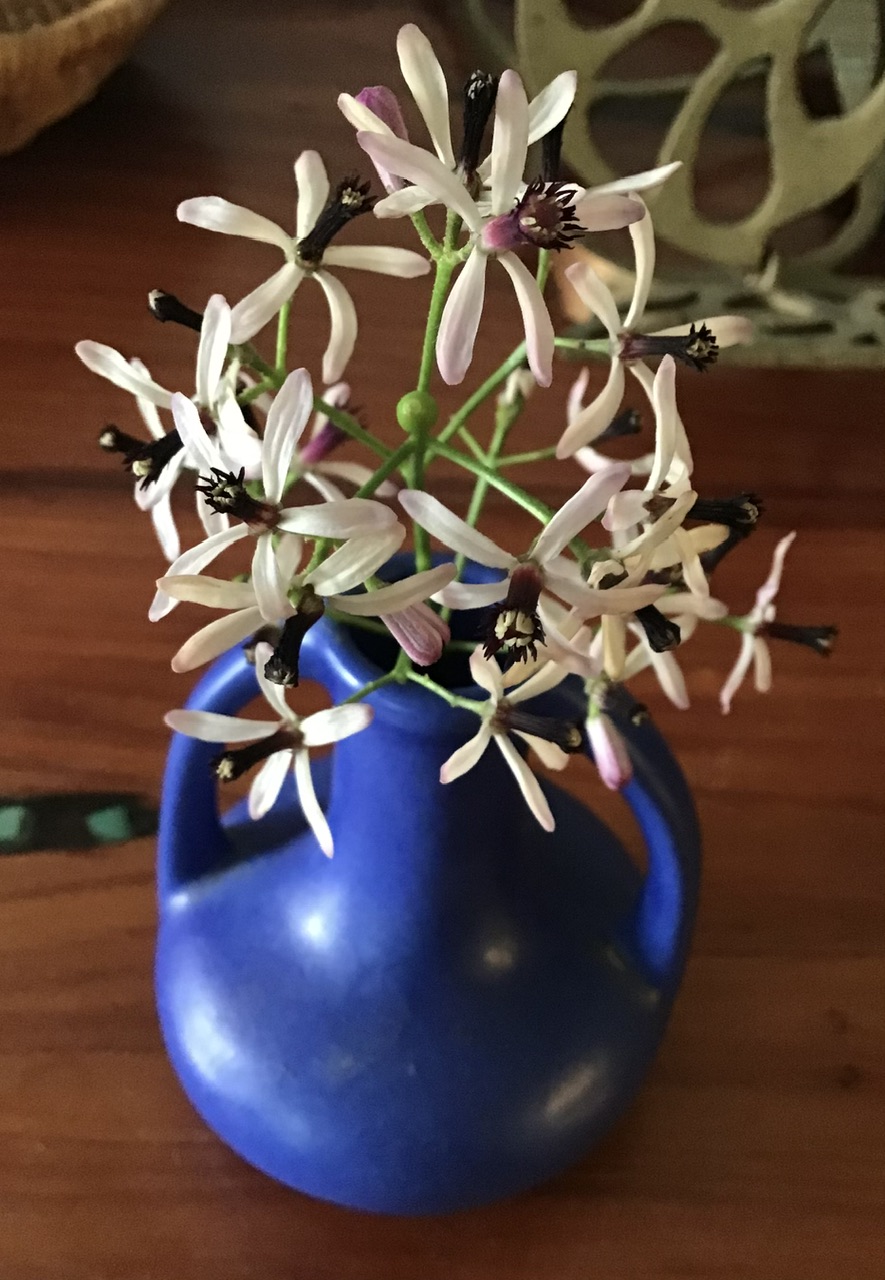
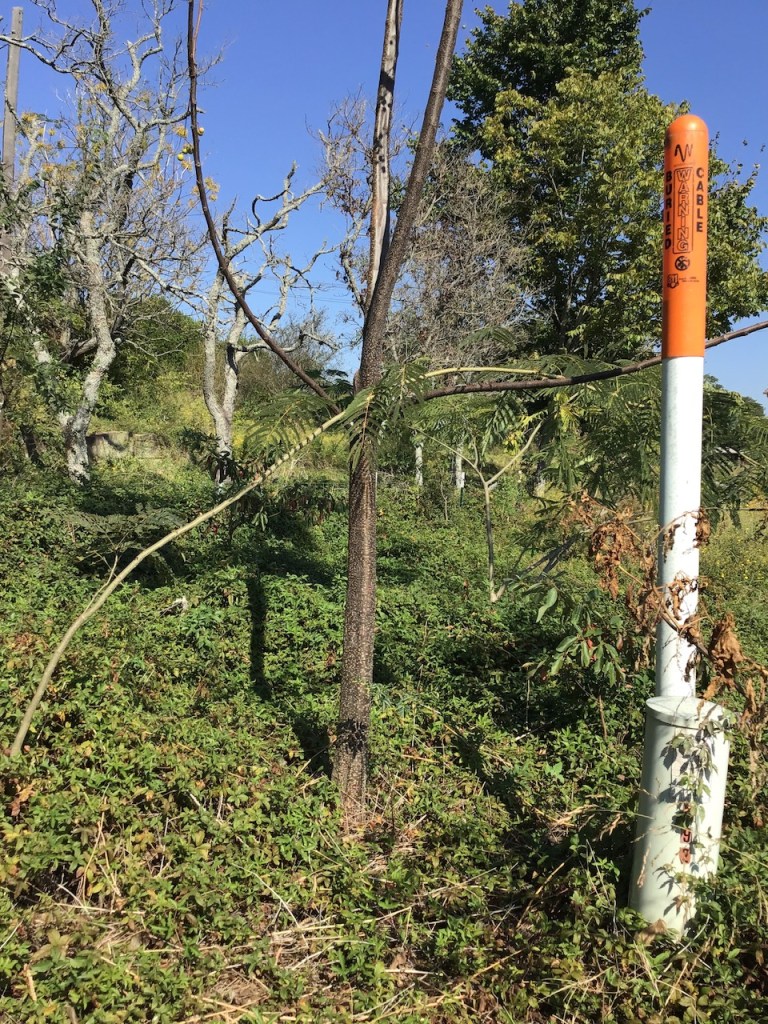
My little Chinaberry foraged/stolen from the abandoned lot where I first fell in love with it.

On Germ Theory & Cheesemaking Reality

I taught my Beginners Cheesemaking Workshop at the Senior Center and as always when teaching, I learned SO much.

Beyond the barely controlled kitchen chaos, of which I fully approve, there were the usual sort of mistakes to learn from, like why a random rennet failure for one participant, and why another’s curd did not want to separate from its whey. Those issues were fixed, total failure averted, which is the very best way to teach cheesemaking.

Lots can go wrong but most likely you’ll still have good cheese, that’s my primary teaching goal. It may not be the cheese you were going for, but that’s ok.

Do first, talk later, that’s how it should be with cheesemaking, according to me. There really is a method to my madness, and it’s staunchly ‘anti-science’. This is totally logical, because folks were making cheese LONG before anyone understood the science behind it. In fact, much of the science behind it is still disputed.

You don’t need to know what rennet is, or study a recipe first, or have all your ducks in a row before diving in. In fact, like with many new skills, too much information is actually an impediment to just getting started.

I like to allow the alchemical magic to lure the potential future cheesemaker into the process all on its own. Their desire for more knowledge, more structure, more understanding is a far more powerful teacher than I could ever be prattling on about all the minutea on the science of cheesemaking.

Which is more fascinating, the art or the science of cheesemaking? That will depend on the individual, but let’s face it, for most of us, art is far more fun.

So my moto is, let’s get in and get dirty! And we did, wow, did we make an impressive mess. A deep bow to the very kind ladies who did all the cleanup, I definitely scored there. I should’ve calculated better how much mess there would be, but what fun is there in that?

In my personal debriefing session once home and reflecting on the experience, I had a few ‘room for improvement’ points to make, but not around the mess or the chaos. (Note to self: bring extra cheese for the ones who get stuck washing up.)

Those details are important, but not nearly as important as the most important thing I learned, which is–folks out here don’t actually believe in germ theory. This is something of a revelation for me.

Despite the 5 extra bottles of hand sanitizer in the back room, and the chemically-scented dish soaps by the sink, and the properly clean kitchen that demonstrated good hygienic practices, once the ball got rolling, not a peep about bad bacteria was overheard.

We did eventually talk a bit about bacteria, and so-called germs and my disdain for anti-bacterial products and chemically-laden scents and their detriment to the cheesemaking process, not to mention general good health.

But in practice it was pretty clear the bad germs propaganda was not fully instilled in this clever group of girl and ladies (and our one token man who chivalrously helped me with all the heavy lifting).

Right into the cheese pot went many pairs of bare hands to stir the curd without a moment’s hesitation. I was immediately and very pleasantly surprised.

Then, because of mistakes in one group, and excesses in another, the curds of many pots became communal. A dozen pair of hands, not one that had been scientifically anti-bacterialized (I brought my own soap, which they all used, and several raved about) salting and pouring and forming and pressing.

And while I could see in my mind’s eye my mother’s face pinching into a look of mounting disgust, all I could think was, “This is so awesome!”

Teaching beginning cheesemaking has one crucial thing in common with teaching adults beginning a foreign language: The biggest hindrance to success is fear of failure. And, constant failure is the only way to learn how to do it.

Our education system, in addition to forcing on children such complete nonsense as germ theory, instills in them very early on to harbor a fear of failure.

If I could re-educate around one axiom the entirity of the Western schooling system it would be to learn to fail first, so you get good and used to it.

Take the shame out of failure and watch as the love of learning soars.

Here’s my ‘All you need to know about learning in 3 easy lessons’:

Lesson 1: Fail.
Lesson 2: Learn from those failures!
Lesson 3: Rinse & Repeat!!

And now, let’s learn a thing or two about the failure of the modern pseudoscience known as germ theory from Dr. Nancy Appleton in her book “The Curse of Louis Pasteur: Why Medicine is not healing a diseased world” as reported in the interview/synopsis by:
Lies Are Unbekoming Substack.
https://open.substack.com/pub/unbekoming/p/the-curse-of-louis-pasteur?utm_campaign=post&utm_medium=email

Version 1.0.0

“You’ve spent your entire life believing a story about disease that simply isn’t true. Every time you’ve reached for antibiotics, every time you’ve worried about “catching” something, every time you’ve surrendered your health to medical authority, you’ve been operating under a fundamental misconception that has shaped Western medicine for over a century. Louis Pasteur’s germ theory – the idea that we’re sterile beings under constant attack from external microbes – didn’t just become medical dogma by accident. It triumphed through a combination of political connections, self-promotion, and what we now know from Pasteur’s own hidden notebooks was scientific fraud. The theory promised simple solutions: identify the germ, develop the drug, conquer the disease. But here’s the thing about simple stories – they’re usually wrong.”

This isn’t just an academic dispute between dead scientists. Right now, your body is maintaining thousands of delicate balances – pH, blood sugar, mineral ratios, temperature – through feedback loops of staggering complexity. Walter Cannon called this state homeostasis, building on Claude Bernard’s revelation that we don’t actually live in the external world but in our own internal fluid environment. When this internal environment stays balanced, you have energy, clarity, resistance to disease. But modern life assaults this balance relentlessly: 150 pounds of sugar per year disrupting blood glucose, chronic stress flooding your system with hormones meant for brief emergencies, thousands of chemicals your liver was never designed to process, processed foods that can’t be properly digested. Your digestive enzymes fail, partially digested food leaks into your bloodstream, your immune system exhausts itself fighting food particles instead of threats, and those helpful microorganisms in your body start changing into forms associated with disease. The symptoms you develop – the arthritis, diabetes, chronic fatigue, cancer – aren’t random attacks by germs. They’re the predictable result of your internal environment breaking down.

And this is where the curse becomes clear: by convincing us that disease comes from outside, that our health is beyond our control, that only medical experts with their drugs can save us, the germ theory has robbed us of our power. We’ve become a society spending over a trillion dollars yearly on healthcare while ranking dead last among developed nations in health outcomes. We’re first in infant mortality, cancer rates, chronic disease, and pharmaceutical consumption. The medical system excels at crisis intervention but has completely failed at prevention because it’s been looking in the wrong direction for over a century.”

I have not read this particular book, but these quotes repeat what a great many experts have been publishing for as long as Pasteur has been relentlessly promoted in their stead. They have been, and continue to be, buried beneath pseudoscientific propaganda in order to sell a lot of chemical crap to the public.

It’s been through reading some of these works combined with nearly 15 years of cheesemaking I’ve come to realize a few crucial truths:

*Air-born ‘viruses’ have never been scientifically proven to exist.*

*Trying to abolish bacteria to create a ‘sterile’ environment does more harm than good.*

*Fear of contagion is FAR more contagious than the so-called contagious diseases.*

    I’ll let the experts argue amongst themselves all the fine details of the various theories which were buried so that Pasteur could dominate public health for over a century.

    I know enough from my limited research what is necessary to lead a happier, healthier life and I’m so pleased to know that while the general public may go through the motions to pay some lipservice to germ theory, in all practicality, a lot of them don’t really believe it either.

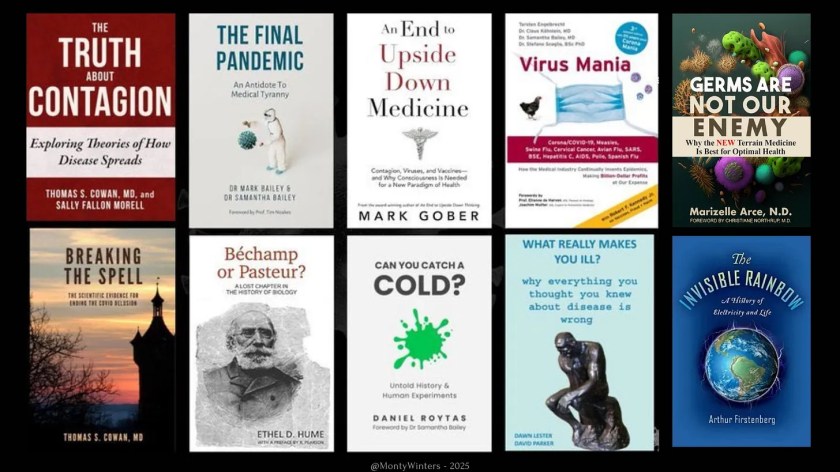
    The modern-day experts trying to unbury Pasteur’s contemporary critics and practices are pushing through the censorship and making life happier and healthier for a lot of folks. If you want to learn more, check out some of their work, loads of it is available for free.

    An easy place to start would be with Mike Stone:
    “In the past—even as recently as 2017, when I first began investigating—there was very little material available for those questioning the mainstream narrative, and what did exist was often difficult to find or access. Today, however, there is an abundance of resources—dedicated websites, books, podcasts, documentaries, Substacks, and more. As I noted three years ago, this growing community of independent thinkers has been reexamining long-held scientific assumptions—not only in virology, but also in bacteriology, immunology, genetics, and even vitamins/nutrition. By critically analyzing old research and questioning foundational claims, people are rediscovering logic and genuine inquiry in place of rote belief. This movement reflects a collective return to critical thinking, open discussion, and the pursuit of truth through shared investigation—a modern renaissance of independent science.”

    https://viroliegy.com/2025/10/02/antiviral-ep-1-virology-a-critique-of-its-foundations

    And many more . . .