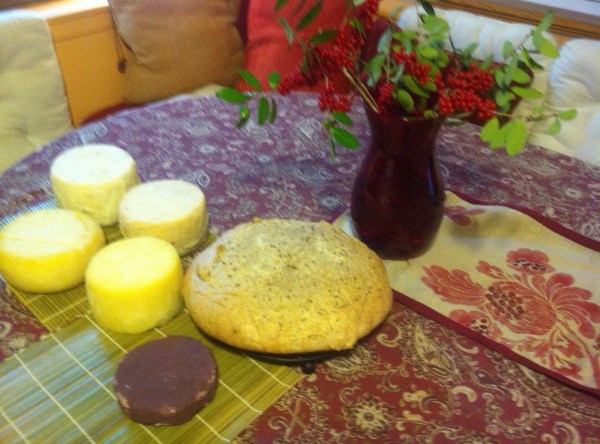

I ran out of attention span last post before I got to talking about cheese. Now that we have three mamas in milk I’ll be having a ball experimenting with new cheeses, which along with kombucha experimenting, is my favorite homesteady sort of thing to do.
Gardening and cooking being not far behind, to be sure!
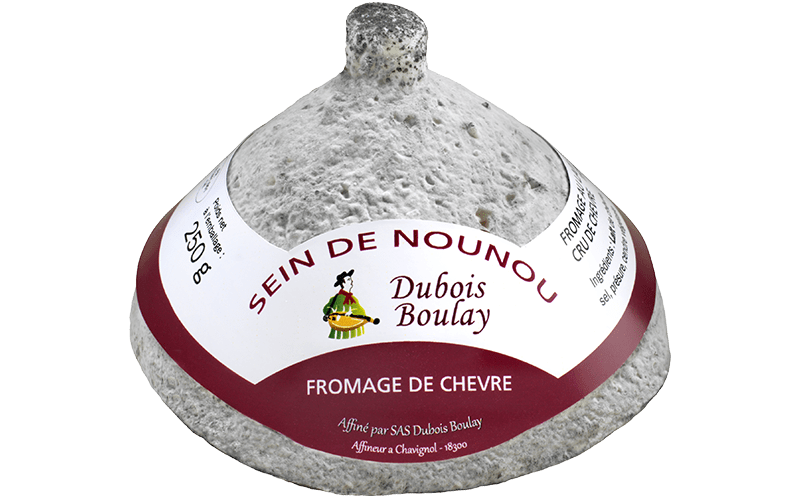
Aged chèvre (goat cheese) in the French tradition is made of the highest craft and care, even when they are whimsically-named, like Crottin (Little Turd) and Sein de NouNou (Wetnurse breast).

But here in the U.S., Land of the FreeTM, Velveeta is ‘safe’ for consumers and aged goat cheeses, ideal for homestead creation, are completely illegal.
Because they care so very much, right?
“Chèvre evolved in frugal farming households of the sort that continue to make it today. It is a cheese that’s very economical, in both time and ingredients; made on the family farm, where there are many chores to take care of and livestock to feed, a cheese that didn’t need much attention or many costly ingredients fit right in.”
That is in Central France and other locations where it’s not illegal to sell. These are cheeses that require few inputs and no regular purchases—you don’t need a cheese press, or any expensive cultures, or even rennet. Fig sap (or other coagulants like nettles) can easily be substituted for rennet as only a few drops are used to set a gallon of milk.


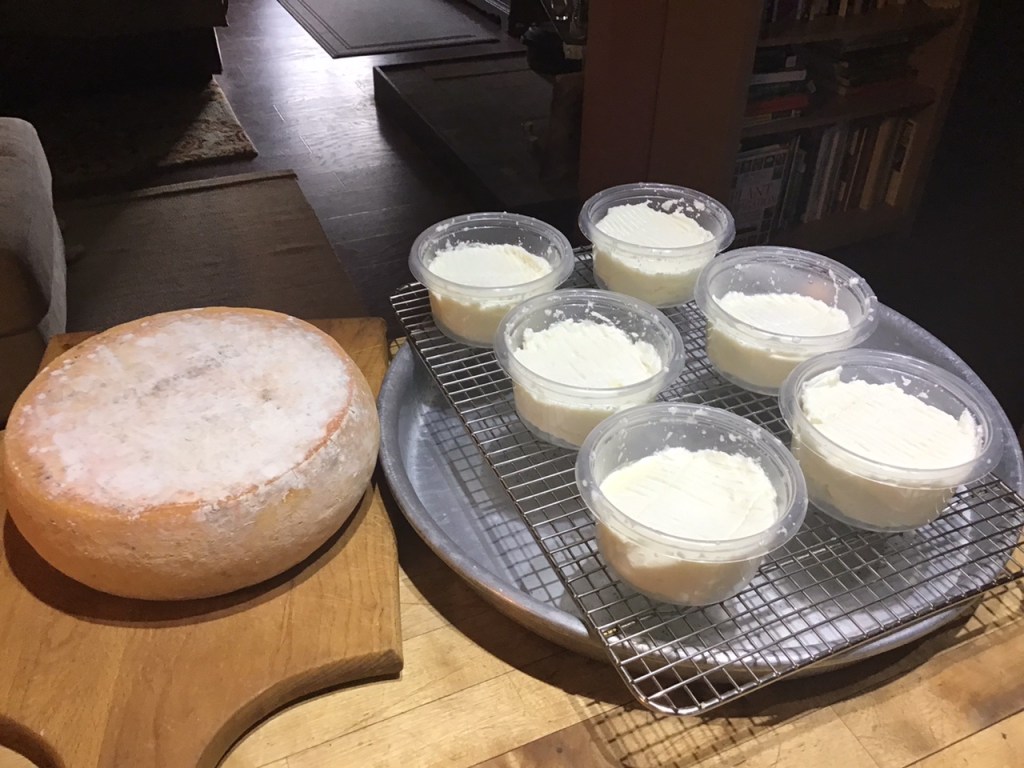
1. Straining the milk with fine mesh.
2. The soft curd, after sitting in the pot for two days, now draining in their forms, made from small tuperware poked with many holes.
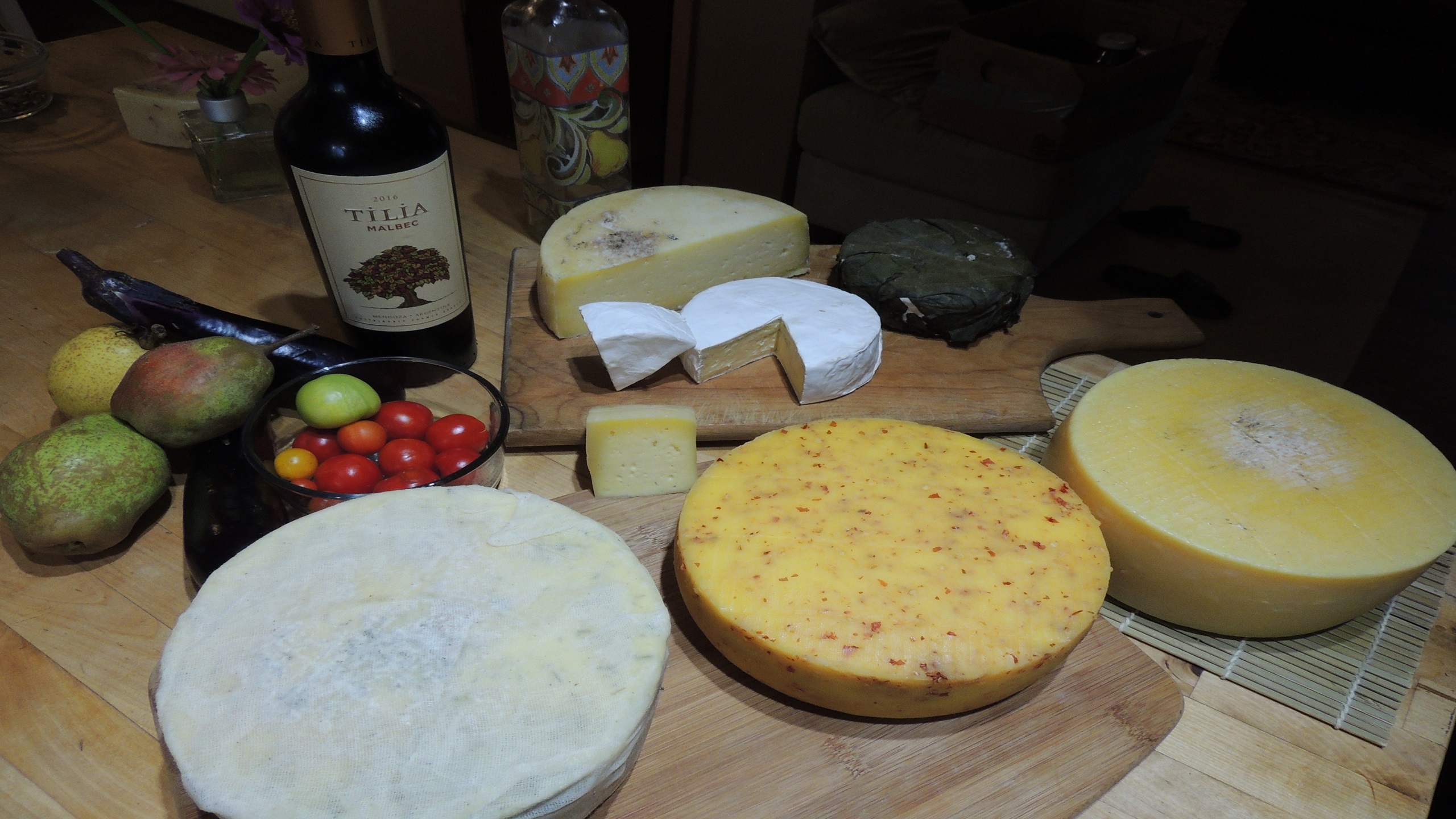
3. After 24 hours of draining, sitting beside a homemade cheese ready to be cut: A signature Kensho cheese experiment.
These are also cheeses suitable to make in warm climates, similar to the more well-known goat cheeses like Feta or a fresh goat cheese. What makes the aged chèvre so unique is that it can only be made with raw milk. You may find hard raw milk cheeses in your grocery store or farmer’s market, like Gouda or Cheddar, these are pressed cheeses aged over two months, which are legal to sell with all the proper licensing. (I have NO interest in that!)
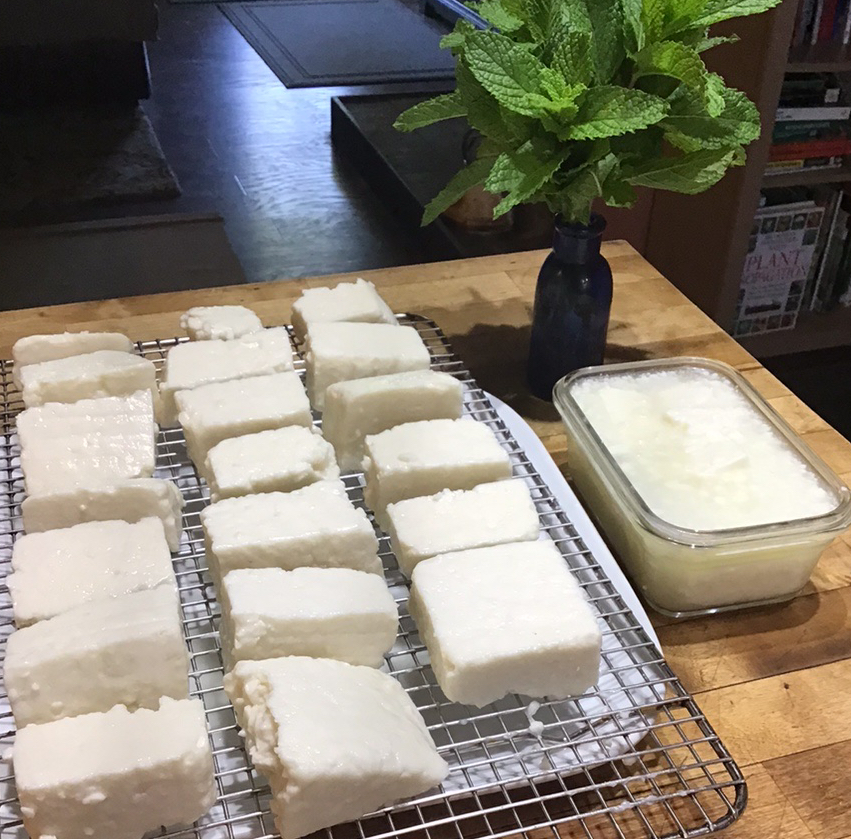
These illegal aged goat cheeses sit at room temperature for about four days.
Imagine the horror the germophobes have with that!
You most certainly can’t do that with pasteurized milk. These cheeses were invented before pasteurization and before refrigeration and aged for a month or two in caves.
Mine will be aged in Tupperware bins inside a small beverage fridge I use for aging cheeses. (I would prefer not to use plastics at all, but they work just fine and I don’t have other options at the moment.).
I use natural cultures, not store-bought or freeze-dried, developed from previous cheeses, and stored in the freezer. Once the cheeses develop their fungal coat after a couple of weeks, they will be wrapped and aged for about a month.
Traditionally wrapping for these cheeses include leaves, like grape and fig, and even hornet’s nests. A few will also be coated with ash, instead of wrapping, like the traditional Sein de NouNou.
It is positively amazing how differently the cheeses will taste based on just a few variables in the process!
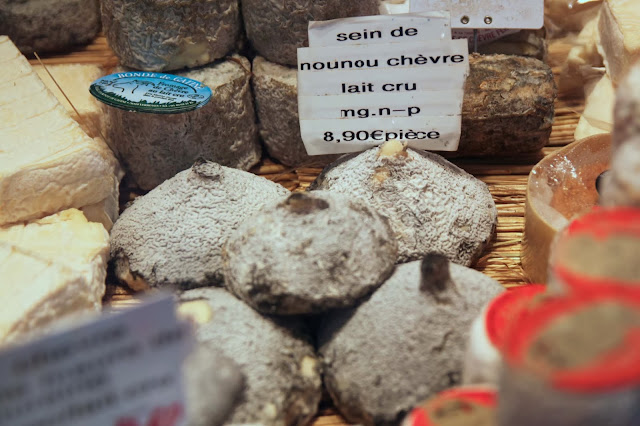
“Relatively unknown in North America, this class of cheeses includes some of France’s most famous fromages: ash-coated and pyramid-shaped Valencay; Sainte Maure—pierced with a blade of straw (the industrial version of Sainte Maure features plastic straws!); and small, moldy Crottin are all aged chèvre cheeses. Perhaps the only well-known North American aged chèvre is Humboldt Fog, a creamy, ash-ripened goats’ milk cheese from Humboldt County, California.”
(I’ve not looked into why or how the Humboldt Fog is legal to mass produce and sell. I plan to dig into that, but my initial guess is they’ve been able to either find a way to use pasteurized goat milk or they have a state-of-the-art affinage ‘cave’ where they can age it over two months without losing the creamy texture.)
“Goats are a belligerent species that have rejected the rigorous production regime thrust upon their bovine cousins. Unlike cows, who contentedly chew their cud in confinement and produce enormous quantities of milk year-round, goats refuse to be cogs in the machine of industrialized dairying.”

Result: Delicious Success!
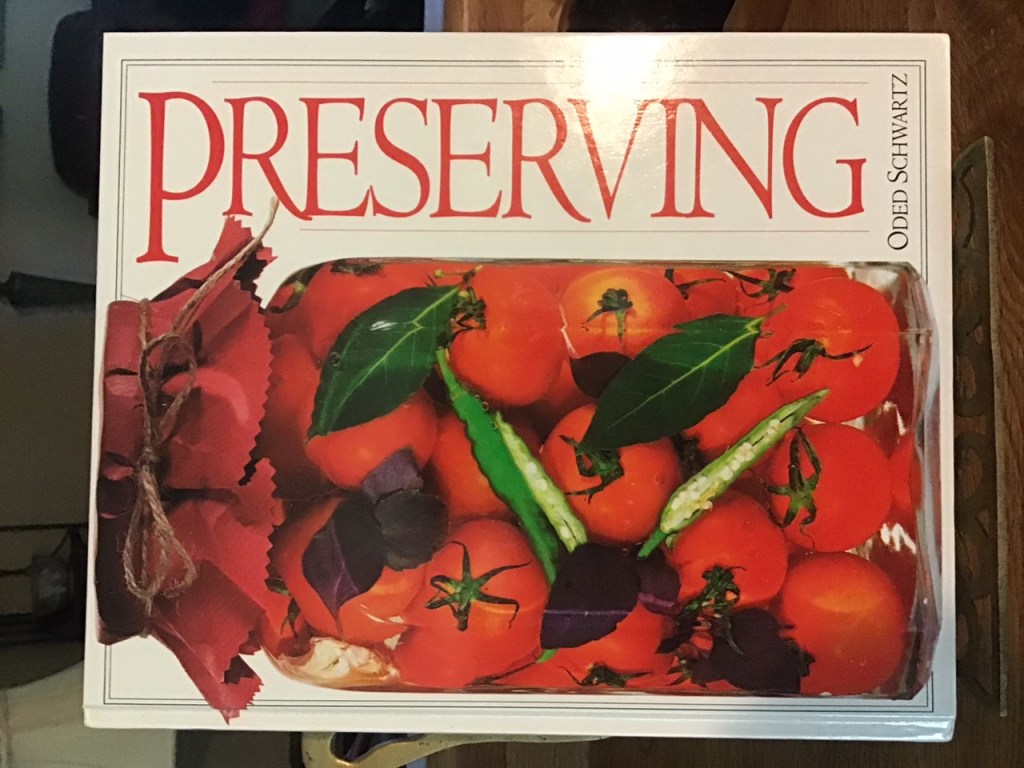
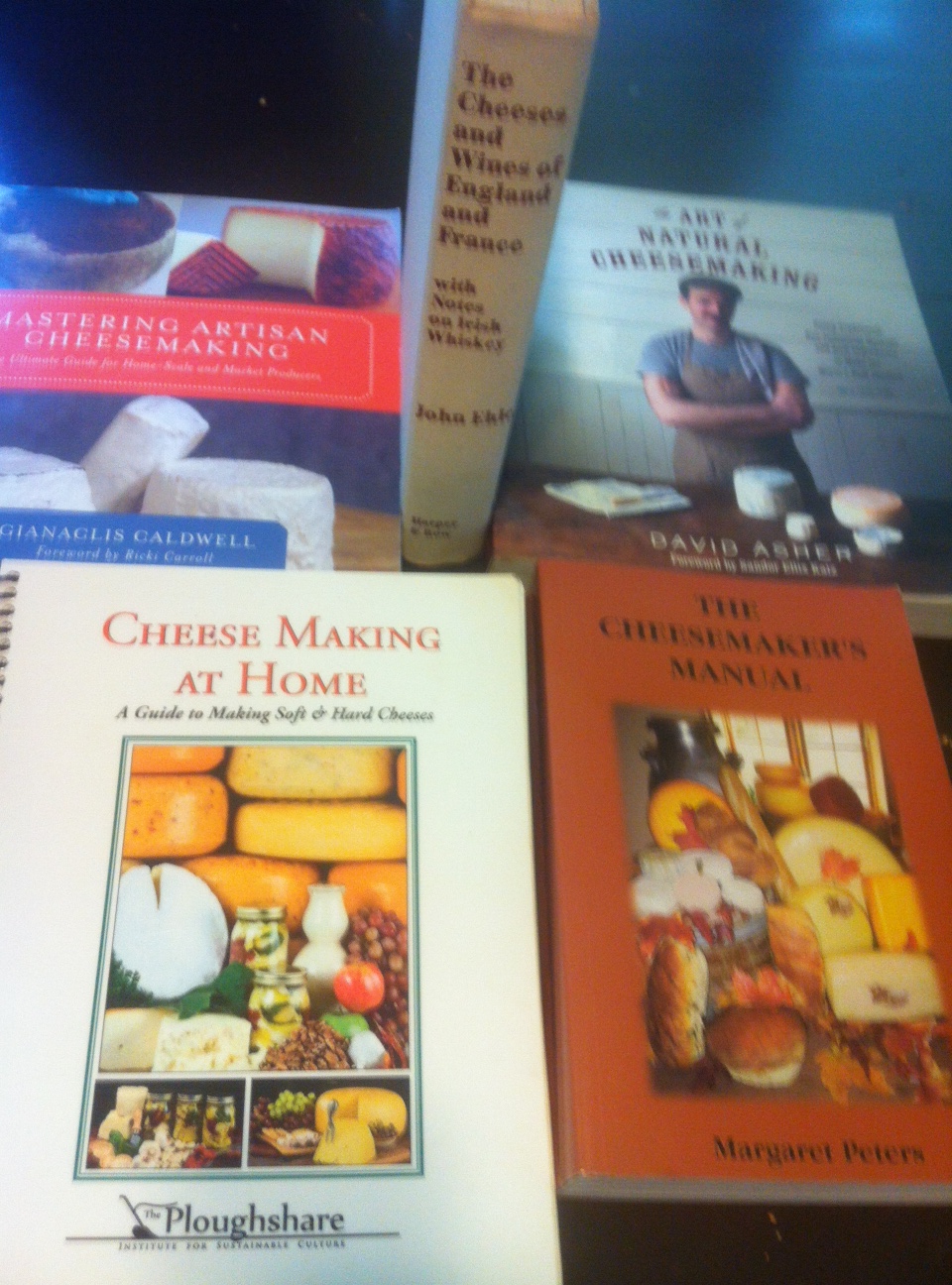
A most excellent resource, and the source of the above quotes:

Goats, a belligerent species? HA!
The perfectly adorable non-conformists more like!
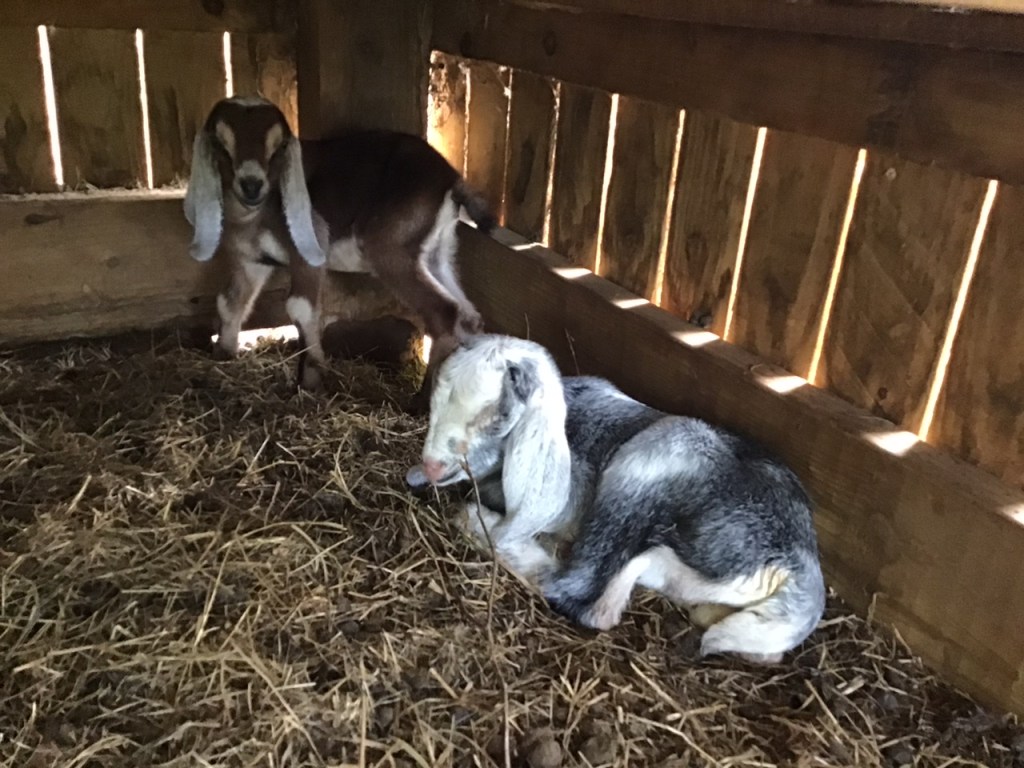
Any name suggestions on our newest? We are at a loss so far with this big girl who is sure to be a lifetime keeper! She came out huge and most active and ready to suckle immediately and play within 1 day!