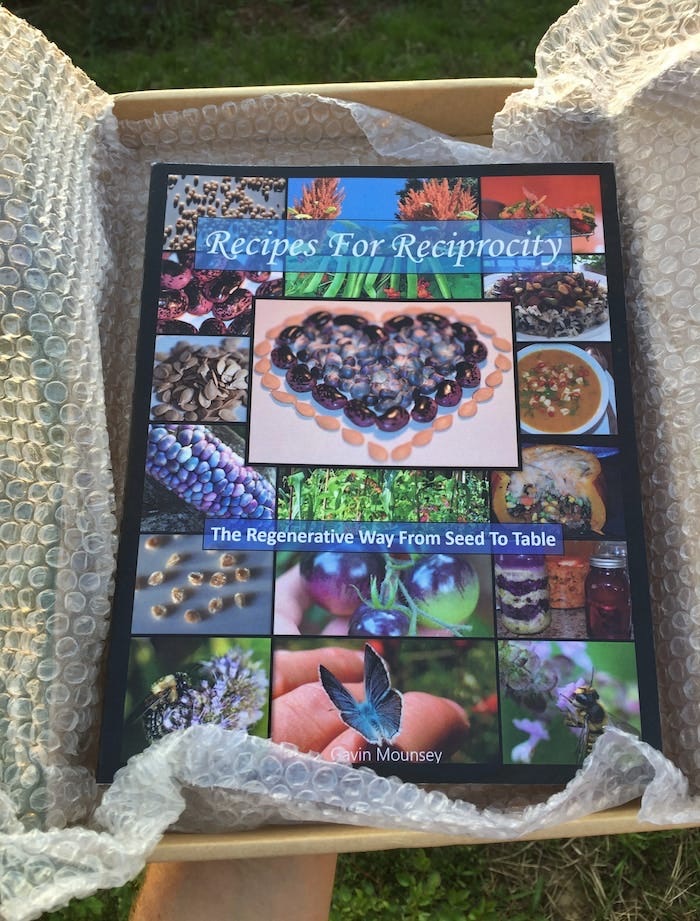
Gavin’s Reciprocity

I’ve had a bit of challenge trying to simply label Gavin Mounsey’s book, “Recipes For Reciprocity: The Regnerative Way From Seed to Table” because it’s so much more than a cookbook. I have a great many cookbooks and my favorite type are what we might call ‘narrative cookbooks’ (though there may be an official sub-category name that I don’t know)–these are the kind where there’s a very present narrator telling you stories about the foods, and the places, and the people associated with the recipes and the author’s life. I might be inspired enough to write one of these myself someday.

Gavin’s book is not that, yet it is even more still. Rather than try to say it better myself, and fail, here’s an excellent description from the back cover:
“This book is a magnificent achievement. It can help you learn pracical ways to grow and cook mouthwatering food-as-medicine, and build deeper and stronger community, but it is so much more than that. Gavin has written a love letter to humanity and the living world and a manifesto for workable hope, all with an unflinching honesty about the crises we face. Gavin uses the nuts and bolts skills in the garden and kitchen as a launchpad to reimagine our place in the world, and the result is a solid foundation in the chaos. His hope and love are infectious, and the applied knowledge shared in his book is encyclopedic. I highly recommend it to you.” ~ Jason Padyorac

Along with the two books, one I gave to a friend, Gavin sent lots of seeds, some I’m already growing, others I can’t wait to try.

Scarlet Runner Bean in early summer, now dead.

So far I’ve planted the Scarlet Runner Beans and the Black Hopi Sunflowers.

Gavin:

“These beans are among my all time favorites for their versatility in the kitchen and beauty as well as productivity in the garden. They are an amazing companion plant due to the plant’s roots having the ability to associate with rhizobia (nitrogen fixing bacteria) which not only allows this plant to fertilize itself by pulling plant food from the air, it also means this plant can help fertilize its meighboring plants with excess nitrogen. On top of that amazing benefit the scarlet runner bean has beautiful red flowers that attract pollinators such as ruby-throated hummingbirds and bumblebees.”

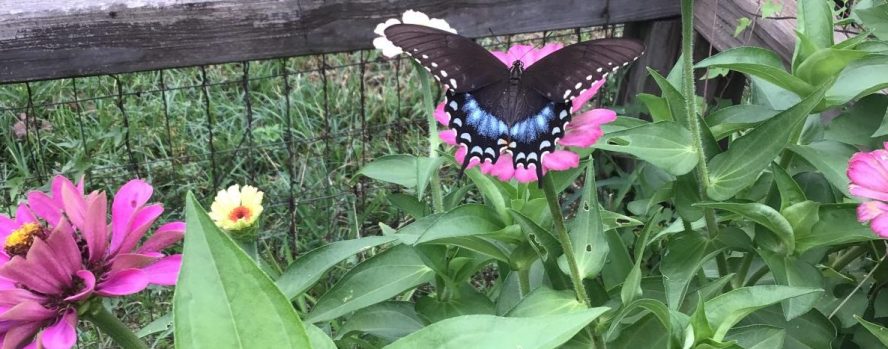
It is amazing to see how many fantastic plants can flourish in such varied climates. Because Gavin is in Canada and I’m in Texas I didn’t expect to find so many parallels in what we plant in our gardens, though certainly the timing and special needs vary quite a bit. The scarlet runner beans I’ve planted in full sun are perishing. But the others I planted which is shaded during the intense mid-day heat are hanging on. They’ve not produced yet, but I’m still hopeful and I like them anyway. I’m sure if there is any production and I can save the seed, it will acclimate to our area. Unfortunately, after a promising spring, the bumblebees and butterflies have been depressingly scarce in the garden lately.

Gorgeous! Ugly pity for the chem-sky.

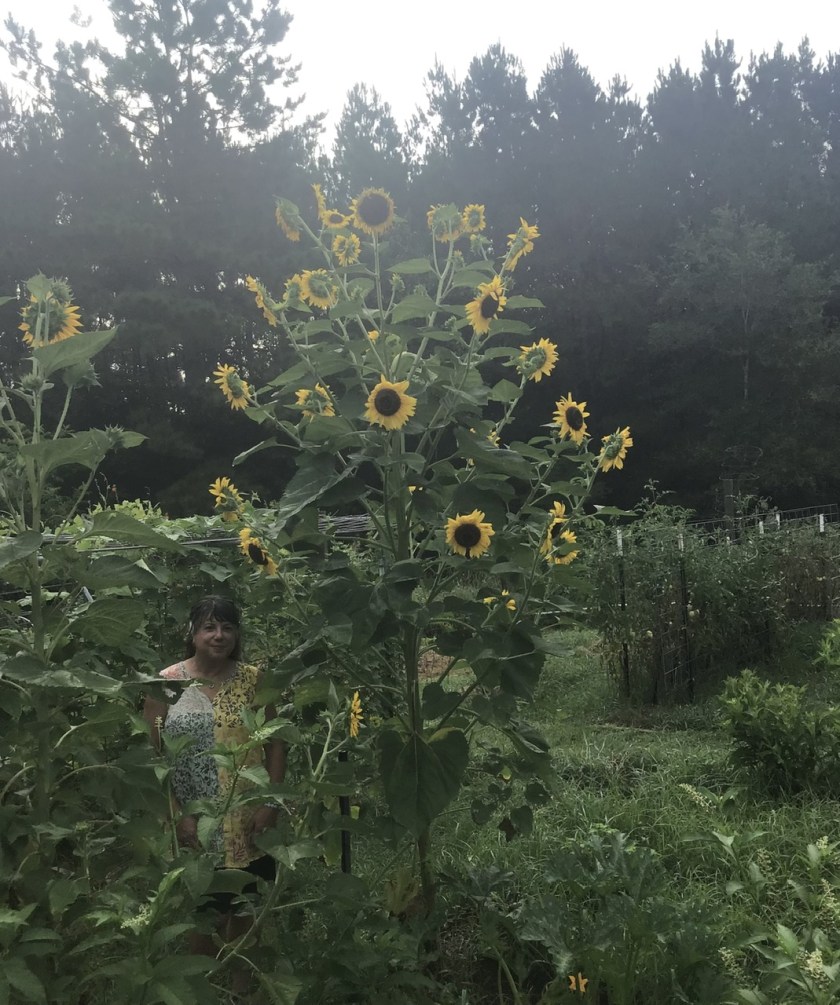
The Black Hopi sunflower has been the piece de resistance. It’s gorgeous and taller and fuller than any I’ve ever seen. I had several planted in several spots, and most of them got damaged in the high-wind storms we’ve had. But not this magnificent giant!

Gavin’s reciprocity in action is so inspiring, which is why I wanted to spend a couple of posts sharing about his book. Regular readers will probably remember I’ve shared some other of his work here in the past, especially in our Herbal Explorations pages, which come from his Substack newsletter.

In another post I’ll dive into a few of the recipes, but for now I’d like to expand on a few quotes which so align with my own learning and experience growing a garden and cooking seasonally from scratch. It has absolutely been the most rewarding journey of my life, with plenty of hope remaining for more of the same in the future.
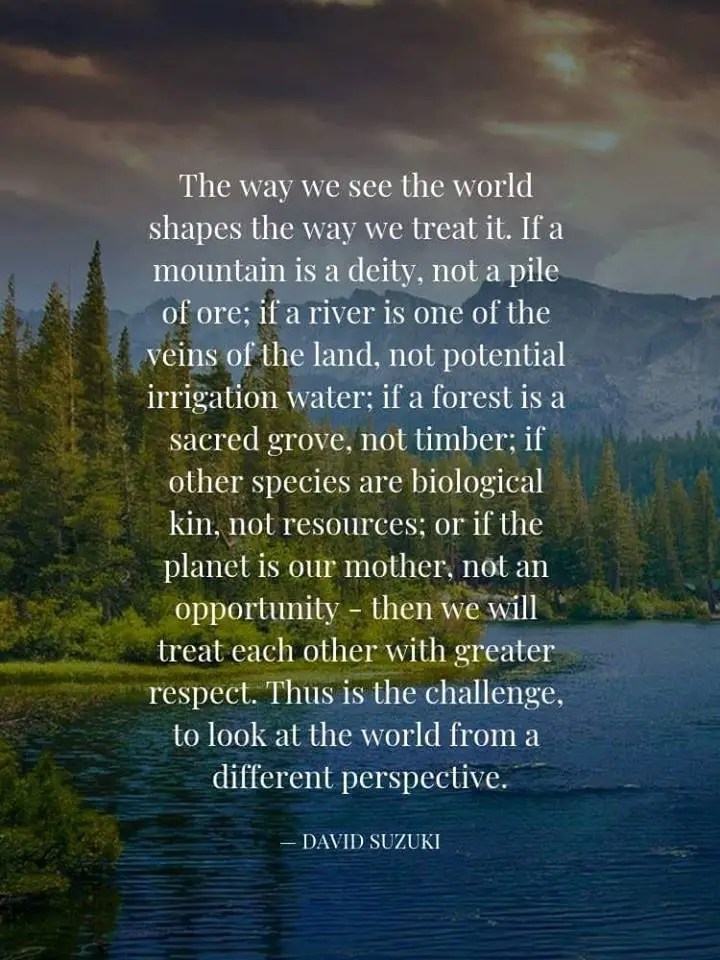
From the section: Reciprocity in Action
“Choosing to give our attention to nature is also a form of giving back. Observing and paying attention to the cycles and living systems in nature involves giving our time and our thoughts. When we closely observe nature we inevitably come to perceive countless expressions of beauty through our perceptions of the form, color, sound, scent, textures, tastes and relationships that are all around us. This leads us to caring, feeling gratitude for and feeling compelled to protect the amazing gifts nature shares with us. From the place of gratitude we engage in one of the most meaningful and powerful acts of reciprocity. We open our hearts, we feel content . . . we practice self-restraint, we choose to live more consciously and aware of how our life choices impact the living planet that sustains us and showers us with endless gifts.”

Gavin most certainly has an eye for beauty, his photography is stunning.

(3) The Jubilation Of June – by Gavin Mounsey

https://gavinmounsey.substack.com/p/the-jubilation-of-june-d41

I know how daunting it can seem to dive into a new hobby like gardening, or even cooking nowadays, but there’s so many smaller and easier things that take so little effort or knowledge that might be just the momentum for many to kickstart a healthier life and society.

Just observing. I couldn’t agree more. It really does start that small and simple and while I have read loads of books on gardening and cooking and many adjacent subjects, I’ve learned far more from observing. Taking notes helps too, but considering how bad I am at that, it must not be totally necessary.

The other few very simple things that require no gardening and very little cooking is compost and ferments, both which Gavin discusses in the book.

Why those two, you might be wondering? Because in my experience, composting makes you far more conscious of waste, and fermenting shifts your attention to the weather and seasons. Both of these processes have enriched my life and health and outlook far more than I could’ve ever imagined.

A window sill of herbs would be enough to use up the compost produced by the average small household. Or donate it to a friend who gardens if you have such a black thumb or really no space. And who knows, maybe she’ll reciprocate with a zuccinni or two.

I had no idea what eating seasonally meant. Really. Until I went to the farmer’s markets in France on a high school exchange program, I had zero clue produce even had seasons, and considering how much is grown indoors today, that’s probably become more normalized than ever.

Considering I grew up eating like the vast majority of Americans–fast, frozen, canned, bagged–I know what easy looks like, and this is pretty darn easy. The shift really is more in attitude and attention.

Now I long for cucumber season as I long for tomato season as I long for melon season as I long for radish and lettuce season. It’s become that nuanced and I love it. Sure, there’s some cross-over and we can and ferment to save the bounty. But that limited time window of bounty becomes a season within a season, with all that entails–a change in primary food and focus–all with their unique gifts and challenges.
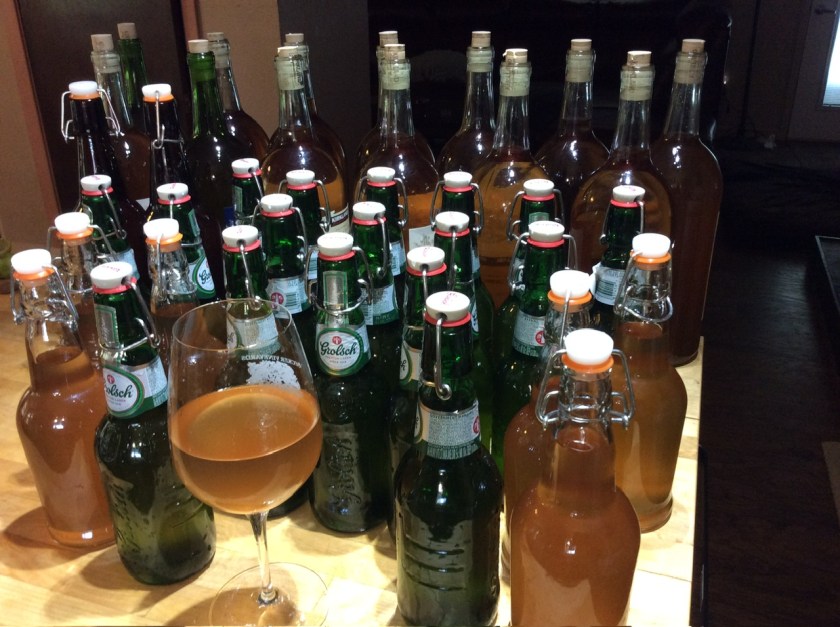
Surplus requires work, work requires rest and creates reward. 😊

The ebb and flow of surplus and scarcity becomes natural again, each bringing its own unique gifts and challenges.

My influences growing up–that of media, education, environment–worked synergistically as detachment mechanism. Nature was that which we were being systematically detached from, and that trend has only exaccerbated, to the growing dis-ease of ourselves and our environment.

“Within the last century, healthy, natural, organic food has been made more difficult to produce because of the chemical pollution, at first, and genetic pollution, more recently. A handful of companies have spread these toxins across our planet diverting US$ 400 billion of public money to subsidize their high cost chemical commodities to make them artificially ‘cheap’. The costs of this ‘cheap’ food are astronomical in terms of the health of people, the ecological damge it causes and its exploitation of farmers. If the true costs of chemical food were taken into account it would be unaffordable. Insead of subsidizing chemical food and creating epidemics of food-related diseases, public money, used for nourishment and the protection of public health through organic food, would save us billions in health care. Denying people their right to healthy, poison-free food by manipulating laws, policy, science and the use of public money to impose a non-sustainable, unhealthy food is food-dictatorship.”

to be continued . . .
Thanks for reading!
Beauty & Bounty

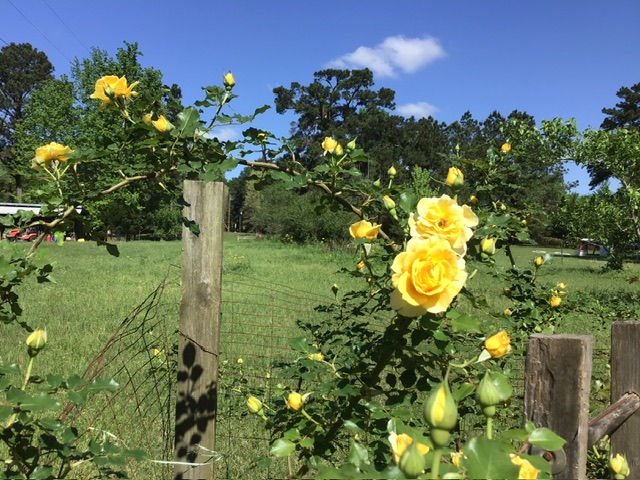
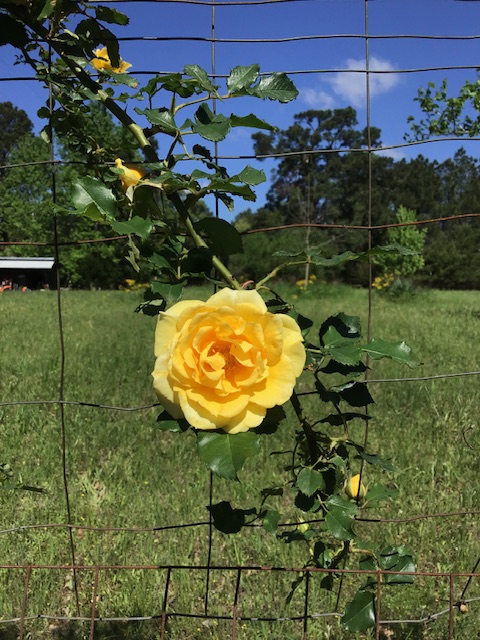
Such a busy time of year already, made busier with our remodeling projects, but we always make time to stop and smell the roses.

And bow to the weather gods, or geoengineers, who have spared us this time, and after so much barking, we are grateful there was no bite. Before I sing our praises, let me acknowledge those further north who are biting the bullet this time around. Our picture perfect skies are so very rare, I don’t like to think about all that means.

We did prepare all we could for the worst, annoying as that was. Out came the row cover fabric again and the wheelbarrows full of logs to hold it down, after just having cleaned all that up and took it to storage the week before.

We expected a frost for sure.

All the pots had to be gathered to cover all the peppers and tomatoes. And considering it was so hot and humid and over 8o degrees when we were doing all of this, it felt more incongruent than snow along the coast of the Gulf of America. 😂

But, I can’t complain, because as I just said, we got very lucky. No hail, tornados, landocaines, flooding and we just barely scratched by the frost threshold.

Just look at that sky! I can’t tell you how long it’s been since seeing such a sight!

There is so much beauty and bounty, in nature, and in cyberspace too!

Just yesterday I was scrolling through my Youtube feed and about every 100 suggestions up pops a true gem, like this old Mexican lady cooking her heart out and sharing it with the world. This is the very best of the power that’s right at our fingertips, I truly believe that: The world’s people sharing about their cultures. The cuisines, the histories and myths, the music, the dance, the landscapes, the languages, the gardens, the architecture–and the ordinary folks sharing them. Unfortunately, as the AI gods have demonstrated, for every such miracle there are about 100 curses.

Make food not war!

There are the tiniest gems not to be missed through all the noise and all the neon glare.

And it seems like they are beckoning me to slow down and notice them.

What would you rather do . . . follow me around the garden, or do more of that thing you call work?

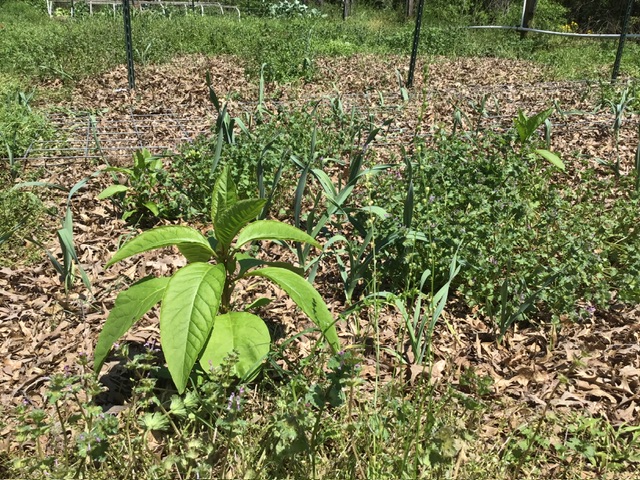
A plot of volunteer poke weed and garlic, as if they’re just screaming, we are here for your good health, so happy to be here, we keep returning for you!

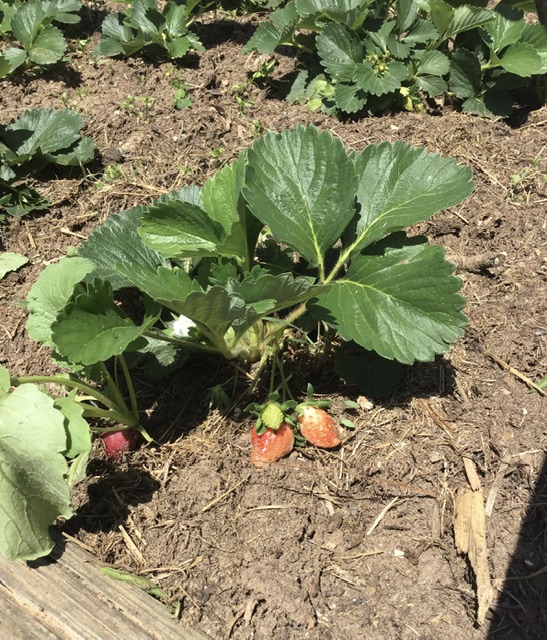
Sometimes, when I least expect it, we learn how to grow together better. Like I was thinking of the old Southern trick to set out red-painted pebbles to fool the birds into keeping off the strawberries. I thought, I bet some well-placed breakfast radishes would have the same effect, and sure enough, it’s working. The birds have moved off that bed ever since those radishes started showing their little red tops, and bonus, we adore radishes, maybe even as much as strawberries.

We have been eating giant salads every day, with enough surplus for our neighbors.

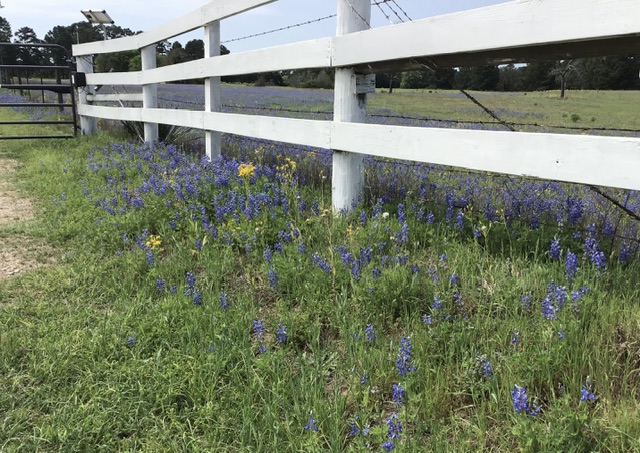
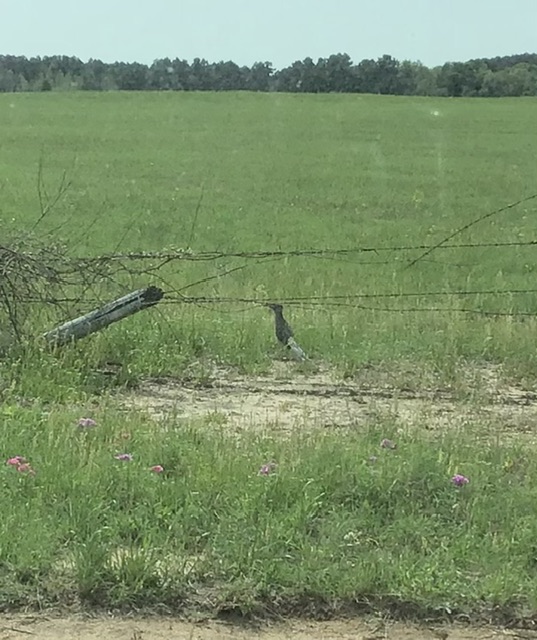
Along the country roads all is flourishing. The bluebonnets are brilliant and I even caught a roadrunner, just barely.

Such gifts of beauty and bounty! What a precious, ephemeral time to infuse their bursting energy into our year ahead. What we put into it is what we’ll get out of it, just like life.

I hope your spring is being beautiful to y’all, too! Thanks for stopping by!

Starting From Scratch

After my little lecture at the end of the last post about teaching the younger generations real life skills I was listening to an interview that gave a bit more perspective to that personal plea.

It’s with a 60 year old grandma trying to do exactly that on YouTube, and she’s got over a million subscribers, a huge website and a new cookbook. She is bursting with passion and purpose, but it’s well-tempered by her realization that in America, for most folks, we still have a very long way to go.

Folks are intimidated, she insists. And for those of us who have been doing it for the last decade already, we have a tendency to forget where we came from.

She is of the rare breeds who grew up cooking and eating this way, whereas her first students were her friends, who couldn’t even imagine making homemade bread at the time, let alone mastering sourdough. They never bought a whole chicken before, let alone broke the carcass down for a nutritious bone broth. They were not accustomed to shopping on a budget, or to filling their pantries with essentials for emergencies.

She really is the ‘Starting From Scratch’ guru, with the patience, positivity and personality it takes to succeed in such a position.

In a recent Wise Traditions interview, “Why Cooking Traditional Foods From Scratch Is Worth It”:

“Do you get overwhelmed thinking about making sourdough bread from scratch? Or homemade broths and soups? Mary Bryant Shrader of Mary’s Nest is a YouTuber and educator who has a knack for demonstrating how simple (and tasty and economical) traditional cooking can be! Today, she shares some of her own story (including successes and failures along the way) of how she got into becoming a “modern kitchen pioneer”. She goes over the biggest hurdles we face (like feeling too busy or too intimidated to get started), how to overcome them, and even what inspires her to keep going with traditional food cooking.”
https://podcasts.apple.com/us/podcast/wise-traditions/id1072618042?i=1000681385872

Her YT channel has loads of content, not all for beginners either. Here’s an intriguing one I plan to watch:
The 10 Best Survival Foods for your prepper pantry

If you’re one of those who believe the commercial hype, and think that all food is the same, and what nutrition you aren’t getting from your junk food diet is no big deal, because you take vitamins and supplements, here’s the really bad news from someone who once thought along similar lines, and paid dearly for those mistakes through his poor health at a relatively young age. Something we are witnessing far too often in this country.

Unlike our above super upbeat, positive Granny, Agent is snarky and sometimes downright intolerant—so, much more my style—except he doesn’t like to cook, poor fella.😆

“I get a lot of emails and questions about if a specific product is good to take – in my opinion it is all poison because nutrients come from clean foods, not bottles, but I don’t want you to take my word for it, I want you to know how to find out for yourself so nobody can ever dupe you again. With that being said, today I am going to show you how you can easily learn about any chemical in any product and its health effects, real safety data and more. You can then use the information you found to make an informed decision and never have to rely on a podcaster, famous doctor or Substack author again.”

Become your own master of health! YES, that’s the ticket!

“A Manufacturers Safety Data Sheet (MSDS or SDS) is the easiest way to get real information because, while Google can selectively show you search results to fit an agenda, and while doctors-turned-online-show hosts can recommend a product they are making a kickback off of, the MSDS can’t lie. The reason is because the manufacturer of the chemical must present honest information to avoid being sued out of existence by those who purchase their product and use it to manufacture supplements to sell to the plebs.”

He has a series of articles breaking down the reality of America’s most commonly used vitamins and supplements. You probably already know that some of the chemicals Americans consume routinely are banned in other countries. And A LOT of it comes from China and other far off places where we have little to no oversight.

Not that government oversight is on our side, at all! They pretend to be on our side, only to make more absurd and expensive regulations to ‘solve’ the problems they previously created.

This is a home kitchen, seriously?
🤪

As an example here’s a ‘solution’ of several states that is a complete non-solution for those who don’t like to cook and can’t afford to out every meal, yet are tired of the grocery store ready-meal options.

Micro enterprise Home Kitchen Operation (MEHKO), a way for the government to further interfere in your kitchen and your health.

Frequently Asked Questions — The COOK Alliance

How do you get a MEHKO permit?
1. Pass a Food Protection Manager Certification exam.
2. Submit your application, including your menu and a Standard Operating Procedures (SOP) form.
3. Pay the permit fee.
4. Schedule and pass a home inspection.

And once you do all that, you still cannot serve the most nutritious meals, because they are on the ‘dangerous’ list (with oysters!) including all raw milk products, smoked or cured products, any food that has been vacuum-sealed, and even homemade ice cream. So. Not. A. Solution.

But let’s at least try to end on a positive note today!

If you have plenty of money, live in a popular urban environment, frequent the very best grocery stores, but don’t like cooking, you have plenty of options available for healthy choices these days, because the ‘free market’ has answered the call and made available all kinds of healthy and natural pre-made meals.

If you live anywhere else in America, or are feeling the economic pinch as we are here, well . . .

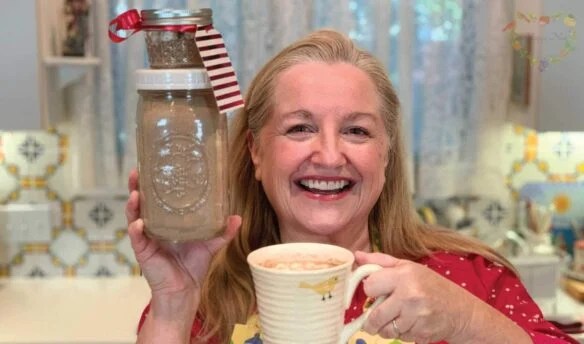
May this Season’s Greetings lead to new paths of traditional healthy eating for you and your family!

Our Christmas watermelon—not exactly seasonal, but still pretty tasty!
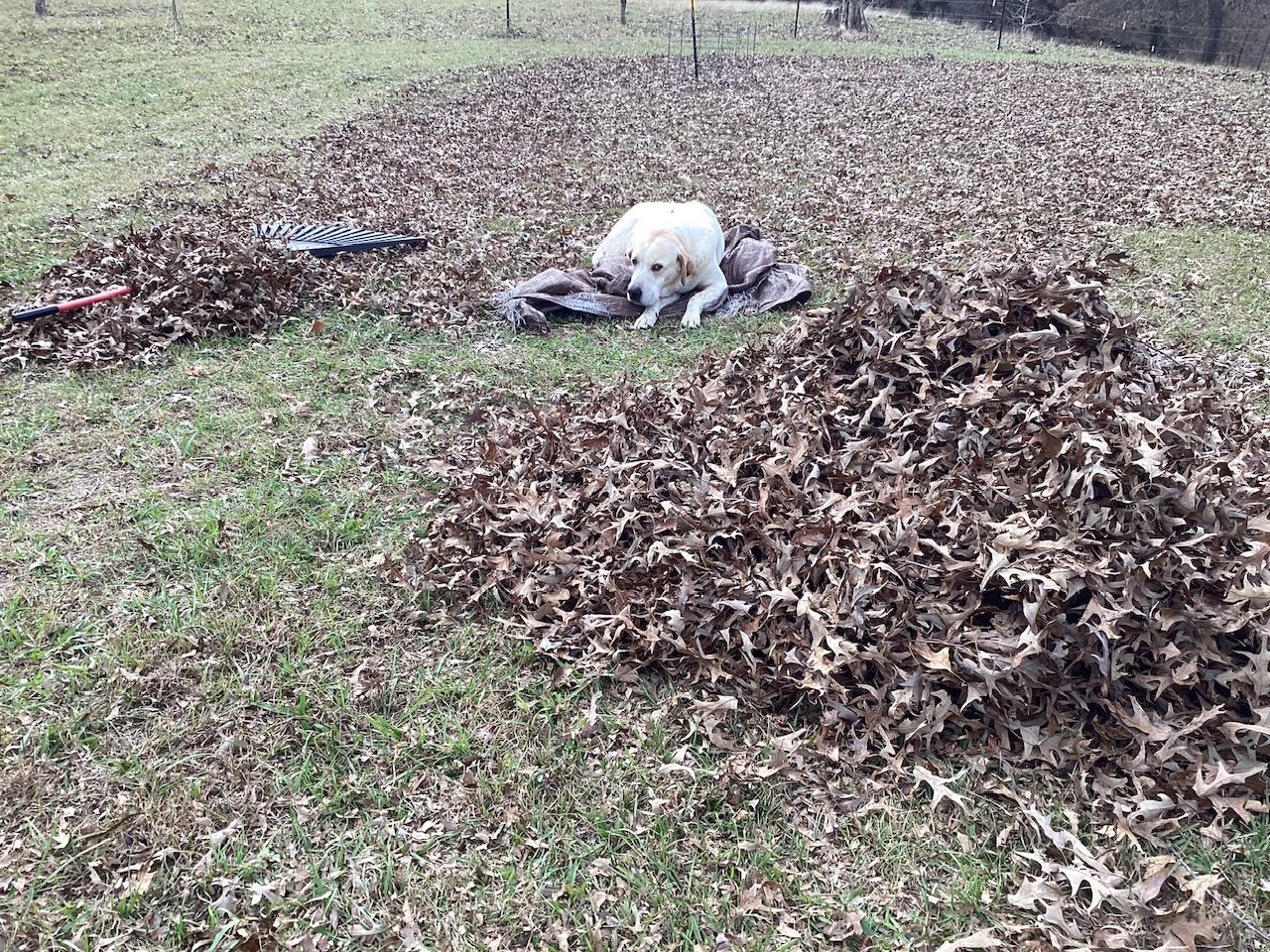
Bubba, “But I’m helping, really!” 😆