
The Real Cheese, Finale

The Swiss Colony has still not answered my questions concerning which “enzymes” and “cultures” are used in their cheese, or who manufactures them.  

This is as close to a direct answer as they have come, after four attempts for clarification on my part.

“We do not give out our manufacturing information, as these may change depending on availability.

We hope this information is helpful to you.”

Let’s compare this to what is required, by law, for a small licensed dairy in most US states.  

They are the most stringent laws for just about any product sold in our country, with hefty fees, regular inspections, strict requirements for what can be produced and how, and to boot, with the name and the address of the farm (which in most cases means the farmer’s home address) to be printed on every label. 

Imagine if the CEO of every giant food conglomerate in this country was required to put their home address on everything they sold? 

Of course, that could become very confusing, which address would they choose with multiple McMansions to choose from?

Yet if you talk to the average consumer at the grocery store their assumption would most likely be that cheese bought by a local seller at the farmer’s market is of more questionable safety than the big name brands they’ve come to know, and trust.

Completely misplaced trust, created by fraudulent marketing practices and unfair laws in a food system that has been duping the public for half a century plus.

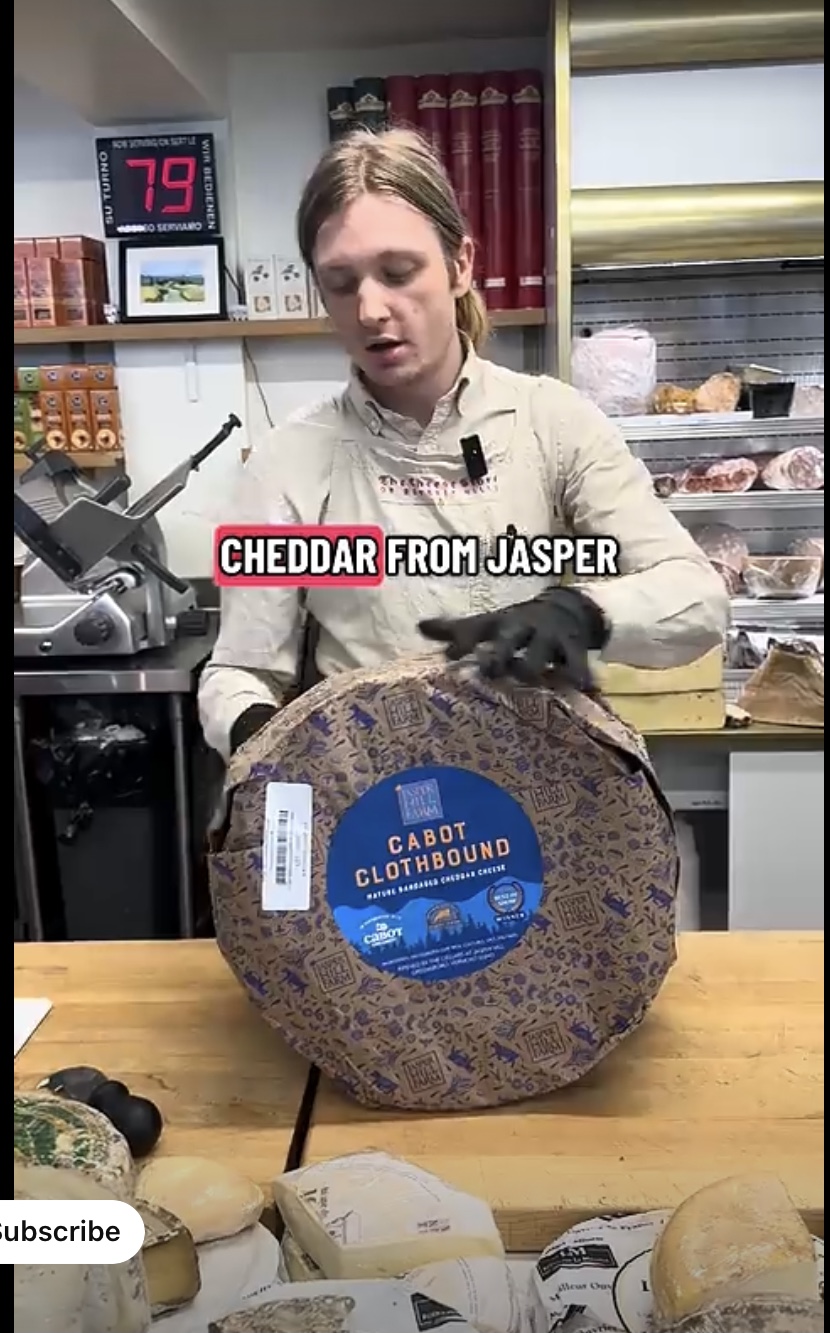
This goes for more upscale choices as well.  Here is one from the Cheese Store of Beverly Hills: The Cabot Clothbound Cheddar from Jasper Hill Farm in Vermont.

Looks very traditional in its cloth binding, which is laudable.  I also cloth bind cheddars.  And I’m not pleased to still be relying on plastic in many cases to make and age other cheeses, but it works and it’s readily available and relatively cheap, so until I can find another way, that’s my lot. But, I’m always looking for better, more traditional options.

On the Cabot Cheddar we have the typical ingredient list: pasteurized cow’s milk, starter culture, vegetable rennet, salt.

Are they required to declare their rennet and cultures are produced in a lab and have nothing to do with any farm? No. Is the consumer privy to who manufactures those ingredients, or where? No.

Though they do make a good show of cutting that big impressive cheese!

While I’m sure it’s healthier and tastier than the likes of The Swiss Colony cheeses, the label is still misinforming the consumer who probably assumes vegetarian rennet comes from vegetables and starter cultures come from other milk products on their farm, as once was the case with all cheeses.

In related Ag news, why is the news never good?

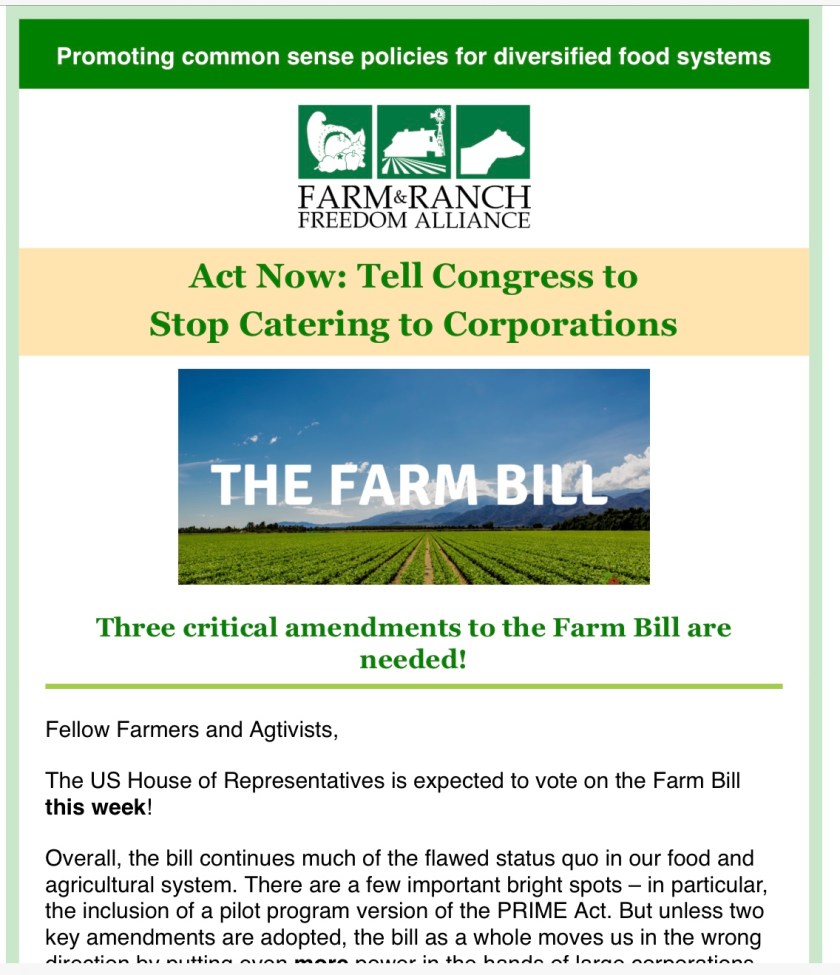
From the Farm & Ranch Freedom Alliance:

Act Now: Tell Congress to Stop Catering to Corporations

The US House of Representatives is expected to vote on the Farm Bill this week!

From AI: The Farm, Food, and National Security Act of 2026 is a comprehensive farm bill that aims to address agricultural and food policy in the U.S. It was reported out of the House Agriculture Committee on March 5, 2026, and includes provisions for nutrition assistance, crop insurance, and conservation programs, reflecting a significant update since the last farm bill in 2018.

Spoiler alert, not a peep is written about fake cheese or lab-produced cultures and rennet.  It’s not even on their radar.  

“Overall, the bill continues much of the flawed status quo in our food and agricultural system. There are a few important bright spots – in particular, the inclusion of a pilot program version of the PRIME Act. But unless two key amendments are adopted, the bill as a whole moves us in the wrong direction by putting even more power in the hands of large corporations … and putting your operation, your land, and your local decision-making at risk. There’s also a third important amendment, to empower consumers to support American-raised meat.

The Bottom Line:

This bill, as written, sticks farmers with more risk, less local control, and a system that favors consolidation.

That’s not a compromise—it’s a step backward.”

And from another source:

“Amidst rising farm bankruptcies and unprecedented economic and policy instability, the House bill chooses more of the same, neglecting the kinds of investments and policies that our farmers not only deserve but desperately need,” Mike Lavender, policy director at the National Sustainable Agriculture Coalition, said in a statement.

As House Moves Closer to Farm Bill Vote, Food and Ag Groups Push Back | Civil Eats

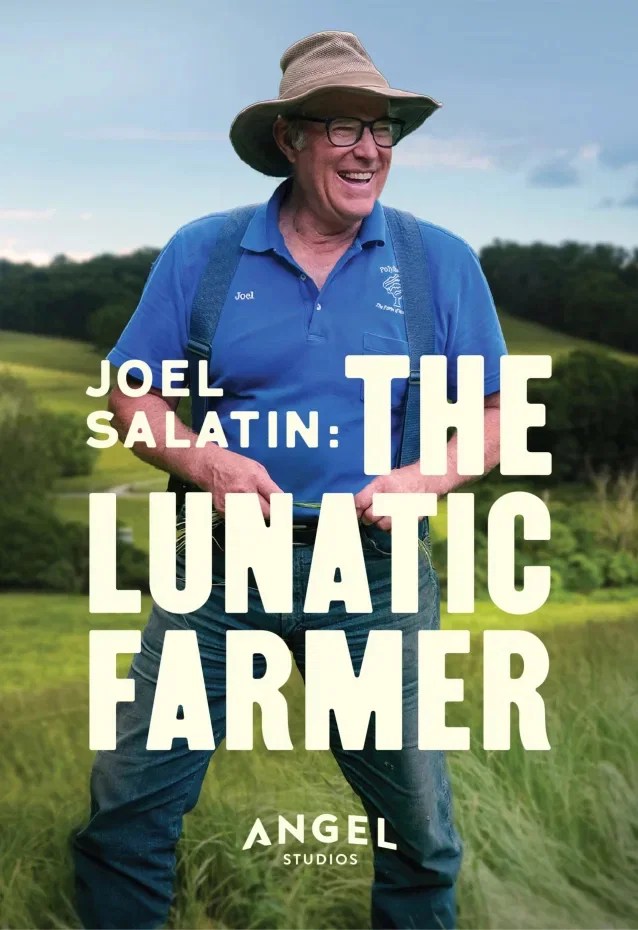
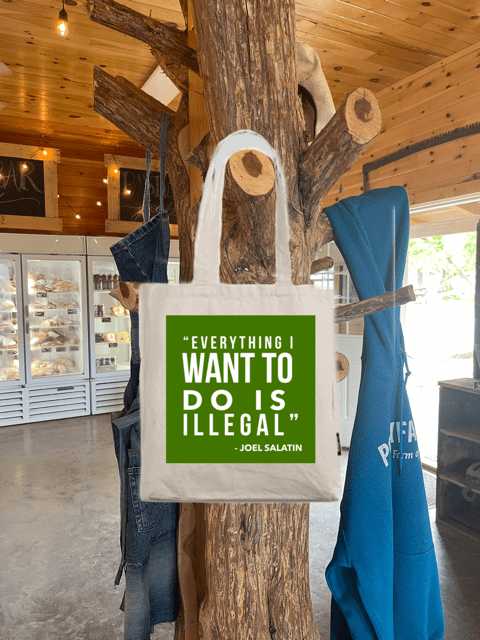
Lunatic Farmer Joel Salatin was one of the speakers at the People vs Poison Rally at the US Supreme Court to influence the votes.

The primary talking points are around glyphosate and similar pesticides and herbicides.

He says:

                  “The real question is what protocols would return the North American landscape to its pre-European productivity and abundance?  You see, 500 years ago this landscape produced more food than it does today, even with tractors, fertilizers, chemicals and new plant varieties.  Of course, it wasn’t all eaten by people.”

SCOTUS PRESENTATION — The Lunatic Farmer

I like reading his commenters, because there’s always a few I agree with and I so appeciate finding like-minds.  This one comes from Diane B. :

“So truthfully and eloquently stated. Sadly, SCOTUS is corrupt and mostly bought along with the rest of the government. We would be far better off if none of them existed. Government has proven it can only be dysfunctional. We don’t need to be governed. We need your speech circulated to the entire population, most will understand, and we need strong men and women who will stand up to corrupt corporations (without a government involved).”

I couldn’t agree more!

And yet, it’s only getting worse.

The Real Cheese, continued

“If you don’t read the news you’re uninformed, if you read the news you’re misinformed.” Mark Twain

The same can be said for labels.  While our “health freedom” advocates go after the most obvious chemical concoctions, or suffle around useless info about calories and so-called vitamins, folks who really do care about their health are getting duped by seemingly healthy foods.  

I believe we all know that counting calories is a fool’s errand. But for those who might still not get it, here’s a 2nd grade level demonstration.

Now let’s get to the graduate level.  Enzymes and cultures and rennet, are they all the same?  The modern cheesemakers would like you to believe they are, but they are certainly not.  

My issue is with the deception, just to be clear, that is always my issue.  If folks choose, with proper information and informed consent, to consume chemicals and lab-made food, I have no problem with that.  As the kids like to say, “You do you!”

But this is not what’s happening. These foods are being forced on consumers under an illusion of choice.  We are not even privvy to proper food labeling and cheese is a prime example.

Most cheeses sold today will have the same ingredient list as I do when making a 100% natural cheese: milk, culture, rennet, salt.  Looks simple enough, but it is far more complex than that.

Pasteurized milk or raw milk?  Natural cultures or lab-produced cultures? Animal rennet or the ‘new’ so-called vegetarian rennet?
Already we enter deceptive marketing practices on the topic of rennet, because most folks don’t know what it is or how it is acquired in nature.  

So the manufacturers of vegetarian rennet are relying on consumer ignorance rather than informed consent.

I claim this because they are insinuating, by appealling to vegetarians, that it is more humane than animal rennet.  When it comes to the modern abhorent feed lots and poor treatment of animals ina factory-farm setting I suppose they could be correct.

But in traditional dairy farm protocol this is completely false.  Hubby jokingly calls it “male privilege” because the practice is, only females are raised to maturity.  Boys are sold, castrated or not, or raised separately to be slaughtered for meat after a couple years in the field.  

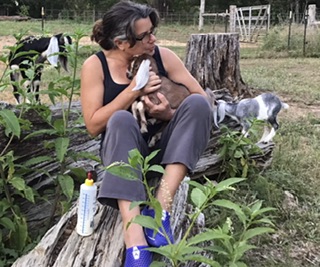
Natural rennet is acquired by extracting the abomasum of the young ruminant animal’s stomach, which we have done here on the wee homestead, if you want to check it out.  

For the average farm this is not an issue, as there are plenty of males which can be slaughtered for this purpose.  Not that it takes more than one, because it will last a VERY long time, as is proven in “3rd world” dairy operations still today.  This is a process called ‘backslopping’ where a rennet-culture solution are reused for an entire season, similar to how sourdough starters are “grown” and reused.

But when it comes to huge dairy operations with fancy equipment and many rotating employees and assembly-line production this doesn’t work.  It’s not consistent and reliable enough, there are too many variables in such a living product and as the old adage goes, too many hands spoil the broth.

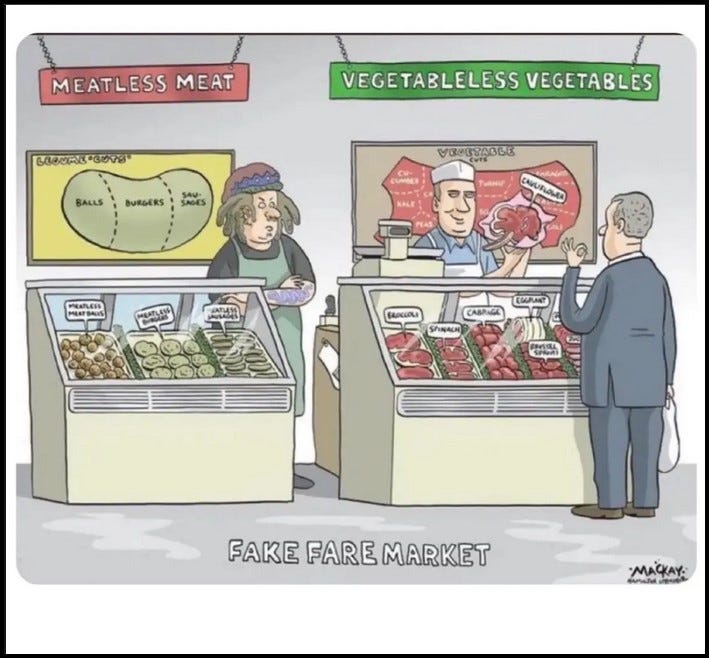
For the giant manufacturers these lab-created cultures and vegetarian rennet are a necessity–for them, not for the consumer.  However, their aim is to make it appear as if they are doing it for “consumer choice”.  Even as the consumer has no choice!

Vegetarian rennet is now the norm, used in the vast majority of cheeses sold in the US.  The same goes for the added starter cultures and “enzymes” used for flavoring and consistency, all produced in a lab.  As they are showing images of happy cows on lush green fields and quaint farmhouses on their labels and websites, this image is as deceptive and manufactured as those ingredients.  

While conscientious consumers rightly raise concerns over animal welfare and antibiotics in their milk, they’ve barely scratched the surface of the issue.  Even the “organic” label here is deliberately deceptive.

Rather than be honest with consumers, instead we get gaslit.  We are suddenly dealing with “allergies” and “intolerences” where none existed before.  We are informed we must take special “enzymes” if we insist on eating dairy foods.  We are directed to the new dairy-free products made by the same manufacturers and also produced in a lab.

And when we try to do our due diligence to understand what is in our food and why it now causes us health problems, as I have, we are given the runaround.

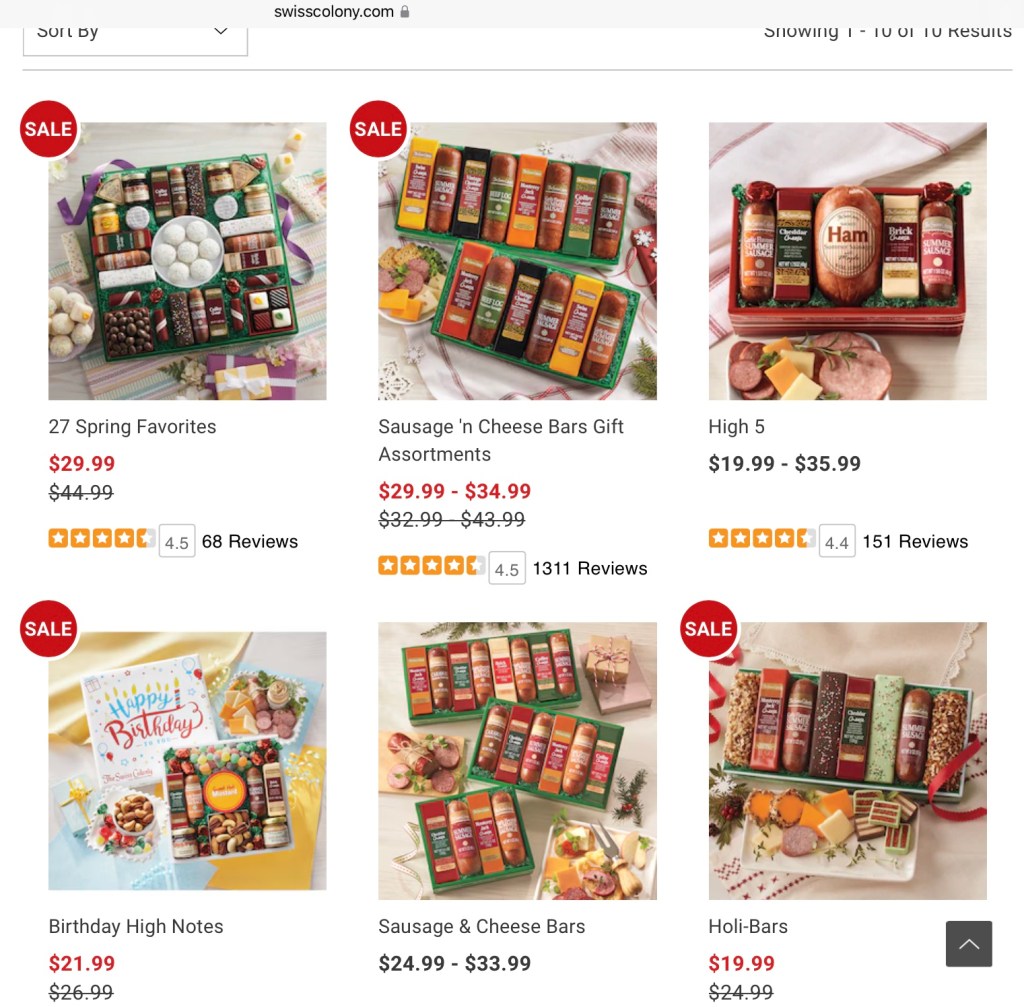
I’ve been on the runaround track for a week now by the Customer Service department of the popular brand Swiss Colony, a major seller of cheeses and meats.  They are clearly trying to run me down by being avoidant and evasive about a very basic question–what’s in your cheese?

After reading all the information on their website and getting no answers, I contacted them directly.  Yes, they use “vegetarian” rennet, which I already knew from their Q&A section.

My initial inquiry:

Hello,
please inform me of the complete ingredient list for your Baby Swiss Cheese, meaning the specific types of cultures and enymes being used, and if possible, the manufacturers’ names for those and as well as your vegetarian rennet.
thank you,

Their reply:

Thank you for contacting Customer Service.

We have forwarded your inquiry to the proper department and will reply with an answer as soon as we receive the information.

We appreciate the opportunity to be of service.

Then, the next day:

Our Baby Swiss uses vegetable rennet.  Please see below for the requested list of ingredients. 

INGREDIENTS: PASTEURIZED WHOLE MILK, CHEESE CULTURES, SALT, ENZYMES, CALCIUM CHLORIDE.

ALLERGY INFORMATION: CONTAINS MILK.

So, the obvious assumption here is, if you have allergies to this product, it’s because you have milk allergies.  Then you get their list of solutions to your problem, links to all their “alternatives”.

  • Dairy-Free, Vegan Mozzarella Cheese That Melts Perfectly, Plant-Based, 7 oz 6-PACK, Lactose Free Cheese with No Allergens, Non Dairy Cheese.
  • Never Better Foods Plant-Based Shredded Cheddar & Mozzarella Cheese Blend, 6 Pack (6 x 7 oz Bags), Dairy-Free, Vegan, and Allergen-Free, Ideal for Cooking, Melting, and Meal Prep
  • Empasta Vegan Cheeze Sauce – Dairy-Free, Gluten-Free, Nut-Free, Soy-Free – Creamy, Easy Melt, Low-Calorie Cheese Sauce Alternative for Dips, Pasta, Nachos, Burgers, Veggies & More – 12oz sustainable jar (Smoked)
  • Madly Hadley Plant-Based Parmesan Cheese, 2 packs – 16oz | Original Vegan Cashew Parmesan Grated Topping for Pasta, Salad, Sauces | Dairy-Free, Gluten-Free, Non-GMO, Soy-Free, Keto-Friendly

Clearly they did not answer my direct questions, so I tried again.  And again.  And again.  And I’m still waiting for my answers.

I will return with their answer, if I get any, in the next post, along with a more upscale brand, to demonstrate more money doesn’t always mean a more natural product.

Homestead Happenings

We’ve got a sad-but-funny Shadow story, the usual weather nonsense, garden goodies, another instance of AI lies, lots of cheese bragging, the will of pigs, my creativity commitment, all in no particular order.

We’ve had both new setbacks and new achievements so far this growing season.

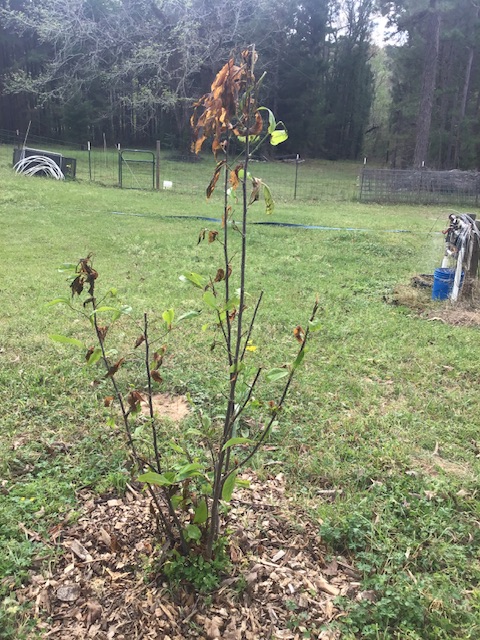
The false friend of an early spring might feel nice for some temporarily, but most got slammed hard by the subsequent freeze weeks later. We lost all the fruit trees except the citrus, which Hubby’s been painstakingly covering and uncovering all Weather Whiplash Season. The figs, mulberries, magnolias and even the oaks got it the worst as they were already well leafed out.

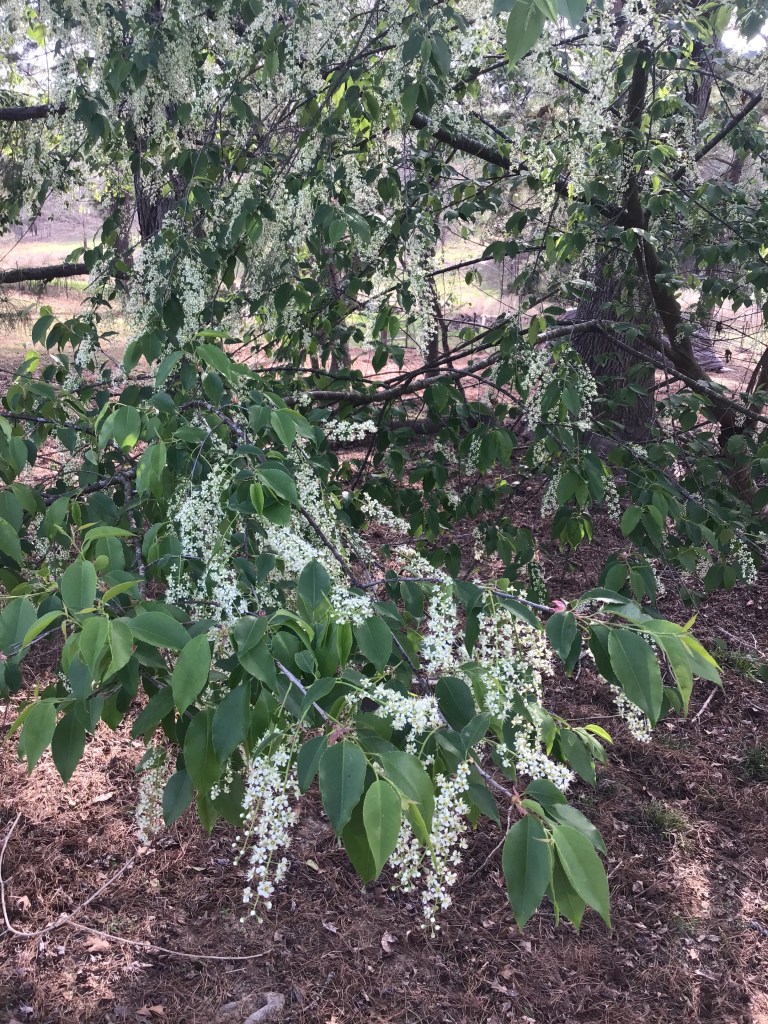
The lovely wild cherry we uncovered about six years ago when Hubby cleared for the new chicken coop was another sad loss, again. It looks so beautiful full of blossoms, but only once did they last long enough for a cherry harvest. If it’s not the late frosts, it’s the wind, or the bag worms that destroy them.

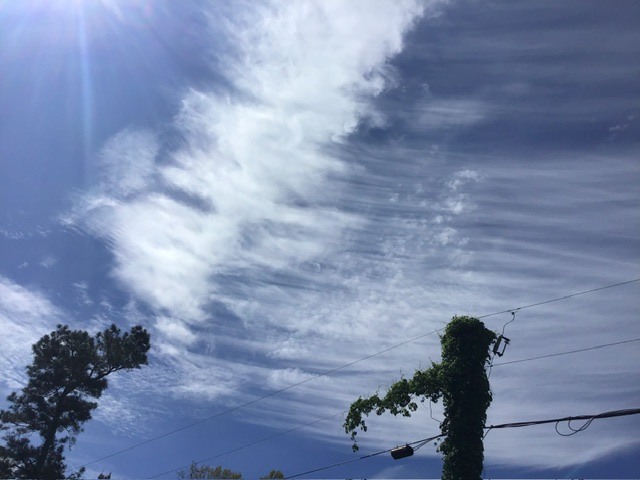
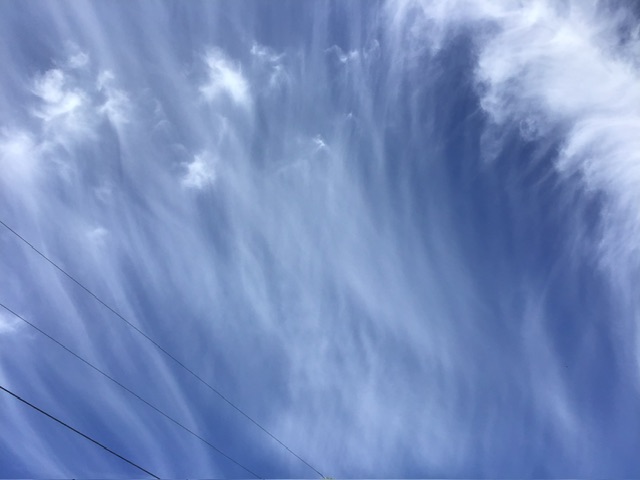
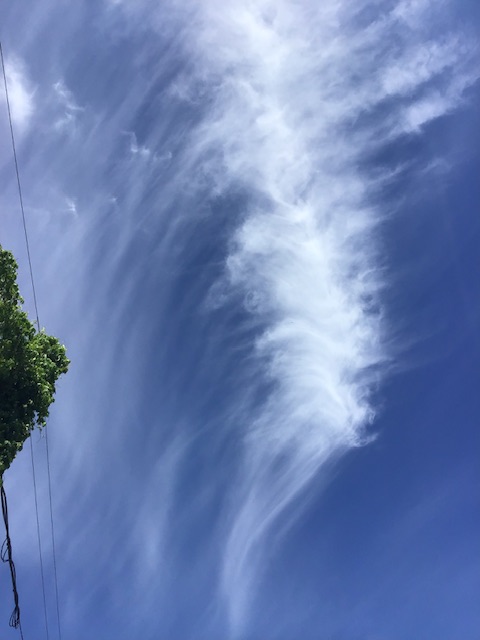
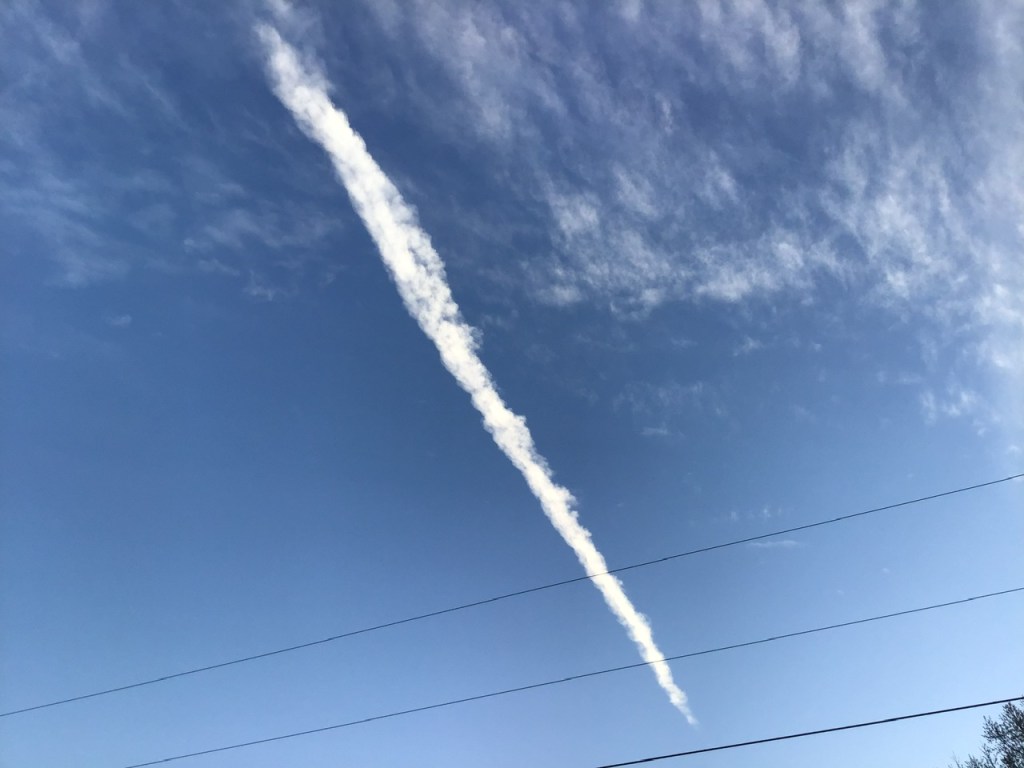
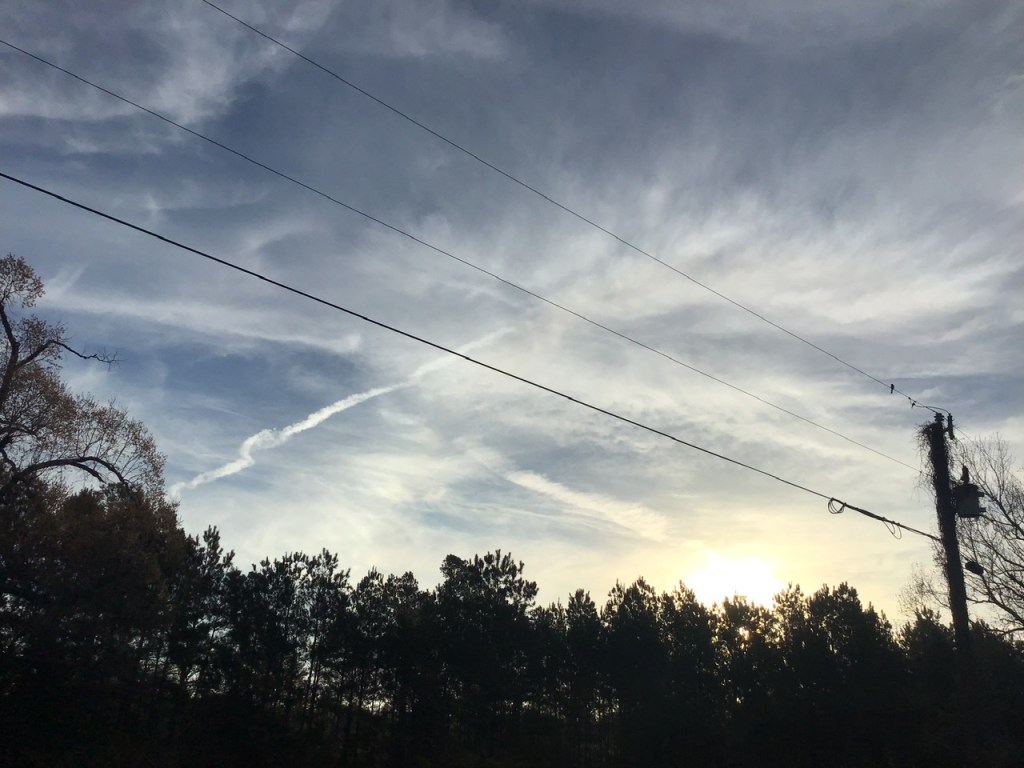
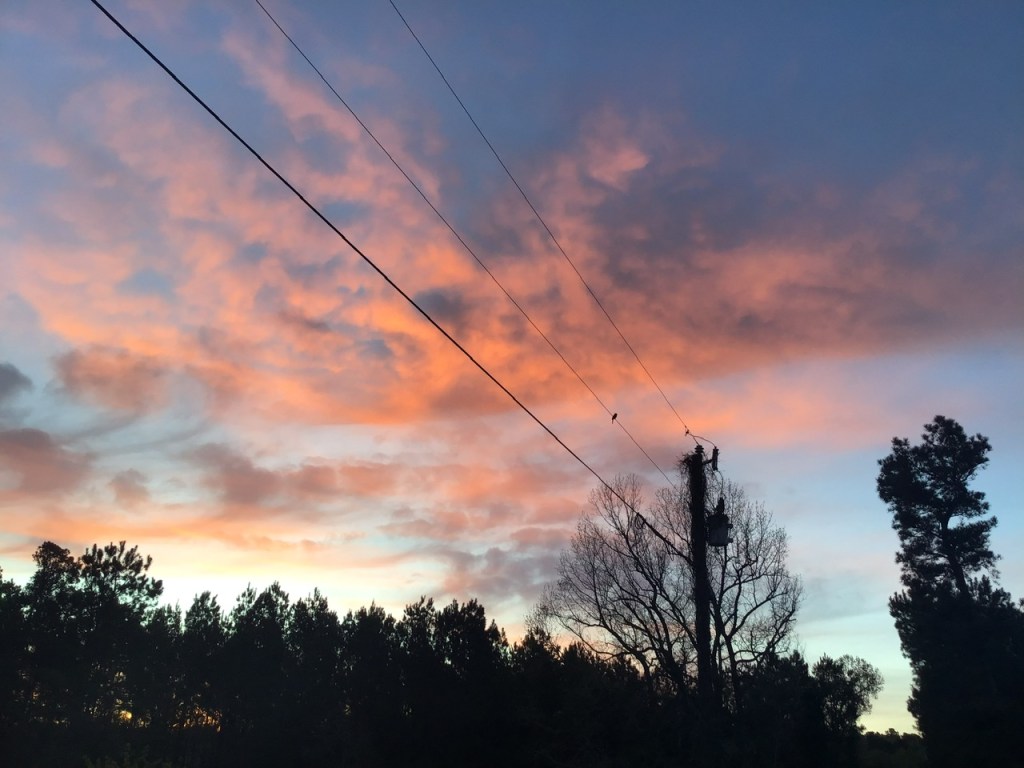
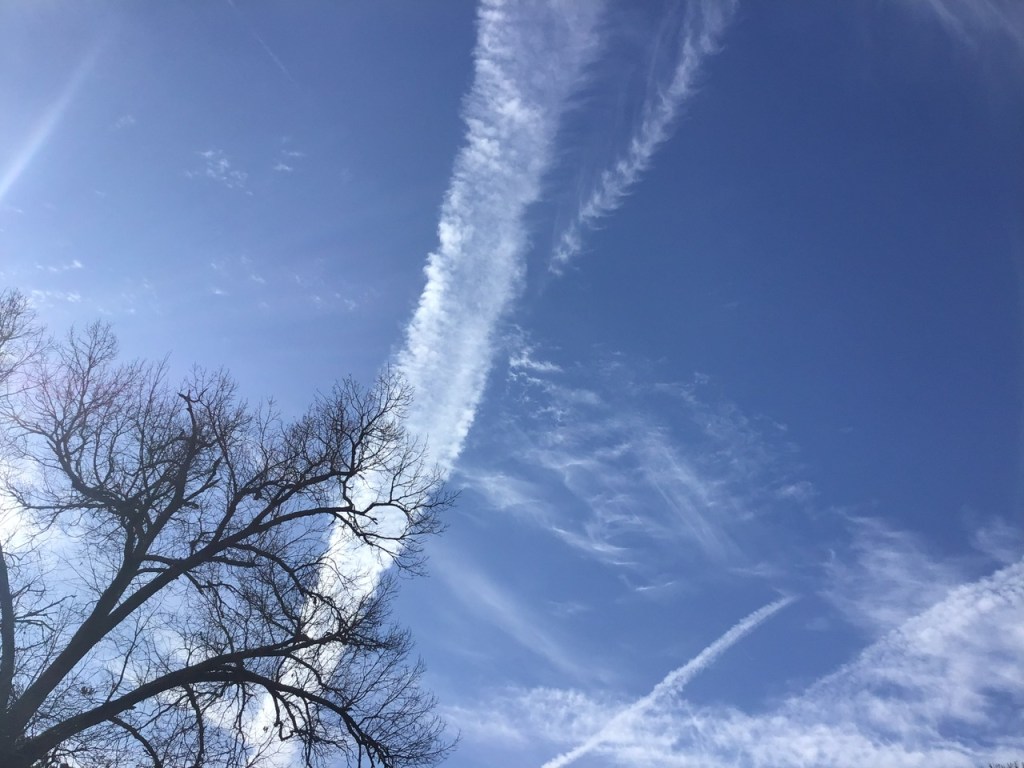
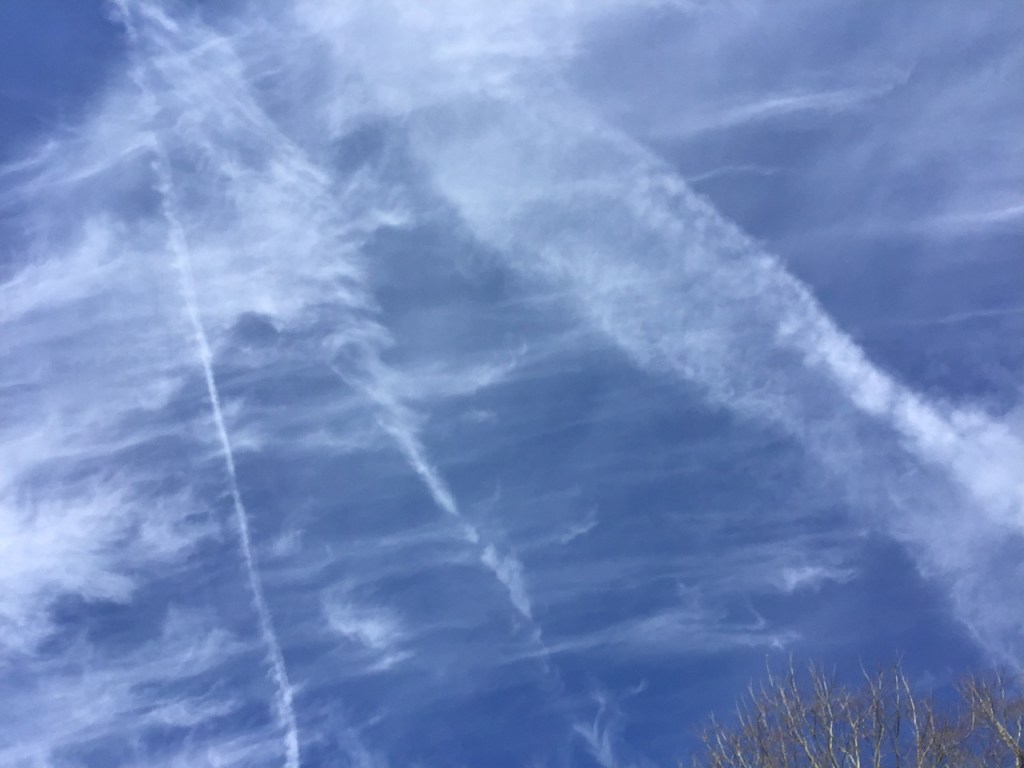
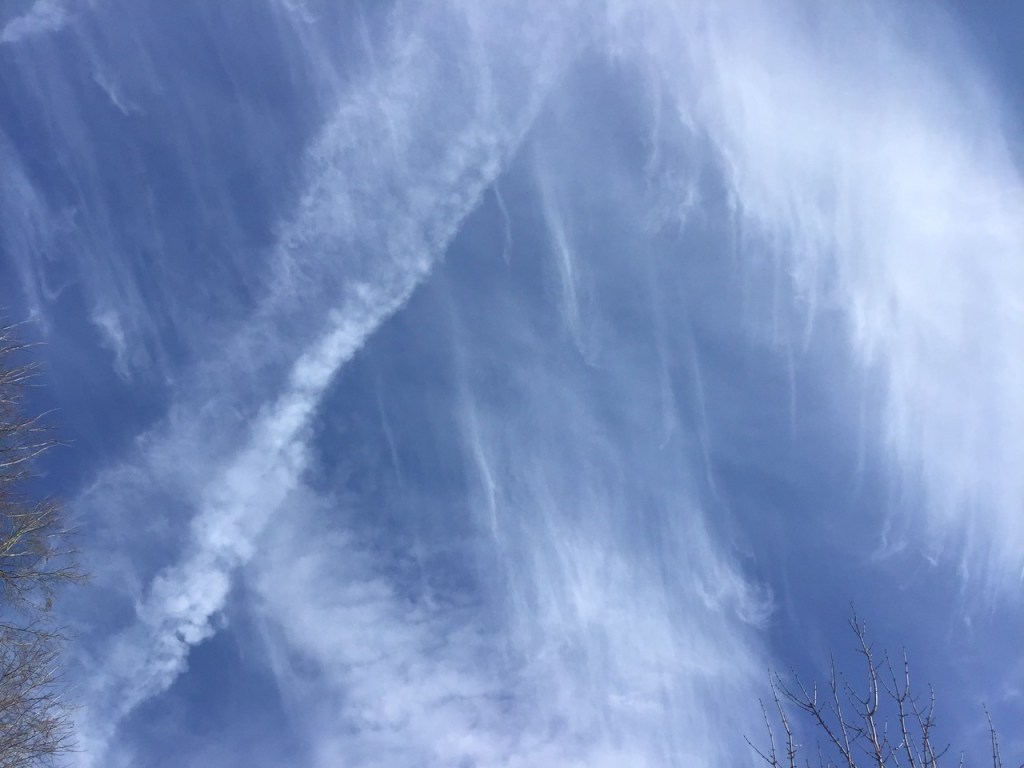
I’m sure it has nothing at all to do with these totally natural clouds that come right in lockstep with our strange weather, I’m certainly not seeing any patterns and I surely don’t imagine these are some sort of chemicals that fill the sky and do weird things like change the atmosphere, and the climate. Heavens no!

What crazy talk! This is just beautiful big Texas country skies, that’s all!

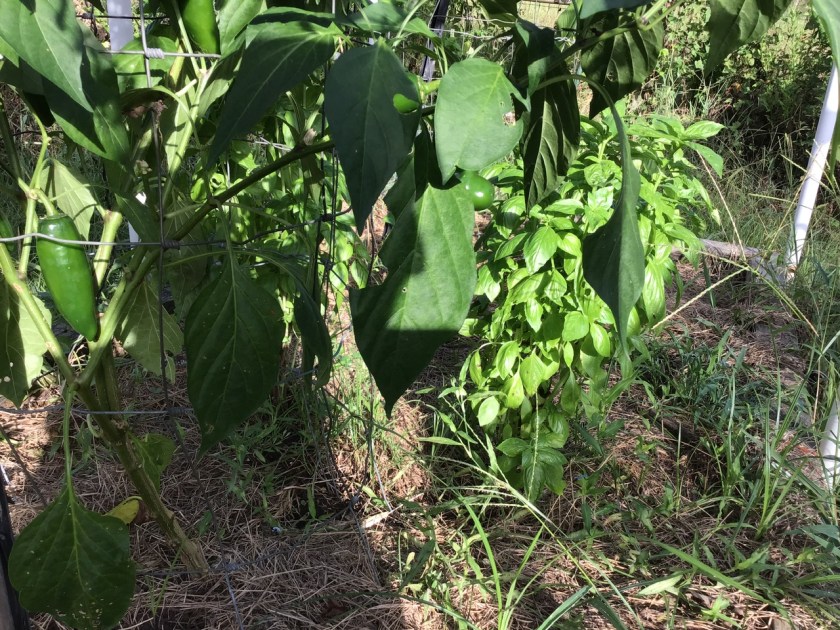
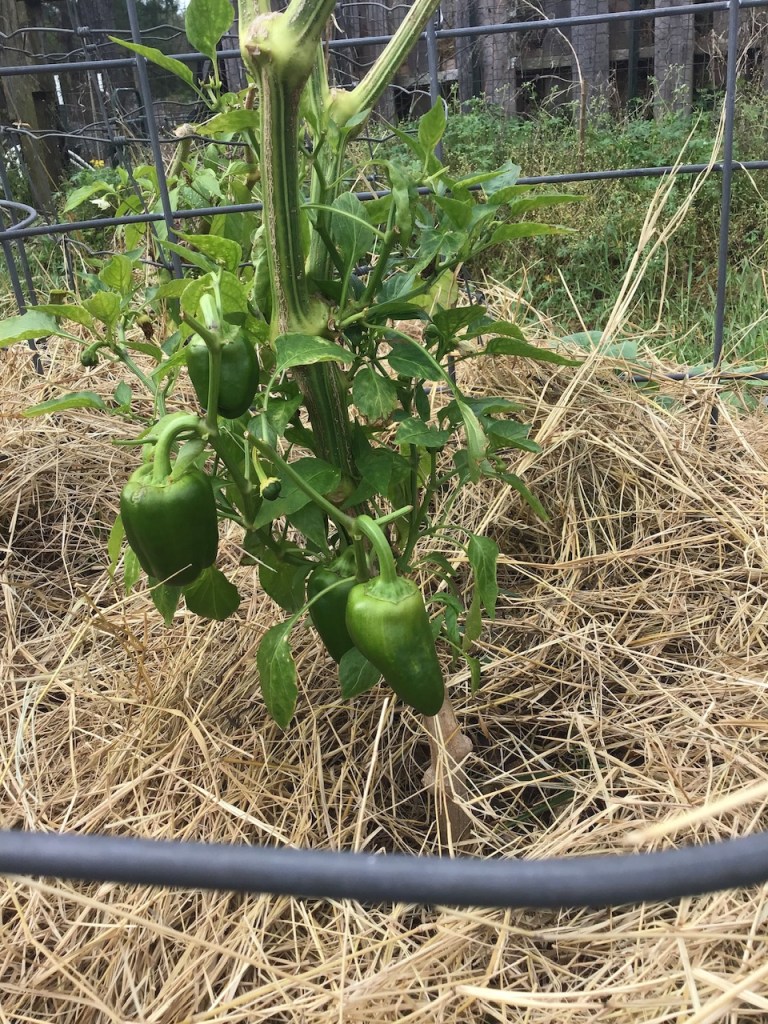
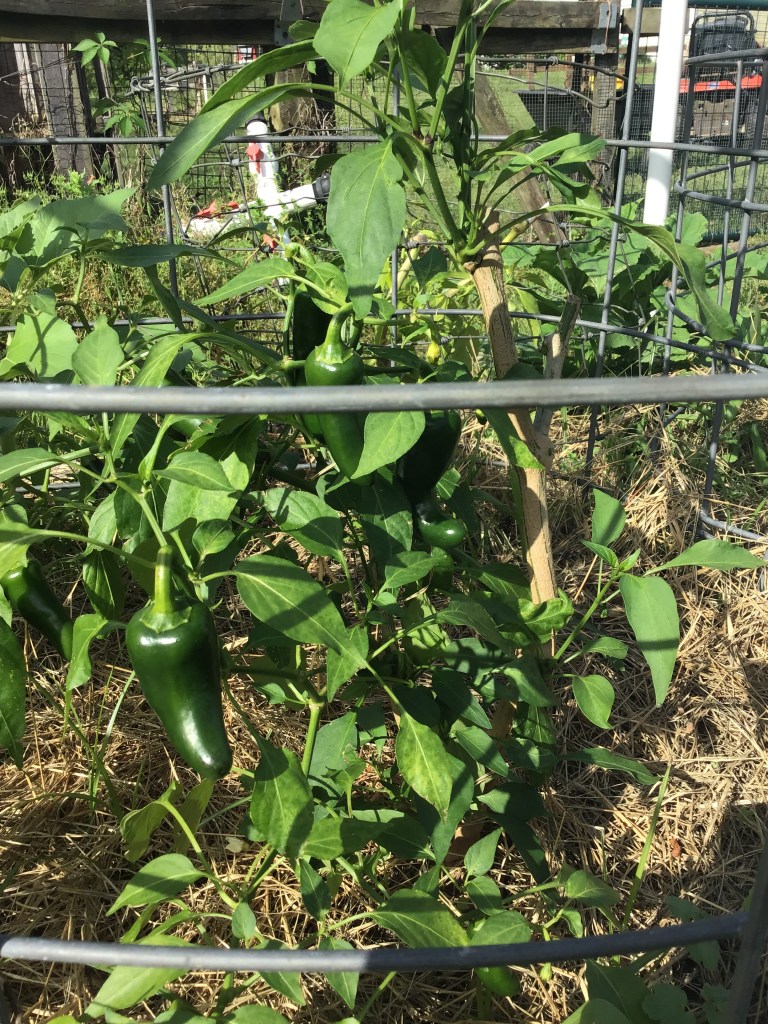
On the fun success side of things, we have the earliest pepper harvest ever, by far. This was no thanks to the weather either, but rather to my laziness. Now that’s a rare and welcome anamoly! I had excellent success for the first time over-wintering three varieties, after multiple failed attempts. The trick seems to be to never move them. Whereas before I’d haul them in and out during our warm to freeze snaps, thinking I was benefitting them with all the extra effort, in fact no, they did best parked in front of the window for three months.

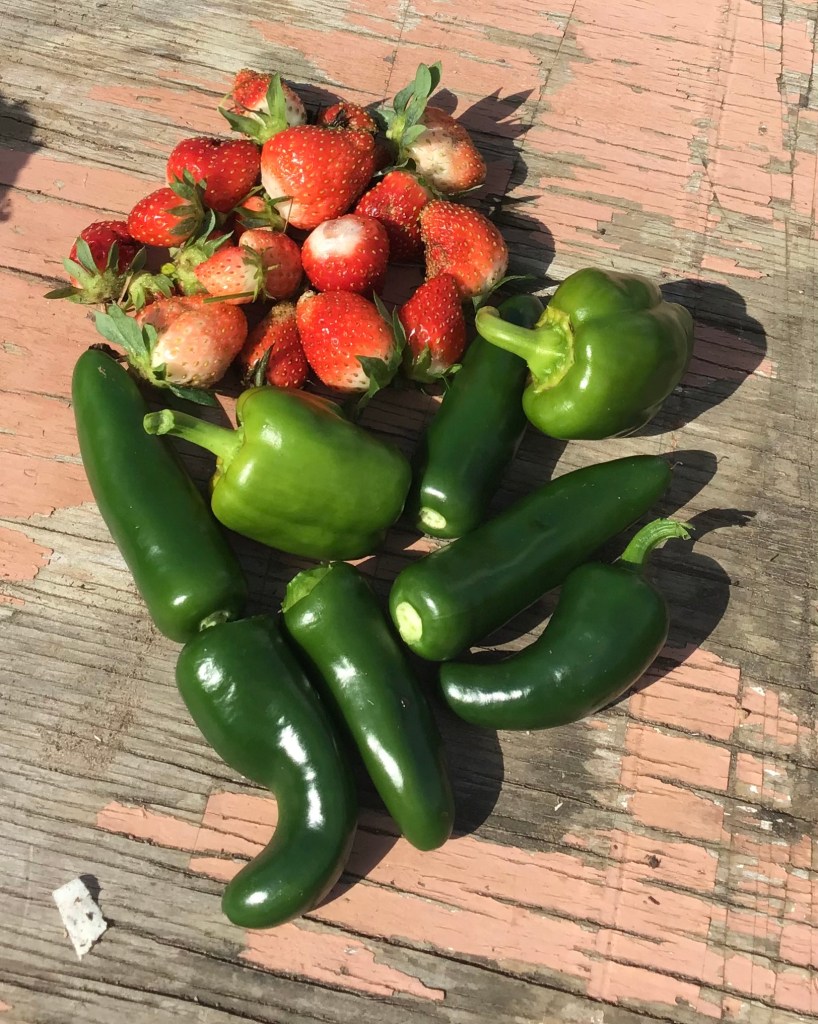
We’ve already had a little harvest because I feared the still small limbs so heavy with fruits might not fare so well in our next big wind.

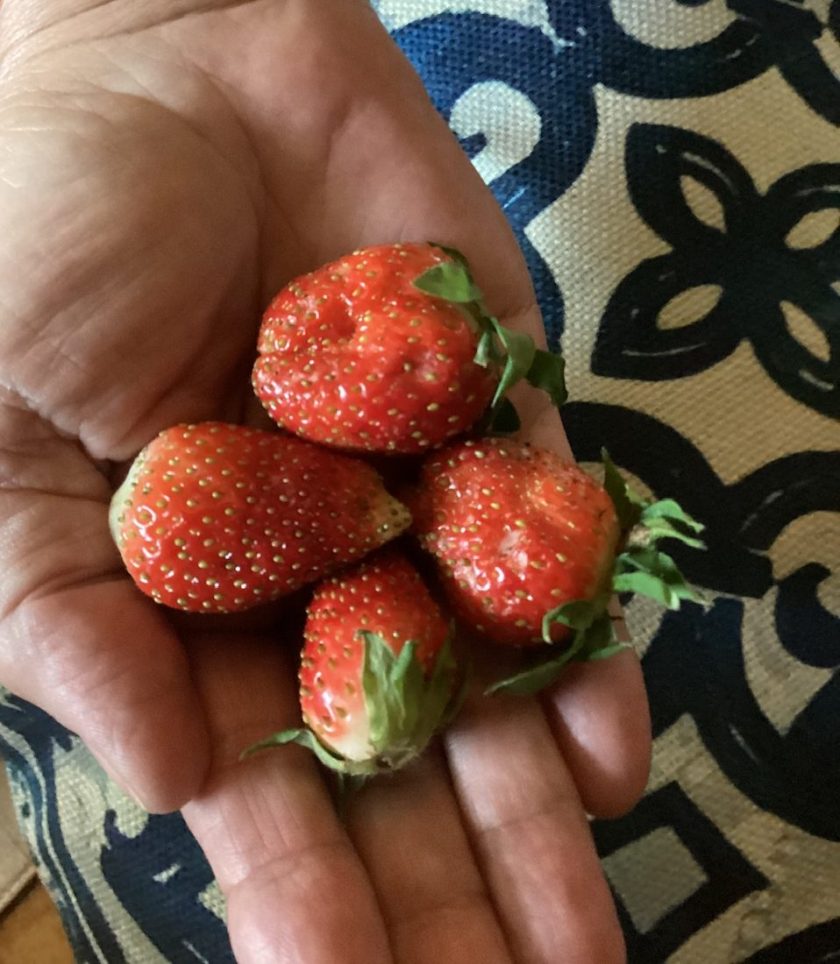
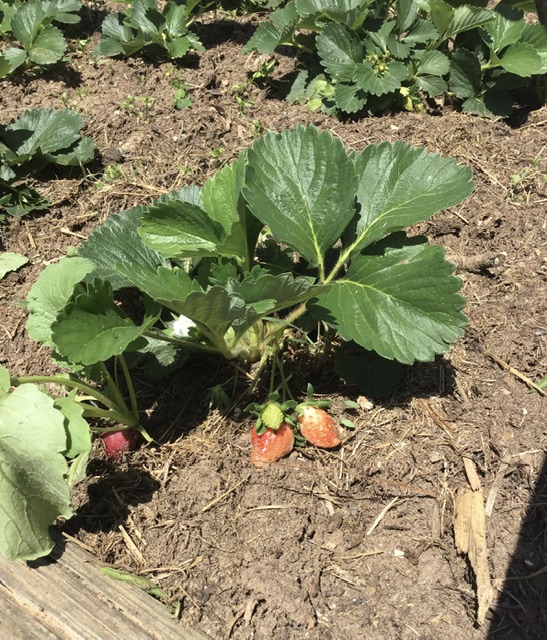
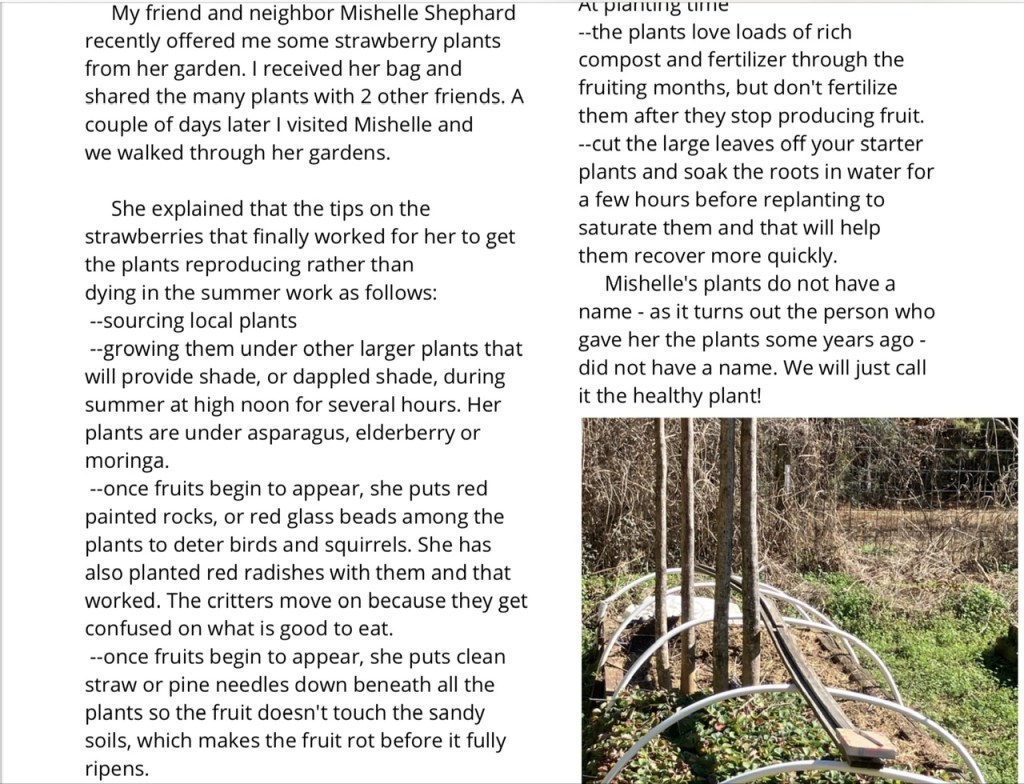
The strawberries are another big success, which I finally achieved after so much trial and error, especially error. So successful I shared wheelbarrows full of plants with many friends and neighbors, one who asked to share my tips with the Master Gardeners county extension newsletter. So, here they are! It is certainly a high maintenance crop, but such delicious rewards.

We were able to save the majority of tomatillos from the freeze, but not the tomatoes, not sure why. We had to double cover them, with pots and then frost blankets on top, but that worked. We’d already opted for tomatillos over tomatoes this year for a nice change of pace.

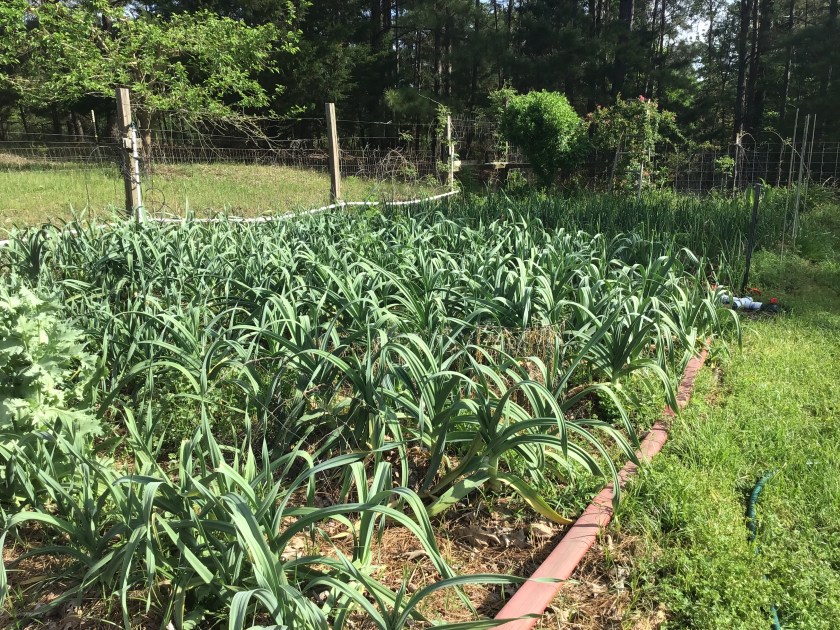
The onions and garlic were not bothered by the freeze and are still growing strong.

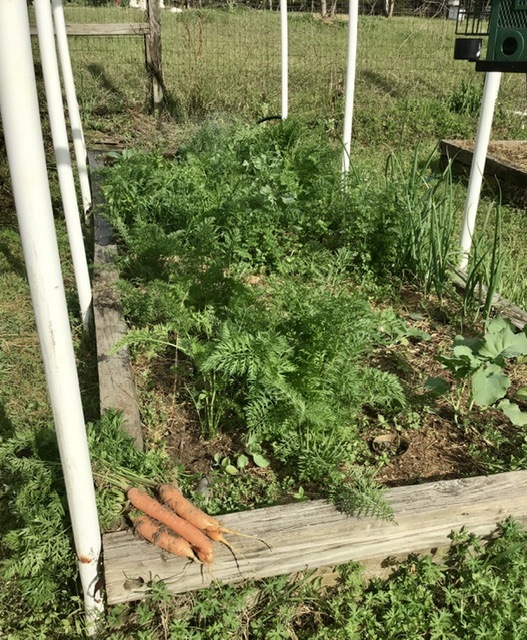
plus we’ve got lots of carrots and lettuces, while the crucifers jump directly to seed in their seasonal confusion.

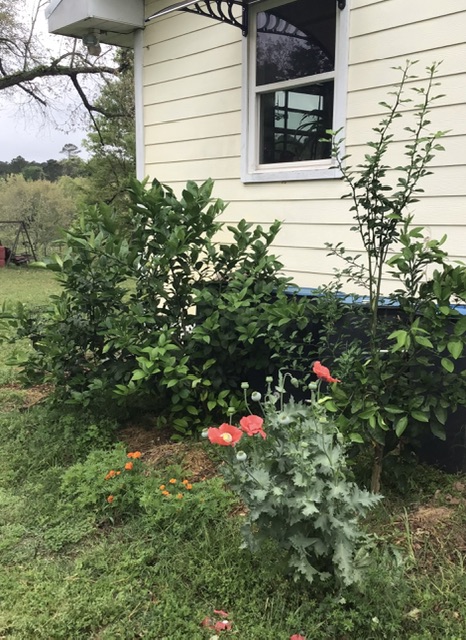
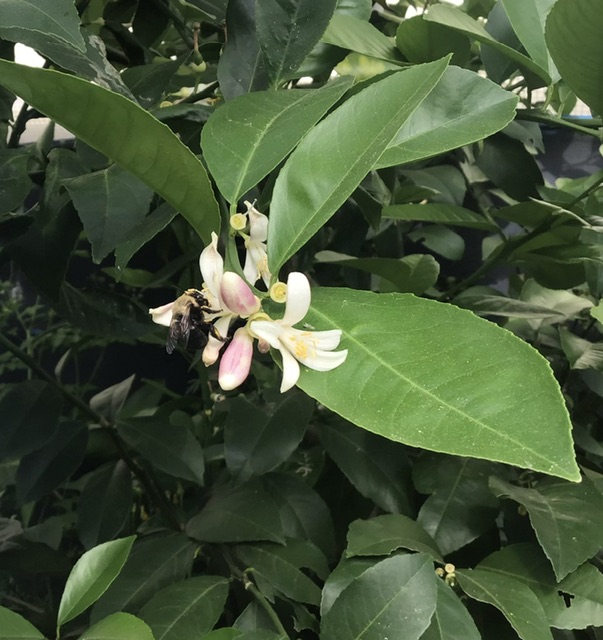
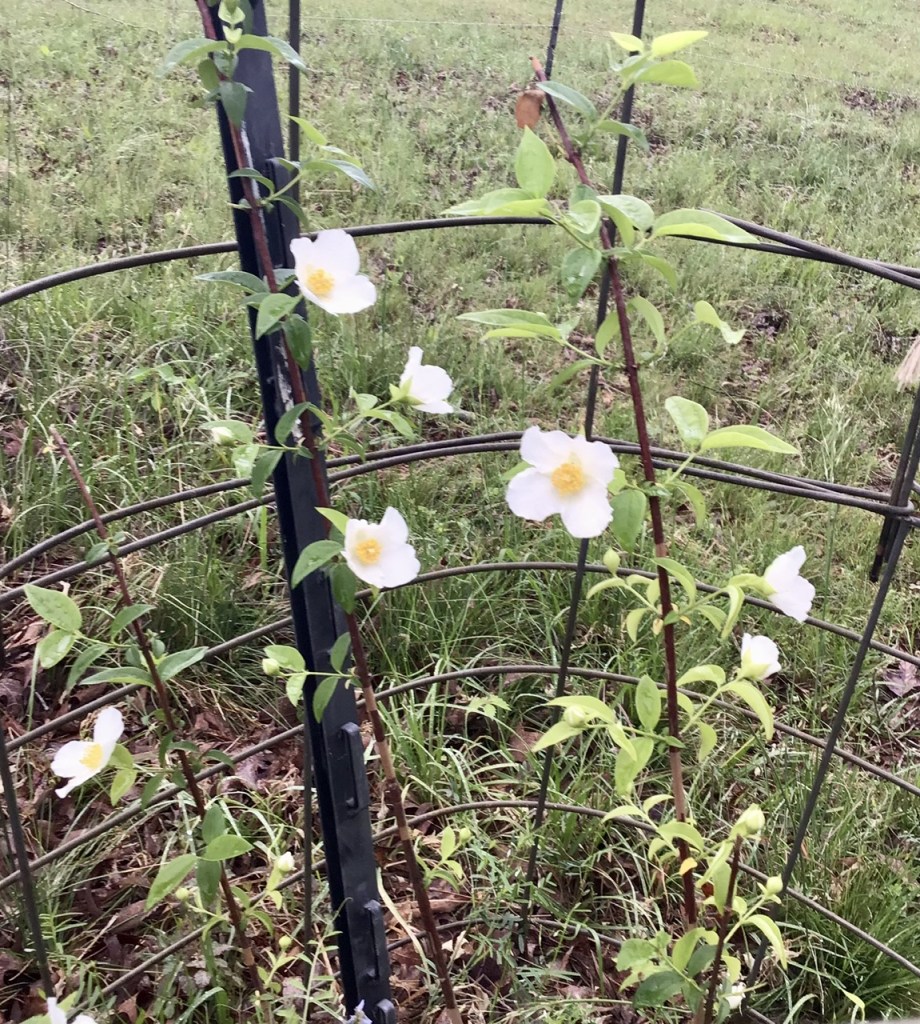
We were also able to get an early jump on blooms we housed with the citrus, so that’s fun. I never tire of more flowers!

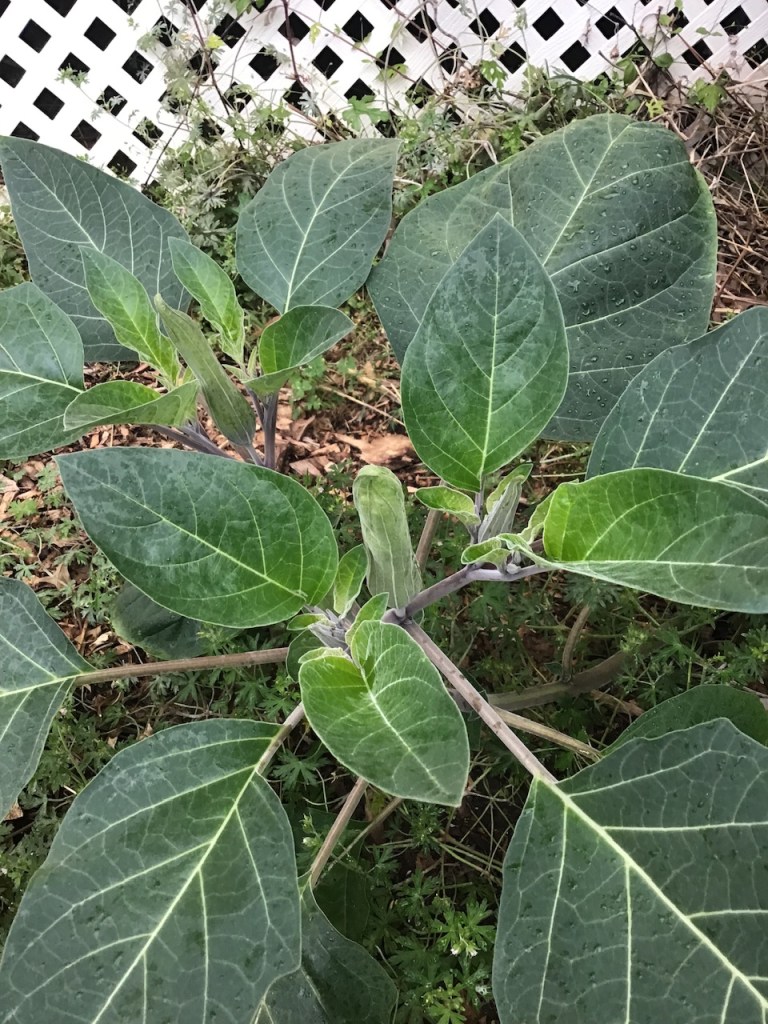
Even an extraordinarily early datura!

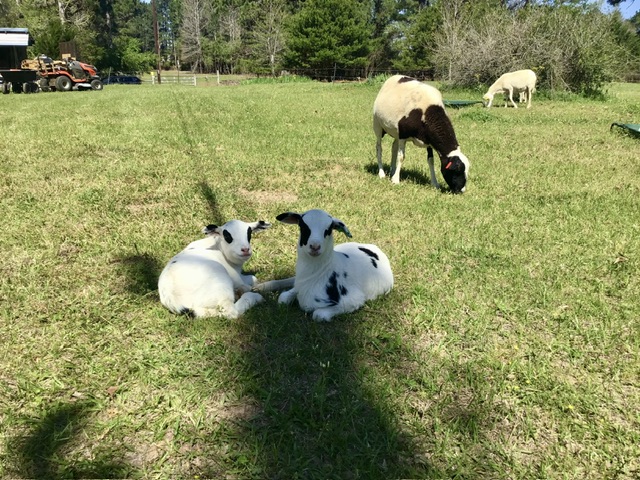
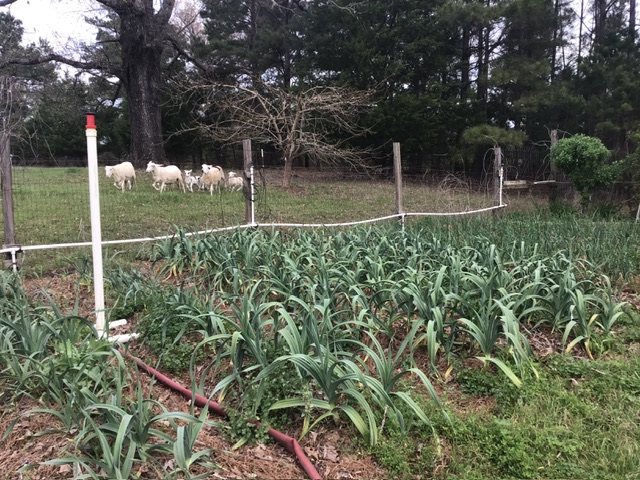
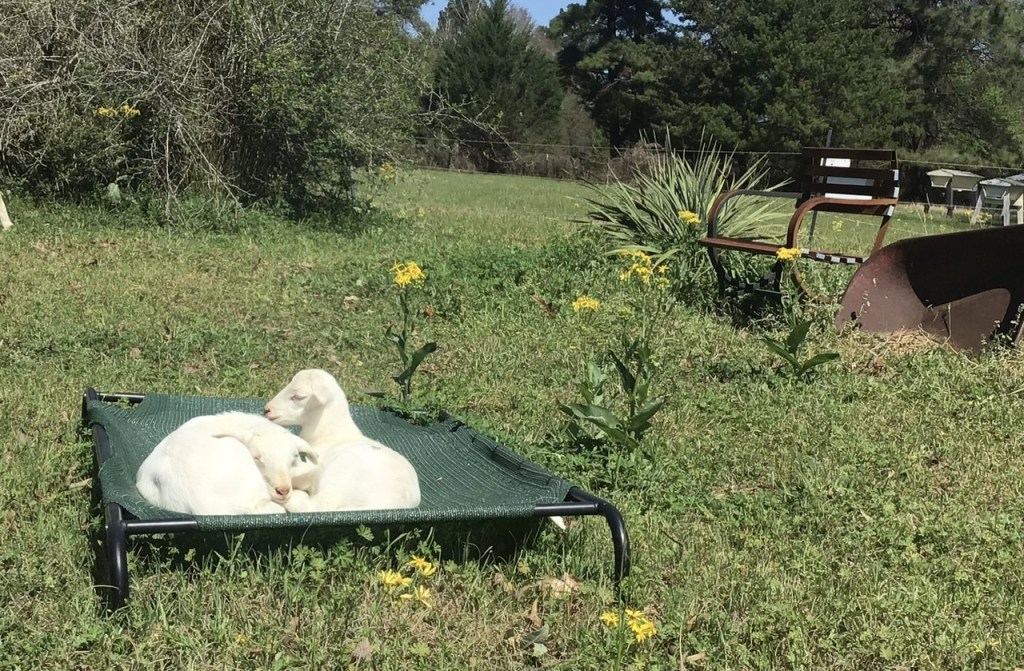
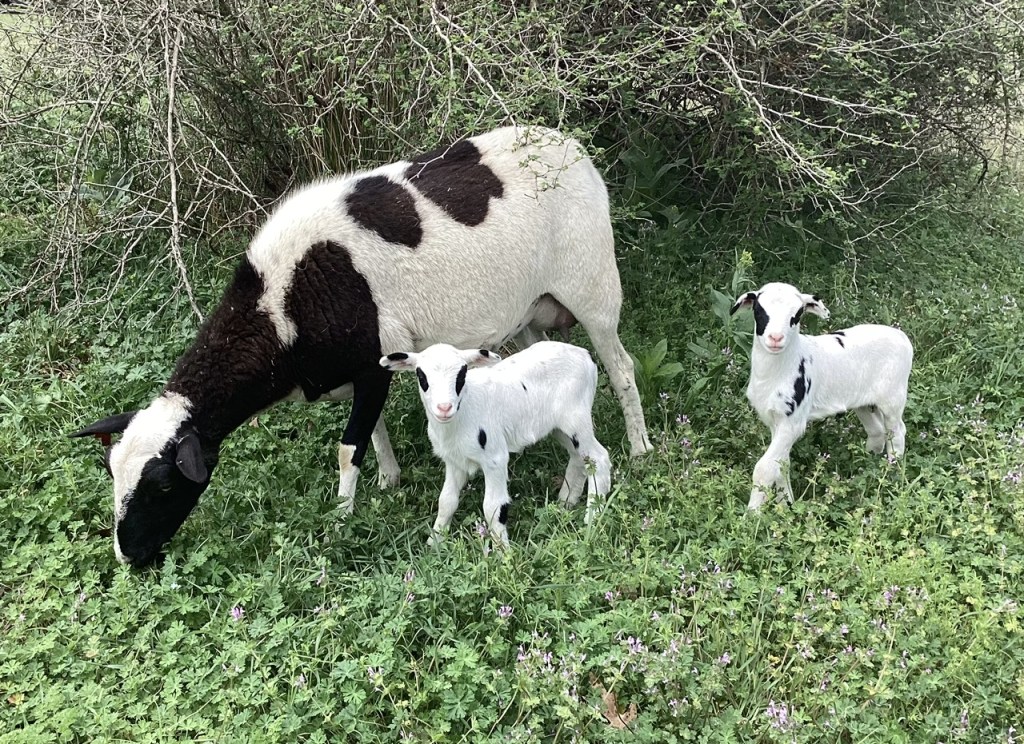
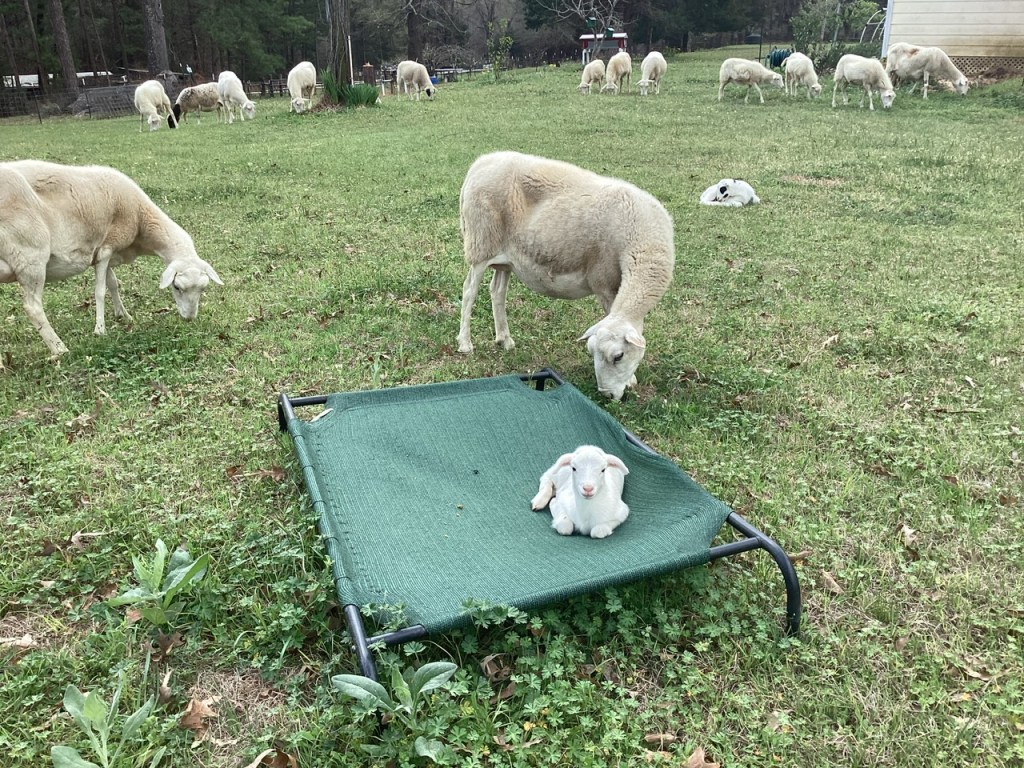
In other happy news there are always the cute little lambs.

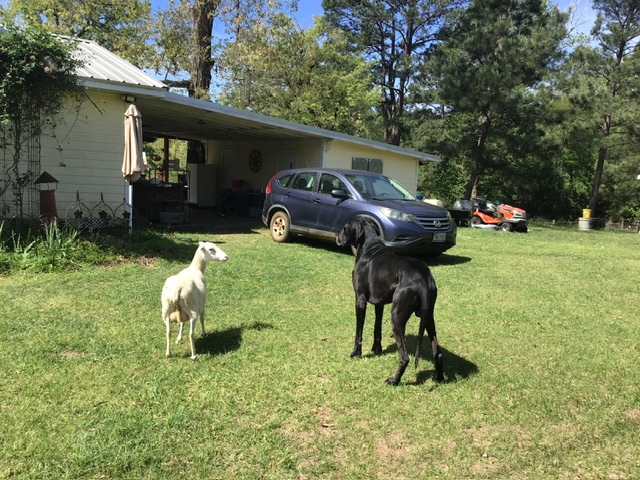
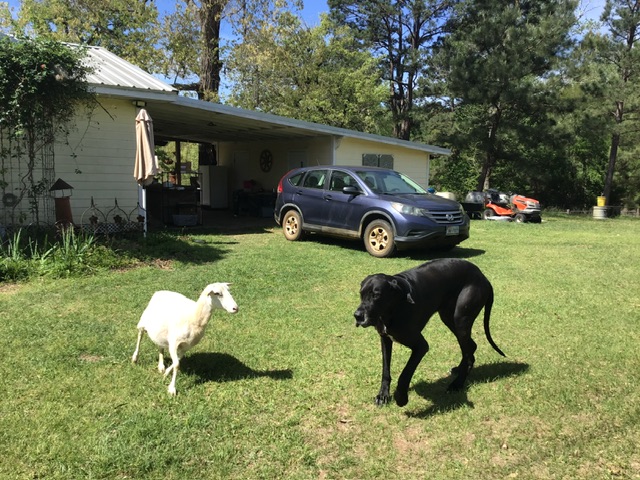
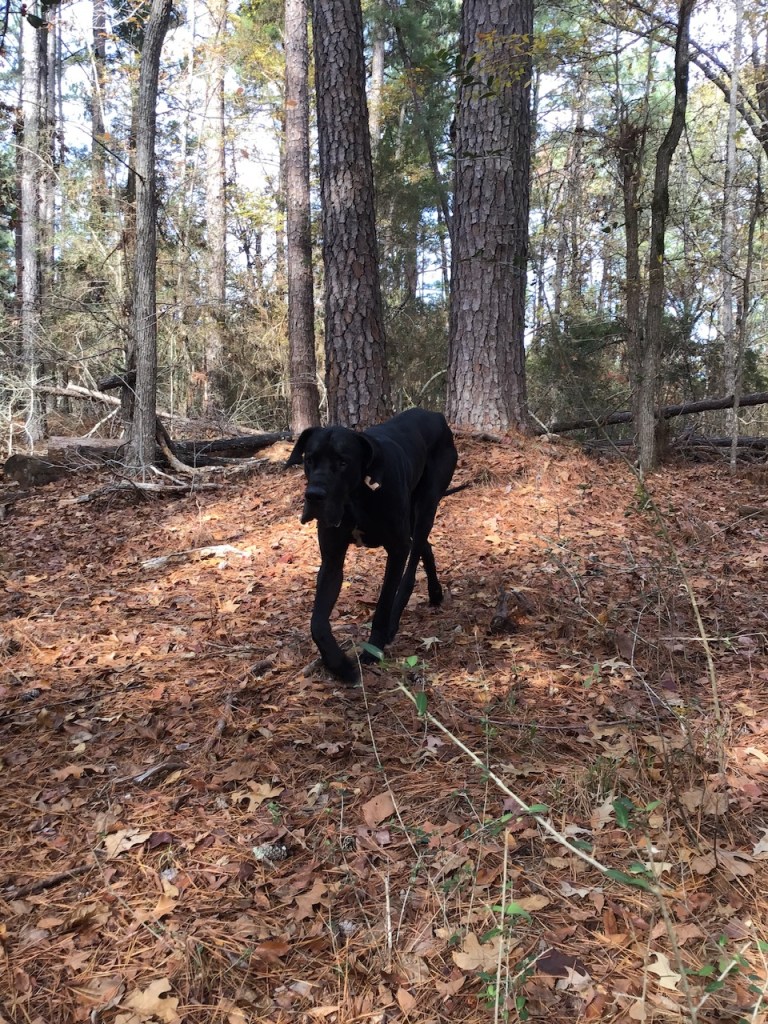
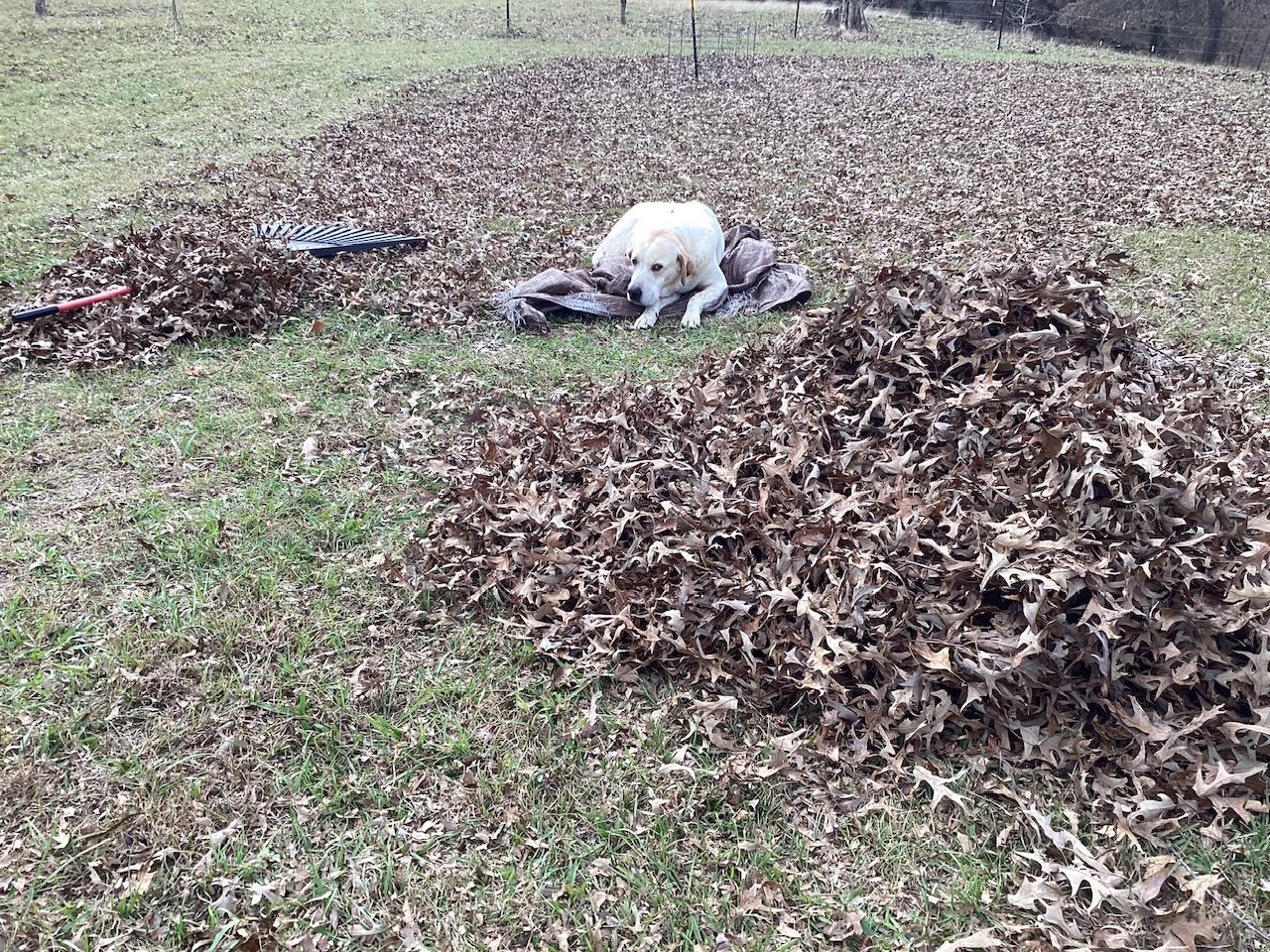
They appear so sweet and harmless, n’est ce pas? But don’t ask our poor terrorized Shadow to agree with that assessment!

Friend or foe, sometimes we don’t know.

He looks, and often acts, like a big brut. But one mama has such a hate toward him he can’t even cross the yard in her presence! Hubby literally has to escort him if the lambs are in the front yard, she will charge at him from 15 yards, and even his meanest growl won’t keep her from butting him if he’s unprotected by a human. The poor dear, it must be terribly immasculating. 😆

Please refrain from shaming the Shadow, he’s a lover not a fighter!

But speaking of fighters, pigs can be extremely pig-headed, in case you didn’t know that slander is very true.

Hubby had already decided to take a sabbatical from pig-rearing last year, and planned it for this spring. He put old Papa Chop down in December after his last breeding hurrah. Seems providence wanted to put a fine point on that decision, by making this round particularly painful. Knowing a big storm was coming, he positioned Mama Chop’s birthing area under cover. She had other ideas, probably because it was so damn hot. They tusseled for two days, she won. Just as Hubby predicted, 3/4 of her litter drowned. And that’s the end of his breeding adventures.

Other changes in our territory are equally ambiguous, are they for better, or for worse? Two opposing, and/or related events. One on the plus side–we seem to be having a resurgence of wildlife. I’ve had multiple sitings of wild turkey, and now we hear some down by the creek seeming to have taken up residence there. I’ve heard many stories of abundant wild turkey in these parts from oldtimers, but in nearly 20 years here had not come across them. Feral hog are another story, they’re always around. But there’s been more deer too, it seems. And rabbits, squirrel and bobcat. No complaints from me, I love to see it! Though I do wonder, might it be because all the oil activity here now is forcing them out of other nearby habitat?

Time will tell.

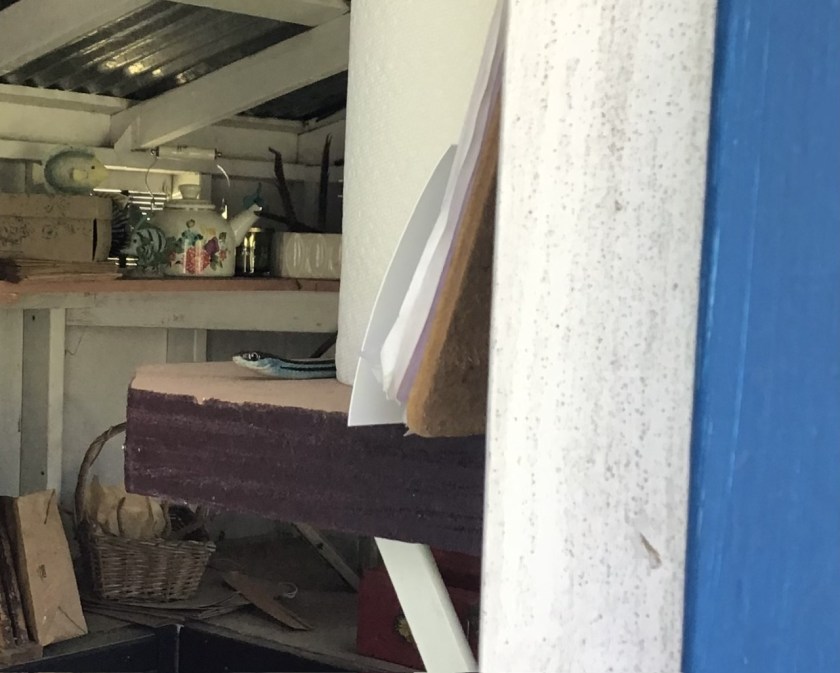
Friend or foe, sometimes we’ll never know. Like this little guy, lounging in our garden shed, who didn’t seem to find me nearly as cute as I found him! As he struck at the bill of my cap and made me jump like a squealing teenager.

Harmless, I know, jump and squeal I still did! 😂

The last two points will have to wait–my creative commitment and the latest AI lies–they are intrinsically related, please stay tuned.

And the cheese bragging! Coming very soon!

And thanks for stopping by! Until then, a simple song, for us simpletons. 😆🤗😘

Gavin’s Reciprocity

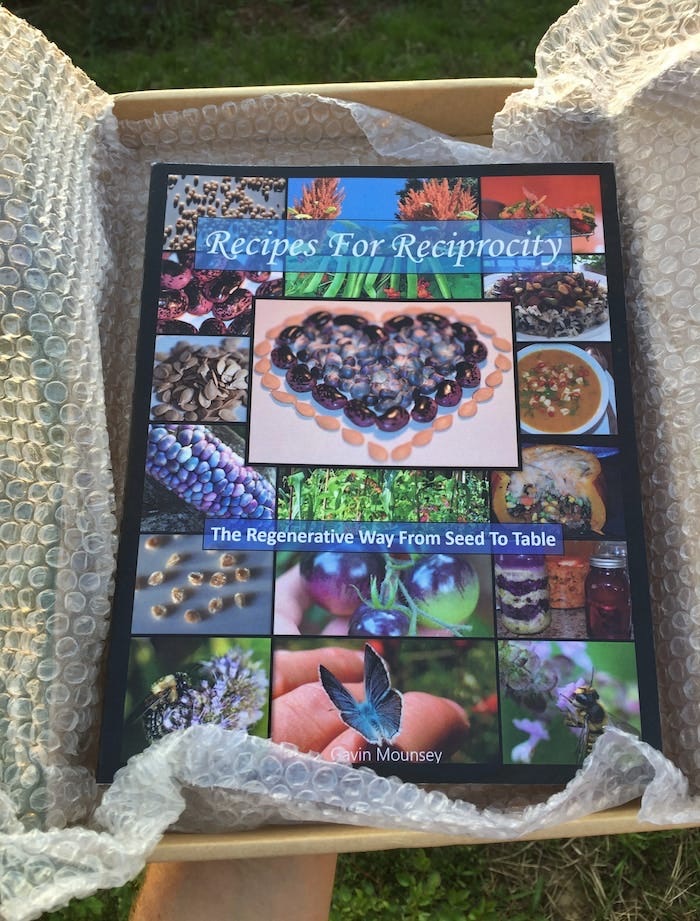
I’ve had a bit of challenge trying to simply label Gavin Mounsey’s book, “Recipes For Reciprocity: The Regnerative Way From Seed to Table” because it’s so much more than a cookbook. I have a great many cookbooks and my favorite type are what we might call ‘narrative cookbooks’ (though there may be an official sub-category name that I don’t know)–these are the kind where there’s a very present narrator telling you stories about the foods, and the places, and the people associated with the recipes and the author’s life. I might be inspired enough to write one of these myself someday.

Gavin’s book is not that, yet it is even more still. Rather than try to say it better myself, and fail, here’s an excellent description from the back cover:
“This book is a magnificent achievement. It can help you learn pracical ways to grow and cook mouthwatering food-as-medicine, and build deeper and stronger community, but it is so much more than that. Gavin has written a love letter to humanity and the living world and a manifesto for workable hope, all with an unflinching honesty about the crises we face. Gavin uses the nuts and bolts skills in the garden and kitchen as a launchpad to reimagine our place in the world, and the result is a solid foundation in the chaos. His hope and love are infectious, and the applied knowledge shared in his book is encyclopedic. I highly recommend it to you.” ~ Jason Padyorac

Along with the two books, one I gave to a friend, Gavin sent lots of seeds, some I’m already growing, others I can’t wait to try.

Scarlet Runner Bean in early summer, now dead.

So far I’ve planted the Scarlet Runner Beans and the Black Hopi Sunflowers.

Gavin:

“These beans are among my all time favorites for their versatility in the kitchen and beauty as well as productivity in the garden. They are an amazing companion plant due to the plant’s roots having the ability to associate with rhizobia (nitrogen fixing bacteria) which not only allows this plant to fertilize itself by pulling plant food from the air, it also means this plant can help fertilize its meighboring plants with excess nitrogen. On top of that amazing benefit the scarlet runner bean has beautiful red flowers that attract pollinators such as ruby-throated hummingbirds and bumblebees.”

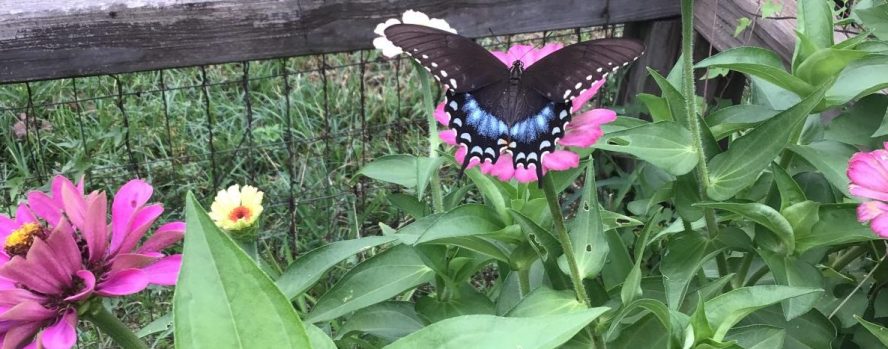
It is amazing to see how many fantastic plants can flourish in such varied climates. Because Gavin is in Canada and I’m in Texas I didn’t expect to find so many parallels in what we plant in our gardens, though certainly the timing and special needs vary quite a bit. The scarlet runner beans I’ve planted in full sun are perishing. But the others I planted which is shaded during the intense mid-day heat are hanging on. They’ve not produced yet, but I’m still hopeful and I like them anyway. I’m sure if there is any production and I can save the seed, it will acclimate to our area. Unfortunately, after a promising spring, the bumblebees and butterflies have been depressingly scarce in the garden lately.

Gorgeous! Ugly pity for the chem-sky.

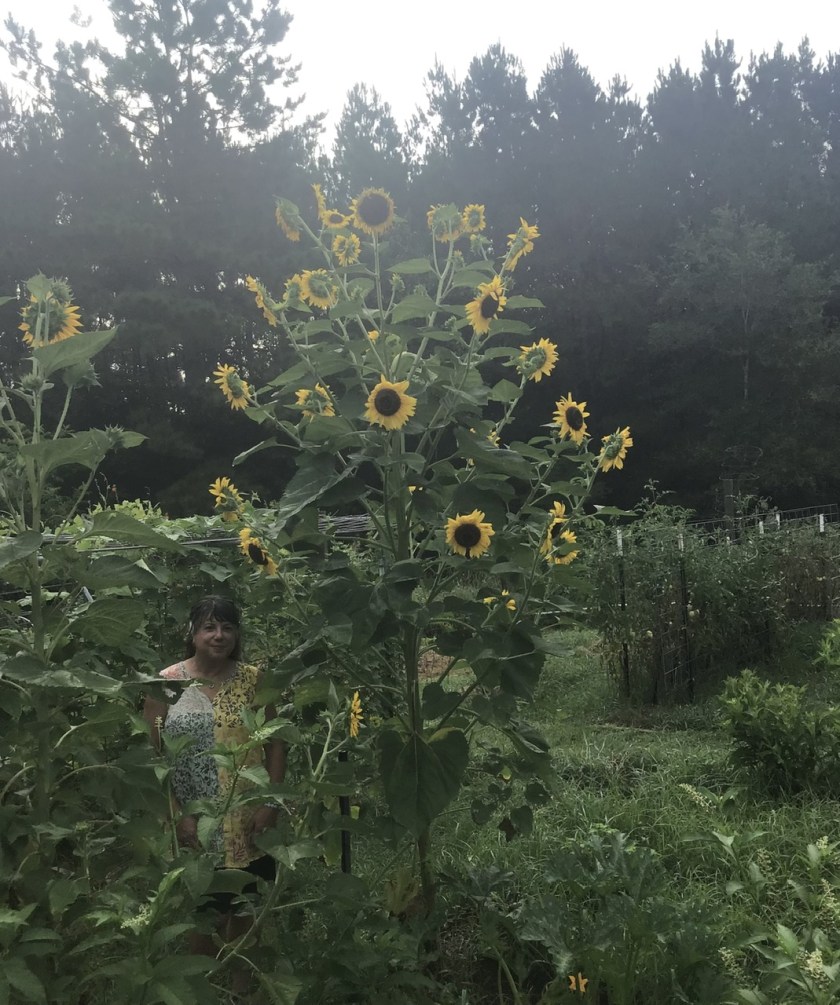
The Black Hopi sunflower has been the piece de resistance. It’s gorgeous and taller and fuller than any I’ve ever seen. I had several planted in several spots, and most of them got damaged in the high-wind storms we’ve had. But not this magnificent giant!

Gavin’s reciprocity in action is so inspiring, which is why I wanted to spend a couple of posts sharing about his book. Regular readers will probably remember I’ve shared some other of his work here in the past, especially in our Herbal Explorations pages, which come from his Substack newsletter.

In another post I’ll dive into a few of the recipes, but for now I’d like to expand on a few quotes which so align with my own learning and experience growing a garden and cooking seasonally from scratch. It has absolutely been the most rewarding journey of my life, with plenty of hope remaining for more of the same in the future.

From the section: Reciprocity in Action
“Choosing to give our attention to nature is also a form of giving back. Observing and paying attention to the cycles and living systems in nature involves giving our time and our thoughts. When we closely observe nature we inevitably come to perceive countless expressions of beauty through our perceptions of the form, color, sound, scent, textures, tastes and relationships that are all around us. This leads us to caring, feeling gratitude for and feeling compelled to protect the amazing gifts nature shares with us. From the place of gratitude we engage in one of the most meaningful and powerful acts of reciprocity. We open our hearts, we feel content . . . we practice self-restraint, we choose to live more consciously and aware of how our life choices impact the living planet that sustains us and showers us with endless gifts.”

Gavin most certainly has an eye for beauty, his photography is stunning.

(3) The Jubilation Of June – by Gavin Mounsey

https://gavinmounsey.substack.com/p/the-jubilation-of-june-d41

I know how daunting it can seem to dive into a new hobby like gardening, or even cooking nowadays, but there’s so many smaller and easier things that take so little effort or knowledge that might be just the momentum for many to kickstart a healthier life and society.

Just observing. I couldn’t agree more. It really does start that small and simple and while I have read loads of books on gardening and cooking and many adjacent subjects, I’ve learned far more from observing. Taking notes helps too, but considering how bad I am at that, it must not be totally necessary.

The other few very simple things that require no gardening and very little cooking is compost and ferments, both which Gavin discusses in the book.

Why those two, you might be wondering? Because in my experience, composting makes you far more conscious of waste, and fermenting shifts your attention to the weather and seasons. Both of these processes have enriched my life and health and outlook far more than I could’ve ever imagined.

A window sill of herbs would be enough to use up the compost produced by the average small household. Or donate it to a friend who gardens if you have such a black thumb or really no space. And who knows, maybe she’ll reciprocate with a zuccinni or two.

I had no idea what eating seasonally meant. Really. Until I went to the farmer’s markets in France on a high school exchange program, I had zero clue produce even had seasons, and considering how much is grown indoors today, that’s probably become more normalized than ever.

Considering I grew up eating like the vast majority of Americans–fast, frozen, canned, bagged–I know what easy looks like, and this is pretty darn easy. The shift really is more in attitude and attention.

Now I long for cucumber season as I long for tomato season as I long for melon season as I long for radish and lettuce season. It’s become that nuanced and I love it. Sure, there’s some cross-over and we can and ferment to save the bounty. But that limited time window of bounty becomes a season within a season, with all that entails–a change in primary food and focus–all with their unique gifts and challenges.

Surplus requires work, work requires rest and creates reward. 😊

The ebb and flow of surplus and scarcity becomes natural again, each bringing its own unique gifts and challenges.

My influences growing up–that of media, education, environment–worked synergistically as detachment mechanism. Nature was that which we were being systematically detached from, and that trend has only exaccerbated, to the growing dis-ease of ourselves and our environment.

“Within the last century, healthy, natural, organic food has been made more difficult to produce because of the chemical pollution, at first, and genetic pollution, more recently. A handful of companies have spread these toxins across our planet diverting US$ 400 billion of public money to subsidize their high cost chemical commodities to make them artificially ‘cheap’. The costs of this ‘cheap’ food are astronomical in terms of the health of people, the ecological damge it causes and its exploitation of farmers. If the true costs of chemical food were taken into account it would be unaffordable. Insead of subsidizing chemical food and creating epidemics of food-related diseases, public money, used for nourishment and the protection of public health through organic food, would save us billions in health care. Denying people their right to healthy, poison-free food by manipulating laws, policy, science and the use of public money to impose a non-sustainable, unhealthy food is food-dictatorship.”

to be continued . . .

Thanks for reading!

Beauty & Bounty

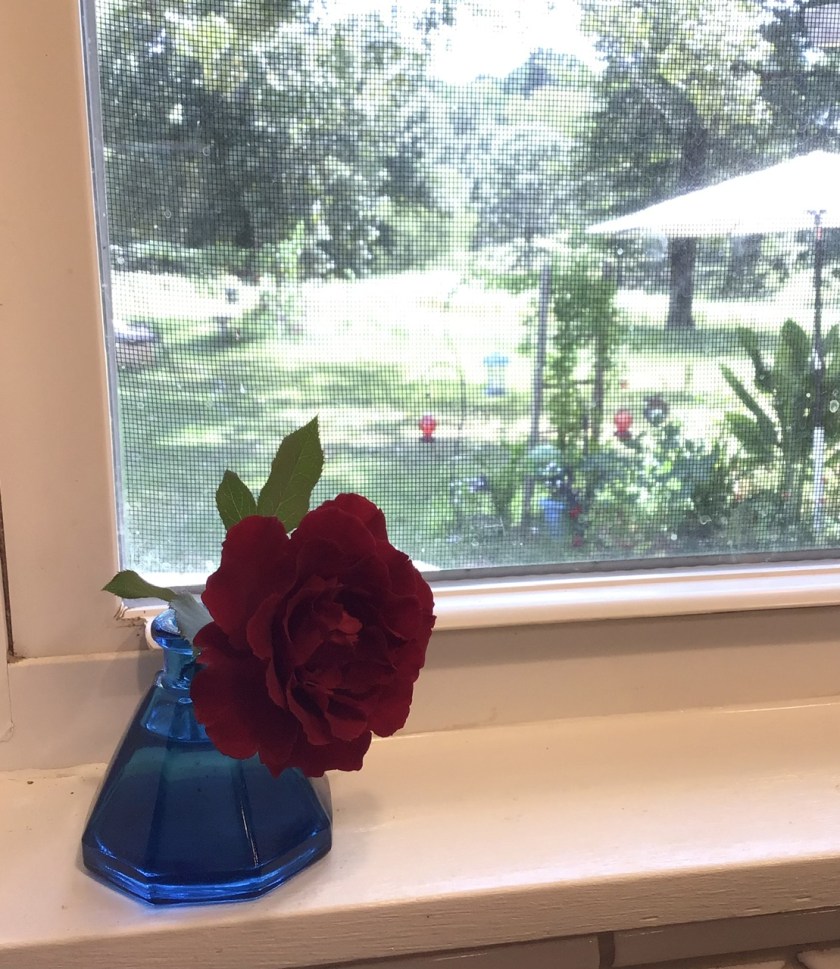
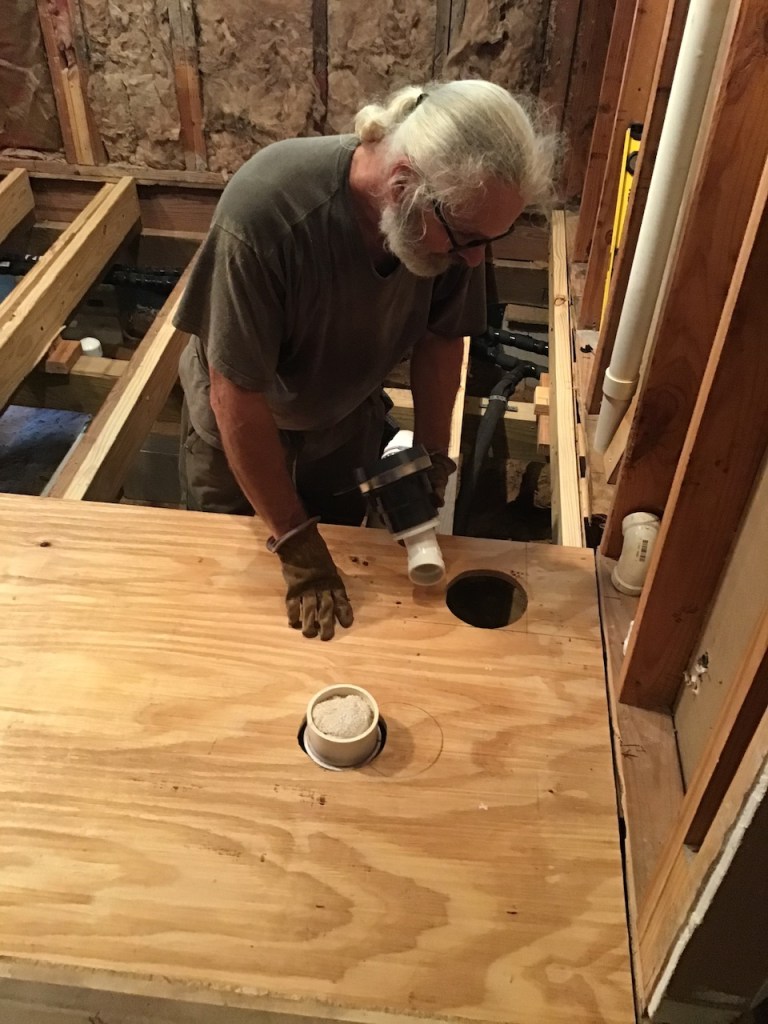
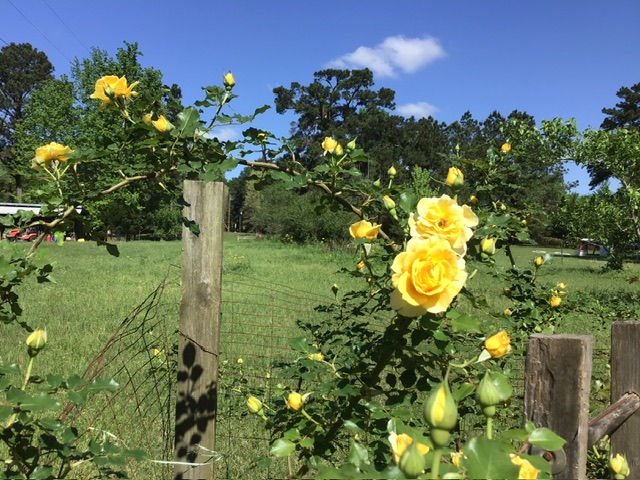
Such a busy time of year already, made busier with our remodeling projects, but we always make time to stop and smell the roses.

And bow to the weather gods, or geoengineers, who have spared us this time, and after so much barking, we are grateful there was no bite. Before I sing our praises, let me acknowledge those further north who are biting the bullet this time around. Our picture perfect skies are so very rare, I don’t like to think about all that means.

We did prepare all we could for the worst, annoying as that was. Out came the row cover fabric again and the wheelbarrows full of logs to hold it down, after just having cleaned all that up and took it to storage the week before.

We expected a frost for sure.

All the pots had to be gathered to cover all the peppers and tomatoes. And considering it was so hot and humid and over 8o degrees when we were doing all of this, it felt more incongruent than snow along the coast of the Gulf of America. 😂

But, I can’t complain, because as I just said, we got very lucky. No hail, tornados, landocaines, flooding and we just barely scratched by the frost threshold.

Just look at that sky! I can’t tell you how long it’s been since seeing such a sight!

There is so much beauty and bounty, in nature, and in cyberspace too!

Just yesterday I was scrolling through my Youtube feed and about every 100 suggestions up pops a true gem, like this old Mexican lady cooking her heart out and sharing it with the world. This is the very best of the power that’s right at our fingertips, I truly believe that: The world’s people sharing about their cultures. The cuisines, the histories and myths, the music, the dance, the landscapes, the languages, the gardens, the architecture–and the ordinary folks sharing them. Unfortunately, as the AI gods have demonstrated, for every such miracle there are about 100 curses.

Make food not war!

There are the tiniest gems not to be missed through all the noise and all the neon glare.

And it seems like they are beckoning me to slow down and notice them.

What would you rather do . . . follow me around the garden, or do more of that thing you call work?

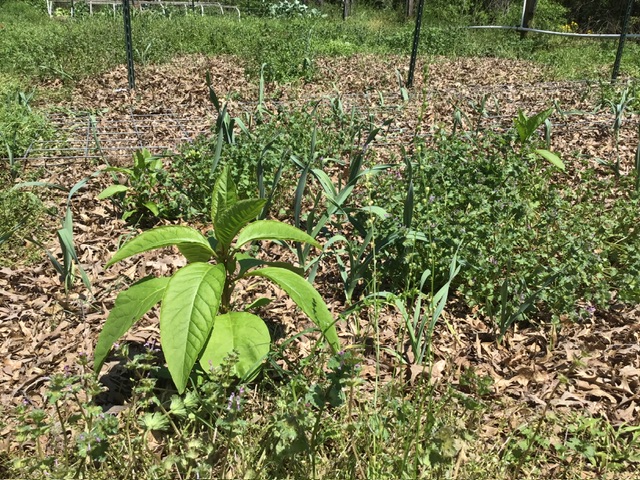
A plot of volunteer poke weed and garlic, as if they’re just screaming, we are here for your good health, so happy to be here, we keep returning for you!

Sometimes, when I least expect it, we learn how to grow together better. Like I was thinking of the old Southern trick to set out red-painted pebbles to fool the birds into keeping off the strawberries. I thought, I bet some well-placed breakfast radishes would have the same effect, and sure enough, it’s working. The birds have moved off that bed ever since those radishes started showing their little red tops, and bonus, we adore radishes, maybe even as much as strawberries.

We have been eating giant salads every day, with enough surplus for our neighbors.

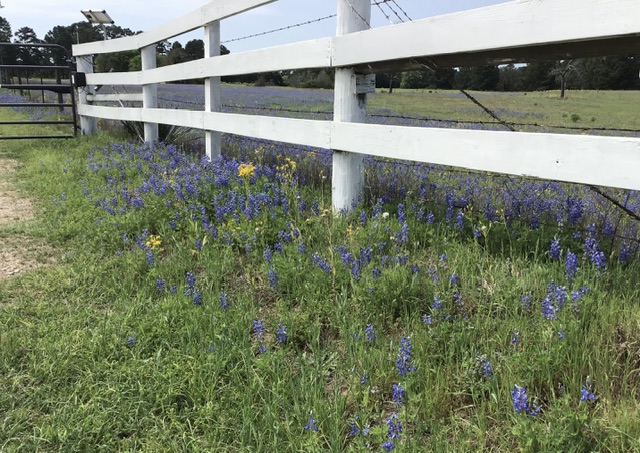
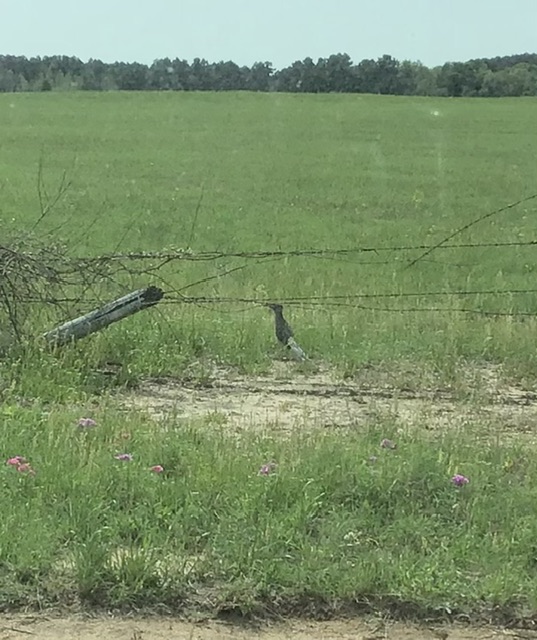
Along the country roads all is flourishing. The bluebonnets are brilliant and I even caught a roadrunner, just barely.

Such gifts of beauty and bounty! What a precious, ephemeral time to infuse their bursting energy into our year ahead. What we put into it is what we’ll get out of it, just like life.

I hope your spring is being beautiful to y’all, too! Thanks for stopping by!

Starting From Scratch

After my little lecture at the end of the last post about teaching the younger generations real life skills I was listening to an interview that gave a bit more perspective to that personal plea.

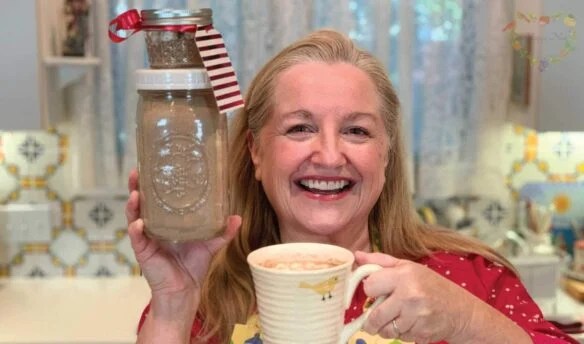
It’s with a 60 year old grandma trying to do exactly that on YouTube, and she’s got over a million subscribers, a huge website and a new cookbook. She is bursting with passion and purpose, but it’s well-tempered by her realization that in America, for most folks, we still have a very long way to go.

Folks are intimidated, she insists. And for those of us who have been doing it for the last decade already, we have a tendency to forget where we came from.

She is of the rare breeds who grew up cooking and eating this way, whereas her first students were her friends, who couldn’t even imagine making homemade bread at the time, let alone mastering sourdough. They never bought a whole chicken before, let alone broke the carcass down for a nutritious bone broth. They were not accustomed to shopping on a budget, or to filling their pantries with essentials for emergencies.

She really is the ‘Starting From Scratch’ guru, with the patience, positivity and personality it takes to succeed in such a position.

In a recent Wise Traditions interview, “Why Cooking Traditional Foods From Scratch Is Worth It”:

“Do you get overwhelmed thinking about making sourdough bread from scratch? Or homemade broths and soups? Mary Bryant Shrader of Mary’s Nest is a YouTuber and educator who has a knack for demonstrating how simple (and tasty and economical) traditional cooking can be! Today, she shares some of her own story (including successes and failures along the way) of how she got into becoming a “modern kitchen pioneer”. She goes over the biggest hurdles we face (like feeling too busy or too intimidated to get started), how to overcome them, and even what inspires her to keep going with traditional food cooking.”
https://podcasts.apple.com/us/podcast/wise-traditions/id1072618042?i=1000681385872

Her YT channel has loads of content, not all for beginners either. Here’s an intriguing one I plan to watch:
The 10 Best Survival Foods for your prepper pantry

If you’re one of those who believe the commercial hype, and think that all food is the same, and what nutrition you aren’t getting from your junk food diet is no big deal, because you take vitamins and supplements, here’s the really bad news from someone who once thought along similar lines, and paid dearly for those mistakes through his poor health at a relatively young age. Something we are witnessing far too often in this country.

Unlike our above super upbeat, positive Granny, Agent is snarky and sometimes downright intolerant—so, much more my style—except he doesn’t like to cook, poor fella.😆

“I get a lot of emails and questions about if a specific product is good to take – in my opinion it is all poison because nutrients come from clean foods, not bottles, but I don’t want you to take my word for it, I want you to know how to find out for yourself so nobody can ever dupe you again. With that being said, today I am going to show you how you can easily learn about any chemical in any product and its health effects, real safety data and more. You can then use the information you found to make an informed decision and never have to rely on a podcaster, famous doctor or Substack author again.”

Become your own master of health! YES, that’s the ticket!

“A Manufacturers Safety Data Sheet (MSDS or SDS) is the easiest way to get real information because, while Google can selectively show you search results to fit an agenda, and while doctors-turned-online-show hosts can recommend a product they are making a kickback off of, the MSDS can’t lie. The reason is because the manufacturer of the chemical must present honest information to avoid being sued out of existence by those who purchase their product and use it to manufacture supplements to sell to the plebs.”

He has a series of articles breaking down the reality of America’s most commonly used vitamins and supplements. You probably already know that some of the chemicals Americans consume routinely are banned in other countries. And A LOT of it comes from China and other far off places where we have little to no oversight.

Not that government oversight is on our side, at all! They pretend to be on our side, only to make more absurd and expensive regulations to ‘solve’ the problems they previously created.

This is a home kitchen, seriously?
🤪

As an example here’s a ‘solution’ of several states that is a complete non-solution for those who don’t like to cook and can’t afford to out every meal, yet are tired of the grocery store ready-meal options.

Micro enterprise Home Kitchen Operation (MEHKO), a way for the government to further interfere in your kitchen and your health.

Frequently Asked Questions — The COOK Alliance

How do you get a MEHKO permit?
1. Pass a Food Protection Manager Certification exam.
2. Submit your application, including your menu and a Standard Operating Procedures (SOP) form.
3. Pay the permit fee.
4. Schedule and pass a home inspection.

And once you do all that, you still cannot serve the most nutritious meals, because they are on the ‘dangerous’ list (with oysters!) including all raw milk products, smoked or cured products, any food that has been vacuum-sealed, and even homemade ice cream. So. Not. A. Solution.

But let’s at least try to end on a positive note today!

If you have plenty of money, live in a popular urban environment, frequent the very best grocery stores, but don’t like cooking, you have plenty of options available for healthy choices these days, because the ‘free market’ has answered the call and made available all kinds of healthy and natural pre-made meals.

If you live anywhere else in America, or are feeling the economic pinch as we are here, well . . .

May this Season’s Greetings lead to new paths of traditional healthy eating for you and your family!

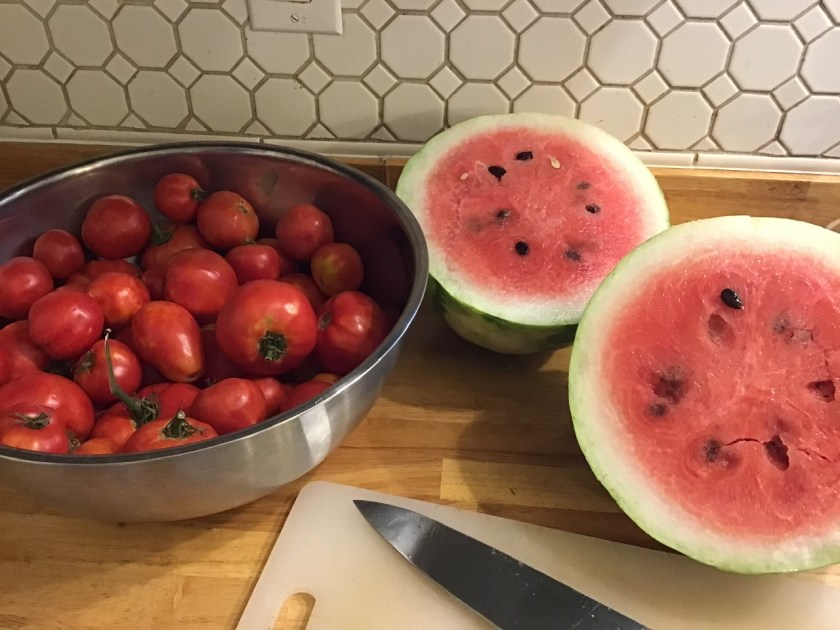
Our Christmas watermelon—not exactly seasonal, but still pretty tasty!
Bubba, “But I’m helping, really!” 😆