I wrote about Gavin’s book and gift of seeds recently, and now I’d like to share a bit about the recipes and his approach to gardening, food, cooking and life in general that I align with so much I can easily overlook our superficial differences–like we’re at nearly opposite ends of the gardening calendar, we’re decades apart in age, and I would normally never buy a vegetarian cookbook.
But as I already said, it’s much more than a cookbook. And I have too much respect for Gavin’s work to shun it just because it’s vegetarian! 😆
I’ve got a dozen pages marked of delicious-looking dishes I can’t wait to try. A number of dishes are already on our regular routine, like sourdough pancakes, heuvos rancheros, enchiladas with salsa verde and refried beans, and Greek salad (and we make it with homemade feta!)
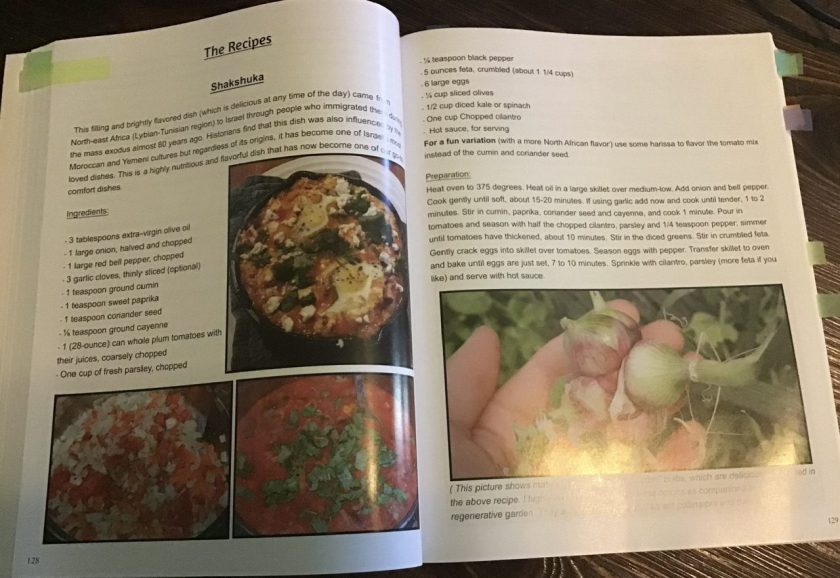
At the top of my ‘Must-Try’ List: Shakshuka. The name alone sounds alluring!
We do eat a lot of vegetables and we always have salad daily and I’ve gotten plenty of new ideas–combinations I hadn’t considered, like a zucchini salad with mint–I’m often wanting to use more mint, it grows like crazy here.
The recipes are very adventurous too, drawing from diverse cultures and culinary traditions–Ethiopia, Morocco, Bali, Mexico, Greece, Thailand –which I truly appreciate, because we tend to get stuck in a bit too much of a routine sometimes. When the garden produce is rolling in by the wheelbarrow, there’s not much time to get creative.
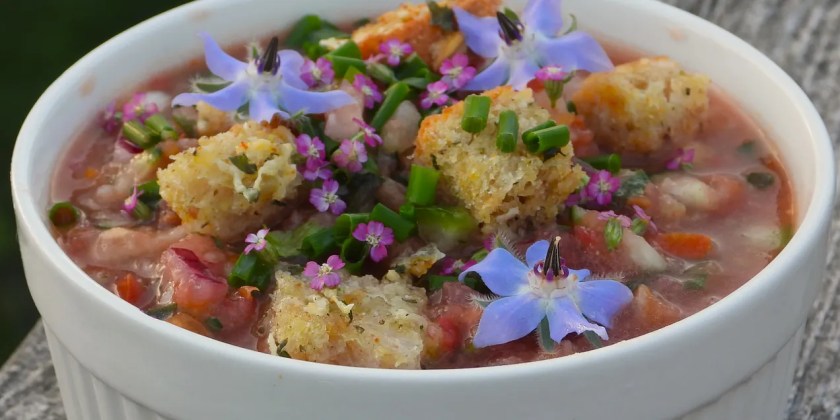
The lovely and edible Borage flower, used as a garnish in Gavin’s Gazpacho recipe on YT. (Photo credit: Kath-UK)
In fact, on the things that really matter, we agree completely.
Like on the importance of fermented dishes, and especially sauces, because the ones that are mass-produced are full of chemicals and highly processed garbage. It’s hard not to sound preachy, maybe even impossible, when telling folks how terrible their diet most likely is. But it’s the plain and simple truth.
I still go to the grocery store from time to time and I see what’s available and what’s in most folks’ carts and it’s pretty hard not to get judgy and to bite my tongue!
The difference a few dietary adjustments can make over time is really impressive–and it starts with naturally-grown fresh food.
Considering the vast majority of folks are outsourcing their health to Big Ag, Big Food and Big Pharma it’s not any wonder why our societies are collapsing under the weight of it all!
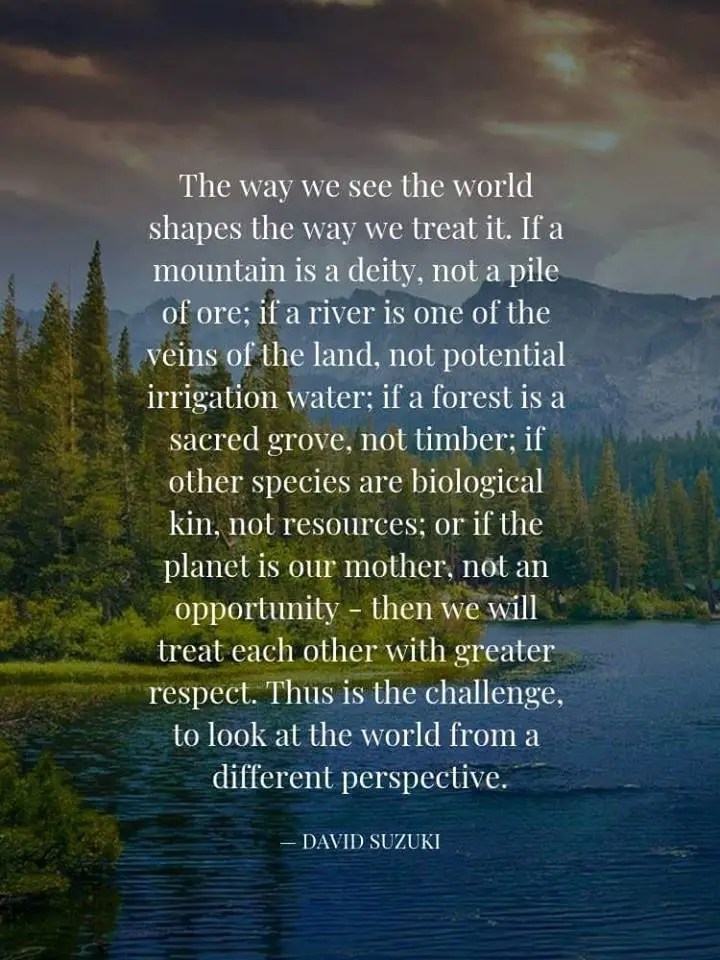
I’ve been enjoying goofing around with the free meme-maker ap using Gavin’s gorgeous photography and inspiring quotes. 😊
“In the past hundred years or so most people have forgotten about those ancient fermentation practices because of the advent of ‘instant gratification’ mass-produced products has allowed for entire generations of people to become completely dependent on corporations that supply them with the ‘food’ they need to survive. These ‘ultra-pasteurized’, pre-packaged, chemical-laden ‘food products’ are devoid of life, contain very little if any nutrients and are produced in ways that cause much damage to the planet’s ecosystems. Though eating prepackaged factory food (with unpronounceable ingredient lists) might be considered by some as ‘normal’ by today’s standards, it is certainly not a ‘norm’ that is conducive to longevity, sustainability or common sense.”
With thanks once again to Gavin, for his great many gifts, and for sharing them so graciously and generously. I’m already looking forward to his next book!
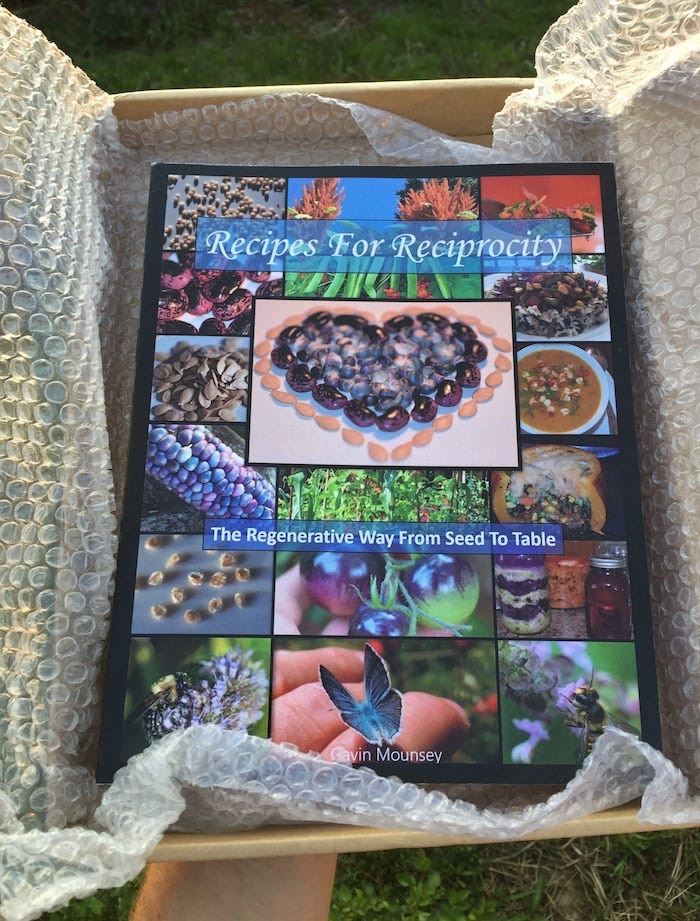
I’ve had a bit of challenge trying to simply label Gavin Mounsey’s book, “Recipes For Reciprocity: The Regnerative Way From Seed to Table” because it’s so much more than a cookbook. I have a great many cookbooks and my favorite type are what we might call ‘narrative cookbooks’ (though there may be an official sub-category name that I don’t know)–these are the kind where there’s a very present narrator telling you stories about the foods, and the places, and the people associated with the recipes and the author’s life. I might be inspired enough to write one of these myself someday.
Gavin’s book is not that, yet it is even more still. Rather than try to say it better myself, and fail, here’s an excellent description from the back cover: “This book is a magnificent achievement. It can help you learn pracical ways to grow and cook mouthwatering food-as-medicine, and build deeper and stronger community, but it is so much more than that. Gavin has written a love letter to humanity and the living world and a manifesto for workable hope, all with an unflinching honesty about the crises we face. Gavin uses the nuts and bolts skills in the garden and kitchen as a launchpad to reimagine our place in the world, and the result is a solid foundation in the chaos. His hope and love are infectious, and the applied knowledge shared in his book is encyclopedic. I highly recommend it to you.” ~ Jason Padyorac
Along with the two books, one I gave to a friend, Gavin sent lots of seeds, some I’m already growing, others I can’t wait to try.
Scarlet Runner Bean in early summer, now dead.
Full Texas sun, not a happy plant.Bit of afternoon cover and is looking good.
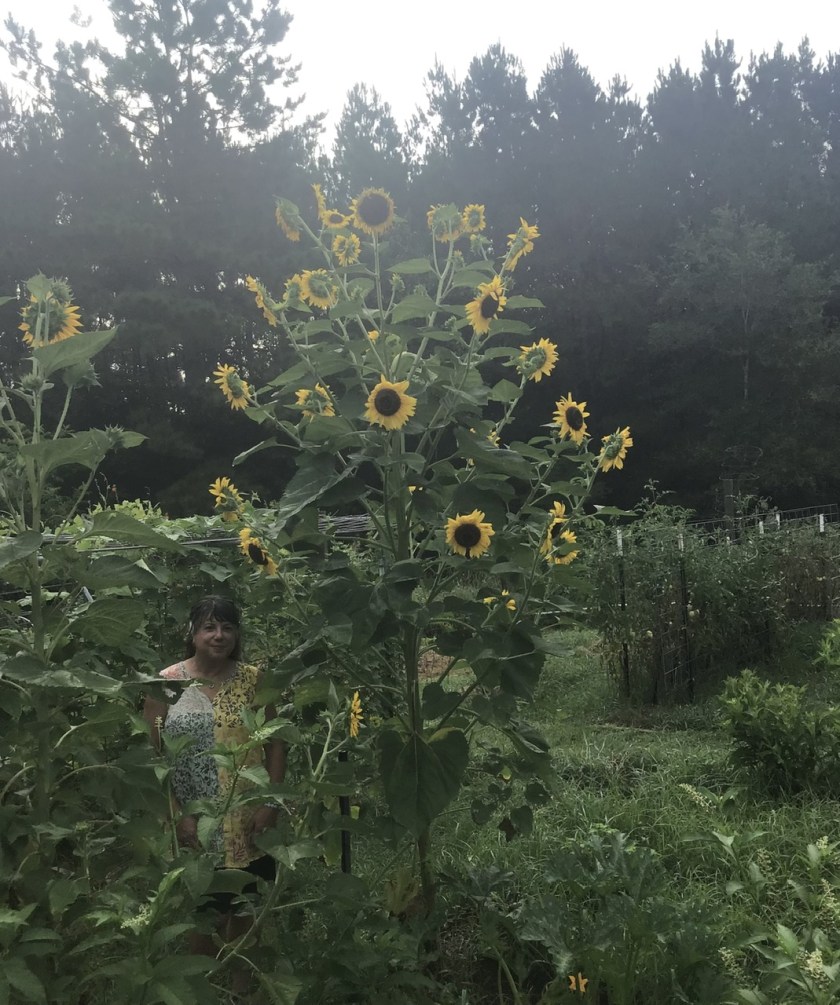
So far I’ve planted the Scarlet Runner Beans and the Black Hopi Sunflowers.
Gavin:
“These beans are among my all time favorites for their versatility in the kitchen and beauty as well as productivity in the garden. They are an amazing companion plant due to the plant’s roots having the ability to associate with rhizobia (nitrogen fixing bacteria) which not only allows this plant to fertilize itself by pulling plant food from the air, it also means this plant can help fertilize its meighboring plants with excess nitrogen. On top of that amazing benefit the scarlet runner bean has beautiful red flowers that attract pollinators such as ruby-throated hummingbirds and bumblebees.”
It is amazing to see how many fantastic plants can flourish in such varied climates. Because Gavin is in Canada and I’m in Texas I didn’t expect to find so many parallels in what we plant in our gardens, though certainly the timing and special needs vary quite a bit. The scarlet runner beans I’ve planted in full sun are perishing. But the others I planted which is shaded during the intense mid-day heat are hanging on. They’ve not produced yet, but I’m still hopeful and I like them anyway. I’m sure if there is any production and I can save the seed, it will acclimate to our area. Unfortunately, after a promising spring, the bumblebees and butterflies have been depressingly scarce in the garden lately.
Gorgeous! Ugly pity for the chem-sky.
The Black Hopi sunflower has been the piece de resistance. It’s gorgeous and taller and fuller than any I’ve ever seen. I had several planted in several spots, and most of them got damaged in the high-wind storms we’ve had. But not this magnificent giant!
Gavin’s reciprocity in action is so inspiring, which is why I wanted to spend a couple of posts sharing about his book. Regular readers will probably remember I’ve shared some other of his work here in the past, especially in our Herbal Explorations pages, which come from his Substack newsletter.
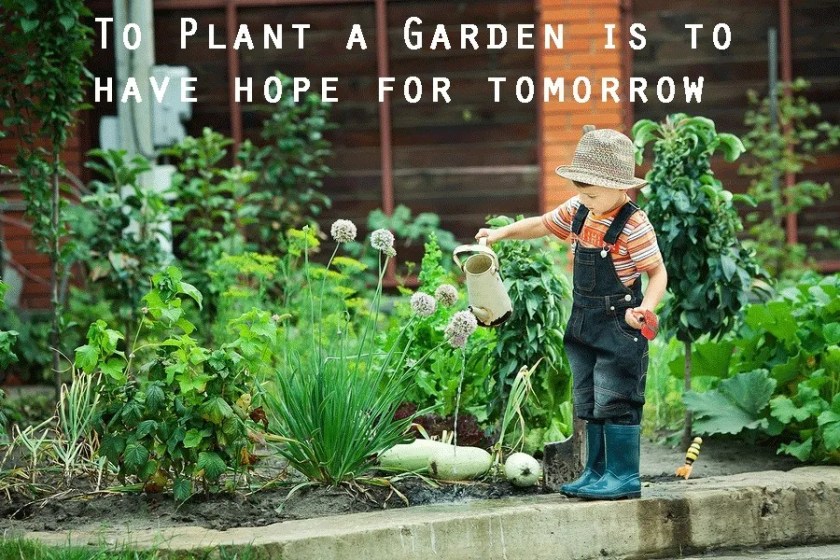
In another post I’ll dive into a few of the recipes, but for now I’d like to expand on a few quotes which so align with my own learning and experience growing a garden and cooking seasonally from scratch. It has absolutely been the most rewarding journey of my life, with plenty of hope remaining for more of the same in the future.
From the section: Reciprocity in Action “Choosing to give our attention to nature is also a form of giving back. Observing and paying attention to the cycles and living systems in nature involves giving our time and our thoughts. When we closely observe nature we inevitably come to perceive countless expressions of beauty through our perceptions of the form, color, sound, scent, textures, tastes and relationships that are all around us. This leads us to caring, feeling gratitude for and feeling compelled to protect the amazing gifts nature shares with us. From the place of gratitude we engage in one of the most meaningful and powerful acts of reciprocity. We open our hearts, we feel content . . . we practice self-restraint, we choose to live more consciously and aware of how our life choices impact the living planet that sustains us and showers us with endless gifts.”
Gavin most certainly has an eye for beauty, his photography is stunning.
I know how daunting it can seem to dive into a new hobby like gardening, or even cooking nowadays, but there’s so many smaller and easier things that take so little effort or knowledge that might be just the momentum for many to kickstart a healthier life and society.
Just observing. I couldn’t agree more. It really does start that small and simple and while I have read loads of books on gardening and cooking and many adjacent subjects, I’ve learned far more from observing. Taking notes helps too, but considering how bad I am at that, it must not be totally necessary.
The other few very simple things that require no gardening and very little cooking is compost and ferments, both which Gavin discusses in the book.
Why those two, you might be wondering? Because in my experience, composting makes you far more conscious of waste, and fermenting shifts your attention to the weather and seasons. Both of these processes have enriched my life and health and outlook far more than I could’ve ever imagined.
A window sill of herbs would be enough to use up the compost produced by the average small household. Or donate it to a friend who gardens if you have such a black thumb or really no space. And who knows, maybe she’ll reciprocate with a zuccinni or two.
I had no idea what eating seasonally meant. Really. Until I went to the farmer’s markets in France on a high school exchange program, I had zero clue produce even had seasons, and considering how much is grown indoors today, that’s probably become more normalized than ever.
Considering I grew up eating like the vast majority of Americans–fast, frozen, canned, bagged–I know what easy looks like, and this is pretty darn easy. The shift really is more in attitude and attention.
Now I long for cucumber season as I long for tomato season as I long for melon season as I long for radish and lettuce season. It’s become that nuanced and I love it. Sure, there’s some cross-over and we can and ferment to save the bounty. But that limited time window of bounty becomes a season within a season, with all that entails–a change in primary food and focus–all with their unique gifts and challenges.
Surplus requires work, work requires rest and creates reward. 😊
The ebb and flow of surplus and scarcity becomes natural again, each bringing its own unique gifts and challenges.
My influences growing up–that of media, education, environment–worked synergistically as detachment mechanism. Nature was that which we were being systematically detached from, and that trend has only exaccerbated, to the growing dis-ease of ourselves and our environment.
“Within the last century, healthy, natural, organic food has been made more difficult to produce because of the chemical pollution, at first, and genetic pollution, more recently. A handful of companies have spread these toxins across our planet diverting US$ 400 billion of public money to subsidize their high cost chemical commodities to make them artificially ‘cheap’. The costs of this ‘cheap’ food are astronomical in terms of the health of people, the ecological damge it causes and its exploitation of farmers. If the true costs of chemical food were taken into account it would be unaffordable. Insead of subsidizing chemical food and creating epidemics of food-related diseases, public money, used for nourishment and the protection of public health through organic food, would save us billions in health care. Denying people their right to healthy, poison-free food by manipulating laws, policy, science and the use of public money to impose a non-sustainable, unhealthy food is food-dictatorship.”
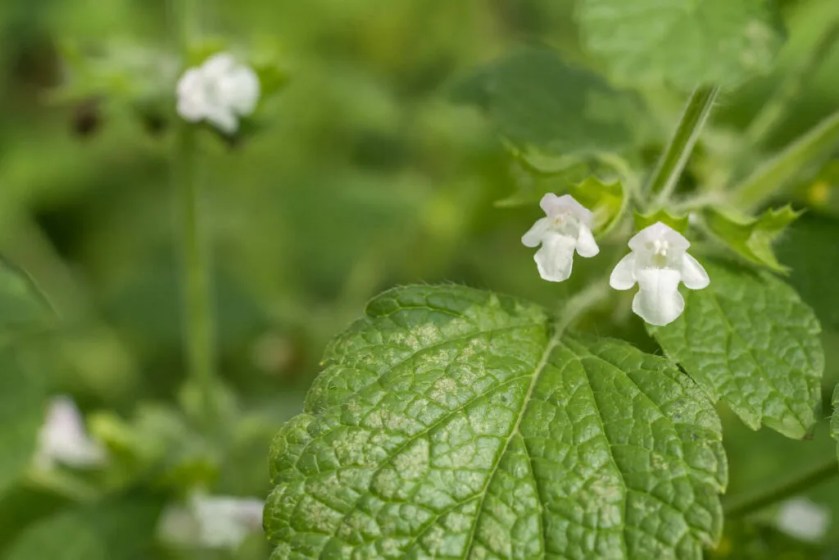
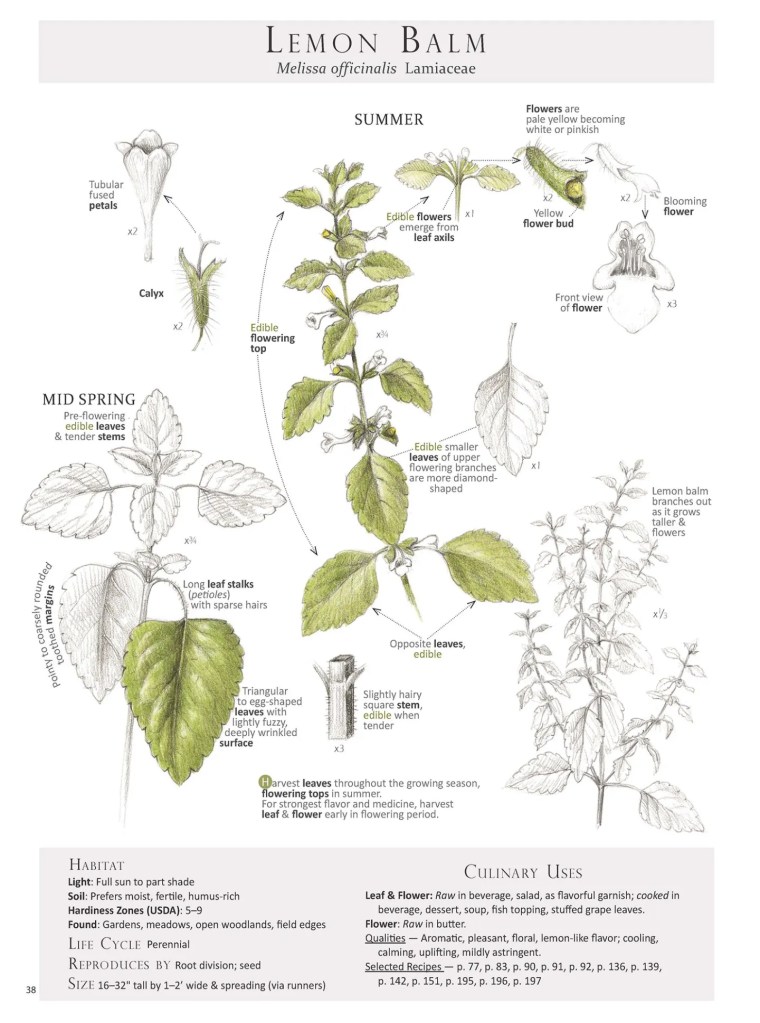
I’m adding another from Gavin’s Newsletter to the Herbal Explorations pages—the very popular Lemon Balm. Gavin does such a thorough job of covering it and I’m excited to start working with it more. I grow it, like mint, mostly for the bees, but like mint, I don’t use it nearly enough.
I’ve copied some favorite parts from his article below, but I’m sure I’ll be referencing it again directly in the future.
I really recommend viewing his full post and would love for any readers to add your own experiences with growing and using lemon balm as well, here in the comments section.
“I love this plant as it is very easy to grow (in fact, it now grows itself in our garden without any assistance) it provides forage for native pollinators while repelling mosquitoes and provides a long list of medicinal benefits. Lemon balm’s pain-relieving properties may make it an ideal choice for relieving muscle and toothache pain. In addition to drawing on its relaxing properties, this home remedy targets inflammation in the body.
“The leaves of lemon balm contain potent astringent and antibacterial properties useful for many things including cleansing wounds and pores to reduce blackheads. Due to rosmarinic acid, one of lemon balm’s key antioxidant ingredients, the herb also benefits the complexion. On top of all that, this herb is versatile in a culinary sense (providing fresh and enlivening flavors and aromas that lend themselves to enhancing creations in the kitchen).
“In the late 14th century, the nuns of the Carmelite Abbey in France began to make a “miracle water” using the lemon balm found in the monastery’s gardens. This is known as Carmelite water, which consisted of multiple herbs and spices with Melissa officinalis always as the main ingredient. This “perfume,” as it was called, was very fragrant and it was used to cover body odors as people seldom bathed in those days. This formula was also called “Eau de Melisse,” and it was revered by kings and nobles as well as commoners. It became a popular cure-all for various ailments and was used both internally and externally. Nicholas Culpepper, the 15th century English botanist and physician, praised the virtues of Carmelite water writing: “It causeth the Mind and Heart to becom merry, and reviveth the Heart fainting to foundlings, especially of such who are overtaken in their sleep, and driveth away al troublesome cares and thought…
“By the middle ages it was cultivated throughout all of Europe. Spiritually it is said in some cultures that lemon balm is known to balance feelings and emotions. It was used in ritual baths to invoke the Goddess, making you more appealing in the world of love and romance. Lemon balm has been associated with the feminine, the moon and water. It was considered sacred in the temple of the ancient Roman goddess Diana. It was first mentioned in medieval manuscript as “Herbe Melisse” in 1440. ( It’s botanical name, Melissa, stands for “bee” in Greek. Avicenna, a Muslim herbalist, recommended Melissa “to make the heart merry”. The Swiss physician and alchemist Paracelsus (1493-1541) believed that lemon balm was an “elixir of life” and would increase strength and lengthen life. After it’s introduction by settlers and subsequent naturalization (in what is now known as the United States) the Cherokee people used the herb as a remedy for fevers, colds, chills and typhus.”
“Lemon balm contains within it the virtues of a dozen other plants” ~ Hildegarde von Bingen 12th century mystic and healer of Germany
“Keep in mind that like mint, lemon balm grows incredibly fast in rich, well drained, moist soil that receives lots of sun. In the right conditions, it can even become massive. Once you discover all of the useful benefits of having this plant around, I’m sure you’ll be more than fine with that!
“Lemon Balm Repels Annoying Bugs This herb has the ability to repel ants, mosquitoes, and flies with its high amount of compounds that resemble the scent of citronella. Try making this easy herbal no bug balm to keep those pesky mosquitoes at range. Out on a hike and forgot to bring your bug balm? Find some lemon balm, crush the leaves, and rub them directly onto your skin! The same can be said of yarrow.
“As We Explored Above, Lemon Balm has Medicinal Benefits: Not only is this plant great in the garden, but it’s also an excellent gem to keep in your herbal remedy cabinet.
“Ancient Greeks used lemon balm steeped in wine to relieve the symptoms of fevers. Put together your own ginger and lemon balm cold/flu syrup to relieve those same symptoms today.
“This super healing lip balm uses the antiviral effects of lemon balm to quickly clear up cold sores. You can also use it in an herbal salve to speed healing of minor wounds. Lemon balm may also reduce menstrual cramps and premenstrual syndrome when taken daily for a prolonged period of time.
Lemon Balm also Attracts Beneficial Wildlife.
Traditional Medicinal Uses:
“Herbal Actions: Nervine: acts on the nerves. Sedative: calming agent. Mild Antidepressant: relieves feelings of depression. Mild Antispasmodic: reduces voluntary or involuntary muscle spasm. Carminative: gently calms the nerves. Lemon balm is a relaxing diaphoretic as opposed to a stimulating diaphoretic. Antiviral: destroys or suppresses growth of viruses, generally by supporting the immune system. Antioxidant: prevents free radical or oxidative damage. Specific use for dyspepsia associated with anxiety and/or a depressive mood. It is indicated for someone with symptoms typical of hyperthyroidism (inhibits TSH binding to receptors): anxiety, restlessness, palpitations, headache, and excitability and also is a mild anti-depressant. It strengthens the brain and its resistance to stress/shock, and lifts the spirits. It has tonic effects on the heart and circulatory system and can be used topically for herpes and other viral infections. Can also be used topically for gout and internally for rheumatism and neuralgias.
Practical Uses:
“What do you do with lemon balm? The most useful parts of this plant (and the way it found its name) are the leaves.
Compounds are extracted from the leaves and used to make lemon balm oil, tincture, salves and various medicines.
You can use the leaves in combination with other powerful herbs such as Yarrow in order to make effective (all natural, non-toxic and skin enhancing) mosquito repellant. Here is a link to an example of one such recipe: https://thenerdyfarmwife.com/lemon-balm-bug-spray/
Some of the most popular lemon balm uses include using the leaves in the kitchen to make tea and flavor dishes, as well as to create perfume oils and insect repellents. Some people even use it to make homemade toothpaste.”
Gavin’s article continues with many more pages of useful details about Lemon Balm, including lots of recipes and more detailed medicinal uses, loads of links and references and excellent images.
“Oncology at the end of the twentieth century and early 21st century runs unethical trials with inappropriate control arms, poor post protocol care, bad crossover, and many other games, which makes companies rich and people poor. Cancer doctors take payments for these companies and go along with this narrative. The system is so rotten and corrupt and pervasive we can’t even recognize it as such.
History will view these are dark days. Where marginal drugs were given to dying people, government taxing poor people to pay for it, and doctors captured by companies to push these products, and everyone patting themselves on the back and the US bankrupts itself with inappropriate, harmful, useless care.”
“While I do recognize that some of allopathic medicine’s contributions to trauma care are noteworthy and worth preserving in some format, I also see that at it’s heart, the Germ Theory mentality that pervades the medical academic establishment (no matter how well intended by individuals in those systems) is not about healing, but is in fact, antithetical to life.
The machine thinking of Allopathic medicine which treats the human body as a molecular machine in need of being kept sterile and well greased by an array of chemicals and synthetic lab made substances is like the modern government funded environmentalist program that tries to quantify everything down to carbon units, obsessing over limiting them or sequestering them with more machines, while avoiding/ignoring the fact that it is machines that decimated the environment in the first place and continue to (whether they are lithium powered or gas powered) and not even beginning to take into account other variables such as the massive influence that old growth forests (or the lack thereof) have on hydrological cycles as well as carbon cycles.
It is like the machine thinking of the Big Ag Chemical companies and conventional GMO monoculture farmer who, when faced with diminishing returns due to soil erosion, nutrient leaching, desertification, decreasing mineral and nutritional content in crops (due to soil depletion brought about by extractive and exploitative farming practices) and facing herbicide resistant “weeds”, decides to double down and create even more powerful machines to till the soil harder, faster, inculcate the crop plants with an ever more potent array of synthetic chemicals and petroleum based NPK to keep them alive (on the equivalent of a combination of life support and hard drugs) and decides to create and use even more potent biocides and herbicides to kill all life in the soil in order to squeeze increasingly meager returns out of an abused and dying landscape.
Those are systems of machine thinking, treating living complex systems that are defined and only capable of being healthy, stable and resilient by the myriad symbiotic relationships woven within and around them as simple machines. Both involve one dimensional ways of thinking attempting to understand, heal and make whole multi-dimensional entities.
The “trust the science” proclaiming doctor attempting to treat anti-biotic drug resistant bacteria infected wounds with more and more powerful anti-biotic drugs is like the techno-optimist self-proclaimed environmental activist cheering for more machines (perhaps lithium powered machines) to be built which are supposed to solve the problems created by the previous machines.”
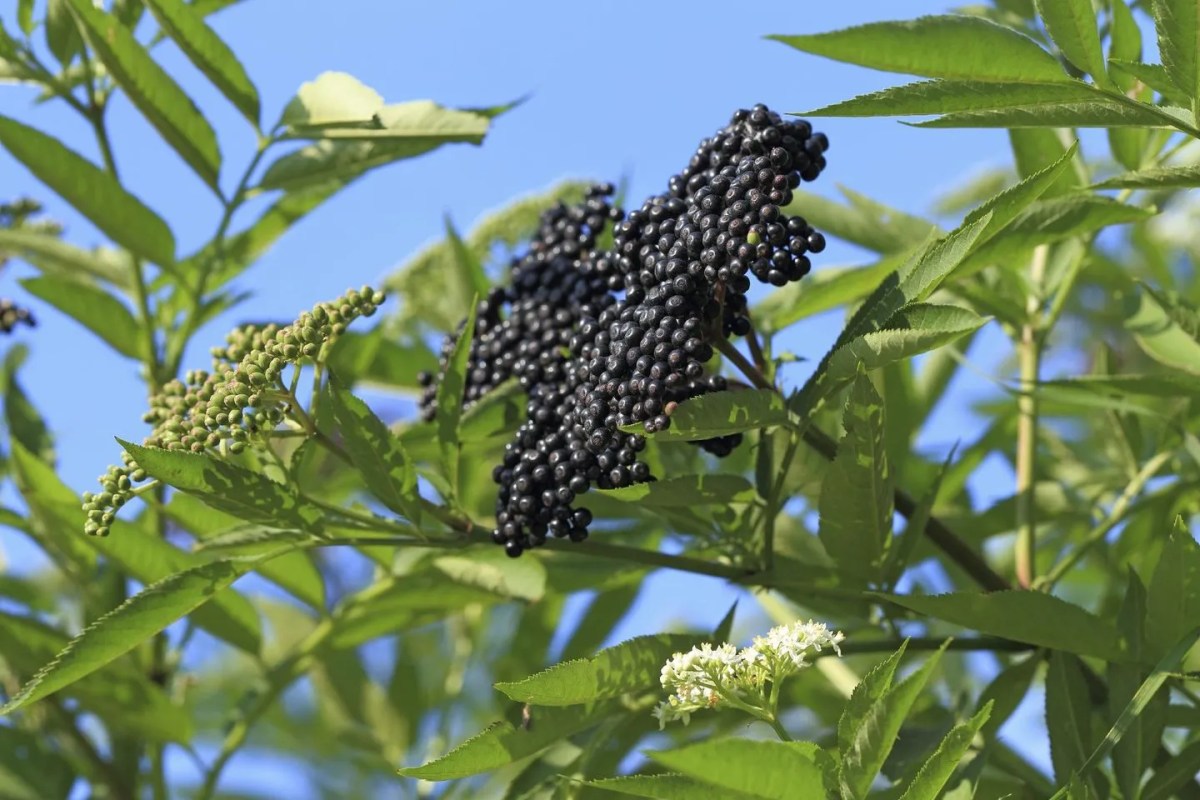
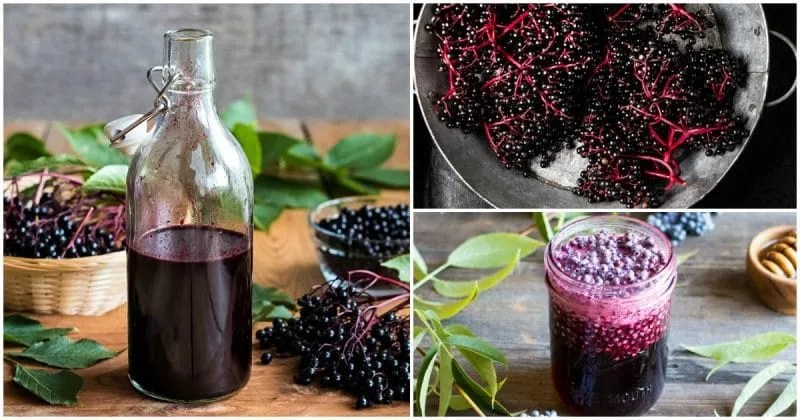
I’ve just added a new page to our Herbal Explorations section, Elderberry, thanks to Gavin Mounsey’s excellent work.
This is only an excerpt, so I encourage a full reading of his article!
Medicinal use of Elderberry:
Elder has a very long history of household use as a medicinal herb and is also much used by herbalists. The plant has been called “the medicine chest of country people”. The flowers are the main part used in modern herbalism, though all parts of the plant have been used at times. Stimulant. The fresh flowers are used in the distillation of “Elder Flower Water”. The flowers can be preserved with salt to make them available for distillation later in the season. The water is mildly astringent and a gentle stimulant. It is mainly used as a vehicle for eye and skin lotions. The dried flowers are diaphoretic, diuretic, expectorant, galactogogue and pectoral. An infusion is very effective in the treatment of chest complaints and is also used to bathe inflamed eyes. The infusion is also a very good spring tonic and blood cleanser. Externally, the flowers are used in poultices to ease pain and abate inflammation. Used as an ointment, it treats chilblains, burns, wounds, scalds etc. The fruit is depurative, weakly diaphoretic and gently laxative. A tea made from the dried berries is said to be a good remedy for colic and diarrhoea. The fruit is widely used for making wines, preserves etc., and these are said to retain the medicinal properties of the fruit.
Some of the medicinal benefits of Elderberries include:
One of the most well-studied elderberry syrup benefits is its powerful immune-boosting properties. The berries contain chemical compounds called anthocyanidins, which are known to have immunostimulant effects.
Research actually shows that elderberry is a safe, efficient and cost-effective treatment for the common cold and flu. A 2021 systematic review screened 1,187 records and five randomized trials on elderberry for the treatment or prevention of viral respiratory illness. Researchers found that elderberry may reduce the duration and severity of symptoms related to colds and influenza, and there’s no evidence that it overstimulates the immune system.
A 2016 study published in Nutrients showed that elderberry supplementation was able to reduce cold duration and symptoms in people using air travel. People using this herb from 10 days before travel until four to five days after arrival overseas experienced, on average, a two-day shorter duration of their colds as well as a noticeable reduction in cold symptoms.
Several studies have found benefits to support the use of elderberry syrup for flu symptoms as well. Specifically, the flavonoids in the extract bind to the H1N1 human influenza virus as well as the H5N1 avian influenza virus.
A 2009 study randomized patients into two groups. One group was given four doses of 175-milligram proprietary elderberry extract daily, and the other group received a placebo for two days. The group treated with the extract showed significant improvement in most flu symptoms, while the placebo group showed no improvement in symptom severity. Researchers conclude that the extract is effective in controlling influenza symptoms.
The group treated showed significant improvement in most signs of flu, while the placebo group showed no improvement in symptom severity. Researchers concludedthat the extract is effective in controlling influenza symptoms.
Another study published in the Journal of International Medical Research referenced above suggests that when elderberry is used within the first 48 hours of the onset of signs of flu, it can shorten the duration of flu symptoms by an average of four days.
With elderberry’s anti-inflammatory and antioxidant properties, it makes sense that it can help treat sinus issues. A sinus infection is a condition in which the cavities around the nasal passages become inflamed, and this antiviral herb has promise as a sinus infection natural remedy.
A study conducted by the Institute of Complementary Medicine’s Department of Internal Medicine at the University Hospital in Zurich, Switzerland examined the use of a product called Sinupret, which contains elderberry extract. The researchers used Sinupret to treat bacterial sinusitis along with an antibiotic (doxycycline or vibramycin) and a decongestant. Interestingly enough, those who took the combination did better compared to those who did not take Sinupret at all.
In addition to using elderberry syrup for colds, the flowers of the elder plant are also known to be an effective herbal allergy remedy. Since allergies involve an overreaction of the immune system as well as inflammation, the herb’s ability to improve immune function and calm inflammation can help provide allergy relief.
Some herbalists put black elder flower on the list of most effective herbs used for treating hay fever-like symptoms. It can be used for allergies on its own or in combination with other herbs and natural remedies.
Edible berry extracts like elderberry extract are rich in anthocyanins and have been shown to have a broad spectrum of therapeutic, pharmacologic and anti-carcinogenic properties. In vitro studies specifically indicate that the elderberry has some chemopreventive properties, which can help inhibit, delay or reverse cancer formation.
One study published in the Journal of Medicinal Food compared the anticancer properties of European and American elderberry fruits. European elderberry (Sambucus nigra) is known for its medicinal use and contains anthocyanins, flavonoids and other polyphenolics, which all contribute to the high-antioxidant capacity of its berries. American elderberry (Sambucuscanadensis) has not been grown or promoted as a medicinal plant like its European relative.
This study tested extracts of both berries to assess anticancer potential and found that both demonstrated significant chemopreventive potential. Additionally, the American elder extract showed inhibition of ornithine decarboxylase, which is an enzyme marker related to the promotion stage of cancer formation. Thus, elderberries show potential as cancer-fighting foods.
Although studies have found mixed results, some research suggests that elderberry extract may improve heart health. For example, one animal model showed that giving mice with high cholesterol and HDL cholesterol dysfunction anthocyanin-rich black elderberry extract helped reduce hepatic cholesterol levels and improved HDL function. This may be due to the presence of anthocyanins, which are polyphenols that have demonstrated antioxidant and anti-inflammatory activities.
Another study found that elderberry extract may have beneficial effects on high blood pressure. When polyphenols extracted from the plant were administered with renin inhibitors to rats with hypertension, they reduced arterial pressure.
Researchers suggest that using polyphenols to lower blood pressure may also help reduce the side effects of blood pressure-lowering medications and improve overall quality of life.
The calcium, iron, and potassium in the berries are known to strengthen bones and increase bone mineral density, cutting the risk of osteoporosis as a result.
Experiments show the benefits of natural polyphenols extracted from the Elder (Sambucus nigra) fruit on osteoporosis regression. Extremely low bone mineral density is improved by polyphenol delivery. Thus, a dietary intake rich in natural polyphenols helps lead to the regression of osteoporosis. Osteoporosis regression due to the Sambucus nigra extract shows us how powerful these berries are for preventing bone degradation and speeding up bone healing.
Being rich in vitamins A and B6, elderberries can help prevent serious vision ailments like glaucoma and macular degeneration. The antioxidant activity of elderberries also helps ensure vision health in the long run.
One study talks about how the anthocyanins in berries (including elderberries) can help treat cognitive impairment and the resultant conditions like Alzheimer’s.
Elderberries are also replete with quercetin, which is an important flavonoid critical for brain health. Quercetin reduces the harmful inflammation at a cellular level. It also activates the mitochondria in your cells – which are powerhouses that boost cell health.
As mentioned above, Mitochondria are the powerhouses of your cells, generating energy to fuel your cells’ biochemical reactions. Via optimizing their function and promoting their rates of regeneration within your body you are building a solid foundation for health, vibrancy and longevity from the cellular level up.
Sufficient mitochondrial biogenesis (the process by which cells increase mitochondrial numbers) is necessary for efficient cell function and haemostasis, which is dependent on the regulation of ATP generation and maintenance of mitochondrial DNA (mtDNA). These procedures play a primary role in the processes of inflammation, aging, cancer, metabolic diseases, and neurodegeneration. Polyphenols (such as anthocyanins) are considered as the main components of plants, fruits, and natural extracts with proven therapeutic effects during the time. These components regulate the intracellular pathways of mitochondrial biogenesis.
The studies available also support the ability of anthocyanins to prevent damage to mitochondria and to sustain its function. Berry extracts also demonstrated positive outcomes in different models of neurodegeneration, endothelial dysfunction, myocardial damage, metabolic disorders, longevity, and cancer. At the molecular level, major anthocyanins can modulate the expression and activity of mitochondrial proteins, apoptotic and biogenesis factors, antioxidant defenses, inflammation, and the AMPK pathway. Noteworthy, anthocyanins could balance abnormalities in ROS production, respiration, and mitochondrial fragmentation in cells exposed to toxicants or oxidizing agents.
…..
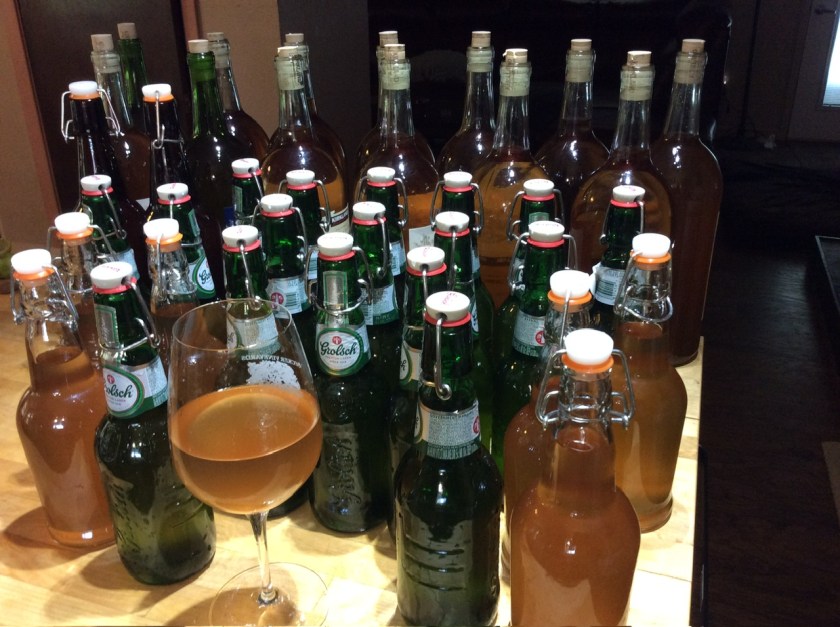
Here on the wee homestead I use elderflowers and elderberries in kombucha with delicious results! I’ve also made syrup and St. Germain.
Please visit Gavin’s full article for so much more on this ancient medicinal plant, including history, myth and folklore, habitat, recipes, and beautiful photography.
Elderberry blossoming in the garden with pumpkin, inviting lots of pollinators.
Some say It’s on Its last legs. The ‘coming collapse’ crowd is growing, that’s for sure. I’m pretty sure we can confirm we’re no longer fringe.
“There are mighty forces arrayed against us. They threaten our liberty, our livelihoods, our families, and even, possibly, our sanity. We may find ourselves, if we are awake at all, resentful or even angry at the situation we find ourselves in. We may want to ‘resist them’. But how? Our governments, except possibly at a local level, seem to largely be against us. The corporations, as they always have been, are against us. The media…ditto. The institutions of civil society? Largely captured. Our faith communities? Well, maybe some hope there, but all too often, the same deal. So, what are we to do?”
I don’t believe that, exactly. Our beloved Institutions have always been in service to Empire and I believe Empire is now in the process of refining itself, shedding its skin in order to reinvent itself. Empire is like the Ouroborus, eternal and regenerative.
These opinions may look opposing at first glance, but in fact they are complimentary.
I believe Empire is the rolling stone on which the Individual’s sword is sharpened. We will never be without It, we have never been without It.
That does not mean resistance to Empire is futile. But it is painful. From happy slave to disgruntled dissident is a long and lonely journey. It has to be.
Empire’s tactics evolve, forcing the Individuals’ along with It. Not in a David vs Goliath manner, but more like in a perpetuating Gordian Knot. We need each other too much, we are not who we are, one without the other.
For as long as Empire has existed, the Individual has fought to escape it.
He has fought so hard against It, that he has become It. The fight, or dance, however you choose to feel it, has become excruciatingly intimate over time.
At some moments in the cycle, perhaps all it takes are whips and chains to keep the system of Empire churning. In current times It is far more sophisticated. It wants willing and happy slaves, that’s what helps the Master slaves sleep better at night. Mental slavery, debt slavery, touchless torture.
We each must choose. The Individual must have free will.
It’s not that one is alone on the path away from Empire. There are a great many unhappy slaves. You will find them everywhere along your course, which has existed for as long as Empire.
“The classic example of ideological motivation is the ‘work ethic’; the idea, which has driven the workers of the West for the past few centuries, that we are morally obliged to work for the system for our entire lives so that, perhaps, one day, we will no longer have to work. A subtler modern example of ideological discipline might be ‘team spirit’ — the means by which loss of purpose, dignity, joy and freedom at work is compensated with group-bonding. “I didn’t agree with the purpose of the war; I was just looking out for my buddies—applies equally to the army platoon, the office department and the school class.” 33 Myths of the System by Darren Allen
We learn in the Empire’s schooling that the opposite of pleasure is pain. Furthermore, they teach us, that as a species we inherently seek to experience pleasure and to avoid pain.
And yet, sado-masochism is visible everywhere in our cultures. There are those who actively seek pain, and a great many who experience pain, and still go back to do it again, and again, willingly. Mothers and soldiers come to mind. Giving birth is rarely described as pleasurable. Soldiers rarely relish in their battle fatigue. Are we to believe they are all masochistic?
What’s missing here? Perhaps the opposite of pleasure is not pain exactly, but a specific kind of pain, the kind inherent in seeking virtue. Why do we not avoid this kind of pain as well, as a general rule?
The Individual’s path is painful because virtue is the opposite of pleasure, as Empire is opposite of the Individual.
That may sound like a notion of the Stoics, yet I’m definitely Dionysian by nature. It is not for the backache or the sweat or the frustration that I garden. It is for the fruits of my labor. It is for the care I’m able to show to the soul and soil and the hope that my efforts grow beyond my finite existence and wisdom. It is the pain of true ‘virtue seeking’.
I want them all, all my fruits, not out of selfishness, but to distribute at my preference and at my leisure and not according to the dictates or conveniences of Empire.
And yet, Empire is not my enemy. We may fight, or dance, but I do not wish Its collapse. Specifically, I wish It to continue to increase the virtue of the Individual. Even though I know that requires significant pain.
I have been amazed by the incredible virtue of some of those I’ve found along my Individual course.
The following comes from the latest post of one of these Virtuosos, Gavin Mounsey. I like Gavin not only for his beautiful photos and keen mind and wholesome work, there are many others who fit that bill. What I find most unique about him is, he doesn’t bypass the dirty work. That is rare in my experience. He stays focused on the good, on the light, on the solutions, but not at the expense of the hard truth. It’s a tough balance I know.
“Taking steps to embrace food sovereignty and a path that consciously nurtures symbiotic relationships are ways of living that are synonymous with a more happy, passionate and creative life. As our basic survival needs become fulfilled through our own “hands-on work” and skills, it frees up a lot more time to pursue the things we are truly passionate about in life. Embracing that self-sufficient lifestyle is so much more fulfilling than working ‘for the man” getting a pay check of digital fiat currency, trading it with 5 different middle men to get our food, water, energy and fulfill our transportation needs. It really does improve not only the quality of life, but the perception of what is meaningful in one’s life. It effects our very psychological foundations as we rediscover the simple joys in life. It helps us move away from the hyper-distracted, over-stimulated, digital chemical culture that has built up around us and allows us to let go of greed and materialism by truly coming to know the beauty of planting a seed in the soil, nurturing it to grow, and reaping what we sow.”
“Now is the time to reaffirm our alliances with the living Earth, to nurture new symbiotic relationships with the soil, people, plants and fungi in our local communities. Human empires rise and fall, and history teaches us that when they fall, it is those that know how to grow/forage for their own food, medicine and preserve it, that survived.”
“We can create oasises of health, resilience, and abundance in each of our communities… we can become the solution, break from dependence on centralized systems and help others to do the same. It begins with the soil and the seeds and it evolves into nurturing symbiotic connections with those whom we share our communities with. Each of us can embody the medicine that the land and our communities need too survive and thrive though the tough times ahead.
“Thus, each and everyone one of us should now be focusing our efforts on honing our skills related to food/medicine cultivation, preservation and developing a reciprocal relationship with the land where we live.”
“Saving up money for a ‘rainy day’ is not a solid way to prepare for emergencies because money has no innate value. Seeds, good soil, gardening skills, increased health/immunity, preserving experience and the symbiotic relationships and friendships we forge with neighbors and the broader community we are a part of (through sharing our abundant harvests and seeds and helping others to grow regenerative gardens) are however things that have innate value.”
There’s so much inspiration in his excellent article, many great reasons to start a garden, but also much information about all the rewards gardening reaps.