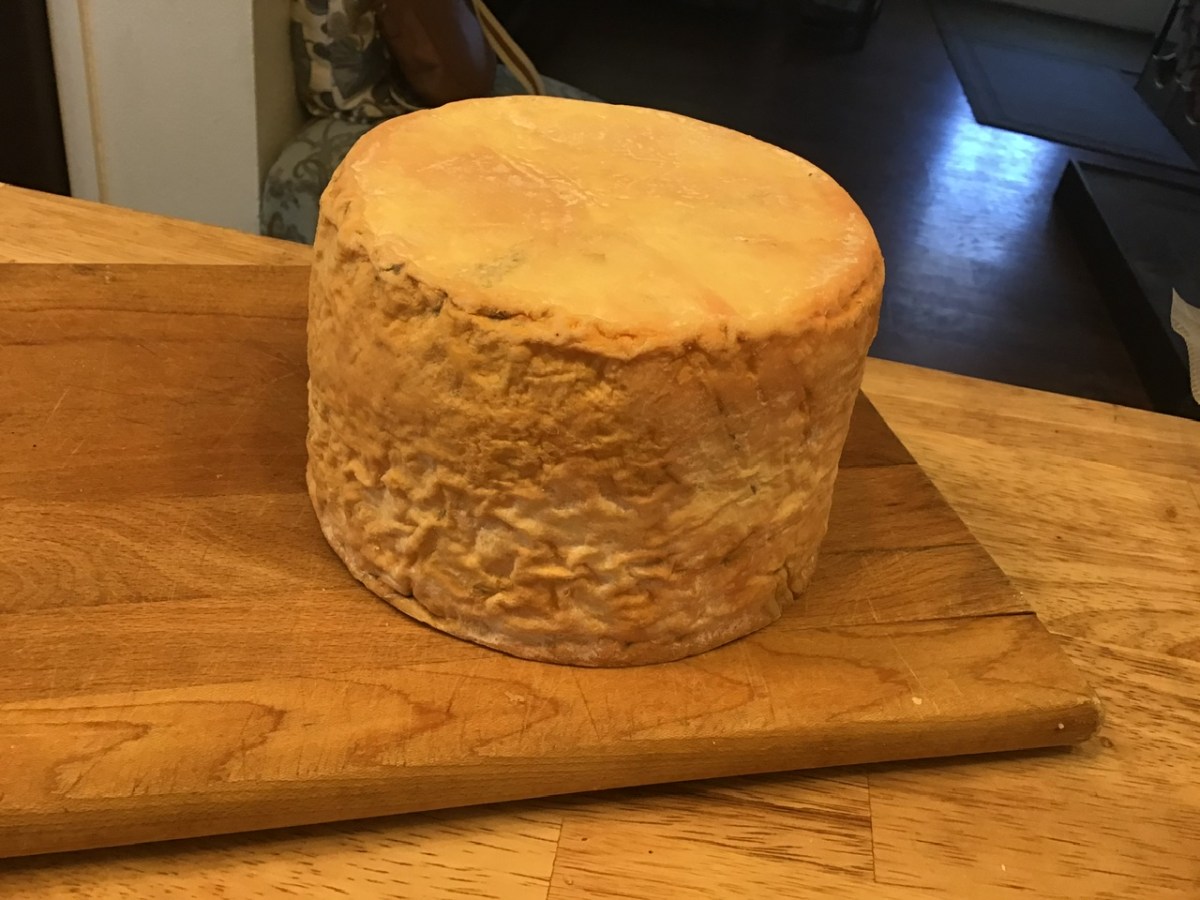
It was too much news last time for one post, and I didn’t care to skimp on the cheese bragging, especially!
But then I got sent off on a cheese tangent when trying to simply explain why most commercially-produced cheese on grocery store shelves should not even be called real cheese anymore.
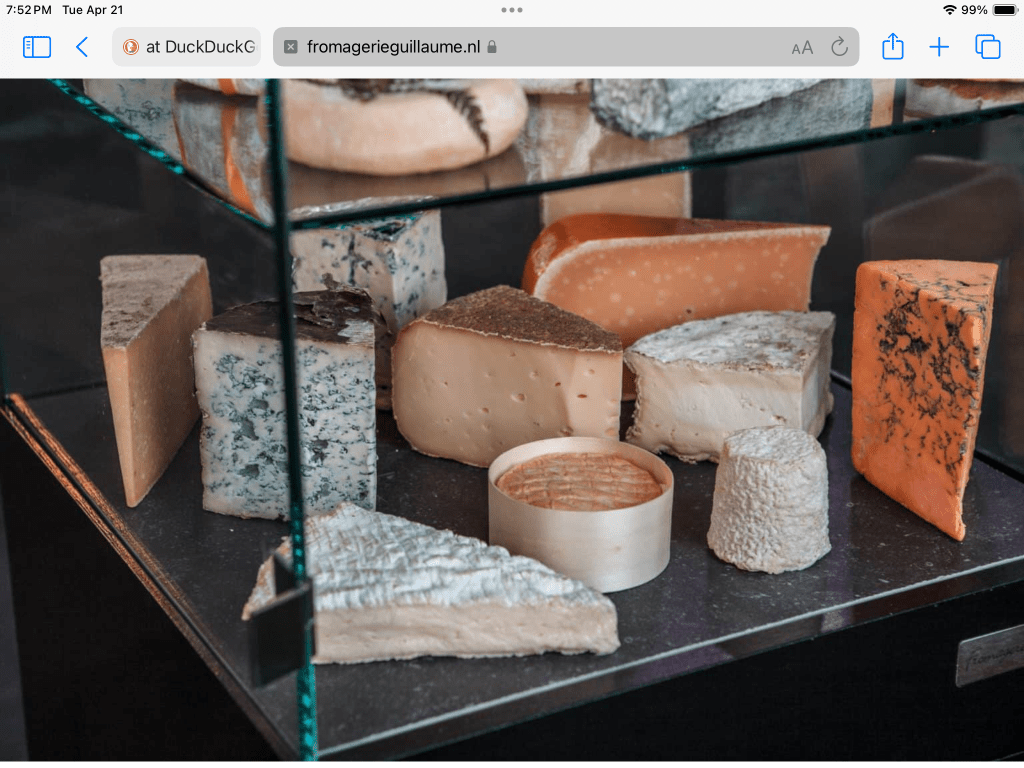
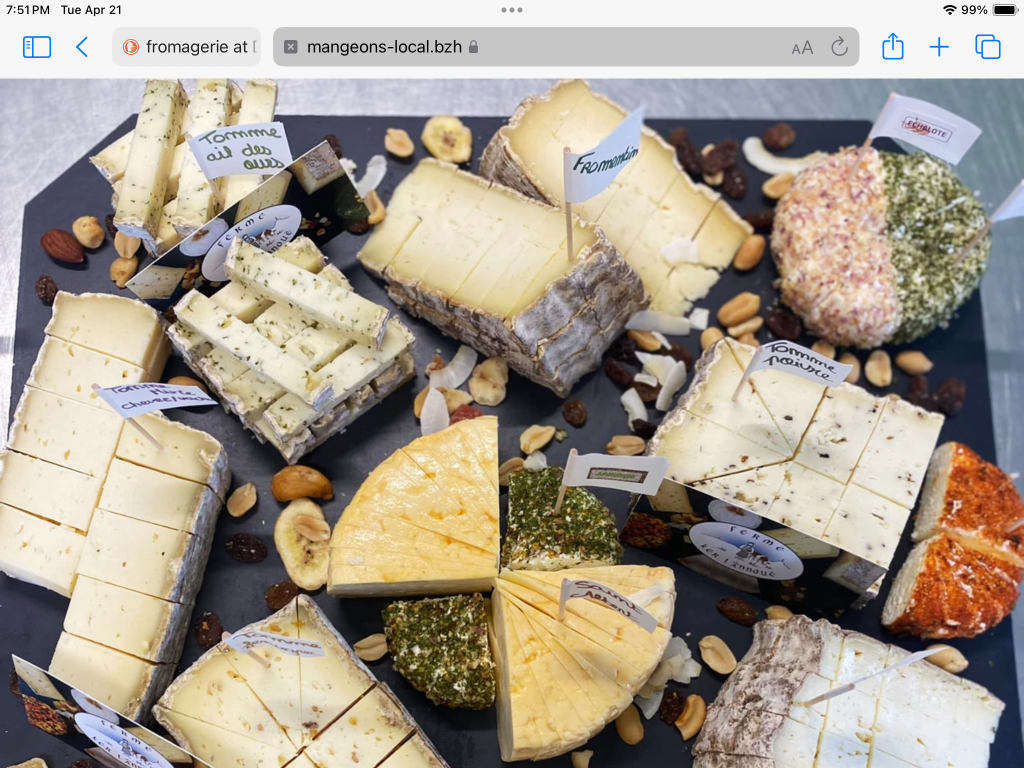
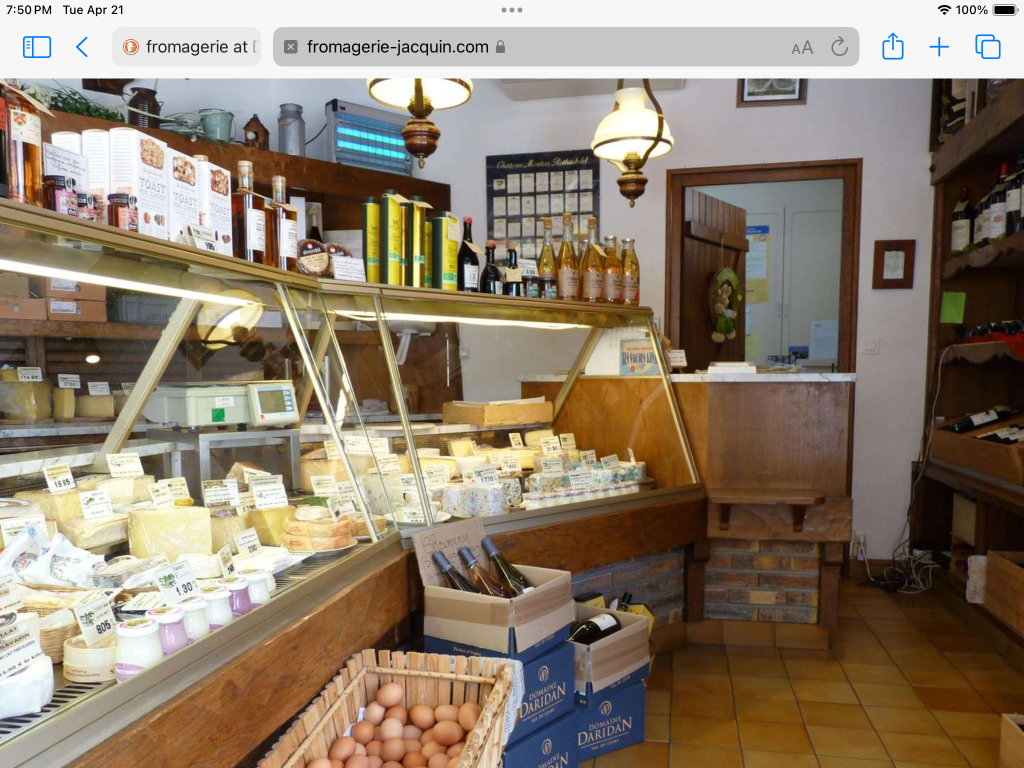
In fact, maybe even some of these fabulous-looking cheeses from traditional French fromageries like I used to love to frequent might also make the fake food list. I sincerely hope not, but France, like all of ‘the West’ are increasingly subjected to the same chemical onslought as we are in the US.
Making cheese is the best thing I’ve ever done. In my life, without exception. Thanks to it, I have uncovered some of the rarest, most simple, deepest and most common of universal life lessons.
No offense to Handy Hubby, marrying him is definitely a close second. 😆
I’ve heard similar magnanimous claims recounted only through such trials and tribulations as come through miracles such as child birth and motherhood. But I have not been a mother.
Don’t cry for me though, because I found cheese!
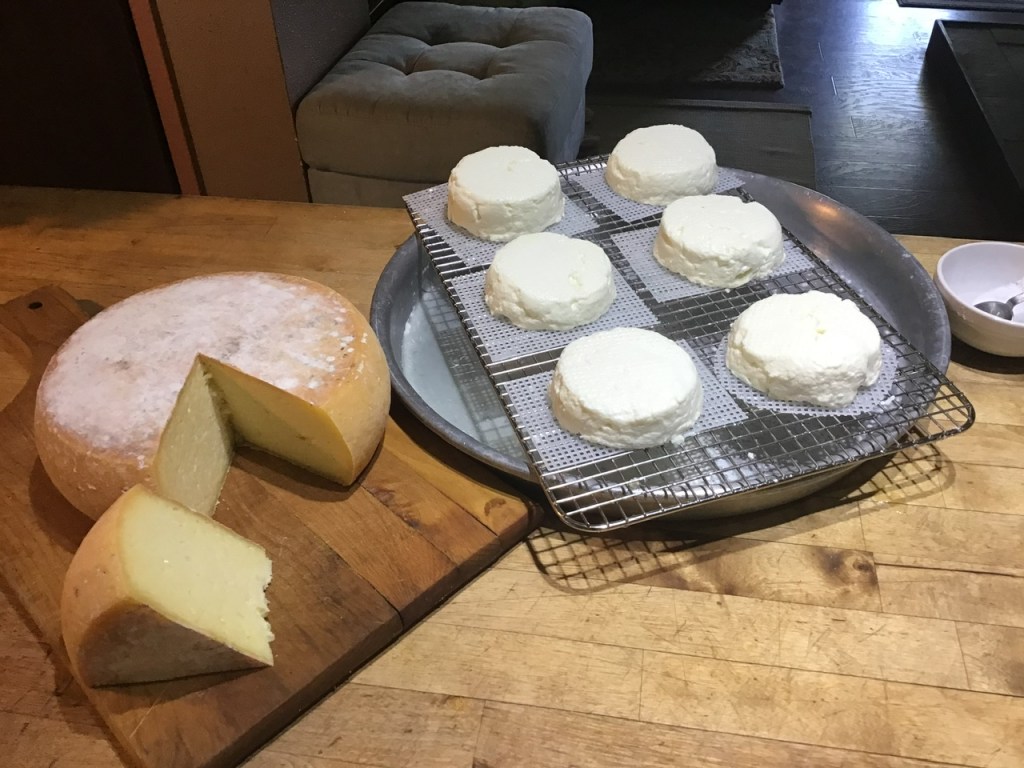
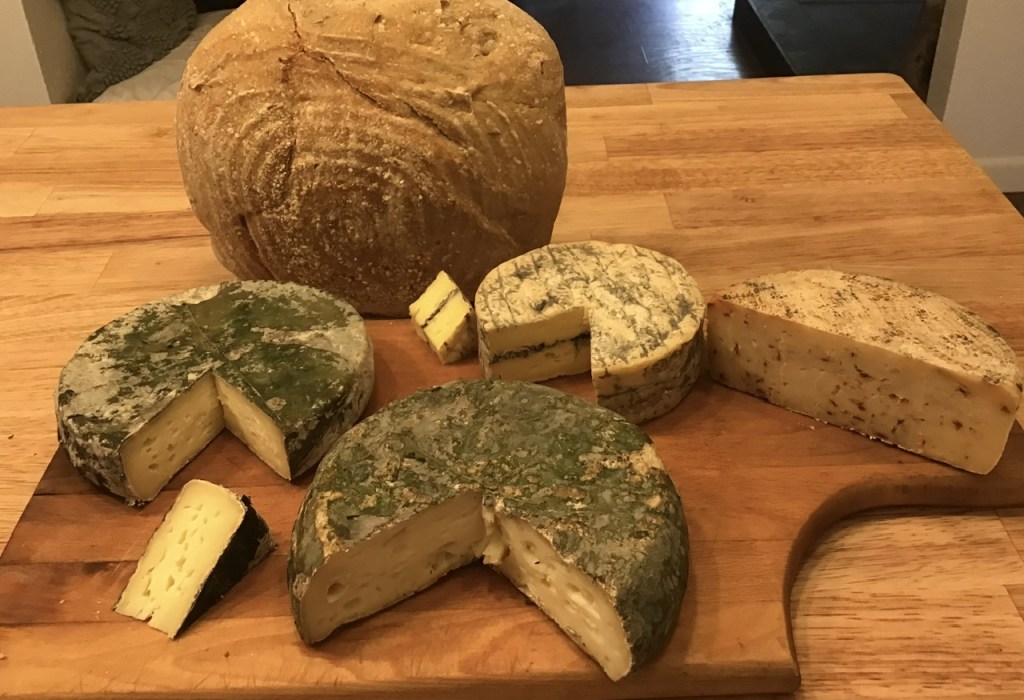
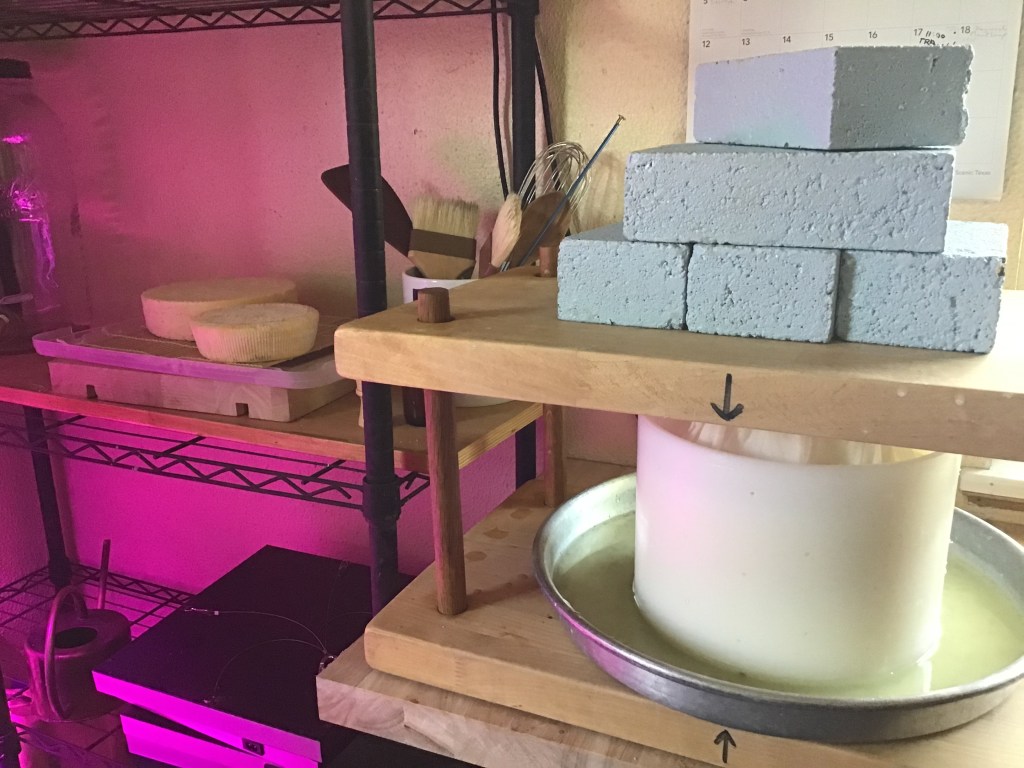
From it I’ve delved into the practicalities–the art, the craft–of the most delicious hobby I can imagine. I have also been either introduced, or expanded my knowledge on topics as diverse as vaccines, germ theory, pleomorphism, alchemy, modern chemistry, even math–some things which I rejected with ease or sometimes ferocity–which now claim me, my mind and passions and preoccupations, like one conquered, lured and pushed, exposed and protected, by some ultimate wisdom.
Anyone who knew me in my younger years would be surprised, I’m sure, as my sister was, that I would willingly and repeatedly entangle my brain with math and science. Not that either is entirely necessary for traditional cheesemaking.
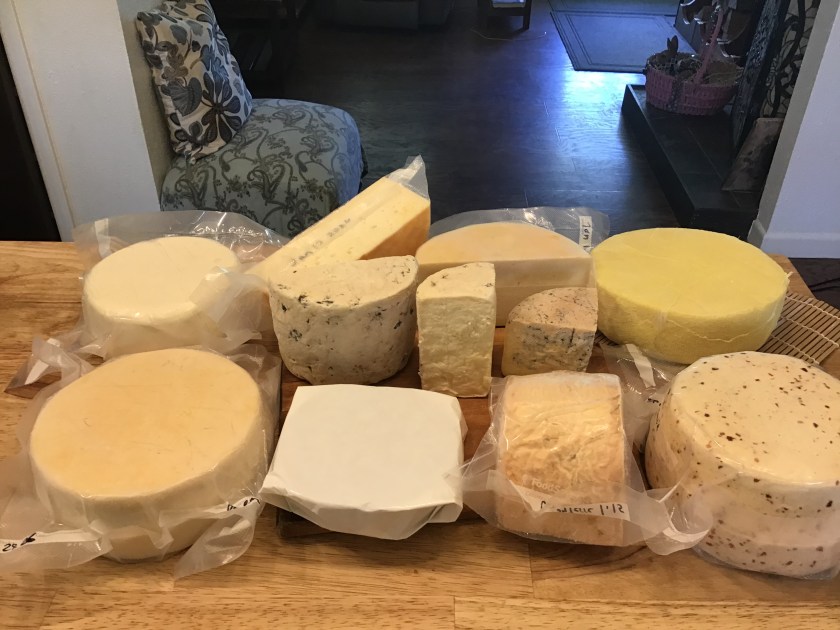
From David Asher’s fantastic tome, Milk Into Cheese: The Foundations of Natural Cheesemaking Using Traditional Concepts, Tools, and Techniques
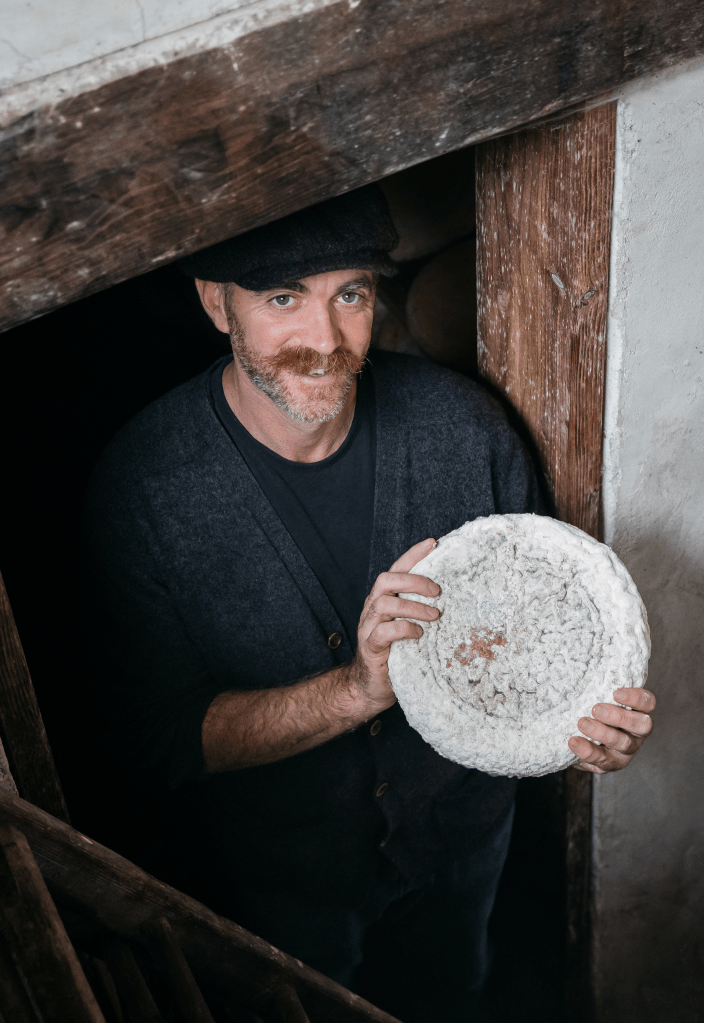
Most commercial producers of cheese believe that packaged starters are the only option for cheese’s proper production; that milk is deficient in the appropriate microbes and rich in dangerous ones; and that they are incapable of realizing the work that is normally done by trained microbiologists. DVIs (Direct Vat Innoculants–freeze-dried starters) are considered the only acceptable way to safely make cheese, and the most convenient option for producers, big or small.
He’s too polite and wise to say the industry has been completely captured, but I do believe he’d agree with me on that!
Industrial starters are by and large produced by multinational corporations. Danisco, the most prolific starter producer, is based in Denmark and is a subsidiary of DuPont. This corporation and others like it profit off cheesemakers’ demand for a product that they do not truly need.
Industrial starters are monocultures of microorganisms that have no precedent in nature and need perfectly sterile environments in order to function correctly. They are out of touch with the reality of cheese, which needs dozens if not hundreds of species of microbes to evolve according to their safest and most flavorful pathways.
The deception on the foundational level, resting on disproven science from the early 1900s, is bad enough. But the consumer sees none of that, instead being swept up in extremely dubious marketing practices that call these starters natural and necessary.
And that’s even before we delve into the mass manufacturing of “vegetarian rennet” –that is the lab-derived coagulant now used by the vast majority of cheesemakers large and small around the West and perhaps the world, which also also claims to be natural.
Four ingredients. Just think about that for a moment, please! That is all it takes to delight, and/or to disgust, in a thousand different ways.
Labeling, on cheeses as on GMOs, is simply another way to con the consumer. The process is as important as the ingredients and changing the meaning of words is par for the course. More on that next post as I delve into the “Nutrition” label of a popular cheese brand.
Fermentation and the art of putrefaction is the process. Technically putrefaction is the wrong word, though it does sort of work!
Affinage is the correct term for the fine craft of cheese maturation. According to AI the difference is:
“Putrefaction refers to the decomposition of organic matter, which can negatively affect cheese quality, while affinage is the controlled aging process that enhances the flavor and texture of cheese. Proper affinage prevents undesirable putrefaction by managing environmental conditions and microbial activity during cheese maturation.”
So it’s basically desirable putrefaction. It’s like the difference between a weed and an herb, it depends on whose garden it is.
But still, think about that! Like aging fine wines and wiskeys, even hot sauces, this is proper fermentation, where territory REALLY matters. Where some old-school crafters even insist no one else can touch their concoctions or they’re immediately spoiled. True story!
It’s POD taken to an extreme unknown even to our own extreme-loving culture.
POD, or DO (designation of origin) is to the cheese world what Provenance is to the art world. It is, literally, about ‘savoir faire’ (know-how) –being able to trace the work, the process, back to its source.
Perhaps so that industry can try to capture a piece of that magic? Individual and smallscale crafters in the market are not allowed the same right to privacy as the Big Food manufacturers, who routinely get to claim “proprietary” status whenever they care not to divulge their special little secrets.
Aging cheese, affinage, is an art, craft, indeed a profession, so ancient it predates our recorded history. It has nothing at all to do with commercial pasteurization, or chemically-adulterated cheeses, which has absolutely compromised the craft. Which has been further compromised by a negligence of public health standards and an indifference to territory and creating a GloboGlob culture that is so synthetic it now considers consuming chemicals as food ‘natural’.
And if you are among the great many who are allergic, they don’t tell you it’s because they’ve completely adulterated the ingredients, the process, and even the meaning of words, oh no, they tell you ‘plant-based cheese’ is the next great thing they’re creating just for you!
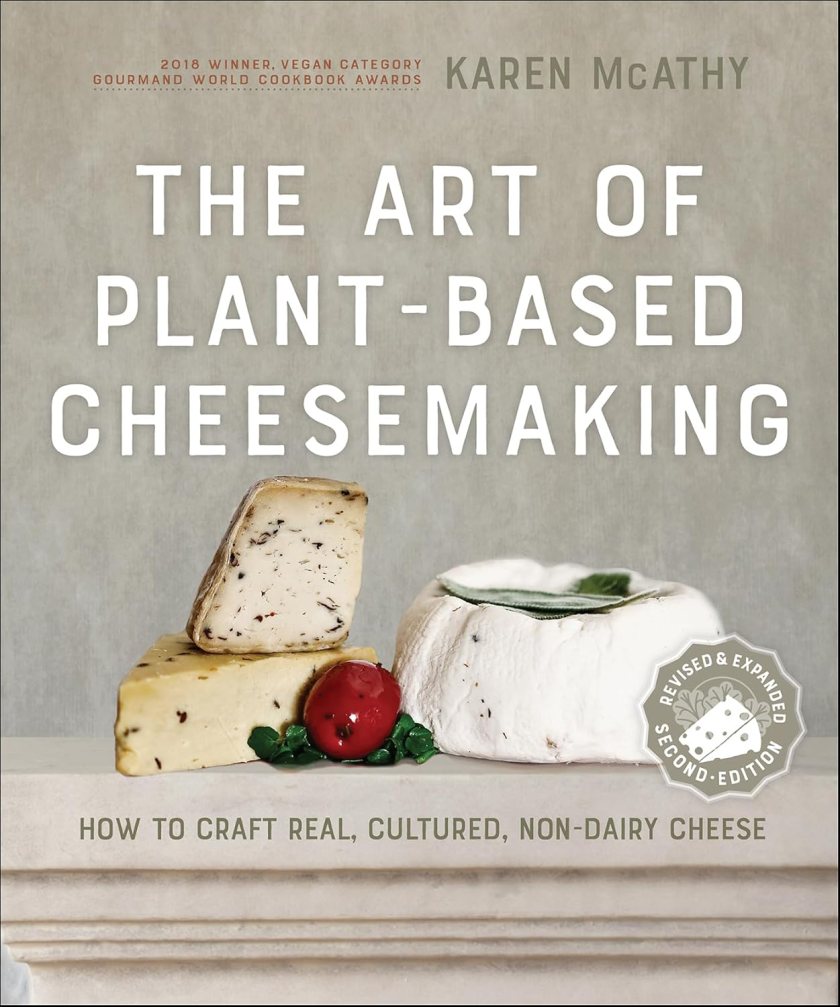
Our tastes tell us a much bigger story than our grocery stores care to oblige. And the ever-increasing health consequences and debilitating diseases point to our palates and our plates, which should take their rightful place at the top of that pyramid of problems.
Cheese is full of life and how each cheese is treated determines its outcome. Kind of like children too. It is not a source of disease, though like rearing anything, it can be a source of dis-ease!
I also feel such a drive to protect these precious processes. The downright bastardization of what’s considered natural in these times is only escalating toward greater absurdity. “Natural” and “only possible to manufacture in a lab setting” should not be synonomous!
If that makes me a food snob, I am pleased to claim the title! We’ll need an army of Queen Food Snobs to push back against this crazy.


I’m no cheese connoisseur – but I know the “stuff” bought from the corner big market stores is pretty much garbage.
And people still refuse to look at mass-produced (uhhh) “foods” for any of their ills.
LikeLiked by 1 person
So true, but why? Is it addiction? Because I know plenty of folks who know how bad it is, suffer the consequences to the point of major disease, but don’t change their diet. Dumb questions I guess. Free will means allow the dumb to remain dumb as we continue to ponder around the dumbness. 😆😉
LikeLike
Cheap and reliable, with a side of quick and easy access.— Perhaps.
It wouldn’t shock me to learn that there is a form of addiction involved as well.
One can ask why be involved in dangerous sports, drive fast cars or “run with the bulls”, as well… but those those are not food issues, even though a healthy life is part of the culture.
Just moments ago as I headed inside, I looked up and saw (gasp) a plane flying far overhead— spewing out it’s little white lines. Perhaps we’ll get rain later. LoL
LikeLiked by 1 person
mmmm, toxic rain, sounds as appealing as fake cheese.
LikeLike