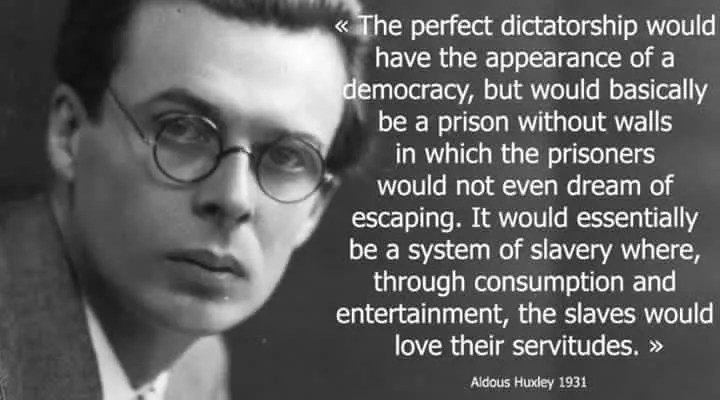
In this shit show, vaudeville act, fantasy-based reality, LARP, mass formation, post-modern reality simulation, totalitarian tiptoe, or whatever you want to call it, humor is the best medicine.
In fact, these days, it may be the only safe medicine.
So here’s an attempt to get us started!
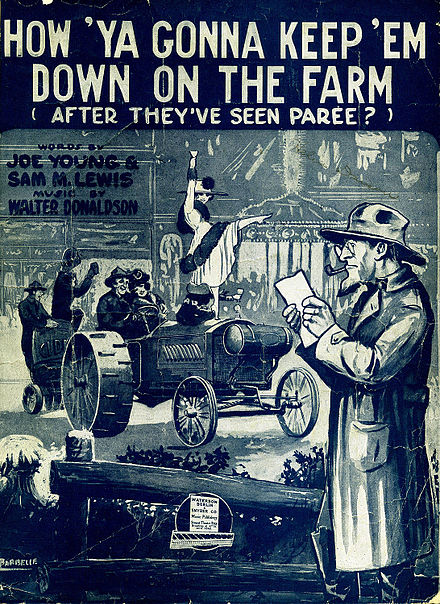
One funny song:
One funny question:
If you had to choose between losing a war with the Russians or the Chinese, which would you choose?
I’ll start! To me, this is not a political question, but a cultural one. The politics in every country are equally shitty, I’d choose none of them. But, culturally speaking, the Slavs won a long time ago in my book. They’re my kind of folk! In fact, I’m pretty sure I was a Russian Jew in a past life. I even passed for one once in Slovakia, but that’s another story.
One funny meme:
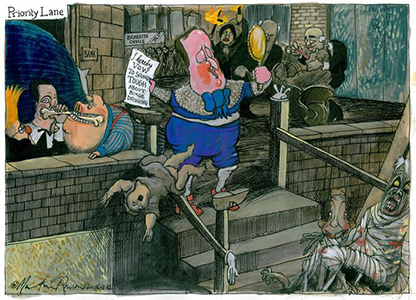
One funny oldie-but-goodie, from the simpler days of 2015:
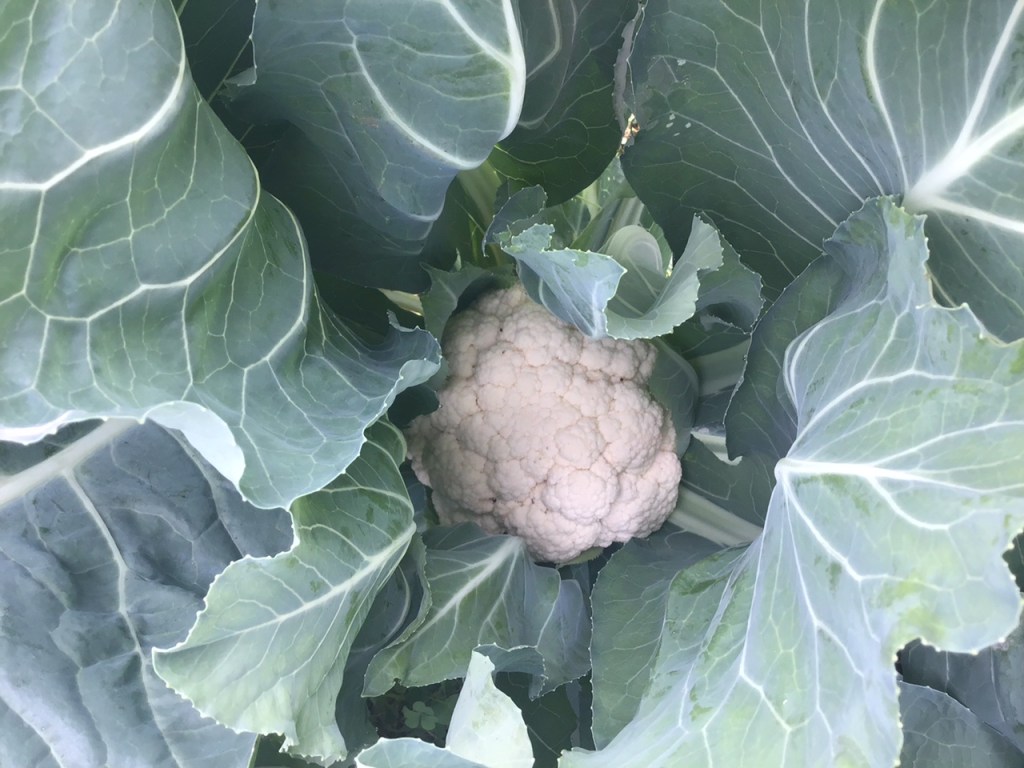
It’s been unseasonably warm for us so far, with regular episodes of more mild weather whiplash than in recent past years. I suspect that’s about to change, so here’s the garden as it’s growing now.
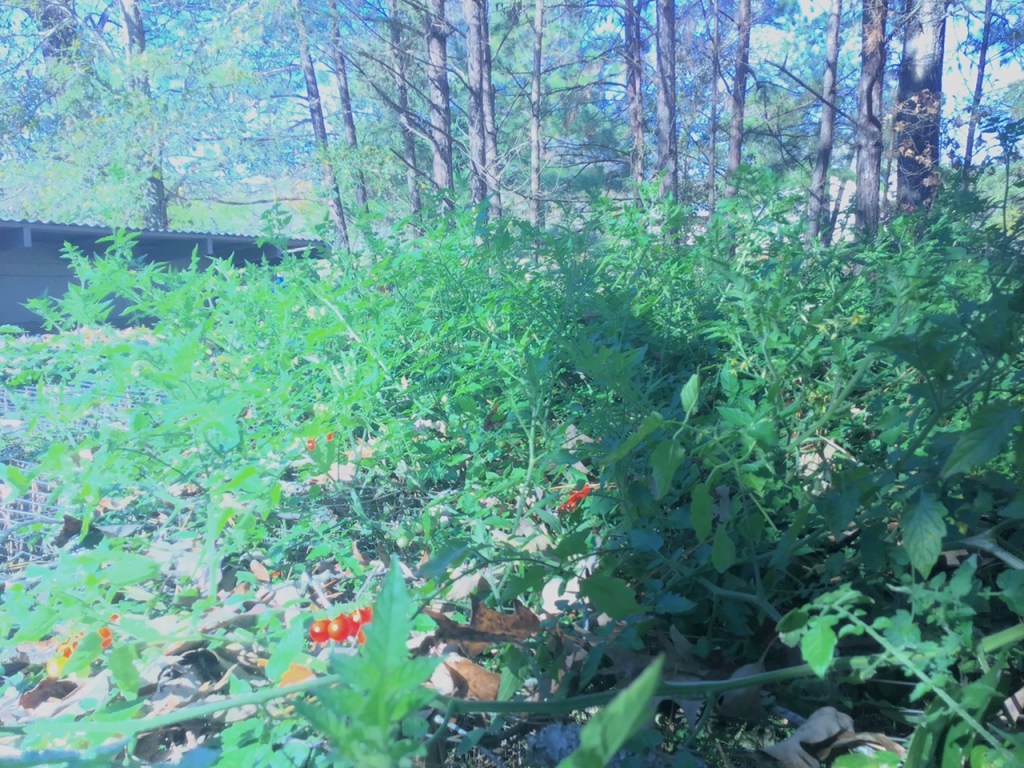
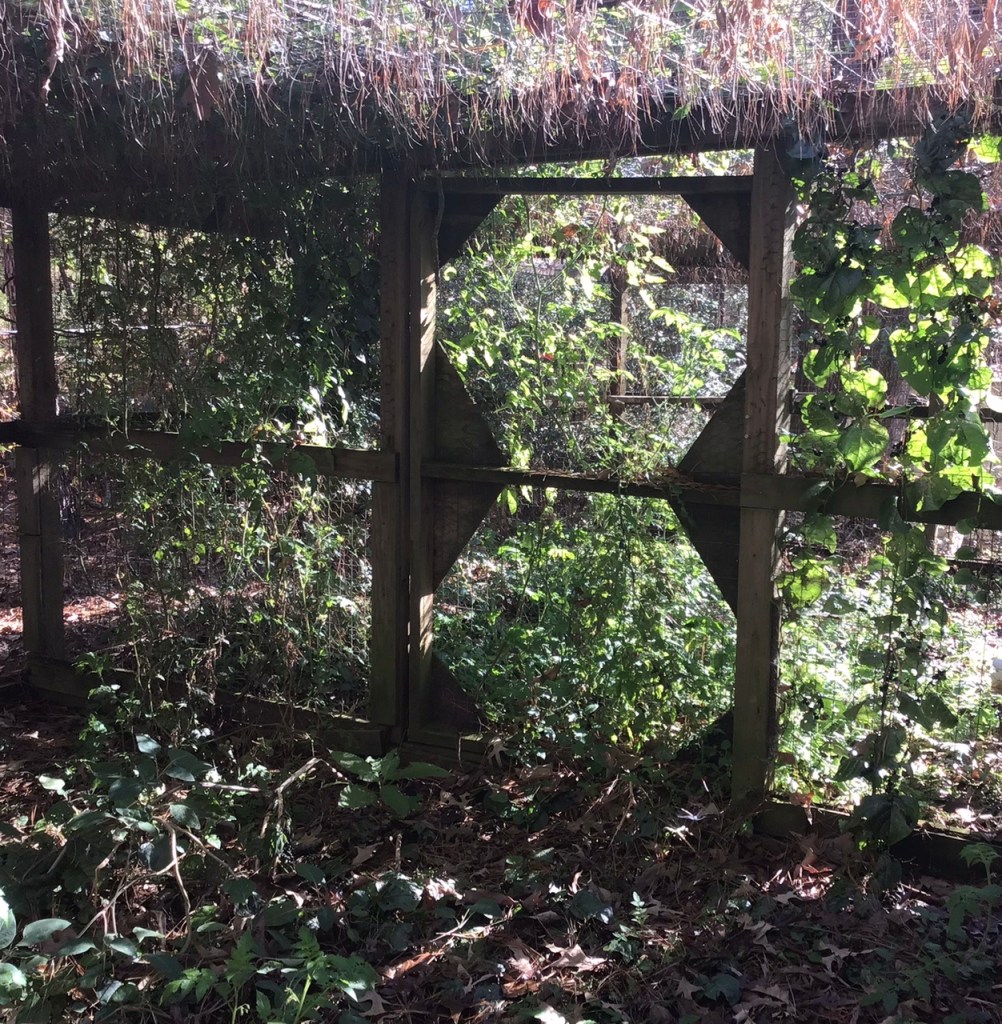
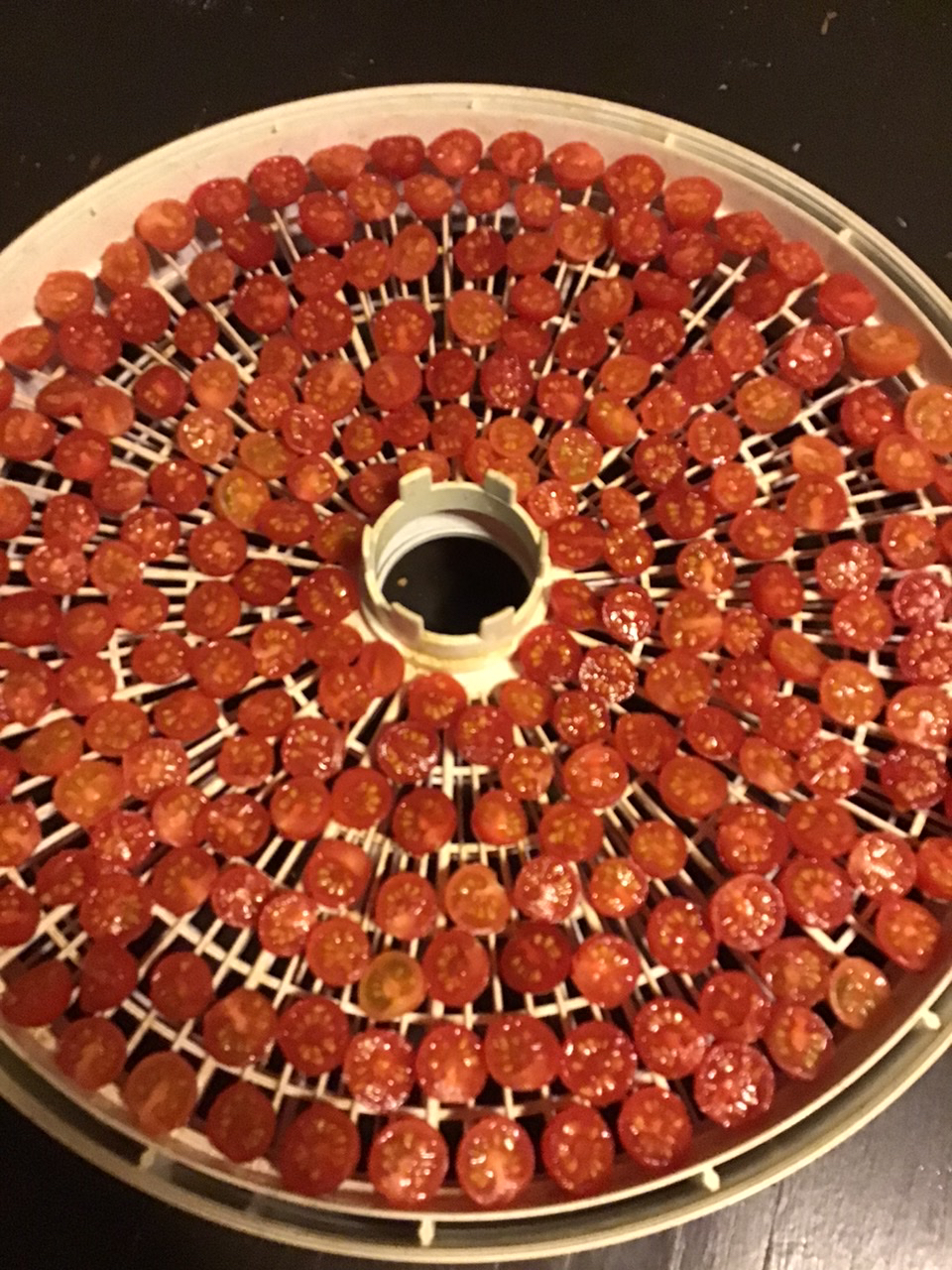
It’s a first for fresh tomatoes in December around here! We are still harvesting from the ‘volunteer’ tomato jungle growing in the duck coop. It looks so pretty and is producing much more than we can munch. Even though it’s tedious work, I dry them. They come out delicious that way and can be added to all sorts of dishes or made into a pesto.
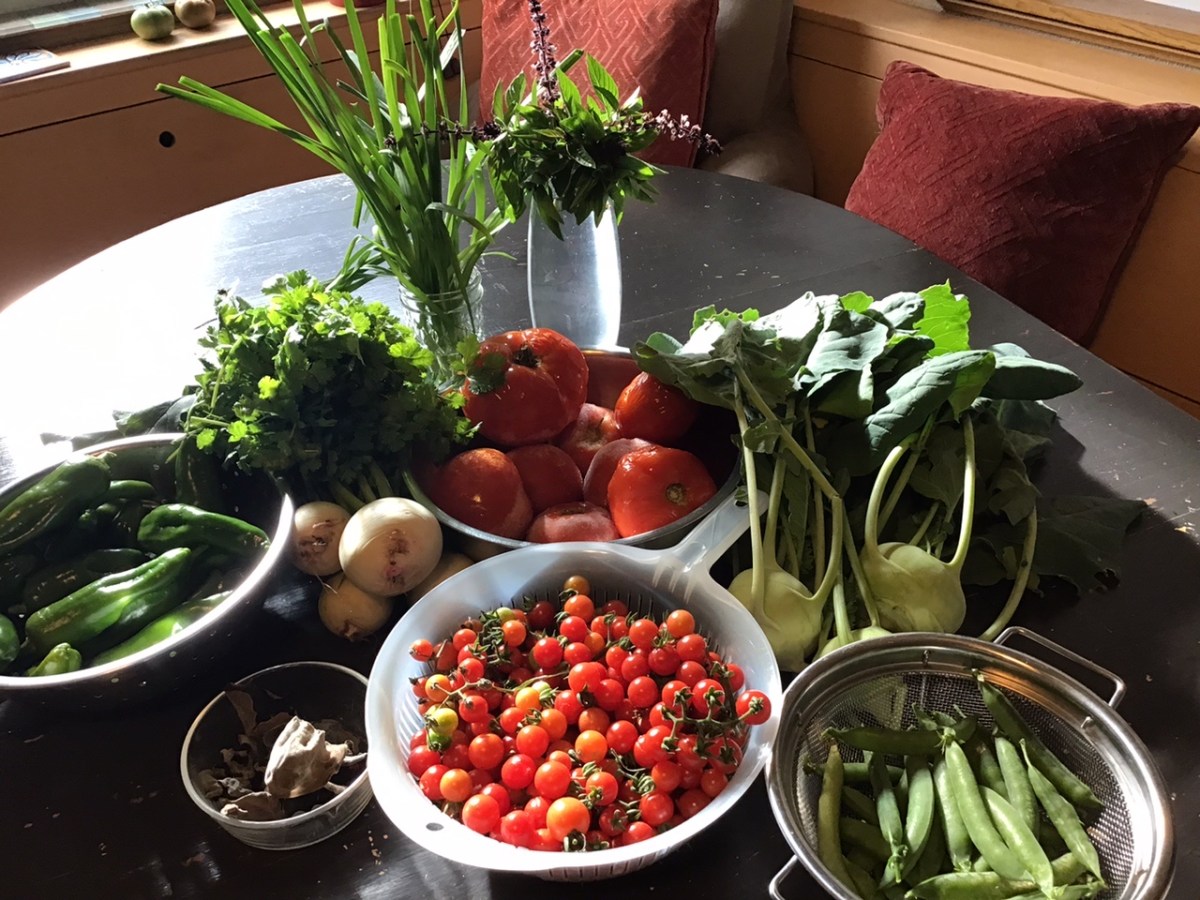
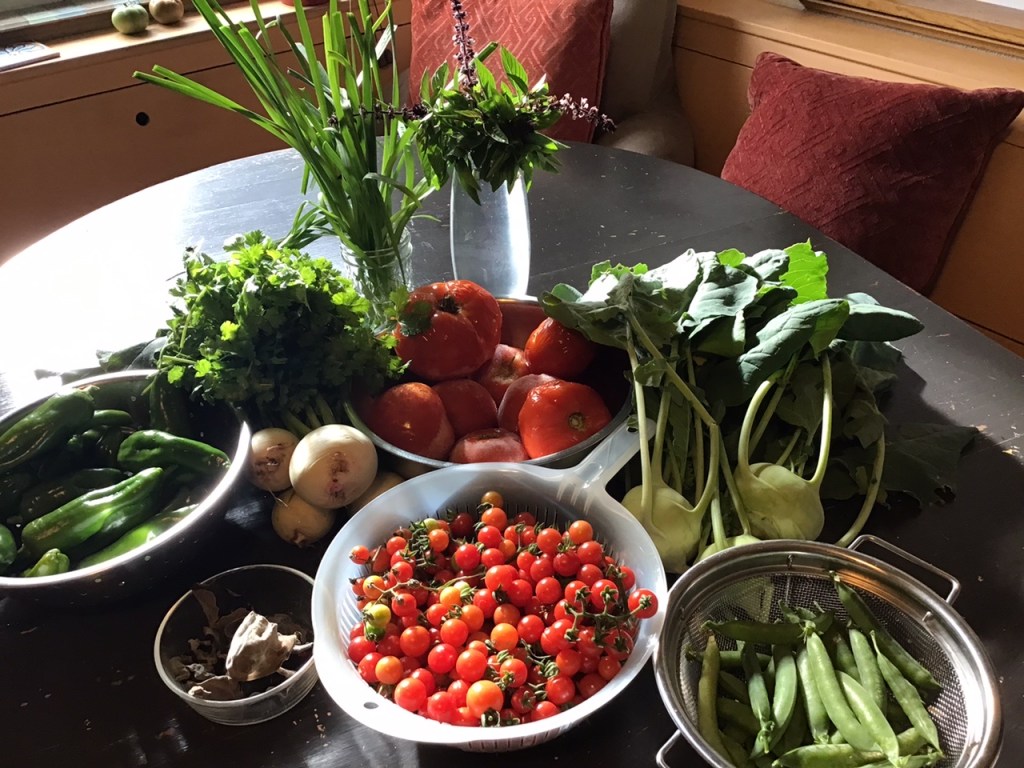
The large tomatoes pictured here are previously frozen. Freezing the surplus in summer solves one big problem around here: the tomatoes come ripe after the cilantro has gone to seed. To me, salsa without cilantro is like a bed without pillows! Now the cilantro is growing like gangbusters, and we still have fresh peppers (another first!), so we get nearly fresh salsa in December too.
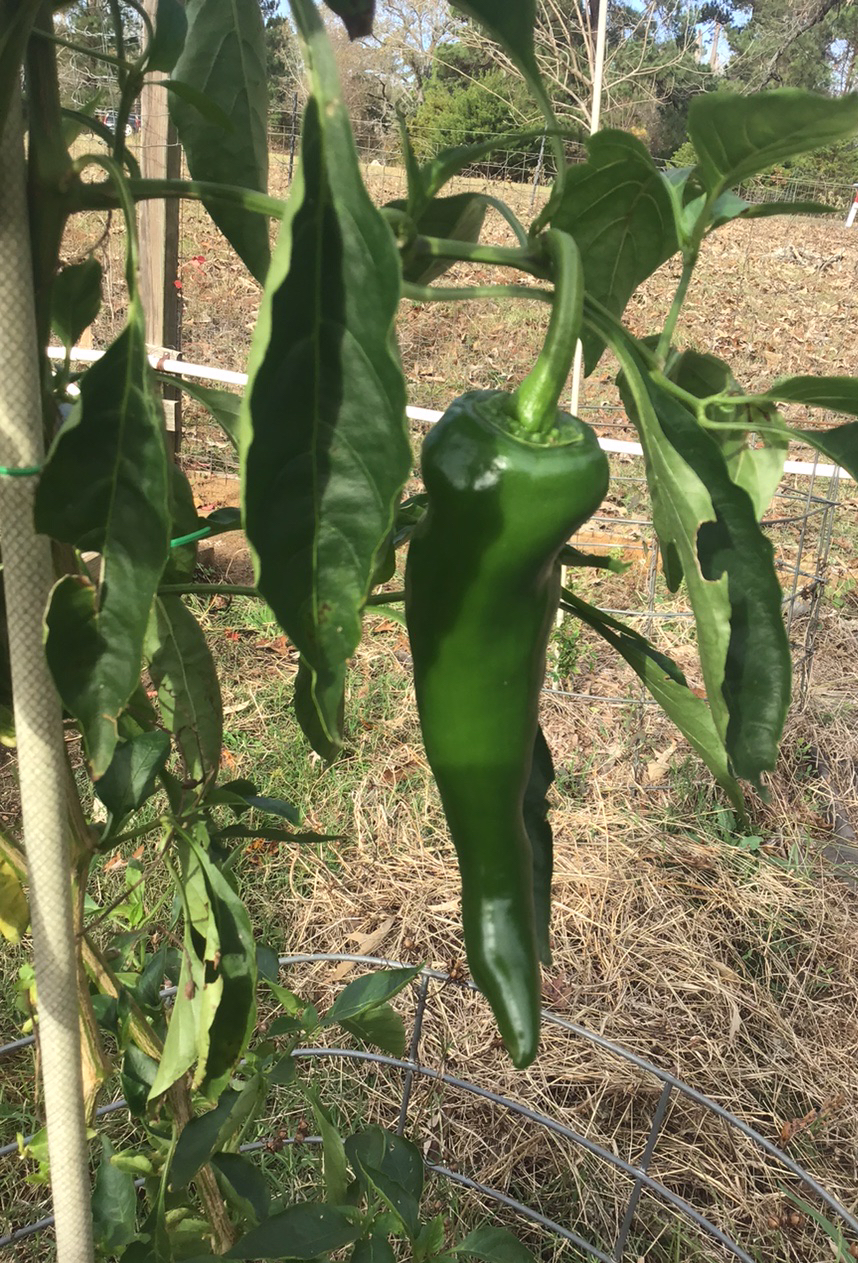
With the peppers still growing strong that means in 20/20 hindsight I should not have moved a couple of them last month to winter them indoors after all. Where’s my crystal ball when I need it most?!
Turnip greens are growing faster than I can keep up! I over plant so the sheep and goats get some extra greens and the pigs love the roots.Happy garlic started sprouting All our favorite fall crops are doing fabulously! I plant very heavily then thin when they are still small, but big enough to enjoy. Can’t do that on a factory farm! I also don’t weed out the ’weeds’ —like chickweed and hen-bit—unless they are badly encroaching on the crops. They are edible after all and once they flower the bees love them too, at a time when very little else is available to them. This has the added benefit of habituating the bees to scout the garden all year round.
Now that’s a radish! I love all radishes, but the Korean radish is seriously impressive.
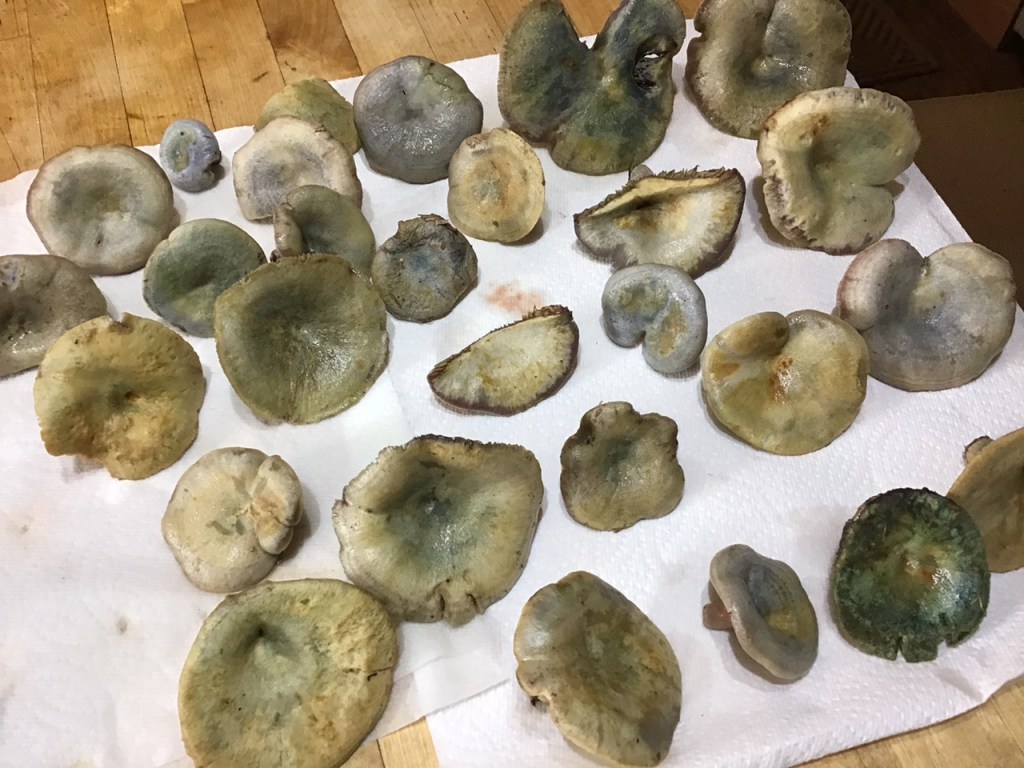
The mushrooms continue to marvel me! First we had chanterelles nearly all summer, now we have delicious ’wood blewits’ (clitocybe nuda—ok that sounds a bit pornographic, no?!) and tabescens, and lactarius paradoxus. Also pictured are either the hallucinogenic ’laughing Jims’ (Gymnopilus spectabilis) or the highly toxic ’Jack-o-lanterns’ (Omphalotus olearius). The latter I give to a friend who uses them to dye yarn. The former, if I were 100% sure of my identification, I might be inclined to try! Apparently you can tell from the spore print color, either orange or white. But, what about when it comes out whitish-orange? Too risky for me!
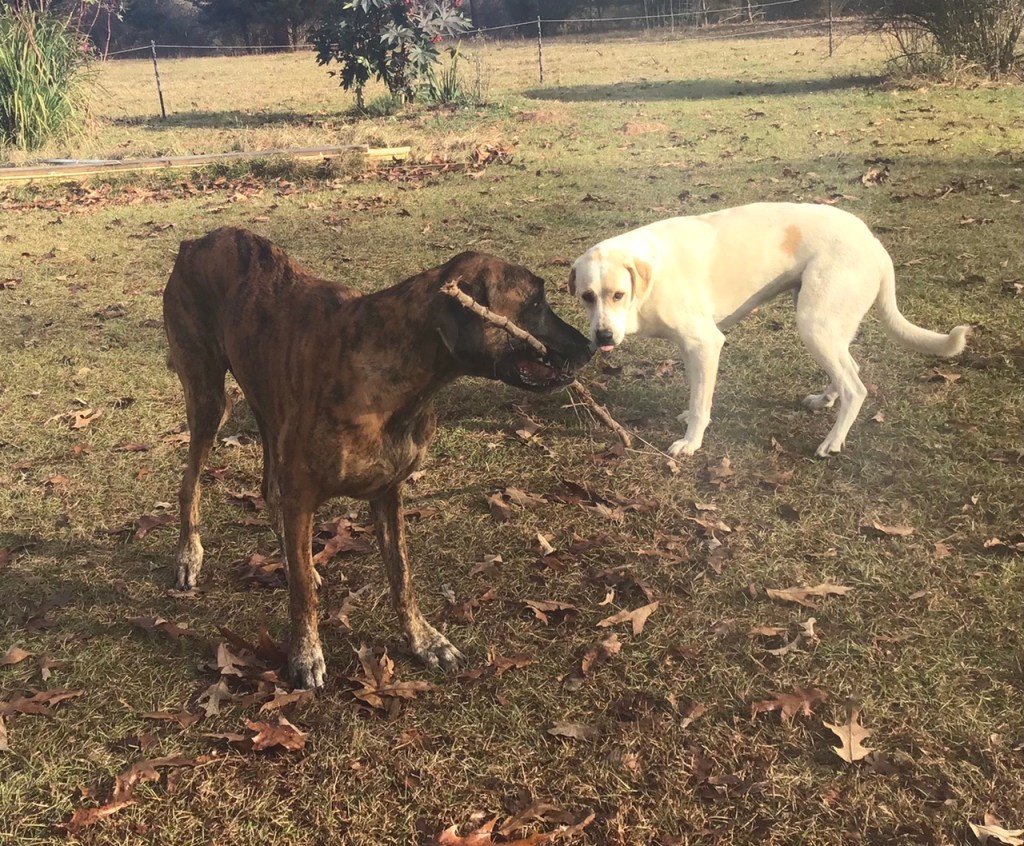
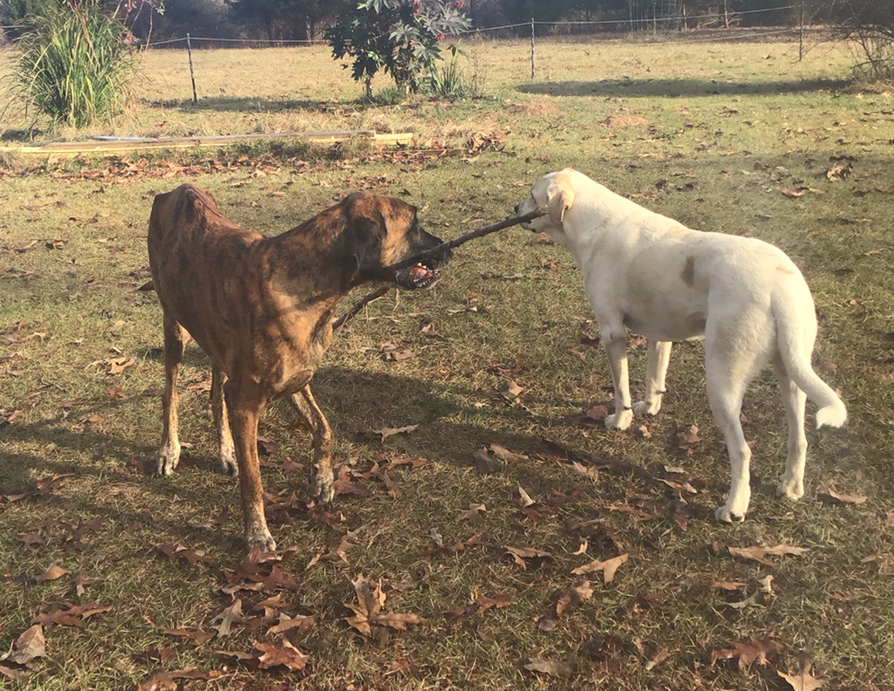
The cooler temperatures make even our old dogs feel a little frisky!
Play time!Who’s gonna take me on!Come on, chump, make my day!Just as I expected, you wouldn’t dare! 🙂
The remarkably prolific Jim Lee is singing my tune this morning! It’s a terribly complicated issue, no doubt. I agree 100% with his sentiment—I want to see it ALL banned. But I know banning doesn’t work. I know there’s FAR too much money to be made in this industry and all those surrounding it to pretend it’s a fight we could win.
At least, I agree with Jim, an accountability act is a solid footing to start with that would increase public awareness and bring many of the parties involved to the same table. Or, the same ballpark anyway. And, of course, keep it out of the hands of the forever-scheming and criminal U.N.!
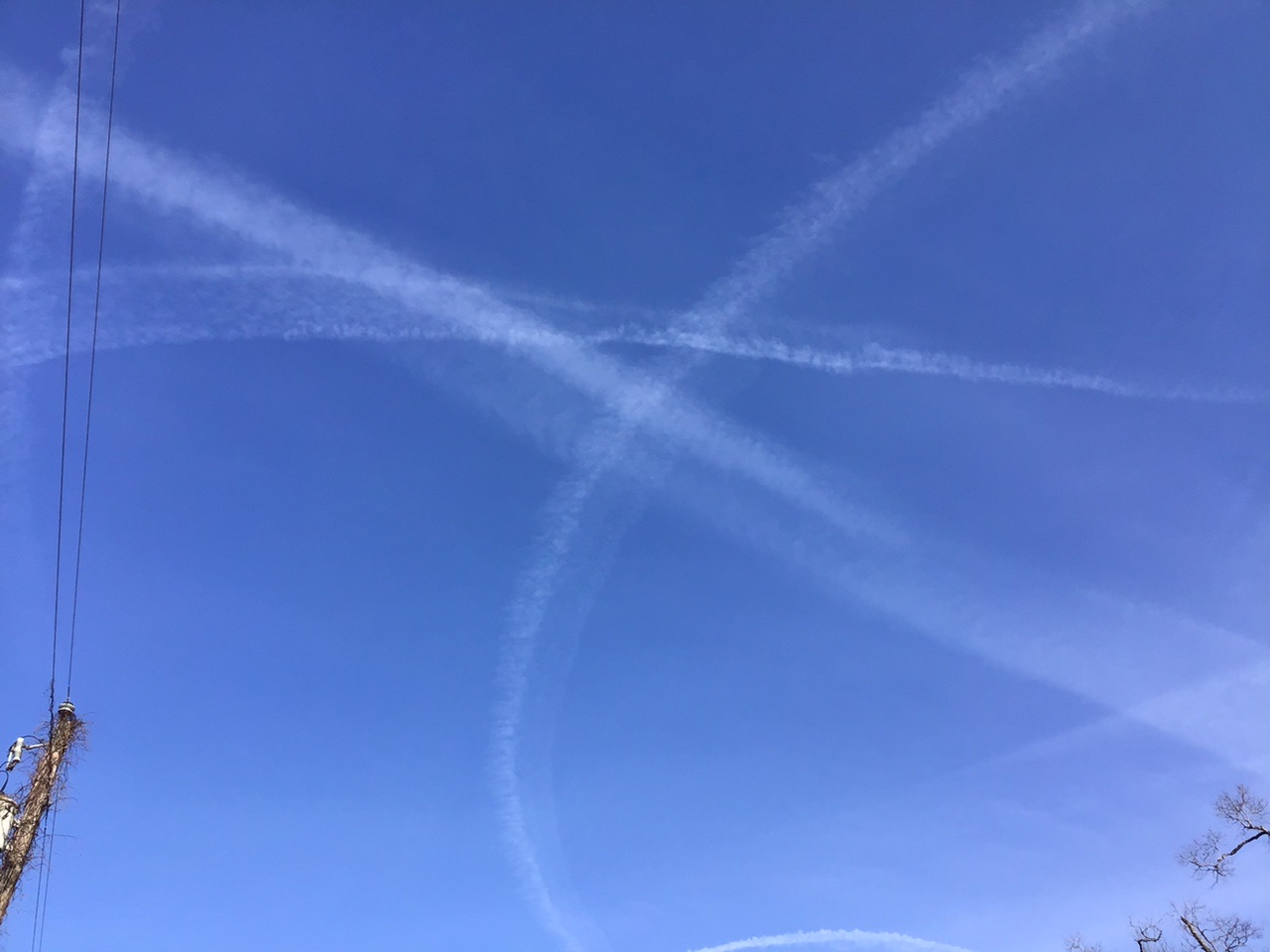
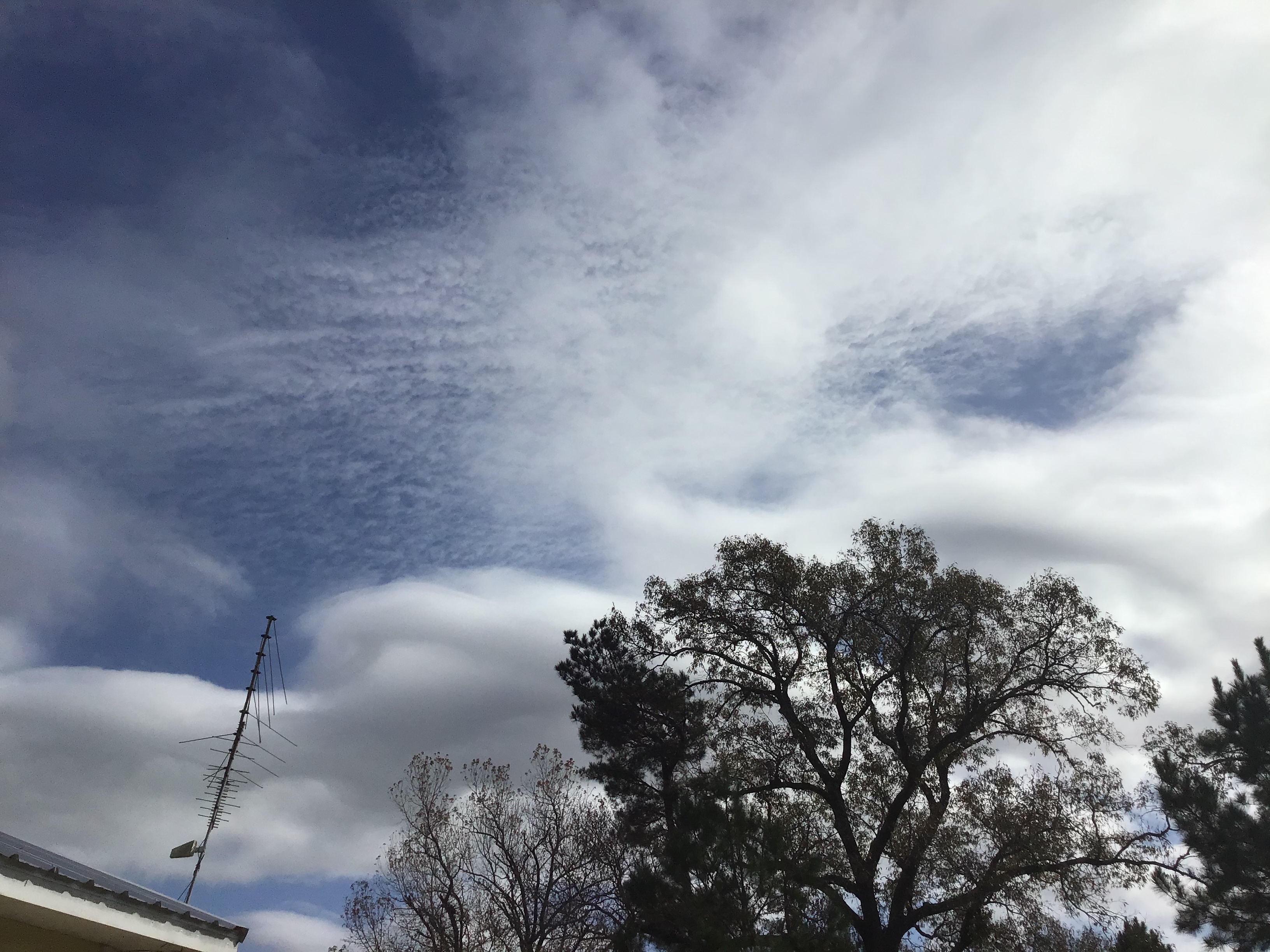
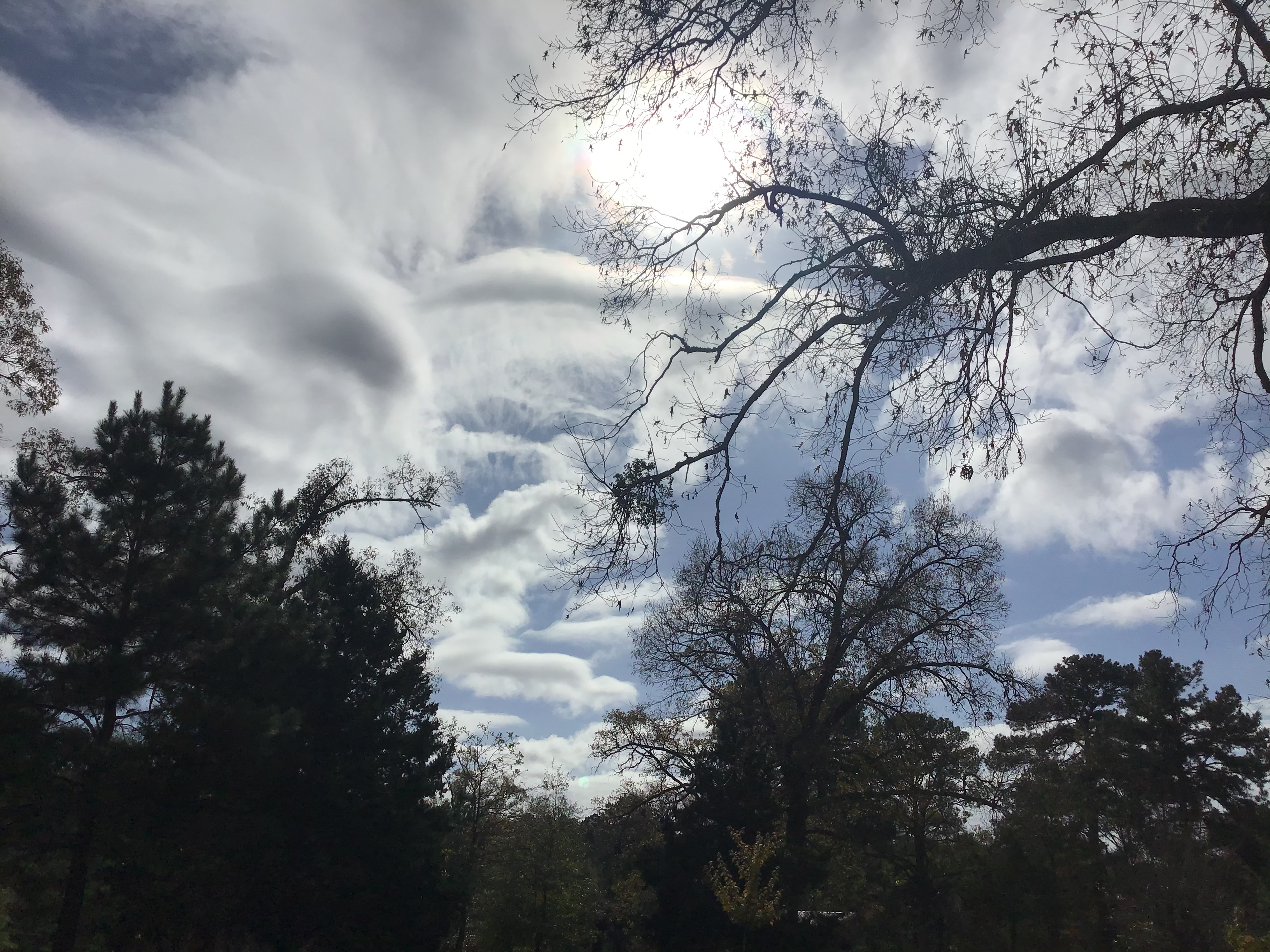
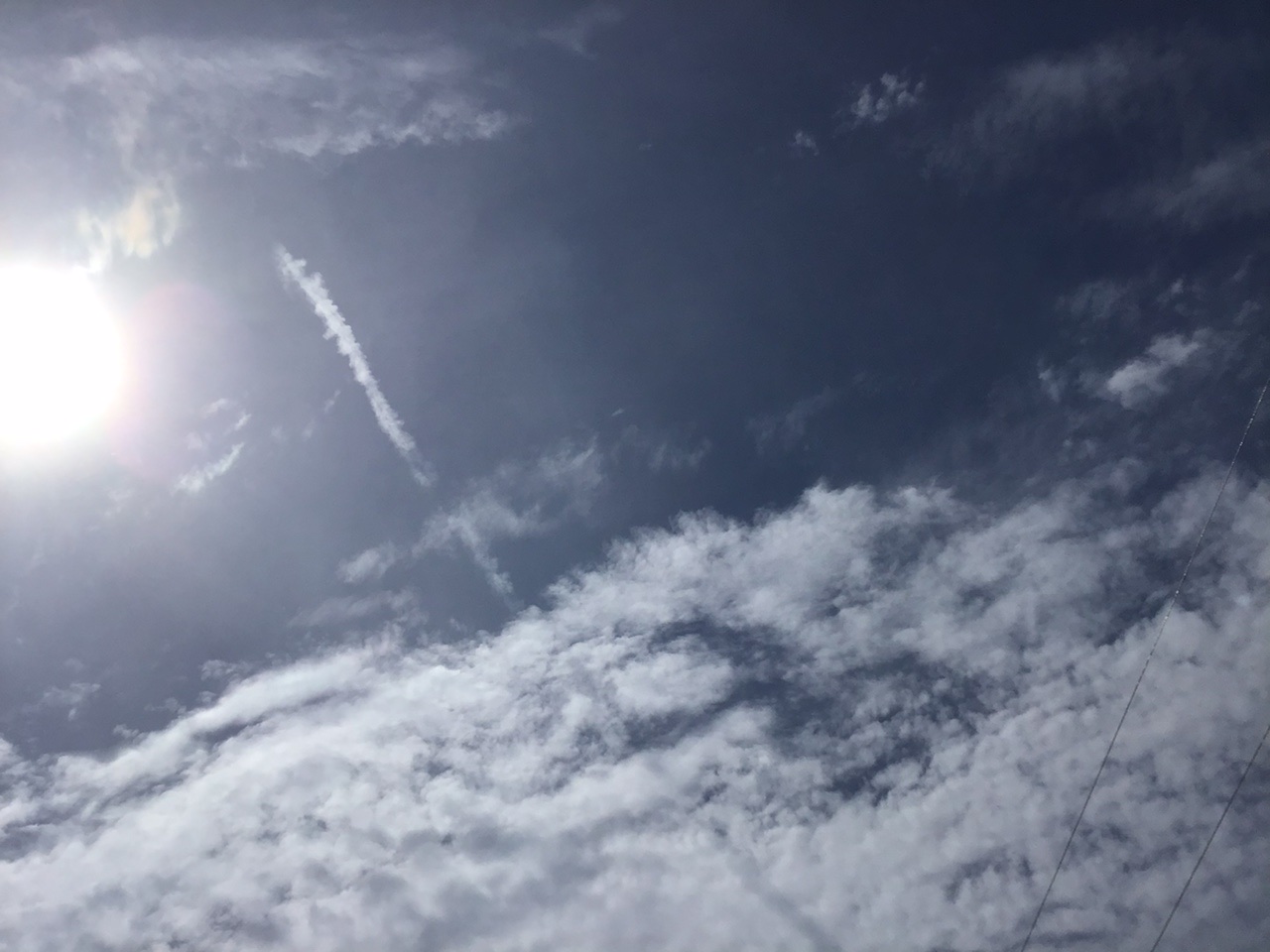
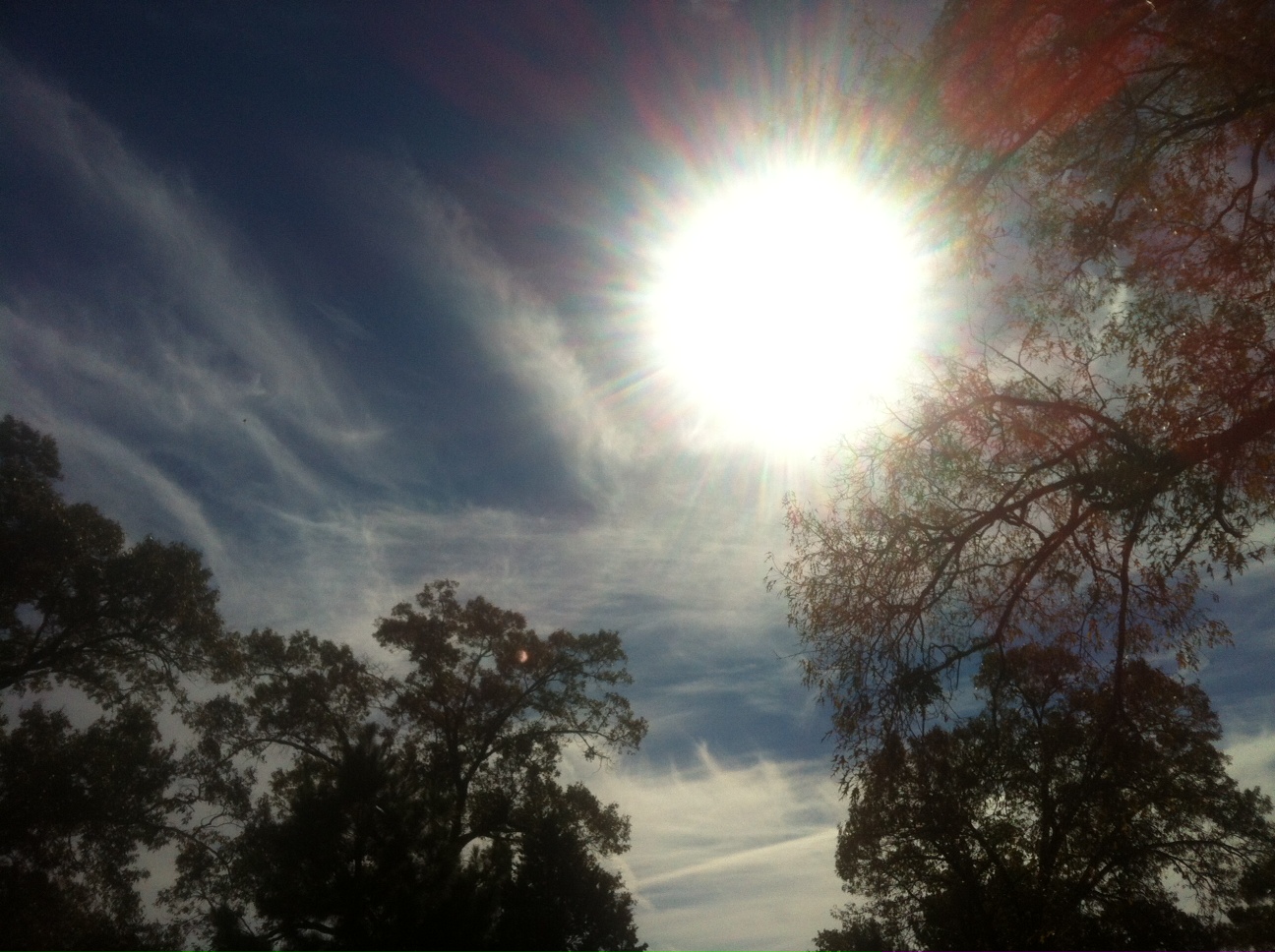
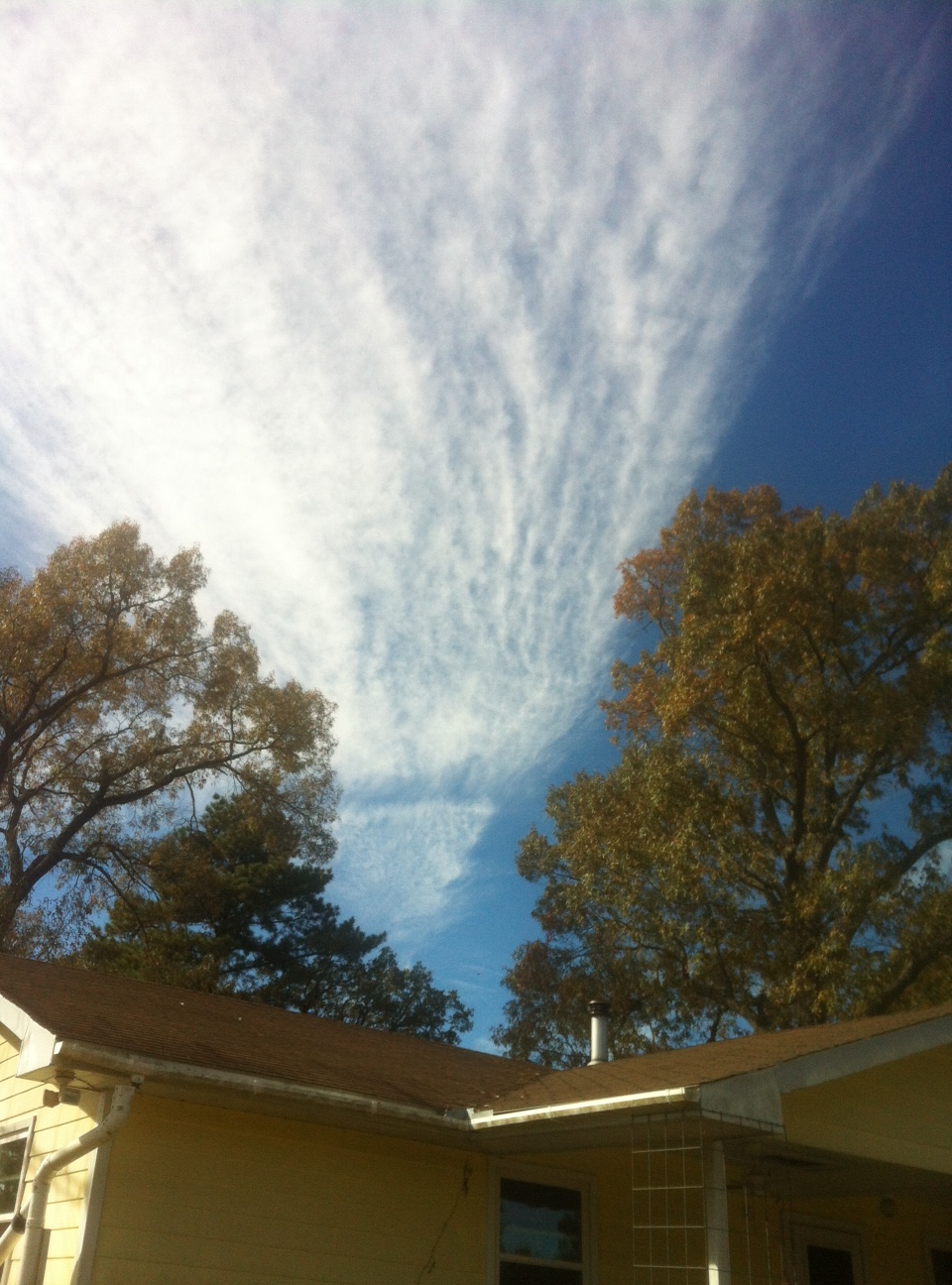
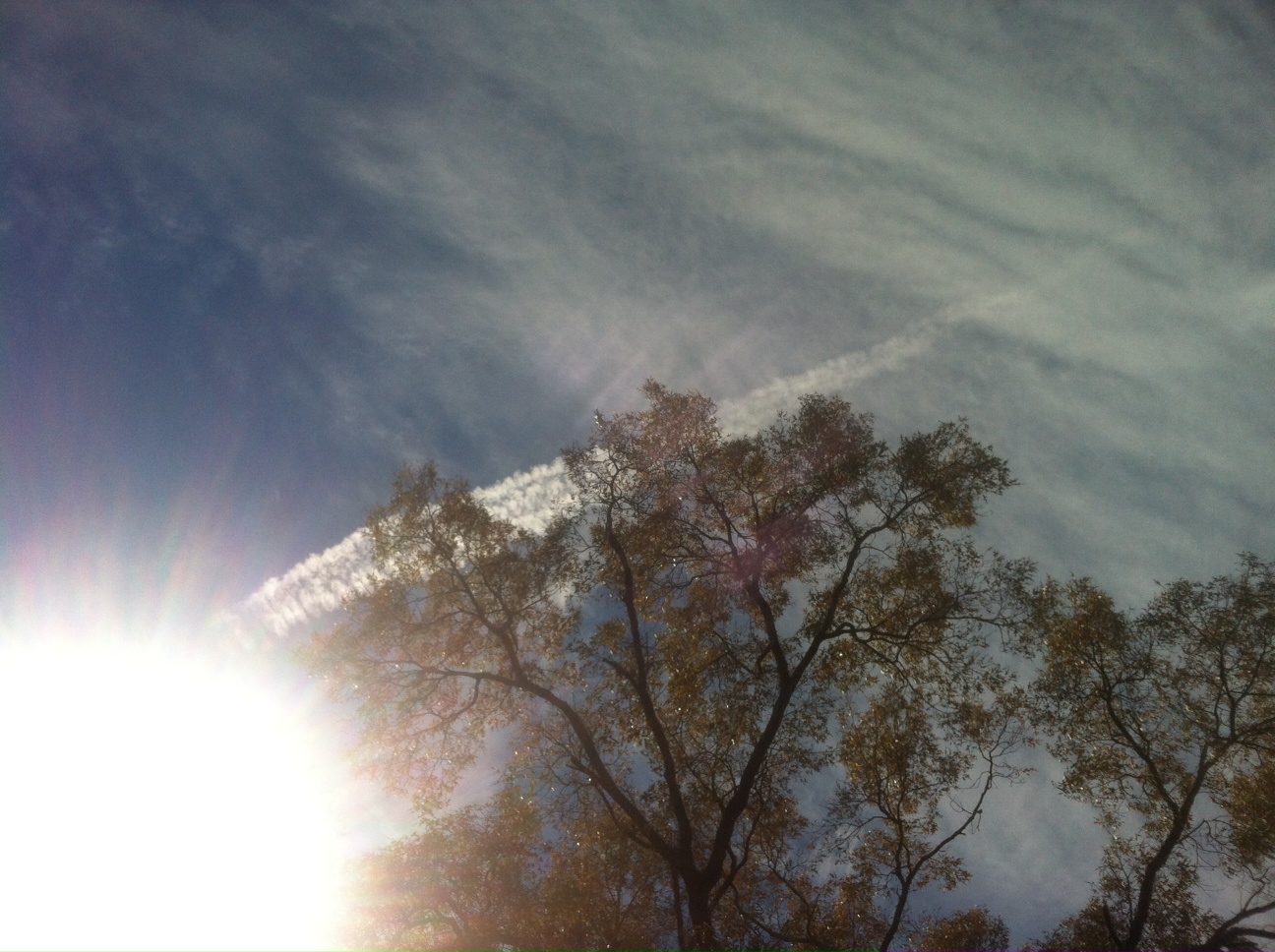
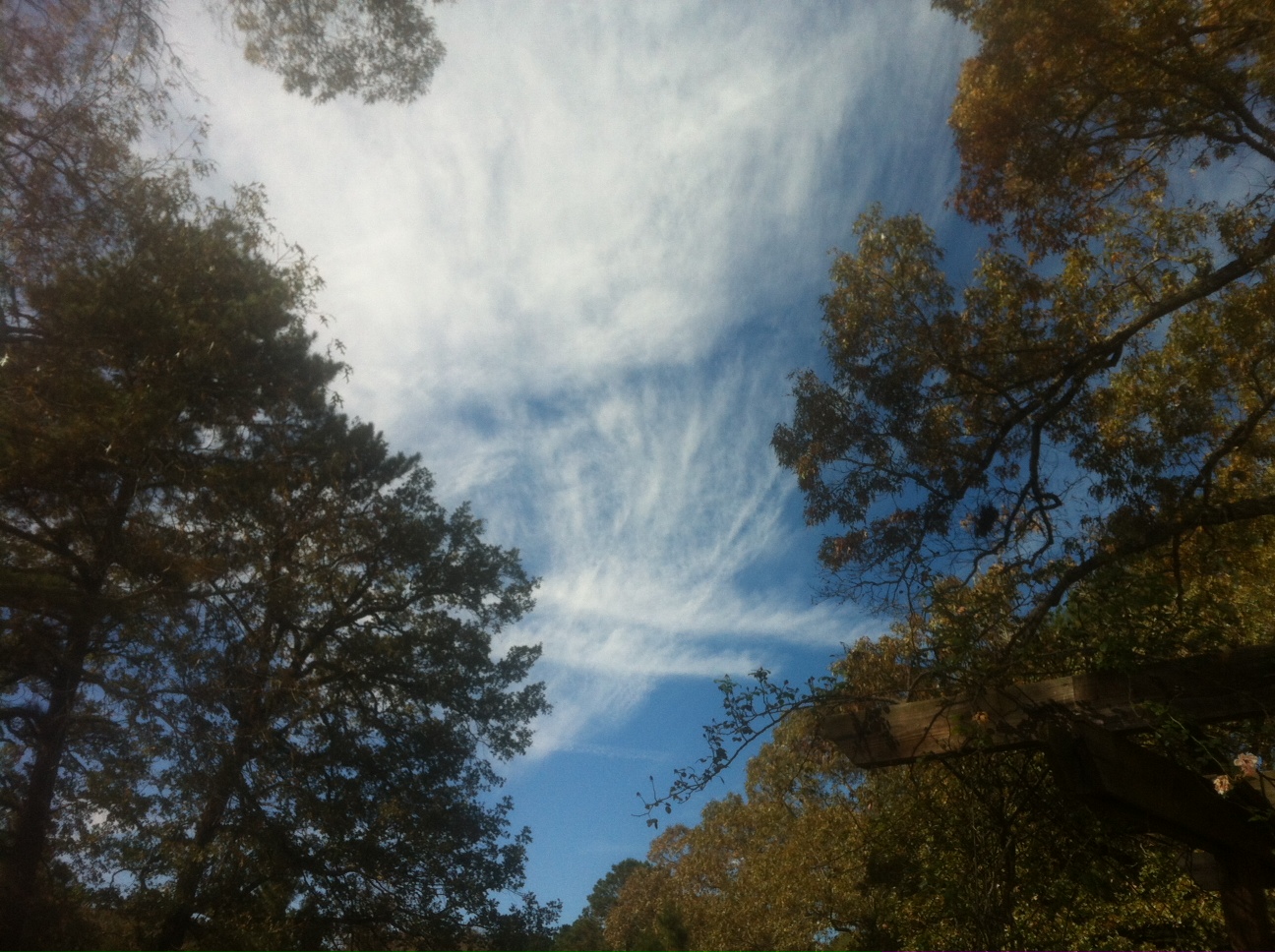
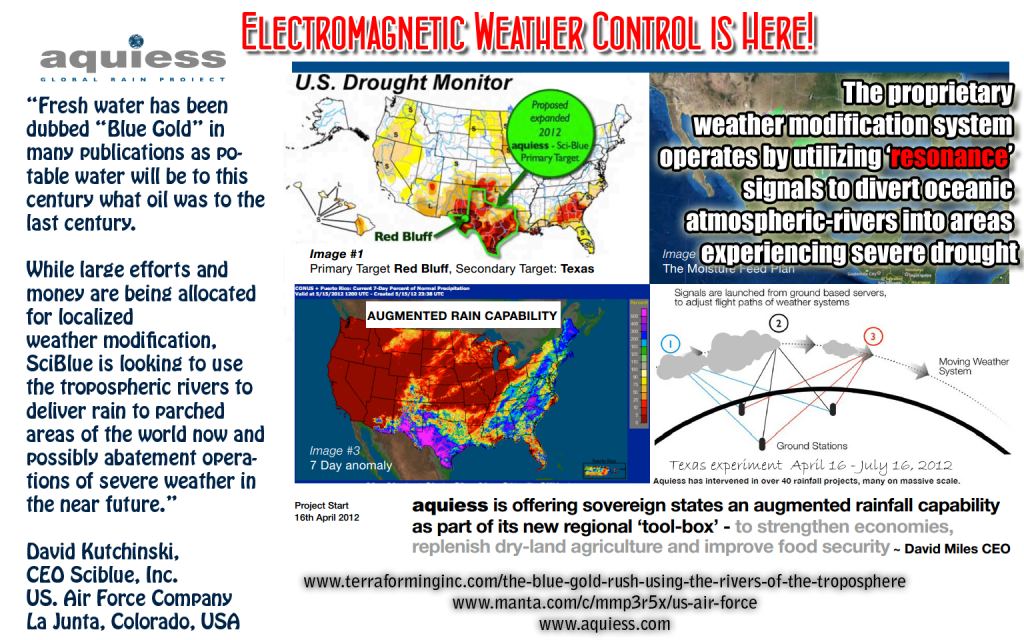
I’ve been trying to talk with folks about the fake clouds and the fake weather for so long now that I’ve been able to witness my personal growth on the topic.
One of over a dozen, one year later. Eventually they sort of look like yard art.
At first I was simply appalled. Seriously?! How on earth can you NOT see it? It’s so obvious to me and has been for so long it’s like when I discovered real cheese and real beer for the first time, in Europe. That was over 30 years ago, when I’d only previously tasted individually wrapped Kraft American cheese slices and a few sips of my step-dad’s Bud Light. It was a revelation. I could never again feign a taste for fake cheese. Of course, I went on to uni and drank plenty of fake beer.
(Yesterday (11.30.2021) from morning to dusk. Some of us can not only see it, we can smell it and feel it and have palpable physical reactions to it—like allergies, cough, vertigo, etc. We’re called ‘sensitive’ in the pejorative and told we’re crazy and to take more meds.)
One can argue that the cheese, the beer, the clouds are not ‘fake’ and I understand that position. Just because they are mass produced and have very little in common with the original doesn’t mean they’re fake. I’ve tried to find a more descriptive word—imitation, manufactured, chemically-concocted, disgusting—but the word choice doesn’t seem to matter anyway, folks just don’t want to hear it.
So I took some well-meaning advice in trying on some new tactics in years past. Don’t say ‘chemtrails’, use the science terms—albibo enhancement by stratospheric sulfur injection, solar radiation management, climate remediation, etc—that way when folks look it up online they don’t get lost in ‘conspiracy theory’. If anyone has yet to research anything thanks to my posts, comments, rants, or suggestions, I have yet to hear about it.
Then I tried some advice from the ‘communication-expert’ types: say 5 positive things for every negative one, ask more questions than make statements, don’t get flustered, never let them see you sweat. Problem is, that requires I fake it, which I loathe doing. Not to mention, in my opinion there doesn’t exist 5 positive things about geoengineering and when I’ve tried to fake it, the teeny, weeny, little negative gets lost in all the “positive” and no one hears it anyway.
I’ve come to the conclusion that simply, very few folks care, for the same reasons they don’t care if they’re eating fake cheese, drinking fake beer or touching fake boobs. The simulacra is good enough for them. They prefer it even. Like the time I was giving landscaping advice to an acquaintance. She wanted some ‘curb-appeal’ plants. Her requirements were that they look good all year, never drop any ‘mess’ on the lawn or sidewalk, and require zero maintenance. “Ah, so you want some plastic plants then,” I replied. That’s where we’re at as a culture, and I accept that.
But as long as I live I will NEVER stop complaining about it, ranting about it, or praying it was different, or trying to change it all back to its natural state.
Even if I never reach a single soul or gain an inch against the tide of insanity.
For I hold that which is more fascinating than all the revelations on the Worldwide Web.
For I know what’s more delectable than the greatest feast any queen was ever fed.
Home-raised and home-made by just little ol’ us: 2 cheeses, pig liver pate, sourdough rye, olive oil pickles, radishes and green onions, persimmon kombucha.
For I have felt the pleasure of the task done only for her most dear.
For I have touched the archaic wisdom without fear.
For I have sensed the eternal crafted long before His key.
For fascination is my daily bread living this great mystery.
How ya gonna keep them wrapped in illusion once they’ve touched reality?
“He’s not Covid, he’s just cold.” Graham Chapman & Terry Jones from Life Of Brian 1979. Image Credits: Warner Brothers/Getty Images/The Covid Physician From a UK doctor… I encourage you to read the entire article. I’m shocked. ~Vic What has been witnessed in the last two years is not medical science. It is the death […]
https://original.antiwar.com/?p=2012344472 by Matthew Hoh The US supports nearly 75% of the world’s dictators, autocracies, monarchies, military regimes, etc., with weapons, military training and money. Please remember this the next time someone tells you the US should do X or Y because such and such a nation is bad… Comparing Freedom House’s list of Not Free […]
I am so thankful today! Every day I say my gratitude mantras for all that has manifested in my life, all that I’ve been able to co-create with nature, my friends and family, and the Great Organizing Dynamic.
Since today is such a special day and everyone is talking about gratitude I thought I should write the list down so I never forget. How incredibly dull my life would be without all these fantastic challenges to overcome!
I’m so grateful I find so much inspiration in the shitshow we call Normal Life in civilized society. Like . . .
I’m so grateful I have the privilege of helping to pay for, and clean up after, ‘my’ government and their corporate interests. It’s such a pleasure to make apologies to my overseas friends and strangers alike for our warmongering and resource grabs around the world. I like to fortify myself daily by reading the most scathing reports available concerning our behavior and how good we are at pissing everyone off.
I’m particularly grateful I’m not a victim. Victims are so not good company. Also, this makes the perpetrators feel much better and I know they really need that. No one likes to feel guilty or ashamed of their abuses. I’m so pleased when I can spare them that unpleasantness.
I’m happy each day when I see the sky covered in artificial clouds that spread out and cover the sun and then watch how miraculously the weather changes considerably in less than 2 days. Yo-yo weather is every bit as fun as it sounds. It gives me great peace of mind when my joints are aching from the rollercoaster pressure variables that at least I know why it’s happening and that I only have to suffer for 2 or 3 days, until a few weeks later, when the magic clouds come back. I know how important it is for man to engineer the atmosphere and it gives me great pride to suffer on their behalf and to do my part for the greater good.
I’m so blessed by the ample choice I have in allergy and dis-ease management medications and the routine advice given by experts and professionals that is so clear and consistent and helpful. It’s so wonderful to feel so loved and cared for by the government and their successful industry partners.
I’m so thankful for all the folks who see opportunities instead of problems. It is such an exquisite growth opportunity for me personally, because where I see disaster capitalism they see weather futures; where I see exploitation they see the economy reimagined. I agree with them that I must be selfish, immature and playing the victim whenever I can’t see immediately how right they always are.
I’m so thankful that with man’s technology we can finally fix everything Mother Nature can’t seem to get right. Ultrahumanism and Planetization sound like the perfect augmentation for the heart and mind. I feel our spiritual goals are so aligned and that really helps with my meditations and gratitude mantras they were so thoughtful to teach me.
Ladies! Welcome! Welcome! We are so thrilled to be here for our 6th Annual Love Conference!!!
We’ve got some great speakers lined up for you today, the brightest stars in the business—Merry Willy, Liza Lotta, Toni Ruburson and our feature speaker—the one and only, Opur Winey.
And of course there’s our Breakdown-2-Breakthrough breakout workshops throughout the day, so let’s get started right away!
You’ll all find slips of paper there in front of you and I want you all to write down your first name and 6 words or phrases you associate with LOVE, plus one of your favorite songs about LOVE. There are no wrong answers, it’s all about YOU and your experience!
You have 10 minutes before my assistant will collect them and I’ll read them for the group.
Ok ladies, well done! So, let’s see what we’ve got here.
Joy’s slip: passion, romance, tenderness, compassion, forgiveness, family. Oh that’s wonderful, Joy! And her song is: All You Need Is Love, by the Beatles, of course!
Katy’s slip: hate, betrayal, misery, lies, gaslighting, obsession. Ok, thank you for that, Katy. And for her song we have: Back to Black, Amy Winehouse, yes indeed.
Marjorie’s slip: confusion, loss, fatal attraction, pain, shame, manipulation. Her song choice: Ball and Chain by the legendary Janis Joplin.
Becky’s slip: sex, power, money, fame, sex again, chocolate Her song choice: True Love by, um, Pink? Hmm, don’t know that one.
Seven hours later . . .
What a fantastic group you’ve been! We’ve all had such a wonderful time and I know you feel exactly how I feel.
Thank you all so much for gathering today with our favorite Love Bombers!
Love truly is the answer to all our modern problems. We are all One in Love. Isn’t it miraculous to know that we can all agree on love! And we can end war, poverty, cancer, drug abuse, you name it, because we truly believe love conquers all!
Now I want you all to go out and spread the word about the power of Love to Save the World!
In a world where wholesomeness, decency and honesty are ancient artifacts that were only in vogue in the 1950’s, and practiced by sexually oppressed simpleton’s, thank the gods that such jerky ways were abandoned years ago. Now, in present day Sodom and Gomorrah, nearly everything is a lie, a scam, a scheme, and the expected […]