I wonder what it is like to be a lover of life-squashing. Or enjoying the chill of boiling frogs.
Like this one CIA program among so many others You see, because life means so little to them, and power so very, very much. But it’s not about the CIA, this is so much older, so much deeper, so much bigger, and sadder, and harder, and simpler.
I don’t get it, why are y’all self-harming for him, enlighten me, please.
Because too many are too disengaged. The opposite of love is not hate, it’s apathy. It’s “I don’t know what to do, and . . .” Nothing. Let’s stop there. And have lunch. And get back to life as we know it, which is just bloody rosy as hell.
The sun will come out tomorrow. Little Orphan Annie. Perhaps Big Daddy Warbucks will tuck you in one more time. Pray on that.
You know, if you’d just get them before the age of 3, your mind control would be so, so much more simple, and effective. Just ask Mengele.
Could you be a member of a cult? The whole family thinks you’re crazy and making up lies about the absolute perfection of our existence! And being a bully to boot! #scapegoat
You refuse to see gray, insist to paint all white, well, what other choice do you give me, in this pre-conditioned slave paradigm?
But, what happened, oh so wise ROOSTERS?
A trip-up in your programming?
So very trendy now, I wonder why, and how?
Never happened. All normal, mass illusion, Disney programming, all in good fun, laugh along now . . .
Or just continue to sleep . . .just dream . . . All suits us very fine . . . .
Nowadays asking ‘what is evil?’ is a lot like asking ‘what is food?’. Folks in the modern day seem to have lost their sense of what evil actually is, just like they think Twinkies and Doritos are real foods just because they consume them, they think evil is an equally nebulous category based on shifting and subjective preferences.
This is not true at all. Evil has an objective definition and it is that which is against life. When something is struggling for life, and a person is deliberately trying to squash that life, that is evil. If that life-squashing is an enjoyment to that person, well, maybe we could call that evil-doubled.
None of us are innocent of all evil deeds, no doubt. But accountability is a requirement if we are to grow as individuals and as a culture. It should not be a question if a 300 pound adult sitting on a child as a habit while she kicks and screams and he is finding this amusing is abuse or not. If you are watching while this happens and do nothing, you are allowing abuse to happen, which is also a form of abuse. Hurt people go on to hurt people.
Hate the sin, not the sinner. Good advice? I certainly don’t wish to paint everything black or spread hate or seek revenge or tarnish good names, but I am really beyond the continued whitewashing of evil. I’m no saint, but that doesn’t mean I’m going to give evil a free pass and a sugar coating to boot.
Just being a good provider does not make a good person. This doesn’t mean throwing the entire character of the man under the bus, it means, learning from his mistakes. It doesn’t mean excusing him because he too was abused, it means facing all the evil and abuse of generations and ending the cycle at last. If he were a truly good man, that’s exactly what he’d be wishing he’d eternally be inspiring his family to do. That’s what it means to be a good person, not fun stories coated in marzipan for the benefit of ‘feeling good.’
Painting the world in rosy tones or blinding neon per your preference still does not mean there’s no rot in the cellar.
We need to get the rot out of this country. And that means we all need to grab a bucket and a scrubber and get to work in our own lives. And that means looking at the rot all around each one of us, the rot we were handed as children without our consent, living in a hostage situation as all children are, and cleaning up the Stockholm syndrome of our own upbringings.
As I recently wrote, the Caddo Mounds located in Weeping Mary, near Alto, TX, were leveled, along with loads of damage in Alto and other areas. I’ve driven there twice, it’s not too far from us, and what I’ve witnessed is still baffling to me.
I tried to take these videos, from my phone, and I do really apologize they are not better quality. I was alone and driving 50 mph and have no experience with video at all. I thought to learn some editing, try to slow it down or something, but what’s so striking is how long the damage goes on, which is why I had the music on. I couldn’t even get it all, my phone wouldn’t save/send that much. But here’s a glimpse, at least.
That’s the Neches river that’s flooded to the road. The 2nd video includes the mounds, minus the structures.
I do not believe this is a ‘natural disaster’ or a typical tornado, as has been claimed. Perhaps y’all will see what I see a bit better from the videos.
For those interested in this geographical area, and why it might be a lucrative location for some good ole fashioned disaster capitalism, I can recommend several books for further research.
Mound Sites of the Ancient South: A Guide to the Mississippian Chiefdoms by Eric E. Bowne
Bulletin of Texas Archeological Society Volume 69/1998
Land of Bears and Honey: A Natural History of East Texas by Joe C. Truett and Daniel W. Lay
It’s hard to believe, I know, but there were a few intermittent occasions when I was very well received by others.Like when my boyfriend’s best friend was a dealer of the street drug we then called ecstasy.I don’t know what they call it now.
But after a semester of that I ‘cleaned up’ and flew straight.
Anyway, it was innocent enough, and then I joined the Peace Corps, still a fresh young thing!
U.S. Ambassador’s Residence, Prague 1994
Oh I was so popular then!That was long before cell phones, but if they were around then, mine would have been buzzing all day and night, woohoo!And I probably would’ve loved it.
I imagined myself a future bonafide travel writer!
There’s a lot actually, now lost to time and even cyberspace.
Like this little one giving a wee spanking to officers in Thailand.
I like being insipid and bitchy now and I feel inspired by other previously ‘harmless’ and people-pleasing types who have been donning their snark-spirit.
From prey to threat, because, when in Rome.
Still hamming it up, Mena, AR 2018
But then, I dared to speak of subjects unpopular, and in a voice too unsavory.Unsavory is the result of swallowing the bitter pill.The obvious pleaser contract being:Coat it in marzipan and holy water and all things ‘light’, or for heaven’s sake, at least smile!
I know how to smile; I have 1,000 of them.
Teach me how to bristle again, like a teenage hedgehog, at least when they run me over in the night I’ll have humored us all first, authentically.
Something about the whole 5G rollout doesn’t pass the sniff test. I’m not saying in any way I think it’s a hoax, or not potentially dangerous, or not being shoved on us with tyrannical force, nor do I mean to criticize any of the well-meaning folks bringing this to the public’s attention.
These are folks I ‘like’ and follow and will continue to do. But, the narrative is being controlled seems to me, in that classic problem-reaction-solution sort of way. It’s like this: Get the preppers and conspiracy theorists yelling about this for a while, so they’ll cause the alarm we need to sell them all our solutions—from protective clothing, to creams and products, to new paints and covers, so they can keep themselves safe from our potentially lethal ‘upgrades.’
The reason I go as far as to say it’s a potential red herring is because there’s a huge elephant in the room that it’s distracting from which is: weather modification, geoengineering, manufactured weather, synthetic weather, weather warfare, weather terrorism.
So, I’m just going to have to keep pointing out that elephant with each new distraction hoisted on the populace by greedy, nefarious, Agenda 21/2030 planners and their leagues of minions and promoters. Thank heavens there are still amazing researchers out there making this information available, quite possibly for a very limited time.
Or, are the censorship scares up there with the gun grab scares and the Trump tweets to keep those red herrings flying?
There are many courageous and diligent men and women out there doing seriously impressive work to educate us all, and I am grateful and humbled by their heroic efforts.
Really? This is ornery? I thought, silently. Because all I did was call her out on some clear bullshit, in what I consider my usual unusual fashion, which had never garnered that word before. Anyway, I don’t consider it an insult. Especially now.
*Bad tempered, combatant* she meant. Stubborn, common usage. Actual meaning: You don’t fall for the usual bullshit I’ve been programmed to dish out.
”I don’t understand, ornery?” (me: 19th century: variant of ‘ordinary,’ damn my studies.)
“You’re no Basic Bitch!” Oh, maybe it’s closer to my studies than I thought.
“Basic Bitch?” Google: airhead, trixie, fool does whatever her man say.
OK. Great . . . thanks?
Now, this not-so-basic-bitch is supposed to feel bad because you’ve committed suicide? Guilty even? We all could’ve saved you. We tried! Not hard enough though, right?
Really?
And an Instagram post is how we are informed of our required response?
So now we are programmed to be grieving. It’s tragic. So beautiful, so young. Don’t speak ill, oh no, not now, not . . . Ever? So . . . Innocent?
Rest in peace, my almost friend, no fool for you, may you never try again.
#playednomore
Kyla: 254.258.0560 “We’re sorry, the member you have called has calling restrictions. . . Welcome to Verizon.
Psychic Vampirism, please, look it up.
The longer you forgive and forget, the longer you’ll get played.
Honeybees know the value of their venom, they give their lives for it. We know how precious is the value of the honeybees’ venom, understanding it as both cure and poison.
In natural healing bee venom is used for all sorts of cures, a number of them painful.Honeybees can be merciless, even to each other, for the ‘greater good’.
What did I find today outside one of our hives but droves of drones, those are the males, kicked out by those bossy female workers who clearly decided they could no longer be supported. They will also kill and replace an unproductive queen without hesitation.
And me, being the opportunistic and cunning human that I am, collected these evicted dead bodies in order to make Podmore, considered an exceptional traditional medicine used to cure all sorts of ailments.
Quite unknown to American beekeepers, I wonder why, considering its value? Could it be they don’t like the thought or action of collecting dead bees? Podmore
This reminds me of another big related beef I have with our current cultural climate: Weakness is not a virtue.And neither is positivity.
I like the way Micheal Tsarion just put it in his last podcast, because I think it’s spot on. Our Prozac smile culture is in a “regressed state of animated autism.”
Optimistic bias undermines preparedness and invites disaster, according to sociologist Karen Cerulo.
In Barbara Ehrenreich’s 2009 book, Bright-Sided: How the Relentless Promotion of Positive Thinking Has Undermined America, she underscores how hard Americans have been working to adapt to the popular and largely unchallenged principles of the positivity movement, our reflexive capacity for dismissing disturbing news, whitewashing tragedy as a ‘failure of imagination’ and relentlessly spinning suffering as little more than a growth opportunity.
While in fact I am writing now out of a spirit of sourness and personal disappointment, unlike Ehrenreich according to her intro, I nonetheless find much value in her final paragraph: “Once our basic material needs are met—in my utopia, anyway—life becomes a perpetual celebration in which everyone has a talent to contribute.But we cannot levitate ourselves into that blessed condition by wishing it.We need to brace ourselves for a struggle against terrifying obstacles, both of our own making and imposed by the natural world.And the first step is to recover from the mass delusion that is positive thinking.”
The bees know.
One of the very many things that fascinate me about the bees is that the Freemasons so covet it as a symbol.I can imagine there are many reasons for this, most of which will probably remain a lifelong mystery to me.
At some point the bees simply refuse to adjust any more and they swarm, this is a natural, healthy, cyclical process, which most American beekeepers try to avoid at all costs.
We seem as a culture to abhor natural processes.
As cruel as this is sure to sound, could it be that maybe swarms and cullings are natural processes for humans as well as bees?
Moving colony from nuc to permanent hive. How you like my fancy paint job? 🙂Setting up a swarm trap. Open invitation to immigrants, move-in ready!
My new honeybee hero and virtual mentor: Dr. Leo Sharashkin!
Well, I have already exhausted my resources as far as well-meaning advice from the indoctrinated, ignorant, and ill-informed. Bless their hearts.
How do we secure our future on the wee homestead where we intend to retire and eventually die when weather terrorism masked as global climate change is wrecking havoc on our livelihood and general disposition and ability to constantly adapt?
Well-meaning advice: More insurance.
So we pay for more insurance so that business in the skies and in the criminal cartels we’ve named governments can continue as usual? But that’s not racketeering?
How do we protect the land and our personal commitment and calling as individuals when the states and communities are taking guidance from compromised institutions attending to steering committees of agendas far, far away from where we call our home? And, by idiots, no less.
Agenda 21/2030 aims to abolish private property under the guise of ‘sustainable development’ and EVERY Administration in this country for decades has been on board with this U.N. program. Including the CURRENT ONE!
Typical reply: That’s a conspiracy theory.
Really? Because, they have a f-ing website, moron! Pardon my f-ing French. Just a bit testy these days. Don’t mind me, I’ll just pour me another sherry.
Apparently the economy is brilliant, according to the Trump-Train.
Well, I believe that, believe it or not.It’s elementary to me by looking at our own expenditures of the Crazy-Train Spring 2019.
Because health care costs are ridiculous:
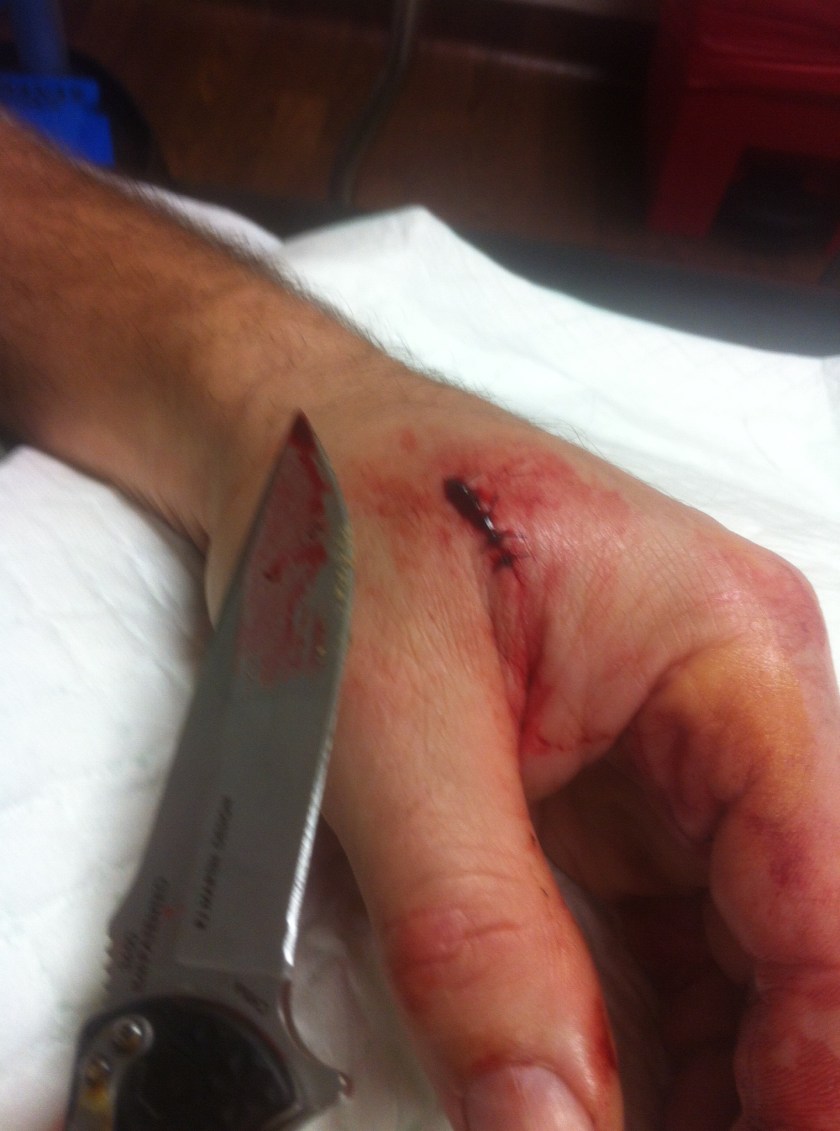
$3,700 for emergency room visit, 5 stitches to Handy Hubby’s hand.His first on-the-homestead accident/injury. Ridiculous health care costs thanks to insane policies of multiple administrations. Thanks, Corporatocracy! Great job at outrageous cost.
$4,000 new roof, thanks to increased weather modification/manipulation in our area, Geoengineering being ramped up thanks to widespread approval by the Trump-train.
$200 and counting for acupuncture treatments thanks to electricity surge on new electric meter that fried my shoulder something awful over 6 months ago. The garden is neglected, the household, too, my bad. The Trump-train loves 5G tech, bring it on! Yay!
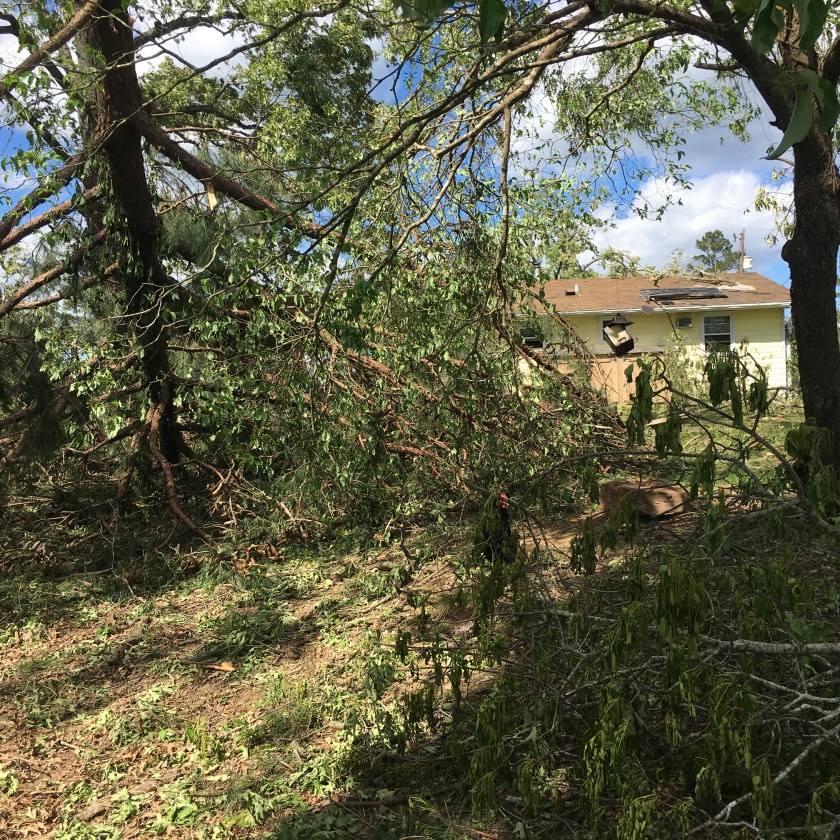
4 days lost paid work for Handy Hubby, who had to take vacation time to normalize the homestead after manufactured ‘tornado’ dropped at least 2 dozen mature trees on our property, a half-dozen right around our house. Oh, but we are so blessed, none hit me or the house or the critters. Silver lining, brilliant!
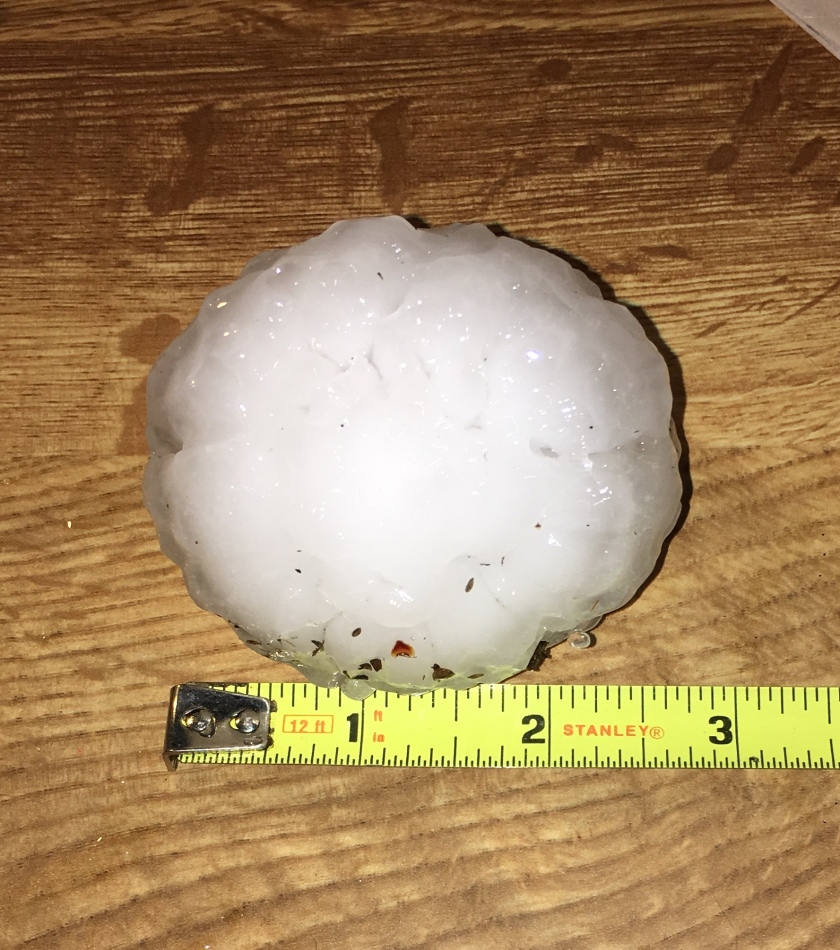
Two weeks before that was baseball-sized hail, that meant $300 on a new windshield, that had just been replaced.
And all kinds of folks and communities around our area of East Texas are spending loads of $$ on damages of their own.Markets are thriving!Thank you, sir, may we have another?!Houston is promising to be a well-spring of endless catastrophe revenues, brilliant. I bet Trump did that! Or, fairies?
That’s including exciting and constant weather whiplash all year, like a weather rollercoaster at Disney Land, resulting in no pear crop this year and a complete lost effort with many other crops in the garden that go straight to seed from the constant fluctuating temperatures. Hurray!
Common sense alert: no crops thrive in weather whiplash! (Don’t rain on my parade, bitch!)
We can no longer afford the delusions of this economy. We are downsizing. Most of our meager holdings will meet freezer camp, unfortunately, as we come to grips with survival mode.
Let’s all enjoy our eternal non-inflation in the fantasmagorical Trump economy!
Love finding a fellow blogger in the same mood as me at the moment, makes me feel less lonely.
(Editor’s note: The following is just an opinion piece. I’m getting too old to give a care about linking to every thought, opinion. fact. etc., I might present in these opinion pieces…research on your own – it’s there to be found if you care.) Or better yet…skip reading my drivel and instead chose to listen […]