Purebred Souls in a Redneck Wood?

I’ve been doing lots of research concerning the goats and so appreciate the kind help and suggestions from others.

It really is a quandary just like I went through with the bees. Treatment-free types are the anti-Vaxxers of the animal husbandry world, getting similar treatment from the established voices—that is cursed, mocked, belittled and silenced.

And that’s not the worse part, not for me anyway.

It’s far worse not being able to find honest, untainted information. The goat world, like the bee world, is dominated by the industry standards, which has penetrated into every conceivable space of our reality.

In the U.S. that means public-private partnerships that wholly infiltrate the information and therefor the society through the university system and popular organizations like the 4-H club.

Many of our best and brightest agriculture enthusiasts start very young, showing animals and winning awards based on criteria that then get distributed into general farming life. Very little attention is paid to the actual results of this process, not even the simple stuff—like considering whether purebreds are really the best option when stellar looks and trainability aren’t the owners’ top priorities.

Which got me thinking . . .

Might we make an analogy that it’s kinda like ZaZa Gabor playing a starring role in a film like Deliverance?

In other words, are we trying to raise the equivalent of thousand dollar racehorses in two-bit barns? Is that the problem? Or part of it?

“I get allergic smelling hay! I just adore a penthouse view,
darlin’ I love ya, but give me Park Avenue!”

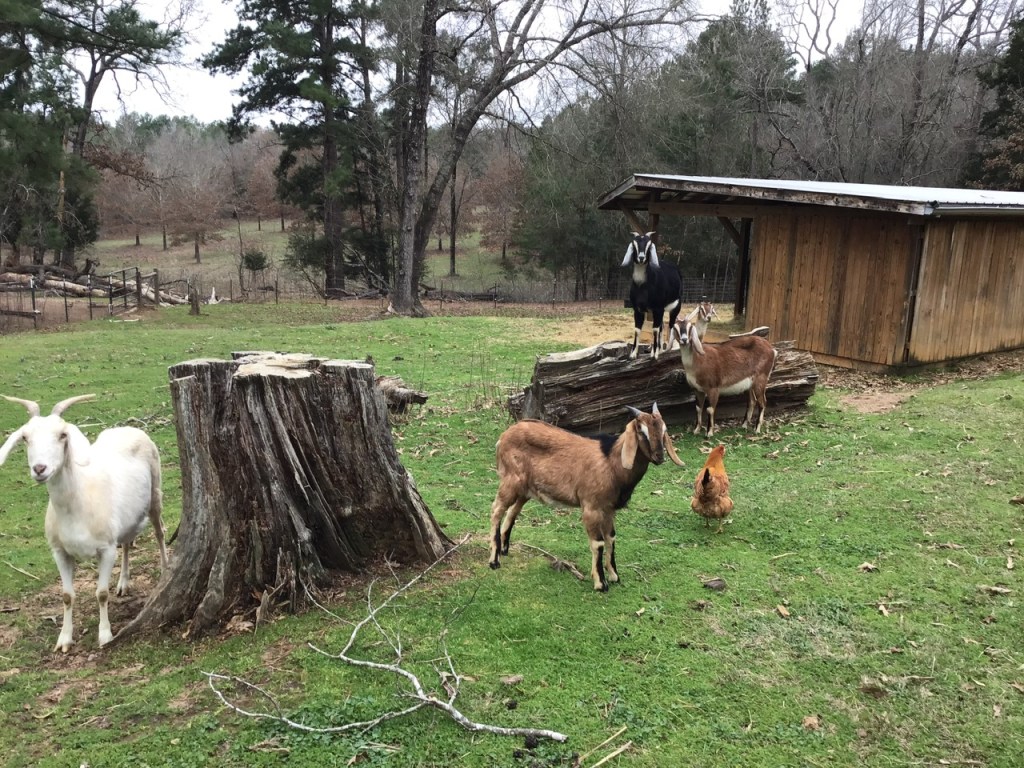
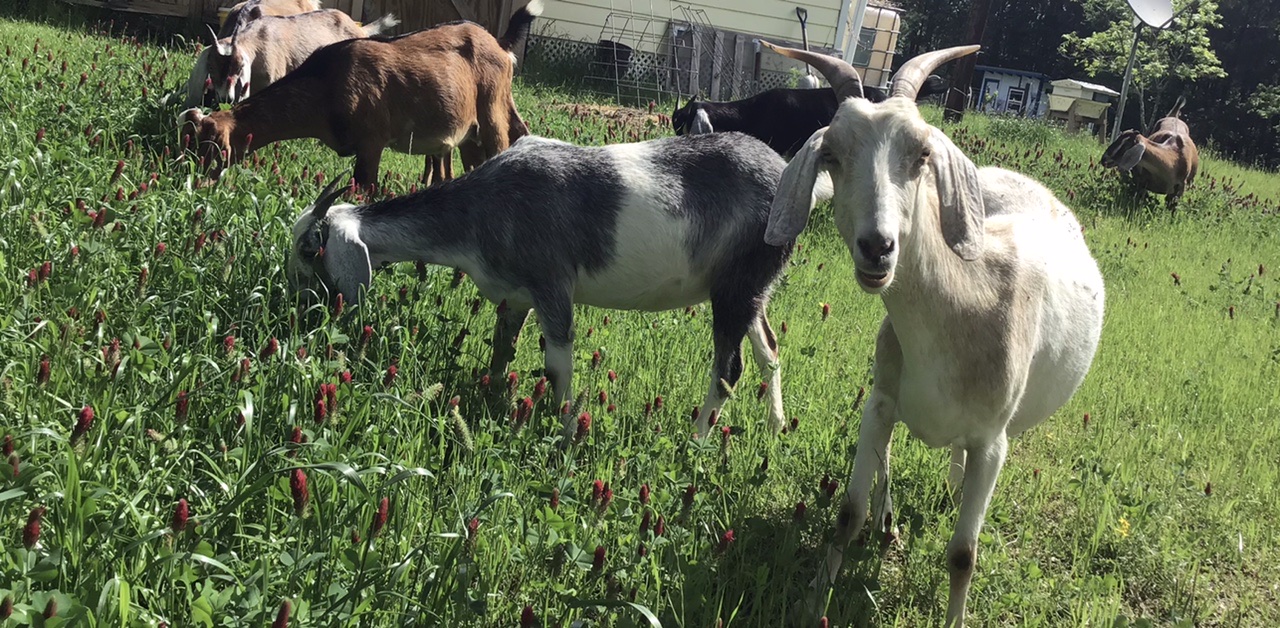
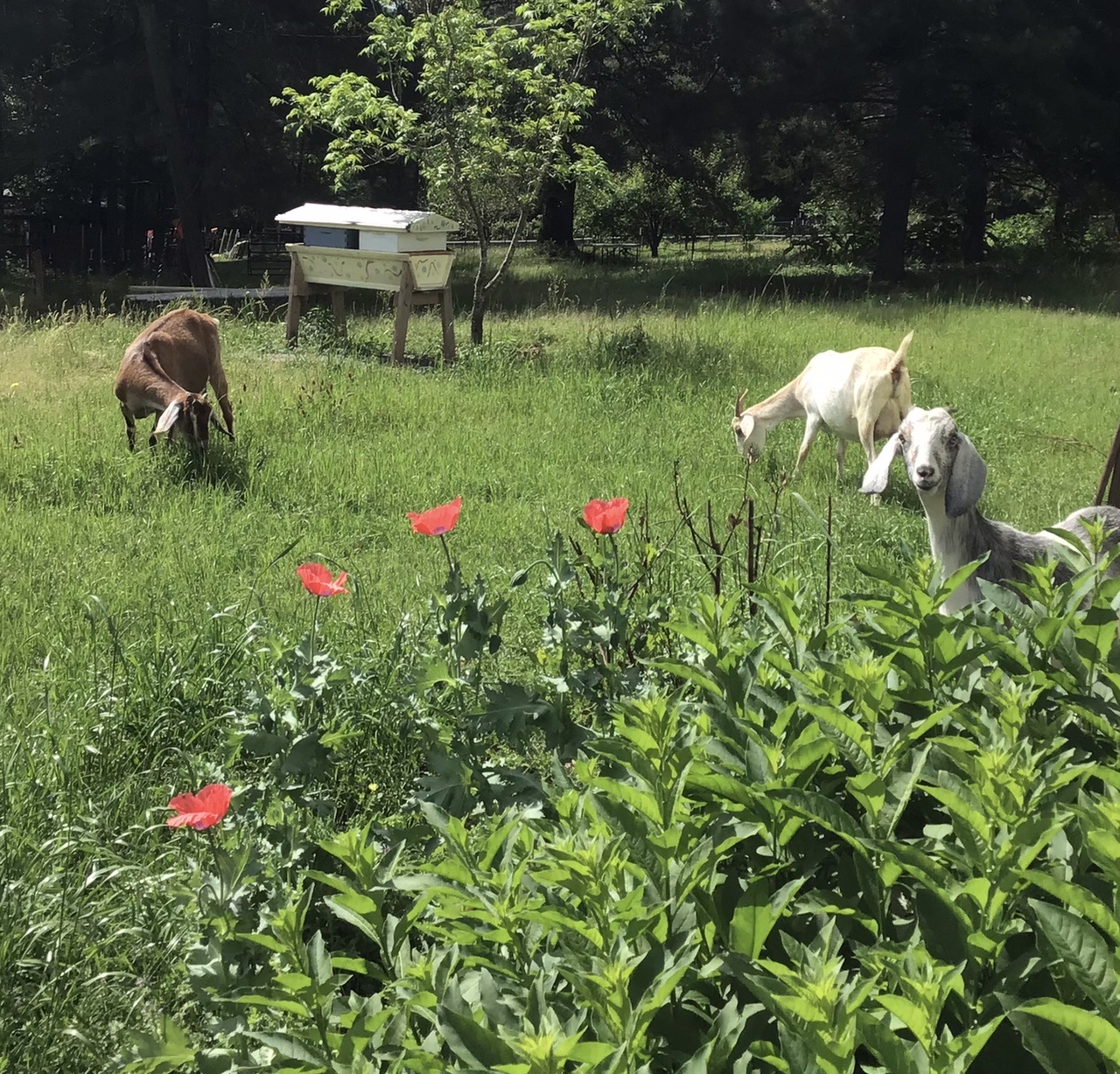
My goats hate the rain (makes for a bad hair day?), and would prefer all their meals to be served to them promptly, 3 meals plus snacks, in their communal space (breakfast in bed), with minimal foraging required (just enough to stretch their legs and ease any boredom) plus they need regular brushing (all natural boars hair brush) and their hooves trimmed (mani-pedi), and routine expensive toxic treatments (Botox).

We get frustrated, obviously, but whose fault is it really?

When I got into this I went for the most popular and trusted source who was calling her style ‘natural’.

That’s for me, I want natural!
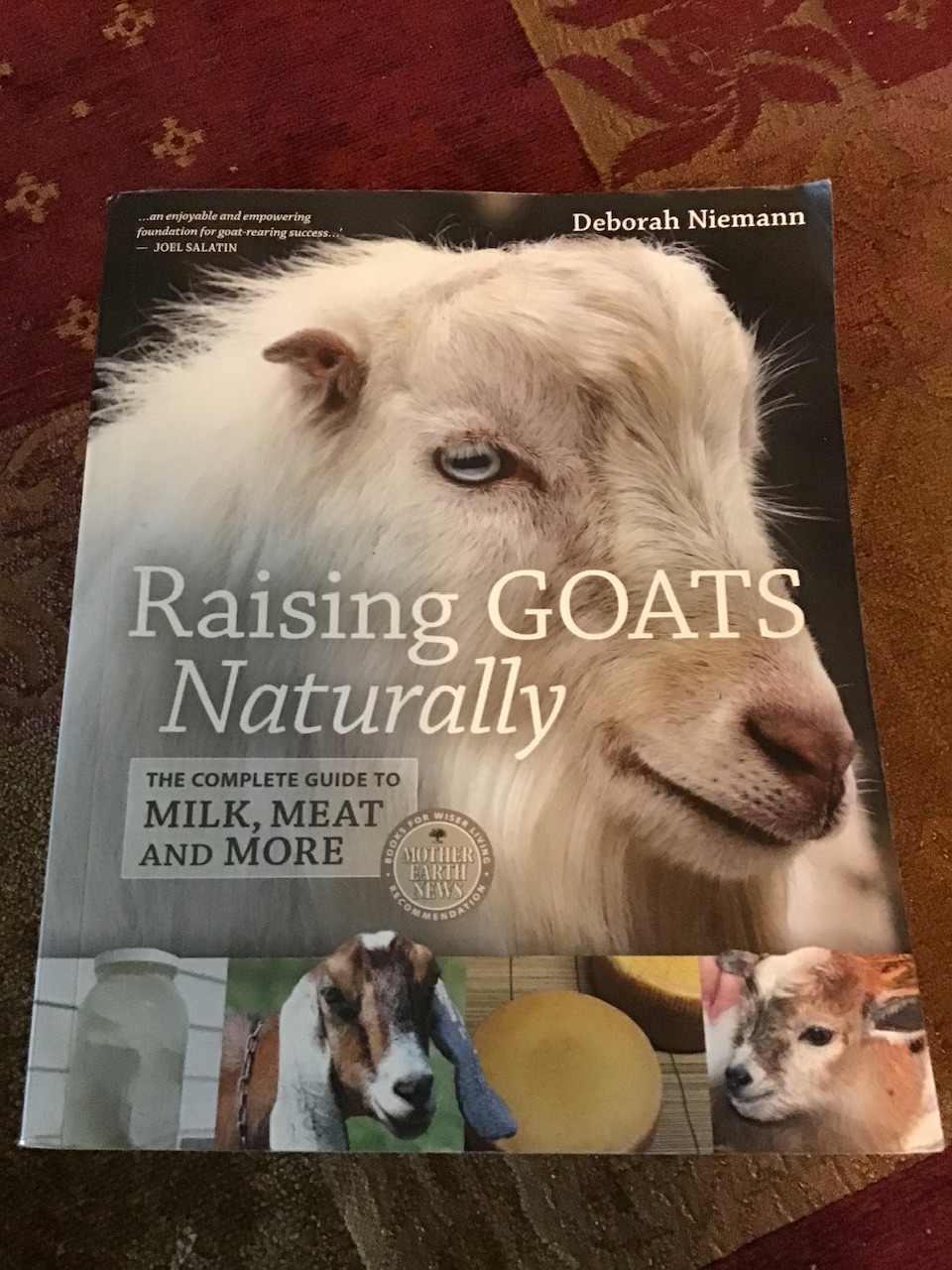
The most popular ‘natural’ goat rearing book on the market and she has a YT channel.

I’m not saying this is a bad book, I’ve certainly learned a lot from it, but knowing what I know now, I don’t call it ‘natural’ anymore.

These farmers and breeders may be on the path less traveled, but they are most certainly not off the Big Pharma Ferris wheel. And personally, I find that poor word choice to be deceptive.

For example, they advise breeders to cull rather than to risk populating the community of farmers/homesteaders with genetically inferior animals, which sounds like the wise and conscientious choice to make. Right?

Clearly a diligent and conscientious goat farmer/breeder concerned about good health in humans and animals, yet still considering the most natural methods as including enormous amounts of processed inputs and Big Pharma treatments.

However, they’re advising culling the animals which are not responding to the poisoning protocol, not only the ones who are truly resistant to the parasites. And as for true resistance, could they really know which ones, since they’ve been dosed at birth through the milk or, even more likely, in utero?

Yes, the ‘natural’ methods they espouse still include dosing the goats with drugs, just not so indiscriminately, which they at least recognize has caused a huge issue of drug-resistance in the goat-rearing community. They still rely on highly processed feed, hay that’s been sprayed, and they recommend medicated feed for kids. Many of them also advise vaccination.

This is what passes for ‘natural’ now.

So, for the barber pole worm, the notorious sheep/goat killer, which was the most likely culprit in Bluebonnet’s demise, the issue is said to be that these awful worms cause anemia. But, listed on the side effects of the popular dewormers in use is also anemia.

Hmmm. Which came first, the chicken or the egg?

Ivermectin—the infamous horse dewormer both celebrated and cursed during the Convid—has a shockingly long list of potential side effects. Interestingly, in all the social media arguments back and forth among suggested protocols and what or whom was being censored and why, I don’t recall that list coming up anywhere.

https://www.drugs.com/sfx/ivermectin-side-effects.html

Since that time I have come across a couple of articles demonstrating how toxic the drug actually is, https://open.substack.com/pub/timtruth/p/ultimate-guide-to-anti-fertility?r=apljy&utm_medium=ios and https://open.substack.com/pub/chemtrails/p/ivermectin-and-population-control?r=apljy&utm_medium=ios though it remains exceptionally popular for horses, sheep, goats, and humans.

These above-linked articles show studies proving its toxicity, but when it comes to the studies themselves, I don’t have much faith in them either. The kinds of studies I’d like to see are those that are appropriate to their environment, and no one does those kinds of studies. No one in farming is dosing their rabbits every single day with Ivermectin in a lab setting. What we need are multi-generational studies with real control groups in natural settings, as in real nature. Science doesn’t do that, yet somehow we accept they are ‘controlling’ inputs and outcomes, and that those results are remotely relevant to the average user, that is, those of us not living in a lab.

Besides Ivermectin, Safe-guard is another farm favorite in these parts.

The following comment comes from my dear friend Kath, a certified herbalist who was also previously a professional nurse in the UK.

Safe-guard:

“I can’t quite believe how bad this drug is!
Taken from this article: 
https://www.ncbi.nlm.nih.gov/pmc/articles/PMC9413524/
‘When fenbendazole was last reviewed (15 years ago), the literature supported the drug’s lack of toxic effects at therapeutic levels, yet various demonstrated physiologic effects have the potential to alter research outcomes. Although more recent reports continue to reflect an overall discordancy of results, several studies support the premise that fenbendazole affects the bone marrow and the immune system.’

‘. . .lengthy and expensive treatment regimens. including the use of fenbendazole and mechanical disinfection, that may fail due to inadequate ovicidal effects.’ (Ie: won’t kill the worm eggs)

So, step one: Kill a few worms. Weaken the animal.
Don’t properly kill the worm eggs. Re-emergence of worms when these eggs hatch. Weakened animals can’t fight off new worms.
More drugs. Vicious cycle.

So, companies which make & market this drug very conveniently refer to the old research which states no side effects expected & ignore the possibility & reality of new research showing significant risk.  Hmm 🤔 

Basically use of this drug this means causing ongoing serious depletion in overall resilience & significantly increased susceptibility to further parasite infestation & whatever-it-is that we used to call infections.  Worse potential recovery from anything.  And all from a drug whose stated purpose may fail!

So, what to do imo is to work to build resilience by nutrition, herbs & healthy living & maybe try to introduce some wild blood when freshening.

I think this drug is an agenda in itself – not only for animals but humans too.  Heavily publicised on Google as an amazing off-label cancer cure.  I’ve met people who have been persuaded to take it!  That’s right – make their own chemo cocktail!  

It’s an agenda because I know how heavily ptb come down on any complementary health practitioner making public statements about cancer cure.  It’s literally against the law.

And they put it in animal feed too.  It’s a very shortsighted & stupid approach.”

Short-sighted, I couldn’t agree more!

Another popular dewormer: Cydectin
From Drugs.com

‘Not for use in female dairy cattle 20 months of age or older (including dry dairy cows), veal calves, and calves less than 8 weeks of age.

For Treatment of Infections and Infestations Due to Internal and External Parasites of Cattle.’

Kath: “This ‘who not to give it to’ suggests it’s toxic to humans & cattle/goats – they wouldn’t make a statement about veal calves if it was a safe thing for humans (or animals) to ingest.  Funny how they can balance the illogic of ‘don’t give to babies’ & ‘dose babies by mother’s milk’.

The type of nerve receptor that are targeted by this drug are only found in invertebrates – creatures that don’t have a skeleton.  So drug companies have jumped to the assumption that it will paralyse (& kill) only parasites/insects.  However – & this is important – the target receptor in invertebrates is very similar to the mammalian – human & animal – receptor for glycine – an important neurotransmitter.  Chances are that this drug & its family are at least partly responsible for human & animal depletion & neurological problems, perhaps even paralysis, in goats by direct dosing & in humans via eating meat& milk products/drinking milk from dosed animals.”

Seriously! And they have the nerve to call these treatments ‘natural’ and of course, that old reliable, safe and effective!

(Thank you so much Kath for your addition to this post and to Highlander in last post’s comments for your help and advice, I’m very grateful for your efforts and experiences!)

New marketing suggestion for the CDC:

Hey Moms!
If your kids get all their shots on schedule, you’ll look just like Za Za!*
😆
*Results may vary. Consult your pediatrician.

(Who, by the way, did a hell of a good job dressed as a pig at last year’s luau in Vegas at our promotional conference that counts as continuing education credits and gets billed to the State. Remember Rule #1: What happens in Vegas, stays in Vegas!) 😉
1

Homestead Happenings

It’s been a challenging month on the wee homestead. We’ve had some successes and I am still hopeful for more positive outcomes, but I focus on them overly, because I’m being a bit avoidant, because really, I’m still concerned.

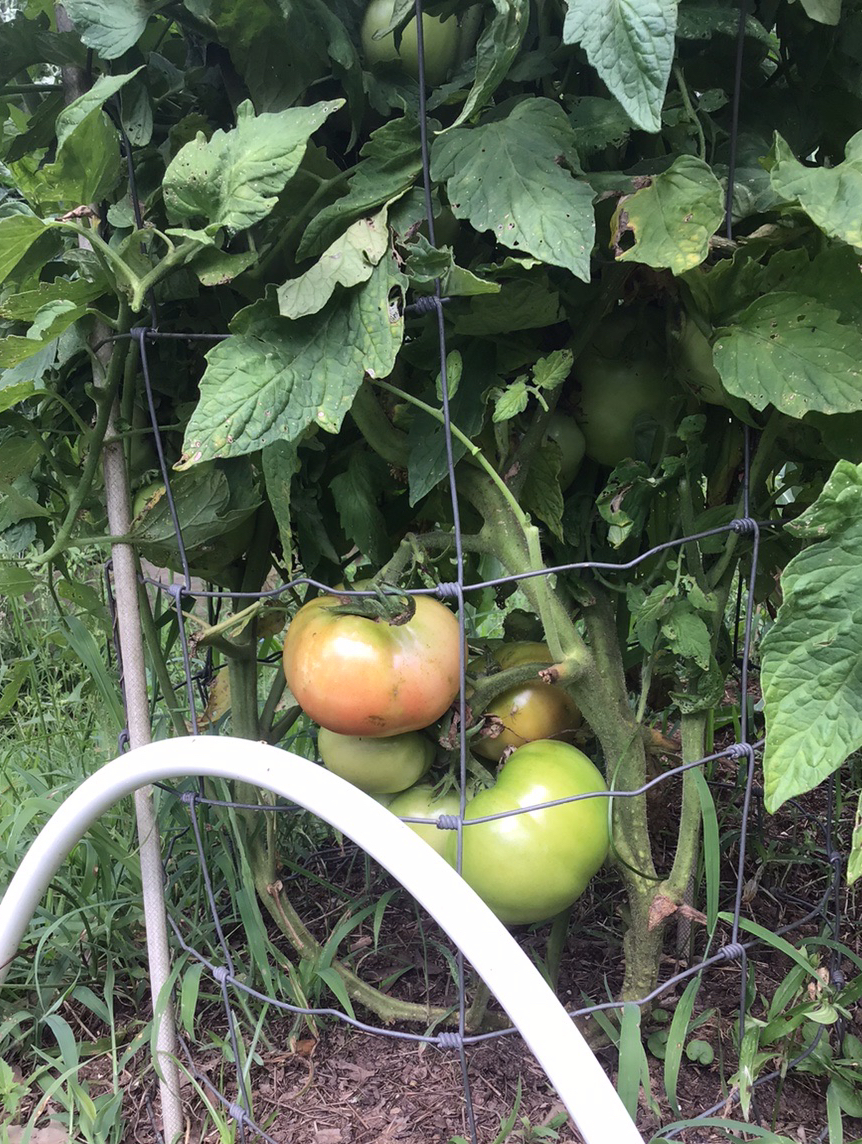
The determinate tomatoes are long gone already, but Hubby’s made many delicious jars of puttanesca and salsa for our future enjoyment. Must keep up morale!

So I’ll share about that this post, along with some happy snaps and surpluses, to help the medicine go down. I know it’s part of the lifestyle. Life, that is.

Yes, I’ve gotten better at it. That is, the death part of life. But also, we must understand our own limitations, and for that we must first broach them.

So if there are still any rose-colored glasses sort of readers remaining here, armor up.

Bye, bye Bluebonnet.*
(I share more about my observations on her death at the end, for those who choose to go there.)

I’m so sad to say we’ve lost one of our new mamas, and her mama, our herd queen Summer, has also been very ill. Several of the does are too thin and are not producing enough milk. This all happened quite suddenly. I was training them on the milk stand for a month, even getting a bit of milk from one, I had high hopes of daily cheese-making by now.

Instead I’ve turned suddenly nurse-maid/dietician/worry wort.

Summer and her daughter Bluebonnet, who I figured would one day replace her as herd queen.

The learning curve is so very high and I’ve set myself impossible standards. I do understand that, though that understanding changes little.

I want a treatment-free herd, or no herd at all. Like with the bees, which took me years of failures, I simply cannot stand the industry standard. I cannot abide such total reliance on pharmaceuticals and exotic inputs from far-off lands. I cannot trust the science. I refuse to believe the only way to raise healthy pets and livestock is to poison them with vaccines and parasite treatments and feed them full of processed foods.

There has got to be another way! A much better way!

And I aim to find it.

We are not directly poisoning our garden and still have plenty of success despite the manufactured crazy weather.

I truly believe a large part of the problem is the processed foods causing the need for the supplemental treatments. It’s a vicious cycle and I want off, and I want ALL I see around me every day off it also, including the land, the water, and the air and ALL the critters!

Is that so much to ask?!

But I already know the drill, thanks to the bees. Every professional and expert says that’s impossible. Like with the gardening when we first got here. Every farmer, every gardener, every Farm & Ranch professional, repeating—You’ve got to spray. You’ve got to treat.

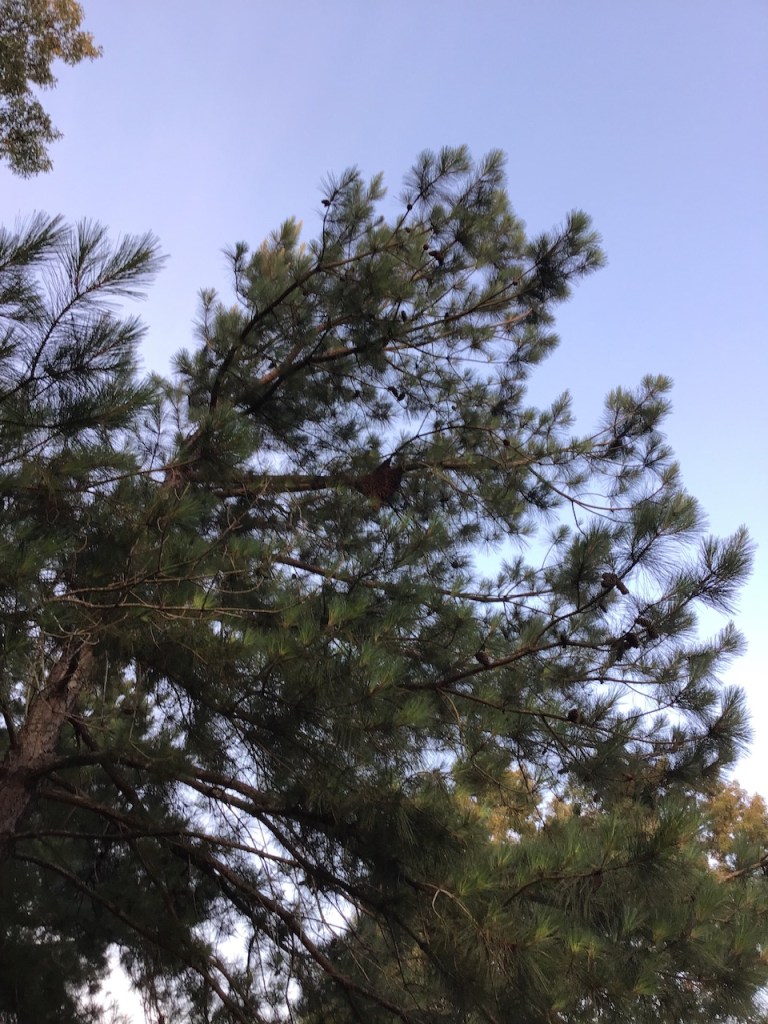
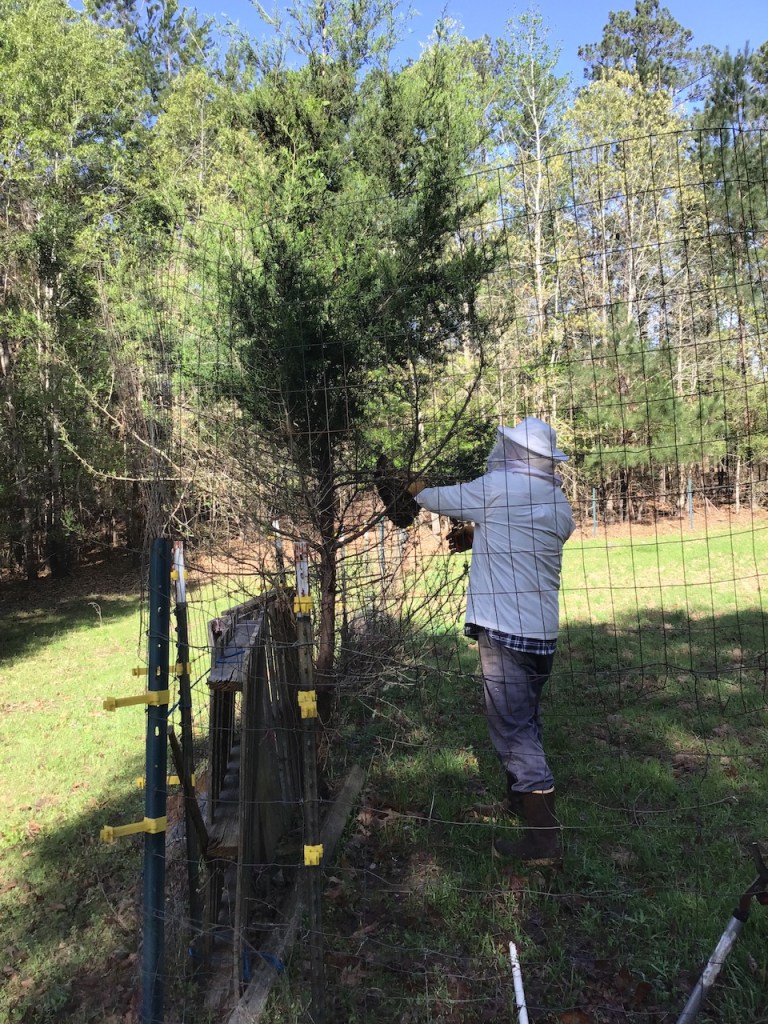
There’s a swarm up there, can you see it?
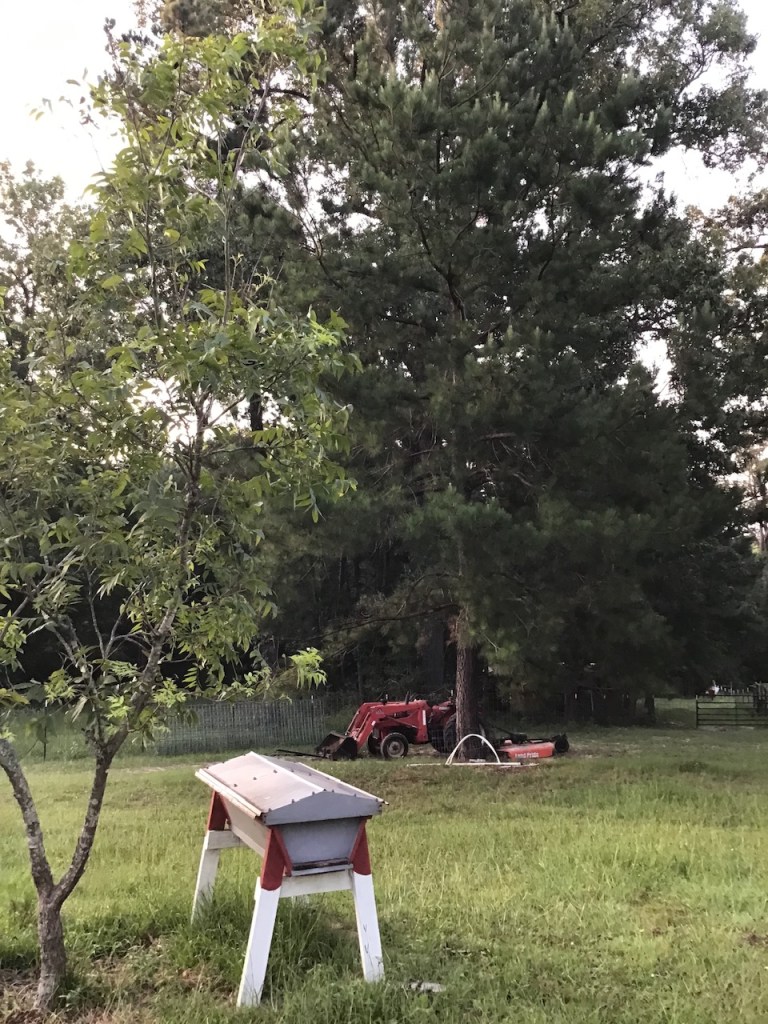
It came off this hive and we watched it, amazing! The large pine in front of the tractor is where it stopped. Too high up to catch, but I’m happy to report another totally treatment-free colony repopulating the county.

“Here, follow this quarterly poisoning routine, and all will be well.” NO!

Is it any wonder they all readily accept without objection whatever the hell is being sprayed over our heads at regular intervals?

We’re not giving up yet. As long as we have irrigation it will be a jungle out there. But without it we’d be screwed, that’s for sure. It hasn’t rained for nearly 3 weeks.

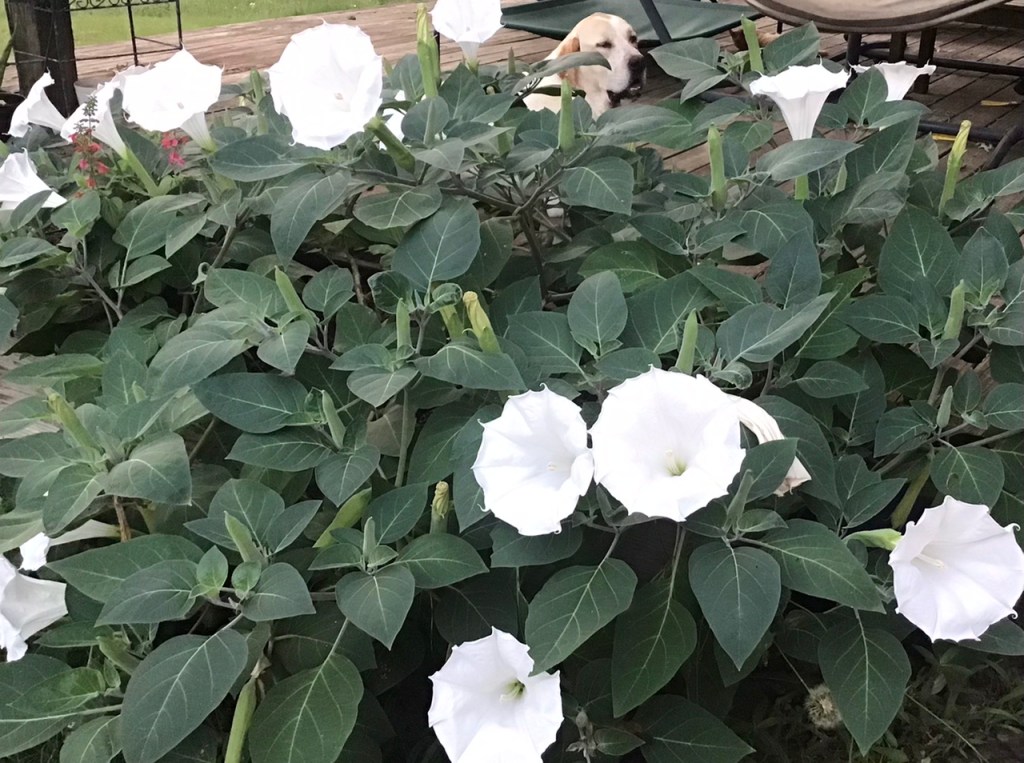
(Photos below Left to Right) The datura is a blessed monster. The sweet potato vines are prolific and a favorite snack of Summer’s. The melons and green beans are thriving. The indeterminate tomatoes and some of the peppers are doing fairly well under the shade cloth and I’ve been succession planting the cucumbers.

From the front: New cucumbers coming up with purslane to help cool the roots and shading from above, old screens protecting some struggling Romaine lettuce, and a growing grove of well-watered elderberries.

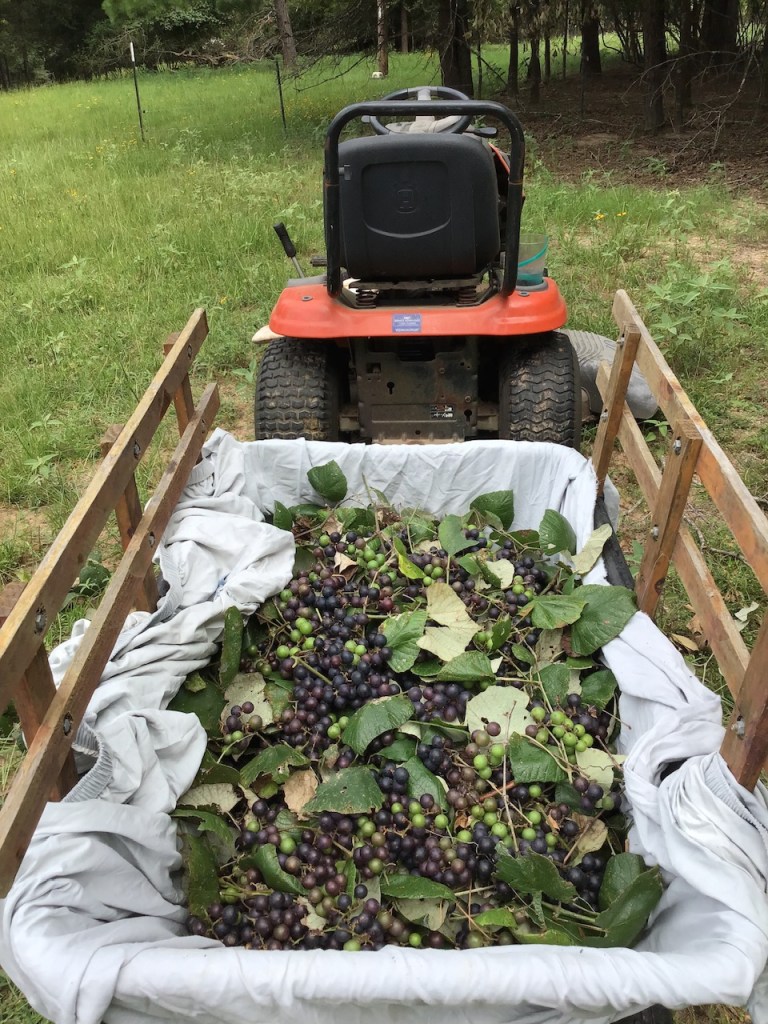
We’ve also been lucky to get some wild grapes, which are now fermenting along with the mead and the blackberry and mulberry wines.

He is literally Hubby’s Shadow!

It’s not an easy life, but it’s a life well-lived. Our first figs of the season, along with our last blackberries.

A Czech classic—so simple—Bublanina, made with blackberries or any number of fresh fruits in season. (Comment below if you want the recipe and I’ll post it. )

*The observation which I’ve found most interesting from Bluebonnet’s death, was that her kids adjusted immediately. She died the evening of the full moon last week. She left the corral with the rest of the herd in the morning, she seemed to be improving, I thought. But then in the afternoon she planted herself under a tree on a hill and wouldn’t leave, even when evening came and the rest of the herd returned to the corral. I went and sat with her there at sunset and stroked her neck and she laid her head on my shoulder. I wanted to be hopeful, but I felt she knew, and I felt horribly helpless. I hope that the feeling of helplessness is the worst feeling in the world. The next morning I woke before dawn and I went back to the tree in the dark, the full moon shining on her corpse.

There was a bit of relief for me that her kids adjusted so quickly. I find it odd really, it was like an immediate weaning. While her mama, Summer, is so ill she stopped producing milk, but her kids are still so attached to her their health is also suffering because they won’t go out and eat with the rest of the herd or accept being bottle fed. I’ve been mixing them special feed dosed with milk replacer and they are doing ok, and Summer today joined the herd again to forage, which I’m praying is a good sign. 🙏

Thanks for stopping by, even in the hard times!

Homestead Happenings

Such an exciting season around the wee homestead! We’ve got mostly happy snaps and cute vids to share this post—growing piglets and bees and veggies—yippie!

I’ll save the unsavory stuff til the very end, that way those who must can just skip it. (Mighty generous of me, eh? 😆)

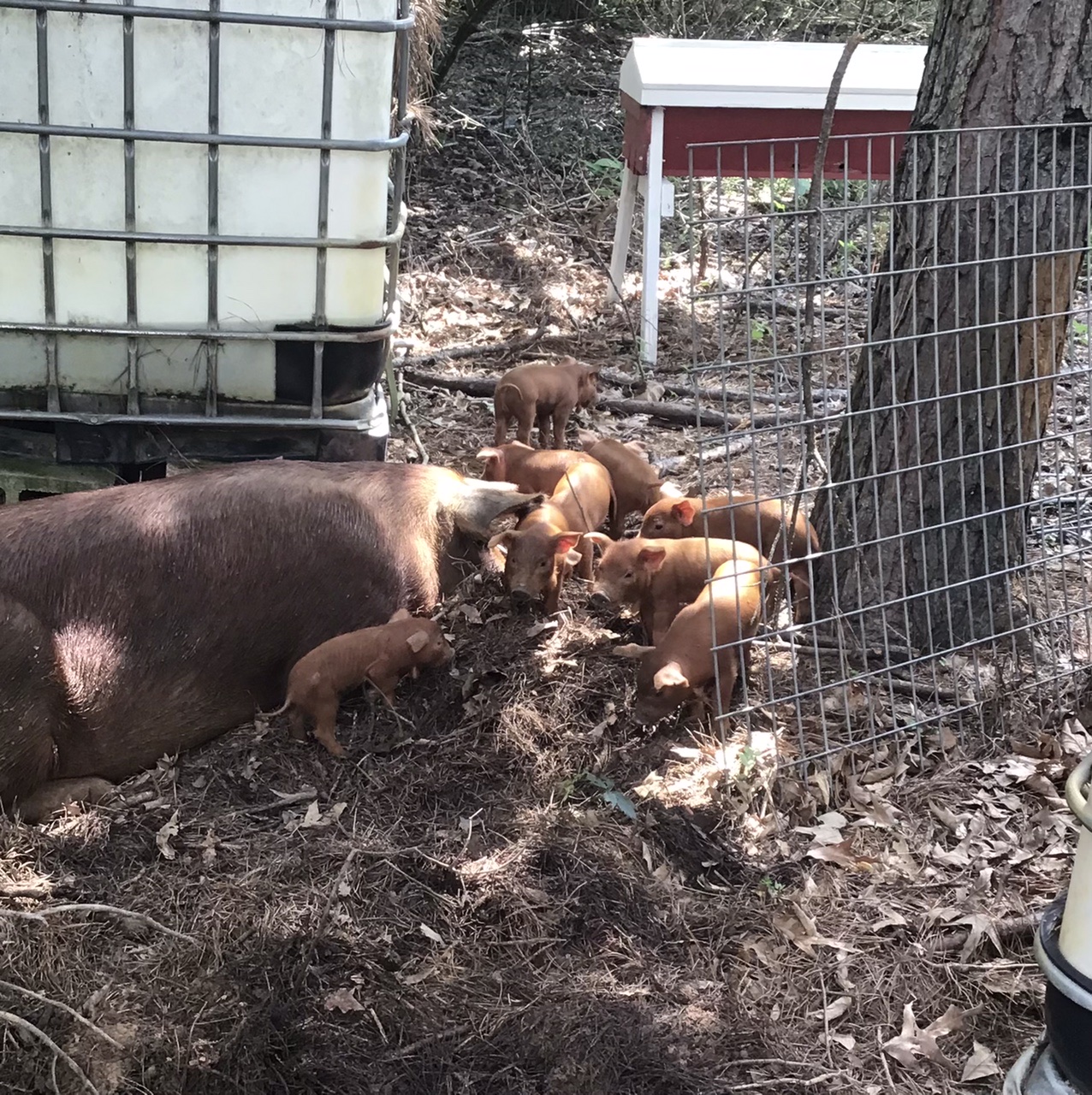
Let’s begin with a bumper crop of piglets, 11 of them, here trying to figure out the basics. This is just one day old, my aren’t they some quick learners!

Later we have a couple more from today, at one week old.

She’s been an excellent mama, Patty, this is her 2nd litter.

The garden is going strong already and this is definitely the earliest I’ve seen bumble bees out and about. March 15 is our average last frost date around here, for whatever that’s worth. Considering we’ve seen snow-covered Indian paintbrush before, we don’t put a lot of stock in that date.

If we don’t get a late frost this year it will be our earliest ever for summer planting. I’ve already got cucumbers in! The tomatoes are just about to go in and the peas are presenting perfectly.

Peas and fava beans planted together. If it gets too hot too quickly they will be a bust, but we do love when they succeed.

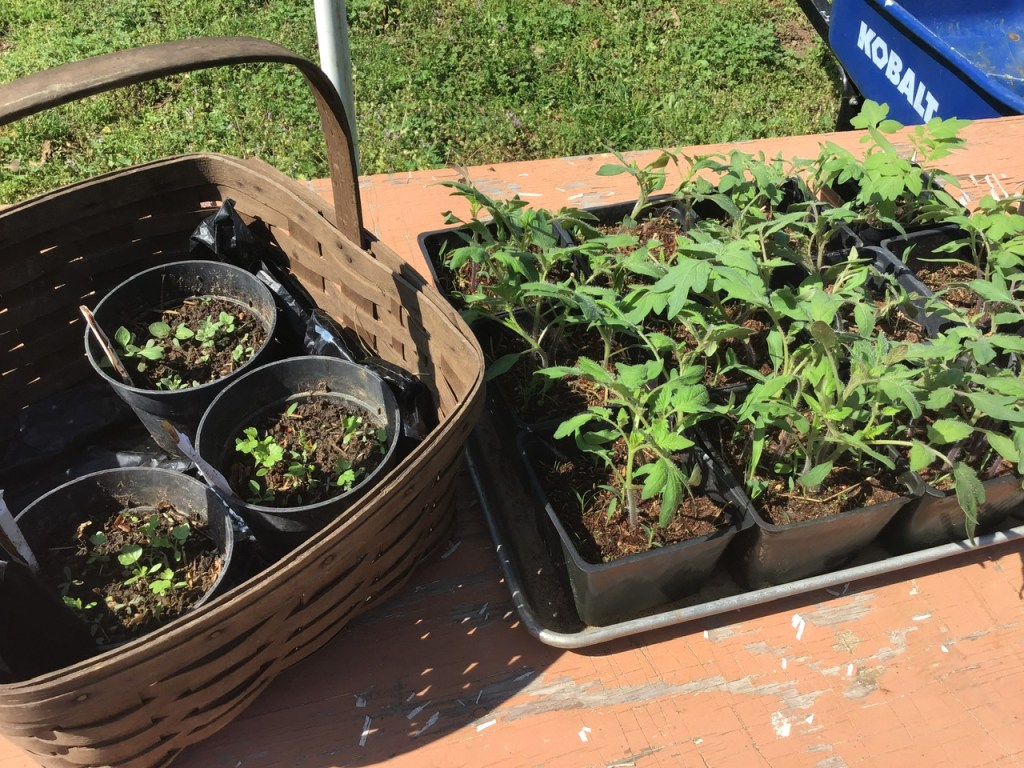
On left in the basket is celeriac, another fav of mine I try ever year, but like the fava beans and peas, it all depends on the temperatures if we’ll see a harvest. Next to them are tomatoes started under lights indoors and hardening now before planting in a day or two. I’ll plant some indeterminate varieties in about a month, hoping they’ll last longer through the heat. On right, the onions and garlic are looking great.

The old pears have already flowered over a week ago, here you can see Papa Chop napping while surely enjoying their sweet scent wafting on the breeze. Along with the bees!

On the right you can see me filling up the new hive with bees that over-wintered in the nuc where they positioned themselves last spring.

This was such a memorable experience last year that we managed to catch a bit of on vid—well worth the watch as the colony we just captured as a swarm moves from the hive I tried to put it in into the nuc I’d placed as a bait hive, moving themselves within just a few hours from one side of the garden to the other.

This was a swarm we caught and first tried to transfer to a different hive on the other side of the garden. The bees had a better idea.

This was the swarm last spring. It was just a small one and I guess they just didn’t feel quite ready yet for the big hive I tried to place them in.

Thank you ma’am, but we prefer it over here!

Well, this time they were a little more receptive to my preference and they are in their expanded home doing fine. 🤗

The piglets are so cute it’s hard not to take multiple vids watching them. I don’t edit yet, but maybe someday I’ll venture into more serious farmish filming.

And another ….

But, it’s not all peaches and rainbows for the piglets. Because you know, ‘male privilege’. Last year Hubby learned to castrate, which is an absolutely necessary skill if you’re serious about raising pigs. He did the deed, he’s gotten rather quick and good at it, so we made a couple of vids this time. Here’s the intro.

I’ll refrain from posting an example of the dirty deed though, which I could barely film! Yes, I admit one of my many bad qualities is squeamishness. But in my defense, I know many others way more squeamish than me!

If you really want to see it, you’ll have to send me an email. Don’t worry, I won’t judge. 😉

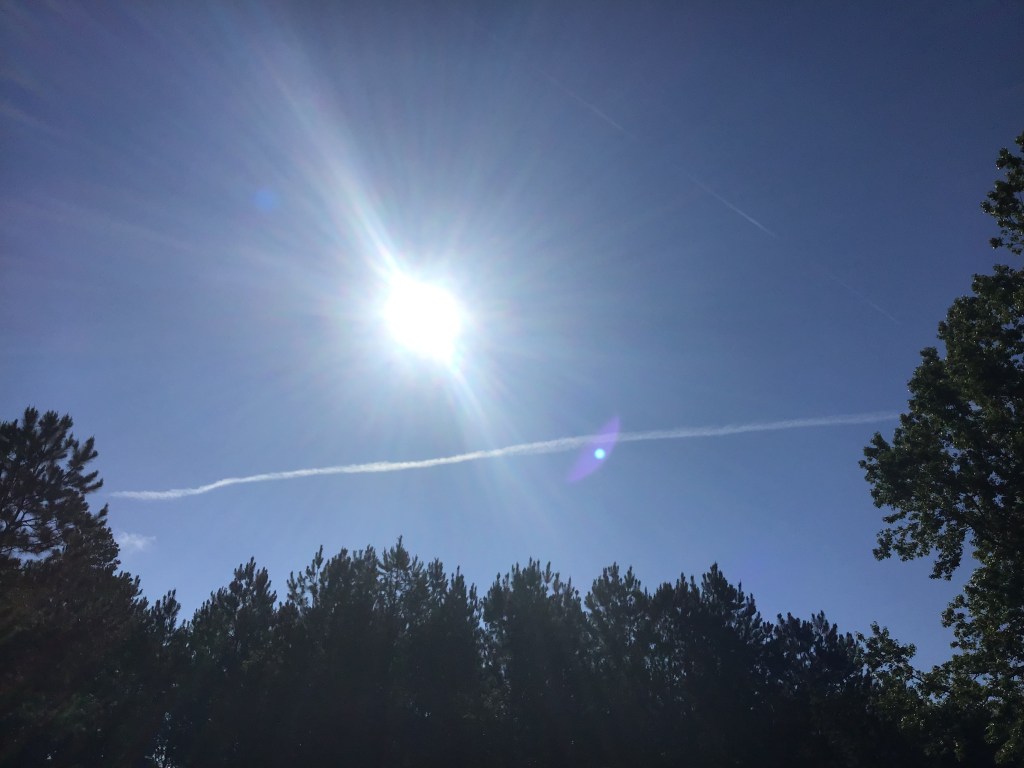
And in other bad news, yes, they still spray our beautiful days away. 😩

Still, it’s a beautiful life, and while we may complain, we know how to appreciate it all, too.

When all else fails, learn from Bubba.

“Oh, you only meant to dry the cushions here for freshening?
Let me test that out for ya.” ~So Says Bubba

Thanks for stopping by, wishing y’all a glorious spring!

Shadow pointing out which wild cherry suckers I should try to grow into trees.

Homestead Happenings

This post we’ve got some happy snaps, the usual weather bitching, a bit of pre-planning and some good news on two healing fronts.

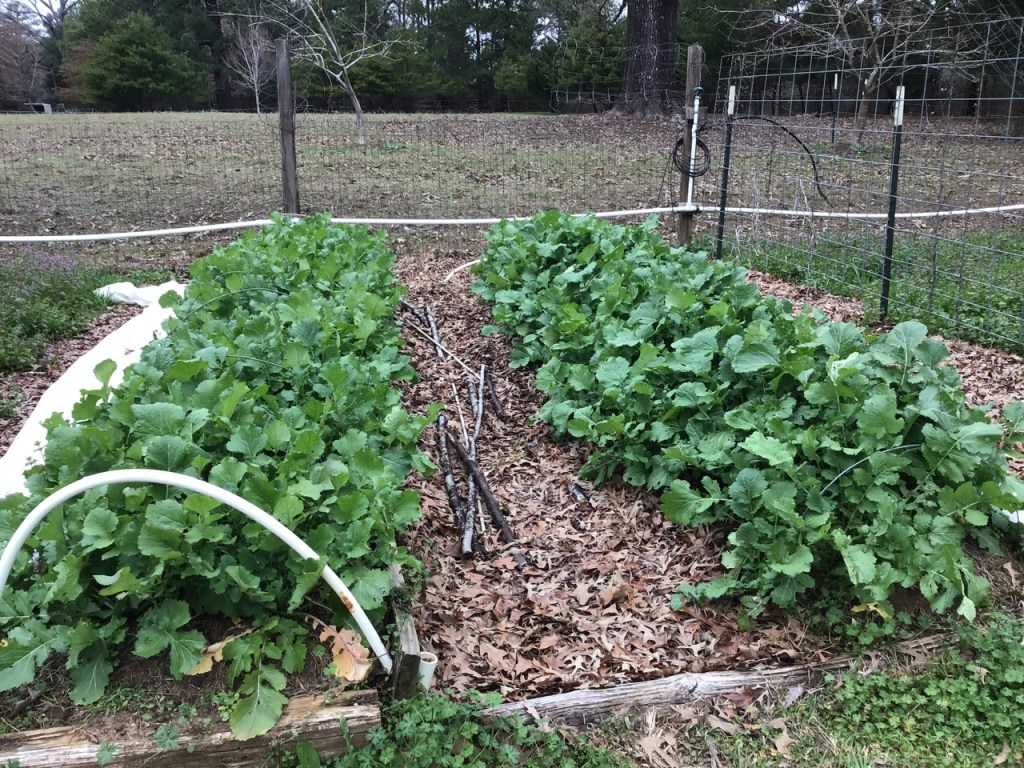
(From bottom left: mini-mustard greens and new lettuce germinated inside about to be transplanted to replace all we’ve eaten; several types of onions and elephant garlic (which does best here, by far); and turnips for us and the pigs. 😋)

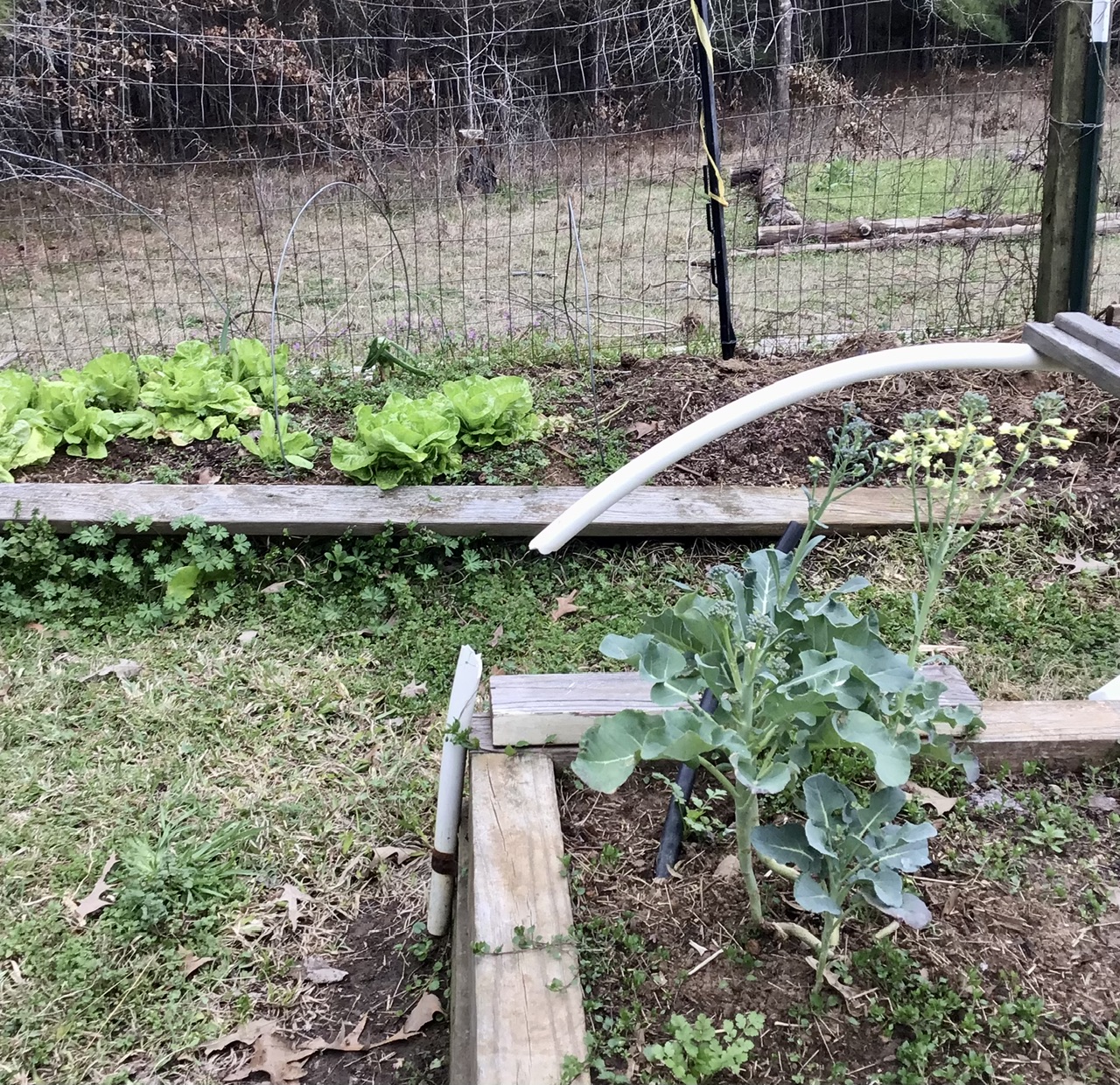
The cauliflower is long gone, the broccoli nearly so, but a new crop is already in the works inside on a heat mat. Succession planting has its limitations in our East Texas Yo-Yo Season (formally known as ‘winter’). Sometimes you get lucky with a warm stretch and get a nice surprise (yay, third times a charm, the carrot seeds finally germinated!) other times you get premature bolting (that dumb broccoli didn’t even produce a good head yet!).

Premature bolting 😖
But some nice butter lettuce still doing well by covering during cold swings

I do not appreciate it, and I think it stresses us all at some level, not just me, not just the more sensitive 4-legged and 2-legged, but all of life. Five warm days go by, in the 70s (but feeling hotter), with an unseasonal and hot stinking wind coming from the south, then suddenly, the very next day, it’s 40, lows in the 20s, and the dogs are shedding, also unseasonably.

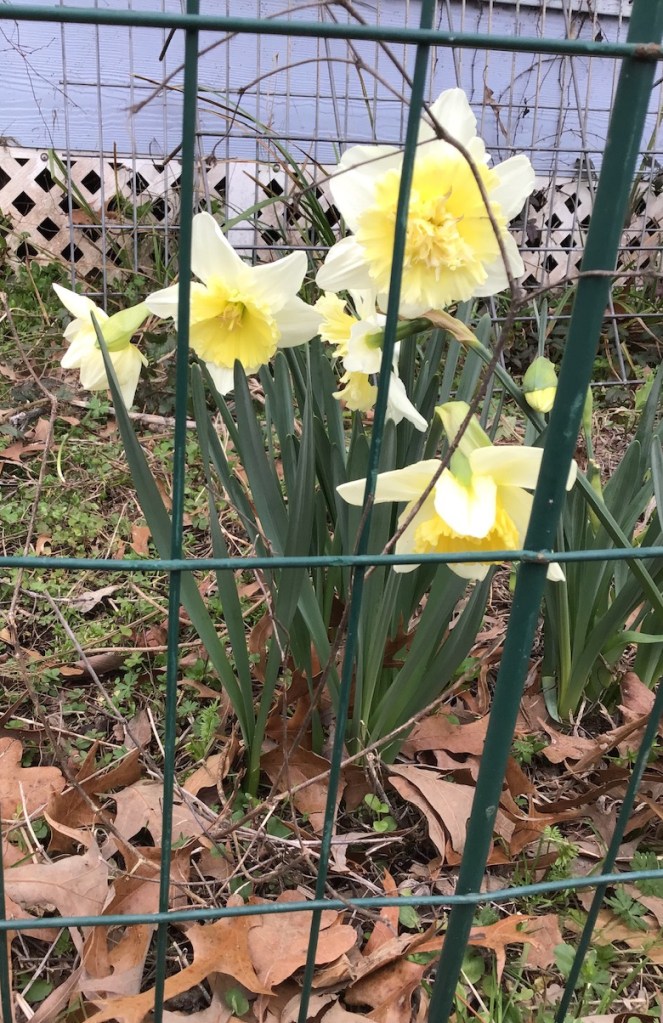
Yes, we get the surprise arctic chicks on occasion. It’s nice to see a bee or two about. We get early daffodils. But we also get another lost fruit crop because it is sure to frost and now, again, everything is blooming far too early.

And it seems to me, the more folks are catching on, the more the establishment pushes back, with the gaslighting and the misdirection and the normalizing.

Going back to the 1800s! And how’s that working out for us?

Despite the man-made manipulation, or maybe because of it, I’ve come to appreciate the old adage ‘Let nature take its course’ on a whole new level. We’ve had two overlapping critter health issues these last months, both with their unique challenges.

Shadow’s blood-spurting ear was by far worse, but still, in every case, I don’t like not knowing what to do, stressing about my lack of knowledge, feeling useless, and that’s how I felt during Chestnut’s ordeal as well.

Please allow my whine for just another moment, it’s been illuminating for me, in a way.

Self-reliance is a cornerstone goal for us. Relying on vet care is not an option for a number of reasons, beginning with the cost, ending with the lack of trust we have for the medical establishment, and with a very long and convoluted journey in between where we try to figure out how to bridge this enormous gap, with no training.

We are lucky for the internet, but you know how that goes. One problem, a dozen conflicting pieces of advice. We ask around as well, we are certainly grateful the many suggestions offered, but still it’s nerve-racking making ill-informed decisions, and no matter what anyone might pretend, health is not an exact, one-size fits all kind of science.

Chestnut was acting strangely, very suddenly. She went from just fine to a few hours later she was lethargic and not eating much and separated herself from the herd.

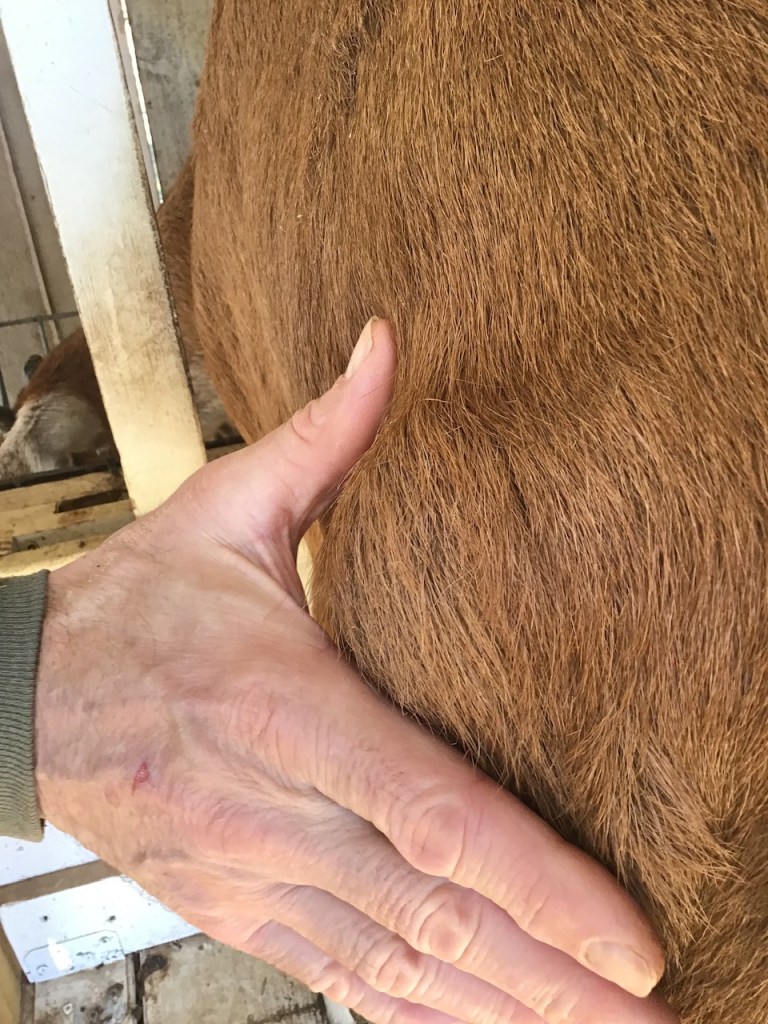
My goat friend suggested Ivermectin and it seemed to work fine. Then she quickly developed an abscess on her side. Related? No clue. It looked terrible, but it was not bothering her at all. I read lots of advice, but decided to let nature take its course after reading one description that sounded most similar to what I was seeing. Though they recommended lancing it at the end stage to avoid ‘infection’. (In the above photo you can see the ‘before and after’, the photo on right taken yesterday, sorry for the blurriness.). It got very large and it was not easy to do nothing!

It’s been over a month now, and it is healing nicely. Patience was the correct remedy, not lancing. I think we have an addiction to unnecessary interference in our culture.

The ordeal with Shadow was a serious challenge. You might recall the middle of the story from our last Happenings post. It started all the way back in November with a little nick on the tip of his ear. The cat?

Who knows, but it was shockingly difficult to get the blood flow under control.

We had much advice, some of it new and excellent (thanks again Kath and Zoe!), but wow, did that take some patience and perseverance, which mostly landed on Hubby, as per usual. (Male privilege! 😂)

Three months later and it is completely healed and all’s well that ends well, thank heavens!

What exuberance, no one around here can keep up with him! He runs circles around us all, then sits patiently by Hubby’s side until the next round.

We love potatoes so much we also buy them in bulk when they’re on sale and Hubby cans them up and they fry up in tallow so quick it’s like a delicious fast food that’s a cheaper and healthier alternative to the industrially processed varieties.

It is a long and labor-intensive project, that’s 45 pounds of potatoes there, it took him the best part of a day to do, but we’ll be appreciating the effort for 28 delicious meals. 😊

Looking ahead we’re doing a bit of planning—I’ll be giving another beginner’s fermentation course next month and Hubby’s got some good livestock trades in the works, we’re committed to foraging more for mushrooms and cultivating our own.

Patty, our mama-to-be, eating up the last acorns. Already many of her piglets claimed for bartering deals. 😁

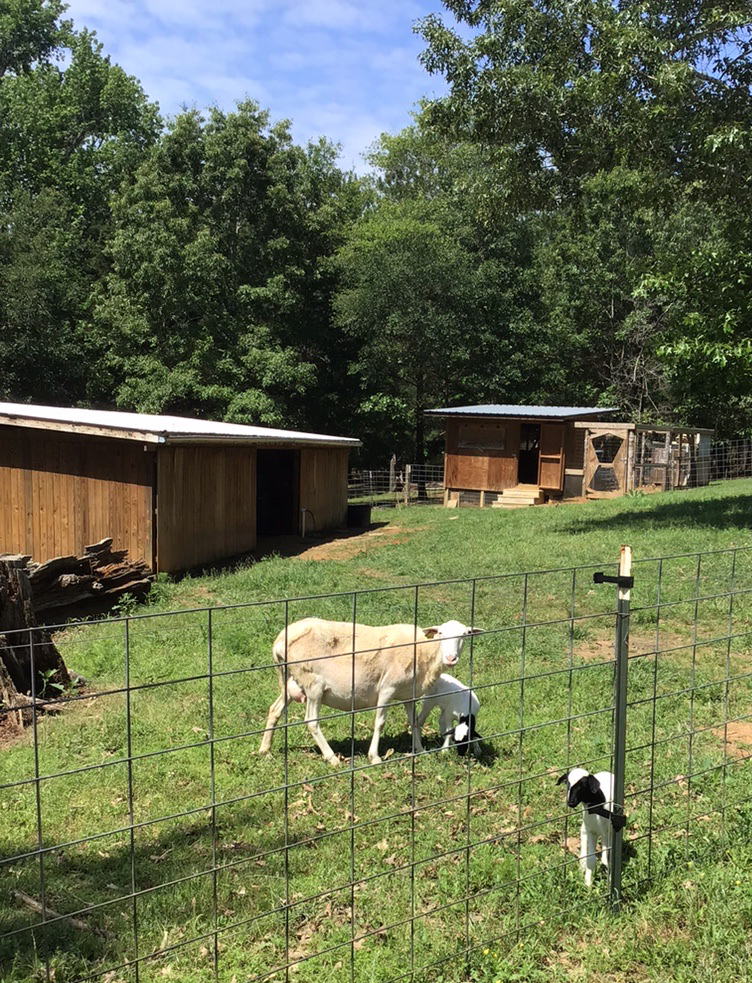
Here’s a current little visit with our herd, including, hopefully many healthy, expectant mamas with kids growing fine.

Not that little guy, he’s our first buck, we call him Teaky.

5 expectant mamas among our St. Croix-Dorper flock

Incorporating more permaculture design in the garden and orchard is an on-going big goal. We have a couple spaces empty and I’d love to try something really unique like this:

Permaculture-Inspired image I’m dreaming about!

Where I’d be including my fun garden-art projects, like these:

Lots of grand plans in the works, always, but it’s the simple things that make the hard stuff worth while.

Thanks for stopping by!

Homestead Happenings

I know it must be autumn somewhere! Here that reality is still mostly in my dreams. We’re still in the 90s and still mostly dry. There are a few tiny signs of change though, that I’m magnifying in my mind, because I can hardly wait! It’s been a terrible summer.

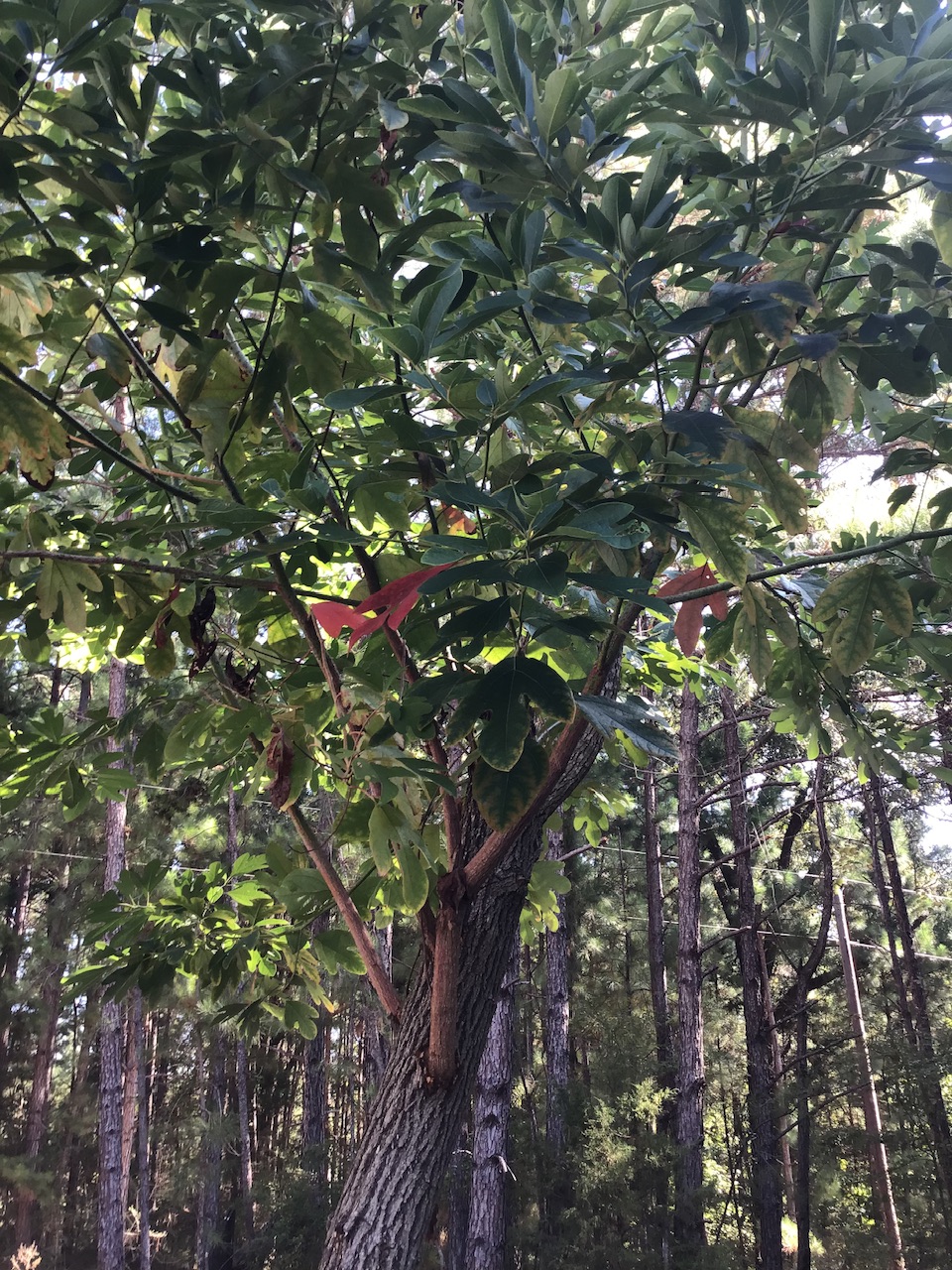
See, right there, 3 red leaves on my favorite Sassafras tree!
(Very soon to be featured in an ‘Herbal Explorations’ post)

But, I’m not going to complain about that now. Instead we’ve got lots of happy snaps, and even a few scary ones.

We’re gearing up for the fall/winter garden, getting the beds ready for the transplants that have been growing under lights for a month and are very ready for their new outdoor home, just as soon as the temperature drops a bit.

We just started harvesting sweet potatoes from the boxes waiting for replanting.

Those vines helped keep the goats happy and healthy during the extra long heat wave.

Summer keeping a sharp eye on Shadow even though there’s a fence between them.
None of the goats have warmed up to him, despite all his best efforts!

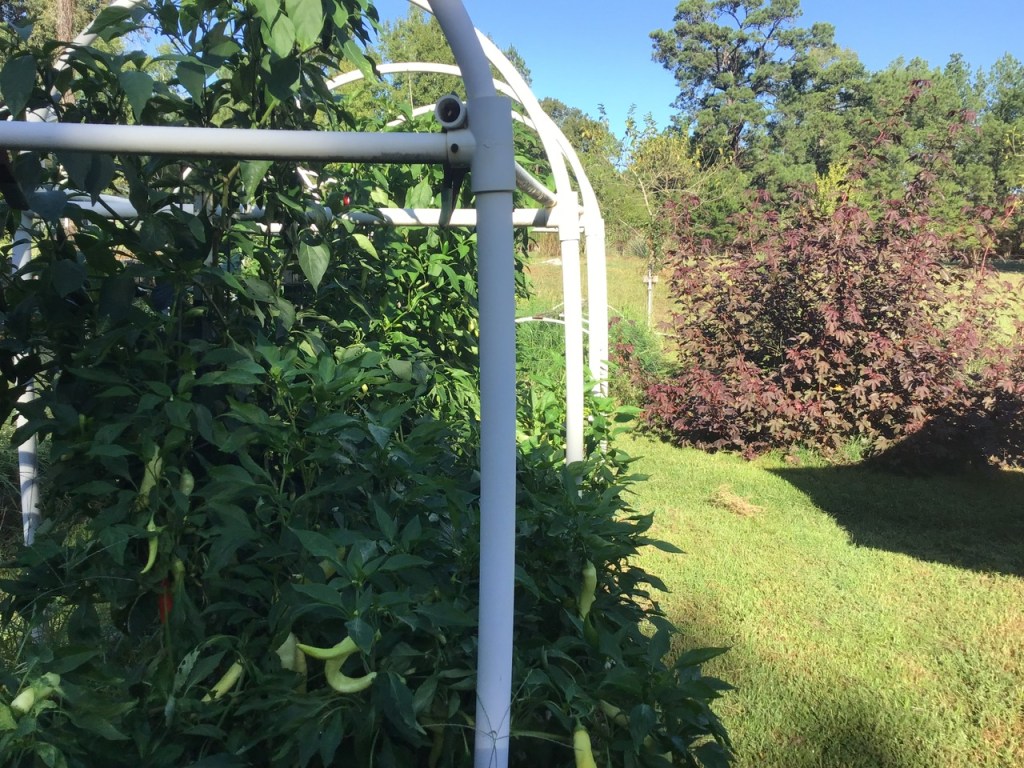
The peppers have come back with gusto after another dose of compost dressing and removing their shade cloth.

Jalapeños and banana peppers and the now monstrous cranberry hibiscus on right that is finally just starting to bloom.

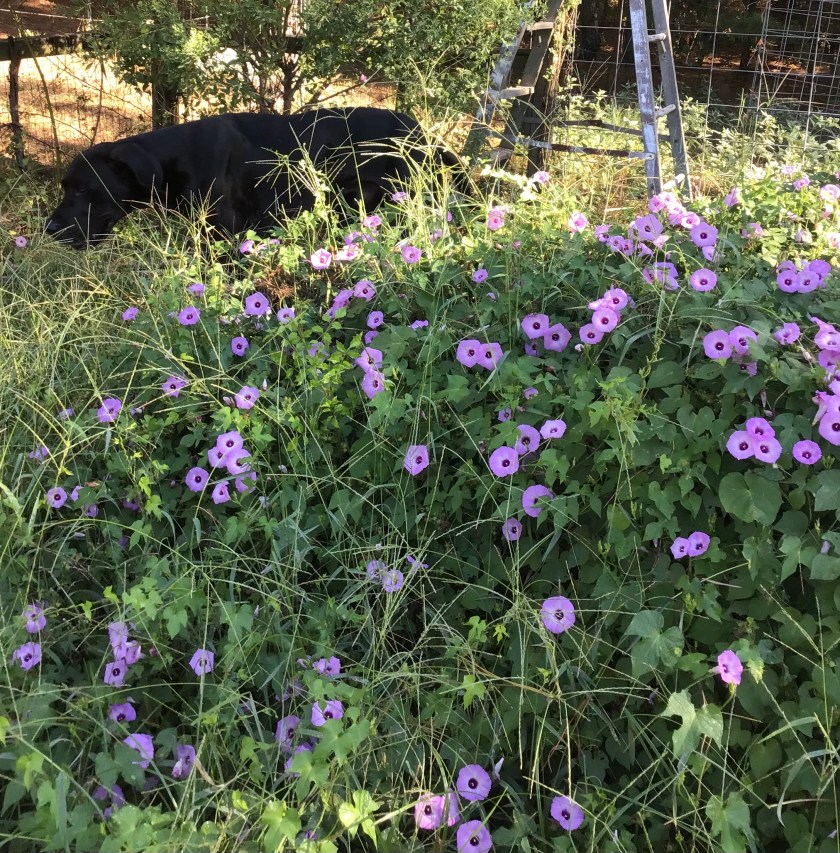
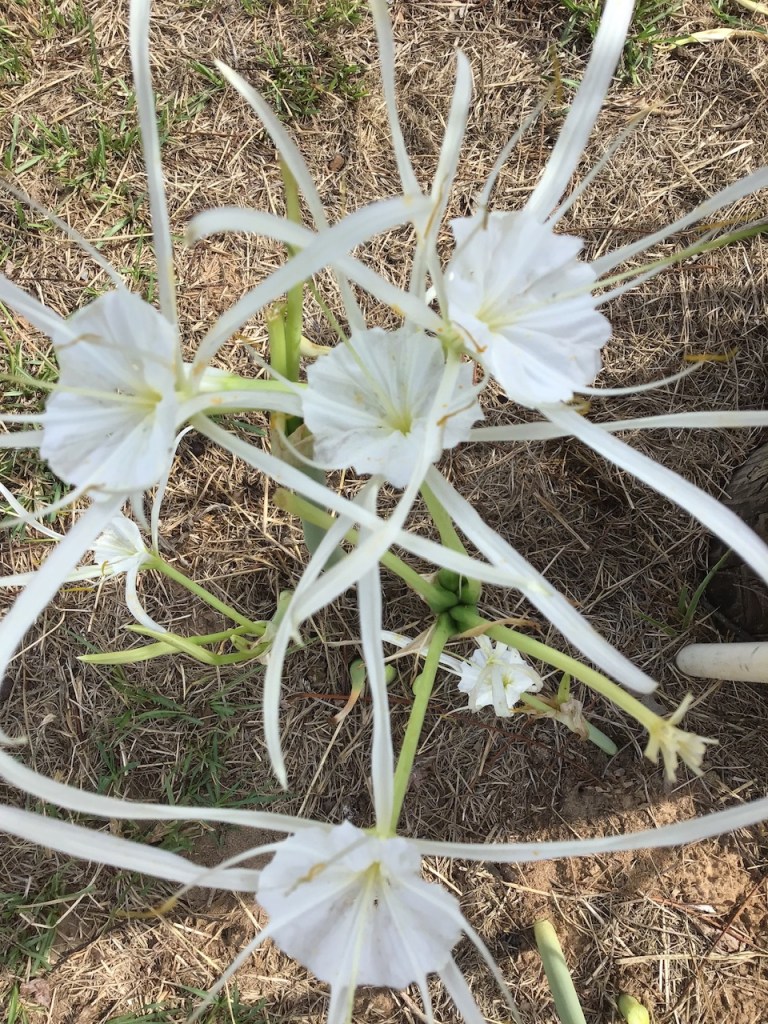
Cucumbers again, yippie! Plus hurricane lilies, turmeric, zinnia and basil keeping the bees happy. And lots of bindweed (morning glory)—scourge to the industrial farmer—a hardy, lovely and welcome cover for the rest of us.

I’m getting about 1/2 gallon of milk a day from 2 goats and making cheese often—mozzarella and soft chèvre every week and a hard cheese whenever I can accumulate at least 3 gallons (preferably 6) in the freezer. The larger the hard cheese the easier it is to age properly and goat milk works just fine for cheese after freezing.

The easiest cheese to make and so delish!

But I’m really looking forward to making Camembert and Munster again. Just like all things natural, cheeses also have seasons. I was very disappointed by a so-called Brie I just splurged on from the grocery store. They should call it a processed Brie-like imitation and market it in the aisle with Velveeta. Quel scandale!

A few more friendly faces . . .

As I mentioned last update, we had a sausage-fest this summer, that is, a super-high percentage of males born, of all species—cats, pigs, sheep, chickens, goats. So odd.

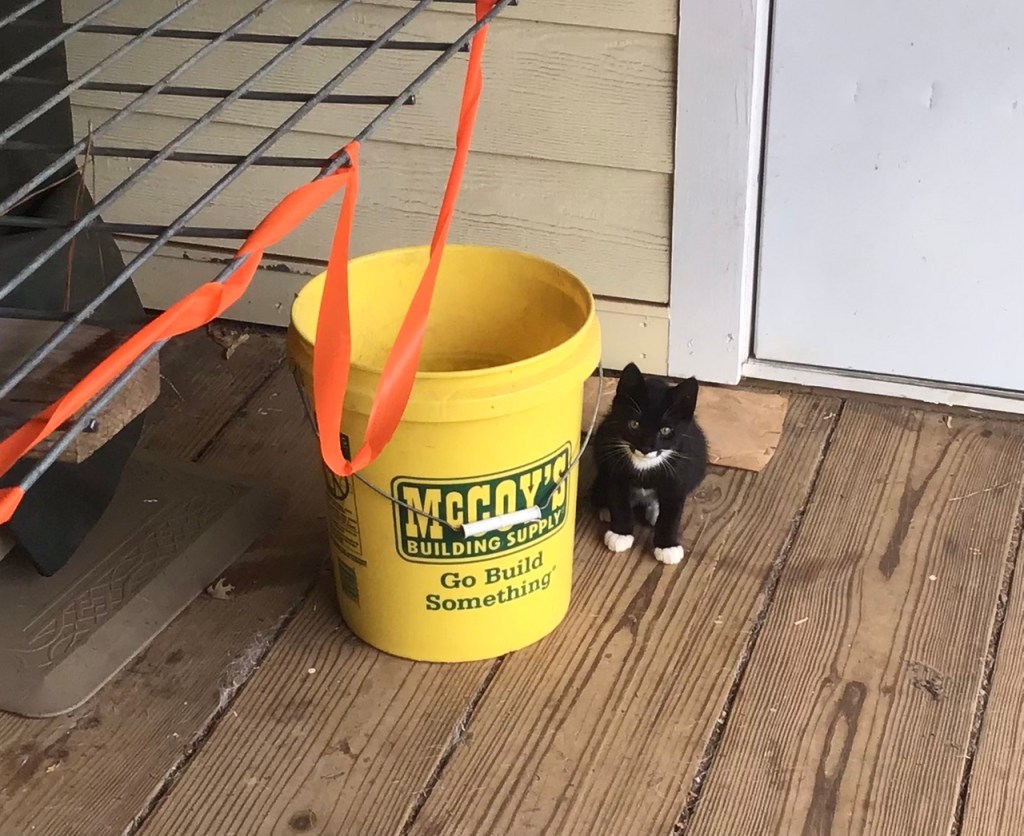
Now we have 3 young male cats, a new thing for us. But one of them is a real scaredy cat, we’re never able to get close to him and he’s rarely around except for meal time.

Always crouching in the shadows and darting off even from the camera.

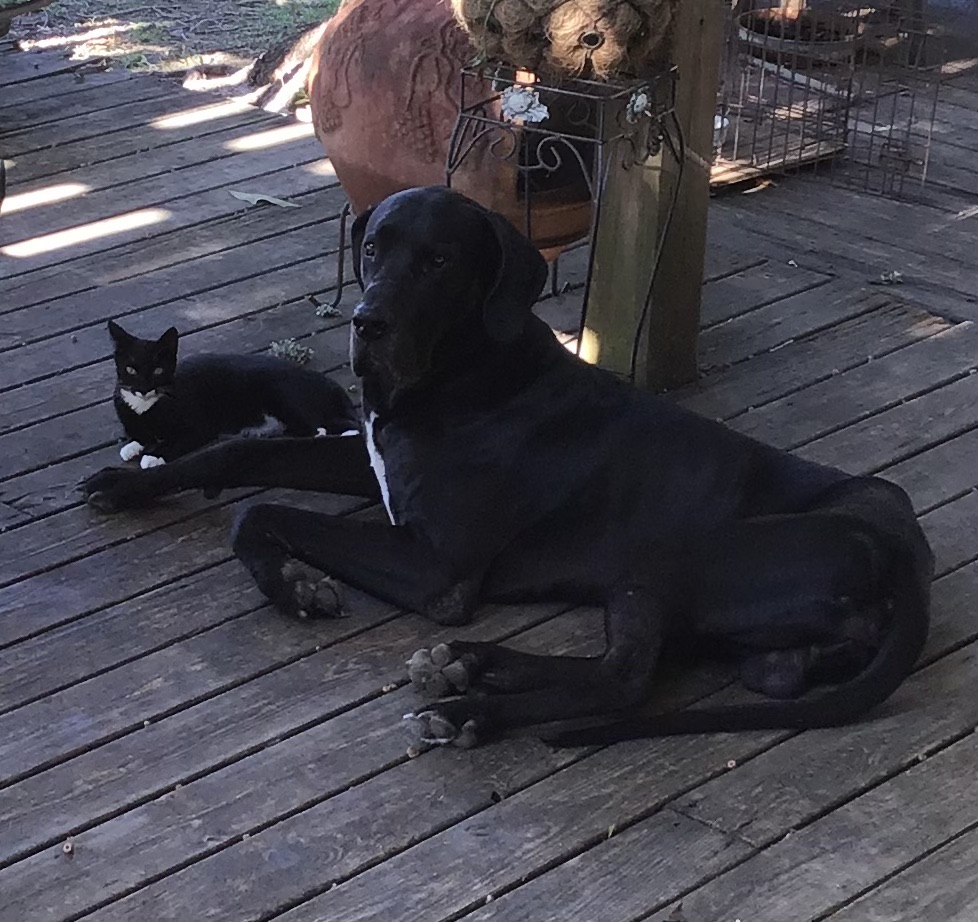
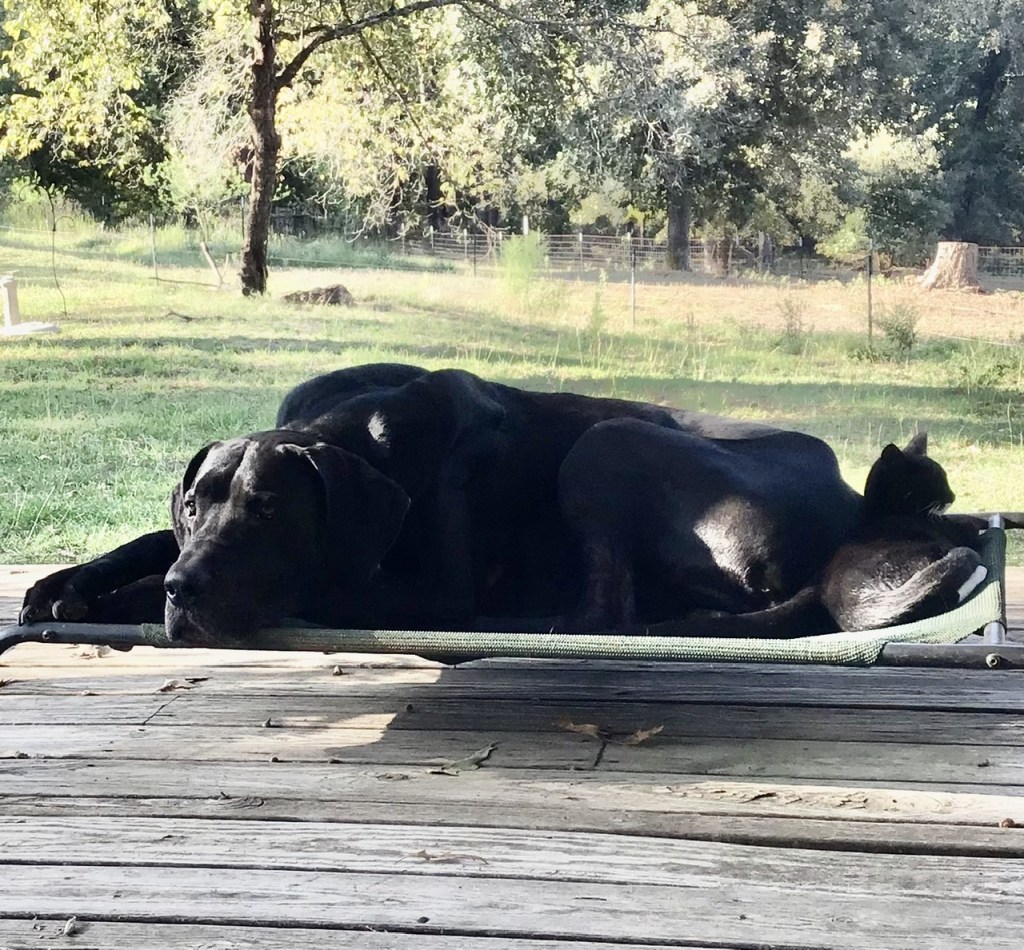
Also odd but true—our black cat, Mittens, hangs out with our black Shadow and our blond Tony hangs out with our blond Bubba and Buttercup—go figure!

“Hey in there! Where’s our breakfast?!”

I love spiders, especially these beauties, but some folks find them scary, apparently.

Now here’s a real foe . . . .

Gross! Looks like right out of a horror movie.
And he has a lot of friends haunting our compost heap. 🤢

But who loves ‘em but our very scary Halloween rooster . . .

Poor guy, we’ve no idea what happened to him, but he is one scary-looking dude!

Soon we will be making the tough but necessary fall homestead decision—who will get bred and who will shuffle off to freezer camp?

But not a care in the world for these contented creatures!

Hope you’re having a fine Sunday and thanks for stopping by!

Homestead Happenings

A few updates from our very busy and already very hot summer. We’ve got bad news about the blackberry issue mentioned last month; a brief report on what Handy Hubby has deemed our ‘ Summer Sausage-fest’; some harvest and critter happy snaps; and a really funny question. Ending, like the beginning, with my favorite flower.

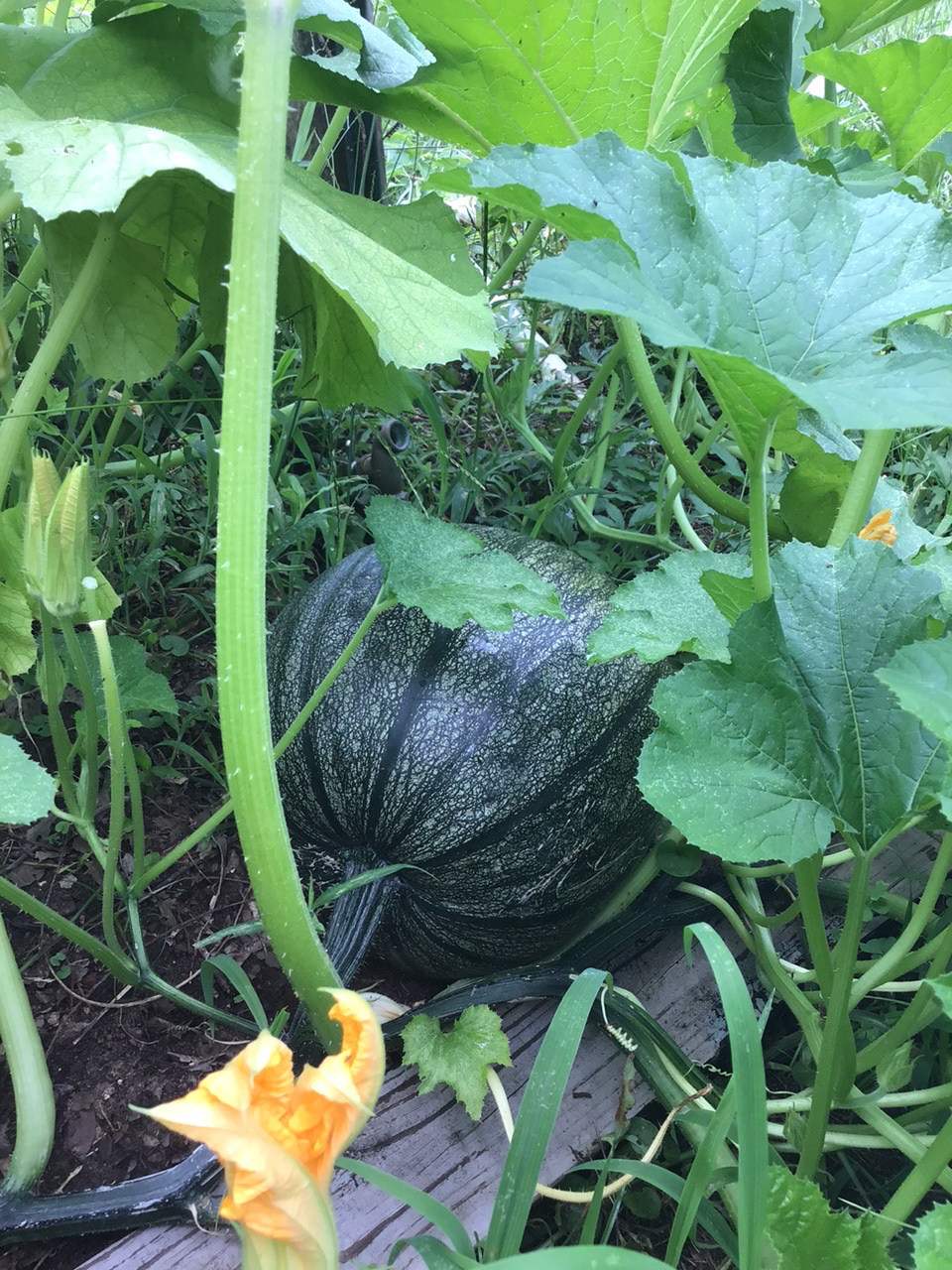
Kakai hull-less pumpkin

Novice seed-saving mistake on my part—don’t plant Kakai pumpkins next to zucchini. Even though one is a winter squash and the other a summer squash, they are both part of the same family: Curcurbita pepo.

According to Southern Exposure Seed Exchange “Curcurbita pepo: Most zucchini and summer squash are of this species. Winter squash varieties do not store well and are best eaten within a few months of harvest, but also need less time curing to sweeten up. Best planted in monthly successions throughout the summer due to vine borer susceptibility. If you have trouble growing these squash, try luffa gourds or Tromboncino summer squash as a substitute for zucchini.”

Squash, Pumpkin, & Zucchini Growing Guide

I planted these pumpkins for the first time because a friend gifted me the seeds. The seeds are so delicious I decided to try them even though I’ve not had success growing pumpkins in years past.

Well, these are a big success! Except, now those seeds have surely been cross-pollinated with the neighboring zucchini, which according to this farmer, means the seeds will no longer be hull-less, defeating the whole purpose of planting this variety of pumpkin.

Don’t I feel dumb!

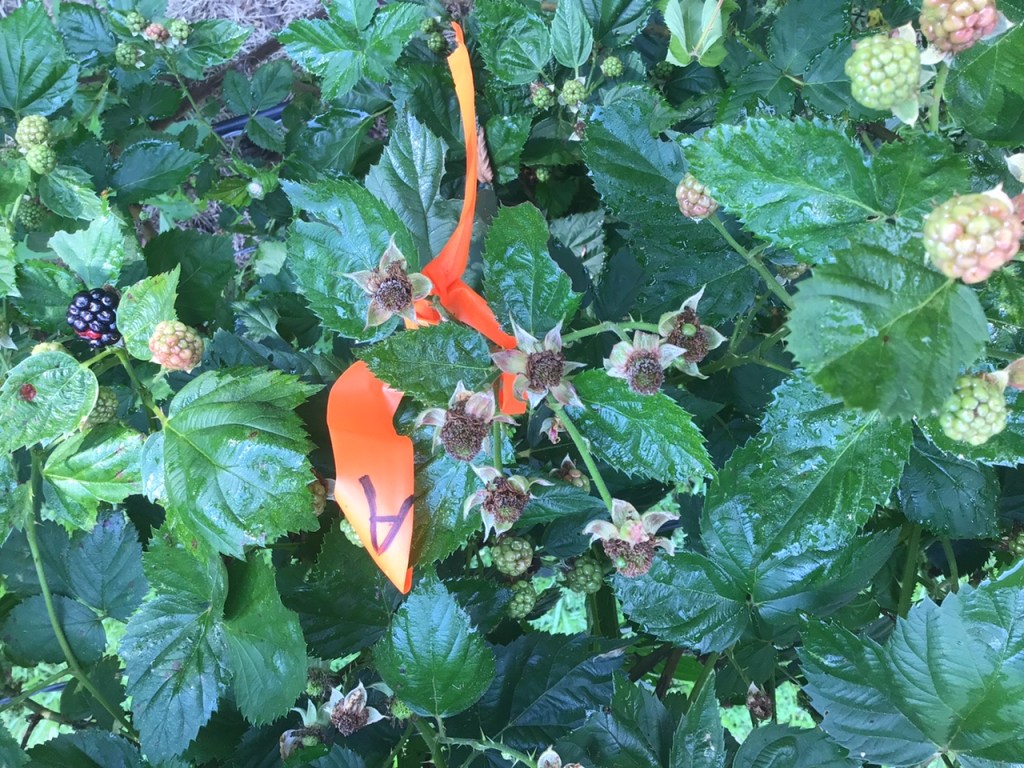
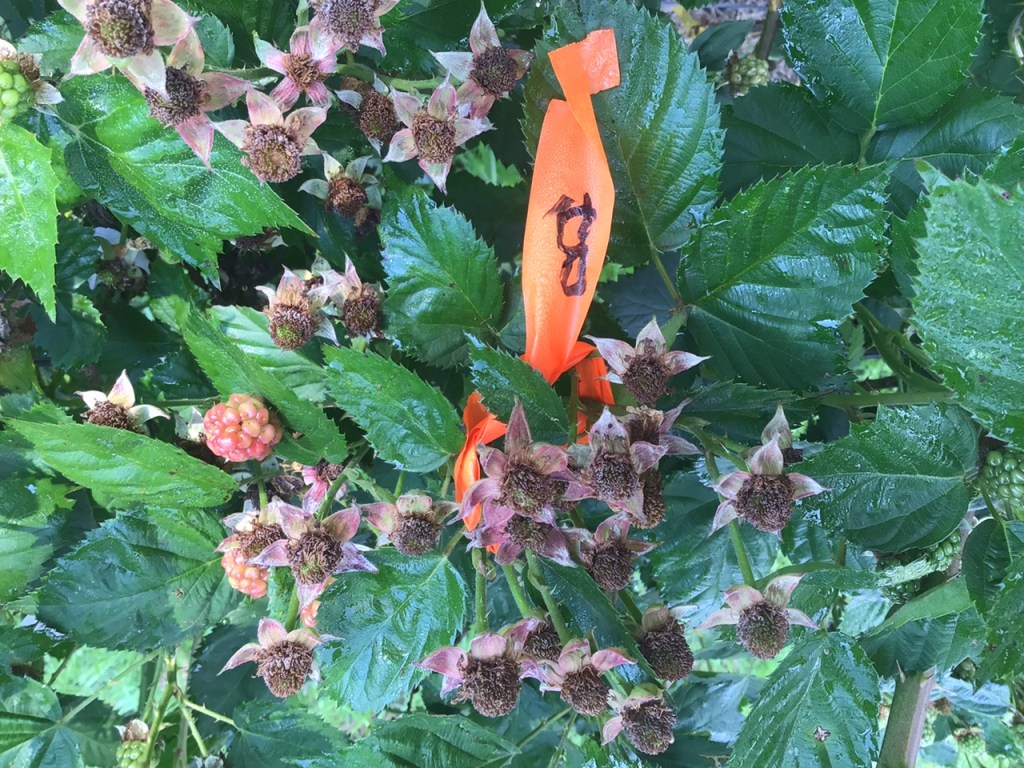
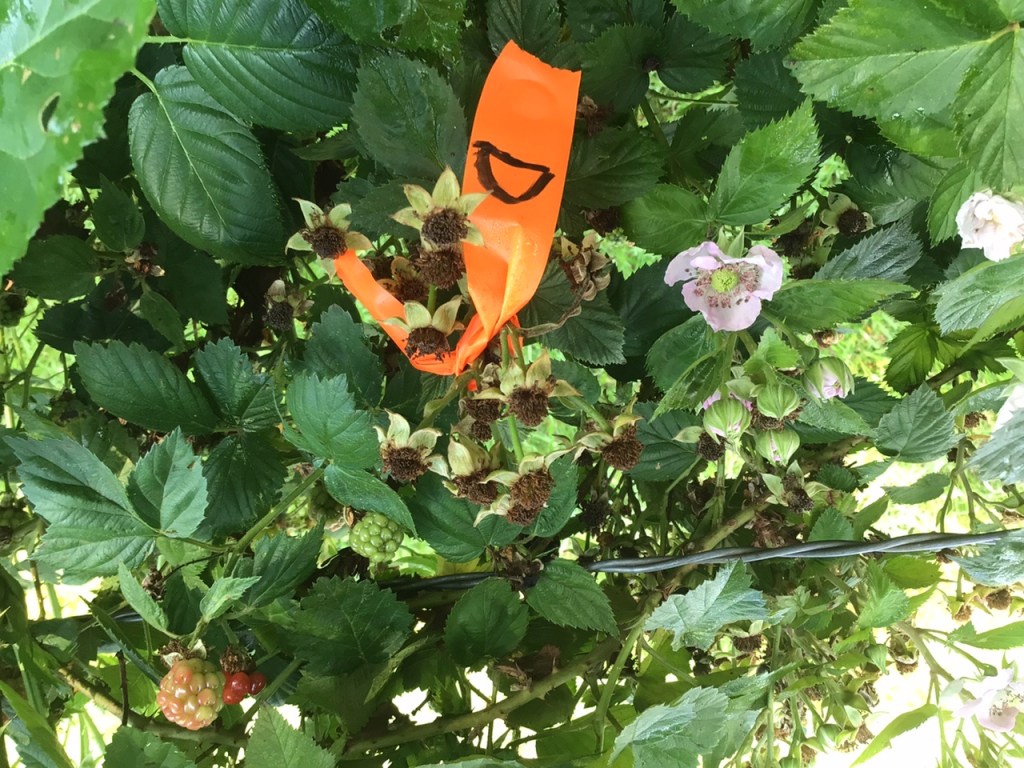
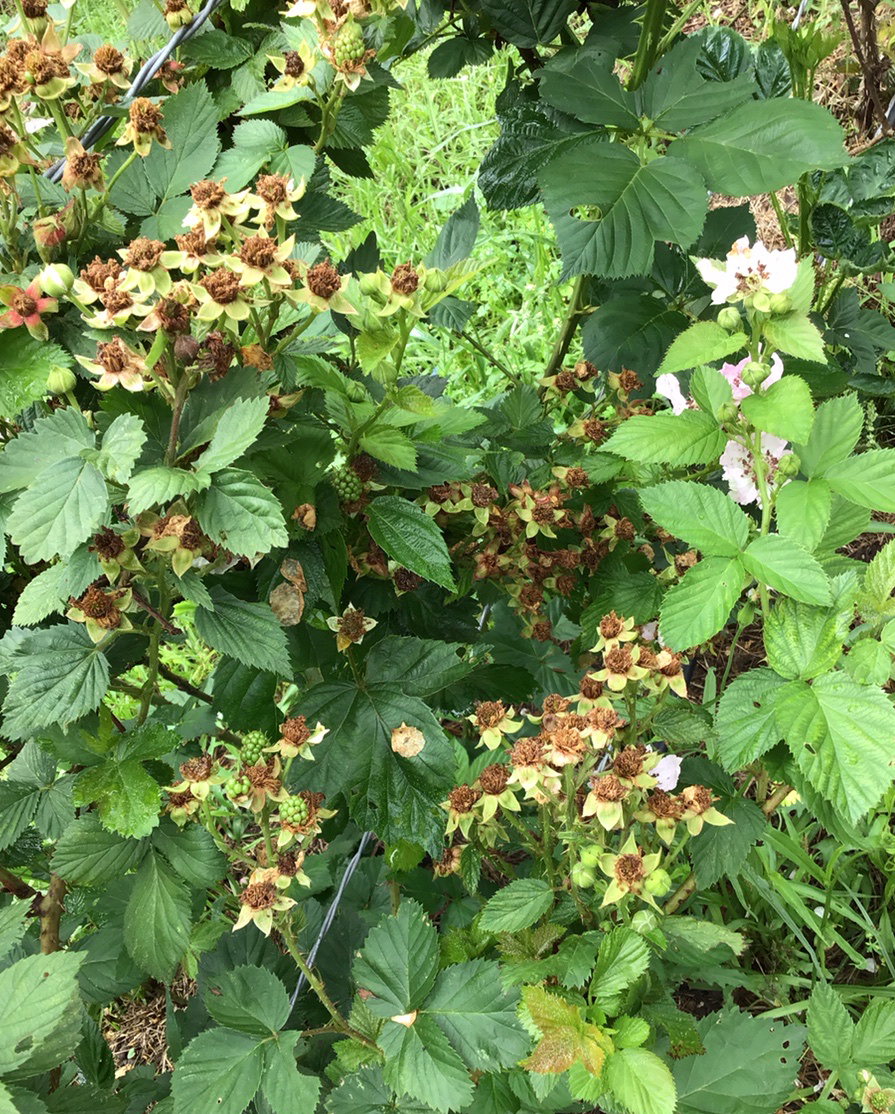
And dumber still! We are no closer to solving the blackberry issue. Hubby did some scientific-like sleuthing to eliminate potential variables. One commenter on a forum said what we were seeing was totally normal blackberry development and we just had to wait a bit longer for our huge harvest.

So, Hubby took some before and after photos, about two weeks apart. As hopeful as we were that he was right, we were skeptical, and he has now been proven to be wrong. Unfortunately for us, the mystery remains and the blackberry harvest is puny.

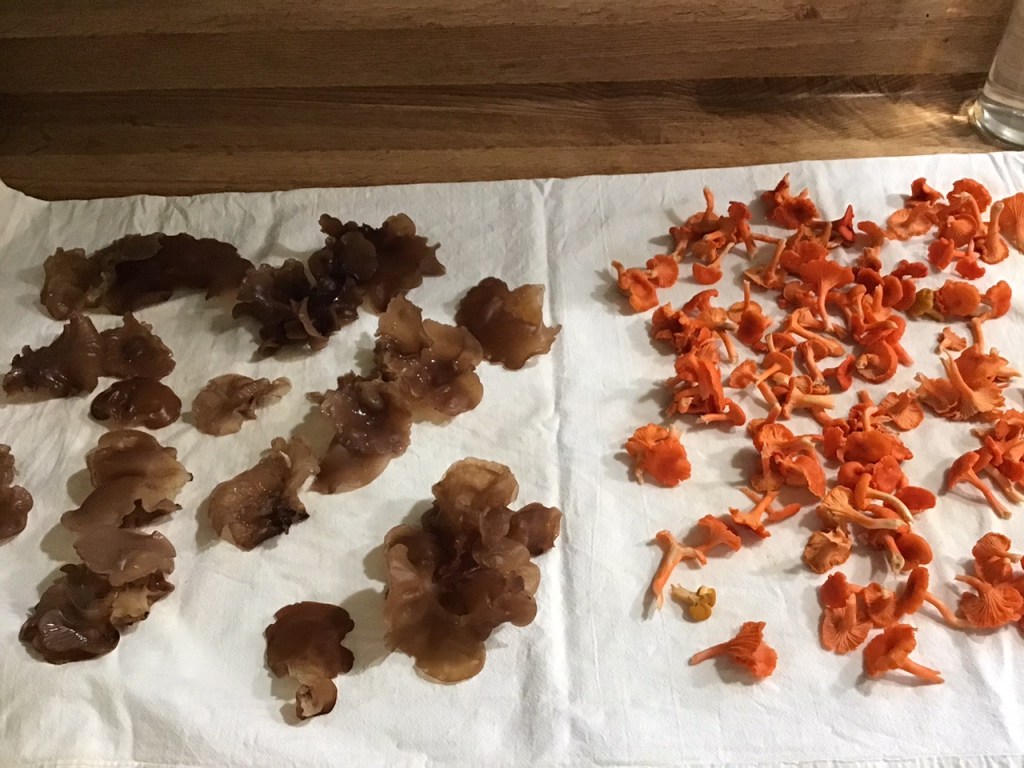
But, we have been blessed with a few weeks of prolific chanterelles, which we love, though their tiny size requires some patience while picking. I’ve tried them preserved in oil for the first time and we’ve been enjoying them in crepes, omelettes, soup and sauces.

Chanterelles and while foraging for them we find
Not-Bert ducking and covering! 😆

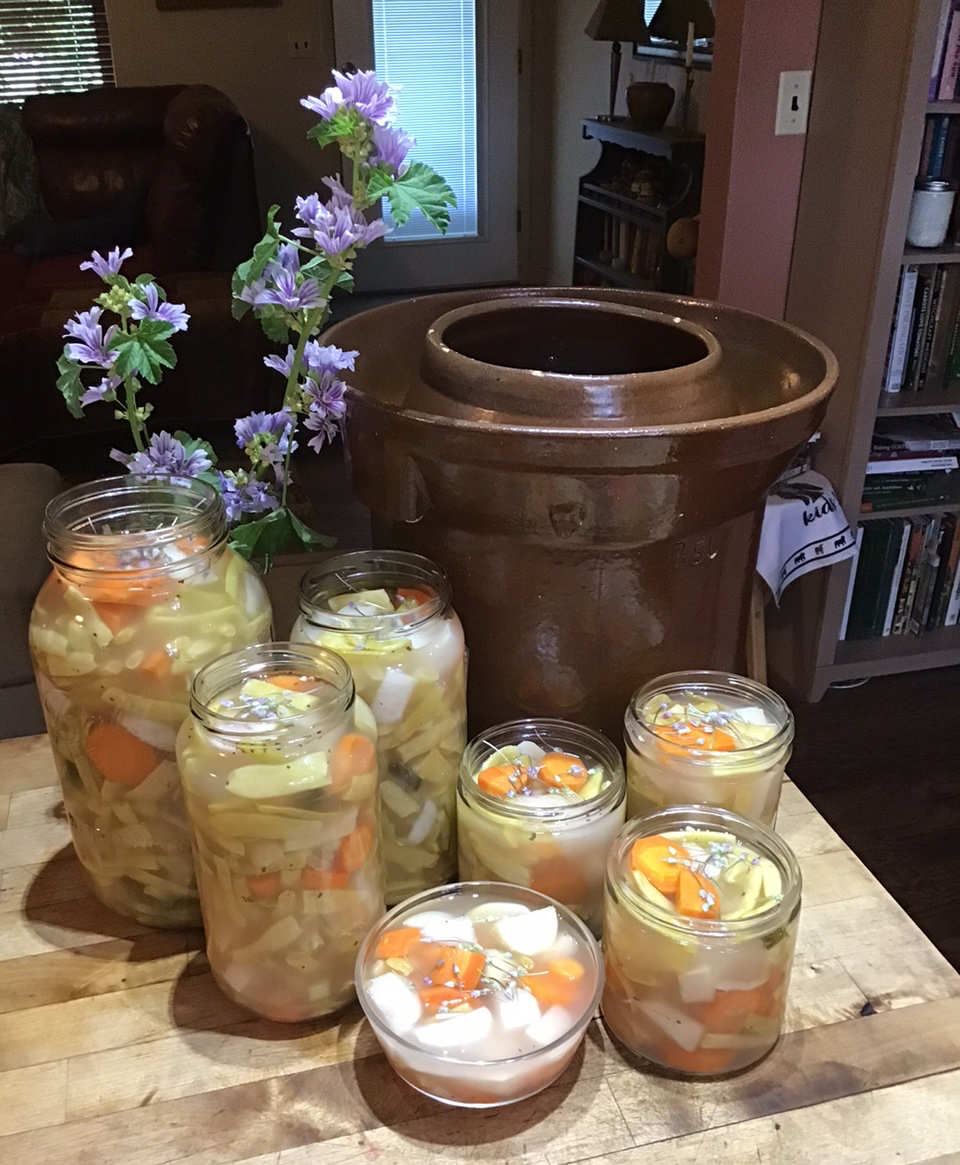
We’re also getting a bumper crop of tomatoes and peppers, with Hubby continuing to pressure can while I remain fixated on fermenting.

On left Pressure canning carrots, green beans, banana peppers and jalapeños;
fermenting the same on right.

Harvest Art!

We rarely eat an entirely vegetarian meal, but with so much produce I thought I’d challenge myself to use every vegetable in one meal. As it’s so rare I thought I also better commemorate it with a photo!

Tomatoes topped with my own aged chèvre; cucumber and corn salad with salsa verde; veggie casserole au gratin; kombucha cocktails

More garden happy snaps.

Because obviously we have a lot more seeds than sense or cents, Hubby decided we didn’t have nearly enough to do with a huge garden, an orchard and squash plot, and a menagerie of critters, so he planted a separate melon maze as well! It’s actually pretty impressive and already producing, but we’ll see with this heat and drought how well it does. We were hoping the ‘El Nino’ predictions would be correct and we’d be wetter and cooler this year—so far, not panning out!

Hubby’s ingenious companion planting—esthetically pleasing and practical— sunflowers helping to shade the melon mounds.

Patty’s first litter: 9 males and only 2 females!

And still dumber still!! We’ve been gifted an unwelcome ‘Sausage-fest’ this year as far as livestock goes. A whopping 80% male birth rate among pigs, goats and sheep.

Of this year’s kids: 1 female, 4 male
Of course, all the critters are cute little blessings, but no one really wants a Sausagefest.

However, Hubby did take the next big leap in livestock rearing and learned to castrate the piglets. He’s been avoiding that like the plague for YEARS! The lambs and kids are pretty easy and he’s been doing that since the beginning. But piglets are a different story.

I’m too squimish for all of it, so he never got any pressure from me to buck up, I’m not that big of a hypocrite. The nudge actually came inadvertently from a timely email from a friend who didn’t even realize at the time our current Sausagefest challenge.

I think it was seeing a girl do it, alone, that put the final bee in his bonnet! Or, is that spur in his boot, since this gal was demonstrating the ‘Boot method’.(We’re not on FB, so couldn’t see the entire post, but here’s the link, if you dare.) https://www.facebook.com/100064629581910/posts/in-the-past-ive-struggled-to-castrate-piglets-for-a-few-factors-i-took-an-old-ti/632005412297106/

He did the deed and it was a full success, bravo brave man! A real homesteading hero! 🤗

Now for the funny question, which sprouted from a favorite blogger’s recent post.

Plans for the Weekend? – Dispatches from the Asylum


In it we are presented with the ‘13 Do’s and Don’ts’ from the CDC about survival after a nuclear attack. It’s even funnier than the original!

From the life-saving list:
Do take a shower, but don’t use conditioner on your hair.
That’s even better than Duck & Cover!
Yes, you read that right! There’s our tax dollars hard at work to keep us safe.

I laughed so hard I wanted to include it somehow in our ‘Funny Friday’ post, but decided it really needed a whole section devoted to it.

So, before you click the link to look it up in order to verify (or afterward, if you promise to come back and reply!) here’s my question.

Can you guess why hair conditioner should not be used in the aftermath of a nuclear attack according to the experts?

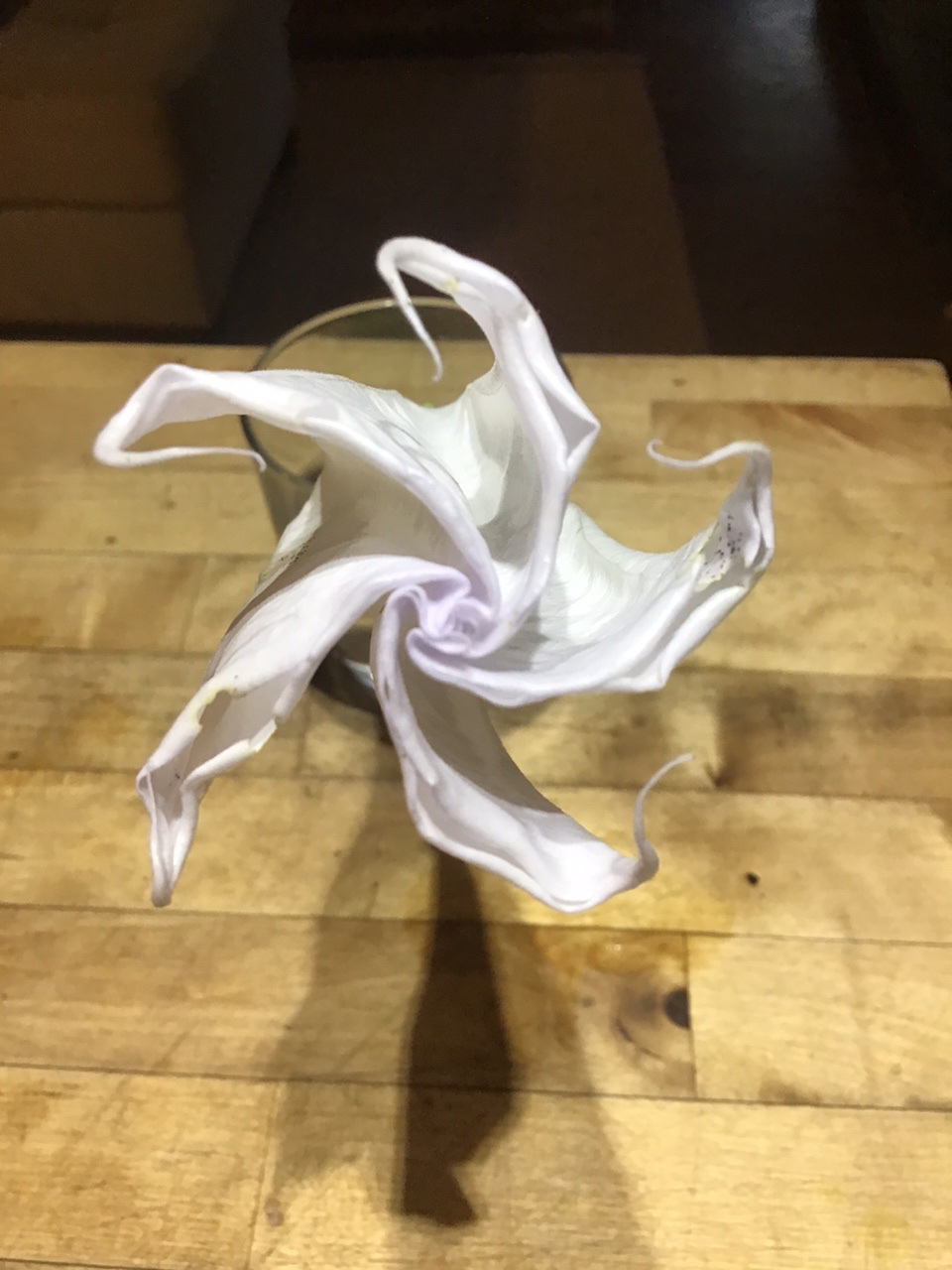
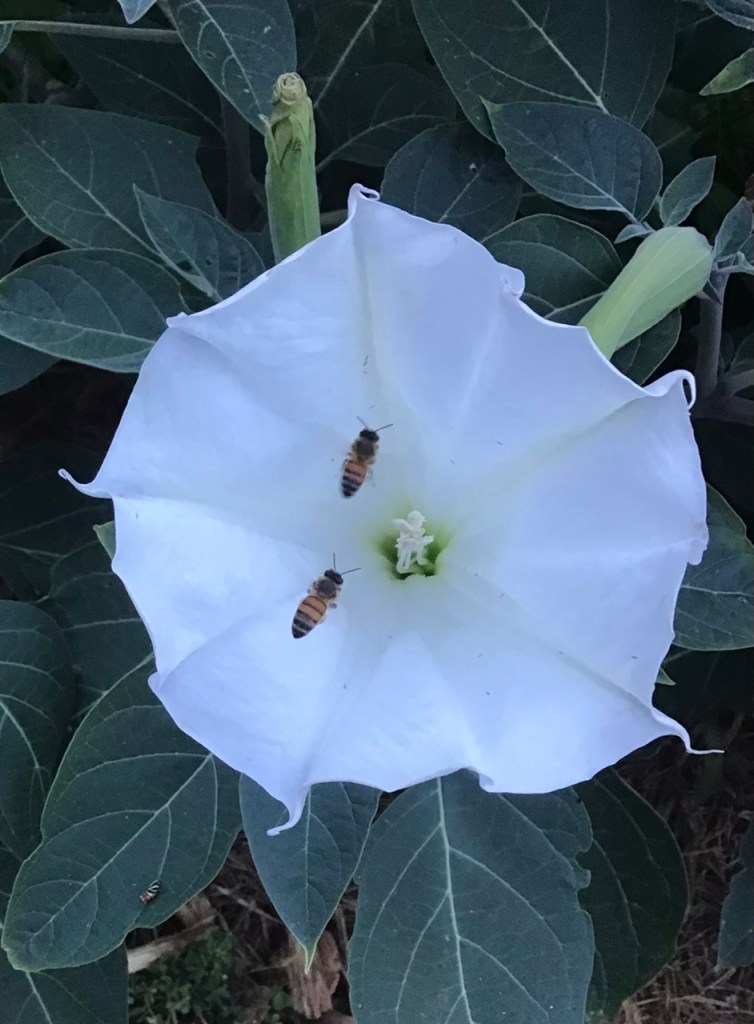
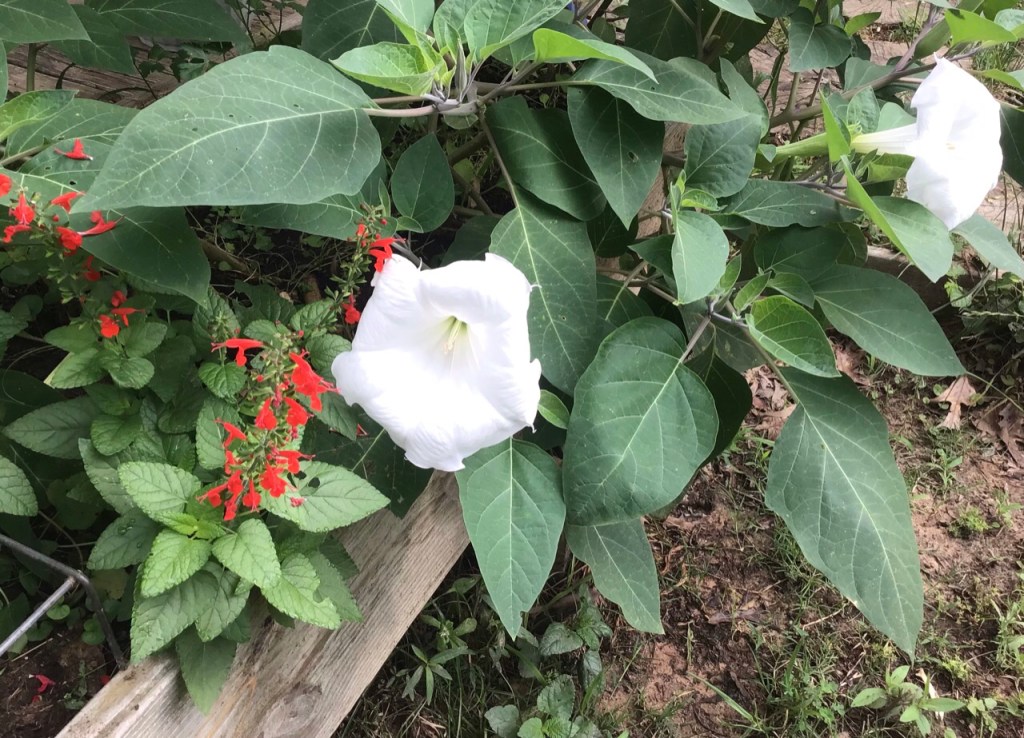
Finally, the gorgeous, sublimely-scented Datura to leave us with some beauty and grace to cleanse the palette from the bad hair days certain to haunt us for decades after nuclear destruction. 😂

Thanks for stopping by!

Homestead Happenings

Continuing on from the previous post, more weird scenes. Plus, lots more happy snaps, an update on Scrappy with video clip, danger averted, and mushrooms galore.

Starting with the weird and disgusting, so those trying to eat and read, or others simply of an easily-queasy disposition, may skip right down to the happy snaps post haste.

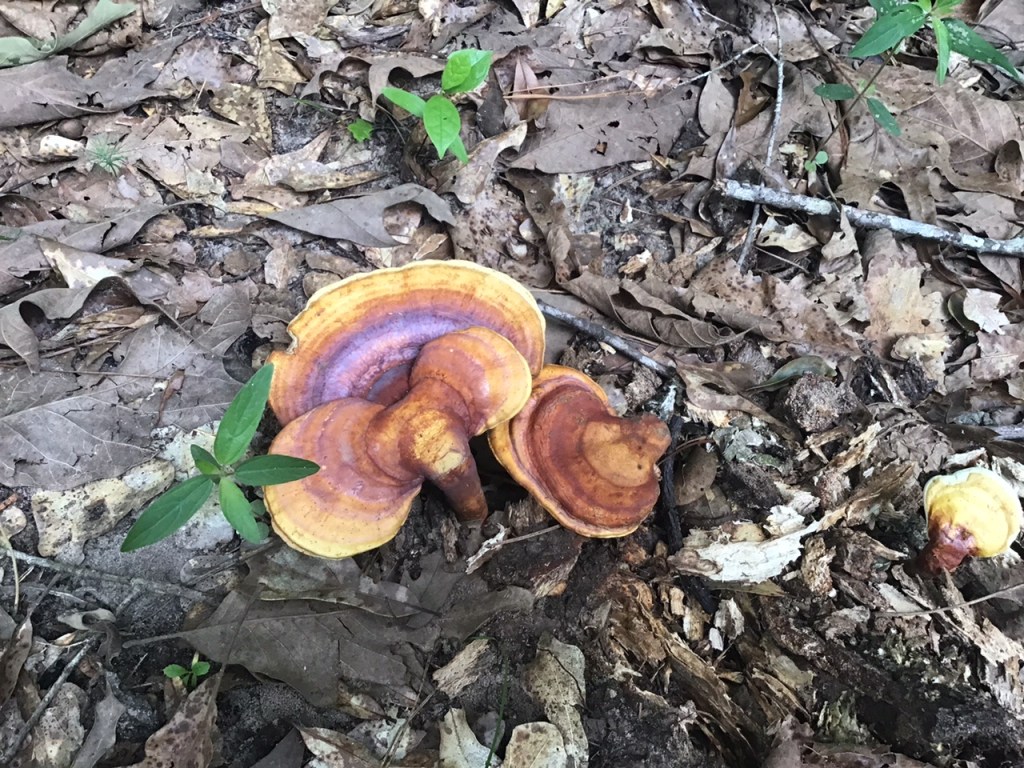
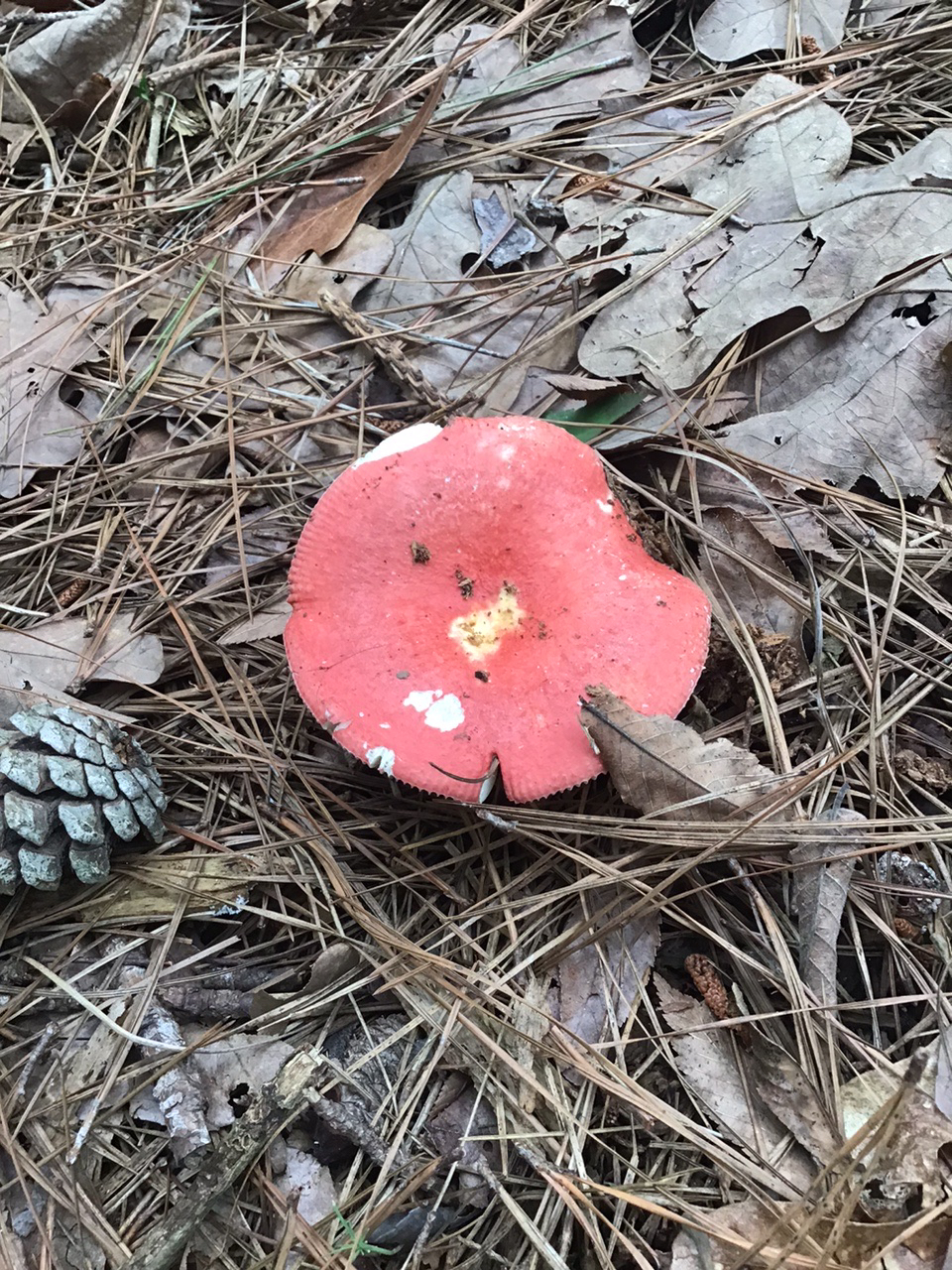
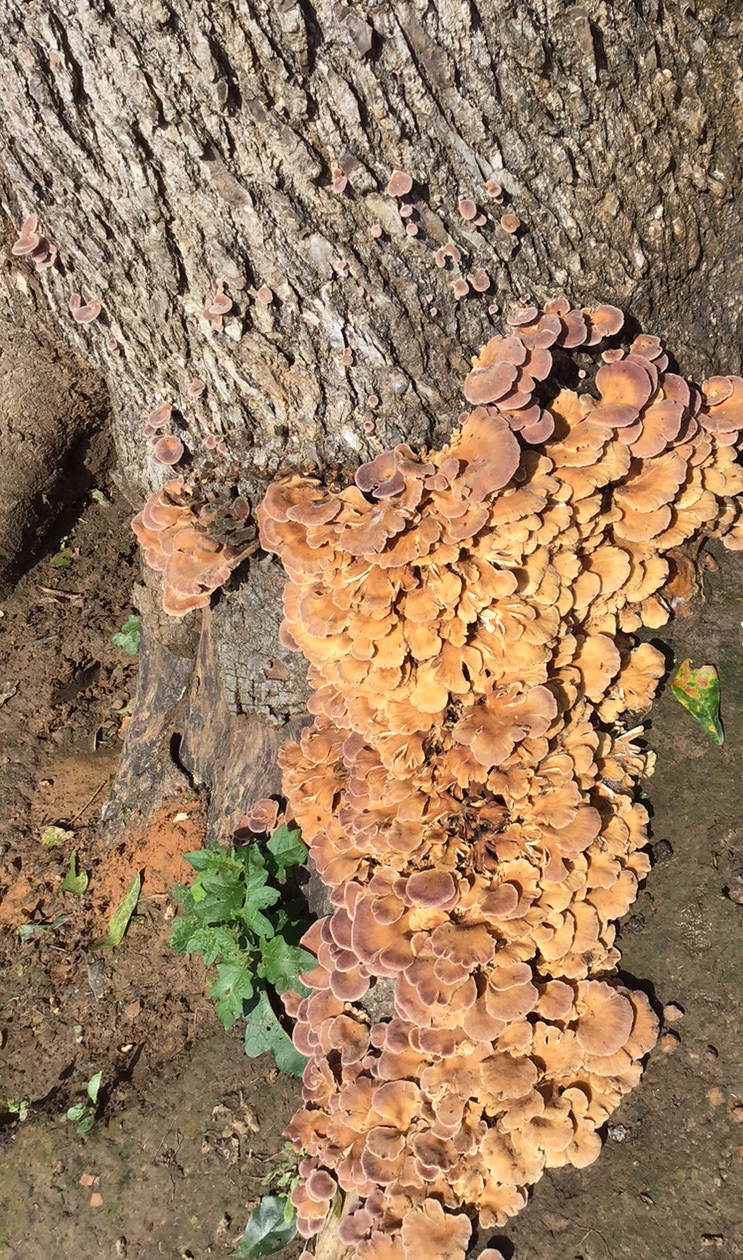
Thanks to the lovely rains last week, which may or may not have destroyed our blackberries (still documenting), we’ve been finding plenty of mushrooms. Some we know very well, like chanterelles, and hunt for them routinely. Most others we collect, and I try to identify, usually without success.

Occasionally that proves to be a disgusting lesson. Boletes in particular bring unwelcome inhabitants and you may just wake up to this sight as you’re making your morning coffee.

If that concerns you, best to leave them in the wild and admire from a safe distance!

Not edible, but cute!

Staying in the weird-disgusting realm, I mentioned last we lost an established bee colony, which was a big disappointment. I wanted to figure out what went wrong with them, and thankfully Hubby noticed the empty hive almost immediately, thanks to the observation window, that so many beekeepers complain about.

I was able to bring all the comb in for inspection. It was highly unusual, because the colony left behind quite a bit of resources, in this case pollen. That means something must’ve been very wrong. Luckily we did capture a swarm off this hive the last month, so it wasn’t a total loss. The culprit behind their total departure from the hive, the dreaded wax moth.

Hubby noticed immediately the spotty brood pattern, sure sign of a failing queen. Had he not noticed and had I not taken action, very quickly all the colony’s painstaking acquisition of pollen and long, hard work of drawing out the wax comb, all would’ve been lost within a fortnight. Wax moth damage in a hive is truly disgusting, the clean-up of which is probably the dirtiest job a beekeeper faces.

Saving the comb, therefor the pollen, therefor the hive body, was the silver lining to this colony collapse. And, it was a good scientific observation for me. What happens is the wax moth eggs as they develop, having been laid in the empty cells where the bees then place their pollen, grow into larvae that pushes out the pollen. From that point they squiggle around a lot. Some of them are able to make it as far as the next room in search of a place to cocoon. Pretty amazing!

Bee pollen is actually pretty tasty, is said to be healthy, and makes a great flavoring for kombucha. I’m sure they eat the larvae in some cultures, just like with silk moths, but don’t worry, I’m not that weird, yet.

*******The rest of this post is safe for the easily-queasy!********

But, there is still danger afoot! And Bubba lets us know about it. A water moccasin on the loose and ready to terrorize the troop, if not for Bubba’s keen scouting.

Bubba sounds the alarm, such a good boy!

In other homestead news, Scrappy, whose Mama rejected him at birth, is doing just fine raised on the bottle. Hubby even set up a portable milk station for him, which he adjusted to almost immediately.

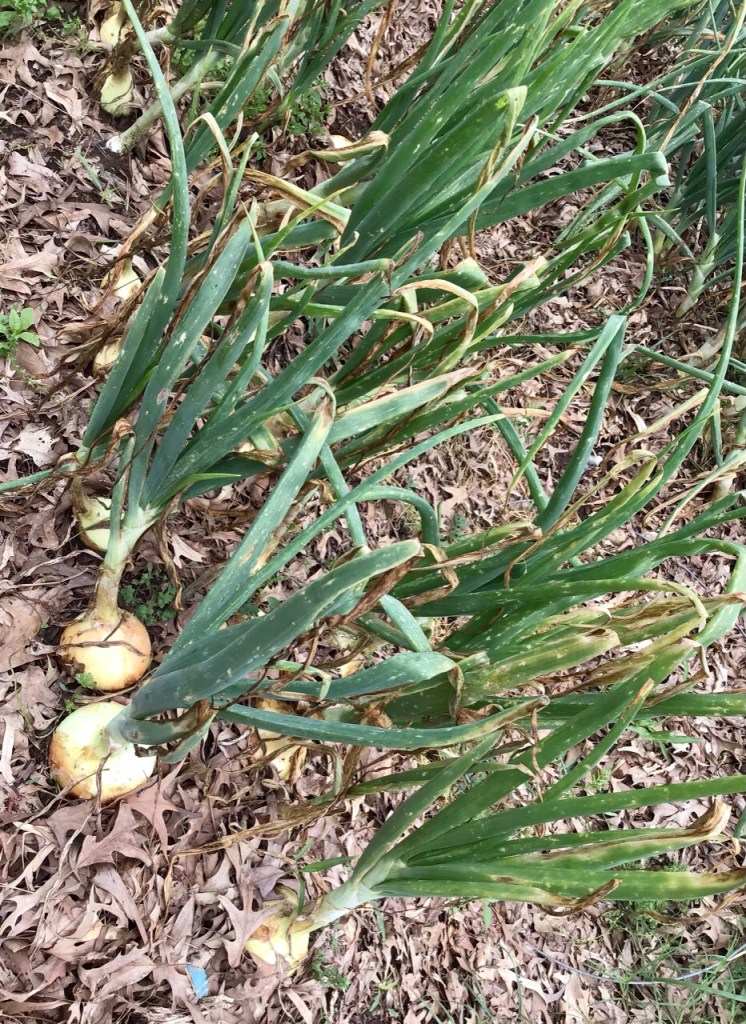
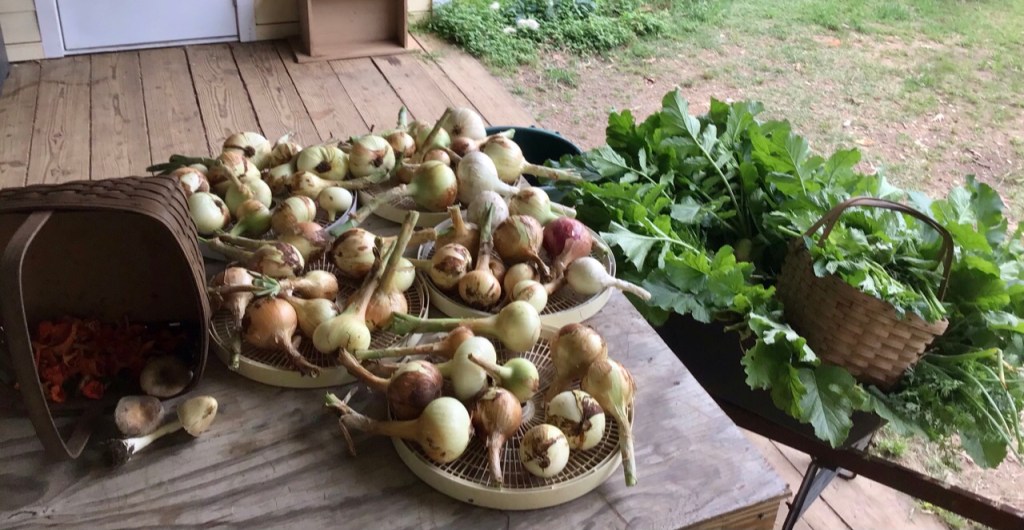
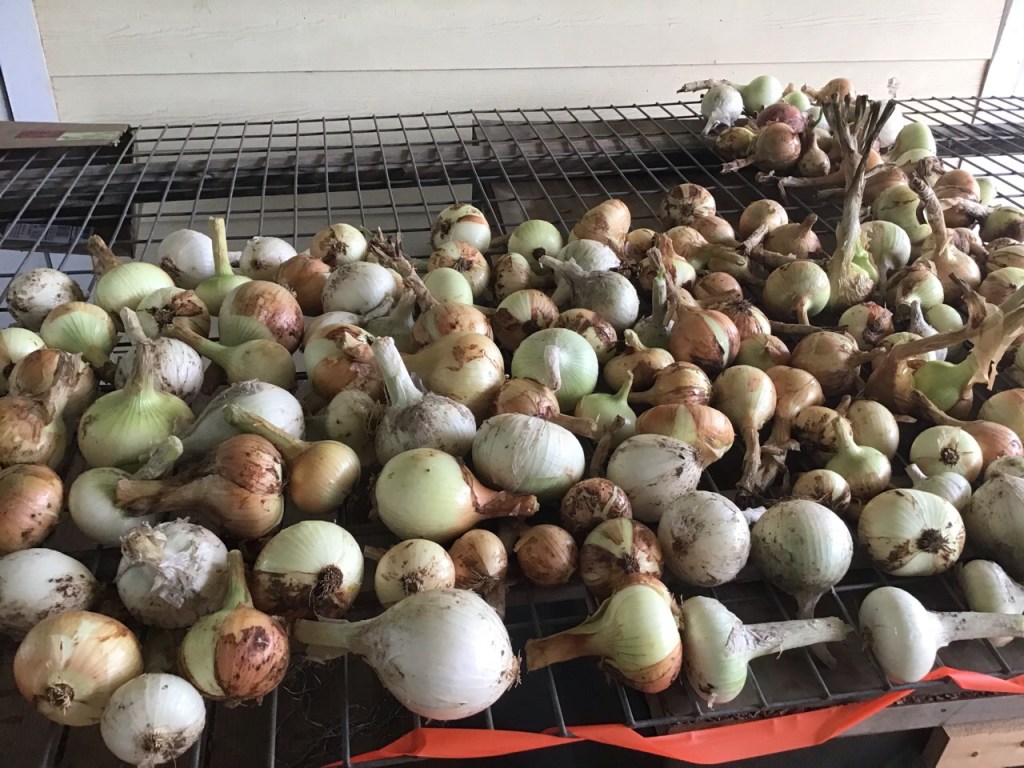
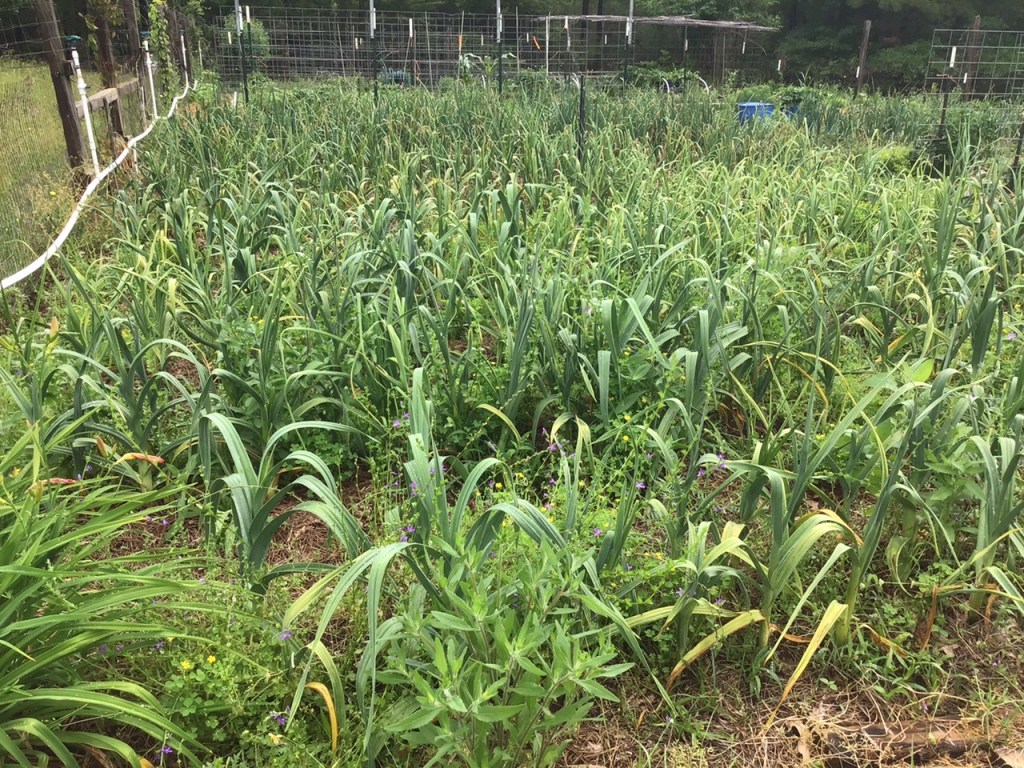
In garden news we’ve been harvesting onions and we’re quite pleased with the prolific results for the 2nd year in a row. We’re about 2/3 to completion. Where the onions and garlic have come out, we’ll be planting okra, sweet potatoes, and melons.

The tomatoes and green beans are coming in great, and a few forgotten flowers too.

Never forgotten, Datura, one of my very favorites. If only I could capture that most sublime scent when the blossom first opens!

In more critter news, Shadow is still adjusting well to country life, with occasional hiccups. Like, he still likes to chase the goats and the lambs if they stray too far from the herd.

Is he gone yet?!

Only the pigs remain unconcerned with his massive curiosity.

And he seems to find the kittens quite exasperating!

And that’s kinda weird for us too, because we’re not cat people, this is the first time having kittens around at all, yet they seem to be taking over!

It’s an exhausting life for a townie-dog, I’m sure!

Thanks for stopping by!

Do you have any critter or garden news to share?

Homestead Happenings

Weird scenes inside the homestead! What have we to add to the big wide web of weird today? A couple of things only, along with some sad news and some happy snaps. Successes and failures, as usual. Trying to keep them all in stride, which with the wild flowers and a short country drive, isn’t too big a challenge at the moment.

Creepy visitor appearing everywhere after the rains

Best to get the crap out of the way first, I prefer. We’ve got seemingly severe blackberry failure and an established bee colony suddenly lost. I could write exhaustively on just those two, but since I’m already exhausted, I’ll keep it brief. And continue the relentless churning in my mind alone.

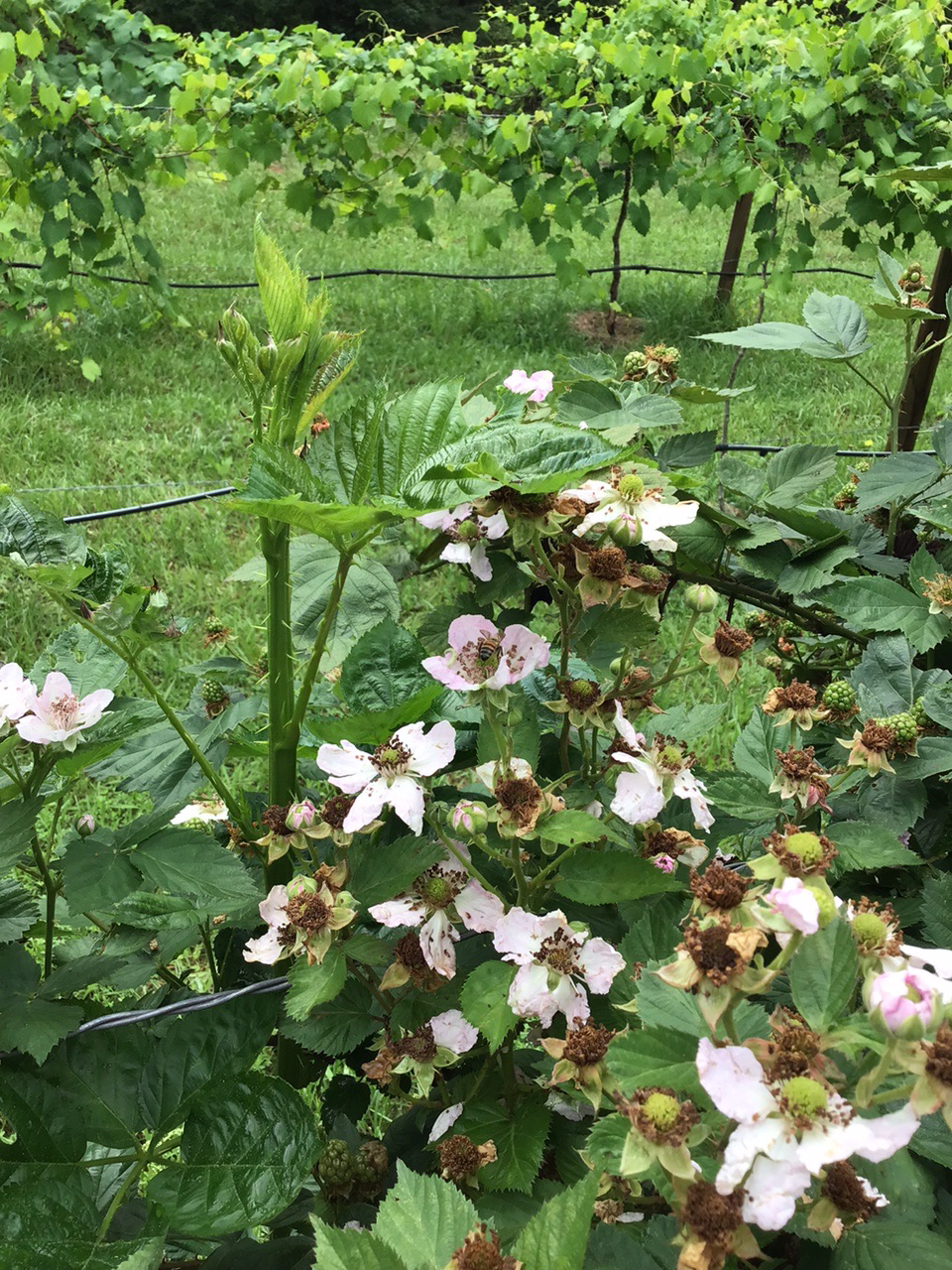
These photos and several more have seen the cyber rounds this week, let me assure you! And the cornucopia of responses we’ve received is rather astounding. Long story short—we’ve had some lovely rains, finally. But it sent our blackberries from thriving and gorgeous, to this brown, crispy-looking horror nearly overnight.

Not just a few bushes either, the entire row, a dozen bushes easy. It looks terrible. So we got a bit frantic and have been sending photos to Ison’s Nursery, where we got them. Also, to various friends and forums, where we’ve had answers to run the gamut: too dry, a virus, a fungus, a blight, Botryosphaeria canker, empty pocket syndrome, aphid damage, and then the kicker . . . This is totally normal development.

Wait, whaaat??

You mean to tell me these could be normally progressing blackberries and after many years of growing blackberries we just never noticed it before?!

Well that would certainly be a big and welcomed WOW! Yes please!

But unfortunately, I don’t think so. They look brown and shriveled beyond anything I’ve seen in any of the online photorama. And there’s no sign of aphids, and it’s not cane blight, and it’s certainly not too dry, although I totally understand that guess, since that’s exactly what it looks like.

And I do so appreciate all the speculation, seriously! It gets me thinking and exploring every time and I do so love all the effort and camaraderie inherit in it. Be wrong, it’s not the end of the world!

Of course, what I did so notice among the seeds of speculation was the one that was, unsurprisingly, totally missing. Toxic rain perhaps? Some other oddities in the atmosphere, perhaps? Not on anyone’s radar? Really?

No idea what’s happening in this photo with the blue dot-purple ring, I just snapped the shot with the tablet as soon as I saw the trail while busy in the garden.

On better themes . . .

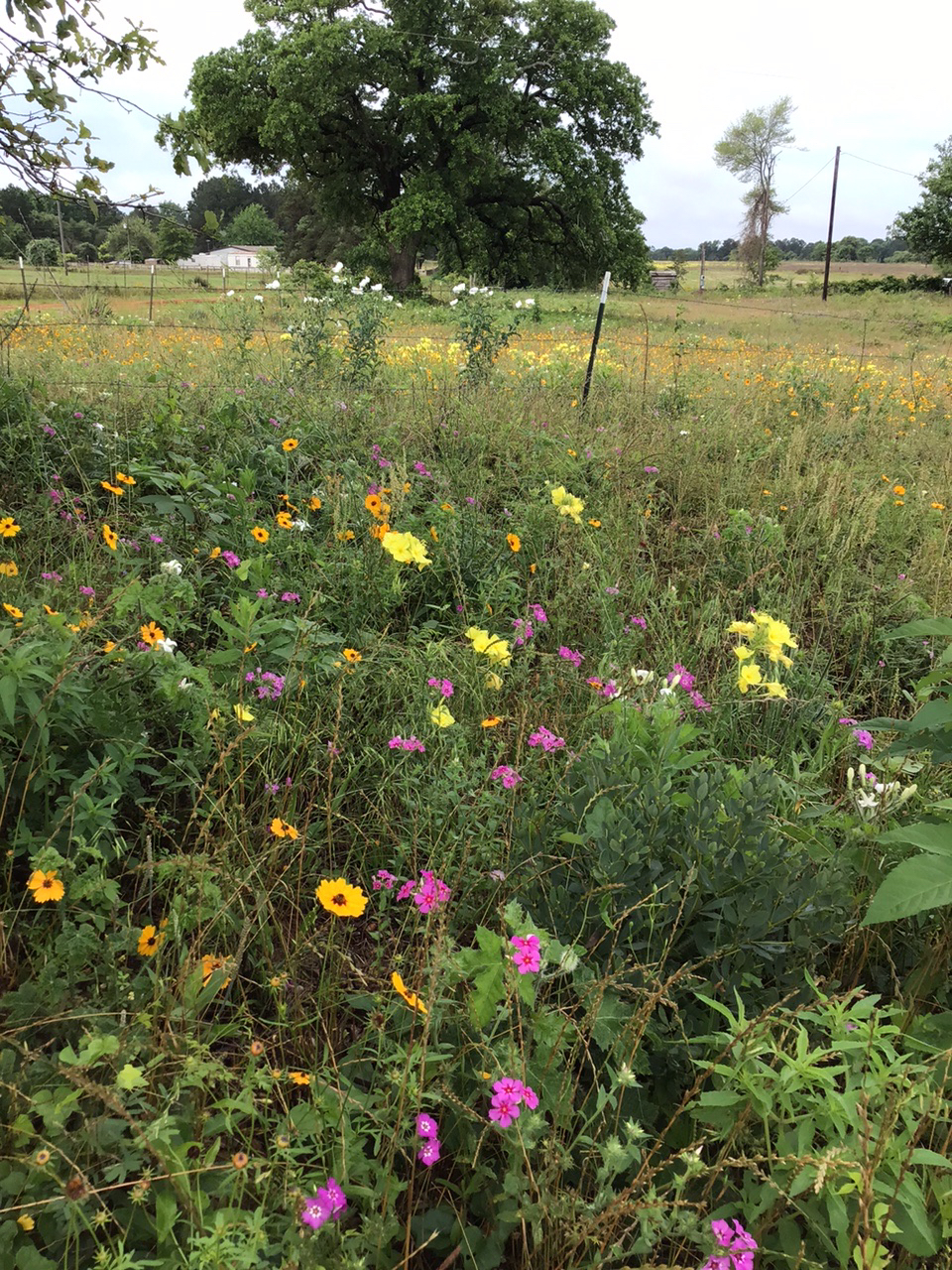
I also took some lovely happy snaps of the wild flowers blooming along the road, which was so much more gorgeous than what I was able to capture here. But I tried, and that should count for something, no?

And on that note, this post will have a Part 2 to finish later, cause that’s all I can manage at the moment. More to follow, so much more!

Thanks for stopping by!

I leave with a song that motivates me when I really need it most. Hope it works for y’all too!

Homestead Happy Snaps

Need some cute today?

Lots of life around here, so much so, it’s just about killing me! 😂

Exhausting but exhilarating.

Our bottle baby lamb, Scrappy, is still doing very well. The only lamb I’ve ever seen running towards man, instead of away. Shadow, our recent addition, has completely settled in, even the bees haven’t bugged him in a couple weeks, so that’s a relief.

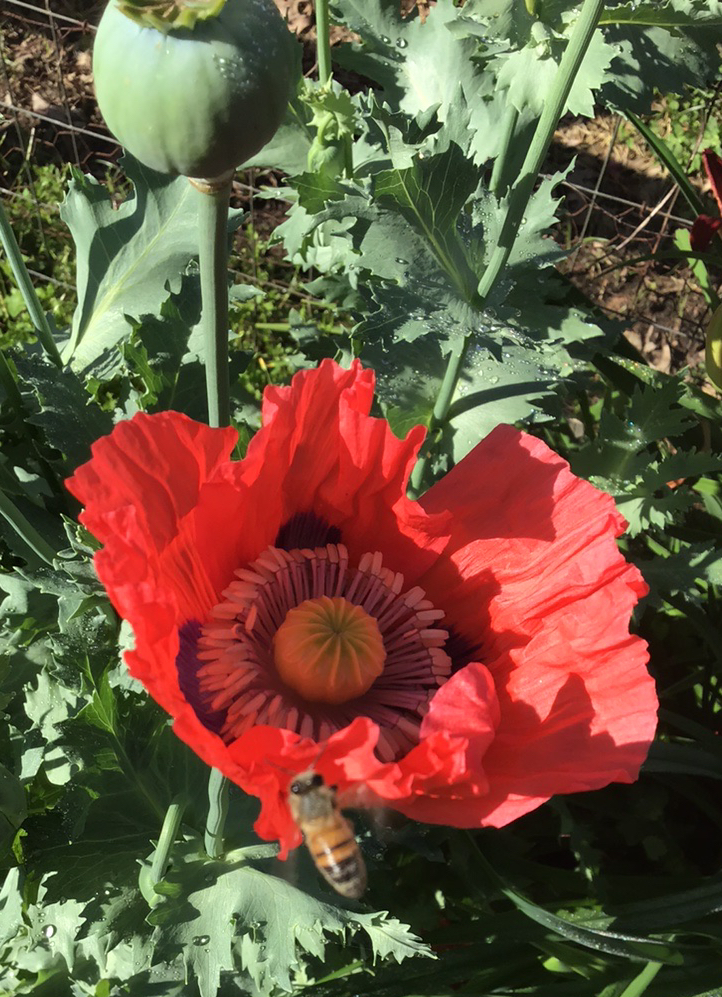
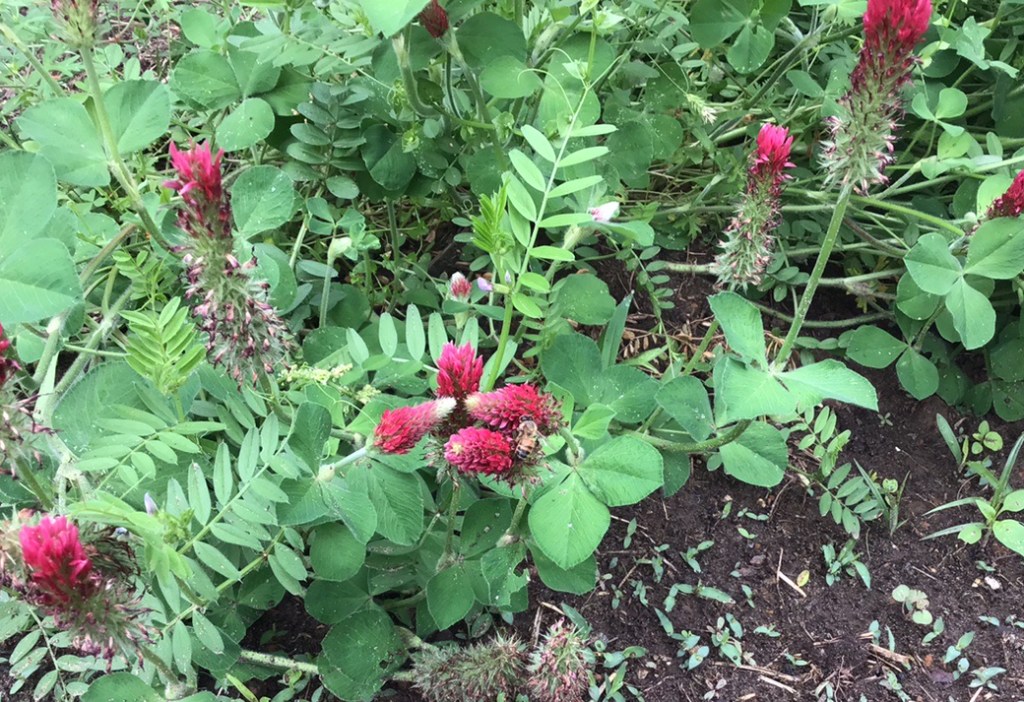
The bees love the poppies at dawn, the cilantro flowers at mid-morning, and the clover after that, as digestif I figure.

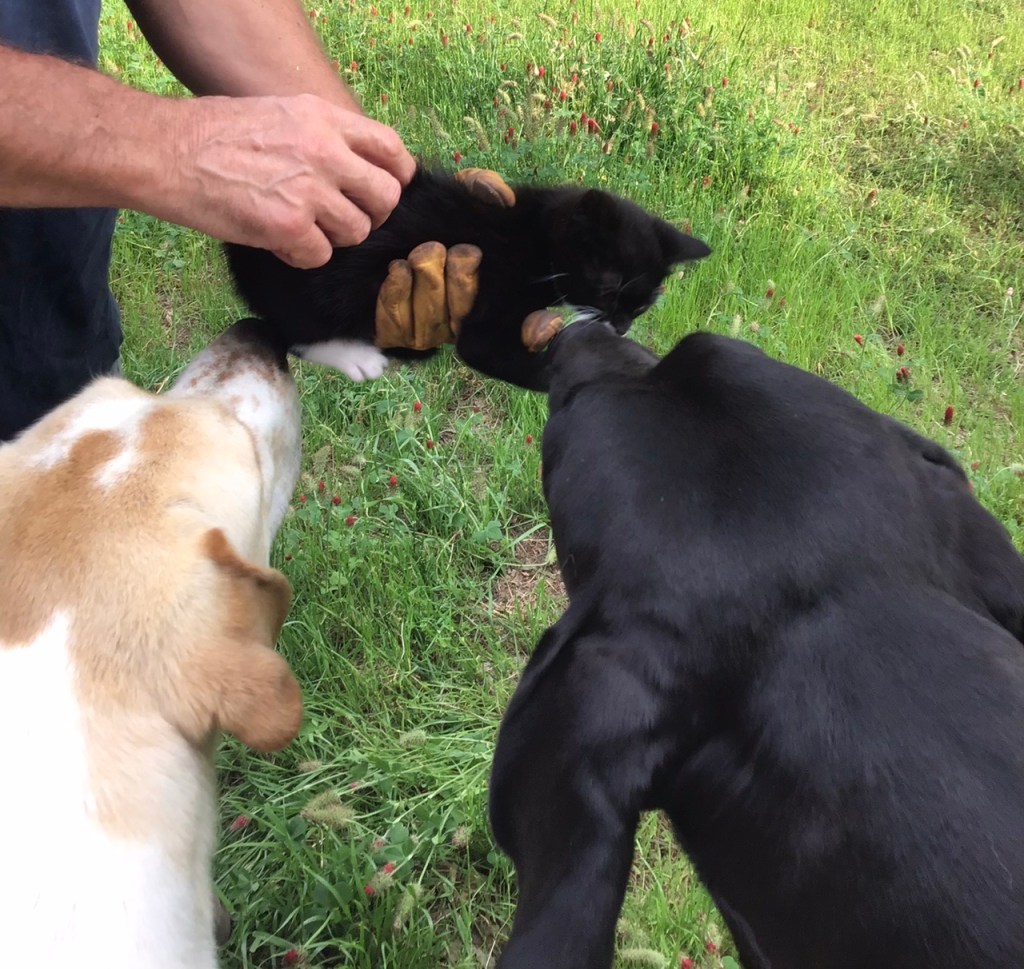
The kittens have gotten so comfortable they are now happily playing on the dog bed and lining up with their mama and the dogs at feeding time. A friend recently commented it’s like we’ve got a petting zoo. Yes, indeed, it seems we do!

The garden is looking great, the best year so far for flowers, which makes me so very happy.

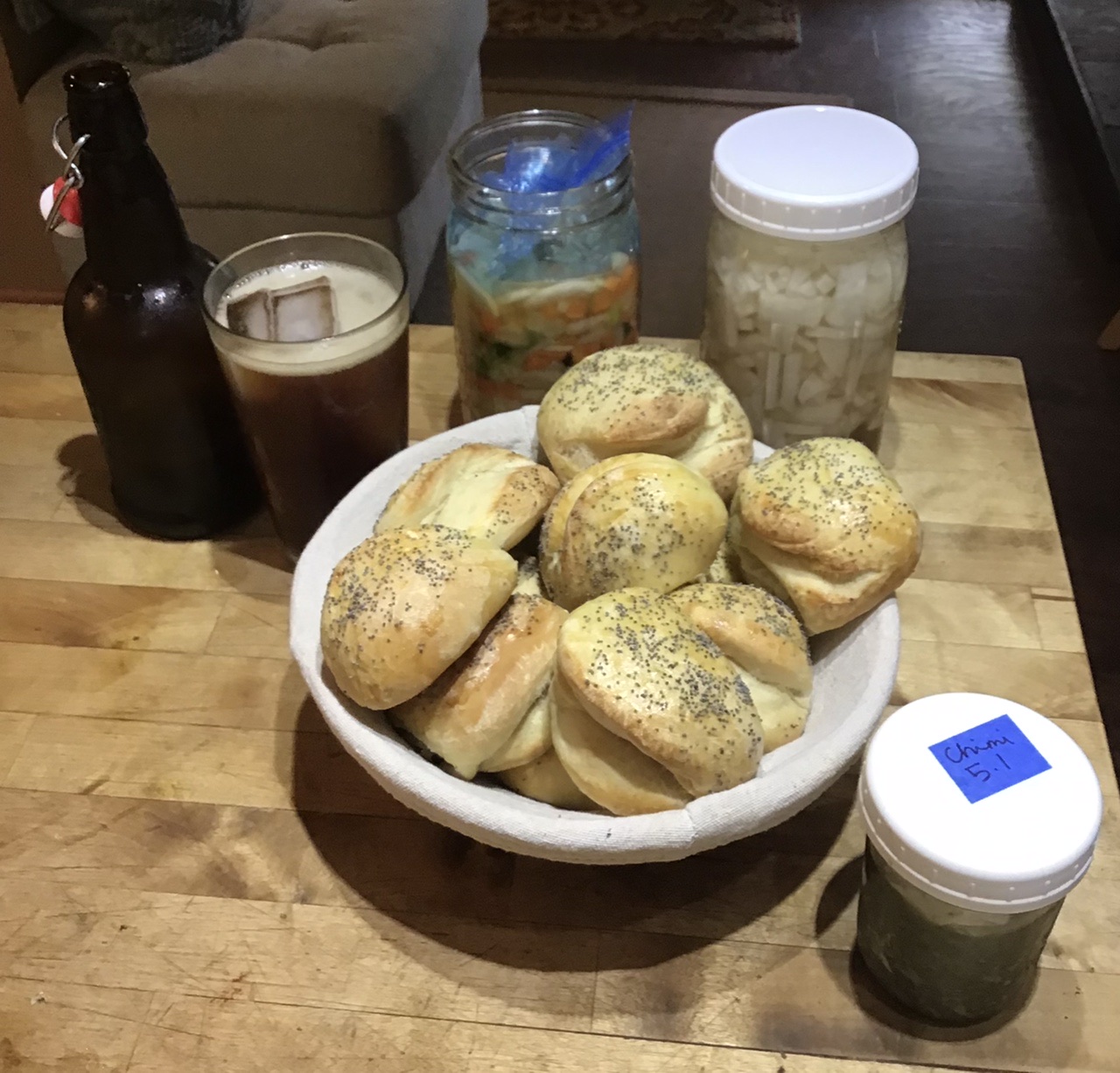
Our hard pear cider, sourdough dinner rolls, chimichurra, daikon radish, and

Already making delicious ferments from the garden produce and the onions are already getting close to harvest. Stay tuned for that excitement.

Shadow’s favorite thing to do in the morning, sit on my lap as I try to drink coffee and read the news. Not enough hands!

Thanks for stopping by!

(FYI, it took me 2 hours to post this, WP seems to have LOTS of issues, deleting paragraphs, deleting photos, not accepting edits. Super annoying. I looked for somewhere else to park this blog, and found no other platform of greater value. I do believe we are witnessing the Walmarting of the blogosphere.)

Homestead Happenings

Mostly happy snaps today, plus one wee tale of woe. Life is flourishing around here, but for two middle-aged folk, it’s getting harder to keep up!

We’ve got kittens and lambs and chicks and some rain and decent temps for a change, that’s keeping the critters and crops and me very happy.

I think the old cliche about when life is giving you lemons should be updated for the modern era. Lemons are already a luxury, after all.

I think it should reflect the shitshow the modern era has become and read: When life gives you shit, make more compost.

And we have LOADS of it at the moment, the good kind that makes fantastic strawberries, not the useless kind, that populates DC.

Strawberries making me proud!

Do you care to know how much shit it takes to make carrots and strawberries so good? 😆

Guess what else loves loads of shit?!

And while some homesteading results are obvious— like more shit equals better produce— others remain a mystery.

After three perfect sets of twins, we have a reject. It’s one of those very odd occurrences we have yet to experience and it’s confusing because it’s halfway between cute and sad.

One bad mama has rejected one of its offspring. He’s a sweet, spunky little survivor we’ve come to call ‘Scrappy’ because he’s fighting so hard and it’s wonderful to witness. And also sad, like I said.

Scrappy at the fence as soon as he sees us, not a good sign.

Hubby found Scrappy at the fenceline in the morning not long after birth, already abandoned. But, the sibling lamb and mama were fine and healthy and not too far away.

It’s a mystery because one, he was not just alive, but cleaned off, and very vigorous. And two, because had she cleaned him off, she’d surely recognize him as her other offspring. So, who cleaned him off?

Because she pushes him off immediately at any attempt to nurse. Even still, after 4 days and every attempt we’ve tried. We’ve resorted to holding her down 3 times a day, he at the front end, me at the back end, while poor Scrappy voraciously sucks down whatever he can manage before she out-maneuvers the 3 of us!

Then Hubby goes back to bottle-feed him 3 more times a day.

Of course, he’s not the first critter here to obediently follow Hubby everywhere!

Shadow happily in tow

Scrappy’s getting fed with a combination of powdered milk specially formulated and goat’s milk, thanks to Summer, who I’m still milking from her last freshening, last spring.

Summer, on right, with her offspring, Bluebonnet next to her. Phoebe below, left, so huge already we wonder if she’ll have triplets!

Skittles (below left), looking tough as always, but her kittens are already getting accustomed to an easier life, from the barn to under the porch.

Careful kitties, domestication has its costs, which is probably why Skittles keeps hissing at the hands who feed her. 😆

Thanks for stopping by!