Purebred Souls in a Redneck Wood?

I’ve been doing lots of research concerning the goats and so appreciate the kind help and suggestions from others.

It really is a quandary just like I went through with the bees. Treatment-free types are the anti-Vaxxers of the animal husbandry world, getting similar treatment from the established voices—that is cursed, mocked, belittled and silenced.

And that’s not the worse part, not for me anyway.

It’s far worse not being able to find honest, untainted information. The goat world, like the bee world, is dominated by the industry standards, which has penetrated into every conceivable space of our reality.

In the U.S. that means public-private partnerships that wholly infiltrate the information and therefor the society through the university system and popular organizations like the 4-H club.

Many of our best and brightest agriculture enthusiasts start very young, showing animals and winning awards based on criteria that then get distributed into general farming life. Very little attention is paid to the actual results of this process, not even the simple stuff—like considering whether purebreds are really the best option when stellar looks and trainability aren’t the owners’ top priorities.

Which got me thinking . . .

Might we make an analogy that it’s kinda like ZaZa Gabor playing a starring role in a film like Deliverance?

In other words, are we trying to raise the equivalent of thousand dollar racehorses in two-bit barns? Is that the problem? Or part of it?

“I get allergic smelling hay! I just adore a penthouse view,
darlin’ I love ya, but give me Park Avenue!”

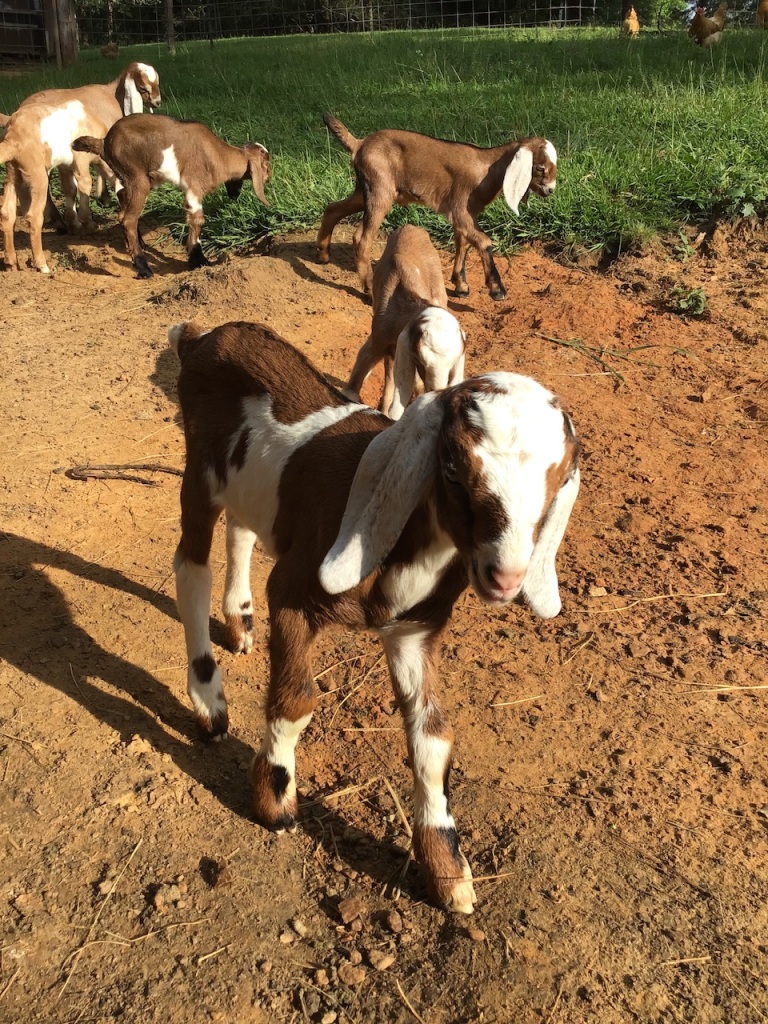
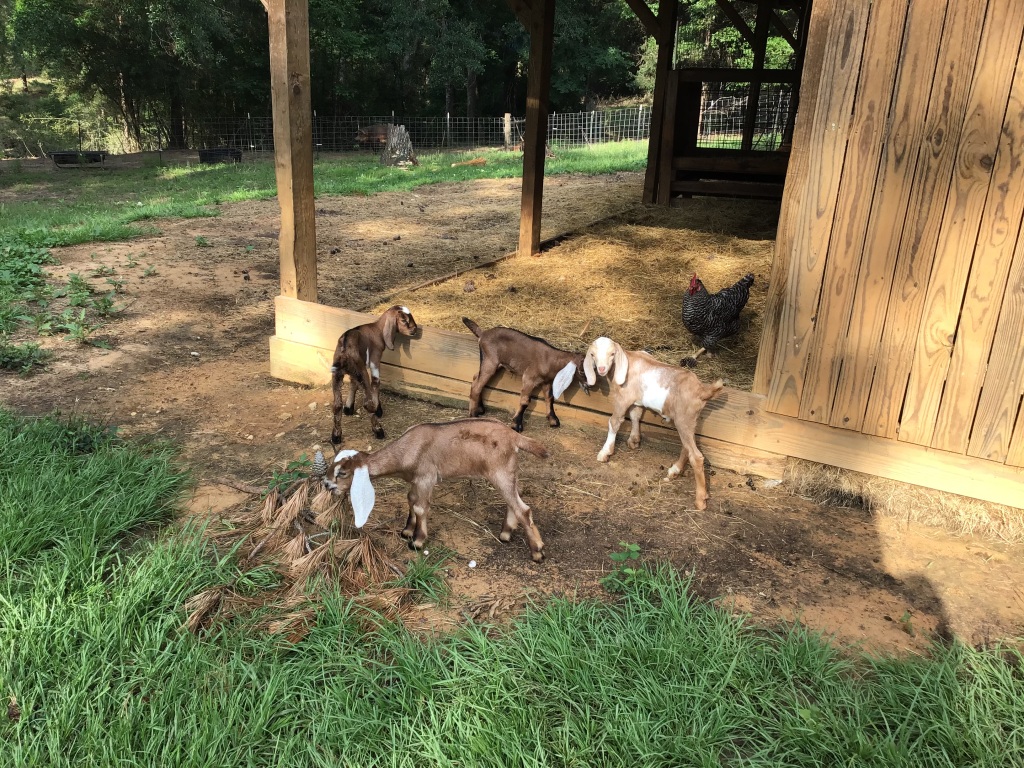
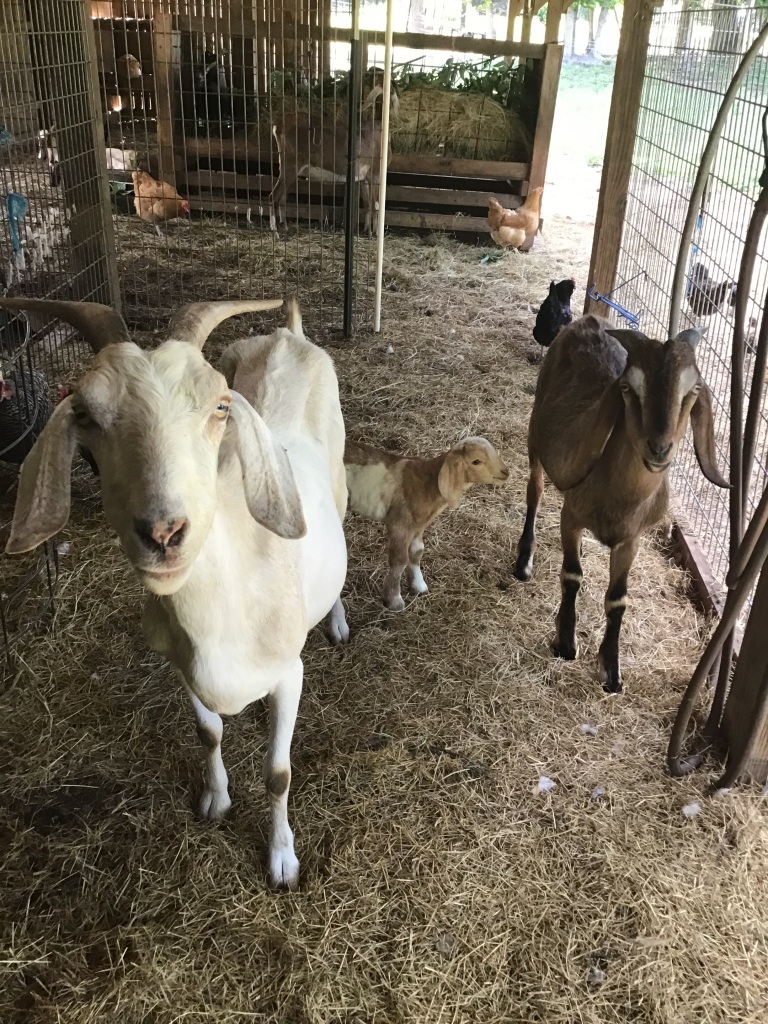
My goats hate the rain (makes for a bad hair day?), and would prefer all their meals to be served to them promptly, 3 meals plus snacks, in their communal space (breakfast in bed), with minimal foraging required (just enough to stretch their legs and ease any boredom) plus they need regular brushing (all natural boars hair brush) and their hooves trimmed (mani-pedi), and routine expensive toxic treatments (Botox).

We get frustrated, obviously, but whose fault is it really?

When I got into this I went for the most popular and trusted source who was calling her style ‘natural’.

That’s for me, I want natural!
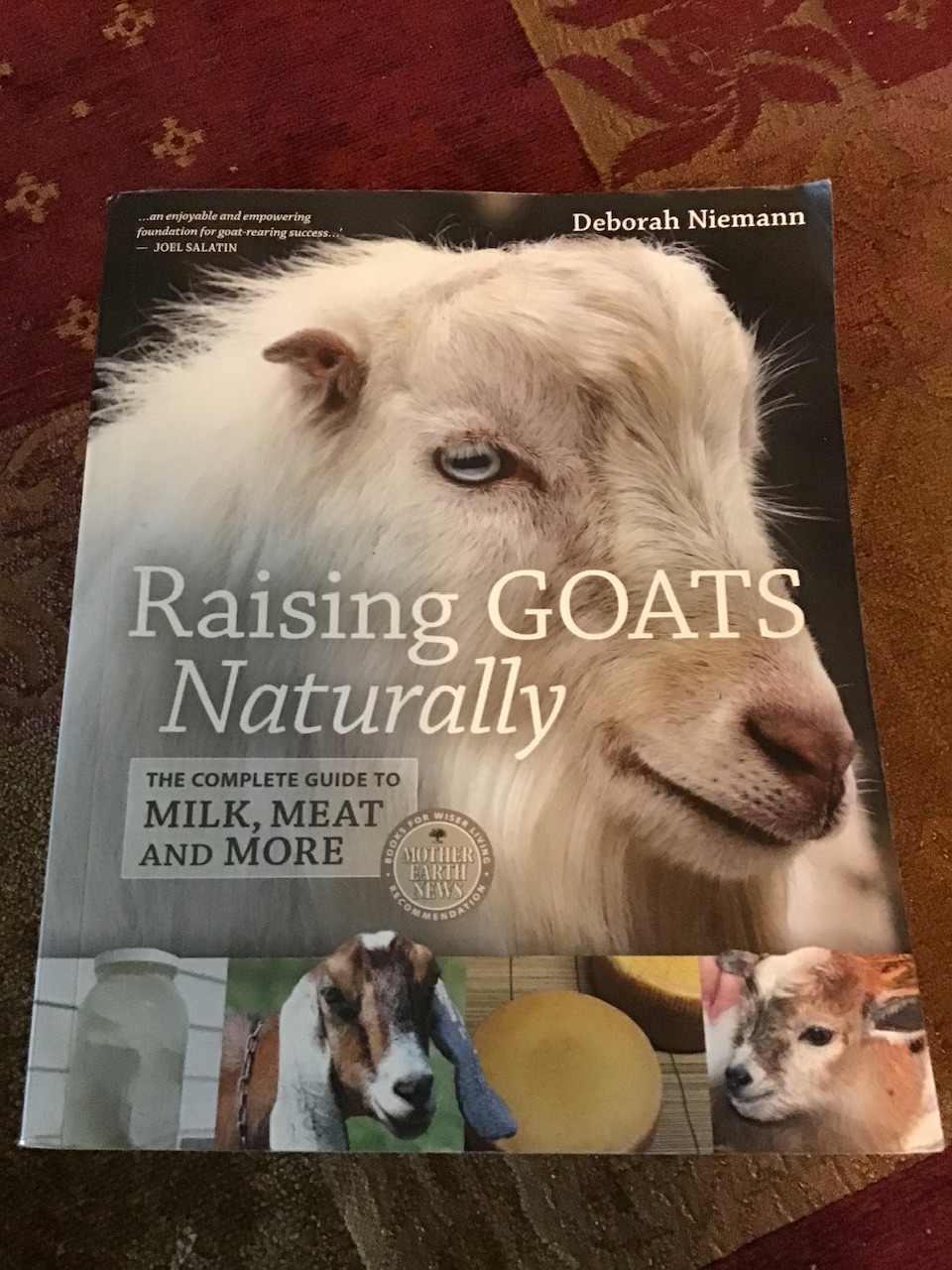
The most popular ‘natural’ goat rearing book on the market and she has a YT channel.

I’m not saying this is a bad book, I’ve certainly learned a lot from it, but knowing what I know now, I don’t call it ‘natural’ anymore.

These farmers and breeders may be on the path less traveled, but they are most certainly not off the Big Pharma Ferris wheel. And personally, I find that poor word choice to be deceptive.

For example, they advise breeders to cull rather than to risk populating the community of farmers/homesteaders with genetically inferior animals, which sounds like the wise and conscientious choice to make. Right?

Clearly a diligent and conscientious goat farmer/breeder concerned about good health in humans and animals, yet still considering the most natural methods as including enormous amounts of processed inputs and Big Pharma treatments.

However, they’re advising culling the animals which are not responding to the poisoning protocol, not only the ones who are truly resistant to the parasites. And as for true resistance, could they really know which ones, since they’ve been dosed at birth through the milk or, even more likely, in utero?

Yes, the ‘natural’ methods they espouse still include dosing the goats with drugs, just not so indiscriminately, which they at least recognize has caused a huge issue of drug-resistance in the goat-rearing community. They still rely on highly processed feed, hay that’s been sprayed, and they recommend medicated feed for kids. Many of them also advise vaccination.

This is what passes for ‘natural’ now.

So, for the barber pole worm, the notorious sheep/goat killer, which was the most likely culprit in Bluebonnet’s demise, the issue is said to be that these awful worms cause anemia. But, listed on the side effects of the popular dewormers in use is also anemia.

Hmmm. Which came first, the chicken or the egg?

Ivermectin—the infamous horse dewormer both celebrated and cursed during the Convid—has a shockingly long list of potential side effects. Interestingly, in all the social media arguments back and forth among suggested protocols and what or whom was being censored and why, I don’t recall that list coming up anywhere.

https://www.drugs.com/sfx/ivermectin-side-effects.html

Since that time I have come across a couple of articles demonstrating how toxic the drug actually is, https://open.substack.com/pub/timtruth/p/ultimate-guide-to-anti-fertility?r=apljy&utm_medium=ios and https://open.substack.com/pub/chemtrails/p/ivermectin-and-population-control?r=apljy&utm_medium=ios though it remains exceptionally popular for horses, sheep, goats, and humans.

These above-linked articles show studies proving its toxicity, but when it comes to the studies themselves, I don’t have much faith in them either. The kinds of studies I’d like to see are those that are appropriate to their environment, and no one does those kinds of studies. No one in farming is dosing their rabbits every single day with Ivermectin in a lab setting. What we need are multi-generational studies with real control groups in natural settings, as in real nature. Science doesn’t do that, yet somehow we accept they are ‘controlling’ inputs and outcomes, and that those results are remotely relevant to the average user, that is, those of us not living in a lab.

Besides Ivermectin, Safe-guard is another farm favorite in these parts.

The following comment comes from my dear friend Kath, a certified herbalist who was also previously a professional nurse in the UK.

Safe-guard:

“I can’t quite believe how bad this drug is!
Taken from this article: 
https://www.ncbi.nlm.nih.gov/pmc/articles/PMC9413524/
‘When fenbendazole was last reviewed (15 years ago), the literature supported the drug’s lack of toxic effects at therapeutic levels, yet various demonstrated physiologic effects have the potential to alter research outcomes. Although more recent reports continue to reflect an overall discordancy of results, several studies support the premise that fenbendazole affects the bone marrow and the immune system.’

‘. . .lengthy and expensive treatment regimens. including the use of fenbendazole and mechanical disinfection, that may fail due to inadequate ovicidal effects.’ (Ie: won’t kill the worm eggs)

So, step one: Kill a few worms. Weaken the animal.
Don’t properly kill the worm eggs. Re-emergence of worms when these eggs hatch. Weakened animals can’t fight off new worms.
More drugs. Vicious cycle.

So, companies which make & market this drug very conveniently refer to the old research which states no side effects expected & ignore the possibility & reality of new research showing significant risk.  Hmm 🤔 

Basically use of this drug this means causing ongoing serious depletion in overall resilience & significantly increased susceptibility to further parasite infestation & whatever-it-is that we used to call infections.  Worse potential recovery from anything.  And all from a drug whose stated purpose may fail!

So, what to do imo is to work to build resilience by nutrition, herbs & healthy living & maybe try to introduce some wild blood when freshening.

I think this drug is an agenda in itself – not only for animals but humans too.  Heavily publicised on Google as an amazing off-label cancer cure.  I’ve met people who have been persuaded to take it!  That’s right – make their own chemo cocktail!  

It’s an agenda because I know how heavily ptb come down on any complementary health practitioner making public statements about cancer cure.  It’s literally against the law.

And they put it in animal feed too.  It’s a very shortsighted & stupid approach.”

Short-sighted, I couldn’t agree more!

Another popular dewormer: Cydectin
From Drugs.com

‘Not for use in female dairy cattle 20 months of age or older (including dry dairy cows), veal calves, and calves less than 8 weeks of age.

For Treatment of Infections and Infestations Due to Internal and External Parasites of Cattle.’

Kath: “This ‘who not to give it to’ suggests it’s toxic to humans & cattle/goats – they wouldn’t make a statement about veal calves if it was a safe thing for humans (or animals) to ingest.  Funny how they can balance the illogic of ‘don’t give to babies’ & ‘dose babies by mother’s milk’.

The type of nerve receptor that are targeted by this drug are only found in invertebrates – creatures that don’t have a skeleton.  So drug companies have jumped to the assumption that it will paralyse (& kill) only parasites/insects.  However – & this is important – the target receptor in invertebrates is very similar to the mammalian – human & animal – receptor for glycine – an important neurotransmitter.  Chances are that this drug & its family are at least partly responsible for human & animal depletion & neurological problems, perhaps even paralysis, in goats by direct dosing & in humans via eating meat& milk products/drinking milk from dosed animals.”

Seriously! And they have the nerve to call these treatments ‘natural’ and of course, that old reliable, safe and effective!

(Thank you so much Kath for your addition to this post and to Highlander in last post’s comments for your help and advice, I’m very grateful for your efforts and experiences!)

New marketing suggestion for the CDC:

Hey Moms!
If your kids get all their shots on schedule, you’ll look just like Za Za!*
😆
*Results may vary. Consult your pediatrician.

(Who, by the way, did a hell of a good job dressed as a pig at last year’s luau in Vegas at our promotional conference that counts as continuing education credits and gets billed to the State. Remember Rule #1: What happens in Vegas, stays in Vegas!) 😉
1

Homestead Happenings

It’s been a challenging month on the wee homestead. We’ve had some successes and I am still hopeful for more positive outcomes, but I focus on them overly, because I’m being a bit avoidant, because really, I’m still concerned.

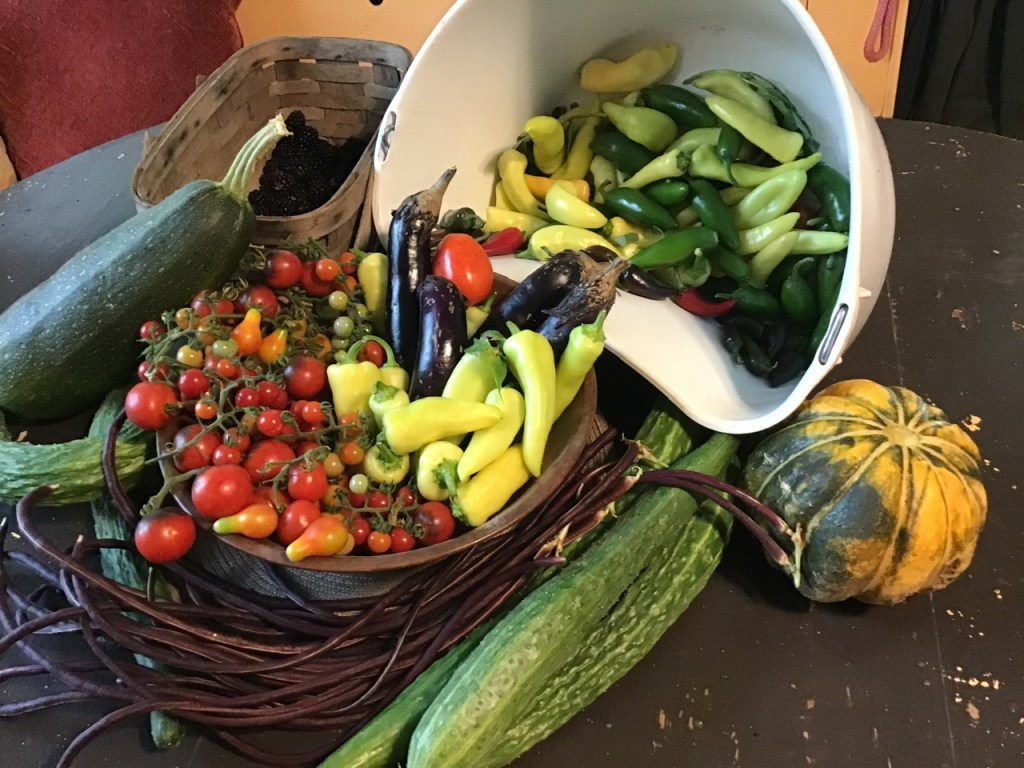
The determinate tomatoes are long gone already, but Hubby’s made many delicious jars of puttanesca and salsa for our future enjoyment. Must keep up morale!

So I’ll share about that this post, along with some happy snaps and surpluses, to help the medicine go down. I know it’s part of the lifestyle. Life, that is.

Yes, I’ve gotten better at it. That is, the death part of life. But also, we must understand our own limitations, and for that we must first broach them.

So if there are still any rose-colored glasses sort of readers remaining here, armor up.

Bye, bye Bluebonnet.*
(I share more about my observations on her death at the end, for those who choose to go there.)

I’m so sad to say we’ve lost one of our new mamas, and her mama, our herd queen Summer, has also been very ill. Several of the does are too thin and are not producing enough milk. This all happened quite suddenly. I was training them on the milk stand for a month, even getting a bit of milk from one, I had high hopes of daily cheese-making by now.

Instead I’ve turned suddenly nurse-maid/dietician/worry wort.

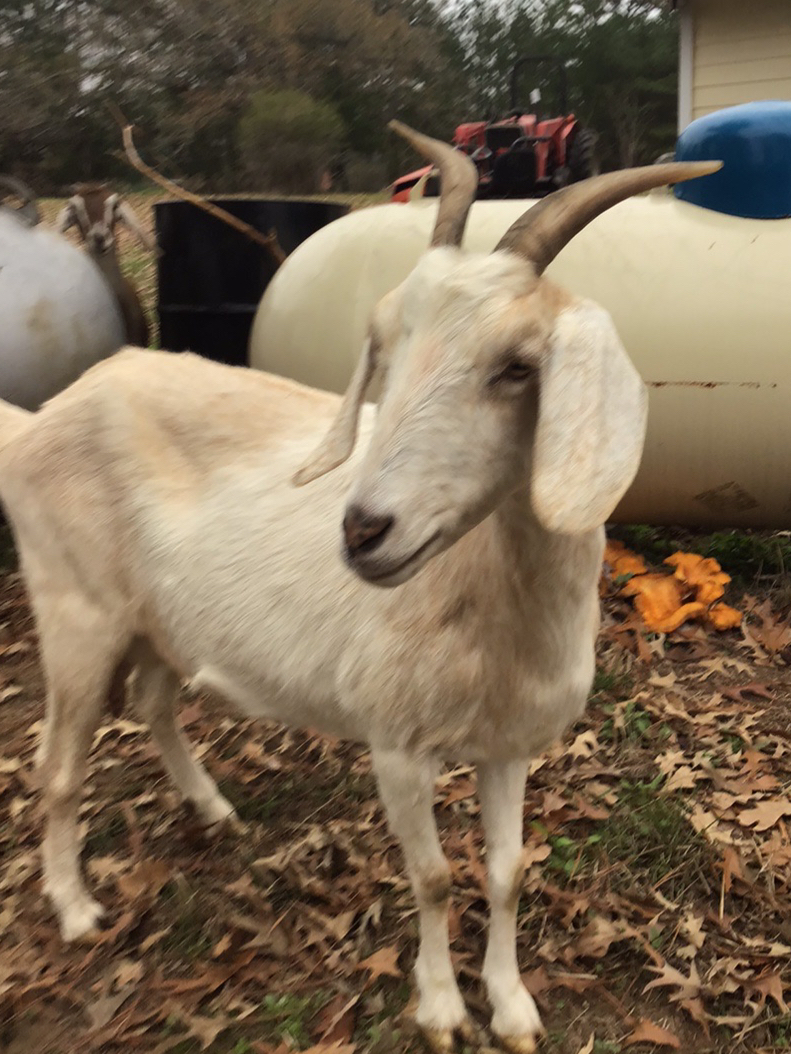
Summer and her daughter Bluebonnet, who I figured would one day replace her as herd queen.

The learning curve is so very high and I’ve set myself impossible standards. I do understand that, though that understanding changes little.

I want a treatment-free herd, or no herd at all. Like with the bees, which took me years of failures, I simply cannot stand the industry standard. I cannot abide such total reliance on pharmaceuticals and exotic inputs from far-off lands. I cannot trust the science. I refuse to believe the only way to raise healthy pets and livestock is to poison them with vaccines and parasite treatments and feed them full of processed foods.

There has got to be another way! A much better way!

And I aim to find it.

We are not directly poisoning our garden and still have plenty of success despite the manufactured crazy weather.

I truly believe a large part of the problem is the processed foods causing the need for the supplemental treatments. It’s a vicious cycle and I want off, and I want ALL I see around me every day off it also, including the land, the water, and the air and ALL the critters!

Is that so much to ask?!

But I already know the drill, thanks to the bees. Every professional and expert says that’s impossible. Like with the gardening when we first got here. Every farmer, every gardener, every Farm & Ranch professional, repeating—You’ve got to spray. You’ve got to treat.

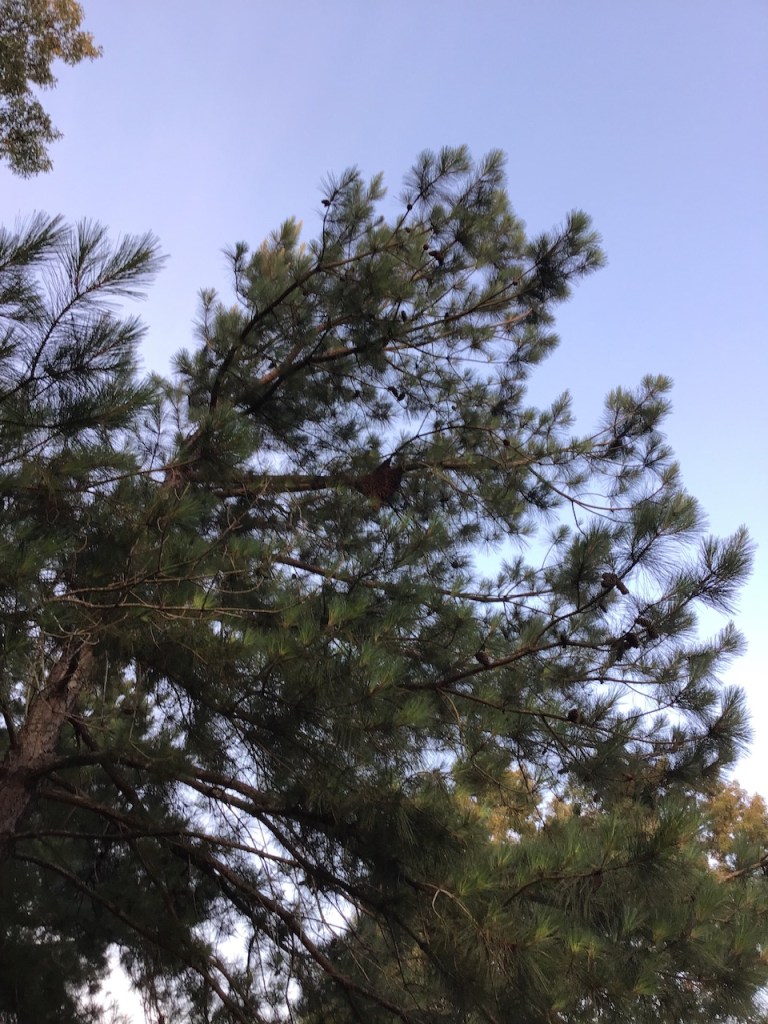
There’s a swarm up there, can you see it?
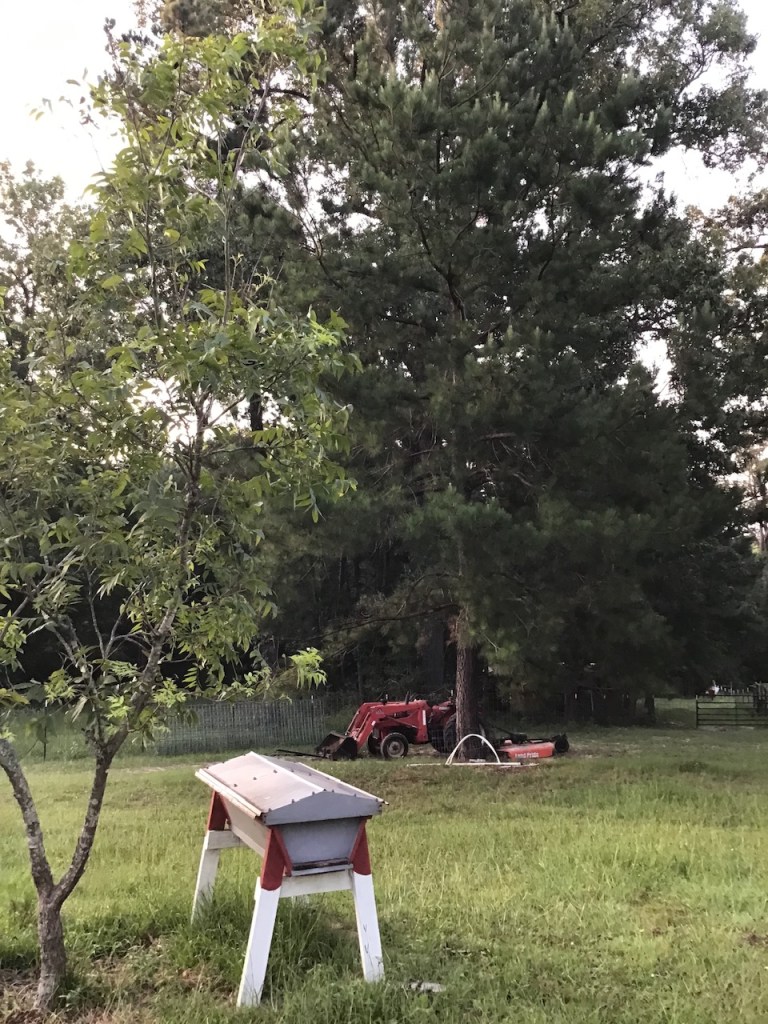
It came off this hive and we watched it, amazing! The large pine in front of the tractor is where it stopped. Too high up to catch, but I’m happy to report another totally treatment-free colony repopulating the county.

“Here, follow this quarterly poisoning routine, and all will be well.” NO!

Is it any wonder they all readily accept without objection whatever the hell is being sprayed over our heads at regular intervals?

We’re not giving up yet. As long as we have irrigation it will be a jungle out there. But without it we’d be screwed, that’s for sure. It hasn’t rained for nearly 3 weeks.

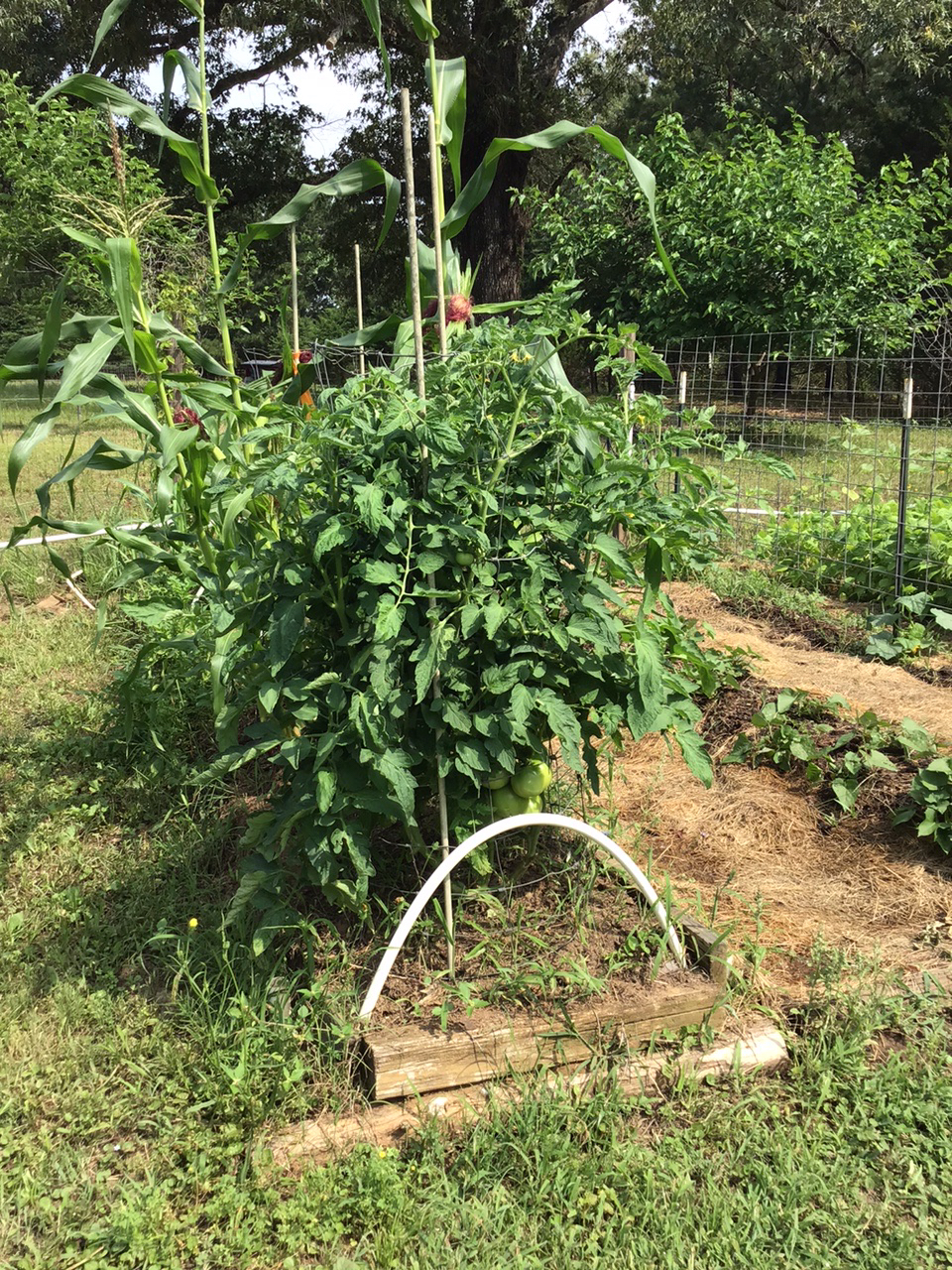
(Photos below Left to Right) The datura is a blessed monster. The sweet potato vines are prolific and a favorite snack of Summer’s. The melons and green beans are thriving. The indeterminate tomatoes and some of the peppers are doing fairly well under the shade cloth and I’ve been succession planting the cucumbers.

From the front: New cucumbers coming up with purslane to help cool the roots and shading from above, old screens protecting some struggling Romaine lettuce, and a growing grove of well-watered elderberries.

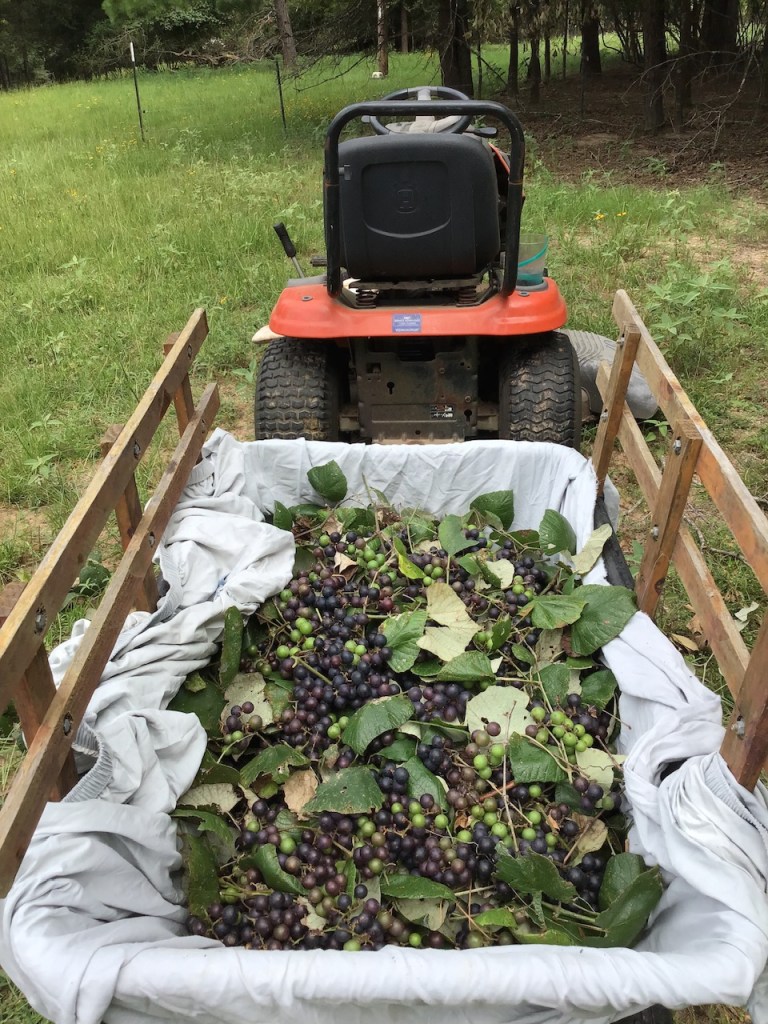
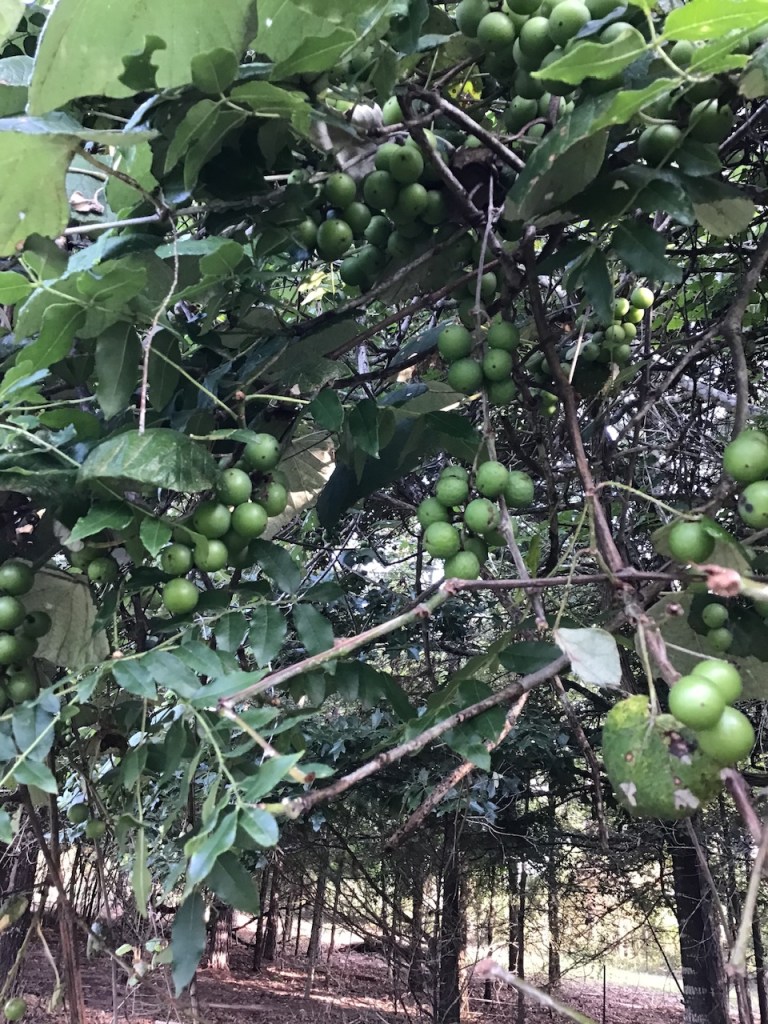
We’ve also been lucky to get some wild grapes, which are now fermenting along with the mead and the blackberry and mulberry wines.

He is literally Hubby’s Shadow!

It’s not an easy life, but it’s a life well-lived. Our first figs of the season, along with our last blackberries.

A Czech classic—so simple—Bublanina, made with blackberries or any number of fresh fruits in season. (Comment below if you want the recipe and I’ll post it. )

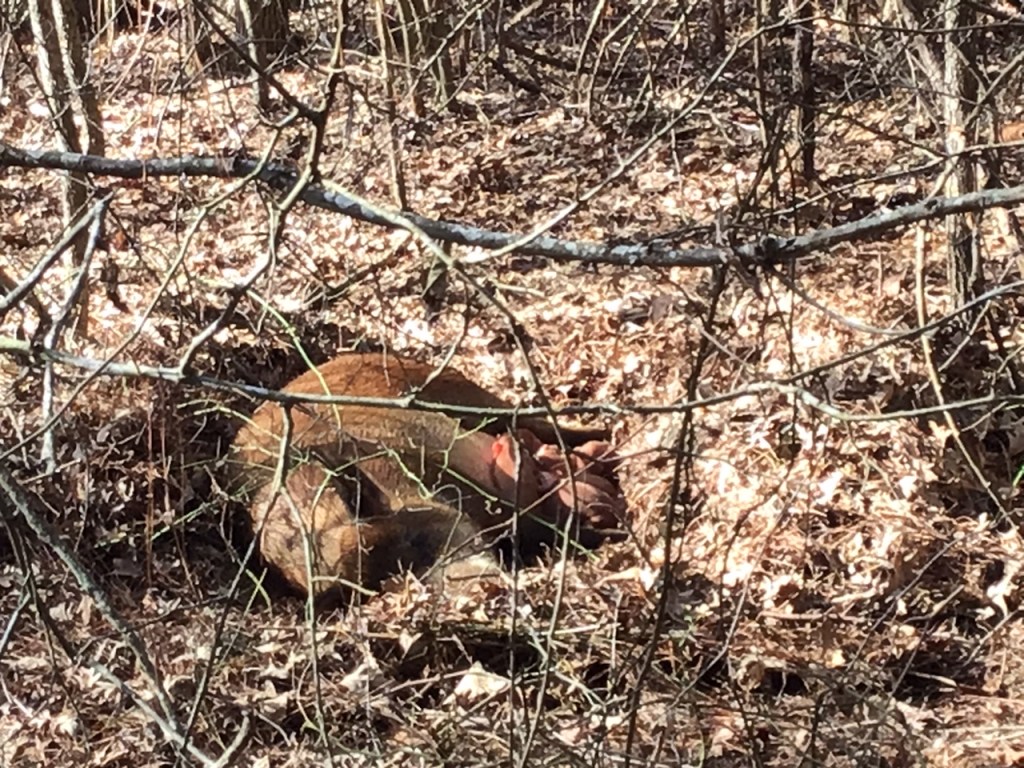
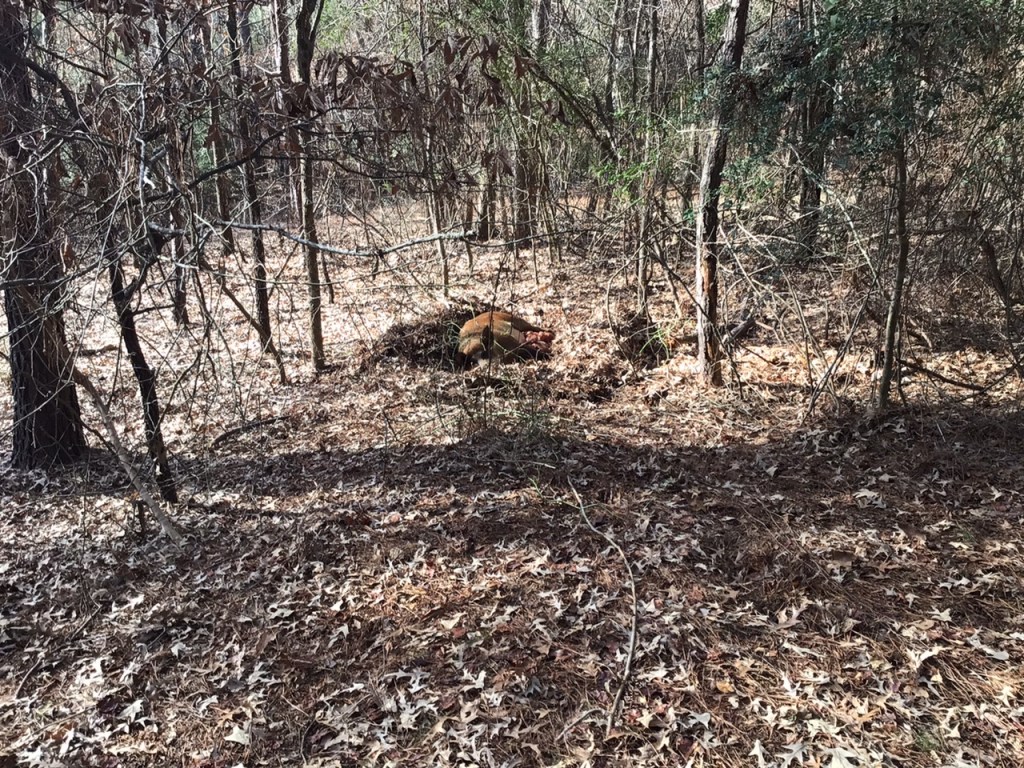
*The observation which I’ve found most interesting from Bluebonnet’s death, was that her kids adjusted immediately. She died the evening of the full moon last week. She left the corral with the rest of the herd in the morning, she seemed to be improving, I thought. But then in the afternoon she planted herself under a tree on a hill and wouldn’t leave, even when evening came and the rest of the herd returned to the corral. I went and sat with her there at sunset and stroked her neck and she laid her head on my shoulder. I wanted to be hopeful, but I felt she knew, and I felt horribly helpless. I hope that the feeling of helplessness is the worst feeling in the world. The next morning I woke before dawn and I went back to the tree in the dark, the full moon shining on her corpse.

There was a bit of relief for me that her kids adjusted so quickly. I find it odd really, it was like an immediate weaning. While her mama, Summer, is so ill she stopped producing milk, but her kids are still so attached to her their health is also suffering because they won’t go out and eat with the rest of the herd or accept being bottle fed. I’ve been mixing them special feed dosed with milk replacer and they are doing ok, and Summer today joined the herd again to forage, which I’m praying is a good sign. 🙏

Thanks for stopping by, even in the hard times!

Homestead Happenings

Mostly happy snaps this post, plus a few weather woes.

Hubby’s gorgeous melon patch is starting to produce more than just a feast for the eyes. He’s come up with quite an integrated system there and when I expressed how impressed I was with his companion planting scheme (and wondered whether he’d been taking a permaculture course on the sly) he informed me it was all a matter of frugality.

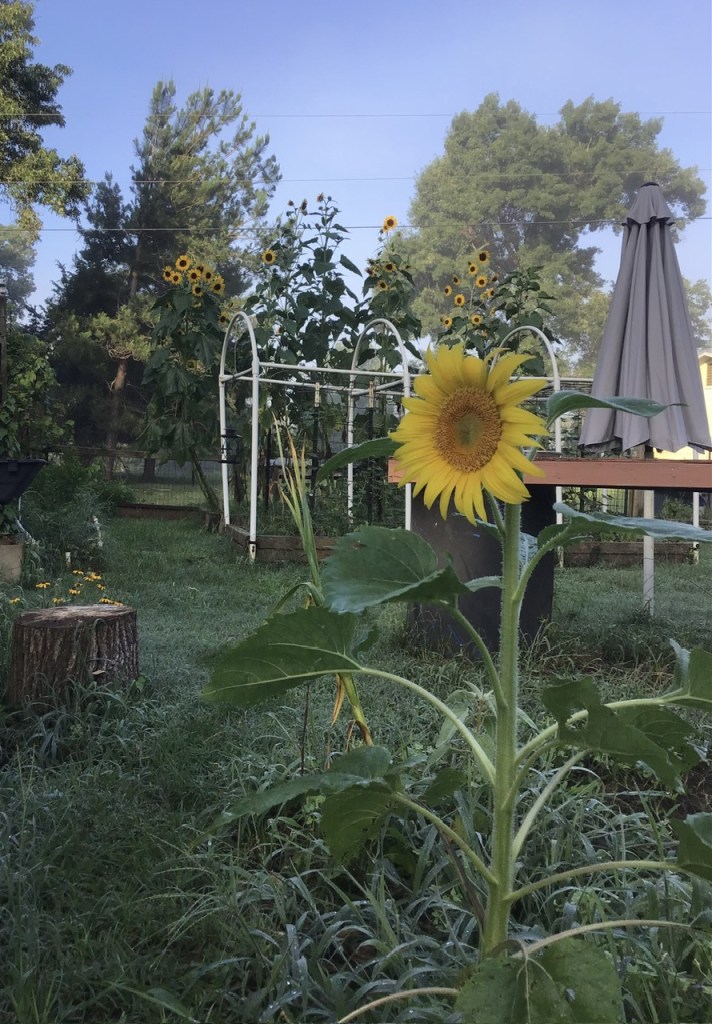
His penny-pincher logic is: the melon mounds have a lot of water run-off and sometimes erosion, so he added a ring of clover at the base of them. It’s just a bonus they are also good for the soil and the bees. The sunflowers are fodder for the goats and the chickens, plus they help shade the melons. The sea of black-eyed Susan’s just turned up there, apparently as impressed as me with the space.

Hopefully the melons don’t go the way of the onions, which has been our worst year yet. Luckily the garlic still did fine, which is from our saved seed, which previously came from a nearby friend’s saved seed. That has become a theme.

Elephant garlic does much better here than anything else, and I’ve tried many others for many years. I think I’ll give up that practice now and stick with what works, avoiding future costs and frustrations.

The success of the tomatoes and peppers so far has also been thanks to saved seed. I bought several varieties of each from the store, just for more variety, and those are the ones suffering more from the rain and high humidity. Several have already died, a few aren’t growing at all, and several of the others have bad issues.

Ours on the left, theirs on the right.

The purchased squash is already full of pests before giving us even a single fruit.

At least we got a few zucchini off our own saved seed before it too is already beginning to succumb to some kind of mold.

But other saved seed, the Trombetta squash and the mystery squash from last year, have proven to be more resilient than the popular varieties.

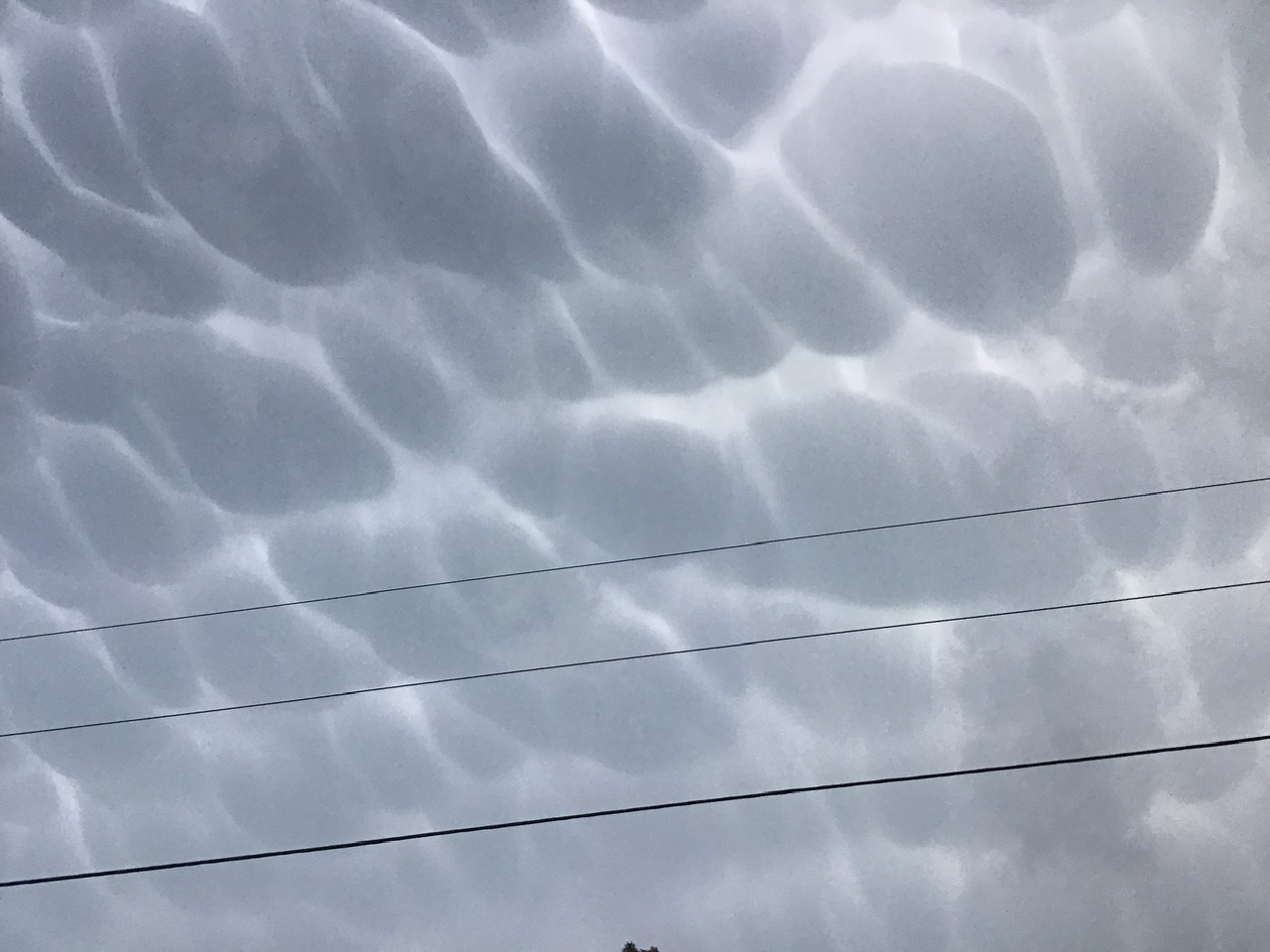
The filth-filled skies continue and not even the regular rains clear them up for long. I’m sure the sorry state of the skies has nothing to do with the crazy storms, right? The intense lightening, sudden flooding rain bursts, intolerable humidity, hail, tornadoes, and so on, that folks are experiencing across the country?

Just ‘mother nature’ they tell us. OK.

Well, too much ‘mother nature’ is not so good for the garden. It looks plenty green and lush, so that’s nice. But, look a little closer and we find it’s not so pretty below the surface.

But we’ve been relatively fortunate so far this year, just lots of rain and some wind gusts. Others have had far worse.

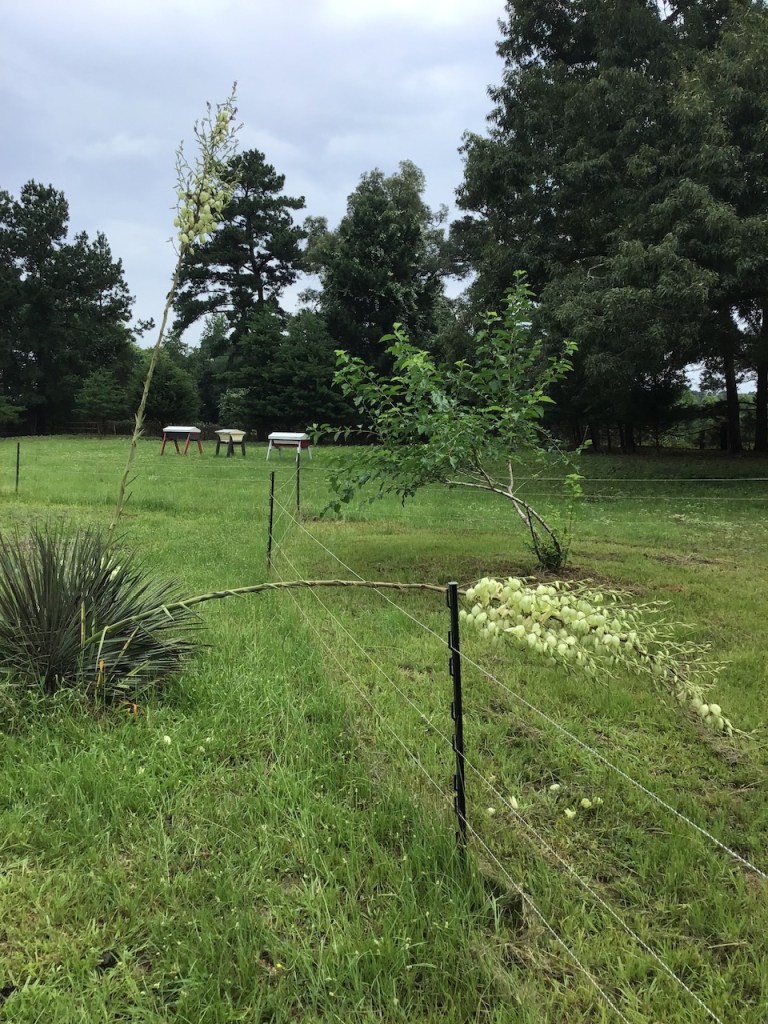
The yucca didn’t get lucky, but the blossoms are still lovely, even on the ground.

There’s some long-term requirements that fall on Hubby, which I mentioned last update, an upgraded culvert is required now in order to drive to the back half of our property. He’s already gotten started on that, a huge undertaking for sure. After that he can look forward to tackling the pond that’s now washed out.

In better news, there’s been some amazing growth in just one week.

A side by side comparison of 8 days growth.

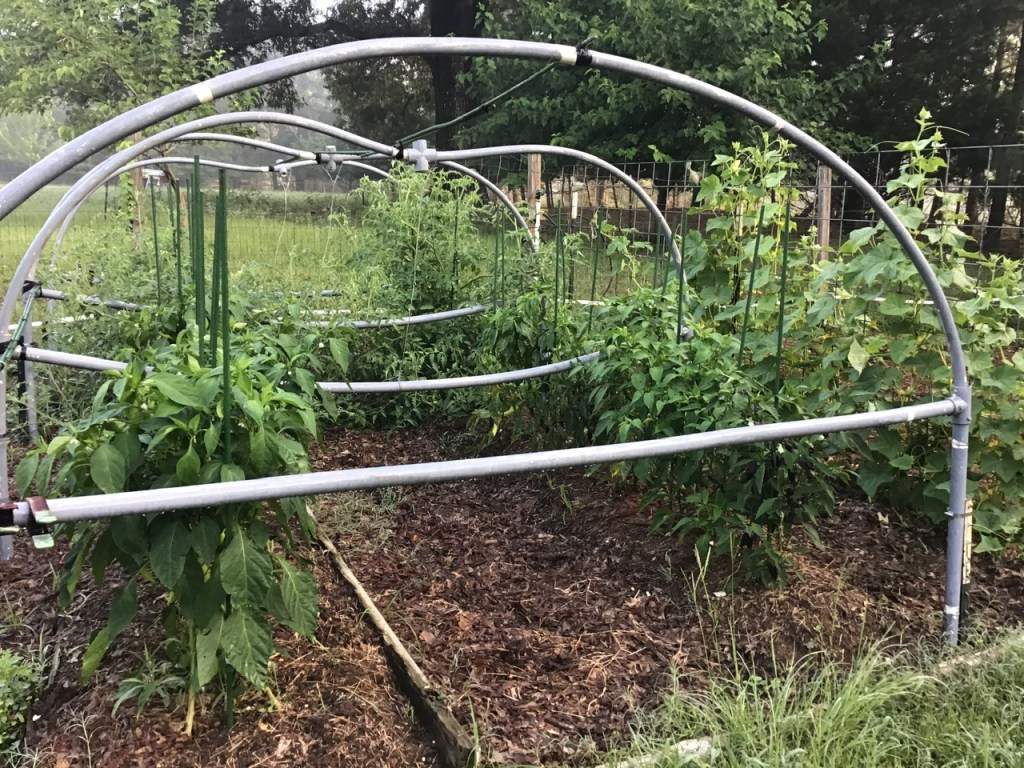
We’ve prepared for the swelter season by crafting another shading system where these tomatoes and peppers should be much happier into late summer. It’s recycled from another project and a bit awkward to move through, but it should do the trick just fine for supporting the shade cloth.

The asparagus beans, a first timer here, have really taken off in the last week. I’m excited to try them!

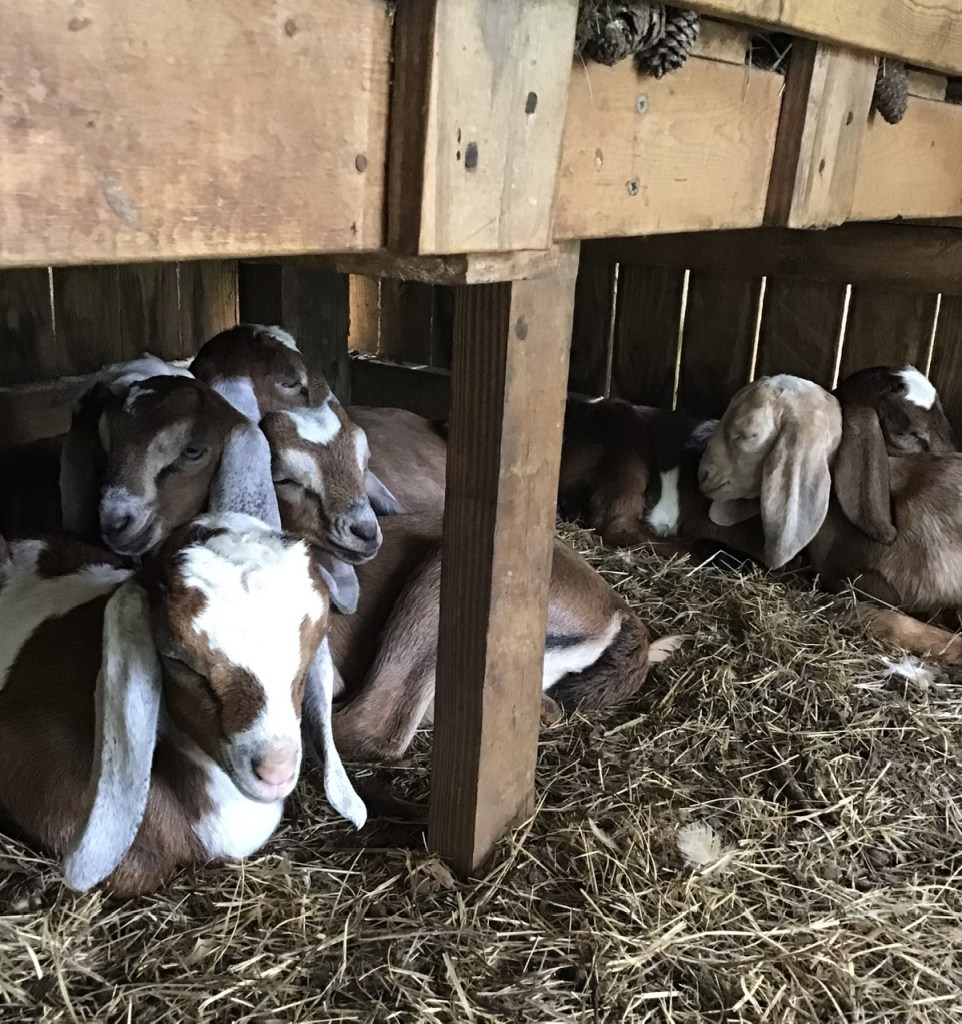
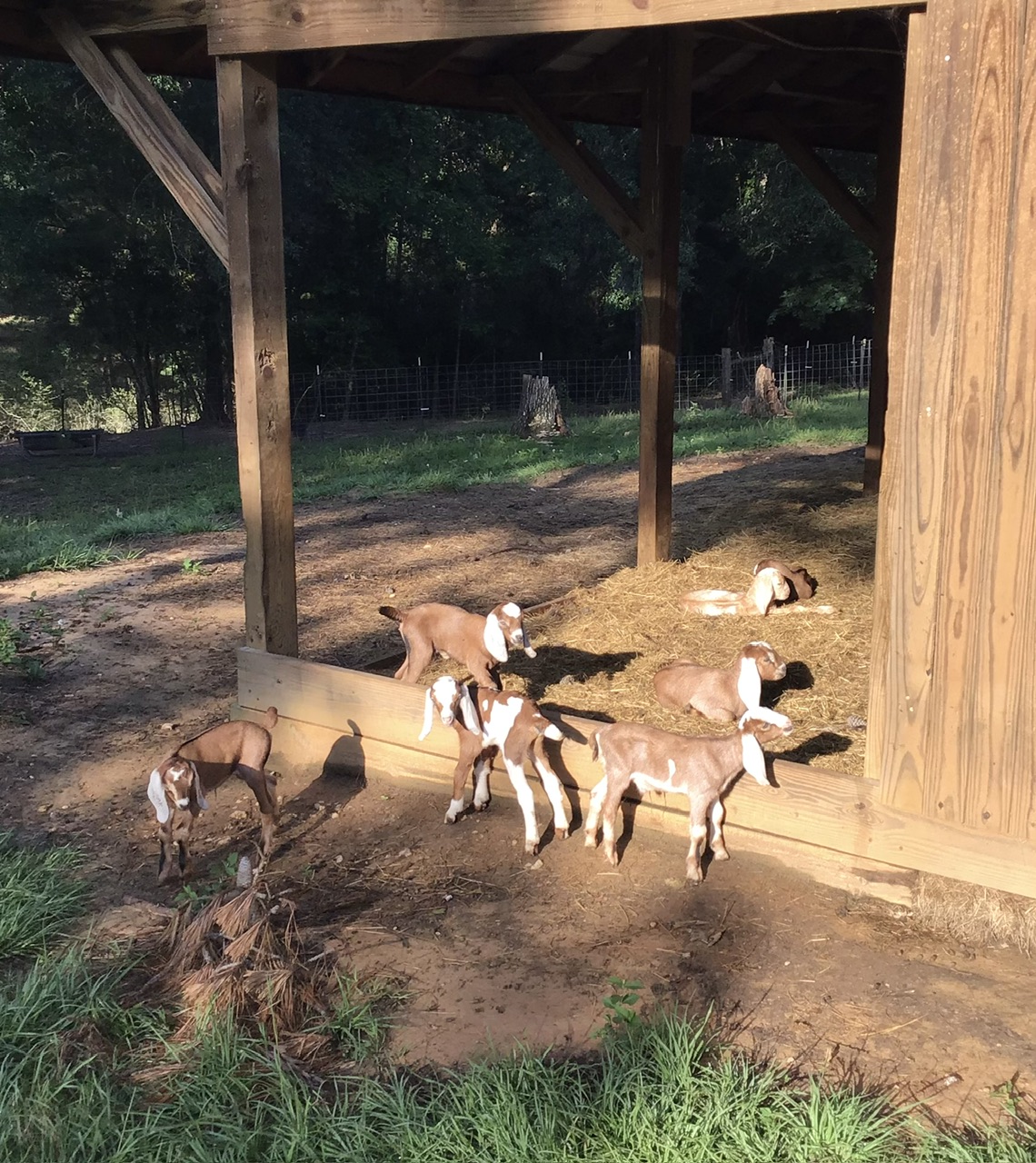
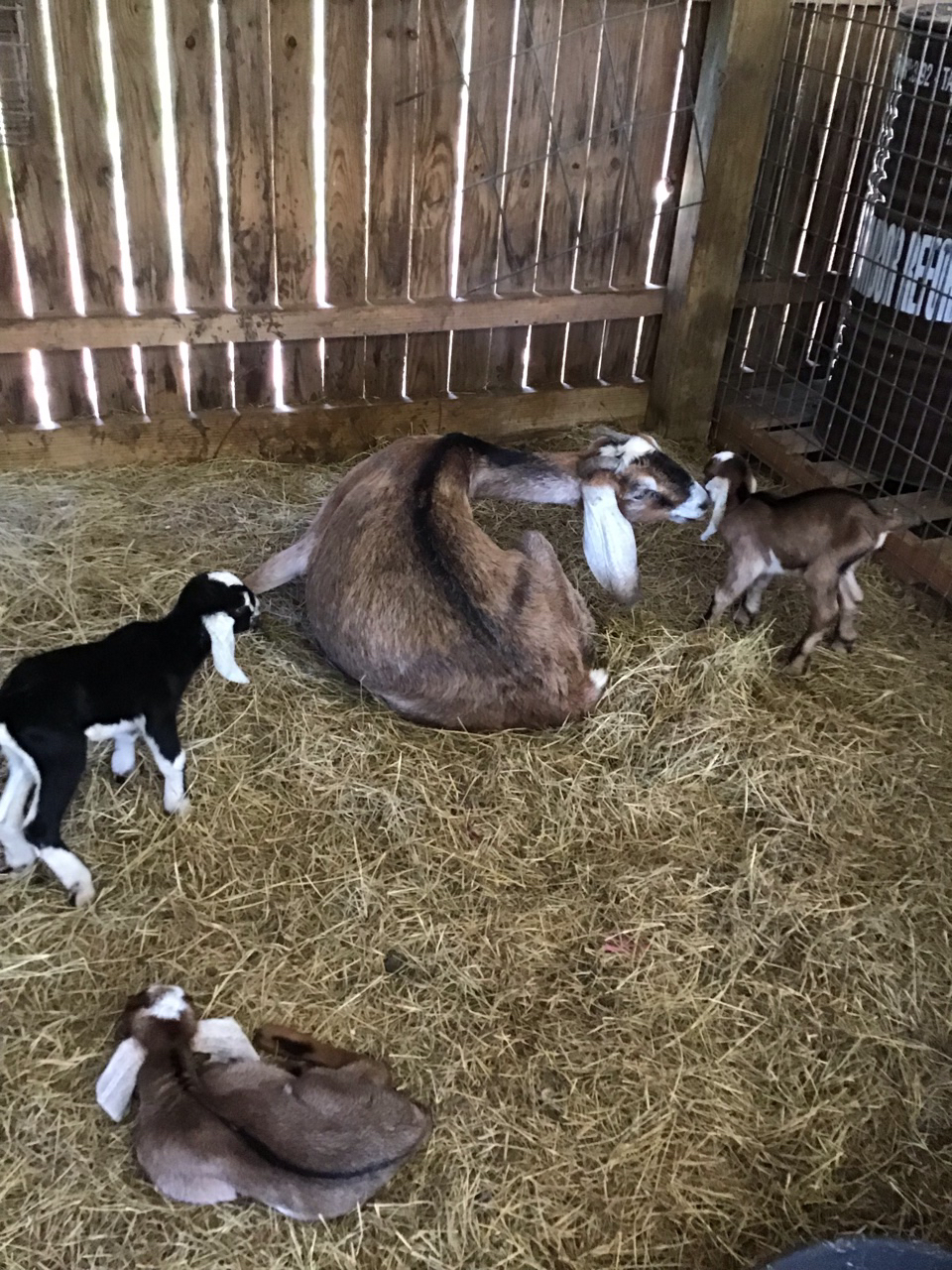
In even better news, the mamas and kids are growing well. We’ve started forcing them out of the corral during the day so I was able to give that space a much needed refreshing.

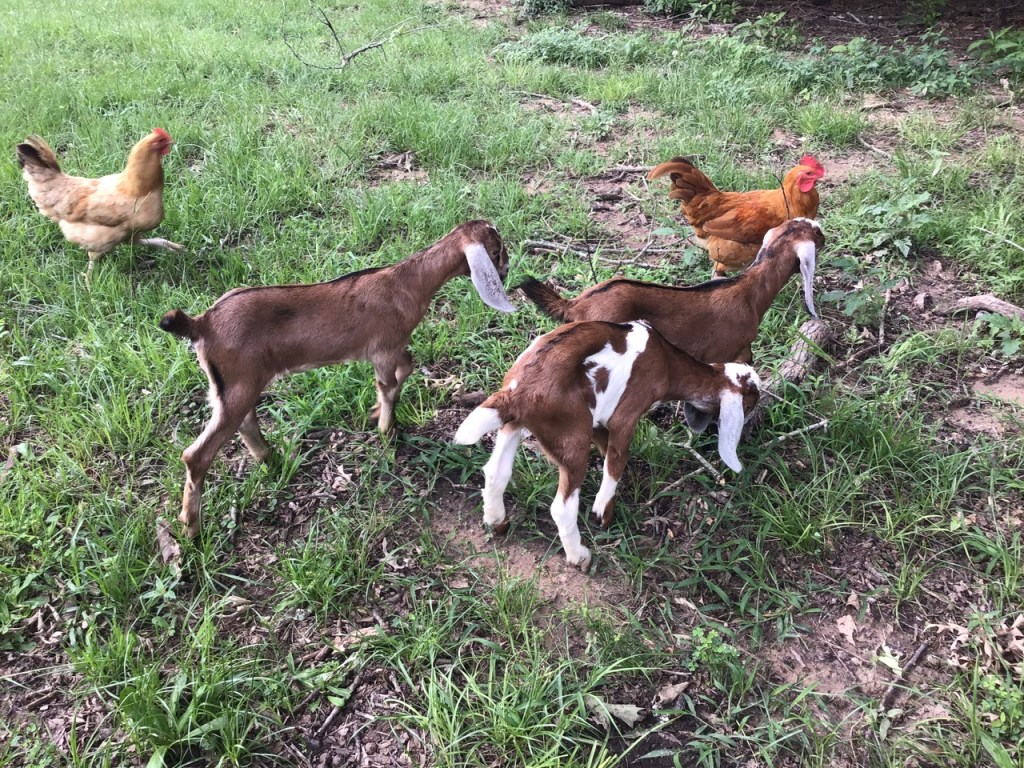
It seems they sometimes prefer following the chickens instead of their mamas. 😆

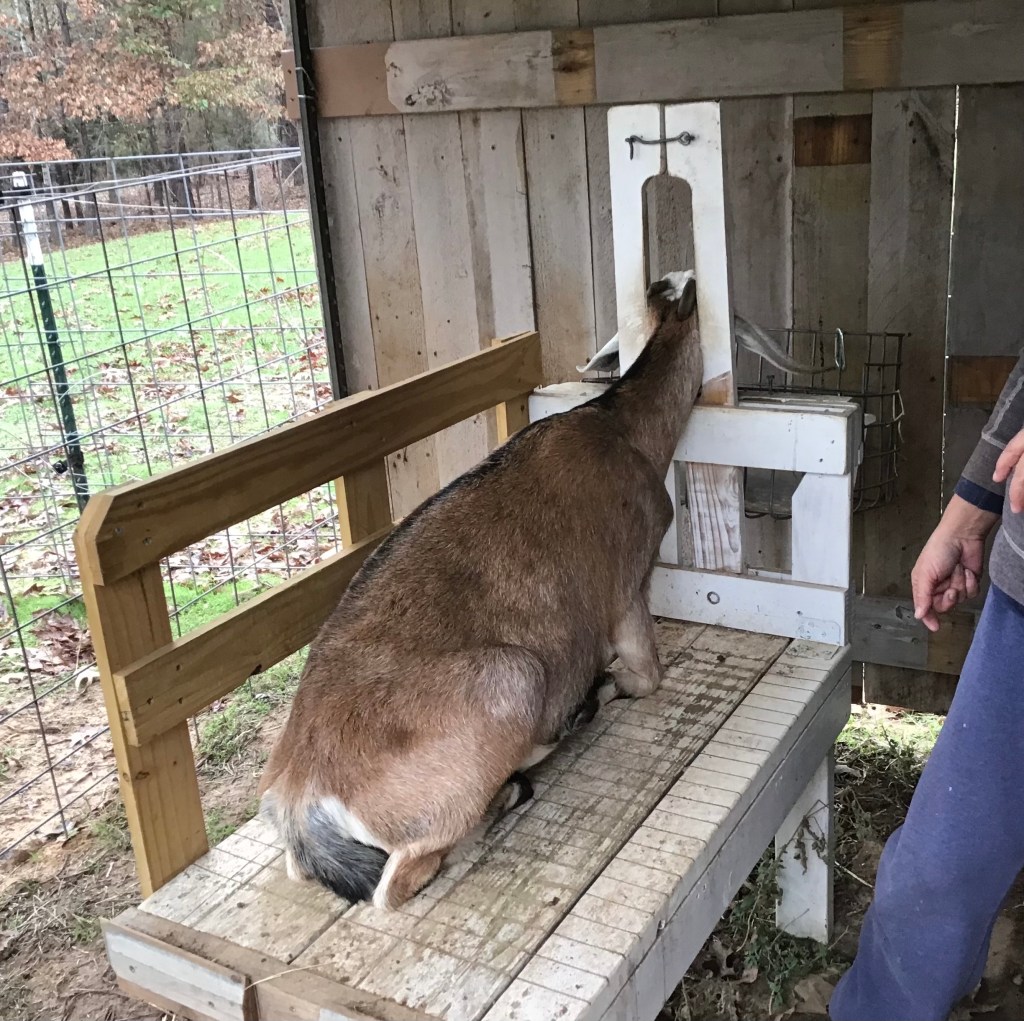
I’m getting the first fresheners ready for milking by training them on the milk stand. Soon it will be time to start separating them at night so I can milk them in the mornings before putting them back together again during the days. It’s not a happy time for anyone and I’m not looking forward to it.

But, I am looking forward to making lots of cheese again. We’re getting a bit of milk from Chestnut, who rejected her boy, and her girl is only nursing from one side. So, if I weren’t milking her she’d become even more lopsided than she already is.

It’s not a lot of milk, but enough for a little mozzarella now and then. I’ve found another method from my new favorite YT channel which is completely natural and far more tasty than the vast majority of those found online.

Raw milk mozzarella, mmmmm!

Unfortunately, the 2nd time I tried it was a failure. But, 99.9 % of the time a failed cheese can always become another delicious cheese. Some of my best cheeses have been from failures.

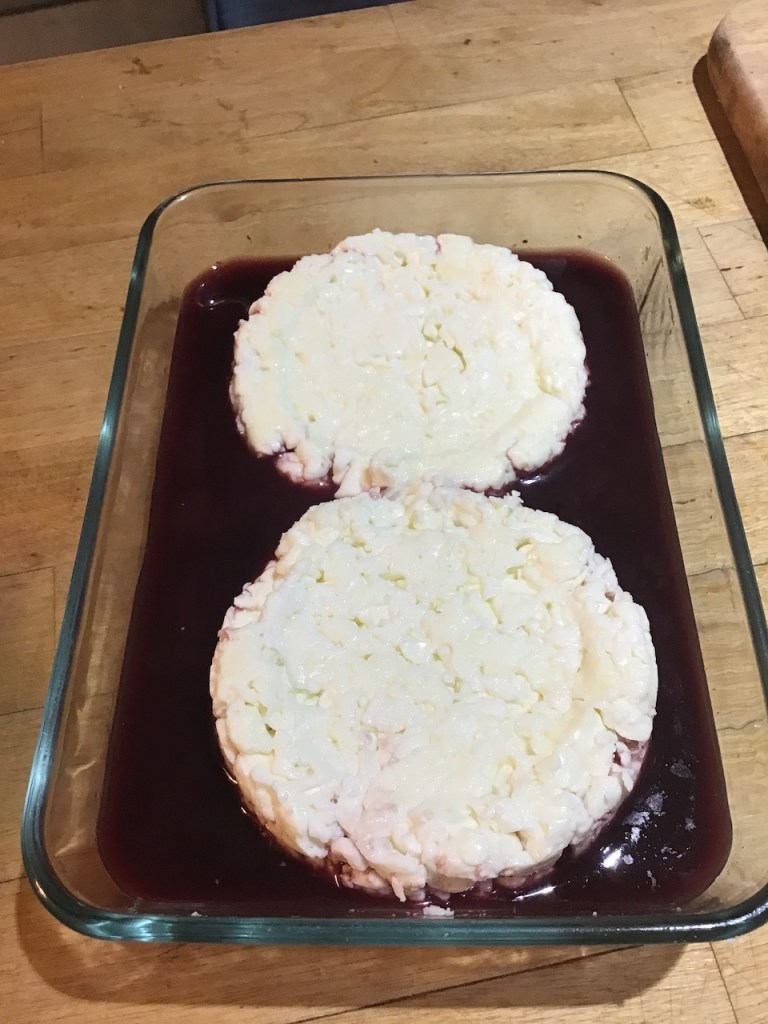
Not necessarily the case with failed wine. This cheese ‘failure’ will be soaked for a couple of days in the leftover must of the now fermenting wine, another tip I learned from my new fav YT channel.

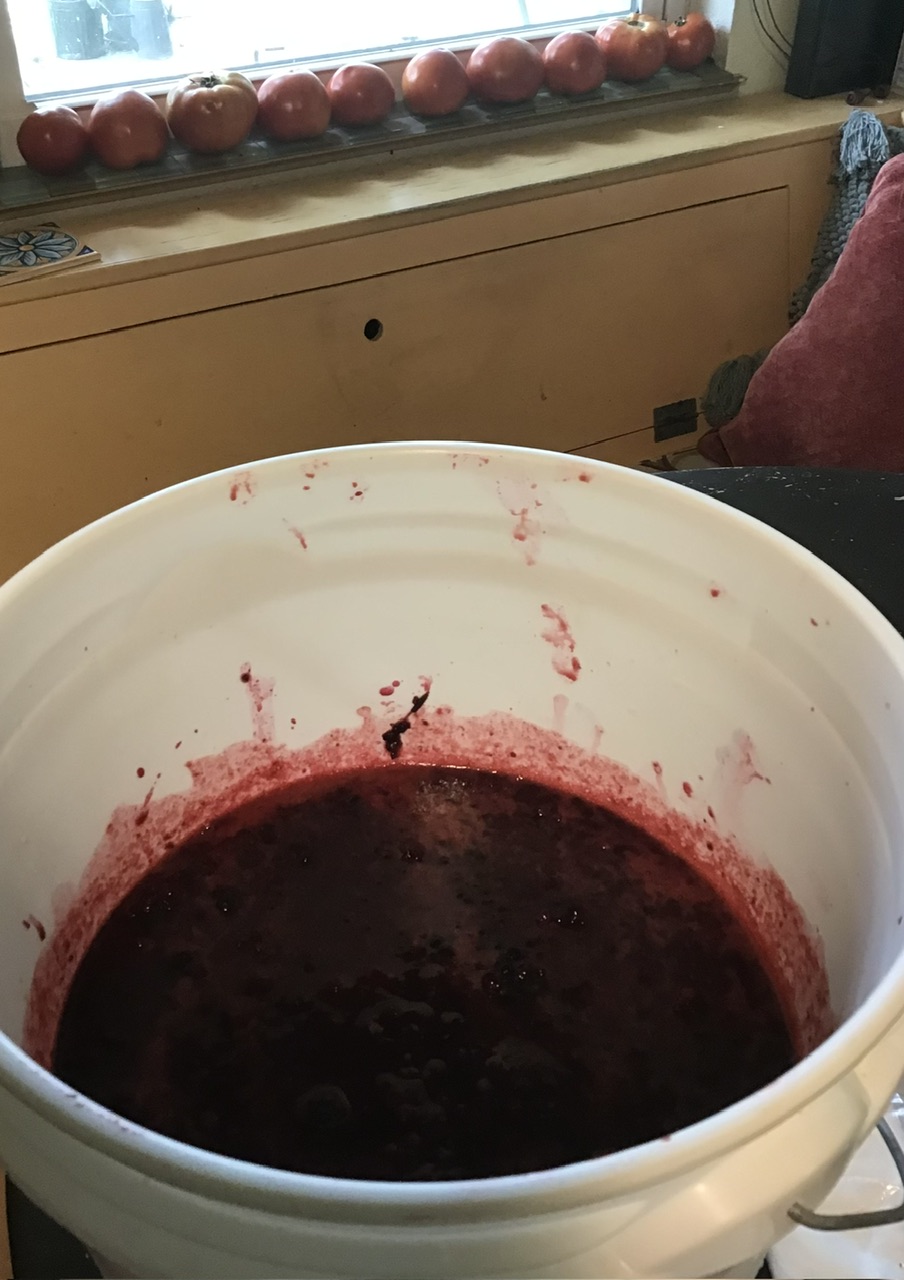
This one was mulberry and I’ve also started a blackberry.

The blackberries seem to very much appreciate the extra rain and our harvest has been great, inspiring me to make blackberry wine for the first time. Last year’s harvest was very disappointing after getting some kind of strange disease right after their flowering period. (Not normal development, despite what several folks claimed at the time.)

I’ve decided to try more natural, traditional methods with the wine-making, like with the cheeses. Modern methods require all kinds of chemically-obtained inputs, which most insist are necessary for a fool-proof product.

Yet, last year we had a major failure using that method and ended up with several cases of vinegar. Very disappointing after all that work. We have had great success in the past or we might be too discouraged to try again.

Blackberries, banana peppers and Nigella seed pods

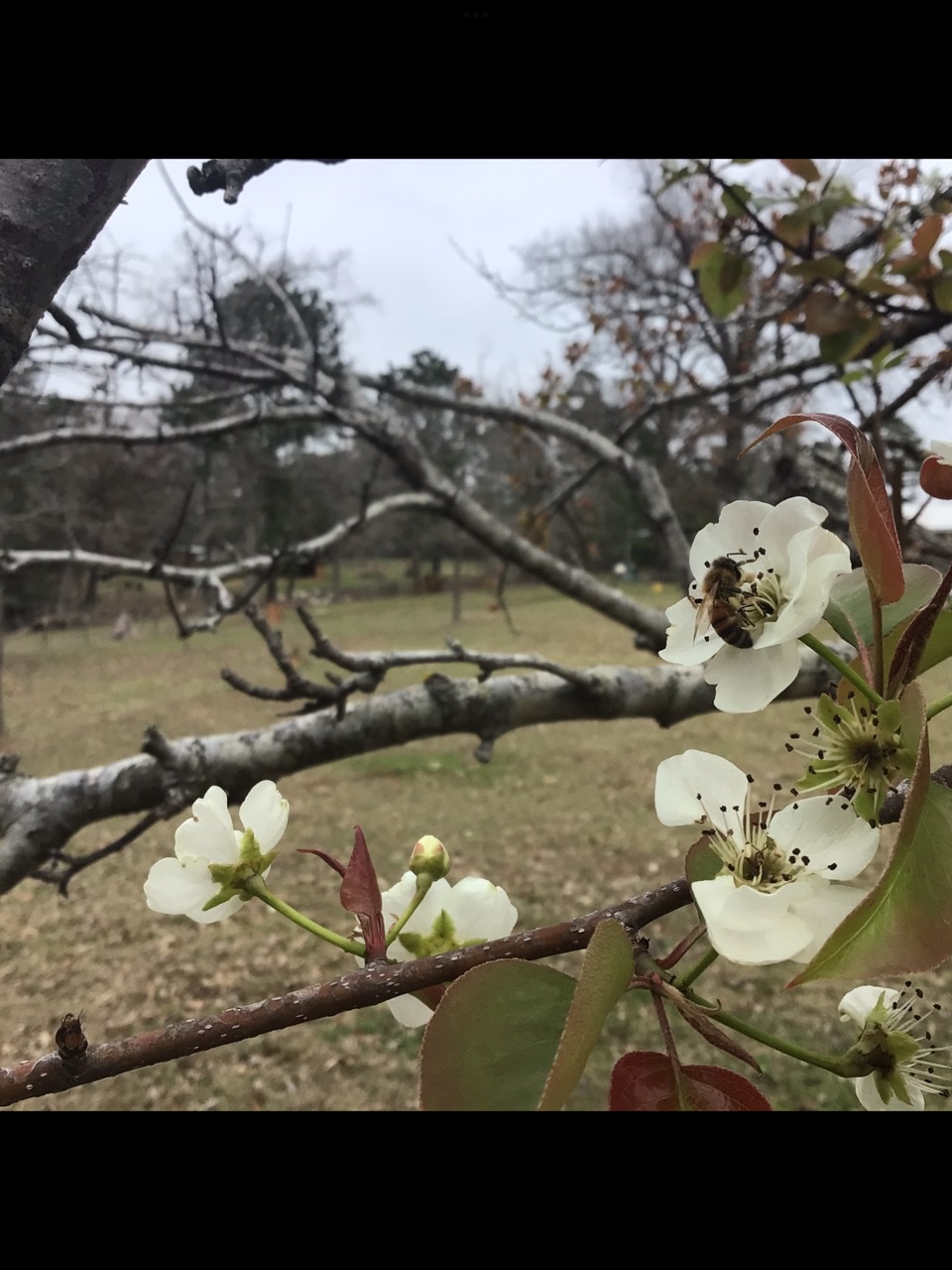
Traditionally, country wines were not made with all those foreign yeasts and I don’t really want my blackberry wine to taste like merlot anyway. While we may not have a decent cultivated grape harvest this year, the wild grapes look promising again. Also the pears are looking good, could be a bumper crop like we get only every few years.

If so, I’m going to do some side-by-side experiments, traditional methods vs. modern methods, and make a real project of it.

Blackberry wine in the making, hopefully

It’s easy to find lots of instruction using the identical modern method. For that I’ll rely on this book.

The wild grapes are looking promising. Our cultivated grapes still uncertain.

It’s not as easy to find good instruction on traditional methods, no surprise there. But this channel has a lot to offer and she uses nothing but a homemade fruit fermentation starter for her wines.

A teetotaler who makes wine, don’t see that everyday!

She also teaches how to make natural sodas and mead on her channel which I’m also very eager to try.

Blackberries fermenting beautifully after 36 hours.

The elderberry is also liking the extra rain. I might even try to make elderberry wine too. The blossoms are excellent in kombucha and will make an effervescent ‘champagne’ like beverage or flavor a cordial. And the goats love it. It’s just an all-around fantastic plant that is popping up everywhere now, so I’m going to create a big grove of them trailing down the hill.

A couple happy snaps in parting.

Thanks for stopping by!

Homestead Happenings

Some brief updates this post and not as many happy snaps as I’d like. But, it’s been so busy and carting my tablet around everywhere is not usually an option, especially where it’s wet and dirty, which is a lot of places at the moment.

Kidding season is over and it’s been a bit stressful, no surprise there. I’ve been wanting to try something new—which is the greatest lost homestead technique I could think of—making our own rennet.

We’ve only had goats a few years now, all of this still feels very new, but, we do want to keep moving forward on the path to self-reliance, so this one is pretty essential on that list. It was as challenging as I expected it to be!

I am squeamish, so that’s the first of the issues. Hubby does all the slaughtering and butchering and for a while I did help plucking chickens, but then we got a machine, so I don’t even do that anymore. I’m not accustomed to seeing the interiors of the animals, let alone having to identify all the parts.

So, trigger warning for this section for anyone reading more squeamish than me! Move to the next section, if you please.

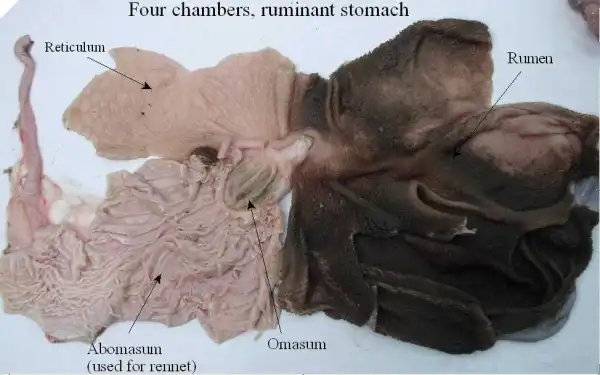
For the briefest of intro lessons, rennet is made from the 4th stomach of the ruminant animal, the abomasum.

This photo is from a calf, so for us we were dealing with far smaller features. Obviously, this is a precious commodity. The abomasum must come from a nursing animal, as it still has the enzymes required for cheesemaking. It can also come from a stillborn, an unfortunate event turned into a beneficial one with proper immediate attention.

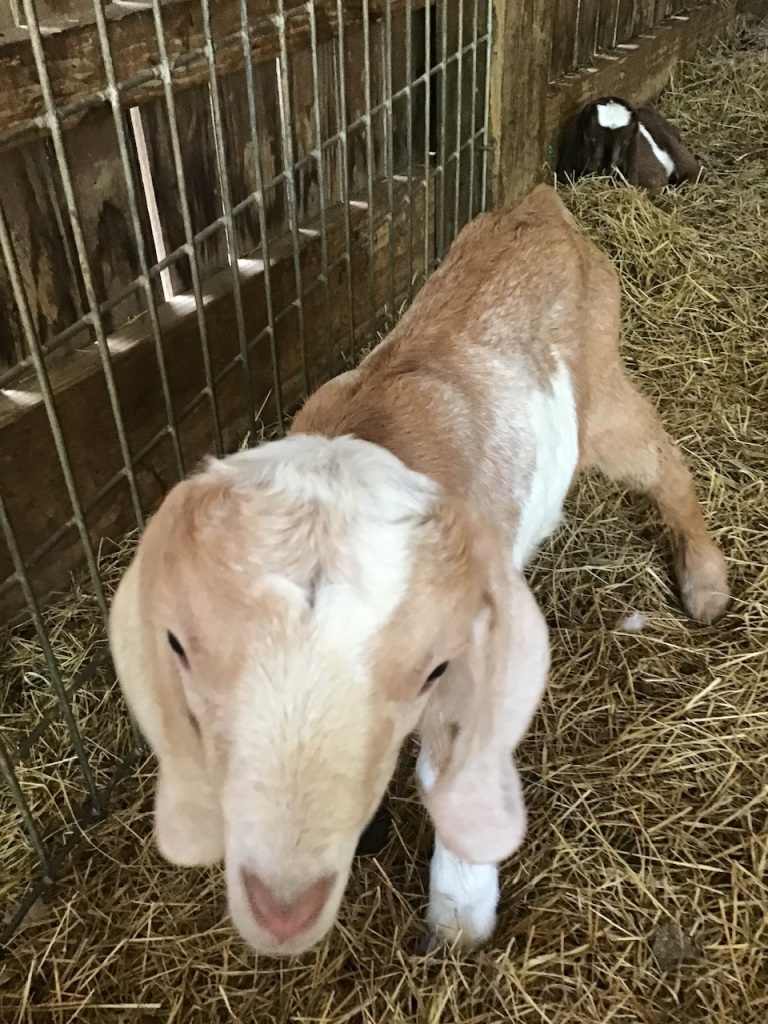
In our case, we’ve had 2 stillborn, one this year and one last year. This year we also had a very small doe, a first freshener, who had fairly large twins. We decided to cull one of her kids as part of our efforts. Of course this is never an easy decision to make, and I lose sleep over stuff like this. I was never meant to be a goat farmer, I just want to make cheese!

Anyway, I am glad for the tough choice and going through the trouble to acquire this precious skill. Hubby and I sat down before the guts together, at the kitchen table. One of the great many sentences I could never have imagined I’d be writing!

It’s not easy to find information on the how-to’s of this process, and I certainly had no one to call or visit for advice. It was not enough information to substantially build my confidence, that’s for sure. Sometimes that just takes doing it.

Luckily, I did find one YouTube video, and one blog, both again working with a calf, for which I’m exceptionally grateful.

Another brief aside about rennet, if I may bore many readers a bit further! As I’ve written before, most cheese made today, at least in the U.S., is not made from real rennet, it’s made from a lab-grown rennet substitute, made by Pfizer.

While it’s not that expensive for home cheese makers to buy animal rennet online, relatively speaking, considering only a tiny amount is required, I don’t want to have to entirely rely on far-away sources for such an essential item.

Another thing I’ve been experimenting with to overcome this issue is vegetable rennet, again, from a natural, local source, not a GMO lab-purchased source. We have figs, so that’s what I’m using, but nettles are another source.

It’s not possible to set a large hard cheese with this method, but it works for soft cheeses and very small, what I’d call semi-hard cheeses (because they don’t need a press) like the one I just tried after discovery this channel’s excellent demonstration.

This cheese is so easy! I’ve only just made it, so I can’t yet vouch for the taste, but he makes it look delicious. For this cheese you don’t need any special equipment—no molds or cultures, no aging fridge, and no rennet. Instead of the cute baskets he uses I just poked some holes in an old sour cream container. (And can I just add how much I adore his heavy accent and classic Italian hand gestures!)

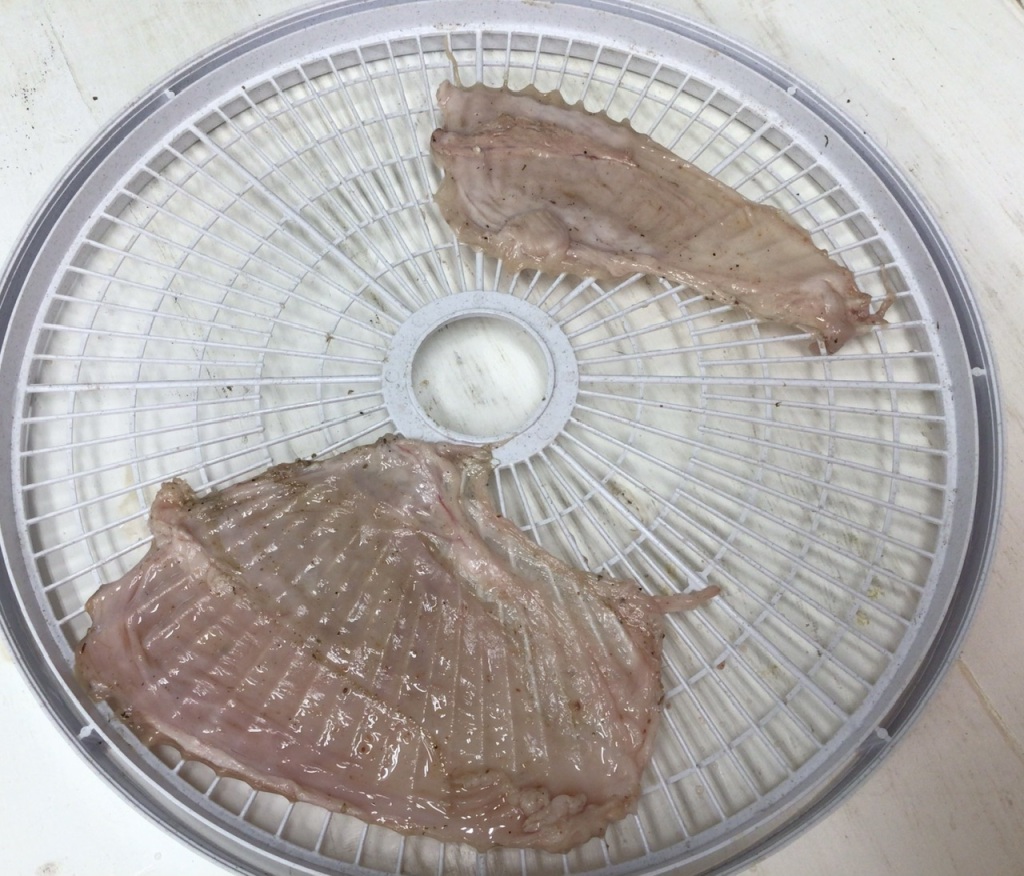
We did eventually figure it all out, and here is our final product, now drying for 3 months or so, according to processing directions. It will then be sealed and last for many years and make many dozens of cheeses.

A great big thanks to the multi-layered efforts of man and nature for this magical gift!

In weather news, we’ve had a lot of rain. While I mentioned last update how much I love the rain, it is causing problems. We lost most of our onion harvest, for starters. This is a big disappointment because we were so close to harvest, just a couple more weeks. Not anymore, they were rotting in the ground, we had to pull them, lost a great many, and the others are mostly very small still.

So between the pitiful potatoes and the sad state of the onions, we are not starting off too well. The peas are already done as well, because of the heat, but that’s pretty normal here.

What’s not normal is my usual complaint—the manufactured weather. We can’t drive to half our property until Hubby upgrades our culvert, a huge undertaking. But we are very lucky this time around! No hail, or tornadoes, or other immediate disasters to deal with, like a great many.

Yes, more manmade clouds above our head. We’ll learn what NASA calls them next post.

But, I have a future Geoengineering Update in the works, so I’ll save further lecturing and complaining for now!

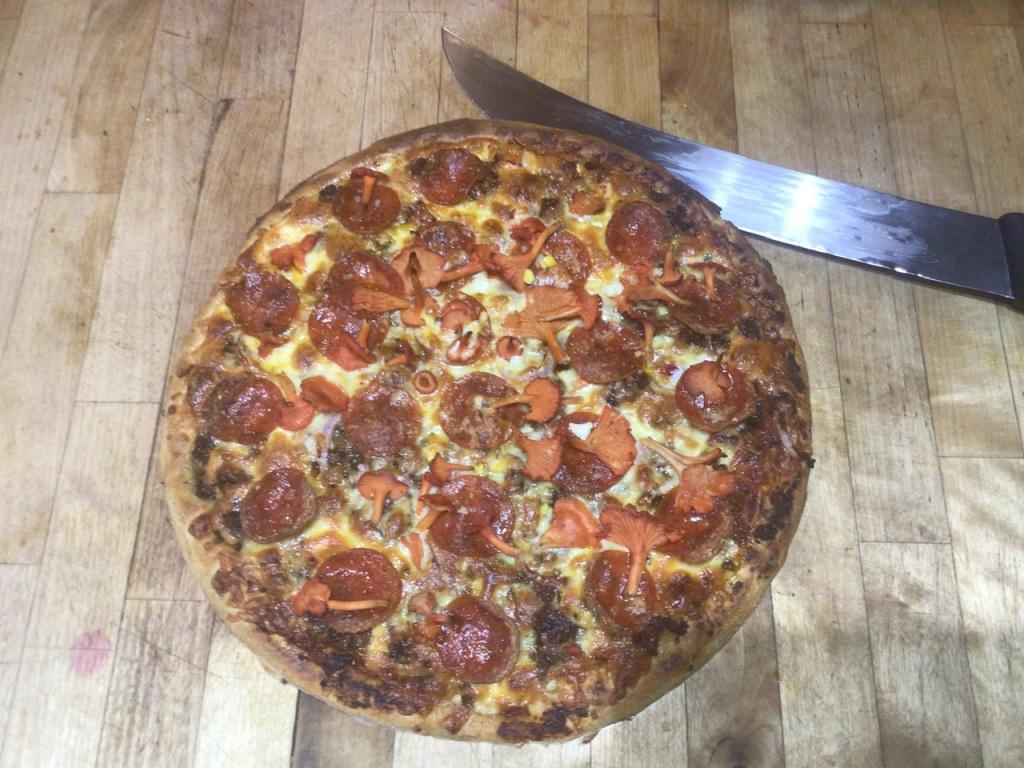
Instead we’ll end with a snap of one of our favorite dinners, just how we like it, burned to perfection! Not our pepperoni or cheese this time, but some just foraged chanterelles, homemade sourdough crust, and homegrown pork sausage. 😋

Thanks for stopping by!

Homestead Happenings

Lots to report since the last HH post. We’ve got slithering scares, miracle kids and lots of garden goodies.

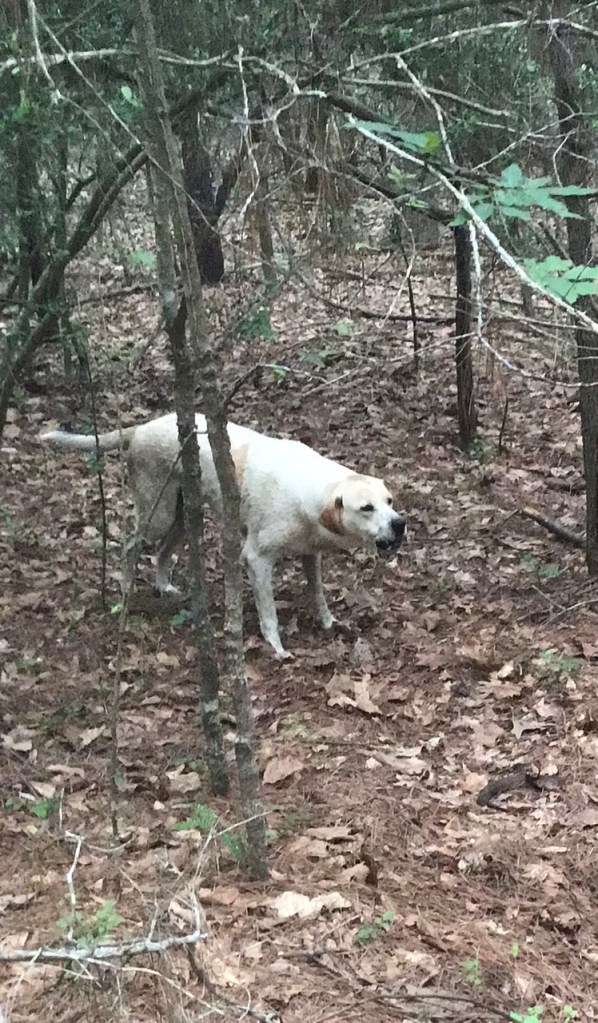
My oh my, we’ve been busy! We haven’t had much time to do leisurely things, like take the dogs for a long walk in the back forty, which you might remember last post when Bubba saved us from a giant water moccasin with his ferocious warning barks.

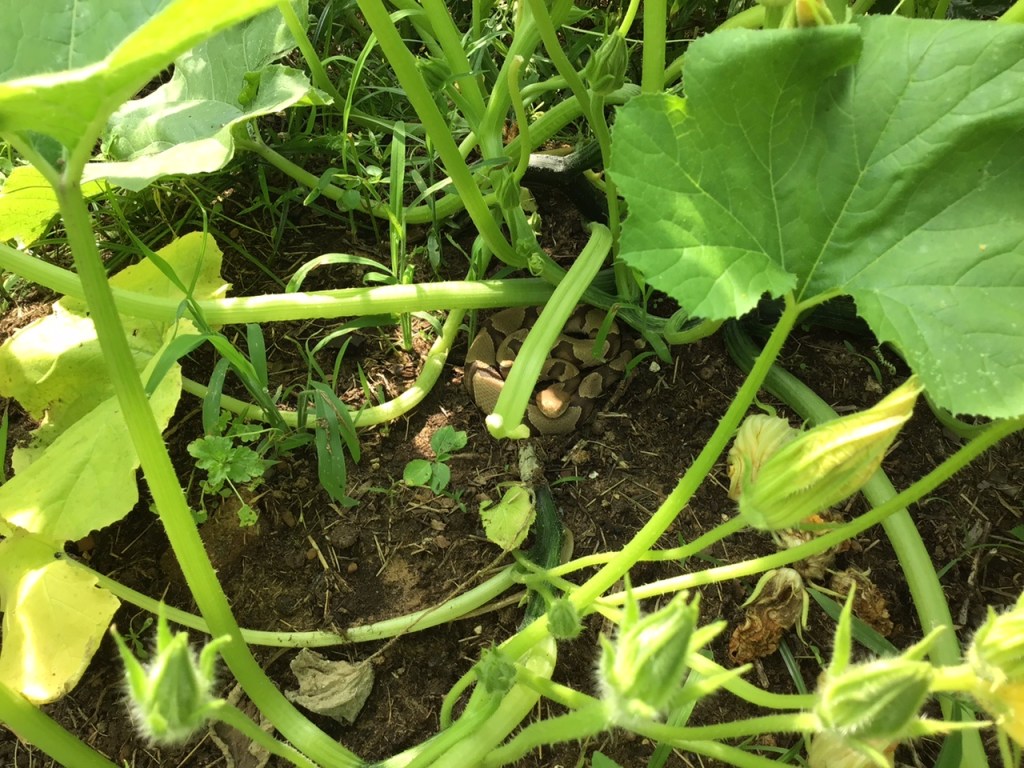
It’s not that unusual to see snakes near the pond, where we were at that time, or along the creek. But I’m sure you can imagine my surprise finding them in the garden!

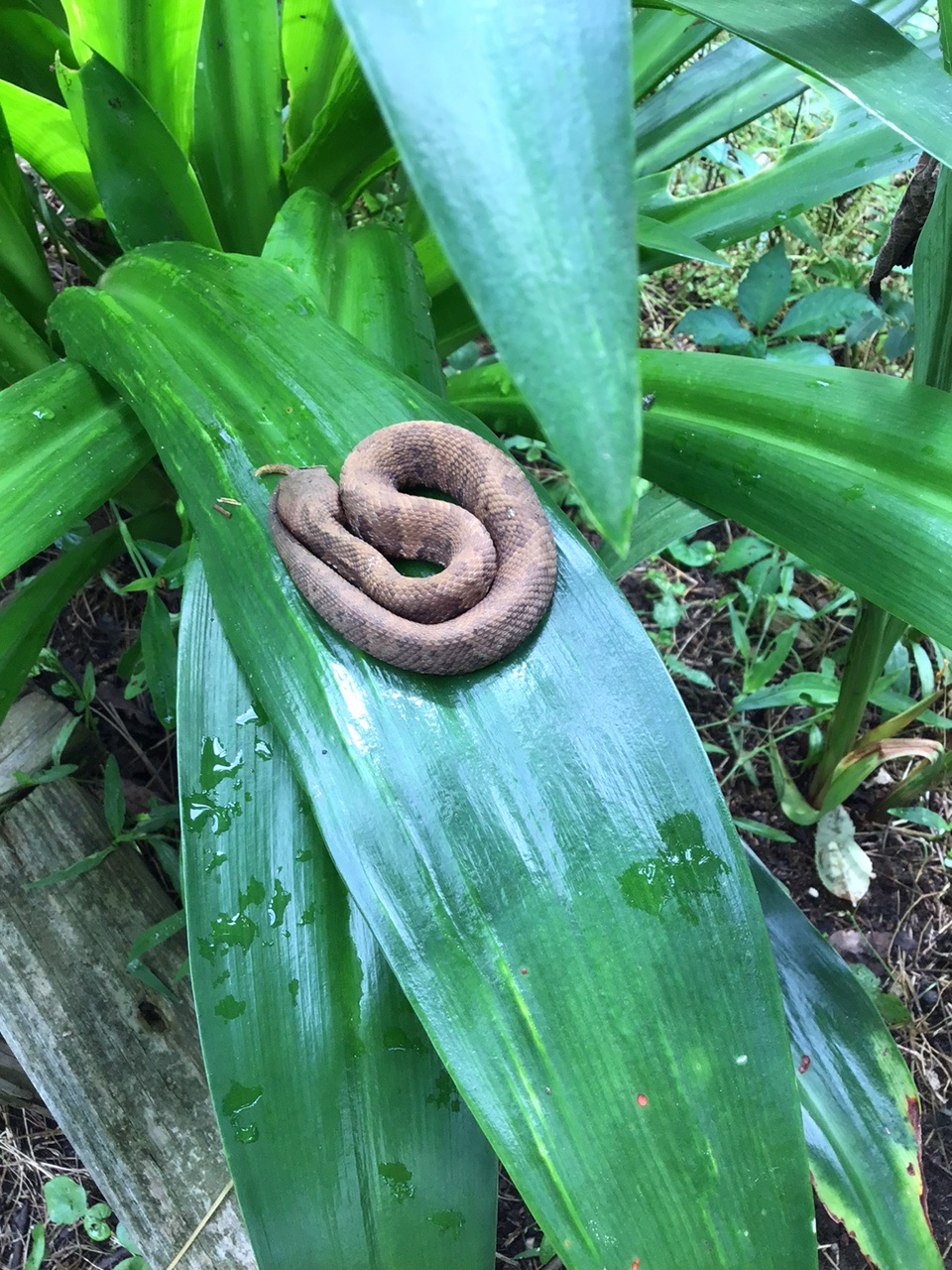
One copperhead under the squash, which I was lucky not to grab by mistake. It’s very typical of me to reach down without thinking as soon as I see something that shouldn’t be there, like twigs or weeds or dead leaves. Or, to pick a mature fruit, obviously.

Sometimes I don’t even wear my glasses to garden, or gloves, or shoes. Guess I’ll be re-thinking those habits now. Just as I reached my hand in, it registered, and I froze, and then laughed.

Hubby finds it humorous that I scream like crazy whenever I see a roach, I absolutely LOATHE them. But a snake, (beyond the startled OH!) even a poisonous one, not at all. I find them pretty amazing, and they’ve never bothered me (and I’ve had plenty of close encounters) or been aggressive, or been in the house. So I feel safe to just laugh and take pictures.

And then call over Hubby to take care of it for me. 😂

The other copperhead was just a baby, snoozing away on a swamp lily frond under the elderberry tree, kinda adorable-like. Here’s some perspective.

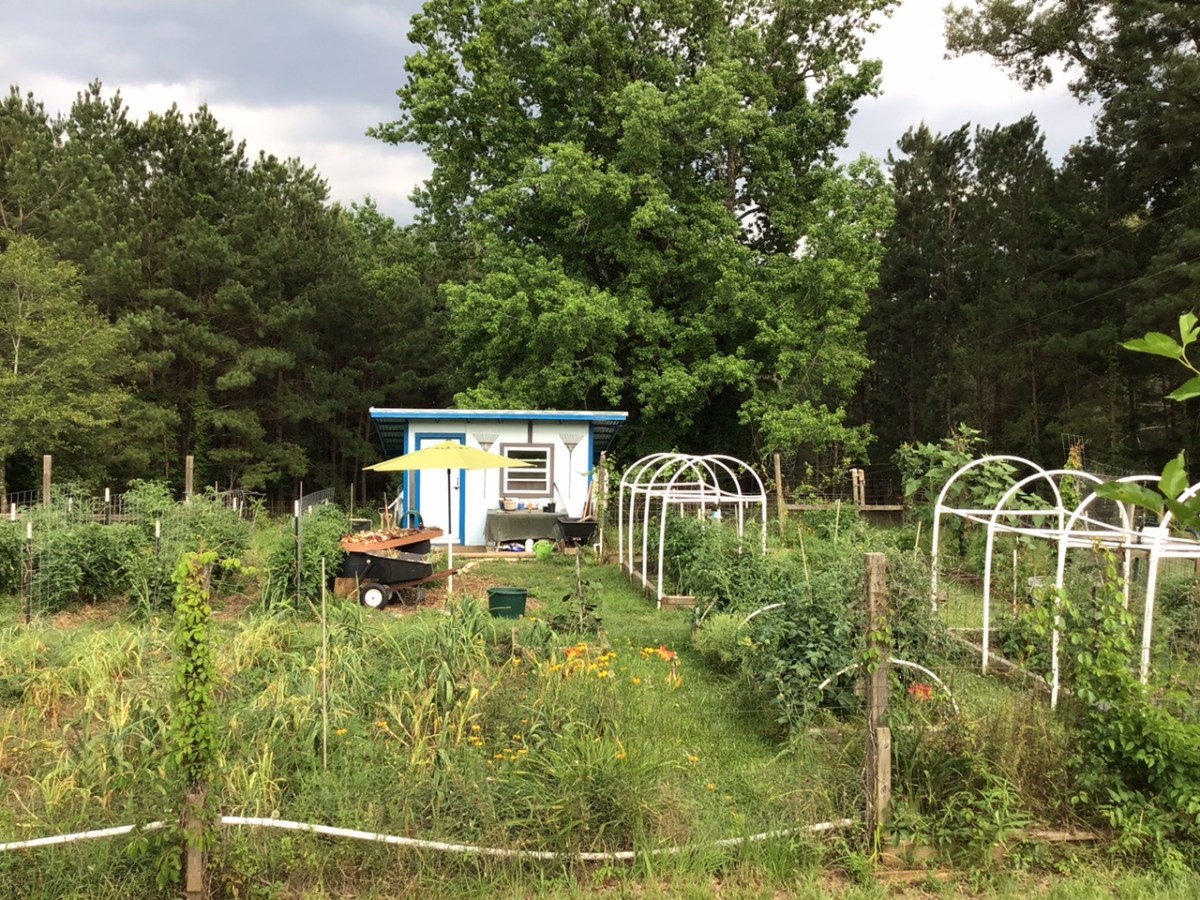
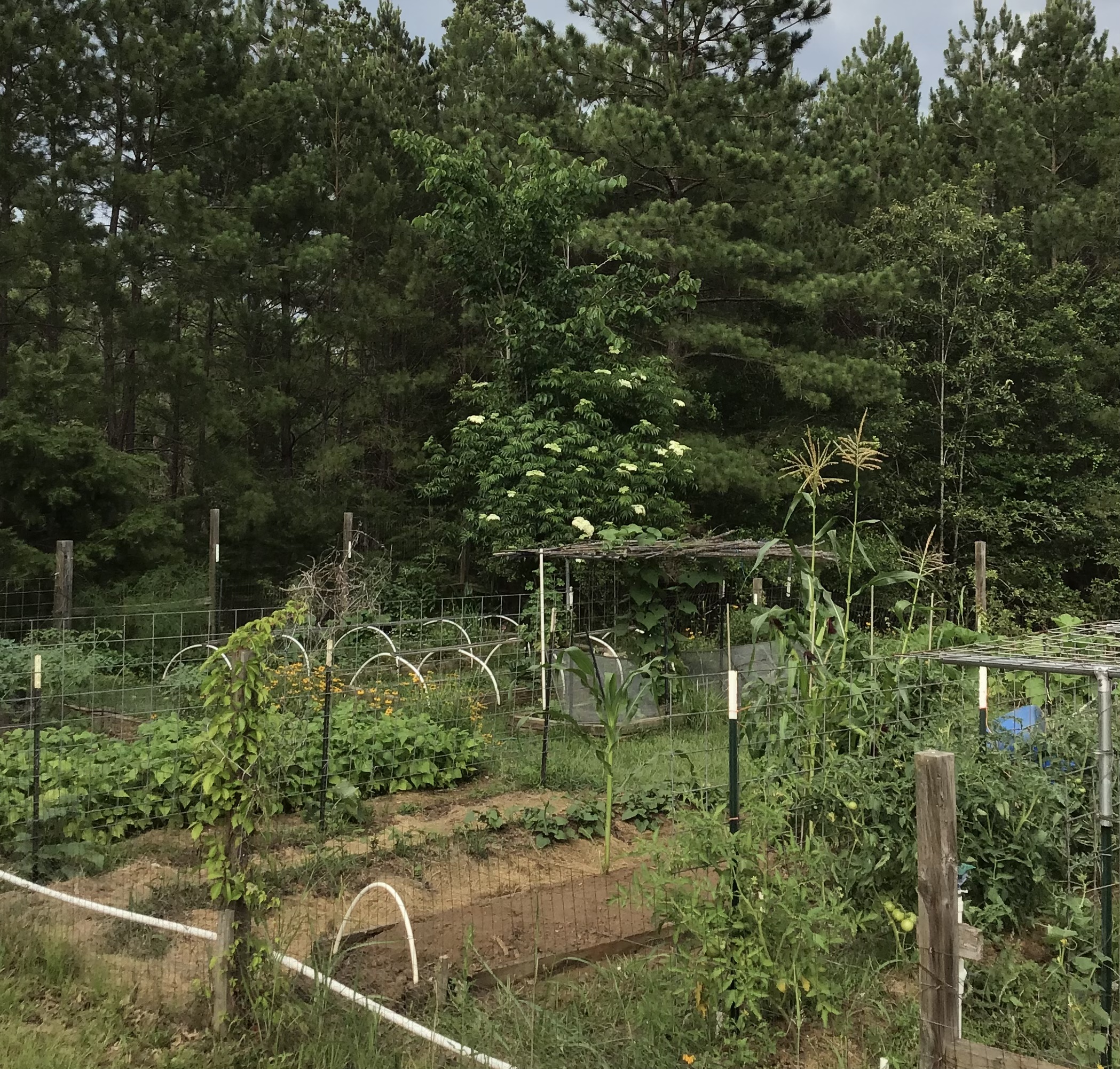
The elderberry from a distance, dead center. It’s quite a lovely specimen I think, but a bit too happy there, it’s getting invasive. The swamp lily is just underneath it.
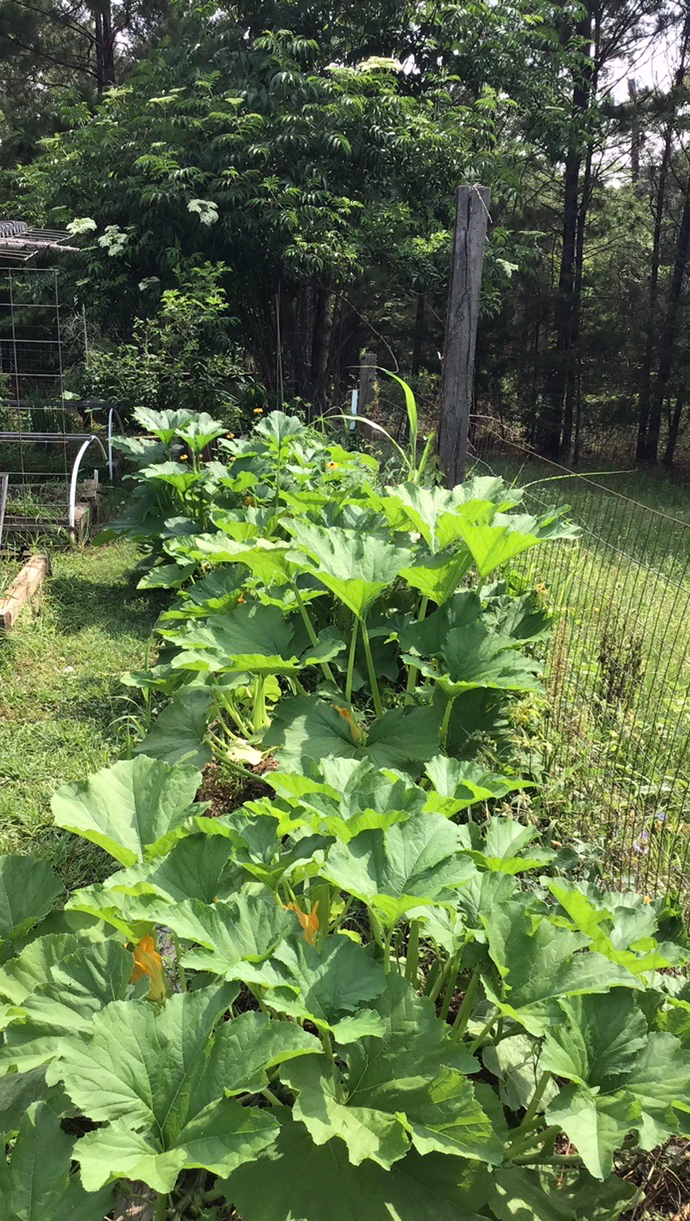
Elderberry in the back. Up front, Zucchini and pumpkin—just learned today not only the fruit and blossoms are edible—but also the leaves. Can’t wait to try them!

We’ve finally got all the onions harvested, now just the garlic is left. That will be coming out very soon.

That’s about 2/3 of them pictured here. All the rest were quite small and so we’ll use them up first.

The tomatoes are looking awesome, but I don’t want to get too excited, because that could change any day with little warning. I planted loads of tomatoes because last year was not a good year for them, so I’m extra anxious for a decent crop.

We’ve also harvested all the new potatoes and while not terribly impressive, it was a better effort than past years for sure. The secret did not seem to be growing them in containers, which I tried for the first time, but rather lots and lots of poop. I tried them three different ways this year, none of them particularly better producing.

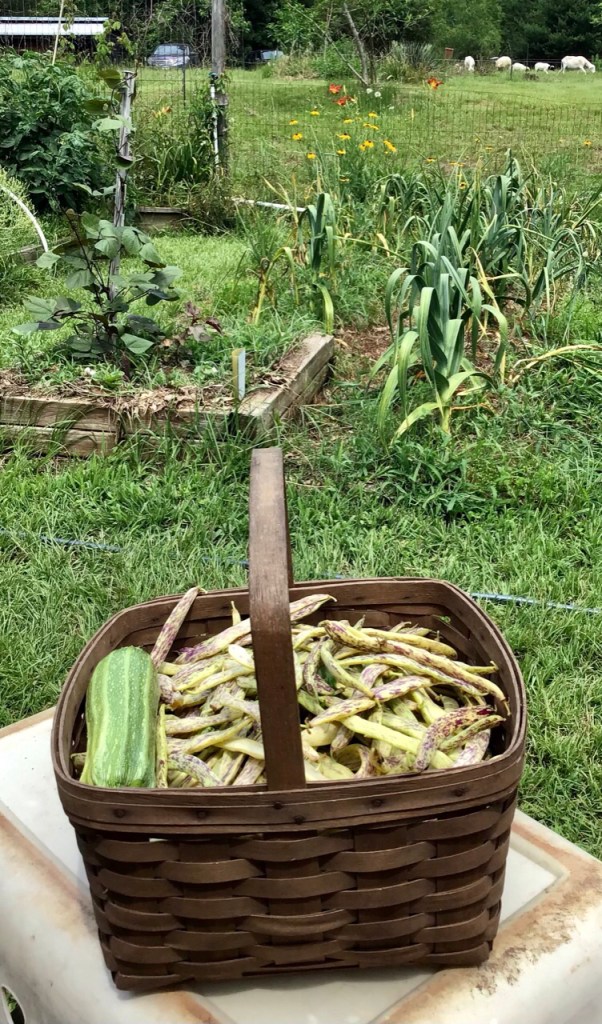
We’re also getting loads of green beans, after a couple of bad years. And some delicious peppers.

So many green beans that Hubby’s just canned 13 pounds of them! Such a joy for me that he’s taken over all the canning, which I’ve always dreaded. I never even tried the pressure canner and I’m not wanting to even a little. He is quite methodical about the process and can accomplish a lot in a short time and without breakage, far better than any of my past canning efforts.

Efficient, industrial, high yield, detail and process-oriented. Thank heavens for Hubby

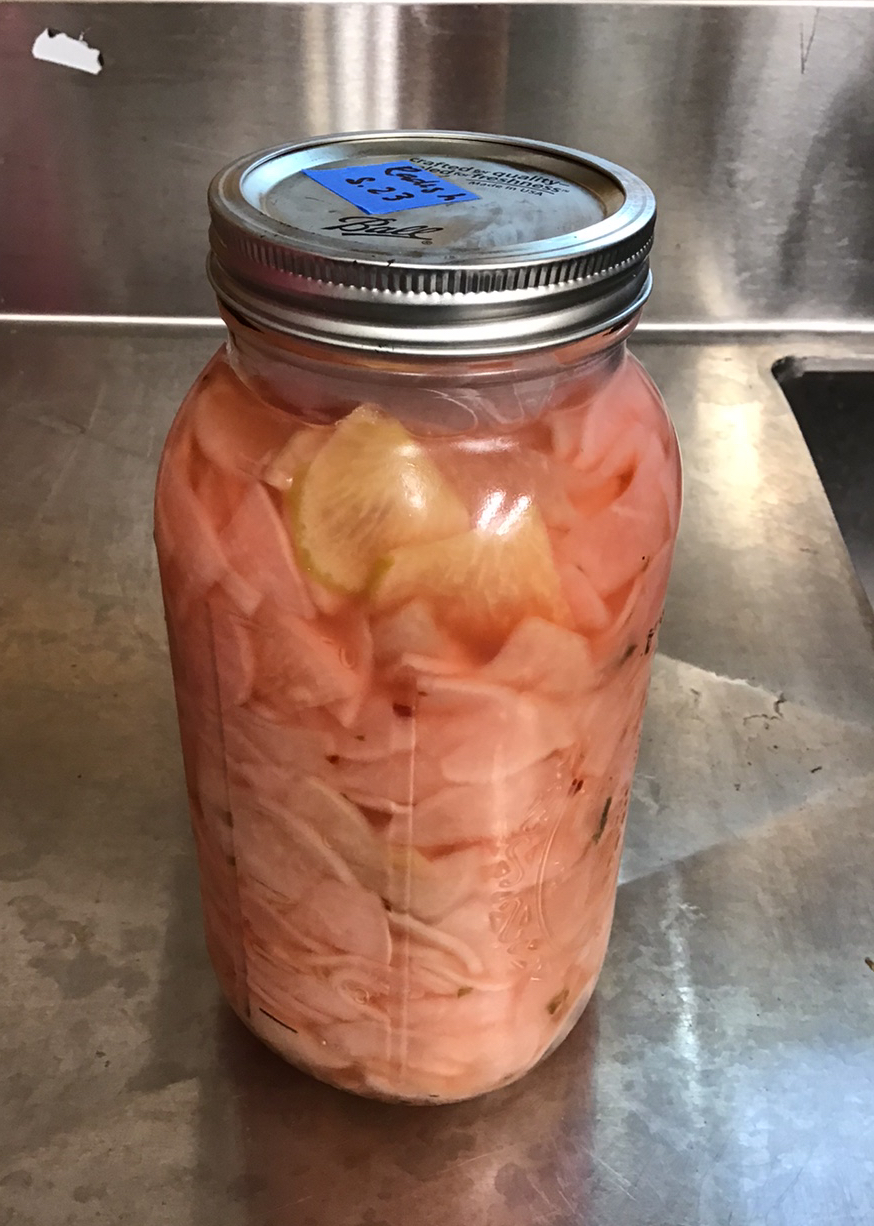
But I do really love the fermenting and am experimenting with it very successfully. I made a celery-mint paste that is surprisingly delicious and a gallon of radishes that will last us easily through the summer. Next on the to-try list is green beans.

Customizable, small-batch, creative and so pretty in pink! Much more my style

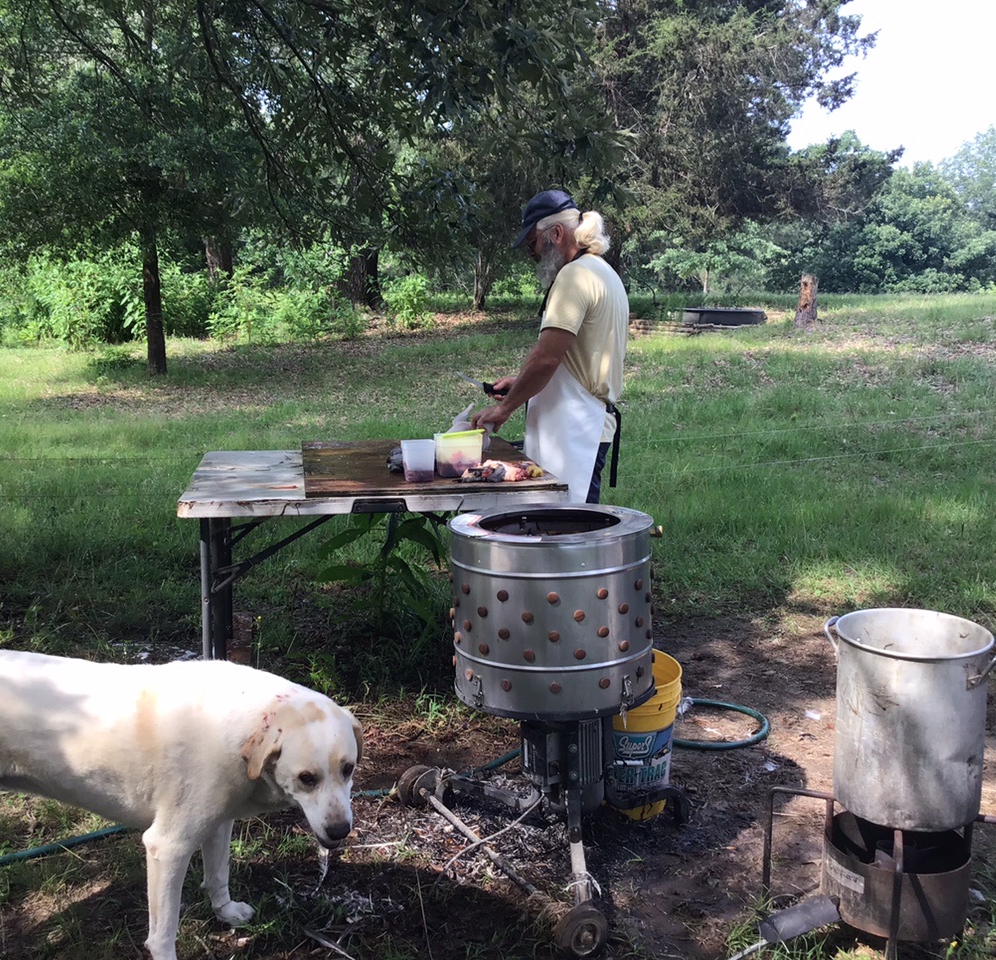
A friend gave us half a dozen roosters, which Hubby quickly processed into freezer camp to save us from listening to the crowing wars for any longer than necessary. A handyman and a gentleman.

Hubby at the processing station. Not exactly government-approved. Bubba and Buttercup’s favorite days, all the heads and feet they can eat!

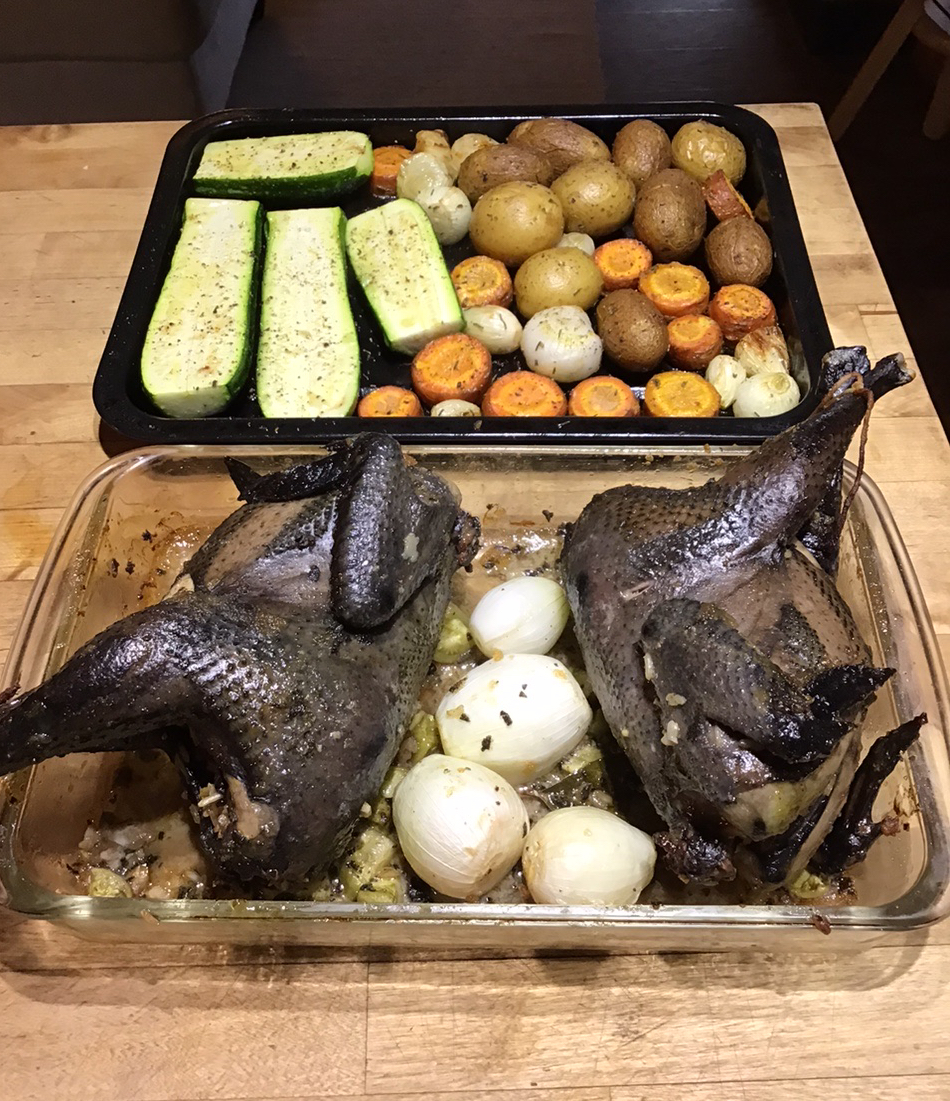
A couple of the roos were these little Bantums which became Sunday’s dinner—stuffed with rice and home-cured bacon, herbs and last year’s dried cherry tomatoes—and basted with ginger-melon marinade. Don’t be too off-put by their black skin and bones, they were delicious!

Dinner for two plus the much needed, time-saving leftovers.

Also served with foraged chanterelles in cream sauce and just harvested blackberries over pound cake for dessert. Mmmm.

And the best saved for last this post, the miracle! In the last post it was Bubba who was the savior, this time it was Buttercup.

Take a bow, Buttercup!

We’ve got two pregnant does, due the first week of June. Because of that I’ve been a bit weary putting the herd too far from the corral, but I did it anyway. They are such homebodies normally and always come right back to the gate after disappearing into the woods for a while. Sometimes it’s harder to get them to go out and forage instead of sticking their head through every fence.

Double-protection required for the grape vines along the fence

Go forth and forage lazy goats! There’s acres of woods to eat, not my landscaping!

Except, only Phoebe disappeared into the forest that day. Alone, and so unlike her. She is the most herd-oriented of them all. She’ll start screaming if the entire group isn’t together at all times. If she was separated from her sister the first year, or her twins the year after that, you’d think from her incessant screaming that all hell’s broken loose. I’m sure the entire county can hear her sometimes.

But, silence. It happened about 3 or 4 pm, I suspect, that was the last time I saw her with the rest of the herd at the fence. We didn’t notice until it was time to put them up for the night in the corral. She was no where in sight, and we immediately went searching. We knew something must be very wrong. We searched until dark with no luck.

I went again the first thing the next morning. All the places I figured she might be holding out, having prematurely dropped her brood, waiting for them to get their legs, so she could bring them up to the usual gate. I walked all along the areas they frequent. It’s very easy to tell where the scrub gets thick again, compared to where they’ve eaten everything up to shoulder-height. I called out for her, listened for any responses or rustle of leaves, nothing.

After coffee and milking Hubby and I went back out together, along with Bubba and Buttercup. Shadow had to get left behind because the goats are still very weary of him. Bubba and I searched and called for an hour or so, nothing. I started to think the worst.

We went back and I was making some toast and cheese before heading back out again, so hungry. It was already hot and muggy and I was sick of slogging through the poison ivy and mosquitoes. I was stuffing a bite into my mouth when a very sweaty Hubby comes up to the window yelling.

“I’ve been yelling for you!”

What?!

He found her! He went far beyond where I’d stopped when he noticed Buttercup started weaving back and acting determined. He followed her and she stopped at a bewildered Phoebe and newly born triplets.

It took us another couple of hours to lure her back while carrying the triplets in a laundry basket across pretty challenging terrain.

But it was a happy ending and mama and babies are all doing well!

Preemies still under observation, but doing fine.

Ahh, the simple life!

Thanks for stopping by!

Homestead Happenings

Spring is in the air! Sort of.

More like, New Normal Yo-Yo Season doesn’t totally fool Mother Nature. Yay! I’m taking that as good news.

So let’s focus on more good news with plenty of happy snaps, and just a few ugly reality snaps, from the wee homestead.

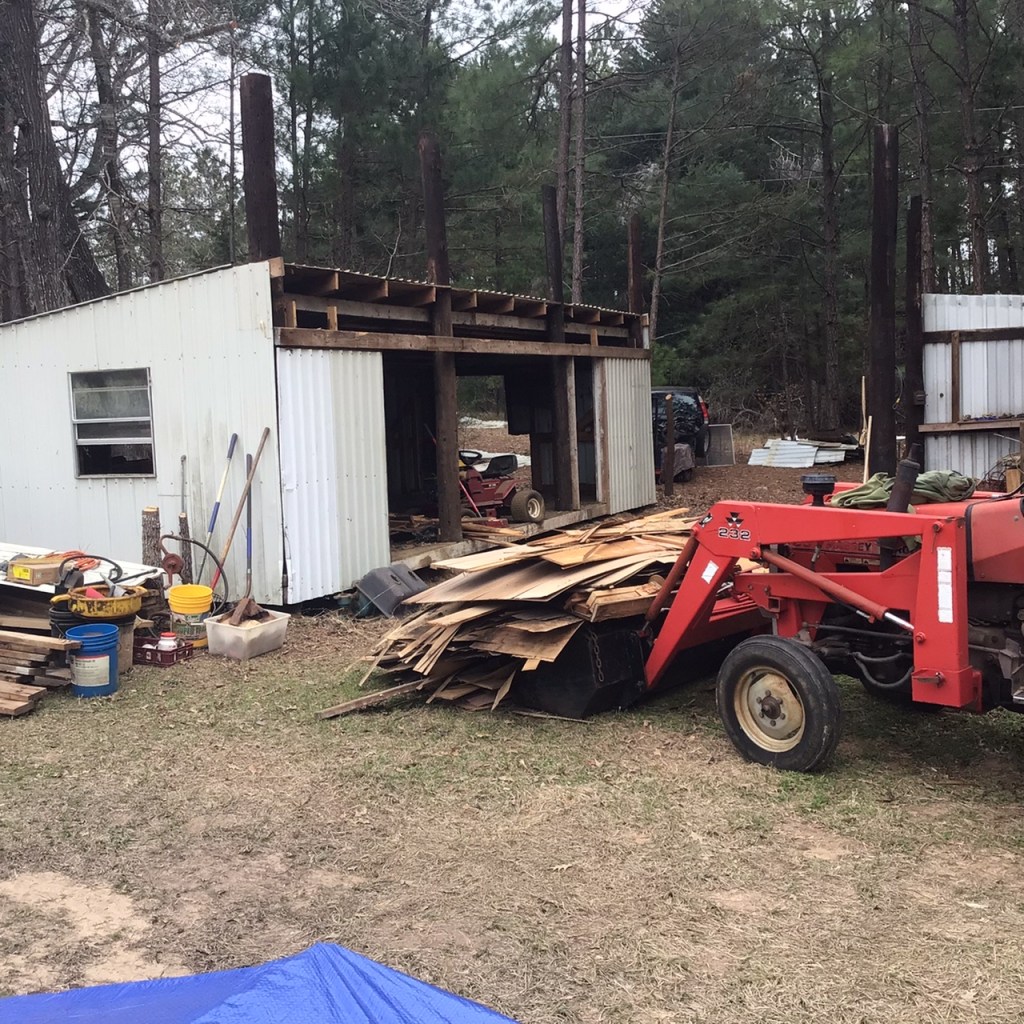
We’ve been busy, Handy Hubby most especially, in long-overdue deconstruction. The only other structure on the property when we bought it about 15 years ago, besides the seasonal-cottage-turned-permanent home where we now live, was this already run-down, trash-filled tractor barn.

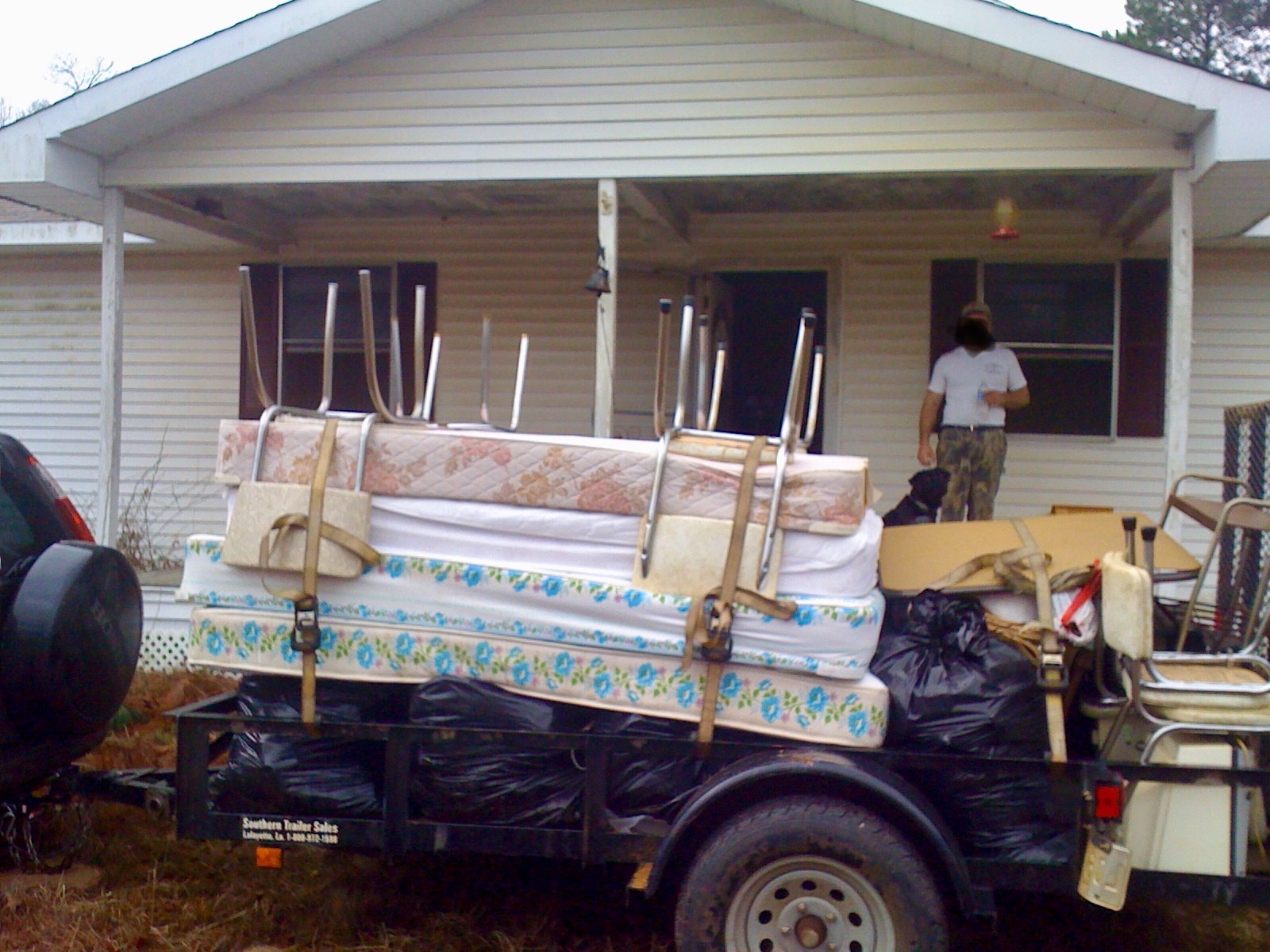
Hauling trash out of the cottage before move-in (circa 20o9). Then scrubbing, painting, re-doing the floors, kitchen, siding, roof, insulation, building a deck, etc., etc.
Thank heavens for Handy Hubby!

Then the tornado tore off a chunk of it. And Hubby discovered the posts had rotted in the ground and it was in even worse shape than expected. Little left to be salvaged.

You can see it here in its best shape, in the background of this darling vid of our dear, now deceased, oh so lovable dogs, Tori, and Papi who makes a brief appearance too! The structure on the left is the former duck coop, built by Hubby. The structure finally coming down is the 2-story on the right. While the previous owners were building their future cottage, our current home, they built this and lived on the top loft. It was already a mess when we bought the place, and we’ve been procrastinating the clean-up ever since.

I vowed year after year I’d help Hubby in the deconstruction and clean-up when he found time to prioritize it, yet here it’s now nearly done and I haven’t helped a lick!

Such a gentleman! Thank heavens, because it’s a disgusting, nest and poop infested horror of a project, which is why he was procrastinating so long in the first place!

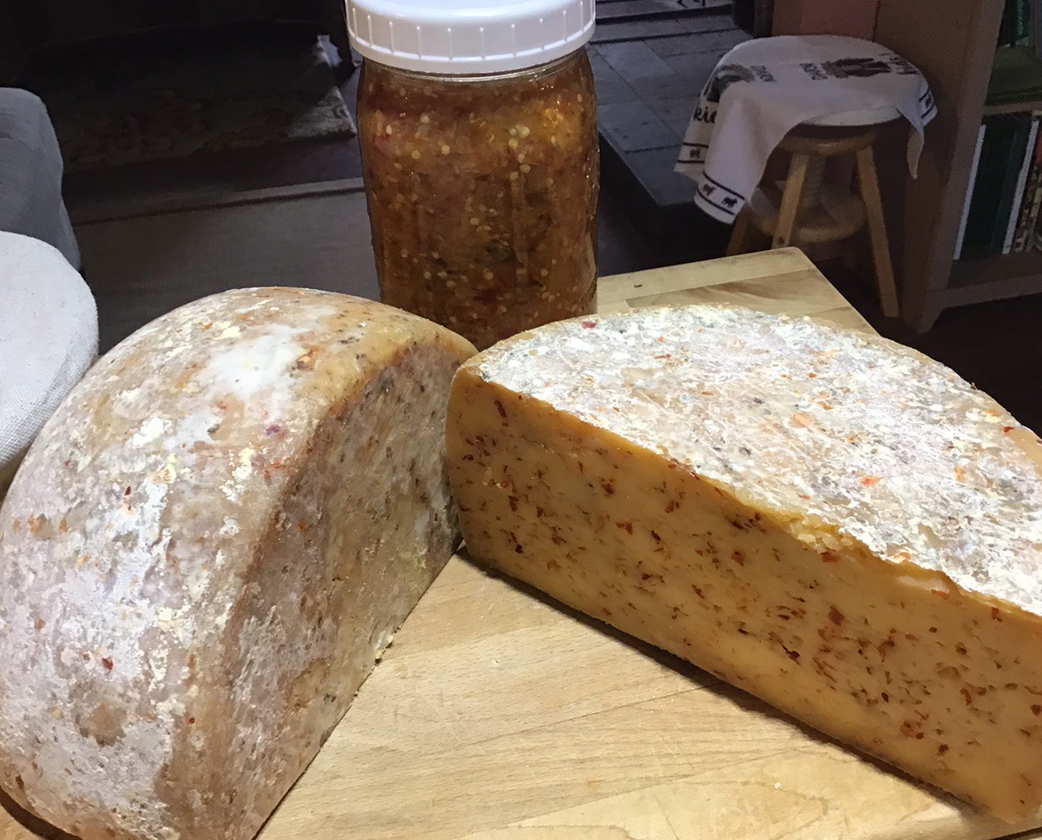
In more elegant news, I am still getting 1 liter of milk a day from our belligerent herd queen, Summer. While it’s not enough for making big and delicious hard cheeses, like this Pepper Jack I just cut, it is enough for a weekly batch of feta, or mozzarella, or my imitation of Boursin, or kefir, buttermilk, yogurt . . .! YUM!

Pepper Jack, aged 3 months. Quite good, hot, but not over-the-top. Still, needs improvement. Noted, still trying.

Despite the best laid plans of weather terrorists, we still have our first blossoms, our first chicks, our first piglets of the season!

And first chicks!

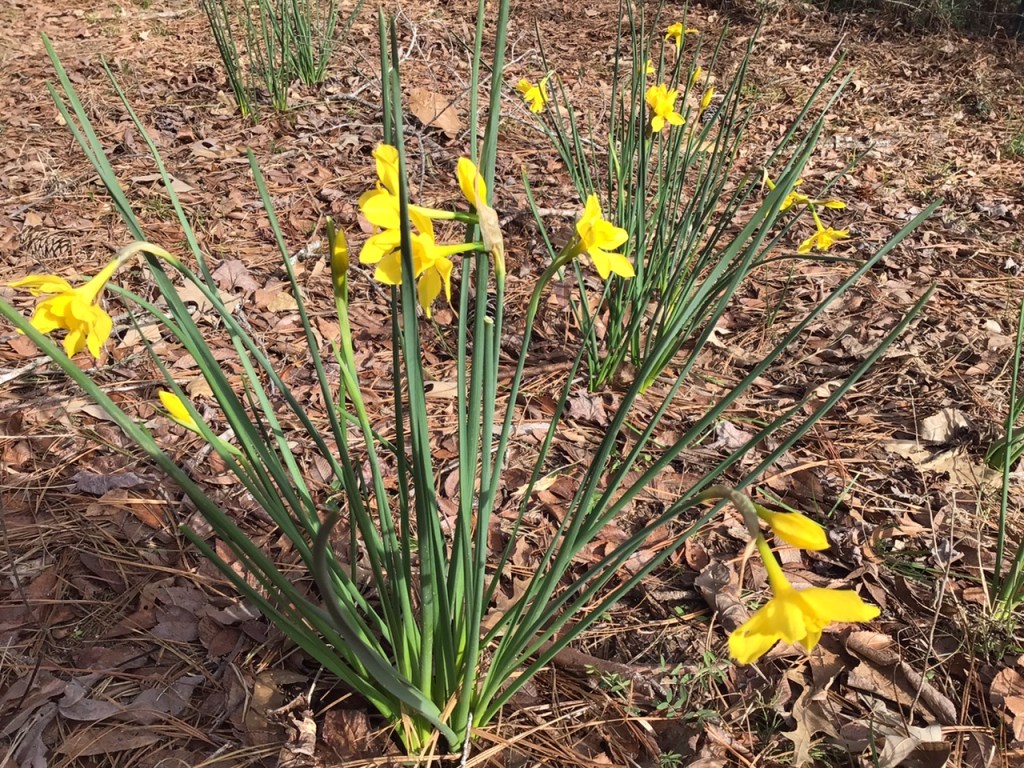
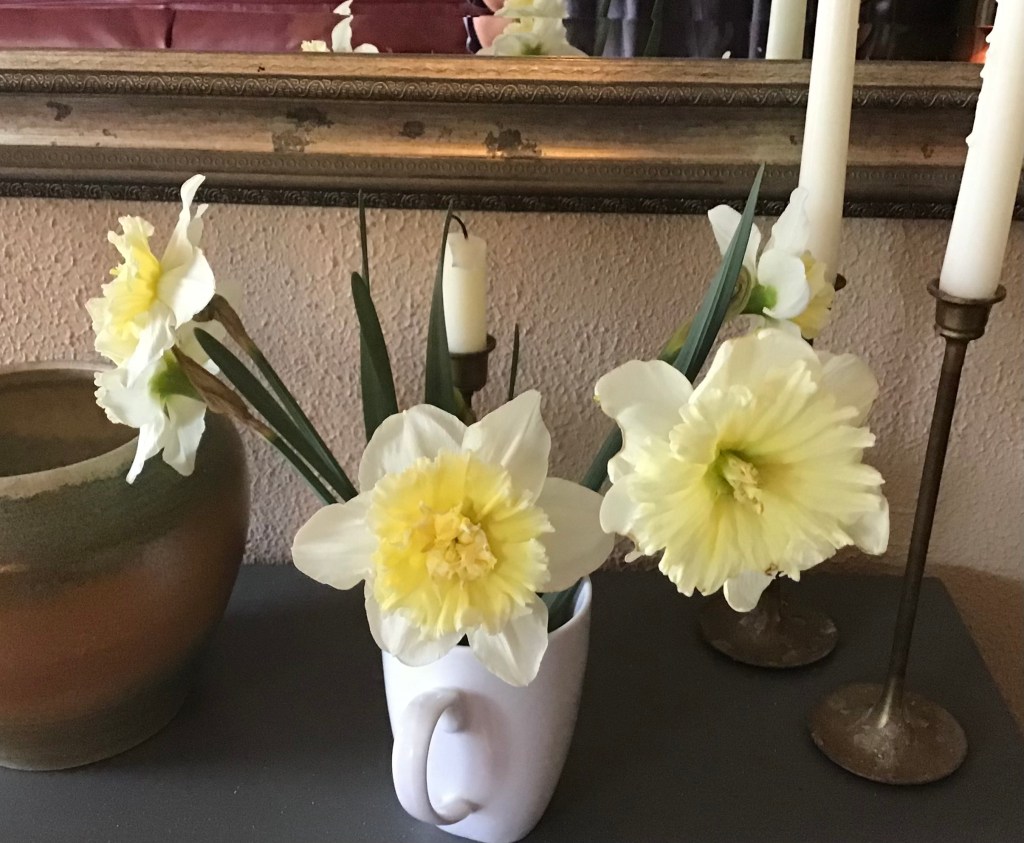
The daffodils and narcissists are out, and just enough blooms that the bees are again pleased!

I do believe, as chance would have it, I just happened to capture the queen in this quick shot. If you look at the center you see a longer abdomen pressed against the observation window, right next to a worker bee, so it stands out just enough to discern. I can’t be 100% sure, but I think so!

And back to discernment, we have the magic phallus of several posts appearing again! It’s in the same general area as the others, pictured previously, but looks a bit different. Now I’m starting to hope we’ve discovered a morel patch?! Or, maybe not.

What’s new in your neck of the woods?

Kensho’s ‘Stinking Peasant’

‘Stinky cheese’ is an official cheese category for those unfamiliar with the great wide world of cheeses. Really! They include the washed-rind cheeses, but some others as well, depending who you talk to.

These would include such well-known varieties as Muenster, Limburger, Raclette, but also some relatively new popular favorites like the Stinking Bishop of Charles Martell & Son – Cheesemakers and Distillers.

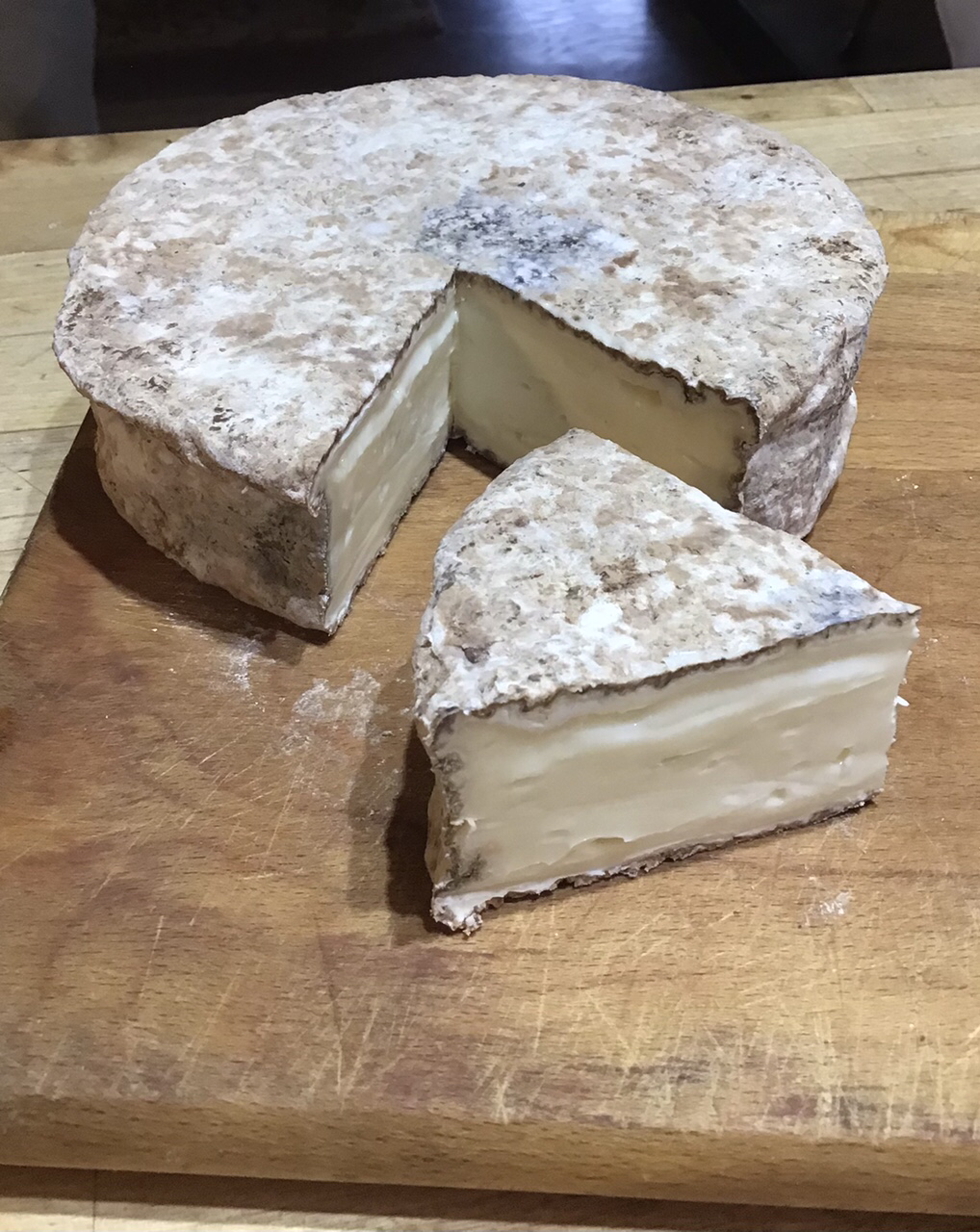
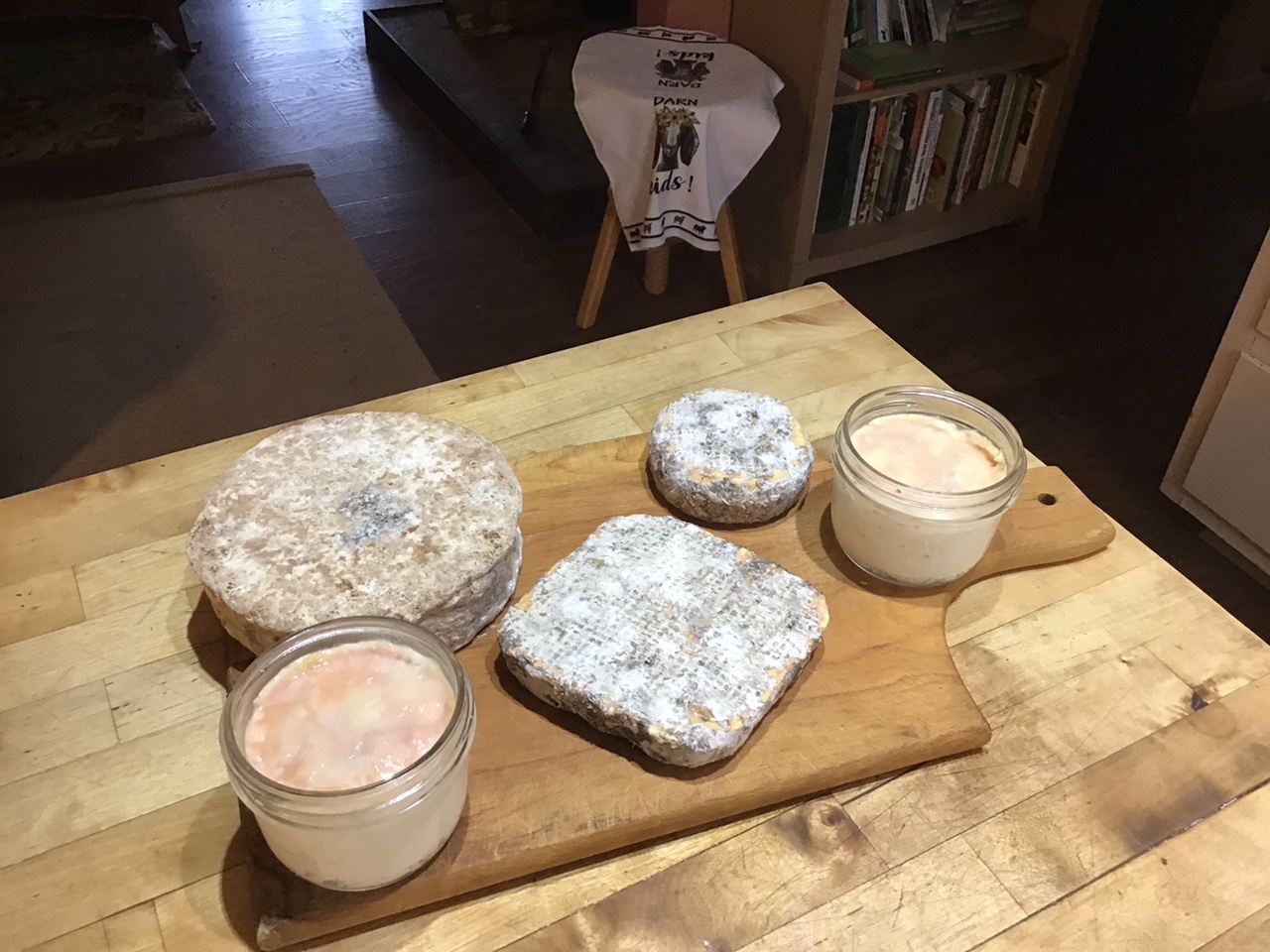
The Stinking Bishop—the name inspiration behind my own new cheese—the Stinking Peasant!
About the Stinking Bishop:
“The rind becomes sticky and pink, with a pungent, almost meaty aroma, while the interior is velvety smooth and almost spoonable. It is bound with a strip of beechwood, which also imparts its own woody notes to a cheese that is farmyardy, but not as strong as its smell, or its name, would suggest.”

The wash-rind process used to be referred to as “putrefaction fermentation”so you can understand why they might want to change the name.

When I set out 7 years ago into the glories of cheesemaking I had no idea I’d also be making my own ‘signature’ cheeses. At the time I was responding to the sorry fact that in order to buy even a remotely decent cheese I had to drive several hours. And even then, nothing was made from raw milk. I bought freeze-dried cultures just like the vast majority of home cheesemakers do. I found a lot of success imitating the favorites—mozzarella, Pepper Jack, Camembert, Parmesan, Swiss, dozens of cheeses. I’ve tried making just about every cheese you’ve ever heard of, and quite a few unknown to even real cheese aficionados.

Of course, considering there are 1400 named cheese varieties in the world, I still have a long way to go!

Several of my ‘signature’ goat cheeses now ripe and ready to eat. Still in the aging fridge are Pepper Jack, Dill Havarti and Caraway Gouda

But, the more I learned, the more I wanted to get back to basics. The more I got back to basics, the more I began to understand what a beneficial and even necessary learning experience it has been. Sure I can spend much time and effort recreating other people’s cheeses. But even better is to invent my own!

That means developing our ‘terroir’. No more purchased cheese cultures. Milking our own goats and making raw milk cheeses with our own wild yeasts, yogurt and buttermilk, all which change flavors and colors with the season.

Like a true Roquefort can only come from Roquefort, France and real Champagne only from Champagne. These have PDO status, that is Protected Designation of Origin.

The process is only part of the story, because the finished product is a signature of its terroir. Affinage, that is, the art of maturing the cheeses, is the next crucial component.

Not that I have any interest in throwing my cheeses into any rings with the big guys. Not a chance, even if my cheeses were that good (I think they are!). I have no interest in turning my pleasurable hobby into a stressful profession.

“In its simplest form cheesemaking is the aggregation and preservation of protein; in its highest form cheesemaking is alchemy. . . Many traditional European cheeses are on the decline or have disappeared. It is ironic that the United States is leading the resurgence of artisan cheese and is the fastest growing market for specialty cheese on the planet. Can we Americans be the saviors of French terroir? Or will our efforts to reveal our own terroir be stillborn because of insurmountable regulatory hurdles?”
~Mateo Kehler
Jasper Hill Farm, Greensboro VT

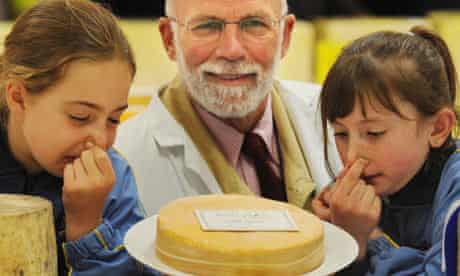
Anatole and the Robot (1960) — The story of a professional cheese taster whose job has gone to a robot. I think Anatole has the right idea:
“I sniff, I taste, I think, and then I use the magic of my imagination!”

Source:
The Oxford Companion to Cheese edited by Catherine Donnelly, foreword by Mateo Kehler

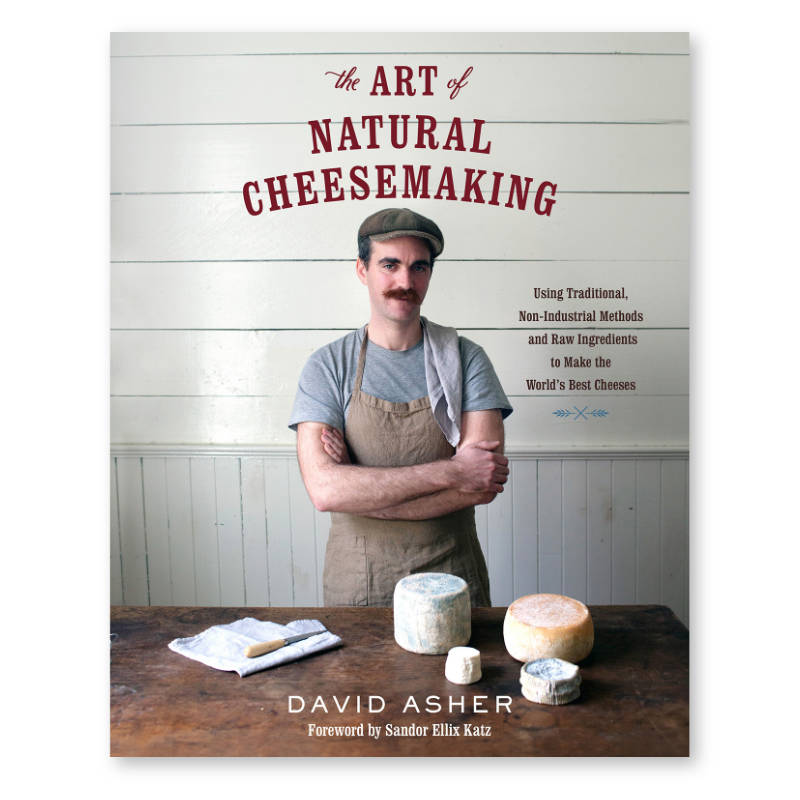
My favorite cheese-making book:

Homestead Happenings: To Be, or Not to Be, That Neighbor

You have to get pretty far out in the boonies to get the most tolerant neighbors. I think that’s a good thing. Usually.

Life has gotten even quieter here in the boonies in the last few years. The popular hype would have it that city folk are moving to the countryside in droves. While that may be so, the evidence is still wanting, at least around here.

It would seem the weekenders have less time, or energy, to practice their Sunday “Guns for God” rituals that used to attract them to these parts at regular intervals, in search of target practice.

In this, and other tolerance-mandatory moments, I have not always been as tolerant as the situation has required, I admit.

One time I recall a pick-up truck of ill-mannered miscreants, rifles in hand, showing up at our gate while Hubby was at work and announcing they would be hunting wild hog at the creek which is our property line, and I should let them come in through our gate for that purpose.

I put on my best ‘down home girl’ accent, which most likely fooled precisely no one, and said, “Ain’t no hogs down there darlin’s, creek’s nearly dry, can’t ya see!”

I so wanted to take that opportune moment to educate my derelict audience in the practice of deliberate drought by weather modification, but in reading the room, I decided against it.

“Best y’all get ya’s further down the Trinity valley,” I offered instead.

I know it wasn’t the fake drawl, and I had no gun on me, so I’m figurin’ it was my no-nonsense demeanor that got to ‘em. Not only did they not get through our gate, but they must’ve moved their shindig to other parts, ‘cause they moseyed on, I expect to more cooperative (aka, tolerant) locales.

Ain’t seen ‘em back since.

And then there’s the dogs, always the dogs. Owners are always losing their hunting dogs, even with them fancy tracking devices on ‘em. One time one frightened cutey found his way here and I trapped him, gave him a nice lavender bath ‘cause the poor dear stunk to high heaven, and waited for the owner to come a callin’, which he did, commenting on the dog’s unwelcome new fragrance.

Some assholes actually drop off the dogs they don’t want on our country roads. Can you believe that?!

And as if that’s not bad enough, sometimes your own neighbors are the problem.

When you lose half your flock of chickens to a sneaky dog your neighbor adores, and you caught him red-handed on candid camera, but the neighbor still insists it’s ‘your problem’, tension tends to develop.

Especially if you are me.

I’m like an angry, barking squirrel when I lose my patience, I get that. I’d try to correct that clear character flaw if it weren’t something I was proud of and have worked at developing so consistently.

But still, I can’t stand by and witness hypocrisy, even, or maybe especially, if it’s my own.

And now, it comes around, as our neighbors, few and quiet as they mostly are, have our livestock guard dogs, who think the entire county is their personal protection zone, annoying them with border barking patrols, all night long.

Let sleeping dogs lie? Hardly! The whole county gets a taste of their actions after midnight!

I want to send them an exasperated message—I’m so sorry—they are not respecting their boundaries! We don’t want to be ‘that’ neighbor, really!

But in our defense, not even the electric fence stops them! We are at our wit’s end trying to solve this issue!

Thank you for your patience!

Thankfully for us, our neighbors are so tolerant they don’t even have the decency to complain.

And as if that wasn’t enough. All my best laid plans of goats and cheeses are dwindling.

Summer, herd queen, always taking the high ground, with Phoebe and Chestnut cowering nearby. A definite love-hate relationship.

The goats have declared mutiny. We already had a misfit crew: Summer the Eldest, herd queen, a belligerent, bossy bitch who terrorizes the rest of the herd with her monster horns, yet who they follow everywhere; Chestnut the Crazy, who is super-skittish and a first-freshener and more moody than a teenage girl; and Phoebe the Squatter, another first-freshener, who is the most stubborn goat on earth, I’m certain.

These horns were meant for knockin’, and that’s just what they’ll do . . .
“But, but, but . . . can’t you see how cute and innocent we are?”

I’ve been watching YouTubes and reading up for months now and I can say that not one goat I’ve seen can match Phoebe in out-right belligerence and deceptive tactics. She’ll jump right up on that stand, give you a singular taste of cooperation, only to . . .BAM . . .lay right down on the job as soon as I get my bucket in position.

And go figure, that is not among the prize characteristics showcased at the 4-H or any other of the breeding clubs.

My goat guru offered the most obvious of advice, “You must be more stubborn than the goat!”

Honestly, I thought my stubbornness to be among my most obvious and enviable characteristics, inherited from my mother. I then deliberately married a very stubborn man, who also inherited his stubbornness from his mother. We’re like five generations of stubborn in one.

And yet, we are like the impetuous novices in comparison to truly goat-level stubborness. I must humbly admit, I’ve been defeated. My cheese-making days are on the wane, maybe for many more months, just when I was really getting into the swing of things.

Alas, the simple life is really not that simple.

Good bye fair cheeses, may we meet again!

Homestead Happenings

Never a dull moment on the wee homestead. Since our last update we’ve got limping dogs, goat rodeo, weather whiplash, a huge harvest of sweet potatoes, new cheeses and old ferments.

If it’s the cooler temps or longer nights or more critters creeping around, we can’t say, but our dogs have been doing a lot of midnight galavanting. First they got into skunks, and that was bad enough. Now we go out first thing in the morning to find them wet and limping and exhausted. We’ve started taking them for walks during the day trying to tire them out and make sure they get enough gentle exercise, because we’re worried they’re going to get themselves into some real trouble. It’s working out very well for our barn cat, Skittles, who now roams wherever she wants without fear of attack.

Milking just three goats twice a day is proving to be quite the chore considering with the two first-fresheners it’s a constant battle of wills. It seems every day they learn a new trick trying to get free treats. First it was bucking and kicking, then squatting making milking impossible, now one has graduated to full refusal, getting up on the milk stand only to lay down flat. It takes both of us, Hubby to hold legs and supply food, me to grasp the bucket with one hand and milk with one hand, each with our reflexes on full alert to shift, draw, grab in the split second it takes a hoof to swipe, spill, crush. It’s really not fun. At all. I have to remind us both that it takes patience and to stay focused on the rewards.

Cheese!

In garden news we got a very early frost and then the temps shot right back up to the high 80s. It’s cooled down a bit since then again and we got a whole 1/2 inch of rain, woohoo! It hardly made a difference, but maybe my fall seeds have a better chance now of germinating.

We harvested loads of sweet potatoes and still have more to go. The vines can’t handle even a light frost, like the basil, so we got all we could manage beforehand though the tomatoes and peppers survived, so that was a pleasant surprise.

I continue to experiment with fermenting all kinds of veggies and they are coming out so delicious. I moved them from the aging fridge to make room for the cheeses, but they kept great in there all summer. We’ve got all kinds of goodies—cucumbers, basil, peppers, okra, carrots, cabbage—and soon I’ll be tying sweet potatoes.

A whole world of deliciousness I’ve only really embarked on seriously starting this year, and thanks to this excellent book.

P.S. Sorry for all the sideways photos and if you get a crink in your neck trying to view them you can thank WordPress for that. I spent an hour trying to correct them, and it’s not working. My WordPress experience is getting worse and worse, which is why the days of this blog will be over soon as it’s just become too annoying to continue it. It’s gone steadily downhill since they forced the Block Editor on everyone. They continually make changes that only make it harder and more time-consuming to post. Oh well, it was fun while it lasted!

In the meantime, thanks for stopping by!

Homestead Happenings

I’ve got some complaining to do today, but there are some rays of sunshine, too, fear not!

Let’s get the crap out of the way first, don’t you think?

In the mornin’, in the evenin’, ain’t we got fun?!

“Climate change”— aka Geoengineering/Weather Modification — continues to haunt us. That is, in droughting us out, mercilessly. I have little hope for the fall garden. I’ve had very poor germination in some crops, none at all in others. That could be the high soil temperature, the still scorching sun and heat even now into October, or perhaps it’s all that crap in the atmosphere.

The pastures are so parched, which means, as I mentioned last time, more sheep than we’d wanted to will go to freezer camp.

The upside is, we are eating very well these days. We’d slowed down on meat consumption over the summer because the freezers were low. The hens had really slowed down laying too in the heat. Now we’ve got meat and egg surplus and we’ve been indulging accordingly.

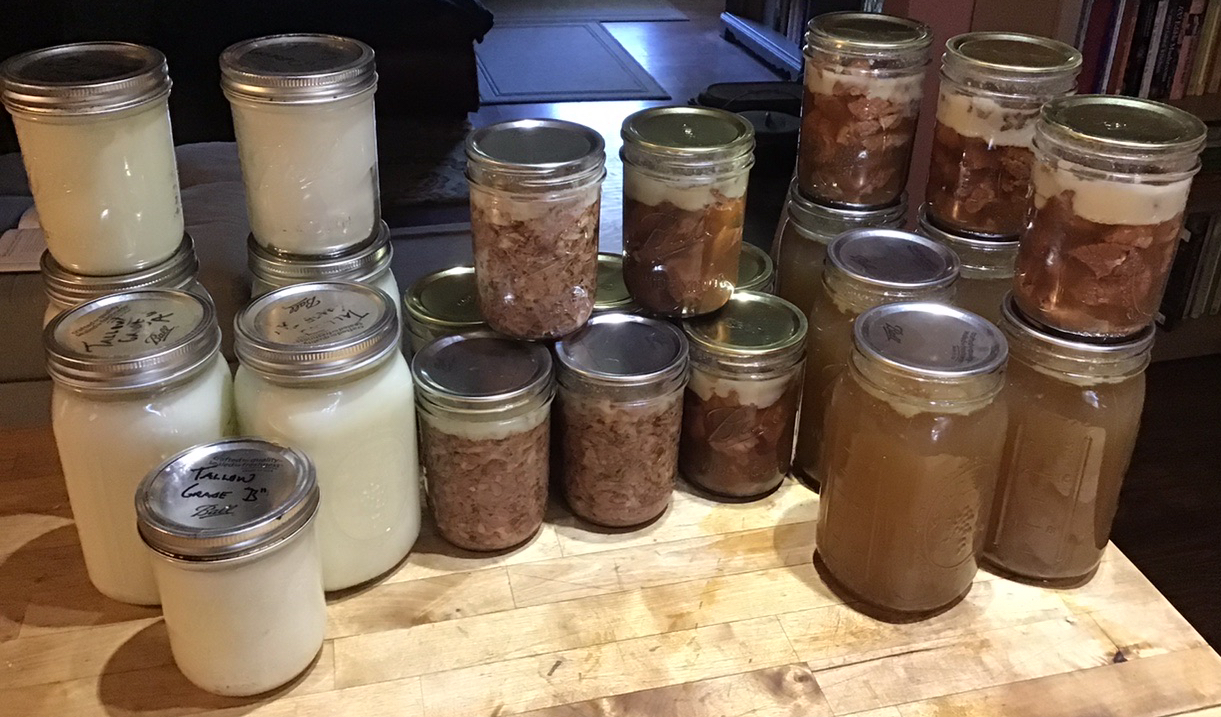
That also means tallow, which is like white gold to me!

Hubby also pressure canned us some lamb and broth. Yum!

They want a pretty penny for this stuff, which makes sense considering all the costs and effort involved. A basic tallow balm will set you back $15/ounce! I’ve already made one hand balm with rather erotic-scented essential oils that’s got the thumb’s up from my sole customer. 🤗

On to the garden . . .

The purple Czech hot pepper is still my season favorite. It’s still doing beautifully (under shade cloth) and is a lovely little plant I’ll try to over-winter indoors. Hubby is making hot sauce in the fermentation crock that I’m sure will be top-notch.

Pictured: the purple Czechs in the center back, Thai basil to its left, sweet basil upfront—so it is protected from full sun in every direction except from the east.
Even under shade cloth and screening the fall crops are not germinating. Luckily I was able to start a few indoors under grow lights.
Tomatoes also started indoors mid-summer under grow lights, now looking pretty good transplanted outside last month. Fingers crossed it doesn’t frost too early and we’ll get the rare fall harvest of plump red tomatoes. Dare to dream!

We’ve finally fully weened the kids and it’s been a very loud few days! I’ve got enough milk again to make some good cheeses, which is just about my favorite thing to do in the world. Or, I just really missed it all summer and I’m really sick of the garden.

The kids will be fine without their mamas, they just don’t know it yet. 😆

I’ve got to get practicing my cheeses again, because the interest in homesteading has really been growing around here. A nearby group has formed and asked us to share some knowledge, which we are pleased to do. Hubby will be lending a hand in the butchery department and I will be offering my fermentation wisdom— in kombucha, soft cheeses and sourdough—for now, hopefully moving on to more advanced skills if interests persist. It’s been a very long time since I’ve done any teaching and I’m already nervous! But, I’m so pleased folks are really starting to see the value in more self-reliant living.

Whether it’s out of necessity or innate interest, I’m thrilled more folks are choosing a more natural lifestyle.

And . . .I think the more the big shit stinks, the more we should be celebrating the small stuff.

And . . .Just in time for Halloween . . .a visit from a black widow!