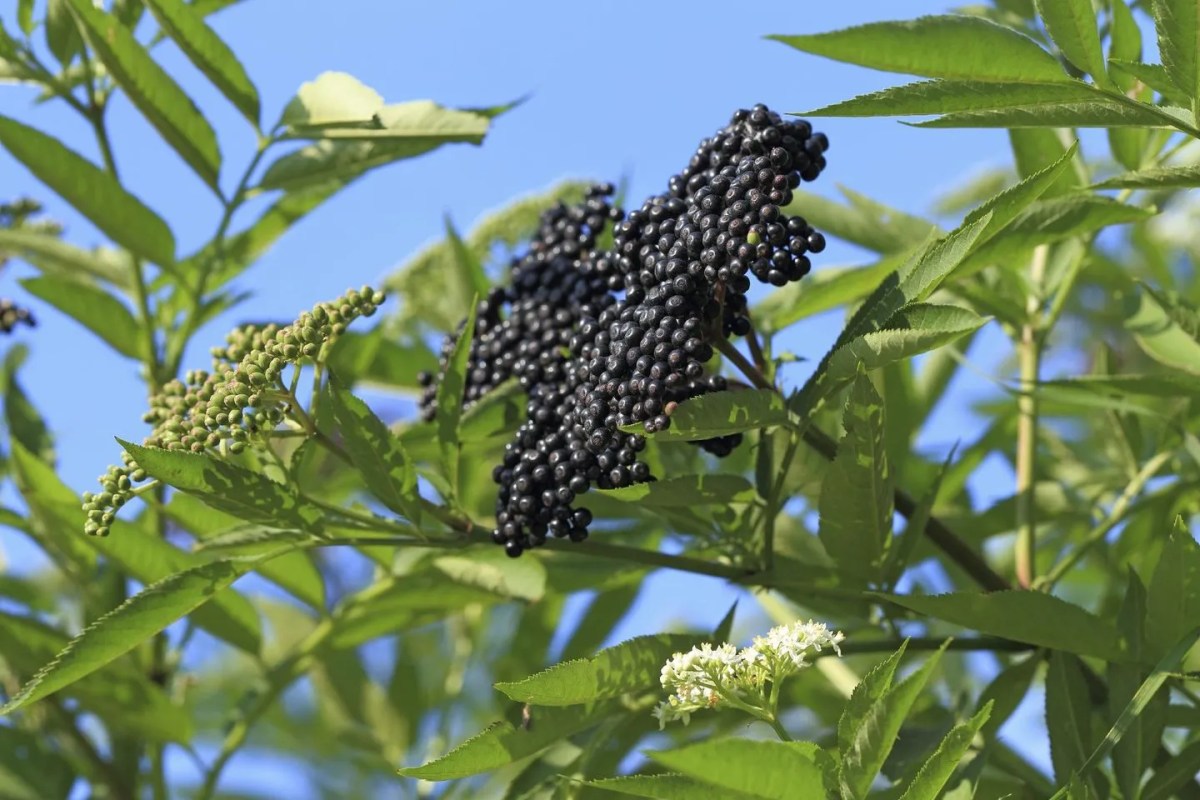
Herbal Explorations: Elderberry

I’ve just added a new page to our Herbal Explorations section, Elderberry, thanks to Gavin Mounsey’s excellent work.

This is only an excerpt, so I encourage a full reading of his article!

Medicinal use of Elderberry:

Elder has a very long history of household use as a medicinal herb and is also much used by herbalists. The plant has been called “the medicine chest of country people”. The flowers are the main part used in modern herbalism, though all parts of the plant have been used at times. Stimulant. The fresh flowers are used in the distillation of “Elder Flower Water”. The flowers can be preserved with salt to make them available for distillation later in the season. The water is mildly astringent and a gentle stimulant. It is mainly used as a vehicle for eye and skin lotions. The dried flowers are diaphoretic, diuretic, expectorant, galactogogue and pectoral. An infusion is very effective in the treatment of chest complaints and is also used to bathe inflamed eyes. The infusion is also a very good spring tonic and blood cleanser. Externally, the flowers are used in poultices to ease pain and abate inflammation. Used as an ointment, it treats chilblains, burns, wounds, scalds etc. The fruit is depurative, weakly diaphoretic and gently laxative. A tea made from the dried berries is said to be a good remedy for colic and diarrhoea. The fruit is widely used for making wines, preserves etc., and these are said to retain the medicinal properties of the fruit.

Some of the medicinal benefits of Elderberries include:

1. Provides Cold and Flu Relief

One of the most well-studied elderberry syrup benefits is its powerful immune-boosting properties. The berries contain chemical compounds called anthocyanidinswhich are known to have immunostimulant effects.

Research actually shows that elderberry is a safe, efficient and cost-effective treatment for the common cold and flu. A 2021 systematic review screened 1,187 records and five randomized trials on elderberry for the treatment or prevention of viral respiratory illness. Researchers found that elderberry may reduce the duration and severity of symptoms related to colds and influenza, and there’s no evidence that it overstimulates the immune system.

A 2016 study published in Nutrients showed that elderberry supplementation was able to reduce cold duration and symptoms in people using air travel. People using this herb from 10 days before travel until four to five days after arrival overseas experienced, on average, a two-day shorter duration of their colds as well as a noticeable reduction in cold symptoms.

Several studies have found benefits to support the use of elderberry syrup for flu symptoms as well. Specifically, the flavonoids in the extract bind to the H1N1 human influenza virus as well as the H5N1 avian influenza virus.

A 2009 study randomized patients into two groups. One group was given four doses of 175-milligram proprietary elderberry extract daily, and the other group received a placebo for two days. The group treated with the extract showed significant improvement in most flu symptoms, while the placebo group showed no improvement in symptom severity. Researchers conclude that the extract is effective in controlling influenza symptoms.

The group treated showed significant improvement in most signs of flu, while the placebo group showed no improvement in symptom severity. Researchers concludedthat the extract is effective in controlling influenza symptoms.

Another study published in the Journal of International Medical Research referenced above suggests that when elderberry is used within the first 48 hours of the onset of signs of flu, it can shorten the duration of flu symptoms by an average of four days.

2. Reduces Sinus Infection Symptoms

With elderberry’s anti-inflammatory and antioxidant properties, it makes sense that it can help treat sinus issues. A sinus infection is a condition in which the cavities around the nasal passages become inflamed, and this antiviral herb has promise as a sinus infection natural remedy.

A study conducted by the Institute of Complementary Medicine’s Department of Internal Medicine at the University Hospital in Zurich, Switzerland examined the use of a product called Sinupret, which contains elderberry extract. The researchers used Sinupret to treat bacterial sinusitis along with an antibiotic (doxycycline or vibramycin) and a decongestant. Interestingly enough, those who took the combination did better compared to those who did not take Sinupret at all.

3. Eases Allergies

In addition to using elderberry syrup for colds, the flowers of the elder plant are also known to be an effective herbal allergy remedy. Since allergies involve an overreaction of the immune system as well as inflammation, the herb’s ability to improve immune function and calm inflammation can help provide allergy relief.

Some herbalists put black elder flower on the list of most effective herbs used for treating hay fever-like symptoms. It can be used for allergies on its own or in combination with other herbs and natural remedies.

4. Cancer-Fighting Effects

Edible berry extracts like elderberry extract are rich in anthocyanins and have been shown to have a broad spectrum of therapeutic, pharmacologic and anti-carcinogenic properties. In vitro studies specifically indicate that the elderberry has some chemopreventive properties, which can help inhibit, delay or reverse cancer formation.

One study published in the Journal of Medicinal Food compared the anticancer properties of European and American elderberry fruits. European elderberry (Sambucus nigra) is known for its medicinal use and contains anthocyanins, flavonoids and other polyphenolics, which all contribute to the high-antioxidant capacity of its berries. American elderberry (Sambucuscanadensis) has not been grown or promoted as a medicinal plant like its European relative.

This study tested extracts of both berries to assess anticancer potential and found that both demonstrated significant chemopreventive potential. Additionally, the American elder extract showed inhibition of ornithine decarboxylase, which is an enzyme marker related to the promotion stage of cancer formation. Thus, elderberries show potential as cancer-fighting foods.

5. Improves Heart Health

Although studies have found mixed results, some research suggests that elderberry extract may improve heart health. For example, one animal model showed that giving mice with high cholesterol and HDL cholesterol dysfunction anthocyanin-rich black elderberry extract helped reduce hepatic cholesterol levels and improved HDL function. This may be due to the presence of anthocyanins, which are polyphenols that have demonstrated antioxidant and anti-inflammatory activities.

Another study found that elderberry extract may have beneficial effects on high blood pressure. When polyphenols extracted from the plant were administered with renin inhibitors to rats with hypertension, they reduced arterial pressure.

Researchers suggest that using polyphenols to lower blood pressure may also help reduce the side effects of blood pressure-lowering medications and improve overall quality of life.

6. Strengthens Bones

The calcium, iron, and potassium in the berries are known to strengthen bones and increase bone mineral density, cutting the risk of osteoporosis as a result.

Experiments show the benefits of natural polyphenols extracted from the Elder (Sambucus nigra) fruit on osteoporosis regression. Extremely low bone mineral density is improved by polyphenol delivery. Thus, a dietary intake rich in natural polyphenols helps lead to the regression of osteoporosis. Osteoporosis regression due to the Sambucus nigra extract shows us how powerful these berries are for preventing bone degradation and speeding up bone healing.

Additionally, the anthocyanins in the berries prevent bone loss.

7.  Can Boost Vision Health

Being rich in vitamins A and B6, elderberries can help prevent serious vision ailments like glaucoma and macular degeneration. The antioxidant activity of elderberries also helps ensure vision health in the long run.

8. Improves Brain Health

One study talks about how the anthocyanins in berries (including elderberries) can help treat cognitive impairment and the resultant conditions like Alzheimer’s.

Elderberries are also replete with quercetin, which is an important flavonoid critical for brain health. Quercetin reduces the harmful inflammation at a cellular level. It also activates the mitochondria in your cells – which are powerhouses that boost cell health.

  1. Optimizes Mitochondrial Health and increases the production of adult stem cells:

Elderberries contain a number of medicinal compounds (such as anthocyanins, minerals and essential vitamins) that optimize mitochondrial function.

As mentioned above, Mitochondria are the powerhouses of your cells, generating energy to fuel your cells’ biochemical reactions. Via optimizing their function and promoting their rates of regeneration within your body you are building a solid foundation for health, vibrancy and longevity from the cellular level up.

Sufficient mitochondrial biogenesis (the process by which cells increase mitochondrial numbers) is necessary for efficient cell function and haemostasis, which is dependent on the regulation of ATP generation and maintenance of mitochondrial DNA (mtDNA). These procedures play a primary role in the processes of inflammation, aging, cancer, metabolic diseases, and neurodegeneration. Polyphenols (such as anthocyanins) are considered as the main components of plants, fruits, and natural extracts with proven therapeutic effects during the time. These components regulate the intracellular pathways of mitochondrial biogenesis.

In vitro studies showed that anthocyanins elevate the expression of mitochondrial TFAM, PGC-1α, and NRF-2. These increased levels affect the phosphorylation of AMPK and increase rates of mitochondrial biogenesis.

The studies available also support the ability of anthocyanins to prevent damage to mitochondria and to sustain its function. Berry extracts also demonstrated positive outcomes in different models of neurodegeneration, endothelial dysfunction, myocardial damage, metabolic disorders, longevity, and cancer. At the molecular level, major anthocyanins can modulate the expression and activity of mitochondrial proteins, apoptotic and biogenesis factors, antioxidant defenses, inflammation, and the AMPK pathway. Noteworthy, anthocyanins could balance abnormalities in ROS production, respiration, and mitochondrial fragmentation in cells exposed to toxicants or oxidizing agents.

…..

Here on the wee homestead I use elderflowers and elderberries in kombucha with delicious results! I’ve also made syrup and St. Germain.
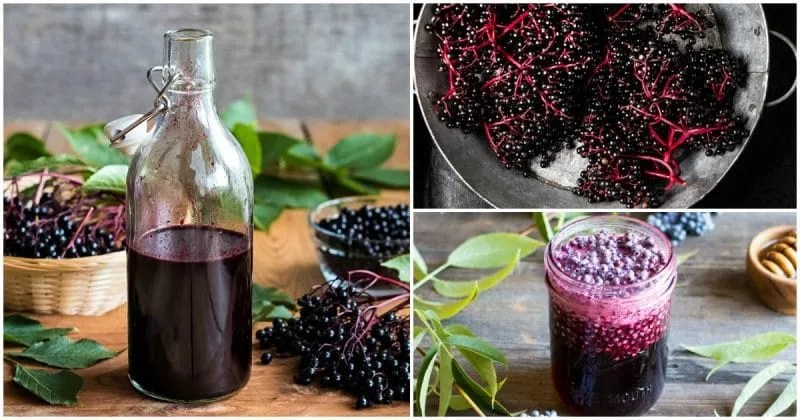
But this year my goal is . . .

Elderflower “Champagne”https://www.davidgregory.org/making-elderflower-champagne/?fbclid=IwAR386DsxZC8-UdrrxB6_Ag-aWEfY4p1Ke2X_r36i12YY-pw-3UMmjxgu3zg

Please visit Gavin’s full article for so much more on this ancient medicinal plant, including history, myth and folklore, habitat, recipes, and beautiful photography.

Elderberry blossoming in the garden with pumpkin, inviting lots of pollinators.

Homestead Happenings

This post we’ve got some happy snaps, the usual weather bitching, a bit of pre-planning and some good news on two healing fronts.

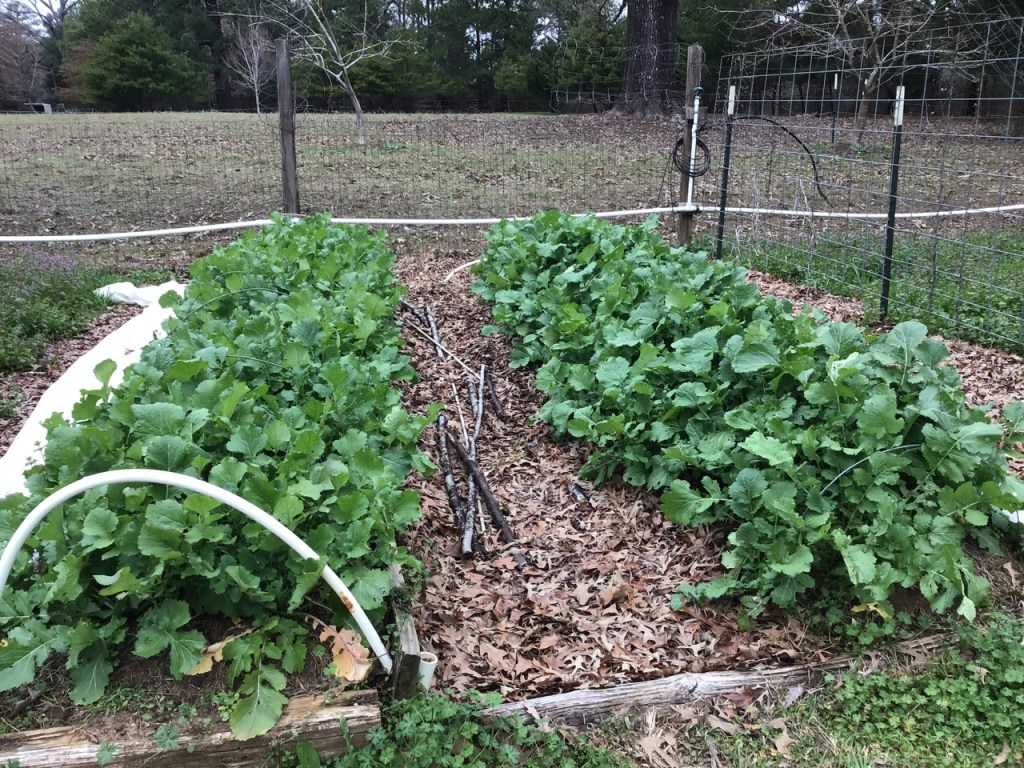
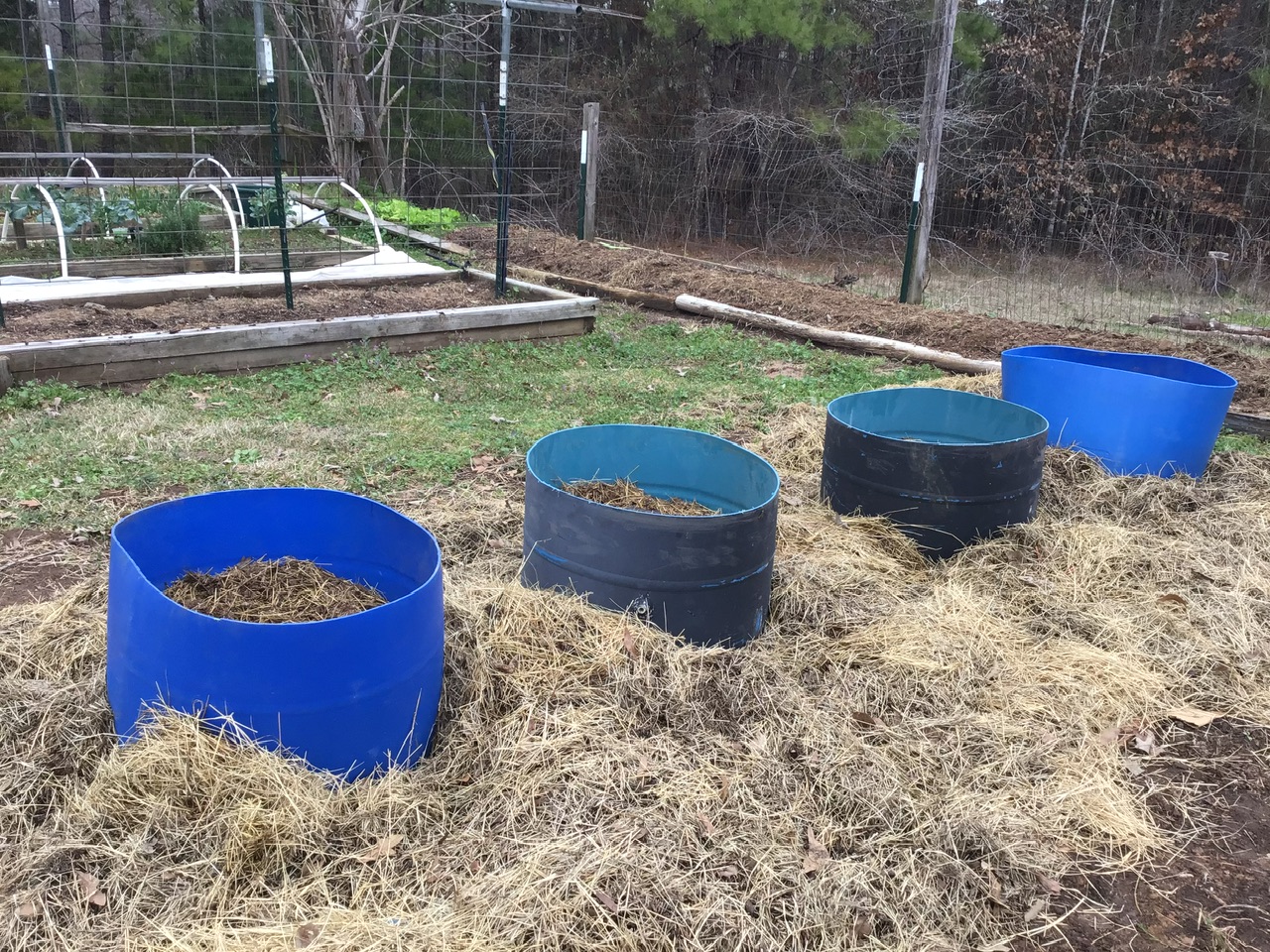
(From bottom left: mini-mustard greens and new lettuce germinated inside about to be transplanted to replace all we’ve eaten; several types of onions and elephant garlic (which does best here, by far); and turnips for us and the pigs. 😋)

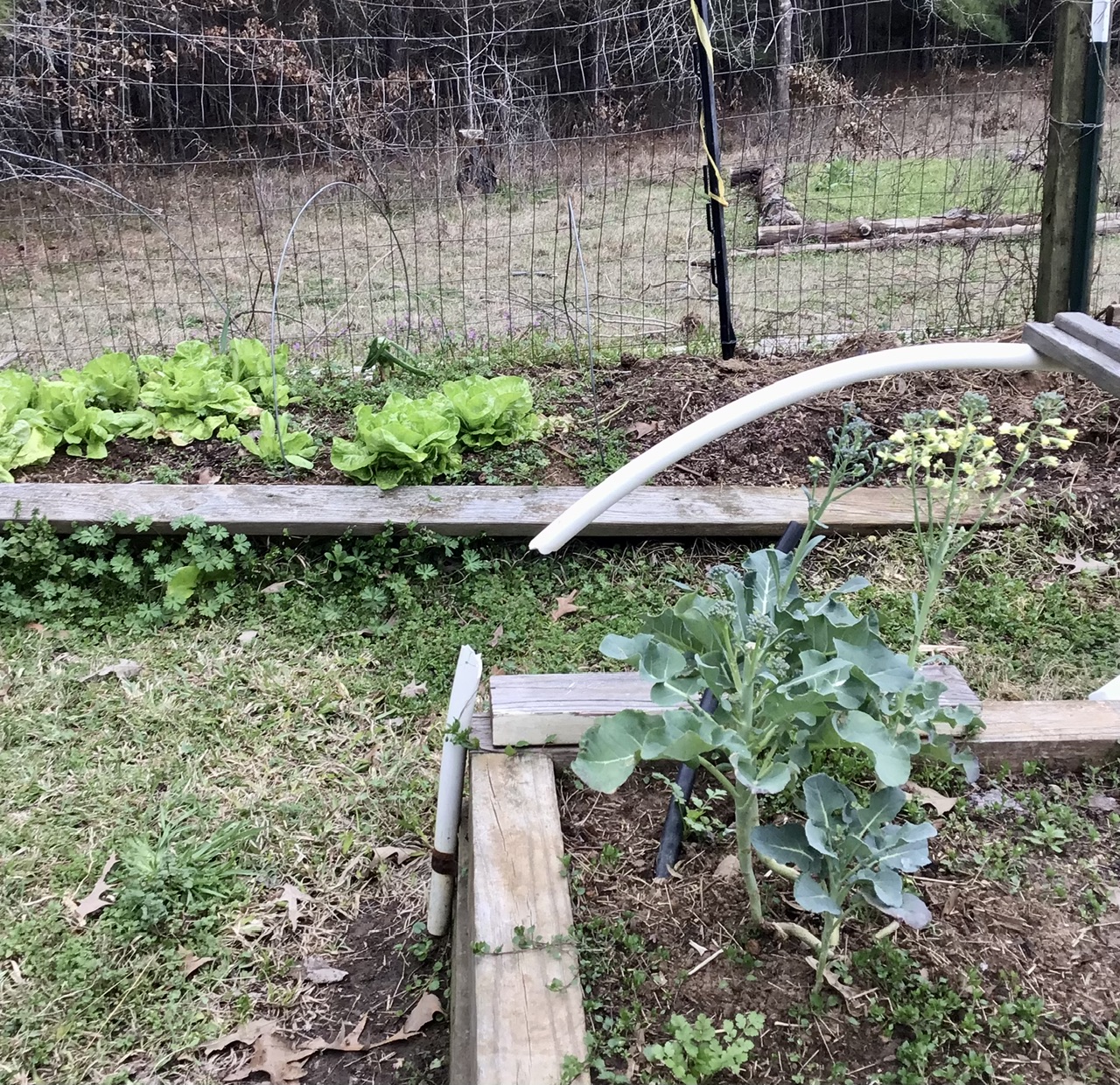
The cauliflower is long gone, the broccoli nearly so, but a new crop is already in the works inside on a heat mat. Succession planting has its limitations in our East Texas Yo-Yo Season (formally known as ‘winter’). Sometimes you get lucky with a warm stretch and get a nice surprise (yay, third times a charm, the carrot seeds finally germinated!) other times you get premature bolting (that dumb broccoli didn’t even produce a good head yet!).

Premature bolting 😖
But some nice butter lettuce still doing well by covering during cold swings

I do not appreciate it, and I think it stresses us all at some level, not just me, not just the more sensitive 4-legged and 2-legged, but all of life. Five warm days go by, in the 70s (but feeling hotter), with an unseasonal and hot stinking wind coming from the south, then suddenly, the very next day, it’s 40, lows in the 20s, and the dogs are shedding, also unseasonably.

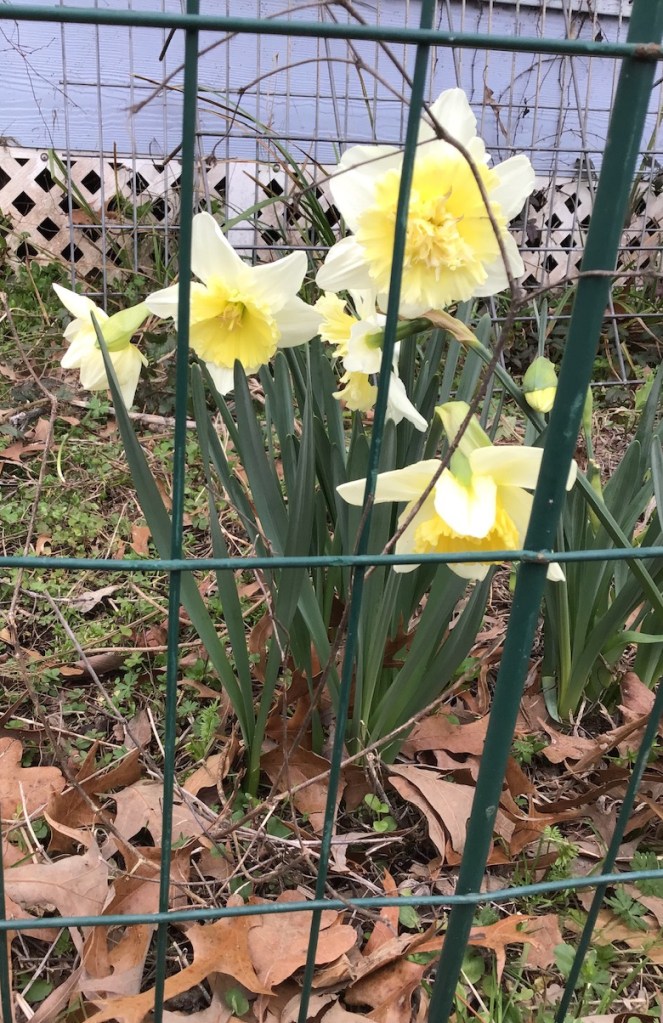
Yes, we get the surprise arctic chicks on occasion. It’s nice to see a bee or two about. We get early daffodils. But we also get another lost fruit crop because it is sure to frost and now, again, everything is blooming far too early.
And it seems to me, the more folks are catching on, the more the establishment pushes back, with the gaslighting and the misdirection and the normalizing.

Going back to the 1800s! And how’s that working out for us?

Despite the man-made manipulation, or maybe because of it, I’ve come to appreciate the old adage ‘Let nature take its course’ on a whole new level. We’ve had two overlapping critter health issues these last months, both with their unique challenges.

Shadow’s blood-spurting ear was by far worse, but still, in every case, I don’t like not knowing what to do, stressing about my lack of knowledge, feeling useless, and that’s how I felt during Chestnut’s ordeal as well.

Please allow my whine for just another moment, it’s been illuminating for me, in a way.

Self-reliance is a cornerstone goal for us. Relying on vet care is not an option for a number of reasons, beginning with the cost, ending with the lack of trust we have for the medical establishment, and with a very long and convoluted journey in between where we try to figure out how to bridge this enormous gap, with no training.

We are lucky for the internet, but you know how that goes. One problem, a dozen conflicting pieces of advice. We ask around as well, we are certainly grateful the many suggestions offered, but still it’s nerve-racking making ill-informed decisions, and no matter what anyone might pretend, health is not an exact, one-size fits all kind of science.

Chestnut was acting strangely, very suddenly. She went from just fine to a few hours later she was lethargic and not eating much and separated herself from the herd.

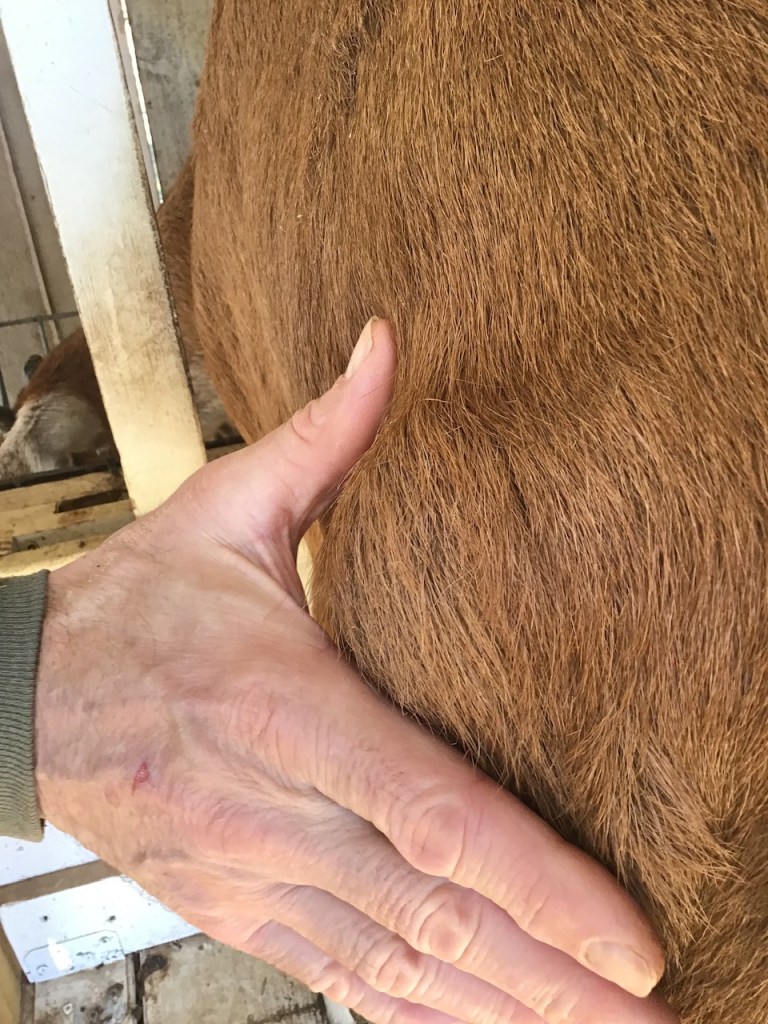
My goat friend suggested Ivermectin and it seemed to work fine. Then she quickly developed an abscess on her side. Related? No clue. It looked terrible, but it was not bothering her at all. I read lots of advice, but decided to let nature take its course after reading one description that sounded most similar to what I was seeing. Though they recommended lancing it at the end stage to avoid ‘infection’. (In the above photo you can see the ‘before and after’, the photo on right taken yesterday, sorry for the blurriness.). It got very large and it was not easy to do nothing!

It’s been over a month now, and it is healing nicely. Patience was the correct remedy, not lancing. I think we have an addiction to unnecessary interference in our culture.

The ordeal with Shadow was a serious challenge. You might recall the middle of the story from our last Happenings post. It started all the way back in November with a little nick on the tip of his ear. The cat?

Who knows, but it was shockingly difficult to get the blood flow under control.

We had much advice, some of it new and excellent (thanks again Kath and Zoe!), but wow, did that take some patience and perseverance, which mostly landed on Hubby, as per usual. (Male privilege! 😂)

Three months later and it is completely healed and all’s well that ends well, thank heavens!

What exuberance, no one around here can keep up with him! He runs circles around us all, then sits patiently by Hubby’s side until the next round.

We love potatoes so much we also buy them in bulk when they’re on sale and Hubby cans them up and they fry up in tallow so quick it’s like a delicious fast food that’s a cheaper and healthier alternative to the industrially processed varieties.

It is a long and labor-intensive project, that’s 45 pounds of potatoes there, it took him the best part of a day to do, but we’ll be appreciating the effort for 28 delicious meals. 😊

Looking ahead we’re doing a bit of planning—I’ll be giving another beginner’s fermentation course next month and Hubby’s got some good livestock trades in the works, we’re committed to foraging more for mushrooms and cultivating our own.

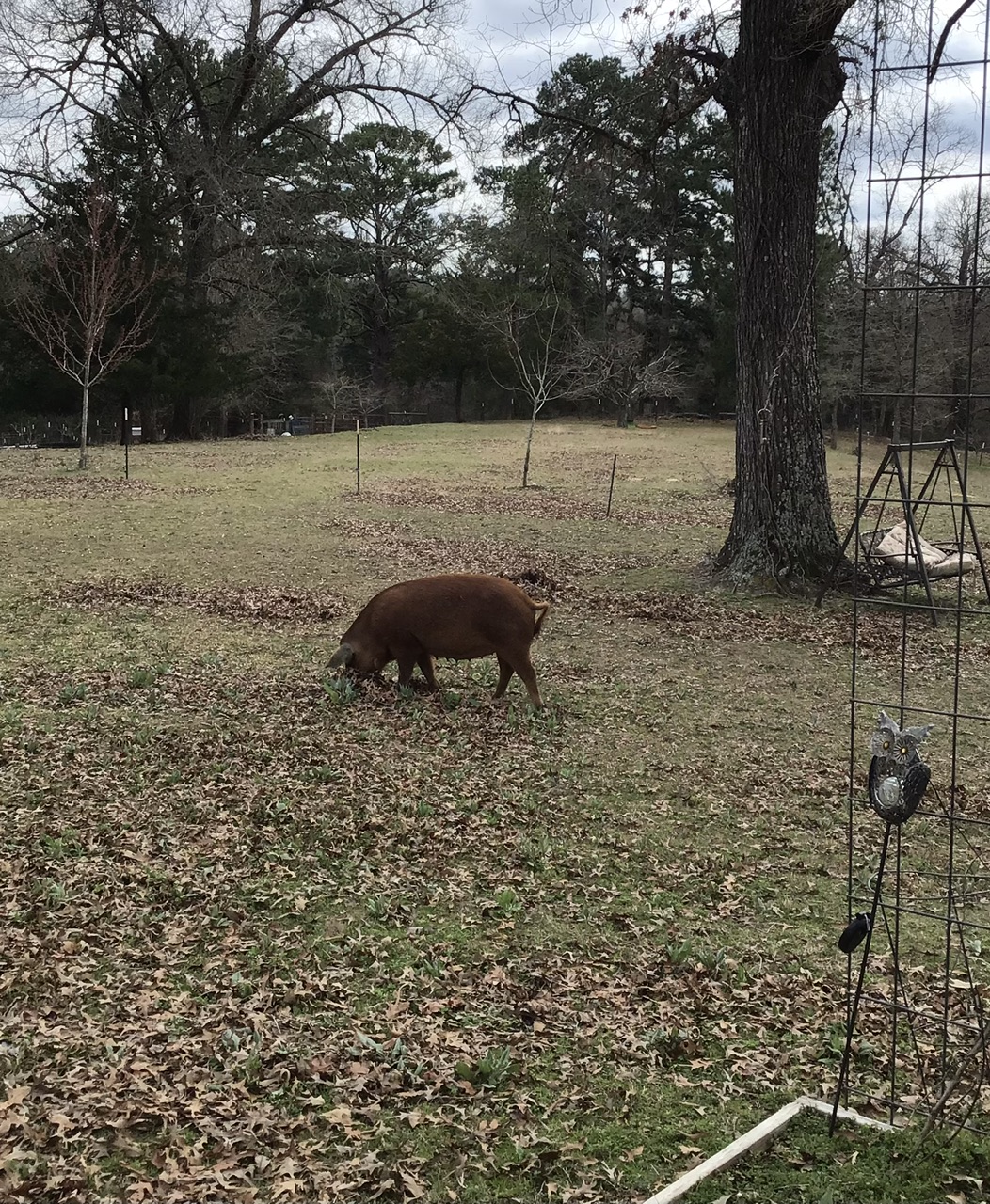
Patty, our mama-to-be, eating up the last acorns. Already many of her piglets claimed for bartering deals. 😁

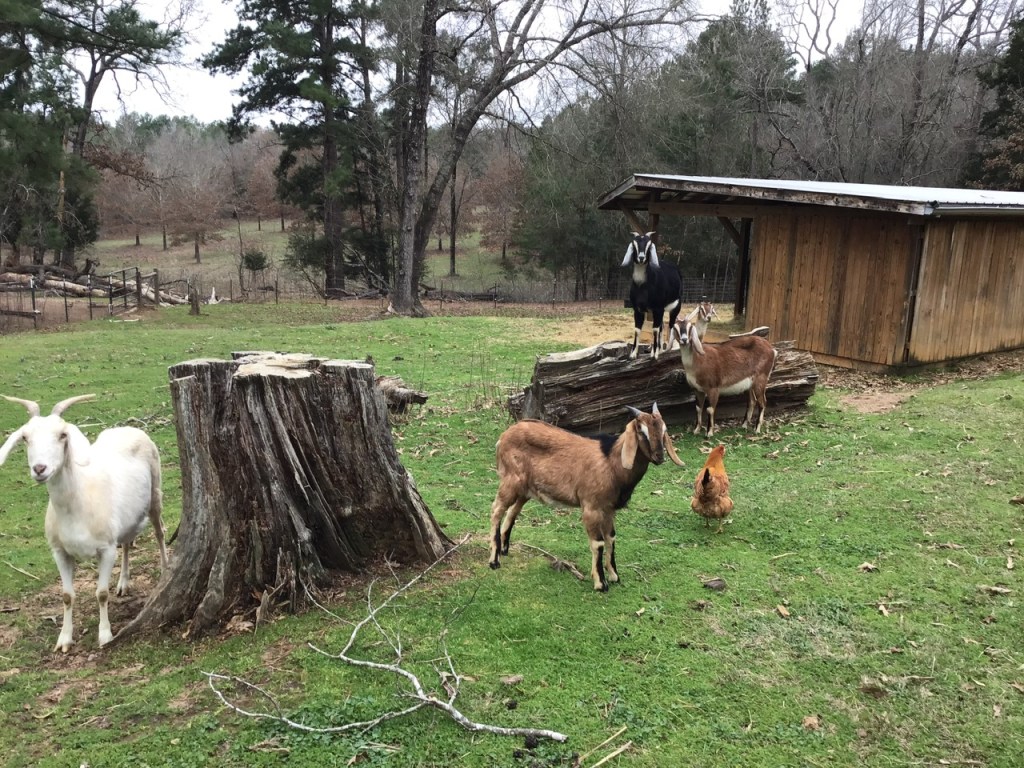
Here’s a current little visit with our herd, including, hopefully many healthy, expectant mamas with kids growing fine.

Not that little guy, he’s our first buck, we call him Teaky.

5 expectant mamas among our St. Croix-Dorper flock

Incorporating more permaculture design in the garden and orchard is an on-going big goal. We have a couple spaces empty and I’d love to try something really unique like this:

Permaculture-Inspired image I’m dreaming about!

Where I’d be including my fun garden-art projects, like these:

Lots of grand plans in the works, always, but it’s the simple things that make the hard stuff worth while.

Thanks for stopping by!

Rockefeller Medicine vs Traditional Foods

Following is a partial repost of an excellent article that deserves a full read by Gavin Mounsey on Substack: Exploring the True Nature of Big Pharma

The material being taught to the professionals that most people consider to be experts in healing and human health has been corrupted by corporate propaganda.

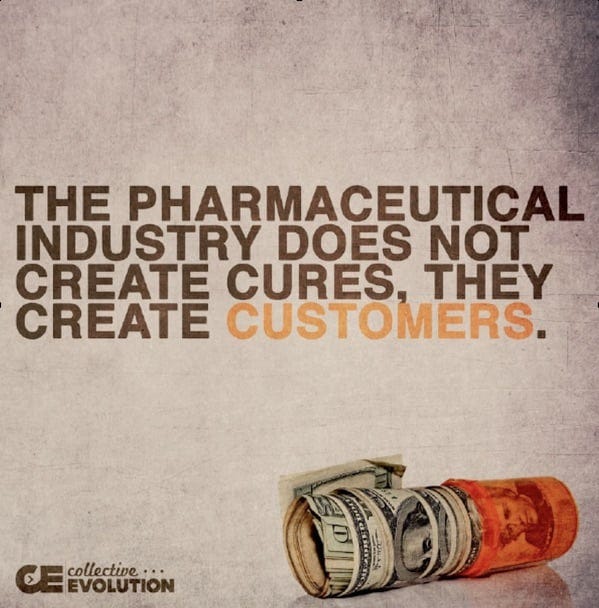
The medical education curriculum being taught in universities has been hijacked by big pharma. This is not a new phenomenon, the coup d’état which replaced natural medicine (that sought to address root causes of illness) with synthetic petroleum based medicine (that seeks to use petroleum derived patentable synthetic drugs to cover symptoms and create ‘return customers’) began over a century ago.

Here is a brief history that provides a summarized overview of how the hostile take over happened.

Founded in 1847, the American Medical Association is the largest association of physicians and medical students in the United States. Its stated mission includes “…lobbying for legislation favorable to physicians and patients, and to raise money for medical education.”

The AMA spends big money on lobbying. One of the AMA’s top lobbying firms, the McManus Group, also lobbies for PhRMA, Eli Lilly & Co, Merck and Pfizer. According to OpenSecrets.org, the American Medical Association comes in second in overall money spent on lobbying in the last 10 years with over $264 million. The health industry as a whole trumps all other industries including energy and finance in lobbying expenditure.

The AMA looks to legitimize its agenda through its Journal of the American Medical Association, JAMA, which is the most widely circulated medical journal in the world. JAMA receives major funding through its advertisers, many of which are pharmaceuticals. In addition, the American Medical Association has been accepting money from the Rockefeller (America’s first billionaire that made his fortune in Oil) and Carnegie Foundations from as early as 1910. In World Without Cancer, G. Edward Griffin makes the argument that the Rockefeller and Carnegie Foundations began to support the AMA in an effort to control the medical schooling establishment and to gain power over this “large and vital sphere of American life.”

The editor of JAMA is very influential, and has historically played a significant role in suppressing alternative health treatments. Morris Fishbein, editor of JAMA from 1924–1950, was directly engaged in suppressing Royal Rife’s cancer cure. In 1849, homeopathy was nearly as popular as allopathic medical practices. The AMA was able to use its position to squash what it referred to as “quackery” — stating that the public did not know what was good for it and that the medical establishment must have total control. At that point it called for control over all medical regulations and licenses. These regulations eventually lead to closing down of schools and almost complete suppression of the practice. Even today in parts of Canada and America some homeopathic practices are “underground.”

It was around the turn of the century that the AMA, the Rockefeller Foundation, and the Carnegie Foundation forged their partnership. They put their money into drug-based research (oil derived pharmaceuticals) and made that the main focus of “healthcare”—a move that turned “healthcare” into “sickness management.” The Rockefellers and other prominent banking elite (and the shareholders of their subsidiary pharmaceutical corporations) have been able to control and profit enormously from the drug industry.

Now, all medical doctors in the USA are trained in medical schools that are run and/or accredited/sanctioned by the AMA. Of 129 medical schools in America, only 22 require even what amounts to basic rudimentary courses in nutrition. Medical students are not trained to see the connections between many degenerative diseases and malnutrition. Instead they are taught only how to treat with surgical or pharmaceutical methods but do not cure or alleviate the root problem or ailment. Similar numbers are reflected in medical education here in Canada. In this way, they are assured of life-long customers. Surveys conclude that over 66% of all Americans regularly take prescription drugs (with only slightly lower numbers being reflected here in Canada as well).

Massive transnational pharmaceutical corporations (like Bayer) were not satisfied in only dominating what we are taught about medicine and what forms of ‘medicine’ we will have access to, they soon moved to take over the food production systems as well.

Just 50 years ago, some 1,000 small and family-owned seed companies were producing and distributing seeds in the United States; by 2009, there were fewer than 100.

Thanks to a series of mergers and acquisitions over the last few years, four multinational agrochemical/pharmaceutical firms — Corteva, ChemChina, Bayer and BASF — now control over 60 percent of global seed sales.

The slow march of seed consolidation suddenly turned into a sprint. Chemical and pharmaceutical companies with no historical interest in seed bought small regional and family-owned seed companies. Targeting cash crops like corn and soy, these companies saw seeds as part of a profitable package: They made herbicides and pesticides, and then engineered the seeds to produce crops that could survive that drench of chemicals. They make the petroleum based pharmaceutical drugs that your doctor will prescribe you when the toxic ‘food’ you eat results in degenerative diseases. At every turn, they make a profit (at the expense of the integrity of the biosphere and human health). The same seed companies that now control more than 60 percent of seed sales also sell more than 60 percent of the pesticides.

GMO byproducts degrade and deplete soils of vital minerals and beneficial bacteria, both of which protect crops from pests, viruses, and other threatening elements. Glyphosate which is used in conjunction with GMO seeds does not biodegrade, which means it is continually accumulating in the environment without restraint, perpetually altering soil composition and contaminating natural resources.

A handful of companies have spread these toxins across our planet diverting US$ 400 Billion of public money to subsidize their high cost chemical commodities to make them artificially “cheap”. The costs of this cheap “food” are astronomical in terms of the health of people, the ecological damage it causes and it’s exploitation of farmers. If the true costs of chemical food were taken into account it would be unaffordable.

If what we put into the soil is toxic, what we get out is toxic.
Mission successful. Incidents of degenerative disease and cancer have skyrocketed since the above described ‘food’ and ‘medicine’ products became the norm. Life long return customers for the pharmaceutical industry are now plentiful.

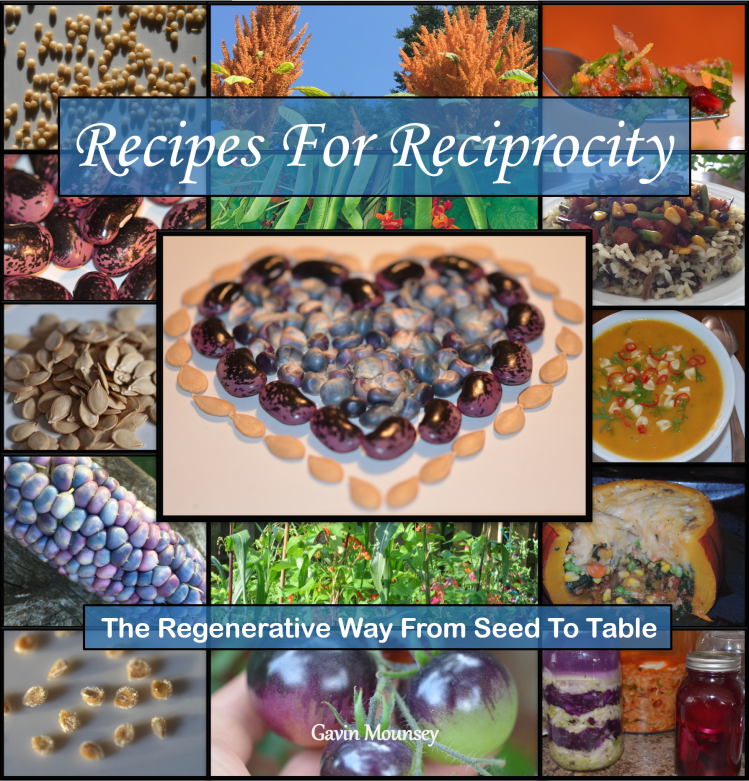
The article continues with more compelling evidence and ends with good intentions and creations—Gavin’s ferments and info about his book: Recipes for Reciprocity

For the full article:

Looks like a fabulous book I must add to my collection!

Gardens By Mood

Tis the season to be growing!

I just wanted to share some resources I’m frequenting, more often due to mood, rather than necessity. There is so much of the ‘how to’ out there in cyberland, and that’s great, but even better are the sites out there that inspire, motivate, explore, or feel like an afternoon paseo—like taking a walk around your neighborhood.

Sometimes, I look to YouTube, of course.

Sometimes I need the high energy, no-nonsense, look at me, you can do it too attitude of James Pergioni. Little he does applies to our garden—he’s urban and in a completely different climate, but, no matter, because he does what he does so well, and that gets me goin’!

Other times it’s the Zen, graceful, deeply practical, and peaceful even in the city type of gardener, with a simply lovely channel I’d be prone to emulate if I ever made a gardening channel of my own. She lets the plants do the most of the talking and I can sense how she loves them.

Sometimes I need that super practical advice on something specific, so it’s MI Gardener, mostly because he wastes minimal time on chit-chat, my biggest pet-peeve in how-to sites.

As for the paseo I like to hang out right here on WP, 3 gardeners in particular I follow regularly, and I’d probably frequent more, if I knew of more. I don’t like the big box sites, too much noise. I think of these ladies as cyber-neighbors, while I do sometimes get gardening tips from them, I visit mostly just to see what they’re up to lately.

There’s Empty Nest Homesteading, who offers her keen sense of esthetics to the homesteading scene. Here’s her latest adventure in decorating.

And there’s the Re-farmer, who’s got to be the most ambitious homesteader, especially climate-wise, I’ve ever seen. She offers up daily posts with regular garden reports, which that alone is more than I’ll ever do! She’s got mad gumption!

And there’s Eden Unlocked, a young suburban mother who offers Biblical contemplation with some of her posts, quite a foreign foray for me, which I’ve come to appreciate, mostly because I find her to be a quite a unique lady. She and I share a powerful budding interest in learning herbalism, which brings me to my latest offering.

I have posted the first of my Herbal Explorations, Calendula, which you can find by going to the Main Page of Kensho Homestead, in the menu. Each time I’ve posted on another plant, I’ll link it here in the blog, but it will remain on the main page for easier locating. For those who don’t know already, there’s also pages there on Geoengineering Resources and Garden-to-Table Resources.

Thanks for visiting and hope you enjoy!

Spring Inspiration

Some happy snaps and an announcement on this beautiful Sunday!

I’m sure there are a lot of gifted gardeners out there cringing when I say that, but it’s true!

I don’t always love weeds (like the pernicious summer grasses, poison ivy, and Texas goat weed, for starters) but a great many of them are delicious, nutritious, ubiquitous and deserve their place in the garden.

I don’t know every weed, yet, but I’m learning more every year.

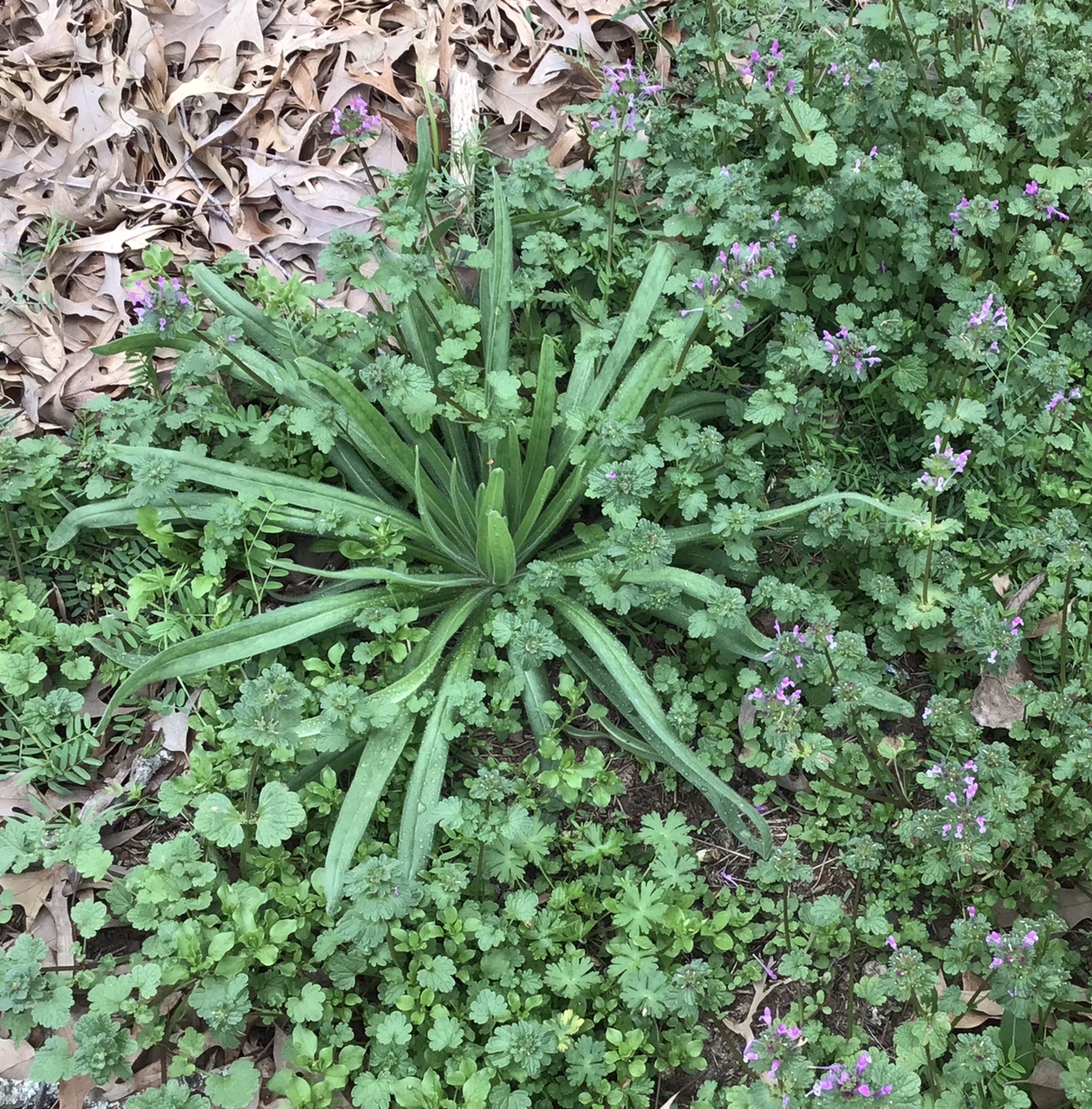
Can you name 3 of the 6 edible weeds pictured above? (Hint below the video.)

And that leads me to my announcement, which is probably more of an intention still, but I figure if I post it, I’m one step closer to doing it.

Reaching new heights on the wee homestead!

Soon, very soon, I’ll be adding a new section to our wee blog:“Herbal Explorations”. I’m very excited about it, but it’s quite a bit of work as well, which isn’t easy to squeeze in to an already full palate (bad pun intended!)!

Of course, I’m not an herbalist myself, but I plan to research the ‘Starring Weeds’ as best I can online and in books, provide lots of references, and get further info tidbits from trained herbalists.

Including, of course, the ‘science fraud’ angle I’m so fond of that casts so many of our precious herbs in a bad light!

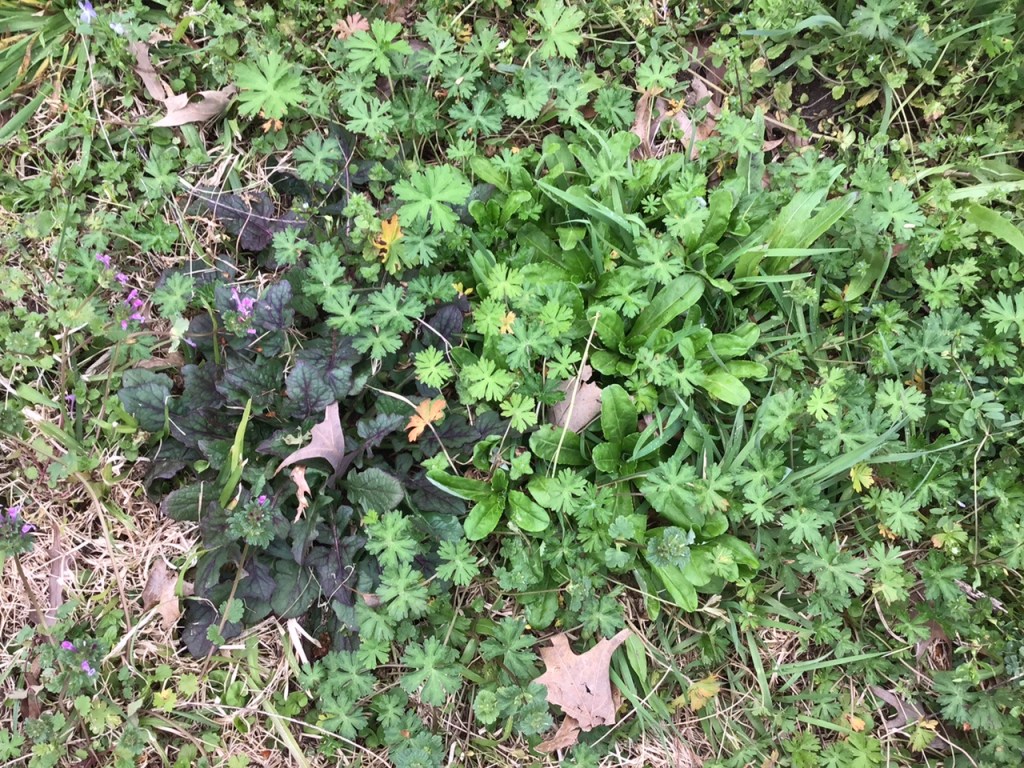
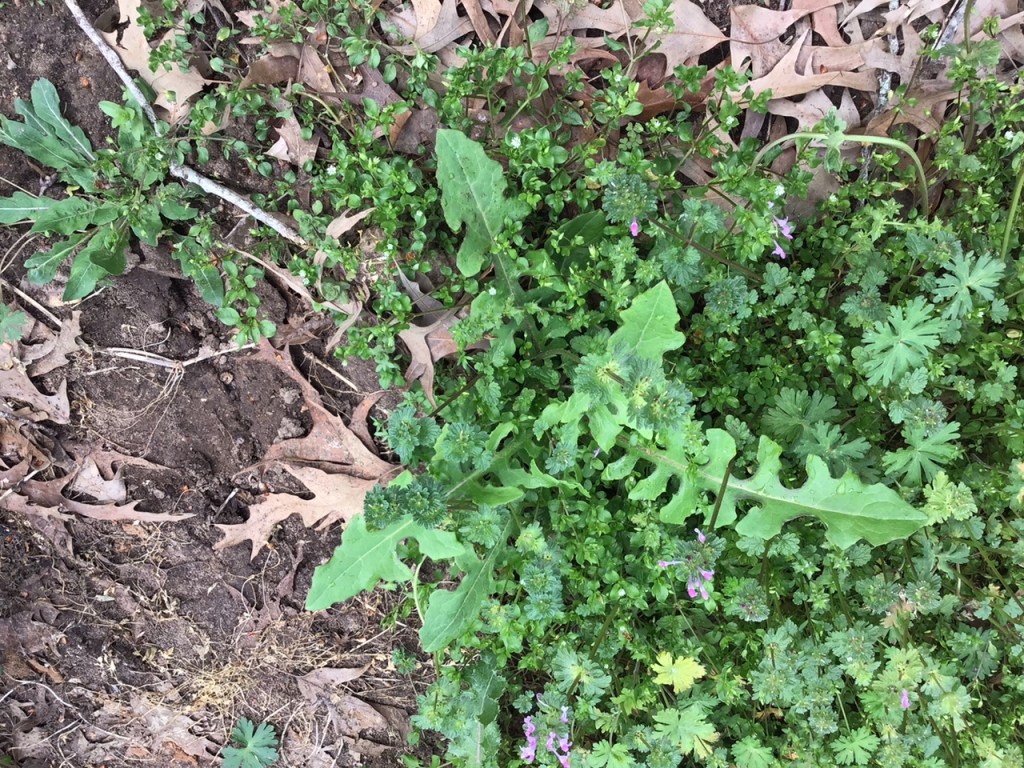
Behold the divine diversity by the compost pile! Pictured just in this small space: wild carrot, henbit, chickweed, Carolina geranium, hairy vetch, and . . .?
And . . . Who might you be there, Thin & Lovely, hiding in the henbit?

My hope is that it will become an on-going reference section that will be a welcome resource for all us new-bees in herbalism, foraging, and down-to-earth living.

If you think this is a good idea, please do nudge me along, to make sure I git-er-done!

And do enjoy 2 minutes of Homestead TV, if you please!

Hint from above: Start small and easy, with the middle photo, the first plant our “Sow”(there’s your hint) eats in the vid, what is it?

Germs for Nincompoops

It’s so funny when we get shocked looks for things like making ‘cracklin’ here on the wee homestead. “What’s cracklin’?” That’s pork rinds, chicharron, in Spanish, but they rarely know those either.

Once explained: Well, it’s basically the skin’s connective tissue from the hog after the lard has been boiled off,” then you get the squished nose ‘ew, gross’ face to welcome your educational efforts, like you’ve just invited them to eat dog shit with chocolate syrup.

Invariably these folks are pro-vaccine, amazing leap of logic that this is.  List for them what’s in a vaccine—things like human fetal tissue, animal DNA, formaldehyde, aluminum, mercury and no such ‘gross face’ appears.  Miraculous!  To eat such weird ingredients as animal tissue is apparently disgusting, but to inject it, plus the added toxic chemical soup directly into your body with a needle is legitimate advanced science.

So, what humans have been doing for countless centuries is gross and backwards, but what science has been doing for a few generations is the pinnacle of refined intellect.

Come on!

The Germ Theory Hoax, Alfa Vedic Podcast:
https://youtu.be/gZ3bL23bsiQ

The Value of Venom

Honeybees know the value of their venom, they give their lives for it.  We know how precious is the value of the honeybees’ venom, understanding it as both cure and poison.

In natural healing bee venom is used for all sorts of cures, a number of them painful.  Honeybees can be merciless, even to each other, for the ‘greater good’.

What did I find today outside one of our hives but droves of drones, those are the males, kicked out by those bossy female workers who clearly decided they could no longer be supported. They will also kill and replace an unproductive queen without hesitation.

And me, being the opportunistic and cunning human that I am, collected these evicted dead bodies in order to make Podmore, considered an exceptional traditional medicine used to cure all sorts of ailments.

Quite unknown to American beekeepers, I wonder why, considering its value? Could it be they don’t like the thought or action of collecting dead bees?
Podmore

This reminds me of another big related beef I have with our current cultural climate: Weakness is not a virtue.  And neither is positivity.

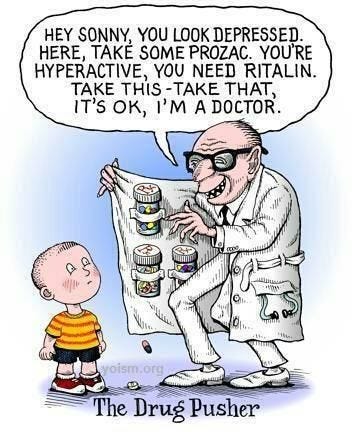
I like the way Micheal Tsarion just put it in his last podcast, because I think it’s spot on. Our Prozac smile culture is in a “regressed state of animated autism.”

The Reign of the Terrible Mother

Optimistic bias undermines preparedness and invites disaster, according to sociologist Karen Cerulo.

In Barbara Ehrenreich’s 2009 book, Bright-Sided: How the Relentless Promotion of Positive Thinking Has Undermined America, she underscores how hard Americans have been working to adapt to the popular and largely unchallenged principles of the positivity movement, our reflexive capacity for dismissing disturbing news, whitewashing tragedy as a ‘failure of imagination’ and relentlessly spinning suffering as little more than a growth opportunity.

While in fact I am writing now out of a spirit of sourness and personal disappointment, unlike Ehrenreich according to her intro, I nonetheless find much value in her final paragraph: “Once our basic material needs are met—in my utopia, anyway—life becomes a perpetual celebration in which everyone has a talent to contribute.  But we cannot levitate ourselves into that blessed condition by wishing it.  We need to brace ourselves for a struggle against terrifying obstacles, both of our own making and imposed by the natural world.  And the first step is to recover from the mass delusion that is positive thinking.”

The bees know.

One of the very many things that fascinate me about the bees is that the Freemasons so covet it as a symbol.  I can imagine there are many reasons for this, most of which will probably remain a lifelong mystery to me.

At some point the bees simply refuse to adjust any more and they swarm, this is a natural, healthy, cyclical process, which most American beekeepers try to avoid at all costs.

We seem as a culture to abhor natural processes.

As cruel as this is sure to sound, could it be that maybe swarms and cullings are natural processes for humans as well as bees?

6CA978BD-9288-40E7-9397-8B4D2A444958
Moving colony from nuc to permanent hive.  How you like my fancy paint job? 🙂

7D32A3B8-7388-4DC9-BF42-148ACC828FB5
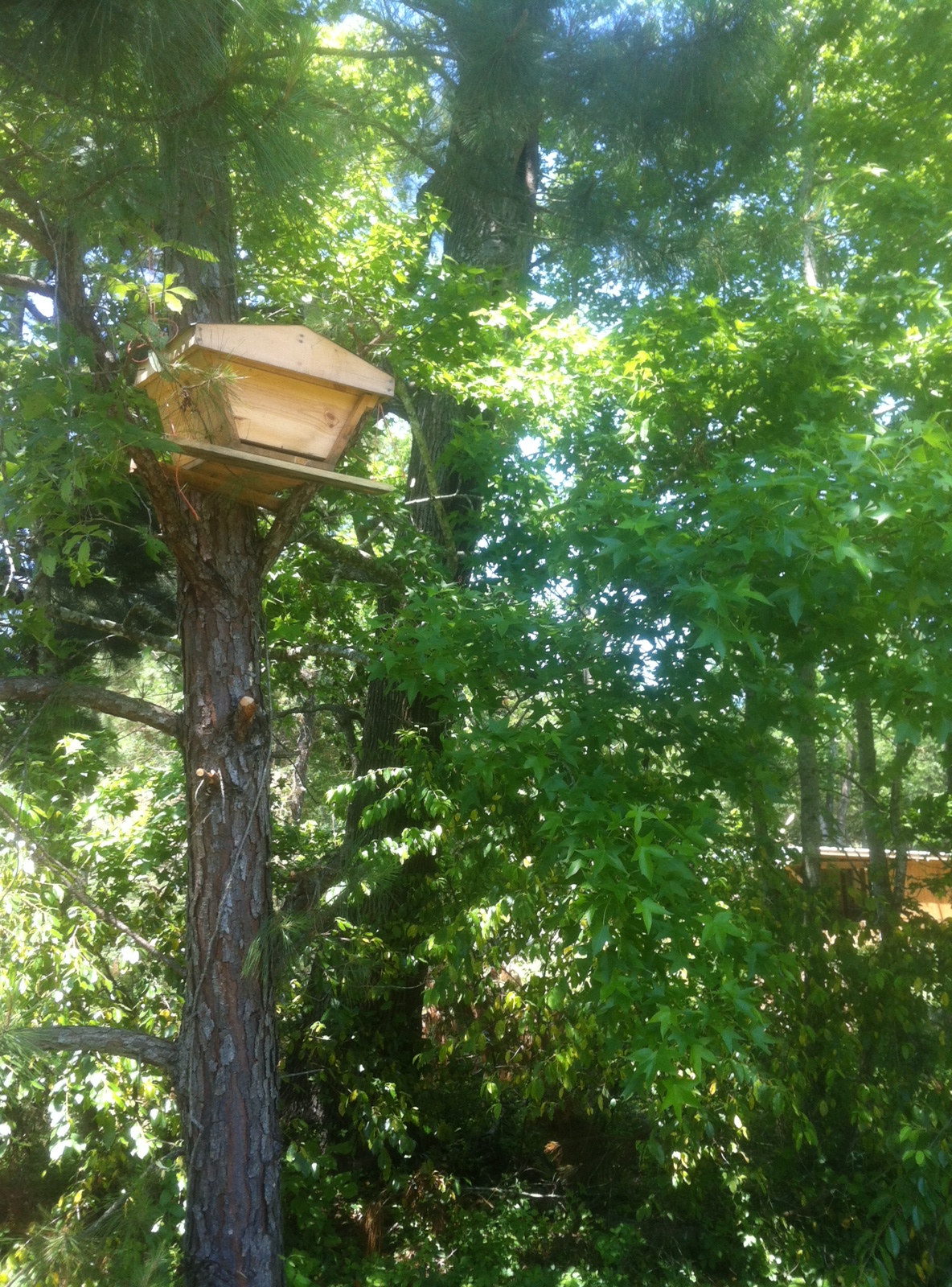
Setting up a swarm trap. Open invitation to immigrants, move-in ready!

My new honeybee hero and virtual mentor: Dr. Leo Sharashkin!