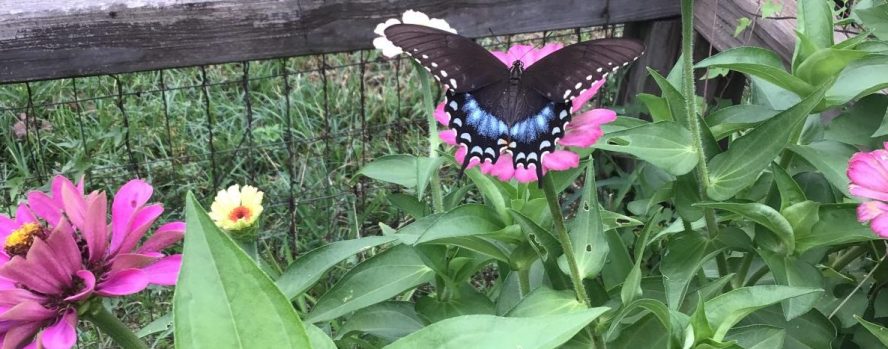
As much as I complain about the weather—that is mostly, the man-made weather—I feel I must give credit when credit is due.
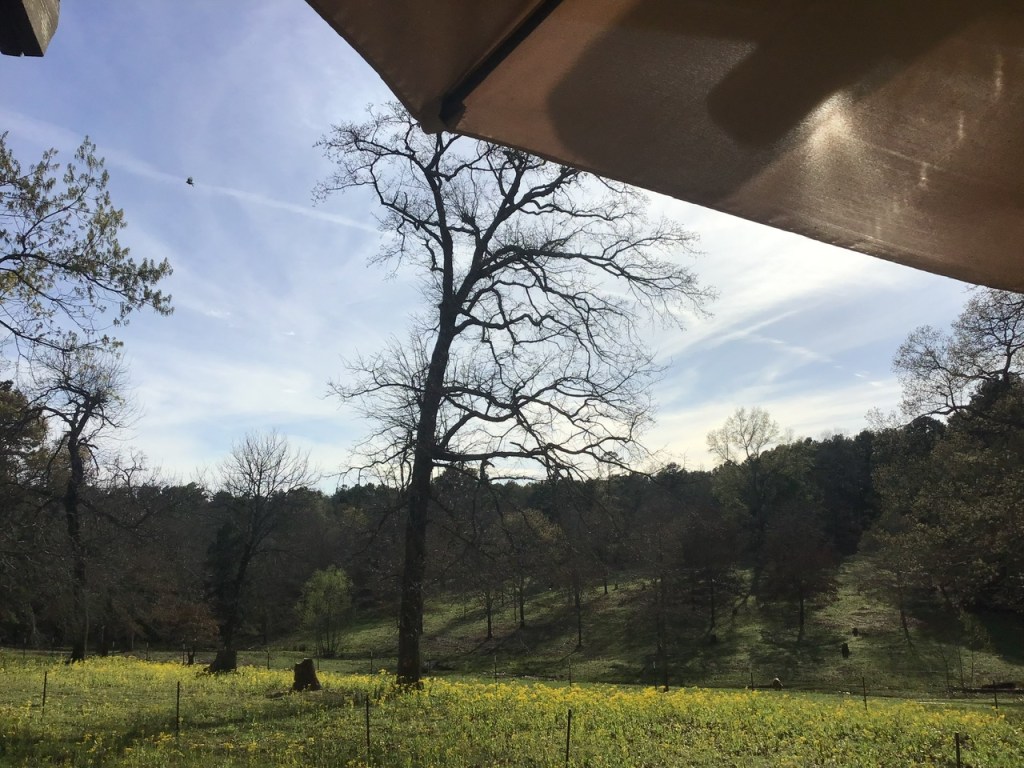
We’ve been having a spectacular spring. Not one hail storm, flood, tornado to speak of. Perhaps still too light on the rain for my liking, but it’s been enough to keep things growing beautifully around here.
So I just thought I’d share a bit of that splendor here and now, even though I haven’t the time or energy for much else at the moment. I’ve been preparing all week for another basic fermentation workshop, which means a lot of mise en place (that’s a fancy French expression for ‘get your shit together’). 😆
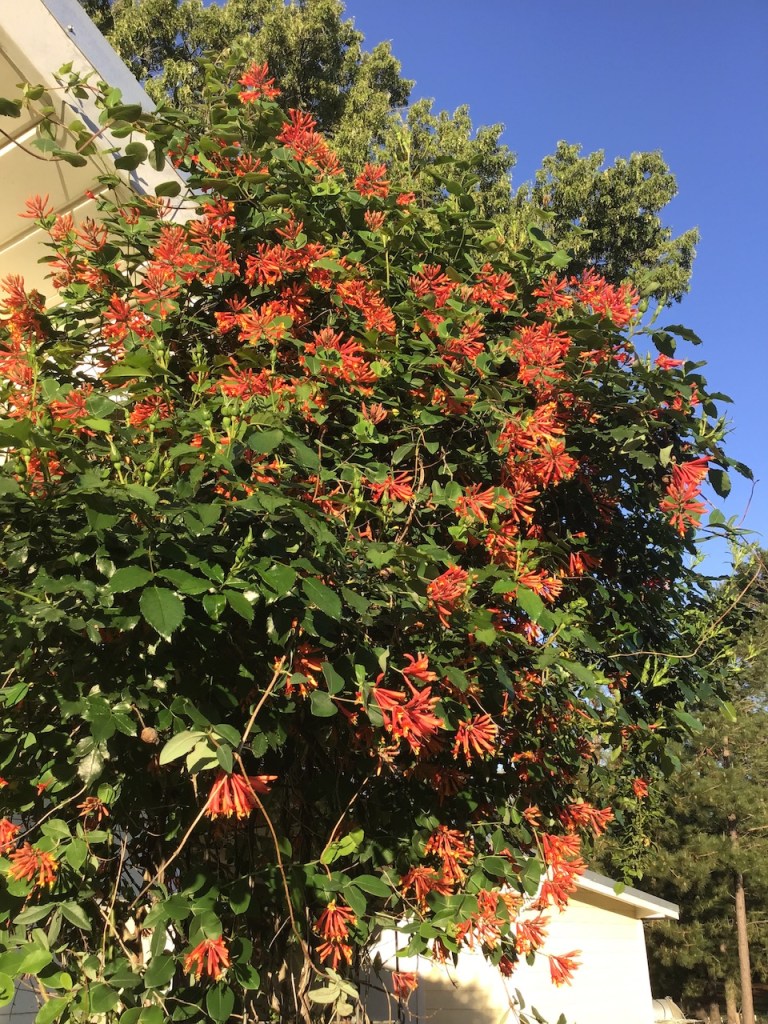
The coral honeysuckle, looking more amazing than ever, with the rose growing in there just about to bloom too. And a hummingbird finally showed up to enjoy it too, but there’s not a chance to catch him on camera without many hours to spare.
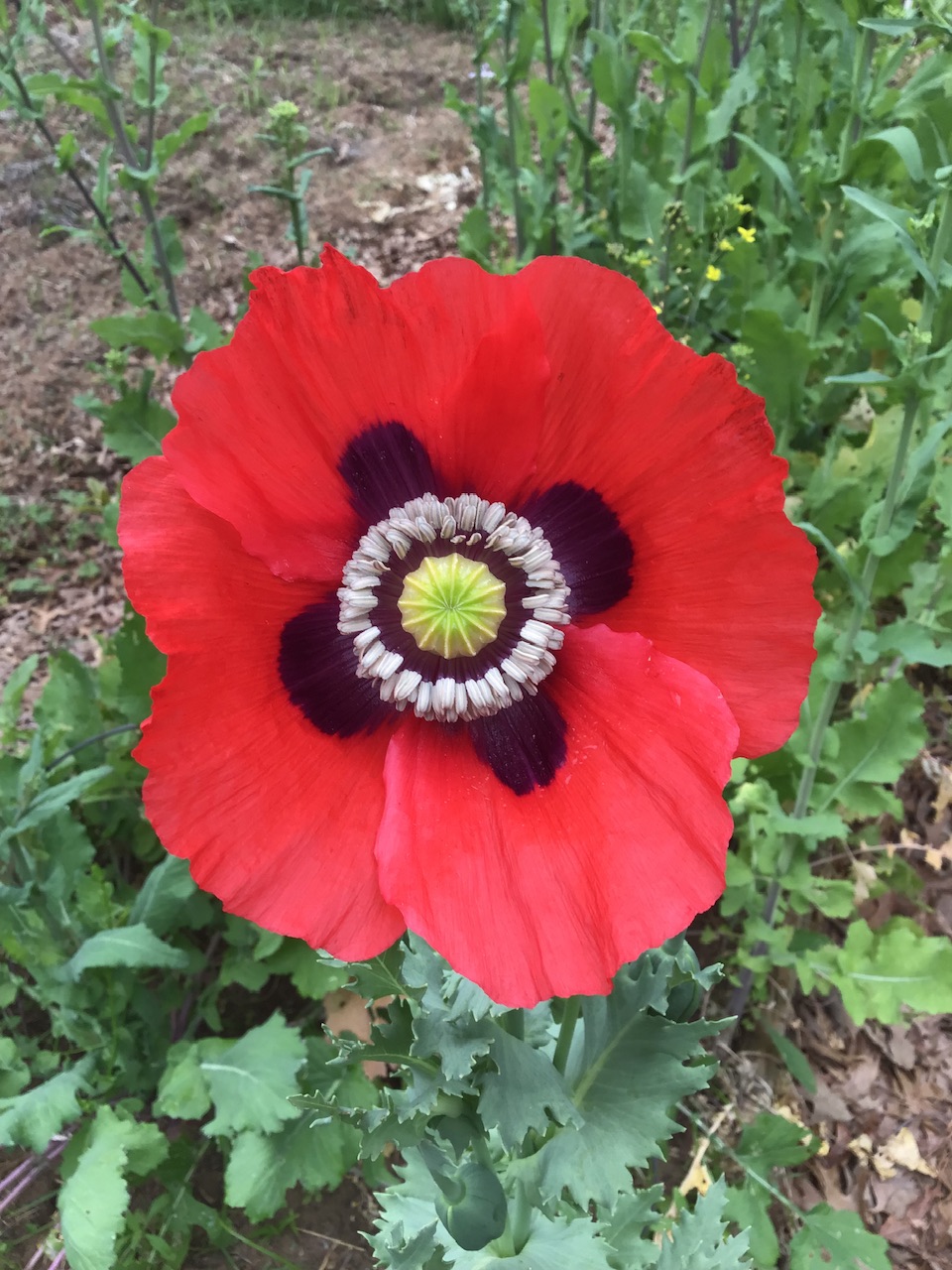
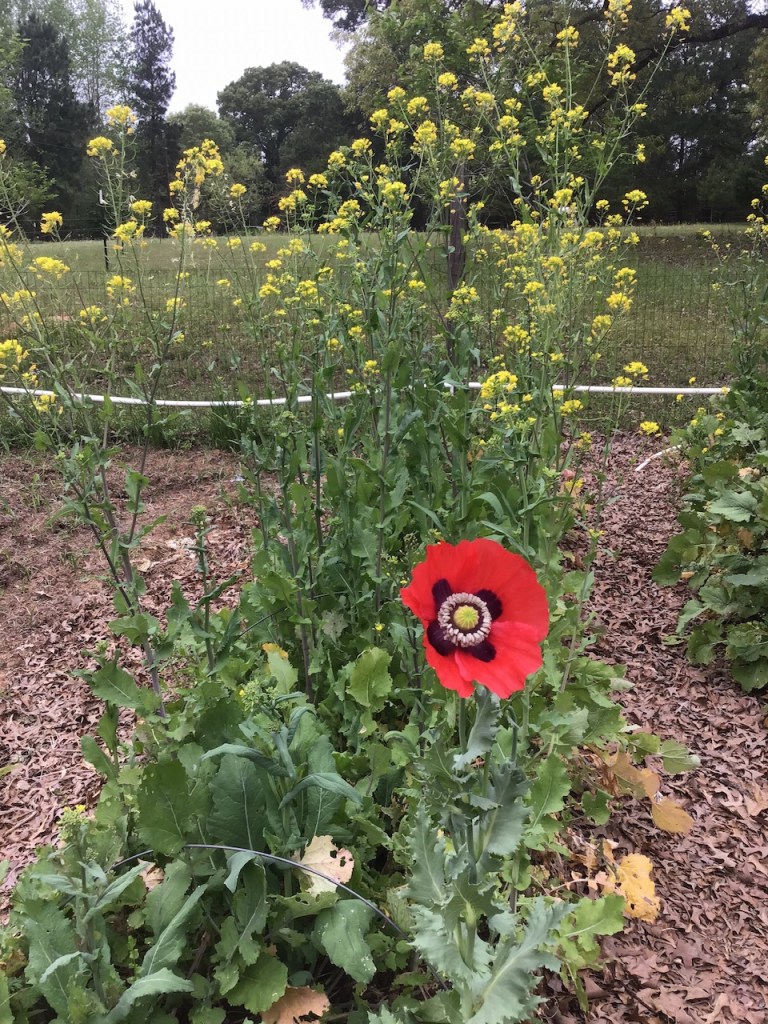
I tossed poppy seeds out by the hundreds, everywhere. And they’ve shown up in the most unusual places, one at a time, in the tiny cracks between wood and grass, under the dogwood, under the mulberry, in the garlic patch and the turnip rows, just one each, out of hundreds.
I’m glad, I so love them, but I don’t get it. Why there? And where are the rest of them?
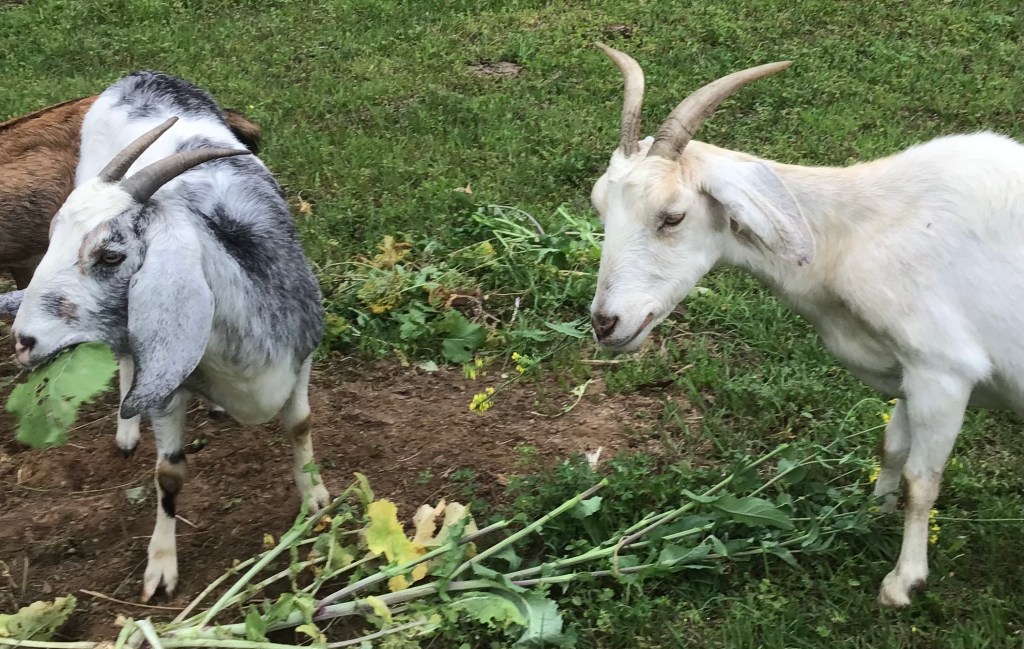
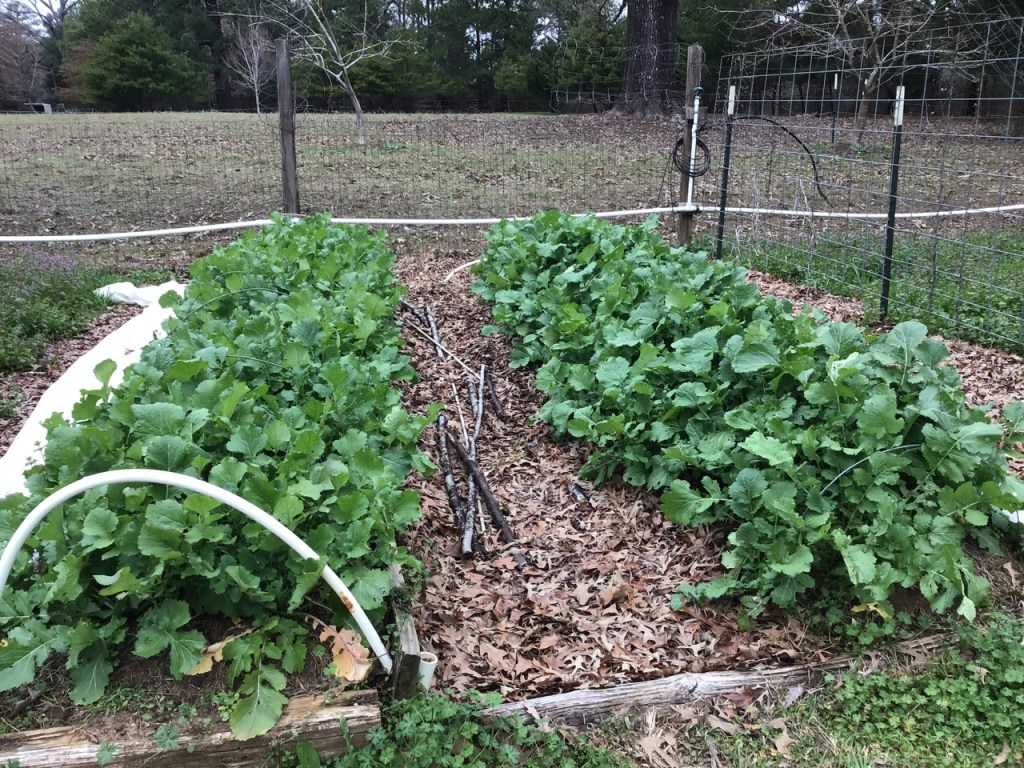
Everybody loves the turnip blossoms, especially the bees and goats!
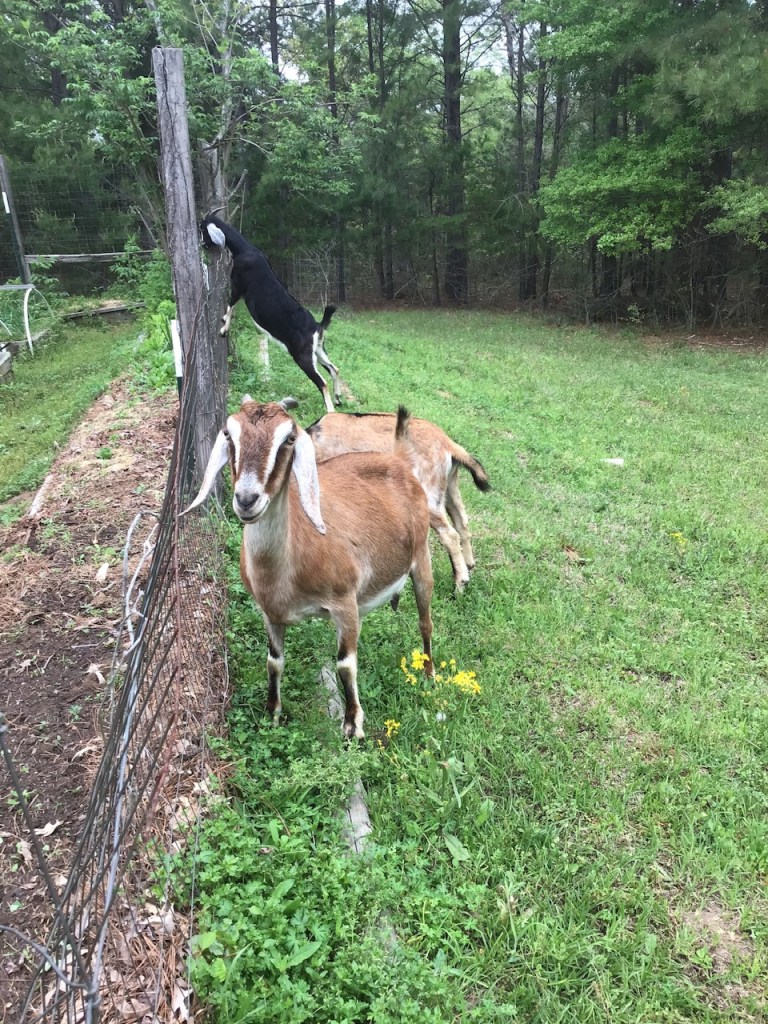
You can see Chestnut’s abscess has almost completely disappeared, hardly visible anymore. But Walnut behind her has torn her ear something terrible, probably in a fence somewhere, doing just what she’s doing here. We may have to change her name to Van Gogh.
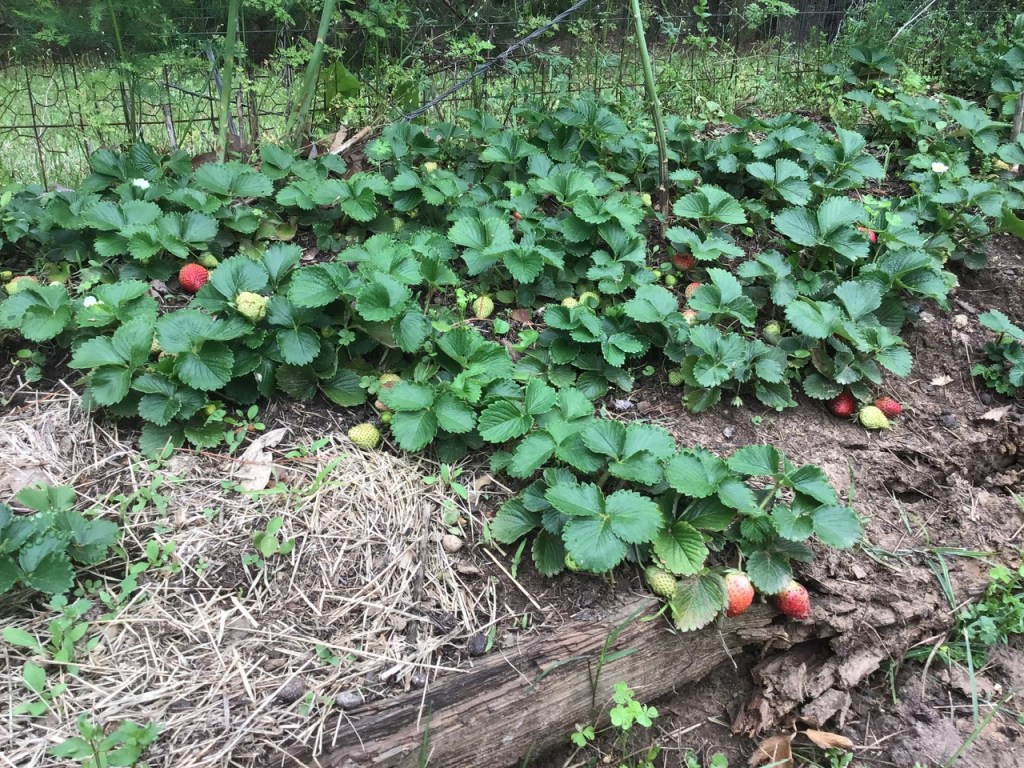
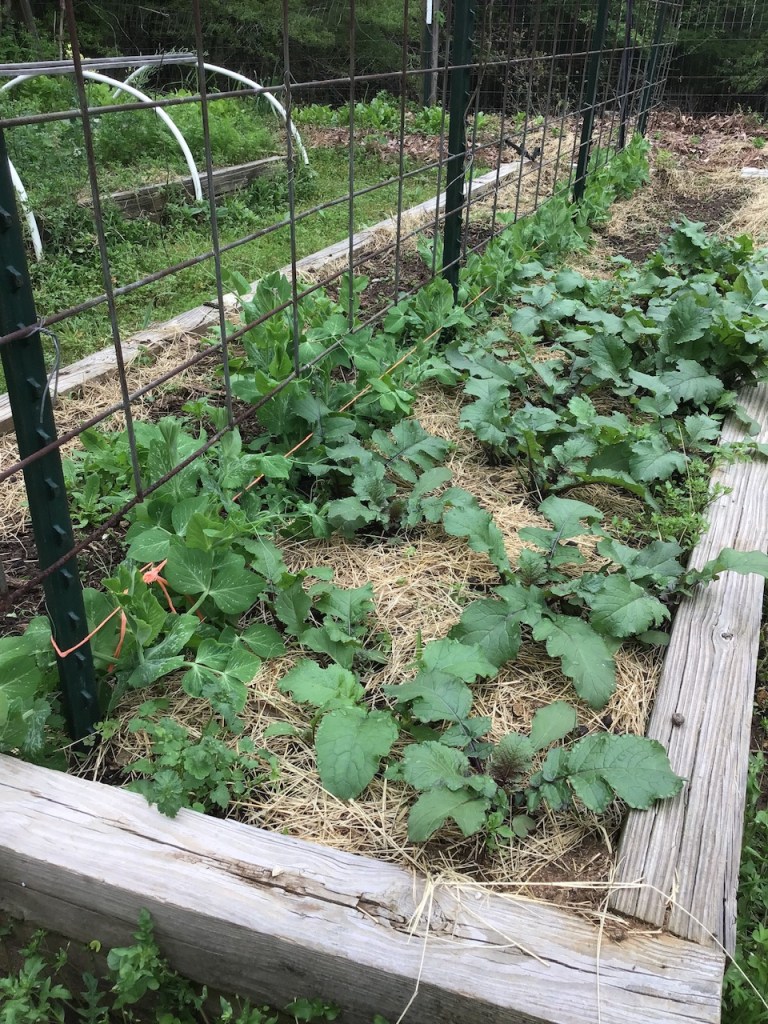
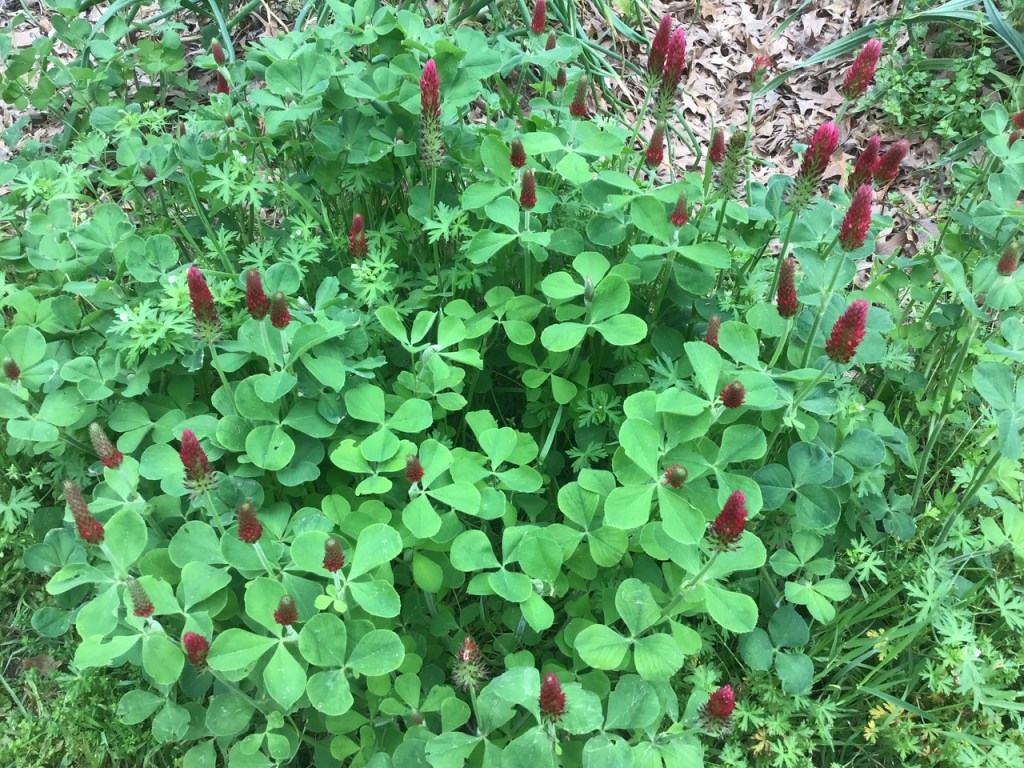
Getting some good kohlrabi and kale and potatoes, and peas, and strawberries and clover, and just about everything, coming in strong.
I’ve been meaning to get some cute lamb vid soon too, really! They are at that adorable stage. Next month come the kids!
The exciting season continues! Mostly plant talk this post. And, we’ve got our first lambs, I’m workin’ my first wattle fence, there’s some flower photos and fancy garden plans.
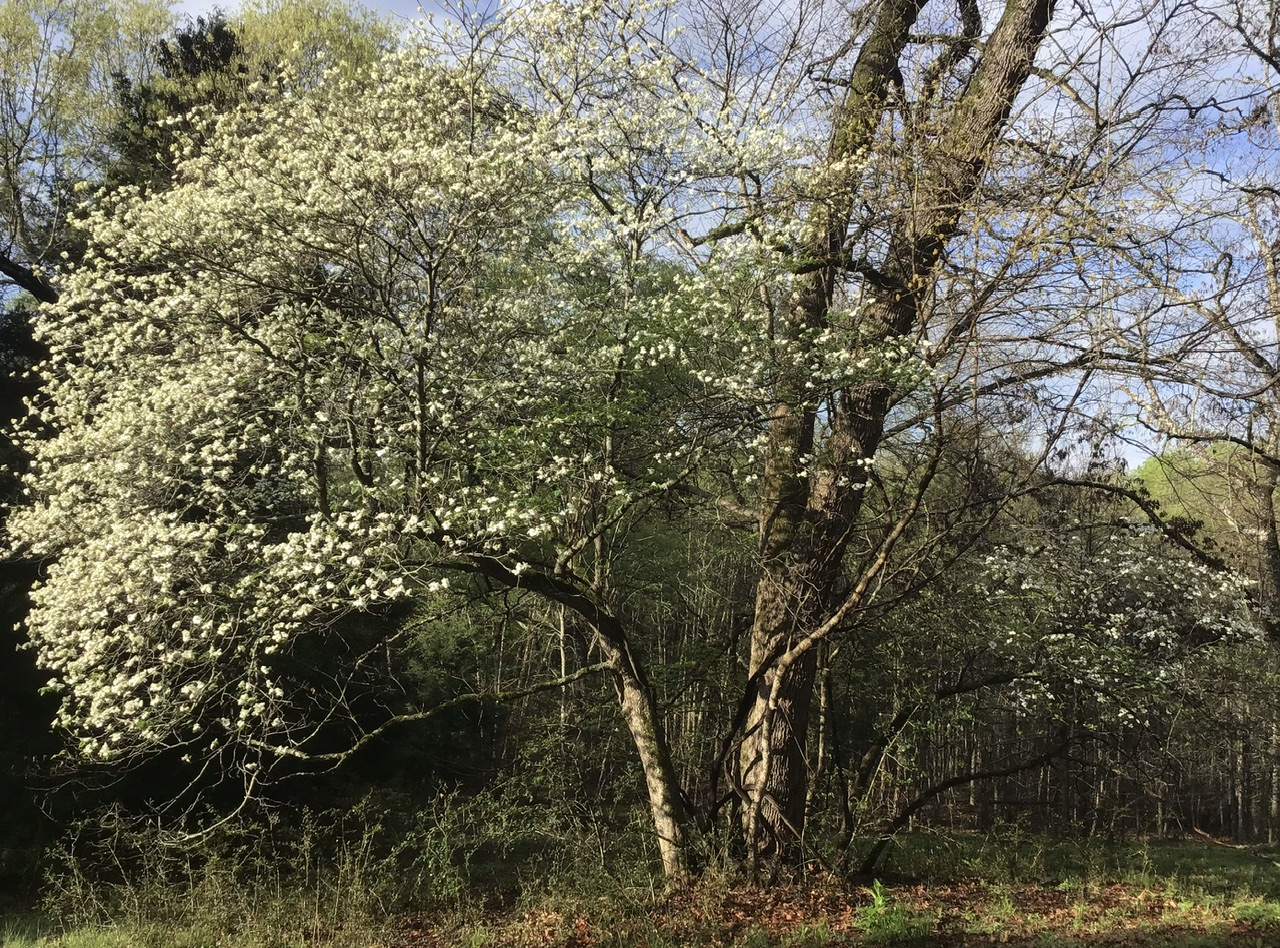
A first-time mama is the first to drop a perfect set of twins!Dogwoods blooming beneath oaks
Trumpet, or coral, honeysuckle on our front porch usually attracts hummingbirds by now. It’s looking gorgeous and I’m quite proud of it because it’s one I propagated from the wild. But, where are our feathered friends?
Seed saving has definitely upped our game in the garden. Buying seeds is certainly far easier than saving them. Where we once just had to plan one large garden space, now there are three. It feels like juggling! You’ve got to keep all the spaces perfectly coordinated. I had to make a chart. I am not a chart sort of person. I’m the kind of person who instantly glazes over at the mere inclusion of a chart in any piece of literature.
So really my chart was more like a list of do’s and don’ts in a useless graph format. Don’t plant the pumpkins with the zucchini. Don’t plant the luffa with the Trombetta. Do plant different varieties of cucumbers, peppers, melons and watermelons at least 1/2 mile apart. (Is that even possible?) Musk melons and watermelons are safe to plant together, but French cantaloupe most certainly cannot be planted with American varieties or with green melons.
And that’s just the summer season’s produce, there’s a whole different set of charts for the winter veggies.
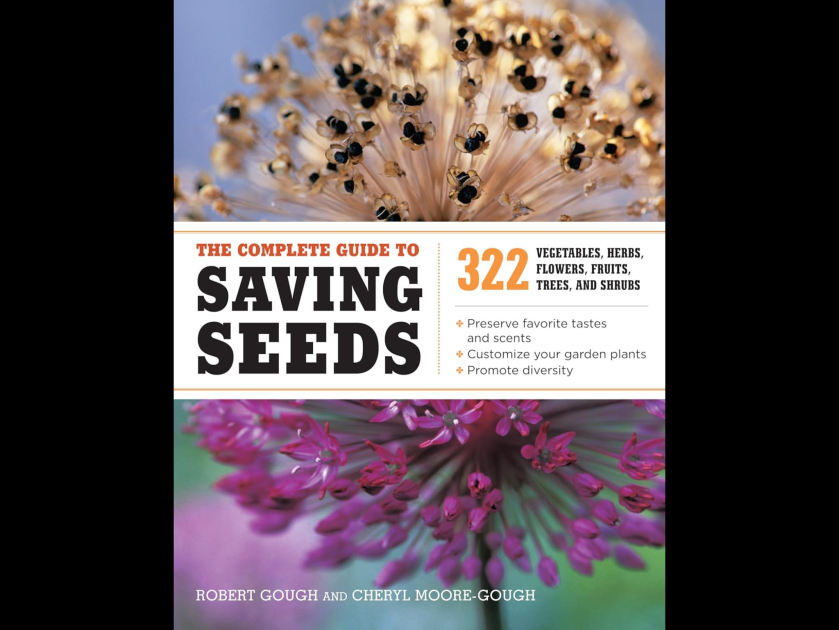
Luckily, I’ve got some good guidance in a great book and, even better, some bigger minds to follow in the form of Gavin’s Newsletter. He’s just started a book club and his first book up for April just happens to be the one I’m reading.
Why save seed? From the book we learn a few good reasons: *selecting for specific traits, *preserving diversity, *saving money, *creating superb plants, *And, going on an adventure. “The art of saving seeds may so intrigue you that you’ll branch out to your own plant-breeding adventures with such long-term seed-saving projects as growing oaks from acorns.”
Perhaps that could be me! Or perhaps I should’ve started this about 30 years ago.
But, those do all sound like good reasons to me, plus I’ll add one more. It’s a good way to exercise your body and your brain at the same time.
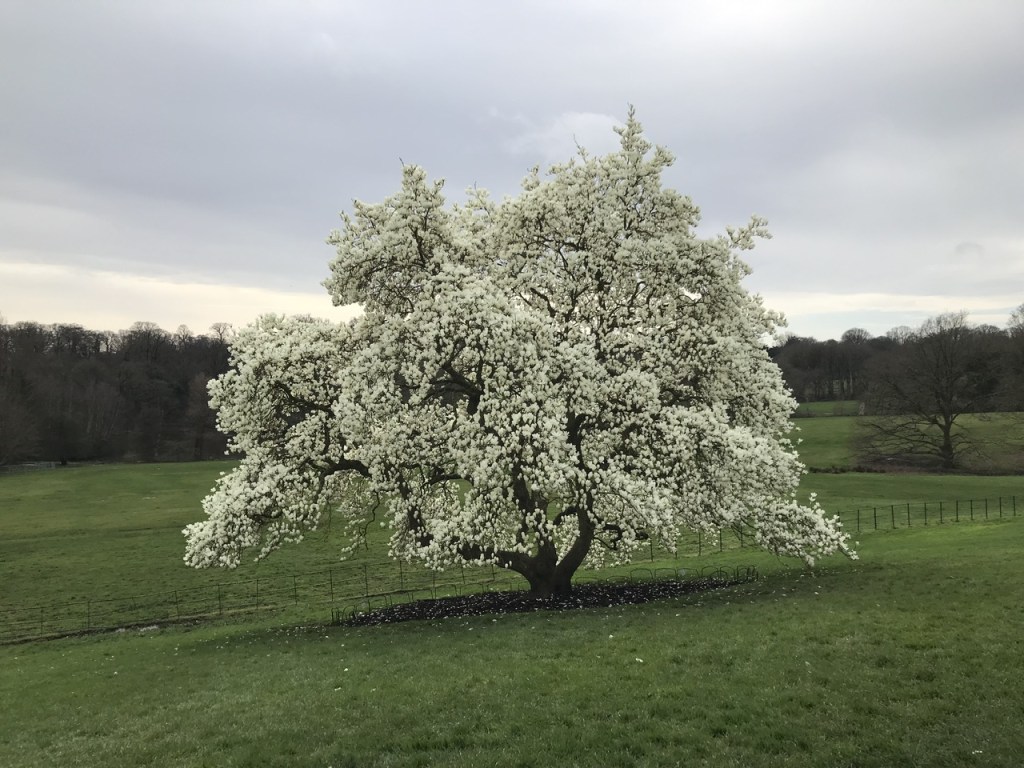
But, propagating something so slow-growing from seed at this stage of life, I think I’ll need more bang for the buck than an oak. Like, this magnificent magnolia!
(Photos sent by a friend in UK, wow, what a specimen!)
Of course, not all seed saving is complicated. After all, it used to be something every farmer would do, and their children, too. If I’d grown up doing it I’d probably think I’m making much ado about nothing.
In particular, most of the common herbs we love—dill, cilantro, basil, parsley couldn’t be easier—let them go to seed, collect the seed once dry, keep in a paper bag over winter, and sprinkle back out in spring.
Easy-peasy, leaving more time for flowers!
More flowers, herbs and medicinals has been the big goal besides seed saving. I’ve always liked hollyhocks and other traditional ‘cottage garden’ favorites. How fortunate for me to find one I’ve never heard of before, with a really cute name.
Inspiration photo only, real or photoshop, no clue
Flower name: “Kiss me over the garden gate” Latin name: Persicaria orientalis (formerly Polygonum orientale) is an annual member of the buckwheat family. The tall plants produce pretty pink pendulous blooms.
I’ve just planted it under the bedroom window inside my work-in-progress wattle fence.
What’s a wattle fence?
I had no idea what that was until I read about another blogger, Re-Farmer, building one. It looked like a fun and do-able project perfect for a precision-challenged person like myself.
And it is! There are lots of YouTube videos on the process, but I think this one was the best—a much taller and longer wattle fence than I’ve tried to produce, but who knows, as my skills develop I could step it up a notch. 🤔
The other big garden plan this year are a few citrus trees. We’ve been wanting them for a long time, but all fruit trees are a challenge here with our crazy weather. (And it’s not just us! All kinds of complaints about it from YouTubers and neighbors alike. It didn’t used to be like this.)
Anyway, this guy’s got some great suggestions and solutions and we so love our citrus, so we’re going to make an investment toward our citrus-filled future with Myer’s lemon, Mexican lime and Satsuma orange.
Another small plan is more peppers, specifically seasoning peppers, also called spice peppers (though they aren’t always spicy as in hot), like pimiento’s and such.
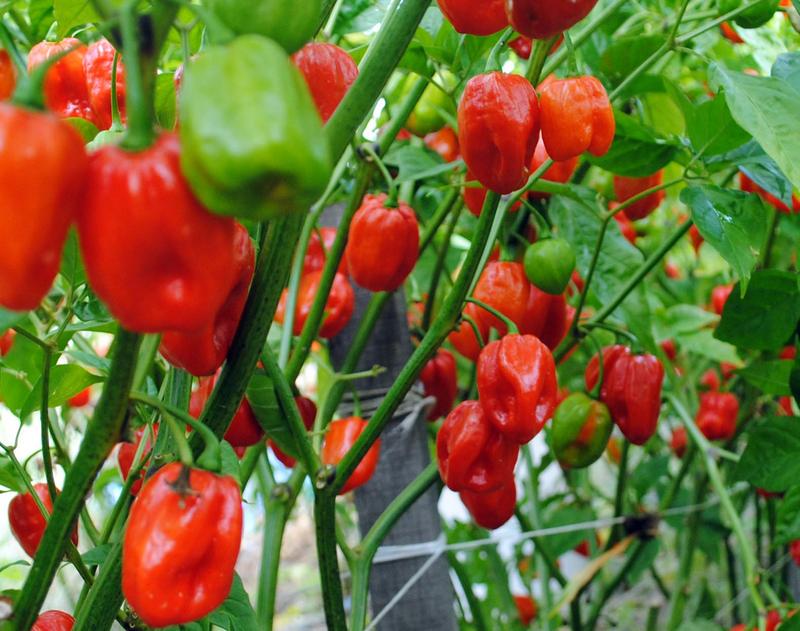
As much fermenting as I’ve been doing I see they are an excellent addition to all kinds of dishes. Plus, peppers do pretty well here usually, and they harvest in fall when there’s little else happening, and they are lovely little plants some folks grow just as ornamentals. Four excellent reasons to squeeze them into the rotation. Here’s one variety I’m trying:
“(C. chinense) 99 days. (green > orange-red > red) [Venezuelan heirloom. Seed source from Donna Hudson in TN.] Has the same shape, size, color and aroma as Habanero, but is sweet, spicy, and delicious, with only a trace of heat. Highly aromatic fruits; their flavor is unusual and complex, with overtones of black pepper and coriander, and undertones of other spicy flavors. An excellent choice for sautéed vegetables, rice and bean dishes, paprika, or herbal vinegars. The thin-walled pendant fruits are 1 x 2 in., tapering at both the stem and blossom end. Plants have good foliage cover and bear at 18 in. high. Seedlings grow slowly at first, but grow rapidly later in the season to 48 in. or more.”
Like I said, it’s the exciting season on the wee homestead!
This blogger has really got me thinking today. I’ve been following her for quite a while now because she lives in a gorgeous part of the U.S and has similar interests and has an innately creative eye. She typically posts awesome photos of birds and her huskies and mountain views and has been growing in her homestead lifestyle a bit more all this time.
Except this last year she went on an extended road-trip across the country with her hubby who has a unique job.
The part about the trip that interests me is not so much about his job, but about her observations. And this is not a post to put her on the spot to tell more of her stories, though that would be great I think!
Actually I’m just wondering if anyone else would care to share?
She feels more committed now than ever to extend her homesteading efforts. She saw a lot of drugged-out loonies and homelessness, across the country.
Like I mentioned to her in the comments, we don’t get out much anymore. We don’t trust the media much. We aren’t on the major social platforms—which means we don’t get nearly the propaganda, or on the flip side, the true accounts of the mass of folks.
So, I would honestly like to know. How’s it like in your corner of the states or the world?
I wish to express to her by sharing this how valuable her observations and insights really are, because these are tough conversations to have, and too easily avoided, and it seems high time to start talkin more about it. ALL!
Thanks for reading, and sharing, it’s a beautiful thing we can still do here!
Such an exciting season around the wee homestead! We’ve got mostly happy snaps and cute vids to share this post—growing piglets and bees and veggies—yippie!
I’ll save the unsavory stuff til the very end, that way those who must can just skip it. (Mighty generous of me, eh? 😆)
Let’s begin with a bumper crop of piglets, 11 of them, here trying to figure out the basics. This is just one day old, my aren’t they some quick learners!
Later we have a couple more from today, at one week old.
She’s been an excellent mama, Patty, this is her 2nd litter.
The garden is going strong already and this is definitely the earliest I’ve seen bumble bees out and about. March 15 is our average last frost date around here, for whatever that’s worth. Considering we’ve seen snow-covered Indian paintbrush before, we don’t put a lot of stock in that date.
If we don’t get a late frost this year it will be our earliest ever for summer planting. I’ve already got cucumbers in! The tomatoes are just about to go in and the peas are presenting perfectly.
Peas and fava beans planted together. If it gets too hot too quickly they will be a bust, but we do love when they succeed.
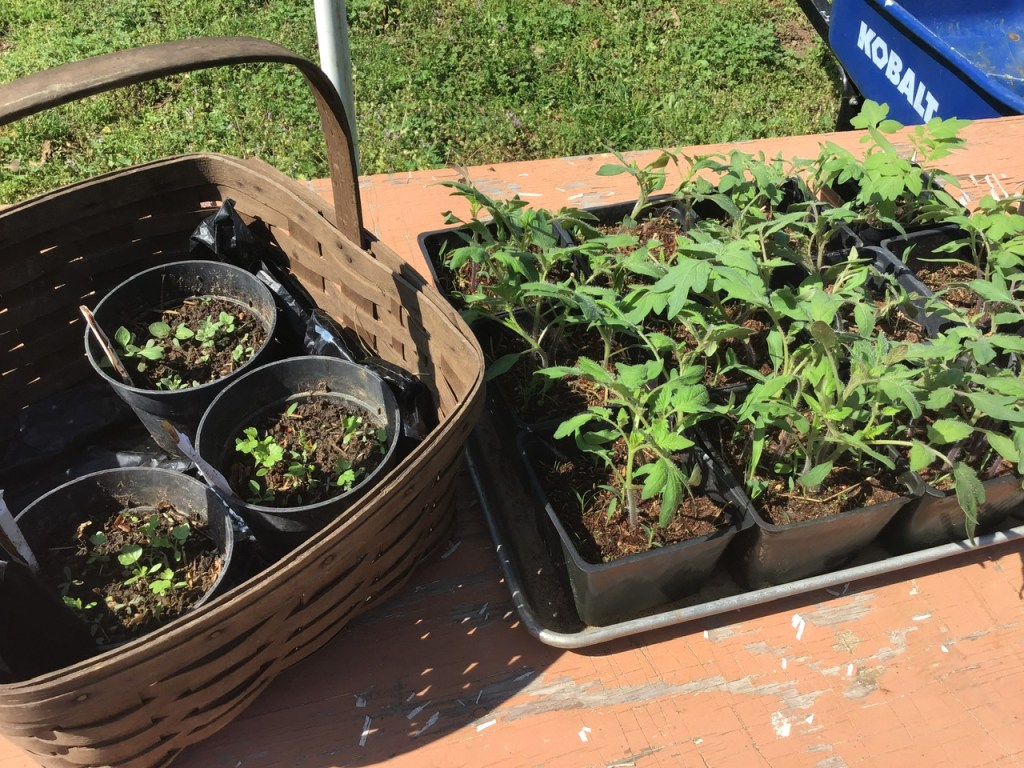
On left in the basket is celeriac, another fav of mine I try ever year, but like the fava beans and peas, it all depends on the temperatures if we’ll see a harvest. Next to them are tomatoes started under lights indoors and hardening now before planting in a day or two. I’ll plant some indeterminate varieties in about a month, hoping they’ll last longer through the heat. On right, the onions and garlic are looking great.
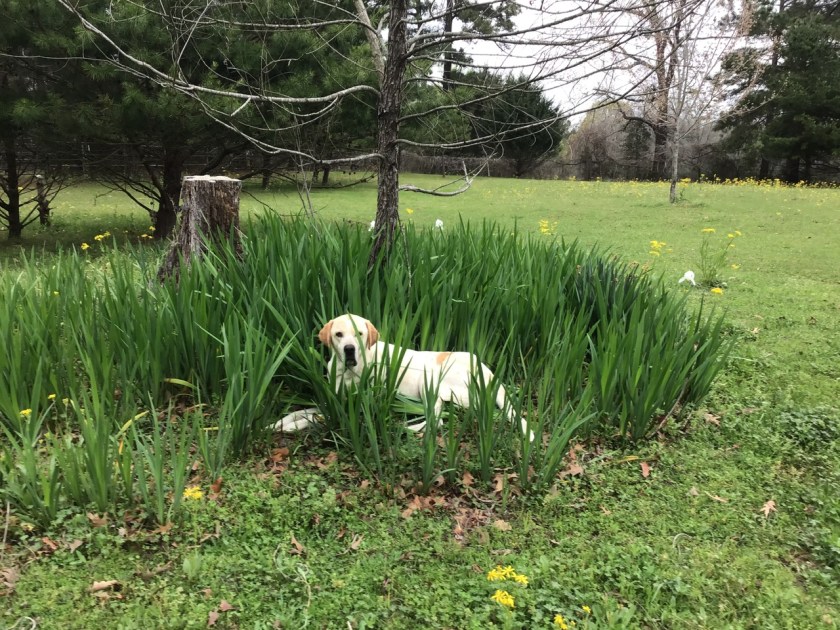
The old pears have already flowered over a week ago, here you can see Papa Chop napping while surely enjoying their sweet scent wafting on the breeze. Along with the bees!
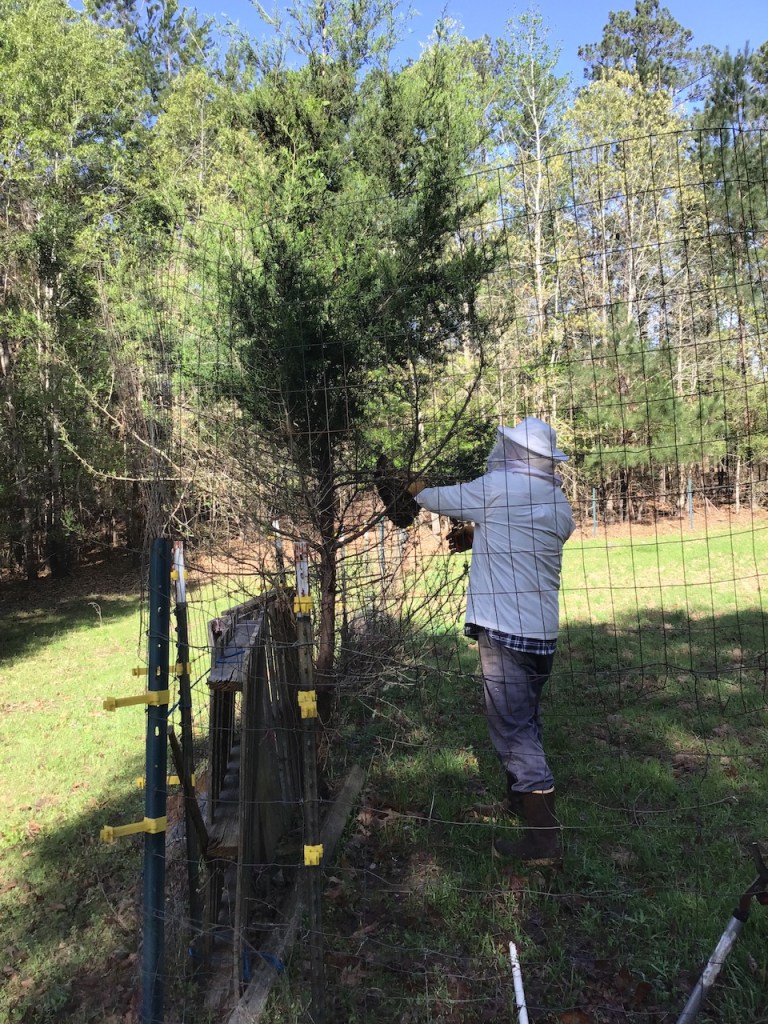
On the right you can see me filling up the new hive with bees that over-wintered in the nuc where they positioned themselves last spring.
This was such a memorable experience last year that we managed to catch a bit of on vid—well worth the watch as the colony we just captured as a swarm moves from the hive I tried to put it in into the nuc I’d placed as a bait hive, moving themselves within just a few hours from one side of the garden to the other.
This was a swarm we caught and first tried to transfer to a different hive on the other side of the garden. The bees had a better idea.
This was the swarm last spring. It was just a small one and I guess they just didn’t feel quite ready yet for the big hive I tried to place them in.
Thank you ma’am, but we prefer it over here!
Well, this time they were a little more receptive to my preference and they are in their expanded home doing fine. 🤗
The piglets are so cute it’s hard not to take multiple vids watching them. I don’t edit yet, but maybe someday I’ll venture into more serious farmish filming.
And another ….
But, it’s not all peaches and rainbows for the piglets. Because you know, ‘male privilege’. Last year Hubby learned to castrate, which is an absolutely necessary skill if you’re serious about raising pigs. He did the deed, he’s gotten rather quick and good at it, so we made a couple of vids this time. Here’s the intro.
I’ll refrain from posting an example of the dirty deed though, which I could barely film! Yes, I admit one of my many bad qualities is squeamishness. But in my defense, I know many others way more squeamish than me!
If you really want to see it, you’ll have to send me an email. Don’t worry, I won’t judge. 😉
And in other bad news, yes, they still spray our beautiful days away. 😩
Still, it’s a beautiful life, and while we may complain, we know how to appreciate it all, too.
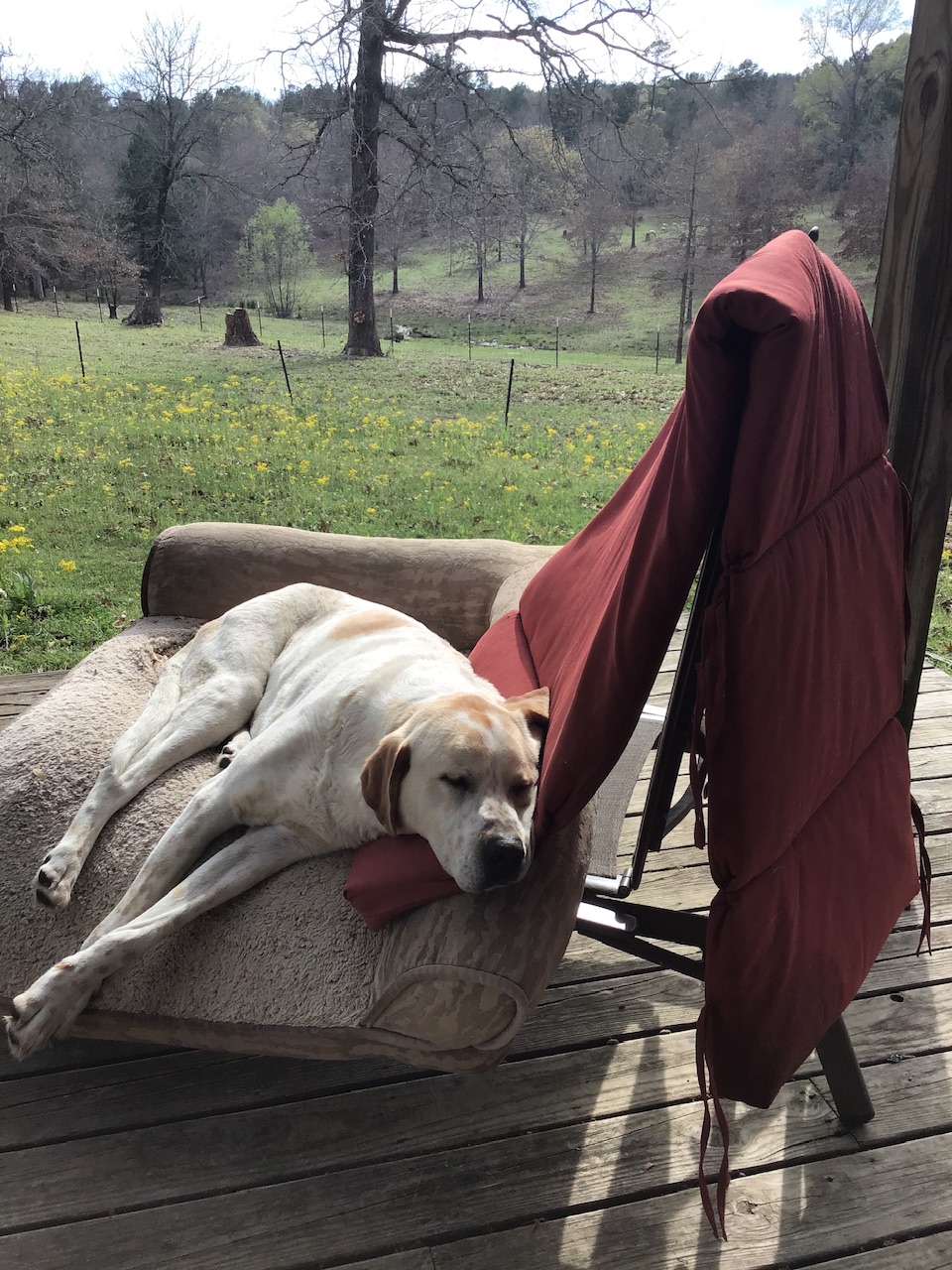
When all else fails, learn from Bubba.
“Oh, you only meant to dry the cushions here for freshening? Let me test that out for ya.” ~So Says Bubba
Thanks for stopping by, wishing y’all a glorious spring!
Shadow pointing out which wild cherry suckers I should try to grow into trees.
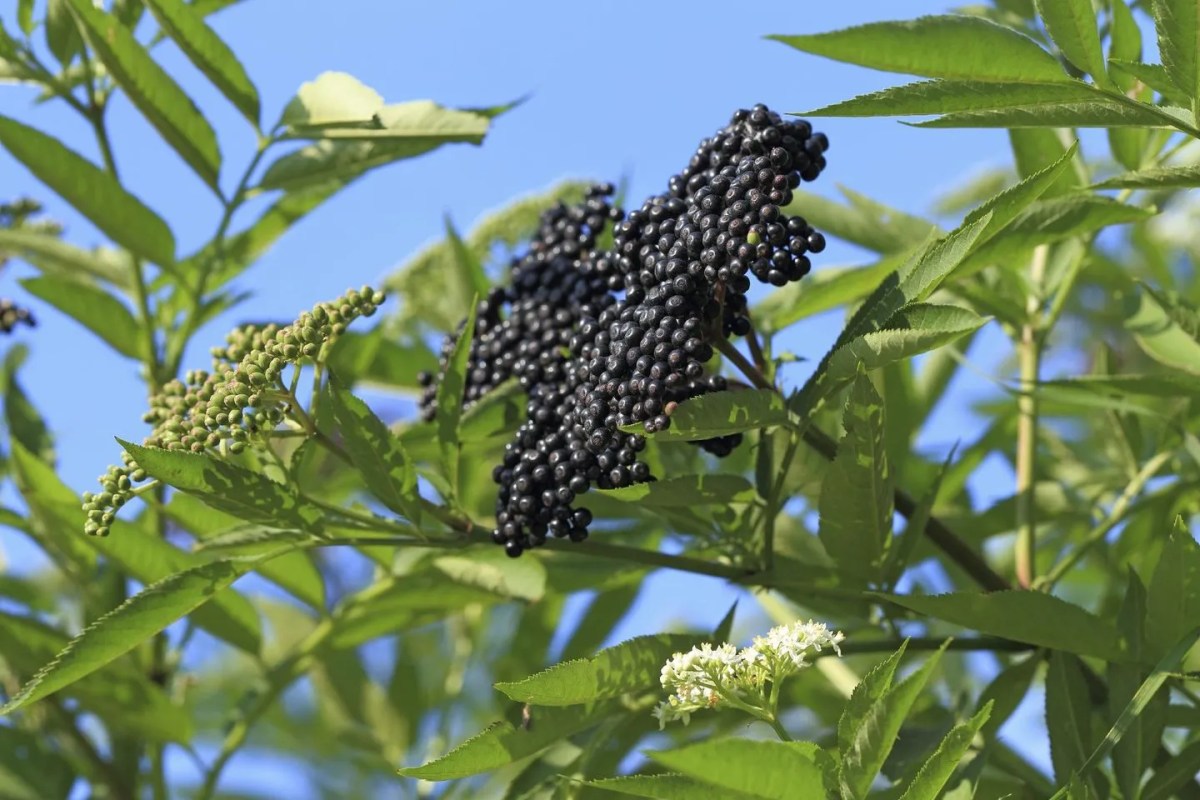
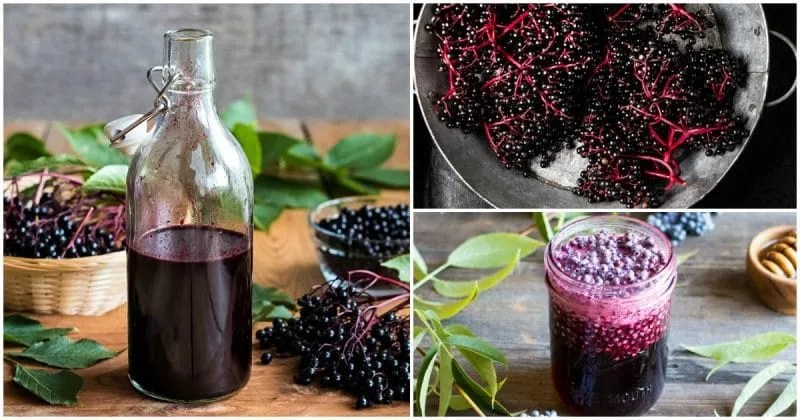
I’ve just added a new page to our Herbal Explorations section, Elderberry, thanks to Gavin Mounsey’s excellent work.
This is only an excerpt, so I encourage a full reading of his article!
Medicinal use of Elderberry:
Elder has a very long history of household use as a medicinal herb and is also much used by herbalists. The plant has been called “the medicine chest of country people”. The flowers are the main part used in modern herbalism, though all parts of the plant have been used at times. Stimulant. The fresh flowers are used in the distillation of “Elder Flower Water”. The flowers can be preserved with salt to make them available for distillation later in the season. The water is mildly astringent and a gentle stimulant. It is mainly used as a vehicle for eye and skin lotions. The dried flowers are diaphoretic, diuretic, expectorant, galactogogue and pectoral. An infusion is very effective in the treatment of chest complaints and is also used to bathe inflamed eyes. The infusion is also a very good spring tonic and blood cleanser. Externally, the flowers are used in poultices to ease pain and abate inflammation. Used as an ointment, it treats chilblains, burns, wounds, scalds etc. The fruit is depurative, weakly diaphoretic and gently laxative. A tea made from the dried berries is said to be a good remedy for colic and diarrhoea. The fruit is widely used for making wines, preserves etc., and these are said to retain the medicinal properties of the fruit.
Some of the medicinal benefits of Elderberries include:
One of the most well-studied elderberry syrup benefits is its powerful immune-boosting properties. The berries contain chemical compounds called anthocyanidins, which are known to have immunostimulant effects.
Research actually shows that elderberry is a safe, efficient and cost-effective treatment for the common cold and flu. A 2021 systematic review screened 1,187 records and five randomized trials on elderberry for the treatment or prevention of viral respiratory illness. Researchers found that elderberry may reduce the duration and severity of symptoms related to colds and influenza, and there’s no evidence that it overstimulates the immune system.
A 2016 study published in Nutrients showed that elderberry supplementation was able to reduce cold duration and symptoms in people using air travel. People using this herb from 10 days before travel until four to five days after arrival overseas experienced, on average, a two-day shorter duration of their colds as well as a noticeable reduction in cold symptoms.
Several studies have found benefits to support the use of elderberry syrup for flu symptoms as well. Specifically, the flavonoids in the extract bind to the H1N1 human influenza virus as well as the H5N1 avian influenza virus.
A 2009 study randomized patients into two groups. One group was given four doses of 175-milligram proprietary elderberry extract daily, and the other group received a placebo for two days. The group treated with the extract showed significant improvement in most flu symptoms, while the placebo group showed no improvement in symptom severity. Researchers conclude that the extract is effective in controlling influenza symptoms.
The group treated showed significant improvement in most signs of flu, while the placebo group showed no improvement in symptom severity. Researchers concludedthat the extract is effective in controlling influenza symptoms.
Another study published in the Journal of International Medical Research referenced above suggests that when elderberry is used within the first 48 hours of the onset of signs of flu, it can shorten the duration of flu symptoms by an average of four days.
With elderberry’s anti-inflammatory and antioxidant properties, it makes sense that it can help treat sinus issues. A sinus infection is a condition in which the cavities around the nasal passages become inflamed, and this antiviral herb has promise as a sinus infection natural remedy.
A study conducted by the Institute of Complementary Medicine’s Department of Internal Medicine at the University Hospital in Zurich, Switzerland examined the use of a product called Sinupret, which contains elderberry extract. The researchers used Sinupret to treat bacterial sinusitis along with an antibiotic (doxycycline or vibramycin) and a decongestant. Interestingly enough, those who took the combination did better compared to those who did not take Sinupret at all.
In addition to using elderberry syrup for colds, the flowers of the elder plant are also known to be an effective herbal allergy remedy. Since allergies involve an overreaction of the immune system as well as inflammation, the herb’s ability to improve immune function and calm inflammation can help provide allergy relief.
Some herbalists put black elder flower on the list of most effective herbs used for treating hay fever-like symptoms. It can be used for allergies on its own or in combination with other herbs and natural remedies.
Edible berry extracts like elderberry extract are rich in anthocyanins and have been shown to have a broad spectrum of therapeutic, pharmacologic and anti-carcinogenic properties. In vitro studies specifically indicate that the elderberry has some chemopreventive properties, which can help inhibit, delay or reverse cancer formation.
One study published in the Journal of Medicinal Food compared the anticancer properties of European and American elderberry fruits. European elderberry (Sambucus nigra) is known for its medicinal use and contains anthocyanins, flavonoids and other polyphenolics, which all contribute to the high-antioxidant capacity of its berries. American elderberry (Sambucuscanadensis) has not been grown or promoted as a medicinal plant like its European relative.
This study tested extracts of both berries to assess anticancer potential and found that both demonstrated significant chemopreventive potential. Additionally, the American elder extract showed inhibition of ornithine decarboxylase, which is an enzyme marker related to the promotion stage of cancer formation. Thus, elderberries show potential as cancer-fighting foods.
Although studies have found mixed results, some research suggests that elderberry extract may improve heart health. For example, one animal model showed that giving mice with high cholesterol and HDL cholesterol dysfunction anthocyanin-rich black elderberry extract helped reduce hepatic cholesterol levels and improved HDL function. This may be due to the presence of anthocyanins, which are polyphenols that have demonstrated antioxidant and anti-inflammatory activities.
Another study found that elderberry extract may have beneficial effects on high blood pressure. When polyphenols extracted from the plant were administered with renin inhibitors to rats with hypertension, they reduced arterial pressure.
Researchers suggest that using polyphenols to lower blood pressure may also help reduce the side effects of blood pressure-lowering medications and improve overall quality of life.
The calcium, iron, and potassium in the berries are known to strengthen bones and increase bone mineral density, cutting the risk of osteoporosis as a result.
Experiments show the benefits of natural polyphenols extracted from the Elder (Sambucus nigra) fruit on osteoporosis regression. Extremely low bone mineral density is improved by polyphenol delivery. Thus, a dietary intake rich in natural polyphenols helps lead to the regression of osteoporosis. Osteoporosis regression due to the Sambucus nigra extract shows us how powerful these berries are for preventing bone degradation and speeding up bone healing.
Being rich in vitamins A and B6, elderberries can help prevent serious vision ailments like glaucoma and macular degeneration. The antioxidant activity of elderberries also helps ensure vision health in the long run.
One study talks about how the anthocyanins in berries (including elderberries) can help treat cognitive impairment and the resultant conditions like Alzheimer’s.
Elderberries are also replete with quercetin, which is an important flavonoid critical for brain health. Quercetin reduces the harmful inflammation at a cellular level. It also activates the mitochondria in your cells – which are powerhouses that boost cell health.
As mentioned above, Mitochondria are the powerhouses of your cells, generating energy to fuel your cells’ biochemical reactions. Via optimizing their function and promoting their rates of regeneration within your body you are building a solid foundation for health, vibrancy and longevity from the cellular level up.
Sufficient mitochondrial biogenesis (the process by which cells increase mitochondrial numbers) is necessary for efficient cell function and haemostasis, which is dependent on the regulation of ATP generation and maintenance of mitochondrial DNA (mtDNA). These procedures play a primary role in the processes of inflammation, aging, cancer, metabolic diseases, and neurodegeneration. Polyphenols (such as anthocyanins) are considered as the main components of plants, fruits, and natural extracts with proven therapeutic effects during the time. These components regulate the intracellular pathways of mitochondrial biogenesis.
The studies available also support the ability of anthocyanins to prevent damage to mitochondria and to sustain its function. Berry extracts also demonstrated positive outcomes in different models of neurodegeneration, endothelial dysfunction, myocardial damage, metabolic disorders, longevity, and cancer. At the molecular level, major anthocyanins can modulate the expression and activity of mitochondrial proteins, apoptotic and biogenesis factors, antioxidant defenses, inflammation, and the AMPK pathway. Noteworthy, anthocyanins could balance abnormalities in ROS production, respiration, and mitochondrial fragmentation in cells exposed to toxicants or oxidizing agents.
…..
Here on the wee homestead I use elderflowers and elderberries in kombucha with delicious results! I’ve also made syrup and St. Germain.
Please visit Gavin’s full article for so much more on this ancient medicinal plant, including history, myth and folklore, habitat, recipes, and beautiful photography.
Elderberry blossoming in the garden with pumpkin, inviting lots of pollinators.
I started making cheese because I love cheese and could no longer find quality cheeses nearby. I lived on a diet of mostly bread and cheese while a student in France and while it did take its toll on my middle (I gained a pound or ten!) it felt perfectly sustainable as far as health and deliciousness to me.
Photo by Nataliya Vaitkevich on Pexels.com Could totally be me! 😆
Fast forward a decade and suddenly cheese was making me sick. And bread, too! Like a great many folks, I was told I was ‘lactose intolerant’ and had a “gluten allergy”. Suddenly. Out of nowhere. How very odd.
I gave up bread and cheese for a year and the problem was solved, but I was miserable. Then I started to do some research on my own.
What I learned I’ve talked about before on this blog so I won’t go into detail. The results speak for themselves: I can eat as much bread and cheese as I want, as long as I make it myself, from raw milk and organic wheat berries and all natural ingredients. We also eat homemade ice cream regularly. And cookies and cakes.
But the problem with the commercially manufactured ingredients these days is far worse than just homogenizing and denaturing. The rennet used to make 90% of cheese in this country is GMO, so it’s no wonder at all so many are being told they are lactose intolerant or have IBS and allergies and other digestive issues every time they consume dairy. And wheat. It’s become so common it’s a joke.
In reality, these non-foods are poisoning people and it should be pretty obvious by the poor state of health of a majority of the population.
Thanks to Granny for sending this article that sums up the cheese reality pretty well. And it’s not pretty.
“Genetically modified FPC — To overcome some of the shortcomings of the vegetable and microbial rennets like the potential bitter cheese taste, scientists have leveraged genetic engineering technology to create new, genetically modified species that generate these milk-curdling enzymes.
Introducing the most common alternative to animal rennet in cheese making — FPC, which stands for Fermentation-Produced Chymosin (FPC). (Chymosin referring to the enzyme that curdles milk, and is naturally present in the stomach lining of ruminant animals).
In fact, 90% of the cheese manufactured in the U.S. uses these enzymes from genetically modified organisms.9
FPC was created by the one and only Pfizer (biotech company) and is made possible by using CRISPR gene editing technology10 where the genomes of living organisms are modified. The “safety” of FPC was evaluated by a 90 day trial in rats.11”
Is it safe to consume? Good question!
“This bioengineered chymosin (FPC) was granted Generally Regarded as Safe (GRAS) status. Meaning, Pfizer was exempt from the pre-approval requirements that apply to other (non GRAS) new food additives.”
Food was just fine before they started screwing with it! 😖
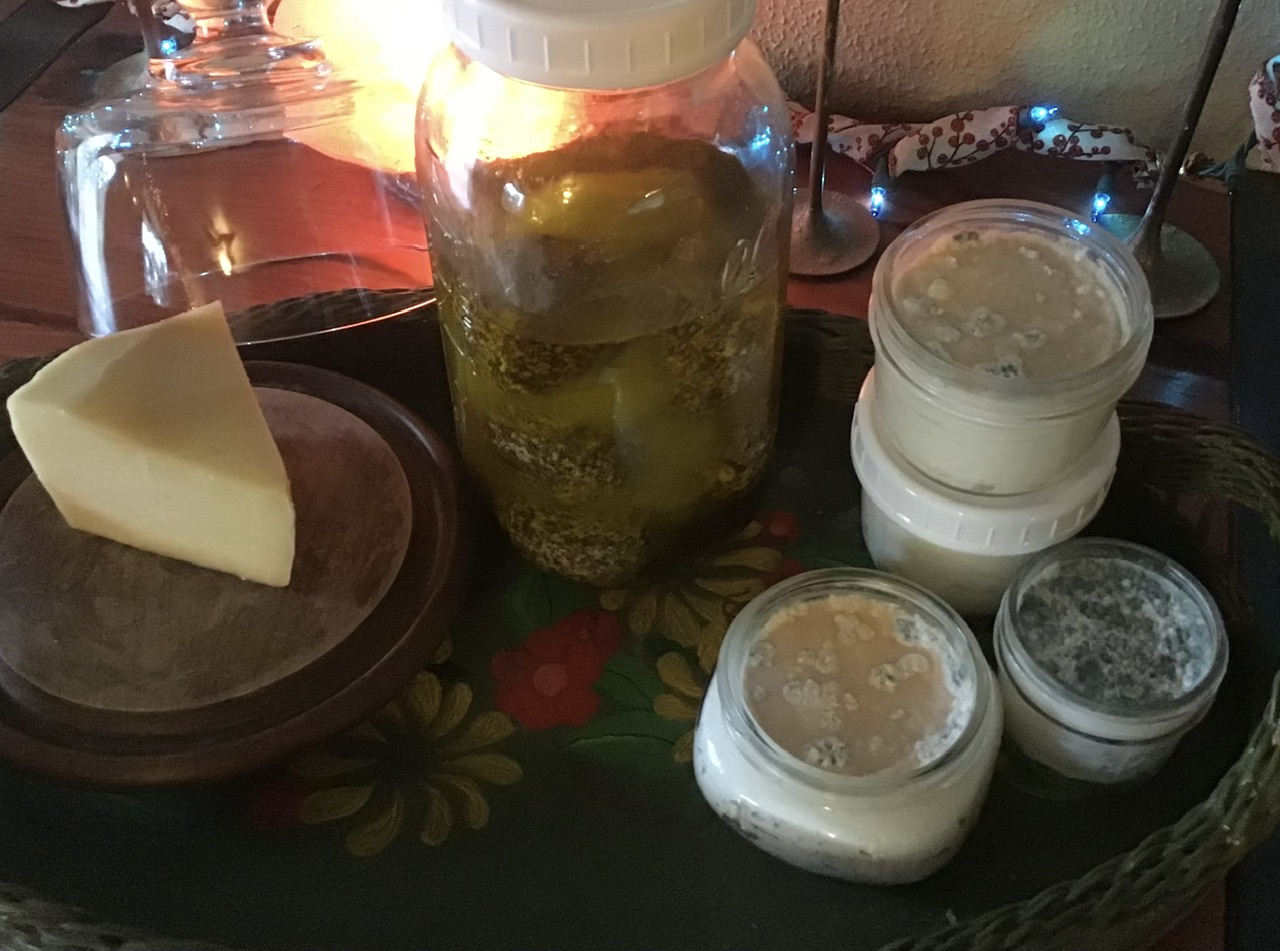
A few of my homemade cheeses—not as difficult as you might think to learn how, and so worthwhile!
This post we’ve got some happy snaps, the usual weather bitching, a bit of pre-planning and some good news on two healing fronts.
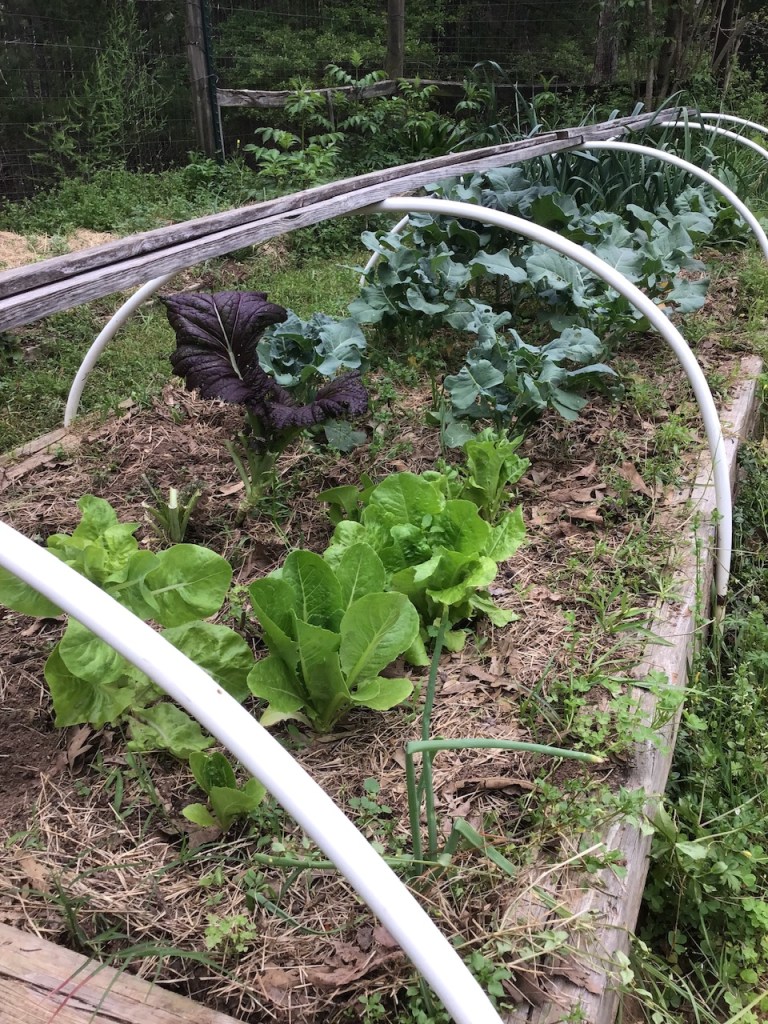
(From bottom left: mini-mustard greens and new lettuce germinated inside about to be transplanted to replace all we’ve eaten; several types of onions and elephant garlic (which does best here, by far); and turnips for us and the pigs. 😋)
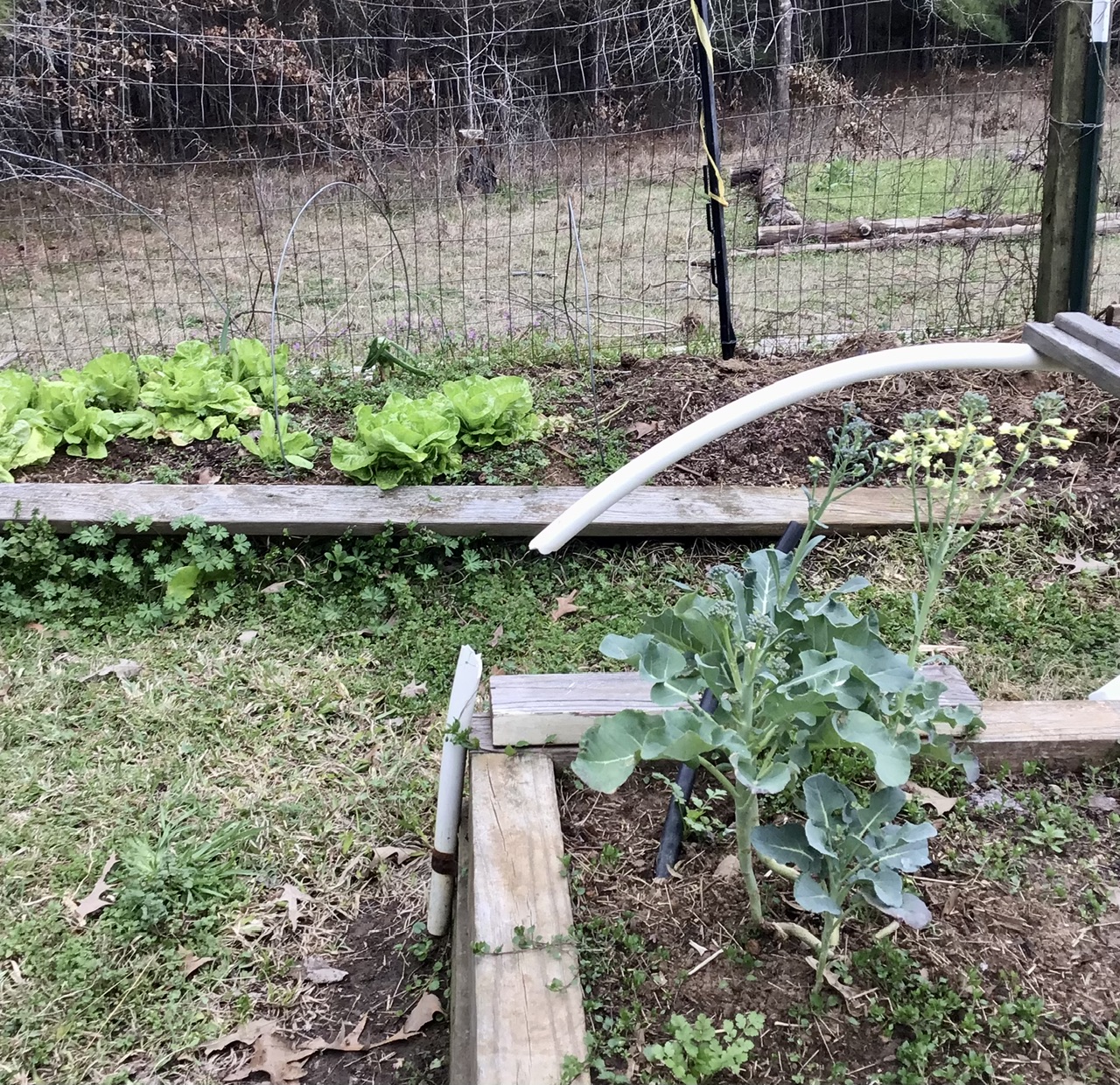
The cauliflower is long gone, the broccoli nearly so, but a new crop is already in the works inside on a heat mat. Succession planting has its limitations in our East Texas Yo-Yo Season (formally known as ‘winter’). Sometimes you get lucky with a warm stretch and get a nice surprise (yay, third times a charm, the carrot seeds finally germinated!) other times you get premature bolting (that dumb broccoli didn’t even produce a good head yet!).
Premature bolting 😖 But some nice butter lettuce still doing well by covering during cold swings
I do not appreciate it, and I think it stresses us all at some level, not just me, not just the more sensitive 4-legged and 2-legged, but all of life. Five warm days go by, in the 70s (but feeling hotter), with an unseasonal and hot stinking wind coming from the south, then suddenly, the very next day, it’s 40, lows in the 20s, and the dogs are shedding, also unseasonably.
Our ‘Arctic chicks’ — confused broody hens confusing weather whiplash for spring
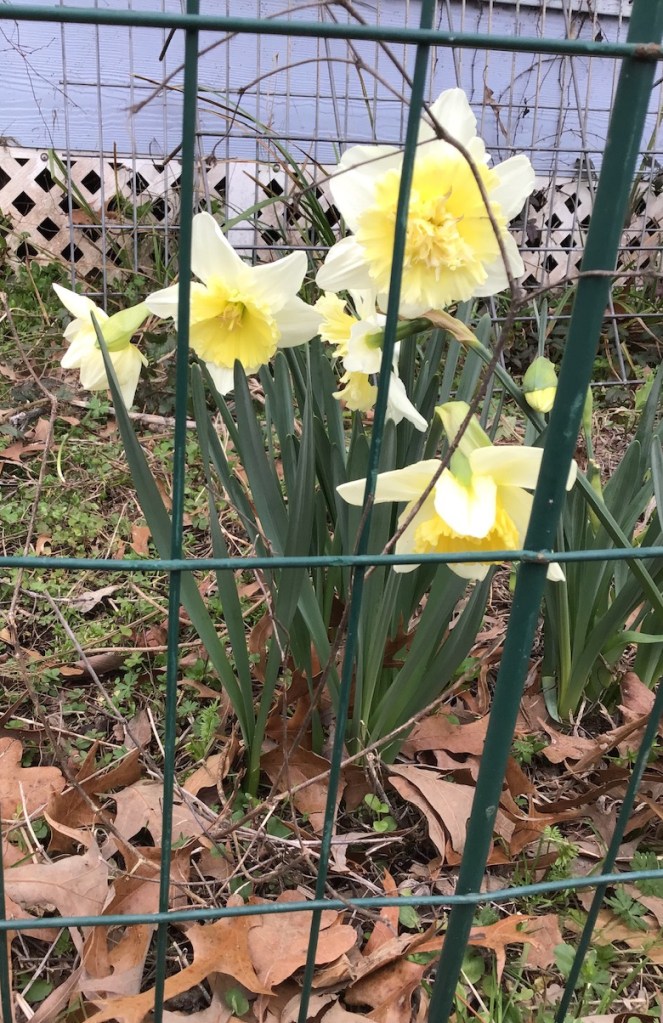
Yes, we get the surprise arctic chicks on occasion. It’s nice to see a bee or two about. We get early daffodils. But we also get another lost fruit crop because it is sure to frost and now, again, everything is blooming far too early.
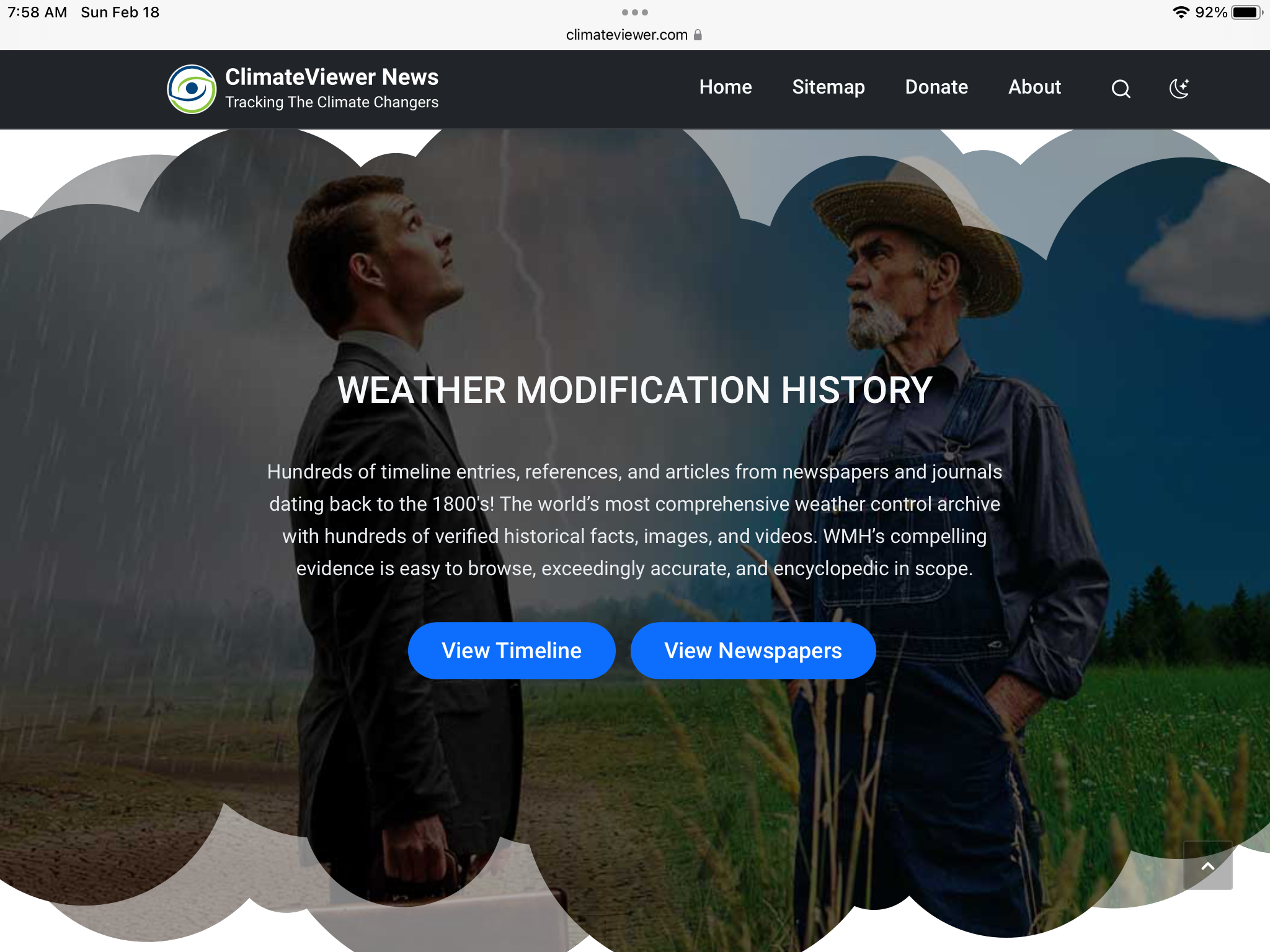
And it seems to me, the more folks are catching on, the more the establishment pushes back, with the gaslighting and the misdirection and the normalizing.
Going back to the 1800s! And how’s that working out for us?
Despite the man-made manipulation, or maybe because of it, I’ve come to appreciate the old adage ‘Let nature take its course’ on a whole new level. We’ve had two overlapping critter health issues these last months, both with their unique challenges.
Shadow’s blood-spurting ear was by far worse, but still, in every case, I don’t like not knowing what to do, stressing about my lack of knowledge, feeling useless, and that’s how I felt during Chestnut’s ordeal as well.
Please allow my whine for just another moment, it’s been illuminating for me, in a way.
Self-reliance is a cornerstone goal for us. Relying on vet care is not an option for a number of reasons, beginning with the cost, ending with the lack of trust we have for the medical establishment, and with a very long and convoluted journey in between where we try to figure out how to bridge this enormous gap, with no training.
We are lucky for the internet, but you know how that goes. One problem, a dozen conflicting pieces of advice. We ask around as well, we are certainly grateful the many suggestions offered, but still it’s nerve-racking making ill-informed decisions, and no matter what anyone might pretend, health is not an exact, one-size fits all kind of science.
Chestnut was acting strangely, very suddenly. She went from just fine to a few hours later she was lethargic and not eating much and separated herself from the herd.
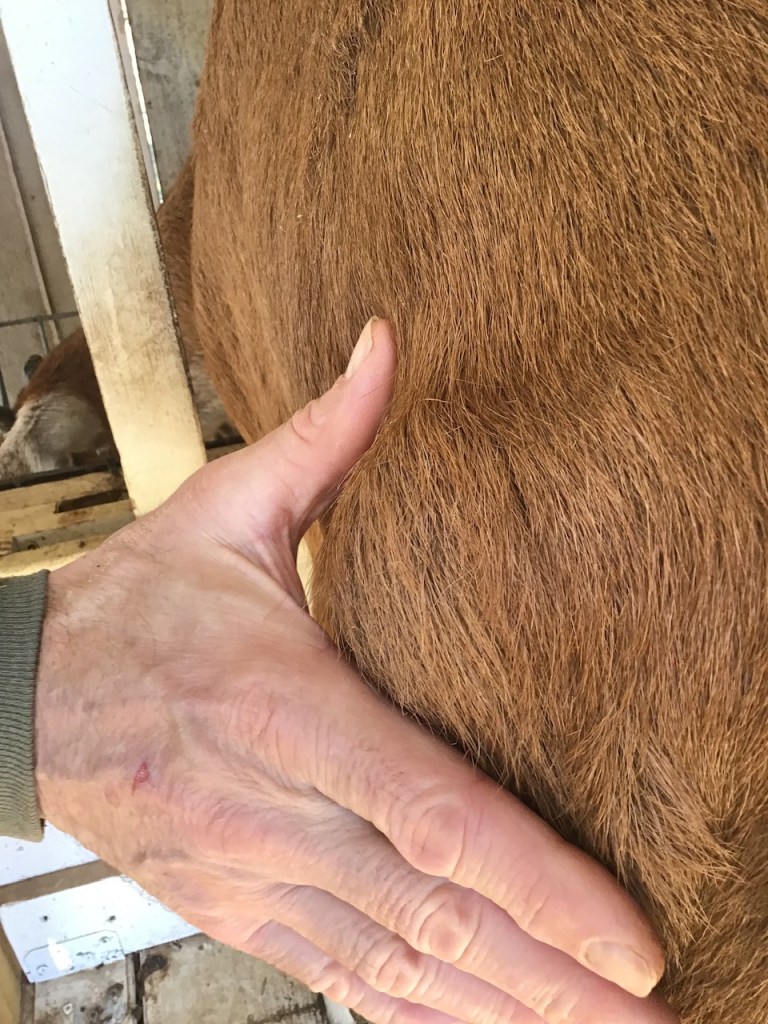
My goat friend suggested Ivermectin and it seemed to work fine. Then she quickly developed an abscess on her side. Related? No clue. It looked terrible, but it was not bothering her at all. I read lots of advice, but decided to let nature take its course after reading one description that sounded most similar to what I was seeing. Though they recommended lancing it at the end stage to avoid ‘infection’. (In the above photo you can see the ‘before and after’, the photo on right taken yesterday, sorry for the blurriness.). It got very large and it was not easy to do nothing!
It’s been over a month now, and it is healing nicely. Patience was the correct remedy, not lancing. I think we have an addiction to unnecessary interference in our culture.
The ordeal with Shadow was a serious challenge. You might recall the middle of the story from our last Happenings post. It started all the way back in November with a little nick on the tip of his ear. The cat?
Who knows, but it was shockingly difficult to get the blood flow under control.
We had much advice, some of it new and excellent (thanks again Kath and Zoe!), but wow, did that take some patience and perseverance, which mostly landed on Hubby, as per usual. (Male privilege! 😂)
Three months later and it is completely healed and all’s well that ends well, thank heavens!
What exuberance, no one around here can keep up with him! He runs circles around us all, then sits patiently by Hubby’s side until the next round.
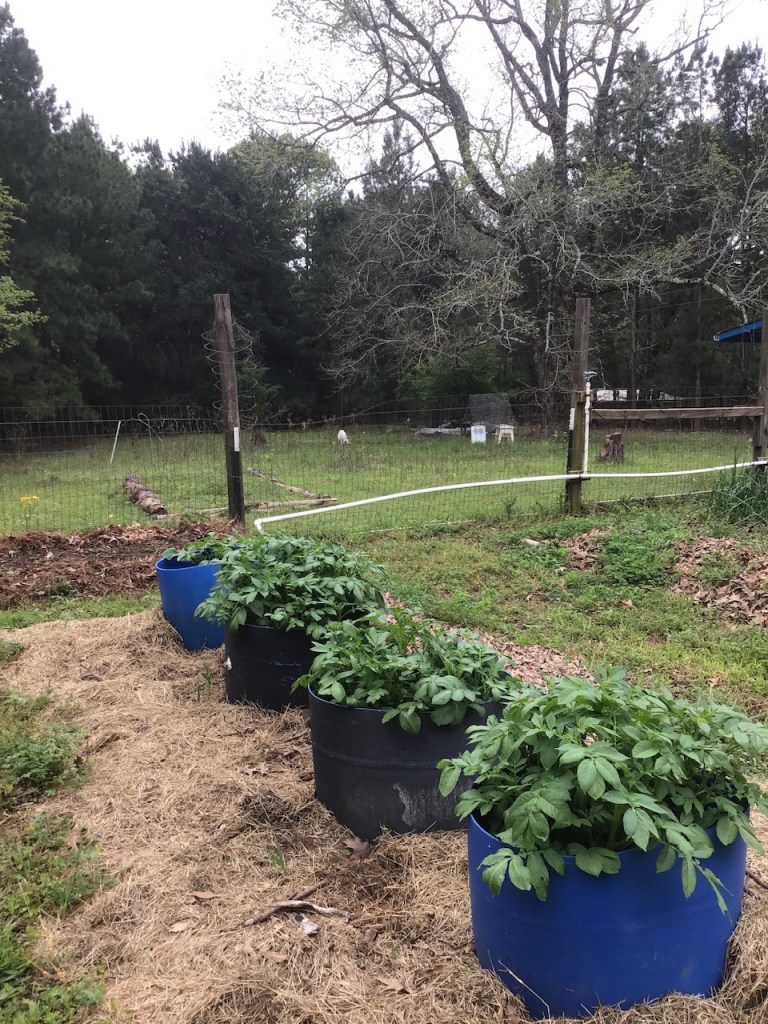
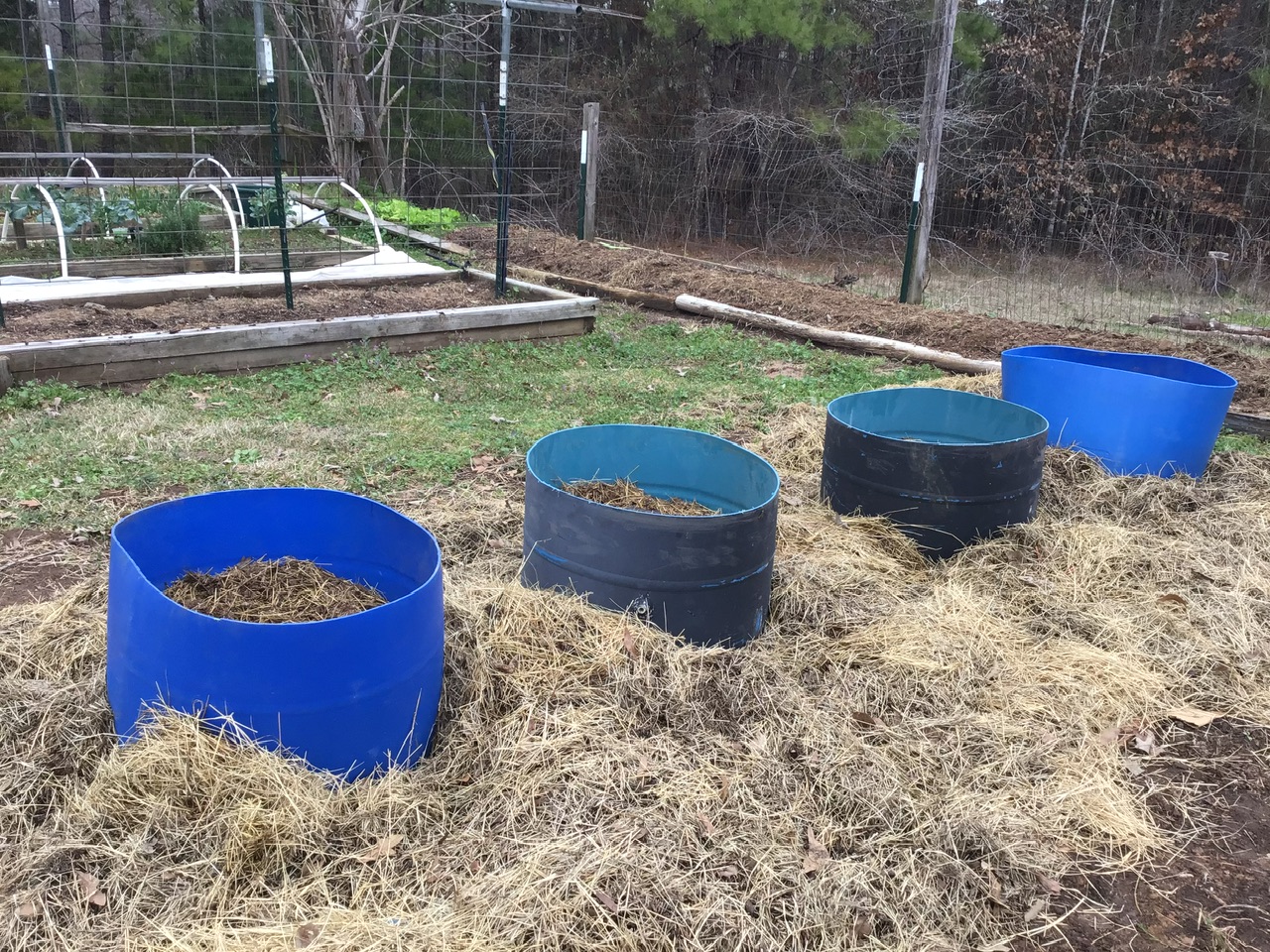
We LOVE potatoes, but they aren’t the easiest to grow here. This ‘barrel-layering’ technique has proven to be more successful.
We love potatoes so much we also buy them in bulk when they’re on sale and Hubby cans them up and they fry up in tallow so quick it’s like a delicious fast food that’s a cheaper and healthier alternative to the industrially processed varieties.
It is a long and labor-intensive project, that’s 45 pounds of potatoes there, it took him the best part of a day to do, but we’ll be appreciating the effort for 28 delicious meals. 😊
Looking ahead we’re doing a bit of planning—I’ll be giving another beginner’s fermentation course next month and Hubby’s got some good livestock trades in the works, we’re committed to foraging more for mushrooms and cultivating our own.
Patty, our mama-to-be, eating up the last acorns. Already many of her piglets claimed for bartering deals. 😁
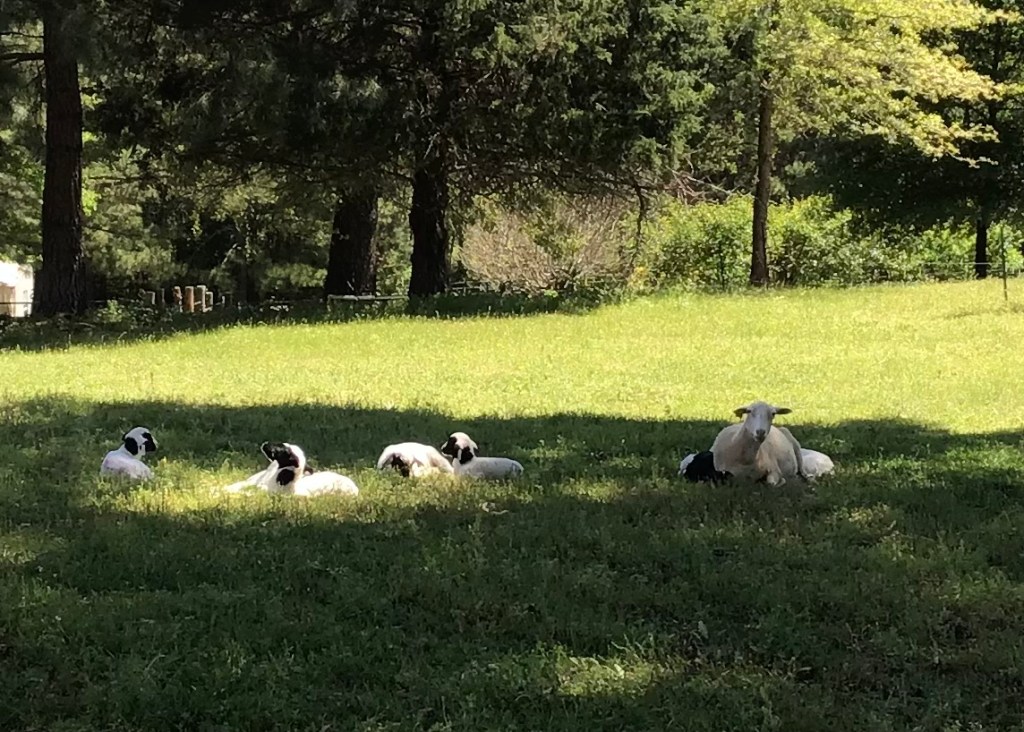
Here’s a current little visit with our herd, including, hopefully many healthy, expectant mamas with kids growing fine.
Not that little guy, he’s our first buck, we call him Teaky.
5 expectant mamas among our St. Croix-Dorper flock
Incorporating more permaculture design in the garden and orchard is an on-going big goal. We have a couple spaces empty and I’d love to try something really unique like this:
Permaculture-Inspired image I’m dreaming about!
Where I’d be including my fun garden-art projects, like these:
Lots of grand plans in the works, always, but it’s the simple things that make the hard stuff worth while.
Another share-worthy post—will we ever learn from the lessons of history? Will we ever collectively recognize the same played-out modus operandi of the Corporatocracy myth-makers? The pattern should be very clear: ignore, scapegoat, memory hole, re-write the laws, re-define the words, move goal posts, slander, rinse & repeat.
Some are shocked and appalled by this, as they should be, according to me. Others think it will be a fantastic improvement to human life, or a great way to make more fiat, or a solution to the burden on the caring professionals, or they love tech for tech’s sake, or whatever.
Those of us who love history and dwell constantly on the question ‘how has it come to this’ were well aware of this potential because we study the trajectory of modern life. I could begin with the first critics centuries ago, but for brevity sake, I’ll start instead with my own life, the only history available to me to know thoroughly enough.
Working mother, divorced parents, step parents, then step siblings, professional daycares, neighborhood babysitters, after school programs, junk food, convenience food, lots of TV. Family history of: diabetes, heart disease, obesity, cancer, vision problems, depression, eczema, alcoholism, Parkinson’s, and, you get the picture.
And I would not say my family life was bad. It was the typical American suburban life of a great many growing up in the 70s and 80s. Neither particularly good, nor bad, just normal. Normal, as in well-normalized.
Like most families my parents would joke about voting for the ‘lesser of two evils’. They probably learned that from their parents. My mom went to community college and got her degree once we were gone, in sociology. She worked full-time all her adult life and didn’t regret it. My dad remained ‘upwardly mobile’ as his Protestant father taught him to be.
In fact, we have retired before him, and he has just had his first heart attack.
They are both still with us, but they do not read this blog, so I could say whatever I wanted. 😏. But, that’s not the point of this particular post.
Let’s leave it at this—in hindsight, my unique perception of growing up this way is, in a nutshell—there was not a lot of parenting happening. The results of this having widespread and devastating effects.
It is from these original seeds of pseudocare that have been not only consistently irrigated in our own territories, but have been dispersed throughout the world these last five-plus decades which has ensured the trajectory to the ridiculous place where we now find ourselves: Drowning in pseudocare so deeply we can scarcely recognize what real care looks like anymore.
Another quick peak at the fruits those seeds have produced.
Yet even facing all of this, I’m still optimistic, as I have been all my life. Even at the worst of times, even during a few prolonged worst of times, I must’ve still learned something vital from my half-assed upbringing and collapsing culture.
So, here it is, in another nutshell:
Believe in yourself, believe it can change, but don’t practice in sidestepping the hard stuff. And the hardest of the hard stuff is care, real care—for yourself, for others, for the future—that is why we are here. How you go about that is your personal journey and your only real duty to discover and live. That is all there is to do in a life well-lived.
Which is why I want to once again quote an obvious example of someone doing exactly that, Gavin Mounsey, who is rocking the real care like a hurricane these days! Wait . . . What?? Ok, terrible simile aside . . .
I believe he knows what needs to happen next and is becoming the living manifestation of that in his own life first, and passing it around. Leading by example, it’s the only way. It’s the same cardinal rule as storytelling—Show, don’t tell.
“I want to give my energy to improving and increasing the resilience of my local community, not your hyper centralized one size fits all infrastructure.
“Freedom is not a consolatory prize that can be given to us to reward our obedience and capitulation to a system of violent coercion. It is not something that can be granted or provided to you by some government that wrote some thing on a piece of paper. Freedom is your birthright, and you either live it and embody it, or you allow yourself to be put in a mental cage by statists and other abusive institutions or individuals. My ancestors bloodlines are traced back to a people described in today’s terms as The Gaels. “Saoirse” is Irish Gaelic word for “Freedom”. Saoirse is an ancient concept that comes from the original Brehon laws of the Druidic (and eventually Celtic) world before the time of Christ. In the times when that word was created, my ancient ancestors lived without a centralized state, without prisons and without police.
“Saoirse means many things to different people. For some it means freedom to think, express and freedom to learn, for others it’s the freedom of imagination and the freedom of the spirit. And for some it also means freedom to set up parallel societies.
“This is one of the reasons that I included glimpses into two historical cultural cross sections of ancient cultures that existed without a centralized state and police/prison system in my essay as I feel that we can glean wisdom from stateless societies that existed for centuries to millennia in how to design more ethical, equitable, honest, Regenerative and practical ways to organize community, encourage amicable/respectful behaviour in humans and collaborate to leave this world a little bit more free and beautiful than it was when we got here after we are gone.
“With all that being said, I want to emphasize that I think that placing any culture, group of people or individual on some pedestal as pure is unhealthy. I feel we should be vigilant to make sure we are not romanticizing their past nor romanticizing the potential of their worldviews to provide solutions to the present challenges we face.
“The path to become connected to place with a reciprocal relationship, reverence and humility is the path to embrace indigeneity ourselves.
“It is a great starting point to create pockets of decentralized resistance to oligarchic / statist tyranny as growing your own medicine and veggies may appear harmless, but in a parasitic global plutocracy it represents a decisive action that severs the tentacles of tyranny in a critically important aspect of our lives (how we access food and medicine). Thus, it is a radical and revolutionary act that appears benign to the hubristic philanthropaths and demociders, serving as a sort of covert sedition in a world governed by parasites that want us dependent, gardening to grow or own food and medicine is like a hammer wrapped in velvet that knee caps big pharma’s plans to poison us slowly through dependence on their system for health care and also strikes the spine of the digital gulag system, breaking its back so it can no longer have any strength to influence our lives through controlling our access to food/medicine.
A better essay about the importance of self-reliance and health as the ideal antidote to modern societal tyranny I could not have written! And he has a YT channel. 😁
He was also kind enough to try to address our biggest garden nuisance within the scope of his permaculture lens. He offered many potential solutions, and bless his heart for the effort.
But I’ll just repeat my personal favorite: hot and spicy gopher wings. 🤪
What an example of authentic care—growing in the real and cyber worlds simultaneously—where even sassy meat-eaters and smart-asses and AI are welcome to stuff up their comments sections. Now that’s grace under fire!
Thanks to guys like these, in the coming decades I predict courageousfellowship will become the new sexy.
Our seasons change. I don’t just mean from north to south, east to west. There are the calendar seasons, and the four seasons, though some unfortunate folks only get two.
Then there are the seasons of life—childhood, adulthood, old age.
Here on the wee homestead we have our own seasons now, too. These, of course, are the most special of all seasons, to us.
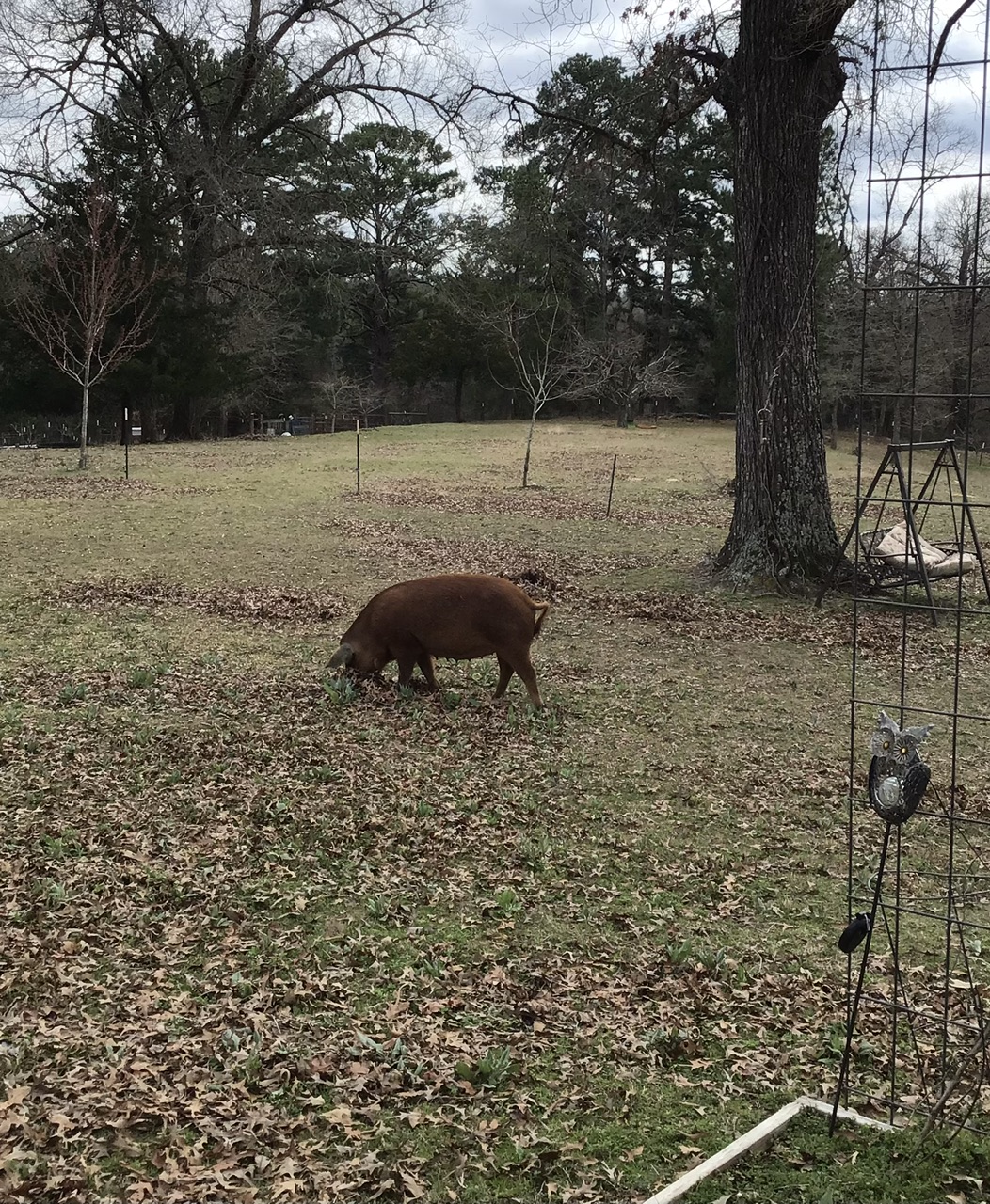
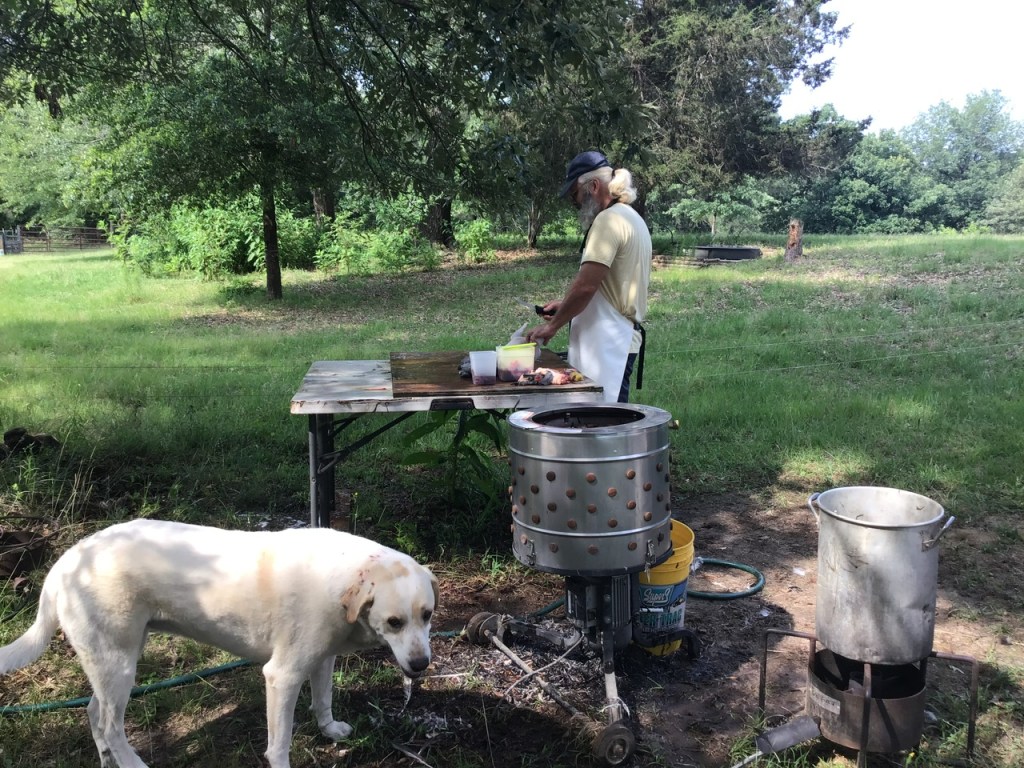
Here we have just ended the killing season. Hallelujah! A very unique sort of season to most—vegetarians certainly—but also to most of the western world, who no longer process their own meat.
This is an extremely challenging season.
For Hubby!
He has full and sole responsibility for the slaughtering, the gutting, the skinning, the scalding, the hanging, the butchering, the grinding, the rendering, the canning, the smoking, the curing, the broth-making.
WOW!
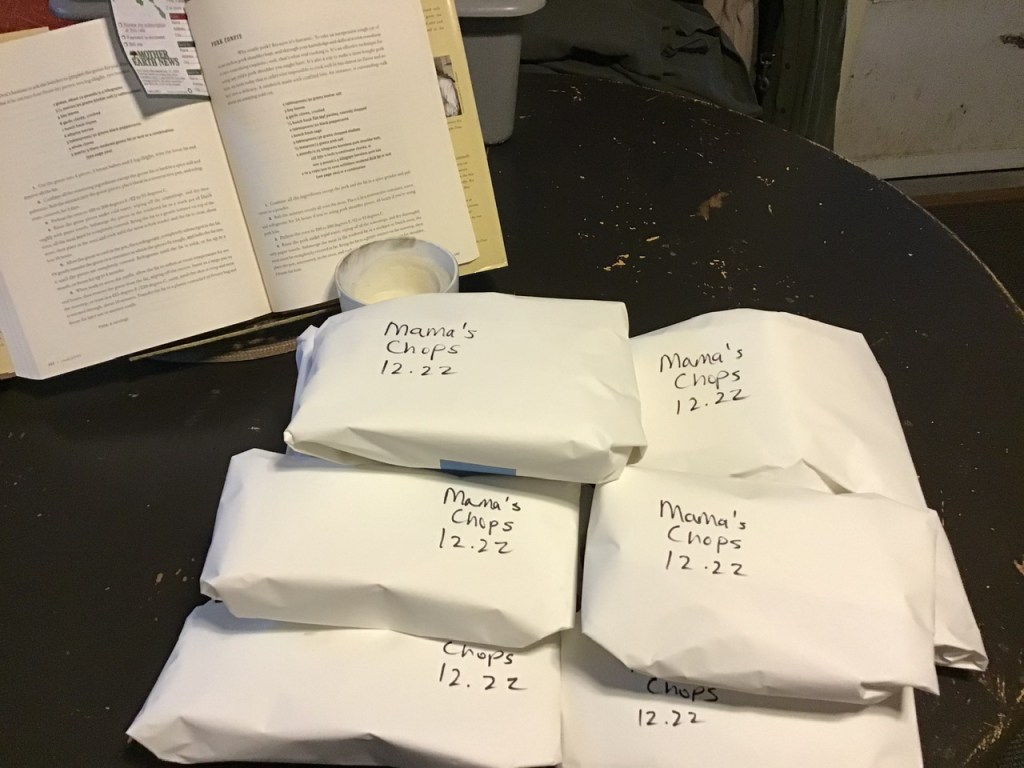
For my part, I do the packaging. Plus a bit of pâté, a smattering of curing. Not exactly an equitable deal.
Mostly it’s DeliciousSeason for me! Our small space is full of meats of many flavors—bacon, ham, pâtés, sausage, lamb pastrami and various other cures, beautiful chops and ribs and roasts, the aroma of broths and meats that he pressure cans, filling up every corner of our little cottage and wafting out to season the surrounding vicinity.
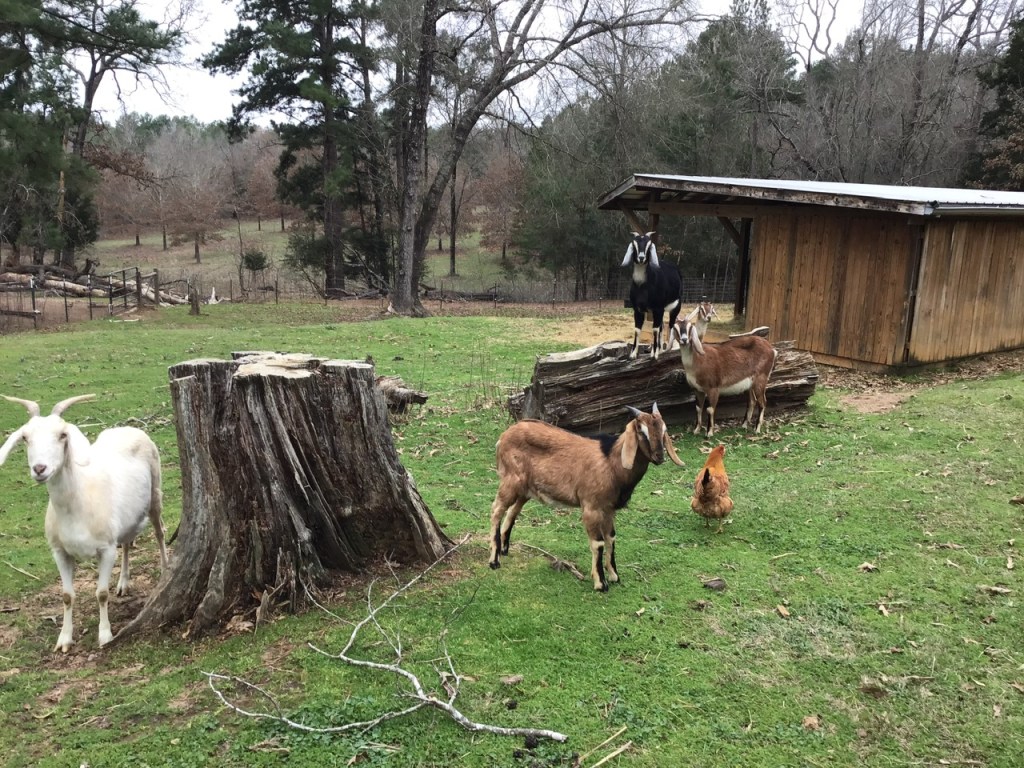
Roderick and half of his harem. Notice the PVC pipe on Walnut? That was a temporary fix to keep her horns out of the fences, and it worked like a charm.
Cheese season has also just ended. Now my divas should be comfortably pregnant, their season also having shifted thanks to the services of our friendly neighborhood Billy (aka Roderick). That means our herd shall be greatly increased by early summer, gods willing. Roderick has since moved on to more fertile pastures in the next county.
While the Gouda-style and the Camembert-style are more difficult to make, the Mason Jar Marcelin and the herbed cheese balls aged in olive oil couldn’t be easier. A 3rd grader could do it! Don’t let the moldy surfaces fool you, beneath their scary exterior these cheeses are quite mild and very tasty.
That means it’s also a season for some difficult decisions. We are at our ideal capacity right now. We don’t want to grow. We don’t want to get ‘into business’. Such an odd thing to reject, considering where we’ve grown up. It gets in the blood—this mindset/worldview—now what, what’s next, what’s new. Get big or get out! Where’s the market? Don’t you want to open up shop? Sell to the public? Get all licensed up and grow, grow, grow?
Oh, hell, no!
What if, we don’t care about all that? What if we are in a season of life where we care about quality over quantity? Others can, and will, ‘get big’ and in some cases (a precious few) more power to ‘em.
But, I’m in my Delicious Season. I have an extra roll around my middle to prove it. (So do Hubby and all the dogs and pigs and even the sheep!)
Nope, my main concern at the moment is, how delicious can I get delicious to be? It sounds decadent, I know. But, maybe further refinement, compared to mass production, could be a really good thing?
Quantity over quality—whether in words, or food, or strip malls, or entertainment—has not worked out too well for this world seems to me.
There was a time, in my peak ambition years, I did strive for more instead of better—more travels, more experiences, more friends, more leisure, even more work. My season has shifted. I definitely strive for better over more these days. What if I could make the most delicious cheese ever made in all the world, and only 3 people ever tasted it?
Fine by me!
Of course, then how would I know if it’s the most delicious? Maybe that’s not so important either. Maybe it’s sufficient that what we produce and process and serve is delicious enough to make all the hard work worthwhile.
We’ll be spending some cold days relishing in our Delicious Season, because right around the corner another season is waiting.
Bubba and Buttercup LOVE when it gets really cold! When it’s under 20 degrees F they get to camp inside under the kitchen table. 🤗
“But the hills that we climbed were just seasons out of time.”