I started making cheese because I love cheese and could no longer find quality cheeses nearby. I lived on a diet of mostly bread and cheese while a student in France and while it did take its toll on my middle (I gained a pound or ten!) it felt perfectly sustainable as far as health and deliciousness to me.
Photo by Nataliya Vaitkevich on Pexels.com Could totally be me! 😆
Fast forward a decade and suddenly cheese was making me sick. And bread, too! Like a great many folks, I was told I was ‘lactose intolerant’ and had a “gluten allergy”. Suddenly. Out of nowhere. How very odd.
I gave up bread and cheese for a year and the problem was solved, but I was miserable. Then I started to do some research on my own.
What I learned I’ve talked about before on this blog so I won’t go into detail. The results speak for themselves: I can eat as much bread and cheese as I want, as long as I make it myself, from raw milk and organic wheat berries and all natural ingredients. We also eat homemade ice cream regularly. And cookies and cakes.
But the problem with the commercially manufactured ingredients these days is far worse than just homogenizing and denaturing. The rennet used to make 90% of cheese in this country is GMO, so it’s no wonder at all so many are being told they are lactose intolerant or have IBS and allergies and other digestive issues every time they consume dairy. And wheat. It’s become so common it’s a joke.
In reality, these non-foods are poisoning people and it should be pretty obvious by the poor state of health of a majority of the population.
Thanks to Granny for sending this article that sums up the cheese reality pretty well. And it’s not pretty.
“Genetically modified FPC — To overcome some of the shortcomings of the vegetable and microbial rennets like the potential bitter cheese taste, scientists have leveraged genetic engineering technology to create new, genetically modified species that generate these milk-curdling enzymes.
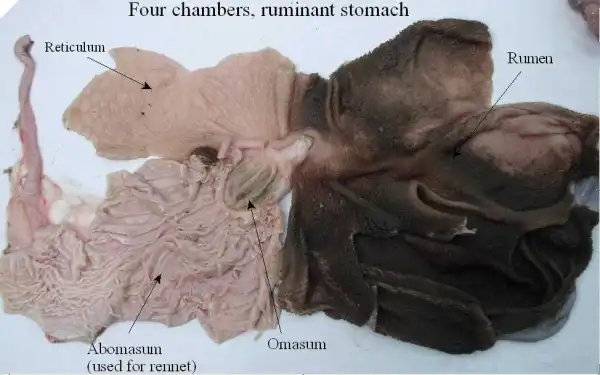
Introducing the most common alternative to animal rennet in cheese making — FPC, which stands for Fermentation-Produced Chymosin (FPC). (Chymosin referring to the enzyme that curdles milk, and is naturally present in the stomach lining of ruminant animals).
In fact, 90% of the cheese manufactured in the U.S. uses these enzymes from genetically modified organisms.9
FPC was created by the one and only Pfizer (biotech company) and is made possible by using CRISPR gene editing technology10 where the genomes of living organisms are modified. The “safety” of FPC was evaluated by a 90 day trial in rats.11”
Is it safe to consume? Good question!
“This bioengineered chymosin (FPC) was granted Generally Regarded as Safe (GRAS) status. Meaning, Pfizer was exempt from the pre-approval requirements that apply to other (non GRAS) new food additives.”
Food was just fine before they started screwing with it! 😖
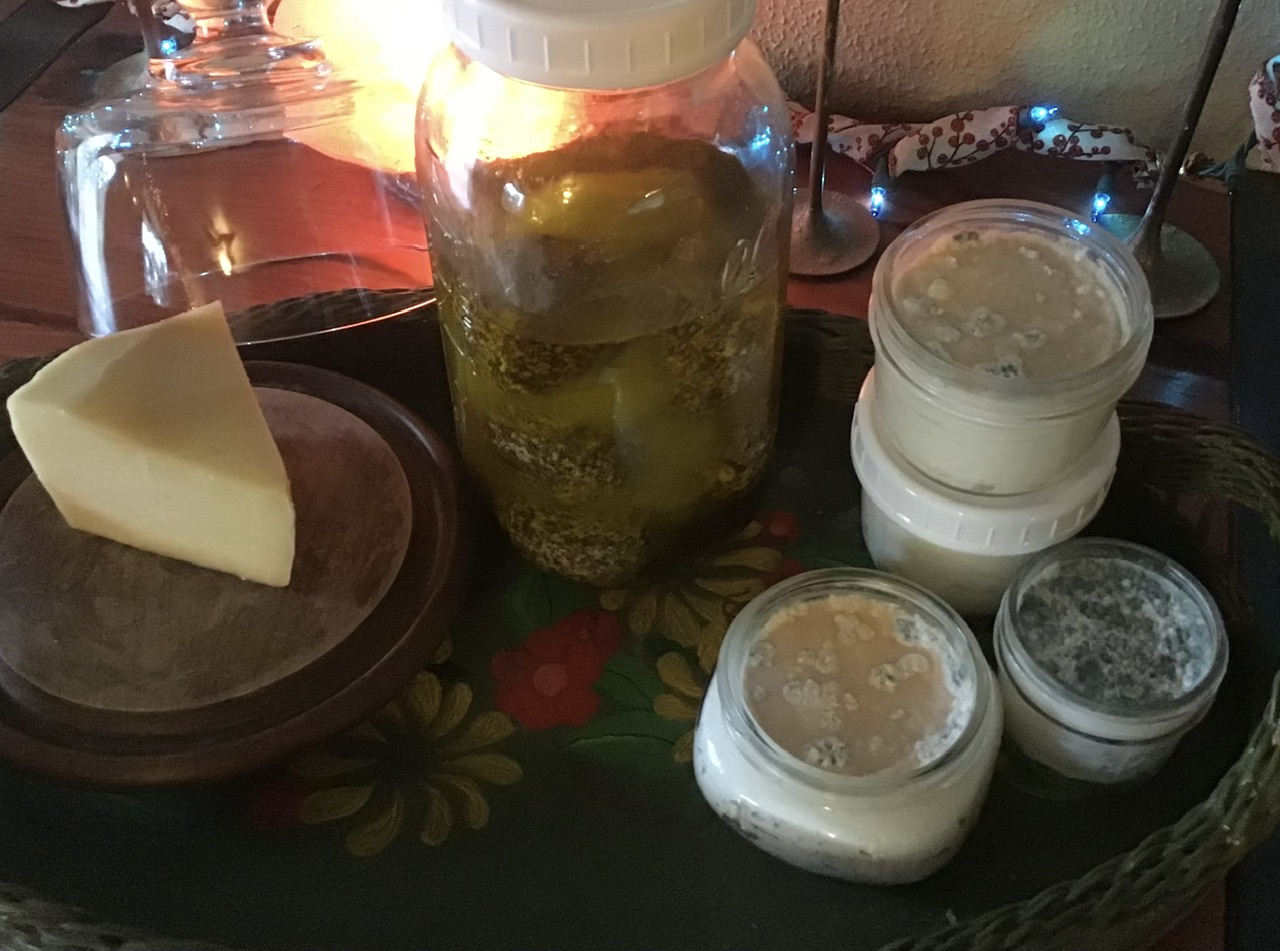
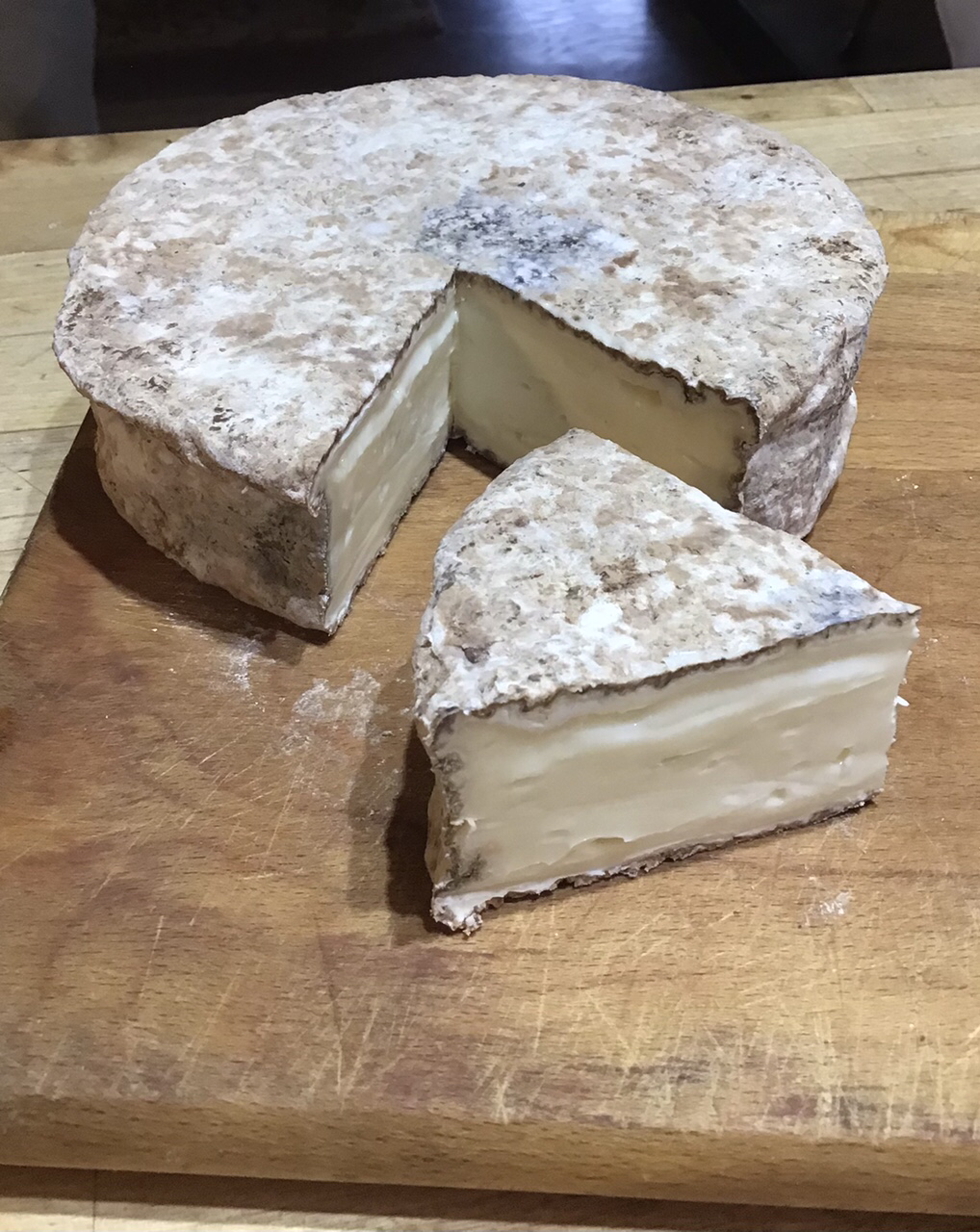
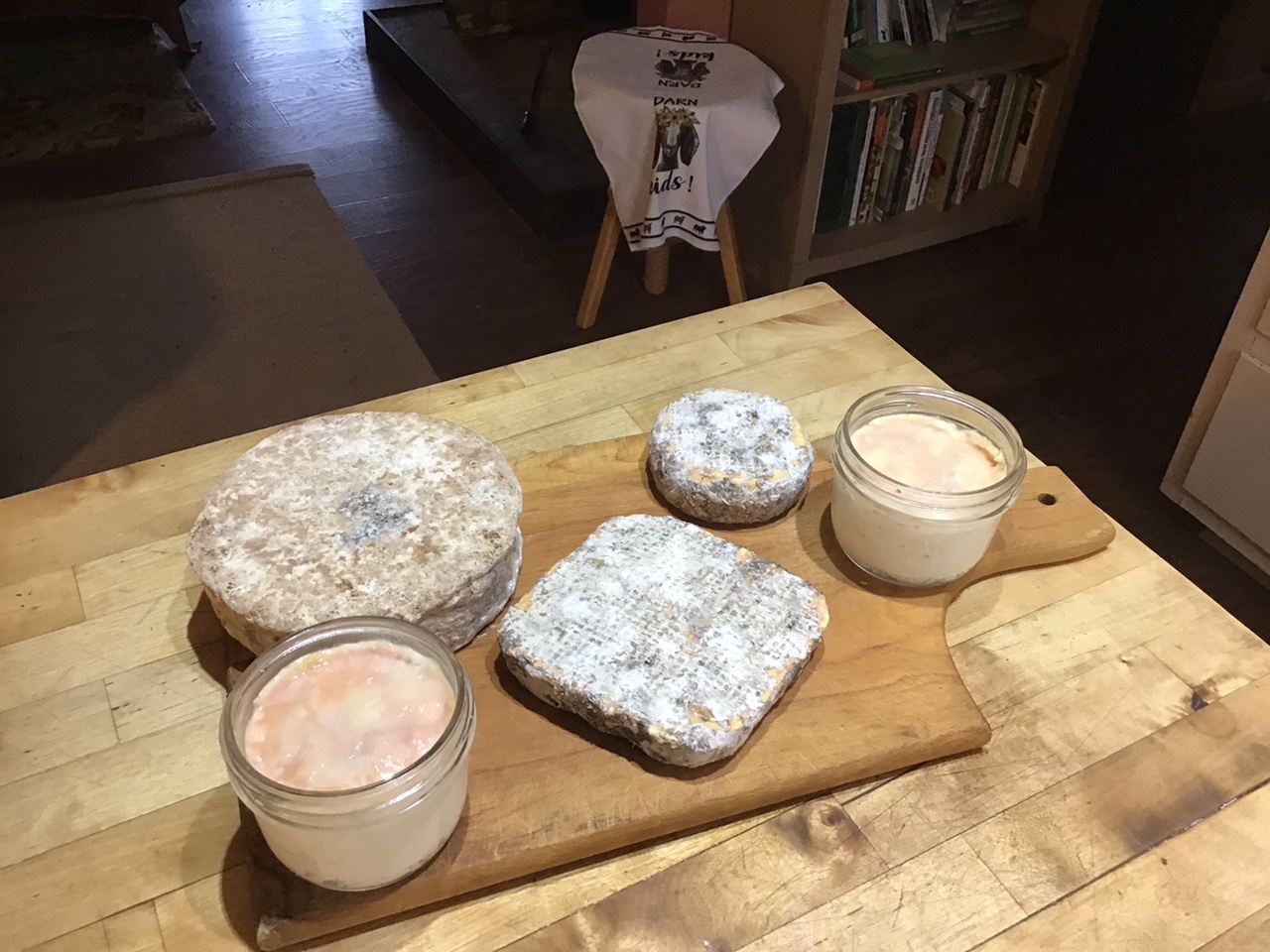
A few of my homemade cheeses—not as difficult as you might think to learn how, and so worthwhile!
Our seasons change. I don’t just mean from north to south, east to west. There are the calendar seasons, and the four seasons, though some unfortunate folks only get two.
Then there are the seasons of life—childhood, adulthood, old age.
Here on the wee homestead we have our own seasons now, too. These, of course, are the most special of all seasons, to us.
Here we have just ended the killing season. Hallelujah! A very unique sort of season to most—vegetarians certainly—but also to most of the western world, who no longer process their own meat.
This is an extremely challenging season.
For Hubby!
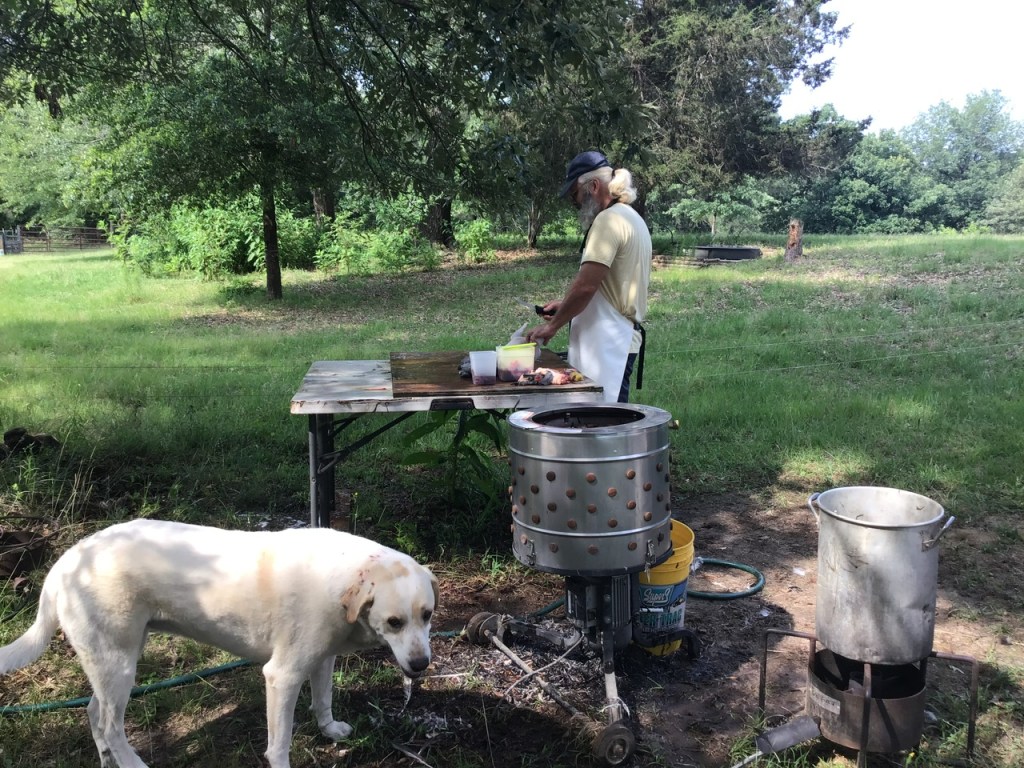
He has full and sole responsibility for the slaughtering, the gutting, the skinning, the scalding, the hanging, the butchering, the grinding, the rendering, the canning, the smoking, the curing, the broth-making.
WOW!
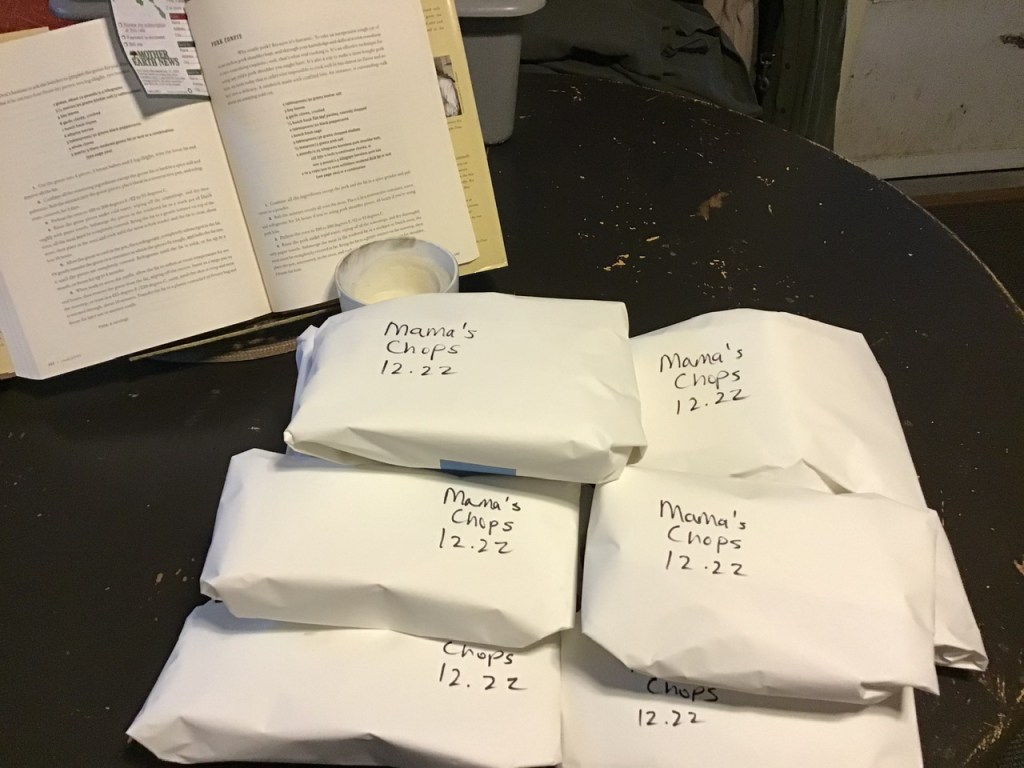
For my part, I do the packaging. Plus a bit of pâté, a smattering of curing. Not exactly an equitable deal.
Mostly it’s DeliciousSeason for me! Our small space is full of meats of many flavors—bacon, ham, pâtés, sausage, lamb pastrami and various other cures, beautiful chops and ribs and roasts, the aroma of broths and meats that he pressure cans, filling up every corner of our little cottage and wafting out to season the surrounding vicinity.
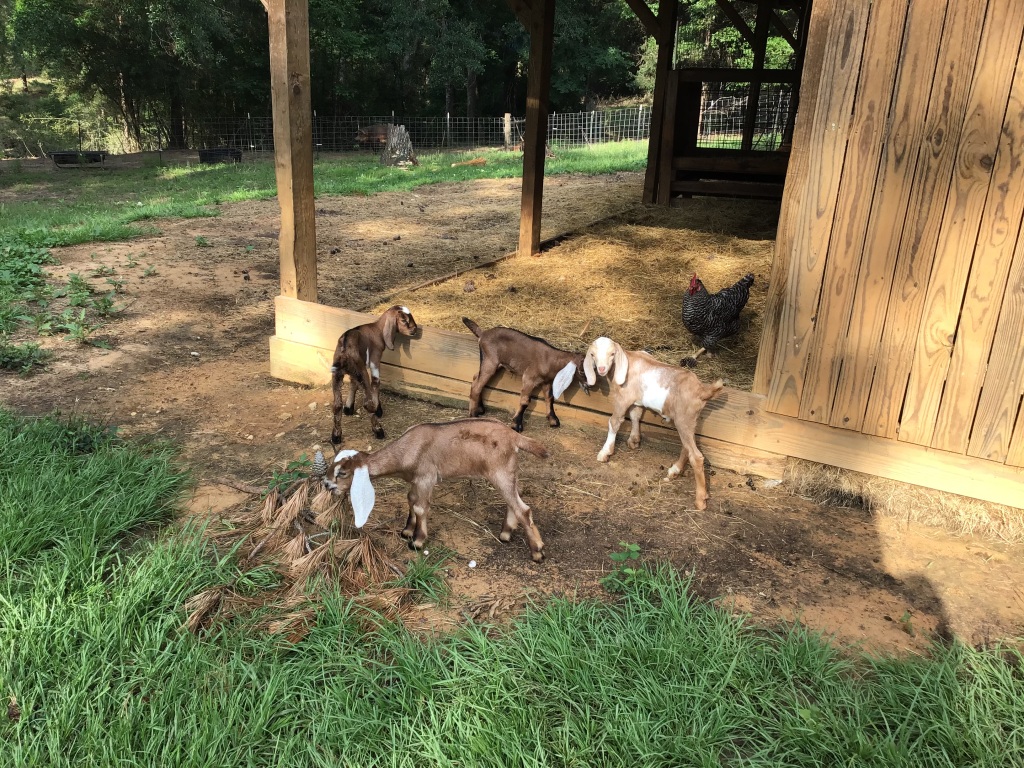
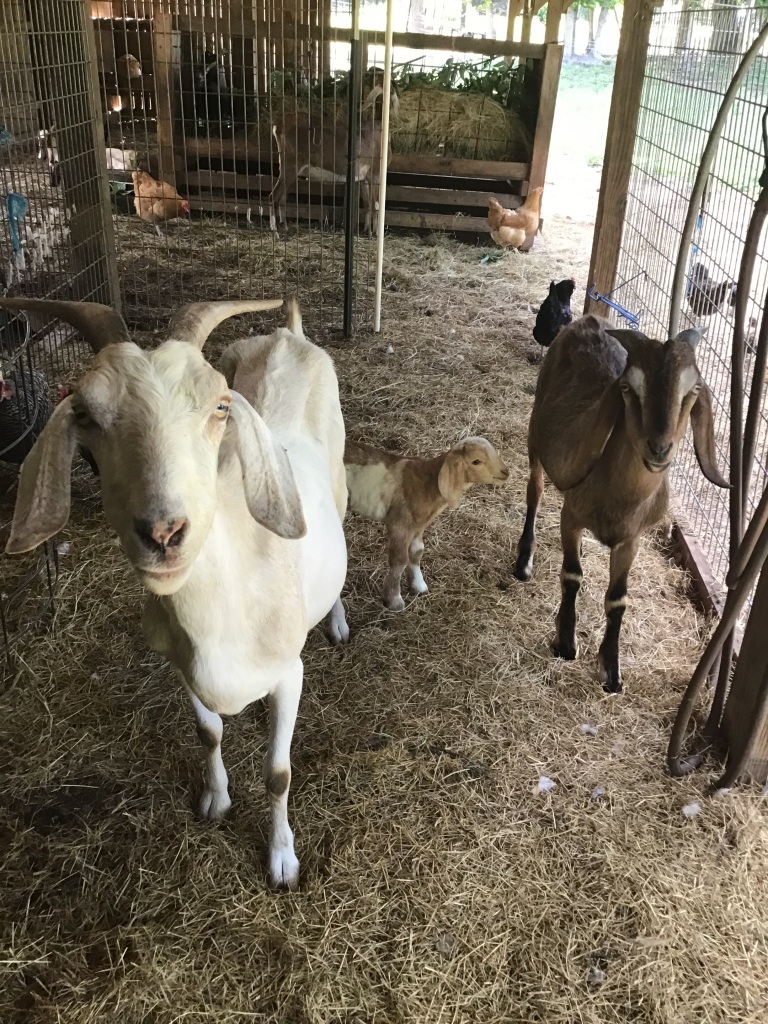
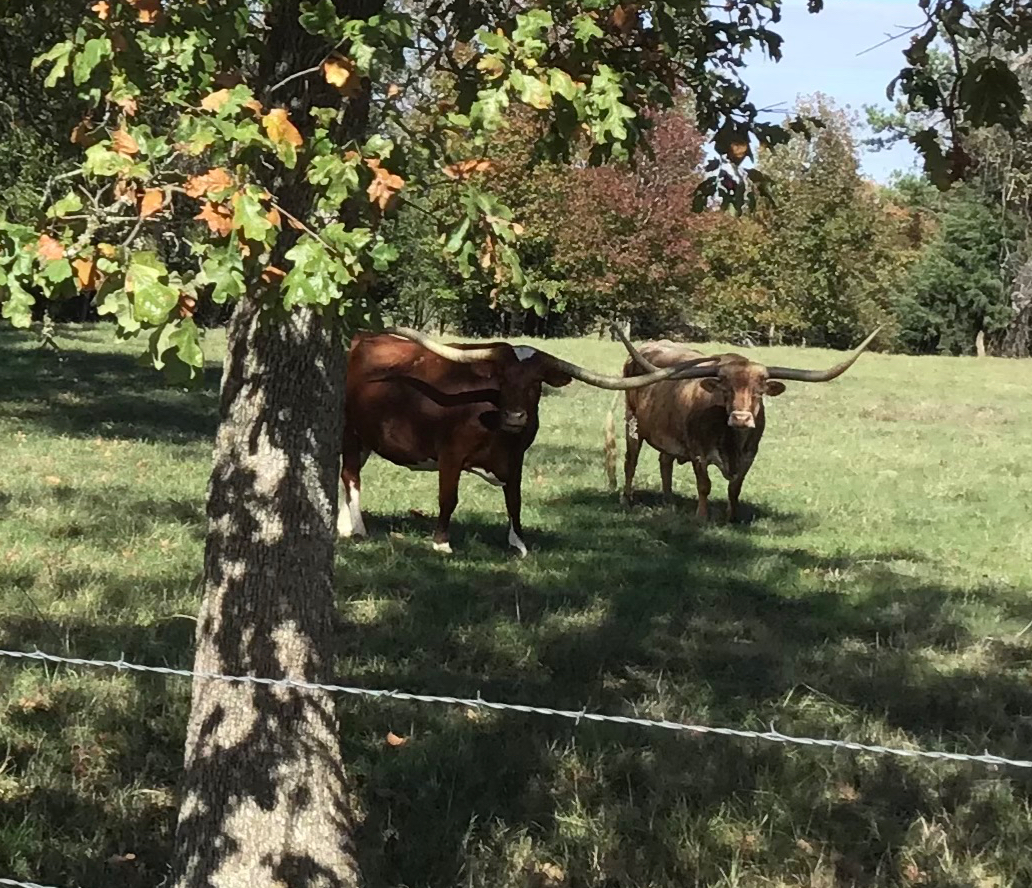
Roderick and half of his harem. Notice the PVC pipe on Walnut? That was a temporary fix to keep her horns out of the fences, and it worked like a charm.
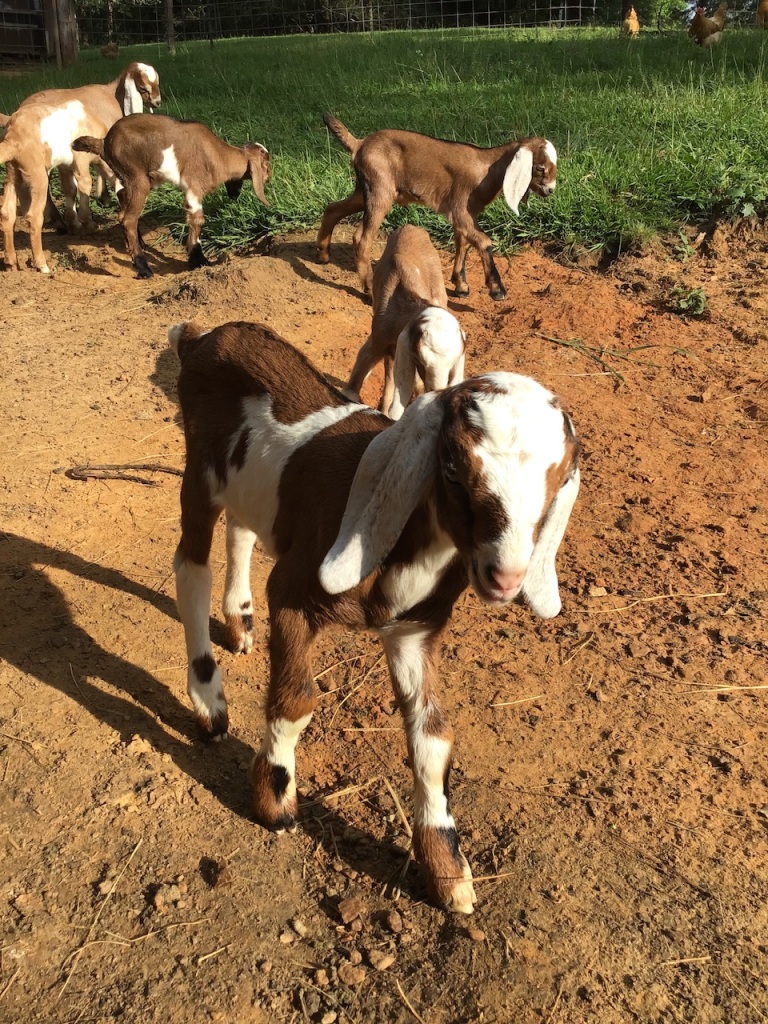
Cheese season has also just ended. Now my divas should be comfortably pregnant, their season also having shifted thanks to the services of our friendly neighborhood Billy (aka Roderick). That means our herd shall be greatly increased by early summer, gods willing. Roderick has since moved on to more fertile pastures in the next county.
While the Gouda-style and the Camembert-style are more difficult to make, the Mason Jar Marcelin and the herbed cheese balls aged in olive oil couldn’t be easier. A 3rd grader could do it! Don’t let the moldy surfaces fool you, beneath their scary exterior these cheeses are quite mild and very tasty.
That means it’s also a season for some difficult decisions. We are at our ideal capacity right now. We don’t want to grow. We don’t want to get ‘into business’. Such an odd thing to reject, considering where we’ve grown up. It gets in the blood—this mindset/worldview—now what, what’s next, what’s new. Get big or get out! Where’s the market? Don’t you want to open up shop? Sell to the public? Get all licensed up and grow, grow, grow?
Oh, hell, no!
What if, we don’t care about all that? What if we are in a season of life where we care about quality over quantity? Others can, and will, ‘get big’ and in some cases (a precious few) more power to ‘em.
But, I’m in my Delicious Season. I have an extra roll around my middle to prove it. (So do Hubby and all the dogs and pigs and even the sheep!)
Nope, my main concern at the moment is, how delicious can I get delicious to be? It sounds decadent, I know. But, maybe further refinement, compared to mass production, could be a really good thing?
Quantity over quality—whether in words, or food, or strip malls, or entertainment—has not worked out too well for this world seems to me.
There was a time, in my peak ambition years, I did strive for more instead of better—more travels, more experiences, more friends, more leisure, even more work. My season has shifted. I definitely strive for better over more these days. What if I could make the most delicious cheese ever made in all the world, and only 3 people ever tasted it?
Fine by me!
Of course, then how would I know if it’s the most delicious? Maybe that’s not so important either. Maybe it’s sufficient that what we produce and process and serve is delicious enough to make all the hard work worthwhile.
We’ll be spending some cold days relishing in our Delicious Season, because right around the corner another season is waiting.
Bubba and Buttercup LOVE when it gets really cold! When it’s under 20 degrees F they get to camp inside under the kitchen table. 🤗
“But the hills that we climbed were just seasons out of time.”
Wow, I’ve posted no update since the end of August (aka Late Swelter Season). Now here we are already well into Weather Whiplash Season, my how time flies!
This post we’ve got lots of happy snaps, the usual weather bitching, some cheese boasting, and long laments about our dear Shadow’s woes.
Notice the band-aid on his ear? Useless. But, apparently we needed to learn that the hard way.
Sometimes time flies, but when things get really bad, it crawls. Especially when it goes instantly from nothing much to Holy Shit!
And as bad as it is, in the big picture the weather whiplash is still way worse. So, best get that report out of the way first. No rain, in our rainy season. No real season at all, just a rainless rollercoaster, and not nearly as fun as that sounds.
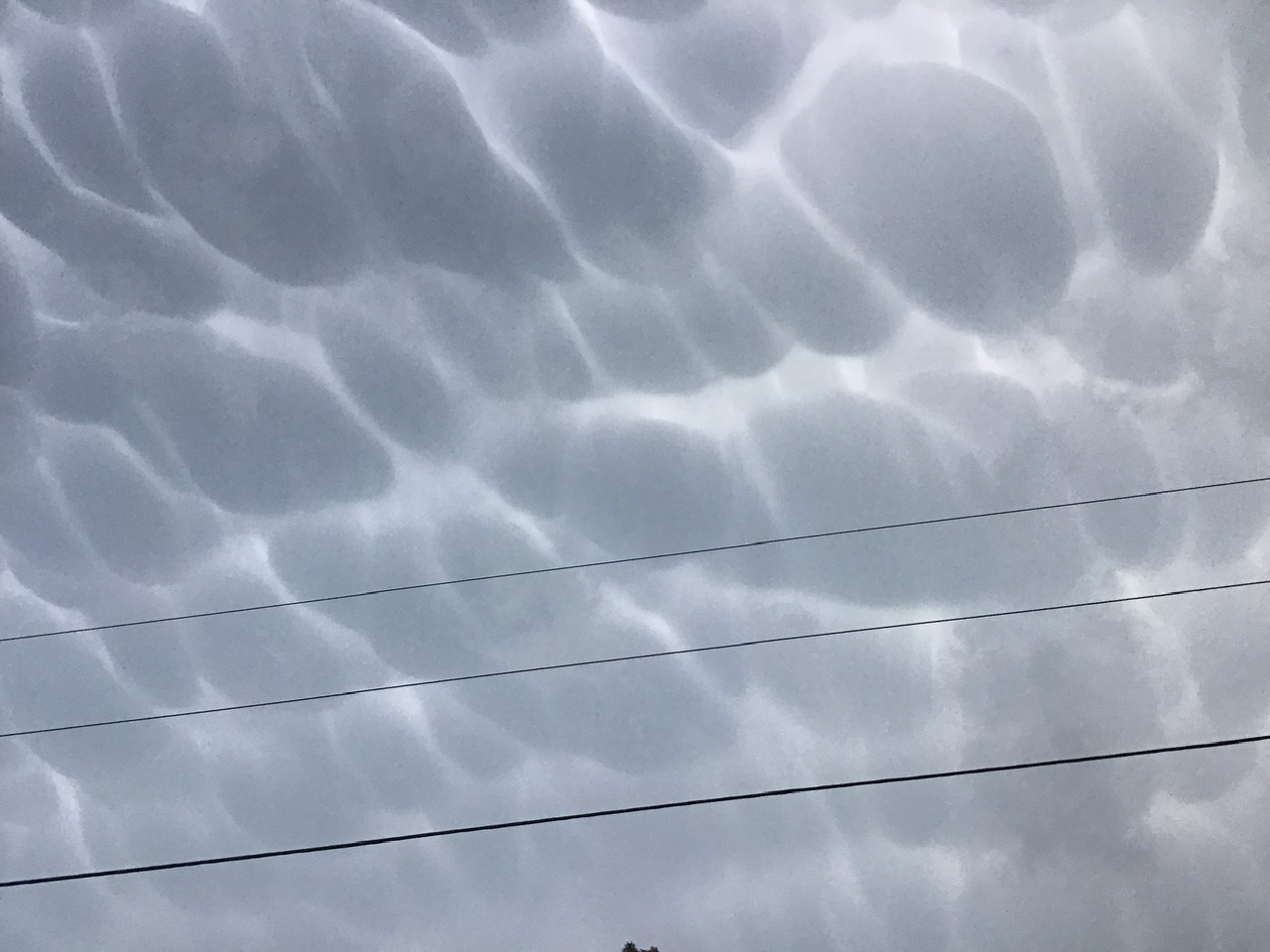
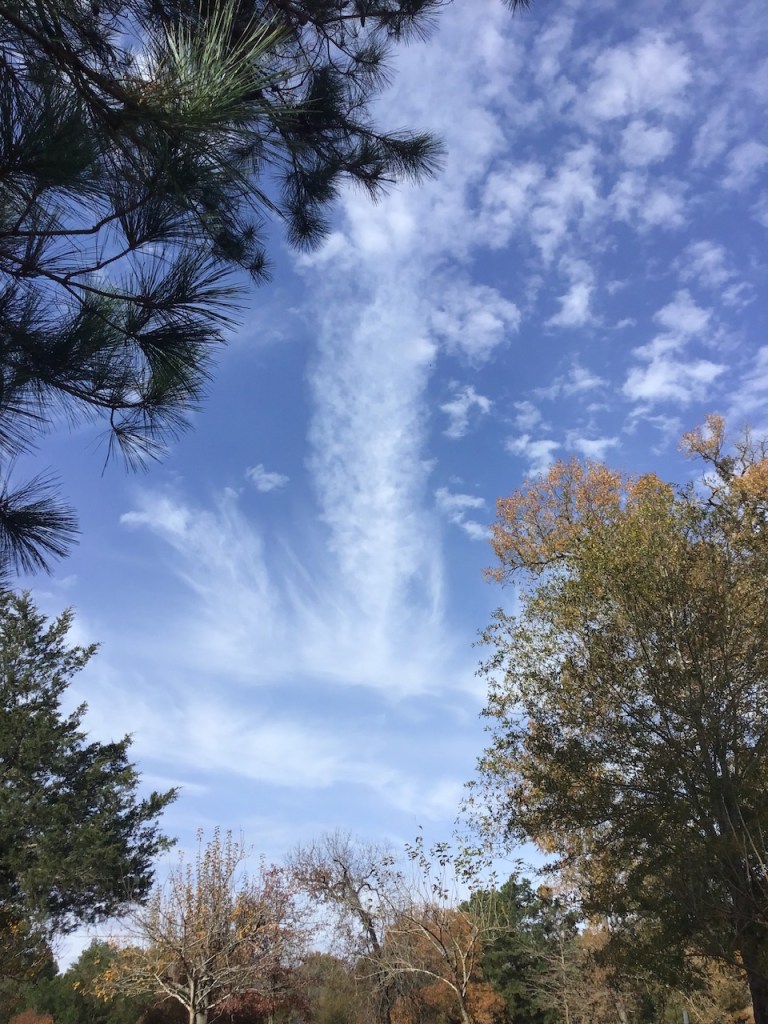
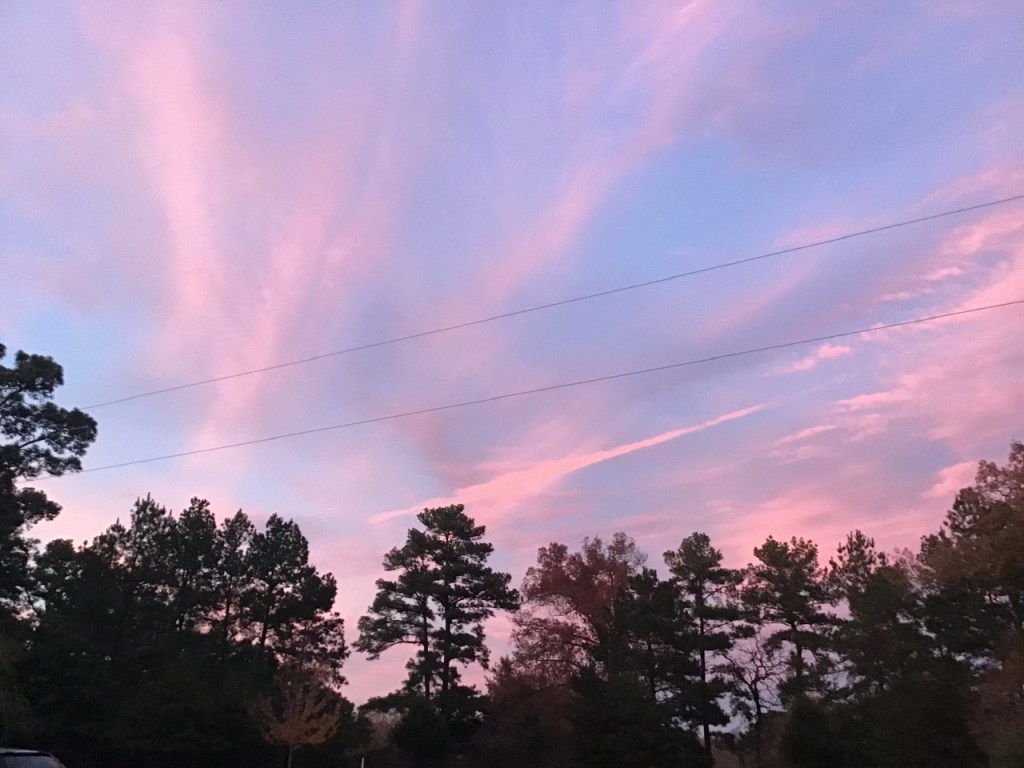
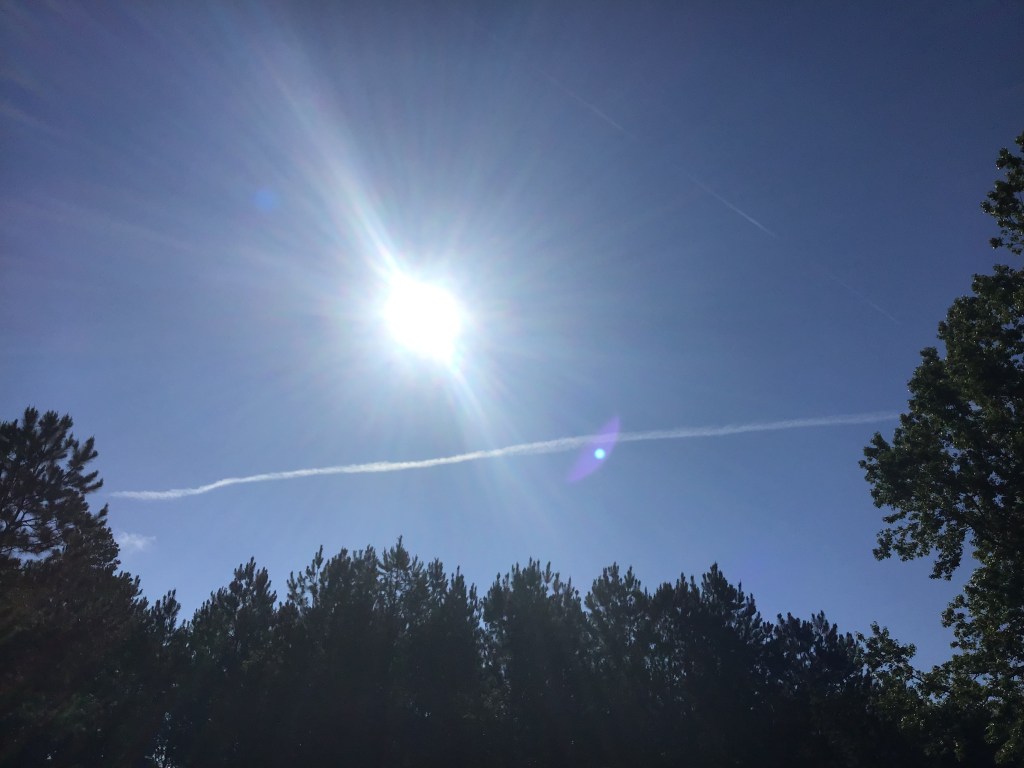
Not natural clouds, folks! And soon the kids won’t be able to see any difference, though the atmosphere has significantly changed in the last two decades, as the weather has changed, as they lie about their climate scam, and charge ‘carbon taxes’ to ordinary folks to pay for their madness. Makes me SO FURIOUS!
I could be taking such photos on a regular basis, but it gets old. And then someone could comment on the ‘pretty’ sunset. 🤯. Argghhh, Noooo! Can’t someone please make it stop?!
No? Ok, moving on.
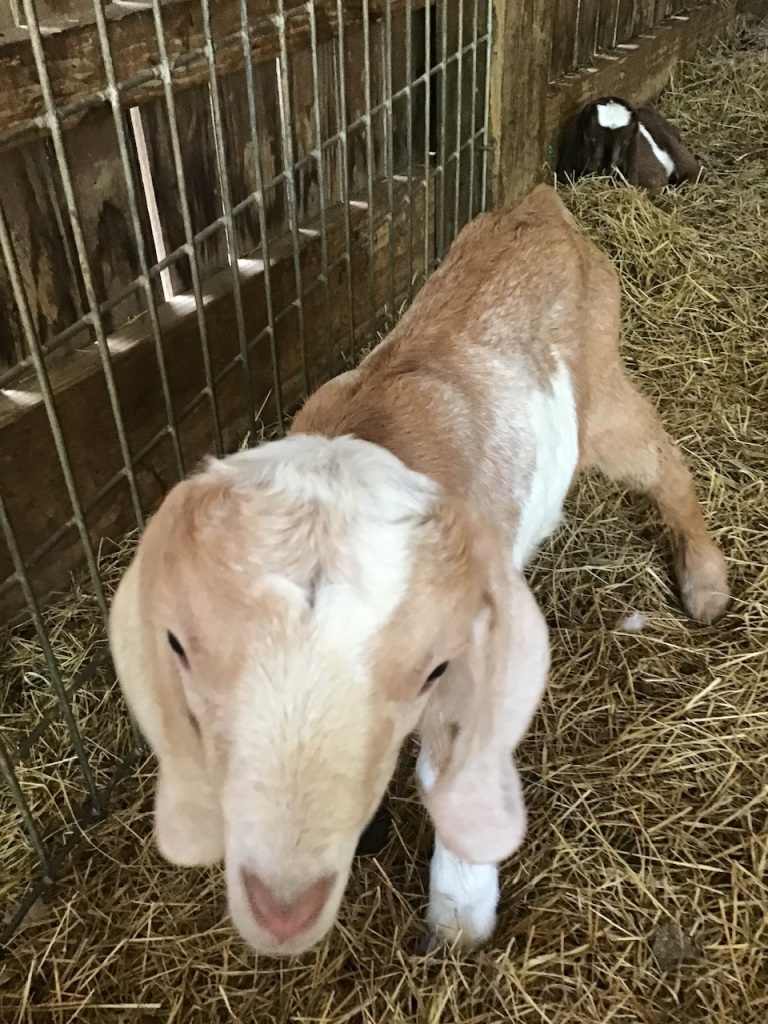
More bad news. We’ve had the most prolific acorn year since we’ve been here, that’s about 15 years. Sounds like good news, I know. It is good news, in many ways. The pigs are getting fat, the sheep and goats are gorging. Literally. And that’s the problem. One of the young twins gorged himself to death. It was terribly sad. His little stomach ballooned up as if his body couldn’t contain it anymore and he was suffering for hours.
I’d read baking soda could help, but it did not in this case. Perhaps it was too severe. I also read there’s a surgical procedure which would alleviate the pressure in his gut, but I don’t have the confidence to perform that myself and the vets around here don’t treat goats. I held the little guy for a long time, trying to keep him warm and help him feel better, but we lost him. Oh the perils of animal husbandry!
Another problem of the acorn bumper crop is much less severe. We live under a large oak tree and have a metal roof. It’s been rather windy lately and once those nuts start shaking loose, it’s kinda like the sky is falling. If our veteran neighbor with PTSD comes by I expect he’ll be darting for cover quick, because it sounds eerily like machine gunfire when they get popping off the roof.
The acorn perks include some plump pigs and happy goats, two of which I’m still milking, which is making for some very tasty cheeses.
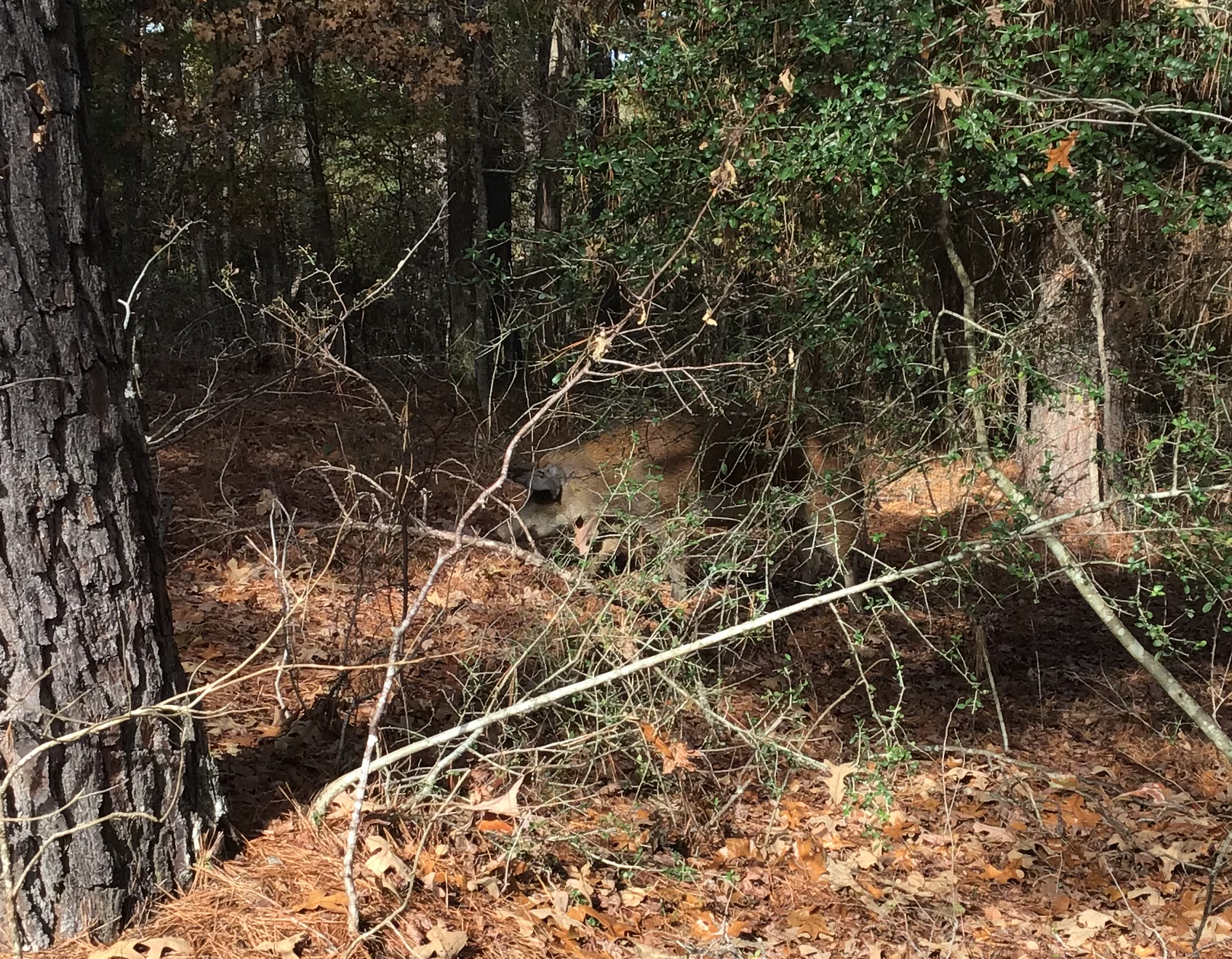
Under the oaks: happy pigs, sheep and goats.Can you spot the perfectly camouflaged foraging pig?Happy goats make for delicious cheeses.
I’ve gotten so successful I’m confident enough to get very daring!
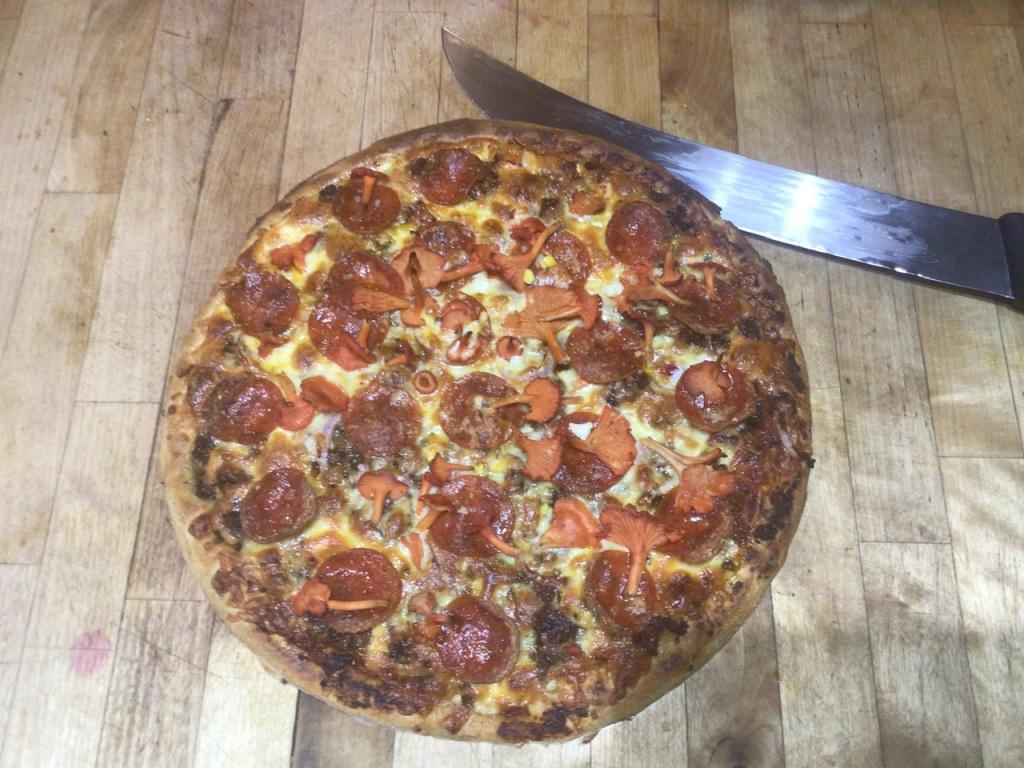
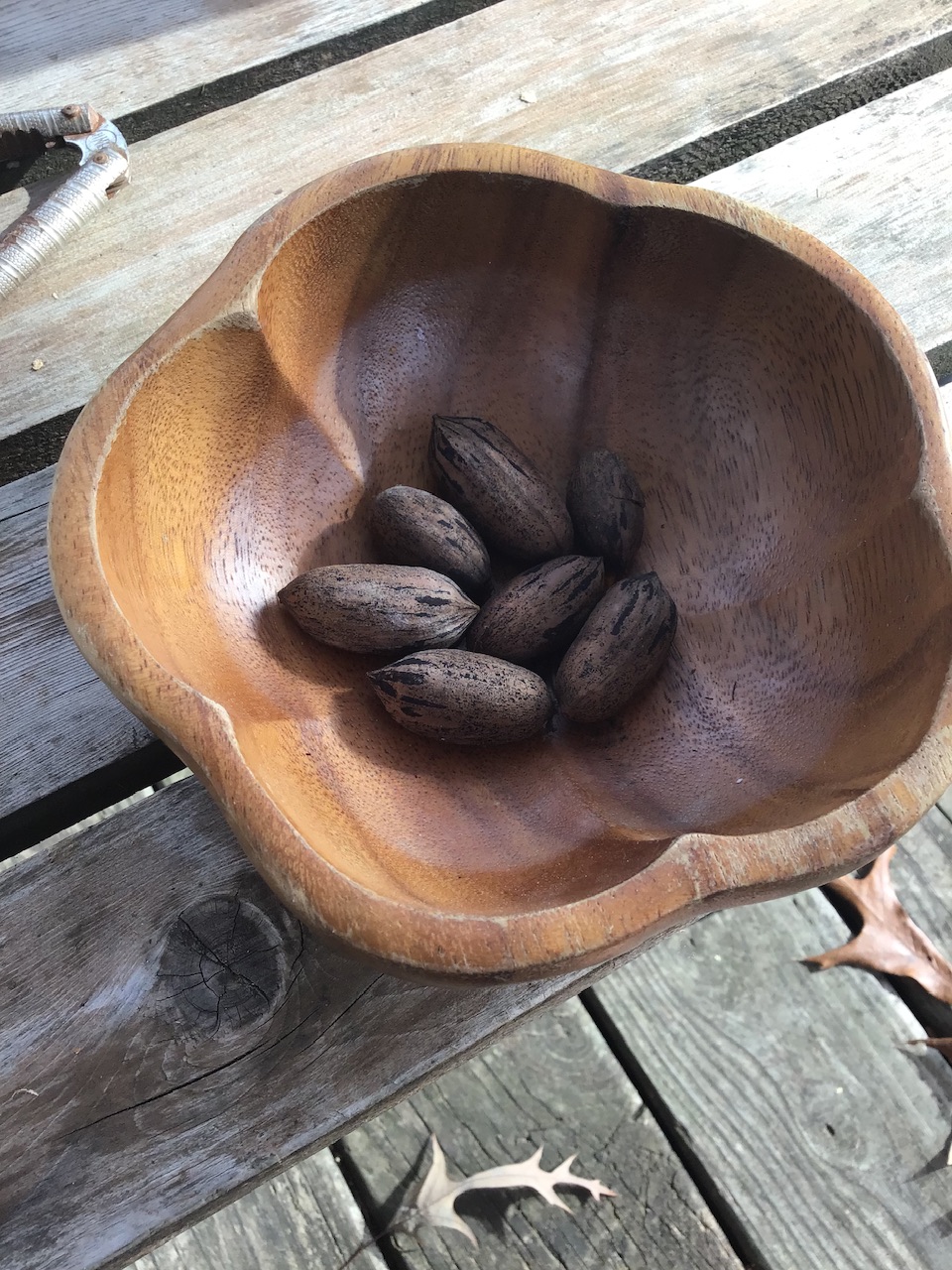
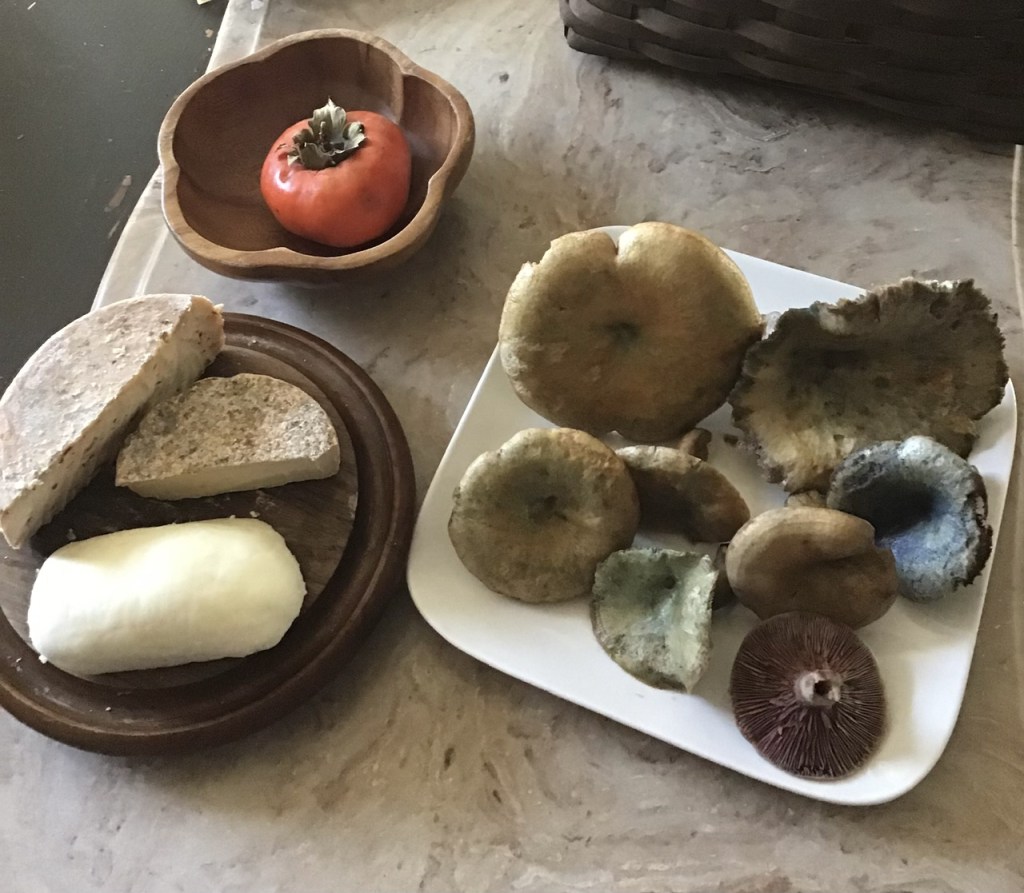
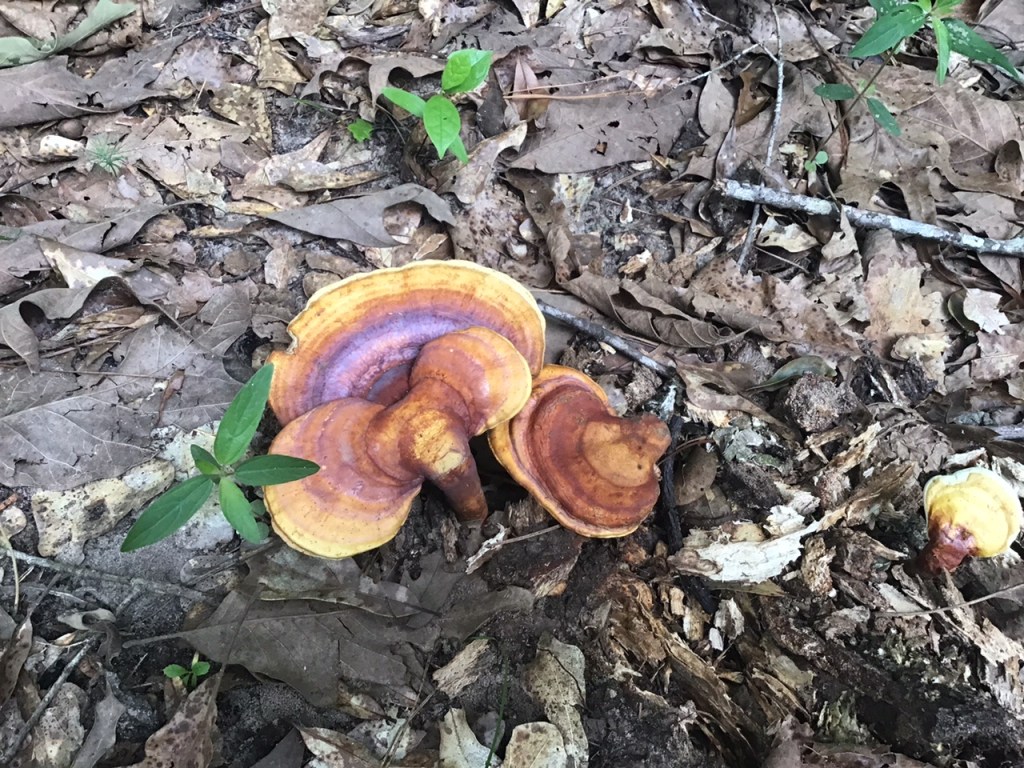
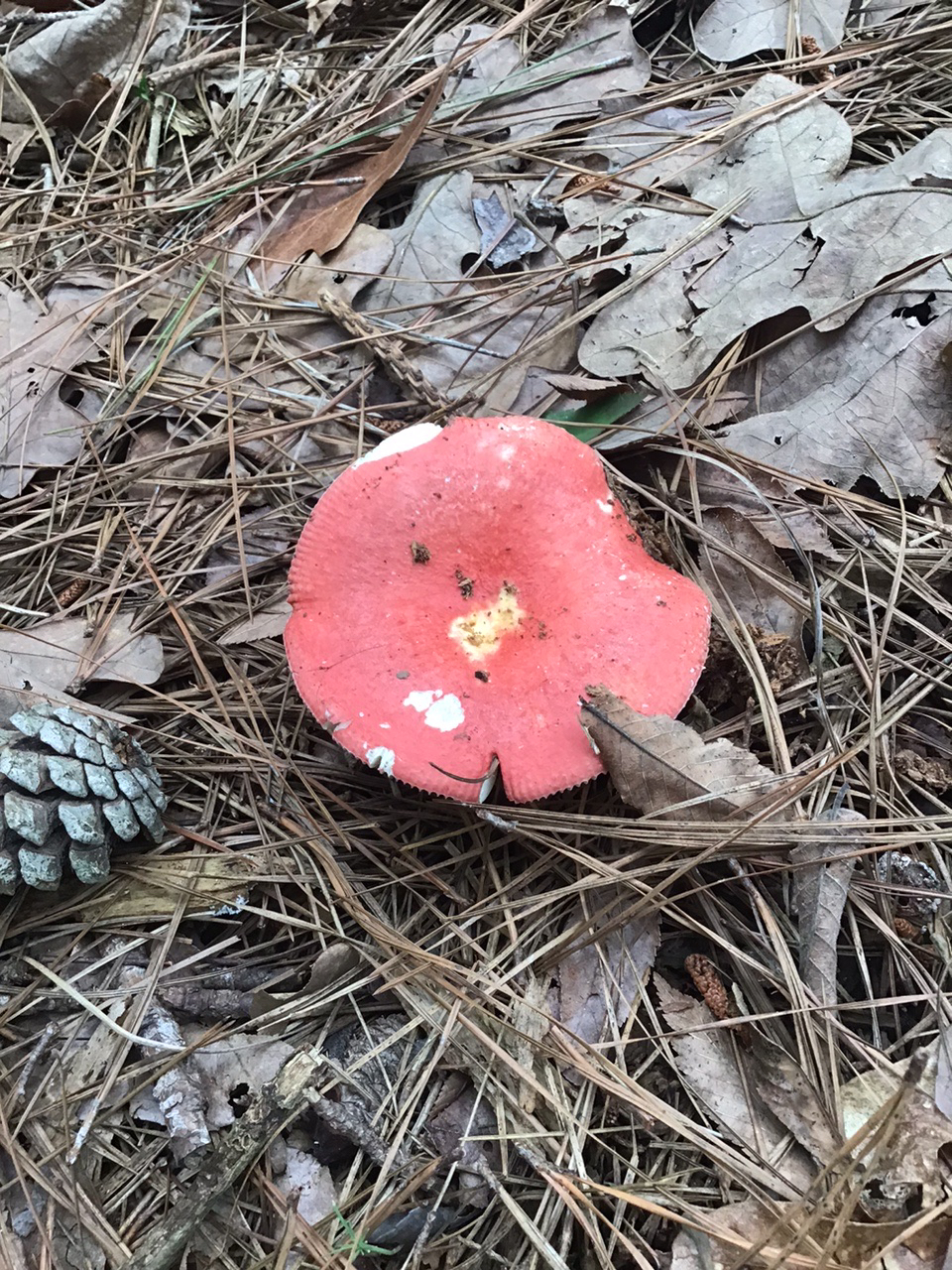
Chèvre wrapped in sassafras and fig leaves for aging.More aged chèvre—the top log is covered in dried goldenrod leaves and flowers, the bottom one is wrapped in honeybee comb.Our first pecan harvest—less than impressive, but still delishLactarius paradoxus mushrooms, homemade goat cheeses and first Japanese persimmon
Our fruits were nearly non-existent this summer, but we did just get our first ‘crop’ of persimmons, a whopping 5 of them! A couple of years ago I harvested lots of them from a neighbor’s tree and they were delicious; that was the first time we’d ever tried them.
Fuji persimmon
We planted both varieties, but the American variety takes much longer to start producing fruit and the fruits are generally smaller. These pictured above are Fuji, quite different, harder, larger, less sweet, not at all astringent, and also very tasty. The closest in taste I’d say would be a very ripe mango, the American varieties are especially super sweet, like jam.
If you’d like to learn more about this fancy fruit, here’s an enthusiastic lesson from James Prigione.
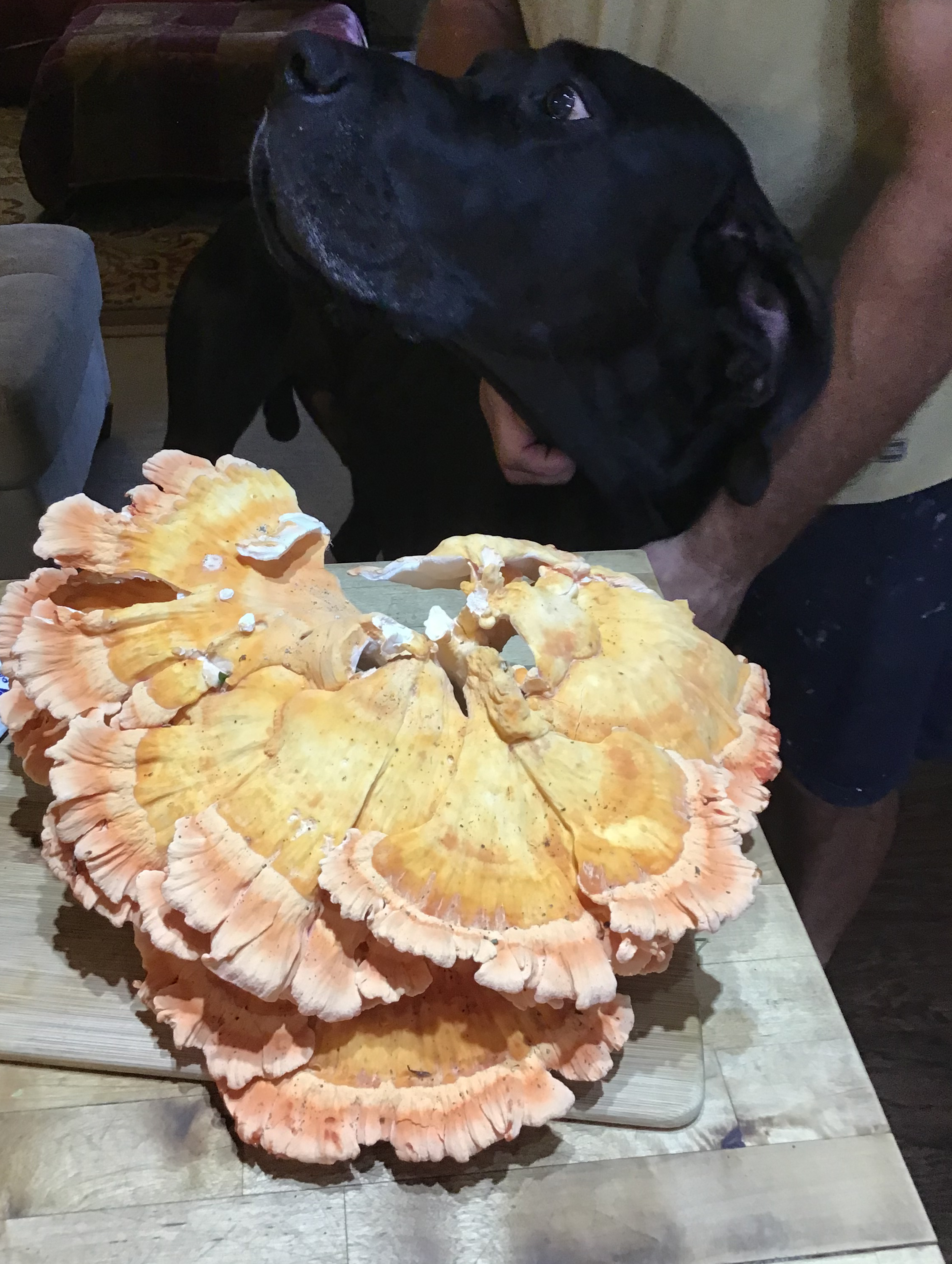
We’ve been getting a few mushrooms, but the lack of rain is certainly hindering our foraging experience. A friend brought us a huge chicken of the woods, our first time trying it and it was excellent.
Laetiporus sulphureus
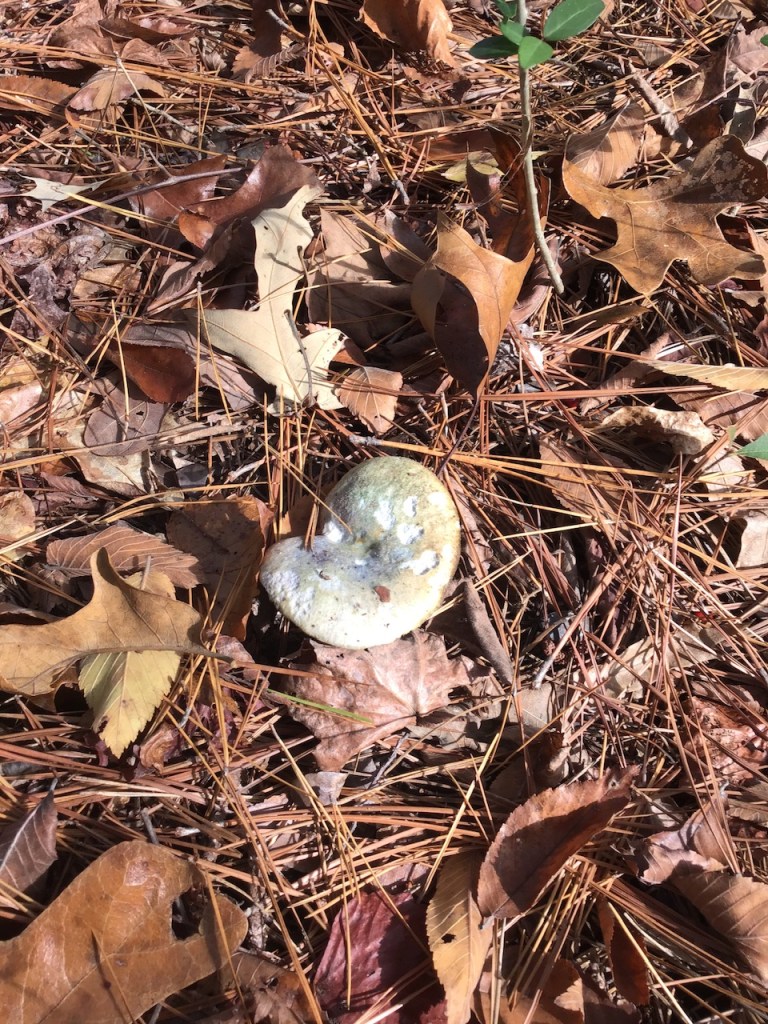
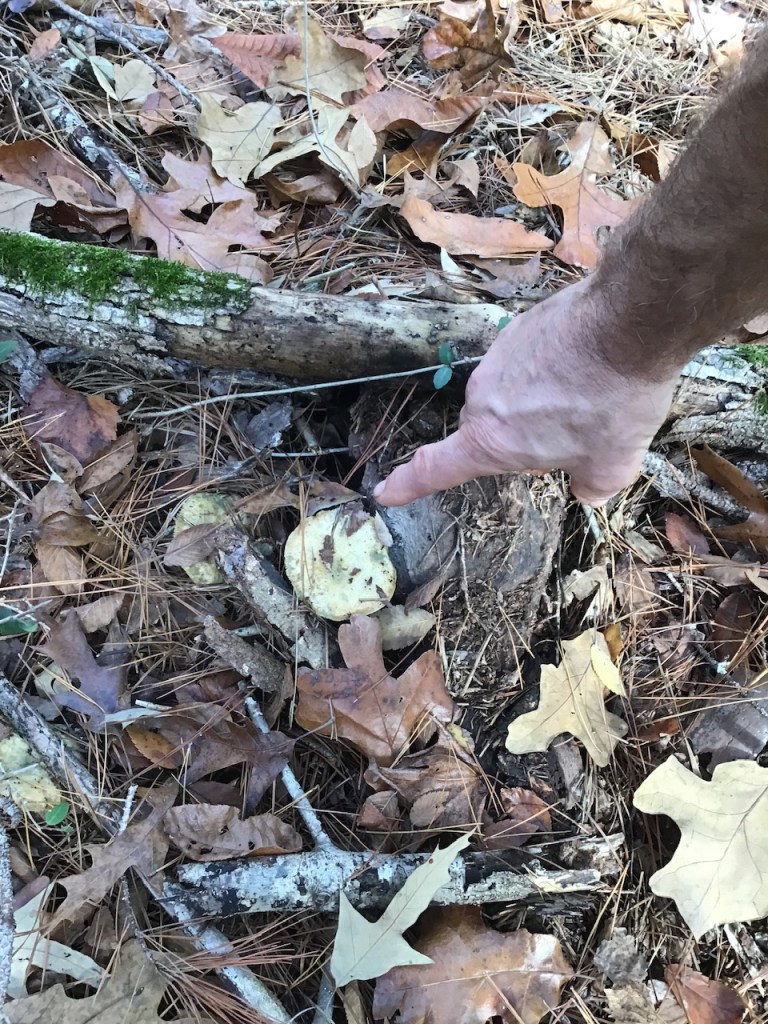
The lactarius paradoxus are hard to spot and deceptively unattractive. In fact, they are exceptionally tasty and have a longer shelf-life, and of course a different season, than our favorite chanterelles.
Even while foraging mushrooms it seems the grass is always greener on the other side of the fence. 🤔
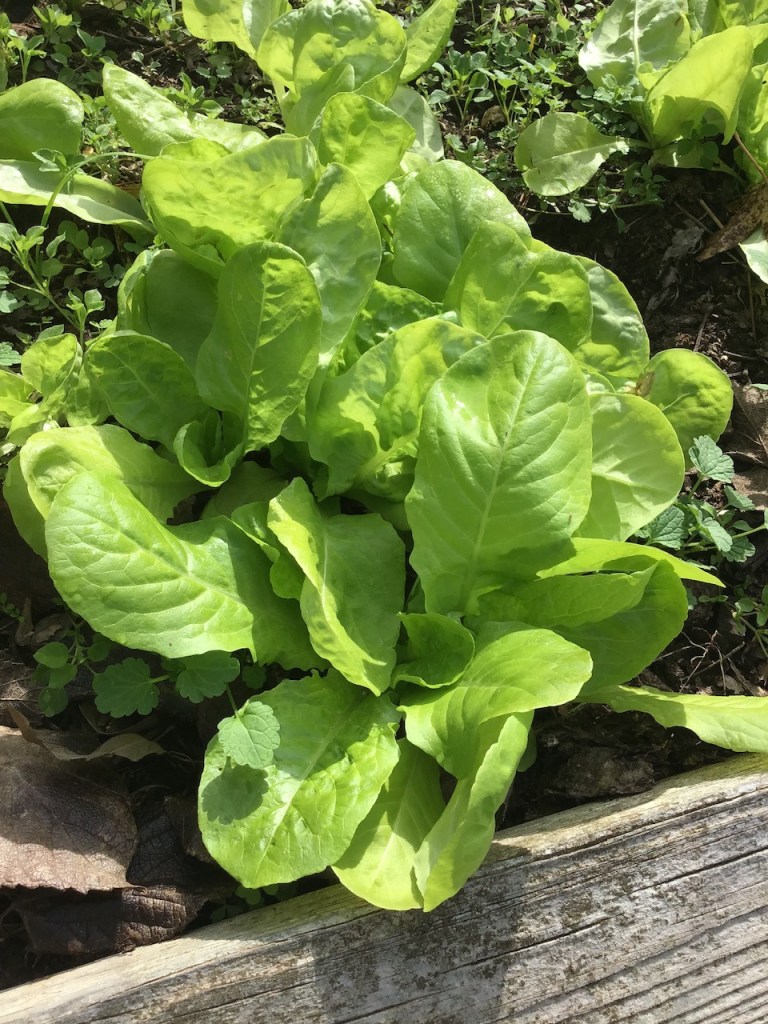
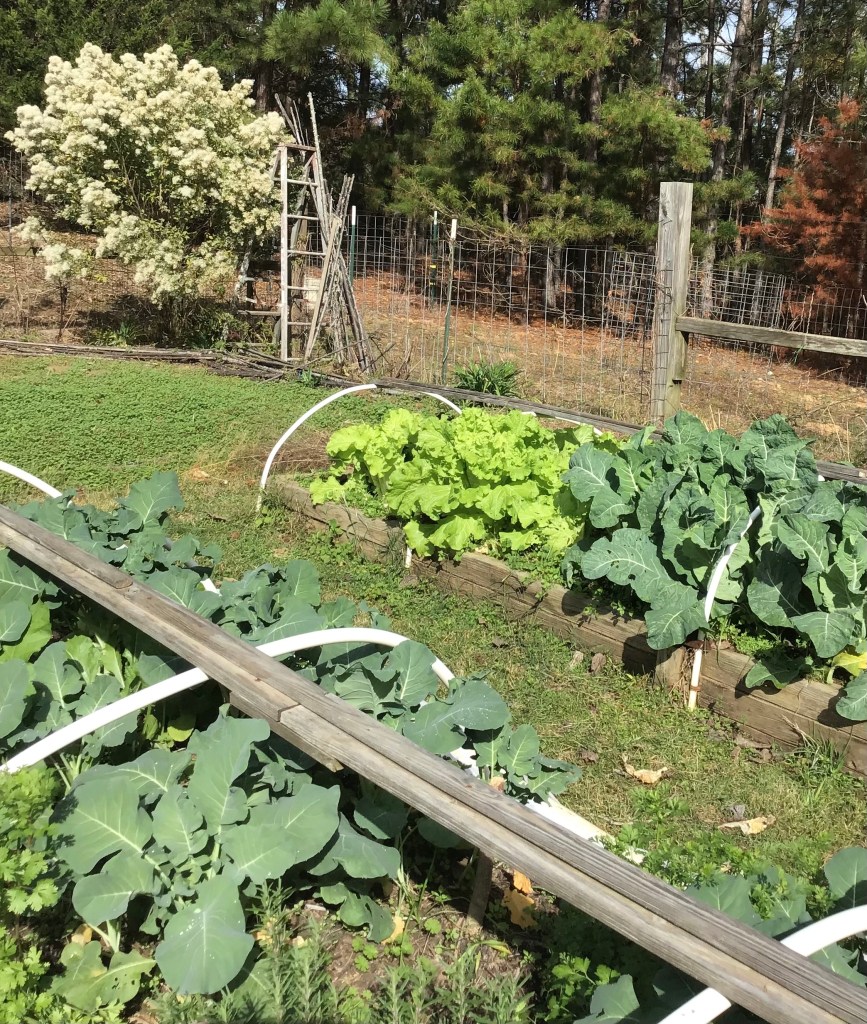
In the garden we do have two nice full boxes of varied cool-season produce we protect from the frosts with row cover cloth. In addition to lettuces there’s some broccoli and cauliflower, spring onions, cilantro and parsley, radishes and Chinese cabbage. We’ve also got our garlic already shooting up and a couple rows of turnips started for the pigs come spring. Our neighbors are now buying eggs from us, so we throw in the surplus veggies when we can.
3 of 6 colonies survived our terrible summer. The hives are a bit hodge-podge at the moment while we do maintenance on them.
The honeybees are occasionally making an appearance, though since the frost there is little for them to forage. One of their last favorites is another one considered a ‘nuisance plant’ by the ‘experts’—it’s called tree groundsel and it’s pictured after the frost in the right photo above, in the background behind the boxes. Quite a lovely late-season plant, if you ask me.
And approaching it before the first frost sounded like the buzzing metropolis that it was! A last hoorah for the bees.
So we come back to the current day and our crazy Shadow drama. It all started with a tiny Band-Aid.
He’s got the ear-span of a small plane and we have the living room space of its cockpit. When he shakes his head he invariably hits some piece of wall or corner of furniture with his Dumbo ears and it’s actually pretty amazing it didn’t happen already: a tiny gash on the tip of one ear that he doubtlessly cannot even feel.
Forever happy and oblivious
We were racking our brains for several days, trying everything we could think of and just digging ourselves deeper. One tiny failed Band-aid led to bigger Band-aids led to bigger wraps led to taping menstrual pads to the poor creature!
Nothing was working. We also tried several over-the-counter products, like liquid Band-aid, blood-clotting powder, and some spray-on crap. Not only was nothing working, they all seemed to be making the problem worse.
We even tried to craft our own ‘No flap ear wrap’ made out of my doo-rags, which also didn’t work. So, we purchased a pricey one online which should be arriving any day now. Obviously, this is a universally common dog issue. A result of over-domestication no doubt, but that’s fodder for another post.
Then I start racking my pea brain in frantic desperation. How to stop the blood flow pronto?! Crimp his ears with clothes pins? Tie his ears up on top of his head with a scrunchy? Stitches? Soldering? How about just cut the whole ear off? Yes, we did briefly consider the vet. But we’ve been spending the many months since we got him trying to detox him from all the vet potions and it feels we are finally making some headway there. I kept imagining the new meds that would be required for this new issue and their invariable side-effects, which would start us off at square one with his detox.
Clearly I don’t think very well in high-stress situations. I was really trying hard and the bad ideas were piling on. The blood, which had gone from a tiny occasional drop, to a full-on drip, to a steady stream, and from then within a few hours a sprayer-hose in every direction with every shake of his head. And that boy loves to shake his head.
Between the blood splatter and the acorn fire it feels we could be living in a battlefield training zone.
Yup, the crazy, bloody mess had arrived and is still visible all over our living room, deck, porch, siding. We covered all the furniture and even the walls with old towels and sheets. Hubby started following him around everywhere, with a giant towel extended between his outstretched arms each time he sensed a head shake was about to turn into a sprayer-hose of the sticky, red, splatter paint across the windows, the screens, the ceilings even. (Where are those magical elves when you need a deep house cleaning?)
We needed a miracle, and fast!
And thank the heavens, I got that miracle in one brief email. Thank you UK herbalists, Kath and Zoe, miracle workers! It should’ve occurred to me sooner. Me, especially, considering I did start the Herbal Explorations pages earlier this year and have been getting educated on herbal remedies. It honestly did not occur to me that herbs could solve this acute issue. I didn’t think anything would be fast or effective enough, especially when every other thing we were trying had failed and even worsened the problem.
Zoe suggested powdered myrrh as her preferred method in order to stop the blood flow, but we didn’t have that on hand. I ordered some online, but in the meantime chose among her other options, yarrow, and we have plenty on hand because I like it in Kombucha. I made a strong tea with it, as well as grounding some up into a powder and that whole concoction I held on his ear a few times with a cloth, some of that powder getting into the wound and sticking there, and the blood flow finally stopped. Holy Heavens! As of this writing we are still in good form and have our reserve remedies soon arriving in the mail.
What I clearly need now is an official Herbal First-Aid course. Herbs are not just for gentle healing and routine health, I see, they can be used in emergencies, too.
Why did I not think about it sooner?! It seems like such a no-brained to me now, that I’ve started to consider other potentials that didn’t occur to me at the time—like the old Russian folk remedy bees podmore—which I just happen to have been saving for a rainy day for 3 years now.
Quite an expensive lesson, but a welcome one nonetheless. 😊
Thank you from Hubby’s ‘White Elephant’! 😆
A huge thanks and deep bow to Kath and Zoe, from all of us on the wee homestead! 🙏 🤗
I know it must be autumn somewhere! Here that reality is still mostly in my dreams. We’re still in the 90s and still mostly dry. There are a few tiny signs of change though, that I’m magnifying in my mind, because I can hardly wait! It’s been a terrible summer.
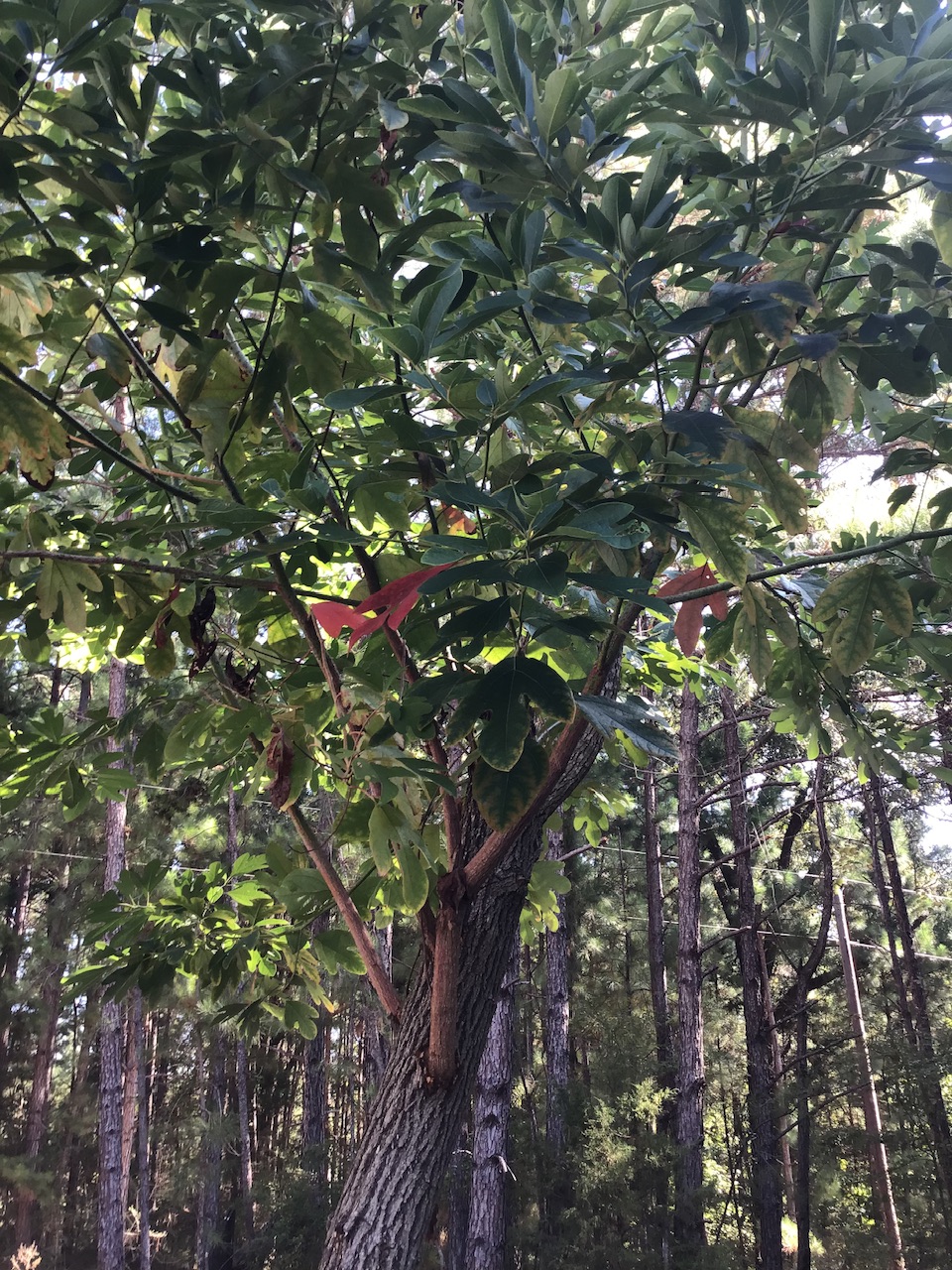
See, right there, 3 red leaves on my favorite Sassafras tree! (Very soon to be featured in an ‘Herbal Explorations’ post)
But, I’m not going to complain about that now. Instead we’ve got lots of happy snaps, and even a few scary ones.
We’re gearing up for the fall/winter garden, getting the beds ready for the transplants that have been growing under lights for a month and are very ready for their new outdoor home, just as soon as the temperature drops a bit.
Hang in there brassicas, it’s almost time!
We just started harvesting sweet potatoes from the boxes waiting for replanting.
Those vines helped keep the goats happy and healthy during the extra long heat wave.
Summer keeping a sharp eye on Shadow even though there’s a fence between them. None of the goats have warmed up to him, despite all his best efforts!
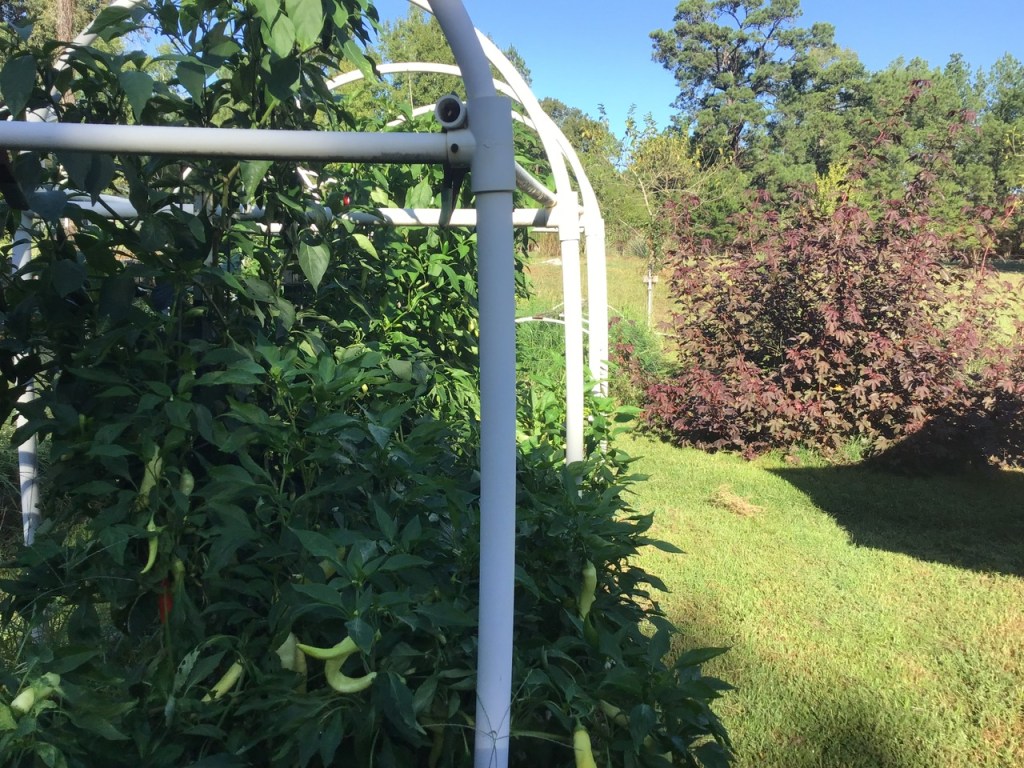
The peppers have come back with gusto after another dose of compost dressing and removing their shade cloth.
Jalapeños and banana peppers and the now monstrous cranberry hibiscus on right that is finally just starting to bloom.
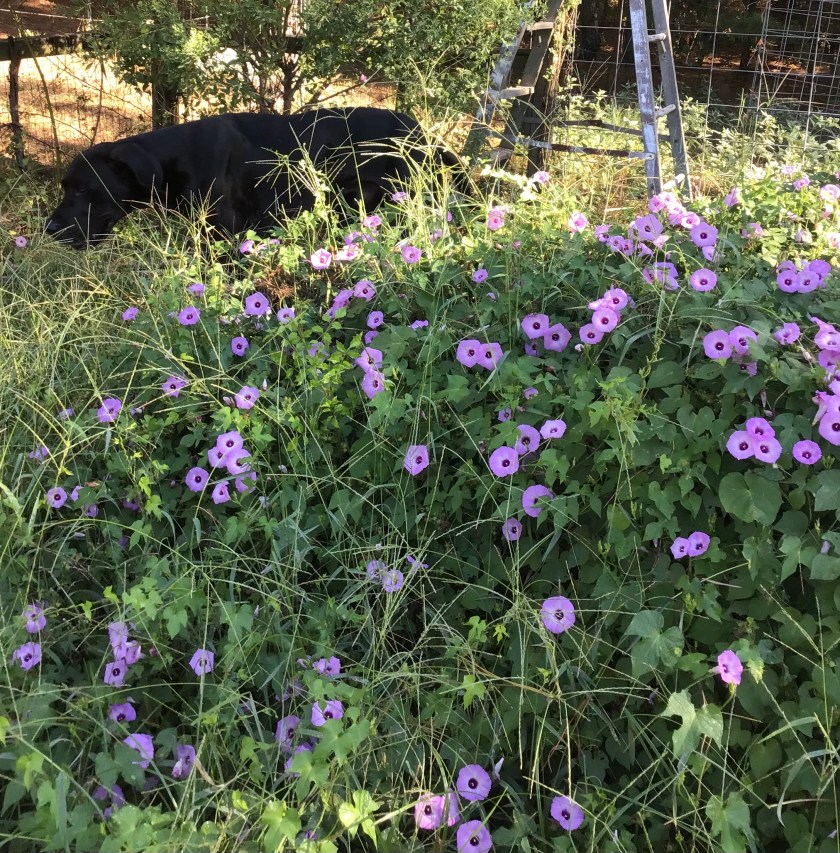
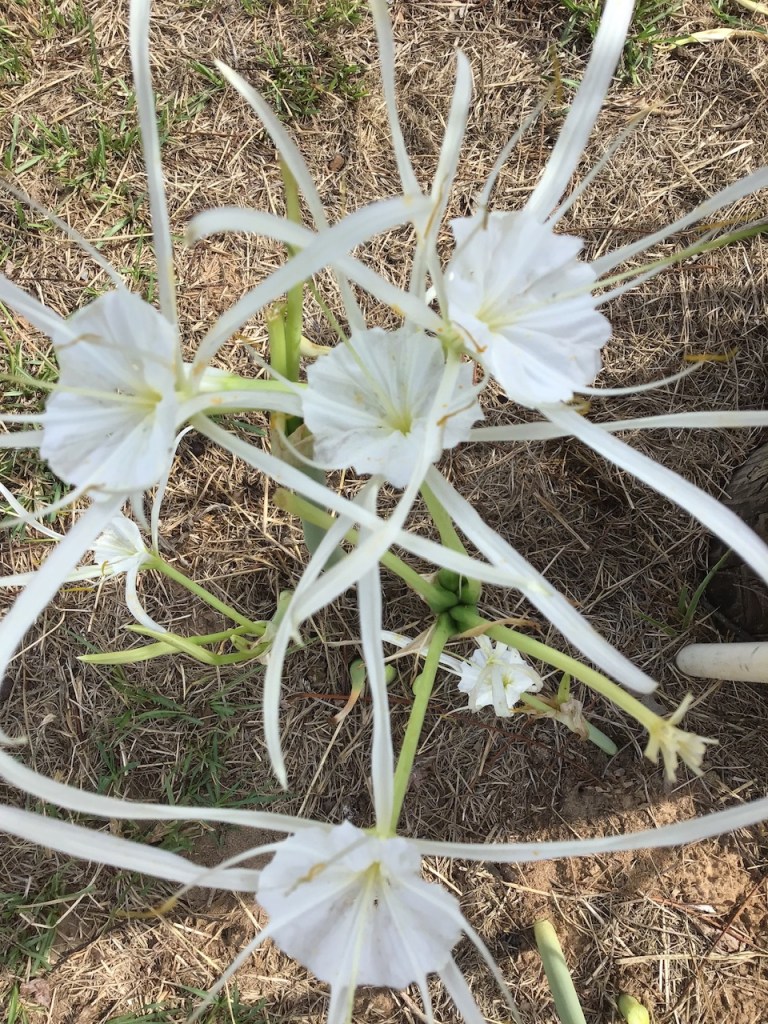
Cucumbers again, yippie! Plus hurricane lilies, turmeric, zinnia and basil keeping the bees happy. And lots of bindweed (morning glory)—scourge to the industrial farmer—a hardy, lovely and welcome cover for the rest of us.
I’m getting about 1/2 gallon of milk a day from 2 goats and making cheese often—mozzarella and soft chèvre every week and a hard cheese whenever I can accumulate at least 3 gallons (preferably 6) in the freezer. The larger the hard cheese the easier it is to age properly and goat milk works just fine for cheese after freezing.
The easiest cheese to make and so delish!
But I’m really looking forward to making Camembert and Munster again. Just like all things natural, cheeses also have seasons. I was very disappointed by a so-called Brie I just splurged on from the grocery store. They should call it a processed Brie-like imitation and market it in the aisle with Velveeta. Quel scandale!
A few more friendly faces . . .
As I mentioned last update, we had a sausage-fest this summer, that is, a super-high percentage of males born, of all species—cats, pigs, sheep, chickens, goats. So odd.
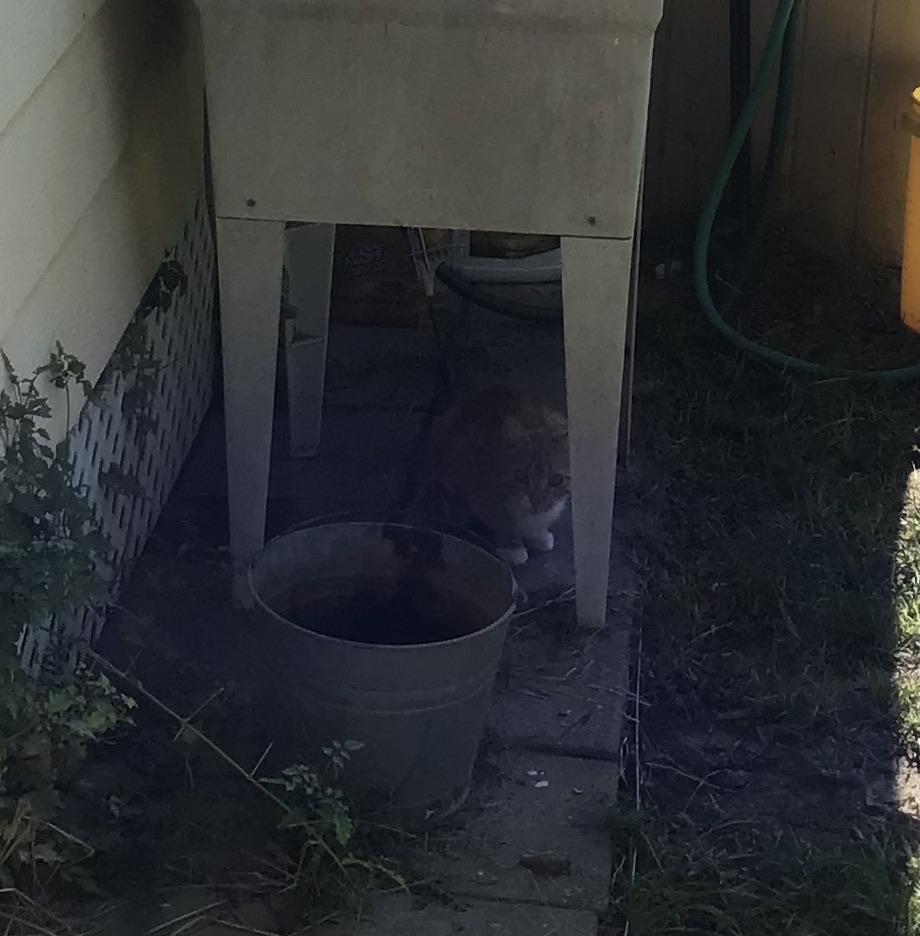
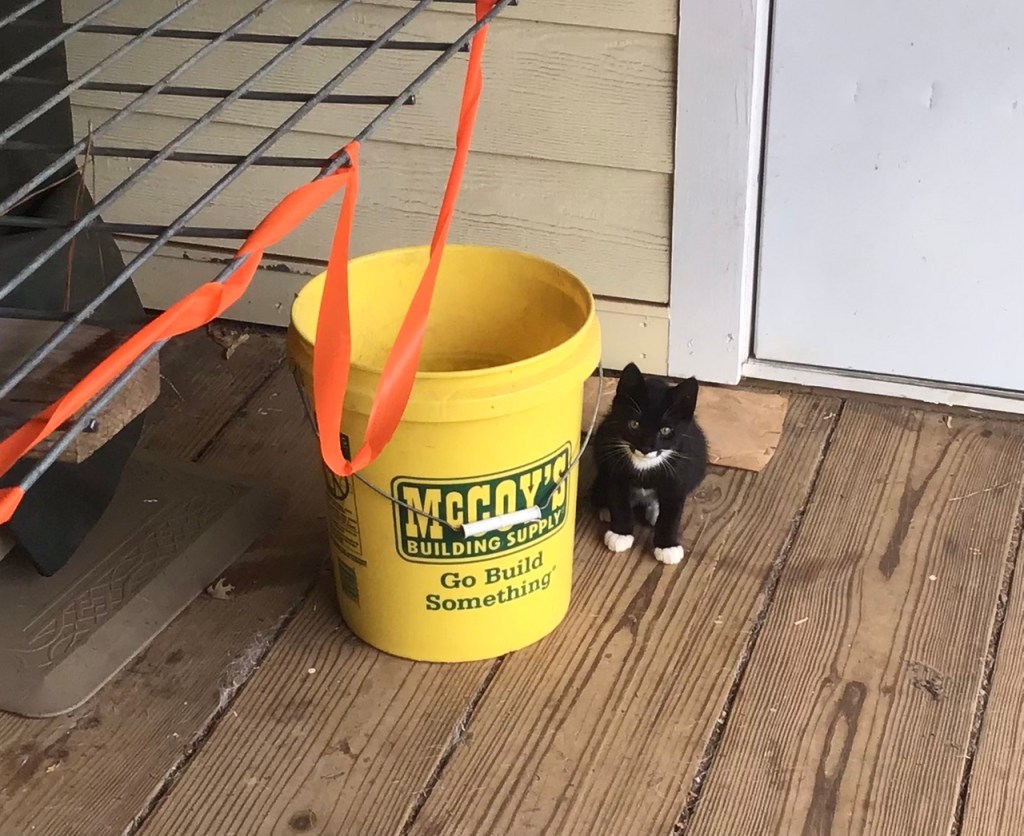
Now we have 3 young male cats, a new thing for us. But one of them is a real scaredy cat, we’re never able to get close to him and he’s rarely around except for meal time.
Always crouching in the shadows and darting off even from the camera.
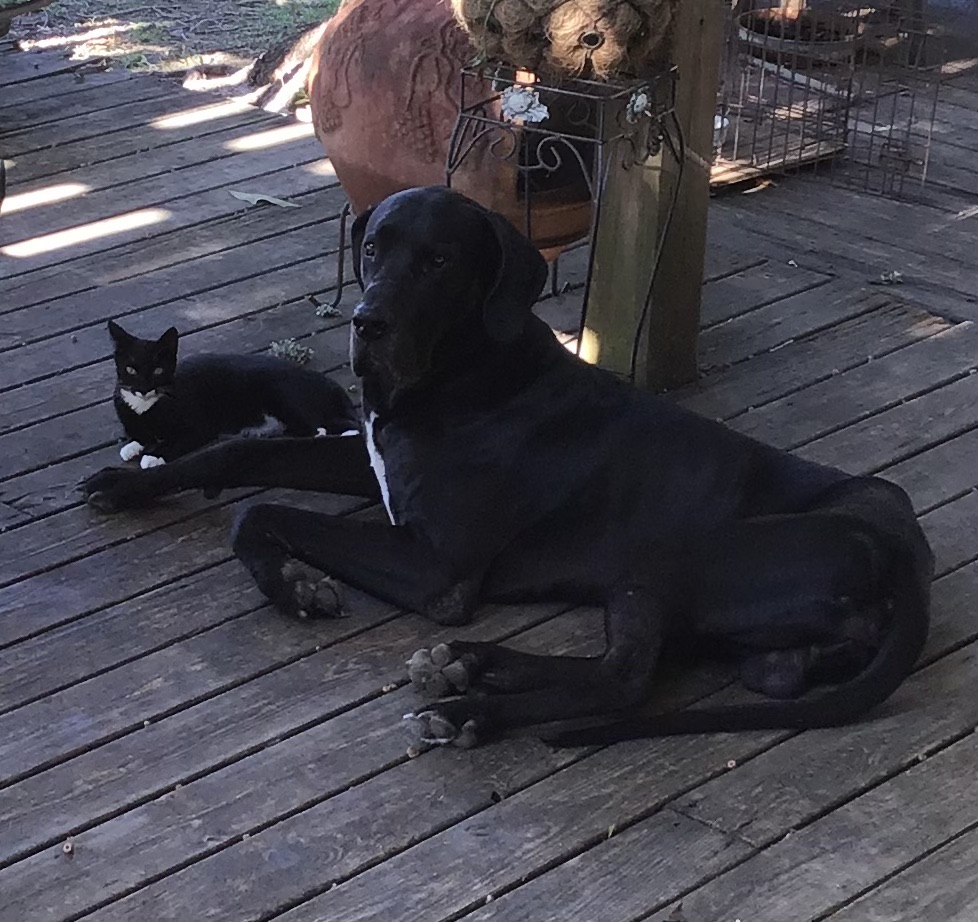
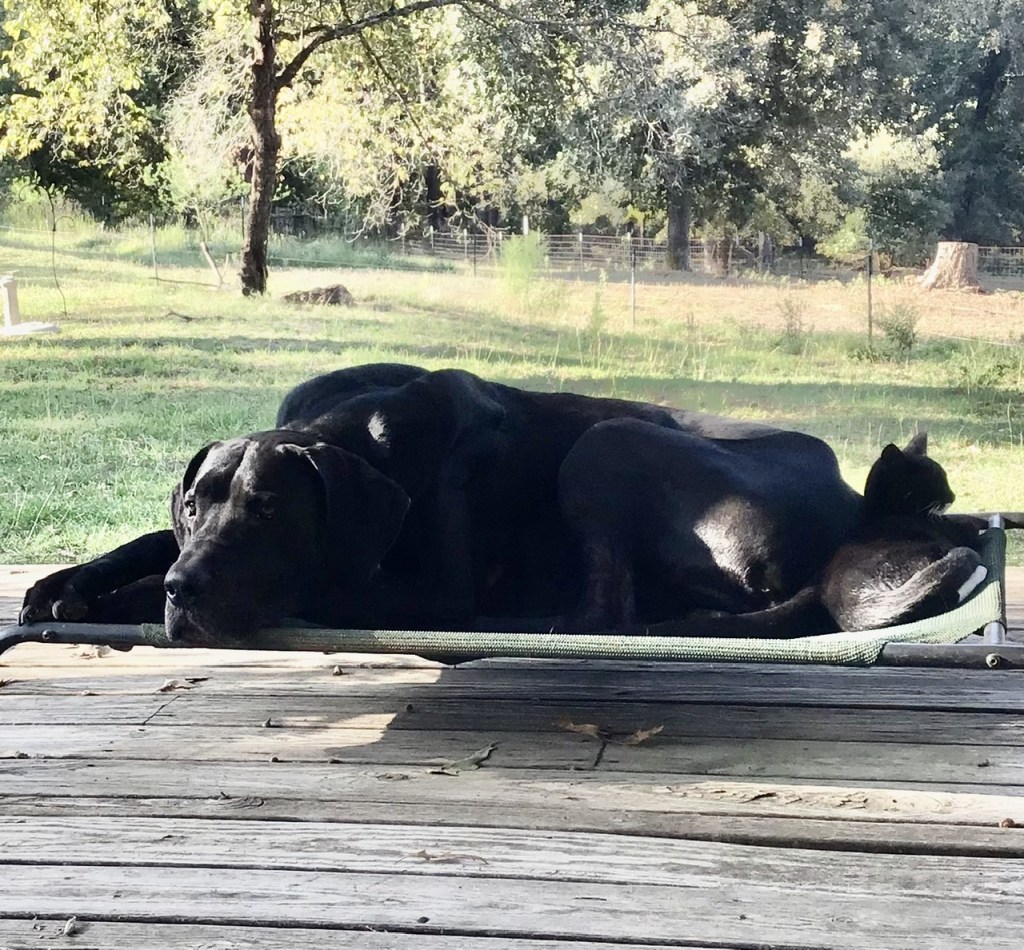
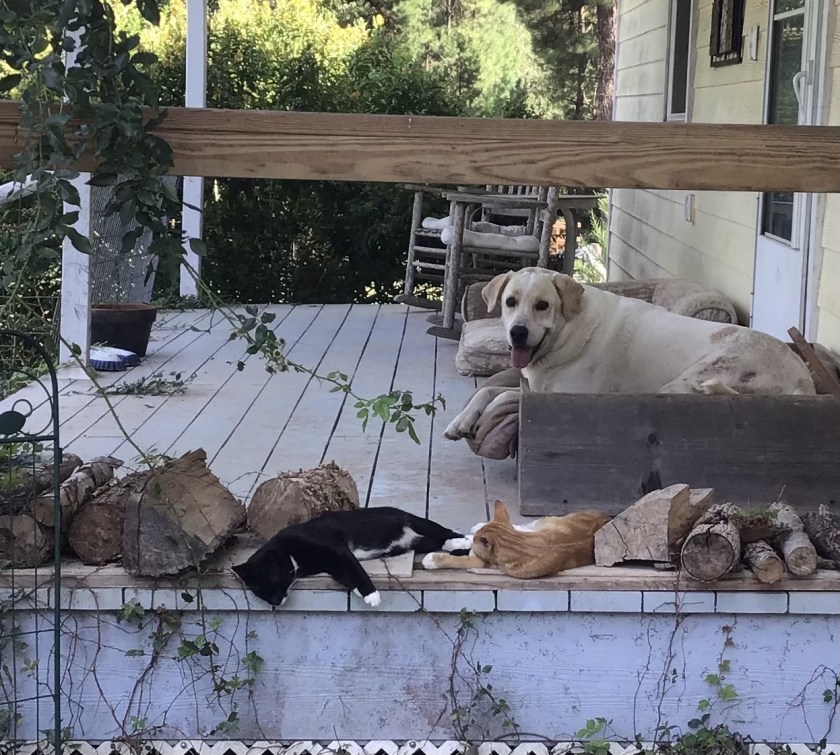
Also odd but true—our black cat, Mittens, hangs out with our black Shadow and our blond Tony hangs out with our blond Bubba and Buttercup—go figure!
“Hey in there! Where’s our breakfast?!”
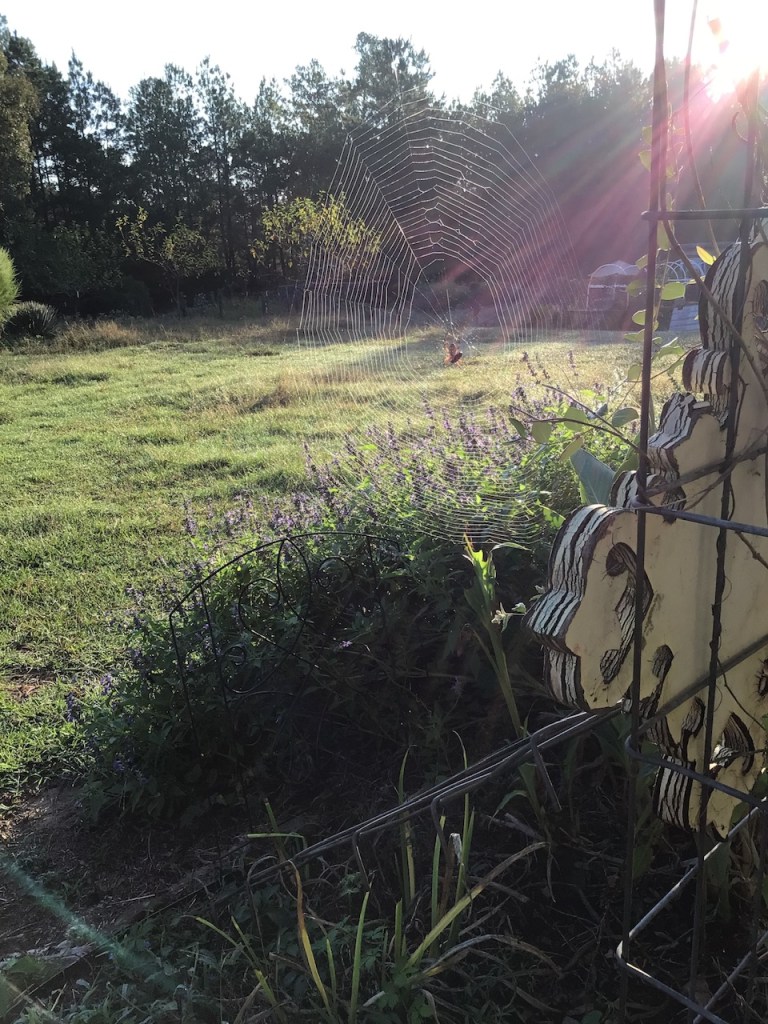
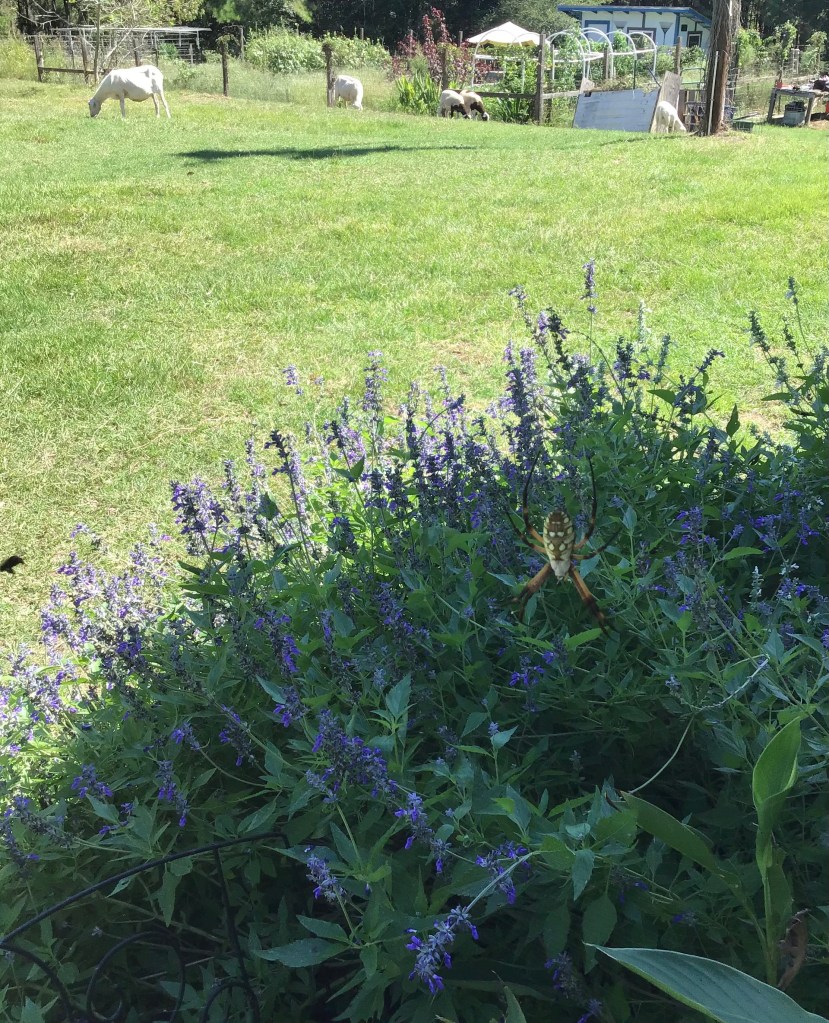
I love spiders, especially these beauties, but some folks find them scary, apparently.
Now here’s a real foe . . . .
Gross! Looks like right out of a horror movie. And he has a lot of friends haunting our compost heap. 🤢
But who loves ‘em but our very scary Halloween rooster . . .
Poor guy, we’ve no idea what happened to him, but he is one scary-looking dude!
Soon we will be making the tough but necessary fall homestead decision—who will get bred and who will shuffle off to freezer camp?
But not a care in the world for these contented creatures!
Hope you’re having a fine Sunday and thanks for stopping by!
Continuing on from the previous post, more weird scenes. Plus, lots more happy snaps, an update on Scrappy with video clip, danger averted, and mushrooms galore.
Starting with the weird and disgusting, so those trying to eat and read, or others simply of an easily-queasy disposition, may skip right down to the happy snaps post haste.
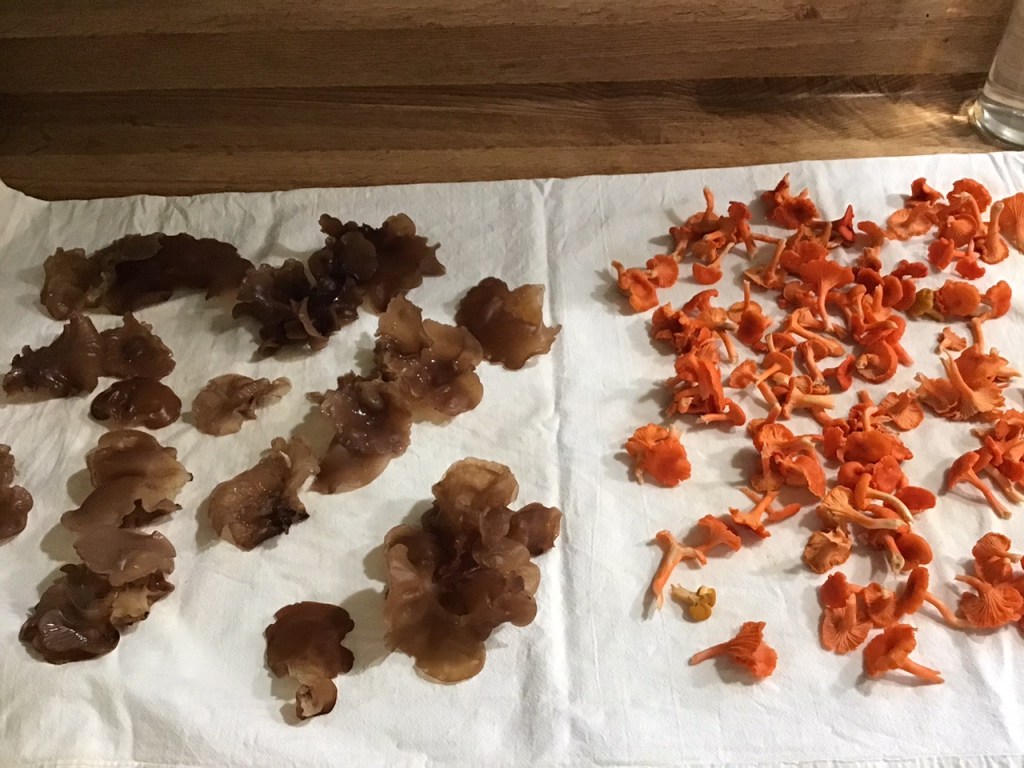
Thanks to the lovely rains last week, which may or may not have destroyed our blackberries (still documenting), we’ve been finding plenty of mushrooms. Some we know very well, like chanterelles, and hunt for them routinely. Most others we collect, and I try to identify, usually without success.
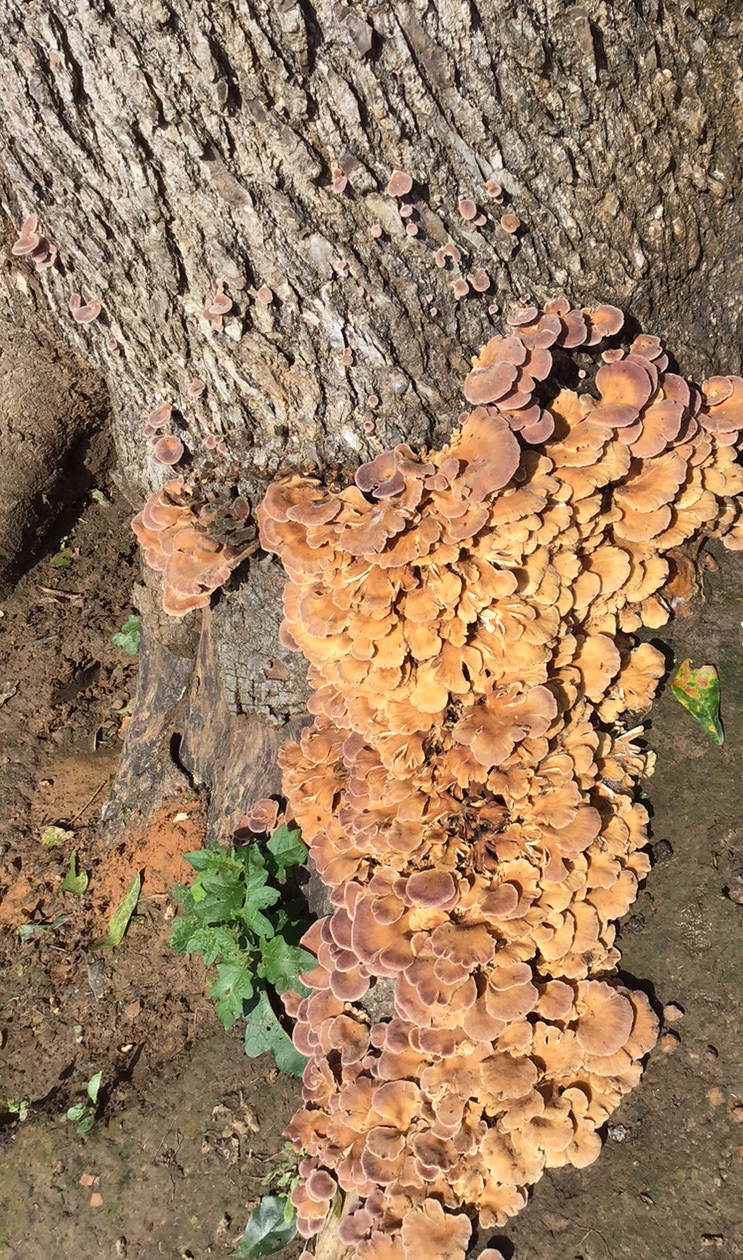
Elephant ears and chanterelles, edibleOthers of questionable ediblity, plus a few of the magical variety!
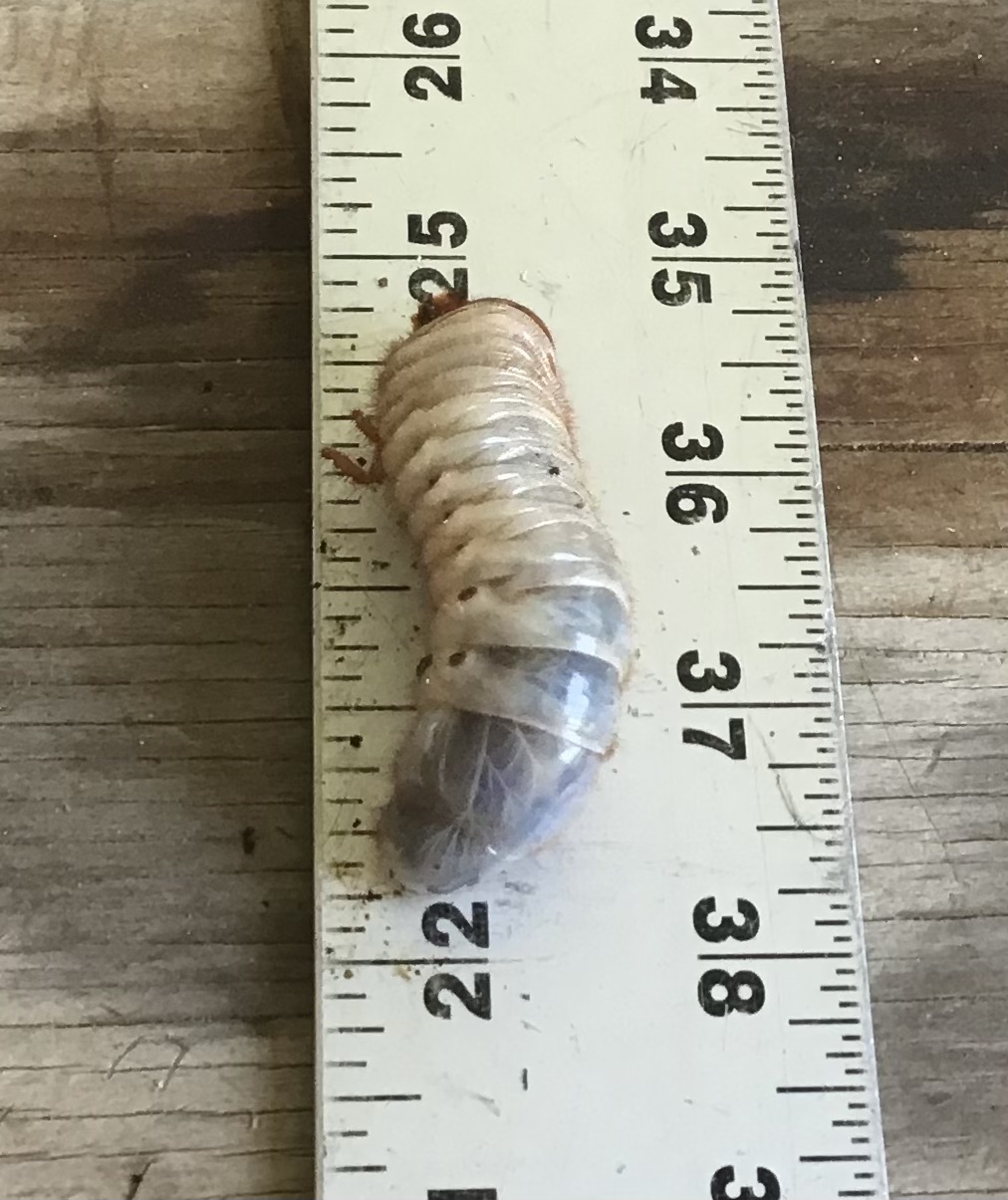
Occasionally that proves to be a disgusting lesson. Boletes in particular bring unwelcome inhabitants and you may just wake up to this sight as you’re making your morning coffee.
If that concerns you, best to leave them in the wild and admire from a safe distance!
Not edible, but cute!
Staying in the weird-disgusting realm, I mentioned last we lost an established bee colony, which was a big disappointment. I wanted to figure out what went wrong with them, and thankfully Hubby noticed the empty hive almost immediately, thanks to the observation window, that so many beekeepers complain about.
I was able to bring all the comb in for inspection. It was highly unusual, because the colony left behind quite a bit of resources, in this case pollen. That means something must’ve been very wrong. Luckily we did capture a swarm off this hive the last month, so it wasn’t a total loss. The culprit behind their total departure from the hive, the dreaded wax moth.
Hubby noticed immediately the spotty brood pattern, sure sign of a failing queen. Had he not noticed and had I not taken action, very quickly all the colony’s painstaking acquisition of pollen and long, hard work of drawing out the wax comb, all would’ve been lost within a fortnight. Wax moth damage in a hive is truly disgusting, the clean-up of which is probably the dirtiest job a beekeeper faces.
Saving the comb, therefor the pollen, therefor the hive body, was the silver lining to this colony collapse. And, it was a good scientific observation for me. What happens is the wax moth eggs as they develop, having been laid in the empty cells where the bees then place their pollen, grow into larvae that pushes out the pollen. From that point they squiggle around a lot. Some of them are able to make it as far as the next room in search of a place to cocoon. Pretty amazing!
Bee pollen is actually pretty tasty, is said to be healthy, and makes a great flavoring for kombucha. I’m sure they eat the larvae in some cultures, just like with silk moths, but don’t worry, I’m not that weird, yet.
*******The rest of this post is safe for the easily-queasy!********
But, there is still danger afoot! And Bubba lets us know about it. A water moccasin on the loose and ready to terrorize the troop, if not for Bubba’s keen scouting.
Bubba sounds the alarm, such a good boy!
In other homestead news, Scrappy, whose Mama rejected him at birth, is doing just fine raised on the bottle. Hubby even set up a portable milk station for him, which he adjusted to almost immediately.
Scrappy-doo, quickly trained to the movable milk station. He stays with the flock, but comes a runnin’ for his 3 square meals a day!
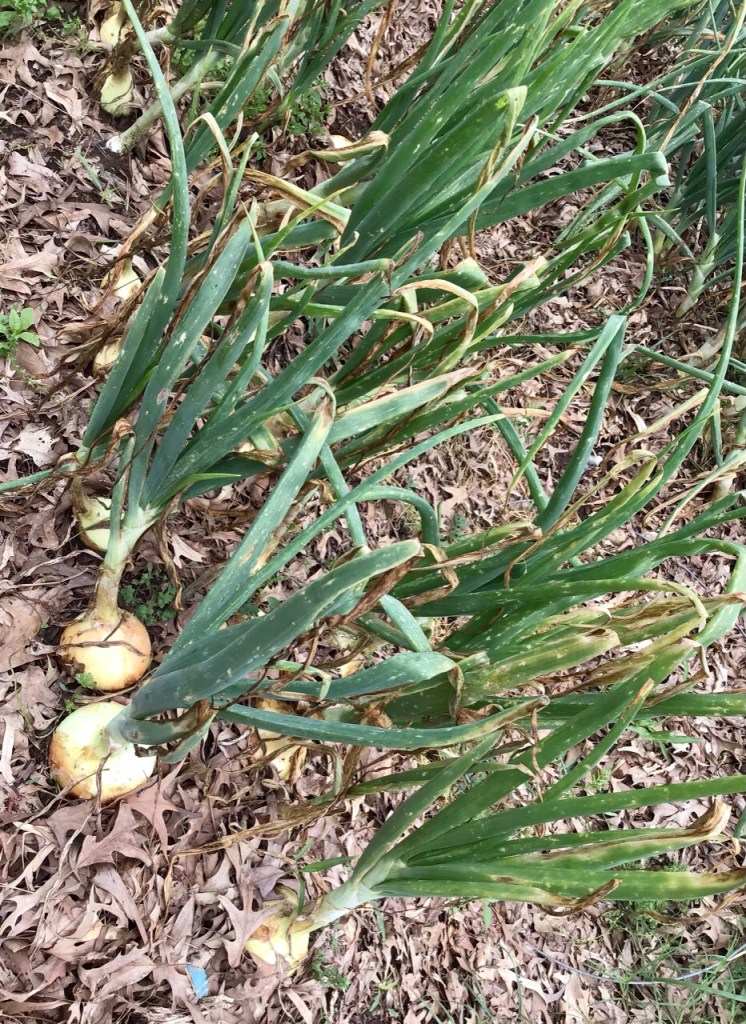
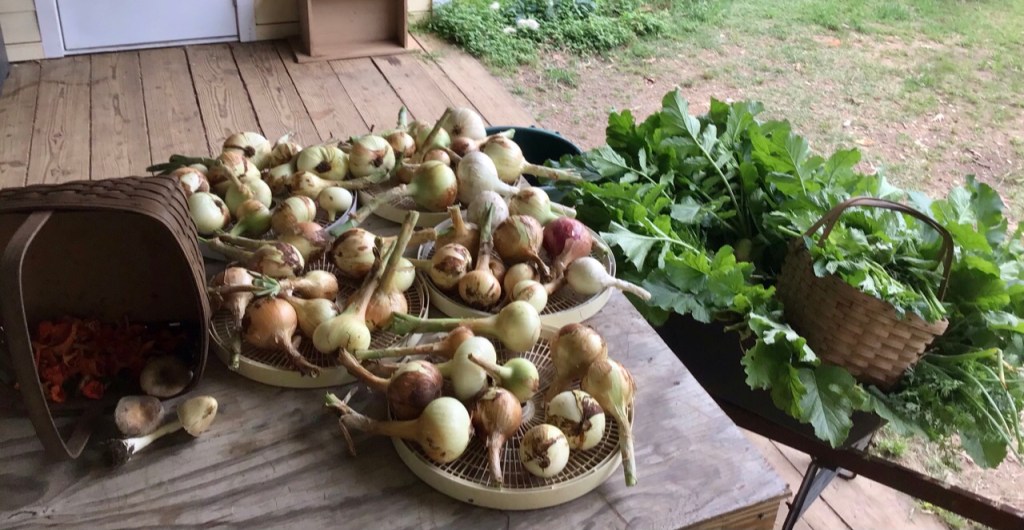
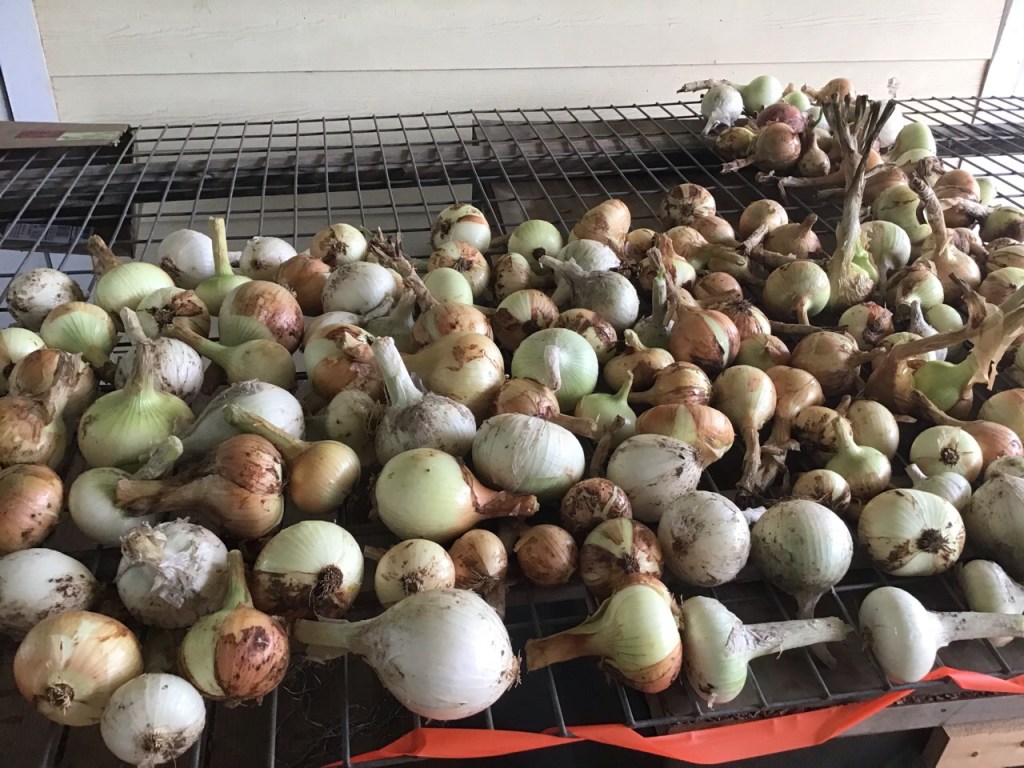
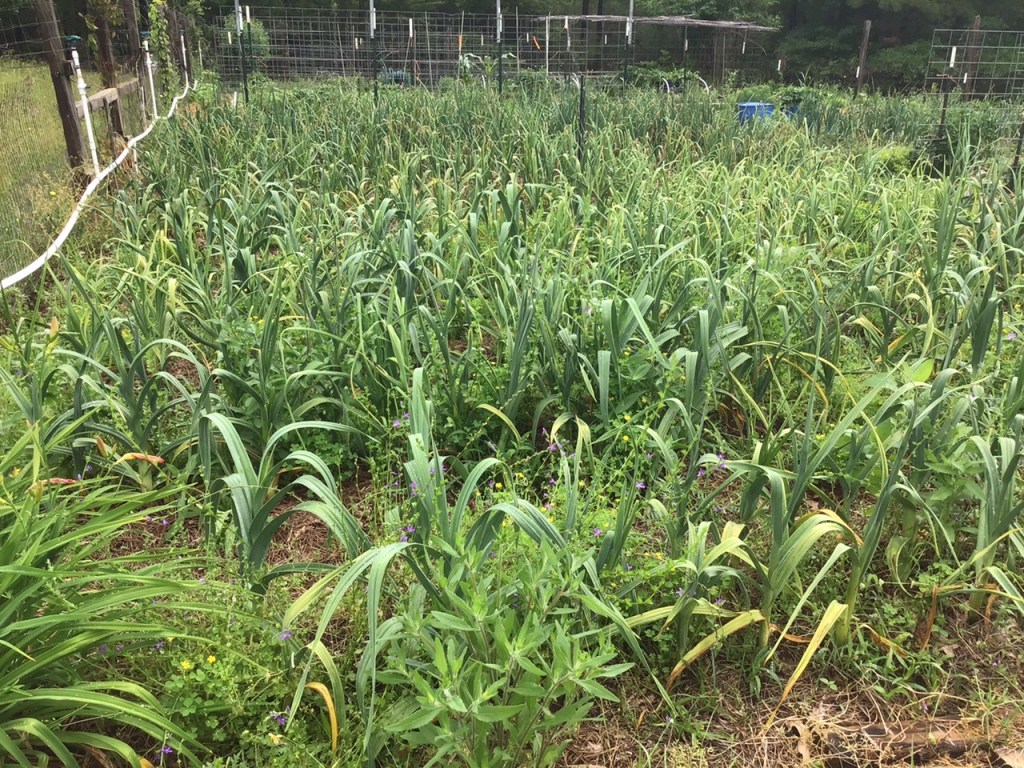
In garden news we’ve been harvesting onions and we’re quite pleased with the prolific results for the 2nd year in a row. We’re about 2/3 to completion. Where the onions and garlic have come out, we’ll be planting okra, sweet potatoes, and melons.
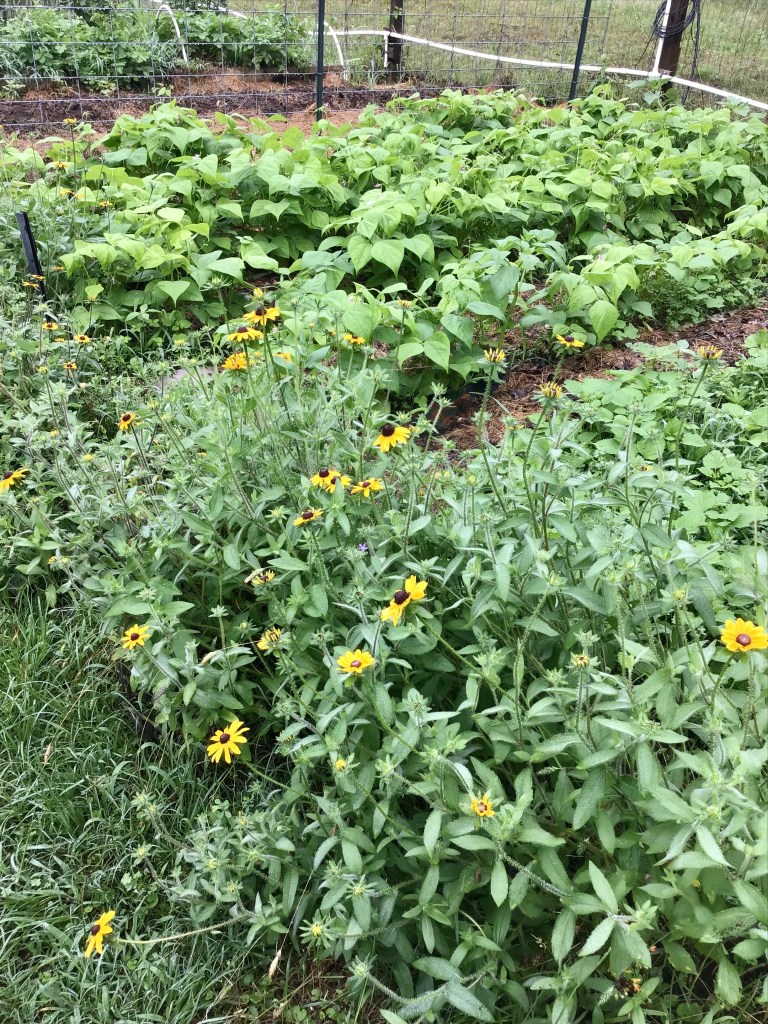
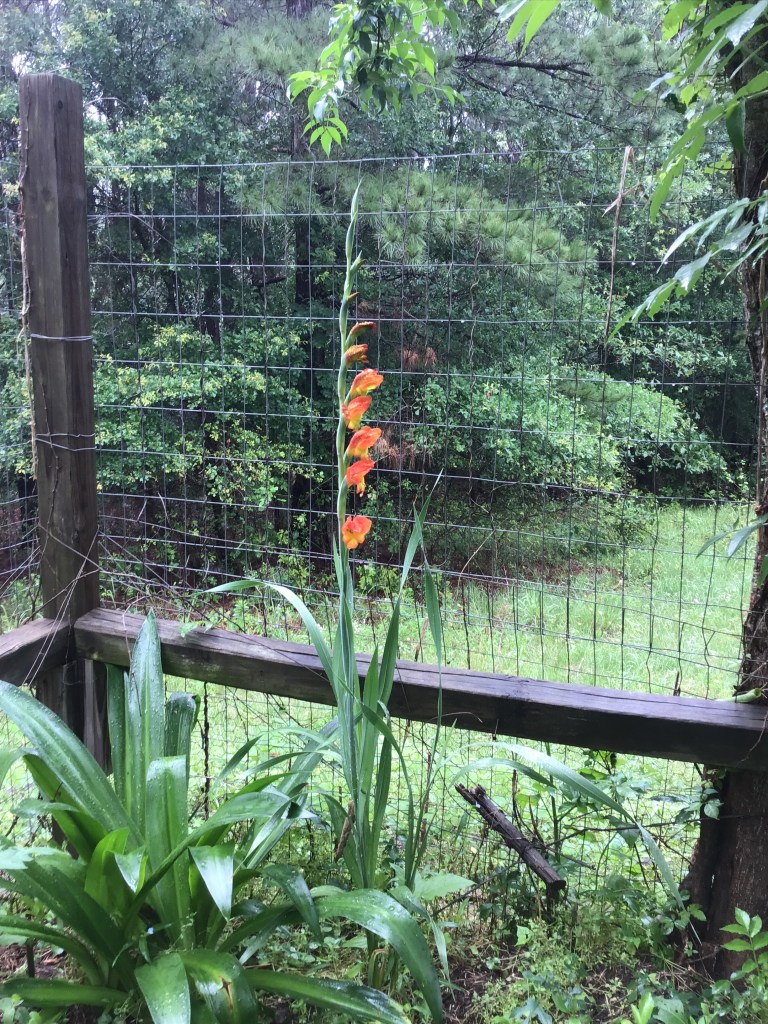
The tomatoes and green beans are coming in great, and a few forgotten flowers too.
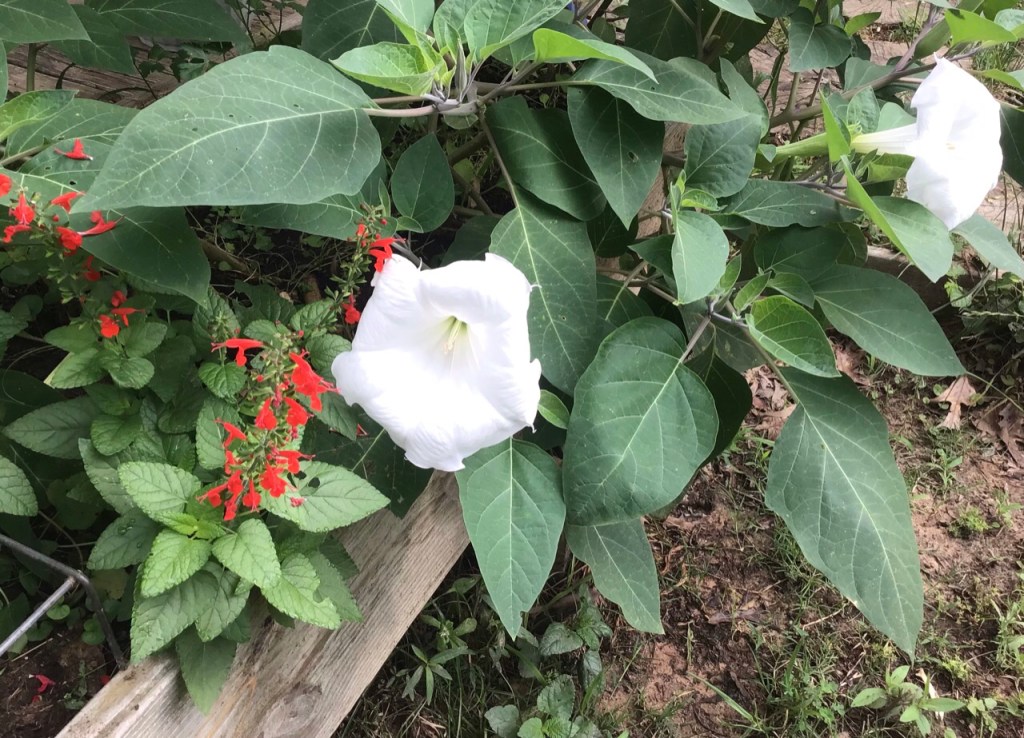
Never forgotten, Datura, one of my very favorites. If only I could capture that most sublime scent when the blossom first opens!
In more critter news, Shadow is still adjusting well to country life, with occasional hiccups. Like, he still likes to chase the goats and the lambs if they stray too far from the herd.
Is he gone yet?!
Only the pigs remain unconcerned with his massive curiosity.
And he seems to find the kittens quite exasperating!
And that’s kinda weird for us too, because we’re not cat people, this is the first time having kittens around at all, yet they seem to be taking over!
It’s an exhausting life for a townie-dog, I’m sure!
Weird scenes inside the homestead! What have we to add to the big wide web of weird today? A couple of things only, along with some sad news and some happy snaps. Successes and failures, as usual. Trying to keep them all in stride, which with the wild flowers and a short country drive, isn’t too big a challenge at the moment.
Creepy visitor appearing everywhere after the rains
Best to get the crap out of the way first, I prefer. We’ve got seemingly severe blackberry failure and an established bee colony suddenly lost. I could write exhaustively on just those two, but since I’m already exhausted, I’ll keep it brief. And continue the relentless churning in my mind alone.
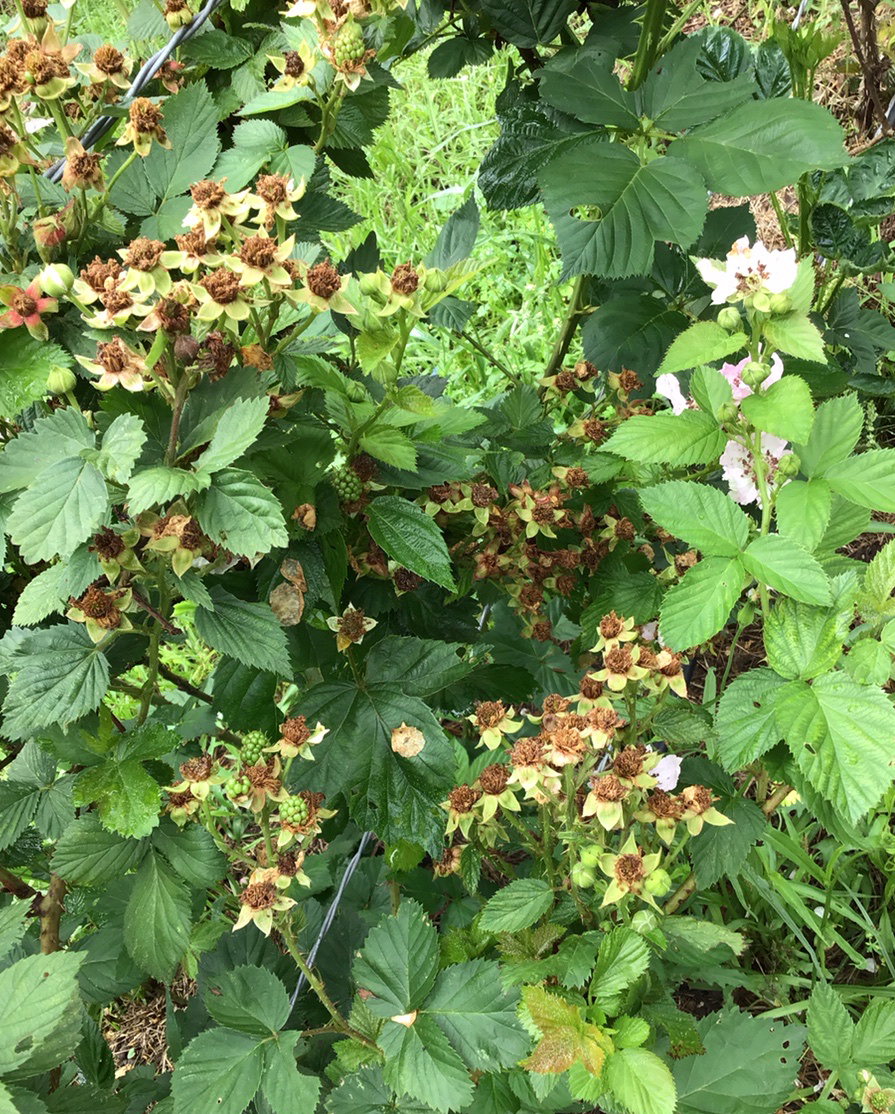
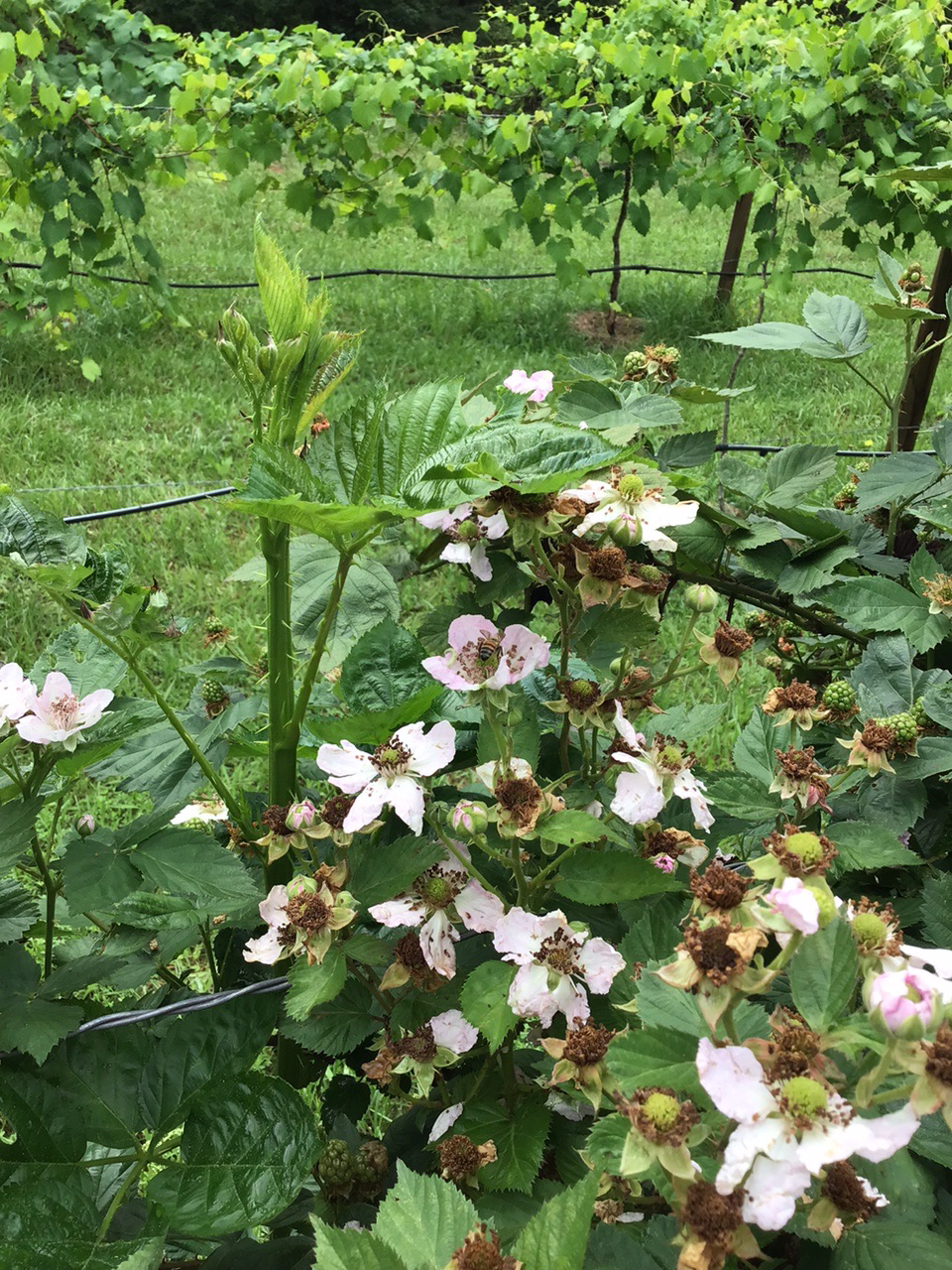
These photos and several more have seen the cyber rounds this week, let me assure you! And the cornucopia of responses we’ve received is rather astounding. Long story short—we’ve had some lovely rains, finally. But it sent our blackberries from thriving and gorgeous, to this brown, crispy-looking horror nearly overnight.
Not just a few bushes either, the entire row, a dozen bushes easy. It looks terrible. So we got a bit frantic and have been sending photos to Ison’s Nursery, where we got them. Also, to various friends and forums, where we’ve had answers to run the gamut: too dry, a virus, a fungus, a blight, Botryosphaeria canker, empty pocket syndrome, aphid damage, and then the kicker . . . This is totally normal development.
Wait, whaaat??
You mean to tell me these could be normally progressing blackberries and after many years of growing blackberries we just never noticed it before?!
Well that would certainly be a big and welcomed WOW! Yes please!
But unfortunately, I don’t think so. They look brown and shriveled beyond anything I’ve seen in any of the online photorama. And there’s no sign of aphids, and it’s not cane blight, and it’s certainly not too dry, although I totally understand that guess, since that’s exactly what it looks like.
And I do so appreciate all the speculation, seriously! It gets me thinking and exploring every time and I do so love all the effort and camaraderie inherit in it. Be wrong, it’s not the end of the world!
Of course, what I did so notice among the seeds of speculation was the one that was, unsurprisingly, totally missing. Toxic rain perhaps? Some other oddities in the atmosphere, perhaps? Not on anyone’s radar? Really?
No idea what’s happening in this photo with the blue dot-purple ring, I just snapped the shot with the tablet as soon as I saw the trail while busy in the garden.
On better themes . . .
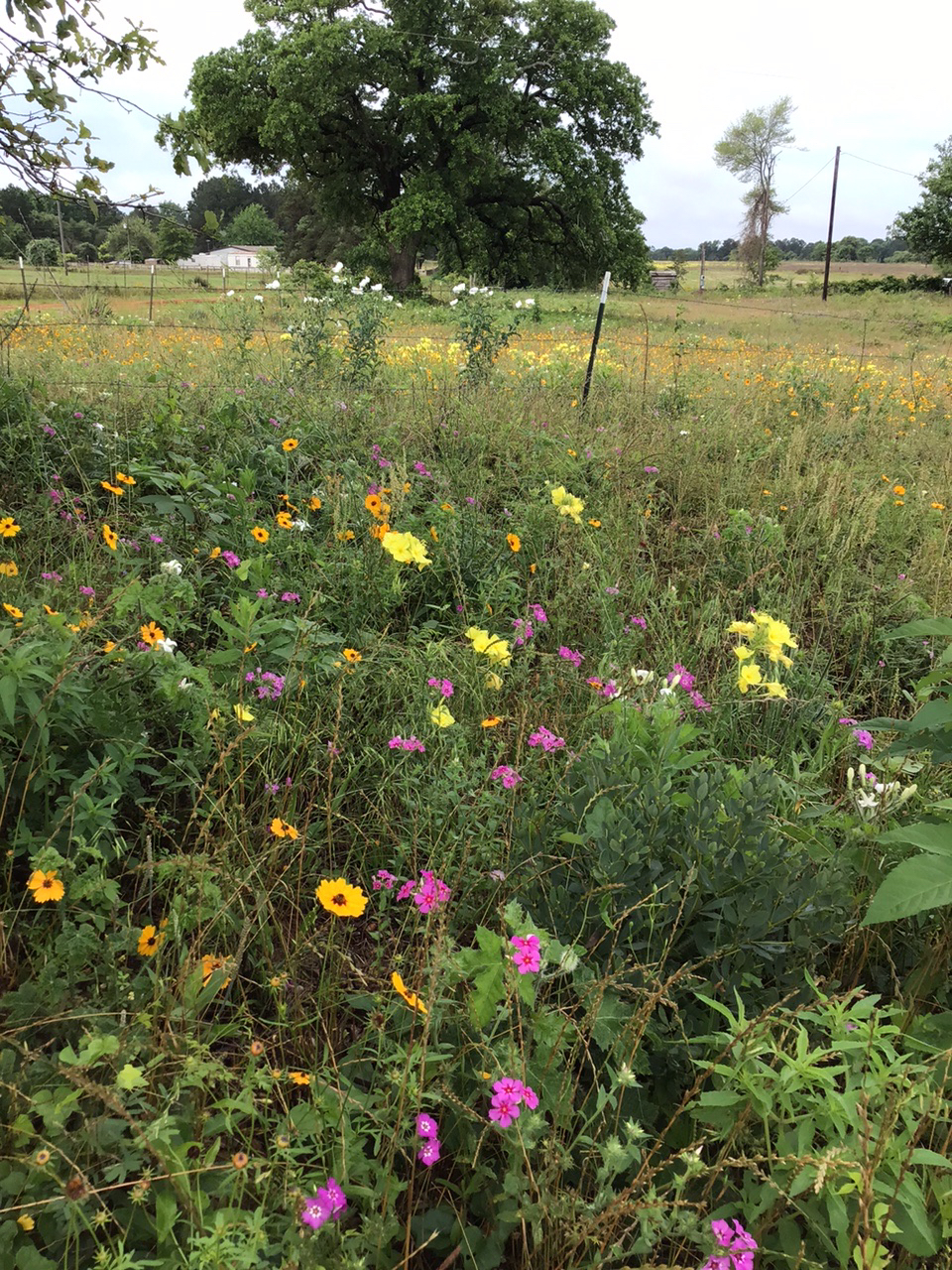
I also took some lovely happy snaps of the wild flowers blooming along the road, which was so much more gorgeous than what I was able to capture here. But I tried, and that should count for something, no?
And on that note, this post will have a Part 2 to finish later, cause that’s all I can manage at the moment. More to follow, so much more!
Thanks for stopping by!
I leave with a song that motivates me when I really need it most. Hope it works for y’all too!
‘Stinky cheese’ is an official cheese category for those unfamiliar with the great wide world of cheeses. Really! They include the washed-rind cheeses, but some others as well, depending who you talk to.
These would include such well-known varieties as Muenster, Limburger, Raclette, but also some relatively new popular favorites like the Stinking Bishop of Charles Martell & Son – Cheesemakers and Distillers.
The Stinking Bishop—the name inspiration behind my own new cheese—the Stinking Peasant! About the Stinking Bishop: “The rind becomes sticky and pink, with a pungent, almost meaty aroma, while the interior is velvety smooth and almost spoonable. It is bound with a strip of beechwood, which also imparts its own woody notes to a cheese that is farmyardy, but not as strong as its smell, or its name, would suggest.”
The wash-rind process used to be referred to as “putrefaction fermentation”so you can understand why they might want to change the name.
When I set out 7 years ago into the glories of cheesemaking I had no idea I’d also be making my own ‘signature’ cheeses. At the time I was responding to the sorry fact that in order to buy even a remotely decent cheese I had to drive several hours. And even then, nothing was made from raw milk. I bought freeze-dried cultures just like the vast majority of home cheesemakers do. I found a lot of success imitating the favorites—mozzarella, Pepper Jack, Camembert, Parmesan, Swiss, dozens of cheeses. I’ve tried making just about every cheese you’ve ever heard of, and quite a few unknown to even real cheese aficionados.
Of course, considering there are 1400 named cheese varieties in the world, I still have a long way to go!
Several of my ‘signature’ goat cheeses now ripe and ready to eat. Still in the aging fridge are Pepper Jack, Dill Havarti and Caraway Gouda
But, the more I learned, the more I wanted to get back to basics. The more I got back to basics, the more I began to understand what a beneficial and even necessary learning experience it has been. Sure I can spend much time and effort recreating other people’s cheeses. But even better is to invent my own!
That means developing our ‘terroir’. No more purchased cheese cultures. Milking our own goats and making raw milk cheeses with our own wild yeasts, yogurt and buttermilk, all which change flavors and colors with the season.
Like a true Roquefort can only come from Roquefort, France and real Champagne only from Champagne. These have PDO status, that is Protected Designation of Origin.
The process is only part of the story, because the finished product is a signature of its terroir. Affinage, that is, the art of maturing the cheeses, is the next crucial component.
Not that I have any interest in throwing my cheeses into any rings with the big guys. Not a chance, even if my cheeses were that good (I think they are!). I have no interest in turning my pleasurable hobby into a stressful profession.
“In its simplest form cheesemaking is the aggregation and preservation of protein; in its highest form cheesemaking is alchemy. . . Many traditional European cheeses are on the decline or have disappeared. It is ironic that the United States is leading the resurgence of artisan cheese and is the fastest growing market for specialty cheese on the planet. Can we Americans be the saviors of French terroir? Or will our efforts to reveal our own terroir be stillborn because of insurmountable regulatory hurdles?” ~Mateo Kehler Jasper Hill Farm, Greensboro VT
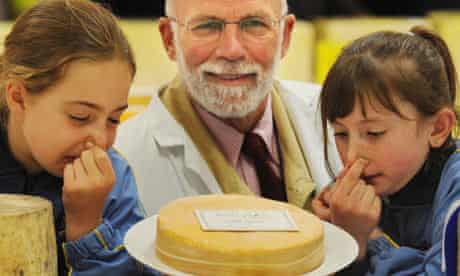
Anatole and the Robot (1960) — The story of a professional cheese taster whose job has gone to a robot. I think Anatole has the right idea: “I sniff, I taste, I think, and then I use the magic of my imagination!”
Source: The Oxford Companion to Cheese edited by Catherine Donnelly, foreword by Mateo Kehler
One thing I never liked about teaching was being the center of attention. I was told I’d get used to it, but in 20+ years, that never happened.
It’s not that I’m a shy wall-flower, far from it. It’s also not that I didn’t appreciate that stage-ease in other teachers when I was a student. In fact, I rather liked it.
Still, I always felt like, if I could design my own classes they would never be lectures, never large groups. Even though some of my large lecture experiences as a student were very positive.
But, that’s because getting lost in the crowd is so easy.
Far more challenging is small group, low structure. It’s a very unique dynamic and my personal preference. It’s not necessarily conducive to many teaching tasks, but it does work very well for other things. Especially if your goals are real community ties over speculative market drivers.
After all, when you consider what motivates most teachers, money rarely tops the list. Small group, low structure is the least beneficial monetarily speaking, for obvious reasons. That’s probably why it’s so rare.
Seven ladies in my tiny kitchen, oh my. BTW, that’s Kombucha we’re imbibing, not beer!
Many hands make light work. I think that means not just a lighter work load. It’s also ‘light work’ as in, bringing the joy of community into our work and into our homes. Incorporating the unique contribution of each individual toward a common goal. It’s a beautiful thing. It’s pretty much the opposite of what incorporation has come to mean in modern parlance—which is more like automatons performing tasks to perfection at the command of a central authority.
“Um, excuse me, but your Shankleesh balls are not uniform!”
We are witnessing in our ‘Institutional Affairs’ that not only are we being conditioned to not discuss religion or politics, but it is becoming a requirement for receiving public funding.
While personally I’m ambivalent to these policies, because on the one hand I appreciate a separation between Church and State. Still, on the other hand I perceive what’s actually happening is an enmeshment of Globalist agendas with local affairs. An infiltration which began long ago that lately has been picking up pace.
Perhaps it is unfair that Christian-affiliated groups are getting squeezed out of public affairs. I can certainly empathize with their predicament and growing resentment. And yet, far more important to me is that I have encountered first-hand and through others’ stories that part of the means to this end is being achieved by categorically excluding crucial topics from public dialogue.
The de-platform and shadow banning and cancel culture that’s being most hyped online often excludes what’s been happening locally in folks’ churches, State-run organizations like the Master Gardeners, and State and church-affiliated out-reach programs and charities, not to mention in the schools.
This in particular makes small gatherings an essential part of a healthy public and community life. Feeling threatened by group-think and ostracized for a differing opinion occurs far less often.
Particularly, when we are gathered around wholesome work, like learning skills together, getting necessary things done, or just sitting on the porch—shooting the shit, so to speak—group identity is replaced by an individual-level camaraderie, where the label is not the first thing on everyone’s radar and money takes the back seat to true care. Christian, Buddhist, Atheist, Republican, Anarchist, whatever—these are the social constructs as much as gender identity or which church or which school or which job one has, if any at all.
Differences can be appreciated in a friendly and comforting surrounding rather than creating strict and professional-level hierarchies. Sure, it’s still great to have like-minds around, but they don’t have to be like-minds set in stone or the whole edifice risks collapsing.
When the goal is a better life, actually living it, politics is naturally relegated to the background, not because it’s a forbidden or contentious topic, but because in the manner of human relations it belongs in the background.
Or, even better, six feet underground!
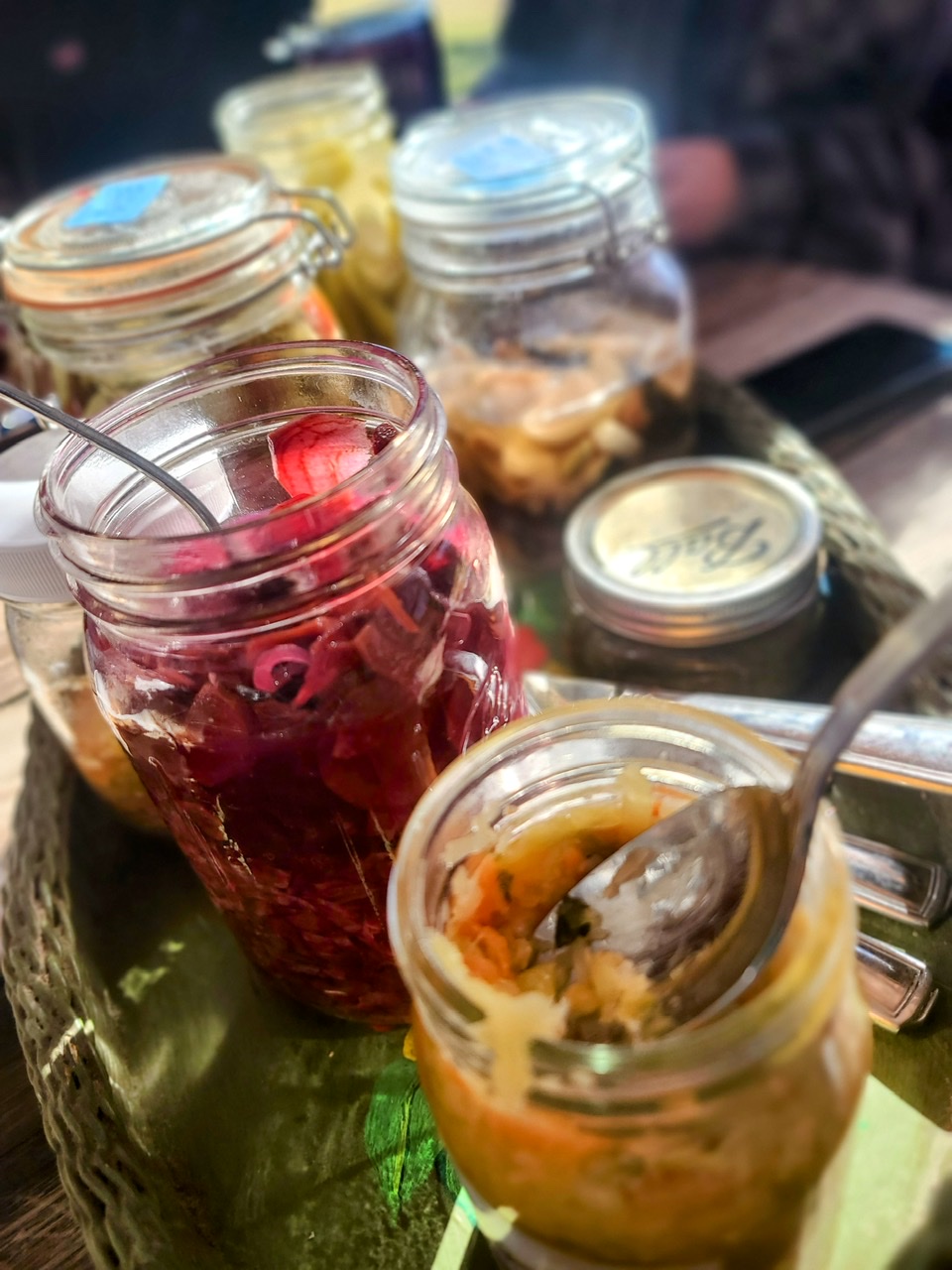
Lunch al fresco with lots of ferments to sample, yum!
And for these reasons, I feel charmed and grateful for the, so far, two ‘Fermenting Workshops’ I’ve hosted here on the wee homestead, with a lotta help from my friends.
Thanks and well done, Ladies! What lovely and wonderfully productive days—I look forward to many more!
All in a day’s work—West African Sweet Potato Ferment, Lemon-Dill Kraut and Shankleesh to take home for you and your family’s enjoyment !
A very special thanks to Nicole Faith, our supreme community organizer and A+ homesteading student, who also provided these photos, along with her exuberant enthusiasm and gracious courage. 😘
Never a dull moment on the wee homestead. Since our last update we’ve got limping dogs, goat rodeo, weather whiplash, a huge harvest of sweet potatoes, new cheeses and old ferments.
If it’s the cooler temps or longer nights or more critters creeping around, we can’t say, but our dogs have been doing a lot of midnight galavanting. First they got into skunks, and that was bad enough. Now we go out first thing in the morning to find them wet and limping and exhausted. We’ve started taking them for walks during the day trying to tire them out and make sure they get enough gentle exercise, because we’re worried they’re going to get themselves into some real trouble. It’s working out very well for our barn cat, Skittles, who now roams wherever she wants without fear of attack.
A gentle walk for the whole crew and a carefree cat
Milking just three goats twice a day is proving to be quite the chore considering with the two first-fresheners it’s a constant battle of wills. It seems every day they learn a new trick trying to get free treats. First it was bucking and kicking, then squatting making milking impossible, now one has graduated to full refusal, getting up on the milk stand only to lay down flat. It takes both of us, Hubby to hold legs and supply food, me to grasp the bucket with one hand and milk with one hand, each with our reflexes on full alert to shift, draw, grab in the split second it takes a hoof to swipe, spill, crush. It’s really not fun. At all. I have to remind us both that it takes patience and to stay focused on the rewards.
Cheese!
On left: Ziegerkasse, a whey cheese soaked in wine and 30-minute mozzarella. On right: Caraway Gouda just pressed and salted and soon to go into the aging fridge to join three Camembert and a Muenster.
In garden news we got a very early frost and then the temps shot right back up to the high 80s. It’s cooled down a bit since then again and we got a whole 1/2 inch of rain, woohoo! It hardly made a difference, but maybe my fall seeds have a better chance now of germinating.
We harvested loads of sweet potatoes and still have more to go. The vines can’t handle even a light frost, like the basil, so we got all we could manage beforehand though the tomatoes and peppers survived, so that was a pleasant surprise.
I continue to experiment with fermenting all kinds of veggies and they are coming out so delicious. I moved them from the aging fridge to make room for the cheeses, but they kept great in there all summer. We’ve got all kinds of goodies—cucumbers, basil, peppers, okra, carrots, cabbage—and soon I’ll be tying sweet potatoes.
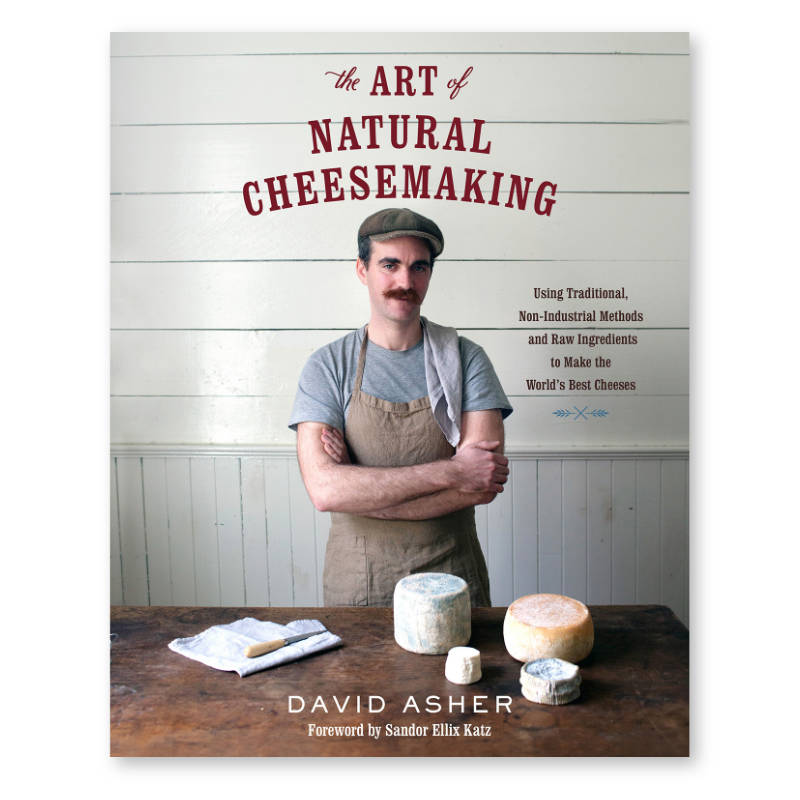
A whole world of deliciousness I’ve only really embarked on seriously starting this year, and thanks to this excellent book.
P.S. Sorry for all the sideways photos and if you get a crink in your neck trying to view them you can thank WordPress for that. I spent an hour trying to correct them, and it’s not working. My WordPress experience is getting worse and worse, which is why the days of this blog will be over soon as it’s just become too annoying to continue it. It’s gone steadily downhill since they forced the Block Editor on everyone. They continually make changes that only make it harder and more time-consuming to post. Oh well, it was fun while it lasted!
I’ve got some complaining to do today, but there are some rays of sunshine, too, fear not!
Let’s get the crap out of the way first, don’t you think?
That’s ‘man-made Climate Change’ alright!In the mornin’, in the evenin’, ain’t we got fun?!
“Climate change”— aka Geoengineering/Weather Modification — continues to haunt us. That is, in droughting us out, mercilessly. I have little hope for the fall garden. I’ve had very poor germination in some crops, none at all in others. That could be the high soil temperature, the still scorching sun and heat even now into October, or perhaps it’s all that crap in the atmosphere.
The pastures are so parched, which means, as I mentioned last time, more sheep than we’d wanted to will go to freezer camp.
The upside is, we are eating very well these days. We’d slowed down on meat consumption over the summer because the freezers were low. The hens had really slowed down laying too in the heat. Now we’ve got meat and egg surplus and we’ve been indulging accordingly.
That also means tallow, which is like white gold to me!
Hubby also pressure canned us some lamb and broth. Yum!
They want a pretty penny for this stuff, which makes sense considering all the costs and effort involved. A basic tallow balm will set you back $15/ounce! I’ve already made one hand balm with rather erotic-scented essential oils that’s got the thumb’s up from my sole customer. 🤗
On to the garden . . .
The purple Czech hot pepper is still my season favorite. It’s still doing beautifully (under shade cloth) and is a lovely little plant I’ll try to over-winter indoors. Hubby is making hot sauce in the fermentation crock that I’m sure will be top-notch.
Pictured: the purple Czechs in the center back, Thai basil to its left, sweet basil upfront—so it is protected from full sun in every direction except from the east.Even under shade cloth and screening the fall crops are not germinating. Luckily I was able to start a few indoors under grow lights.Tomatoes also started indoors mid-summer under grow lights, now looking pretty good transplanted outside last month. Fingers crossed it doesn’t frost too early and we’ll get the rare fall harvest of plump red tomatoes. Dare to dream!
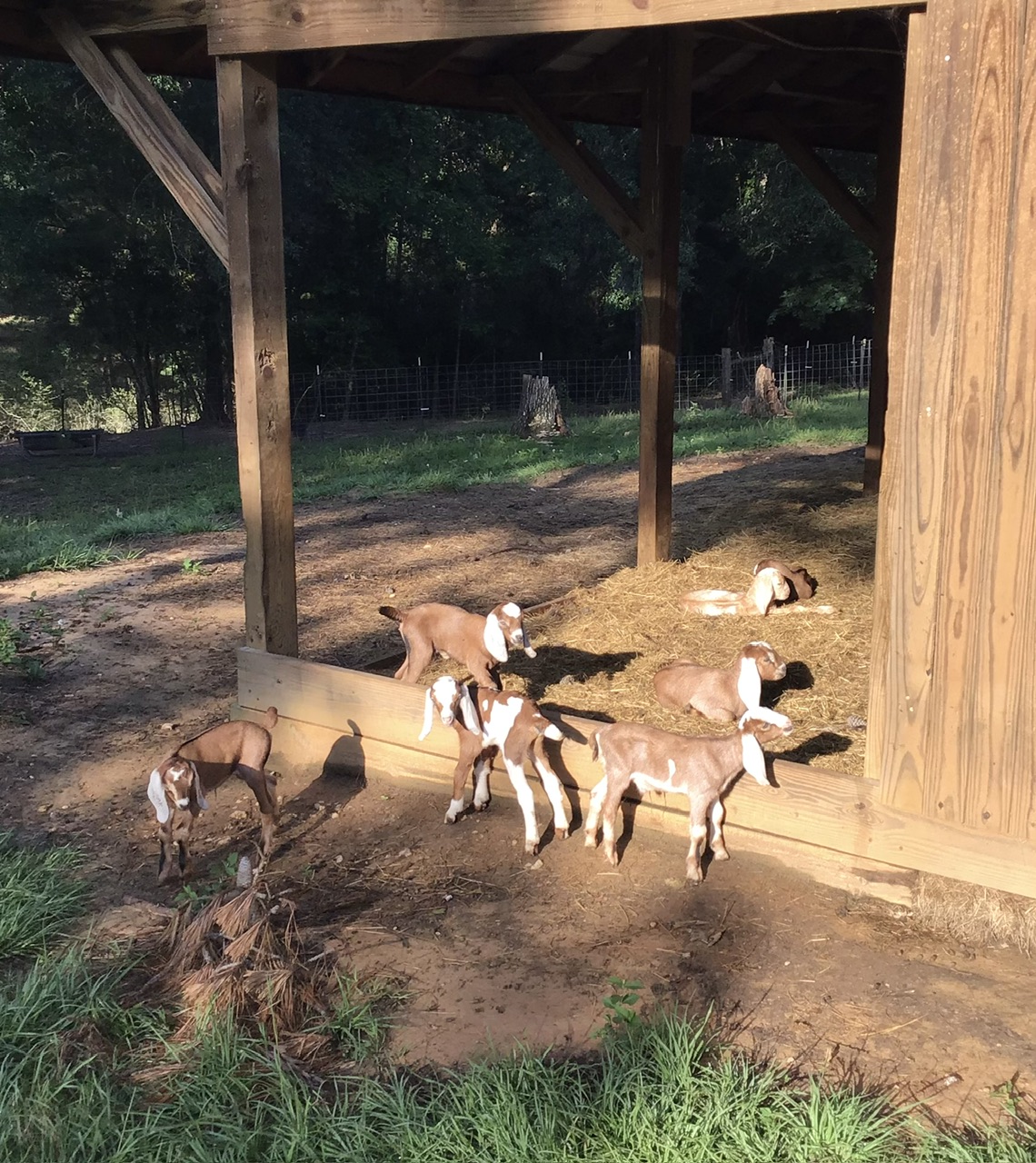
We’ve finally fully weened the kids and it’s been a very loud few days! I’ve got enough milk again to make some good cheeses, which is just about my favorite thing to do in the world. Or, I just really missed it all summer and I’m really sick of the garden.
The kids will be fine without their mamas, they just don’t know it yet. 😆
I’ve got to get practicing my cheeses again, because the interest in homesteading has really been growing around here. A nearby group has formed and asked us to share some knowledge, which we are pleased to do. Hubby will be lending a hand in the butchery department and I will be offering my fermentation wisdom— in kombucha, soft cheeses and sourdough—for now, hopefully moving on to more advanced skills if interests persist. It’s been a very long time since I’ve done any teaching and I’m already nervous! But, I’m so pleased folks are really starting to see the value in more self-reliant living.
Whether it’s out of necessity or innate interest, I’m thrilled more folks are choosing a more natural lifestyle.
And . . .I think the more the big shit stinks, the more we should be celebrating the small stuff.
And . . .Just in time for Halloween . . .a visit from a black widow!