Homestead Happenings

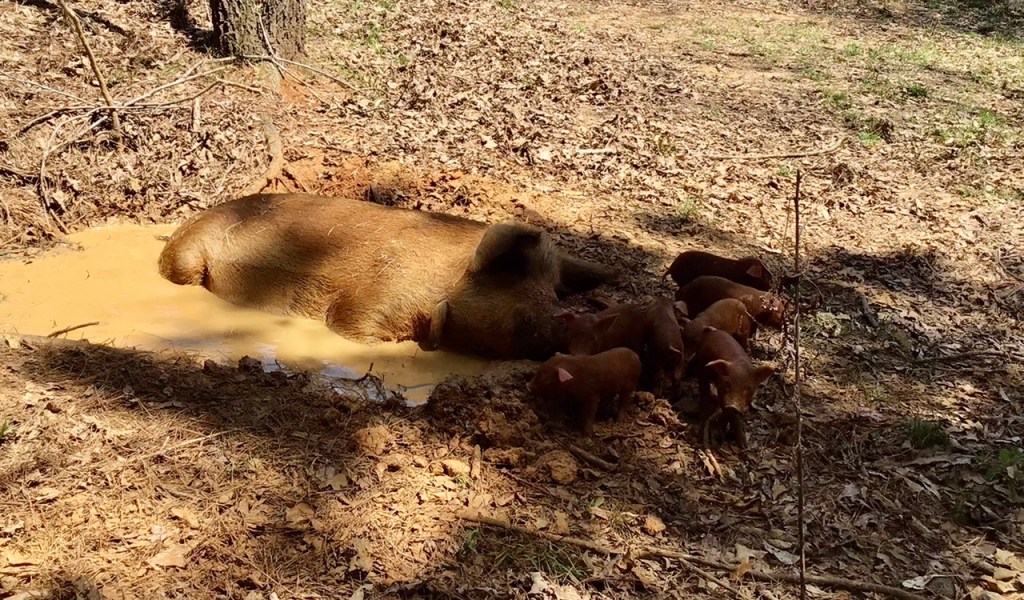
Huge days on the wee homestead! The pigs and sheep have all had successful births without a single hitch. Mama Chop did lose a couple, but she has such large litters that’s not such a bad thing. We were very concerned about her as she crushed her last two litters, literally, not in the new way of the term—She crushed it! Nope, in the old way, as in she smooshed them all.

Hubby was able to prevent that sad ending this time by clearing out her corral space of every last twig. She was in the habit of building huge nests, full of branches and twigs and so steep the piglets would roll right off it, falling between branches and getting pinned whenever she moved around. We were worried with another total loss we’d have to get rid of her because we like her so much, she’s so gentle and good-natured. She loves company and will even go on walks with us. It is truly amazing how graceful these huge creatures are around those tiny, squirmy little things!

I did not mean to hit ’slo-mo’ during this video, oops! Need to work on my skills.

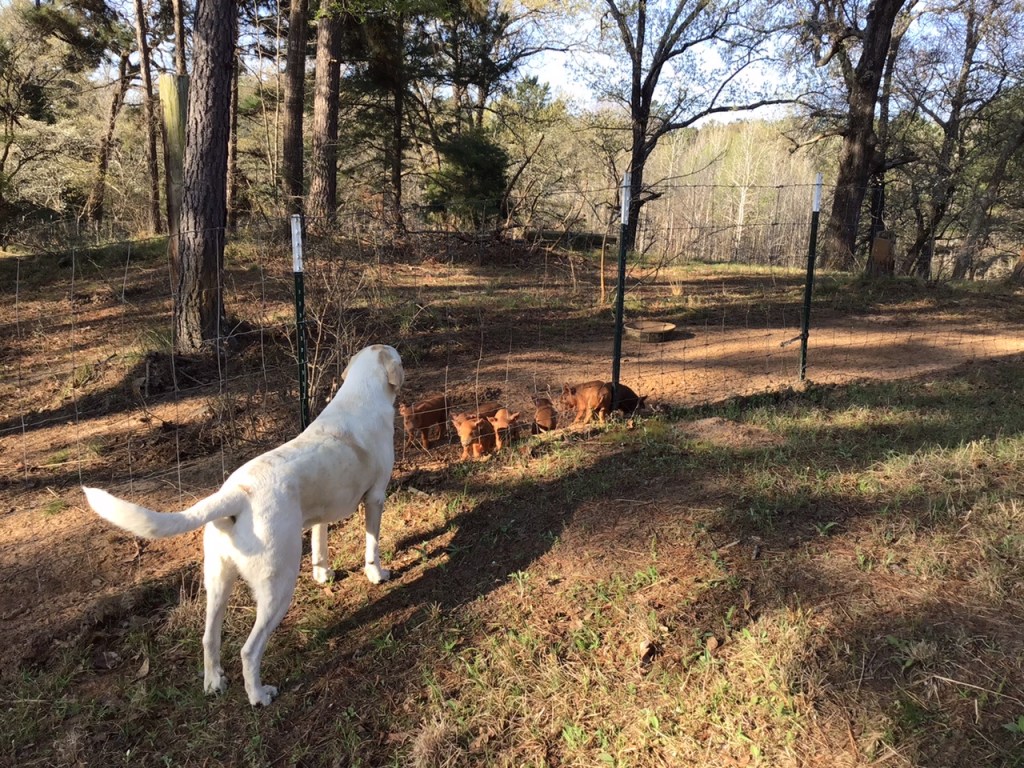
Virginia had a similar setup to Momma Chop, but she wanted nothing of it. She went off into the woods to build her own nest, her way. Luckily she doesn’t have such a penchant for branches and twigs. She’s got more of the wild side in her attitude as well as her nesting preferences. And she certainly does not appreciate prying eyes and will come after anyone who gets too close to her brood!

Peek-a-boo! Yes that is Hubby running away from one irritated mama!

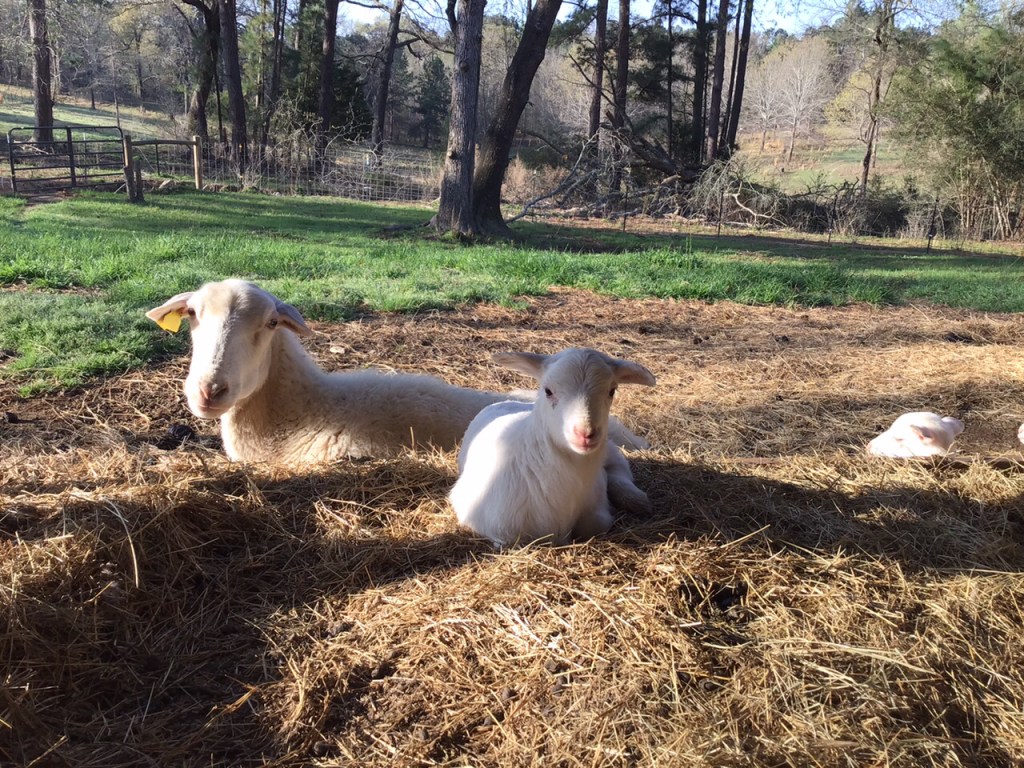
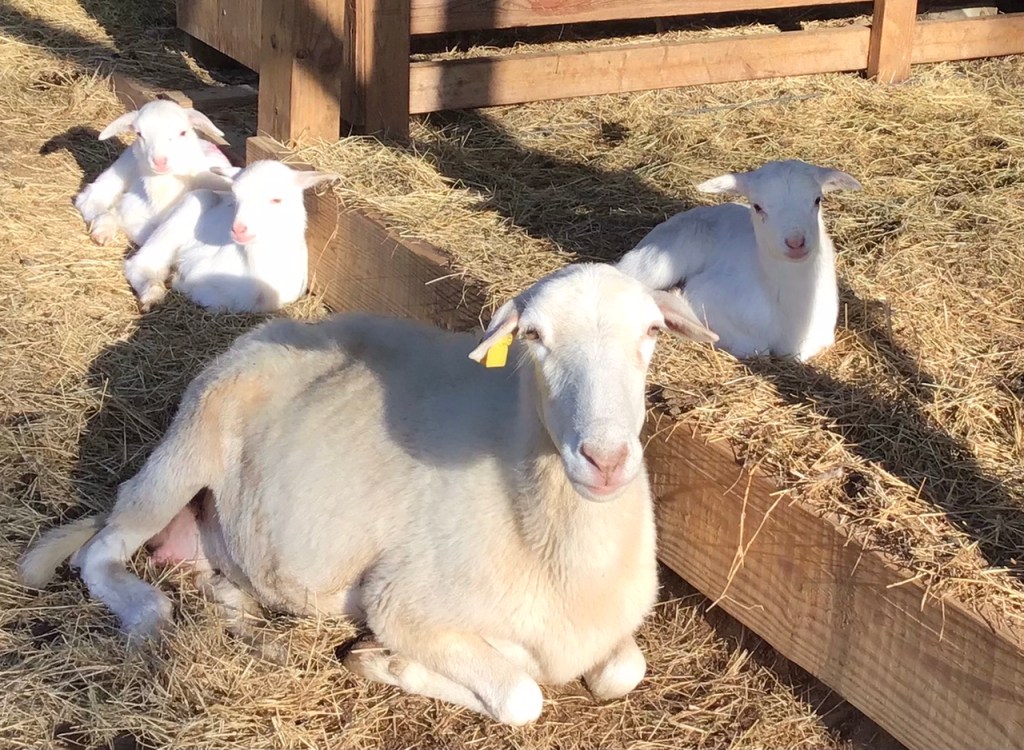
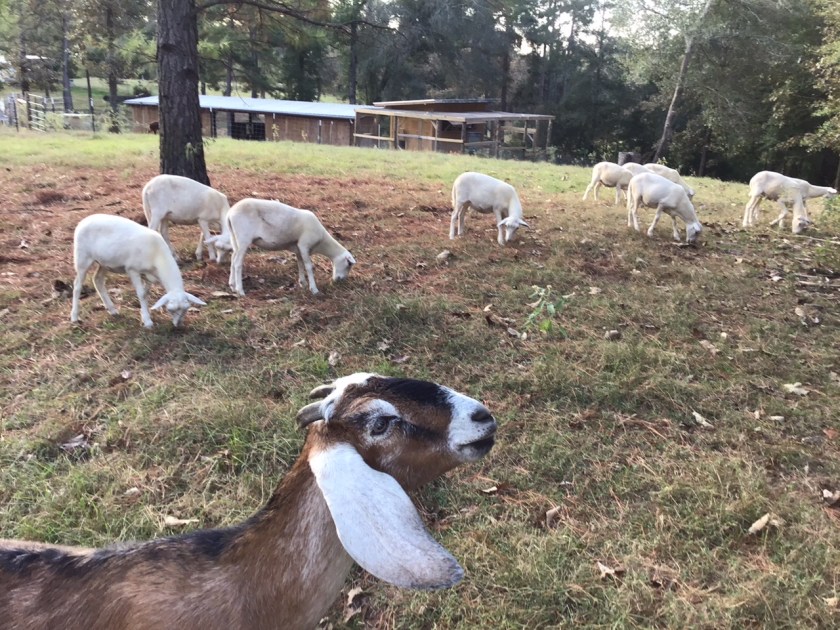
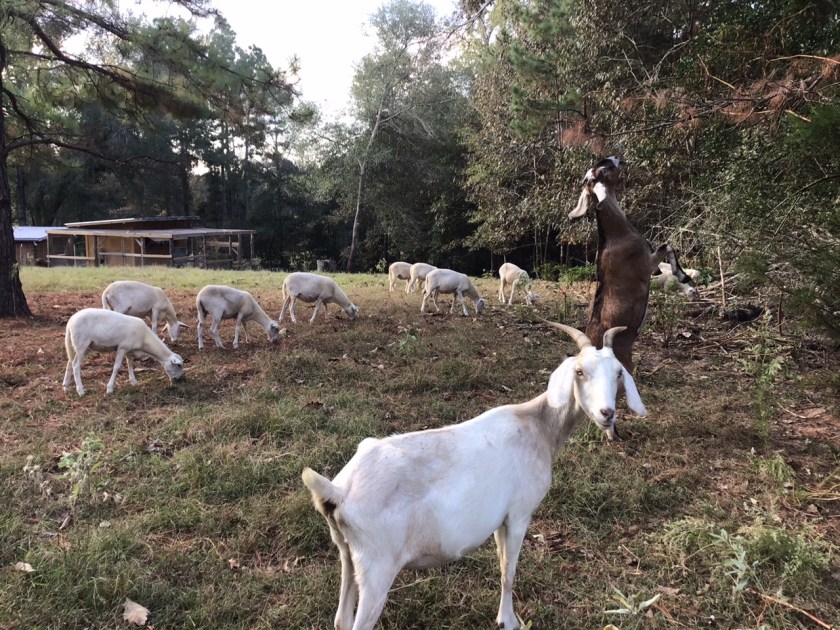
Watching the little lambs play, and sleep, is so cute. But I expect when the kids come next month we’ll really be in for a comic treat! It will be our first experience with goat births and I hope it goes as smoothly as the sheep did this time.

Getting friskier by the day!

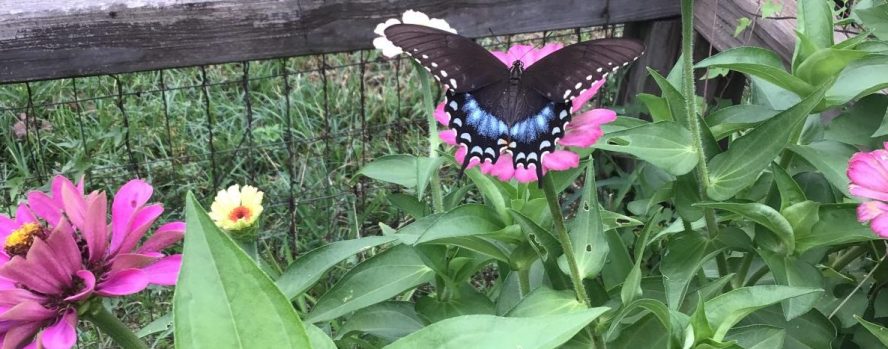
We have a new visitor to the garden which surprised us.

It’s been there every day now for about a week and I’ve never seen one like it around here before. It flies just like a hummingbird and had us quite confused. It was darting all around so fast and so far that it took me about 10 minutes and 30 attempts to get one decent shot of it. After some searching we learned it is some kind of hawk moth. Fastest moth in the west? Sometimes I undervalue the usefulness of the Internet, I might’ve been left baffled on that simple identification for a lifetime!

Not to mention the joy of sharing these simple pleasures with y’all!

Fall Flourishing

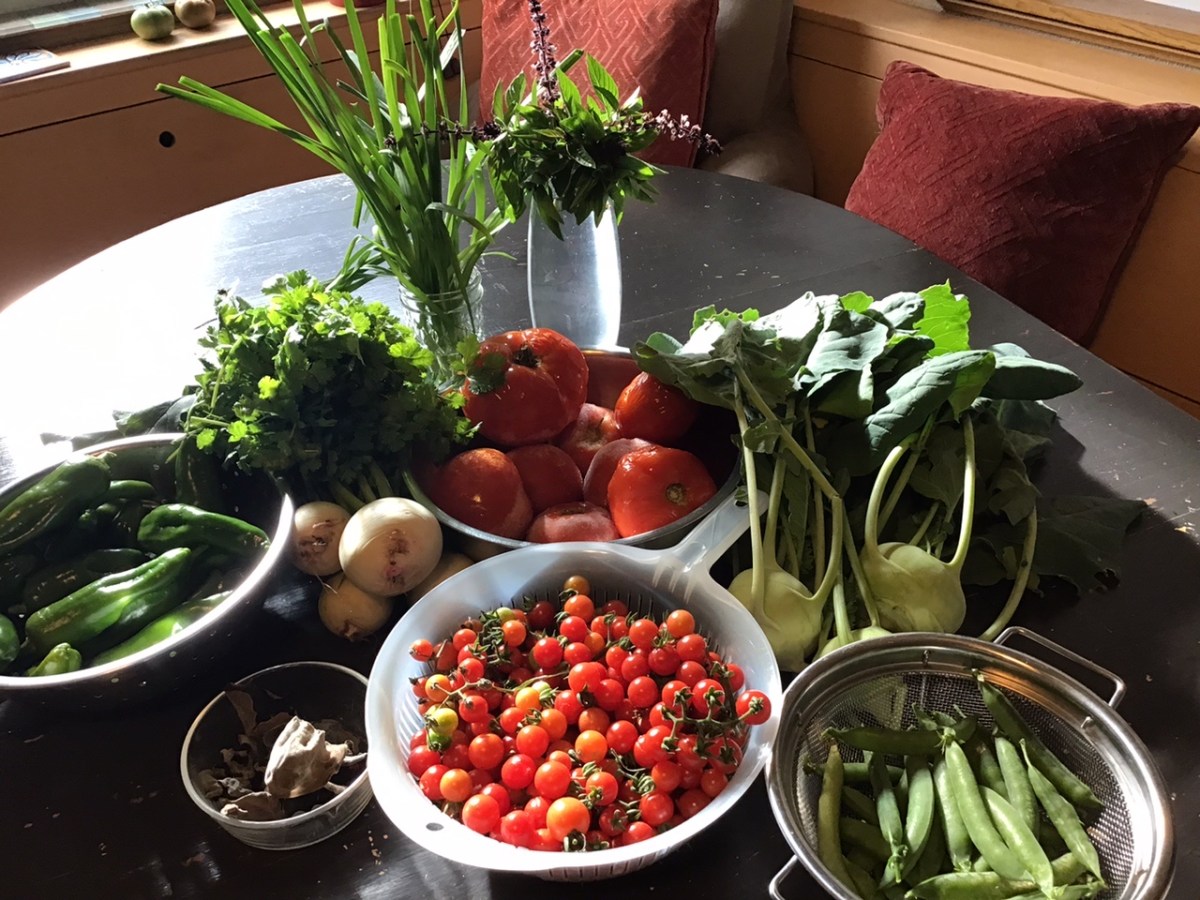
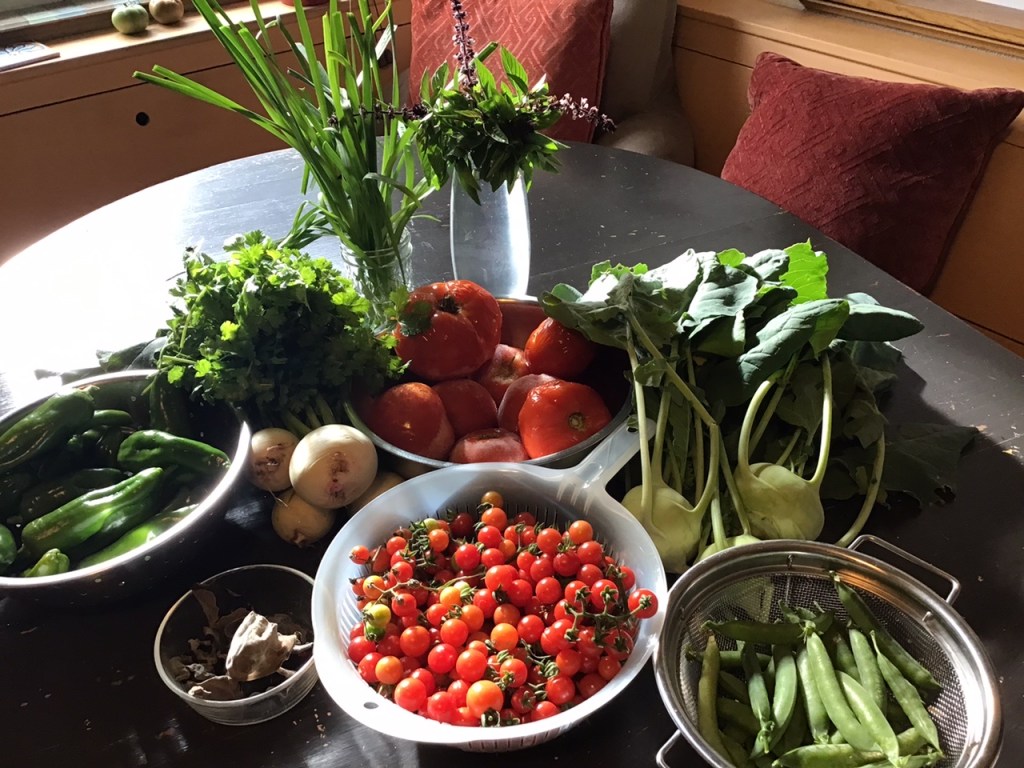
It’s been unseasonably warm for us so far, with regular episodes of more mild weather whiplash than in recent past years. I suspect that’s about to change, so here’s the garden as it’s growing now.

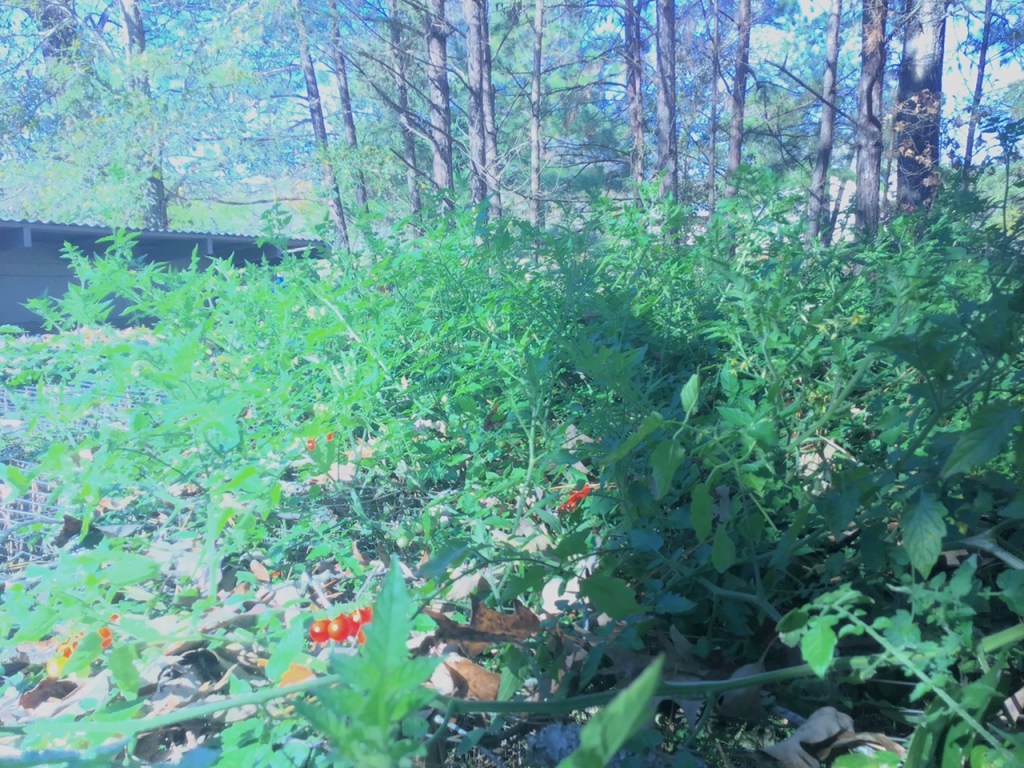
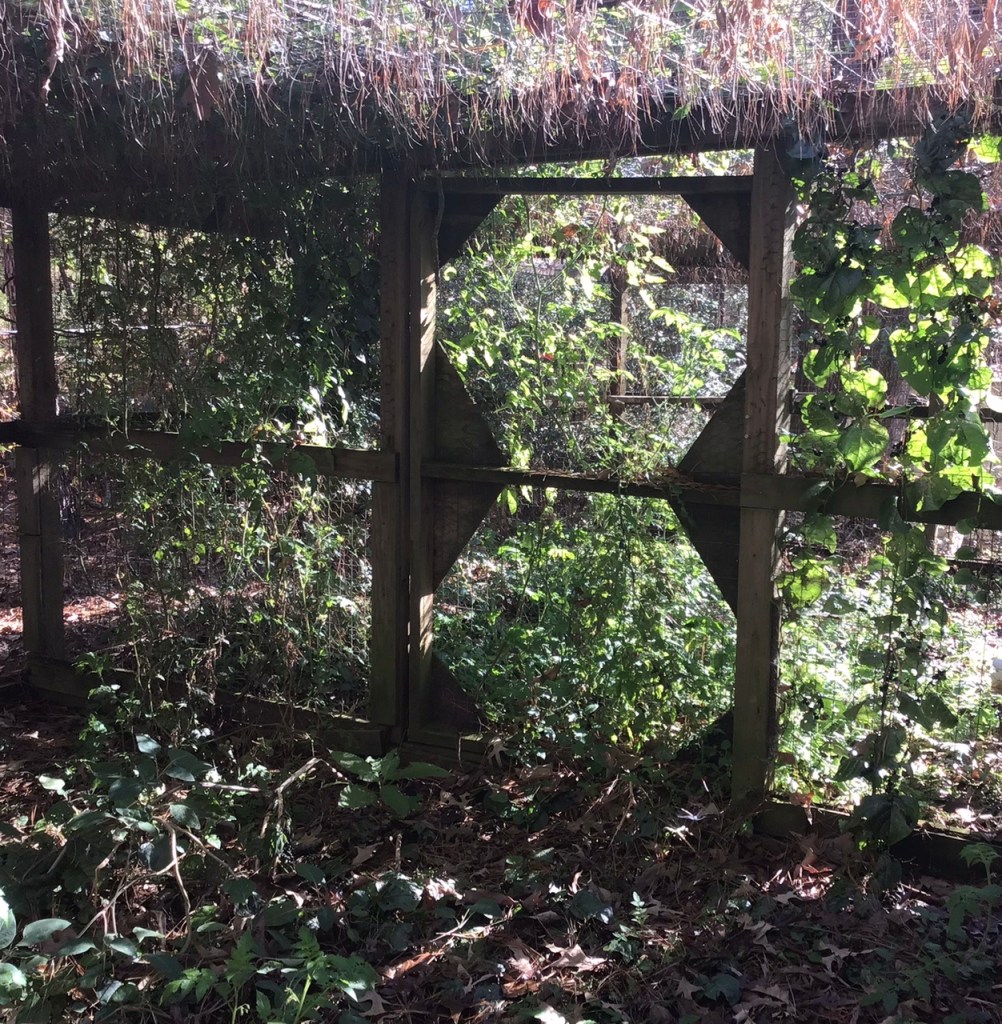
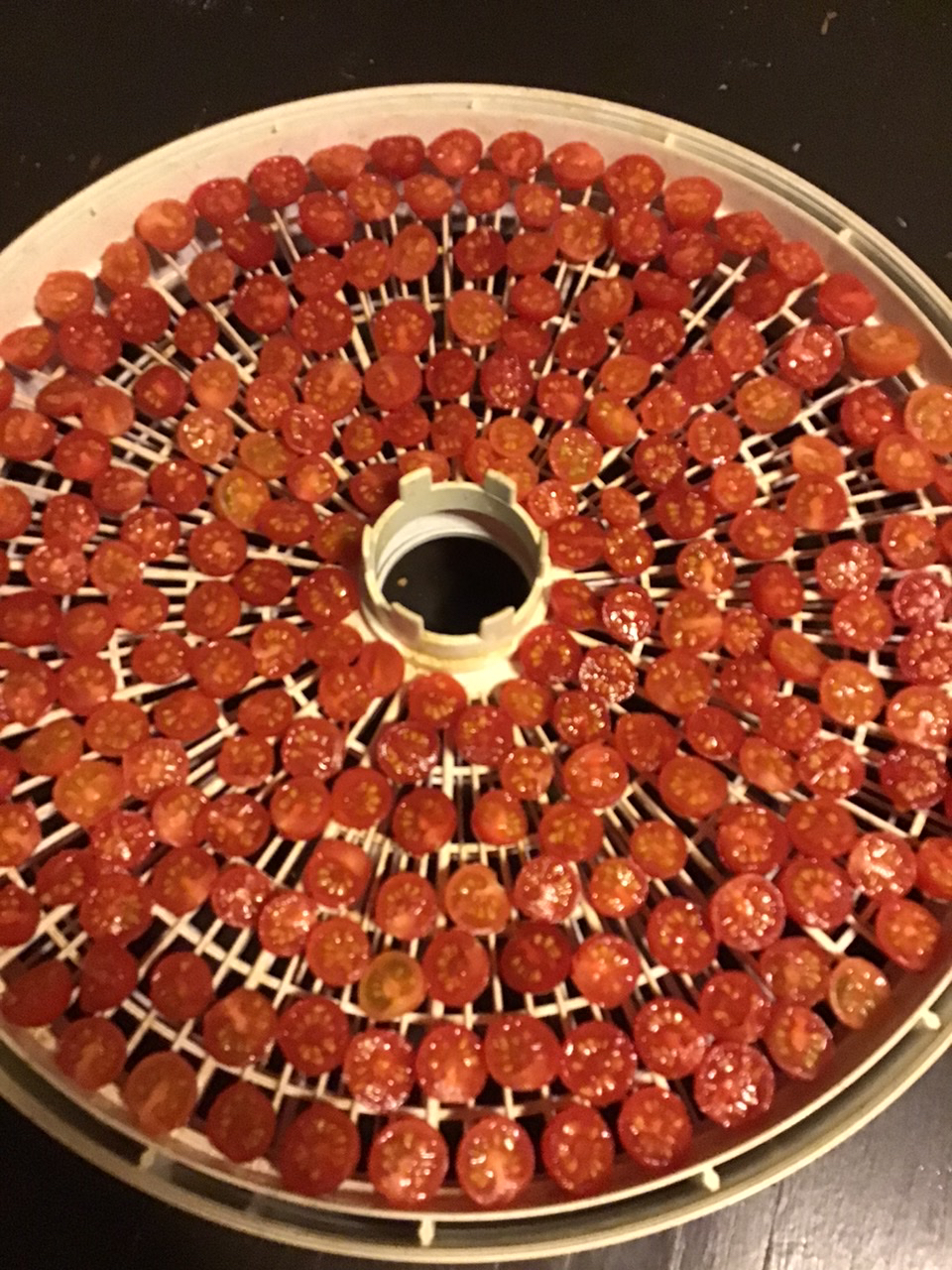
It’s a first for fresh tomatoes in December around here! We are still harvesting from the ‘volunteer’ tomato jungle growing in the duck coop. It looks so pretty and is producing much more than we can munch. Even though it’s tedious work, I dry them. They come out delicious that way and can be added to all sorts of dishes or made into a pesto.

The large tomatoes pictured here are previously frozen. Freezing the surplus in summer solves one big problem around here: the tomatoes come ripe after the cilantro has gone to seed. To me, salsa without cilantro is like a bed without pillows! Now the cilantro is growing like gangbusters, and we still have fresh peppers (another first!), so we get nearly fresh salsa in December too.

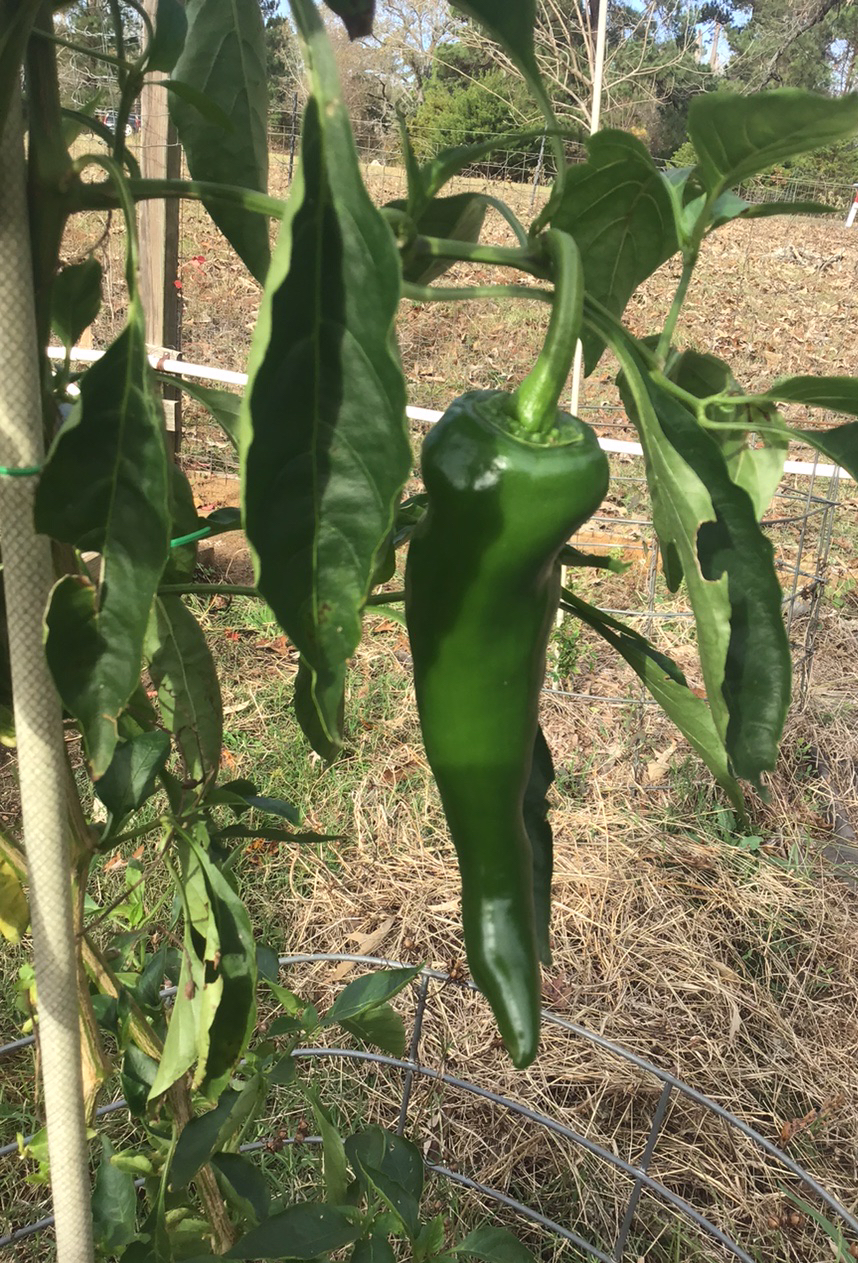
With the peppers still growing strong that means in 20/20 hindsight I should not have moved a couple of them last month to winter them indoors after all. Where’s my crystal ball when I need it most?!

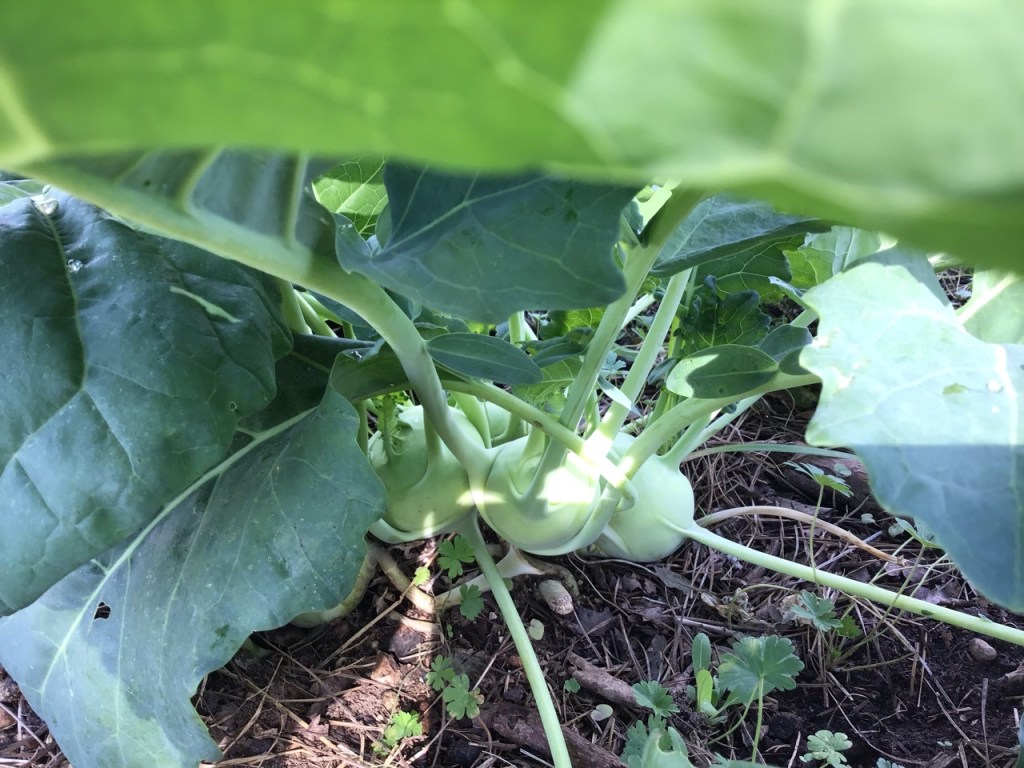
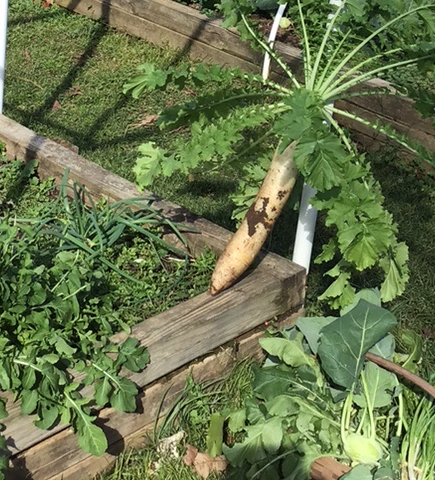
Now that’s a radish! I love all radishes, but the Korean radish is seriously impressive.

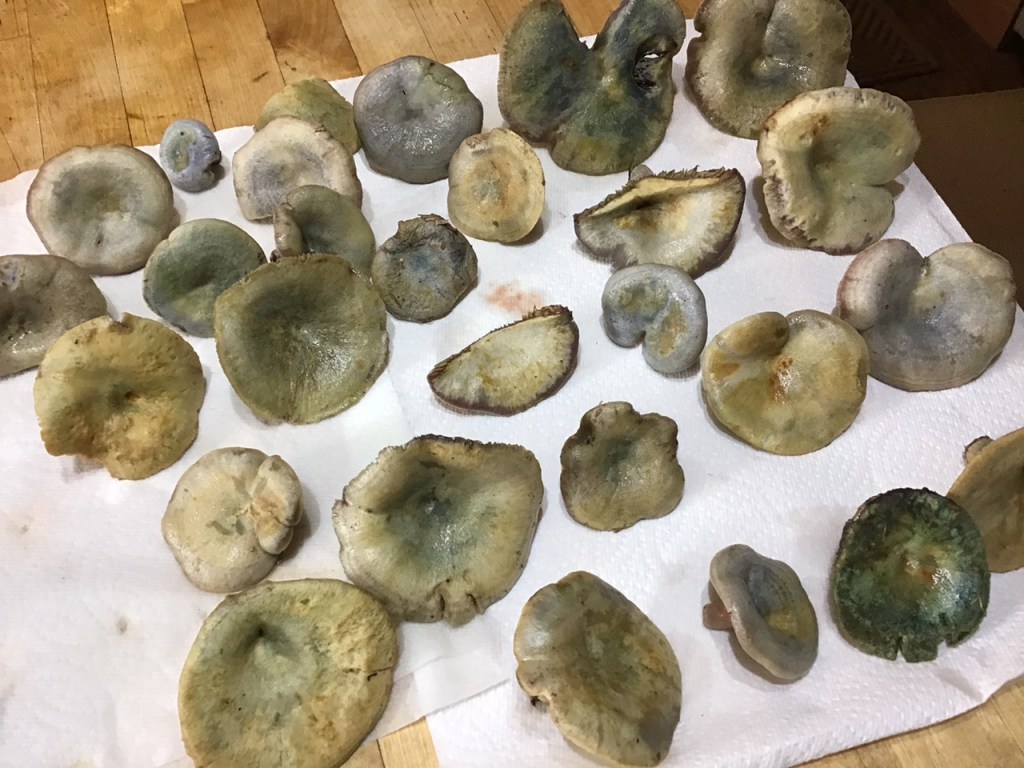
The mushrooms continue to marvel me! First we had chanterelles nearly all summer, now we have delicious ’wood blewits’ (clitocybe nuda—ok that sounds a bit pornographic, no?!) and tabescens, and lactarius paradoxus. Also pictured are either the hallucinogenic ’laughing Jims’ (Gymnopilus spectabilis) or the highly toxic ’Jack-o-lanterns’ (Omphalotus olearius). The latter I give to a friend who uses them to dye yarn. The former, if I were 100% sure of my identification, I might be inclined to try! Apparently you can tell from the spore print color, either orange or white. But, what about when it comes out whitish-orange? Too risky for me!

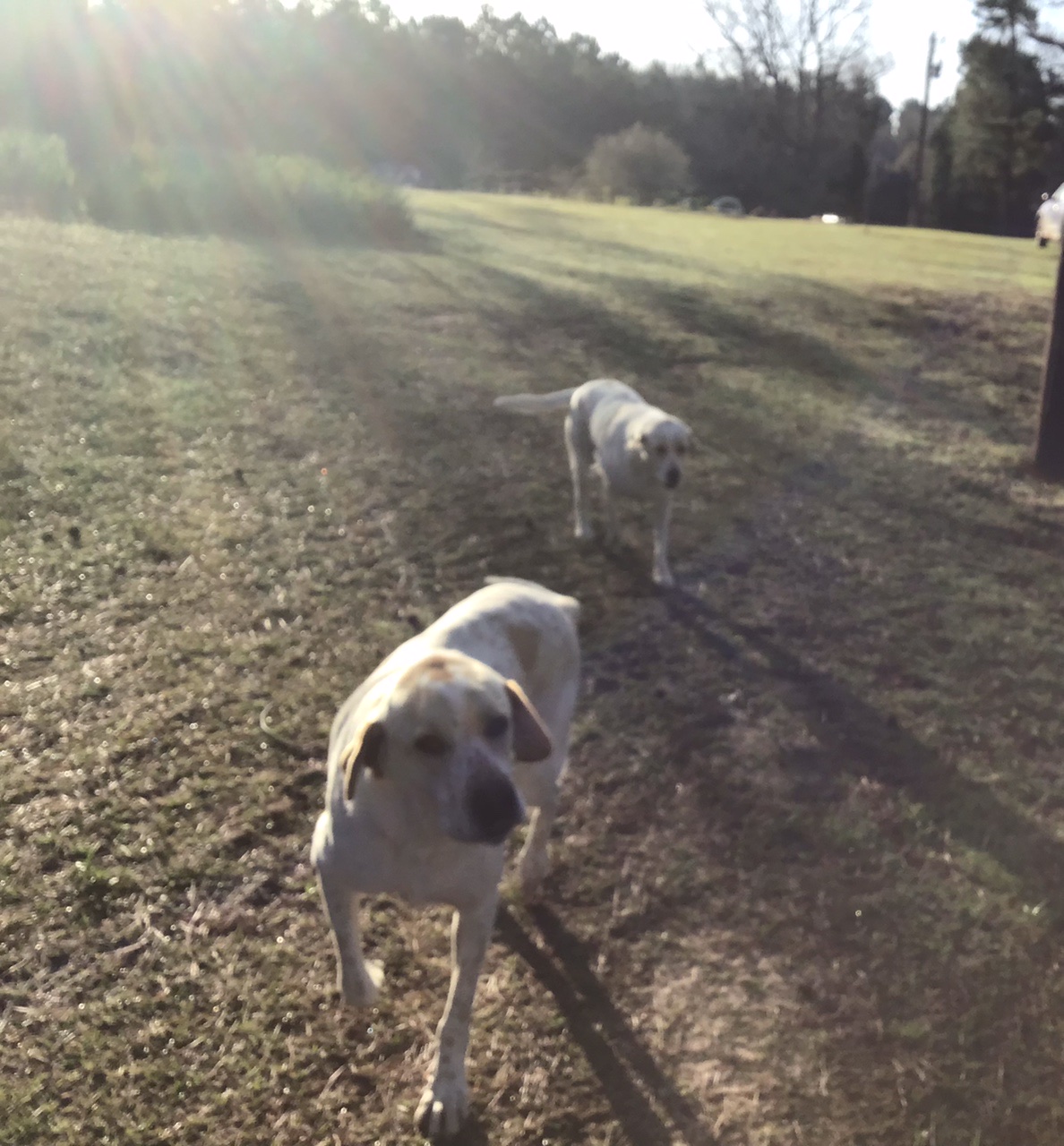
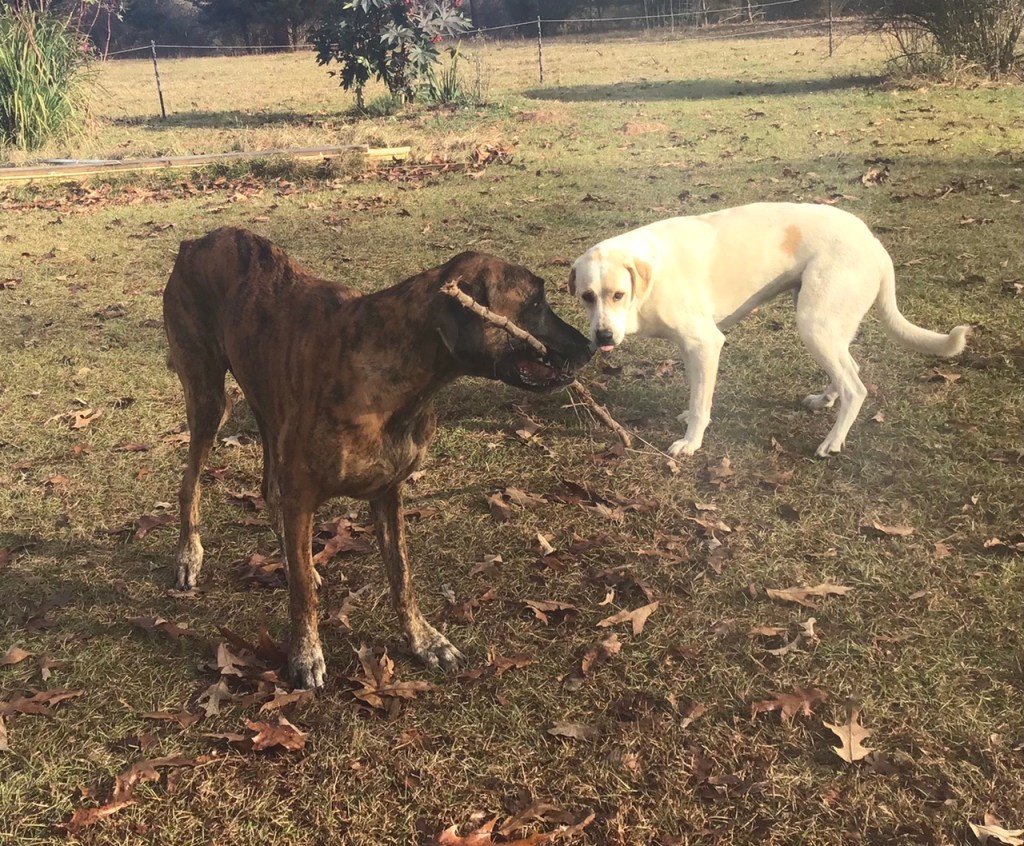
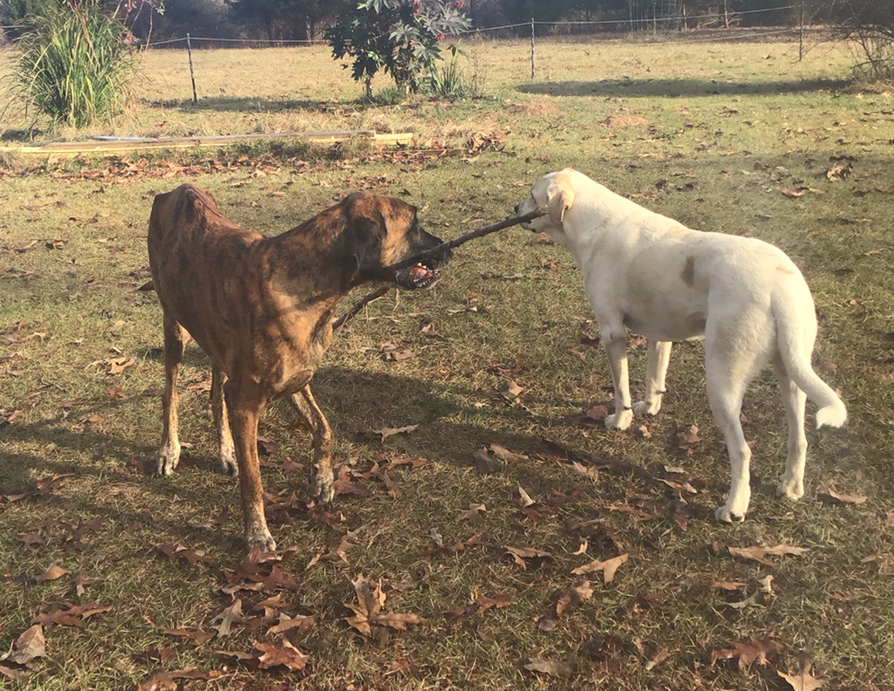
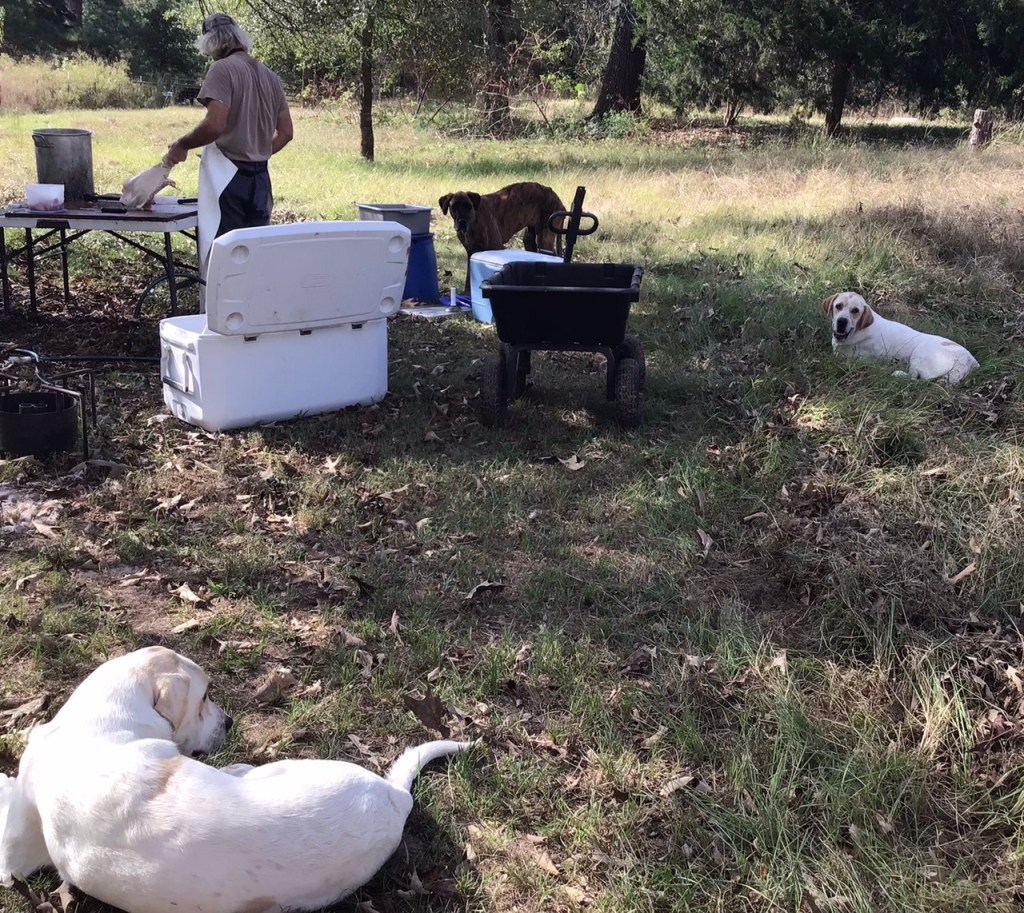
The cooler temperatures make even our old dogs feel a little frisky!

Play time!

And for a little more humor . …

How Do You Know They’re Fake?

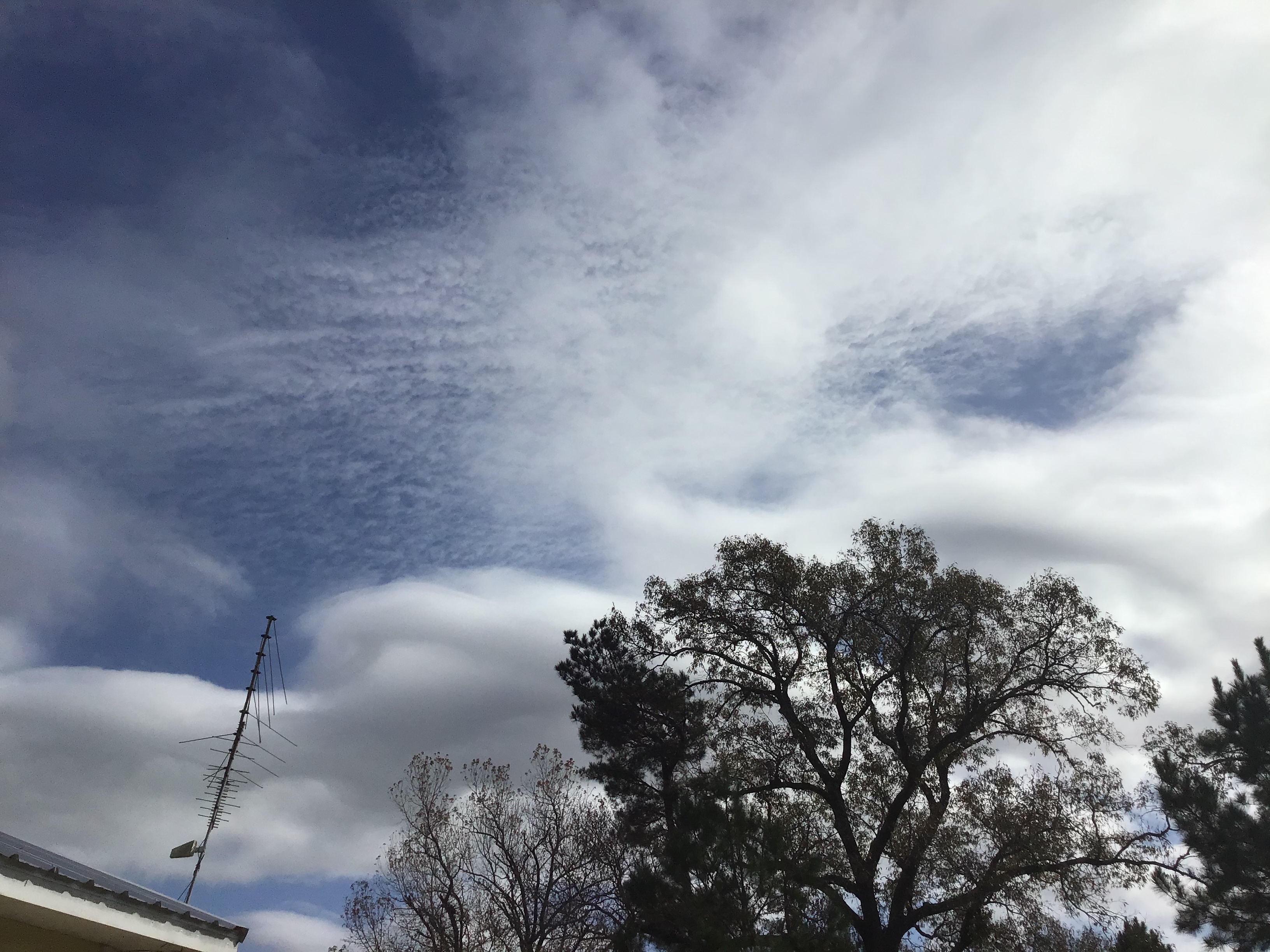
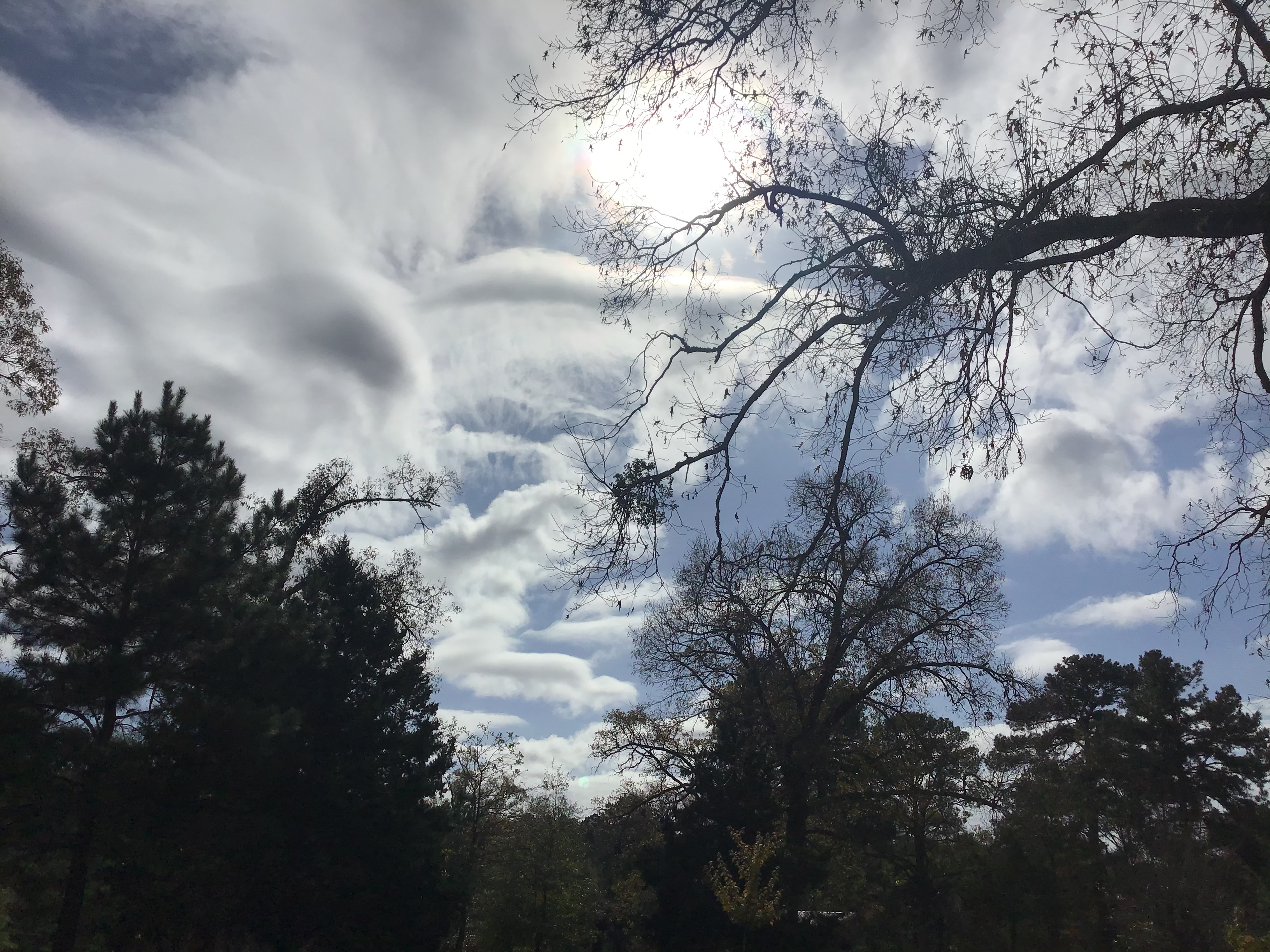
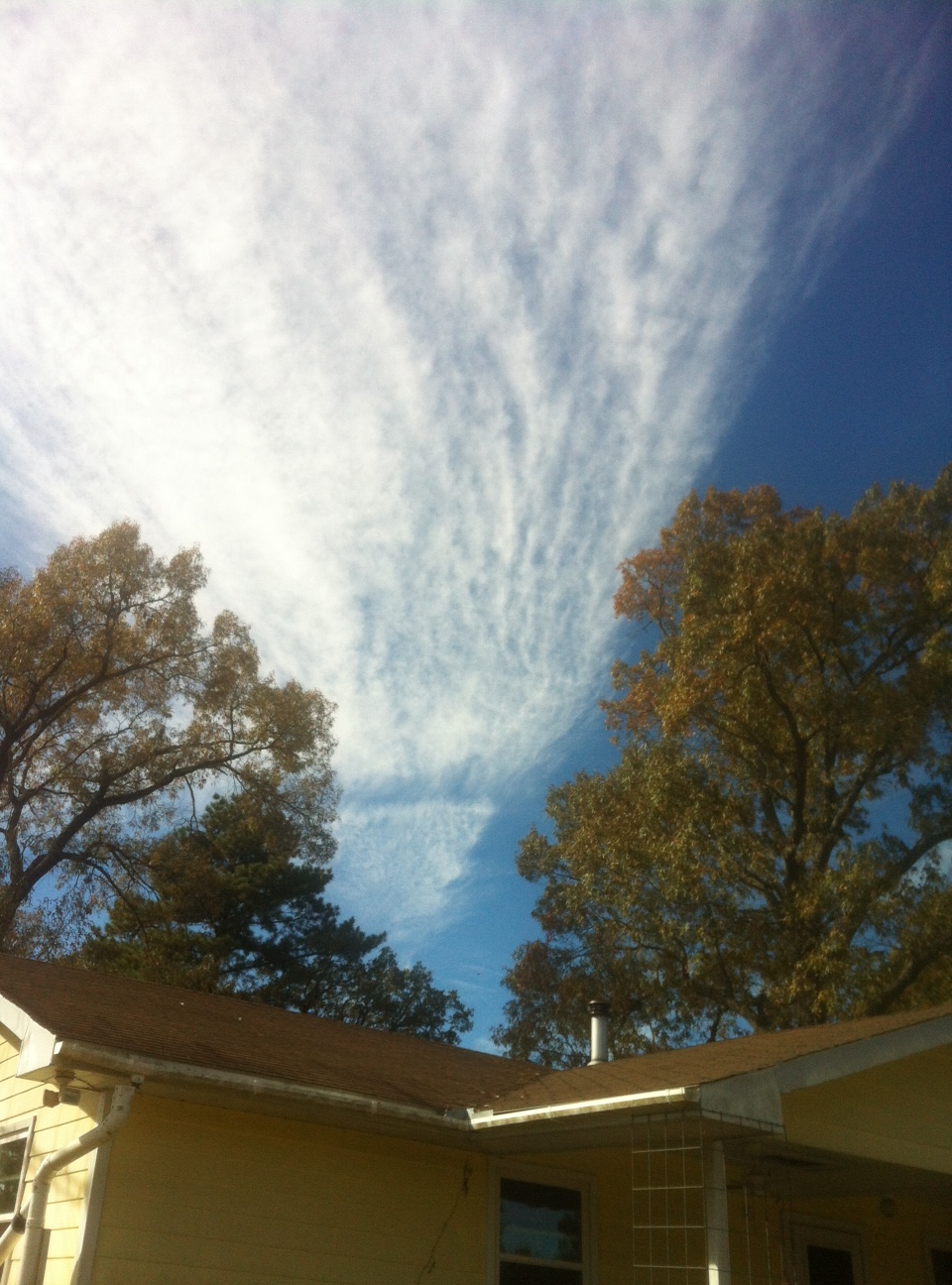
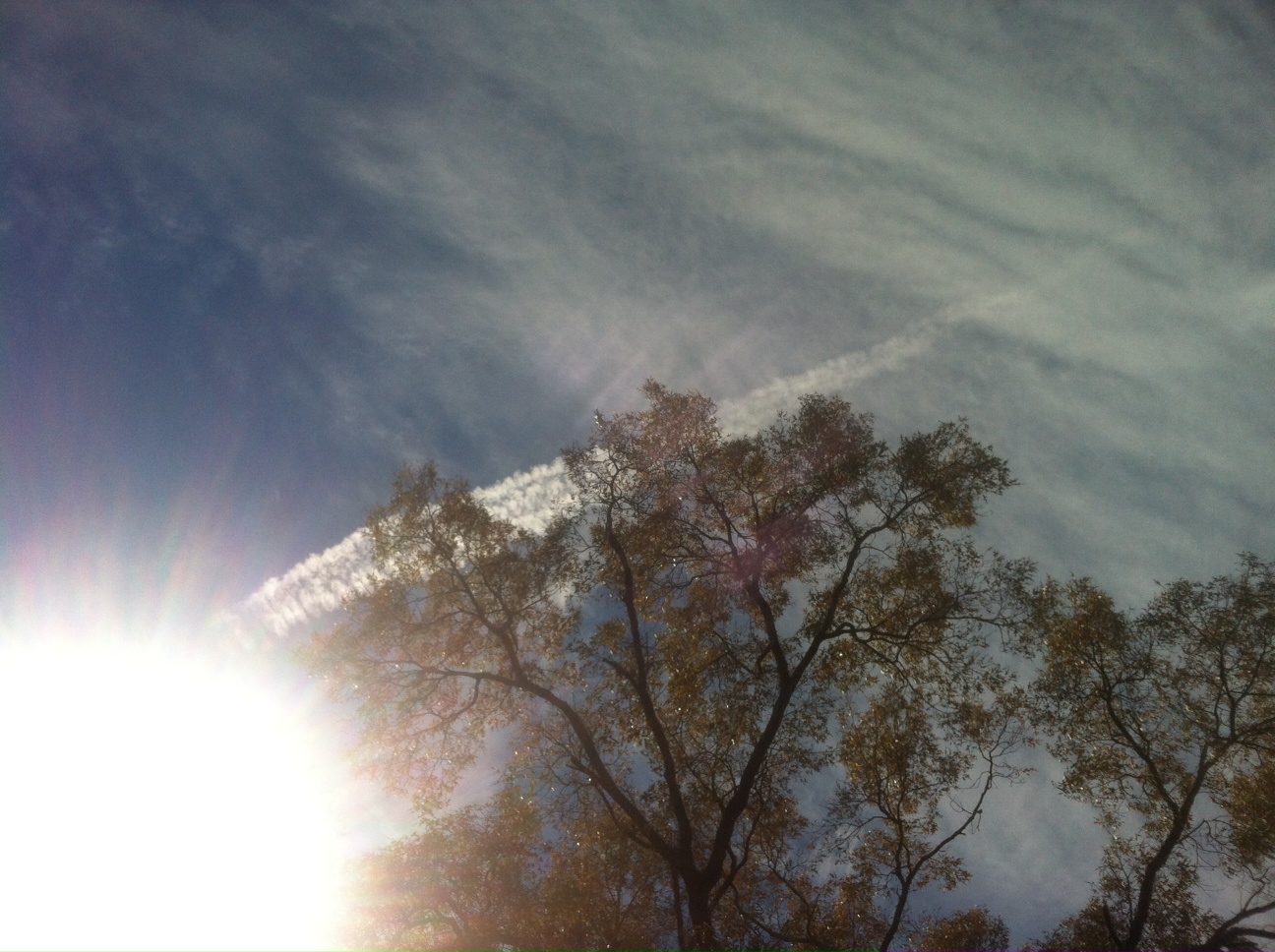
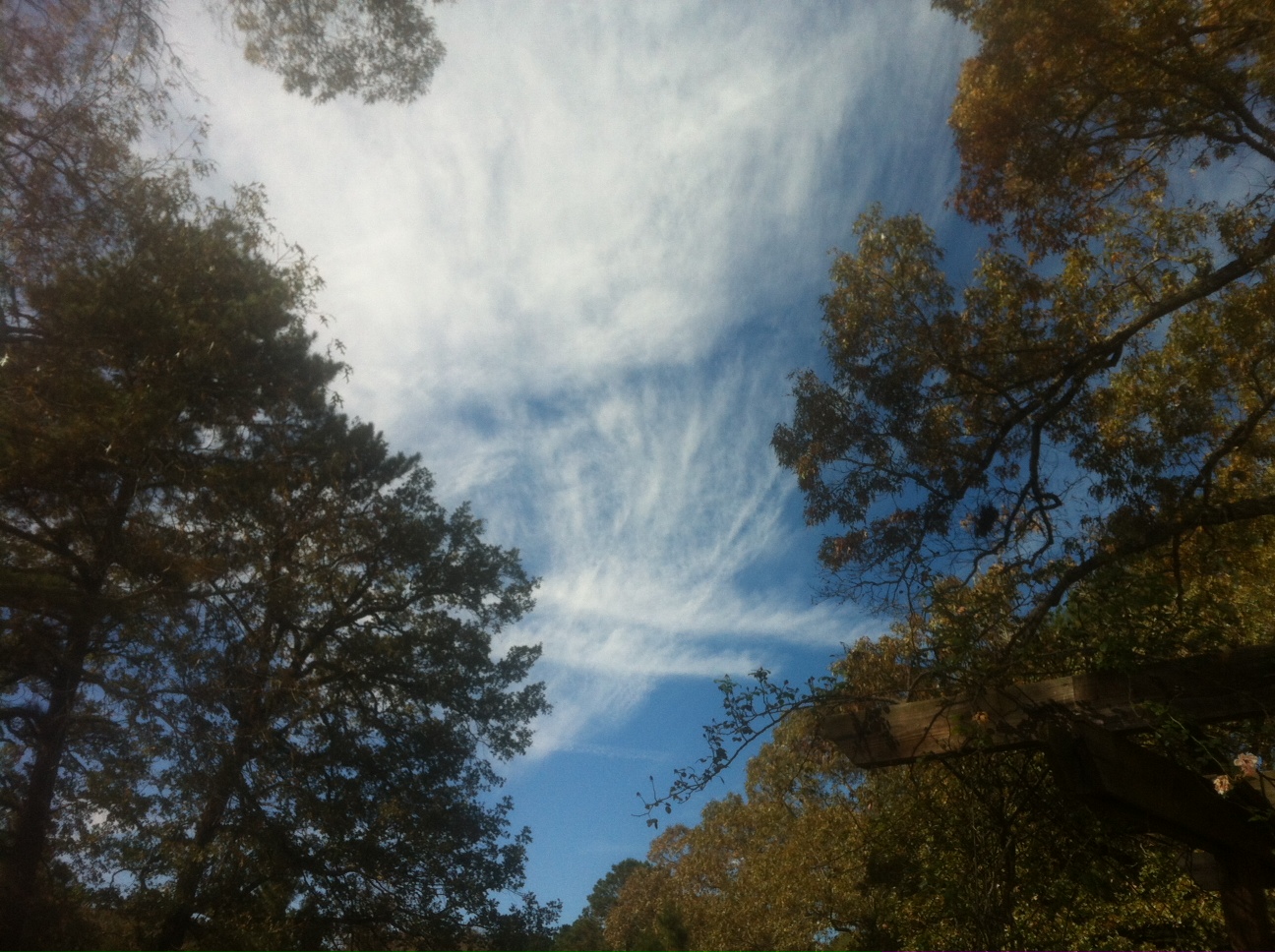
I’ve been trying to talk with folks about the fake clouds and the fake weather for so long now that I’ve been able to witness my personal growth on the topic.

At first I was simply appalled. Seriously?! How on earth can you NOT see it? It’s so obvious to me and has been for so long it’s like when I discovered real cheese and real beer for the first time, in Europe. That was over 30 years ago, when I’d only previously tasted individually wrapped Kraft American cheese slices and a few sips of my step-dad’s Bud Light. It was a revelation. I could never again feign a taste for fake cheese. Of course, I went on to uni and drank plenty of fake beer.

(Yesterday (11.30.2021) from morning to dusk. Some of us can not only see it, we can smell it and feel it and have palpable physical reactions to it—like allergies, cough, vertigo, etc. We’re called ‘sensitive’ in the pejorative and told we’re crazy and to take more meds.)

One can argue that the cheese, the beer, the clouds are not ‘fake’ and I understand that position. Just because they are mass produced and have very little in common with the original doesn’t mean they’re fake. I’ve tried to find a more descriptive word—imitation, manufactured, chemically-concocted, disgusting—but the word choice doesn’t seem to matter anyway, folks just don’t want to hear it.

So I took some well-meaning advice in trying on some new tactics in years past. Don’t say ‘chemtrails’, use the science terms—albibo enhancement by stratospheric sulfur injection, solar radiation management, climate remediation, etc—that way when folks look it up online they don’t get lost in ‘conspiracy theory’. If anyone has yet to research anything thanks to my posts, comments, rants, or suggestions, I have yet to hear about it.

Then I tried some advice from the ‘communication-expert’ types: say 5 positive things for every negative one, ask more questions than make statements, don’t get flustered, never let them see you sweat. Problem is, that requires I fake it, which I loathe doing. Not to mention, in my opinion there doesn’t exist 5 positive things about geoengineering and when I’ve tried to fake it, the teeny, weeny, little negative gets lost in all the “positive” and no one hears it anyway.

I’ve come to the conclusion that simply, very few folks care, for the same reasons they don’t care if they’re eating fake cheese, drinking fake beer or touching fake boobs. The simulacra is good enough for them. They prefer it even. Like the time I was giving landscaping advice to an acquaintance. She wanted some ‘curb-appeal’ plants. Her requirements were that they look good all year, never drop any ‘mess’ on the lawn or sidewalk, and require zero maintenance. “Ah, so you want some plastic plants then,” I replied. That’s where we’re at as a culture, and I accept that.

But as long as I live I will NEVER stop complaining about it, ranting about it, or praying it was different, or trying to change it all back to its natural state.

Even if I never reach a single soul or gain an inch against the tide of insanity.

The Dimming, Full Length Climate Engineering Documentary » The Dimming, Full Length Climate Engineering Documentary | Geoengineering Watch

Fascinate, Me?

I doubt it.
But do try, if you please.

For I hold that which is more fascinating than all the revelations on the Worldwide Web.

For I know what’s more delectable than the greatest feast any queen was ever fed.

Home-raised and home-made by just little ol’ us:
2 cheeses, pig liver pate, sourdough rye, olive oil pickles, radishes and green onions,
persimmon kombucha.

For I have felt the pleasure of the task done only for her most dear.

For I have touched the archaic wisdom without fear.


For I have sensed the eternal crafted long before His key.


For fascination is my daily bread living this great mystery.

How ya gonna keep them wrapped in illusion once they’ve touched reality?

The Peculiar Persimmon

Another brief plant profile this post, as it’s our first experience of persimmons!

The first thing you learn is absolutely do not eat them when they look pretty enough to eat. With the persimmon, the uglier, the better! If you eat one when it looks like this, you might think you just stuffed your mouth full of dead rodent fur.

If you eat one that looks like these below, you might cringe a little at first thinking you’re about to taste something rotten, but you’d be quite wrong—it’s magically delicious!

Let this funny lady tell you all about it!

It is often claimed that American persimmons are only edible after a frost and that you cannot ripen them off the tree. Luckily, this is not the case. However, most persimmons you can purchase at the grocery store are of a Chinese variety. It seems American producers have decided our own varieties don’t ship well enough.

Preserving ’wild’ persimmons is also a bit peculiar as cooking it will bring the astringent taste back. Making fruit leather was the solution for Native Americans according to this article by Mother Earth News. “When desired, the persimmon leather can be cut into small pieces and eaten like candy. It is much relished by small children this way. Or, the dried pulp can be mixed like raisins with cornmeal and other cereals to make Native American puddings, various cakes and biscuits.”

Time for us to give persimmon leather a try! And persimmon cookies, clearly. I already made persimmon kombucha and it’s positively divine! 🙂

We’ve planted a bunch of persimmon trees in recent years, but only females produce fruit. The ratio of male to female trees is 10 to 1 and you can’t tell them apart until they start fruiting, in about 7 years. Nature’s way of teaching us patience and planning!

Mighty Mirliton

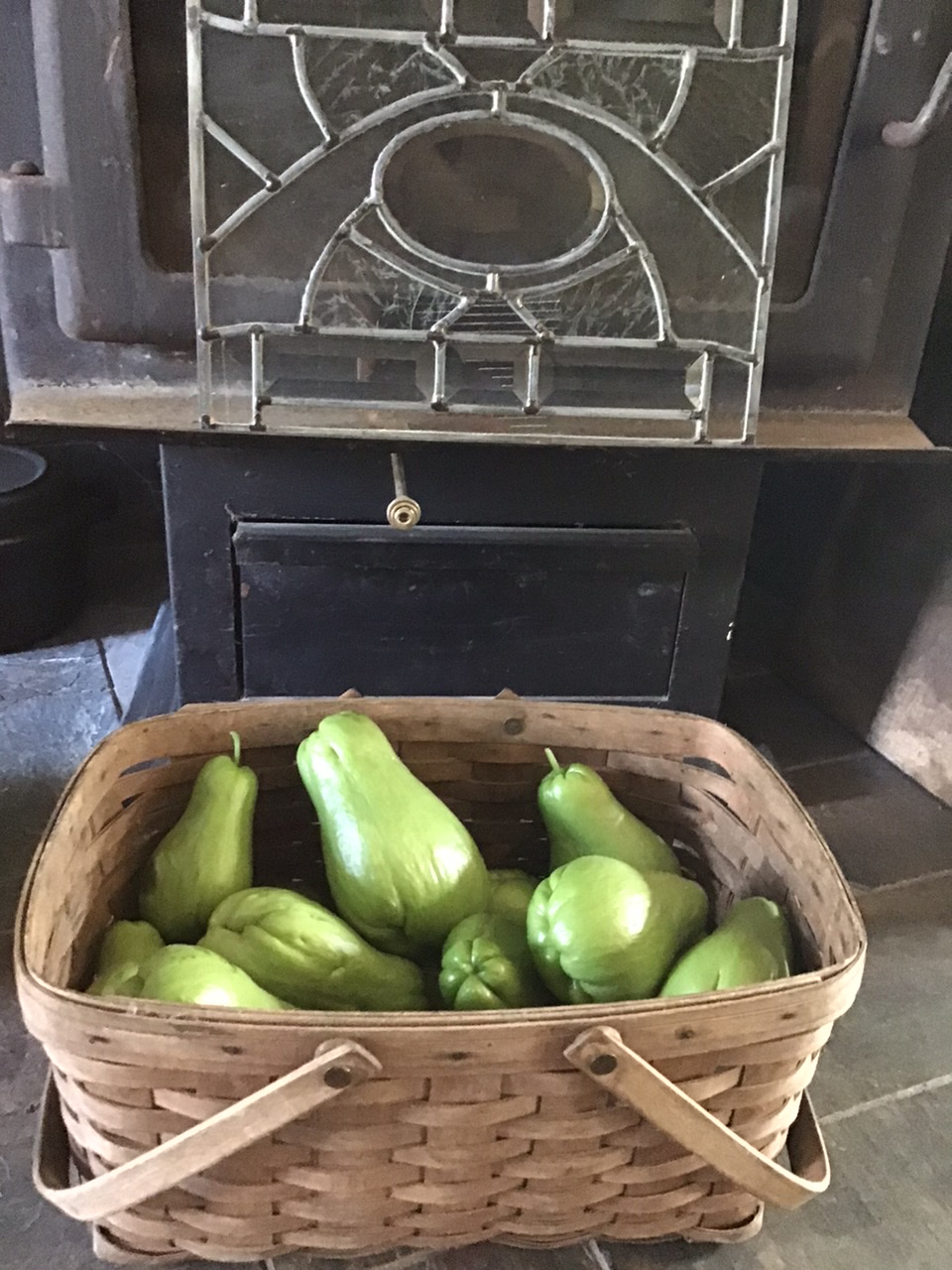
This post is just a quick plant profile because I’m so very pleased we’ve finely been successful growing this impressive and delicious squash. We’ve tried at least five times previously and they never lived through the summer and died long before producing fruit in early fall. I wish I knew how we got lucky this time!

Sechium edule, aka mirliton, crook, vegetable pear, pimpinella, chayote, christophine, chocho

A perennial with leaves, fruit and root all edible. One plant can easily produce 100 fruits a year. It’s a day-length sensitive plant grown in tropical and subtropical areas.

In Zone 8 it can come back from the roots if well-mulched. Fingers crossed here! It was first domesticated in southern Mexico and Central America. The fruits are used raw like a zucchini or cucumber, or cooked like potatoes.

It’s a very popular vegetable in Creole cooking. It’s used in fritters, stuffed, pickled and smothered.

We’ll be trying all of those!

Sources:
Perennial Vegetables by Eric Toensmeier
Louisiana Real & Rustic by Emeril Lagasse

Co-Creating Abundance

No politics or unpleasant ponderings this post, I promise!

Just some homesteady happy snaps and a well wishing for a wonderful weekend. 🙂

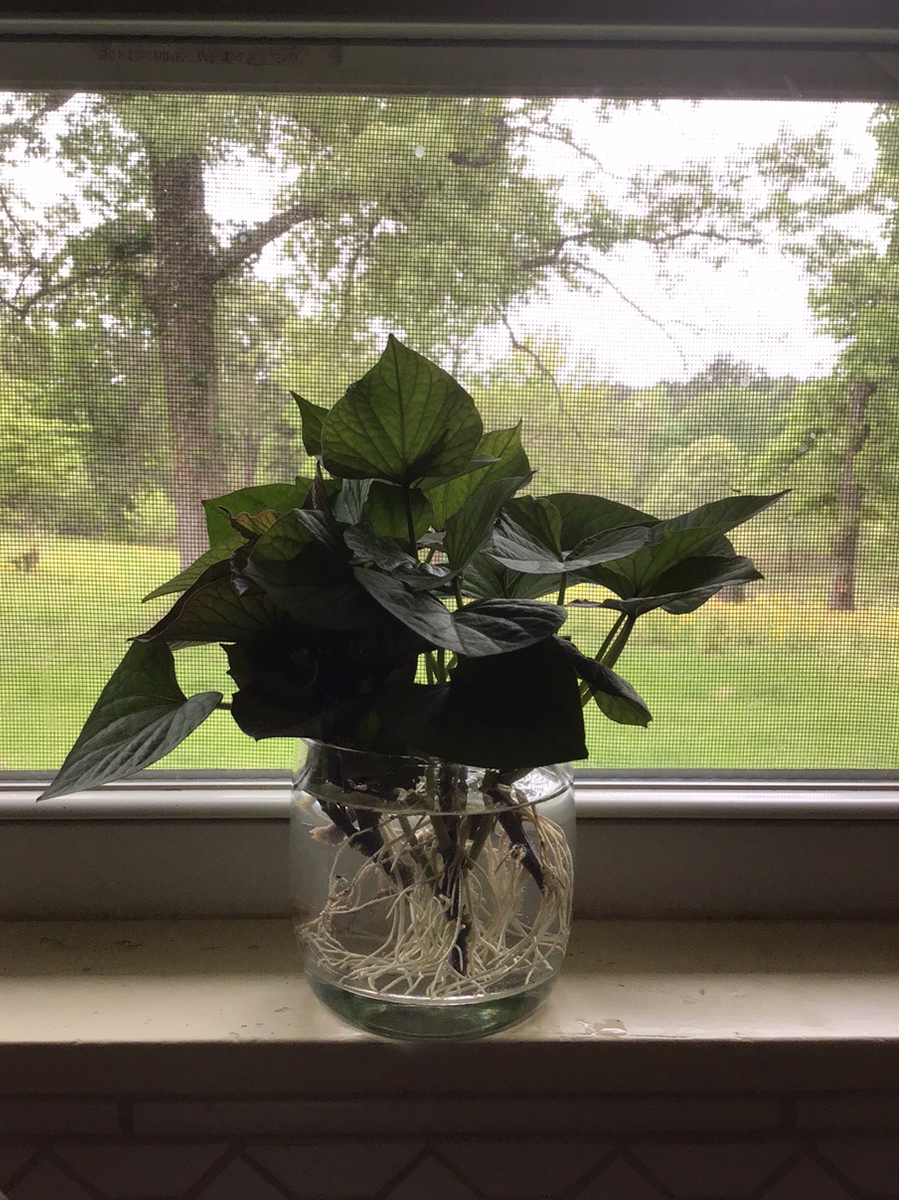
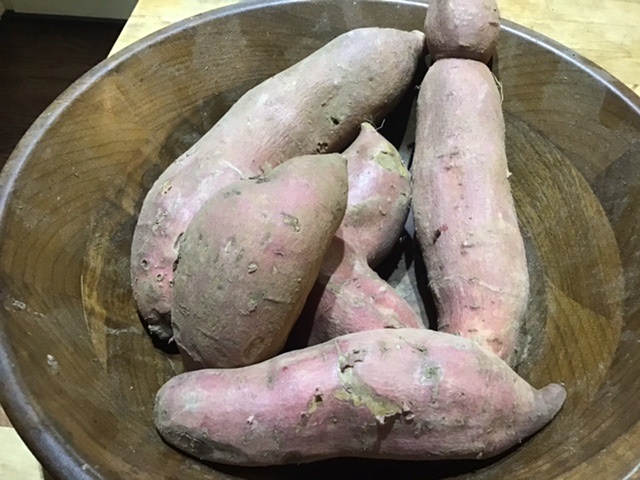
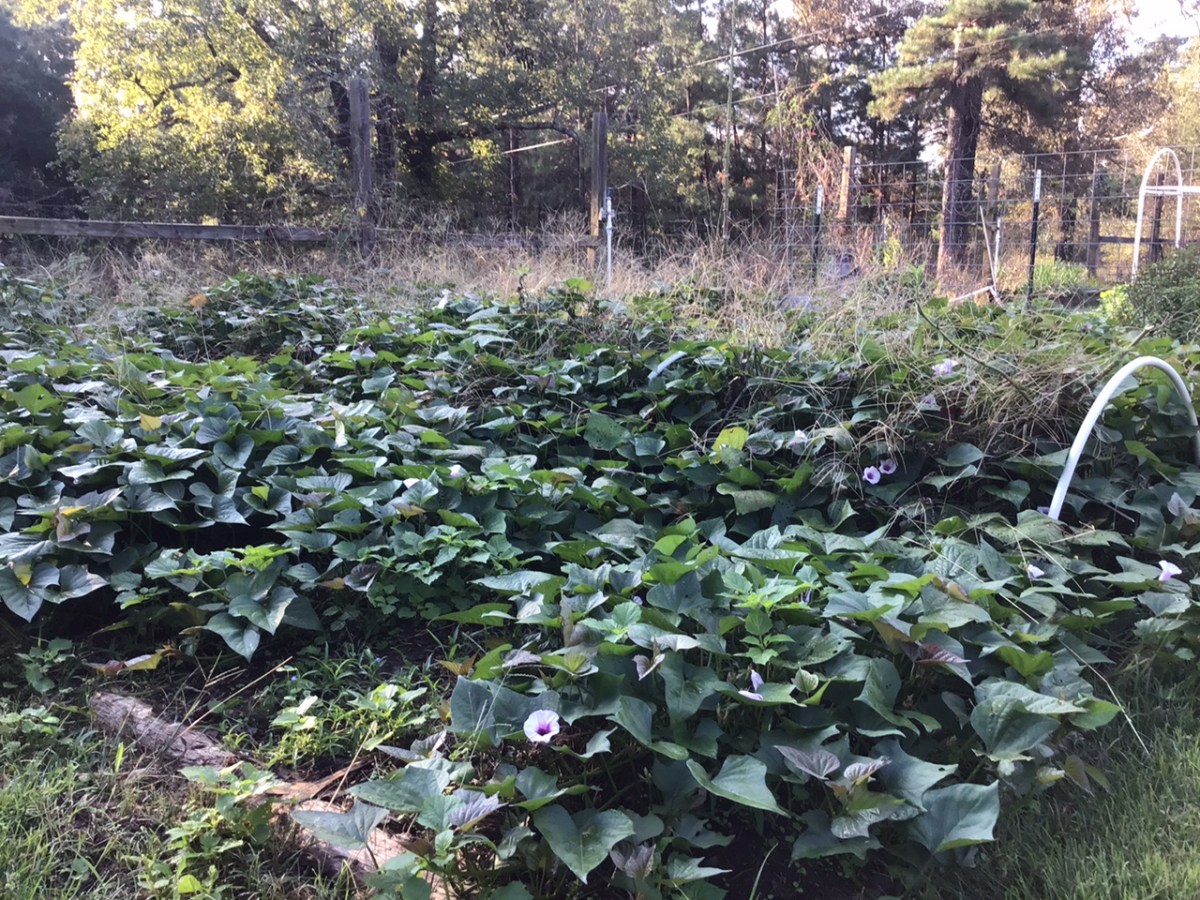
A sea of sweet potatoes soon to be harvested.

Mexican tarragon—an attractive replacement for French tarragon that does much better in the South.

Drum roll, please, for this next rare shot . . .
A Skittles sighting!

Our barn cat, Skittles, who we see about once a week and lives mostly in the trees.

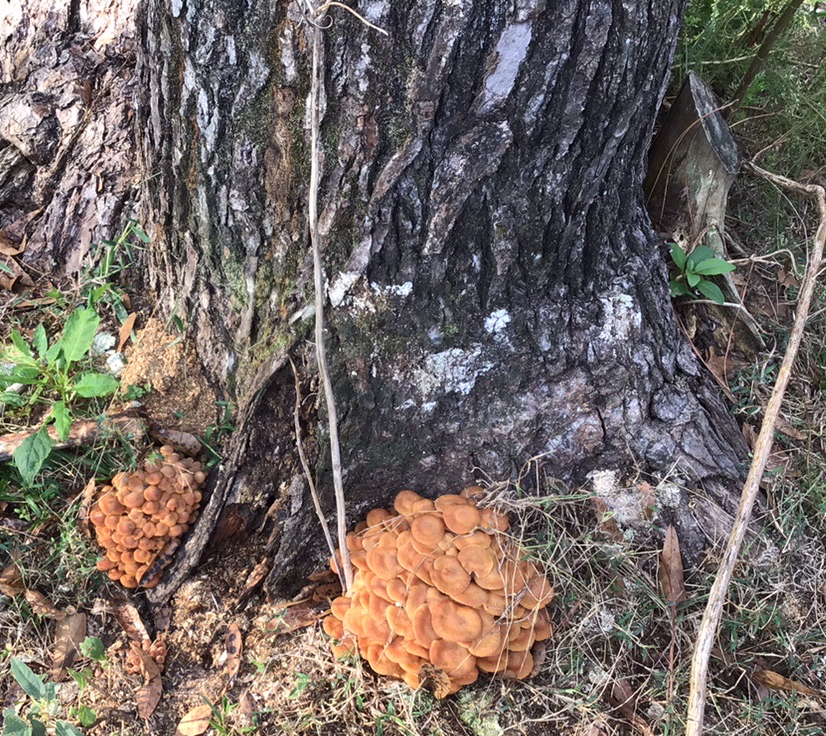
Mystifying mushrooms! These are quite common, honies (armillaria tabescens) claimed to be good by a good many foragers, but we haven’t tried them yet, because my mushrooming buddy and her husband got wretchedly ill on them once.
Oops, I promised no unpleasantries. 😉

Buttercup paying homage to the pack leader, Tori, she does this multiple times a day.

I suppose these next snaps might be unpleasant to some, sorry! I do get that, I felt that at first too, but I was gradually desensitized as I realized how much economic sense it makes, what an amazing skill it is, and especially how magically delicious it is.

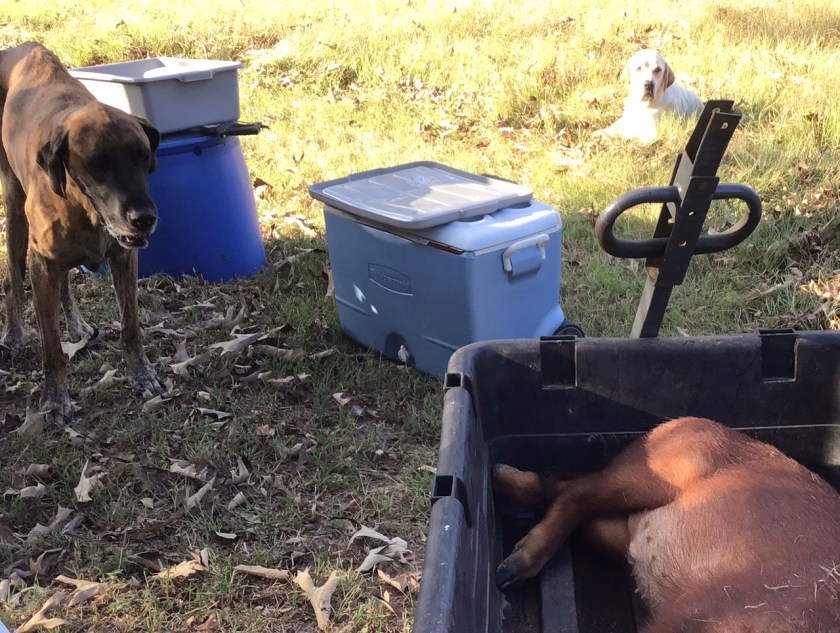
Always an attentive audience at slaughter time.

Our favorite foraging expert who we forayed with nearby this past spring has a great new website all about medicinals. Here’s a short podcast about it, and reminding me that now is the time I should be collecting some goldenrod before winter! Medicine Man Plant Co

Healing properties of medicinal plants

Still Harvesting

No rest for the weary around here!  Our goal of year-round garden harvesting has been met and is every bit as rewarding, and exhausting, as I expected.

Living, working and eating according to the season is remarkably satisfying.  In the last couple of years especially I’ve spent much less time learning from books and much more on direct observing and experimenting.  

I’m thinking our next goal should be to throw the calendar and the clock out with the garbage. Show those Amish what a real Luddite looks like! HA! 🙂

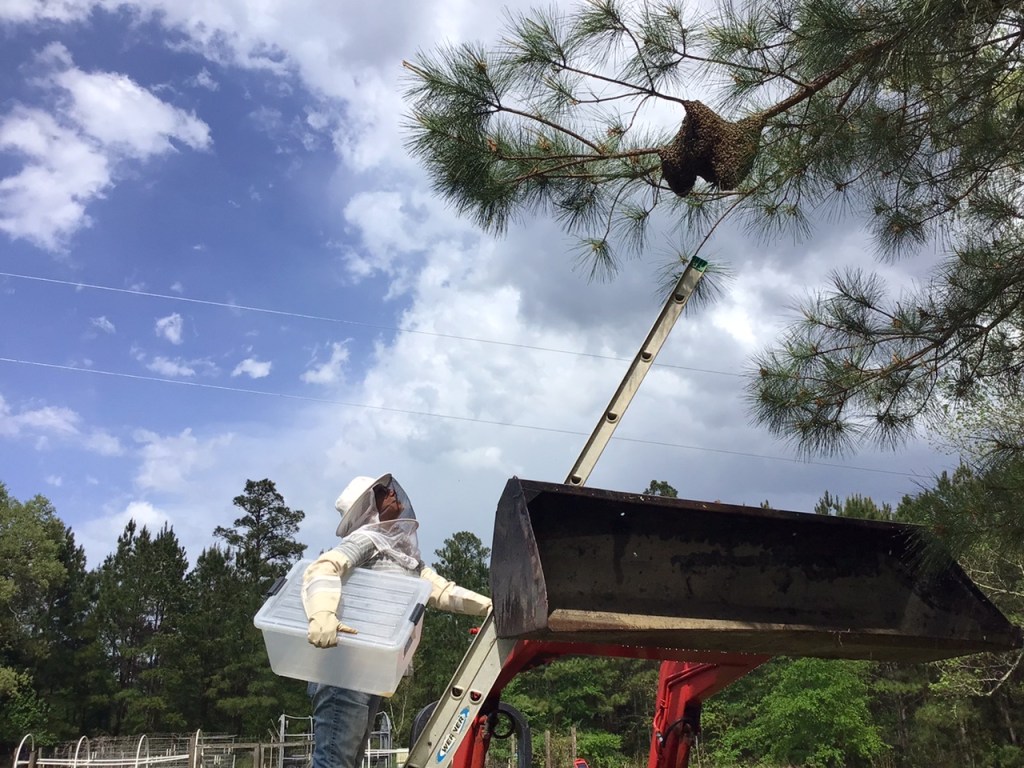
This time of year the spiders tell me it’s a good thing I’ve got the cool season crops out already. Many of them were started indoors, then transferred outside under shade cloth which will remain until the heat breaks, fingers crossed we don’t get an early frost.  

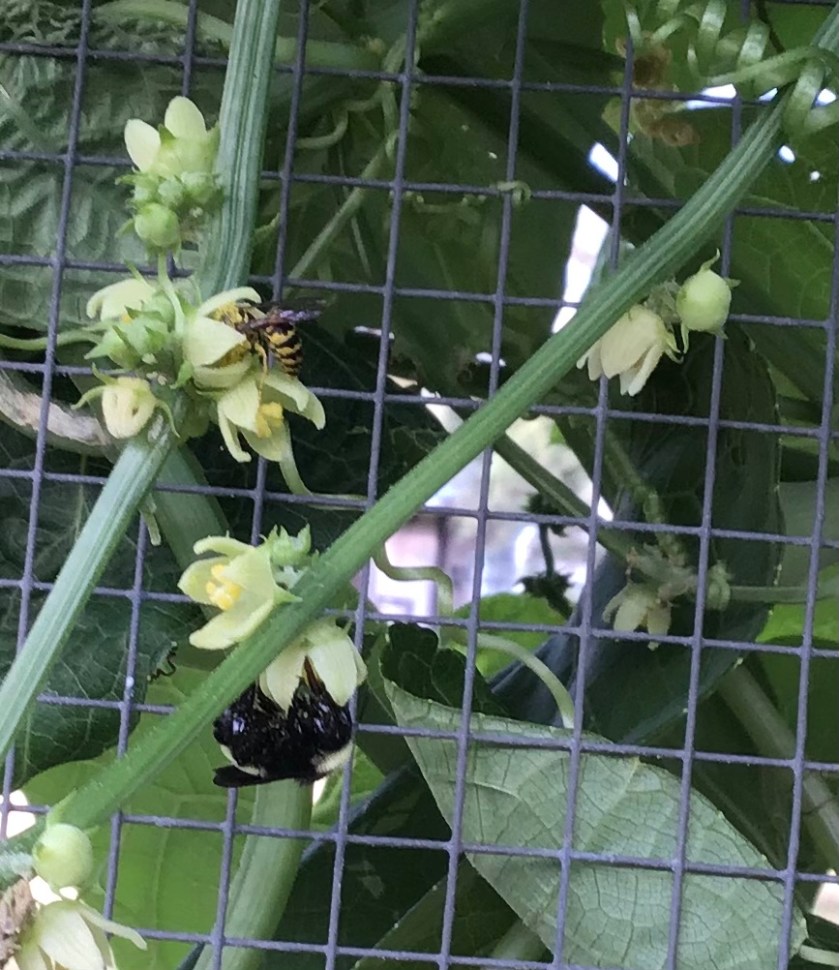
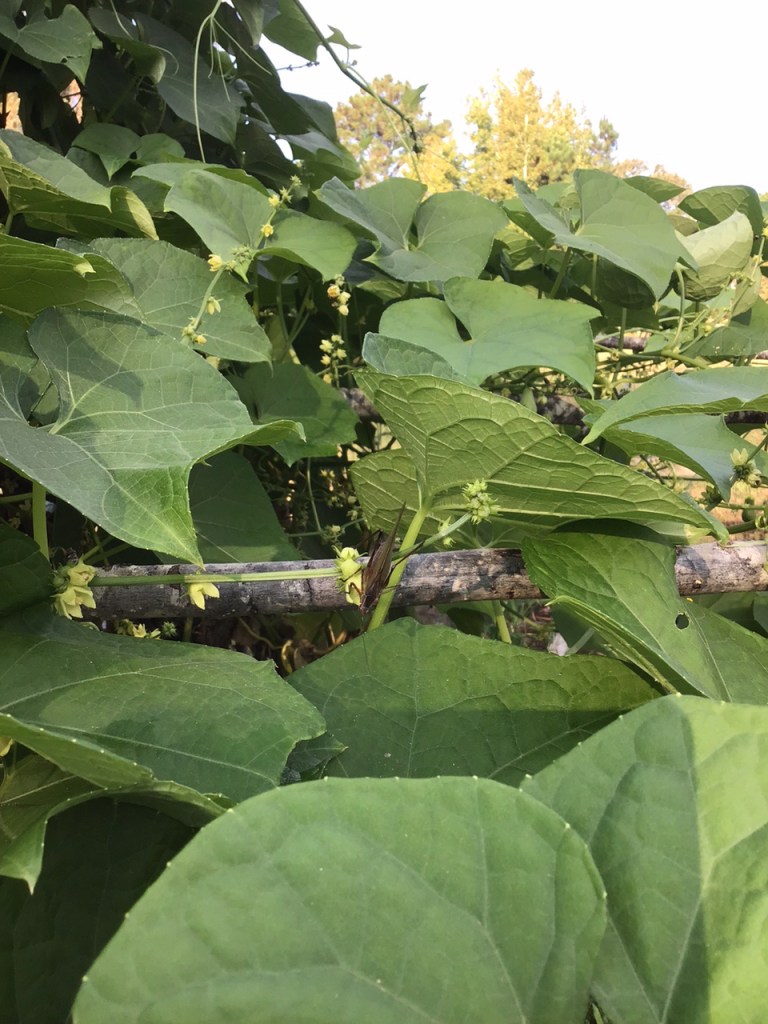
I’ve just started harvesting the sweet potatoes, the luffa and peppers are going crazy, the radishes, volunteer cherry tomatoes and lettuces are finally happy again and I’m most excited for the mirliton squash (chayote) that is finally getting its first flowers.  This will (hopefully) be our first success with mirlitons following multiple failed attempts.  I love this squash, but it thrives in southern Louisiana mostly, because it needs a very long warm season, even longer than we get here.  I started these indoors in February, along with the turmeric, also a first for us this year.

Several heat lovers pictured above: turmeric, ginger, sweet potatoes, mirliton, peppers, luffa.
Below: longevity spinach

As soon as it cools down I’ll also be harvesting honey, lots of herbs for drying and pesto, along with foraged leaves and roots for teas— sassafras, beauty berry, sumac—and once we finally get some rain, it’ll be time for mushrooms.   

Hubby will be filling the freezer with lamb and pork and freshening our flock for spring lambs and a few to add to our growing herd of milking goats.

Hibiscus in May, hibiscus today . … still not blooming because I got a late start.

The honey bees love the Thai basil and the native bees especially love the salvia and the sweet potato and luffa flowers.  We’ve decided next year to plant an entire row of luffa in the orchard just for the bees and pigs.

Hope you can enjoy a moment of piglet playtime! Surely there will be time for a wee rest in late winter?

My Rain Man

The Sweltering Season has officially begun, later than usual for these parts, lucky for us.

Long weeks of crazy heat and zero rain makes for four lazy dogs and one crabby wife.

So Handy Hubby comes to the rescue once again!

I wanted to share this one because it’s a cool off-grid hack, even though we aren’t off-grid. The ability to pump water from your natural spring, creek or man-made pond or other source has advantages for any landowner. There is the savings on your water bill of course, and the peace of mind in having an alternate water supply, but beyond that the untreated water is better for the plants, animals and environment.

While it does take some significant time and expense initially, to set it up, move it around and then conveniently store it away when not in use is just what we need around here.

We soak the yard and garden with it, and then soak in it ourselves in our 200 gallon stock tank. A real redneck sort of system, but so refreshing!

I asked for a detailed explanation on Hubby’s handiwork to include here for anyone interested and he mumbled, “Just glue it and screw it.”

Yes a man of few words, but great actions, just like I like ‘em. 🤣

On further pressuring him he said if there was anyone reading this that must know the details, just say so in a comment below and he’ll let me figure out a way to persuade him to oblige.

Romancing the Goat: An Ode to the Redneck

Something is wrong! What have I done?!

The friend who traded us for Summer, our first milking goat, patiently tried to coach me, not nearly as concerned as I was.

“Are you massaging her udder with a warm wash cloth before you milk her?”

Yes I am!

“Are you feeding her her favorite treat before and after milking?”

Yes, again!

Though I did try on the first day to transition her from her animal cracker addiction to fresh cucumbers straight from the garden, thinking of her long term health.

Summer would have none of it.

After 3 days of barely being able to coax a cup from her I thought for sure I’d created some awful affliction, maybe worse than mastitis, yet to be listed in any book, from my sheer incompetence, or maybe that she just didn’t like me, at all.

Her udder was full to the point of bursting, but I was failing miserably at filling my pail. At that point if my friend had advised me to bring scented candles, perhaps some champagne too, to our milking sessions I’d have asked, “Which scent does she prefer?”

But as chance would have it, on the 4th day we had visitors. Friends of this friend wanted one of our young boars for future breeding. These were true farm folk, born and raised. I wasted no time whining about my failure as a blossoming milkmaid.

I played coy for the necessary split second before taking them up on their offer to take a peak at her.

When they saw her udder they had concerns. The dreaded ‘mastitis’ term crossed their lips and I felt even more deflated.

“Oh, no, how do I fix that?” I lamented.

Summer hopped right up on the milk stand for her animal crackers. At least we got that part down. They both examined her udder more closely and concurred it wasn’t particularly hot, so probably not mastitis, followed by my great sigh of relief.

The large man, with a deep country drawl, stepped behind her then and proceeded to pound at her swollen bag with an upward motion and milk burst out both her teets.

“Ain’t nothin’ wrong with this goat!” he confirmed. Then he gave a couple of tugs and strong, steady milk streams came pouring forth.

“How did you do that?” Was my relieved exclamation.

He proceeded to show me how it was all my bad, I was not being nearly rough enough.

“You gotta get way up in there hard and pull that milk down. Give her some good shots with your fist, like this. As long as your not bruising her or using a 2 x 4, she’s fine.”

Summer was completely calm and unfazed by this approach. Apparently I was tickling her more than milking her. We’re already up to a quart with my refined method.

I envy the rednecks and all their learnin’. So little seems to phase them, whereas I still get squeamish around blood and death and dis-ease after a decade of the most typical farm foibles.

Perhaps reading my mind and wishing to make me feel better, the large man shared a story as we stood at the gate before their departure.

“Now, I apologize in advance,” he began, “we just met, but let me tell you . . .”

And he proceeded to tell the story, flush with explicatives, about his recent long haul (he’s a truck driver in addition to a farmer, few make it these days as ‘just’ farmers) when his Bigrig broke down.

“Well I had to get one of them Ubers to take me into town and I ain’t ever been so scared in my life!” He’s a veteran, served overseas in the Middle East, grew up on a farm, been a truck driver for decades, but that Uber driver had him clinging with both hands for dear life, begging to Jesus and swearing to never get in a car with one of them crazy drivers for anything money can buy.

I inquired if he’d gone online to give the driver a poor rating.

“A poor rating?” he questioned. “They don’t go that low!”

He’s probably too nice of a guy to give that driver an ear-full while he had the chance. But I bet I would’ve!

I tried to find an appropriate fun song about goats to finish this post, but the best one was about a Billy.