Gavin’s Reciprocity

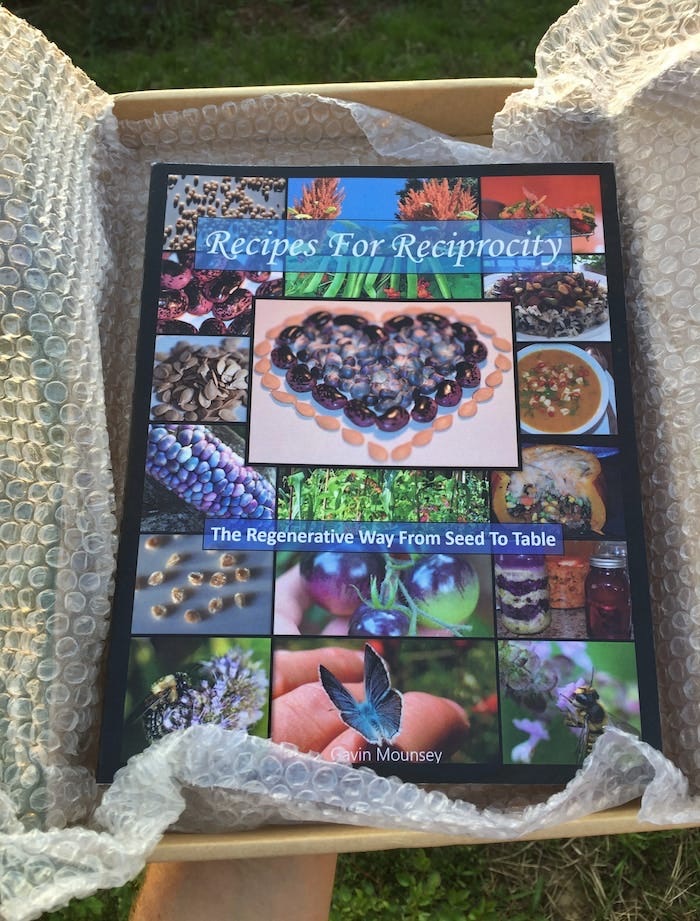
I’ve had a bit of challenge trying to simply label Gavin Mounsey’s book, “Recipes For Reciprocity: The Regnerative Way From Seed to Table” because it’s so much more than a cookbook. I have a great many cookbooks and my favorite type are what we might call ‘narrative cookbooks’ (though there may be an official sub-category name that I don’t know)–these are the kind where there’s a very present narrator telling you stories about the foods, and the places, and the people associated with the recipes and the author’s life. I might be inspired enough to write one of these myself someday.

Gavin’s book is not that, yet it is even more still. Rather than try to say it better myself, and fail, here’s an excellent description from the back cover:
“This book is a magnificent achievement. It can help you learn pracical ways to grow and cook mouthwatering food-as-medicine, and build deeper and stronger community, but it is so much more than that. Gavin has written a love letter to humanity and the living world and a manifesto for workable hope, all with an unflinching honesty about the crises we face. Gavin uses the nuts and bolts skills in the garden and kitchen as a launchpad to reimagine our place in the world, and the result is a solid foundation in the chaos. His hope and love are infectious, and the applied knowledge shared in his book is encyclopedic. I highly recommend it to you.” ~ Jason Padyorac

Along with the two books, one I gave to a friend, Gavin sent lots of seeds, some I’m already growing, others I can’t wait to try.

Scarlet Runner Bean in early summer, now dead.

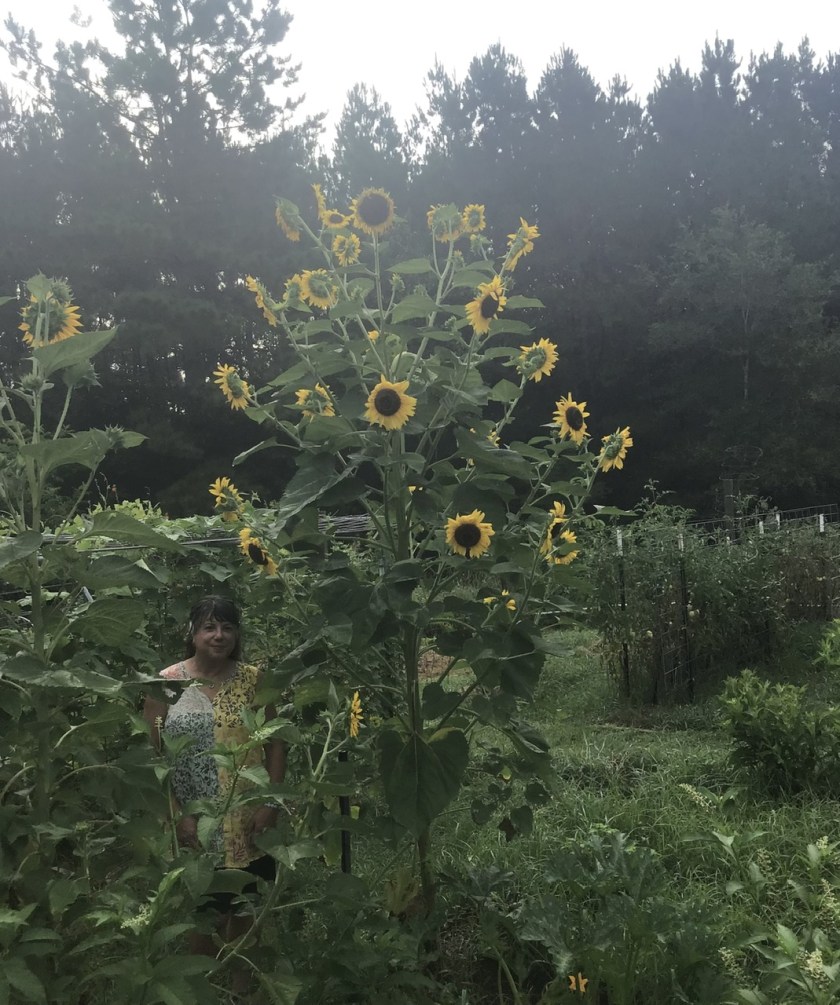
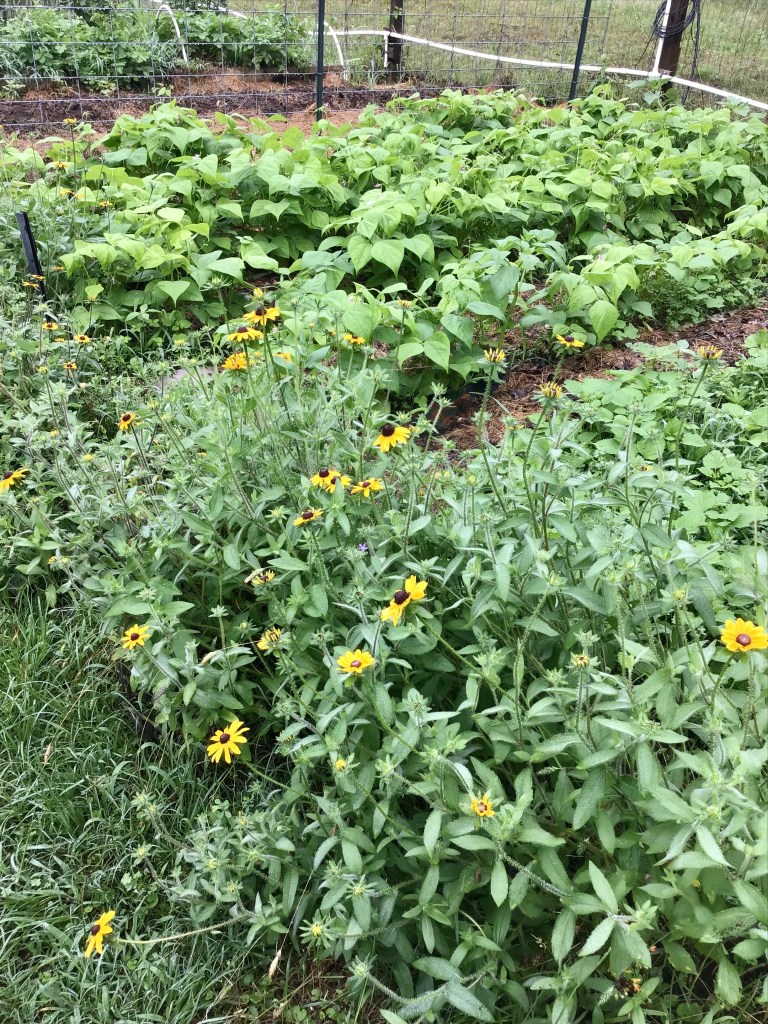
So far I’ve planted the Scarlet Runner Beans and the Black Hopi Sunflowers.

Gavin:

“These beans are among my all time favorites for their versatility in the kitchen and beauty as well as productivity in the garden. They are an amazing companion plant due to the plant’s roots having the ability to associate with rhizobia (nitrogen fixing bacteria) which not only allows this plant to fertilize itself by pulling plant food from the air, it also means this plant can help fertilize its meighboring plants with excess nitrogen. On top of that amazing benefit the scarlet runner bean has beautiful red flowers that attract pollinators such as ruby-throated hummingbirds and bumblebees.”

It is amazing to see how many fantastic plants can flourish in such varied climates. Because Gavin is in Canada and I’m in Texas I didn’t expect to find so many parallels in what we plant in our gardens, though certainly the timing and special needs vary quite a bit. The scarlet runner beans I’ve planted in full sun are perishing. But the others I planted which is shaded during the intense mid-day heat are hanging on. They’ve not produced yet, but I’m still hopeful and I like them anyway. I’m sure if there is any production and I can save the seed, it will acclimate to our area. Unfortunately, after a promising spring, the bumblebees and butterflies have been depressingly scarce in the garden lately.

Gorgeous! Ugly pity for the chem-sky.

The Black Hopi sunflower has been the piece de resistance. It’s gorgeous and taller and fuller than any I’ve ever seen. I had several planted in several spots, and most of them got damaged in the high-wind storms we’ve had. But not this magnificent giant!

Gavin’s reciprocity in action is so inspiring, which is why I wanted to spend a couple of posts sharing about his book. Regular readers will probably remember I’ve shared some other of his work here in the past, especially in our Herbal Explorations pages, which come from his Substack newsletter.

In another post I’ll dive into a few of the recipes, but for now I’d like to expand on a few quotes which so align with my own learning and experience growing a garden and cooking seasonally from scratch. It has absolutely been the most rewarding journey of my life, with plenty of hope remaining for more of the same in the future.

From the section: Reciprocity in Action
“Choosing to give our attention to nature is also a form of giving back. Observing and paying attention to the cycles and living systems in nature involves giving our time and our thoughts. When we closely observe nature we inevitably come to perceive countless expressions of beauty through our perceptions of the form, color, sound, scent, textures, tastes and relationships that are all around us. This leads us to caring, feeling gratitude for and feeling compelled to protect the amazing gifts nature shares with us. From the place of gratitude we engage in one of the most meaningful and powerful acts of reciprocity. We open our hearts, we feel content . . . we practice self-restraint, we choose to live more consciously and aware of how our life choices impact the living planet that sustains us and showers us with endless gifts.”

Gavin most certainly has an eye for beauty, his photography is stunning.

(3) The Jubilation Of June – by Gavin Mounsey

https://gavinmounsey.substack.com/p/the-jubilation-of-june-d41

I know how daunting it can seem to dive into a new hobby like gardening, or even cooking nowadays, but there’s so many smaller and easier things that take so little effort or knowledge that might be just the momentum for many to kickstart a healthier life and society.

Just observing. I couldn’t agree more. It really does start that small and simple and while I have read loads of books on gardening and cooking and many adjacent subjects, I’ve learned far more from observing. Taking notes helps too, but considering how bad I am at that, it must not be totally necessary.

The other few very simple things that require no gardening and very little cooking is compost and ferments, both which Gavin discusses in the book.

Why those two, you might be wondering? Because in my experience, composting makes you far more conscious of waste, and fermenting shifts your attention to the weather and seasons. Both of these processes have enriched my life and health and outlook far more than I could’ve ever imagined.

A window sill of herbs would be enough to use up the compost produced by the average small household. Or donate it to a friend who gardens if you have such a black thumb or really no space. And who knows, maybe she’ll reciprocate with a zuccinni or two.

I had no idea what eating seasonally meant. Really. Until I went to the farmer’s markets in France on a high school exchange program, I had zero clue produce even had seasons, and considering how much is grown indoors today, that’s probably become more normalized than ever.

Considering I grew up eating like the vast majority of Americans–fast, frozen, canned, bagged–I know what easy looks like, and this is pretty darn easy. The shift really is more in attitude and attention.

Now I long for cucumber season as I long for tomato season as I long for melon season as I long for radish and lettuce season. It’s become that nuanced and I love it. Sure, there’s some cross-over and we can and ferment to save the bounty. But that limited time window of bounty becomes a season within a season, with all that entails–a change in primary food and focus–all with their unique gifts and challenges.
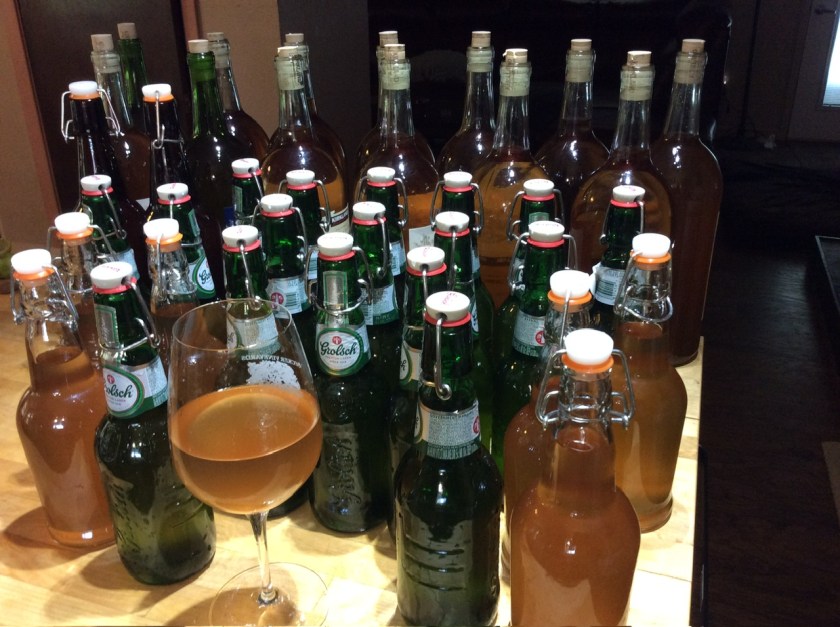
Surplus requires work, work requires rest and creates reward. 😊

The ebb and flow of surplus and scarcity becomes natural again, each bringing its own unique gifts and challenges.

My influences growing up–that of media, education, environment–worked synergistically as detachment mechanism. Nature was that which we were being systematically detached from, and that trend has only exaccerbated, to the growing dis-ease of ourselves and our environment.

“Within the last century, healthy, natural, organic food has been made more difficult to produce because of the chemical pollution, at first, and genetic pollution, more recently. A handful of companies have spread these toxins across our planet diverting US$ 400 billion of public money to subsidize their high cost chemical commodities to make them artificially ‘cheap’. The costs of this ‘cheap’ food are astronomical in terms of the health of people, the ecological damge it causes and its exploitation of farmers. If the true costs of chemical food were taken into account it would be unaffordable. Insead of subsidizing chemical food and creating epidemics of food-related diseases, public money, used for nourishment and the protection of public health through organic food, would save us billions in health care. Denying people their right to healthy, poison-free food by manipulating laws, policy, science and the use of public money to impose a non-sustainable, unhealthy food is food-dictatorship.”

to be continued . . .
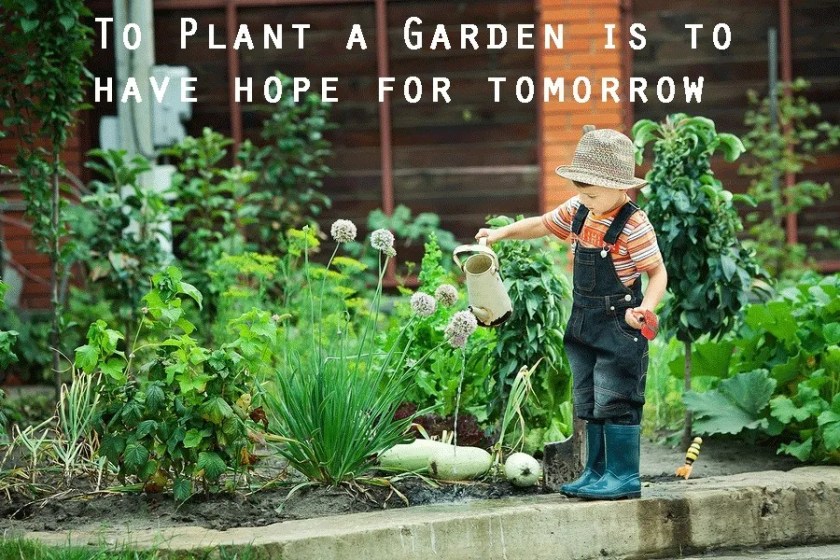
Thanks for reading!

Herbal Explorations: Osage Orange

Maclura pomifera (Moraceae family) has a great many common names besides Osage Orange: bois d’arc, bodark, horse apple, hedge apple, murier du Texas

It’s in the same family as mulberry and has a similar growth habitat and widespread adaptability.

For our ancestors it was a highly prized tree that went out of favor in late Colonial times after the widespread use of barbed wire and later heavy harvesting machinery.  Before that time it had multiple crucial uses as a wind break, in preventing soil erosion and especially for creating living hedges for livestock containment.  It was also used for it’s very hard but flexible wood in making bows and rot-resistant building materials.

It was also used as a rodent and insect repellant and many still use it for this purpose.

But here we are most interested in its many medicinal uses.

The seed is edible, and often enjoyed by squirrels, but not easily obtained.

There are plenty of anecdotal stories of cancer cures, like this one:
Randy-Wilson

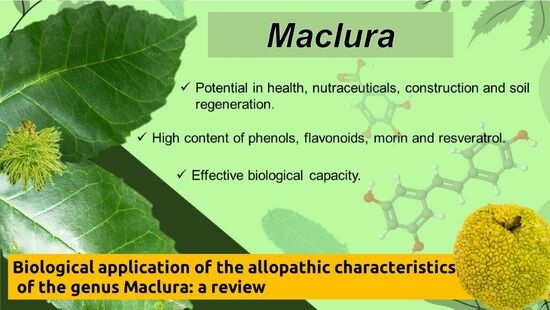
Biological Application of the Allopathic Characteristics of the Genus Maclura: A Review

“The fruit of M. pomífera has shown an effect on human cancer cells (kidney, lung, prostate, breast, melanoma, and colon) as an inhibitor of histone deacetylase (HDAC) via the prenylated flavonoid pomiferin, showing antiproliferative activity in the six cell lines evaluated [23]. In this sense, the compound pomiferin (contained in the fruit of M. pomífera) has been shown in tests with cancer cells to behave as an inhibitor of cancer stem cells from a human glioma [22], showing a reduction in the expression of genes associated with stamina (the ability of the cell to reproduce repeatedly and form stem cells). Also, M. pomífera has been helpful as a marker in the diagnosis of cancer since it allows the distinguishing of patients with prostate cancer from those patients who present benign prostatic diseases and normal subjects, this being through the high affinity of the sera of patients with prostate cancer towards the M. pomífera lectin [21].

Additionally, the fruit, bark, leaves, root, and seed have been reported to have a high content of oils, sugars, and compounds such as isoflavones, xanthones, triterpenes, and stilbenes, with isoflavones being the most representative [15].”

“The seeds are edible and the heartwood, bark and roots contain many extractives of actual and potential value in food processing, pesticide manufacturing, and dye-making. Various parts of the Maclura species are used in folkloric medicine worldwide. Decoction prepared from the roots of M. pomifera is used for the treatment of sore eyes by Comanche Indians in the North America (Carlson and Volney, 1940). The bark of Maclura tinctoria has been reported to be used against toothache by Kaiowa and Guarani indigenous people living in the Caarapo Reserve in Brazil as well as the in the other parts of Amazon region, it was also recorded to be used in Southern Ghana for dental health (Elvin-Lewis et al., 1980, Elvin-Lewis and Lewis, 1983, Bueno et al., 2005).

The fruit of M. pomifera is also well-known for its rich isoflavonoid content as well as a content of xanthones (Delle Monache et al., 1984, Delle Monache et al., 1994, Toker and Erdogan, 1998). Several biological activities of the plant were reported up to date including antimicrobial, estrogenic, anti-inflammatory and antinociceptive activities (Mahmoud, 1981, Maier et al., 1995, Küpeli et al., 2006). Antioxidant activity of the major flavonoids of M. pomifera has also been studied (Tsao et al., 2003, Vesela et al., 2004).”

Cholinesterase inhibitory effects of the extracts and compounds of Maclura pomifera (Rafin.) Schneider – ScienceDirect

Native Americans used M. pomifera for the
treatment of cancer [2]. In Bolivia, the plant sap is used for the treatment of tooth pain, and the bark and leaves are used for uterine hemorrhage [3]. Comanche Indians in North America used the Osage orange roots decoction to treat sore eyes [4]. M. pomifera and its components possess
several biological activities including cytotoxic, antitumor, antibacterial, estrogenic, antifungal, antiviral, and antimalar-ial activities [5–13]. Recently, isofavones isolated from Osage orange have been demonstrated to protect brain cells, or neurons, from the toxic effects of amyloid beta peptide, which is believed to be responsible for the degeneration of neurons in Alzheimer’s disease patients.”
M.pomifera produces several secondary metabolites belonging to diferent chemical classes including prenylated favonoids. Teprenylated favonoids possess diferent biological activities such as antifungal, antibacterial, antitumor, and antioxidant activities.”

(16) {“content“=>”Isolation and Biological Evaluation of Prenylated Flavonoids from.”, “i”=>{“content“=>”Maclura pomifera”}} | Mohamed Amr Ibrahim – Academia.edu

We have a few still around in our area and I’ve been propagating them from seed in the hope of creating a living hedge.  Unfortunately our summers have been so severe lately I’ve only managed one survivor, now 3 years old.  I’ll keep trying!
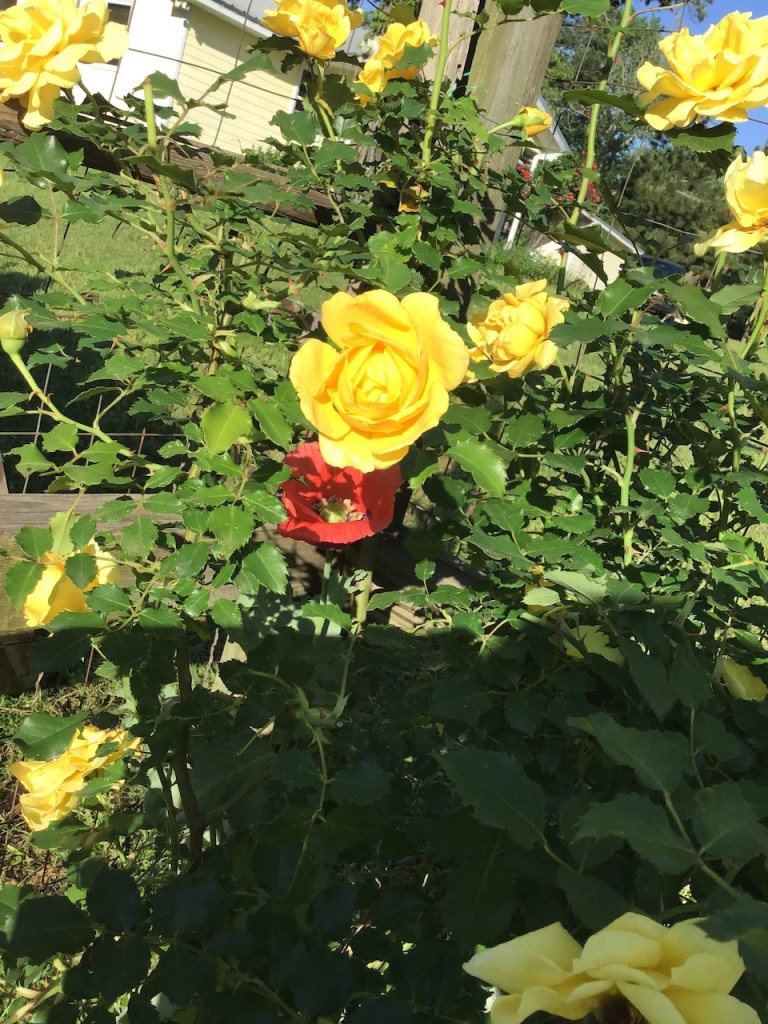
A very old specimen at a neighbor’s house in East Texas.


A neighbor’s old Bois d’arc tree
Spring 2023

A beautiful shade tree with so much to offer, I hope it becomes popular once again in our countryside.

A couple more impressive Bois d’arc photos from the Internet:

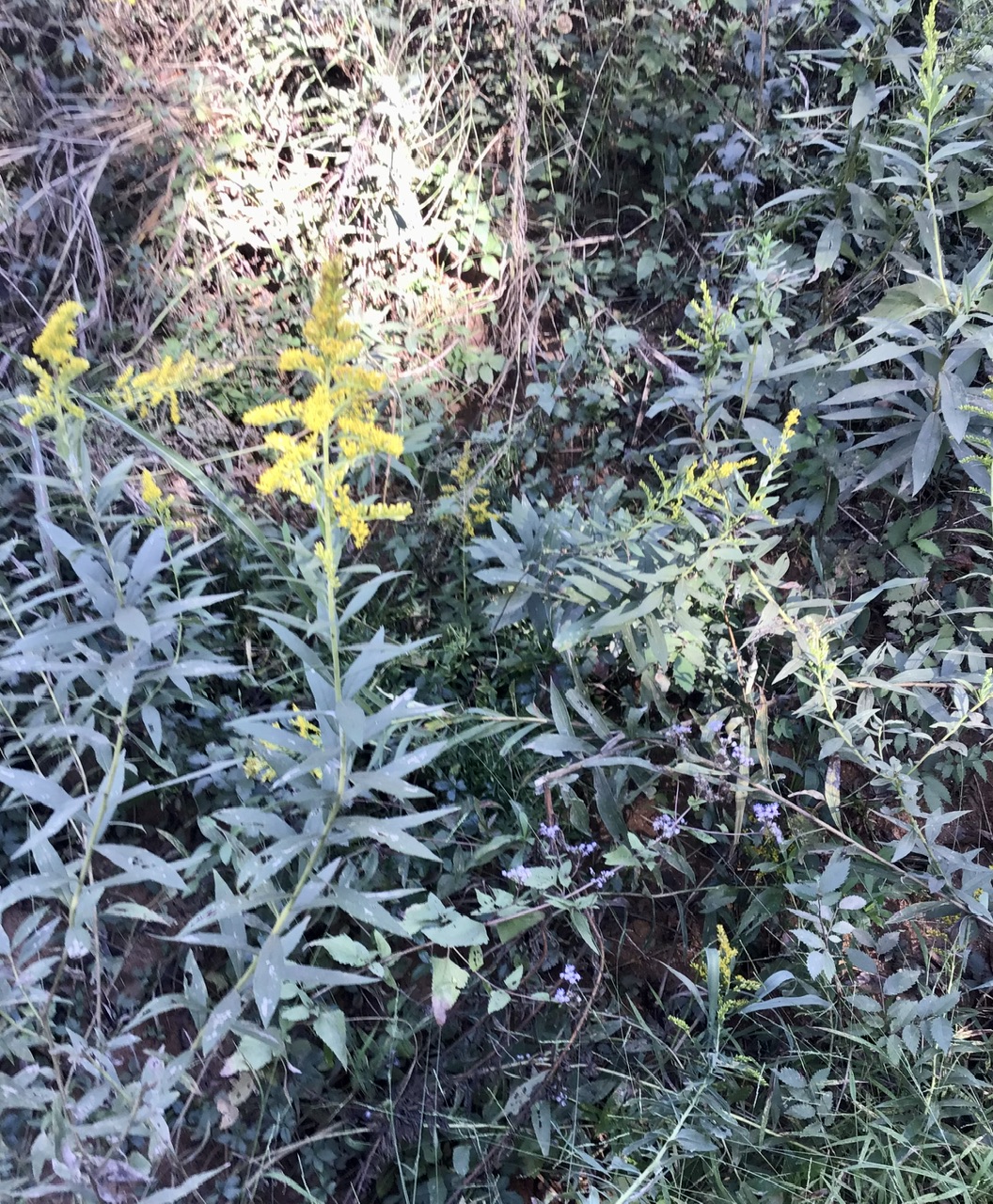
Goldenrod

Solidago virgaurea/Solidago canadensis L.

This is a ‘weed’ I’ve been wanting to learn more about for a long time. It’s a very popular plant for foragers, right up there with Mullein, but I first learned about it as a preferred late season food for the bees.

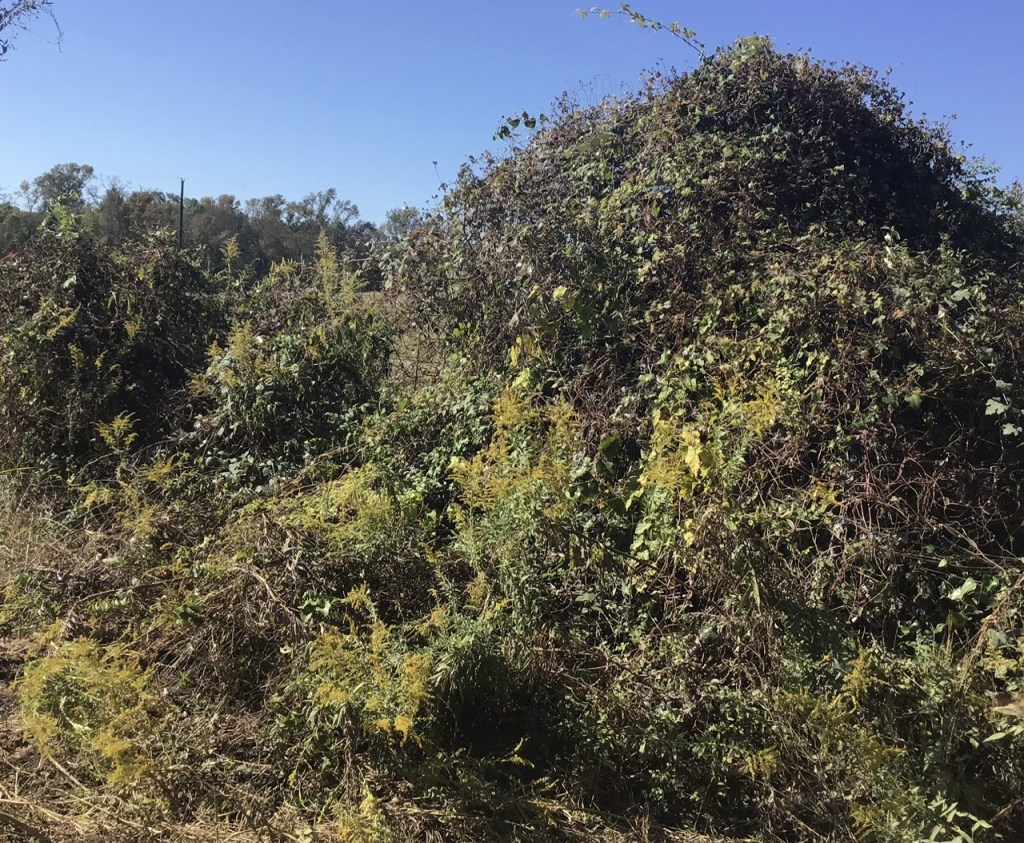
In East Texas it seems to prefer roadsides and creeks to open fields and often appears nearby mistflower (conoclinium coelestinium) both in the family asteraceae.

Goldenrod and mistflower growing by the creek
October 2024

Surprisingly (or perhaps not) Wiki has little info on this popular medicinal, and it wasn’t listed on a longtime foraging go-to of mine, Merriwether of Foraging Texas.

I can’t imagine why not! It’s a well-known medicinal in many countries and is plentiful in Texas even during extremely hot and dry summers.

According to The Medicinal Flora of Britain and Northwestern Europe, ”It’s first reliable record of medicinal use dates from the Southern Europe of the 13th century. It became much prized in Tudor England but, being imported, was very expensive.” (Julian Barker)

“Goldenrod was formerly prized as a wound herb as it is, indeed, astringent and antiseptic. Its principal internal use is for the kidney and bladder. I have found some justification for the BHP recommendation against naso-pharayngeal catarrh (and chronic sinusitis) but some skepticism has been expressed against this use. I think much of the variability in its efficacy may be due to the extreme polymorphism of the species which will lead, I am sure to the future recognition of subspecies.

”The aromatic leaves of the American S.odora make a once popular drink known as Blue Mountain Tea.”

http://www.methowvalleyherbs.com/2012/10/goldenrod-torch-of-healing.html

Some healing properties of Goldenrod from . . .

“The flowering tops are used medicinally. Their constituents include tannins, saponins, bitter compounds, an essential oil and flavonoids. These substances give Goldenrod diuretic, astringent, vulnerary, anti-inflammatory, expectorant, antispasmodic, and carminative properties. In herbal medicine an infusion is used to treat kidney and bladder disorders, to improve kidney and prostate function, for flatulence and indigestion, and for chronic bronchitis, coughs and asthma. Externally Godenrod is used in poultices, ointments and bath preparations for varicose ulcers, eczema and slow-healing wounds.”

6 Things to Make with Goldenrod

Because soap making is on my list of winter activities to try, I’ve gathered a good bunch for this purpose.

Goldenrod Soap Recipe

Goldenrod still growing along the roadside gutters after 2+ months of drought in East Texas, October 2024

Herbal Explorations: Mimosa Tree

Persian Silk Tree
Albizia julibrissin

The gorgeous Mimosa tree is considered an undesirable and invasive species by many US experts, if you can believe that!

But to herbalists worldwide it’s a treasure. And to butterflies and bees it’s a feast!

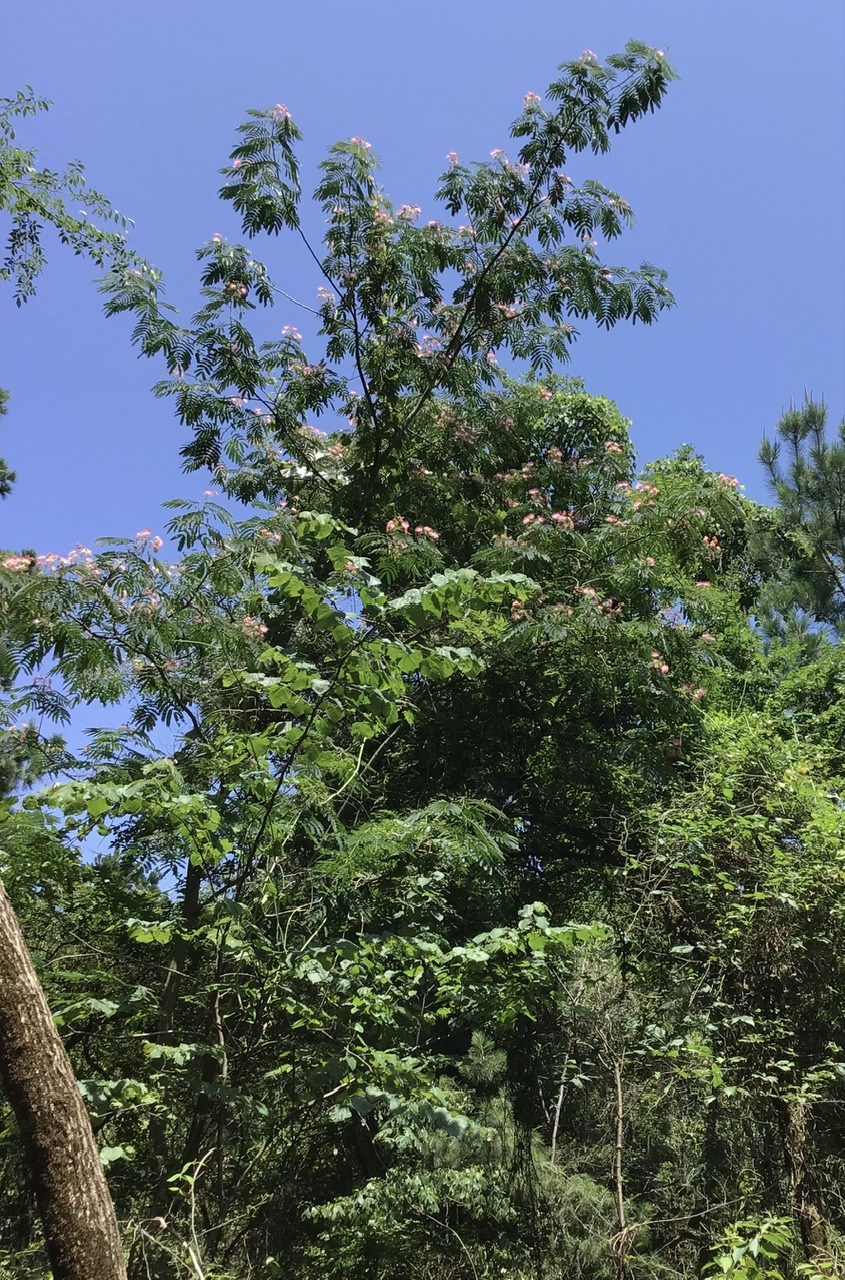
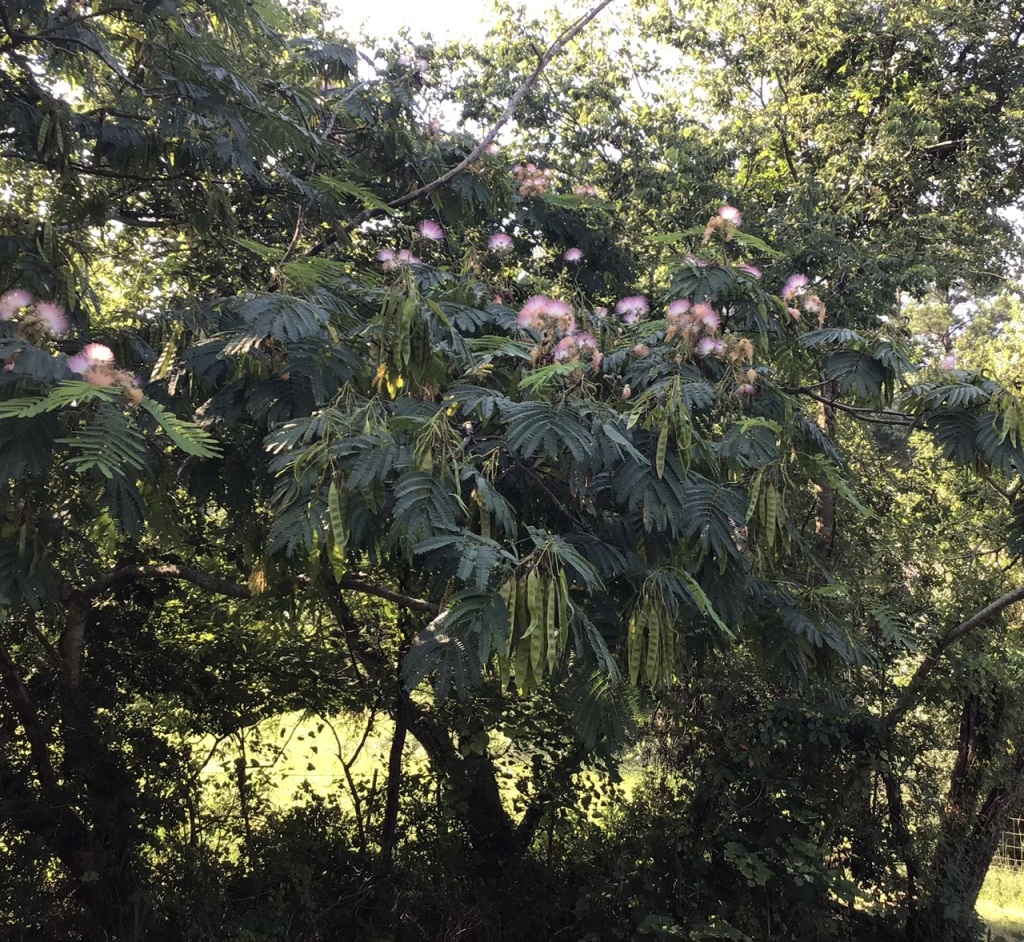
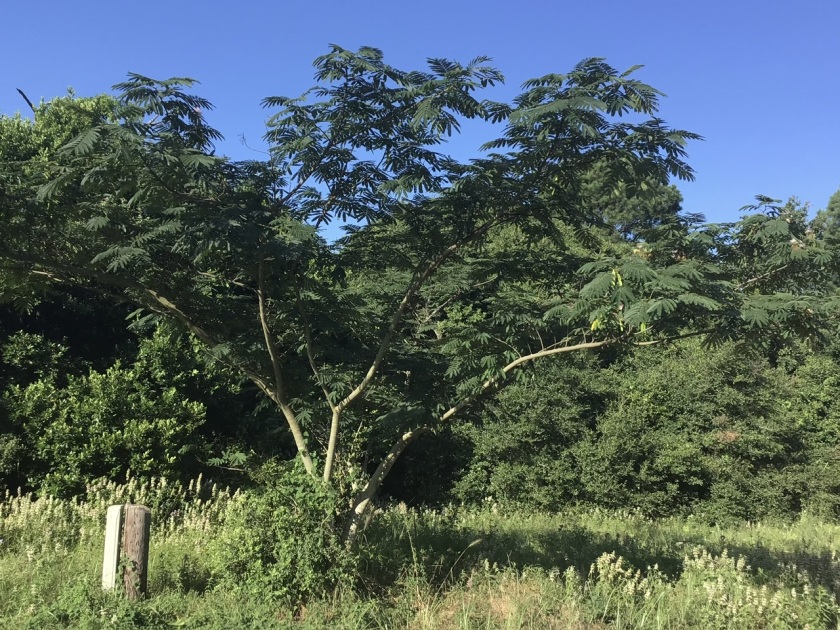
In the ditch, in the garden, or rising above the canopy and full of butterflies, it’s a striking specimen.

Another much maligned and misunderstood plant joins our growing list today. Hard to imagine calling this beauty a ‘trash tree’, but a great many experts call it that, and worse.

The Mimosa tree . . .

“Is another dog. Although beautiful when healthy, it never is. The root system is ravenous and destructive, and the tree is highly vulnerable to insects and disease. Shallow, destructive root system. Not even good for fire wood. Destructive roots, short-lived, crowds out good plants. Not a good tree for Texas,” he resolutely concludes.

Texas Gardening the Natural Way: The Complete Handbook by Howard Garrett “The Dirt Doctor”

Garrett is considered the foremost organic gardening expert in these parts, he has a popular radio show, has published several books and he has his own organic product line. He was the first gardener I learned from when I started gardening here.

And worse, he convinced me! I wanted one from the first moment I gazed upon it, but I resisted, for over a decade.

Luckily in recent years I’ve revisited that poor choice and lazy thinking to discover how wrong these experts can be.

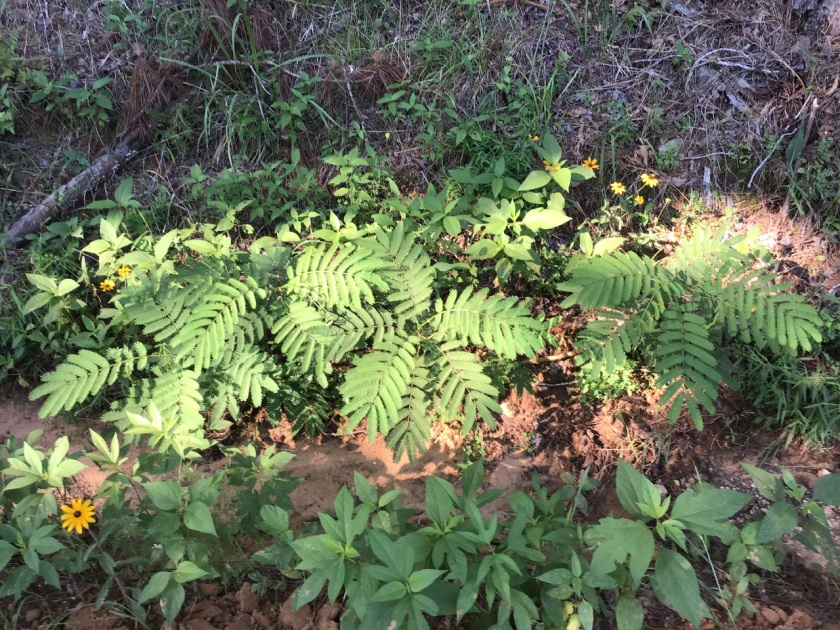
Baby Mimosa growing in the ditch near our house. I dug them up and planted them in our garden. The trick to getting them started is lots of water, but they will become drought tolerant with age. The growth habit is similar to Elderberry in our region.

What a (typical) shame to learn how very wrong they can be! Along with Wikipedia and a great many other popular info hubs.

“In the wild, the tree tends to grow in dry plains, sandy valleys, and uplands. It has become an invasive species in the United States, where it has spread from southern New York, New Jersey and Connecticut, west to Missouri and Illinois, and south to Florida and Texas. It is cultivated in California and Oregon. Its seeds are wind-dispersed and numerous, and they are fertile even over long periods of drought. Each pod, which resembles a flattened bean pod made of paper, holds about 8 seeds on average. The pod bursts in strong winds, and the seeds can carry over surprisingly long distances.”

It is certainly for the ‘mess’ they create with their seed pods that some may not find them suitable for their yard or garden. And naturally, farmers and ranchers malign any plants which dare to interfere with their livestock management preferences.

But, venture away from those slanted sources and the light shines on this ancient medicinal treasure.

Mimosa—The ‘night sleeper’ so nicknamed in Persian thanks to its usefulness as a cure for insomnia, among its many other medicinal and practical uses.

“Molecular basis and mechanism of action of Albizia julibrissin in depression treatment and clinical application of its formulae”

A bit of history:
“The stem bark has been used as a sedative for hundreds of years as recorded in the Pharmacopeia of the People’s Republic of China(Nehdi 2011, Zheng 2006, Zheng 2010) and as an anti-inflammatory agent for swelling and pain in the lungs and to treat skin ulcers, wounds, bruises, abscesses, boils, hemorrhoids, and fractures, as well as to remove carbuncles. The dried stem bark is used as a tonic in China and Japan.(Ikeda 1997) Indigenous people living in the southern mountainous region of Korea prepare the root as an infusion for bone diseases.(Kim 2011) In India, a chloroform and methanol seed extract has been used to treat bronchitis, asthma, leprosy, and glands infected by tuberculous.(Gautam 2007) A bark extract to treat insomnia, diuresis, asthenia, and confusion has been used in Asia.(Nehdi 2011) The plant’s flowers have been used to treat symptoms associated with palpitations, anxiety, depression, and insomnia.(Nehdi 2011, Samwald 2010) It’s common name of Shabkhosb (good night’s sleeper) in Iran is indicative of its use to treat insomnia.(Ebrahimzadeh 2017)

Mimosa are used in gardens for ornamental purposes, in sandy areas to prevent erosion, and along roadways.(Chang 2011, Irwin 2003, Nehdi 2011, Pardini 2007)”

A Mimosa tree on a country road in East Texas just after its bloom cycle in late June.

From Science Direct:

Albizia belongs to Mimosoideae and are native to Asia and Africa. It is a kind of multifunctional trees and they are always planted as ornamental trees. In addition to using it as foliage, green manure and timber for furniture production, the bark of Albizia is herbal medicine and the seeds are a source of oil. There are about 150 species in the genus and 17 of them can be found in the southern regions of China. Albizia julibrissin and Albizia kalkora are two familiar species, which are planted in China from tropic to temperate zones [69]. Although Albizia spp. are of great importance, little was known about the diversity of their microsymbionts. de Lajudie et al. [15] found that two strains isolated from Albizia falcataria grown in Brazil were Bradyrhizobium; Chen and Chen [5] classified five strains isolated from Albizia julibrissinin China as Bradyrhizobium sp. and Rhizobium sp. These results indicated that Albizia trees nodulated with both fast-growing and slow-growing rhizobia.”

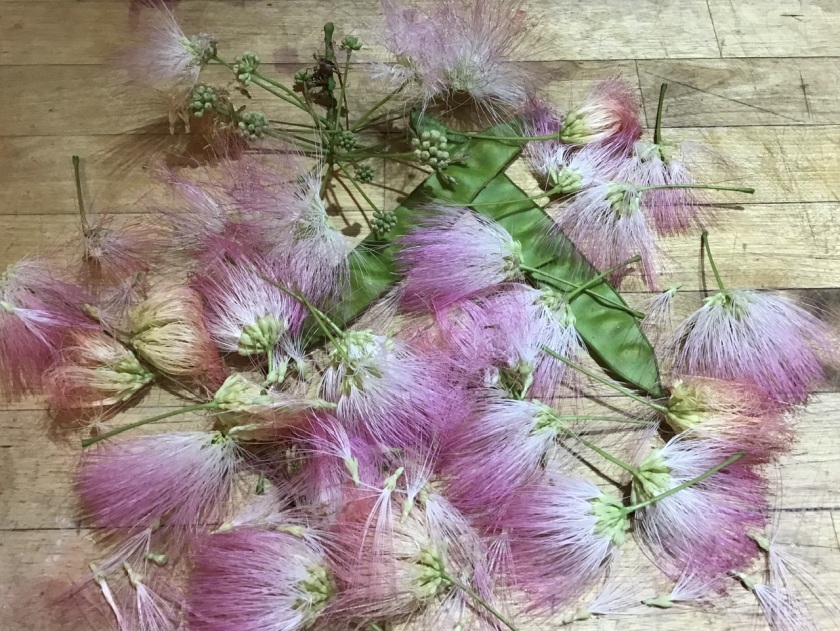
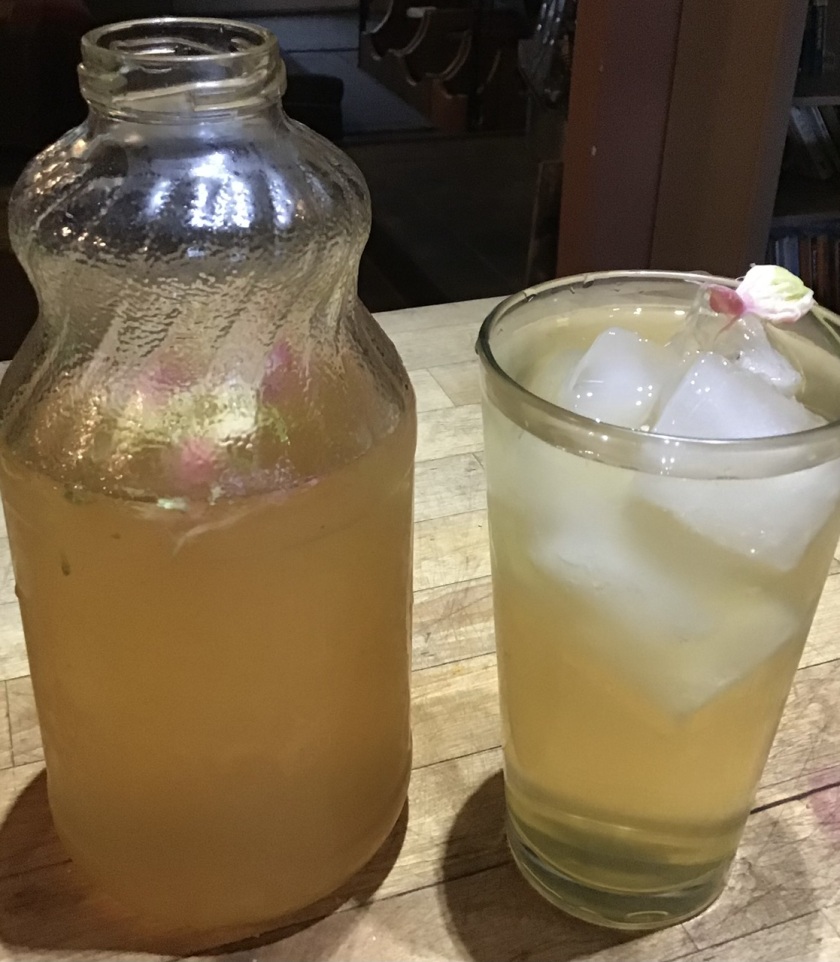
The petals make a delicious and refreshing flavoring for tea or Kombucha—
a unique taste reminiscent of nectarines.

Mimosa Uses, Benefits & Dosage – Drugs.com Herbal Database

Gavin Mounsey, author of Recipes for Reciprocity, recently shared some of his knowledge and links about this amazing tree, which he’s cultivating in his food forest designs all the way up in Canada:

“Another interesting fact about this tree is that it is being investigated for it’s potential in Phytoremediation (for both heavy metal soil remediation and for it’s photocatalytic activity for cleaning up toxins humans put in the air) and a more specialized field in what is called “Phytomining” (it is a nasty industrial process used for profit but it hints at more holistic applications of this species for real time remediating/mitigating of geoengineering heavy metals in the air and soil.” (Read more: Regenerative Agriculture: Solutions Watch at Corbett Report)

The pods are plentiful and can be used for animal feed, according to TCPermaculture.

It’s notable umbrella shape when provided with plenty of space has me wondering if it might be the tree represented on some old gravestones in our area.

Mimosa? Are our ancestors trying to tell us something?

Might the Mimosa Tree be our rest in peace?

Homestead Happenings

Almost entirely happy snaps and almost no complaining at all, really! The garden is mostly great, the weather mostly fine, summer in full swing already, ready or not.

It’s been busy around here, as usual. But, busy in the country way, which is very different. Our preservation season has already begun, and it’s fixing to get very busy very soon. I have mixed feelings about that, but here it is anyway.

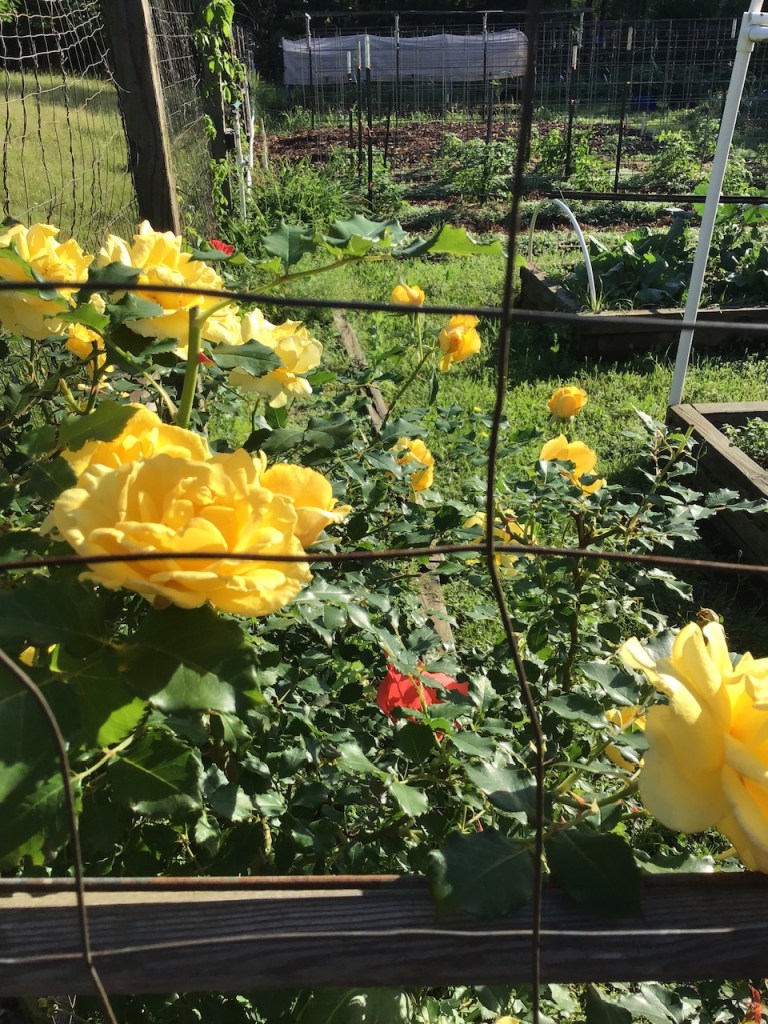
I’ve been saving the rose petals for drying and kombucha after admiring their scent and beauty in many lights and angles.

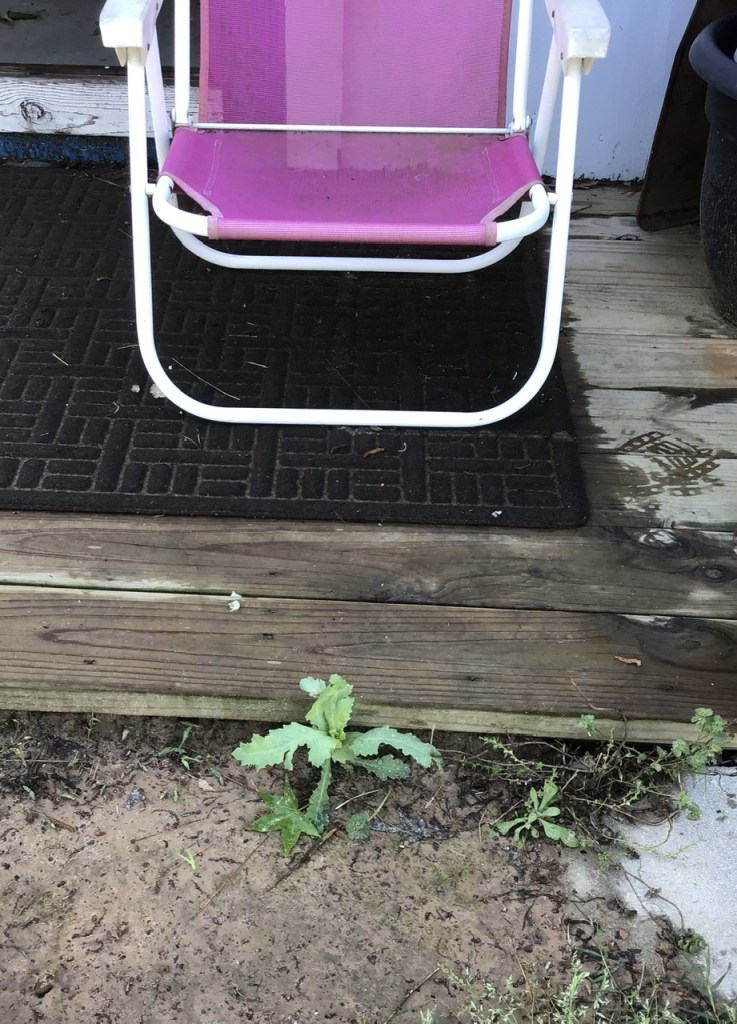
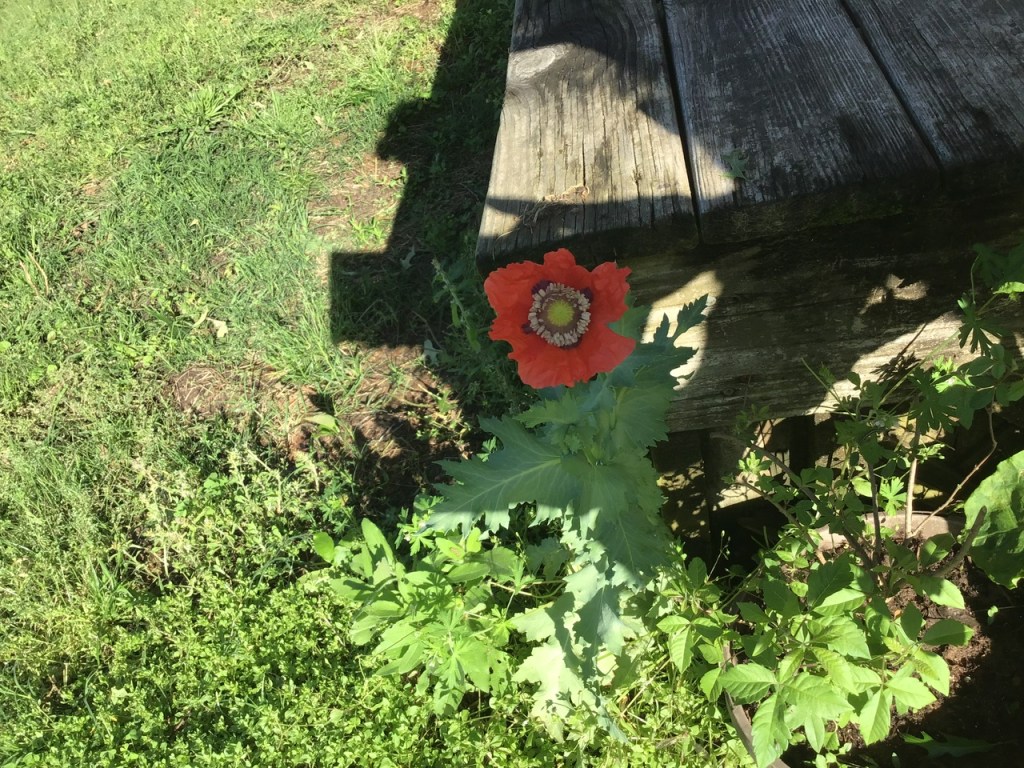
The poppies continue to pop up in random places, among the roses and in cracks and crevices, like dandelions.

And the bees love them as much as I do.

Another rose variety, the thornless Peggy Martin, I just planted last year, is now getting its first blooms.

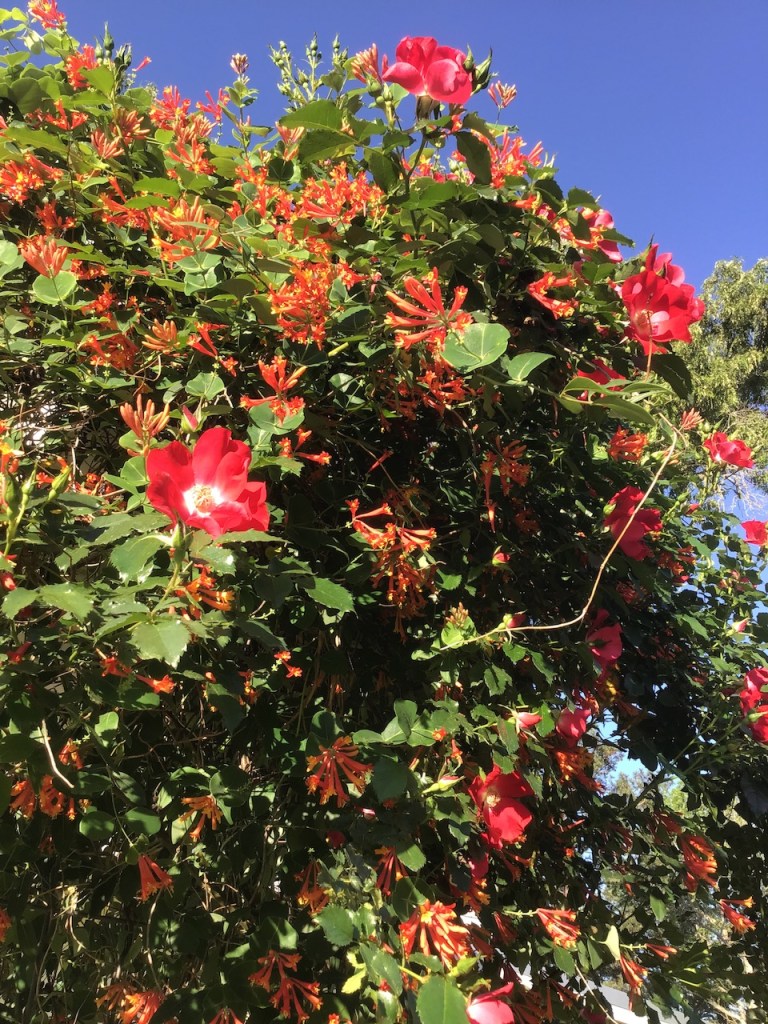
I’m so very pleased with the transition from cool-season coral honeysuckle blooms to the Dortmond rose takeover, lovely! I especially like the short spell they co-habitat.

The wattle fence I began with the best intentions is languishing due to too many other priorities. It has been a sheep deterrent at least, since the mamas and lambs have taken over the front yard. And even Shadow doesn’t dare stand in their way!

This is where the citrus will go, my new big project. I’m even considering throwing an avocado in there too. I know, very ambitious! But, I want to give some of the new methods a try and it seems like a good time. This side of the house is ideal, the house breaking the north wind and the heavy late afternoon sun. Plus, there’s the extra warmth accumulated in the walls of the house to help in cold snaps, along with the extra heating and draping methods that seem to be working for others.

Ooohhh, anticipation!

Just like the tomatoes and cucumbers coming so soon, right around the corner, and I can hardly wait. The last fermented cucumbers we used up a week ago, amazingly, and they were still crispy and flavorful. I plan to continue and expand my fermenting efforts this summer and fall. More herb pastes, more tea blends, more spice mixes.

The lambs are still doing fine, my how fast they grow.

Spring lambs on springs! 😆

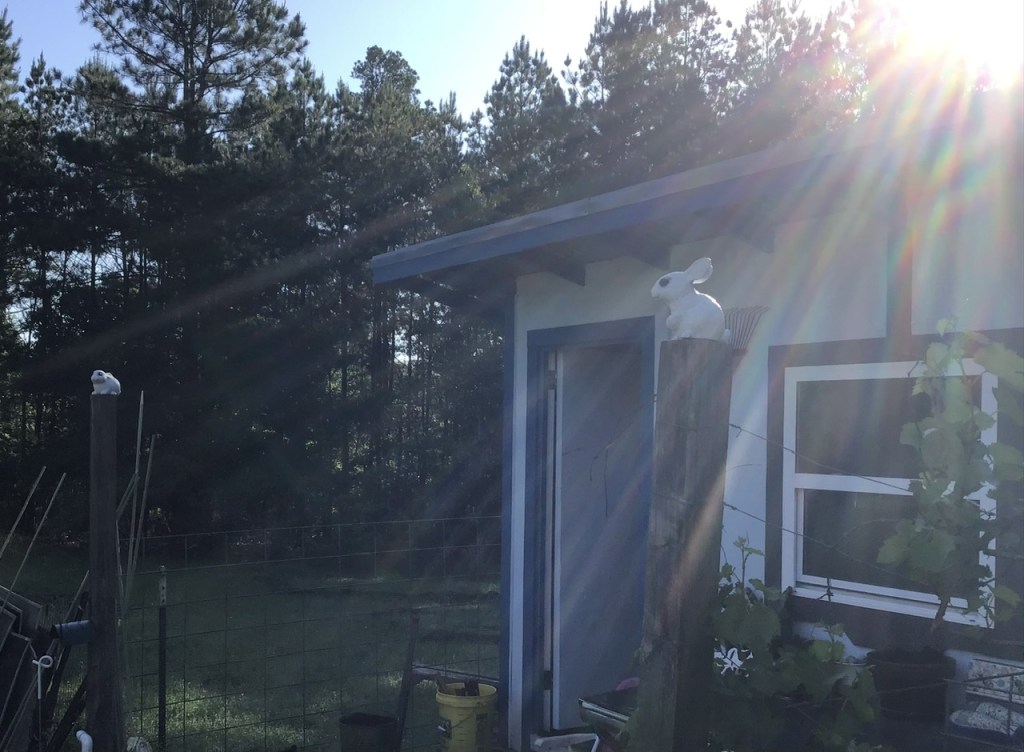
My garden mascots, two white rabbits.

And my single complaint—the spray continues to ruin our beautiful days.

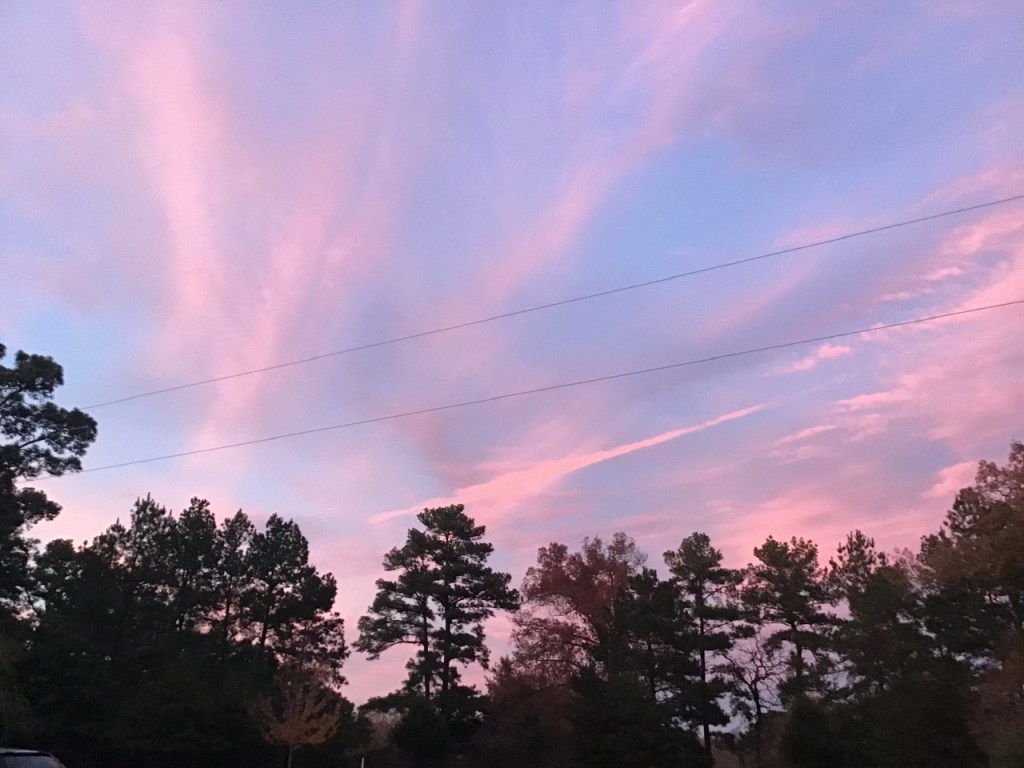
Is this why we can so clearly see these colors, because we have an atmosphere saturated with reflective particulate matter?

Cool pic, or chem-filled haze?

“I’m no prophet Lord, I don’t know nature’s ways.”
Anticipation’ by Carly Simon

Homestead Happenings

Wow, I’ve posted no update since the end of August (aka Late Swelter Season). Now here we are already well into Weather Whiplash Season, my how time flies!

This post we’ve got lots of happy snaps, the usual weather bitching, some cheese boasting, and long laments about our dear Shadow’s woes.

Notice the band-aid on his ear? Useless.
But, apparently we needed to learn that the hard way.

Sometimes time flies, but when things get really bad, it crawls. Especially when it goes instantly from nothing much to Holy Shit!

And as bad as it is, in the big picture the weather whiplash is still way worse. So, best get that report out of the way first. No rain, in our rainy season. No real season at all, just a rainless rollercoaster, and not nearly as fun as that sounds.

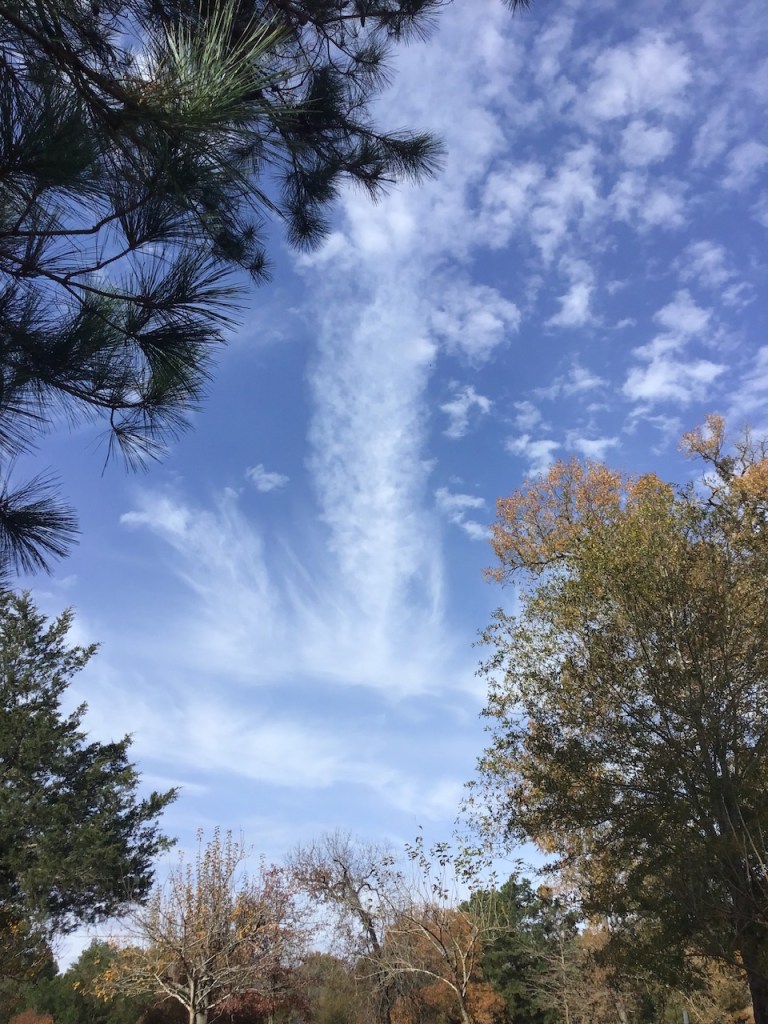
Not natural clouds, folks! And soon the kids won’t be able to see any difference, though the atmosphere has significantly changed in the last two decades, as the weather has changed, as they lie about their climate scam, and charge ‘carbon taxes’ to ordinary folks to pay for their madness. Makes me SO FURIOUS!

I could be taking such photos on a regular basis, but it gets old. And then someone could comment on the ‘pretty’ sunset. 🤯. Argghhh, Noooo! Can’t someone please make it stop?!

No? Ok, moving on.

More bad news. We’ve had the most prolific acorn year since we’ve been here, that’s about 15 years. Sounds like good news, I know. It is good news, in many ways. The pigs are getting fat, the sheep and goats are gorging. Literally. And that’s the problem. One of the young twins gorged himself to death. It was terribly sad. His little stomach ballooned up as if his body couldn’t contain it anymore and he was suffering for hours.

I’d read baking soda could help, but it did not in this case. Perhaps it was too severe. I also read there’s a surgical procedure which would alleviate the pressure in his gut, but I don’t have the confidence to perform that myself and the vets around here don’t treat goats. I held the little guy for a long time, trying to keep him warm and help him feel better, but we lost him. Oh the perils of animal husbandry!

Another problem of the acorn bumper crop is much less severe. We live under a large oak tree and have a metal roof. It’s been rather windy lately and once those nuts start shaking loose, it’s kinda like the sky is falling. If our veteran neighbor with PTSD comes by I expect he’ll be darting for cover quick, because it sounds eerily like machine gunfire when they get popping off the roof.

The acorn perks include some plump pigs and happy goats, two of which I’m still milking, which is making for some very tasty cheeses.

Under the oaks: happy pigs, sheep and goats.
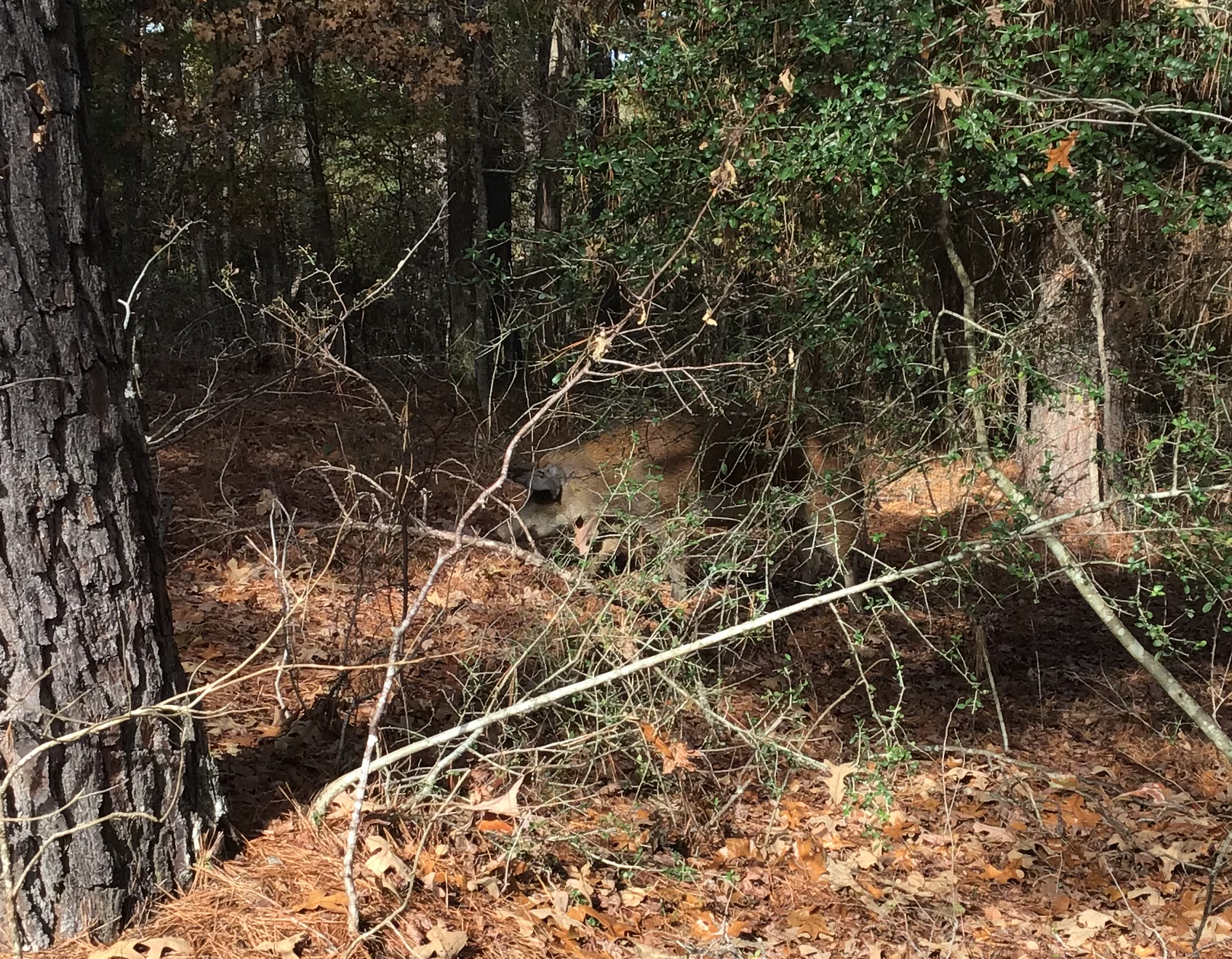
Can you spot the perfectly camouflaged foraging pig?
Happy goats make for delicious cheeses.

I’ve gotten so successful I’m confident enough to get very daring!

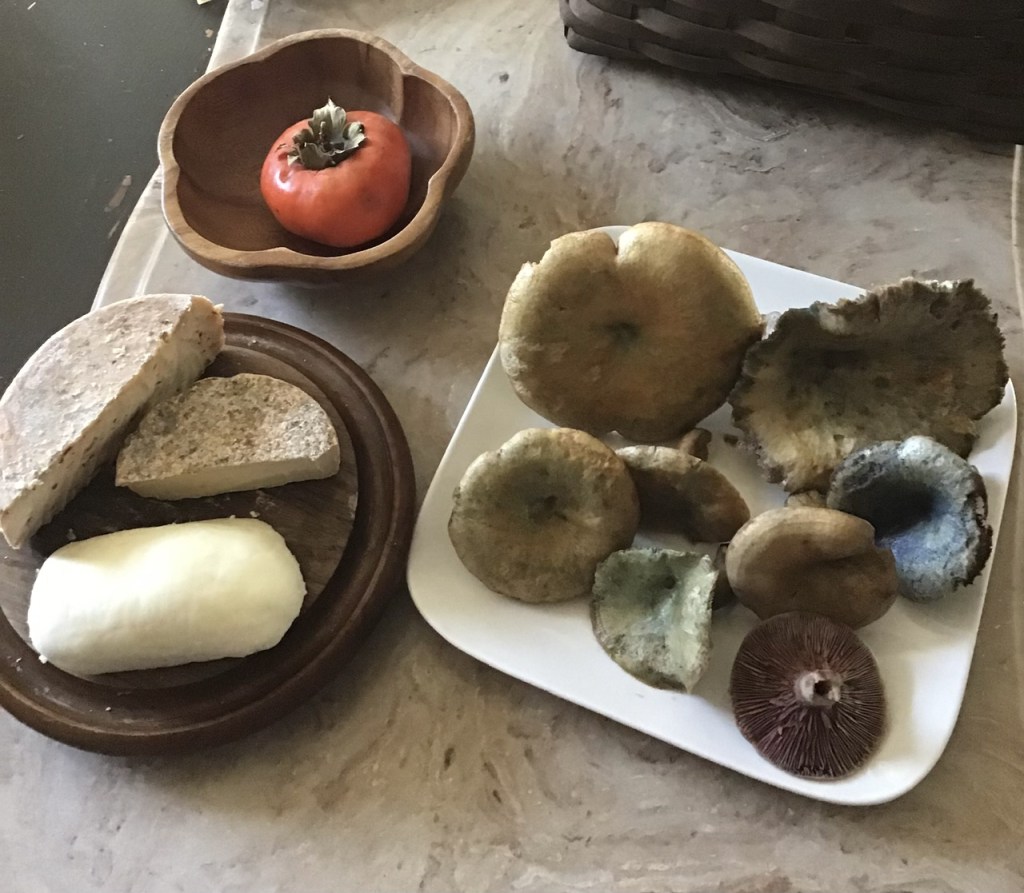
Chèvre wrapped in sassafras and fig leaves for aging.
More aged chèvre—the top log is covered in dried goldenrod leaves and flowers, the bottom one is wrapped in honeybee comb.

Our fruits were nearly non-existent this summer, but we did just get our first ‘crop’ of persimmons, a whopping 5 of them! A couple of years ago I harvested lots of them from a neighbor’s tree and they were delicious; that was the first time we’d ever tried them.

Fuji persimmon

We planted both varieties, but the American variety takes much longer to start producing fruit and the fruits are generally smaller. These pictured above are Fuji, quite different, harder, larger, less sweet, not at all astringent, and also very tasty. The closest in taste I’d say would be a very ripe mango, the American varieties are especially super sweet, like jam.

If you’d like to learn more about this fancy fruit, here’s an enthusiastic lesson from James Prigione.

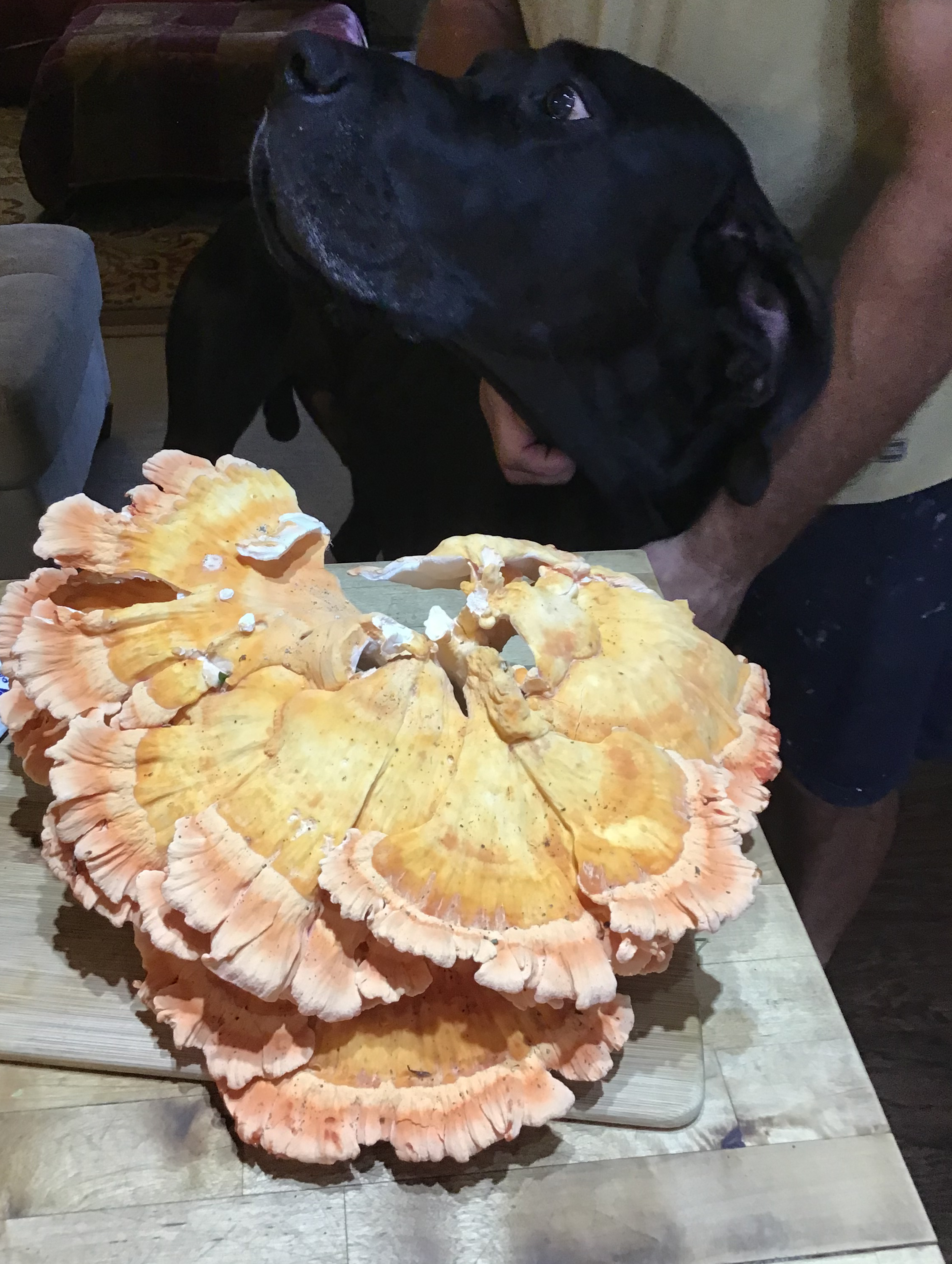
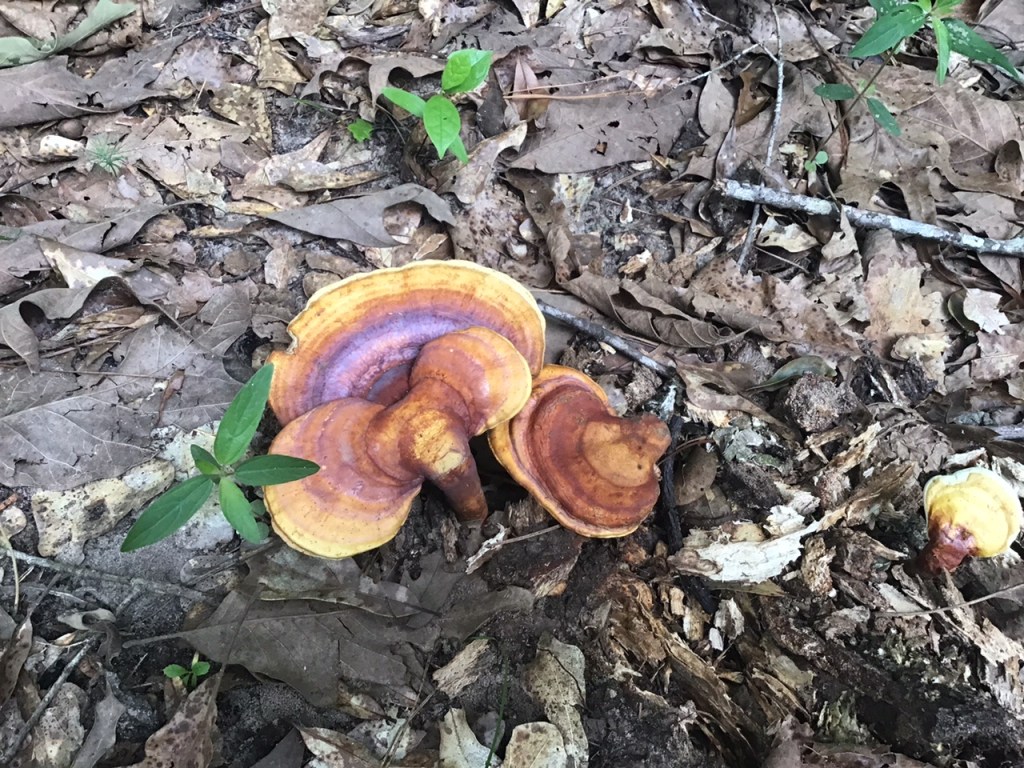
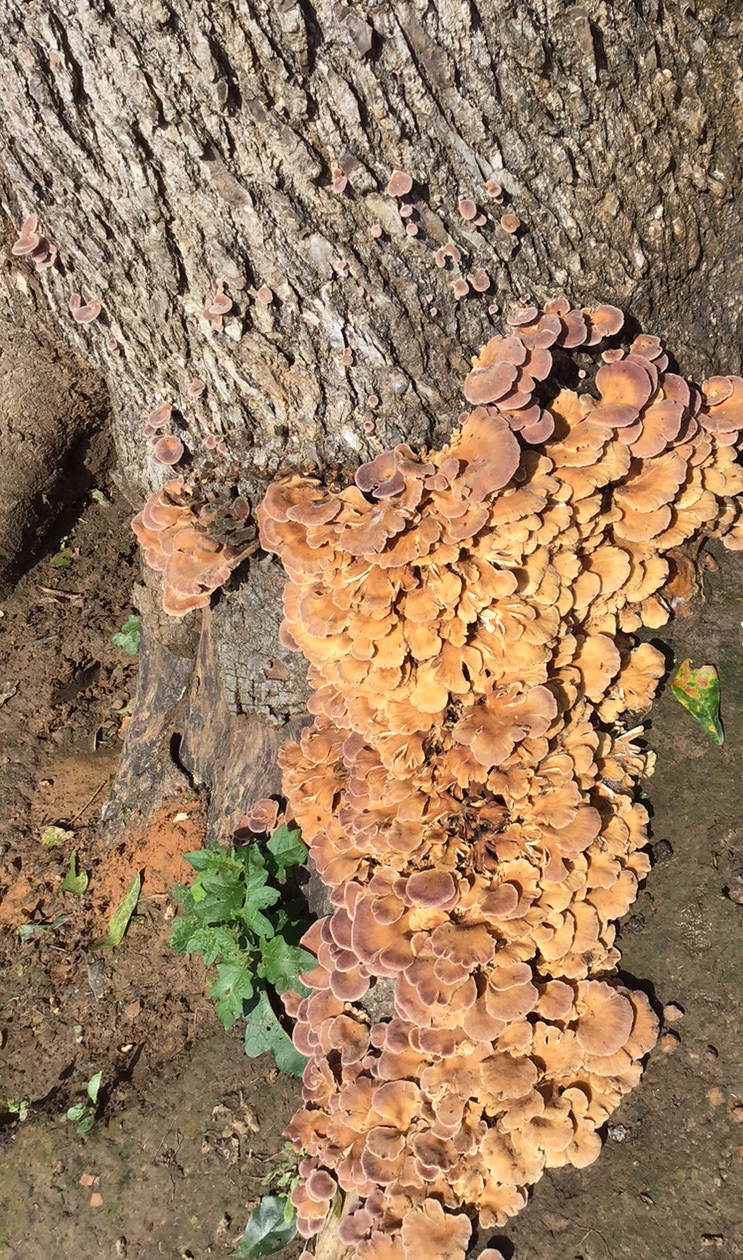
We’ve been getting a few mushrooms, but the lack of rain is certainly hindering our foraging experience. A friend brought us a huge chicken of the woods, our first time trying it and it was excellent.

Laetiporus sulphureus

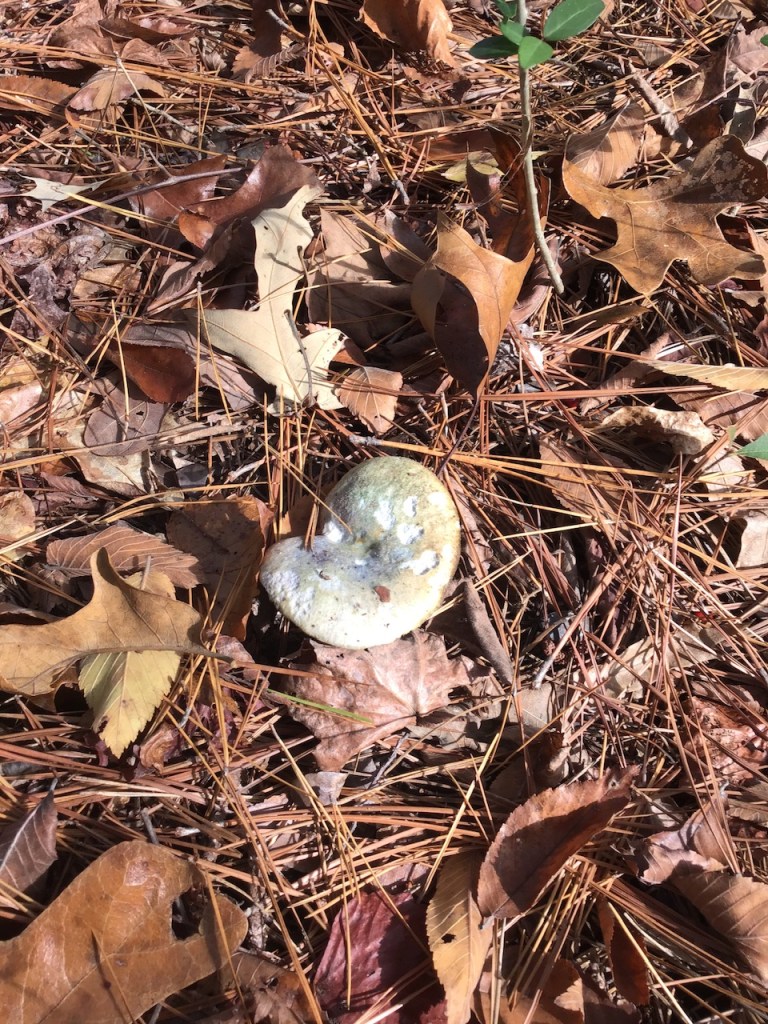
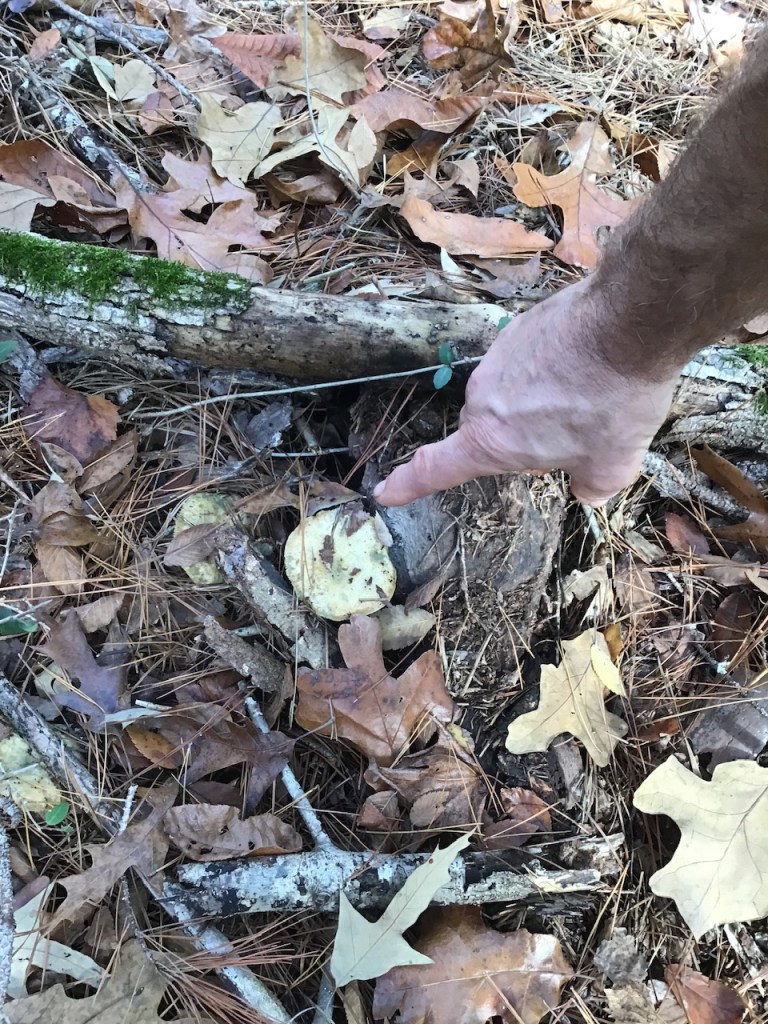
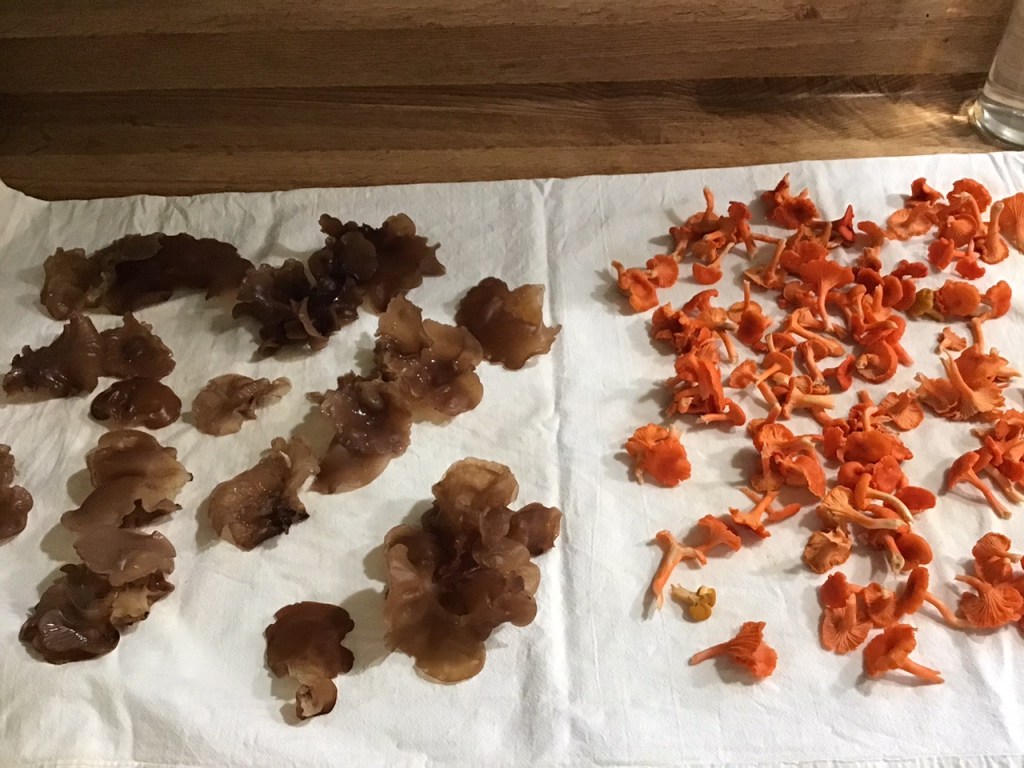
The lactarius paradoxus are hard to spot and deceptively unattractive. In fact, they are exceptionally tasty and have a longer shelf-life, and of course a different season, than our favorite chanterelles.

Even while foraging mushrooms it seems the grass is always greener on the other side of the fence. 🤔

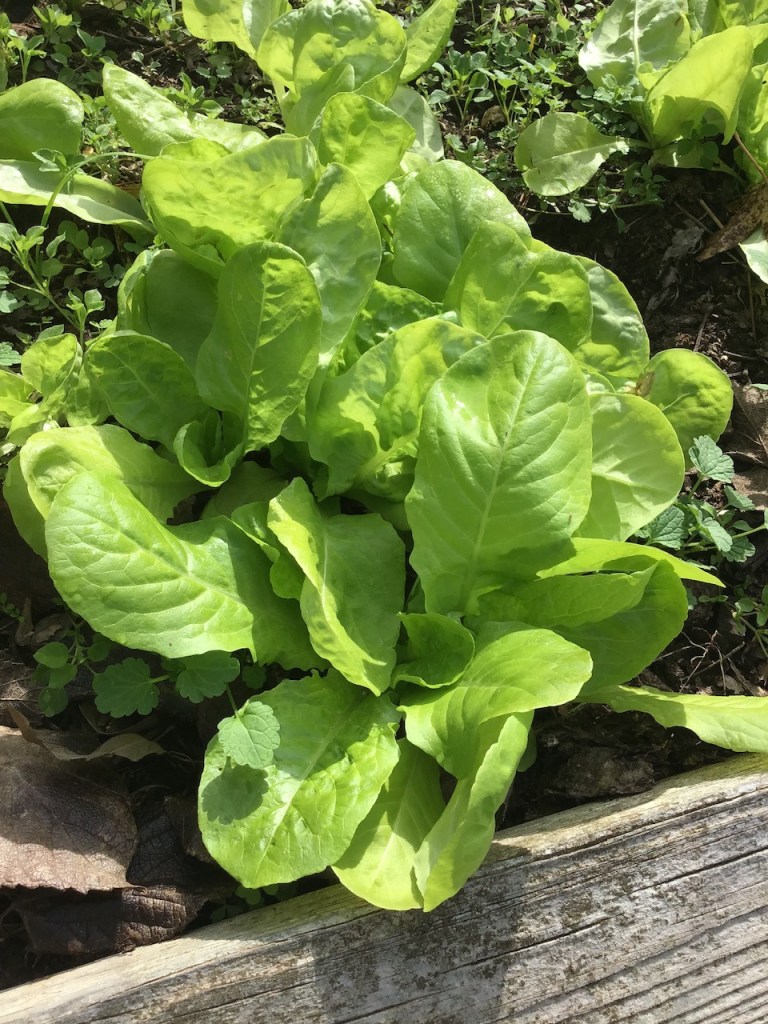
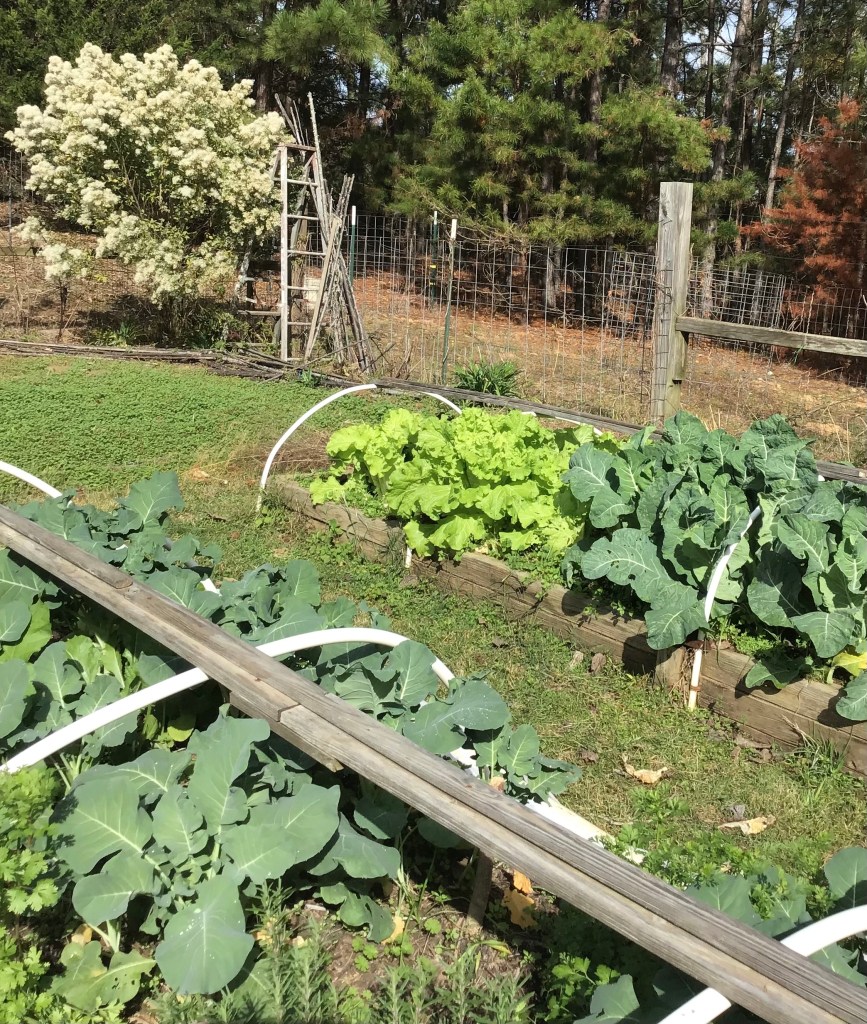
In the garden we do have two nice full boxes of varied cool-season produce we protect from the frosts with row cover cloth. In addition to lettuces there’s some broccoli and cauliflower, spring onions, cilantro and parsley, radishes and Chinese cabbage. We’ve also got our garlic already shooting up and a couple rows of turnips started for the pigs come spring. Our neighbors are now buying eggs from us, so we throw in the surplus veggies when we can.

3 of 6 colonies survived our terrible summer. The hives are a bit hodge-podge at the moment while we do maintenance on them.

The honeybees are occasionally making an appearance, though since the frost there is little for them to forage. One of their last favorites is another one considered a ‘nuisance plant’ by the ‘experts’—it’s called tree groundsel and it’s pictured after the frost in the right photo above, in the background behind the boxes. Quite a lovely late-season plant, if you ask me.

And approaching it before the first frost sounded like the buzzing metropolis that it was! A last hoorah for the bees.

So we come back to the current day and our crazy Shadow drama. It all started with a tiny Band-Aid.

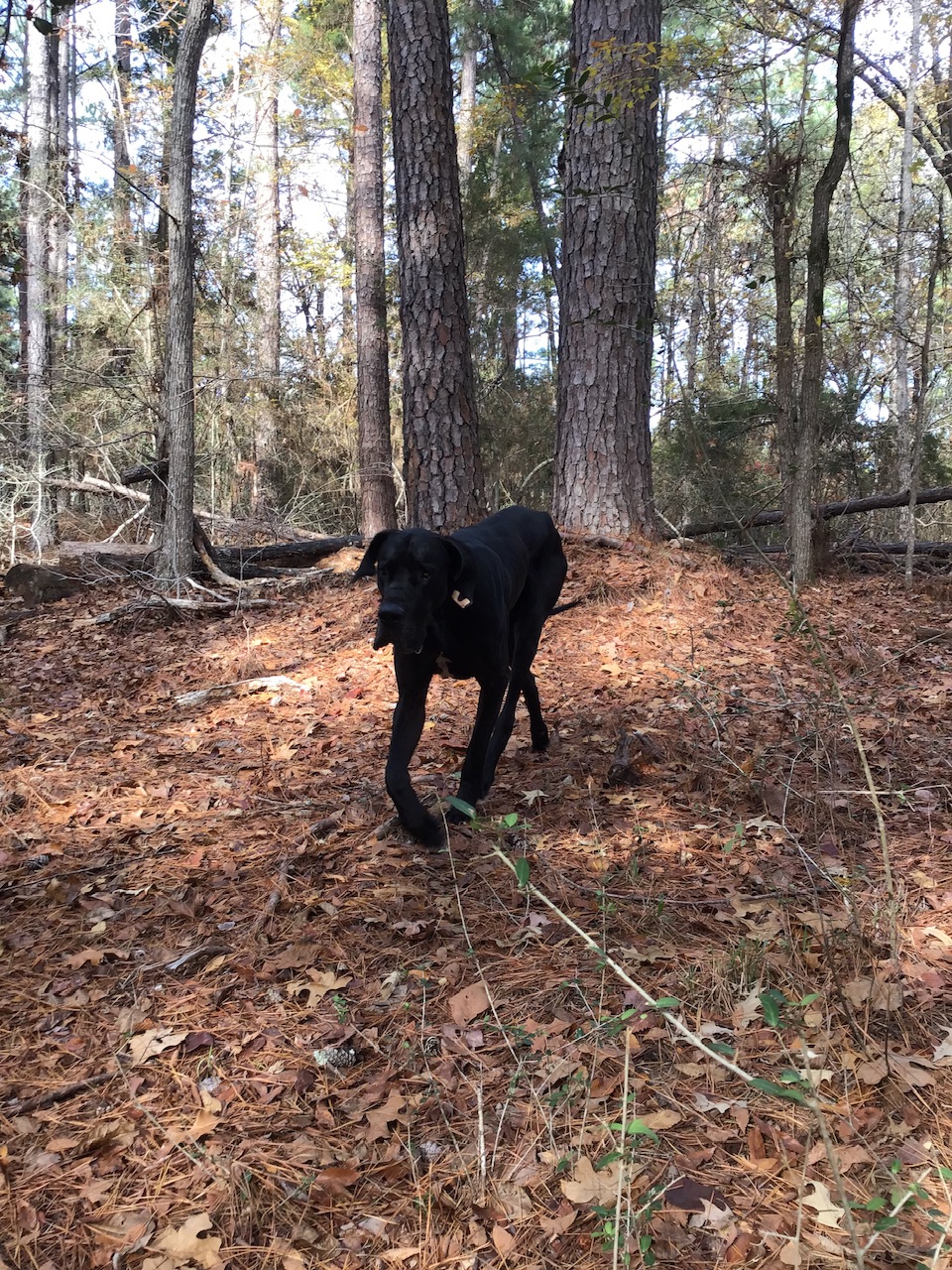
He’s got the ear-span of a small plane and we have the living room space of its cockpit. When he shakes his head he invariably hits some piece of wall or corner of furniture with his Dumbo ears and it’s actually pretty amazing it didn’t happen already: a tiny gash on the tip of one ear that he doubtlessly cannot even feel.

Forever happy and oblivious

We were racking our brains for several days, trying everything we could think of and just digging ourselves deeper. One tiny failed Band-aid led to bigger Band-aids led to bigger wraps led to taping menstrual pads to the poor creature!

Nothing was working. We also tried several over-the-counter products, like liquid Band-aid, blood-clotting powder, and some spray-on crap. Not only was nothing working, they all seemed to be making the problem worse.

We even tried to craft our own ‘No flap ear wrap’ made out of my doo-rags, which also didn’t work. So, we purchased a pricey one online which should be arriving any day now. Obviously, this is a universally common dog issue. A result of over-domestication no doubt, but that’s fodder for another post.

Then I start racking my pea brain in frantic desperation. How to stop the blood flow pronto?! Crimp his ears with clothes pins? Tie his ears up on top of his head with a scrunchy? Stitches? Soldering? How about just cut the whole ear off? Yes, we did briefly consider the vet. But we’ve been spending the many months since we got him trying to detox him from all the vet potions and it feels we are finally making some headway there. I kept imagining the new meds that would be required for this new issue and their invariable side-effects, which would start us off at square one with his detox.

Clearly I don’t think very well in high-stress situations. I was really trying hard and the bad ideas were piling on. The blood, which had gone from a tiny occasional drop, to a full-on drip, to a steady stream, and from then within a few hours a sprayer-hose in every direction with every shake of his head. And that boy loves to shake his head.

Between the blood splatter and the acorn fire it feels we could be living in a battlefield training zone.

Yup, the crazy, bloody mess had arrived and is still visible all over our living room, deck, porch, siding. We covered all the furniture and even the walls with old towels and sheets. Hubby started following him around everywhere, with a giant towel extended between his outstretched arms each time he sensed a head shake was about to turn into a sprayer-hose of the sticky, red, splatter paint across the windows, the screens, the ceilings even. (Where are those magical elves when you need a deep house cleaning?)

We needed a miracle, and fast!

And thank the heavens, I got that miracle in one brief email. Thank you UK herbalists, Kath and Zoe, miracle workers! It should’ve occurred to me sooner. Me, especially, considering I did start the Herbal Explorations pages earlier this year and have been getting educated on herbal remedies. It honestly did not occur to me that herbs could solve this acute issue. I didn’t think anything would be fast or effective enough, especially when every other thing we were trying had failed and even worsened the problem.

Zoe suggested powdered myrrh as her preferred method in order to stop the blood flow, but we didn’t have that on hand. I ordered some online, but in the meantime chose among her other options, yarrow, and we have plenty on hand because I like it in Kombucha. I made a strong tea with it, as well as grounding some up into a powder and that whole concoction I held on his ear a few times with a cloth, some of that powder getting into the wound and sticking there, and the blood flow finally stopped. Holy Heavens! As of this writing we are still in good form and have our reserve remedies soon arriving in the mail.

What I clearly need now is an official Herbal First-Aid course. Herbs are not just for gentle healing and routine health, I see, they can be used in emergencies, too.

Why did I not think about it sooner?! It seems like such a no-brained to me now, that I’ve started to consider other potentials that didn’t occur to me at the time—like the old Russian folk remedy bees podmore—which I just happen to have been saving for a rainy day for 3 years now.

Quite an expensive lesson, but a welcome one nonetheless. 😊

A huge thanks and deep bow to Kath and Zoe, from all of us on the wee homestead! 🙏 🤗

Herbal Explorations: Pokeweed

Phytolacca americana

The latest addition to our Herbal Explorations pages.

Pokeweed is one of the most controversial yet fully legal weeds you’ll hear about, I’m sure!

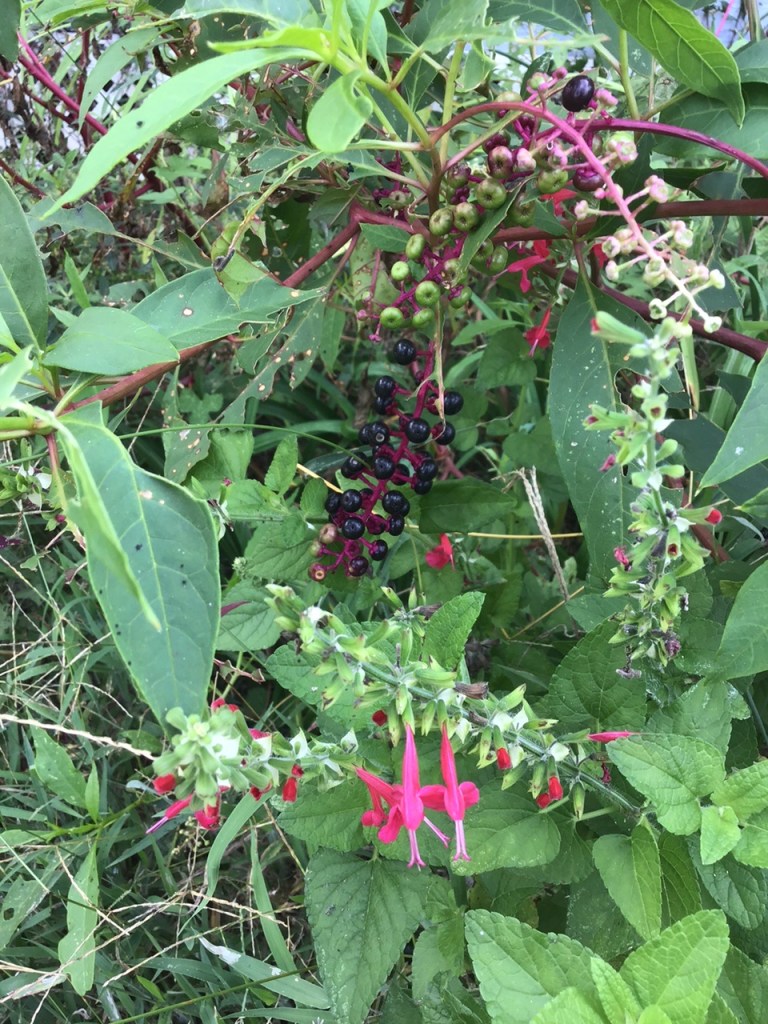
A young plant on left surrounded by poison ivy. On right a mature plant with ripe and unripe berries surrounded by fireweed

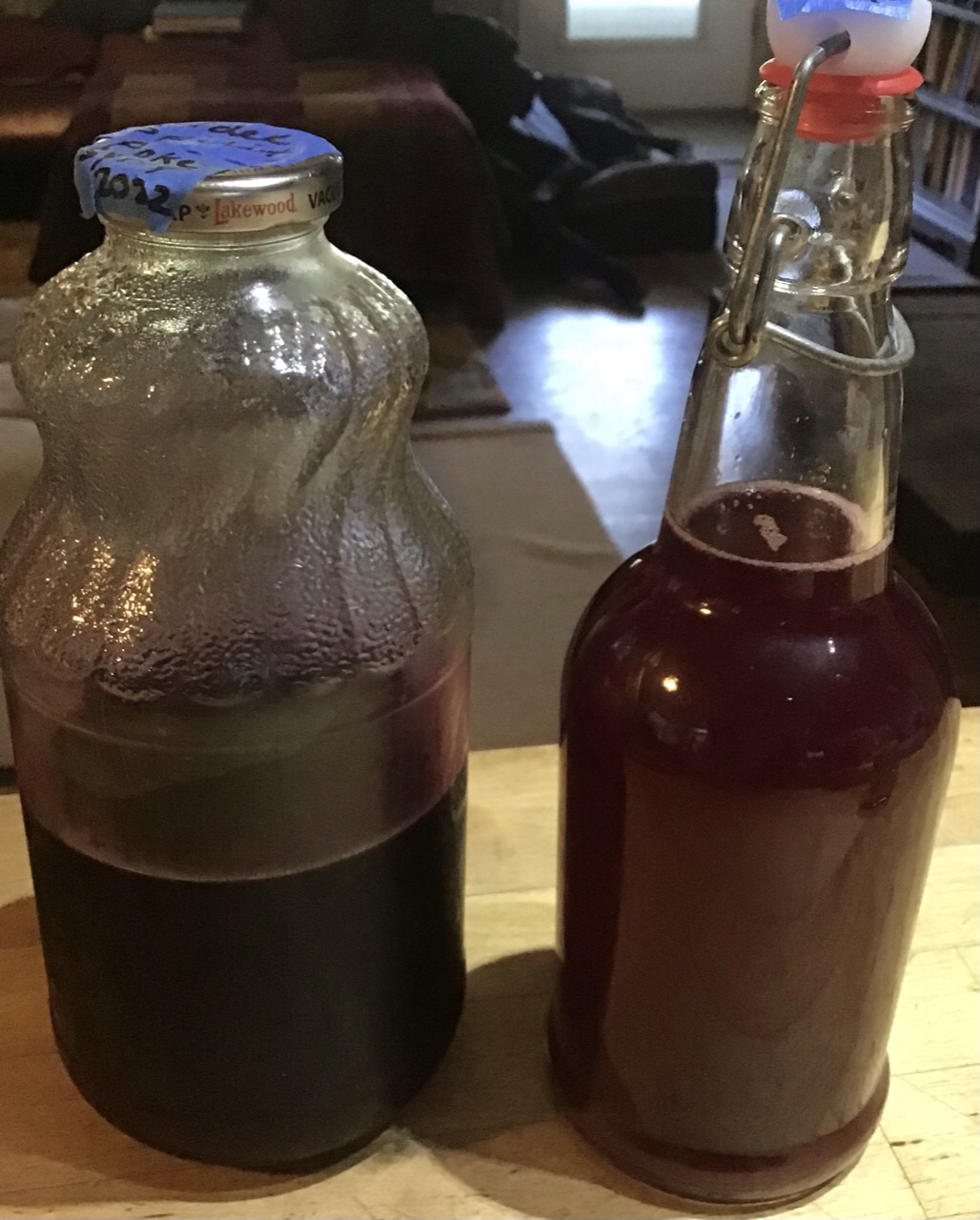
Elderberry-Pokeberry syrup for flavoring cocktails and Pokeberry kombucha—such lovely colors!

There is a hefty amount of misinformation on this ubiquitous plant, but in recent years there’s been a significant pushback, especially among Southerners, where for some it’s been a staple crop for generations.

Though its reputation is still highly contested! The YT video below tells a good chunk of poke’s dramatic story. 😁

It is used as an ornamental in some areas, while others consider it invasive. Ranchers consider it a nuisance and try to eradicate it, though it loves nitrogen-rich soil, so tends to pop back up wherever animals have been penned up or have heavily grazed, therefore fertilizing the land.

We do use it as an ornamental and a food crop, and I’ve written short posts about it here and here. I make wine and syrup from the berries and use the greens in many dishes. The popular belief that the greens must be boiled 3 times is mistaken and overkill.

However, care must be taken in its preparation and it’s not to be eaten raw. The above video explains a lot for those wanting to give poke a fair shake!

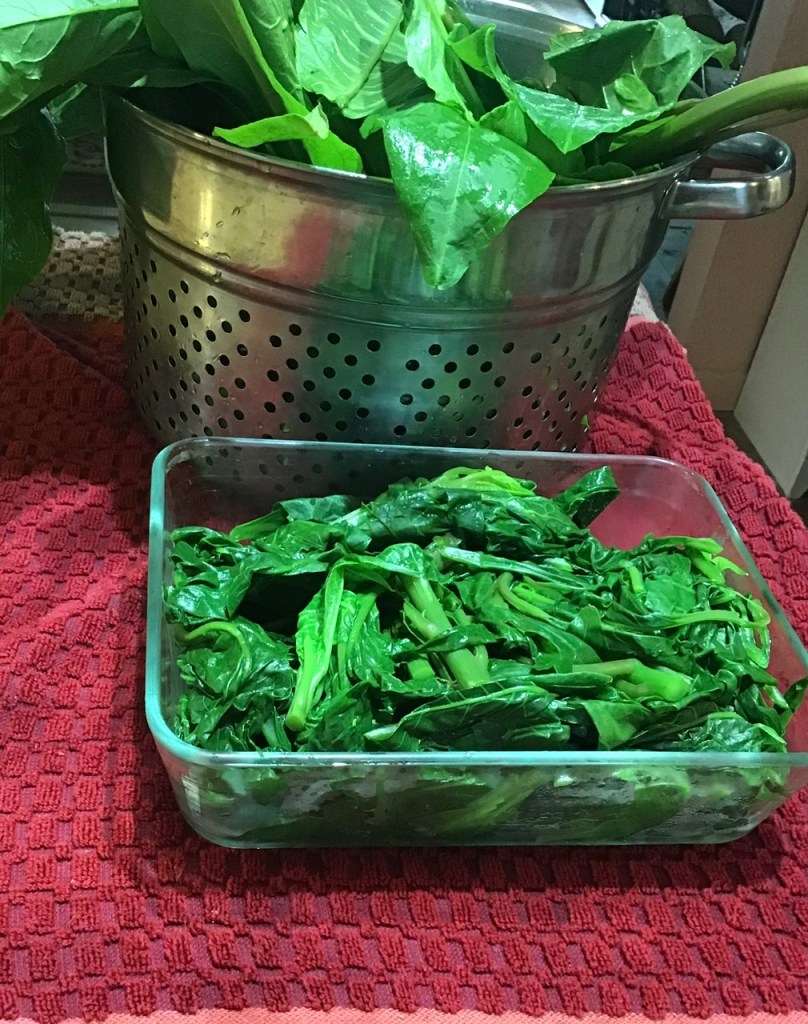
Rinsing well before submerging in boiling water.

Boiled in batches until limp, rinsed in cold water, then used in a dish that will be cooked, like a casserole or stir-fry, or frozen for future use.

The common advice to boil it three times disintegrates the leaves into slime, but you’ll hear that all over the internet and probably from your neighbors too.

That is, if they aren’t already convinced it’s poisonous.

This false belief most likely comes from four places: 1) The farmers and ranchers who would like to see it eradicated because it so successfully competes with the grasses. 2) The high-end wine-makers of our predecessors, because the ripe berry juice was used to color inferior quality wine to make it sell better. 3) Rockefeller medicine which demonizes traditional healing herbs and practices. 4) Chemical dye manufacturers who wanted to dominate the market as it was (and still is) used as a natural fabric dye.

The economic importance of pokeweed to our ancestors was sure to be unpopular with manufacturers and industrialists wanting to create dependency on their products.

A few benefits taken from the sources linked below, not the best translations, unfortunately, but some interesting info. (They do also repeat the plant leaves cannot be used after the stalk turns crimson, but in my experience and in the video above, this is not the case.)

“The young shoots of Ph. americana are eaten cooked as a substitute for asparagus in spring, and its tender leaves were eaten as a substitute for spinach even by the North American (Delaware and Virginian) Indians.
We can found this kind of utilization nowadays too: at markets in the southern states of the USA it is sold as „sprouts” even these days, and they sell its young, tender leaves tinned (Poke Salet Greens). At some places it is still cultivated, though only in small-scale. The tender, bright inner part of the stem is crumbed in cornstarch and fried. They use the young plants before crimson coloration, but the cooking water needs to be discarded. Its ripe berries are added to cake pastries. The roots and the leafy stems are traditionally used for purple-brown dyeing. This colour is not much permanent, after body painting it can be removed easily. The root contains much saponin so it can be used for making soaps. The leaf ’s powder or the leaves were used for external treatment of cancerous wounds. After it got into Europe it was not only planted as an ornamental plant, but its dark purple dye was used for food coloration. The liquor of the berries were pressed, fermented and cleaned up by straining and afterwards it was evaporated down to about honey density in Chinas. The product was used at one for the coloration of foods, preserved fruits, sweets, liqueurs and wines; and for example alias Succus Phytolaccae inspissatus it was sold in German pharmacies. The berries were used to colour the wines of poorer quality with such a success that the plant was widely grown in Portugal, Spain, France and Italy. An ethnobotanical fact about the plant in the Carpathian Basin is that the Transylvanian (Kalotaszeg, Kiskapus) people put the fruit in the barrel cabbage to give it a red colour. Thanks to it betacyanin content it can be used as an industrial dye, but its colour is not as persistent as the colour of the scarlet oak (Quercus coccifera) is. Rarely it was used for wool and silk coloration too. The crimson coloured sap of the berries was used as ink (for example by the soldiers in the World War), that is where English name, inkberry derives from. A limner from Missouri, Bingham used it as paint. Its therapeutical utilization has traditions too. The Delaware Indians considered it to which has cardiac restorative effect, and the Virginian tribes used it for its strong psychotic effect. They presumed it is useful against rheumatism, tumours and in smaller doses against syphilis too. Its therapeutical utilization is comprehensive. Earlier the European therapeutics used it too as an emetic: Radix, Herba et Baccae Phytolaccae. Its root, leaves and fruits are used in the homeopathy too. The plant is a pharmaceutical base material even nowadays. Its drug is used as an antirheumaticum, purgaticum and emeticum (alias “poke root” or „Phytolacca”) in the USA, besides the lush root may can be used against breast cancer, too. The berries are utilized there for food coloration too, and with its leaves they adulterate, or rather substitute the „Folia Belladonnae”. The modern medicine started to show interest in it, thanks to the antiviral protein (pokeweed antiviral protein, PAP) that blocks the infection and reproduction of the HIV virus. The external use of PAP has an inhibi- tory effect on the plant RNS viruses too. The transgenic plants that contain the gene of this protein became resistent to a wide range of viruses. They impute that the root of the Ph. americana has blood cleanser, anti- inflammatory, expectorant, sedative, stupefying and purgative effects too. There are experiments for its uti- lization to cure the autoimmun diseases, especially the rheumatic arthritis. The plant contains toxic compounds against micro-fungi and molluscs too. The lectins extracted from it have toxic effect on the juvenile larvae of the southern corn rootworm (Diabrotica undecimpunctata howardi).”

Web references
Armstrong, W. P.: Pokeweed: an interesting American vegetable. In: Economic Plant Families. Wayne’s World, Escondido, California. http://waynesword.palomar.edu/ecoph24.htm
Hedrick, U. P. (ed.) & Moore, M. (upd.) (1972): Sturtevant’s edible plants of the world. Dover Publications, New York. E-version: The Southwest School of Botanical Medicine. http://www.swsbm.com
NIAES (2005): Japanese Fungi on Plants. National Institute for Agro-Environmental Sciences Natural Resources Inventory Center, Microbial Systematics Laboratory, Tsukuba, Ibaraki, Japan. http://www.niaes.affrc.go.jp/inventry/microorg/eng/kingaku-rs.htm
Plants For a Future. http://www.scs.leeds.ac.uk/pfaf/
RBGE (2001): Flora Europaea database. Royal Botanic Garden Edinburgh, Edinburgh, UK. http://193.62.154.38/FE/fe.html

https://www.researchgate.net/profile/Lajos-Balogh-4/publication/296812711_American_and_Chinese_pokeweed_Phytolacca_americana_Phytolacca_esculenta/links/56dabbad08aee73df6d267cf/American-and-Chinese-pokeweed-Phytolacca-americana-Phytolacca-esculenta.pdf

Medicinal properties and anti-inflammatory components of Phytolacca (Shanglu) – ScienceDirect

Compare that to what our US institutions repeat:
All parts poisonous, lots of toxicity fear-mongering, and usually including advice not to plant it in your garden.

Phytolacca americana (American Pokeweed, Common Pokeweed, Garnet, Pidgeon Berry, Poke, Pokeberry, Pokeweed, Scoke) | North Carolina Extension Gardener Plant Toolbox

Native Plant of the Week: American Pokeweed | Matthaei Botanical Gardens and Nichols Arboretum

Buttercup’s been napping in the Pokeberry again!

Homestead Happenings

Continuing on from the previous post, more weird scenes. Plus, lots more happy snaps, an update on Scrappy with video clip, danger averted, and mushrooms galore.

Starting with the weird and disgusting, so those trying to eat and read, or others simply of an easily-queasy disposition, may skip right down to the happy snaps post haste.

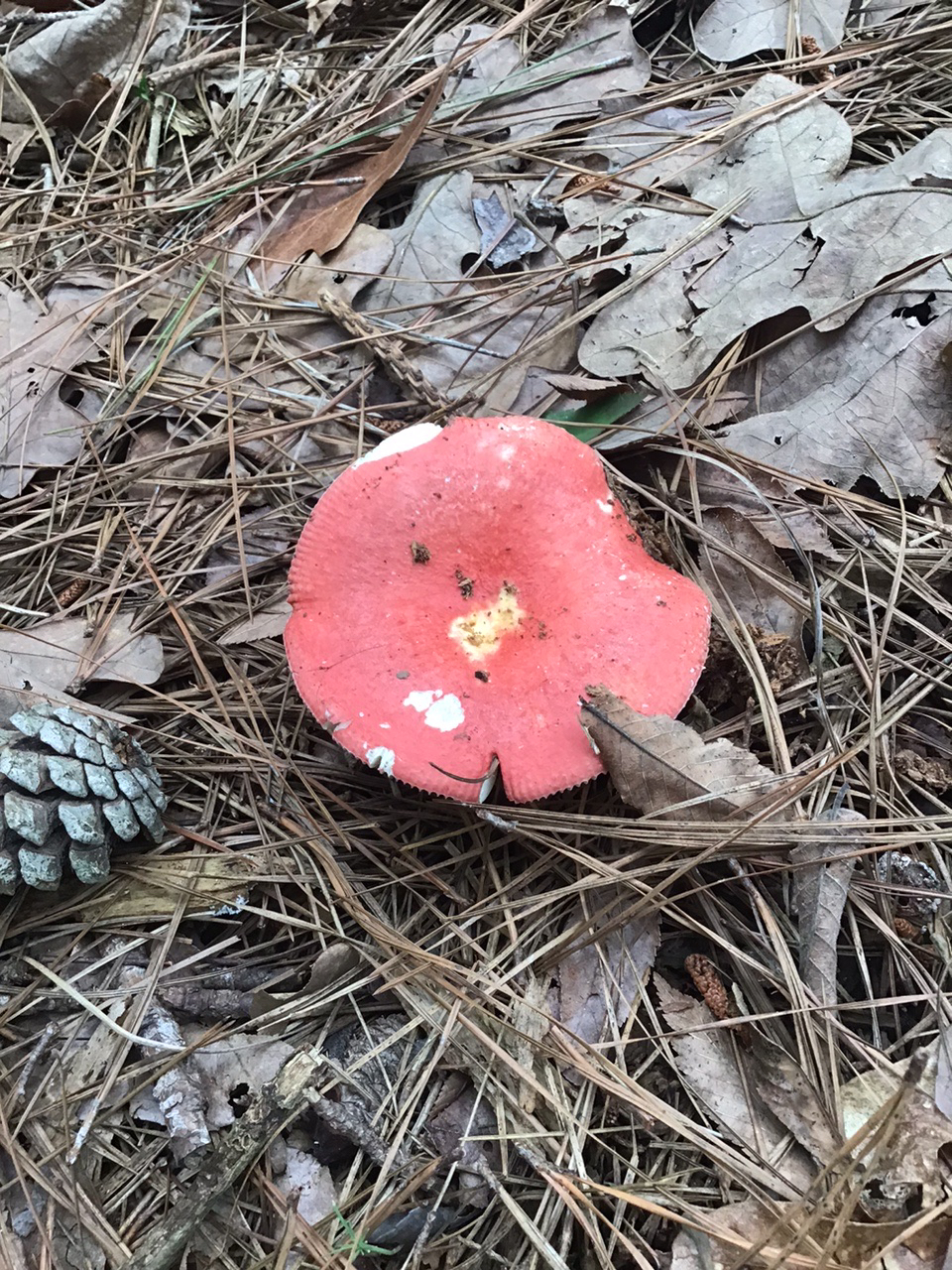
Thanks to the lovely rains last week, which may or may not have destroyed our blackberries (still documenting), we’ve been finding plenty of mushrooms. Some we know very well, like chanterelles, and hunt for them routinely. Most others we collect, and I try to identify, usually without success.

Occasionally that proves to be a disgusting lesson. Boletes in particular bring unwelcome inhabitants and you may just wake up to this sight as you’re making your morning coffee.

If that concerns you, best to leave them in the wild and admire from a safe distance!

Not edible, but cute!

Staying in the weird-disgusting realm, I mentioned last we lost an established bee colony, which was a big disappointment. I wanted to figure out what went wrong with them, and thankfully Hubby noticed the empty hive almost immediately, thanks to the observation window, that so many beekeepers complain about.

I was able to bring all the comb in for inspection. It was highly unusual, because the colony left behind quite a bit of resources, in this case pollen. That means something must’ve been very wrong. Luckily we did capture a swarm off this hive the last month, so it wasn’t a total loss. The culprit behind their total departure from the hive, the dreaded wax moth.

Hubby noticed immediately the spotty brood pattern, sure sign of a failing queen. Had he not noticed and had I not taken action, very quickly all the colony’s painstaking acquisition of pollen and long, hard work of drawing out the wax comb, all would’ve been lost within a fortnight. Wax moth damage in a hive is truly disgusting, the clean-up of which is probably the dirtiest job a beekeeper faces.

Saving the comb, therefor the pollen, therefor the hive body, was the silver lining to this colony collapse. And, it was a good scientific observation for me. What happens is the wax moth eggs as they develop, having been laid in the empty cells where the bees then place their pollen, grow into larvae that pushes out the pollen. From that point they squiggle around a lot. Some of them are able to make it as far as the next room in search of a place to cocoon. Pretty amazing!

Bee pollen is actually pretty tasty, is said to be healthy, and makes a great flavoring for kombucha. I’m sure they eat the larvae in some cultures, just like with silk moths, but don’t worry, I’m not that weird, yet.

*******The rest of this post is safe for the easily-queasy!********

But, there is still danger afoot! And Bubba lets us know about it. A water moccasin on the loose and ready to terrorize the troop, if not for Bubba’s keen scouting.
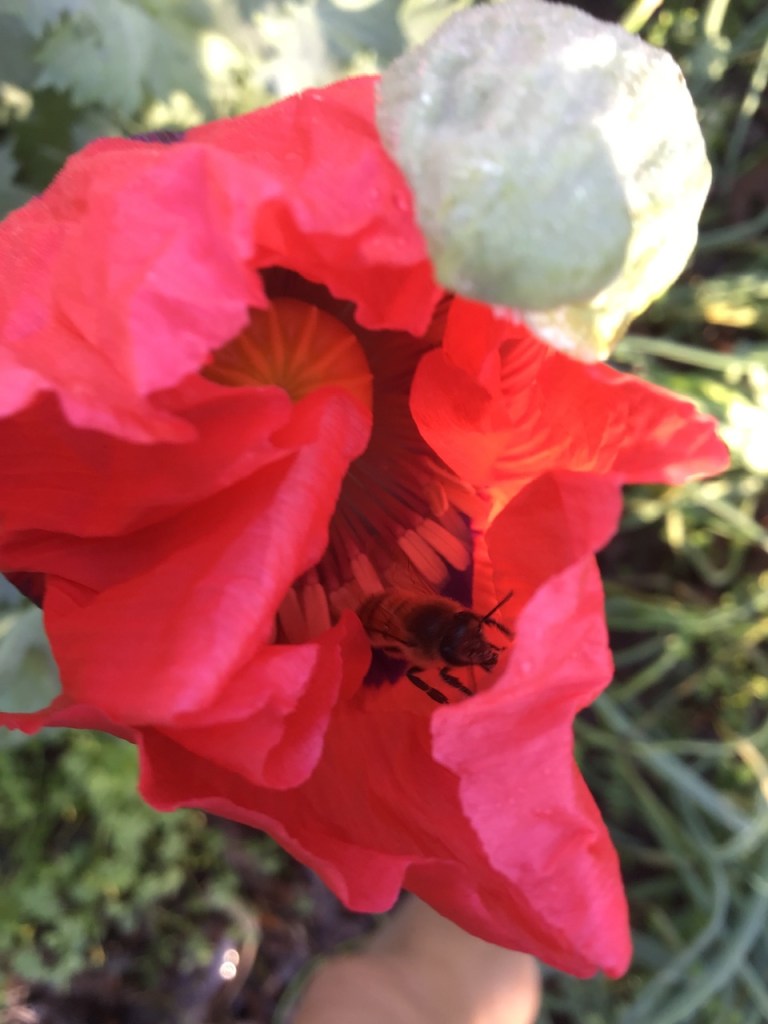
Bubba sounds the alarm, such a good boy!

In other homestead news, Scrappy, whose Mama rejected him at birth, is doing just fine raised on the bottle. Hubby even set up a portable milk station for him, which he adjusted to almost immediately.

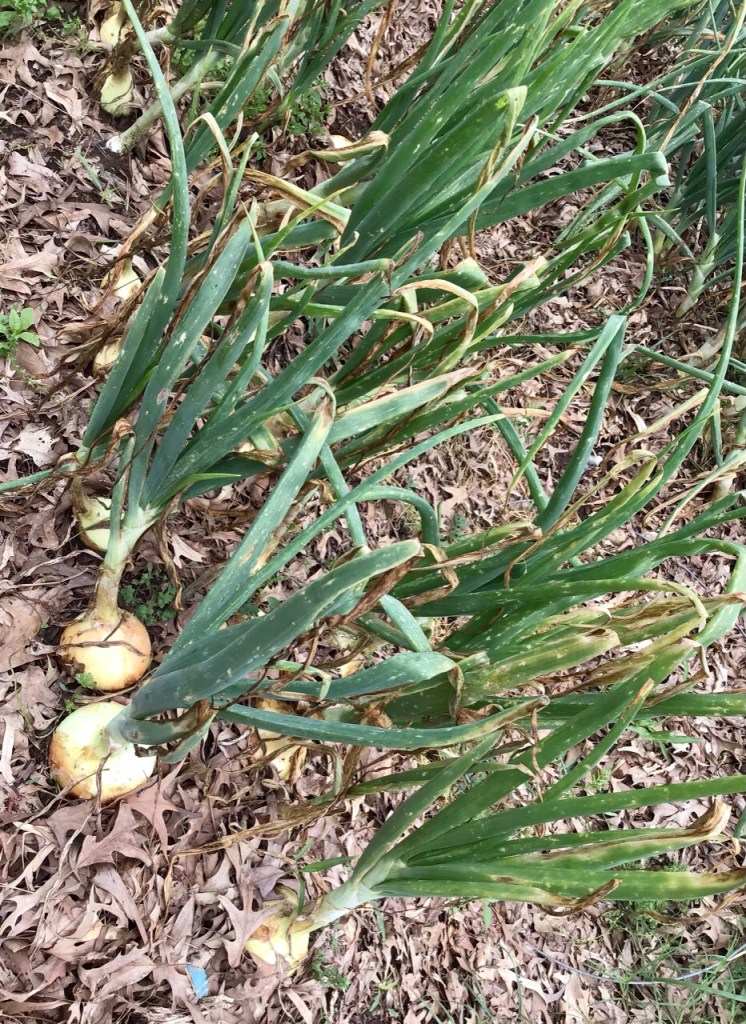
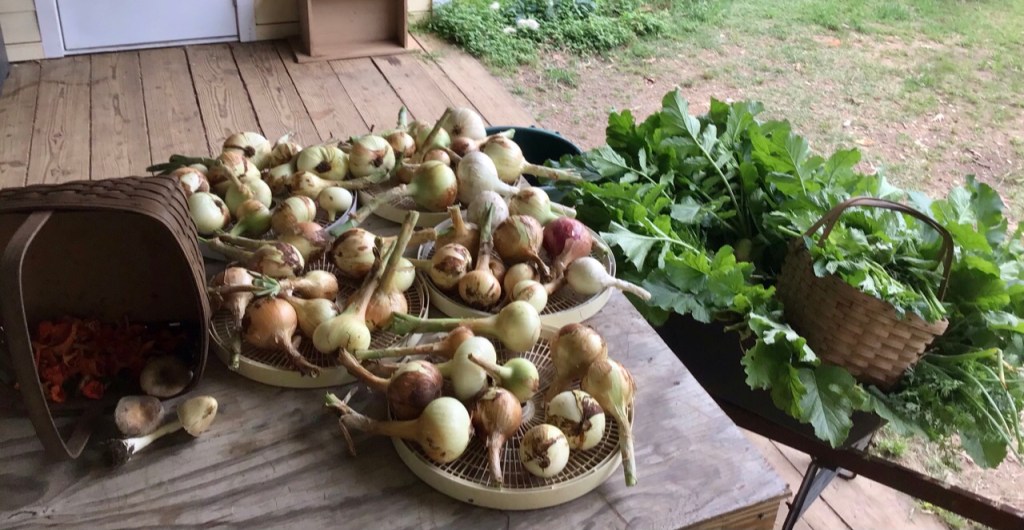
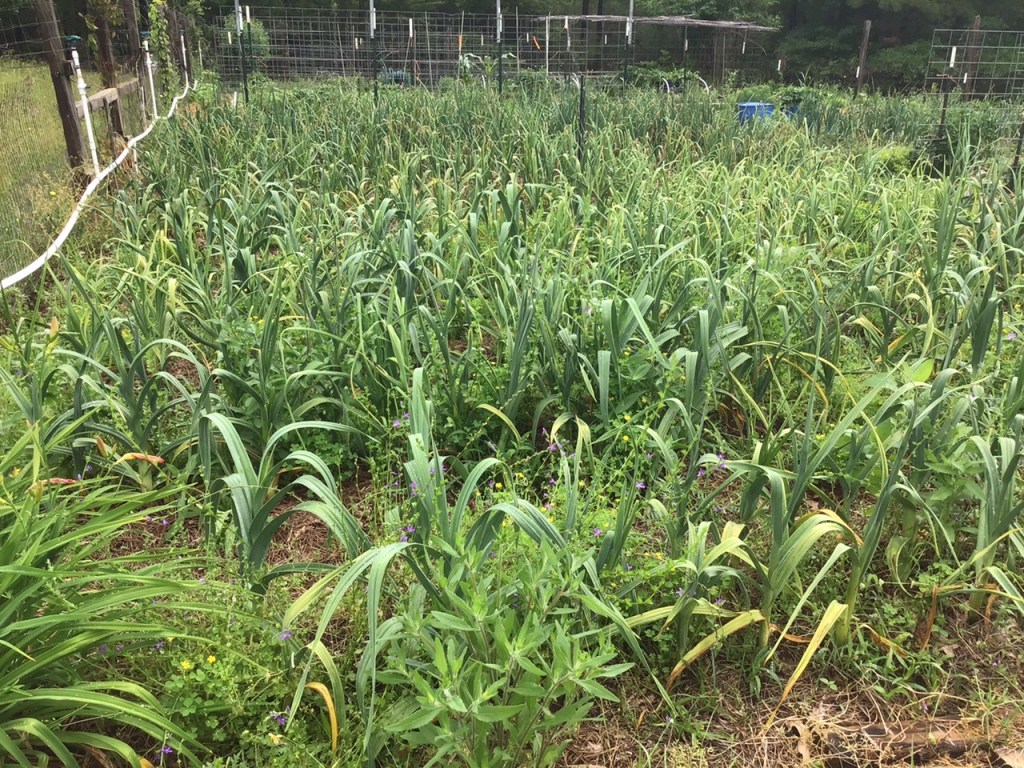
In garden news we’ve been harvesting onions and we’re quite pleased with the prolific results for the 2nd year in a row. We’re about 2/3 to completion. Where the onions and garlic have come out, we’ll be planting okra, sweet potatoes, and melons.

The tomatoes and green beans are coming in great, and a few forgotten flowers too.

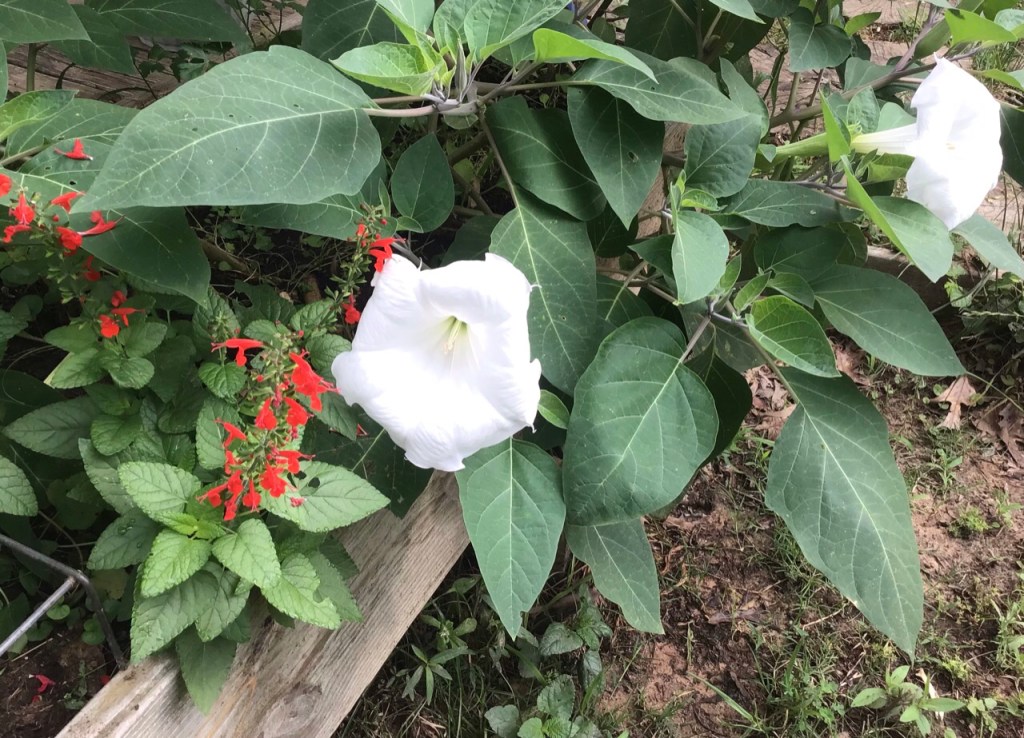
Never forgotten, Datura, one of my very favorites. If only I could capture that most sublime scent when the blossom first opens!

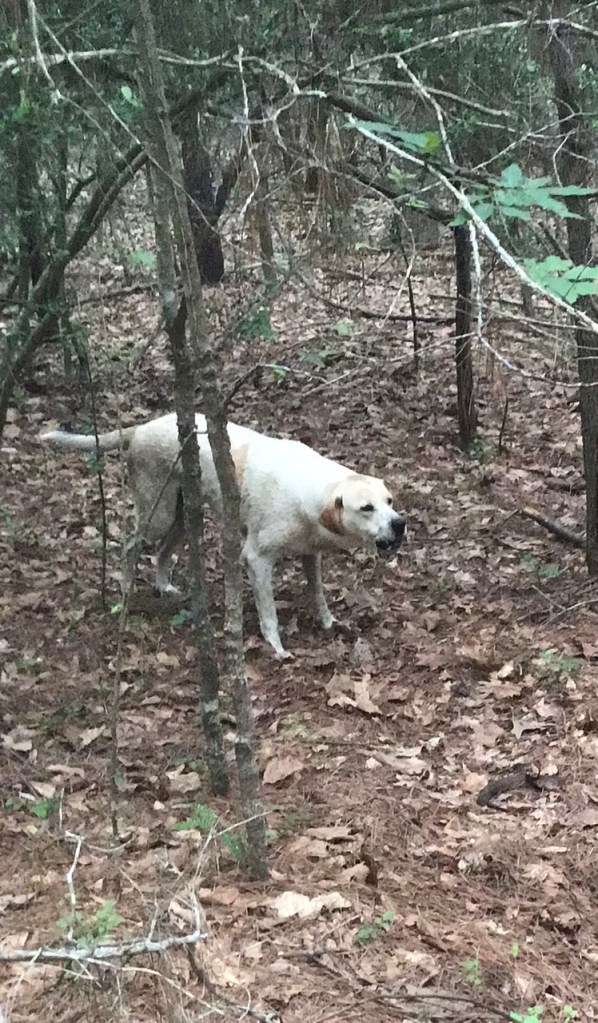
In more critter news, Shadow is still adjusting well to country life, with occasional hiccups. Like, he still likes to chase the goats and the lambs if they stray too far from the herd.

Is he gone yet?!

Only the pigs remain unconcerned with his massive curiosity.

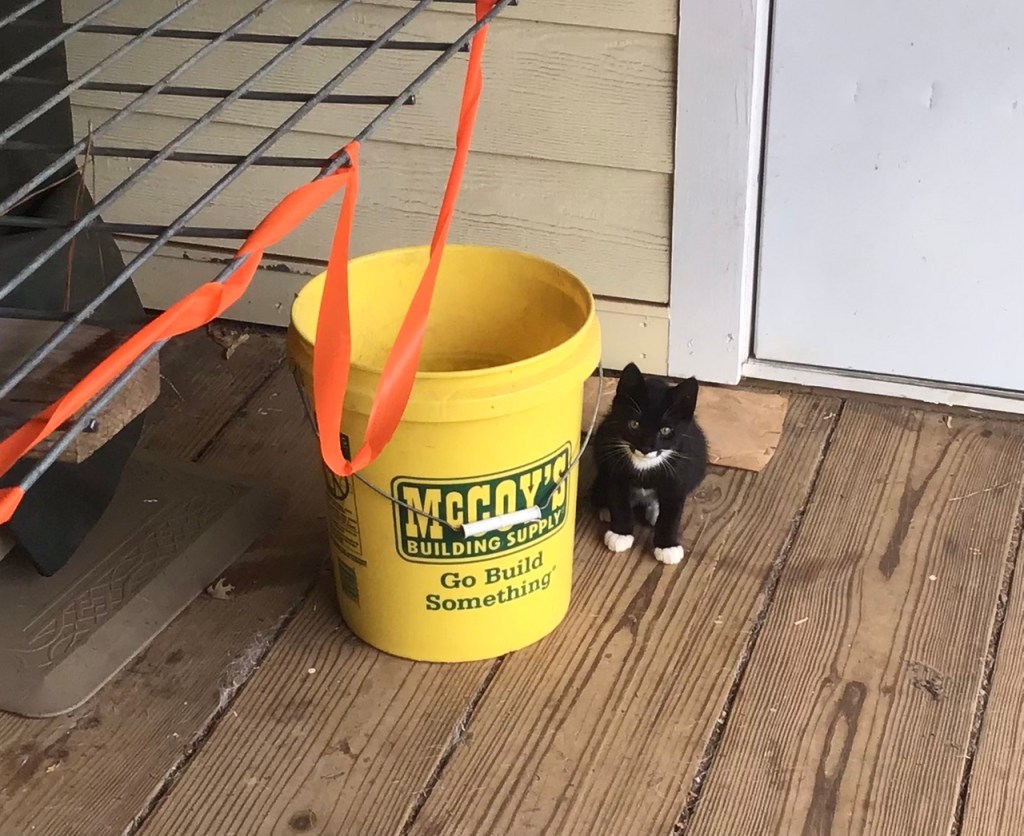
And he seems to find the kittens quite exasperating!

And that’s kinda weird for us too, because we’re not cat people, this is the first time having kittens around at all, yet they seem to be taking over!
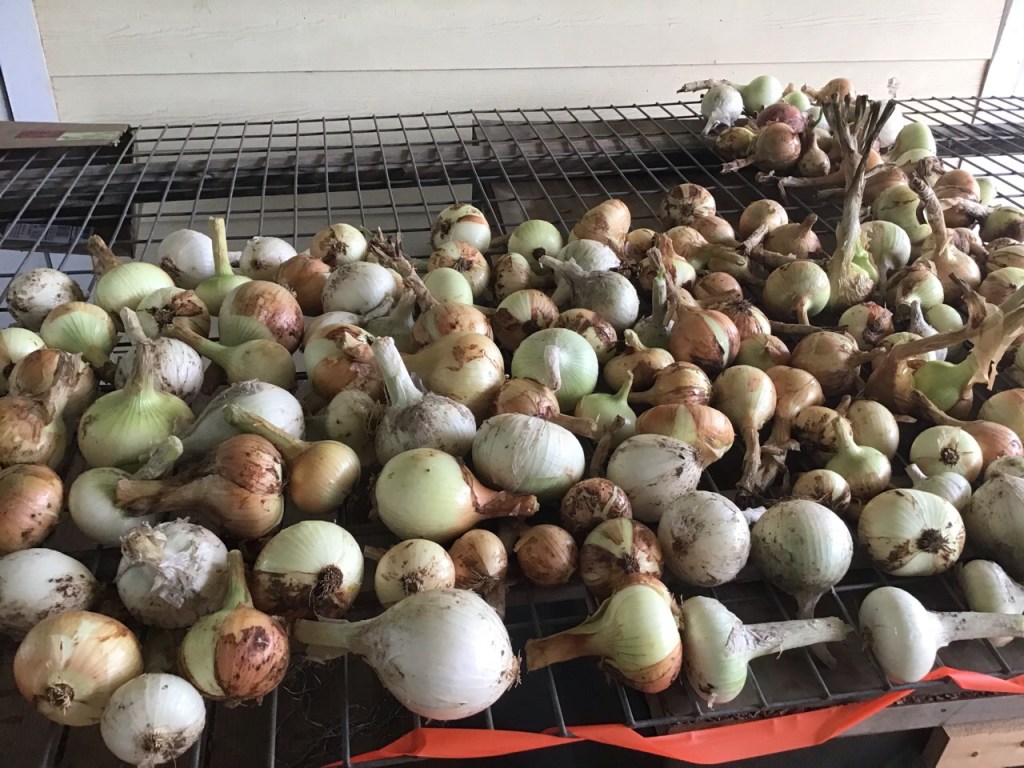
It’s an exhausting life for a townie-dog, I’m sure!

Thanks for stopping by!

Do you have any critter or garden news to share?

Homestead Happenings

Weird scenes inside the homestead! What have we to add to the big wide web of weird today? A couple of things only, along with some sad news and some happy snaps. Successes and failures, as usual. Trying to keep them all in stride, which with the wild flowers and a short country drive, isn’t too big a challenge at the moment.

Creepy visitor appearing everywhere after the rains

Best to get the crap out of the way first, I prefer. We’ve got seemingly severe blackberry failure and an established bee colony suddenly lost. I could write exhaustively on just those two, but since I’m already exhausted, I’ll keep it brief. And continue the relentless churning in my mind alone.

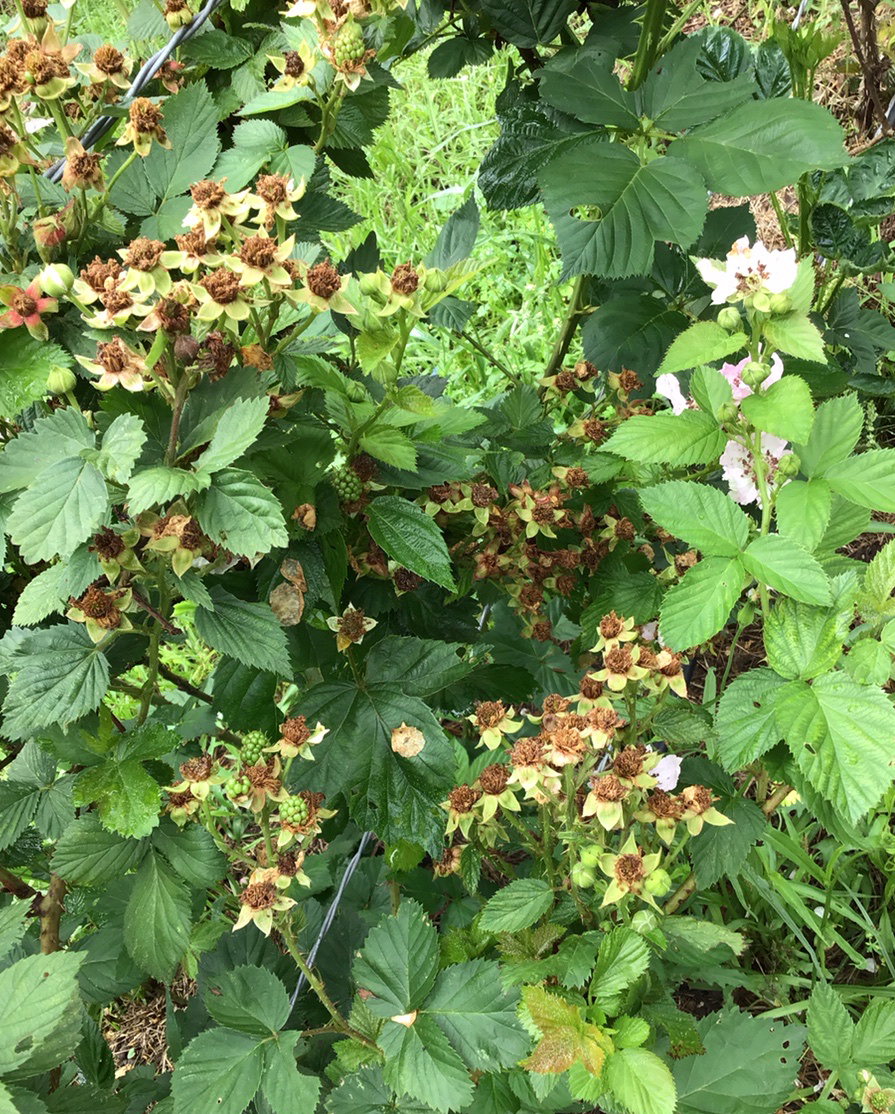
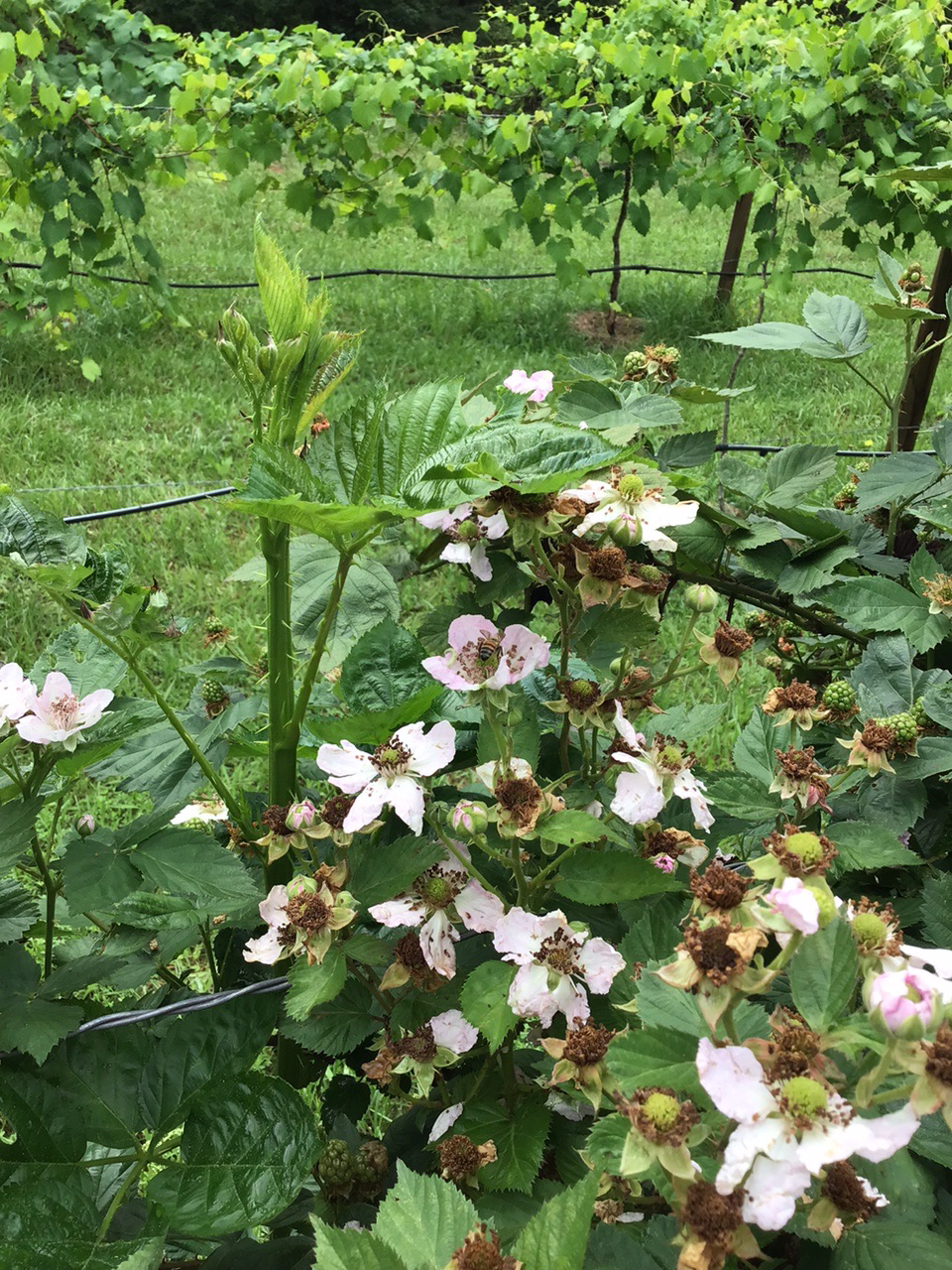
These photos and several more have seen the cyber rounds this week, let me assure you! And the cornucopia of responses we’ve received is rather astounding. Long story short—we’ve had some lovely rains, finally. But it sent our blackberries from thriving and gorgeous, to this brown, crispy-looking horror nearly overnight.

Not just a few bushes either, the entire row, a dozen bushes easy. It looks terrible. So we got a bit frantic and have been sending photos to Ison’s Nursery, where we got them. Also, to various friends and forums, where we’ve had answers to run the gamut: too dry, a virus, a fungus, a blight, Botryosphaeria canker, empty pocket syndrome, aphid damage, and then the kicker . . . This is totally normal development.

Wait, whaaat??

You mean to tell me these could be normally progressing blackberries and after many years of growing blackberries we just never noticed it before?!

Well that would certainly be a big and welcomed WOW! Yes please!

But unfortunately, I don’t think so. They look brown and shriveled beyond anything I’ve seen in any of the online photorama. And there’s no sign of aphids, and it’s not cane blight, and it’s certainly not too dry, although I totally understand that guess, since that’s exactly what it looks like.

And I do so appreciate all the speculation, seriously! It gets me thinking and exploring every time and I do so love all the effort and camaraderie inherit in it. Be wrong, it’s not the end of the world!

Of course, what I did so notice among the seeds of speculation was the one that was, unsurprisingly, totally missing. Toxic rain perhaps? Some other oddities in the atmosphere, perhaps? Not on anyone’s radar? Really?

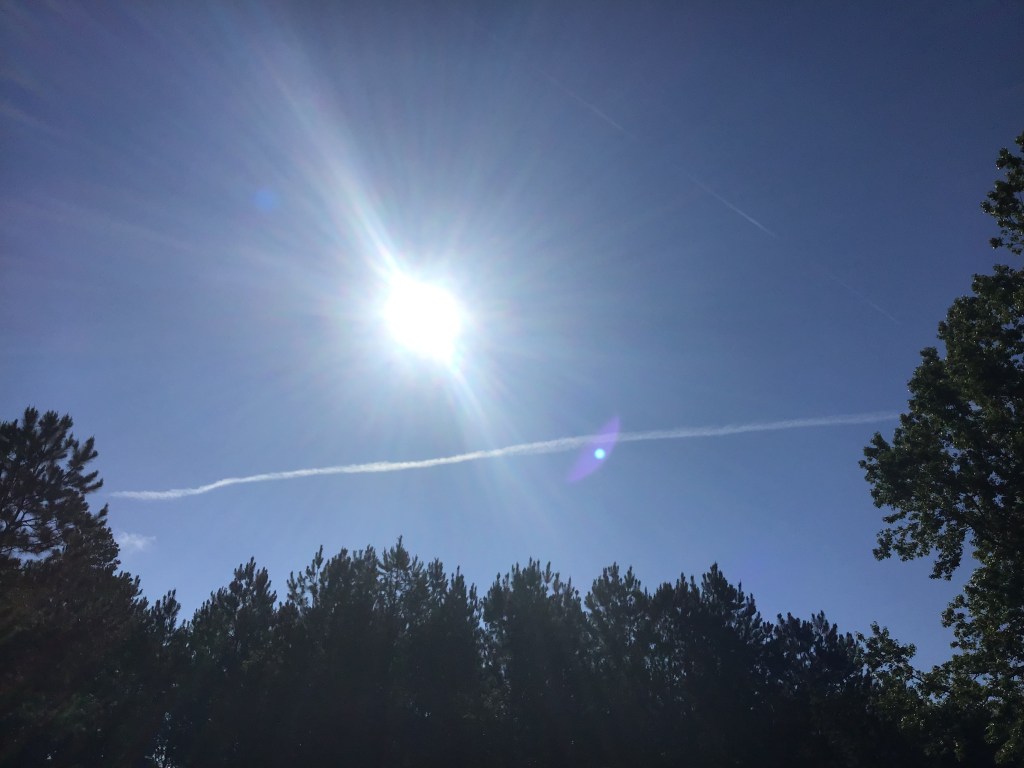
No idea what’s happening in this photo with the blue dot-purple ring, I just snapped the shot with the tablet as soon as I saw the trail while busy in the garden.

On better themes . . .

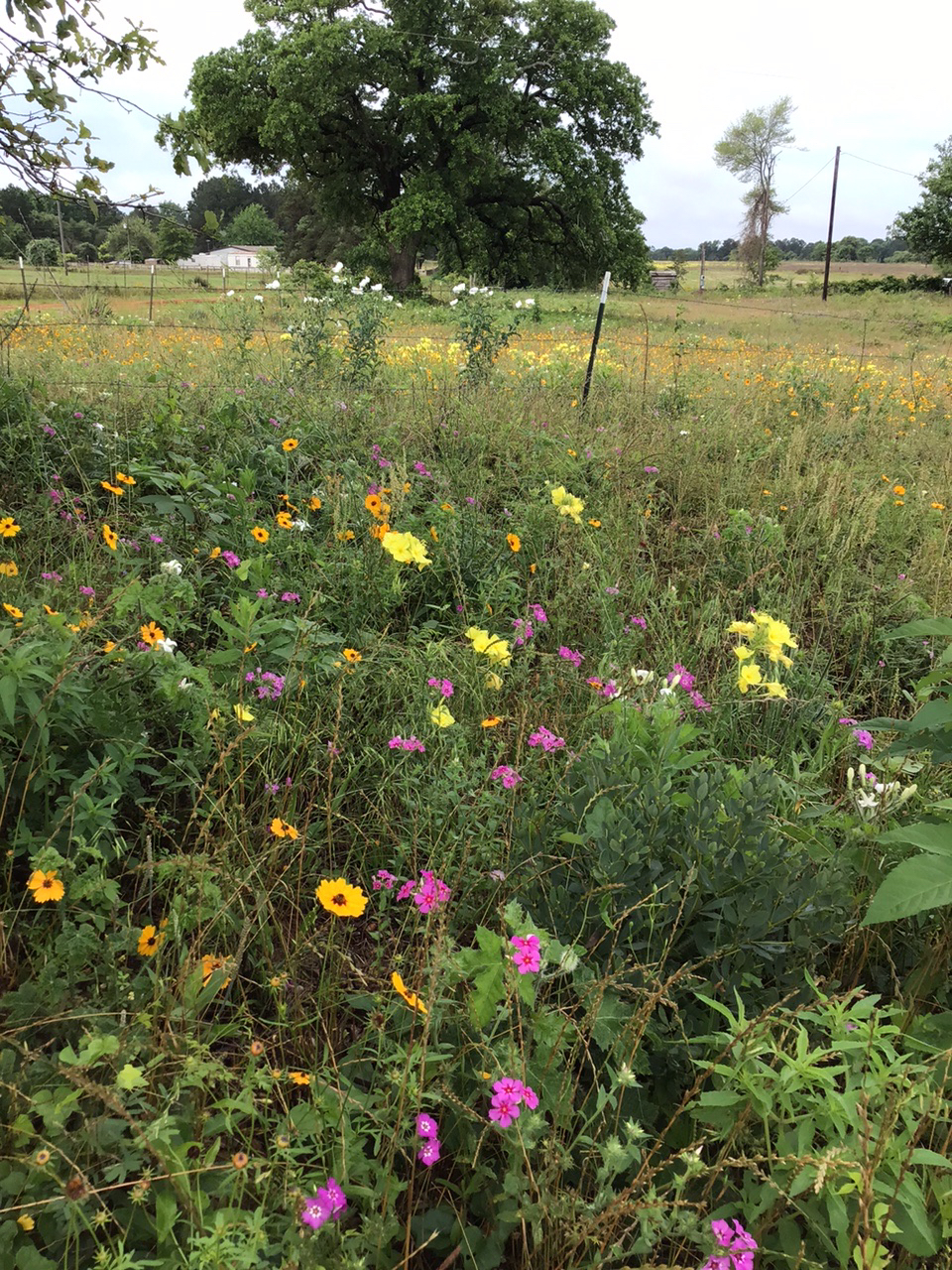
I also took some lovely happy snaps of the wild flowers blooming along the road, which was so much more gorgeous than what I was able to capture here. But I tried, and that should count for something, no?

And on that note, this post will have a Part 2 to finish later, cause that’s all I can manage at the moment. More to follow, so much more!

Thanks for stopping by!

I leave with a song that motivates me when I really need it most. Hope it works for y’all too!

Spring Inspiration

Some happy snaps and an announcement on this beautiful Sunday!

I’m sure there are a lot of gifted gardeners out there cringing when I say that, but it’s true!

I don’t always love weeds (like the pernicious summer grasses, poison ivy, and Texas goat weed, for starters) but a great many of them are delicious, nutritious, ubiquitous and deserve their place in the garden.

I don’t know every weed, yet, but I’m learning more every year.

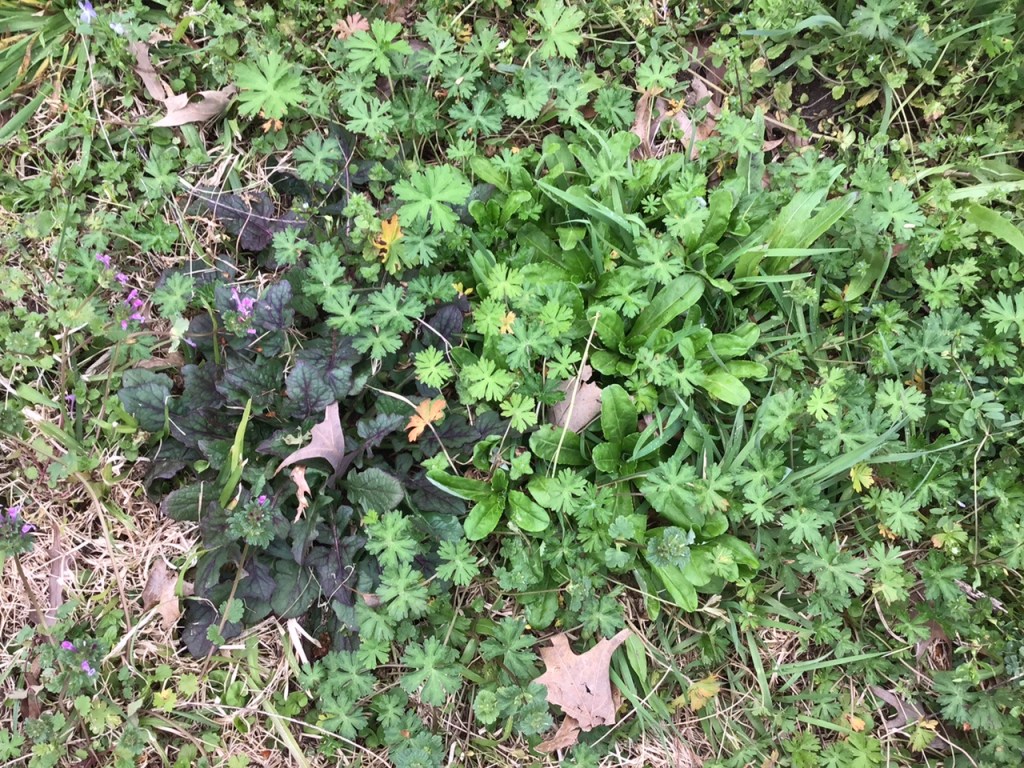
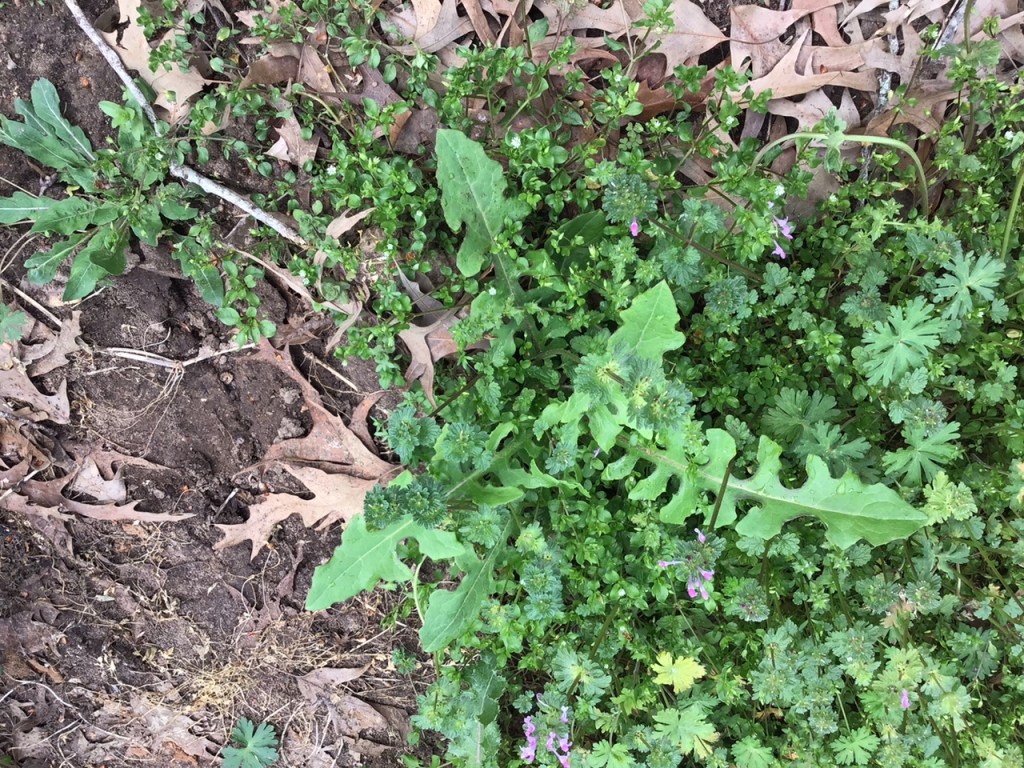
Can you name 3 of the 6 edible weeds pictured above? (Hint below the video.)

And that leads me to my announcement, which is probably more of an intention still, but I figure if I post it, I’m one step closer to doing it.

Reaching new heights on the wee homestead!

Soon, very soon, I’ll be adding a new section to our wee blog:“Herbal Explorations”. I’m very excited about it, but it’s quite a bit of work as well, which isn’t easy to squeeze in to an already full palate (bad pun intended!)!

Of course, I’m not an herbalist myself, but I plan to research the ‘Starring Weeds’ as best I can online and in books, provide lots of references, and get further info tidbits from trained herbalists.

Including, of course, the ‘science fraud’ angle I’m so fond of that casts so many of our precious herbs in a bad light!

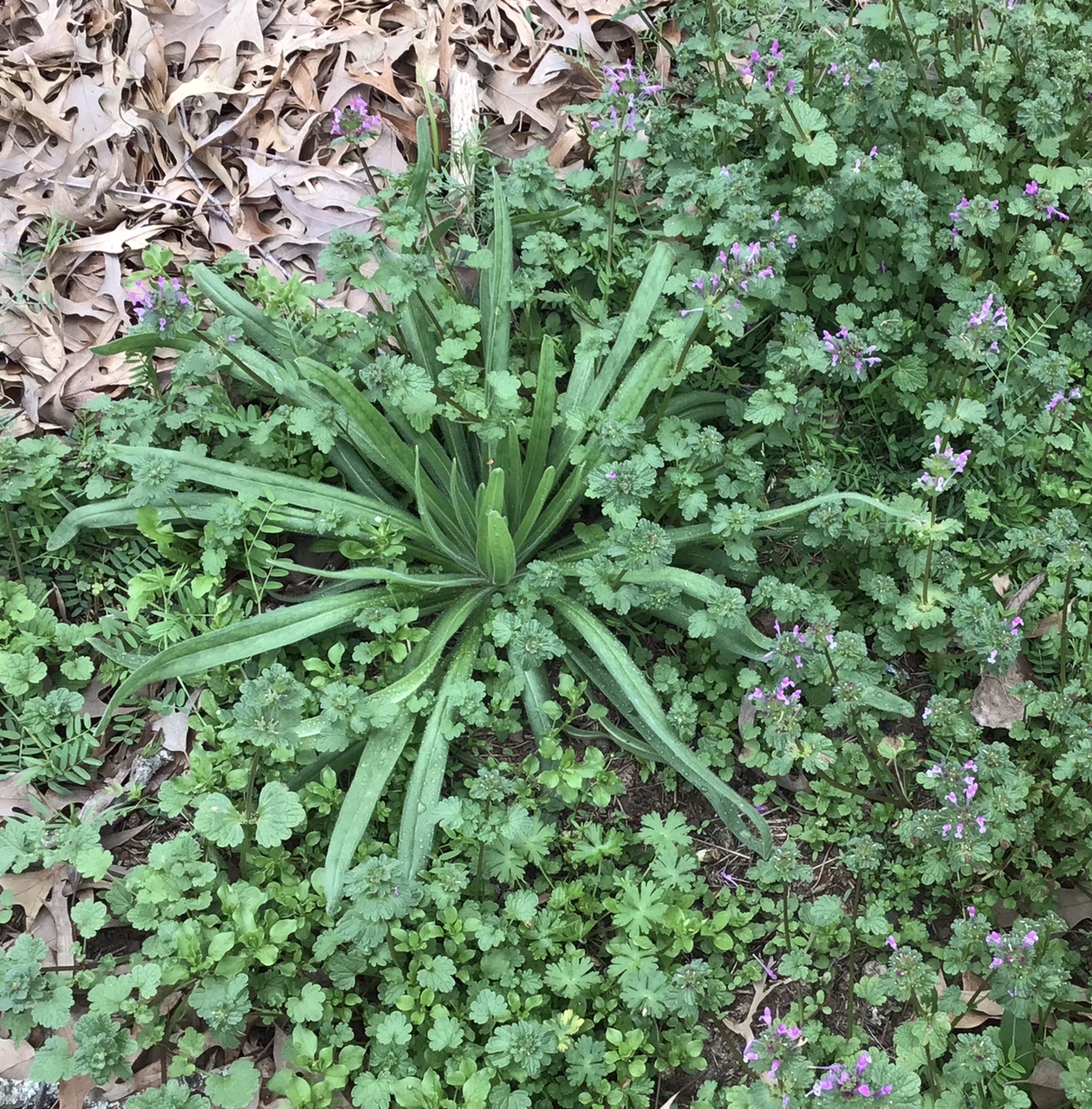
Behold the divine diversity by the compost pile! Pictured just in this small space: wild carrot, henbit, chickweed, Carolina geranium, hairy vetch, and . . .?
And . . . Who might you be there, Thin & Lovely, hiding in the henbit?

My hope is that it will become an on-going reference section that will be a welcome resource for all us new-bees in herbalism, foraging, and down-to-earth living.

If you think this is a good idea, please do nudge me along, to make sure I git-er-done!

And do enjoy 2 minutes of Homestead TV, if you please!

Hint from above: Start small and easy, with the middle photo, the first plant our “Sow”(there’s your hint) eats in the vid, what is it?