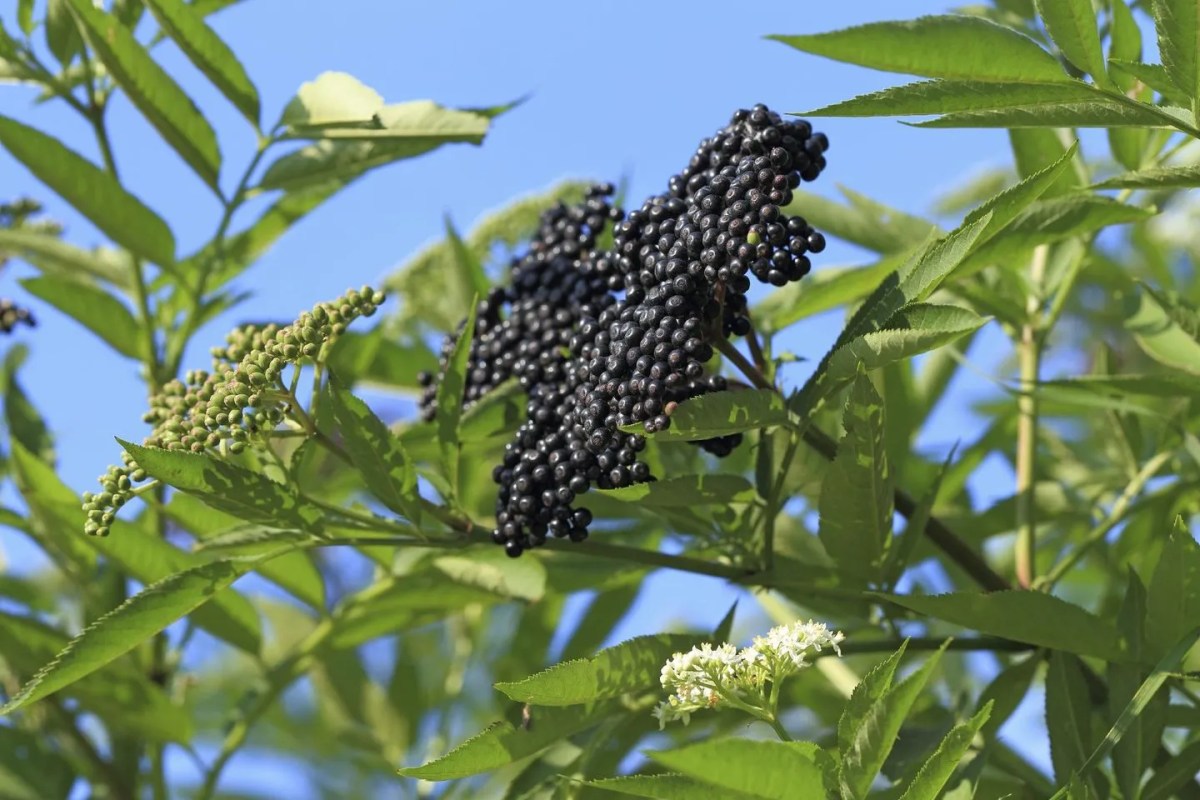
Herbal Explorations: Elderberry

I’ve just added a new page to our Herbal Explorations section, Elderberry, thanks to Gavin Mounsey’s excellent work.

This is only an excerpt, so I encourage a full reading of his article!

Medicinal use of Elderberry:

Elder has a very long history of household use as a medicinal herb and is also much used by herbalists. The plant has been called “the medicine chest of country people”. The flowers are the main part used in modern herbalism, though all parts of the plant have been used at times. Stimulant. The fresh flowers are used in the distillation of “Elder Flower Water”. The flowers can be preserved with salt to make them available for distillation later in the season. The water is mildly astringent and a gentle stimulant. It is mainly used as a vehicle for eye and skin lotions. The dried flowers are diaphoretic, diuretic, expectorant, galactogogue and pectoral. An infusion is very effective in the treatment of chest complaints and is also used to bathe inflamed eyes. The infusion is also a very good spring tonic and blood cleanser. Externally, the flowers are used in poultices to ease pain and abate inflammation. Used as an ointment, it treats chilblains, burns, wounds, scalds etc. The fruit is depurative, weakly diaphoretic and gently laxative. A tea made from the dried berries is said to be a good remedy for colic and diarrhoea. The fruit is widely used for making wines, preserves etc., and these are said to retain the medicinal properties of the fruit.

Some of the medicinal benefits of Elderberries include:

1. Provides Cold and Flu Relief

One of the most well-studied elderberry syrup benefits is its powerful immune-boosting properties. The berries contain chemical compounds called anthocyanidinswhich are known to have immunostimulant effects.

Research actually shows that elderberry is a safe, efficient and cost-effective treatment for the common cold and flu. A 2021 systematic review screened 1,187 records and five randomized trials on elderberry for the treatment or prevention of viral respiratory illness. Researchers found that elderberry may reduce the duration and severity of symptoms related to colds and influenza, and there’s no evidence that it overstimulates the immune system.

A 2016 study published in Nutrients showed that elderberry supplementation was able to reduce cold duration and symptoms in people using air travel. People using this herb from 10 days before travel until four to five days after arrival overseas experienced, on average, a two-day shorter duration of their colds as well as a noticeable reduction in cold symptoms.

Several studies have found benefits to support the use of elderberry syrup for flu symptoms as well. Specifically, the flavonoids in the extract bind to the H1N1 human influenza virus as well as the H5N1 avian influenza virus.

A 2009 study randomized patients into two groups. One group was given four doses of 175-milligram proprietary elderberry extract daily, and the other group received a placebo for two days. The group treated with the extract showed significant improvement in most flu symptoms, while the placebo group showed no improvement in symptom severity. Researchers conclude that the extract is effective in controlling influenza symptoms.

The group treated showed significant improvement in most signs of flu, while the placebo group showed no improvement in symptom severity. Researchers concludedthat the extract is effective in controlling influenza symptoms.

Another study published in the Journal of International Medical Research referenced above suggests that when elderberry is used within the first 48 hours of the onset of signs of flu, it can shorten the duration of flu symptoms by an average of four days.

2. Reduces Sinus Infection Symptoms

With elderberry’s anti-inflammatory and antioxidant properties, it makes sense that it can help treat sinus issues. A sinus infection is a condition in which the cavities around the nasal passages become inflamed, and this antiviral herb has promise as a sinus infection natural remedy.

A study conducted by the Institute of Complementary Medicine’s Department of Internal Medicine at the University Hospital in Zurich, Switzerland examined the use of a product called Sinupret, which contains elderberry extract. The researchers used Sinupret to treat bacterial sinusitis along with an antibiotic (doxycycline or vibramycin) and a decongestant. Interestingly enough, those who took the combination did better compared to those who did not take Sinupret at all.

3. Eases Allergies

In addition to using elderberry syrup for colds, the flowers of the elder plant are also known to be an effective herbal allergy remedy. Since allergies involve an overreaction of the immune system as well as inflammation, the herb’s ability to improve immune function and calm inflammation can help provide allergy relief.

Some herbalists put black elder flower on the list of most effective herbs used for treating hay fever-like symptoms. It can be used for allergies on its own or in combination with other herbs and natural remedies.

4. Cancer-Fighting Effects

Edible berry extracts like elderberry extract are rich in anthocyanins and have been shown to have a broad spectrum of therapeutic, pharmacologic and anti-carcinogenic properties. In vitro studies specifically indicate that the elderberry has some chemopreventive properties, which can help inhibit, delay or reverse cancer formation.

One study published in the Journal of Medicinal Food compared the anticancer properties of European and American elderberry fruits. European elderberry (Sambucus nigra) is known for its medicinal use and contains anthocyanins, flavonoids and other polyphenolics, which all contribute to the high-antioxidant capacity of its berries. American elderberry (Sambucuscanadensis) has not been grown or promoted as a medicinal plant like its European relative.

This study tested extracts of both berries to assess anticancer potential and found that both demonstrated significant chemopreventive potential. Additionally, the American elder extract showed inhibition of ornithine decarboxylase, which is an enzyme marker related to the promotion stage of cancer formation. Thus, elderberries show potential as cancer-fighting foods.

5. Improves Heart Health

Although studies have found mixed results, some research suggests that elderberry extract may improve heart health. For example, one animal model showed that giving mice with high cholesterol and HDL cholesterol dysfunction anthocyanin-rich black elderberry extract helped reduce hepatic cholesterol levels and improved HDL function. This may be due to the presence of anthocyanins, which are polyphenols that have demonstrated antioxidant and anti-inflammatory activities.

Another study found that elderberry extract may have beneficial effects on high blood pressure. When polyphenols extracted from the plant were administered with renin inhibitors to rats with hypertension, they reduced arterial pressure.

Researchers suggest that using polyphenols to lower blood pressure may also help reduce the side effects of blood pressure-lowering medications and improve overall quality of life.

6. Strengthens Bones

The calcium, iron, and potassium in the berries are known to strengthen bones and increase bone mineral density, cutting the risk of osteoporosis as a result.

Experiments show the benefits of natural polyphenols extracted from the Elder (Sambucus nigra) fruit on osteoporosis regression. Extremely low bone mineral density is improved by polyphenol delivery. Thus, a dietary intake rich in natural polyphenols helps lead to the regression of osteoporosis. Osteoporosis regression due to the Sambucus nigra extract shows us how powerful these berries are for preventing bone degradation and speeding up bone healing.

Additionally, the anthocyanins in the berries prevent bone loss.

7.  Can Boost Vision Health

Being rich in vitamins A and B6, elderberries can help prevent serious vision ailments like glaucoma and macular degeneration. The antioxidant activity of elderberries also helps ensure vision health in the long run.

8. Improves Brain Health

One study talks about how the anthocyanins in berries (including elderberries) can help treat cognitive impairment and the resultant conditions like Alzheimer’s.

Elderberries are also replete with quercetin, which is an important flavonoid critical for brain health. Quercetin reduces the harmful inflammation at a cellular level. It also activates the mitochondria in your cells – which are powerhouses that boost cell health.

  1. Optimizes Mitochondrial Health and increases the production of adult stem cells:

Elderberries contain a number of medicinal compounds (such as anthocyanins, minerals and essential vitamins) that optimize mitochondrial function.

As mentioned above, Mitochondria are the powerhouses of your cells, generating energy to fuel your cells’ biochemical reactions. Via optimizing their function and promoting their rates of regeneration within your body you are building a solid foundation for health, vibrancy and longevity from the cellular level up.

Sufficient mitochondrial biogenesis (the process by which cells increase mitochondrial numbers) is necessary for efficient cell function and haemostasis, which is dependent on the regulation of ATP generation and maintenance of mitochondrial DNA (mtDNA). These procedures play a primary role in the processes of inflammation, aging, cancer, metabolic diseases, and neurodegeneration. Polyphenols (such as anthocyanins) are considered as the main components of plants, fruits, and natural extracts with proven therapeutic effects during the time. These components regulate the intracellular pathways of mitochondrial biogenesis.

In vitro studies showed that anthocyanins elevate the expression of mitochondrial TFAM, PGC-1α, and NRF-2. These increased levels affect the phosphorylation of AMPK and increase rates of mitochondrial biogenesis.

The studies available also support the ability of anthocyanins to prevent damage to mitochondria and to sustain its function. Berry extracts also demonstrated positive outcomes in different models of neurodegeneration, endothelial dysfunction, myocardial damage, metabolic disorders, longevity, and cancer. At the molecular level, major anthocyanins can modulate the expression and activity of mitochondrial proteins, apoptotic and biogenesis factors, antioxidant defenses, inflammation, and the AMPK pathway. Noteworthy, anthocyanins could balance abnormalities in ROS production, respiration, and mitochondrial fragmentation in cells exposed to toxicants or oxidizing agents.

…..

Here on the wee homestead I use elderflowers and elderberries in kombucha with delicious results! I’ve also made syrup and St. Germain.
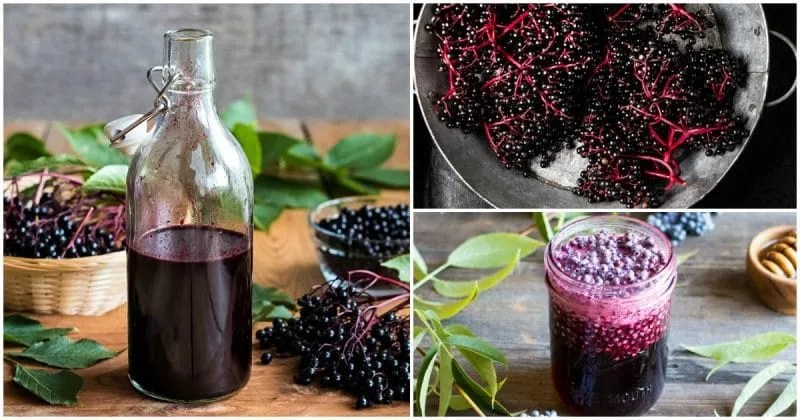
But this year my goal is . . .

Elderflower “Champagne”https://www.davidgregory.org/making-elderflower-champagne/?fbclid=IwAR386DsxZC8-UdrrxB6_Ag-aWEfY4p1Ke2X_r36i12YY-pw-3UMmjxgu3zg

Please visit Gavin’s full article for so much more on this ancient medicinal plant, including history, myth and folklore, habitat, recipes, and beautiful photography.

Elderberry blossoming in the garden with pumpkin, inviting lots of pollinators.

Herbal Explorations: Pokeweed

Phytolacca americana

The latest addition to our Herbal Explorations pages.

Pokeweed is one of the most controversial yet fully legal weeds you’ll hear about, I’m sure!

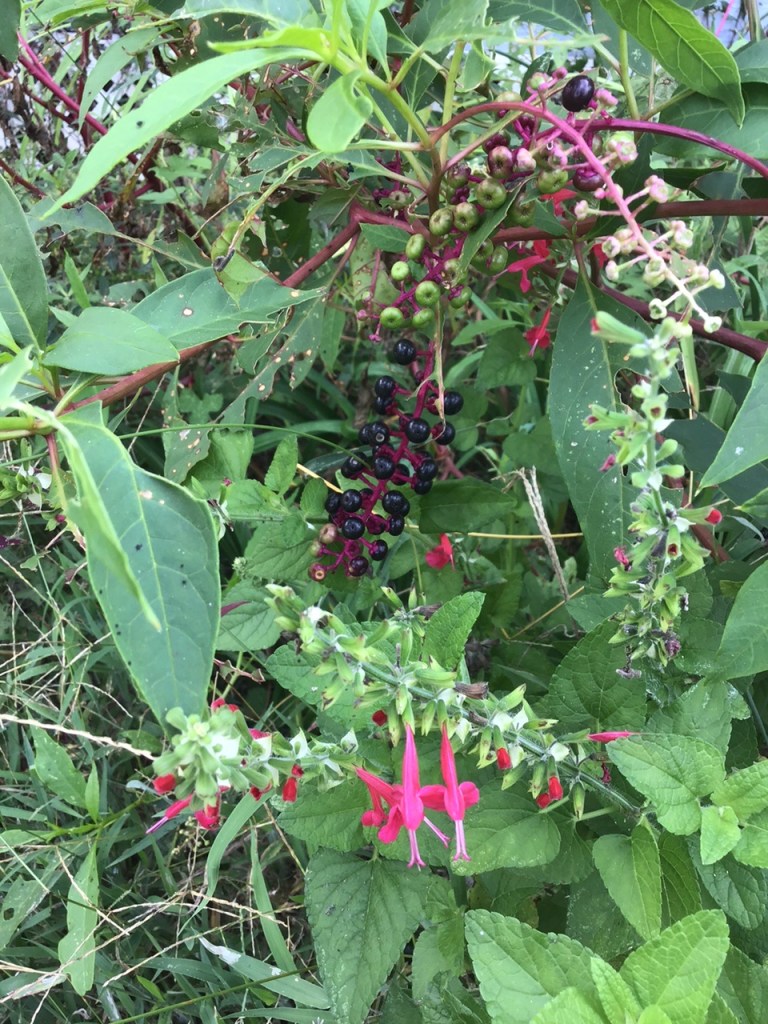
A young plant on left surrounded by poison ivy. On right a mature plant with ripe and unripe berries surrounded by fireweed
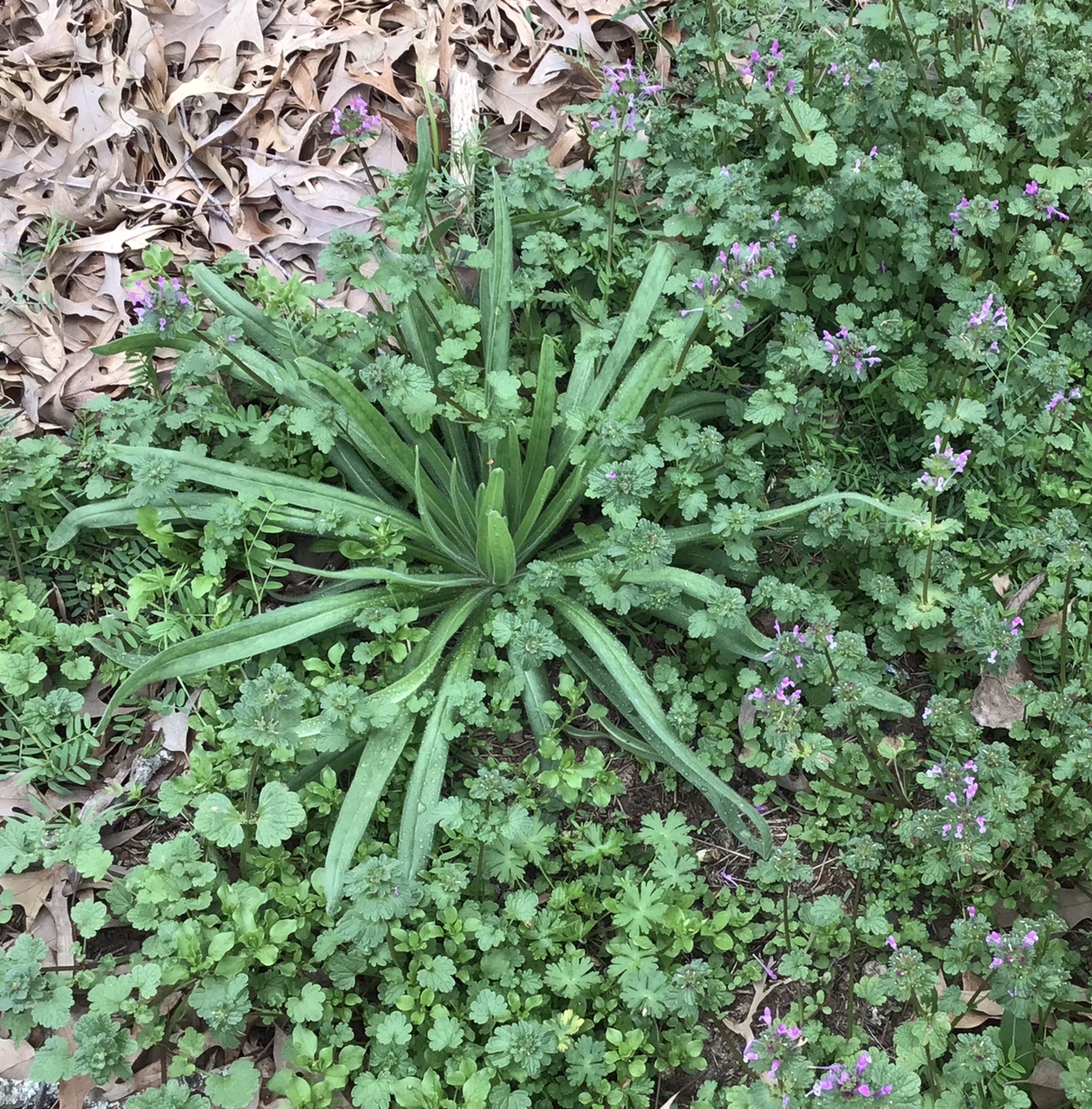
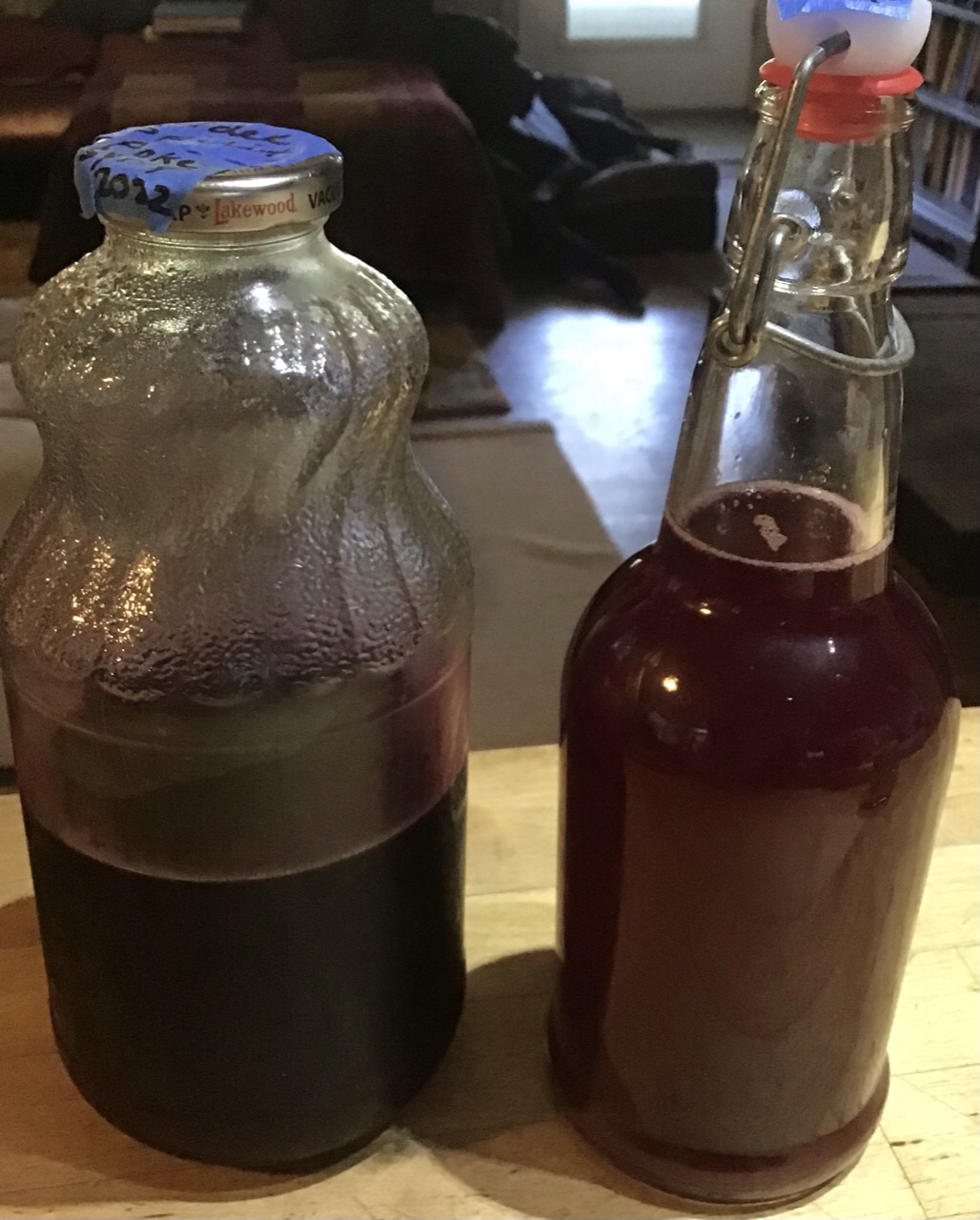
Elderberry-Pokeberry syrup for flavoring cocktails and Pokeberry kombucha—such lovely colors!

There is a hefty amount of misinformation on this ubiquitous plant, but in recent years there’s been a significant pushback, especially among Southerners, where for some it’s been a staple crop for generations.

Though its reputation is still highly contested! The YT video below tells a good chunk of poke’s dramatic story. 😁

It is used as an ornamental in some areas, while others consider it invasive. Ranchers consider it a nuisance and try to eradicate it, though it loves nitrogen-rich soil, so tends to pop back up wherever animals have been penned up or have heavily grazed, therefore fertilizing the land.

We do use it as an ornamental and a food crop, and I’ve written short posts about it here and here. I make wine and syrup from the berries and use the greens in many dishes. The popular belief that the greens must be boiled 3 times is mistaken and overkill.

However, care must be taken in its preparation and it’s not to be eaten raw. The above video explains a lot for those wanting to give poke a fair shake!

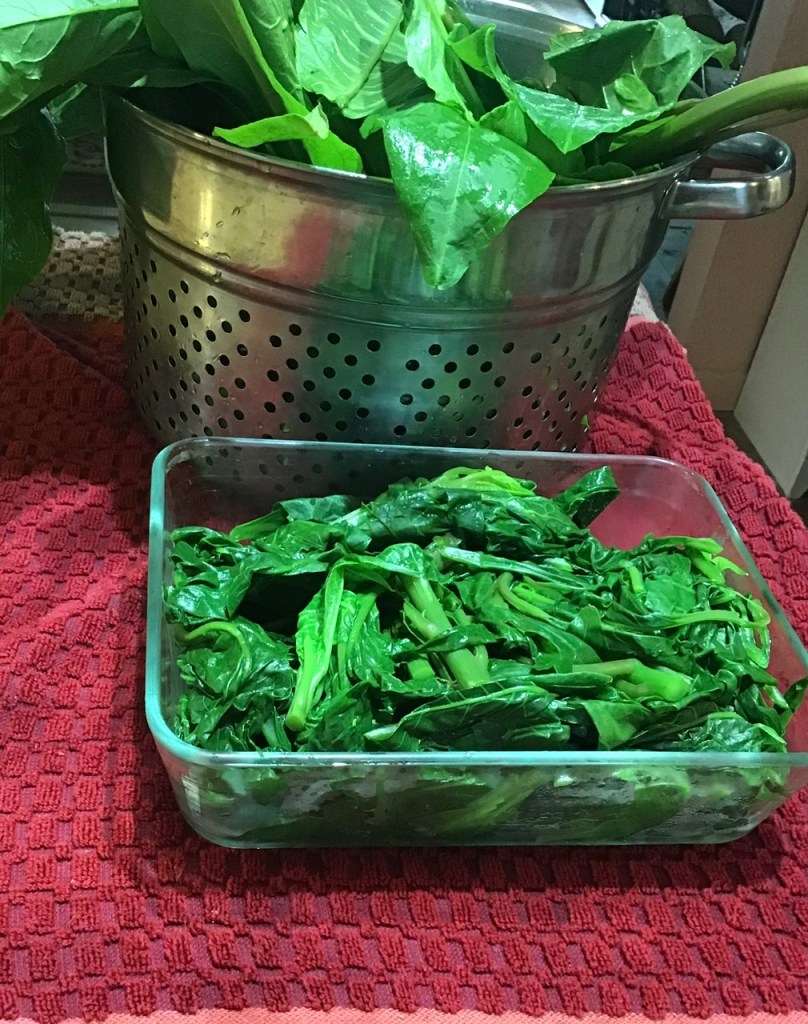
Rinsing well before submerging in boiling water.

Boiled in batches until limp, rinsed in cold water, then used in a dish that will be cooked, like a casserole or stir-fry, or frozen for future use.

The common advice to boil it three times disintegrates the leaves into slime, but you’ll hear that all over the internet and probably from your neighbors too.

That is, if they aren’t already convinced it’s poisonous.

This false belief most likely comes from four places: 1) The farmers and ranchers who would like to see it eradicated because it so successfully competes with the grasses. 2) The high-end wine-makers of our predecessors, because the ripe berry juice was used to color inferior quality wine to make it sell better. 3) Rockefeller medicine which demonizes traditional healing herbs and practices. 4) Chemical dye manufacturers who wanted to dominate the market as it was (and still is) used as a natural fabric dye.

The economic importance of pokeweed to our ancestors was sure to be unpopular with manufacturers and industrialists wanting to create dependency on their products.

A few benefits taken from the sources linked below, not the best translations, unfortunately, but some interesting info. (They do also repeat the plant leaves cannot be used after the stalk turns crimson, but in my experience and in the video above, this is not the case.)

“The young shoots of Ph. americana are eaten cooked as a substitute for asparagus in spring, and its tender leaves were eaten as a substitute for spinach even by the North American (Delaware and Virginian) Indians.
We can found this kind of utilization nowadays too: at markets in the southern states of the USA it is sold as „sprouts” even these days, and they sell its young, tender leaves tinned (Poke Salet Greens). At some places it is still cultivated, though only in small-scale. The tender, bright inner part of the stem is crumbed in cornstarch and fried. They use the young plants before crimson coloration, but the cooking water needs to be discarded. Its ripe berries are added to cake pastries. The roots and the leafy stems are traditionally used for purple-brown dyeing. This colour is not much permanent, after body painting it can be removed easily. The root contains much saponin so it can be used for making soaps. The leaf ’s powder or the leaves were used for external treatment of cancerous wounds. After it got into Europe it was not only planted as an ornamental plant, but its dark purple dye was used for food coloration. The liquor of the berries were pressed, fermented and cleaned up by straining and afterwards it was evaporated down to about honey density in Chinas. The product was used at one for the coloration of foods, preserved fruits, sweets, liqueurs and wines; and for example alias Succus Phytolaccae inspissatus it was sold in German pharmacies. The berries were used to colour the wines of poorer quality with such a success that the plant was widely grown in Portugal, Spain, France and Italy. An ethnobotanical fact about the plant in the Carpathian Basin is that the Transylvanian (Kalotaszeg, Kiskapus) people put the fruit in the barrel cabbage to give it a red colour. Thanks to it betacyanin content it can be used as an industrial dye, but its colour is not as persistent as the colour of the scarlet oak (Quercus coccifera) is. Rarely it was used for wool and silk coloration too. The crimson coloured sap of the berries was used as ink (for example by the soldiers in the World War), that is where English name, inkberry derives from. A limner from Missouri, Bingham used it as paint. Its therapeutical utilization has traditions too. The Delaware Indians considered it to which has cardiac restorative effect, and the Virginian tribes used it for its strong psychotic effect. They presumed it is useful against rheumatism, tumours and in smaller doses against syphilis too. Its therapeutical utilization is comprehensive. Earlier the European therapeutics used it too as an emetic: Radix, Herba et Baccae Phytolaccae. Its root, leaves and fruits are used in the homeopathy too. The plant is a pharmaceutical base material even nowadays. Its drug is used as an antirheumaticum, purgaticum and emeticum (alias “poke root” or „Phytolacca”) in the USA, besides the lush root may can be used against breast cancer, too. The berries are utilized there for food coloration too, and with its leaves they adulterate, or rather substitute the „Folia Belladonnae”. The modern medicine started to show interest in it, thanks to the antiviral protein (pokeweed antiviral protein, PAP) that blocks the infection and reproduction of the HIV virus. The external use of PAP has an inhibi- tory effect on the plant RNS viruses too. The transgenic plants that contain the gene of this protein became resistent to a wide range of viruses. They impute that the root of the Ph. americana has blood cleanser, anti- inflammatory, expectorant, sedative, stupefying and purgative effects too. There are experiments for its uti- lization to cure the autoimmun diseases, especially the rheumatic arthritis. The plant contains toxic compounds against micro-fungi and molluscs too. The lectins extracted from it have toxic effect on the juvenile larvae of the southern corn rootworm (Diabrotica undecimpunctata howardi).”

Web references
Armstrong, W. P.: Pokeweed: an interesting American vegetable. In: Economic Plant Families. Wayne’s World, Escondido, California. http://waynesword.palomar.edu/ecoph24.htm
Hedrick, U. P. (ed.) & Moore, M. (upd.) (1972): Sturtevant’s edible plants of the world. Dover Publications, New York. E-version: The Southwest School of Botanical Medicine. http://www.swsbm.com
NIAES (2005): Japanese Fungi on Plants. National Institute for Agro-Environmental Sciences Natural Resources Inventory Center, Microbial Systematics Laboratory, Tsukuba, Ibaraki, Japan. http://www.niaes.affrc.go.jp/inventry/microorg/eng/kingaku-rs.htm
Plants For a Future. http://www.scs.leeds.ac.uk/pfaf/
RBGE (2001): Flora Europaea database. Royal Botanic Garden Edinburgh, Edinburgh, UK. http://193.62.154.38/FE/fe.html

https://www.researchgate.net/profile/Lajos-Balogh-4/publication/296812711_American_and_Chinese_pokeweed_Phytolacca_americana_Phytolacca_esculenta/links/56dabbad08aee73df6d267cf/American-and-Chinese-pokeweed-Phytolacca-americana-Phytolacca-esculenta.pdf

Medicinal properties and anti-inflammatory components of Phytolacca (Shanglu) – ScienceDirect

Compare that to what our US institutions repeat:
All parts poisonous, lots of toxicity fear-mongering, and usually including advice not to plant it in your garden.

Phytolacca americana (American Pokeweed, Common Pokeweed, Garnet, Pidgeon Berry, Poke, Pokeberry, Pokeweed, Scoke) | North Carolina Extension Gardener Plant Toolbox

Native Plant of the Week: American Pokeweed | Matthaei Botanical Gardens and Nichols Arboretum

Buttercup’s been napping in the Pokeberry again!

Herbal Explorations: Datura

I’ve added a new ‘weed’ to the Herbal Explorations pages. It’s long, but fascinating, at least according to me. 😁

I hope I can help you enjoy my favorite flower from afar!

Common names: Thornapple, Jimsonweed, Devil’s trumpet, Mad apple, Stinkweed, and many more

Scientific names: Datura fastuosa, sanguinea; D. Stramonium; D. Metel
Solanaceae family

Datura is one of those weeds with a very long and very sordid history, but that’s only part of the reason it is my very favorite.

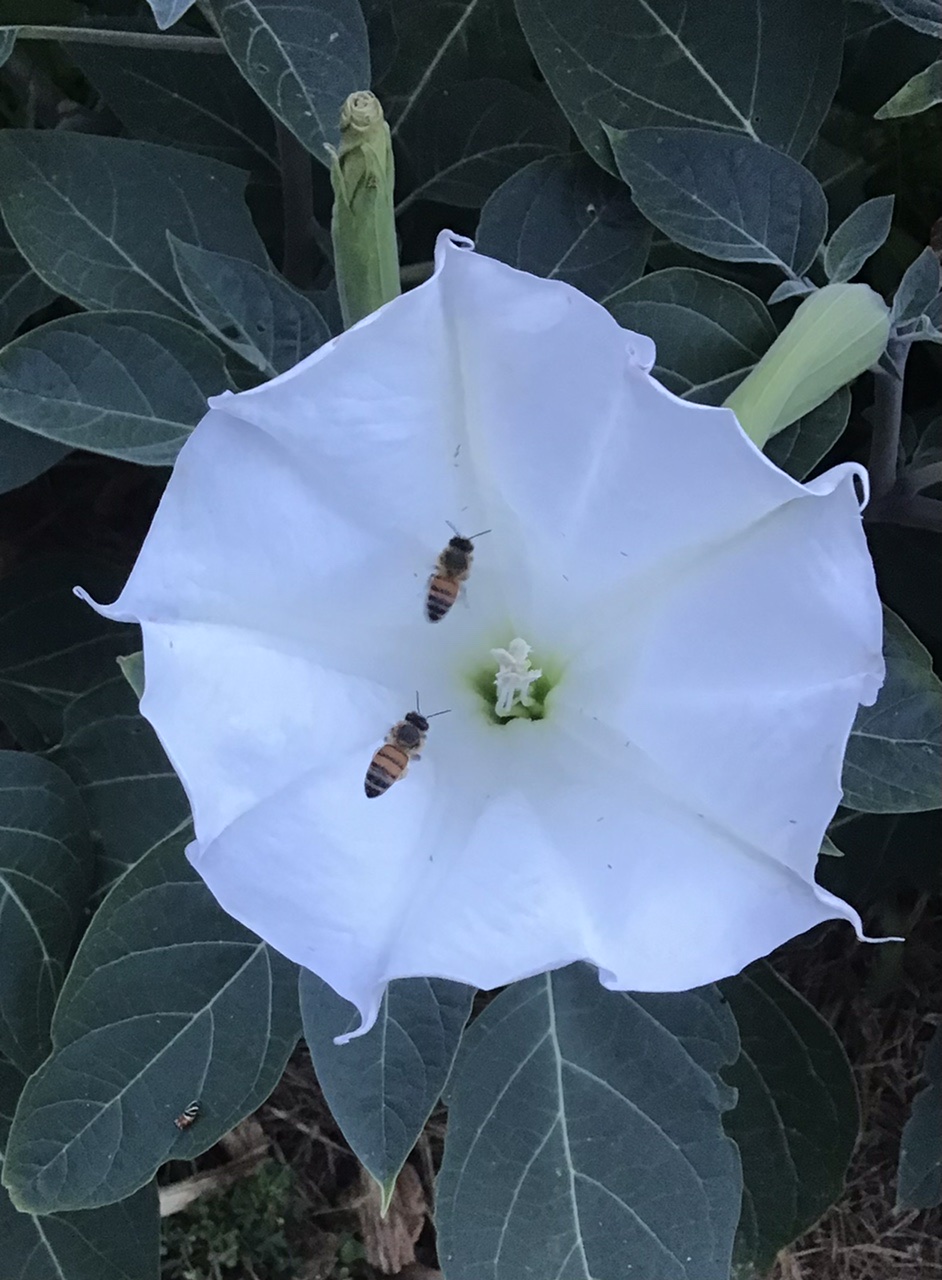
My datura inoxia with Bubba behind surely enjoying its ephemeral scent

It’s a luxuriously soft bloom, thick and silky, opening at dusk. For a very short time while opening it emits the most seductive scent I could imagine. It makes me want to just dive in and drink it up!

And sometimes I do smother my nose right into the center of it and breathe deeply as the smooth velvety petals brush my cheeks, but the scent does not become stronger in such close proximity. It remains very subtle, almost dainty, like a sweet teasing, a slight flirtation that drifts into an unrequited mystique.*

On the nightstand, just opening, when its fragrance is strongest

Man has been tempted and fascinated by this weed since long before written history.

From Wiki:

“The case of D. metel is unique in that not only is the plant not a true species at all, but an assemblage of ancient pre-Columbian cultivars created from D. innoxia in the Greater Antilles, but evidence is mounting that it was introduced to the Indian subcontinent no later than the second century CE – whether by natural or human agency is, as yet, unknown – making it one of the most ancient plant introductions (if not the most ancient) from the New World to the Old World (see Columbian Exchange).”

Datura metel fastuosa from Wiki

While there are many varieties, all with distinctive features, it is the scent especially that is said to vary dramatically among species—from noxious to intoxicating—sometimes dependent solely on the nose of the beholder.

From Wiki again:

Datura is a genus of nine species of highly poisonous, vespertine-flowering plants belonging to the nightshade family (Solanaceae). They are commonly known as thornapples or jimsonweeds, but are also known as devil’s trumpets (not to be confused with angel’s trumpets, which are placed in the closely related genus Brugmansia). Other English common names include moonflowerdevil’s weed, and hell’s bells. All species of Datura are extremely poisonous and potentially psychoactive, especially their seeds and flowers, which can cause respiratory depression, arrhythmias, fever, delirium, hallucinations, anticholinergic syndrome, psychosis, and even death if taken internally.”

From Reader’s Digest Magic & Medicine of Plants 1986:

“Jimsonweed: Although it has antispasmodic, painkilling, and narcotic properties, jimsonweed is a plant to be avoided. Every part of this weed, which is a member of the notorious nightshade family, is extremely poisonous and may cause death. (It) was once a popular asthma remedy. . . .The root and leaves were used externally in folk medicine to treat boils and cuts. The American physician and botanist Charles Millspaugh stated in his Medicinal Plants (1892) that jimsonweed was employed ‘as a narcotic, soothing drug’ for epilepsy and neuralgia. He also noted that it was recommended as an ointment for burns and scalds.” (P. 226)

~~~~~~~~~~

From Plant Intoxicants: A Classic Text on the Use of Mind-Altering Plants by Baron Ernst von Bibra (Die narkotischen Genussmittel und der Mensch by Wilhelm Schmid, Nuremberg, 1855)

(Datura fastuosa, sanguinea; D. Stramonium; D. Metel)

“An intoxicating drink called tonga is prepared from the seed capsules of this plant. This brew has a violent and powerful effect. Johann Jakob von Tschudi in his ‘Travels in Peru’ describes the effects as he saw them on an Indian who had taken the tonga.
‘Shortly after swallowing the beverage he fell into a heavy stupor. He sat with his eyes fixed vacantly on the ground, his mouth convulsively closed, and his nostrils dilated. In the course of a quarter of an hour his eyes began to roll, foam issued from his half-opened lips, and his whole body was shaken by frightful convulsions. After these violent symptoms subsided, a profound sleep of several hours followed. In the evening I saw the Indian again. He was relating to a circle of attentive listeners the particular of this silicon, during which he allegedly communicated with the spirits of his forefathers. He appeared very weak and exhausted.’
The name yerba de huaca (herb of the graves) thus derived from the peculiar idea of the Indians that they can communicate with the spirits of their forefathers, generally after consuming the thornapple plant.”
In former times the old Indian priests drank the thornapple if they wished to converse with their gods. Moreover, priests at the oracle of Delphi administered the prepared seeds of the thornapple to their seers to put them in the desired prophetic ecstasy. In the sun temples at Sogamossa, near Bogota in the Andes of New Granada a similar practice was carried out by the Indians.” (P. 77-78)

~~~~~~~~~~~~~~~~

From Witchcraft Medicine: Healing Arts, Shamanic Practices, and Forbidden Plants by Claudia Muller-Ebeling, Christian Ratsch, and Wolf-Dieter Storl

The famous Flying Ointment

“The ointments (Unguentum populeum) were not forbidden; they were officially used for the treatment of pain, as a numbing wound dressing, as an executioner’s salve, for rheumatism, and for hemorrhoids. The common people were also quite familiar with plants that move the spirit, and used them for love potions and as spices to make beer more inebriating. . . .The courts themselves made use of such ointments. The inquisitors used them to revive defendants after they had been thoroughly questioned and—due to the effects of scopolamine—used the ointments as ‘truth serums’ to break the resistance of tortured prisoners.” P.51

‘Witches’ markets’ in Mexico sell ‘pomada de toloache’ made from the leaves and petals using the variety Datura inoxia (Mill.,syn, datura meteloides DC)

~~~~~~~*More on scent*~~~~~~~~

I am so enamored with the scent of this flower, I wish I could find it in bottle! But so far, I don’t think it exists.

I wonder, how would they re-create a scent that smells differently to different people? Considering ‘smellovision’( a play on ‘television)’ is apparently already possible and coming soon to a computer near you, I dare say there are some scents science will never capture, and perhaps datura will be one of them.

“The concept of digital smell technology was already being discussed openly in mainstream news in 2018, and The Monell Center in Philadelphia, PA, is actively engaged in research to digitize chemosensory data. The notion of a mixed, augmented reality, integrating smell technology, is no longer in the sci-fi realm.” ~Stephers

Part 4: The Scent of Fear ~ Musings on Fear and Olfaction – Piece of Mindful

If I could upload the scent for you now, I would! 😊

~~~~~~~~~~~~~~~~~~~~

Here is some more interesting information on the psychoactive properties of Datura. Scopolamine, the so-called ‘mind control’ drug is an active ingredient.

From Wiki again: Psychoactive Use

“In Pharmacology and Abuse of Cocaine, Amphetamines, Ecstasy and Related Designer Drugs, Freye asserts: Few substances have received as many severely negative recreational experience reports as has Datura. The overwhelming majority of those who describe their use of Datura find their experiences extremely unpleasant; both mentally and often physically dangerous.
  However, anthropologists have found that indigenous groups, with a great deal of experience with and detailed knowledge of Datura, have been known to use Datura spiritually (including the Navajo and especially the Havasupai) Adequate knowledge of Datura‘s properties is necessary to facilitate a safe experience. The ancient inhabitants of what became central and Southern California used to ingest Datura to “commune with deities through visions”. The Southern Paiute believe Daturacan help locate missing objects. In ancient Mexico, Datura also played an important role in the religion of the Aztecs and the practices of their medicine men and necromancers. It was reportedly used by the Aztecs for ritual sacrifice and malevolent purposes as well. In modern-day Mexico, some datura species are still used for sorcery and other occult practices, mostly in the southern region of Veracruz, specifically in the city of Catemaco.

Bernardino de Sahagún, in around 1569, called attention to Datura in these words: “It is administered in potions in order to cause harm to those who are objects of hatred. Those who eat it have visions of fearful things. Magicians or those who wish to harm someone administer it in food or drink. This herb is medicinal and its seed is used as a remedy for gout, ground up and applied to the part affected.”

Christian Rätsch has said, “A mild dosage produces medicinal and healing effects, a moderate dosage produces aphrodisiac effects, and high dosages are used for shamanic purposes”. 
Wade Davis, an ethnobotanist, also lists it as an essential ingredient of Haitian zombie potion. In Western culture, the same species (Datura stramonium) has been said to have been commonly used by witches as an ingredient for their flying ointments and was regularly included in detailed recipes of magical ointments dating back as far as the early modern period, predominately in New England and Western Europe. During the anti-witchcraft hysteria of colonial times it was considered unlucky or inappropriate to grow D. stramonium in one’s garden due to its supposed reputation for aiding in incantations.”

~~~~~~~~~~~~

For more information on its psychoactive properties visit:

Erowid Vault: Datura

More Flowers

I’m so happy with the flowers this year I couldn’t resist sharing a few more happy snaps!

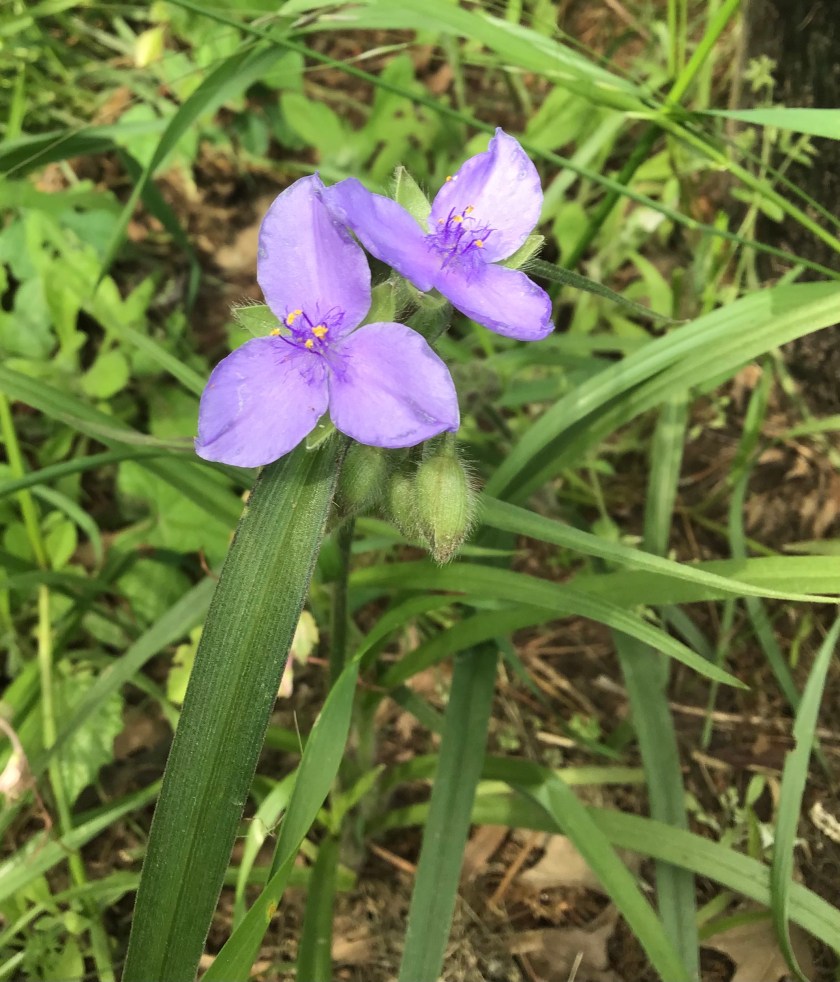
Plus, the second addition to my new ‘Herbal Explorations’ pages, Spiderwort.

This grows all around us for the better part of the year. I knew the name, but didn’t realize it was edible until recently. I was so pleased to learn that, considering how plentiful it is around here, that I had to dedicate a ‘weed’ page to Spiderwort.

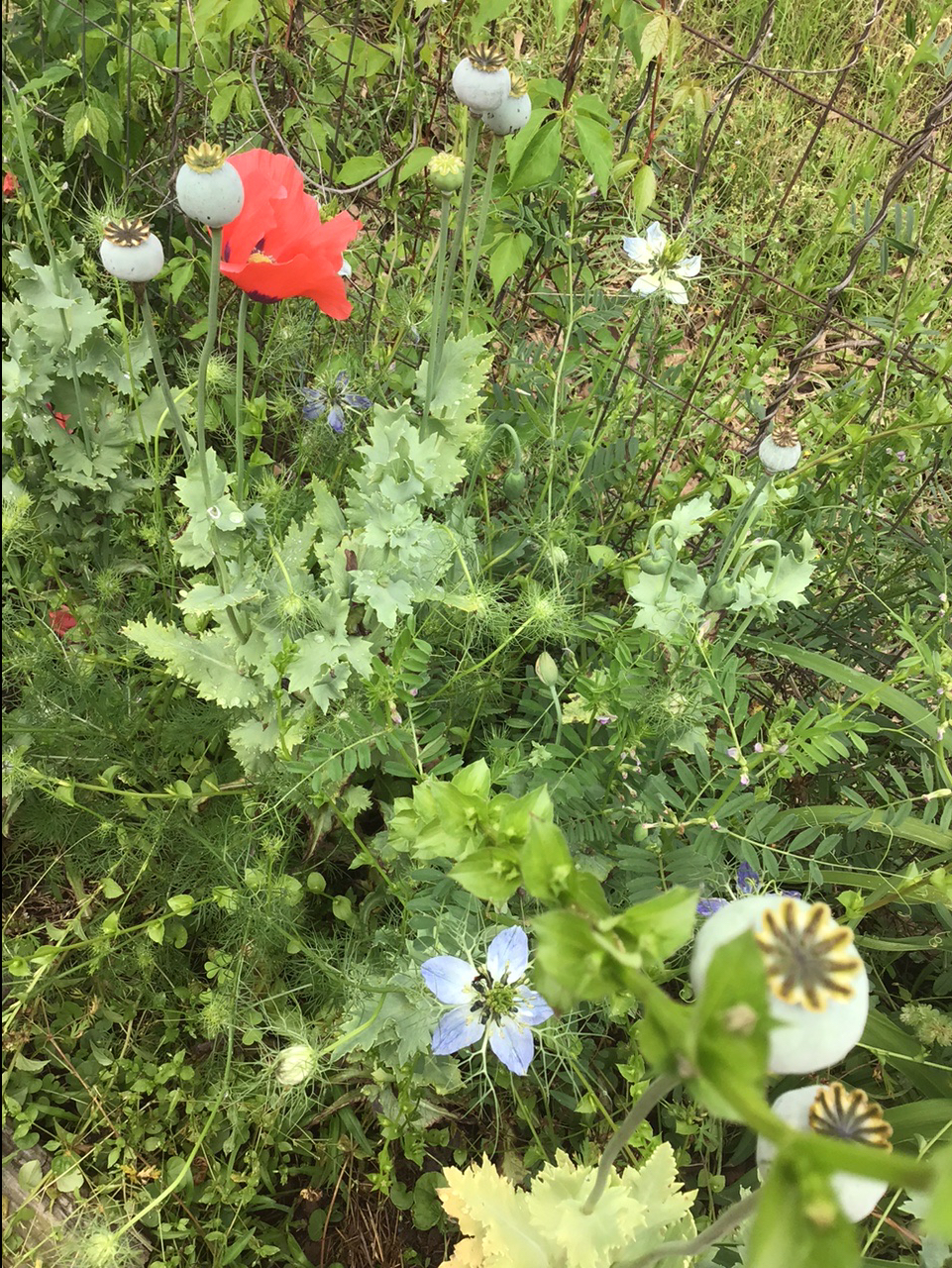
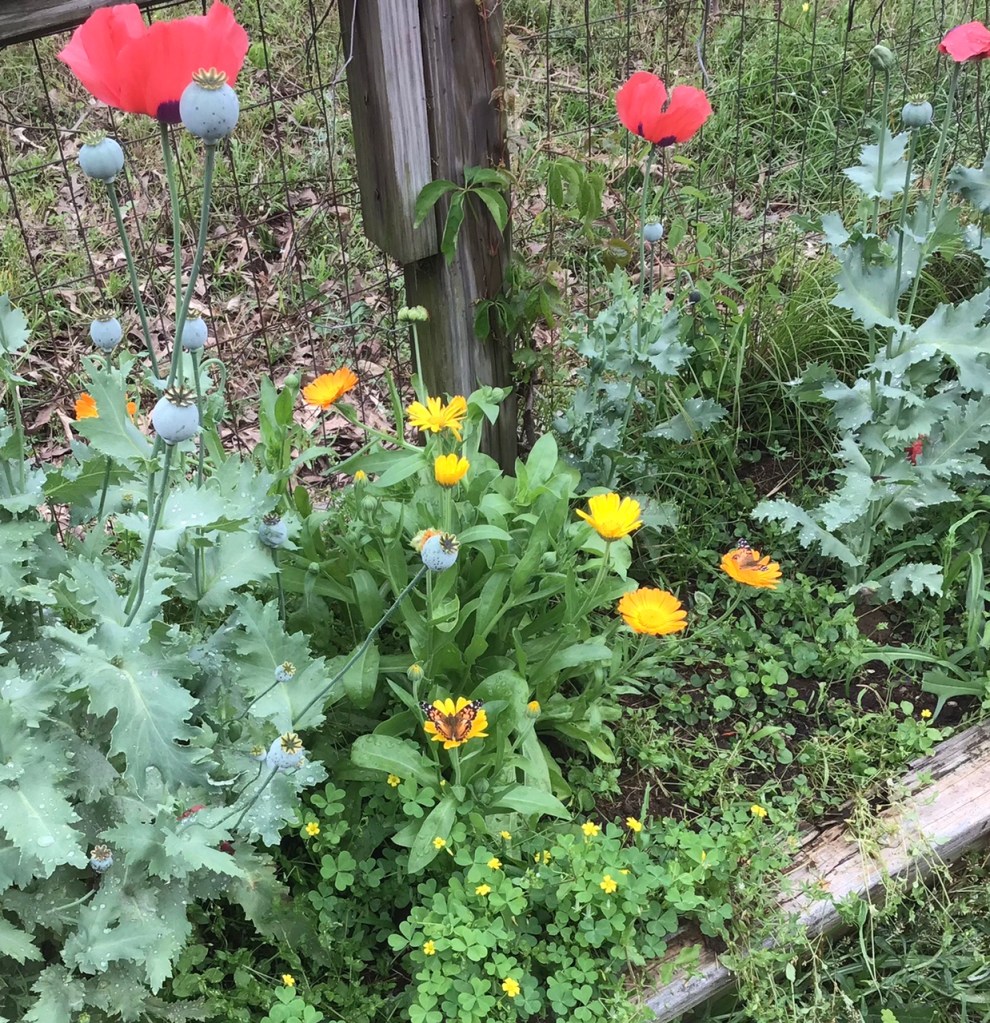
In the garden the poppies have been so gorgeous, I just can’t get enough of them. They’ve been so prolific I feared they would completely crowd-out the nigella, which has such a tasty seed, but blooms a bit later. Luckily, I found a little patch still making room for itself.

The nigella are the light blue, star-shaped flowers here. Their seed has a grape-like flavor and is delicious in bread and tea.

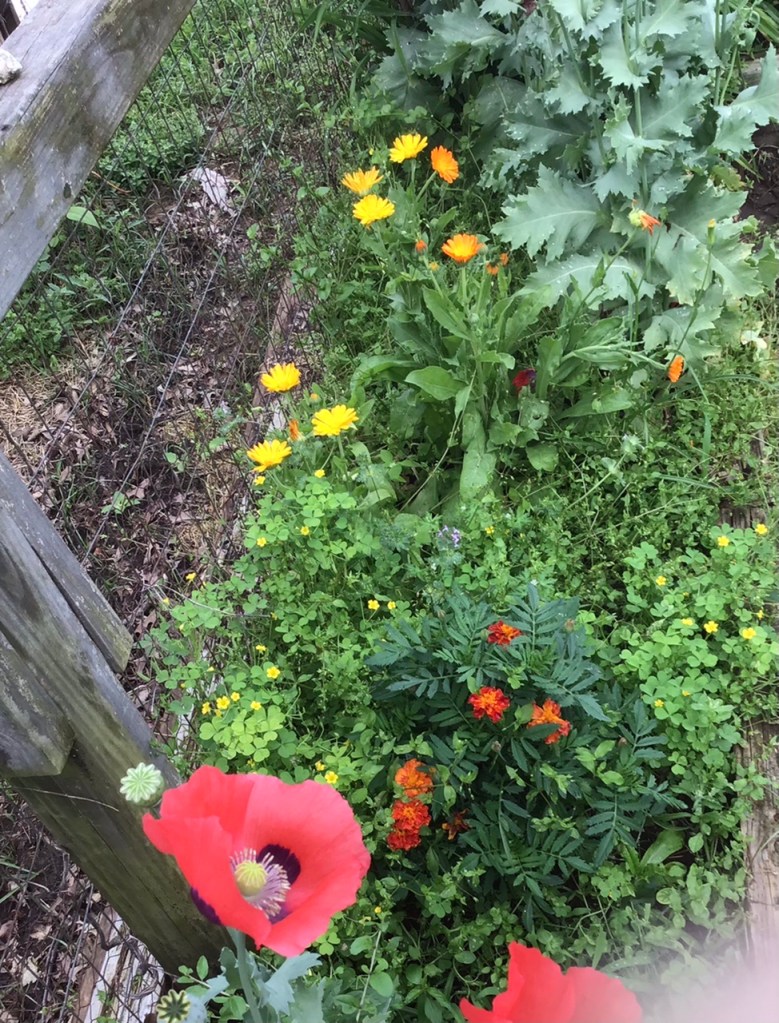
The poppies contrasted with the calendula are simply gorgeous, the pictures don’t do them justice!

Thanks for stopping by!

Do you have a favorite flower?

Gardens By Mood

Tis the season to be growing!

I just wanted to share some resources I’m frequenting, more often due to mood, rather than necessity. There is so much of the ‘how to’ out there in cyberland, and that’s great, but even better are the sites out there that inspire, motivate, explore, or feel like an afternoon paseo—like taking a walk around your neighborhood.

Sometimes, I look to YouTube, of course.

Sometimes I need the high energy, no-nonsense, look at me, you can do it too attitude of James Pergioni. Little he does applies to our garden—he’s urban and in a completely different climate, but, no matter, because he does what he does so well, and that gets me goin’!

Other times it’s the Zen, graceful, deeply practical, and peaceful even in the city type of gardener, with a simply lovely channel I’d be prone to emulate if I ever made a gardening channel of my own. She lets the plants do the most of the talking and I can sense how she loves them.

Sometimes I need that super practical advice on something specific, so it’s MI Gardener, mostly because he wastes minimal time on chit-chat, my biggest pet-peeve in how-to sites.

As for the paseo I like to hang out right here on WP, 3 gardeners in particular I follow regularly, and I’d probably frequent more, if I knew of more. I don’t like the big box sites, too much noise. I think of these ladies as cyber-neighbors, while I do sometimes get gardening tips from them, I visit mostly just to see what they’re up to lately.

There’s Empty Nest Homesteading, who offers her keen sense of esthetics to the homesteading scene. Here’s her latest adventure in decorating.

And there’s the Re-farmer, who’s got to be the most ambitious homesteader, especially climate-wise, I’ve ever seen. She offers up daily posts with regular garden reports, which that alone is more than I’ll ever do! She’s got mad gumption!

And there’s Eden Unlocked, a young suburban mother who offers Biblical contemplation with some of her posts, quite a foreign foray for me, which I’ve come to appreciate, mostly because I find her to be a quite a unique lady. She and I share a powerful budding interest in learning herbalism, which brings me to my latest offering.

I have posted the first of my Herbal Explorations, Calendula, which you can find by going to the Main Page of Kensho Homestead, in the menu. Each time I’ve posted on another plant, I’ll link it here in the blog, but it will remain on the main page for easier locating. For those who don’t know already, there’s also pages there on Geoengineering Resources and Garden-to-Table Resources.

Thanks for visiting and hope you enjoy!

Spring Inspiration

Some happy snaps and an announcement on this beautiful Sunday!

I’m sure there are a lot of gifted gardeners out there cringing when I say that, but it’s true!

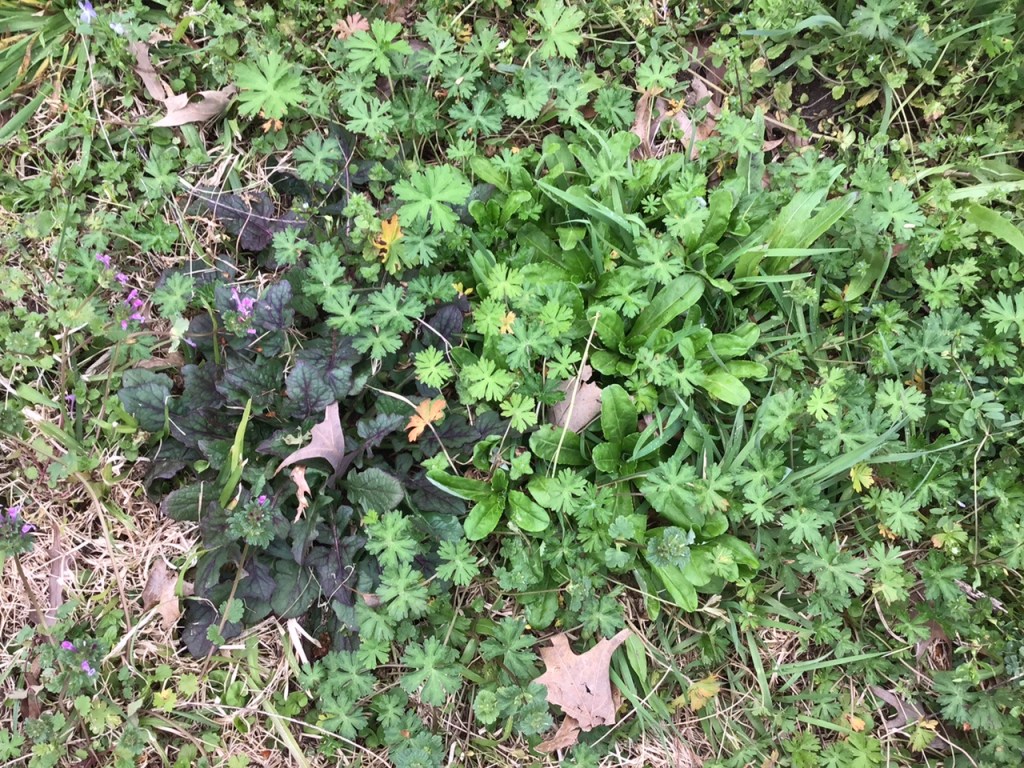
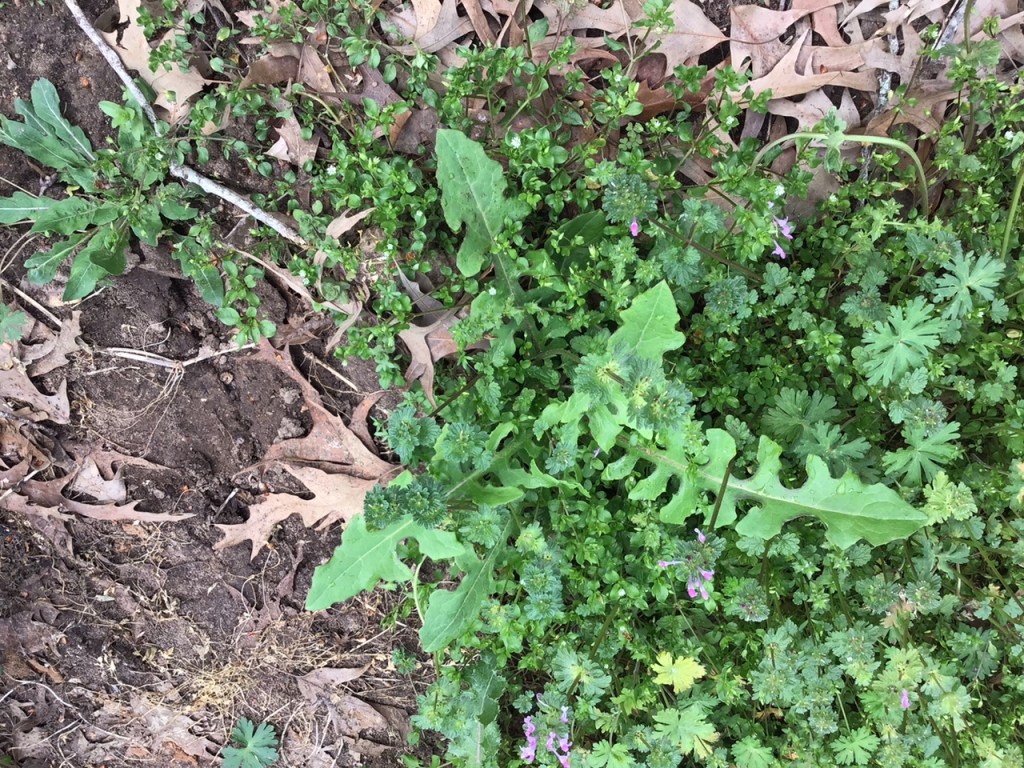
I don’t always love weeds (like the pernicious summer grasses, poison ivy, and Texas goat weed, for starters) but a great many of them are delicious, nutritious, ubiquitous and deserve their place in the garden.

I don’t know every weed, yet, but I’m learning more every year.

Can you name 3 of the 6 edible weeds pictured above? (Hint below the video.)

And that leads me to my announcement, which is probably more of an intention still, but I figure if I post it, I’m one step closer to doing it.

Reaching new heights on the wee homestead!

Soon, very soon, I’ll be adding a new section to our wee blog:“Herbal Explorations”. I’m very excited about it, but it’s quite a bit of work as well, which isn’t easy to squeeze in to an already full palate (bad pun intended!)!

Of course, I’m not an herbalist myself, but I plan to research the ‘Starring Weeds’ as best I can online and in books, provide lots of references, and get further info tidbits from trained herbalists.

Including, of course, the ‘science fraud’ angle I’m so fond of that casts so many of our precious herbs in a bad light!

Behold the divine diversity by the compost pile! Pictured just in this small space: wild carrot, henbit, chickweed, Carolina geranium, hairy vetch, and . . .?
And . . . Who might you be there, Thin & Lovely, hiding in the henbit?

My hope is that it will become an on-going reference section that will be a welcome resource for all us new-bees in herbalism, foraging, and down-to-earth living.

If you think this is a good idea, please do nudge me along, to make sure I git-er-done!

And do enjoy 2 minutes of Homestead TV, if you please!

Hint from above: Start small and easy, with the middle photo, the first plant our “Sow”(there’s your hint) eats in the vid, what is it?