Homestead Happenings

Some brief updates this post and not as many happy snaps as I’d like. But, it’s been so busy and carting my tablet around everywhere is not usually an option, especially where it’s wet and dirty, which is a lot of places at the moment.

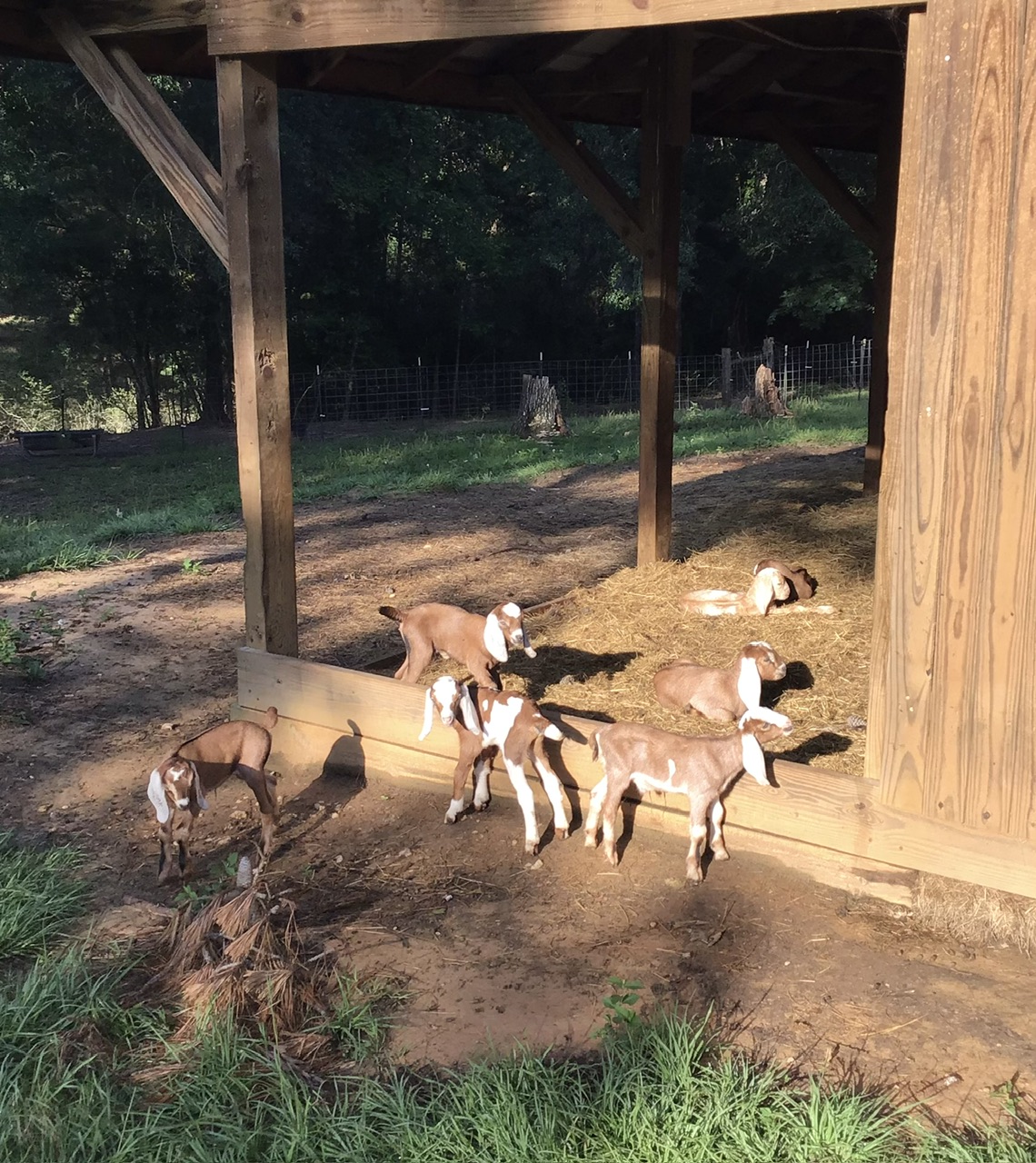
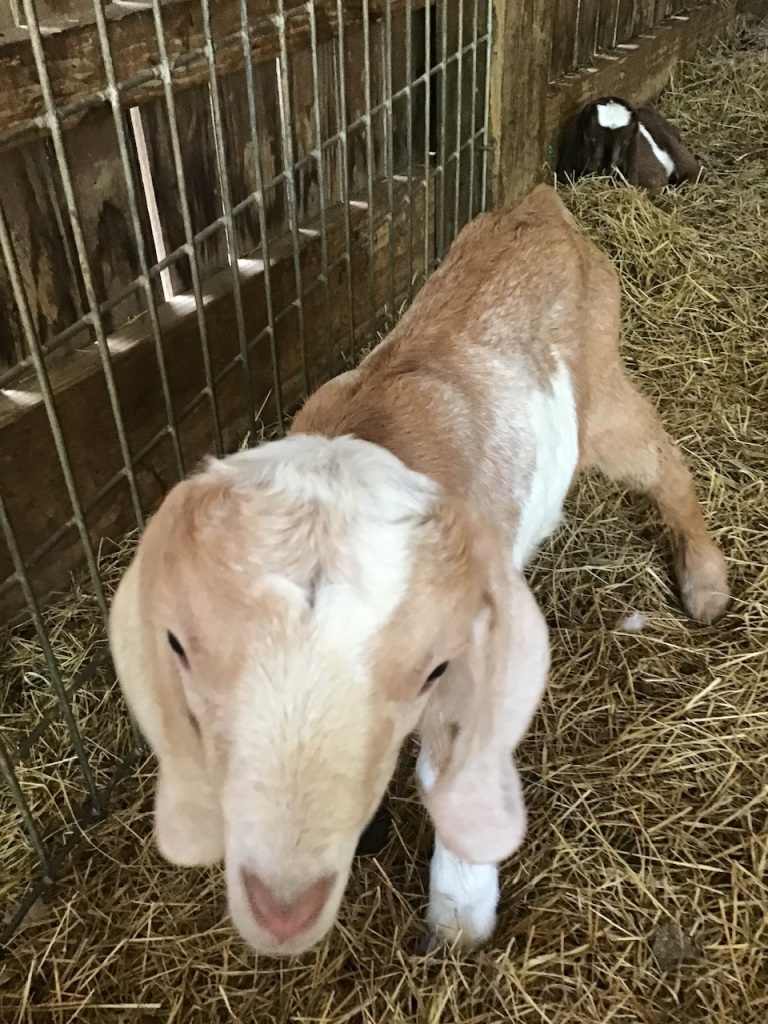
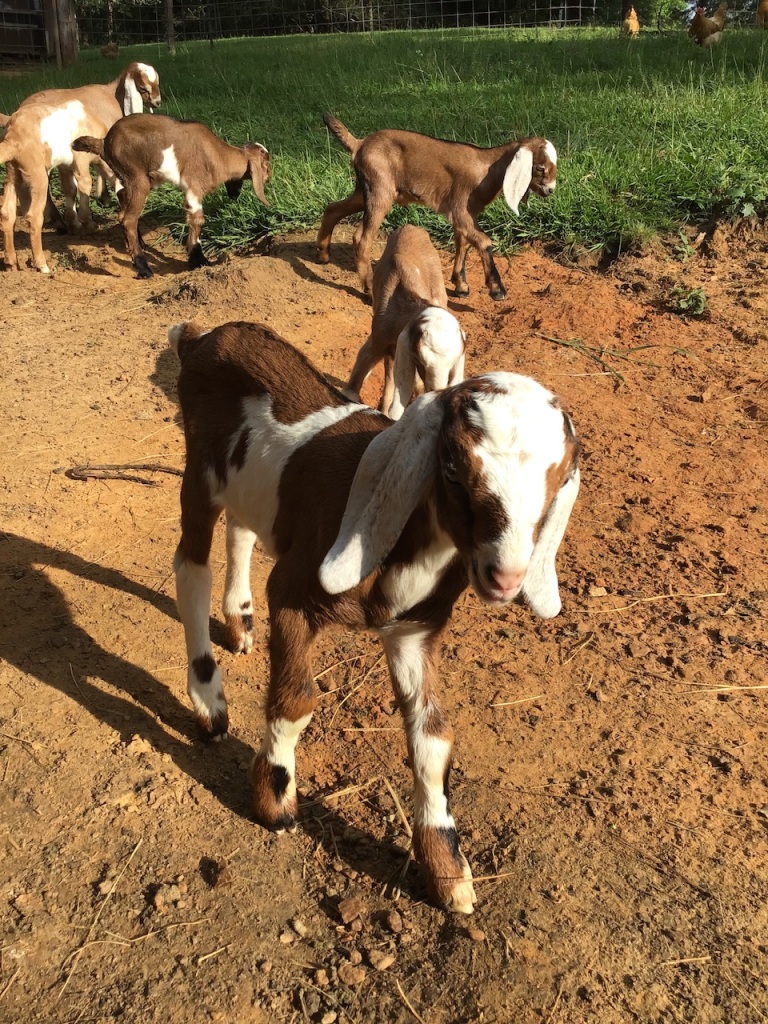
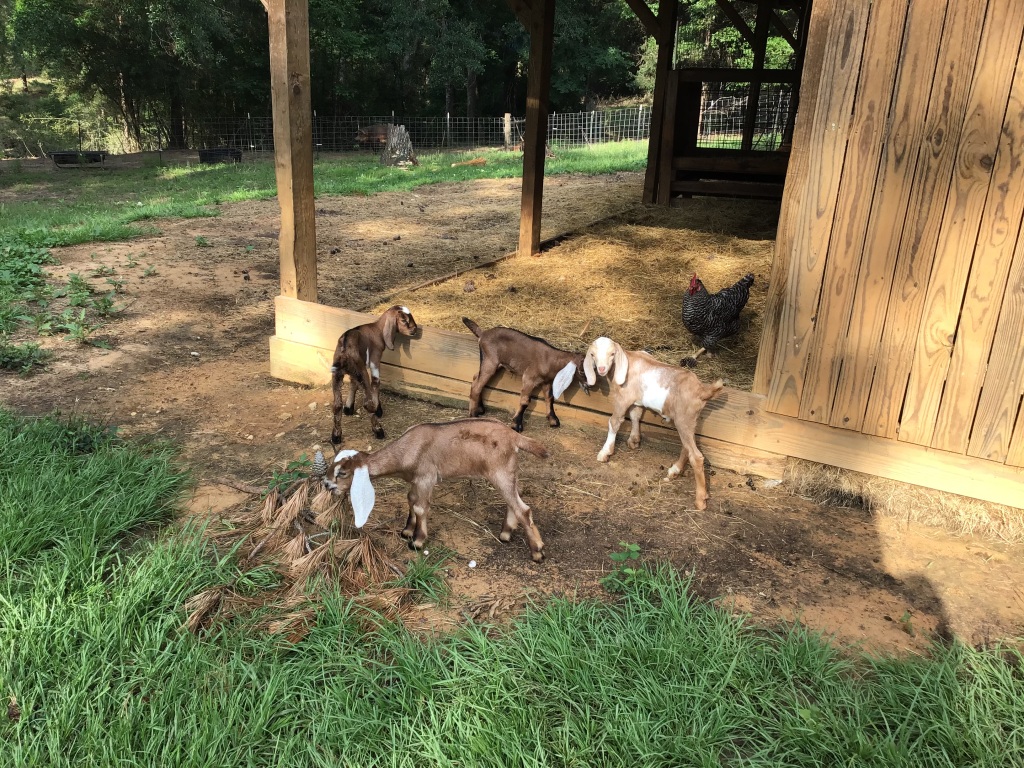
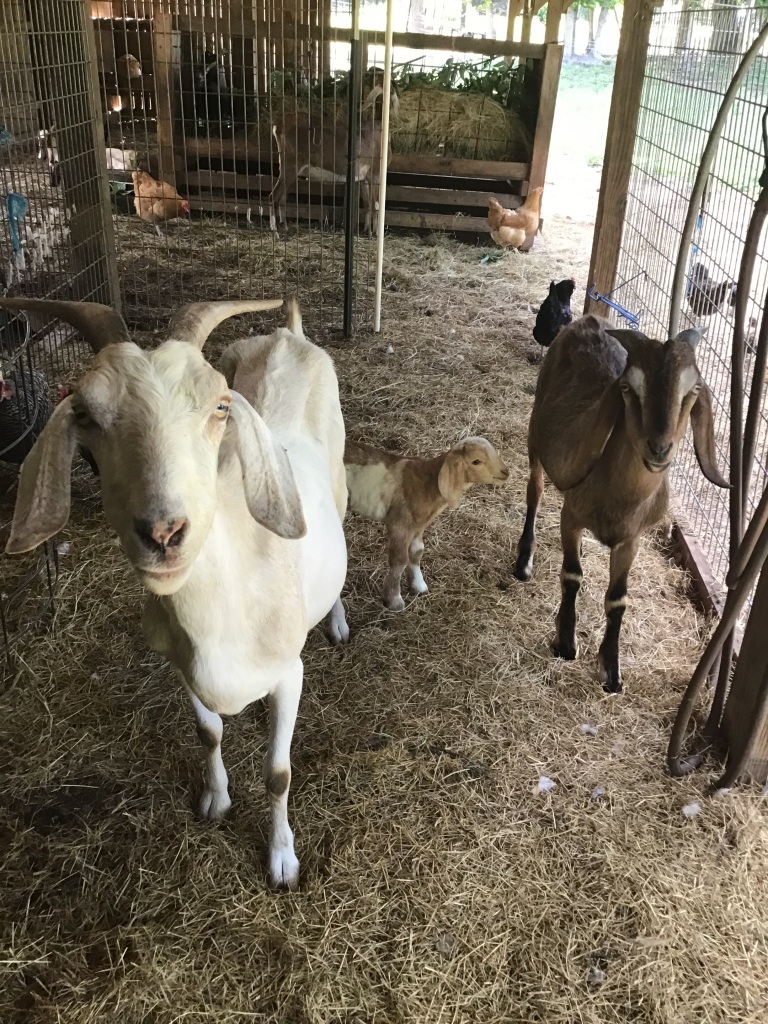
Kidding season is over and it’s been a bit stressful, no surprise there. I’ve been wanting to try something new—which is the greatest lost homestead technique I could think of—making our own rennet.

We’ve only had goats a few years now, all of this still feels very new, but, we do want to keep moving forward on the path to self-reliance, so this one is pretty essential on that list. It was as challenging as I expected it to be!

I am squeamish, so that’s the first of the issues. Hubby does all the slaughtering and butchering and for a while I did help plucking chickens, but then we got a machine, so I don’t even do that anymore. I’m not accustomed to seeing the interiors of the animals, let alone having to identify all the parts.

So, trigger warning for this section for anyone reading more squeamish than me! Move to the next section, if you please.

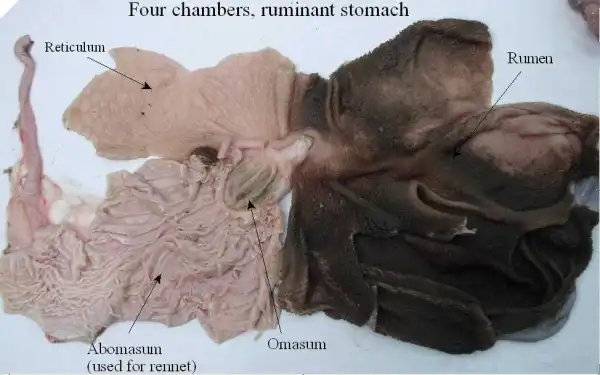
For the briefest of intro lessons, rennet is made from the 4th stomach of the ruminant animal, the abomasum.

This photo is from a calf, so for us we were dealing with far smaller features. Obviously, this is a precious commodity. The abomasum must come from a nursing animal, as it still has the enzymes required for cheesemaking. It can also come from a stillborn, an unfortunate event turned into a beneficial one with proper immediate attention.

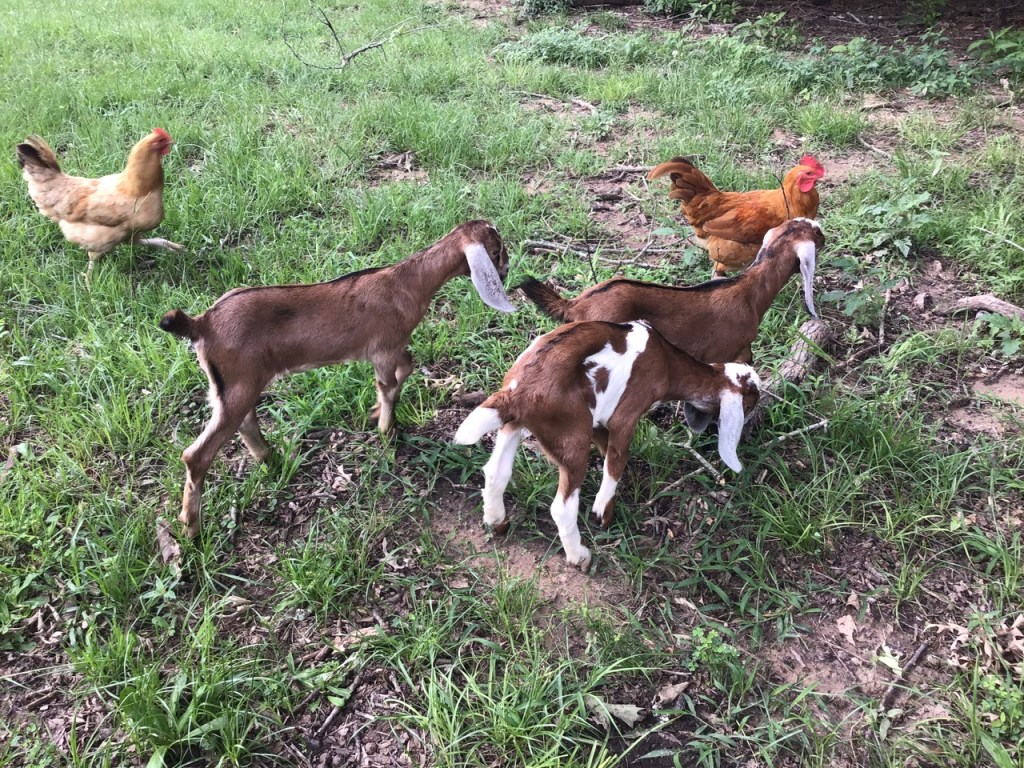
In our case, we’ve had 2 stillborn, one this year and one last year. This year we also had a very small doe, a first freshener, who had fairly large twins. We decided to cull one of her kids as part of our efforts. Of course this is never an easy decision to make, and I lose sleep over stuff like this. I was never meant to be a goat farmer, I just want to make cheese!

Anyway, I am glad for the tough choice and going through the trouble to acquire this precious skill. Hubby and I sat down before the guts together, at the kitchen table. One of the great many sentences I could never have imagined I’d be writing!

It’s not easy to find information on the how-to’s of this process, and I certainly had no one to call or visit for advice. It was not enough information to substantially build my confidence, that’s for sure. Sometimes that just takes doing it.

Luckily, I did find one YouTube video, and one blog, both again working with a calf, for which I’m exceptionally grateful.

Another brief aside about rennet, if I may bore many readers a bit further! As I’ve written before, most cheese made today, at least in the U.S., is not made from real rennet, it’s made from a lab-grown rennet substitute, made by Pfizer.

While it’s not that expensive for home cheese makers to buy animal rennet online, relatively speaking, considering only a tiny amount is required, I don’t want to have to entirely rely on far-away sources for such an essential item.

Another thing I’ve been experimenting with to overcome this issue is vegetable rennet, again, from a natural, local source, not a GMO lab-purchased source. We have figs, so that’s what I’m using, but nettles are another source.

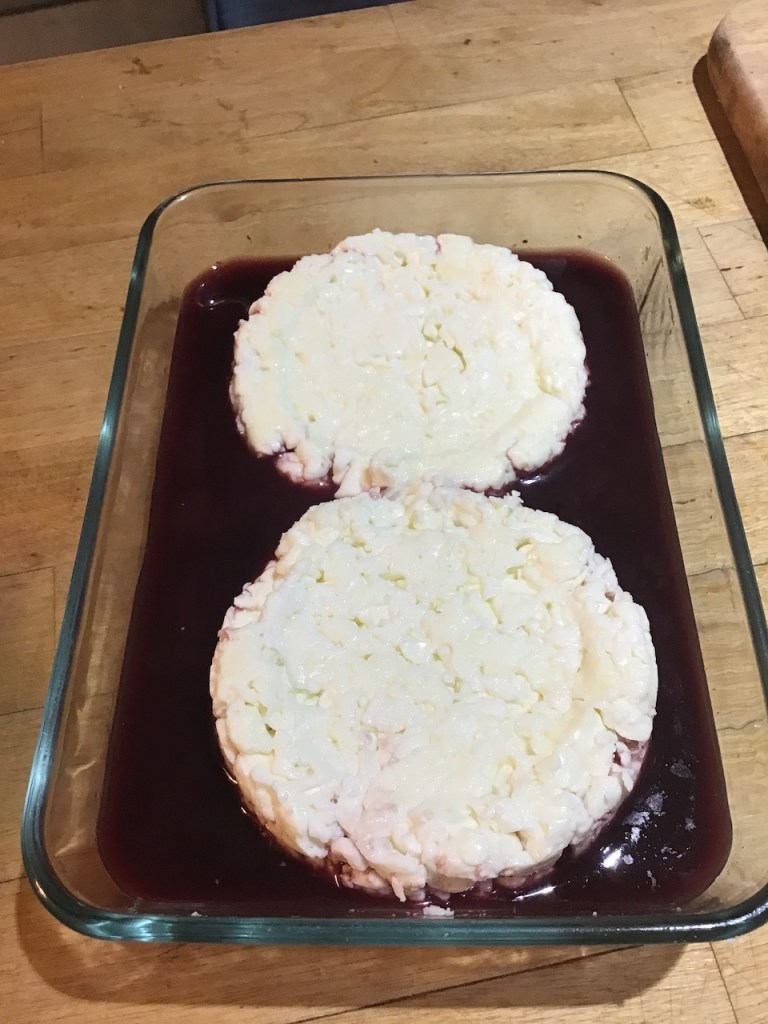
It’s not possible to set a large hard cheese with this method, but it works for soft cheeses and very small, what I’d call semi-hard cheeses (because they don’t need a press) like the one I just tried after discovery this channel’s excellent demonstration.

This cheese is so easy! I’ve only just made it, so I can’t yet vouch for the taste, but he makes it look delicious. For this cheese you don’t need any special equipment—no molds or cultures, no aging fridge, and no rennet. Instead of the cute baskets he uses I just poked some holes in an old sour cream container. (And can I just add how much I adore his heavy accent and classic Italian hand gestures!)

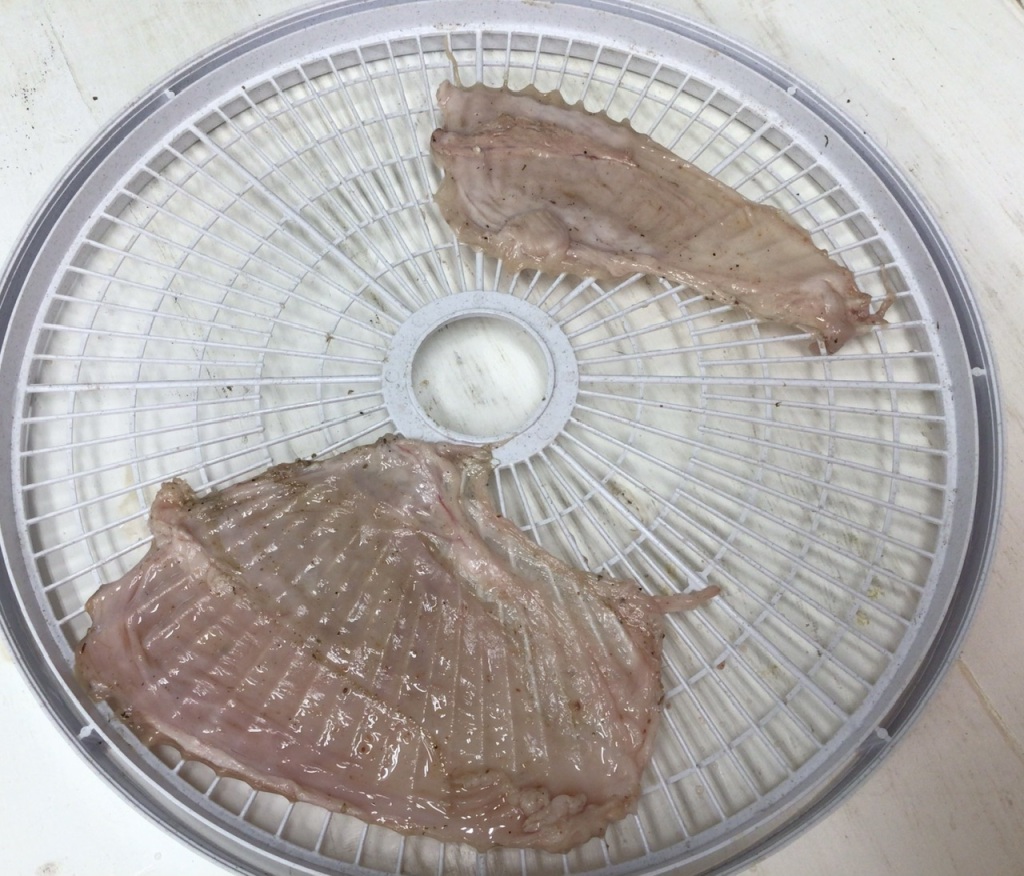
We did eventually figure it all out, and here is our final product, now drying for 3 months or so, according to processing directions. It will then be sealed and last for many years and make many dozens of cheeses.

A great big thanks to the multi-layered efforts of man and nature for this magical gift!

In weather news, we’ve had a lot of rain. While I mentioned last update how much I love the rain, it is causing problems. We lost most of our onion harvest, for starters. This is a big disappointment because we were so close to harvest, just a couple more weeks. Not anymore, they were rotting in the ground, we had to pull them, lost a great many, and the others are mostly very small still.

So between the pitiful potatoes and the sad state of the onions, we are not starting off too well. The peas are already done as well, because of the heat, but that’s pretty normal here.

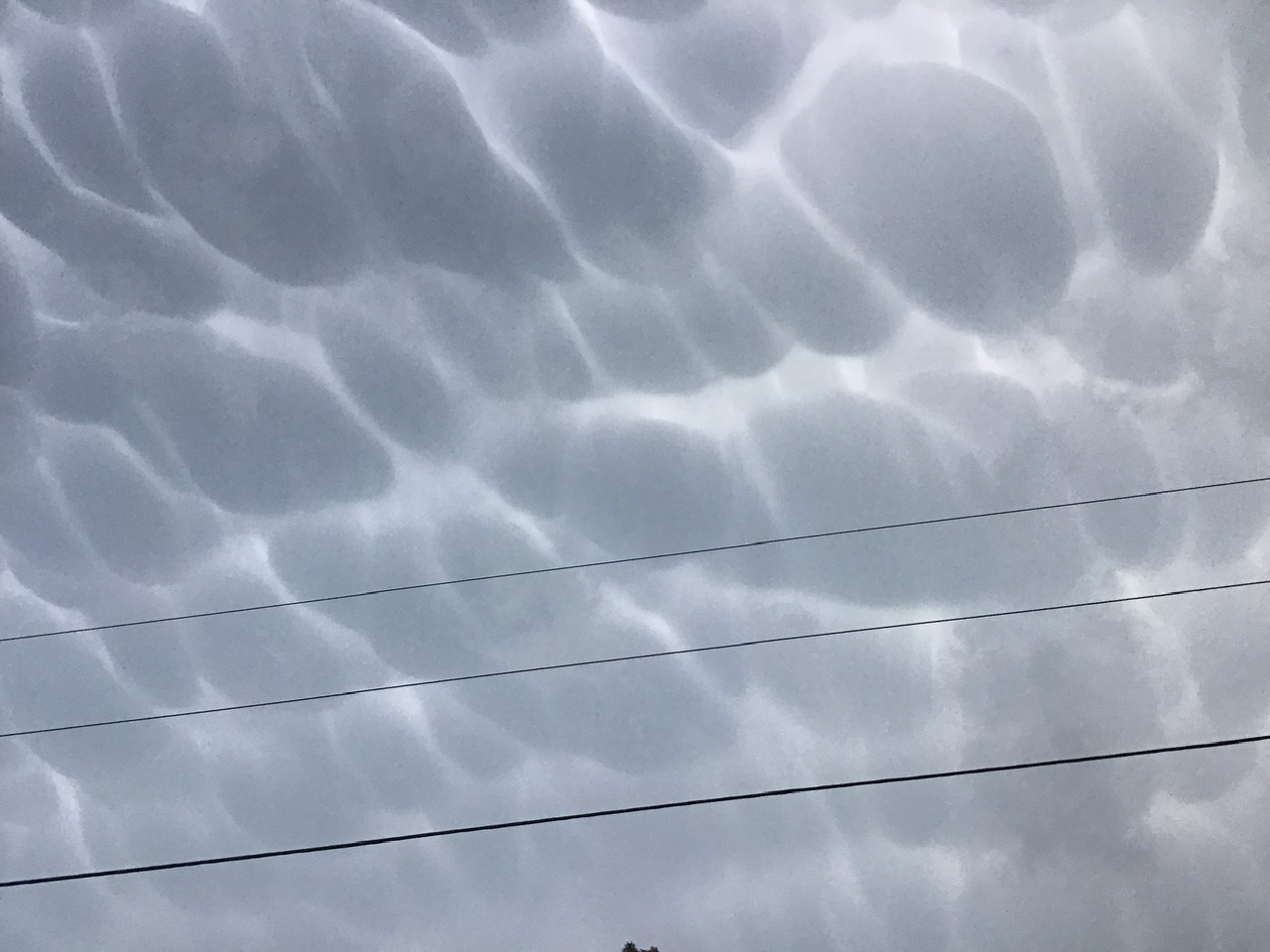
What’s not normal is my usual complaint—the manufactured weather. We can’t drive to half our property until Hubby upgrades our culvert, a huge undertaking. But we are very lucky this time around! No hail, or tornadoes, or other immediate disasters to deal with, like a great many.

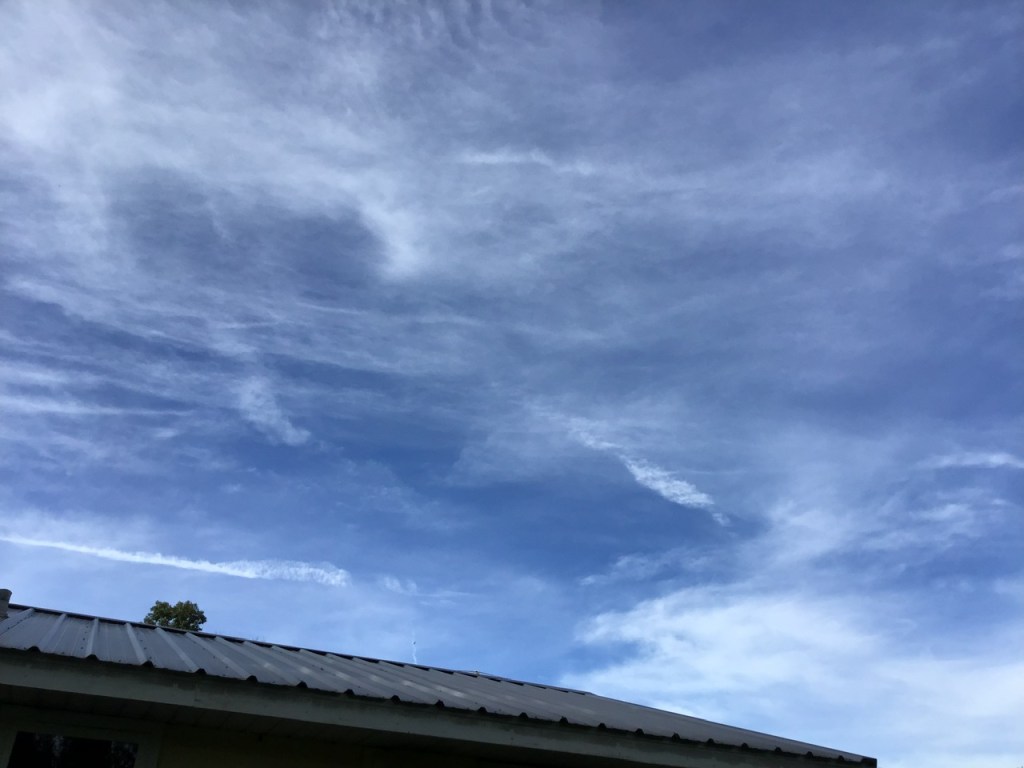
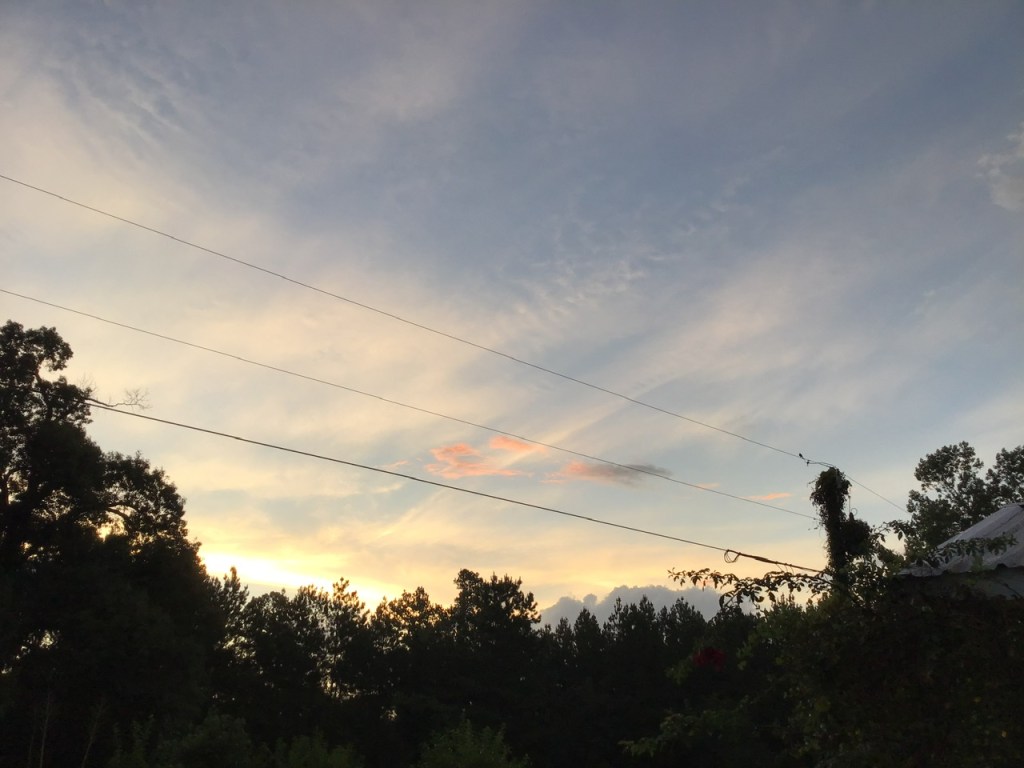
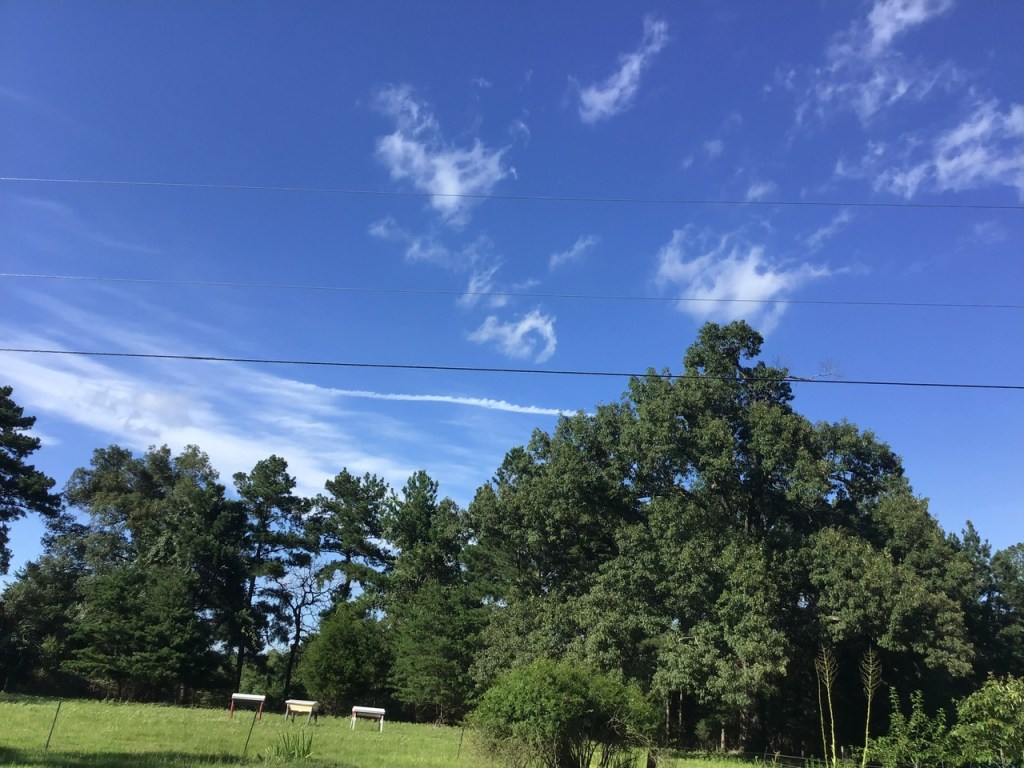
Yes, more manmade clouds above our head. We’ll learn what NASA calls them next post.

But, I have a future Geoengineering Update in the works, so I’ll save further lecturing and complaining for now!

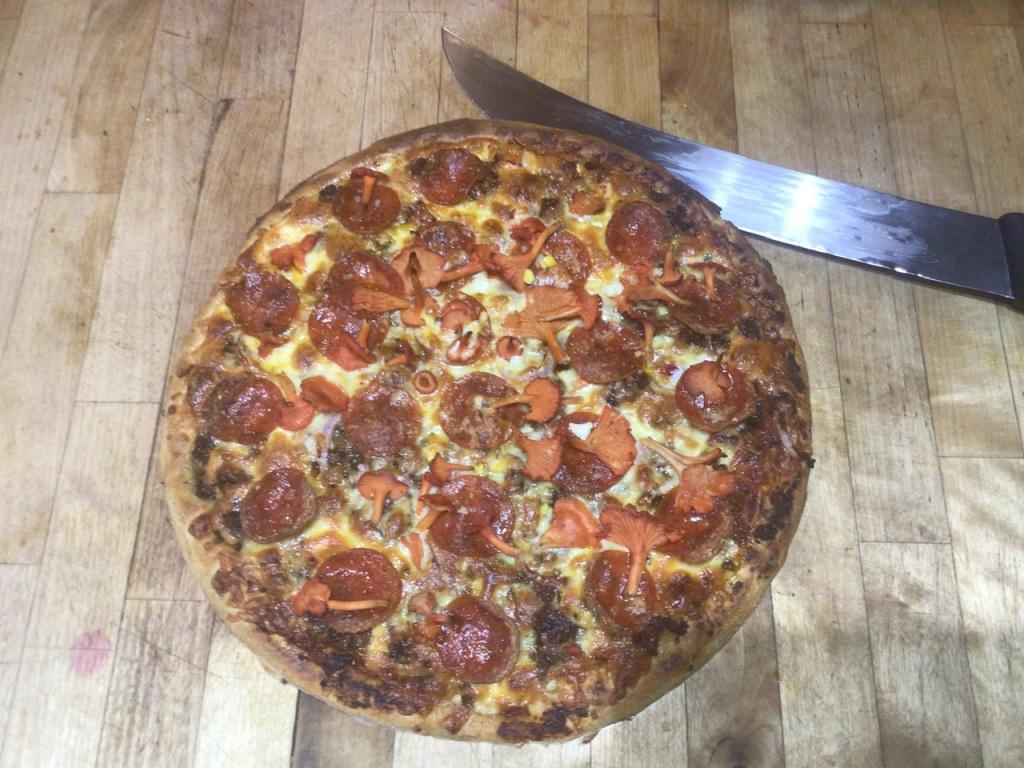
Instead we’ll end with a snap of one of our favorite dinners, just how we like it, burned to perfection! Not our pepperoni or cheese this time, but some just foraged chanterelles, homemade sourdough crust, and homegrown pork sausage. 😋

Thanks for stopping by!

When Push Comes To Shove

I don’t know when the breaking point will be, how it will come about, who will throw the first punch or the last. But, I’ve got some good quotes to share this post, of the variety that make me wonder if the public has finally had enough of the lies.

Or, was Bezmenov right? It’s hopeless at this point?

More false claims about raw milk, inspiring a good article from a wise woman, Sally Fallon of Weston A. Price. A few quotes:

“In a press release dated March 25, 2024,3 the U.S. Department of Agriculture (USDA), Food and Drug Administration (FDA) and Centers for Disease Control and Prevention (CDC), as well as state veterinary and public health officials, announced investigation of “an illness among primarily older dairy cows in Texas, Kansas, and New Mexico that is causing decreased lactation, low appetite, and other symptoms.”

“The agencies claim that samples of unpasteurized milk from sick cattle in Kansas and Texas have tested positive for “highly pathogenic avian influenza (HPAI).” Officials blame the outbreak on contact with “wild migratory birds” and possibly from transmission between cattle. The press release specifically warns against consumption of raw milk, a warning repeated in numerous publications and Internet postings.”

“The truth is that “viruses” serve as the whipping boy for environmental toxins, and in the confinement animal system, there are lots of them — hydrogen sulfide, carbon dioxide, methane and ammonia from excrement, for example.  Then there are toxins in the feed, such as arsenic added to chicken feed, and mycotoxins, tropane and β-carboline alkaloids in soybean meal.  By blaming nonexistent viruses, agriculture officials can avoid stepping on any big industry toes nor add to the increasing public disgust with the confinement animal system.”

https://articles.mercola.com/sites/articles/archive/2024/05/16/lies-against-raw-milk.aspx

******

RFID chips for cattle are back in the news as well. ‘The Lunatic Farmer’ Joel Salatin has just posted some choice words on the topic.

They Don’t Quit

“Nearly a decade ago we won the mandatory national Radio Frequency Animal Identification (RFID) regulation.  It was pushed on the heels of the mad cow paranoia as a way to track and find diseases quickly.”

For you youngsters, it was a draconian measure that was incredibly prejudiced against small outfits.  For example, a Tyson factory could register one RFID tag for a whole house of 20,000 chickens—one per flock.  But an outfit like ours would have to RFID every single chicken.  Costs ranged from $2 to $5 per tag.

                  Every time you moved animals from one addressed premise to another, you had to notify authorities.  Thousands of farmers around the country attended the hearings and voiced their opposition.  The backlash was severe and eventually the USDA pulled the plan.  It’s been dormant for a long time and we thought it was dead.”

********

Moving on to an essay that hits close to the mark, I think.

“In an election year that follows more than a decade of rising populist dissatisfaction, high-skill but low-status rejects are coming to look like a formidable social class.

Increasingly, it’s not just obscure farmers or overtaxed truckers who feel cheated out of the respect they’ve earned: it’s also debt-ridden college kids, heterodox tech magnates and blacklisted intellectuals. It’s manual laborers whose wages get depressed by inflation and illegal immigration, but it’s also artists whose projects get passed over to make room for yet another adaptation of The Color Purple. This helps explain why Trump has mobilized young people, blue-collar workers, white evangelicals, law-abiding Hispanics and black business owners, all in unexpected numbers: those are people who feel, in one way or another, despised without cause.

But the bitter irony is that in trying to outdo the founders’ virtue, we have created an unnatural aristocracy far more hide-bound and unworthy than the old-world royalty they fled. Our self-styled betters have neither raised us up toward a more perfect meritocracy nor led us triumphantly into a classless paradise. They have simply replaced an imperfect class system with a grotesque and nonsensical one. They promised to cater to throngs of frustrated pariahs; instead, they created more of them, adding to their number daily from the exiles of the natural aristocracy. Whether or not it is desirable that the resulting coalition should once again find itself represented by Donald Trump — a profoundly suboptimal champion — it was inevitable. This presidential contest is shaping up into a face-off between the incompetent elect and the excellent outcasts. It may not be the most exhilarating choice to have to face. But it’s not a particularly difficult one, either.”

https://archive.ph/2024.04.24-141033/https://thespectator.com/topic/how-woke-hierarchy-created-upper-class-underclass/

*******

And closing with an appropriate poem that was posted in the comment’s section of the post by Salatin quoted above. An author I’m very familiar with, but the poem is new to me.

THE WRATH OF THE AWAKENED SAXON
by Rudyard Kipling

It was not part of their blood,
It came to them very late,
With long arrears to make good,
When the Saxon began to hate.

They were not easily moved,
They were icy — willing to wait
Till every count should be proved,
Ere the Saxon began to hate.

Their voices were even and low.
Their eyes were level and straight.
There was neither sign nor show
When the Saxon began to hate.

It was not preached to the crowd.
It was not taught by the state.
No man spoke it aloud
When the Saxon began to hate.

It was not suddently bred.
It will not swiftly abate.
Through the chilled years ahead,
When Time shall count from the date
That the Saxon began to hate.

Homestead Happenings

An interesting week on the wee homestead, worth a quick update with many happy snaps and a couple of video clips.

We’ve had some wonderful days and nights of rain, too much for most, but quite fine for me. Hubby will unfortunately have to repair some fencing, nothing new there.

All the usual erosion issues will fall on him and his little old tractor once again, so I make great efforts to contain my glee. Our water is out and so is the phone, but that’s not unusual either.

The creek overflowing its banks and the pond washing out.

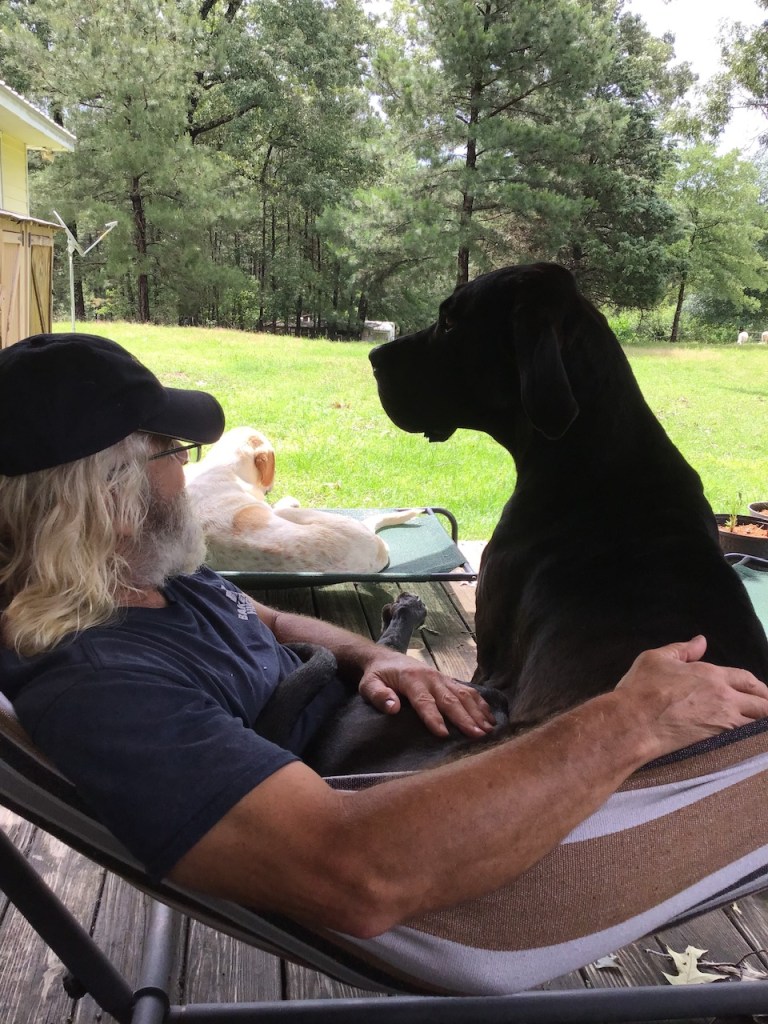
Shadow sniffing around, but not nearly as tuned into the wildlife as our livestock guardian dogs. In fact, he seems to be a bit allergic to the great outdoors, especially in summer!

I think he prefers his time lounging in the hammock with Daddy. 🥰

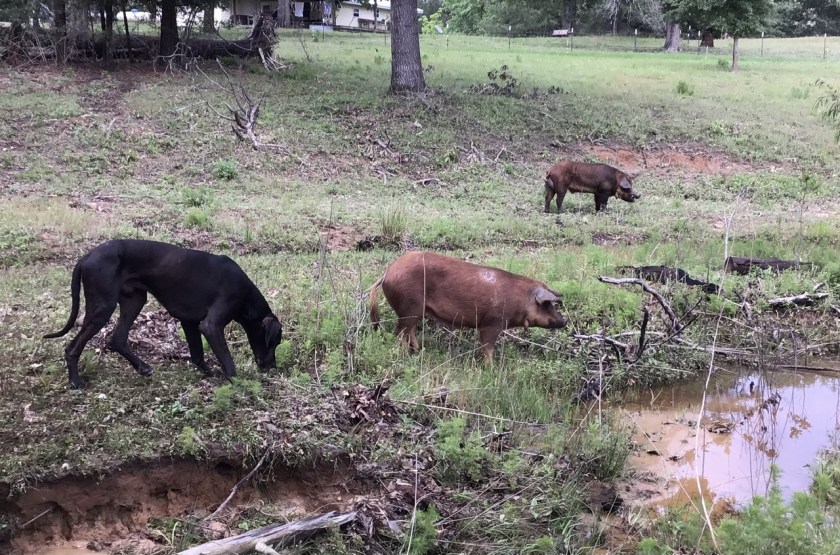
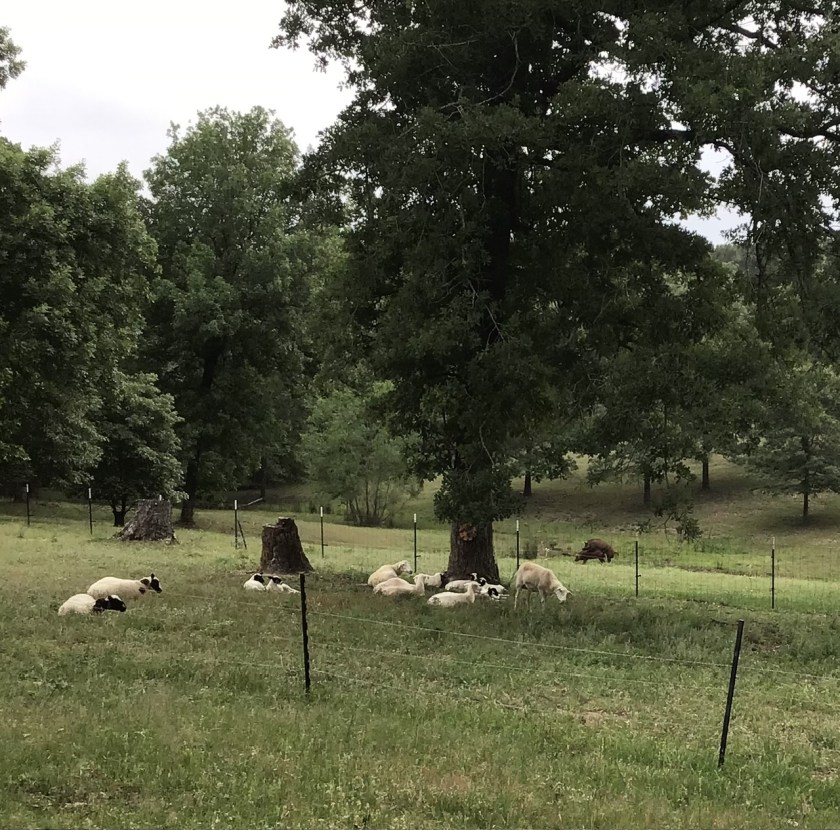
He does also appreciate chasing the pigs and goats and sheep, as much as we keep hollering at him to knock it off.

If you’re wondering what’s happened to scar up poor Pattie’s back like that, zoom in on the following photo to find the culprit.

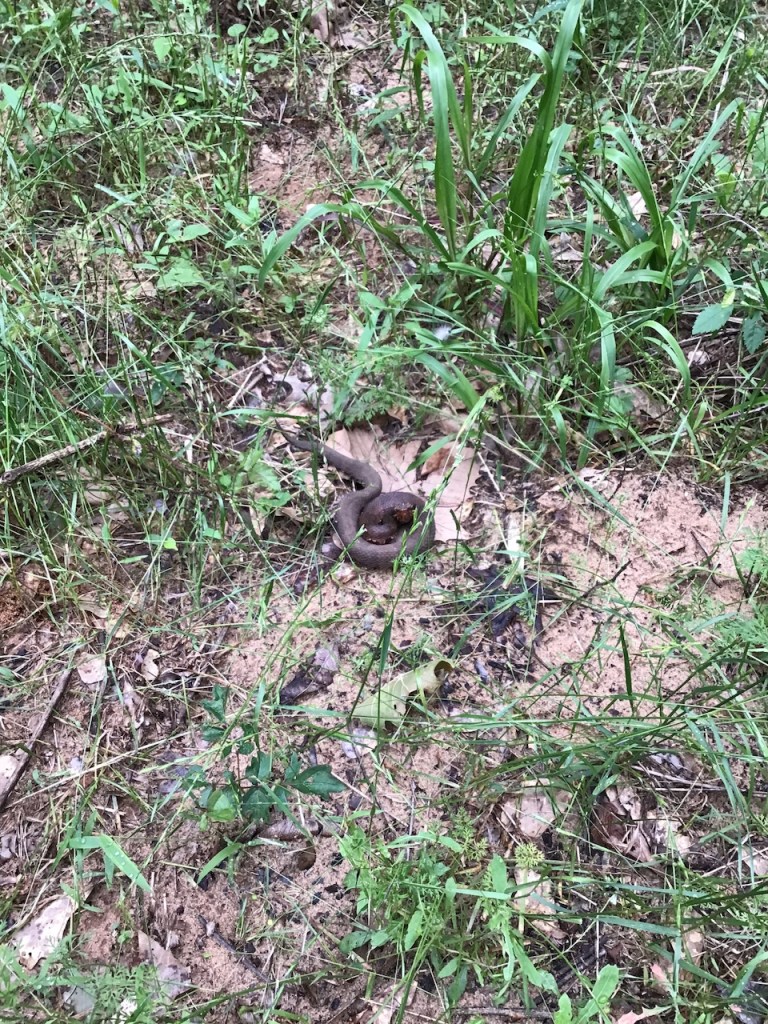
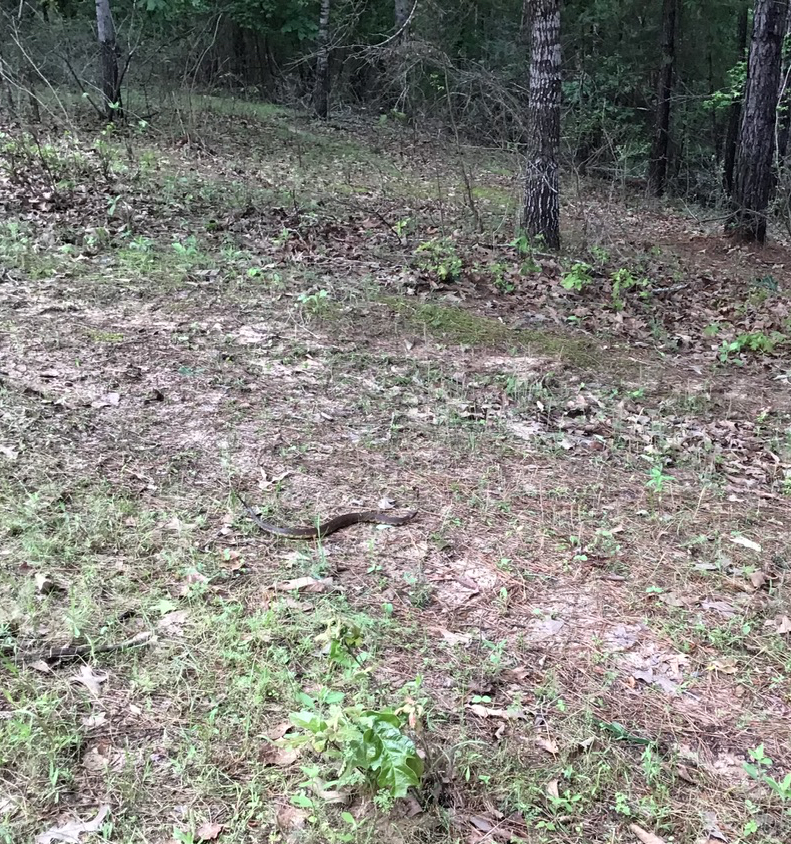
The rains have certainly seemed to wake up the wild life—just in the past few days we’ve seen a scorpion, 2 water moccasins, 2 copperheads, and Hubby even thinks he saw a coral snake.

I followed one for a couple of minutes as he made his way back to the pond.

Water moccasin making its way back to the pond

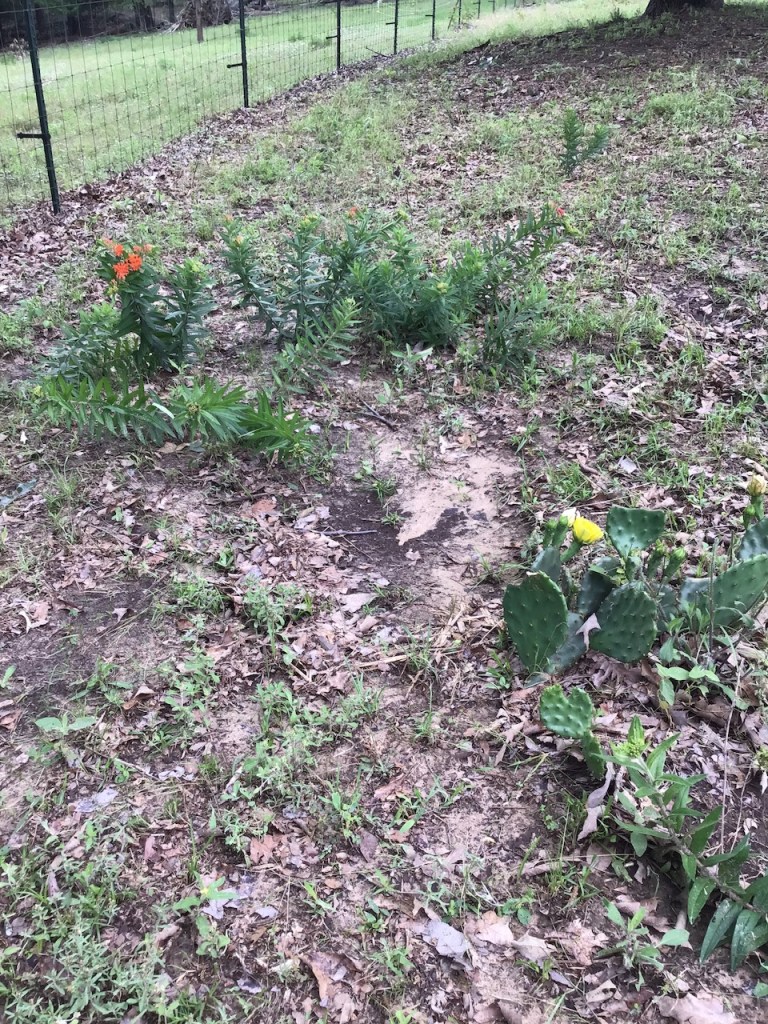
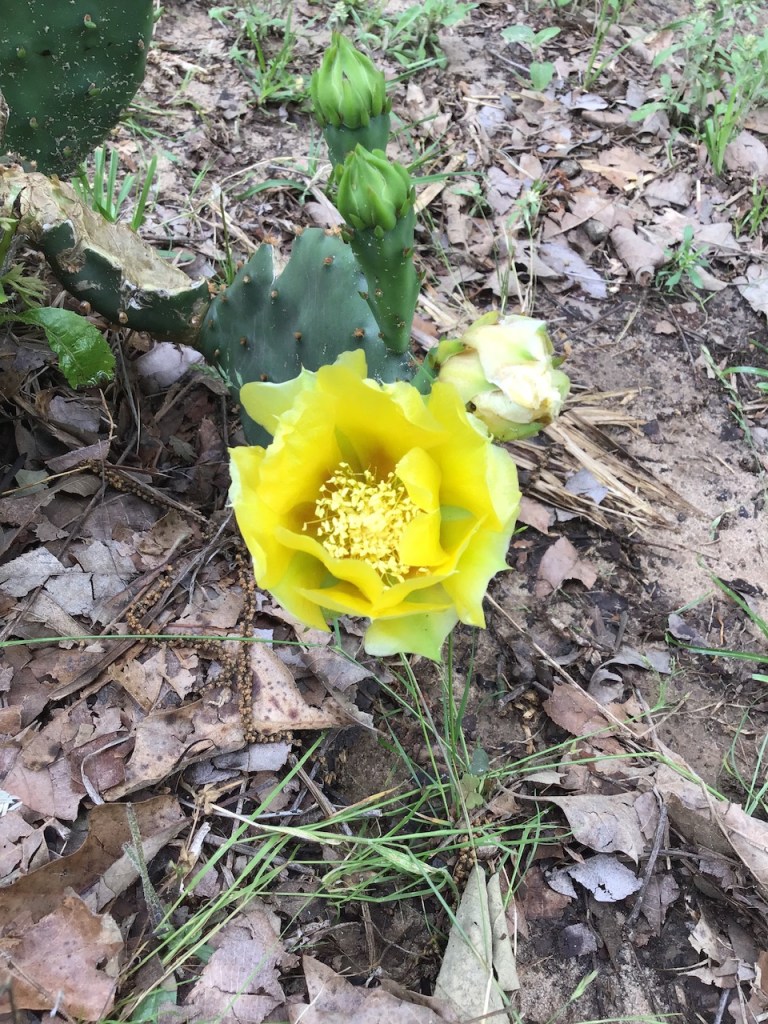
There are some more pleasant sitings as well, like these, wild butterfly weed (Asclepius) and Prickly pear cactus (Opuntia).

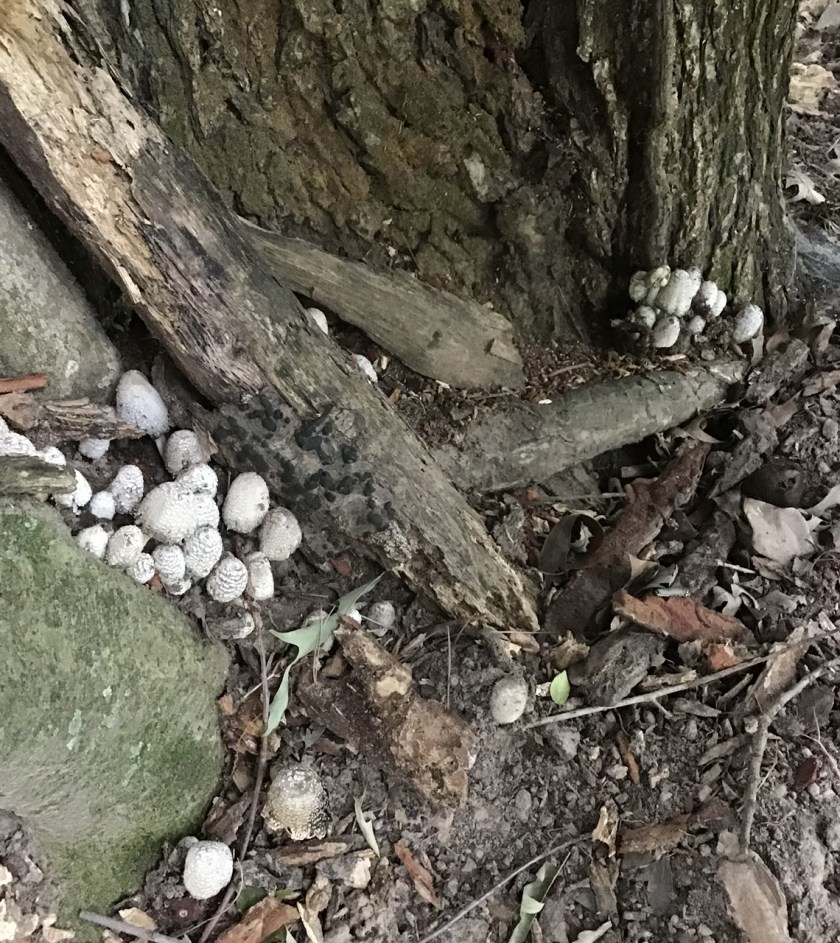
And some cute mushrooms that I haven’t been able to identify.

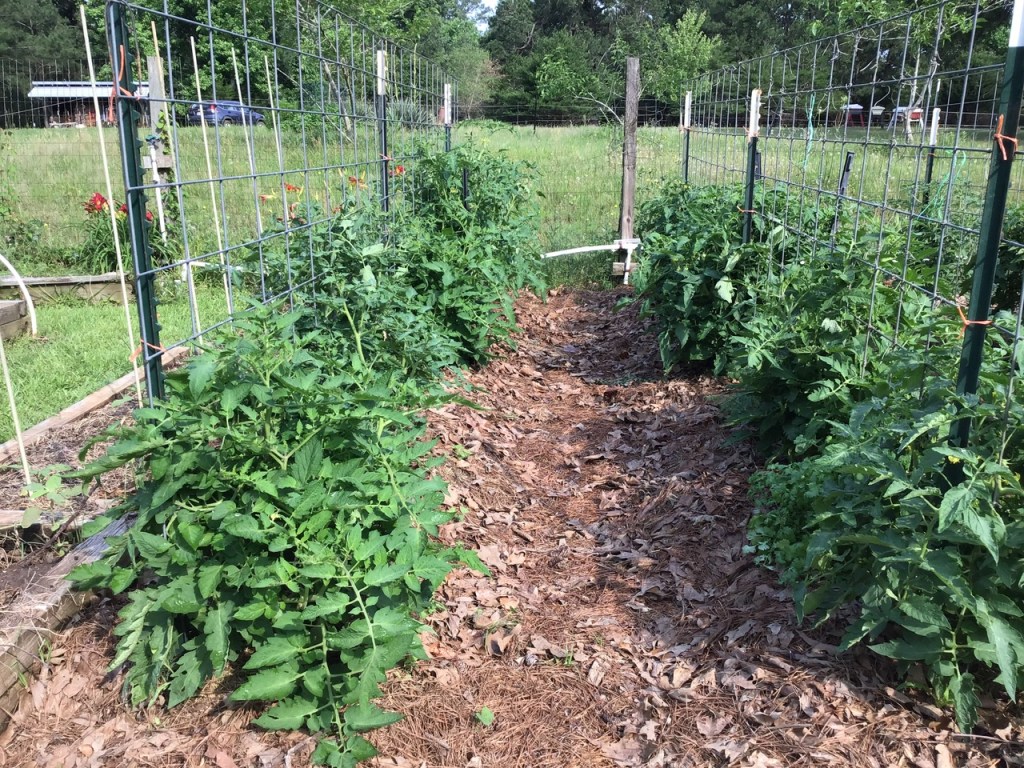
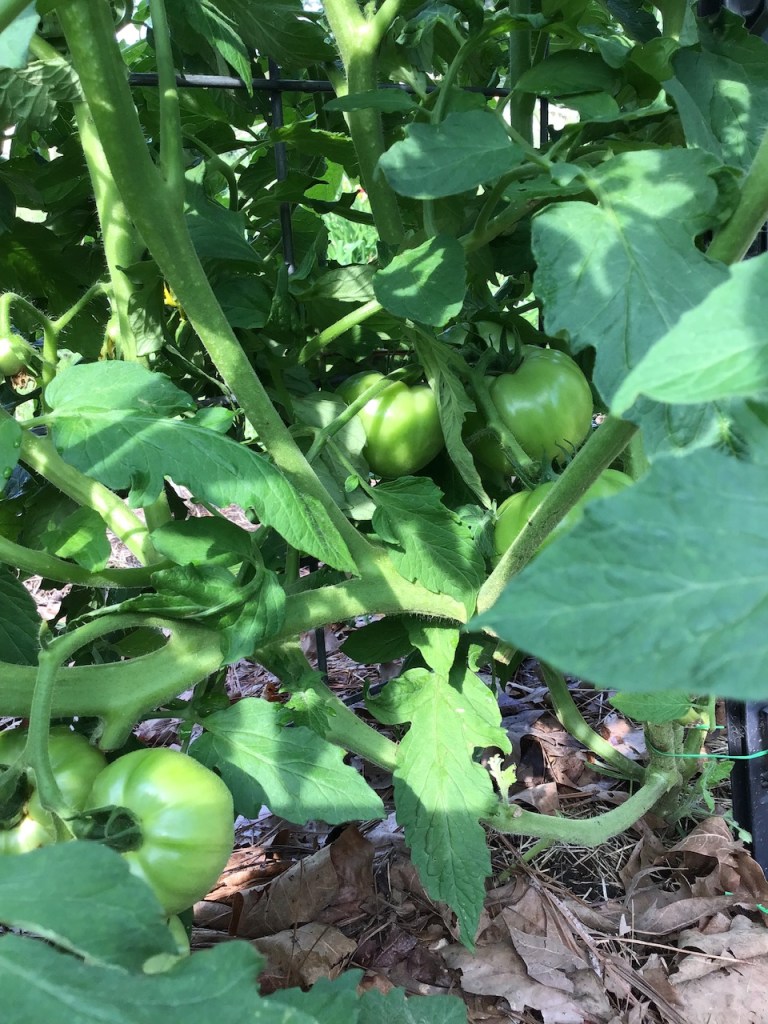
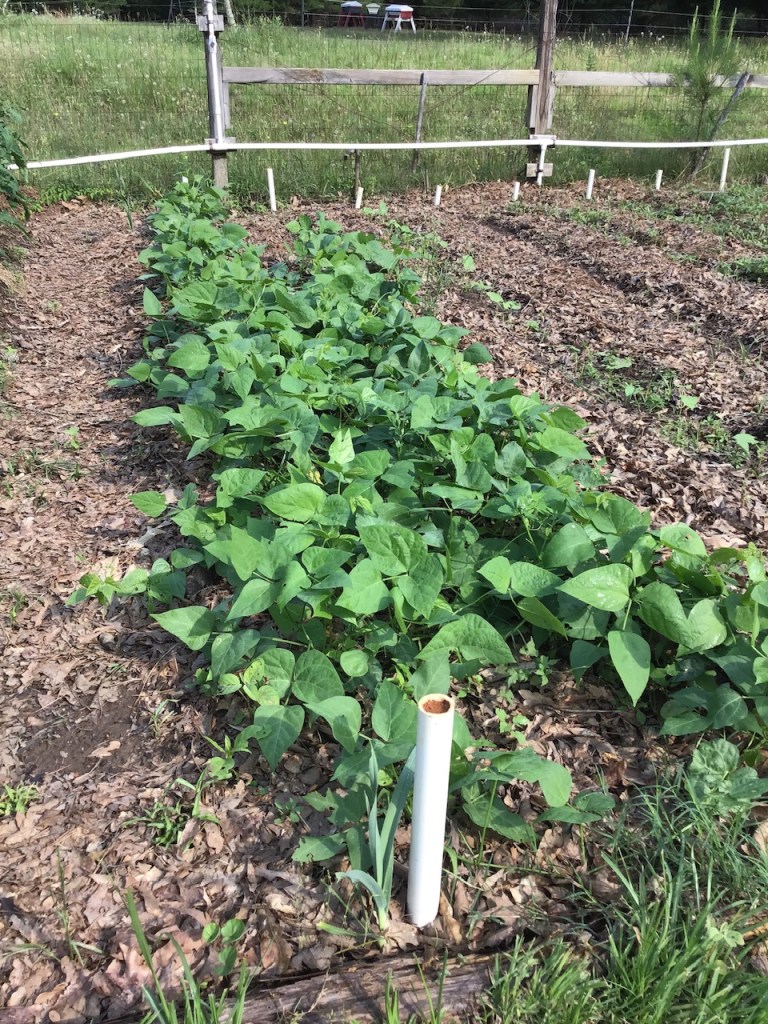
The garden is doing fine, tomatoes are growing very well, all from our saved seed. Beans and cucs just coming in and the peppers are getting their first flowers.

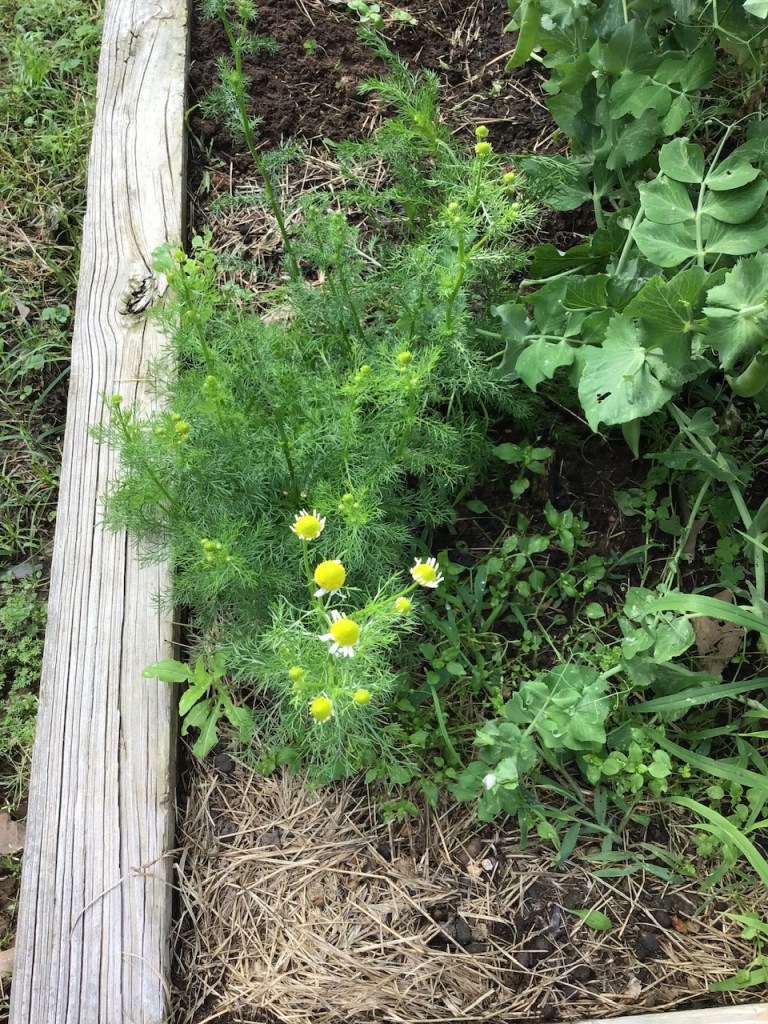
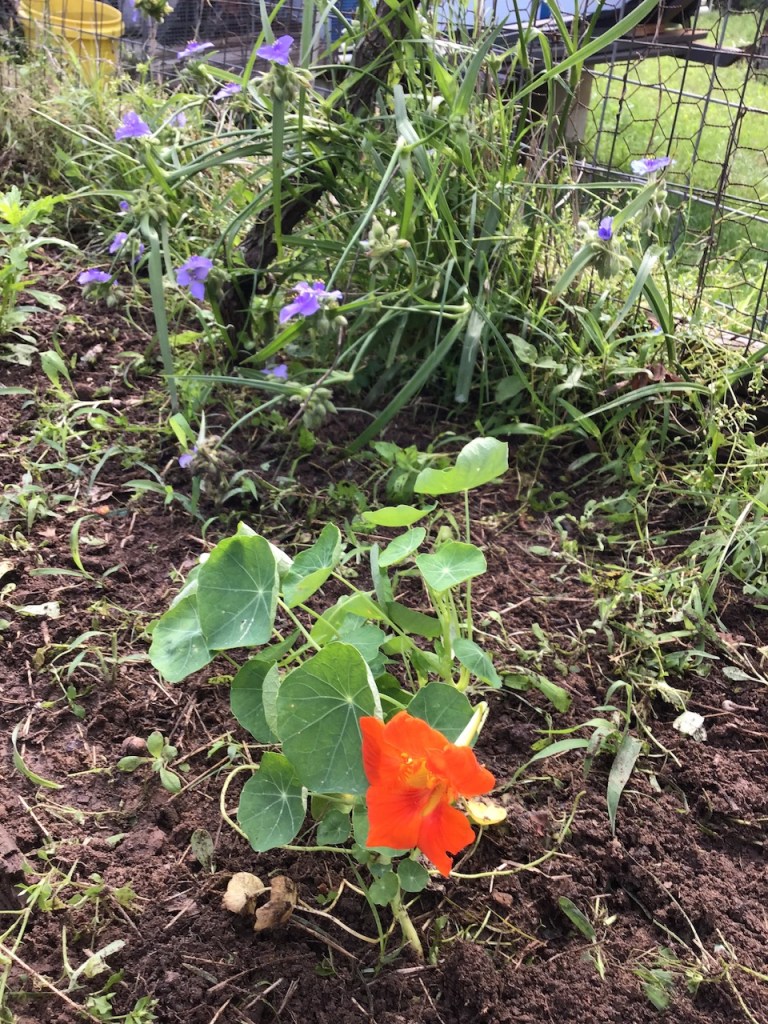
The first datura bloom, the German chamomile flowering by the snap peas and a nasturtium blooming near the wild spiderwort (a medicinal I’ve posted about here).

In closing, a quick view of honeybees bathing in Poppy pollen.

Thanks for stopping by!

Homestead Happenings

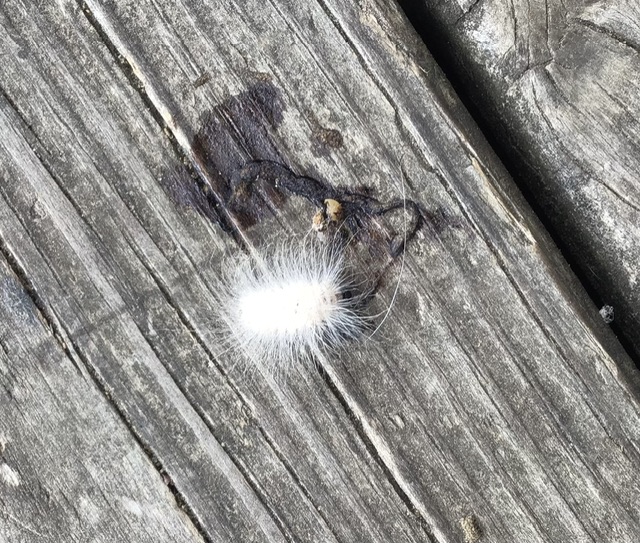
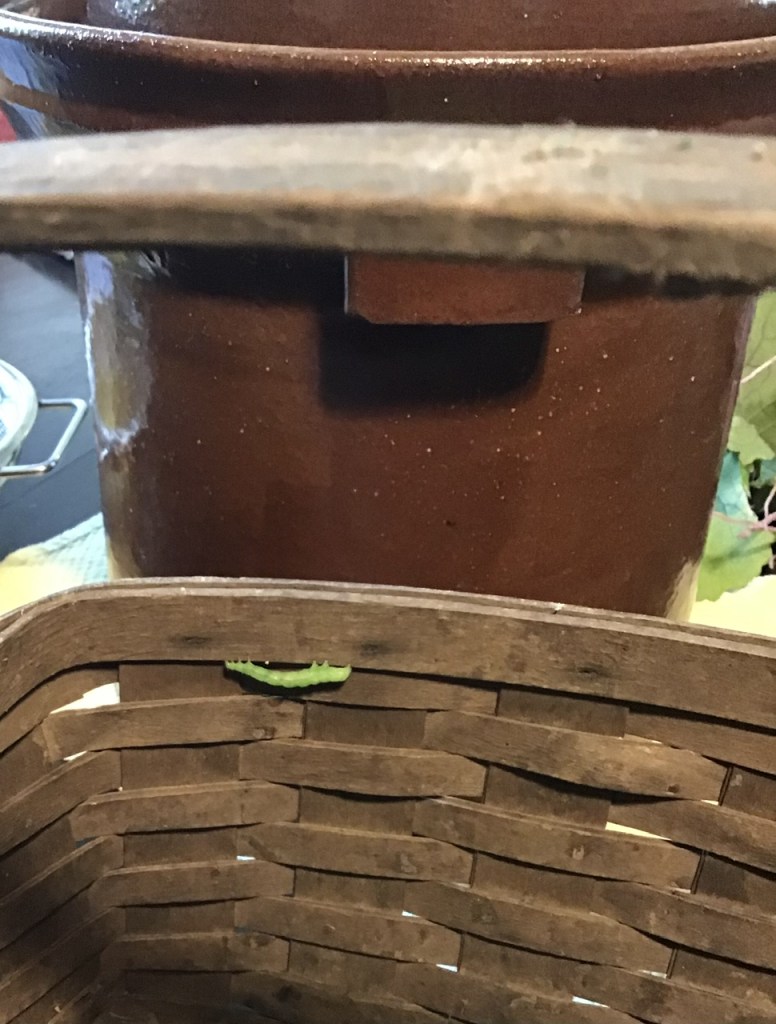
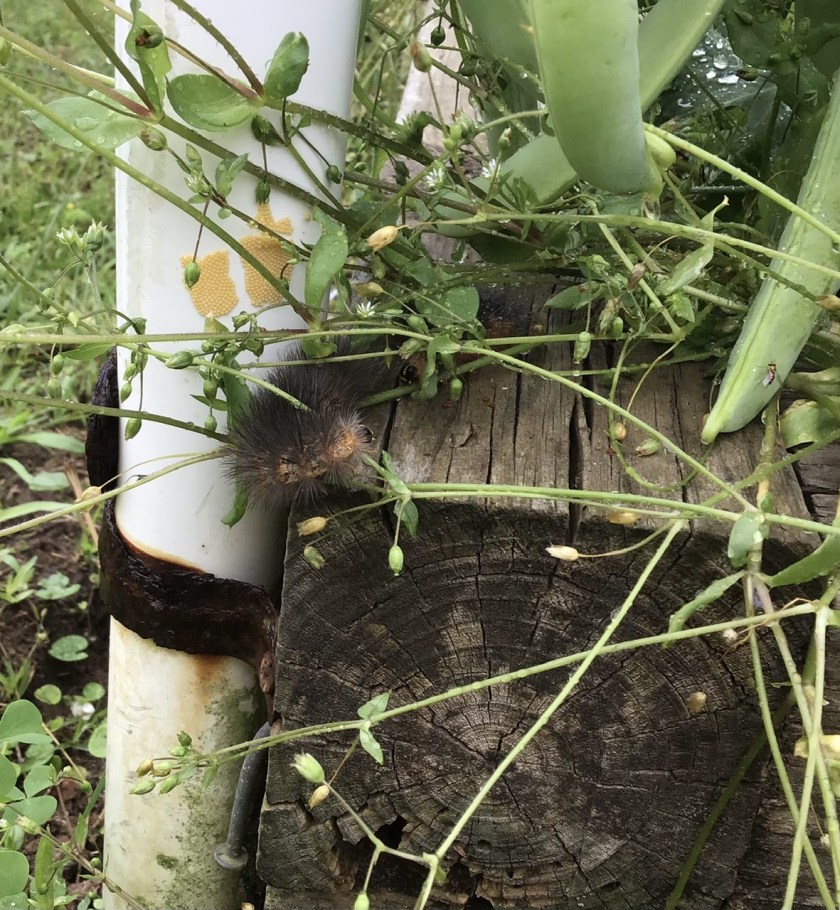
It’s raining caterpillars!

And other news this post, including Hubby’s big mistake, lots of garden snaps, critter updates and the new normal weather chaos.

Big ones, small ones, skinny ones, fat ones . . .

Black ones, white ones, green ones, yellow ones . . .

Let’s see, perhaps a bit of 80s pre-conditioning before our current day “You vill eat ze bugs!”?

We’ve never seen so many, and such a variety. They do not look the least bit appetizing and clearly the birds agree, or there couldn’t possibly be so many.

I’m not exaggerating when I say you cannot take a step without seeing one. I’m hoping they turn into gorgeous butterflies and soon we’ll have a garden full of them. But I haven’t looked them up yet and they could easily become some voracious relative of horn worms for all I know, about to attack the tomatoes.

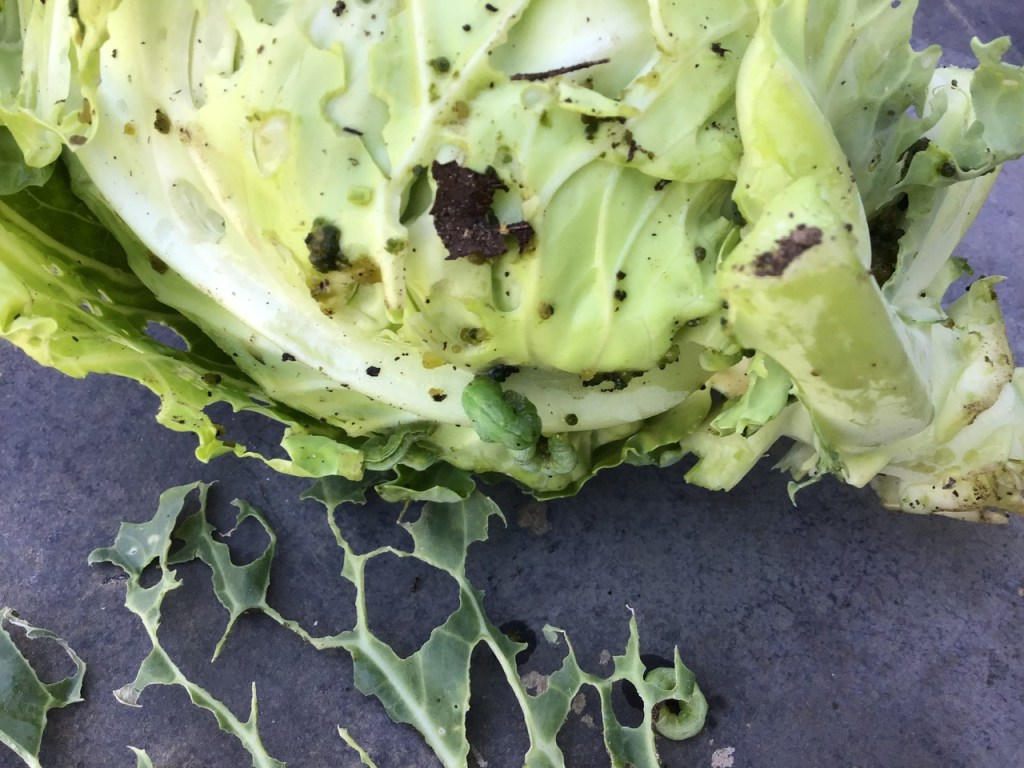
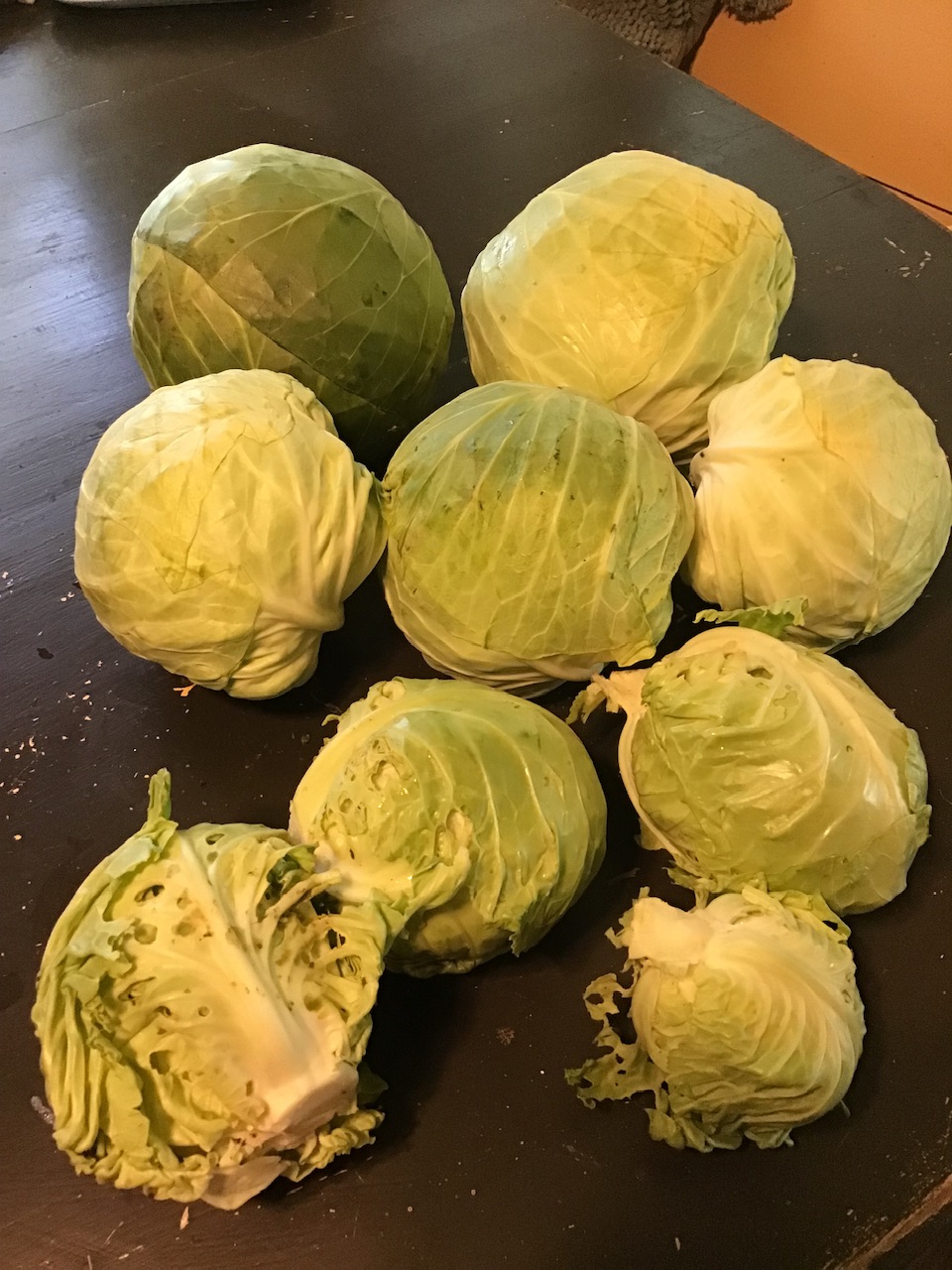
They’ve destroyed my spring cabbages and are working on the fava beans and snap peas now.

Fall cabbages in the back compared to spring cabbages up front

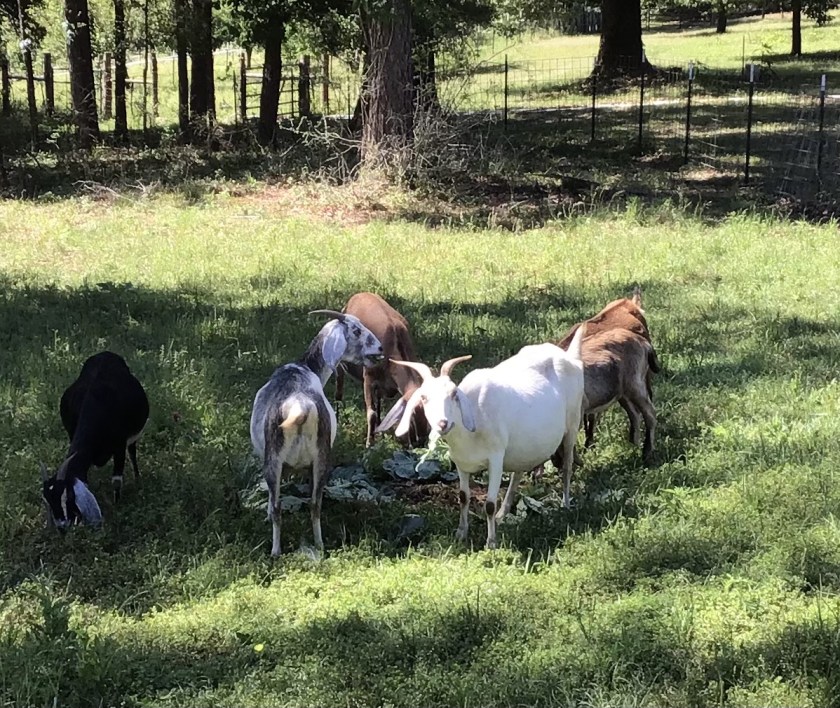
At least the goats appreciated all those Swiss cheese-like leaves.

Snap peas don’t last long here anyway and while those creepy crawlers get the leaves of them, and those of the radishes, at least they leave us the fruits.

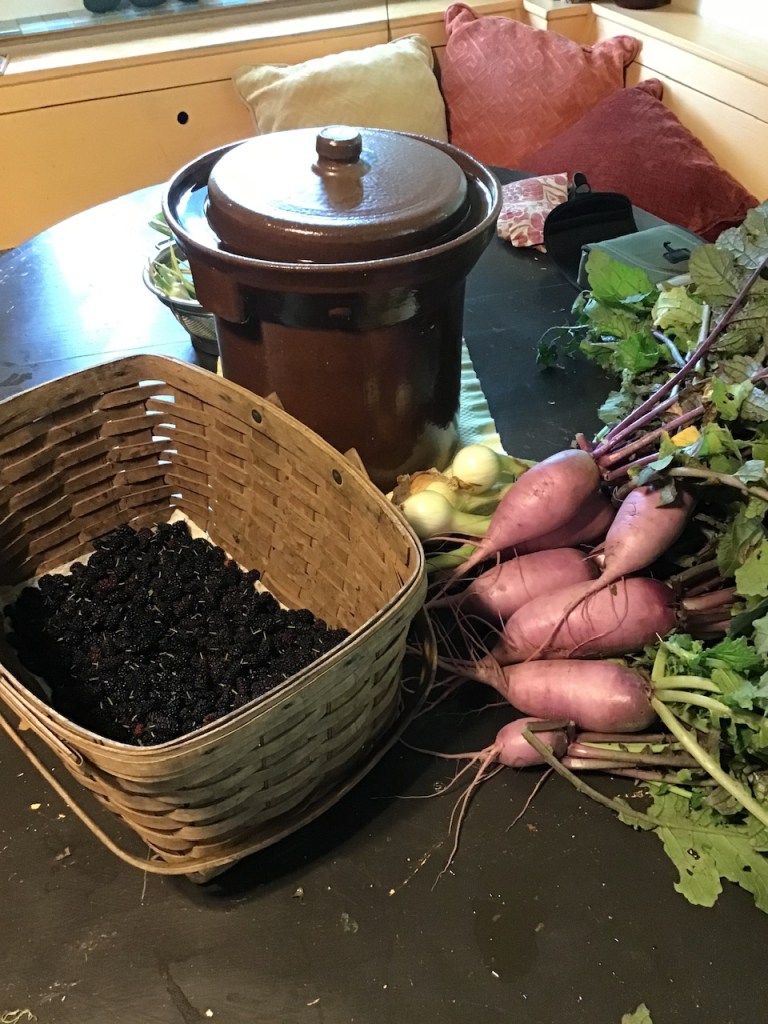
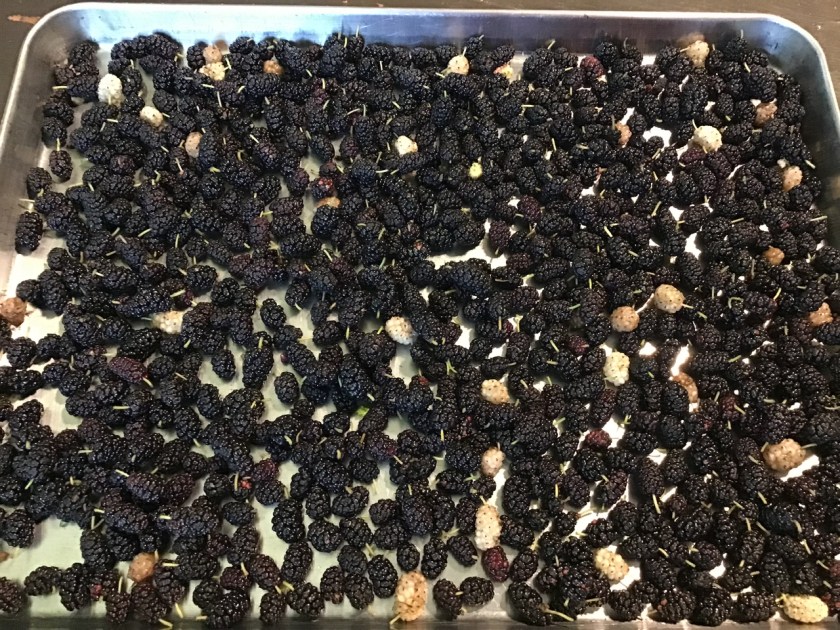
I’ve already made a large crock of sauerkraut and a quart of fermented radishes. Plus we’ve been getting loads of mulberries thanks to Hubby who has been destroying the tent worms that have been appearing all spring. Those little buggers love the wild cherries too and can easily destroy all leaves and fruits in a matter of days.

So, big kudos to Hubby for coming to the rescue, and spending a fair amount of tedious time harvesting these little beauties as well.

But, Hubby is also responsible for the misdemeanor crime of killing our potatoes! I should’ve caught it. I know, he was just trying to help. So, he filled our potato buckets with too much compost too fast and now we have potato disaster.
Lesson learned, you can only add a couple inches at a time, even if the greens are much taller than that.

I’ve got lots of herbs companion planted with the tomatoes that are all looking great.

Thyme, cilantro and dill growing between tomatoes

One of the best garden decisions I’ve made is far more flowers in the garden. Not only to attract pollinators, but to attract us too. It’s a far more inviting space than just rows of crops and makes me want to go in and play. 😊

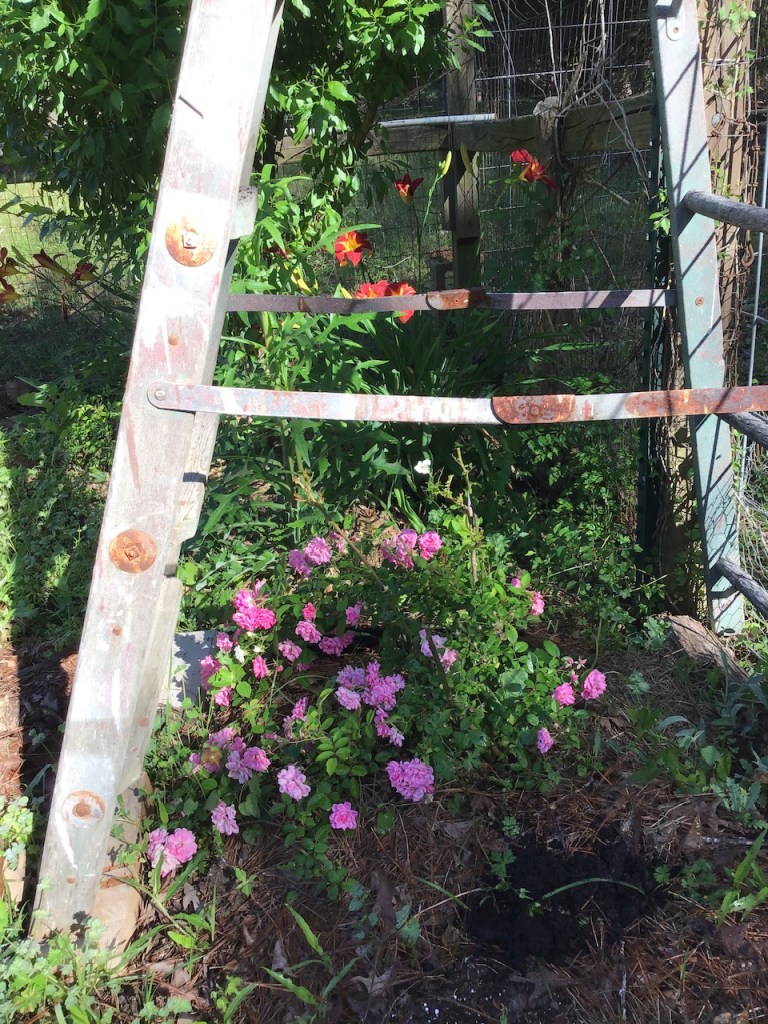
The Peggy Martin rose just one year after planting a cutting from a friend.

And the Burr rose, many years old, huge and seemingly indestructible, even from constant nibbling by the sheep and goats.

And one of my garden favorites, which my photo doesn’t do justice at all: Nigella, a delicious seed and lovely tiny blooms in blue and white.

Their seeds have a grape-like flavor and are delicious in bread and kombucha.

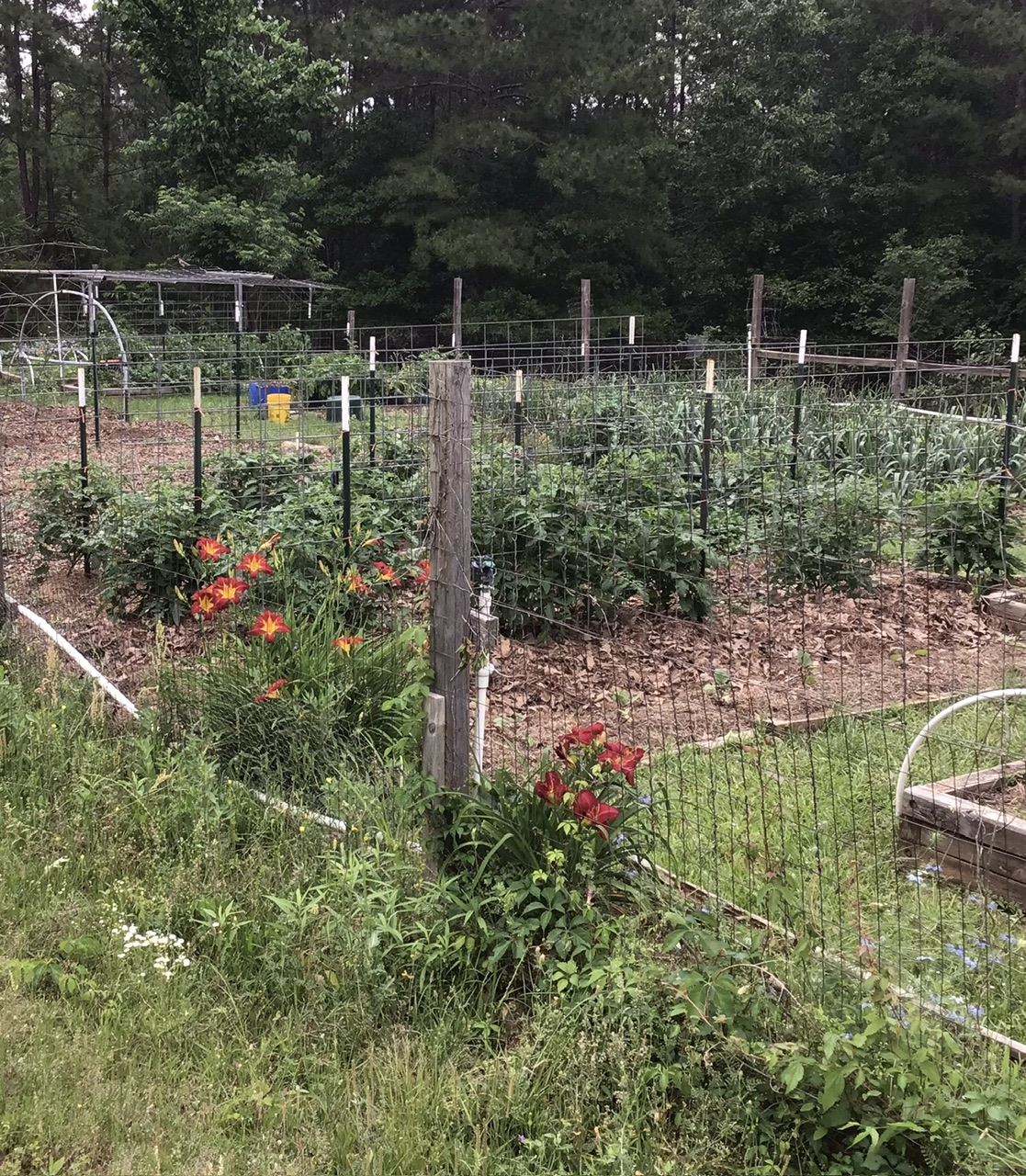
A larger garden view

Another fruit that so far seems successful are the persimmons. We have both Virginia and Asian planted and the flowers on them are so unique, just like their fruits.

I’ve also got the citrus planted at last and I’m so excited! I cannot fail! (Says no one but me and I’ve gotten quite a few discouraging words from others on this venture.)

Meyers lemon, Satsuma orange and Key limes, don’t fail me, please!

Planted along with the new ‘kiss me under the garden gate’ flower which is doing quite well, and the still unfinished wattle fence.

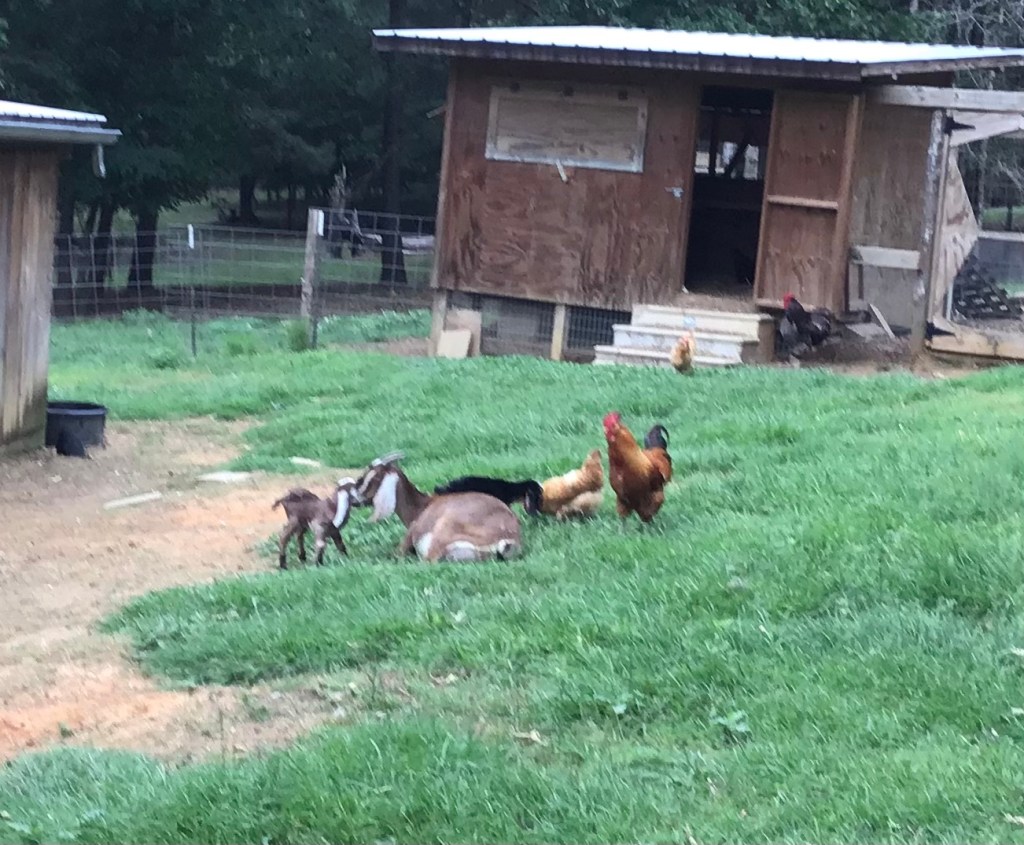
In the best news we have our first kids just born this morning. Milking season approaches too quickly!

The weather madness continues, unfortunately. Big surprise.

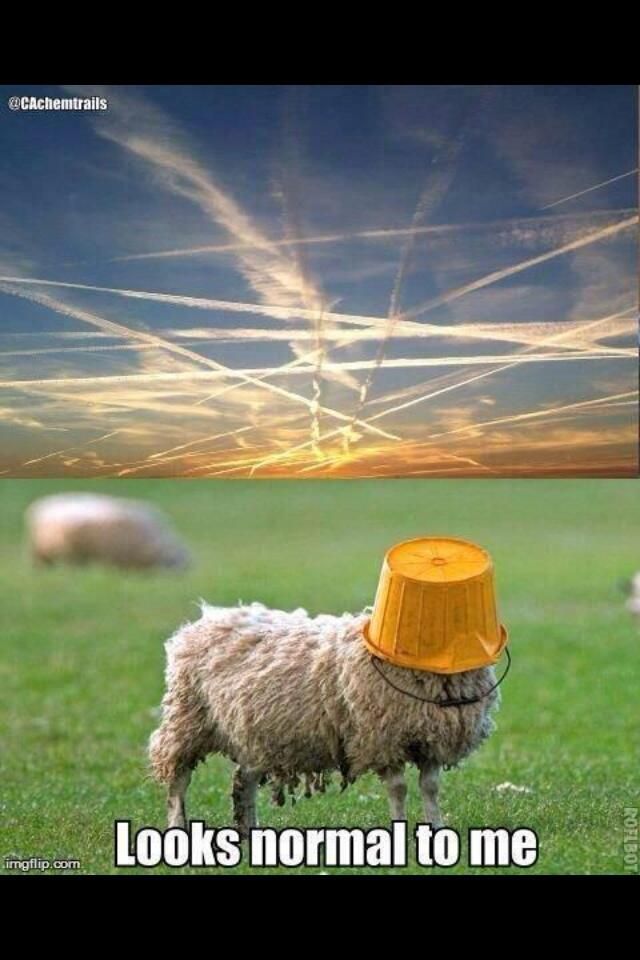
Some still think these are contrails! Good grief!
This weekend’s forecast looks like a drop-down menu: 1/16th inch rain possible, or severe storms, or flooding, or hail, or tornadoes. Try planning for those options, peasants! 😩

Hope life is a little more predictable in your neck of the woods!

Thanks for stopping by. 🤗

Geoengineering Update

I have to applaud our reader Highlander for sharing this musician who has me laughing so hard I have tears streaming down my cheeks! Nothing like a good laugh for health. So, first the fun stuff.

I believe this kind of ‘meaningful entertainment’ is an excellent way to spread the word about unpleasant news.

Another good one I’ve shared in the past, not a parody tune, a ballad, and very sad.

And, winding down, if you can muster the courage, Dane’s weekly Bad News Broadcast, which I never miss (much to Hubby’s chagrin!)

Keep laughin’, keep preppin’, and thanks for stopping by! 🤗

Reblog: What Is Propaganda?

“The side effect of digitising the world is to sever you from your analogue conscious mind. The truth is that relationships, time, value, purpose, experience, sacrifice, humour, love, consciousness, and the sacred are irreducible to algorithm or anything else. And everybody knows this. Meaning precedes reason.

We don’t need to worry about artificial intelligence so much as we should be wholly concerned with the ‘artificialising’ of intelligence.

Once the world is digitised, behaviour is driven from the outside. The lie they sell you is that your unconscious desires are driving your behaviour. Bullshit, it’s all propaganda: fear porn, actual porn, manufactured crisis, the science, climate malarkey, nudges, lies, trickery, deception, politics, debt, consensus, tv, Netflix, social media, education, race, employment, news, suggestion, hypnotic repetition, drugs – legal and illegal, atheism, bad parenting advice, academia, institutional subservience, centralisation, new age mumbo-jumbo, the internet, trans, psychological conditioning, behavioural science and war. All lies. Everywhere.”

“The loss of memory by a nation is also a loss of its conscience” – Zbigniew Herbert

What is Propaganda? ‹ winter oak ‹ Reader — WordPress.com

Homestead Happenings

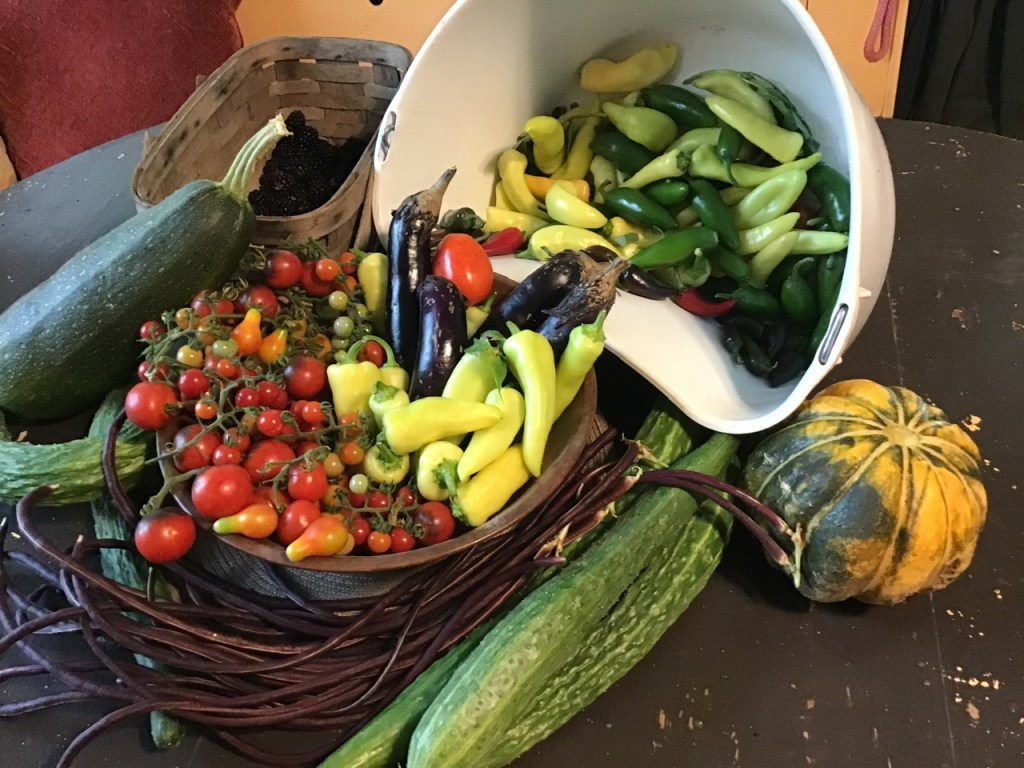
Almost entirely happy snaps and almost no complaining at all, really! The garden is mostly great, the weather mostly fine, summer in full swing already, ready or not.

It’s been busy around here, as usual. But, busy in the country way, which is very different. Our preservation season has already begun, and it’s fixing to get very busy very soon. I have mixed feelings about that, but here it is anyway.

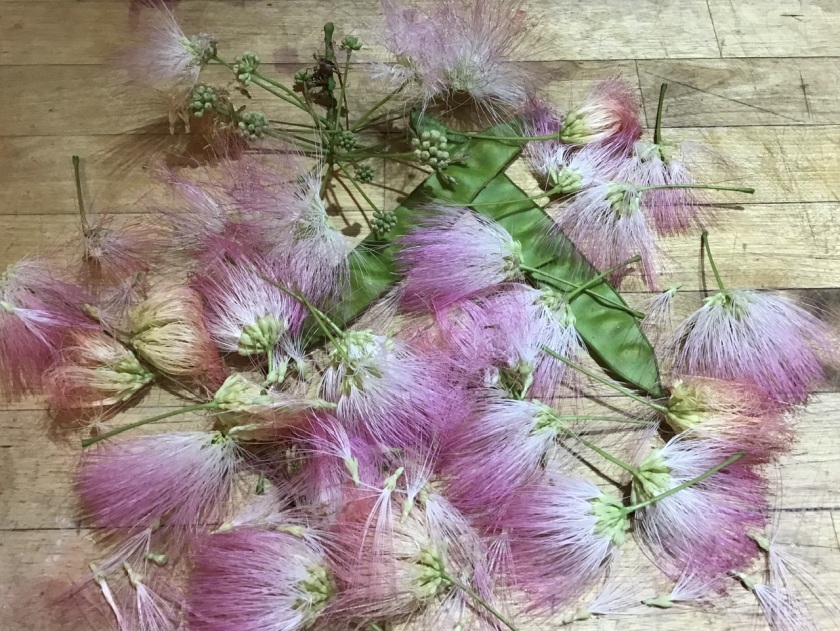
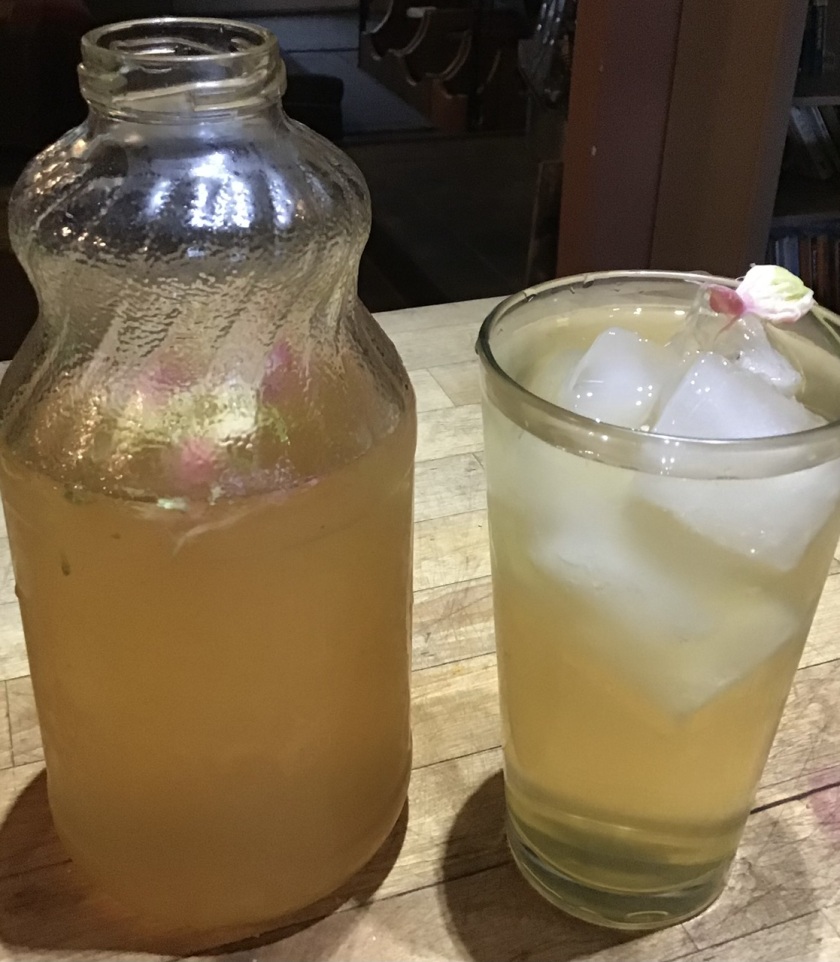
I’ve been saving the rose petals for drying and kombucha after admiring their scent and beauty in many lights and angles.

The poppies continue to pop up in random places, among the roses and in cracks and crevices, like dandelions.

And the bees love them as much as I do.

Another rose variety, the thornless Peggy Martin, I just planted last year, is now getting its first blooms.

I’m so very pleased with the transition from cool-season coral honeysuckle blooms to the Dortmond rose takeover, lovely! I especially like the short spell they co-habitat.

The wattle fence I began with the best intentions is languishing due to too many other priorities. It has been a sheep deterrent at least, since the mamas and lambs have taken over the front yard. And even Shadow doesn’t dare stand in their way!

This is where the citrus will go, my new big project. I’m even considering throwing an avocado in there too. I know, very ambitious! But, I want to give some of the new methods a try and it seems like a good time. This side of the house is ideal, the house breaking the north wind and the heavy late afternoon sun. Plus, there’s the extra warmth accumulated in the walls of the house to help in cold snaps, along with the extra heating and draping methods that seem to be working for others.

Ooohhh, anticipation!

Just like the tomatoes and cucumbers coming so soon, right around the corner, and I can hardly wait. The last fermented cucumbers we used up a week ago, amazingly, and they were still crispy and flavorful. I plan to continue and expand my fermenting efforts this summer and fall. More herb pastes, more tea blends, more spice mixes.

The lambs are still doing fine, my how fast they grow.

Spring lambs on springs! 😆

My garden mascots, two white rabbits.

And my single complaint—the spray continues to ruin our beautiful days.

Is this why we can so clearly see these colors, because we have an atmosphere saturated with reflective particulate matter?

Cool pic, or chem-filled haze?

“I’m no prophet Lord, I don’t know nature’s ways.”
Anticipation’ by Carly Simon

Spectacular!

As much as I complain about the weather—that is mostly, the man-made weather—I feel I must give credit when credit is due.

We’ve been having a spectacular spring. Not one hail storm, flood, tornado to speak of. Perhaps still too light on the rain for my liking, but it’s been enough to keep things growing beautifully around here.

So I just thought I’d share a bit of that splendor here and now, even though I haven’t the time or energy for much else at the moment. I’ve been preparing all week for another basic fermentation workshop, which means a lot of mise en place (that’s a fancy French expression for ‘get your shit together’). 😆

The coral honeysuckle, looking more amazing than ever, with the rose growing in there just about to bloom too. And a hummingbird finally showed up to enjoy it too, but there’s not a chance to catch him on camera without many hours to spare.

I tossed poppy seeds out by the hundreds, everywhere. And they’ve shown up in the most unusual places, one at a time, in the tiny cracks between wood and grass, under the dogwood, under the mulberry, in the garlic patch and the turnip rows, just one each, out of hundreds.

I’m glad, I so love them, but I don’t get it. Why there? And where are the rest of them?

Everybody loves the turnip blossoms, especially the bees and goats!

You can see Chestnut’s abscess has almost completely disappeared, hardly visible anymore. But Walnut behind her has torn her ear something terrible, probably in a fence somewhere, doing just what she’s doing here. We may have to change her name to Van Gogh.

Getting some good kohlrabi and kale and potatoes, and peas, and strawberries and clover, and just about everything, coming in strong.

I’ve been meaning to get some cute lamb vid soon too, really! They are at that adorable stage. Next month come the kids!

More coming very soon, thanks for stopping by!

Homestead Happenings

The exciting season continues! Mostly plant talk this post. And, we’ve got our first lambs, I’m workin’ my first wattle fence, there’s some flower photos and fancy garden plans.
A first-time mama is the first to drop a perfect set of twins!
Dogwoods blooming beneath oaks

Trumpet, or coral, honeysuckle on our front porch usually attracts hummingbirds by now. It’s looking gorgeous and I’m quite proud of it because it’s one I propagated from the wild. But, where are our feathered friends?

Seed saving has definitely upped our game in the garden. Buying seeds is certainly far easier than saving them. Where we once just had to plan one large garden space, now there are three. It feels like juggling! You’ve got to keep all the spaces perfectly coordinated. I had to make a chart. I am not a chart sort of person. I’m the kind of person who instantly glazes over at the mere inclusion of a chart in any piece of literature.

So really my chart was more like a list of do’s and don’ts in a useless graph format. Don’t plant the pumpkins with the zucchini. Don’t plant the luffa with the Trombetta. Do plant different varieties of cucumbers, peppers, melons and watermelons at least 1/2 mile apart. (Is that even possible?) Musk melons and watermelons are safe to plant together, but French cantaloupe most certainly cannot be planted with American varieties or with green melons.

And that’s just the summer season’s produce, there’s a whole different set of charts for the winter veggies.

Luckily, I’ve got some good guidance in a great book and, even better, some bigger minds to follow in the form of Gavin’s Newsletter. He’s just started a book club and his first book up for April just happens to be the one I’m reading.

Why save seed?
From the book we learn a few good reasons:
*selecting for specific traits,
*preserving diversity,
*saving money,
*creating superb plants,
*And, going on an adventure.
“The art of saving seeds may so intrigue you that you’ll branch out to your own plant-breeding adventures with such long-term seed-saving projects as growing oaks from acorns.”

Perhaps that could be me! Or perhaps I should’ve started this about 30 years ago.

But, those do all sound like good reasons to me, plus I’ll add one more. It’s a good way to exercise your body and your brain at the same time.

But, propagating something so slow-growing from seed at this stage of life, I think I’ll need more bang for the buck than an oak. Like, this magnificent magnolia!

(Photos sent by a friend in UK, wow, what a specimen!)

Of course, not all seed saving is complicated. After all, it used to be something every farmer would do, and their children, too. If I’d grown up doing it I’d probably think I’m making much ado about nothing.

In particular, most of the common herbs we love—dill, cilantro, basil, parsley couldn’t be easier—let them go to seed, collect the seed once dry, keep in a paper bag over winter, and sprinkle back out in spring.

Easy-peasy, leaving more time for flowers!

More flowers, herbs and medicinals has been the big goal besides seed saving. I’ve always liked hollyhocks and other traditional ‘cottage garden’ favorites. How fortunate for me to find one I’ve never heard of before, with a really cute name.

Inspiration photo only, real or photoshop, no clue

Flower name: “Kiss me over the garden gate”
Latin name: Persicaria orientalis (formerly Polygonum orientale) is an annual member of the buckwheat family. The tall plants produce pretty pink pendulous blooms.

I’ve just planted it under the bedroom window inside my work-in-progress wattle fence.

What’s a wattle fence?

I had no idea what that was until I read about another blogger, Re-Farmer, building one. It looked like a fun and do-able project perfect for a precision-challenged person like myself.

And it is! There are lots of YouTube videos on the process, but I think this one was the best—a much taller and longer wattle fence than I’ve tried to produce, but who knows, as my skills develop I could step it up a notch. 🤔

The other big garden plan this year are a few citrus trees. We’ve been wanting them for a long time, but all fruit trees are a challenge here with our crazy weather. (And it’s not just us! All kinds of complaints about it from YouTubers and neighbors alike. It didn’t used to be like this.)

Anyway, this guy’s got some great suggestions and solutions and we so love our citrus, so we’re going to make an investment toward our citrus-filled future with Myer’s lemon, Mexican lime and Satsuma orange.

Another small plan is more peppers, specifically seasoning peppers, also called spice peppers (though they aren’t always spicy as in hot), like pimiento’s and such.

As much fermenting as I’ve been doing I see they are an excellent addition to all kinds of dishes. Plus, peppers do pretty well here usually, and they harvest in fall when there’s little else happening, and they are lovely little plants some folks grow just as ornamentals. Four excellent reasons to squeeze them into the rotation. Here’s one variety I’m trying:


Aji Dulce spice pepper from Southern Exposure

Aji Dulce Spice Pepper

“(C. chinense) 99 days. (green > orange-red > red) [Venezuelan heirloom. Seed source from Donna Hudson in TN.] Has the same shape, size, color and aroma as Habanero, but is sweet, spicy, and delicious, with only a trace of heat. Highly aromatic fruits; their flavor is unusual and complex, with overtones of black pepper and coriander, and undertones of other spicy flavors. An excellent choice for sautéed vegetables, rice and bean dishes, paprika, or herbal vinegars. The thin-walled pendant fruits are 1 x 2 in., tapering at both the stem and blossom end. Plants have good foliage cover and bear at 18 in. high. Seedlings grow slowly at first, but grow rapidly later in the season to 48 in. or more.”

Like I said, it’s the exciting season on the wee homestead!

Bubba says “Bye and thanks for stopping by!”

Et, chez vous?

This blogger has really got me thinking today. I’ve been following her for quite a while now because she lives in a gorgeous part of the U.S and has similar interests and has an innately creative eye. She typically posts awesome photos of birds and her huskies and mountain views and has been growing in her homestead lifestyle a bit more all this time.

Except this last year she went on an extended road-trip across the country with her hubby who has a unique job.

The part about the trip that interests me is not so much about his job, but about her observations. And this is not a post to put her on the spot to tell more of her stories, though that would be great I think!

Actually I’m just wondering if anyone else would care to share?

She feels more committed now than ever to extend her homesteading efforts. She saw a lot of drugged-out loonies and homelessness, across the country.

Like I mentioned to her in the comments, we don’t get out much anymore. We don’t trust the media much. We aren’t on the major social platforms—which means we don’t get nearly the propaganda, or on the flip side, the true accounts of the mass of folks.

So, I would honestly like to know. How’s it like in your corner of the states or the world?

I wish to express to her by sharing this how valuable her observations and insights really are, because these are tough conversations to have, and too easily avoided, and it seems high time to start talkin more about it. ALL!

Thanks for reading, and sharing, it’s a beautiful thing we can still do here!