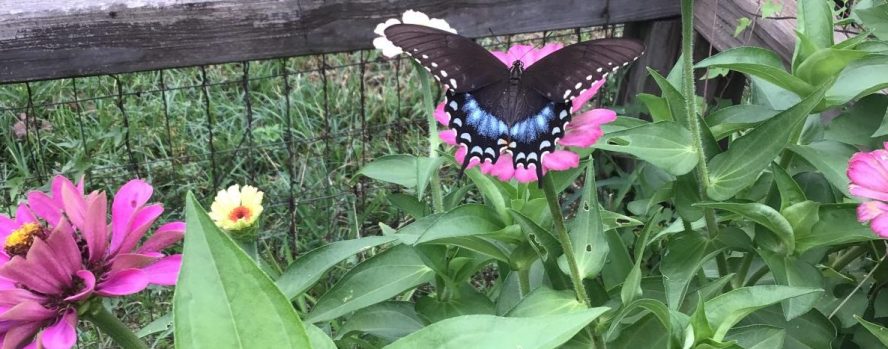
More Bees Please!

I don’t follow this very popular homesteading channel, Off-Grid with Doug & Stacy, too chatty and hyperbolic for me, but that’s what gets the clicks, so more power to ’em. Yet somehow, the Algos knew to put this particular new episode prominently on my feed.

Natural beekeeping in horizontal hives!

It’s excellent! I first heard this beekeeper many years ago and am so glad to see he continues to promote natural beekeeping and adding to his informational website. He’s also added equipment, books and events, and if I still lived in Missouri, you can bet I’d have befriended him ages ago.

Dr. Leo Sharashkin
https://horizontalhive.com/index.shtml

It really is a thrill for me to watch the growth of treatment-free beekeeping over the last decade. It used to be not only terribly difficult to find good information, but also it was treacherous. I’m not joking either. Natural beekeepers are the anti-vaxxers of the beekeeping world, with all the bullying, ridicule, and obnoxious bloviating to prove it, which I experienced for years with this simple preference.

I do not want Big Pharma livestock. It’s really not a crime, though you will be treated like a criminal to suggest it or admit that it’s your practice to most mainstream and commercial professionals. According to many of them, the fact that treatment-free beekeepers exist at all explains why their colonies are filled with diseases. It’s blind faith in The Science. And The Science is not rational.

Folks might be surprised to learn that the lifespans of pets and livestock has decreased sharply over the decades. Bees, like all the animals, are basically treated as a disposible commodity. One disgusted veterinarian who turned his practice to homeophathy complained about this in milk cows, but actually it can be observed in ALL livestock:

“While my cow patients in Wisconsin often lived well into their teens, some to over 20 years, the average California operator culled cows at 2 years old. They’d been pushed with so much grain and ever higher production goals that their health suffered and they were literally dispensed with when they couldn’t keep up.”
(3) When “organic” dairy ain’t – by Will Falconer, DVMhttps://vitalanimal.substack.com/p/when-organic-dairy-aint

But that is clearly changing! It could be that more are recognizing the false science of Pig Pharma, finally. Or, that there is so much success now in the treatment-free circles, and so many more are starting to practice it, that the bullies in the business are starting to become outnumbered. That’s my hope anyway.

One commercial beekeeper replied to Leo’s inquiry with a common fact:

14:45 “If I stopped treating my bees, I’d lose 85% in a year . . .”

I would LOVE to try a skep hive!

That’s right! And plenty of beekeepers, commercial and hobby, have experienced that, unfortunately. I also had a very hard time in the beginning. It took a lot of failure and a lot of research.

Mostly it took conviction. Good health is not found in medications. It is achieved through wholesome practices, which are the same for bees as all of life: Clean living and being left to pursue the most natural ways as possible.

From the interview we learn Doug & Stacy had similar issues as I had when beginning in beekeeping, and it was through Leo’s work and presentations they understood why and began to change their practices with continued success. Leo insists, you don’t need to invest much money, contrary to popular opinion. You don’t need to keep buying bees to grow your apiary.

Treatment-free practices rely on the natural intelligence of the bees to care for themselves. We do not requeen when we make a colony split, requiring the bees to raise their own queen. This keeps all beekeeping local, as it should be.

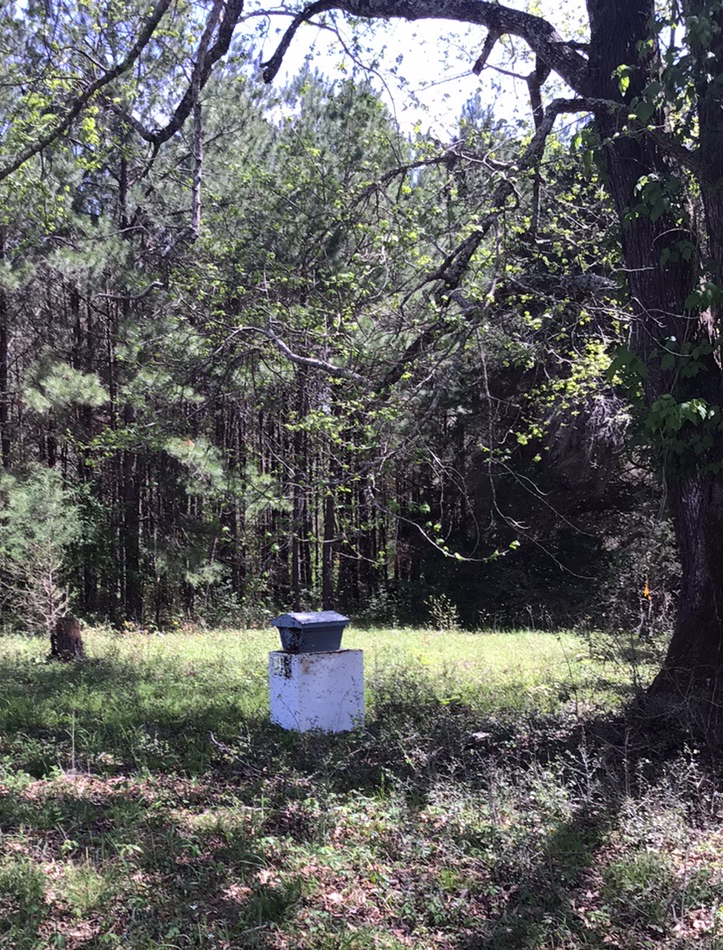
One of our horizontal hives with an observation window.

Instinct of the local area grows in the colony from one generation to the next. Also contrary to popular opinion, the bees get more resilient with each generation when left to their own decision-making, ie. when to swarm, how much honey to store for the winter, when to build up brood in the local conditions, which queen to keep, and when to get rid of her.

Leo’s entire apiary was grown through trapping swarms and making splits. I’ve not had much success with swarms and will try to start following more of his advice for attracting them. You’ll actually have more success attracting swarms in less rural areas, as counter-intuitive as that might sound. But bees are a bit like deer in that regard, they are attracted to the closest and most abundant and varied food sources, which often means near where humans are residing.

While he uses horizontal hives, like I do, he also has some good advice for beekeepers in cold climates and hive designs which help keep colonies alive during long winters.

 LOVE SWARMS: The Complete Guide to Attracting Honeybees

by Dr Leo Sharashkin, Editor, Keeping Bees With a Smile

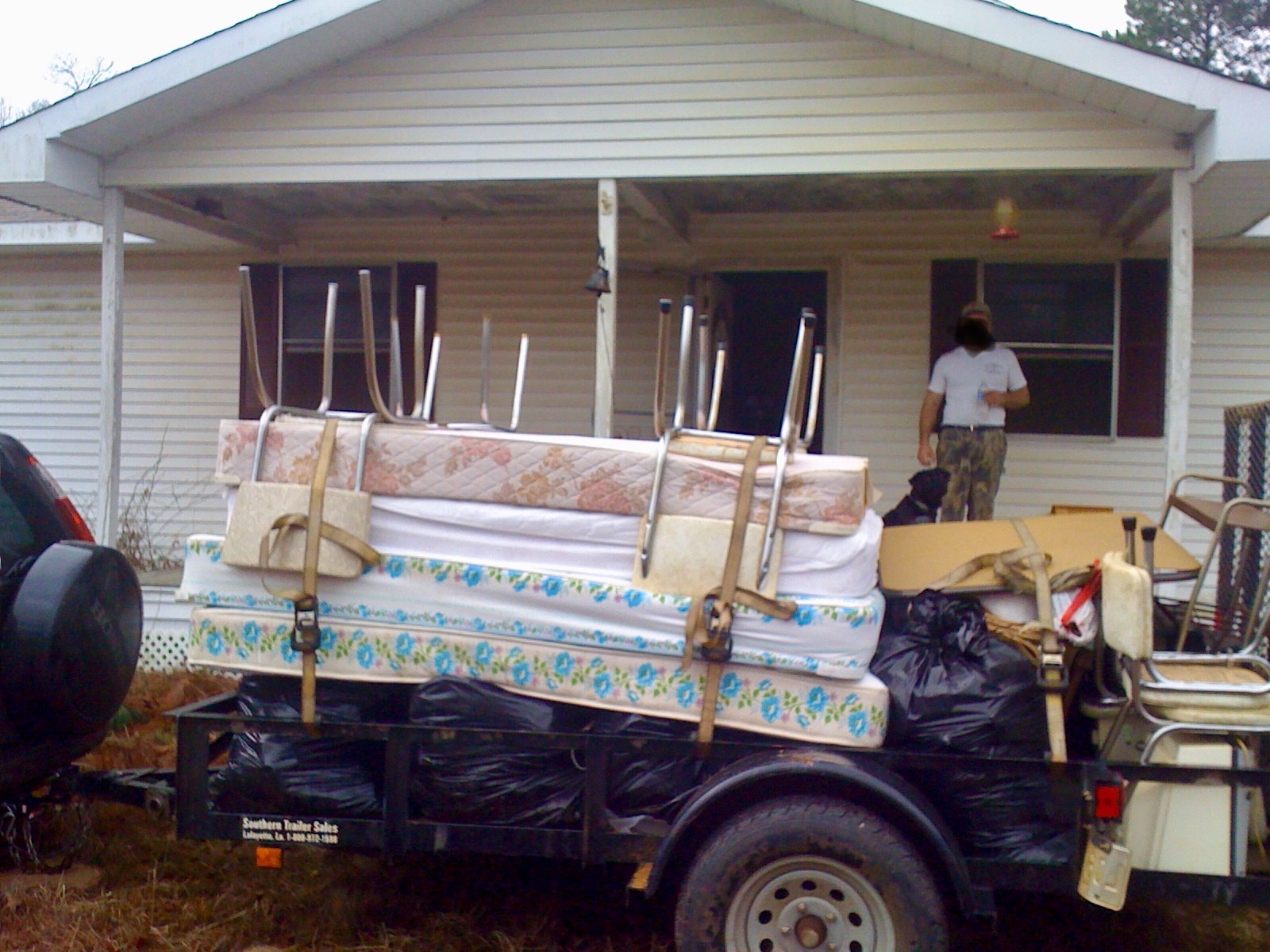
I once drove all the way to Arkansas on my search for treatment-free bees. This is what the car looked like when I arrived home! 😆

Unfortunately, after all that trouble, these bees also did not survive a full year. BTW, I was not stung once.

When I finally understood the importance of getting bees locally and allowing the weak colonies to die off, I finally had some success. But, it’s still a work in progress and I’m so happy for all the advice and expertise from those with more experience and success.

Live and learn!

Datura Mine

Datura Mine

Delving deep
Diving sweet
Sipping sublime
Nectars divine

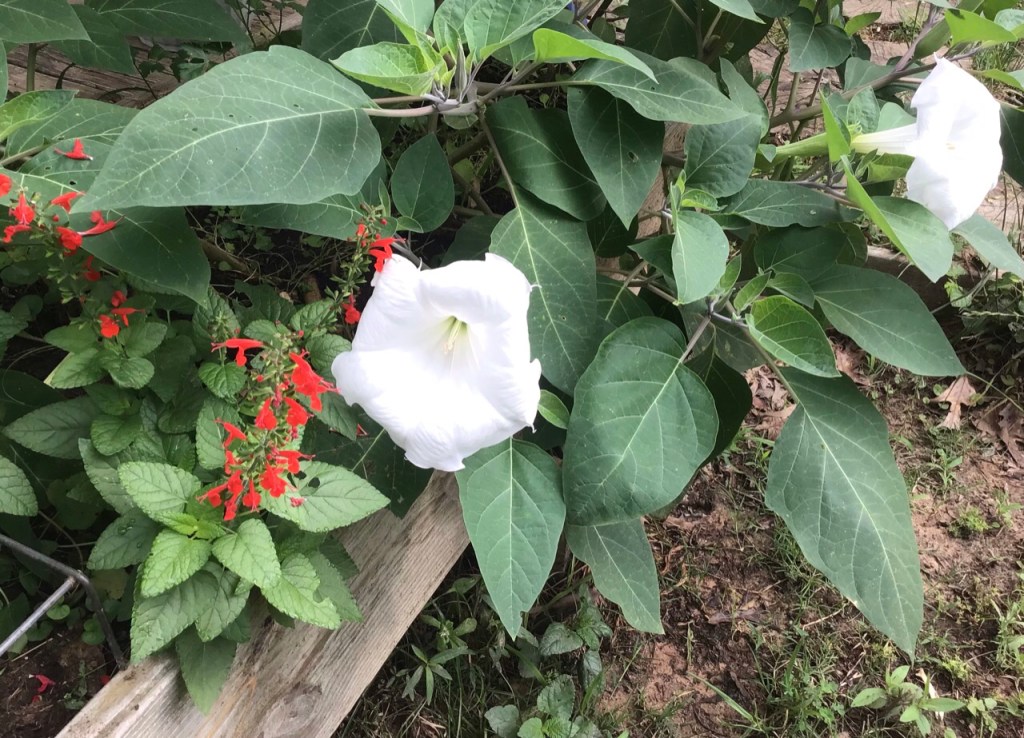
A one minute clip of Datura inoxia alive in the evening breeze covered in honeybees and dotted by the diving ‘tobacco hornworm’ moths (manduca sexta) in a safe haven among the blossoms here on the wee homestead, of this ‘poison plant’ it loves so much, from the great many pesticide lovers who hate them so.

Homestead Happenings

It’s been a challenging month on the wee homestead. We’ve had some successes and I am still hopeful for more positive outcomes, but I focus on them overly, because I’m being a bit avoidant, because really, I’m still concerned.

The determinate tomatoes are long gone already, but Hubby’s made many delicious jars of puttanesca and salsa for our future enjoyment. Must keep up morale!

So I’ll share about that this post, along with some happy snaps and surpluses, to help the medicine go down. I know it’s part of the lifestyle. Life, that is.

Yes, I’ve gotten better at it. That is, the death part of life. But also, we must understand our own limitations, and for that we must first broach them.

So if there are still any rose-colored glasses sort of readers remaining here, armor up.

Bye, bye Bluebonnet.*
(I share more about my observations on her death at the end, for those who choose to go there.)

I’m so sad to say we’ve lost one of our new mamas, and her mama, our herd queen Summer, has also been very ill. Several of the does are too thin and are not producing enough milk. This all happened quite suddenly. I was training them on the milk stand for a month, even getting a bit of milk from one, I had high hopes of daily cheese-making by now.

Instead I’ve turned suddenly nurse-maid/dietician/worry wort.

Summer and her daughter Bluebonnet, who I figured would one day replace her as herd queen.

The learning curve is so very high and I’ve set myself impossible standards. I do understand that, though that understanding changes little.

I want a treatment-free herd, or no herd at all. Like with the bees, which took me years of failures, I simply cannot stand the industry standard. I cannot abide such total reliance on pharmaceuticals and exotic inputs from far-off lands. I cannot trust the science. I refuse to believe the only way to raise healthy pets and livestock is to poison them with vaccines and parasite treatments and feed them full of processed foods.

There has got to be another way! A much better way!

And I aim to find it.

We are not directly poisoning our garden and still have plenty of success despite the manufactured crazy weather.

I truly believe a large part of the problem is the processed foods causing the need for the supplemental treatments. It’s a vicious cycle and I want off, and I want ALL I see around me every day off it also, including the land, the water, and the air and ALL the critters!

Is that so much to ask?!

But I already know the drill, thanks to the bees. Every professional and expert says that’s impossible. Like with the gardening when we first got here. Every farmer, every gardener, every Farm & Ranch professional, repeating—You’ve got to spray. You’ve got to treat.

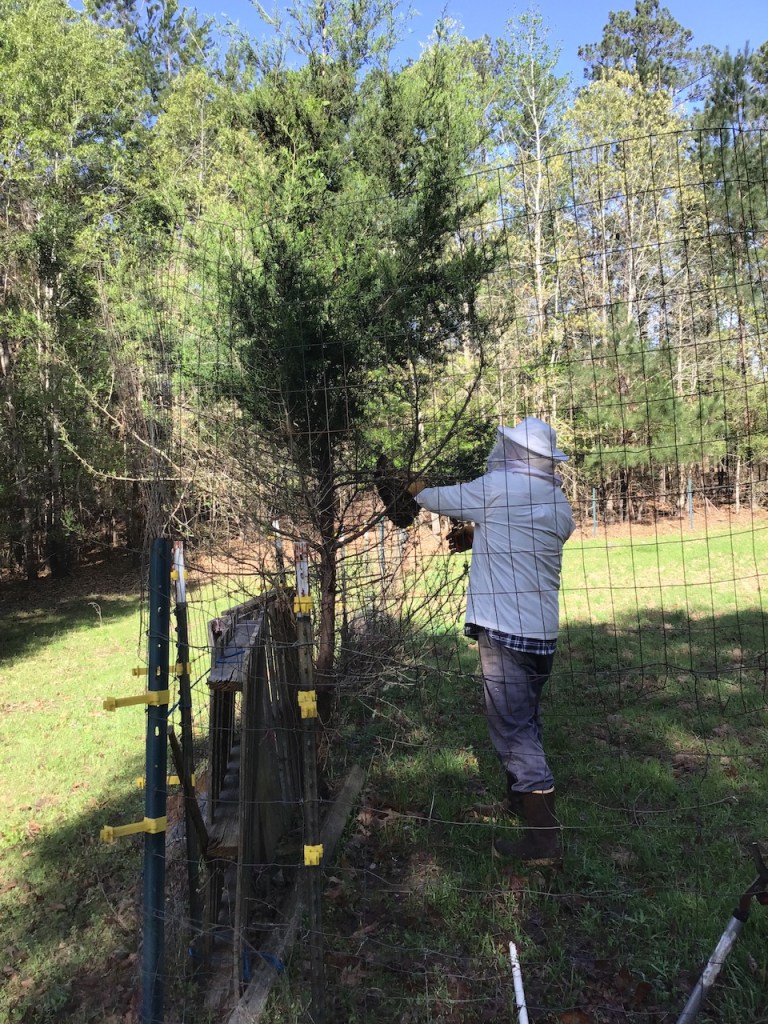
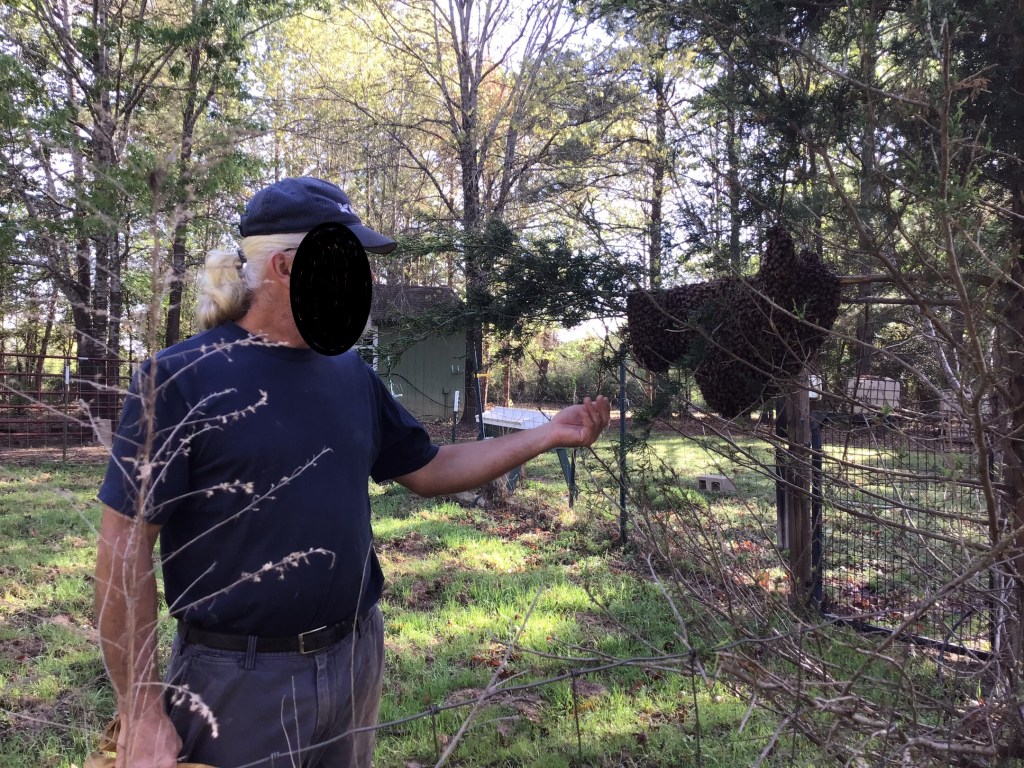
There’s a swarm up there, can you see it?
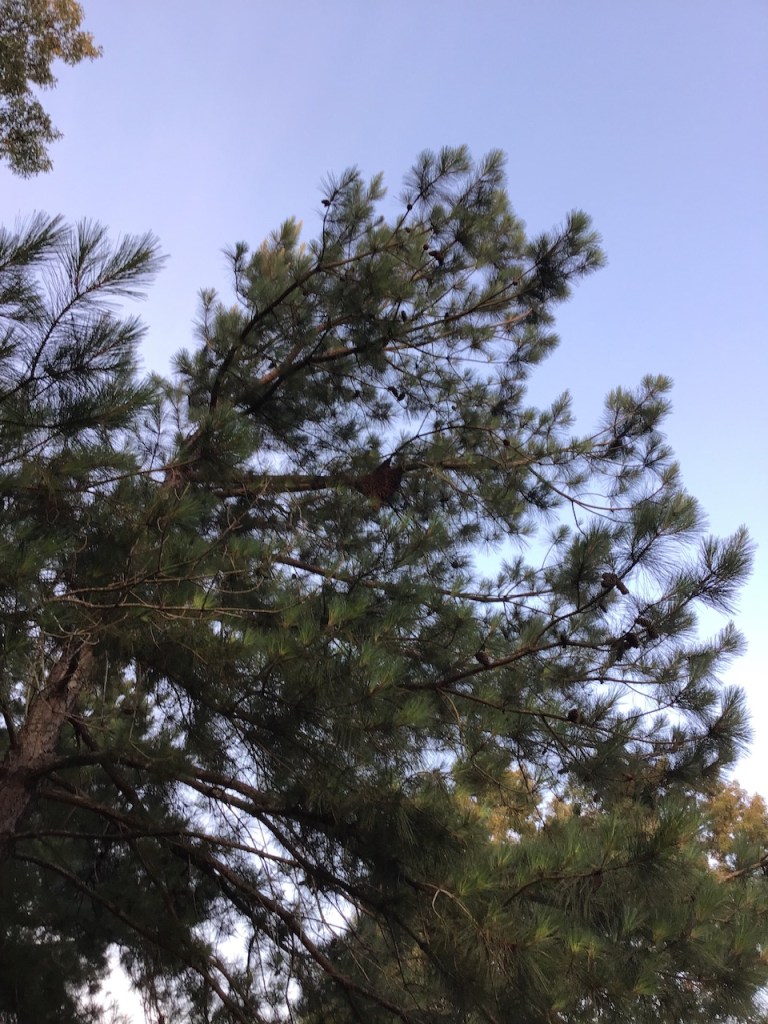
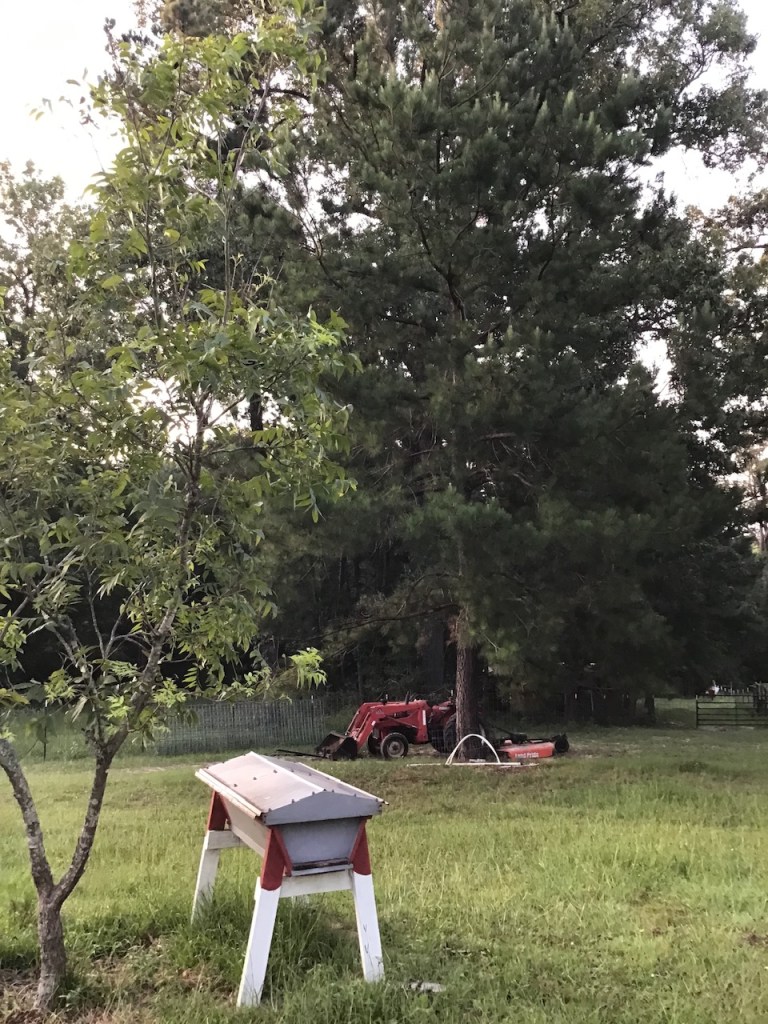
It came off this hive and we watched it, amazing! The large pine in front of the tractor is where it stopped. Too high up to catch, but I’m happy to report another totally treatment-free colony repopulating the county.

“Here, follow this quarterly poisoning routine, and all will be well.” NO!

Is it any wonder they all readily accept without objection whatever the hell is being sprayed over our heads at regular intervals?

We’re not giving up yet. As long as we have irrigation it will be a jungle out there. But without it we’d be screwed, that’s for sure. It hasn’t rained for nearly 3 weeks.

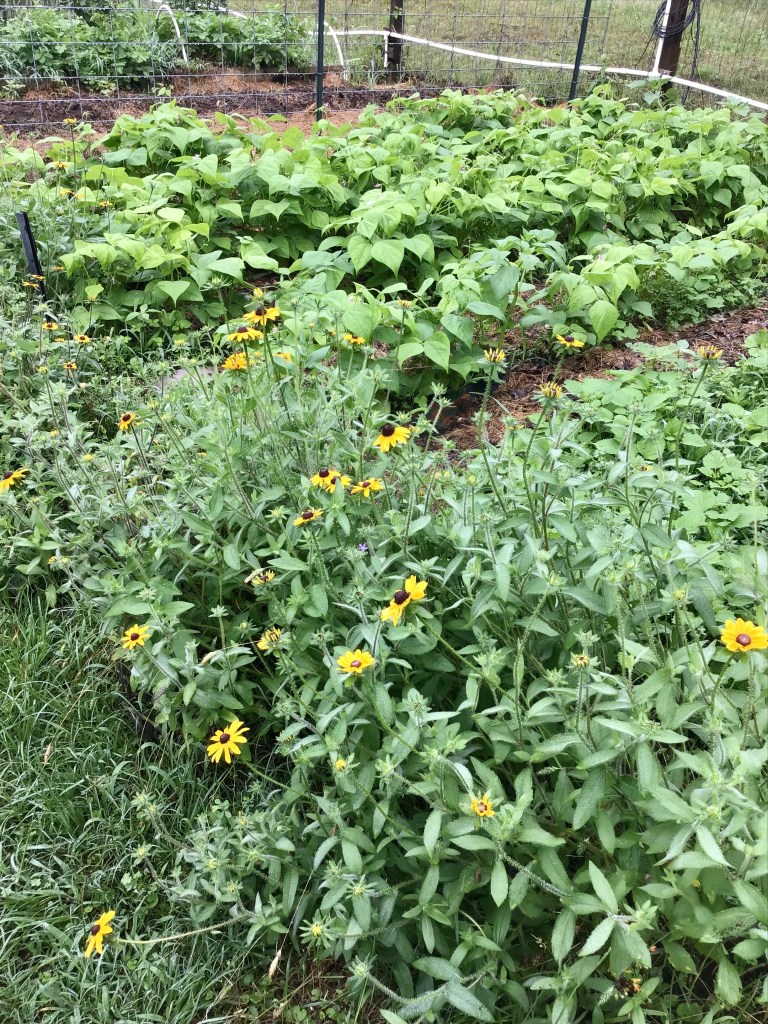
(Photos below Left to Right) The datura is a blessed monster. The sweet potato vines are prolific and a favorite snack of Summer’s. The melons and green beans are thriving. The indeterminate tomatoes and some of the peppers are doing fairly well under the shade cloth and I’ve been succession planting the cucumbers.

From the front: New cucumbers coming up with purslane to help cool the roots and shading from above, old screens protecting some struggling Romaine lettuce, and a growing grove of well-watered elderberries.

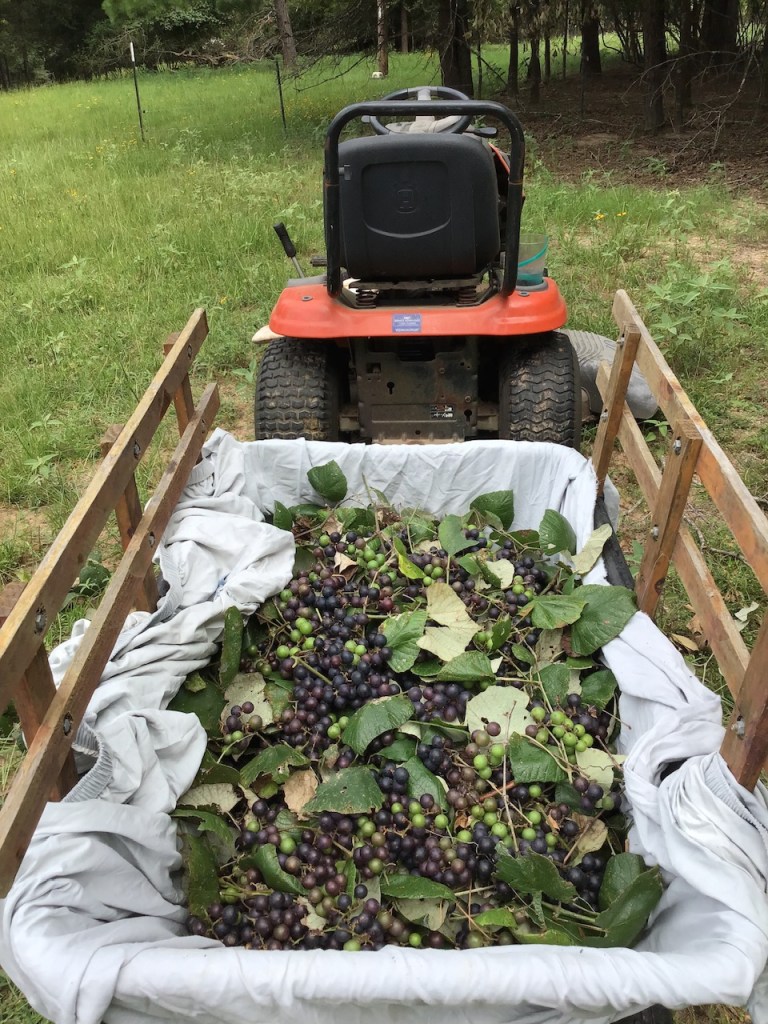
We’ve also been lucky to get some wild grapes, which are now fermenting along with the mead and the blackberry and mulberry wines.

He is literally Hubby’s Shadow!

It’s not an easy life, but it’s a life well-lived. Our first figs of the season, along with our last blackberries.

A Czech classic—so simple—Bublanina, made with blackberries or any number of fresh fruits in season. (Comment below if you want the recipe and I’ll post it. )

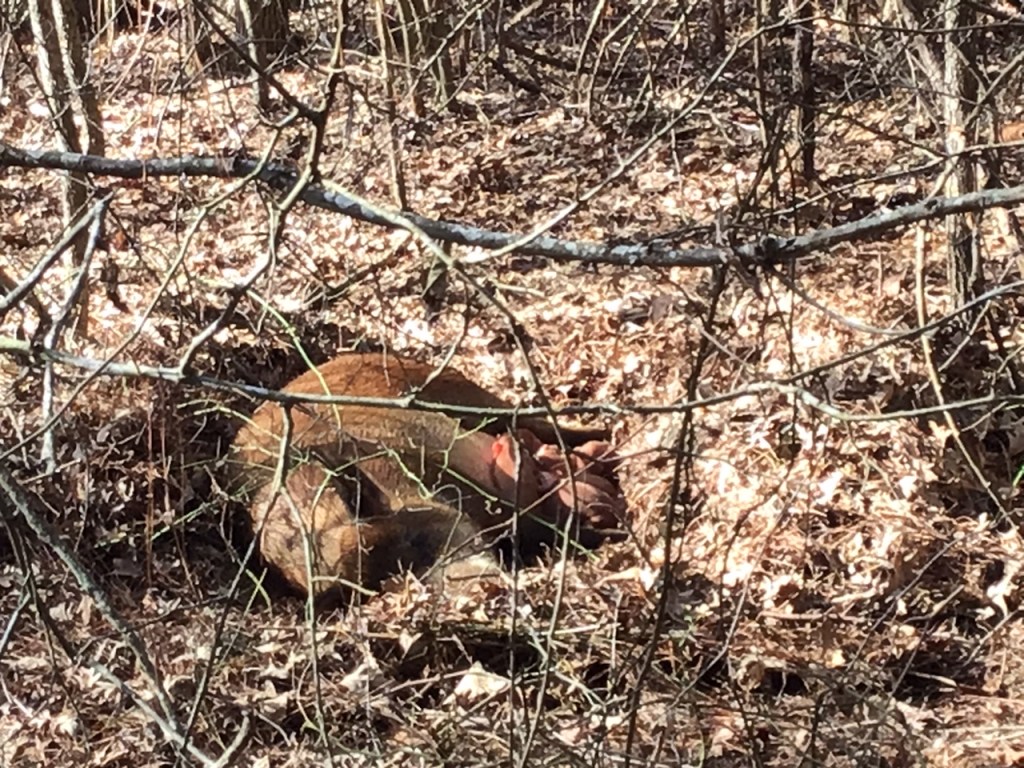
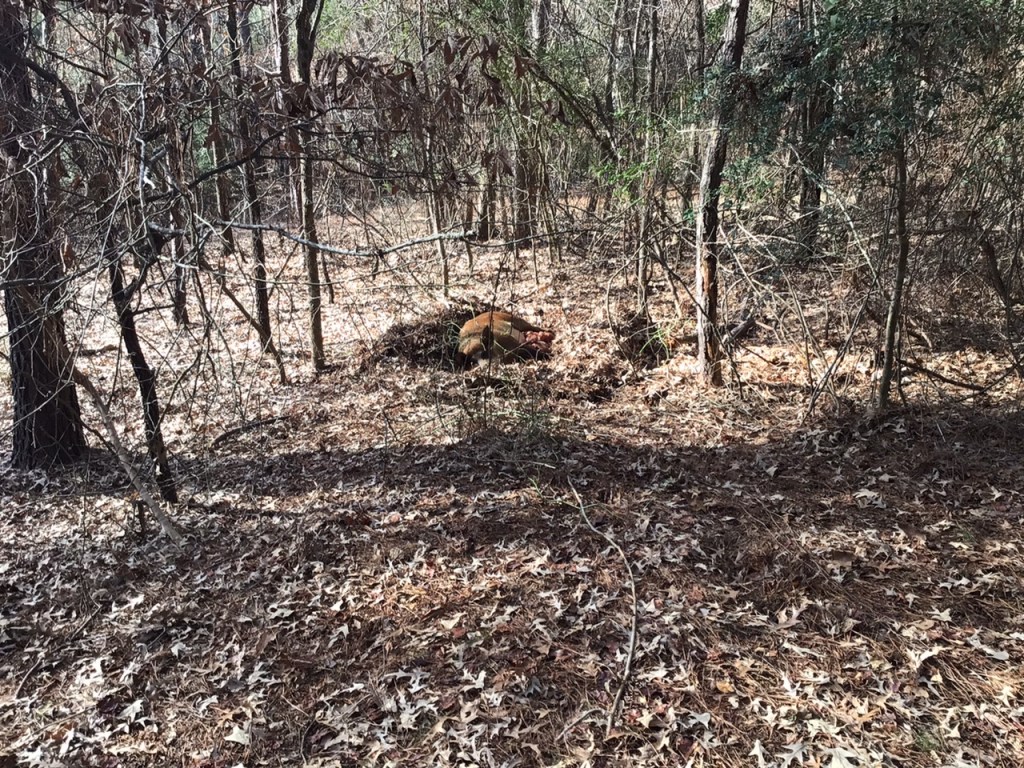
*The observation which I’ve found most interesting from Bluebonnet’s death, was that her kids adjusted immediately. She died the evening of the full moon last week. She left the corral with the rest of the herd in the morning, she seemed to be improving, I thought. But then in the afternoon she planted herself under a tree on a hill and wouldn’t leave, even when evening came and the rest of the herd returned to the corral. I went and sat with her there at sunset and stroked her neck and she laid her head on my shoulder. I wanted to be hopeful, but I felt she knew, and I felt horribly helpless. I hope that the feeling of helplessness is the worst feeling in the world. The next morning I woke before dawn and I went back to the tree in the dark, the full moon shining on her corpse.

There was a bit of relief for me that her kids adjusted so quickly. I find it odd really, it was like an immediate weaning. While her mama, Summer, is so ill she stopped producing milk, but her kids are still so attached to her their health is also suffering because they won’t go out and eat with the rest of the herd or accept being bottle fed. I’ve been mixing them special feed dosed with milk replacer and they are doing ok, and Summer today joined the herd again to forage, which I’m praying is a good sign. 🙏

Thanks for stopping by, even in the hard times!

Homestead Happenings

Almost entirely happy snaps and almost no complaining at all, really! The garden is mostly great, the weather mostly fine, summer in full swing already, ready or not.

It’s been busy around here, as usual. But, busy in the country way, which is very different. Our preservation season has already begun, and it’s fixing to get very busy very soon. I have mixed feelings about that, but here it is anyway.

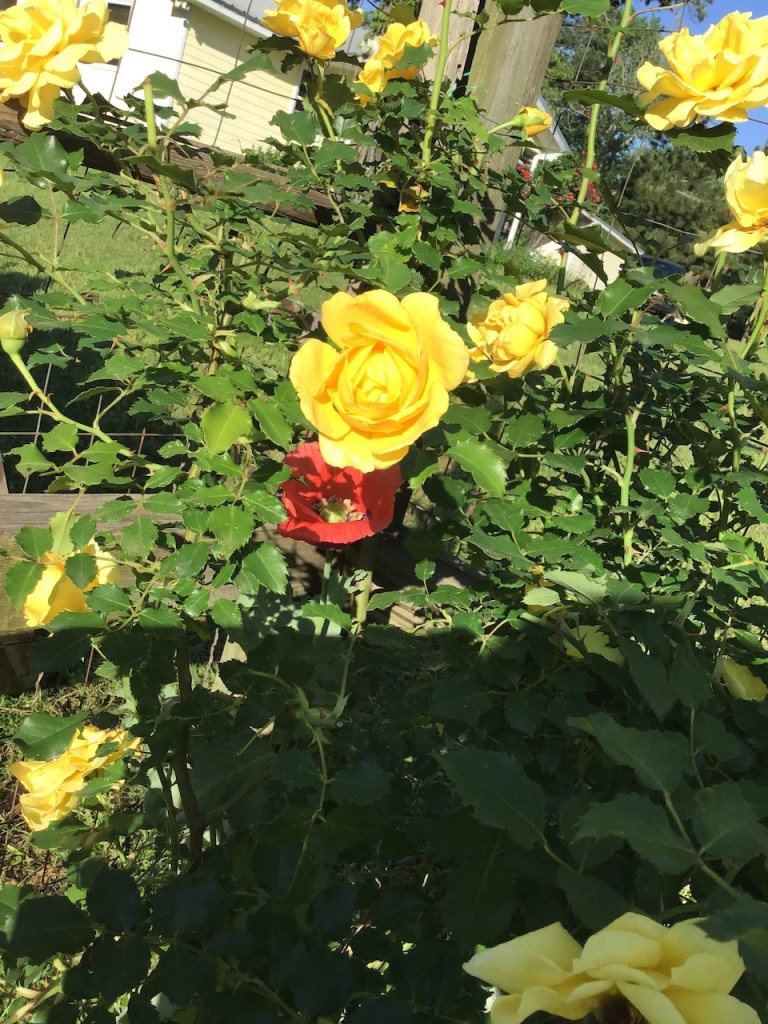
I’ve been saving the rose petals for drying and kombucha after admiring their scent and beauty in many lights and angles.

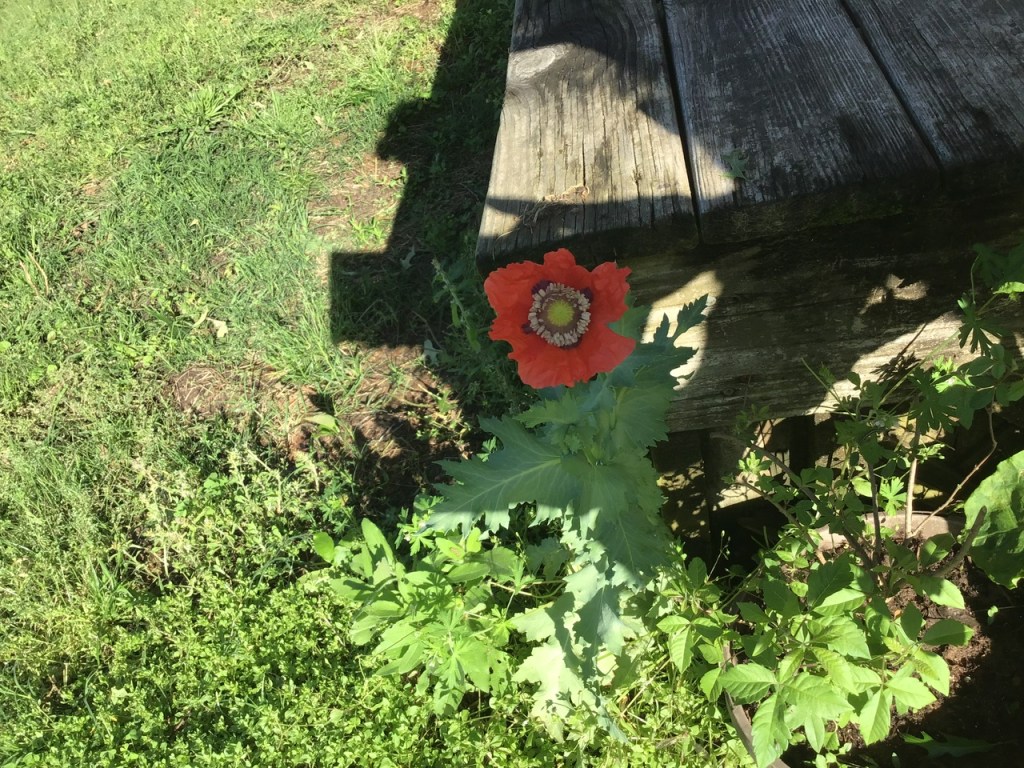
The poppies continue to pop up in random places, among the roses and in cracks and crevices, like dandelions.

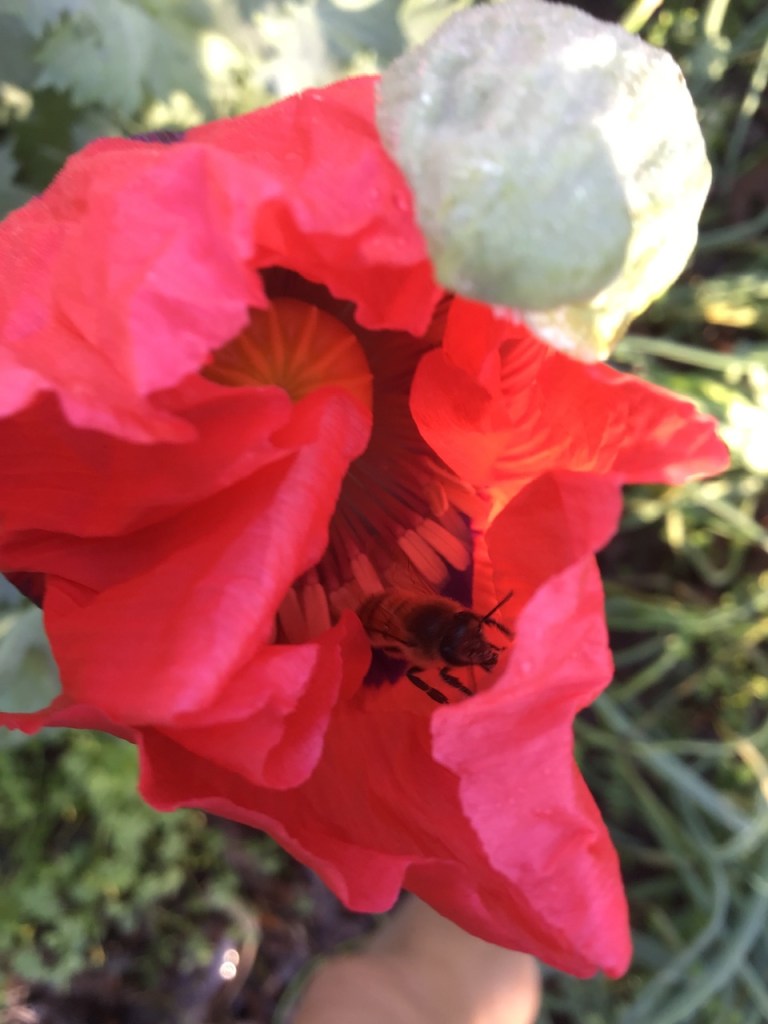
And the bees love them as much as I do.

Another rose variety, the thornless Peggy Martin, I just planted last year, is now getting its first blooms.

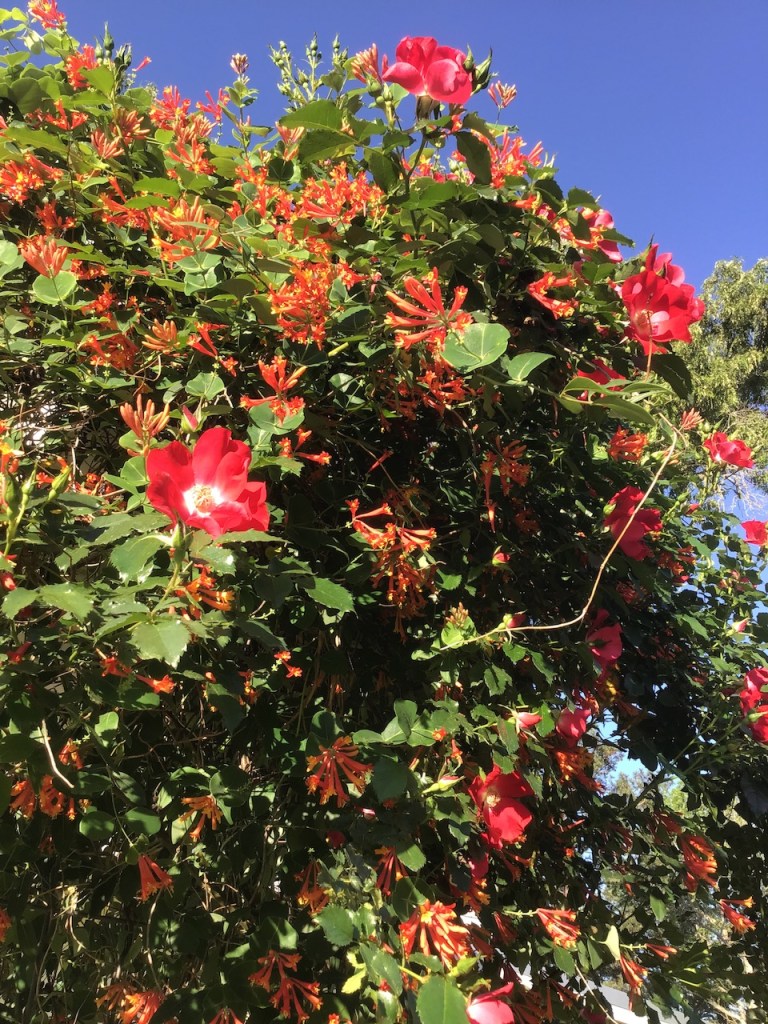
I’m so very pleased with the transition from cool-season coral honeysuckle blooms to the Dortmond rose takeover, lovely! I especially like the short spell they co-habitat.

The wattle fence I began with the best intentions is languishing due to too many other priorities. It has been a sheep deterrent at least, since the mamas and lambs have taken over the front yard. And even Shadow doesn’t dare stand in their way!

This is where the citrus will go, my new big project. I’m even considering throwing an avocado in there too. I know, very ambitious! But, I want to give some of the new methods a try and it seems like a good time. This side of the house is ideal, the house breaking the north wind and the heavy late afternoon sun. Plus, there’s the extra warmth accumulated in the walls of the house to help in cold snaps, along with the extra heating and draping methods that seem to be working for others.

Ooohhh, anticipation!
Just like the tomatoes and cucumbers coming so soon, right around the corner, and I can hardly wait. The last fermented cucumbers we used up a week ago, amazingly, and they were still crispy and flavorful. I plan to continue and expand my fermenting efforts this summer and fall. More herb pastes, more tea blends, more spice mixes.

The lambs are still doing fine, my how fast they grow.

Spring lambs on springs! 😆

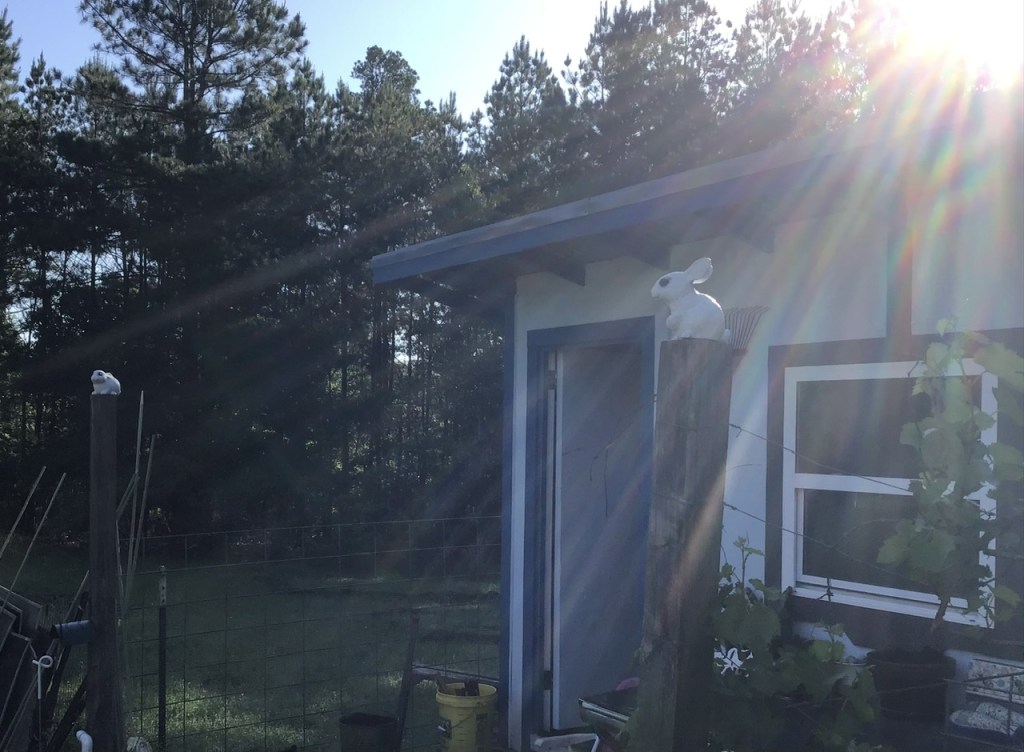
My garden mascots, two white rabbits.

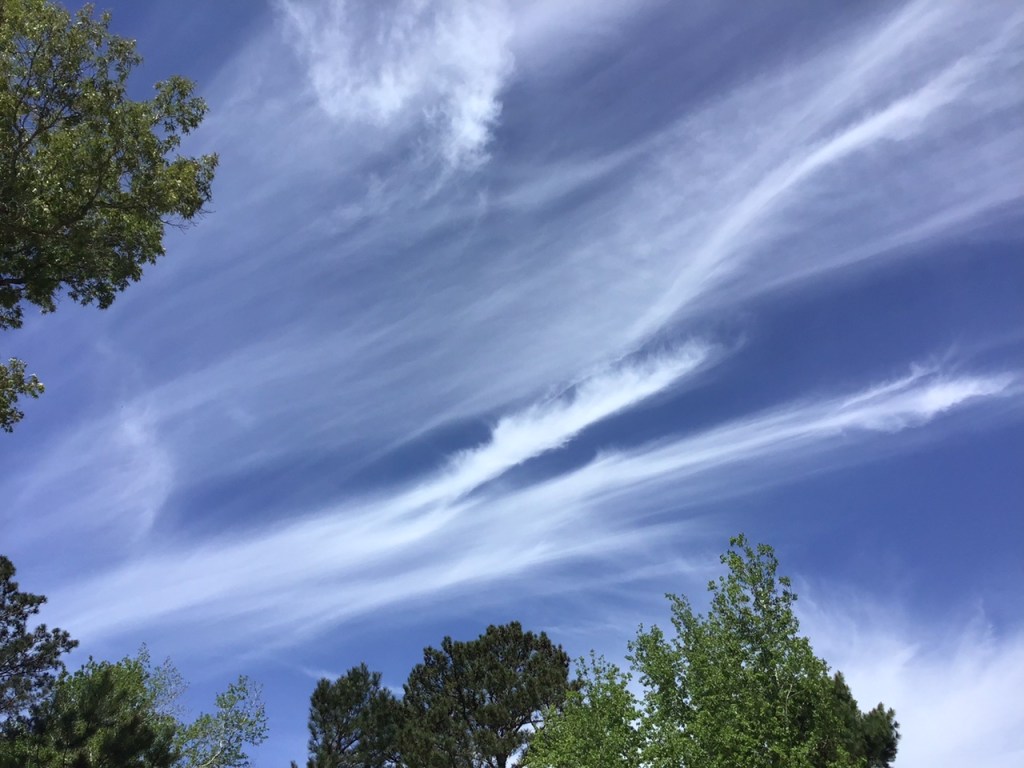
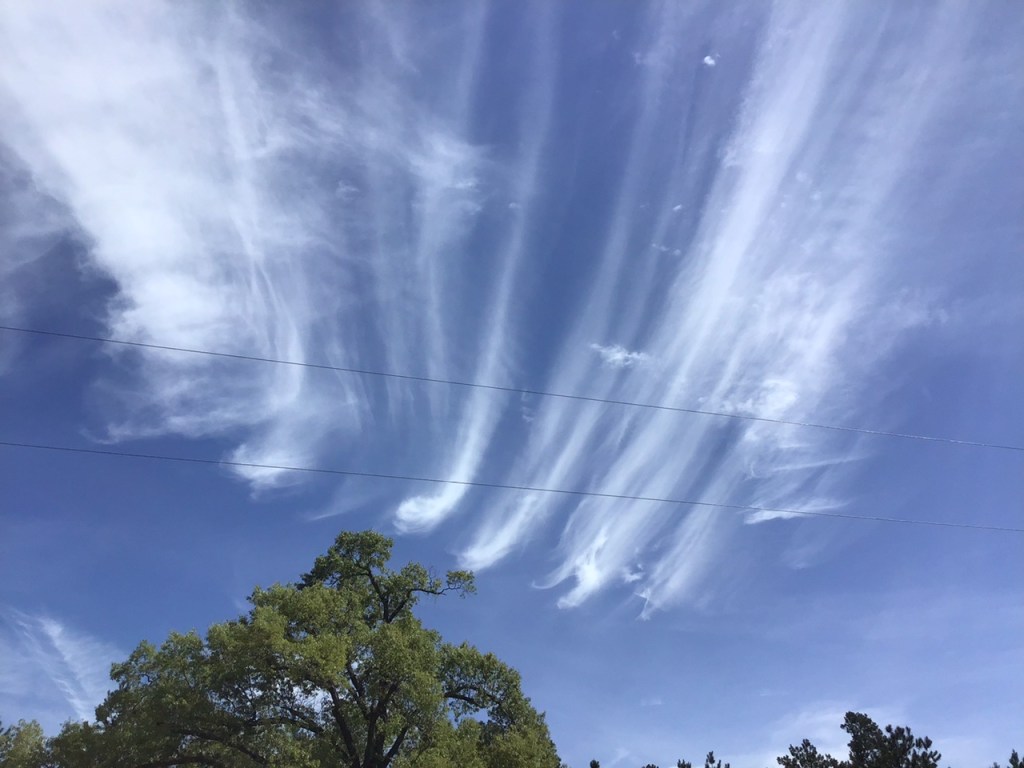
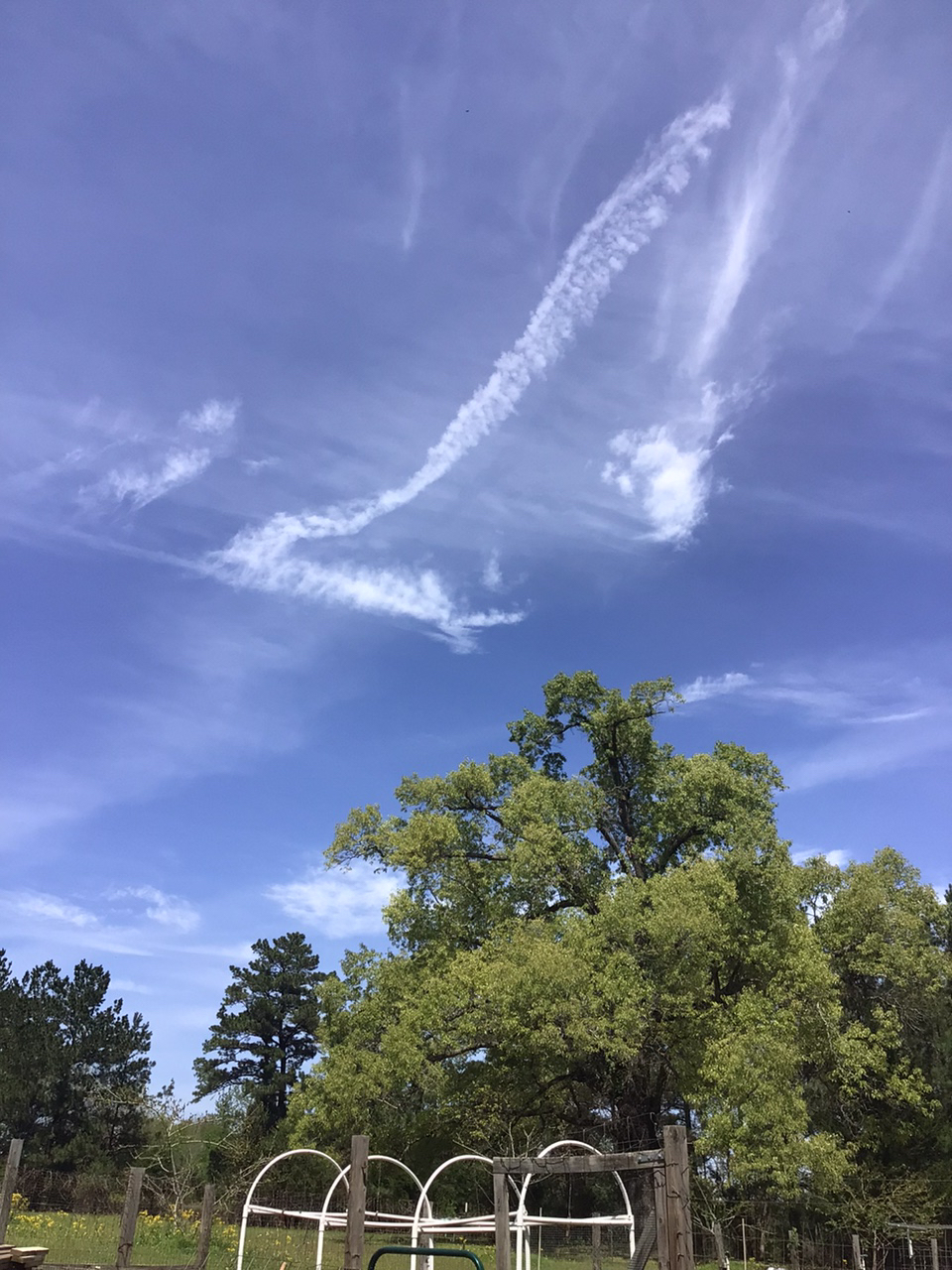
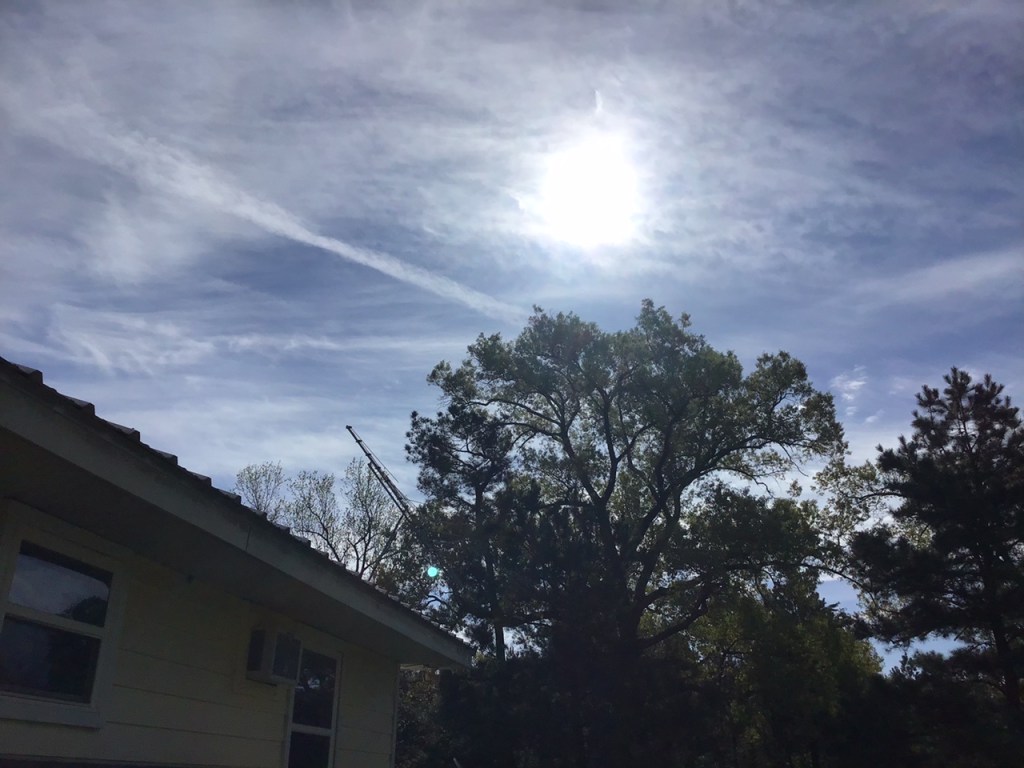
And my single complaint—the spray continues to ruin our beautiful days.

Is this why we can so clearly see these colors, because we have an atmosphere saturated with reflective particulate matter?

Cool pic, or chem-filled haze?

“I’m no prophet Lord, I don’t know nature’s ways.”
Anticipation’ by Carly Simon

Homestead Happenings

Such an exciting season around the wee homestead! We’ve got mostly happy snaps and cute vids to share this post—growing piglets and bees and veggies—yippie!

I’ll save the unsavory stuff til the very end, that way those who must can just skip it. (Mighty generous of me, eh? 😆)

Let’s begin with a bumper crop of piglets, 11 of them, here trying to figure out the basics. This is just one day old, my aren’t they some quick learners!

Later we have a couple more from today, at one week old.

She’s been an excellent mama, Patty, this is her 2nd litter.

The garden is going strong already and this is definitely the earliest I’ve seen bumble bees out and about. March 15 is our average last frost date around here, for whatever that’s worth. Considering we’ve seen snow-covered Indian paintbrush before, we don’t put a lot of stock in that date.

If we don’t get a late frost this year it will be our earliest ever for summer planting. I’ve already got cucumbers in! The tomatoes are just about to go in and the peas are presenting perfectly.

Peas and fava beans planted together. If it gets too hot too quickly they will be a bust, but we do love when they succeed.

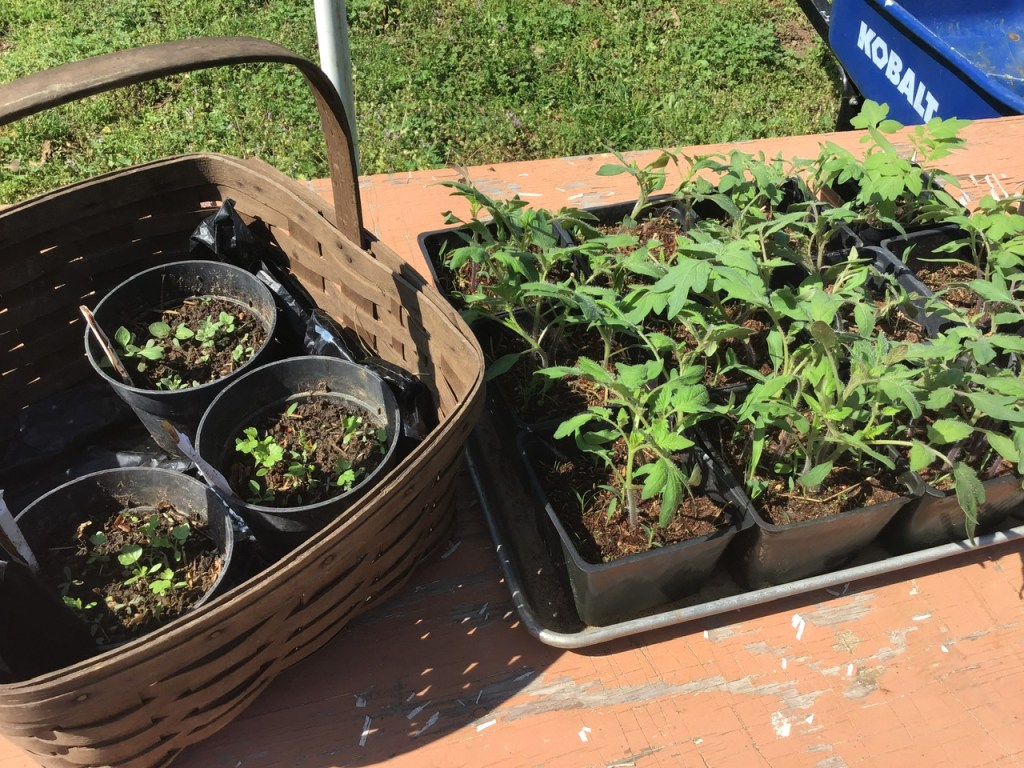
On left in the basket is celeriac, another fav of mine I try ever year, but like the fava beans and peas, it all depends on the temperatures if we’ll see a harvest. Next to them are tomatoes started under lights indoors and hardening now before planting in a day or two. I’ll plant some indeterminate varieties in about a month, hoping they’ll last longer through the heat. On right, the onions and garlic are looking great.

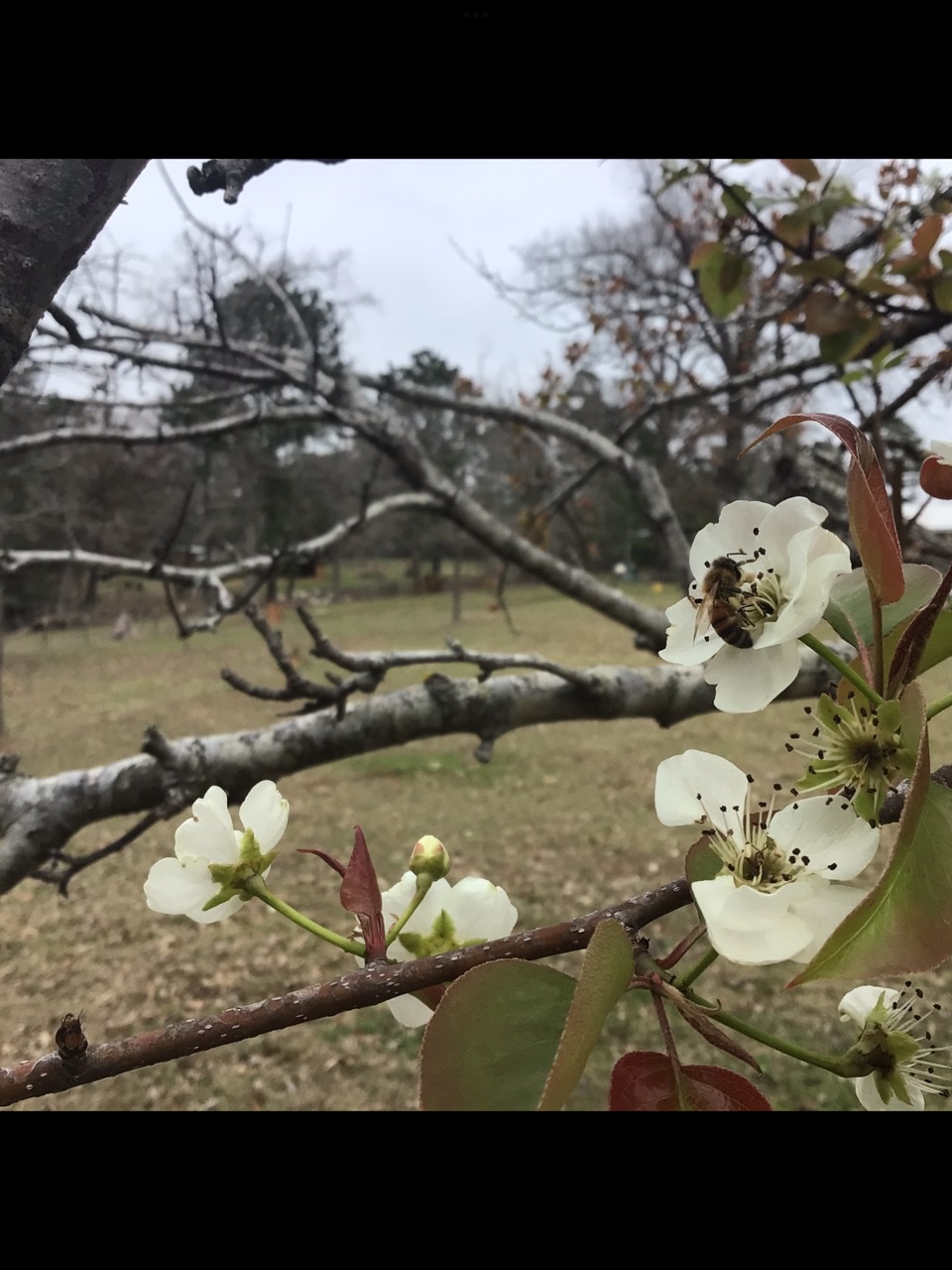
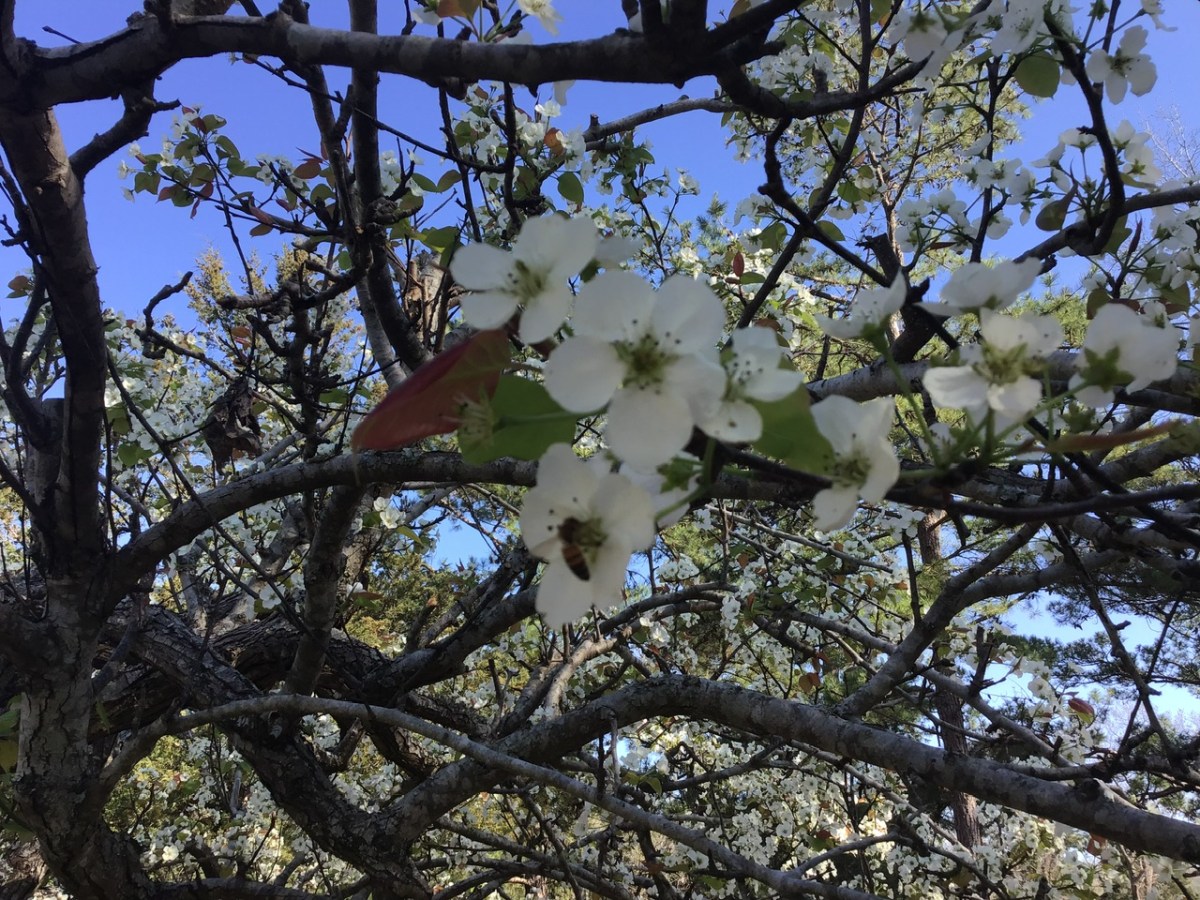
The old pears have already flowered over a week ago, here you can see Papa Chop napping while surely enjoying their sweet scent wafting on the breeze. Along with the bees!
On the right you can see me filling up the new hive with bees that over-wintered in the nuc where they positioned themselves last spring.

This was such a memorable experience last year that we managed to catch a bit of on vid—well worth the watch as the colony we just captured as a swarm moves from the hive I tried to put it in into the nuc I’d placed as a bait hive, moving themselves within just a few hours from one side of the garden to the other.

This was a swarm we caught and first tried to transfer to a different hive on the other side of the garden. The bees had a better idea.

This was the swarm last spring. It was just a small one and I guess they just didn’t feel quite ready yet for the big hive I tried to place them in.

Thank you ma’am, but we prefer it over here!

Well, this time they were a little more receptive to my preference and they are in their expanded home doing fine. 🤗

The piglets are so cute it’s hard not to take multiple vids watching them. I don’t edit yet, but maybe someday I’ll venture into more serious farmish filming.

And another ….

But, it’s not all peaches and rainbows for the piglets. Because you know, ‘male privilege’. Last year Hubby learned to castrate, which is an absolutely necessary skill if you’re serious about raising pigs. He did the deed, he’s gotten rather quick and good at it, so we made a couple of vids this time. Here’s the intro.

I’ll refrain from posting an example of the dirty deed though, which I could barely film! Yes, I admit one of my many bad qualities is squeamishness. But in my defense, I know many others way more squeamish than me!

If you really want to see it, you’ll have to send me an email. Don’t worry, I won’t judge. 😉

And in other bad news, yes, they still spray our beautiful days away. 😩

Still, it’s a beautiful life, and while we may complain, we know how to appreciate it all, too.

When all else fails, learn from Bubba.

“Oh, you only meant to dry the cushions here for freshening?
Let me test that out for ya.” ~So Says Bubba

Thanks for stopping by, wishing y’all a glorious spring!

Shadow pointing out which wild cherry suckers I should try to grow into trees.

Homestead Happenings

Continuing on from the previous post, more weird scenes. Plus, lots more happy snaps, an update on Scrappy with video clip, danger averted, and mushrooms galore.

Starting with the weird and disgusting, so those trying to eat and read, or others simply of an easily-queasy disposition, may skip right down to the happy snaps post haste.

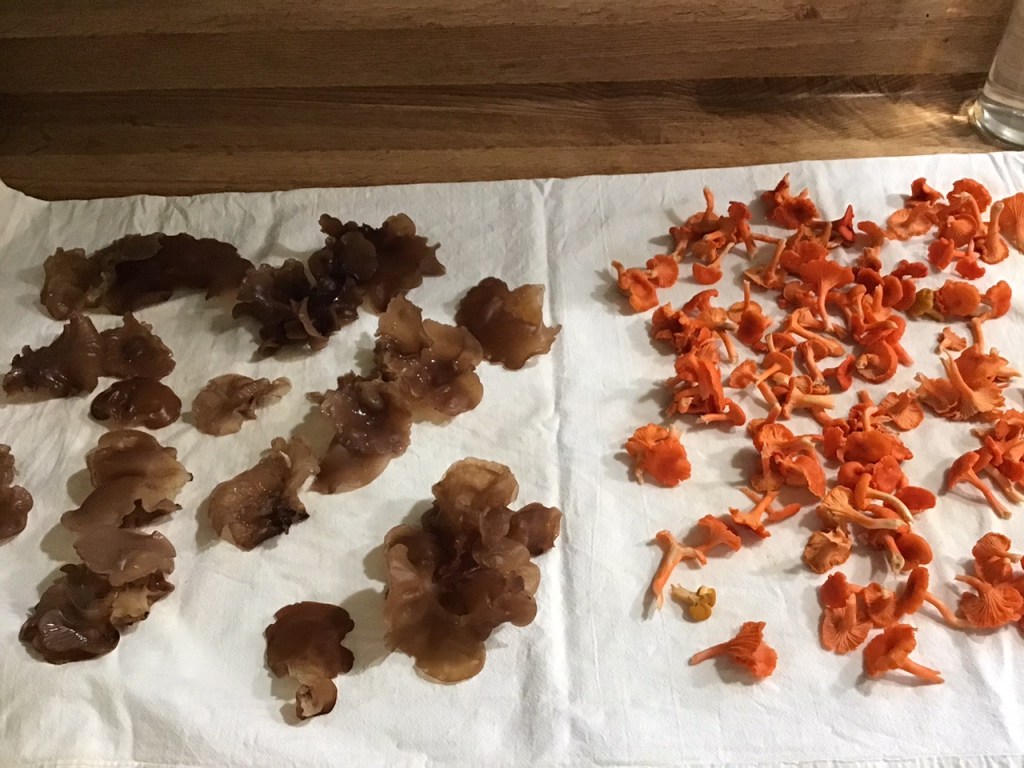
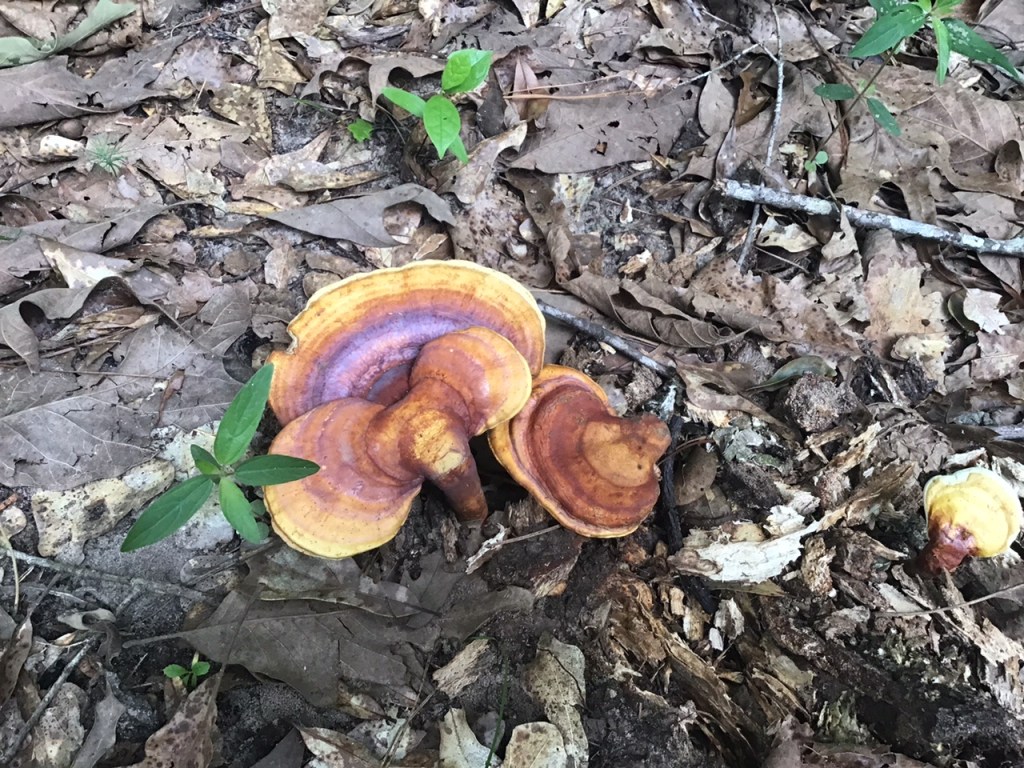
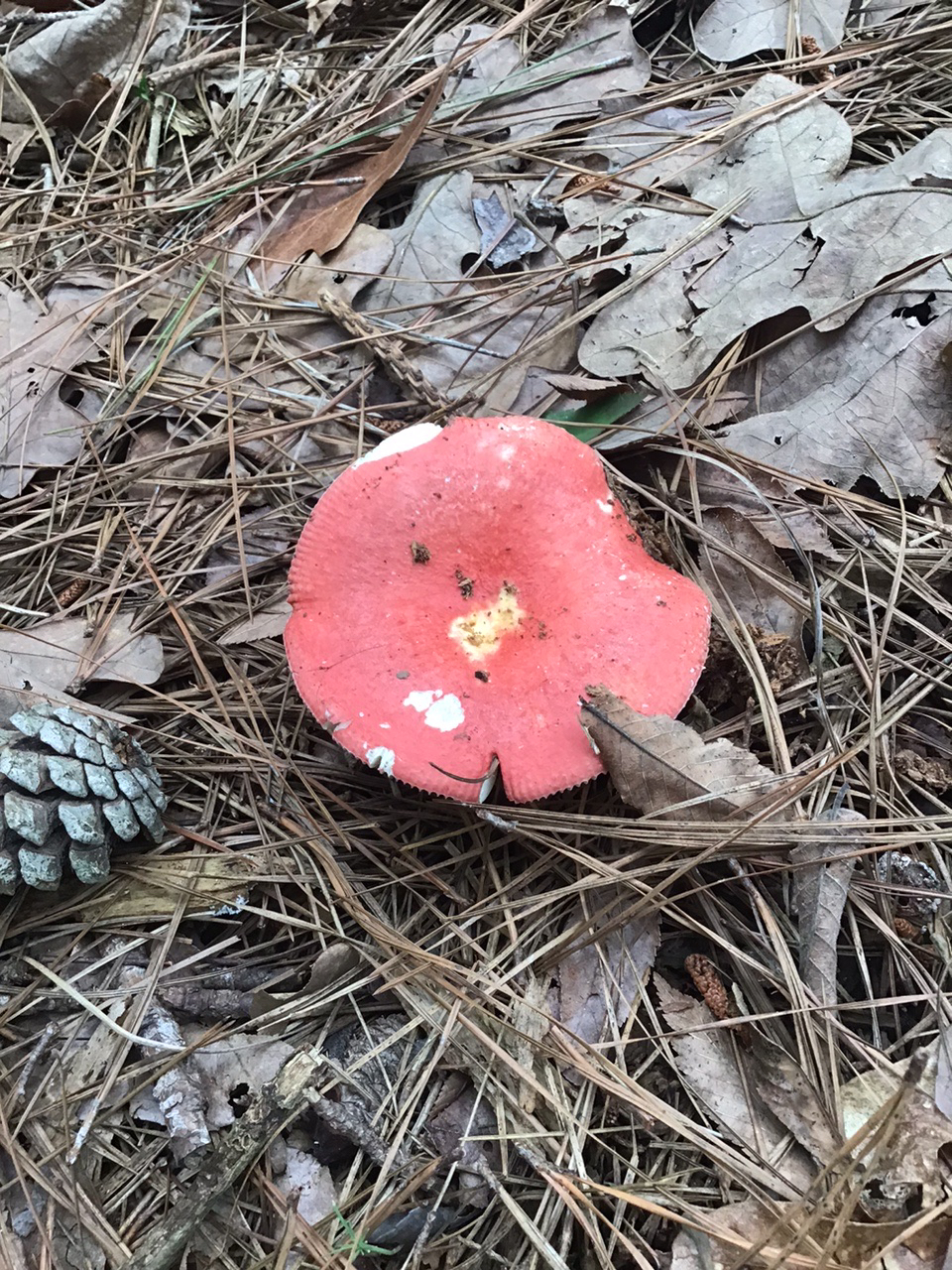
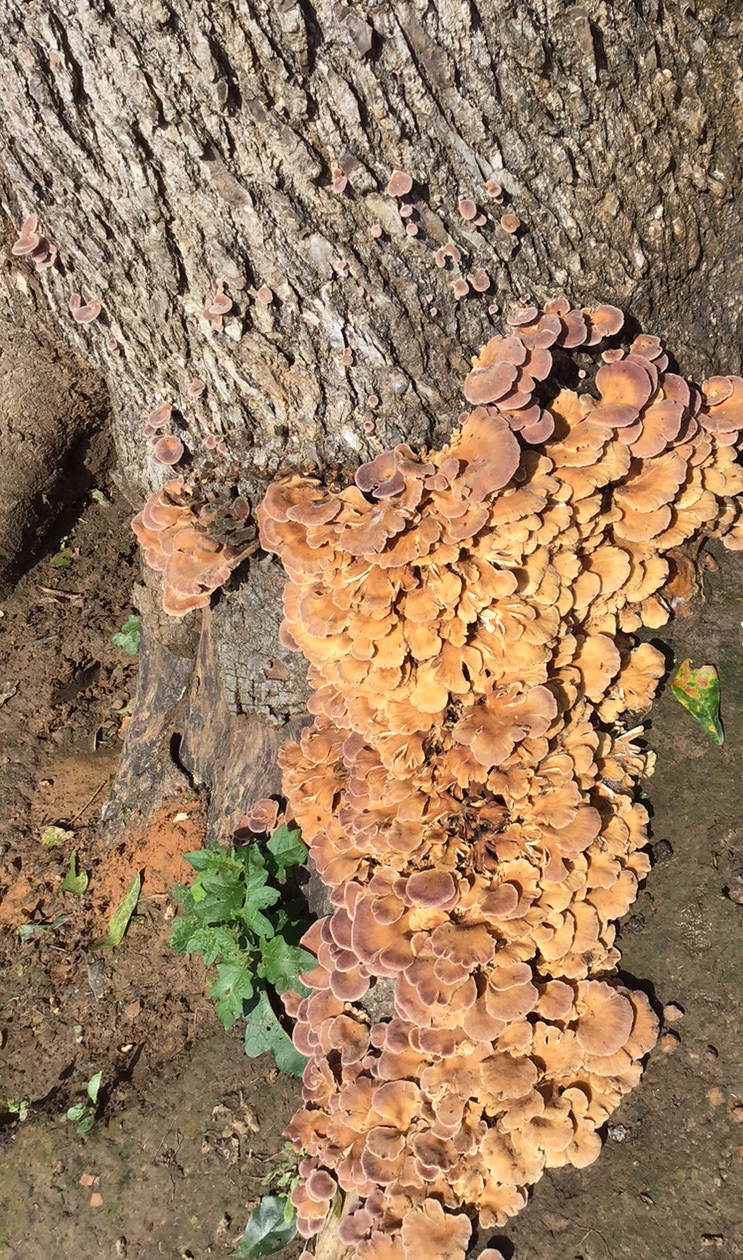
Thanks to the lovely rains last week, which may or may not have destroyed our blackberries (still documenting), we’ve been finding plenty of mushrooms. Some we know very well, like chanterelles, and hunt for them routinely. Most others we collect, and I try to identify, usually without success.

Occasionally that proves to be a disgusting lesson. Boletes in particular bring unwelcome inhabitants and you may just wake up to this sight as you’re making your morning coffee.

If that concerns you, best to leave them in the wild and admire from a safe distance!

Not edible, but cute!

Staying in the weird-disgusting realm, I mentioned last we lost an established bee colony, which was a big disappointment. I wanted to figure out what went wrong with them, and thankfully Hubby noticed the empty hive almost immediately, thanks to the observation window, that so many beekeepers complain about.

I was able to bring all the comb in for inspection. It was highly unusual, because the colony left behind quite a bit of resources, in this case pollen. That means something must’ve been very wrong. Luckily we did capture a swarm off this hive the last month, so it wasn’t a total loss. The culprit behind their total departure from the hive, the dreaded wax moth.

Hubby noticed immediately the spotty brood pattern, sure sign of a failing queen. Had he not noticed and had I not taken action, very quickly all the colony’s painstaking acquisition of pollen and long, hard work of drawing out the wax comb, all would’ve been lost within a fortnight. Wax moth damage in a hive is truly disgusting, the clean-up of which is probably the dirtiest job a beekeeper faces.

Saving the comb, therefor the pollen, therefor the hive body, was the silver lining to this colony collapse. And, it was a good scientific observation for me. What happens is the wax moth eggs as they develop, having been laid in the empty cells where the bees then place their pollen, grow into larvae that pushes out the pollen. From that point they squiggle around a lot. Some of them are able to make it as far as the next room in search of a place to cocoon. Pretty amazing!

Bee pollen is actually pretty tasty, is said to be healthy, and makes a great flavoring for kombucha. I’m sure they eat the larvae in some cultures, just like with silk moths, but don’t worry, I’m not that weird, yet.

*******The rest of this post is safe for the easily-queasy!********

But, there is still danger afoot! And Bubba lets us know about it. A water moccasin on the loose and ready to terrorize the troop, if not for Bubba’s keen scouting.

Bubba sounds the alarm, such a good boy!

In other homestead news, Scrappy, whose Mama rejected him at birth, is doing just fine raised on the bottle. Hubby even set up a portable milk station for him, which he adjusted to almost immediately.

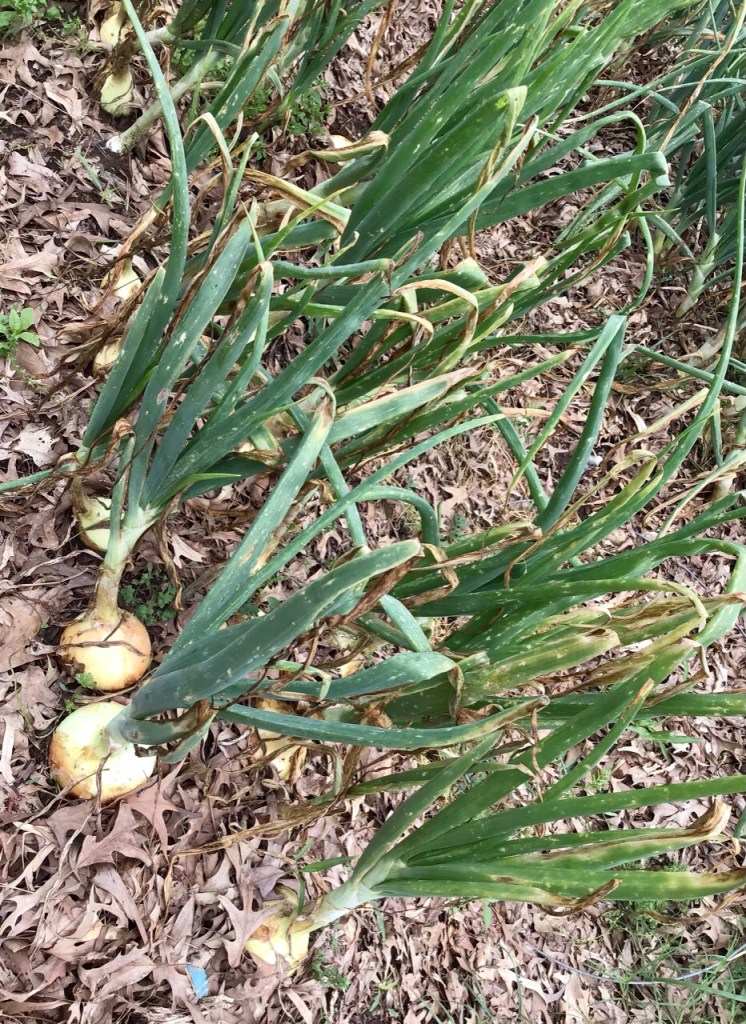
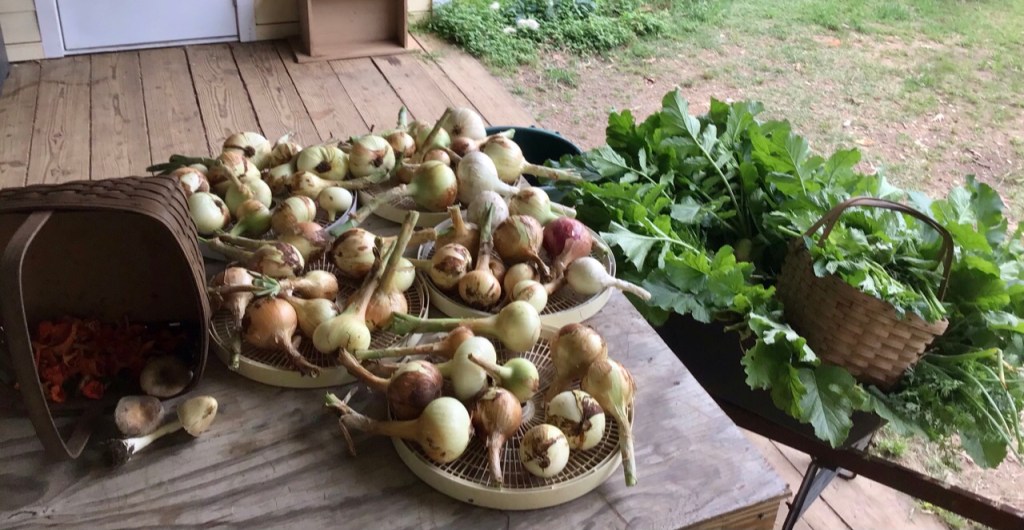
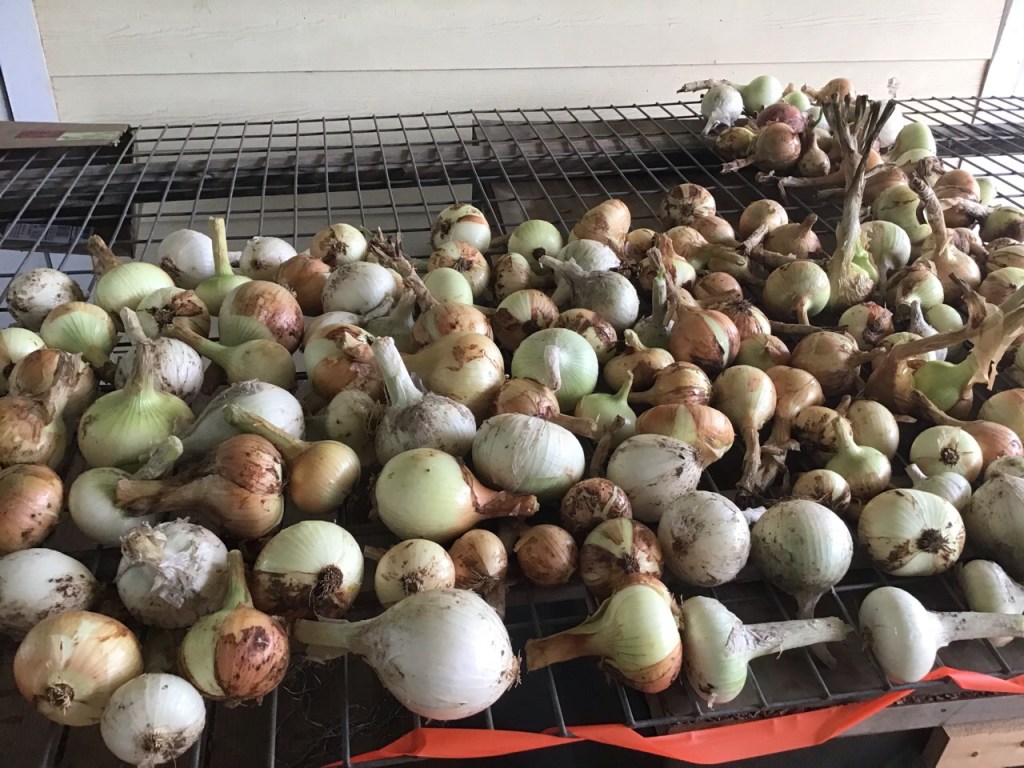
In garden news we’ve been harvesting onions and we’re quite pleased with the prolific results for the 2nd year in a row. We’re about 2/3 to completion. Where the onions and garlic have come out, we’ll be planting okra, sweet potatoes, and melons.

The tomatoes and green beans are coming in great, and a few forgotten flowers too.

Never forgotten, Datura, one of my very favorites. If only I could capture that most sublime scent when the blossom first opens!

In more critter news, Shadow is still adjusting well to country life, with occasional hiccups. Like, he still likes to chase the goats and the lambs if they stray too far from the herd.

Is he gone yet?!

Only the pigs remain unconcerned with his massive curiosity.

And he seems to find the kittens quite exasperating!

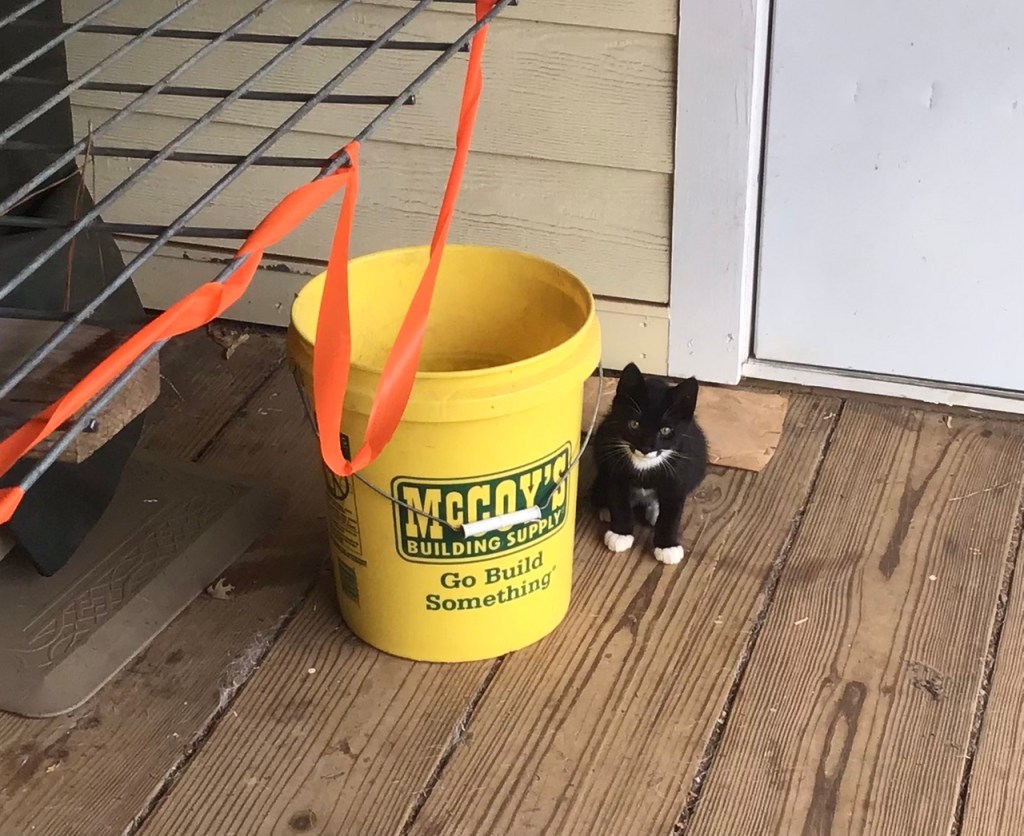
And that’s kinda weird for us too, because we’re not cat people, this is the first time having kittens around at all, yet they seem to be taking over!

It’s an exhausting life for a townie-dog, I’m sure!

Thanks for stopping by!

Do you have any critter or garden news to share?

Homestead Happenings

Weird scenes inside the homestead! What have we to add to the big wide web of weird today? A couple of things only, along with some sad news and some happy snaps. Successes and failures, as usual. Trying to keep them all in stride, which with the wild flowers and a short country drive, isn’t too big a challenge at the moment.

Creepy visitor appearing everywhere after the rains

Best to get the crap out of the way first, I prefer. We’ve got seemingly severe blackberry failure and an established bee colony suddenly lost. I could write exhaustively on just those two, but since I’m already exhausted, I’ll keep it brief. And continue the relentless churning in my mind alone.

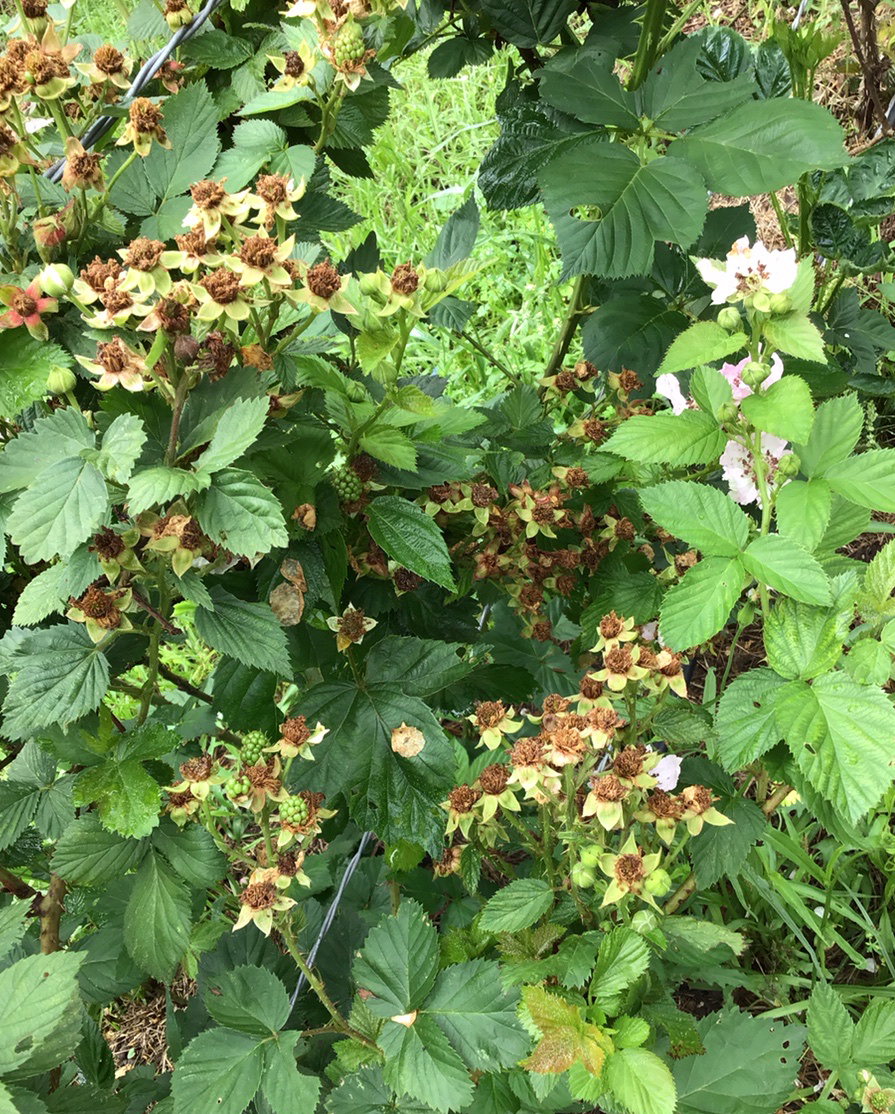
These photos and several more have seen the cyber rounds this week, let me assure you! And the cornucopia of responses we’ve received is rather astounding. Long story short—we’ve had some lovely rains, finally. But it sent our blackberries from thriving and gorgeous, to this brown, crispy-looking horror nearly overnight.

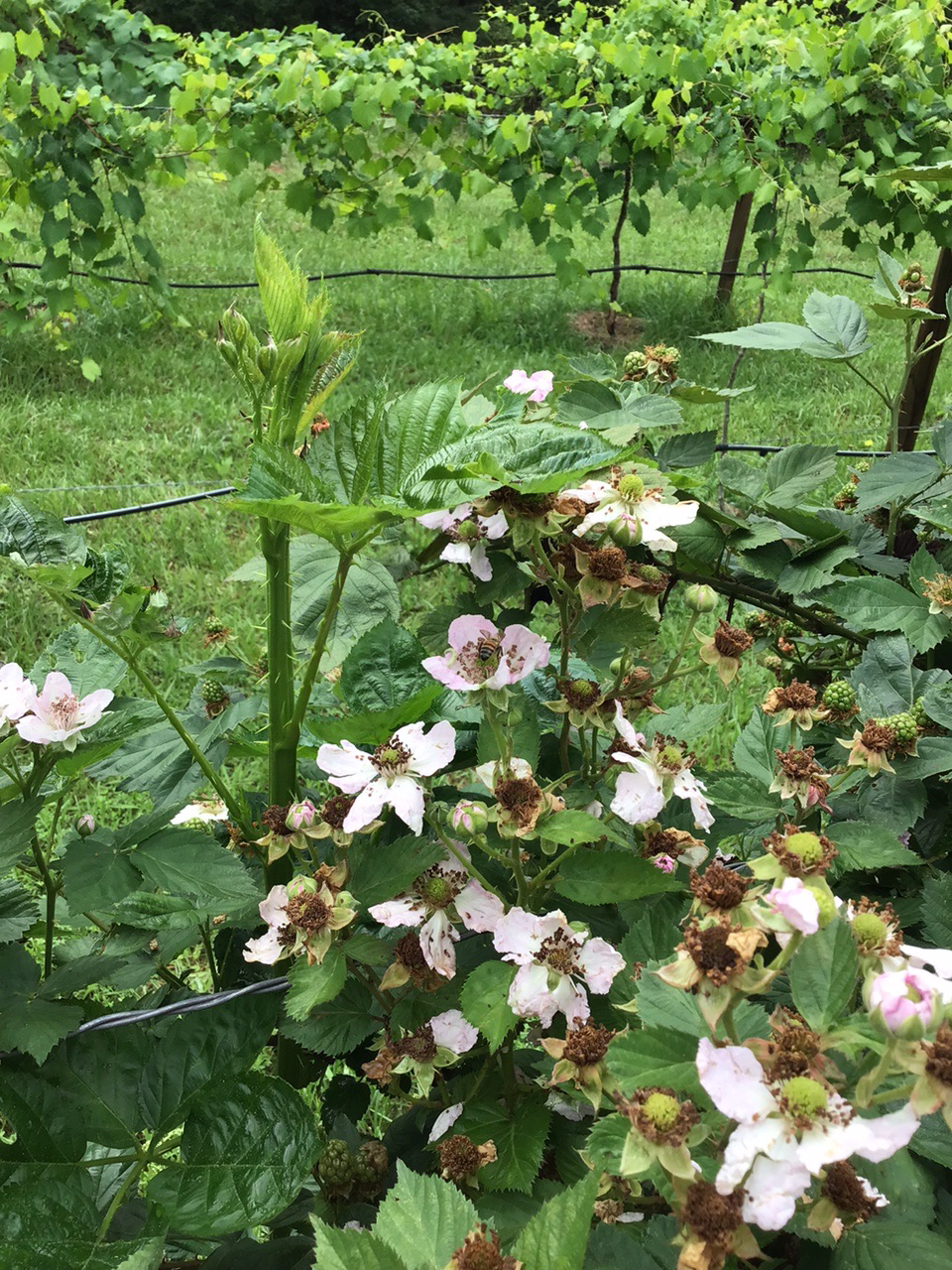
Not just a few bushes either, the entire row, a dozen bushes easy. It looks terrible. So we got a bit frantic and have been sending photos to Ison’s Nursery, where we got them. Also, to various friends and forums, where we’ve had answers to run the gamut: too dry, a virus, a fungus, a blight, Botryosphaeria canker, empty pocket syndrome, aphid damage, and then the kicker . . . This is totally normal development.

Wait, whaaat??

You mean to tell me these could be normally progressing blackberries and after many years of growing blackberries we just never noticed it before?!

Well that would certainly be a big and welcomed WOW! Yes please!

But unfortunately, I don’t think so. They look brown and shriveled beyond anything I’ve seen in any of the online photorama. And there’s no sign of aphids, and it’s not cane blight, and it’s certainly not too dry, although I totally understand that guess, since that’s exactly what it looks like.

And I do so appreciate all the speculation, seriously! It gets me thinking and exploring every time and I do so love all the effort and camaraderie inherit in it. Be wrong, it’s not the end of the world!

Of course, what I did so notice among the seeds of speculation was the one that was, unsurprisingly, totally missing. Toxic rain perhaps? Some other oddities in the atmosphere, perhaps? Not on anyone’s radar? Really?

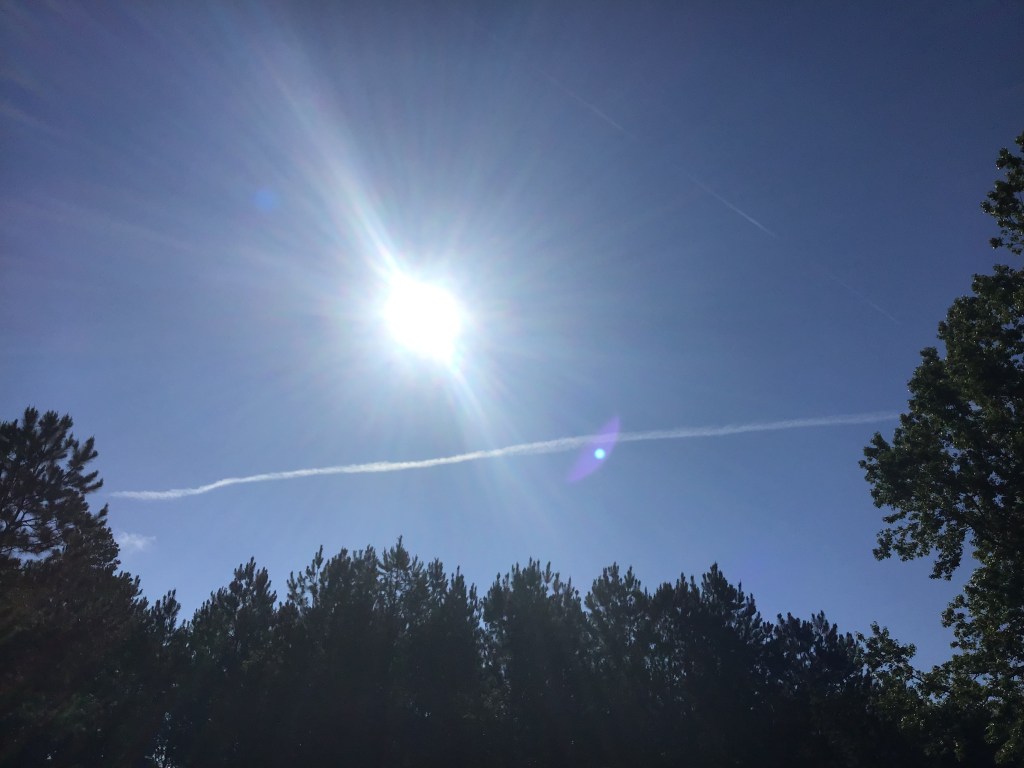
No idea what’s happening in this photo with the blue dot-purple ring, I just snapped the shot with the tablet as soon as I saw the trail while busy in the garden.

On better themes . . .

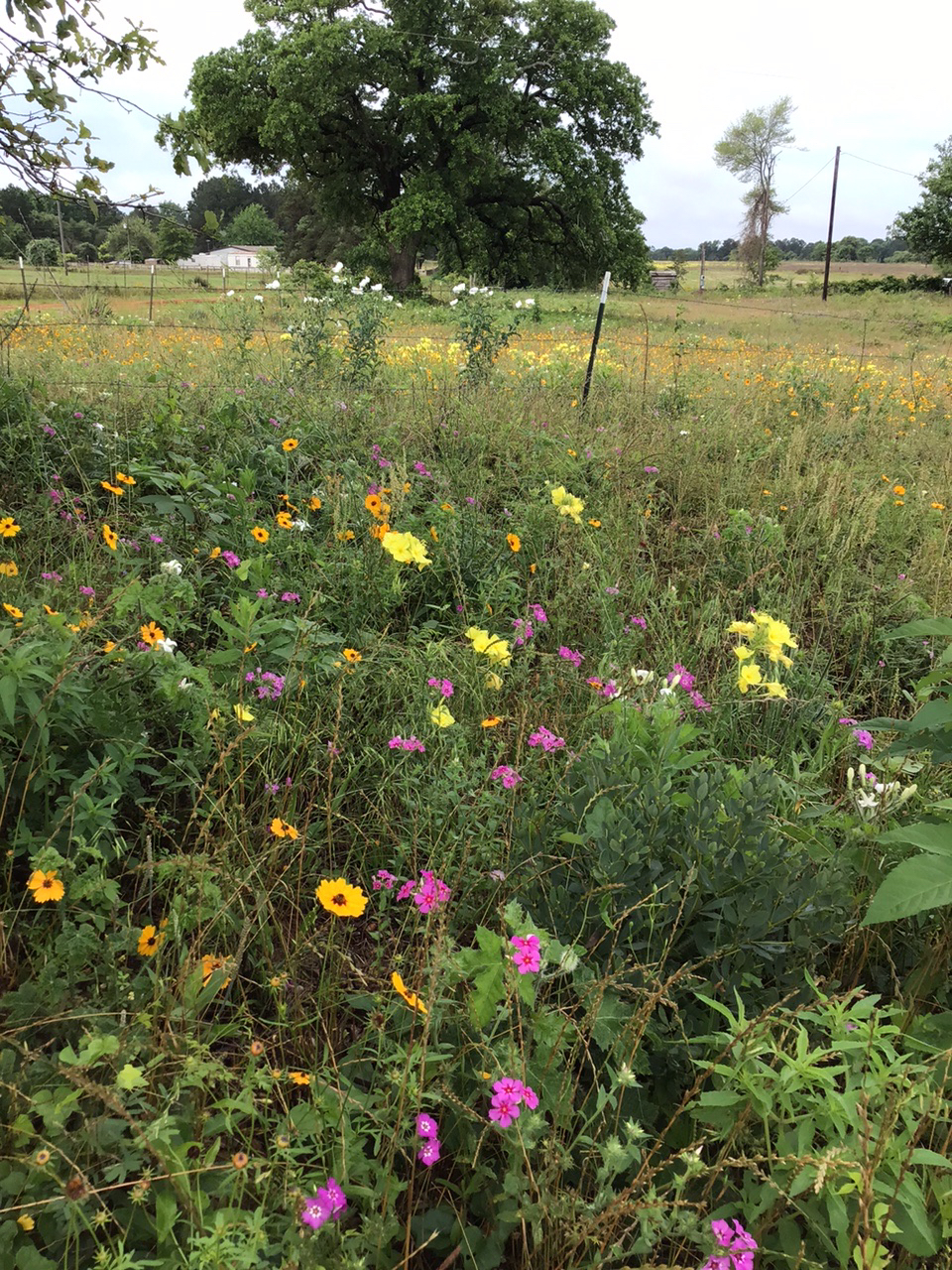
I also took some lovely happy snaps of the wild flowers blooming along the road, which was so much more gorgeous than what I was able to capture here. But I tried, and that should count for something, no?

And on that note, this post will have a Part 2 to finish later, cause that’s all I can manage at the moment. More to follow, so much more!

Thanks for stopping by!

I leave with a song that motivates me when I really need it most. Hope it works for y’all too!

Homestead Happenings

Another big week on the wee homestead! A real treat this time because we have rare video clips of a swarm moving into one of our bait hives. So cool! We really had lucky timing with that one, after another near miss.

Plus, one little piggy already off to market, more to follow soon. And a much better incubator hatching success.

Mama’s pushing them off, which means their days here are numbered
24 chicks from the incubator this time, much better than the 9 from last time

In other news, not so lucky, with the timing all wrong, another tree falls. And still other news, we continue to wait for rain, annoyed and impatient.

Best to start with the bad news first. The New Normal manufactured weather continues to rob us of rain while pouring chaos on regions nearby.

It’s not only only ugly, toxic and altering the entire hydrological cycle of the region and beyond, it’s weather warfare! I could spend a lot more posts bitching about it, but I ain’t got time for that.

A friendly young couple and their son came by for one of our piglets and we spent a nice time chatting and it was surprising—as in both unusual and pleasant —to have so much in common with folks who superficially were very different from us — much younger, still working, four children, active church members —yet we could hardly stop yammering on about homesteading life after an hour. And then a good bit more after that!

Each attempt at continuing on with our many chores of the day interrupted by some new spontaneous and urgent topic—and all my favorite ones—bees, goats, gardens, kombucha, even cheese.

And, the young woman looked at me knowingly when I pointed to the disgusting sky and repeated for the thousandth time: ‘Weather warfare!’

She knew! Or at least, she knew I wasn’t crazy for suggesting that. That gives me a lot of hope, because it means we’ve come a long way in the many years I’ve been ranting on about it. She also dared say the not-so-secret buzzword of the decade: “Conspiracy theory.”

So refreshing to listen to these courageous young folks who, when they see the degenerate state of the world around them they don’t send their kids into the state schooling system and cross their fingers hoping for the best, they homeschool knowing, they can do better.

They don’t just whine about inflation, they grow a garden and raise some livestock. They don’t just wait for Jesus to come save them, they become the kind of folks who can save others. Very refreshing indeed—as in—in actual deed.

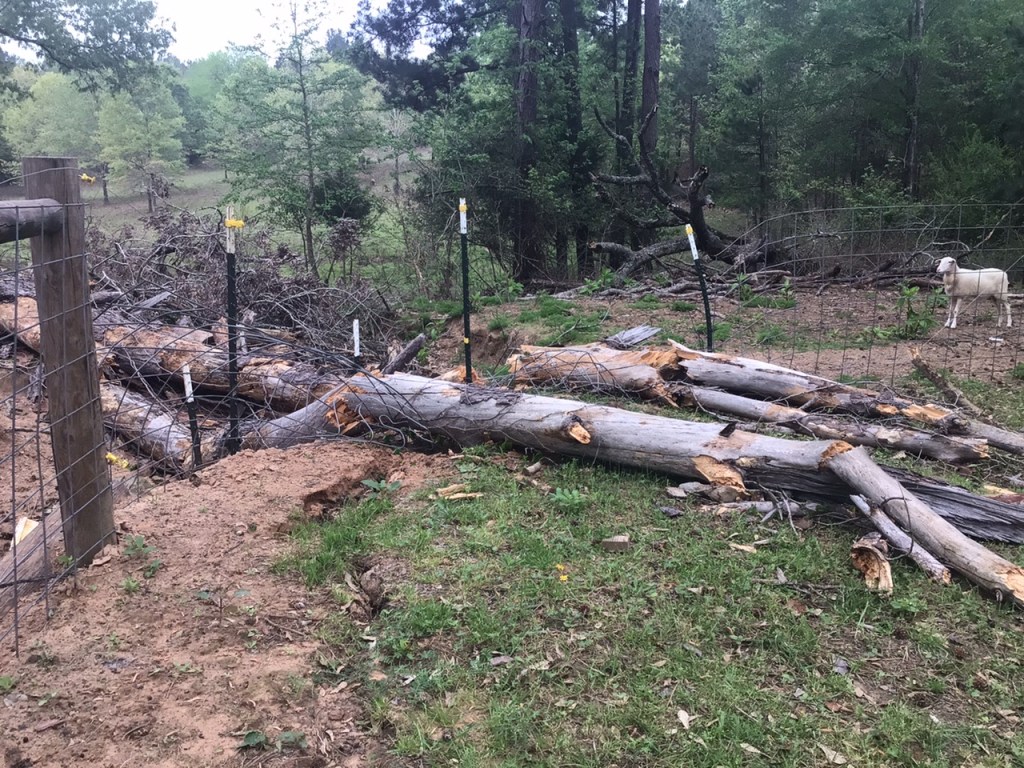
In the story of poor timing, one of the trees killed during the tornado nearly three years ago and still hung up on a neighboring tree, which the goat kids loved to include in their playtime, finally came down in one of the New Normal ‘storms’ where we get everything in the weather chaos of wind, lightening, extreme temperature shifts, but little to no rain.

Of course, it came down right on Hubby’s fence, freeing the brand new ram to have premature access to the young sheep. We fear unwanted teen pregnancies in our future. ☹️

Before and after:

And our brand new ram, expressly kept separate from our too young for breeding girls has sudden free access. Not good.

Back off, Gaston! Our newest addition, a Dorper, to add to our St. Croix flock. A little too soon for comfort. Sheep, unlike most goats, will breed year-round. Keeping critters separated to avoid breeding is our biggest challenge, like most homesteaders.

During our visit with the young couple we pointed out the open-air bee colony, which I still thought was an open-air colony at the time. It was there for well over a week—we checked on it every day.

I had no idea a swarm would stay that long in search of a new home. But then, within just a couple of hours, big things started to happen.

That huge swarm, which I wrote about last week, disappeared, along with the smaller one on the same tree. I actually thought I heard it while watering in the garden, but I never saw anything.

And then, the swarm we’d just caught earlier (pictured above) that morning and tenderly transferred into a Langstroth hive and put in a location far from the swarm and originating hive, then started to swarm again. *(Why would you prefer your bees to swarm?! See below!)*

I was just frustrated, I saw it happening! Hubby had put on his veil to come help re-situate the frames on the Langstroth but they were already in air. It was an amazing sight to behold, but I didn’t think for a second they’d stop again so nearby.

I yelled to Hubby not to bother to put on his suit, but to bring the tablet instead. The swarm stalled above the garden and Hubby said, between my sighs of disappointment, “Try to follow them!”

I thought it sounded crazy at first, but then thought, why not. And to my absolute astonishment, they stopped at the bait hive that Hubby built for populating our top-bar hives!

That is the second time a swarm has refused my attempts at populating this store-bought conventional beekeeping hive, the Langstroth. But why?

We captured a couple of short clips of the capture—it all happened in about 10 minutes, tops.

It’s so amazing to watch them pile into the entrance, until finally, all are ensconced and occupied with repopulation.

Happy in their tiny house!

It is so fascinating to me to imagine all the social dynamics that went into the decision of that swarm in that short time to move from my preferred space, to their preferred space 150 feet away, communicating in ways far beyond the powers of man.

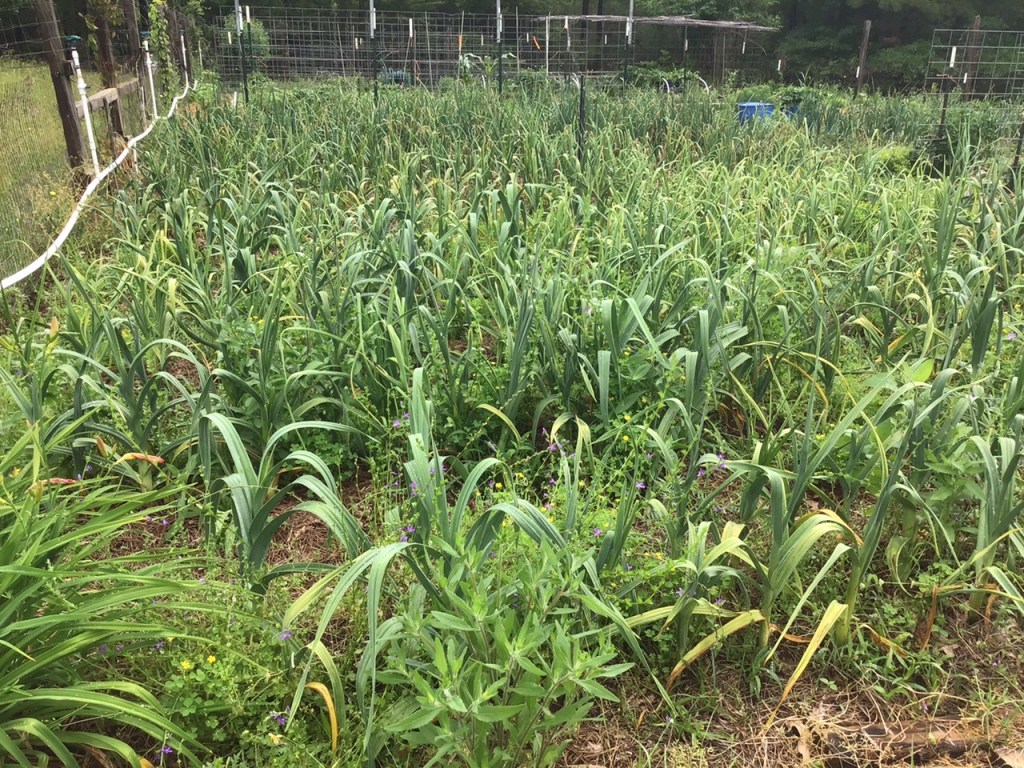
Luckily, our efforts are all not for nothing! The bees traveled right over the garden where I hope they’ll be spending a lot of time very soon. The garlic is flowering too soon, no surprise in the Yo-Yo weather. The onions are starting to bulb already, but that doesn’t mean we won’t still get a good crop.

Our new dog, Shadow, continues to bring smiles and joy as he gets ever more comfortable in his surroundings.

Thanks for stopping by, Bye!

*Bee swarms, more info for the interested*
For those embarking on treatment-free beekeeping, we are the ‘anti-vaxxers’ of the beekeeping community. Swarming is a natural and healthy process of established bee colonies. Interrupting this process by taking ‘splits’ on hives in spring is the preferred industrial/commercial method. However, for the hobbyist, conservationist and connoisseur it is known that it is better to trust the bees and to limit synthetic intrusion on their natural processes. The bees have chosen their swarm companions, not me, as in a typical split. They have chosen their queen, not me, as is the case in typical industrial methods. The swarming process is not only genetic, but also hygienic. When honey production is not the primary aim, it is amazing what we can learn about natural bee behavior. 😊

Feel free to ask questions or share comments on the bees, or any of the other things!

Homestead Happenings

Another big week on the wee homestead! We’ve got a giant surprise addition, a few little mysteries—one since solved—and a missed opportunity leading to a great expectation.

Not exactly a country pace around here lately. Everything bloomed early, we got a killing frost, who knows which fruits might still make a come back. No, not Mother Nature, please stop thinking that!

Just another day of chemical haze.

But, life goes on, at least for the moment, so on to brighter topics!

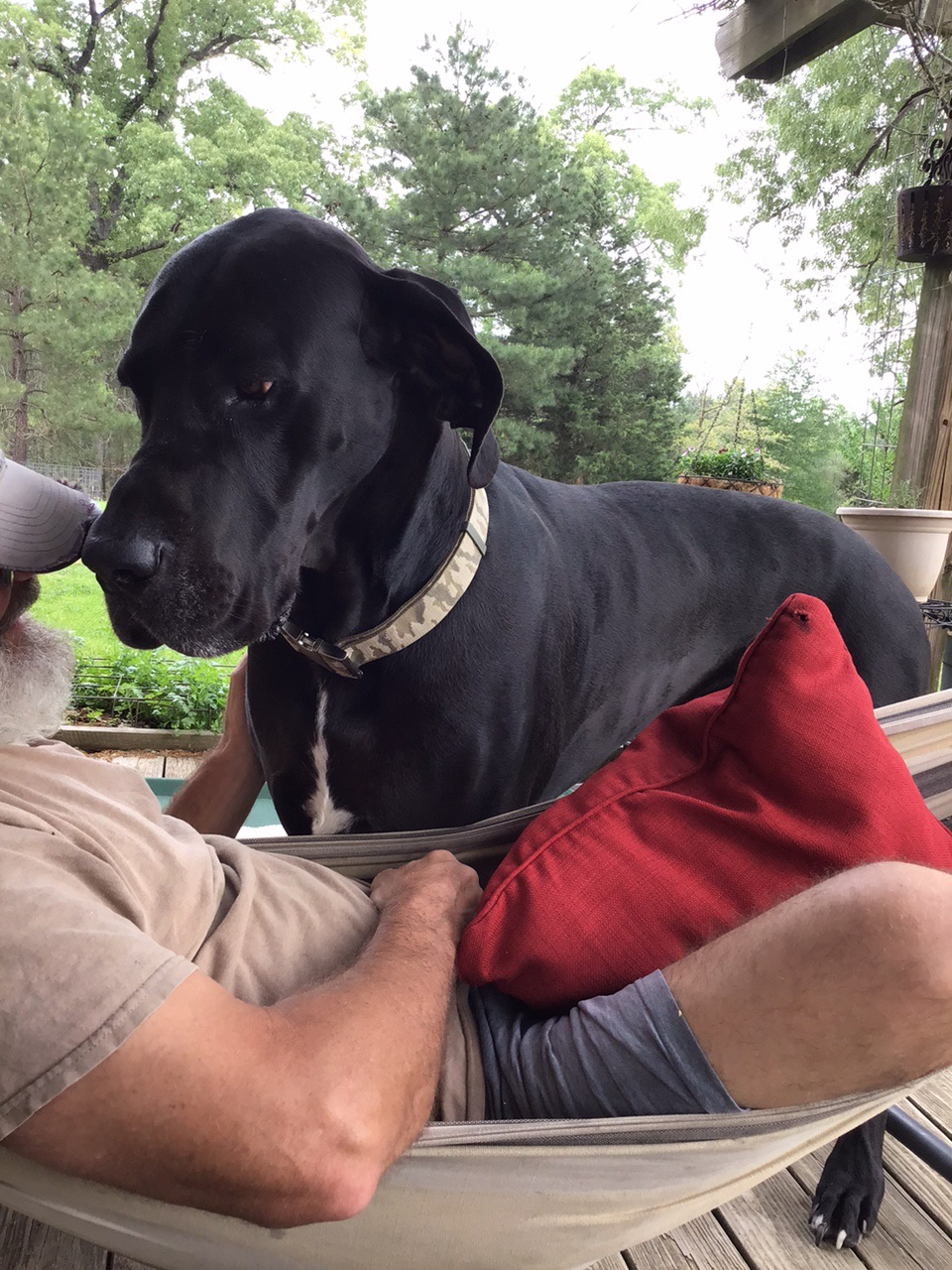
We got a big surprise this week! I’m pleased to introduce you to Shadow, our new 3 year-old Great Dane.

It was a sad circumstance that brought him to us, the death of his owner, but he’s settling in splendidly and we are so happy to have him.

In a way he’s like a combination of our 2 passed beloved dogs, Tori and Papi, both in one.

In garden news I decided I couldn’t wait any more to get all the seedlings planted, so if it frosts now, we’re fucked. Please pardon my French!

Seriously though, I remember one year when we first came here and were still camping and building the cabin. After everything bloomed, all the Indian Paintbrush and Dogwood and Texas squaw weed and bramble, it snowed, on Easter weekend.

I wasn’t a gardener yet, so the frustration was lost on me. That was about 15 years ago and I remember I took a lot of photos, because it was quite beautiful to see the white blanket atop all the colors. No idea where those photos are now.

Now I’m sure it would be the beauty that’s lost on me if it were to occur again!

Tomatoes, from my own saved seed, going from under the lights indoors into the garden and now subjected to man’s crazy YoYo weather.

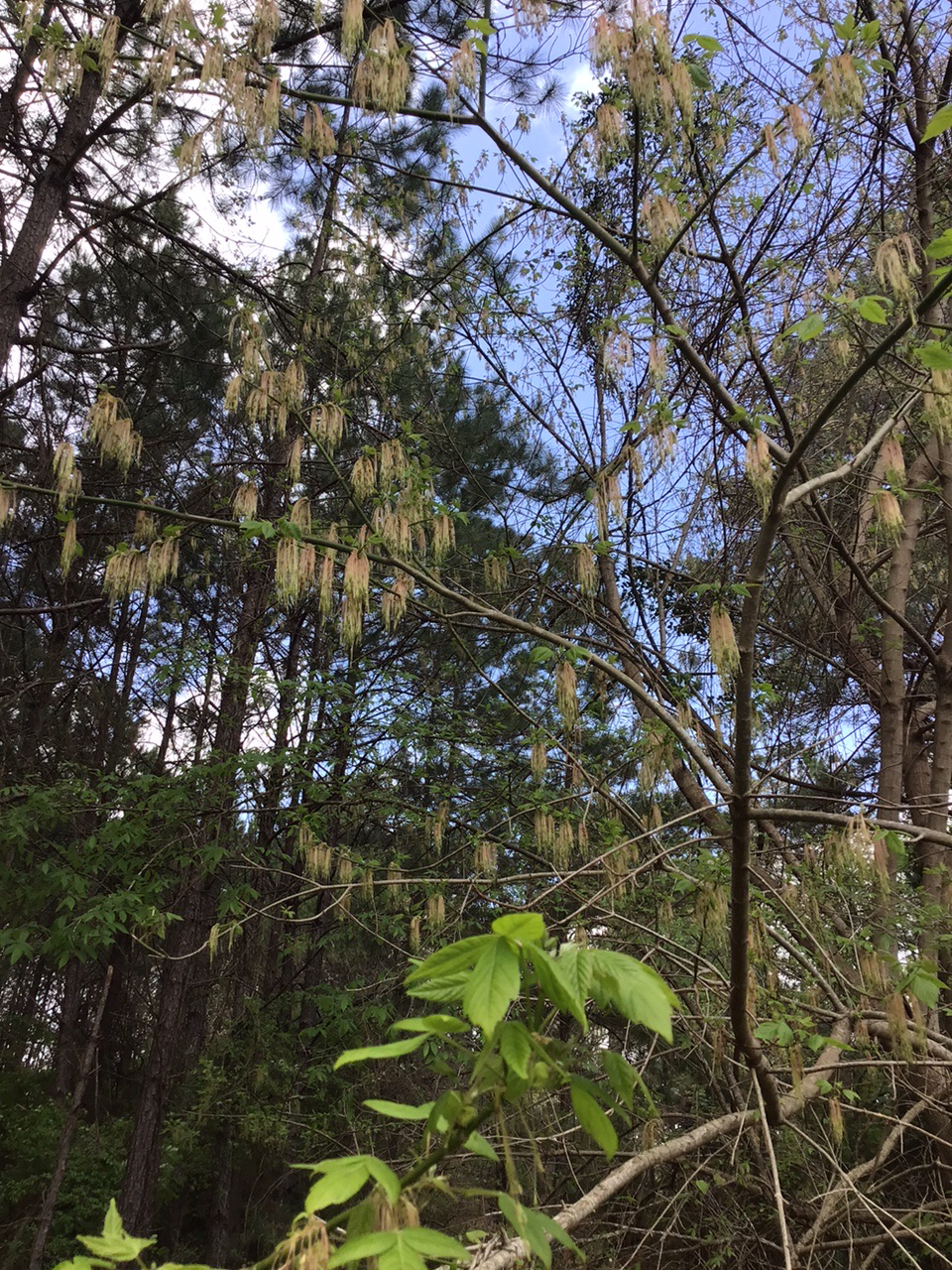
The bees are all over the bramble, which is readily recovered from the frost. As I followed the buzzing trail, I happened upon a tree I’d only noticed last spring for the first time. It was full of bees and not so common for this area, which made me very curious. I’ve been searching and inquiring for the last couple of weeks and finally got my answer.

It’s a unique member of the maple family called ‘Boxelder’ that’s not considered a particularly prized tree around here. Though in my book, if the bees like it, I like it!

And speaking of bees, we’ve had our first swarm! I figured it was about that time and have been keeping an eye and ear out for one. Unfortunately, it was too high up and my first two attempts to shake them down into a hive failed. By the time I’d gone back with another plan in place for their capture, they were gone.

But! On the same tree, further up at about 30 feet, I spot another one! On the left is the small one, in the middle is the big one, on the right is the pine tree with both of them, with a hive under each one hoping to capture them.

But the scouts had other plans, and off they went to somewhere else, not to my waiting and welcoming hives, move-in ready, with already drawn comb waiting for new arrivals.

That is, the small swarm.

I know it’s so hard to see in the photos, but the one at 30 feet is HUGE. And, it hasn’t moved now for 3 days, which would be unusual for a swarm. So, my great expectation is that we’re actually looking at an open-air colony! If so, I’m so excited, and will be reporting back on it’s progress.

I found this short clip of a lady who had an open-air colony in her garden, so amazing to see! Such a mystery are the bees to us still—the wildest wisdom of nature has yet to be even touched by science.

Like, how, why, and when do the bees know when to stay put and when and where to move on?

And here’s another burning question: Why are the Japanese bees so sweet and gentile, and why the so-called Africanized bees so very aggressive and nasty?! Now that’s gotta make you wonder, no?

And why can’t I say that without sounding ‘racist’?! 😂

Below is from a friend’s ‘Africanized’ colonies, but we also had such colonies a few years back, and I’m telling you, they are MEAN! They’ll sting en masse right through your suit and chase you down for half a football field just for the offense of standing nearby!

Thanks for stopping by! Please do share any thoughts or questions below.

Homestead Happenings

Spring is in the air! Sort of.

More like, New Normal Yo-Yo Season doesn’t totally fool Mother Nature. Yay! I’m taking that as good news.

So let’s focus on more good news with plenty of happy snaps, and just a few ugly reality snaps, from the wee homestead.

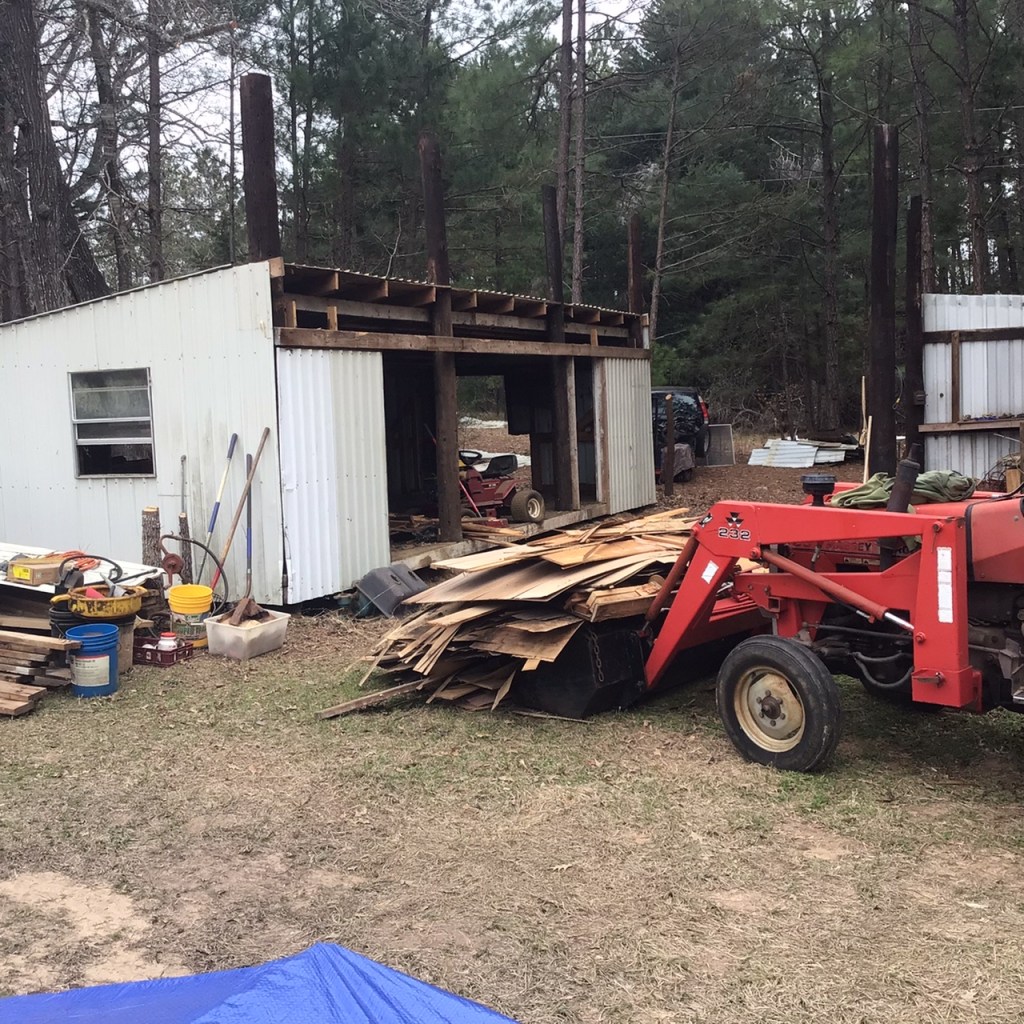
We’ve been busy, Handy Hubby most especially, in long-overdue deconstruction. The only other structure on the property when we bought it about 15 years ago, besides the seasonal-cottage-turned-permanent home where we now live, was this already run-down, trash-filled tractor barn.

Hauling trash out of the cottage before move-in (circa 20o9). Then scrubbing, painting, re-doing the floors, kitchen, siding, roof, insulation, building a deck, etc., etc.
Thank heavens for Handy Hubby!

Then the tornado tore off a chunk of it. And Hubby discovered the posts had rotted in the ground and it was in even worse shape than expected. Little left to be salvaged.

You can see it here in its best shape, in the background of this darling vid of our dear, now deceased, oh so lovable dogs, Tori, and Papi who makes a brief appearance too! The structure on the left is the former duck coop, built by Hubby. The structure finally coming down is the 2-story on the right. While the previous owners were building their future cottage, our current home, they built this and lived on the top loft. It was already a mess when we bought the place, and we’ve been procrastinating the clean-up ever since.

I vowed year after year I’d help Hubby in the deconstruction and clean-up when he found time to prioritize it, yet here it’s now nearly done and I haven’t helped a lick!

Such a gentleman! Thank heavens, because it’s a disgusting, nest and poop infested horror of a project, which is why he was procrastinating so long in the first place!

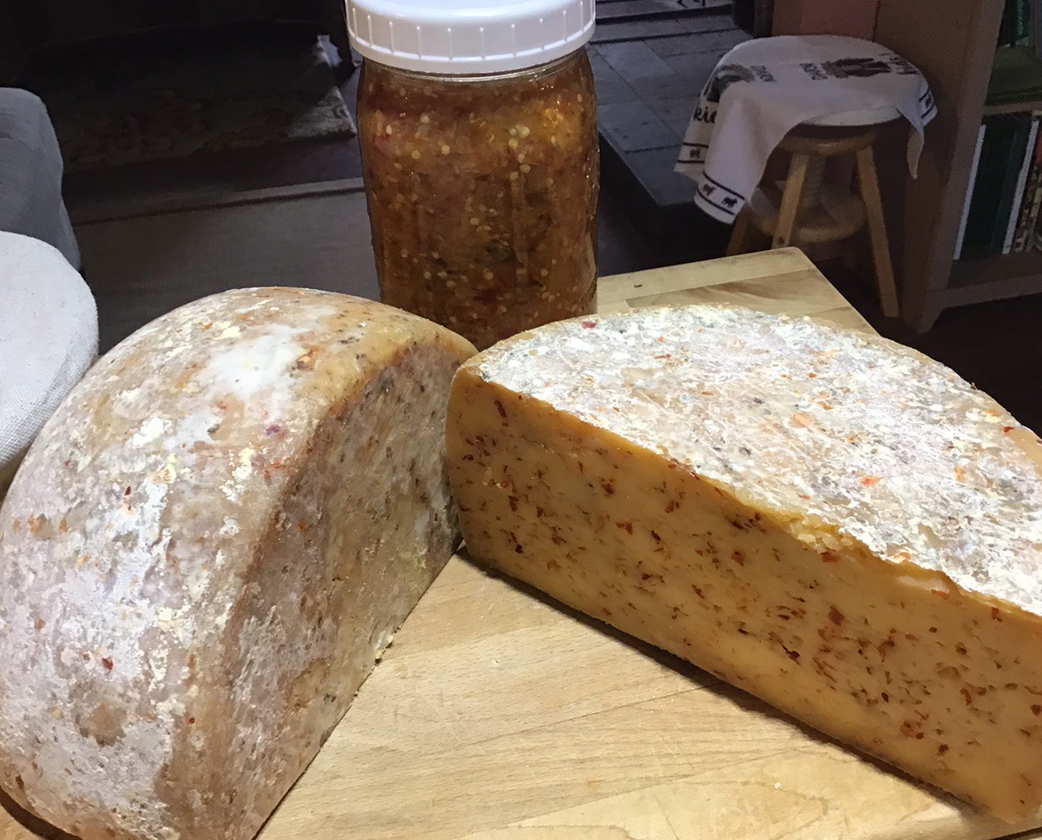
In more elegant news, I am still getting 1 liter of milk a day from our belligerent herd queen, Summer. While it’s not enough for making big and delicious hard cheeses, like this Pepper Jack I just cut, it is enough for a weekly batch of feta, or mozzarella, or my imitation of Boursin, or kefir, buttermilk, yogurt . . .! YUM!

Pepper Jack, aged 3 months. Quite good, hot, but not over-the-top. Still, needs improvement. Noted, still trying.

Despite the best laid plans of weather terrorists, we still have our first blossoms, our first chicks, our first piglets of the season!

And first chicks!

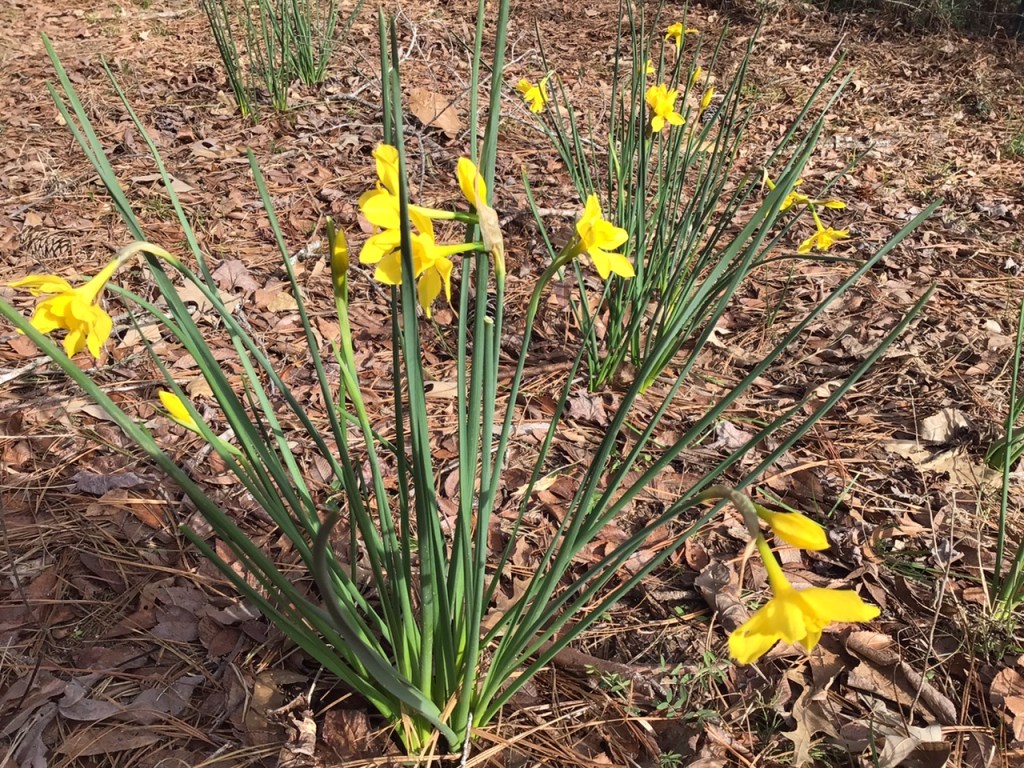
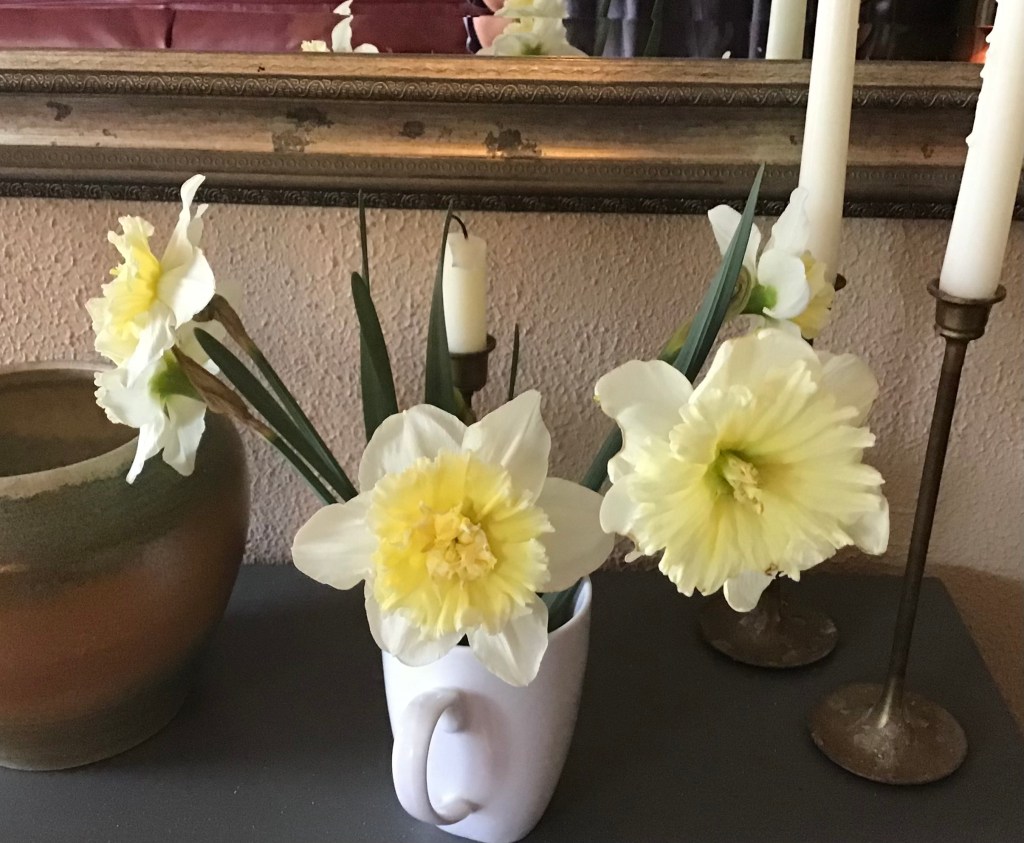
The daffodils and narcissists are out, and just enough blooms that the bees are again pleased!

I do believe, as chance would have it, I just happened to capture the queen in this quick shot. If you look at the center you see a longer abdomen pressed against the observation window, right next to a worker bee, so it stands out just enough to discern. I can’t be 100% sure, but I think so!

And back to discernment, we have the magic phallus of several posts appearing again! It’s in the same general area as the others, pictured previously, but looks a bit different. Now I’m starting to hope we’ve discovered a morel patch?! Or, maybe not.

What’s new in your neck of the woods?