Between Shitty & Country

Having become far more accustomed to the surreal ‘nature’ of ‘reality’ in the last decade or so, I was less baffled by the still ever-increasing Suburban Sprawl on my recent roadtrip through the Hill Country of Texas.

Because of course, by now we are all hearing constantly the war drums of the Globalists and their plan to put all ShittyZens into Smart 15-minute Cities™ under Palantir Surveillance Systems™ paid for with our tax dollars and paving the way for digital money cheered on by ‘Freedom Fighters’ where everyone will be eating food manufactured by Pig Pharma, who begrudgingly keeps the ShittyZenry alive through forced drugging deemed voluntary.

Homesteading gets sold as a solution, which it is not, and never was, and even I knew that as a novice 15 years ago, before it was cool. Homesteaders rarely last 5 years, I’m told, like most small businesses. Makes perfect sense to me, because it’s the only work I’ve ever done that gets harder with time instead of easier.

It’s a lot like all the lies being sold to us about everything, everywhere, all the time.

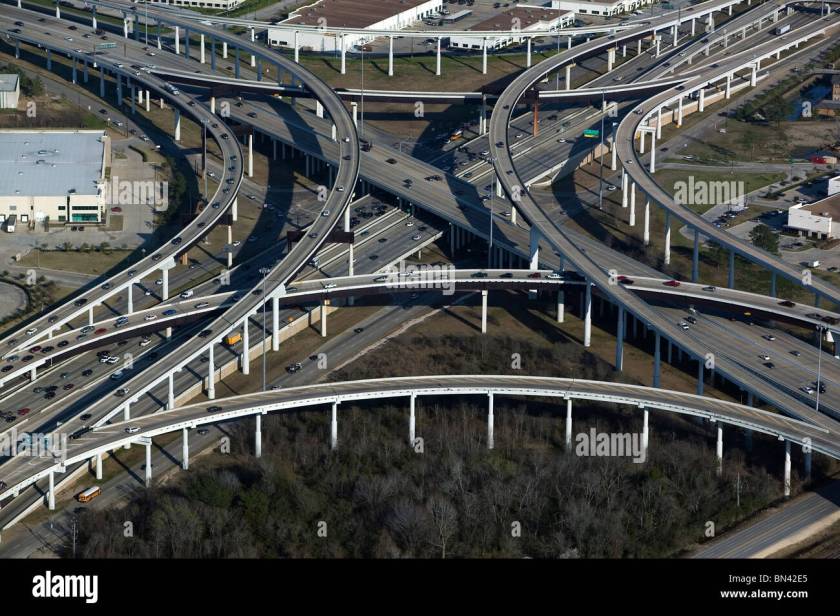
Perhaps the 15-minute city agenda works in some places, but I see nothing of the sort here. The Shitty Sprawl continues, unabated and unabashed, developing the vast parcels of land without the people, in an unstoppable concrete jungle that clearly doesn’t listen to the same news as we are subjected to from the 24-hour Cybernews Today Club.

Residential and commercial alike, vast development continues, and sits empty for tens of miles outside every major city in Texas: Dallas, Austin, San Antonio, Houston. The foreign populations increase, but not nearly at the rate the buildings to house and employ them get constructed.

And out, and out, and out they go, encroaching far worse than infesting cockroaches. Blocking the views, crushing the landscape, sculpting and paving and polluting any and every open space where someone can maybe hope to make another dollar.

11 new Commercial Mega-projects for the Austin market!https://aquilacommercial.com/learning-center/megaprojects-planned-for-austin/

“The project is set to deliver 1,200,000 square feet of office space, 140,000 square feet of retail space, 1,700 multifamily units, and 200 hotel rooms. The development will also create 14 acres of green space. ”

Mind you, there are already huge empty building ALL over the shitty.

Plus,

(A whopping 14 acres of green space! 😂)

I like when I hear rural (and other wise) folks refer to the cities as ‘shitties’ because I think it fits. Let’s call a spade a spade. What I saw on my roadtrip was horrendous and makes me thankful for the wee refuge we have created here, for now. But the Shitties aren’t the real problem here, in fact. We are being swallowed up, everywhere, by the relentless Shitty Sprawl.

Amazon and Walmart will be offering drone delivery service, so perhaps that will alleviate some of the choking traffic that stagnates around every Shitty, all day long. Those drones must be very adept at navigating through the expanse of electrical towers and fat mess of wires that crisscross every skyline and create a hideous hellscape of prison-like bars. So much for the vast open horizons of our fabled cowboy days.

In Houston, veterans and cripples beg at every underpass and intersection, weaving themselves like Frogger players through 5-lanes of traffic. San Antonio has been ruined by tourism and is now, in just the last 5 years since I was last there, a crowded, filthy slum pretending to be full of family fun. Austin is just more of the same which started well over a decade ago, and continues its relentless expansive march into the drought-stricken Hill Country, paying no heed whatsoever to the limits of water or other pesky human needs. Technology!

Yes, technology is both the Great Driver and the Great Savior. As well as the Great Disrupter and the Great Connector.

While the water gets diverted into Data Centers, swimming pools and water sports for the foreign tech teams, tourist traps sprout up like, well like tourists traps always do.

Mystery Tours and Great Escapes (TM) and Wild West Simulations based on previous historical simulations. Hotels that require Smart phones to check-in and coffee shops that sell fancy foamy cocktails, but don’t take cash.

Such is the American Dream I’ll be expanding upon in the next posts, based on my recent, rare roadtrip. There will be highlights among these many Shitty Horrors, I hope they will be enough to create some kind of basic balance, as temporary as I expect that will be in the grand scheme of things.

The Pie in the Sky Tech dreams are in fact nightmares for a great many of us. The kind of projects ‘our betters’ have planned for the world are little more than anti-human miseries sold as ‘fun’ and ‘sustainable’ while they are in fact conning the populations of the world to build playgrounds for the uber-wealthy on the backs of the common man: THE story as old as time.

Will Austin become the next Neom?

city of neom saudi, future home of the 2029 Asian Olympic Winter Games
https://en.wikipedia.org/wiki/Neom
Yes, there is the usual rumblings of faux climate concerns.
“Amidst increasing global-warming concerns, the project raised multiple issues ranging from the expected high temperatures in the desert land, the energy impact and detour of local water resources to the construction of artificial ski slopes from scratch.”

Our Texas mega-Shitties equally demonstrate ZERO authentic concern over their continued expansion.

“The new construction home market in Austin, Texas, remains vibrant, with homebuilders offering attractive incentives like rate buy-downs and closing cost contributions. Demand is steady, as Austin continues to attract buyers drawn to its growing tech scene, great schools, and high quality of life . . .”

In Shitty-speak, a ‘high quality of life’ is apparently defined by constant drought, non-stop shitty-wide traffic and enough beggars to make one feel rich even while living in a mini-studio apartment above a freeway.

Pay no mind whatsoever to Austin’s infamous traffic. It’s main corridor, dubed ‘A Freeway Without a Future’.

I-35 in Austin is one of nine freeways where the infrastructure is “nearing the end of its functional life.” Photo courtesy of Getty Images
Apparently this was a problem inherent in the 1928 Master Plan of Austin’s infrastructure that is now visible to ALL: The Master Plan was in fact, rascist. So that explains everything.

The Master Plan https://austin.culturemap.com/news/city-life/austin-i35-freeways-without-futures/was rascist, of course!

Perhaps the future plan will mirror a devotedly Non-Racist plan, like that of Neom, Saudi Arabia, where everyone has equal opportunity to be a ShittyZen, provided they don’t mind being surveilled like a prisoner.

From Wiki:
“At one company meeting, Nasr said on record, “I drive everybody like a slave, when they drop down dead, I celebrate. That’s how I do my projects.”[108] He also threatened to replace employees stuck in other countries during the COVID-19 pandemic lockdown in 2020, which included the former director of branding and marketing.

Surveillance
Designers of The Line announced plans to use data as a currency to manage and provide facilities such as power, waste, water, healthcare, transport and security. It was said that data would also be collected from the smartphones of the residents, their homes, facial recognition cameras and multiple other sensors. According to Joseph Bradley, the chief executive of Neom Tech & Digital Co., the data sweep would help developers feed the collected information to the city for further predicting and customizing every user’s needs.
However, Saudi Arabia’s poor human-rights record and use of espionage and surveillance technology for spying on its citizens emerged as a roadblock, according to digital rights experts. Vincent Mosco, a researcher into the social effects of technology, stated that “the surveillance concerns are justified” while further adding that “it is, in effect, a surveillance city.” The Saudi Ministry of Communications and Information Technology did not respond to digital rights experts and researchers’ requests for comments.

Other criticisms
The project has been critiqued as a “laboratory of false solutions” inasmuch as carbon capture and storage (CCS), green hydrogen, and carbon-offsetting are self-serving panaeceas backed by the fossil fuel industry which do not work at scale. Furthermore Salman’s vision for the city includes such fanciful technologies as flying cars, robot maids, dinosaur robots, and even a giant artificial moon.”

Even a giant artificial moon?! Wow! Who needs water anyway, fly me to the moon! 🤪
Millennial Pep Talk

The Millennial Gardner gave a great little pep talk at the end of this confessional concerning his myriad gardening mistakes over the years. There should be more such vids as this. The positivity movement is dead, in my opinion, though MG is still a devoted adherent.

Positivity–Capitalism couldn’t survive without it!

He’s not yet reached the ripe age of bitterness. He thinks he will be able to continuously throw money at the problem, and I rather doubt that’s a viable long-term solution. I hope I’m wrong.

But overall I really appreciate his rejection of the typical appraoch to problems today: The Head in the Sand vs The Pie in the Sky. That’s what I see most often, and on that I think he’d agree with me.

So, more power to him!

We all need a pep talk now and then and Millennials especially it seems to me are inheriting the ends of the Shitshow and are expected to pull it all together again after the wrecking ball.

Hardly a lesson in equity, or perhaps the best lesson that could be.

The gist of his little pep talk is valid–anyone who excels at anything worthwhile has experienced, and learned from, the greatest teacher of all–Failure.

It’s not nice or pleasant or fun or comfortable to learn the lessons of failure. And we live in a culture addicted to nice and pleasant and fun and comfortable.

Not really a conducive atmosphere for learning.

Yet, sometimes the results of the lessons are far more pleasant than we might expect. Like, in my case, my greatest lesson in gardening so far has been flowers.

Flowers and ‘weeds’.

I had no idea the delight they offer when I first started gardening and I made little room for them in my garden, whether the classic garden cultivars or the wild weeds who long to make themselves welcomed. HUGE mistake!

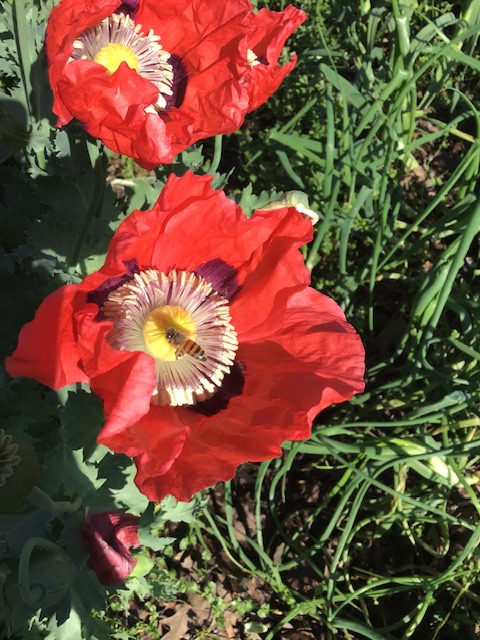
I’ve been working on correcting that for many years now, and it’s absolutely paid off in myriad forms: more bees, more joy, more pleasure, more beauty, more sense of wonder.

The garden feels like less of a chore and more of a privilege with every bloom. The attraction is magnetic, to insects, to birds, to me. I observe better, I take more time, I allow my natural esthetic sense to align with the food crops and converge into a very satisfying balance of food and fancy.

Somehow, whether in my heart, or soul, or imagination, co-mingling the wild in with the crops has engaged me in a way that is a continual wellspring of curiousity and desire, even in the worst of times.

The rapture of emergent colors, the allure of fragrance on the breeze, the dance of the petals and the delight of the bees, I think what my early garden experience was missing was in fact the essence of ME. Because you don’t get that from books.

Learn from our failures dear ones, that’s why we tell y’all about them. Don’t let them dim your spirits, but use them in good faith, and find a way.

More Bees Please!

I don’t follow this very popular homesteading channel, Off-Grid with Doug & Stacy, too chatty and hyperbolic for me, but that’s what gets the clicks, so more power to ’em. Yet somehow, the Algos knew to put this particular new episode prominently on my feed.

Natural beekeeping in horizontal hives!

It’s excellent! I first heard this beekeeper many years ago and am so glad to see he continues to promote natural beekeeping and adding to his informational website. He’s also added equipment, books and events, and if I still lived in Missouri, you can bet I’d have befriended him ages ago.

Dr. Leo Sharashkin
https://horizontalhive.com/index.shtml

It really is a thrill for me to watch the growth of treatment-free beekeeping over the last decade. It used to be not only terribly difficult to find good information, but also it was treacherous. I’m not joking either. Natural beekeepers are the anti-vaxxers of the beekeeping world, with all the bullying, ridicule, and obnoxious bloviating to prove it, which I experienced for years with this simple preference.

I do not want Big Pharma livestock. It’s really not a crime, though you will be treated like a criminal to suggest it or admit that it’s your practice to most mainstream and commercial professionals. According to many of them, the fact that treatment-free beekeepers exist at all explains why their colonies are filled with diseases. It’s blind faith in The Science. And The Science is not rational.

Folks might be surprised to learn that the lifespans of pets and livestock has decreased sharply over the decades. Bees, like all the animals, are basically treated as a disposible commodity. One disgusted veterinarian who turned his practice to homeophathy complained about this in milk cows, but actually it can be observed in ALL livestock:

“While my cow patients in Wisconsin often lived well into their teens, some to over 20 years, the average California operator culled cows at 2 years old. They’d been pushed with so much grain and ever higher production goals that their health suffered and they were literally dispensed with when they couldn’t keep up.”
(3) When “organic” dairy ain’t – by Will Falconer, DVMhttps://vitalanimal.substack.com/p/when-organic-dairy-aint

But that is clearly changing! It could be that more are recognizing the false science of Pig Pharma, finally. Or, that there is so much success now in the treatment-free circles, and so many more are starting to practice it, that the bullies in the business are starting to become outnumbered. That’s my hope anyway.

One commercial beekeeper replied to Leo’s inquiry with a common fact:

14:45 “If I stopped treating my bees, I’d lose 85% in a year . . .”

I would LOVE to try a skep hive!

That’s right! And plenty of beekeepers, commercial and hobby, have experienced that, unfortunately. I also had a very hard time in the beginning. It took a lot of failure and a lot of research.

Mostly it took conviction. Good health is not found in medications. It is achieved through wholesome practices, which are the same for bees as all of life: Clean living and being left to pursue the most natural ways as possible.

From the interview we learn Doug & Stacy had similar issues as I had when beginning in beekeeping, and it was through Leo’s work and presentations they understood why and began to change their practices with continued success. Leo insists, you don’t need to invest much money, contrary to popular opinion. You don’t need to keep buying bees to grow your apiary.

Treatment-free practices rely on the natural intelligence of the bees to care for themselves. We do not requeen when we make a colony split, requiring the bees to raise their own queen. This keeps all beekeeping local, as it should be.

One of our horizontal hives with an observation window.

Instinct of the local area grows in the colony from one generation to the next. Also contrary to popular opinion, the bees get more resilient with each generation when left to their own decision-making, ie. when to swarm, how much honey to store for the winter, when to build up brood in the local conditions, which queen to keep, and when to get rid of her.

Leo’s entire apiary was grown through trapping swarms and making splits. I’ve not had much success with swarms and will try to start following more of his advice for attracting them. You’ll actually have more success attracting swarms in less rural areas, as counter-intuitive as that might sound. But bees are a bit like deer in that regard, they are attracted to the closest and most abundant and varied food sources, which often means near where humans are residing.

While he uses horizontal hives, like I do, he also has some good advice for beekeepers in cold climates and hive designs which help keep colonies alive during long winters.

 LOVE SWARMS: The Complete Guide to Attracting Honeybees

by Dr Leo Sharashkin, Editor, Keeping Bees With a Smile

I once drove all the way to Arkansas on my search for treatment-free bees. This is what the car looked like when I arrived home! 😆

Unfortunately, after all that trouble, these bees also did not survive a full year. BTW, I was not stung once.

When I finally understood the importance of getting bees locally and allowing the weak colonies to die off, I finally had some success. But, it’s still a work in progress and I’m so happy for all the advice and expertise from those with more experience and success.

Live and learn!

Beauty & Bounty

Such a busy time of year already, made busier with our remodeling projects, but we always make time to stop and smell the roses.

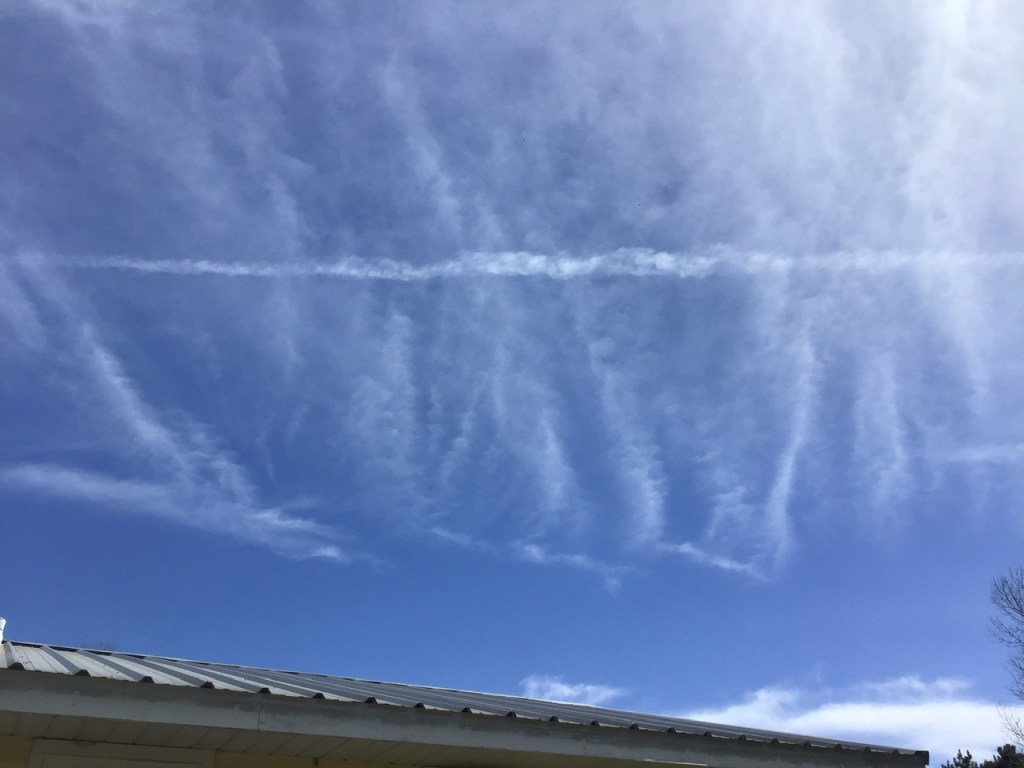
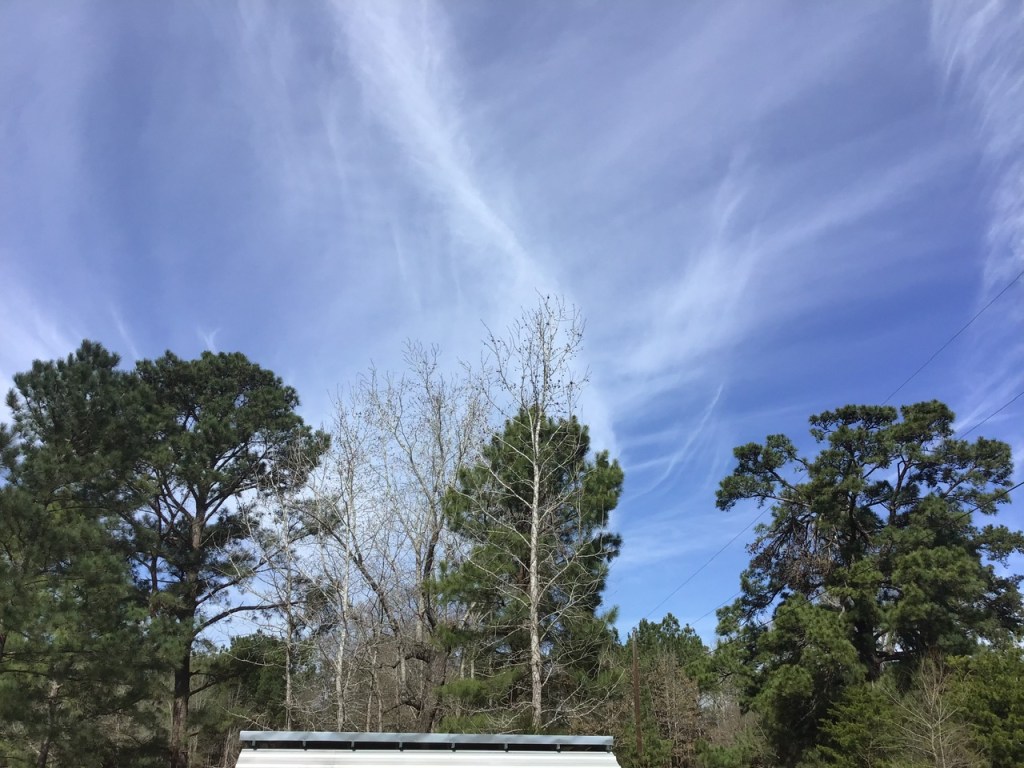
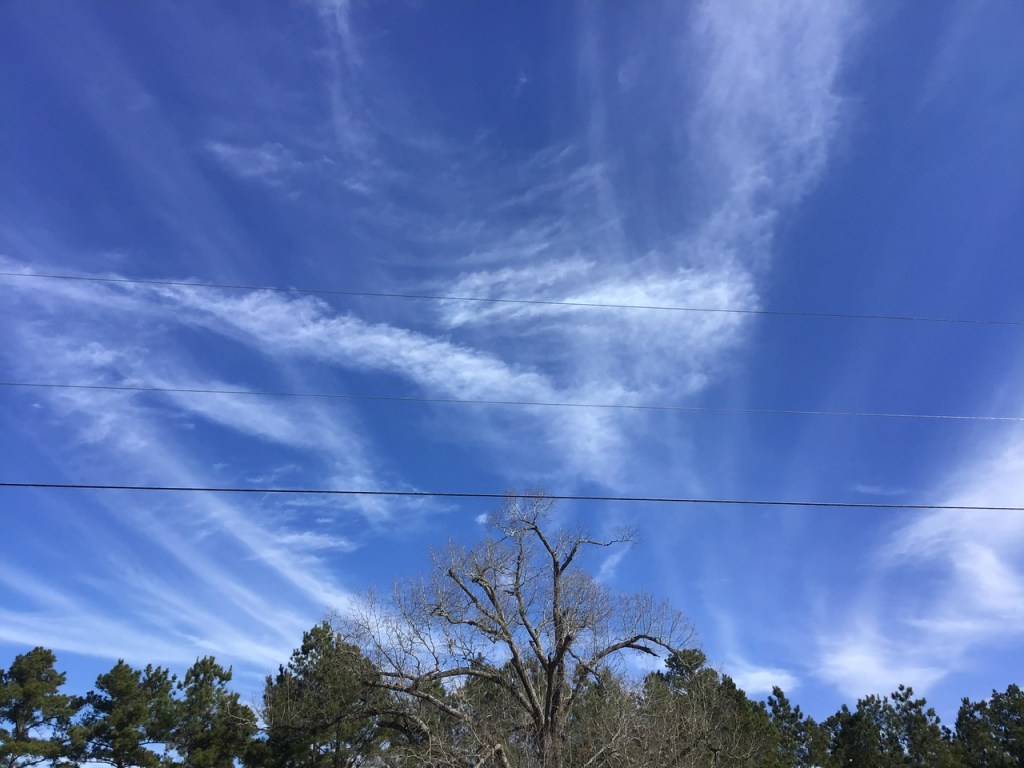
And bow to the weather gods, or geoengineers, who have spared us this time, and after so much barking, we are grateful there was no bite. Before I sing our praises, let me acknowledge those further north who are biting the bullet this time around. Our picture perfect skies are so very rare, I don’t like to think about all that means.

We did prepare all we could for the worst, annoying as that was. Out came the row cover fabric again and the wheelbarrows full of logs to hold it down, after just having cleaned all that up and took it to storage the week before.

We expected a frost for sure.

All the pots had to be gathered to cover all the peppers and tomatoes. And considering it was so hot and humid and over 8o degrees when we were doing all of this, it felt more incongruent than snow along the coast of the Gulf of America. 😂

But, I can’t complain, because as I just said, we got very lucky. No hail, tornados, landocaines, flooding and we just barely scratched by the frost threshold.

Just look at that sky! I can’t tell you how long it’s been since seeing such a sight!

There is so much beauty and bounty, in nature, and in cyberspace too!

Just yesterday I was scrolling through my Youtube feed and about every 100 suggestions up pops a true gem, like this old Mexican lady cooking her heart out and sharing it with the world. This is the very best of the power that’s right at our fingertips, I truly believe that: The world’s people sharing about their cultures. The cuisines, the histories and myths, the music, the dance, the landscapes, the languages, the gardens, the architecture–and the ordinary folks sharing them. Unfortunately, as the AI gods have demonstrated, for every such miracle there are about 100 curses.

Make food not war!

There are the tiniest gems not to be missed through all the noise and all the neon glare.

And it seems like they are beckoning me to slow down and notice them.

What would you rather do . . . follow me around the garden, or do more of that thing you call work?

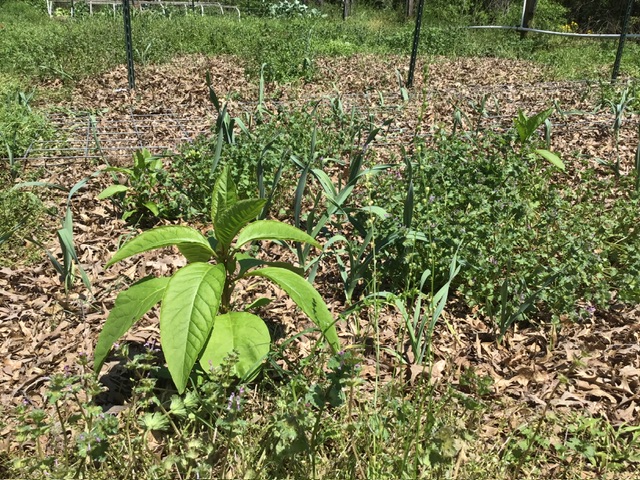
A plot of volunteer poke weed and garlic, as if they’re just screaming, we are here for your good health, so happy to be here, we keep returning for you!

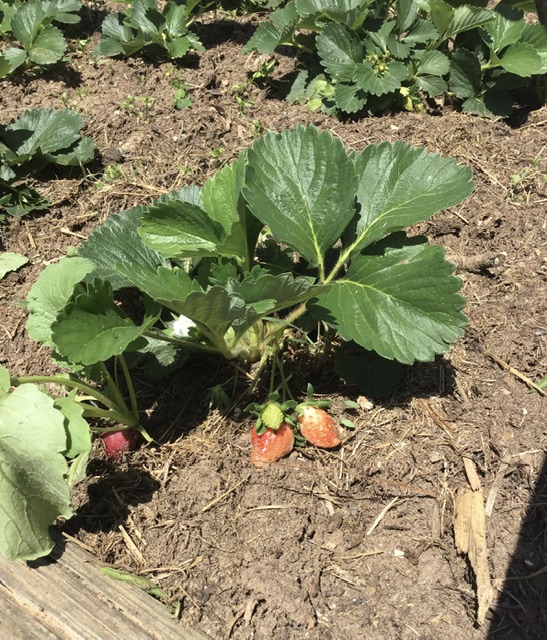
Sometimes, when I least expect it, we learn how to grow together better. Like I was thinking of the old Southern trick to set out red-painted pebbles to fool the birds into keeping off the strawberries. I thought, I bet some well-placed breakfast radishes would have the same effect, and sure enough, it’s working. The birds have moved off that bed ever since those radishes started showing their little red tops, and bonus, we adore radishes, maybe even as much as strawberries.

We have been eating giant salads every day, with enough surplus for our neighbors.

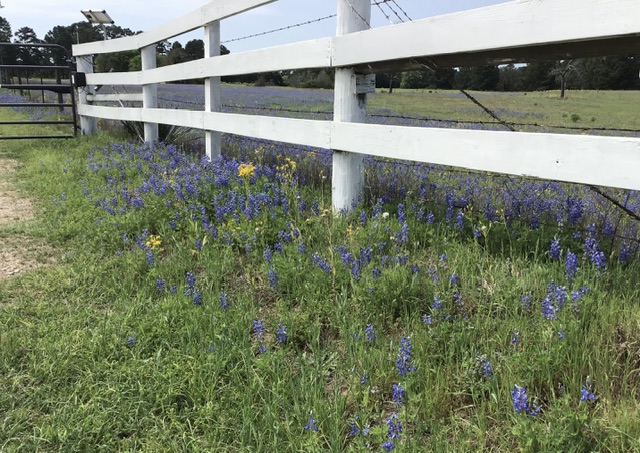
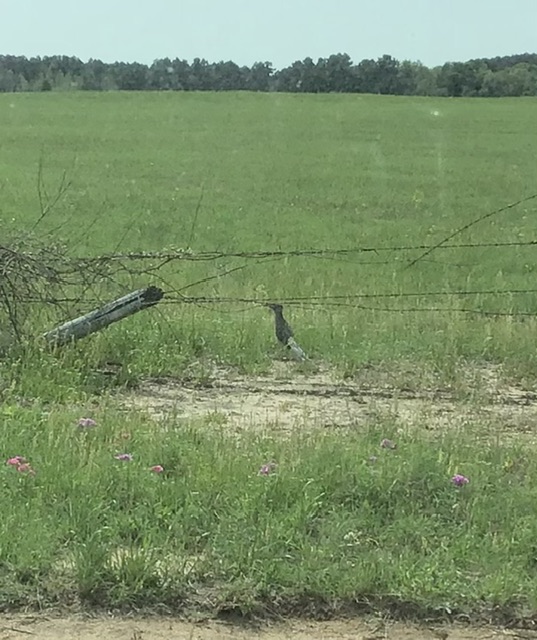
Along the country roads all is flourishing. The bluebonnets are brilliant and I even caught a roadrunner, just barely.

Such gifts of beauty and bounty! What a precious, ephemeral time to infuse their bursting energy into our year ahead. What we put into it is what we’ll get out of it, just like life.

I hope your spring is being beautiful to y’all, too! Thanks for stopping by!

Country Life, Modern Style

Still, no time. I’ve lost a month, maybe two, in projects and to-do. Now I risk missing the whole spring to more of the same. And yet, in spring, it’s never all that bad.

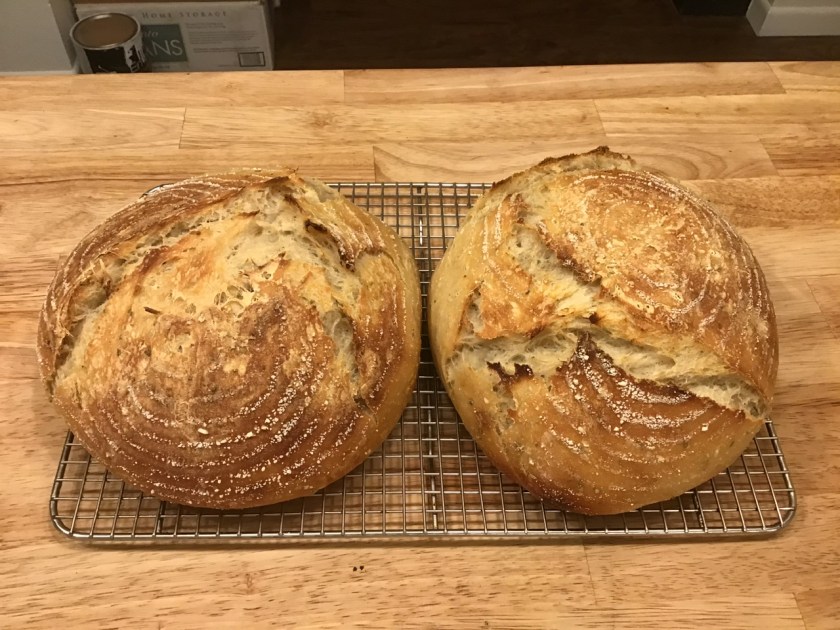
There will always be time for baking delicious bread, and making fabulous cheese. Even in the midst of kitchen face-lift chaos, the healthy food must go on.

Quinoa-rosemary sourdough made with potato water
Fantastic!

Still, no time, but still want to share some quick happy snaps and briefest of updates, because I’d hate to be totally forgotten before even gone! 😊

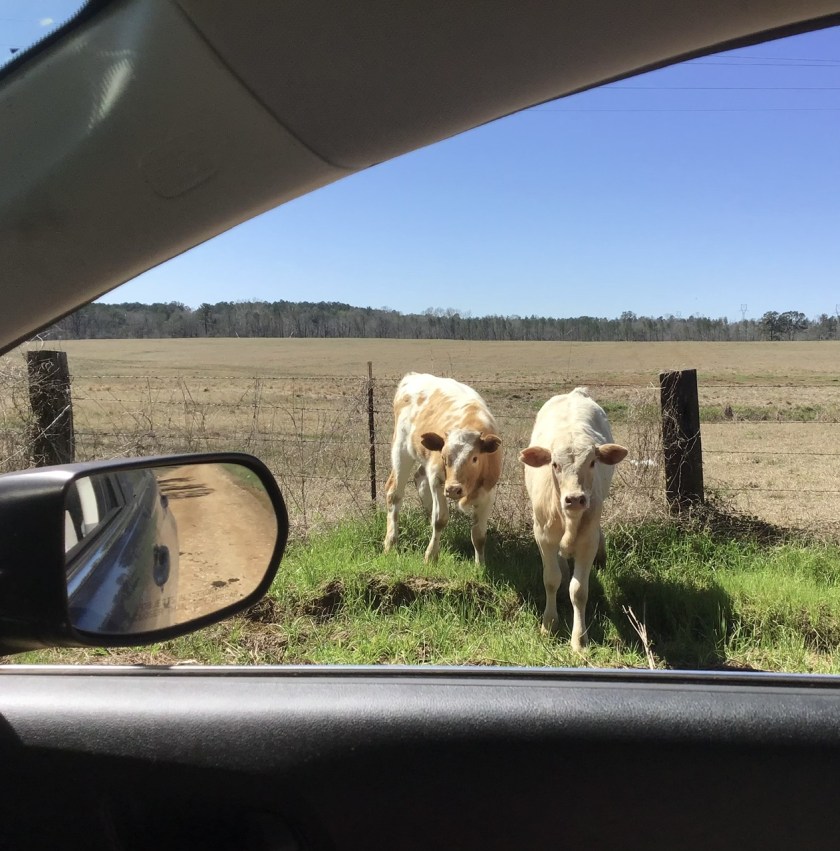
It was a beautiful day, so I decided to take the scenic route to the herdshare where I pick up one gallon of raw milk at the cost of $15, that’s about a 1 hour round-trip. On this day, it took more like 3, with multiple occasions for nearly getting stuck in the mud. But it was very scenic and an adventure to boot!

Excuse me, sir, might I pass?

Apparently they get much more rain than we do and the scenic route proved impassable.

But the cows didn’t seem to mind.

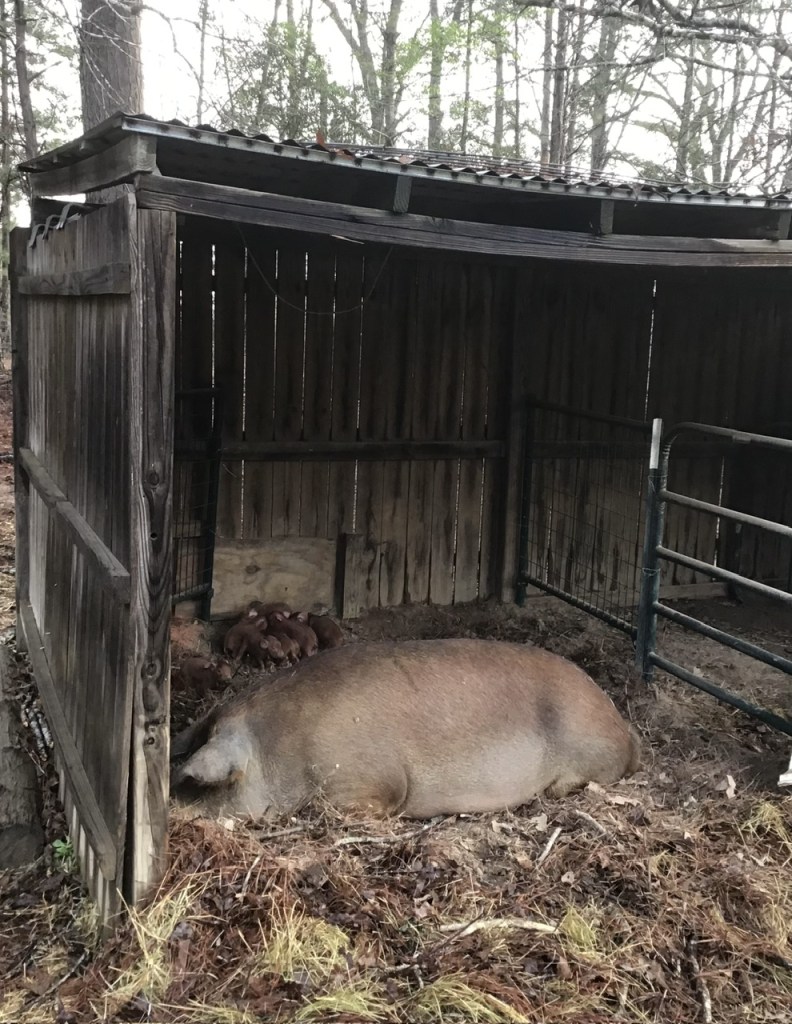
Meanwhile back on the wee homestead, Patty has had a big brood!

………….

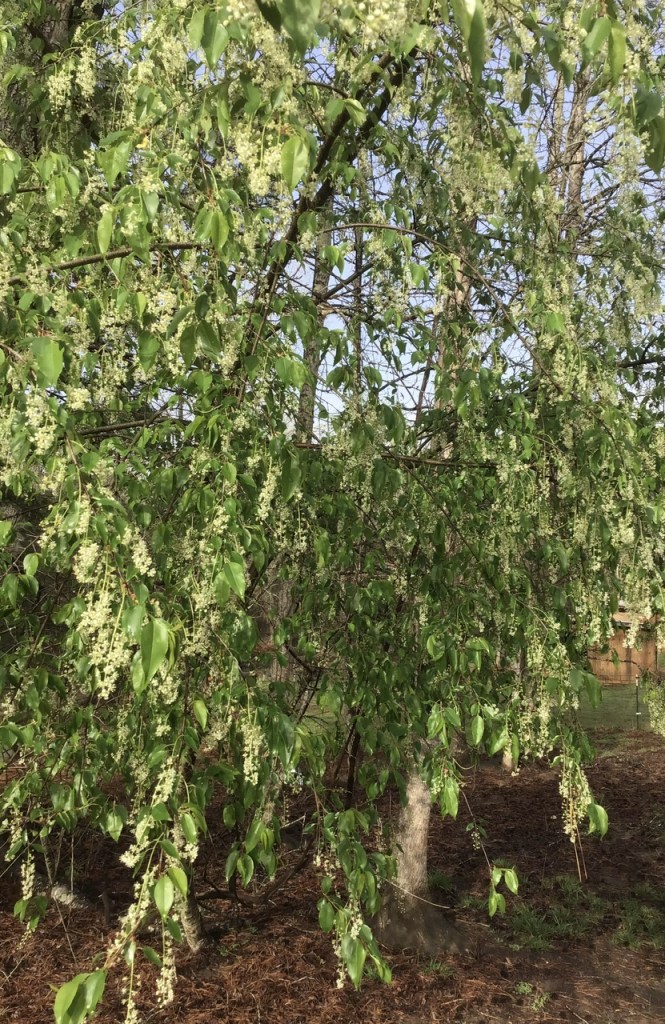
And the wild cherry has never looked so good! I wish I could get a better pic.

…………..

We’re spending so much on our interior face-lift the roosters are taking over, no time to reduce their numbers, the benefit being, no sleeping in.

………..

The garden is growing so fast, and the citrus and magnolias I planted last year are just now sprouting. But all that for another post, too much to do!

Hope all’s springing with y’all, thanks for stopping by!

Another fixer-upper on the route to my herdshare. Looks a bit over our pay grade.

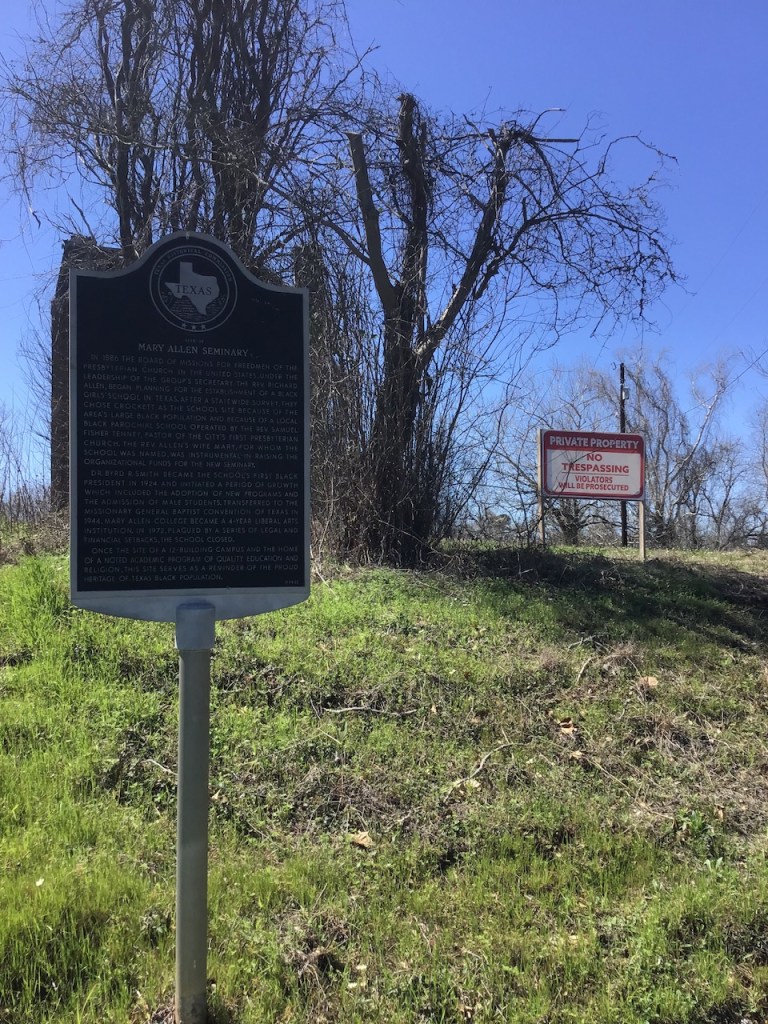
How about this one, also on the route?

Destined to become a Black Heritage museum, so they say! 😆

Homestead Hope(ium?)

What is the difference between Hope, and Hopium? There’s a fuzzy line and it’s very easy to misjudge, but it’s located somewhere between: “Yay, Trump will save us all from $11/dozen eggs!” And “We should start a chicken mega-ranch.”

If those two meet in the middle of the road, might creative minds find that they’ve absent-mindedly crossed with logic and conclude a few laying hens might be just the ticket? A bit of self-sufficiency, why not? After all, it’s not rocket science . . .

Joel Salatin exposes the WEF agenda!
“Josh Sigurdson talks with Joel Salatin of Polyface Farms, an entrepreneur and farmer who for years has fought against Monsanto, factory farming and dependence pushing for people to homestead and/or farm and not be dependent on the system.
We previously interviewed Joel in 2017 regarding Monsanto. Now, 8 years later, we delve into the massively expanded technocratic grid as more than ever, people are dependent on grocery stores, the grid and AI, weakened by design.
The World Economic Forum agenda is to destroy self sustainability and make people weak slaves to technocracy. Eventually they want food rations and carbon credit scores. They’re already being rolled out to some degree and with the 2024 United Nations Pact For The Future, this problem is encroaching quicker than ever.
The climate lobby attempting to bring down farms is more alive than ever. There are solutions however which Joel Salatin has spent decades teaching people.
There is also a rumor circulating that Joel Salatin was picked to head the USDA. He explains this and more in this interview.”

https://www.bitchute.com/video/xp8FhgIdgdHh

Though it is the gateway livestock, and that’s official, I’ve even heard it repeated by the official fact-checkers at NASA.

Don’t worry, more government will save us! They will VAXX this FLU away, similar to the way they spray on the weather!

Respiratory diseases? I can’t imagine how that might be happening! So baffling!

But as James Corbett points out, chickens are the simple solution, but not necessarily the Easy one.

Most folks will take the easy way out, drink the Kool-aid, puff the Hopium, and exclaim RFKJ is here to save the day. Cheap eggs and healthy injections on the way!

To Hope is to Hopium as to Smoke is to Suffocate.

Resilience their way?

Moving Aussie’s to Smart Cities:

They got you by the balls! Now what’s a bit of responsibility for a few hens compared to that?

Homestead Happenings

It’s been quite a long time since an update on the wee homestead projects and activities; it’s hard to know where to start! How about, for consistency sake, I bitch about the weather for a bit, and then move along to better tidings.

Of course the geoengineered chem-filled skies continue, as does our Yo-Yo season (formerly known as winter). We are using the air conditioning now, it’s been 80 degrees for days.

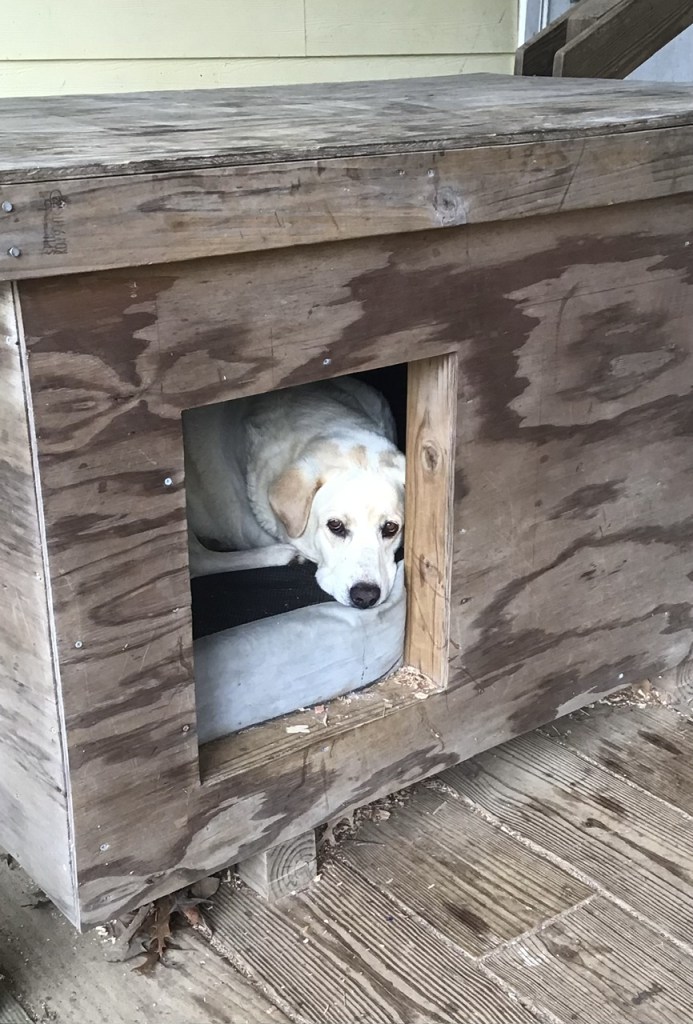
Buttercup is especially sensitive to the YoYo, to the point of regular getting seizures at such times, also lethargic and losing her appetite.

Buttercup hiding in her box all day.

There was of course the lows not long ago in the 20s and I was very concerned for the newly planted citrus. We employed quite the set up of lights and covers and they faired very well, I’m happy to report.

Invasion of Asian beetles on the citrus cover

But there has been a bad invasion of these awful beetles, which we’re vacuuming off the ceiling multiple times a day. Not to be confused with the garden-friend, the lovely little lady bugs, NO, these little beasts are really nasty. They infest, as obvious from the photos, and they bite, and as if that’s not enough, they stink.

I don’t like when folks call them lady bugs, they are not at all ladylike, so I try to correct them anytime I hear complaints, which is more often than you might think. The reaction I get is much more open and accepting than when I inform them about the manufactured weather.

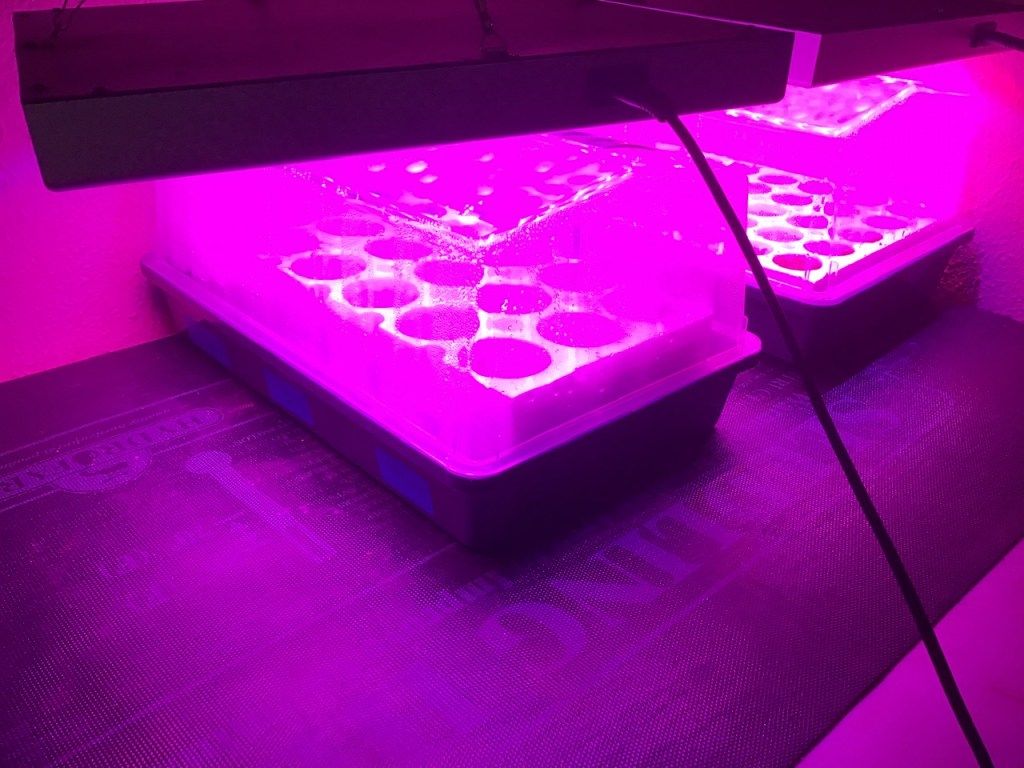
Old lettuce bolting, replacing with new lettuce started under lights indoors, along with broccoli and cauliflower.

It does keep us on our toes, dealing with the Yo-Yo. Lettuce and herbs bolt prematurely quite often, seedlings come up then freeze or wither. We never know from week to week what to expect or how to plan.

I don’t normally have such a fancy setup, but these trays were gifted to me and they’re working quite well germinating some lobelia and snap dragons.

My indoor lights and heating mats make things easier, as does the row cover in the garden, but it is constant juggling. And if I miss a beat, death. Like happened with the Mexican oregano I was so proud of. I forgot about it outside one night when it frosted. Very disappointing considering our long journey of discovery, and how long I babied those few little sprouts, trying to anticipate their every need, carting them inside for warmth, then outside for sun and wind, and just when they were getting their legs, gone. All my fault.

Well, except for the geoengineers, because I wouldn’t be doing this constant refrain if our weather was consistent or predictable or seasonal.

I’ve tried twice since then to sprout the herb again with no luck. I will succeed eventually, of course, we’ve come too far in our quest to fail. The Mexican oregano has a long tale in these parts. Failure is not an option. More on that in the last HH post, if you like. https://kenshohomestead.org/2024/11/14/homestead-happenings-43/

I’d like to say it was the same with the milk quest. Unfortunately, I’m not nearly as confident; I feel failure is probably inevitable and maybe even imminent. For the time being I’m counting my blessings I’ve found another (perhaps temporary) source. Last time I was complaining about the cost, this one is even more expensive at $15/gallon. At that price I’m not going to be experimenting with any new cheeses, that’s for sure. To make cheese at all is not really feasible, except for the most delicious of selections—Camembert. Otherwise the precious commodity goes toward morning coffee, ice cream, and buttermilk for recipes and the extended expiration date.

Camembert to be draining before salting

I’ve been doing continued research on the topic of raw milk and what’s available and in general, where’s the market vibe. I found one young entrepreneur with a private herdshare selling cheese for $25 a pound. (A Herdshare Agreement or a Grade A license from the state are the only ways to sell raw milk in Texas legally.).

With my new herdshare deal I can buy more milk for cheesemaking, if I’m willing to pay $15/gallon. Considering the hard cheeses I typically made were 5 gallons ideally (better for aging in less than optimal conditions), that’s a really expensive cheese.

Certainly what can be made on-site are far better cheeses than can be bought at the store; that’s why I started making cheese in the first place. But still, it’s really hard to justify all that work, and expense, when we can still buy organic cheese for about $8/pound.

I will splurge one time in late spring, if possible, when the grass is thick and so the milk most rich. And we do still have two goats, hopefully pregnant, so there’s a small hope of cheesemaking in my future, if all goes well.

Moving on to the garden, the garlic is going strong and I’ve just got the onions in, 3 big rows of each. The garlic we plant is elephant garlic which does so much better here than any other variety I’ve tried, and I’ve tried lots. These are local for over a decade now and their productivity has yet to disappoint.

The onions are from purchased sets and they normally do well, though some years are a bust, like last year. I also started some from seed under lights, to compare if they are more consistent and adaptable, because the sets have gotten pricey in recent years and it’s irritating to pay good money for possible failure. Onions do not like Yo-Yo weather, but then again, who or what really does?

At least some seem to tolerate it better than others. We’ve got a couple of ‘oyster trees’ that are bringing us regular tasty gifts.

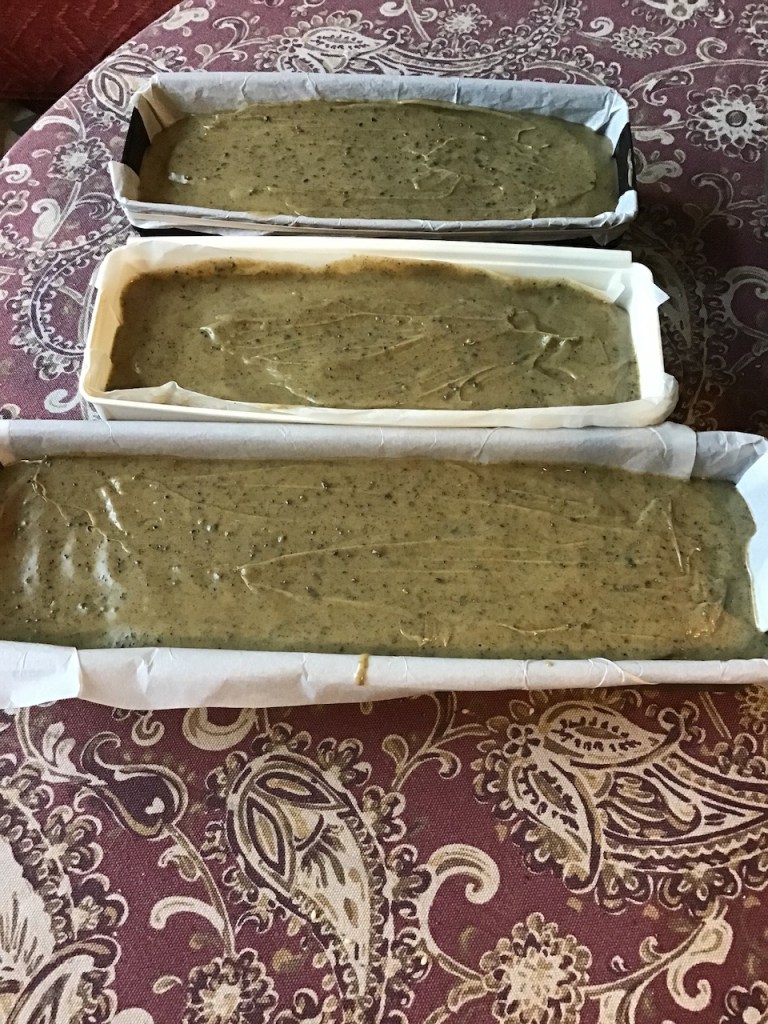
I’ve also tried a couple new things that have been long on my list. There’s the soap that’s just now cured, a bit earlier than I’d read is typical. I’m really pleased with it! It lathers very well and the scent is rather sensuous. My intention was something earthy and erotic, and I think I succeeded.

I got the sensual part down, now I need to up the aesthetic! Trust me, looks are deceiving here, I just need better molds! Never underestimate the power of packaging, eh?

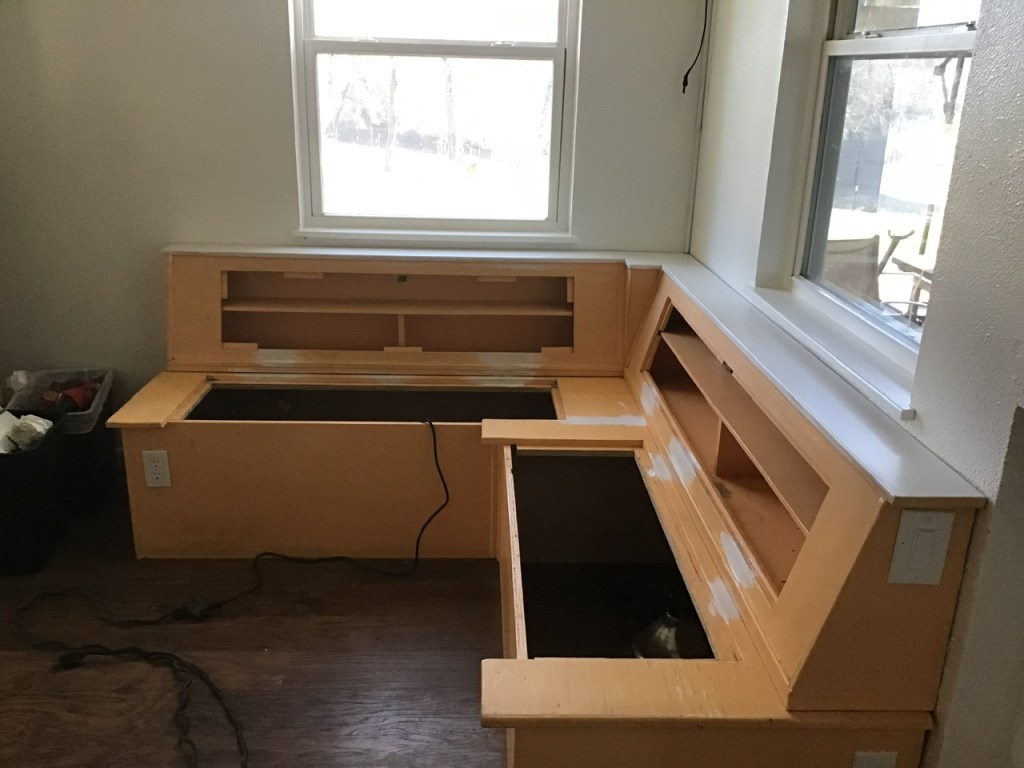
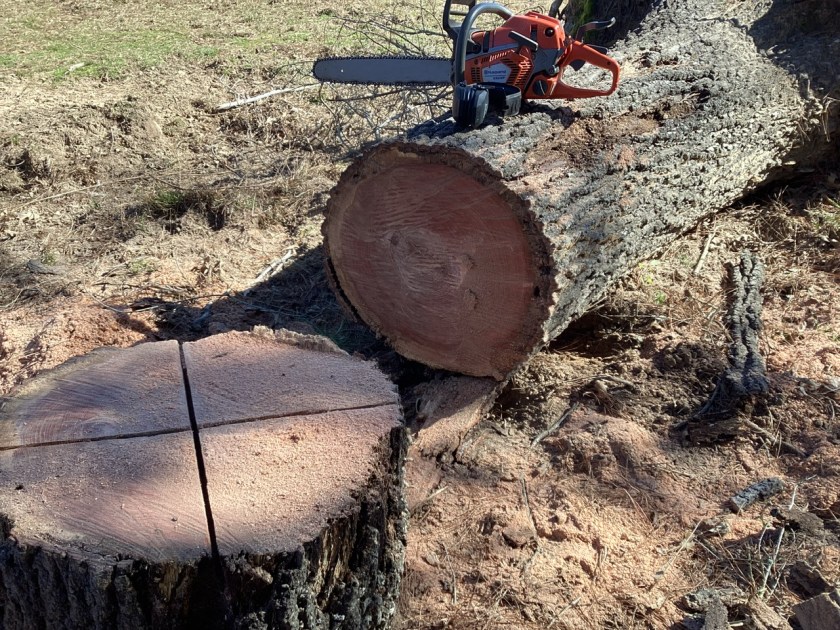
After finishing up slaughter season and chopping up downed trees for a month, Hubby has moved on to a far more desirable and needed project, according to me, our kitchen! Yippie!

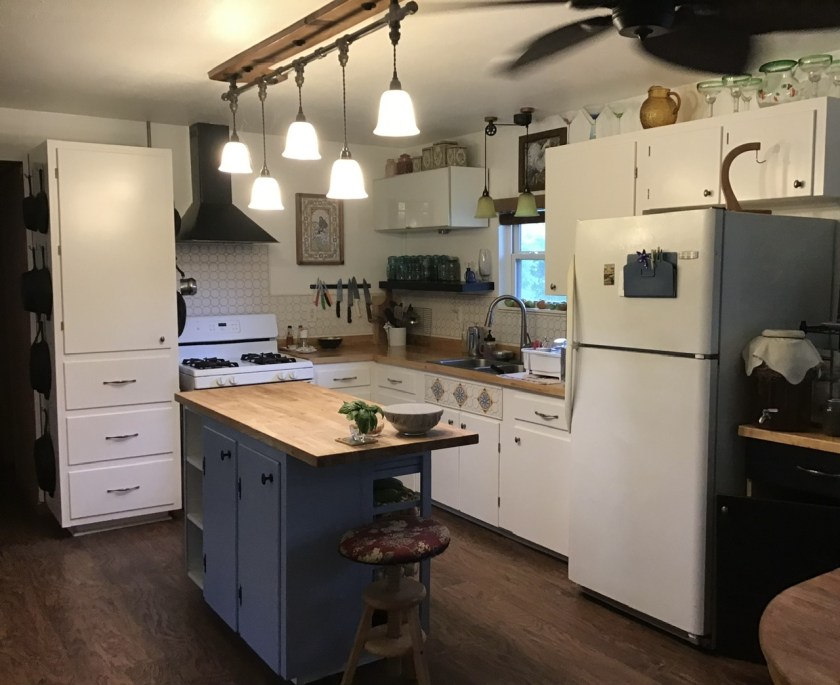
We’ve needed new countertops badly for many years, ours have been well-worn in 40 years, especially since we’ve gotten here and the space went from softly used a few times a year, to a daily year-round assault. It’s actually pretty impressive the counters aren’t near dust by now, considering how quickly more modern materials fall apart.

New island done, now for the hard part.

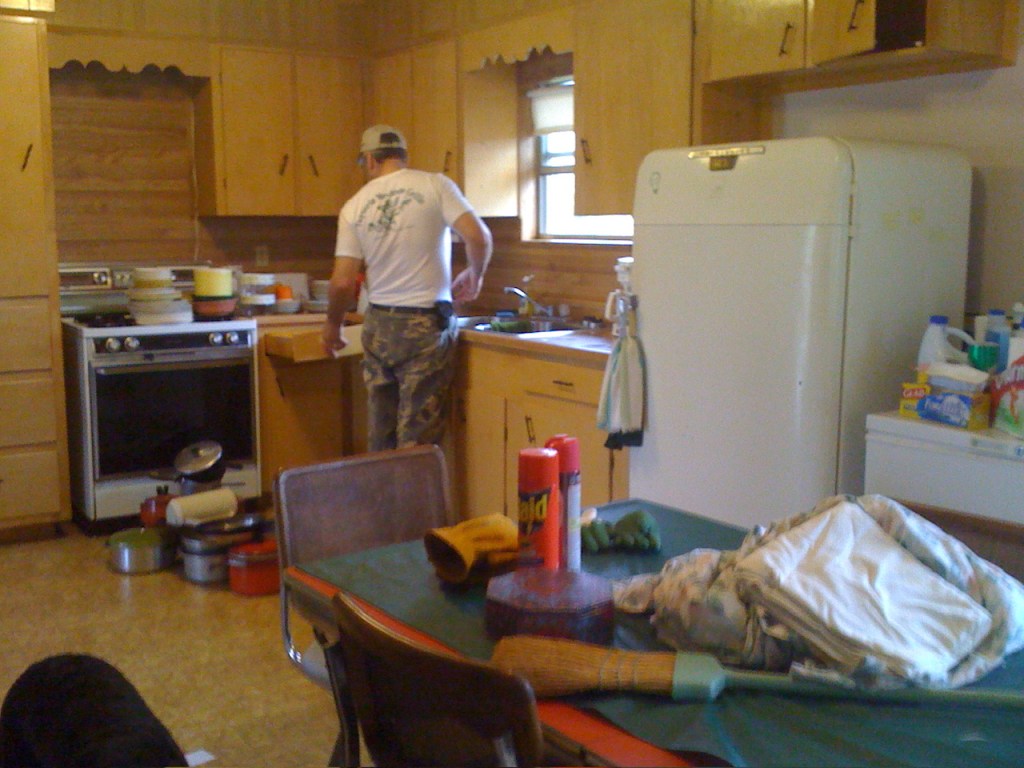
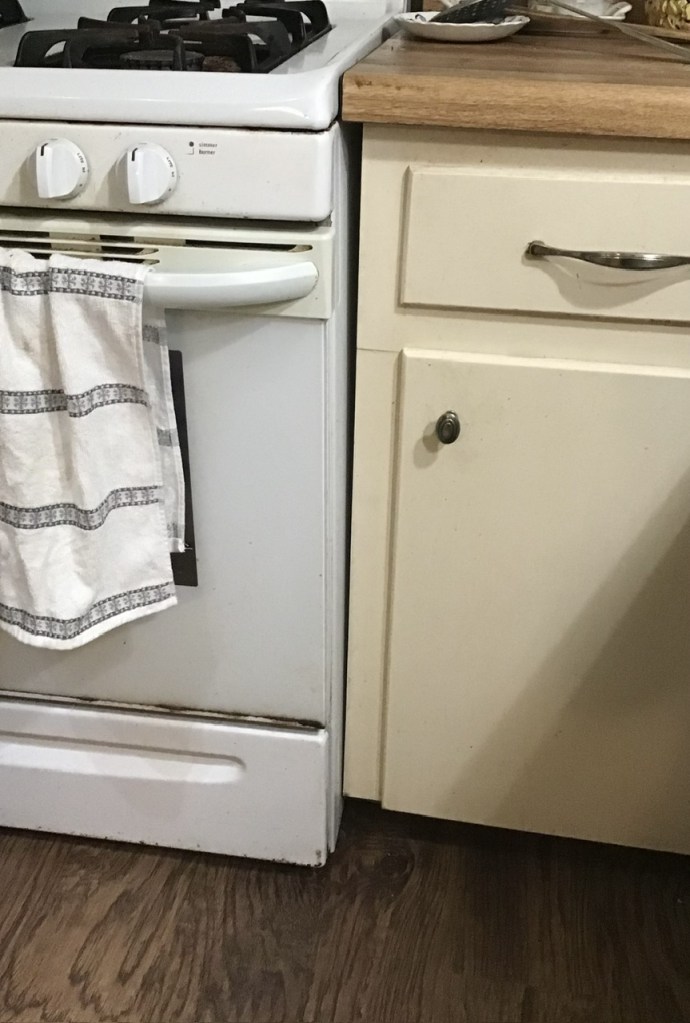
Old, ugly, not square or plumb . . . Good times coming in Hubby’s near future!

New countertops got us on a roll and now we’re planning new light fixtures and maybe even a new paint job. Big ideas, perhaps not backed up by time or commitment.

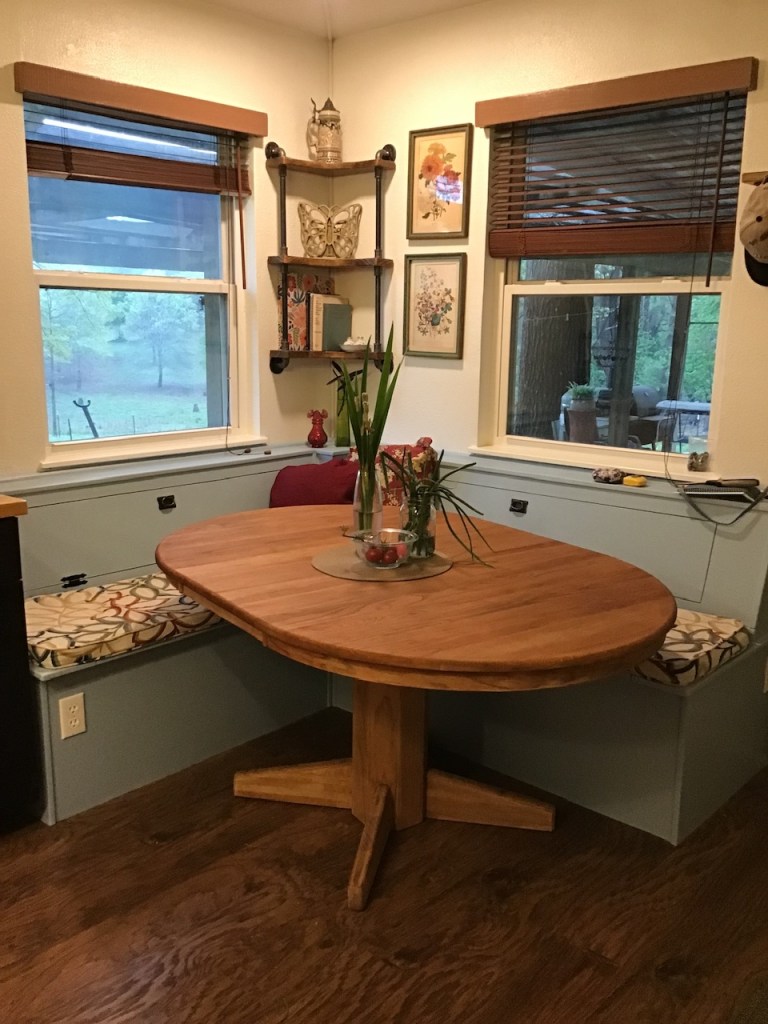
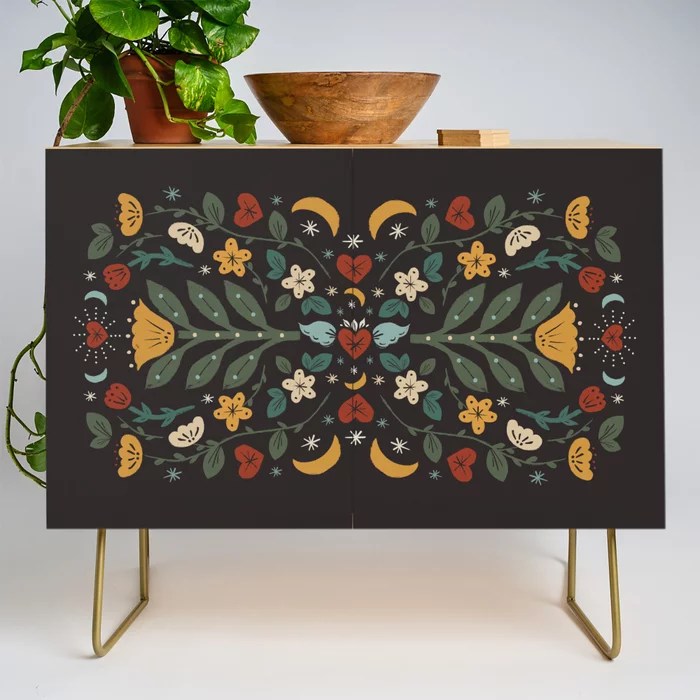
Those big ideas, I’m full of ‘em! In my mind the kitchen’s already painted and my next project is to paint the table, which I’ve wanted (and once tried) to do for as long as we’ve had it. I can imagine I might have a table with a surface that looked something like this . . .

But I’d be perfectly willing to settle for this . . .

Or this . . .

So, after I repaint the kitchen in the few spare moments between juggling plants in YoYo season, I acquire the skills of an artist, and paint something I can really be proud of . . .

Whenever I’m finally able to manage that, y’all will be the first to know!

In the meantime, here’s where we were at in the last update . . .

Assessing Value

Back to this unpleasant subject again. It’s been a very long loop; I haven’t considered it much since first attempting to barter goods from the wee homestead.

It’s something we really do take for granted in our modern economy, whether one takes that as an inherent good or evil.

The good part is that it’s comfortable and I prefer it, on the surface. I hate bartering. I SO suck at it. I suck at it for reasons that are so deeply-seated (seeded?) that no logic can ever possibly be applied.

On travels to some countries barter was the norm and I was told to keep practicing as I’d get better at it. Some seem to enjoy it. These sorts always baffled me. They say, “Treat it like a game!” But that is really stupid, isn’t it, because I did not go out shopping in order to play a game. I already don’t like shopping much, to think I’d like it more by making it game-like is to make it ever closer to hellish.

So while it may not sound like it, this is the good side of money. It took me a long time to learn that. Not until I had to consider such exchanges as, which was of better or equal value, the handcrafted Top bar beehive, or the wormy, bossy, but still a good milker, Summer, a 7-year old goat?

Money, in partnership with “the Market”, make such exchanges far more simple. Since none of us has a crystal ball, and I have no idea how long Summer will live and there are no guarantees, and my friend has no idea if she’ll enjoy beekeeping, or be able to keep bees alive in our chemskies and YoYo climate, our exchange is made more simple by imagining what would be the ‘market value’ of each of our offerings.

The dark side of money it seems to me relates quite easily to the dark side of most things—like religion, or science, or even education—it provides, by its very nature, an endless potential for ‘middlemen’. It becomes a profession, then a vast sea of professions, then an institution, then an institution ‘too big to fail’.

It’s convenient and comfortable, no doubt about it. It’s easy enough for a child to use, but complex enough to build empires upon. Try to imagine living without it.

Do we really consider how we, as individuals, would place value upon goods and services anymore?

What about once money is replaced with tokens. It’s pretty much the same thing already, right? Tokens as a medium of value exchange—your massage is worth 2 dozen yard eggs. Right?

Well, the market value of your massage today is 20 tokens, but the value of my eggs is 10 tokens, today, and 15 tokens last week, and is projected to be 25 tokens tomorrow. That’s the real problem with the market, right? For you and I, as individuals deciding value between us, the eggs and massage exchange didn’t fluctuate vastly over a matter of days, or even weeks. It’s pretty steady, really. You use 2 dozen eggs per week, I like 1 massage per week, stable value exchange.

But I’ll bet you 5 economists in the room with us would tell us 50 ways it’s not really a stable value exchange. And, why be stable at all if there might be a profit to make? Then a dozen lawyers will tell us why those economists are right. And a nation full of universities will continue to produce a fat muffin top of middlemen to stuff between every simple interpersonal transaction in every tiny hamlet around the world.

I’m bothering to restate the obvious at this moment because I’m trying to re-assess the value of technology in my life. It started with the recurring headaches of social media many years ago, then moved to Smart phones, and lately it’s WordPress.

Then a cyber-friend shared a dream, which caused this spark of inquiry.

“Imagine if we could create an Agrarian world again, using technology as a tool to help us,  but not control or surveil us.” 

Can we make a more agrarian life through technology? Which I understand as, can technology help us to get back to basics? And by basics we mean an understanding of nature, an appreciation of its organic processes, a “re-enchantment” as I’ve heard it lovingly expressed, with the natural world. Working with our hands again, I presume, creating items of value to exchange with one another. A slower life perhaps, where we have the great luxury of time to enjoy our lives and our nature world to a greater degree than afforded to most in the modern world.

A ‘re-enchantment’ with nature, I like the sound of that.

An ‘agora’ that’s not corrupted by fiat, usury, taxes, violence and coercion, perhaps?

Technology in our private life here on the wee homestead has benefitted us in a few crucial ways—helping us to learn new skills has been the most significant. But keeping us from feeling terribly remote and unconnected and uninformed has also been very important. I’ve made a few good friends thanks to the internet and I’m very grateful for that. Feelings of isolation and loneliness can be significant spiritual hurdles for some of us living rural for the first time.

And I have seen promising shifts over the years. Homesteading is clearly a bonafide cultural movement at this time, I think primarily thanks to technology, as oxymoronic as that sounds. Herbalism has become more appealing as Pig Pharma breathes heavier down our necks. Pockets of interest and learning are all over the cyber world, every craft, trade or skill imaginable is available somewhere with a few clicks, I’m sure.

But I have seen and heard some really concerning trends lately, which makes me realize that the time to be re-assessing the value of the tech in our lives is reaching a crescendo.

For example, the young entrepreneurial types who are coming in to fill the needs of the rural communities with essentials like raw milk, homegrown veggies at the farmer’s market, small service businesses and the like, well they aren’t like us in some really fundamental ways.

They trust The Science, for the most part, evident in their willingness to vaccinate, medicate, use the latest supplements and vitamins, and not question any of it. They also love the tech and fully embrace the insane trifecta of the Global Grid: Surveillance cameras, Smart phones and digital payment systems.

How is that value assessed? Who is benefitting more?

My guess would be, more often than not, the middlemen. Like any pyramid scheme a few must be making good for anyone else to follow. For a while.

Seems to me these young entrepreneurs are setting themselves up for certain failure. I met one of these ambitious young women last week on my quest for raw milk, now that my goats are mostly gone. I really miss making cheese. The price of raw milk, not even organic, has gone through the roof as demand has perked up—$11/gallon around here. It’s too much for us to afford.

What did I learn from this experience? Her surveillance cameras everywhere tell me she doesn’t trust her customers or neighbors. Her vaccination schedule tells me she does not do her due diligence in caring for her animals. Her price and her preferred payment by QR code tells me she prefers dealing with middlemen over direct transactions and getting to know her clientele.

I will not be doing any business with her, that’s for sure.

So, while I still have a lot to learn about assessing value, there is a point to this rather rambling post: The goat is dead, no bees have yet to make that hive a home—but no one else profited or lost from that private exchange—and our relationship stayed in tact to trade another day despite these apparent failures. I think nations have gone to war for less.

And that’s something so far social media, Smart phones, WordPress, and indeed money, all fail to assess a proper value.

I’d love to hear any thoughts or ramblings about my cyber-friend’s dream, what do y’all think, is it possible? Would you want such a world?

“Imagine if we could create an Agrarian world again, using technology as a tool to help us,  but not control or surveil us.” 

How long before this field gets paved over for yet another Vape Shop, or Dollar Store, or Walgreens? Is it considered an improvement if it’s a Smart Farm run from Brussels by robots?

Starting From Scratch

After my little lecture at the end of the last post about teaching the younger generations real life skills I was listening to an interview that gave a bit more perspective to that personal plea.

It’s with a 60 year old grandma trying to do exactly that on YouTube, and she’s got over a million subscribers, a huge website and a new cookbook. She is bursting with passion and purpose, but it’s well-tempered by her realization that in America, for most folks, we still have a very long way to go.

Folks are intimidated, she insists. And for those of us who have been doing it for the last decade already, we have a tendency to forget where we came from.

She is of the rare breeds who grew up cooking and eating this way, whereas her first students were her friends, who couldn’t even imagine making homemade bread at the time, let alone mastering sourdough. They never bought a whole chicken before, let alone broke the carcass down for a nutritious bone broth. They were not accustomed to shopping on a budget, or to filling their pantries with essentials for emergencies.

She really is the ‘Starting From Scratch’ guru, with the patience, positivity and personality it takes to succeed in such a position.

In a recent Wise Traditions interview, “Why Cooking Traditional Foods From Scratch Is Worth It”:

“Do you get overwhelmed thinking about making sourdough bread from scratch? Or homemade broths and soups? Mary Bryant Shrader of Mary’s Nest is a YouTuber and educator who has a knack for demonstrating how simple (and tasty and economical) traditional cooking can be! Today, she shares some of her own story (including successes and failures along the way) of how she got into becoming a “modern kitchen pioneer”. She goes over the biggest hurdles we face (like feeling too busy or too intimidated to get started), how to overcome them, and even what inspires her to keep going with traditional food cooking.”
https://podcasts.apple.com/us/podcast/wise-traditions/id1072618042?i=1000681385872

Her YT channel has loads of content, not all for beginners either. Here’s an intriguing one I plan to watch:
The 10 Best Survival Foods for your prepper pantry

If you’re one of those who believe the commercial hype, and think that all food is the same, and what nutrition you aren’t getting from your junk food diet is no big deal, because you take vitamins and supplements, here’s the really bad news from someone who once thought along similar lines, and paid dearly for those mistakes through his poor health at a relatively young age. Something we are witnessing far too often in this country.

Unlike our above super upbeat, positive Granny, Agent is snarky and sometimes downright intolerant—so, much more my style—except he doesn’t like to cook, poor fella.😆

“I get a lot of emails and questions about if a specific product is good to take – in my opinion it is all poison because nutrients come from clean foods, not bottles, but I don’t want you to take my word for it, I want you to know how to find out for yourself so nobody can ever dupe you again. With that being said, today I am going to show you how you can easily learn about any chemical in any product and its health effects, real safety data and more. You can then use the information you found to make an informed decision and never have to rely on a podcaster, famous doctor or Substack author again.”

Become your own master of health! YES, that’s the ticket!

“A Manufacturers Safety Data Sheet (MSDS or SDS) is the easiest way to get real information because, while Google can selectively show you search results to fit an agenda, and while doctors-turned-online-show hosts can recommend a product they are making a kickback off of, the MSDS can’t lie. The reason is because the manufacturer of the chemical must present honest information to avoid being sued out of existence by those who purchase their product and use it to manufacture supplements to sell to the plebs.”

He has a series of articles breaking down the reality of America’s most commonly used vitamins and supplements. You probably already know that some of the chemicals Americans consume routinely are banned in other countries. And A LOT of it comes from China and other far off places where we have little to no oversight.

Not that government oversight is on our side, at all! They pretend to be on our side, only to make more absurd and expensive regulations to ‘solve’ the problems they previously created.

This is a home kitchen, seriously?
🤪

As an example here’s a ‘solution’ of several states that is a complete non-solution for those who don’t like to cook and can’t afford to out every meal, yet are tired of the grocery store ready-meal options.

Micro enterprise Home Kitchen Operation (MEHKO), a way for the government to further interfere in your kitchen and your health.

Frequently Asked Questions — The COOK Alliance

How do you get a MEHKO permit?
1. Pass a Food Protection Manager Certification exam.
2. Submit your application, including your menu and a Standard Operating Procedures (SOP) form.
3. Pay the permit fee.
4. Schedule and pass a home inspection.

And once you do all that, you still cannot serve the most nutritious meals, because they are on the ‘dangerous’ list (with oysters!) including all raw milk products, smoked or cured products, any food that has been vacuum-sealed, and even homemade ice cream. So. Not. A. Solution.

But let’s at least try to end on a positive note today!

If you have plenty of money, live in a popular urban environment, frequent the very best grocery stores, but don’t like cooking, you have plenty of options available for healthy choices these days, because the ‘free market’ has answered the call and made available all kinds of healthy and natural pre-made meals.

If you live anywhere else in America, or are feeling the economic pinch as we are here, well . . .

May this Season’s Greetings lead to new paths of traditional healthy eating for you and your family!

Our Christmas watermelon—not exactly seasonal, but still pretty tasty!
Bubba, “But I’m helping, really!” 😆

Herbal Explorations: Osage Orange

Maclura pomifera (Moraceae family) has a great many common names besides Osage Orange: bois d’arc, bodark, horse apple, hedge apple, murier du Texas

It’s in the same family as mulberry and has a similar growth habitat and widespread adaptability.

For our ancestors it was a highly prized tree that went out of favor in late Colonial times after the widespread use of barbed wire and later heavy harvesting machinery.  Before that time it had multiple crucial uses as a wind break, in preventing soil erosion and especially for creating living hedges for livestock containment.  It was also used for it’s very hard but flexible wood in making bows and rot-resistant building materials.

It was also used as a rodent and insect repellant and many still use it for this purpose.

But here we are most interested in its many medicinal uses.

The seed is edible, and often enjoyed by squirrels, but not easily obtained.

There are plenty of anecdotal stories of cancer cures, like this one:
Randy-Wilson

Biological Application of the Allopathic Characteristics of the Genus Maclura: A Review

“The fruit of M. pomífera has shown an effect on human cancer cells (kidney, lung, prostate, breast, melanoma, and colon) as an inhibitor of histone deacetylase (HDAC) via the prenylated flavonoid pomiferin, showing antiproliferative activity in the six cell lines evaluated [23]. In this sense, the compound pomiferin (contained in the fruit of M. pomífera) has been shown in tests with cancer cells to behave as an inhibitor of cancer stem cells from a human glioma [22], showing a reduction in the expression of genes associated with stamina (the ability of the cell to reproduce repeatedly and form stem cells). Also, M. pomífera has been helpful as a marker in the diagnosis of cancer since it allows the distinguishing of patients with prostate cancer from those patients who present benign prostatic diseases and normal subjects, this being through the high affinity of the sera of patients with prostate cancer towards the M. pomífera lectin [21].

Additionally, the fruit, bark, leaves, root, and seed have been reported to have a high content of oils, sugars, and compounds such as isoflavones, xanthones, triterpenes, and stilbenes, with isoflavones being the most representative [15].”

“The seeds are edible and the heartwood, bark and roots contain many extractives of actual and potential value in food processing, pesticide manufacturing, and dye-making. Various parts of the Maclura species are used in folkloric medicine worldwide. Decoction prepared from the roots of M. pomifera is used for the treatment of sore eyes by Comanche Indians in the North America (Carlson and Volney, 1940). The bark of Maclura tinctoria has been reported to be used against toothache by Kaiowa and Guarani indigenous people living in the Caarapo Reserve in Brazil as well as the in the other parts of Amazon region, it was also recorded to be used in Southern Ghana for dental health (Elvin-Lewis et al., 1980, Elvin-Lewis and Lewis, 1983, Bueno et al., 2005).

The fruit of M. pomifera is also well-known for its rich isoflavonoid content as well as a content of xanthones (Delle Monache et al., 1984, Delle Monache et al., 1994, Toker and Erdogan, 1998). Several biological activities of the plant were reported up to date including antimicrobial, estrogenic, anti-inflammatory and antinociceptive activities (Mahmoud, 1981, Maier et al., 1995, Küpeli et al., 2006). Antioxidant activity of the major flavonoids of M. pomifera has also been studied (Tsao et al., 2003, Vesela et al., 2004).”

Cholinesterase inhibitory effects of the extracts and compounds of Maclura pomifera (Rafin.) Schneider – ScienceDirect

Native Americans used M. pomifera for the
treatment of cancer [2]. In Bolivia, the plant sap is used for the treatment of tooth pain, and the bark and leaves are used for uterine hemorrhage [3]. Comanche Indians in North America used the Osage orange roots decoction to treat sore eyes [4]. M. pomifera and its components possess
several biological activities including cytotoxic, antitumor, antibacterial, estrogenic, antifungal, antiviral, and antimalar-ial activities [5–13]. Recently, isofavones isolated from Osage orange have been demonstrated to protect brain cells, or neurons, from the toxic effects of amyloid beta peptide, which is believed to be responsible for the degeneration of neurons in Alzheimer’s disease patients.”
M.pomifera produces several secondary metabolites belonging to diferent chemical classes including prenylated favonoids. Teprenylated favonoids possess diferent biological activities such as antifungal, antibacterial, antitumor, and antioxidant activities.”

(16) {“content“=>”Isolation and Biological Evaluation of Prenylated Flavonoids from.”, “i”=>{“content“=>”Maclura pomifera”}} | Mohamed Amr Ibrahim – Academia.edu

We have a few still around in our area and I’ve been propagating them from seed in the hope of creating a living hedge.  Unfortunately our summers have been so severe lately I’ve only managed one survivor, now 3 years old.  I’ll keep trying!

A very old specimen at a neighbor’s house in East Texas.


A neighbor’s old Bois d’arc tree
Spring 2023

A beautiful shade tree with so much to offer, I hope it becomes popular once again in our countryside.

A couple more impressive Bois d’arc photos from the Internet: