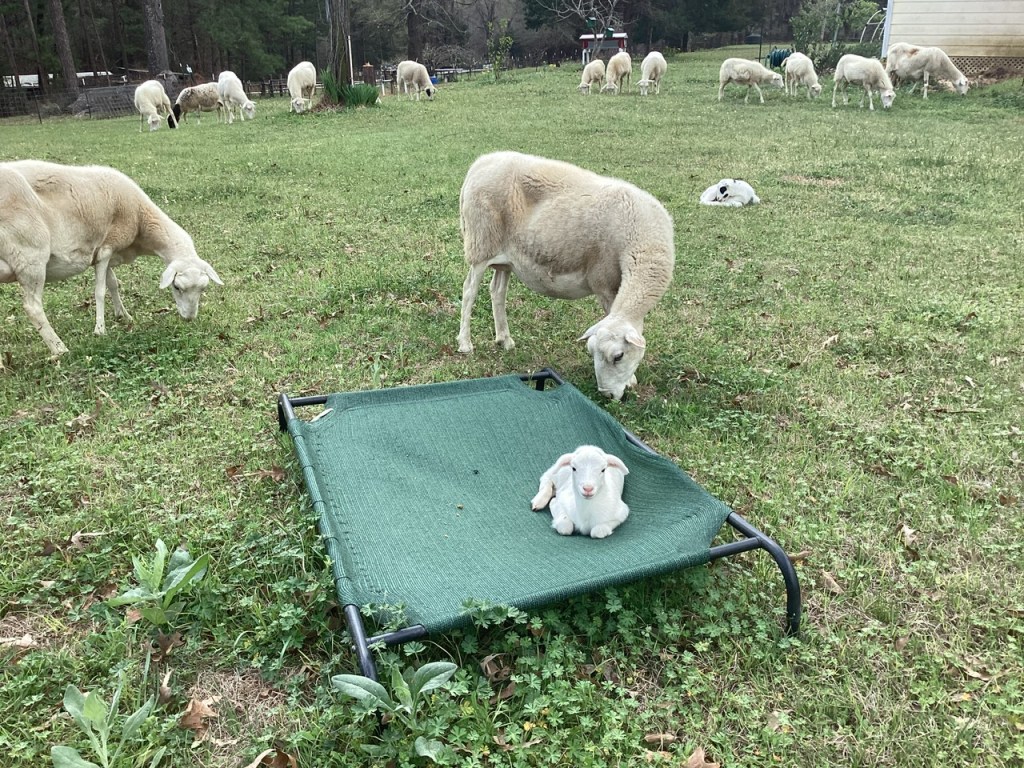
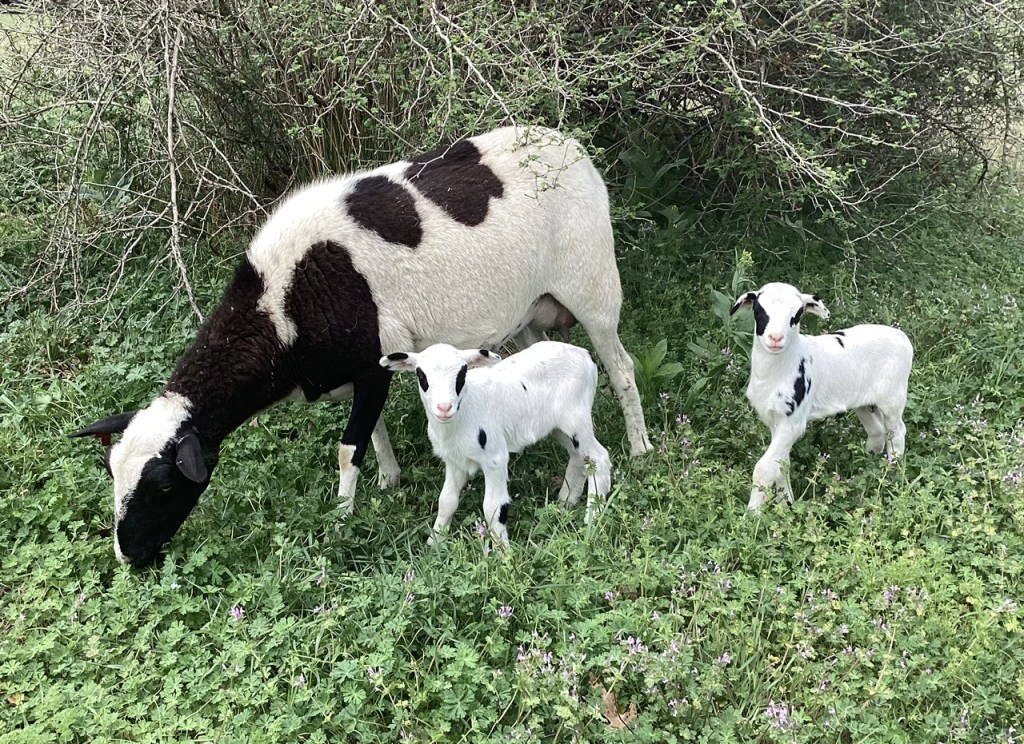
Such a synchronistic interview popped into my feeds, which I just have to share. Not only is our wee homestead full of young blood sucking down mamas’ milk, but I’m also teaching another cheesemaking workshop this week.
So, milk is big on my mind, nothing unusual there.
This interview from Weston A. Price is priceless! It really is such an awesome feeling for me when a new and powerful voice comes on the scene repeating what I sincerely believe and what we have been diligently cultivating on the wee homestead. We are losing too much of great value in our blind rush toward ‘progress’. We’ve got to work harder to keep hold of our wise traditions, or they will be lost forever.
Clearly this issue is getting lots more attention lately, but it has been on the radar of many cheese-lovers since the 90s, including yours truly, because I was so peeved to have to give up cheese, because I was suddenly ‘lactose-intolerant’, like loads of other people. But at that time it was only in the U.S. I couldn’t eat breat or cheese, not in Europe.
Today in Europe they have also been inundated with ‘vegetarian’ rennet and glyphosate and other chemical industrial products and processes, and when it comes to cheese, the vast majority are not labeled as such. I got suspicious, started asking a lot of uncomfortable questions, and found out A LOT about GMOs and our body’s reaction to them.
The interview summary and link for anyone interested in some fantastic cheese talk (he even talks about the maggot-ripened cheeses I’ve mentioned quite a few times on this blog!)
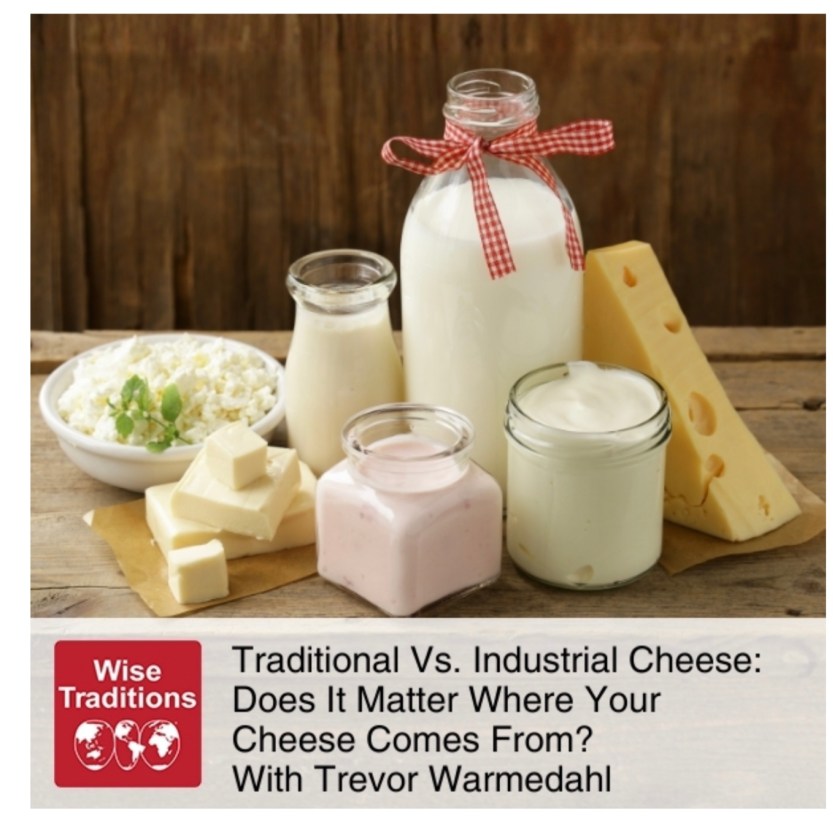
Traditional cheesemakers respect the process of cheesemaking. They honor the environment, the animal, its milk and traditional techniques – all of which lead to delicious, nutritious cheese. Industrial cheesemaking, in stark contrast, emphasizes sterile conditions, uniformity, and artificial inputs (including GMO-derived rennet). The cheese that results from the conventional approach is consistent… but misses a lot in terms of flavor profile and nutrients.
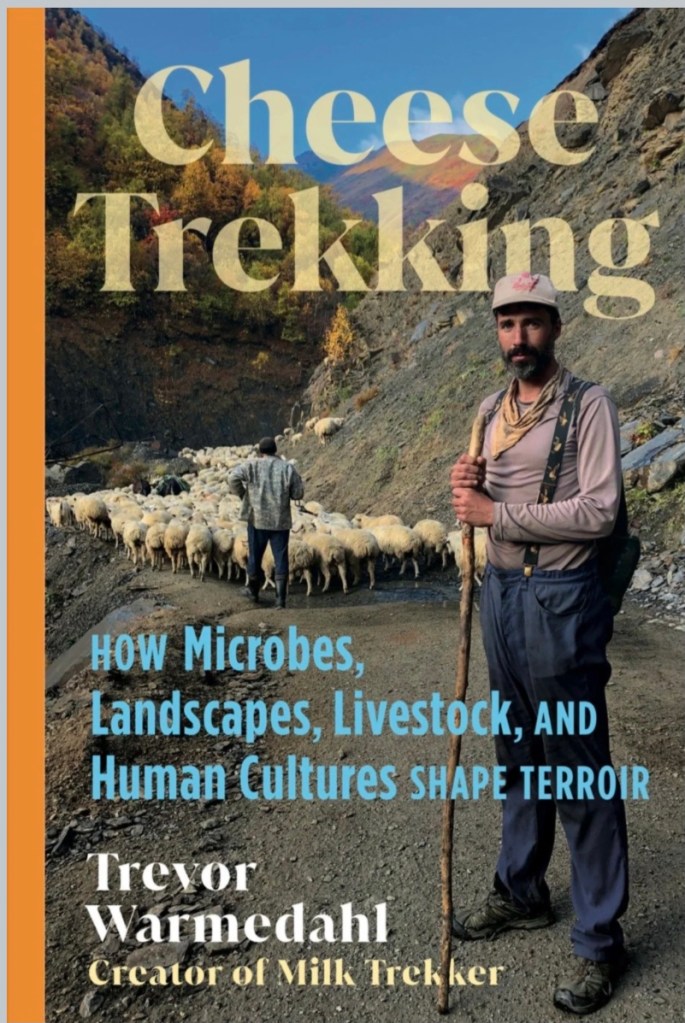
Trevor Warmedahl is a cheesemaker, fermentation educator and the author of Cheese Trekking. Today, he takes us on a cheese adventure, as we gain insight on traditional, artisanal cheesemaking. He gives us pause about what is in our fridge and where it comes from.
Trevor has trekked all over the world, working alongside artisanal cheesemakers, so he understands and shares the importance of working with (instead of against) microbes and nature. He describes cheeses you may have never heard of, along with unique approaches to making them. Trevor also helps us take stock of what has been lost in our modern approach to cheesemaking.
Another one from the deep archives, 9 years ago this month. In reflection what I wish is that I’d had more time to elaborate and get better photos. Noted, but probably not improving much in all these years. Maybe that’s why it had zero likes besides my own?! Room for improvement.
I know in these old posts formats and links are screwy. Sorry about that, but hope it’s still of value to someone, somewhere, sometime, besides me.
3.20.2017
Some iconic lines in films imprint on the psyche collectively and I know you could think of one right now that instantly crosses several generations and continental divides.
“You can’t handle the truth!” Name that film, name that actor. Could you even name his co-star in that blockbuster?
Somehow, somewhere, as a collective, we’ve given ourselves over to worship and celebrity and fantasy and distraction in the most destructive ways. I am not resolved from that influence and never will be. I watched TV constantly for years in high school, only to give it up for years later in exchange for an exhaustive social life, only to give that up more years later for work I found most of all, exhausting.
I had/have this secret fantasy I’m going to share right now (again). After hurricane Katrina, right after, when I heard on the news the city was more or less safe, and me many hours away in a quaint bed and breakfast drinking wine with lunch, the hurricane widely reported as much less dangerous than anticipated, but that residents would need to stay away for a few days at least for safety precautions, I was glad. Nearly giddy, and not from the wine.
I had just started a new position at Tulane university and already I didn’t really want to go back. It took a day or so more before all hell broke out and select areas of the city flooded terribly and all residents had to stay out indefinitely. In our case, we were allowed to go back after two months. For some, it was never. We lived in a trendy and relatively upscale area right on Audubon Park. It was a beautiful spot, both before and after the hurricane. Some were far from so lucky and they’d been there many generations, not just two weeks, like us.
I do hold shame for this secret fantasy, because I still feel it. When I dwell, necessarily, in the dark places of my life and the world, I know there is much sickness, far too much. Far too much destruction, voluntary and deliberate and needless. Still, I have dwelt in destruction.
And there is too much wind, dammit, all around me lately seeming to get worse every year. It’s bloody annoying! We had no winter and now no spring. The plants and animals struggle with it far less than I, but still, I know, they do.
Wind is really stressful! This makes me smile, because there was a time I lived in Chicago and worked downtown and yes, the wind was legendary, but it was mostly something I peered at from the window and got annoyed at how it affected my hairdo.
But the wind is far more powerful and penetrating than I had, and I think most, ever realize. Is that not what blew down the house of each of the three little pigs?
They are blowing, those wolves, our weather right now is as manipulated as the currency market. And in my secret fantasy I sometimes can’t help but wonder—would we all be better off in the long run if they would just blow it all down? Roses blooming at the same time as the dogwood?! It just ain’t right.
This week’s breadcrumb, I’ve got so many I’d love to share this week, but this one is so essential it needs to stand alone.
Unslaved podcast, exploring the self in the work of Ayn Rand and others.
As the world reboots, this is where the rubber will meet the road.
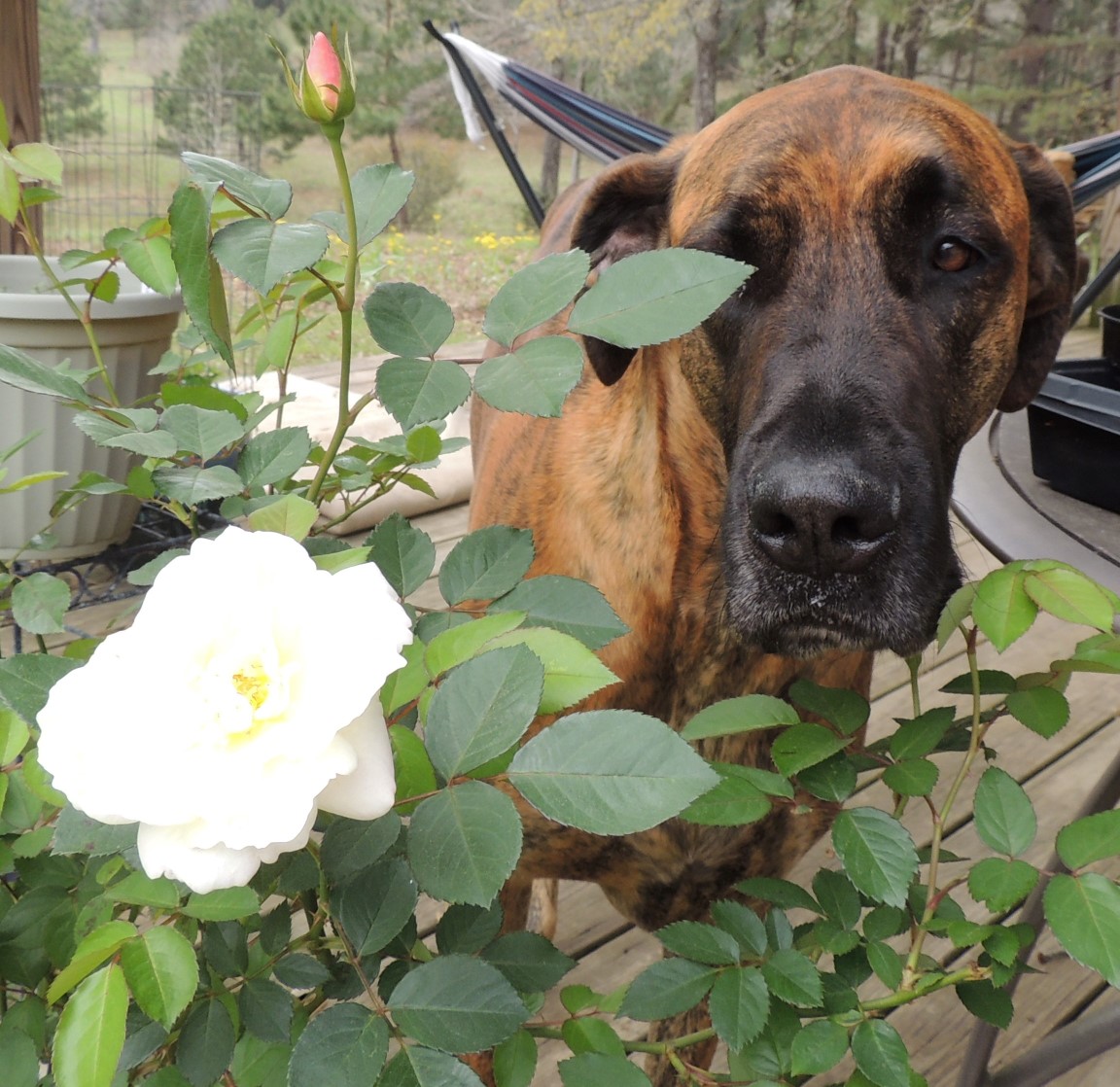
After I got over the shock of hearing the squeals of a drift of wild hogs crashing through the forest, and the fear that I’d lost our dearest Tori, I was amazed to see her come through the trees clearly proud of herself. Still a fav, La Duchesse de Brabant, unfortunately with a bad case of ‘black spot’ but which I’ve been treating with whey, banana peels and chicken poop. Tori’s ‘Illuminati’ pose, hehehehehe!
A combo post–a bit of Homestead Happenings with a bit of my favorite conspiracy theory.
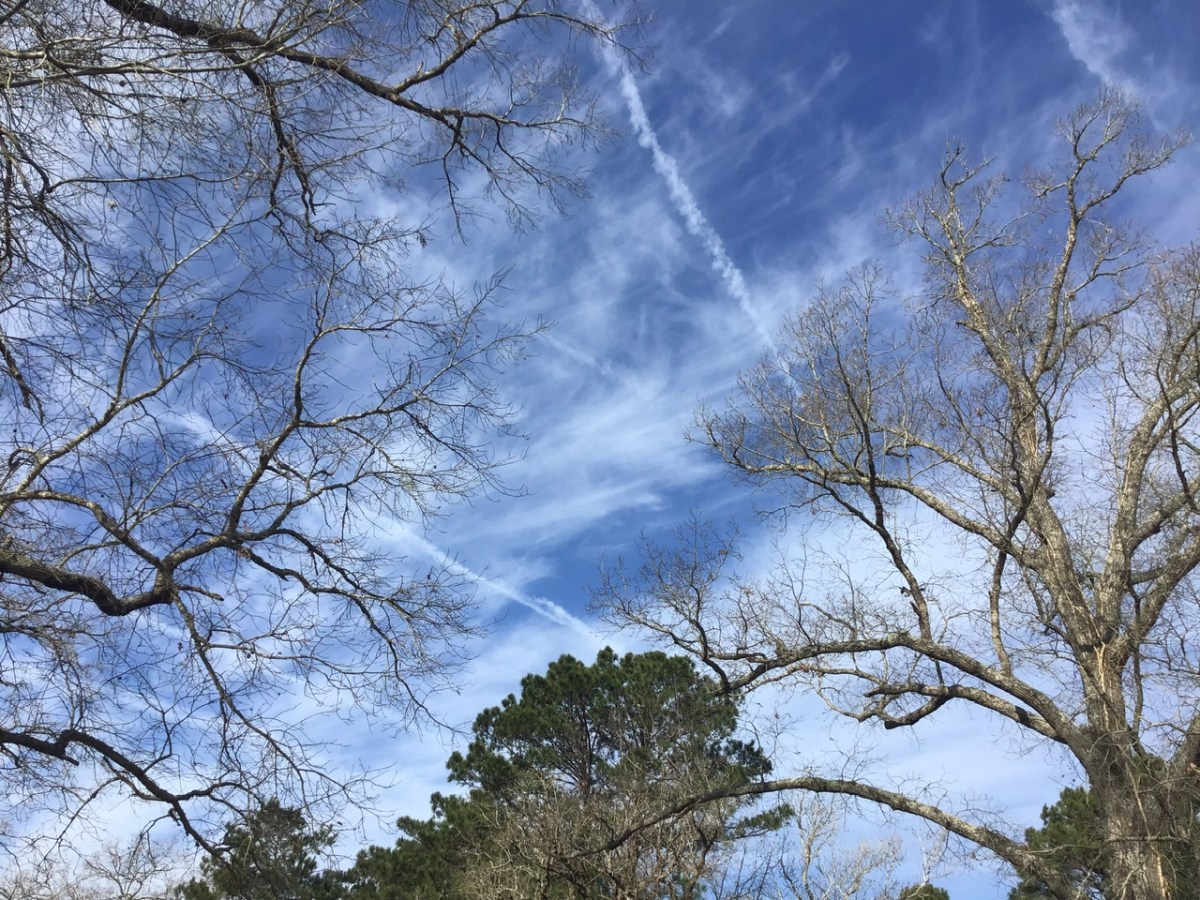
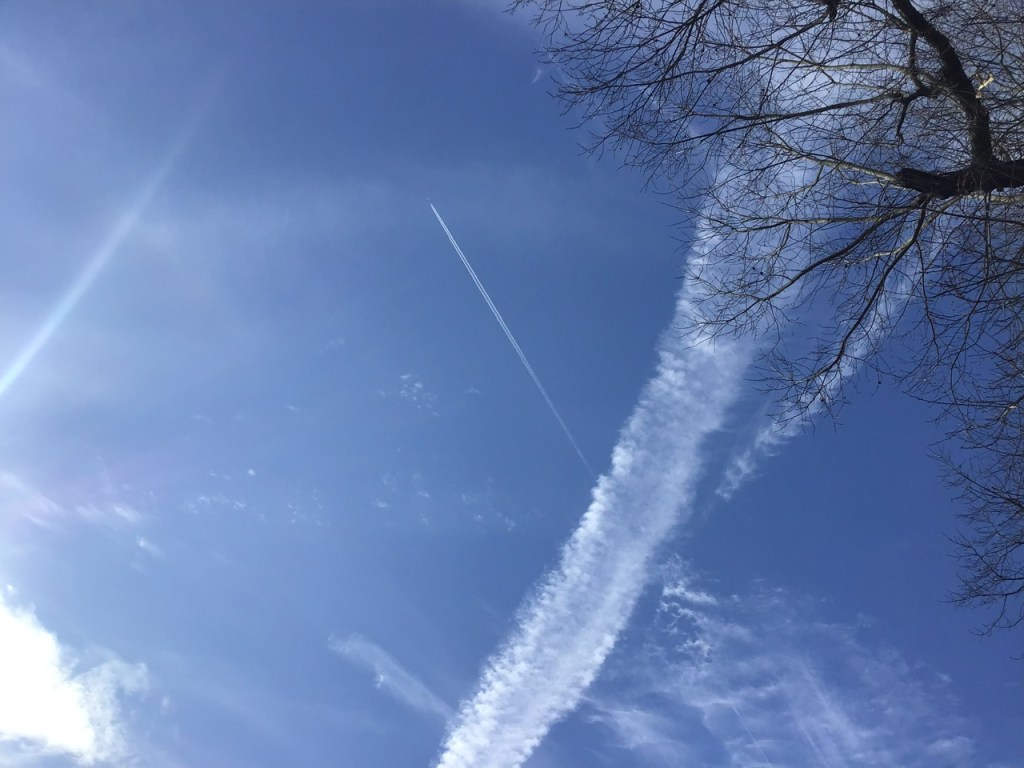
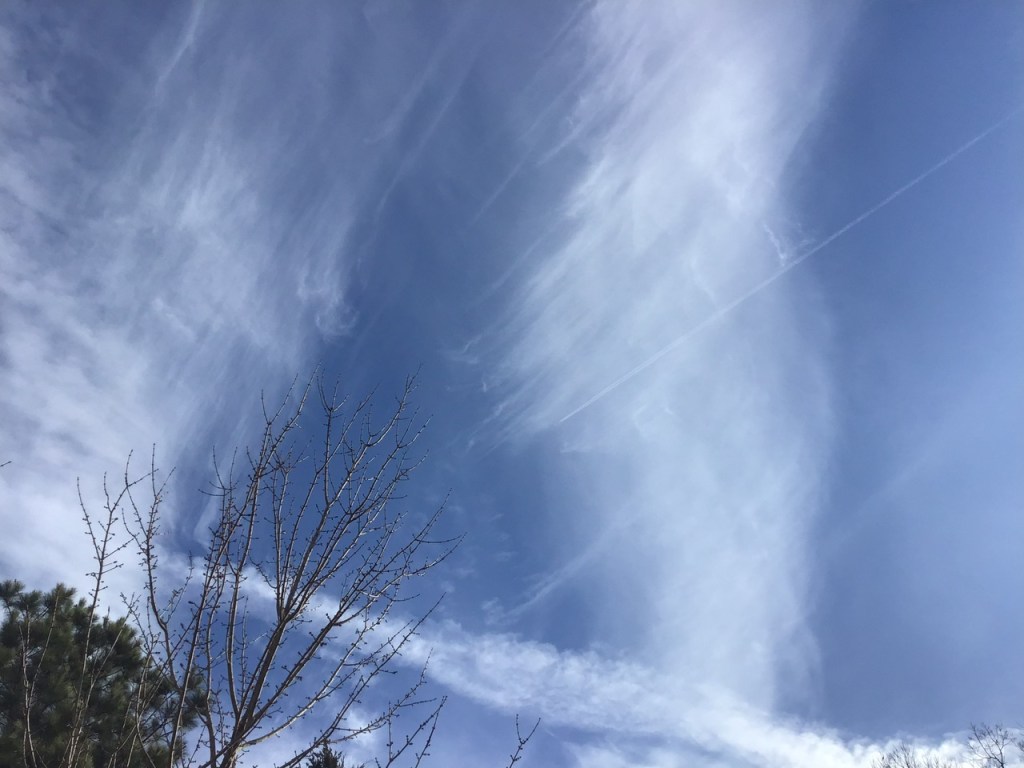
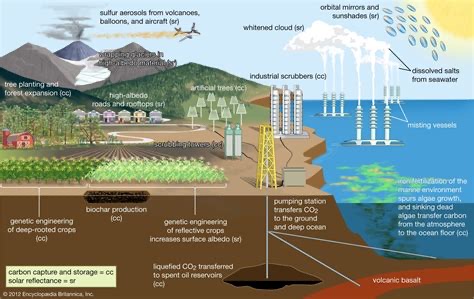
We are having our New Normal weather whiplash where 1/4 of the population pretends the weather has always been like this; another 1/4 couldn’t care less about it, normal or otherwise; 1/4 who think it’s all manmade, but not by tech, by carbon pollution; 1/8th who LOVE the idea of man controlling the weather; and the final 1/8th who believe one of the following: it’s NAZIS controlling the weather, aliens are controlling the climate, a global ice age is coming, too many paranoid plebs are actually causing climate change through their malignant minds, or, the world’s militaries have been using weather tampering against the public for many decades.
23 February 2026 | ZEROGeoengineering.com | Report below published in 2021 by the Land Forces Academy Review evaluates the use of weather influencing technologies and their impact on global security. The authors discuss potential damage resulting from weaponized weather changing activities: “artificially increasing the level of precipitation in order to cause floods and paralyze the enemy’s transport communications; artificially reducing the level of precipitation, in order to cause drought in enemy territories and difficulties in the supply of fresh water; the creation of unfavorable weather conditions that impede the conduct of hostilities (increased wind speed, deterioration of visibility); violation of radar and radio communication by direct impact on the Earth’s ionosphere. The use of technologies for changing the weather for military purposes leads to the destruction of infrastructure, paralysis of the economy, losses in agriculture, disruption of the work of state and commercial structures, mass casualties, large financial losses and demoralization of the local population.” Olena Shevchenko and Kira Horiacheva, Impact of Weather Change Technologies on Global Security, Land Forces Academy Review, Vol. X XVI, No. 4(104), 2021, DOI: 10.2478/raft-2021-0042
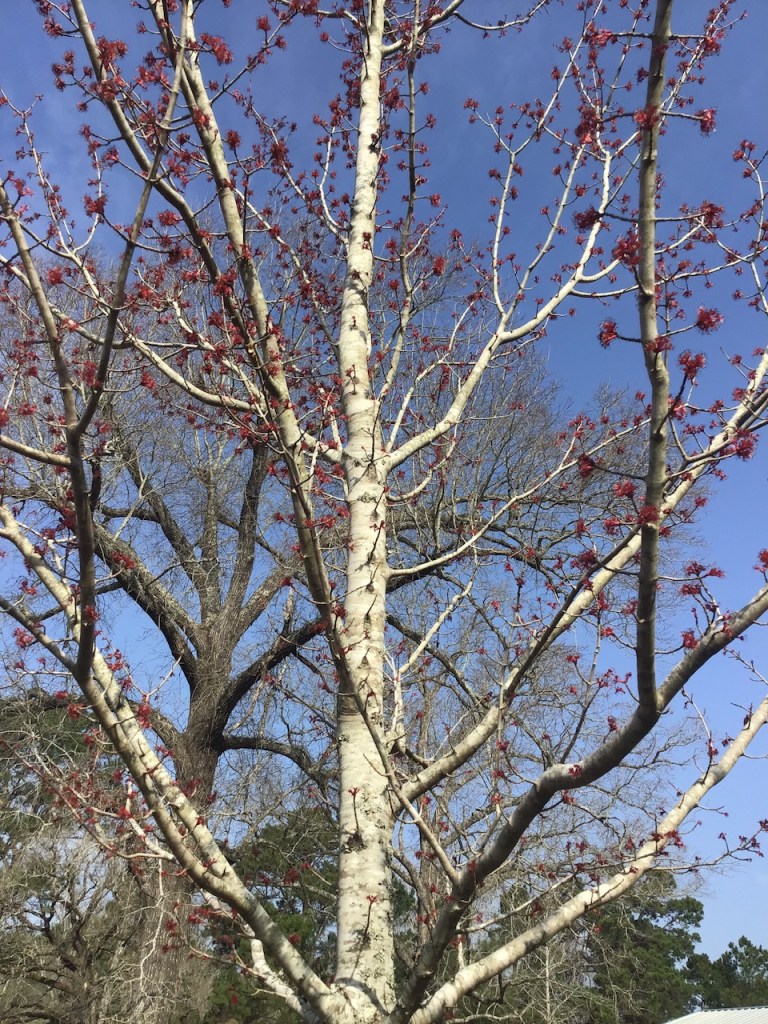
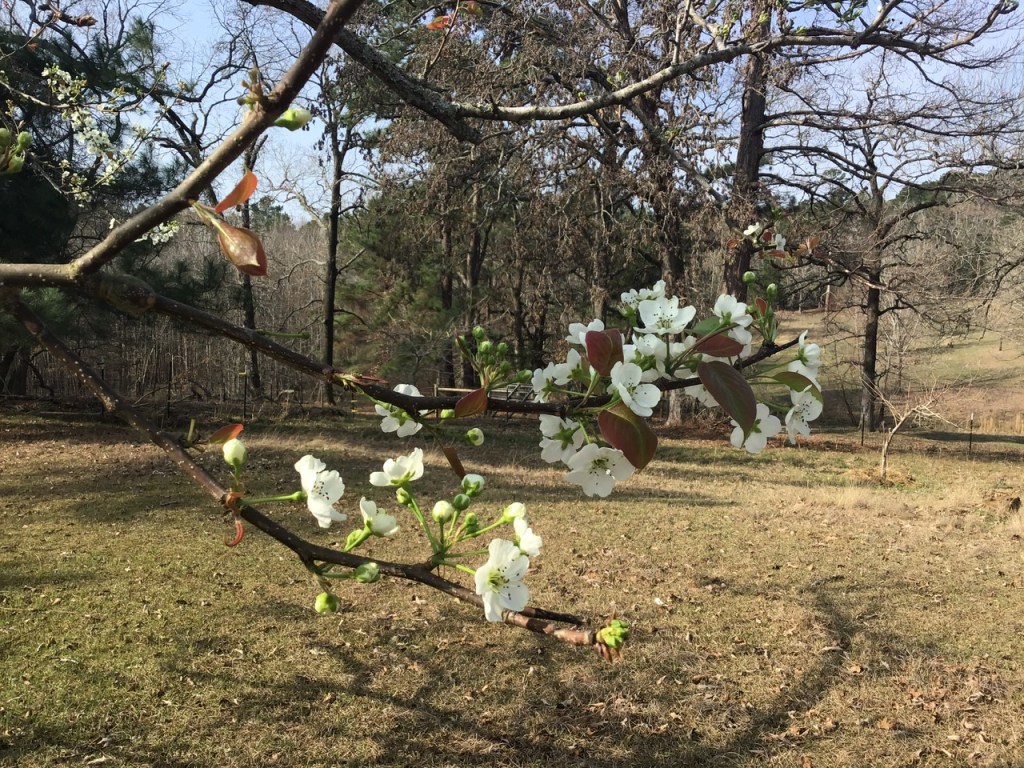
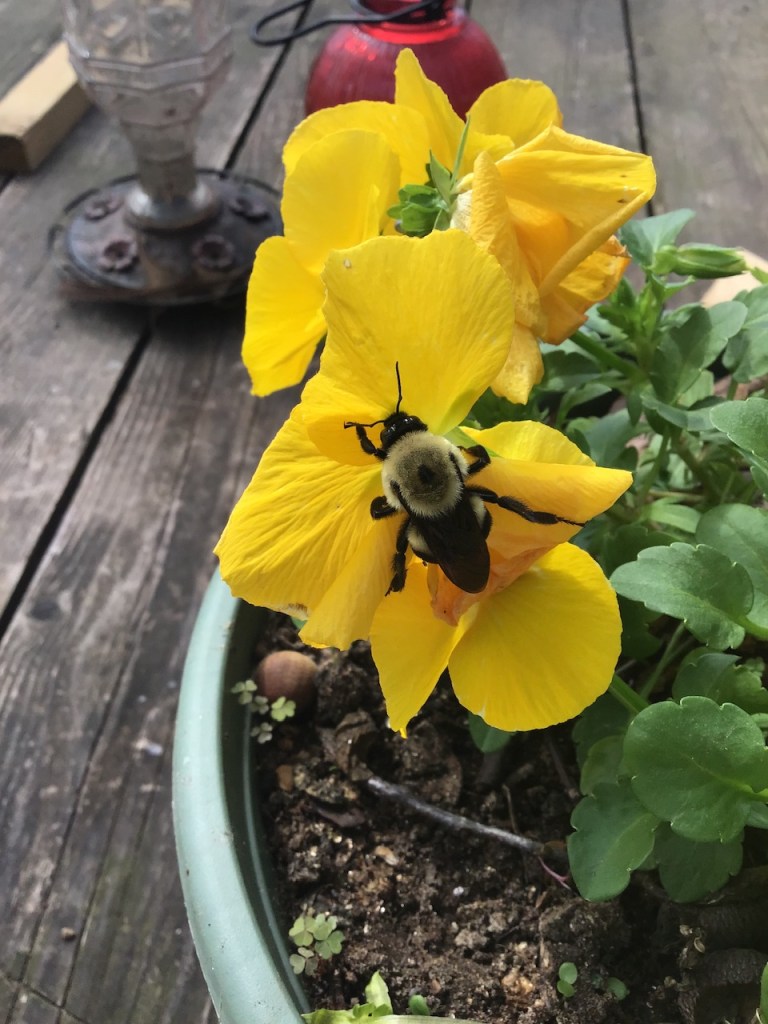
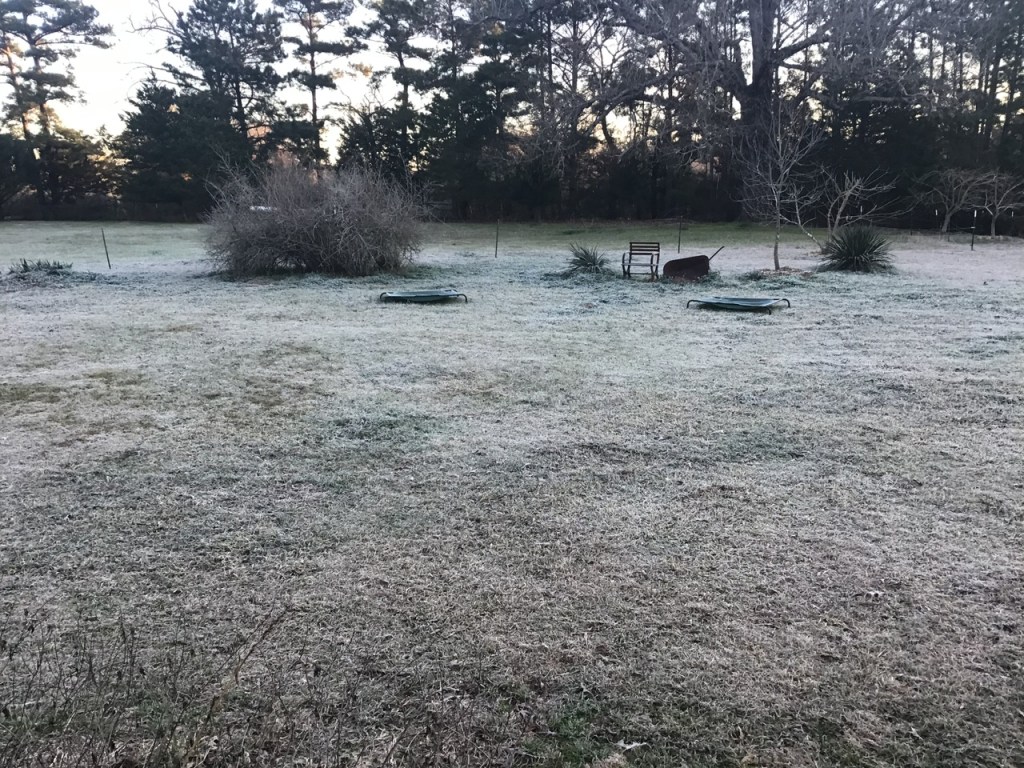
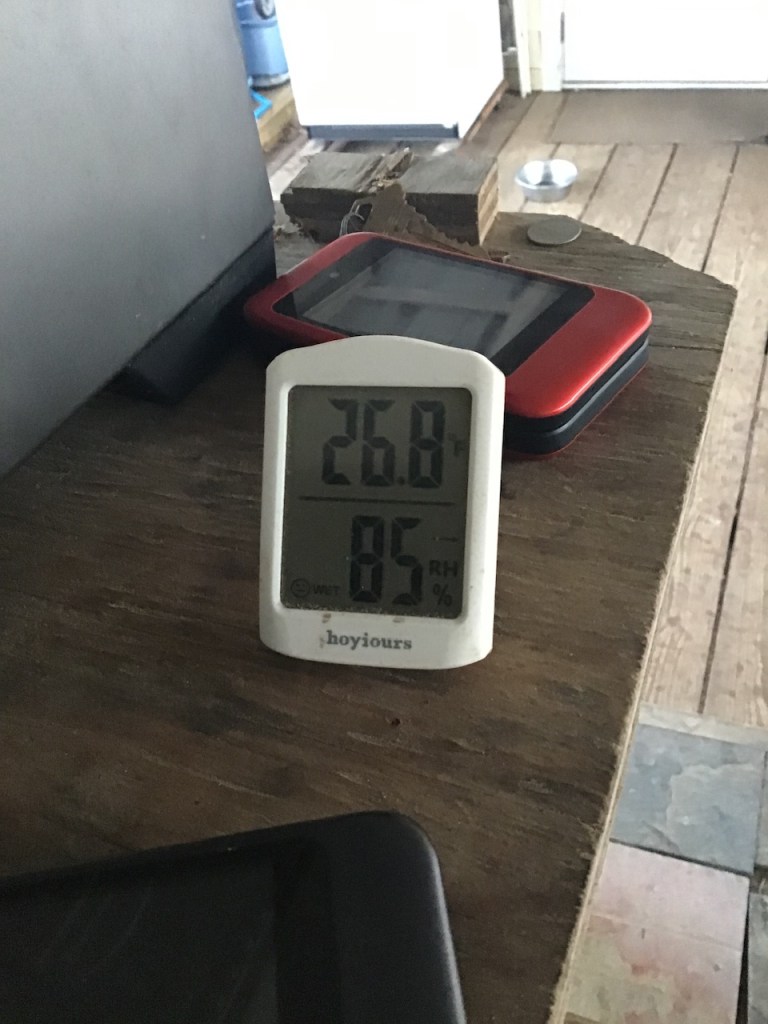
“increased wind speed?” check “unfavorable weather conditions?” check “artificially reducing the level of precipitation, in order to cause drought?” check “demoralization of the local population” check, check and check! Well they can certainly count me in! It’s indeed demoralizing to see the bumblebees out because it’s over 80 degrees for a week and all is blooming, only to then frost and kill all the buds. Including the fruit trees. Or to be told by a young gardener that ‘winter is our dry season’. What? Since when?! So I guess all seasons now are our ‘dry season’. Except for when it suddenly floods in one county while the neighboring county stays bone dry. Or the crazy winds that make these sudden and highly unnatural shifts with storm-level gusts that continue for days making any outdoor activity really unpleasant, if not impossible. Soon every five mile radius will have its own climate, and the technocrats will cheer, even if it makes vast swaths of the world uninhabitable by all but the scorpions and robots and data centers.
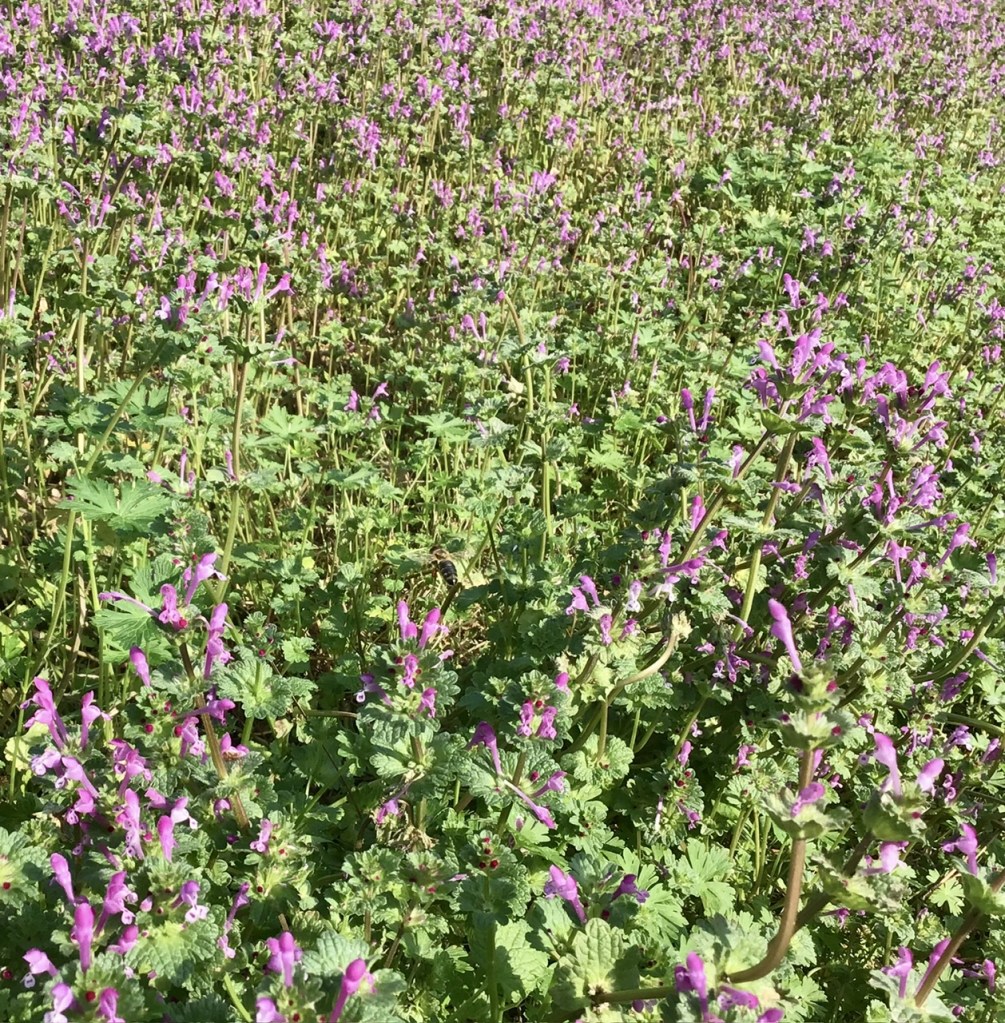
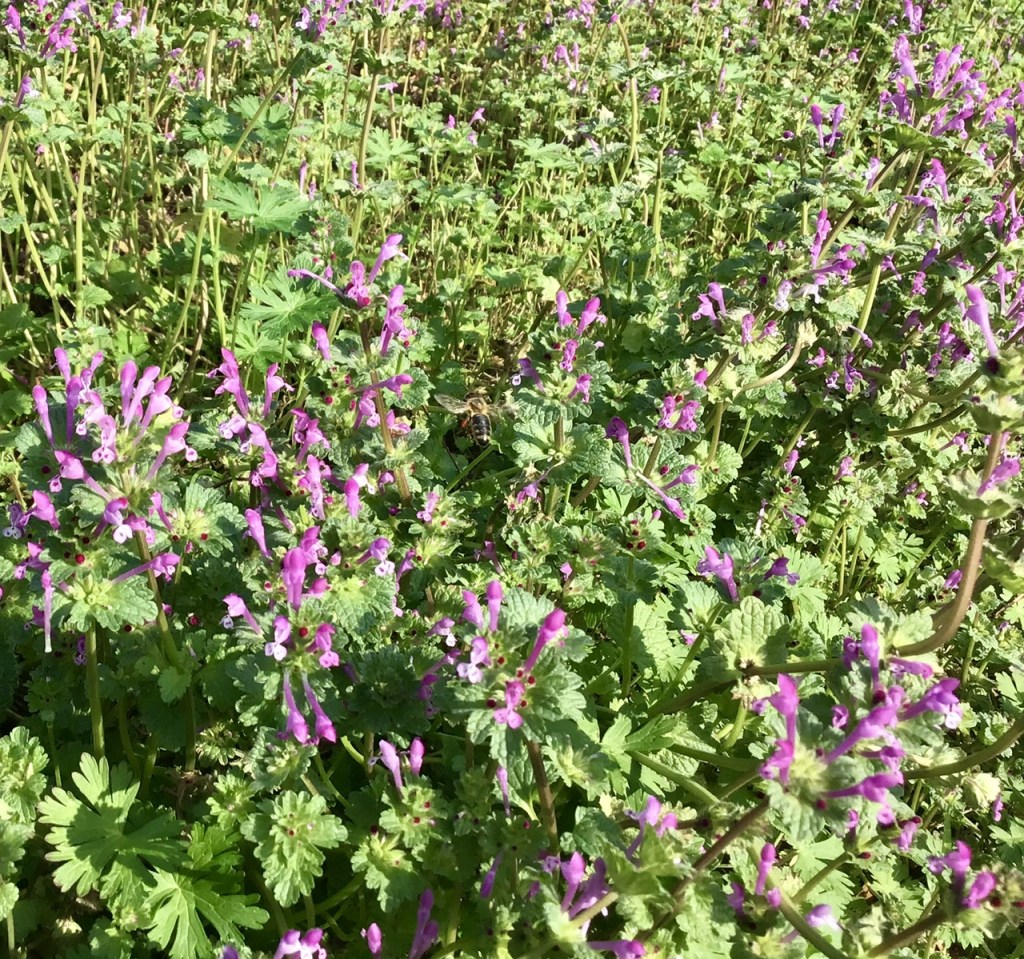
Can you see the honeybees on the henbit? The henbit does really well as a groundcover even through our last ‘wintery mix’ (used to be called snow). They also like the other early bloomers and I LOVE to see them. But, for bee sustainability it’s not a good thing, necessarily. If they build up their colonies too quickly too early there will be a lot of starvation of the young brood if (when) the temperatures plunge again killing off the buds.
Until that time I guess we’re stuck here counting our blessings.
We did get that frost, and now we’re going right back up to the 80s.
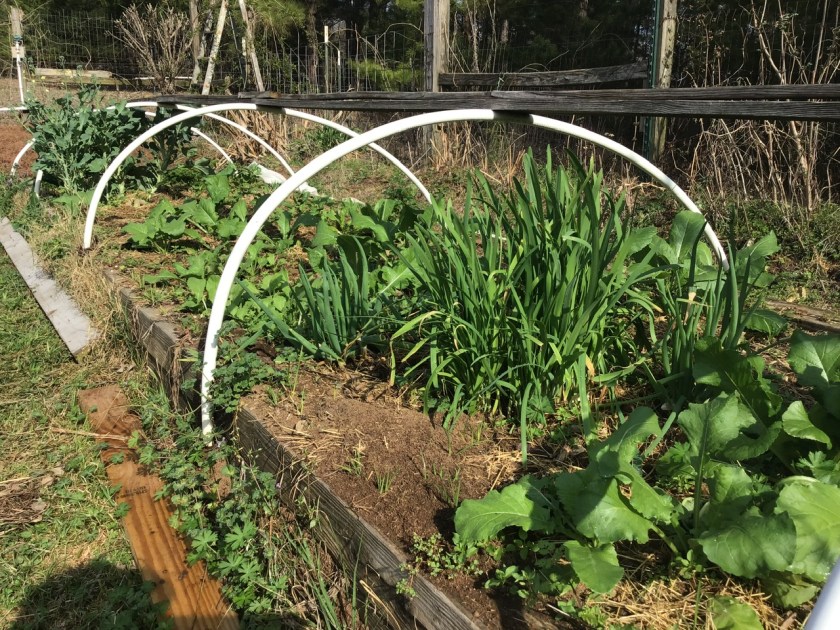
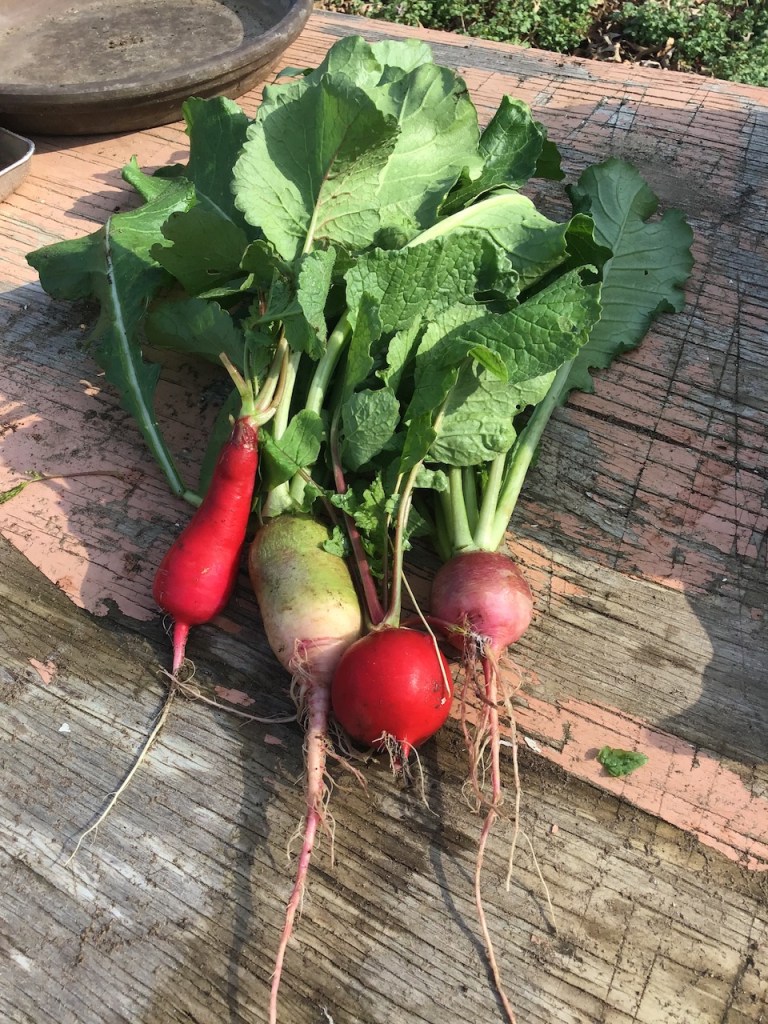
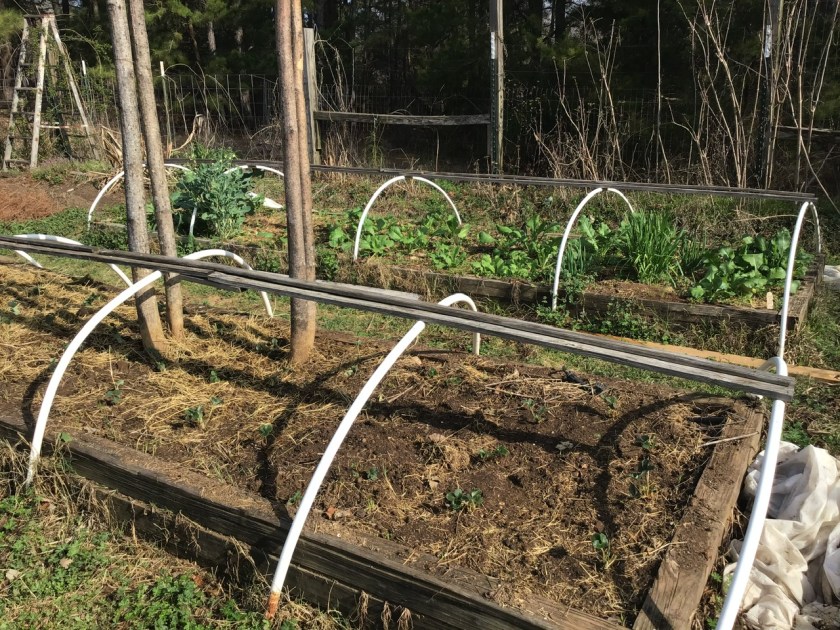
A few garden blessings doing well, one box under protection with lettuces, radishes, the last of the crucifers, some parsley and cilantro
Crucifers, like many veggies, do not like weather whiplash
Atleast if we can share some credible and valuable information while it’s available to us, the next generation might know more what they are in for when they move to the country thinking they’ll start a farm or homestead in order to escape the rat race. Newsflash, you might want to research underground gardening, because between the inclement weather and the cost of energy you won’t be able to garden, indoors or out!
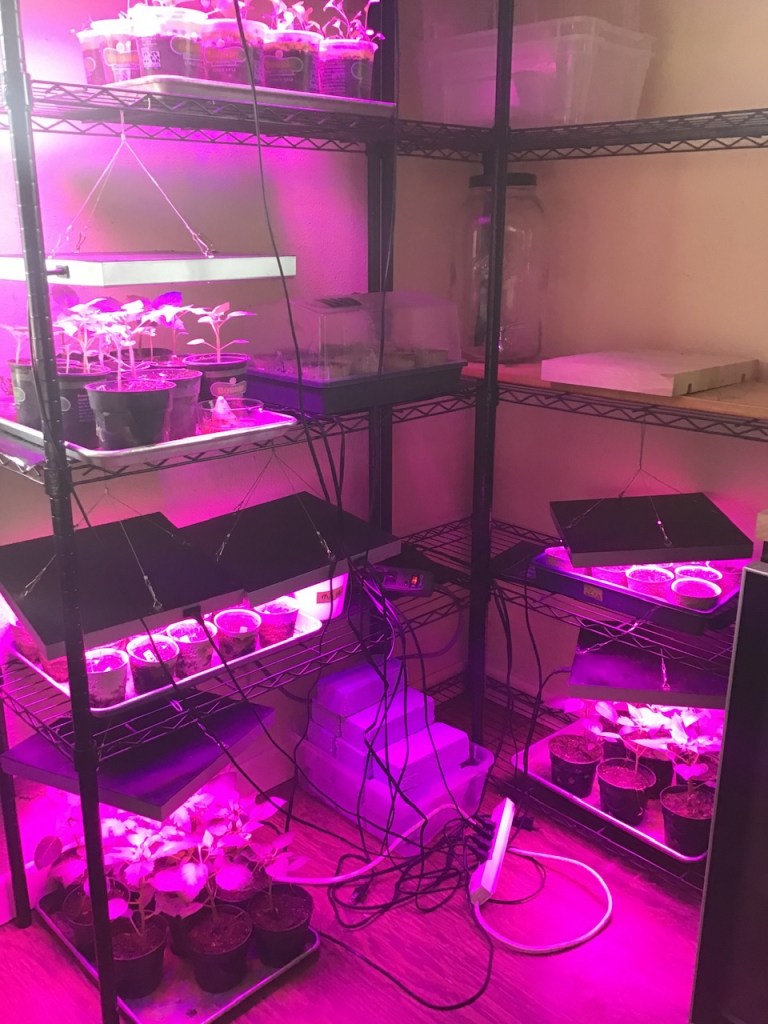
It really helps to start seed indoors, an extra protection from weather whiplash season, but it’s not exactly economical these days. Growing here are lots of tomatillos, my garden mission this year, and more broccoli, flowers, squash and lettuce.
Everybody’s doing it, nowhere to escape!
Oldfield, J. D., & Poberezhskaya, M. (2023). Soviet and Russian perspectives on geoengineering and climate management. WIREs Climate Change, 14(4), e829. https://doi.org/10.1002/wcc.829
“Soviet science contributed significantly to our understanding of anthropogenic climate change and, as part of this, played a central role in the emerging science underpinning climate modification and geoengineering initiatives. A key focus of discussion was the use of stratospheric aerosols linked to the innovative ideas of Mikhail Budyko and colleagues. This work had its origins in what has been termed the theory of aerosol climatic catastrophe, which gained prominence in the Soviet context during the early 1970s.”
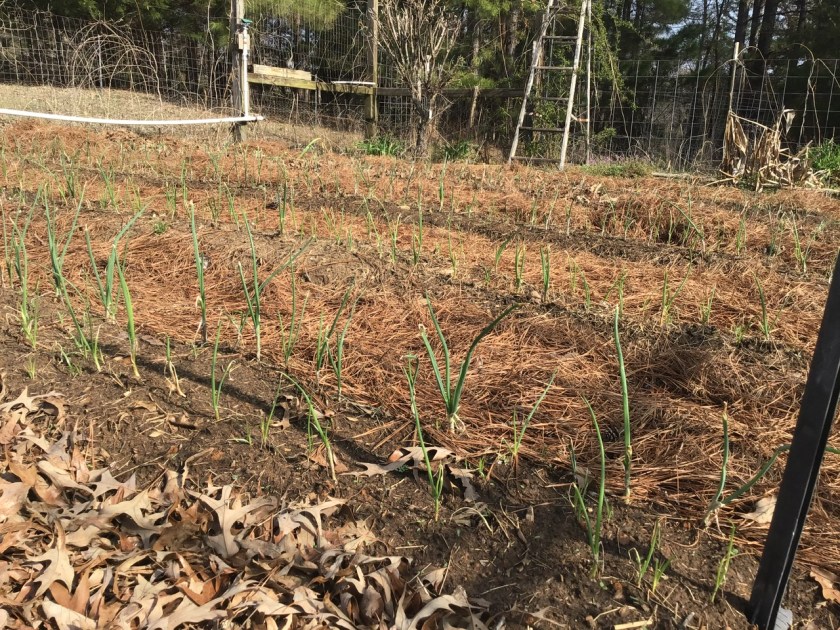
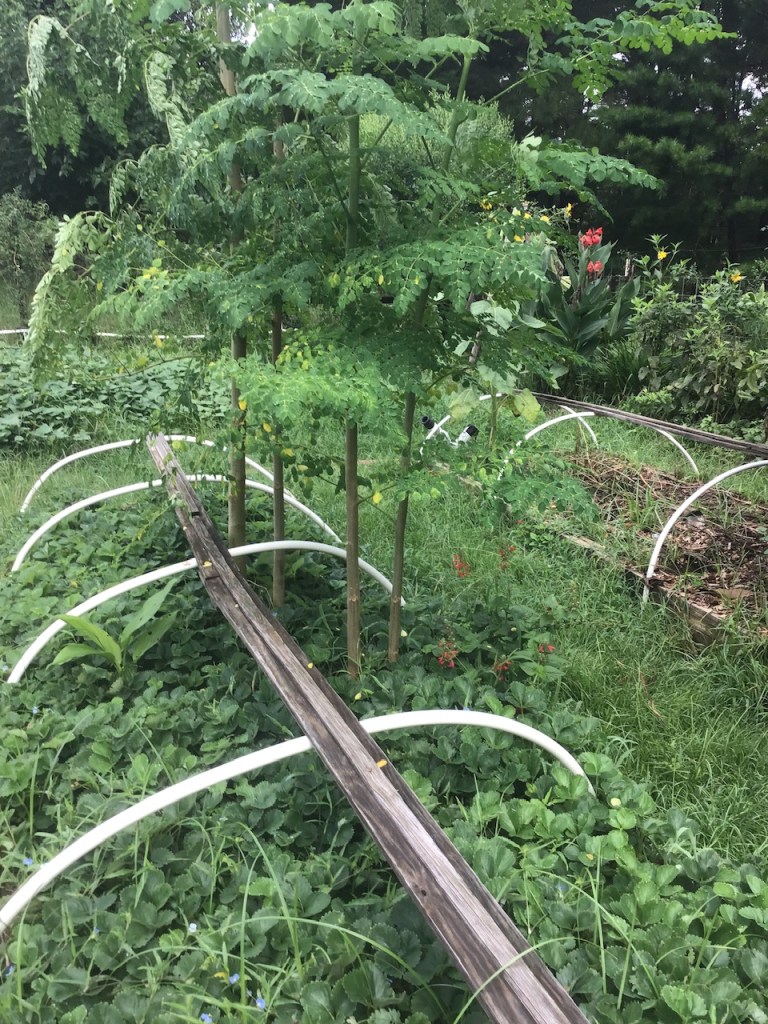
Onions also don’t like weather whiplash, but we usually get a decent crop I finally got most of the strawberries replanted. They multiplied like rabbits last summer and I gave wheelbarrows full to the neighbors and still plenty went into the compost. It’s taken quite a lot of effort to get the strawberries to multiply during our summers, but I think I finally figured it out. We’ll have to wait and see how well they produce in a couple of months. I’ll keep y’all posted!
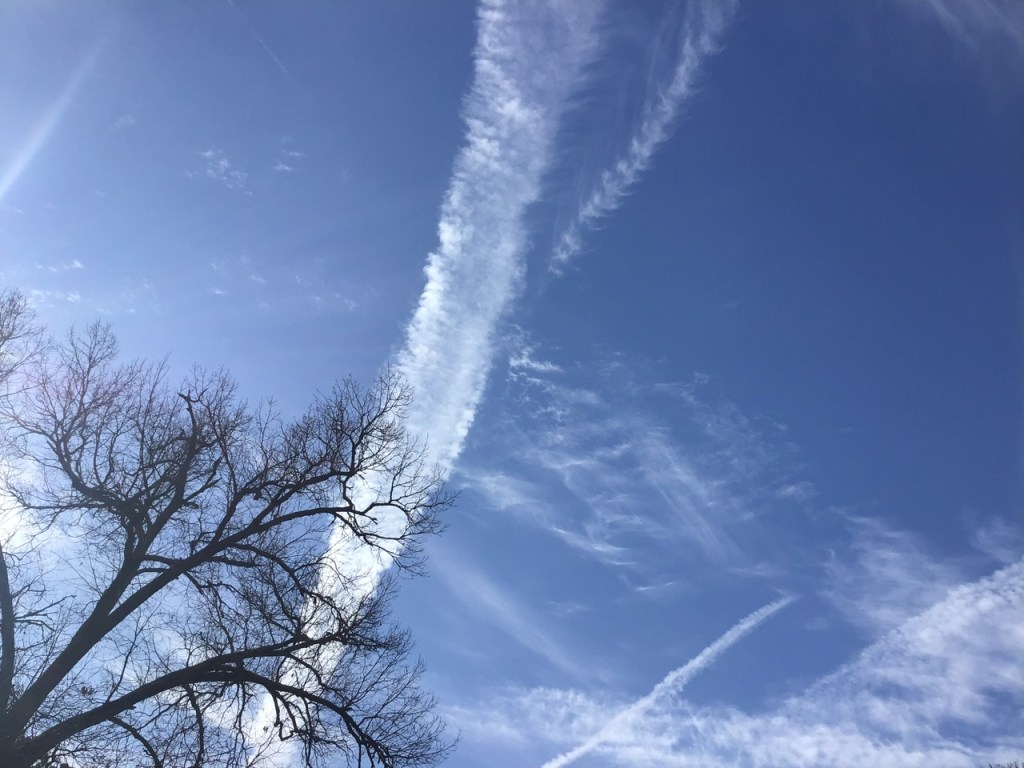
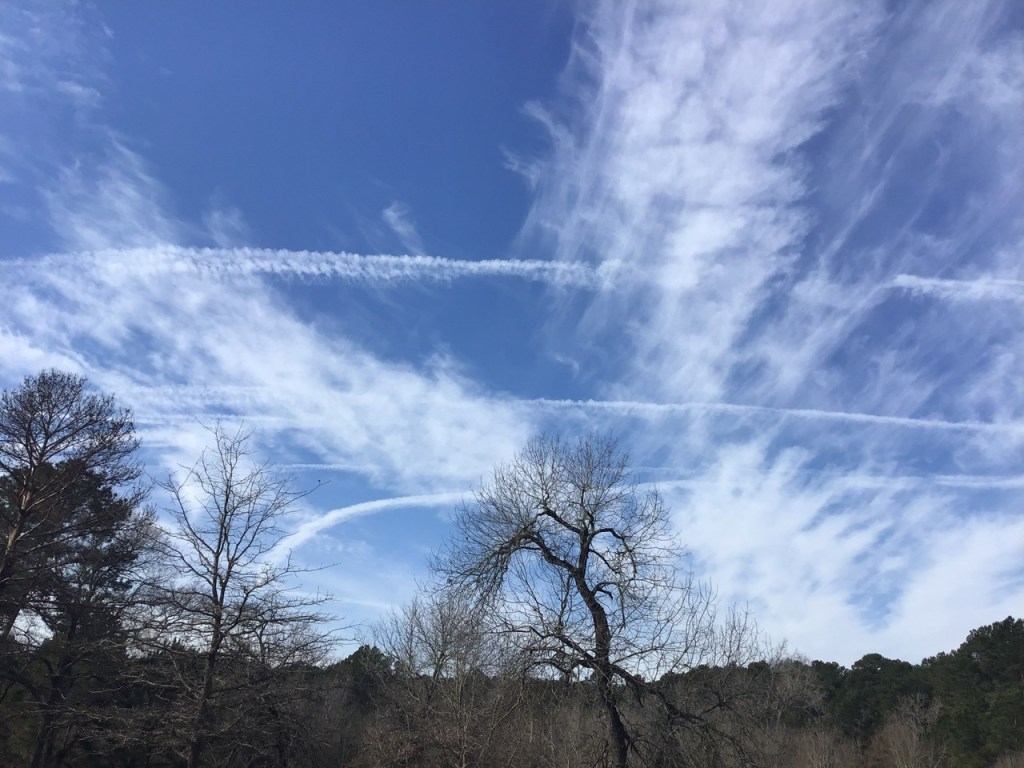
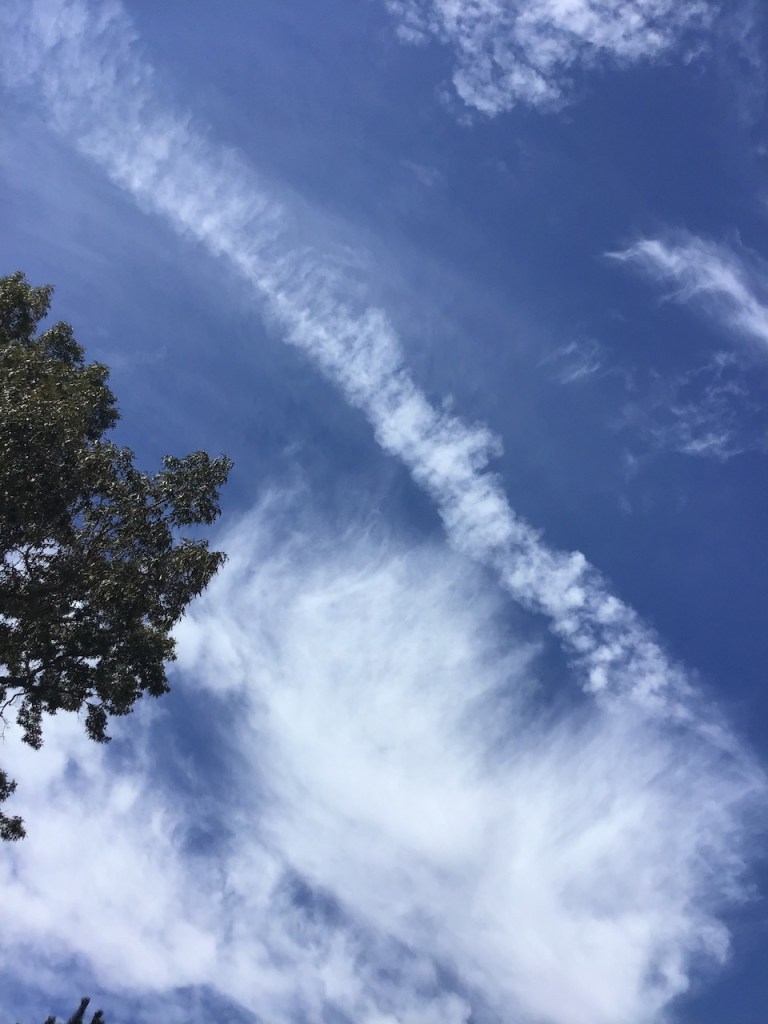
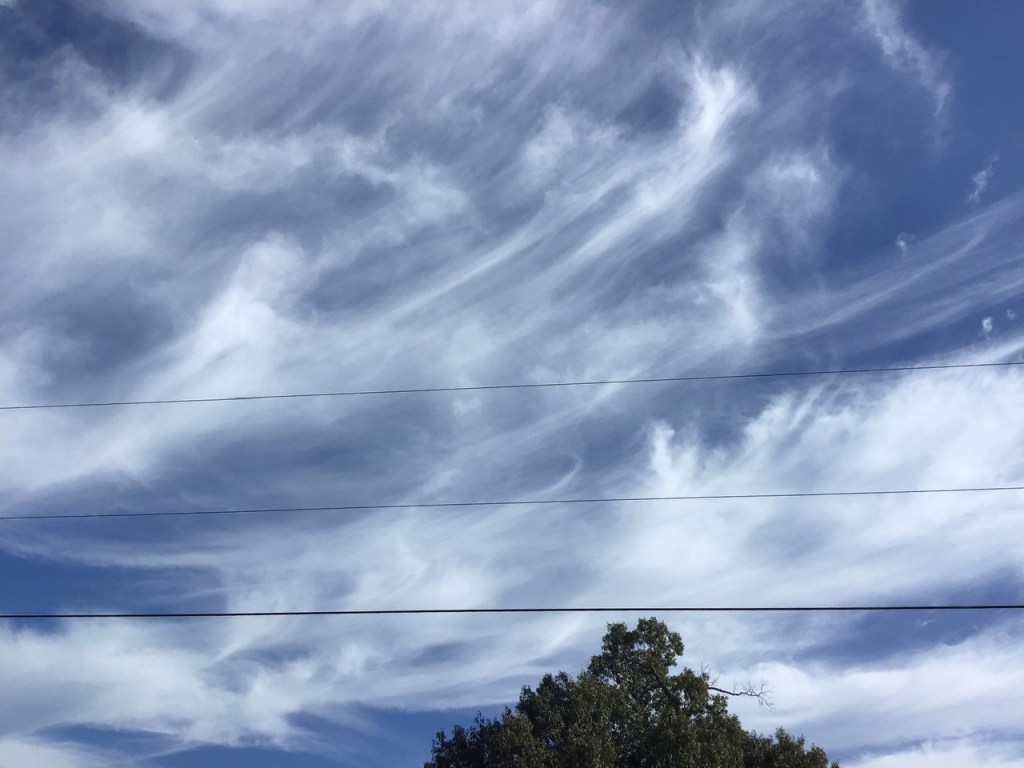
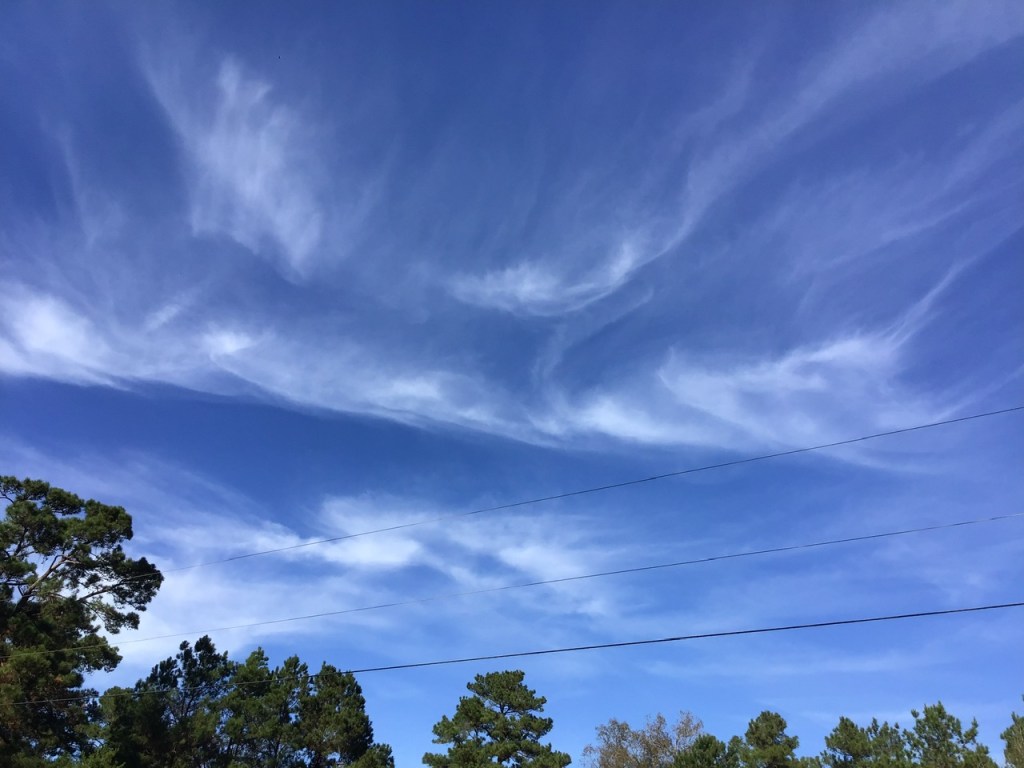
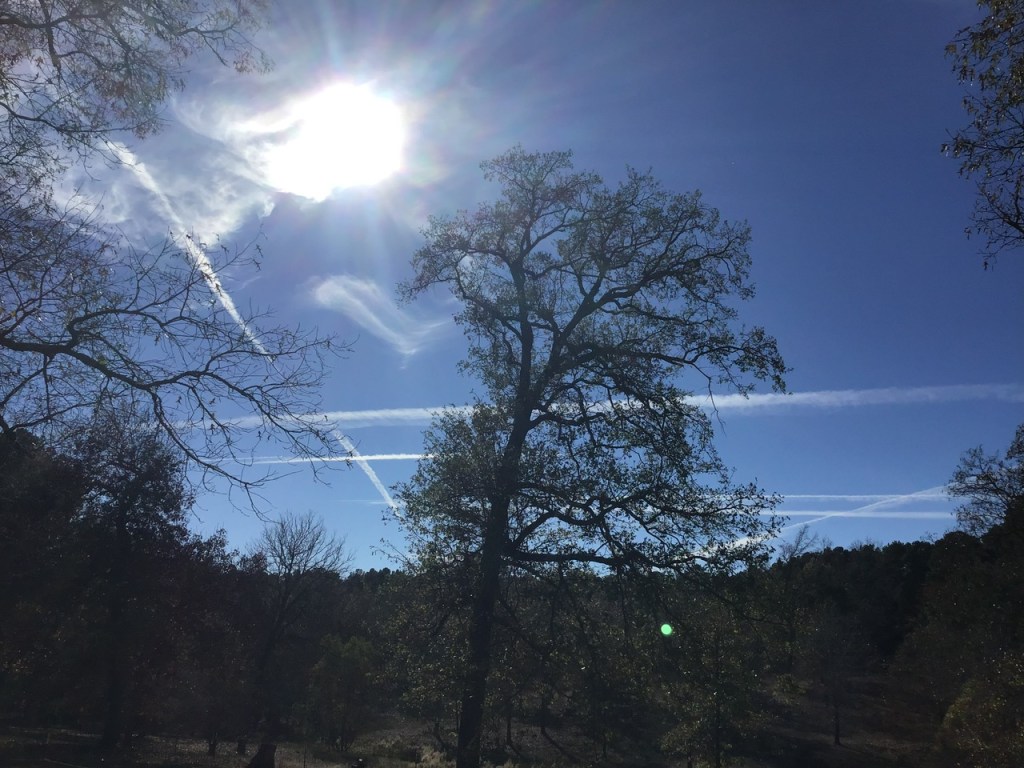
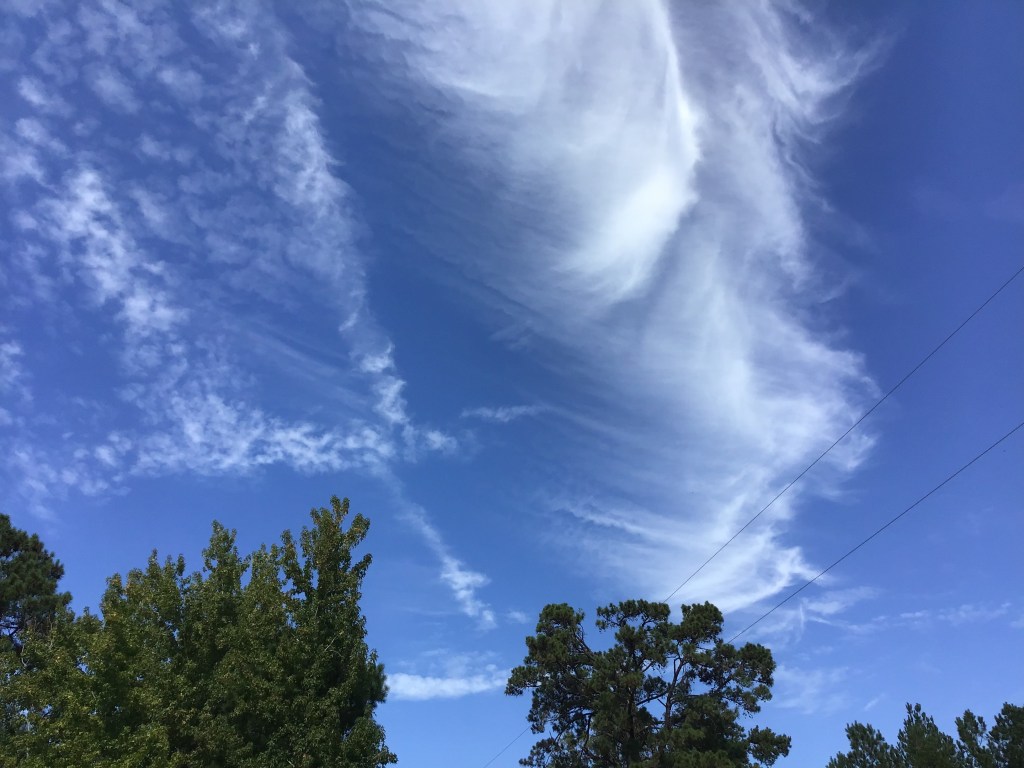
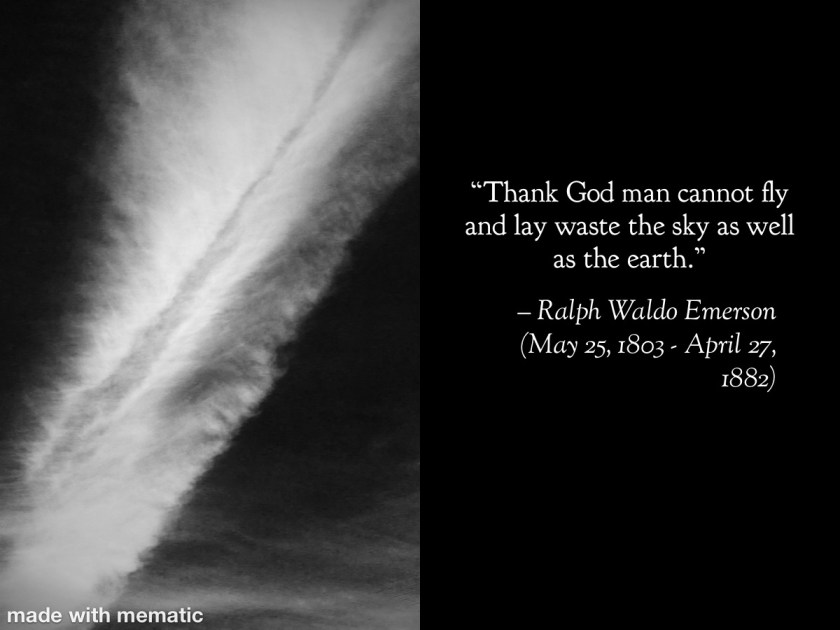
Thanks for stopping by, and be sure to watch your skies!
Just some happy snaps with minimal commentary this post, because it’s been too long. With more coming very shortly, as soon as my new keyboard arrives, because I loathe the hunt and peck method of the digital keyboard.
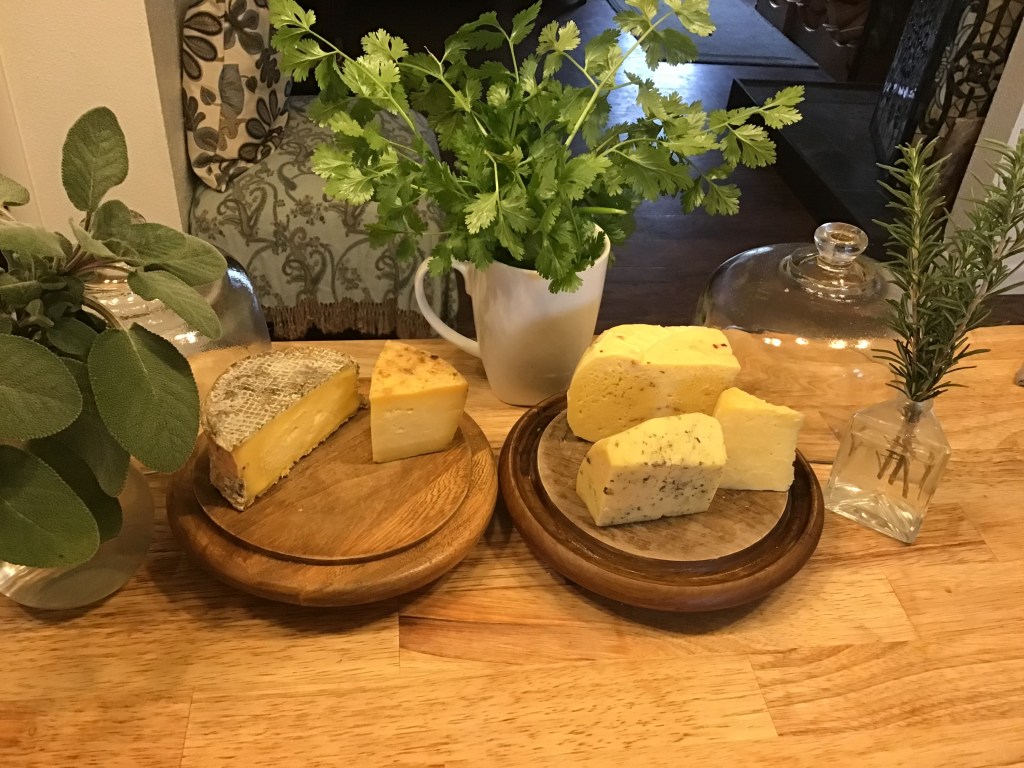
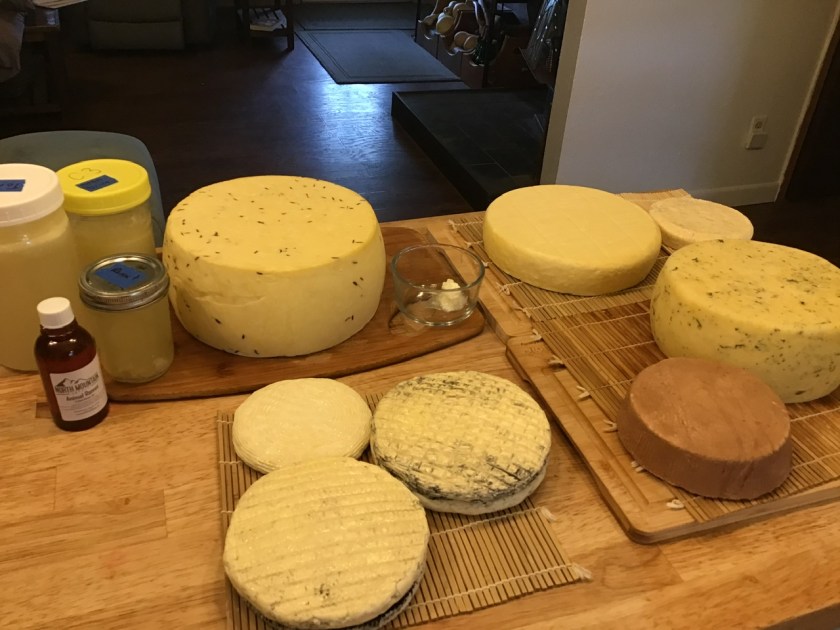
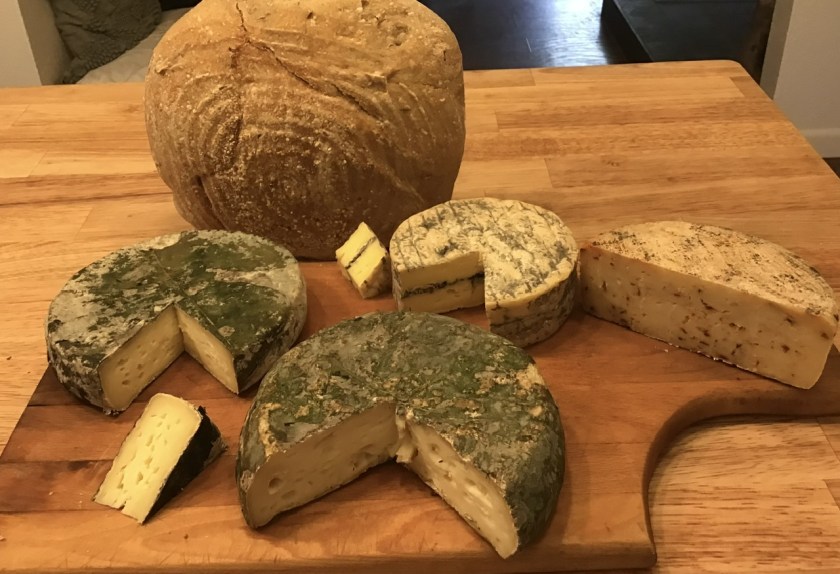
Some aged cheeses and winter herbs: smoked cheese on lees, kenshobert, pepper havarti, dill havarti and cheddar, with some fresh sage, cilantro and rosemary.
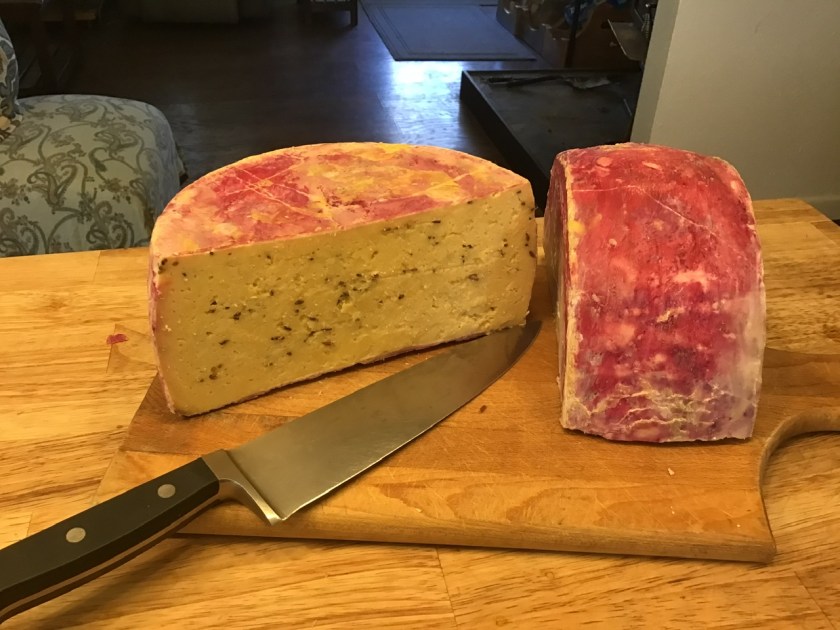
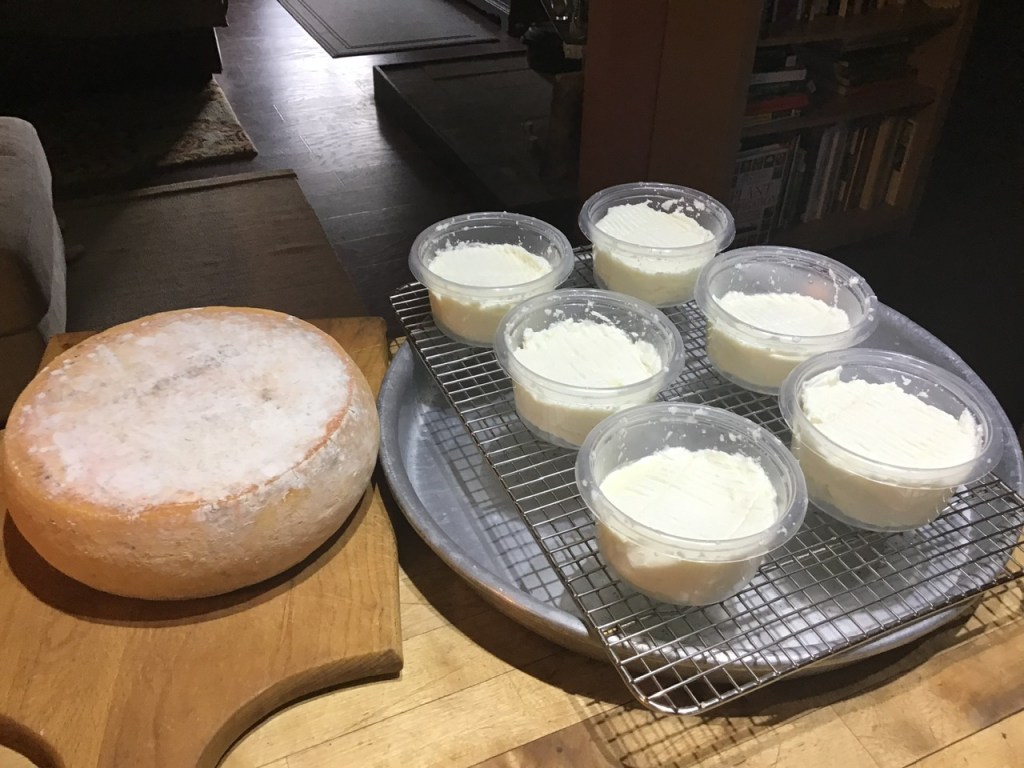
My biggest cheese this season from 9 gallons, caraway cheddar aged in a poke-tinted tallow coating. Unfortunately, it’s not my favorite. Fortunately, others like it fine so I happily gave the whole thing away.
My personal favorite, my signature Kenshobert, a local take on Camembert.
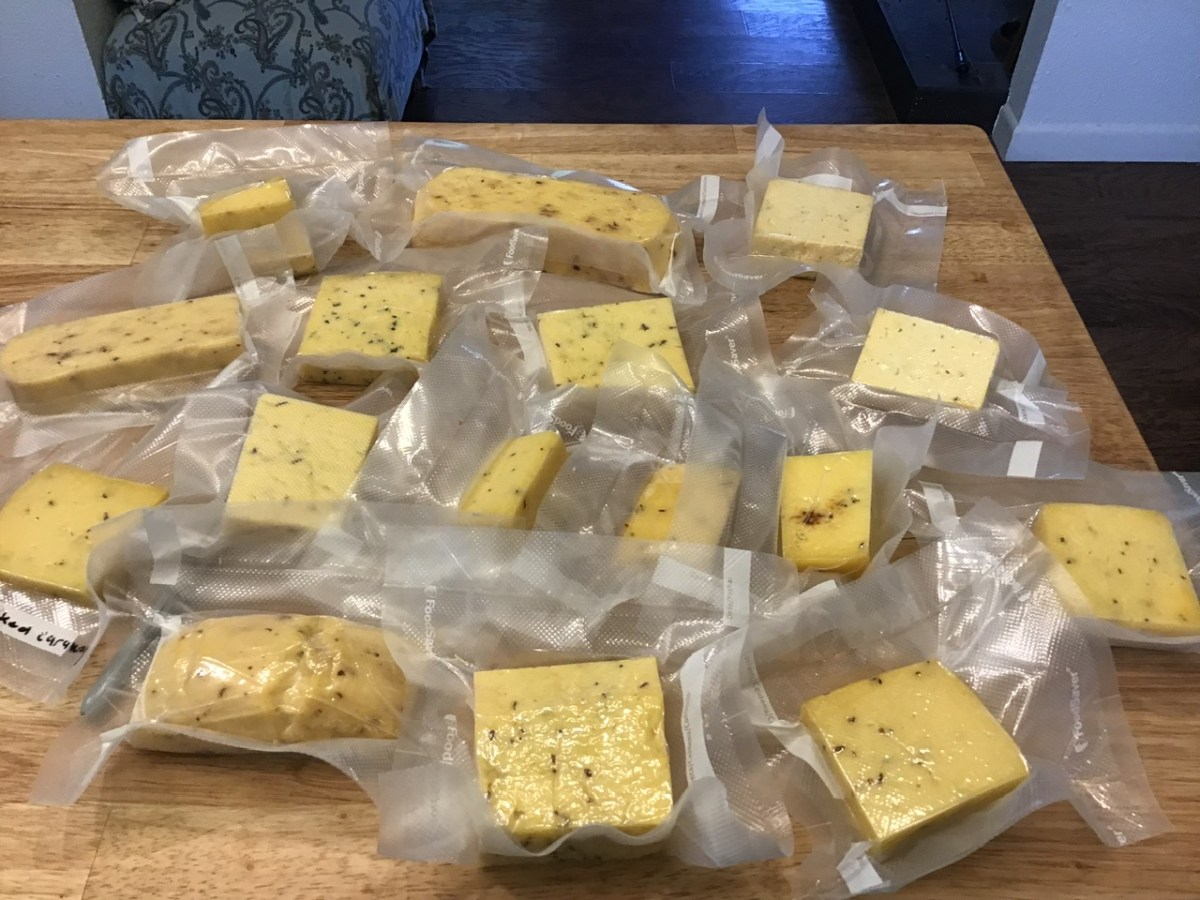
A large dill havarti and variety of experiments, most quite good!
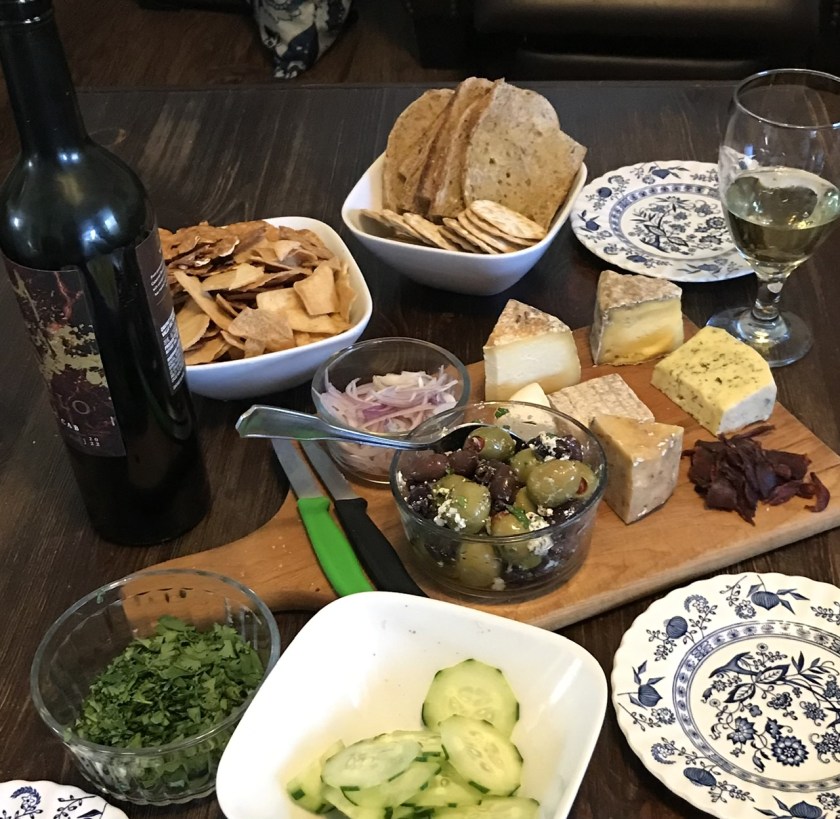
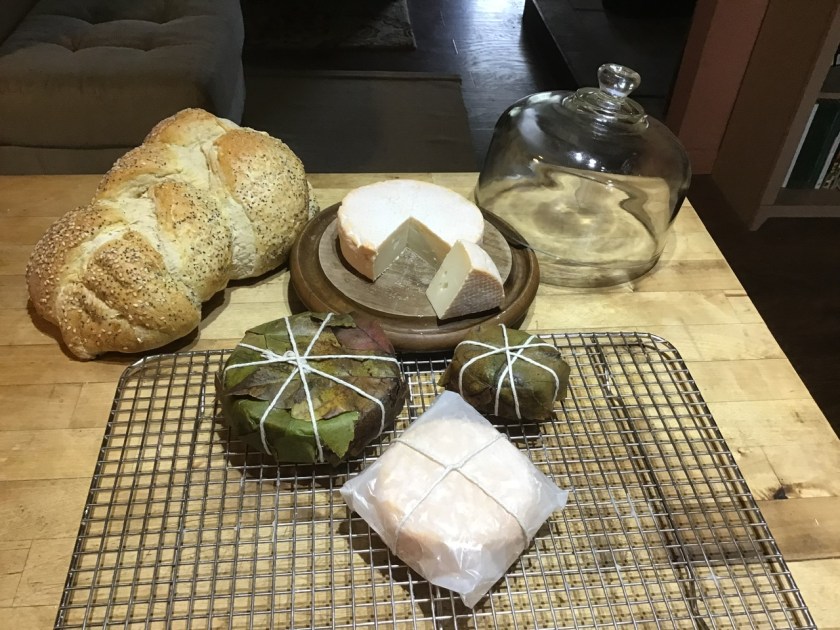
Sharing a charcuterie board of cheeses and cured lamb.
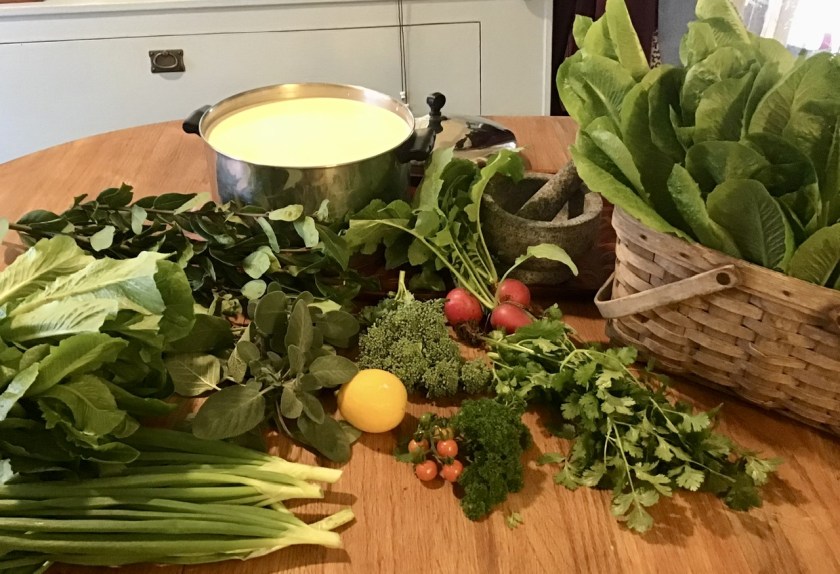
A winter harvest of romaine, onions, herbs, radishes and even an orange from our little shrub and some cherry tomatoes because it’s been so unseasonably (and unnaturally) warm. Plus a pot of today’s milk becoming clabber for tomorrow’s cheese.
A Christmas bumblebee!
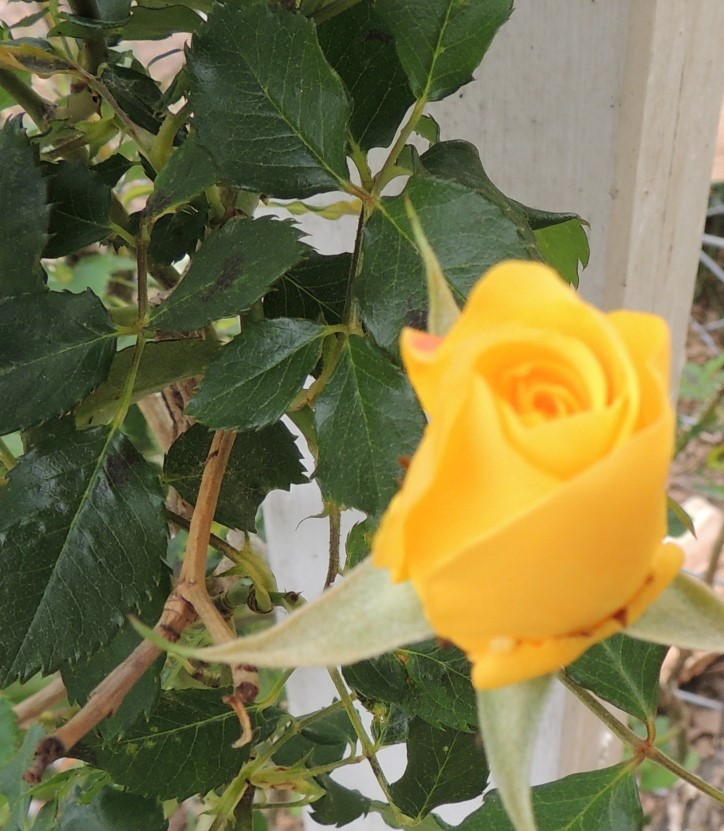
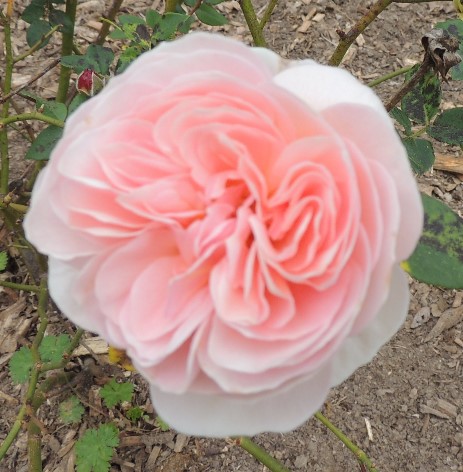
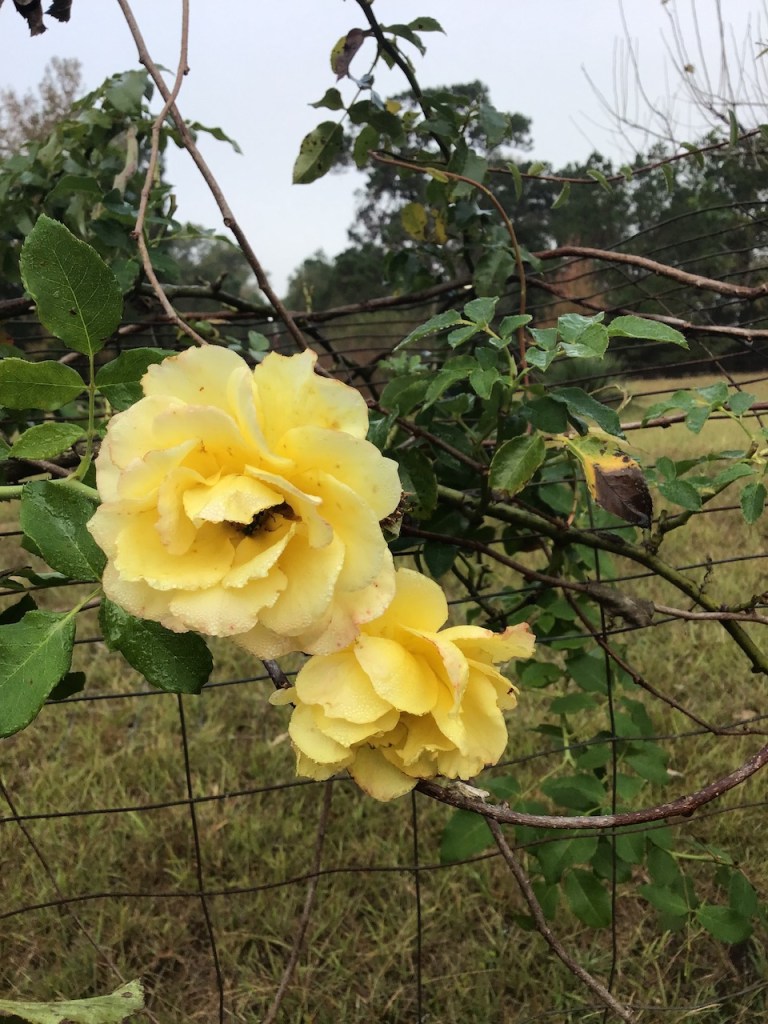
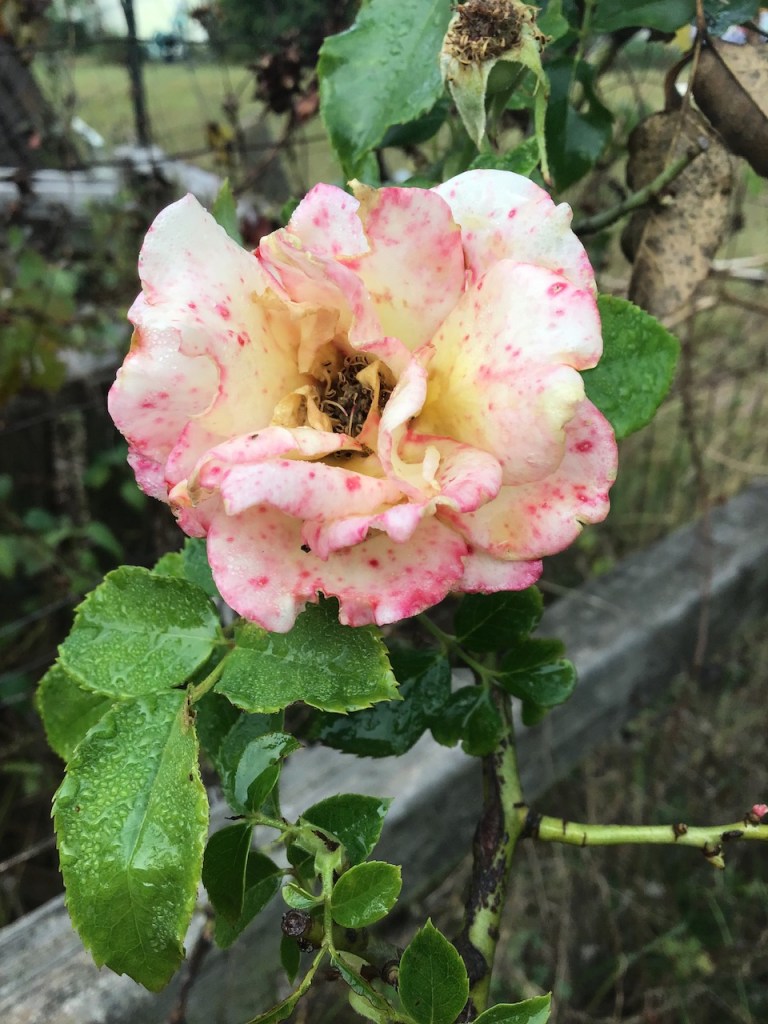
Unusual winter roses turning strange colors.
A few more happy snaps . . .
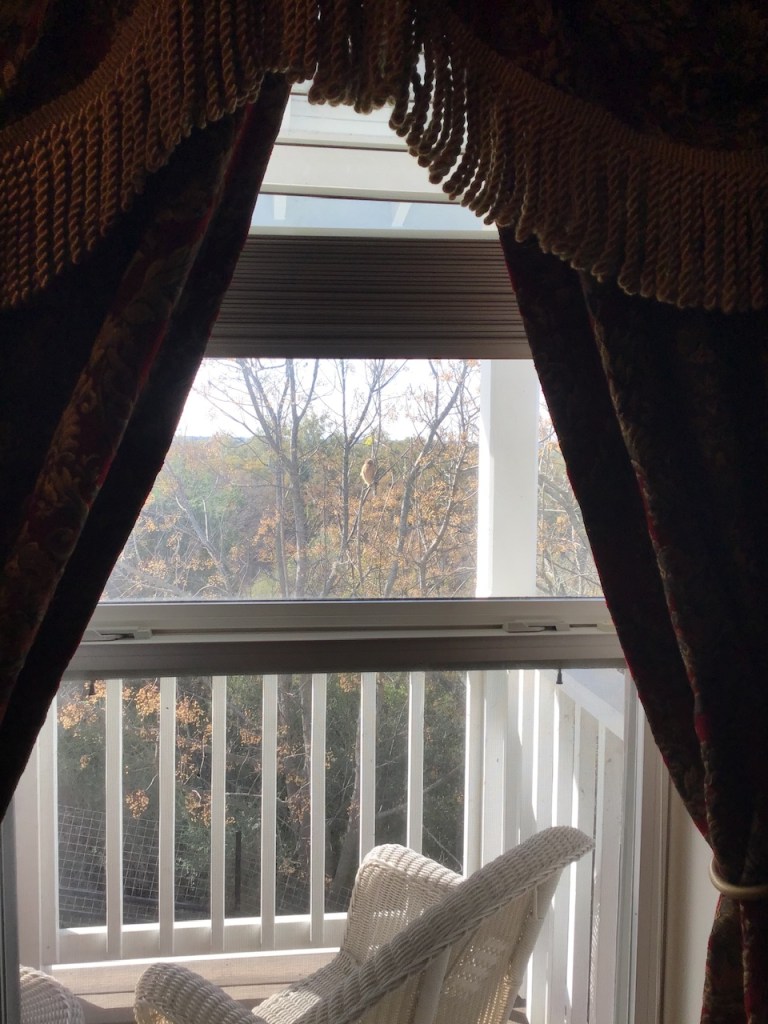
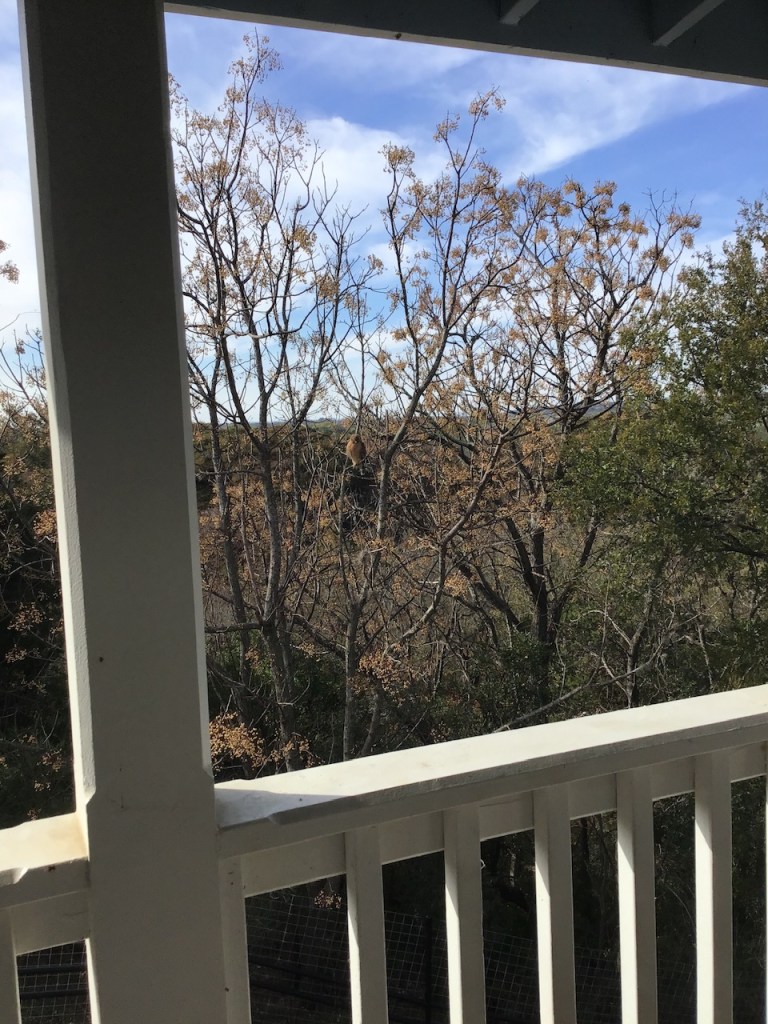
A darling bird of prey I watched right off our balcony from our recent quick roadtrip to Gruene in the Hill Country.
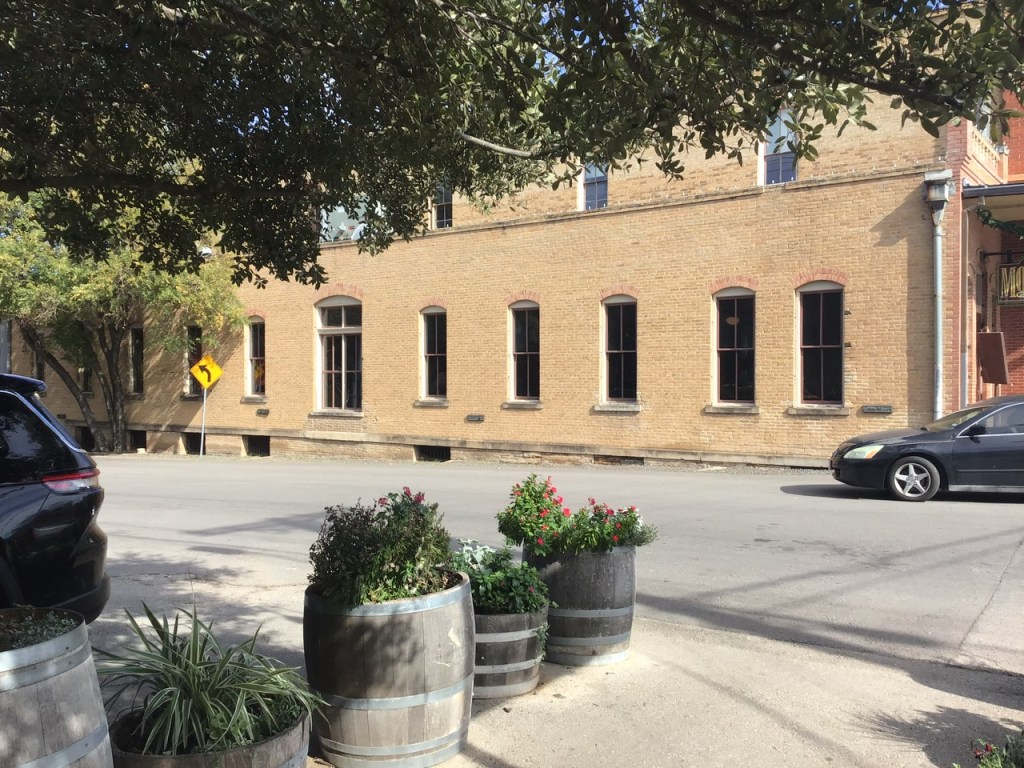
Also in Gruene, a so-called ‘mud-flooded’ building, more coming soon on that conspiracy theory in the new year.
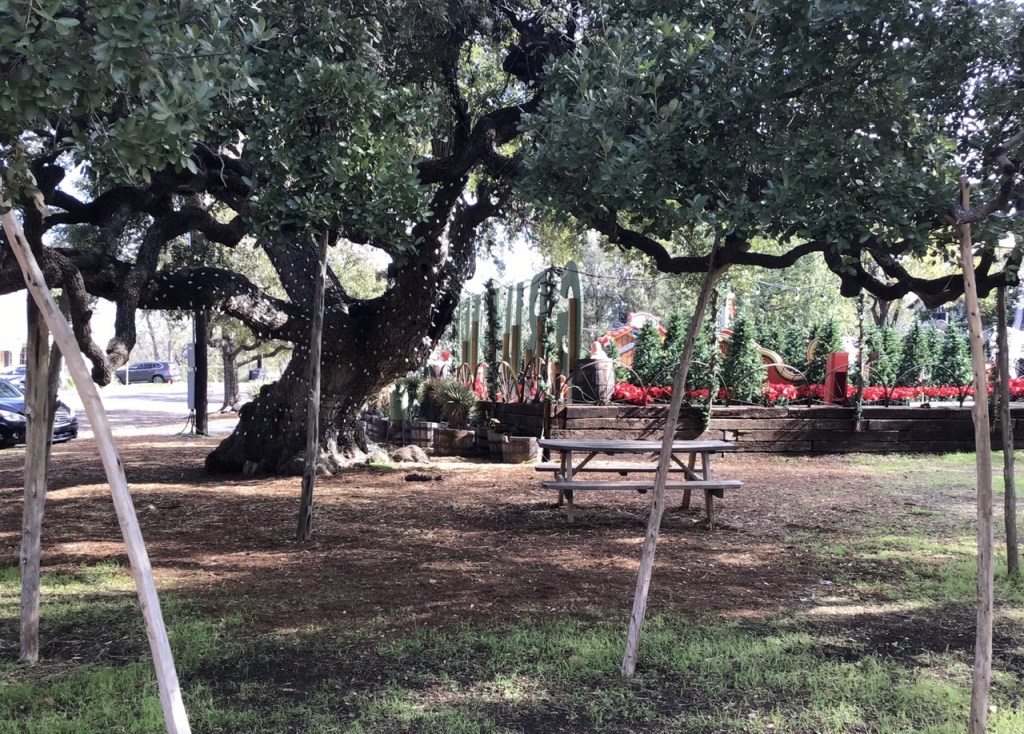
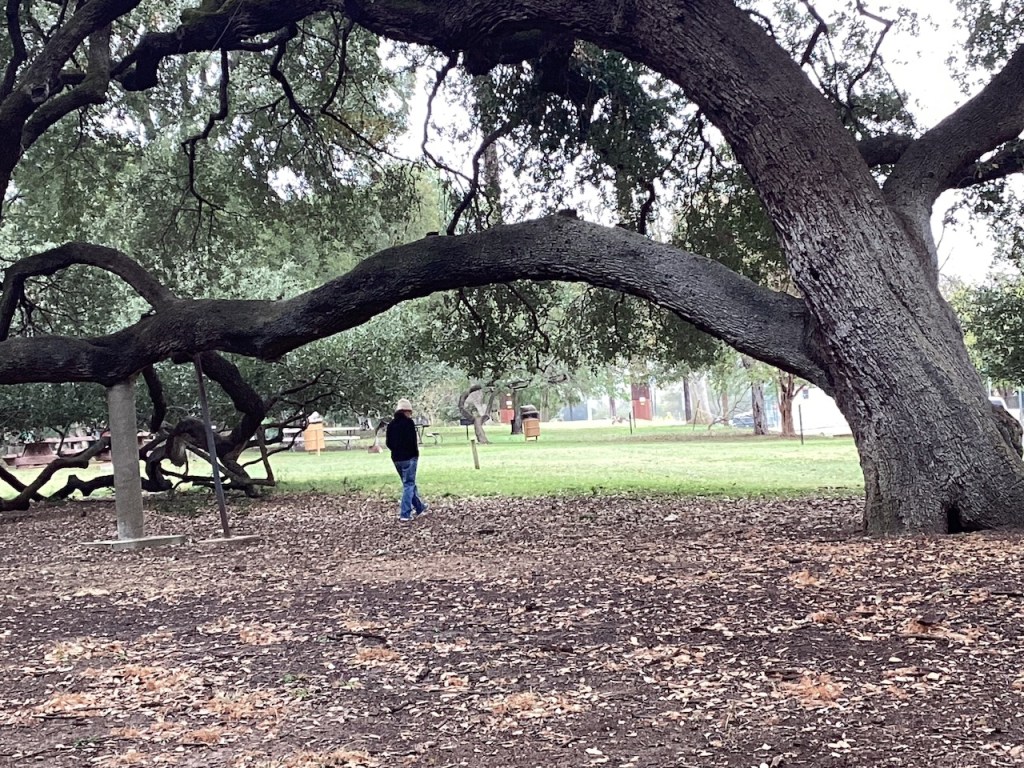
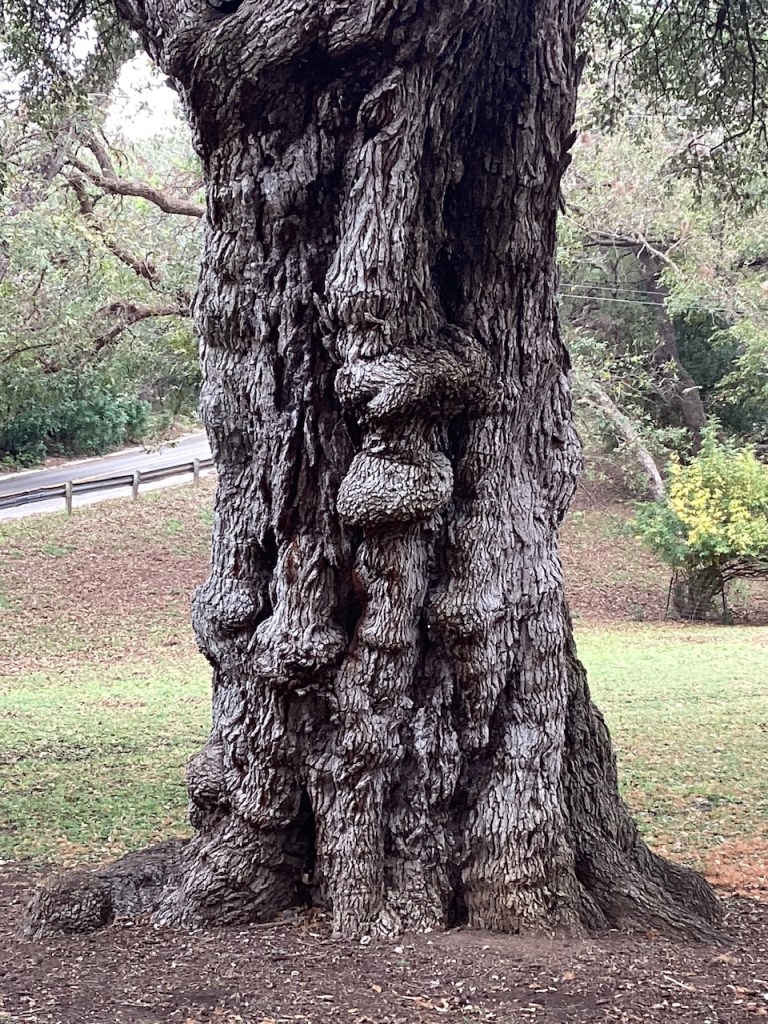
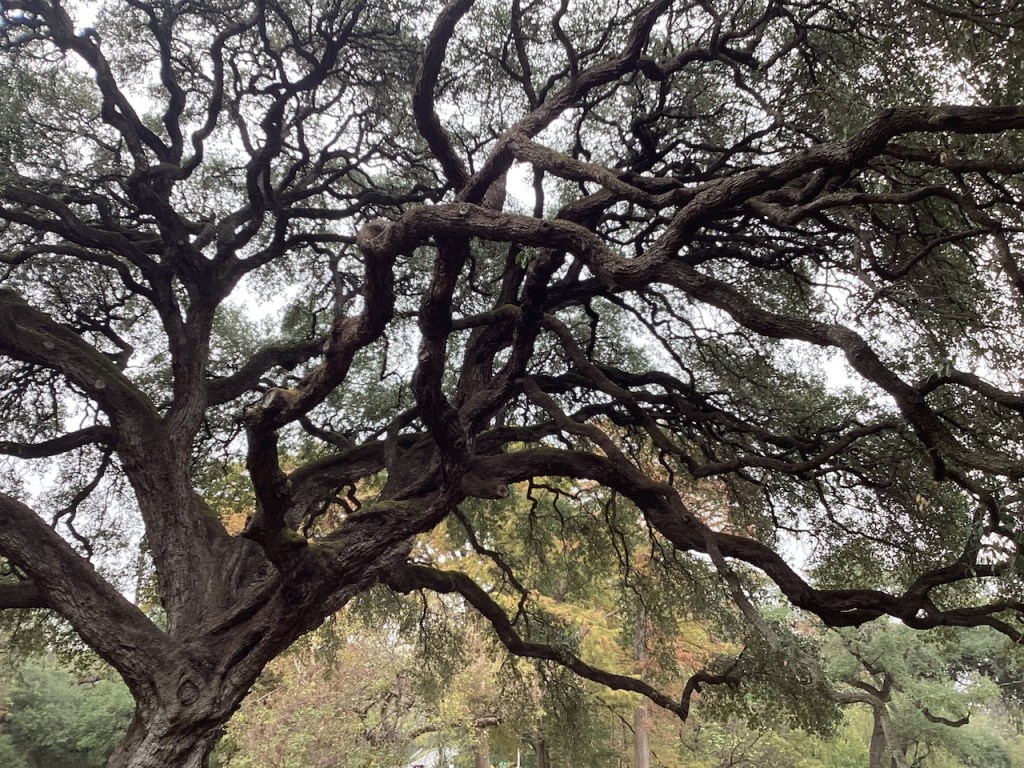
They have preserved some gorgeous trees there from the ever-encroaching urban sprawl, and more power to ’em!
“Papers, please!” was a running joke among Western expats living in Eastern Europe. I wonder how many of them now carry a permanent spying device with great pleasure or perhaps even cheerfully signed on to the digital passport program, first in line, buying into the ploys of safety and convenience.
The Globe was supposed to move in the other direction entirely! We won the Cold War, supposedly, in order to NOT be treated like the perpetual citizen-criminals of Kafka’s stories.
Eastern Europe in 1989 was a surreal place for a young university sophmore voyaging long distances by train alone for the first time. It was at once charming and derelict, welcoming and suspicious, familiar and mysterious.
On the one hand I never felt physically threatened, not even as flaneuse on the city streets at night. On the other hand the decrepid state of the infrastructure whispered danger somehow, because neglect itself is a dark force.
On the one hand the relative poverty was palpable, though my midwest suburban upbringing was middle class, great food variety and consumer goods were far more available. On the other hand their resourcefullness has had a lifelong impact on me and was my first critical look at the innate and corrupting consumerism of my little world.
I didn’t speak the languages and there were very few English speakers. I got by, barely, with French, rudimentary German and smiling, mostly. Americans were considered automatically suspect, so some travelers would claim to be Canadian at any venue not requiring their passports.
Already on the issue of passports I was laughingly naive.
A variety of stamp collecting, or paving the way for the Global digital gulag? It was an especially exciting moment in the expats life when your passport got so full of stamps you had to go pronto to the nearest embassy to get new blank pages stapled into the back of the official document.
Interestingly, while Americans were considered automatically suspect, there was still a sort of cult following that adored America and those who were positively thrilled to meet one, and I made it a point of meeting those unique sorts.
I went on to be a Peace Corps volunteer there a few years later precisely because of my immediate attraction to this region. I felt compelled to know it better and the fact I had the opportunity to spend three more years there, mostly in Czech Republic, but traveling the region extensively, was in fulfillment of my deepest desires and longings at that time.
For all that I loved it, there I also felt my greatest repulsions.
The dystopian Kafkaesque bureaucrocy I experienced was not just fiction. The general acceptance of the populace, while not exactly Stolkholm Sydrome toward their Soviet occupiers, was still a quiet resignation which struck me as particularly pathetic considering their far more astute knowledge of history.
My old passports are the best symbol with which I can try to express my current level of despair seeing my greatest repulsions come to fruition all around me, even as we ‘the Capitalist West’ were the supposed winners of the Cold War.
What did we win? A military industrial complex acting against the best interests of its people. A Corporatocracy run by corrupt public-private partnerships which pretends not to be a fascistic system. Progress that is defined entirely by blind acceptance of anything stamped with the Technocrat seal of approval. Endless paving over of the countryside for roads and minimalls and condos and tourist traps in the ugliest construction ever known to ‘civilized’ man.
Civilization itself has morphed into something totally uncivil, hideous and expanding entirely out of control.
I, like many other intrepid travelers, thought of the passport merely as the modern equivalent of the old travel trunks stamped fashionably with destinations. We thought of them as a collection of strange signs and symbols we’d forever associate with our new memories of far-off places. They were the paper images of our wanderlust we planned to show one day to the grandkids, not knowing they would be holding a digital scrolling device we’d rarely be able to pry from their clutches.
Just a decade ago this was all ranch land
“Once traditional farming systems have been destabilised by the debt-trap of subsidised loans, structural adjustment policies, corporate input regimes, global supply chains, patented seeds and monocultural production, mass migration to cities becomes an inevitability engineered from above. The city thus absorbs the displaced because the countryside has been systematically stripped of opportunities or carved up for infrastructure or real estate schemes.”
What if we’d been given the actual choice, not the strategically invented one, between our current paradigm of progress as a global militarized surveillance state and the ‘stagnation’ where the Eastern Bloc resided for half a century?
This, or this?
Electric prison bars or progress?
Do folks really think WHEN this whole shitshow goes tits-up there will be government funding for the clean-up and restoration of this once beautiful land?
That I don’t want this EVER, for ANYONE makes me some kind of bitter-clinger communist?
“ALA’s annual State of the Air report found that 156.1 million people—46 percent of the population—now live in counties with failing grades for ozone or particle pollution, nearly 25 million higher than last year. Previously less-affected areas, such as Minneapolis, saw significant spikes in unhealthy air days tied to climate-exacerbated wildfires and particle pollution, such as dust.”
Universities funded by public-private partnerships clandestinely tamper with our atmosphere using euphemistically-named scientific jargon like ‘Plume dispersions’ as if this is not mass poisoning?
A hellscape of ‘progress’ in the form of the most ugly, extractive and intrusive landscapes imaginable?
How did ‘WE’ win in this global game that began long before I was born?
What kind of twisted minds call this progress? We have 70 years of documented atmospheric tampering while officialdom continues in denying its impact, which is now going into overdrive while the voices of the livid citizenry, especially those losing their livliehoods in the rural regions, get squashed. Same as it always was.
“Similarly, Gerard Winstanley, writing in the 17th century, envisioned a society in which land and labour were shared as a common good, not commodities to be exploited. His insistence on communal responsibility and ecological justice underscores the radical, enduring potential of agrarian ethics against the logic of extraction and profit.
In this light, the critique of urban-centric development becomes more than an economic critique. It represents a challenge to the very definition of progress. The rejection of the celebratory narrative of neoliberal modernity is a philosophical insistence that a society cannot be judged by its technological prowess while its ecological foundations crumble and its people are alienated from the sources of life.
The modern city, therefore, becomes a battleground where two visions of civilisation confront one another: the dominant model of corporate-led, centrally managed growth and the fragile but persistent ethic of stewardship, locality and shared responsibility. As made clear in my new open access book, The Agrarian Imagination: Development and the Art of the Impossible (available here), genuine human development cannot be measured by urban skylines or GDP figures but by the survival of relationships between people, land and community that give meaning to life.”
I have a dream that when asked where I sell my delicious locally-produced raw milk cheeses my response will be one of beaming pride instead of deflated frown.
Instead of–“Sorry, I can’t sell them, it’s illegal”–in my dream I reply instead:
“I have an assitant who delivers our homemade cheeses twice a week to the community Farmstead Store in town. You probably should call her and make arrangements because she always sells out by lunch. We have Farmstead Stores in every small town in our region who send out drivers to exchange with one another. Our free-range pork and our neighbor’s beef sell out even faster than the cheeses. They’ve also got year-round fresh produce there, eggs of course, honey, wine, kombucha–all sourced and produced from within 15 miles.”
Instead of my dream, in my reality I get asked, “Can’t you get a license?”
No! No, of course I cannot get a license! Instead of dream-speak I get the nightmare reality.
It’s not only impossible to get a license for a home cheesemaking operation, it just happens to also be against my philosophy.
“An agorist is one who applies the principles of libertarianism consistently through counter-economic practice. They aim, that is, to bring about the voluntaryist society not through political (in)action but through direct counter-economic action.”
No, I cannot get a license. Since we are in the South, I wonder if another appeal might be in order?
Imagine if instead of ‘philosophy’ I said ‘religion’. So my reply becomes:
“Appealing to State and Federal officials for what I, and my neighbors, choose to purchase for consumption is against a fundamental aspect of my religion which preaches the gospel that God chooses my food through my tastebuds.”
“This is not a trivial point. A free society is not merely an ideal society to be philosophically formulated, but a process to be enacted through conscious action. Thus, the idea of separating the free society from the actions that free human beings must (or must not) engage in is self-contradictory. What else defines a free society except for those actions?” James Corbett
“Furthermore,” I continue in my dream space, “I’m allergic to paperwork and authoritarian nincompoops and I refuse to spend what little time I have left on this spinning green insane asylum kissing the arses of Velvetta-eating officials mansplaining me what I must do to make safe cheese.”
Also from Corbett In “An Agorist Primer” Konkin explains: “We see that nearly every action is regulated, taxed, prohibited, or subsidized. Much of this Statism — for it is only the State that wields such power — is so contradictory that little ever gets done. If you cannot obey the (State’s) laws and charge less than [because of “Fair Trade” laws], more than [because of “Anti-Trust” laws], or the same as [because of laws against cartels] your competitor, what do you do? You go out of business or you break the law. Suppose paying your taxes would drive you out of business? You go out of business — or you break the law. Government laws have no intrinsic relationship with right and wrong or good and evil. Historically, most people knew that the royal edicts were for the king’s good, not theirs. People went along with the king because the alternative looked worse. [. . .] But everyone is a resister to the extent that he survives in a society where laws control everything and give contradictory orders. All (non-coercive) human action committed in defiance of the State constitutes the Counter-Economy.” In effect, Konkin takes the plight of the modern-day citizen, stuck in a web of ridiculous, contradictory, and impossible-to-follow laws, rules and regulations, and flips it on its head. It is not a source of shame to be acting against the arbitrary whims of the state, but a virtue. Economics is the realm of white markets: legal, licensed, sanctioned and regulated exchanges in the aboveground economy. Counter-economics is everything else: black market and gray market activity either specifically outlawed by the state or not licensed or approved by it. People tend to get squeamish when they hear “black market,” but we’re not just talking about gunrunning, counterfeit smuggling or drug dealing here. Any (non-violent) activity that doesn’t have the blessing of the state is counter-economic.
“Of course, individually, these actions seem unimportant, even trivial. But in combination they drain significant resources away from the clutches of the state and toward the people participating in the actual productive economy. It is estimated that 20% to 30% of Americans fail to report taxable income. In some parts of Latin America it’s closer to 80%. Can you imagine if it were 100%? A few isolated counter-economists acting in a disorganized haphazard faction is a minor inconvenience to the powers-that-shouldn’t-be. Millions of people acting in concert in a deliberate undermining of state authority is a revolution. This is the promise of counter-economics.”
The quotes that are not in my dream are taken from the following 2 articles by James Corbett, well worth the read.
This is a repost of a few of my first cheesemaking adventures way back in 2015. I decided to repost it since not only is it Hubby’s favorite, but also because my cheesemaking workshop is right around the corner, so my cheese posts are getting more views lately.
From the archives:
I’ve now made nearly two dozen different cheeses. When I started out, my only raw milk source was a five-hour round-trip drive, I was aging them in the veggie drawer of the fridge, and I was following the recipes to the letter.
I now have an aging fridge packed with cheeses, my raw milk source is at least in the ballpark, I’m creating my own recipes, and I may even spring for a pricey PH-tester. It’s been a long, fun road with a steep learning curve made in a relatively short time, which is what I say about pretty much everything in our adopted rural lifestyle.
But the best cheese I’ve made so far was the third one I attempted, and it started out as a smelly, rather disgusting potential disaster.
In our cheese-making class, we were strongly encouraged to take notes on our every hard cheese-making venture and being the diligent student I usually am, I do. This time was no exception.
Has odd fishy odor” is at the top, middle and end of the third cheese’s entry. I was a bit reluctant to include the less-than-savory details as to why that might be.
First, a bit of background on my past experiences with stinky cheese. I am no expert, I can’t even call myself a true aficionado, but I’m more cheese-fearless than most, especially most Americans. After all, I did live in France for a while, and spent a few months in Corsica, where I met the only cheese that scared me off.
The Corsican cheese is quite popular and, being a sensitive traveler attracted to regional specialties, I was anxious to give it a try. I went to the farmers’ market, found the oldest, roughest-looking cheese-monger of all the vendors and marched right up to examine his wares. He looked like an ex-sailor with wrinkled, sun-burnt skin, black patterns on his forearms where I assume tattoos were once legible, and an easy-going, toothless grin. He eyed me as I pretended to know what I was doing. I glanced over his table and tried to make out the curious handwriting to learn what I might be able to pronounce well-enough to order.
My eyes went right to the group of words I was searching for – traditional Corsican cheese – how easy was that? I felt already triumphant. In my best French, I tell him I want that cheese, and he replies, “Avec ou sans habitants?” At that point I feel certain I saw a glimmering in his eyes. He points down to the sign below the ‘traditional Corsican cheese’ sign, which reads just as he has stated: “AVEC OU SANS HABITANTS.”
Instead of triumphant, I’m instantly befuddled. I had no idea what that meant, and the question so baffled me I thought I clearly did not understand. I said quite sincerely, “I don’t understand.” But, in retrospect, I think I kinda did, I just didn’t want to believe it. “With or without inhabitants,” it was clear and easy to understand even for a non-French-speaker. This was not a linguistic block I was having, it was a reality check.
At that moment my market companion attempted to come to my rescue. She didn’t speak English, but understood my dilemma apparently without words exchanged, being French and rather snobbish about her cheeses. “Inhabitants …,” she repeated to my complete horror, “as in maggots.” After which she pinched up her nose slightly and gave a nearly imperceptible shake of her head, like she was trying to reassure me – ”Don’t worry, on the mainland we don’t eat that sort of cheese.”
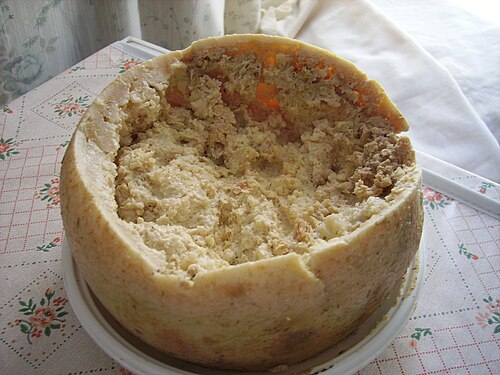
Maggots, I’ve since discovered, is just one of may unsavory methods of ripening, there are many, like ‘cheese mites’ and they are still deliberately used to ripen certain cheeses in various parts of the world, like Casu martzu – Wikipedia.
Wiki image of maggot-ripened cheese
So, back to my Cheese No. 3. The first two times I followed two different farmstead cheese recipes to the letter, wrapped them to age, and made my notes, nice and clean, without any question of potential perfection in outcome. This third time I found a recipe online that was so vague in steps, measurements and temperatures, I had to wing it a bit for the first time.
To make matters worse, this particular day had a pronounced increase in kitchen traffic. After I’d muddled through the recipe and began the pressing process, Handy Hubby had a dramatic building challenge of the electrical variety that required him to tear into the wall in the vicinity of the press. He’d just been on the roof cleaning up mice nests, and they’d managed to chew through some of the wires, which he now had to replace.
I wondered momentarily if that was something I should include in my notes. Nah, best forgotten, I decided.
But I could not forget, and what I’d hoped would be a quick in-and-out project around the press turned into an hour, going on who knew how many more. With Hubby going in and out, meant the dogs are following him. They think this is a game and don’t understand Hubby’s irritation as he curses the mice only under his breath … and … is sweating through his T-shirt. Right over the press!
Tori and Papi, our dogs at the time, who were often guilty of playing games around the cheese press.
Finally, the straw to break this camel’s back – I glance over from the sink as Tori’s tail brushes over the press. Tori is our Dane-Mastiff and about 6 feet from nose to tail tip. In a flash I imagine it snake-like engulfing the entire cheese.
“Stop, stop, oh my god, stop the pressing!”
I neither wanted to perceive myself as excessively anal nor offend Hubby’s already delicate mood any further, but my stomach was churning and my mind screaming at me for what I was allowing to happen to that poor cheese. I immediately disassembled the press, moved it to the office, and, with trepidation, examined the cheese, slowly unwrapping it from the muslin.
Just as I had suspected, dry-wall debris, dog hair, and who knew what other invisible entities had found their way onto the surface of Cheese No. 3.
In a moment of panic and disgust, I nearly threw it in the garbage. Then I thought, no, wait, chill, this will be the perfect testing ground. I’ll continue to do everything wrong, according to all things science and sensibility, and see what happens.
So, I stopped following the vague directions and followed instinct instead. What would the Corsican cheese-monger have done, I repeated to myself as I decided not to wrap it, to leave it at room temperature uncovered for days, then put it in with the others to age in the drawer of the fridge.
Not only did it look completely different from the others, it also smelled completely different. The fishy smell had stabilized, mold started growing on the air-dried, uncovered rind, and the texture softened inside until it began to sort of pooch out around the middle like love handles.
I felt some encouragement then, thinking, “Might good cheeses be like good dogs and begin to resemble their masters?”
A couple weeks more and it began to look and smell so delicious the temptation was starting to weigh on me. It was becoming irresistible. On Christmas Eve, I could wait no longer. The vague directions said it would be ready in two months, but my instincts were saying, ”Dig in, woman!”
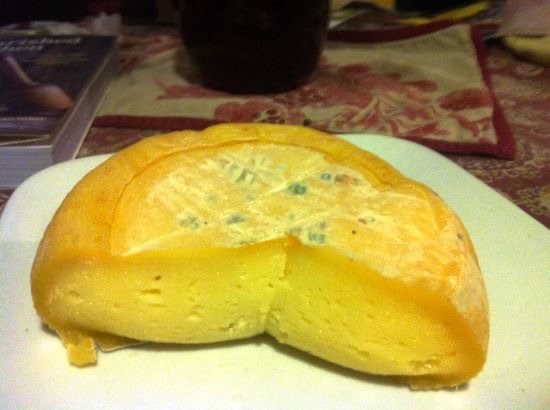
The luckiest mistake: Cheese #3
So I did, and it was delicious! I am now convinced the best cheeses were discovered quite by accident and our ancestors turn over in their graves every time we get squeamish over a few dog hairs or even . . . maggots.
The only problem is, I have no idea how to imitate it.
The latest cheese ‘failure’ supposed to be a pepper jack– story and tasting coming soon!
Fast forward to last week, October 2025, and we have another crazy cheese mistake, which may turn out to be just as delicious!
Here’s the ‘pepper jack’ after further aging abuses, looking and smelling full of potential!
A sudden mini-miracle has occured and has turned the month I completely intended to be an exceptionally lazy one into a whole big mess of work.
What’s in your cheese cave? A portion of the cheeses I’ve made in the last two weeks, the largest was from 9 gallons, which was transformed into a Caraway Gouda. The smallest was made right in the half-gallon Mason jar with milk directly from the cow, never cooled and ‘backslopped’ from our own homemade goat rennet. Backslopping was a traditional method used on the farm to carry the culture and rennet combination from day-to-day, similar to keeping a fresh starter culture for sourdough bread.
While it’s work I love, the problem-solving has been endless and my shoulder is an on-going issue. After such a long search, this was so unexpected and has caught me off-guard, unprepared and re-injured. Why am I not surprised?
My milk-quest for cheesemaking has been a decade-long challenge. For the briefest of run-downs I’ve watched raw milk prices double in that time, tried and failed at goat rearing, and for the past couple of years I’ve been herdshare hopping, with prices far too high for cheesemaking.
A few weeks ago I tried another herdshare–closer, nicer, and so much cheaper. Finally, I can make cheese to my heart’s content, to hell with my aching shoulder! And thanks to Hubby on early retirement, who is willing and available for all the heavy lifting.
And who also helps with the redneck innovations–having just made me a new collapsible cheese-hanger unit and also made my cheese-press.
I’ve even been able to experiment again it’s so reasonable, at just $3.50/gallon. Not since the goats have I managed to pay so little for such cheese pleasures. My new milk lady is short on customers, half her milk is going to her neighbor’s pigs every day.
All I can think is, how crazy is that? That precious milk goes to the pigs, because it’s illegal to sell it anywhere but at her farm and to process it into cheese to sell is also illegal. While I can imagine those are some very happy pigs, I still wish I could sell cheese.
Actually, not so much the selling part, just the making part. I do often give it away as gifts and I get rave reviews. I’m often asked why I don’t sell it at the Farmer’s Market, because so few know how illegal it actually is. The requirements for licensing are very strict, not a chance a home kitchen would pass, (Great Dane not included!) and even with all the proper paperwork and a professional kitchen, many cheeses are still illegal to sell.
Various whey beneficiaries on the homestead:
I don’t want to run a cheese business anyway. I want a HWB (Hobby with Benefits) with those benefits being financial as well as delicious.
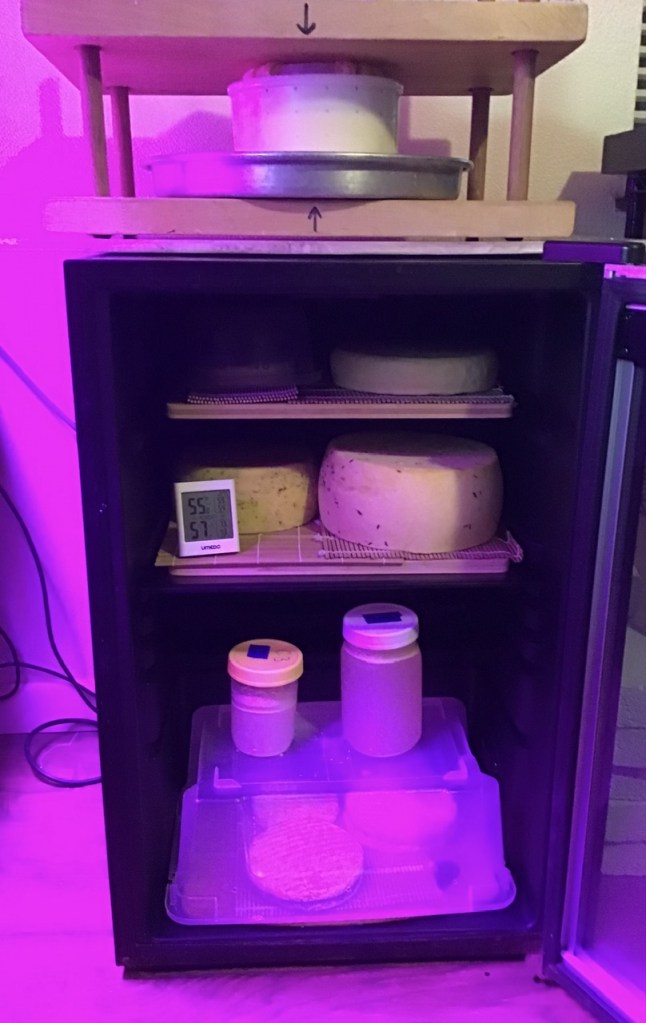
For now, I’m already out of room in my mini-aging fridge. I bought a second one, but once I got all the cheeses in it I had an impossible time getting a steady temperature. I gave up after 3 days of trying, to a mess of 70 degree cheeses sweating and dripping and starting to smell bad. The fridge regularly swings by 30 degrees, a cheesemaking nightmare.
I can work with a steady 50-55, and control humidity using plastic bins, not exactly a cave in the Loire Valley, but I can make it work well enough for a short Redneck affinage.
The non-existent affinage fridge of my dreams would be humidity controlled. The one that’s close enough costs a mere $700 and has temperature control in two sections (nice!). It’s technically for wine but home cheesemakers who can afford it often convert them with great success, or so I’ve read.
Let me just put that up on my vision board and see if it arrives in a timely fashion!
Also on my wishlist, David Asher’s latest book. His first book is my go-to resource and changed everything I was doing in making cheese, “The Art of Natural Cheesemaking: Using Traditional, Non-Industrial Methods and Raw Ingredients to Make the World’s Best Cheeses.”
Despite the struggle for a reliable raw milk source I have come to the wonderful place in my cheesemaking skills that I no longer follow recipes. I still read plenty of recipes, of course. But I read them to glean new techniques, learn cultural differences and especially pre-industrial methods, and imagine new combinations, in order to try them in my own way, like the rest of our cooking here. Hubby works the same way with his culinary craftiness.
It is the key to turning cooking from drudgery to joy, imo. It’s ‘the zone’ like they talk about in sports, or artists in their creative flow. Who wants to do that in their sterile industrial kitchen rather than in the comfort of their own home? Some, I know, but definitely not me.
Some previous cheeses
“Kenshobert” in my territoire version of Camembert.
Turning a favorite hobby into a business is the joy-killer. Being well-rewarded for a favorite hobby is the goal. That’s magical like milk transforming into 1,000 cheeses is magical. Some call it alchemy, but really it’s just fermentation, maybe the most ordinary and natural process in the world.
Cheesemaking is also economical and beneficial to more than just our health and palette. The dogs and the pigs get all the whey after the ricotta is made–whey ricotta is a delicious ‘by-product’ from making hard cheeses. So from each gallon we get the heavy cream for coffee and ice cream, milk for cheeses, and whey for other recipes and very contended critters.
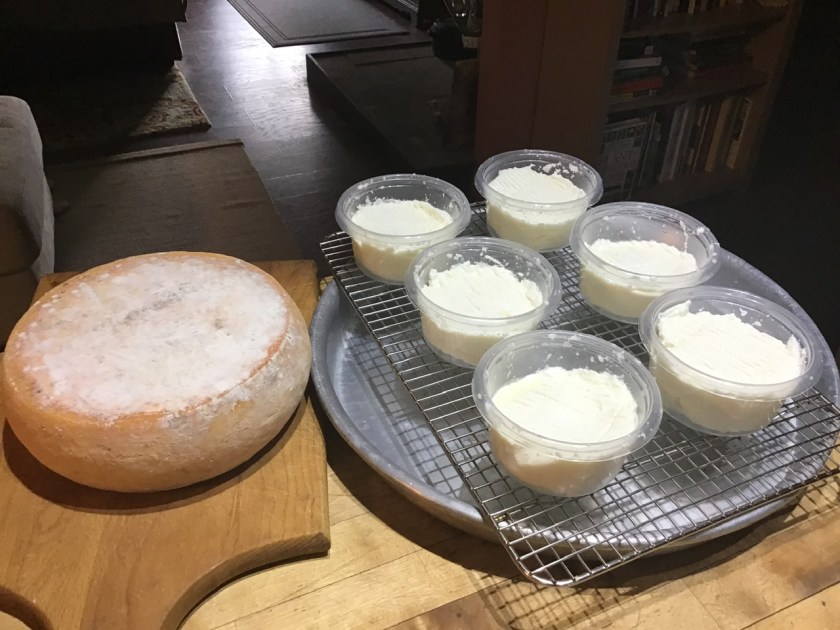
Ricotta pressed overnight then soaked 3 days in homemade hard pear cider. Eaten fresh, with fruit or crackers, it’s mild, slightly sweet and tangy.
The critics of course think it a lot of wasted work when cheese from the grocery store is cheap and plentiful, and there’s a growing network of artisanal cheesemakers who craft excellent cheeses (for a hefty price). I’ve had plenty of such cheeses and they are indeed delicious and worth the money.
A Tomme-style wash-rined cheese with goat cheese crottin-style drainingYogurt cheese with herbs aging in olive oil
But, they are all subject to the laws, which usually means: pasteurization, medicated animals, artificial lab-produced rennet (brought to you by Pfizer!), and freeze-dried cultures, also lab-made.
All that is exactly what I’m trying to get away from, in order to craft the most natural, local cheeses as possible. It’s an impossible task while remaining inside the laws.
Yet, there are folks still alive today who can remember when the laws weren’t so intolerably squashing to taste, creativity and economy. Just as there are old-timers here in Texas who can remember the days when they were allowed to raise, kill, process and sell their own livestock to the public, there are cheesemakers up north (no traditional cheese country in the south, too hot) who can still remember a time they could sell their handmade cheeses produced on farm in their own kitchens. Now most cheeses sold in this country are essentially fake, already lab grown, like the ‘meat’ they keep trying to push on the public.
Somehow there are still the majority who continue to call this freedom and progress.
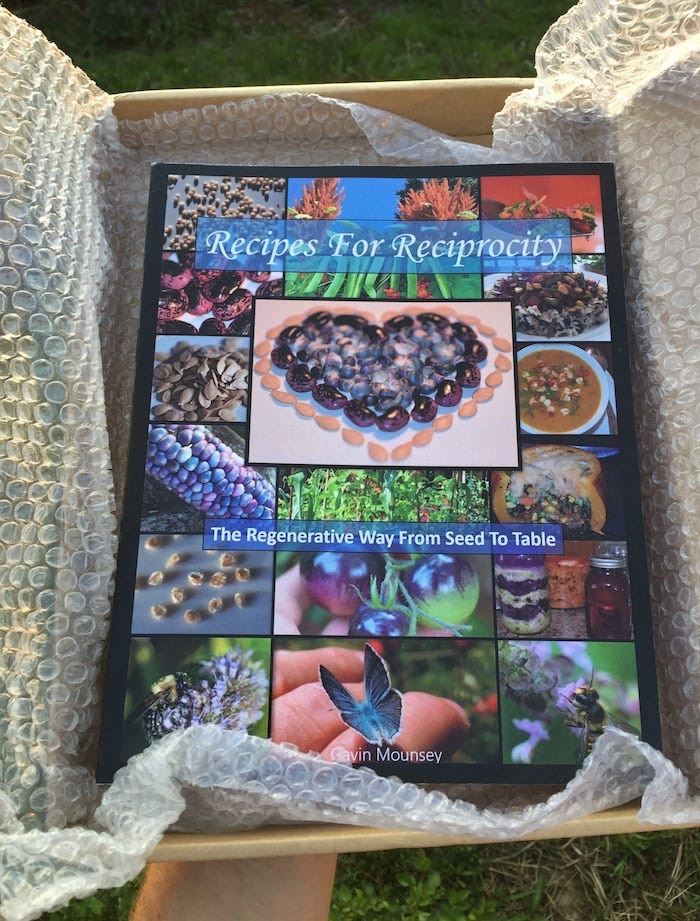
I wrote about Gavin’s book and gift of seeds recently, and now I’d like to share a bit about the recipes and his approach to gardening, food, cooking and life in general that I align with so much I can easily overlook our superficial differences–like we’re at nearly opposite ends of the gardening calendar, we’re decades apart in age, and I would normally never buy a vegetarian cookbook.
But as I already said, it’s much more than a cookbook. And I have too much respect for Gavin’s work to shun it just because it’s vegetarian! 😆
I’ve got a dozen pages marked of delicious-looking dishes I can’t wait to try. A number of dishes are already on our regular routine, like sourdough pancakes, heuvos rancheros, enchiladas with salsa verde and refried beans, and Greek salad (and we make it with homemade feta!)
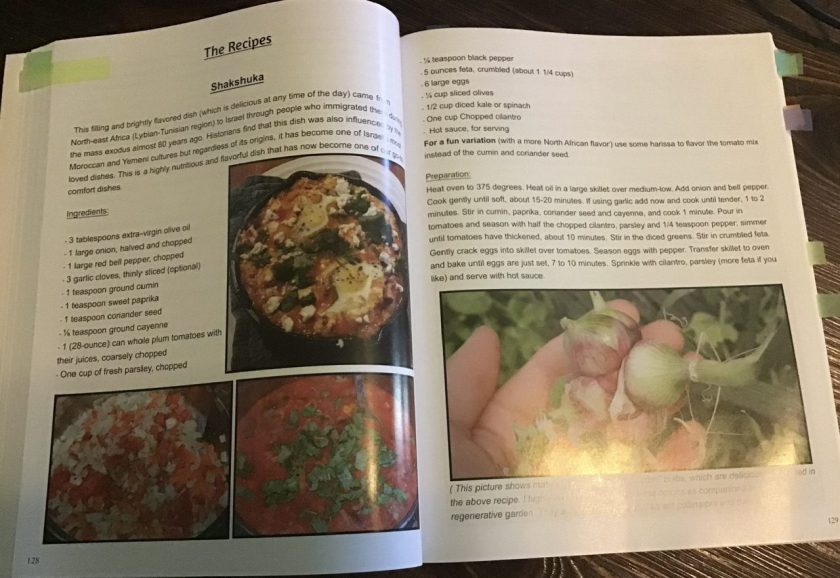
At the top of my ‘Must-Try’ List: Shakshuka. The name alone sounds alluring!
We do eat a lot of vegetables and we always have salad daily and I’ve gotten plenty of new ideas–combinations I hadn’t considered, like a zucchini salad with mint–I’m often wanting to use more mint, it grows like crazy here.
The recipes are very adventurous too, drawing from diverse cultures and culinary traditions–Ethiopia, Morocco, Bali, Mexico, Greece, Thailand –which I truly appreciate, because we tend to get stuck in a bit too much of a routine sometimes. When the garden produce is rolling in by the wheelbarrow, there’s not much time to get creative.
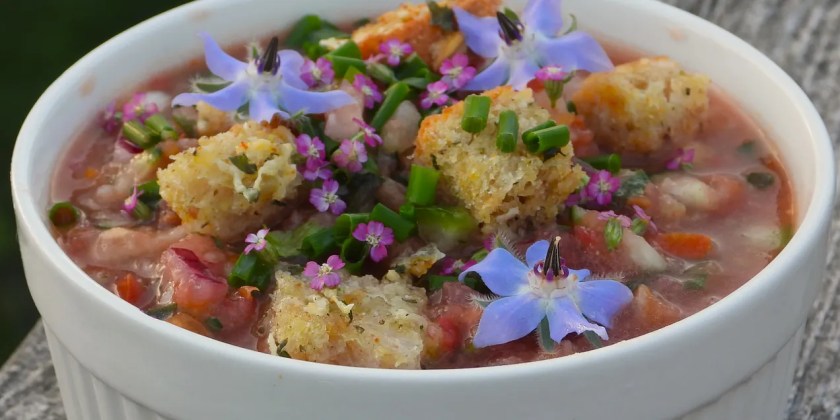
The lovely and edible Borage flower, used as a garnish in Gavin’s Gazpacho recipe on YT. (Photo credit: Kath-UK)
In fact, on the things that really matter, we agree completely.
Like on the importance of fermented dishes, and especially sauces, because the ones that are mass-produced are full of chemicals and highly processed garbage. It’s hard not to sound preachy, maybe even impossible, when telling folks how terrible their diet most likely is. But it’s the plain and simple truth.
I still go to the grocery store from time to time and I see what’s available and what’s in most folks’ carts and it’s pretty hard not to get judgy and to bite my tongue!
The difference a few dietary adjustments can make over time is really impressive–and it starts with naturally-grown fresh food.
Considering the vast majority of folks are outsourcing their health to Big Ag, Big Food and Big Pharma it’s not any wonder why our societies are collapsing under the weight of it all!
I’ve been enjoying goofing around with the free meme-maker ap using Gavin’s gorgeous photography and inspiring quotes. 😊
“In the past hundred years or so most people have forgotten about those ancient fermentation practices because of the advent of ‘instant gratification’ mass-produced products has allowed for entire generations of people to become completely dependent on corporations that supply them with the ‘food’ they need to survive. These ‘ultra-pasteurized’, pre-packaged, chemical-laden ‘food products’ are devoid of life, contain very little if any nutrients and are produced in ways that cause much damage to the planet’s ecosystems. Though eating prepackaged factory food (with unpronounceable ingredient lists) might be considered by some as ‘normal’ by today’s standards, it is certainly not a ‘norm’ that is conducive to longevity, sustainability or common sense.”
With thanks once again to Gavin, for his great many gifts, and for sharing them so graciously and generously. I’m already looking forward to his next book!
It’s Shoulder Season on the wee homestead, and by that I mean a few things.
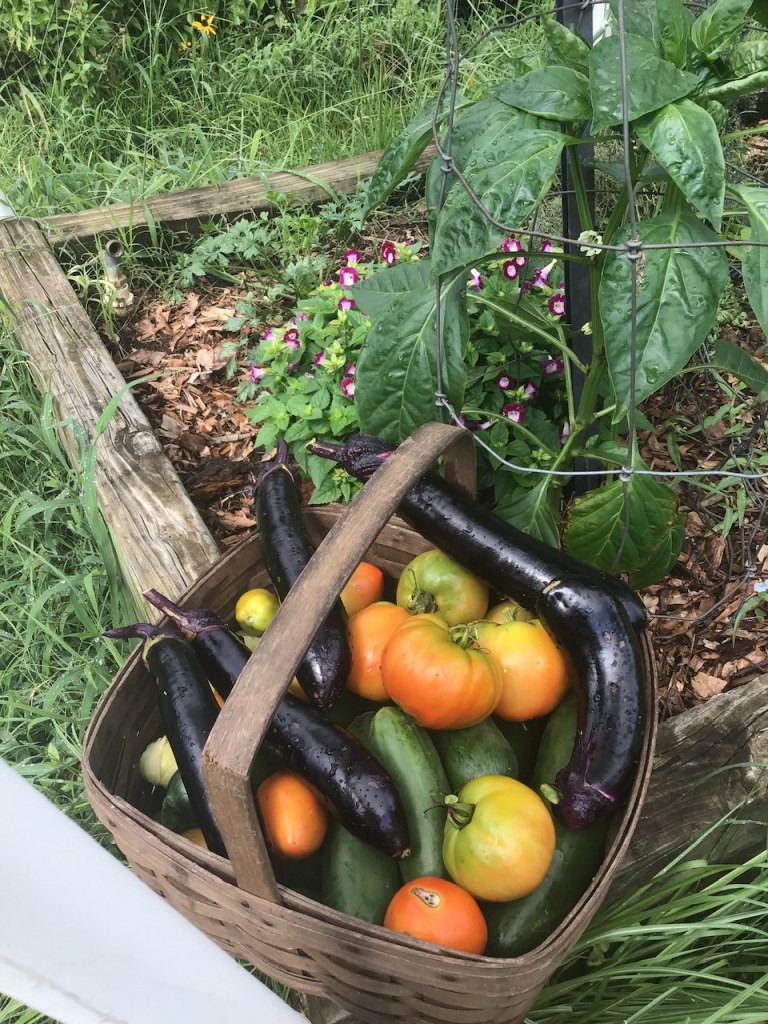
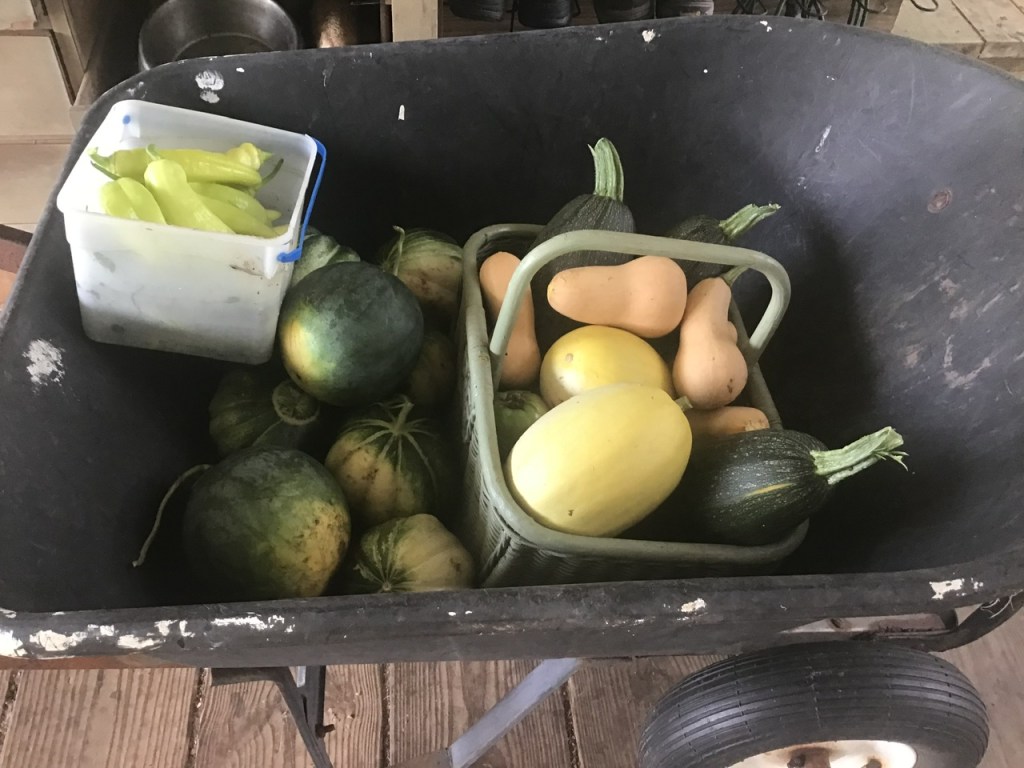
Tomatoes on their way out, eggplant just coming inAssorted melons and squashes
Shoulder season, for those who maybe new to the phrase, has a specific meaning in tourist trades, meaning between high season and low season. Savvy travelers and those who dislike crowds or who are just cheap or nearly broke try to travel in the shoulder season.
As far as I know it doesn’t have a parallel meaning in the gardening world.
But for me it does. It’s the time we move between seasons in the garden and since we garden all year, it happens twice, once in Swelter Season (now) and once in YoYo Season (formerly known as winter).
The key summer crops in the garden are either long gone–onions, garlic, crucifers, or mostly dead–tomatoes, squash, melons. And normally the cucumbers too, except those are, so far, successfully secession planted, with the new generation just coming up as the last one is dying. Good timing there, tiny bow to me!
Old cucs on left, dying fast, on right a couple of tomatillos in the back, also dying and a volunteer datura, doing great.
New cucumber plants looking good, but will they produce?
And big bow to Handy Hubby for growing this 27 pound beauty!
A nice variety of melons and squashes, we are quite pleased.
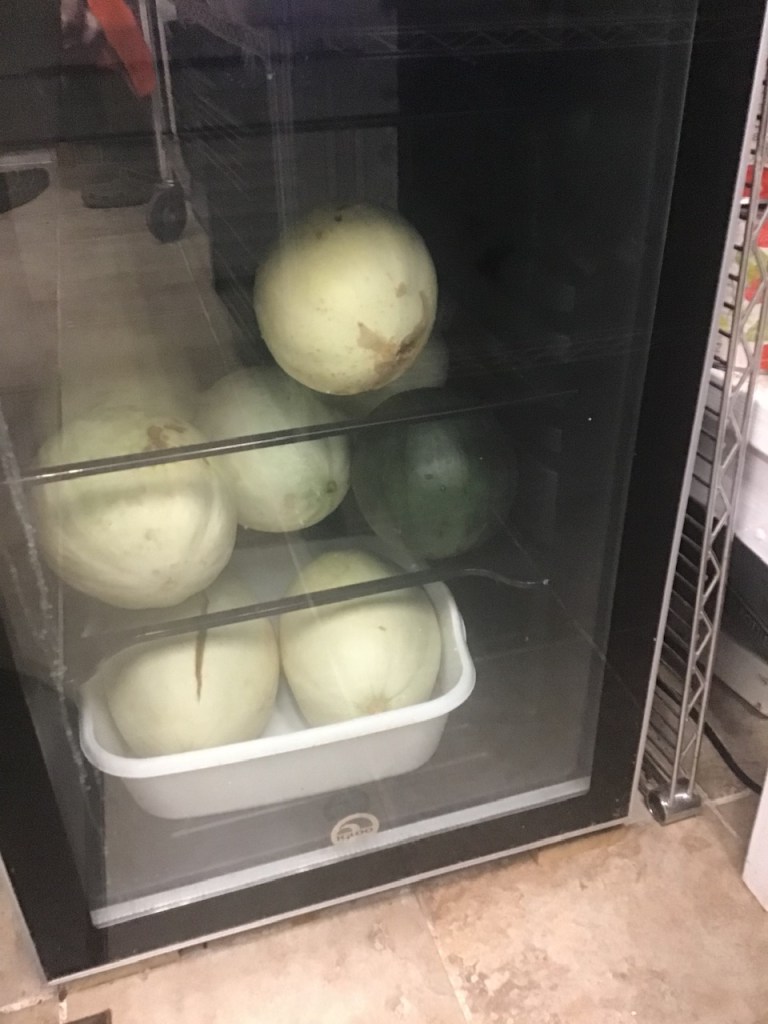
And still more, a mini-fridge of melon
And still more squash!
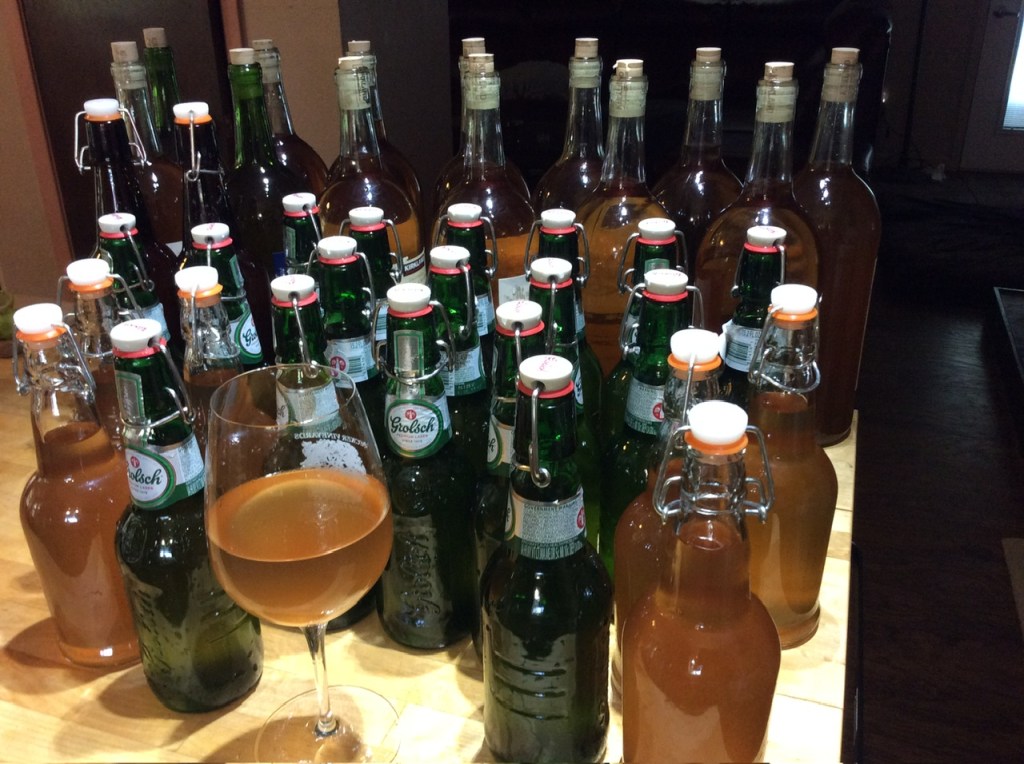
And cider.
While it could be Vacation Season for some more sane types, for us it’s the work of Shoulder Season. We keep the minimum that will survive our high heat for the next two months and baby most of them best we can.
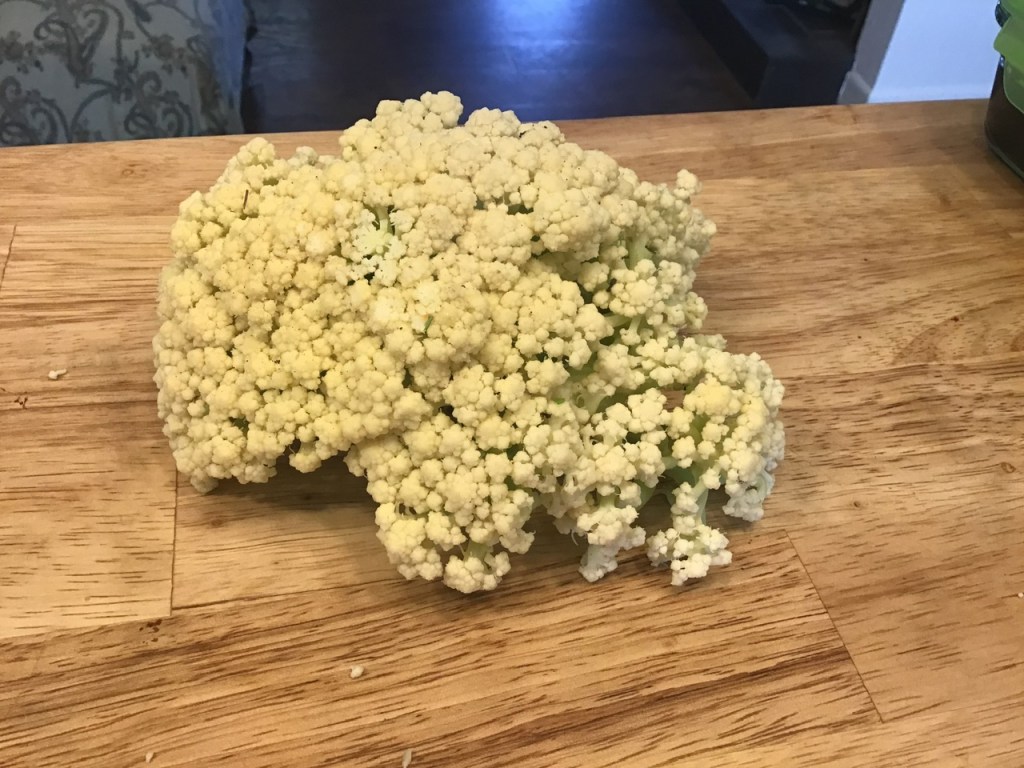
But under lights inside the fall/winter garden is on its way. There’s already another crop of tomatoes coming up, as well as broccoli, cauliflower and arugula.
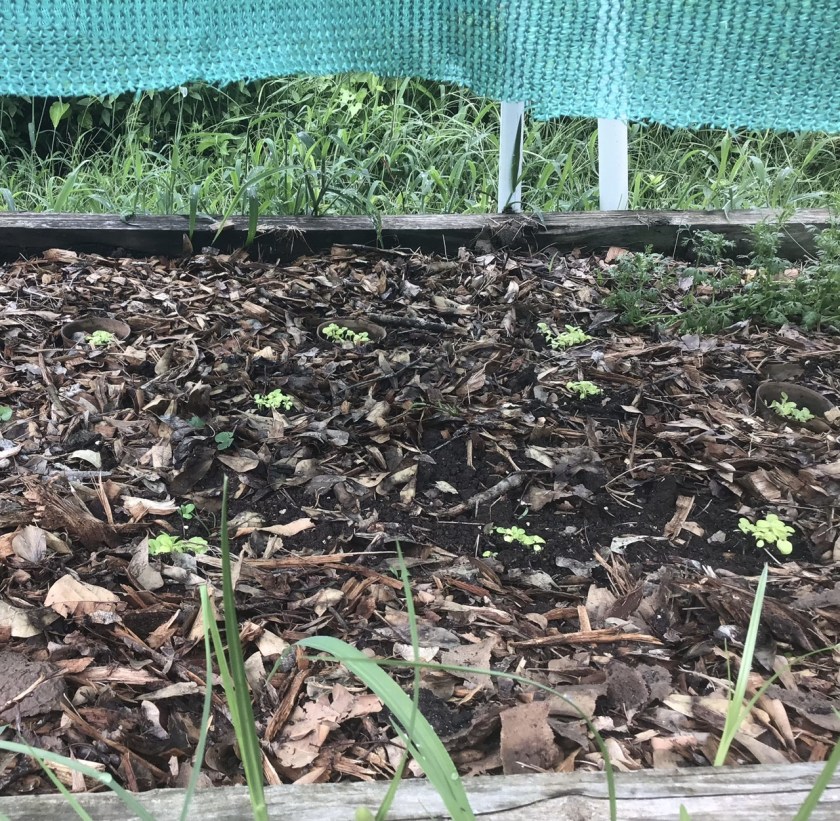
In the ‘babying’ bed I continue my lettuce experiment, starting romaine indoors under lights and moving under double shade cloth to transplant, then removing one level of shade cloth after a few days to adjust. They are still alive, yay!
Also in the ‘baby’ bed under shade cloth: some parsley barely hanging on, some dill trying to seed, 2 peppers, 2 dying tomatoes and lots of very happy basil.
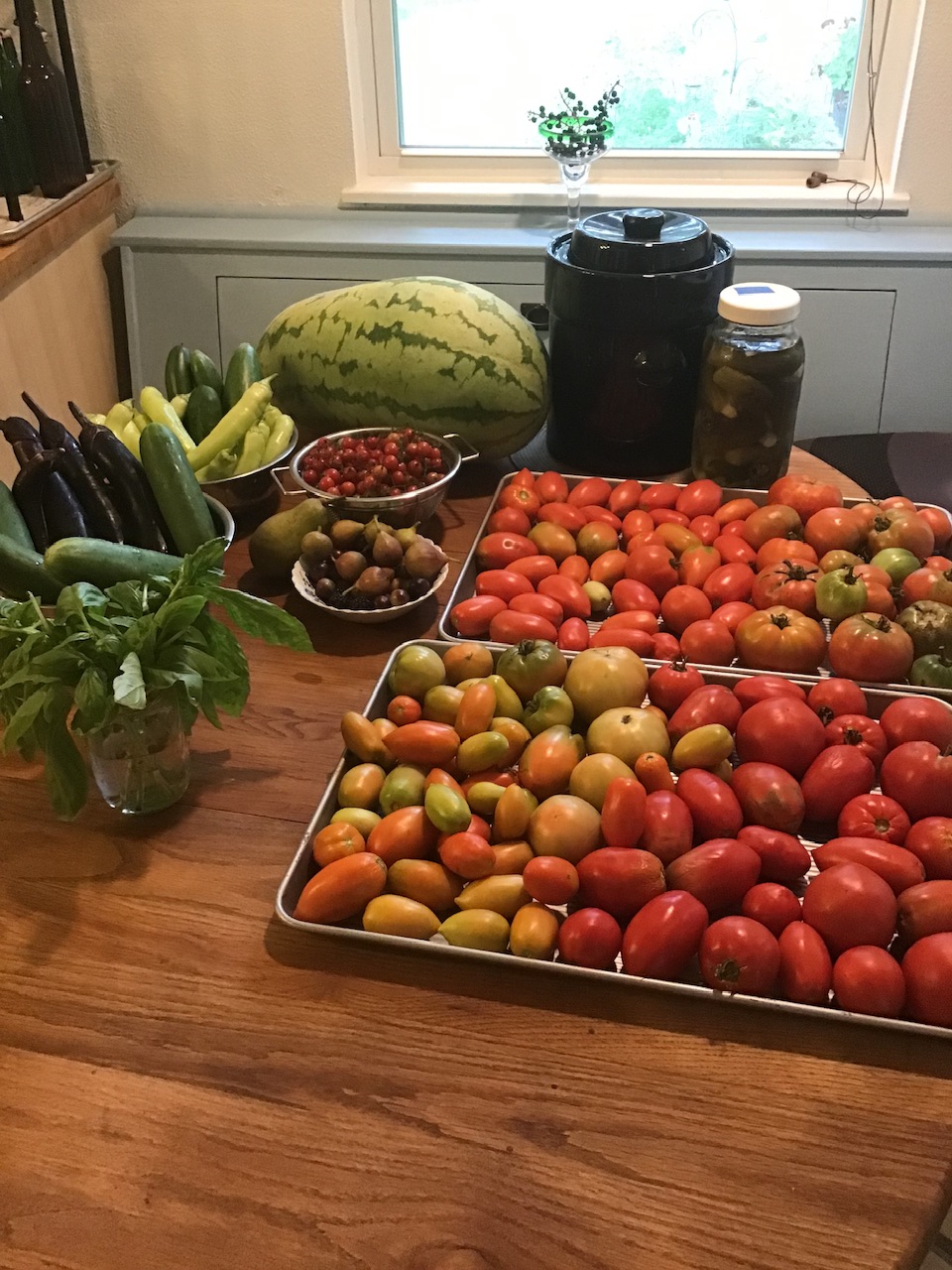
Tomatoes, peppers and basil for marinara. And in back left is cured lamb.
There’s processing to be done still, the marinara stockpile is done thanks to Hubby, but there’s still ketchup and bar-b-que sauce. And we still call this a bad tomato year!
stockpiling marinara
Ah, the gifts and curses of relativity. And surplus.
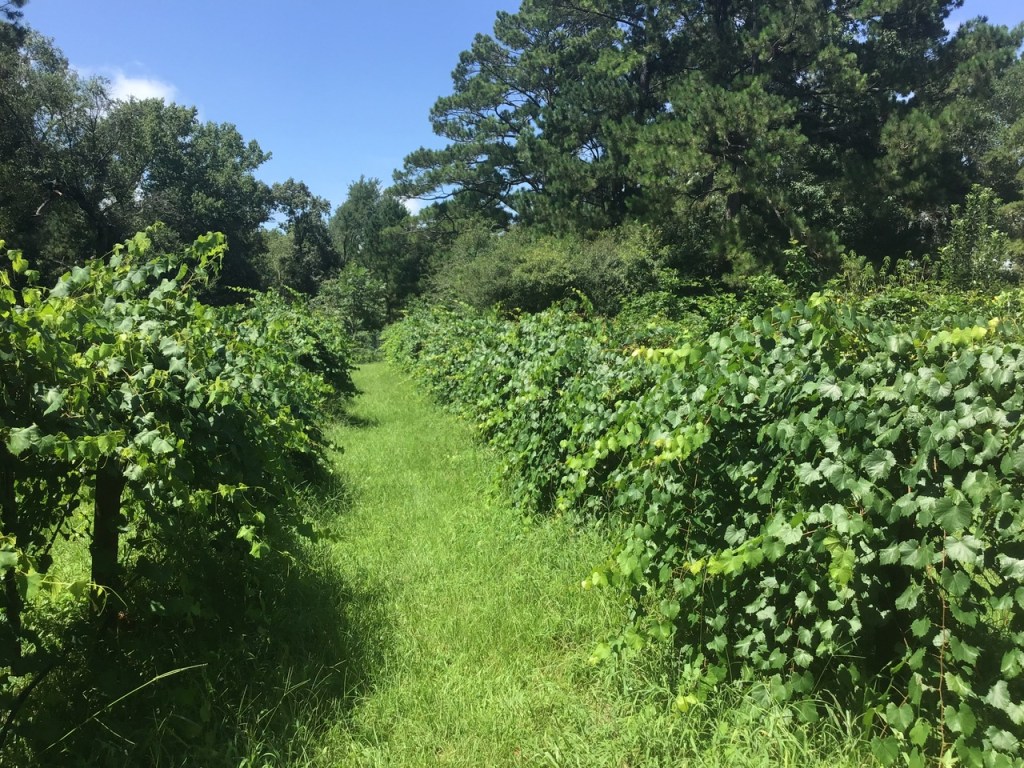
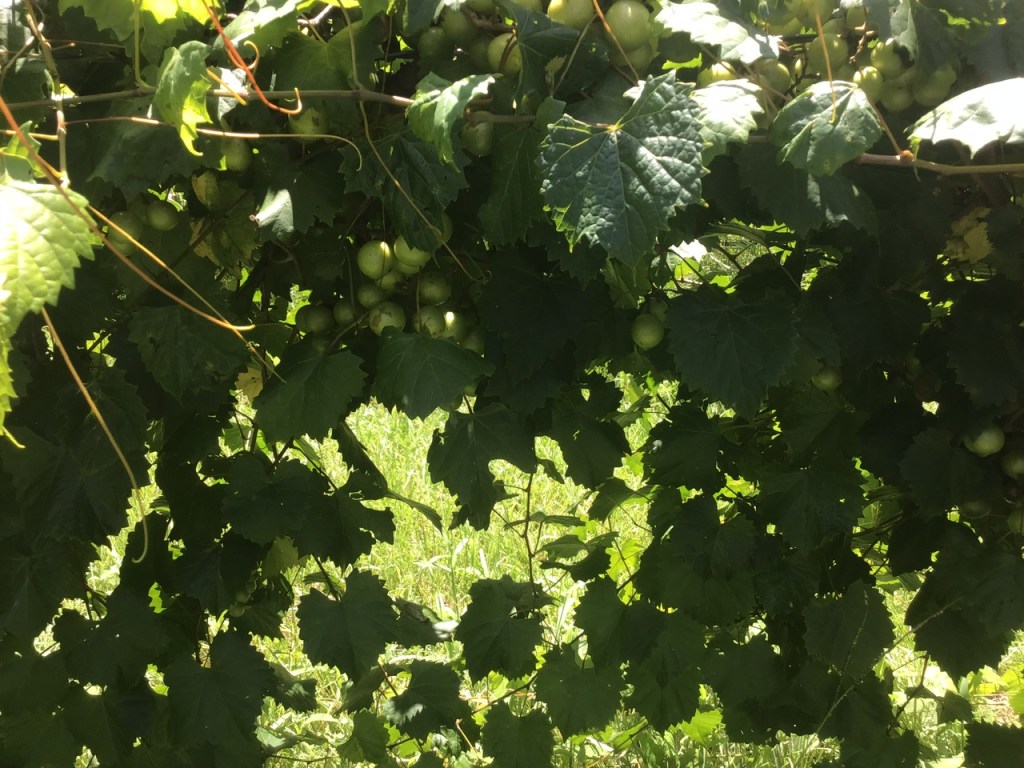
The pears are looking promising, and the grapes–which will be the next big project–wine and cider-making season. Blackberries and pears are our easiest fruits here; everything else seems to struggle. Though we have had years of good figs, and some neighbors still do. The grapes are looking good too, but there’s no guarantee.
And I think I finally got the trick for strawberries. It seems most everything that is most delicious is high-maintenance. What can -we do, if we like high maintenance produce but to contend with the high costs of creating them?
Many years of failed strawberries, but this year was a great success in comparison. Now the runners are going crazy and taking over this bed, so next year promises to be better still.
I’m planning for more low-maintenance in future, but those might be high hopes.
Because, my choice would be to spend my dwindling number of pain-free hours working with the flowers!
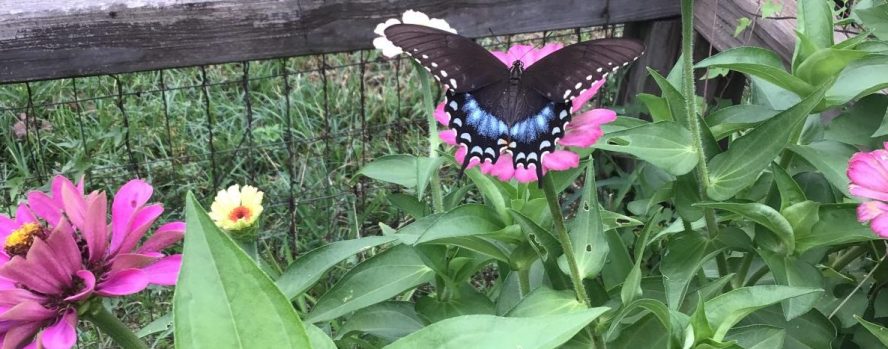
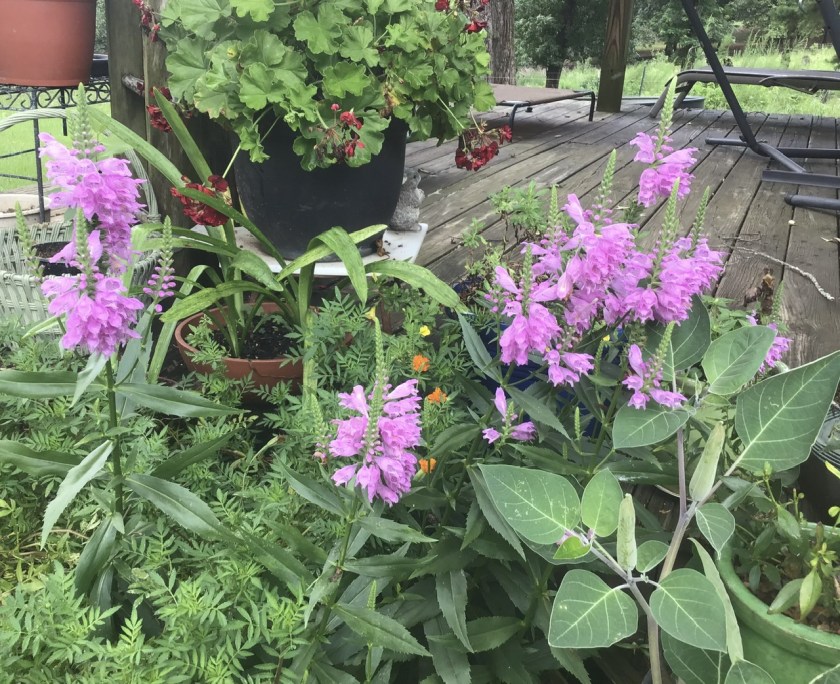
I’ve seen a few butterflies and bees on the pink ‘Obedience plant’, such a welcome sight!
Which brings up my other meaning for Shoulder Season. So much shoulder pain! And I am not good at staying stationary, it drives me nuts actually. So it’s between physical anquish, or mental, and I do far better with the former.
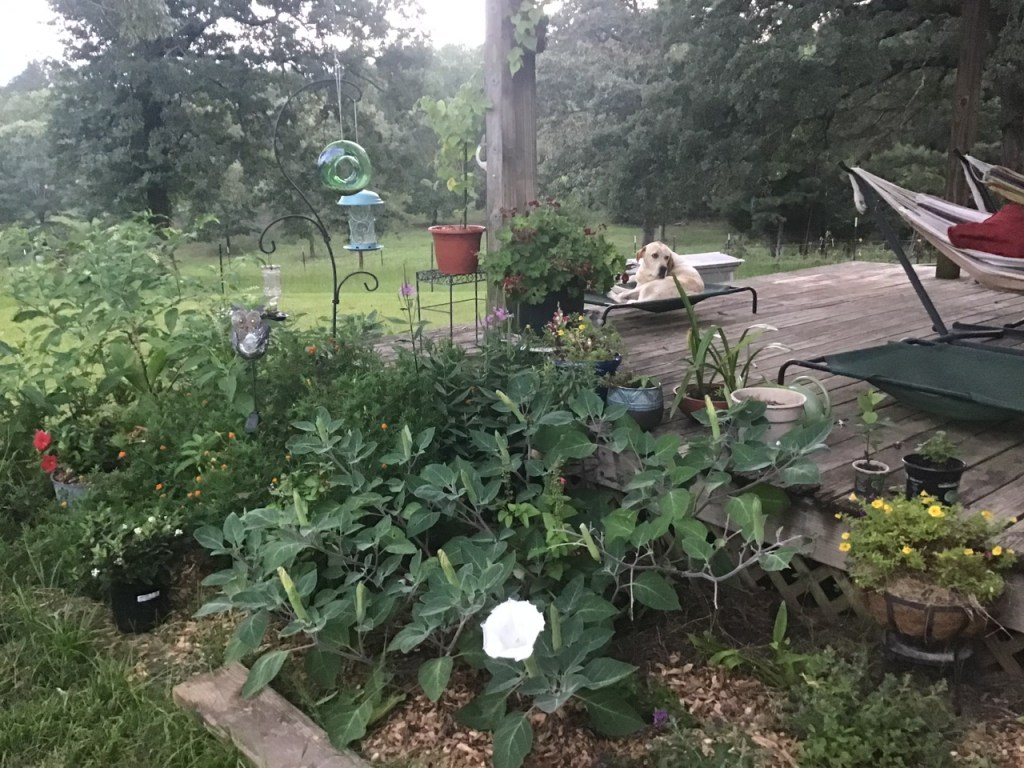
I’ve been planting more flowersAnd trying to attract the birds and the bees
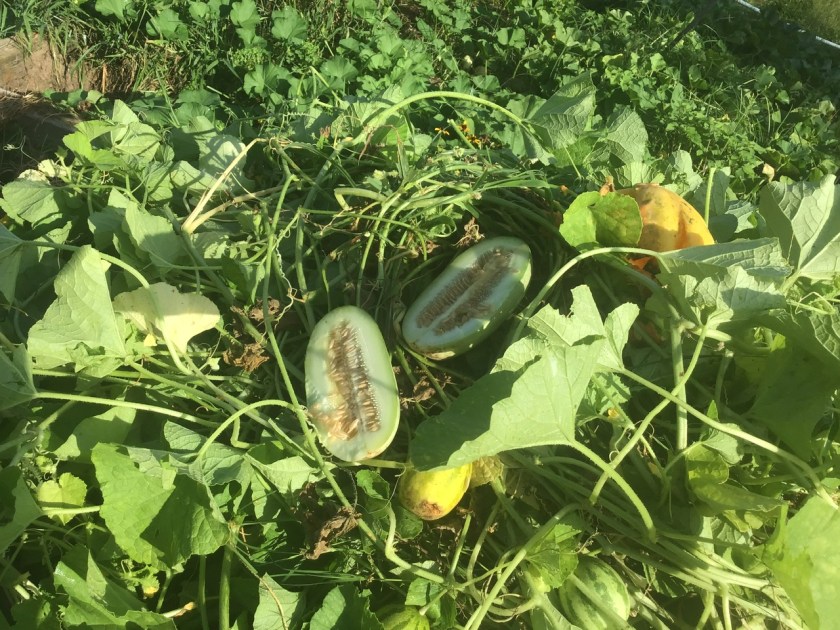
It’s as unwelcome a kinked, knotted, crippling invasion as this mystery fruit I posted about last year. I unknowingly caused quite a crisis in the garden and lost almost all the melons I planted.
What is this imposter which choked out all my melons?!
Just when I was insisting to Hubby we need to be thinking about reducing our garden plots in order to reduce our workload and water usage, I stand corrected. The orchard squash didn’t produce well at all, for some unknown reason; the garden melons were choked out by the wild cucumber; so without the third space we’d have no watermelons or honeydews, which would mean a mostly melonless summer after lots of work and wait, as the main garden produced about half a dozen sub-par cantaloupe.
A sweet, cold watermelon is the best morale booster in the hot, humid Texas summer garden jungle!
Two wheelbarrows full of vines and fruit the pigs don’t even like.
Wild cucumber vs melons and the melons lost bad. I have still not been able to figure out what these things are, which I brought into the garden under false pretenses. I have heard suggested they may be lemon cucumbers or mouse melons, but they are not the right size, shape or color for either of those.
I really get the frustration of invasive species now. I realize I’ve been a bit cavalier on that front in the past, for good reason, but I have definitely been humbled this time as these bitter, seedy imposters are still popping up everywhere.
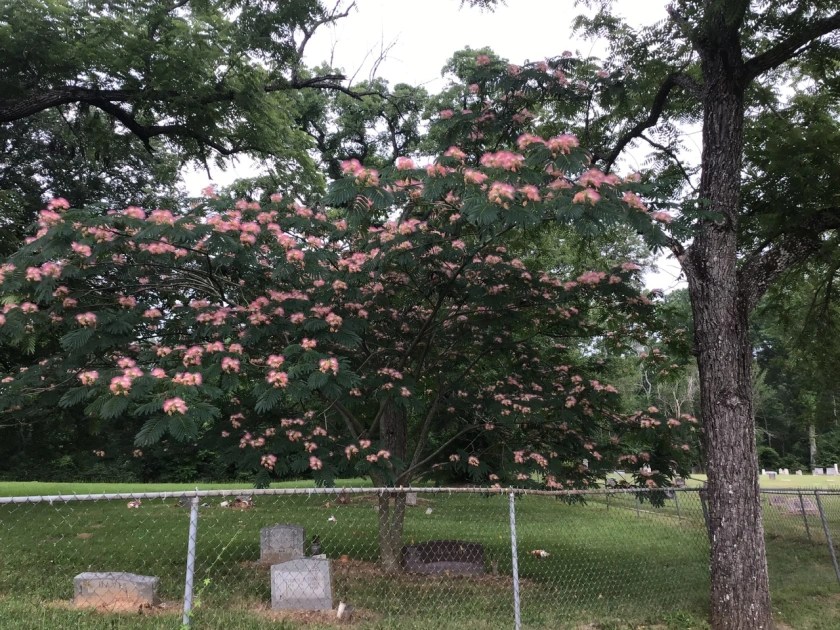
Please, give me an invasion of the supposedy invasive Mimosa trees, and I’d be thrilled!
You have my permission to invade my gorgeous Mimosa!
The plants that thrive here in the long high heat and humidity are so impressive, even when invasive, but it helps my morale considerably to consider the non-invasive ones as often as possible.
A couple of young zuccini with the sweet potatoesA mini-jungle of cherry tomatoes growing under the elderberry
The sweet potatoes are almost effortless. Once they get established and as long as they get a good head start over the bindweed (another ‘invasive’ relative) they are pretty reliable. Eggplant and okra are others, and we’re learning to like eggplant. Maybe even a lot.
Eggplant, peppers, tomatoes, green beans and tonnato sauce over rice noodles, delish!Eggplant, basil ferment in the back and bread and muffins baked in the toaster oven outside, because it’s too hot to bake inside.
The bountiful basil takes center stage as the parsley, dill and cilantro take early retirement and don’t even bother to seed, it’s so damn hot.
Whether and which tomatoes will survive, or thrive, from one year to another is anyone’s guess.
Gavin’s seeds, the Scarlet Runnerbean (barely) and Black Hopi Sunflower, are hanging on still, very impressive.
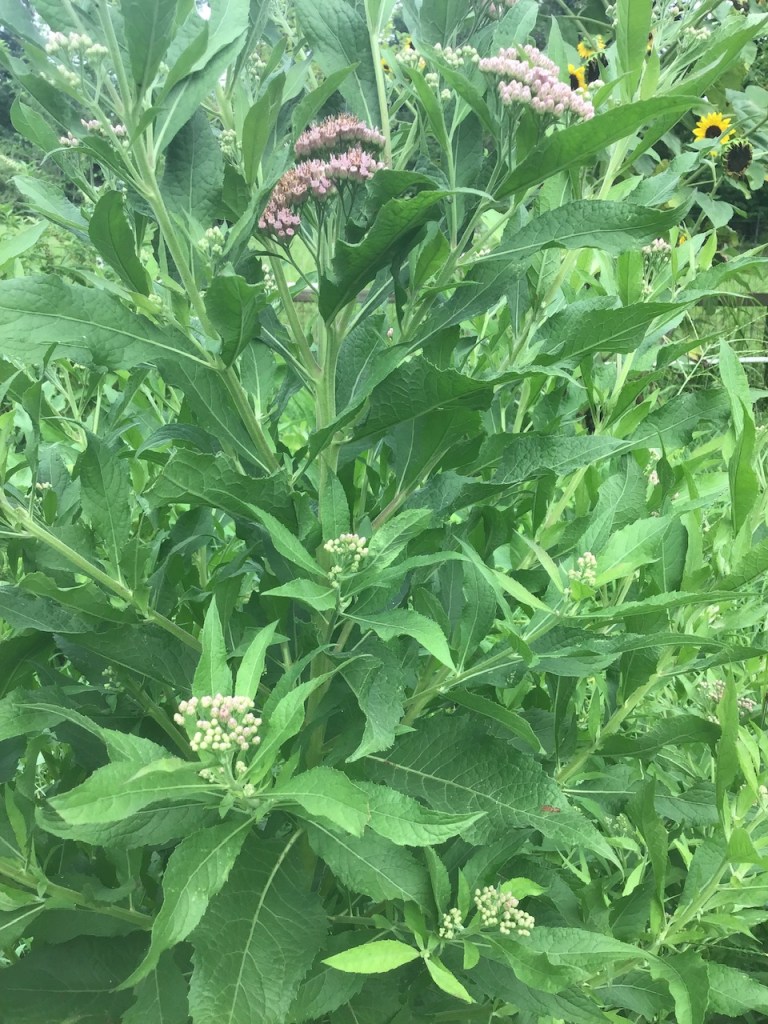
The black Hopi sunflower behind a mystery weed that smells medicinal. Any idea what it is, anyone?
The two out of three citrus planted last spring are doing well–they look healthy and their growth has more than doubled since spring.
The poke weed, the datura, don’t get me started, such beautiful and amazing plants!
But, the mystery weeds, what are these?
What is it?Kinda pretty, very hardy, smells medicinal.Inquiring minds want to know!