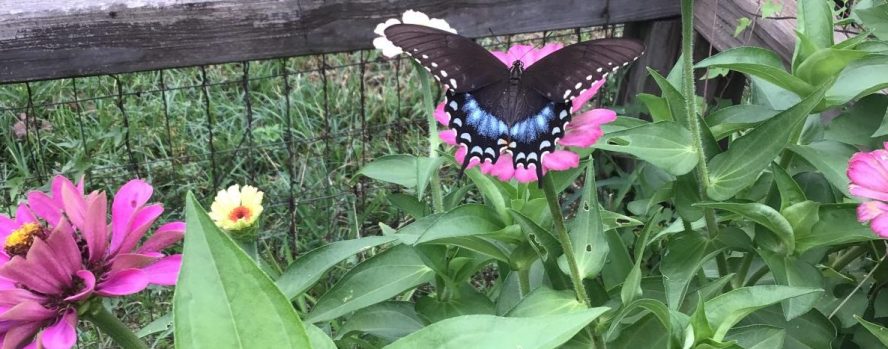
Still, no time. I’ve lost a month, maybe two, in projects and to-do. Now I risk missing the whole spring to more of the same. And yet, in spring, it’s never all that bad.
There will always be time for baking delicious bread, and making fabulous cheese. Even in the midst of kitchen face-lift chaos, the healthy food must go on.
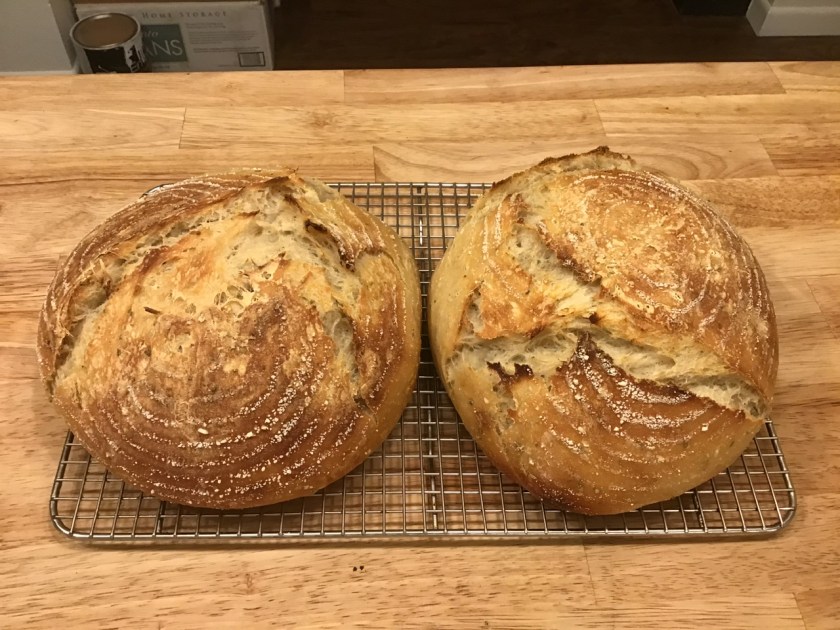
Quinoa-rosemary sourdough made with potato water Fantastic!
Still, no time, but still want to share some quick happy snaps and briefest of updates, because I’d hate to be totally forgotten before even gone! 😊
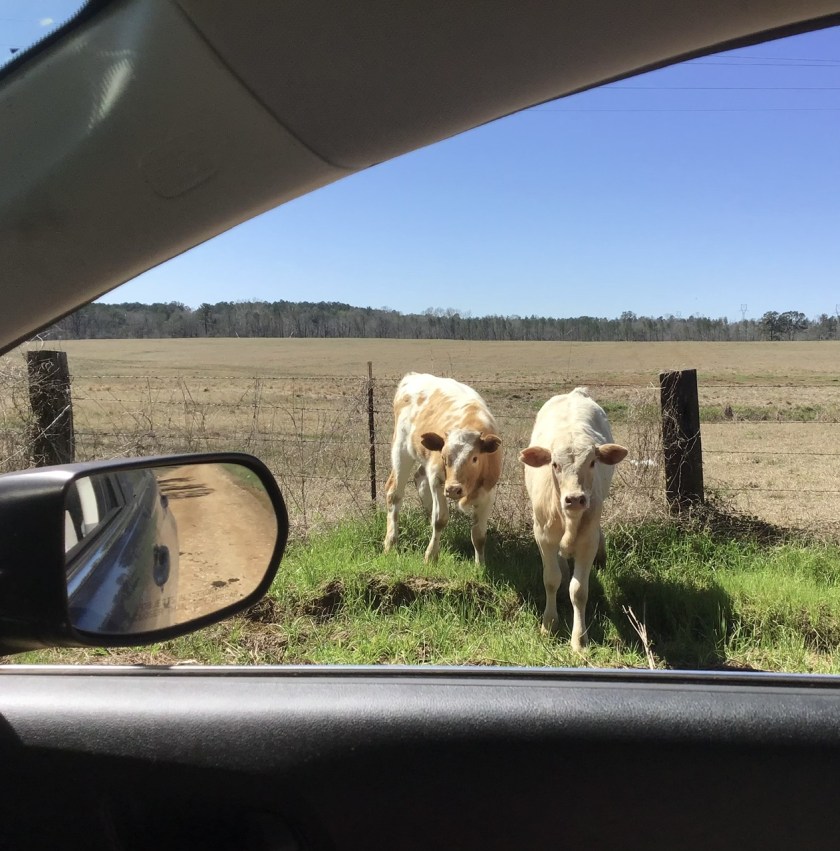
It was a beautiful day, so I decided to take the scenic route to the herdshare where I pick up one gallon of raw milk at the cost of $15, that’s about a 1 hour round-trip. On this day, it took more like 3, with multiple occasions for nearly getting stuck in the mud. But it was very scenic and an adventure to boot!
Excuse me, sir, might I pass?
Apparently they get much more rain than we do and the scenic route proved impassable.
But the cows didn’t seem to mind.
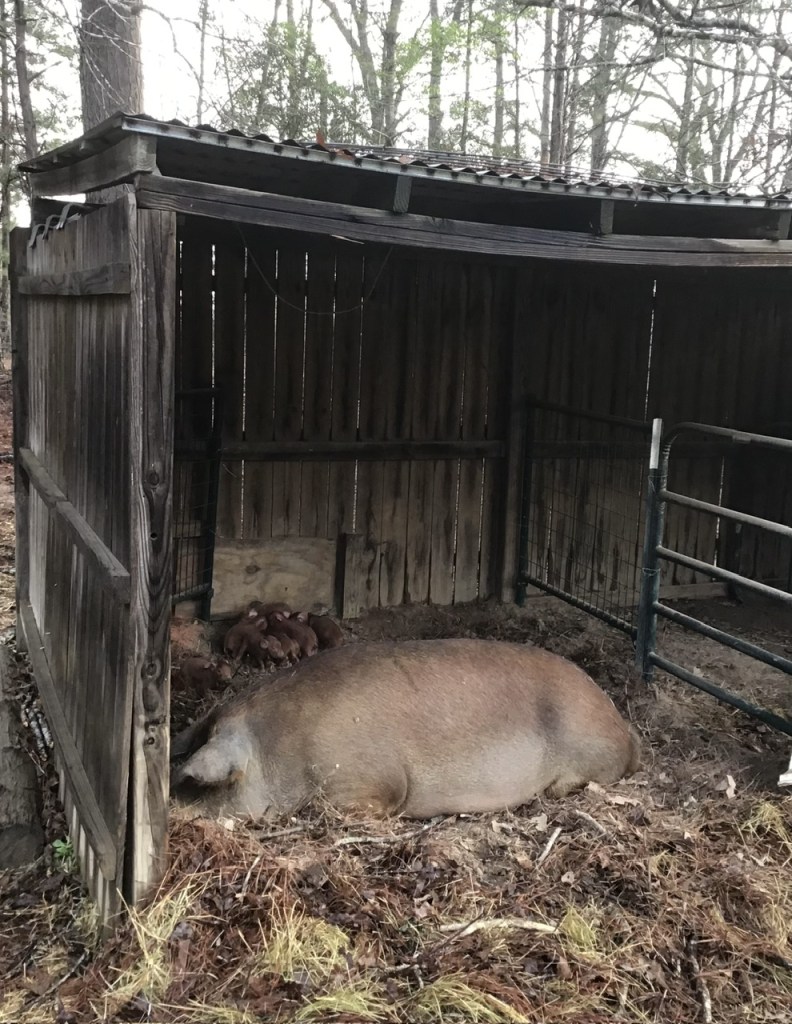
Meanwhile back on the wee homestead, Patty has had a big brood!
………….
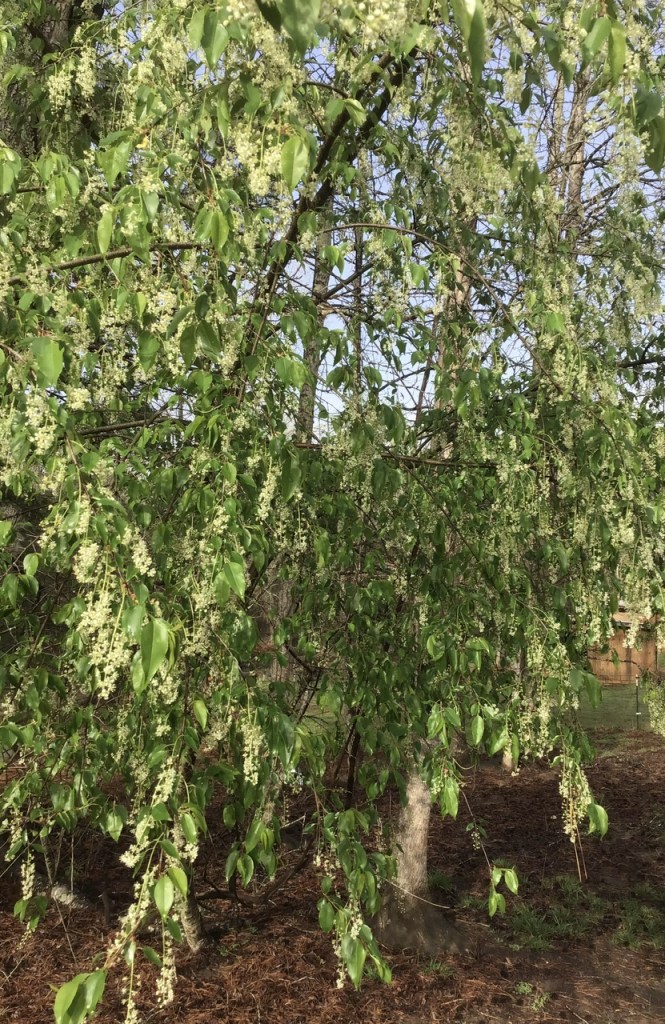
And the wild cherry has never looked so good! I wish I could get a better pic.
…………..
We’re spending so much on our interior face-lift the roosters are taking over, no time to reduce their numbers, the benefit being, no sleeping in.
………..
The garden is growing so fast, and the citrus and magnolias I planted last year are just now sprouting. But all that for another post, too much to do!
Hope all’s springing with y’all, thanks for stopping by!
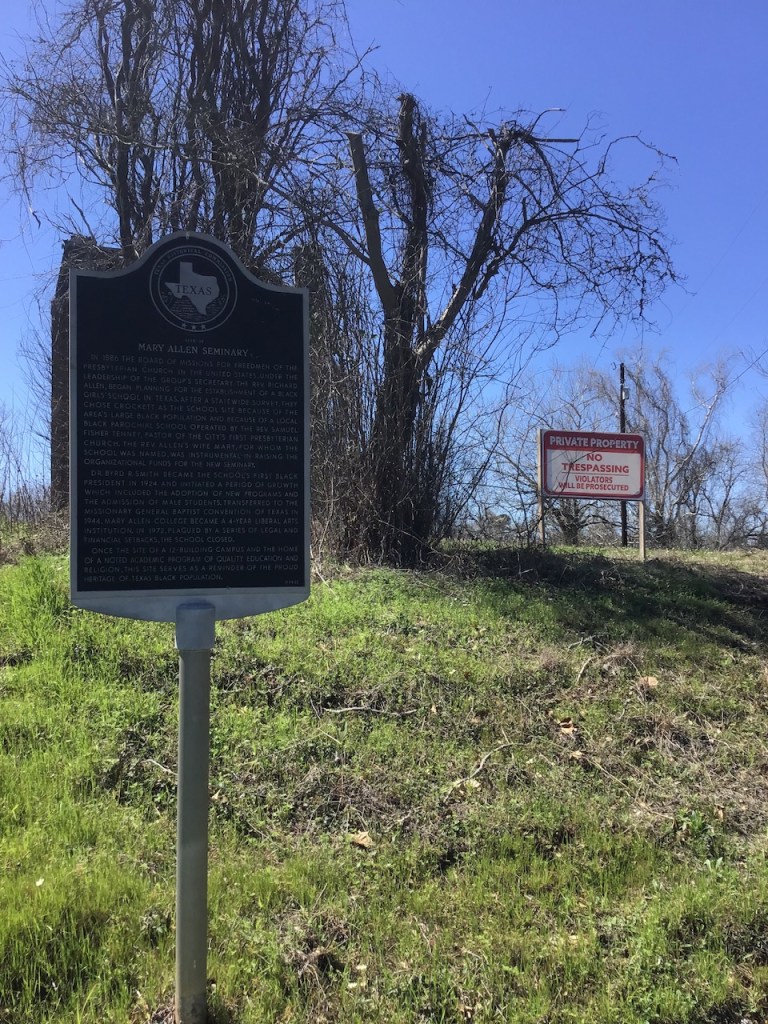
Another fixer-upper on the route to my herdshare. Looks a bit over our pay grade.
How about this one, also on the route?
Destined to become a Black Heritage museum, so they say! 😆
It’s been quite a long time since an update on the wee homestead projects and activities; it’s hard to know where to start! How about, for consistency sake, I bitch about the weather for a bit, and then move along to better tidings.
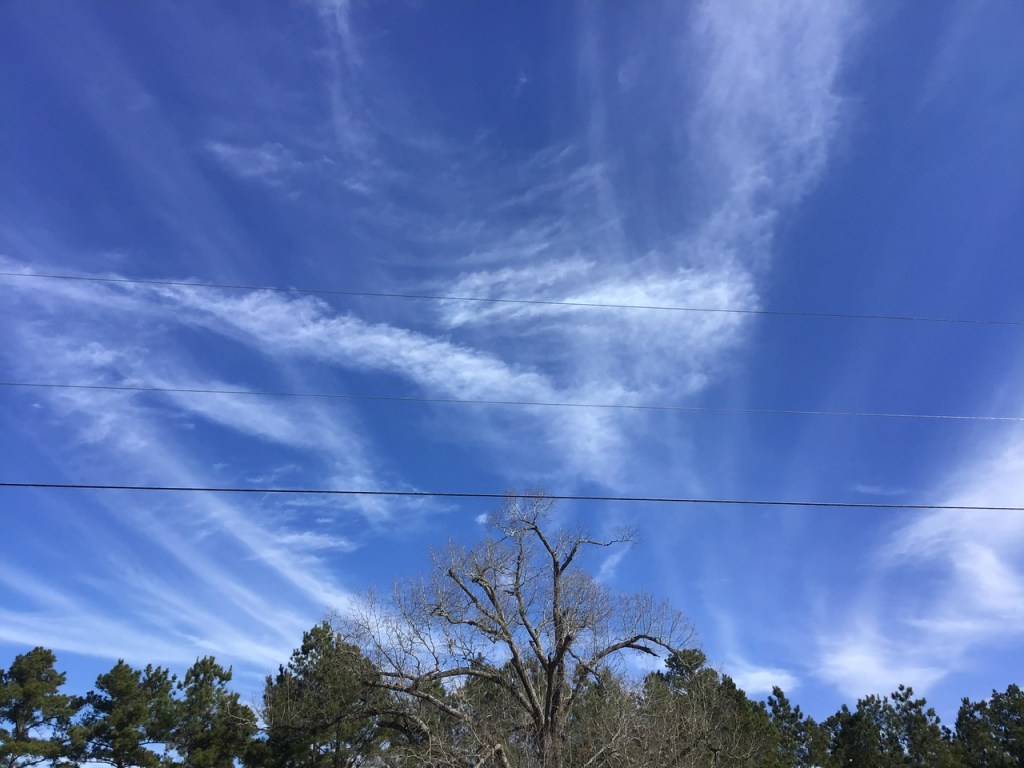
Of course the geoengineered chem-filled skies continue, as does our Yo-Yo season (formerly known as winter). We are using the air conditioning now, it’s been 80 degrees for days.
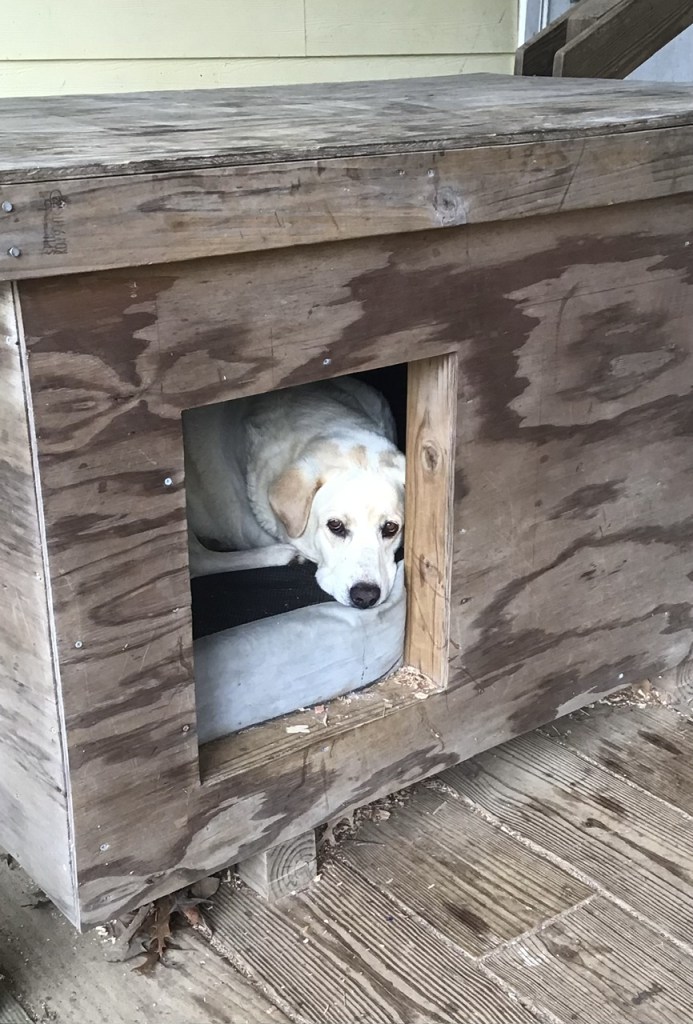
Buttercup is especially sensitive to the YoYo, to the point of regular getting seizures at such times, also lethargic and losing her appetite.
Buttercup hiding in her box all day.
There was of course the lows not long ago in the 20s and I was very concerned for the newly planted citrus. We employed quite the set up of lights and covers and they faired very well, I’m happy to report.
Invasion of Asian beetles on the citrus cover
But there has been a bad invasion of these awful beetles, which we’re vacuuming off the ceiling multiple times a day. Not to be confused with the garden-friend, the lovely little lady bugs, NO, these little beasts are really nasty. They infest, as obvious from the photos, and they bite, and as if that’s not enough, they stink.
I don’t like when folks call them lady bugs, they are not at all ladylike, so I try to correct them anytime I hear complaints, which is more often than you might think. The reaction I get is much more open and accepting than when I inform them about the manufactured weather.
Old lettuce bolting, replacing with new lettuce started under lights indoors, along with broccoli and cauliflower.
It does keep us on our toes, dealing with the Yo-Yo. Lettuce and herbs bolt prematurely quite often, seedlings come up then freeze or wither. We never know from week to week what to expect or how to plan.
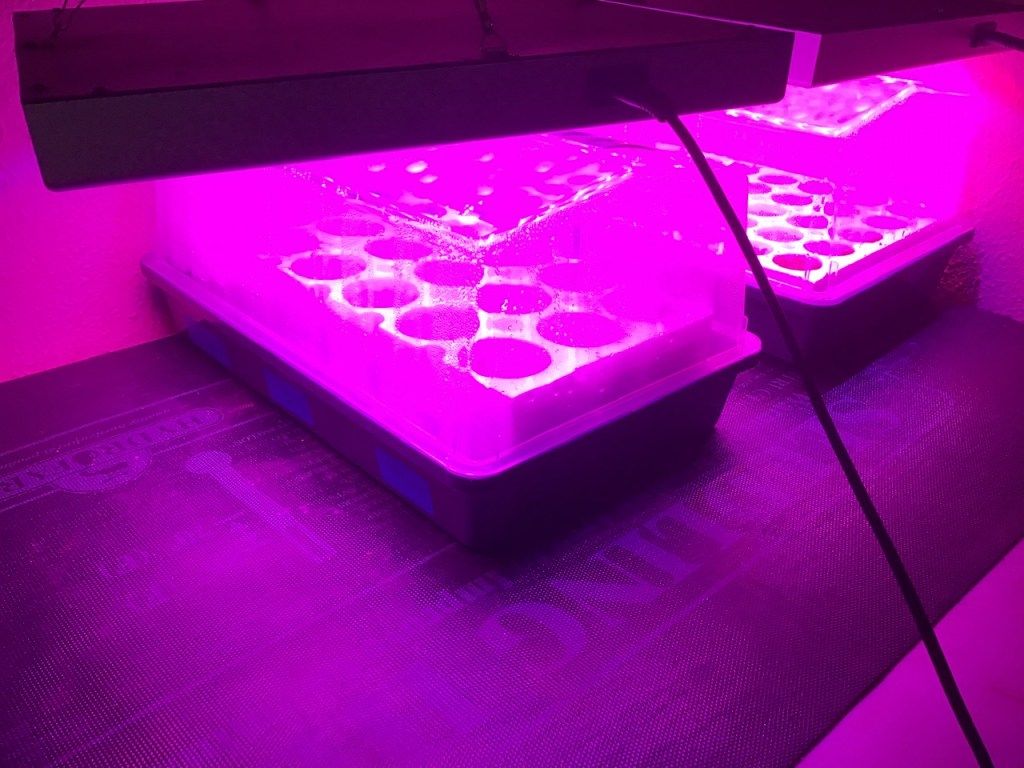
I don’t normally have such a fancy setup, but these trays were gifted to me and they’re working quite well germinating some lobelia and snap dragons.
My indoor lights and heating mats make things easier, as does the row cover in the garden, but it is constant juggling. And if I miss a beat, death. Like happened with the Mexican oregano I was so proud of. I forgot about it outside one night when it frosted. Very disappointing considering our long journey of discovery, and how long I babied those few little sprouts, trying to anticipate their every need, carting them inside for warmth, then outside for sun and wind, and just when they were getting their legs, gone. All my fault.
Well, except for the geoengineers, because I wouldn’t be doing this constant refrain if our weather was consistent or predictable or seasonal.
I’ve tried twice since then to sprout the herb again with no luck. I will succeed eventually, of course, we’ve come too far in our quest to fail. The Mexican oregano has a long tale in these parts. Failure is not an option. More on that in the last HH post, if you like. https://kenshohomestead.org/2024/11/14/homestead-happenings-43/
I’d like to say it was the same with the milk quest. Unfortunately, I’m not nearly as confident; I feel failure is probably inevitable and maybe even imminent. For the time being I’m counting my blessings I’ve found another (perhaps temporary) source. Last time I was complaining about the cost, this one is even more expensive at $15/gallon. At that price I’m not going to be experimenting with any new cheeses, that’s for sure. To make cheese at all is not really feasible, except for the most delicious of selections—Camembert. Otherwise the precious commodity goes toward morning coffee, ice cream, and buttermilk for recipes and the extended expiration date.
Camembert to be draining before salting
I’ve been doing continued research on the topic of raw milk and what’s available and in general, where’s the market vibe. I found one young entrepreneur with a private herdshare selling cheese for $25 a pound. (A Herdshare Agreement or a Grade A license from the state are the only ways to sell raw milk in Texas legally.).
With my new herdshare deal I can buy more milk for cheesemaking, if I’m willing to pay $15/gallon. Considering the hard cheeses I typically made were 5 gallons ideally (better for aging in less than optimal conditions), that’s a really expensive cheese.
Certainly what can be made on-site are far better cheeses than can be bought at the store; that’s why I started making cheese in the first place. But still, it’s really hard to justify all that work, and expense, when we can still buy organic cheese for about $8/pound.
I will splurge one time in late spring, if possible, when the grass is thick and so the milk most rich. And we do still have two goats, hopefully pregnant, so there’s a small hope of cheesemaking in my future, if all goes well.
Moving on to the garden, the garlic is going strong and I’ve just got the onions in, 3 big rows of each. The garlic we plant is elephant garlic which does so much better here than any other variety I’ve tried, and I’ve tried lots. These are local for over a decade now and their productivity has yet to disappoint.
The onions are from purchased sets and they normally do well, though some years are a bust, like last year. I also started some from seed under lights, to compare if they are more consistent and adaptable, because the sets have gotten pricey in recent years and it’s irritating to pay good money for possible failure. Onions do not like Yo-Yo weather, but then again, who or what really does?
At least some seem to tolerate it better than others. We’ve got a couple of ‘oyster trees’ that are bringing us regular tasty gifts.
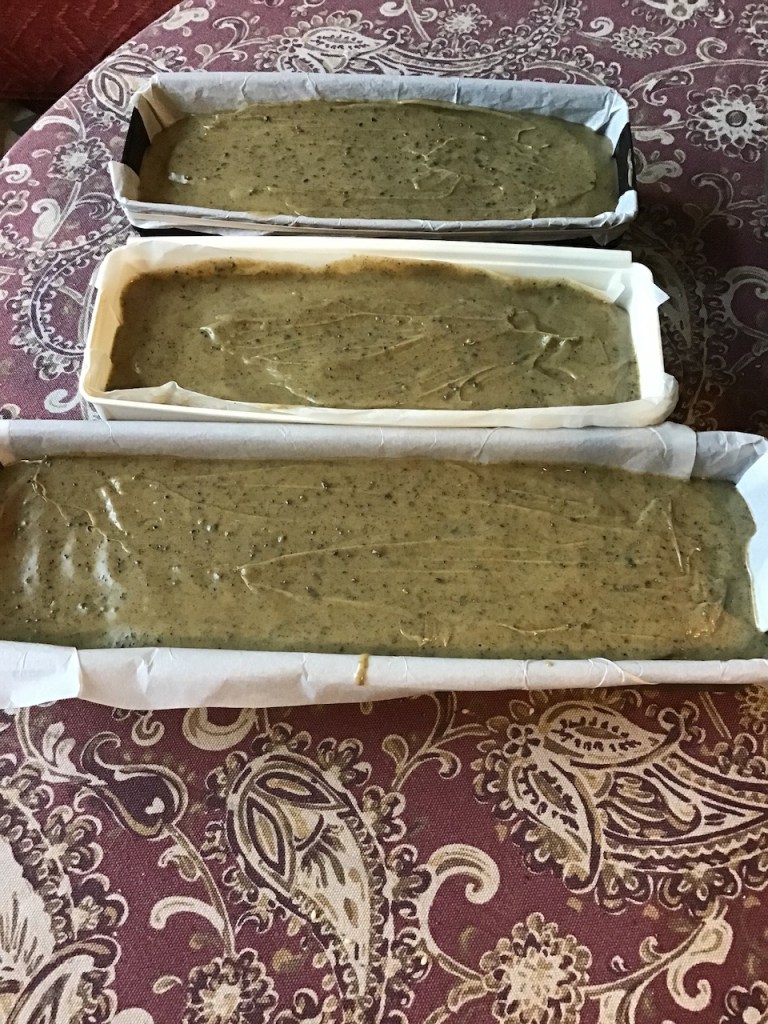
I’ve also tried a couple new things that have been long on my list. There’s the soap that’s just now cured, a bit earlier than I’d read is typical. I’m really pleased with it! It lathers very well and the scent is rather sensuous. My intention was something earthy and erotic, and I think I succeeded.
I got the sensual part down, now I need to up the aesthetic! Trust me, looks are deceiving here, I just need better molds! Never underestimate the power of packaging, eh?
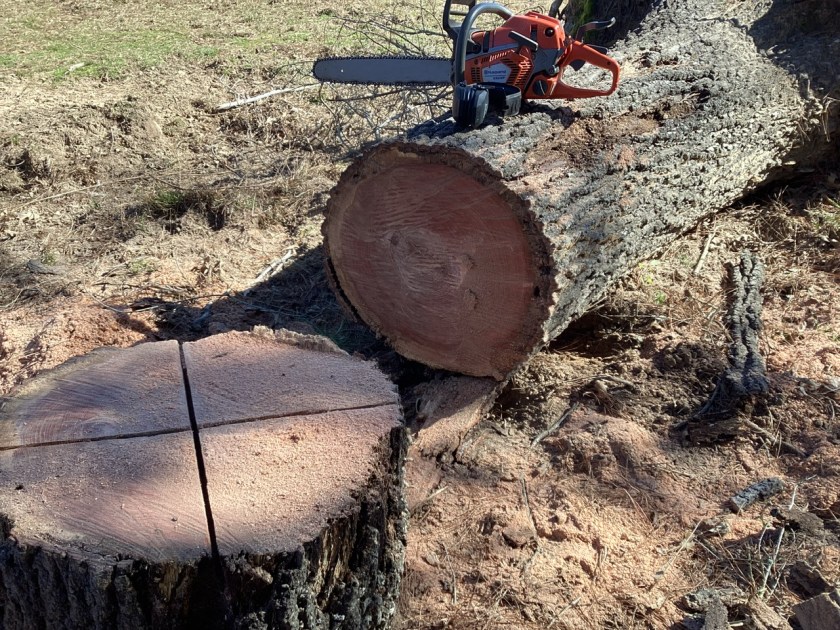
After finishing up slaughter season and chopping up downed trees for a month, Hubby has moved on to a far more desirable and needed project, according to me, our kitchen! Yippie!
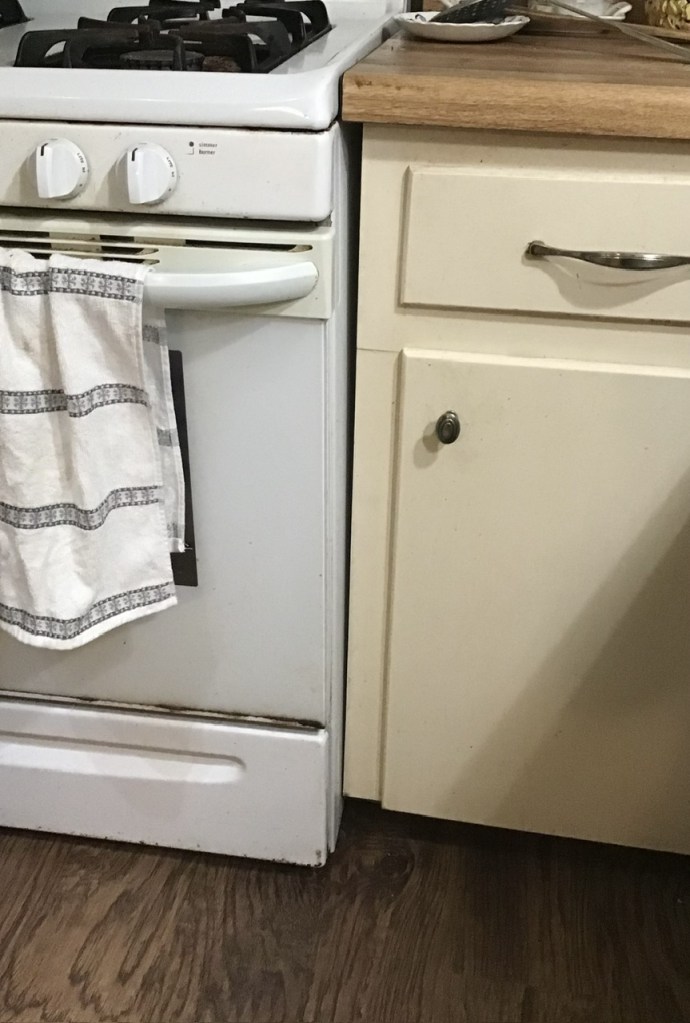
We’ve needed new countertops badly for many years, ours have been well-worn in 40 years, especially since we’ve gotten here and the space went from softly used a few times a year, to a daily year-round assault. It’s actually pretty impressive the counters aren’t near dust by now, considering how quickly more modern materials fall apart.
New island done, now for the hard part.
Old, ugly, not square or plumb . . . Good times coming in Hubby’s near future!
New countertops got us on a roll and now we’re planning new light fixtures and maybe even a new paint job. Big ideas, perhaps not backed up by time or commitment.
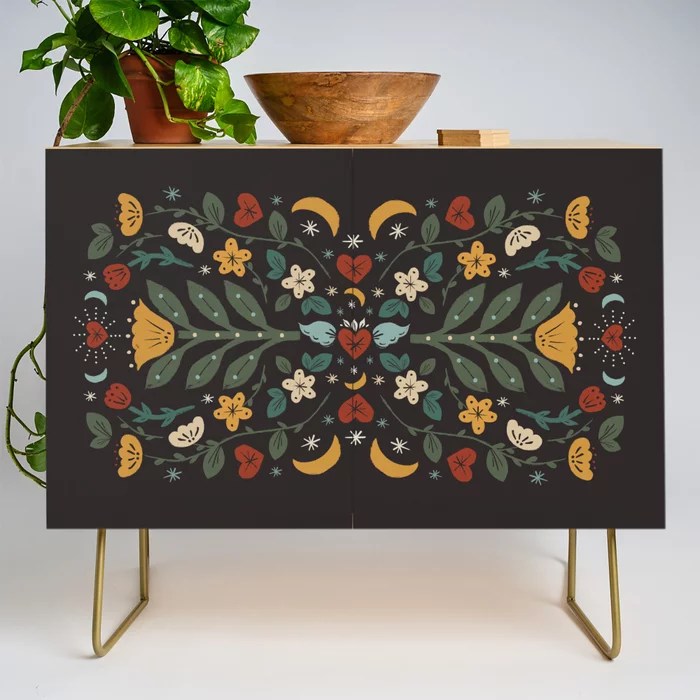
Those big ideas, I’m full of ‘em! In my mind the kitchen’s already painted and my next project is to paint the table, which I’ve wanted (and once tried) to do for as long as we’ve had it. I can imagine I might have a table with a surface that looked something like this . . .
But I’d be perfectly willing to settle for this . . .
Or this . . .
So, after I repaint the kitchen in the few spare moments between juggling plants in YoYo season, I acquire the skills of an artist, and paint something I can really be proud of . . .
Whenever I’m finally able to manage that, y’all will be the first to know!
In the meantime, here’s where we were at in the last update . . .
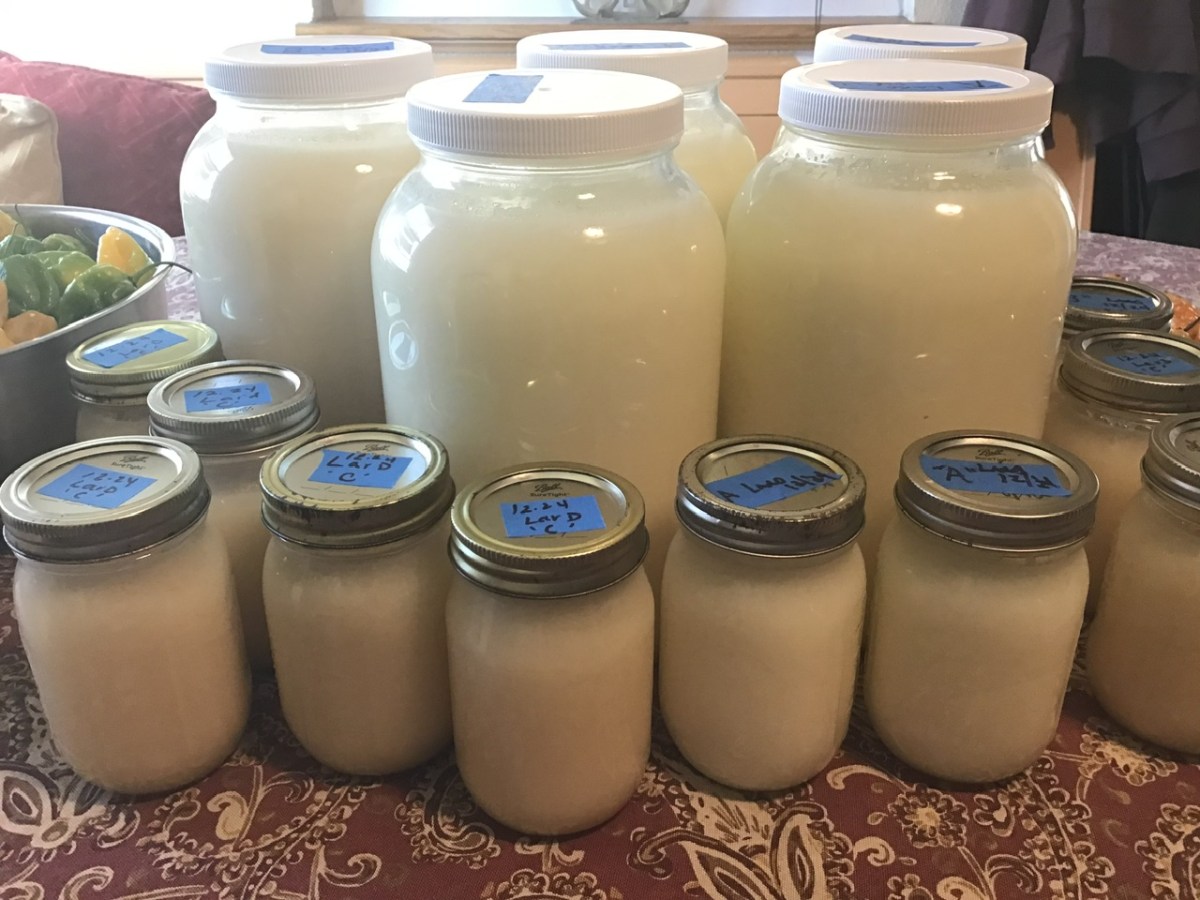
It’s time-consuming, but it’s so worthwhile. The Nourishing Hearthfire has posted a useful and instructive article.
I’m lucky, Hubby takes care of the rendering here. In addition to tallow making the best French fries, I also made my first soap with it. I use it for creams, salves and balms. I use lard in baking and it also makes for a good soap and lotion ingredient, and leaf lard is also great for pastries.
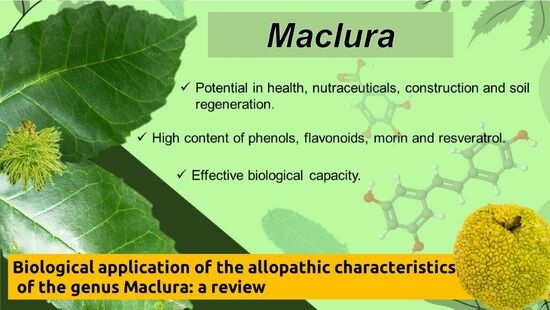
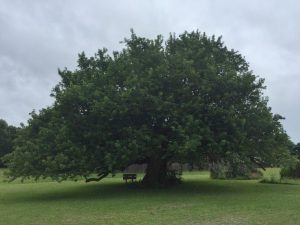
Maclura pomifera (Moraceae family) has a great many common names besides Osage Orange: bois d’arc, bodark, horse apple, hedge apple, murier du Texas
It’s in the same family as mulberry and has a similar growth habitat and widespread adaptability.
For our ancestors it was a highly prized tree that went out of favor in late Colonial times after the widespread use of barbed wire and later heavy harvesting machinery. Before that time it had multiple crucial uses as a wind break, in preventing soil erosion and especially for creating living hedges for livestock containment. It was also used for it’s very hard but flexible wood in making bows and rot-resistant building materials.
It was also used as a rodent and insect repellant and many still use it for this purpose.
But here we are most interested in its many medicinal uses.
The seed is edible, and often enjoyed by squirrels, but not easily obtained.
“The fruit of M. pomífera has shown an effect on human cancer cells (kidney, lung, prostate, breast, melanoma, and colon) as an inhibitor of histone deacetylase (HDAC) via the prenylated flavonoid pomiferin, showing antiproliferative activity in the six cell lines evaluated [23]. In this sense, the compound pomiferin (contained in the fruit of M. pomífera) has been shown in tests with cancer cells to behave as an inhibitor of cancer stem cells from a human glioma [22], showing a reduction in the expression of genes associated with stamina (the ability of the cell to reproduce repeatedly and form stem cells). Also, M. pomífera has been helpful as a marker in the diagnosis of cancer since it allows the distinguishing of patients with prostate cancer from those patients who present benign prostatic diseases and normal subjects, this being through the high affinity of the sera of patients with prostate cancer towards the M. pomífera lectin [21].
Additionally, the fruit, bark, leaves, root, and seed have been reported to have a high content of oils, sugars, and compounds such as isoflavones, xanthones, triterpenes, and stilbenes, with isoflavones being the most representative [15].”
“The seeds are edible and the heartwood, bark and roots contain many extractives of actual and potential value in food processing, pesticide manufacturing, and dye-making. Various parts of the Maclura species are used in folkloric medicine worldwide. Decoction prepared from the roots of M. pomifera is used for the treatment of sore eyes by Comanche Indians in the North America (Carlson and Volney, 1940). The bark of Maclura tinctoria has been reported to be used against toothache by Kaiowa and Guarani indigenous people living in the Caarapo Reserve in Brazil as well as the in the other parts of Amazon region, it was also recorded to be used in Southern Ghana for dental health (Elvin-Lewis et al., 1980, Elvin-Lewis and Lewis, 1983, Bueno et al., 2005).
The fruit of M. pomifera is also well-known for its rich isoflavonoid content as well as a content of xanthones (Delle Monache et al., 1984, Delle Monache et al., 1994, Toker and Erdogan, 1998). Several biological activities of the plant were reported up to date including antimicrobial, estrogenic, anti-inflammatory and antinociceptive activities (Mahmoud, 1981, Maier et al., 1995, Küpeli et al., 2006). Antioxidant activity of the major flavonoids of M. pomifera has also been studied (Tsao et al., 2003, Vesela et al., 2004).”
Native Americans used M. pomifera for the treatment of cancer [2]. In Bolivia, the plant sap is used for the treatment of tooth pain, and the bark and leaves are used for uterine hemorrhage [3]. Comanche Indians in North America used the Osage orange roots decoction to treat sore eyes [4]. M. pomifera and its components possess several biological activities including cytotoxic, antitumor, antibacterial, estrogenic, antifungal, antiviral, and antimalar-ial activities [5–13]. Recently, isofavones isolated from Osage orange have been demonstrated to protect brain cells, or neurons, from the toxic effects of amyloid beta peptide, which is believed to be responsible for the degeneration of neurons in Alzheimer’s disease patients.” M.pomifera produces several secondary metabolites belonging to diferent chemical classes including prenylated favonoids. Teprenylated favonoids possess diferent biological activities such as antifungal, antibacterial, antitumor, and antioxidant activities.”
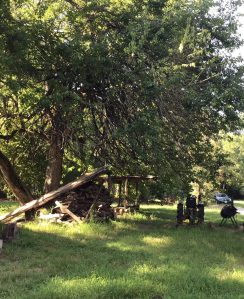
We have a few still around in our area and I’ve been propagating them from seed in the hope of creating a living hedge. Unfortunately our summers have been so severe lately I’ve only managed one survivor, now 3 years old. I’ll keep trying!
A very old specimen at a neighbor’s house in East Texas.
A neighbor’s old Bois d’arc tree Spring 2023
A beautiful shade tree with so much to offer, I hope it becomes popular once again in our countryside.
A couple more impressive Bois d’arc photos from the Internet:
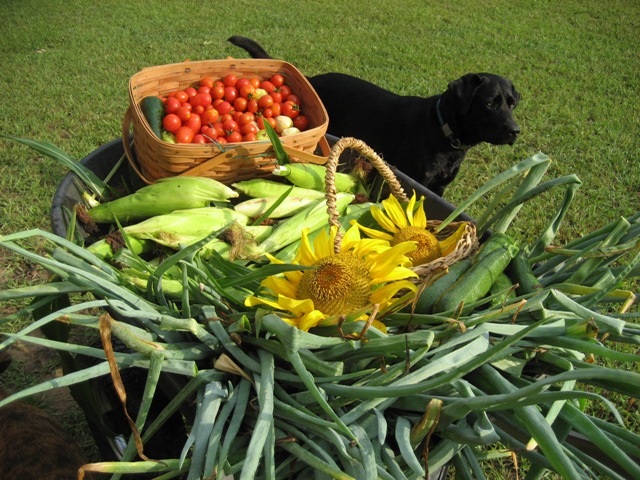
A celebration of fresh food in photo! Because it is a true pleasure for both of us to produce our own food as much as possible; it is the main appeal of this labor-intensive lifestyle.
To think, it all started with a hurricane, and then a garden. We didn’t even have a dream or a plan.
Or a clue!
Left: Hot peppers and turmeric, dried luffa for sponges Right: fresh from the garden—lots of lettuce, radishes, cilantro, dill, thyme, celery and roasted garlic.
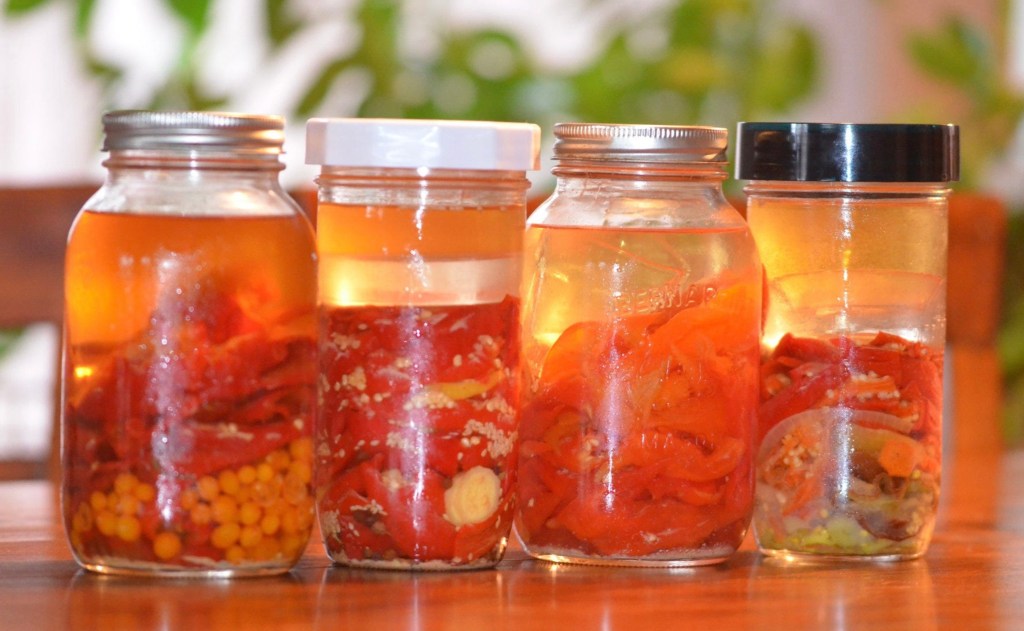
The peppers are becoming a couple of sauces, one made by Hubby, chili garlic sauce, and was pressure canned for long term storage. It’s a copycat recipe of Huy Fong Brand and is fantastic.
Another will be made by me, inspired by Gavin Mounsey’s kitchen.
Photos by Gavin Mounsey
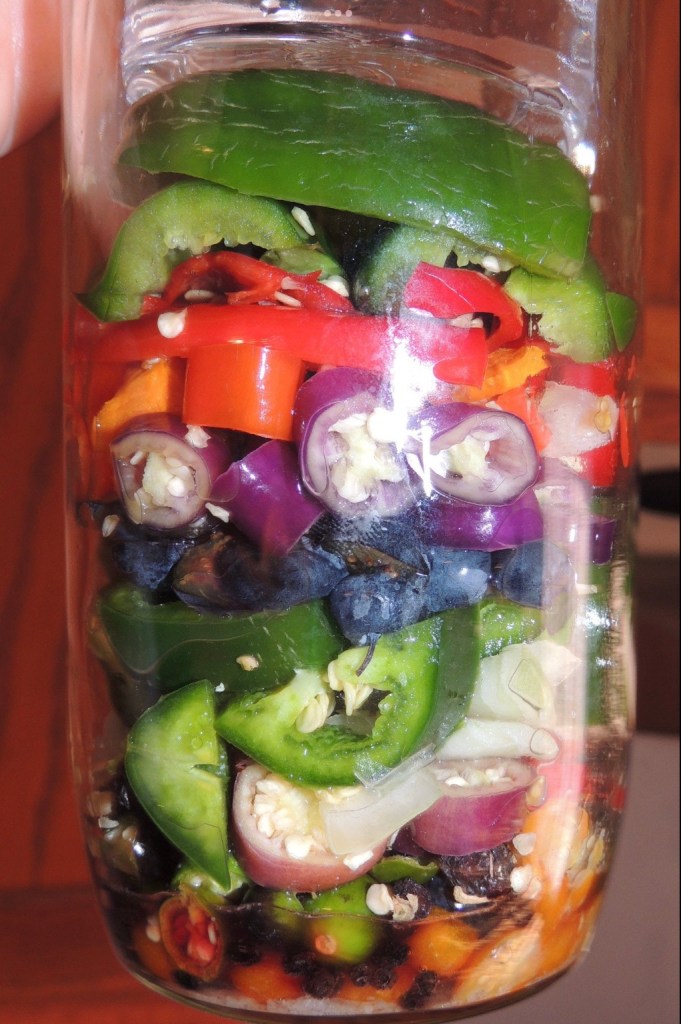
The peppers, garlic, elderberry, onion and other herbs will first be fermented and later made into a Sriracha-type sauce that will store about 6 months in the refrigerator. For amazing food photos and recipes, Gavin’s are spectacular, along with so much other refreshing content.
Previous year’s garden goodies.
From the pasture to the plate. It’s a very rewarding feeling!
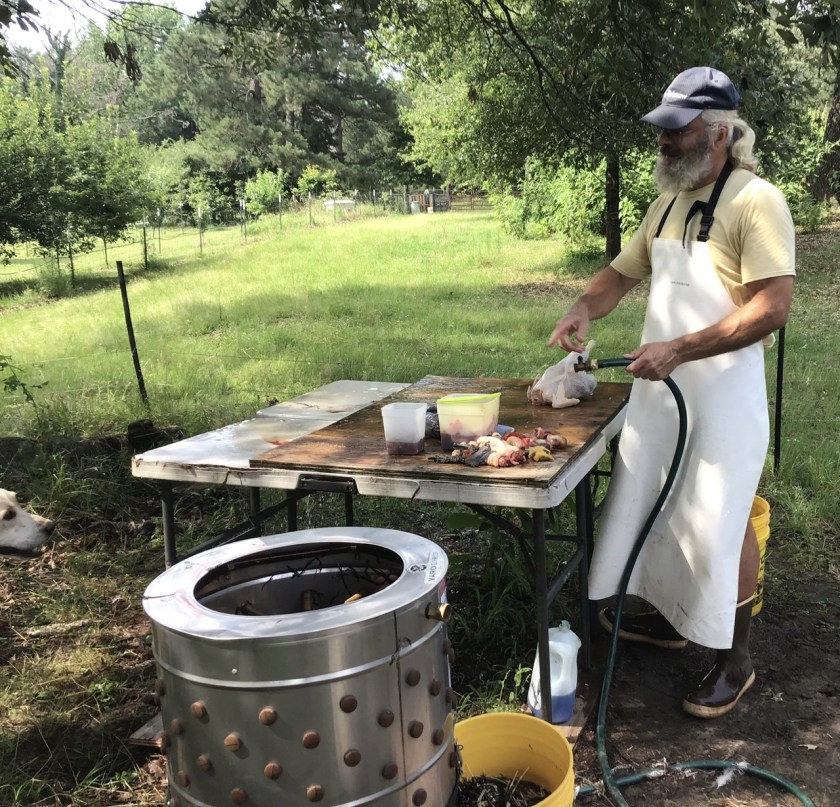
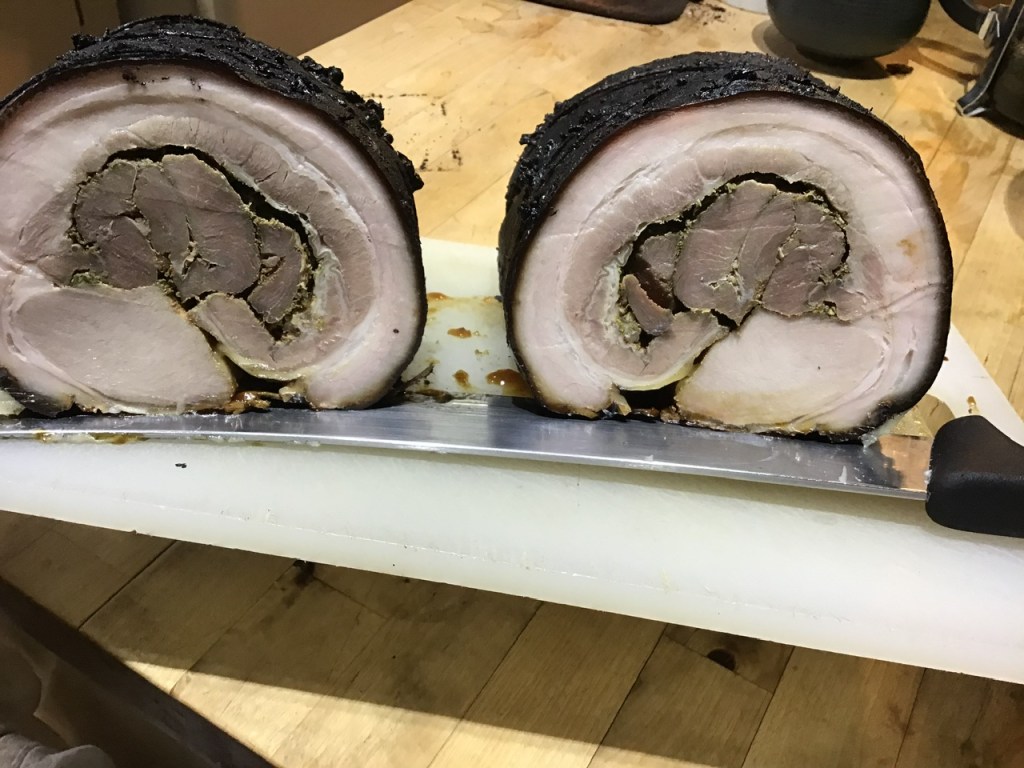
Above: Hubby processing chickens with machine plucker. Below left: smoking bacon Right: Pork roll just off the smoker
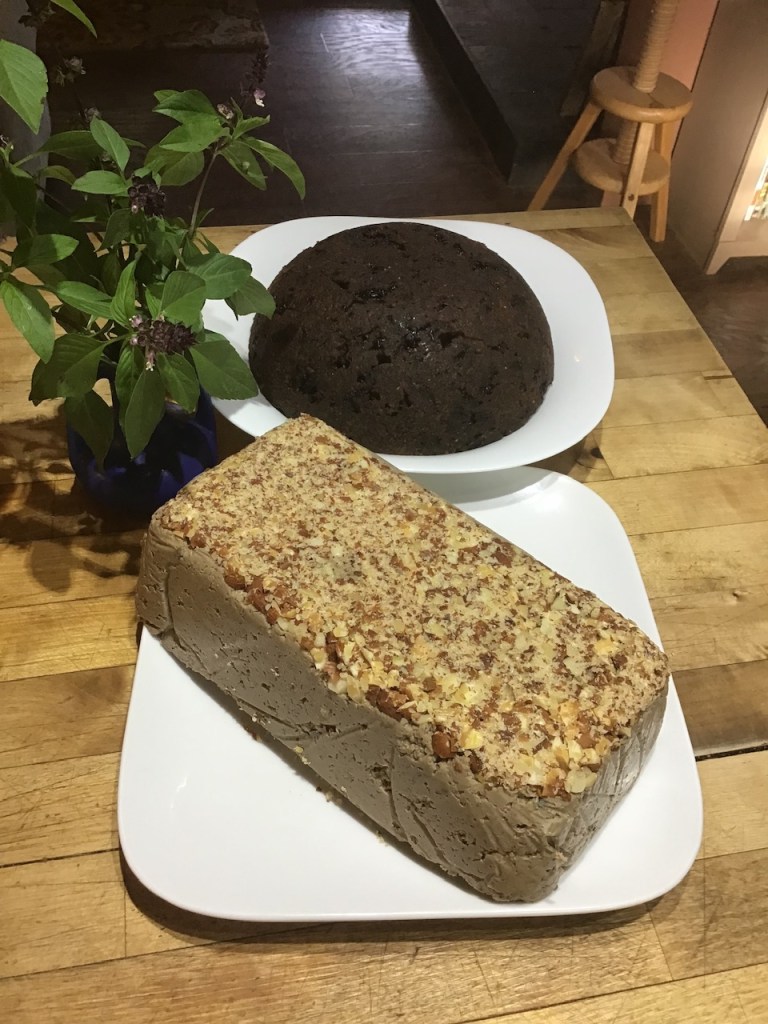
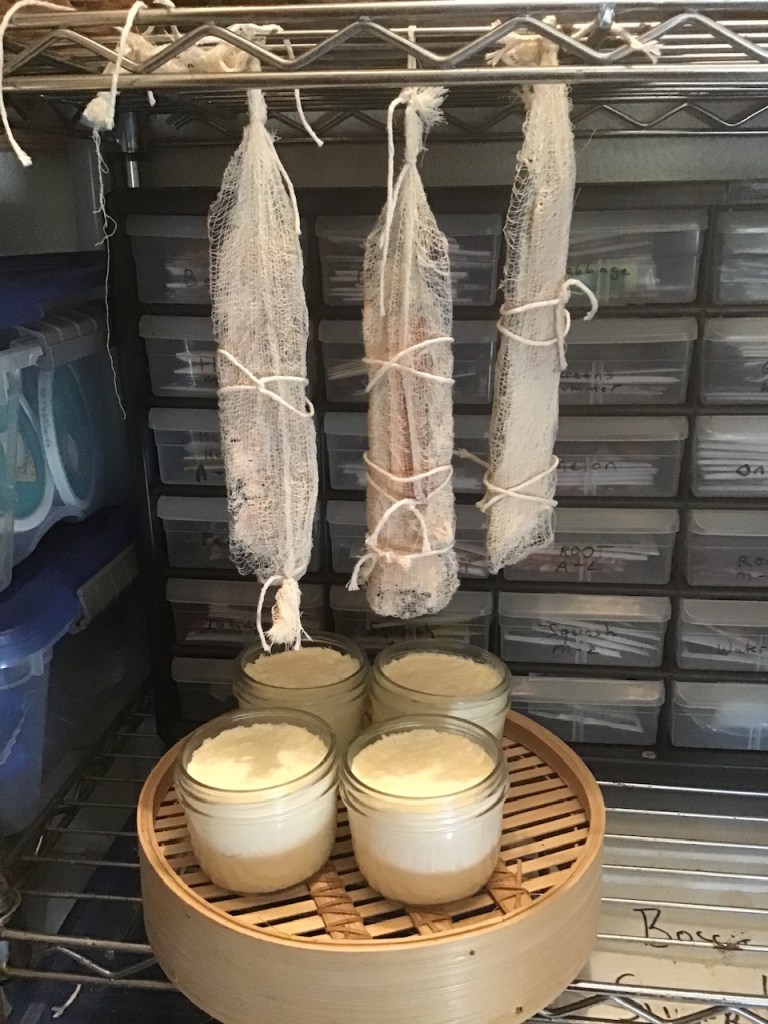
Left: Christmas pudding, a British classic and my first attempt. (Thanks Kath for the recipe!) We will see in a month or so if I succeeded. Also liver sausage, made from lamb liver and topped with roasted almonds. It’s not everyone’s thing, I know, but you might be surprised, I was never a fan of liver either. Right: Cured lamb and Mason jar Marcelin cheese, aging. Yes, you can put them in the same small space, I cover the cheese with a bamboo mat, in a closet with my seed storage, for about a week before moving to cold storage.
The cured lamb can be done from many different types or cuts of meats. This one is taken from the easy-to-follow recipe for Cured Venison Loin at wildharvesttable.com
The cured lamb thinly sliced with soft cheese and sourdough bread is better than anything store-bought in these parts.
We have learned so much about growing and cooking and preserving and the learning never ends.
But all the hard work has excellent rewards!
I’ve learned a lot about homemade wines and cured meats from this Italian YT channel. It’s amazing what you can do with just a little bit of space and minimal equipment and good ingredients. I’ll be trying this simple salami next.
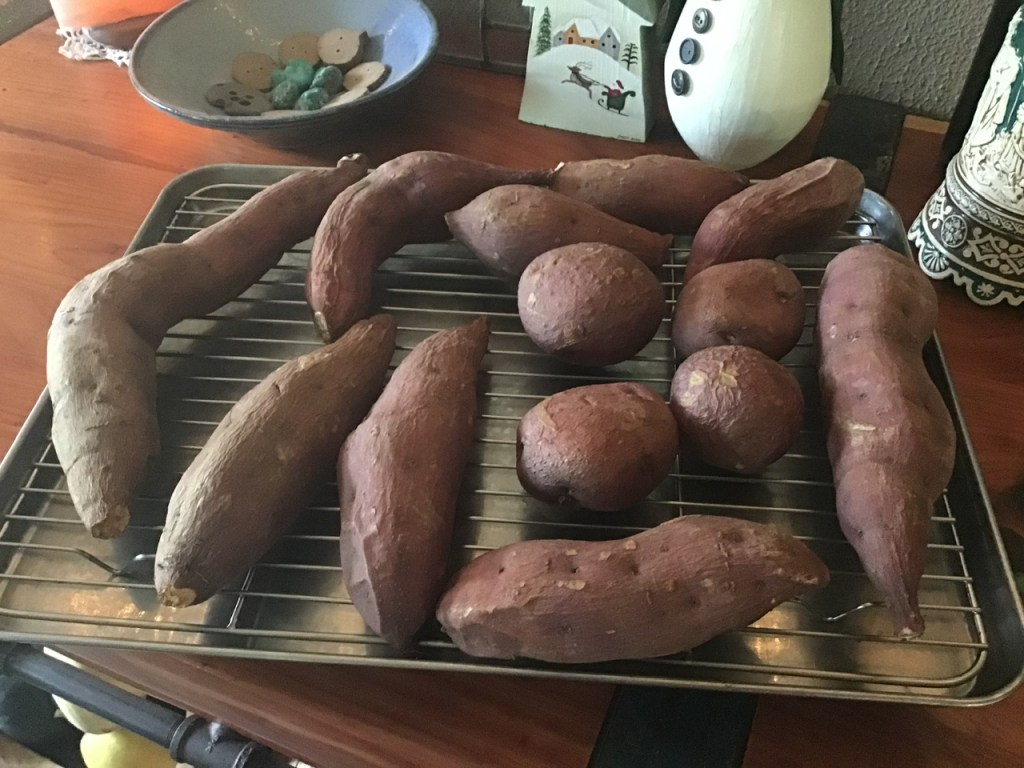
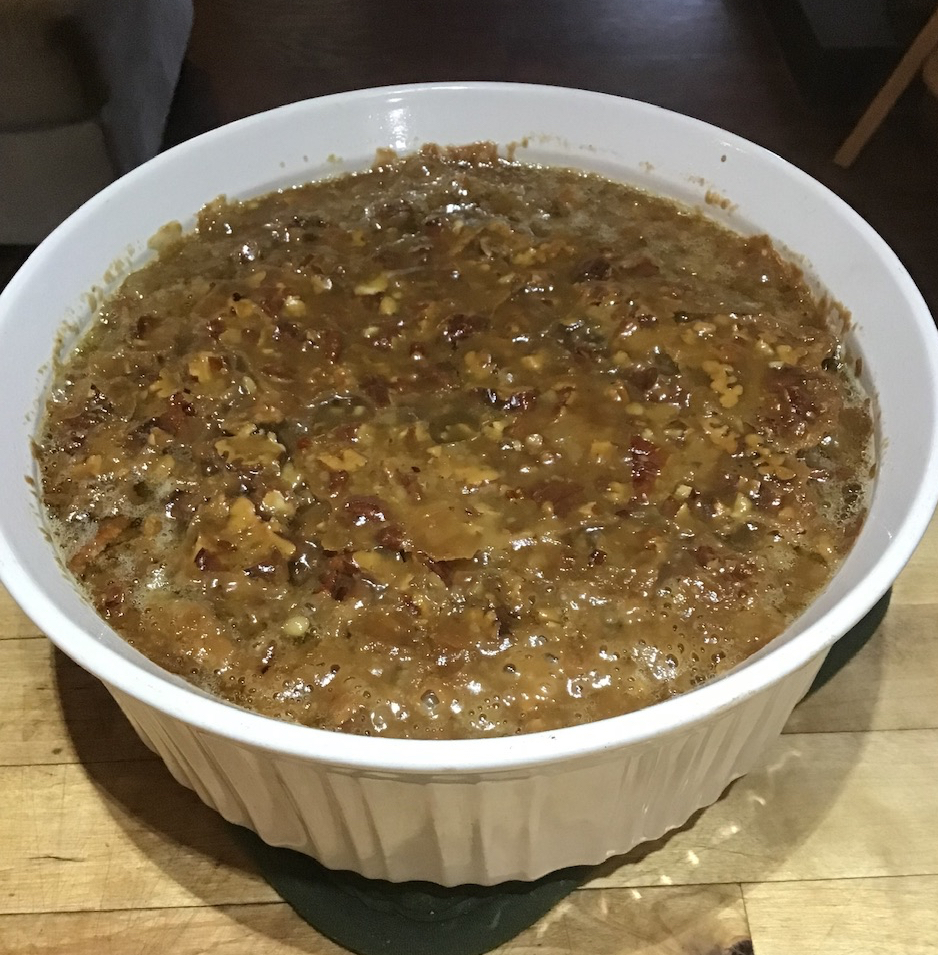
Roasted sweet potatoes become Sweet Potato
Roasted sweet potatoes from this year’s harvest become a favorite dessert: Sweet Potato Praline served with fresh whipped cream and homemade chocolate liqueur.
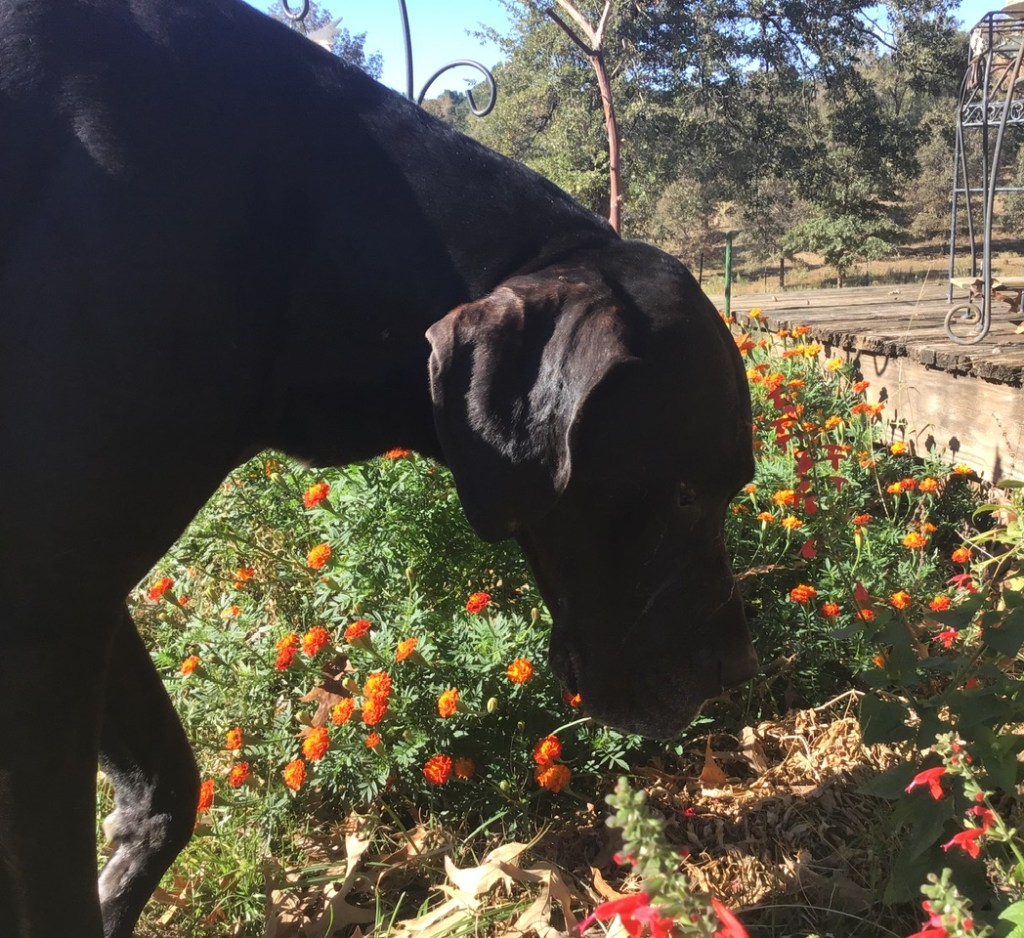
Cooking is a wonderful way to spend the day, even when it’s just for the dogs!
A big pot of dog food, fit for a Great Dane
Hope you’re enjoying your cooking time, too! Thanks for stopping by!
These used to be my favorite clichés growing up. I miss that sometimes now that I’m growing old and cynical. I miss that crazy big picture dreaming like we do as kids with seemingly the expanse of the world and infinite days ahead of us. My mom really did often repeat that we could do or be anything we wanted.
Prima ballerina even though you’re short and curvy? Sure, why not!
I never really believed it, but I do agree that to dream big is a good thing, and not just for kids. The older we get though, the more that critic steps in even before his queue, the inner voice of impossibility. A necessary ally, no doubt, in his strict adherence to the practical and well-tested norms.
Let’s call him Jack, from another of the well-worn clichés, “All work and no play makes Jack a dull boy.”
What if we put Jack in the box for now, where he prefers to be anyway, and we enjoyed some precious time without him?
It seems like a lot of folks have dreams they would call big that center around money. They want a new house, for example. And that’s true for me, too, I would like a new house.
But I think of that as a small dream. When we first moved here we didn’t expect we’d stay in this house. It’s not where we would choose to have a house on this property, and it’s not the kind of house we would choose as far as style either. We thought we could make this one into a ‘project house’ where we did all our work and hobbies, then we could have another small one more suited to us, off the road, on a more picturesque part of the property with views all around.
Then after making so many improvements over the years and spending so much time, money, energy on the surroundings, we downsized that dream. Jack won that one, as usual.
But that doesn’t mean he’ll always win, right? Back in the box he goes!
Dream BIG! It’s not that easy. I used to have lots of big dreams and many of them I wrote down and some of them have come to pass. At least partially.
Like, I always said I wanted a small house on a big piece of land. I just had no idea that would be in rural Texas, or there would be the whole menagerie attached. I was thinking more like an acre in Corsica or Guadeloupe overlooking the sea.
Guadeloupe, French West Indies 1997
Sometimes I dream we could still do that if we really wanted. But, Jack doesn’t have to bother getting out of his box for that one, that’s how little chance of it there is.
But, what if we could bring some of what I love about that dream into this dream we’re already creating?
A spring-fed pond, that would be a good start. No, make that a lake!
There are properties all around us that may soon be for sale. We’d buy them all!
And then what? (Back in the box, Jack!)
I heard a friend talk behind my back once a few years ago when she first visited here. Directed at her hubby, as we were driving them in the tractor to their lodging in the still-unfinished cabin we built, she said, “Why would anyone need so much property?”
I didn’t, but wanted to say, “But, you see, but we would have, could have, SO much more!” Why not?!
Hubby used to joke about our paltry 50 acres, “In Texas, 50 acres buys you a front yard.”
It’s not a matter of need, obviously. How much land does the Queen of England own?
It’s not even about what one might accomplish with a few hundred (or a few thousand) acres. I don’t imagine we’d aim to accomplish much at all. Jack would want to put a name on it of course—a nature preserve, or a dude ranch, or a future botanical garden, or a (God forbid!) another of the popular ATV parks.
I think in my biggest dream I’d invite some cherished friends to our rural sanctuary, with the spring fed pond (lake!) and wooded paths strewn with pine needles, and secret herb gardens, where we’d enjoy some homemade wine on a fine pergola made of bamboo watching the birds . . .
Surface modification control stations and methods in a globally distributed array for dynamically adjusting the atmospheric, terrestrial and oceanic properties
“Surface modification control stations and methods in a globally distributed array for dynamically adjusting the atmospheric, terrestrial and oceanic properties. The control stations modify the humidity, currents, wind flows and heat removal rate of the surface and facilitate cooling and control of large area of global surface temperatures. This global system is made of arrays of multiple sub-systems that monitor climate and act locally on weather with dynamically generated local forcing & perturbations for guiding in a controlled manner aim at long-term modifications. The machineries are part of a large-scale system consisting of an array of many such machines put across the globe at locations called the control stations. These are then used in a coordinated manner to modify large area weather and the global climate as desired.”
Listen to the beginning of Dane’s broadcast this week where a man confronts the (supposedly ignorant) atmospheric terrorists and makes them squirm like the worms they are! 😆
Delving deep Diving sweet Sipping sublime Nectars divine
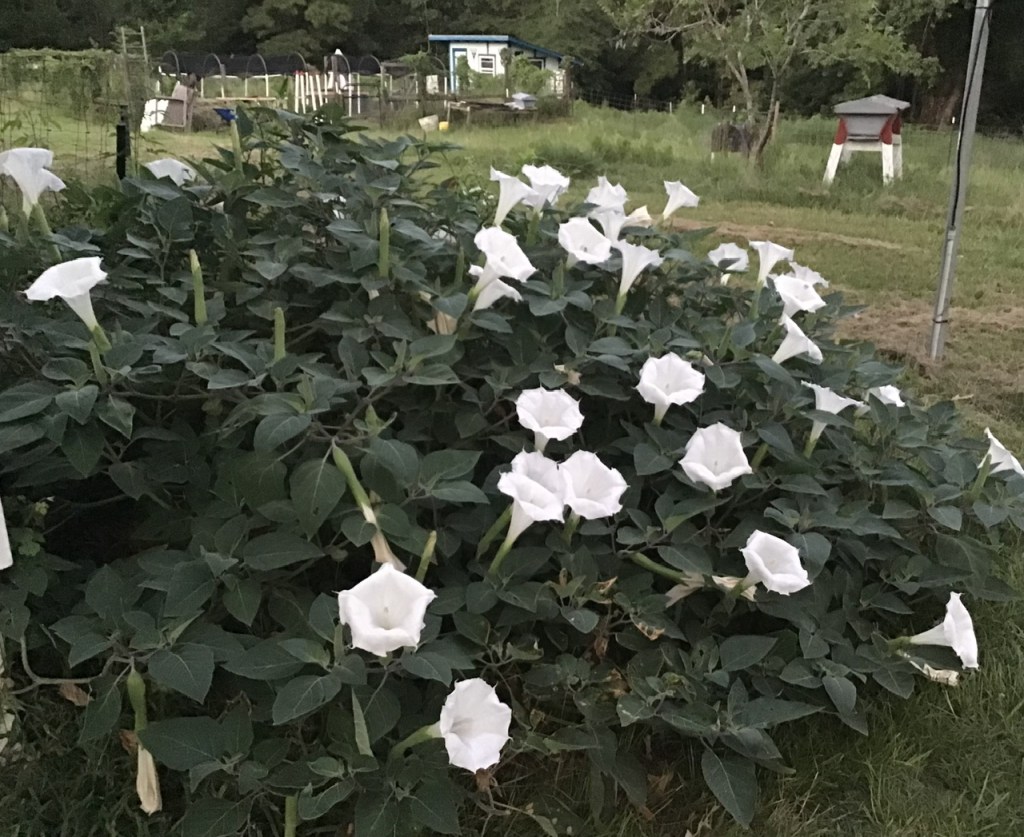
A one minute clip of Datura inoxia alive in the evening breeze covered in honeybees and dotted by the diving ‘tobacco hornworm’ moths (manducasexta) in a safe haven among the blossoms here on the wee homestead, of this ‘poison plant’ it loves so much, from the great many pesticide lovers who hate them so.
This posts aims to answer the question: Would there be anything redeeming about August in East Texas if it weren’t for the watermelons?
I repeat this every year. But I can’t help repeating it again. When we first came here and I’d spent my first August, I was mostly without Hubby because he would often get stuck offshore in the Gulf for bad weather or working over for vacationing colleagues. I swore I would find a way to travel in August, just like the French.
The heat is brutal, the garden mostly gone. Actually, it amazes me anything can survive out there, and yet, plenty of plants are thriving.
And now I can’t imagine having a happy vacation when we’ve got bushels of grapes to harvest and after that bushels of pears, which then must all be processed.
Into wine! I know I shouldn’t whine. It’s not every year we get either good grapes or good pears, and this year we’ve got both.
My wine lab, soon to be greatly expanding. 😊
Wine-making has proven to be a reasonable replacement for my sudden loss in cheese-making ability. That story has only gotten worse, so I’m going to avoid telling it, at least for now. Like I said, August is bad enough already.
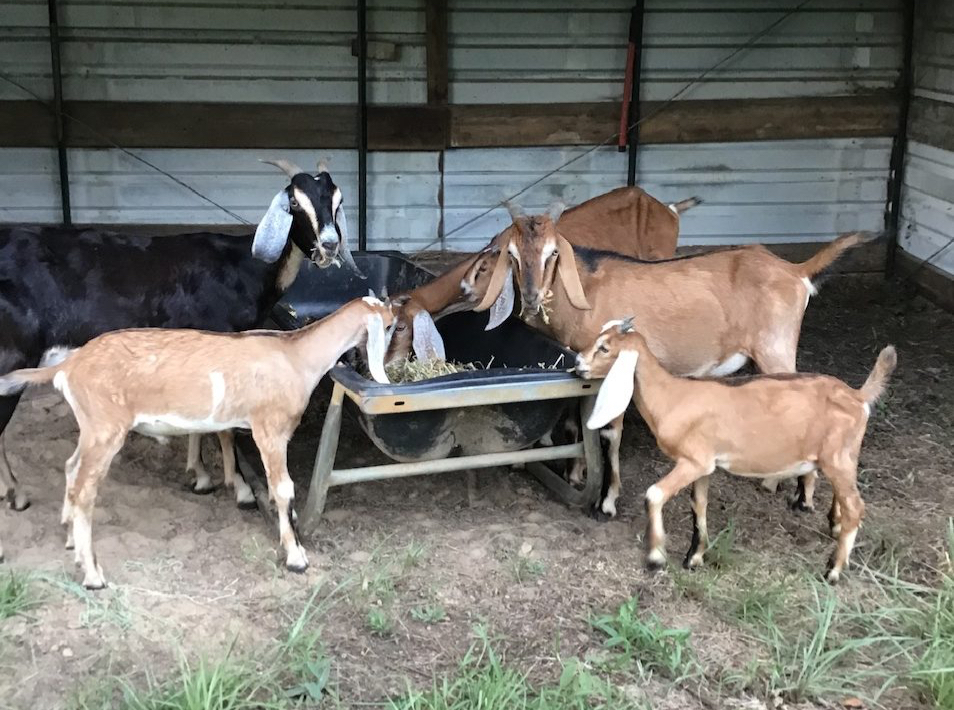
The healthy half of the herd.
While we have made hard cider from the pears and a bit of wine from grapes in past years, I really had no idea how versatile wine-making could be. Since last post I’ve added cantaloupe wine to the rows—joining Elderberry, Blackberry, Wild grape, and mead.
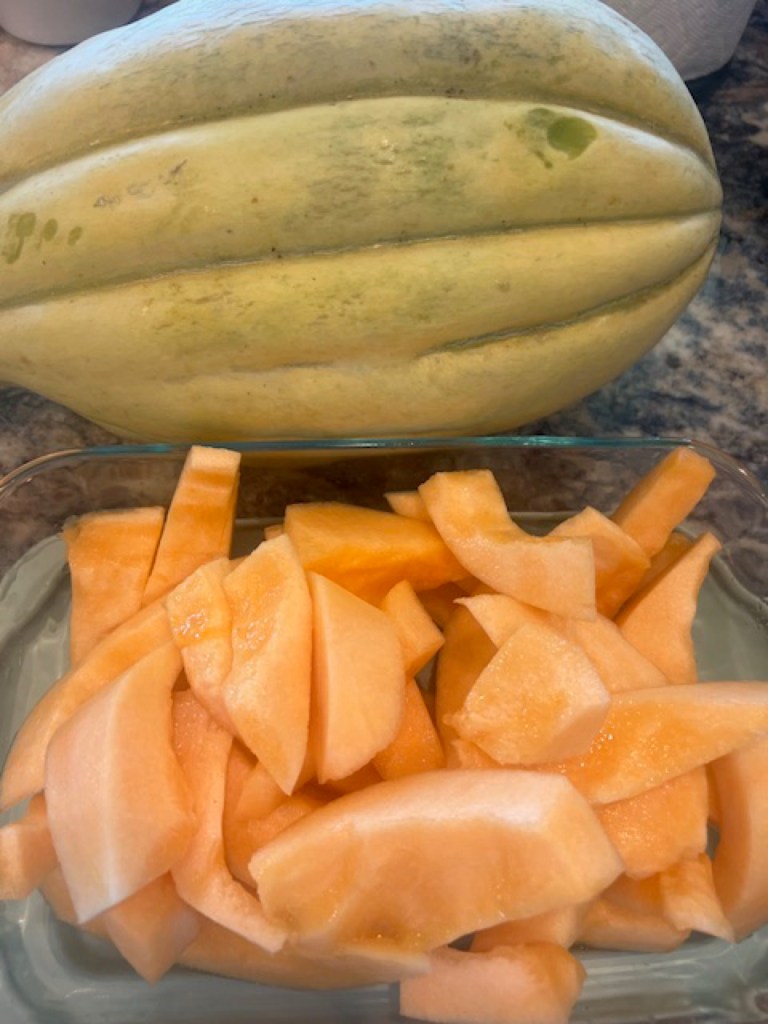
Cantaloupe wine? Who knew! But after giving these great big delicious 20- pounders to friends and eating them daily we still had so many and they were ripening so fast we had to do something. We forgot to keep track, but we had at least 15 of them, off only 3 plants.
‘Ole Tyme Tennessee’ melon
Enough to make 3 gallons of wine. I plan to make cider from it as well. Imagine all the fun we’ll be having wine tasting in December! (That’s exactly what I’m doing, a lot of imagining, to keep my mind off the miserable sweltering reality.)
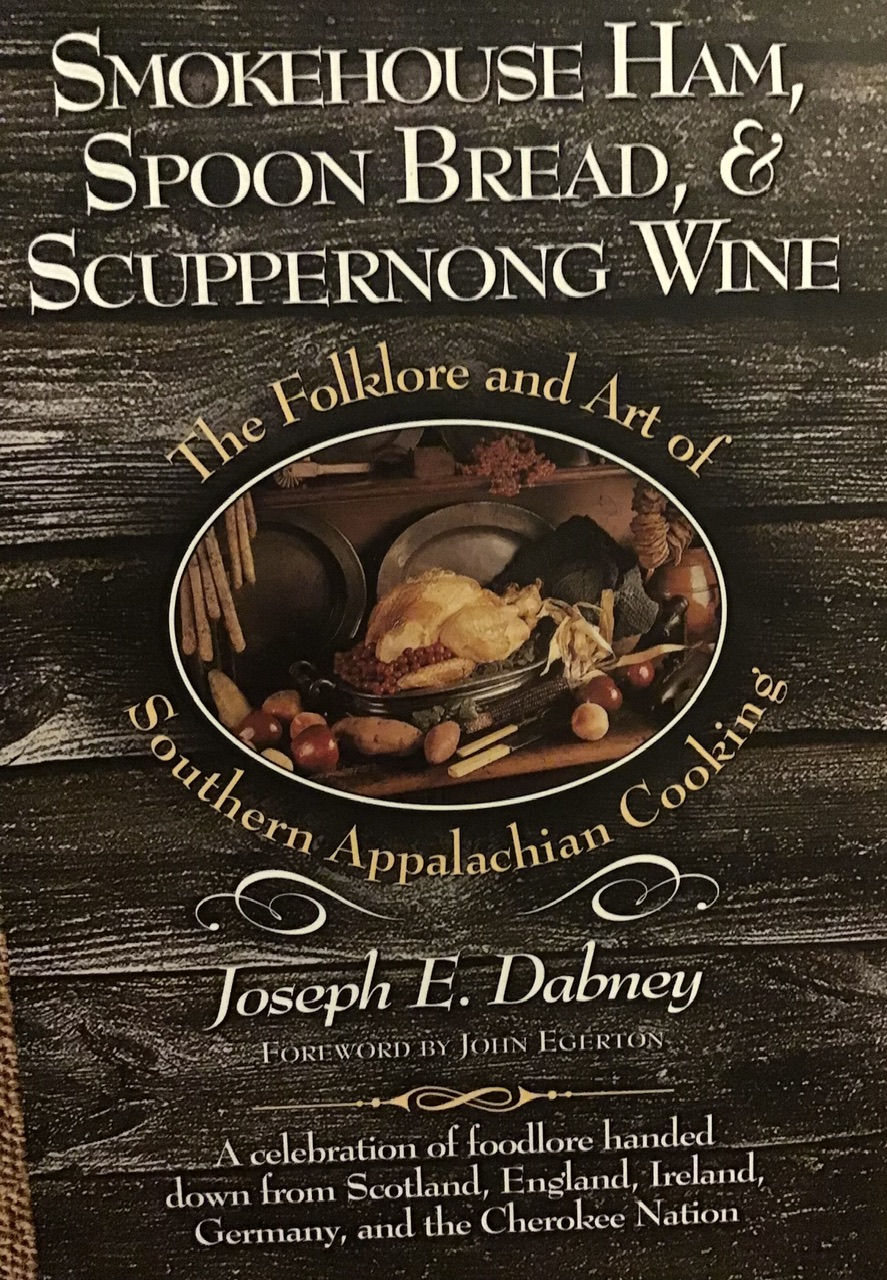
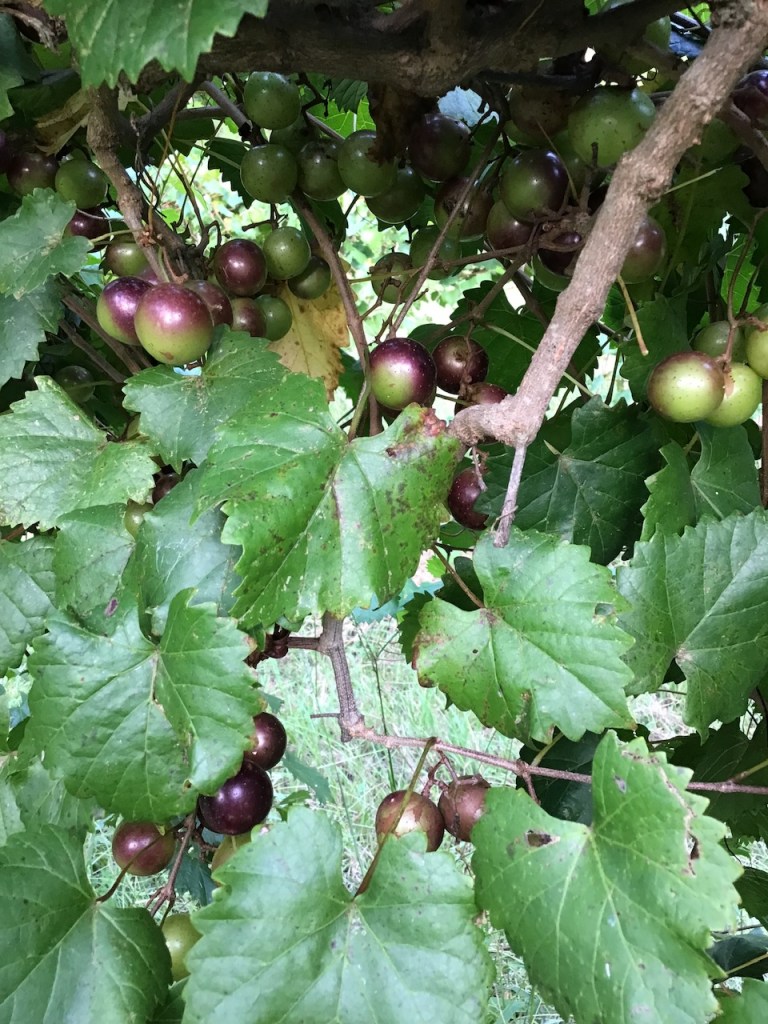
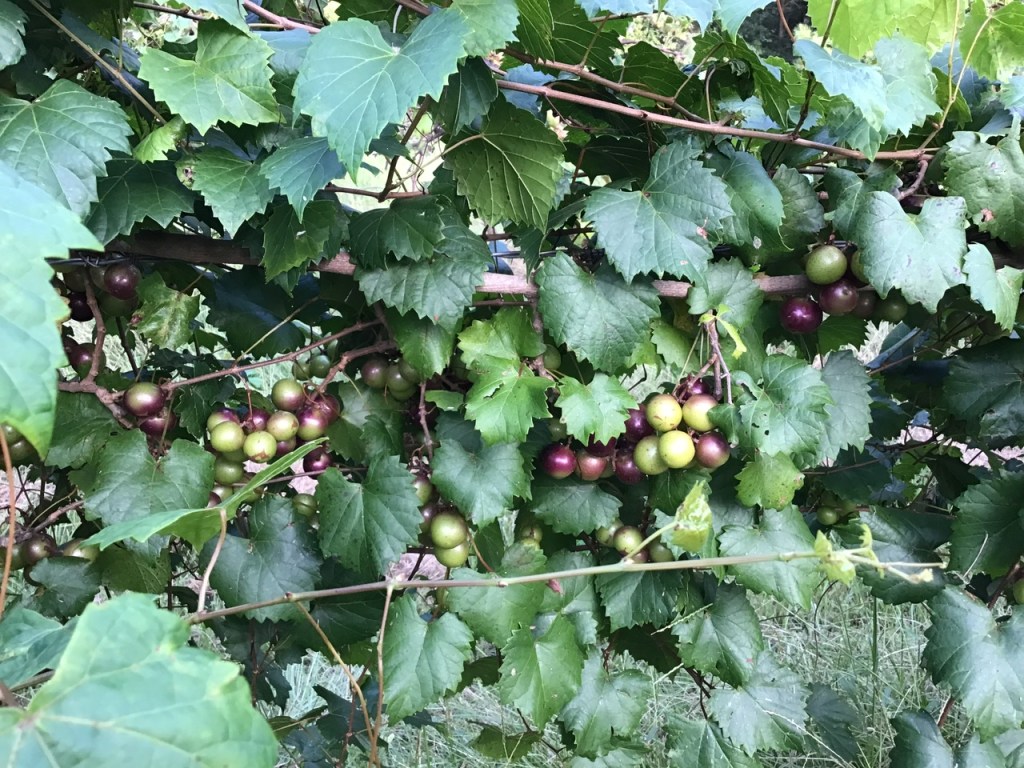
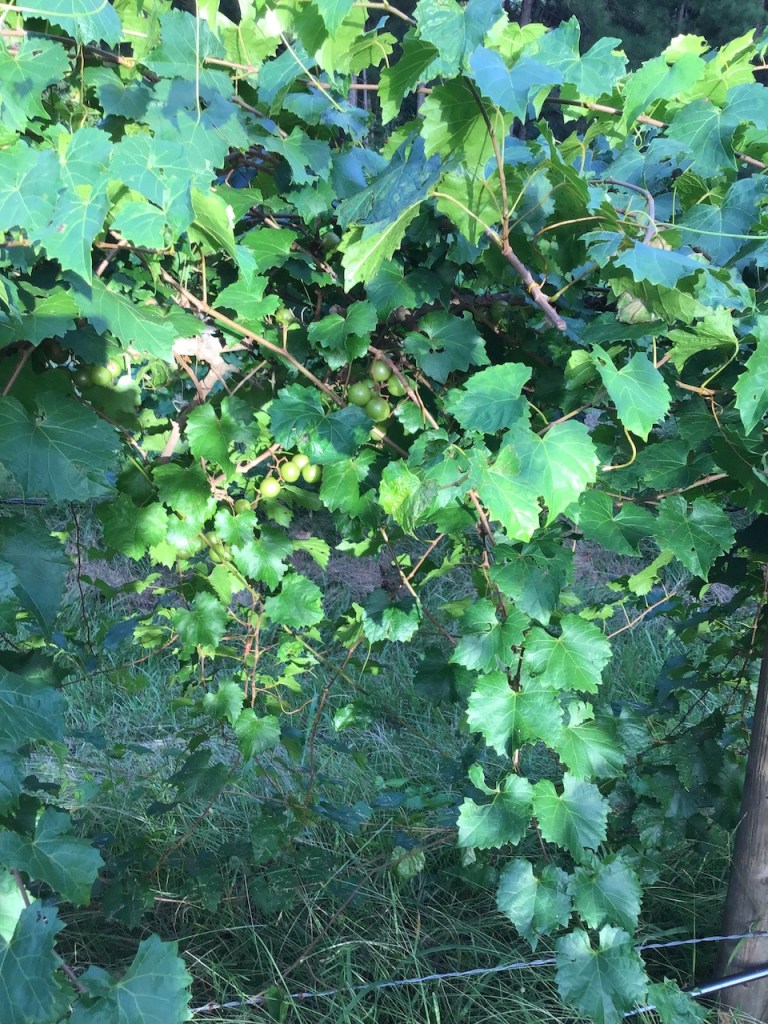
Now we’ve also got a couple buckets going of our cultivated grapes: white and red muscadines, sometimes also known as Scuppernongs.
“A glass of scuppernong wine is better for a body than a shot of penicillin.”
If you’re not from the Southern US you’ve probably never heard of Scuppernongs because they don’t have a good reputation among wine connoisseurs and don’t grow north of the Mason-Dixon line, as far as I know.
And they aren’t really suitable for table grapes either, unless your table allows for a lot of spitting.
Good enough for country wines, they say. So, good enough for me!
In fact they are really delicious. Beyond bursting with juicy sweetness, the green ones especially have varied and complex notes, sharp and earthy. The red ones have such an huge pop of intense grape flavor I’m reminded of manufactured fake grape flavors from childhood, Jolly Ranchers and Bubbalicious gum. Sad, but true, since I never tasted such fruit as a kid.
Except, that these have a tough skin and big seeds. And they are really a pain to harvest. If the weather were nice it wouldn’t be so bad at all. But the thing about muscadine grapes is they don’t ripen in nice clusters like the fancy grapes of more civilized peoples. 😆
Every other day we’re out there gathering these plump gems from under their enormous vines, one by one, little jewels among the masses of deep green leaves. They’ve done remarkably well this year, after a dismal last year, and a meager crop the year before, and just when we were starting to worry all our hard work planting them was wasted.
I wish we knew the trick, Hubby tends the vines and he did nothing different this year from the previous.
Our beautiful grape vines beneath a disgusting chem-filled sky.
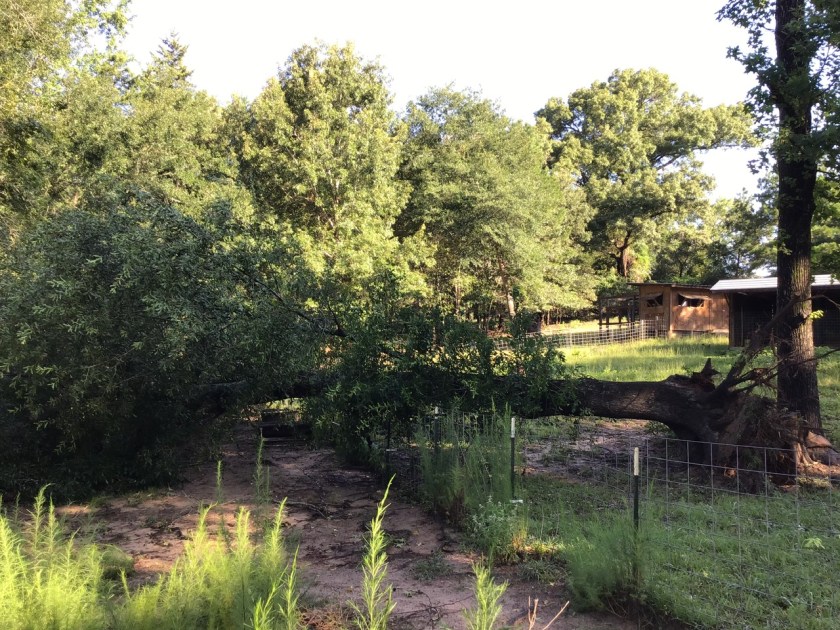
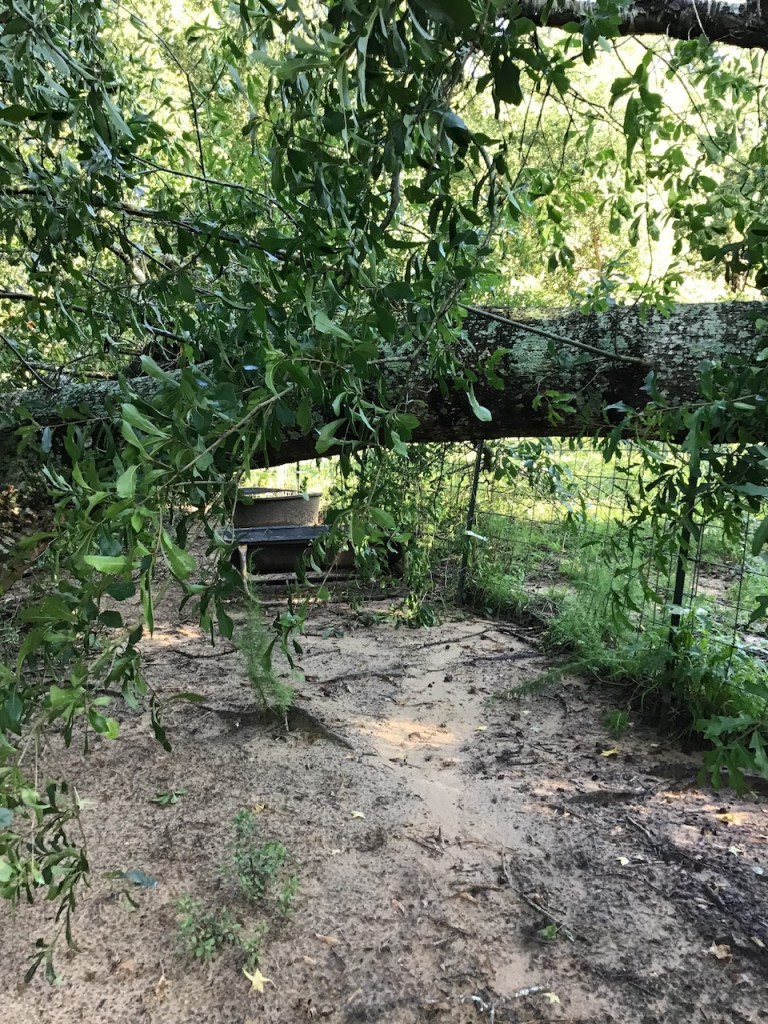
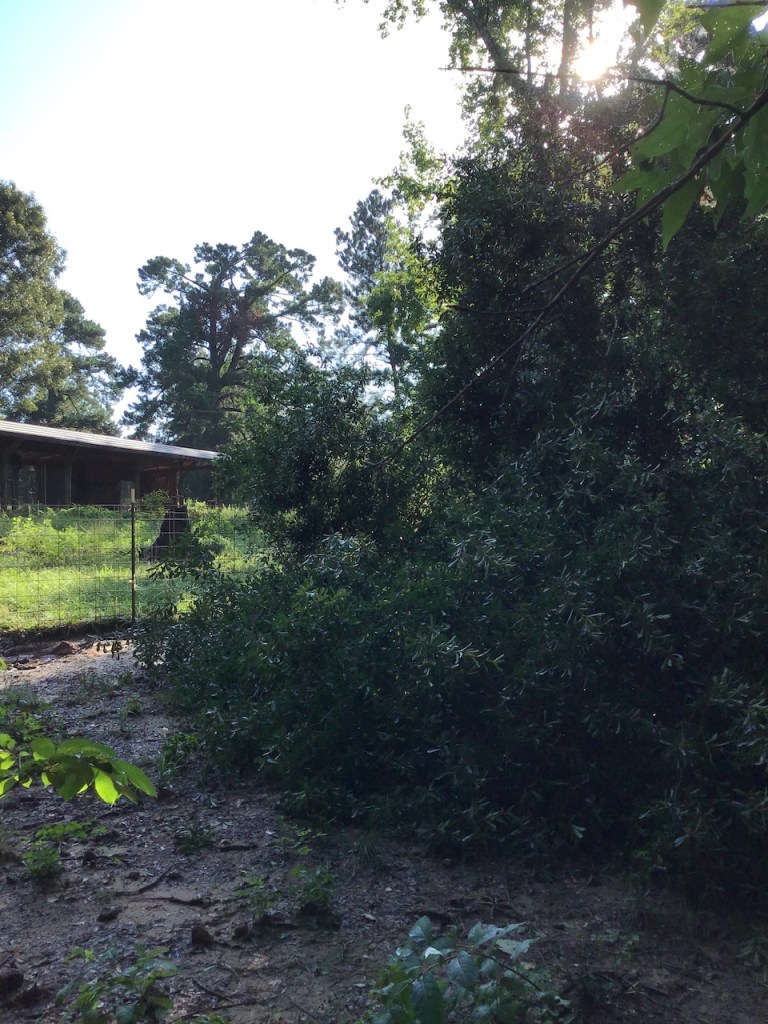
We did have the big rain with a nice temperature drop, which also brought down another big tree, right through a fence, as per usual. It seems we lose a big tree with every rain event these days.
Too bad, because that oak has been providing a lot of acorn forage for the critters in autumn. There are several other nearby mature oaks looking like they are also about to keel over.
But, the pears have been spared and that will be our next big project in the blazing heat. Yay! 🤪
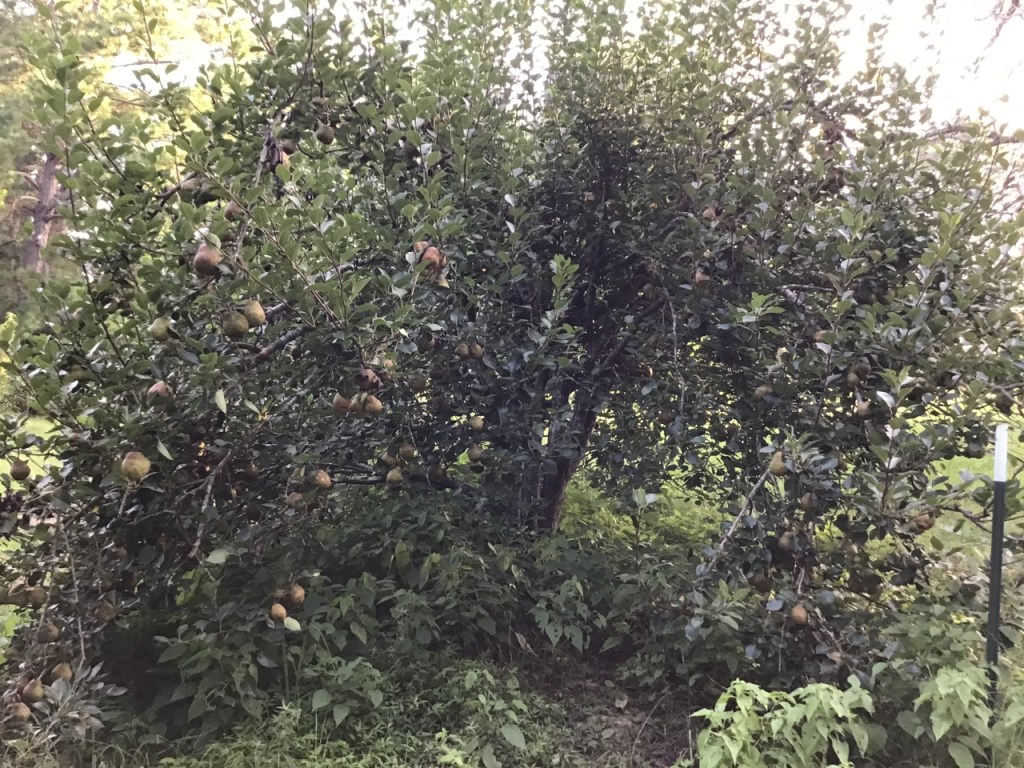
Three hard pear trees, two which were the only cultivated fruit trees here when we arrived, abandoned and still producing, bringing the feral hogs many happy meals. They produce prolifically when they produce, which is every 3 years on average. Plus one we planted in our still struggling orchard, it does really well most years, having gotten the regular run-off from our duck tub from it’s early years.
But the real pièce de résistance this year especially has been the watermelons.
They’ve not been as prolific as the cantaloupes, but they are some of the best I’ve ever eaten. Watermelons are Hubby’s preference, so he’s been in hog heaven every day, and the hogs are in a similar heaven with all the rinds they’ve been eating.
August has a few redeeming qualities after all. I don’t think I could make it through otherwise.
At sunset, within one hour they all open together while the bees get furiously busy. If you can’t catch the scent at just that initial pip of release, it’s instantly gone. Such an inimitable fragrance, enough to keep a woman longing, just long enough, that August might be gone again, and we’ll forget. It’s not so bad, right?
Until the next August.
Datura inoxia perhaps signaling the season of intoxia? Because we’re making lots of wine and it helps to get intoxicated to get through it? 😆
A few choice quotes from Juliette de Bairacli Levy who did not mince words about her views on modern medicine.
This excerpt is from 1952! It’s astounding to me that it’s only gotten worse in the last 70 years. They keep doubling-down, and the public keeps buying it up.
“The present-day farmer has been educated to consider disease as inevitable and the only scientific cure as being in the artificial remedies of the modern veterinary surgeon who through over-rigid orthodox training and himself under the influence of advertisement, is too often a mere vendor of the products of the vast and powerful chemical and serum manufacturers. For the vested interests in modern medicine are stupendous. Businessmen who have never owned an animal fatten like breeding toads upon the ailments of farm stock which need not know sickness at all if they had daily access to the herbs of the fields. The true farmer should cultivate his own medicines in his own fields, and he should not consider himself as being a farmer if he has to resort to outside help for keeping his animals in health, and healing them when in sickness. Science is providing the ruination of true farming; the only thing that I, and countless others, have noted as flourishing alongside science, is disease!—disease of the earth, disease of crops and disease of the animal and people who feed on the diseased produce.”
“Professor Szekely had declared emphatically, that the curing of the ailments of his patients is often a simple task in comparison with the freeing of their bodies from the accumulations of chemical drugs lodged in their tissues — the drugs derived from orthodox medical chemo-therapy, and from the poisons sprayed upon fruits and vegetables by the modern farmer, or placed in tinned and bottled foods as preservatives. Many of his patients are Americans, and in present-day America the chemist seems to be running amok, spraying and poisoning everything edible.” ~Juliette de Bairacli Levy, 1952, The Complete Herbal Handbook For Farm And Stable
The influence of advertisement, you say? Naw, can’t be that!