Homestead Happenings

This post we’ve got some happy snaps, the usual weather bitching, a bit of pre-planning and some good news on two healing fronts.
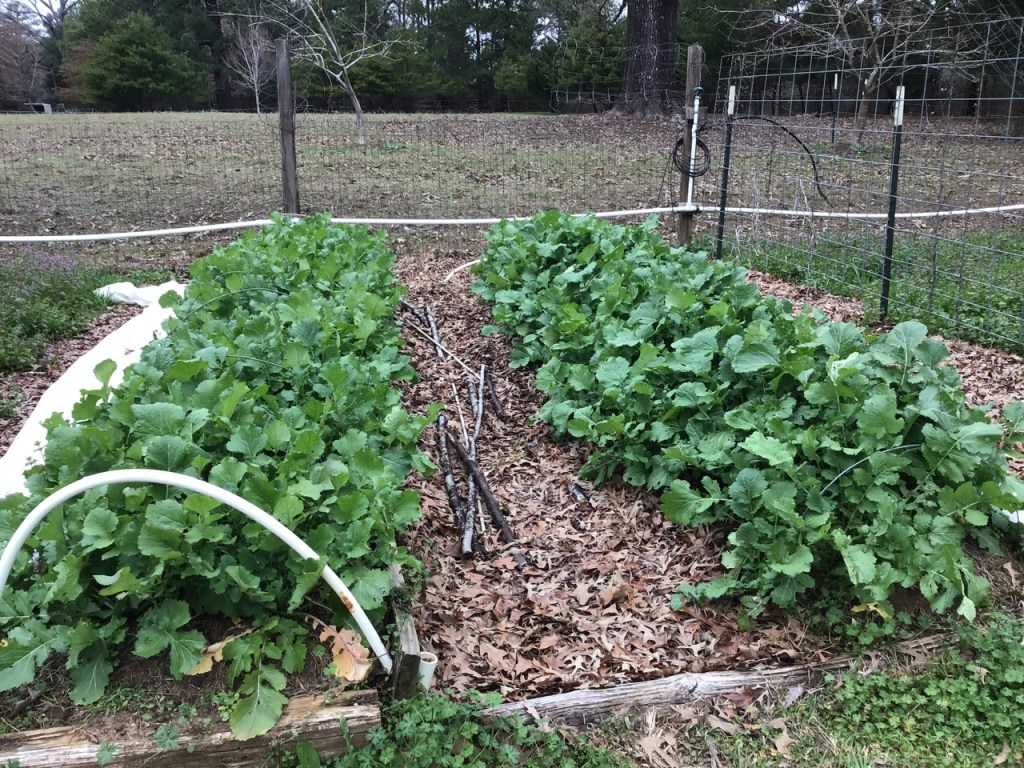
(From bottom left: mini-mustard greens and new lettuce germinated inside about to be transplanted to replace all we’ve eaten; several types of onions and elephant garlic (which does best here, by far); and turnips for us and the pigs. 😋)

The cauliflower is long gone, the broccoli nearly so, but a new crop is already in the works inside on a heat mat. Succession planting has its limitations in our East Texas Yo-Yo Season (formally known as ‘winter’). Sometimes you get lucky with a warm stretch and get a nice surprise (yay, third times a charm, the carrot seeds finally germinated!) other times you get premature bolting (that dumb broccoli didn’t even produce a good head yet!).
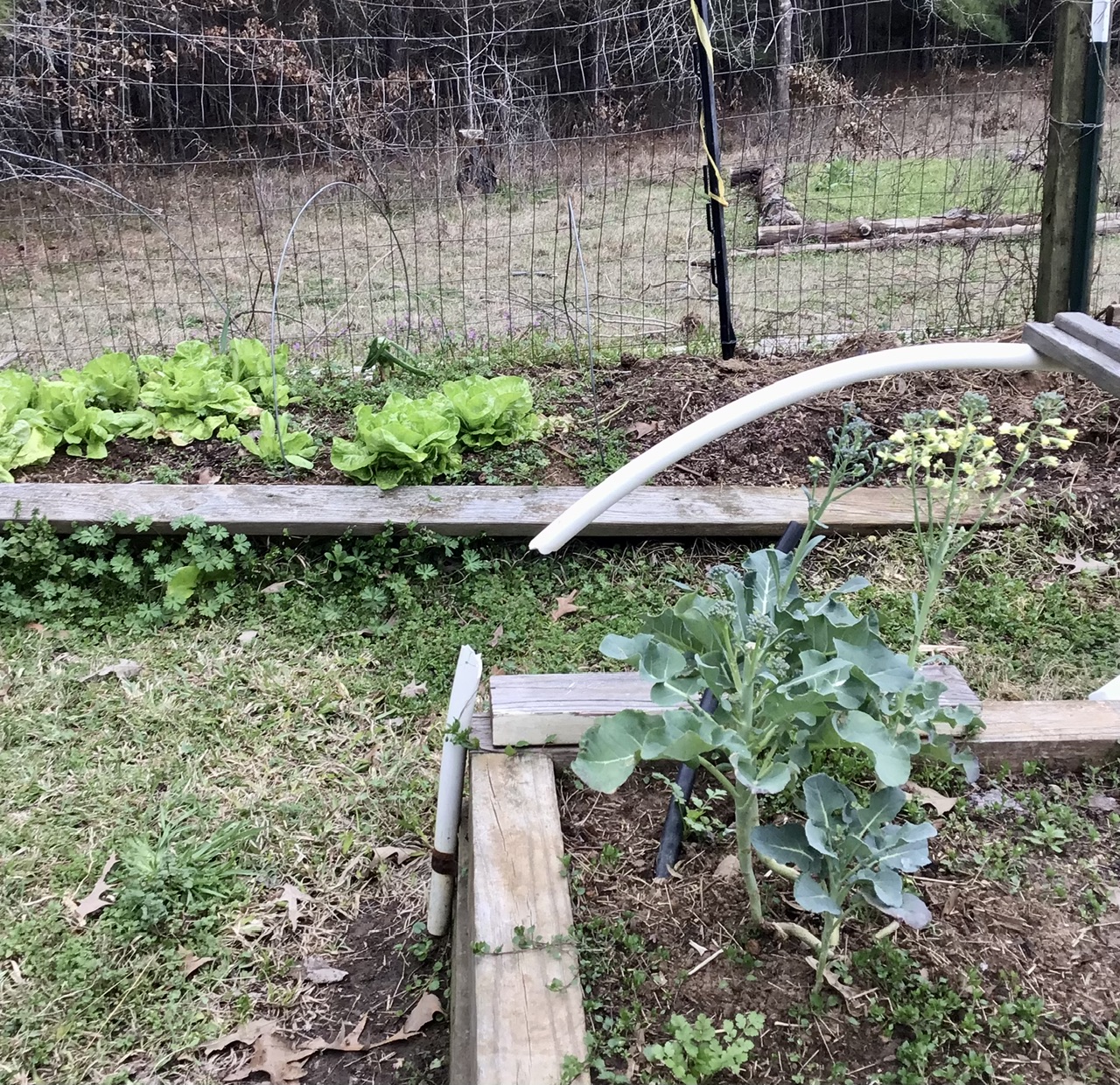
Premature bolting 😖
But some nice butter lettuce still doing well by covering during cold swings

I do not appreciate it, and I think it stresses us all at some level, not just me, not just the more sensitive 4-legged and 2-legged, but all of life. Five warm days go by, in the 70s (but feeling hotter), with an unseasonal and hot stinking wind coming from the south, then suddenly, the very next day, it’s 40, lows in the 20s, and the dogs are shedding, also unseasonably.

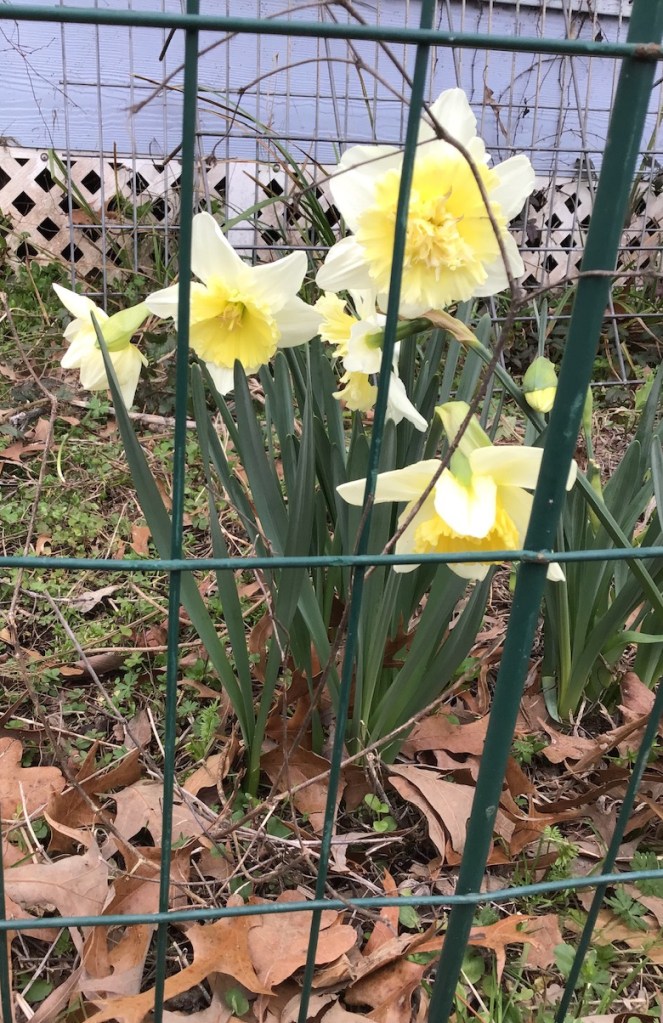
Yes, we get the surprise arctic chicks on occasion. It’s nice to see a bee or two about. We get early daffodils. But we also get another lost fruit crop because it is sure to frost and now, again, everything is blooming far too early.

And it seems to me, the more folks are catching on, the more the establishment pushes back, with the gaslighting and the misdirection and the normalizing.
Going back to the 1800s! And how’s that working out for us?

Despite the man-made manipulation, or maybe because of it, I’ve come to appreciate the old adage ‘Let nature take its course’ on a whole new level. We’ve had two overlapping critter health issues these last months, both with their unique challenges.

Shadow’s blood-spurting ear was by far worse, but still, in every case, I don’t like not knowing what to do, stressing about my lack of knowledge, feeling useless, and that’s how I felt during Chestnut’s ordeal as well.

Please allow my whine for just another moment, it’s been illuminating for me, in a way.

Self-reliance is a cornerstone goal for us. Relying on vet care is not an option for a number of reasons, beginning with the cost, ending with the lack of trust we have for the medical establishment, and with a very long and convoluted journey in between where we try to figure out how to bridge this enormous gap, with no training.

We are lucky for the internet, but you know how that goes. One problem, a dozen conflicting pieces of advice. We ask around as well, we are certainly grateful the many suggestions offered, but still it’s nerve-racking making ill-informed decisions, and no matter what anyone might pretend, health is not an exact, one-size fits all kind of science.

Chestnut was acting strangely, very suddenly. She went from just fine to a few hours later she was lethargic and not eating much and separated herself from the herd.

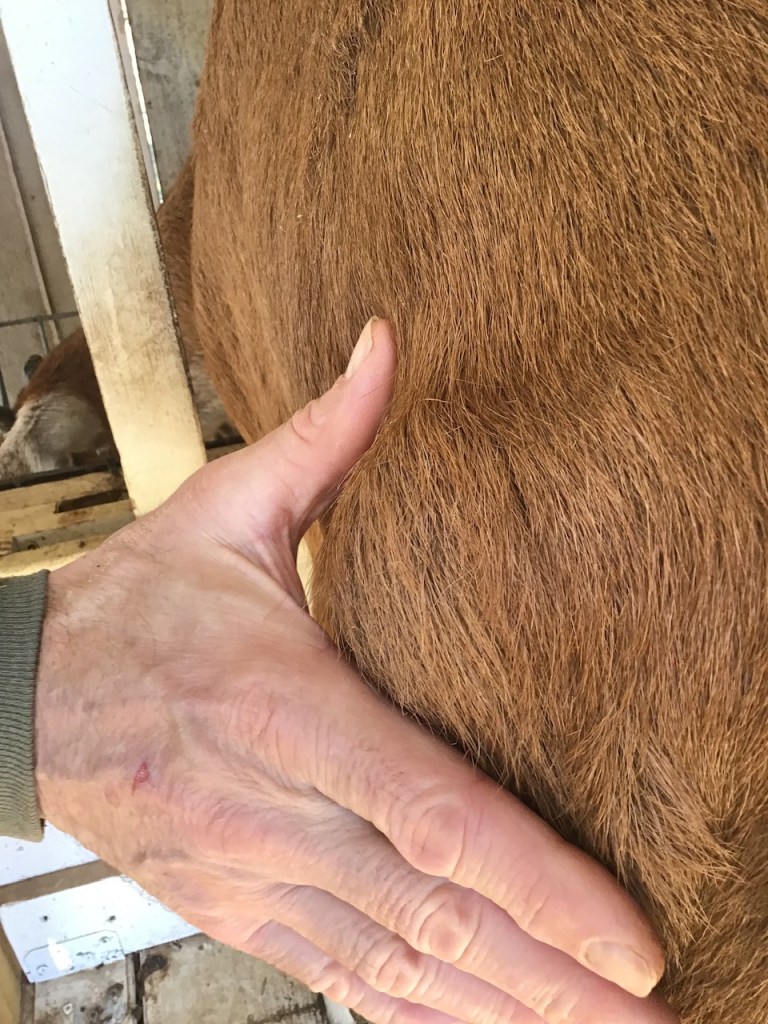
My goat friend suggested Ivermectin and it seemed to work fine. Then she quickly developed an abscess on her side. Related? No clue. It looked terrible, but it was not bothering her at all. I read lots of advice, but decided to let nature take its course after reading one description that sounded most similar to what I was seeing. Though they recommended lancing it at the end stage to avoid ‘infection’. (In the above photo you can see the ‘before and after’, the photo on right taken yesterday, sorry for the blurriness.). It got very large and it was not easy to do nothing!

It’s been over a month now, and it is healing nicely. Patience was the correct remedy, not lancing. I think we have an addiction to unnecessary interference in our culture.

The ordeal with Shadow was a serious challenge. You might recall the middle of the story from our last Happenings post. It started all the way back in November with a little nick on the tip of his ear. The cat?

Who knows, but it was shockingly difficult to get the blood flow under control.

We had much advice, some of it new and excellent (thanks again Kath and Zoe!), but wow, did that take some patience and perseverance, which mostly landed on Hubby, as per usual. (Male privilege! 😂)

Three months later and it is completely healed and all’s well that ends well, thank heavens!

What exuberance, no one around here can keep up with him! He runs circles around us all, then sits patiently by Hubby’s side until the next round.
We love potatoes so much we also buy them in bulk when they’re on sale and Hubby cans them up and they fry up in tallow so quick it’s like a delicious fast food that’s a cheaper and healthier alternative to the industrially processed varieties.

It is a long and labor-intensive project, that’s 45 pounds of potatoes there, it took him the best part of a day to do, but we’ll be appreciating the effort for 28 delicious meals. 😊

Looking ahead we’re doing a bit of planning—I’ll be giving another beginner’s fermentation course next month and Hubby’s got some good livestock trades in the works, we’re committed to foraging more for mushrooms and cultivating our own.
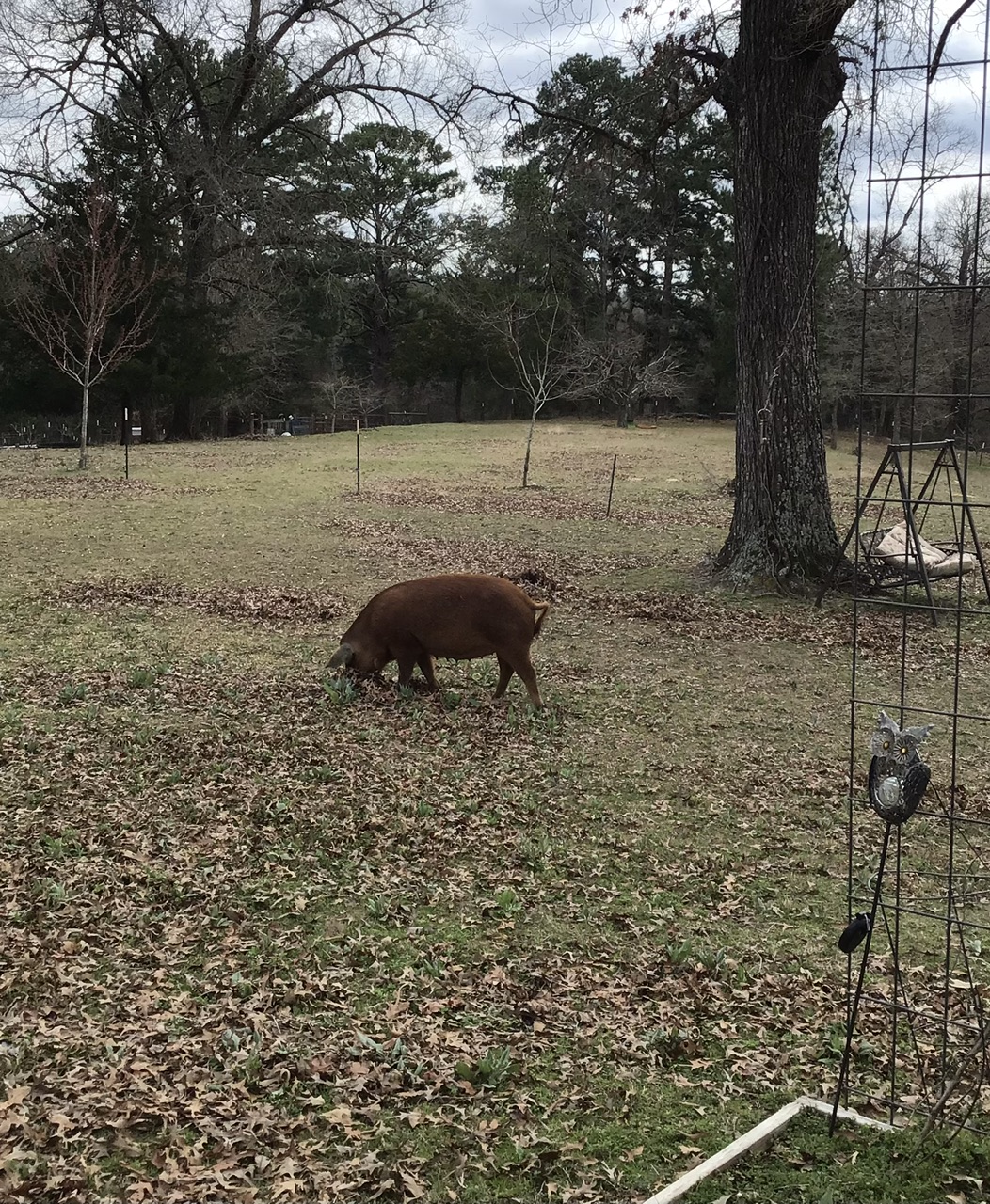
Patty, our mama-to-be, eating up the last acorns. Already many of her piglets claimed for bartering deals. 😁

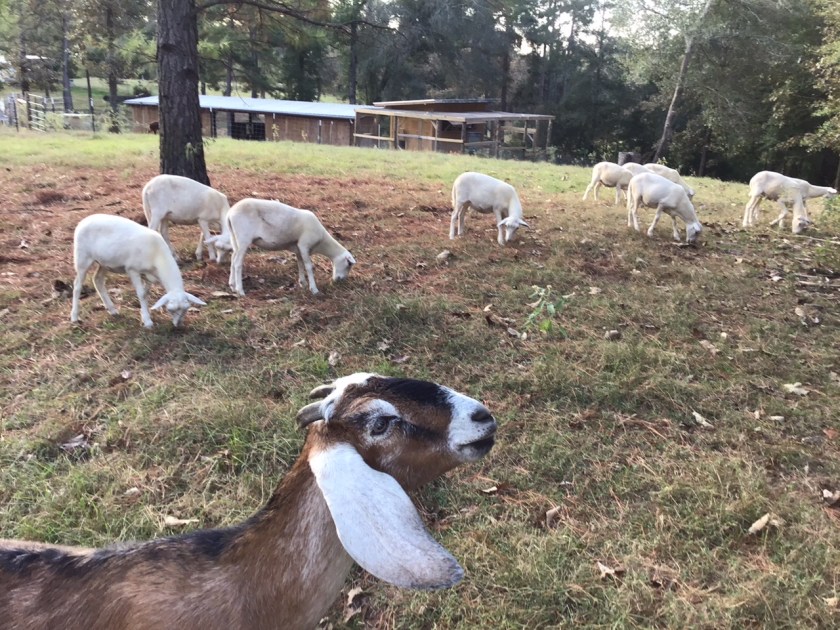
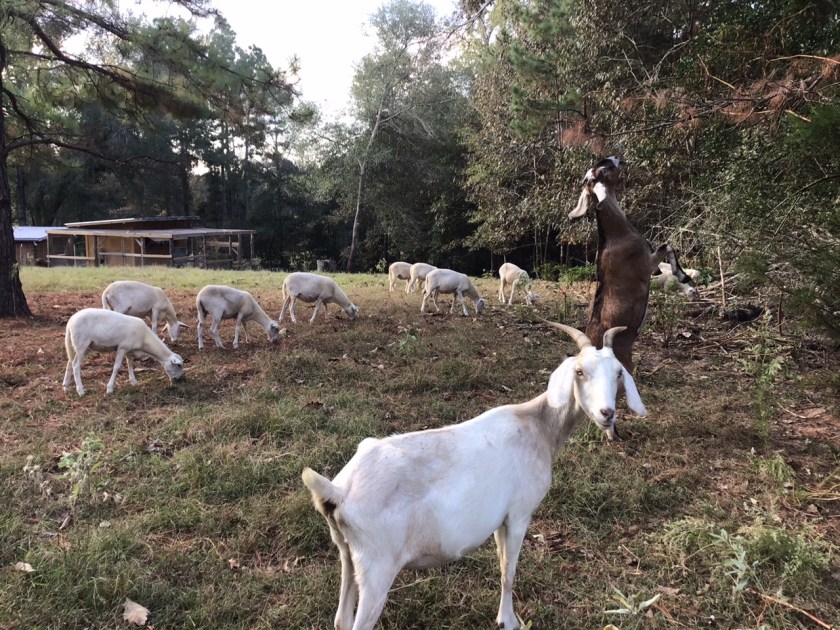
Here’s a current little visit with our herd, including, hopefully many healthy, expectant mamas with kids growing fine.

Not that little guy, he’s our first buck, we call him Teaky.
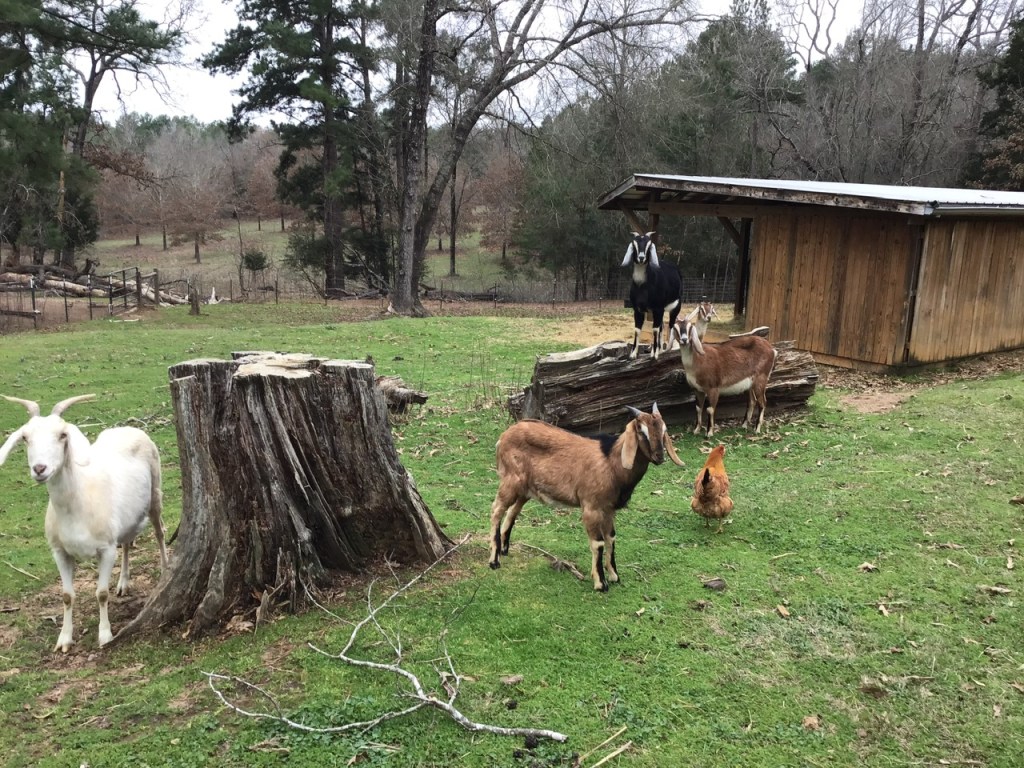
5 expectant mamas among our St. Croix-Dorper flock

Incorporating more permaculture design in the garden and orchard is an on-going big goal. We have a couple spaces empty and I’d love to try something really unique like this:

Permaculture-Inspired image I’m dreaming about!

Where I’d be including my fun garden-art projects, like these:

Lots of grand plans in the works, always, but it’s the simple things that make the hard stuff worth while.

Thanks for stopping by!


PseudoCaring

Soon the mainstream disease care system will be employing robots and AI-generated advice dispensers as nurses and surgeons. It’s happening already.

Meet Grace, the robot nurse that COVID created

Some are shocked and appalled by this, as they should be, according to me. Others think it will be a fantastic improvement to human life, or a great way to make more fiat, or a solution to the burden on the caring professionals, or they love tech for tech’s sake, or whatever.

Those of us who love history and dwell constantly on the question ‘how has it come to this’ were well aware of this potential because we study the trajectory of modern life. I could begin with the first critics centuries ago, but for brevity sake, I’ll start instead with my own life, the only history available to me to know thoroughly enough.

Working mother, divorced parents, step parents, then step siblings, professional daycares, neighborhood babysitters, after school programs, junk food, convenience food, lots of TV. Family history of: diabetes, heart disease, obesity, cancer, vision problems, depression, eczema, alcoholism, Parkinson’s, and, you get the picture.

And I would not say my family life was bad. It was the typical American suburban life of a great many growing up in the 70s and 80s. Neither particularly good, nor bad, just normal. Normal, as in well-normalized.

Like most families my parents would joke about voting for the ‘lesser of two evils’. They probably learned that from their parents. My mom went to community college and got her degree once we were gone, in sociology. She worked full-time all her adult life and didn’t regret it. My dad remained ‘upwardly mobile’ as his Protestant father taught him to be.

In fact, we have retired before him, and he has just had his first heart attack.

They are both still with us, but they do not read this blog, so I could say whatever I wanted. 😏. But, that’s not the point of this particular post.

Let’s leave it at this—in hindsight, my unique perception of growing up this way is, in a nutshell—there was not a lot of parenting happening. The results of this having widespread and devastating effects.

It is from these original seeds of pseudocare that have been not only consistently irrigated in our own territories, but have been dispersed throughout the world these last five-plus decades which has ensured the trajectory to the ridiculous place where we now find ourselves: Drowning in pseudocare so deeply we can scarcely recognize what real care looks like anymore.

Another quick peak at the fruits those seeds have produced.

Yet even facing all of this, I’m still optimistic, as I have been all my life. Even at the worst of times, even during a few prolonged worst of times, I must’ve still learned something vital from my half-assed upbringing and collapsing culture.

So, here it is, in another nutshell:

Believe in yourself, believe it can change, but don’t practice in sidestepping the hard stuff. And the hardest of the hard stuff is care, real care—for yourself, for others, for the future—that is why we are here. How you go about that is your personal journey and your only real duty to discover and live. That is all there is to do in a life well-lived.

Which is why I want to once again quote an obvious example of someone doing exactly that, Gavin Mounsey, who is rocking the real care like a hurricane these days! Wait . . . What?? Ok, terrible simile aside . . .

I believe he knows what needs to happen next and is becoming the living manifestation of that in his own life first, and passing it around. Leading by example, it’s the only way. It’s the same cardinal rule as storytelling—Show, don’t tell.

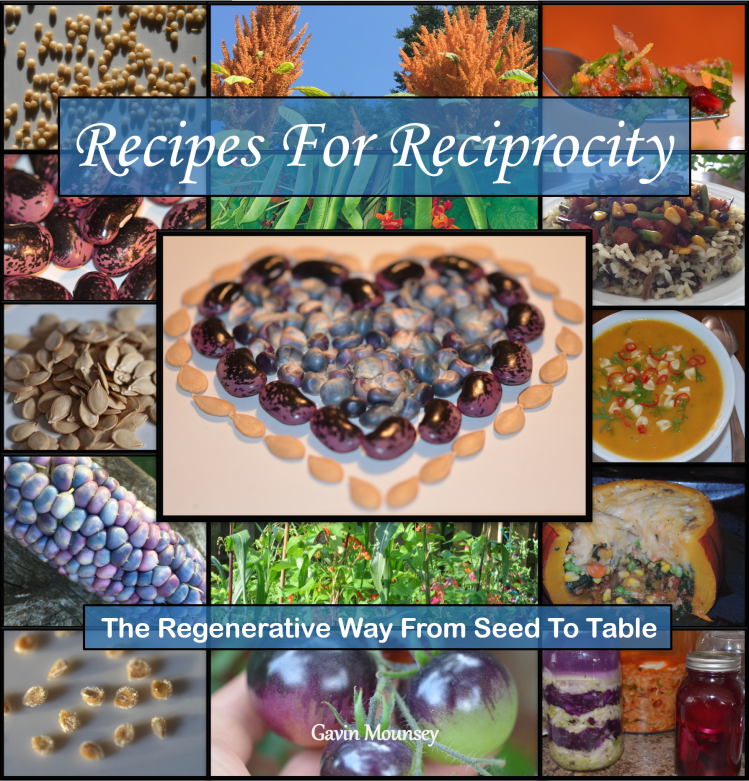
From Gavin’s book, Recipes for Recipocity

Here are few select quotes from his recent interview with the witty Russian correspondent and potential future Russian-American homesteader, Edward Slavsquat: The Revolution Will Involve Fermented Cabbage

“I want to give my energy to improving and increasing the resilience of my local community, not your hyper centralized one size fits all infrastructure. 

“Freedom is not a consolatory prize that can be given to us to reward our obedience and capitulation to a system of violent coercion. It is not something that can be granted or provided to you by some government that wrote some thing on a piece of paper. Freedom is your birthright, and you either live it and embody it, or you allow yourself to be put in a mental cage by statists and other abusive institutions or individuals. My ancestors bloodlines are traced back to a people described in today’s terms as The Gaels. “Saoirse” is Irish Gaelic word for “Freedom”. Saoirse is an ancient concept that comes from the original Brehon laws of the Druidic (and eventually Celtic) world before the time of Christ. In the times when that word was created, my ancient ancestors lived without a centralized state, without prisons and without police.

Saoirse means many things to different people. For some it means freedom to think, express and freedom to learn, for others it’s the freedom of imagination and the freedom of the spirit. And for some it also means freedom to set up parallel societies.

“This is one of the reasons that I included glimpses into two historical cultural cross sections of ancient cultures that existed without a centralized state and police/prison system in my essay as I feel that we can glean wisdom from stateless societies that existed for centuries to millennia in how to design more ethical, equitable, honest, Regenerative and practical ways to organize community, encourage amicable/respectful behaviour in humans and collaborate to leave this world a little bit more free and beautiful than it was when we got here after we are gone.

“With all that being said, I want to emphasize that I think that placing any culture, group of people or individual on some pedestal as pure is unhealthy. I feel we should be vigilant to make sure we are not romanticizing their past nor romanticizing the potential of their worldviews to provide solutions to the present challenges we face.

“The path to become connected to place with a reciprocal relationship, reverence and humility is the path to embrace indigeneity ourselves.

“It is a great starting point to create pockets of decentralized resistance to oligarchic / statist tyranny as growing your own medicine and veggies may appear harmless, but in a parasitic global plutocracy it represents a decisive action that severs the tentacles of tyranny in a critically important aspect of our lives (how we access food and medicine). Thus,  it is a radical and revolutionary act that appears benign to the hubristic philanthropaths and demociders, serving as a sort of covert sedition in a world governed by parasites that want us dependent, gardening to grow or own food and medicine is like a hammer wrapped in velvet that knee caps big pharma’s plans to poison us slowly through dependence on their system for health care and also strikes the spine of the digital gulag system, breaking its back so it can no longer have any strength to influence our lives through controlling our access to food/medicine.

A better essay about the importance of self-reliance and health as the ideal antidote to modern societal tyranny I could not have written! And he has a YT channel. 😁

He was also kind enough to try to address our biggest garden nuisance within the scope of his permaculture lens. He offered many potential solutions, and bless his heart for the effort. 

But I’ll just repeat my personal favorite: hot and spicy gopher wings. 🤪

What an example of authentic care—growing in the real and cyber worlds simultaneously—where even sassy meat-eaters and smart-asses and AI are welcome to stuff up their comments sections. Now that’s grace under fire!

Thanks to guys like these, in the coming decades I predict courageous fellowship will become the new sexy.

Rockefeller Medicine vs Traditional Foods

Following is a partial repost of an excellent article that deserves a full read by Gavin Mounsey on Substack: Exploring the True Nature of Big Pharma

The material being taught to the professionals that most people consider to be experts in healing and human health has been corrupted by corporate propaganda.

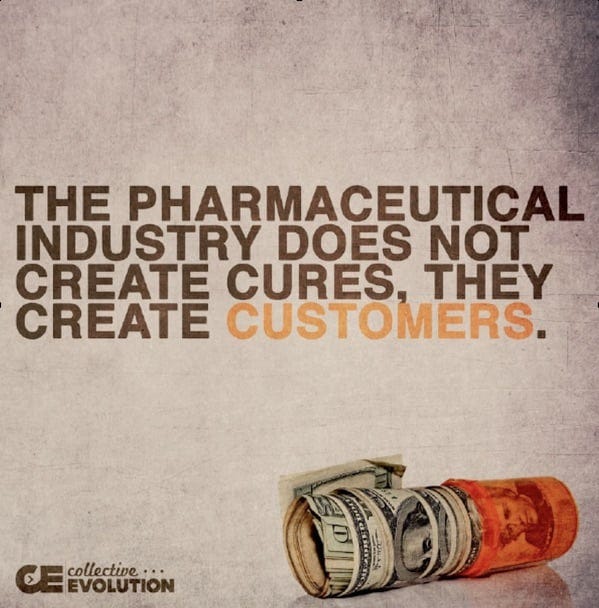
The medical education curriculum being taught in universities has been hijacked by big pharma. This is not a new phenomenon, the coup d’état which replaced natural medicine (that sought to address root causes of illness) with synthetic petroleum based medicine (that seeks to use petroleum derived patentable synthetic drugs to cover symptoms and create ‘return customers’) began over a century ago.

Here is a brief history that provides a summarized overview of how the hostile take over happened.

Founded in 1847, the American Medical Association is the largest association of physicians and medical students in the United States. Its stated mission includes “…lobbying for legislation favorable to physicians and patients, and to raise money for medical education.”

The AMA spends big money on lobbying. One of the AMA’s top lobbying firms, the McManus Group, also lobbies for PhRMA, Eli Lilly & Co, Merck and Pfizer. According to OpenSecrets.org, the American Medical Association comes in second in overall money spent on lobbying in the last 10 years with over $264 million. The health industry as a whole trumps all other industries including energy and finance in lobbying expenditure.

The AMA looks to legitimize its agenda through its Journal of the American Medical Association, JAMA, which is the most widely circulated medical journal in the world. JAMA receives major funding through its advertisers, many of which are pharmaceuticals. In addition, the American Medical Association has been accepting money from the Rockefeller (America’s first billionaire that made his fortune in Oil) and Carnegie Foundations from as early as 1910. In World Without Cancer, G. Edward Griffin makes the argument that the Rockefeller and Carnegie Foundations began to support the AMA in an effort to control the medical schooling establishment and to gain power over this “large and vital sphere of American life.”

The editor of JAMA is very influential, and has historically played a significant role in suppressing alternative health treatments. Morris Fishbein, editor of JAMA from 1924–1950, was directly engaged in suppressing Royal Rife’s cancer cure. In 1849, homeopathy was nearly as popular as allopathic medical practices. The AMA was able to use its position to squash what it referred to as “quackery” — stating that the public did not know what was good for it and that the medical establishment must have total control. At that point it called for control over all medical regulations and licenses. These regulations eventually lead to closing down of schools and almost complete suppression of the practice. Even today in parts of Canada and America some homeopathic practices are “underground.”

It was around the turn of the century that the AMA, the Rockefeller Foundation, and the Carnegie Foundation forged their partnership. They put their money into drug-based research (oil derived pharmaceuticals) and made that the main focus of “healthcare”—a move that turned “healthcare” into “sickness management.” The Rockefellers and other prominent banking elite (and the shareholders of their subsidiary pharmaceutical corporations) have been able to control and profit enormously from the drug industry.

Now, all medical doctors in the USA are trained in medical schools that are run and/or accredited/sanctioned by the AMA. Of 129 medical schools in America, only 22 require even what amounts to basic rudimentary courses in nutrition. Medical students are not trained to see the connections between many degenerative diseases and malnutrition. Instead they are taught only how to treat with surgical or pharmaceutical methods but do not cure or alleviate the root problem or ailment. Similar numbers are reflected in medical education here in Canada. In this way, they are assured of life-long customers. Surveys conclude that over 66% of all Americans regularly take prescription drugs (with only slightly lower numbers being reflected here in Canada as well).

Massive transnational pharmaceutical corporations (like Bayer) were not satisfied in only dominating what we are taught about medicine and what forms of ‘medicine’ we will have access to, they soon moved to take over the food production systems as well.

Just 50 years ago, some 1,000 small and family-owned seed companies were producing and distributing seeds in the United States; by 2009, there were fewer than 100.

Thanks to a series of mergers and acquisitions over the last few years, four multinational agrochemical/pharmaceutical firms — Corteva, ChemChina, Bayer and BASF — now control over 60 percent of global seed sales.

The slow march of seed consolidation suddenly turned into a sprint. Chemical and pharmaceutical companies with no historical interest in seed bought small regional and family-owned seed companies. Targeting cash crops like corn and soy, these companies saw seeds as part of a profitable package: They made herbicides and pesticides, and then engineered the seeds to produce crops that could survive that drench of chemicals. They make the petroleum based pharmaceutical drugs that your doctor will prescribe you when the toxic ‘food’ you eat results in degenerative diseases. At every turn, they make a profit (at the expense of the integrity of the biosphere and human health). The same seed companies that now control more than 60 percent of seed sales also sell more than 60 percent of the pesticides.

GMO byproducts degrade and deplete soils of vital minerals and beneficial bacteria, both of which protect crops from pests, viruses, and other threatening elements. Glyphosate which is used in conjunction with GMO seeds does not biodegrade, which means it is continually accumulating in the environment without restraint, perpetually altering soil composition and contaminating natural resources.

A handful of companies have spread these toxins across our planet diverting US$ 400 Billion of public money to subsidize their high cost chemical commodities to make them artificially “cheap”. The costs of this cheap “food” are astronomical in terms of the health of people, the ecological damage it causes and it’s exploitation of farmers. If the true costs of chemical food were taken into account it would be unaffordable.

If what we put into the soil is toxic, what we get out is toxic.
Mission successful. Incidents of degenerative disease and cancer have skyrocketed since the above described ‘food’ and ‘medicine’ products became the norm. Life long return customers for the pharmaceutical industry are now plentiful.

The article continues with more compelling evidence and ends with good intentions and creations—Gavin’s ferments and info about his book: Recipes for Reciprocity

For the full article:

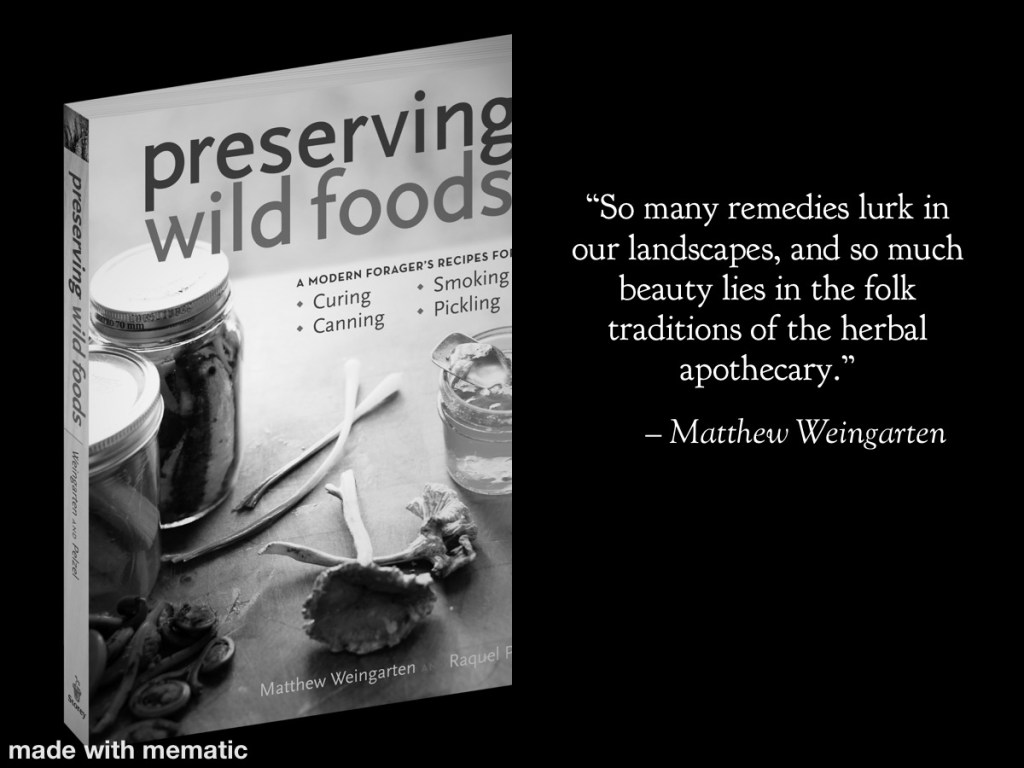
Looks like a fabulous book I must add to my collection!

Herbal Explorations: Pokeweed

Phytolacca americana

The latest addition to our Herbal Explorations pages.

Pokeweed is one of the most controversial yet fully legal weeds you’ll hear about, I’m sure!

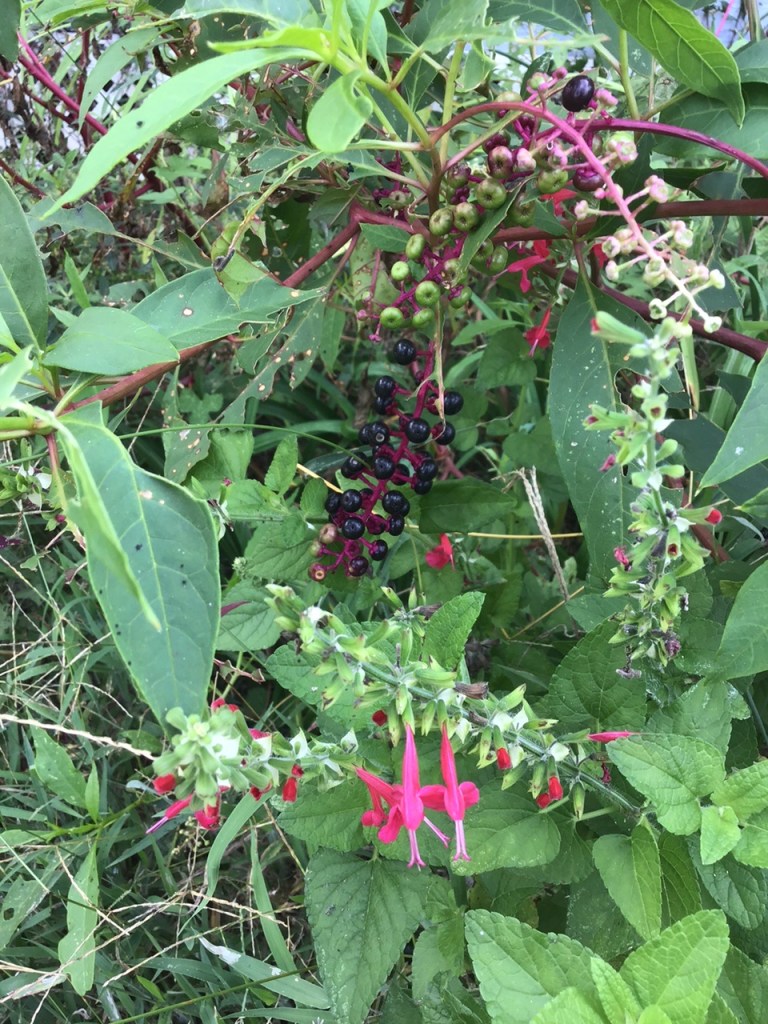
A young plant on left surrounded by poison ivy. On right a mature plant with ripe and unripe berries surrounded by fireweed

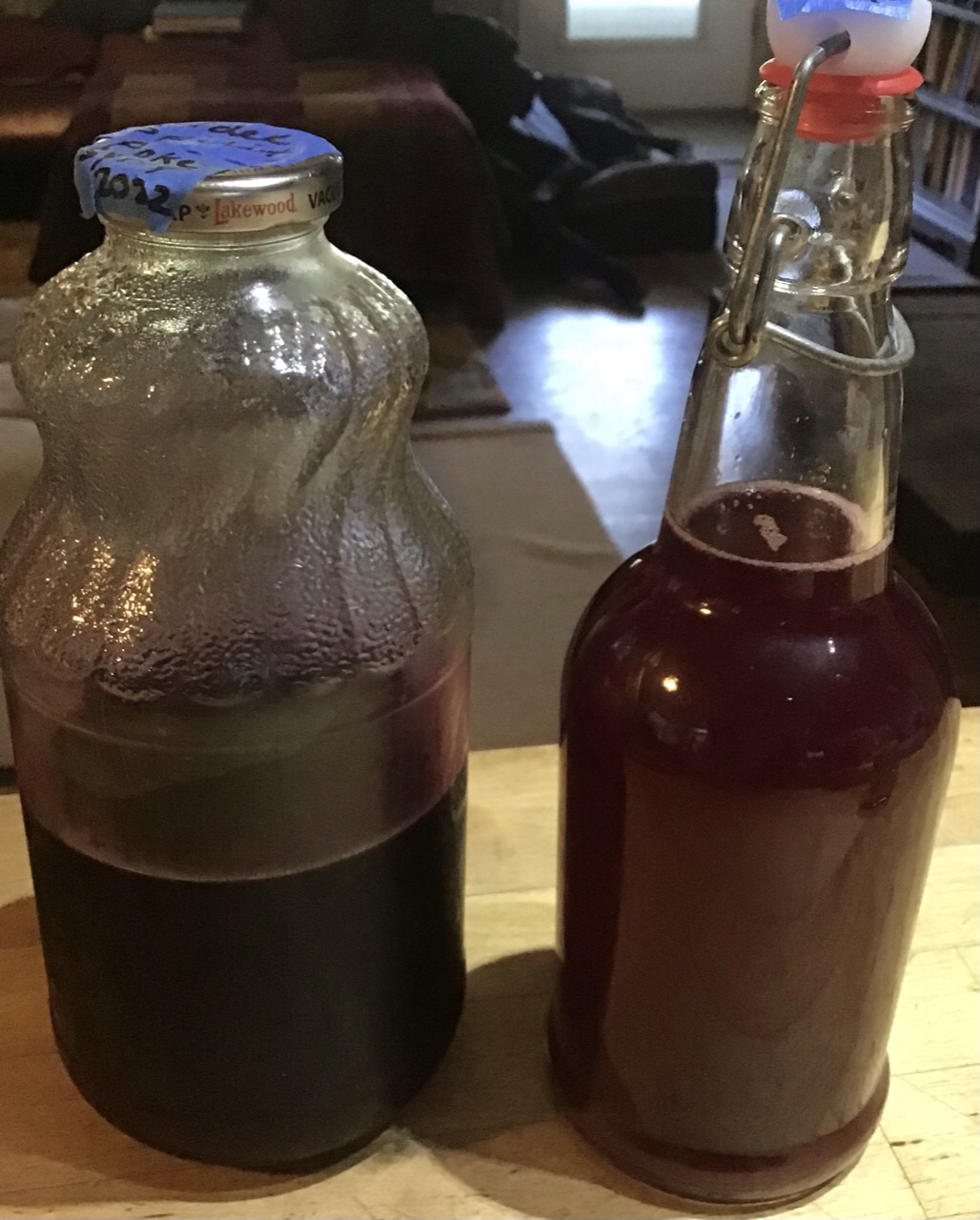
Elderberry-Pokeberry syrup for flavoring cocktails and Pokeberry kombucha—such lovely colors!

There is a hefty amount of misinformation on this ubiquitous plant, but in recent years there’s been a significant pushback, especially among Southerners, where for some it’s been a staple crop for generations.

Though its reputation is still highly contested! The YT video below tells a good chunk of poke’s dramatic story. 😁

It is used as an ornamental in some areas, while others consider it invasive. Ranchers consider it a nuisance and try to eradicate it, though it loves nitrogen-rich soil, so tends to pop back up wherever animals have been penned up or have heavily grazed, therefore fertilizing the land.

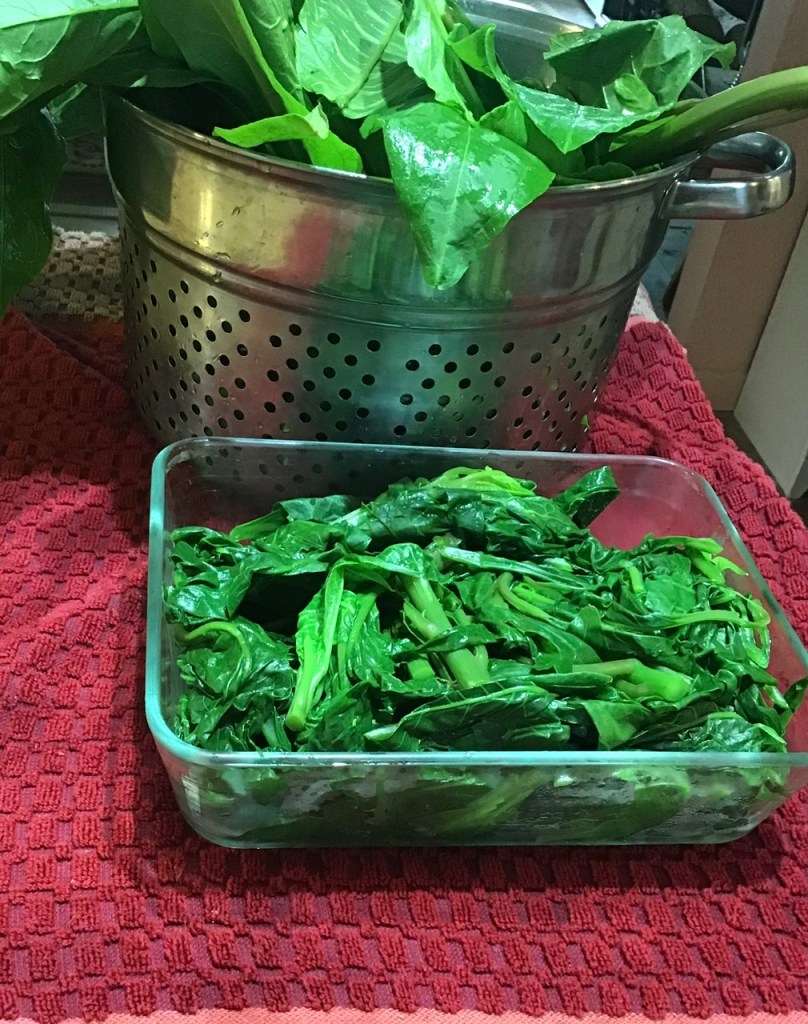
We do use it as an ornamental and a food crop, and I’ve written short posts about it here and here. I make wine and syrup from the berries and use the greens in many dishes. The popular belief that the greens must be boiled 3 times is mistaken and overkill.

However, care must be taken in its preparation and it’s not to be eaten raw. The above video explains a lot for those wanting to give poke a fair shake!

Rinsing well before submerging in boiling water.

Boiled in batches until limp, rinsed in cold water, then used in a dish that will be cooked, like a casserole or stir-fry, or frozen for future use.

The common advice to boil it three times disintegrates the leaves into slime, but you’ll hear that all over the internet and probably from your neighbors too.

That is, if they aren’t already convinced it’s poisonous.

This false belief most likely comes from four places: 1) The farmers and ranchers who would like to see it eradicated because it so successfully competes with the grasses. 2) The high-end wine-makers of our predecessors, because the ripe berry juice was used to color inferior quality wine to make it sell better. 3) Rockefeller medicine which demonizes traditional healing herbs and practices. 4) Chemical dye manufacturers who wanted to dominate the market as it was (and still is) used as a natural fabric dye.

The economic importance of pokeweed to our ancestors was sure to be unpopular with manufacturers and industrialists wanting to create dependency on their products.

A few benefits taken from the sources linked below, not the best translations, unfortunately, but some interesting info. (They do also repeat the plant leaves cannot be used after the stalk turns crimson, but in my experience and in the video above, this is not the case.)

“The young shoots of Ph. americana are eaten cooked as a substitute for asparagus in spring, and its tender leaves were eaten as a substitute for spinach even by the North American (Delaware and Virginian) Indians.
We can found this kind of utilization nowadays too: at markets in the southern states of the USA it is sold as „sprouts” even these days, and they sell its young, tender leaves tinned (Poke Salet Greens). At some places it is still cultivated, though only in small-scale. The tender, bright inner part of the stem is crumbed in cornstarch and fried. They use the young plants before crimson coloration, but the cooking water needs to be discarded. Its ripe berries are added to cake pastries. The roots and the leafy stems are traditionally used for purple-brown dyeing. This colour is not much permanent, after body painting it can be removed easily. The root contains much saponin so it can be used for making soaps. The leaf ’s powder or the leaves were used for external treatment of cancerous wounds. After it got into Europe it was not only planted as an ornamental plant, but its dark purple dye was used for food coloration. The liquor of the berries were pressed, fermented and cleaned up by straining and afterwards it was evaporated down to about honey density in Chinas. The product was used at one for the coloration of foods, preserved fruits, sweets, liqueurs and wines; and for example alias Succus Phytolaccae inspissatus it was sold in German pharmacies. The berries were used to colour the wines of poorer quality with such a success that the plant was widely grown in Portugal, Spain, France and Italy. An ethnobotanical fact about the plant in the Carpathian Basin is that the Transylvanian (Kalotaszeg, Kiskapus) people put the fruit in the barrel cabbage to give it a red colour. Thanks to it betacyanin content it can be used as an industrial dye, but its colour is not as persistent as the colour of the scarlet oak (Quercus coccifera) is. Rarely it was used for wool and silk coloration too. The crimson coloured sap of the berries was used as ink (for example by the soldiers in the World War), that is where English name, inkberry derives from. A limner from Missouri, Bingham used it as paint. Its therapeutical utilization has traditions too. The Delaware Indians considered it to which has cardiac restorative effect, and the Virginian tribes used it for its strong psychotic effect. They presumed it is useful against rheumatism, tumours and in smaller doses against syphilis too. Its therapeutical utilization is comprehensive. Earlier the European therapeutics used it too as an emetic: Radix, Herba et Baccae Phytolaccae. Its root, leaves and fruits are used in the homeopathy too. The plant is a pharmaceutical base material even nowadays. Its drug is used as an antirheumaticum, purgaticum and emeticum (alias “poke root” or „Phytolacca”) in the USA, besides the lush root may can be used against breast cancer, too. The berries are utilized there for food coloration too, and with its leaves they adulterate, or rather substitute the „Folia Belladonnae”. The modern medicine started to show interest in it, thanks to the antiviral protein (pokeweed antiviral protein, PAP) that blocks the infection and reproduction of the HIV virus. The external use of PAP has an inhibi- tory effect on the plant RNS viruses too. The transgenic plants that contain the gene of this protein became resistent to a wide range of viruses. They impute that the root of the Ph. americana has blood cleanser, anti- inflammatory, expectorant, sedative, stupefying and purgative effects too. There are experiments for its uti- lization to cure the autoimmun diseases, especially the rheumatic arthritis. The plant contains toxic compounds against micro-fungi and molluscs too. The lectins extracted from it have toxic effect on the juvenile larvae of the southern corn rootworm (Diabrotica undecimpunctata howardi).”

Web references
Armstrong, W. P.: Pokeweed: an interesting American vegetable. In: Economic Plant Families. Wayne’s World, Escondido, California. http://waynesword.palomar.edu/ecoph24.htm
Hedrick, U. P. (ed.) & Moore, M. (upd.) (1972): Sturtevant’s edible plants of the world. Dover Publications, New York. E-version: The Southwest School of Botanical Medicine. http://www.swsbm.com
NIAES (2005): Japanese Fungi on Plants. National Institute for Agro-Environmental Sciences Natural Resources Inventory Center, Microbial Systematics Laboratory, Tsukuba, Ibaraki, Japan. http://www.niaes.affrc.go.jp/inventry/microorg/eng/kingaku-rs.htm
Plants For a Future. http://www.scs.leeds.ac.uk/pfaf/
RBGE (2001): Flora Europaea database. Royal Botanic Garden Edinburgh, Edinburgh, UK. http://193.62.154.38/FE/fe.html

https://www.researchgate.net/profile/Lajos-Balogh-4/publication/296812711_American_and_Chinese_pokeweed_Phytolacca_americana_Phytolacca_esculenta/links/56dabbad08aee73df6d267cf/American-and-Chinese-pokeweed-Phytolacca-americana-Phytolacca-esculenta.pdf

Medicinal properties and anti-inflammatory components of Phytolacca (Shanglu) – ScienceDirect

Compare that to what our US institutions repeat:
All parts poisonous, lots of toxicity fear-mongering, and usually including advice not to plant it in your garden.

Phytolacca americana (American Pokeweed, Common Pokeweed, Garnet, Pidgeon Berry, Poke, Pokeberry, Pokeweed, Scoke) | North Carolina Extension Gardener Plant Toolbox

Native Plant of the Week: American Pokeweed | Matthaei Botanical Gardens and Nichols Arboretum

Buttercup’s been napping in the Pokeberry again!

More Flowers

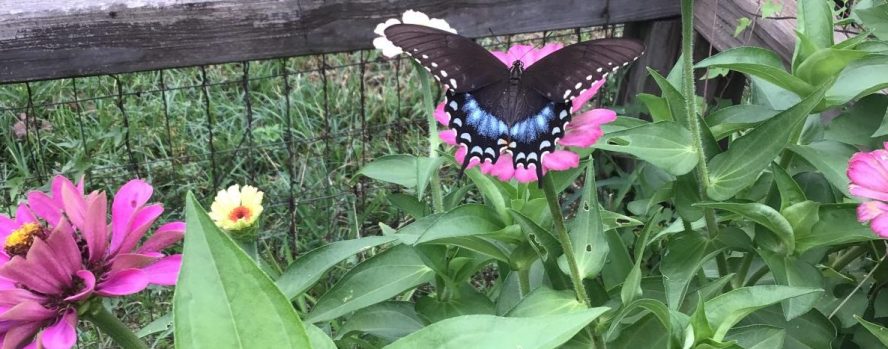
I’m so happy with the flowers this year I couldn’t resist sharing a few more happy snaps!

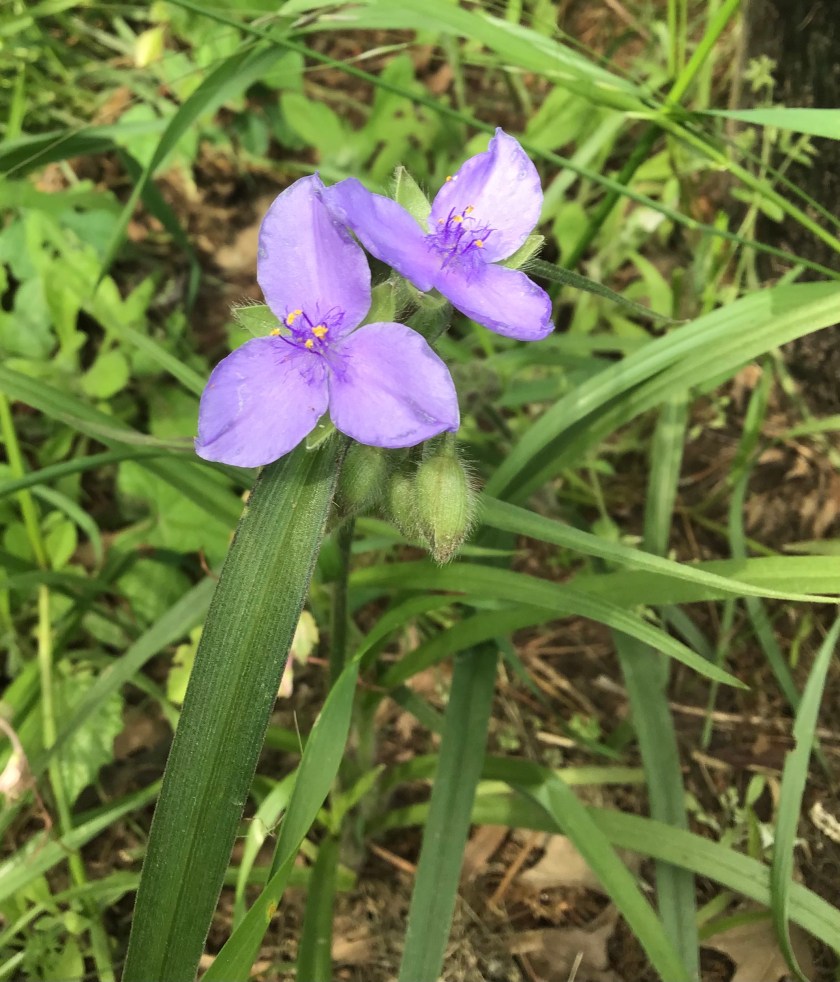
Plus, the second addition to my new ‘Herbal Explorations’ pages, Spiderwort.

This grows all around us for the better part of the year. I knew the name, but didn’t realize it was edible until recently. I was so pleased to learn that, considering how plentiful it is around here, that I had to dedicate a ‘weed’ page to Spiderwort.

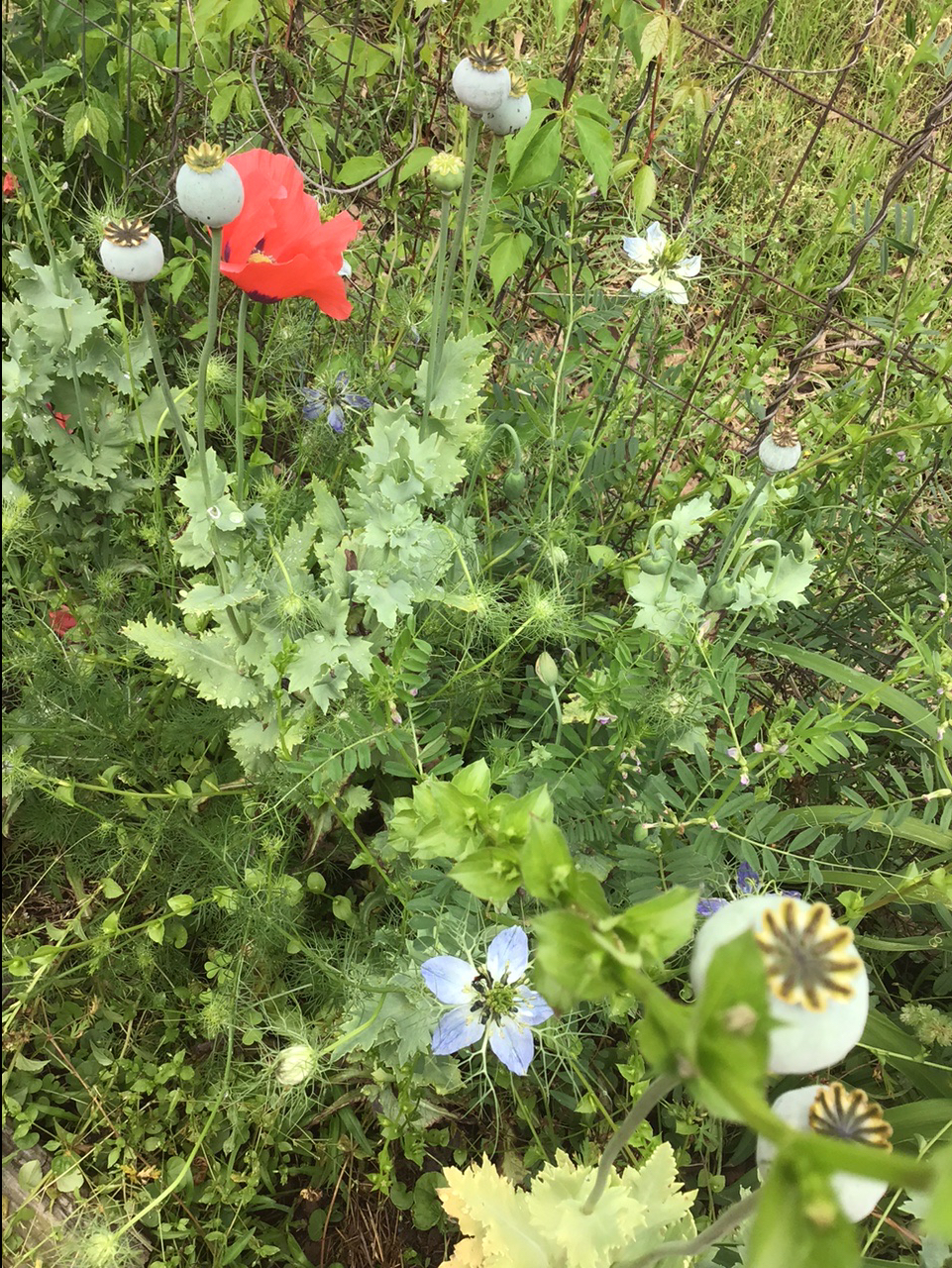
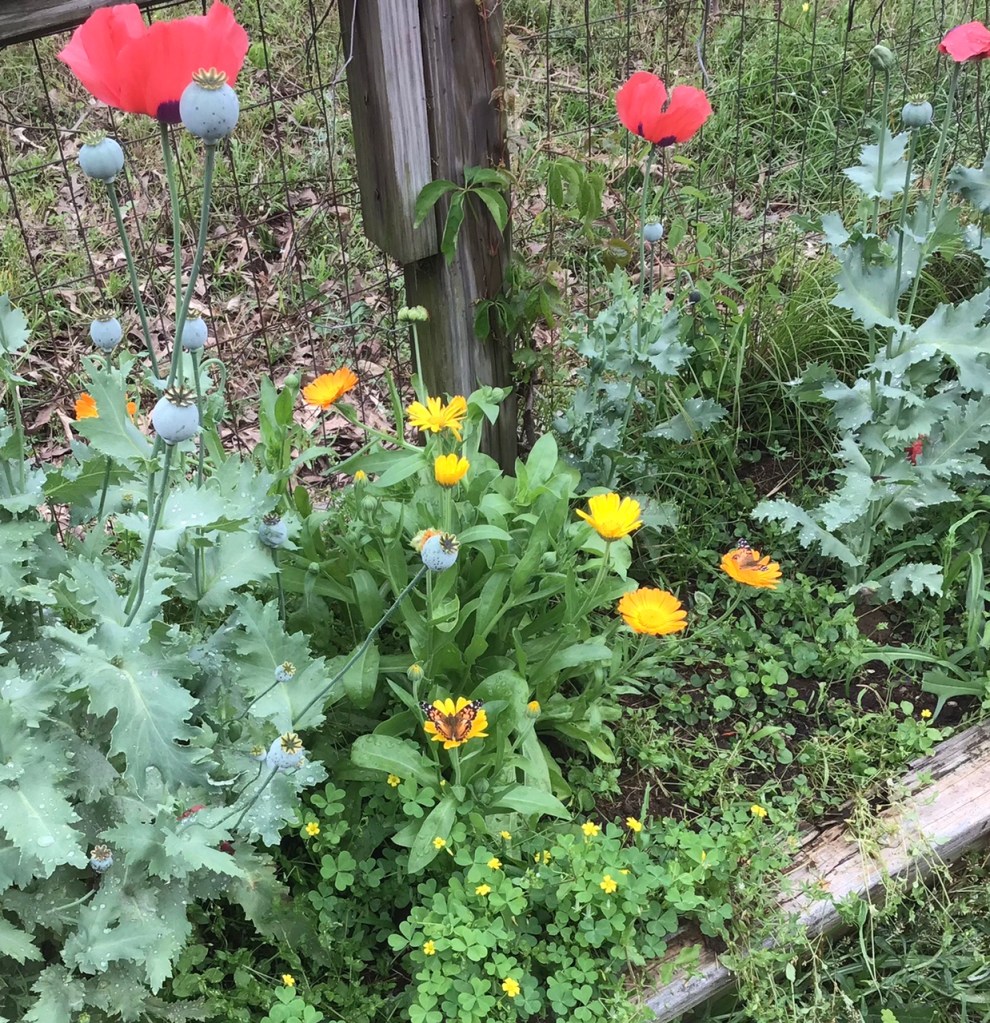
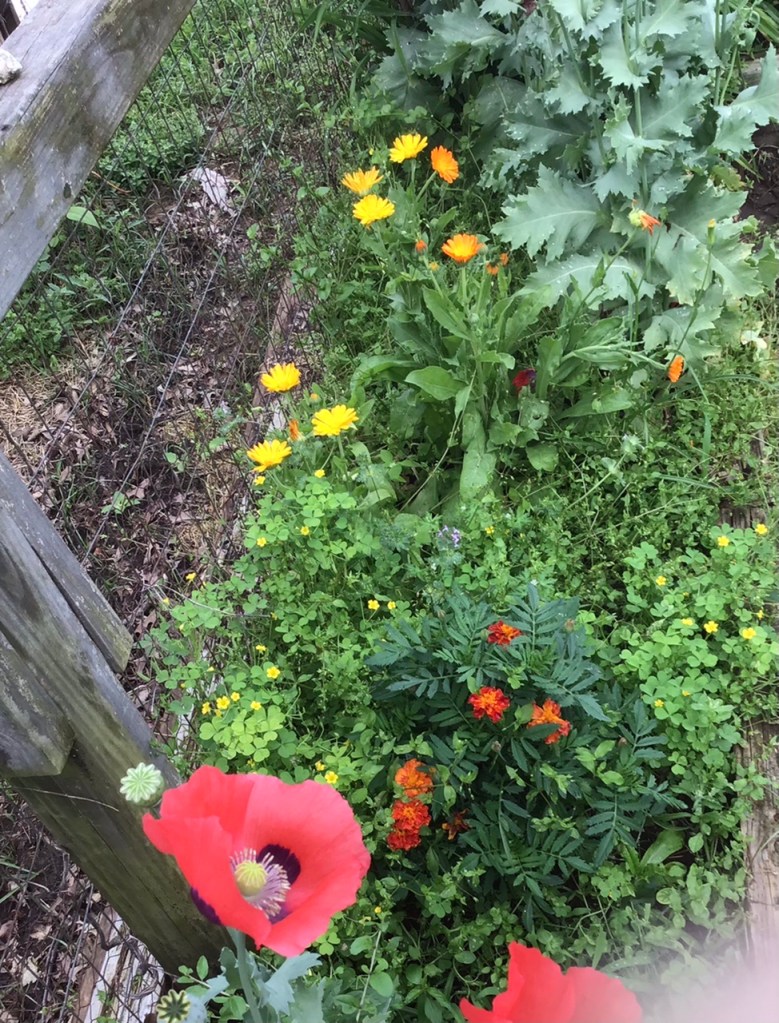
In the garden the poppies have been so gorgeous, I just can’t get enough of them. They’ve been so prolific I feared they would completely crowd-out the nigella, which has such a tasty seed, but blooms a bit later. Luckily, I found a little patch still making room for itself.

The nigella are the light blue, star-shaped flowers here. Their seed has a grape-like flavor and is delicious in bread and tea.

The poppies contrasted with the calendula are simply gorgeous, the pictures don’t do them justice!

Thanks for stopping by!
Do you have a favorite flower?

Gardens By Mood

Tis the season to be growing!

I just wanted to share some resources I’m frequenting, more often due to mood, rather than necessity. There is so much of the ‘how to’ out there in cyberland, and that’s great, but even better are the sites out there that inspire, motivate, explore, or feel like an afternoon paseo—like taking a walk around your neighborhood.

Sometimes, I look to YouTube, of course.

Sometimes I need the high energy, no-nonsense, look at me, you can do it too attitude of James Pergioni. Little he does applies to our garden—he’s urban and in a completely different climate, but, no matter, because he does what he does so well, and that gets me goin’!

Other times it’s the Zen, graceful, deeply practical, and peaceful even in the city type of gardener, with a simply lovely channel I’d be prone to emulate if I ever made a gardening channel of my own. She lets the plants do the most of the talking and I can sense how she loves them.

Sometimes I need that super practical advice on something specific, so it’s MI Gardener, mostly because he wastes minimal time on chit-chat, my biggest pet-peeve in how-to sites.

As for the paseo I like to hang out right here on WP, 3 gardeners in particular I follow regularly, and I’d probably frequent more, if I knew of more. I don’t like the big box sites, too much noise. I think of these ladies as cyber-neighbors, while I do sometimes get gardening tips from them, I visit mostly just to see what they’re up to lately.

There’s Empty Nest Homesteading, who offers her keen sense of esthetics to the homesteading scene. Here’s her latest adventure in decorating.

And there’s the Re-farmer, who’s got to be the most ambitious homesteader, especially climate-wise, I’ve ever seen. She offers up daily posts with regular garden reports, which that alone is more than I’ll ever do! She’s got mad gumption!

And there’s Eden Unlocked, a young suburban mother who offers Biblical contemplation with some of her posts, quite a foreign foray for me, which I’ve come to appreciate, mostly because I find her to be a quite a unique lady. She and I share a powerful budding interest in learning herbalism, which brings me to my latest offering.

I have posted the first of my Herbal Explorations, Calendula, which you can find by going to the Main Page of Kensho Homestead, in the menu. Each time I’ve posted on another plant, I’ll link it here in the blog, but it will remain on the main page for easier locating. For those who don’t know already, there’s also pages there on Geoengineering Resources and Garden-to-Table Resources.

Thanks for visiting and hope you enjoy!
Spring Inspiration

Some happy snaps and an announcement on this beautiful Sunday!

I’m sure there are a lot of gifted gardeners out there cringing when I say that, but it’s true!

I don’t always love weeds (like the pernicious summer grasses, poison ivy, and Texas goat weed, for starters) but a great many of them are delicious, nutritious, ubiquitous and deserve their place in the garden.

I don’t know every weed, yet, but I’m learning more every year.

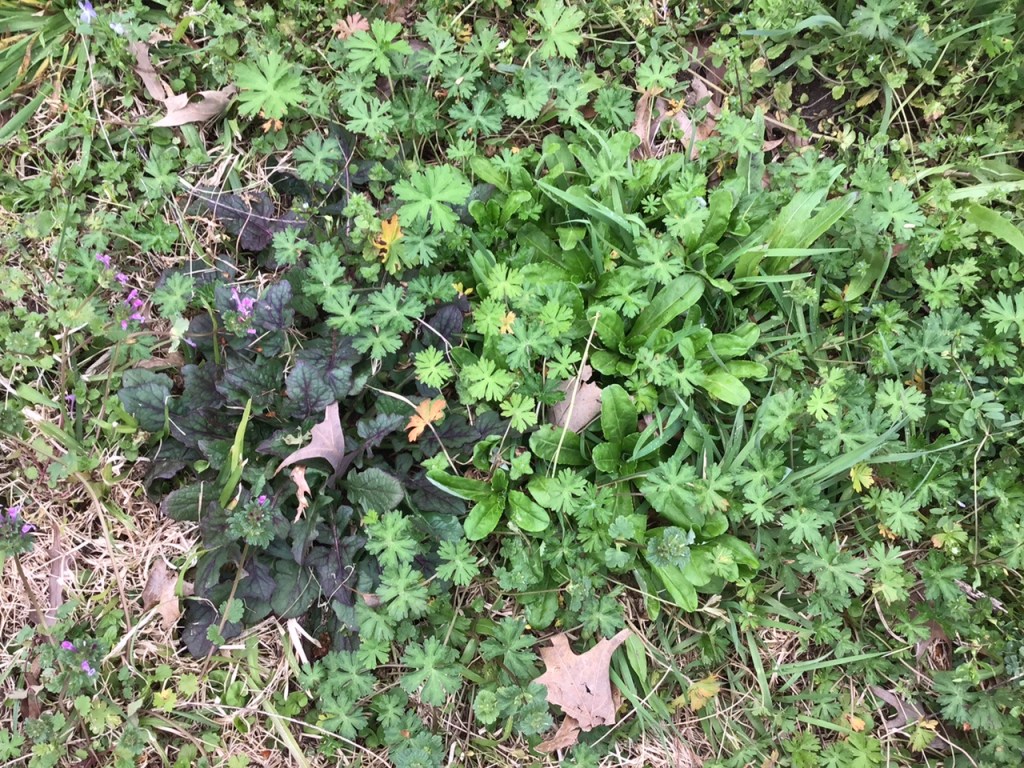
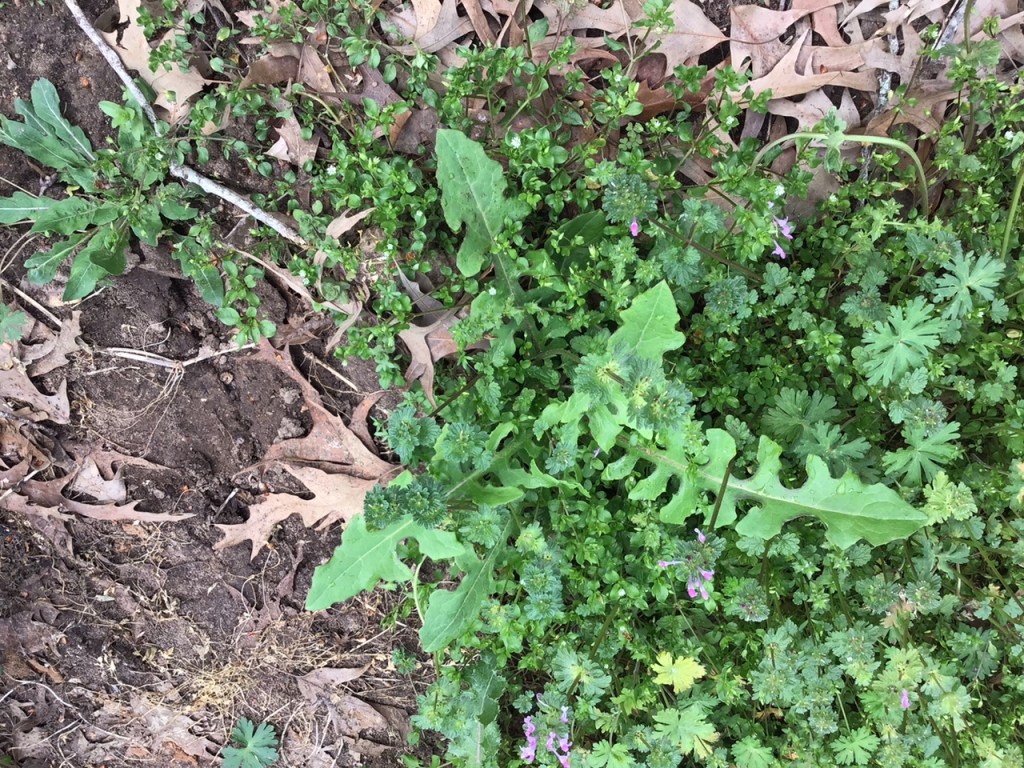
Can you name 3 of the 6 edible weeds pictured above? (Hint below the video.)

And that leads me to my announcement, which is probably more of an intention still, but I figure if I post it, I’m one step closer to doing it.

Reaching new heights on the wee homestead!

Soon, very soon, I’ll be adding a new section to our wee blog:“Herbal Explorations”. I’m very excited about it, but it’s quite a bit of work as well, which isn’t easy to squeeze in to an already full palate (bad pun intended!)!

Of course, I’m not an herbalist myself, but I plan to research the ‘Starring Weeds’ as best I can online and in books, provide lots of references, and get further info tidbits from trained herbalists.

Including, of course, the ‘science fraud’ angle I’m so fond of that casts so many of our precious herbs in a bad light!

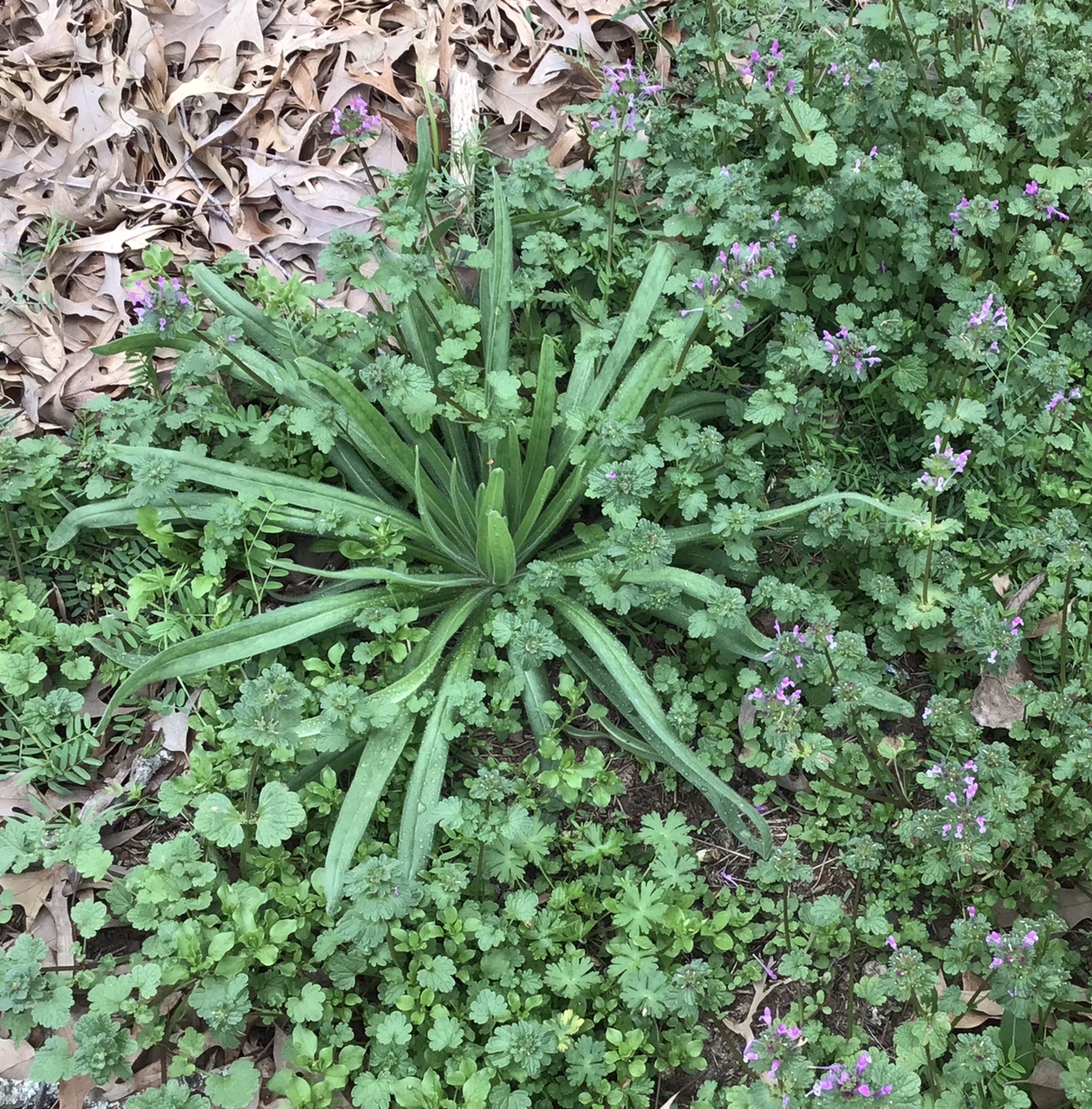
Behold the divine diversity by the compost pile! Pictured just in this small space: wild carrot, henbit, chickweed, Carolina geranium, hairy vetch, and . . .?
And . . . Who might you be there, Thin & Lovely, hiding in the henbit?

My hope is that it will become an on-going reference section that will be a welcome resource for all us new-bees in herbalism, foraging, and down-to-earth living.

If you think this is a good idea, please do nudge me along, to make sure I git-er-done!

And do enjoy 2 minutes of Homestead TV, if you please!

Hint from above: Start small and easy, with the middle photo, the first plant our “Sow”(there’s your hint) eats in the vid, what is it?

The 12 Commandments of Health

Quoted from the book Old Age Deferred by Arnold Lorand, M.D., 3rd edition, 1912 Carlsbad, Austria

He is considered to be a pioneer of modern geriatric medicine.

“Most of the evils that befall us in this world, including premature old age and early death, are, in our opinion, as we have often repeated, solely due to our own negligence; and to avoid such a fate we recommend the following precepts:

1.  To be as much as possible in the open air, and especially in the sunshine; and to take plenty of exercise, taking special care to breathe deeply and regularly.
2.  To live on a diet consisting of: meat once a day, eggs, cereals, green vegetables, fruit, and raw milk of healthy cows (as much as the stomach will permit); and to masticate properly.
3.  To take a bath daily; and in addition, once a week or once every two weeks, to take a sweat bath (if the heart can stand it).
4.  To have a daily action of the bowels; and in addition to take a purgative once a week if there is any tendency to constipation.
5.  To wear very porous underwear, preferably cotton; porous clothing, loose collars, light hat (if any), and low shoes.
6.  To go to be early, and to rise early.
7.  To sleep in a very dark and very quiet room, and with a window open; and not to sleep less than six to six and one-half hours, or more than seven and one-half, and for women eight and one-half hours.
8.  To have one complete day’s rest in each week, without even reading or writing.
9.  To avoid mental emotions, and also worries about things that have happened and cannot be altered, as well as about things that may happen.  Never to say unpleasant things, and to avoid listening to such, if possible.
10. To get married; and if a widow or widower, to marry again, and to avoid sexual activity beyond the physiological limit, as also to avoid a total suppression of the functions of these organs.
11. To be temperate in the use of alcohol and tobacco, and also in the use of coffee or tea.
12. To avoid places that are overheated, especially by steam, and badly ventilated.  To replace or reinforce the functions of the organs which may have become changed by age or disease, by means of the extracts from the corresponding organs of healthy animals; but only to do this under the strict supervision of medical men who are thoroughly familiar with the functions of the ductless glands.”

This doctor’s Wikipedia page directly contradicts what I have just taken from his book—not simply distorting his assertions, or cherry-picking quotes—by saying that this doctor promoted a vegetarian diet.

Arnold Lorand – Wikipedia

Germ Theory Debunked

These are the best claims I’ve seen so far to simply explain the highly controversial ’Germ Theory’.

Please, please, watch it, study it, dig into the details, and share it!

Co-Creating Abundance

No politics or unpleasant ponderings this post, I promise!

Just some homesteady happy snaps and a well wishing for a wonderful weekend. 🙂

A sea of sweet potatoes soon to be harvested.

Mexican tarragon—an attractive replacement for French tarragon that does much better in the South.

Drum roll, please, for this next rare shot . . .
A Skittles sighting!

Our barn cat, Skittles, who we see about once a week and lives mostly in the trees.

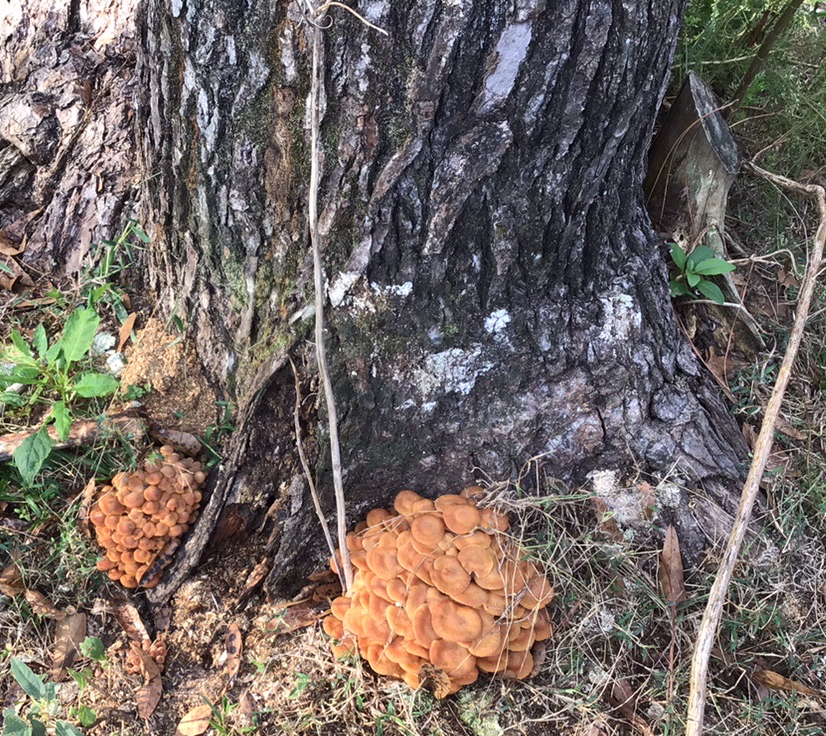
Mystifying mushrooms! These are quite common, honies (armillaria tabescens) claimed to be good by a good many foragers, but we haven’t tried them yet, because my mushrooming buddy and her husband got wretchedly ill on them once.
Oops, I promised no unpleasantries. 😉

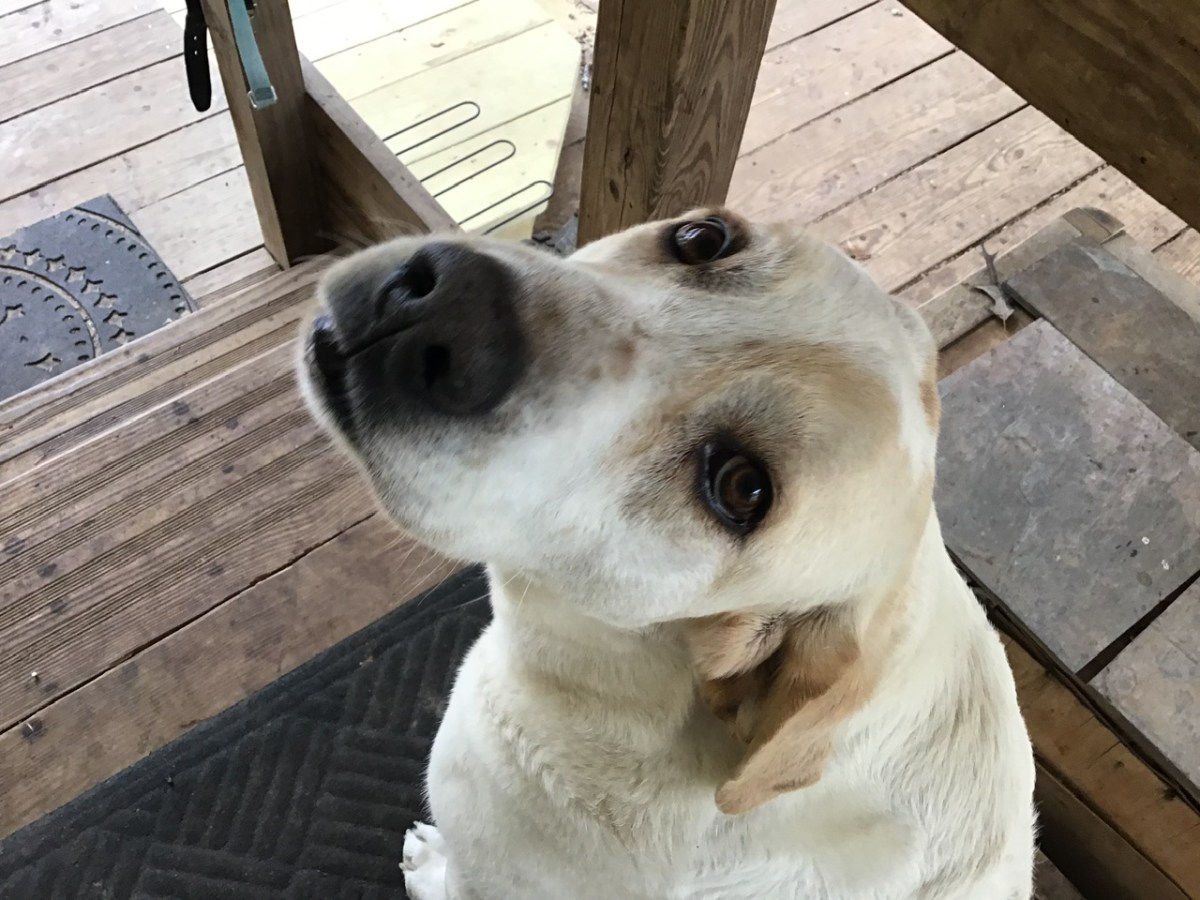
Buttercup paying homage to the pack leader, Tori, she does this multiple times a day.

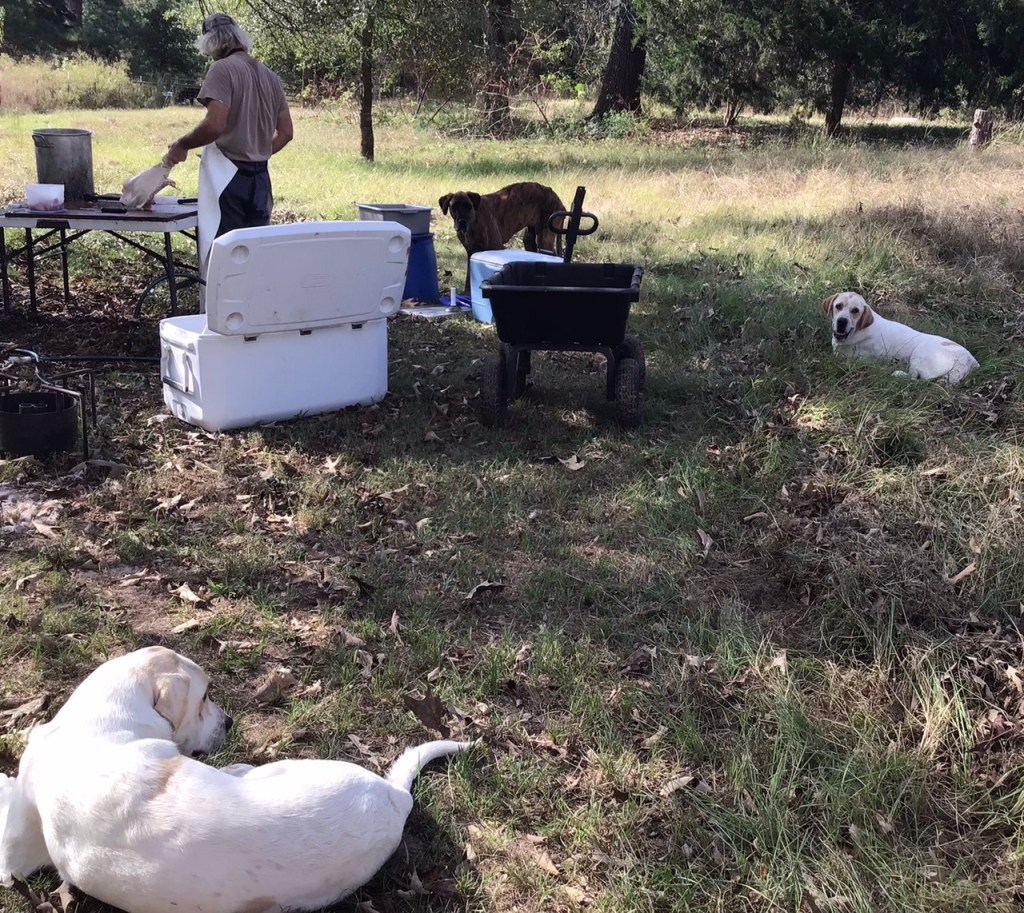
I suppose these next snaps might be unpleasant to some, sorry! I do get that, I felt that at first too, but I was gradually desensitized as I realized how much economic sense it makes, what an amazing skill it is, and especially how magically delicious it is.

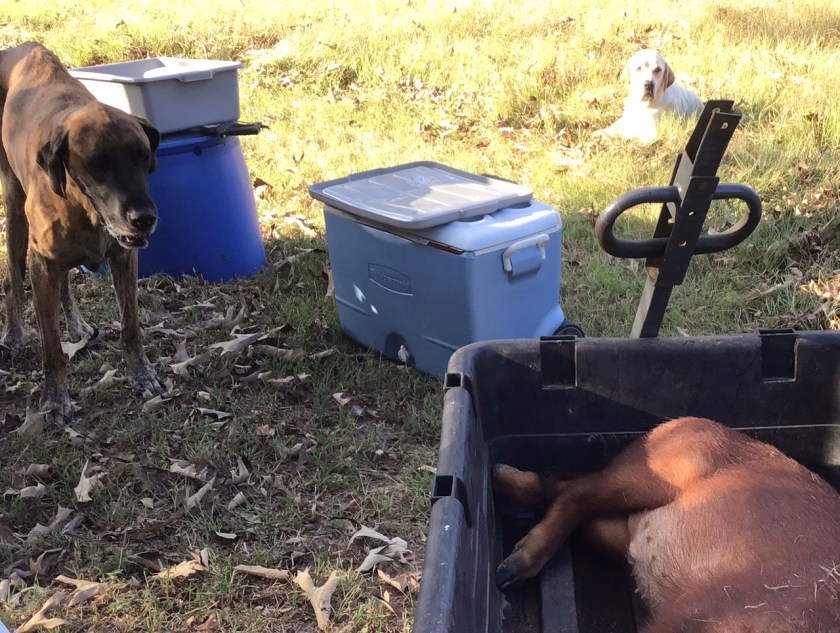
Always an attentive audience at slaughter time.

Our favorite foraging expert who we forayed with nearby this past spring has a great new website all about medicinals. Here’s a short podcast about it, and reminding me that now is the time I should be collecting some goldenrod before winter! Medicine Man Plant Co

Healing properties of medicinal plants