“The realization that these diseases declined without the presence of any vaccines is pretty damning in and of itself. However, there is a trick that is regularly utilized in order to create the illusion that the introduction of a vaccine was the reason for any decrease and eventual disappearance of a specific disease and its associated “virus.” This trick is the reclassification and rebranding of the exact same symptoms of disease into many other separate and new diseases. This shuffling of the same symptoms into different categories is another factor, along with better sanitation and nutrition, for a perceived decrease in these diseases. This can be easily demonstrated by looking at both smallpox and polio as, even though these diseases are said to be either “eradicated” or close to it, the same symptoms still persist under various other names. Let’s take a look at both of these situations and see what we can reveal about the magician’s tricks.”
Well worth the read.
What’s the real problem with folks’ health? Hmmmm . . . .
The gorgeous Mimosa tree is considered an undesirable and invasive species by many US experts, if you can believe that!
But to herbalists worldwide it’s a treasure. And to butterflies and bees it’s a feast!
In the ditch, in the garden, or rising above the canopy and full of butterflies, it’s a striking specimen.
Another much maligned and misunderstood plant joins our growing list today. Hard to imagine calling this beauty a ‘trash tree’, but a great many experts call it that, and worse.
The Mimosa tree . . .
“Is another dog. Although beautiful when healthy, it never is. The root system is ravenous and destructive, and the tree is highly vulnerable to insects and disease. Shallow, destructive root system. Not even good for fire wood. Destructive roots, short-lived, crowds out good plants. Not a good tree for Texas,” he resolutely concludes.
Texas Gardening the Natural Way: The Complete Handbook by Howard Garrett “The Dirt Doctor”
Garrett is considered the foremost organic gardening expert in these parts, he has a popular radio show, has published several books and he has his own organic product line. He was the first gardener I learned from when I started gardening here.
And worse, he convinced me! I wanted one from the first moment I gazed upon it, but I resisted, for over a decade.
Luckily in recent years I’ve revisited that poor choice and lazy thinking to discover how wrong these experts can be.
Baby Mimosa growing in the ditch near our house. I dug them up and planted them in our garden. The trick to getting them started is lots of water, but they will become drought tolerant with age. The growth habit is similar to Elderberry in our region.
What a (typical) shame to learn how very wrong they can be! Along with Wikipedia and a great many other popular info hubs.
“In the wild, the tree tends to grow in dry plains, sandy valleys, and uplands. It has become an invasive species in the United States, where it has spread from southern New York, New Jersey and Connecticut, west to Missouri and Illinois, and south to Florida and Texas. It is cultivated in California and Oregon. Its seeds are wind-dispersed and numerous, and they are fertile even over long periods of drought. Each pod, which resembles a flattened bean pod made of paper, holds about 8 seeds on average. The pod bursts in strong winds, and the seeds can carry over surprisingly long distances.”
It is certainly for the ‘mess’ they create with their seed pods that some may not find them suitable for their yard or garden. And naturally, farmers and ranchers malign any plants which dare to interfere with their livestock management preferences.
But, venture away from those slanted sources and the light shines on this ancient medicinal treasure.
Mimosa—The ‘night sleeper’ so nicknamed in Persian thanks to its usefulness as a cure for insomnia, among its many other medicinal and practical uses.
A bit of history: “The stem bark has been used as a sedative for hundreds of years as recorded in the Pharmacopeia of the People’s Republic of China(Nehdi 2011, Zheng 2006, Zheng 2010) and as an anti-inflammatory agent for swelling and pain in the lungs and to treat skin ulcers, wounds, bruises, abscesses, boils, hemorrhoids, and fractures, as well as to remove carbuncles. The dried stem bark is used as a tonic in China and Japan.(Ikeda 1997) Indigenous people living in the southern mountainous region of Korea prepare the root as an infusion for bone diseases.(Kim 2011) In India, a chloroform and methanol seed extract has been used to treat bronchitis, asthma, leprosy, and glands infected by tuberculous.(Gautam 2007) A bark extract to treat insomnia, diuresis, asthenia, and confusion has been used in Asia.(Nehdi 2011) The plant’s flowers have been used to treat symptoms associated with palpitations, anxiety, depression, and insomnia.(Nehdi 2011, Samwald 2010) It’s common name of Shabkhosb (good night’s sleeper) in Iran is indicative of its use to treat insomnia.(Ebrahimzadeh 2017)
Mimosa are used in gardens for ornamental purposes, in sandy areas to prevent erosion, and along roadways.(Chang 2011, Irwin 2003, Nehdi 2011, Pardini 2007)”
A Mimosa tree on a country road in East Texas just after its bloom cycle in late June.
“Albizia belongs to Mimosoideae and are native to Asia and Africa. It is a kind of multifunctional trees and they are always planted as ornamental trees. In addition to using it as foliage, green manure and timber for furniture production, the bark of Albizia is herbal medicine and the seeds are a source of oil. There are about 150 species in the genus and 17 of them can be found in the southern regions of China. Albizia julibrissin and Albizia kalkora are two familiar species, which are planted in China from tropic to temperate zones [69]. Although Albizia spp. are of great importance, little was known about the diversity of their microsymbionts. de Lajudie et al. [15] found that two strains isolated from Albizia falcataria grown in Brazil were Bradyrhizobium; Chen and Chen [5] classified five strains isolated from Albizia julibrissinin China as Bradyrhizobium sp. and Rhizobium sp. These results indicated that Albizia trees nodulated with both fast-growing and slow-growing rhizobia.”
The petals make a delicious and refreshing flavoring for tea or Kombucha— a unique taste reminiscent of nectarines.
Gavin Mounsey, author of Recipes for Reciprocity, recently shared some of his knowledge and links about this amazing tree, which he’s cultivating in his food forest designs all the way up in Canada:
“Another interesting fact about this tree is that it is being investigated for it’s potential in Phytoremediation (for both heavy metal soil remediation and for it’s photocatalytic activity for cleaning up toxins humans put in the air) and a more specialized field in what is called “Phytomining” (it is a nasty industrial process used for profit but it hints at more holistic applications of this species for real time remediating/mitigating of geoengineering heavy metals in the air and soil.” (Read more: Regenerative Agriculture: Solutions Watch at Corbett Report)
The pods are plentiful and can be used for animal feed, according to TCPermaculture.
It’s notable umbrella shape when provided with plenty of space has me wondering if it might be the tree represented on some old gravestones in our area.
Mimosa? Are our ancestors trying to tell us something?
I’ve been working bit by bit on the Herbal Explorationspages and hope to add several more medicinal plants very soon—including the lovely Mimosa tree and the very popular Chasteberry—both which grow wonderfully here, even in the extreme heat and drought.
The mimosa tree and flower, (on the left) rising above the canopy along the road and full of butterflies, which unfortunately were too far up to catch with my camera. In the middle photo a fine specimen from our neighbor’s garden, where I gathered some blossoms for kombucha. They smell delightful, a bit like honeysuckle.
Also in our neighbor’s garden near the mimosa tree—I just love old hodgepodge structures like this!
It’s not giving up yet!
Also coming soon: Above, the chasteberry in our garden, also commonly called monk’s pepper or Vitek, which has a completely different scent, but one I adore so much I’m hoping to make soap with it some day very soon. And the bees love it, too!
Aspiring herbalists (like me!) must find inspiring teachers!
A big motivator for me to learn herbalism has been our critters. They all have special needs! It’s hard not to worry about them, but I’d rather have faith in nature than in Big Pharma.
I am way out of my depth, but I know one thing for sure: the pharmaceutical model of our modern-day veterinarians is not for me. Not for animals, not for people.
Information that eschews this model is not easy to come by, so when I find something or someone special, I hone in.
I’ve found this book helpful, so I looked to see what else I might find from this author, and wow, is she ever fascinating.
From the foreword: “Such ailments as the now prevalent ones of scrapie in sheep and ‘mad cow’ in cattle are not going to find a place in this Herbal Handbook for Farm and Stable, despite the fact that many thousands of cattle in the UK have now been diagnosed as suffering from Bovine Spongiform Encephalopathy (BSE). My book teaches natural care of animals and totally shuns their exploitation (wherein they are treated as machines, instead of as living, sensitive and loving creatures).
This book wholly condemns the force-feeding of unnatural foods to any creatures. If a diet is unnatural, disease will keep company with those subjected to it: that is a fixed law. I state force-feeding because, when animals through hunger are driven to eat foods entirely unnatural to their species, such as giving meat offal to cows and sheep, that, to me, is force-feeding. . . As I write this, when visiting England, television is showing cats suspected of having a similar disease to BSE in cattle. I do hope this fear proves to be unfounded. In any case, it is terrible that human acceptance and connivance in forcing the unnatural on our domestic animals bring much misery, pain and fear, all of which could be avoided.”
This book was published in 1952, and she has several others about dogs and cats.
I wonder what she would’ve made of our new bird flu?!
She lead quite the unique life, having been born into wealth, but choosing to live a simple life, exploring nature, living as a nomad among gypsies in many countries, and learning their ways.
There’s a documentary about her life and work, and though I haven’t found a full copy yet, here’s a good clip.
I looked for some of her other books as well, seems they are mostly out of print, so I was so pleased to find this one painstakingly retyped by another WP blogger.
Mostly happy snaps this post, plus a few weather woes.
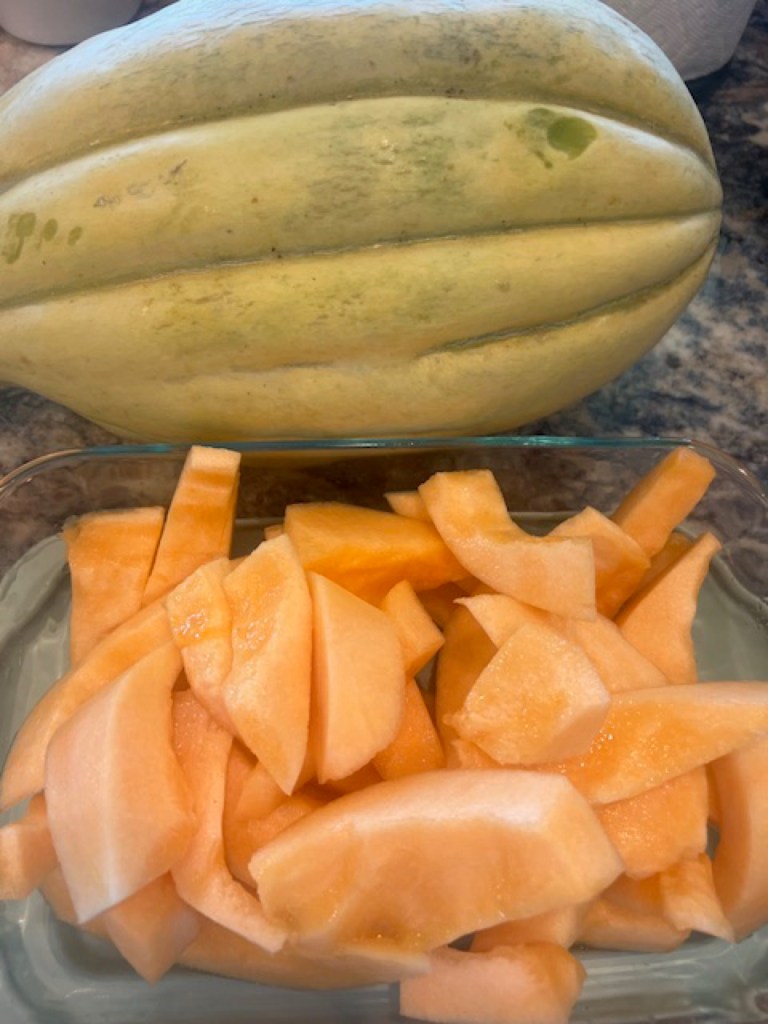
Hubby’s gorgeous melon patch is starting to produce more than just a feast for the eyes. He’s come up with quite an integrated system there and when I expressed how impressed I was with his companion planting scheme (and wondered whether he’d been taking a permaculture course on the sly) he informed me it was all a matter of frugality.
His penny-pincher logic is: the melon mounds have a lot of water run-off and sometimes erosion, so he added a ring of clover at the base of them. It’s just a bonus they are also good for the soil and the bees. The sunflowers are fodder for the goats and the chickens, plus they help shade the melons. The sea of black-eyed Susan’s just turned up there, apparently as impressed as me with the space.
Hopefully the melons don’t go the way of the onions, which has been our worst year yet. Luckily the garlic still did fine, which is from our saved seed, which previously came from a nearby friend’s saved seed. That has become a theme.
Elephant garlic does much better here than anything else, and I’ve tried many others for many years. I think I’ll give up that practice now and stick with what works, avoiding future costs and frustrations.
The success of the tomatoes and peppers so far has also been thanks to saved seed. I bought several varieties of each from the store, just for more variety, and those are the ones suffering more from the rain and high humidity. Several have already died, a few aren’t growing at all, and several of the others have bad issues.
Ours on the left, theirs on the right.
The purchased squash is already full of pests before giving us even a single fruit.
At least we got a few zucchini off our own saved seed before it too is already beginning to succumb to some kind of mold.
But other saved seed, the Trombetta squash and the mystery squash from last year, have proven to be more resilient than the popular varieties.
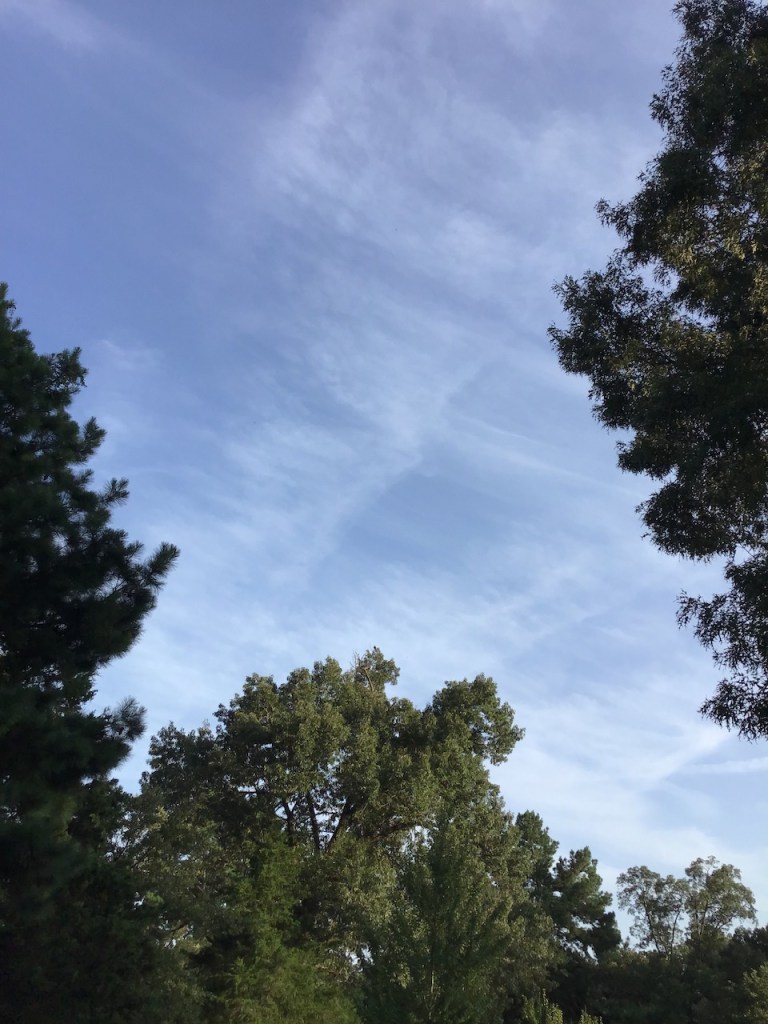
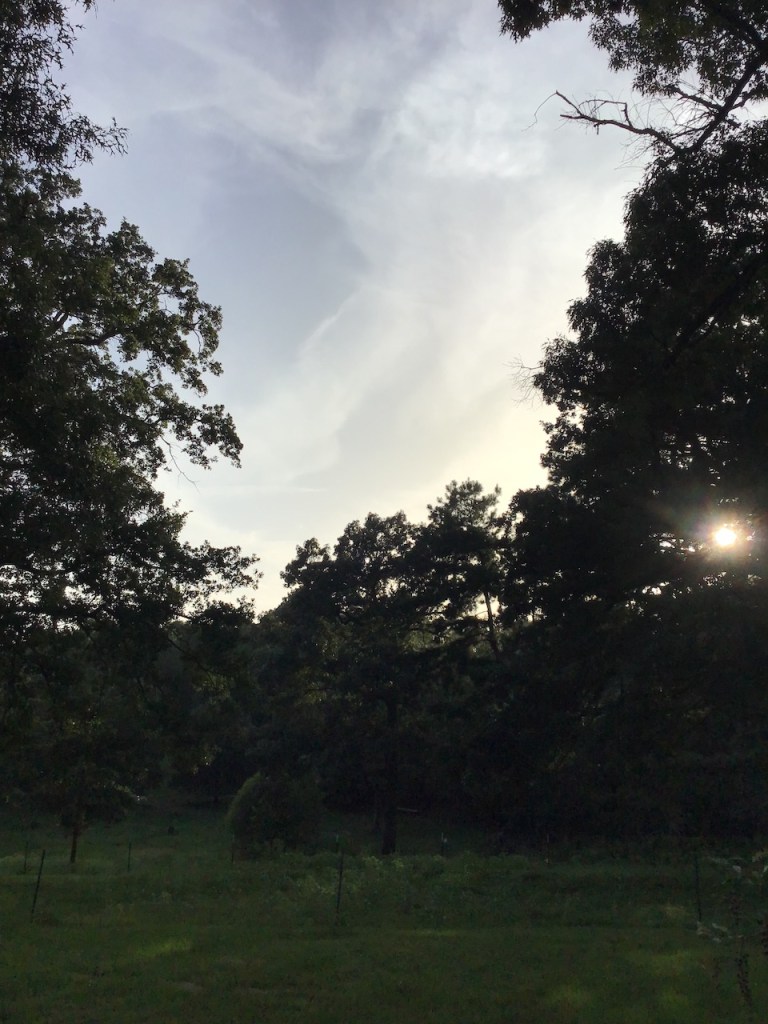
The filth-filled skies continue and not even the regular rains clear them up for long. I’m sure the sorry state of the skies has nothing to do with the crazy storms, right? The intense lightening, sudden flooding rain bursts, intolerable humidity, hail, tornadoes, and so on, that folks are experiencing across the country?
Just ‘mother nature’ they tell us. OK.
Well, too much ‘mother nature’ is not so good for the garden. It looks plenty green and lush, so that’s nice. But, look a little closer and we find it’s not so pretty below the surface.
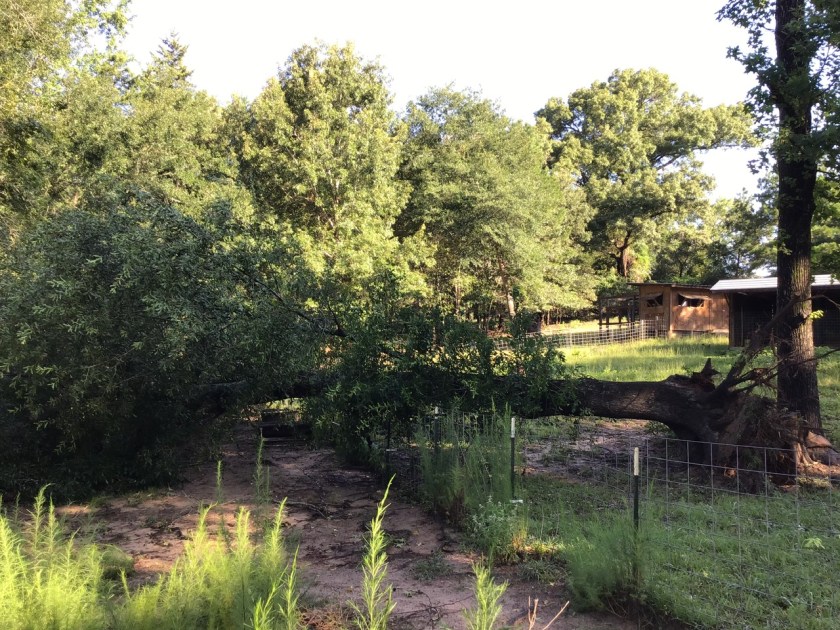
But we’ve been relatively fortunate so far this year, just lots of rain and some wind gusts. Others have had far worse.
The yucca didn’t get lucky, but the blossoms are still lovely, even on the ground.
There’s some long-term requirements that fall on Hubby, which I mentioned last update, an upgraded culvert is required now in order to drive to the back half of our property. He’s already gotten started on that, a huge undertaking for sure. After that he can look forward to tackling the pond that’s now washed out.
In better news, there’s been some amazing growth in just one week.
A side by side comparison of 8 days growth.
We’ve prepared for the swelter season by crafting another shading system where these tomatoes and peppers should be much happier into late summer. It’s recycled from another project and a bit awkward to move through, but it should do the trick just fine for supporting the shade cloth.
The asparagus beans, a first timer here, have really taken off in the last week. I’m excited to try them!
In even better news, the mamas and kids are growing well. We’ve started forcing them out of the corral during the day so I was able to give that space a much needed refreshing.
It seems they sometimes prefer following the chickens instead of their mamas. 😆
I’m getting the first fresheners ready for milking by training them on the milk stand. Soon it will be time to start separating them at night so I can milk them in the mornings before putting them back together again during the days. It’s not a happy time for anyone and I’m not looking forward to it.
But, I am looking forward to making lots of cheese again. We’re getting a bit of milk from Chestnut, who rejected her boy, and her girl is only nursing from one side. So, if I weren’t milking her she’d become even more lopsided than she already is.
It’s not a lot of milk, but enough for a little mozzarella now and then. I’ve found another method from my new favorite YT channel which is completely natural and far more tasty than the vast majority of those found online.
Raw milk mozzarella, mmmmm!
Unfortunately, the 2nd time I tried it was a failure. But, 99.9 % of the time a failed cheese can always become another delicious cheese. Some of my best cheeses have been from failures.
Not necessarily the case with failed wine. This cheese ‘failure’ will be soaked for a couple of days in the leftover must of the now fermenting wine, another tip I learned from my new fav YT channel.
This one was mulberry and I’ve also started a blackberry.
The blackberries seem to very much appreciate the extra rain and our harvest has been great, inspiring me to make blackberry wine for the first time. Last year’s harvest was very disappointing after getting some kind of strange disease right after their flowering period. (Not normal development, despite what several folks claimed at the time.)
I’ve decided to try more natural, traditional methods with the wine-making, like with the cheeses. Modern methods require all kinds of chemically-obtained inputs, which most insist are necessary for a fool-proof product.
Yet, last year we had a major failure using that method and ended up with several cases of vinegar. Very disappointing after all that work. We have had great success in the past or we might be too discouraged to try again.
Blackberries, banana peppers and Nigella seed pods
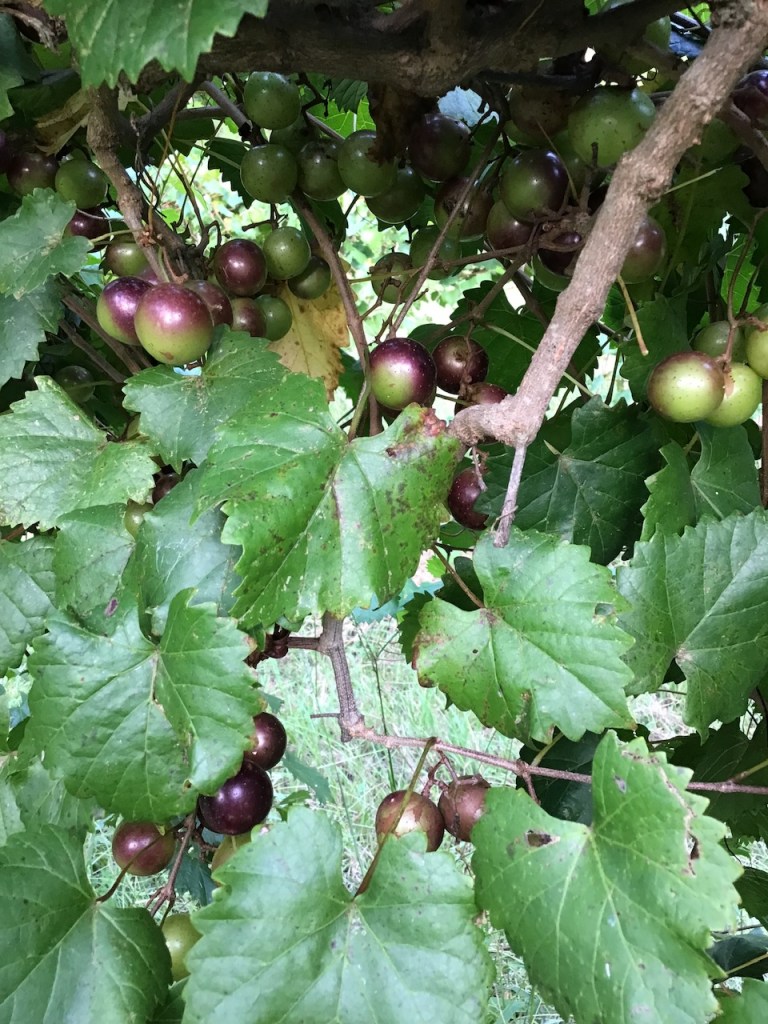
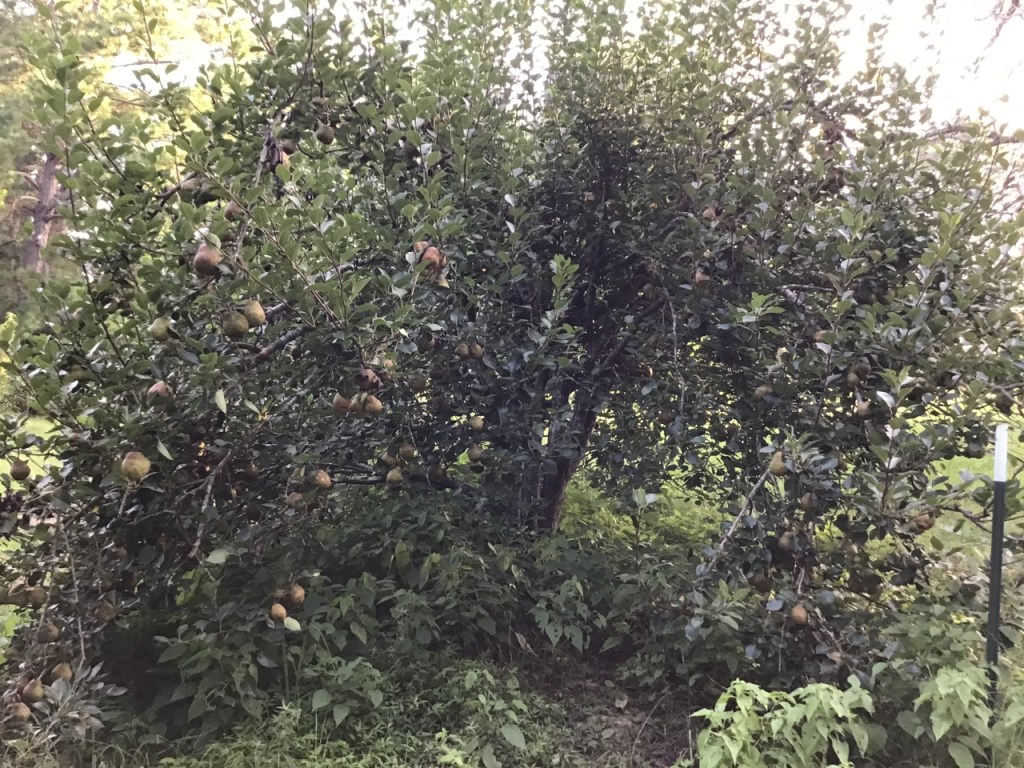
Traditionally, country wines were not made with all those foreign yeasts and I don’t really want my blackberry wine to taste like merlot anyway. While we may not have a decent cultivated grape harvest this year, the wild grapes look promising again. Also the pears are looking good, could be a bumper crop like we get only every few years.
If so, I’m going to do some side-by-side experiments, traditional methods vs. modern methods, and make a real project of it.
Blackberry wine in the making, hopefully
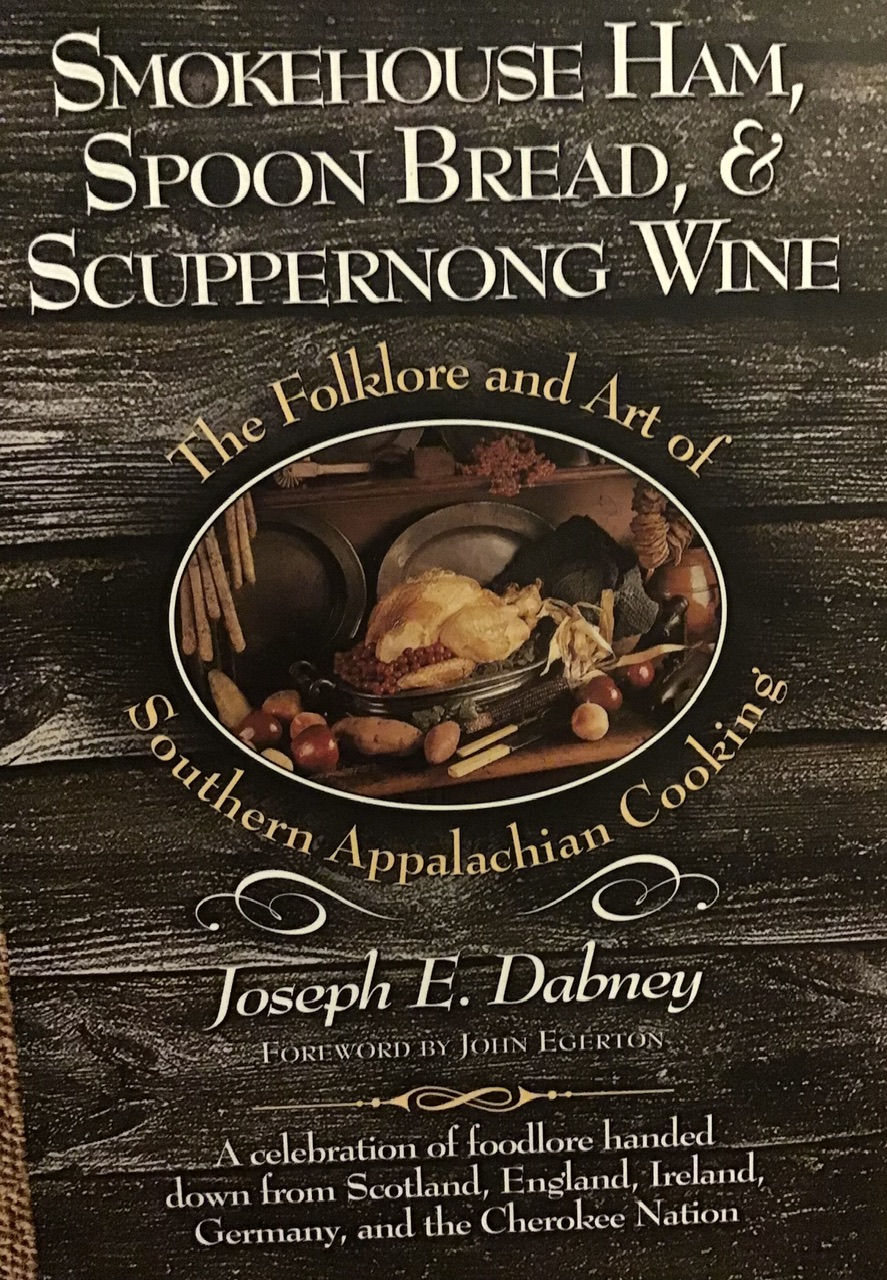
It’s easy to find lots of instruction using the identical modern method. For that I’ll rely on this book.
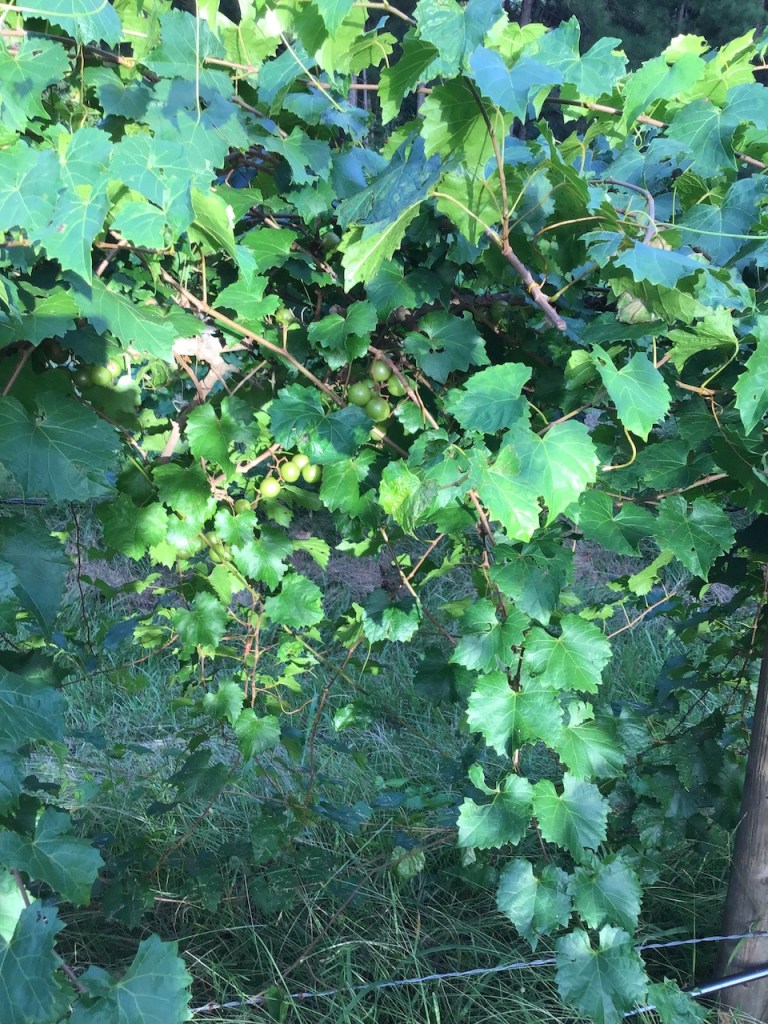
The wild grapes are looking promising. Our cultivated grapes still uncertain.
It’s not as easy to find good instruction on traditional methods, no surprise there. But this channel has a lot to offer and she uses nothing but a homemade fruit fermentation starter for her wines.
A teetotaler who makes wine, don’t see that everyday!
She also teaches how to make natural sodas and mead on her channel which I’m also very eager to try.
Blackberries fermenting beautifully after 36 hours.
The elderberry is also liking the extra rain. I might even try to make elderberry wine too. The blossoms are excellent in kombucha and will make an effervescent ‘champagne’ like beverage or flavor a cordial. And the goats love it. It’s just an all-around fantastic plant that is popping up everywhere now, so I’m going to create a big grove of them trailing down the hill.
A lot of folks still aren’t grasping this manipulative strategy, so I want to make a glaring point of it this post.
It’s easier for others to recognize classic rudeness, and shrug it off. It’s considered good manners to be tolerant of others’ petty foibles or potential misunderstandings or cultural differences and so on.
But folks aren’t putting a stop to plain old gaslighting, even when it’s obvious. They aren’t calling it out, and naming for it what it is—abusive, highly toxic, anti-social, not only for those who perpetrate, and their victims—but also from those merely viewing or reading.
Abuse radiates much further than those immediately involved in the moment.
This little rant, or welcome observation, depending on your position, was inspired by a small YT channel, another East Texas gardener, which I was curious to view from his title today—Garden Failures: Looks like another bad year.
The kind of title of a seemingly honest person just sharing his experience, not a hustler looking to sell me shit or snare me into another Cult-ur, is one of the nice rare finds still sometimes popping in my social feeds.
I watched only a few minutes before taking a gander at the first comment, and was relieved to find a someone seemingly aware of the enormous amount of weather manipulation going on, and clicked because I saw there was a reply.
But, much to my annoyance and disappointment, it was the typical reply of a Master Gaslighter.
Screenshot
To be shamed as you seek validation, or understanding, is gaslighting. This ‘rude behavior’ is far more than rude and it is tolerated in our culture far more than bullying. Why?
This behavior is graver than victim-blaming and bullying, it is an aggressive attempt to diminish, deflect, avoid, minimize, and control the perceptions, research, feelings and lived reality of the host.
The host, as in the one who has had the audacity and courage to seek understanding in the first place, in a hostile environment and against the norms of the Cult-ure.
I’d just been listening to Jon Levi discussing it, so it was very fresh in my mind. I’ve experienced it all my life, as ALL have in our Cult-ure.
It’s just that some go along with it, instead of recoil from it.
I have gaslit others before, sometimes knowingly, sometimes quite unconsciously, only realizing it years later. My mindset was at those times to ‘fight fire with fire’ and maybe that’s a good strategy, at times, with those who have breached the boundaries into your personal life and betrayed you.
But the large majority of the time those gaslighting others on social media is ALL about narrative control and social engineering. Sometimes I wonder if these are actual individuals, but I don’t bother to check, because I’ve experienced it enough in real life to know if these are just AI bots replying to one another, well, they have a pretty good idea of the human condition.
Is it because the political world has so infiltrated every aspect of our existence that folks have come to accept a steady supply of gaslighting in their lives?
I’ve stopped fighting fire with fire myself, too much gas out there, I’m too old for that now.
But, I wonder, besides avoidin the gaslighters, which seems quite impossible these days, what other action might one take?
“Oncology at the end of the twentieth century and early 21st century runs unethical trials with inappropriate control arms, poor post protocol care, bad crossover, and many other games, which makes companies rich and people poor. Cancer doctors take payments for these companies and go along with this narrative. The system is so rotten and corrupt and pervasive we can’t even recognize it as such.
History will view these are dark days. Where marginal drugs were given to dying people, government taxing poor people to pay for it, and doctors captured by companies to push these products, and everyone patting themselves on the back and the US bankrupts itself with inappropriate, harmful, useless care.”
“While I do recognize that some of allopathic medicine’s contributions to trauma care are noteworthy and worth preserving in some format, I also see that at it’s heart, the Germ Theory mentality that pervades the medical academic establishment (no matter how well intended by individuals in those systems) is not about healing, but is in fact, antithetical to life.
The machine thinking of Allopathic medicine which treats the human body as a molecular machine in need of being kept sterile and well greased by an array of chemicals and synthetic lab made substances is like the modern government funded environmentalist program that tries to quantify everything down to carbon units, obsessing over limiting them or sequestering them with more machines, while avoiding/ignoring the fact that it is machines that decimated the environment in the first place and continue to (whether they are lithium powered or gas powered) and not even beginning to take into account other variables such as the massive influence that old growth forests (or the lack thereof) have on hydrological cycles as well as carbon cycles.
It is like the machine thinking of the Big Ag Chemical companies and conventional GMO monoculture farmer who, when faced with diminishing returns due to soil erosion, nutrient leaching, desertification, decreasing mineral and nutritional content in crops (due to soil depletion brought about by extractive and exploitative farming practices) and facing herbicide resistant “weeds”, decides to double down and create even more powerful machines to till the soil harder, faster, inculcate the crop plants with an ever more potent array of synthetic chemicals and petroleum based NPK to keep them alive (on the equivalent of a combination of life support and hard drugs) and decides to create and use even more potent biocides and herbicides to kill all life in the soil in order to squeeze increasingly meager returns out of an abused and dying landscape.
Those are systems of machine thinking, treating living complex systems that are defined and only capable of being healthy, stable and resilient by the myriad symbiotic relationships woven within and around them as simple machines. Both involve one dimensional ways of thinking attempting to understand, heal and make whole multi-dimensional entities.
The “trust the science” proclaiming doctor attempting to treat anti-biotic drug resistant bacteria infected wounds with more and more powerful anti-biotic drugs is like the techno-optimist self-proclaimed environmental activist cheering for more machines (perhaps lithium powered machines) to be built which are supposed to solve the problems created by the previous machines.”
There are two replies I generally hear from others when I attempt to talk about geoengineering and weather modification which I also often see in the comments section of others posting about this topic.
So this post I’m going to share some new links and quotes and personal observations in the hope that folks really start to get a better sense of the scope of this issue.
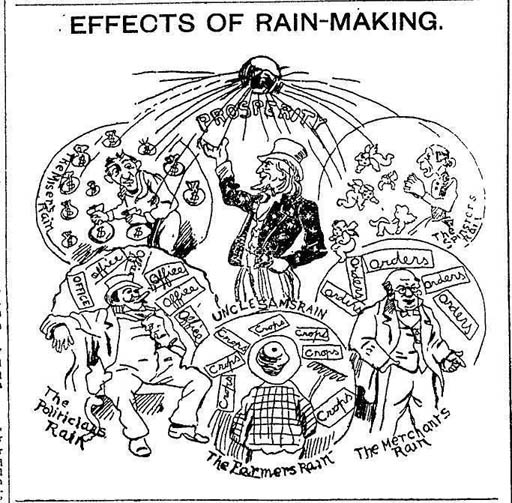
So few folks are even aware of the long history of weather modification, though it’s been well-documented and these days is very easy to research.
This is something I’ve written about many times already, because it sets a precedent. I am no longer going to bother with this vast history in future posts, because now there are plenty of others talking about it online.
I’ve noticed that when someone is aware of the long history of weather modification, they usually reply that it’s just about ‘cloud seeding’ which is no big deal, they say, they’ve been doing it forever, so what’s the problem?
As Agent’s Substack starkly points out, there’s nothing safe & effective about cloud seeding. And if you’d like the ugly truth expressed in some pretty harsh terms, I urge you to read his article. (Some of his work is behind a paywall)
“They’re just cloud seeding, it’s not chemtrails! It’s harmless!”, they tell us. In fact, it’s so harmless that the vast majority of states in the US have some form of seeding program currently taking place. Many of them are funded with our tax dollars, but some are sponsored by corporations you would never expect to be involved in GeoEngineering. Idaho Power currently spends $4 million a year on cloud seeding which results in a 12% increase in snow in some areas. Although the internet assures us Cloud Seeding is super-duper safe, today we are going to look at what chemicals are being spammed into the atmosphere, according to the Manufacturers of the chemicals and a crazy CDC document I unearthed.”
He’s also shared his sky photos in another recent article and has lots more geoengineering materials.
“I had an idea for an experiment: Pick a month and photograph and/or video the sky every day in 2023 then wait a year and do it again in the same month, then compare the GeoEngineering. Would there be anything to learn from this? Let’s find out…
“First, they (meaning, The Powers that Be) claim the suns rays are harmful and causing Climate Change (Global Warming), therefore, to keep the temperature of earth down, they need to block it. This is not a conspiracy theory, it is well documented. I have written a number of articles on the topic. They have been discussing blocking the sun since the 1960s and NASA was doing extensive research in the early 1980s which involved releasing chemicals into the sky and running tests to see how much of the suns rays were blocked. They began planning heavily in the early 1990s. read my piece 1992: Should we Spray Sulfuric Acid or Dust to Block the Sun? In the mid-to-late 1990s, only a few years after the 1992 document, people in the USA began reporting white grids and lines appearing in the sky. These grids and lines blocked the sun.”
A friend in UK driving to her vacation destination recently sent me some pics of the sad state of the skies there. Look familiar?
I wish I had better news. It’s not good. It’s not benevolent. It’s not about saving us from global warming or helping our farmers cope with droughts. It’s not about that AT ALL.
That’s just the cover story, because there always has to be a cover story.
It’s about weaponizing the weather for control purposes of war and power. Now it’s also being used to force populations in myriad ways and fleece everyone with ridiculous carbon schemes. The academic publications which hype on and on about climate change do not talk about geoengineering as an on-going global operation, but as mere proposals, and this is how they’ll lock in their ‘World Governance’.
As the public outcry grows, so the solutions will be put into place.
Screenshot
Several US states have gotten on this bandwagon to outlaw geoengineering on various levels, which will have zero impact, because it’s a global issue, by design.
Screenshot
‘To prostitute the elements’ : Weather Control and Weaponization by the US Dept of Defense by R. Pincus 2017 War & Society p. 64-80
“The US military has a long and robust history of scientific research programs, often conducted in conjunction with civilian scientists at non-military governmental agencies as well as universities. These programs flourished in the immediate post-Second World War and the early cold war years, as the field of military science expanded to address the sprawling Soviet threat. One area of growth was in atmospheric science, which had already taken off preceding Second World War in conjunction with the growth of air warfare. Advances in meteorology, cloud science and climatology enabled military interests to align with weather forecasters and also agricultural interests, as old ideas about cloud seeding and weather control were revived in the light of new research. The military, largely through the Air Force, advanced a series of projects investigating the potential of weather and climate control, manipulation, and ultimately weaponisation.”
What we have are Global Public-private partnerships cooperating internationally to manipulate the weather and change the climate as well as fleece the populace with projects that do not help the people.
Like these: the Greenhouse Gas Removal by Enhanced Weathering (GGREW) projects
“One example of a research project on the feasibility of enhanced weathering is the CarbFix project in Iceland.[33][34][35]”
“An Irish company named Silicate has run trials in Ireland and in 2023 is running trials in the USA near Chicago. Using concrete crushed down to dust it is scattered on farmland on the ratio 500 tonnes to 50 hectares, aiming to capture 100 tonnes of CO2 per annum from that area. Claiming it improves soil quality and crop productivity, the company sells carbon removal credits to fund the costs. The initial pilot funding comes from prize money awarded to the startup by the THRIVE/Shell Climate-Smart Agriculture Challenge.[36][37]”
I’ve been documenting some of what’s been happening in our skies for nearly a decade. It is not cooling us, it is not stabilizing our rainfall, it’s the exact opposite. And, they know this!
“In their own words from one of their reports, the Royal Aeronautical Society (based in London): “the current overall effect of contrails and contrail cirrus is a net warming – about 1.5 times that of aviation’s C02”. This is a smoking gun because it affirms that what they are doing is actually having the opposite effect of what they claim to be doing. It’s warming things, not cooling it.”
But what do academics concern themselves with? Issues of governance, because, warmer temperatures might increase small arms purchases. And other GLOBAL concerns about the control of the ornery plebs.
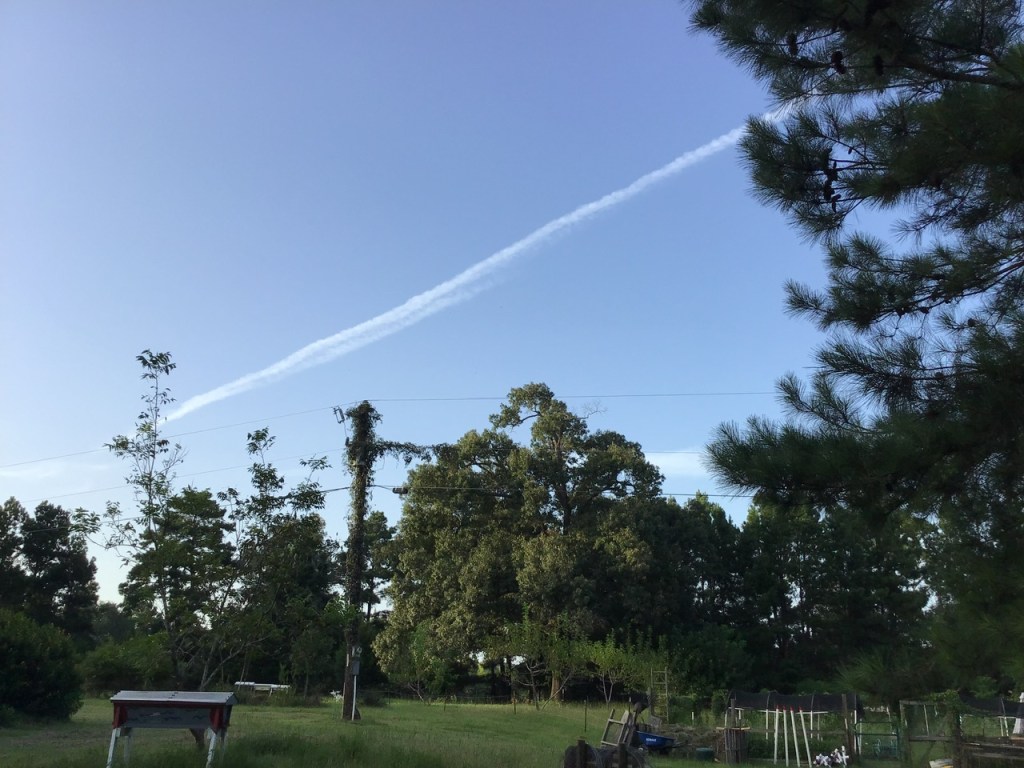
In my last post I included a recent photo from our area. These are the among the ‘new cloud species’ which some will actually tell you have always been there, we just never noticed them before Smartphones. Yes, I’ve actually heard this ridiculous answer on multiple annoying occasions.
“Mammatus clouds” they call them, because to name them is to normalize them. And the kids grow up “knowing” and are diligently taught to accept anything that has a name. That’s Science!
The official sites, the academic sites ALWAYS normalize, that’s their job. The rest of us are just all crazy conspiracy theorists. See, totally normal, because it’s right there in the International Cloud Atlas!
Thanks for reading folks, please research and pass along information!
Some brief updates this post and not as many happy snaps as I’d like. But, it’s been so busy and carting my tablet around everywhere is not usually an option, especially where it’s wet and dirty, which is a lot of places at the moment.
Kidding season is over and it’s been a bit stressful, no surprise there. I’ve been wanting to try something new—which is the greatest lost homestead technique I could think of—making our own rennet.
We’ve only had goats a few years now, all of this still feels very new, but, we do want to keep moving forward on the path to self-reliance, so this one is pretty essential on that list. It was as challenging as I expected it to be!
I am squeamish, so that’s the first of the issues. Hubby does all the slaughtering and butchering and for a while I did help plucking chickens, but then we got a machine, so I don’t even do that anymore. I’m not accustomed to seeing the interiors of the animals, let alone having to identify all the parts.
So, trigger warning for this section for anyone reading more squeamish than me! Move to the next section, if you please.
For the briefest of intro lessons, rennet is made from the 4th stomach of the ruminant animal, the abomasum.
This photo is from a calf, so for us we were dealing with far smaller features. Obviously, this is a precious commodity. The abomasum must come from a nursing animal, as it still has the enzymes required for cheesemaking. It can also come from a stillborn, an unfortunate event turned into a beneficial one with proper immediate attention.
In our case, we’ve had 2 stillborn, one this year and one last year. This year we also had a very small doe, a first freshener, who had fairly large twins. We decided to cull one of her kids as part of our efforts. Of course this is never an easy decision to make, and I lose sleep over stuff like this. I was never meant to be a goat farmer, I just want to make cheese!
Anyway, I am glad for the tough choice and going through the trouble to acquire this precious skill. Hubby and I sat down before the guts together, at the kitchen table. One of the great many sentences I could never have imagined I’d be writing!
It’s not easy to find information on the how-to’s of this process, and I certainly had no one to call or visit for advice. It was not enough information to substantially build my confidence, that’s for sure. Sometimes that just takes doing it.
Luckily, I did find one YouTube video, and one blog, both again working with a calf, for which I’m exceptionally grateful.
Another brief aside about rennet, if I may bore many readers a bit further! As I’ve written before, most cheese made today, at least in the U.S., is not made from real rennet, it’s made from a lab-grown rennet substitute, made by Pfizer.
While it’s not that expensive for home cheese makers to buy animal rennet online, relatively speaking, considering only a tiny amount is required, I don’t want to have to entirely rely on far-away sources for such an essential item.
Another thing I’ve been experimenting with to overcome this issue is vegetable rennet, again, from a natural, local source, not a GMO lab-purchased source. We have figs, so that’s what I’m using, but nettles are another source.
It’s not possible to set a large hard cheese with this method, but it works for soft cheeses and very small, what I’d call semi-hard cheeses (because they don’t need a press) like the one I just tried after discovery this channel’s excellent demonstration.
This cheese is so easy! I’ve only just made it, so I can’t yet vouch for the taste, but he makes it look delicious. For this cheese you don’t need any special equipment—no molds or cultures, no aging fridge, and no rennet. Instead of the cute baskets he uses I just poked some holes in an old sour cream container. (And can I just add how much I adore his heavy accent and classic Italian hand gestures!)
We did eventually figure it all out, and here is our final product, now drying for 3 months or so, according to processing directions. It will then be sealed and last for many years and make many dozens of cheeses.
A great big thanks to the multi-layered efforts of man and nature for this magical gift!
In weather news, we’ve had a lot of rain. While I mentioned last update how much I love the rain, it is causing problems. We lost most of our onion harvest, for starters. This is a big disappointment because we were so close to harvest, just a couple more weeks. Not anymore, they were rotting in the ground, we had to pull them, lost a great many, and the others are mostly very small still.
So between the pitiful potatoes and the sad state of the onions, we are not starting off too well. The peas are already done as well, because of the heat, but that’s pretty normal here.
What’s not normal is my usual complaint—the manufactured weather. We can’t drive to half our property until Hubby upgrades our culvert, a huge undertaking. But we are very lucky this time around! No hail, or tornadoes, or other immediate disasters to deal with, like a great many.
Yes, more manmade clouds above our head. We’ll learn what NASA calls them next post.
But, I have a future Geoengineering Update in the works, so I’ll save further lecturing and complaining for now!
Instead we’ll end with a snap of one of our favorite dinners, just how we like it, burned to perfection! Not our pepperoni or cheese this time, but some just foraged chanterelles, homemade sourdough crust, and homegrown pork sausage. 😋
I don’t know when the breaking point will be, how it will come about, who will throw the first punch or the last. But, I’ve got some good quotes to share this post, of the variety that make me wonder if the public has finally had enough of the lies.
Or, was Bezmenov right? It’s hopeless at this point?
More false claims about raw milk, inspiring a good article from a wise woman, Sally Fallon of Weston A. Price. A few quotes:
“In a press release dated March 25, 2024,3 the U.S. Department of Agriculture (USDA), Food and Drug Administration (FDA) and Centers for Disease Control and Prevention (CDC), as well as state veterinary and public health officials, announced investigation of “an illness among primarily older dairy cows in Texas, Kansas, and New Mexico that is causing decreased lactation, low appetite, and other symptoms.”
“The agencies claim that samples of unpasteurized milk from sick cattle in Kansas and Texas have tested positive for “highly pathogenic avian influenza (HPAI).” Officials blame the outbreak on contact with “wild migratory birds” and possibly from transmission between cattle. The press release specifically warns against consumption of raw milk, a warning repeated in numerous publications and Internet postings.”
“The truth is that “viruses” serve as the whipping boy for environmental toxins, and in the confinement animal system, there are lots of them — hydrogen sulfide, carbon dioxide, methane and ammonia from excrement, for example. Then there are toxins in the feed, such as arsenic added to chicken feed, and mycotoxins, tropane and β-carboline alkaloids in soybean meal. By blaming nonexistent viruses, agriculture officials can avoid stepping on any big industry toes nor add to the increasing public disgust with the confinement animal system.”
“Nearly a decade ago we won the mandatory national Radio Frequency Animal Identification (RFID) regulation. It was pushed on the heels of the mad cow paranoia as a way to track and find diseases quickly.”
For you youngsters, it was a draconian measure that was incredibly prejudiced against small outfits. For example, a Tyson factory could register one RFID tag for a whole house of 20,000 chickens—one per flock. But an outfit like ours would have to RFID every single chicken. Costs ranged from $2 to $5 per tag.
Every time you moved animals from one addressed premise to another, you had to notify authorities. Thousands of farmers around the country attended the hearings and voiced their opposition. The backlash was severe and eventually the USDA pulled the plan. It’s been dormant for a long time and we thought it was dead.”
********
Moving on to an essay that hits close to the mark, I think.
“In an election year that follows more than a decade of rising populist dissatisfaction, high-skill but low-status rejects are coming to look like a formidable social class.
Increasingly, it’s not just obscure farmers or overtaxed truckers who feel cheated out of the respect they’ve earned: it’s also debt-ridden college kids, heterodox tech magnates and blacklisted intellectuals. It’s manual laborers whose wages get depressed by inflation and illegal immigration, but it’s also artists whose projects get passed over to make room for yet another adaptation of The Color Purple. This helps explain why Trump has mobilized young people, blue-collar workers, white evangelicals, law-abiding Hispanics and black business owners, all in unexpected numbers: those are people who feel, in one way or another, despised without cause.
But the bitter irony is that in trying to outdo the founders’ virtue, we have created an unnatural aristocracy far more hide-bound and unworthy than the old-world royalty they fled. Our self-styled betters have neither raised us up toward a more perfect meritocracy nor led us triumphantly into a classless paradise. They have simply replaced an imperfect class system with a grotesque and nonsensical one. They promised to cater to throngs of frustrated pariahs; instead, they created more of them, adding to their number daily from the exiles of the natural aristocracy. Whether or not it is desirable that the resulting coalition should once again find itself represented by Donald Trump — a profoundly suboptimal champion — it was inevitable. This presidential contest is shaping up into a face-off between the incompetent elect and the excellent outcasts. It may not be the most exhilarating choice to have to face. But it’s not a particularly difficult one, either.”
And closing with an appropriate poem that was posted in the comment’s section of the post by Salatin quoted above. An author I’m very familiar with, but the poem is new to me.
THE WRATH OF THE AWAKENED SAXON by Rudyard Kipling
It was not part of their blood, It came to them very late, With long arrears to make good, When the Saxon began to hate.
They were not easily moved, They were icy — willing to wait Till every count should be proved, Ere the Saxon began to hate.
Their voices were even and low. Their eyes were level and straight. There was neither sign nor show When the Saxon began to hate.
It was not preached to the crowd. It was not taught by the state. No man spoke it aloud When the Saxon began to hate.
It was not suddently bred. It will not swiftly abate. Through the chilled years ahead, When Time shall count from the date That the Saxon began to hate.