Technology & Sustainability

I’m critical of high-tech solutions and when I hear them in tandem with big claims of sustainability, especially at a global level, I automatically bristle.

Still, the first time someone called me a Luddite, I balked.

I know there are plenty of us—vocal advocates and quiet dissenters alike—bemoaning so much of the tech being shoved down our throats, most certainly when it comes to food. I’ve been vocally ‘anti-GMO’ and ‘anti-geoengineering’ and ‘anti-vaxx’ and ‘anti-surveillance’ which in their linguistic game really just amounts to PRO-nature.

Yet it is becoming more common, even among the homesteading ‘community’ and ‘off-griders’ to consider these two powerful forces as intrinsically intertwined. As if sustainability cannot be achieved without modern tech, forgetting we somehow made it all the way up to the industrial era with relatively little of it.

We often hear of technology being a Trojan Horse. But, that’s an understated analogy, considering in that story it was a “gift”—insinuating it was one that could’ve been rejected. There is no rejecting a good portion of this tech flooding into our lives today. You will not escape the digital prison, at least not completely. Those 5G towers are screaming their frequencies over your head day and night whether you like it or not. The weather modification is a thing, whether I like it or not. (NOT!)

We also hear of technology being as any other tool—to be used for good or ill. Yet, is that a fair assessment when these tools are largely invisible? And when they are overwhelmingly in the hands of very few, and when fewer still would be able to replicate them in any capacity?

What am I missing? Where is the healthy balance?
To explore these questions over the next few posts, I’m bringing in considerable help.

A young ‘homestead influencer’ I’ve heard about for years is about to release a new book and her attitude about the tech sounds pretty healthy. In the book she explores the question, “What are we leaving behind in our race toward progress?”

Old-Fashioned On Purpose by Jill Winger of The Prairie Homestead

The book is coming out soon, but she discusses it at length here:
https://thejoegardenershow.libsyn.com/326-an-introduction-to-modern-homesteading-with-jill-winger

Like most of us, she has zero intention of recreating a ‘Little House on the Prairie’ lifestyle. She has managed to incorporate the tech into her life on her terms. So far, it seems.

Many of us certainly feel as the diaspora—dispersed between cultures—natural and digital.

I can’t help but wonder, is losing our soil connected to losing our soul?

I have a cousin in Colorado with a farm I’d call pretty high-tech. He’s a permaculture/biodynamics guy and has been very successful and has the perfect background to enlighten me, I’m sure.

He worked all over the world before his current venture, which has recently gone on the market after 20 years of development and WOW, talk about a success story! To increase the value of a property by such an extraordinary measure is truly remarkable. And that’s only part of his success story.

He too seems to have managed the tech, rather than the tech managing him.

I was quite moved by his 2015 speech:

“I remember! 
These qualities of life giving wholeness that our ancestors knew deep in their bones have been drawn off, separated, reduced, modified, pasteurized, homogenized, radiated – their vitality degraded, their life giving forces mutilated beyond what our cells might recognize. We now consume what are at best facsimiles of food, laboratory concoctions, genetically mastered ingredients – simulacra that do not build our cellular health but create work for our bodies, that weaken our fortitude and break our spirits.  These laboratory wonders parade in full color down our grocery store isles.  -all screaming for our purchasing dollars.  More money is spent on the campaigns intended to seduce us than on the so-called food inside.  These products are combinations of ingredients that we can not pronounce, masquerading as food and covered up with contemporary Eco-socially correct overly-designed, brightly bannered sales pitches in suspect containers claiming to bring us momentary bliss – all hawking only slight variations of amber waves of commodities meant for one thing and one thing only  – to efficiently generate profit for a few, and from the most devastating chain of ecological rape and pillage the world has ever experienced – all leaving an accumulated insurmountable debt to future generations.”

Excerpt from a speech given by Brook LeVan at the 12th Annual Sustainable Settings Harvest Festival on September 20th, 2015:

The Movement — Videos

As little media as I consume, I read or hear such attitudes on a daily basis.

Just today in fact from The Naked Emperor:

“In the modern world, progress and innovation are often celebrated as unambiguously positive. New technologies, ideas, and ways of living are readily embraced with the assumption that they must be better than what came before. While it is true that certain advancements have brought undeniable benefits, such as improved hygiene, faster means of travel, effective medical treatments, and enhanced communication, it is crucial to critically examine the broader implications of modern progress. Often, the rapid pace of change leaves little room for reflection on whether newer solutions are truly superior to time-tested practices.
As society becomes more complex and interconnected, the allure of novel and convenient solutions can overshadow the wisdom of the ancestors. Practices that have served humanity for generations may be disregarded in favour of modern alternatives that promise quick results and ease. For example, the trend toward processed foods and sedentary lifestyles has led to health problems that were less prevalent in societies that followed more traditional dietary and physical activity patterns. Likewise, the reliance on fiat money and speculative investment has created economic instability compared to more sound financial practices.”

Sound financial practices? What will the future kids know of that when even homesteaders are encouraging others to go deep into debt to finance their ‘off-grid’ dream property as if that’s magically sustainable? We used to call that debt-slavery.

Curtis Stone is a popular YT homesteader, and I’m not really meaning to diss him here, because it’s quite possible if I were a young man in my prime I wouldn’t be having such reservations as I do.

Risky behavior is common in youth, yet do we not expect a mature individual, as a mature culture, to become less risk-tolerant with time?

Debt has alway been encouraged for farmers when all the fancy new equipment becomes de rigueur—and a great many lost their farms that way during the Great Depression.

I’m not the gambling type myself, yet I see the technological sphere permeated with these types. From my vantage point, they appear to be addicts.

As if The Tech is not sketchy enough to me, there’s also the obvious fact of The Money, because you can’t have one without the other. That’s where the rabbit hole starts to go very deep.

(17:53) Gambling on people’s lives. That’s where the tech is headed. Not a ‘Black Mirror’ episode. Reality. Our debt-creation machine riding squarely on the backs of every cyber-unit, that is, every man, woman, and child, every living thing, all resources all around the world. Internet of Things, Internet of Bodies.

Alison McDowell of WrenchintheGears has been doing deep dives on this topic for many years, her work is hefty and dense, expertly sourced, and crucial in this discussion.

All this data. All the electricity required to run all this tech. All the power to be had, when all that power is in the hands of so very few.

So, I suppose I am a bit of a Luddite.
I’ll be exploring this reality in the next few posts, I hope you’ll join me by adding your thoughts about the topic in the comments.

Herbal Explorations: Pokeweed

Phytolacca americana

The latest addition to our Herbal Explorations pages.

Pokeweed is one of the most controversial yet fully legal weeds you’ll hear about, I’m sure!

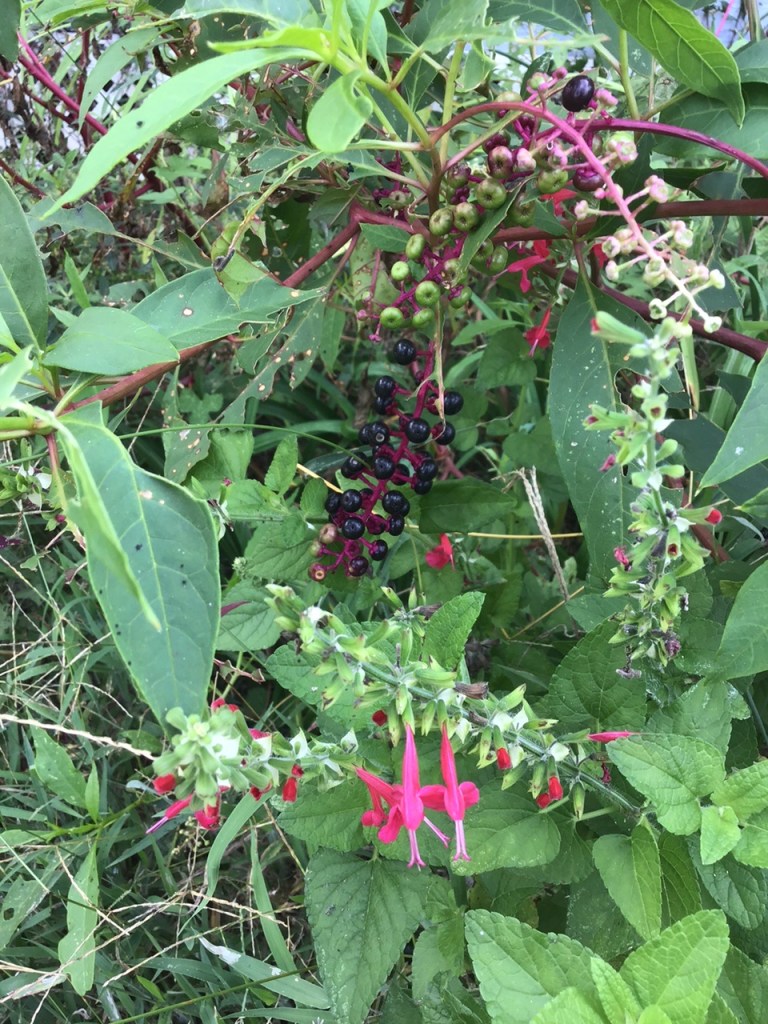
A young plant on left surrounded by poison ivy. On right a mature plant with ripe and unripe berries surrounded by fireweed

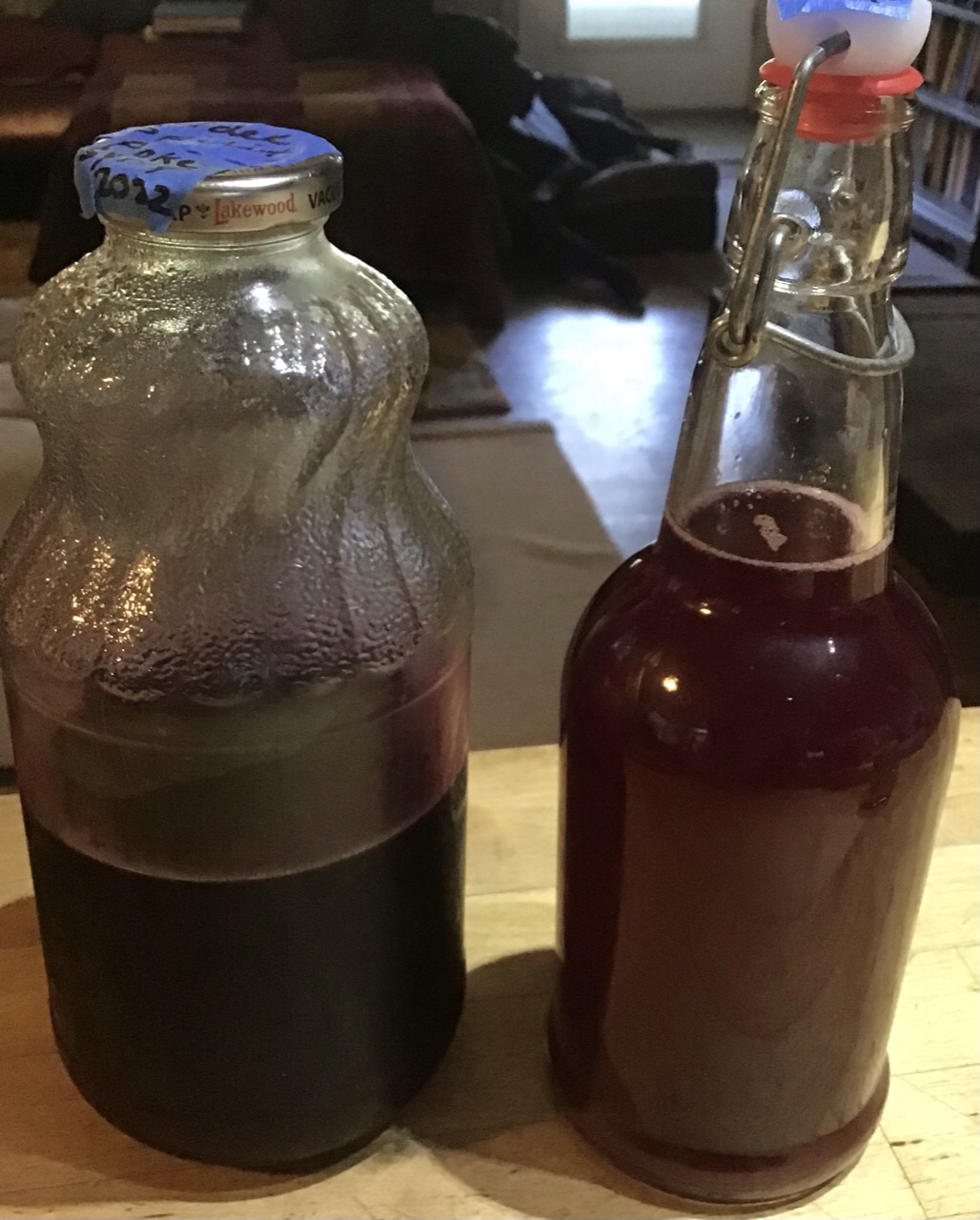
Elderberry-Pokeberry syrup for flavoring cocktails and Pokeberry kombucha—such lovely colors!

There is a hefty amount of misinformation on this ubiquitous plant, but in recent years there’s been a significant pushback, especially among Southerners, where for some it’s been a staple crop for generations.

Though its reputation is still highly contested! The YT video below tells a good chunk of poke’s dramatic story. 😁

It is used as an ornamental in some areas, while others consider it invasive. Ranchers consider it a nuisance and try to eradicate it, though it loves nitrogen-rich soil, so tends to pop back up wherever animals have been penned up or have heavily grazed, therefore fertilizing the land.

We do use it as an ornamental and a food crop, and I’ve written short posts about it here and here. I make wine and syrup from the berries and use the greens in many dishes. The popular belief that the greens must be boiled 3 times is mistaken and overkill.

However, care must be taken in its preparation and it’s not to be eaten raw. The above video explains a lot for those wanting to give poke a fair shake!

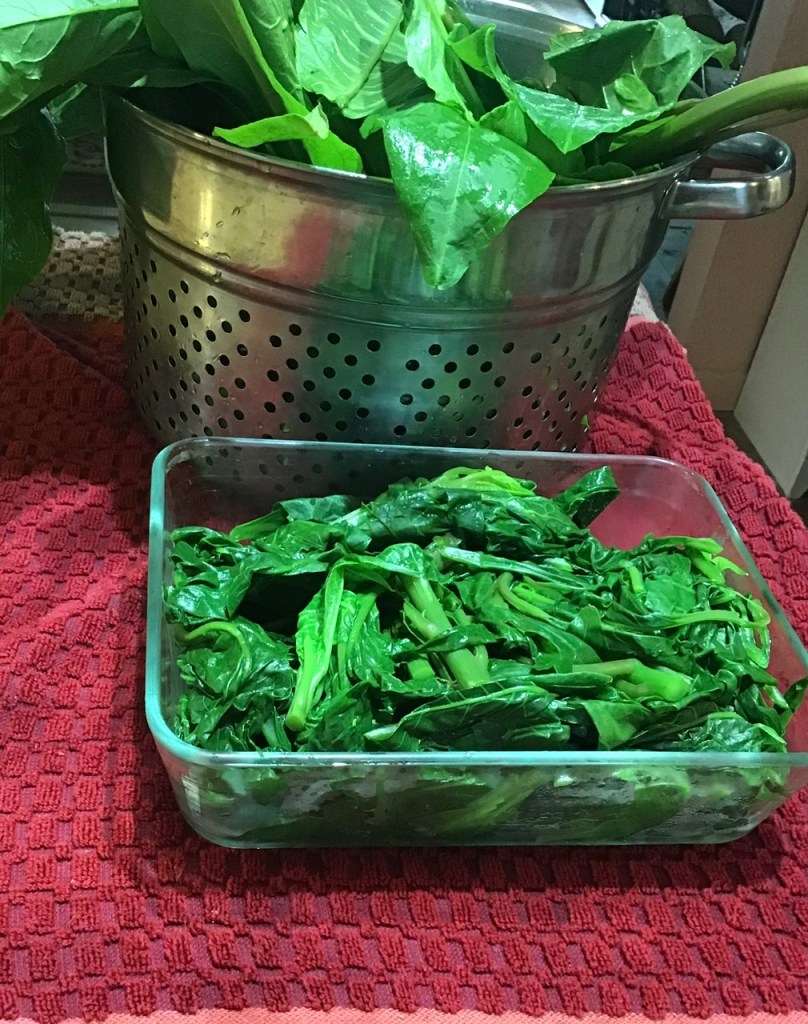
Rinsing well before submerging in boiling water.

Boiled in batches until limp, rinsed in cold water, then used in a dish that will be cooked, like a casserole or stir-fry, or frozen for future use.

The common advice to boil it three times disintegrates the leaves into slime, but you’ll hear that all over the internet and probably from your neighbors too.

That is, if they aren’t already convinced it’s poisonous.

This false belief most likely comes from four places: 1) The farmers and ranchers who would like to see it eradicated because it so successfully competes with the grasses. 2) The high-end wine-makers of our predecessors, because the ripe berry juice was used to color inferior quality wine to make it sell better. 3) Rockefeller medicine which demonizes traditional healing herbs and practices. 4) Chemical dye manufacturers who wanted to dominate the market as it was (and still is) used as a natural fabric dye.

The economic importance of pokeweed to our ancestors was sure to be unpopular with manufacturers and industrialists wanting to create dependency on their products.

A few benefits taken from the sources linked below, not the best translations, unfortunately, but some interesting info. (They do also repeat the plant leaves cannot be used after the stalk turns crimson, but in my experience and in the video above, this is not the case.)

“The young shoots of Ph. americana are eaten cooked as a substitute for asparagus in spring, and its tender leaves were eaten as a substitute for spinach even by the North American (Delaware and Virginian) Indians.
We can found this kind of utilization nowadays too: at markets in the southern states of the USA it is sold as „sprouts” even these days, and they sell its young, tender leaves tinned (Poke Salet Greens). At some places it is still cultivated, though only in small-scale. The tender, bright inner part of the stem is crumbed in cornstarch and fried. They use the young plants before crimson coloration, but the cooking water needs to be discarded. Its ripe berries are added to cake pastries. The roots and the leafy stems are traditionally used for purple-brown dyeing. This colour is not much permanent, after body painting it can be removed easily. The root contains much saponin so it can be used for making soaps. The leaf ’s powder or the leaves were used for external treatment of cancerous wounds. After it got into Europe it was not only planted as an ornamental plant, but its dark purple dye was used for food coloration. The liquor of the berries were pressed, fermented and cleaned up by straining and afterwards it was evaporated down to about honey density in Chinas. The product was used at one for the coloration of foods, preserved fruits, sweets, liqueurs and wines; and for example alias Succus Phytolaccae inspissatus it was sold in German pharmacies. The berries were used to colour the wines of poorer quality with such a success that the plant was widely grown in Portugal, Spain, France and Italy. An ethnobotanical fact about the plant in the Carpathian Basin is that the Transylvanian (Kalotaszeg, Kiskapus) people put the fruit in the barrel cabbage to give it a red colour. Thanks to it betacyanin content it can be used as an industrial dye, but its colour is not as persistent as the colour of the scarlet oak (Quercus coccifera) is. Rarely it was used for wool and silk coloration too. The crimson coloured sap of the berries was used as ink (for example by the soldiers in the World War), that is where English name, inkberry derives from. A limner from Missouri, Bingham used it as paint. Its therapeutical utilization has traditions too. The Delaware Indians considered it to which has cardiac restorative effect, and the Virginian tribes used it for its strong psychotic effect. They presumed it is useful against rheumatism, tumours and in smaller doses against syphilis too. Its therapeutical utilization is comprehensive. Earlier the European therapeutics used it too as an emetic: Radix, Herba et Baccae Phytolaccae. Its root, leaves and fruits are used in the homeopathy too. The plant is a pharmaceutical base material even nowadays. Its drug is used as an antirheumaticum, purgaticum and emeticum (alias “poke root” or „Phytolacca”) in the USA, besides the lush root may can be used against breast cancer, too. The berries are utilized there for food coloration too, and with its leaves they adulterate, or rather substitute the „Folia Belladonnae”. The modern medicine started to show interest in it, thanks to the antiviral protein (pokeweed antiviral protein, PAP) that blocks the infection and reproduction of the HIV virus. The external use of PAP has an inhibi- tory effect on the plant RNS viruses too. The transgenic plants that contain the gene of this protein became resistent to a wide range of viruses. They impute that the root of the Ph. americana has blood cleanser, anti- inflammatory, expectorant, sedative, stupefying and purgative effects too. There are experiments for its uti- lization to cure the autoimmun diseases, especially the rheumatic arthritis. The plant contains toxic compounds against micro-fungi and molluscs too. The lectins extracted from it have toxic effect on the juvenile larvae of the southern corn rootworm (Diabrotica undecimpunctata howardi).”

Web references
Armstrong, W. P.: Pokeweed: an interesting American vegetable. In: Economic Plant Families. Wayne’s World, Escondido, California. http://waynesword.palomar.edu/ecoph24.htm
Hedrick, U. P. (ed.) & Moore, M. (upd.) (1972): Sturtevant’s edible plants of the world. Dover Publications, New York. E-version: The Southwest School of Botanical Medicine. http://www.swsbm.com
NIAES (2005): Japanese Fungi on Plants. National Institute for Agro-Environmental Sciences Natural Resources Inventory Center, Microbial Systematics Laboratory, Tsukuba, Ibaraki, Japan. http://www.niaes.affrc.go.jp/inventry/microorg/eng/kingaku-rs.htm
Plants For a Future. http://www.scs.leeds.ac.uk/pfaf/
RBGE (2001): Flora Europaea database. Royal Botanic Garden Edinburgh, Edinburgh, UK. http://193.62.154.38/FE/fe.html

https://www.researchgate.net/profile/Lajos-Balogh-4/publication/296812711_American_and_Chinese_pokeweed_Phytolacca_americana_Phytolacca_esculenta/links/56dabbad08aee73df6d267cf/American-and-Chinese-pokeweed-Phytolacca-americana-Phytolacca-esculenta.pdf

Medicinal properties and anti-inflammatory components of Phytolacca (Shanglu) – ScienceDirect

Compare that to what our US institutions repeat:
All parts poisonous, lots of toxicity fear-mongering, and usually including advice not to plant it in your garden.

Phytolacca americana (American Pokeweed, Common Pokeweed, Garnet, Pidgeon Berry, Poke, Pokeberry, Pokeweed, Scoke) | North Carolina Extension Gardener Plant Toolbox

Native Plant of the Week: American Pokeweed | Matthaei Botanical Gardens and Nichols Arboretum

Buttercup’s been napping in the Pokeberry again!

Homestead Happenings

Mostly happy snaps today, plus one wee tale of woe. Life is flourishing around here, but for two middle-aged folk, it’s getting harder to keep up!

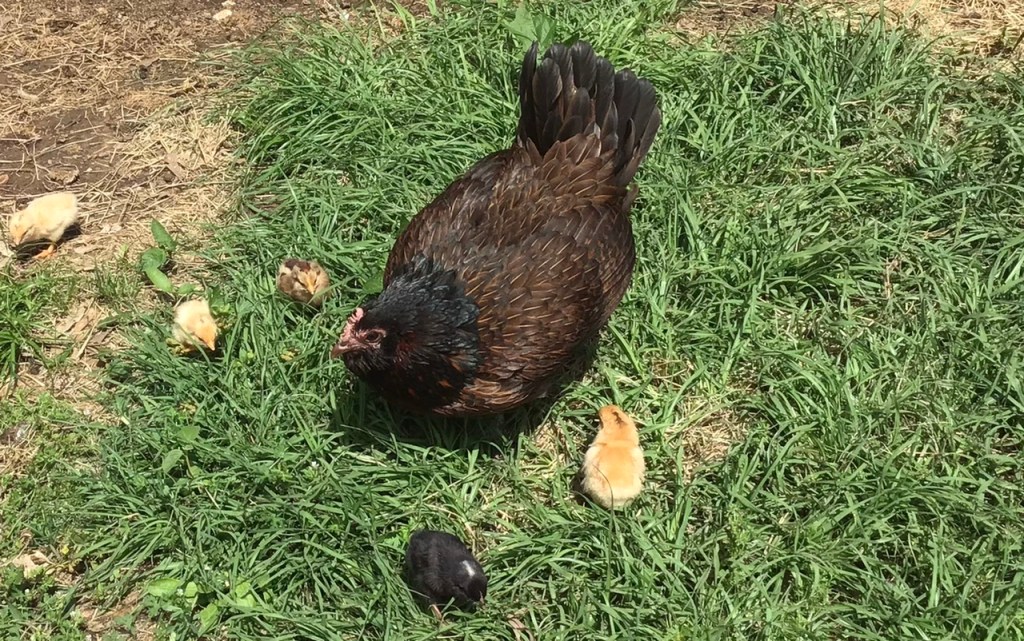
We’ve got kittens and lambs and chicks and some rain and decent temps for a change, that’s keeping the critters and crops and me very happy.

I think the old cliche about when life is giving you lemons should be updated for the modern era. Lemons are already a luxury, after all.

I think it should reflect the shitshow the modern era has become and read: When life gives you shit, make more compost.

And we have LOADS of it at the moment, the good kind that makes fantastic strawberries, not the useless kind, that populates DC.

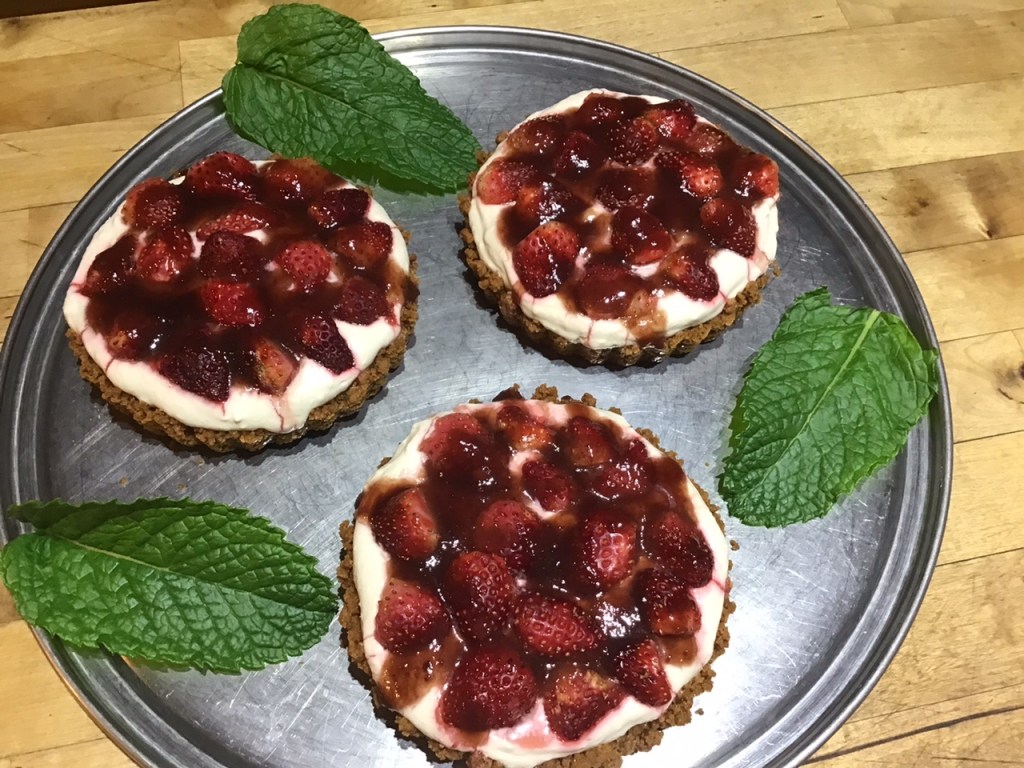
Strawberries making me proud!

Do you care to know how much shit it takes to make carrots and strawberries so good? 😆

Guess what else loves loads of shit?!

And while some homesteading results are obvious— like more shit equals better produce— others remain a mystery.

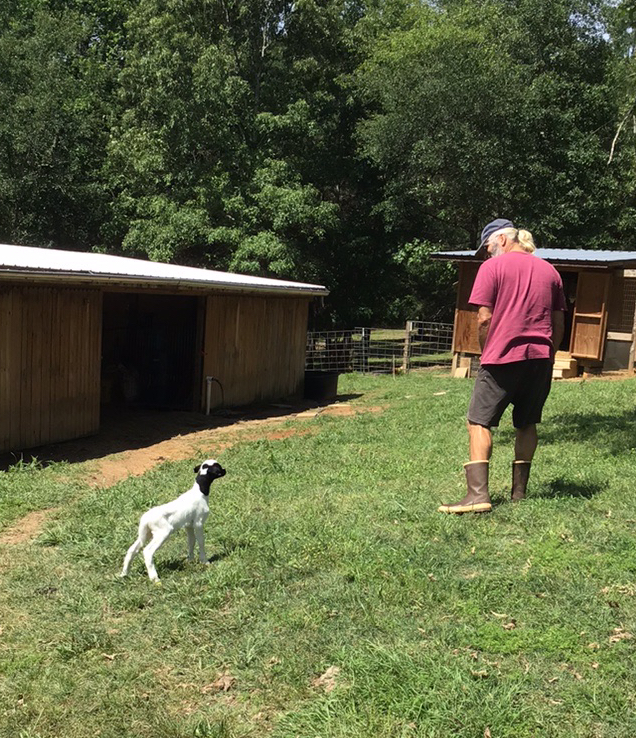
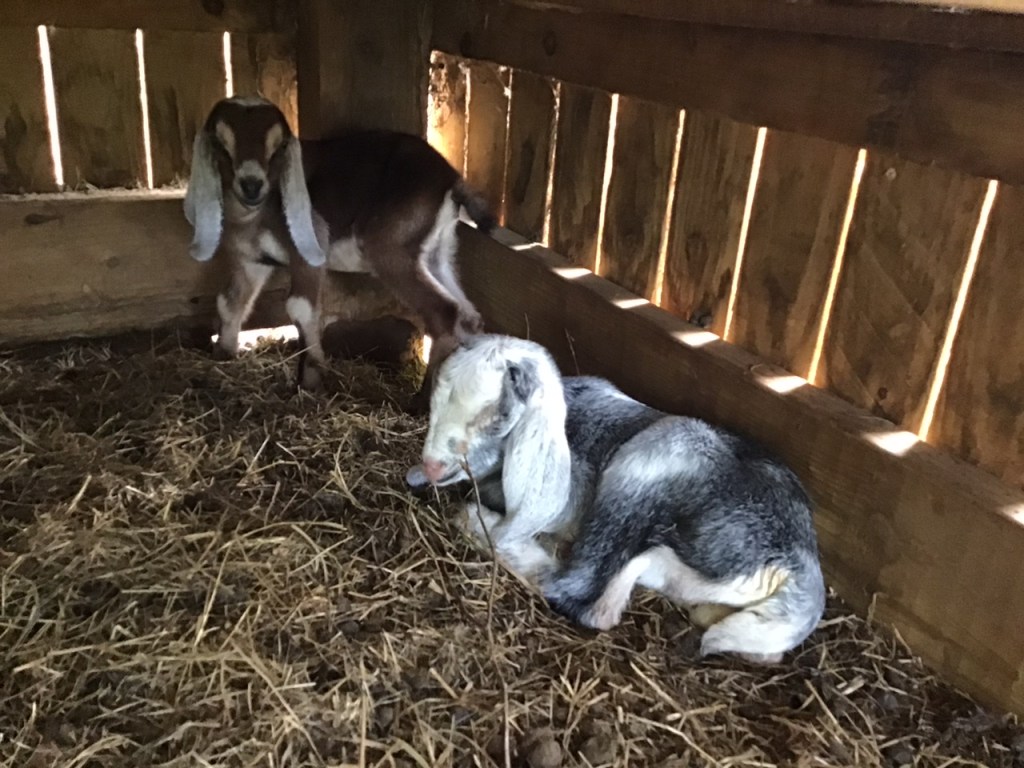
After three perfect sets of twins, we have a reject. It’s one of those very odd occurrences we have yet to experience and it’s confusing because it’s halfway between cute and sad.

One bad mama has rejected one of its offspring. He’s a sweet, spunky little survivor we’ve come to call ‘Scrappy’ because he’s fighting so hard and it’s wonderful to witness. And also sad, like I said.

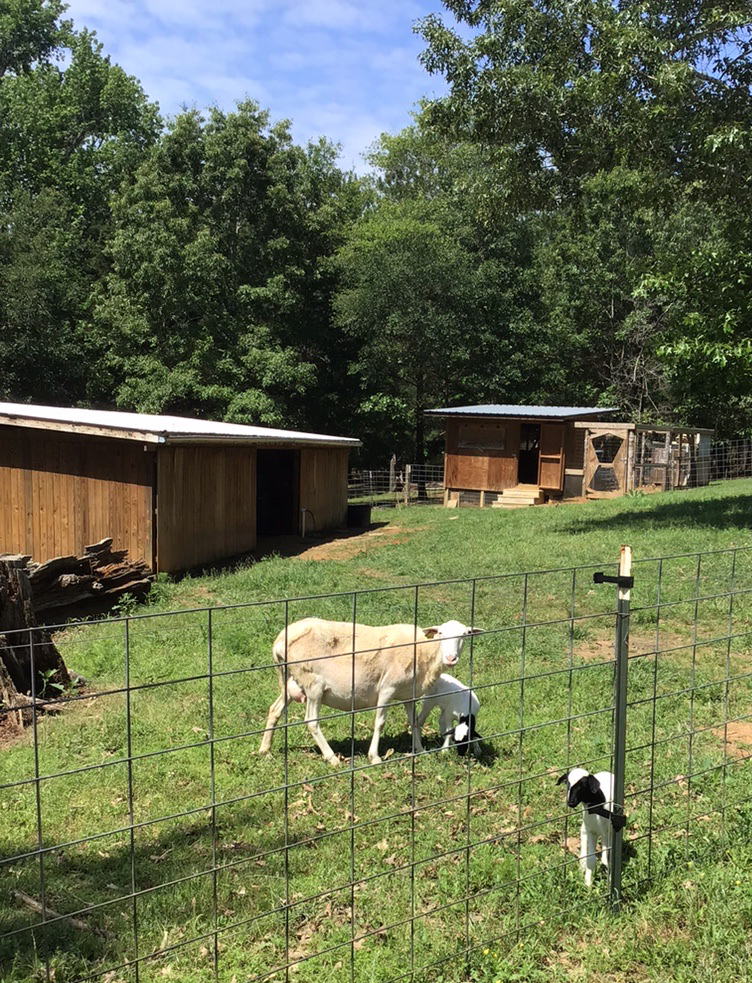
Scrappy at the fence as soon as he sees us, not a good sign.

Hubby found Scrappy at the fenceline in the morning not long after birth, already abandoned. But, the sibling lamb and mama were fine and healthy and not too far away.

It’s a mystery because one, he was not just alive, but cleaned off, and very vigorous. And two, because had she cleaned him off, she’d surely recognize him as her other offspring. So, who cleaned him off?

Because she pushes him off immediately at any attempt to nurse. Even still, after 4 days and every attempt we’ve tried. We’ve resorted to holding her down 3 times a day, he at the front end, me at the back end, while poor Scrappy voraciously sucks down whatever he can manage before she out-maneuvers the 3 of us!

Then Hubby goes back to bottle-feed him 3 more times a day.

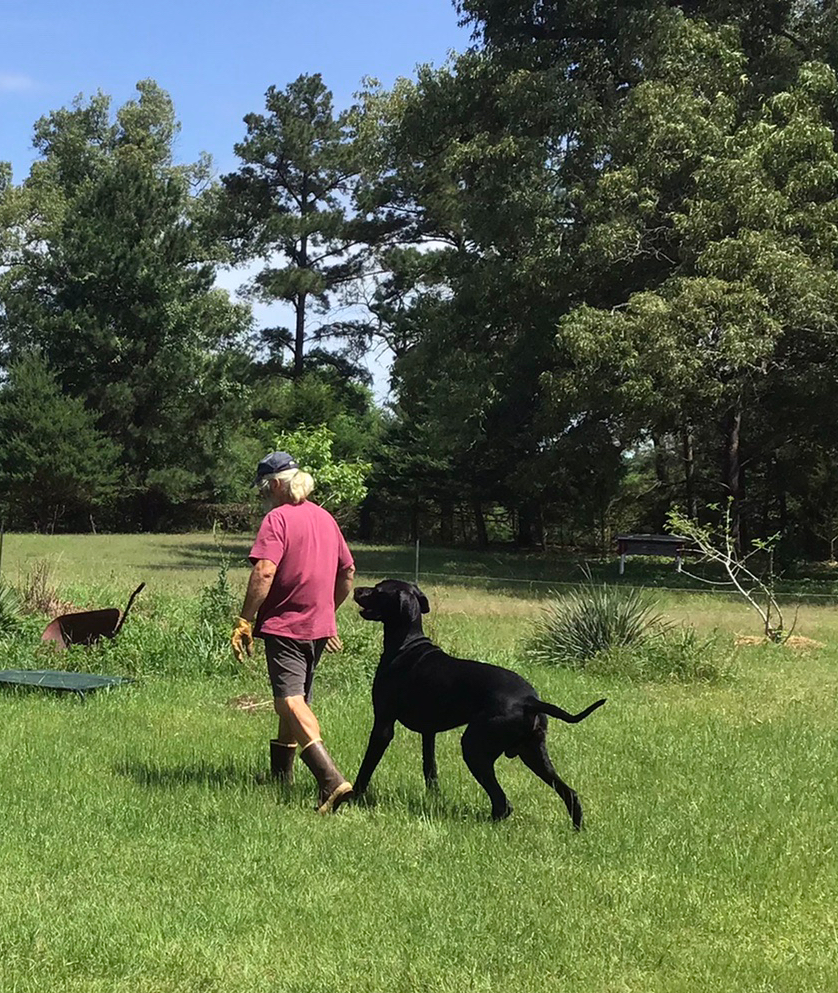
Of course, he’s not the first critter here to obediently follow Hubby everywhere!

Shadow happily in tow

Scrappy’s getting fed with a combination of powdered milk specially formulated and goat’s milk, thanks to Summer, who I’m still milking from her last freshening, last spring.

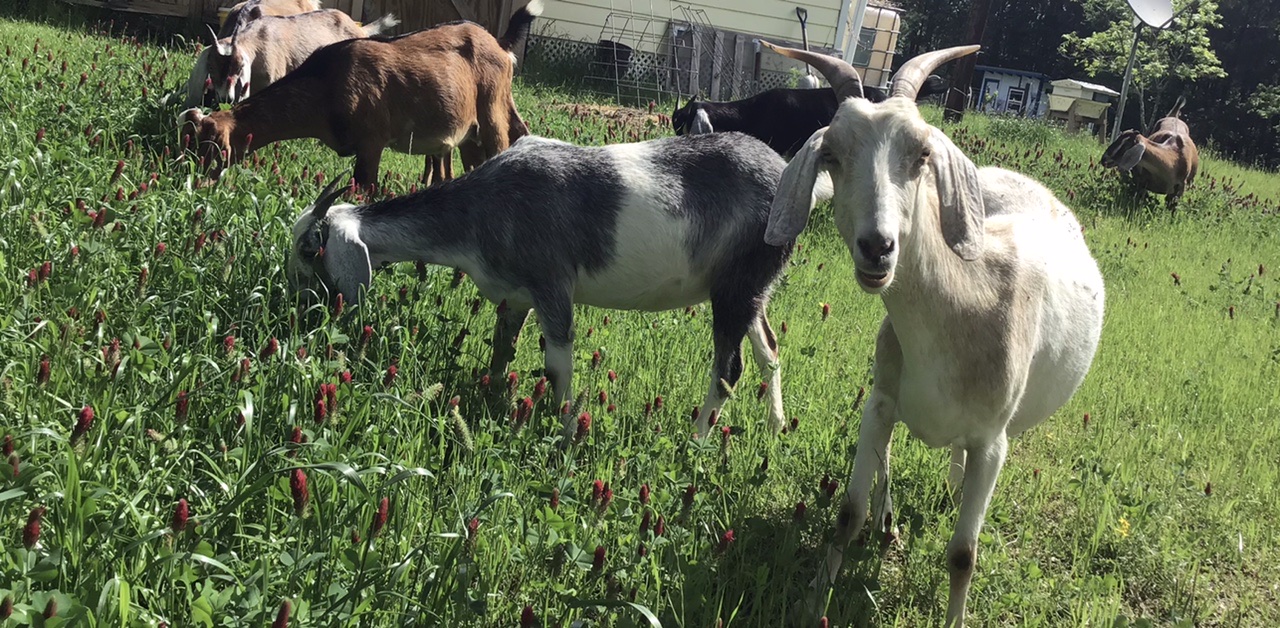
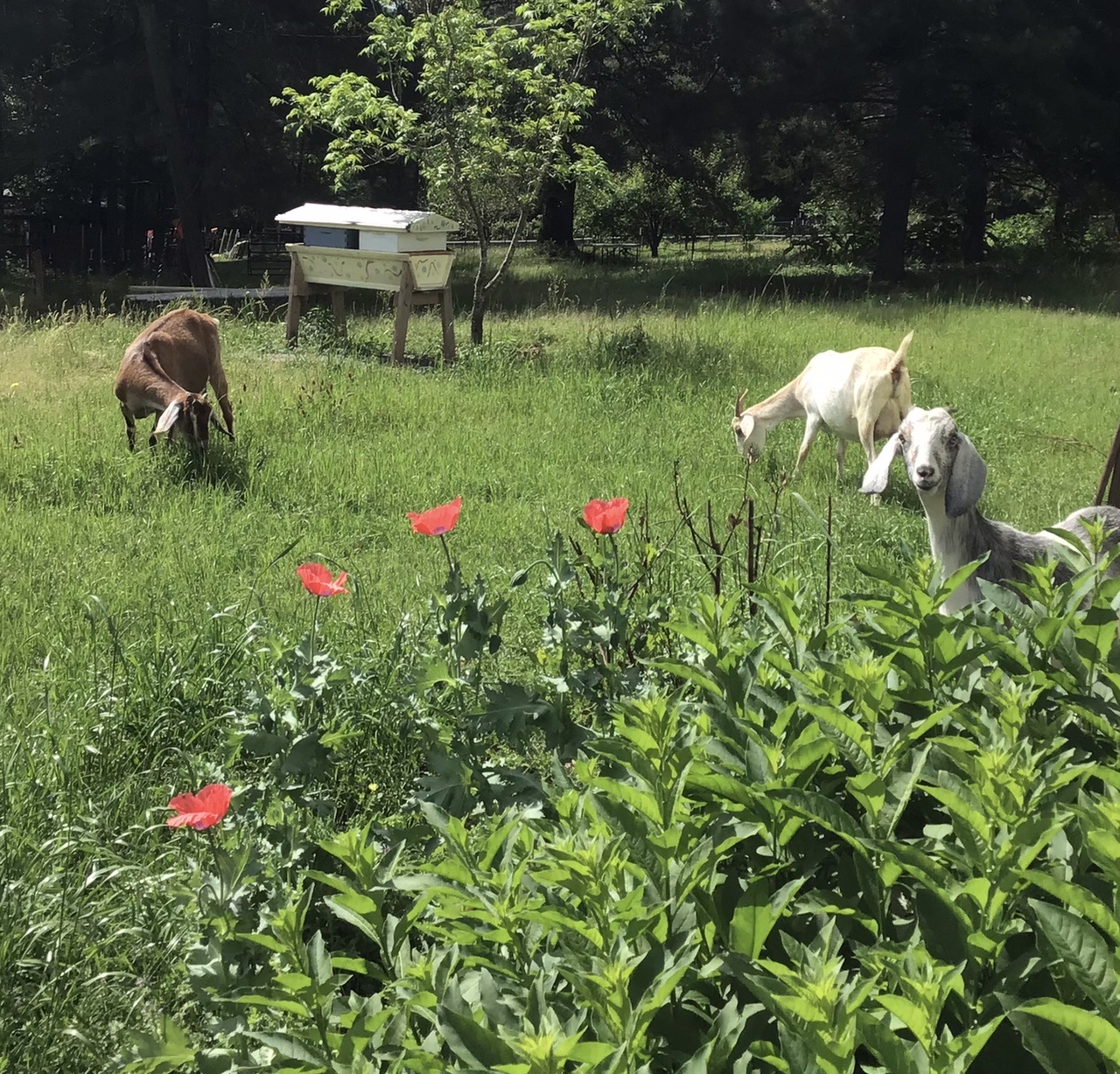
Summer, on right, with her offspring, Bluebonnet next to her. Phoebe below, left, so huge already we wonder if she’ll have triplets!

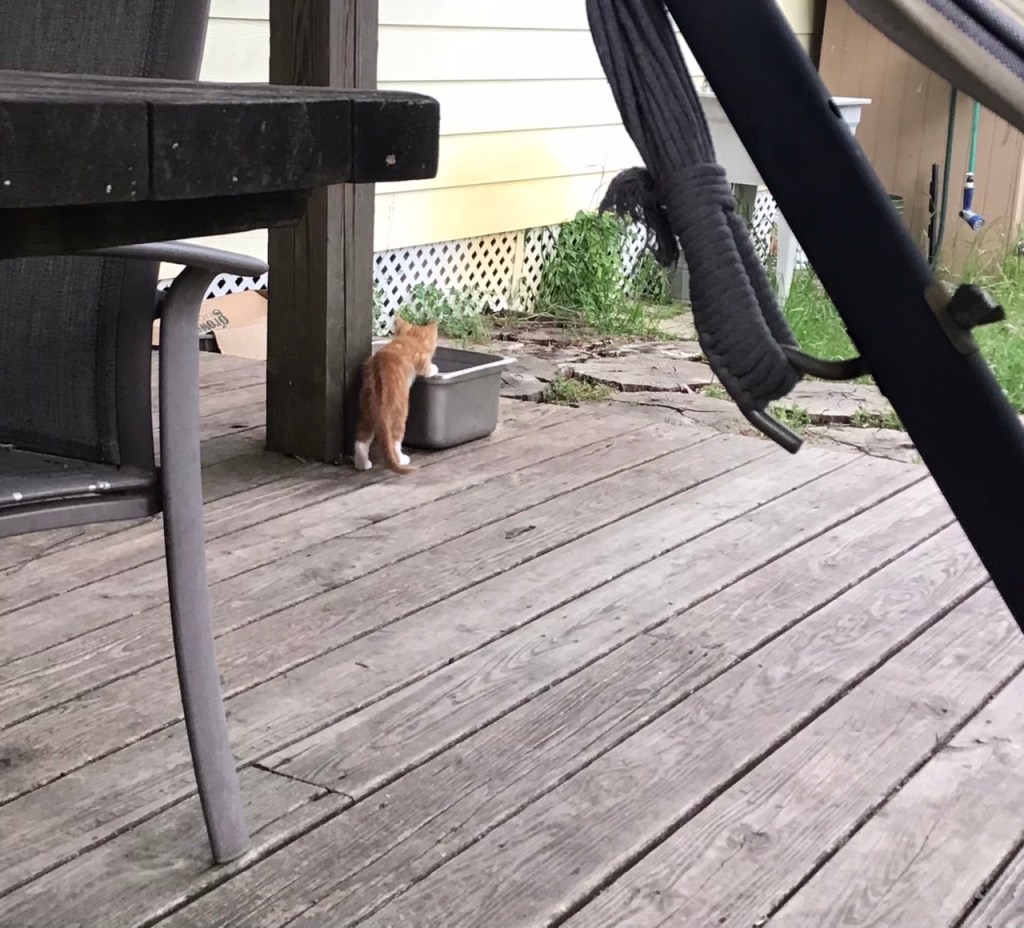
Skittles (below left), looking tough as always, but her kittens are already getting accustomed to an easier life, from the barn to under the porch.

Careful kitties, domestication has its costs, which is probably why Skittles keeps hissing at the hands who feed her. 😆

Thanks for stopping by!

Let’s Talk ‘Quality of Life’

I understand it’s different for everyone. Not only that, but it’s different for any one individual in different times and at different stages in life.

What’s considered a high quality of life at age 19, differs greatly from one of 49. Or at least, we can hold out hope.

As one example, in the past I said I wouldn’t ever want livestock beyond chickens, for a couple reasons that seemed very significant to me at the time—I was scared of the responsibility of life and death for these precious creatures, and I didn’t want to feel ‘a prisoner’ here.

Now I am fully on board with the responsibility, and I can rarely whip up a desire to leave our wee compound. My notion of who is the actual prisoner has shifted significantly.

When I hear criticisms—and there are plenty—aimed at the growing number of homesteaders, survivalists, preppers, back-to-the-landers, I’m not bothered. They can slur us with their derogatory terms like Luddites, subsistence farmers, backwards, selfish, hoarder, bitter clinger, extremist, even, violent extremist.

They don’t know. How could they? I can forgive them their ignorance. For as long as I believe it to be genuine ignorance. Those who are genuinely ignorant are thankful when presented with an opportunity to learn.

There is a cult of ignorance in the United States [that] has been a constant thread winding its way through our political and cultural life, nurtured by the false notion that democracy means that “my ignorance is just as good as your knowledge.” – ~Isaac Asimov

My definition of a high quality of life changed significantly over time, and I can hold out hope for them as well.

That is, until their powerless slurs become serious impediments. My choice of a quality lifestyle does not harm them in any way. However, their definition of one severely hampers mine which, over time, makes mine quite impossible.

And that really pisses me off.

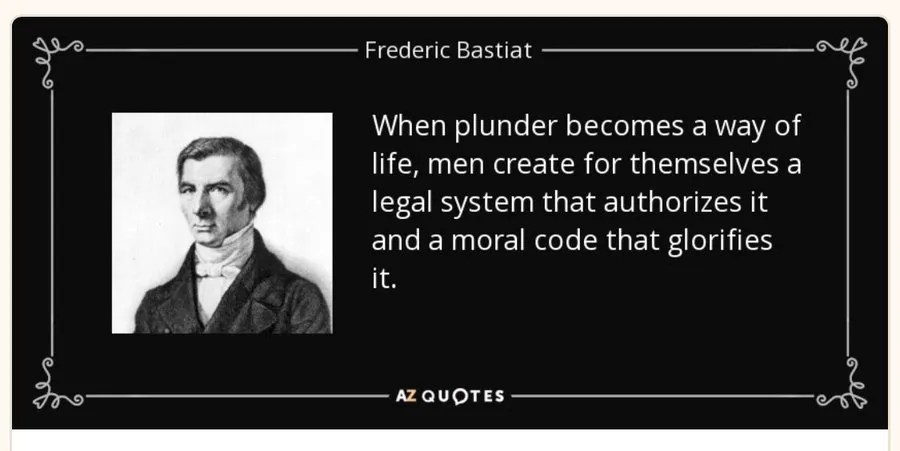
Their quenchless thirst for cheap thrills and consumable crap and loot, plunder and pillage of all that’s precious to me is intolerable. More specifically, the tolerance of the majority for abuse of themselves, their environment, the future generations, is outrageous and inexcusable.

“The fecundity and flourishing diversity of the North American continent led the earliest European explorers to speak of this terrain as a primeval and unsettled wilderness—yet this continent had been continuously inhabited by human cultures for at least ten thousand years. That indigenous peoples can have gathered, hunted, fished, and settled these lands for such a tremendous span of time without severely degrading the continent’s wild integrity readily confounds the notion that humans are innately bound to ravage their earthly surroundings. In a few centuries of European settlement, however, much of the native abundance of this continet has been lost—its broad animal population decimated, its many-voiced forests over cut and its prairies overgrazed, its rich soils depleted, its tumbling clear waters now undrinkable.” (The Spell of the Sensuous by David Abram, p. 94)

Unforgettably Unforgivable

While our personal definitions concerning quality of life is unique to the individual and may shift, even quite considerably, over a lifetime, there remain constants.

For example, I doubt there’s a significant number of folks whose idea of a high quality of life includes having their health, wealth or well-being routinely stolen from them.

Yet, we are living in a society where that is exactly what happens and few will lift even a pinkie finger to change it. Few can be bothered even to wag their tongue for one-half minute at the proper authorities for leading them to exactly that wretched level of life: A life fully resigned to blindly accepting the experts and authorities who routinely betray them.

Invariably at some point these folks become so numerous and so delusional and so negatively impactful, that one simply must turn their back on them, for one’s own sanity and the well-being of an entire culture.

I hear far too often how ‘good’ people are just trying to get by and they are powerless against the system and they mean well and on and on and on. Here’s what I sincerely think when I hear these constant excuses: “You don’t know what ‘good’ means!

If the majority of folks were good, we would not be in this mess!

To not be evil, to not be actively committing evil acts, does not make someone good. It makes one not evil, that is all. There’s a big, long, wide gap between not evil, and good.

Contrary to popular opinion, harmless does not equal good!

This becomes even more apparent in a society where a tiny class of untouchable elites consider themselves to be beyond good and evil.

To be good in such a system requires something of you. It’s not your automatic birthright.

You cannot be serving such a system— one that maintains itself by destroying the health, wealth, well-being and environment of the vast majority in order to serve your own self-interest or that of your corrupted masters—- and still call yourself good.

As the interpretation of reality by the power structure, ideology is always subordinated ultimately to the interests of the structure. Therefore, it has a natural tendency to disengage itself from reality, to create a world of appearances, to become ritual.

Vaclav Havel — The Power of the Powerless

And you can’t call your friends, family, government, society ‘good’ if serving the corrupt system is still what they are doing.

Counting Blessings, Cutting Loses, Culling Critters

A respite from the heat, but still no rain. We surveyed our fenced land for grazing and have come to the sad conclusion that our intention last year to grow the herd will not be achieved in the near future.

Seemed like the right thing to do, growing the herd, considering food inflation and especially high meat prices, and the fact that Hubby is here full-time now, and that more bartering/trading could be in the foreseeable future. But, the parched land screams otherwise.

Between the steeply rising cost of feed and the meager forage available, and no guarantees the stranglehold of the weather terrorists will let up any time soon, we come to some difficult decisions.

We will wait another year to freshen the goats, drastically reduce the number of sheep, and breed back only one sow. We will maintain the poultry flock as-is for the most part, but had hoped to add ducks once again to the mix. No rain means fewer bugs means more supplemental feed. So that plan is not looking too good now either.

Planned building projects are also getting postponed. A ‘milking parlor’ was on the list, some much-needed repairs to the deck, rebuilding the greenhouse, a field shelter for the herd, and on and on, plans are easy, implementation, not so much!

We are blessed with an already achieved minimalism: Living seasonally, frugally, well-acquainted with the boom-bust cycles of our overlords and still small enough to be flexible, and with enough local support to know we’ve got each other.

Our most crucial long-term goal remains: Growing our own feed—perennials as well as annuals.

We hear the word ‘sustainable’ repeated multiple times a day these days, but there’s rarely anything truly sustainable being suggested.

It’s 99% hype and green washing. But actual sustainability does exist, and the more self-reliant we can be, the closer we are to achieving it.

How do we measure up?

And it’s not like there’s not plenty for us still to do and learn here, even with squeezing the belt tighter.

I’m still very interested in herbalism, especially as it pertains to our local environment. The best things in life are free, or nearly so, no?!

And while I do appreciate the allure of the consumer life, I’m far more fascinated by the natural world all around me. It’s always a matter of slowing down, observing ever more closely, teasing out the potential of all that is all around me, and some of that certainly means our local community, but that doesn’t just mean the people.

I’d love to learn more wild crafts, as well as more fine art tuning; more science, and more speculation; and much, much more about where and how these endeavors mesh.

There is a different brand of “More!”, isn’t there, than the furious Billy Idol sang about?

Or, maybe it’s all the same, in the midnight hour?

Homestead Happenings

Time to wine!

It’s hot. It’s dry. It’s miserable. Every day we enter the garden and the orchard knowing we’ll find something else dead.

First it was the tomatoes, then the salad cucumbers and cantaloupe, now it looks like even the tomatillos are giving up before ever producing well. The squashes are all struggling and the peppers and figs are mostly stalled.

I wish that meant it was time to rest on our laurels and have some long, slow and sweet indoor days of movie marathons and Kombucha cocktails.

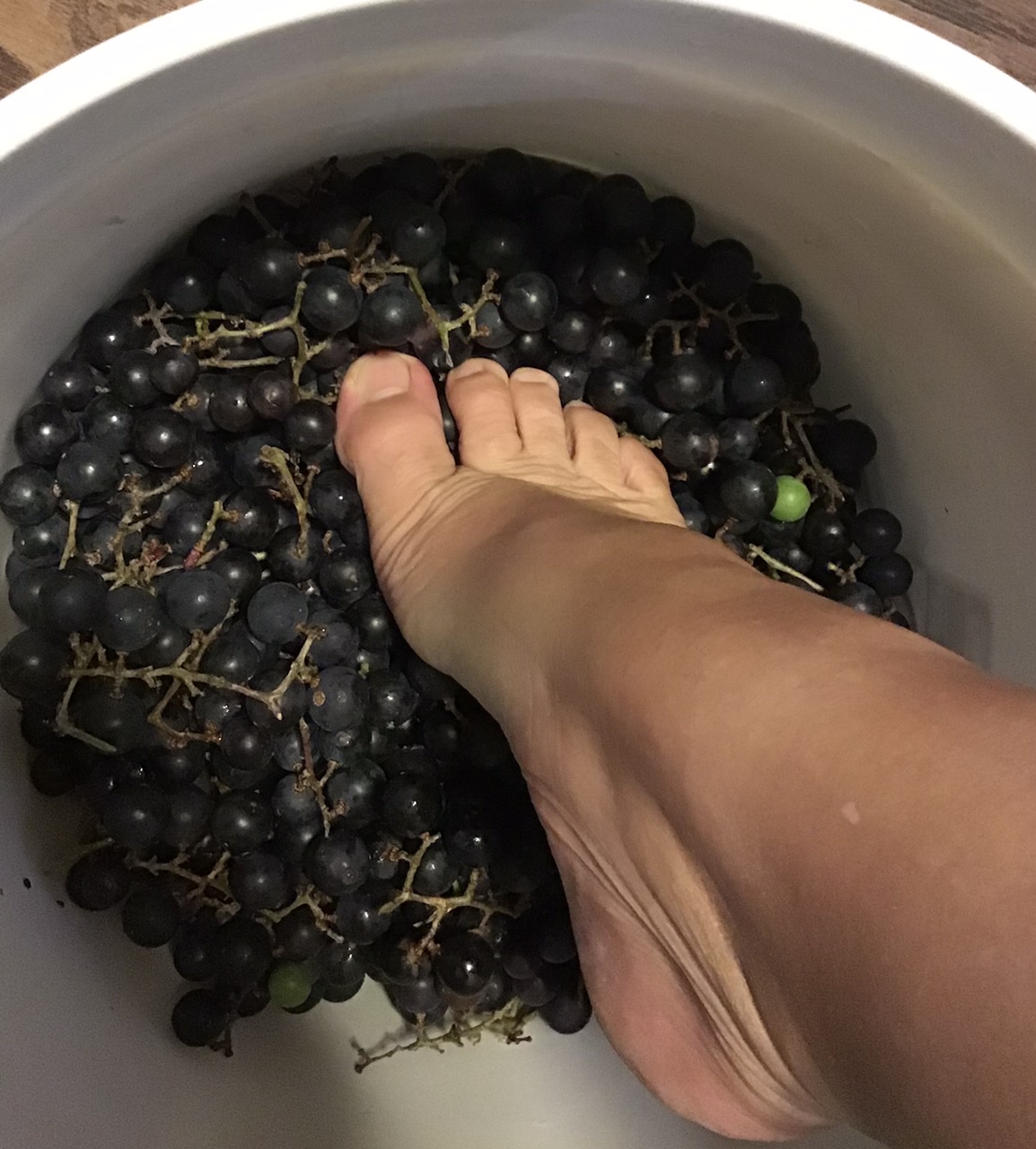
But no such luck, because it’s time for making wine!

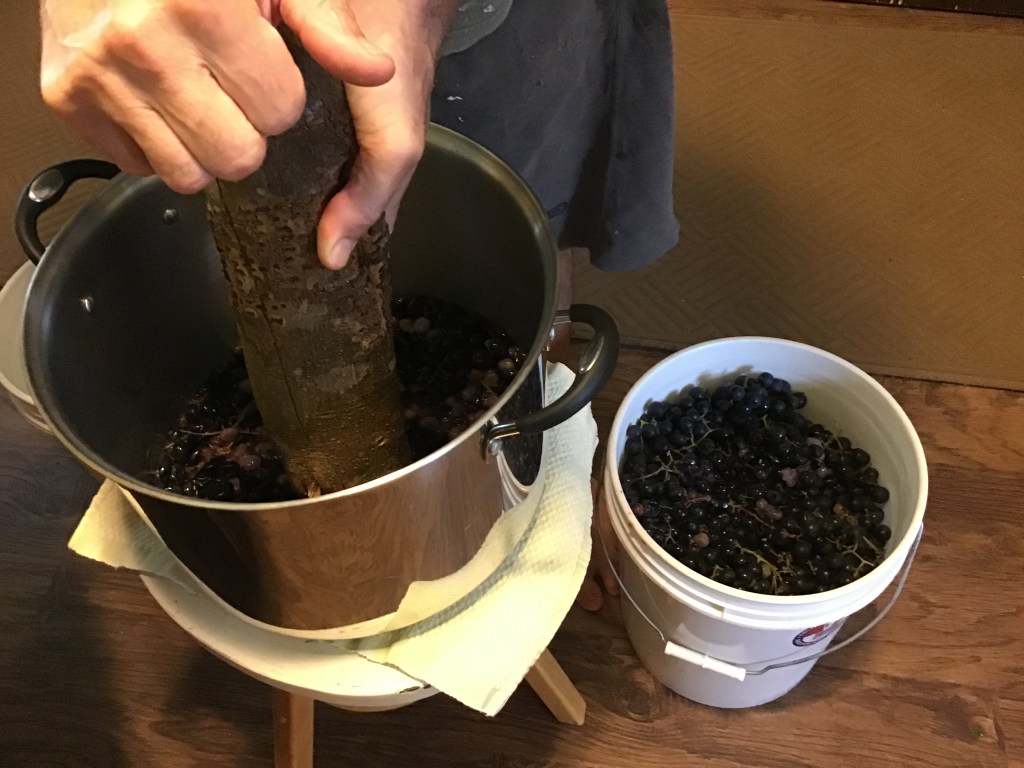
Our painstakingly cultivated Muscadine grapes are not doing well, we expect a minimal harvest, at best.

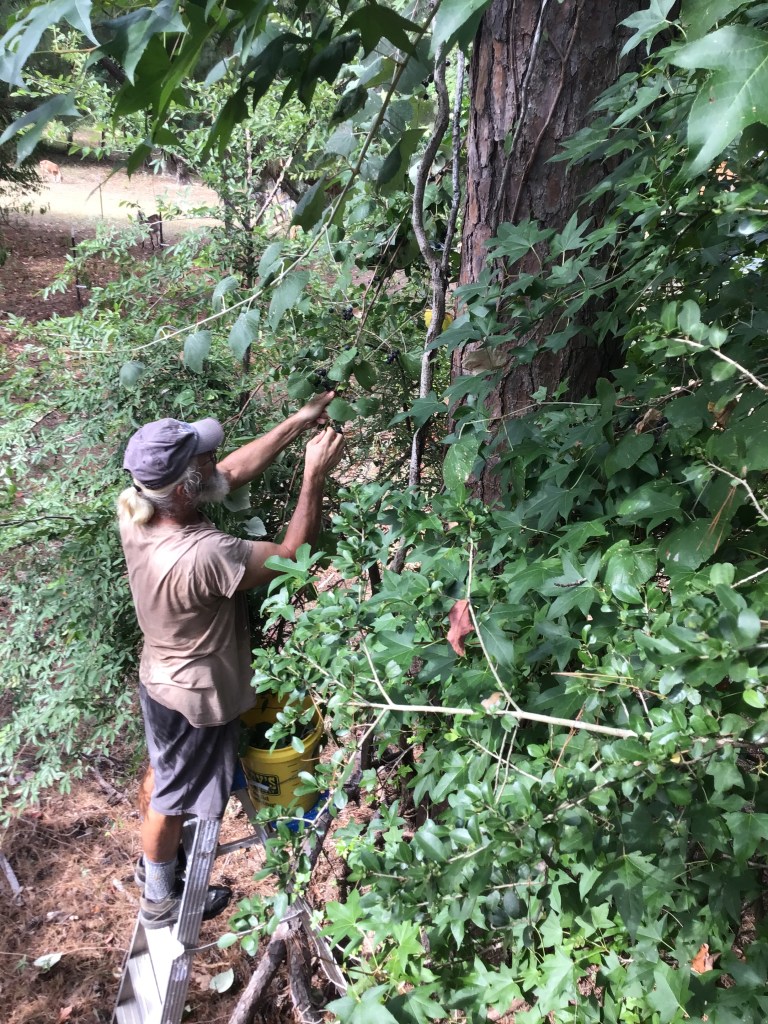
But, the native Mustang grapes are a lot tougher, apparently.

So, fortunately! We’re still able to make some wine and jam.

Did I mention it’s really F’ing HOT? And dry?

I’d whine a lot more, except I keep going back to the miracle of all the critters and plants who can take it so much better than we can. Though, I know they are struggling too, and are just less whiney than I am.

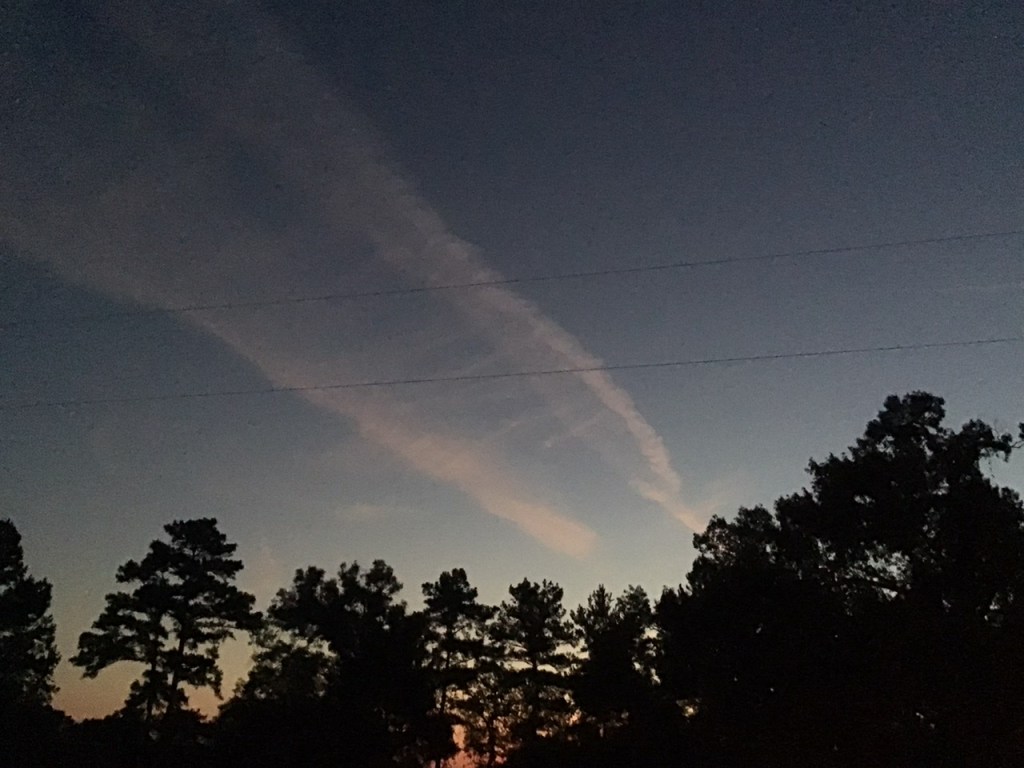
And just for those keeping track, the ‘chemtrails’ have not abated.

Forbidden Cheeses: Little Turd & Wetnurse Breast

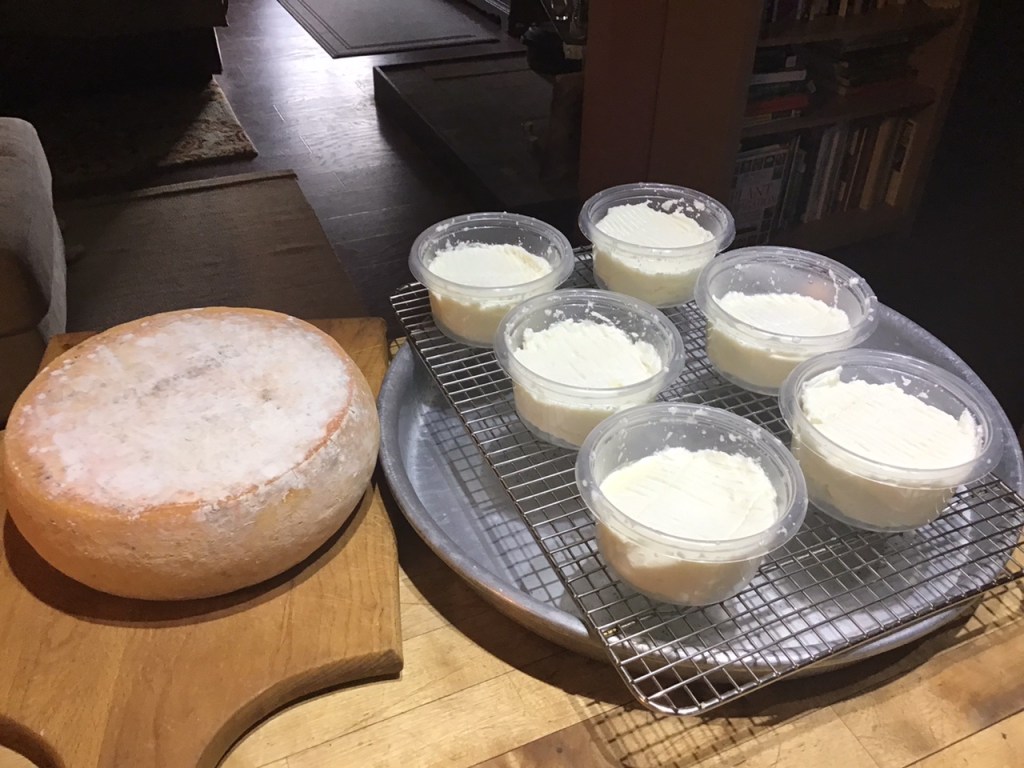
I ran out of attention span last post before I got to talking about cheese. Now that we have three mamas in milk I’ll be having a ball experimenting with new cheeses, which along with kombucha experimenting, is my favorite homesteady sort of thing to do.

Gardening and cooking being not far behind, to be sure!

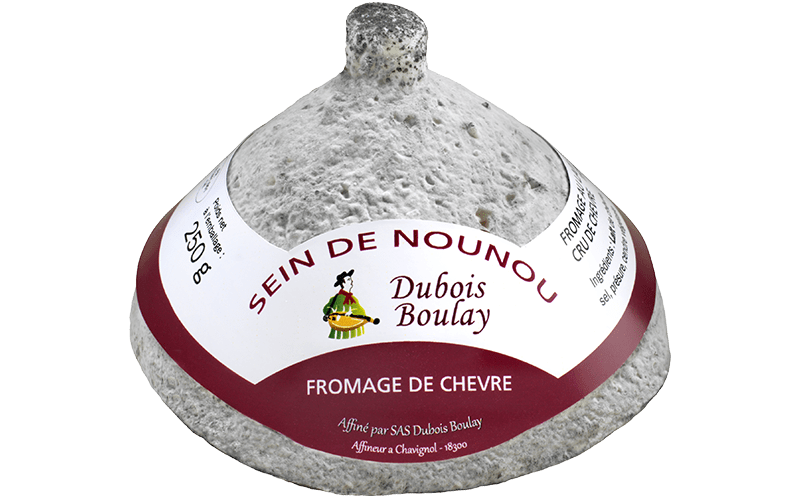
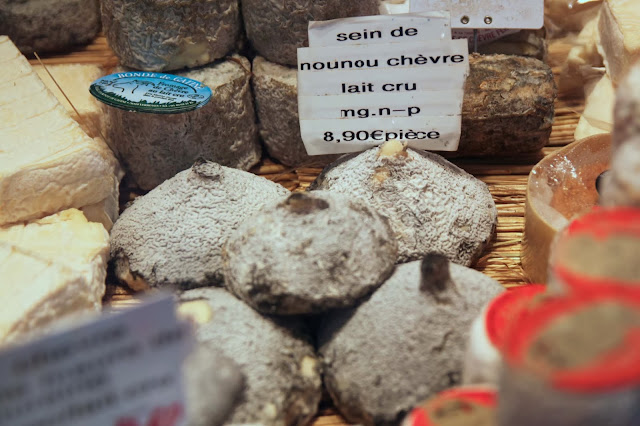
Aged chèvre (goat cheese) in the French tradition is made of the highest craft and care, even when they are whimsically-named, like Crottin (Little Turd) and Sein de NouNou (Wetnurse breast).

But here in the U.S., Land of the FreeTM, Velveeta is ‘safe’ for consumers and aged goat cheeses, ideal for homestead creation, are completely illegal.

Because they care so very much, right?

“Chèvre evolved in frugal farming households of the sort that continue to make it today. It is a cheese that’s very economical, in both time and ingredients; made on the family farm, where there are many chores to take care of and livestock to feed, a cheese that didn’t need much attention or many costly ingredients fit right in.”

That is in Central France and other locations where it’s not illegal to sell. These are cheeses that require few inputs and no regular purchases—you don’t need a cheese press, or any expensive cultures, or even rennet. Fig sap (or other coagulants like nettles) can easily be substituted for rennet as only a few drops are used to set a gallon of milk.

These are also cheeses suitable to make in warm climates, similar to the more well-known goat cheeses like Feta or a fresh goat cheese. What makes the aged chèvre so unique is that it can only be made with raw milk. You may find hard raw milk cheeses in your grocery store or farmer’s market, like Gouda or Cheddar, these are pressed cheeses aged over two months, which are legal to sell with all the proper licensing. (I have NO interest in that!)

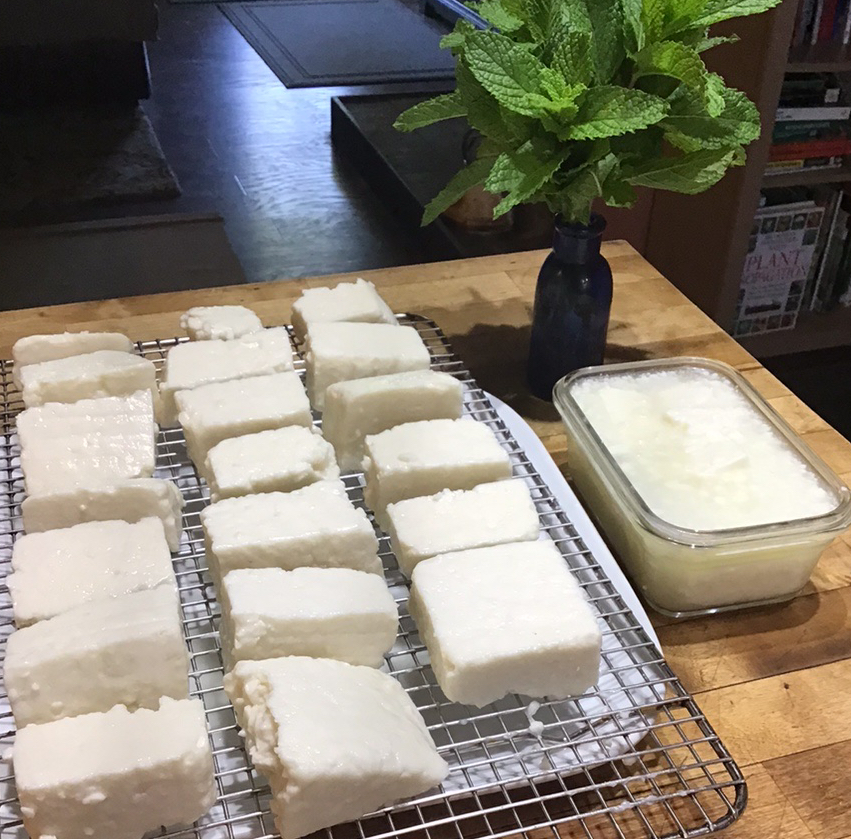
Feta, aged in salted whey for 2 weeks, some still soaking for a sharper flavor and others now drying for packaging in Foodsaver bags for longer storage.

These illegal aged goat cheeses sit at room temperature for about four days.

Imagine the horror the germophobes have with that!

You most certainly can’t do that with pasteurized milk. These cheeses were invented before pasteurization and before refrigeration and aged for a month or two in caves.

Mine will be aged in Tupperware bins inside a small beverage fridge I use for aging cheeses. (I would prefer not to use plastics at all, but they work just fine and I don’t have other options at the moment.).

I use natural cultures, not store-bought or freeze-dried, developed from previous cheeses, and stored in the freezer. Once the cheeses develop their fungal coat after a couple of weeks, they will be wrapped and aged for about a month.

Traditionally wrapping for these cheeses include leaves, like grape and fig, and even hornet’s nests. A few will also be coated with ash, instead of wrapping, like the traditional Sein de NouNou.

It is positively amazing how differently the cheeses will taste based on just a few variables in the process!

“Relatively unknown in North America, this class of cheeses includes some of France’s most famous fromages: ash-coated and pyramid-shaped Valencay; Sainte Maure—pierced with a blade of straw (the industrial version of Sainte Maure features plastic straws!); and small, moldy Crottin are all aged chèvre cheeses. Perhaps the only well-known North American aged chèvre is Humboldt Fog, a creamy, ash-ripened goats’ milk cheese from Humboldt County, California.”

(I’ve not looked into why or how the Humboldt Fog is legal to mass produce and sell. I plan to dig into that, but my initial guess is they’ve been able to either find a way to use pasteurized goat milk or they have a state-of-the-art affinage ‘cave’ where they can age it over two months without losing the creamy texture.)

“Goats are a belligerent species that have rejected the rigorous production regime thrust upon their bovine cousins. Unlike cows, who contentedly chew their cud in confinement and produce enormous quantities of milk year-round, goats refuse to be cogs in the machine of industrialized dairying.”

On left: Cutting into the last Kensho cheese experiment, aged two months, a washed-rind cheese similar to something between a Muenster and Gouda.
Result: Delicious Success!

A most excellent resource, and the source of the above quotes:

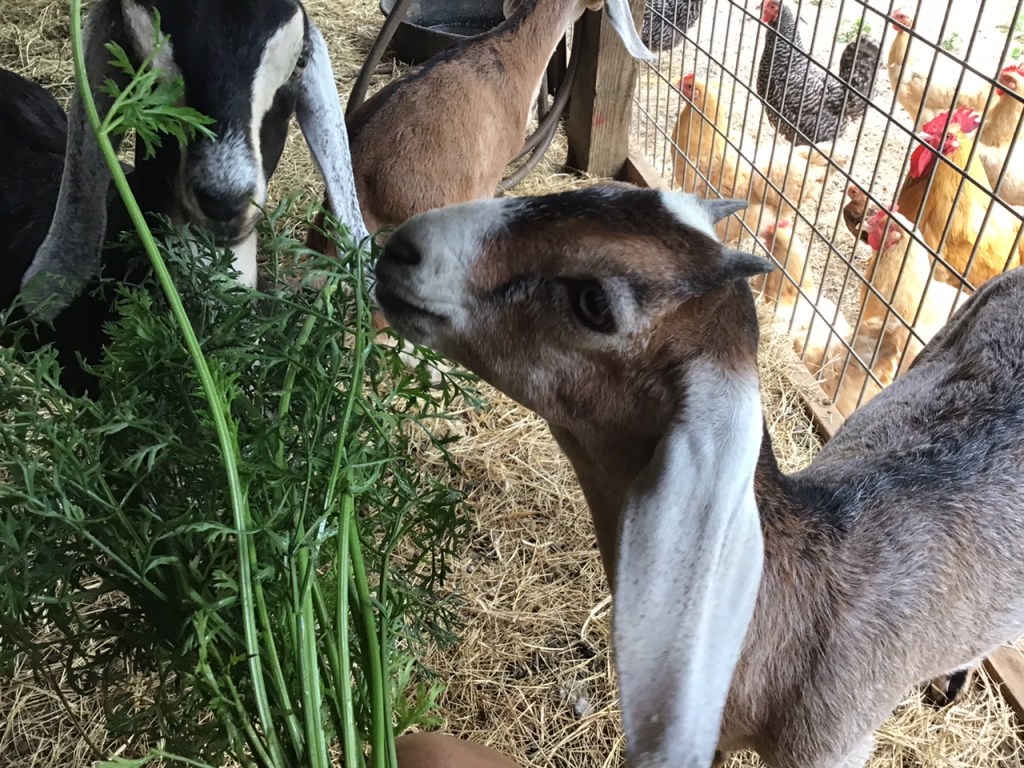
Goats, a belligerent species? HA!
The perfectly adorable non-conformists more like!

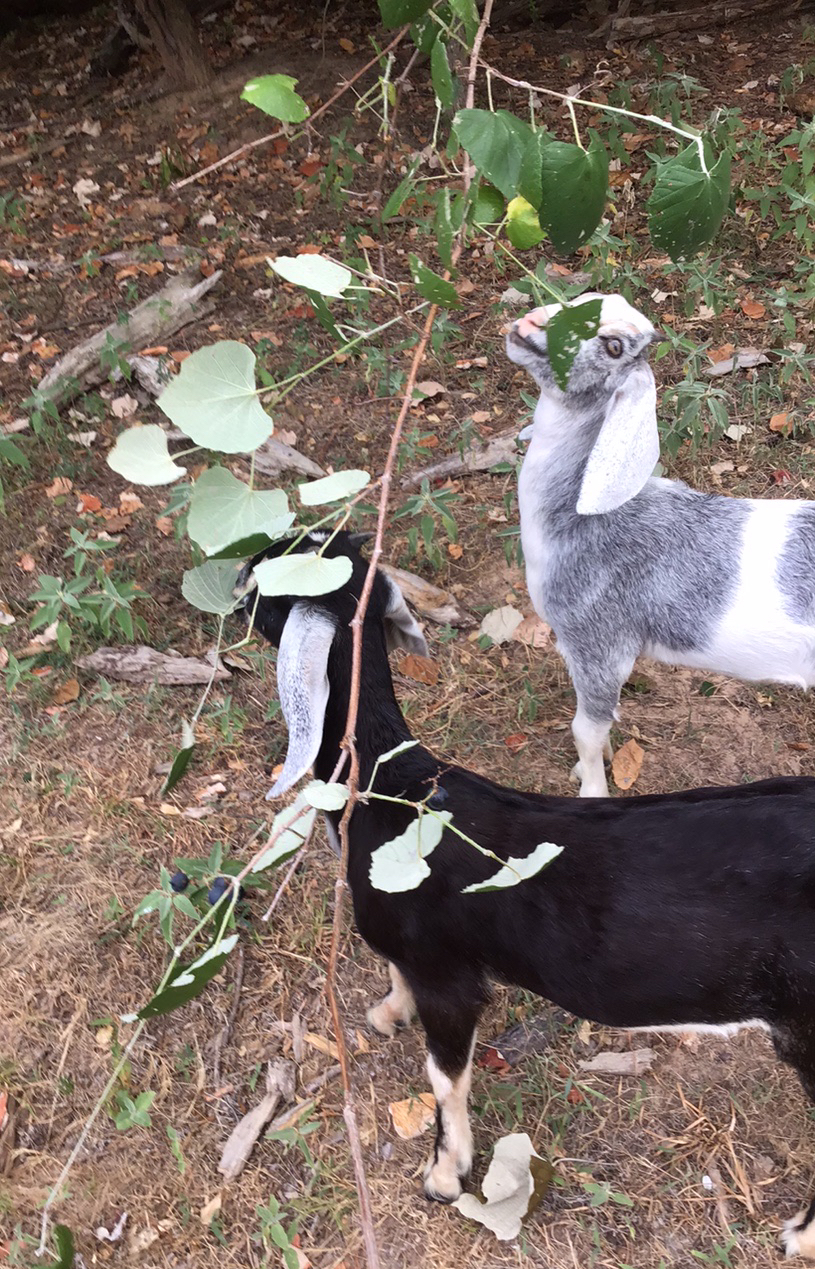
The latest and last addition to the herd this year (in the foreground) yet to be named, and already twice the size of our wee Athena (in the background, about 5 days old), formerly Zena, we decided we prefer the former.
Any name suggestions on our newest? We are at a loss so far with this big girl who is sure to be a lifetime keeper! She came out huge and most active and ready to suckle immediately and play within 1 day!

True Sustainability

As the United Nations, Club of Rome, World Health Organization and various other international ‘public-private’ partnerships try to propagandize the world into their vision of “Global Sustainability” there are a number of crucial variables they’ve left out, which localities could capitalize on, if they were made aware of this potential.

For example, did you know there are salt mines all over place in this country? Salt was the basis of our first ‘trade markets’ — long before exotic spices of the Orient — salt was King of the World.

Salt was, well, worth its weight in gold, as the saying goes. Why do we import tea, the ‘native Americans’ might have queried of the mostly British expats settling here? There’s perfectly good tea all around you, can’t you see? And they might have made a few good jokes about that.

But salt? You’re going to import salt, too? What the bleep for?! That’s not even joke-worthy, that’s just a dumb-ass death sentence! You know it’s everywhere around here, right? And the gold y’all so covet, what’s that for, exactly? Y’all are really so very attached to your adornments, eh? Good choices there, give over your salt, so you starve, for gold, so you can pay your taxes. Brilliant system!

Here on the wee homestead we came inspired to see how long and far a road it is to self and community sustainability. We were thinking like most homesteaders, survivalists, etc., are thinking—food, water, energy. Obvious, these are crucial.

But what about the salt? That, along with the water, was the very first thing either robbed, buried, or tainted by the industrialist-minded settlers. Not the ones who came for a better life more aligned with their God and purpose, the ones who came expressly to profiteer for the pay-masters back home.

Long before our water and air were compromised, our people enslaved to the State and our ranges overrun with slave labor, our salt was “buried” by the Global Regulators. There are salt mines and primal (renewable, sub-surface geysers, essentially) water available all over this country.

That was known centuries ago! But go ahead and demonstrate your loyalty to the State, that tricked and enslaved your Great, Great Grandparents and before, by wearing that muzzle of submission and voting for your next tyrant.

Don’t care where your salt comes from? Next you don’t care where your water comes from, or your food comes from, or your energy, or anything else.

Line up, bend over, take your shot.

https://www.onlyinyourstate.com/texas/salt-mine-tx/

Do You Kombucha-cha?

I realize it’s already a thing, considering it’s now a $600 million annual industry, but I thought I didn’t like it.  I couldn’t have been more wrong, I’m happy to say.  I haven’t been this excited about a new thing (for me!) since I started making cheese.

In fact, it’s not at all new, just popularized and mass marketed these days.  Kombucha has an ancient and fascinating history and far more uses than just a really healthy and delicious beverage.  I’m just learning about them all, but I’m keen to incorporate this little miracle into our homestead lifestyle.

Sally Fallon, my favorite cookbook author, believes as I do that, “the craving for both alcohol and soft drinks stems from an ancient collective memory of the kind of lacto-fermented beverages still found in traditional societies.”

And it’s so much more than just a wonderful beverage.

Kombucha’s numerous applications make it a natural component of ‘closed-loop’ systems, in which its waste products can be converted into toxin-free commodities.  Whether as compost or foodstuff, there is some way to turn every by-product of the kombucha brewing process into something useful. The Big Book of Kombucha by Hannah Crum & Alex LaGory

84D13C37-F34B-438E-8E6C-4762EEE53690

If you’ve only tried commercial Kombucha you might be like I was and think you don’t like it either.  My home-brewed version taste nothing like the store-bought brands I tried.  And, the first time I tried home-brewing I was doing it all wrong.  I’m so grateful to a friend who gave me another SCOBY and insisted I try it again.  Following the tips and tricks from several great resources, I’m hooked.

A SCOBY (Symbiotic Culture Of Bacteria and Yeast) is kind of like a sourdough starter, shared among friends and self-replicating.

There’s far more information available than the first time I tried home-brewing many years ago.  The key to my new love is the 2nd fermentation bottling with flavors, when the tea becomes carbonated.  Even if you’re not a tea-lover you might be surprised, I think it tastes more like a mild, flavored soda.  Some Kombucha lovers have claimed it helped them kick their cola habit and replace it with something far healthier in every way—for the body, the paycheck, and the environment.

Besides the excellent book mentioned above, these sites are also great resources to help you get started, learn more, or stay addicted.

Cultured Food Life

Cultural Revivalists