PseudoCaring

Soon the mainstream disease care system will be employing robots and AI-generated advice dispensers as nurses and surgeons. It’s happening already.

Meet Grace, the robot nurse that COVID created

Some are shocked and appalled by this, as they should be, according to me. Others think it will be a fantastic improvement to human life, or a great way to make more fiat, or a solution to the burden on the caring professionals, or they love tech for tech’s sake, or whatever.

Those of us who love history and dwell constantly on the question ‘how has it come to this’ were well aware of this potential because we study the trajectory of modern life. I could begin with the first critics centuries ago, but for brevity sake, I’ll start instead with my own life, the only history available to me to know thoroughly enough.

Working mother, divorced parents, step parents, then step siblings, professional daycares, neighborhood babysitters, after school programs, junk food, convenience food, lots of TV. Family history of: diabetes, heart disease, obesity, cancer, vision problems, depression, eczema, alcoholism, Parkinson’s, and, you get the picture.

And I would not say my family life was bad. It was the typical American suburban life of a great many growing up in the 70s and 80s. Neither particularly good, nor bad, just normal. Normal, as in well-normalized.

Like most families my parents would joke about voting for the ‘lesser of two evils’. They probably learned that from their parents. My mom went to community college and got her degree once we were gone, in sociology. She worked full-time all her adult life and didn’t regret it. My dad remained ‘upwardly mobile’ as his Protestant father taught him to be.

In fact, we have retired before him, and he has just had his first heart attack.

They are both still with us, but they do not read this blog, so I could say whatever I wanted. 😏. But, that’s not the point of this particular post.

Let’s leave it at this—in hindsight, my unique perception of growing up this way is, in a nutshell—there was not a lot of parenting happening. The results of this having widespread and devastating effects.

It is from these original seeds of pseudocare that have been not only consistently irrigated in our own territories, but have been dispersed throughout the world these last five-plus decades which has ensured the trajectory to the ridiculous place where we now find ourselves: Drowning in pseudocare so deeply we can scarcely recognize what real care looks like anymore.

Another quick peak at the fruits those seeds have produced.

Yet even facing all of this, I’m still optimistic, as I have been all my life. Even at the worst of times, even during a few prolonged worst of times, I must’ve still learned something vital from my half-assed upbringing and collapsing culture.

So, here it is, in another nutshell:

Believe in yourself, believe it can change, but don’t practice in sidestepping the hard stuff. And the hardest of the hard stuff is care, real care—for yourself, for others, for the future—that is why we are here. How you go about that is your personal journey and your only real duty to discover and live. That is all there is to do in a life well-lived.

Which is why I want to once again quote an obvious example of someone doing exactly that, Gavin Mounsey, who is rocking the real care like a hurricane these days! Wait . . . What?? Ok, terrible simile aside . . .

I believe he knows what needs to happen next and is becoming the living manifestation of that in his own life first, and passing it around. Leading by example, it’s the only way. It’s the same cardinal rule as storytelling—Show, don’t tell.

From Gavin’s book, Recipes for Recipocity

Here are few select quotes from his recent interview with the witty Russian correspondent and potential future Russian-American homesteader, Edward Slavsquat: The Revolution Will Involve Fermented Cabbage

“I want to give my energy to improving and increasing the resilience of my local community, not your hyper centralized one size fits all infrastructure. 

“Freedom is not a consolatory prize that can be given to us to reward our obedience and capitulation to a system of violent coercion. It is not something that can be granted or provided to you by some government that wrote some thing on a piece of paper. Freedom is your birthright, and you either live it and embody it, or you allow yourself to be put in a mental cage by statists and other abusive institutions or individuals. My ancestors bloodlines are traced back to a people described in today’s terms as The Gaels. “Saoirse” is Irish Gaelic word for “Freedom”. Saoirse is an ancient concept that comes from the original Brehon laws of the Druidic (and eventually Celtic) world before the time of Christ. In the times when that word was created, my ancient ancestors lived without a centralized state, without prisons and without police.

Saoirse means many things to different people. For some it means freedom to think, express and freedom to learn, for others it’s the freedom of imagination and the freedom of the spirit. And for some it also means freedom to set up parallel societies.

“This is one of the reasons that I included glimpses into two historical cultural cross sections of ancient cultures that existed without a centralized state and police/prison system in my essay as I feel that we can glean wisdom from stateless societies that existed for centuries to millennia in how to design more ethical, equitable, honest, Regenerative and practical ways to organize community, encourage amicable/respectful behaviour in humans and collaborate to leave this world a little bit more free and beautiful than it was when we got here after we are gone.

“With all that being said, I want to emphasize that I think that placing any culture, group of people or individual on some pedestal as pure is unhealthy. I feel we should be vigilant to make sure we are not romanticizing their past nor romanticizing the potential of their worldviews to provide solutions to the present challenges we face.

“The path to become connected to place with a reciprocal relationship, reverence and humility is the path to embrace indigeneity ourselves.

“It is a great starting point to create pockets of decentralized resistance to oligarchic / statist tyranny as growing your own medicine and veggies may appear harmless, but in a parasitic global plutocracy it represents a decisive action that severs the tentacles of tyranny in a critically important aspect of our lives (how we access food and medicine). Thus,  it is a radical and revolutionary act that appears benign to the hubristic philanthropaths and demociders, serving as a sort of covert sedition in a world governed by parasites that want us dependent, gardening to grow or own food and medicine is like a hammer wrapped in velvet that knee caps big pharma’s plans to poison us slowly through dependence on their system for health care and also strikes the spine of the digital gulag system, breaking its back so it can no longer have any strength to influence our lives through controlling our access to food/medicine.

A better essay about the importance of self-reliance and health as the ideal antidote to modern societal tyranny I could not have written! And he has a YT channel. 😁

He was also kind enough to try to address our biggest garden nuisance within the scope of his permaculture lens. He offered many potential solutions, and bless his heart for the effort. 

But I’ll just repeat my personal favorite: hot and spicy gopher wings. 🤪

What an example of authentic care—growing in the real and cyber worlds simultaneously—where even sassy meat-eaters and smart-asses and AI are welcome to stuff up their comments sections. Now that’s grace under fire!

Thanks to guys like these, in the coming decades I predict courageous fellowship will become the new sexy.

Technology & Sustainability II

I venture once more into this unsavory file. I have to force myself, because there are about three thousand things I’d rather be thinking and writing about. Here’s the first one in my on-going efforts.

But, it’s the kind of questions that keep circling round and round in my mind day and night. Why are technology and sustainability being pushed on the public as essentially and inextricably connected? With the follow-up question being, and why do folks keep accepting it?

I read and listen to quite a bit trying to wrap my tiny mind around it all. I still can’t. But, do know I’m not giving up, and feel free to click around at some articles and quotes of interest.

All I can come up with is, it’s a classic Bait & Switch.

https://www.forbes.com/sites/forbestechcouncil/2021/04/28/how-technology-is-driving-a-sustainable-future/

https://www.weforum.org/agenda/2020/01/using-technology-and-innovation-to-ensure-the-world-won-t-starve-by-2050/

“Three years ago, Olam International, a global agribusiness company with nearly $27 billion in annual revenue, took a big step toward helping the agriculture field meet its ambitious goals to lower greenhouse gas emissions, reduce waste, and improve the livelihoods of farmers by launching AtSource with Olam, a groundbreaking digital sustainability platform. AtSource makes it possible for customers to trace their products’ origin, measures the environmental and social impact of those supply chains, and offers insights on how to influence them for the better. Customers can view the journey from source to factory for more than 20 ingredients across more than 60 supply chains, and in many cases they can trace crops to specific groups of farmers, calculating the environmental footprint of a specific crop by volume, origin and destination.”

Obviously, this is customers and regulators teamed together to squeeze producers around the world into compliance. It is not that much different than administrators and students taking over academia, squeezing the critical voices out of even tenured professors, which I experienced first-hand.

Businesses will have to employ this technology in order to ‘live up to’ their sustainability pledges according to the Davos Agenda 2022.

I wonder if the rancher up the road has made a sustainability pledge to the Davos kingpins? I dare say he hasn’t the slightest clue what the global public-private partnerships have in store for him, his cattle and his land.

How digital technology can improve your sustainability game | World Economic Forum

“Sustainability is no longer just a buzzword, but an environmental, economic and social driver that’s changing our day-to-day lives in almost every way imaginable.”

https://www.forbes.com/sites/forbestechcouncil/2021/08/31/how-technology-can-provide-a-more-sustainable-future-for-the-industrial-sector/

How is the digitization of all life going to create global sustainability?

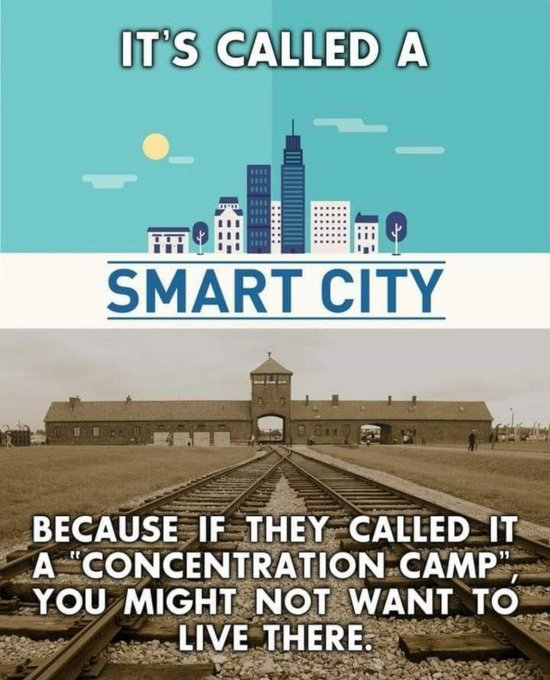
“For example, a 5G-enabled IoT network allows smart cities to automatically monitor and manage utility systems, helping conserve water, combat pollution and reduce energy consumption. Smart cities will also enable dynamic traffic management systems that continuously collect and process data from thousands of vehicles to reduce traffic congestion and pollution. Additionally, smart agriculture will allow the industry to minimize their use of water, fertilizers and pesticides through a more precise application. This is a significant opportunity, as agriculture irrigation currently accounts for 70% of water use worldwide. Finally, 5G-enabled smart buildings and homes will be equipped with sensors that react to environmental conditions and occupancy to reduce energy consumption caused by lighting, heating and cooling.”

Sure, there are problems with industrial agriculture, this is not news. But why are the only solutions offered requiring so much tech and so many sacrifices for the average person?

Why don’t they talk about why there are such water constraints? What’s causing so many droughts, for example? (Geoengineering and Weather Modification!) Why do we allow industry and corporations and global mass consumerism to exploit our resources? How will digitizing everything change that?

“In recent years, agricultural regions around the globe have been subject to extensive and increasing water constraints. Major droughts in Chile and the United States have affected agricultural production while diminishing surface and groundwater reserves. These and other extreme weather events, like floods or tropical storms, are also expected to be more frequent. Climate change is projected to increase the fluctuations in precipitation and surface water supplies, reducing snow packs and glaciers and affecting crop’s water requirements.
Coupled with these changes, farmers in many regions will face increasing competition from non-agricultural users due to rising urban population density and water demands from the energy and industry sectors. In addition, water quality is likely to deteriorate in many regions, due to the growth of polluting activities, salination caused by rising sea levels and the abovementioned water supply changes.”

Water and agriculture – OECD (check out their site also for plenty of Covid19 and Ukraine propaganda)

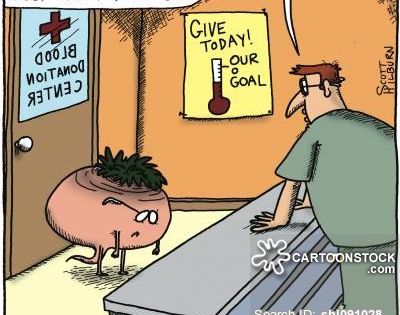
All I seem to find is more big business solutions aimed at getting blood from turnips.

What is the role of technology in sustainability? – MAHB

Digitalization to achieve sustainable development goals: Steps towards a Smart Green Planet – ScienceDirect

Chop Wood, Carry Water

Trip to town, so sad. Two machines tried to rip me off and no working humans looked capable of anything.

Don’t load, don’t count, don’t smile. What do ya do?

Hostessing was once a thing, like customer service. I was a really good hostess once, let me assure y’all!

It’s more than charm and service, it’s an art and a craft.

So, it’s no mystery to me why the cats eat with the dogs on our back porch: Good food + Good vibes= Good company.

Being a good hostess is similar to being a good teacher—observation, agility, ingenuity—are higher qualifications than even empathy, discernment and a sense of propriety—all already a challenge for most.

A teacher cannot play the same role as a bouncer, though that is mostly what is required these days.

My greatest failures in the classroom mirror my greatest failures in life. I’d sum them up to a kind of mis-navigation of the cherished Comfort Zone. As an example I offer a brief recap of my worst classroom lesson ever.

It was taken from a book of suggested lessons for EFL/ESL (English as a Foreign/Second) students and it was called: ‘Dog or Wolf?’

These are lessons designed to generate conversation in the target language, so students learn new vocabulary, practice old expressions, participate with one another, and ultimately create a student-centered learning environment. Sometimes it works, sometimes it doesn’t, occassionally it’s a classroom catastrophe.

This is where the observational and flexibility skills of the teacher can really shine. Or, really, not.

I thought I knew these students well enough to pull it off. NOT!

Was it my mood? My confidence? My lack of fluidity that particular day? I really can’t say, even now, but oh how that failure, just that one day out of how many other lesser failures, who knows, but that particular one has stuck in my craw still 2+decades later.

They were mostly Japanese students, from various cities, all college-aged. The caliber of student willing and able to travel to the desert US to immerse themselves in American life, indoctrination, and university culture. We had a good rapport, they were good students. Their English was at a level I knew they could perform well with the material.

I presented it, gave the requisite handouts, grouped them in fours as per the instructions and posed the preliminary question:

If you could choose, would you choose to be a dog or a wolf?

There were follow-up questions about culture and civilization, surplus vs scarcity, independence and hierarchy. In my mind it generated a brilliant potential conversation and I was looking forward to it.

The question was meant to lead to an exchange between group members who would discuss the merits of their choice, as opposed to the deficiencies of the other option. It was based on the assumption there would be some who would choose dog and others who would choose wolf, for various reasons, creating an atmosphere for debate.

Except all the students agreed on dog at the preliminary question, leaving me standing there with my mouth agape and no further game plan.

I nudged, painfully, at my more philosophical follow-up questions and got crickets. Obviously, everyone would be a dog—comfort, ease, predictability, discipline, training—DUH!

The ‘best’ student, a relatively large young man from Okinawa, who was more bold and out-going than the rest, immediately intuited my dilemma. He raised his hand and said he wanted to change his answer.

But, I was stuck in my own personal baffledom. I tried to go with it, push through, take the ball he’d so generously tossed me and run with it, but I remained, I don’t know, just sort of, stranded there, for way too long a moment.

And then I couldn’t get it back.

Anyone who has never stood in front of a classroom most likely underestimates the skill it takes to be good at it. And when I say good, I don’t just mean popular. And I don’t just mean effective. I mean the kind of good where one can walk the line between popular and effective, because it is impossibly narrow. Those who pull off that level of impossible should be studied and duly rewarded and I’m sure there are more than a few. So, it’s not actually impossibly narrow. Just too narrow for me that day, that lesson.

They should also study bombs like mine that day.

After missing the generous handoff, I was so tongue-tied and disgusted, with it all—them, myself, the lesson—that I dismissed the class early.

The Okinawan student stayed there, obviously to discuss it with me. He wanted to make me feel better about the clear and dismal failure, I think. It was a really sweet gesture and very appreciated, even in the moment, but it didn’t really help me make sense of it all.

Like, why was I so confident that lesson would work? So confident, in fact, that I didn’t even have a Plan B. Bad teacher! So confident, in fact, that I became rigid. And frankly, still feel judgmental of those students (so passive, so acquiescent, so like, totally lame!).

Not really like me. So stuck in my own thinking that it’s not conceivable to me every student would choose dog over wolf that I could not, in fact still feel challenged to, mentally adjust from my misperceptions. Yes, even now.

A room of 30 students and only one wolf, and that one only under pressure, and with a savior complex no less.

What happens in world become so ‘civilized’ we’ve all become obedient dogs? And, obedient to what, and to whom?

Don’t think, don’t fight, don’t roam, what do we do? What happens when man becomes too civilized? Too domesticated? Too content?

I still don’t know what to do with such a muddle. Would you?

Let’s Talk ‘Quality of Life’

I understand it’s different for everyone. Not only that, but it’s different for any one individual in different times and at different stages in life.

What’s considered a high quality of life at age 19, differs greatly from one of 49. Or at least, we can hold out hope.

As one example, in the past I said I wouldn’t ever want livestock beyond chickens, for a couple reasons that seemed very significant to me at the time—I was scared of the responsibility of life and death for these precious creatures, and I didn’t want to feel ‘a prisoner’ here.

Now I am fully on board with the responsibility, and I can rarely whip up a desire to leave our wee compound. My notion of who is the actual prisoner has shifted significantly.

When I hear criticisms—and there are plenty—aimed at the growing number of homesteaders, survivalists, preppers, back-to-the-landers, I’m not bothered. They can slur us with their derogatory terms like Luddites, subsistence farmers, backwards, selfish, hoarder, bitter clinger, extremist, even, violent extremist.

They don’t know. How could they? I can forgive them their ignorance. For as long as I believe it to be genuine ignorance. Those who are genuinely ignorant are thankful when presented with an opportunity to learn.

There is a cult of ignorance in the United States [that] has been a constant thread winding its way through our political and cultural life, nurtured by the false notion that democracy means that “my ignorance is just as good as your knowledge.” – ~Isaac Asimov

My definition of a high quality of life changed significantly over time, and I can hold out hope for them as well.

That is, until their powerless slurs become serious impediments. My choice of a quality lifestyle does not harm them in any way. However, their definition of one severely hampers mine which, over time, makes mine quite impossible.

And that really pisses me off.

Their quenchless thirst for cheap thrills and consumable crap and loot, plunder and pillage of all that’s precious to me is intolerable. More specifically, the tolerance of the majority for abuse of themselves, their environment, the future generations, is outrageous and inexcusable.

“The fecundity and flourishing diversity of the North American continent led the earliest European explorers to speak of this terrain as a primeval and unsettled wilderness—yet this continent had been continuously inhabited by human cultures for at least ten thousand years. That indigenous peoples can have gathered, hunted, fished, and settled these lands for such a tremendous span of time without severely degrading the continent’s wild integrity readily confounds the notion that humans are innately bound to ravage their earthly surroundings. In a few centuries of European settlement, however, much of the native abundance of this continet has been lost—its broad animal population decimated, its many-voiced forests over cut and its prairies overgrazed, its rich soils depleted, its tumbling clear waters now undrinkable.” (The Spell of the Sensuous by David Abram, p. 94)

Unforgettably Unforgivable

While our personal definitions concerning quality of life is unique to the individual and may shift, even quite considerably, over a lifetime, there remain constants.

For example, I doubt there’s a significant number of folks whose idea of a high quality of life includes having their health, wealth or well-being routinely stolen from them.

Yet, we are living in a society where that is exactly what happens and few will lift even a pinkie finger to change it. Few can be bothered even to wag their tongue for one-half minute at the proper authorities for leading them to exactly that wretched level of life: A life fully resigned to blindly accepting the experts and authorities who routinely betray them.

Invariably at some point these folks become so numerous and so delusional and so negatively impactful, that one simply must turn their back on them, for one’s own sanity and the well-being of an entire culture.

I hear far too often how ‘good’ people are just trying to get by and they are powerless against the system and they mean well and on and on and on. Here’s what I sincerely think when I hear these constant excuses: “You don’t know what ‘good’ means!

If the majority of folks were good, we would not be in this mess!

To not be evil, to not be actively committing evil acts, does not make someone good. It makes one not evil, that is all. There’s a big, long, wide gap between not evil, and good.

Contrary to popular opinion, harmless does not equal good!

This becomes even more apparent in a society where a tiny class of untouchable elites consider themselves to be beyond good and evil.

To be good in such a system requires something of you. It’s not your automatic birthright.

You cannot be serving such a system— one that maintains itself by destroying the health, wealth, well-being and environment of the vast majority in order to serve your own self-interest or that of your corrupted masters—- and still call yourself good.

As the interpretation of reality by the power structure, ideology is always subordinated ultimately to the interests of the structure. Therefore, it has a natural tendency to disengage itself from reality, to create a world of appearances, to become ritual.

Vaclav Havel — The Power of the Powerless

And you can’t call your friends, family, government, society ‘good’ if serving the corrupt system is still what they are doing.

It’s the System, Stupid

To me this entire story positively reeks of stagecraft. But, even if we take it at face value it demonstrates how screwed up our food system really is.

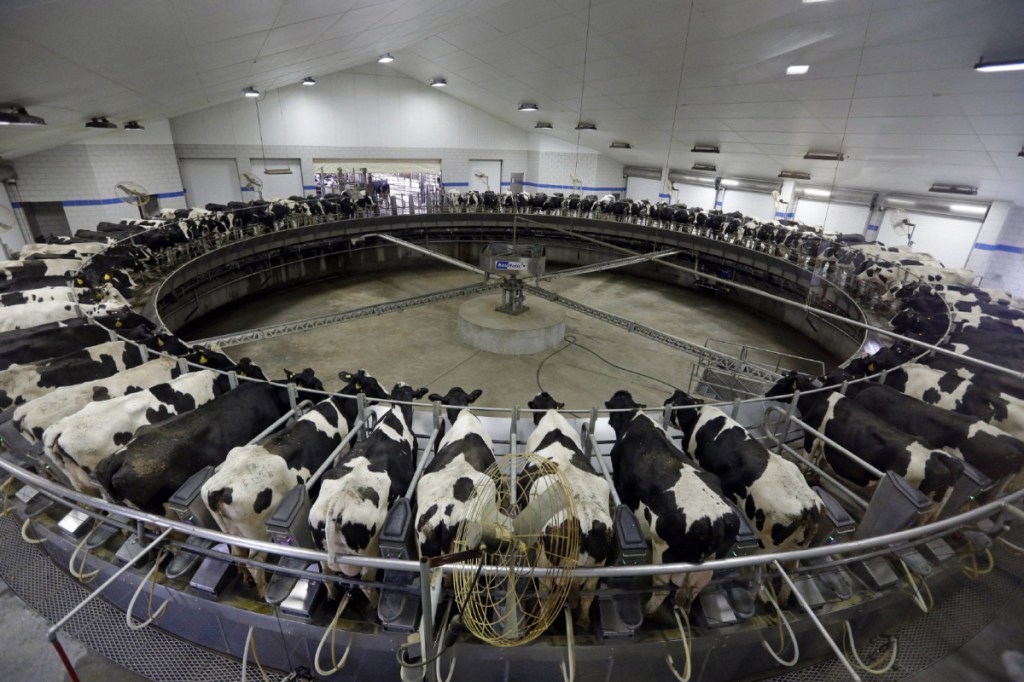
MONDAY, JAN. 26, 2015 PHOTO In this Monday, Jan. 26, 2015 photo, cows are milked on one of the carousels in a milking parlor on the Fair Oaks Farms in Fair Oaks, Ind. Fairlife, which is rolling out nationally in coming weeks, is the product of a joint venture between Select Milk Producers, a dairy cooperative, and Coca-Cola. The product is filtered to have more protein and less sugar than regular milk. (AP Photo/Michael Conroy)

Here’s the story in tiny nutshell: The McCloskeys were sued for animal cruelty at their dairy farm following an undercover employee’s secretly videotaping several instances with four workers involved. Now a settlement has been reached:

Completely denatured milk sold as natural, tasty and healthy

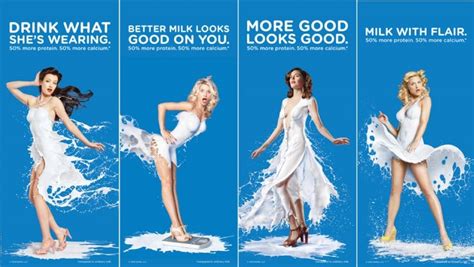
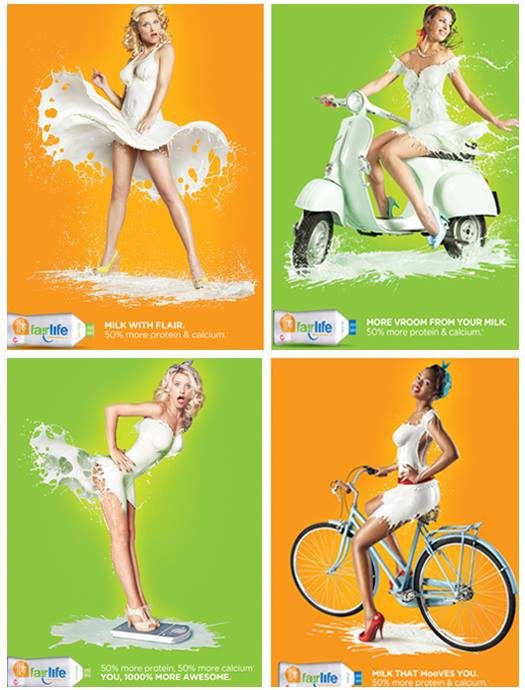
The Fairlife ads, cartoon milk dresses.
Classy.

A $21 million Settlement has been reached in a class action lawsuit filed against Defendants The Coca-Cola Company (“TCCC”), fairlife, LLC (“fairlife”), Fair Oaks Farms, LLC (“FOF”), Mike McCloskey and Sue McCloskey (“the McCloskeys”), and Select Milk Producers, Inc. (“Select”), relating to fairlife and FOF Milk Products. The lawsuit alleges that Defendants falsely labeled and marketed certain dairy products produced using milk from cows that were allegedly not treated humanely. Defendants deny all allegations and have settled this lawsuit to avoid further litigation.

The Court has not decided who is right.You may submit a Claim Form to receive 25% of the average retail purchase price, up to $100, for your purchases of fairlife Milk Products and FOF Milk Products, if the products were purchased for personal use and not for resale, and were purchased on or before April 27, 2022. Claim Forms submitted without Valid Proof of Purchase will be capped at a Cash Award of up to $20 and Claim Forms submitted with Valid Proof of Purchase will be capped at a Cash Award of up to $80, subject to certain adjustments (upward and downward) depending on the number of claims submitted.

So, there’s video evidence, but the Court has not decided who is right. Must be so confusing, poor kids.

But you get some money anyway if you can come up with your milk purchase receipt, potentially from 2015. Brilliant.

In an interview the McCloskeys talk about all the fantastic improvements they’ve made to garner public trust once again in their dairy products since the video’s release, and the broad coverage of ‘the scandal’ by MSM (I do believe they neglected to mention the product line was owned by Coca-Cola, but I may have missed that part and really do not care to re-listen. It was annoying enough the first time listening to Mike Rowe pander to these creeps).

What I did hear in the interview was how proud the McCloskeys are now of their complete video surveillance system, how they are well on the road to becoming ‘Net Zero’ so that they can help curb climate change as responsible business owners, and how very excited they were to see the gleam in the eye of the school children who came there to tour their facilities and were so thrilled to see cows being milked by carousel machine.

Now they might grow up to become mechanical engineers, Mrs. McCloskey beamed!

I’m so excited for our Green future too, aren’t you?!

Fostering Dependency

I remember well the first time I heard the expression ‘learned helplessness’. My mom used the term and I didn’t understand it. I asked her to explain, which went something like, “As if a man is actually incapable of doing the laundry.”

Some time later I heard it used again, only this time in reference to a woman who wouldn’t dream of changing a tire because she might break a freshly manicured nail.

These are benign examples of a much more serious issue. A little co-dependency amongst family and friends can be a very good thing. It reminds us we need each other, and it’s nice to be needed, as long as it’s not too needy. 🙂

But there is a much more nefarious kind of learned helplessness that is proliferating in our society and because it’s being sold by some very slick salesmen it goes on, continually championed by those who should know better. US.

This is the kind of dependency that fosters anxiety and dis-ease, because it promotes frustration, alienation, victimhood, powerlessness. Under the guise of convenience, comfort, safety, and even fun, we have allowed ourselves to become dependent on criminals, sociopaths, martyrs, tyrants dressed up as experts and beneficent leaders and stars.

Food, water, shelter, health, energy, entertainment, protection. These are all crucial aspects of human life we’ve willingly outsourced to others. Gone are the days for the vast majority who cooked from their own gardens, played and sang tunes around the fire pit, cared for their own ill, built their own homes. How many generations must we go back to know a time before politicians were household names and stock markets dealt only in livestock?

How many folks believe we have it so much better in our ultra-civilized modern world because they’ve bought the propaganda of their oppressors, those who actively promote and celebrate our dependency as progress?

There is a wellspring of peace of mind knowing that if you ever dare say “Take this job and shove it” you won’t end up homeless and hungry.

If you could do one thing in the new year to release the yoke of dependency just a bit, or a bit more, what would you do?

Happy New Year from the wee homestead, y’all,
thanks for reading!

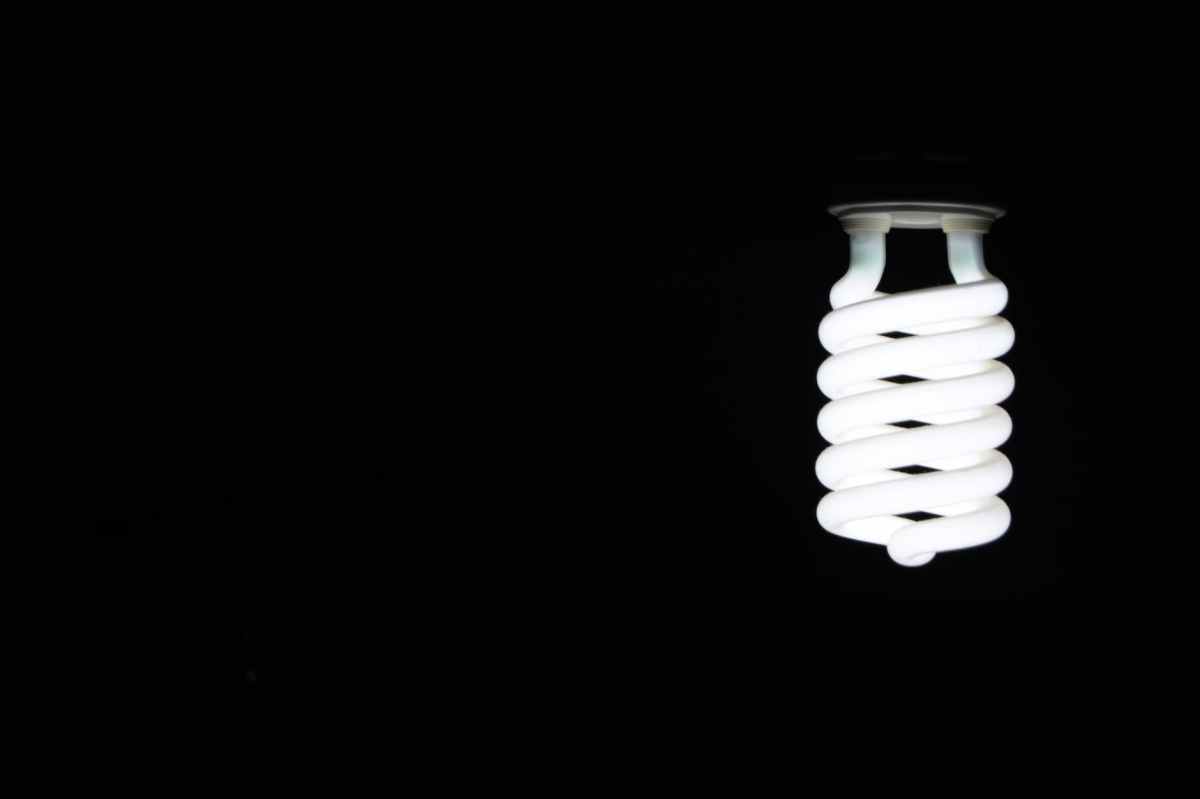
From Lightbulbs to . . .

I remember the good ole days, from like, a decade ago. There was suddenly the mandate that everyone change their lightbulbs for some ‘common good’ reasons that escape me now.

What doesn’t escape me is at the time I thought, WTF?! I’ve longed considered ‘the government’ just a euphemism for ‘the mafia’, but surely, with this sort of escapade, now it will be obvious to everyone. Same tactics, only ‘legal’: Extortion, bribery, coercion, racketeering. Not to mention the ‘soft’ tactics.

Where will it end? Come on folks! I ventured forth on my social media quest. I was still on Fakebook back then. To the response of yawns and crickets and eye rolls and unfriending and the usual. Everyone clamored about to get their lightbulbs installed.

Now, here we are. As the old Virginia Slim ad boasted: You’ve come a long way, Baby!

No boobs, hmmm . …

It’s baffling, but I am far from surrendering to the mobsters and their minions. And in my own little way, I’ve come a long way, too. It’s very encouraging and refreshing for me to find like-minds in places I’d never have thought to look before. 🙂

Bruce Charlton’s Notions: Compliance is spiritual Dane-Geld

It is always a temptation to an armed and agile nation,
To call upon a neighbour and to say:
“We invaded you last night – we are quite prepared to fight,
Unless you pay us cash to go away.”

And that is called asking for Dane-geld,
And the people who ask it explain
That you’ve only to pay ’em the Dane-geld
And then you’ll get rid of the Dane!

It is always a temptation to a rich and lazy nation,
To puff and look important and to say:
“Though we know we should defeat you, we have not the time to meet you.
We will therefore pay you cash to go away.”

And that is called paying the Dane-geld;
But we’ve proved it again and again,
That if once you have paid him the Dane-geld
You never get rid of the Dane.

It is wrong to put temptation in the path of any nation,
For fear they should succumb and go astray,
So when you are requested to pay up or be molested,
You will find it better policy to say:

“We never pay any one Dane-geld,
No matter how trifling the cost,
For the end of that game is oppression and shame,
And the nation that plays it is lost!”

Rudyard Kipling – 1911

In other words: Give the devil a finger . . .

Cheers to Zombie Apocalypse Survival Homestead for the share.

Photo by Duanu00e9 Viljoen on Pexels.com

When Money Is Your Master 

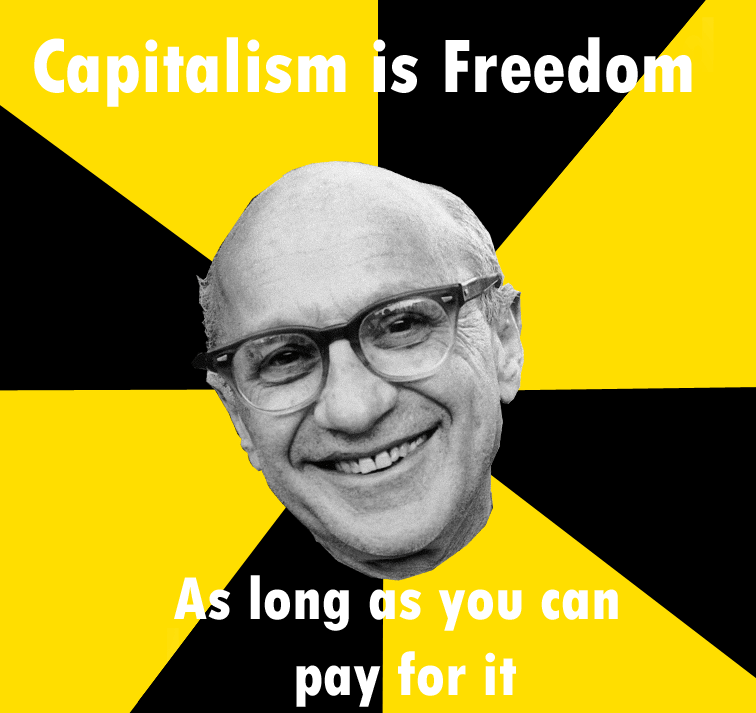
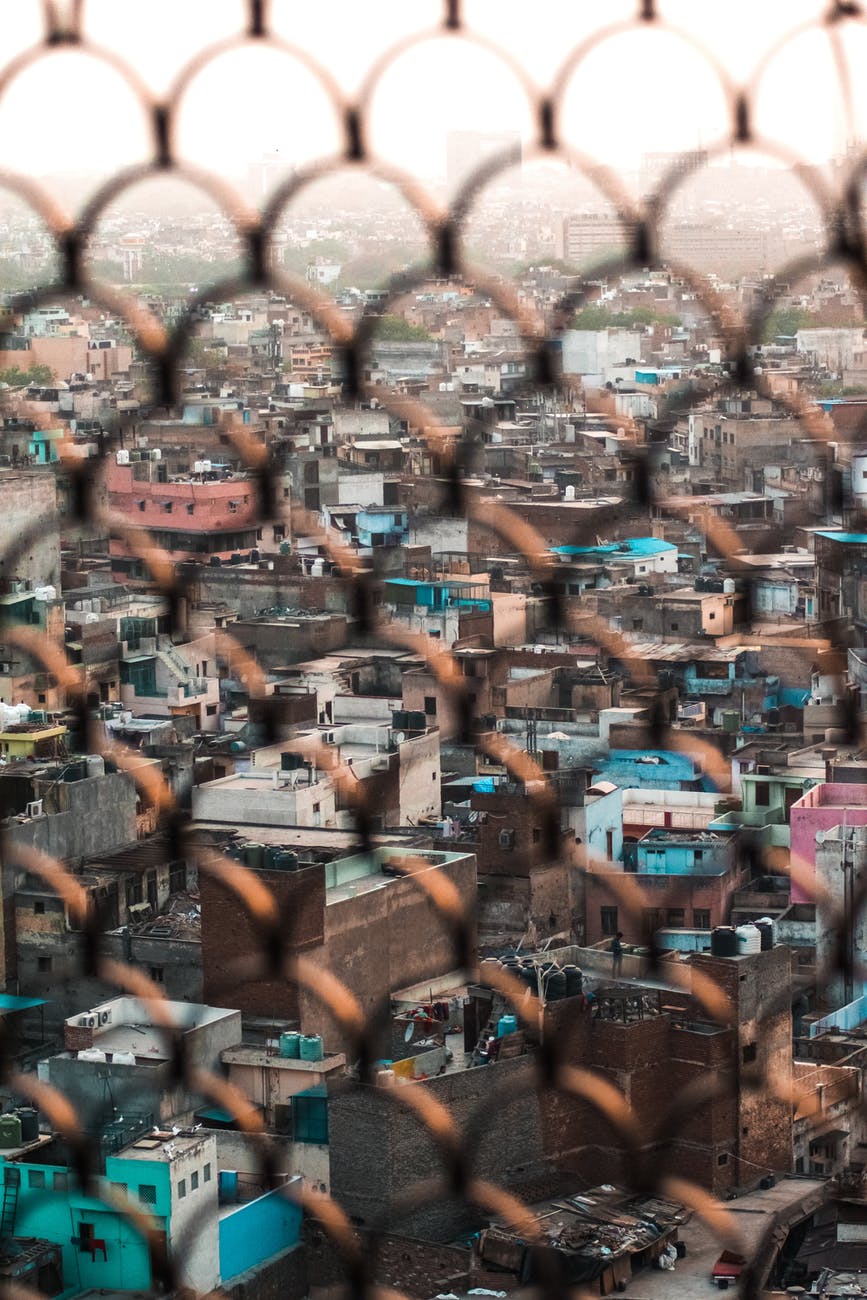
 When money is your master you create this

Photo by Anuj Yadav on Pexels.com

Instead of this

Photo by Pixabay on Pexels.com

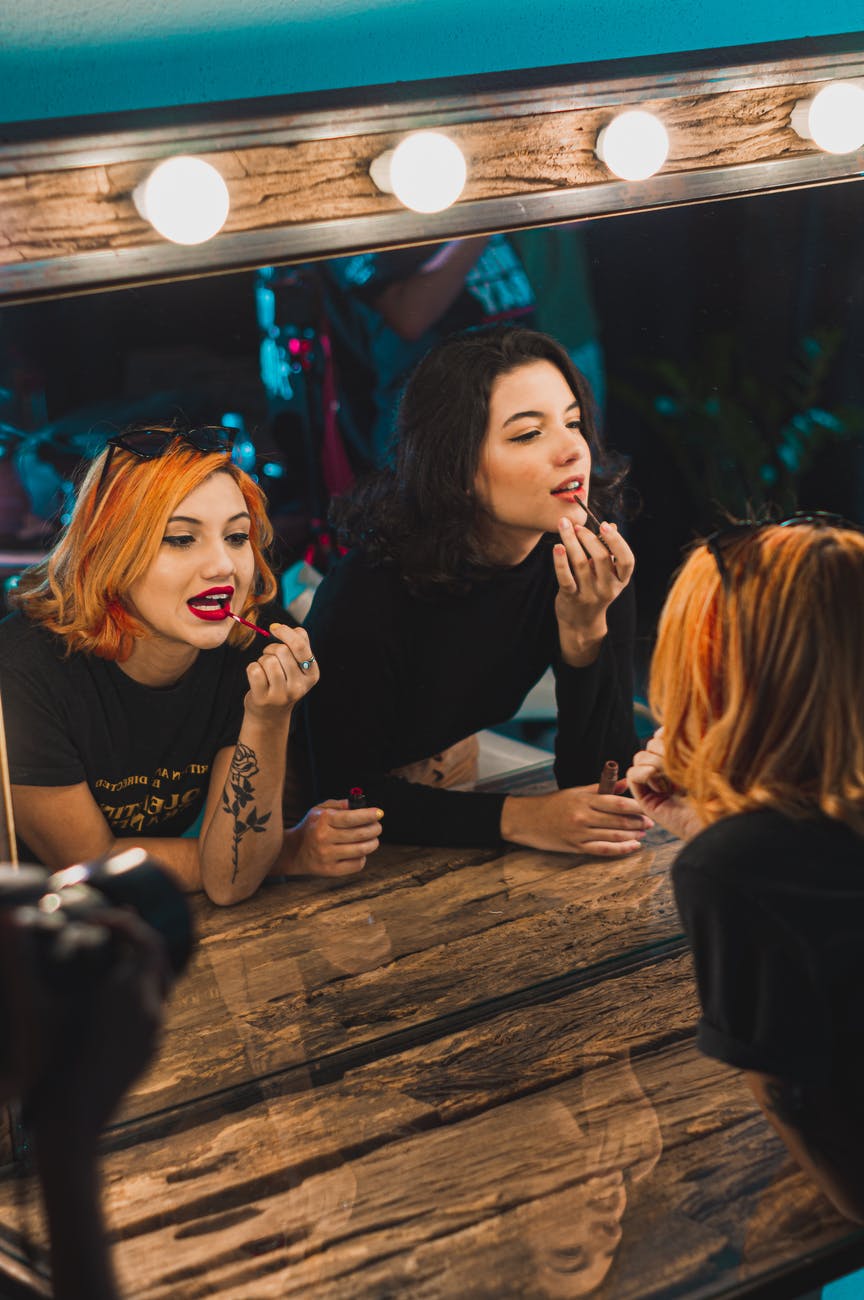
When money is your master you attract her

Photo by Luis Fernandes on Pexels.com

Instead of her

Photo by Elina Fairytale on Pexels.com

When money is your master you cherish 

Photo by Bob Ward on Pexels.com

Over

Photo by Josh Willink on Pexels.com

You believe swindlers, just because they’re rich

Photo by Tima Miroshnichenko on Pexels.com

You obey tyrants, just because they’re rich

You idolize fools, just because they’re rich

You worship at the twin alters of Ignorance and Superfluous 

**********

I read a story decades ago when I was in the Peace Corps that was a well-known parable, but was new to me.  I repeat it now hoping it will land for the first time on someone new to its moral and ring true in their heart for as long as it has in mine.

A rich man went to vacation on a beautiful island and sat in his beach chair under a sun umbrella reading a novel and looking out over the beautiful sea.  He felt marvelous and relaxed and drank in the scenery with great satisfaction.  He loved the experience so much he went back again the following year for his vacation, and again the year after that.

This third year, feeling again very happy and even magnanimous, he noticed the fisherman on the beach that he had seen during each of his vacations.  He liked watching the man, who was very agile with his line and very patient for the five fish he caught each day.  His bucket held the fish perfectly and he spent every morning on the beach until he filled his bucket and then he left. 

One morning the vacationing man decided to strike up a conversation with the fisherman and they shared some pleasant small talk, so the next few days they stood together on the beach while the fisherman caught his five fish. 

The vacationing man said, “I see you here every day and you always catch five fish and then leave.”

“Yes, that’s true.  I have a wife and three children and my wife cooks up the fish for us each day when I return home.”

“But why do you always catch five fish every day?”

“Because that’s what we eat and that’s all I can carry home in this pail.”

“Well, if you caught more fish, you could sell them, and then you’d have enough to buy a bigger pail and even a wagon, so you could bring home more fish.”

“Oh yes, a wagon would be nice. With a wagon I could bring home many more fish, and sell some at the market.”

“That’s right.  And then you could save some, so you could buy a boat, and then you could really get a lot of fish!”

“For sure that’s true, I could get a lot more fish with a boat,” he agreed.

“No doubt.  And with all that money, you could afford to go on a vacation.”

“Oh, a vacation!  I’ve never been on a vacation before, that sounds fun.”

“So, what do you think you’d like to do on your vacation?”

“I think I’d like very much to go fishing on the beach.”

a man when fishing on a beach at sunset