
What’s Been Lost II

We’ve all heard the expressions: “History is a set of lies agreed upon” and “History is written by the victors” and most have come to accept these tropes.

But what they may not have considered is when the history is that flexible, all those academic fields which are history adjacent–like anthropology, sociology, philosophy, literature, all cultural studies, even linguistics– become subject to those authoritarian whims and fashionable irregularities.

Generalization, subjectivity, distant observation, even making obvious comparisons across vast and complex measurable units–ie. pattern recognition–is not just discouraged, it’s potential grounds for dismissal. It’s considered sloppy, unprofessional, unacademic. Pseudo-subjects and conspiracy theory.

Academics are especially vulnerable to such manipulations as their fields are controlled in a strict hierarchical system and their studies, even as tenured professors, tend to stay very narrow in scope. They do not need to strive for a cohesive worldview in their academic work as they are mostly employed to measure the minutia, to dig deep into one tiny corner of the field, as has been the case with the historical and architectural world of the Mound Builders.

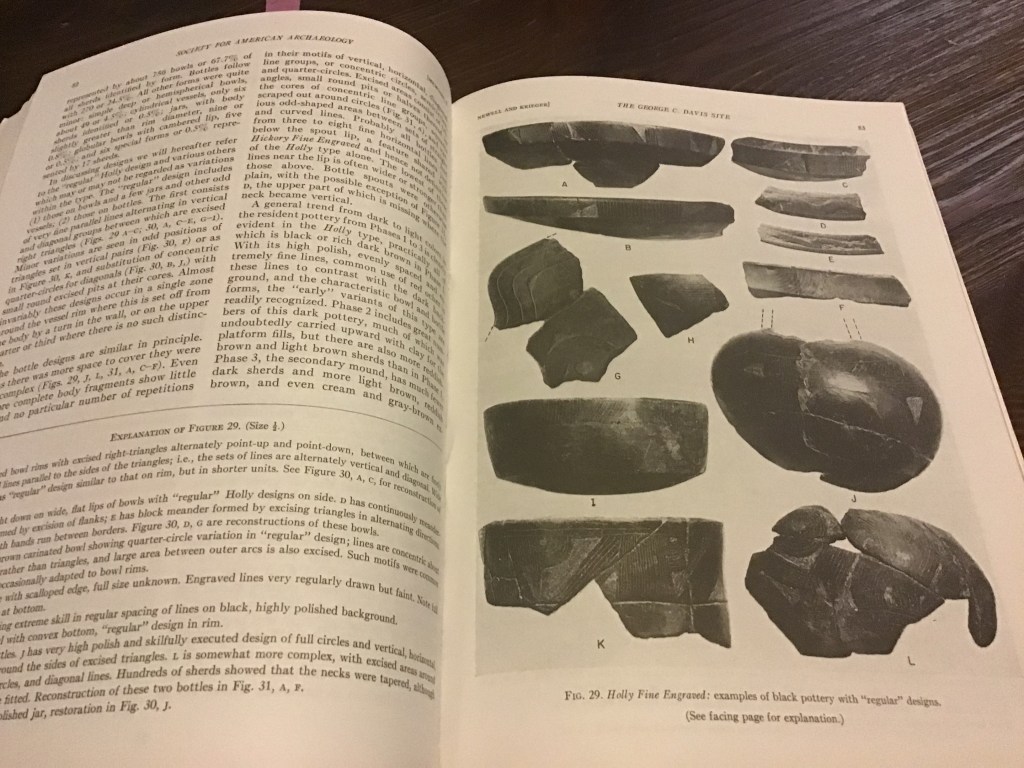
What the volumes of academic work on these cultures tend to do is narrow in so microscopically as to make all similarities irrelevant and cross-cultural observations inadmissable. They debate ad nasauem around shards of pottery found just beneath the surface of their archeological sites and the thousands of ways these tiny artefacts differ from one locale to the next.

There are literally thousands of pages published on comparisons and categorizations of tiny fossils and shards of the various Mound Builder tribes of the Americas. Specific measurements are taken of the space between the decorative lines and their width, length and coloration. All is catelogued in such microscopic detail as to bore to tears all but the most myopic of minds.

Truly, it is a form of academic gaslighting. Keep searching right here, right in this tiny framework where we’ve given the appropriate boundaries and designations. Don’t broaden, don’t do your own investigations, don’t venture out of your assigned territory, all alien parameters will be squashed with contempt and mockery and quite likely, career death.

Observe, very closely, and question every narrative.

That singular, rigid, hierachical model has been demolished with the Internet and for me, who formally studied and taught for four decades the very subjects now being shamelessly dismantled, I couldn’t be more pleased about it.

Actually, I could be. If there was a guarantee the ends would somehow justify all these means–as in the decades of lies and indoctrination and then subsequent ripping away of those foundations and the now erupting attempts to filter the masses into new molds for better slave management and more prosperous slaveholders–then I would certainly be more pleased.

But I’m not so naive as to think there’s ever any such guarantees. (As an entertaining aside, James Corbett here at his comedic best with more on our system of modern slavery.)
https://youtu.be/ZjwO9_3g4xQ?si=8u5_OumKlk-LOMub

But my topic today is a continuation of the last What’s Been Lost new Kensho series. And say what you want about formal education, I’ve experienced the pros and the great many cons, but for all those naysayers and critics, my serious education these days comes from Youtube, mostly. I know, right?!

Don’t knock it ’till you try it, there are some really amazing teachers there (they call them creators now, which is nice) and I’m not watching them to buy into any of their conclusions, but just to appreciate their work, collect their evidence, and consider, that’s all.

There are relatively few in my life who care about this stuff at all, so I’m grateful for the company and impressed with their body of work. Yes, I do understand some of them are part of a big club, and I’m not in it. I don’t mind. And I’ve got no where else to go, and I’ve got a bit of time and loads of interest.

So for those others who might be interested in exploring and considering with me, we continue in search of what’s been lost.

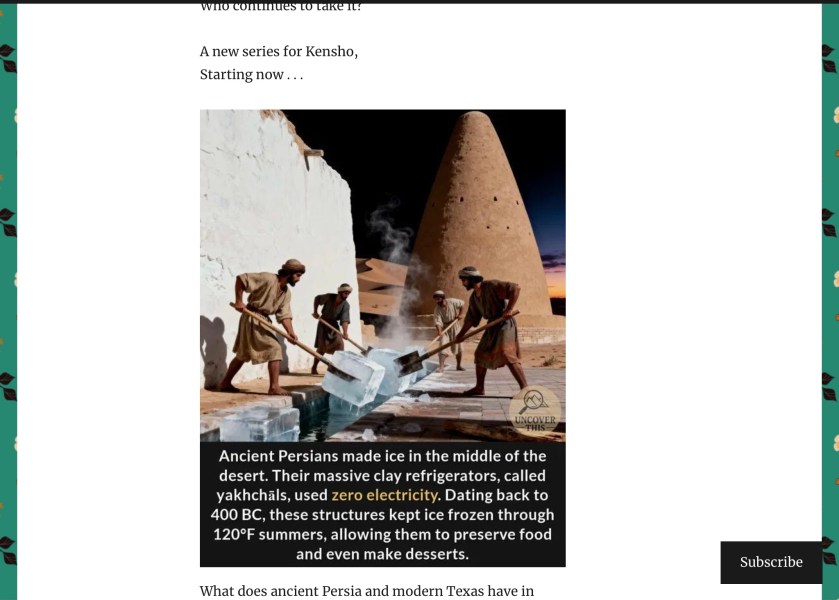
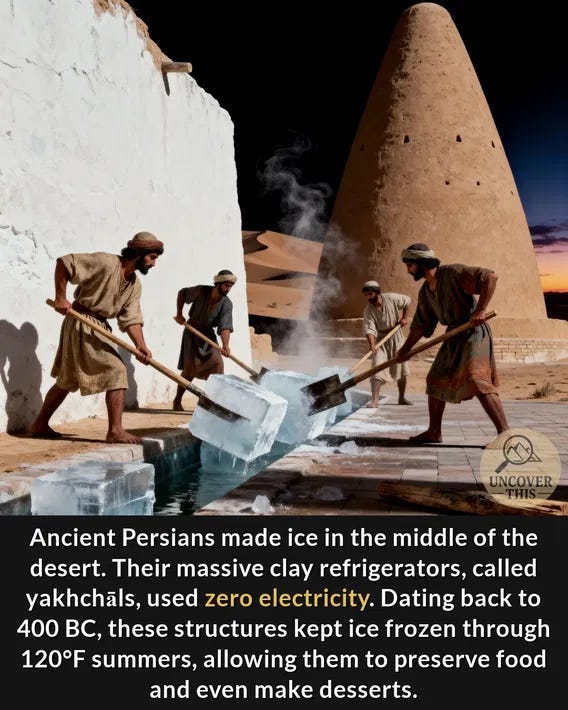
Last time I shared about the Yakhchal, a common radiative cooling system used from ancient times, still in operation in parts of the Middle East, and perhaps close by as well, as close as Dallas.

https://kenshohomestead.org/2026/01/18/whats-been-lost/

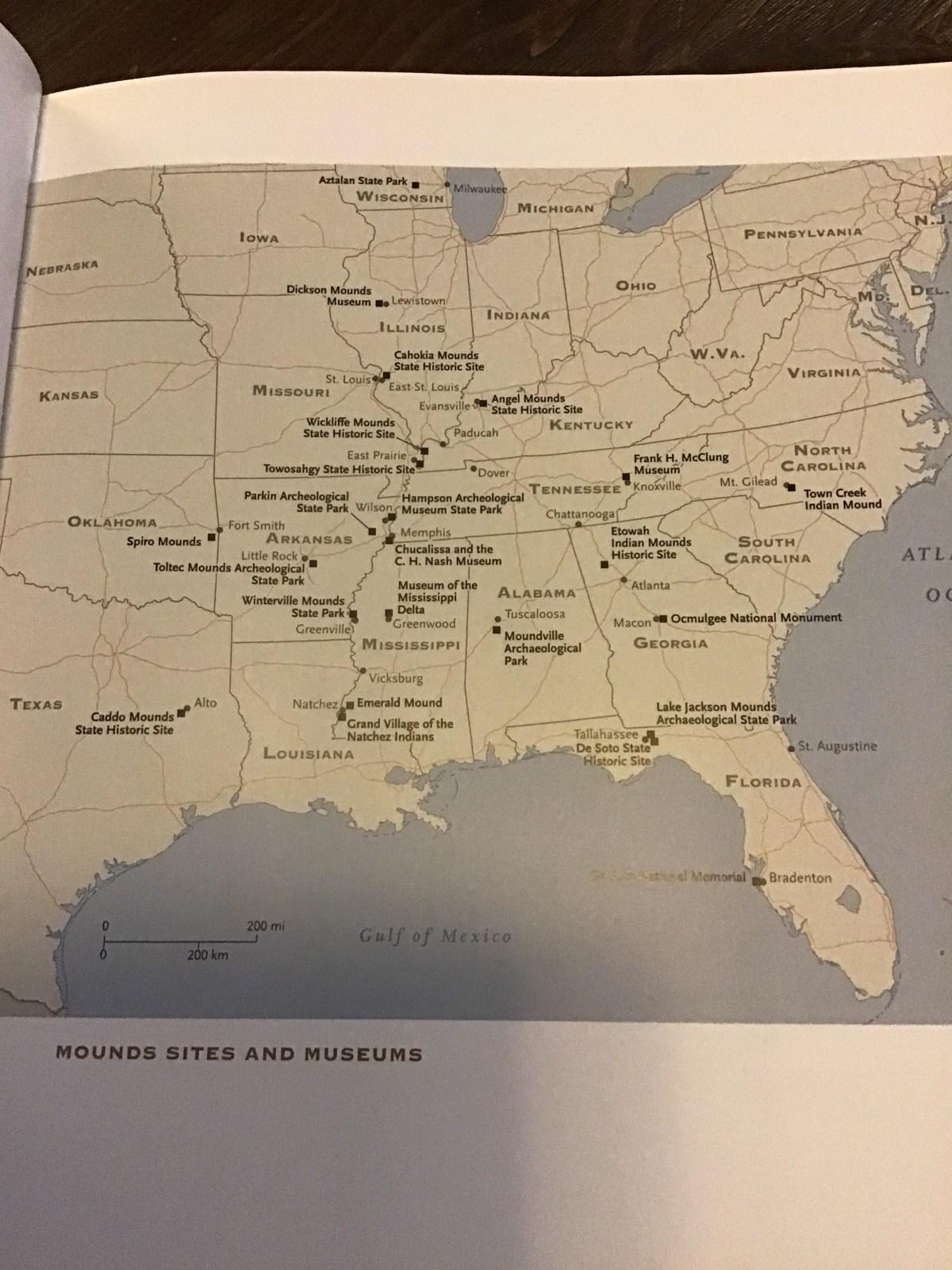
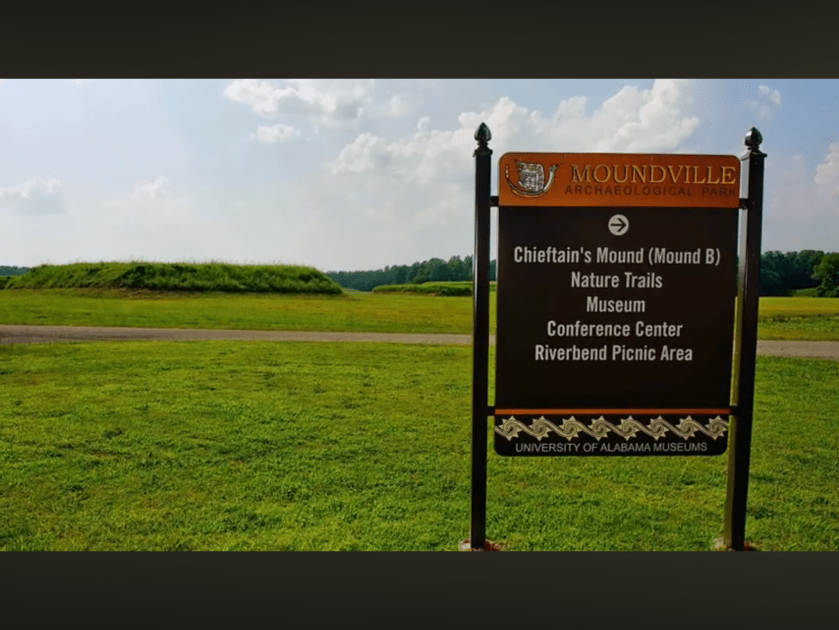
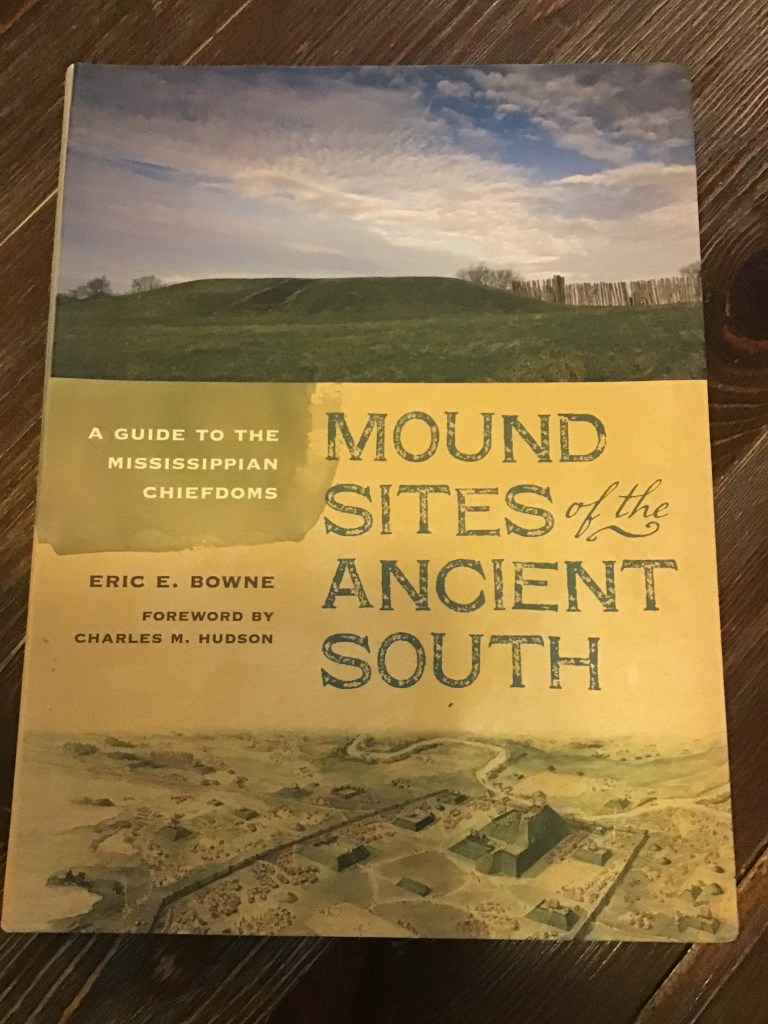
Now I will introduce another thread to this story, the so-called Mound Builder ‘indigenous’ tribes of the South, officially referred to as having been ‘occupying’ these lands before the arrival of the Europeans.

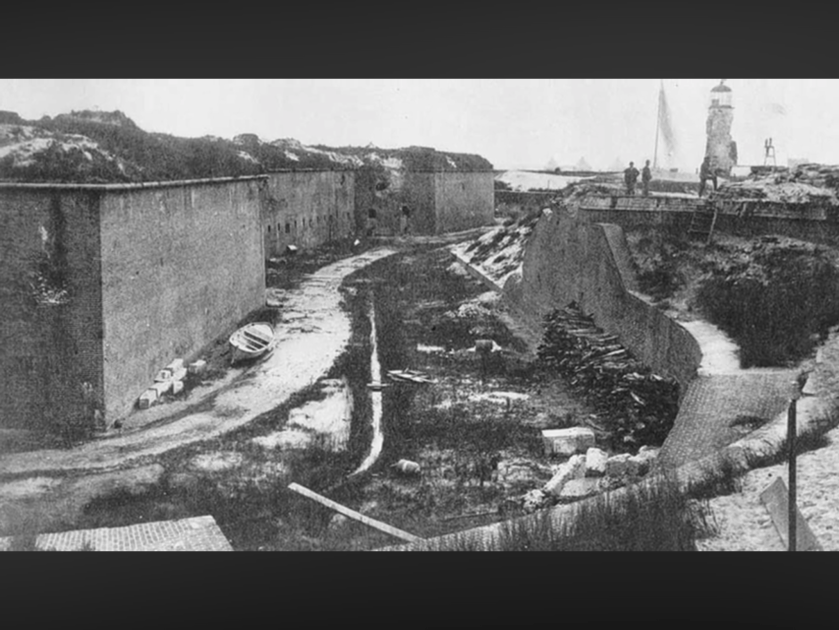
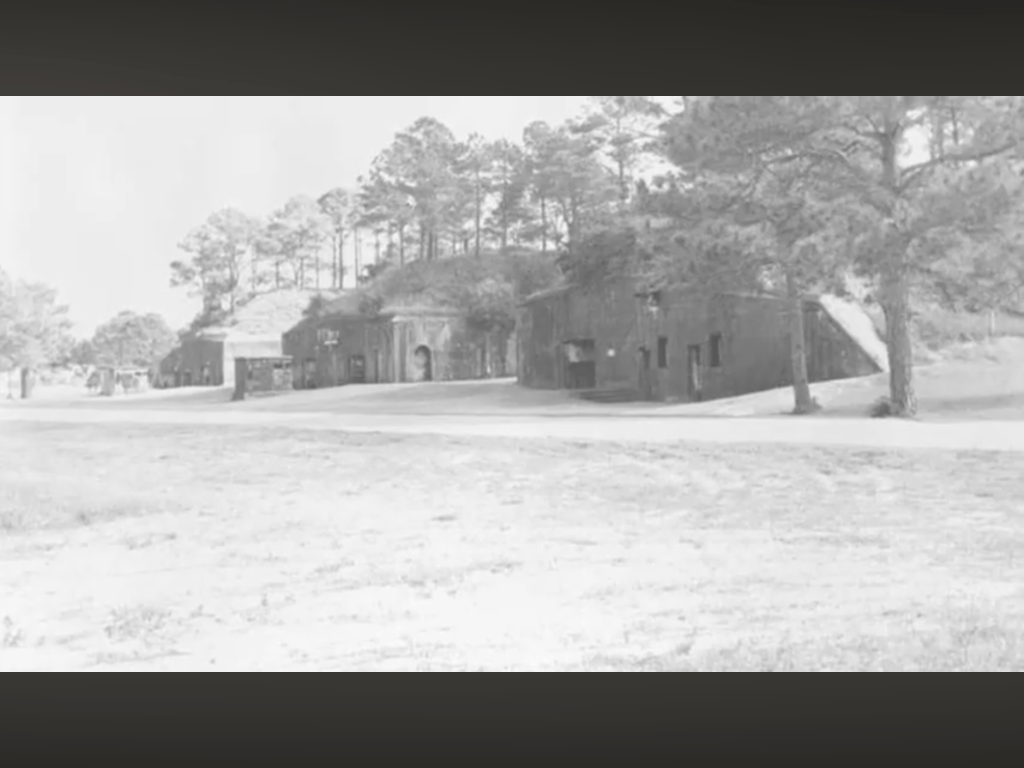
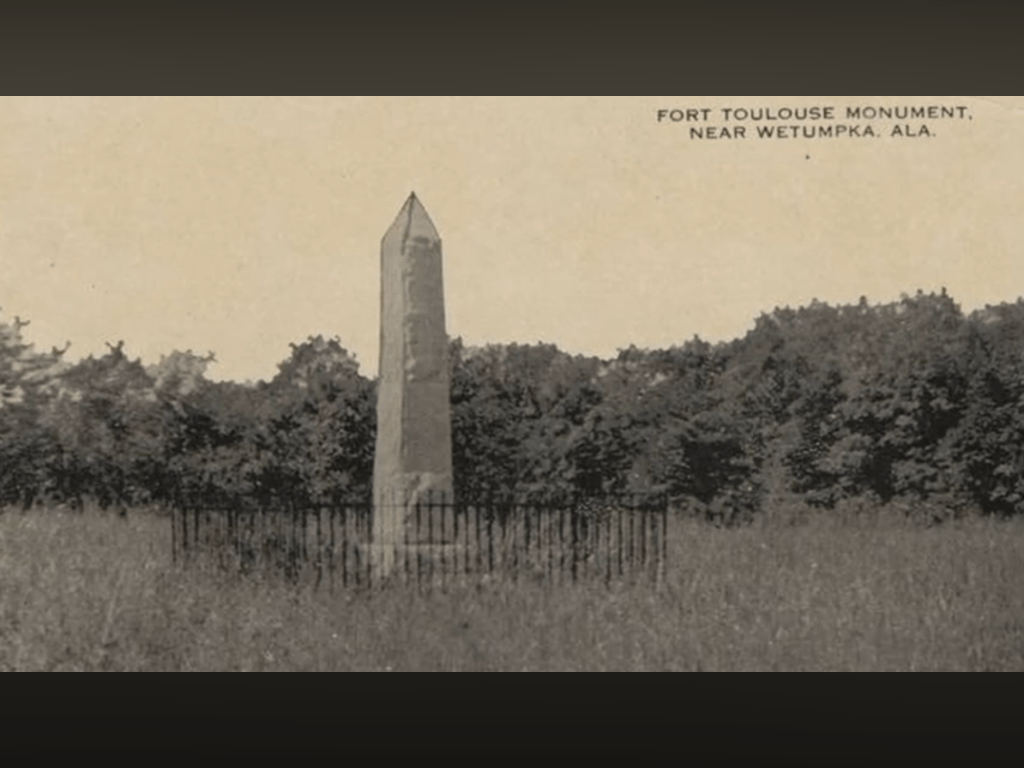
A recent video by Jarid Boosters was perfectly timed and is well worth a complete viewing. In it he considers one such Mound Builder culture in present-day Moundville, Alabama, once called the Kingdom of Pafalaya, which includes Fort Morgan. Most of these sites are former military installations and are owned by universities and used as tourist traps now. Some of them are privately owned, all have vast areas not open to the public.

We have one very close to us as well, known as Caddo Mounds, which I’ve written about briefly before, after a sudden (manufactured) tornado hit during their cultural ceremony, destroying much property, killing one and injuring many. The site has since been upgraded and reopened, though there is little to see besides some very basic ‘replica’ huts and of course, a large gift shop.

One of the most famous ones is in the mid-West, near St. Louis, not that far from where I grew up, called Cahokia Mounds.
https://youtu.be/Gw6A2RgVwjs?si=bUXC9lyrKKuRHSQb

What I propose has happened with these sites is a deliberate militarized program of generational amnesia.

“Generational amnesia refers to the phenomenon where each generation forgets important knowledge and experiences from previous generations, leading to a distorted understanding of the past and the environment. This can result in a lack of awareness about changes in society and nature, as new generations accept their current conditions as the norm without recognizing what has been lost.”

They tell us ‘Generative AI’ will solve this mounting modern social problem. Promises, promises. Let’s not wait on those any longer.

For a bit of background, Mound Builders refers to ‘prehistorical’ cultures of the ‘ancient’ South. For our purposes, ‘prehistorical’ refers to the most recent rewriting of history, or ‘reset’ as many interested in these topics are calling it; and ‘ancient’ refers to the ‘Roman’ era and all those pre-dating it. In this version of history we examine especially the period of the so-called “Civil” War, or the war between the states, or the war of Northern agression, or whatever other term seems appropriate for that period of time when much of the southern US was destroyed and their history re-written by the victors.

At this time the official narratives went under the command and control of the military, if they weren’t there already. In my estimation we have always been a military industrial complex, this wasn’t a new phenomenon predicted by another puppet president.

There are other ‘fringe’ channels that deal more specifically with military history, that is not my main interest, one I could recommend for this angle would be that of a former history academic:
https://youtu.be/LqiZPX0Ordc?si=IOKaZQ7FT2Bjr7Wg

In fact, there are so-called Mound sites all over the South, and I’d suggest many of them are as yet ‘undiscovered’ because they sit on private property where even the land owners have no idea what’s beneath them.

In nearby Nacogdoches there is another ‘curated’ Mound site:

“Excavations at the Washington Mound site have uncovered the archeological remains of a large Middle Caddoan period (ca. A.D. 1250-1350) mound complex in south-central East Texas. The investigations of this heretofore unknown complex indicate that there was a significant post-Alto phase culture in the region that may have had a significant impact on subsequent regional Caddoan manifestations.”

While there are teams of academics studying the tiny differences in the fossils on the surface and money rolling in from the tourist trade, and grants galore for those academics willing to tow the official line, the accepted narrative framework gets further cemented into the public consciousness.

The new Southern history started in 1888 or thereabouts, with 1933 appearing oddly often. The commonalities of these sites, like the ‘charcoal-filled pits’ and ‘post holes’ are left as side curiousities or mysteries or given barely-plausible labels like ‘ceremonial spaces’ or ‘burial grounds’.

According to Wiki we see some typical features, like the involvement of the Smithsonian Institution, and a minimum of curious names and the all-important dates to keep our minds distracted from the bigger picture:

The earliest recorded written mention of the mounds was in 1779 by Athanase de Mézières, who traveled from Louisiana to San Antonio in the employ of the Spanish government. In 1919 American James Edwin Pearce was the first professional archeologist to record the site for the Bureau of Ethnology (Smithsonian Institution). In 1933 archeologist E. B. Sayles concluded that the site was a Caddo mound center, after conducting surface collection of artifacts at the location.
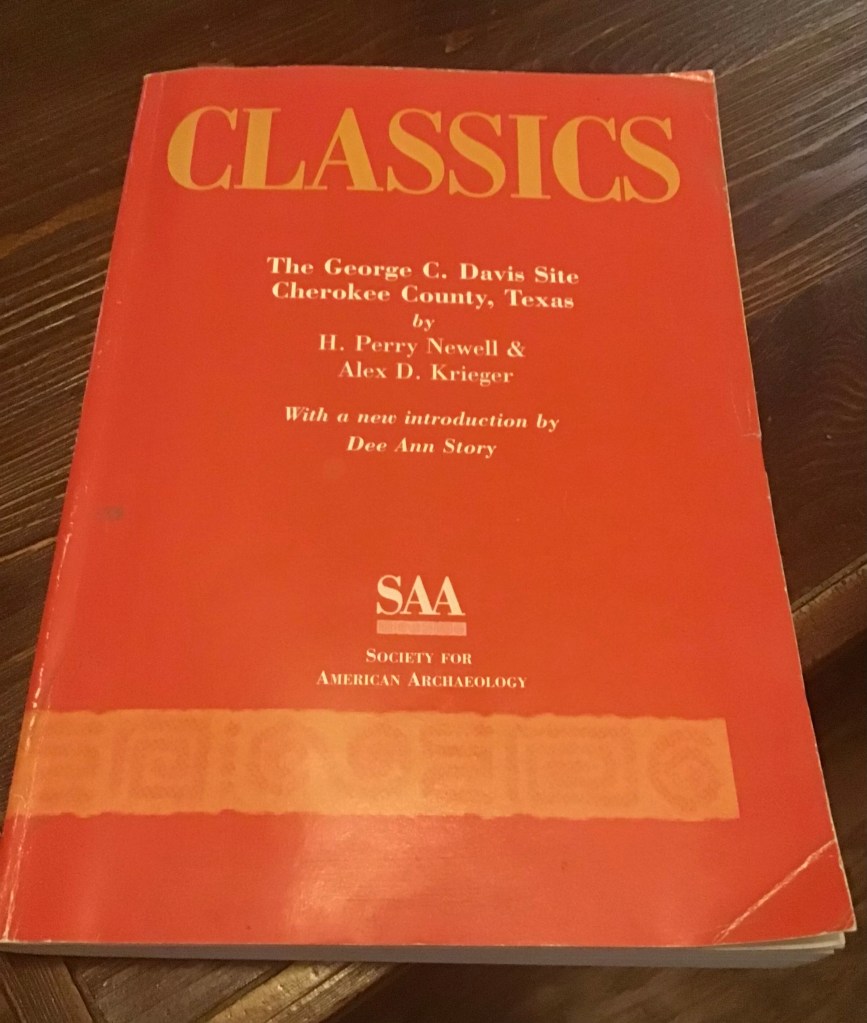
The first scientific excavations were conducted from 1939 to 1941 by H. Perry Newell, a University of Texas archeologist with the federal Work Projects Administration in the government of President Franklin D. Roosevelt. When Newell died, archeologist Alex D. Krieger took over investigations at the site and concluded that it had been a major Caddo site. Further excavations in the 1960s and early 1970s by Dee Ann Story pinpointed the timeline of the site to 780 and 1260.

Following military service, Tunnell returned to Texas and began working with archeologist Ed Jelks on the Texas Rivers Basin Survey project funded by the Smithsonian Institution. Their first investigations took place along the McGee Bend of the Angelina River in East Texas, later impounded as part of Sam Rayburn Reservoir. He also worked in the Lake Amistad area along the Rio Grande.

As State Archeologist, Tunnell participated in scientific investigations at the Alamo and other important Spanish Colonial mission and presidio sites in Texas, directed archeological excavations at the ancient Folsom-age Adair-Steadman site, and braved the waters of the Rio Grande in order to record the archeological resources present in the canyons of the Big Bend region. He battled commercial salvagers to retain the 1554 Spanish shipwreck artifacts for the State of Texas and was instrumental in the development of the Antiquities Code of Texas, the legal tool to protect historic resources on public (state) land, including submerged shipwrecks. 

His films and audiotapes documenting the work of numerous folk artisans and craftsmen in the Texas-Mexico border region may well represent the only records of the practitioners of many vanishing crafts and arts. In 1981, Tunnell became THC executive director, a position he held until his retirement in January 1999. 

Through his decades of state service, Tunnell traveled to all 254 Texas counties and developed lasting friendships in all regions of the state. Tunnell passed away suddenly at his home on April 13, 2001.

His name was Tunnell, former military, and her name was Story. Isn’t that special. He liked to talk about Arts & Crafts. But not so much about Antiquitech.

What I wonder is, do the actual tunnels tell another story?

We’ve got mounds and post holes and charcoal-filled pits; we’ve got vast stone walls covered over by lakes and resevoirs and now deemed ‘legend’; we’ve got historical timelines that have clearly been ‘revised’, many times; we’ve got buildings and other structures that make no sense, but get little attention.

The burying of the past continues, the generational amensia widens, and aside from a few Youtubers and their marginalized audiences, I wonder if anyone else really cares.

Just in case you are one of the few who do, thank you, and you’re welcome.

More on the vast and ubiquitous caves and caverns of Texas and the mid-West on a future journey.

What’s Been Lost?

You don’t know, because it was taken long before you were born.
Your father, your grandfather, ditto.
Your child will know less, her child lesser still, what’s been lost.

Someday she might try to dig it up, maybe because life no longer makes sense to her.

So hideously ugly, there’s got to be a better way!

In confusion and rejection of the dystopian present she senses roots calling from the past, something deeper was once here, something grander, was it an alignment, a race, an epoch, antiquitech, infrastructure, what?

What’s been lost? Where has it gone? Who took it?
Who continues to take it?

A new series for Kensho,
Starting now . . .

What does ancient Persia and modern Texas have in common? The Ice House.

If I said that to a Texan they’d think I meant the popular outdoor beer gardens, and their version of history would go back to the early 1900s and they’d think that was old. Perhaps they’d offer some local trivia or home-spun yarns, like the original Texas Ice House was the first ice manufacturing company, which is now claimed to be have been merely an ice storage facility, which later became the modern day 7-11 francise. There is, like most home-spun yarns, some truth in that story. And much redirection and fabrication as well. Perhaps to keep your eyes of our own ancient history.

More from Wiki:
In some parts of Texas, especially from San Antonio and the Texas Hill Country down to the Mexican border, ice houses functioned as open-air bars, with the word “icehouse” becoming a colloquialism for an establishment that derives the majority of its income from the sale of cold beer.[24] The distinction between South Texas ice houses and ice houses of other parts of the state and the South has been connected to the Catholicism of the region, a deeper-rooted Mexican culture, and the influence of German immigrants.

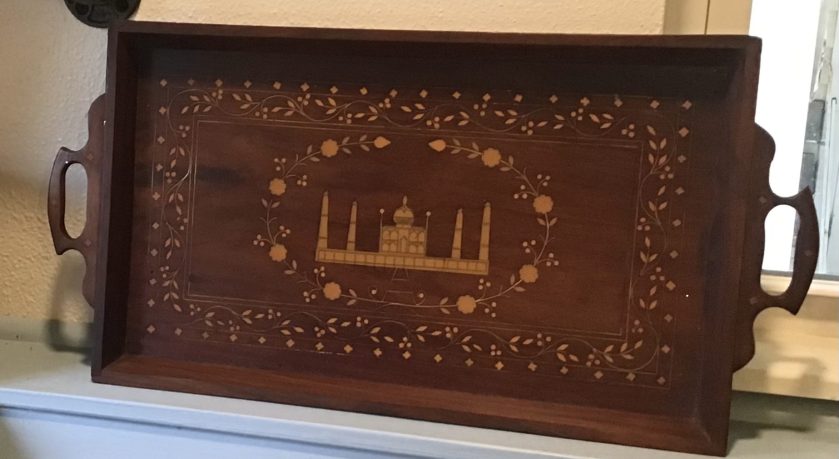
A nice find from a local antique shop. I believe some of the old buildings in the nearby small city of Palestine once used this radiative cooling system.

On radiative cooling

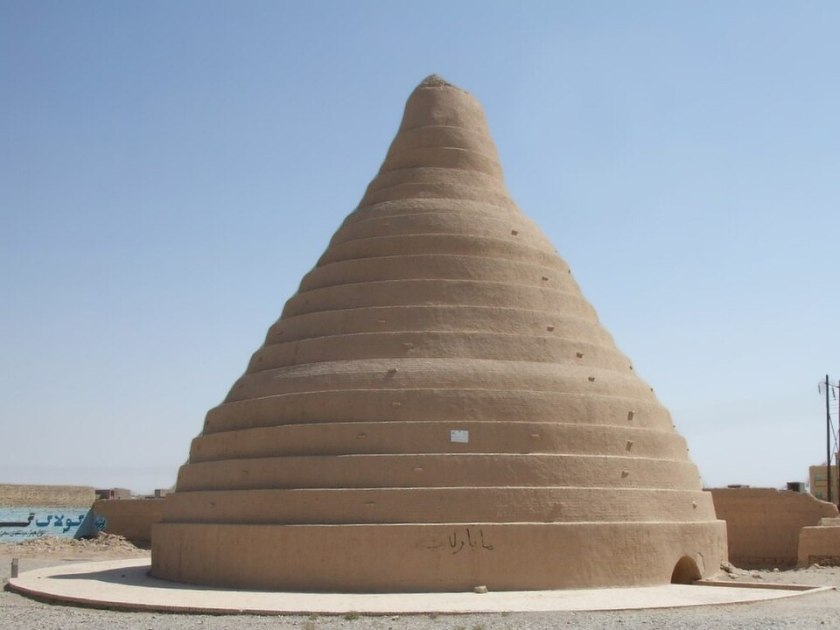
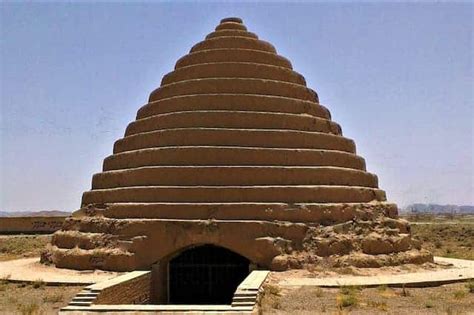
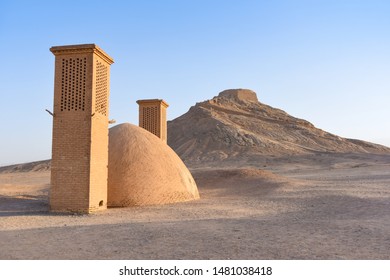
I believe it begins in Persia, still home to many ice houses, called Yakhchal. Alternative energy in the modern Western sense is really ugly, cumbersome, expensive, destructive, in comparison. Yet, there is evidence that the Yakhchal was once more widespread than just in the ancient, or modern, middle east.

The yakhchal is used for preserving and storing food, cooling structures, even making icy sweets. It works through radiative cooling, which existed in ancient times, still is in existence in remote areas today, and yet, it’s not the norm here, in the modern and advanced industrial West. Why?

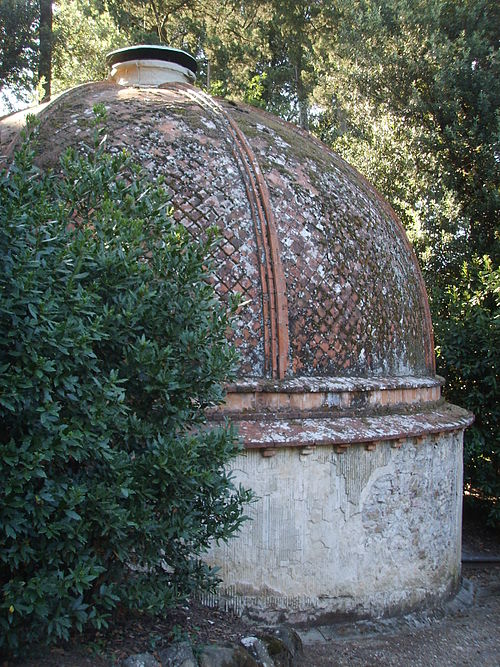
The dome of an ice house in Italy.

That they propose it now to cool the entire planet with this line of tech means they think they can scale it that far up, yet they can’t manage to scale it back down, again. How can that be?

Geoengineering the planet with ‘lost’ radiative cooling technology, Science Direct. And ‘global radiative sky cooling’.

What is the difference between the common springhouse and an icehouse, which is the Yakhchal? My neighbors once had a springhouse, but I’d only know that because he told me himself, before he died, at over 90 years old.

Where else would such useful information be kept, I wonder? How will the next owners know there was once a springhouse there, one that might even be restored to a functioning status, when I see on their real estate listing that not even the grandchildren seem to know or care about this old feature? Who cares now, right, because we have the water co-op and the electric company we can pay each month.

I believe a case could be made that the very common structures once known as springhouses were the vernacular equivalent of the ice house.

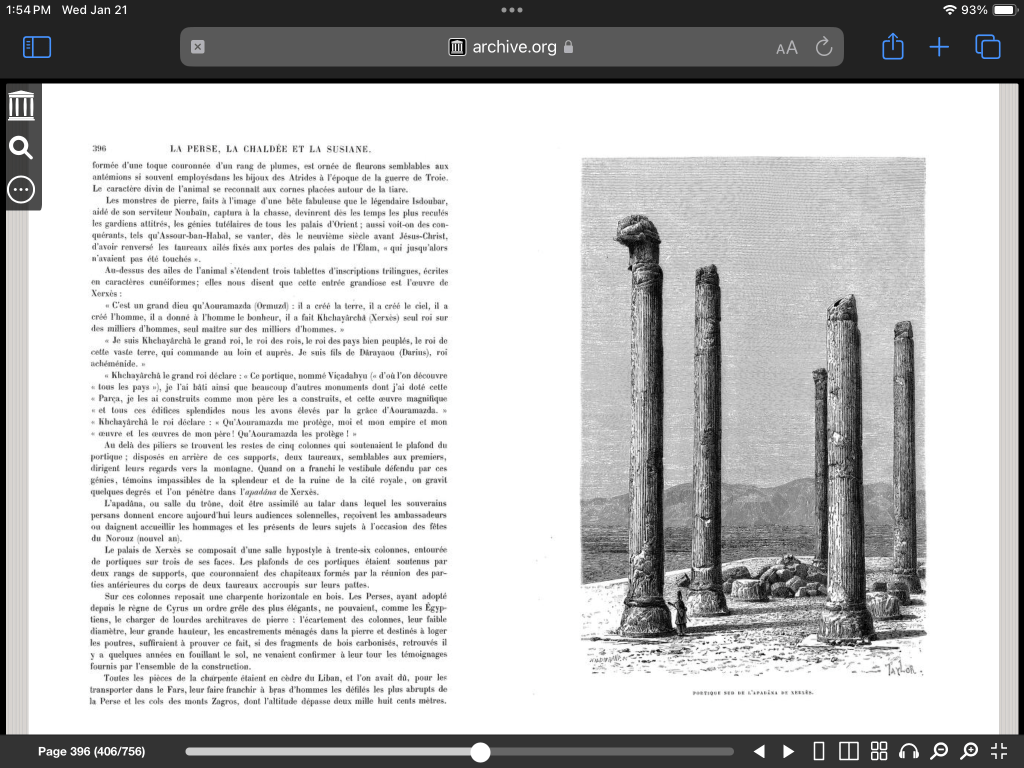
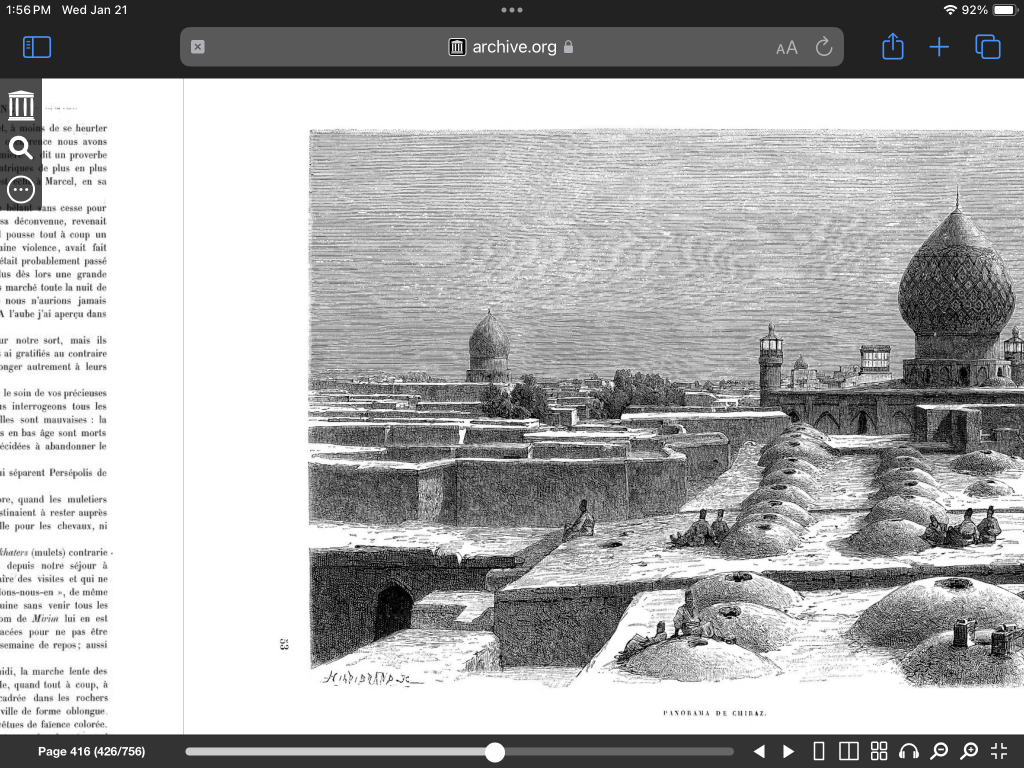
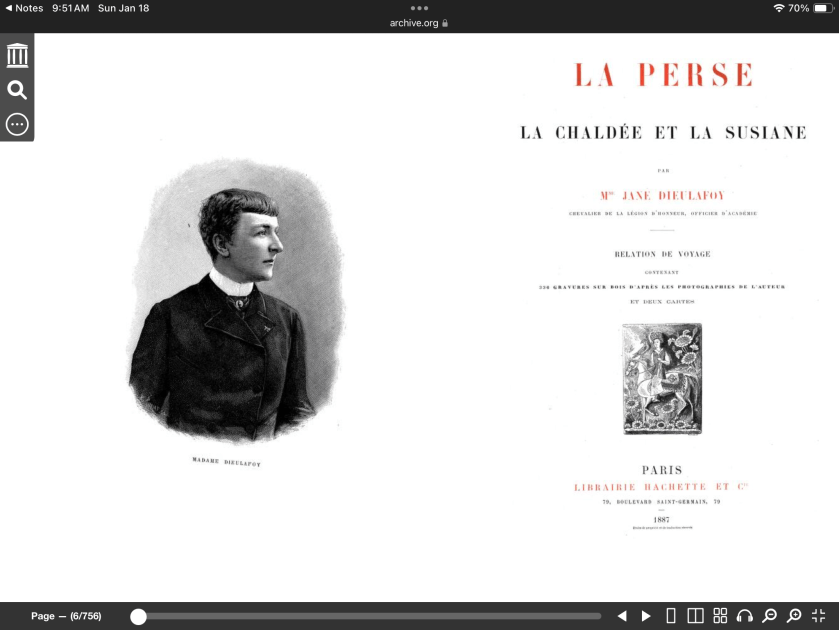
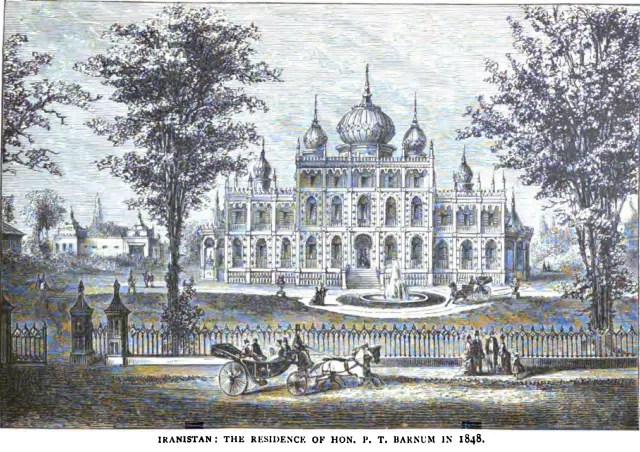
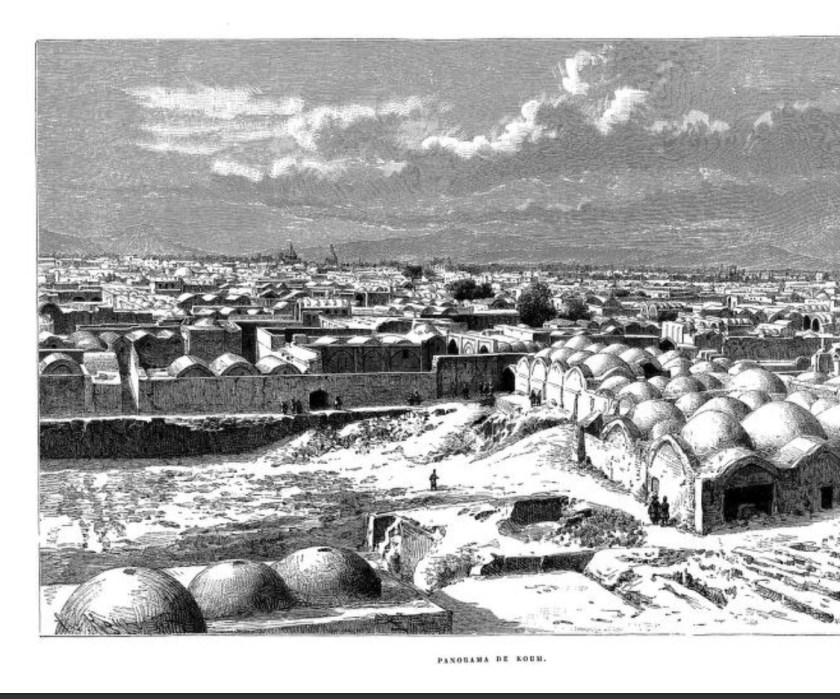
Much is written about ancient Persian architecture in this work from 1887 by “Madame” . I can’t help but wonder, similar to how the meaning of Ice House changed in Texas, did the meaning of Madame also change? ‘Cause Dude does NOT look like a lady!

Three main types of Yakhchals exist: vaulted, underground, and roofless, each adapted to different climatic conditions.

Passive cooling so common and effortless that even poor people could afford ice:
(PDF) Yakhchal; Climate Responsive Persian Traditional Architecture

Mehdipour, Armin. Yakhchal; Climate Responsive Persian Traditional Architecture.

Yakhchāl – Wikipedia
The Mughal emperors also recorded to adopt the technology of Yakchal. Humayun (r. 1530–1540, 1555–1556) expanded ice imports from Kashmir to Delhi and Agra, insulating blocks with straw and saltpetre to slow melting, a Persian technique. Early Baraf Khana (underground pits) stored ice, adapted from ‘yakhchāl’ for preservation.[4] Akbar (r. 1556–1605) organized ice transport from Kashmir to Delhi, Agra, and Lahore via a 14-stage relay system, delivering ice in two days using saltpetre. The ab-dar khana at Fatehpur Sikri used sandstone cisterns and qanats, resembling yakhchāl, to cool water and make sherbets and early desserts.[5] During the era of Jahangir (r. 1605–1627), Tuzuk-i-Jahangiri describes baraf khana as insulated cellars storing ice for palace cooling, food preservation, and kulfi, a frozen milk dessert with pistachios and saffron. Ice was harvested in Lahore from shallow ice pans and stored in straw-lined pits.Shah Jahan (r. 1628–1658).[6] Shah Jahan built a baraf khana in Sirmaur to supply Agra and Delhi’s Red Fort. These underground structures with thick walls stored ice for drinks, food, and kulfi, symbolizing imperial luxury.[7]
Although many have deteriorated over the years due to widespread commercial refrigeration technology, some interest in them has been revived as a source of inspiration in low-energy housing design and sustainable architecture.[8] And some, like a yakhchāl in Kerman (over a mile above sea level), have been well-preserved. These still have their cone-shaped, eighteen meter high building, massive insulation, and continuous cooling waters that spiral down its side and keep the ice frozen throughout the summer.


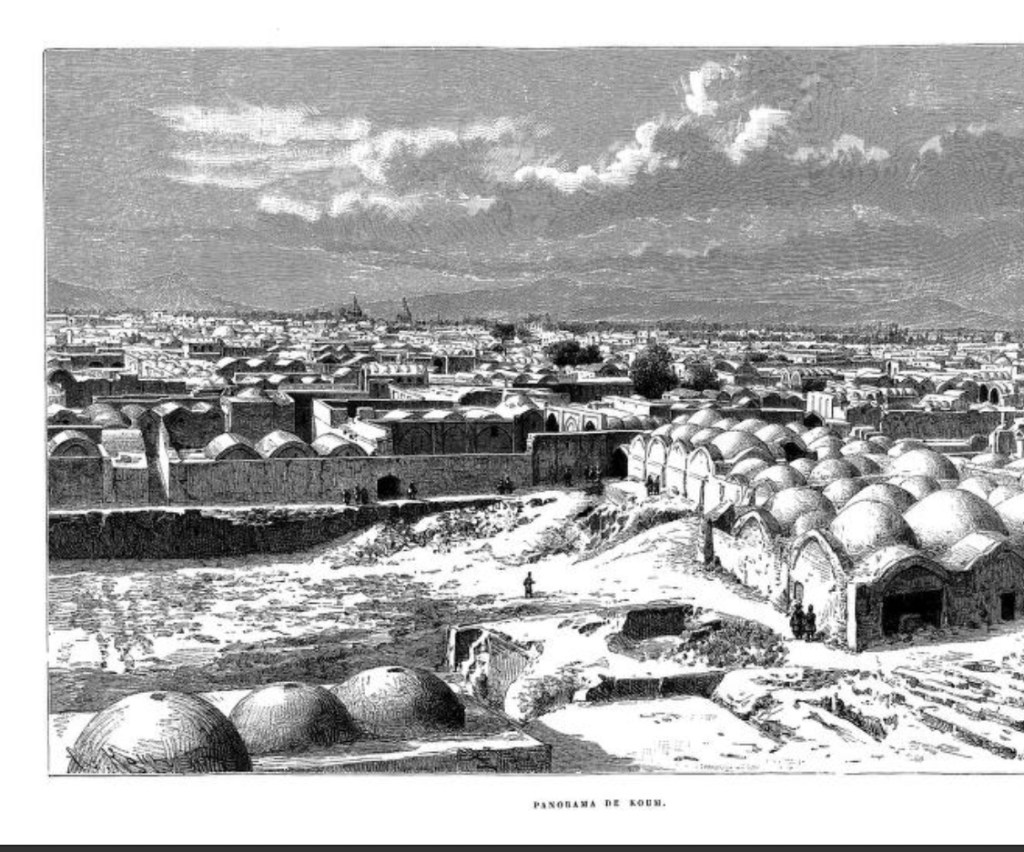
What we see as far as typical architectural features of the Yakhchal are domes, sometimes occuring with minerets, or spires, and sometimes with bells associated as well. Underground gardens are also a feature in the more elaborate designs.

Interestingly, Dallas has such an architectural gem, though I’ve not found any mention of the yakhchal or ice house technology mentioned in the literature.

The celebrated architect of the famous underground Dallas square.

From Wiki:
Thanks-Giving Square – Wikipedia

The Square is set fifteen feet below ground level with a four-foot wall blocking the sight of automobiles to create a serene, green island. Water plays a prominent role in the landscape, with active fountains masking city noise.

Sitting amid the steel and glass skyscrapers of the Dallas business district, Thanks-Giving Chapel’s white spiral building is a beautiful—and unusual—sight. A curvilinear chapel resembling the 9th century Al-Malwia (snail shell) freestanding minaret of the Great Mosque of Samarra, Iraq, built by the Abbasid caliph Al-Mutawakkil, is not a building a visitor to Dallas expects to see. Another pleasant surprise is the Qur’anic verse “Grateful praise is due to God alone, the Lord and Nourisher of the worlds” engraved on a granite column at the entrance to Thanks-Giving Square. A portion of Psalms 100 appears on the Wall of Praise, also at the square’s entrance.

In 1971, the Dallas-based nonsectarian Thanks-Giving Foundation hired renowned American architect Philip Johnson to design a chapel that would celebrate the value and spirit of the institution of thanksgiving. Completed in 1976, Johnson’s white marble aggregate building dominates the three-acre triangular site that is dedicated to spiritual reflection. A sloping bridge built over a cascading waterfall connects the courtyard to the chapel. From his study of art history, Johnson was inspired by the spiral form of the Samarra minaret—which is similarly connected to the Great Mosque by a bridge.

“The spiral design perfectly conveys the foundation’s dual mission of offering a place for all people to give thanks to our creator and celebrating the value and spirit of thanksgiving for both sacred and secular cultures throughout the world,” Tatiana Androsov, Thanks-Giving Square’s president and executive director, told the Washington Report on Middle East Affairs.

Inside the chapel, a visitor’s attention is immediately drawn to the Glory Window (above), a multi-colored stained glass ceiling created by Gabriel Loire. This striking creation was memorialized in a United Nations stamp in 2000, the International Year of Thanksgiving. In one area of the room is a large white Carrara marble cube mounted on a sandstone circle made of local Austin stone. The cube is symbolic of the unification of mankind; the circle symbolizes eternity.

During the week, the chapel is a convenient and tranquil location in an otherwise busy city for Muslims working in the downtown business district to pray. “Although there are 22 mosques in the Dallas area, many Muslims working in this part of town like to come here, especially for Friday prayers,” Androsov explained.
Visitors from Europe, the Middle East, Asia and Africa come to the chapel as part of the U.S. State Department’s International Visitor Leadership Program, she added. The Thanks-Giving Foundation is a Department of Public Information NGO with the United Nations. For more information, visit www.thanksgiving.org.

Thanks for joining me on this little journey through time and space!

domes and spires everywhere back then!

One last deep speculation–could this ancient architectural tech also relate to the so-called Mound Builder indigenous tribes all over the Americas?

More on that next ‘What’s Been Lost’ post.

The Pleasure Principle

A post for Valentine’s Day, something I’ve never done before, as far as I recall.

I imagine it as an Ode to Narcissus, which is my own personal meaning attached to this holiday.  Through the Greek myth we are told that Narcissus fell in love with his reflection in a pool of water and up to modern times there are myriad explorations for what that represents.

The most well-known today, coming from Wiki:

The myth had a decided influence on English Victorian homoerotic culture, via André Gide‘s study of the myth, Le Traité du Narcisse (‘The Treatise of the Narcissus’, 1891), and the only novel by Oscar WildeThe Picture of Dorian Gray.

Most often in our modern era it’s considered a negative thing—a forsaking of the beloved or even God, or the destructive self-love of a tyrannical ego, or the folly of youth.

Echo and Narcissus, oil on canvas by Nicolas Poussin, 1627 (Louvre, Paris)

But for myself, I imagine its original intent as being more pure and innocent.  I don’t imagine the Greek myths were to be taken as literal stories of living people and Gods, but rather the mysteries and processes of Nature.

Eros is Cupid, but I imagine that what’s being unveiled between these 3 figures is depicting the process, the mystery, the intimate and delicate balance with Cupid (Eros) manifesting through  Narcissus’ love of beauty and pleasure.   

That something bigger than we mere mortals is occurring when we fall in love, sometimes even against our own will, awakens and evokes the spirit of Eros.  A natural force so powerful we think of it as a drug, capable of making us behave in uncharacteristic, undesirable and even dangerous ways.

Narcissus is in love with love, which is to say, in love with life.

In the water, a classic symbol of emotion, he truly saw himself in the spirit of divine love.  

The latest modern remaking of The Picture of Dorian Gray.

What came after that initial myth were the modern cultural assaults and chronic misunderstandings cursing him with egoism, arrogance, selfishness, cruelty, taken to the extremes of self-absorption, self-loathing and eventually self-destruction, as in The Picture of Dorian Gray.  Eros as uncontrolled self-obsession.

My belief is that to fall in love with anything, or anyone, is to fall in love with oneself; that is, an aspect of one’s own reflection.  Just as Narcissus is our first flower to appear in spring (it’s blooming right now in fact) Narcissus symbolizes the coming reawakening of all our natural pleasures as spring approaches and life is renewed.  

Before the Easter ritual of fecundity, first the pair must meet, and fall in love.

In celebrating the courting rituals, it’s the one holiday that’s not considered a family affair, and conjures an atypical respect for intimacy in our mass-loving modern culture.

To me it is a holiday of guilty pleasures, quirky pursuits, strange beliefs and peculiar tastes. 

What’s your pleasure?  Do you indulge it enough?  Or perhaps, too much?  Narcissus wants to know!

Do you prefer the cake or the icing?

Immediate reward or delayed gratification?

Are you the driver or the passenger?  

Is ‘fun’ the same as pleasure?  

Is your pleasure a particpatory adventure, or to be delivered on a silver tray?  

Active or passive?

Photography or painting? Reading or writing? Listening or singing?Watching or playing? Cooking or eating?  Looking or being seen?

Is there one without the other?  Is there the other without the one?

A personal story of guilty pleasures.

A fine restaurant, with a fine atmosphere, and fine company, is my guiltiest pleasure of all.  I’d spend lavishly without reserve, relish with abandon, obsess over every detail, waste hours, or weekends without a second thought.  Dionysus takes the reigns when I experience such exquisite care, such regard for pleasure and beauty, I’m easily swept away.  (And unfortunately, just as easily disappointed.). 

Hubby did not know that about me.  How could he possibly, he’d only known me a week or so.

Perhaps it’s not such an unusual thing, considering the love affair with food that’s shared across seemingly all cultures, if not always appreciated to the same degree with all people.

I’ll forever cherish the singular date when Hubby won me over, especially because I know the chances of something remotely similar ever happening again are microscopic.  It was one of those one in a million evolutionary occurrences, kind of like the Big Bang.  

As we all know, it just takes one miracle.

He planned it to the letter—chose the best restaurant, actually went there in advance to choose the best table overlooking the water, spoke to the chef personally, tipped the maitre’d in advance.

Who does that?  I mean, I would probably, but who else?  Only in the movies, right?

It wasn’t on Valentine’s Day, there was no chocolate or champagne.  But I did drink too much, and he swiftly transformed into my white knight on a scooter.  He was the crafter of the most perfectly romantic night of my life.  And romantic is not something he’s ever aspired to, by any standards, and by his own admission. 

Like I said, just one miracle. Perhaps a little help from Cupid?

I was ho-hum before that.  Not that he wasn’t a good catch, of course.  Certainly loads of divorced 30-something women are attracted to a man who finds it to be bragging material that his belongings fit into a backpack with few aspirations besides spending half the year in a hammock on a Thai beach.

We had a lot in common, as in we were both fairly uncommon vagabonds.  Not trust-fund kids or military brats, that was most common in the ex-pat scenes in those days.  We worked and scrimped and hustled and snubbed our noses at such privilege, when we could afford to.  Otherwise we enjoyed their parties and their company and their contacts.

We met at one such fancy affair, and he wasn’t my type, that’s how I saw it in the moment.  Not because of any of those previously mentioned assets, those I actually found pretty charming, especially that he would be bragging on them with a woman he’d just met.  I was far more impressed with his stories of rugged adventure than any of other’s comfort and privilege.

Not our photo, though we do have great ones, somewhere. This one is from kingscup.com

But I was just barely out of another failed relationship; I just wasn’t on the market, according to me. 

He perceived otherwise.  I dare say, I have never been pursued with such seemingly carefree precision.  He is/was not ever a lady’s man, had less relationship experience than me, and was not there looking for love.

It didn’t help that my just-failed relationship was with a photographer, and that he was there as another photographer’s assistant.  Of course I noticed he was fit and handsome and friendly and funny.  I imagined we could become friends, maybe even friends with benefits.  My imagination stopped there.

This is a stock photo, the resorts we stayed in were even more glorious.

We bumped into each other often, as would be expected, since we were all covering the Phuket King’s Cup Regatta.  They had us all staying in top resorts, sailing the seas by day and attending parties every night.  It was amazing and overwhelming and so deliciously extravagant and foreign. 

Even under such conditions, he was able to corral my attentions, redirect my intentions, and totally capture my life’s trajectory (as dismal as that was looking at the time considering I was living in an old, drafty single-wide in my dad’s trailer park in Mena, Arkansas.)

Though I’m sure he won’t admit it and questions who was doing the seducing, I will still insist, it surely wasn’t me.  Narcissus, perhaps? 

We are told it’s human nature to pursue pleasure and to recoil from pain.  But all around us we have plenty of evidence that’s not the case at all.  In honest observation it looks much more true that pain and pleasure have a very mysterious relationship that is quite unique to each individual.  

I personally will not allow the Dorian Gray’s of the world to eternally spoil the beauty of Narcissus, so I celebrate Valentine’s Day as a gateway into the new season’s promise of pleasure.

Happy Valentine’s Day to all the Lovers of Love, Beauty, Pleasure and Life!

Our Jewish Roots

In our last post we took a look at Laurel Blair Salton Clark and learned that human bodies and space shuttles disintegrate at different laws of physics than CDs, which are now nearly lost to time, but apparently not to space.

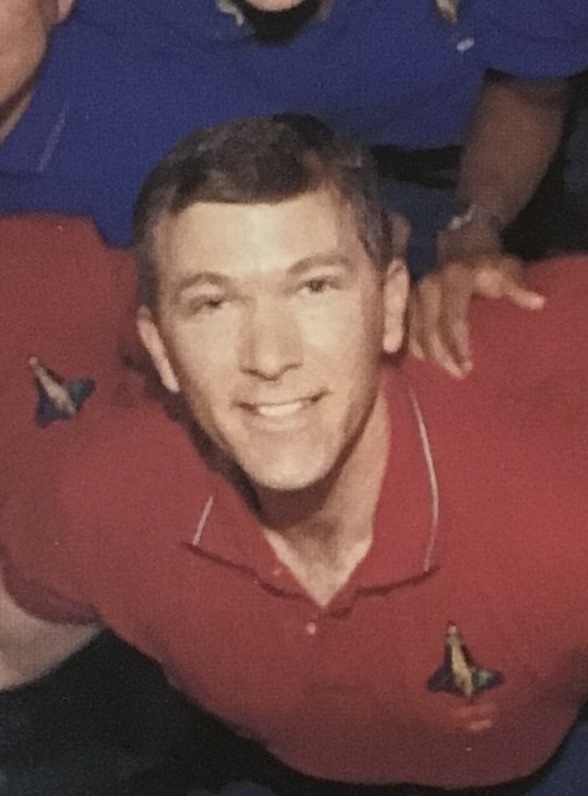
Moving on to the hero of the story, we have Rich Husband, Commander of the mission. He had an illustrious career as a fighter pilot and astronaut and is accredited with a long list of honors and awards and even has a statue.

Rick Husband – Wikipedia

But what some may not know is he also was an actor. He played himself in a series called Our Jewish Roots in 2003. His wife, Evelyn, has also played herself in numerous programs. Unfortunately as miraculous as our cyber world is, I can’t find a way to view this episode; it doesn’t even seem to be available for purchase.

Rick Husband – IMDb

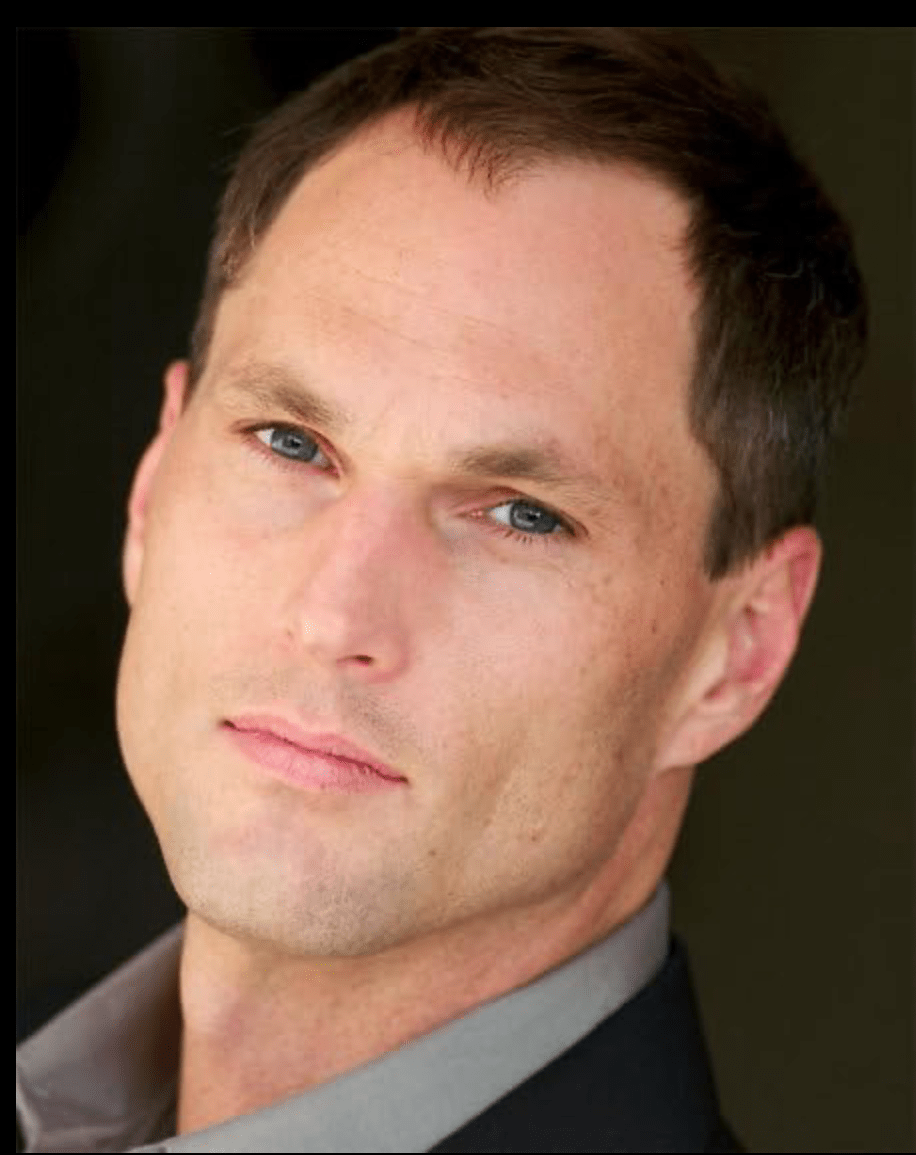
His also the subject of an episode about the failed Columbia mission, played by actor Brian David, born September 11, 1965 in Kansas City MO and appearing in 3 films in 2004, 2005, 2006 one quite popular. But he’s not in any recent films. Quite a handsome fellow, I wonder what happened to him.

https://www.imdb.com/name/nm1554561/bio/

Wristcutters: A Love Story (described as a ‘suicidal Wizard of Oz’)

https://www.imdb.com/video/vi3434152217/

How interesting and I’m sure totally irrelevant the close relationship between NASA and acting.

The Story Arc(h)

So many stories not told. They don’t fit the mold.

While the same stories are repeated over and over. The approved stories, with the approved arcs and twists, capturing audiences beyond time and space.

Hero or Villain? Victim or Culprit?

The ordinary stories of ordinary folks are bypassed. Not sexy enough. Not dramatic enough. Too slow-paced. Not Catchy. Or spicy. Or click-baity.

Not nearly sticky enough.

Stories must be sending the right message. Clicking the right boxes in the right moments in the accepted paradigm according to the right models.

Triumph over adversity are ultimately the only stories allowed. Even the stories of failed heroes are spun in such a light, otherwise they are considered ‘dystopian’. And even then we see tragic heroes ‘set free’ by their surrender to the ‘greater force’ or ‘liberated’ by a merciful death.

How the stories are told indicate what the audience will perceive. Here I provide some examples.

These are all still ‘my stories’, just spun to be acceptable, or not. My goal here is to get folks to question WHY certain stories sell. Is it a matter of authentic taste? Of expectation? Of social programming?

Is it the audience who choose, or someone else, perhaps more subtly who chooses for you?

Here are some stories never told, true (ish) stories from my own life. You be the judge/critic/pretend publisher and let me know.

***

While in NOLA, a hurricane. The story that would sell: Young teacher moves to New Orleans for her new position at a prestigious Southern university one week before the most devastating hurricane in its history. She evacuates to a remote part of the Louisiana bayou and learns about Creole and Cajun history and music and cuisine and finally settles in the region of the native Caddo tribe to study Pre-Colombian cultures of the Deep South.

The story that won’t sell: Young teacher moves to New Orleans for her new position at a prestigious Southern university one week before the most devastating hurricane in its history. She evacuates to a remote part of the Louisiana bayou and learns about weather modification and clandestine military operations pertaining to centralized, unelected power structures controlling the U.S. government.

***

While in Galveston, a hurricane. The story that would sell: Couple not long ago evacuated from New Orleans experiences second 100-year hurricane evacuation after just three years. After being forced to split up in order to continue working, they blow through a decade of savings, suffer marital issues and nearly divorce, but are called by God to settle in the remote hills of East Texas to build a homestead.

The story that won’t sell: Couple not long ago evacuated from New Orleans experiences second 100-year hurricane evacuation after just three years. Wife begins seriously researching ‘chemtrails’ and learns about the 70+ years of weather modification that leads her to the ongoing Geoengineering projects—that is the global ‘climate remediation’ experimentation, much of it covert operations of global public-private partnerships with zero accountability or known oversight.

***

While in Elkhart, a tornado. The story that would sell: Couple experiences third weather disaster and nearly loses home and wife talks of ‘meeting death’. She finds God, Jesus, Mohammed, Buddha, Enlightenment and starts a fundamentalist cult which then gets attacked Waco-style by the government and all cultists die in flames.

The story that won’t sell: Couple experiences third weather disaster and nearly loses home and wife talks of ‘meeting death’. She turns to herbalism and organic gardening and a life of quiet reflection about the nature of evil and tyranny and the statist system broken beyond repair and the inadequacies of every group-think solution to this issue, including the anarchy renamed voluntarism and the so-called ‘mystery schools’ and the exhausting rehashing of ‘Prophecy’ and is just generally permanently dissatisfied with all the solutions and proposals she’s ever heard, and she’s heard a fucking ton of them by now.

She discovers a mass effort at brainwashing against the ‘victim’ —some kind of crazy signaling effort of victims to rally other victims, and wonders who does this attitude really serve? So, we ‘victims’ are now considered by the establishment as of a ‘dark triad’ type (witches?) if we don’t spin our circumstances to always be whistling while we work, in whatever chaotic wind they care to bare down on us. Or so it would seem.

“Victim signaling, defined as ‘public and intentional expressions of one’s disadvantages, suffering, oppression, or personal limitations’ is strongly correlated (r = .52) with Dark Triad personality traits”.

The Psychology of Social Status and Class: A Conversation with Jordan Peterson

So, so many stories not told. But don’t worry! We’ve got a new generation now, selling the same story in a whole new way!

Stop complaining! Smile. Be happy now.

Moon Litterbugs

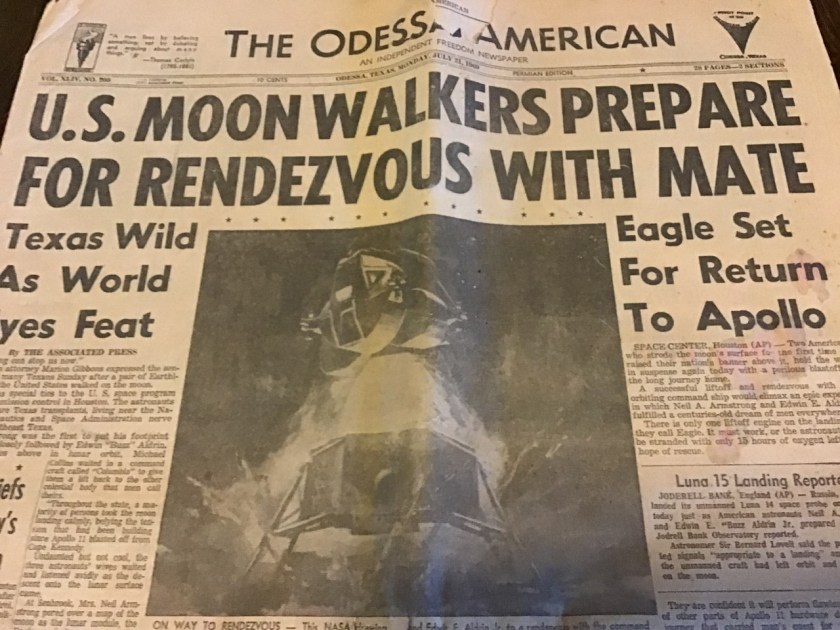
I came across a great artifact—a Monday, July 21, 1969 edition of The Odessa American, a Texas newspaper, with this particular edition all about the ‘awesome’ moon landings.

I must say, I’m rather shocked at the disgraceful condition the astronauts of Apollo 11 left their host space. I mean really, we go to the park and are ordered to ‘leave no trace’ — while they, the great men of the world, are allowed to pollute everywhere they go.

Costly Junk Left Behind On The Moon

Space Center, Houston (AP) — Two Apollo 11 astronauts leave behind one of the most expensive junk yards in the universe when they lift off from the moon today.

They discarded almost $1 million worth of cameras, tools, and breathing equipment up there. The cameras included the black and white television camera that captured their moon walk for the world. This camera cost the Aeronautics and Space Administration $250,000.

Also in the litter—a Kodak worth $50,000 and a Hasselblad camera that cost $11, 176.

After returning to the moon lander’s cabin, the astronauts opened the hatch and dumped the back packs which kept them alive during their walk.
Each of these units, called the Portable Life Support System, cost NASA $300,000. Moon tools designed especially for the astronauts added to the junk pile. Tongs, a scoop, a long-handled hammer, an extension handle and other items were dropped when the space men were through with them. These tools cost $45,000.

Largest item to be left was the descent stage of the lunar module. NASA is reluctant to put a cost on this two-ton piece of metal since it’s only part of a lunar module that cost $41 million. Even if the spacecraft stage hadn’t been left on the moon, it could never have been returned to earth; it has no heat shield.
An American flag was left on the moon. The space agency doesn’t know how much it cost and doesn’t want to.

NASA bought a large number of flags from different manufacturers, a spokesman said, and then removed all labels. One was selected at random.
“We’ve no idea which one is up there,” said the spokesman. “This was so no company could make a big thing of their flag being on the moon.”

A silicone-water bearing electronically-reduced messages of goodwill from 78 countries cost NASA nothing. A private firm produced it at no cost to the government.

A plaque bearing the autographs of the astronauts and of President Nixon couldn’t be priced. It was made in the metal shop at NASA of materials already at hand.”

I sure do hope the next men that land there will be thoughtful enough to take out the trash! 😂

Herbal Explorations: Datura

I’ve added a new ‘weed’ to the Herbal Explorations pages. It’s long, but fascinating, at least according to me. 😁

I hope I can help you enjoy my favorite flower from afar!

Common names: Thornapple, Jimsonweed, Devil’s trumpet, Mad apple, Stinkweed, and many more

Scientific names: Datura fastuosa, sanguinea; D. Stramonium; D. Metel
Solanaceae family

Datura is one of those weeds with a very long and very sordid history, but that’s only part of the reason it is my very favorite.

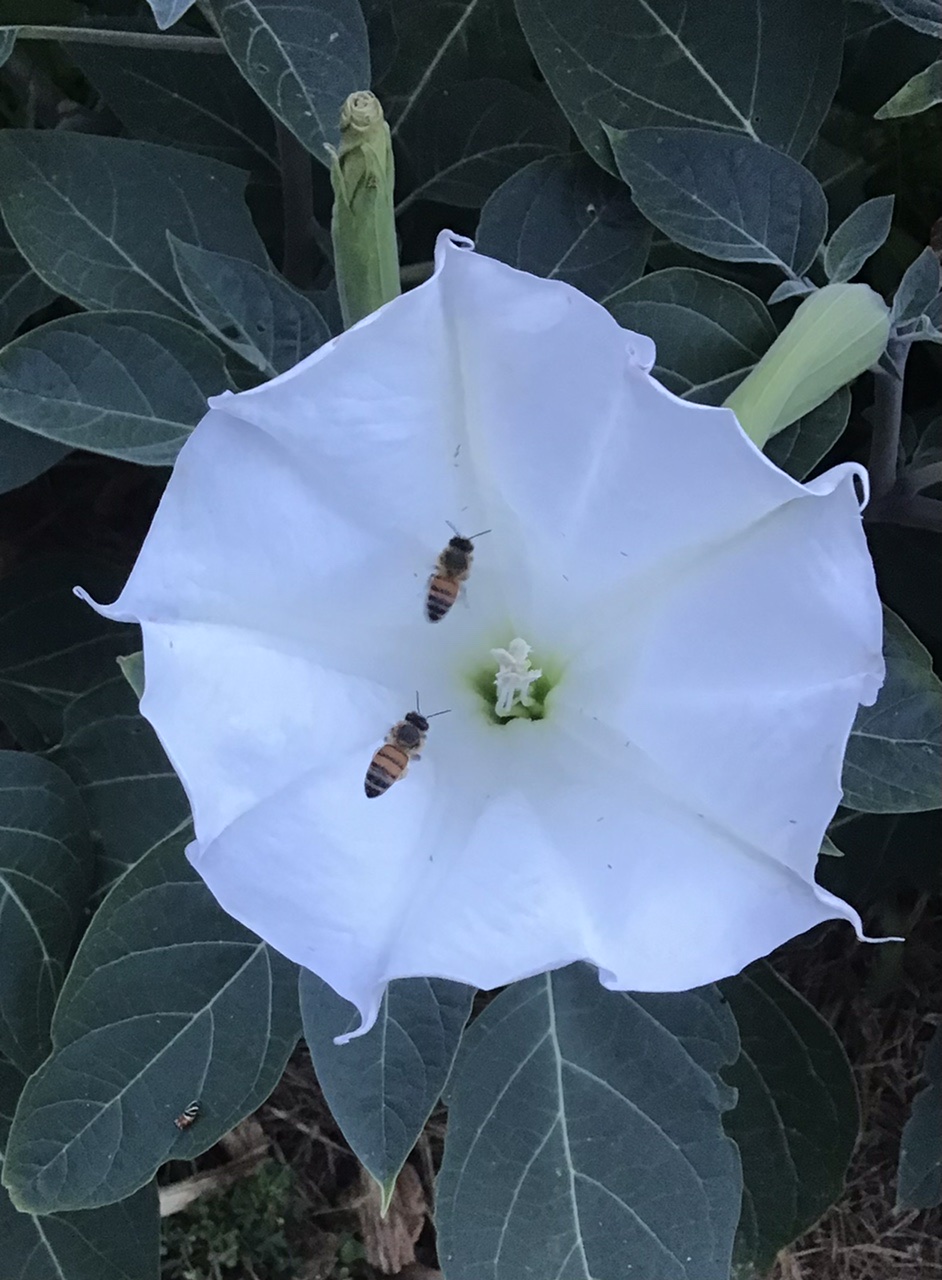
My datura inoxia with Bubba behind surely enjoying its ephemeral scent

It’s a luxuriously soft bloom, thick and silky, opening at dusk. For a very short time while opening it emits the most seductive scent I could imagine. It makes me want to just dive in and drink it up!

And sometimes I do smother my nose right into the center of it and breathe deeply as the smooth velvety petals brush my cheeks, but the scent does not become stronger in such close proximity. It remains very subtle, almost dainty, like a sweet teasing, a slight flirtation that drifts into an unrequited mystique.*

On the nightstand, just opening, when its fragrance is strongest

Man has been tempted and fascinated by this weed since long before written history.

From Wiki:

“The case of D. metel is unique in that not only is the plant not a true species at all, but an assemblage of ancient pre-Columbian cultivars created from D. innoxia in the Greater Antilles, but evidence is mounting that it was introduced to the Indian subcontinent no later than the second century CE – whether by natural or human agency is, as yet, unknown – making it one of the most ancient plant introductions (if not the most ancient) from the New World to the Old World (see Columbian Exchange).”

Datura metel fastuosa from Wiki

While there are many varieties, all with distinctive features, it is the scent especially that is said to vary dramatically among species—from noxious to intoxicating—sometimes dependent solely on the nose of the beholder.

From Wiki again:

Datura is a genus of nine species of highly poisonous, vespertine-flowering plants belonging to the nightshade family (Solanaceae). They are commonly known as thornapples or jimsonweeds, but are also known as devil’s trumpets (not to be confused with angel’s trumpets, which are placed in the closely related genus Brugmansia). Other English common names include moonflowerdevil’s weed, and hell’s bells. All species of Datura are extremely poisonous and potentially psychoactive, especially their seeds and flowers, which can cause respiratory depression, arrhythmias, fever, delirium, hallucinations, anticholinergic syndrome, psychosis, and even death if taken internally.”

From Reader’s Digest Magic & Medicine of Plants 1986:

“Jimsonweed: Although it has antispasmodic, painkilling, and narcotic properties, jimsonweed is a plant to be avoided. Every part of this weed, which is a member of the notorious nightshade family, is extremely poisonous and may cause death. (It) was once a popular asthma remedy. . . .The root and leaves were used externally in folk medicine to treat boils and cuts. The American physician and botanist Charles Millspaugh stated in his Medicinal Plants (1892) that jimsonweed was employed ‘as a narcotic, soothing drug’ for epilepsy and neuralgia. He also noted that it was recommended as an ointment for burns and scalds.” (P. 226)

~~~~~~~~~~

From Plant Intoxicants: A Classic Text on the Use of Mind-Altering Plants by Baron Ernst von Bibra (Die narkotischen Genussmittel und der Mensch by Wilhelm Schmid, Nuremberg, 1855)

(Datura fastuosa, sanguinea; D. Stramonium; D. Metel)

“An intoxicating drink called tonga is prepared from the seed capsules of this plant. This brew has a violent and powerful effect. Johann Jakob von Tschudi in his ‘Travels in Peru’ describes the effects as he saw them on an Indian who had taken the tonga.
‘Shortly after swallowing the beverage he fell into a heavy stupor. He sat with his eyes fixed vacantly on the ground, his mouth convulsively closed, and his nostrils dilated. In the course of a quarter of an hour his eyes began to roll, foam issued from his half-opened lips, and his whole body was shaken by frightful convulsions. After these violent symptoms subsided, a profound sleep of several hours followed. In the evening I saw the Indian again. He was relating to a circle of attentive listeners the particular of this silicon, during which he allegedly communicated with the spirits of his forefathers. He appeared very weak and exhausted.’
The name yerba de huaca (herb of the graves) thus derived from the peculiar idea of the Indians that they can communicate with the spirits of their forefathers, generally after consuming the thornapple plant.”
In former times the old Indian priests drank the thornapple if they wished to converse with their gods. Moreover, priests at the oracle of Delphi administered the prepared seeds of the thornapple to their seers to put them in the desired prophetic ecstasy. In the sun temples at Sogamossa, near Bogota in the Andes of New Granada a similar practice was carried out by the Indians.” (P. 77-78)

~~~~~~~~~~~~~~~~

From Witchcraft Medicine: Healing Arts, Shamanic Practices, and Forbidden Plants by Claudia Muller-Ebeling, Christian Ratsch, and Wolf-Dieter Storl

The famous Flying Ointment

“The ointments (Unguentum populeum) were not forbidden; they were officially used for the treatment of pain, as a numbing wound dressing, as an executioner’s salve, for rheumatism, and for hemorrhoids. The common people were also quite familiar with plants that move the spirit, and used them for love potions and as spices to make beer more inebriating. . . .The courts themselves made use of such ointments. The inquisitors used them to revive defendants after they had been thoroughly questioned and—due to the effects of scopolamine—used the ointments as ‘truth serums’ to break the resistance of tortured prisoners.” P.51

‘Witches’ markets’ in Mexico sell ‘pomada de toloache’ made from the leaves and petals using the variety Datura inoxia (Mill.,syn, datura meteloides DC)

~~~~~~~*More on scent*~~~~~~~~

I am so enamored with the scent of this flower, I wish I could find it in bottle! But so far, I don’t think it exists.

I wonder, how would they re-create a scent that smells differently to different people? Considering ‘smellovision’( a play on ‘television)’ is apparently already possible and coming soon to a computer near you, I dare say there are some scents science will never capture, and perhaps datura will be one of them.

“The concept of digital smell technology was already being discussed openly in mainstream news in 2018, and The Monell Center in Philadelphia, PA, is actively engaged in research to digitize chemosensory data. The notion of a mixed, augmented reality, integrating smell technology, is no longer in the sci-fi realm.” ~Stephers

Part 4: The Scent of Fear ~ Musings on Fear and Olfaction – Piece of Mindful

If I could upload the scent for you now, I would! 😊

~~~~~~~~~~~~~~~~~~~~

Here is some more interesting information on the psychoactive properties of Datura. Scopolamine, the so-called ‘mind control’ drug is an active ingredient.

From Wiki again: Psychoactive Use

“In Pharmacology and Abuse of Cocaine, Amphetamines, Ecstasy and Related Designer Drugs, Freye asserts: Few substances have received as many severely negative recreational experience reports as has Datura. The overwhelming majority of those who describe their use of Datura find their experiences extremely unpleasant; both mentally and often physically dangerous.
  However, anthropologists have found that indigenous groups, with a great deal of experience with and detailed knowledge of Datura, have been known to use Datura spiritually (including the Navajo and especially the Havasupai) Adequate knowledge of Datura‘s properties is necessary to facilitate a safe experience. The ancient inhabitants of what became central and Southern California used to ingest Datura to “commune with deities through visions”. The Southern Paiute believe Daturacan help locate missing objects. In ancient Mexico, Datura also played an important role in the religion of the Aztecs and the practices of their medicine men and necromancers. It was reportedly used by the Aztecs for ritual sacrifice and malevolent purposes as well. In modern-day Mexico, some datura species are still used for sorcery and other occult practices, mostly in the southern region of Veracruz, specifically in the city of Catemaco.

Bernardino de Sahagún, in around 1569, called attention to Datura in these words: “It is administered in potions in order to cause harm to those who are objects of hatred. Those who eat it have visions of fearful things. Magicians or those who wish to harm someone administer it in food or drink. This herb is medicinal and its seed is used as a remedy for gout, ground up and applied to the part affected.”

Christian Rätsch has said, “A mild dosage produces medicinal and healing effects, a moderate dosage produces aphrodisiac effects, and high dosages are used for shamanic purposes”. 
Wade Davis, an ethnobotanist, also lists it as an essential ingredient of Haitian zombie potion. In Western culture, the same species (Datura stramonium) has been said to have been commonly used by witches as an ingredient for their flying ointments and was regularly included in detailed recipes of magical ointments dating back as far as the early modern period, predominately in New England and Western Europe. During the anti-witchcraft hysteria of colonial times it was considered unlucky or inappropriate to grow D. stramonium in one’s garden due to its supposed reputation for aiding in incantations.”

~~~~~~~~~~~~

For more information on its psychoactive properties visit:

Erowid Vault: Datura

Ohio Oddities

Steganography and synchromysticism researcher, Stephers, shared a few odd points about the E. Palestine, Ohio train accident and chemical spill that I want to pass along to whoever might be interested.

Stephers: “In this interview, they mention “HAZMAT suits”…and Nathan Izotic mentions “in his industry.” Yet it is NEVER mentioned that he, himself, is a specialist in chemicals (and his wife, Kelly, trained specifically in chemicals and toxicology)…and OSHA HAZMAT certified…Why are they not assisting, given their expertise?”

Me: They also had only moved to the vicinity the previous year, so I’d say they are not exactly ‘locals’ as in they would know the area and people well enough to be the best candidates to interview.

Stephers: “Kelly Izotic (acting as worried local resident) works for Microbac Laboratories. She does not mention that she is an environmental chemical field technician, nor what her company does. If honest, she should be educating the public on air quality and remediation, and supporting on-the-ground hazardous waste analysis.”

https://www.microbac.com/waste-management

Me: Why not interview them as experts in the field, which they clearly are, instead of ‘concerned locals’? And why does she have that insouciant grin the whole time, and he looks like he has to bite his lip to not follow suit and then points to an invisible rash on his face?

They don’t look too concerned to me. Nerves? Bad acting? Or perhaps beaming on the inside with the bank they are about to make on this deal?

Just asking, inquiring minds want to know!

+++++++++

And, even more odd, also received from Stephers:

From the article linked below:

“Ohio resident Ben Ratner was excited when he landed a gig as an extra in a Netflix movie about a toxic disaster in October 2021.

But now the 37-year-old father of four — who lives in East Palestine, Ohio, less than a mile from the site of a train derailment that led to a massive toxic chemical spill and forced residents to evacuate — is living out a real-life version of the movie’s plot that’s continuing to unfold.

“Talk about art imitating life,” Ratner — who plays an evacuee in the film adaptation of Don DeLillo’s novel White Noise about a freight train explosion that releases deadly toxins into the air — tells PEOPLE.

https://people.com/human-interest/ohio-train-derailment-evacuee-living-real-life-version-of-movie-white-noise/

And if that were enough, add another little gem . . .

Ratner’s Star is a 1976 novel by Don DeLillo. It relates the story of a child prodigy mathematician who arrives at a secret installation to work on the problem of deciphering a mysterious message that appears to come from outer space. The novel has been described as “famously impenetrable”.[1]
Stephers:
I still find it super synchy that Ben Ratner’s mom is named Beth…and *another* Beth Ratner (NOT his mom) just happens to have worked in environmental toxin/hazardous spills clean-up:

Financial Controller

ARROWHEAD ENVIRONMENTAL SERVICES

Sep 2020 – Jun 2022 1 year 10 months

Established financial and human resources policies and procedures for a start-up waste management company.

Well, what do you think about them odd apples?!

Fascinate, Me?

I doubt it.
But do try, if you please.

For I hold that which is more fascinating than all the revelations on the Worldwide Web.

For I know what’s more delectable than the greatest feast any queen was ever fed.

Home-raised and home-made by just little ol’ us:
2 cheeses, pig liver pate, sourdough rye, olive oil pickles, radishes and green onions,
persimmon kombucha.

For I have felt the pleasure of the task done only for her most dear.

For I have touched the archaic wisdom without fear.


For I have sensed the eternal crafted long before His key.


For fascination is my daily bread living this great mystery.

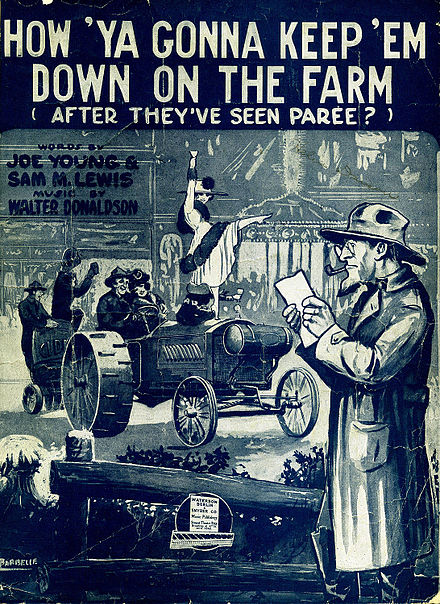
How ya gonna keep them wrapped in illusion once they’ve touched reality?

Captured!

This is a summary, of sorts, to Jasun Horsley’s thought-provoking work: Prisoner of Infinity: UFOs, Social Engineering and the Psychology of Fragmentation adapted, in my mind, to the song: I’ve Seen All Good People by YES.

All good people . . .

One connection I made (in my own mind at least) early on was to the transhumanist movement, something I’d been researching while looking into autism (a project that got steamrollered by this one). I had looked briefly into Ray Kurzweil and ‘The Singularity,” and planned to cite it in passing in the larger context of SRI and spiritual engineering.”

So satisfied . . .

For all the Eastern spiritual jargon favored by these individuals and institutes, the aims they put forth (in common with those of trans humanism and the Singularity) are really indistinguishable from the aims of Western occultism (and groups like Scientology): namely, the development of superpowers.  In the West, we tend to confuse psychism with spiritual attainment.  Yet from and Eastern point of view, they are seen as at odds with one another—hence the many warnings about ‘siddhis’.”

I’m on my way . . .

“To give an example: One way in which experiences get swept up by a sense of being on a world-saving mission is by trying to get the government (and other people) to see what the aliens are doing.  Scratch the surface of this phantastic narrative and underneath we may find something more mundane and tragic: the frustration and torment of a child, unable to get his parents (or other adults, if the abuse or neglect is by the parents) to see what’s happening to him. The experiencer’s experience then becomes part of a larger, unconscious reenactment, meant to bring about whatever resolution failed to occur when it was most needed.”

Move on to any black square, use me anytime you want . . .

“Implicit in this scenario is the understanding that, to become more than human entails becoming less than human.  Ironically, the same subhuman indifference to other people’s pain—the complete absence of empathy or compassion or conscience—must be extended to the controllers who are performing these horrendous conditioning exercises. Possibly it is even one of their goals, based on an understanding that, the more abhorrent the acts they commit, the more desensitized they will become, the more ‘invulnerable’ and ‘powerful’ they will experience themselves to be.”

For the Queen to use . . .

“Returning to the more solid ground of Industrial Light & Magic Reaganomics; if,as the evidence suggests, none of this is coincidental but is by careful design, then the entire Star Wars phenomenon—which continues to fire people’s most irrational, romantic responses to this day—is very different from what millions of impassioned devotees have hitherto dreamed of, even in their wildest fantasies.  Such innocence may not only be a luxury: It may also be a commodity.  The soul-deep mythic yearning of entire generations, tapped into by the use of images and carefully designed narratives, transmuted into a power source to be harnessed and directed into specific goals of progress, all in service of The Empire.” 

Don’t surround yourself with yourself . . .

“One reason for the appeal of secret societies lies in what might be called the lure of the arcane.  It is a basic human impulse to enjoy secrets, to be included in a special group that has privileged information about any subject that matter to the individual, whether government, finance, sports, the arts, or religion.  In the mid-nineteenth venture Thomas De Quincey wrote: “To be hidden amidst crowds is sublime—to come down hidden amongst crowds from distant generations is double sublime.” De Quince was writing with a degree of cynicism about those who feel they are connected by ‘the grander link of awful truths which, merely to shelter themselves from the hostility of an age unprepared for their reception, must retire, perhaps for generations, behind thick curtains of secrecy.’ Yet his cynicism correctly identified a widespread phenomenon. A venture later C.G. Jung observed that ‘there is no better means of intensifying the treasured feeling of individuality than the possession of a secret which the individual is pledged to guard.  The very beginnings of societal structures reveal the craving for secret organizations..’ This impulse accounts for the self-protective tendency among the young, but also among their seniors, to join teams, clubs, gangs, political parties, professional associations, and other circles.”

The Lure of the Arcane: The Literature of Cult and Conspiracy; Ziolkowski, Theodore. (Only the final quote.). I found both books to be interesting, but only Horsley’s would I recommend as being particularly relevant to current events.

Captured!