I wrote about Gavin’s book and gift of seeds recently, and now I’d like to share a bit about the recipes and his approach to gardening, food, cooking and life in general that I align with so much I can easily overlook our superficial differences–like we’re at nearly opposite ends of the gardening calendar, we’re decades apart in age, and I would normally never buy a vegetarian cookbook.
But as I already said, it’s much more than a cookbook. And I have too much respect for Gavin’s work to shun it just because it’s vegetarian! 😆
I’ve got a dozen pages marked of delicious-looking dishes I can’t wait to try. A number of dishes are already on our regular routine, like sourdough pancakes, heuvos rancheros, enchiladas with salsa verde and refried beans, and Greek salad (and we make it with homemade feta!)
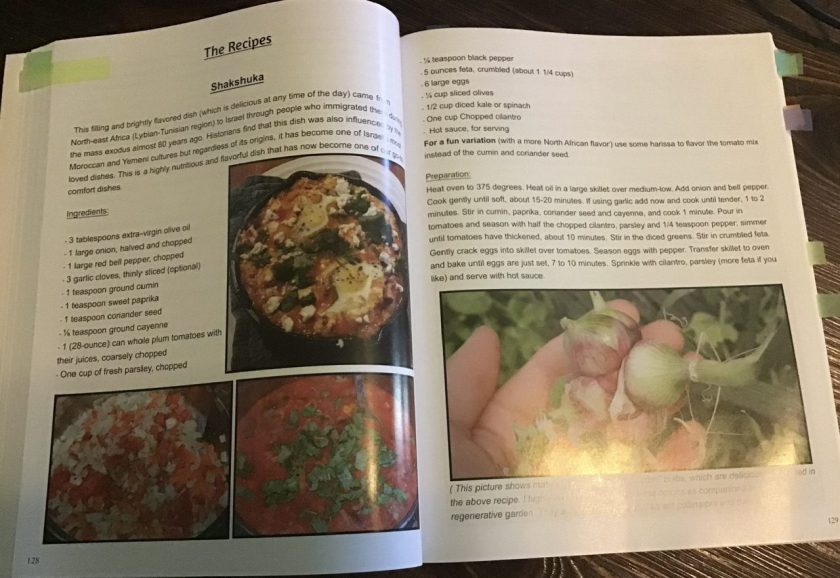
At the top of my ‘Must-Try’ List: Shakshuka. The name alone sounds alluring!
We do eat a lot of vegetables and we always have salad daily and I’ve gotten plenty of new ideas–combinations I hadn’t considered, like a zucchini salad with mint–I’m often wanting to use more mint, it grows like crazy here.
The recipes are very adventurous too, drawing from diverse cultures and culinary traditions–Ethiopia, Morocco, Bali, Mexico, Greece, Thailand –which I truly appreciate, because we tend to get stuck in a bit too much of a routine sometimes. When the garden produce is rolling in by the wheelbarrow, there’s not much time to get creative.
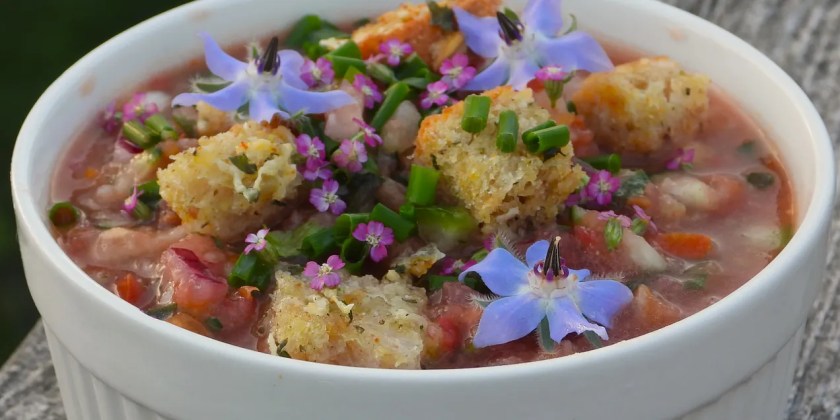
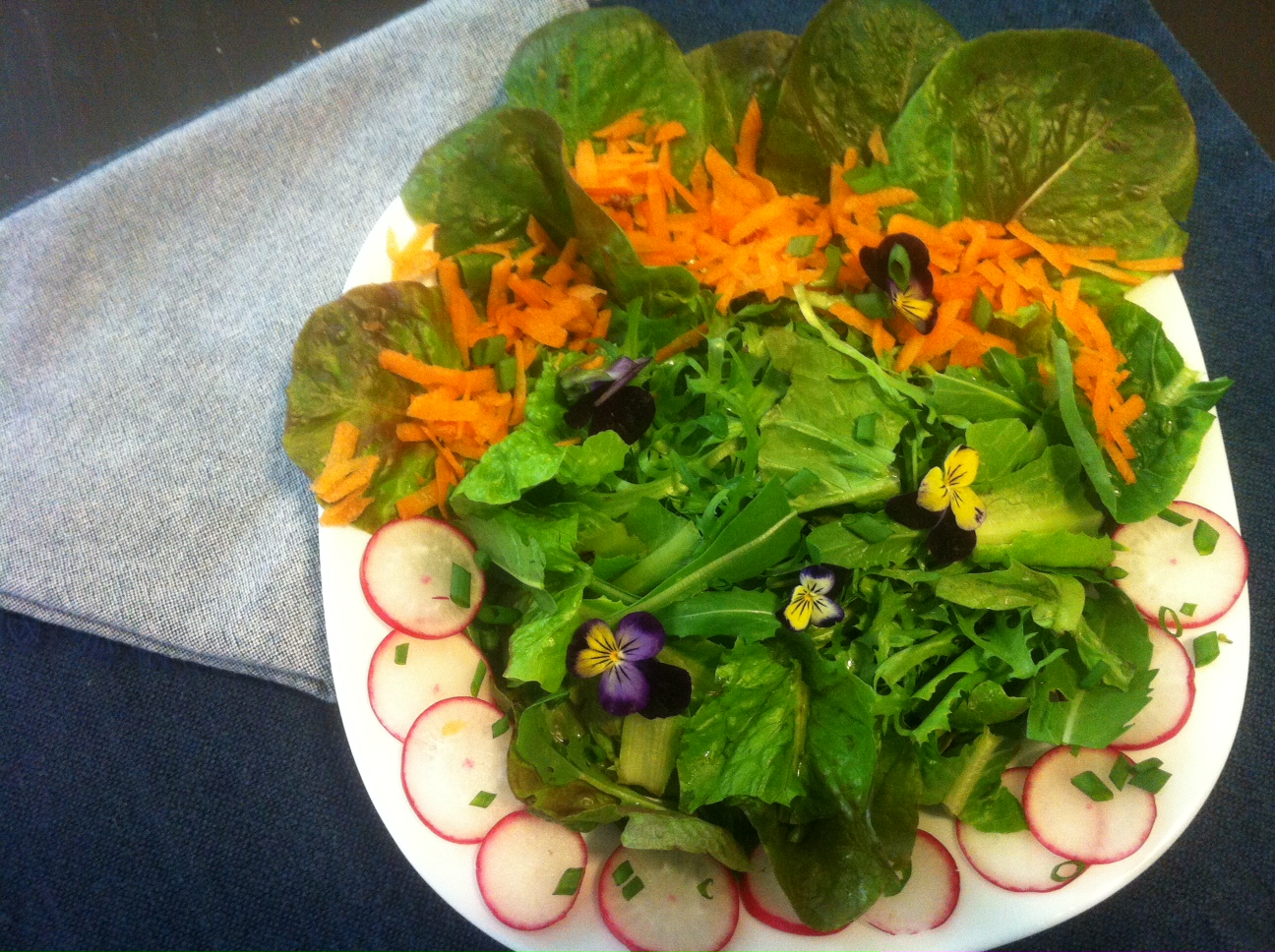
The lovely and edible Borage flower, used as a garnish in Gavin’s Gazpacho recipe on YT. (Photo credit: Kath-UK)
In fact, on the things that really matter, we agree completely.
Like on the importance of fermented dishes, and especially sauces, because the ones that are mass-produced are full of chemicals and highly processed garbage. It’s hard not to sound preachy, maybe even impossible, when telling folks how terrible their diet most likely is. But it’s the plain and simple truth.
I still go to the grocery store from time to time and I see what’s available and what’s in most folks’ carts and it’s pretty hard not to get judgy and to bite my tongue!
The difference a few dietary adjustments can make over time is really impressive–and it starts with naturally-grown fresh food.
Considering the vast majority of folks are outsourcing their health to Big Ag, Big Food and Big Pharma it’s not any wonder why our societies are collapsing under the weight of it all!
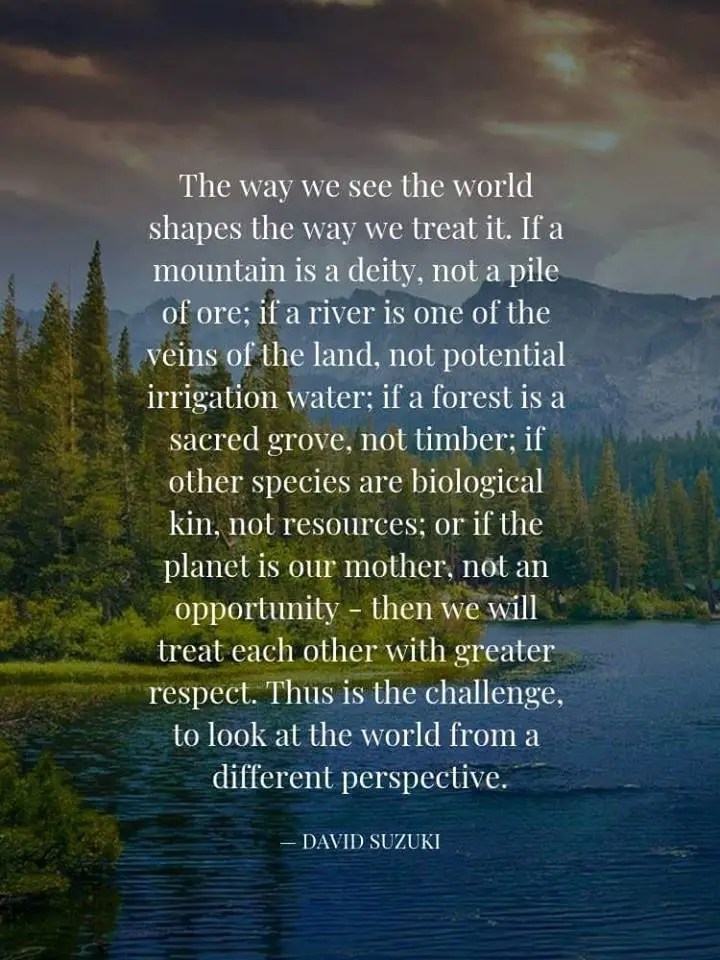
I’ve been enjoying goofing around with the free meme-maker ap using Gavin’s gorgeous photography and inspiring quotes. 😊
“In the past hundred years or so most people have forgotten about those ancient fermentation practices because of the advent of ‘instant gratification’ mass-produced products has allowed for entire generations of people to become completely dependent on corporations that supply them with the ‘food’ they need to survive. These ‘ultra-pasteurized’, pre-packaged, chemical-laden ‘food products’ are devoid of life, contain very little if any nutrients and are produced in ways that cause much damage to the planet’s ecosystems. Though eating prepackaged factory food (with unpronounceable ingredient lists) might be considered by some as ‘normal’ by today’s standards, it is certainly not a ‘norm’ that is conducive to longevity, sustainability or common sense.”
With thanks once again to Gavin, for his great many gifts, and for sharing them so graciously and generously. I’m already looking forward to his next book!
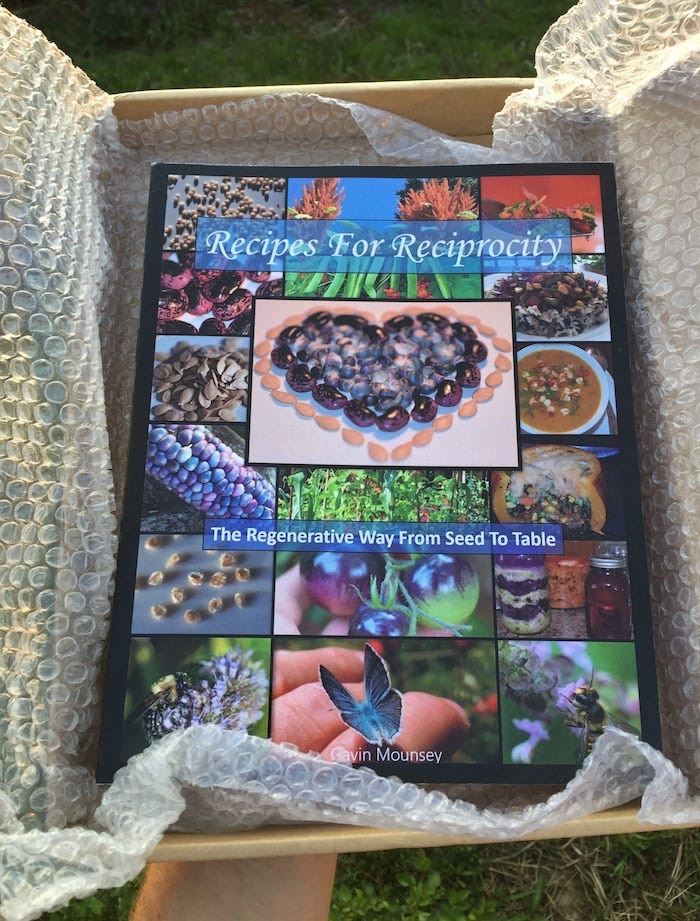
I’ve had a bit of challenge trying to simply label Gavin Mounsey’s book, “Recipes For Reciprocity: The Regnerative Way From Seed to Table” because it’s so much more than a cookbook. I have a great many cookbooks and my favorite type are what we might call ‘narrative cookbooks’ (though there may be an official sub-category name that I don’t know)–these are the kind where there’s a very present narrator telling you stories about the foods, and the places, and the people associated with the recipes and the author’s life. I might be inspired enough to write one of these myself someday.
Gavin’s book is not that, yet it is even more still. Rather than try to say it better myself, and fail, here’s an excellent description from the back cover: “This book is a magnificent achievement. It can help you learn pracical ways to grow and cook mouthwatering food-as-medicine, and build deeper and stronger community, but it is so much more than that. Gavin has written a love letter to humanity and the living world and a manifesto for workable hope, all with an unflinching honesty about the crises we face. Gavin uses the nuts and bolts skills in the garden and kitchen as a launchpad to reimagine our place in the world, and the result is a solid foundation in the chaos. His hope and love are infectious, and the applied knowledge shared in his book is encyclopedic. I highly recommend it to you.” ~ Jason Padyorac
Along with the two books, one I gave to a friend, Gavin sent lots of seeds, some I’m already growing, others I can’t wait to try.
Scarlet Runner Bean in early summer, now dead.
Full Texas sun, not a happy plant.Bit of afternoon cover and is looking good.
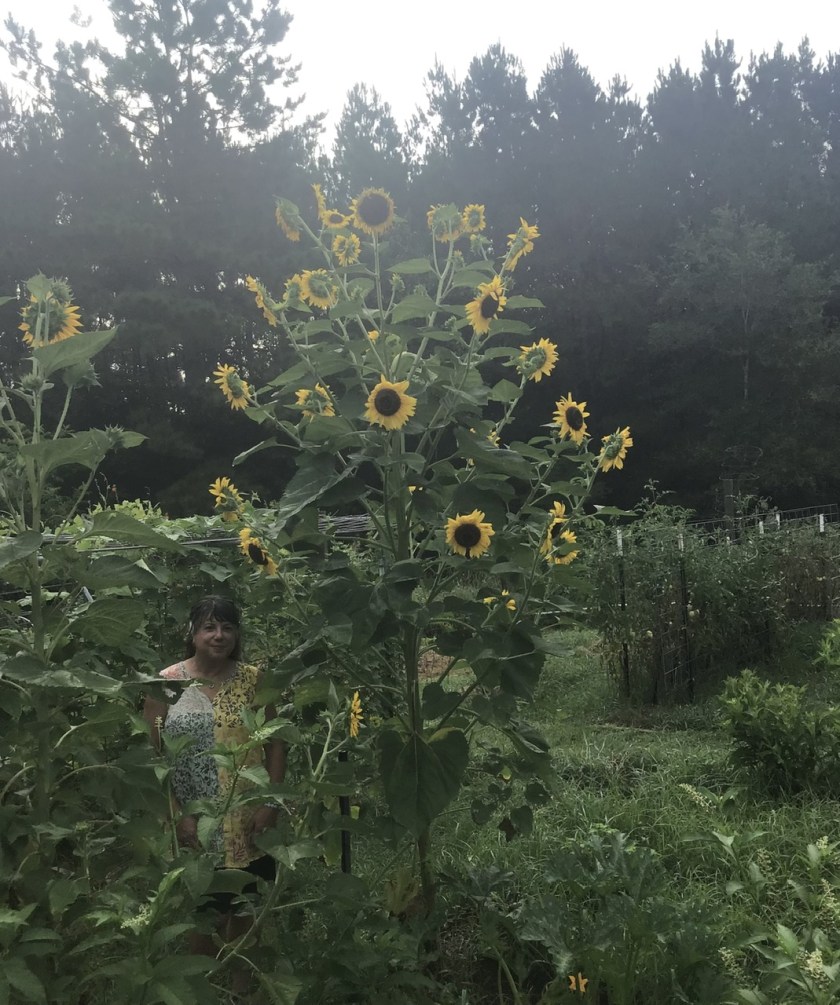
So far I’ve planted the Scarlet Runner Beans and the Black Hopi Sunflowers.
Gavin:
“These beans are among my all time favorites for their versatility in the kitchen and beauty as well as productivity in the garden. They are an amazing companion plant due to the plant’s roots having the ability to associate with rhizobia (nitrogen fixing bacteria) which not only allows this plant to fertilize itself by pulling plant food from the air, it also means this plant can help fertilize its meighboring plants with excess nitrogen. On top of that amazing benefit the scarlet runner bean has beautiful red flowers that attract pollinators such as ruby-throated hummingbirds and bumblebees.”
It is amazing to see how many fantastic plants can flourish in such varied climates. Because Gavin is in Canada and I’m in Texas I didn’t expect to find so many parallels in what we plant in our gardens, though certainly the timing and special needs vary quite a bit. The scarlet runner beans I’ve planted in full sun are perishing. But the others I planted which is shaded during the intense mid-day heat are hanging on. They’ve not produced yet, but I’m still hopeful and I like them anyway. I’m sure if there is any production and I can save the seed, it will acclimate to our area. Unfortunately, after a promising spring, the bumblebees and butterflies have been depressingly scarce in the garden lately.
Gorgeous! Ugly pity for the chem-sky.
The Black Hopi sunflower has been the piece de resistance. It’s gorgeous and taller and fuller than any I’ve ever seen. I had several planted in several spots, and most of them got damaged in the high-wind storms we’ve had. But not this magnificent giant!
Gavin’s reciprocity in action is so inspiring, which is why I wanted to spend a couple of posts sharing about his book. Regular readers will probably remember I’ve shared some other of his work here in the past, especially in our Herbal Explorations pages, which come from his Substack newsletter.
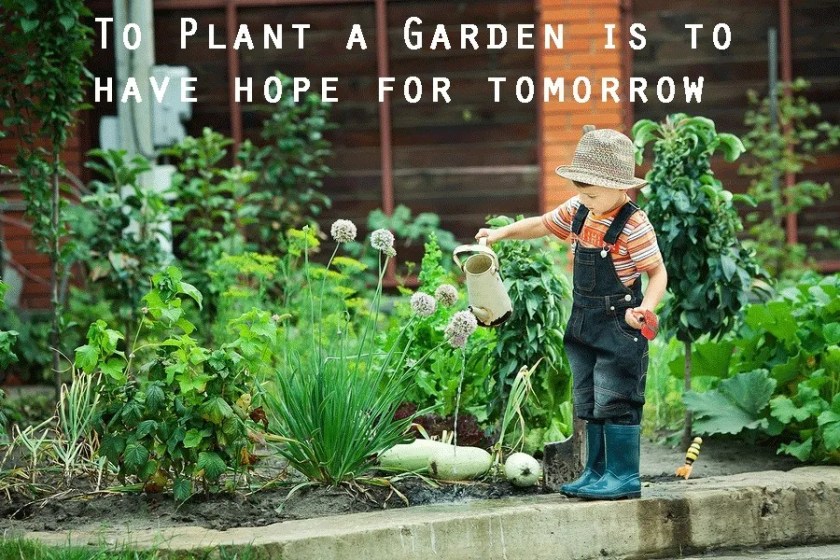
In another post I’ll dive into a few of the recipes, but for now I’d like to expand on a few quotes which so align with my own learning and experience growing a garden and cooking seasonally from scratch. It has absolutely been the most rewarding journey of my life, with plenty of hope remaining for more of the same in the future.
From the section: Reciprocity in Action “Choosing to give our attention to nature is also a form of giving back. Observing and paying attention to the cycles and living systems in nature involves giving our time and our thoughts. When we closely observe nature we inevitably come to perceive countless expressions of beauty through our perceptions of the form, color, sound, scent, textures, tastes and relationships that are all around us. This leads us to caring, feeling gratitude for and feeling compelled to protect the amazing gifts nature shares with us. From the place of gratitude we engage in one of the most meaningful and powerful acts of reciprocity. We open our hearts, we feel content . . . we practice self-restraint, we choose to live more consciously and aware of how our life choices impact the living planet that sustains us and showers us with endless gifts.”
Gavin most certainly has an eye for beauty, his photography is stunning.
I know how daunting it can seem to dive into a new hobby like gardening, or even cooking nowadays, but there’s so many smaller and easier things that take so little effort or knowledge that might be just the momentum for many to kickstart a healthier life and society.
Just observing. I couldn’t agree more. It really does start that small and simple and while I have read loads of books on gardening and cooking and many adjacent subjects, I’ve learned far more from observing. Taking notes helps too, but considering how bad I am at that, it must not be totally necessary.
The other few very simple things that require no gardening and very little cooking is compost and ferments, both which Gavin discusses in the book.
Why those two, you might be wondering? Because in my experience, composting makes you far more conscious of waste, and fermenting shifts your attention to the weather and seasons. Both of these processes have enriched my life and health and outlook far more than I could’ve ever imagined.
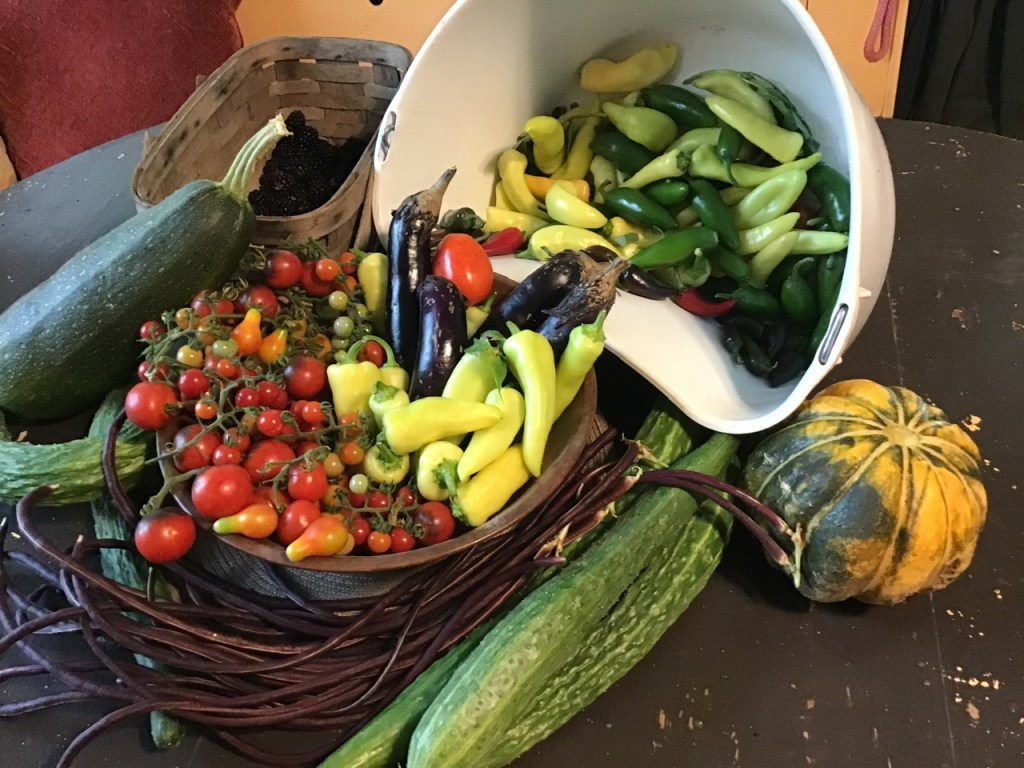
A window sill of herbs would be enough to use up the compost produced by the average small household. Or donate it to a friend who gardens if you have such a black thumb or really no space. And who knows, maybe she’ll reciprocate with a zuccinni or two.
I had no idea what eating seasonally meant. Really. Until I went to the farmer’s markets in France on a high school exchange program, I had zero clue produce even had seasons, and considering how much is grown indoors today, that’s probably become more normalized than ever.
Considering I grew up eating like the vast majority of Americans–fast, frozen, canned, bagged–I know what easy looks like, and this is pretty darn easy. The shift really is more in attitude and attention.
Now I long for cucumber season as I long for tomato season as I long for melon season as I long for radish and lettuce season. It’s become that nuanced and I love it. Sure, there’s some cross-over and we can and ferment to save the bounty. But that limited time window of bounty becomes a season within a season, with all that entails–a change in primary food and focus–all with their unique gifts and challenges.
Surplus requires work, work requires rest and creates reward. 😊
The ebb and flow of surplus and scarcity becomes natural again, each bringing its own unique gifts and challenges.
My influences growing up–that of media, education, environment–worked synergistically as detachment mechanism. Nature was that which we were being systematically detached from, and that trend has only exaccerbated, to the growing dis-ease of ourselves and our environment.
“Within the last century, healthy, natural, organic food has been made more difficult to produce because of the chemical pollution, at first, and genetic pollution, more recently. A handful of companies have spread these toxins across our planet diverting US$ 400 billion of public money to subsidize their high cost chemical commodities to make them artificially ‘cheap’. The costs of this ‘cheap’ food are astronomical in terms of the health of people, the ecological damge it causes and its exploitation of farmers. If the true costs of chemical food were taken into account it would be unaffordable. Insead of subsidizing chemical food and creating epidemics of food-related diseases, public money, used for nourishment and the protection of public health through organic food, would save us billions in health care. Denying people their right to healthy, poison-free food by manipulating laws, policy, science and the use of public money to impose a non-sustainable, unhealthy food is food-dictatorship.”
It’s been a challenging month on the wee homestead. We’ve had some successes and I am still hopeful for more positive outcomes, but I focus on them overly, because I’m being a bit avoidant, because really, I’m still concerned.
The determinate tomatoes are long gone already, but Hubby’s made many delicious jars of puttanesca and salsa for our future enjoyment. Must keep up morale!
So I’ll share about that this post, along with some happy snaps and surpluses, to help the medicine go down. I know it’s part of the lifestyle. Life, that is.
Yes, I’ve gotten better at it. That is, the death part of life. But also, we must understand our own limitations, and for that we must first broach them.
So if there are still any rose-colored glasses sort of readers remaining here, armor up.
Bye, bye Bluebonnet.* (I share more about my observations on her death at the end, for those who choose to go there.)
I’m so sad to say we’ve lost one of our new mamas, and her mama, our herd queen Summer, has also been very ill. Several of the does are too thin and are not producing enough milk. This all happened quite suddenly. I was training them on the milk stand for a month, even getting a bit of milk from one, I had high hopes of daily cheese-making by now.
Summer and her daughter Bluebonnet, who I figured would one day replace her as herd queen.
The learning curve is so very high and I’ve set myself impossible standards. I do understand that, though that understanding changes little.
I want a treatment-free herd, or no herd at all. Like with the bees, which took me years of failures, I simply cannot stand the industry standard. I cannot abide such total reliance on pharmaceuticals and exotic inputs from far-off lands. I cannot trust the science. I refuse to believe the only way to raise healthy pets and livestock is to poison them with vaccines and parasite treatments and feed them full of processed foods.
There has got to be another way! A much better way!
And I aim to find it.
We are not directly poisoning our garden and still have plenty of success despite the manufactured crazy weather.
I truly believe a large part of the problem is the processed foods causing the need for the supplemental treatments. It’s a vicious cycle and I want off, and I want ALL I see around me every day off it also, including the land, the water, and the air and ALL the critters!
Is that so much to ask?!
But I already know the drill, thanks to the bees. Every professional and expert says that’s impossible. Like with the gardening when we first got here. Every farmer, every gardener, every Farm & Ranch professional, repeating—You’ve got to spray. You’ve got to treat.
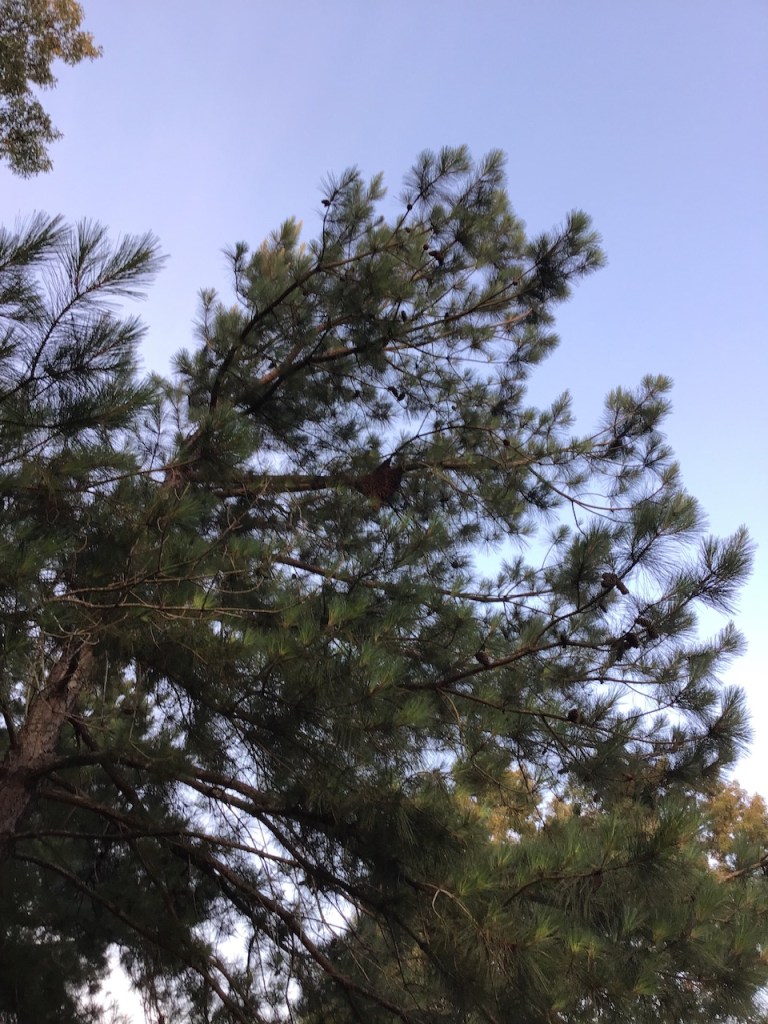
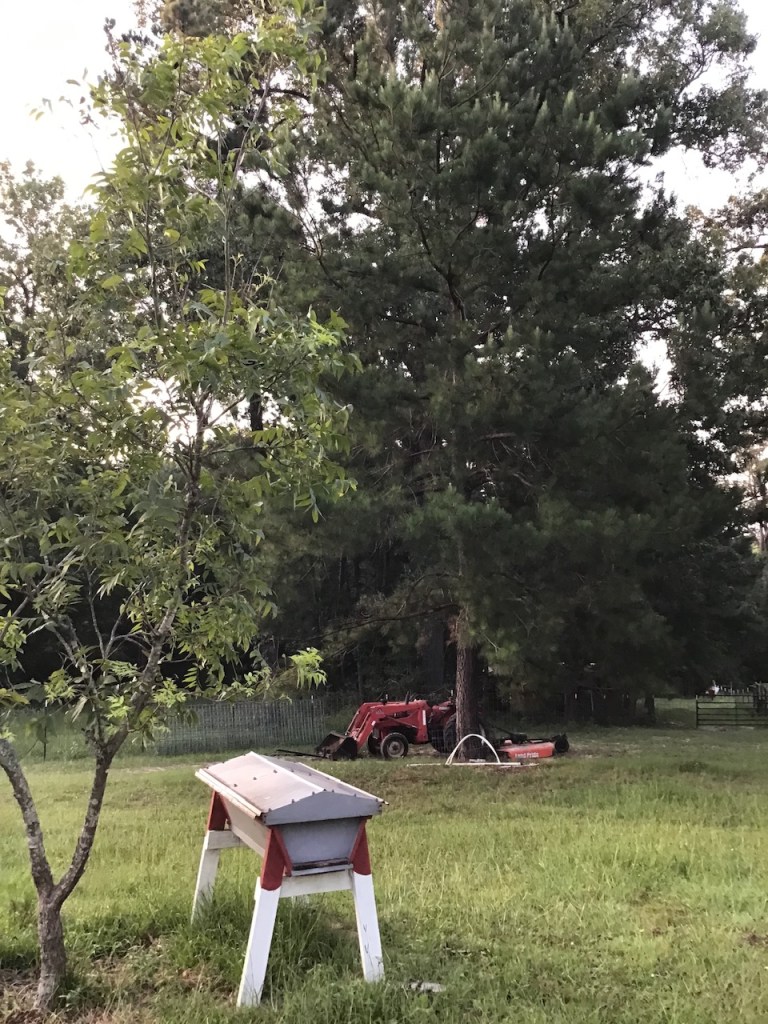
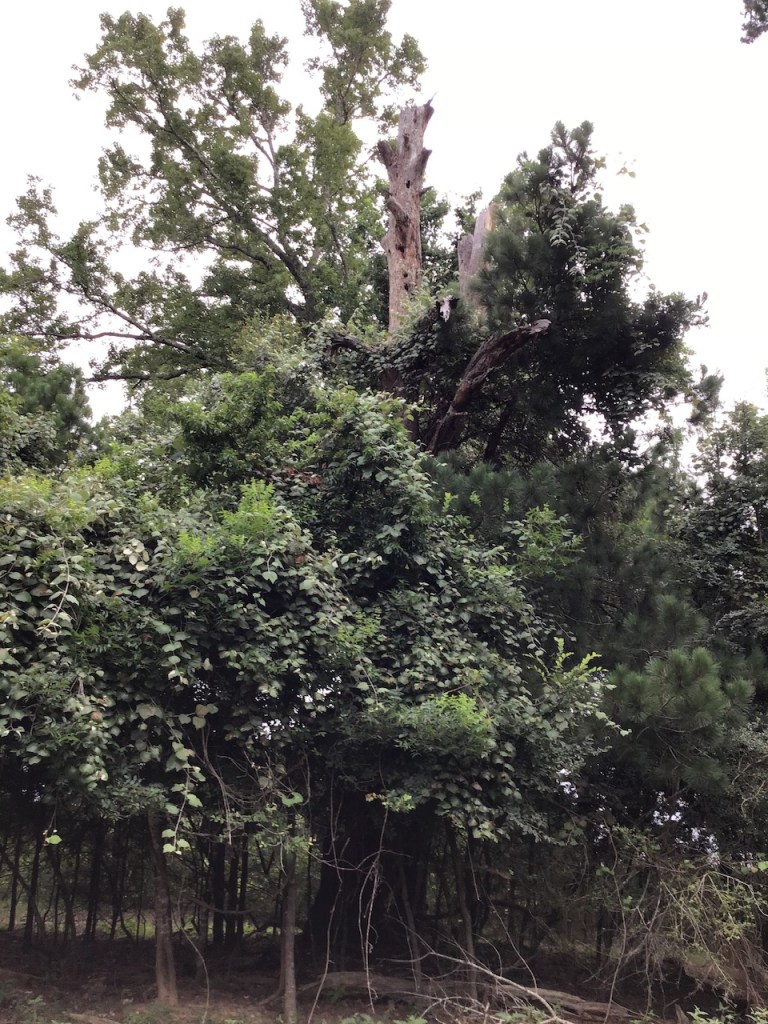
There’s a swarm up there, can you see it?It came off this hive and we watched it, amazing! The large pine in front of the tractor is where it stopped. Too high up to catch, but I’m happy to report another totally treatment-free colony repopulating the county.
“Here, follow this quarterly poisoning routine, and all will be well.” NO!
Is it any wonder they all readily accept without objection whatever the hell is being sprayed over our heads at regular intervals?
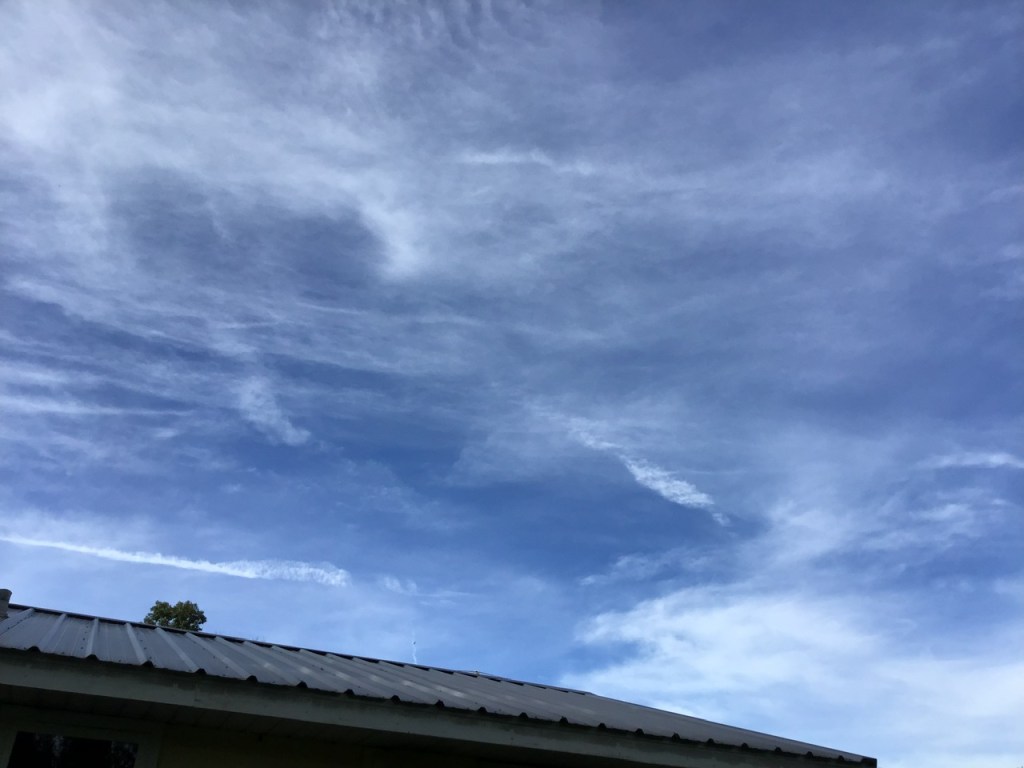
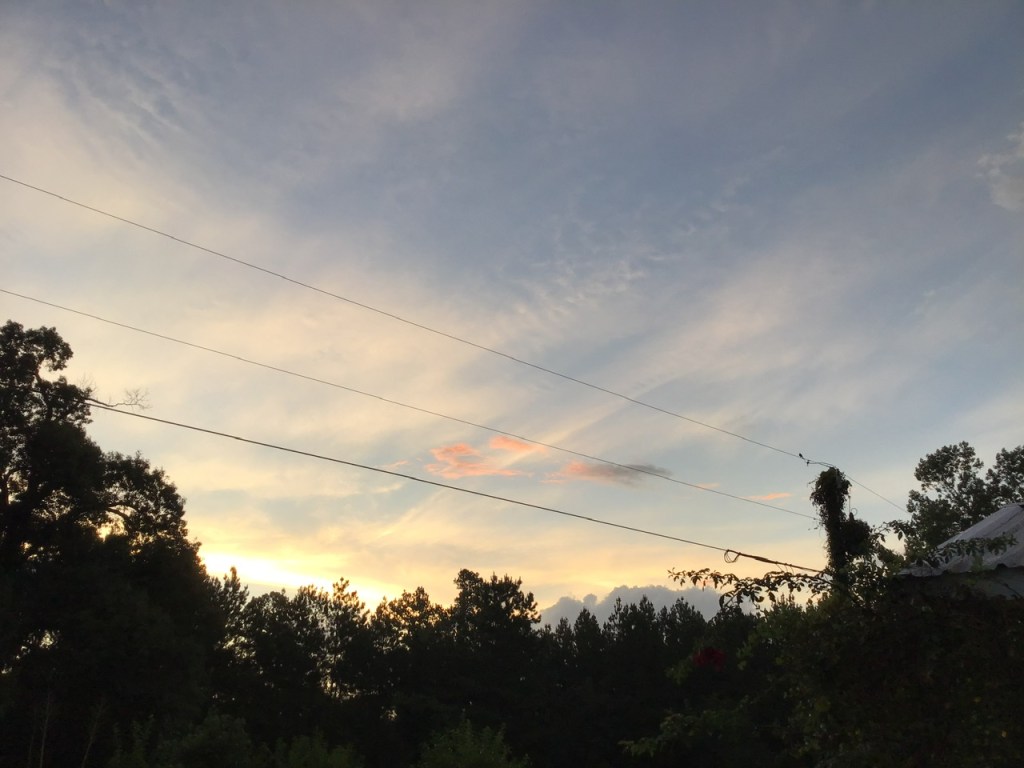
The latest geoengineered filth-filled skies over our property.
We’re not giving up yet. As long as we have irrigation it will be a jungle out there. But without it we’d be screwed, that’s for sure. It hasn’t rained for nearly 3 weeks.
(Photos below Left to Right) The datura is a blessed monster. The sweet potato vines are prolific and a favorite snack of Summer’s. The melons and green beans are thriving. The indeterminate tomatoes and some of the peppers are doing fairly well under the shade cloth and I’ve been succession planting the cucumbers.
From the front: New cucumbers coming up with purslane to help cool the roots and shading from above, old screens protecting some struggling Romaine lettuce, and a growing grove of well-watered elderberries.
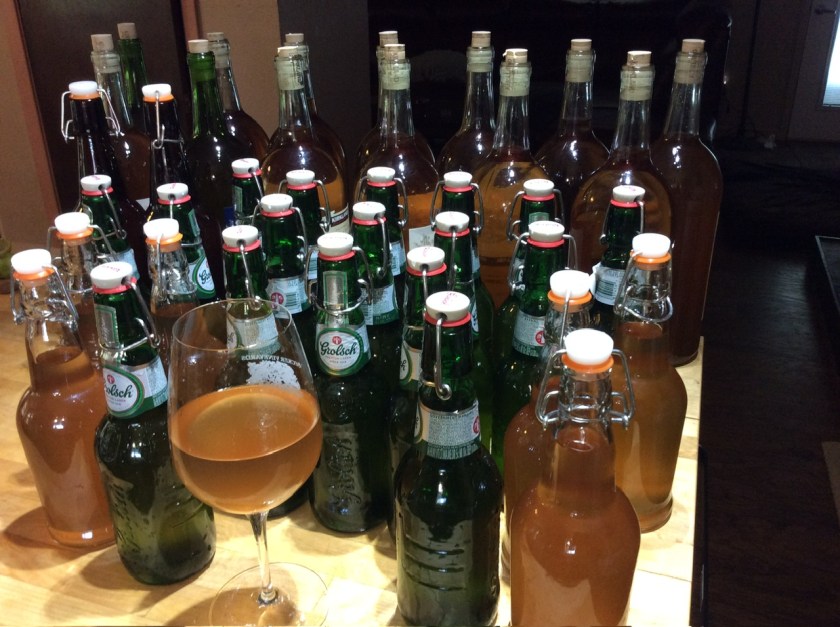
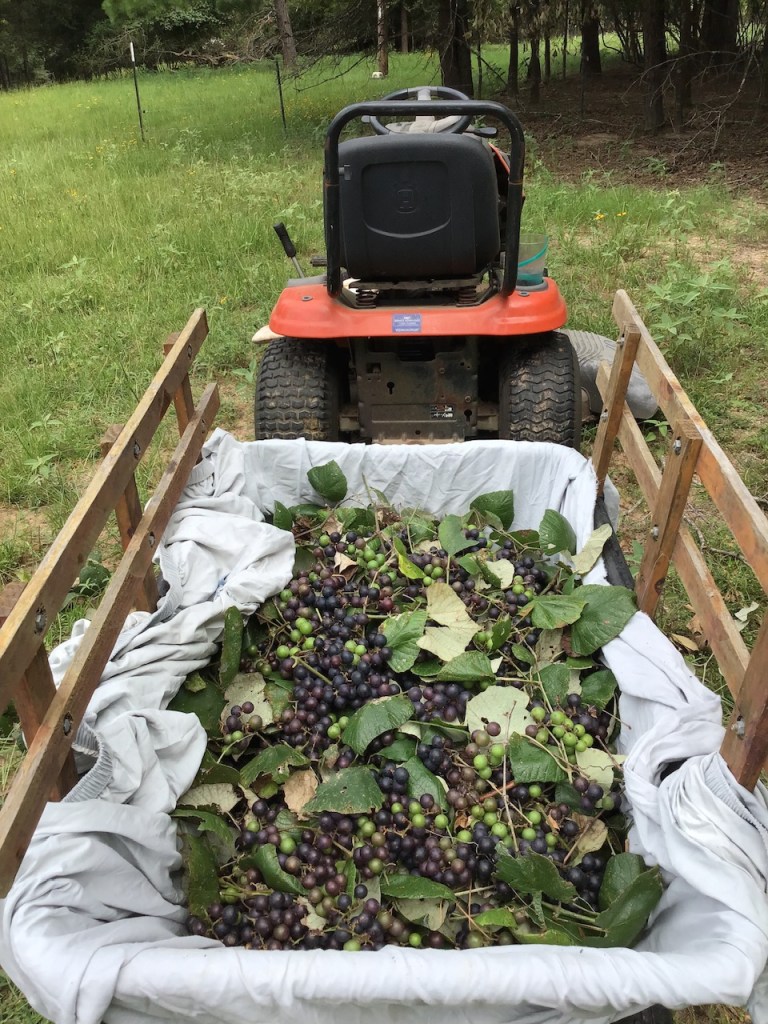
We’ve also been lucky to get some wild grapes, which are now fermenting along with the mead and the blackberry and mulberry wines.
He is literally Hubby’s Shadow!
It’s not an easy life, but it’s a life well-lived. Our first figs of the season, along with our last blackberries.
A Czech classic—so simple—Bublanina, made with blackberries or any number of fresh fruits in season. (Comment below if you want the recipe and I’ll post it. )
*The observation which I’ve found most interesting from Bluebonnet’s death, was that her kids adjusted immediately. She died the evening of the full moon last week. She left the corral with the rest of the herd in the morning, she seemed to be improving, I thought. But then in the afternoon she planted herself under a tree on a hill and wouldn’t leave, even when evening came and the rest of the herd returned to the corral. I went and sat with her there at sunset and stroked her neck and she laid her head on my shoulder. I wanted to be hopeful, but I felt she knew, and I felt horribly helpless. I hope that the feeling of helplessness is the worst feeling in the world. The next morning I woke before dawn and I went back to the tree in the dark, the full moon shining on her corpse.
There was a bit of relief for me that her kids adjusted so quickly. I find it odd really, it was like an immediate weaning. While her mama, Summer, is so ill she stopped producing milk, but her kids are still so attached to her their health is also suffering because they won’t go out and eat with the rest of the herd or accept being bottle fed. I’ve been mixing them special feed dosed with milk replacer and they are doing ok, and Summer today joined the herd again to forage, which I’m praying is a good sign. 🙏
I’m critical of high-tech solutions and when I hear them in tandem with big claims of sustainability, especially at a global level, I automatically bristle.
Still, the first time someone called me a Luddite, I balked.
I know there are plenty of us—vocal advocates and quiet dissenters alike—bemoaning so much of the tech being shoved down our throats, most certainly when it comes to food. I’ve been vocally ‘anti-GMO’ and ‘anti-geoengineering’ and ‘anti-vaxx’ and ‘anti-surveillance’ which in their linguistic game really just amounts to PRO-nature.
Yet it is becoming more common, even among the homesteading ‘community’ and ‘off-griders’ to consider these two powerful forces as intrinsically intertwined. As if sustainability cannot be achieved without modern tech, forgetting we somehow made it all the way up to the industrial era with relatively little of it.
We often hear of technology being a Trojan Horse. But, that’s an understated analogy, considering in that story it was a “gift”—insinuating it was one that could’ve been rejected. There is no rejecting a good portion of this tech flooding into our lives today. You will not escape the digital prison, at least not completely. Those 5G towers are screaming their frequencies over your head day and night whether you like it or not. The weather modification is a thing, whether I like it or not. (NOT!)
We also hear of technology being as any other tool—to be used for good or ill. Yet, is that a fair assessment when these tools are largely invisible? And when they are overwhelmingly in the hands of very few, and when fewer still would be able to replicate them in any capacity?
What am I missing? Where is the healthy balance? To explore these questions over the next few posts, I’m bringing in considerable help.
A young ‘homestead influencer’ I’ve heard about for years is about to release a new book and her attitude about the tech sounds pretty healthy. In the book she explores the question, “What are we leaving behind in our race toward progress?”
Like most of us, she has zero intention of recreating a ‘Little House on the Prairie’ lifestyle. She has managed to incorporate the tech into her life on her terms. So far, it seems.
Many of us certainly feel as the diaspora—dispersed between cultures—natural and digital.
I can’t help but wonder, is losing our soil connected to losing our soul?
I have a cousin in Colorado with a farm I’d call pretty high-tech. He’s a permaculture/biodynamics guy and has been very successful and has the perfect background to enlighten me, I’m sure.
He worked all over the world before his current venture, which has recently gone on the market after 20 years of development and WOW, talk about a success story! To increase the value of a property by such an extraordinary measure is truly remarkable. And that’s only part of his success story.
He too seems to have managed the tech, rather than the tech managing him.
I was quite moved by his 2015 speech:
“I remember! These qualities of life giving wholeness that our ancestors knew deep in their bones have been drawn off, separated, reduced, modified, pasteurized, homogenized, radiated – their vitality degraded, their life giving forces mutilated beyond what our cells might recognize. We now consume what are at best facsimiles of food, laboratory concoctions, genetically mastered ingredients – simulacra that do not build our cellular health but create work for our bodies, that weaken our fortitude and break our spirits. These laboratory wonders parade in full color down our grocery store isles. -all screaming for our purchasing dollars. More money is spent on the campaigns intended to seduce us than on the so-called food inside. These products are combinations of ingredients that we can not pronounce, masquerading as food and covered up with contemporary Eco-socially correct overly-designed, brightly bannered sales pitches in suspect containers claiming to bring us momentary bliss – all hawking only slight variations of amber waves of commodities meant for one thing and one thing only – to efficiently generate profit for a few, and from the most devastating chain of ecological rape and pillage the world has ever experienced – all leaving an accumulated insurmountable debt to future generations.”
Excerpt from a speech given by Brook LeVan at the 12th Annual Sustainable Settings Harvest Festival on September 20th, 2015:
“In the modern world, progress and innovation are often celebrated as unambiguously positive. New technologies, ideas, and ways of living are readily embraced with the assumption that they must be better than what came before. While it is true that certain advancements have brought undeniable benefits, such as improved hygiene, faster means of travel, effective medical treatments, and enhanced communication, it is crucial to critically examine the broader implications of modern progress. Often, the rapid pace of change leaves little room for reflection on whether newer solutions are truly superior to time-tested practices. As society becomes more complex and interconnected, the allure of novel and convenient solutions can overshadow the wisdom of the ancestors. Practices that have served humanity for generations may be disregarded in favour of modern alternatives that promise quick results and ease. For example, the trend toward processed foods and sedentary lifestyles has led to health problems that were less prevalent in societies that followed more traditional dietary and physical activity patterns. Likewise, the reliance on fiat money and speculative investment has created economic instability compared to more sound financial practices.”
Sound financial practices? What will the future kids know of that when even homesteaders are encouraging others to go deep into debt to finance their ‘off-grid’ dream property as if that’s magically sustainable? We used to call that debt-slavery.
Curtis Stone is a popular YT homesteader, and I’m not really meaning to diss him here, because it’s quite possible if I were a young man in my prime I wouldn’t be having such reservations as I do.
Risky behavior is common in youth, yet do we not expect a mature individual, as a mature culture, to become less risk-tolerant with time?
Debt has alway been encouraged for farmers when all the fancy new equipment becomes de rigueur—and a great many lost their farms that way during the Great Depression.
I’m not the gambling type myself, yet I see the technological sphere permeated with these types. From my vantage point, they appear to be addicts.
As if The Tech is not sketchy enough to me, there’s also the obvious fact of The Money, because you can’t have one without the other. That’s where the rabbit hole starts to go very deep.
(17:53) Gambling on people’s lives. That’s where the tech is headed. Not a ‘Black Mirror’ episode. Reality. Our debt-creation machine riding squarely on the backs of every cyber-unit, that is, every man, woman, and child, every living thing, all resources all around the world. Internet of Things, Internet of Bodies.
Alison McDowell of WrenchintheGears has been doing deep dives on this topic for many years, her work is hefty and dense, expertly sourced, and crucial in this discussion.
All this data. All the electricity required to run all this tech. All the power to be had, when all that power is in the hands of so very few.
So, I suppose I am a bit of a Luddite. I’ll be exploring this reality in the next few posts, I hope you’ll join me by adding your thoughts about the topic in the comments.
I just wanted to share this fantastic site, here’s just one of their high-quality articles, but there are many more of great value for beginners and old green thumbs alike! I’m learning so much from them, yippie!! 🙂
Raspberries (Rubus idaeus) belong to the genus Rubus, along with other cane berries such as blackberries, boysenberries, lawtonberries, loganberries, marionberries, silvanberries and tayberries. What’s quite interesting is that the whole Rubus genus is part of the Rosaceae (Rose) family, to which almonds, apples, apricots, cherries, hawthorns, loquats, peaches, pears, plums, quinces, raspberries and strawberries also […]
If you plan to join the growing number of hobby beekeepers the very first step should be to define your goals.I learned that the hard way.
It’s a wonderful thing to see the popularity of beekeeping keeps increasing.I love beekeeping for many reasons, but when I was first starting out the learning curve was very intimidating. And that’s coming from someone who usually adores learning.
Not only was there loads to learn about the bees themselves, but also about how to manage their colonies, which changes depending on your hive type, which is dependent on what your goals are as a beekeeper.
The first question to answer for yourself as a newbie is if you are interested in beekeeping as livestock or as habitat provider, or maybe both.
I had several mishaps in my first years because I hadn’t asked myself this most fundamental question.I hadn’t asked myself this because in all the books, forums, courses and club meetings I’d attended, no one asked this question.The general assumption is always that the beekeeper is interested in bees as livestock, because that’s what most want.
In this case, follow the commercial standards, using their Langstroth hives and peripheral equipment, their treatment schedules for pests and diseases, and their feeding programs and supplies, and you should be good to go.You can buy nucs (nucleus colonies) in the spring, and if all goes well you’ll have some honey before winter.This is by far the most popular route to take in beekeeping.
Our only Langstroth hive on the homestead, bedazzled with old jewelry.
But it’s not for everyone, including me, which took me a few years to figure out.Honey, pollen, wax, propolis, royal jelly, queen rearing, and other processes and products from beekeeping are the main goals of this style of beekeeping and there’s lots to learn from the commercial operators who have mastered many of these skills for maximum efficiency and profit.
However, if you are interested more in providing habitat and learning from the bees, and creating truly sustainable, long-term, self-sufficient colonies in your space, following commercial practices is really not the way to go, and can lead to a lot of expense, confusion and frustration.
In the hopes of encouraging more beekeepers to become honeybee habitat providers rather than livestock managers only, here are a few tips and resources.
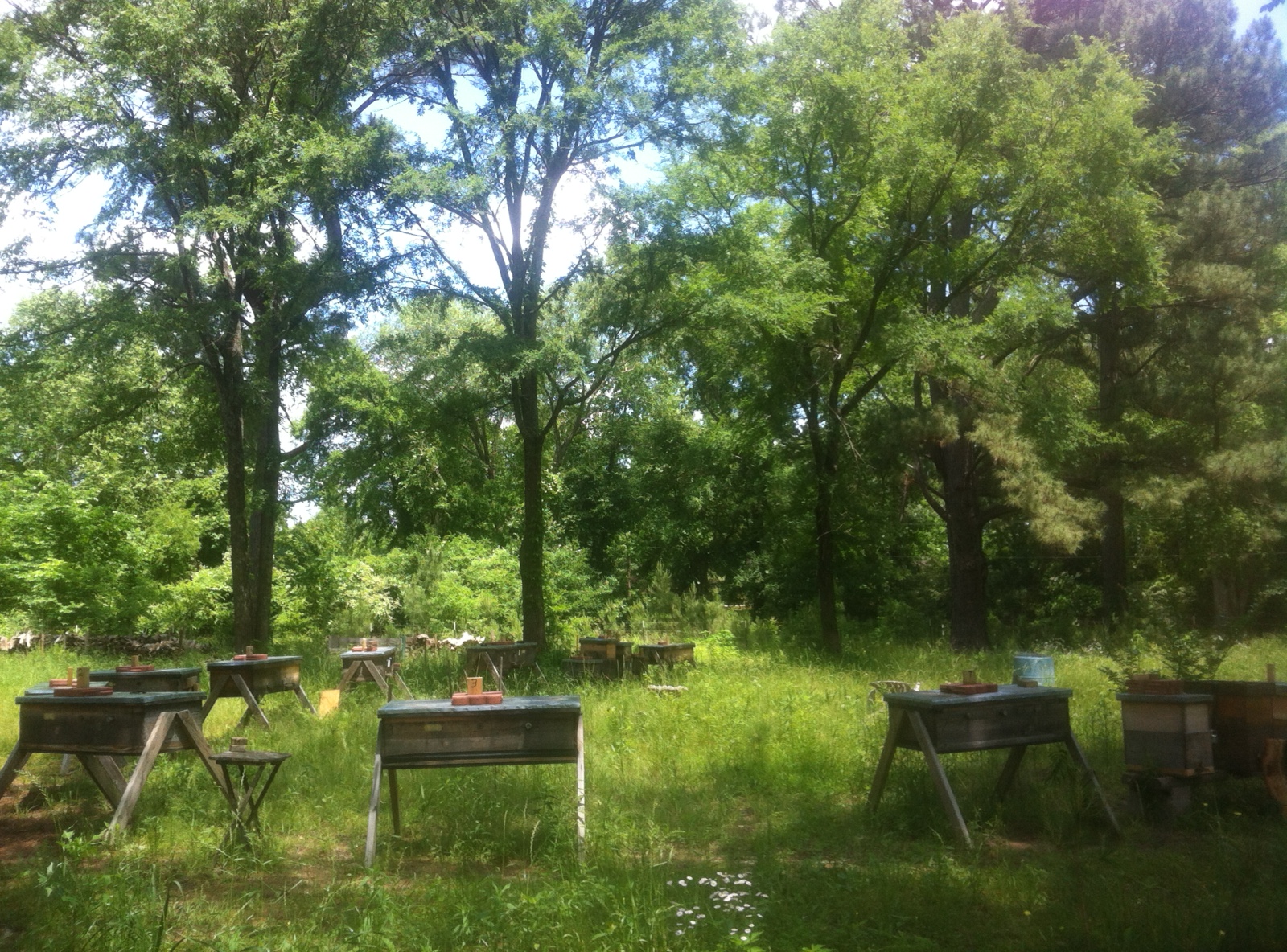
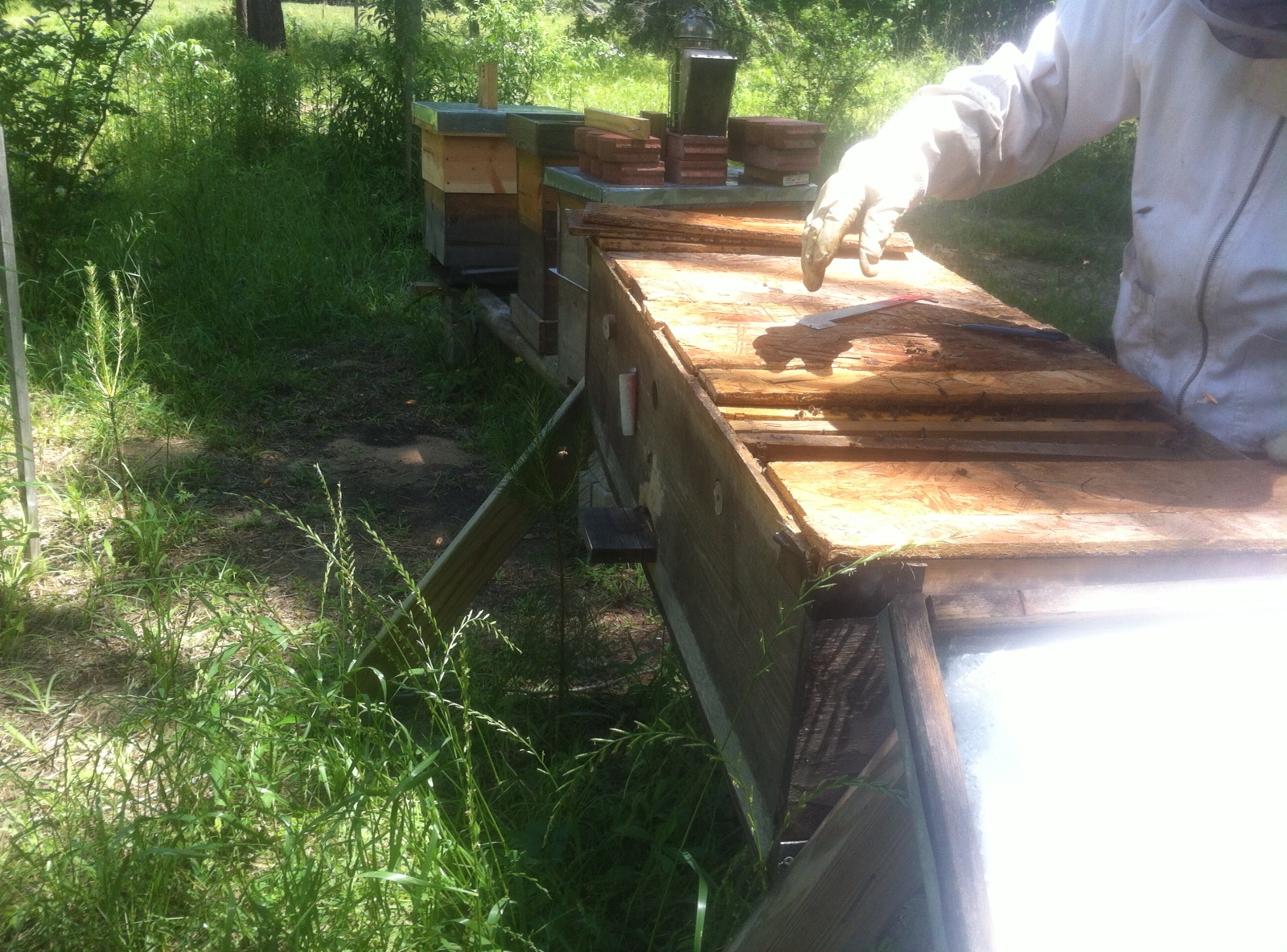
The bee yard of Dennis Kenney of Jackson-area Beekeepers Club, with his preferred horizontal hive style. Horizontal hives differ from Top-bar hives in that they have full frames with foundation. Benefits of full frames is ease of management and stability of comb. Drawbacks would be the added expense and the artificial, manufactured foundation and its potential contaminants.
The conventional practice is to keep all your hives in a ‘bee yard’ for reasons of convenience and space.This is antithetical to bee colonies’ natural proclivity to nest far from one another. It creates problems of diseases and pests that spread rapidly in conditions of overpopulation, which is why so many treatments are needed, and then feeding when nectar/pollen flow is scarce, as well as being hyper-vigilant in your regular hive inspections to find issues immediately before they spread.Now that I have spaced my 6 hives out around a very large area I’m having far more success. But, only time will tell!
What else I’ve learned:
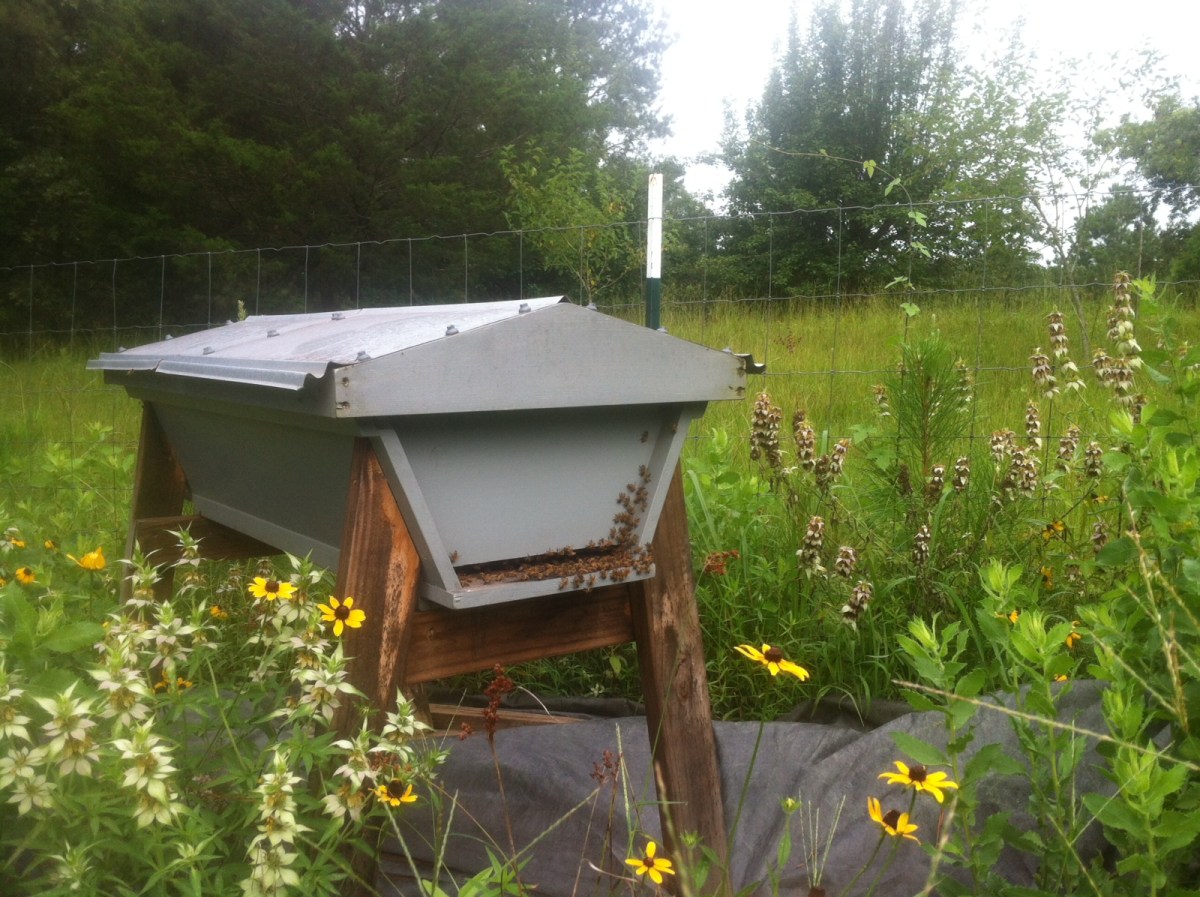
The typical Langstroth hive is made for easy transport and standardization purposes for the industry mainly, but they are not ideal for the honeybee habitat provider, because they are made with thin walls in order to be lightweight. This means they are poorly insulated and so not suitable for the long-term stability of the hive—getting too hot in summer in southern climates and too cold in winter in northern climates. Our top-bar hives and nucs have thick walls and insulated roofs.
If you want your bees adapted to your area and climate you don’t want to do the conventional practice of buying new queens every couple of years.Ideally, you’ll want your colonies to produce their own queens.Queen-rearing will remain an essential skill for a more advanced beekeeper, because occassionally you may still want to make splits to increase your numbers or to replace weak colonies, or to re-queen another hive displaying poor genetic traits.
When the colonies are weak, depending on the issue, they may need to be culled. This is rarely suggested by professional beekeepers who promote regular treatments on which the weak colonies then become dependent, while still spreading their weak genes on to subsequent generations and their diseases and pests to other colonies.
Just like the faulty logic of ‘herd immunity’ in the vaccine debate among human populations, many commercial beekeepers use the same complaint about those of us who want go au naturel,that is, treatment-free, with our bees.
Many scientists and researchers are trying to raise public awareness that this is not how herd-immunity works, not in livestock or in humans, and I applaud their efforts. I personally find referring to populations of people as a herd to be insulting. I think it actually trains individuals through neuro-linguistic programming (NLP) to think of themselves and each other not as unique and separate individuals, but rather as cattle to be managed.
You’ll also want to mostly forgo the conventional practice of swarm prevention.The goal is for the bees to become self-sufficient, as in the wild, where colonies can live for decades with no hand from man to aid or to disturb.Some of these colonies are enormous, like one we found in an old oil barrel, there for over 15 years and thriving with multiple queens in the same colony, which most likely swarmed annually.
Swarming is a natural, bio-dynamic process performing many different functions for the colony, hygiene being an essential one. Everything the beekeeper takes away from their natural processes is a stress on them which must then be alleviated by other, most likely artificial, means.
Plant perennial and annual crops the bees like for your area and climate.Here in the south there are plenty of plants that bloom at different times most of the year, giving free bee buffets from early spring to late fall, like: bluebonnet, white clover, hairy vetch, wild mustard, vitek, morning glory, trumpet vine, yaupon, and lots of garden herbs and crops, too.It is my greatest pleasure to harvest cucumbers, peas, beans and arugula surrounded by forging bees—they love them as much as we do!
Experimenting and observing is the most fabulous feature of the honeybee habitat provider!
I know a homeschooling homesteader with an observation hive in their house that the children treasure.Not only do they learn from these fascinating creatures about how they operate in the hive, but how they are connected to the seasons and to their environment.They’re learning constantly from the colonies’ successes as much as from their failures.
I practice slightly different techniques with each hive to discover which methods work best here on the wee homestead: one hive has a screened bottom board, one I keep with a reduced entrance all year, one’s in full-sun and another partial shade, and so on.Not that this will necessarily solve the mystery of colony failure, but every bit of data helps!
Some unconventional resources:
Books
The Shamanic Way of the Bee: Ancient Wisdom and Healing Practices of the Bee Masters by Simon Buxton (2004)
The Dancing Bees: An Account of the Life and Senses of the Honey Beeby Karl von Frisch (1953)
Top-Bar Beekeeping: Organic Practices for Honeybee Health by Les Crowder & Heather Harrell (2012)
Natural Beekeeping: Organic Approaches to Modern Apiculture by Ross Conrad (2013)
I just love the high tech solutions and big global money that pours into problems once solved long ago before the oligarchs in control of the tape worm economy started sucking the world dry.
No, the problem is surely not that mass overpopulation in highly condensed areas is an obvious crisis for millennia, collapsing cultures repeatedly, because technology always has the next great solution. Really!
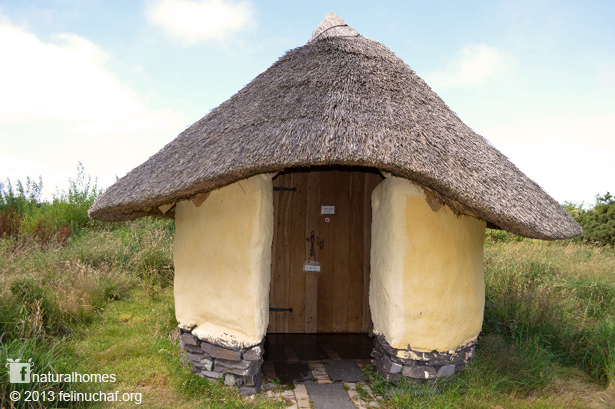
As this fascinating documentary on the history of the toilet demonstrates, the rural folk of Wales have had the best toilet all along. The composting toilet, no smell, no flies, then used to fertilize the garden. But Gates call their chemical plans for the perfect toilet ‘sustainable’ and ‘green’, of course. Because ‘green’ actually means $$$, for them!
Though you’ve got to leave it to the Japanese to take delicate matters to a whole new level.
This is well worth a watch, for those interested in crap that really matters.
Late summer here is my personal version of hell and I bitch about it every year.
What better time to take a break from my current reality where I feel like an indoor prisoner and wake up daily wanting to lash out at all the idiotic Geoengineering causing drought here and weather chaos all around the globe.
I even want to take a break from my last post pondering passivity and violence and just notice for a day, or so, all the little things and little ways we have improved upon since I last felt this level of droughtrage.
I know I am just a bit more blessed this year than last, mostly by my own sheer will and resilience, and that of Hubby as well, no doubt, and that of some inspiring neighbors and cyber-friends, and perhaps if I dwell on that fact just a bit, next year will be just a bit more blessed in turn.
Last year’s late summer garden
Or rather, lack there of 🙂
Last year’s late summer garden vs this year’s, not great, but still better!
A new young friend who loves plants as much as I do helps me identify the hardy, native heat-lovers of our area, and diligently and graciously watched our wee homestead so I could join my extended family at a reunion in July. I look forward to returning the favor when her family vacations in October. This is the sort of small steps a resilient community is made of, not the top-down control of Rockefeller’s ‘Resilient Cities’, because it’s the neighborly reliance that brings real hope and treasures and peace of mind.
Collective Border Control, naturally 😉
I still don’t like okra, but I’m harvesting it anyway for the pigs and neighbors! Every once in a while I throw a few into a meal, along with other traditional Southern favorites we didn’t grow up with, but are learning to appreciate, like collards and Southern peas, eggplant and jalapenos, all which have survived the heat, but would not be here now without regular irrigation.
It’s very hard to keep up with the constant weeding and mulching requirements in such circumstances, but these plants, along with the sweet potatoes, are actually successfully competing with the grasses in some cases. Amazing!
I won’t mention the melons, because I’m hell-bent on keeping this post positive. So let’s mention instead the ‘mouse melons’, aka sanditas, or, Mexican Sour Gherkins. 🙂
Instead, let’s mention the fact that the young sweet potato vines and okra leaves are edible and quite tasty!
And the fantastic find this summer which I’m most excited to expand next year considerably, the Mexican Sour Gherkin.
Crop of the year, in my humble opinion!
Even in the dead of summer, of brutal heat and no rain, we enjoy meals raised primarily on this land. As an added bonus now my raw milk source is 5 minutes away, whereas last year at this time it was 5 hours round-trip!
The aging fridge is full of cheeses we will enjoy all winter: Cheddars, Goudas, a Parmesan and an Alpine, several Brie almost ripe, a Muenster even! YUM! Last week I taught a couple of neighbor ladies to make 30-minute mozzarella and we had such a nice time.
Next they will teach me skills they’ve acquired—spinning, dying, soap-making–a few more small steps in our agorism adventures. Skill-sharing has been such a crucial aspect of our most successful ancestors and I would be challenged to express how rewarding it is for me still, at 50 next month, to be learning so much that is new for me. It is indeed a sort of middle-age renaissance!
I also foraged for elderberries, mustang grapes and peppervine berries, dried some and made some syrups and preserves.
And, Another 400 pounds of pears, or so!
I do believe still that’s thanks to our bees. For several years we thought it was a weather issue, late frosts, whatever, but I am beginning to suspect it was a pollinator issue all along.
We will see, that’s just a hypothesis so far. And in any case we continue for another year to benefit from the cider, the preserves, the cobblers, and the pigs are getting their fill, too!
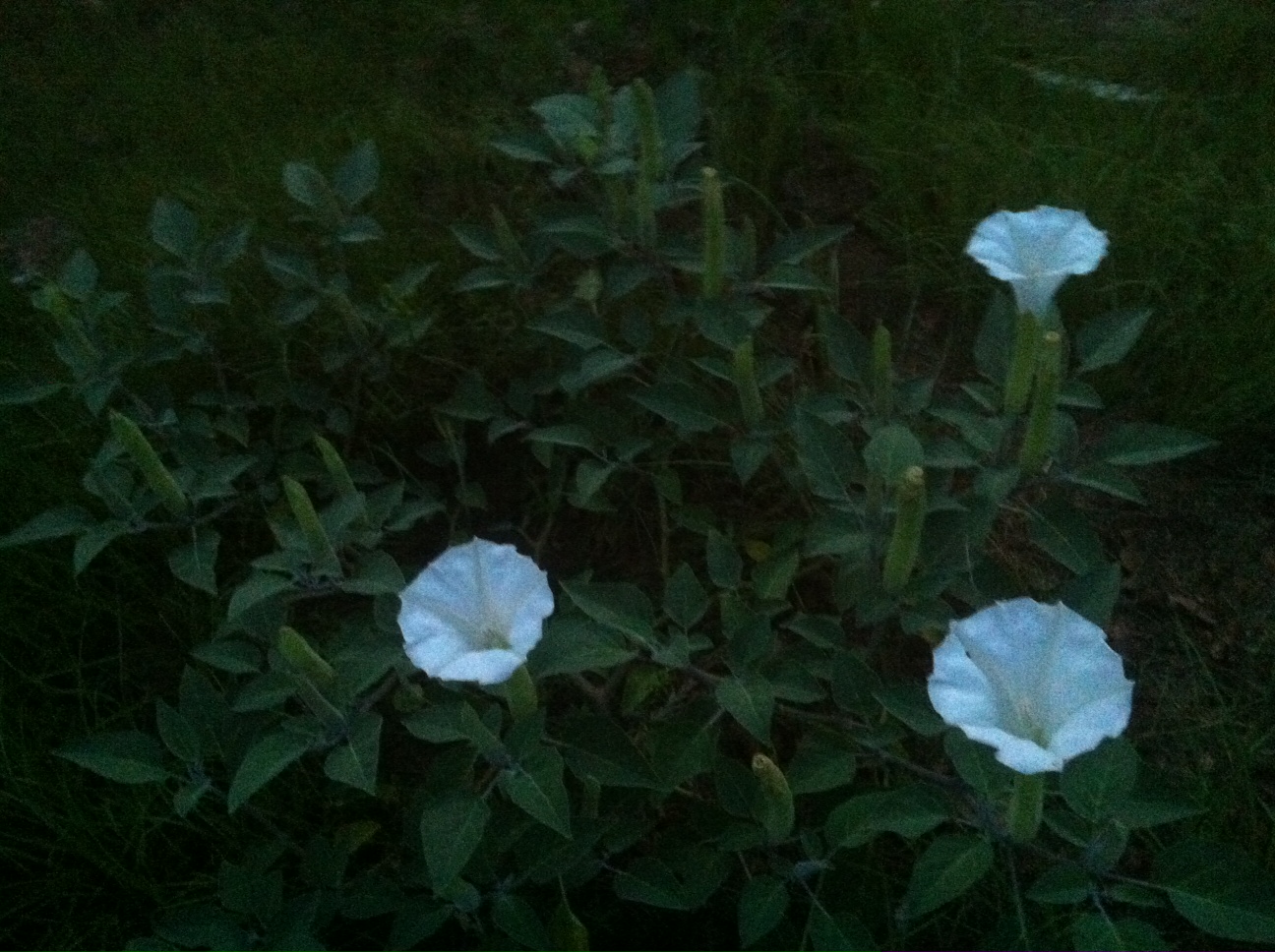
The Datura remains an absolute favorite of mine, blooming in crazy heat and exhaling the most exquisite fragrance into the evening air. The thyme, rosemary, sage, oregano are gracefully resilient as well, I appreciate all y’all!
And our dear Tori, who just as I was typing this post chased an enormous coyote off our chickens!
Tori, 2 weeks old
Tori today! Rewarded Homestead Guard of the Year 2018
The blessings are very close at hand, the frustrations a million miles away. I vow to maintain that truthful balance deep in my heart as I brave the coming days.
Lots of color to encourage bees and butterflies and me to enter.
I am selectively NOT weeding the Queen Anne’s lace (wild carrot) and cilantro from the garlic patch.
I’m intentionally doing that! Beans with onions and select weeds, quel horreur!
Broccoli and lettuces and tomatoes in the same bed? What madness is this?!
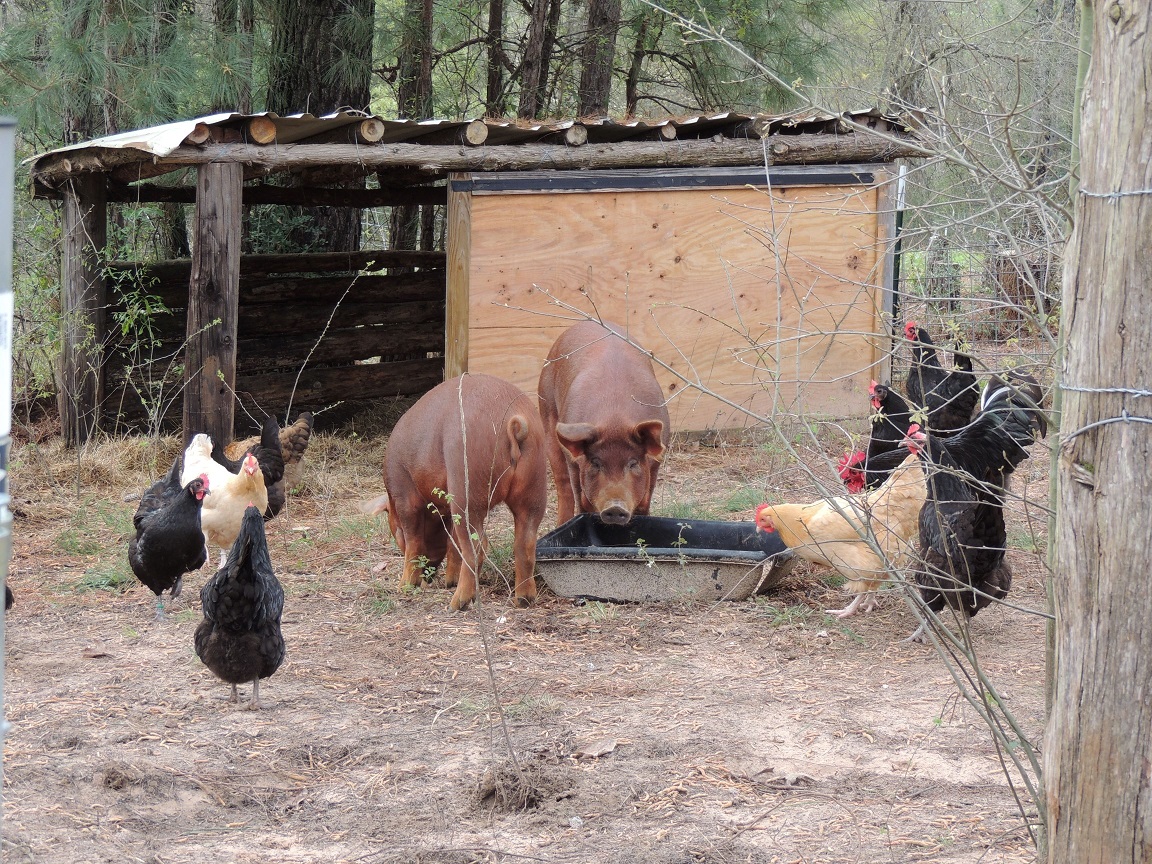
According to modern science pigs should not eat table scraps and farm species should not intermingle due to cross-contaminating disease potential. Someone should really be informing the critters of these hazards.
There is a science underworld that borders with pseudoscience where mavericks and rascals believe the world, indeed the entire universe, is holistic, not mechanistic. I’m fascinated by these courageous thinkers who have ventured into unconventional territory. I recognize the strength of character and conviction such a journey requires. Whether or not they are correct is, to me ,secondary, though I believe they are on the right path.
What I admire is that they strayed from the consensus, they escaped the group-think and the brainwashing of scientism, all while holding fast to a theory of a collective unconscious. At what point, I keep wondering, did they choose to deviate from the accepted experts in their fields and trust their own knowing? I’m so curious, because I seem to have arrived at that crossroad myself.
I’ve read many books by seasoned gardeners and farmers with great interest; I was a Master Gardner for a couple of years until politics got in the way; I’ve taken many classes, watched loads of videos and have now about six solid years of practical successes and failures under my belt. I can say with relative assurance that close to half of what I learned was wrong, or useless for me, or this particular region. In hindsight some of it was just a waste of time. Of course, there was much essential learning happening too, but I’m making my own rules in the garden now, based on little other than intuition.
I might be completely wrong, I’m sure I’ll be called totally crazy, but we will see how it goes. Considering the weather whiplash of this year, we are off to a pretty good start so far.
What’s calling me has many names that seem vaguely similar: companion planting, permaculture, biodynamic agriculture—it’s basically like organic farming on (natural) steroids. 🙂
Snap peas with a backdrop of Texas squaw-weed, thriving even in the weather whiplash.
There is a growing amount of literature on the subject and I will continue to peruse through it, for ideas and inspiration of what to experiment with myself. I get the very strong sense that what this field needs is more explorers, more rascals and mavericks, more little devils tinkering with the science-status-quo. I begin with one overarching position—the answer is not to be bought. The answer exists in the nature right around us. I need only slow down, focus, and really listen.
I had a lesson just today on how I am certainly lacking in that level of detail and attention. I was marveling for a moment on a butterfly that landed in the grass as I was walking back from feeding the pigs. How marvelous, I thought, and I squatted down slowly and got closer.
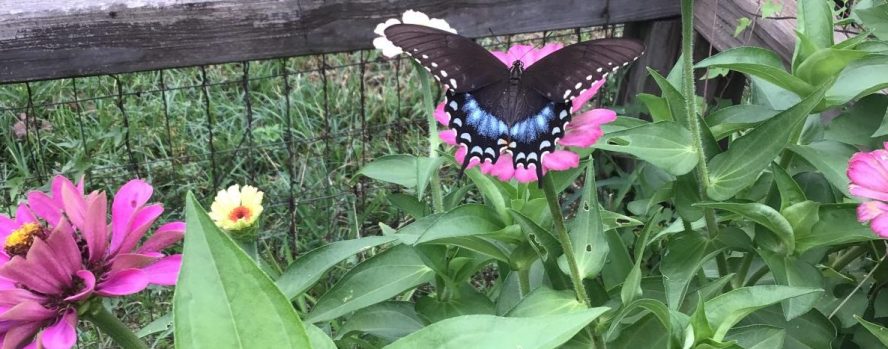
An Anise swallowtail. I did not know it at the time, but looked very closely so I could remember just what it looked like to later find its name in an internet search.
I thought how lucky and clever I was in that moment– Lucky that I had such time and appreciation of beauty to take extended notice and so clever that I thought to consciously memorize its details so I could later look it up.
I was so intent on it, I nearly missed the smaller, paler, but on closer examination equally exquisite butterfly laying still in the grass not even a foot away from his showy cousin. A very tiny creature, brownish and so more camouflaged on the just greening grass, but with perfect miniscule polka-dots in varied shades of blue along the base of its wings–but I could not find his likeness on any search.
Most certainly they were enjoying a tour of our garden. Did they also think it too wild and untamed? Weeds and crops growing side-by-side, on purpose?! Were they as incredulous as most modern avid gardeners would be of my methods in madness?
I’m sensing the butterflies saw it more like this.
But the weeds! They are choking and starving your crops! Are they? All of them? How do you know this, I now question. You see, the jumping jacks are delicious and gorgeous in a salad and they want to grow next to the onions. And the lady slippers and carrots growing side-by-side not only looked lovely, but produced the best crop yet.
The most unexpected, and it would seem magical, transformation I’ve experienced since beginning our rural life is my sense of smell has gotten very keen. So much so it’s become a disadvantage when trying to engage in the outside world. What I consider a heightened sense, a new level of sensitivity that serves me very well in my immediate environment, is called by modern scientists as a symptom of a brain disorder. It’s in the ballpark with phantosmia– I ‘hallucinate’ smells and over-register the strength of them, it seems. I bet they’ve manufactured the ideal medication to rid me of my new superpower. 🙂
This week’s bread crumbs:
Yogic Science ‘one consciousness’ = high consciousness? Not sure about that, but found this one interesting enough to include it. He made me wonder, when did the goal of spirituality become happiness? Somehow, I missed that memo.
You may call them simpletons, I call them inspiring.
“The most beautiful and profound emotion we can experience is the sensation of the mystical. It is at the root of all true science. That deeply emotional conviction of the presence of a superior reasoning power, which is revealed in the incomprehensible universe, is my idea of God.” Einstein
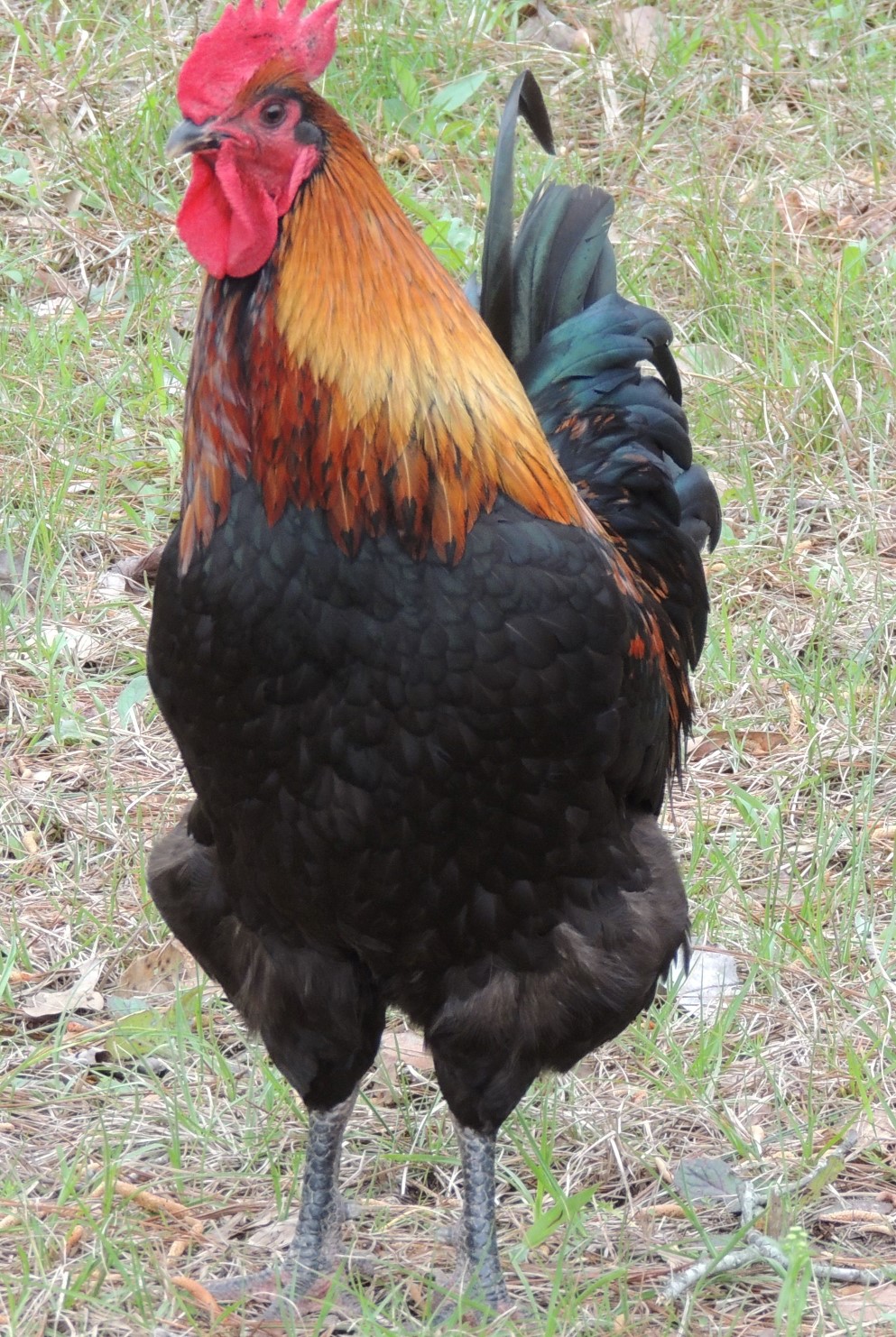
Our Muscove flock–fertile and ferocious mothers that keep us in delicious meals all year. Yesterday one ventured into the chicken coop and was attacked by the rooster and his harem and the ducks came across the yard to her rescue. So loyal, and it would appear, terribly racist . . . or I guess species-ist?
“Is somebody messin’ with my bitches?” Nature is so very un-egalitarian, yet still manages to not slaughter one another–such a magical mystery our own social engineers might learn from!