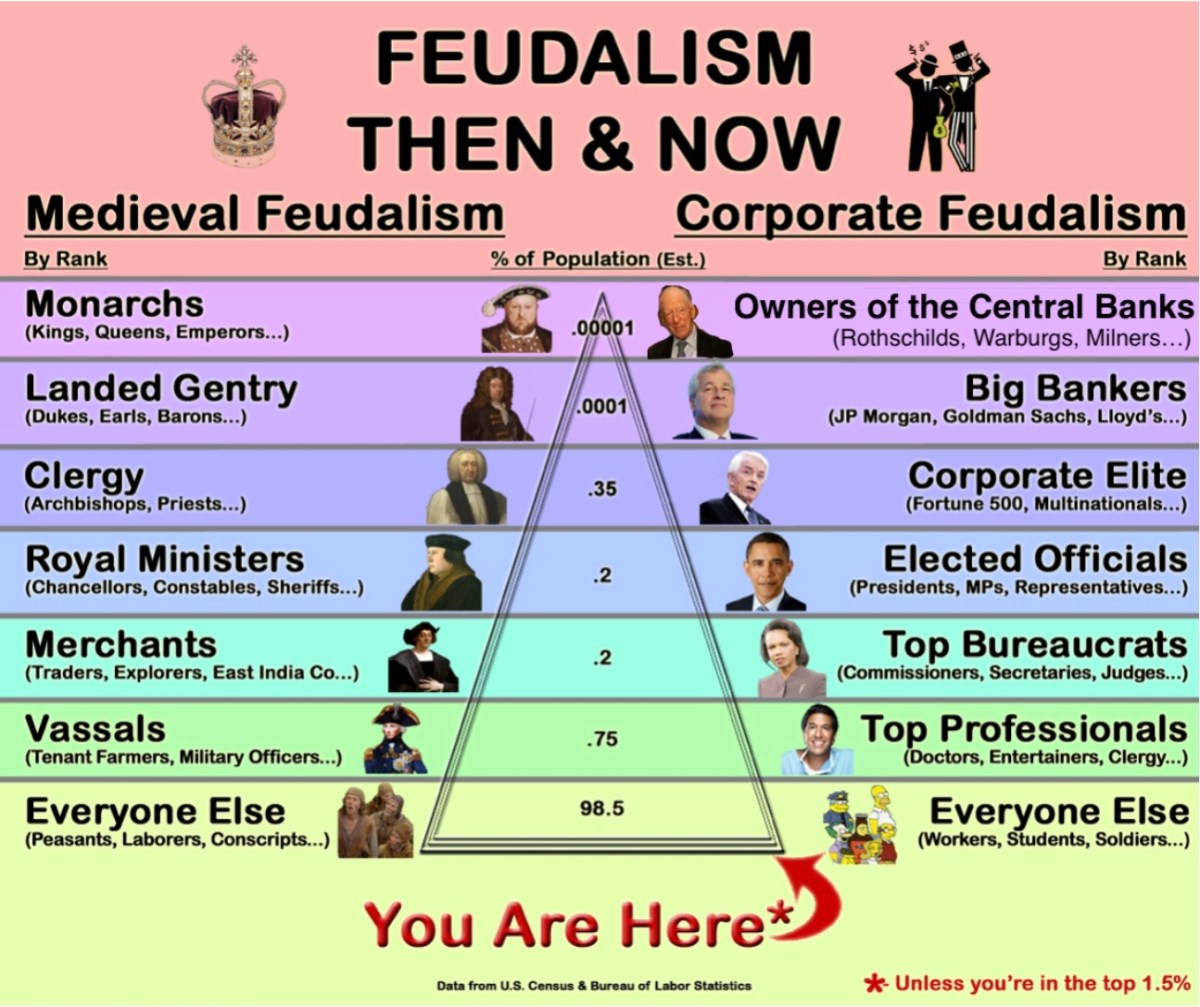
“Anarchism is not a romantic fable but the hardheaded realization, based on five thousand years of experience, that we cannot entrust the management of our lives to kings, priests, politicians, generals, and county commissioners.”
~ Edward Abbey
What Anarchy Is:
I tire of constantly having to explain what anarchy is and what it is not. I tire of having to explain our language to those who seem never to have the time or inclination to study and learn it on their own, and without prejudice. Words mean things, and cannot be arbitrarily changed, or altered to suit a mood, an agenda, or be used improperly in order to create out of thin air, a State or political narrative, or to advance any particular agenda. To begin my comments, I will clarify that the word anarchy simply means no rule – no rulers, and therefore, no master or government; period.
If one is to go to most any modern dictionary, or look at dictionary synonyms, the list is common. The synonyms used to describe anarchy are: chaos, confusion, disorder, lawlessness, nihilism, rebellion, riot, turmoil, disorganization, insurrection, mutiny, revolution, tumult, mobocracy, mob rule, non-government, reign of terror, and unrest. Only one of these terms is correct; all the others are false, and have been intentionally manufactured to change the true meaning of anarchy. Non-government (no government) is the only correct synonym used, but all other descriptions are what most any would not only find if searching for the meaning of anarchy, but what they would also believe. Of course, few would search out the true meaning by going to the Greek root system of our language, and of course, that is by design as well. Why else do ‘public’ (government controlled ) schools (government indoctrination training centers) exist?
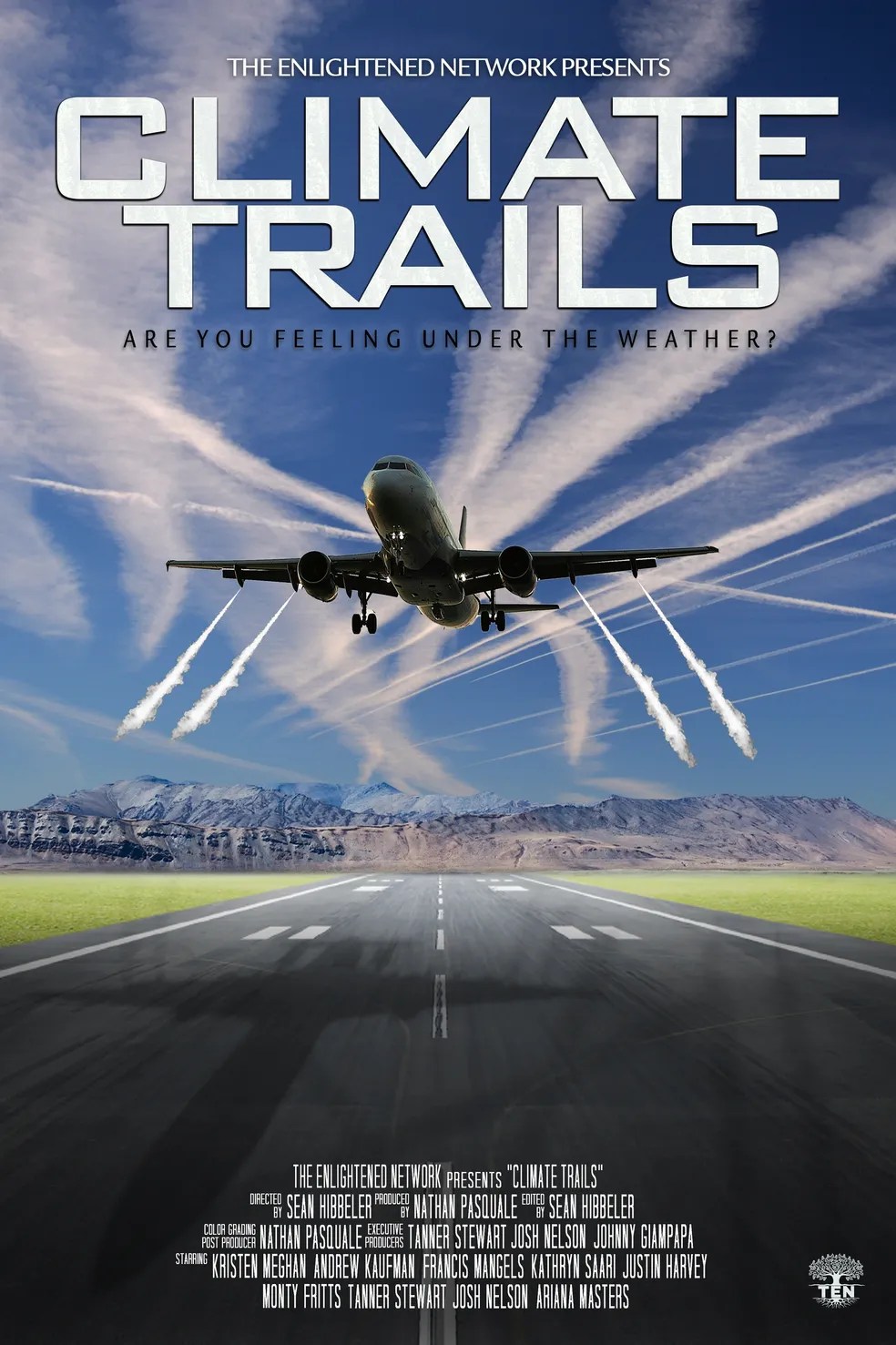
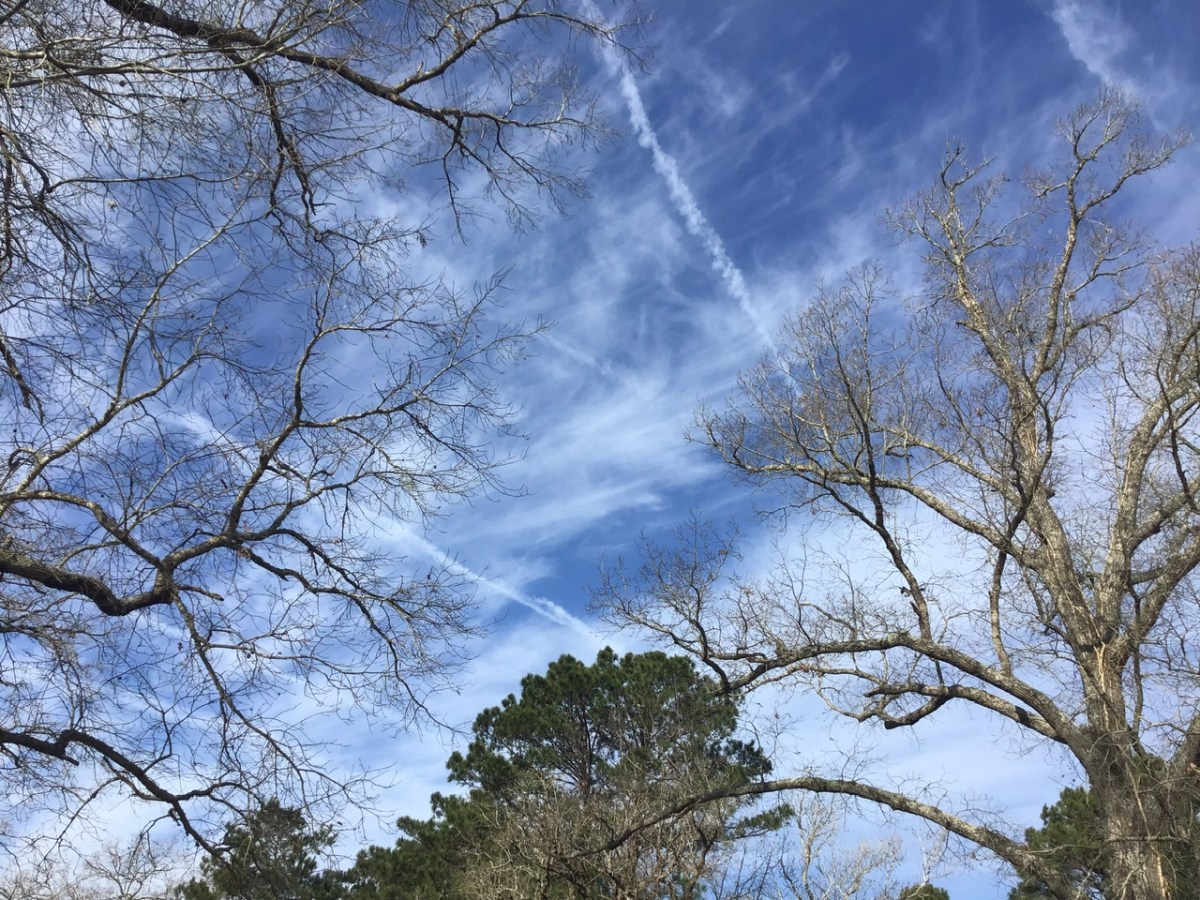
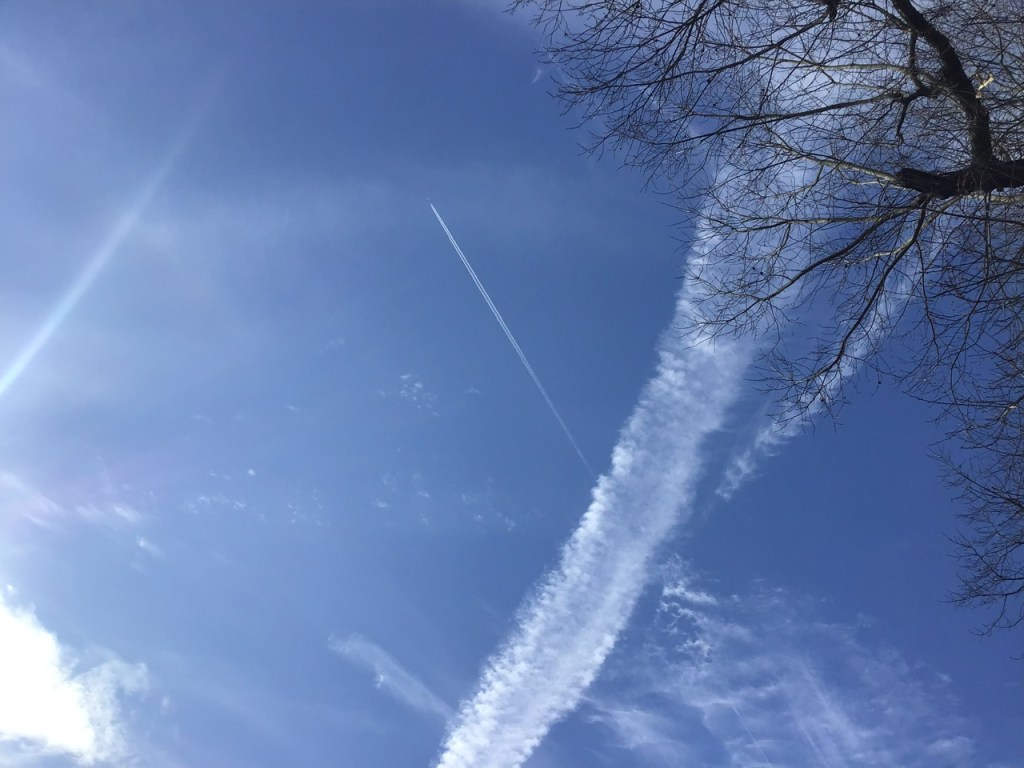
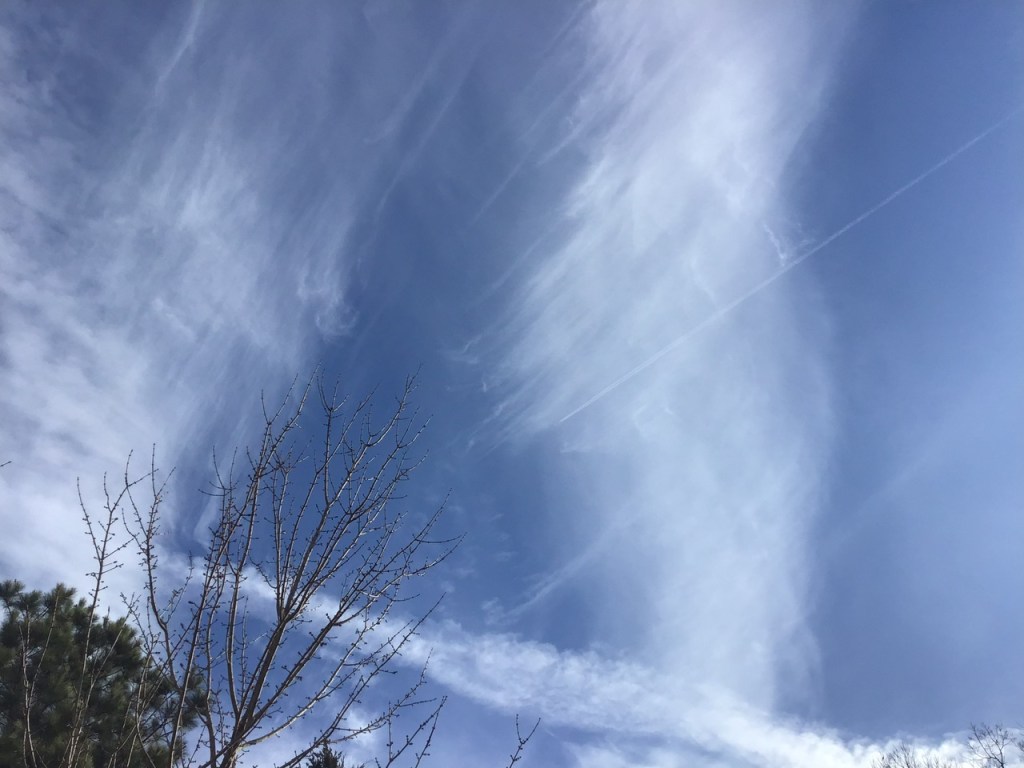
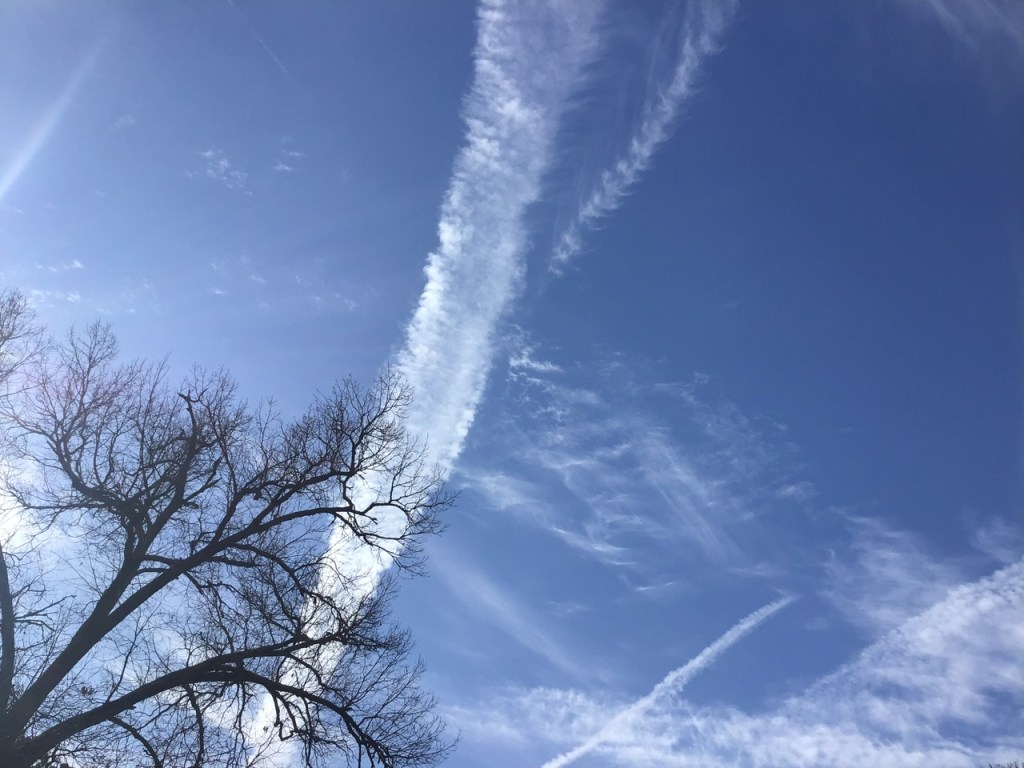
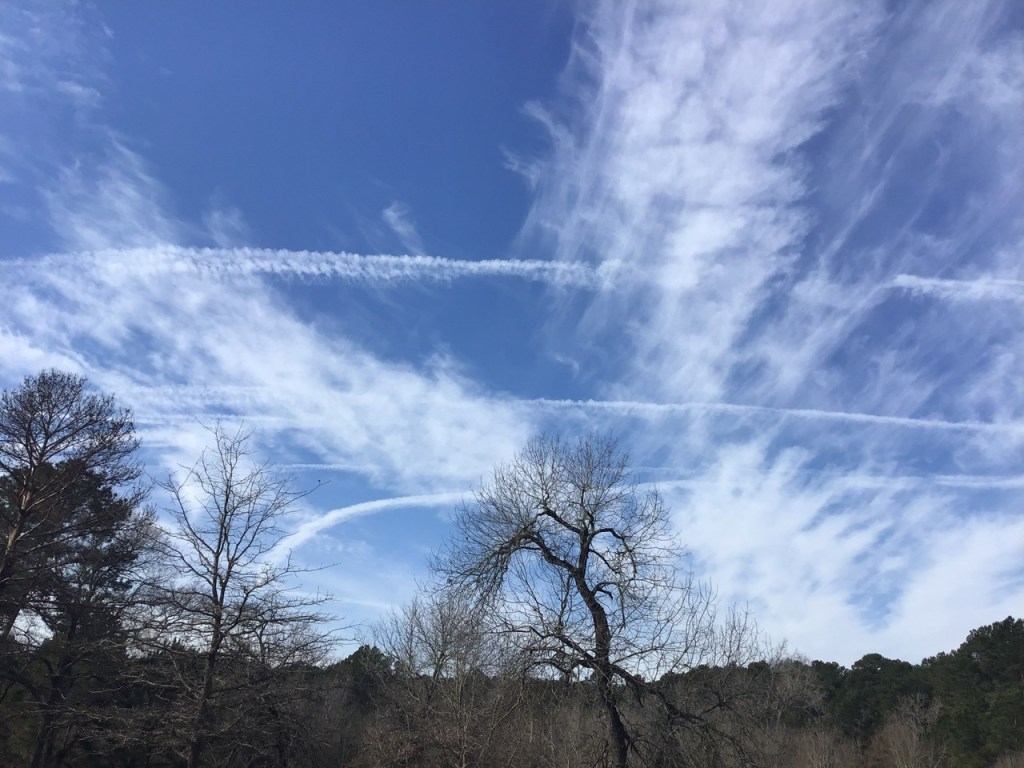
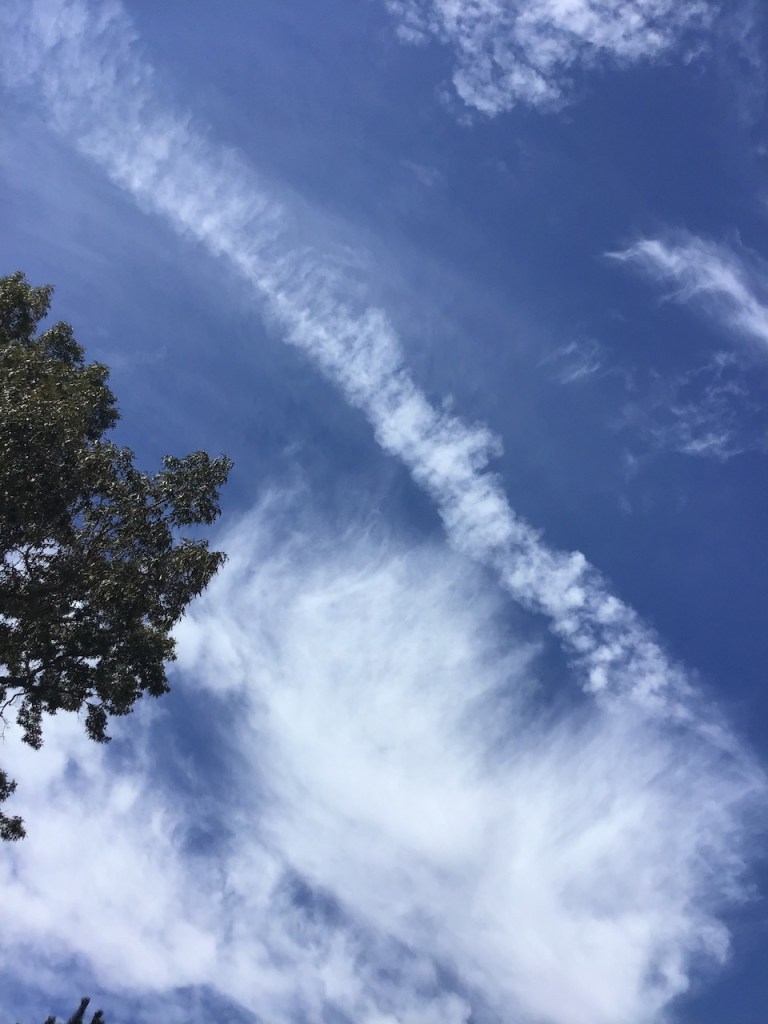
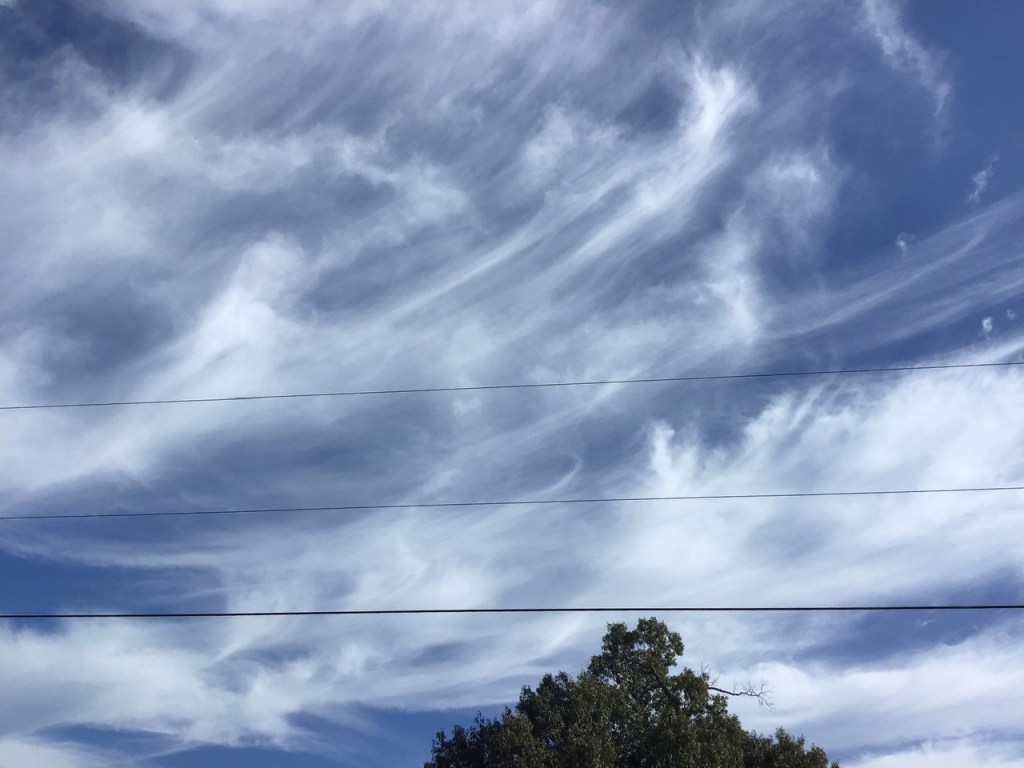
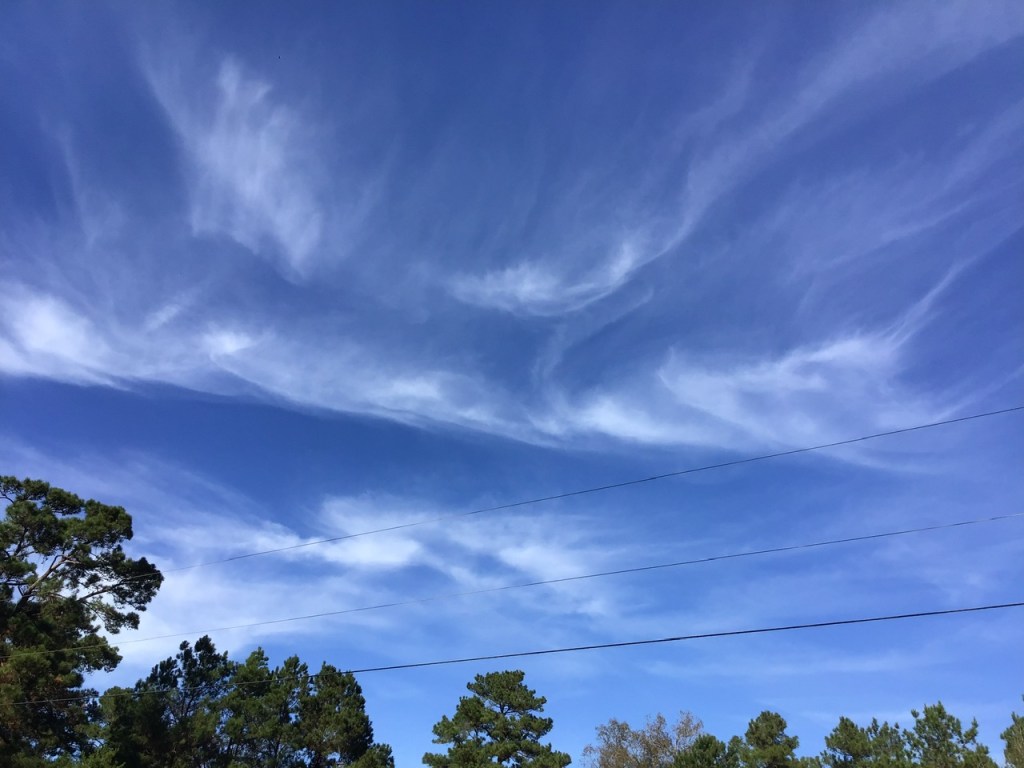
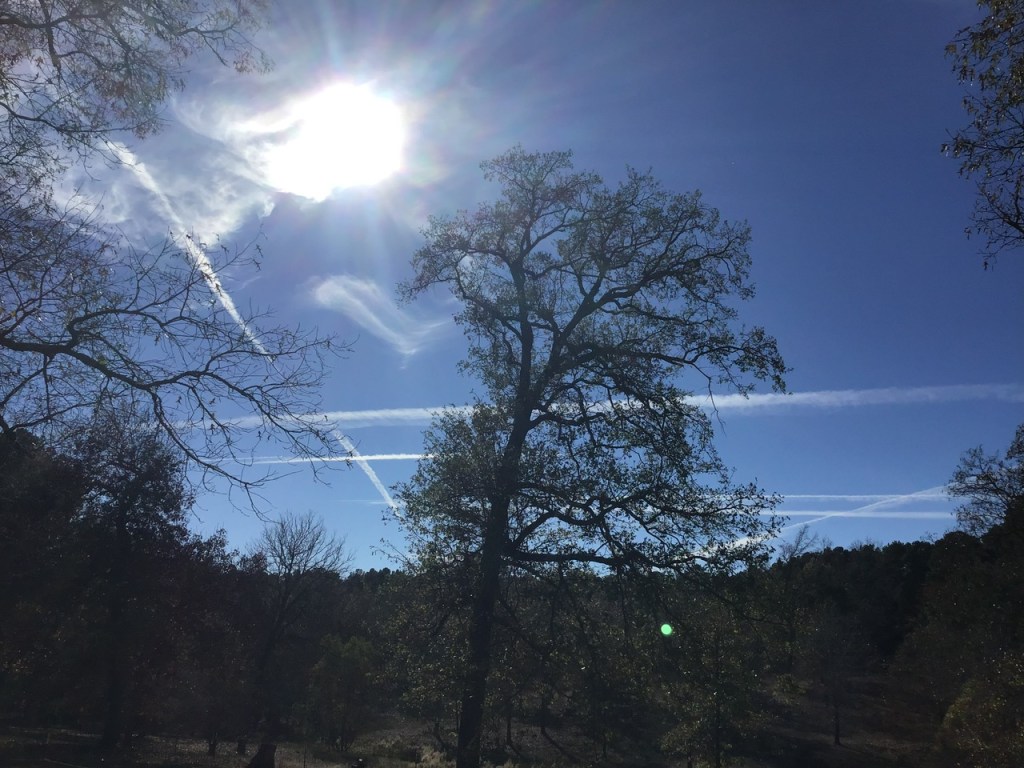
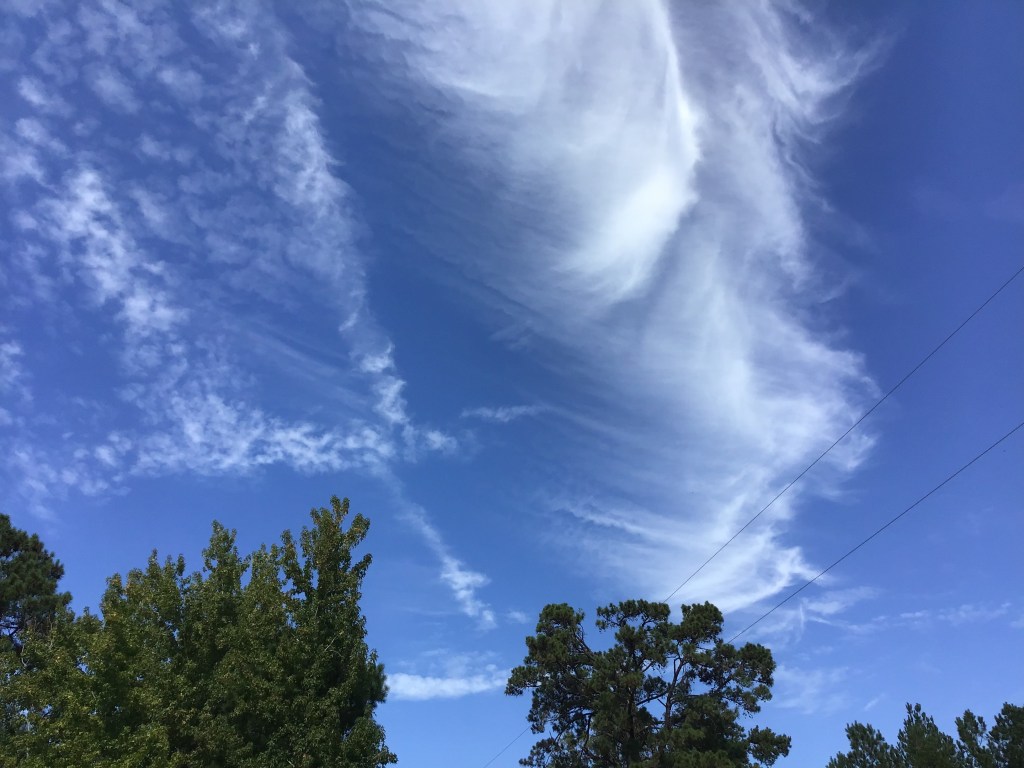
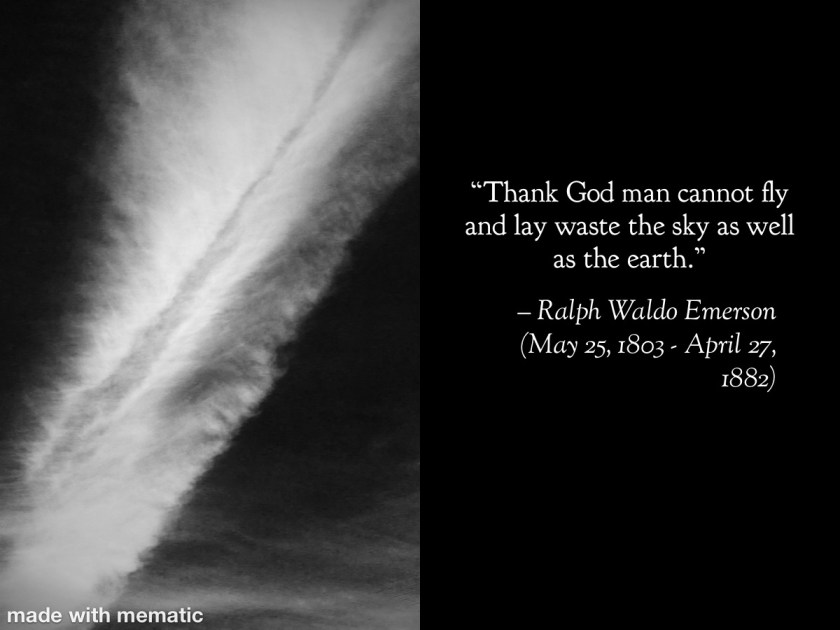
The refreshing article coincided with an ‘interesting’ new documentary on my long-time favorite conspiracy theory–the weather.
Climate Trails, which can be streamed for the price of a Starbuck’s latte, on Amazon.
What got me to find this latest gem is that I was curious and went looking for the first ‘chemtrail’ whistleblower I’d found, round about 2014. She had been threatened and forced out of the Air Force in 2010 and I’d been really moved by her story.
USAF Environmental Specialist and Air Force ‘chemtrail’ whistleblower interviewed in 2014, threatened and forced out in 2010.
Kristen Meghan
It also includes the courageous activist, Kathryn Saari, who I wrote about a year or so ago, called MellowKat on her Substack.
A very ‘interesting’ documentary, and by that I mean curious. Perhaps meant to create cognitive dissonance by simultaneous clips of a cursing Anarchist with a well-meaning Kentucky politician, both trying to address the geoengineered atmosphere. Perhaps with the ultimate ‘come together against this evil’ intention.
Of course we all already know the UK admitd it’s going to dim the sun, and Bill Gates can’t wait to make more billions poisoning more populations in more ways.
I learned that 32 states now have some legislation in the works against weather modification/geoengineering and while I have said in the past this is pointless, the states have zero jurisdiction over this level of operations, I think I was underestimating the overall strategy, perhaps being that I’ve always been a big hater of games.
It is raising awareness. It’s not that I’m not thrilled for that, I absolutely am!
My concern though is, by raising awareness, are we raising more folks who really care about the environment and want to stop these persecutions of the natural world? Or, are we just creating more markets for the great many who choose to profit off our serious problems?
Another one from the deep archives, 9 years ago this month. In reflection what I wish is that I’d had more time to elaborate and get better photos. Noted, but probably not improving much in all these years. Maybe that’s why it had zero likes besides my own?! Room for improvement.
I know in these old posts formats and links are screwy. Sorry about that, but hope it’s still of value to someone, somewhere, sometime, besides me.
3.20.2017
Some iconic lines in films imprint on the psyche collectively and I know you could think of one right now that instantly crosses several generations and continental divides.
“You can’t handle the truth!” Name that film, name that actor. Could you even name his co-star in that blockbuster?
Somehow, somewhere, as a collective, we’ve given ourselves over to worship and celebrity and fantasy and distraction in the most destructive ways. I am not resolved from that influence and never will be. I watched TV constantly for years in high school, only to give it up for years later in exchange for an exhaustive social life, only to give that up more years later for work I found most of all, exhausting.
I had/have this secret fantasy I’m going to share right now (again). After hurricane Katrina, right after, when I heard on the news the city was more or less safe, and me many hours away in a quaint bed and breakfast drinking wine with lunch, the hurricane widely reported as much less dangerous than anticipated, but that residents would need to stay away for a few days at least for safety precautions, I was glad. Nearly giddy, and not from the wine.
I had just started a new position at Tulane university and already I didn’t really want to go back. It took a day or so more before all hell broke out and select areas of the city flooded terribly and all residents had to stay out indefinitely. In our case, we were allowed to go back after two months. For some, it was never. We lived in a trendy and relatively upscale area right on Audubon Park. It was a beautiful spot, both before and after the hurricane. Some were far from so lucky and they’d been there many generations, not just two weeks, like us.
I do hold shame for this secret fantasy, because I still feel it. When I dwell, necessarily, in the dark places of my life and the world, I know there is much sickness, far too much. Far too much destruction, voluntary and deliberate and needless. Still, I have dwelt in destruction.
And there is too much wind, dammit, all around me lately seeming to get worse every year. It’s bloody annoying! We had no winter and now no spring. The plants and animals struggle with it far less than I, but still, I know, they do.
Wind is really stressful! This makes me smile, because there was a time I lived in Chicago and worked downtown and yes, the wind was legendary, but it was mostly something I peered at from the window and got annoyed at how it affected my hairdo.
But the wind is far more powerful and penetrating than I had, and I think most, ever realize. Is that not what blew down the house of each of the three little pigs?
They are blowing, those wolves, our weather right now is as manipulated as the currency market. And in my secret fantasy I sometimes can’t help but wonder—would we all be better off in the long run if they would just blow it all down? Roses blooming at the same time as the dogwood?! It just ain’t right.
This week’s breadcrumb, I’ve got so many I’d love to share this week, but this one is so essential it needs to stand alone.
Unslaved podcast, exploring the self in the work of Ayn Rand and others.
As the world reboots, this is where the rubber will meet the road.
After I got over the shock of hearing the squeals of a drift of wild hogs crashing through the forest, and the fear that I’d lost our dearest Tori, I was amazed to see her come through the trees clearly proud of herself. Still a fav, La Duchesse de Brabant, unfortunately with a bad case of ‘black spot’ but which I’ve been treating with whey, banana peels and chicken poop. Tori’s ‘Illuminati’ pose, hehehehehe!
A combo post–a bit of Homestead Happenings with a bit of my favorite conspiracy theory.
We are having our New Normal weather whiplash where 1/4 of the population pretends the weather has always been like this; another 1/4 couldn’t care less about it, normal or otherwise; 1/4 who think it’s all manmade, but not by tech, by carbon pollution; 1/8th who LOVE the idea of man controlling the weather; and the final 1/8th who believe one of the following: it’s NAZIS controlling the weather, aliens are controlling the climate, a global ice age is coming, too many paranoid plebs are actually causing climate change through their malignant minds, or, the world’s militaries have been using weather tampering against the public for many decades.
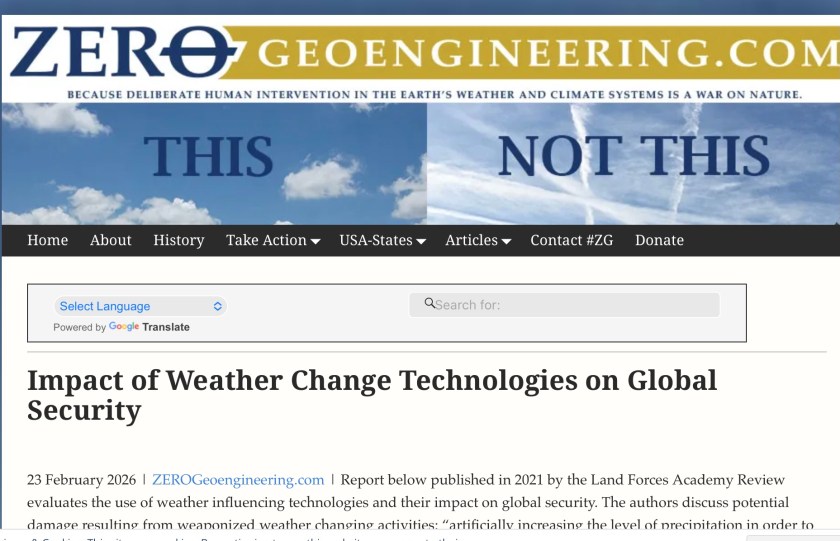
23 February 2026 | ZEROGeoengineering.com | Report below published in 2021 by the Land Forces Academy Review evaluates the use of weather influencing technologies and their impact on global security. The authors discuss potential damage resulting from weaponized weather changing activities: “artificially increasing the level of precipitation in order to cause floods and paralyze the enemy’s transport communications; artificially reducing the level of precipitation, in order to cause drought in enemy territories and difficulties in the supply of fresh water; the creation of unfavorable weather conditions that impede the conduct of hostilities (increased wind speed, deterioration of visibility); violation of radar and radio communication by direct impact on the Earth’s ionosphere. The use of technologies for changing the weather for military purposes leads to the destruction of infrastructure, paralysis of the economy, losses in agriculture, disruption of the work of state and commercial structures, mass casualties, large financial losses and demoralization of the local population.” Olena Shevchenko and Kira Horiacheva, Impact of Weather Change Technologies on Global Security, Land Forces Academy Review, Vol. X XVI, No. 4(104), 2021, DOI: 10.2478/raft-2021-0042
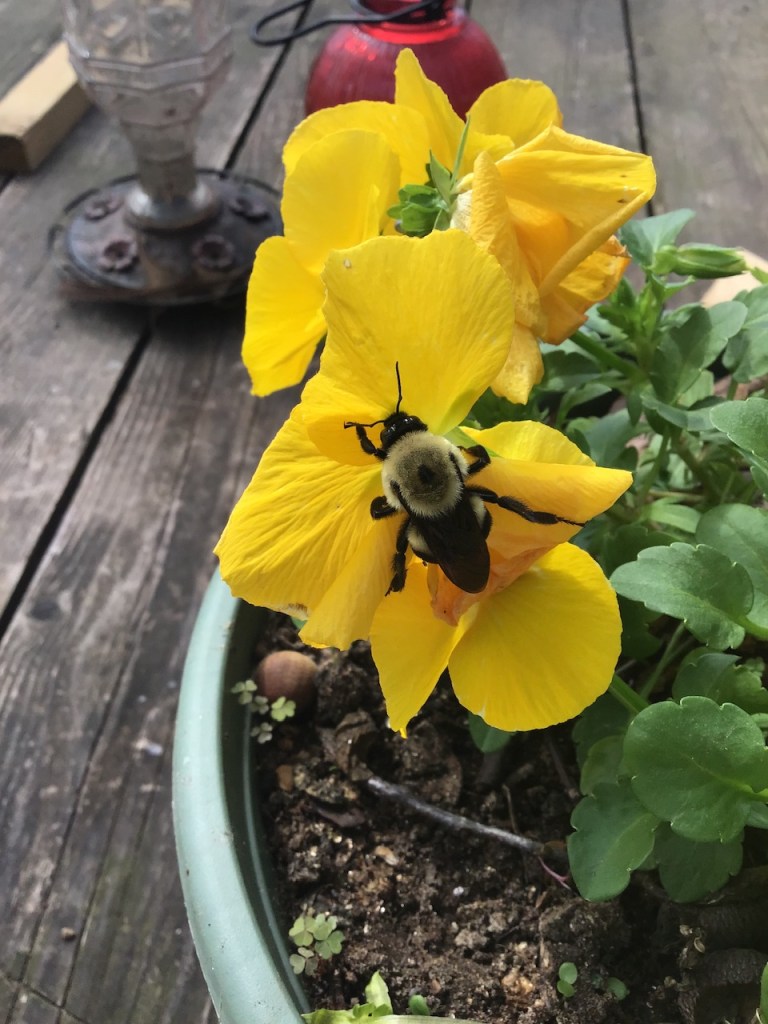
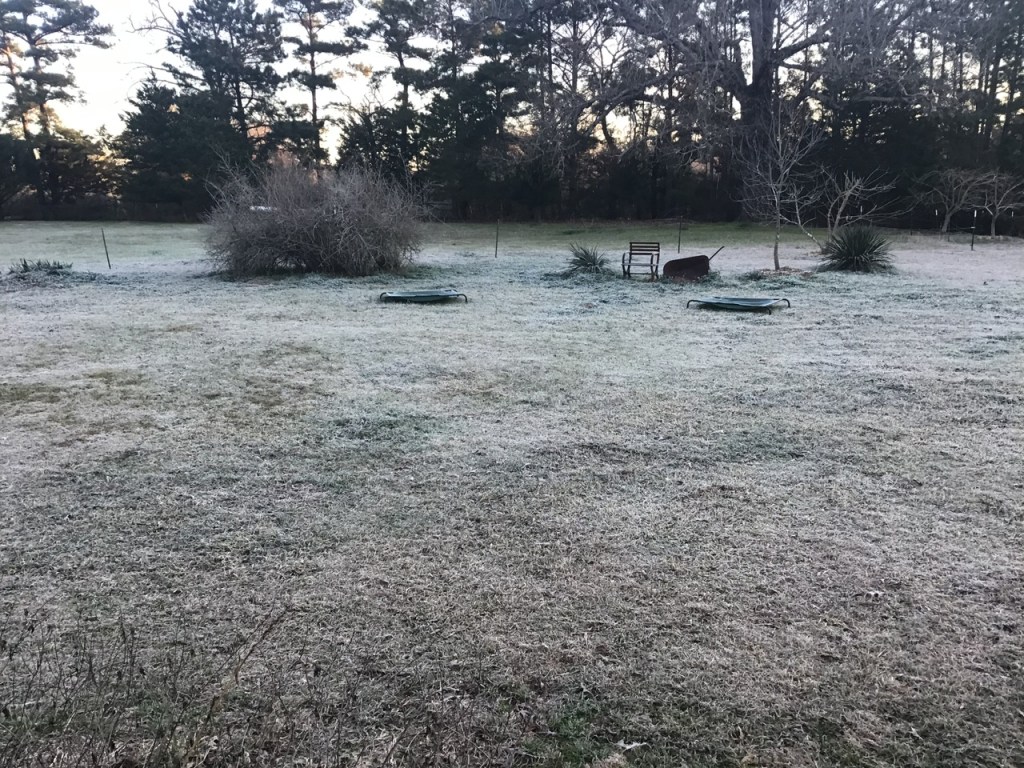
“increased wind speed?” check “unfavorable weather conditions?” check “artificially reducing the level of precipitation, in order to cause drought?” check “demoralization of the local population” check, check and check! Well they can certainly count me in! It’s indeed demoralizing to see the bumblebees out because it’s over 80 degrees for a week and all is blooming, only to then frost and kill all the buds. Including the fruit trees. Or to be told by a young gardener that ‘winter is our dry season’. What? Since when?! So I guess all seasons now are our ‘dry season’. Except for when it suddenly floods in one county while the neighboring county stays bone dry. Or the crazy winds that make these sudden and highly unnatural shifts with storm-level gusts that continue for days making any outdoor activity really unpleasant, if not impossible. Soon every five mile radius will have its own climate, and the technocrats will cheer, even if it makes vast swaths of the world uninhabitable by all but the scorpions and robots and data centers.
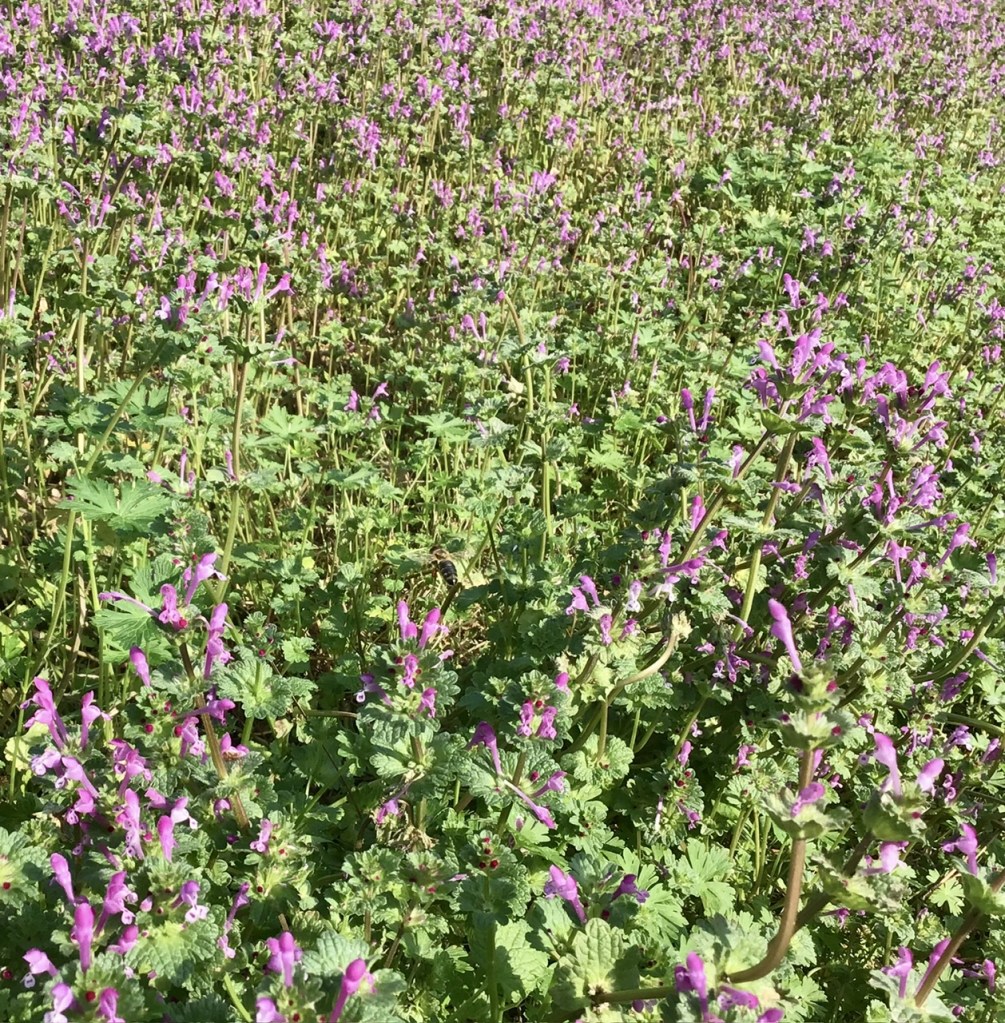
Can you see the honeybees on the henbit? The henbit does really well as a groundcover even through our last ‘wintery mix’ (used to be called snow). They also like the other early bloomers and I LOVE to see them. But, for bee sustainability it’s not a good thing, necessarily. If they build up their colonies too quickly too early there will be a lot of starvation of the young brood if (when) the temperatures plunge again killing off the buds.
Until that time I guess we’re stuck here counting our blessings.
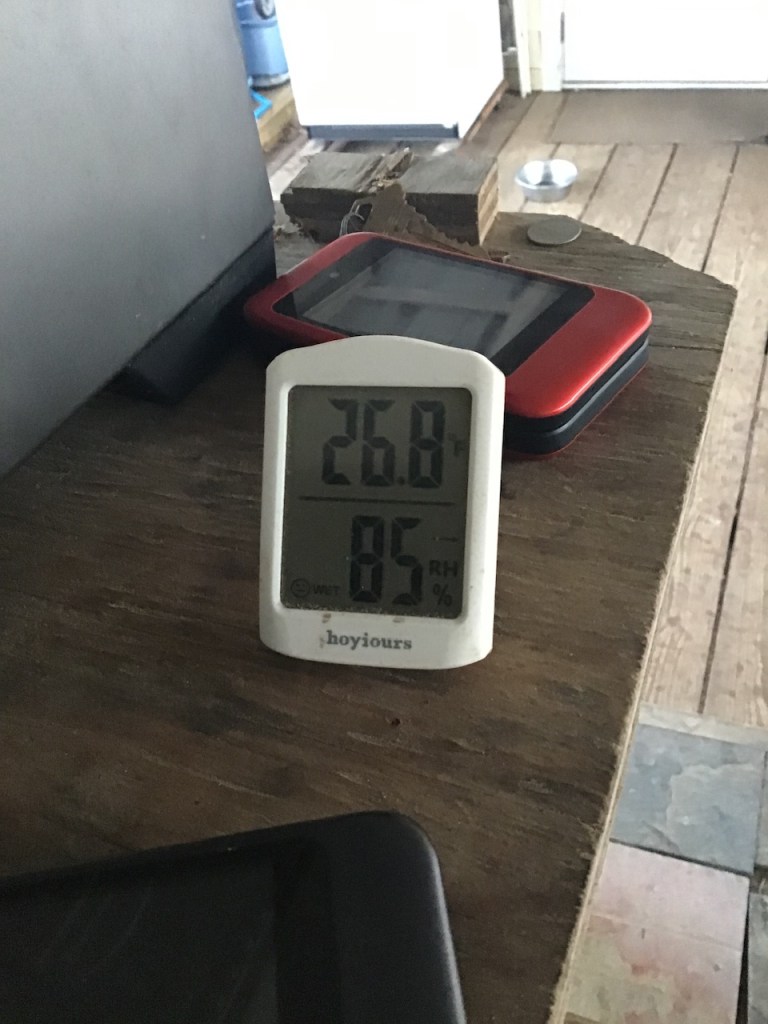
We did get that frost, and now we’re going right back up to the 80s.
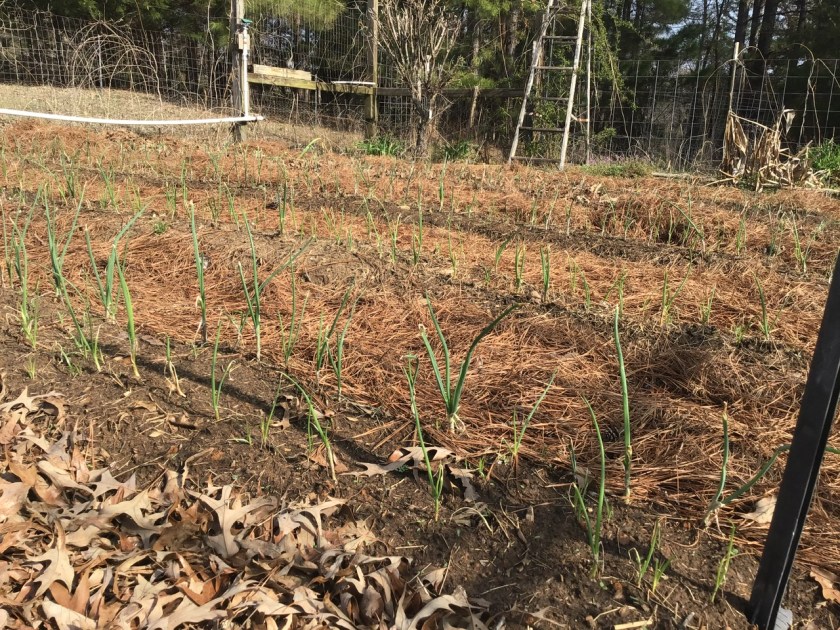
A few garden blessings doing well, one box under protection with lettuces, radishes, the last of the crucifers, some parsley and cilantro
Crucifers, like many veggies, do not like weather whiplash
Atleast if we can share some credible and valuable information while it’s available to us, the next generation might know more what they are in for when they move to the country thinking they’ll start a farm or homestead in order to escape the rat race. Newsflash, you might want to research underground gardening, because between the inclement weather and the cost of energy you won’t be able to garden, indoors or out!
It really helps to start seed indoors, an extra protection from weather whiplash season, but it’s not exactly economical these days. Growing here are lots of tomatillos, my garden mission this year, and more broccoli, flowers, squash and lettuce.
Everybody’s doing it, nowhere to escape!
Oldfield, J. D., & Poberezhskaya, M. (2023). Soviet and Russian perspectives on geoengineering and climate management. WIREs Climate Change, 14(4), e829. https://doi.org/10.1002/wcc.829
“Soviet science contributed significantly to our understanding of anthropogenic climate change and, as part of this, played a central role in the emerging science underpinning climate modification and geoengineering initiatives. A key focus of discussion was the use of stratospheric aerosols linked to the innovative ideas of Mikhail Budyko and colleagues. This work had its origins in what has been termed the theory of aerosol climatic catastrophe, which gained prominence in the Soviet context during the early 1970s.”
Onions also don’t like weather whiplash, but we usually get a decent crop I finally got most of the strawberries replanted. They multiplied like rabbits last summer and I gave wheelbarrows full to the neighbors and still plenty went into the compost. It’s taken quite a lot of effort to get the strawberries to multiply during our summers, but I think I finally figured it out. We’ll have to wait and see how well they produce in a couple of months. I’ll keep y’all posted!
Thanks for stopping by, and be sure to watch your skies!
Narcissism has become a popular modern buzzword, but the dilution of its meaning from its mythological context and its misuse in clinical definitions has contributed to a lack of appreciation for the dire social and personal consequences of tolerating narcissistic abuse.
In modern times, when we think of narcissism we tend to point to “selfie culture” and a saturation of self-centeredness among those who enjoy it. Just yesterday I had the perfect opportunity to witness this while at a restaurant for lunch. A middle-aged woman with dyed black hair and matching bright red lips and nails had just entered her car, which was directly opposite the window where I was seated.
I watched, laughing to myself, as she spent the next five minutes taking pictures of herself in different poses: pouting, smiling, flipping her hair around, like she was a sexy actress on stage instead of a no-longer-attractive woman in a huge black SUV, just pretending. I imagine she has all the latest filters on her camera’s lens and wherever she’s headed next will be dark enough that the illusion is not prematurely disolved.
And while this is really cringy, its not particularly dangerous for anyone else but the poor sap she gets her hooks in next. Sorry dude, better luck next time!
Clinically, and even historically, this is not really the brand of narcissism that is causing so much mayhem in our world.
However, clinically the definitions are at once well-defined, and nebulous, and over-lapping, and found under the heading of the ‘dark triad’ personality disorders. While these are certainly interesting to study and are attempting to become more scientific with more data over time, they aren’t necessary to understanding why these personality disorders become so socially destructive.
The problem is not the cringy aging woman who wants to maintain the illusion of youth and beauty indefinitely in order to gain sexual approval in the marketplace. The problem is when the fantasy is allowed to trump the reality.
Society does still associate selfie-culture with the myth of narcississus, but only superficially. We correctly identify the beautiful youth who falls in love with his image in the water as narcississtic. But, we fail to look deeper into the lesson the ancient myth is attempting to teach us.
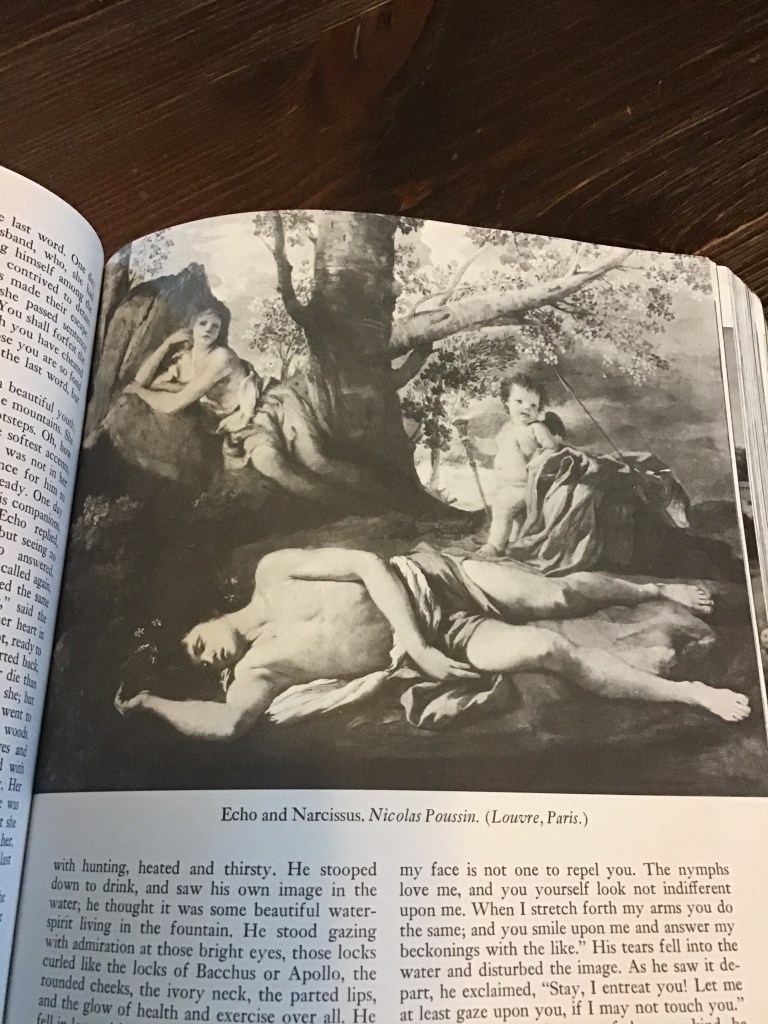
While there is no one official narcissus myth, one popular version includes his female companion, Echo. Whereas Narcissus is the disembodied face, Echo is the voice which mimics his, repeating, without agency, but symbolizing the intention of love and care through her adoration of him.
The real lesson is not just about the superficiality of beauty that fades, or the personal destructiveness of being overly-fascinated by one’s own appearance or superficial desires, but about the inherent dangers of illusion, especially when those illusions echo through the culture, without agency, repeating the words of the narcissist.
Reach out to touch the beautiful illusion in the water and it dissappears, and with it so does its echo, that’s the essence of the myth. There is no substance there, it’s a mirage. The face has no body, no core, no real form.
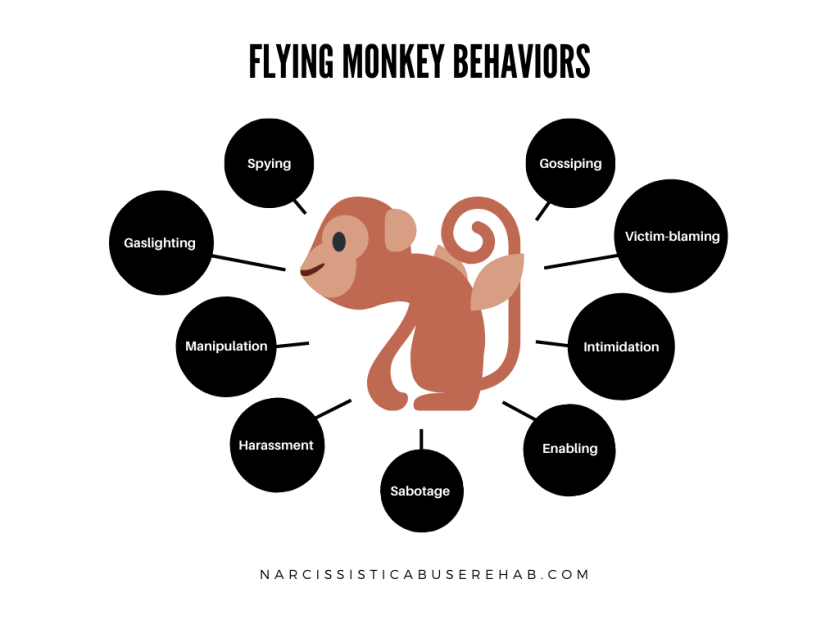
In popular culture today, Echo’s role represents the ‘flying monkeys,’ which are those figures doing the bidding of the narcissists, spreading his delusions. Narcissists are experts at manipulating others into doing their dirty work, whether that be their dishes or their crimes.
In psychoanalytical terms, this means the narcissistic personality has not done the difficult work of developing an authentic self. There is nothing behind the mask. S/he is a shape-shifter, a cameleon, the disembodied creature in a shared fantasy.
When these attributes become socially acceptable, indeed institutionalized, the culture itself becomes permeated with such types. Toxicity becomes the norm. Fantasy, being the preferred state of the masses, replaces reality. Narcississtic abuse becomes systemic.
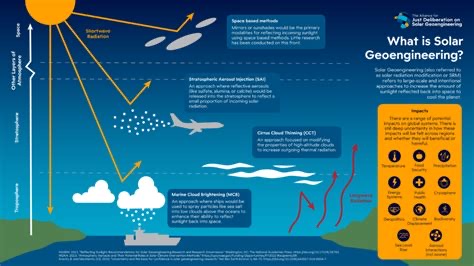
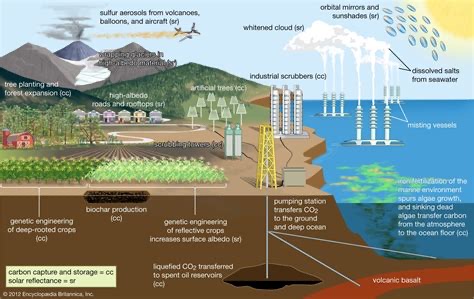
At the societal level, Geoengineering presents a typical example of how this looks in action. And, there are a great many direct parallels between narcississtic abuse as it plays out in personal relationships and in the aggregate, that is, the public domain.
Empty promises like ‘safe and effective’ become accepted as truth. Meaningless words and slogans replace honest dialogue and debate. Hollow gestures replace accountability.
In the personal relationship this looks like the philandering spouse who swears they’ve cheated for the last time, over and over. Or the sister or friend who apologizes for wrongdoing, but then hides behind ignorance or innocence, or tries to blame shift and gaslight to get out of being held accountable for her poor actions or insensitive behavior.
In the public sphere this normalized behavior becomes the governments and institutions who are granted immunity, the banks that are too big to fail, and the laws that are twisted to absolve the guilty and victimize the innocent.
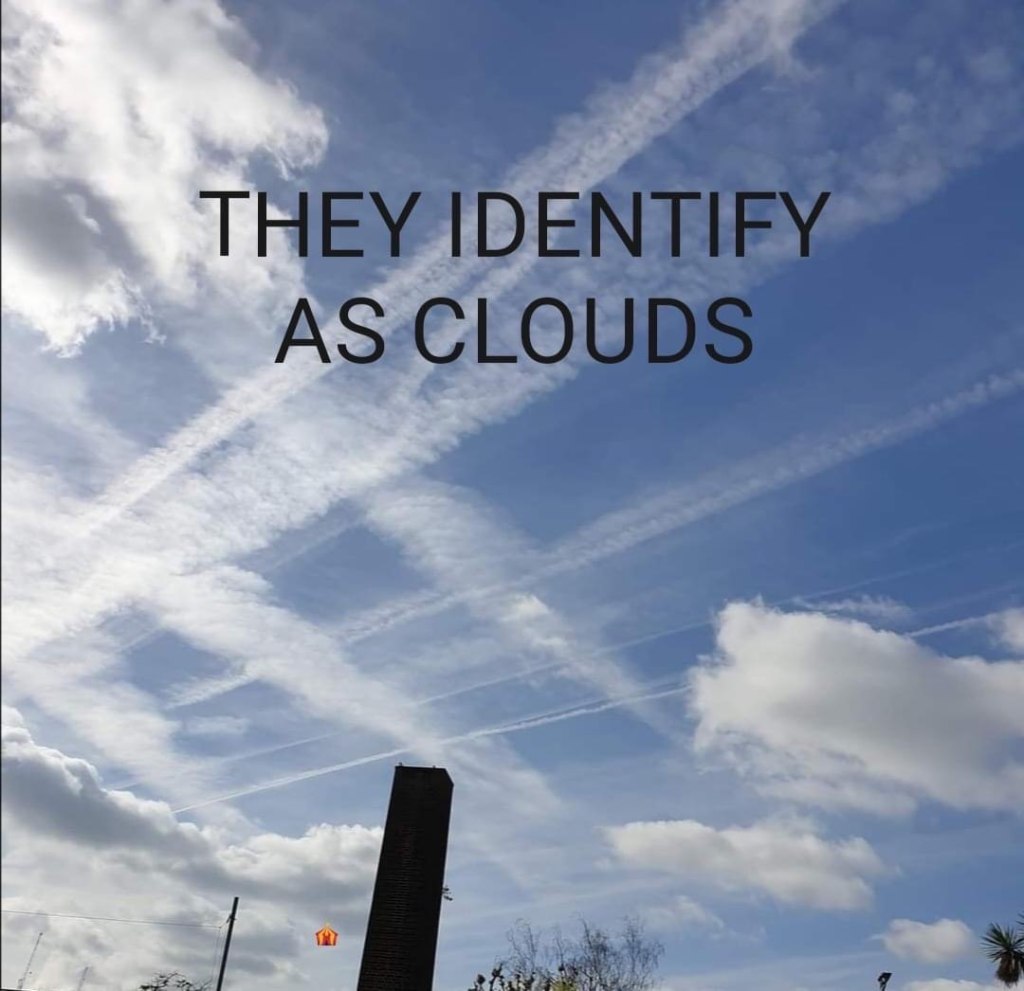
What have we been told for the last decades about Geoengineering? At first we were told not to believe our lying eyes, nothing is happening, ‘chemtrails’ aren’t real, and you are all gullible conspiracy-believing nutjobs.
Next, we are told that it’s actually benevolent, they are trying to fix the broken climate. Totally safe and effective. We just need the states to put a few crucial laws in place, then everyone will be happy. Fantasies and illusions replace accountability.
More empty promises, more hollow gestures — like the states stalling with laws that will never stop the assault, but will get a new market brewing for all the attorneys and advocacy groups and health care professionals, who will make a lot of money from the fallout. Entrepreneurship, that will solve it. More tech, better tech, that will solve it.
The argument gets twisted around intentionality, did they mean to harm, or not? Let me go out on a huge limb here and suggest that every single person involved will say they didn’t intend to harm. That’s rocket science.
That question itself serves the abusers. The real question, the one the victim would ask is, “Should abusers be able to hide behind innocence, ignorance or incompetence?”
Solar Geoengineering and the Global Commons—What Role for Ecocide Law? | Springer Nature Link “As a result, initially peaceful, yet ultimately harmful geoengineering projects could exemplify unintentional hostile use of weather modification technologies. However, ENMOD does not take this form of use into account, so cannot provide a viable tool.”
Meaningless words–words that magically transform, or lose and gain significance depending on whims and propaganda shifts–global warming, global cooling, climate change, abrupt climate shift, climate remediation.
These parallel the meaningless words and hollow gestures of the narcissitic abuser — I’m sorry, I didn’t meant to, it’s really not that bad, it’s just your impression. The dog ate my homework.
It’s not my fault. No agency. No accoutability.
You’re not perceiving what you think you are perceiving! You’re not feeling what you think you’re feeling! it’s just your impression! Your subjective experience! If it were true, everyone would be experiencing it exactly the same like you!
Plausible deniability is the safe space for abusers of all kinds.
They will even go as far as admit the wrongdoing, but still not be held accountable for it. Like Narcissus, all image with no substance, all face with no body.
Other common tricks of the trade: manipulation of perception, moving the goal post, feigning, finessing, presenting harmful acts as benevolent–it’s for your own good, for the good of the community, because they are so concerned about you, about the environment.
What do you mean we can’t flood your home? But the farmers need rain, you’re being selfish. Isn’t that why you bought insurance? Why aren’t you more resilient? Why should you be so upskittled by a tornado or two, they happen all the time. We were just doing our job!
I will NOT end this post, or this life, drowning in their sea of dysfunctions, because that’s exactly what works best, FOR THEM.
I truly believe that if the individual will stop accepting such abuses in their personal lives, what’s acceptable on the societal level will assuredly, eventually, shift as well, and very dramatically.
Stop approving of the toxic behavior, stop believing the lies, stop being their Echo, because narcissistic abusers are pathological attention-seekers. Call them out, demand accountability, do not accept empty promises and meaningless words, and watch as the little rats start to scurry.
Learn about narcississtic abuse and root it out of your life, personally and professionally. Achieve greater levels of discernment through diligence and determination. Real resilience comes from principled positions rigorously and consistently applied. Insist others practice what they preach, as you yourself do the same.
This is not idealism, this is the tough work of forcing reality to win over illusion. It is the tough work of embodiment, of authentic Self creation.
“We’re often told that narcissism doesn’t exist or that we’ve attracted these people into our lives because of our own issues. This harmful victim-shaming keeps people trapped in abusive dynamics.
In this episode, Dr Peter Salerno explains that narcissism is real and identifiable. Narcissists are invested in their image at the expense of their true self, and they intentionally seek out environments where they can exploit others.
This conversation will help you identify if you’re dealing with a narcissist, trust your body’s reaction to mistreatment, and begin to think about whether it’s a relationship you want to remain in.”
We may still be victims of their floods and tornadoes and varied toxic tampering, but we don’t have to accept their delusional fantasies and their illusions of control. And that WILL make a difference.
You don’t know, because it was taken long before you were born. Your father, your grandfather, ditto. Your child will know less, her child lesser still, what’s been lost.
Someday she might try to dig it up, maybe because life no longer makes sense to her.
So hideously ugly, there’s got to be a better way!
In confusion and rejection of the dystopian present she senses roots calling from the past, something deeper was once here, something grander, was it an alignment, a race, an epoch, antiquitech, infrastructure, what?
What’s been lost? Where has it gone? Who took it? Who continues to take it?
A new series for Kensho, Starting now . . .
What does ancient Persia and modern Texas have in common? The Ice House.
If I said that to a Texan they’d think I meant the popular outdoor beer gardens, and their version of history would go back to the early 1900s and they’d think that was old. Perhaps they’d offer some local trivia or home-spun yarns, like the original Texas Ice House was the first ice manufacturing company, which is now claimed to be have been merely an ice storage facility, which later became the modern day 7-11 francise. There is, like most home-spun yarns, some truth in that story. And much redirection and fabrication as well. Perhaps to keep your eyes of our own ancient history.
More from Wiki: In some parts of Texas, especially from San Antonio and the Texas Hill Country down to the Mexican border, ice houses functioned as open-air bars, with the word “icehouse” becoming a colloquialism for an establishment that derives the majority of its income from the sale of cold beer.[24] The distinction between South Texas ice houses and ice houses of other parts of the state and the South has been connected to the Catholicism of the region, a deeper-rooted Mexican culture, and the influence of German immigrants.
A nice find from a local antique shop. I believe some of the old buildings in the nearby small city of Palestine once used this radiative cooling system.
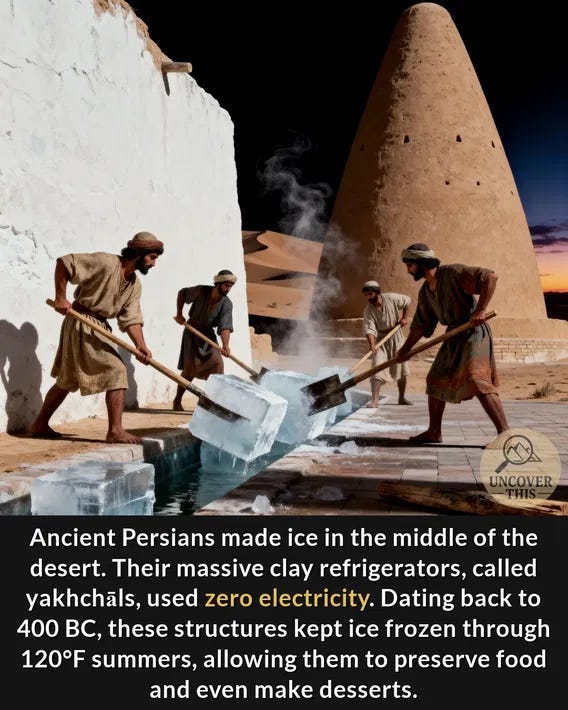
I believe it begins in Persia, still home to many ice houses, called Yakhchal. Alternative energy in the modern Western sense is really ugly, cumbersome, expensive, destructive, in comparison. Yet, there is evidence that the Yakhchal was once more widespread than just in the ancient, or modern, middle east.
The yakhchal is used for preserving and storing food, cooling structures, even making icy sweets. It works through radiative cooling, which existed in ancient times, still is in existence in remote areas today, and yet, it’s not the norm here, in the modern and advanced industrial West. Why?
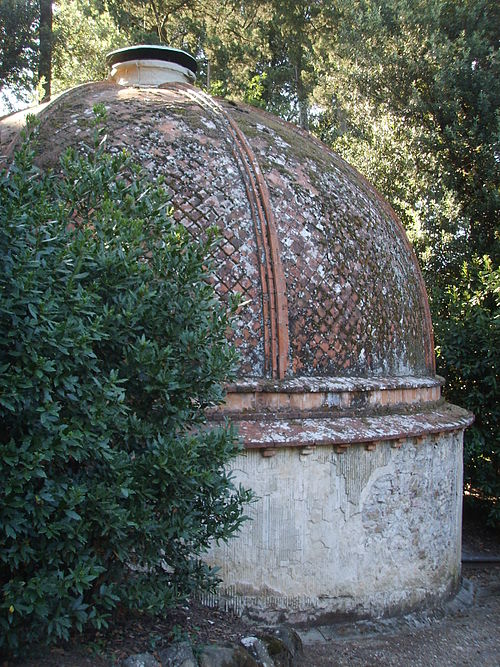
The dome of an ice house in Italy.
That they propose it now to cool the entire planet with this line of tech means they think they can scale it that far up, yet they can’t manage to scale it back down, again. How can that be?
What is the difference between the common springhouse and an icehouse, which is the Yakhchal? My neighbors once had a springhouse, but I’d only know that because he told me himself, before he died, at over 90 years old.
Where else would such useful information be kept, I wonder? How will the next owners know there was once a springhouse there, one that might even be restored to a functioning status, when I see on their real estate listing that not even the grandchildren seem to know or care about this old feature? Who cares now, right, because we have the water co-op and the electric company we can pay each month.
I believe a case could be made that the very common structures once known as springhouses were the vernacular equivalent of the ice house.
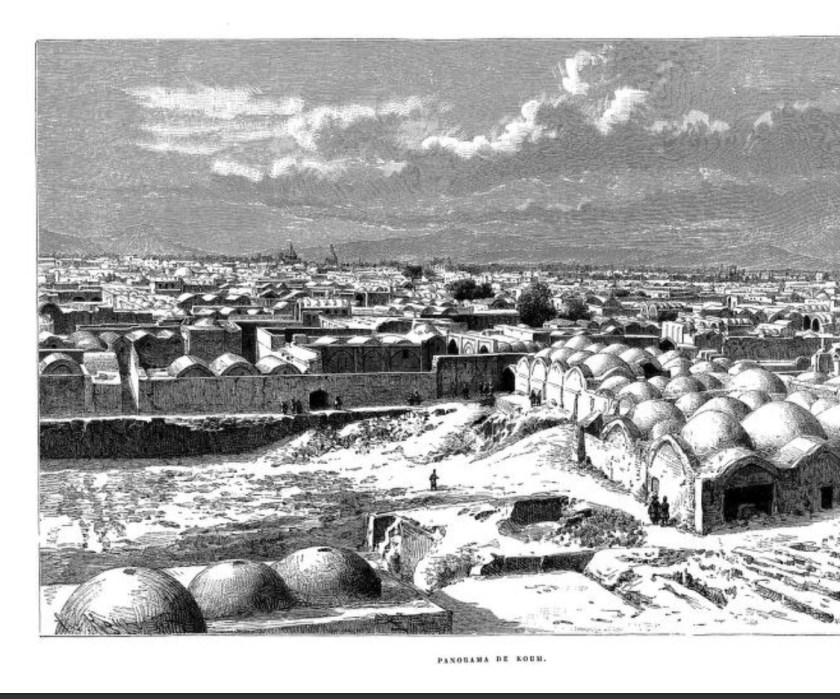
Much is written about ancient Persian architecture in this work from 1887 by “Madame” . I can’t help but wonder, similar to how the meaning of Ice House changed in Texas, did the meaning of Madame also change? ‘Cause Dude does NOT look like a lady!
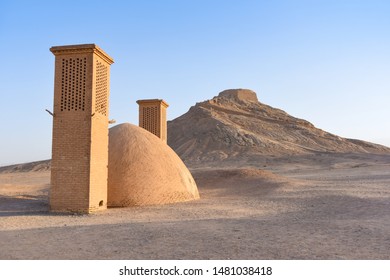
Three main types of Yakhchals exist: vaulted, underground, and roofless, each adapted to different climatic conditions.
Passive cooling so common and effortless that even poor people could afford ice: (PDF) Yakhchal; Climate Responsive Persian Traditional Architecture
Mehdipour, Armin. Yakhchal; Climate Responsive Persian Traditional Architecture.
Yakhchāl – Wikipedia The Mughal emperors also recorded to adopt the technology of Yakchal. Humayun (r. 1530–1540, 1555–1556) expanded ice imports from Kashmir to Delhi and Agra, insulating blocks with straw and saltpetre to slow melting, a Persian technique. Early Baraf Khana (underground pits) stored ice, adapted from ‘yakhchāl’ for preservation.[4] Akbar (r. 1556–1605) organized ice transport from Kashmir to Delhi, Agra, and Lahore via a 14-stage relay system, delivering ice in two days using saltpetre. The ab-dar khana at Fatehpur Sikri used sandstone cisterns and qanats, resembling yakhchāl, to cool water and make sherbets and early desserts.[5] During the era of Jahangir (r. 1605–1627), Tuzuk-i-Jahangiri describes baraf khana as insulated cellars storing ice for palace cooling, food preservation, and kulfi, a frozen milk dessert with pistachios and saffron. Ice was harvested in Lahore from shallow ice pans and stored in straw-lined pits.Shah Jahan (r. 1628–1658).[6] Shah Jahan built a baraf khana in Sirmaur to supply Agra and Delhi’s Red Fort. These underground structures with thick walls stored ice for drinks, food, and kulfi, symbolizing imperial luxury.[7] Although many have deteriorated over the years due to widespread commercial refrigeration technology, some interest in them has been revived as a source of inspiration in low-energy housing design and sustainable architecture.[8] And some, like a yakhchāl in Kerman (over a mile above sea level), have been well-preserved. These still have their cone-shaped, eighteen meter high building, massive insulation, and continuous cooling waters that spiral down its side and keep the ice frozen throughout the summer.
A ‘wind catcher’ tower
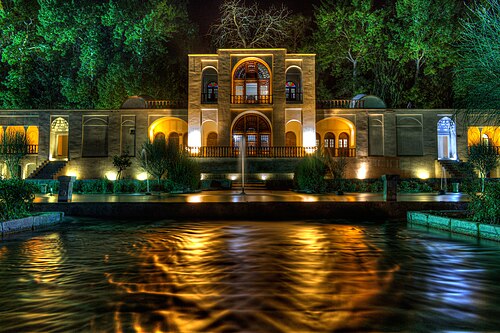
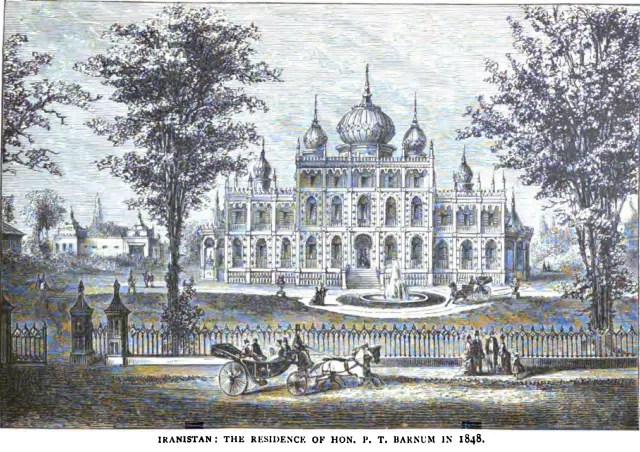
What we see as far as typical architectural features of the Yakhchal are domes, sometimes occuring with minerets, or spires, and sometimes with bells associated as well. Underground gardens are also a feature in the more elaborate designs.
Interestingly, Dallas has such an architectural gem, though I’ve not found any mention of the yakhchal or ice house technology mentioned in the literature.
The celebrated architect of the famous underground Dallas square.
From Wiki: Thanks-Giving Square – Wikipedia
The Square is set fifteen feet below ground level with a four-foot wall blocking the sight of automobiles to create a serene, green island. Water plays a prominent role in the landscape, with active fountains masking city noise.
Sitting amid the steel and glass skyscrapers of the Dallas business district, Thanks-Giving Chapel’s white spiral building is a beautiful—and unusual—sight. A curvilinear chapel resembling the 9th century Al-Malwia (snail shell) freestanding minaret of the Great Mosque of Samarra, Iraq, built by the Abbasid caliph Al-Mutawakkil, is not a building a visitor to Dallas expects to see. Another pleasant surprise is the Qur’anic verse “Grateful praise is due to God alone, the Lord and Nourisher of the worlds” engraved on a granite column at the entrance to Thanks-Giving Square. A portion of Psalms 100 appears on the Wall of Praise, also at the square’s entrance.
In 1971, the Dallas-based nonsectarian Thanks-Giving Foundation hired renowned American architect Philip Johnson to design a chapel that would celebrate the value and spirit of the institution of thanksgiving. Completed in 1976, Johnson’s white marble aggregate building dominates the three-acre triangular site that is dedicated to spiritual reflection. A sloping bridge built over a cascading waterfall connects the courtyard to the chapel. From his study of art history, Johnson was inspired by the spiral form of the Samarra minaret—which is similarly connected to the Great Mosque by a bridge.
“The spiral design perfectly conveys the foundation’s dual mission of offering a place for all people to give thanks to our creator and celebrating the value and spirit of thanksgiving for both sacred and secular cultures throughout the world,” Tatiana Androsov, Thanks-Giving Square’s president and executive director, told the Washington Report on Middle East Affairs.
Inside the chapel, a visitor’s attention is immediately drawn to the Glory Window (above), a multi-colored stained glass ceiling created by Gabriel Loire. This striking creation was memorialized in a United Nations stamp in 2000, the International Year of Thanksgiving. In one area of the room is a large white Carrara marble cube mounted on a sandstone circle made of local Austin stone. The cube is symbolic of the unification of mankind; the circle symbolizes eternity.
During the week, the chapel is a convenient and tranquil location in an otherwise busy city for Muslims working in the downtown business district to pray. “Although there are 22 mosques in the Dallas area, many Muslims working in this part of town like to come here, especially for Friday prayers,” Androsov explained. Visitors from Europe, the Middle East, Asia and Africa come to the chapel as part of the U.S. State Department’s International Visitor Leadership Program, she added. The Thanks-Giving Foundation is a Department of Public Information NGO with the United Nations. For more information, visit www.thanksgiving.org.
Thanks for joining me on this little journey through time and space!
domes and spires everywhere back then!
One last deep speculation–could this ancient architectural tech also relate to the so-called Mound Builder indigenous tribes all over the Americas?
“Papers, please!” was a running joke among Western expats living in Eastern Europe. I wonder how many of them now carry a permanent spying device with great pleasure or perhaps even cheerfully signed on to the digital passport program, first in line, buying into the ploys of safety and convenience.
The Globe was supposed to move in the other direction entirely! We won the Cold War, supposedly, in order to NOT be treated like the perpetual citizen-criminals of Kafka’s stories.
Eastern Europe in 1989 was a surreal place for a young university sophmore voyaging long distances by train alone for the first time. It was at once charming and derelict, welcoming and suspicious, familiar and mysterious.
On the one hand I never felt physically threatened, not even as flaneuse on the city streets at night. On the other hand the decrepid state of the infrastructure whispered danger somehow, because neglect itself is a dark force.
On the one hand the relative poverty was palpable, though my midwest suburban upbringing was middle class, great food variety and consumer goods were far more available. On the other hand their resourcefullness has had a lifelong impact on me and was my first critical look at the innate and corrupting consumerism of my little world.
I didn’t speak the languages and there were very few English speakers. I got by, barely, with French, rudimentary German and smiling, mostly. Americans were considered automatically suspect, so some travelers would claim to be Canadian at any venue not requiring their passports.
Already on the issue of passports I was laughingly naive.
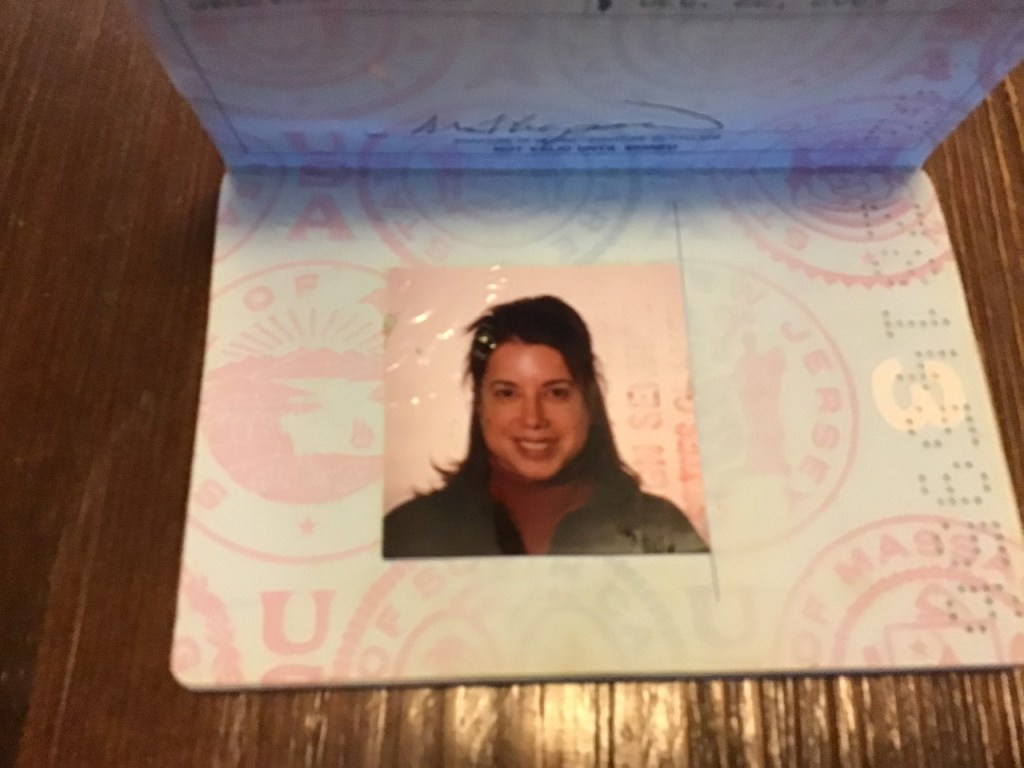
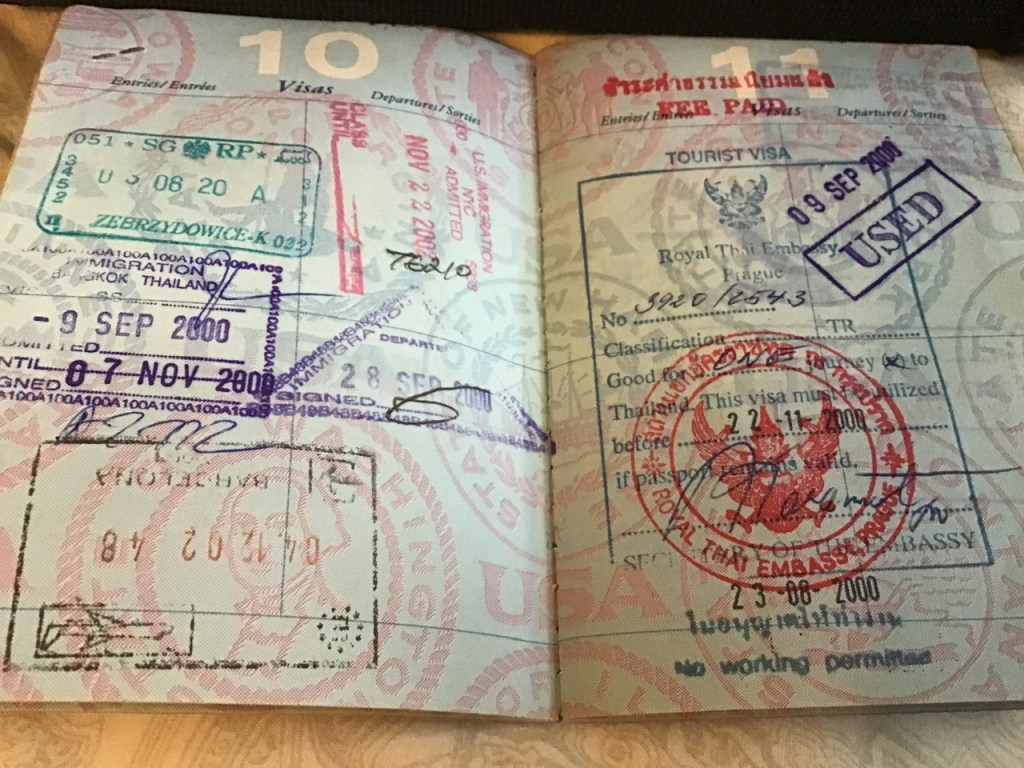
A variety of stamp collecting, or paving the way for the Global digital gulag? It was an especially exciting moment in the expats life when your passport got so full of stamps you had to go pronto to the nearest embassy to get new blank pages stapled into the back of the official document.
Interestingly, while Americans were considered automatically suspect, there was still a sort of cult following that adored America and those who were positively thrilled to meet one, and I made it a point of meeting those unique sorts.
I went on to be a Peace Corps volunteer there a few years later precisely because of my immediate attraction to this region. I felt compelled to know it better and the fact I had the opportunity to spend three more years there, mostly in Czech Republic, but traveling the region extensively, was in fulfillment of my deepest desires and longings at that time.
For all that I loved it, there I also felt my greatest repulsions.
The dystopian Kafkaesque bureaucrocy I experienced was not just fiction. The general acceptance of the populace, while not exactly Stolkholm Sydrome toward their Soviet occupiers, was still a quiet resignation which struck me as particularly pathetic considering their far more astute knowledge of history.
My old passports are the best symbol with which I can try to express my current level of despair seeing my greatest repulsions come to fruition all around me, even as we ‘the Capitalist West’ were the supposed winners of the Cold War.
What did we win? A military industrial complex acting against the best interests of its people. A Corporatocracy run by corrupt public-private partnerships which pretends not to be a fascistic system. Progress that is defined entirely by blind acceptance of anything stamped with the Technocrat seal of approval. Endless paving over of the countryside for roads and minimalls and condos and tourist traps in the ugliest construction ever known to ‘civilized’ man.
Civilization itself has morphed into something totally uncivil, hideous and expanding entirely out of control.
I, like many other intrepid travelers, thought of the passport merely as the modern equivalent of the old travel trunks stamped fashionably with destinations. We thought of them as a collection of strange signs and symbols we’d forever associate with our new memories of far-off places. They were the paper images of our wanderlust we planned to show one day to the grandkids, not knowing they would be holding a digital scrolling device we’d rarely be able to pry from their clutches.
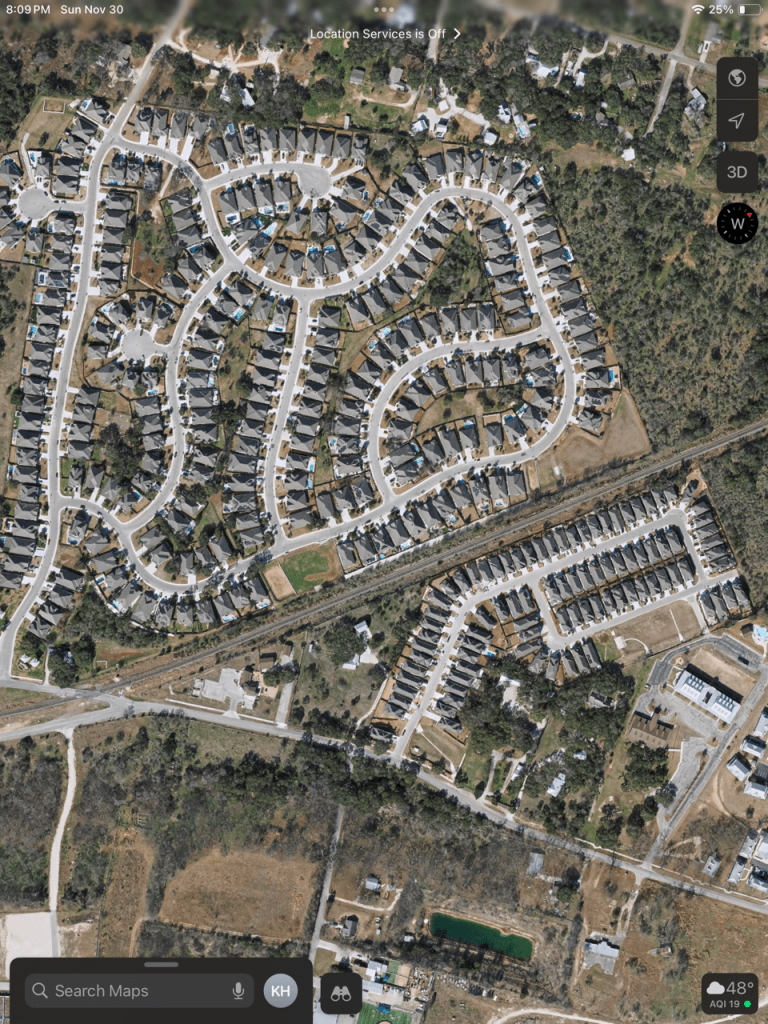
Just a decade ago this was all ranch land
“Once traditional farming systems have been destabilised by the debt-trap of subsidised loans, structural adjustment policies, corporate input regimes, global supply chains, patented seeds and monocultural production, mass migration to cities becomes an inevitability engineered from above. The city thus absorbs the displaced because the countryside has been systematically stripped of opportunities or carved up for infrastructure or real estate schemes.”
What if we’d been given the actual choice, not the strategically invented one, between our current paradigm of progress as a global militarized surveillance state and the ‘stagnation’ where the Eastern Bloc resided for half a century?
This, or this?
Electric prison bars or progress?
Do folks really think WHEN this whole shitshow goes tits-up there will be government funding for the clean-up and restoration of this once beautiful land?
That I don’t want this EVER, for ANYONE makes me some kind of bitter-clinger communist?
“ALA’s annual State of the Air report found that 156.1 million people—46 percent of the population—now live in counties with failing grades for ozone or particle pollution, nearly 25 million higher than last year. Previously less-affected areas, such as Minneapolis, saw significant spikes in unhealthy air days tied to climate-exacerbated wildfires and particle pollution, such as dust.”
Universities funded by public-private partnerships clandestinely tamper with our atmosphere using euphemistically-named scientific jargon like ‘Plume dispersions’ as if this is not mass poisoning?
A hellscape of ‘progress’ in the form of the most ugly, extractive and intrusive landscapes imaginable?
How did ‘WE’ win in this global game that began long before I was born?
What kind of twisted minds call this progress? We have 70 years of documented atmospheric tampering while officialdom continues in denying its impact, which is now going into overdrive while the voices of the livid citizenry, especially those losing their livliehoods in the rural regions, get squashed. Same as it always was.
“Similarly, Gerard Winstanley, writing in the 17th century, envisioned a society in which land and labour were shared as a common good, not commodities to be exploited. His insistence on communal responsibility and ecological justice underscores the radical, enduring potential of agrarian ethics against the logic of extraction and profit.
In this light, the critique of urban-centric development becomes more than an economic critique. It represents a challenge to the very definition of progress. The rejection of the celebratory narrative of neoliberal modernity is a philosophical insistence that a society cannot be judged by its technological prowess while its ecological foundations crumble and its people are alienated from the sources of life.
The modern city, therefore, becomes a battleground where two visions of civilisation confront one another: the dominant model of corporate-led, centrally managed growth and the fragile but persistent ethic of stewardship, locality and shared responsibility. As made clear in my new open access book, The Agrarian Imagination: Development and the Art of the Impossible (available here), genuine human development cannot be measured by urban skylines or GDP figures but by the survival of relationships between people, land and community that give meaning to life.”
Churlish: “boorish, rude, uncivil, peasant-like, difficult to work with”
I like it, a lot! As a word it’s just fun, like most words that end with ‘ish’. I often put ‘ish’ on the end of words, adding a connotation of ‘sort of’, it’s quite common.
Blanket of fake clouds get dispersed, weather changes, few notice or care.
“Fun-ish” not quite fun (like living under a chem-sky producing Yo-Yo weather); Slave-ish is in the vicinity of slavery (like paying income tax and having zero say in your own government).
I have a new cheese I call “Swissish” since it’s in the Swiss style, but obviously, I’m not in Switzerland. It’s just a really handy little diminutive.
But, what is a ‘Churl’ you might wonder? It’s a good question because the meaning has changed over the centuries quite significantly.
A churl is a peasant, or a rude, boorish or stingy person. In English history it meant — “A freeman of the lowest rank”.
I believe that label suits me! Well, not exactly the ‘freeman’ part, but I can relate to the peasant part. I haven’t always thought of myself as a peasant, but since becoming one I’ve definitely adopted some of their so-called uncivil, rude and boorish behaviors.
In many ways it works like the term ‘country dumb’ like in the great work of fiction by Jaroslav Hasek, “The Good Soldier Svejk.” The beauty of being churlish is a direct parallel, because you never can tell when it’s an act, and for what purpose. Playing dumb, or churlish, can be very effective.
Hasek’s narrative, along with the character of Svejk, was most certainly the inspiration for the well-known American television sitcom Hogan’s Heroes.
The original Sargent Schultz and company
That makes perfect sense, because those behaviors go hand-in-glove with how much respect one has for those who would have us all be feeble, pleasant and co-operative workers, loyal citizens of party politics, and happy, obedient tax cattle, unable to accumulate inter-generational wealth, just like peasants and slaves.
I’ve been saying for decades we are slaves on a corporate plantation and not citizens in a so-called free country, and whether you call it a republic or a democracy completely misses the point. We are forced to pay taxes while having zero control over what those taxes fund, that’s a slave system we cannot opt out of, so I really never needed to read any so-called legal codes or any essays of the great thinkers who’ve already noticed this a century ago, because it’s painfully obvious.
For those who need more proof, here’s another good one rehashing the same points again with excellent clarity, for the hard of thinking.
BUT INCOME TAX FUNDS THE SERVICES WE NEED! Mark Everson, IRS Commissioner, stated he has been paying his taxes ever since he had his first job and that it’s a “fundamental construct of our nation that those of us who expect and demand services from our government… we must pay for those services,” therefore, there is an obligation to contribute. Ok, great! I like services, and I do believe people should pay their fair share for services they use. So how about we play a little game of “trust but verify” by looking at how our services are funded: PROPERTY TAXES are primarily used to support local services such as public schools, police and fire departments, road maintenance, libraries, and sanitation services. (check all of those off the list) SALES TAX funds a variety of public services, including education, healthcare, transportation, public safety, and infrastructure projects. (add a whole bunch of checks.) SCHOOL TAXES are paid by everyone, even people without children. We are told the school tax funds are primarily used to finance public education, covering expenses such as teacher salaries, school facilities, educational materials, and student services. (check, check, check.) ROAD TAXES are funded through taxes on motor fuel, such as gasoline and diesel taxes, as well as vehicle registration fees and tolls. LICENSE PLATE TAXES fund state transportation projects, including road maintenance and infrastructure improvements. CAR REGISTRATION TAX funds various state and local services, including road maintenance, public transportation, and infrastructure improvements. (Sure are a lot of roads and a whole lot of money going toward them.) I figured I’d throw this one in here: Utility companies are funded through banks and investors, then they rape us on services (seriously, look at your electric bill). The astronomical rates we pay are set by our so-called “elected officials”. Point being, the utility companies don’t need taxes, but sometimes our governments choose to hand them money. This is a huge, rigged monopoly game. BUSINESS INCOME TAX, meaning the legal tax on profits derived from the sale of goods over cost, is what funds the government. Again, this tax on profits is 100% legal. If you own a business, you owe taxes on the profits (gains) you generate. This includes stock market gains or gains from other financial investments. As you can see, there is nothing on our list that requires the sample server at Costco to pony up 20% of her weekly paycheck to fund. This is why the Grace Commission, officially known as the Private Sector Survey on Cost Control (established by President Ronald Reagan in 1982 to identify waste and inefficiency in the US federal government) produced a shocking report. When referring to income tax collected from every working individual in the United States, they stated, “100% of what is collected is absorbed solely by interest on the federal debt; all individual income tax revenues are gone before one nickel is spent on the services taxpayers expect from government”. Folks, 100% of what we give the government out of our paychecks is being handed to the banks as interest payments – that means all of our taxes become the bank’s profit. People don’t understand how the Rothschilds, the Morgans, and so on run the world; it’s because the entirety of what we pay is funneled to the banks, and they own the banks. G. Edward Griffin, author of Creature from Jekyll Island, stated, “The main purpose of the income tax is not to raise revenue but to redistribute wealth to control society.”
SLAVERY Listen closely: “Article 1 (1) of the 1926 Slavery Convention defines slavery as ‘the status or condition of a person over whom any or all of the powers attaching to the right of ownership are exercised’. This definition signifies that a person is considered a slave when another individual holds absolute control over them, treating them as property or chattel, and depriving them of personal liberty and most rights ordinarily held by free persons. The exercise of these powers includes control over the person’s life, labor, movement, and private affairs, with the intent of exploitation.” We work to obtain money in pursuit of life, liberty, and happiness. We are then forced, against our will, to hand the mafia a never-ending portion of our money. If we don’t, our possessions that we have rightfully earned are seized, or we are jailed. It is the definition of slavery. The worst part is, in this case, the government doesn’t even “need” this money. It doesn’t go toward making our cities beautiful and making our water clean. It is all handed to the banks – but it’s way worse than this. According to Bilderberg, the IRS makes available to the programmers of society “much information” which they can then use to create situations that allow them to maintain control over us. To quote Bilderberg, “This information consists of the enforced delivery of well-organized data contained in federal and state tax forms, collected, assembled, and submitted by slave labor provided by taxpayers and employers.” They go on to say, “Furthermore, the number of such forms submitted to the I.R.S. is a useful indicator of public consent, an important factor in strategic decision making….” They add, “When the government is able to collect tax and seize private property without just compensation, it is an indication that the public is ripe for surrender and is consenting to enslavement and legal encroachment. A good and easily quantified indicator of harvest time is the number of public citizens who pay income tax despite an obvious lack of reciprocal or honest service from the government.” So, they laugh at us for being so gullible that we pay into their wretched system, yet if we resist and don’t pay, they seize our assets and force us to waste our lives behind bars instead of spending time with those we love. The one thing I agree with them on is that this is slavery. Bilderberg, when discussing the political landscape of America, stated that both lawyers and CPAs (accountants) are [unknowingly] licensed spies and saboteurs. These individuals are overseen by judges, “who shout orders and run the closed union military shop for whatever the market will bear” and “the presidential level of commander-in-chief is shared by the international bankers.”
To end on a good note, here’s the young and gorgeous Helena Bonham Carter in my favorite film, “Room With a View” who after playing Beethoven gets peevish, naturally, but not to be confused with churlish.
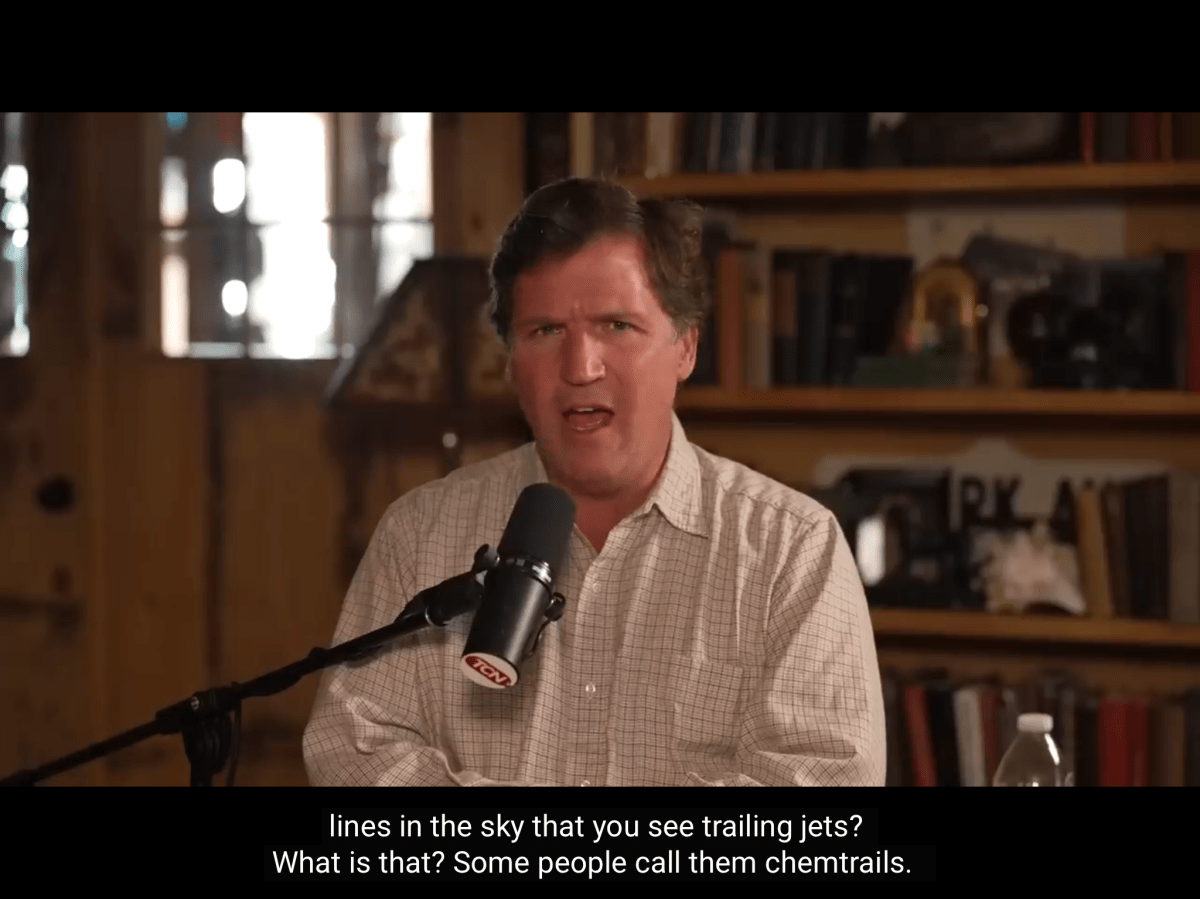
Tucker Carlson, playing the Hanged Man, captivates with his confusion as the Great Dane swoons in deep respect for the courageous media heavyweight who has somehow managed to not see any of this for . . . how long?
Dane, in feigned ignorance, he baffles,
Tucker can’t figure it out! Dane, tell us how have I missed this?!
Well I just can’t imagine how I could’ve missed two decades worth of videos and photos and beligerant plebs screaming about the weather, how did I miss it, as such a seasoned and responsible journalist?!
How long have you been in this fight, 20 years, wow, have you managed to talk to anyone of significance in the government? Gavin Newsome ignored you? WOW! Unbelievable! I mean, to be expected, right, because he’s left, right, get it?!
Blindsided! I never thought to ask about those crazy lines before, I just thought like, wow, crazy conspiracy nut jobs, but you Great Dane are so rational! I can totally see it now! WOW!
Tis the season of the Saturn lovers, and we all could use a plot twist about now anyway, am I right?!
What disgusting filth is this filling our living room?!
We were just sitting there watching TV (Clarkson’s Farm) when the light aligned to see them perfectly. I got the tablet as quickly as I could and got it on film. But what I got is a mystery to me. Smart dust?
We’d just had a surprise rain shower the day before, which made me sick. I didn’t equate it with the rain at the time, Hubby didn’t get sick, so I don’t know. But I felt exhausted and like I was getting the flu. I took a hot shower and it didn’t help. I was shivering and feverish and went to bed about 6 pm. At midnight I woke up completely recovered.
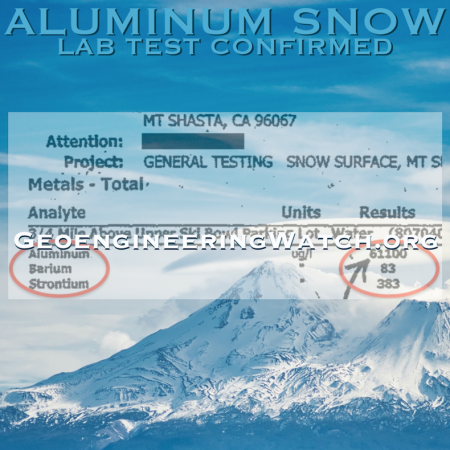
Dane Wigington (GeoengineeringWatch.org) talks often about the toxic rain, of course. He also tells listeners to do an experiment themselves: Go out at night in a very dark place and beam a strong flashlight upward and you can see the heavy metal and other particulates densely polluting the air. I’ve done this, and it’s true and disgusting. This is what we are breathing all the time and cannot escape and certainly why a good portion of the population has breathing issues and allergies and all kinds of other degenerative diseases.
At least we can still say “NO!” to the poison injections.
But how do we say “NO!” to the toxins saturating our air?!
What do y’all think, Smart dust along with geoengineering particulates tested and proven to be polluting every breath we take?
It was bad enough when the Big Box stores started bragging about all their surveillance cameras. “So much shoplifting,” they claim.
That .2% of citizens shoplift is not just the store’s problem, it’s everyone’s problem. Cameras in the airports because, terrorists. Terrorists are not the government’s problem, they are everyone’s problem. Never met one myself, not even a friend of a friend of a friend has ever been arrested for terrorism in my 50+ years on this spinning insane asylum. But, safety. Must be kept safe from the .0002% of terrorists I’ve never encountered.
No evidence cameras stop terrorism, but in they go, and the travelers abide. When I stopped abiding I was told I was, “Letting them win,” in some backwards-ass attempt at logic.
Compliance will continue to be rewarded, as Stasi smiles. Compliance will continue to come cloaked in convenience, as Stasi smiles. Convenience will become increasingly inconvenient, as Stasi smiles.
Demanding conformity while singing diversity.
From Wiki: “Stasi officers as “Chekists”. The KGB used ‘low-visibility harassment'[17] in order to control the population, and repress politically incorrect people and dissidents. This could involve causing unemployment, social isolation, and inducing mental and emotional health problems.”
Now we have cameras. Cameras everywhere and still not enough.
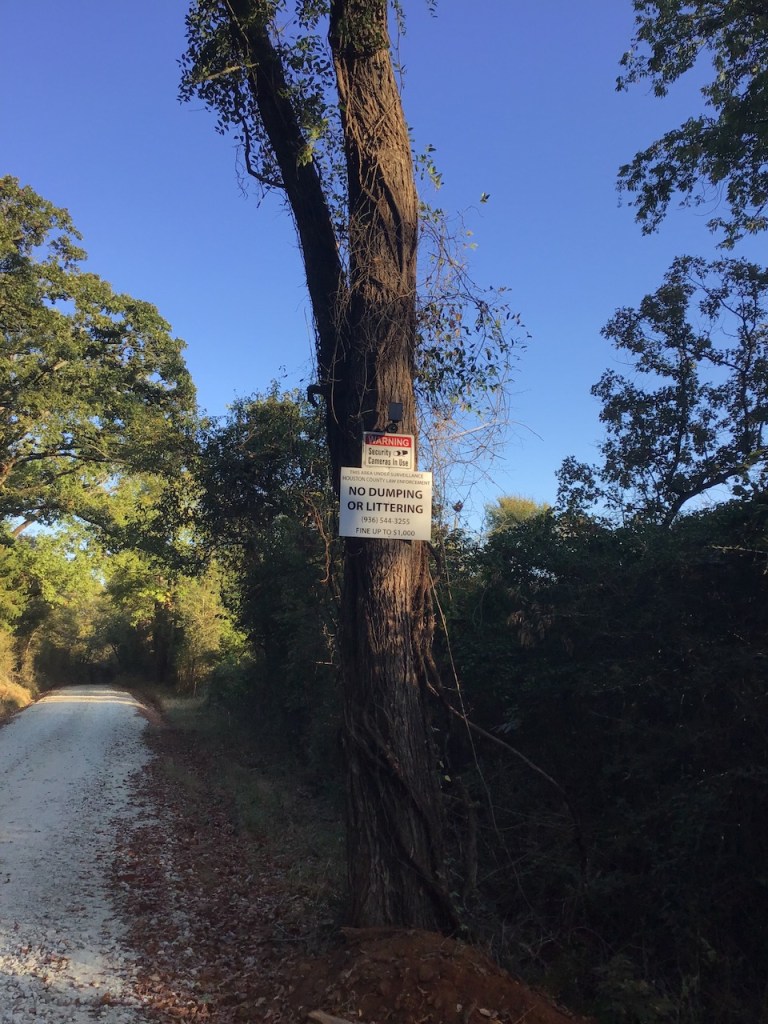
Cameras are now ubiquitous not only in airports, Big Box stores, shopping malls, grocery stores, schools, at the intersections of every city, on the gates of private homes and doorstoops–they are now attached to trees on dirt roads.
Including on our dirt road. You’ve got to be flipping kidding me! As Stasi smiles.
This is the county’s camera. We are not in Soviet Russia, we are in rural Texas. These are our neighbors demanding conformity and compliance from other neighbors, as if it is their right to watch every car coming down a public dirt road.
We’ve been here nearly 20 years and I’ve not seen any dumping happening, or evidence of it. Even if there was a dumping free-for-all I still would not volunteer to have a surveillance camera installed on the road. This is not because I condone dumping, or long for dumping to pollute my property or the road, it’s because the dumping is not happening on private properties, or if it is, it is up to that property owner to surveille his own property. Do what property owners have been doing for generations: get dogs, get guns, fence your property, get to know your neighbors, put a camera up on your own land. Solve your own problems people!
If it’s happening in the creeks, owned by the State, the answer is not to spy on every private citizen, but to make more accesible dumping grounds for the people, and incentivize they dump there, instead of into public creeks and waterways.
County surveillance is grooming the citizenry for the state, federal, global surveillance grid. It’s working. It’s happening all over the world–The digital panopticon.
It’s tedious, demoralizing and infuriating to be talking and writing about this for decades as it only gets worse.
When the going gets tough, I know where to find some inspiration and re-stoke the righteous fires of indignation.
Here’s one, calls her Substack Mellowkat, though she’s anything but mellow . . .
“Bitchute: https://www.bitchute.com/channel/mellowkat/ Grow your own food. Invest in your home & community. Stop giving money to the corporate whores & fake philanthropists. No one is coming to save you. Get up.”
She’s so insensed with the nonsense she actually tracks people down and gives them the riot act. Now there’s some good old-fashioned modeling of righteous behavior!
She’s tracked down weather modification pilots and confronted them publicly, because she loathes the chemtrails as much as I do.
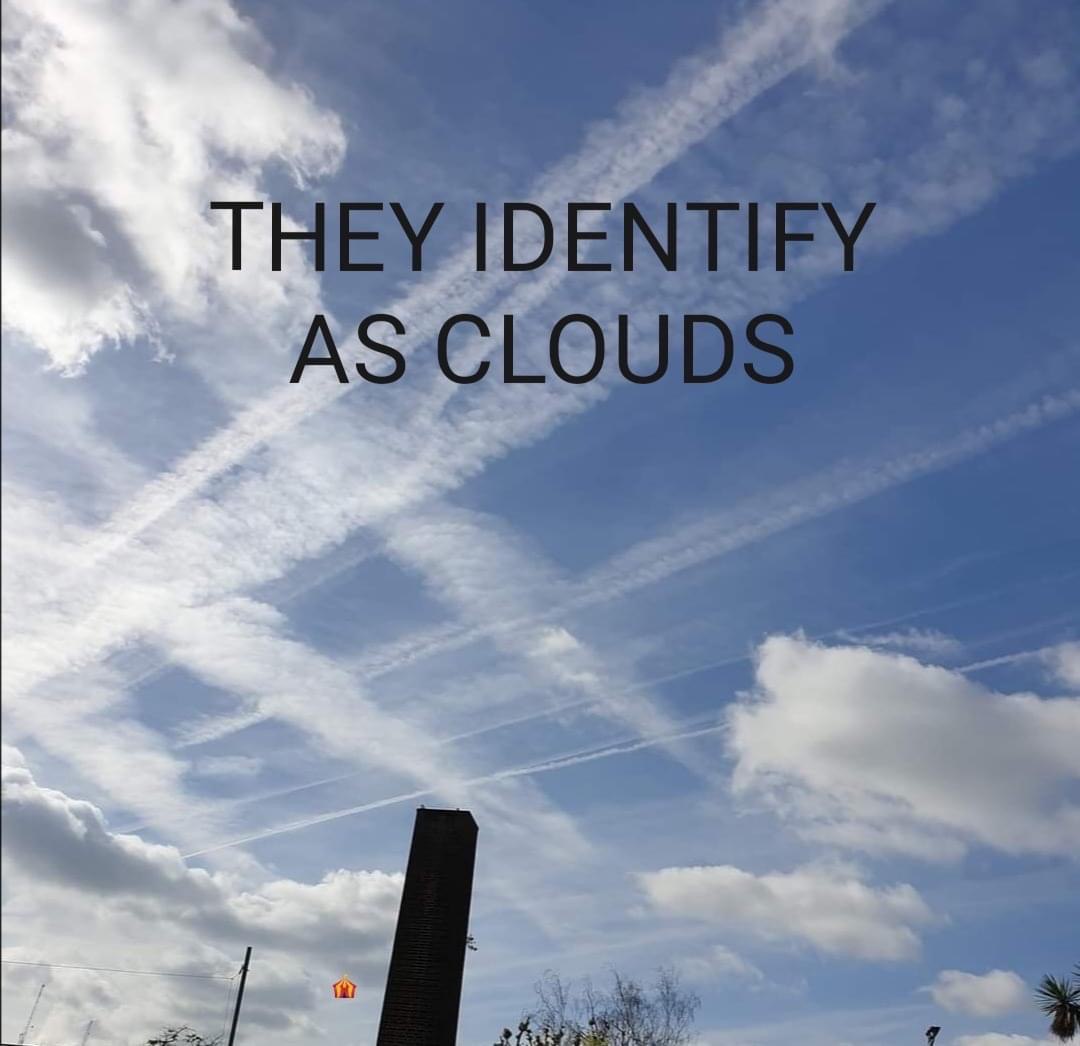
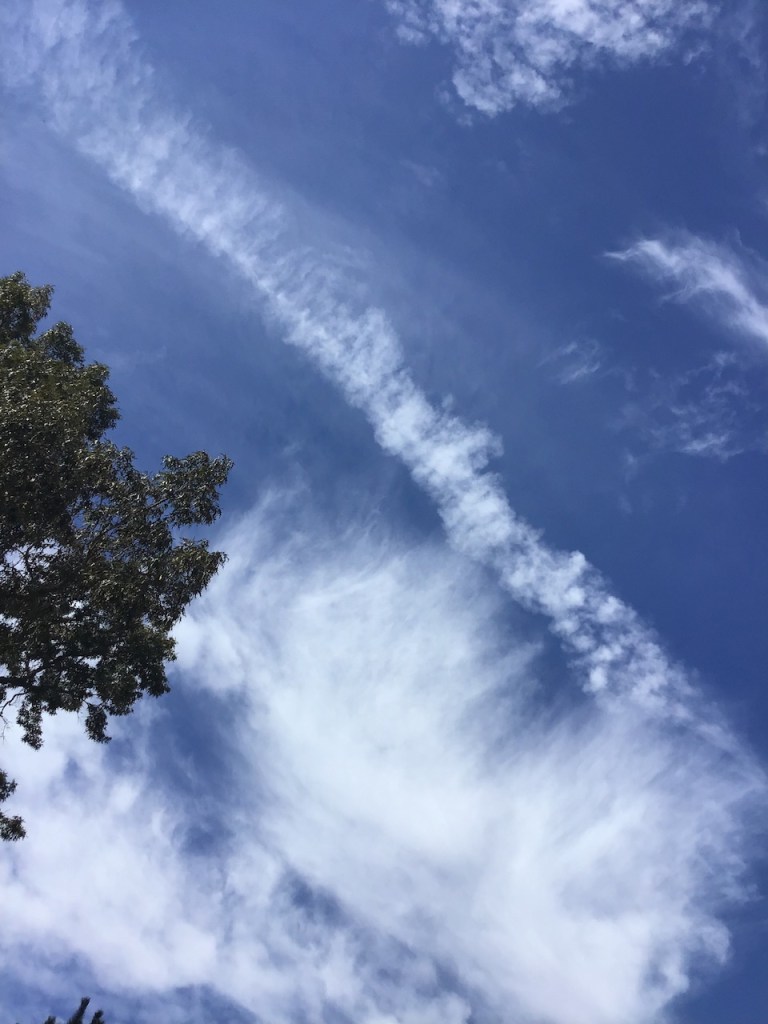
What to know what’s wrong with the weather? Look up people!
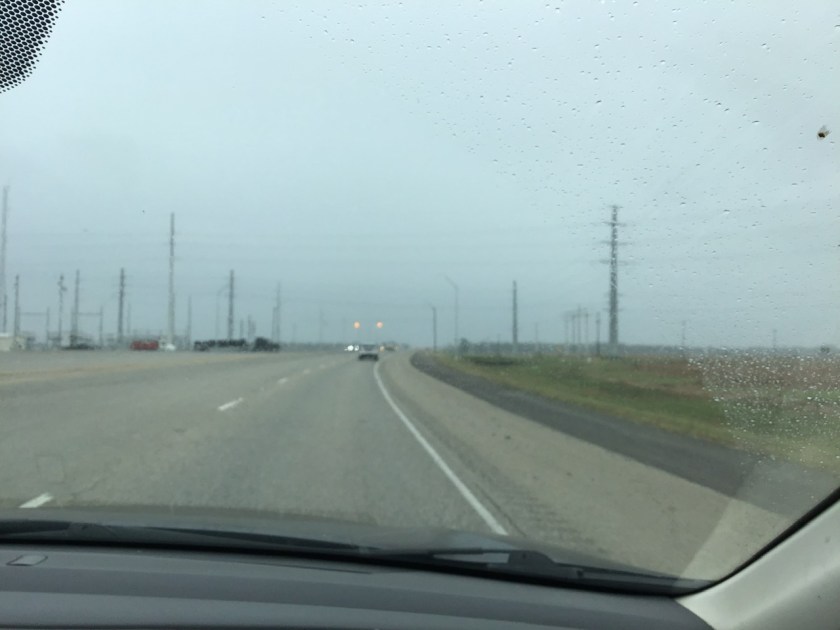
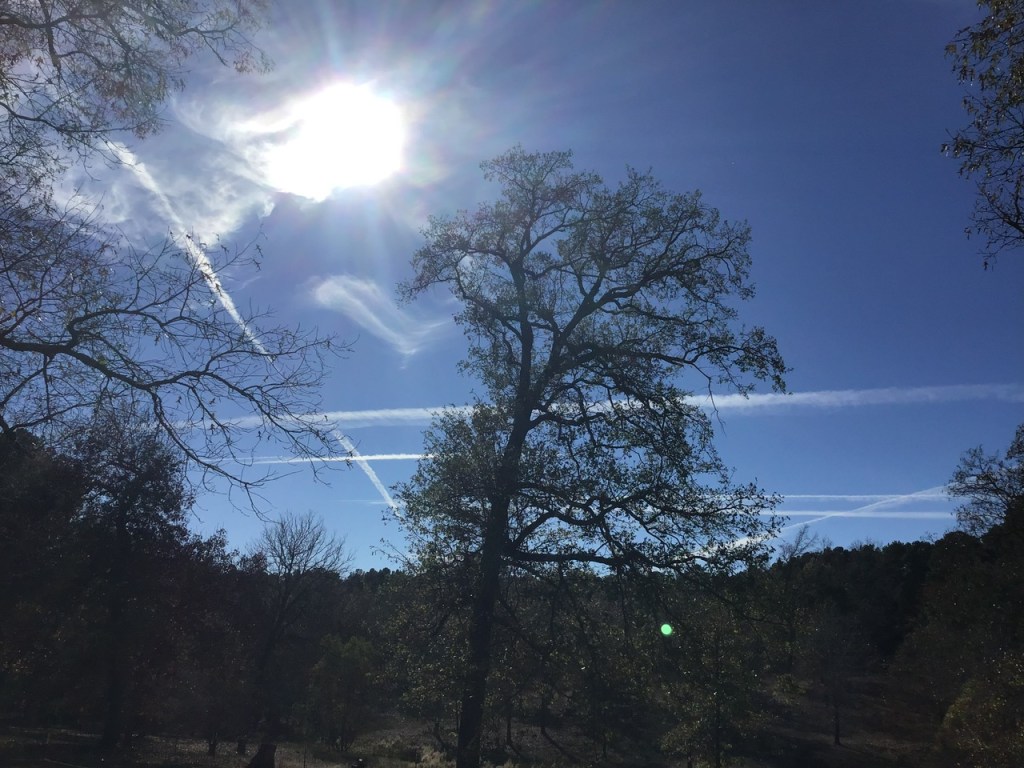
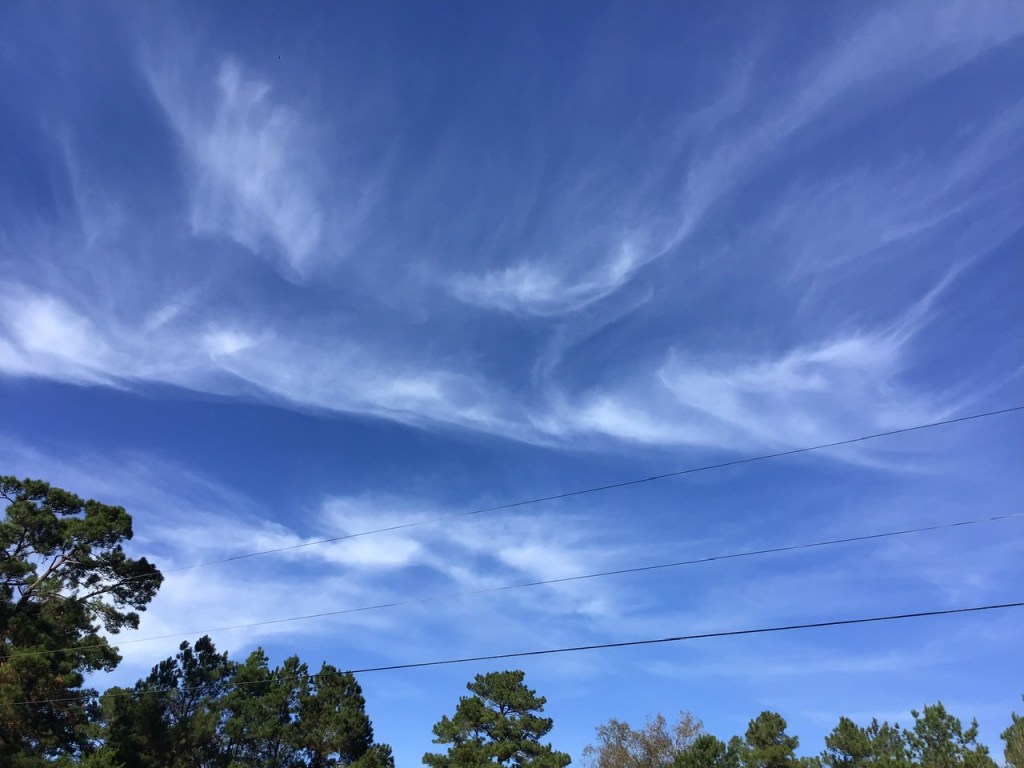
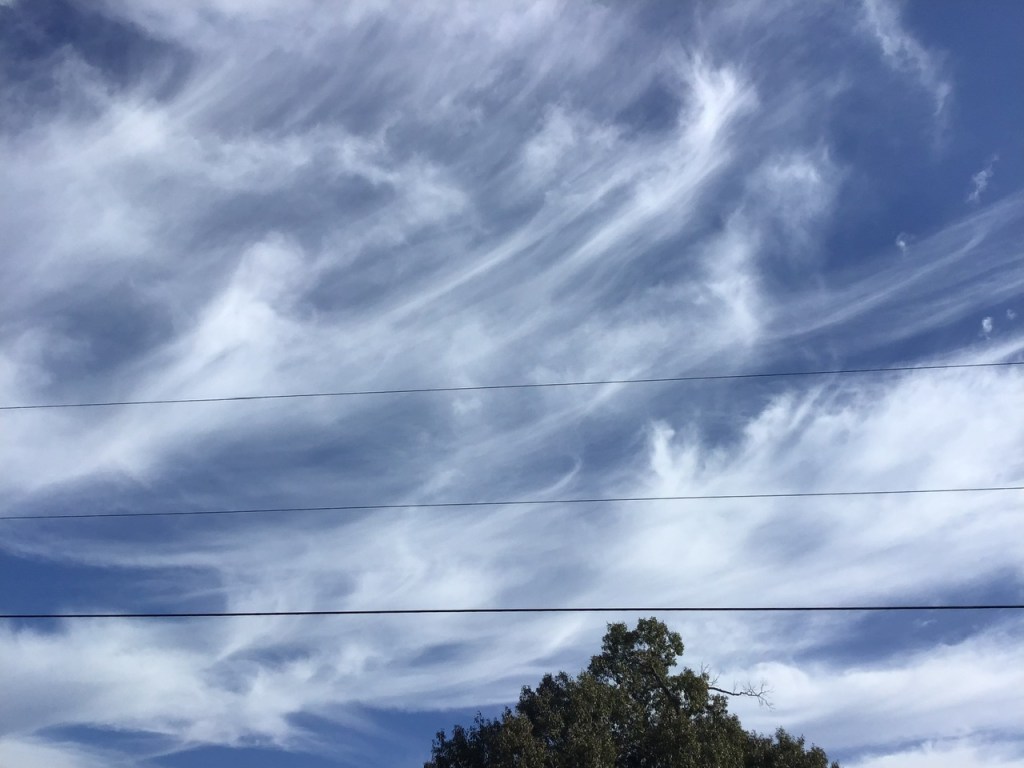
Just look at our skies yesterday, such disgusting filth, why is everyone not screaming about this?!
Well, she is screaming about it, and about the surveillance cameras everywhere.
“I spoke with our local PD about this. It turns out, it was their idea. They wanted to put some sweet grant money to use. I spoke with our local police Lt. “H.” She made sure to emphasize that this is for “our safety and your safety.” Hmm. Reminds me of 2020 when people chased me down with temp guns, called the police, and kicked me out of grocery stores for not wearing a mask. They had to keep me out for everyone’s “safety.” Folks, we’ve all come to recognize that promises like “Safe and effective,” or “it’s for your safety,” are a load of horse shit. And as you read on, I hope that if you know any naive supporters of Big Brother surveillance, you might help them finally understand how these cameras are really being used and abused around the world right now. It’s time to take a fucking stand.”
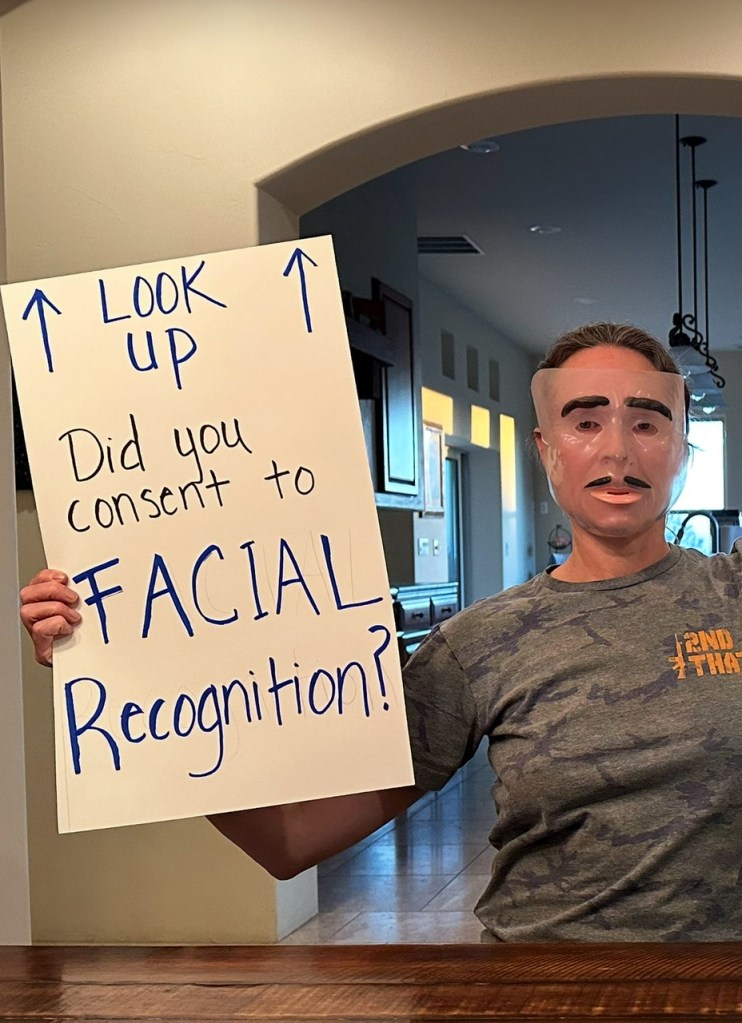
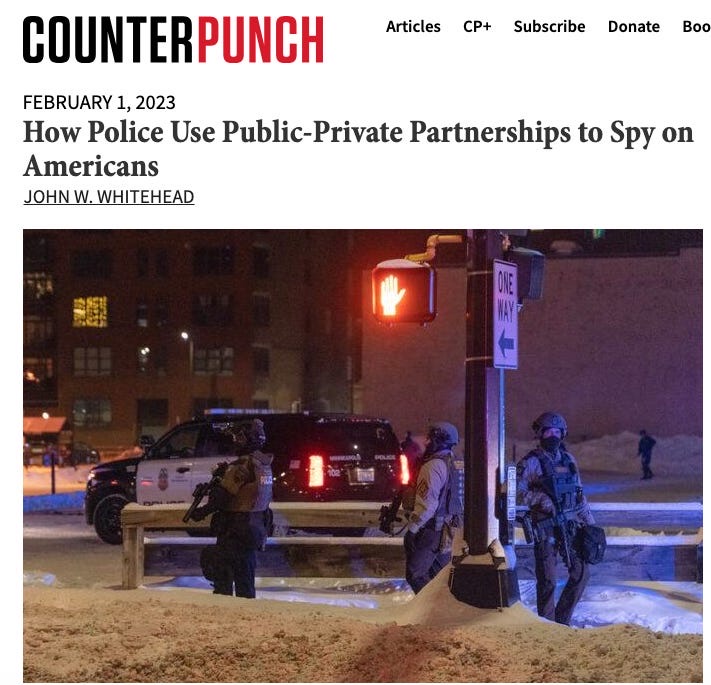
More from her latest post: “Stingray devices, facial recognition technology, body cameras, automated license plate readers, gunshot detection, predictive policing software, AI-enhanced video analytics, real-time crime centers, fusion centers: all of these technologies and surveillance programs rely on public-private partnerships that together create a sticky spiderweb from which there is no escape. As the cost of these technologies becomes more affordable for the average consumer, an effort underwritten by the tech industry and encouraged by law enforcement agencies and local governing boards, which in turn benefit from access to surveillance they don’t need to include in their budgets, big cities, small towns, urban, suburban and rural communities alike are adding themselves to the surveillance state’s interconnected grid. What this adds up to for government agencies (that is, FBI, NSA, DHS agents, etc., as well as local police) is a surveillance map that allows them to track someone’s movements over time and space, hopscotching from doorbell camera feeds and business security cameras to public cameras on utility poles, license plate readers, traffic cameras, drones, etc.”