I grew up in the suburbs; I found it really boring; I watched a lot of TV, especially cartoons.
For better or worse, a good portion of my sense of justice came from Bugs Bunny.
Which is actually a lot more healthy than what passes for justice these days, I’d say!
During that time artificial reality did not blur so readily with actual reality. Now when I watch any media I see cartoons everywhere. I see cartoons when I look at people, too. So many have created caricatures of themselves it is clear there is too little authentic left to matter in them anymore. It’s like a return to the primitive, only plastic. Surface obsessed–the inner world collapsed in order to buttress the phony outer world of a manufactured jungle.
The following I copied and/or jotted down from still more media consumption, from a writer I imagine is real, who calls himself Stylman. Interesting name. I stopped following, despite his many wise expressions, when he wrote he thought the crazy weather is being controlled by the fears of the people who believe in geoengineering. A lunatic, obviously. And yet, some prescient views nonetheless.
“And it’s a road to nowhere—a few winners, millions of casualties, and an entire generation taught that their value lies in their ability to perform rather than create, to influence rather than contribute, to be seen rather than to matter.”
Now we live in an era where TikTok influencers who dance for thirty seconds make more than teachers, nurses, or the engineers who build our bridges. We’ve moved from celebrating skill to monetizing attention, from honoring achievement to rewarding performance and exhibitionism.
The fame machine isn’t just anti-human—it’s filling the void left by our disconnection from authentic community and natural guidance, while simultaneously being the logical response to living under constant surveillance.
But this isn’t cultural drift – it’s social engineering. The same institutional forces that have systematically replaced real information, real money, and real community are now replacing authentic human development with performance for strangers. This reflects a broader pattern: we live in an era where every essential human system has been replaced with artificial substitutes designed to harvest our energy rather than nourish our souls.
We’ve built a system that teaches them to treat their lives like content. That tells them: if you’re not being seen, you’re not really here. That your private self has no value unless it’s validated by strangers. We’ve stripped away something essential—the right to exist without an audience.”
While I agree, it’s actually much worse, in my experience.
The invasion of privacy of public systems and the individuals willing to force this state on everyone have deeply influenced inter-personal relationships as well–corrupting them, disfiguring them into parallel invasions–where expectation, extraction, exploitation has become the nauseating norm, and accountability has become entirely absent.
The public and private realities mirroring each other. Recently when I was visiting a dear friend who is Uber-Tech-Attached I had a Truman Show Moment, where she was gushing over her new air-fryer and I got the uncomfortable and uncanny sense I was unvoluntarily in an infomercial.
It’s a very creepy feeling I knew she would not understand.
Folks are faking their way through life, and this will have continued disastrous consequences.
The invasions will continue, until the trespasses are rejected and honor is restored to privacy and to nature.
The dangers of such a system, where access is assumed–access to your private spaces, your private thoughts, from your micro-expressions to your quotidian habits–is a culture of mutual parasitism, not even close to mutual understanding. This is not a culture more connected, it’s a culture more devolved. Incapable of boundaries, non-chalant around respect and autonomy, mocking of custom and structure, collapsing into a decaying emptiness. The nothingness of perpetually dissolving illusions, like the garish carricatures of a cartoonish, substanceless life.
A life perpetually romanticising illusion.
Even as its entire life support system slips away.
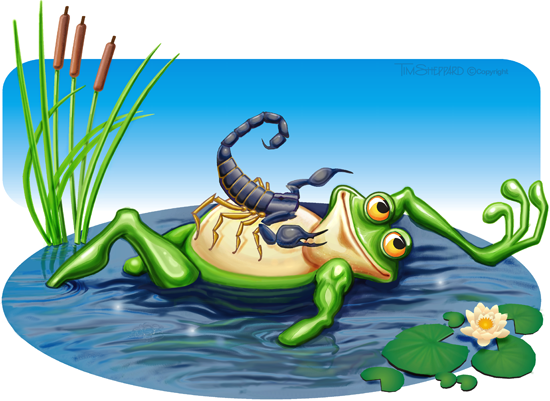
I attract scorpions, I always have. It’s my sweet blood, I’m sure, I can be very irrestistible when I want.
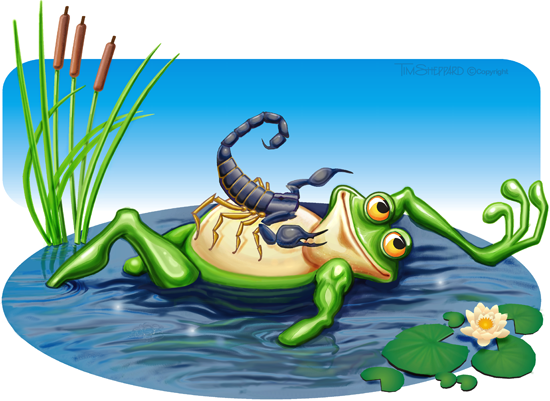
There are a lot of us. You can imagine us as the frogs. Some of us let their hearts and wallets bleed out dry for stray cats, which then makes them act nasty toward fellow frogs. Others turn their skin to poison for protection, which doesn’t really work all that well, because it gets some scorpions really high.
And still others migrate to Florida, where they freeze in manufactured ice storms.
Scorpions on frogs has been a pretty common theme for a while. It’s so common in fact that a new language is being crafted as I live and breath, right now, in this very cyberworld, also manufactured by man, like the Florida ice storms.
In scorpion-speak, everything was working just fine until the frogs started complaining.
But, the message in the bottle is that there are far more frogs than scorpions and the messengers are dropping many truths right into our very laps all about them. All kinds of clandestine information is flowing, on how to uncover them, how to trap them, how to recognize the master scorpions and even how ship them off to a land far, far away.
It’s a very exciting time! It’s becoming fashionable even! Soon the frogs will be free from scorpion influence! Maybe even forever!!
I do tend to get too enthusiastic and hopeful, but the thing is, I really think it’s working this time. I think it might even be coordinated. But, you know, they call me a conspiracy theorist.
This time they’ve given us the words. The words are the map to the behavior. The behavior is the path to extermination. From what I’ve been able to work out so far, it’s a lot like used-car sales with them.
First, they get their foot in the door. Then, they try to sell you a lemon.
“Foot-in-the-door technique is a compliance tactic that aims at getting a person to agree to a large request by having them agree to a modest request first. This technique works by creating a connection between the person asking for a request and the person that is being asked. If a smaller request is granted, then the person who is agreeing feels like they are obligated to keep agreeing to larger requests to stay consistent with the original decision of agreeing.”
If you buy it, their quick onto your back, for as long as they feel like free-riding. They’ll expect you to cart them around everywhere without ever learning to paddle for themselves. They’ll expect to suck your life’s energy while you’re paddling them around, cooking for them, cleaning for them, while simultaneously entertaining them. When you complain you’re too drained and exhausted, they’ll snap at you that you are weak and that you should really try harder. Their drive matters far more than your fatigue.
Once they’ve got their claws in you, you’ll wish you were the frog freezing to death in Florida. They have all kinds of tricks, let me tell you!
If you try to pry them off your back once attached, here’s what you should expect to hear. They are, in fact, the true victims! They will actually try to persuade you this is true, even if they have to shapeshift before your very eyes, distort words just spoken, and throw you under the bus, all at the same time.
Indeed, Frog, why have you been so dissappointing a carrier? Why are you so cruel and malintentioned that your energy and vitality are not infinitely enduring? Why are you holding back?
You said you wanted me to be comfortable, Frog, and I am no longer, so fix it! I want more!
And you see I’m not capable of crossing the river by myself, it’s so obvious, what are you, some kind of a dumbass? I suppose you’d be fine if I just drowned. You’re just mean, that’s it. You pretend to be kind and caring, but you don’t care, you’ll just leave me by the side of the river while you go off with your other frog friends.
I know plenty of other frogs who will help me, you know. Not that I need help, of course. Just with this one little thing about getting across the river. And you won’t even do that. But, another will. They always do. You’ll see.
I don’t know, Scorpion, the frogs, well, they’re catching on to your tricks. They’re starting to collectively block you. That can’t be fun! The young scorpions, they’re getting more and more lazy and entitled, while the young frogs are getting wiser and craftier. I don’t know, but it doesn’t seem to be looking too good for your kind anymore.
One fellow frog has even started selling deep-fried scorpion chips, and I tasted one, and wow, are they tasty!
“Anarchism is not a romantic fable but the hardheaded realization, based on five thousand years of experience, that we cannot entrust the management of our lives to kings, priests, politicians, generals, and county commissioners.”
~ Edward Abbey
What Anarchy Is:
I tire of constantly having to explain what anarchy is and what it is not. I tire of having to explain our language to those who seem never to have the time or inclination to study and learn it on their own, and without prejudice. Words mean things, and cannot be arbitrarily changed, or altered to suit a mood, an agenda, or be used improperly in order to create out of thin air, a State or political narrative, or to advance any particular agenda. To begin my comments, I will clarify that the word anarchy simply means no rule – no rulers, and therefore, no master or government; period.
If one is to go to most any modern dictionary, or look at dictionary synonyms, the list is common. The synonyms used to describe anarchy are: chaos, confusion, disorder, lawlessness, nihilism, rebellion, riot, turmoil, disorganization, insurrection, mutiny, revolution, tumult, mobocracy, mob rule, non-government, reign of terror, and unrest. Only one of these terms is correct; all the others are false, and have been intentionally manufactured to change the true meaning of anarchy. Non-government (no government) is the only correct synonym used, but all other descriptions are what most any would not only find if searching for the meaning of anarchy, but what they would also believe. Of course, few would search out the true meaning by going to the Greek root system of our language, and of course, that is by design as well. Why else do ‘public’ (government controlled ) schools (government indoctrination training centers) exist?
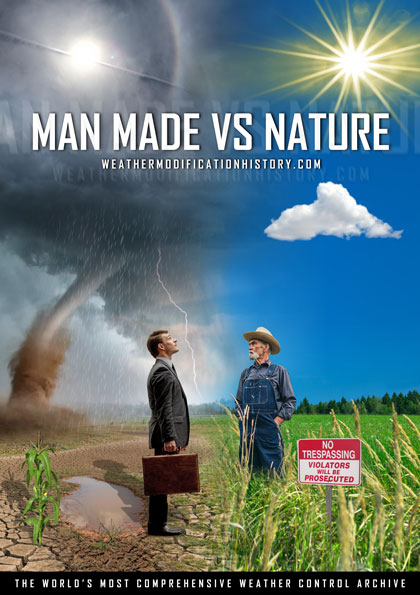
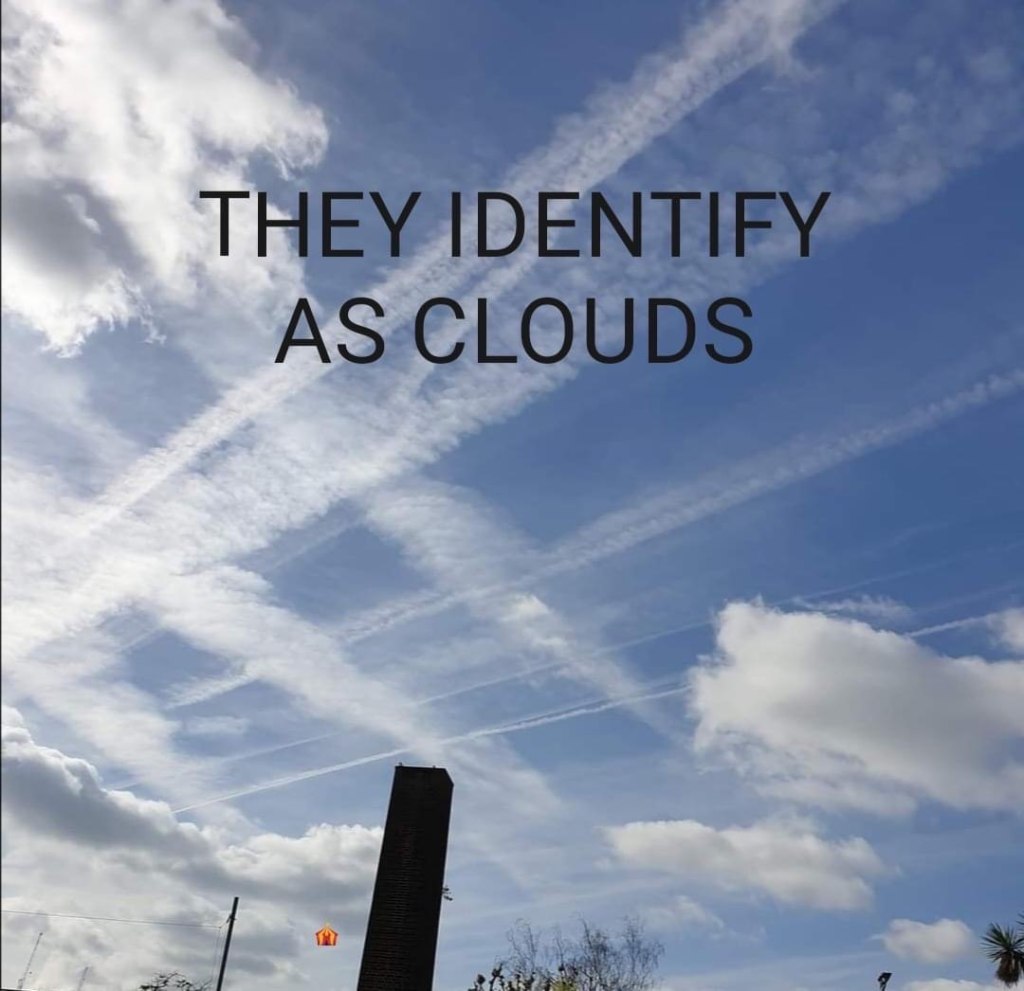
The refreshing article coincided with an ‘interesting’ new documentary on my long-time favorite conspiracy theory–the weather.
Climate Trails, which can be streamed for the price of a Starbuck’s latte, on Amazon.
What got me to find this latest gem is that I was curious and went looking for the first ‘chemtrail’ whistleblower I’d found, round about 2014. She had been threatened and forced out of the Air Force in 2010 and I’d been really moved by her story.
USAF Environmental Specialist and Air Force ‘chemtrail’ whistleblower interviewed in 2014, threatened and forced out in 2010.
Kristen Meghan
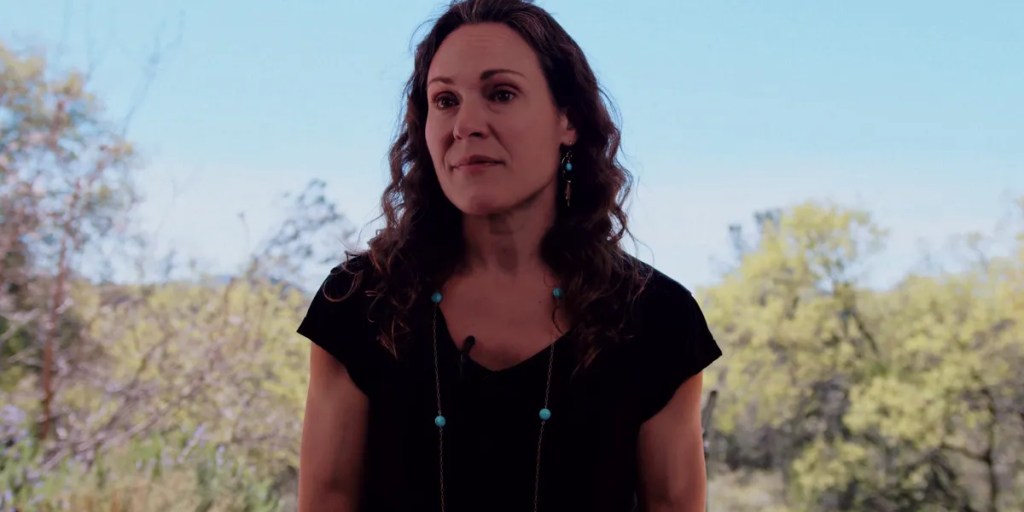
It also includes the courageous activist, Kathryn Saari, who I wrote about a year or so ago, called MellowKat on her Substack.
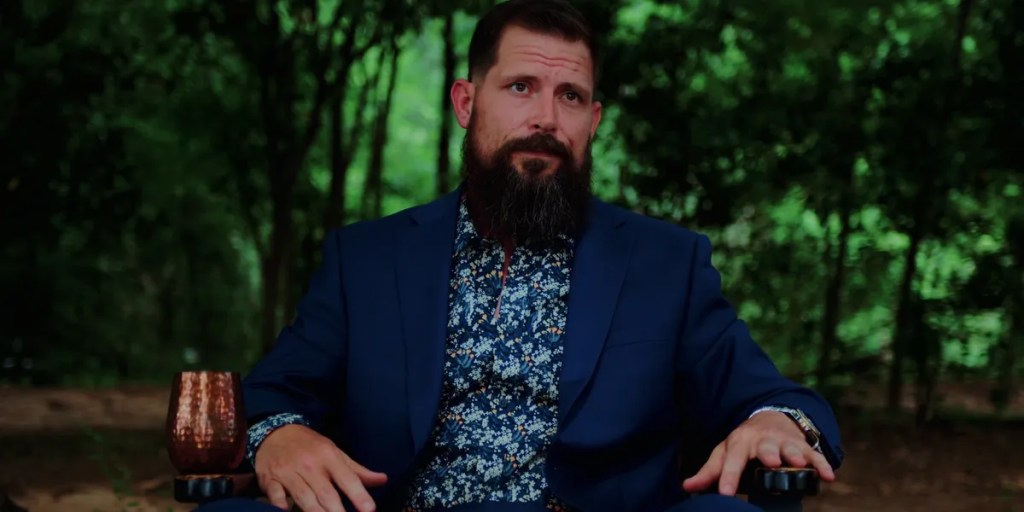
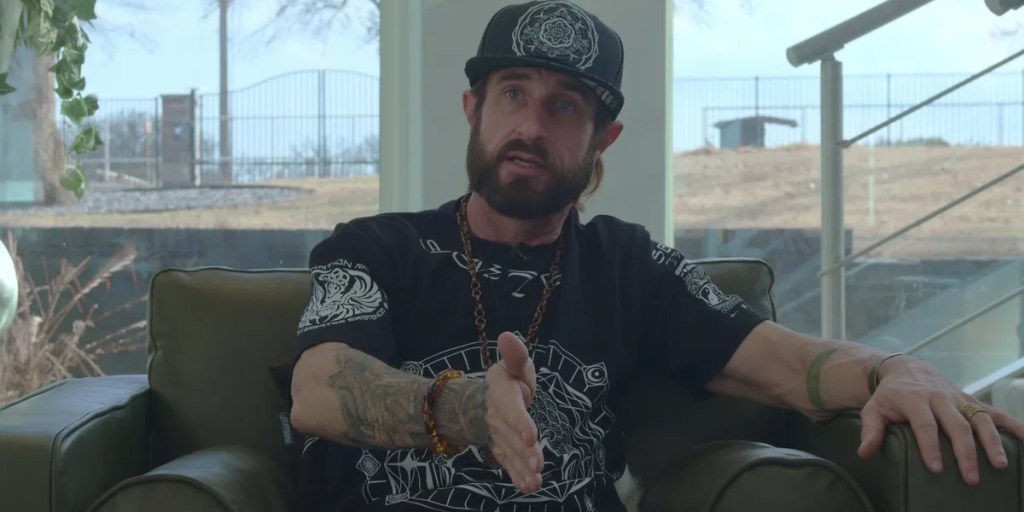
A very ‘interesting’ documentary, and by that I mean curious. Perhaps meant to create cognitive dissonance by simultaneous clips of a cursing Anarchist with a well-meaning Kentucky politician, both trying to address the geoengineered atmosphere. Perhaps with the ultimate ‘come together against this evil’ intention.
Of course we all already know the UK admitd it’s going to dim the sun, and Bill Gates can’t wait to make more billions poisoning more populations in more ways.
I learned that 32 states now have some legislation in the works against weather modification/geoengineering and while I have said in the past this is pointless, the states have zero jurisdiction over this level of operations, I think I was underestimating the overall strategy, perhaps being that I’ve always been a big hater of games.
It is raising awareness. It’s not that I’m not thrilled for that, I absolutely am!
My concern though is, by raising awareness, are we raising more folks who really care about the environment and want to stop these persecutions of the natural world? Or, are we just creating more markets for the great many who choose to profit off our serious problems?
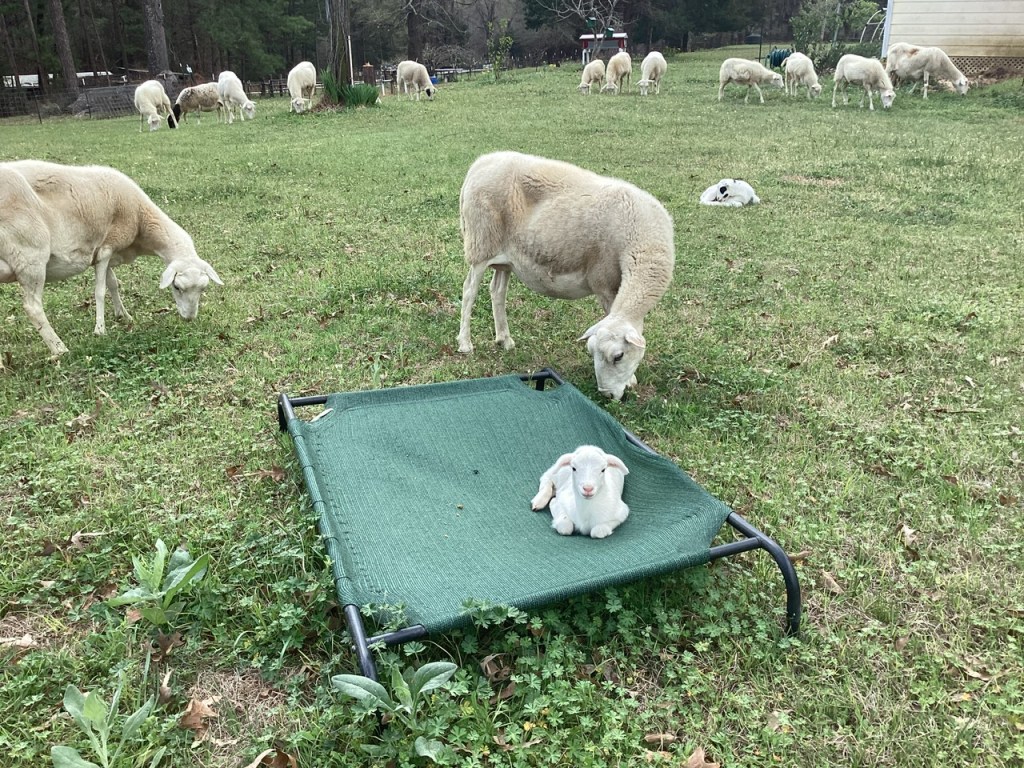
Such a synchronistic interview popped into my feeds, which I just have to share. Not only is our wee homestead full of young blood sucking down mamas’ milk, but I’m also teaching another cheesemaking workshop this week.
So, milk is big on my mind, nothing unusual there.
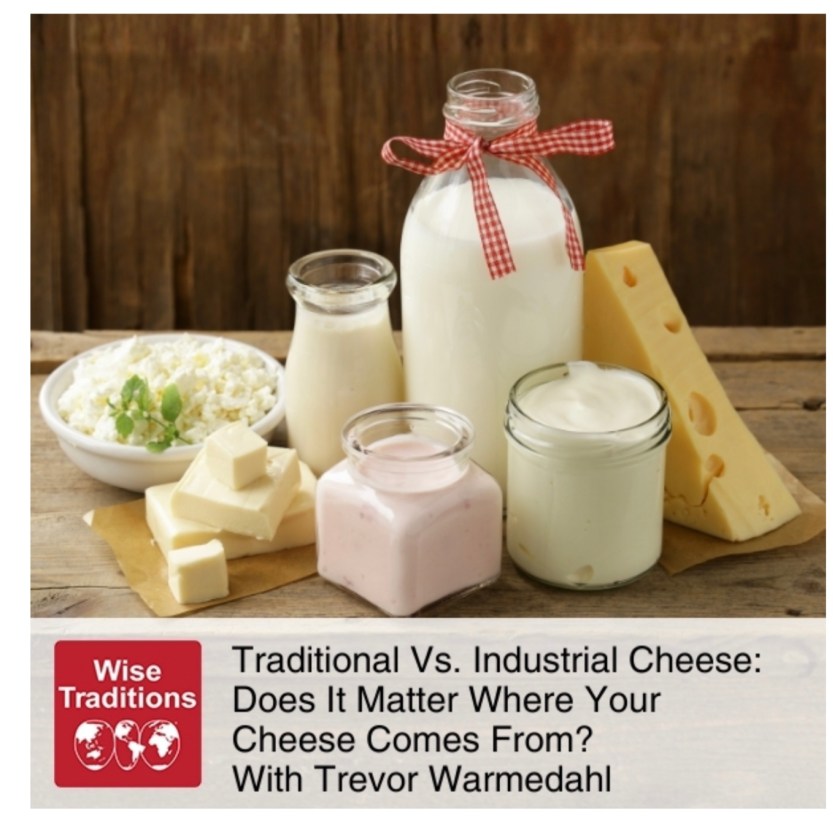
This interview from Weston A. Price is priceless! It really is such an awesome feeling for me when a new and powerful voice comes on the scene repeating what I sincerely believe and what we have been diligently cultivating on the wee homestead. We are losing too much of great value in our blind rush toward ‘progress’. We’ve got to work harder to keep hold of our wise traditions, or they will be lost forever.
Clearly this issue is getting lots more attention lately, but it has been on the radar of many cheese-lovers since the 90s, including yours truly, because I was so peeved to have to give up cheese, because I was suddenly ‘lactose-intolerant’, like loads of other people. But at that time it was only in the U.S. I couldn’t eat breat or cheese, not in Europe.
Today in Europe they have also been inundated with ‘vegetarian’ rennet and glyphosate and other chemical industrial products and processes, and when it comes to cheese, the vast majority are not labeled as such. I got suspicious, started asking a lot of uncomfortable questions, and found out A LOT about GMOs and our body’s reaction to them.
The interview summary and link for anyone interested in some fantastic cheese talk (he even talks about the maggot-ripened cheeses I’ve mentioned quite a few times on this blog!)
Traditional cheesemakers respect the process of cheesemaking. They honor the environment, the animal, its milk and traditional techniques – all of which lead to delicious, nutritious cheese. Industrial cheesemaking, in stark contrast, emphasizes sterile conditions, uniformity, and artificial inputs (including GMO-derived rennet). The cheese that results from the conventional approach is consistent… but misses a lot in terms of flavor profile and nutrients.
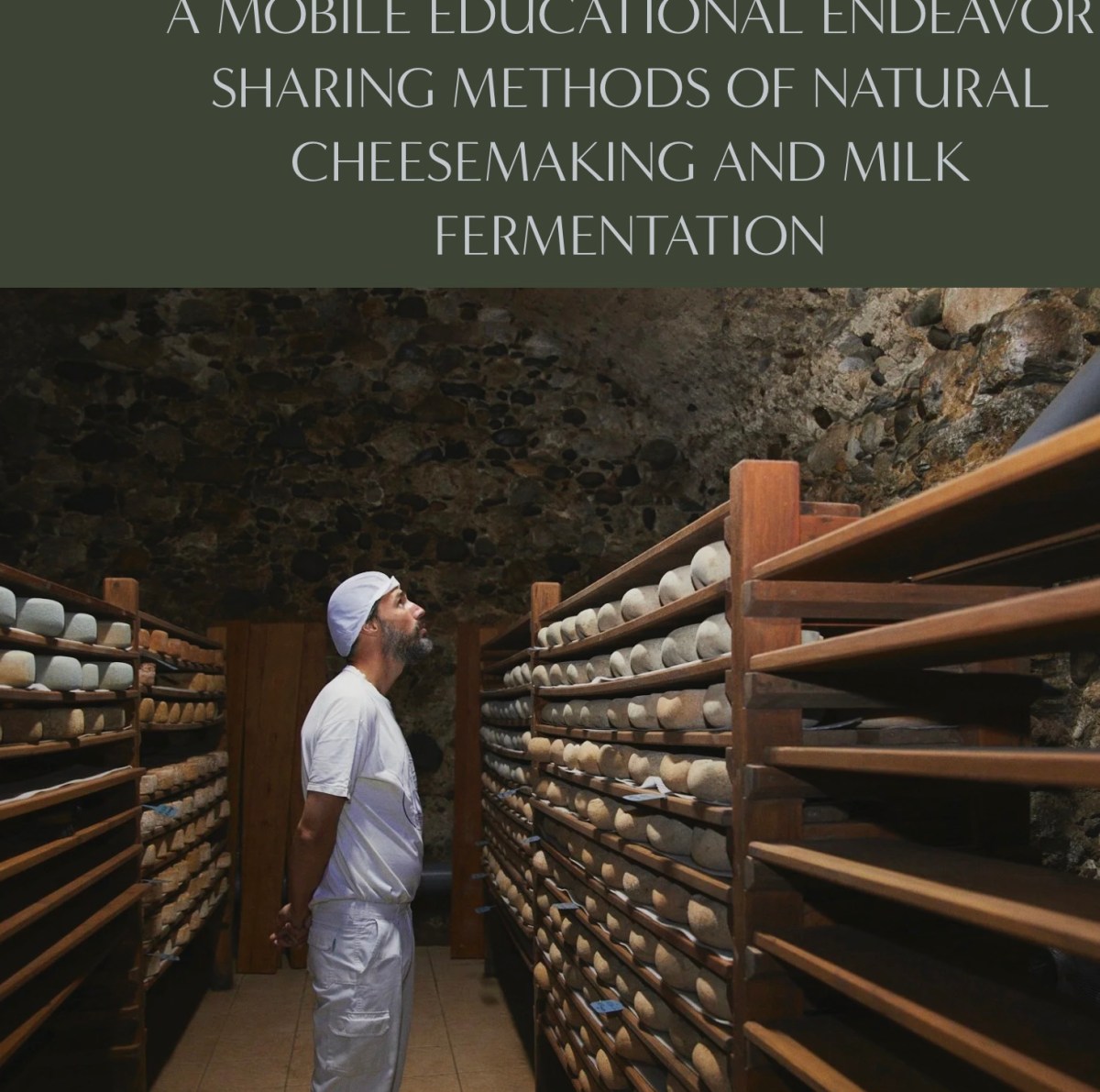
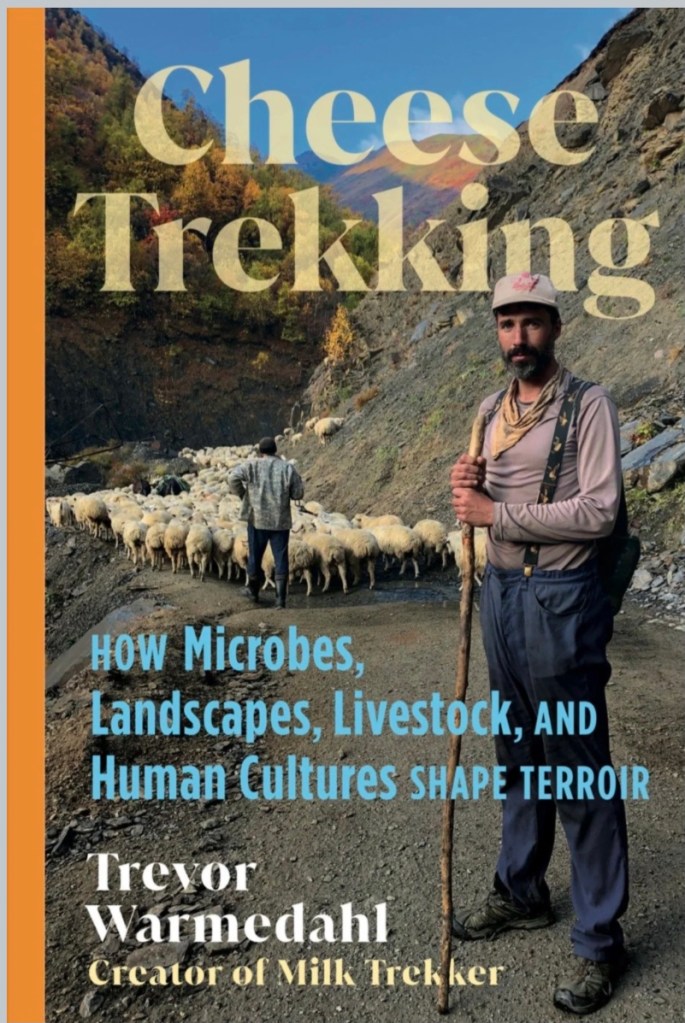
Trevor Warmedahl is a cheesemaker, fermentation educator and the author of Cheese Trekking. Today, he takes us on a cheese adventure, as we gain insight on traditional, artisanal cheesemaking. He gives us pause about what is in our fridge and where it comes from.
Trevor has trekked all over the world, working alongside artisanal cheesemakers, so he understands and shares the importance of working with (instead of against) microbes and nature. He describes cheeses you may have never heard of, along with unique approaches to making them. Trevor also helps us take stock of what has been lost in our modern approach to cheesemaking.
When I first started watching alternative history Youtube channels I was skeptical, and I still am. I want the truth, not more redirection. Not more fantasy. Not more illusion. Not more heavily curated or mediocre nonsense.
So far, I don’t sense I’ve found it, but I’ve become ok with never finding it. I’ve resigned myself to what’s as close to the truth as I’ll be able to manage to get to in this lifetime, which is: I’ll never know the truth, but I may be able to manage truth-adjacent with enough study and discernment. I can confidently opt-out of the lie, permanently. That’s a big improvement to the path of blind acceptance I was, and most are, still on.
The first step toward truth was achieved pretty easily, it began with calling bluffs. As long as I don’t allow it to frustrate me, which isn’t exactly easy, this alone feels pretty empowering. For me, as usual, I had to experience it directly, no Youtube influencers, no professors, no self-styled experts can convince me, not without applying my own eyes and ears and reason.
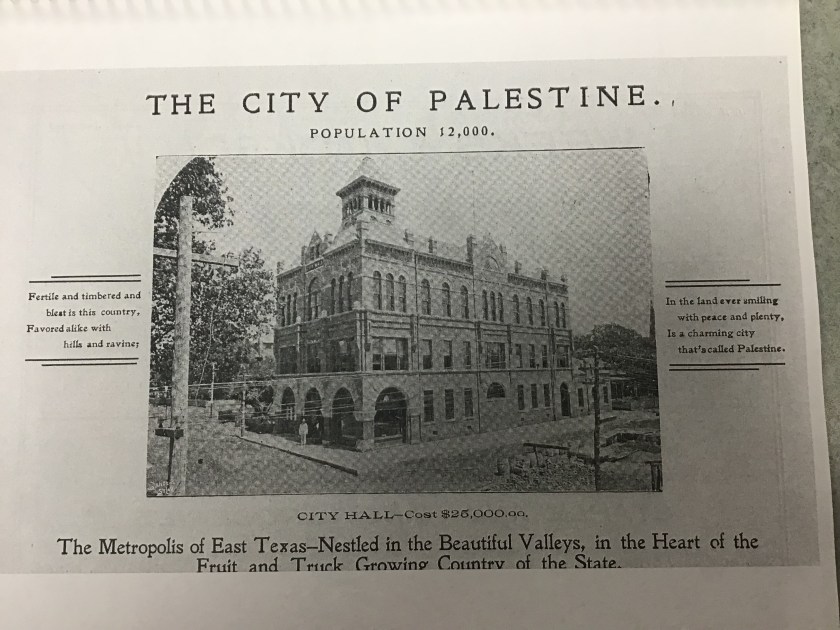
I looked to the architecture because that’s what’s visible, and only then to the official history, because that’s what’s accepted as truth. I started in my own neighborhood, that is, the small city closest to us, called Palestine. It’s actually easier I think to consider the small city, rather than the large ones, because there’s been less tampering more likely, more holes in the narratives that can be more easily noticed by the novice.
The well-maintained Redlands Hotel today.
Like, the story of the popular Redlands Hotel, where I sometimes go for lunch on my rare trips to town. It’s a lovely old building that they’ve done a relatively decent job of keeping up, especially considering the condition of the vast majority of the downtown area.
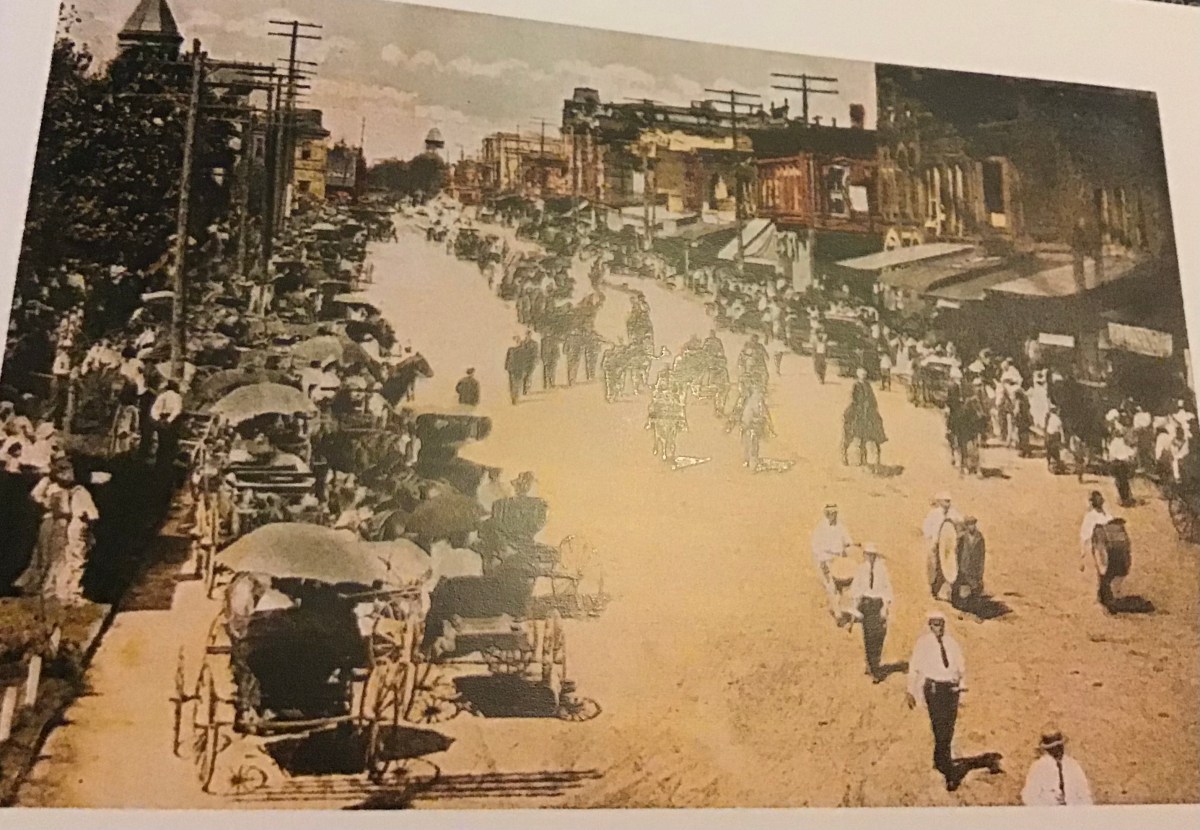
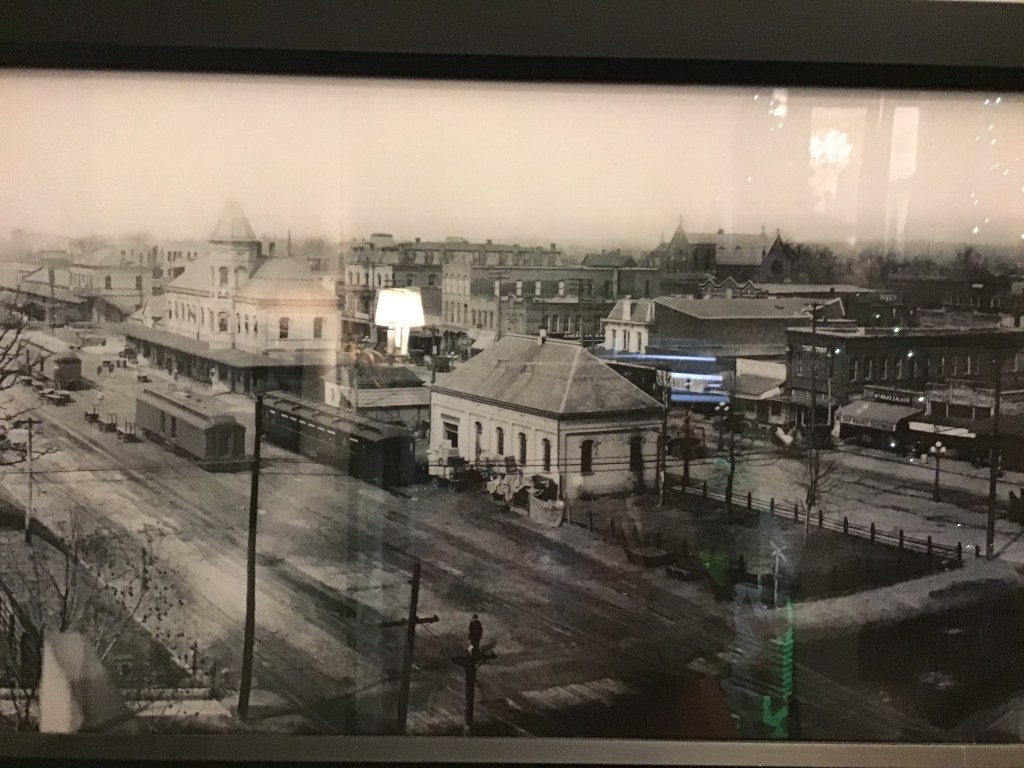
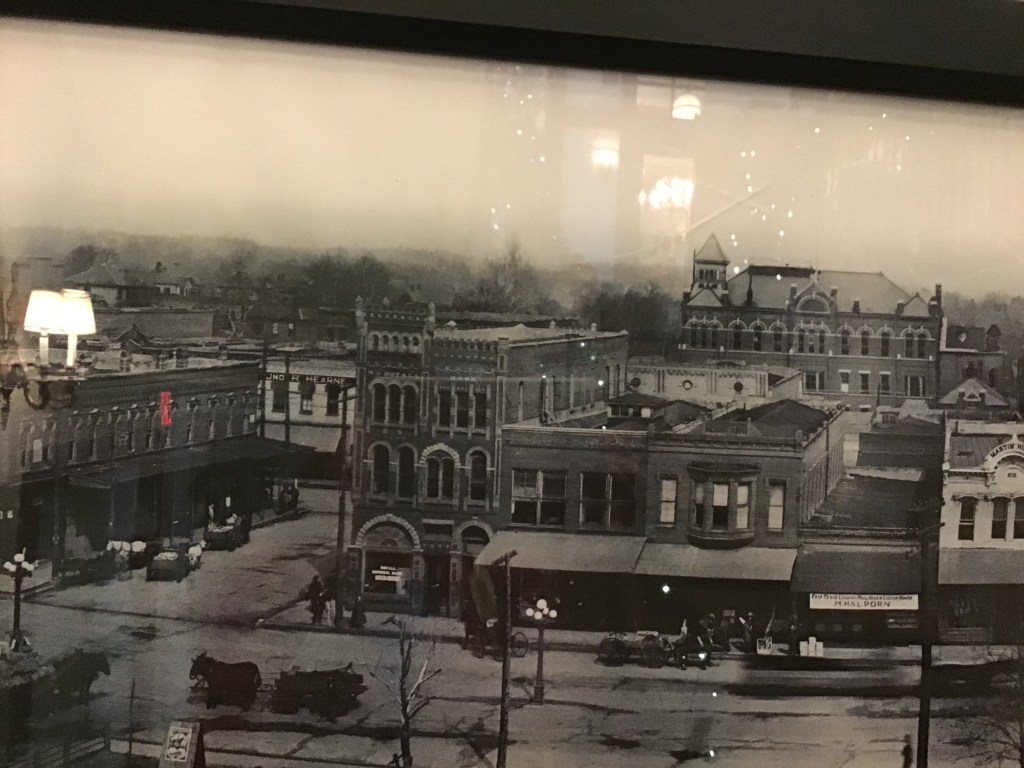
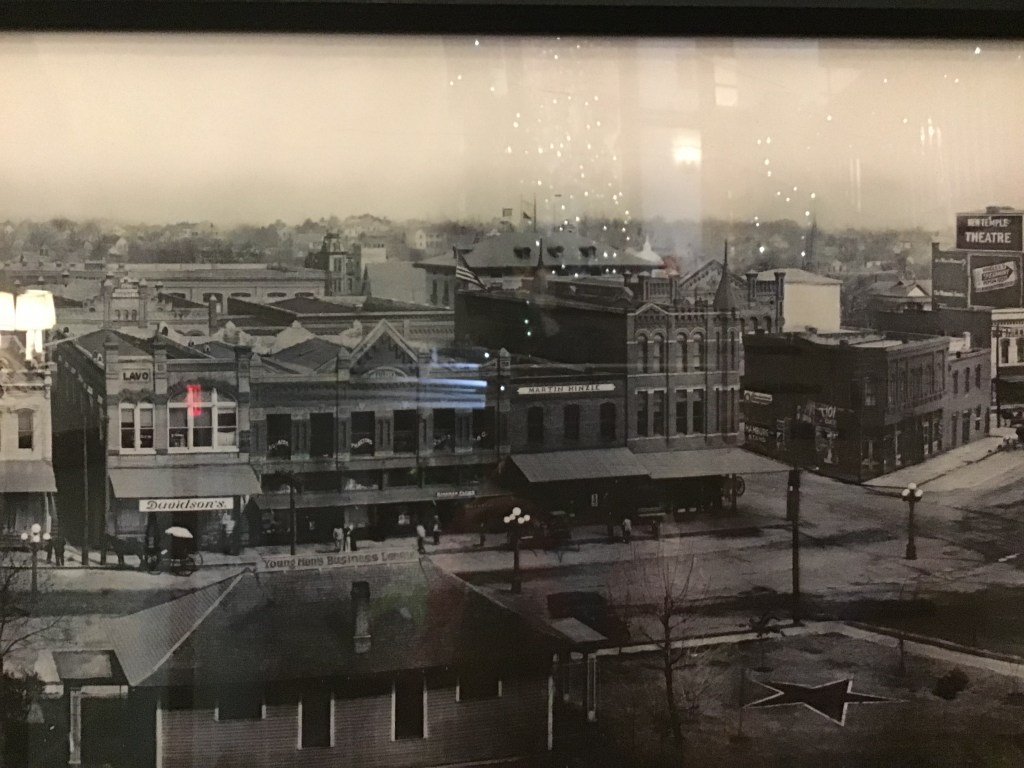
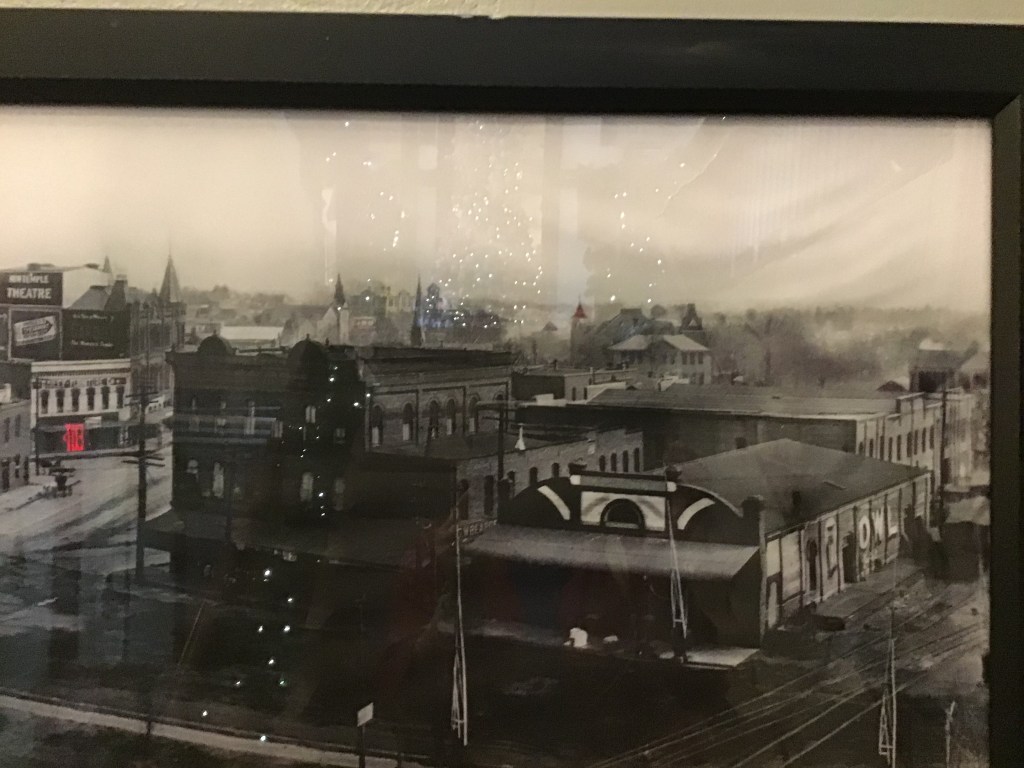
Interestingly, they have a panaramic photo of the early years of the city on display. As you follow the railroad tracks from left to right in the photo, you end up at graffitti painted on the side of a building. That is, the word OWL.
That’s my cue to start calling bluffs.
The owners of this hotel are deep into the official history, which is superficially helpful. As it goes, in 1914 when stockholders rushed to build the brown brick building, it was oxen that delivered the sand for the concrete. That is, sand from the Trinity River, 30 miles away. Are you kidding me?! That’s a pretty big bluff.
And even with that serious transport challenge, on supposed dirt roads, they managed to complete the five story building in a year. Apparently dirt roads weren’t effected back then by rain or snow, neither were the human builders, or the oxen. Amazing.
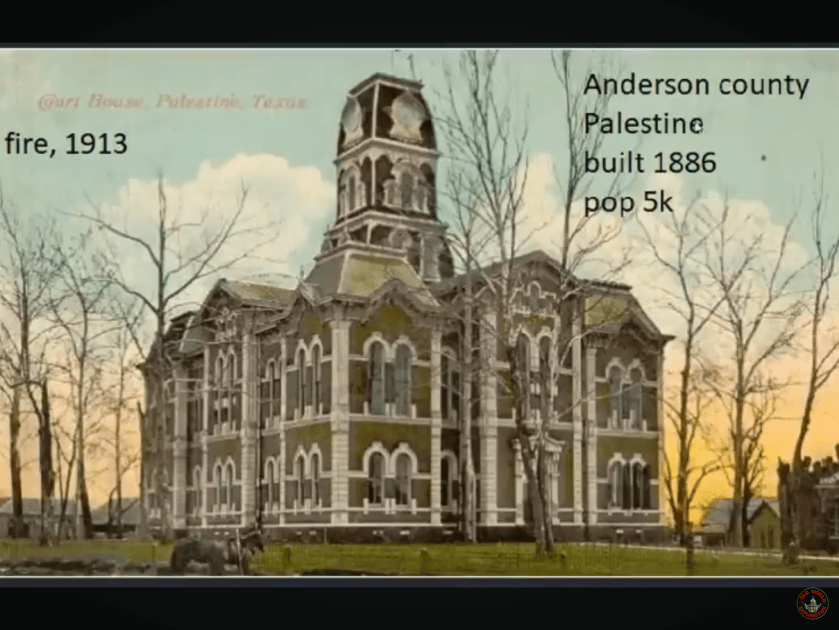
Even more amazing was that another striking building was going up on the other side of town, that is, the County Court House. The two structures apparently shared Italian artisans who installed hexagon tile to both buildings.
The original burned court house, depending on which source cited. Another source states the original courthouse was a small building made of wood.
“Considered one of the most modern constructions of its era, and built to withstand the challenges of time, its walls are made of concrete, masonry blocks, sheetrock, and metal studs—evident in the structure today.”
My those were some busy boys and oxen!
In fact, with just a bit of digging, we learn there was in fact another town at the Trinity River junction where the cherished sand came from, now missing from both the land and the history books. But, there remains one hand-drawn map available in the archives, Magnolia was the town’s name, and it was apparently so bustling with commerce and activity according to one source that they called it the ‘St. Louis of the South”.
One of the many demolished structures of the non-existent town once called Magnolia, according to the official history.
“Magnolia was established in the early 1840s as a Trinity River cotton port and was named for a large magnolia tree in the center of the townsite. Magnolia had a post office from 1851 to 1871. William A. Haygood was one of the principal property owners in the community and operated cotton gins, a hotel, a livery stable, a general store, a blacksmith shop, and a local ferry. Among other businesses in the community were a drugstore and John McClannahan and son’s warehouse. Magnolia was reported to have a population of 800 at its peak around 1863, when the town had thirty-three blocks of residences and businesses. Most shipments from the port went to Galveston, but on May 5, 1868, a steamboat traveled up the Trinity to Dallas. After it was bypassed by the International and Great Northern Railroad in the 1870s, Magnolia declined rapidly. By the 1930s it was no longer shown on the county highway map, though its name was preserved in that of the two schools that stood on the site of the former town. In 1932 the Magnolia school for whites had an enrollment of forty-three and the Magnolia school for blacks, thirty-four. A 1982 map showed only the Magnolia Cemetery at the townsite.” Magnolia, Texas
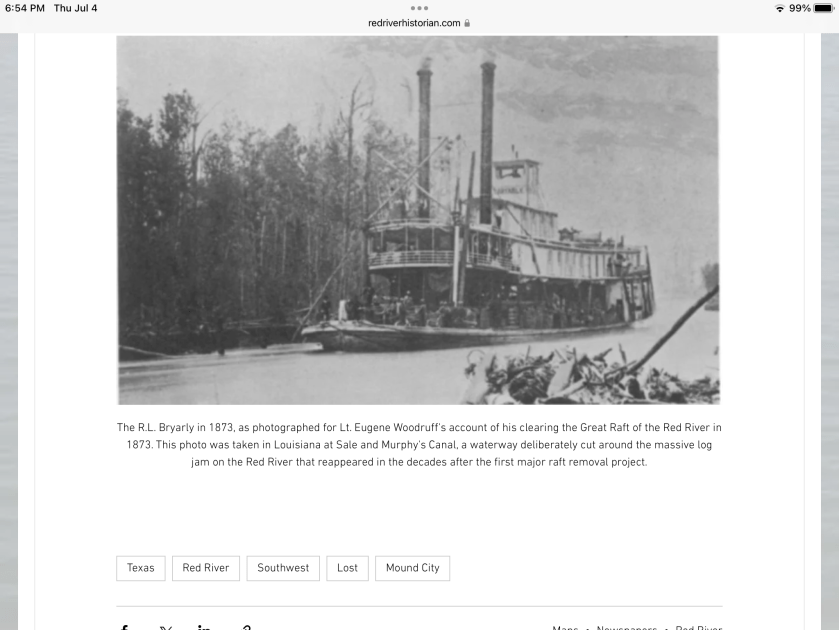
This is the sort of vessel which would have been traveling the Trinity River through Magnolia.
Nothing remains of this supposed river hub besides the hand-drawn map of the area where it was supposed to have been, where is now located some simple family houses, an intersection and the cemetery. I couldn’t even locate the river, or the supposed subsequent railroad.
Several other beautiful structures were also said to have been destroyed in this small city of Palestine not long after they were constructed.
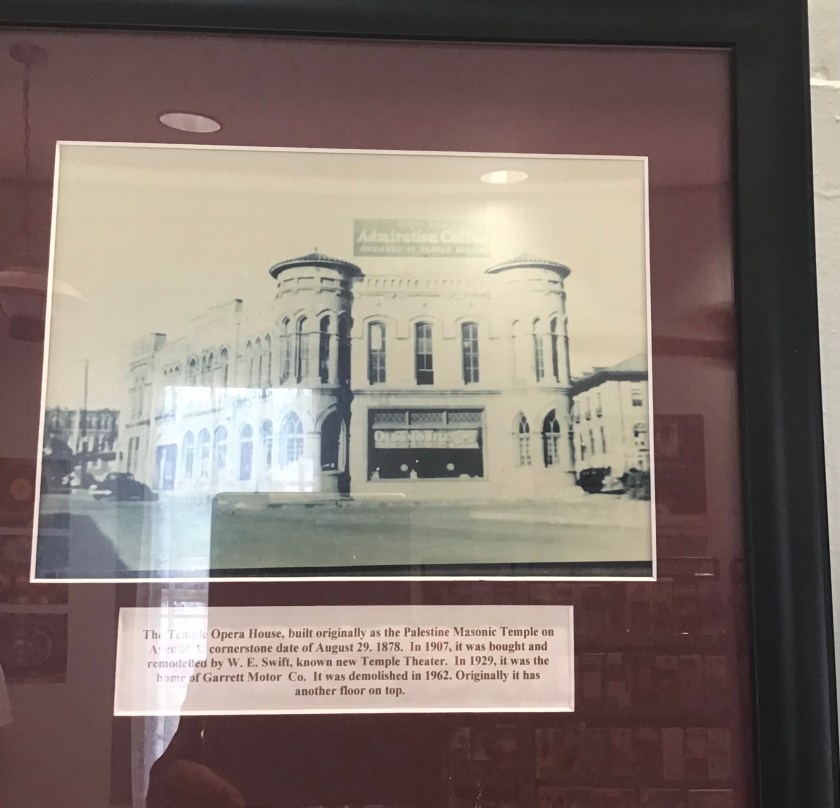
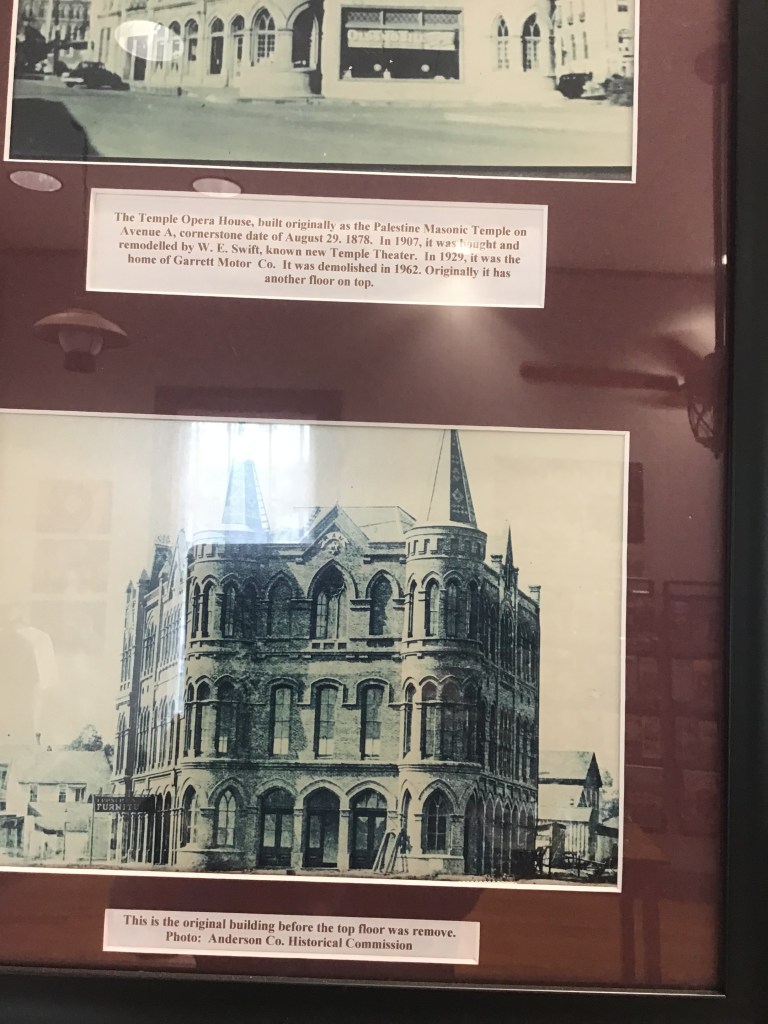
The Temple Opera House was built originally as the Palestine Masonic Temple with the cornerstone date of August 29, 1878. In 1907, it was bought and remodeled by W.E. Swift and known as the New Temple Theater. In 1929, it was the home of Garrett Motor Company, Palestine’s first Ford Motor Car Agency. It was demolished in 1962. It originally had another floor on top, but this was removed at some point.
At some point? Not even the official historians can tell us more specifically.
Exquisite building of multi-functions which didn’t have enough value to the small city to remain for a full century. The small box building housing a liquor store in that location now is so much better, I’m sure.
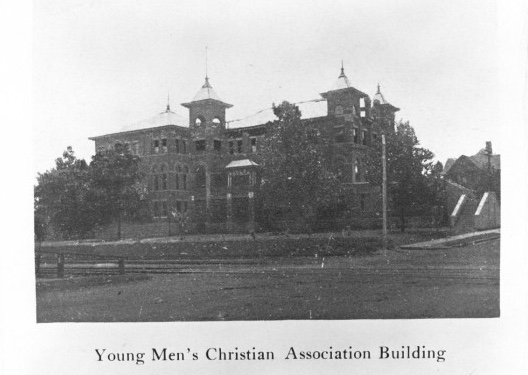
The “Railroad YMCA Building” was another one.
The Railroad YMCA opened in April of 1903 and continued as the YMCA until the building burned in the mid 1950’s. Interestingly, there seems to be no recorded photos available of this horrid fire event of a huge BRICK building. Nothing to see here! (In fact, I believe this to be another building altogether, more on that in a future post.)
As I searched the stacks of the local history at the library I was surprised to find several ‘fake books’ — that is supposed local history written by a source who cannot be located and is listed in the local phone book with phone numbers that don’t work and at addresses which never existed. Three different phone books, three different addresses, I actually went to all of them personally. Nothing. The books appear to be written by AI! I brought this to the attention of the library board, and no one cared. At all. I never heard back, though I went personally to the board meeting with evidence in hand. They didn’t even care to know which books it was with these obvious falsities, possibly written by an unaccountable AI, and sitting in their stacks posing as actual local history written by a fake person.
And now I feel frustration setting in, so enough for now, to be continued . . .
Narcissism has become a popular modern buzzword, but the dilution of its meaning from its mythological context and its misuse in clinical definitions has contributed to a lack of appreciation for the dire social and personal consequences of tolerating narcissistic abuse.
In modern times, when we think of narcissism we tend to point to “selfie culture” and a saturation of self-centeredness among those who enjoy it. Just yesterday I had the perfect opportunity to witness this while at a restaurant for lunch. A middle-aged woman with dyed black hair and matching bright red lips and nails had just entered her car, which was directly opposite the window where I was seated.
I watched, laughing to myself, as she spent the next five minutes taking pictures of herself in different poses: pouting, smiling, flipping her hair around, like she was a sexy actress on stage instead of a no-longer-attractive woman in a huge black SUV, just pretending. I imagine she has all the latest filters on her camera’s lens and wherever she’s headed next will be dark enough that the illusion is not prematurely disolved.
And while this is really cringy, its not particularly dangerous for anyone else but the poor sap she gets her hooks in next. Sorry dude, better luck next time!
Clinically, and even historically, this is not really the brand of narcissism that is causing so much mayhem in our world.
However, clinically the definitions are at once well-defined, and nebulous, and over-lapping, and found under the heading of the ‘dark triad’ personality disorders. While these are certainly interesting to study and are attempting to become more scientific with more data over time, they aren’t necessary to understanding why these personality disorders become so socially destructive.
The problem is not the cringy aging woman who wants to maintain the illusion of youth and beauty indefinitely in order to gain sexual approval in the marketplace. The problem is when the fantasy is allowed to trump the reality.
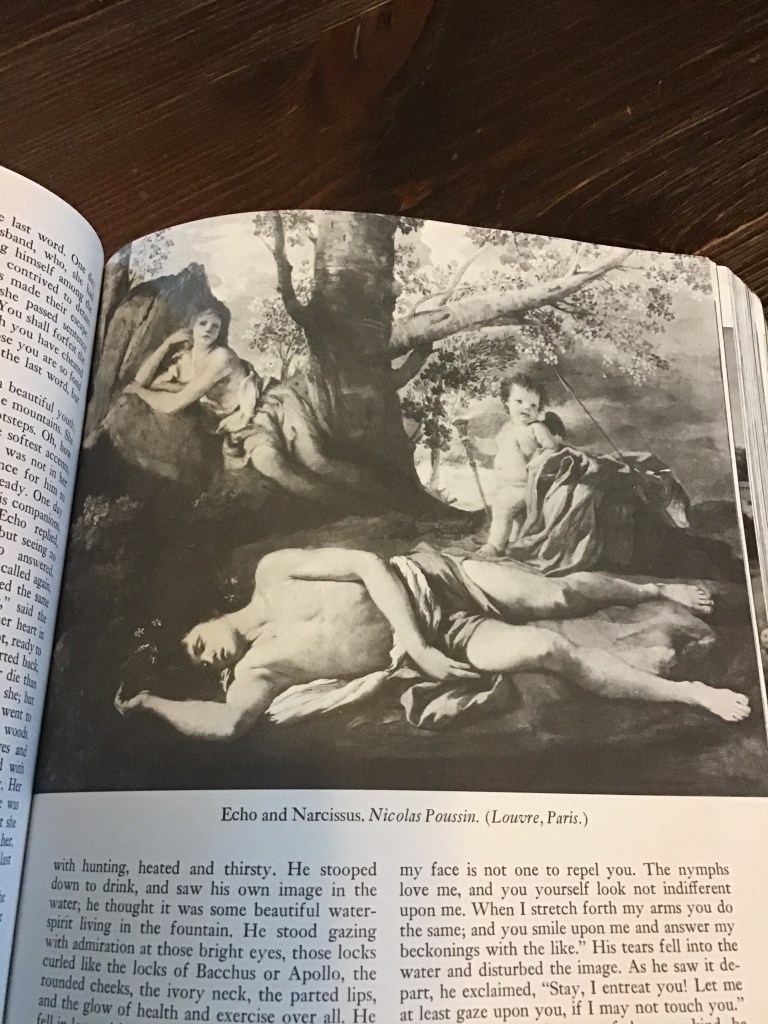
Society does still associate selfie-culture with the myth of narcississus, but only superficially. We correctly identify the beautiful youth who falls in love with his image in the water as narcississtic. But, we fail to look deeper into the lesson the ancient myth is attempting to teach us.
While there is no one official narcissus myth, one popular version includes his female companion, Echo. Whereas Narcissus is the disembodied face, Echo is the voice which mimics his, repeating, without agency, but symbolizing the intention of love and care through her adoration of him.
The real lesson is not just about the superficiality of beauty that fades, or the personal destructiveness of being overly-fascinated by one’s own appearance or superficial desires, but about the inherent dangers of illusion, especially when those illusions echo through the culture, without agency, repeating the words of the narcissist.
Reach out to touch the beautiful illusion in the water and it dissappears, and with it so does its echo, that’s the essence of the myth. There is no substance there, it’s a mirage. The face has no body, no core, no real form.
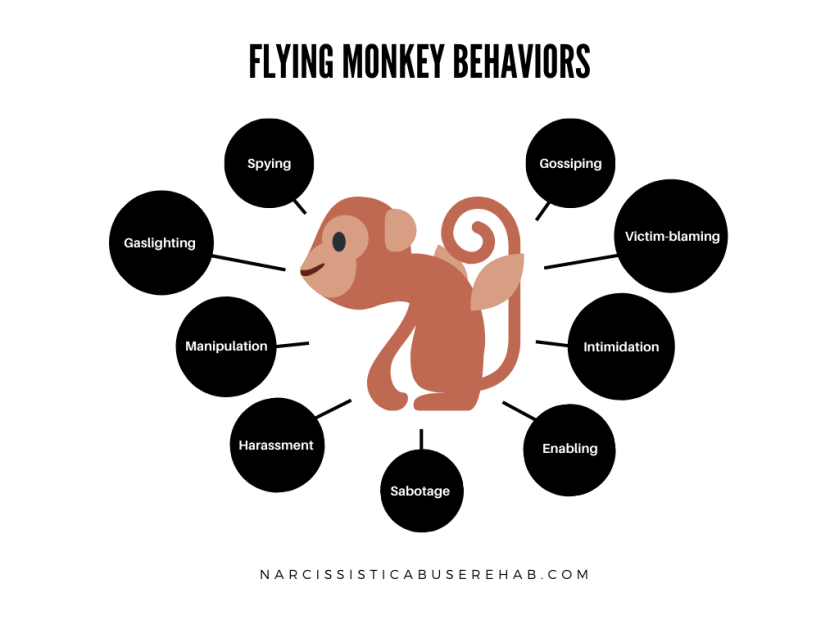
In popular culture today, Echo’s role represents the ‘flying monkeys,’ which are those figures doing the bidding of the narcissists, spreading his delusions. Narcissists are experts at manipulating others into doing their dirty work, whether that be their dishes or their crimes.
In psychoanalytical terms, this means the narcissistic personality has not done the difficult work of developing an authentic self. There is nothing behind the mask. S/he is a shape-shifter, a cameleon, the disembodied creature in a shared fantasy.
When these attributes become socially acceptable, indeed institutionalized, the culture itself becomes permeated with such types. Toxicity becomes the norm. Fantasy, being the preferred state of the masses, replaces reality. Narcississtic abuse becomes systemic.
At the societal level, Geoengineering presents a typical example of how this looks in action. And, there are a great many direct parallels between narcississtic abuse as it plays out in personal relationships and in the aggregate, that is, the public domain.
Empty promises like ‘safe and effective’ become accepted as truth. Meaningless words and slogans replace honest dialogue and debate. Hollow gestures replace accountability.
In the personal relationship this looks like the philandering spouse who swears they’ve cheated for the last time, over and over. Or the sister or friend who apologizes for wrongdoing, but then hides behind ignorance or innocence, or tries to blame shift and gaslight to get out of being held accountable for her poor actions or insensitive behavior.
In the public sphere this normalized behavior becomes the governments and institutions who are granted immunity, the banks that are too big to fail, and the laws that are twisted to absolve the guilty and victimize the innocent.
What have we been told for the last decades about Geoengineering? At first we were told not to believe our lying eyes, nothing is happening, ‘chemtrails’ aren’t real, and you are all gullible conspiracy-believing nutjobs.
Next, we are told that it’s actually benevolent, they are trying to fix the broken climate. Totally safe and effective. We just need the states to put a few crucial laws in place, then everyone will be happy. Fantasies and illusions replace accountability.
More empty promises, more hollow gestures — like the states stalling with laws that will never stop the assault, but will get a new market brewing for all the attorneys and advocacy groups and health care professionals, who will make a lot of money from the fallout. Entrepreneurship, that will solve it. More tech, better tech, that will solve it.
The argument gets twisted around intentionality, did they mean to harm, or not? Let me go out on a huge limb here and suggest that every single person involved will say they didn’t intend to harm. That’s rocket science.
That question itself serves the abusers. The real question, the one the victim would ask is, “Should abusers be able to hide behind innocence, ignorance or incompetence?”
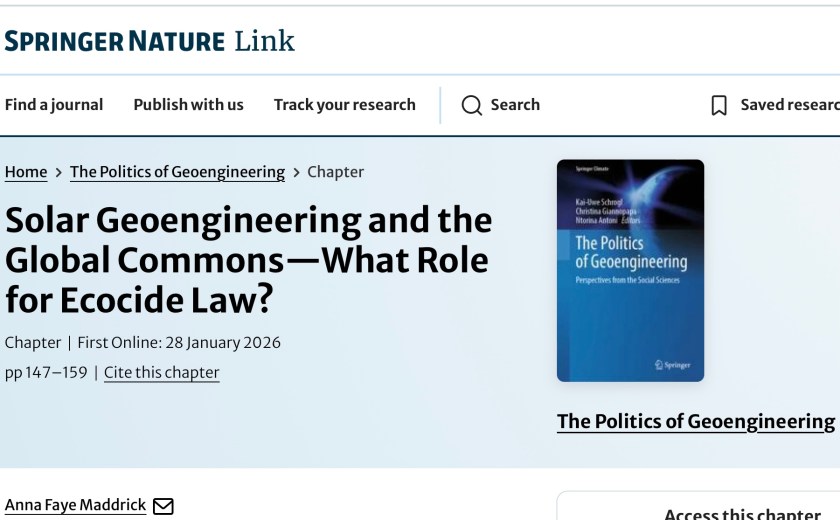
Solar Geoengineering and the Global Commons—What Role for Ecocide Law? | Springer Nature Link “As a result, initially peaceful, yet ultimately harmful geoengineering projects could exemplify unintentional hostile use of weather modification technologies. However, ENMOD does not take this form of use into account, so cannot provide a viable tool.”
Meaningless words–words that magically transform, or lose and gain significance depending on whims and propaganda shifts–global warming, global cooling, climate change, abrupt climate shift, climate remediation.
These parallel the meaningless words and hollow gestures of the narcissitic abuser — I’m sorry, I didn’t meant to, it’s really not that bad, it’s just your impression. The dog ate my homework.
It’s not my fault. No agency. No accoutability.
You’re not perceiving what you think you are perceiving! You’re not feeling what you think you’re feeling! it’s just your impression! Your subjective experience! If it were true, everyone would be experiencing it exactly the same like you!
Plausible deniability is the safe space for abusers of all kinds.
They will even go as far as admit the wrongdoing, but still not be held accountable for it. Like Narcissus, all image with no substance, all face with no body.
Other common tricks of the trade: manipulation of perception, moving the goal post, feigning, finessing, presenting harmful acts as benevolent–it’s for your own good, for the good of the community, because they are so concerned about you, about the environment.
What do you mean we can’t flood your home? But the farmers need rain, you’re being selfish. Isn’t that why you bought insurance? Why aren’t you more resilient? Why should you be so upskittled by a tornado or two, they happen all the time. We were just doing our job!
I will NOT end this post, or this life, drowning in their sea of dysfunctions, because that’s exactly what works best, FOR THEM.
I truly believe that if the individual will stop accepting such abuses in their personal lives, what’s acceptable on the societal level will assuredly, eventually, shift as well, and very dramatically.
Stop approving of the toxic behavior, stop believing the lies, stop being their Echo, because narcissistic abusers are pathological attention-seekers. Call them out, demand accountability, do not accept empty promises and meaningless words, and watch as the little rats start to scurry.
Learn about narcississtic abuse and root it out of your life, personally and professionally. Achieve greater levels of discernment through diligence and determination. Real resilience comes from principled positions rigorously and consistently applied. Insist others practice what they preach, as you yourself do the same.
This is not idealism, this is the tough work of forcing reality to win over illusion. It is the tough work of embodiment, of authentic Self creation.
“We’re often told that narcissism doesn’t exist or that we’ve attracted these people into our lives because of our own issues. This harmful victim-shaming keeps people trapped in abusive dynamics.
In this episode, Dr Peter Salerno explains that narcissism is real and identifiable. Narcissists are invested in their image at the expense of their true self, and they intentionally seek out environments where they can exploit others.
This conversation will help you identify if you’re dealing with a narcissist, trust your body’s reaction to mistreatment, and begin to think about whether it’s a relationship you want to remain in.”
We may still be victims of their floods and tornadoes and varied toxic tampering, but we don’t have to accept their delusional fantasies and their illusions of control. And that WILL make a difference.
(A re-post of one from 2016, happy 10 year anniversary to Kensho! Funny-not funny, my viewpoint has not changed a bit!)
I wish I could say I was not guilty of it. I watched on two different days last week as a coyote trotted off contentedly first with a duck, then a chicken. The latter time I was outside, with our very large Dane-Mastiff guarding, reading on the deck as the coyote pranced by 200 feet from us, without any chicken ever making a sound to alert our attention.
I did shoot at it, far too late, but I was so slow and stunned I hardly had a chance. I asked on social media whether, had they been faster than me, if they would have choosen to shoot the thieving coyote with their cameras or their guns. Most chose cameras, which demonstrates a double-bind, I believe.
We have lost sight of the predator/prey relationship. In fact, when we look closely into New Age groups and the major push in education currently, the prey has been deluded into believing they can transform the predator into something ‘better’ or “safer” or at least less scary.
The prey goes into school and later even therapy so as to come out better adapted at the game and to his role as prey. The predators understand perfectly this relationship can be best described by the old parable of ‘the frog and the scorpion.’ Since at least Biblical times, it has always been the same game. The predator/prey relationship is easily paralleled to our more civilized equivalent of Master/slave, which can be extended further to our current neo-serf system of Parent/child and State/citizen.
I fancy myself aware, self-reliant, pro-active, resourceful. Yet, in my ‘truth quest,’ which a great many of us have been on for many years now, I’ve demonstrated my talent at pointing fingers, shifting responsibility, projecting, and most grievous and destructive of all, further nurturing an identification complex. https://en.wikipedia.org/wiki/Identification_%28psychology%29
An identification complex is plaguing seemingly all of society right now so I have plenty of company. We are all pointing our fingers at the 1%, or in the case of “truthers” or “conspiracy theorists” the .001%, as the core problem with the world. We criticize from one side of our mouths and go along with the other. We go along in hundreds of different ways every day. We fall for their fashion and entertainment, we sit in their schools and on their boards and in their governments. On the surface there seems to be little other choice. When someone opens their eyes wide enough to see this is the same master/slave relationship indoctrinated and institutionalized at ever level of the system that has existed since the beginning of history, we are then met with the next inconvenient truth: We are only looking at the gameboard, we are not understanding the game.
We the slaves both despise and envy the master, and the master knows this and uses it against us. Obedience is the price and the master sets the terms. Our role is to remain passive and uncomplaining against the unspoken contract. When the noose tightens, some slaves become restless and resentful, while others adapt by learning to breathe more shallowly. Livestock breeders use identical methods. This is how the system perpetuates and exacerbates to such an imbalance that an excess of predators disrupt the natural order until collapse is inevitable.
Of course the game is rigged! And if you had your way, it would be rigged in your favor. Your preference might be: I want it to be fair and safe for everyone, for there to be no predators or prey, nomasters or slaves, and many might support you, to the point they’d be willing to become the predators in order to preserve your collective safe-space.
What we see politically we are also allowing in our personal and professional lives. We feel the boot, there are fewer in denial everyday. We know we are being surveilled and minimized and made obsolete. We know we are victims and we react in one of the many ways they know we will, as prey always will: Fight, Flight, Fawn, or Freeze. If one can find another courageous enough to rebel, he is also lost eventually, because to rebel is to remain still inside the game. They have plenty of room for rebellion, they count on it, they thrive on it.
“I can hire one half of the working class to kill the other half.” Jay Gould
Obedience is the prey’s cost in the master/slave, State/citizen relationship, making the passive society become increasingly easy prey; little more than a flock of smiling depressives. These easiest of prey develop a quintessential need for their one-season world, for un-natural order, until passivity replaces fear and we all become the woman watching the coyote trot by with one of her ducks, too slow and maladapted and untrained to stop him.
When one is lucky enough to find another who has the courage to change the game, or at least give it a go, one has met the Fool soon to replace the Father. The game changes when we ourselves change, it’s an inside-out process, not an outside-in. We choose en masse, to not be prey or predator. We choose to have no rulers. We choose Autonomy, Sovereignty and Self-government.
The ones who understand you must stop the predator or soon all your poultry will perish are the ones rebelling, which the masters then flaunt in front of the more passive prey to get them focused toward each other. The fawns point fingers at the fights, the freezes blame the flights, and around and around we go.
Where will we stop? Does somebody know?
When the most passive meets the predator enface they realize their only hope is one they’ve been trying to avoid all along. Because the most unpleasant truth of the human condition from the mindset of the frog is that not every frog has to become aware of the nature of the scorpion, they just have to become aware faster than the last frog.
Here’s some research links I know could really benefit some of my fellow frogs.
For your personal life and relationships: Ollie Mathews, an ingenious entrepreneur helping victims of narcissistic abuse by reading their often painful letters on Youtube. Understanding this co-dependent dysfunctional relationship is crucial to understanding how it’s playing out in the Big Game:
I taught my Beginners Cheesemaking Workshop at the Senior Center and as always when teaching, I learned SO much.
Beyond the barely controlled kitchen chaos, of which I fully approve, there were the usual sort of mistakes to learn from, like why a random rennet failure for one participant, and why another’s curd did not want to separate from its whey. Those issues were fixed, total failure averted, which is the very best way to teach cheesemaking.
Lots can go wrong but most likely you’ll still have good cheese, that’s my primary teaching goal. It may not be the cheese you were going for, but that’s ok.
Do first, talk later, that’s how it should be with cheesemaking, according to me. There really is a method to my madness, and it’s staunchly ‘anti-science’. This is totally logical, because folks were making cheese LONG before anyone understood the science behind it. In fact, much of the science behind it is still disputed.
You don’t need to know what rennet is, or study a recipe first, or have all your ducks in a row before diving in. In fact, like with many new skills, too much information is actually an impediment to just getting started.
I like to allow the alchemical magic to lure the potential future cheesemaker into the process all on its own. Their desire for more knowledge, more structure, more understanding is a far more powerful teacher than I could ever be prattling on about all the minutea on the science of cheesemaking.
Which is more fascinating, the art or the science of cheesemaking? That will depend on the individual, but let’s face it, for most of us, art is far more fun.
So my moto is, let’s get in and get dirty! And we did, wow, did we make an impressive mess. A deep bow to the very kind ladies who did all the cleanup, I definitely scored there. I should’ve calculated better how much mess there would be, but what fun is there in that?
In my personal debriefing session once home and reflecting on the experience, I had a few ‘room for improvement’ points to make, but not around the mess or the chaos. (Note to self: bring extra cheese for the ones who get stuck washing up.)
Those details are important, but not nearly as important as the most important thing I learned, which is–folks out here don’t actually believe in germ theory. This is something of a revelation for me.
Despite the 5 extra bottles of hand sanitizer in the back room, and the chemically-scented dish soaps by the sink, and the properly clean kitchen that demonstrated good hygienic practices, once the ball got rolling, not a peep about bad bacteria was overheard.
We did eventually talk a bit about bacteria, and so-called germs and my disdain for anti-bacterial products and chemically-laden scents and their detriment to the cheesemaking process, not to mention general good health.
But in practice it was pretty clear the bad germs propaganda was not fully instilled in this clever group of girl and ladies (and our one token man who chivalrously helped me with all the heavy lifting).
Right into the cheese pot went many pairs of bare hands to stir the curd without a moment’s hesitation. I was immediately and very pleasantly surprised.
Then, because of mistakes in one group, and excesses in another, the curds of many pots became communal. A dozen pair of hands, not one that had been scientifically anti-bacterialized (I brought my own soap, which they all used, and several raved about) salting and pouring and forming and pressing.
And while I could see in my mind’s eye my mother’s face pinching into a look of mounting disgust, all I could think was, “This is so awesome!”
Teaching beginning cheesemaking has one crucial thing in common with teaching adults beginning a foreign language: The biggest hindrance to success is fear of failure. And, constant failure is the only way to learn how to do it.
Our education system, in addition to forcing on children such complete nonsense as germ theory, instills in them very early on to harbor a fear of failure.
If I could re-educate around one axiom the entirity of the Western schooling system it would be to learn to fail first, so you get good and used to it.
Take the shame out of failure and watch as the love of learning soars.
Here’s my ‘All you need to know about learning in 3 easy lessons’:
Lesson 1: Fail. Lesson 2: Learn from those failures! Lesson 3: Rinse & Repeat!!
“You’ve spent your entire life believing a story about disease that simply isn’t true. Every time you’ve reached for antibiotics, every time you’ve worried about “catching” something, every time you’ve surrendered your health to medical authority, you’ve been operating under a fundamental misconception that has shaped Western medicine for over a century. Louis Pasteur’s germ theory – the idea that we’re sterile beings under constant attack from external microbes – didn’t just become medical dogma by accident. It triumphed through a combination of political connections, self-promotion, and what we now know from Pasteur’s own hidden notebooks was scientific fraud. The theory promised simple solutions: identify the germ, develop the drug, conquer the disease. But here’s the thing about simple stories – they’re usually wrong.”
This isn’t just an academic dispute between dead scientists. Right now, your body is maintaining thousands of delicate balances – pH, blood sugar, mineral ratios, temperature – through feedback loops of staggering complexity. Walter Cannon called this state homeostasis, building on Claude Bernard’s revelation that we don’t actually live in the external world but in our own internal fluid environment. When this internal environment stays balanced, you have energy, clarity, resistance to disease. But modern life assaults this balance relentlessly: 150 pounds of sugar per year disrupting blood glucose, chronic stress flooding your system with hormones meant for brief emergencies, thousands of chemicals your liver was never designed to process, processed foods that can’t be properly digested. Your digestive enzymes fail, partially digested food leaks into your bloodstream, your immune system exhausts itself fighting food particles instead of threats, and those helpful microorganisms in your body start changing into forms associated with disease. The symptoms you develop – the arthritis, diabetes, chronic fatigue, cancer – aren’t random attacks by germs. They’re the predictable result of your internal environment breaking down.
And this is where the curse becomes clear: by convincing us that disease comes from outside, that our health is beyond our control, that only medical experts with their drugs can save us, the germ theory has robbed us of our power. We’ve become a society spending over a trillion dollars yearly on healthcare while ranking dead last among developed nations in health outcomes. We’re first in infant mortality, cancer rates, chronic disease, and pharmaceutical consumption. The medical system excels at crisis intervention but has completely failed at prevention because it’s been looking in the wrong direction for over a century.”
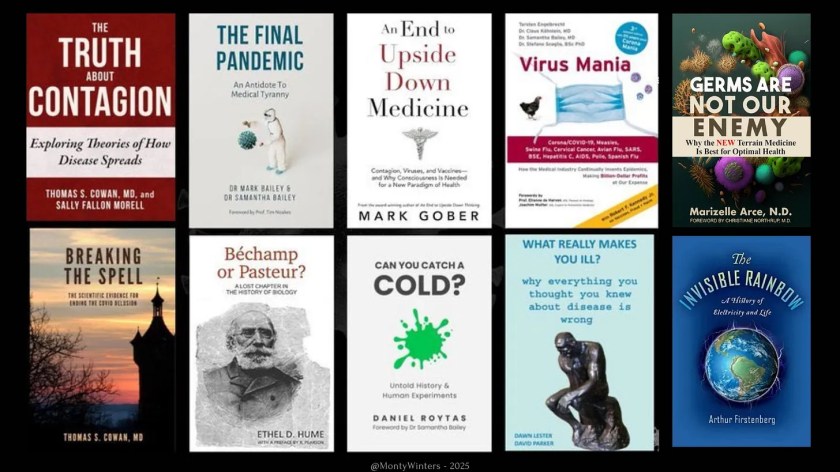
I have not read this particular book, but these quotes repeat what a great many experts have been publishing for as long as Pasteur has been relentlessly promoted in their stead. They have been, and continue to be, buried beneath pseudoscientific propaganda in order to sell a lot of chemical crap to the public.
It’s been through reading some of these works combined with nearly 15 years of cheesemaking I’ve come to realize a few crucial truths:
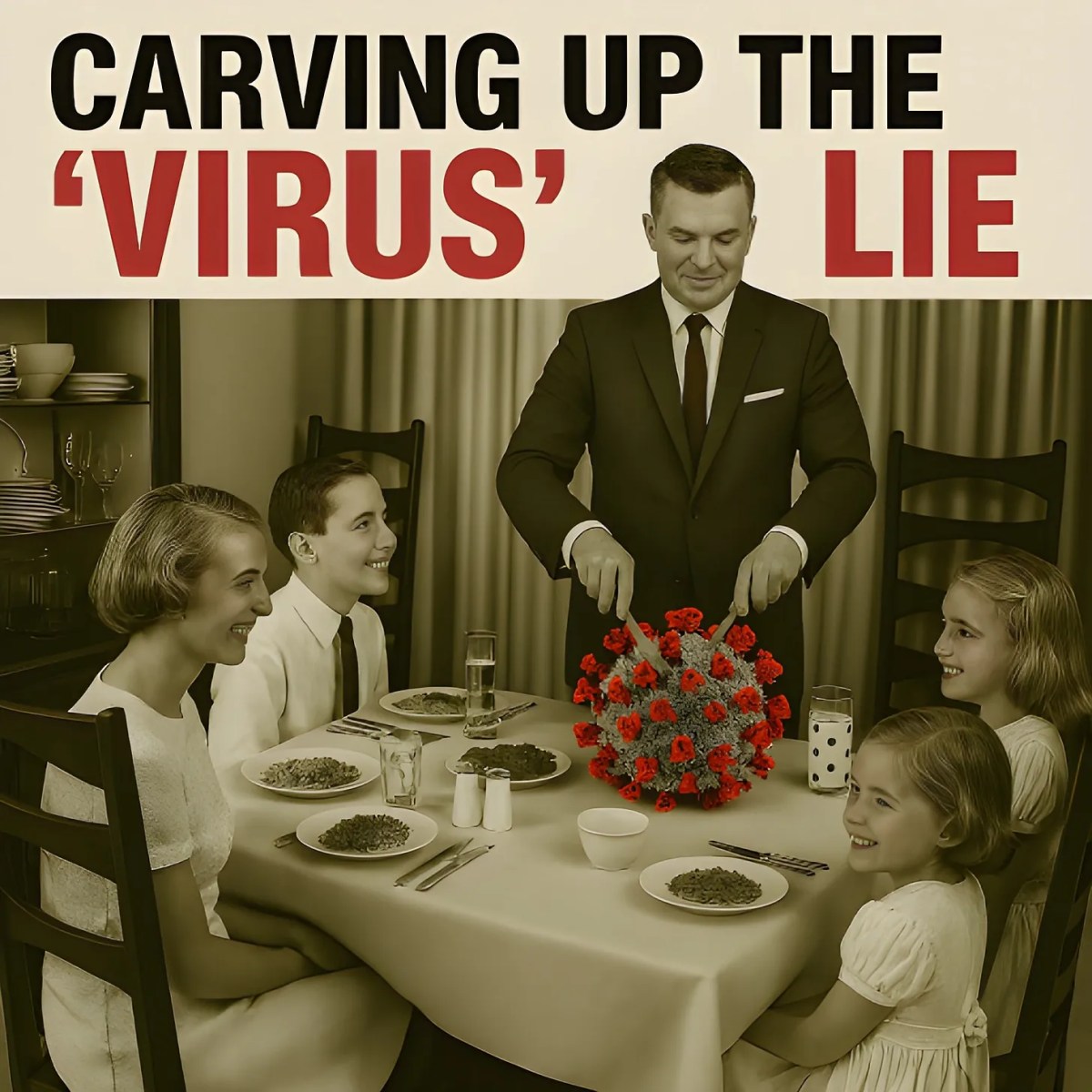
*Air-born ‘viruses’ have never been scientifically proven to exist.*
*Trying to abolish bacteria to create a ‘sterile’ environment does more harm than good.*
*Fear of contagion is FAR more contagious than the so-called contagious diseases.*
I’ll let the experts argue amongst themselves all the fine details of the various theories which were buried so that Pasteur could dominate public health for over a century.
I know enough from my limited research what is necessary to lead a happier, healthier life and I’m so pleased to know that while the general public may go through the motions to pay some lipservice to germ theory, in all practicality, a lot of them don’t really believe it either.
The modern-day experts trying to unbury Pasteur’s contemporary critics and practices are pushing through the censorship and making life happier and healthier for a lot of folks. If you want to learn more, check out some of their work, loads of it is available for free.
An easy place to start would be with Mike Stone: “In the past—even as recently as 2017, when I first began investigating—there was very little material available for those questioning the mainstream narrative, and what did exist was often difficult to find or access. Today, however, there is an abundance of resources—dedicated websites, books, podcasts, documentaries, Substacks, and more. As I noted three years ago, this growing community of independent thinkers has been reexamining long-held scientific assumptions—not only in virology, but also in bacteriology, immunology, genetics, and even vitamins/nutrition. By critically analyzing old research and questioning foundational claims, people are rediscovering logic and genuine inquiry in place of rote belief. This movement reflects a collective return to critical thinking, open discussion, and the pursuit of truth through shared investigation—a modern renaissance of independent science.”
About 5 or so years ago an old timer whose land borders our own gave me a brochure with an enthusiastic smile and said–“Y’all should do this, too!”
I grimaced as I took the materials he offered. As much as I respected this neighbor, bless his heart and rest his soul, as he has since passed, I just knew there had to be a con behind these legal conservation agreements property owners are signing in an effort at protecting their land for future generations.
He thought he’d done good, of course. While his property was entirely recreational, and his full-time home in Houston, he worked very hard on it for many decades. He has a beautiful 2-story cabin there he built himself, as well as fruit trees and grapes, and his children and many grandchildren filled the home on weekends and holidays, often practicing his favorite sport–shooting. He was a good man and he meant well.
No one in the family has been back to enjoy the cabin since his death, about 3 years ago. This is not unsual with inherited property, and our own property was another case in point. Siblings disagree, feelings get hurt, attorneys get hired, acreage gets split and the decades of hard work slowly go back to nature, if the internal conflict continues long enough.
This is a common enough scenario that it makes perfect sense an old patriarch would do all he can to avoid such mess. Now I can’t say if his family inheritors are aware of any potential issue with his decision to legally protect some of his land ‘forever’ or if that’s the reason they have not returned. Maybe a family feud alone is the issue there and the government hasn’t yet involved themselves.
Nature Preserves or Confiscation Scheme?
But that’s exactly the point I’m getting at. These ‘permanent conservation easements’ that are being created by well-meaning landowners are not without risk. And absentee landowners, or those embroiled in inheritance issues, are especially vulnerable.
Because the Globalists want the land, and if they can find a proverbial broken link in your private property chain, they will worm their way in, legally, through the fine print.
It’s all part of the Total Human Ecosystem (THE) scheme. From escapekey’s Substack:
“Conservation Easements as Confiscation: Across rural America, landowners are being offered attractive deals for ‘conservation easements‘ that sound like simple land protection agreements. But buried in the contracts are ecosystem performance requirements tied to financing. Miss the biodiversity targets and operational control transfers to environmental organisations. The land becomes theirs while you keep the tax liability.”
Long gone are the days when Americans could glibly repeat, “But that would never happen here. We have laws.”
The ‘laws’ for every ‘country’ on Earth will be Uniform. This is the Agenda, and all private property is threatened. The very concept of private property will be demonized through the Government schools so thoroughly that children will be indoctrinated to be afraid of it.
“The Total Human Ecosystem framework treats private property as an outdated concept that threatens ecosystem integrity. Increasingly, local zoning laws incorporate ‘ecosystem service’ requirements that can trigger automatic seizure clauses. When satellite data shows your land use conflicts with ecosystem targets, your property can be transferred to ‘ecosystem management’ organisations. You might own the deed, but the ecosystem owns the seizure authority.”
Agricultural Land Seizure: Farmers are being offered attractive financing tied to ‘regenerative agriculture‘ and ‘carbon sequestration‘ targets. But when weather, pests, or market conditions make those targets impossible to hit, the financing agreements trigger land transfer clauses. Family farms that have operated for generations are being seized by international organisations through algorithmic enforcement of impossible environmental standards.
The Domestic Blueprint: What’s happening in Belize and Ecuador is the beta test for comprehensive land confiscation in developed countries. THE provides the philosophical justification (individual property rights threaten ecosystem health), the ecosystem approach provides the governance framework (decisions must be made at ‘appropriate’ ecosystem scales), and the financial instruments provide the seizure mechanism (miss your targets, lose your land).”
“Once you see this pattern, you cannot unsee it: every expansion of control comes wrapped in moral imperatives, every loss of freedom is packaged as virtuous necessity, every dissent is reframed as a moral failing. Healthcare workers fired for “ethics violations,” companies forced into ESG compliance, scientists silenced for challenging consensus—all manifestations of the same ethical control architecture that esc has systematically documented.”
“Yet appearances deceive. The result is a global Soviet: the Party is gone, but the apparatus remains — cloaked in sustainability, cooperation, and humanitarianism, with a web of NGOs functioning as the modern fronts for its operational machinery.
The ideologies of peace, sustainability, and rights have been merged with the infrastructure of surveillance, algorithmic governance, and moral programming. The old flags have been lowered — but the new system flies under a different banner: expertise, ethics, and emergency.”
“Agriculture is a major contributor to climate change and the devastation of the planet… The only way to fix this, the necessary step, is knowing what food is.”
Converting Food Tradition Into Science With The Periodic Table Of Food
This was an infuriating propaganda piece on behalf of the Rockefeller Cartel by Forbes magazine, sent by a friend who likes it when I’m infuriated. Bless her heart!
The article is the perfect example of the methods of ideological subversion being used on the public by the corporatocracy through the institutions.
The single quote above I take from the article, rather than quoting it further, is in order to not subject the reader to further mind poison. But rather instead, to offer an antedote.
How does it work? Why are they doing this?
While the excellent article below is a good means of demonstration, it’s first important to notice the labels themselves are meant to be flexible while still garnering a knee-jerk reaction: Communism, Capitalism, two opposing worldviews, that’s the framing.
Except it’s fake, a false dichotomy. These are economic views posing as worldviews for political purposes.
Often political purposes and religious ones overlap, which is why I avoid religion as well as politics when I’m trying to think logically!
The above quote works a similar frame: Science must know what food IS so that agriculture will no longer destroy the planet.
Except the only reason argriculture is destroying the planet is because it was taken over by BigAg MANY decades ago. Before I was born, actually, and I’m getting up there.
They fail to mention this piece of the puzzle, no surprise there. Many societies have thrived and still thrive on non-industrial agriculture to survive. Industry has ruined agriculture in this country, and many others.
Our brainwashing that it is our job to feed and police the world is the actual problem causing the devastion. The industrial-military global order is the problem causing the devastion.
95% of average folks are just pawns in this game.
Leave the terms ‘communism’ and ‘capitalism’ to the side for a moment and consider this:
“What Marx and Engels pioneered wasn’t specifically a political revolution — it was the rewriting of the moral code itself. The Manifesto operates as a systematic inversion of the fundamental value and structures that underpin social organisation. Every principle that helped stabilise bourgeois society — property rights, family inheritance, religious authority, national sovereignty — was methodically reframed through inversion; consciousness programming designed to make the existing moral operating system feel not just wrong, but obsolete.
Programming Permissible Thought Control the language and you control the range of permissible thought. The Communist Manifesto introduced this tactic with rhetorical inversions; ESG and global ethics continue it by redefining terms like ‘freedom’, ‘equity’, and ‘justice’ so that dissent itself becomes linguistically unspeakable. When ‘inclusive’ becomes the only acceptable alternative to ‘extractive’, when ‘sustainable’ becomes synonymous with ‘moral’, and when ‘science-based’ becomes code for ‘unchallengeable’, we’re witnessing linguistic capture similar to that Marx pioneered.
The genius lies not just in changing what words mean, but in making certain combinations of words feel impossible. Try arguing against ‘inclusive prosperity’, ‘women’s rights’, or ‘science-based sustainability targets’ without sounding backwards. The linguistic terrain has been so thoroughly mapped that opposition requires either accepting the loaded framework — or appearing to reject progress itself. It’s a steep uphill struggle, almost guaranteed to waste enormous amounts of time — even though these terms typically function to insert ideological blind spots ripe for later exploitation by full intent.”
Like the quote says–to solve the problem, we must know what food is. Imagine, we don’t even know what food is! We must have science explain food to us in order to not destroy the planet by eating.
esc continues . . .
“Inclusive Capitalism as Semantic Cover for Stakeholder Feudalism ‘Inclusive capitalism’ — promoted by coalitions involving the Vatican, the World Economic Forum, and major central banks — promises to ‘make capitalism work for everyone’. The manipulative techniques are identical to the Manifesto: binary framing where ‘inclusive capitalism’ opposes ‘neoliberal greed’ with no middle ground allowed; euphemistic coercion where investors are ‘guided’ to ESG portfolios and non-compliance means exclusion from financial markets; sacred authority through alignment with religious institutions that sanctifies technocratic control; and guilt transfer where individual consumers — not megacorporations, nor central banks — bear responsibility for systemic problems. You get to keep the word ‘capitalism’… while losing actual market freedom. It’s semantic cover for stakeholder feudalism — the Financial Stability Board and the BIS become moral arbiters of capital allocation, yet you never voted for them.”
This ‘guy’ knows what he’s talking about, read him, not Forbes!
“Recognition and Resistance What we witness is the emergence of something historically unprecedented: soft totalitarianism with global reach, implemented not through revolutionary violence but through institutional coordination and moral manipulation. The most disturbing aspect is how voluntary compliance is manufactured through psychological techniques that make resistance feel not just futile but morally reprehensible. Unlike crude twentieth-century totalitarianism, this system preserves the language of freedom while altering its substance, claims scientific and moral authority rather than raw power, operates through persuasion and micro-incentives rather than force, and presents itself as evolution rather than revolution. Koestler⁶² warned that disembodied rational systems could turn pathological when disconnected from human meaning — today’s ESG frameworks automate that disconnection at global scale.”