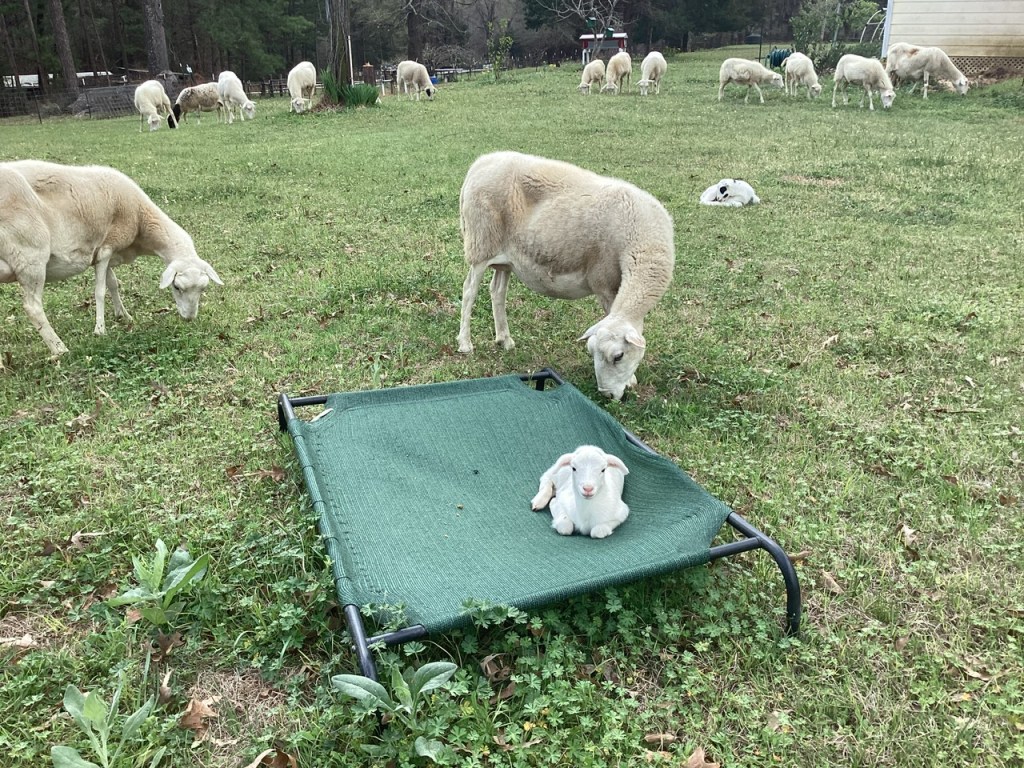
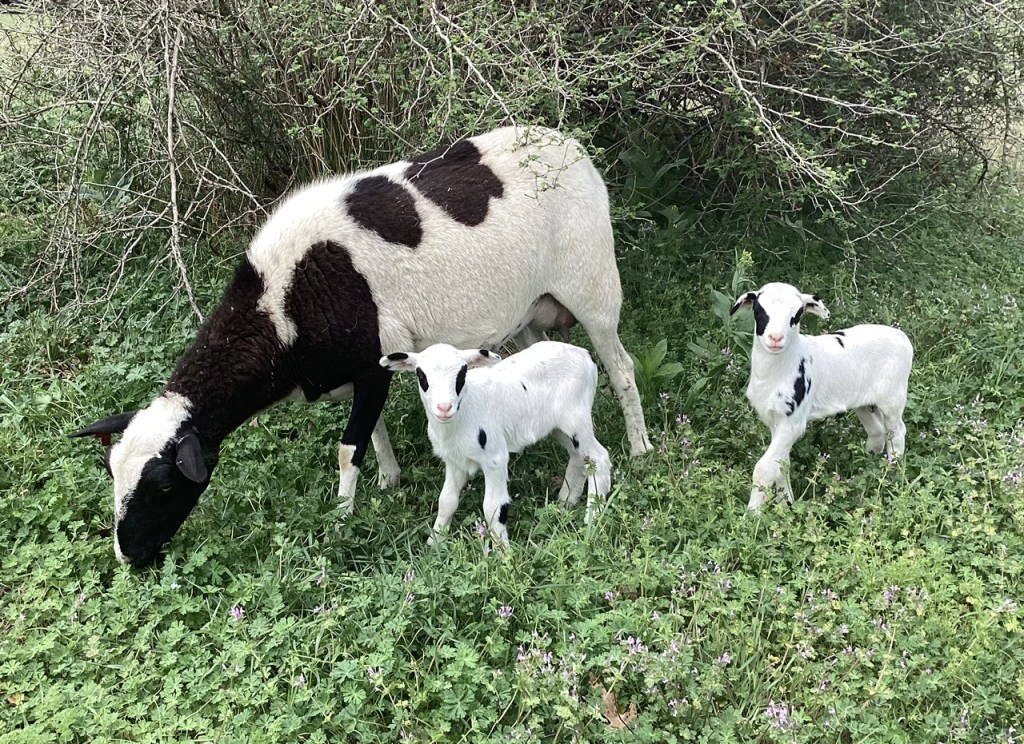
Such a synchronistic interview popped into my feeds, which I just have to share. Not only is our wee homestead full of young blood sucking down mamas’ milk, but I’m also teaching another cheesemaking workshop this week.
So, milk is big on my mind, nothing unusual there.
This interview from Weston A. Price is priceless! It really is such an awesome feeling for me when a new and powerful voice comes on the scene repeating what I sincerely believe and what we have been diligently cultivating on the wee homestead. We are losing too much of great value in our blind rush toward ‘progress’. We’ve got to work harder to keep hold of our wise traditions, or they will be lost forever.
Clearly this issue is getting lots more attention lately, but it has been on the radar of many cheese-lovers since the 90s, including yours truly, because I was so peeved to have to give up cheese, because I was suddenly ‘lactose-intolerant’, like loads of other people. But at that time it was only in the U.S. I couldn’t eat breat or cheese, not in Europe.
Today in Europe they have also been inundated with ‘vegetarian’ rennet and glyphosate and other chemical industrial products and processes, and when it comes to cheese, the vast majority are not labeled as such. I got suspicious, started asking a lot of uncomfortable questions, and found out A LOT about GMOs and our body’s reaction to them.
The interview summary and link for anyone interested in some fantastic cheese talk (he even talks about the maggot-ripened cheeses I’ve mentioned quite a few times on this blog!)
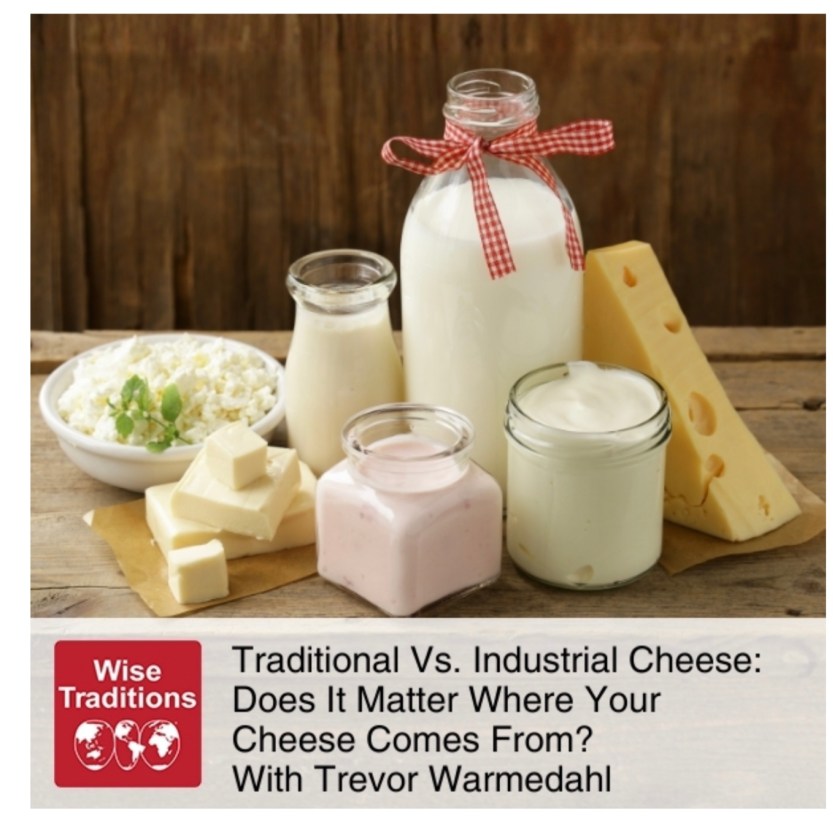
Traditional cheesemakers respect the process of cheesemaking. They honor the environment, the animal, its milk and traditional techniques – all of which lead to delicious, nutritious cheese. Industrial cheesemaking, in stark contrast, emphasizes sterile conditions, uniformity, and artificial inputs (including GMO-derived rennet). The cheese that results from the conventional approach is consistent… but misses a lot in terms of flavor profile and nutrients.
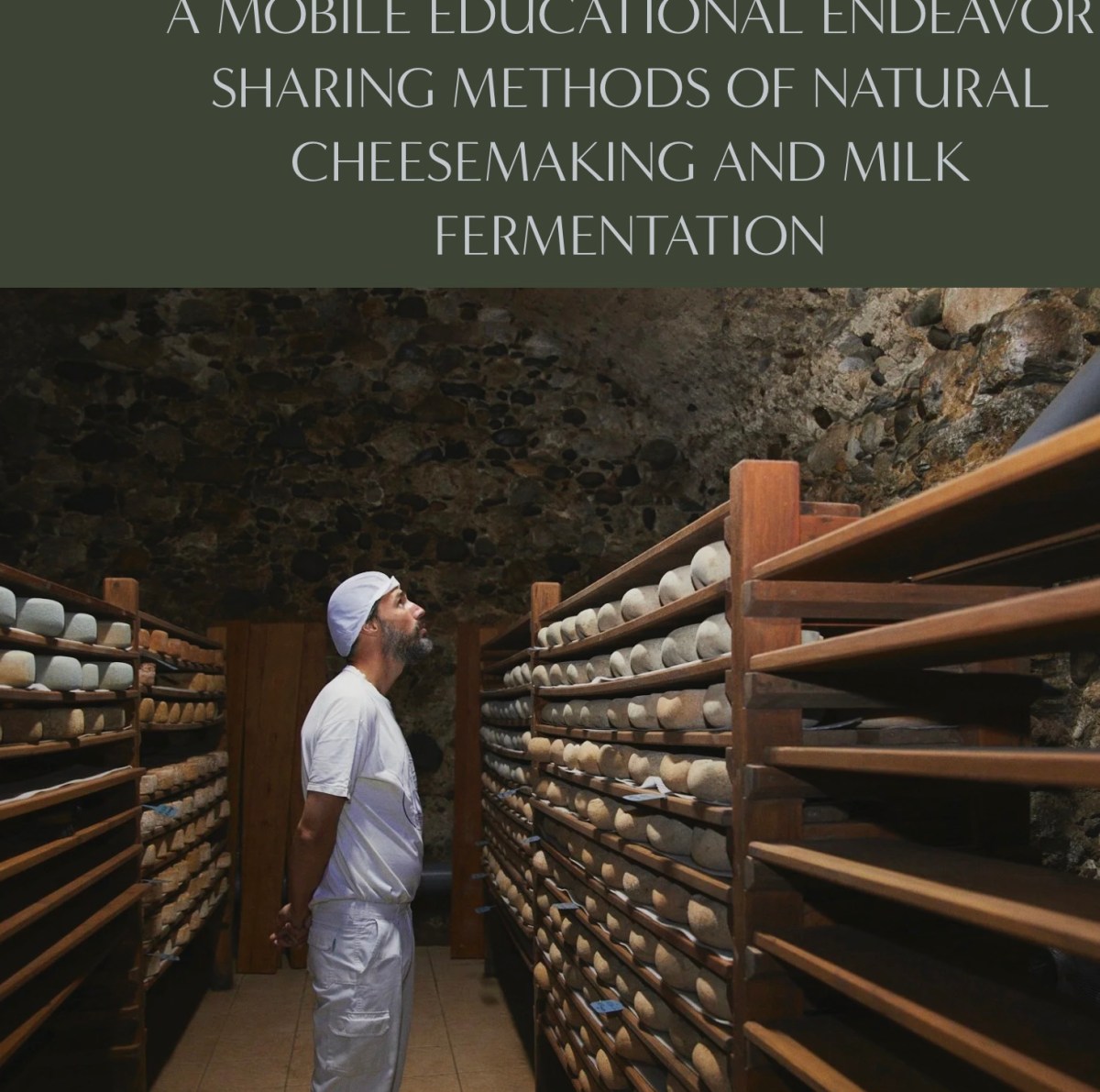
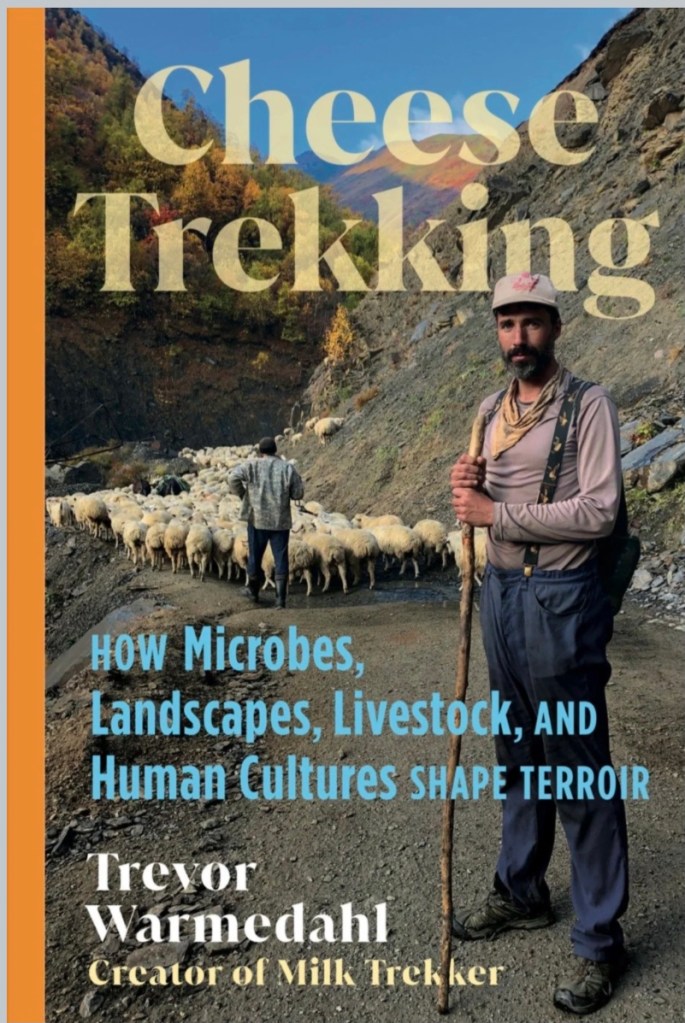
Trevor Warmedahl is a cheesemaker, fermentation educator and the author of Cheese Trekking. Today, he takes us on a cheese adventure, as we gain insight on traditional, artisanal cheesemaking. He gives us pause about what is in our fridge and where it comes from.
Trevor has trekked all over the world, working alongside artisanal cheesemakers, so he understands and shares the importance of working with (instead of against) microbes and nature. He describes cheeses you may have never heard of, along with unique approaches to making them. Trevor also helps us take stock of what has been lost in our modern approach to cheesemaking.
We’ve all heard the expressions: “History is a set of lies agreed upon” and “History is written by the victors” and most have come to accept these tropes.
But what they may not have considered is when the history is that flexible, all those academic fields which are history adjacent–like anthropology, sociology, philosophy, literature, all cultural studies, even linguistics– become subject to those authoritarian whims and fashionable irregularities.
Generalization, subjectivity, distant observation, even making obvious comparisons across vast and complex measurable units–ie. pattern recognition–is not just discouraged, it’s potential grounds for dismissal. It’s considered sloppy, unprofessional, unacademic. Pseudo-subjects and conspiracy theory.
Academics are especially vulnerable to such manipulations as their fields are controlled in a strict hierarchical system and their studies, even as tenured professors, tend to stay very narrow in scope. They do not need to strive for a cohesive worldview in their academic work as they are mostly employed to measure the minutia, to dig deep into one tiny corner of the field, as has been the case with the historical and architectural world of the Mound Builders.
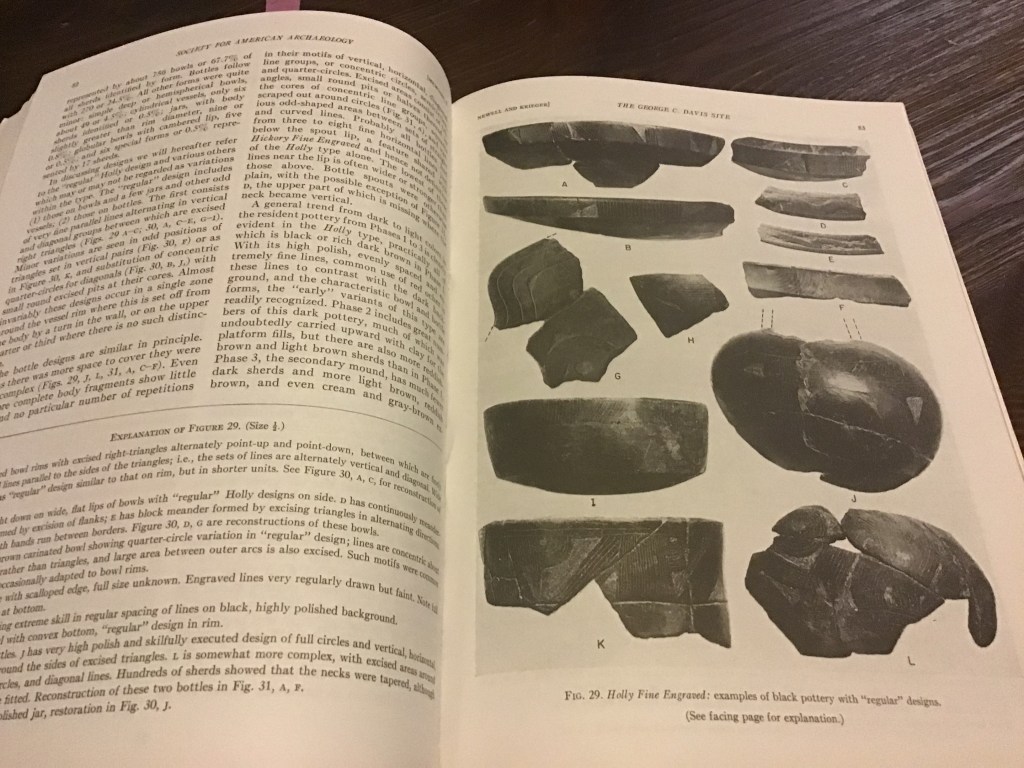
What the volumes of academic work on these cultures tend to do is narrow in so microscopically as to make all similarities irrelevant and cross-cultural observations inadmissable. They debate ad nasauem around shards of pottery found just beneath the surface of their archeological sites and the thousands of ways these tiny artefacts differ from one locale to the next.
There are literally thousands of pages published on comparisons and categorizations of tiny fossils and shards of the various Mound Builder tribes of the Americas. Specific measurements are taken of the space between the decorative lines and their width, length and coloration. All is catelogued in such microscopic detail as to bore to tears all but the most myopic of minds.
Truly, it is a form of academic gaslighting. Keep searching right here, right in this tiny framework where we’ve given the appropriate boundaries and designations. Don’t broaden, don’t do your own investigations, don’t venture out of your assigned territory, all alien parameters will be squashed with contempt and mockery and quite likely, career death.
Observe, very closely, and question every narrative.
That singular, rigid, hierachical model has been demolished with the Internet and for me, who formally studied and taught for four decades the very subjects now being shamelessly dismantled, I couldn’t be more pleased about it.
Actually, I could be. If there was a guarantee the ends would somehow justify all these means–as in the decades of lies and indoctrination and then subsequent ripping away of those foundations and the now erupting attempts to filter the masses into new molds for better slave management and more prosperous slaveholders–then I would certainly be more pleased.
But I’m not so naive as to think there’s ever any such guarantees. (As an entertaining aside, James Corbett here at his comedic best with more on our system of modern slavery.) https://youtu.be/ZjwO9_3g4xQ?si=8u5_OumKlk-LOMub
But my topic today is a continuation of the last What’s Been Lost new Kensho series. And say what you want about formal education, I’ve experienced the pros and the great many cons, but for all those naysayers and critics, my serious education these days comes from Youtube, mostly. I know, right?!
Don’t knock it ’till you try it, there are some really amazing teachers there (they call them creators now, which is nice) and I’m not watching them to buy into any of their conclusions, but just to appreciate their work, collect their evidence, and consider, that’s all.
There are relatively few in my life who care about this stuff at all, so I’m grateful for the company and impressed with their body of work. Yes, I do understand some of them are part of a big club, and I’m not in it. I don’t mind. And I’ve got no where else to go, and I’ve got a bit of time and loads of interest.
So for those others who might be interested in exploring and considering with me, we continue in search of what’s been lost.
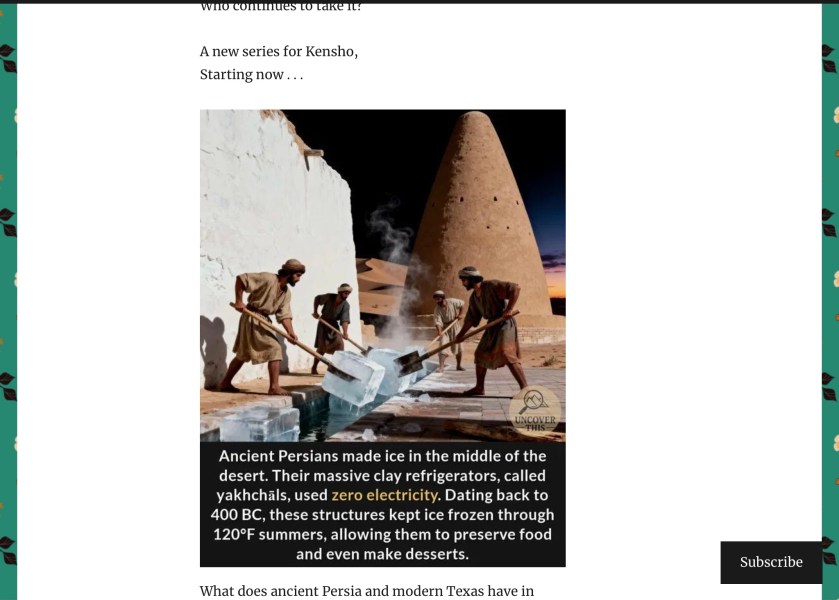
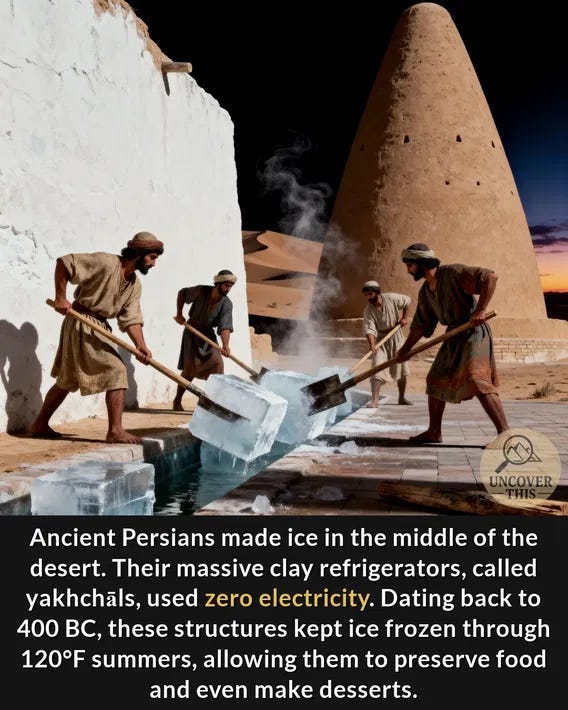
Last time I shared about the Yakhchal, a common radiative cooling system used from ancient times, still in operation in parts of the Middle East, and perhaps close by as well, as close as Dallas.
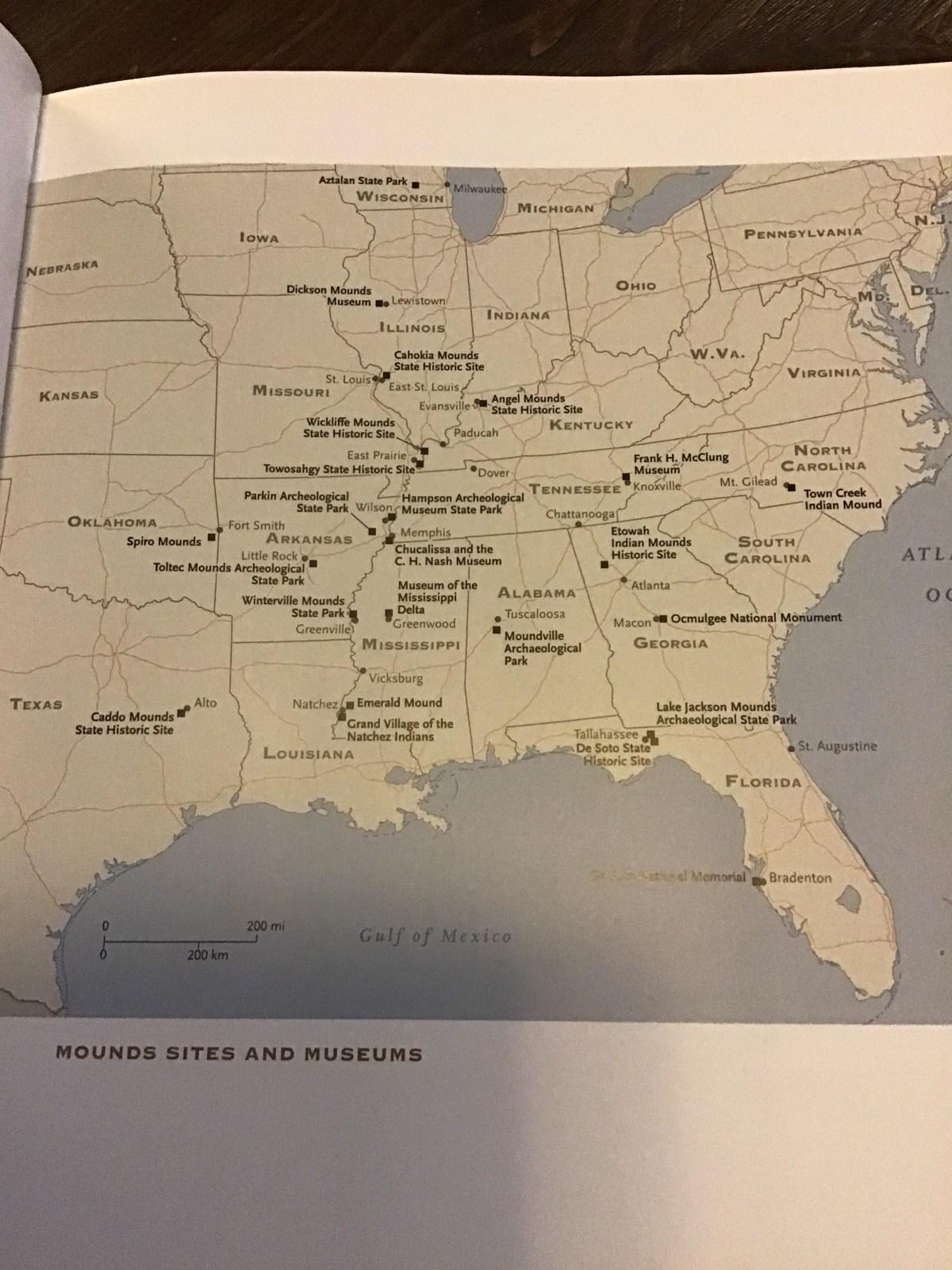
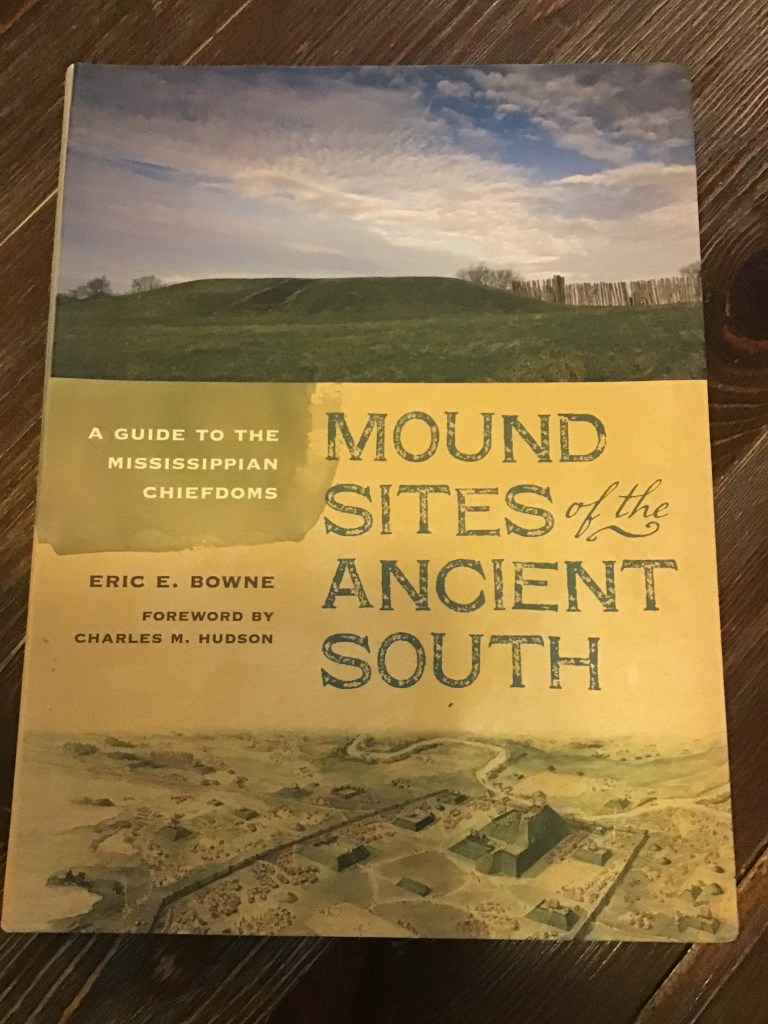
Now I will introduce another thread to this story, the so-called Mound Builder ‘indigenous’ tribes of the South, officially referred to as having been ‘occupying’ these lands before the arrival of the Europeans.
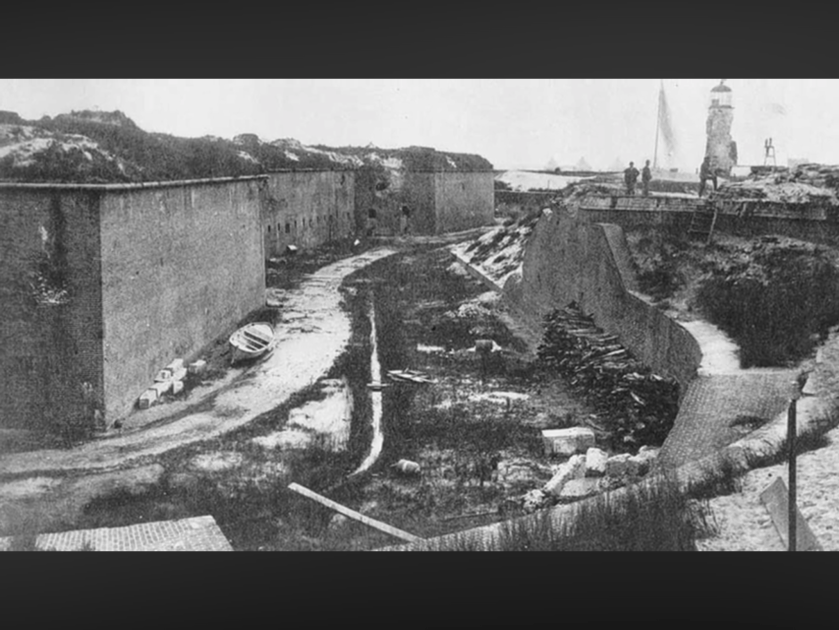
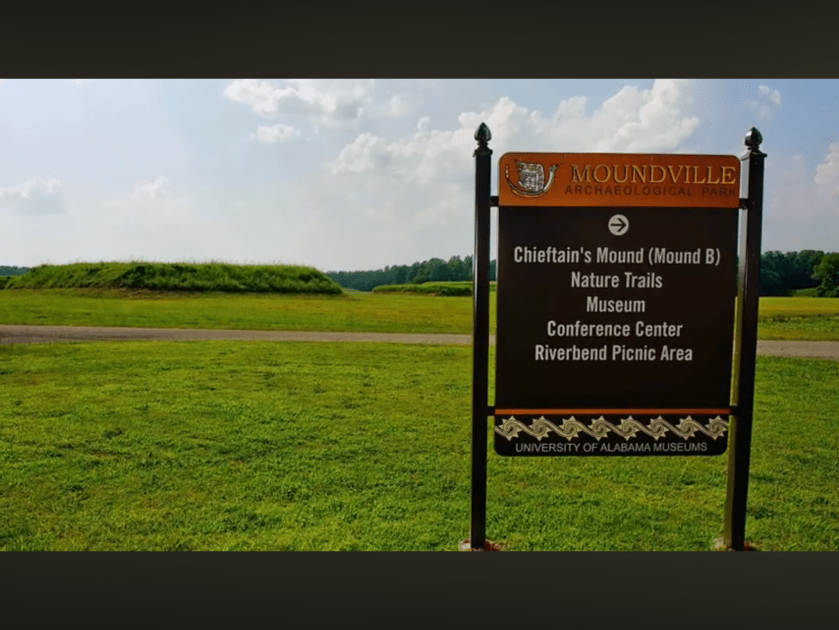
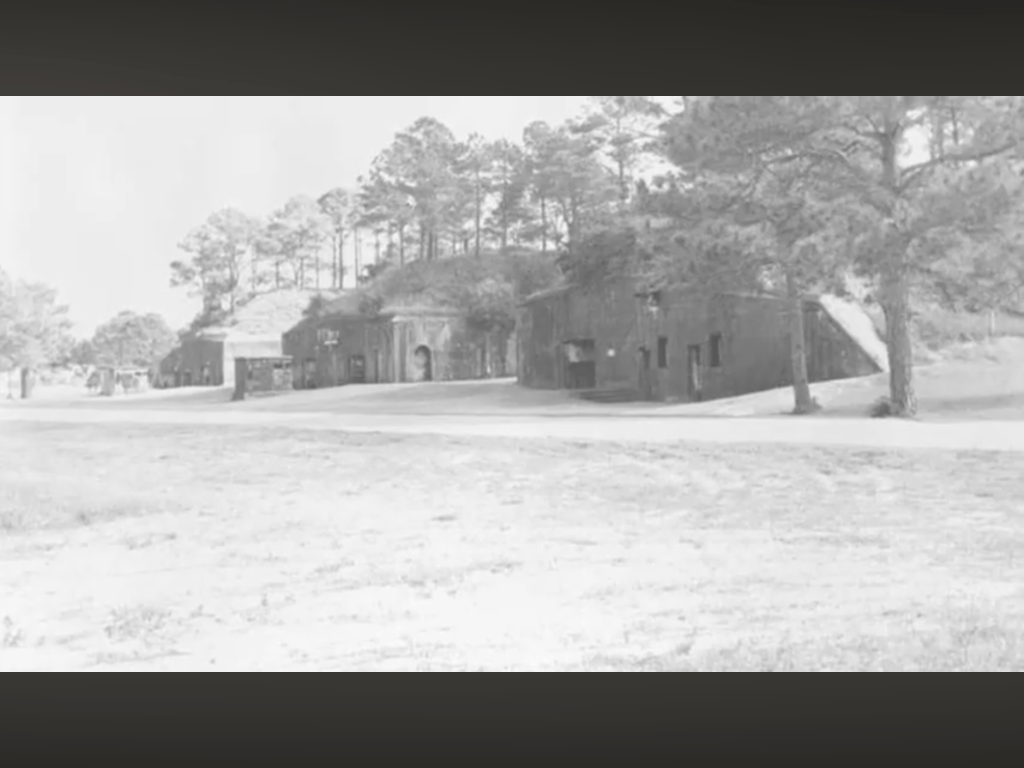
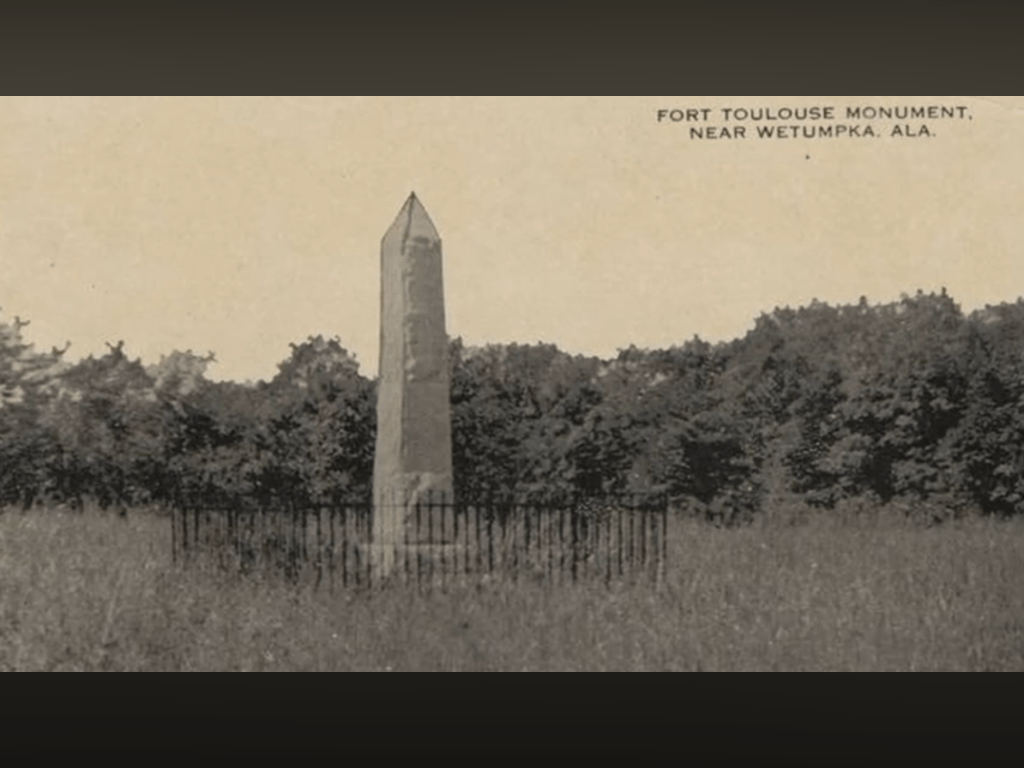
A recent video by Jarid Boosters was perfectly timed and is well worth a complete viewing. In it he considers one such Mound Builder culture in present-day Moundville, Alabama, once called the Kingdom of Pafalaya, which includes Fort Morgan. Most of these sites are former military installations and are owned by universities and used as tourist traps now. Some of them are privately owned, all have vast areas not open to the public.
We have one very close to us as well, known as Caddo Mounds, which I’ve written about briefly before, after a sudden (manufactured) tornado hit during their cultural ceremony, destroying much property, killing one and injuring many. The site has since been upgraded and reopened, though there is little to see besides some very basic ‘replica’ huts and of course, a large gift shop.
What I propose has happened with these sites is a deliberate militarized program of generational amnesia.
“Generational amnesia refers to the phenomenon where each generation forgets important knowledge and experiences from previous generations, leading to a distorted understanding of the past and the environment. This can result in a lack of awareness about changes in society and nature, as new generations accept their current conditions as the norm without recognizing what has been lost.”
They tell us ‘Generative AI’ will solve this mounting modern social problem. Promises, promises. Let’s not wait on those any longer.
For a bit of background, Mound Builders refers to ‘prehistorical’ cultures of the ‘ancient’ South. For our purposes, ‘prehistorical’ refers to the most recent rewriting of history, or ‘reset’ as many interested in these topics are calling it; and ‘ancient’ refers to the ‘Roman’ era and all those pre-dating it. In this version of history we examine especially the period of the so-called “Civil” War, or the war between the states, or the war of Northern agression, or whatever other term seems appropriate for that period of time when much of the southern US was destroyed and their history re-written by the victors.
At this time the official narratives went under the command and control of the military, if they weren’t there already. In my estimation we have always been a military industrial complex, this wasn’t a new phenomenon predicted by another puppet president.
There are other ‘fringe’ channels that deal more specifically with military history, that is not my main interest, one I could recommend for this angle would be that of a former history academic: https://youtu.be/LqiZPX0Ordc?si=IOKaZQ7FT2Bjr7Wg
In fact, there are so-called Mound sites all over the South, and I’d suggest many of them are as yet ‘undiscovered’ because they sit on private property where even the land owners have no idea what’s beneath them.
In nearby Nacogdoches there is another ‘curated’ Mound site:
“Excavations at the Washington Mound site have uncovered the archeological remains of a large Middle Caddoan period (ca. A.D. 1250-1350) mound complex in south-central East Texas. The investigations of this heretofore unknown complex indicate that there was a significant post-Alto phase culture in the region that may have had a significant impact on subsequent regional Caddoan manifestations.”
While there are teams of academics studying the tiny differences in the fossils on the surface and money rolling in from the tourist trade, and grants galore for those academics willing to tow the official line, the accepted narrative framework gets further cemented into the public consciousness.
The new Southern history started in 1888 or thereabouts, with 1933 appearing oddly often. The commonalities of these sites, like the ‘charcoal-filled pits’ and ‘post holes’ are left as side curiousities or mysteries or given barely-plausible labels like ‘ceremonial spaces’ or ‘burial grounds’.
According to Wiki we see some typical features, like the involvement of the Smithsonian Institution, and a minimum of curious names and the all-important dates to keep our minds distracted from the bigger picture:
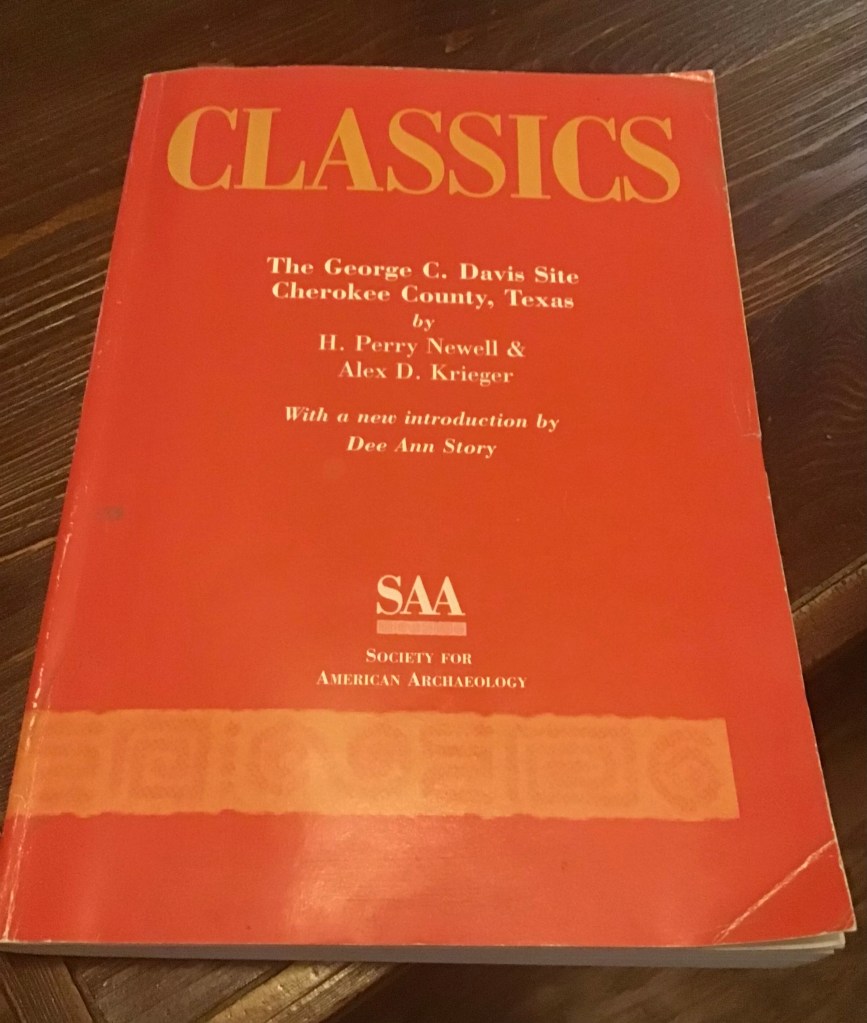
The earliest recorded written mention of the mounds was in 1779 by Athanase de Mézières, who traveled from Louisiana to San Antonio in the employ of the Spanish government. In 1919 American James Edwin Pearce was the first professional archeologist to record the site for the Bureau of Ethnology (Smithsonian Institution). In 1933 archeologist E. B. Sayles concluded that the site was a Caddo mound center, after conducting surface collection of artifacts at the location. The first scientific excavations were conducted from 1939 to 1941 by H. Perry Newell, a University of Texas archeologist with the federal Work Projects Administration in the government of President Franklin D. Roosevelt. When Newell died, archeologist Alex D. Krieger took over investigations at the site and concluded that it had been a major Caddo site. Further excavations in the 1960s and early 1970s by Dee Ann Story pinpointed the timeline of the site to 780 and 1260.
Following military service, Tunnell returned to Texas and began working with archeologist Ed Jelks on the Texas Rivers Basin Survey project funded by the Smithsonian Institution. Their first investigations took place along the McGee Bend of the Angelina River in East Texas, later impounded as part of Sam Rayburn Reservoir. He also worked in the Lake Amistad area along the Rio Grande.
As State Archeologist, Tunnell participated in scientific investigations at the Alamo and other important Spanish Colonial mission and presidio sites in Texas, directed archeological excavations at the ancient Folsom-age Adair-Steadman site, and braved the waters of the Rio Grande in order to record the archeological resources present in the canyons of the Big Bend region. He battled commercial salvagers to retain the 1554 Spanish shipwreck artifacts for the State of Texas and was instrumental in the development of the Antiquities Code of Texas, the legal tool to protect historic resources on public (state) land, including submerged shipwrecks. His films and audiotapes documenting the work of numerous folk artisans and craftsmen in the Texas-Mexico border region may well represent the only records of the practitioners of many vanishing crafts and arts. In 1981, Tunnell became THC executive director, a position he held until his retirement in January 1999. Through his decades of state service, Tunnell traveled to all 254 Texas counties and developed lasting friendships in all regions of the state. Tunnell passed away suddenly at his home on April 13, 2001.
His name was Tunnell, former military, and her name was Story. Isn’t that special. He liked to talk about Arts & Crafts. But not so much about Antiquitech.
Screenshot
What I wonder is, do the actual tunnels tell another story?
We’ve got mounds and post holes and charcoal-filled pits; we’ve got vast stone walls covered over by lakes and resevoirs and now deemed ‘legend’; we’ve got historical timelines that have clearly been ‘revised’, many times; we’ve got buildings and other structures that make no sense, but get little attention.
The burying of the past continues, the generational amensia widens, and aside from a few Youtubers and their marginalized audiences, I wonder if anyone else really cares.
Just in case you are one of the few who do, thank you, and you’re welcome.
More on the vast and ubiquitous caves and caverns of Texas and the mid-West on a future journey.
You don’t know, because it was taken long before you were born. Your father, your grandfather, ditto. Your child will know less, her child lesser still, what’s been lost.
Someday she might try to dig it up, maybe because life no longer makes sense to her.
So hideously ugly, there’s got to be a better way!
In confusion and rejection of the dystopian present she senses roots calling from the past, something deeper was once here, something grander, was it an alignment, a race, an epoch, antiquitech, infrastructure, what?
What’s been lost? Where has it gone? Who took it? Who continues to take it?
A new series for Kensho, Starting now . . .
What does ancient Persia and modern Texas have in common? The Ice House.
If I said that to a Texan they’d think I meant the popular outdoor beer gardens, and their version of history would go back to the early 1900s and they’d think that was old. Perhaps they’d offer some local trivia or home-spun yarns, like the original Texas Ice House was the first ice manufacturing company, which is now claimed to be have been merely an ice storage facility, which later became the modern day 7-11 francise. There is, like most home-spun yarns, some truth in that story. And much redirection and fabrication as well. Perhaps to keep your eyes of our own ancient history.
More from Wiki: In some parts of Texas, especially from San Antonio and the Texas Hill Country down to the Mexican border, ice houses functioned as open-air bars, with the word “icehouse” becoming a colloquialism for an establishment that derives the majority of its income from the sale of cold beer.[24] The distinction between South Texas ice houses and ice houses of other parts of the state and the South has been connected to the Catholicism of the region, a deeper-rooted Mexican culture, and the influence of German immigrants.
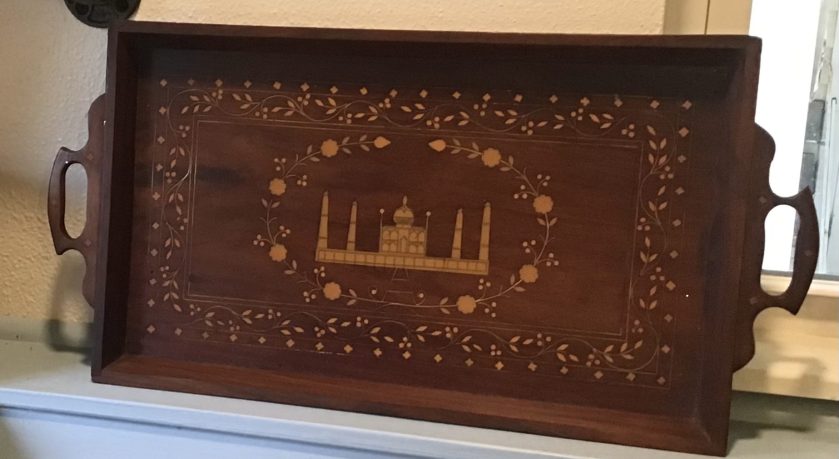
A nice find from a local antique shop. I believe some of the old buildings in the nearby small city of Palestine once used this radiative cooling system.
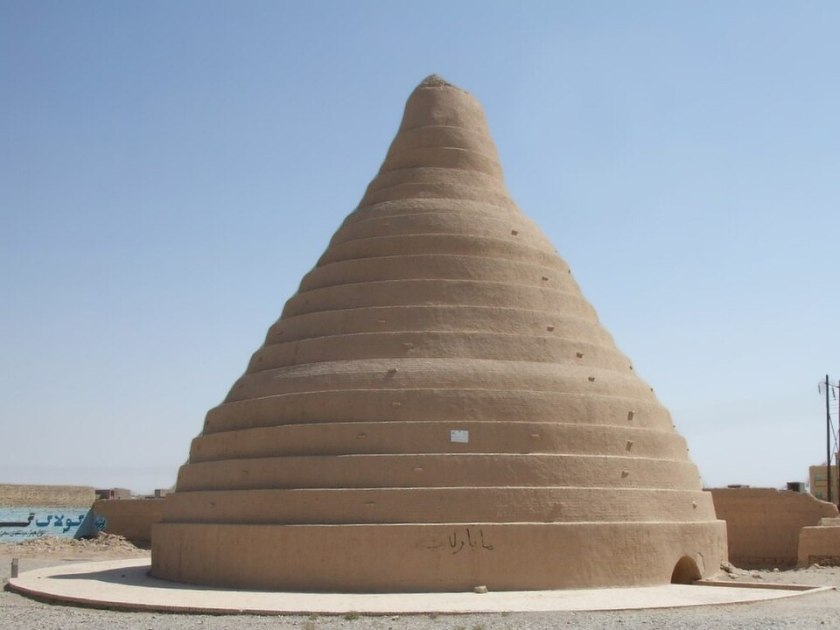
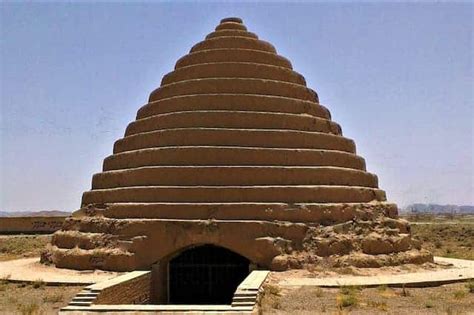
I believe it begins in Persia, still home to many ice houses, called Yakhchal. Alternative energy in the modern Western sense is really ugly, cumbersome, expensive, destructive, in comparison. Yet, there is evidence that the Yakhchal was once more widespread than just in the ancient, or modern, middle east.
The yakhchal is used for preserving and storing food, cooling structures, even making icy sweets. It works through radiative cooling, which existed in ancient times, still is in existence in remote areas today, and yet, it’s not the norm here, in the modern and advanced industrial West. Why?
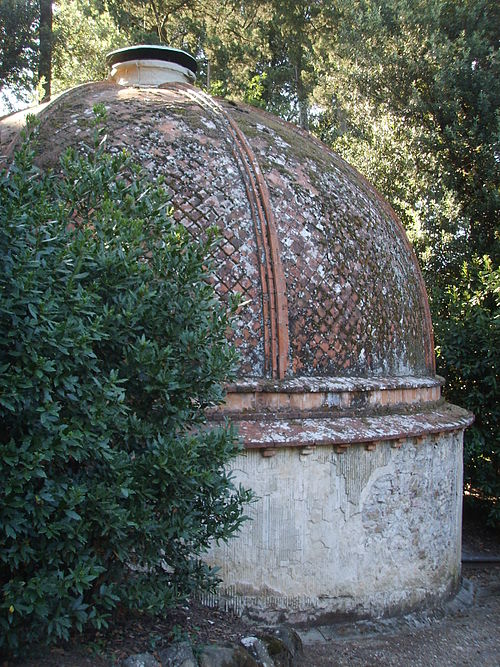
The dome of an ice house in Italy.
That they propose it now to cool the entire planet with this line of tech means they think they can scale it that far up, yet they can’t manage to scale it back down, again. How can that be?
What is the difference between the common springhouse and an icehouse, which is the Yakhchal? My neighbors once had a springhouse, but I’d only know that because he told me himself, before he died, at over 90 years old.
Where else would such useful information be kept, I wonder? How will the next owners know there was once a springhouse there, one that might even be restored to a functioning status, when I see on their real estate listing that not even the grandchildren seem to know or care about this old feature? Who cares now, right, because we have the water co-op and the electric company we can pay each month.
I believe a case could be made that the very common structures once known as springhouses were the vernacular equivalent of the ice house.
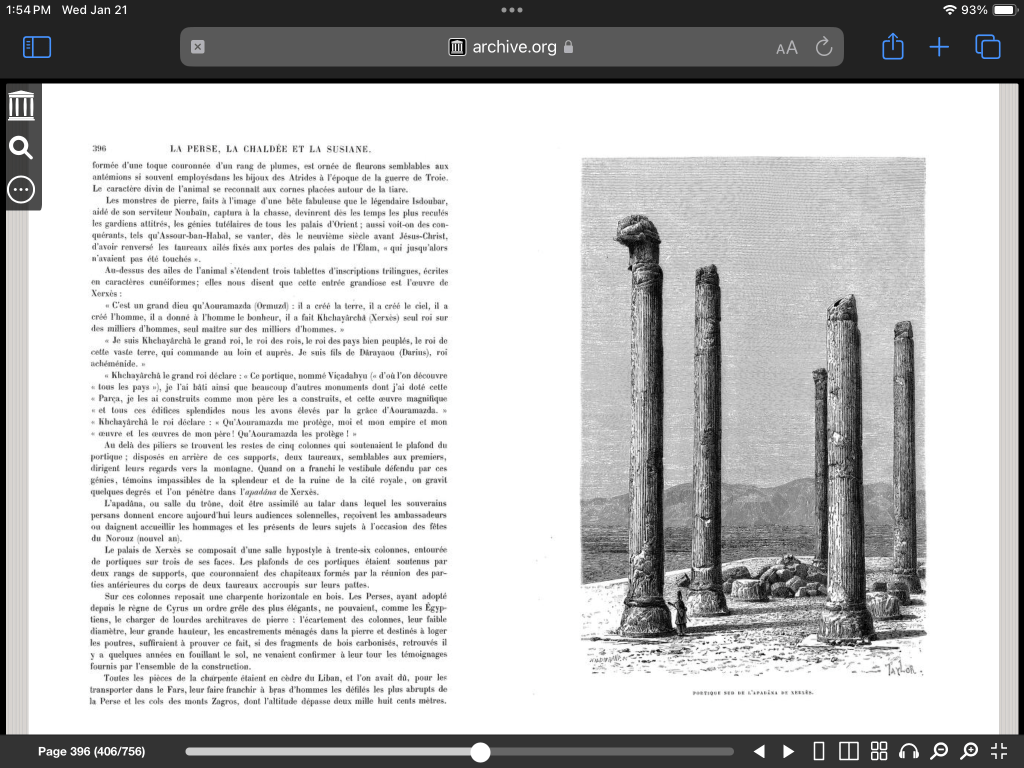
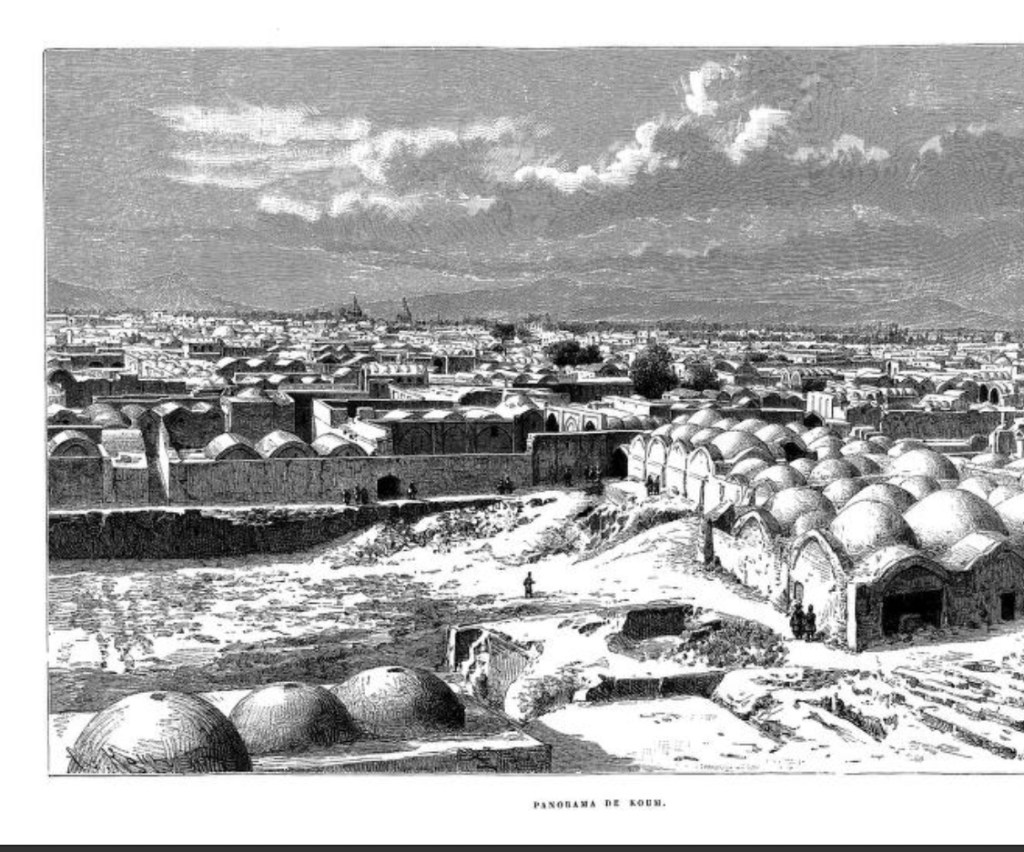
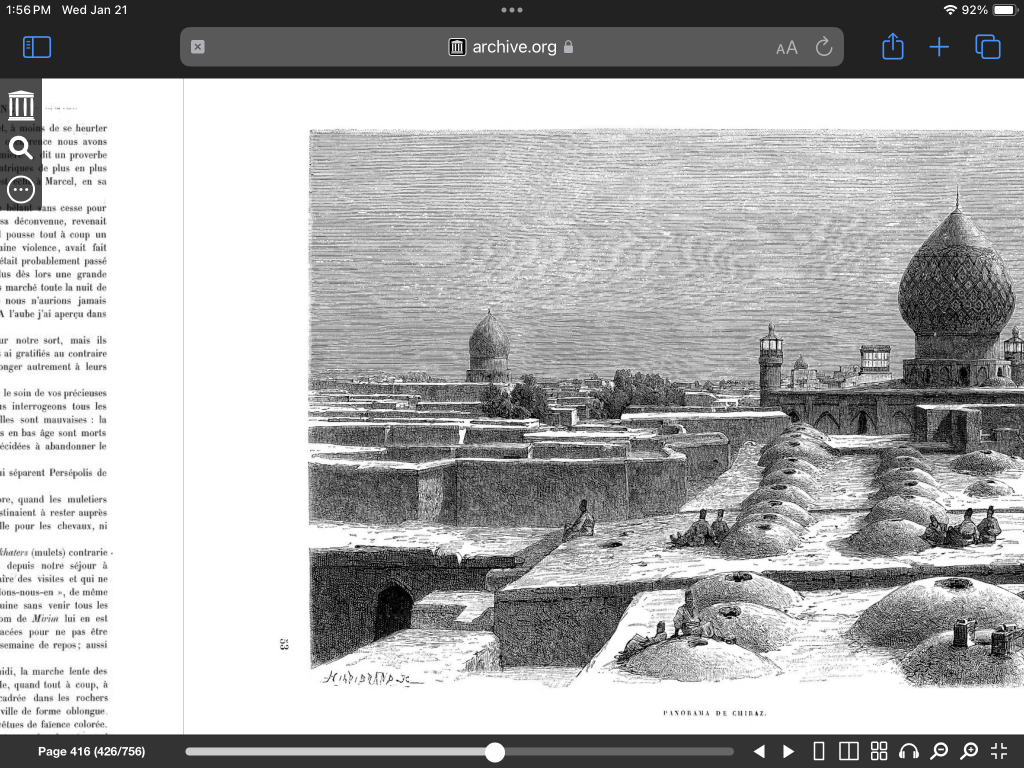
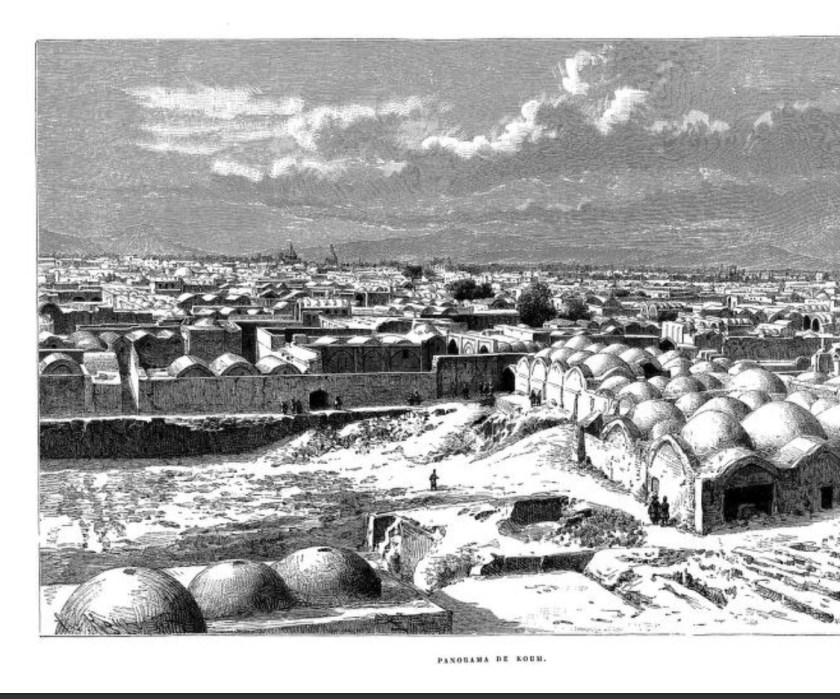
Much is written about ancient Persian architecture in this work from 1887 by “Madame” . I can’t help but wonder, similar to how the meaning of Ice House changed in Texas, did the meaning of Madame also change? ‘Cause Dude does NOT look like a lady!
Three main types of Yakhchals exist: vaulted, underground, and roofless, each adapted to different climatic conditions.
Passive cooling so common and effortless that even poor people could afford ice: (PDF) Yakhchal; Climate Responsive Persian Traditional Architecture
Mehdipour, Armin. Yakhchal; Climate Responsive Persian Traditional Architecture.
Yakhchāl – Wikipedia The Mughal emperors also recorded to adopt the technology of Yakchal. Humayun (r. 1530–1540, 1555–1556) expanded ice imports from Kashmir to Delhi and Agra, insulating blocks with straw and saltpetre to slow melting, a Persian technique. Early Baraf Khana (underground pits) stored ice, adapted from ‘yakhchāl’ for preservation.[4] Akbar (r. 1556–1605) organized ice transport from Kashmir to Delhi, Agra, and Lahore via a 14-stage relay system, delivering ice in two days using saltpetre. The ab-dar khana at Fatehpur Sikri used sandstone cisterns and qanats, resembling yakhchāl, to cool water and make sherbets and early desserts.[5] During the era of Jahangir (r. 1605–1627), Tuzuk-i-Jahangiri describes baraf khana as insulated cellars storing ice for palace cooling, food preservation, and kulfi, a frozen milk dessert with pistachios and saffron. Ice was harvested in Lahore from shallow ice pans and stored in straw-lined pits.Shah Jahan (r. 1628–1658).[6] Shah Jahan built a baraf khana in Sirmaur to supply Agra and Delhi’s Red Fort. These underground structures with thick walls stored ice for drinks, food, and kulfi, symbolizing imperial luxury.[7] Although many have deteriorated over the years due to widespread commercial refrigeration technology, some interest in them has been revived as a source of inspiration in low-energy housing design and sustainable architecture.[8] And some, like a yakhchāl in Kerman (over a mile above sea level), have been well-preserved. These still have their cone-shaped, eighteen meter high building, massive insulation, and continuous cooling waters that spiral down its side and keep the ice frozen throughout the summer.
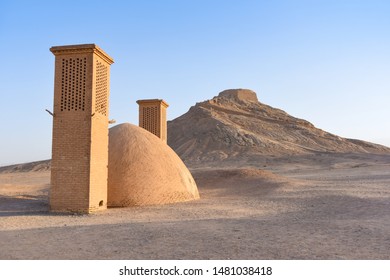
A ‘wind catcher’ tower
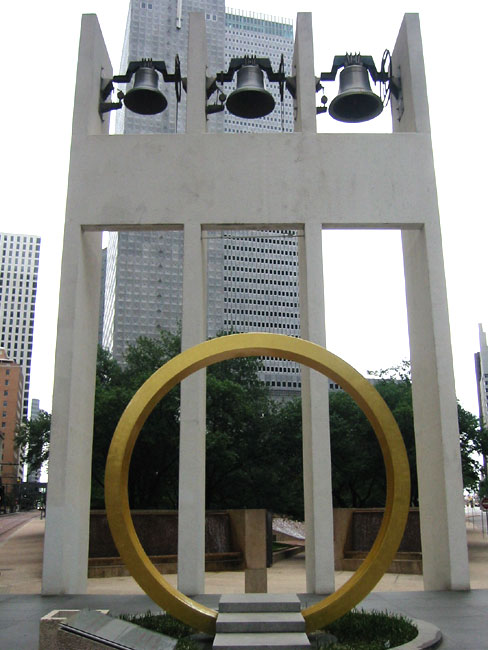
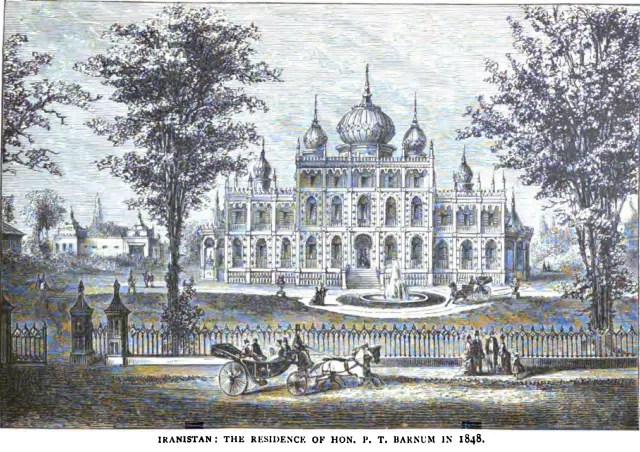
What we see as far as typical architectural features of the Yakhchal are domes, sometimes occuring with minerets, or spires, and sometimes with bells associated as well. Underground gardens are also a feature in the more elaborate designs.
Interestingly, Dallas has such an architectural gem, though I’ve not found any mention of the yakhchal or ice house technology mentioned in the literature.
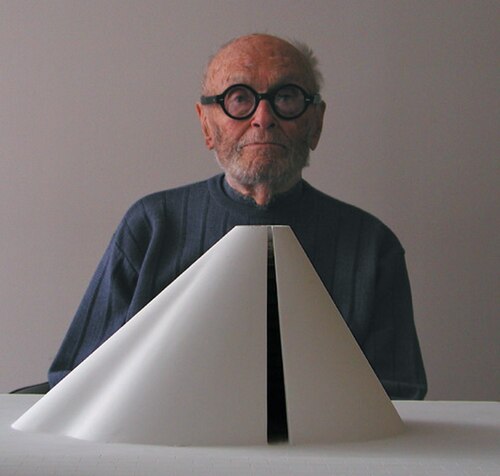
The celebrated architect of the famous underground Dallas square.
From Wiki: Thanks-Giving Square – Wikipedia
The Square is set fifteen feet below ground level with a four-foot wall blocking the sight of automobiles to create a serene, green island. Water plays a prominent role in the landscape, with active fountains masking city noise.
Sitting amid the steel and glass skyscrapers of the Dallas business district, Thanks-Giving Chapel’s white spiral building is a beautiful—and unusual—sight. A curvilinear chapel resembling the 9th century Al-Malwia (snail shell) freestanding minaret of the Great Mosque of Samarra, Iraq, built by the Abbasid caliph Al-Mutawakkil, is not a building a visitor to Dallas expects to see. Another pleasant surprise is the Qur’anic verse “Grateful praise is due to God alone, the Lord and Nourisher of the worlds” engraved on a granite column at the entrance to Thanks-Giving Square. A portion of Psalms 100 appears on the Wall of Praise, also at the square’s entrance.
In 1971, the Dallas-based nonsectarian Thanks-Giving Foundation hired renowned American architect Philip Johnson to design a chapel that would celebrate the value and spirit of the institution of thanksgiving. Completed in 1976, Johnson’s white marble aggregate building dominates the three-acre triangular site that is dedicated to spiritual reflection. A sloping bridge built over a cascading waterfall connects the courtyard to the chapel. From his study of art history, Johnson was inspired by the spiral form of the Samarra minaret—which is similarly connected to the Great Mosque by a bridge.
“The spiral design perfectly conveys the foundation’s dual mission of offering a place for all people to give thanks to our creator and celebrating the value and spirit of thanksgiving for both sacred and secular cultures throughout the world,” Tatiana Androsov, Thanks-Giving Square’s president and executive director, told the Washington Report on Middle East Affairs.
Inside the chapel, a visitor’s attention is immediately drawn to the Glory Window (above), a multi-colored stained glass ceiling created by Gabriel Loire. This striking creation was memorialized in a United Nations stamp in 2000, the International Year of Thanksgiving. In one area of the room is a large white Carrara marble cube mounted on a sandstone circle made of local Austin stone. The cube is symbolic of the unification of mankind; the circle symbolizes eternity.
During the week, the chapel is a convenient and tranquil location in an otherwise busy city for Muslims working in the downtown business district to pray. “Although there are 22 mosques in the Dallas area, many Muslims working in this part of town like to come here, especially for Friday prayers,” Androsov explained. Visitors from Europe, the Middle East, Asia and Africa come to the chapel as part of the U.S. State Department’s International Visitor Leadership Program, she added. The Thanks-Giving Foundation is a Department of Public Information NGO with the United Nations. For more information, visit www.thanksgiving.org.
Thanks for joining me on this little journey through time and space!
domes and spires everywhere back then!
One last deep speculation–could this ancient architectural tech also relate to the so-called Mound Builder indigenous tribes all over the Americas?
Just some happy snaps with minimal commentary this post, because it’s been too long. With more coming very shortly, as soon as my new keyboard arrives, because I loathe the hunt and peck method of the digital keyboard.
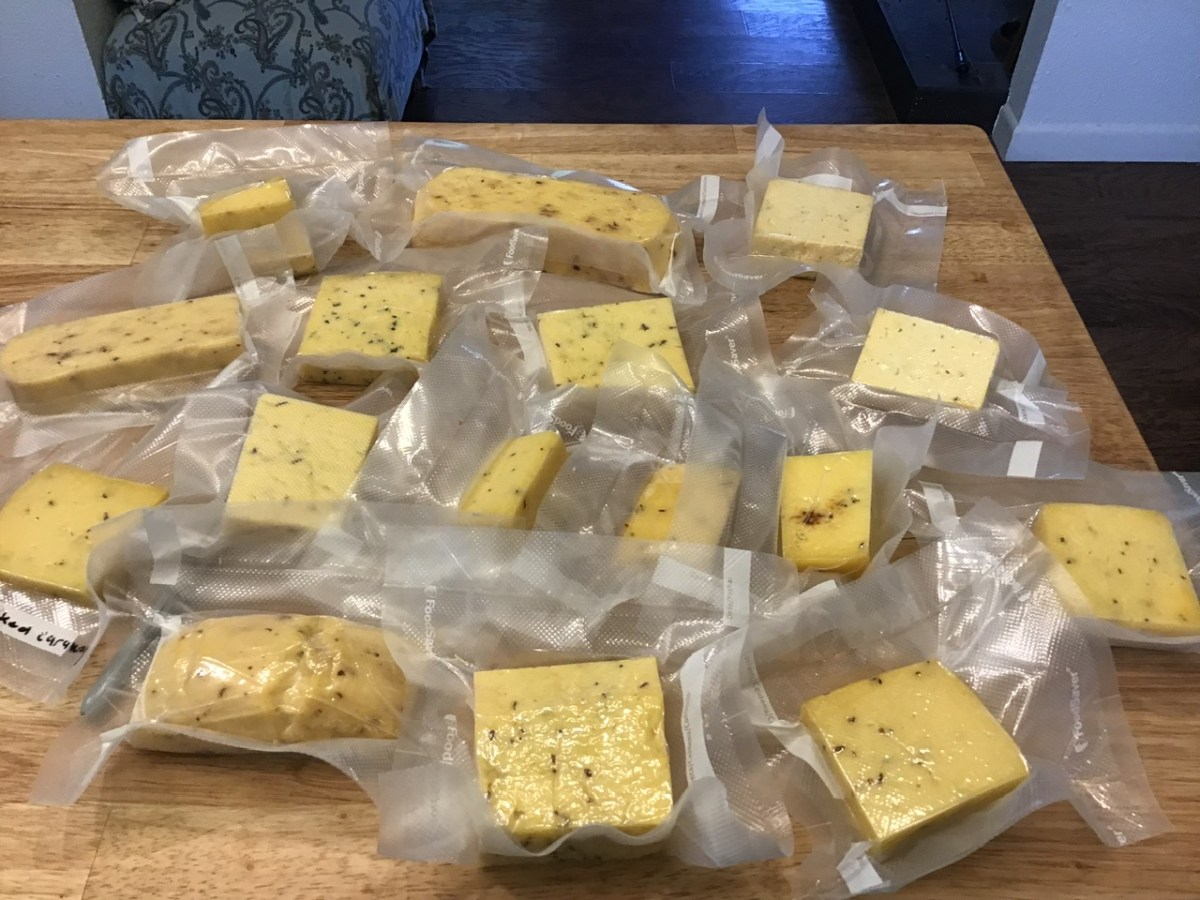
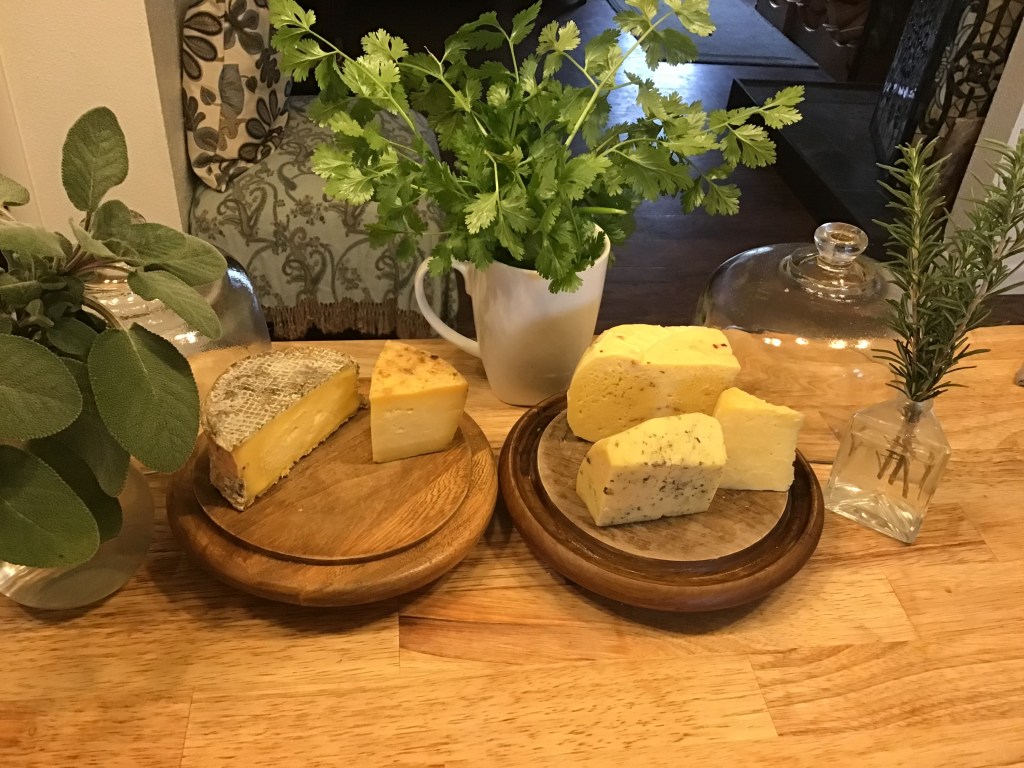
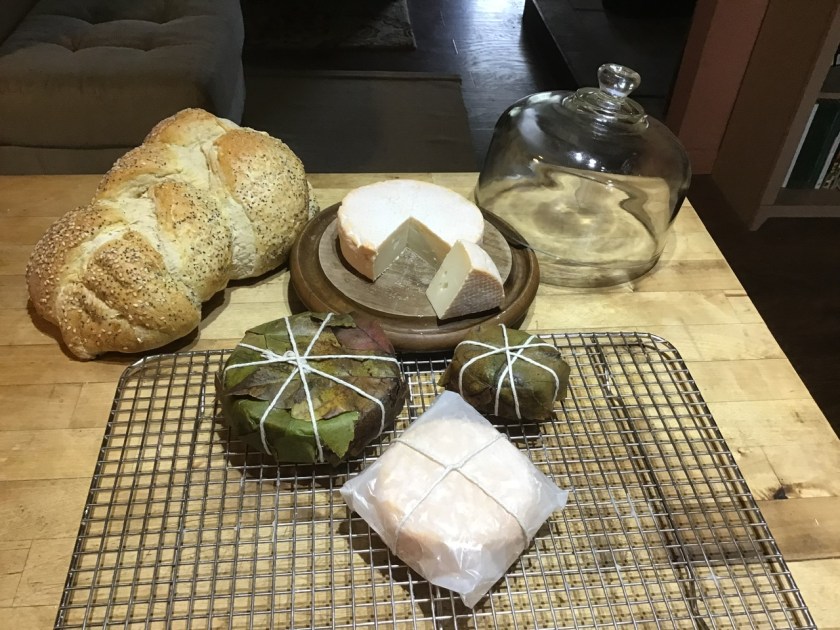
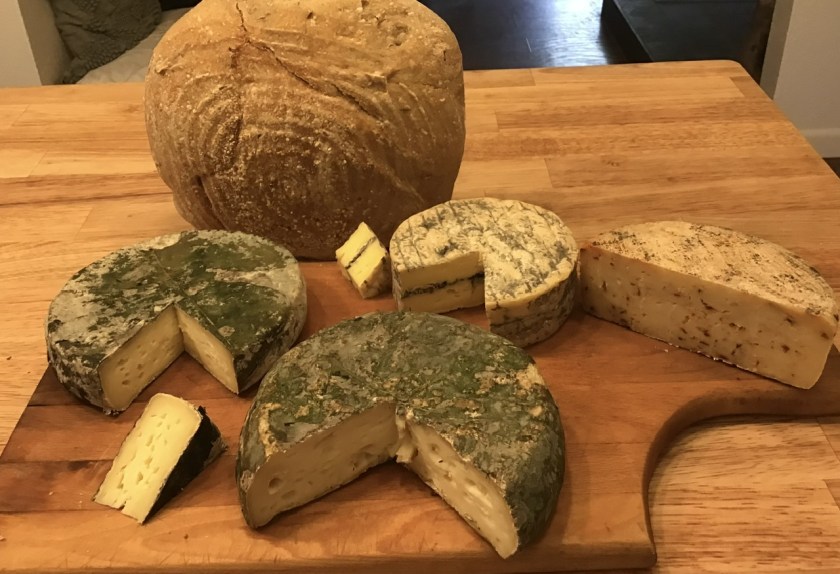
Some aged cheeses and winter herbs: smoked cheese on lees, kenshobert, pepper havarti, dill havarti and cheddar, with some fresh sage, cilantro and rosemary.
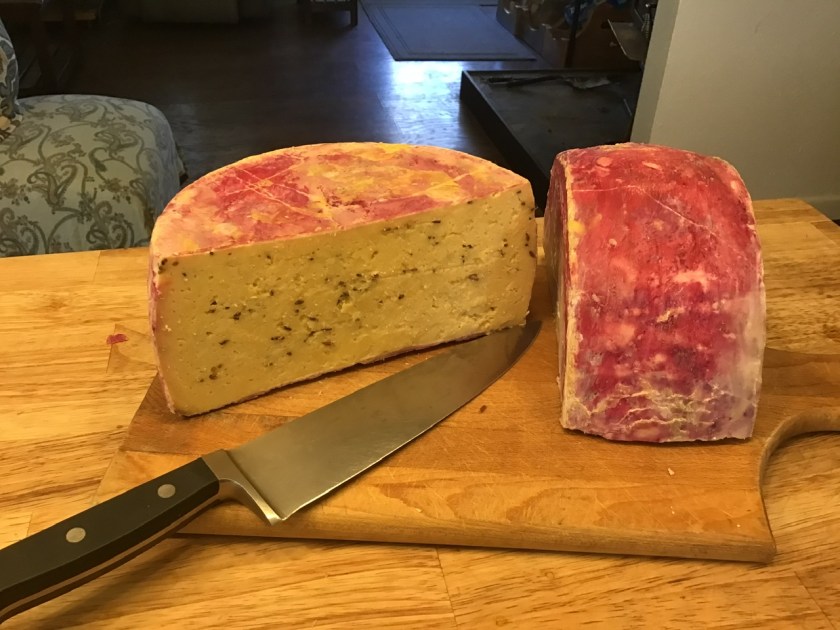
My biggest cheese this season from 9 gallons, caraway cheddar aged in a poke-tinted tallow coating. Unfortunately, it’s not my favorite. Fortunately, others like it fine so I happily gave the whole thing away.
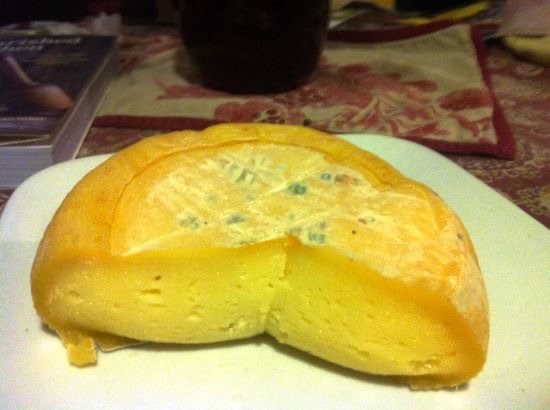
My personal favorite, my signature Kenshobert, a local take on Camembert.
A large dill havarti and variety of experiments, most quite good!
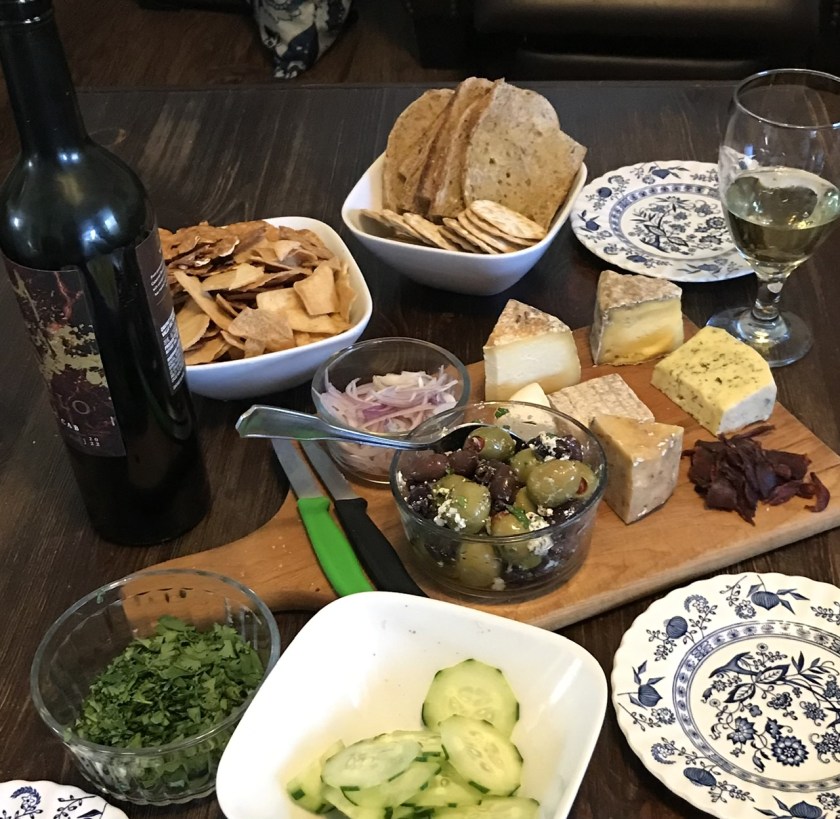
Sharing a charcuterie board of cheeses and cured lamb.
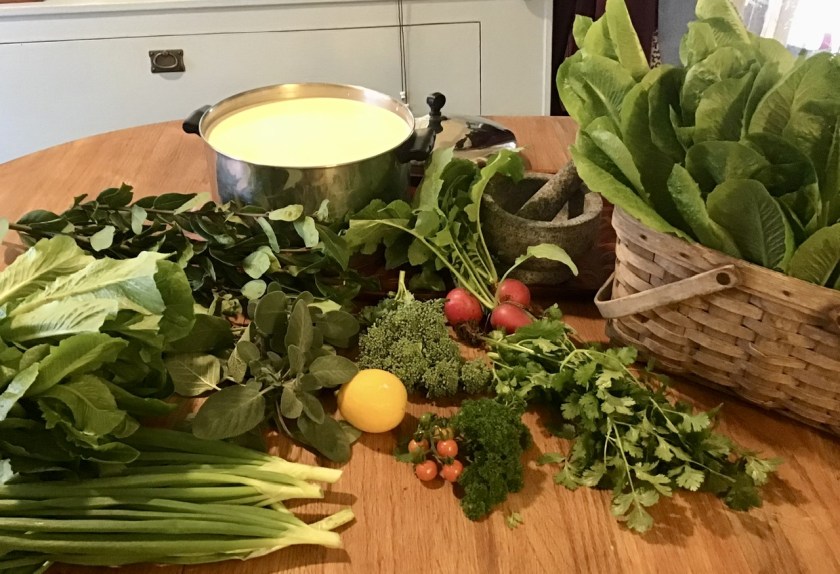
A winter harvest of romaine, onions, herbs, radishes and even an orange from our little shrub and some cherry tomatoes because it’s been so unseasonably (and unnaturally) warm. Plus a pot of today’s milk becoming clabber for tomorrow’s cheese.
A Christmas bumblebee!
Unusual winter roses turning strange colors.
A few more happy snaps . . .
A darling bird of prey I watched right off our balcony from our recent quick roadtrip to Gruene in the Hill Country.
Also in Gruene, a so-called ‘mud-flooded’ building, more coming soon on that conspiracy theory in the new year.
They have preserved some gorgeous trees there from the ever-encroaching urban sprawl, and more power to ’em!
“Papers, please!” was a running joke among Western expats living in Eastern Europe. I wonder how many of them now carry a permanent spying device with great pleasure or perhaps even cheerfully signed on to the digital passport program, first in line, buying into the ploys of safety and convenience.
The Globe was supposed to move in the other direction entirely! We won the Cold War, supposedly, in order to NOT be treated like the perpetual citizen-criminals of Kafka’s stories.
Eastern Europe in 1989 was a surreal place for a young university sophmore voyaging long distances by train alone for the first time. It was at once charming and derelict, welcoming and suspicious, familiar and mysterious.
On the one hand I never felt physically threatened, not even as flaneuse on the city streets at night. On the other hand the decrepid state of the infrastructure whispered danger somehow, because neglect itself is a dark force.
On the one hand the relative poverty was palpable, though my midwest suburban upbringing was middle class, great food variety and consumer goods were far more available. On the other hand their resourcefullness has had a lifelong impact on me and was my first critical look at the innate and corrupting consumerism of my little world.
I didn’t speak the languages and there were very few English speakers. I got by, barely, with French, rudimentary German and smiling, mostly. Americans were considered automatically suspect, so some travelers would claim to be Canadian at any venue not requiring their passports.
Already on the issue of passports I was laughingly naive.
A variety of stamp collecting, or paving the way for the Global digital gulag? It was an especially exciting moment in the expats life when your passport got so full of stamps you had to go pronto to the nearest embassy to get new blank pages stapled into the back of the official document.
Interestingly, while Americans were considered automatically suspect, there was still a sort of cult following that adored America and those who were positively thrilled to meet one, and I made it a point of meeting those unique sorts.
I went on to be a Peace Corps volunteer there a few years later precisely because of my immediate attraction to this region. I felt compelled to know it better and the fact I had the opportunity to spend three more years there, mostly in Czech Republic, but traveling the region extensively, was in fulfillment of my deepest desires and longings at that time.
For all that I loved it, there I also felt my greatest repulsions.
The dystopian Kafkaesque bureaucrocy I experienced was not just fiction. The general acceptance of the populace, while not exactly Stolkholm Sydrome toward their Soviet occupiers, was still a quiet resignation which struck me as particularly pathetic considering their far more astute knowledge of history.
My old passports are the best symbol with which I can try to express my current level of despair seeing my greatest repulsions come to fruition all around me, even as we ‘the Capitalist West’ were the supposed winners of the Cold War.
What did we win? A military industrial complex acting against the best interests of its people. A Corporatocracy run by corrupt public-private partnerships which pretends not to be a fascistic system. Progress that is defined entirely by blind acceptance of anything stamped with the Technocrat seal of approval. Endless paving over of the countryside for roads and minimalls and condos and tourist traps in the ugliest construction ever known to ‘civilized’ man.
Civilization itself has morphed into something totally uncivil, hideous and expanding entirely out of control.
I, like many other intrepid travelers, thought of the passport merely as the modern equivalent of the old travel trunks stamped fashionably with destinations. We thought of them as a collection of strange signs and symbols we’d forever associate with our new memories of far-off places. They were the paper images of our wanderlust we planned to show one day to the grandkids, not knowing they would be holding a digital scrolling device we’d rarely be able to pry from their clutches.
Just a decade ago this was all ranch land
“Once traditional farming systems have been destabilised by the debt-trap of subsidised loans, structural adjustment policies, corporate input regimes, global supply chains, patented seeds and monocultural production, mass migration to cities becomes an inevitability engineered from above. The city thus absorbs the displaced because the countryside has been systematically stripped of opportunities or carved up for infrastructure or real estate schemes.”
What if we’d been given the actual choice, not the strategically invented one, between our current paradigm of progress as a global militarized surveillance state and the ‘stagnation’ where the Eastern Bloc resided for half a century?
This, or this?
Electric prison bars or progress?
Do folks really think WHEN this whole shitshow goes tits-up there will be government funding for the clean-up and restoration of this once beautiful land?
That I don’t want this EVER, for ANYONE makes me some kind of bitter-clinger communist?
“ALA’s annual State of the Air report found that 156.1 million people—46 percent of the population—now live in counties with failing grades for ozone or particle pollution, nearly 25 million higher than last year. Previously less-affected areas, such as Minneapolis, saw significant spikes in unhealthy air days tied to climate-exacerbated wildfires and particle pollution, such as dust.”
Universities funded by public-private partnerships clandestinely tamper with our atmosphere using euphemistically-named scientific jargon like ‘Plume dispersions’ as if this is not mass poisoning?
A hellscape of ‘progress’ in the form of the most ugly, extractive and intrusive landscapes imaginable?
How did ‘WE’ win in this global game that began long before I was born?
What kind of twisted minds call this progress? We have 70 years of documented atmospheric tampering while officialdom continues in denying its impact, which is now going into overdrive while the voices of the livid citizenry, especially those losing their livliehoods in the rural regions, get squashed. Same as it always was.
“Similarly, Gerard Winstanley, writing in the 17th century, envisioned a society in which land and labour were shared as a common good, not commodities to be exploited. His insistence on communal responsibility and ecological justice underscores the radical, enduring potential of agrarian ethics against the logic of extraction and profit.
In this light, the critique of urban-centric development becomes more than an economic critique. It represents a challenge to the very definition of progress. The rejection of the celebratory narrative of neoliberal modernity is a philosophical insistence that a society cannot be judged by its technological prowess while its ecological foundations crumble and its people are alienated from the sources of life.
The modern city, therefore, becomes a battleground where two visions of civilisation confront one another: the dominant model of corporate-led, centrally managed growth and the fragile but persistent ethic of stewardship, locality and shared responsibility. As made clear in my new open access book, The Agrarian Imagination: Development and the Art of the Impossible (available here), genuine human development cannot be measured by urban skylines or GDP figures but by the survival of relationships between people, land and community that give meaning to life.”
I taught my Beginners Cheesemaking Workshop at the Senior Center and as always when teaching, I learned SO much.
Beyond the barely controlled kitchen chaos, of which I fully approve, there were the usual sort of mistakes to learn from, like why a random rennet failure for one participant, and why another’s curd did not want to separate from its whey. Those issues were fixed, total failure averted, which is the very best way to teach cheesemaking.
Lots can go wrong but most likely you’ll still have good cheese, that’s my primary teaching goal. It may not be the cheese you were going for, but that’s ok.
Do first, talk later, that’s how it should be with cheesemaking, according to me. There really is a method to my madness, and it’s staunchly ‘anti-science’. This is totally logical, because folks were making cheese LONG before anyone understood the science behind it. In fact, much of the science behind it is still disputed.
You don’t need to know what rennet is, or study a recipe first, or have all your ducks in a row before diving in. In fact, like with many new skills, too much information is actually an impediment to just getting started.
I like to allow the alchemical magic to lure the potential future cheesemaker into the process all on its own. Their desire for more knowledge, more structure, more understanding is a far more powerful teacher than I could ever be prattling on about all the minutea on the science of cheesemaking.
Which is more fascinating, the art or the science of cheesemaking? That will depend on the individual, but let’s face it, for most of us, art is far more fun.
So my moto is, let’s get in and get dirty! And we did, wow, did we make an impressive mess. A deep bow to the very kind ladies who did all the cleanup, I definitely scored there. I should’ve calculated better how much mess there would be, but what fun is there in that?
In my personal debriefing session once home and reflecting on the experience, I had a few ‘room for improvement’ points to make, but not around the mess or the chaos. (Note to self: bring extra cheese for the ones who get stuck washing up.)
Those details are important, but not nearly as important as the most important thing I learned, which is–folks out here don’t actually believe in germ theory. This is something of a revelation for me.
Despite the 5 extra bottles of hand sanitizer in the back room, and the chemically-scented dish soaps by the sink, and the properly clean kitchen that demonstrated good hygienic practices, once the ball got rolling, not a peep about bad bacteria was overheard.
We did eventually talk a bit about bacteria, and so-called germs and my disdain for anti-bacterial products and chemically-laden scents and their detriment to the cheesemaking process, not to mention general good health.
But in practice it was pretty clear the bad germs propaganda was not fully instilled in this clever group of girl and ladies (and our one token man who chivalrously helped me with all the heavy lifting).
Right into the cheese pot went many pairs of bare hands to stir the curd without a moment’s hesitation. I was immediately and very pleasantly surprised.
Then, because of mistakes in one group, and excesses in another, the curds of many pots became communal. A dozen pair of hands, not one that had been scientifically anti-bacterialized (I brought my own soap, which they all used, and several raved about) salting and pouring and forming and pressing.
And while I could see in my mind’s eye my mother’s face pinching into a look of mounting disgust, all I could think was, “This is so awesome!”
Teaching beginning cheesemaking has one crucial thing in common with teaching adults beginning a foreign language: The biggest hindrance to success is fear of failure. And, constant failure is the only way to learn how to do it.
Our education system, in addition to forcing on children such complete nonsense as germ theory, instills in them very early on to harbor a fear of failure.
If I could re-educate around one axiom the entirity of the Western schooling system it would be to learn to fail first, so you get good and used to it.
Take the shame out of failure and watch as the love of learning soars.
Here’s my ‘All you need to know about learning in 3 easy lessons’:
Lesson 1: Fail. Lesson 2: Learn from those failures! Lesson 3: Rinse & Repeat!!
“You’ve spent your entire life believing a story about disease that simply isn’t true. Every time you’ve reached for antibiotics, every time you’ve worried about “catching” something, every time you’ve surrendered your health to medical authority, you’ve been operating under a fundamental misconception that has shaped Western medicine for over a century. Louis Pasteur’s germ theory – the idea that we’re sterile beings under constant attack from external microbes – didn’t just become medical dogma by accident. It triumphed through a combination of political connections, self-promotion, and what we now know from Pasteur’s own hidden notebooks was scientific fraud. The theory promised simple solutions: identify the germ, develop the drug, conquer the disease. But here’s the thing about simple stories – they’re usually wrong.”
This isn’t just an academic dispute between dead scientists. Right now, your body is maintaining thousands of delicate balances – pH, blood sugar, mineral ratios, temperature – through feedback loops of staggering complexity. Walter Cannon called this state homeostasis, building on Claude Bernard’s revelation that we don’t actually live in the external world but in our own internal fluid environment. When this internal environment stays balanced, you have energy, clarity, resistance to disease. But modern life assaults this balance relentlessly: 150 pounds of sugar per year disrupting blood glucose, chronic stress flooding your system with hormones meant for brief emergencies, thousands of chemicals your liver was never designed to process, processed foods that can’t be properly digested. Your digestive enzymes fail, partially digested food leaks into your bloodstream, your immune system exhausts itself fighting food particles instead of threats, and those helpful microorganisms in your body start changing into forms associated with disease. The symptoms you develop – the arthritis, diabetes, chronic fatigue, cancer – aren’t random attacks by germs. They’re the predictable result of your internal environment breaking down.
And this is where the curse becomes clear: by convincing us that disease comes from outside, that our health is beyond our control, that only medical experts with their drugs can save us, the germ theory has robbed us of our power. We’ve become a society spending over a trillion dollars yearly on healthcare while ranking dead last among developed nations in health outcomes. We’re first in infant mortality, cancer rates, chronic disease, and pharmaceutical consumption. The medical system excels at crisis intervention but has completely failed at prevention because it’s been looking in the wrong direction for over a century.”
I have not read this particular book, but these quotes repeat what a great many experts have been publishing for as long as Pasteur has been relentlessly promoted in their stead. They have been, and continue to be, buried beneath pseudoscientific propaganda in order to sell a lot of chemical crap to the public.
It’s been through reading some of these works combined with nearly 15 years of cheesemaking I’ve come to realize a few crucial truths:
*Air-born ‘viruses’ have never been scientifically proven to exist.*
*Trying to abolish bacteria to create a ‘sterile’ environment does more harm than good.*
*Fear of contagion is FAR more contagious than the so-called contagious diseases.*
I’ll let the experts argue amongst themselves all the fine details of the various theories which were buried so that Pasteur could dominate public health for over a century.
I know enough from my limited research what is necessary to lead a happier, healthier life and I’m so pleased to know that while the general public may go through the motions to pay some lipservice to germ theory, in all practicality, a lot of them don’t really believe it either.
The modern-day experts trying to unbury Pasteur’s contemporary critics and practices are pushing through the censorship and making life happier and healthier for a lot of folks. If you want to learn more, check out some of their work, loads of it is available for free.
An easy place to start would be with Mike Stone: “In the past—even as recently as 2017, when I first began investigating—there was very little material available for those questioning the mainstream narrative, and what did exist was often difficult to find or access. Today, however, there is an abundance of resources—dedicated websites, books, podcasts, documentaries, Substacks, and more. As I noted three years ago, this growing community of independent thinkers has been reexamining long-held scientific assumptions—not only in virology, but also in bacteriology, immunology, genetics, and even vitamins/nutrition. By critically analyzing old research and questioning foundational claims, people are rediscovering logic and genuine inquiry in place of rote belief. This movement reflects a collective return to critical thinking, open discussion, and the pursuit of truth through shared investigation—a modern renaissance of independent science.”
I have a dream that when asked where I sell my delicious locally-produced raw milk cheeses my response will be one of beaming pride instead of deflated frown.
Instead of–“Sorry, I can’t sell them, it’s illegal”–in my dream I reply instead:
“I have an assitant who delivers our homemade cheeses twice a week to the community Farmstead Store in town. You probably should call her and make arrangements because she always sells out by lunch. We have Farmstead Stores in every small town in our region who send out drivers to exchange with one another. Our free-range pork and our neighbor’s beef sell out even faster than the cheeses. They’ve also got year-round fresh produce there, eggs of course, honey, wine, kombucha–all sourced and produced from within 15 miles.”
Instead of my dream, in my reality I get asked, “Can’t you get a license?”
No! No, of course I cannot get a license! Instead of dream-speak I get the nightmare reality.
It’s not only impossible to get a license for a home cheesemaking operation, it just happens to also be against my philosophy.
“An agorist is one who applies the principles of libertarianism consistently through counter-economic practice. They aim, that is, to bring about the voluntaryist society not through political (in)action but through direct counter-economic action.”
No, I cannot get a license. Since we are in the South, I wonder if another appeal might be in order?
Imagine if instead of ‘philosophy’ I said ‘religion’. So my reply becomes:
“Appealing to State and Federal officials for what I, and my neighbors, choose to purchase for consumption is against a fundamental aspect of my religion which preaches the gospel that God chooses my food through my tastebuds.”
“This is not a trivial point. A free society is not merely an ideal society to be philosophically formulated, but a process to be enacted through conscious action. Thus, the idea of separating the free society from the actions that free human beings must (or must not) engage in is self-contradictory. What else defines a free society except for those actions?” James Corbett
“Furthermore,” I continue in my dream space, “I’m allergic to paperwork and authoritarian nincompoops and I refuse to spend what little time I have left on this spinning green insane asylum kissing the arses of Velvetta-eating officials mansplaining me what I must do to make safe cheese.”
Also from Corbett In “An Agorist Primer” Konkin explains: “We see that nearly every action is regulated, taxed, prohibited, or subsidized. Much of this Statism — for it is only the State that wields such power — is so contradictory that little ever gets done. If you cannot obey the (State’s) laws and charge less than [because of “Fair Trade” laws], more than [because of “Anti-Trust” laws], or the same as [because of laws against cartels] your competitor, what do you do? You go out of business or you break the law. Suppose paying your taxes would drive you out of business? You go out of business — or you break the law. Government laws have no intrinsic relationship with right and wrong or good and evil. Historically, most people knew that the royal edicts were for the king’s good, not theirs. People went along with the king because the alternative looked worse. [. . .] But everyone is a resister to the extent that he survives in a society where laws control everything and give contradictory orders. All (non-coercive) human action committed in defiance of the State constitutes the Counter-Economy.” In effect, Konkin takes the plight of the modern-day citizen, stuck in a web of ridiculous, contradictory, and impossible-to-follow laws, rules and regulations, and flips it on its head. It is not a source of shame to be acting against the arbitrary whims of the state, but a virtue. Economics is the realm of white markets: legal, licensed, sanctioned and regulated exchanges in the aboveground economy. Counter-economics is everything else: black market and gray market activity either specifically outlawed by the state or not licensed or approved by it. People tend to get squeamish when they hear “black market,” but we’re not just talking about gunrunning, counterfeit smuggling or drug dealing here. Any (non-violent) activity that doesn’t have the blessing of the state is counter-economic.
“Of course, individually, these actions seem unimportant, even trivial. But in combination they drain significant resources away from the clutches of the state and toward the people participating in the actual productive economy. It is estimated that 20% to 30% of Americans fail to report taxable income. In some parts of Latin America it’s closer to 80%. Can you imagine if it were 100%? A few isolated counter-economists acting in a disorganized haphazard faction is a minor inconvenience to the powers-that-shouldn’t-be. Millions of people acting in concert in a deliberate undermining of state authority is a revolution. This is the promise of counter-economics.”
The quotes that are not in my dream are taken from the following 2 articles by James Corbett, well worth the read.
This is a repost of a few of my first cheesemaking adventures way back in 2015. I decided to repost it since not only is it Hubby’s favorite, but also because my cheesemaking workshop is right around the corner, so my cheese posts are getting more views lately.
From the archives:
I’ve now made nearly two dozen different cheeses. When I started out, my only raw milk source was a five-hour round-trip drive, I was aging them in the veggie drawer of the fridge, and I was following the recipes to the letter.
I now have an aging fridge packed with cheeses, my raw milk source is at least in the ballpark, I’m creating my own recipes, and I may even spring for a pricey PH-tester. It’s been a long, fun road with a steep learning curve made in a relatively short time, which is what I say about pretty much everything in our adopted rural lifestyle.
But the best cheese I’ve made so far was the third one I attempted, and it started out as a smelly, rather disgusting potential disaster.
In our cheese-making class, we were strongly encouraged to take notes on our every hard cheese-making venture and being the diligent student I usually am, I do. This time was no exception.
Has odd fishy odor” is at the top, middle and end of the third cheese’s entry. I was a bit reluctant to include the less-than-savory details as to why that might be.
First, a bit of background on my past experiences with stinky cheese. I am no expert, I can’t even call myself a true aficionado, but I’m more cheese-fearless than most, especially most Americans. After all, I did live in France for a while, and spent a few months in Corsica, where I met the only cheese that scared me off.
The Corsican cheese is quite popular and, being a sensitive traveler attracted to regional specialties, I was anxious to give it a try. I went to the farmers’ market, found the oldest, roughest-looking cheese-monger of all the vendors and marched right up to examine his wares. He looked like an ex-sailor with wrinkled, sun-burnt skin, black patterns on his forearms where I assume tattoos were once legible, and an easy-going, toothless grin. He eyed me as I pretended to know what I was doing. I glanced over his table and tried to make out the curious handwriting to learn what I might be able to pronounce well-enough to order.
My eyes went right to the group of words I was searching for – traditional Corsican cheese – how easy was that? I felt already triumphant. In my best French, I tell him I want that cheese, and he replies, “Avec ou sans habitants?” At that point I feel certain I saw a glimmering in his eyes. He points down to the sign below the ‘traditional Corsican cheese’ sign, which reads just as he has stated: “AVEC OU SANS HABITANTS.”
Instead of triumphant, I’m instantly befuddled. I had no idea what that meant, and the question so baffled me I thought I clearly did not understand. I said quite sincerely, “I don’t understand.” But, in retrospect, I think I kinda did, I just didn’t want to believe it. “With or without inhabitants,” it was clear and easy to understand even for a non-French-speaker. This was not a linguistic block I was having, it was a reality check.
At that moment my market companion attempted to come to my rescue. She didn’t speak English, but understood my dilemma apparently without words exchanged, being French and rather snobbish about her cheeses. “Inhabitants …,” she repeated to my complete horror, “as in maggots.” After which she pinched up her nose slightly and gave a nearly imperceptible shake of her head, like she was trying to reassure me – ”Don’t worry, on the mainland we don’t eat that sort of cheese.”
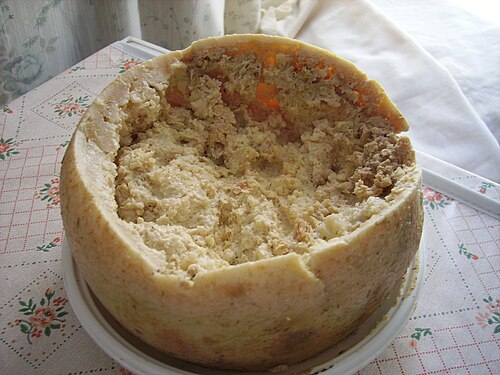
Maggots, I’ve since discovered, is just one of may unsavory methods of ripening, there are many, like ‘cheese mites’ and they are still deliberately used to ripen certain cheeses in various parts of the world, like Casu martzu – Wikipedia.
Wiki image of maggot-ripened cheese
So, back to my Cheese No. 3. The first two times I followed two different farmstead cheese recipes to the letter, wrapped them to age, and made my notes, nice and clean, without any question of potential perfection in outcome. This third time I found a recipe online that was so vague in steps, measurements and temperatures, I had to wing it a bit for the first time.
To make matters worse, this particular day had a pronounced increase in kitchen traffic. After I’d muddled through the recipe and began the pressing process, Handy Hubby had a dramatic building challenge of the electrical variety that required him to tear into the wall in the vicinity of the press. He’d just been on the roof cleaning up mice nests, and they’d managed to chew through some of the wires, which he now had to replace.
I wondered momentarily if that was something I should include in my notes. Nah, best forgotten, I decided.
But I could not forget, and what I’d hoped would be a quick in-and-out project around the press turned into an hour, going on who knew how many more. With Hubby going in and out, meant the dogs are following him. They think this is a game and don’t understand Hubby’s irritation as he curses the mice only under his breath … and … is sweating through his T-shirt. Right over the press!
Tori and Papi, our dogs at the time, who were often guilty of playing games around the cheese press.
Finally, the straw to break this camel’s back – I glance over from the sink as Tori’s tail brushes over the press. Tori is our Dane-Mastiff and about 6 feet from nose to tail tip. In a flash I imagine it snake-like engulfing the entire cheese.
“Stop, stop, oh my god, stop the pressing!”
I neither wanted to perceive myself as excessively anal nor offend Hubby’s already delicate mood any further, but my stomach was churning and my mind screaming at me for what I was allowing to happen to that poor cheese. I immediately disassembled the press, moved it to the office, and, with trepidation, examined the cheese, slowly unwrapping it from the muslin.
Just as I had suspected, dry-wall debris, dog hair, and who knew what other invisible entities had found their way onto the surface of Cheese No. 3.
In a moment of panic and disgust, I nearly threw it in the garbage. Then I thought, no, wait, chill, this will be the perfect testing ground. I’ll continue to do everything wrong, according to all things science and sensibility, and see what happens.
So, I stopped following the vague directions and followed instinct instead. What would the Corsican cheese-monger have done, I repeated to myself as I decided not to wrap it, to leave it at room temperature uncovered for days, then put it in with the others to age in the drawer of the fridge.
Not only did it look completely different from the others, it also smelled completely different. The fishy smell had stabilized, mold started growing on the air-dried, uncovered rind, and the texture softened inside until it began to sort of pooch out around the middle like love handles.
I felt some encouragement then, thinking, “Might good cheeses be like good dogs and begin to resemble their masters?”
A couple weeks more and it began to look and smell so delicious the temptation was starting to weigh on me. It was becoming irresistible. On Christmas Eve, I could wait no longer. The vague directions said it would be ready in two months, but my instincts were saying, ”Dig in, woman!”
The luckiest mistake: Cheese #3
So I did, and it was delicious! I am now convinced the best cheeses were discovered quite by accident and our ancestors turn over in their graves every time we get squeamish over a few dog hairs or even . . . maggots.
The only problem is, I have no idea how to imitate it.
The latest cheese ‘failure’ supposed to be a pepper jack– story and tasting coming soon!
Fast forward to last week, October 2025, and we have another crazy cheese mistake, which may turn out to be just as delicious!
Here’s the ‘pepper jack’ after further aging abuses, looking and smelling full of potential!
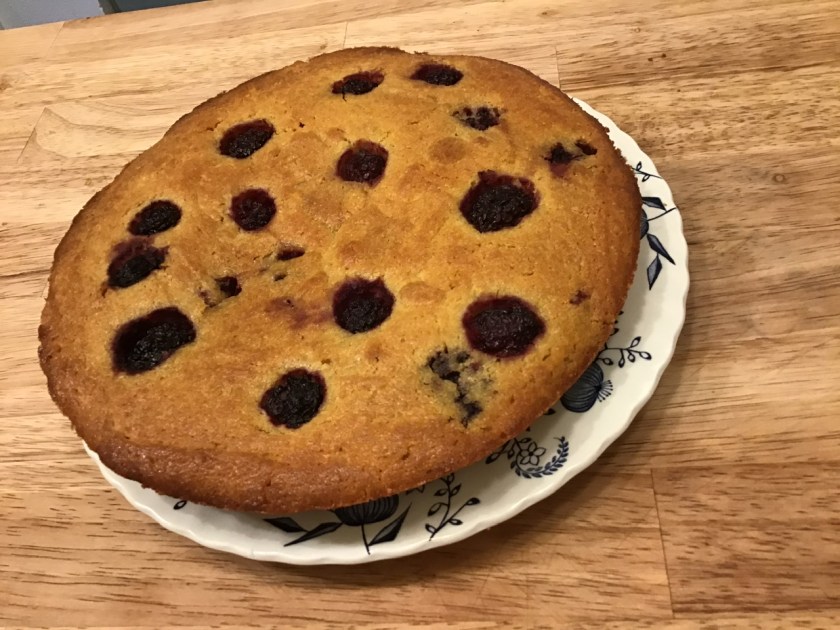
Just some cheese talk this post, plus a bit of a book review and a delicious recipe for Blackberry Ricotta Cake.
David Asher’s latest book arrived and I’ve been devouring it, as well as a whole lot of cheeses. He dives deep not just into the biology, ecology and history of cheesemaking, but the dairy and fermentation traditions that continue today around the world. Really fascinating!
Since the beginning of August, when I found a raw milk lady with a surplus willing to work with a renegade cheese lady, that’s me, I’ve been my own milk lab*.
5 gallons of warm milk spoiling on the table. 😆
Plus a ‘failed’ pressed ricotta, used too much vinegar, but it will still be good further dried and crumbled on salad like feta.
Together we settled on a suitable style and schedule that’s been rather rigorous for me, 5 gallons twice a week, right from the barn to my containers. Not even chilled. (I can see my mom in my mind’s eye trying to hold the grimace from her face! 😆)
A very hot Pepper Jack before its tallow rub before aging several months.
But I’m in hog heaven! It’s brilliant to have top-quality raw milk for a cost so reasonable I can afford to experiment again, because that’s my favorite part. It still feels like a mini-miracle after searching and pining for so long. Plus, my milk lady is arranging for me to teach a workshop again very soon at her church. (I wonder if their grimaces will match my mom’s?!)
My raw milk lady winces at the idea of making clabber cheese too, and I bet most others would as well. Sitting warm milk out on the counter for a few days would scare Brits and Yanks, equally I expect, because our unusual cheese habits in America came from them, mostly.
The vast majority of the rest of the world, Europe included, drink fermented milk and eat raw fresh cheeses, as well as cooked and aged cheeses. Velveeta, like Squeeze Parkay and American cheese slices are a true embarassment to culinary culture and it’s a shame more Americans can’t see that. But I think it’s changing.
It’s our obsession with pasteurization and refridgeration that both giveth and taketh away in the realm of cheesemaking.
Sweet cream and fresh milk are far from the norm, and came about with industrial-level and widespread home-use of refridgeration. Cooling milk should really be considered as less than ideal, it begins the de-naturing process, which continues when we then must re-heat to an optimal temperature for cheesemaking, which is about 93 degrees, the same as it comes out of the cow.
Not that I ever care to live without refridgeration, mark my words! I LOVE all our costly cooling devices. Still, I really do want to know what the most naturally produced cheeses taste like, and I have that rare opportunity now.
The other problem that gets solved by not chilling the milk before cheesemaking is re-heating the milk adds about an hour to the process, because it must be done slowly and evenly, which requires stirring, or using a water bath.
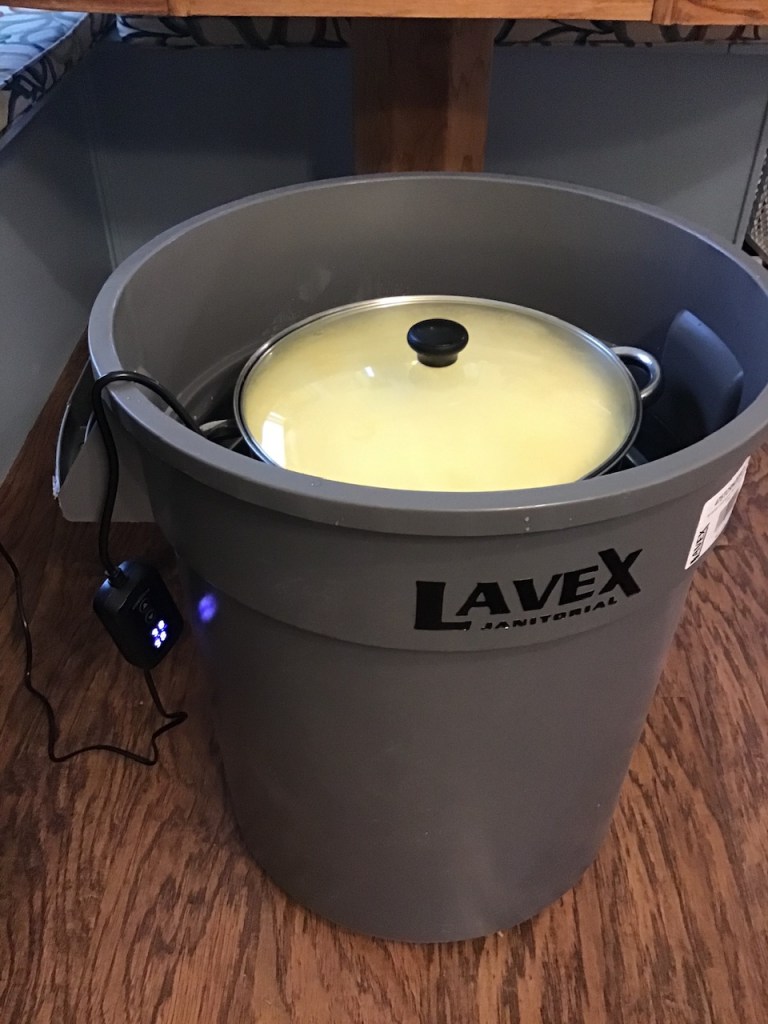
Hubby’s Redneck solution–Water bath in a garbage can, equipped with a fish-tank heater and oscillator, and now on casters for easy storage. Wow!
Just as Hubby tries diligently to solve all my complicated problems with custom redneck solutions, the temperature challange got him thinking creatively on my behalf once again. Not to mention the fact (I’m sure) that I’m taking up way too much prime kitchen space and time. Did I mention we have a small kitchen in a small cottage?
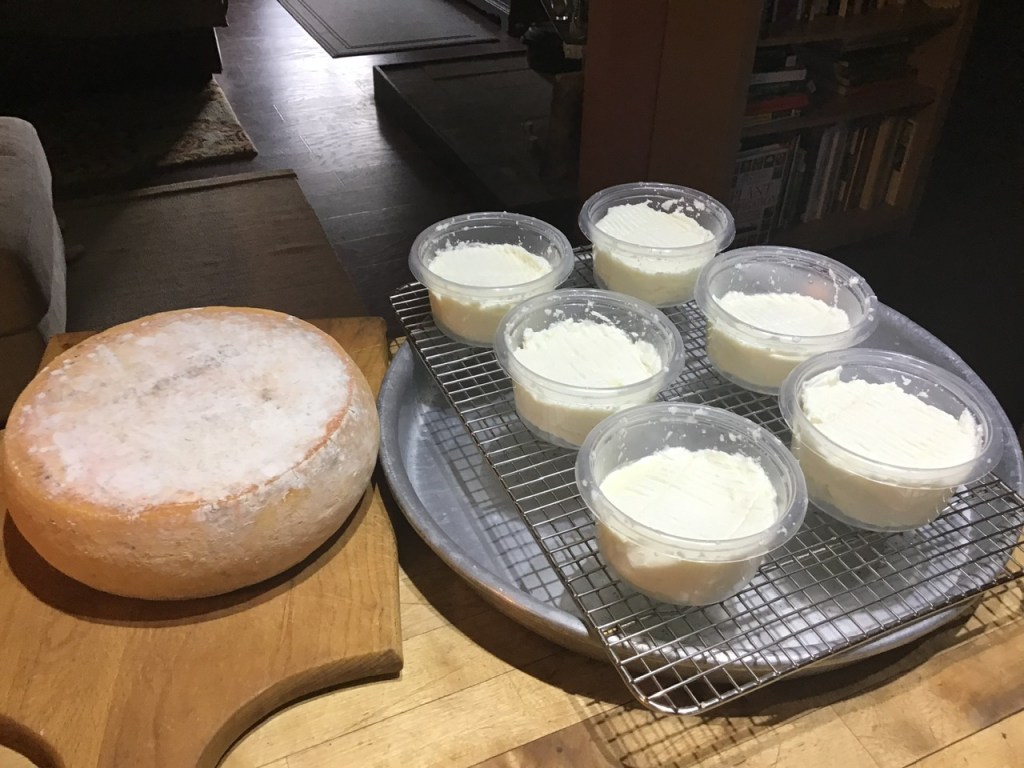
As a bonus from cheesemaking we have loads of ricotta, made with the whey after the curds are removed. I mentioned whey cheeses last time, which are most delicious pressed and soaked in cider or wine, mixed with herbs on crackers, in pasta sauces or salad dressings, but ricotta also freezes well. It also has to be made the same day, another reason for as many shortcuts as possible in the overall process.
And still, with all those possibilities, it’s proving a challenge to keep up with all the ricotta. My scheme is to create something so delicious the neighbors will start taking it off our hands.
1 1/2 cups soft wheat (sifted) 1 cup sugar 2 teaspoons baking powder 1/2 teaspoon salt 3 large eggs 1 1/2 cups ricotta 1/2 teaspoon vanilla 1/2 cup butter, melted 1 cup frozen blackberries (only slightly thawed)
350 oven, pie pan greased/floured. Whisk flour, sugar, baking powder and salt, set aside. Wisk eggs, ricotta, vanilla in separate bowl. Combine both and mix until just blended. Fold in butter. Fold in 1/2 berries, top with remaining berries. check at 45 minutes.
Good plain as a coffee cake or with ice cream or whipped cream for dessert. 😋
*milk lab is actually David Asher’s site, not in my kitchen! 😂 David Asher is a Natural Cheesemaker, bringing the traditions of dairying, fermentation and coagulation back into this age-old craft. A former farmer and goatherd from the west coast of Canada, David now travels widely, sharing a very old but also very new approach to cheese production. Through teaching about the use of in-house starter cultures and natural rennet from calves and kids, David helps cheesemakers around the world reclaim their traditional cheeses. He also explores the relations of all food fermentations, and the important role of small scale and traditional food production in our modern world. David is the author of ‘The Art of Natural Cheesemaking’ and the upcoming ‘Milk into Cheese’.
A sudden mini-miracle has occured and has turned the month I completely intended to be an exceptionally lazy one into a whole big mess of work.
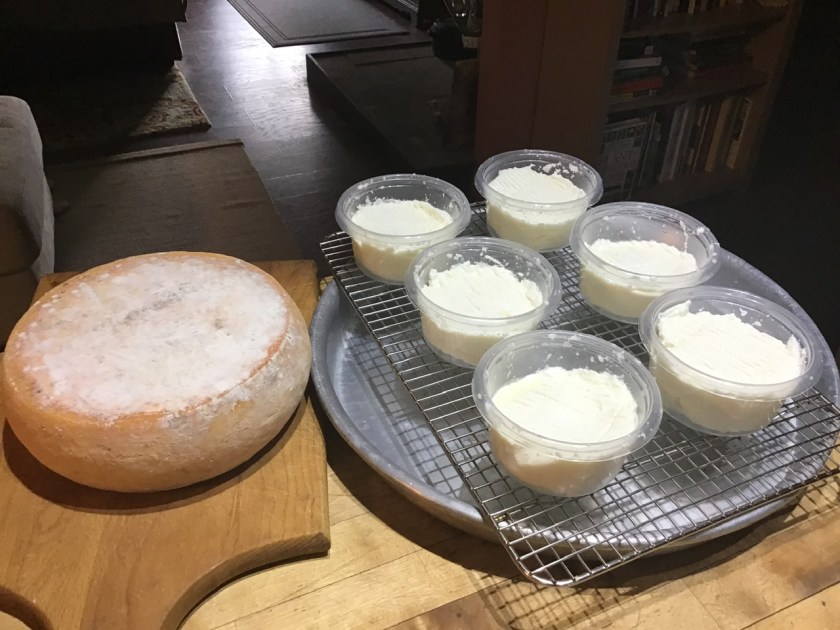
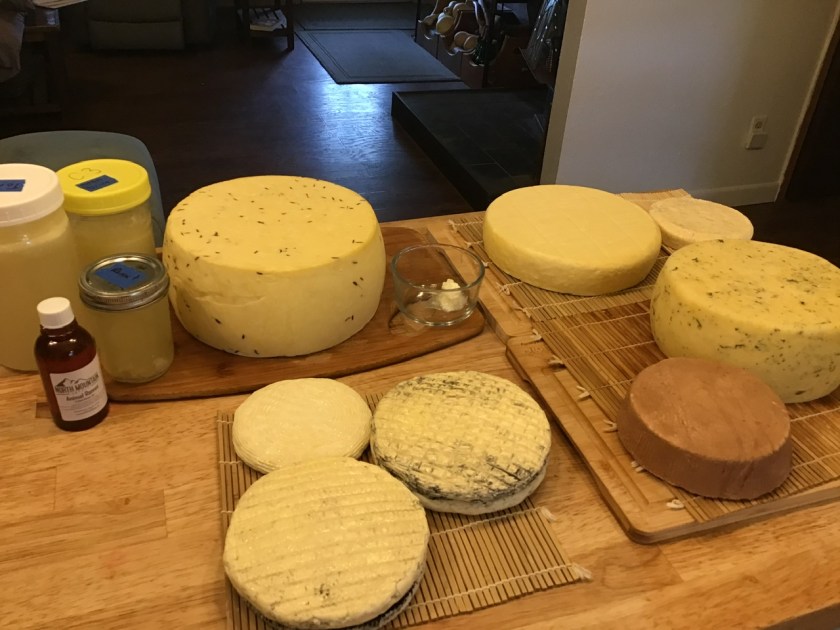
What’s in your cheese cave? A portion of the cheeses I’ve made in the last two weeks, the largest was from 9 gallons, which was transformed into a Caraway Gouda. The smallest was made right in the half-gallon Mason jar with milk directly from the cow, never cooled and ‘backslopped’ from our own homemade goat rennet. Backslopping was a traditional method used on the farm to carry the culture and rennet combination from day-to-day, similar to keeping a fresh starter culture for sourdough bread.
While it’s work I love, the problem-solving has been endless and my shoulder is an on-going issue. After such a long search, this was so unexpected and has caught me off-guard, unprepared and re-injured. Why am I not surprised?
My milk-quest for cheesemaking has been a decade-long challenge. For the briefest of run-downs I’ve watched raw milk prices double in that time, tried and failed at goat rearing, and for the past couple of years I’ve been herdshare hopping, with prices far too high for cheesemaking.
A few weeks ago I tried another herdshare–closer, nicer, and so much cheaper. Finally, I can make cheese to my heart’s content, to hell with my aching shoulder! And thanks to Hubby on early retirement, who is willing and available for all the heavy lifting.
And who also helps with the redneck innovations–having just made me a new collapsible cheese-hanger unit and also made my cheese-press.
I’ve even been able to experiment again it’s so reasonable, at just $3.50/gallon. Not since the goats have I managed to pay so little for such cheese pleasures. My new milk lady is short on customers, half her milk is going to her neighbor’s pigs every day.
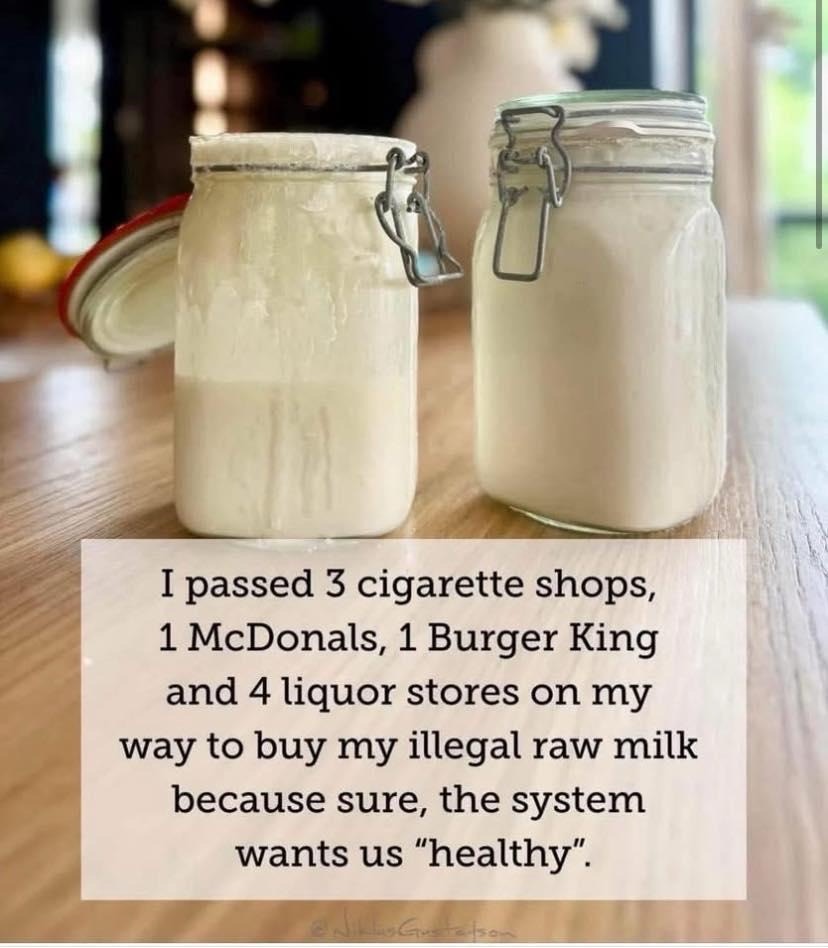
All I can think is, how crazy is that? That precious milk goes to the pigs, because it’s illegal to sell it anywhere but at her farm and to process it into cheese to sell is also illegal. While I can imagine those are some very happy pigs, I still wish I could sell cheese.
Actually, not so much the selling part, just the making part. I do often give it away as gifts and I get rave reviews. I’m often asked why I don’t sell it at the Farmer’s Market, because so few know how illegal it actually is. The requirements for licensing are very strict, not a chance a home kitchen would pass, (Great Dane not included!) and even with all the proper paperwork and a professional kitchen, many cheeses are still illegal to sell.
Various whey beneficiaries on the homestead:
I don’t want to run a cheese business anyway. I want a HWB (Hobby with Benefits) with those benefits being financial as well as delicious.
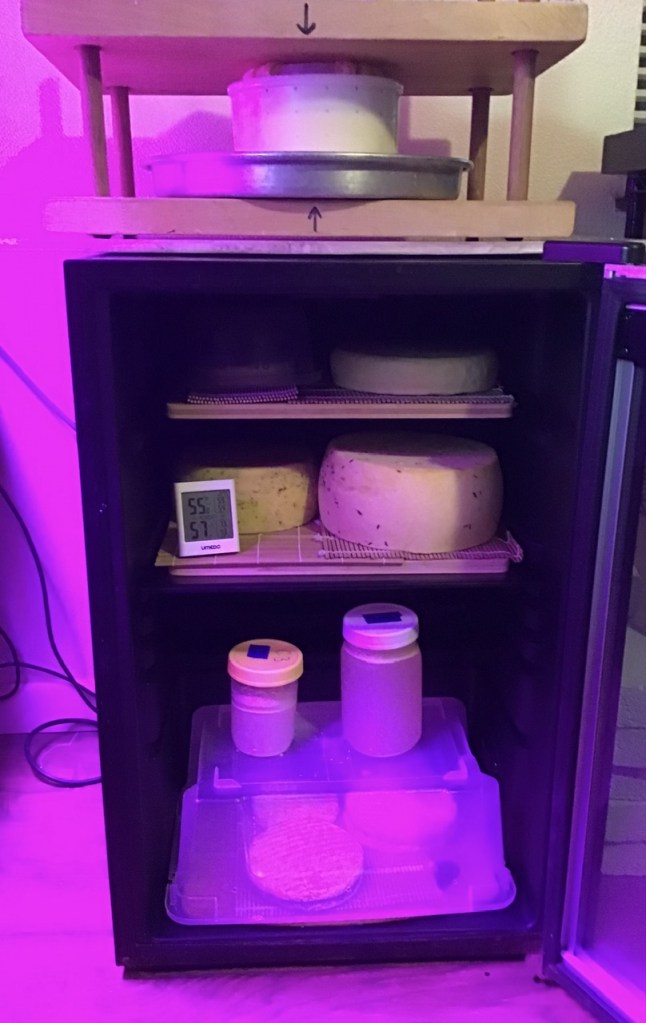
For now, I’m already out of room in my mini-aging fridge. I bought a second one, but once I got all the cheeses in it I had an impossible time getting a steady temperature. I gave up after 3 days of trying, to a mess of 70 degree cheeses sweating and dripping and starting to smell bad. The fridge regularly swings by 30 degrees, a cheesemaking nightmare.
I can work with a steady 50-55, and control humidity using plastic bins, not exactly a cave in the Loire Valley, but I can make it work well enough for a short Redneck affinage.
The non-existent affinage fridge of my dreams would be humidity controlled. The one that’s close enough costs a mere $700 and has temperature control in two sections (nice!). It’s technically for wine but home cheesemakers who can afford it often convert them with great success, or so I’ve read.
Let me just put that up on my vision board and see if it arrives in a timely fashion!
Also on my wishlist, David Asher’s latest book. His first book is my go-to resource and changed everything I was doing in making cheese, “The Art of Natural Cheesemaking: Using Traditional, Non-Industrial Methods and Raw Ingredients to Make the World’s Best Cheeses.”
Despite the struggle for a reliable raw milk source I have come to the wonderful place in my cheesemaking skills that I no longer follow recipes. I still read plenty of recipes, of course. But I read them to glean new techniques, learn cultural differences and especially pre-industrial methods, and imagine new combinations, in order to try them in my own way, like the rest of our cooking here. Hubby works the same way with his culinary craftiness.
It is the key to turning cooking from drudgery to joy, imo. It’s ‘the zone’ like they talk about in sports, or artists in their creative flow. Who wants to do that in their sterile industrial kitchen rather than in the comfort of their own home? Some, I know, but definitely not me.
Some previous cheeses
“Kenshobert” in my territoire version of Camembert.
Turning a favorite hobby into a business is the joy-killer. Being well-rewarded for a favorite hobby is the goal. That’s magical like milk transforming into 1,000 cheeses is magical. Some call it alchemy, but really it’s just fermentation, maybe the most ordinary and natural process in the world.
Cheesemaking is also economical and beneficial to more than just our health and palette. The dogs and the pigs get all the whey after the ricotta is made–whey ricotta is a delicious ‘by-product’ from making hard cheeses. So from each gallon we get the heavy cream for coffee and ice cream, milk for cheeses, and whey for other recipes and very contended critters.
Ricotta pressed overnight then soaked 3 days in homemade hard pear cider. Eaten fresh, with fruit or crackers, it’s mild, slightly sweet and tangy.
The critics of course think it a lot of wasted work when cheese from the grocery store is cheap and plentiful, and there’s a growing network of artisanal cheesemakers who craft excellent cheeses (for a hefty price). I’ve had plenty of such cheeses and they are indeed delicious and worth the money.
A Tomme-style wash-rined cheese with goat cheese crottin-style drainingYogurt cheese with herbs aging in olive oil
But, they are all subject to the laws, which usually means: pasteurization, medicated animals, artificial lab-produced rennet (brought to you by Pfizer!), and freeze-dried cultures, also lab-made.
All that is exactly what I’m trying to get away from, in order to craft the most natural, local cheeses as possible. It’s an impossible task while remaining inside the laws.
Yet, there are folks still alive today who can remember when the laws weren’t so intolerably squashing to taste, creativity and economy. Just as there are old-timers here in Texas who can remember the days when they were allowed to raise, kill, process and sell their own livestock to the public, there are cheesemakers up north (no traditional cheese country in the south, too hot) who can still remember a time they could sell their handmade cheeses produced on farm in their own kitchens. Now most cheeses sold in this country are essentially fake, already lab grown, like the ‘meat’ they keep trying to push on the public.
Somehow there are still the majority who continue to call this freedom and progress.