Some things are better small, even in Texas. Small markets, small steps, small farms, small solutions.
Get big or get out! That was the slogan of the last century that surely haunts loads of old farmers to this day.
“Many who got big to stay in are now being driven out by those who got bigger. The aim of bigness implies not one aim that is not socially and culturally destructive.” The Unsettling of America: Culture & Agriculture by Wendell Berry (1977)
“We have always had to have ‘a good reason’ for doing away with small operators, and in modern times the good reason has often been sanitation, for which there is apparently no small or cheap technology. Future historians will no doubt remark upon the inevitable association, with us, between sanitation and filthy lucre. And it is one of the miracles of science and hygiene that the germs that used to be in our food have been replaced by poisons.”
That book was written when I wasn’t yet 10 years old. And it’s only gotten worse.
I ask myself regularly how this is possible. Now it’s not just small farmers, the attacks are against small business, in general.
But, then as now, the attacks are primarily psychological. Folks are lured by promises from thieves and liars, and that’s the better part of the story. Other times, and certainly increasing in our more modern times, they are lead senselessly, through fear and desperation, because they have medical bills, or student loans, or mortgage payments in the hundreds of thousands of dollars, and they see no other way to go on but to sell their souls to the State.
And yet, the seeds of the solutions have always been lying dormant all around us, waiting for our nurturing care and attention.
Homesteading – #SolutionsWatch : The Corbett Report
“Just try it, you never know, you might like it!” me 🙂
One minute of wee piglets being piglets just might seduce you!
“A culture is not a collection of relics or ornaments, but a practical necessity, and its corruption invokes calamity. A healthy culture is a communal order of memory, insight, value, work, conviviality, reverence, aspiration. It reveals the human necessities and the human limits. It clarifies our inescapable bonds to the earth and to each other. It assures that the necessary restraints are observed, that the necessary work is done, and that it is done well. A healthy farm culture can be based only upon familiarity and can grow only among a people soundly established upon the land it nourishes and safeguards a human intelligence of the earth that no amount of technology can satisfactorily replace. The growth of such a culture was once a strong possibility in the farm communities of this country. We now have only the sad remanant of those communities. If we allow another generation to pass without doing what is necessary to enhance and embolden the possibility now perishing with them, we will lose it altogether. And then we will not only invoke calamity — we will deserve it.” WB
Can you tell who your ancestors were from the sorts of foods you like?
Folks say you develop a taste for the foods you grew up with and keep a sort of inner-scent nostalgia from childhood, like when Proust describes his semi-conscious love affair with Madeleines.
I’d say that’s only the surface layer of the story. The first time I smelled beans cooking from scratch, as in not coming from a can, I felt I was wafting on scented dreams that could not possibly have come from my own limited lifetime.
We didn’t eat sourdough or sauerkraut either growing up. We ate Oreos, McDonalds, KFC, TV dinners, mac & cheese, and we loved them. All the way through university I lived on mostly fast food and had little clue what cooking from scratch actually meant.
So, considering I was well-adapted to such convenience foods growing up and had developed such a taste for them that I craved them after moving to areas where they were not available, what gives?
Hubby had a much more traditional outlook from his childhood than I did. More than any other single influence in my move toward better nutrition, he was my inspiration. He introduced our household to fermented foods, and now I’m primarily the one who nurtures those crafts. His folks had already been gardening in his youth and still had a ‘subsistence’ mindset, and by that I mean they still ‘put up’ food, something that was unheard of to me growing up.
Do you eat to live or live to eat?
Breaking bread together still means something in our country, I think, but barely. Somehow even the traditional ‘pot luck’ is hardly lucky anymore when food sensitivities reign and diet dictocrats menace and folks’ general health is so poor who knows what will set them off the deep end.
New film: Like Beans for Beef? I don’t think so!
Sensual, comforting, beautiful, sublime, simple, food is far more than sustenance, just as depicted in a popular and a most favorite film of mine, Like Water for Chocolate. Can your mood affect your meal? Can your meal affect your mood? Any true cook or gourmand knows, indeed, it can, and often does. That is ‘the weather’ both inside and out, tempers the dish, for better or worse, and that’s a fact I’ll swear by.
Which came first: the cheese, the beer, the wine, the bread, the kraut or the Kombucha?
In Czech they say their beer is liquid bread. Fermentation is a key miracle of life that I had no idea existed until I was nearly 40. I’d visited caves in France where Champagne is aged and others where Roquefort is crafted and been to festivals where the ‘new wine’ and liters of beer were copiously enjoyed and obviously had eaten pickles in my lifetime, but none of these experiences cemented the notion of fermentation in my mind.
“In all raw whole foods, the food plays host to beneficial bacteria that are particularly suited to devouring it. These native cultures also help to transform the basic foodstuff into traditionally fermented foods: Cabbage contains all the bacteria it needs to become sauerkraut, wheat has all the bacteria and yeasts it needs to become bread (or beer), and grapes have all the culture they need to become wine. Milk is no exception: The native biodiversity of raw milk provides microorganisms that help infants digest their mothers’ milk (and cause the milk to decay if it is spilt); these microorganisms are all that the milk needs to become the many different styles of cheese.” The Art of Natural Cheesemaking: Using Traditional, Non-Industrial Methods and Raw Ingredients to Make the World’s Best Cheeses by David Asher
The first time I tasted Camembert with onions was in Germany, partnered with great beer, and it was instantly a favorite meal. At home I bought an American-imported version of both, but they were not the same. Once I started to make cheese myself I realized why, and also realized, I’d become a bonafide cheese snob. A freeze-dried culture is very different from a ‘territoire’ cultivated culture—as different as Velveeta is from the homemade ‘Mexican queso’ it’s supposed to imitate.
“Generations upon generations of traditional cheese makers evolved the diverse methods of making cheese while carefully practicing their art. All classes of cheese were discovered by cheese makers long before they had a scientific understanding of the microbiological and chemical forces at play in its creation. Industry and science hijacked cheers making from the artisans and farmers some 150 years ago, and since then new new styles of cheese have been created; yet during that time hundreds, possibly thousands, of unique cheeses have been lost.” (Asher)
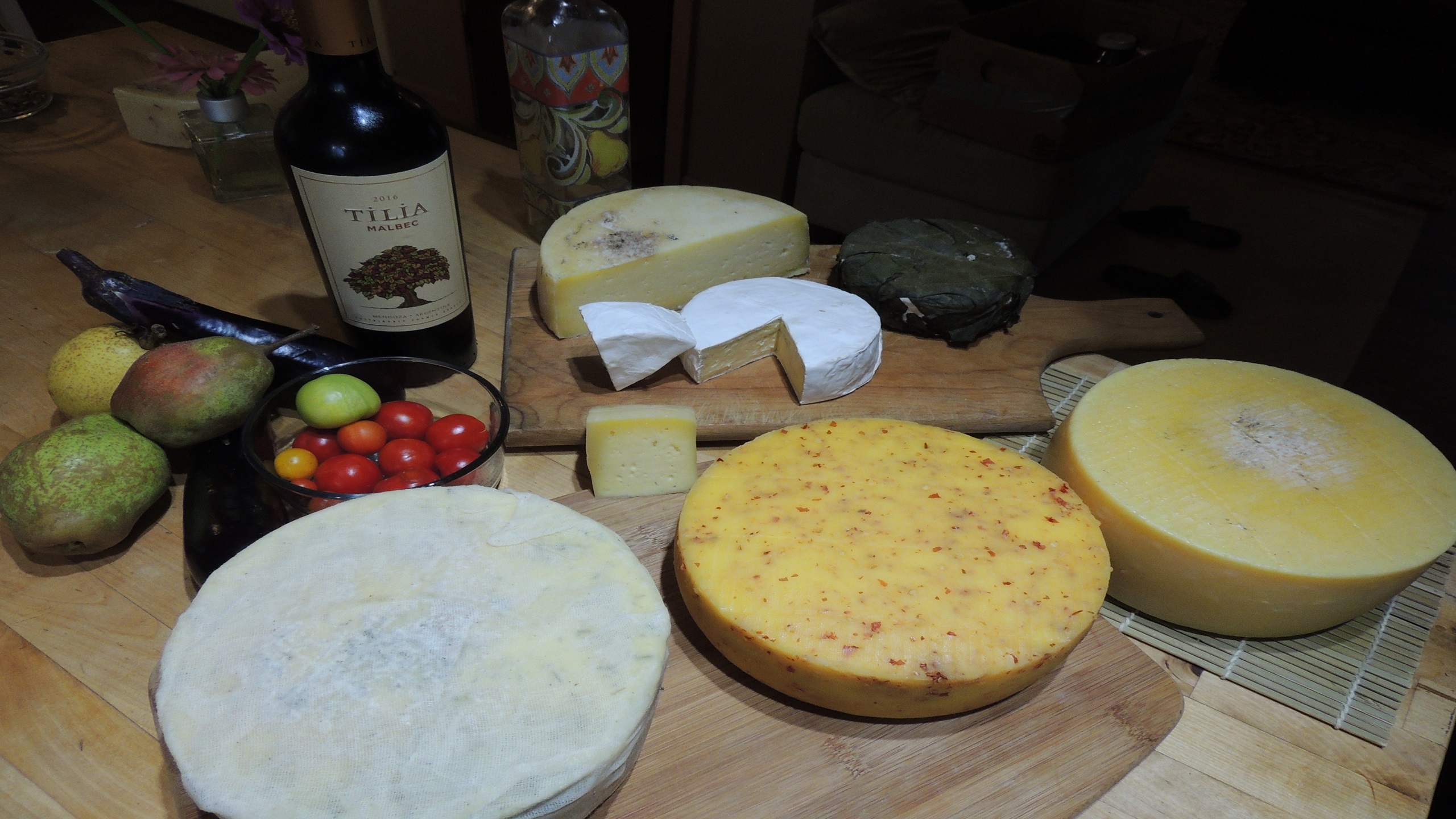
These cheeses were made from my own fungal cultures and have a far superior taste compared to the cheeses made with the typical freeze-dried cultures: brevibacterium linens, geotrichum candidum, penicillin roqueforti
I know how bizarre this will sound to many, because that’s how it sounds to me, now. I didn’t even know vegetables had seasons and I’d never tasted cheese that wasn’t processed and wrapped in plastic, but I assure you, for a girl raised in the American suburbs this was/is typical.
I remember the first time a visiting Czech friend tasted an American beer, he remarked, “That’s an interesting beverage, not bad, but it’s not beer.” It was Budweiser, the ‘beer’ that was originally from Plzen, called Budvar. Even then, already as a ‘worldly’ adult, I didn’t fully grasp his meaning.
Now I understand he was noticing the obvious lack of real fermentation. Like breads made from instant yeast instead of natural yeast, or cheese made from freeze-dried cultures instead of natural cultures, there is most definitely a difference and once you are sensitized to it you cannot even refer to this difference as subtle. It’s glaringly elementary, yet it’s pitifully difficult to describe.
We grew up with artificial sodas like Coke, but we don’t drink them now, because once you master your own favorite Kombucha flavors, artificial flavors become unpalatable. Ditto on the artificial condiments—ketchup, mustard, mayonnaise, Tabasco—these all fared from real and healthy foods that once kept our ancestors thriving for centuries before science learned how to mimic them, but not in nutrition, only in taste, and even then, only sort of.
It’s similar to the modern rose that is hardly a rose but in looks alone. And even then, only sort of. Do modern cultivars creating the equivalent of fake boobs recall that roses, like boobs, once had a nutritive purpose that surpassed mere vulgar voluptuousness?
It would appear that no, they do not, because even here in the ‘rose capital’ of Tyler, Texas, boasting a very popular annual festival with a Queen and everything, I’d never have fathomed roses were once cultivated primarily for their hips.
Selective breeding and shortcuts require compromises that are most often not worth it once you develop refinement and can truly appreciate how unsurpassed is the luxury of time. Two days for decent bread, two days prep plus six months aging for a great Alpine cheese, a year for a drinkable wine, a century of painstakingly crafted cultivation for a beautiful yet still nutritious rose—when you nurture the sensitivity of your palate and your gut, you realize there really is a hierarchy of taste and fake is never going to be an adequate substitute.
I’ve set goals all my life, many of them I’ve achieved and many more I’ve not and many more still I decided were not worthy of achieving once within the goal posts. But there is always remaining this matter of food, and it always fits. Not the short-term convenience foods I grew up with, but a much wider tradition that settled into our lives rather organically and that reflects the ancestral wisdom I believe my own ancestors were mistaken to leave behind, which I feel very fortunate to have the time and inclination to revive and cultivate.
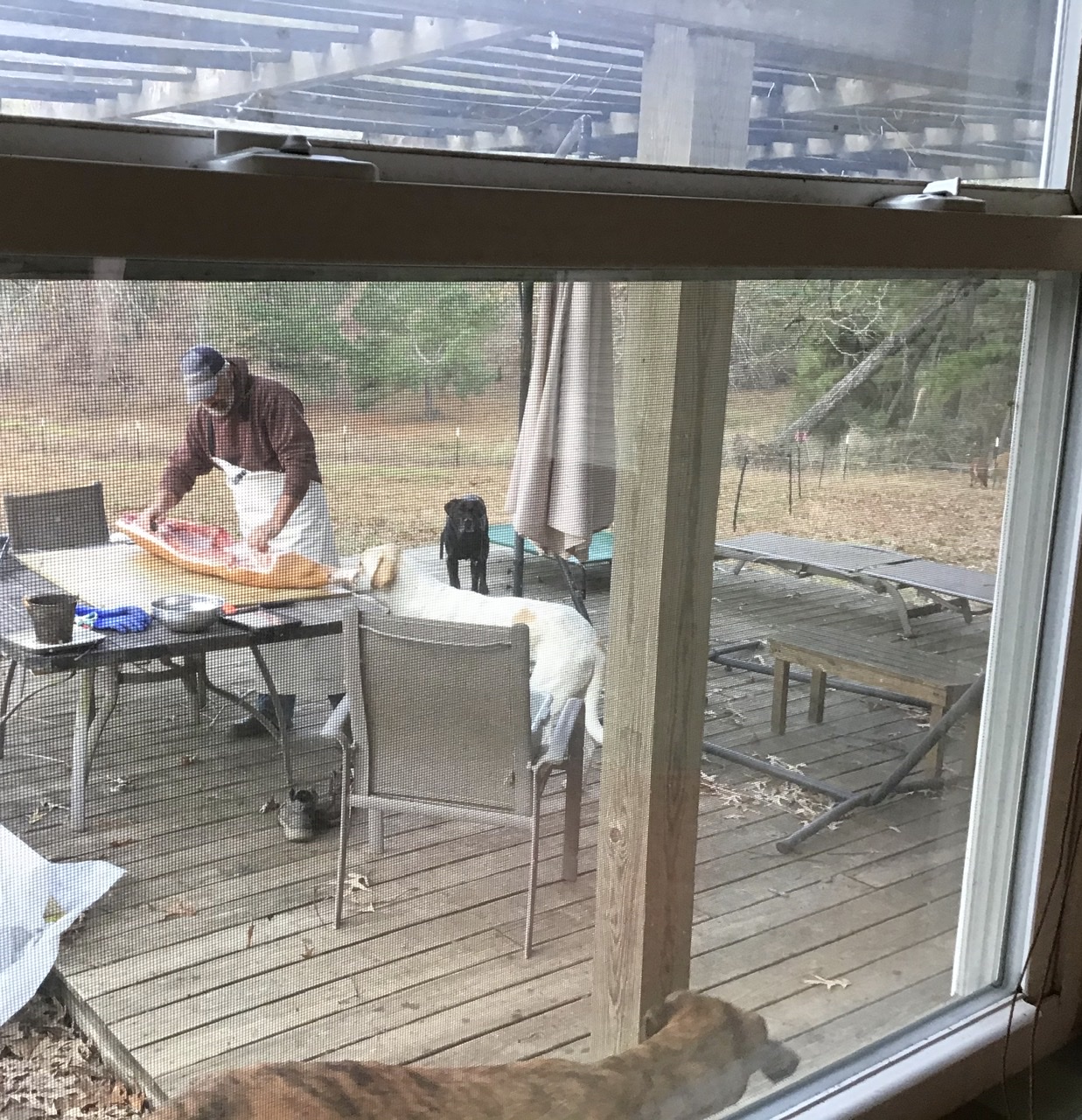
With Handy Hubby perfecting another lost art—growing, slaughtering and butchering all on-site—perhaps we should up our game goals? ‘Luddite Power Couple’ is that a thing? 😉
It’s so funny when we get shocked looks for things like making ‘cracklin’ here on the wee homestead. “What’s cracklin’?” That’s pork rinds, chicharron, in Spanish, but they rarely know those either.
Once explained: Well, it’s basically the skin’s connective tissue from the hog after the lard has been boiled off,” then you get the squished nose ‘ew, gross’ face to welcome your educational efforts, like you’ve just invited them to eat dog shit with chocolate syrup.
Invariably these folks are pro-vaccine, amazing leap of logic that this is. List for them what’s in a vaccine—things like human fetal tissue, animal DNA, formaldehyde, aluminum, mercury and no such ‘gross face’ appears. Miraculous! To eat such weird ingredients as animal tissue is apparently disgusting, but to inject it, plus the added toxic chemical soup directly into your body with a needle is legitimate advanced science.
So, what humans have been doing for countless centuries is gross and backwards, but what science has been doing for a few generations is the pinnacle of refined intellect.
It’s time again for some fun snaps. Apparently my ‘extremist’ opinions are not nearly as popular as far as posts go. What a mystery! 🙂
As usual, not suitable viewing for vegetarians.
But, our veggie of the year has definitely been the turnip. Not too sexy, I know. Personally I think the turnip is way under-rated. Lucky for us, they were so prolific this year we’ve been giving them away, feeding them to the pigs and eating them ourselves pretty much daily. Raw, baked, stewed, roasted, fermented—don’t knock ‘em ‘til you try ‘em! (And if you have any yummy suggestions for preparation, please do share.).
Hakurei F1 Turnip from Johnny’s Seeds—fantastic producer, delicious and nutritious
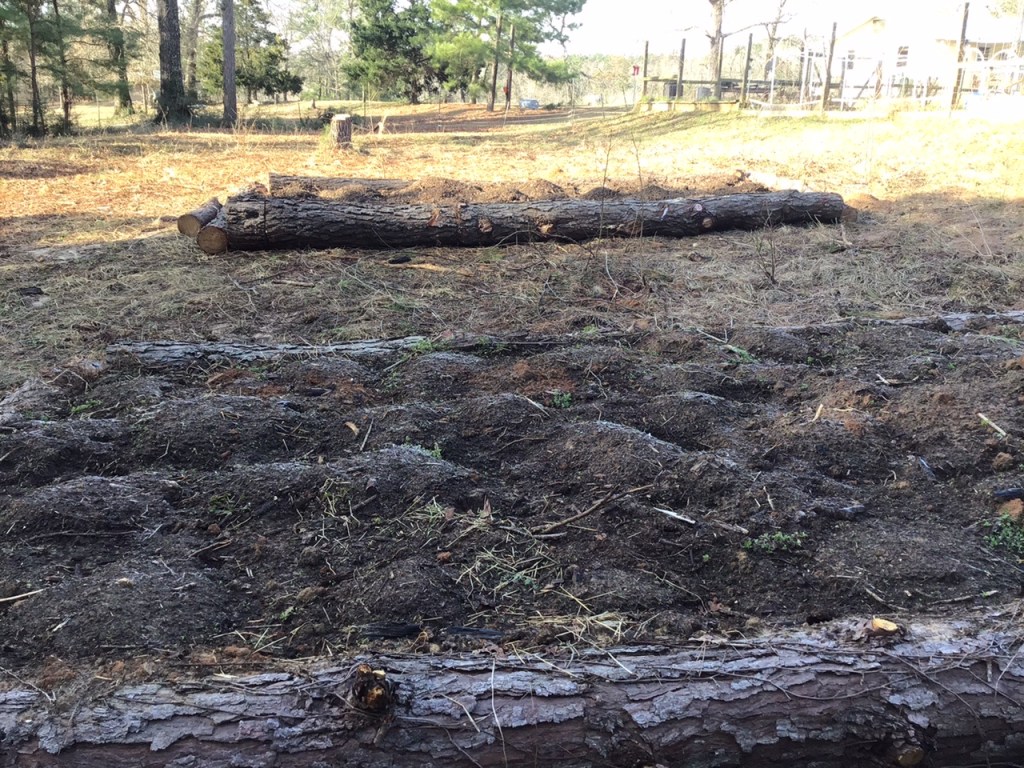
Our small asparagus bed was so over-packed we created 2 huge beds for them, had to go outside the garden fence and cut down a few trees to do it, and still had enough to give a big box away to a sister homesteader.
I also dug up the ‘naked lady’ lilies, day lilies and iris, replanted a bunch of them and still had loads to give away. I love to spread the wealth! It was A LOT of work, but hopefully worth it. Time will tell.
(Note to new gardeners: DO NOT crowd your asparagus, those crowns are a nightmare to separate once they get over-clumped. Lesson learned the hard way.)
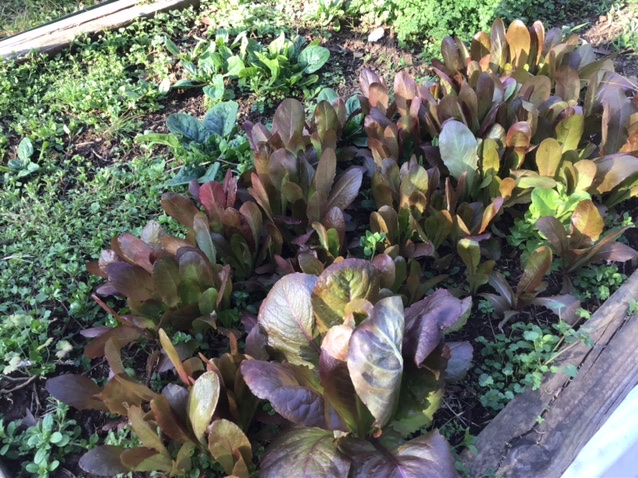
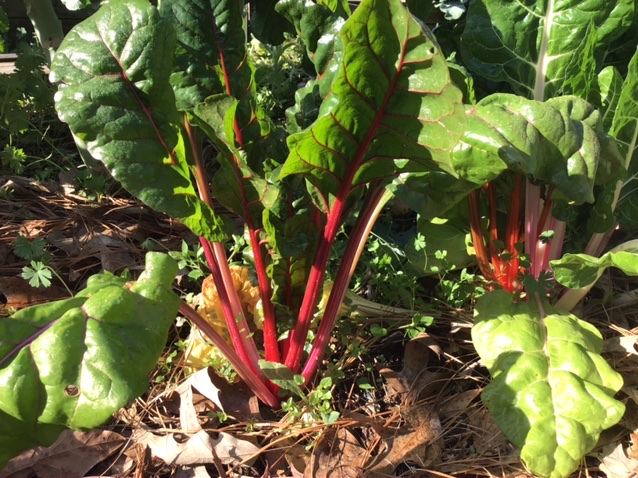
Fava beans and lovely greens and my favorite herb, chervil.
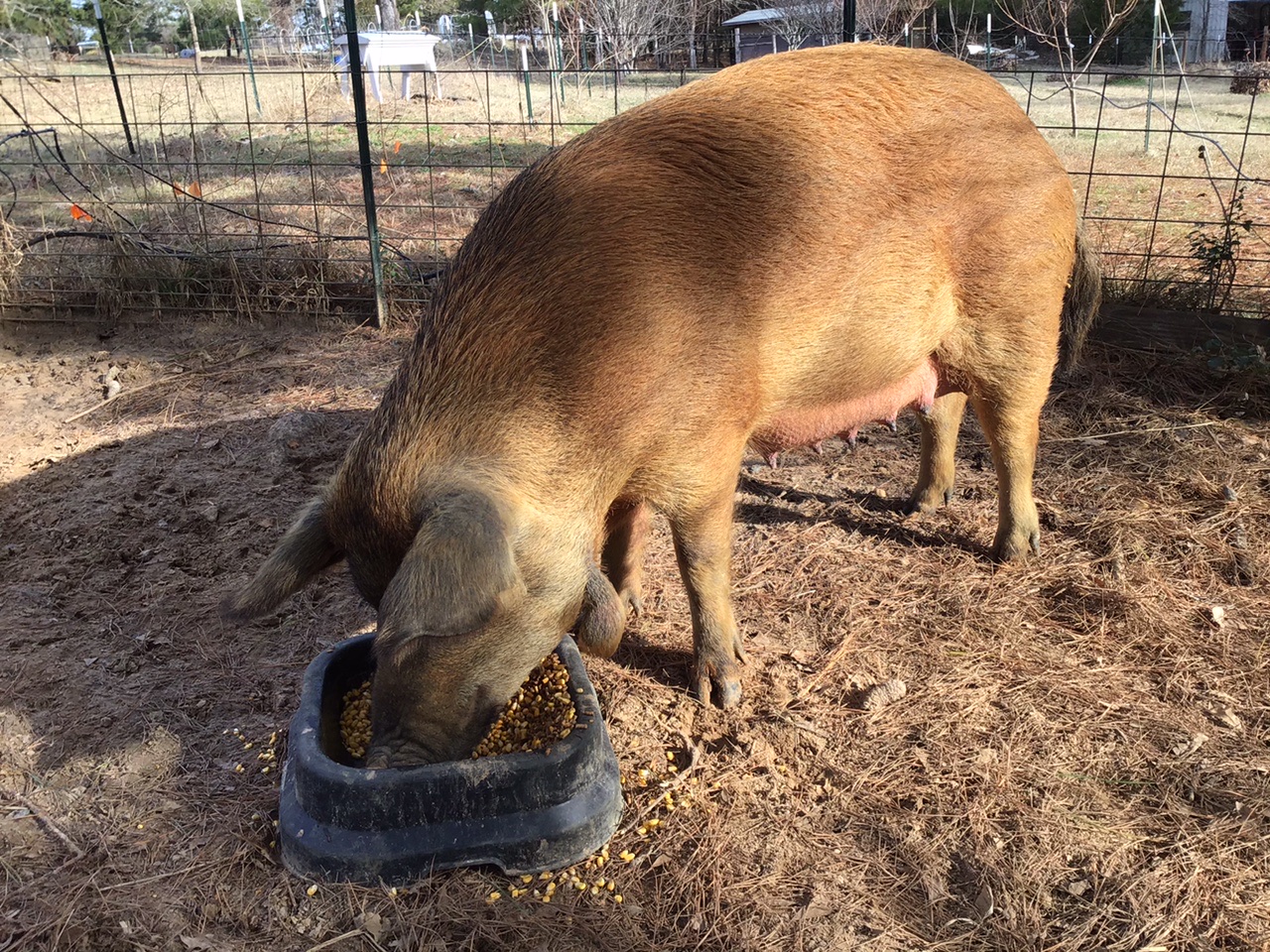
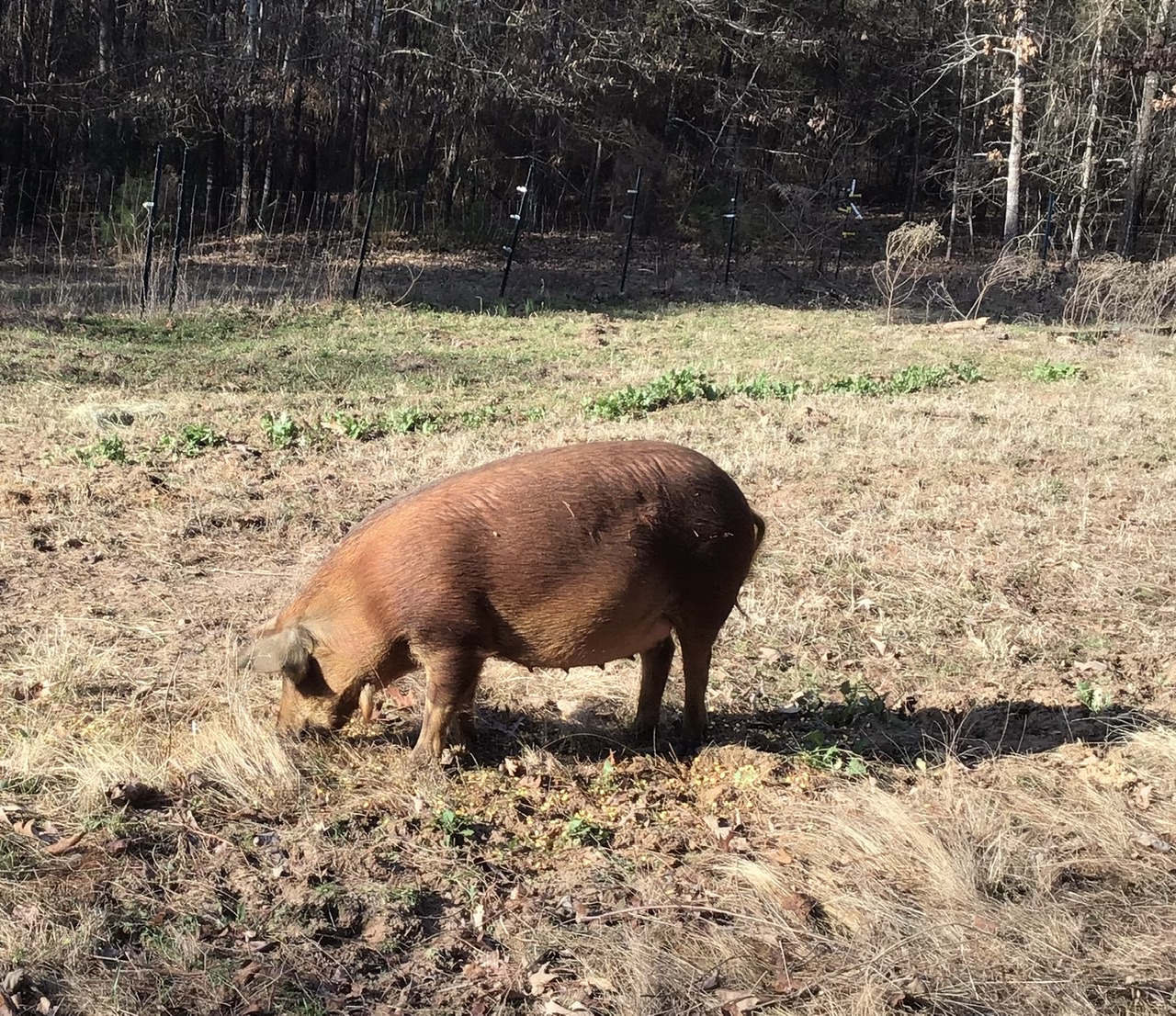
Mama Chop, ready to pop! Papa Chop must be very proud, he got Virginia preggers too, her first time. Loads of piglets coming any day now.
We had to borrow another ram, apparently the last one was sleeping on the job. He’s been keeping very busy.
Handy Hubby’s Grand TajMa-Coop post coming up soon, it’s a beauty, so stay tuned!
Dare I say, it’s the classiest coop in the county?Have a Great Dane of a day!
“Plague justified the rules that kept a person in her place. . . . We’ve seen how plague became the reason, just like terrorism today, for social regulation, for saying how children must behave, for taking a worker’s right to choose what work he wanted, for deciding which of the poor are worthy of help and which are just wastrels. Plague enforced frontiers that were otherwise wonderfully insecure, and made our movements and travels conditional. It helped to make the state a physical reality, and gave it ambitions.” ~ Michael Pye, The Edge of the World
In the ten Stages of Genocide where are we now?
Why are the Covid non-compliant called selfish when it’s the vaccine pushers who are rushing science so they can return faster to their personal pursuits of pleasure?
Actually I have asked more than one person to do one thing—their own independent research—and I’ll keep asking.
Hat tip to Dispatches from the Asylum for posting this highly relevant quote: “In keeping silent about evil, in burying it so deep within us that no sign of it appears on the surface, we are implanting it, and it will rise up a thousand fold in the future. When we neither punish nor reproach evildoers, we are not simply protecting their trivial old age, we are thereby ripping the foundations of justice from beneath new generations.” ― Aleksandr I. Solzhenitsyn, The Gulag Archipelago 1918–1956
I rewrite this personal anecdote every few years, whenever it feels I might be able to improve it a bit at just a moment when I feel the seed may fall on fertile ground.
The scene: Me, alone, 1989, traveling by train through Italy, Czech Republic, Poland, East Germany before a semester abroad in Lille, France:
“Papers!”
The demand at every border, on both sides of the border, by intimidating uniformed men who could tell instantly I was a foreigner, well before my passport and visas were promptly presented. This is, for reference, even in the five miles it takes across ‘no man’s land’ from East Germany to West, between Germany and Italy, between Czech Republic and Slovakia, etc.
For reference, imagine traveling the equivalent of 3 states in New England and having to show your papers 6 times, even in the middle of the night in your sleeping car. Whether they chose to search your backpack or detain you for any number of unknown reasons depended more on the officials’ mood than anything you might say in the moment, so you learn quickly to keep your mouth shut, nod and smile, A LOT.
It was annoying and intimidating but especially, for me as a young, naive American, it was baffling. As was the constant currency exchanging, the shifting languages, the ghost-town Sundays when everything was closed. I was already used to being mobile across vast distances since my earliest memories without any of these inconveniences. It seemed primitive to me. Backwards, less advanced culturally, surviving from the Stone Age.
It was the first time I really considered a few of the advantages of my home country, since it was already trendy by that time at university to defile the uncouth, uneducated ‘ugly American abroad’.
When I went back again after grad school in the mid-90s I saw for the first time protestors against the European Union and heard for the first time the word “Globalism”. I considered those protestors as I did the other European inconveniences, that is, yet more survivors of the Stone Age. I’d bought the propaganda like the good student I was.
Please note—I was bold enough to travel through foreign countries alone as a ‘cute young thang’, foolish enough to roll my eyes at border officials (once), confident enough to crash on strangers’ couches or even on a bench of a train platform, desperate enough to work illegally, dumb enough to smoke hash in the loo, smart enough to learn a few foreign languages—but not nearly wise enough to recognize the mountain of propaganda I’d swallowed—hook, line and sinker.
No borders? Single currency? One GIANT happy Global family? What in carnation could be wrong with those protestors??
I saw the EU maneuvers as the continuation of a smooth skate in an ever-ascending flow toward cultural Enlightenment.
I was a front-row witness to an explosion of progress and those protestors were a visual menace to Europe’s peaceful transition. Thankfully for me, they were really easy to ignore. The politicians and media agreed with me, obviously, and slurred and minimized their pathetic attempts at being such bitter clingers to the past.
Ringing any bells yet?
It wasn’t for several more years that a few pinholes pierced through my blinders. First, it was non-stop celebration.
I lived on the Czech side of what was referred to as Sudetenland, just past the west German border and the goods were flowing, fast. The thrill of choosing between 3 kinds of toilet paper, the gratitude for non-fat yogurt, the convenience of plastic wrap and home phones and fancy new trains, all upstaged the coming onslaught, for a while.
Then the McDonalds came, and the ubiquitous candy and junk food and porn and the flood of advertising. And, once the EU was firmly established by the end of the decade throughout most of Europe, it became nearly impossible for an unconnected American to find legal work anymore.
And if that wasn’t all bad enough, then came the crowds.
Booming tourism, which I once believed would be a great thing, began invading all my favorite quiet haunts and deserted streets and the subtle, muted colors of old Europe went proverbially (and sometimes literally) neon.
And, finally, I questioned, “Uh-oh, what have I been blindly supporting through my ignorance and short-sidedness all this time?”
It had never occurred to me for a moment that I might be inviting in Tyranny through the back door. I’d considered myself an advocate of progress. But, I was not wise enough to ask: “Whose version of progress?”
The American Empire is on its last legs, but I never wanted, or asked, to be a part of any empire. Progress to me now means something very different than it did 3 decades ago. I wish we could go down more gracefully than the empires of the past, but there’s little hope of that.
So instead of hoping for a miracle I work, with growing awareness in ever-increasing ranks, toward piercing more pinholes in all those as unaware and propagandized as I once was—those who are still blinded by tyranny in its many guises and stuck in various roles of keeping it alive and thriving, while insanely badgering on about ‘progress’.
I often feel sorry for men. And those boys who try to become men, few as they may be nowadays.
I remember when my dad started writing poetry in middle age, in order to potentially ward off another divorce. It was a phase that didn’t last long and I don’t remember if his poetry was any good, but I remember being impressed by that effort. First he converted for her, got baptized and everything, then he attempted to swim, via words, the seas of emotion, alone, at high tide, with no training.
Doesn’t surprise me much. He’s always been impressive that way. Exactly that sort of way, actually. While dismally unimpressive in other ways.
I do understand that’s called being human.
But it bugs me this isn’t something we’re allowed to talk about, the being human part. The warts and all part. Because the sugar coating gets nauseating after a while. Besides, it’s not healthy, in that where’s the broccoli sort of way.
This is not allowed in my FOO (family of origin) and I know for certain, it’s not just mine. Broccoli hits that table only soggy and drowning in artificial cheese sauce.
Somehow over the generations there’s been a great divide happening between many aspects of familial and societal life, and leaving all conspiracy theories aside for a moment as to how that’s come to pass, there are clear and present repercussions being felt by the glaring lack of healthy masculinity being demonstrated currently in our culture.
Dad’s poetry efforts didn’t pan out. Too little, too late, I suspect. That pesky human error thing—hindsight, tunnel vision, any one of the 7 deadly sins—or whatever.
As flawed as I’m able to paint him, which depending on my mood might go pretty dark, it’s the unwashable tones that I prefer, whether that spectrum proves dark or light.
Unfortunately, I don’t have the skill, or the distance, to paint him well, to do him justice, warts and all, not even in words. But, someday.
All I feel able to do now is to demonstrate those parts of him I admire, and always have and always will, which comes down to pointing out their antithesis.
Who is Dad not?
This matters enough for me to post about publicly because there are a whole lot of heroes out there, but you’ll never learn about them until you turn off the TV and really tune in to what higher minds are trying to tell us, because it is becoming increasingly less common knowledge than it should be.
Examples of positivity masculinity exist and were once diligently cultivated. For every accusation of power abuse there is a man who gifted power, maybe even a dozen of them.
For every accusation of narcissism there is a man who dispersed his glory voluntarily upon those close to him.
For every accusation of arrogance, selfishness, egoism, betrayal, there is a man who knew, above all else, that what it takes to be a man is as tough as it is simple: never accept arrested development.
Happy Birthday, Dad.
Far better it is to dare mighty things, to win glorious triumphs, even though checkered by failure, than to take rank with those poor spirits who neither enjoy much nor suffer much, because they live in the gray twilight that knows neither victory nor defeat.” -Theodore Roosevelt
Relatively speaking, we had an excellent year. I’m not the type to gloat, really. It comes as no surprise to me at all that my experience is pretty much the polar opposite of most folks most of the time. I accepted that ages ago and prefer to think I’m perfecting this ‘gift’ bit by bit, year by year.
Following are some highlights, some whys and hows and so forth, not meaning to boast or give advice, but rather to contrast previous years with my rosy 2020 perspectacles.
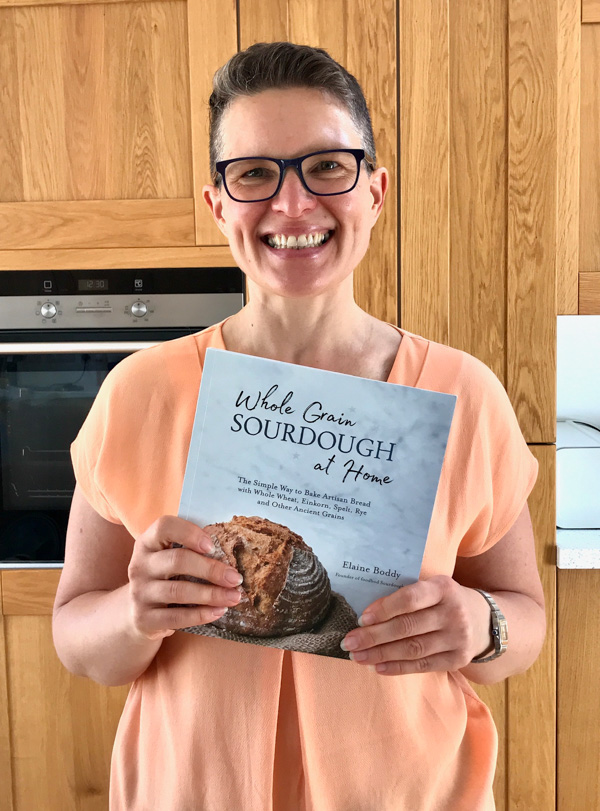
I perfected sourdough bread. I’ve been getting failures regularly for years without understanding why and thanks to one farm friend and her new guru, Elaine Boddy, I got the bitch slap needed to learn I was doing it ALL wrong. Not only was I making it infinitely more difficult than it had to be, I had a flabby starter and was creating needless waste. We’ve entered into higher consciousness sourdough on the wee homestead, praise be.
She doesn’t just make it look easy, she actually makes it easy.
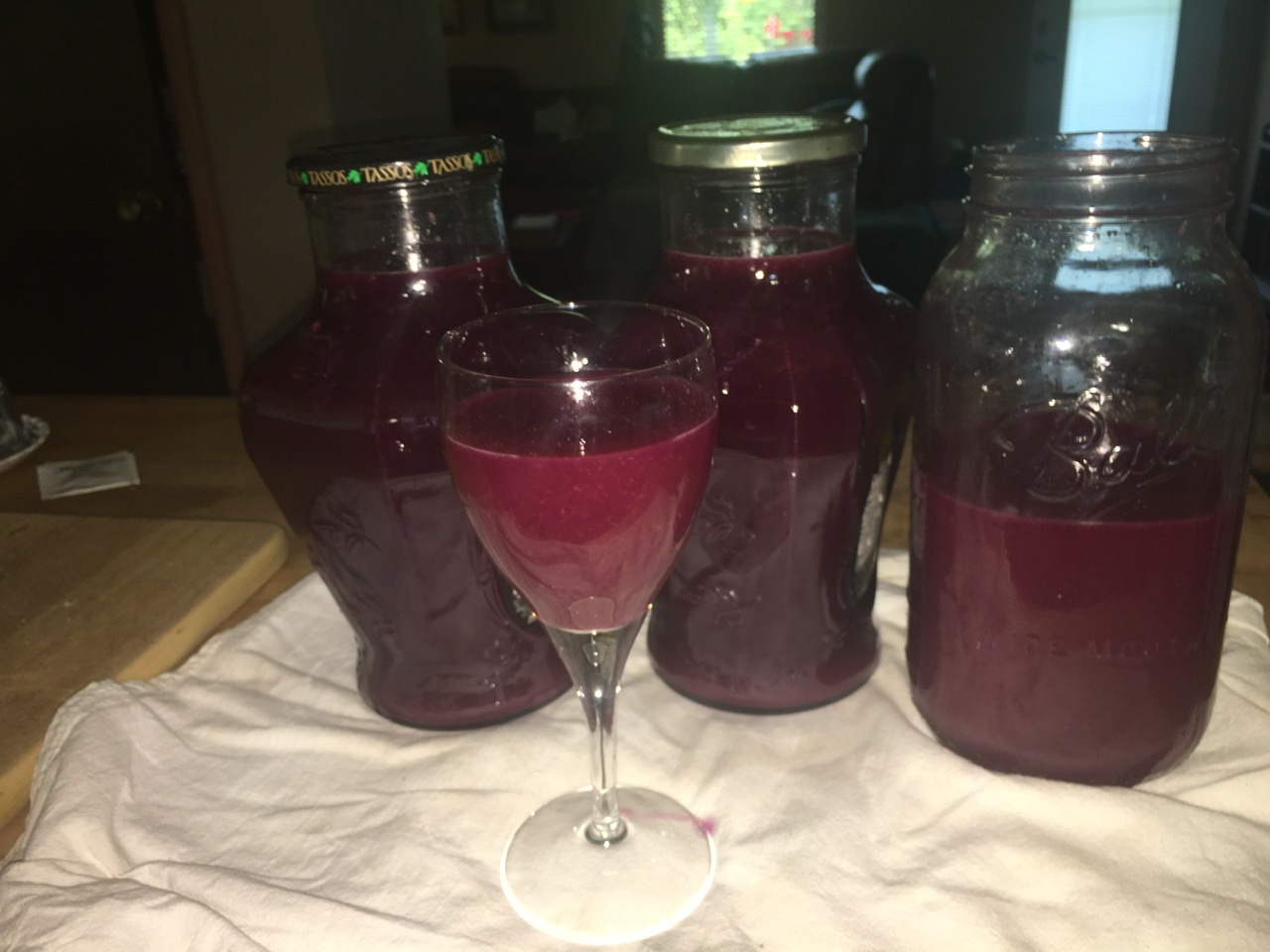
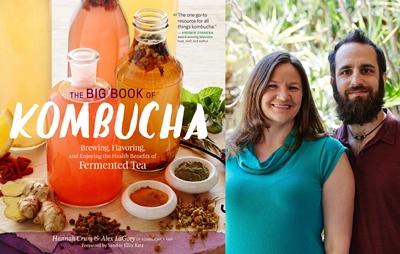
I have also become a Kombucha master. Really, a master. It’s easy to say that for a number of reasons, but especially because so few folks drink it around here, or like it once they try it, that it’s in the realm of ‘acquired tastes’ and only needs to appeal to Hubby, and two nearby friend-aficionados. I’ve been working on signature blends for months, using seasonal herbs and fruits, have Kombucha vinegar in a few flavors and am now aging Kombucha champagne. It’s the funnest thing ever. Or, I’m just a real geek like that.
Of course, no one becomes master without help, and in Kombuchaland, this is Scripture:
Even funner than making cheese and much easier too.
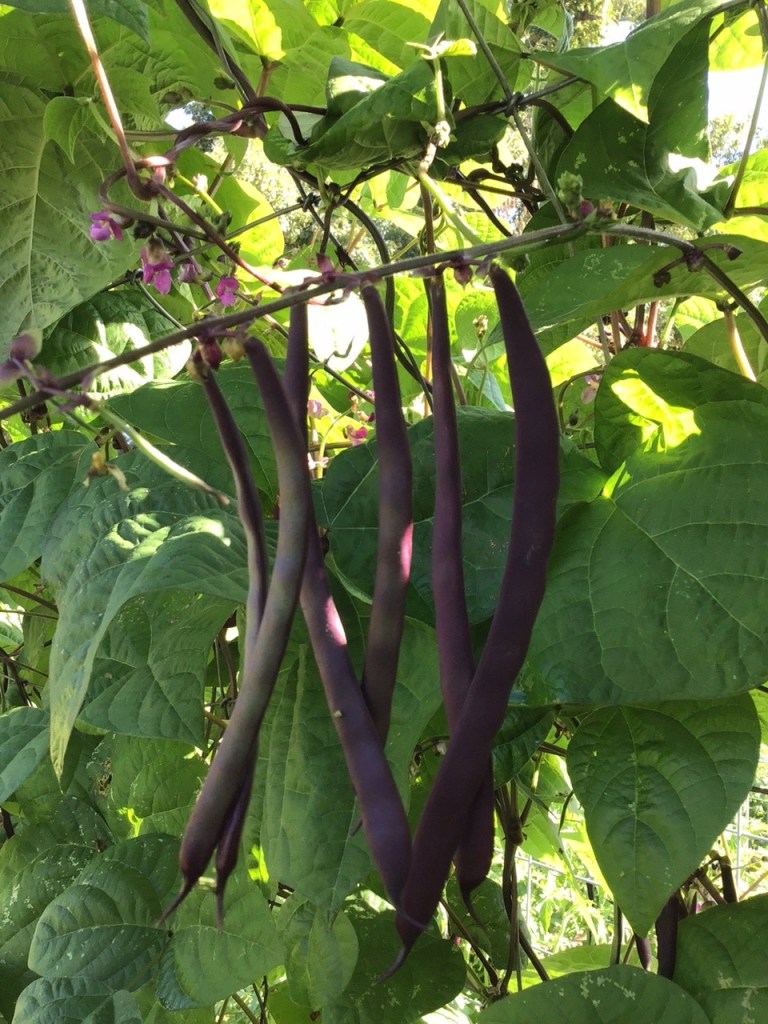
Three great gardening successes overshadow the multiple failures—like a second year of sweet potato perils and a fourth year of melon miseries. I leave those to ponder in an upcoming post. For now, it’s Cranberry hibiscus, Blue coco beans and Trombetta squash. I really can’t praise them enough and they were prolific and worry-free and I can’t wait to plant them again in profusion.
But I once said that about the sweet potatoes and the melons, so I’ll shut up now.
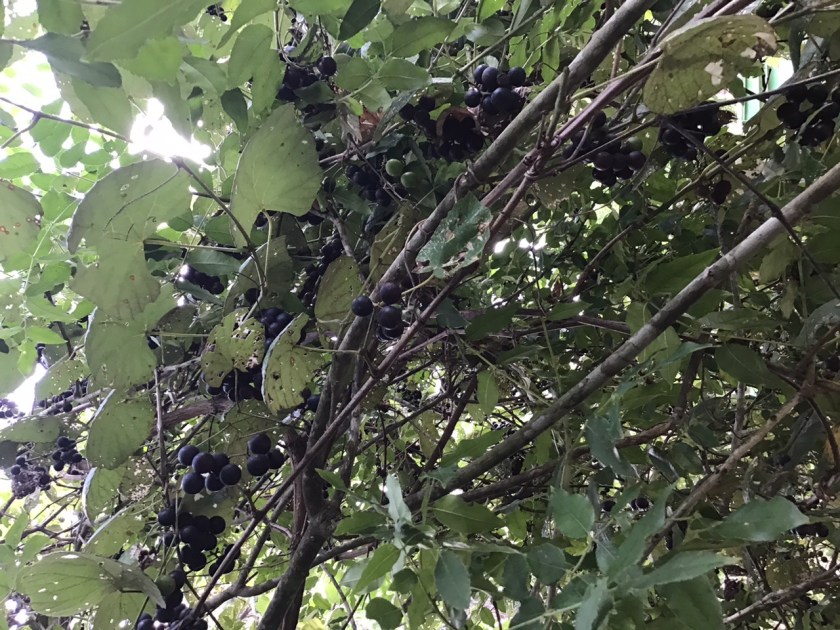
Trombetta squash, delicious as summer or winter squash, we have one still standing in the kitchen waiting to be enjoyed.It’s the sepals that are most popular for tea-making with the Thai red Roselle, aka cranberry hibicus or rosella.Still eating these six months later and a second crop of volunteers came back at the end of summer.All the wild grapes and pears we’d harvested and processed and froze in preparation for wine and cider-making were spoiled, because Hubby accidentally turned the deep freezer off. His one big dumb move of the year, pretty mild, relatively speaking again.
Extra-special mention goes of course to the best news of the year, Hubby’s layoff-rebranded early retirement, a somewhat unexpected miracle that has improved my reality already in very unexpected ways. Sometimes the true weight of a burden isn’t fully realized until it’s lifted.
I think he prefers his current working conditions.Pretty certain it will take him a while to get sick of us, but just in case, there’s always the sourdough.
I knew he’d take over most of my animal chores leaving me more time in the garden and the kitchen, where I most prefer to be. And that he’d build more and relax more and check off items on the to-do list at a more satisfying pace. We’ve added two large asparagus beds, coop 3.0 has raised the bar once more in poultry housing, the orchard looks positively professionally and my promised potting shed is in the planning phase finally.
What I had not expected was how good all of that would feel and that it would come so early and that he’d be so glad about it and that we’d be prepared enough for it to not miss the income much in the foreseeable future.
There’s incredible empowerment and peace of mind in preparing, and not just financially. It has gone in a single year from “Prepping” being something we heard mocked for a decade in the mainstream to now feeling like we were choosing wisely all along—not the easy road for sure, but the right road for us and the many others doing likewise.
And with that a wee bit of a boast.
And another. Still, mask-free, with no need or intention to alter that reality or any of the layers horse shit coming down the pipeline with it in future. Have I earned the right yet to say what I really think about these fucking vaccines? Decker, at Dispatches from the Asylum, says it best so far: vials of battery acid.
Just mark me down in your permanent ‘anti-vaxx’ file and if they send the goons to our house, warn them they’ll be given a good ole-fashioned goose chase. (hmm, bravado before breakfast, I must be feeling good!)
Food for thought for the New Year:
“Ignorantly worshiping our own being on the theater of the external world leads to pathological behavior and neurosis. We are ensnared and enslaved to the will of despots in all sorts of guises. We are wide open to irrationality, manipulation, mania and insanity. As parents often work to deliberately undermine our will and identity, the world’s leaders and misleaders use our psychic dissociation to their advantage. In fact, our estrangement from ourselves is the main reason for the rise of all tyranny. However, the deadly predicament ends the moment we heed the inscription at the Oracle of Delphi – “Gnothi Seuton” or Know Thyself. No other instruction is needed on the journey toward enlightenment.”
Most of our cyber-only friends don’t know this, because we’ve been keeping it secret for security’s sake, but for the last nearly decade we’ve been establishing our wee homestead, I’ve been doing it alone for half the month.
I’ve wanted many times to talk about how hard this has been on this blog where I’ve shared so very many of our ups and downs, bad moods, worse ideas, unpopular philosophies and big defeats sporadically dotted with a few triumphs.
It’s been not only lonely and isolating, but also on more than a few occasions, terrifying, like when the tornado came through in the middle of the night, or the many times I’ve had to manage alone tasks like lambing—including their challenging life and death complications—all of which I have absolutely no previous experience with—having been raised in the burbs. We started with nothing, now we’ve got garden, orchard, dogs—started with chickens and now have poultry, sheep, goats, pigs. When I injured my shoulder about two years ago I was really at my wit’s end.
Of course, it was no picnic for Hubby either. He was offshore in the Gulf of Mexico, on platforms with all dudes, working long days far from home for weeks at a time for all those years. Then he’d come home and scarcely rest before diving in to the book-long homesteading to-do list and climbing learning curve after learning curve. He spent his vacations building coops and corrals and many acres worth of fencing.
Of course as well, he worried about me here alone, especially in the beginning. My learning to shoot gave him a bit of a respite, but considering I suck at it as well as abhor doing it leveled that relief mostly.
We stopped taking vacations, have almost no social life, rarely buy new anything. We both equally dreaded the inevitable moment one of our 4 big dogs died of old age or had a fatal accident while I was here alone. We lucked out there.
The physical challenges were hard enough, but the emotional ones have been exceptionally challenging for me.
Sundays off became a forced ritual after the first few years, a much needed one we’ve become reliant upon now in order to remind ourselves weekly that ultimately we came here for a better quality of life, not to recreate city-like schedules in the country and killing ourselves for some potentially unattainable goal.
So, after all that backstory, I’m beyond thrilled to announce a new chapter for us, one of those blessings in disguise that I hinted about a few posts ago . . . Hubby’s been laid off!
We’ve rebranded it as early retirement and have already celebrated with champagne and verses of “For he’s a jolly good fellow!”
For he truly is—jolly good and my Great Hero—we’ve no idea what’s in store for us yet and that’s a fun place for us to be again.
Had we not been preparing for this potential outcome our disposition would be very different. And with this post I don’t want in any way to diminish the hardships of the very many families who’ve lost their income in this Plandemic, or those who surely still will.
We’ve been living low on the hog, as the saying goes. It’s been a lot of little sacrifices that are now paying off in peace of mind and time to reflect, rejoice and redesign.
We are not self-sustaining still, maybe we will never be, but we still hold out hopes and intentions toward that goal.
Thanks to the readers out there who’ve stuck with me during my foul tempers, moody rants—now you know mostly their underlying triggers and you can expect more positivity in future.
As the United Nations, Club of Rome, World Health Organization and various other international ‘public-private’ partnerships try to propagandize the world into their vision of “Global Sustainability” there are a number of crucial variables they’ve left out, which localities could capitalize on, if they were made aware of this potential.
For example, did you know there are salt mines all over place in this country? Salt was the basis of our first ‘trade markets’ — long before exotic spices of the Orient — salt was King of the World.
Salt was, well, worth its weight in gold, as the saying goes. Why do we import tea, the ‘native Americans’ might have queried of the mostly British expats settling here? There’s perfectly good tea all around you, can’t you see? And they might have made a few good jokes about that.
But salt? You’re going to import salt, too? What the bleep for?! That’s not even joke-worthy, that’s just a dumb-ass death sentence! You know it’s everywhere around here, right? And the gold y’all so covet, what’s that for, exactly? Y’all are really so very attached to your adornments, eh? Good choices there, give over your salt, so you starve, for gold, so you can pay your taxes. Brilliant system!
Here on the wee homestead we came inspired to see how long and far a road it is to self and community sustainability. We were thinking like most homesteaders, survivalists, etc., are thinking—food, water, energy. Obvious, these are crucial.
But what about the salt? That, along with the water, was the very first thing either robbed, buried, or tainted by the industrialist-minded settlers. Not the ones who came for a better life more aligned with their God and purpose, the ones who came expressly to profiteer for the pay-masters back home.
Long before our water and air were compromised, our people enslaved to the State and our ranges overrun with slave labor, our salt was “buried” by the Global Regulators. There are salt mines and primal (renewable, sub-surface geysers, essentially) water available all over this country.
That was known centuries ago! But go ahead and demonstrate your loyalty to the State, that tricked and enslaved your Great, Great Grandparents and before, by wearing that muzzle of submission and voting for your next tyrant.
Don’t care where your salt comes from? Next you don’t care where your water comes from, or your food comes from, or your energy, or anything else.