I just wanted to share some resources I’m frequenting, more often due to mood, rather than necessity. There is so much of the ‘how to’ out there in cyberland, and that’s great, but even better are the sites out there that inspire, motivate, explore, or feel like an afternoon paseo—like taking a walk around your neighborhood.
Sometimes, I look to YouTube, of course.
Sometimes I need the high energy, no-nonsense, look at me, you can do it too attitude of James Pergioni. Little he does applies to our garden—he’s urban and in a completely different climate, but, no matter, because he does what he does so well, and that gets me goin’!
Other times it’s the Zen, graceful, deeply practical, and peaceful even in the city type of gardener, with a simply lovely channel I’d be prone to emulate if I ever made a gardening channel of my own. She lets the plants do the most of the talking and I can sense how she loves them.
Sometimes I need that super practical advice on something specific, so it’s MI Gardener, mostly because he wastes minimal time on chit-chat, my biggest pet-peeve in how-to sites.
As for the paseo I like to hang out right here on WP, 3 gardeners in particular I follow regularly, and I’d probably frequent more, if I knew of more. I don’t like the big box sites, too much noise. I think of these ladies as cyber-neighbors, while I do sometimes get gardening tips from them, I visit mostly just to see what they’re up to lately.
There’s Empty Nest Homesteading, who offers her keen sense of esthetics to the homesteading scene. Here’s her latest adventure in decorating.
And there’s the Re-farmer, who’s got to be the most ambitious homesteader, especially climate-wise, I’ve ever seen. She offers up daily posts with regular garden reports, which that alone is more than I’ll ever do! She’s got mad gumption!
And there’s Eden Unlocked, a young suburban mother who offers Biblical contemplation with some of her posts, quite a foreign foray for me, which I’ve come to appreciate, mostly because I find her to be a quite a unique lady. She and I share a powerful budding interest in learning herbalism, which brings me to my latest offering.
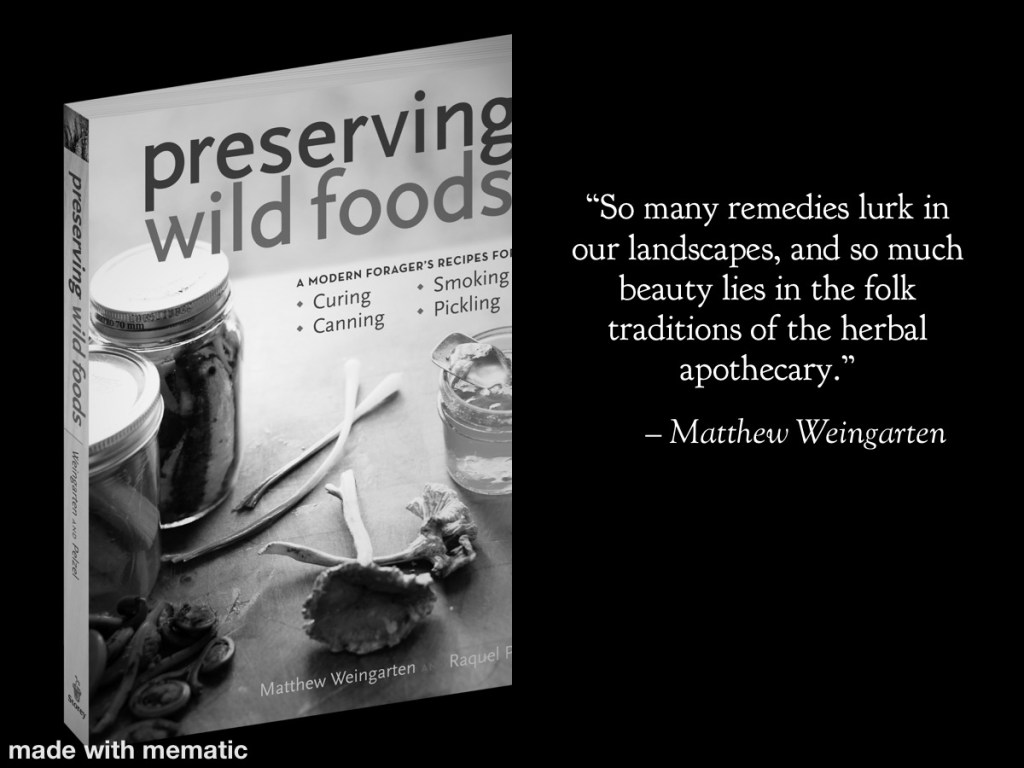
I have posted the first of my Herbal Explorations, Calendula, which you can find by going to the Main Page of Kensho Homestead, in the menu. Each time I’ve posted on another plant, I’ll link it here in the blog, but it will remain on the main page for easier locating. For those who don’t know already, there’s also pages there on Geoengineering Resources and Garden-to-Table Resources.
I’m not sure what to make of it, but I’m sharing this quickie just the same.
A gorgeous day of new life, new moves, and what feels like genuinely natural weather for a change.
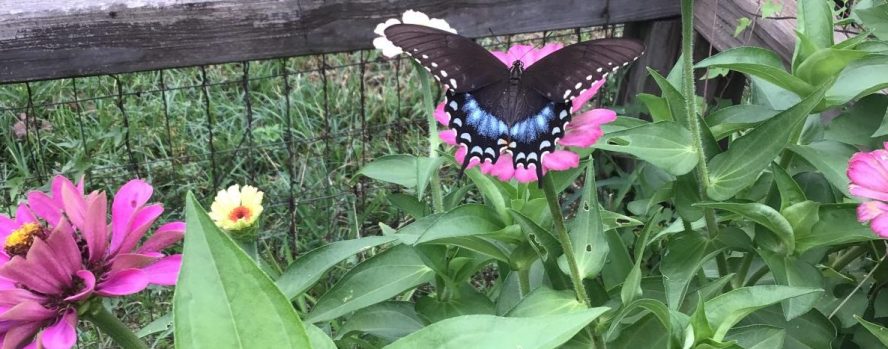
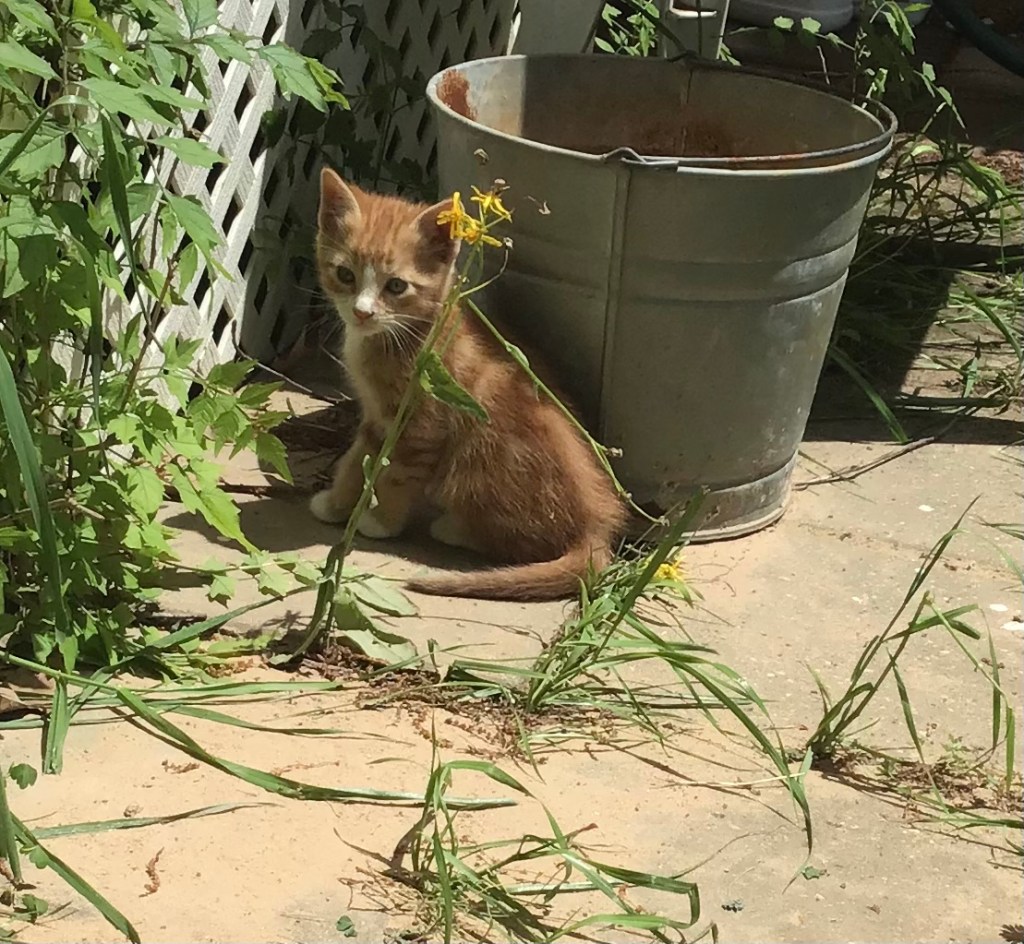
First rose, first poppy, first lamb and the kittens come out to play. 🤗
Just a few minutes old and already knows the routine
And, I expect Geoengineering/weather modification has hit the popular charts, at last, yay!
I will admit I thought this very popular channel must be shills of some sort, because they seemed to be completely avoiding the obvious weather warfare for years now.
Be that as it may, they’ve been clueing in more and more lately, and now, I consider their cherry popped. It’s about time! I don’t know what to make of it exactly, but I do believe in the gaming world it means we’ve just leveled up.
Another big week on the wee homestead! A real treat this time because we have rare video clips of a swarm moving into one of our bait hives. So cool! We really had lucky timing with that one, after another near miss.
Plus, one little piggy already off to market, more to follow soon. And a much better incubator hatching success.
Mama’s pushing them off, which means their days here are numbered24 chicks from the incubator this time, much better than the 9 from last time
In other news, not so lucky, with the timing all wrong, another tree falls. And still other news, we continue to wait for rain, annoyed and impatient.
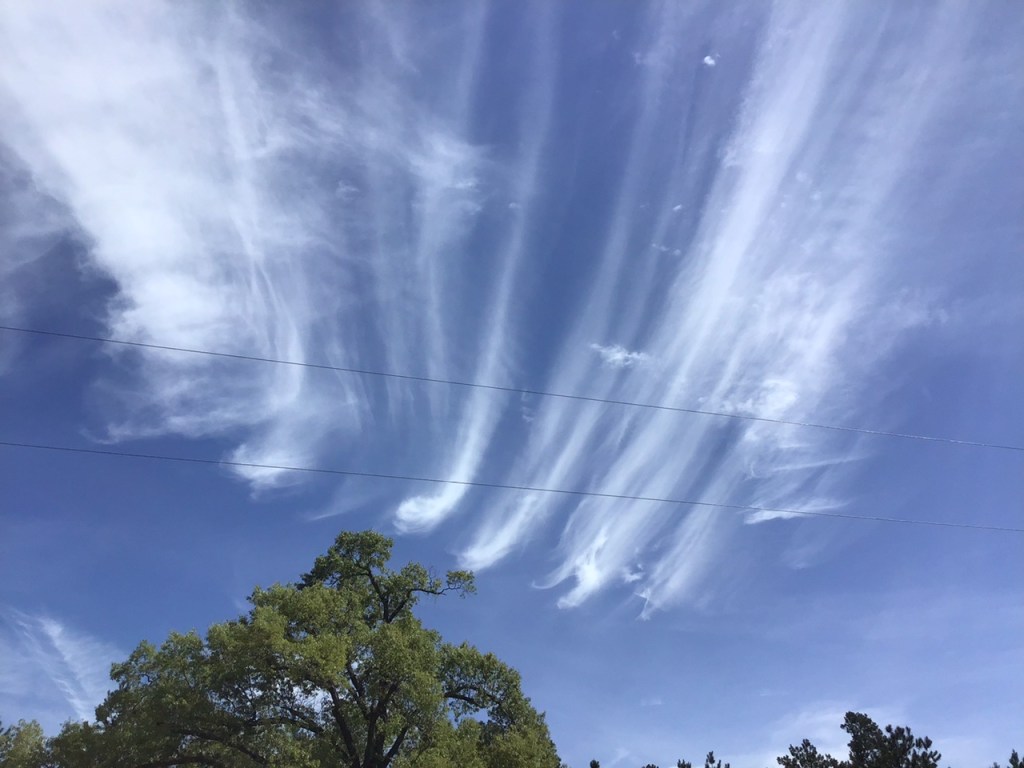
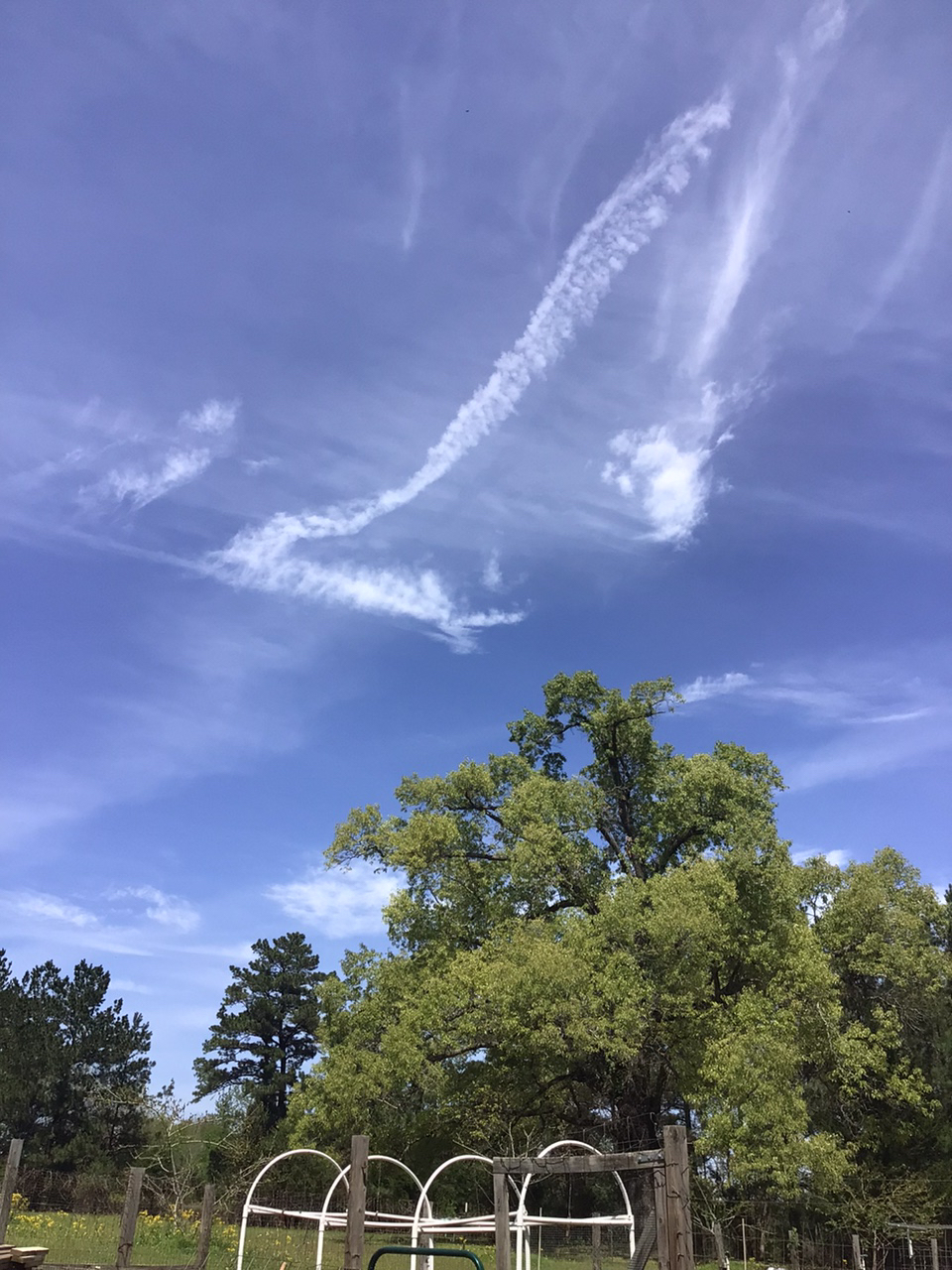
Just another day of hazy chemical filth
Best to start with the bad news first. The New Normal manufactured weather continues to rob us of rain while pouring chaos on regions nearby.
It’s not only only ugly, toxic and altering the entire hydrological cycle of the region and beyond, it’s weather warfare! I could spend a lot more posts bitching about it, but I ain’t got time for that.
A friendly young couple and their son came by for one of our piglets and we spent a nice time chatting and it was surprising—as in both unusual and pleasant —to have so much in common with folks who superficially were very different from us — much younger, still working, four children, active church members —yet we could hardly stop yammering on about homesteading life after an hour. And then a good bit more after that!
Each attempt at continuing on with our many chores of the day interrupted by some new spontaneous and urgent topic—and all my favorite ones—bees, goats, gardens, kombucha, even cheese.
And, the young woman looked at me knowingly when I pointed to the disgusting sky and repeated for the thousandth time: ‘Weather warfare!’
She knew! Or at least, she knew I wasn’t crazy for suggesting that. That gives me a lot of hope, because it means we’ve come a long way in the many years I’ve been ranting on about it. She also dared say the not-so-secret buzzword of the decade: “Conspiracy theory.”
So refreshing to listen to these courageous young folks who, when they see the degenerate state of the world around them they don’t send their kids into the state schooling system and cross their fingers hoping for the best, they homeschool knowing, they can do better.
They don’t just whine about inflation, they grow a garden and raise some livestock. They don’t just wait for Jesus to come save them, they become the kind of folks who can save others. Very refreshing indeed—as in—in actual deed.
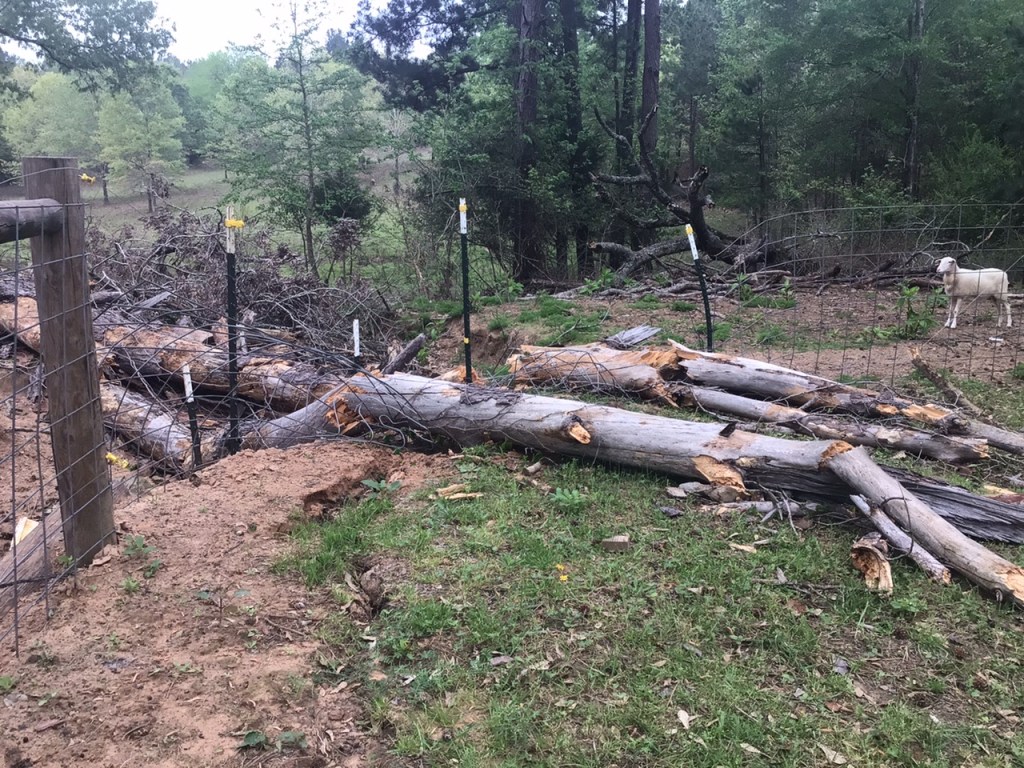
In the story of poor timing, one of the trees killed during the tornado nearly three years ago and still hung up on a neighboring tree, which the goat kids loved to include in their playtime, finally came down in one of the New Normal ‘storms’ where we get everything in the weather chaos of wind, lightening, extreme temperature shifts, but little to no rain.
Of course, it came down right on Hubby’s fence, freeing the brand new ram to have premature access to the young sheep. We fear unwanted teen pregnancies in our future. ☹️
Before and after:
And our brand new ram, expressly kept separate from our too young for breeding girls has sudden free access. Not good.
Back off, Gaston! Our newest addition, a Dorper, to add to our St. Croix flock. A little too soon for comfort. Sheep, unlike most goats, will breed year-round. Keeping critters separated to avoid breeding is our biggest challenge, like most homesteaders.
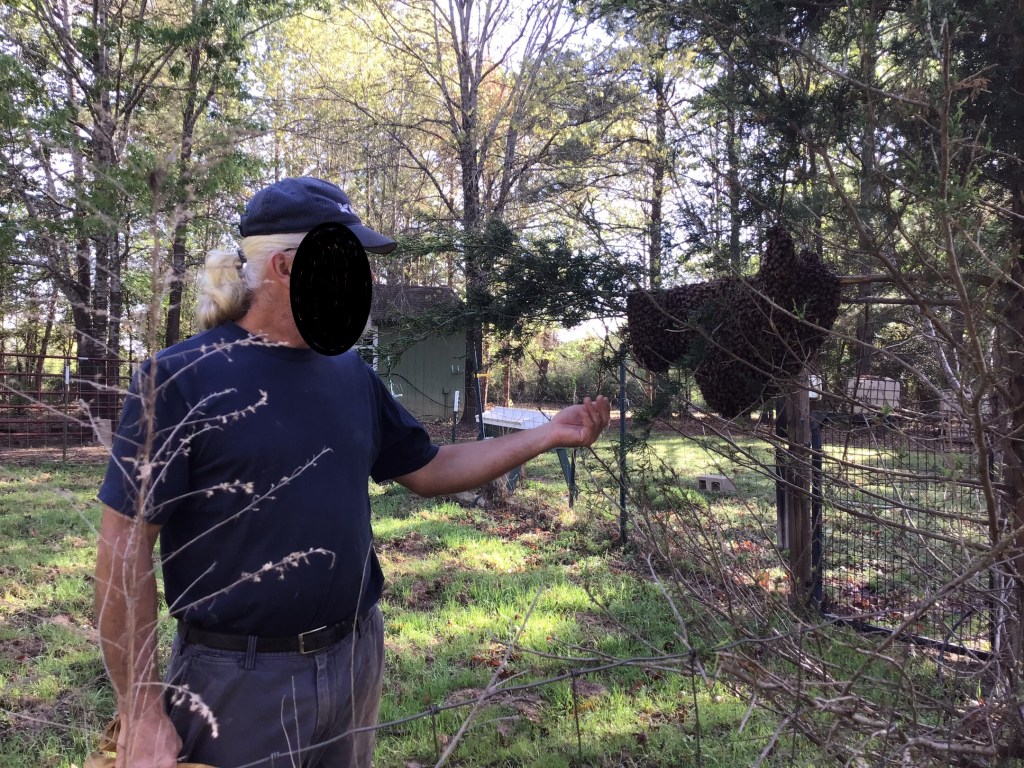
During our visit with the young couple we pointed out the open-air bee colony, which I still thought was an open-air colony at the time. It was there for well over a week—we checked on it every day.
I had no idea a swarm would stay that long in search of a new home. But then, within just a couple of hours, big things started to happen.
That huge swarm, which I wrote about last week, disappeared, along with the smaller one on the same tree. I actually thought I heard it while watering in the garden, but I never saw anything.
The easiest swarm capture ever! At shoulder height, cast off from the top-bar hive you can see here just beneath the swarm with the white roof.
And then, the swarm we’d just caught earlier (pictured above) that morning and tenderly transferred into a Langstroth hive and put in a location far from the swarm and originating hive, then started to swarm again. *(Why would you prefer your bees to swarm?! See below!)*
I was just frustrated, I saw it happening! Hubby had put on his veil to come help re-situate the frames on the Langstroth but they were already in air. It was an amazing sight to behold, but I didn’t think for a second they’d stop again so nearby.
I yelled to Hubby not to bother to put on his suit, but to bring the tablet instead. The swarm stalled above the garden and Hubby said, between my sighs of disappointment, “Try to follow them!”
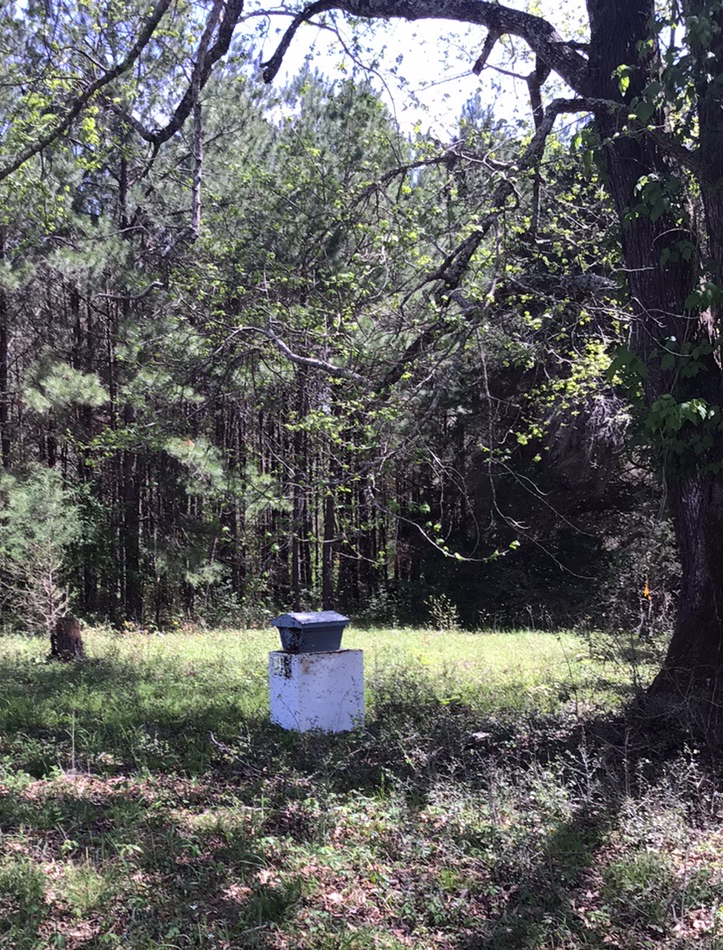
I thought it sounded crazy at first, but then thought, why not. And to my absolute astonishment, they stopped at the bait hive that Hubby built for populating our top-bar hives!
That is the second time a swarm has refused my attempts at populating this store-bought conventional beekeeping hive, the Langstroth. But why?
We captured a couple of short clips of the capture—it all happened in about 10 minutes, tops.
It’s so amazing to watch them pile into the entrance, until finally, all are ensconced and occupied with repopulation.
Happy in their tiny house!
It is so fascinating to me to imagine all the social dynamics that went into the decision of that swarm in that short time to move from my preferred space, to their preferred space 150 feet away, communicating in ways far beyond the powers of man.
Luckily, our efforts are all not for nothing! The bees traveled right over the garden where I hope they’ll be spending a lot of time very soon. The garlic is flowering too soon, no surprise in the Yo-Yo weather. The onions are starting to bulb already, but that doesn’t mean we won’t still get a good crop.
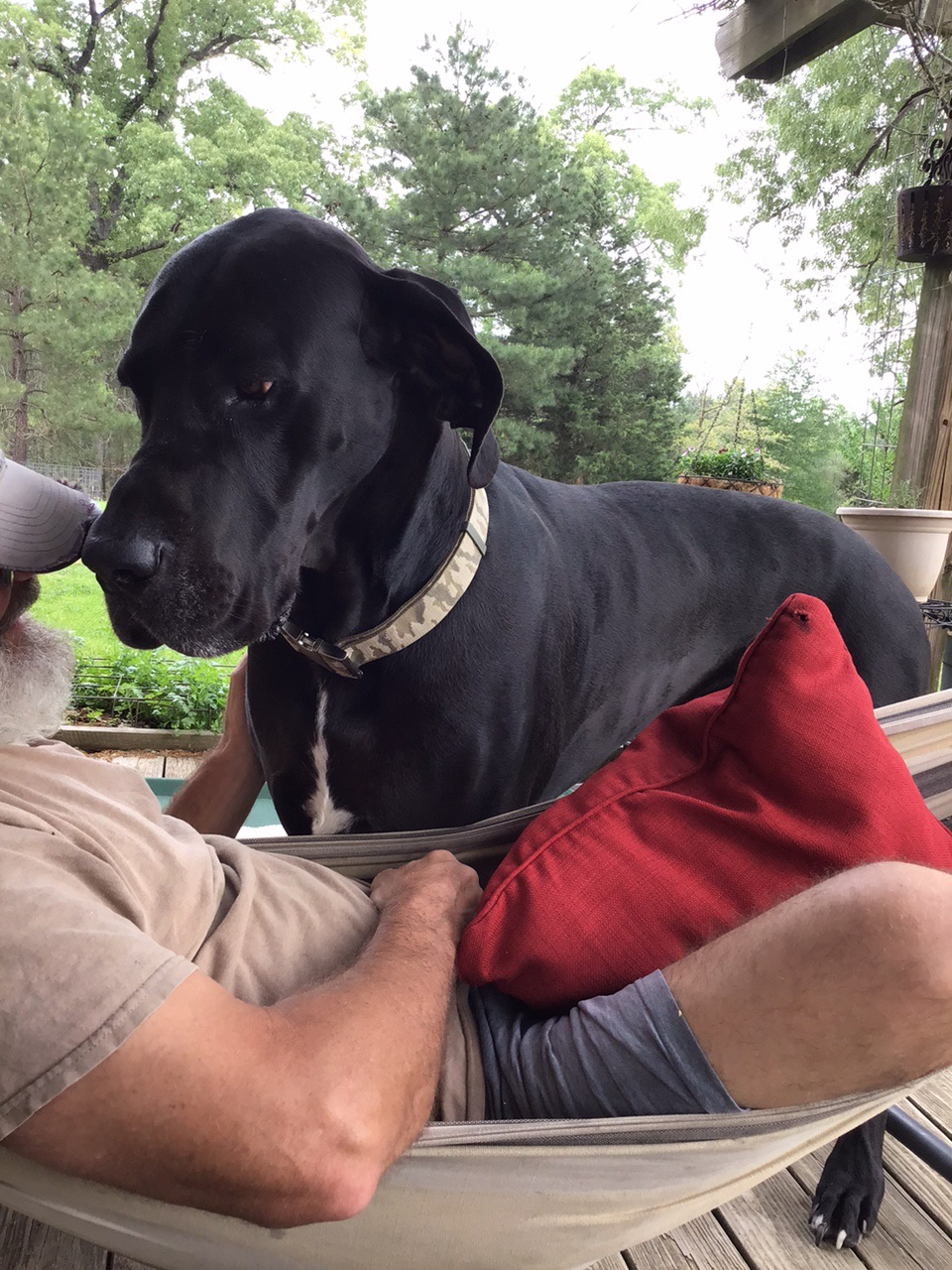
Our new dog, Shadow, continues to bring smiles and joy as he gets ever more comfortable in his surroundings.
Thanks for stopping by, Bye!
*Bee swarms, more info for the interested* For those embarking on treatment-free beekeeping, we are the ‘anti-vaxxers’ of the beekeeping community. Swarming is a natural and healthy process of established bee colonies. Interrupting this process by taking ‘splits’ on hives in spring is the preferred industrial/commercial method. However, for the hobbyist, conservationist and connoisseur it is known that it is better to trust the bees and to limit synthetic intrusion on their natural processes. The bees have chosen their swarm companions, not me, as in a typical split. They have chosen their queen, not me, as is the case in typical industrial methods. The swarming process is not only genetic, but also hygienic. When honey production is not the primary aim, it is amazing what we can learn about natural bee behavior. 😊
Feel free to ask questions or share comments on the bees, or any of the other things!
I understand it’s different for everyone. Not only that, but it’s different for any one individual in different times and at different stages in life.
What’s considered a high quality of life at age 19, differs greatly from one of 49. Or at least, we can hold out hope.
As one example, in the past I said I wouldn’t ever want livestock beyond chickens, for a couple reasons that seemed very significant to me at the time—I was scared of the responsibility of life and death for these precious creatures, and I didn’t want to feel ‘a prisoner’ here.
Now I am fully on board with the responsibility, and I can rarely whip up a desire to leave our wee compound. My notion of who is the actual prisoner has shifted significantly.
When I hear criticisms—and there are plenty—aimed at the growing number of homesteaders, survivalists, preppers, back-to-the-landers, I’m not bothered. They can slur us with their derogatory terms like Luddites, subsistence farmers, backwards, selfish, hoarder, bitter clinger, extremist, even, violent extremist.
They don’t know. How could they? I can forgive them their ignorance. For as long as I believe it to be genuine ignorance. Those who are genuinely ignorant are thankful when presented with an opportunity to learn.
“There is a cult of ignorance in the United States [that] has been a constant thread winding its way through our political and cultural life, nurtured by the false notion that democracy means that “my ignorance is just as good as your knowledge.” – ~Isaac Asimov
My definition of a high quality of life changed significantly over time, and I can hold out hope for them as well.
That is, until their powerless slurs become serious impediments. My choice of a quality lifestyle does not harm them in any way. However, their definition of one severely hampers mine which, over time, makes mine quite impossible.
And that really pisses me off.
Their quenchless thirst for cheap thrills and consumable crap and loot, plunder and pillage of all that’s precious to me is intolerable. More specifically, the tolerance of the majority for abuse of themselves, their environment, the future generations, is outrageous and inexcusable.
“The fecundity and flourishing diversity of the North American continent led the earliest European explorers to speak of this terrain as a primeval and unsettled wilderness—yet this continent had been continuously inhabited by human cultures for at least ten thousand years. That indigenous peoples can have gathered, hunted, fished, and settled these lands for such a tremendous span of time without severely degrading the continent’s wild integrity readily confounds the notion that humans are innately bound to ravage their earthly surroundings. In a few centuries of European settlement, however, much of the native abundance of this continet has been lost—its broad animal population decimated, its many-voiced forests over cut and its prairies overgrazed, its rich soils depleted, its tumbling clear waters now undrinkable.” (The Spell of the Sensuous by David Abram, p. 94)
Unforgettably Unforgivable
While our personal definitions concerning quality of life is unique to the individual and may shift, even quite considerably, over a lifetime, there remain constants.
For example, I doubt there’s a significant number of folks whose idea of a high quality of life includes having their health, wealth or well-being routinely stolen from them.
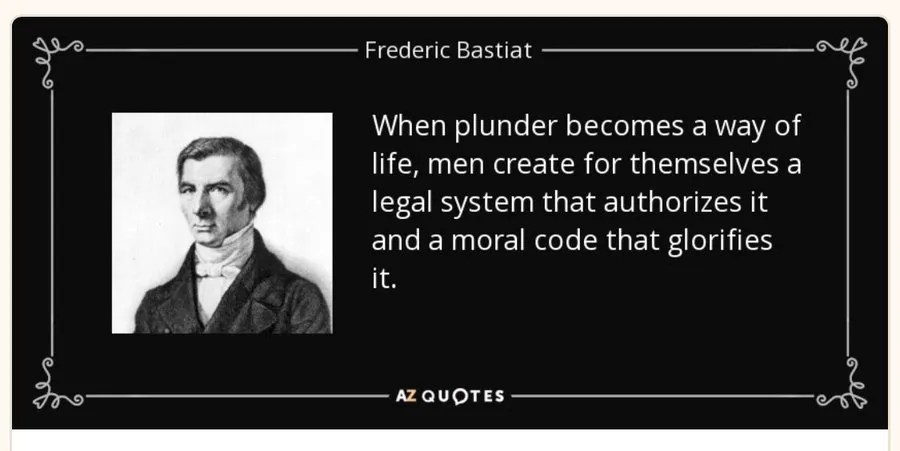
Yet, we are living in a society where that is exactly what happens and few will lift even a pinkie finger to change it. Few can be bothered even to wag their tongue for one-half minute at the proper authorities for leading them to exactly that wretched level of life: A life fully resigned to blindly accepting the experts and authorities who routinely betray them.
Invariably at some point these folks become so numerous and so delusional and so negatively impactful, that one simply must turn their back on them, for one’s own sanity and the well-being of an entire culture.
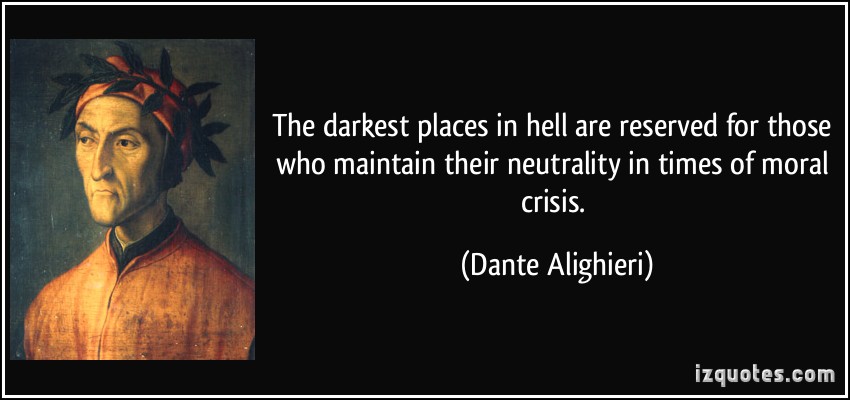
I hear far too often how ‘good’ people are just trying to get by and they are powerless against the system and they mean well and on and on and on. Here’s what I sincerely think when I hear these constant excuses: “You don’t know what ‘good’ means!”
If the majority of folks were good, we would not be in this mess!
To not be evil, to not be actively committing evil acts, does not make someone good. It makes one not evil, that is all. There’s a big, long, wide gap between not evil, and good.
Contrary to popular opinion, harmless does not equal good!
This becomes even more apparent in a society where a tiny class of untouchable elites consider themselves to be beyond good and evil.
To be good in such a system requires something of you. It’s not your automatic birthright.
You cannot be serving such a system— one that maintains itself by destroying the health, wealth, well-being and environment of the vast majority in order to serve your own self-interest or that of your corrupted masters—- and still call yourself good.
As the interpretation of reality by the power structure, ideology is always subordinated ultimately to the interests of the structure. Therefore, it has a natural tendency to disengage itself from reality, to create a world of appearances, to become ritual.
Vaclav Havel — The Power of the Powerless
And you can’t call your friends, family, government, society ‘good’ if serving the corrupt system is still what they are doing.
A bunch of happy snaps, a bit of gardening news, a wild-like encounter and some homestead TV for today.
Everything’s blooming and we’re scheduled for frost/freeze at the end of the week! I was afraid that might happen, so have not put out the frost-sensitive plants, though they are definitely ready to be moved.
Not the most elegant set-up, but it works! Thriving under the lights and ready to transplant: tomatoes, marigold, calendula, Moringa, geranium, thyme, Mexican mint marigold, kumquat, anis hyssop
We’ve also kept the row cover handy in the garden for a quick save. A light frost won’t bother much in there now, but a freeze or prolonged low temps would do a lot of damage.
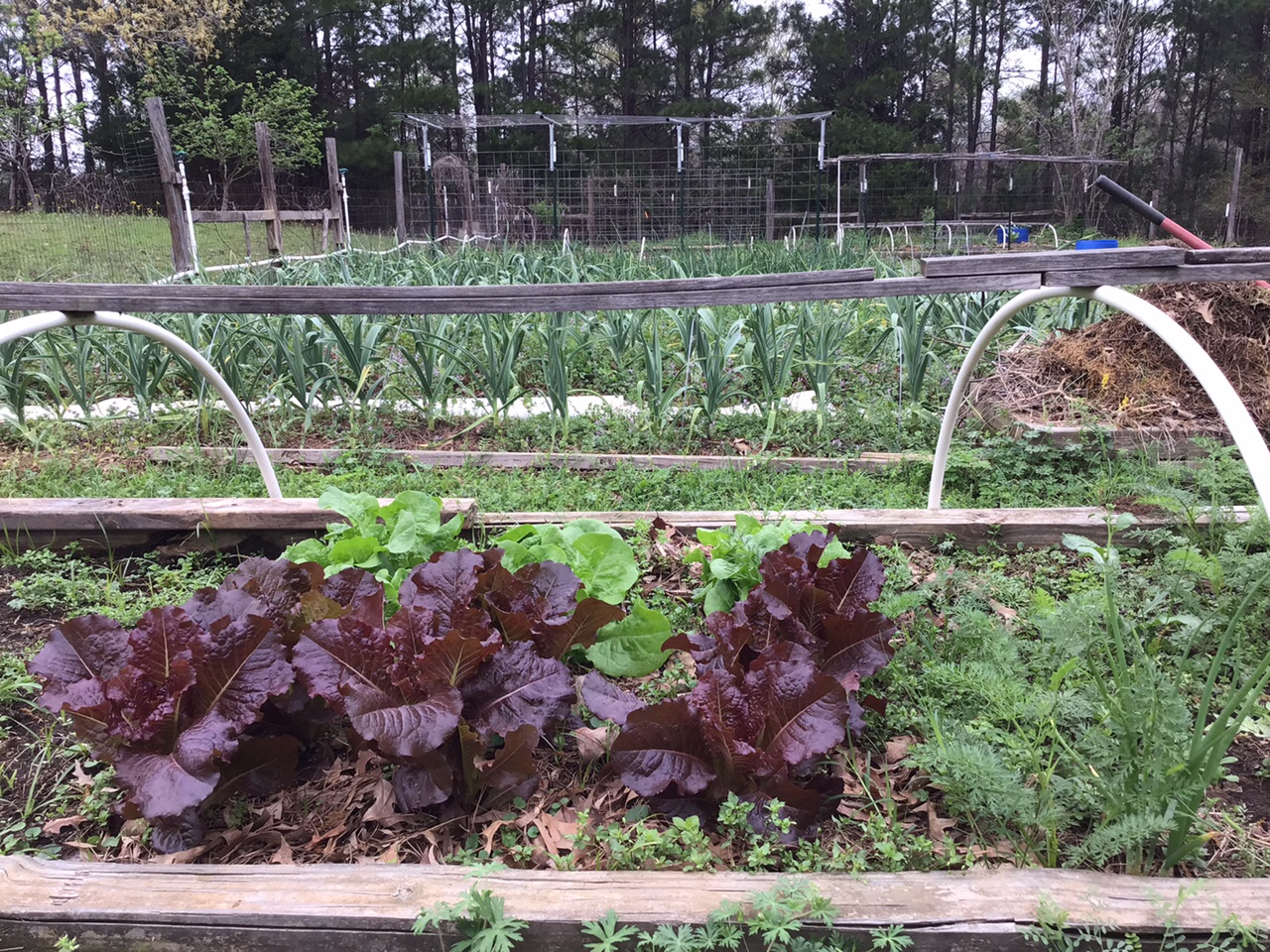
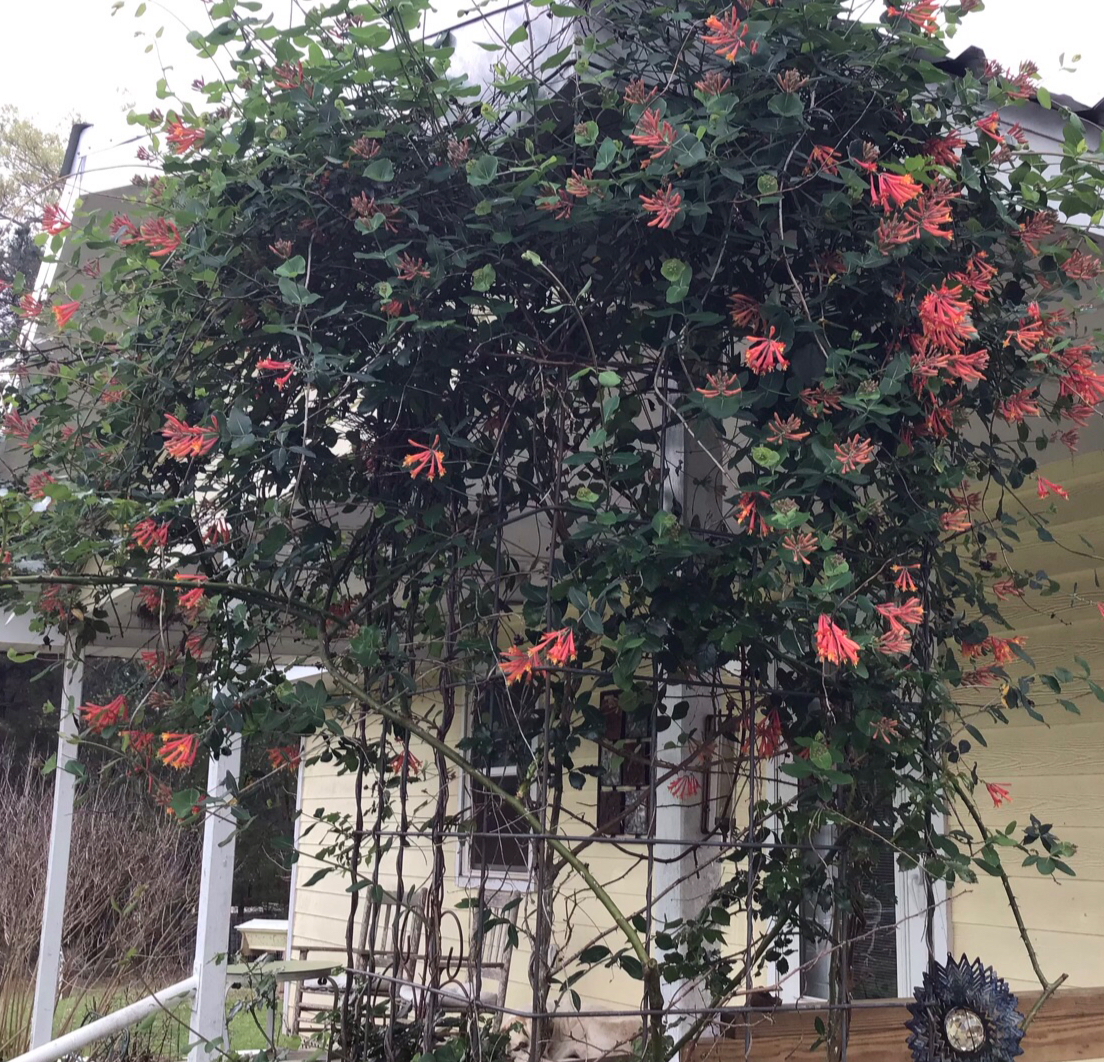
Lettuces, radishes, carrots, a few rows of garlic, then onions all the way back to the cucumber trellis, soon to be planted. First time trying potatoes in containers and they’re looking good!The wild cherries are my favorite wild fruit tree out here, they are super tiny, but the cherry flavor is super intense. Unfortunately, they bloom very early, so we rarely get a crop of them because of late frosts.I’m particularly proud of this pretty plant, Coral Honeysuckle, because like with the cherry, I’m growing them from wild cuttings.
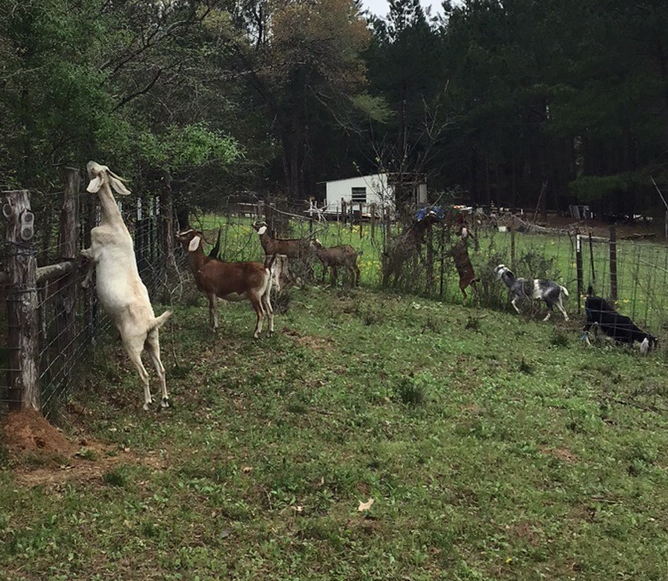
The goats do an excellent job of keeping the fence line cleared, so helpful! We have a boarder joining our wee herd for a while, Broderick, a sweet, young Billy whose owner was sick of listening to his constant mewing. He’s not made more than a peep since coming here, so he must be happy, despite his rivalry with our herd queen, Summer. They’ve butted heads many times, and poor Broderick doesn’t have horns. He’s had a bloody head, been chased around, and he keeps going back for more! So cute but so tough!
That’s Summer, the white one on the left. On the right, that’s Broderick facing the camera in front, and behind him also facing the camera is our whether, Hercules.
Of course, there’s always the dumbbell of the group, and that would be Bluebonnet, Summer’s offspring.
Bluebonnet, the only one to get her head stuck in this fence at all, and to show off, apparently, she does it 4 times! Each time having to be rescued by Hubby, thankfully working nearby.
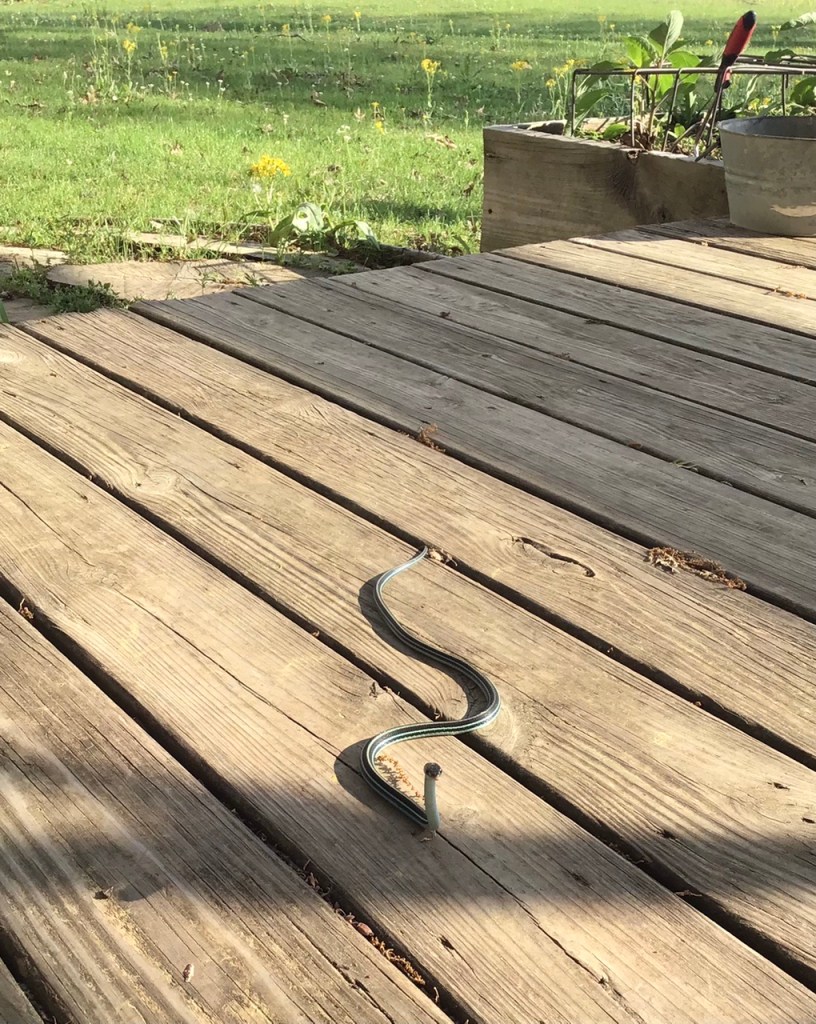
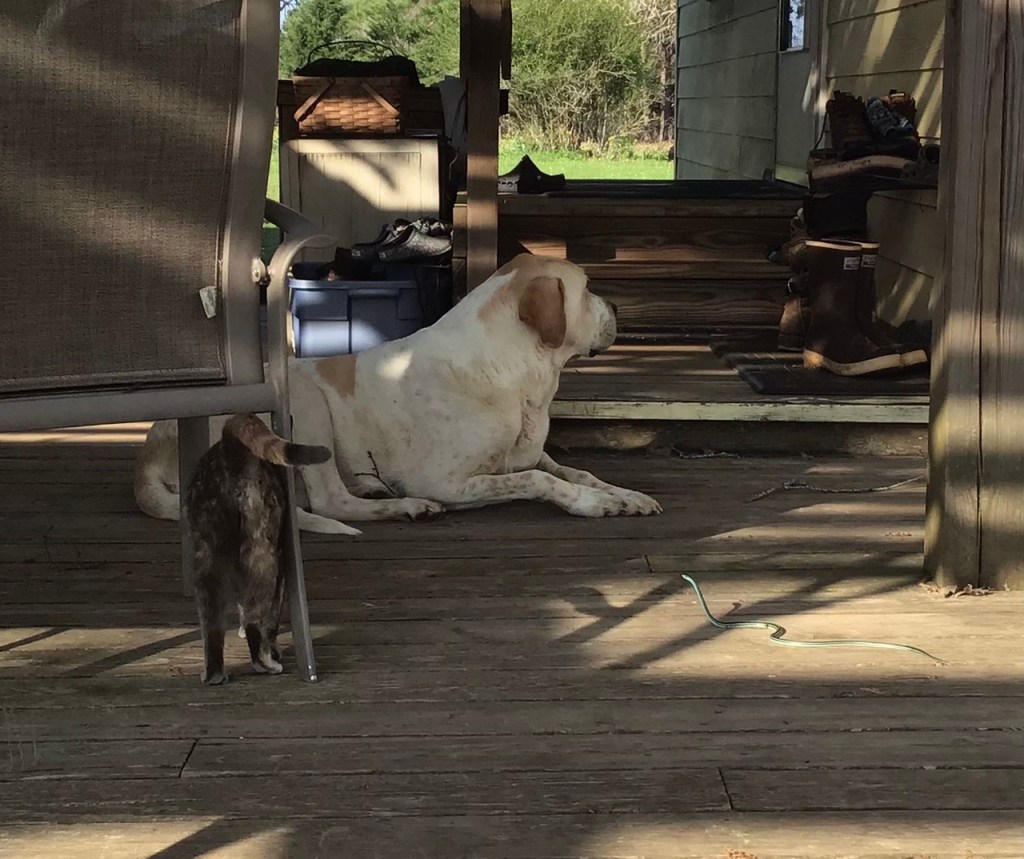
There’s a steady supply of captivating entertainment around here. Just yesterday, around cocktail hour, I went out on the back porch to snip some cilantro from the herb boxes for our guacamole snack, and I stepped out onto this surprising tableaux.
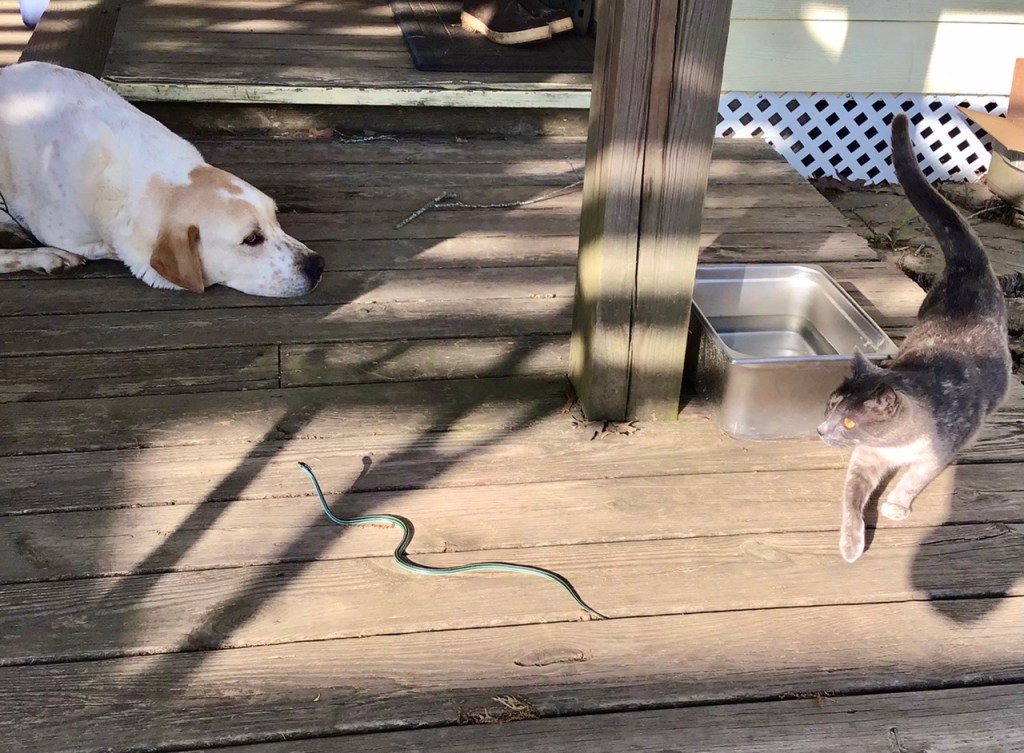
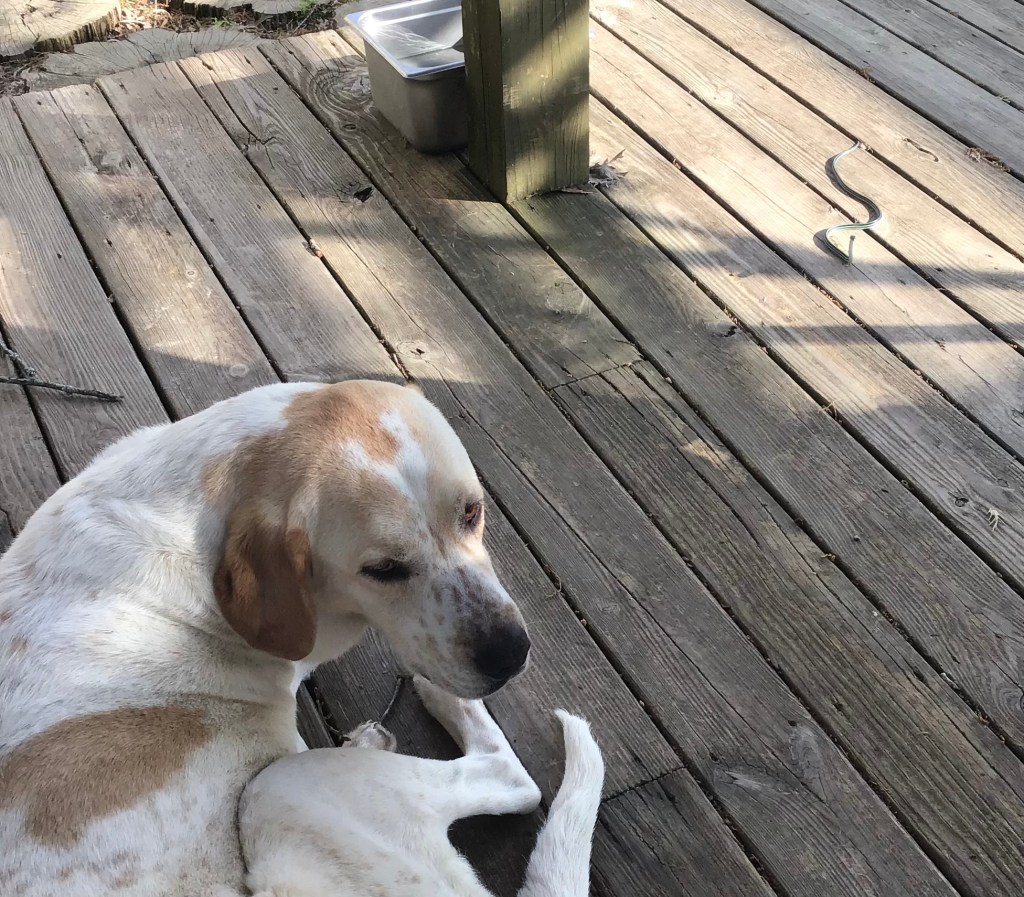
I couldn’t believe my eyes, the gorgeous ribbon snake was positioned there as still as a statue. For long enough I went back inside to get my tablet for photos. And then, our barn cat, Skittles, sauntered over, neither the cat nor the dog remotely aware of the snake’s presence!
This went on for quite some time!
Finally I yelled to Hubby inside, “You’ve got to see this!”
He comes out, and of course, boys will be boys. He was not as satisfied with the simple moving tableau and banal observation of the odd occurrence, oh no, he had to throw some action into it.
So he chucks a little plastic planter into the middle of the scene, which startles the snake and snaps Skittles instantly into predator mode.
She spots the snake and takes a pose.
“Oh, no!” I gasp. Hubby says, “Huh?”
“Don’t let her get him!” I exclaim.
“Wait, who don’t you want to get who?” He replies.
“Save the snake!” I gasp.
So, in a snap he picks up the water bowl and throws its full contents onto the cat.
Happy ending, it worked, the pretty little wild thing slid swiftly beneath the deck. 🤗
Moving on to chick and piglet news, my how they’ve grown!
On the left are Hubby’s incubator-hatched chicks, and on the right are hen-hatched. Just 6 each, which is not a good success rate. Hubby’s got another batch going, pilot error on the previous one, he says, so fingers crossed!
If at first you don’t succeed . . .
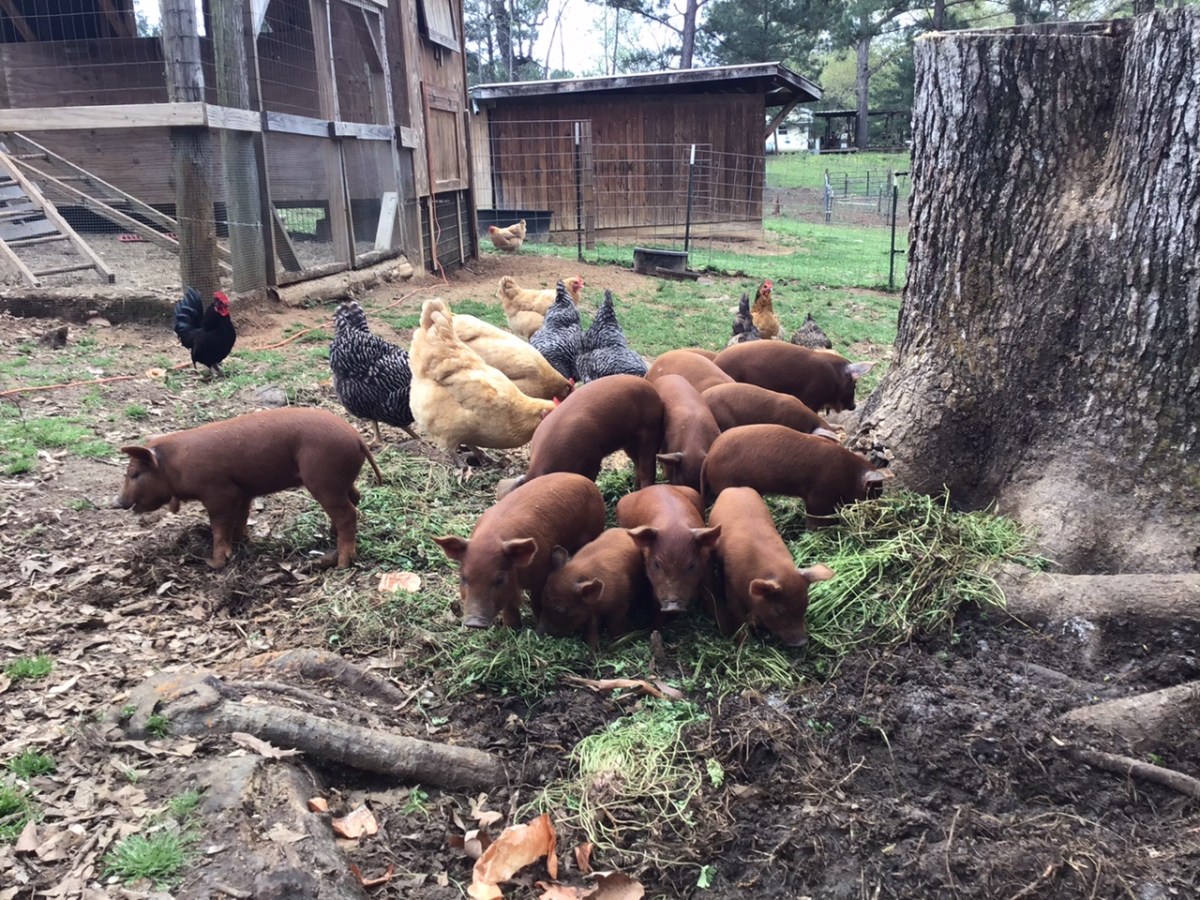
The piglets are doing great. A very large litter, 12, all still alive and kicking. I was hoping to get a short clip of them wrestling, it’s so funny, but it’s not easy to capture, since they are mostly eating all the time.
Some happy snaps and an announcement on this beautiful Sunday!
I’m sure there are a lot of gifted gardeners out there cringing when I say that, but it’s true!
I don’t always love weeds (like the pernicious summer grasses, poison ivy, and Texas goat weed, for starters) but a great many of them are delicious, nutritious, ubiquitous and deserve their place in the garden.
I don’t know every weed, yet, but I’m learning more every year.
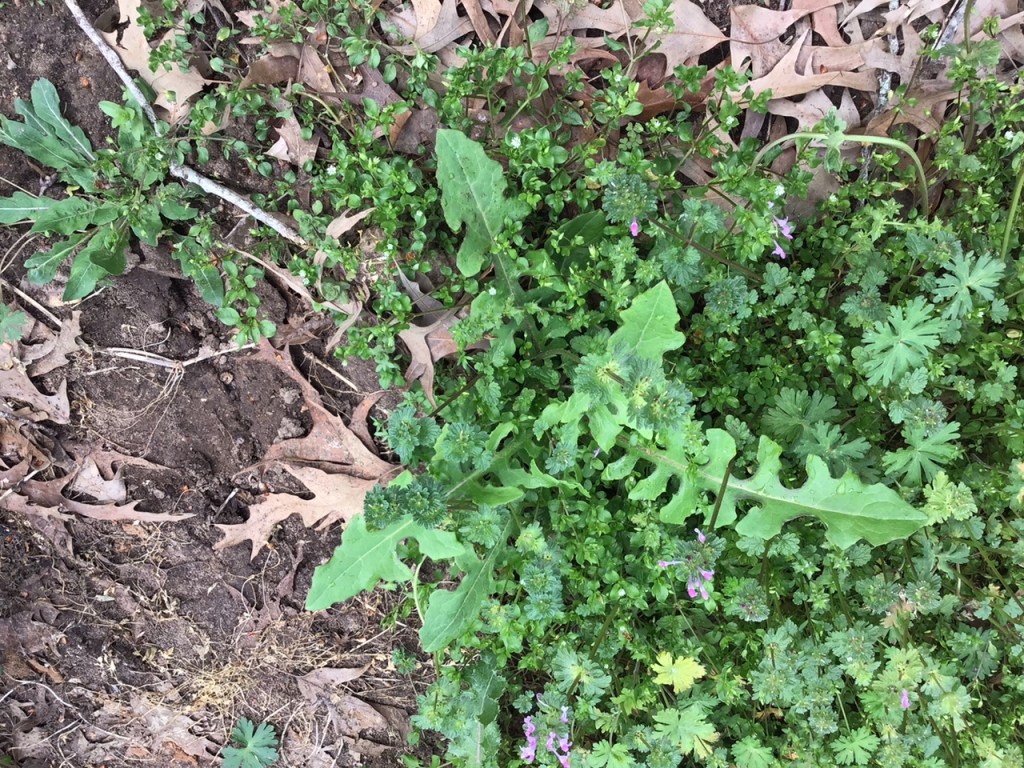
Can you name 3 of the 6 edible weeds pictured above? (Hint below the video.)
And that leads me to my announcement, which is probably more of an intention still, but I figure if I post it, I’m one step closer to doing it.
Reaching new heights on the wee homestead!
Soon, very soon, I’ll be adding a new section to our wee blog:“Herbal Explorations”. I’m very excited about it, but it’s quite a bit of work as well, which isn’t easy to squeeze in to an already full palate (bad pun intended!)!
Of course, I’m not an herbalist myself, but I plan to research the ‘Starring Weeds’ as best I can online and in books, provide lots of references, and get further info tidbits from trained herbalists.
Including, of course, the ‘science fraud’ angle I’m so fond of that casts so many of our precious herbs in a bad light!
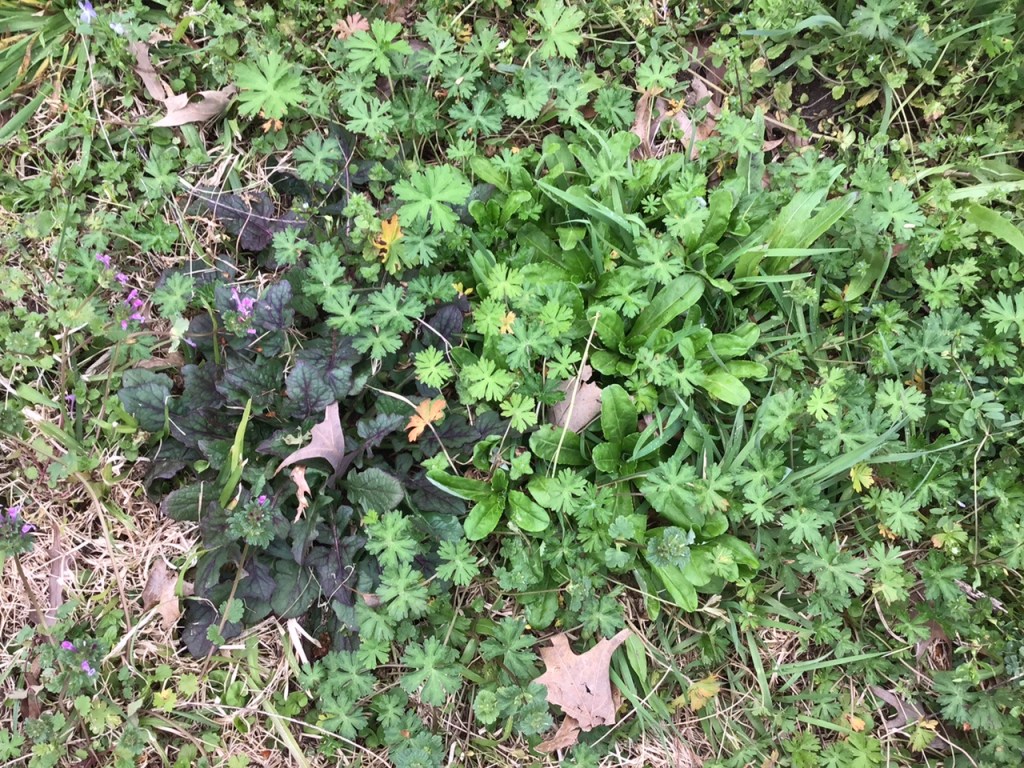
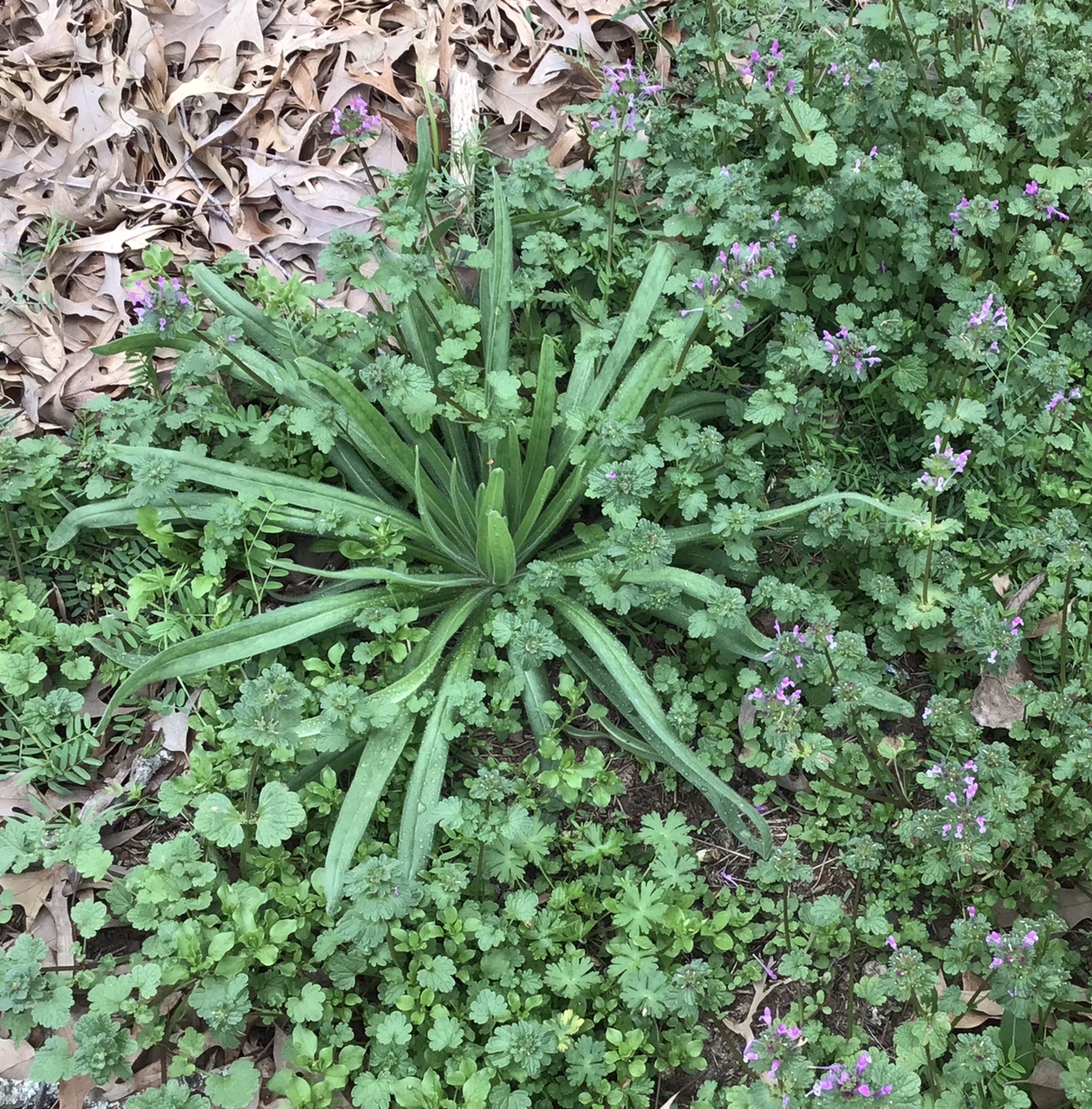
Behold the divine diversity by the compost pile! Pictured just in this small space: wild carrot, henbit, chickweed, Carolina geranium, hairy vetch, and . . .?
And . . . Who might you be there, Thin & Lovely, hiding in the henbit?
My hope is that it will become an on-going reference section that will be a welcome resource for all us new-bees in herbalism, foraging, and down-to-earth living.
If you think this is a good idea, please do nudge me along, to make sure I git-er-done!
And do enjoy 2 minutes of Homestead TV, if you please!
Hint from above: Start small and easy, with the middle photo, the first plant our “Sow”(there’s your hint) eats in the vid, what is it?
More like, New Normal Yo-Yo Season doesn’t totally fool Mother Nature. Yay! I’m taking that as good news.
So let’s focus on more good news with plenty of happy snaps, and just a few ugly reality snaps, from the wee homestead.
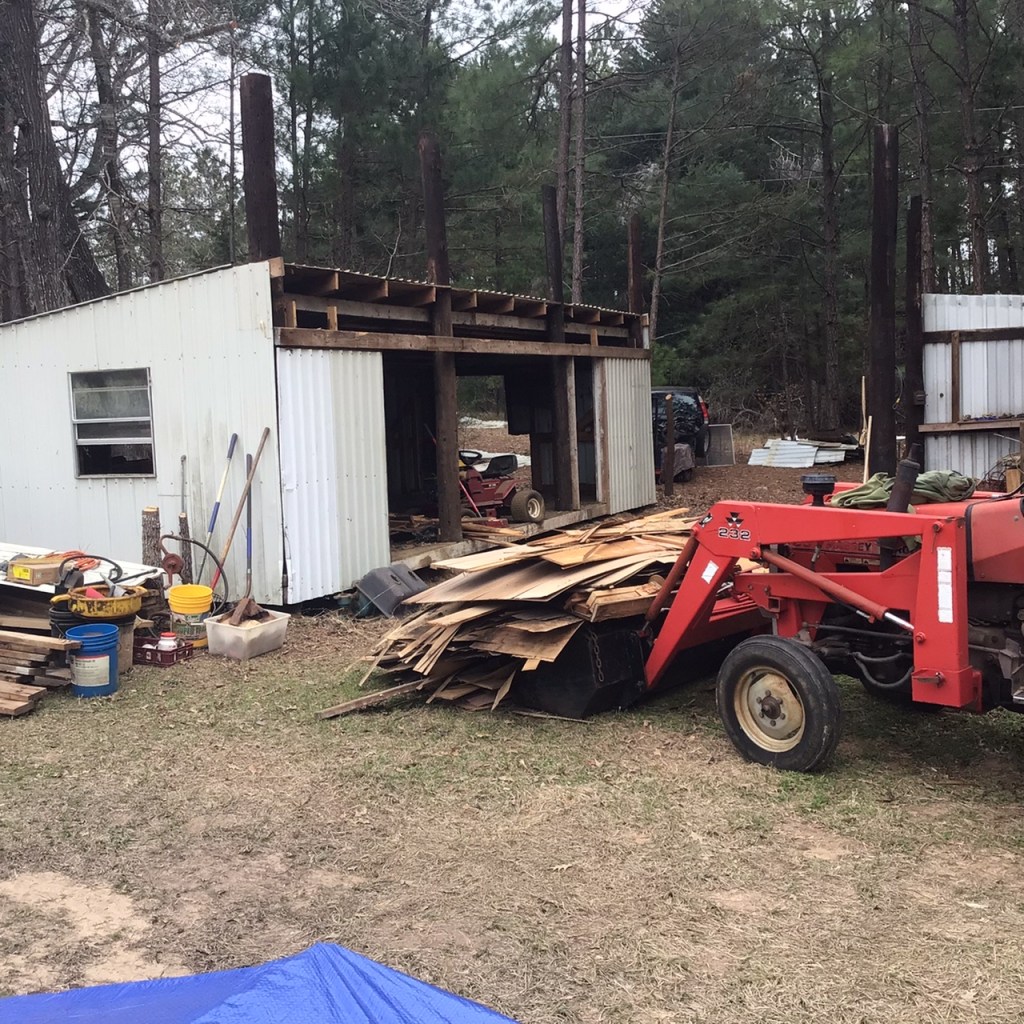
We’ve been busy, Handy Hubby most especially, in long-overdue deconstruction. The only other structure on the property when we bought it about 15 years ago, besides the seasonal-cottage-turned-permanent home where we now live, was this already run-down, trash-filled tractor barn.
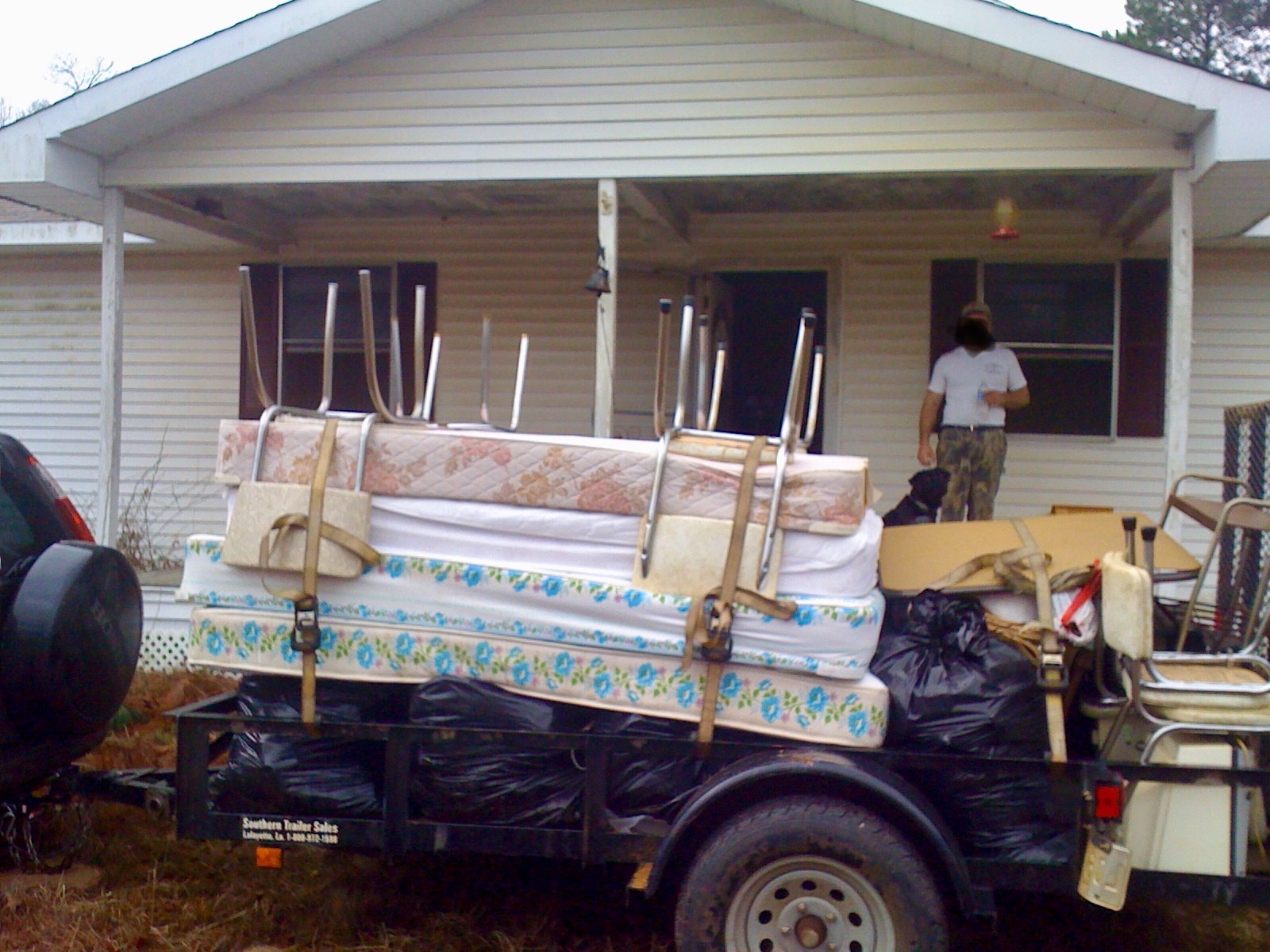
Hauling trash out of the cottage before move-in (circa 20o9). Then scrubbing, painting, re-doing the floors, kitchen, siding, roof, insulation, building a deck, etc., etc. Thank heavens for Handy Hubby!
Then the tornado tore off a chunk of it. And Hubby discovered the posts had rotted in the ground and it was in even worse shape than expected. Little left to be salvaged.
You can see it here in its best shape, in the background of this darling vid of our dear, now deceased, oh so lovable dogs, Tori, and Papi who makes a brief appearance too! The structure on the left is the former duck coop, built by Hubby. The structure finally coming down is the 2-story on the right. While the previous owners were building their future cottage, our current home, they built this and lived on the top loft. It was already a mess when we bought the place, and we’ve been procrastinating the clean-up ever since.
I vowed year after year I’d help Hubby in the deconstruction and clean-up when he found time to prioritize it, yet here it’s now nearly done and I haven’t helped a lick!
Such a gentleman! Thank heavens, because it’s a disgusting, nest and poop infested horror of a project, which is why he was procrastinating so long in the first place!
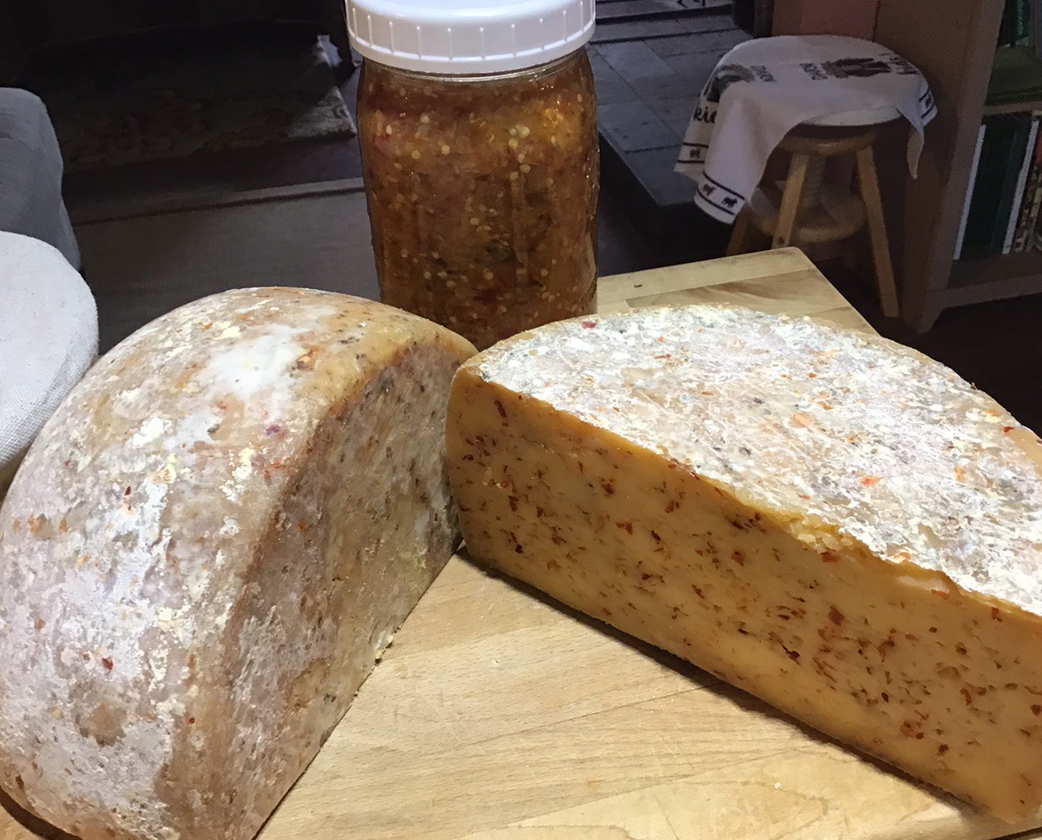
In more elegant news, I am still getting 1 liter of milk a day from our belligerent herd queen, Summer. While it’s not enough for making big and delicious hard cheeses, like this Pepper Jack I just cut, it is enough for a weekly batch of feta, or mozzarella, or my imitation of Boursin, or kefir, buttermilk, yogurt . . .! YUM!
Pepper Jack, aged 3 months. Quite good, hot, but not over-the-top. Still, needs improvement. Noted, still trying.
Despite the best laid plans of weather terrorists, we still have our first blossoms, our first chicks, our first piglets of the season!
And first chicks!
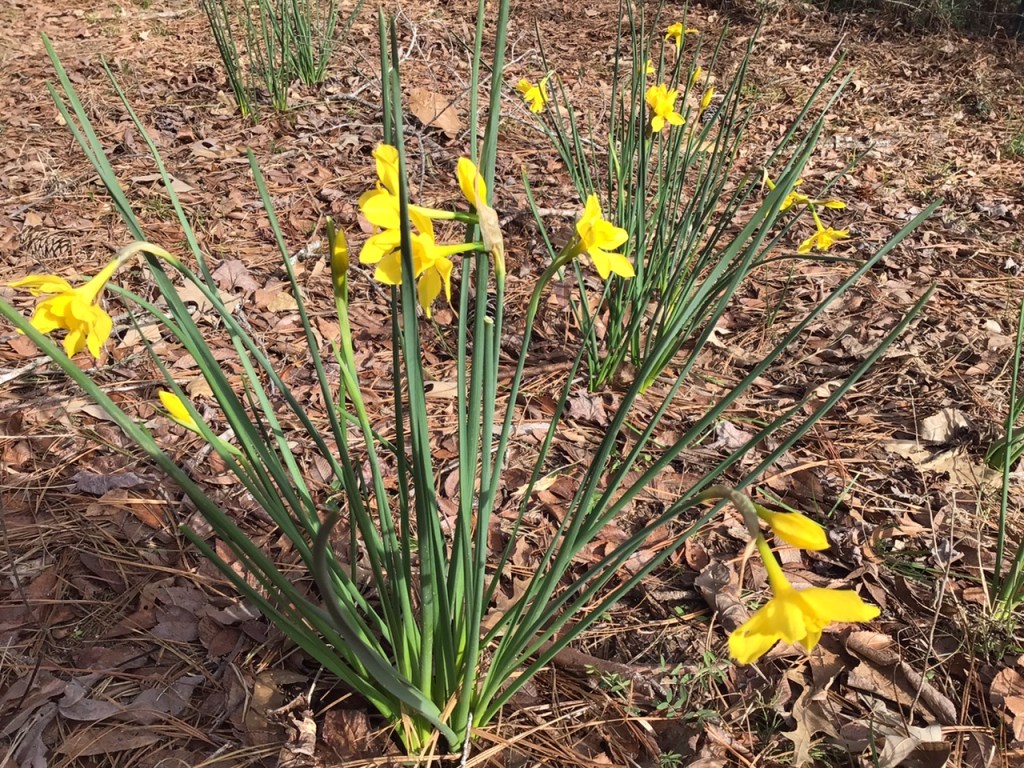
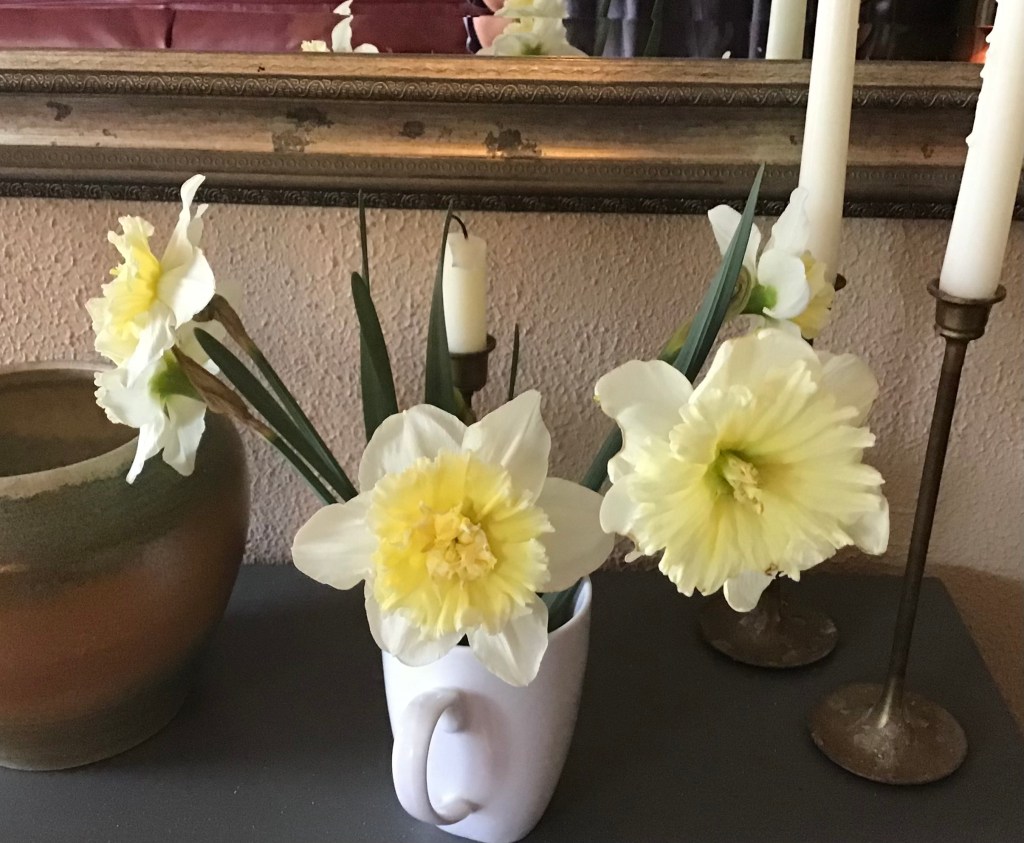
The daffodils and narcissists are out, and just enough blooms that the bees are again pleased!
I do believe, as chance would have it, I just happened to capture the queen in this quick shot. If you look at the center you see a longer abdomen pressed against the observation window, right next to a worker bee, so it stands out just enough to discern. I can’t be 100% sure, but I think so!
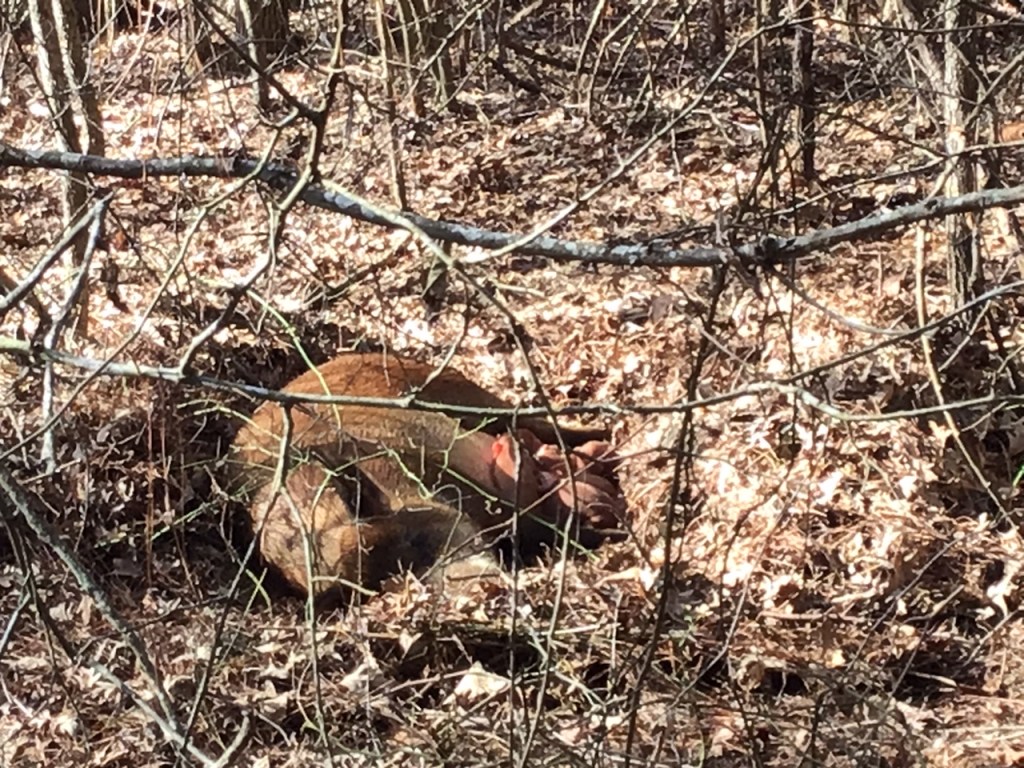
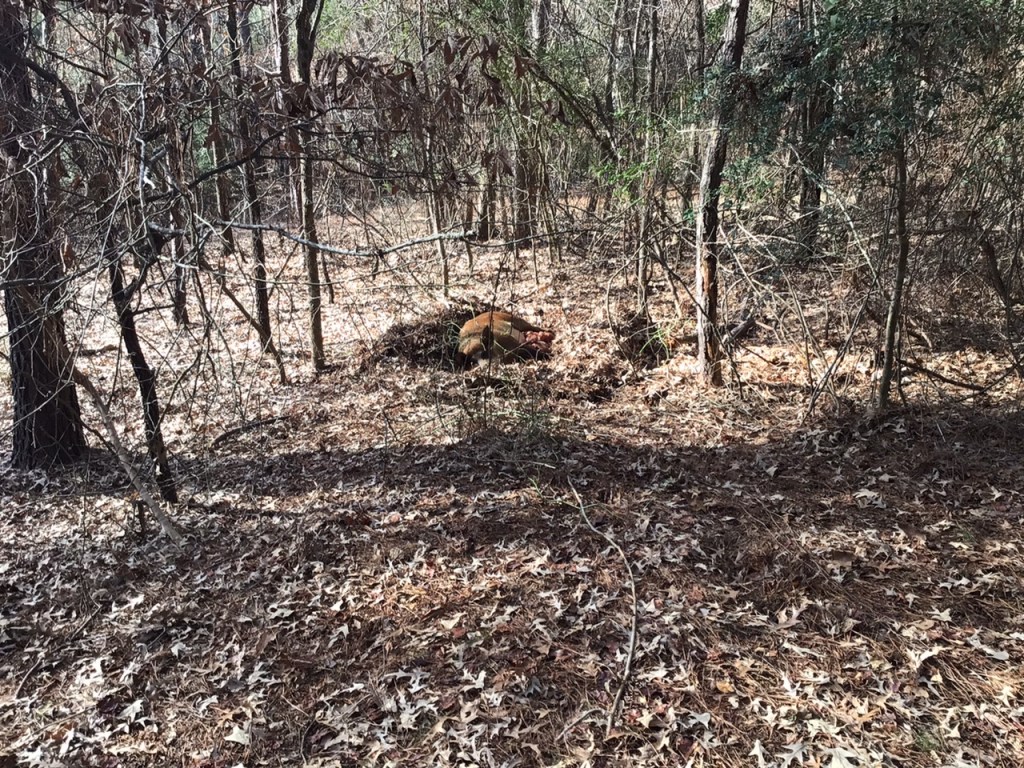
And back to discernment, we have the magic phallus of several posts appearing again! It’s in the same general area as the others, pictured previously, but looks a bit different. Now I’m starting to hope we’ve discovered a morel patch?! Or, maybe not.
Digging through my files for content. Make of them what you will. Or won’t. Comments most welcome!
False hierarchies, that is all hierarchies not based in nature, are crippling our civilization. And maybe, that’s just natural.
They are invariably:
~Based on fluffing not rivaling, so that the leader is replaced by a Yes-man rather than an honorable man.
~Confusing true power with temporary status
~Leading a horse to water, noticing he does not drink, and blaming him for being stupid. Rather than questioning if the horse is intuiting more about the contents of the water than you are.
~I’m in charge, you’re responsible. That is not meant to mean you are to act as my scapegoat. It is meant to represent the bond between the care-givers.
~Helping people adjust to their servitude is not actually helping. It’s akin to helping addicts find their next fix, you are opting to make yourself feel better in the moment by helping someone else feel better in the moment, at the expense of long-term solutions. The proverbial thumb in the dike.
~Hardest lesson for an empath (or a yes-man) to learn—stop cleaning up other people’s messes—you are only making it worse for the next generation.
~America has roughly 35 million acres of lawn and 36 million acres housing and feeding recreational horses.
“It was decided to make [the soldiers] help pay for the war, too. So, we gave them the large salary of $30 a month. All they had to do for this munificent sum was to leave their dear ones behind, give up their jobs, lie in swampy trenches, eat canned willy (when they could get it) and kill and kill and kill …and be killed. But wait!
Half of that wage (just a little more than a riveter in a shipyard or a laborer in a munitions factory safe at home made in a day) was promptly taken from him to support his dependents, so that they would not become a charge upon his community. Then we made him pay what amounted to accident insurance—something the employer pays for in an enlightened state—and that cost him $6 a month. He had less than $9 a month left.
Then, the most crowning insolence of all—he was virtually blackjacked into paying for his own ammunition, clothing, and food by being made to buy Liberty Bonds. Most soldiers got no money at all on pay days. We made them buy Liberty Bonds at $100 and then we bought them back—when they came back from the war and couldn’t find work—at $84 and $86. And the soldiers bought about $2,000,000,000 worth of these bonds!”
~As Carroll Quigley writes, its success was partly due to “its ability to present itself to the world as the defender of the freedoms and rights of small nations and of diverse social and religious groups”. (2)
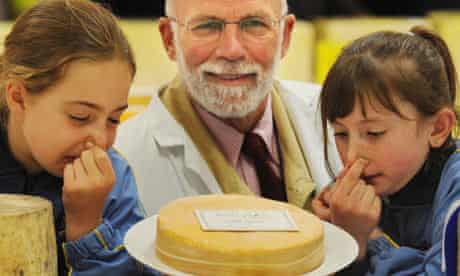
‘Stinky cheese’ is an official cheese category for those unfamiliar with the great wide world of cheeses. Really! They include the washed-rind cheeses, but some others as well, depending who you talk to.
These would include such well-known varieties as Muenster, Limburger, Raclette, but also some relatively new popular favorites like the Stinking Bishop of Charles Martell & Son – Cheesemakers and Distillers.
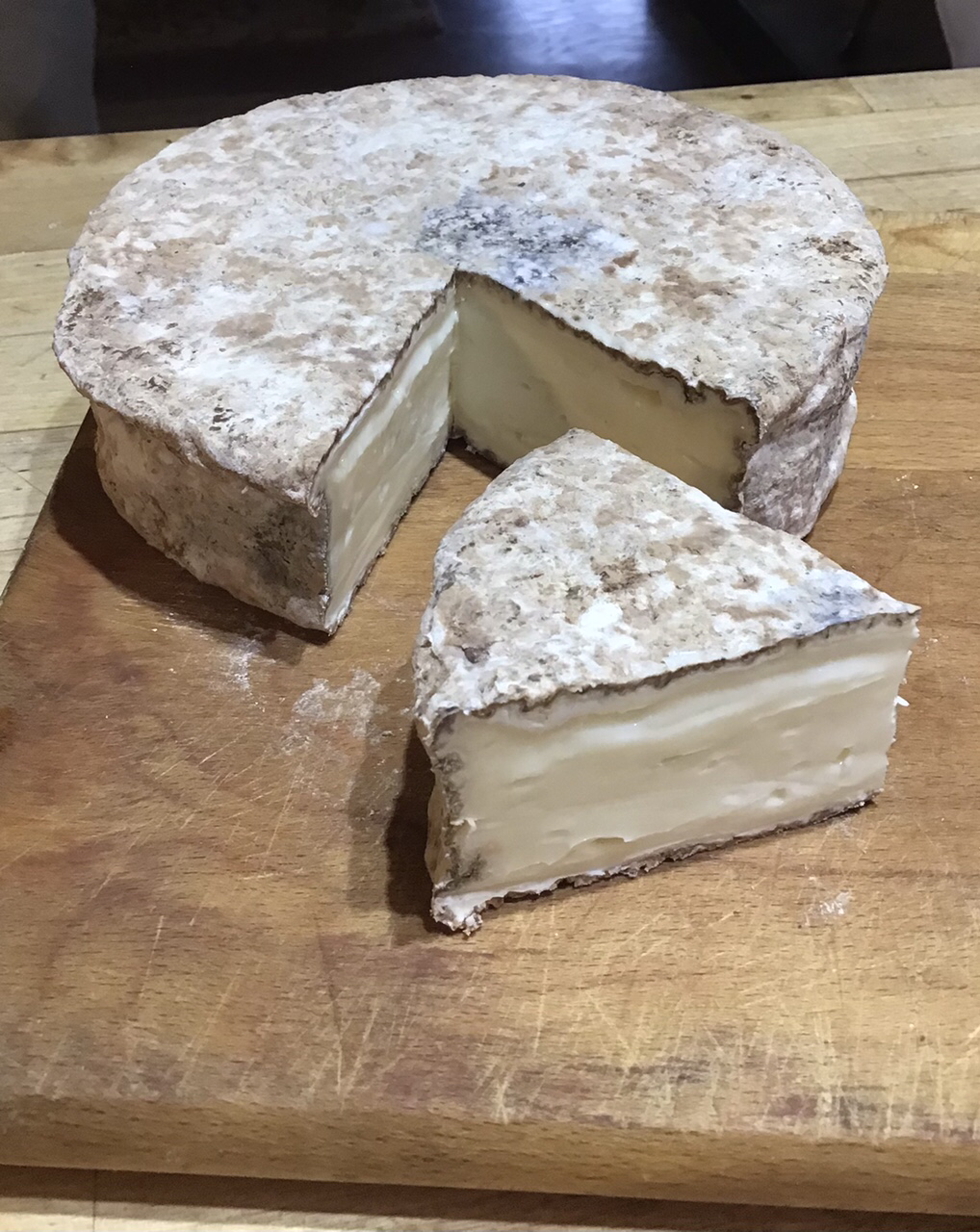
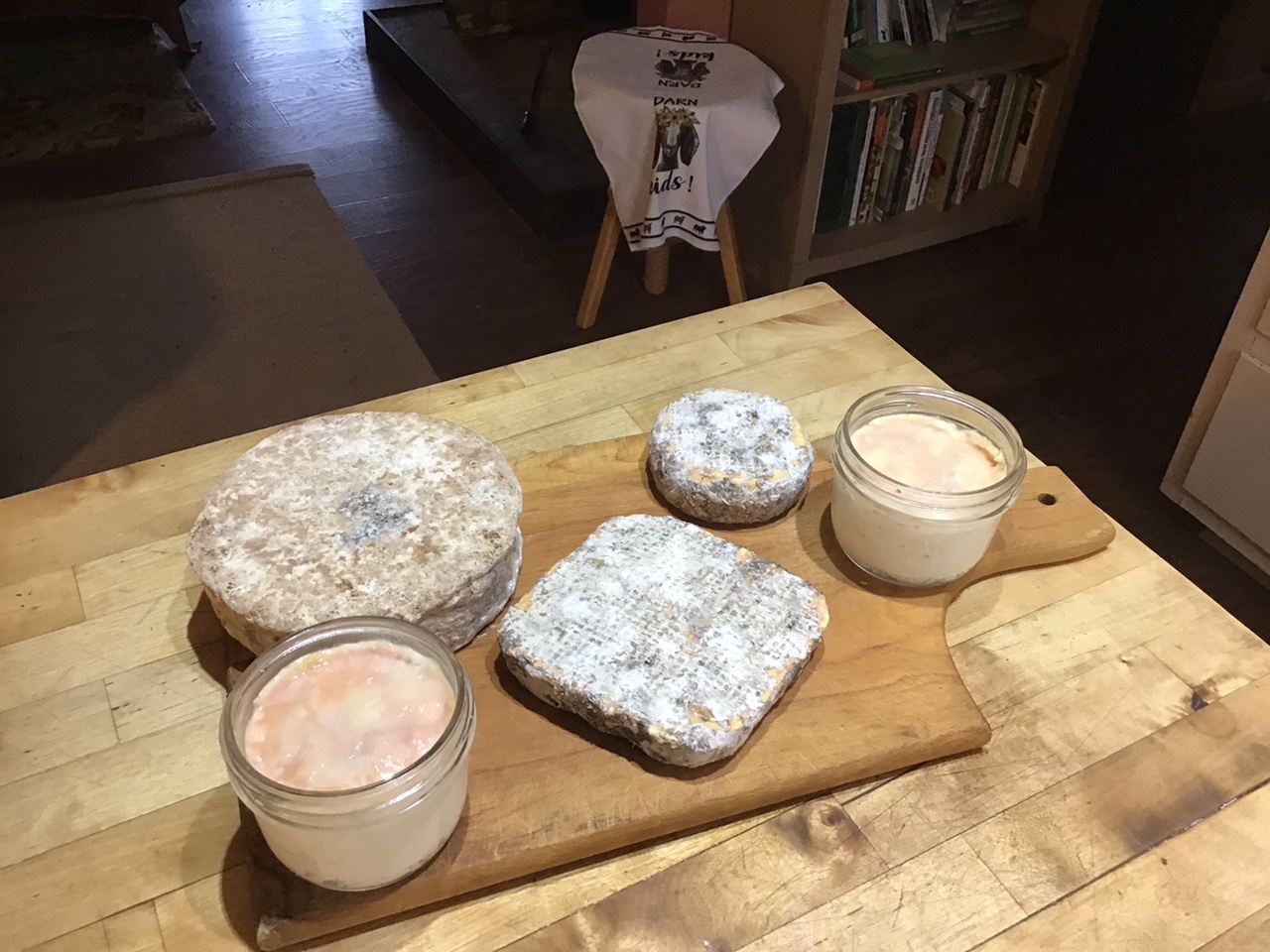
The Stinking Bishop—the name inspiration behind my own new cheese—the Stinking Peasant! About the Stinking Bishop: “The rind becomes sticky and pink, with a pungent, almost meaty aroma, while the interior is velvety smooth and almost spoonable. It is bound with a strip of beechwood, which also imparts its own woody notes to a cheese that is farmyardy, but not as strong as its smell, or its name, would suggest.”
The wash-rind process used to be referred to as “putrefaction fermentation”so you can understand why they might want to change the name.
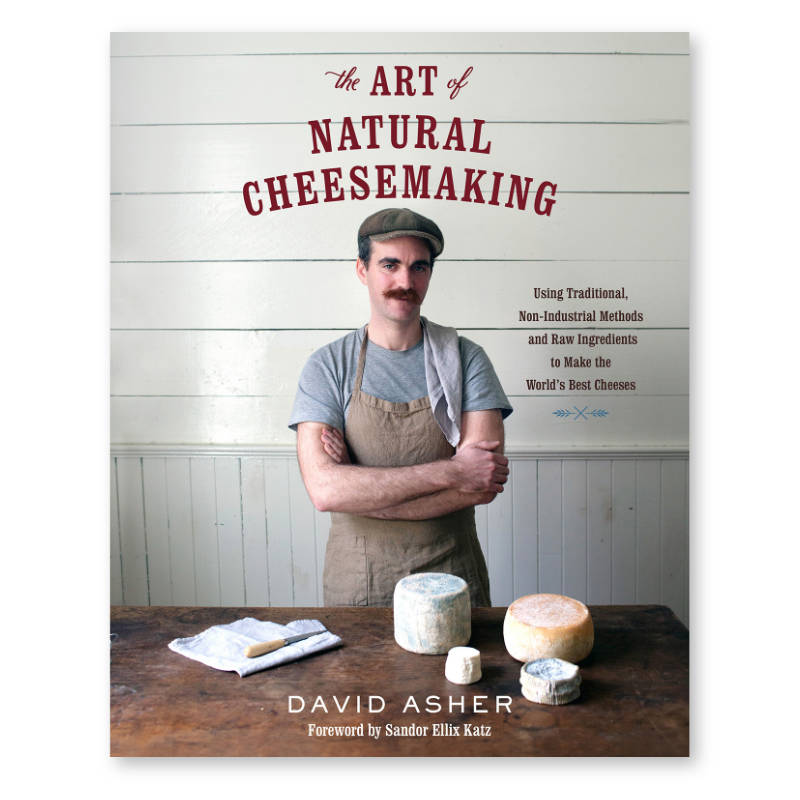
When I set out 7 years ago into the glories of cheesemaking I had no idea I’d also be making my own ‘signature’ cheeses. At the time I was responding to the sorry fact that in order to buy even a remotely decent cheese I had to drive several hours. And even then, nothing was made from raw milk. I bought freeze-dried cultures just like the vast majority of home cheesemakers do. I found a lot of success imitating the favorites—mozzarella, Pepper Jack, Camembert, Parmesan, Swiss, dozens of cheeses. I’ve tried making just about every cheese you’ve ever heard of, and quite a few unknown to even real cheese aficionados.
Of course, considering there are 1400 named cheese varieties in the world, I still have a long way to go!
Several of my ‘signature’ goat cheeses now ripe and ready to eat. Still in the aging fridge are Pepper Jack, Dill Havarti and Caraway Gouda
But, the more I learned, the more I wanted to get back to basics. The more I got back to basics, the more I began to understand what a beneficial and even necessary learning experience it has been. Sure I can spend much time and effort recreating other people’s cheeses. But even better is to invent my own!
That means developing our ‘terroir’. No more purchased cheese cultures. Milking our own goats and making raw milk cheeses with our own wild yeasts, yogurt and buttermilk, all which change flavors and colors with the season.
Like a true Roquefort can only come from Roquefort, France and real Champagne only from Champagne. These have PDO status, that is Protected Designation of Origin.
The process is only part of the story, because the finished product is a signature of its terroir. Affinage, that is, the art of maturing the cheeses, is the next crucial component.
Not that I have any interest in throwing my cheeses into any rings with the big guys. Not a chance, even if my cheeses were that good (I think they are!). I have no interest in turning my pleasurable hobby into a stressful profession.
“In its simplest form cheesemaking is the aggregation and preservation of protein; in its highest form cheesemaking is alchemy. . . Many traditional European cheeses are on the decline or have disappeared. It is ironic that the United States is leading the resurgence of artisan cheese and is the fastest growing market for specialty cheese on the planet. Can we Americans be the saviors of French terroir? Or will our efforts to reveal our own terroir be stillborn because of insurmountable regulatory hurdles?” ~Mateo Kehler Jasper Hill Farm, Greensboro VT
Anatole and the Robot (1960) — The story of a professional cheese taster whose job has gone to a robot. I think Anatole has the right idea: “I sniff, I taste, I think, and then I use the magic of my imagination!”
Source: The Oxford Companion to Cheese edited by Catherine Donnelly, foreword by Mateo Kehler
One thing I never liked about teaching was being the center of attention. I was told I’d get used to it, but in 20+ years, that never happened.
It’s not that I’m a shy wall-flower, far from it. It’s also not that I didn’t appreciate that stage-ease in other teachers when I was a student. In fact, I rather liked it.
Still, I always felt like, if I could design my own classes they would never be lectures, never large groups. Even though some of my large lecture experiences as a student were very positive.
But, that’s because getting lost in the crowd is so easy.
Far more challenging is small group, low structure. It’s a very unique dynamic and my personal preference. It’s not necessarily conducive to many teaching tasks, but it does work very well for other things. Especially if your goals are real community ties over speculative market drivers.
After all, when you consider what motivates most teachers, money rarely tops the list. Small group, low structure is the least beneficial monetarily speaking, for obvious reasons. That’s probably why it’s so rare.
Seven ladies in my tiny kitchen, oh my. BTW, that’s Kombucha we’re imbibing, not beer!
Many hands make light work. I think that means not just a lighter work load. It’s also ‘light work’ as in, bringing the joy of community into our work and into our homes. Incorporating the unique contribution of each individual toward a common goal. It’s a beautiful thing. It’s pretty much the opposite of what incorporation has come to mean in modern parlance—which is more like automatons performing tasks to perfection at the command of a central authority.
“Um, excuse me, but your Shankleesh balls are not uniform!”
We are witnessing in our ‘Institutional Affairs’ that not only are we being conditioned to not discuss religion or politics, but it is becoming a requirement for receiving public funding.
While personally I’m ambivalent to these policies, because on the one hand I appreciate a separation between Church and State. Still, on the other hand I perceive what’s actually happening is an enmeshment of Globalist agendas with local affairs. An infiltration which began long ago that lately has been picking up pace.
Perhaps it is unfair that Christian-affiliated groups are getting squeezed out of public affairs. I can certainly empathize with their predicament and growing resentment. And yet, far more important to me is that I have encountered first-hand and through others’ stories that part of the means to this end is being achieved by categorically excluding crucial topics from public dialogue.
The de-platform and shadow banning and cancel culture that’s being most hyped online often excludes what’s been happening locally in folks’ churches, State-run organizations like the Master Gardeners, and State and church-affiliated out-reach programs and charities, not to mention in the schools.
This in particular makes small gatherings an essential part of a healthy public and community life. Feeling threatened by group-think and ostracized for a differing opinion occurs far less often.
Particularly, when we are gathered around wholesome work, like learning skills together, getting necessary things done, or just sitting on the porch—shooting the shit, so to speak—group identity is replaced by an individual-level camaraderie, where the label is not the first thing on everyone’s radar and money takes the back seat to true care. Christian, Buddhist, Atheist, Republican, Anarchist, whatever—these are the social constructs as much as gender identity or which church or which school or which job one has, if any at all.
Differences can be appreciated in a friendly and comforting surrounding rather than creating strict and professional-level hierarchies. Sure, it’s still great to have like-minds around, but they don’t have to be like-minds set in stone or the whole edifice risks collapsing.
When the goal is a better life, actually living it, politics is naturally relegated to the background, not because it’s a forbidden or contentious topic, but because in the manner of human relations it belongs in the background.
Or, even better, six feet underground!
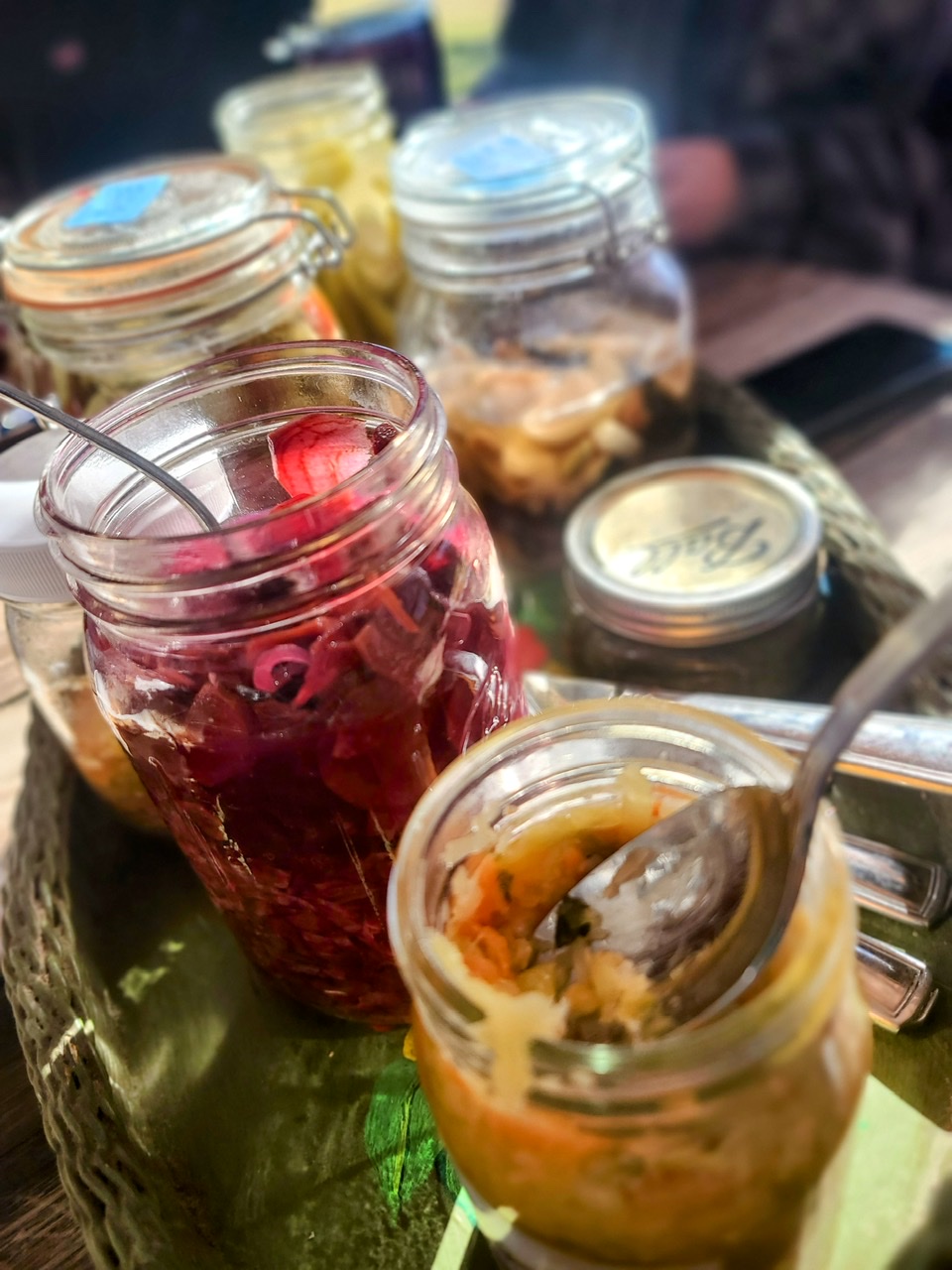
Lunch al fresco with lots of ferments to sample, yum!
And for these reasons, I feel charmed and grateful for the, so far, two ‘Fermenting Workshops’ I’ve hosted here on the wee homestead, with a lotta help from my friends.
Thanks and well done, Ladies! What lovely and wonderfully productive days—I look forward to many more!
All in a day’s work—West African Sweet Potato Ferment, Lemon-Dill Kraut and Shankleesh to take home for you and your family’s enjoyment !
A very special thanks to Nicole Faith, our supreme community organizer and A+ homesteading student, who also provided these photos, along with her exuberant enthusiasm and gracious courage. 😘